Zynfuse
Zynfuse
Zynfuse
Engineered to comply with strict international regulatory standards, these trauma implants support advanced thoracic and skeletal reconstructive protocols in South Korea.
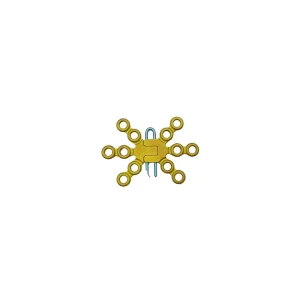
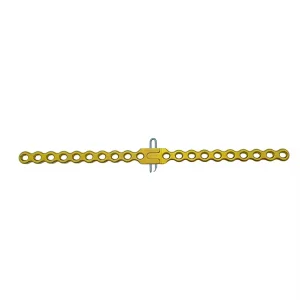
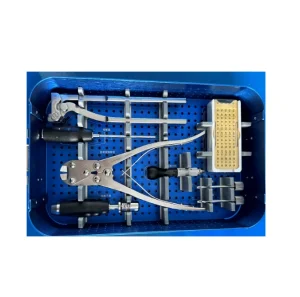
Seoul is renowned globally as a powerhouse for advanced medical services. The city boasts world-class institutions such as the Asan Medical Center, Seoul National University Hospital (SNUH), Samsung Medical Center, and Severance Hospital. Within these clinical environments, the complexity of cardiac surgeries—including coronary artery bypass grafting (CABG), valvular replacement, and aortic aneurysm repairs—demands advanced sternal closure systems to minimize complications like deep sternal wound infection (DSWI) and sternal dehiscence.
Traditionally, sternal closure relied exclusively on monofilament stainless steel wire cerclage. While cost-effective, wire cerclage poses clinical risks including bone cutting (especially in osteoporotic patients, which is a growing concern given South Korea’s rapidly aging demographic) and micro-motion leading to non-union. Modern clinics in Seoul are shifting towards Rigid Sternal Fixation (RSF) systems. These titanium plate-and-screw constructs distribute biomechanical forces more evenly, promote primary bone healing, and facilitate earlier mobilization of cardiothoracic patients.
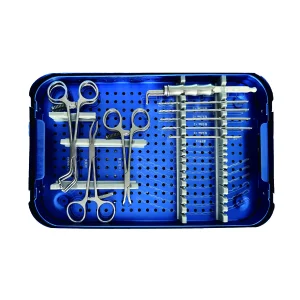
Cardiothoracic units in South Korea expect high-grade biocompatible materials, cleanroom packaging, dynamic instrument kits for emergency re-entry, and reliable logistical fulfillment. Zynfuse Medical aligns with these expectations through rigorous design optimization and ISO 13485 production standards.
Our manufacturing systems and material pathways facilitate seamless validation under the South Korean Ministry of Food and Drug Safety regulatory codes.
A professional orthopedic medical device manufacturer specializing in advanced titanium plate systems, rigid fixation implants, and surgical instrumentation since 2016.
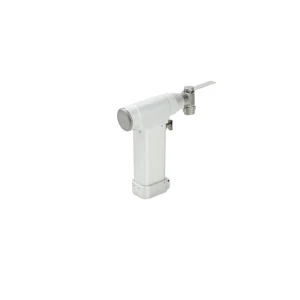
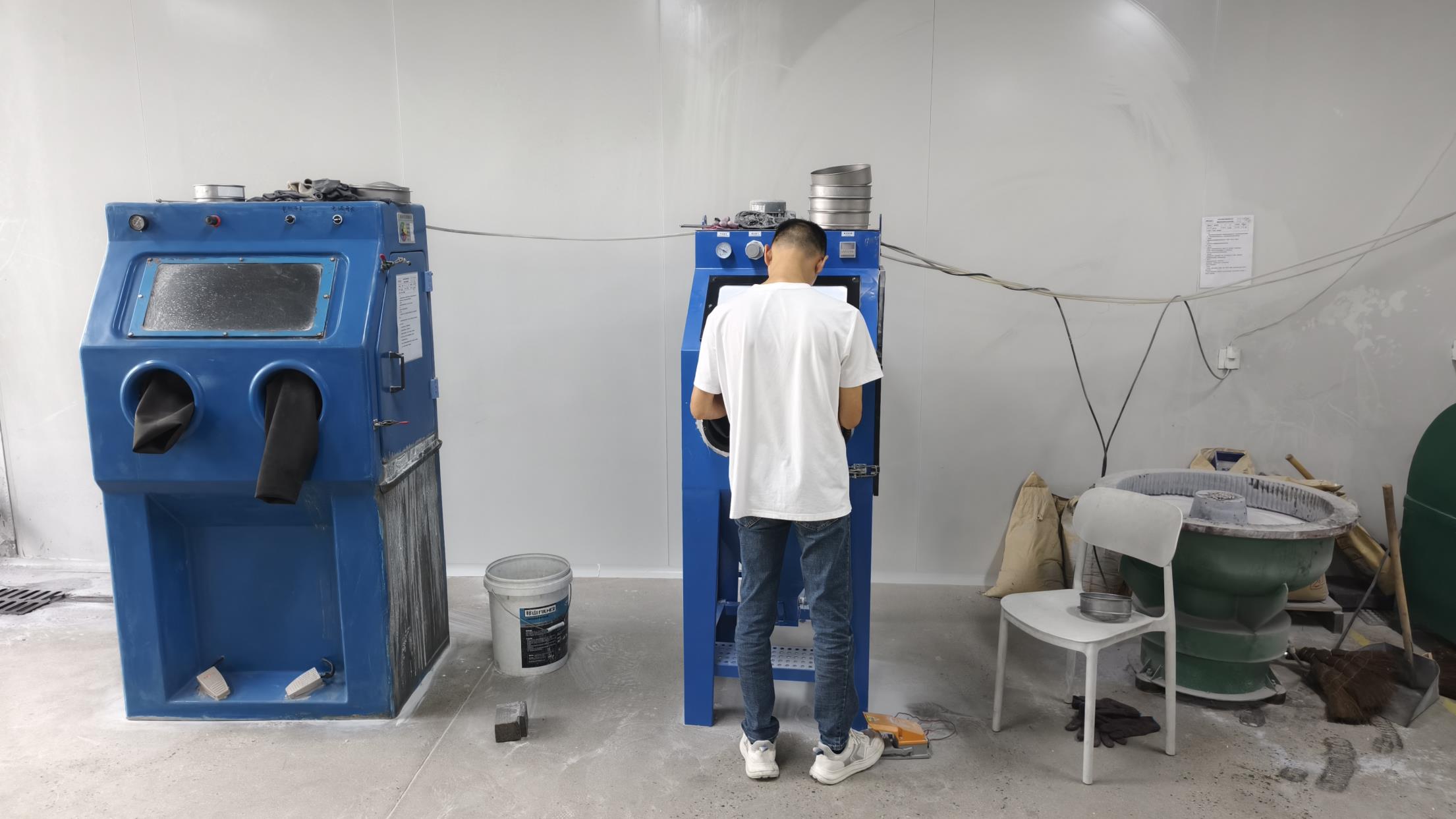
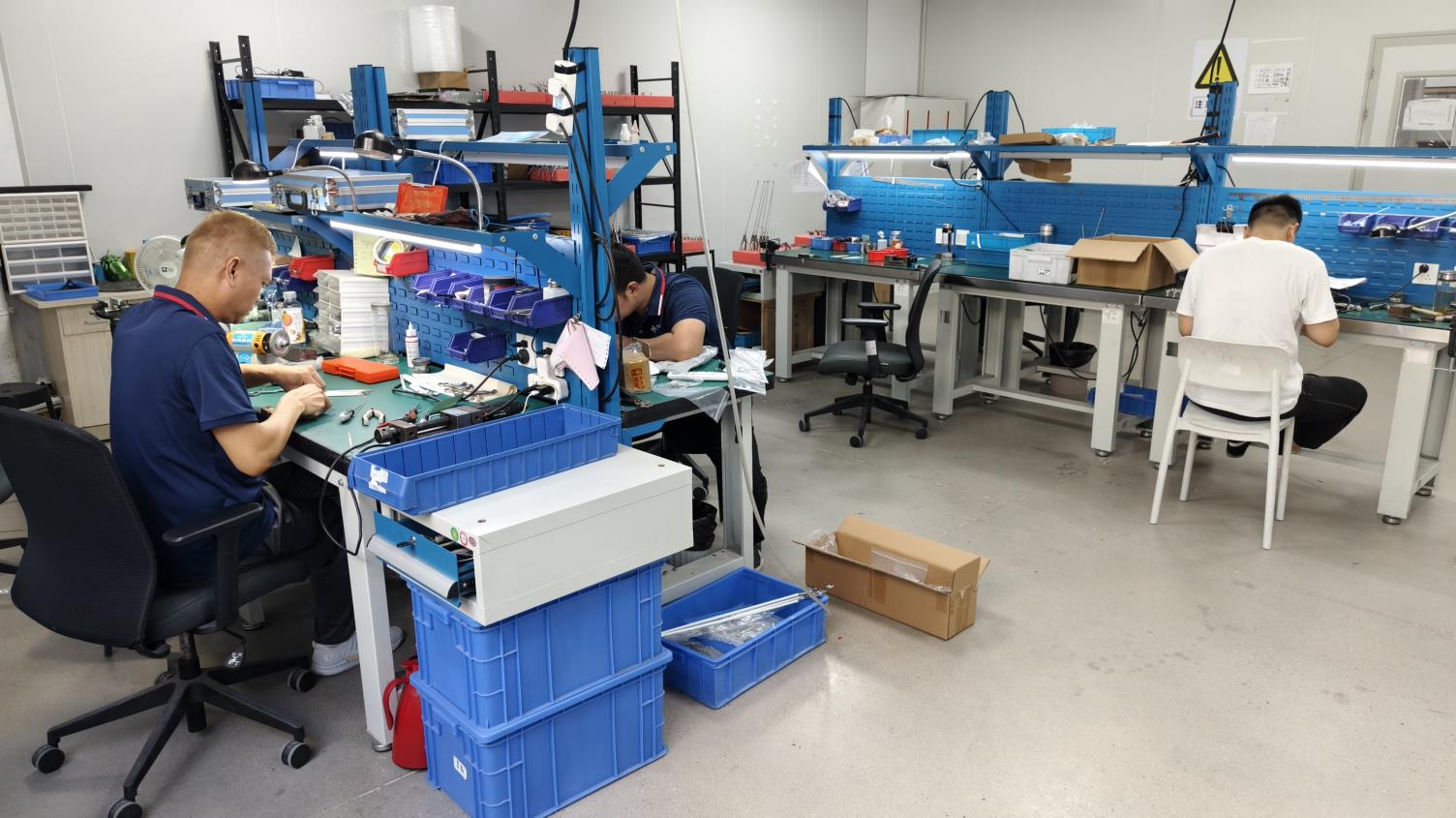
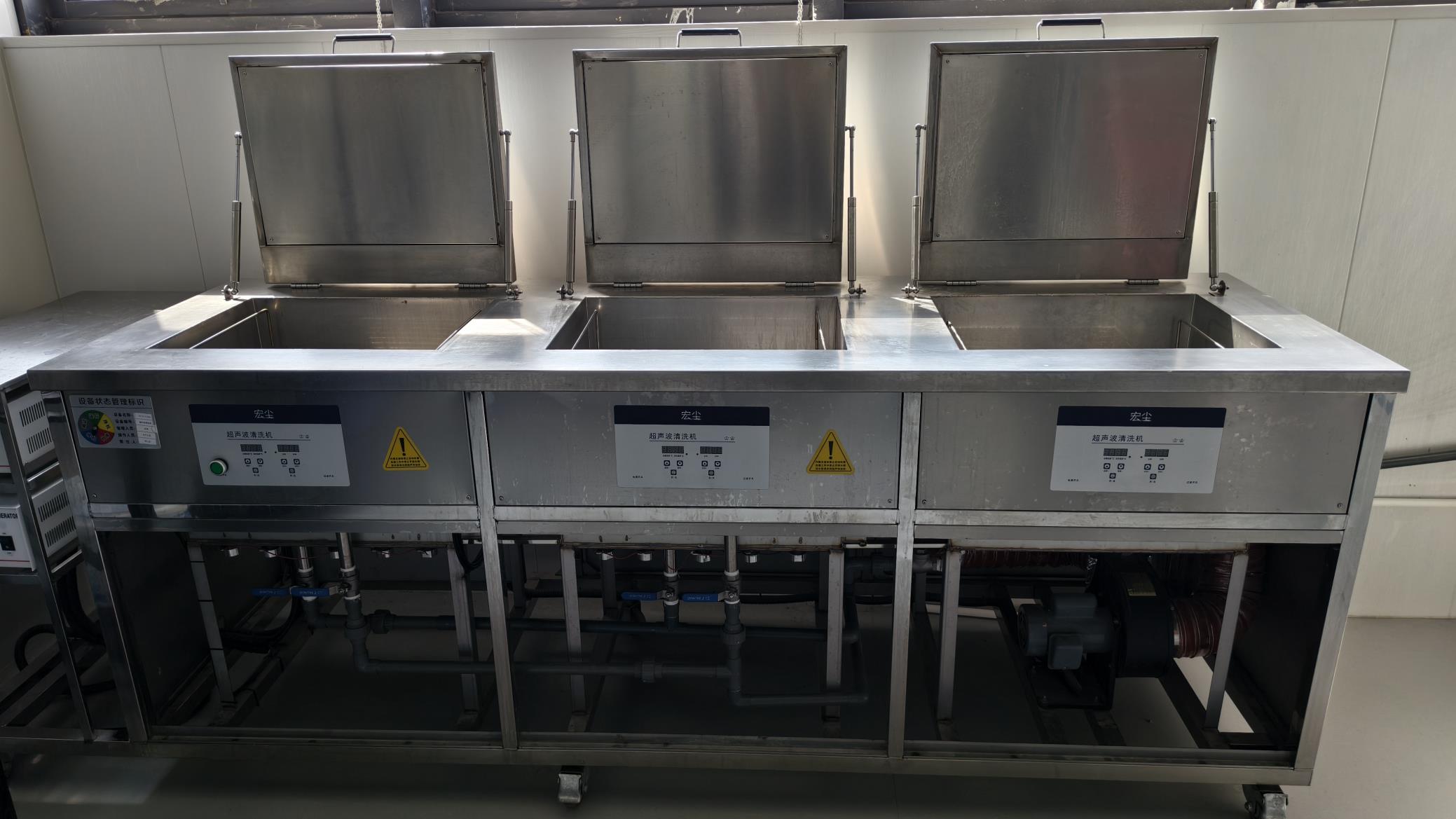
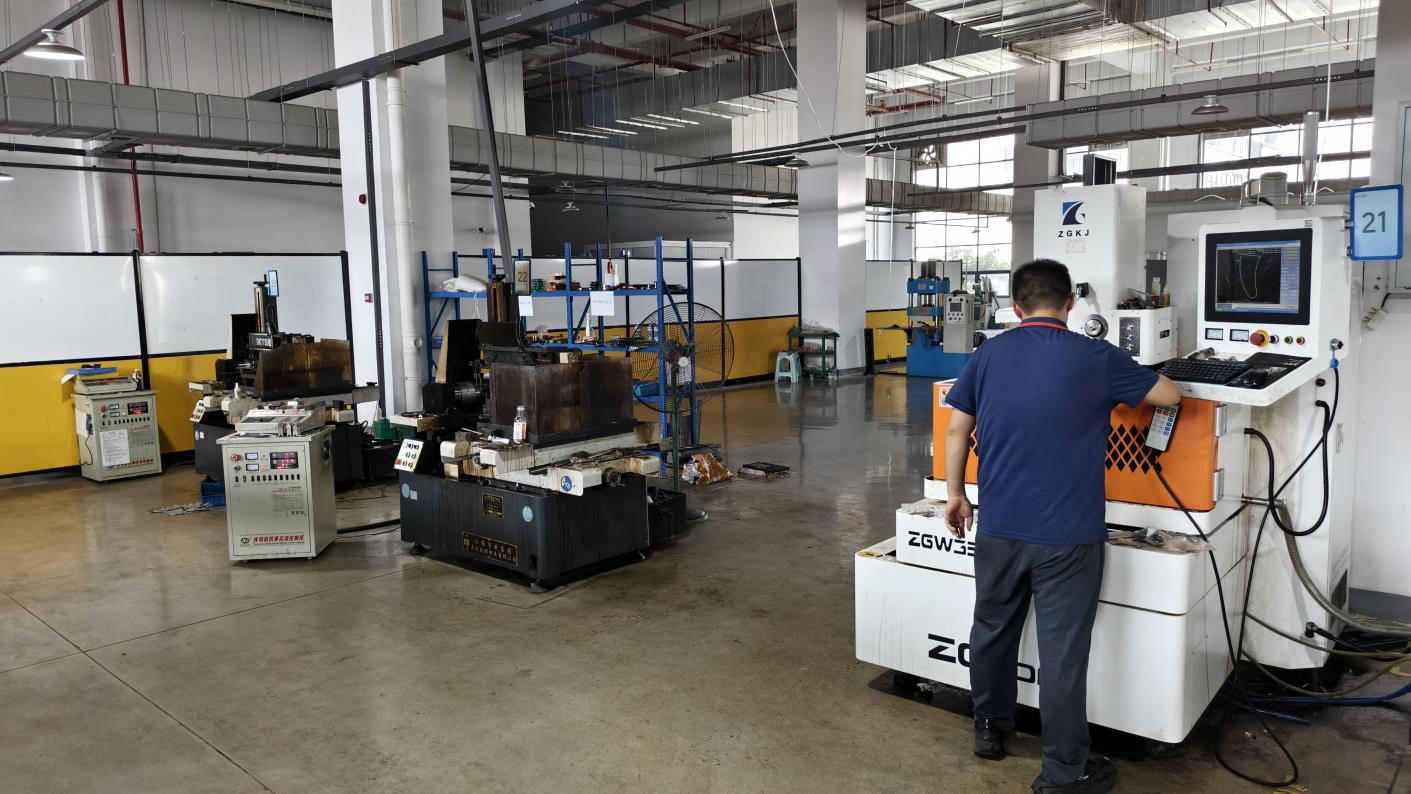
Zynfuse Medical Technology Co., Ltd. integrates 12 years of industry experience and 7 years of specialized medical device export expertise to serve global healthcare markets. Operating a state-of-the-art 18,600 m² production and testing facility, we maintain a robust quality management framework under ISO 13485, ensuring that every sternal plate, trauma screw, and orthopedic power tool meets elite clinical tolerances.
Our globally connected supply chain supports orthopedic distributors, hospital procurement departments, and surgical clinics across North America, Europe, Southeast Asia, and the Middle East, reinforced by over 1,200 international partners. Through continuous innovation, Zynfuse launches approximately 320 new products annually, providing extensive OEM/ODM solutions, adjustable implant geometries, and specialized surface treatments customized to local clinical requirements.
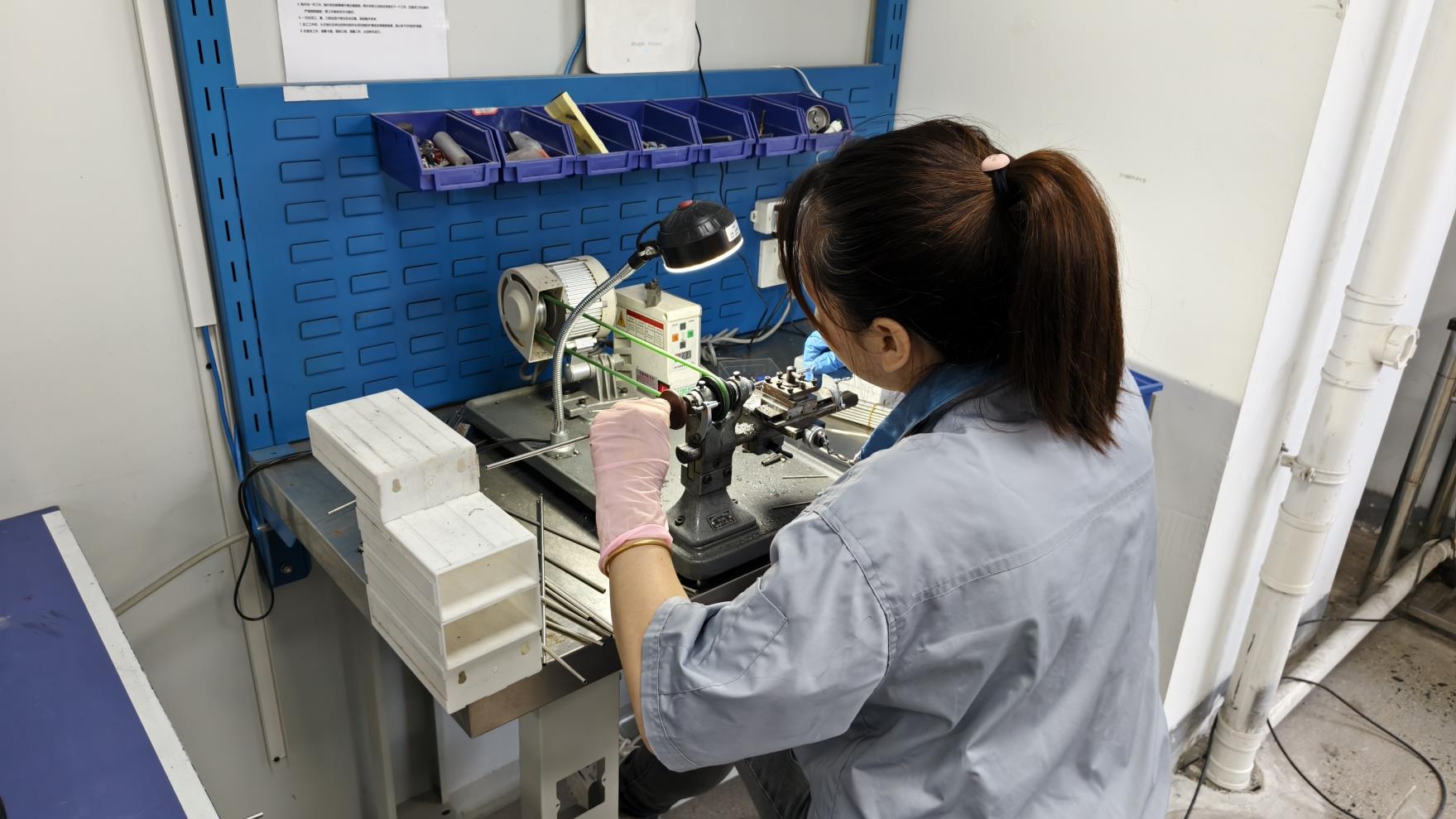
Every implant is processed through precision CNC Swiss-type milling, cleanroom pass-throughs, and dynamic fatigue-testing validation.
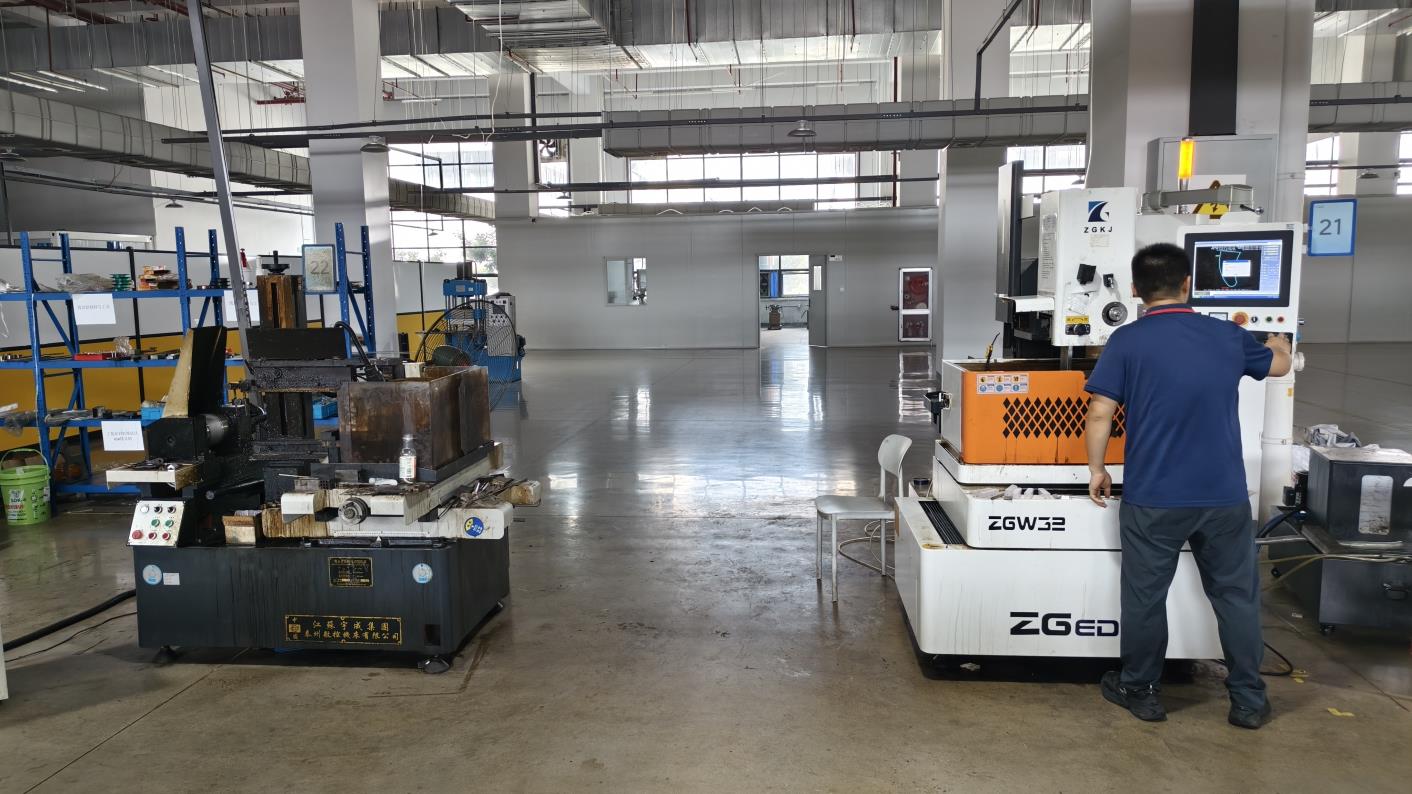
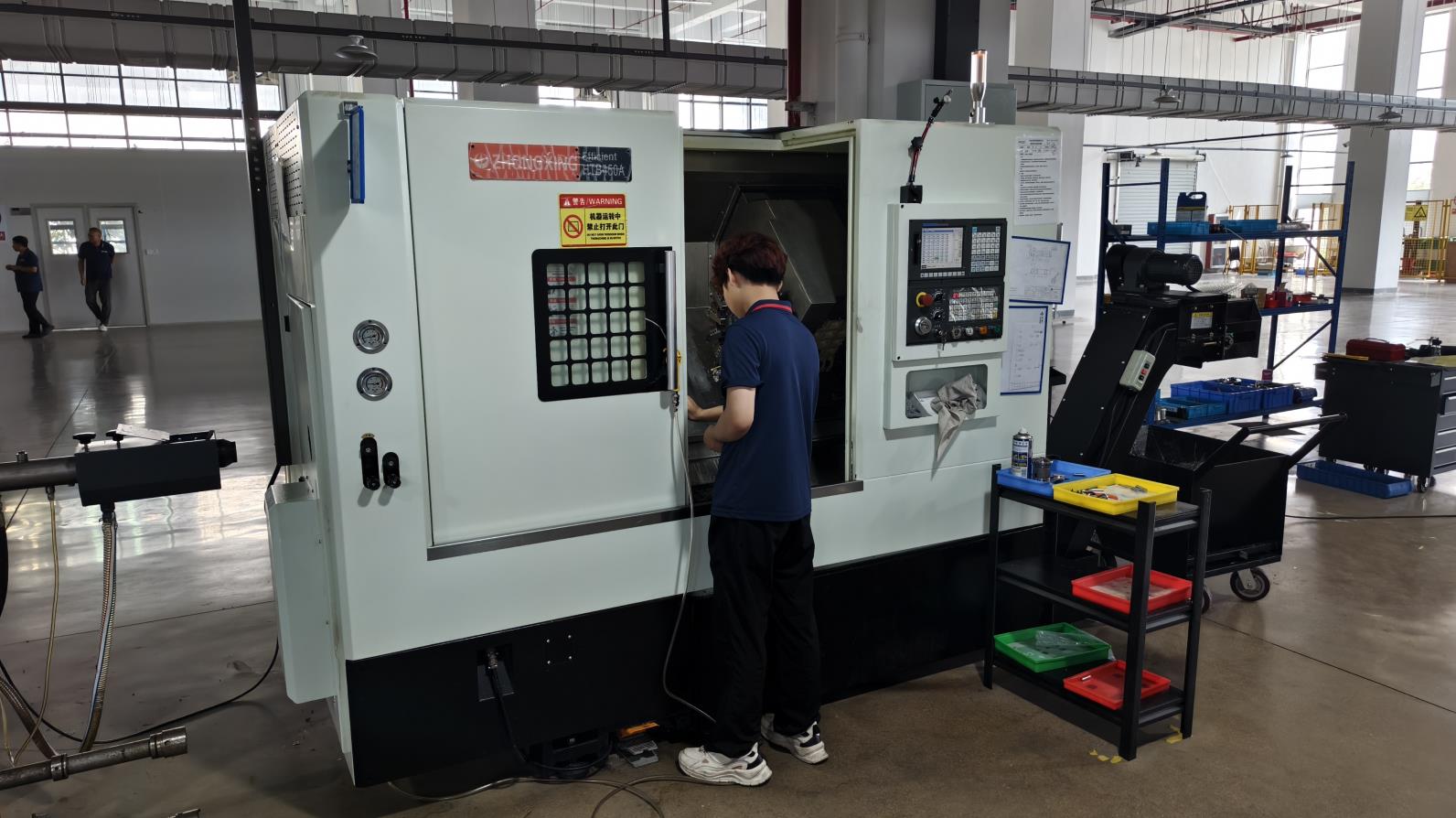
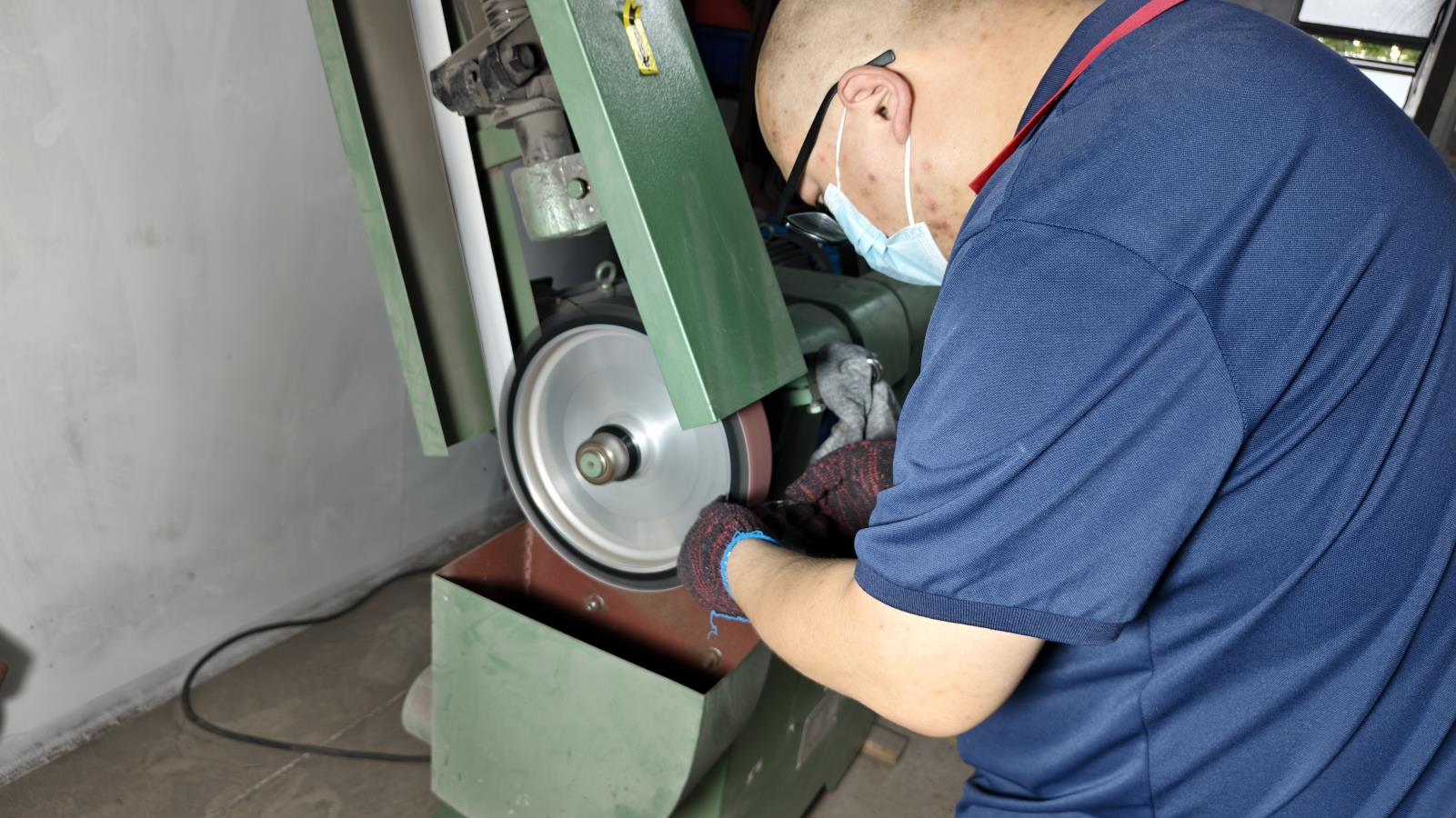
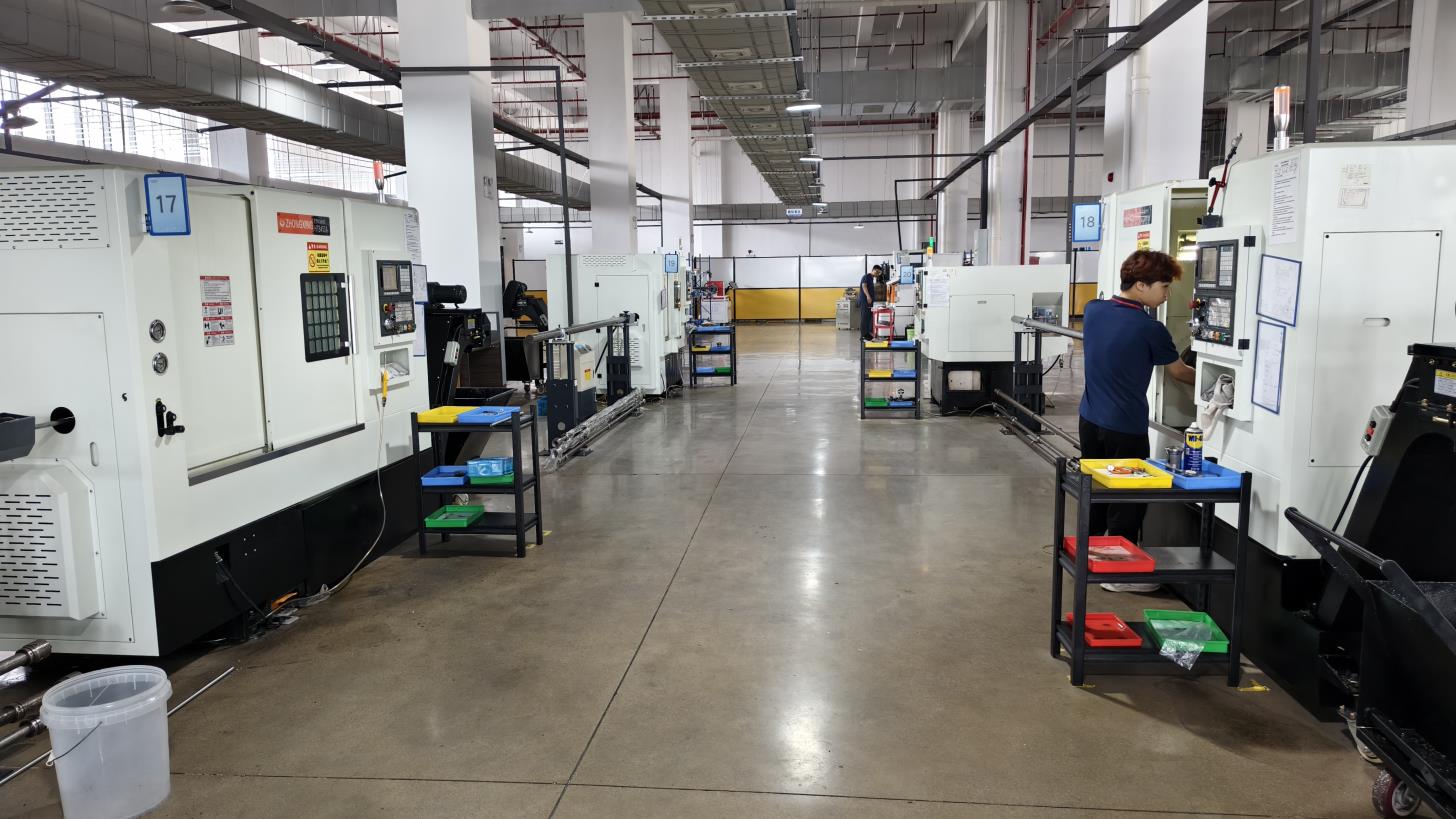
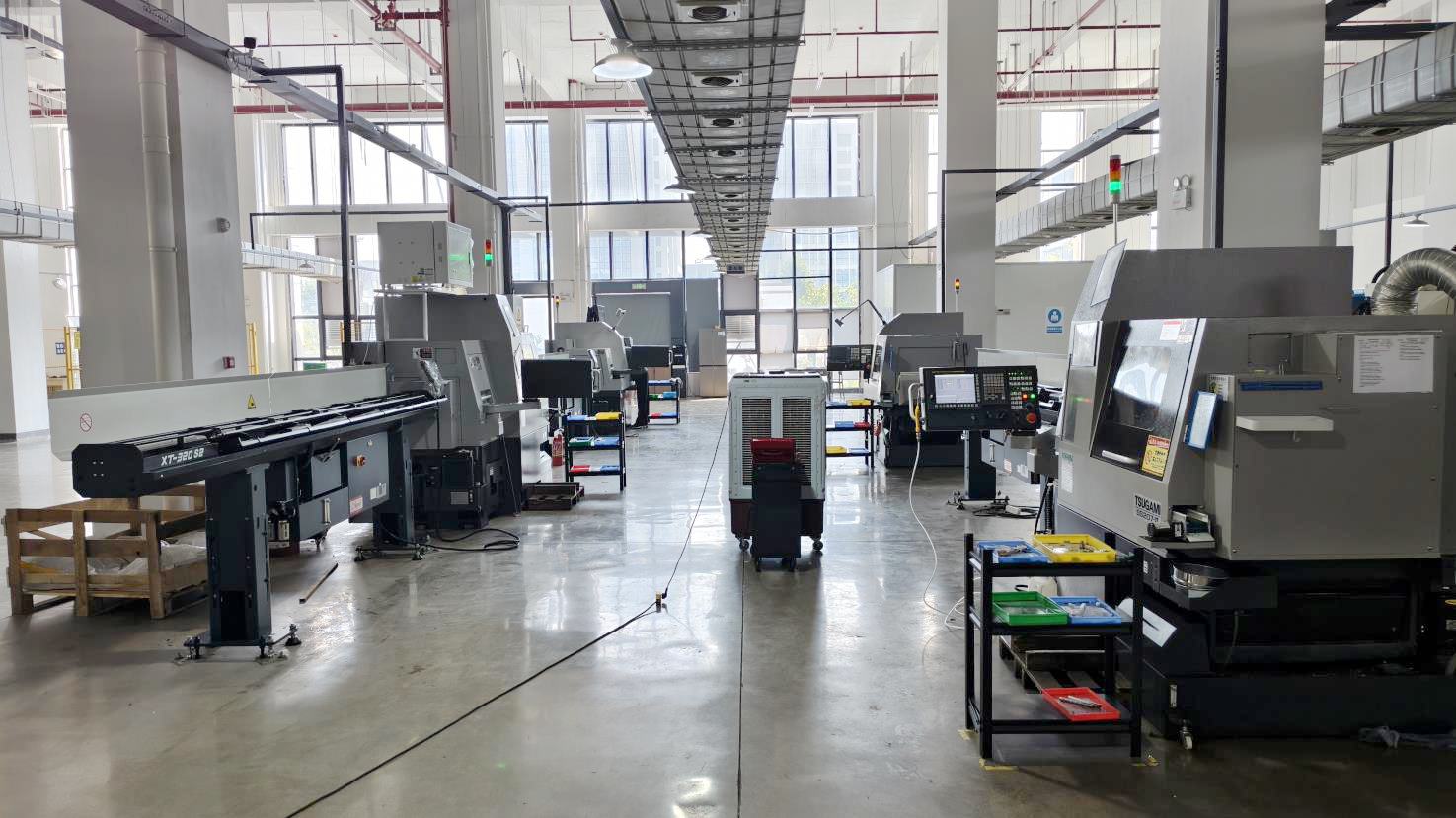
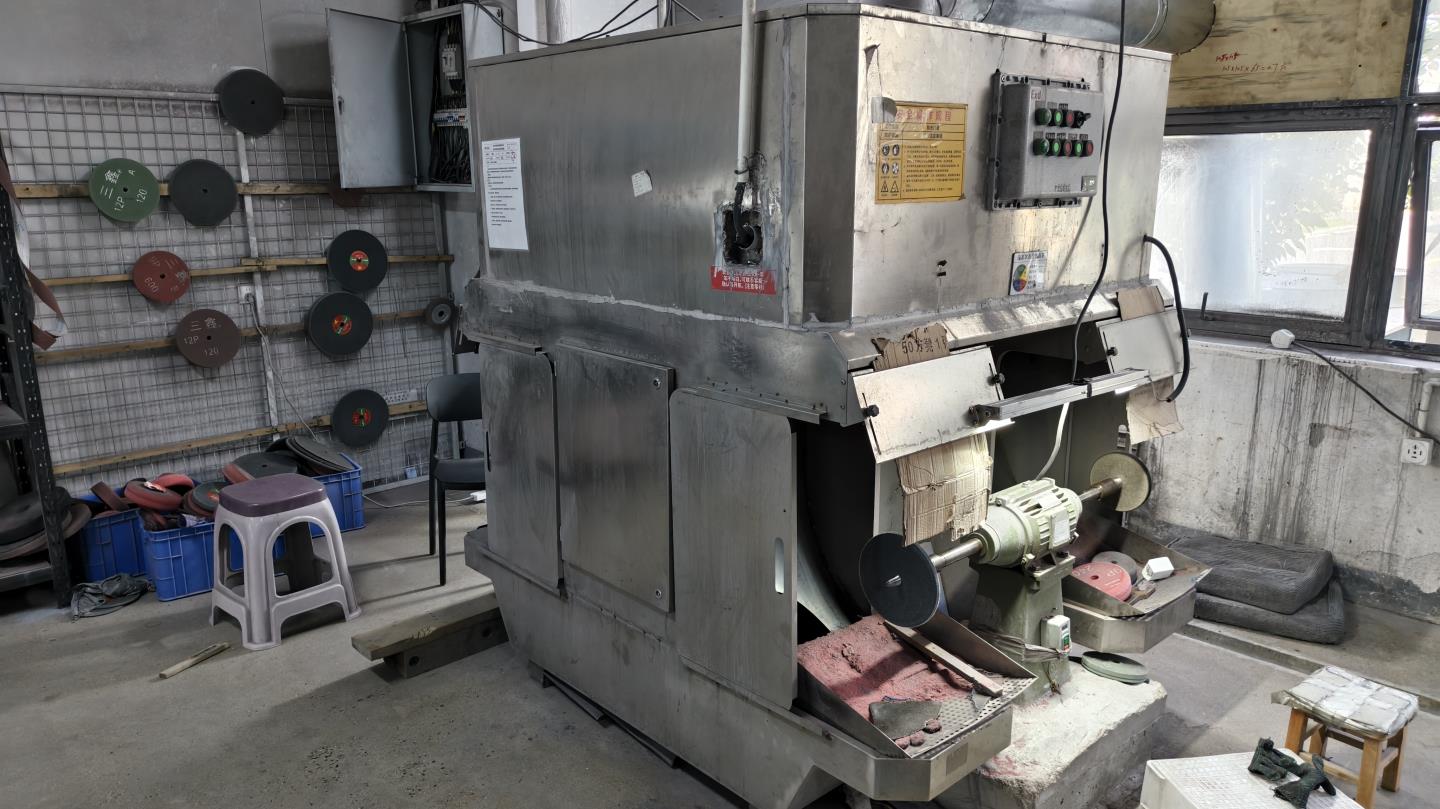
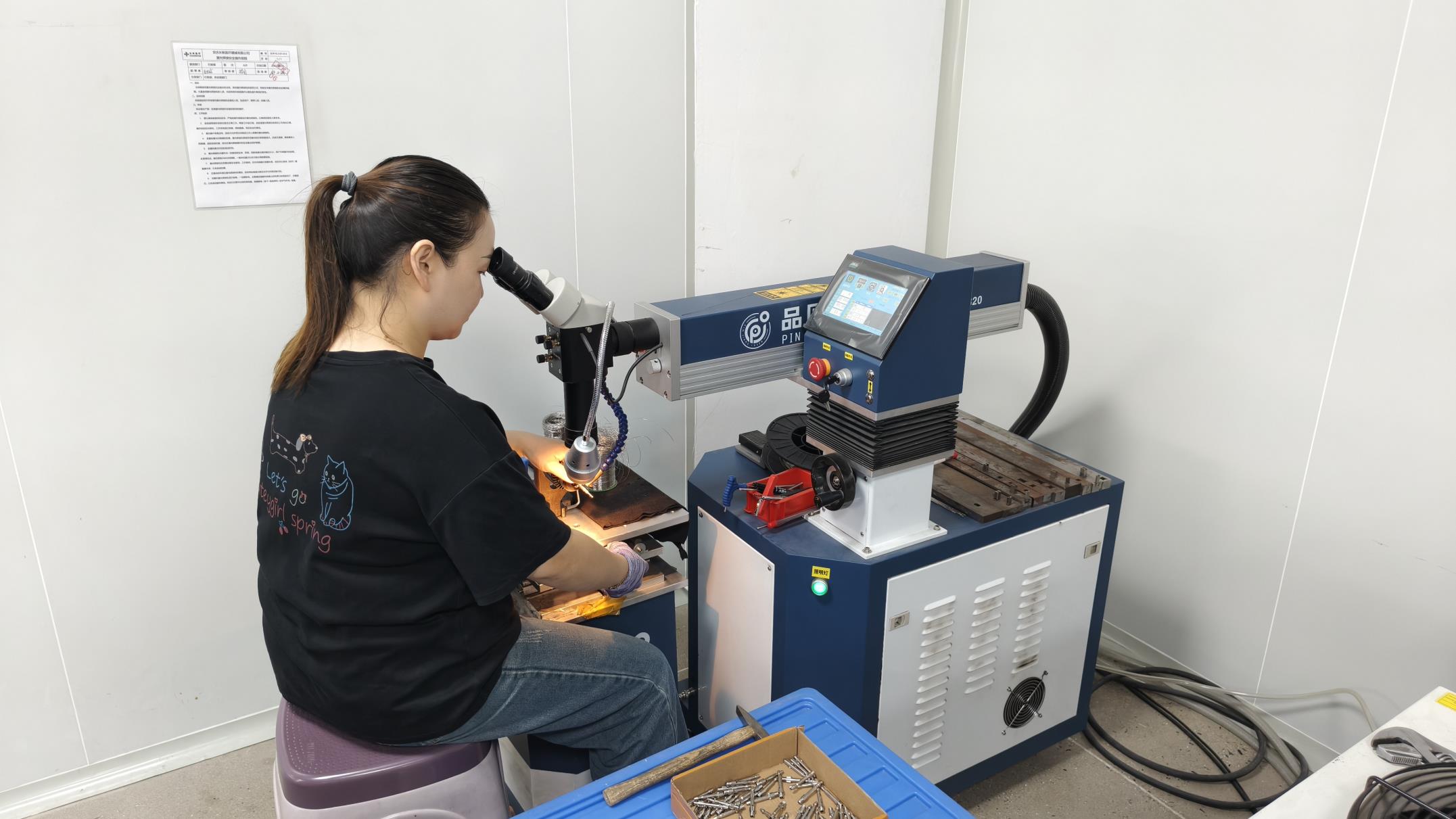
The evolutionary pathway of Zynfuse's sternal fixation systems focuses on balancing extreme fatigue resistance with clinical flexibility. Human respiration exerts cyclic dynamic loads on the sternum (~20,000 breathing cycles per day). Standard wire closures can fatigue, loosen, or cut through the bone. Our engineers have established a multi-generation development roadmap centered around:
Material Excellence: Using Grade 5 Titanium (Ti-6Al-4V ELI) conformant with ASTM F136. This material provides optimal biocompatibility, high strength-to-weight ratios, and modulus of elasticity closer to cortical bone than stainless steel, reducing stress-shielding phenomena.
Variable Angle Locking technology: Accommodating variations in sternal density, particularly in elderly populations. Surgeons can lock screws at angle ranges up to 15 degrees, securing dynamic purchase without penetrating posterior mediastinum tissues.
Emergent Re-entry Protocols: A key criteria for Seoul medical boards. Sternal fixation systems must feature rapid-release links or plates that can be cut in under 15 seconds using standard hospital wire cutters or dynamic shears during emergency re-sternotomy scenarios.
| Parameter | Steel Wire Cerclage | Zynfuse RSF Titanium |
|---|---|---|
| Load Distribution | Point concentration (high cut-in risk) | Broad surface area dissipation |
| Bone Healing Mode | Secondary (cartilage precursor) | Primary osteonal reconstruction |
| Re-Entry Speed | < 30 seconds (unwinding) | < 15 seconds (rescue cutters) |
| Micro-motion | High (potential non-union) | Negligible (<100μm stability) |
Leveraging geographic proximity, state-of-the-art Chinese raw material networks, and agile manufacturing protocols to guarantee supply continuity.
The proximity between China's eastern manufacturing hubs and South Korea's main gateways (Incheon Port and Incheon International Airport) is a major logistical advantage. Zynfuse ensures a streamlined door-to-door transit time of 3 to 5 business days for standard stock configurations. In contrast to Western supply networks burdened by long transit routes and complex logistics, Zynfuse maintains a highly responsive logistics channel to meet sudden demand surges in Seoul.
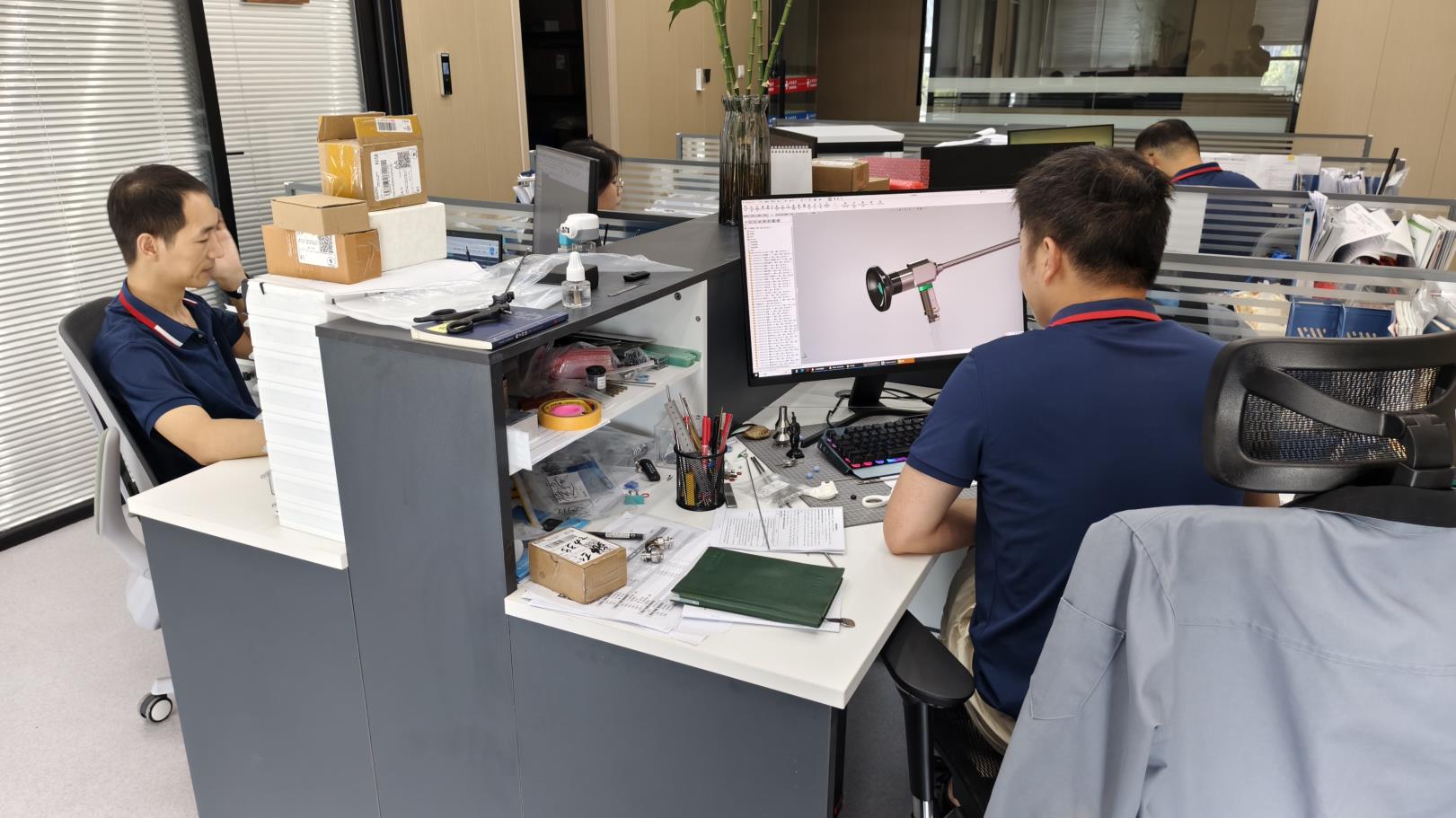
Our plant uses advanced material planning and control (MRP) frameworks, allowing us to maintain a safety stock of high-grade raw titanium sheets, bars, and precision screws. Backed by a trusted global supply chain of over 1,200 partners, Zynfuse is well-equipped to handle sudden shifts in hospital procurement trends or trauma center demands. For OEM/ODM clients in South Korea, our 85-member R&D engineering team can move custom projects from concept and finite element analysis (FEA) modeling to functional prototyping within 14 to 21 business days.
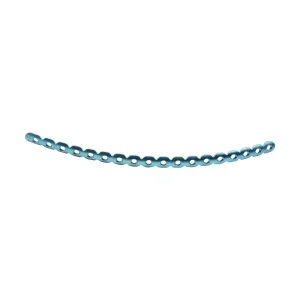
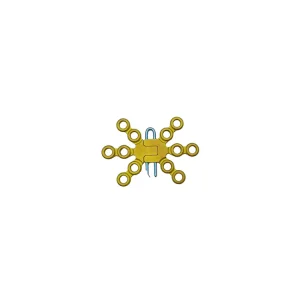
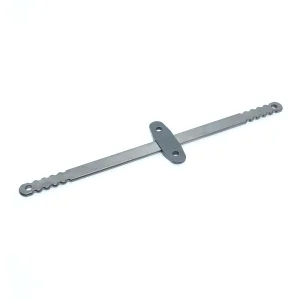
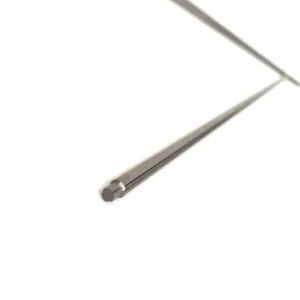
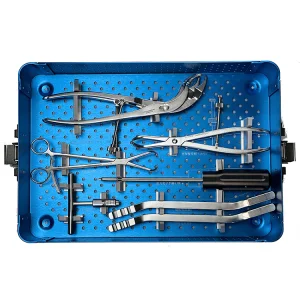
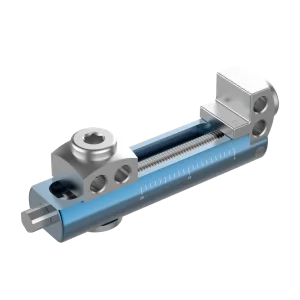
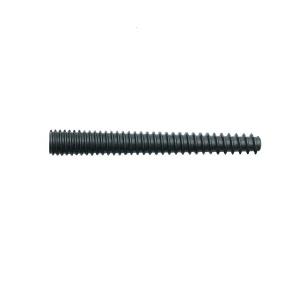
Explore our broader portfolio of orthopedic implants and specialized instrument sets deployed in Seoul hospitals.
Uncompromising adherence to international clinical testing and validation protocols for internal fixation implants.
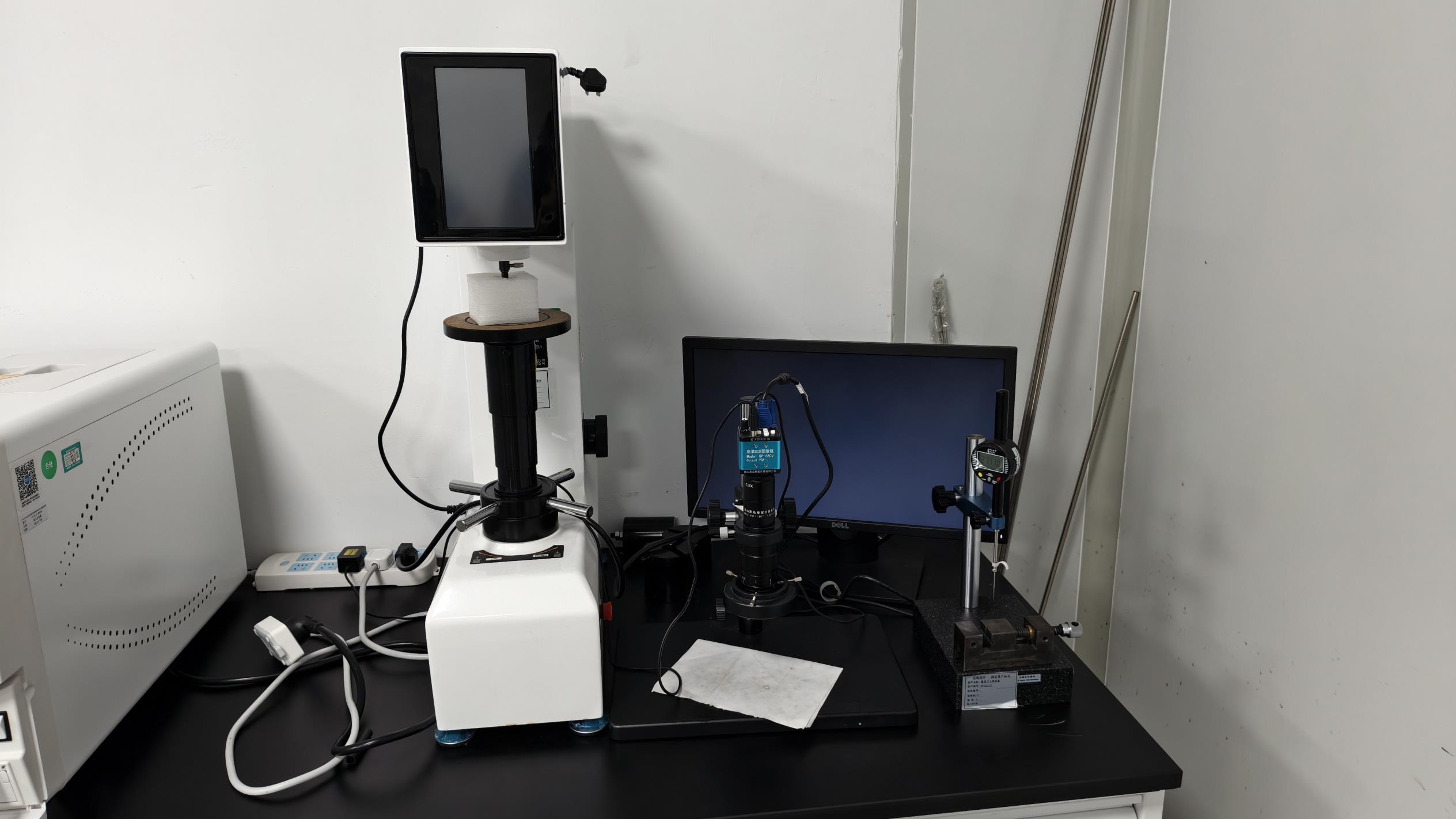
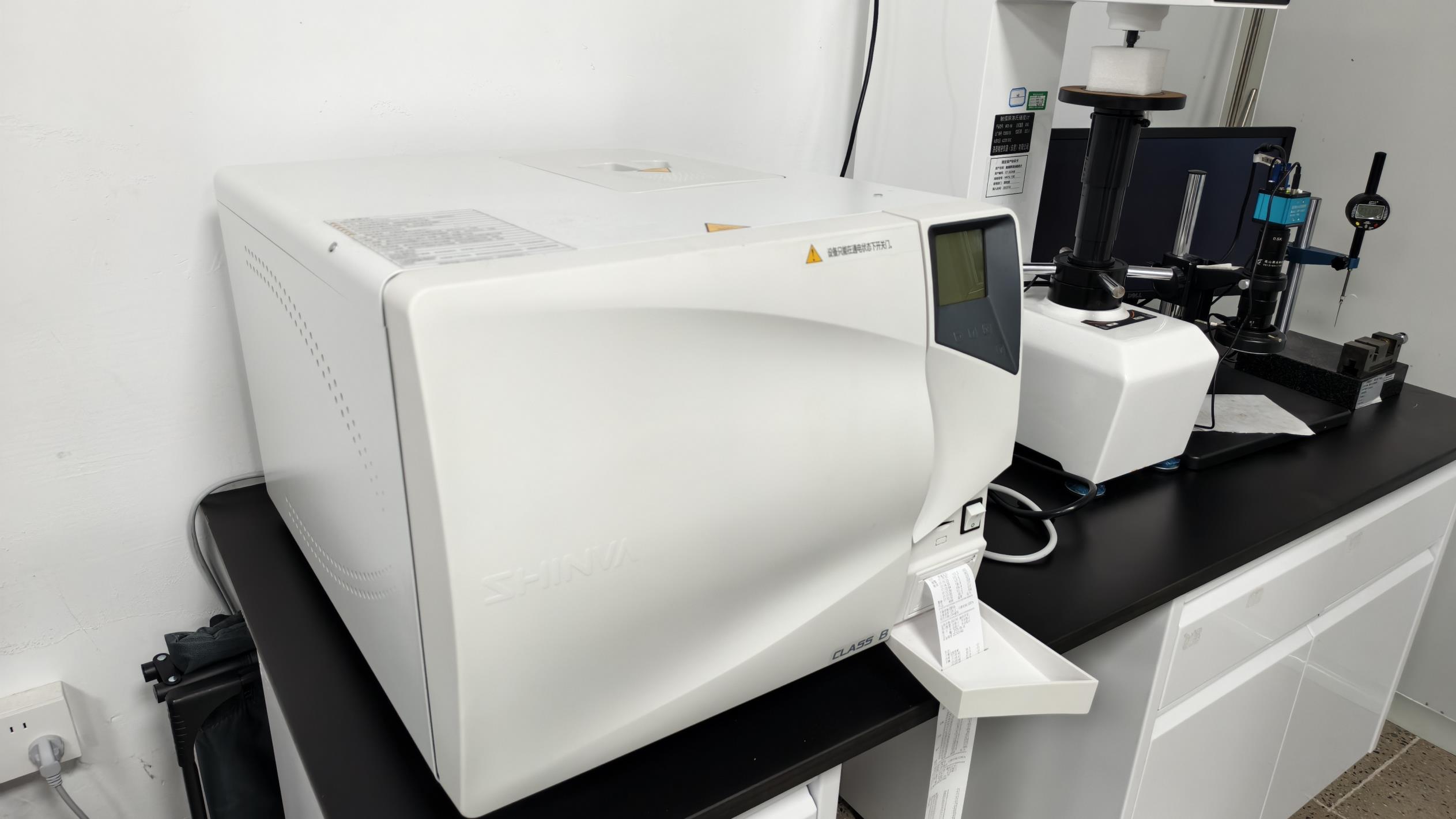
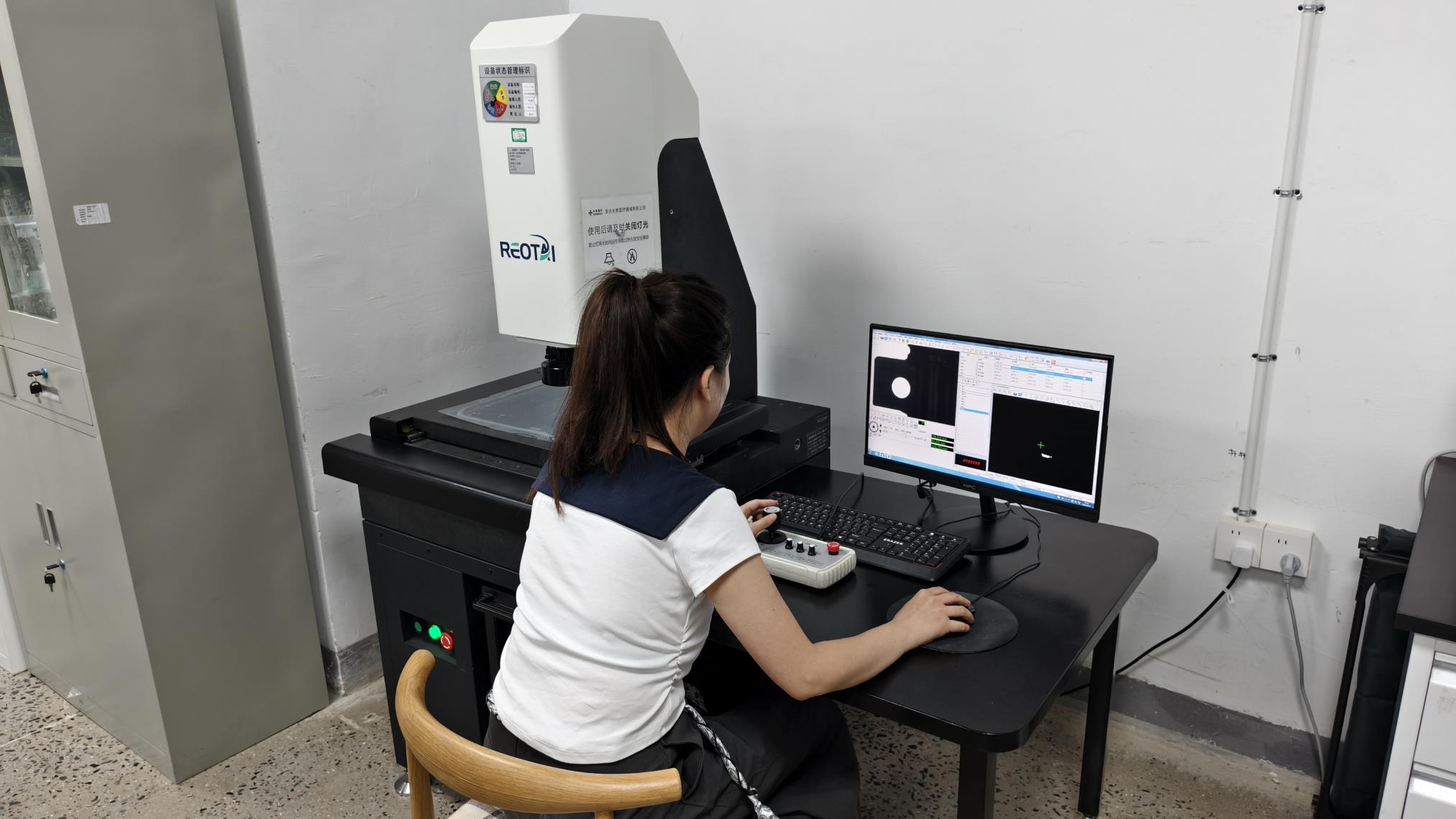
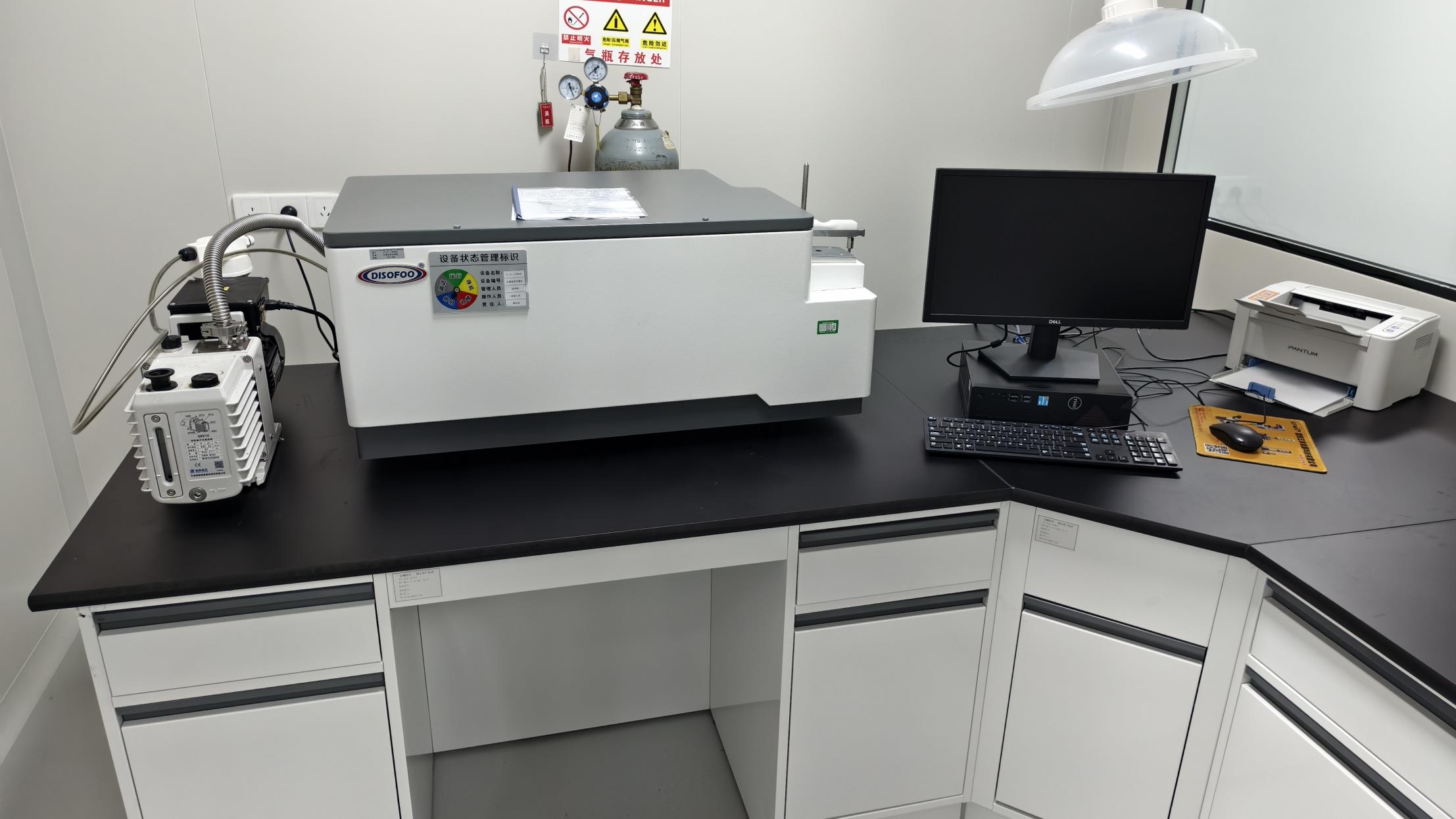
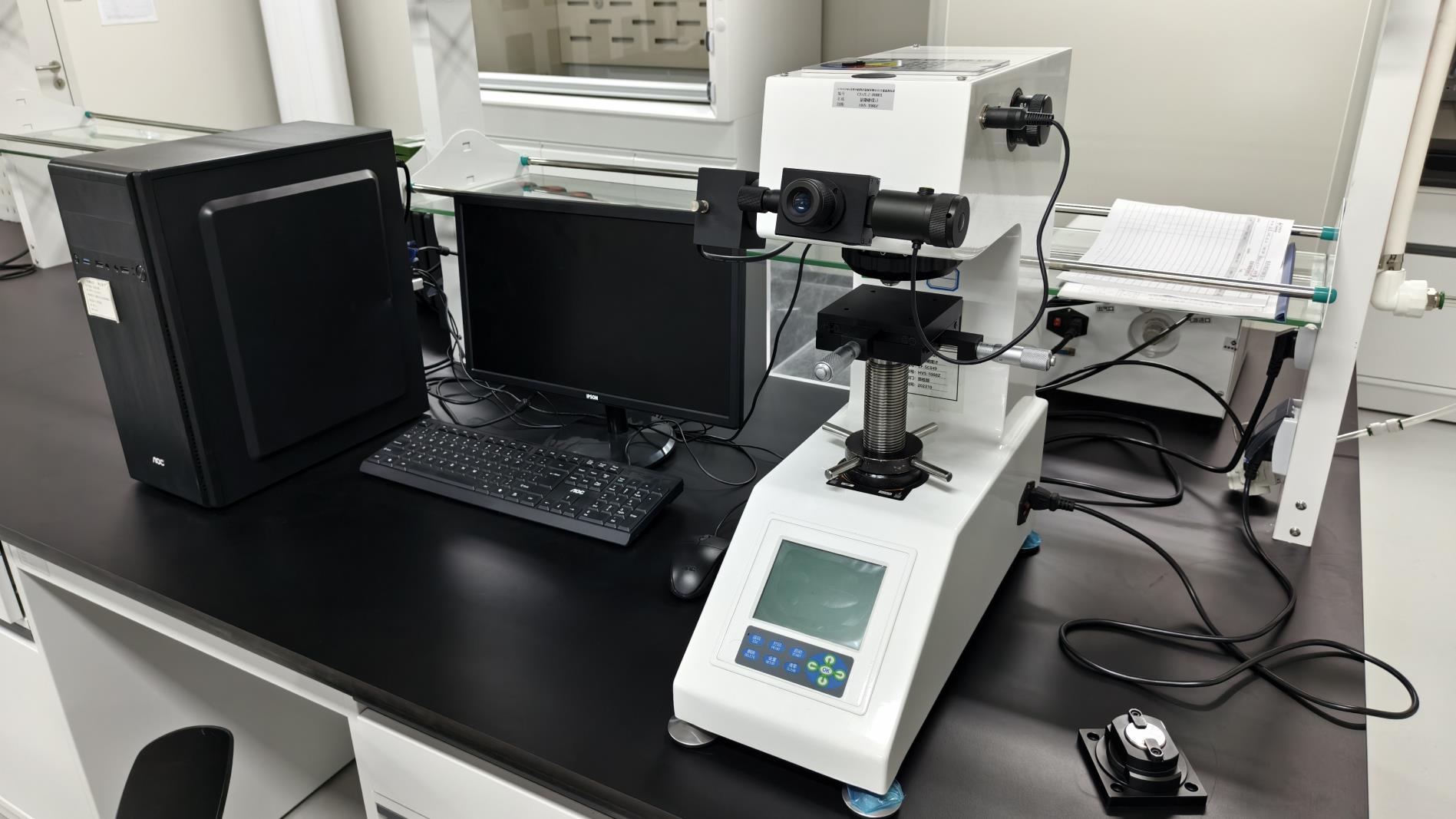
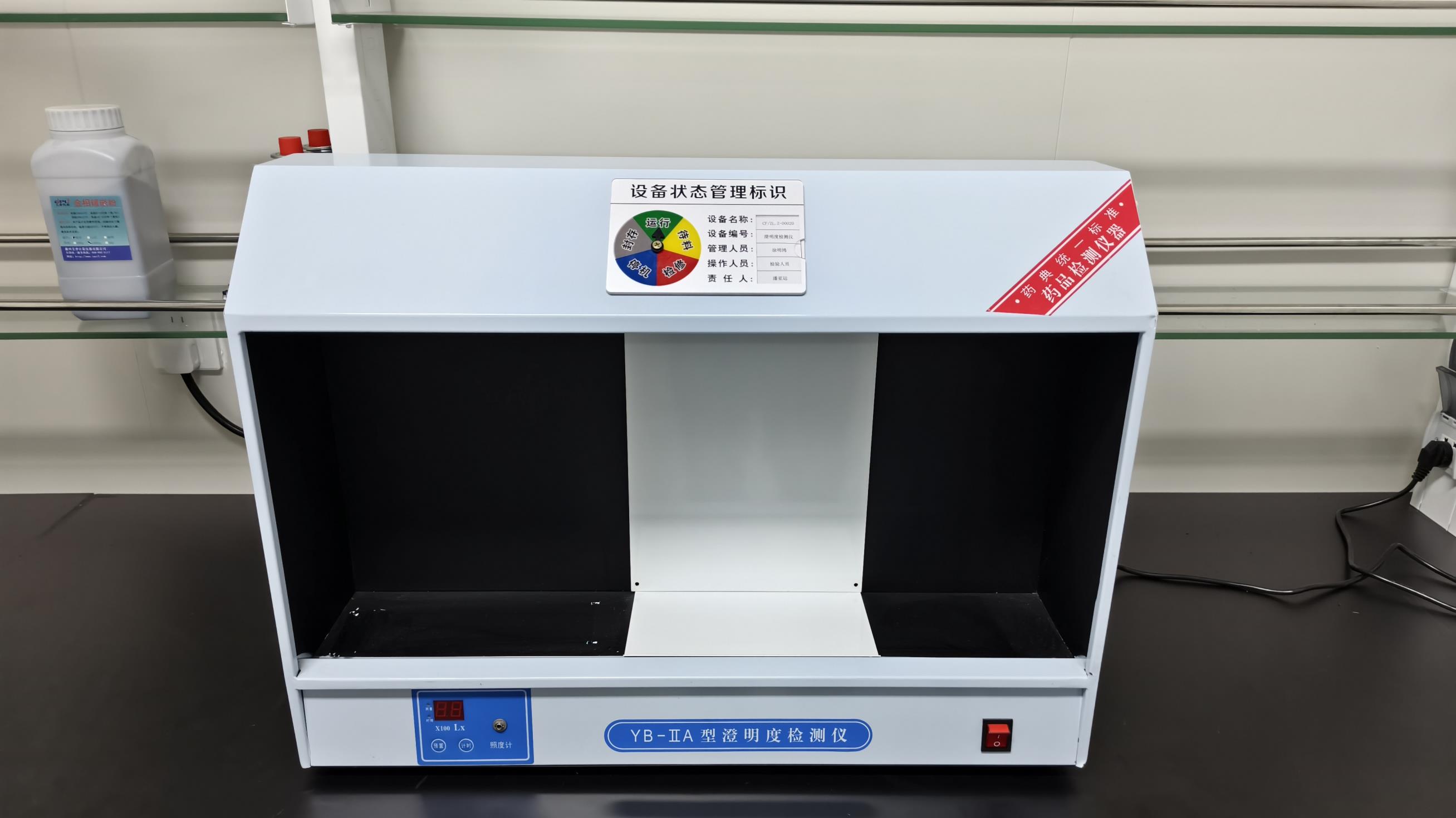
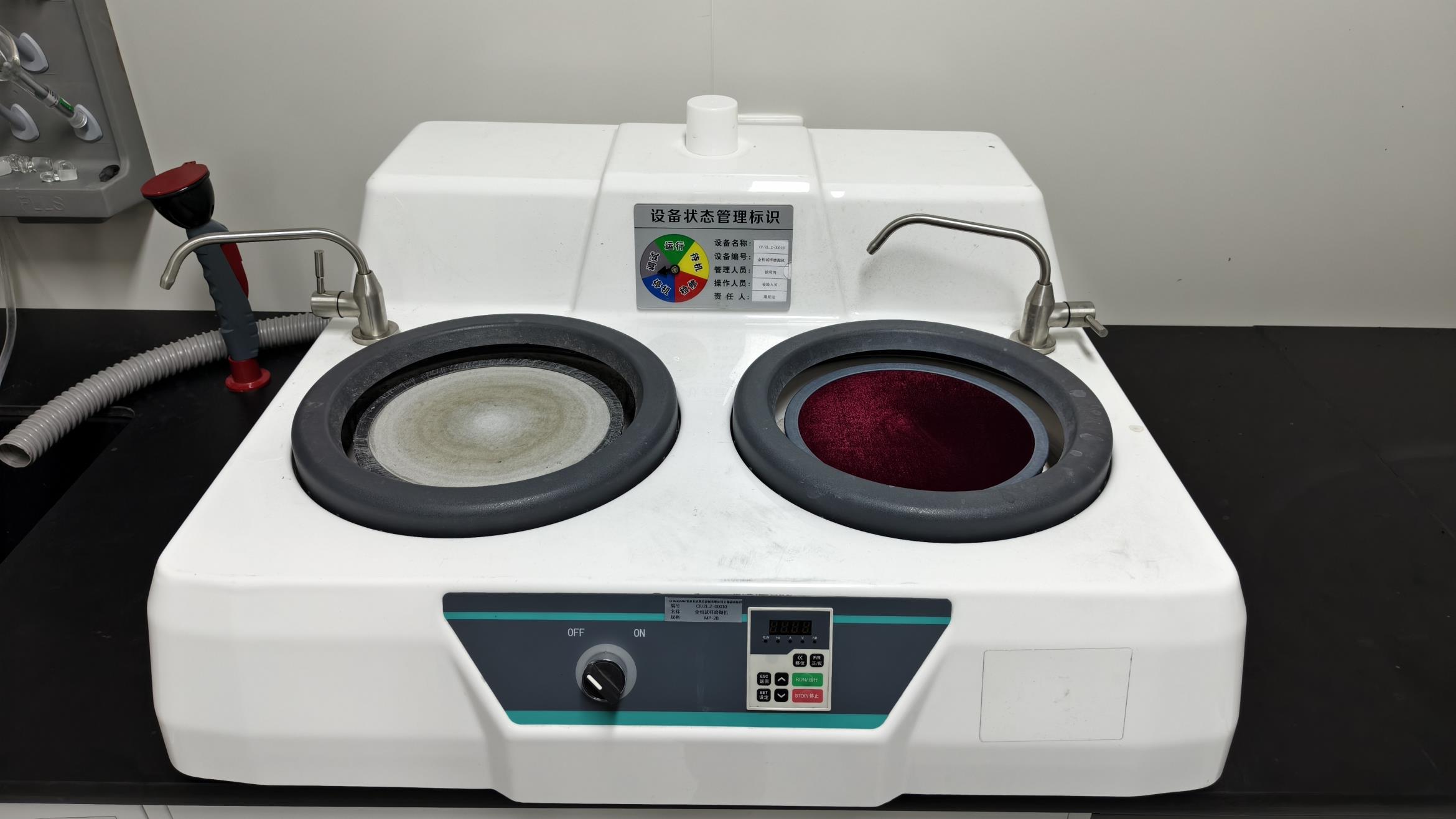
Because sternal and trauma fixation systems are permanently or semi-permanently implanted, quality control is paramount. Zynfuse maintains a highly specialized inspection team consisting of 68 specialists. They conduct thorough testing at every phase, from raw material validation using our on-site optical spectrometer to post-machining dimensions, thread pitching, and surface roughness checks using 2D metrology and digital microscopy.
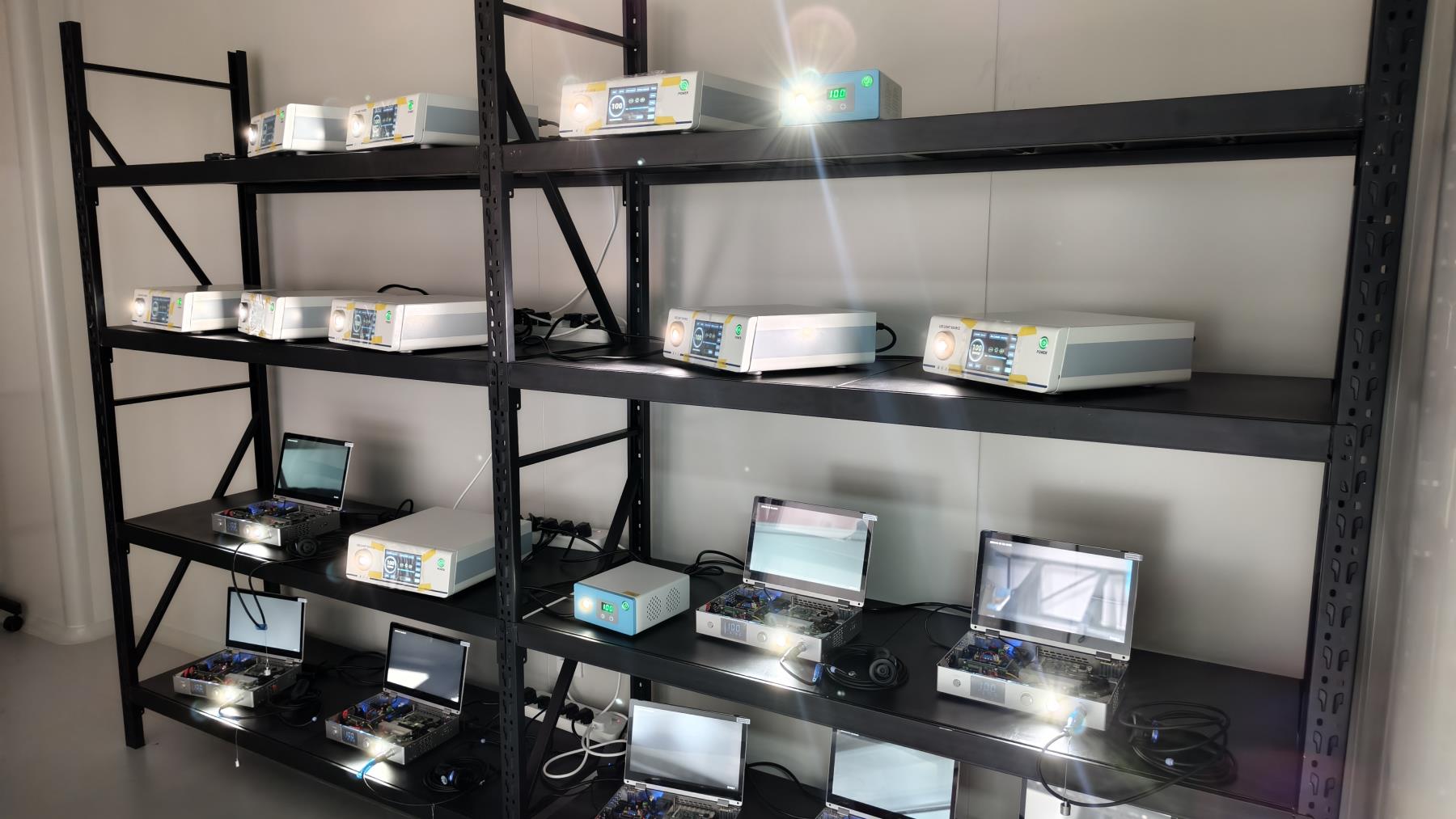
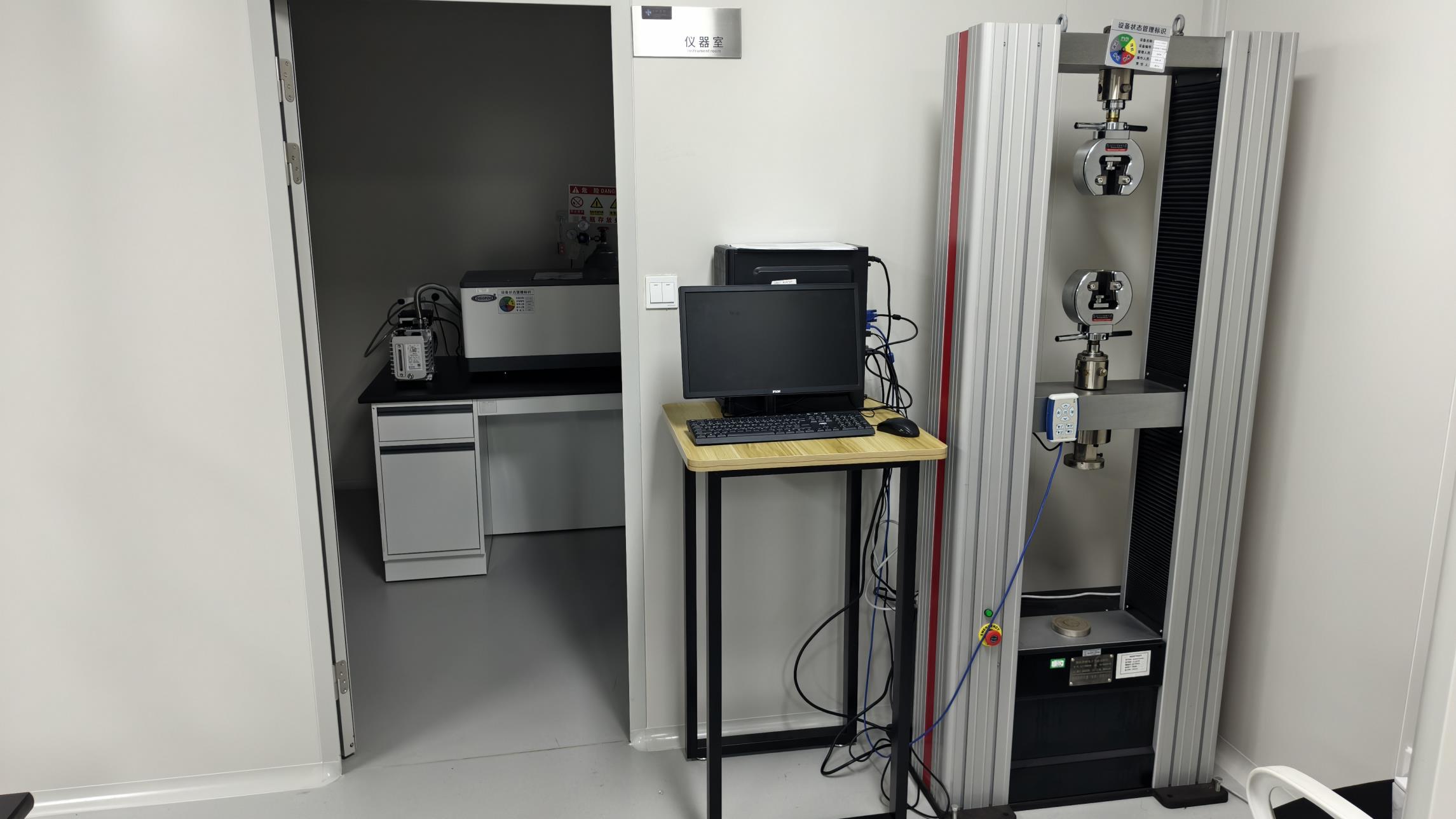
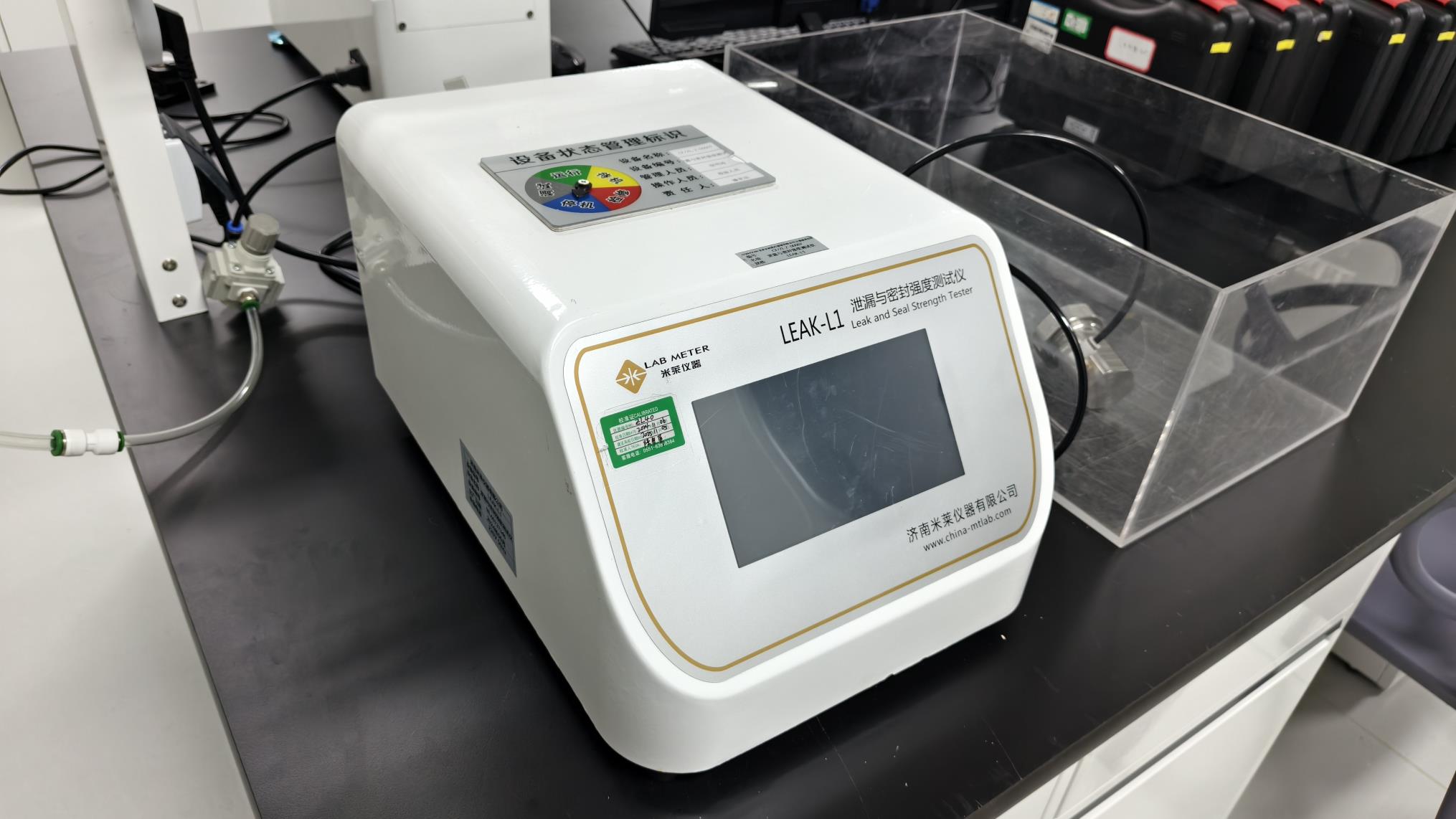
Our biomechanical testing laboratory is equipped to conduct dynamic fatigue tests. These tests verify the plates' ability to withstand millions of compression-extension cycles without structural failure. In addition, we evaluate biocompatibility under ISO 10993 standards, covering chemical characterization, cytotoxicity, and sensitization. Our final packaging is sealed in ISO Class 7 cleanrooms, ensuring it meets strict sterility assurance levels (SAL 10⁻⁶).
Get answers to the key technical, clinical, and logistical questions frequently asked by hospital boards, trauma centers, and medical device importers in South Korea.
Whether you represent a clinical procurement board at a major hospital group in Seoul, a medical device importer, or an orthopedic clinic seeking high-quality OEM/ODM implants, our team is ready to support you with reliable products and competitive supply chain options.
Send Inquiry Now