Zynfuse
Zynfuse
Zynfuse
Advanced trauma fixation, spinal hardware, and dedicated instrumentation sets for orthopedic surgeons.
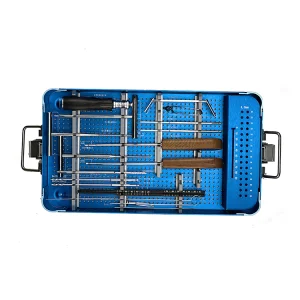
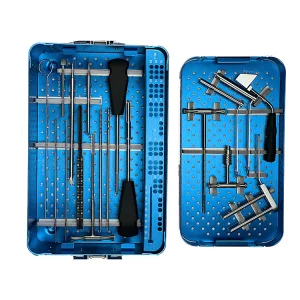
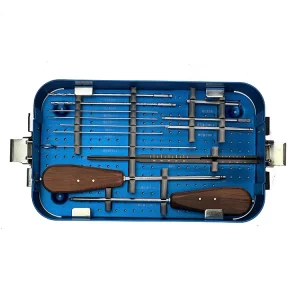
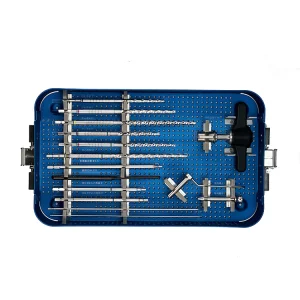
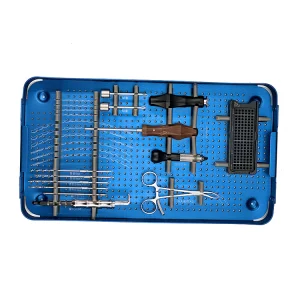
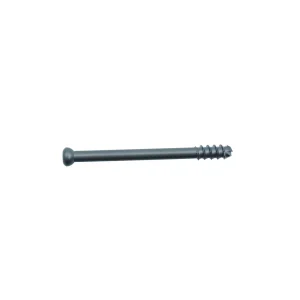
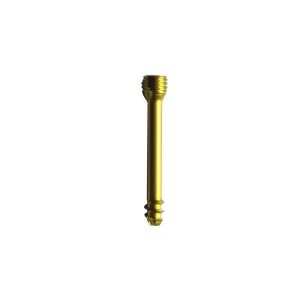
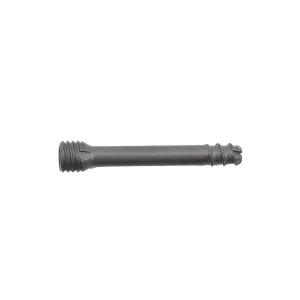
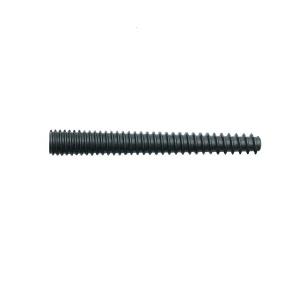
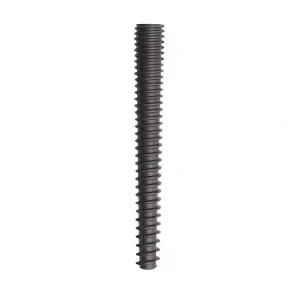
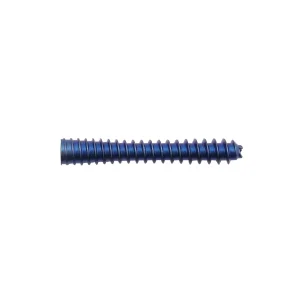
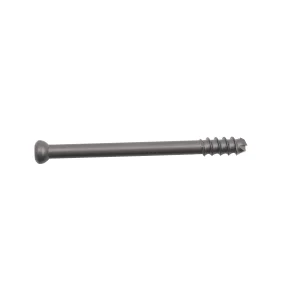
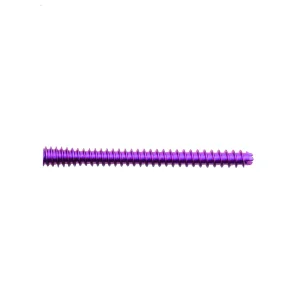
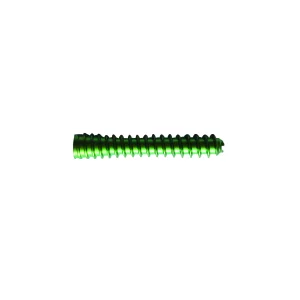
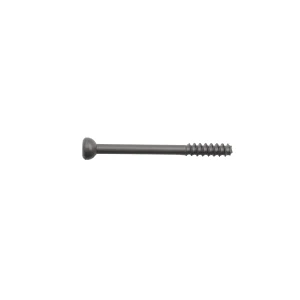
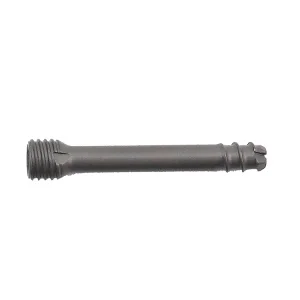
Cannulated screws represent a landmark advancement in internal fixation, enabling orthopedic surgeons to execute highly precise minimally invasive procedures. The defining design characteristic is a hollow longitudinal core (cannulation) that allows the screw to be guided over a pre-placed guide wire. This ensures exact anatomical targeting in critical procedures such as femoral neck fractures, scaphoid fixations, and subtalar arthrodeses.
From a mechanical perspective, the presence of the inner canal changes the polar moment of inertia of the screw. While a hollow cylinder suffers a minor reduction in torsional strength compared to a solid screw of the same outer diameter, advanced finite element analysis (FEA) and specialized thread profile designs compensate for this margin. By optimizing thread pitch, core-to-outer diameter ratios, and utilizing high-performance biocompatible titanium alloys (typically Ti-6Al-4V ELI in accordance with ASTM F136), modern cannulated screws deliver excellent pull-out resistance and fatigue strength.
"Through hollow-core pathing, surgical errors are minimized, soft tissue disruption is reduced, and overall anatomical compression metrics are significantly improved."
Understanding regulatory requirements and quality control metrics for hospital distributors and device importers.
Class III medical device categorization requires rigorous clinical trials, biocompatibility profiles, and CE MDR / FDA 510(k) certifications to pass customs and hospital audits.
Raw materials must feature comprehensive traceability reports. Impurities in titanium or stainless steel compromise mechanical shear properties and patient safety.
Surgical volume variability requires high supplier stability. Partners must manage comprehensive inventory buffers and provide custom OEM kits on demand.
Established in 2016, Zynfuse Medical Technology Co., Ltd. is a professional orthopedic medical device manufacturer specializing in bone fusion and advanced implant systems for surgical innovation. With over 12 years of industry experience and 7 years of export experience, Zynfuse has built a robust distribution and support framework servicing global healthcare markets with consistent quality and structural reliability.
Operating a modern, purpose-built facility covering approximately 18,600 m², Zynfuse has integrated state-of-the-art production environments with comprehensive inspection systems. Our facility yields an annual export revenue of $18.5 million, bolstered by a dynamic supply network consisting of more than 1,200 partners worldwide. Our production is supported by 68 quality inspection specialists ensuring compliance with complex international medical standards.
Dedicated innovators designing custom clinical systems.
Continuous catalog expansion matching market growth.
Strict mechanical and biocompatibility verification.
Authorized global standards for hospital safety.
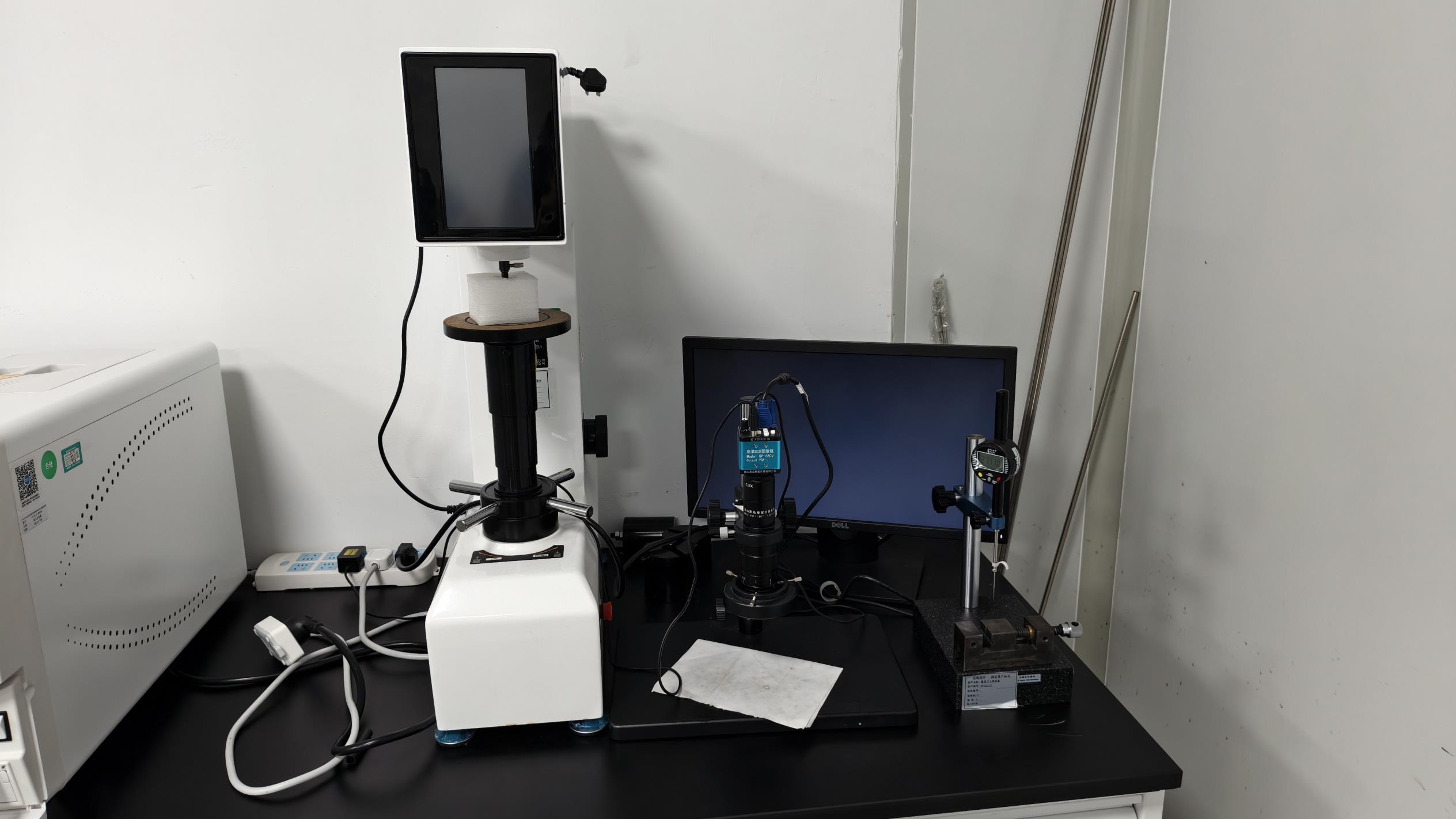
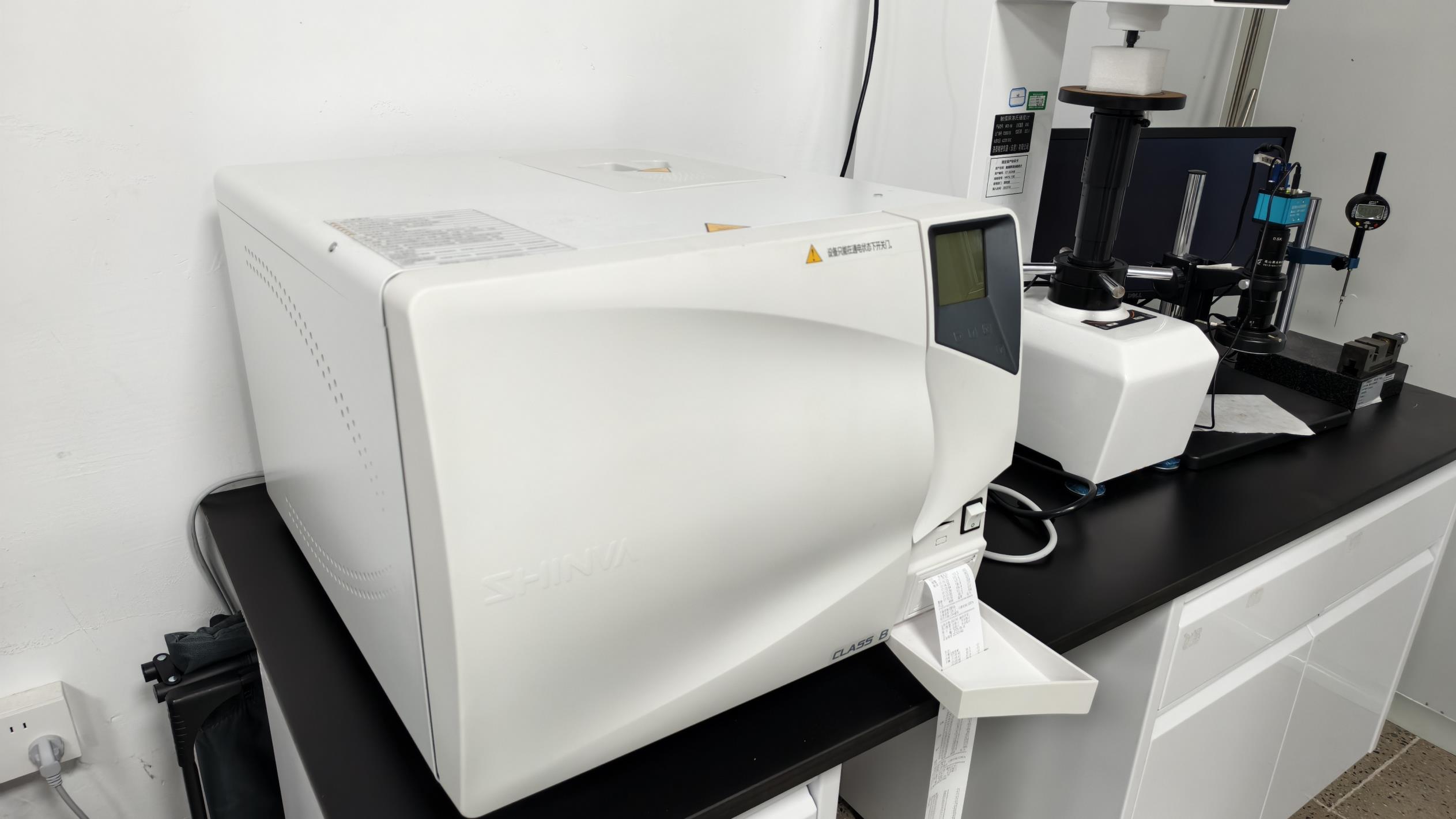
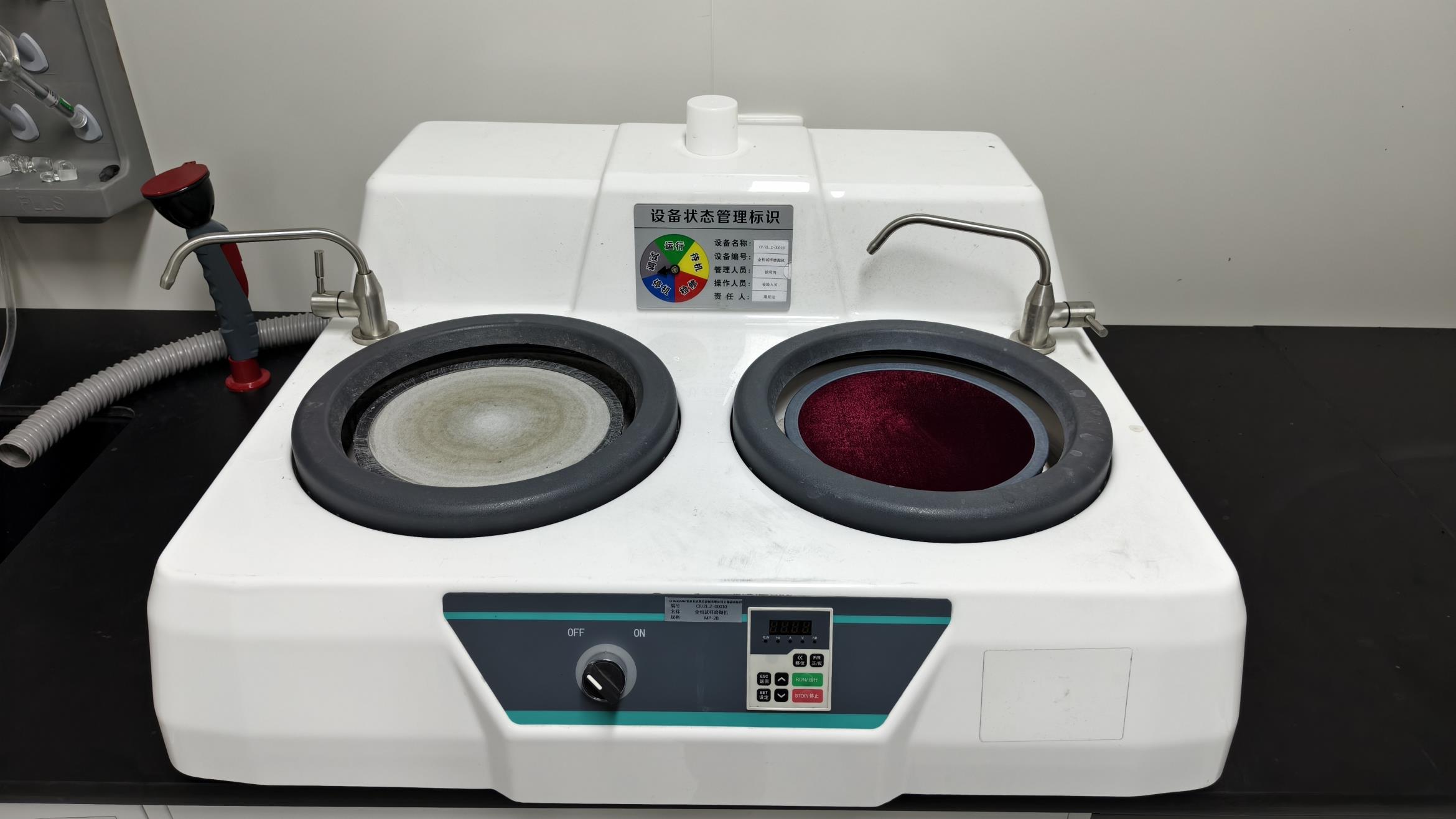
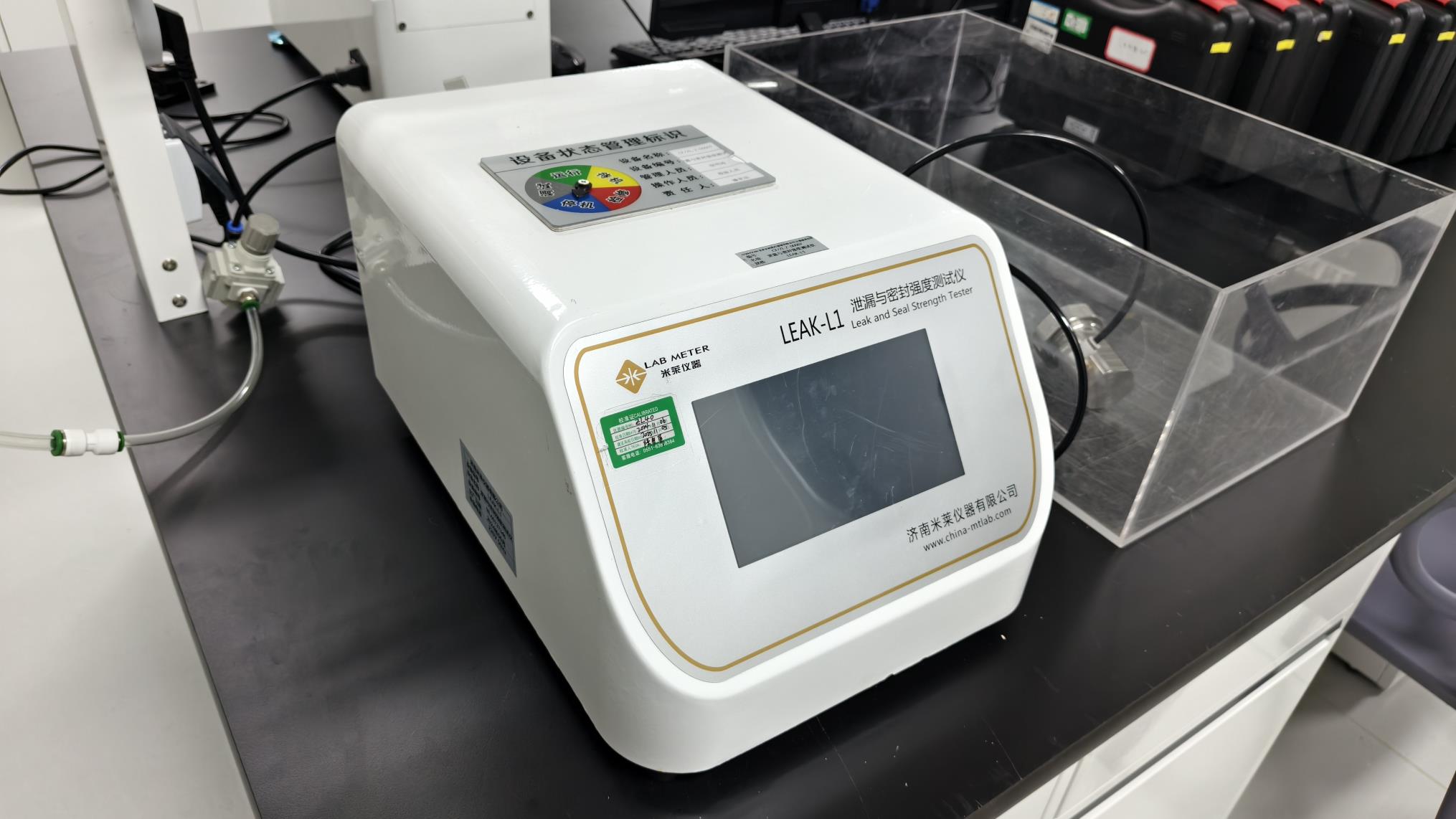
Traceable manufacturing steps inside our ISO-compliant facility, from raw bar stock to sterile-ready surgical implants.
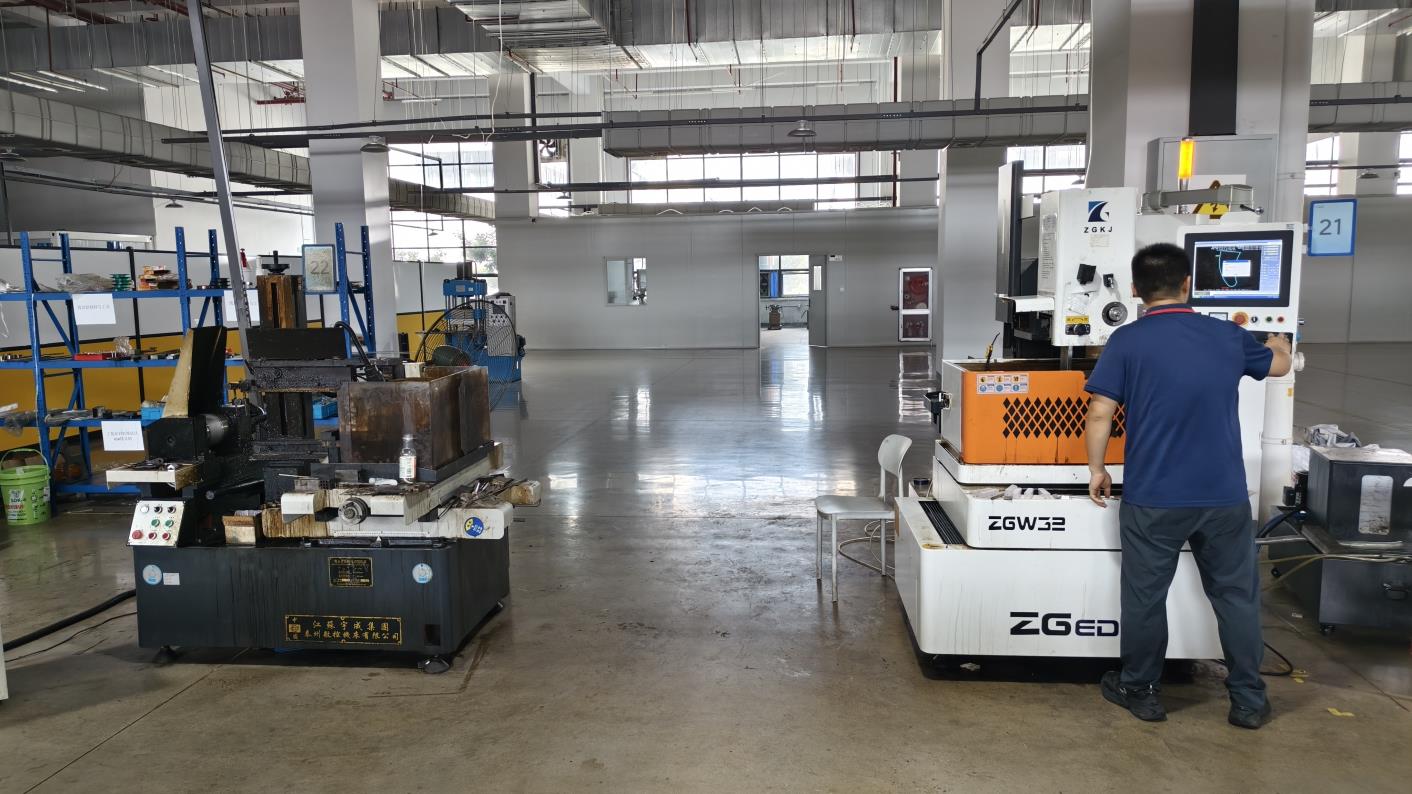
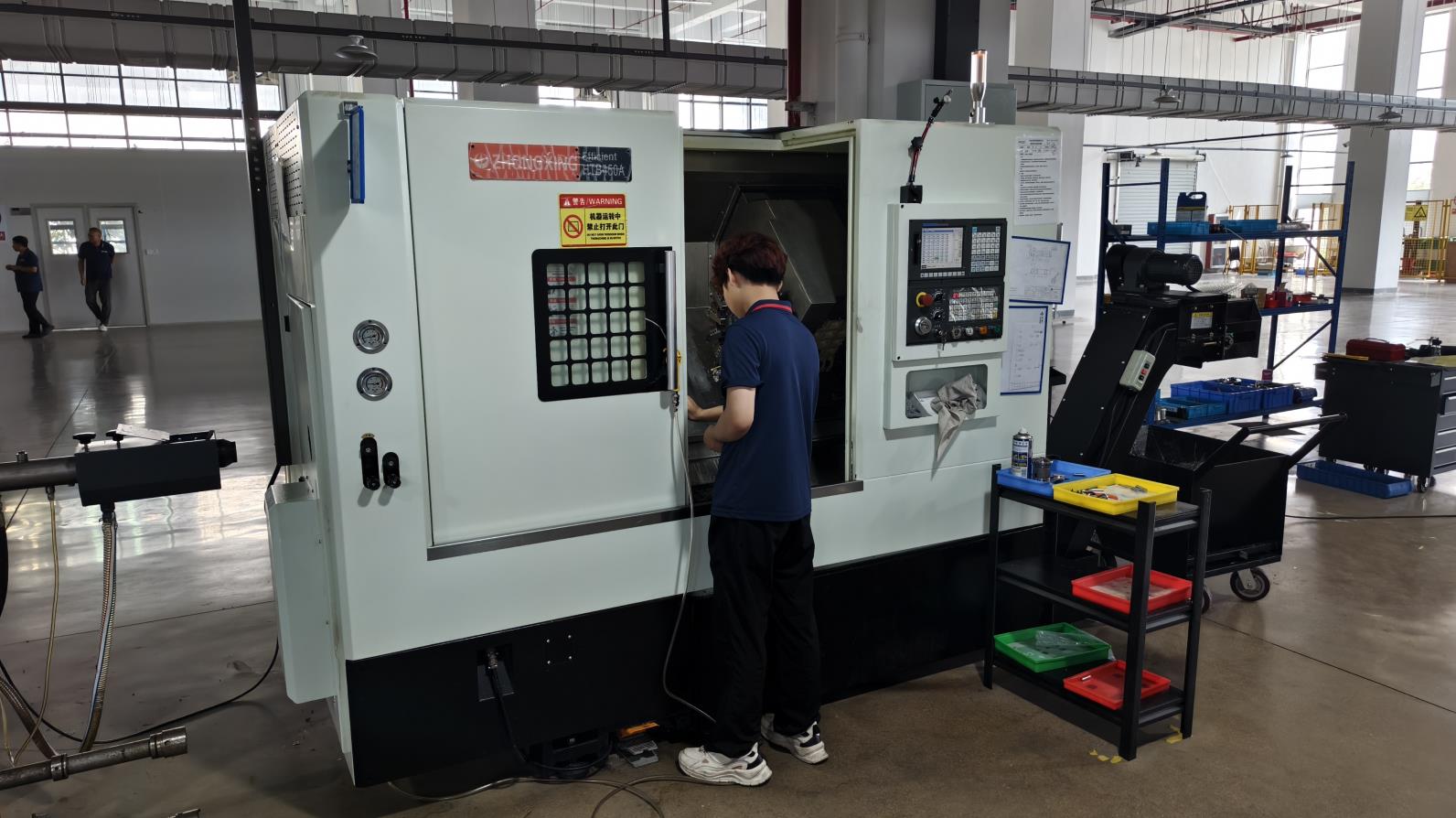
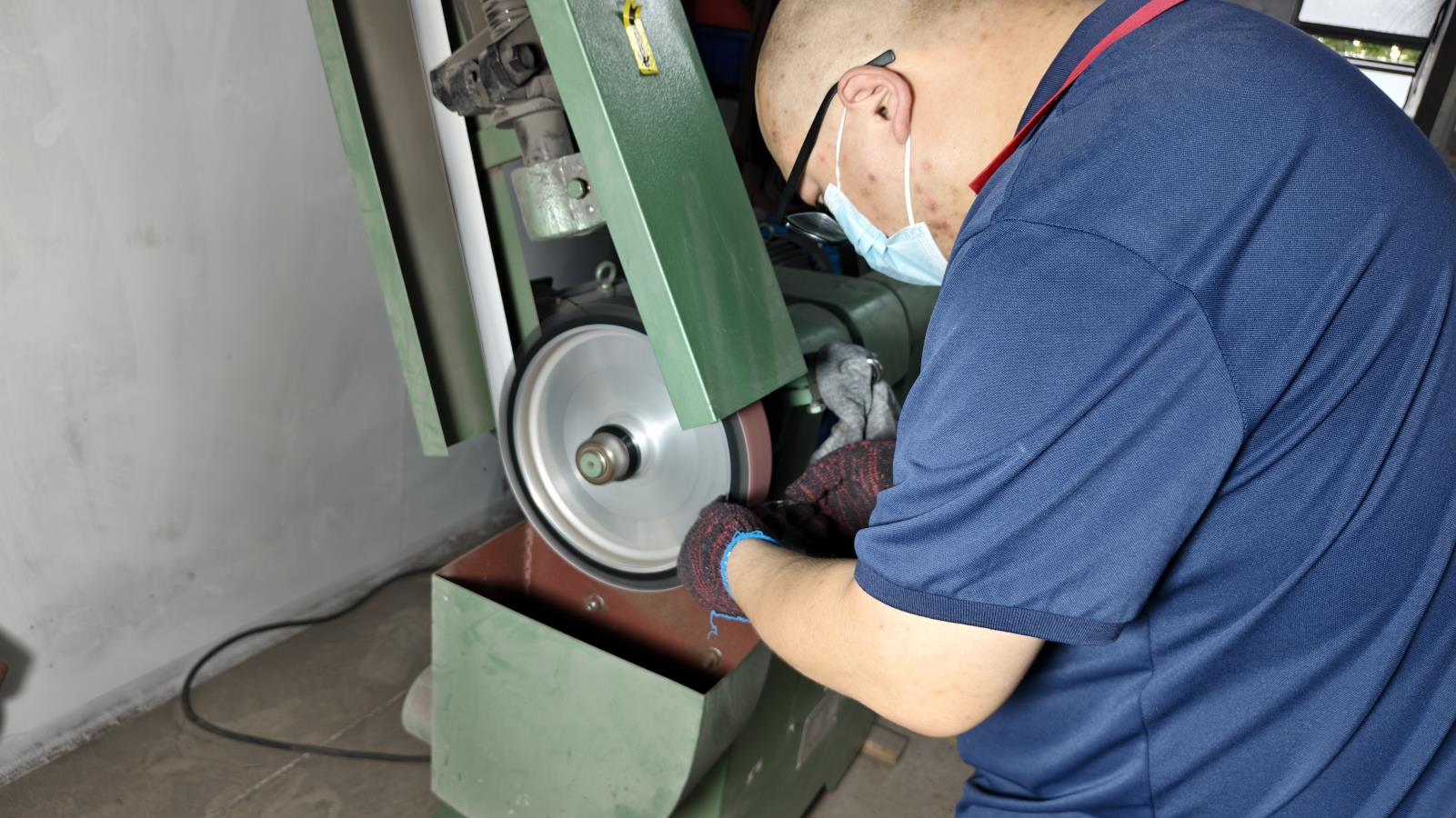
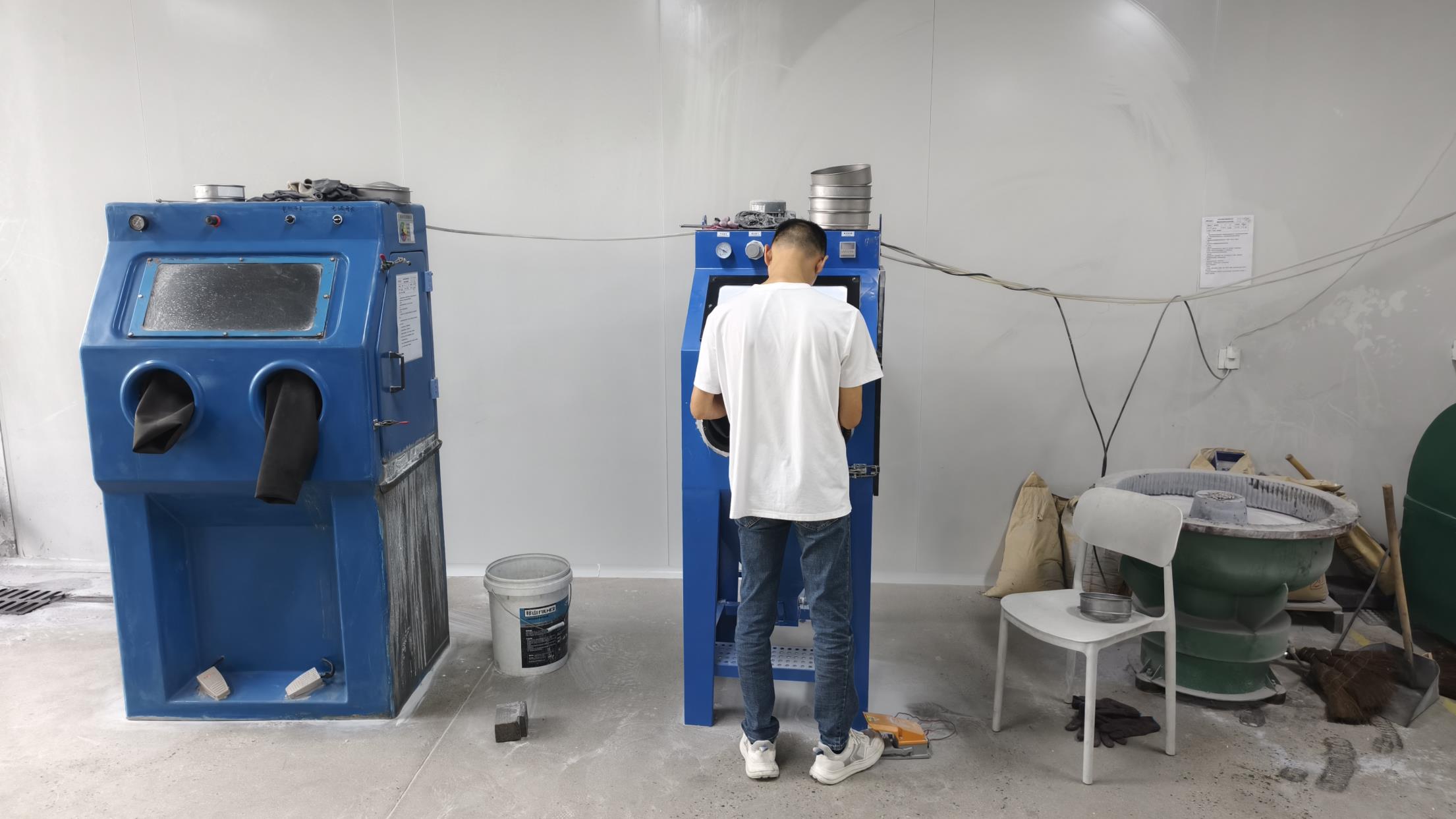
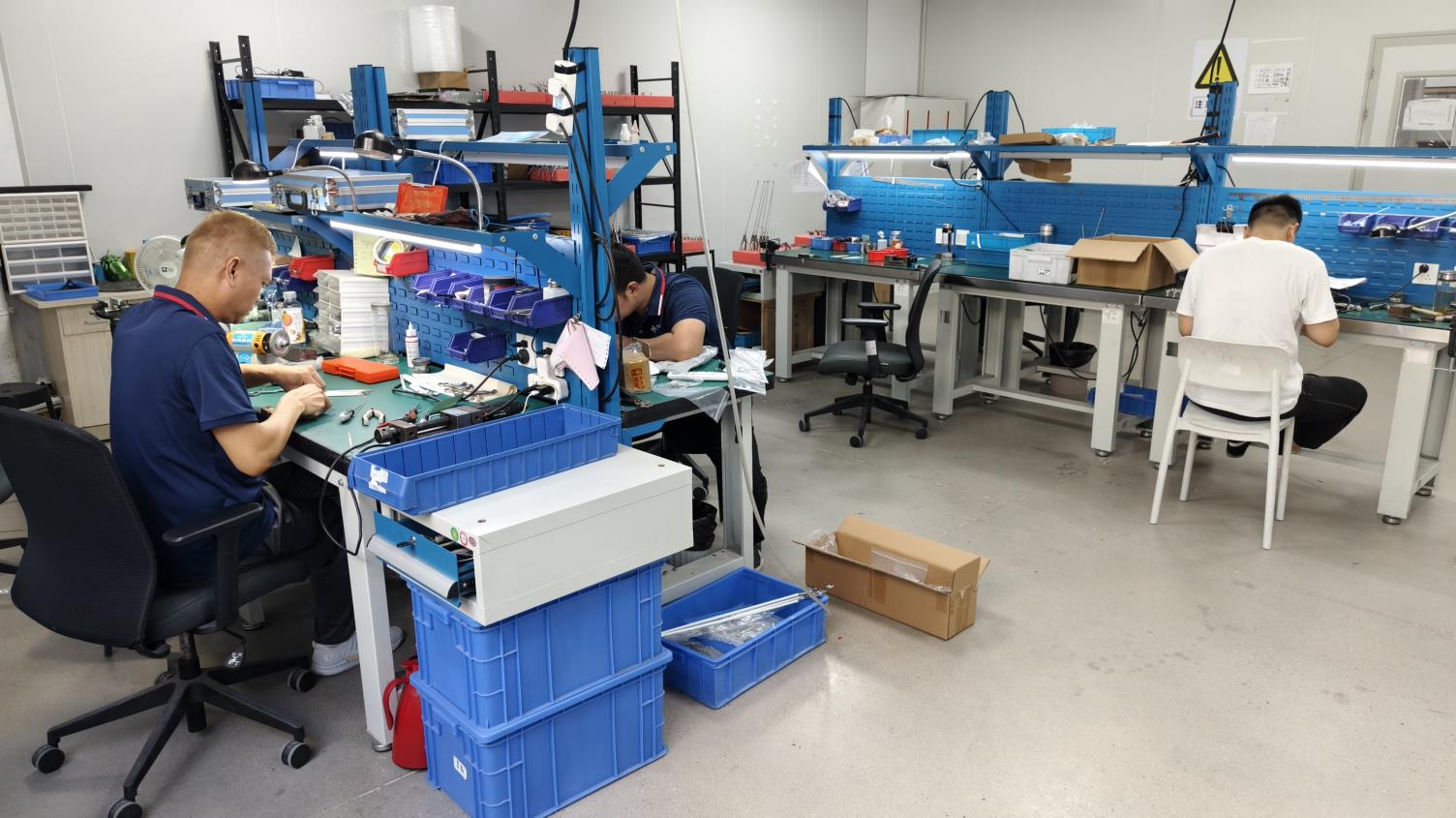
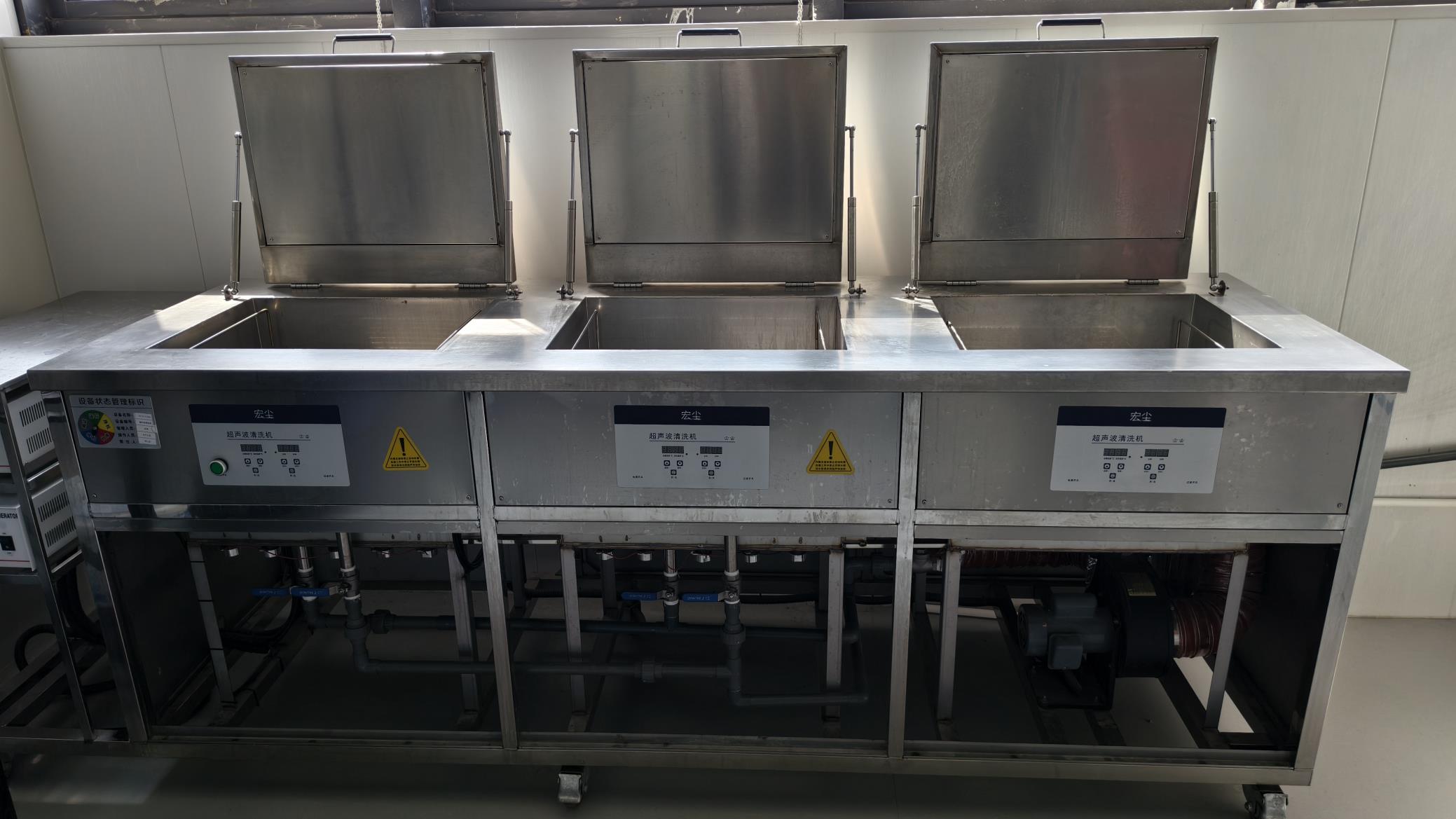
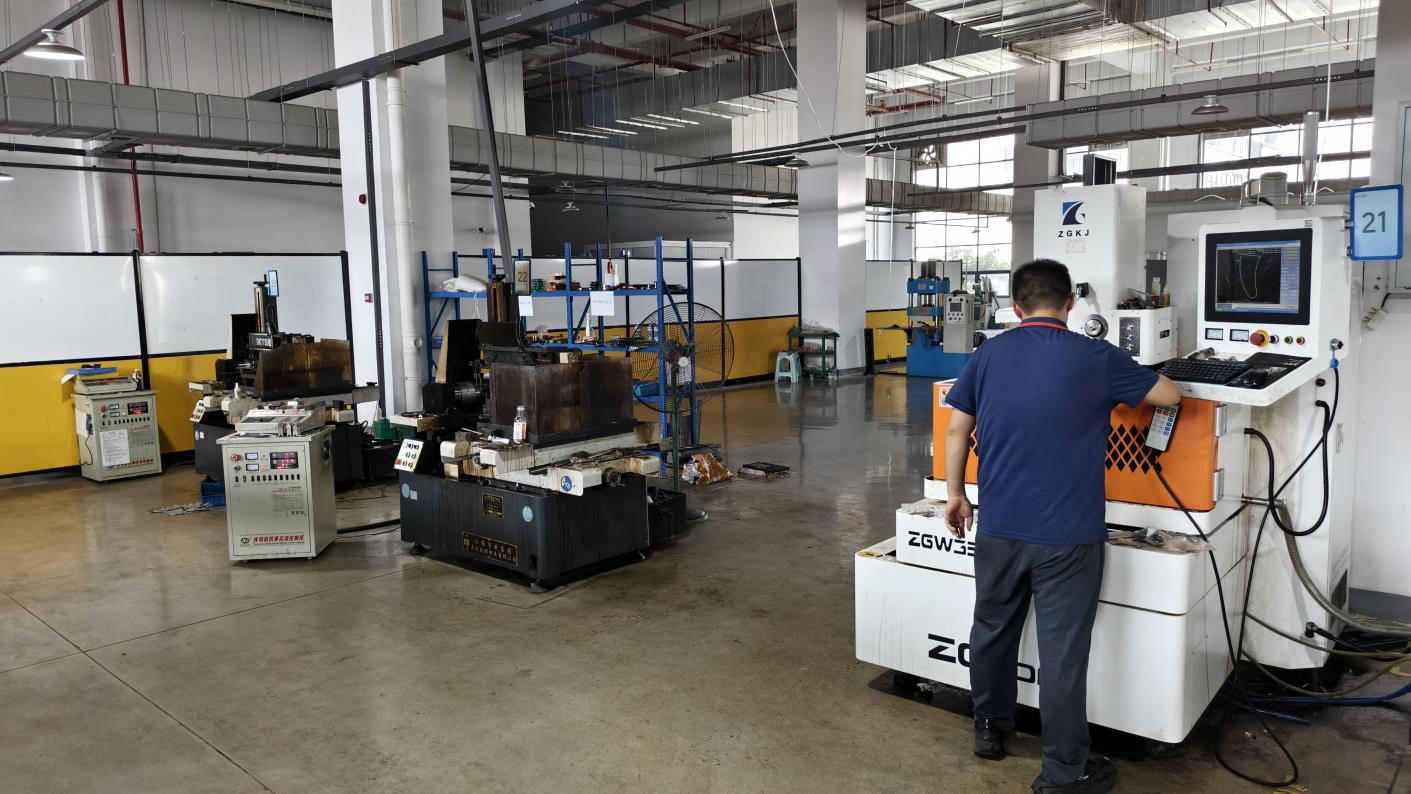
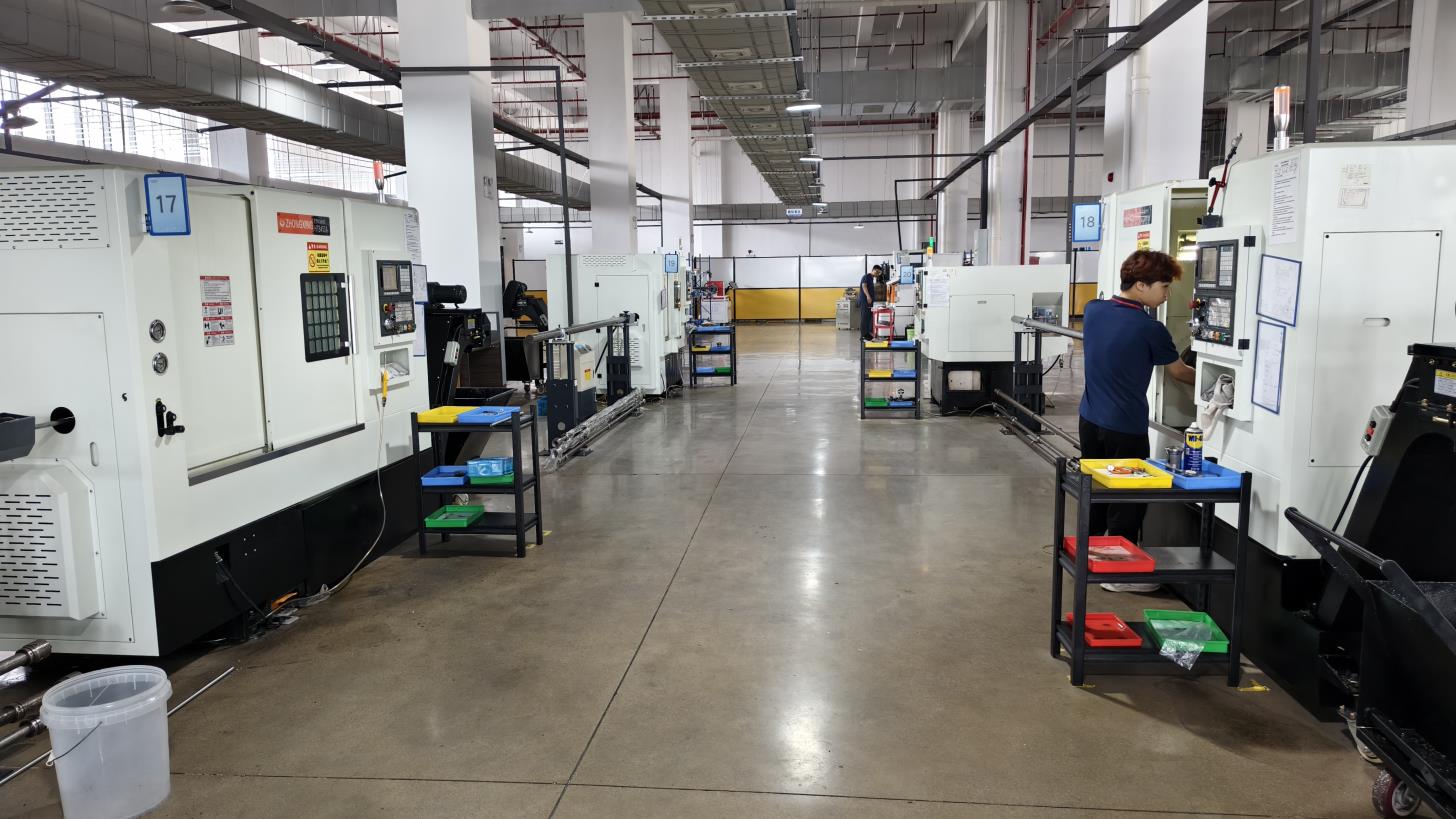
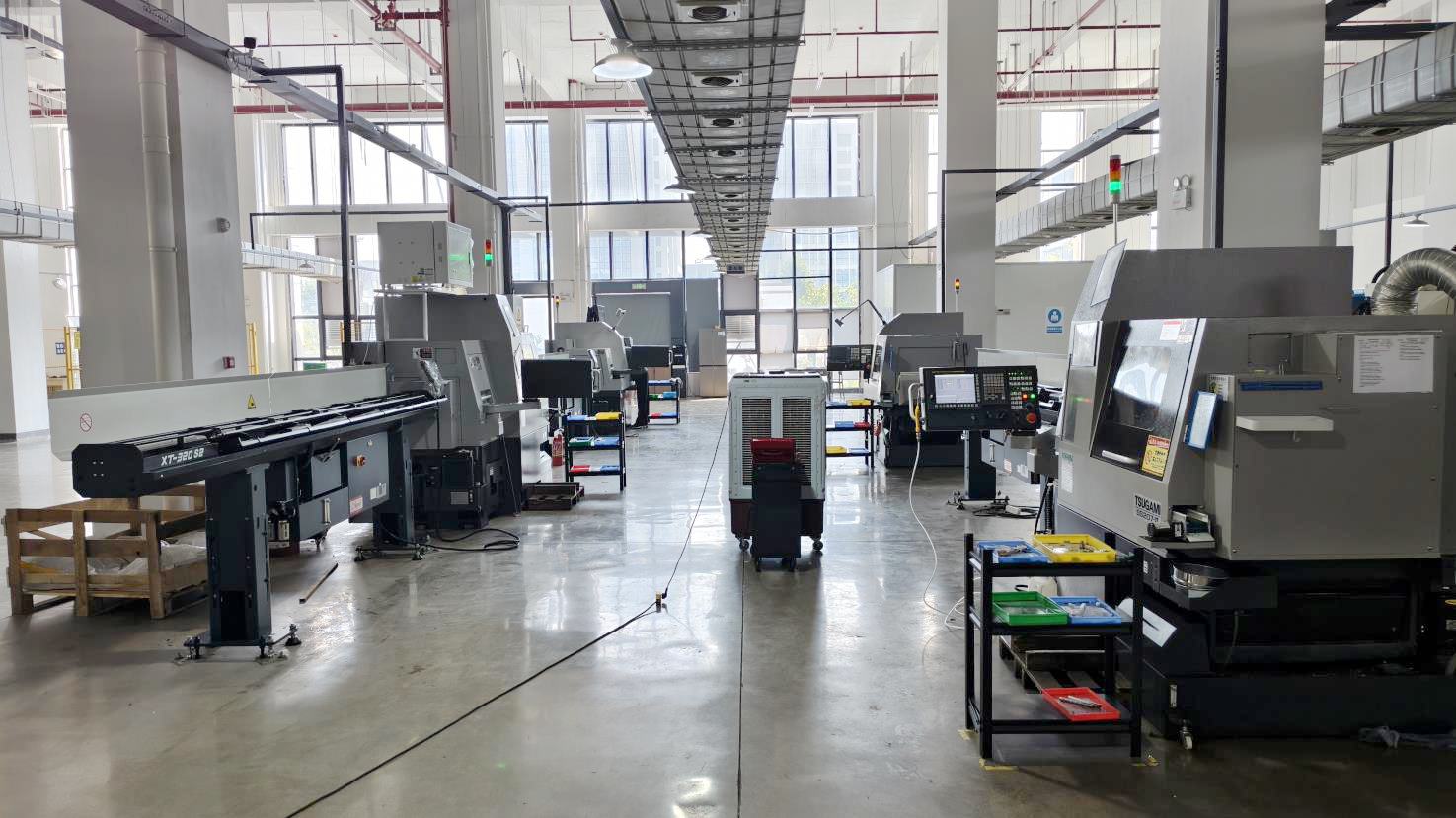
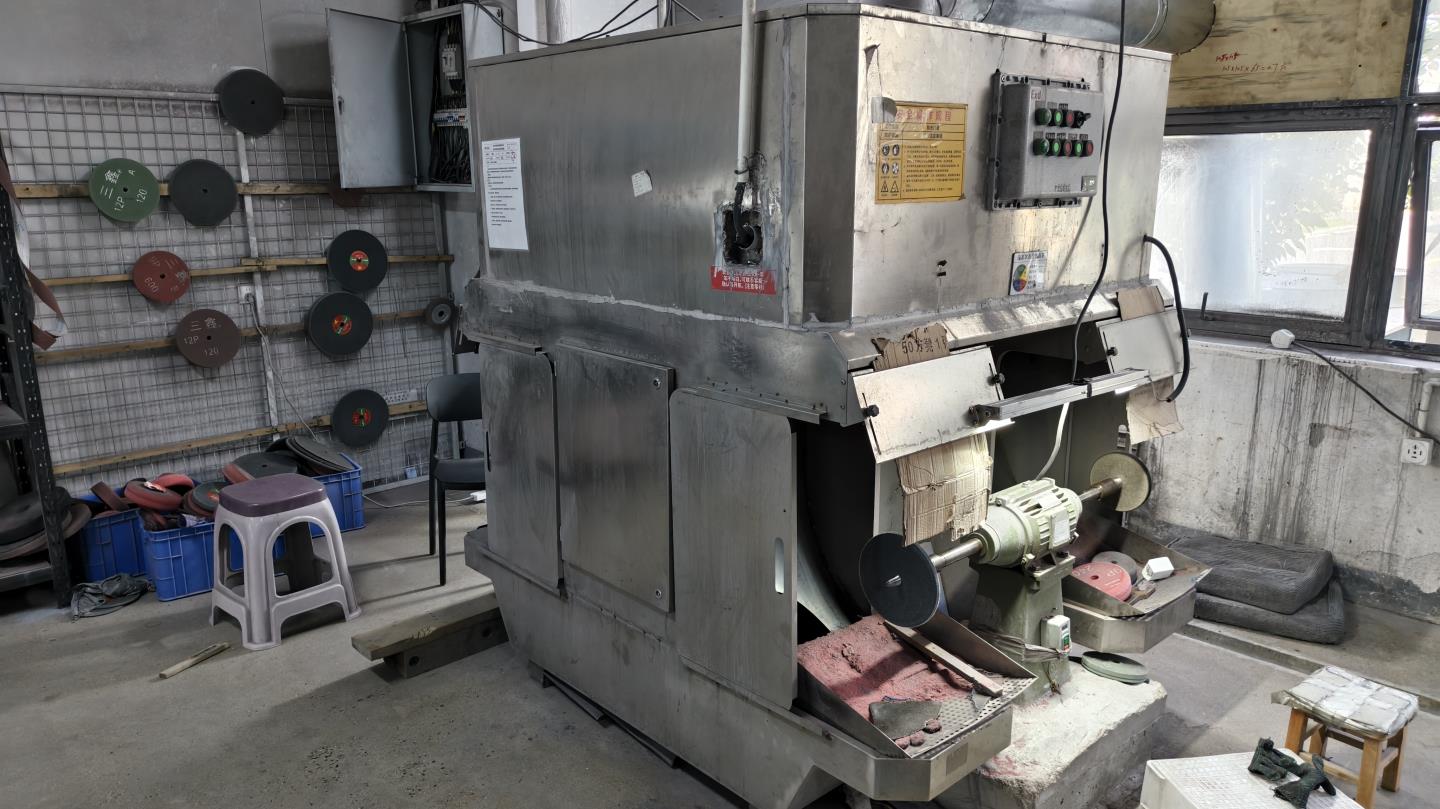
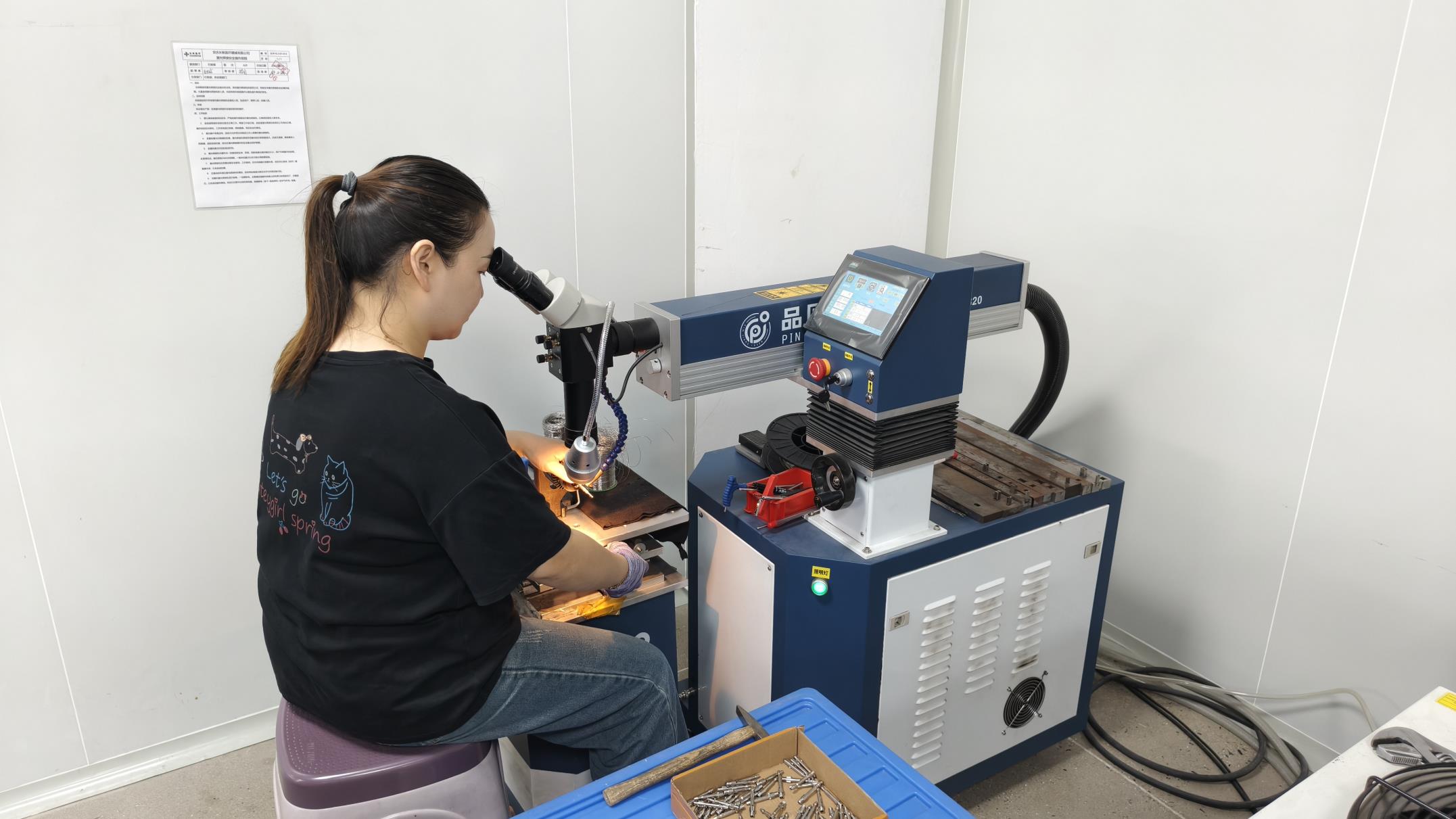
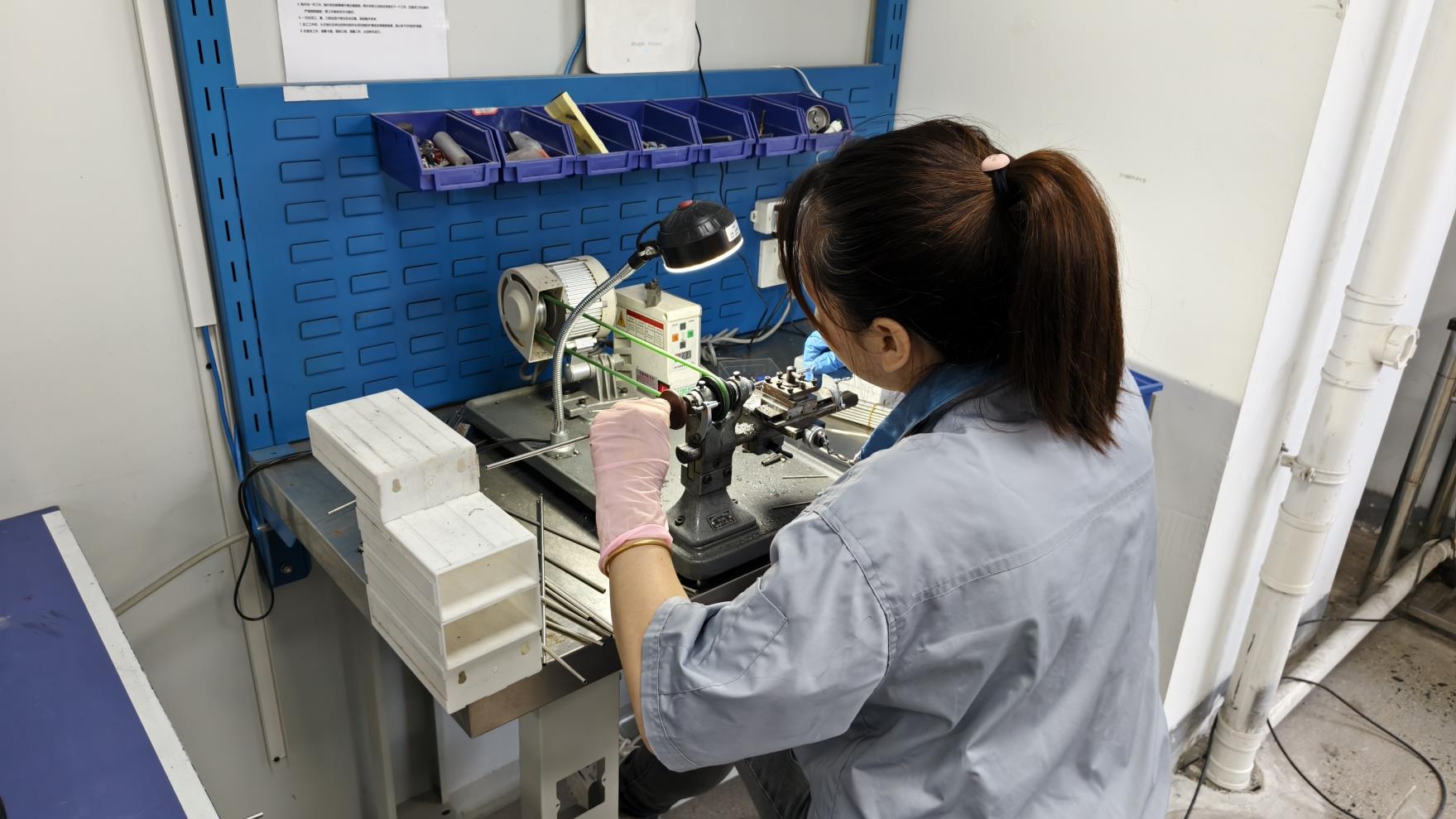
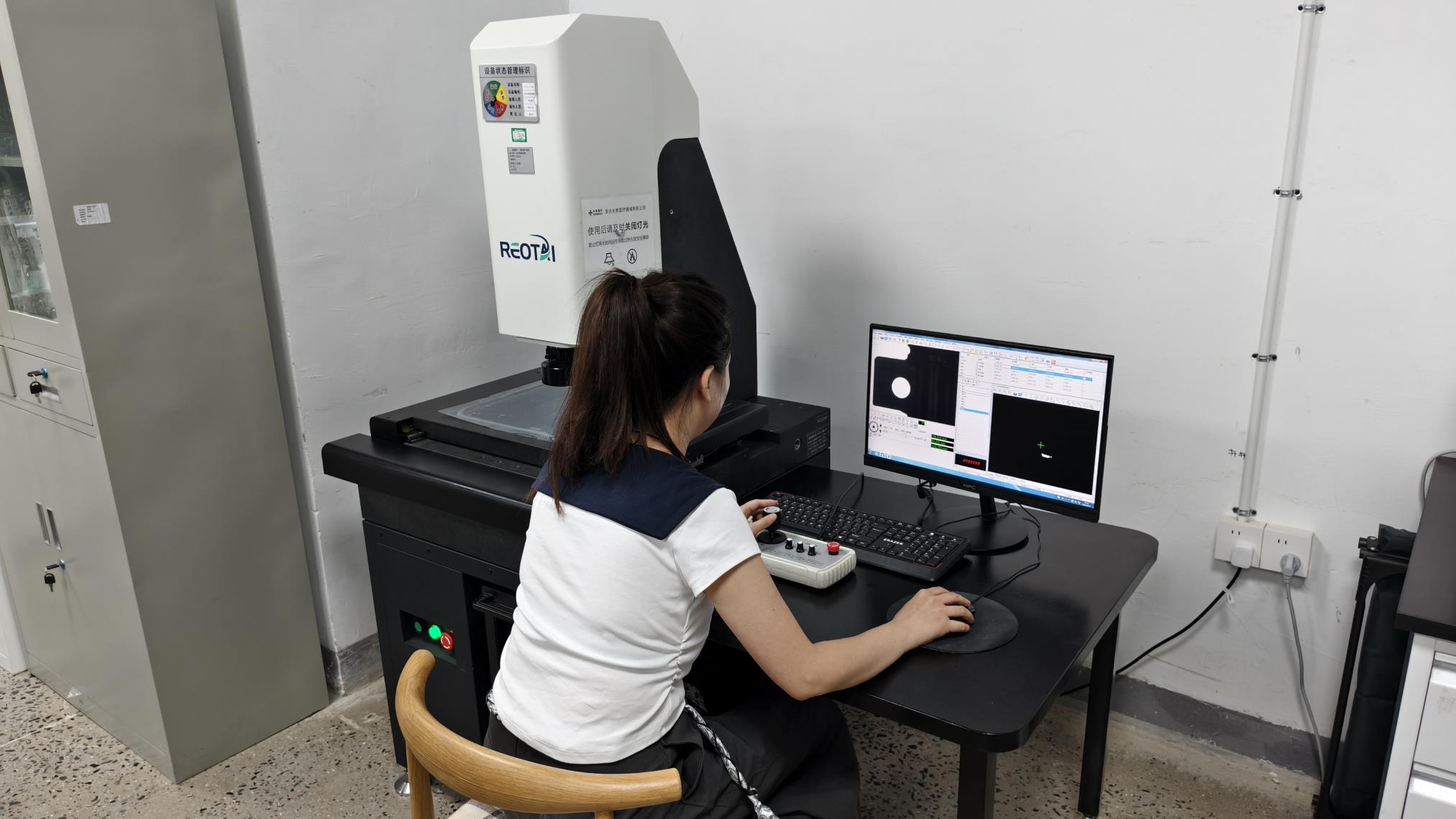
Every batch of Zynfuse implants undergoes micro-dimensional measurement, mechanical pull-out fatigue, and chemical analysis.
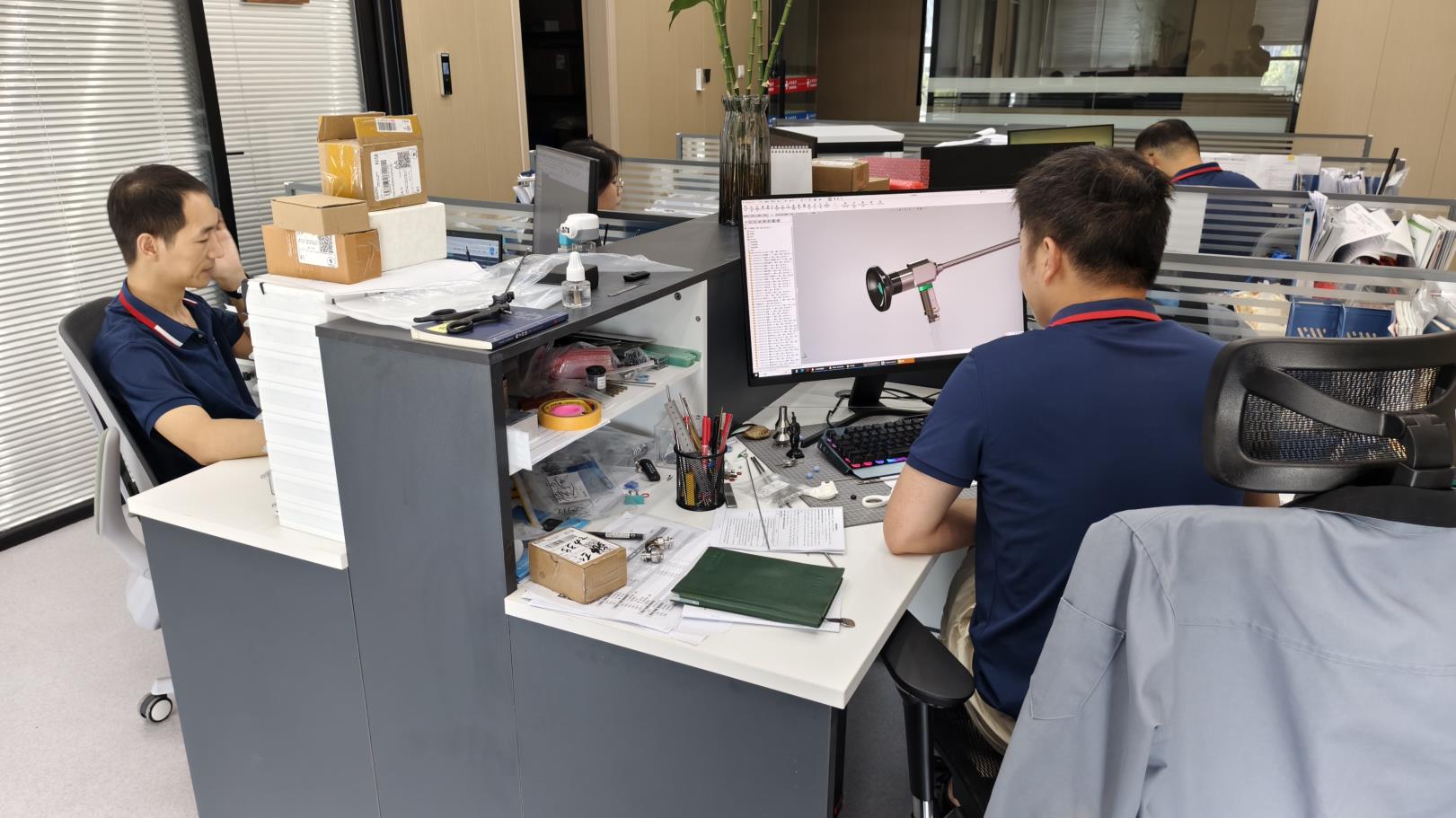

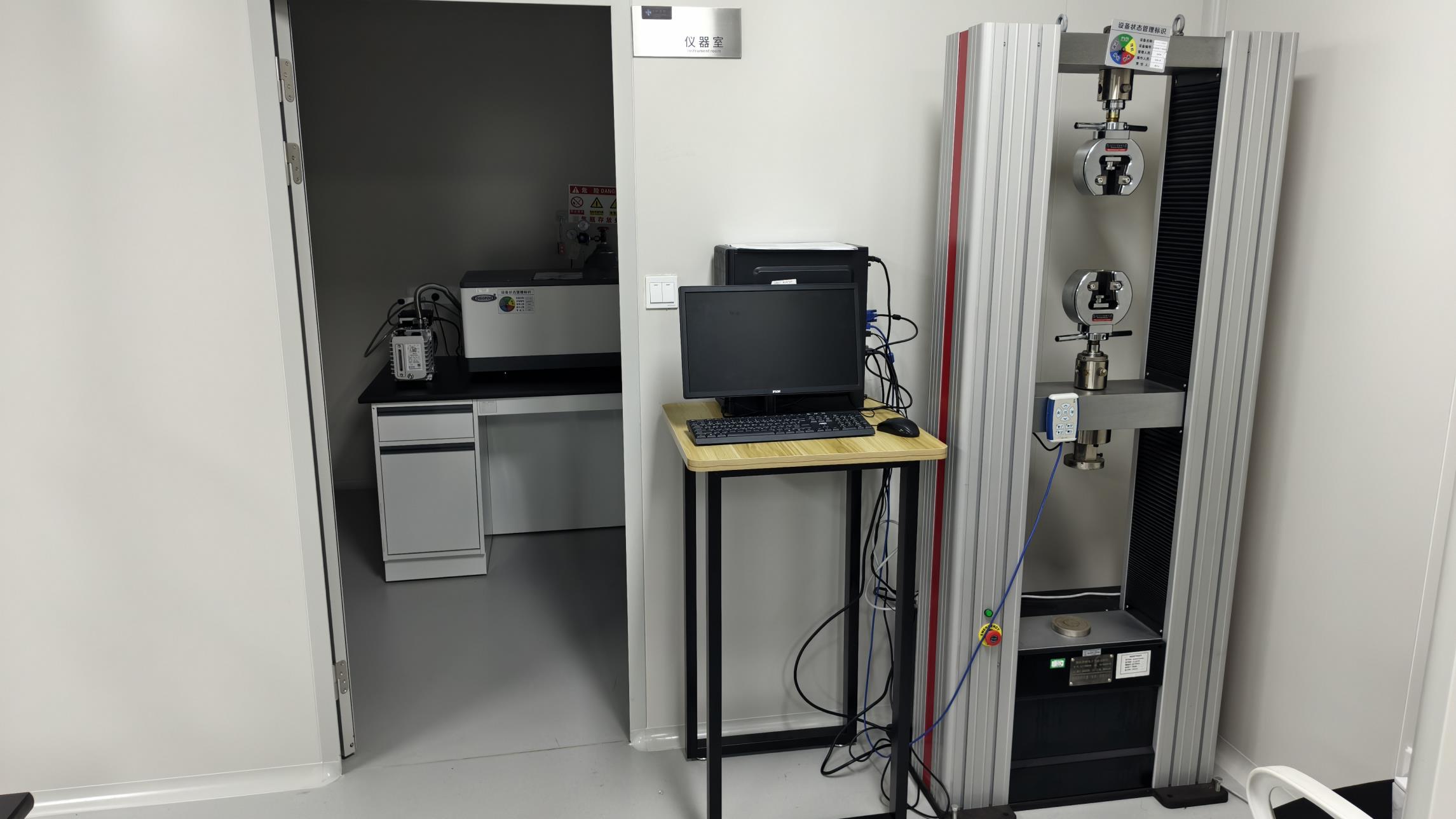
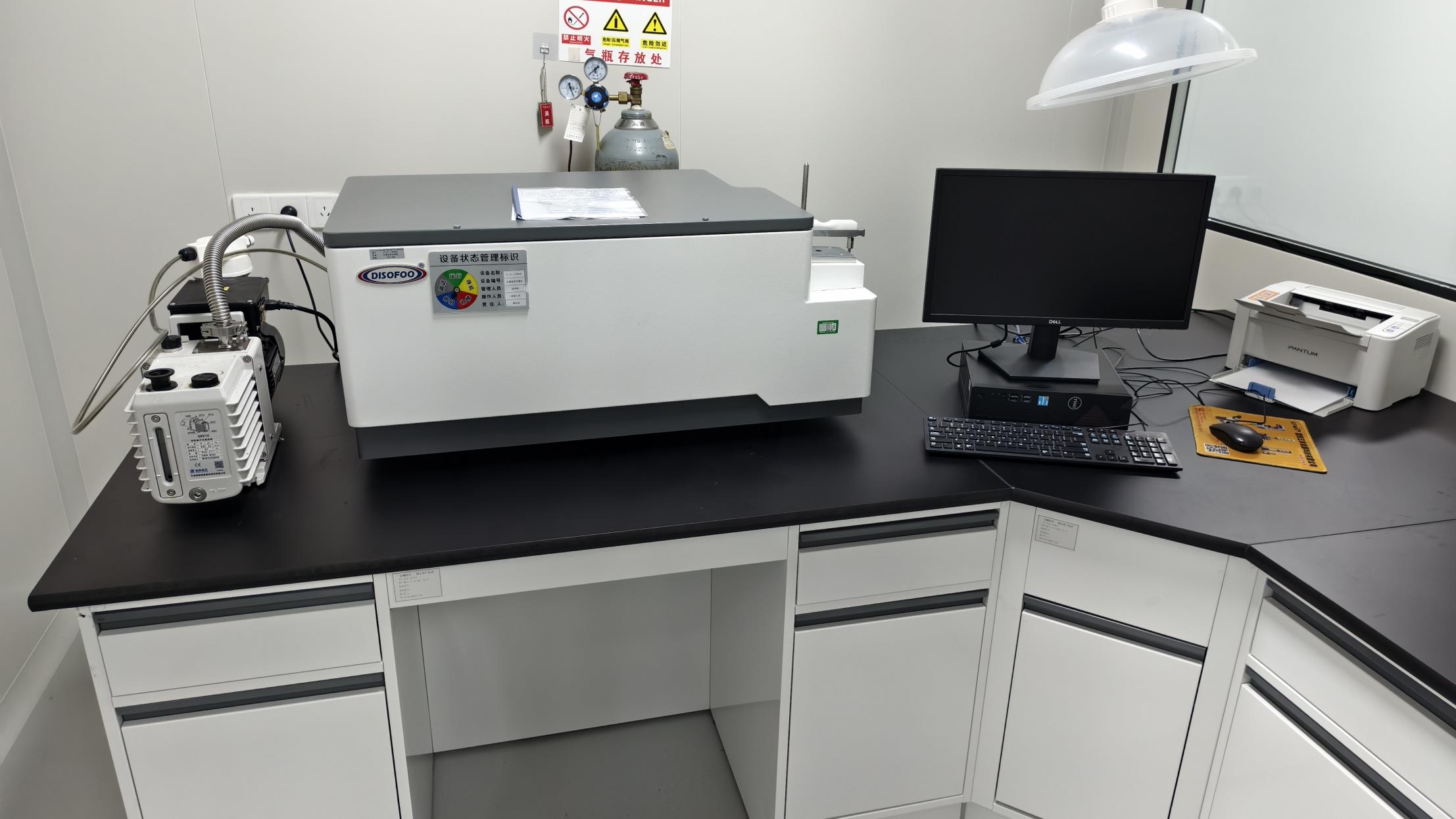
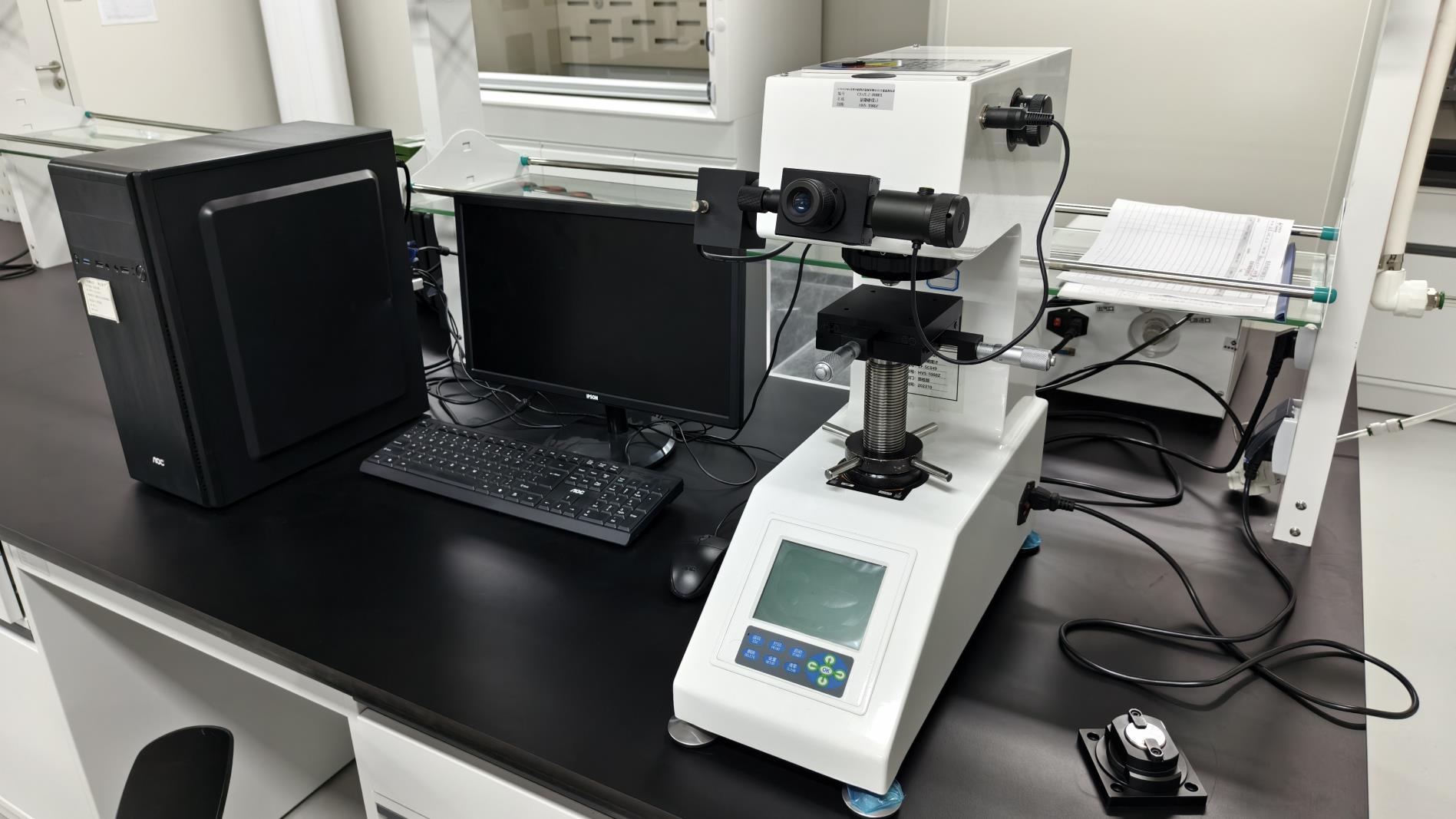
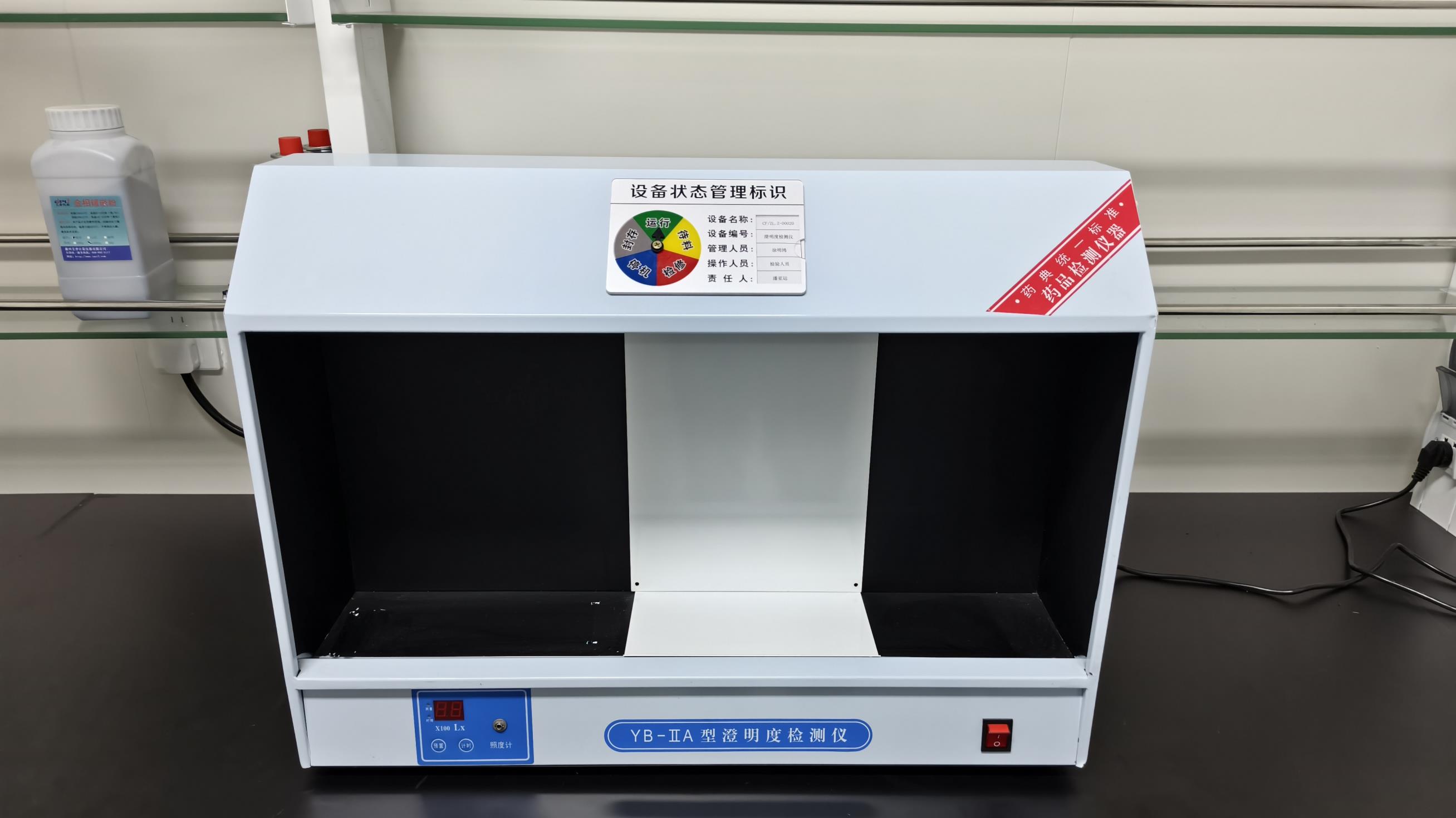
National healthcare programs and international orthopedic distributors require tailored supply configurations rather than off-the-shelf components. Zynfuse bridges this gap by delivering full-scale manufacturing integration. Our engineering unit partners with orthopedic researchers and design houses to transform sketches into certified, biocompatible products.
Whether modifying the core profile of a Herbert-style compression screw, adjusting the thread pitch density for osteoporotic bone applications, or designing specialized surgical drill guides, our OEM/ODM infrastructure is optimized for quick iteration. By combining Swiss-type lathe processing with multi-axis CNC milling, we manufacture specialized runs with excellent surface finish parameters.
Collaborative CAD layout creation, defining mechanical dimensions, and stress limits simulation via finite element analysis.
Machining prototype runs on Swiss-type lathes, followed by ASTM F543 torque, pull-out, and fatigue testing.
Executing IQ/OQ/PQ protocols, verifying bio-cleanliness, and packaging structural dossiers for CE MDR / FDA clearance.
Full-scale automated CNC machining, cleaning, laser-marking, and continuous QC inspections under ISO 13485 oversight.
How structural materials, biological coatings, and computer-assisted technologies are shaping the future of orthopedic implants.
Research into magnesium-based alloys (Mg-Y-RE-Zr) is moving toward clinical implementation. These alloys allow cannulated screws to degrade gradually as the bone heals, eliminating the need for secondary hardware removal surgeries in pediatric and trauma cases.
To combat surgical site infections (SSI), we are researching nano-patterned surfaces and silver/copper ion implantation. These designs disrupt bacterial cell membranes without compromising the mechanical integrity of titanium substrates.
Modern cannulated systems are co-developed with optical and electromagnetic tracking arrays, allowing surgical robots to verify alignment with sub-millimeter precision before deploying the guide wires.
Direct answers from Zynfuse's engineering and regulatory compliance department regarding materials, testing, and shipping protocols.
Additional specialized implants, surgical compression configurations, and dedicated locking systems.