Zynfuse
Zynfuse
Zynfuse
Explore our premium product portfolio featuring advanced titanium bone plates, rib trauma stabilization mechanisms, and precision surgical instrument sets designed for optimal patient outcomes.
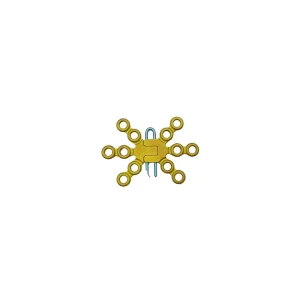
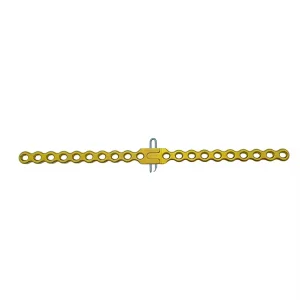
Historically, median sternotomy closure has relied on stainless steel wire cerclage. While this method remains a classic approach, clinical data over the last two decades highlights critical vulnerabilities: wire cutout, sternal dehiscence, and higher rates of Deep Sternal Wound Infection (DSWI), particularly in high-risk patients. Factors such as obesity, chronic obstructive pulmonary disease (COPD), diabetes mellitus, and advanced age significantly elevate these risks.
Rigid sternal fixation systems have emerged as the standard of care for complex cases and high-risk profiles. By employing anatomically contoured plates secured with locking screws, rigid fixation distributes mechanical load across a wider surface area. This reduces bone shear stress and promotes primary healing (contact healing) rather than secondary gap healing. Modern systems utilize advanced titanium alloys (such as Ti-6Al-4V ELI) that offer excellent biocompatibility, high fatigue strength, and compatibility with MRI scanning protocols.
| Parameters | Sternal Wire Cerclage | Rigid Plate Fixation |
|---|---|---|
| Stability Mechanics | Linear compression (localized) | Multi-directional rigid stability |
| Bone Cut-through Risk | High (especially in osteoporotic bone) | Low (load distributed across plate) |
| Sternal Dehiscence Rate | 2.0% - 5.0% | < 0.5% (High-risk cohorts) |
| Infection Risk Mitigation | Moderate | High (prevents micromotion) |
Understanding the market dynamics, international logistics, and clinical frameworks shaping the global distribution of cardiothoracic implants.
The rising prevalence of cardiovascular diseases globally has driven steady growth in coronary artery bypass grafting (CABG) and open-heart valvular surgeries. As patient demographics skew older, clinical requirements lean heavily towards primary stable closures that minimize ICU stay periods and postoperative readmissions.
Medical procurement entities, orthopaedic distributors, and international GPOs (Group Purchasing Organizations) are shifting away from high-premium localized providers toward ISO 13485-certified manufacturers in Asia. These manufacturers deliver equivalent metallurgical properties at a sustainable unit cost, mitigating healthcare budget pressures.
Securing cross-border compliance demands rigorous adherence to regulatory standardizations. From FDA 510(k) clearances in the US to MDR compliance (Regulation EU 2017/745) in Europe, medical device exporters must offer clear documentation on mechanical fatigue testing (ASTM F382) and biocompatibility matrices.
Our long-term R&D projection integrates emerging materials science with digital clinical planning to redefine thoracic osteosynthesis.
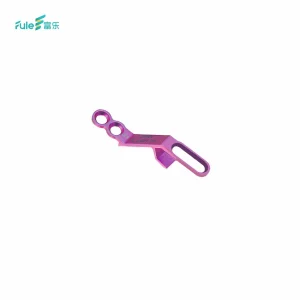
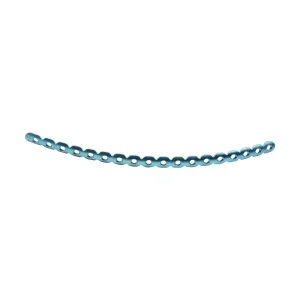
Utilizing high-tensile medical titanium to manufacture plates that conform to standard sternal and rib curvatures. Threaded locking holes provide rigid structural stability, resisting physiological thoracic expansion during coughing and breathing cycles.
Integrating patient DICOM data from CT scans with electron beam melting (EBM) and direct metal laser sintering (DMLS). This allows for custom reconstruction plates for severe pectus excavatum or extensive tumor resections involving the chest wall.
Transitioning toward magnesium-based alloys that degrade naturally at a rate matches bone healing. This eliminates the presence of permanent foreign objects in the chest wall, lowering long-term foreign-body reaction risks and secondary removal surgeries.
Embedding micro-sensors within the rigid plates to monitor localized bone healing strains, changes in temperature (to detect early surgical site infections), and implant load shifts, transmitting data wirelessly to clinicians.
How specific clinical presentations guide the selection of fixation configurations and surgical technique methodologies.
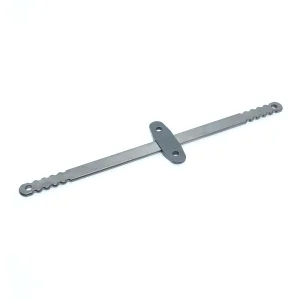
In cases of sternal nonunion or secondary separation, bone edges are often debrided and compromised. Standard wire cerclage fails in such soft bone. Transverse plating crossing the sternal split line provides the high mechanical compression and stability required to promote bone bridging.
Multiple fractured ribs cause paradoxical chest wall motion, leading to severe respiratory distress. Low-profile titanium rib locking plates help restore mechanical chest wall integrity, reducing ventilator days and chronic pleural pain.
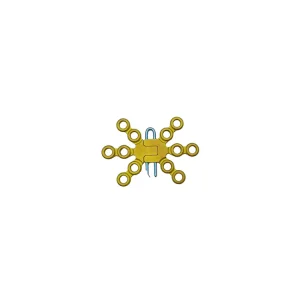
When primary chest wall tumors require wide margin resections, standard anatomical structures are lost. Reconstructive systems utilizing flexible mesh-plate combinations recreate the protective cage surrounding the mediastinum.
A deep look into the advanced manufacturing capabilities and quality control infrastructure that make Zynfuse Medical a leading OEM/ODM partner.
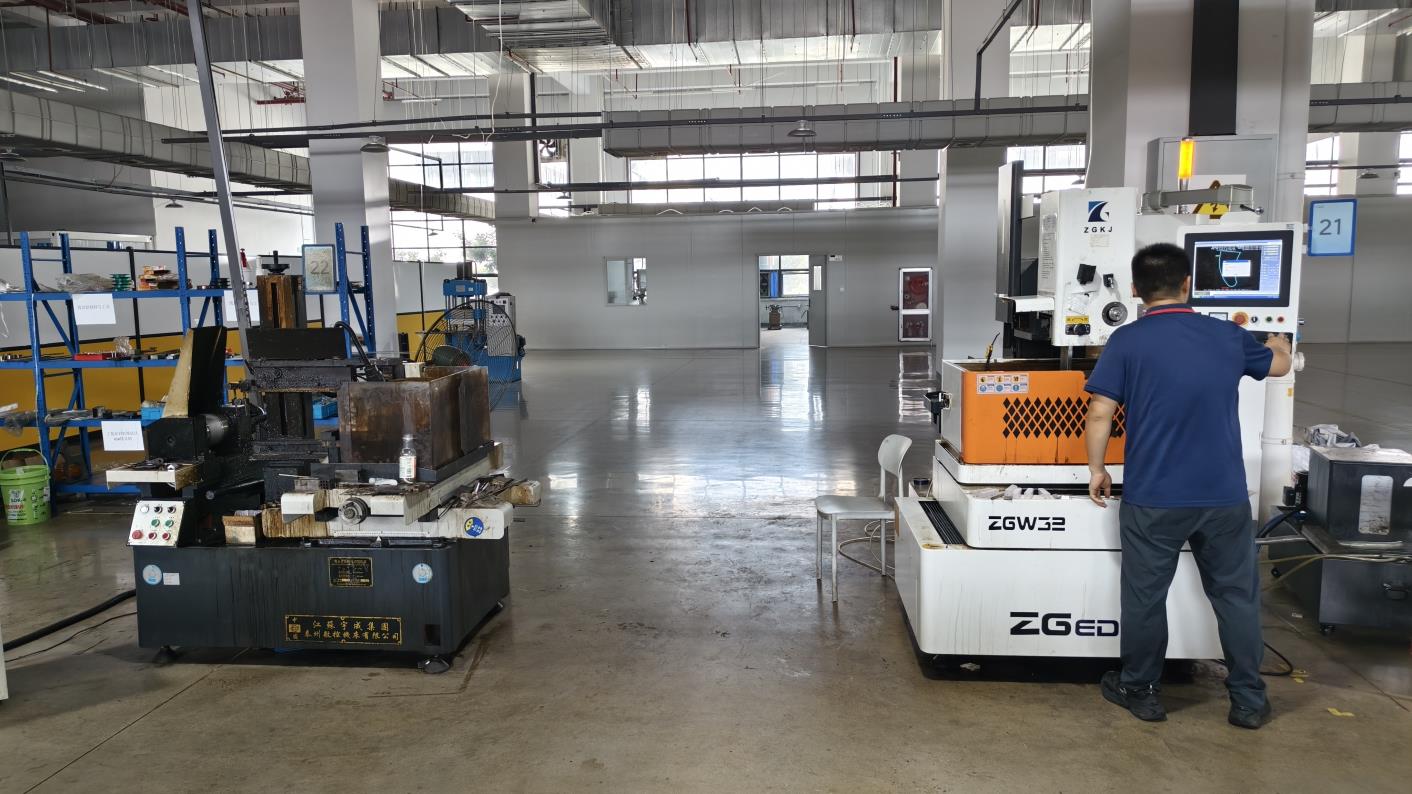
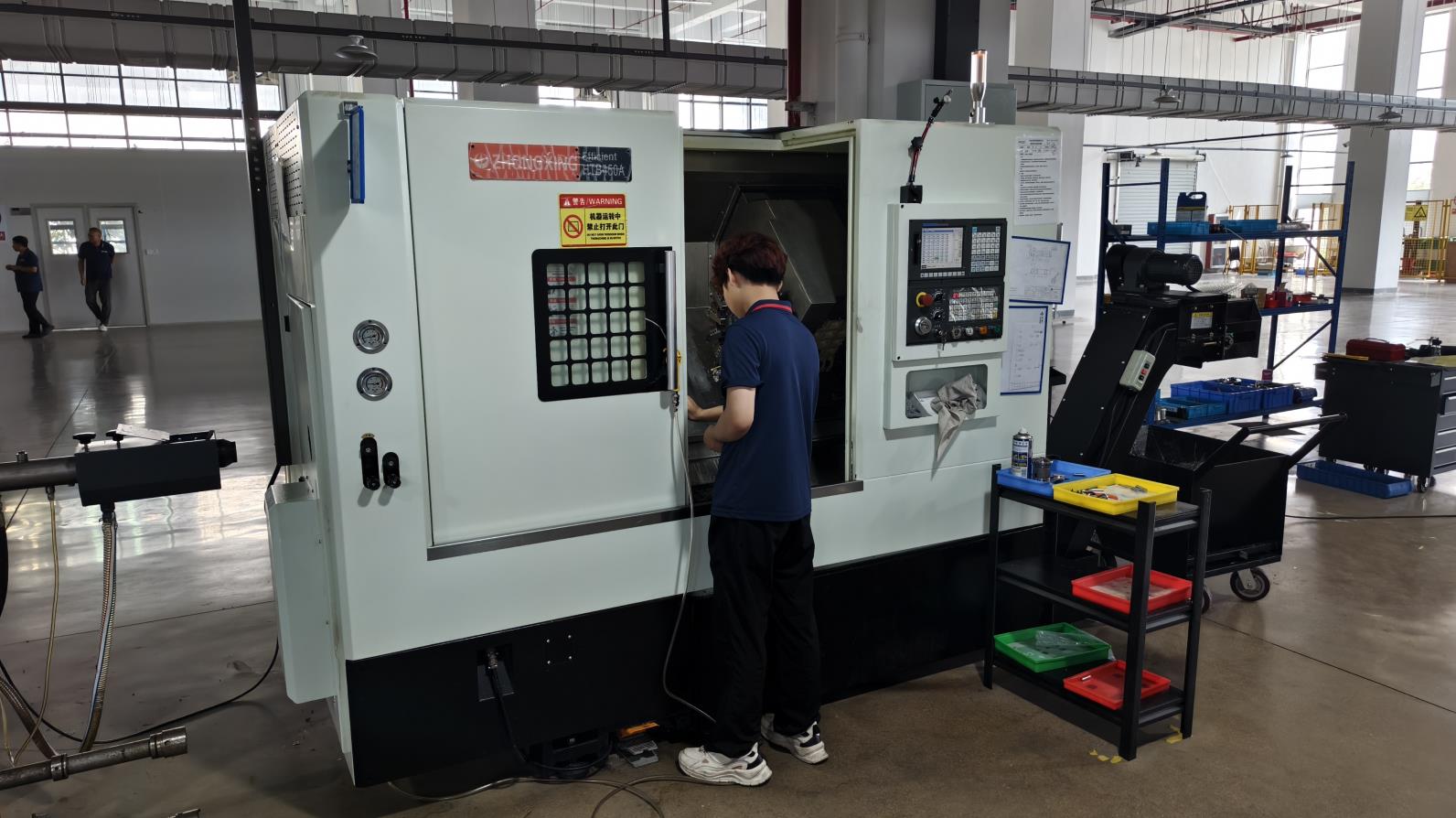
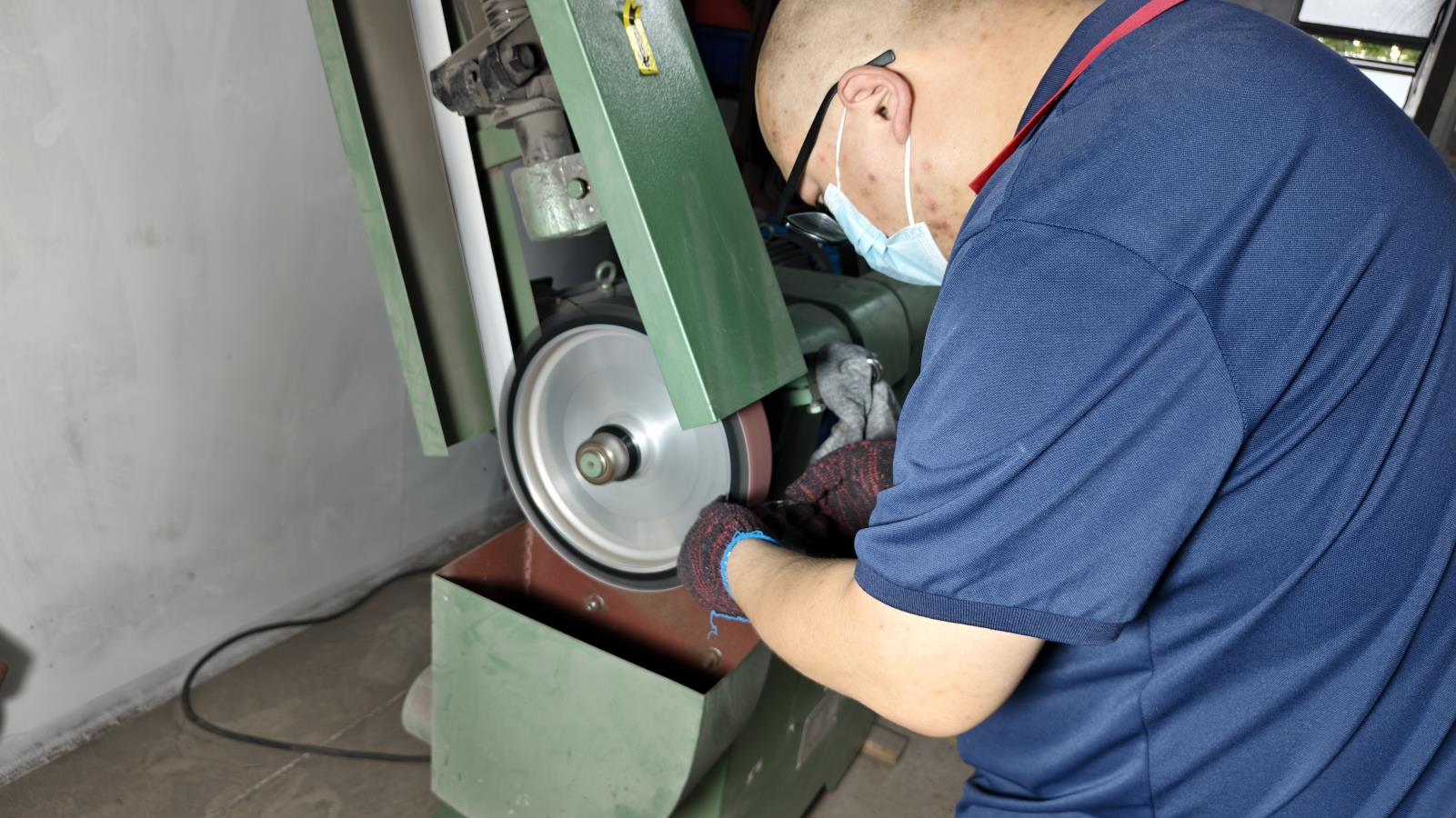
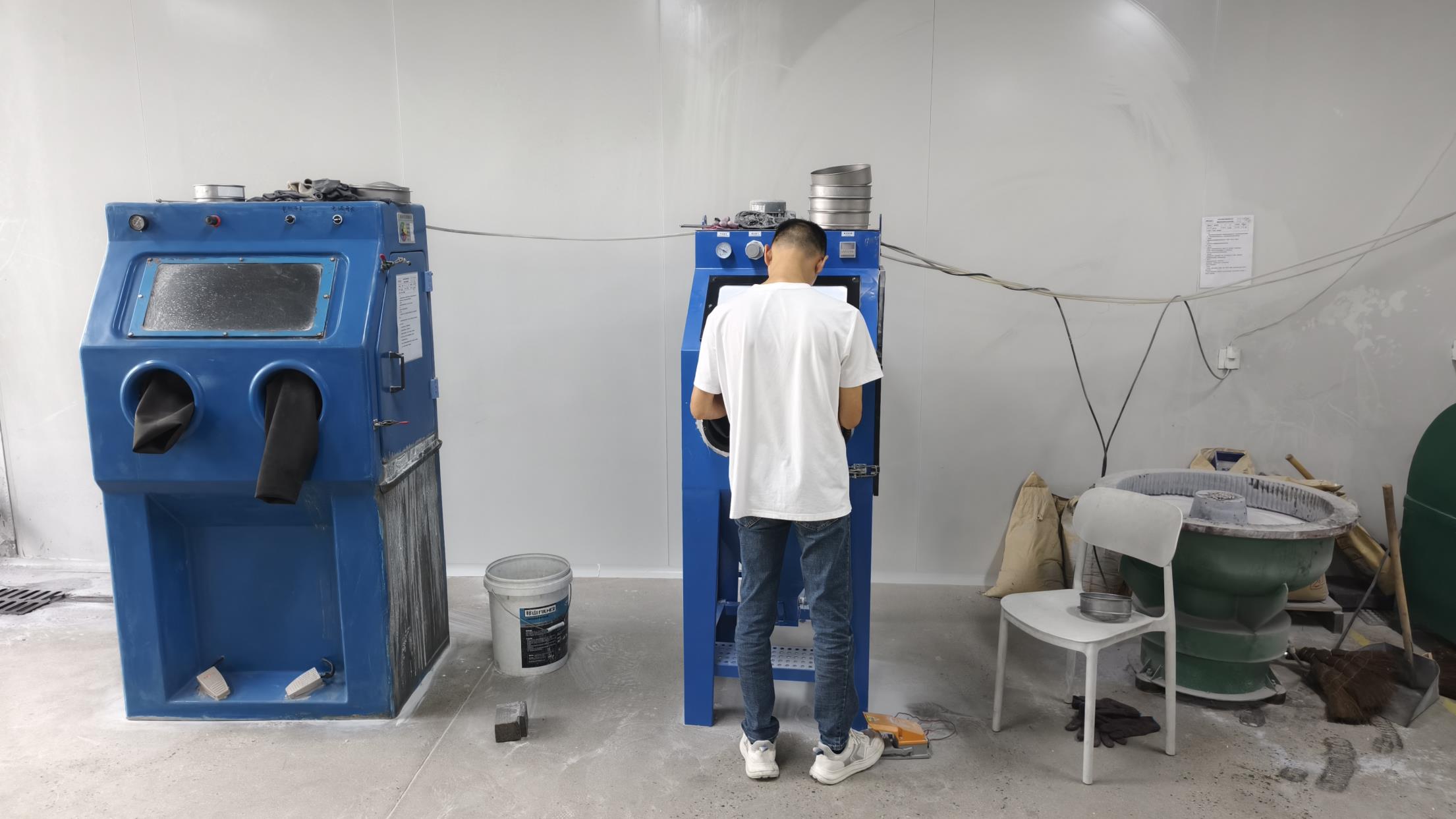
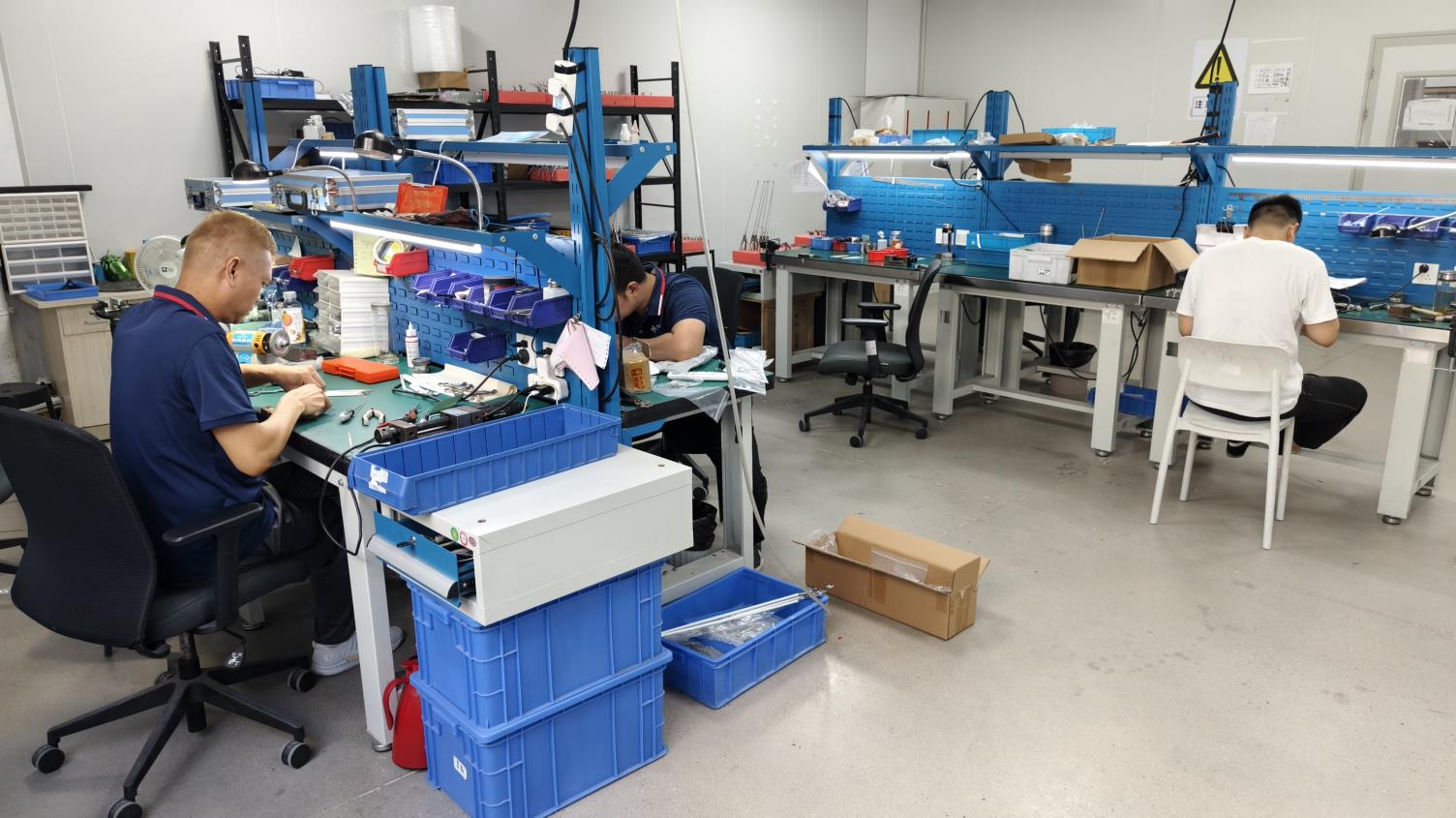
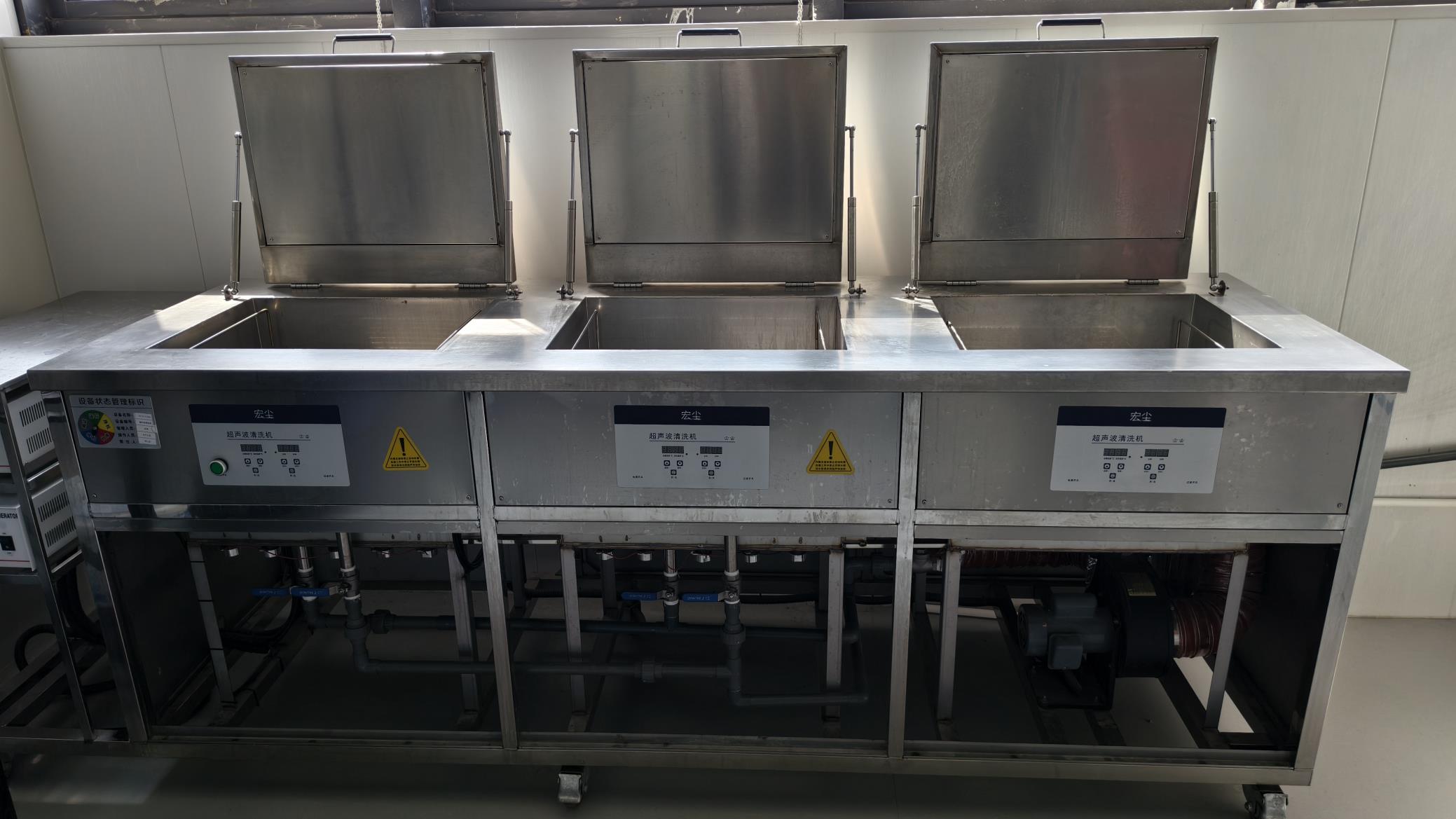
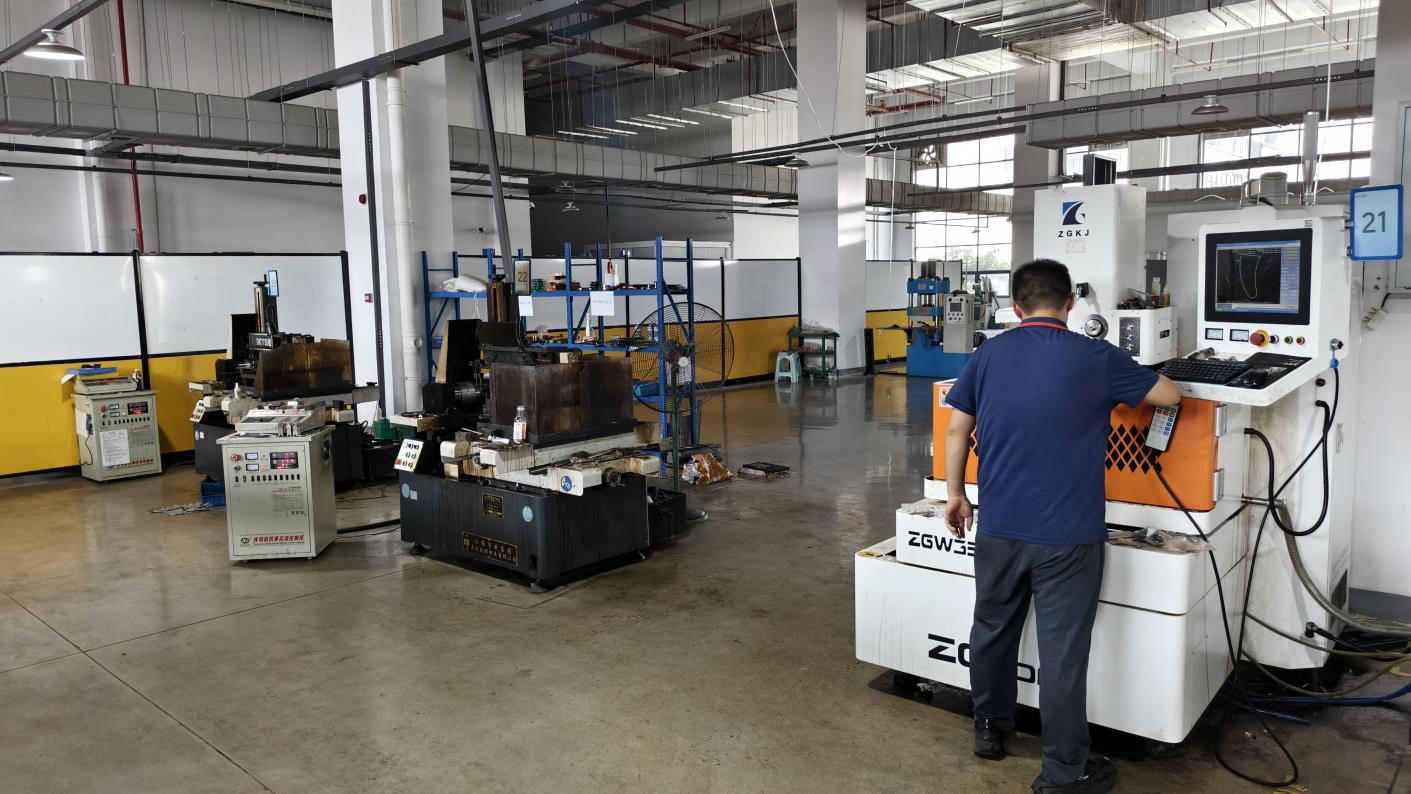
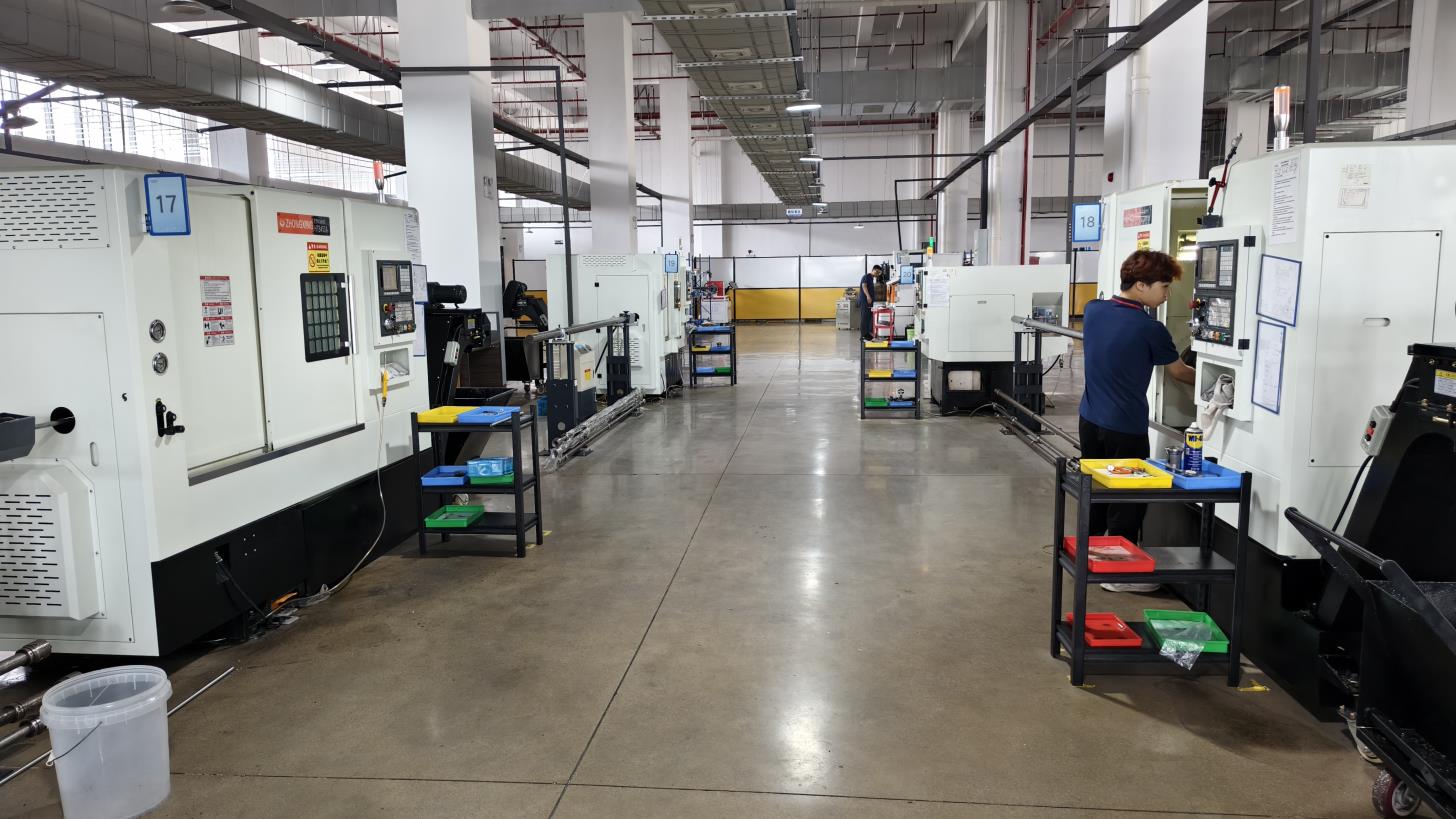
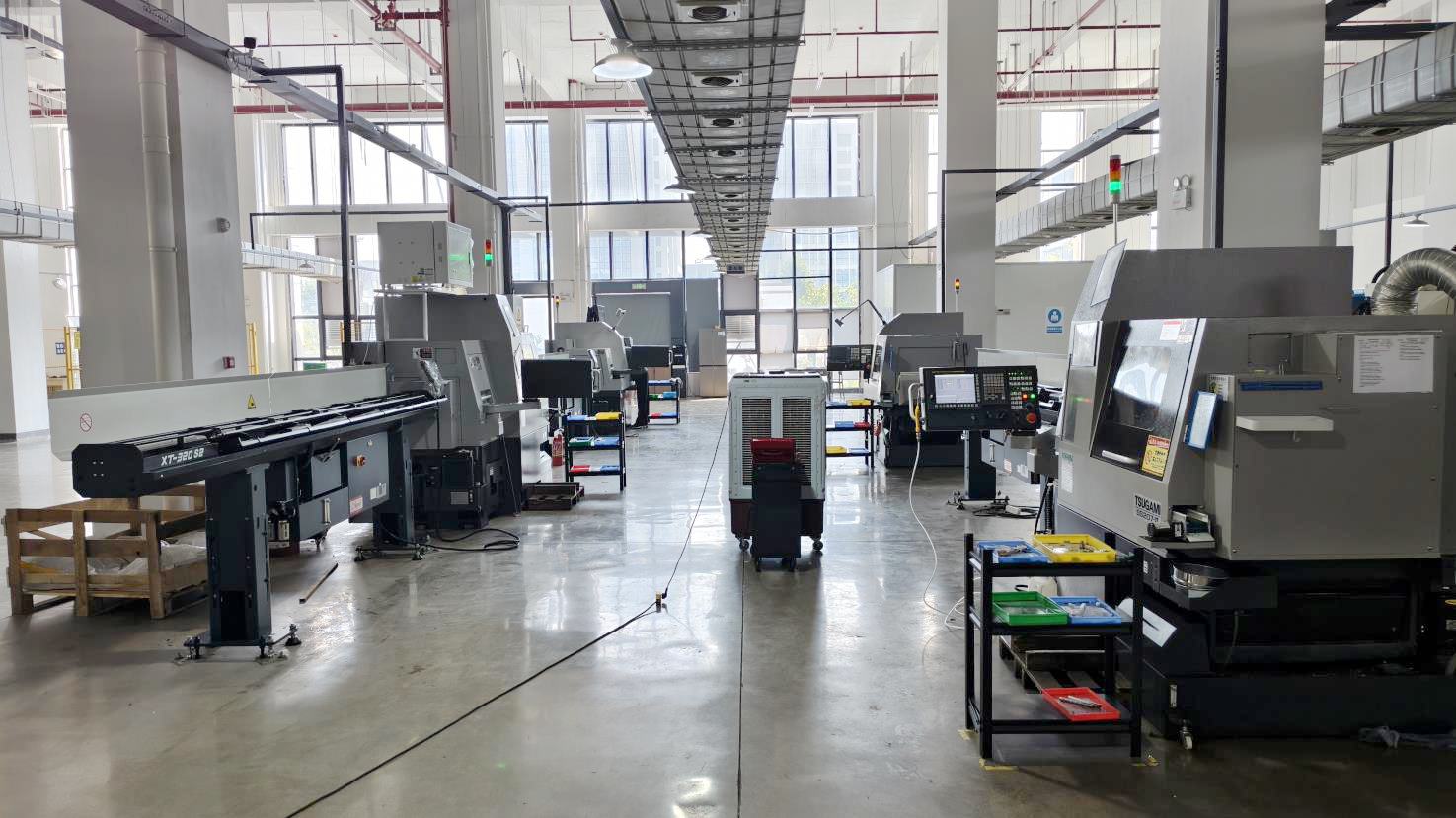
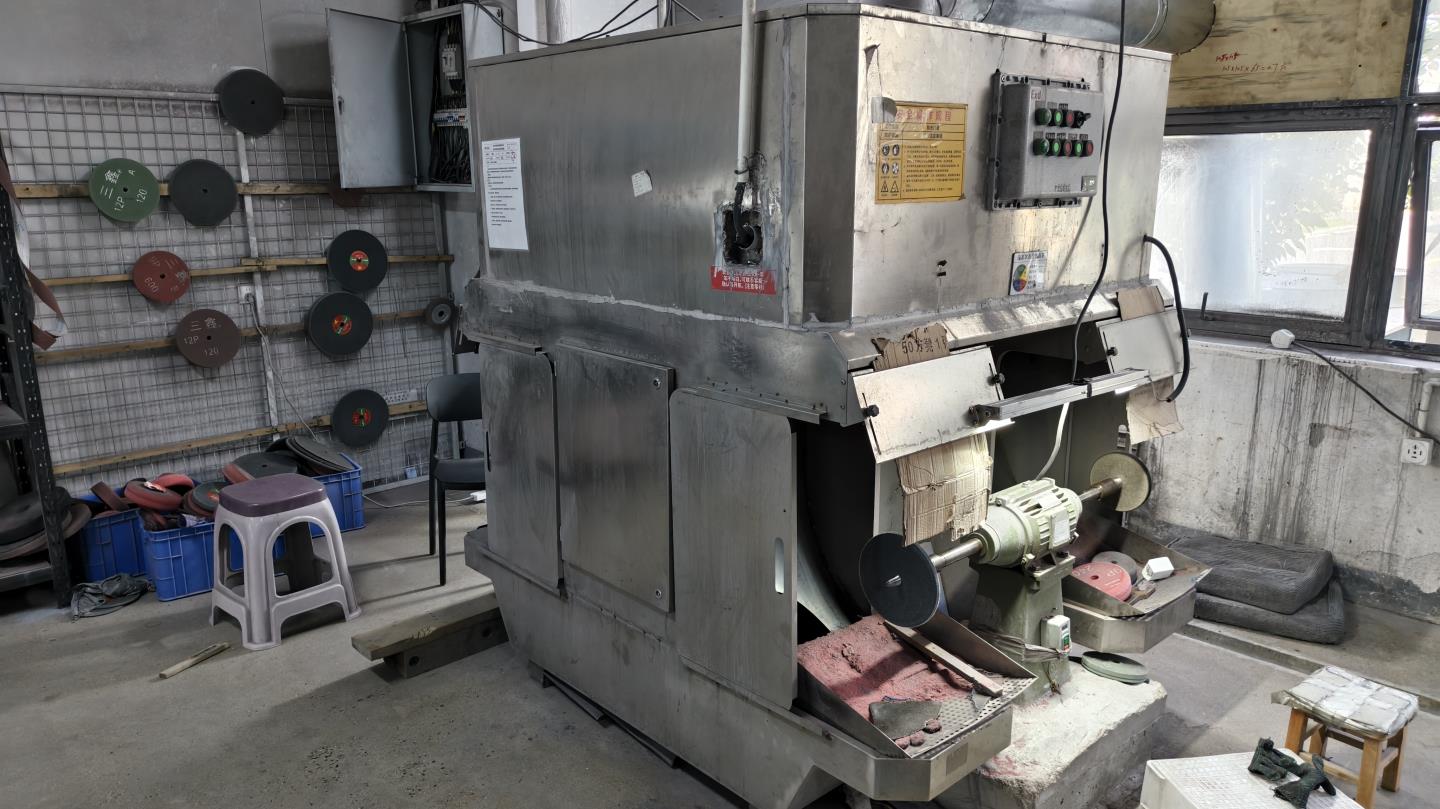
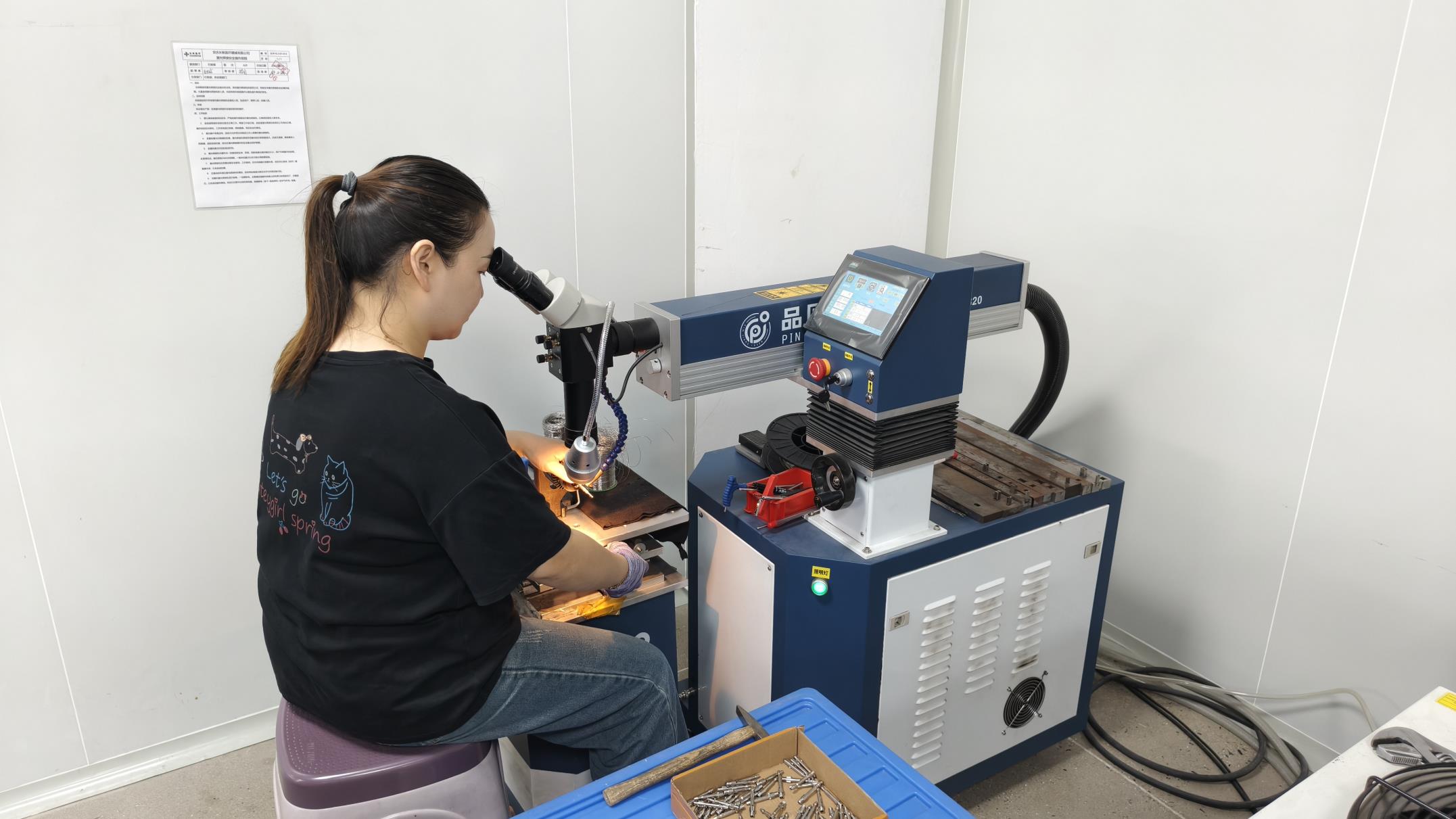
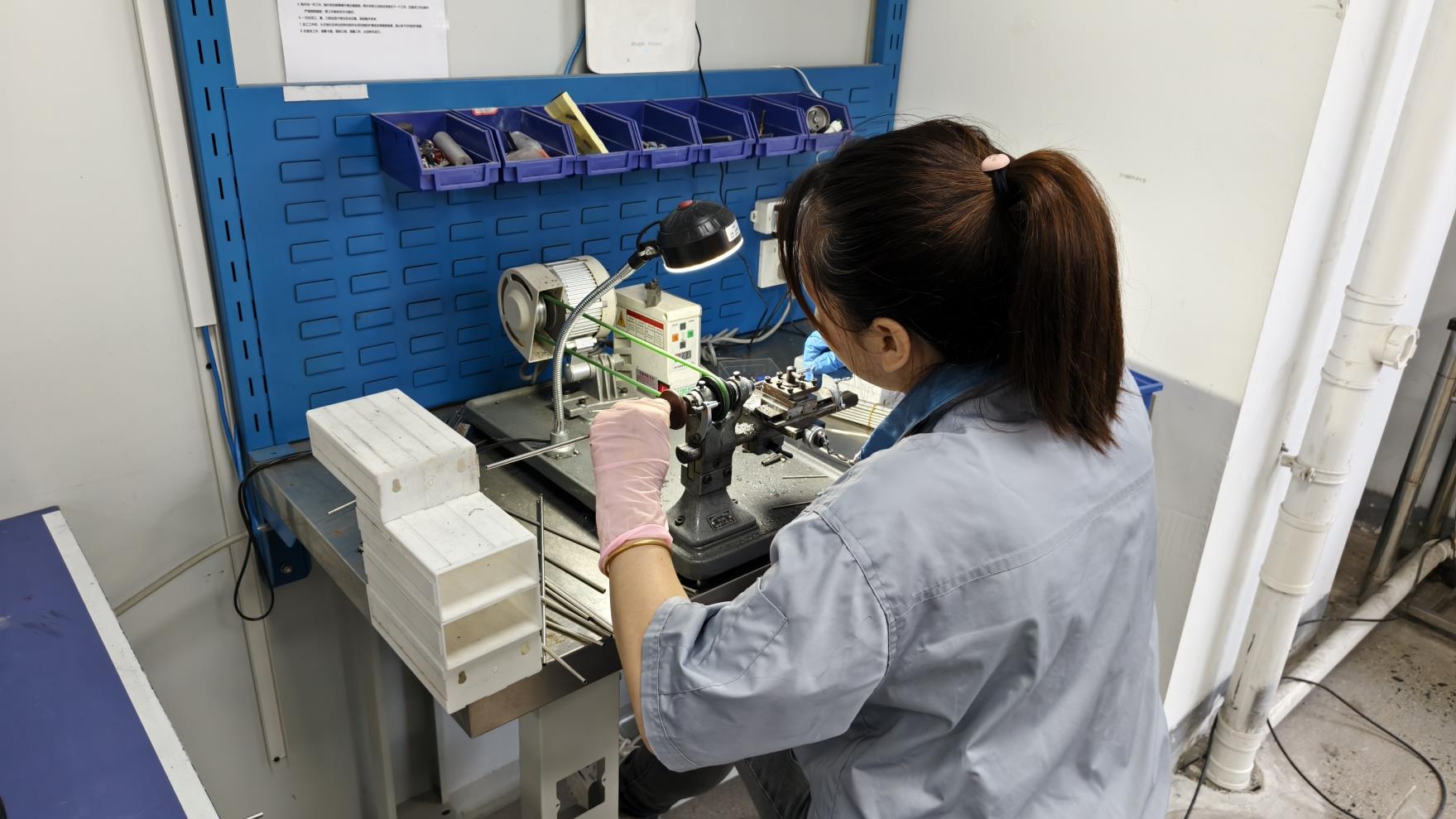
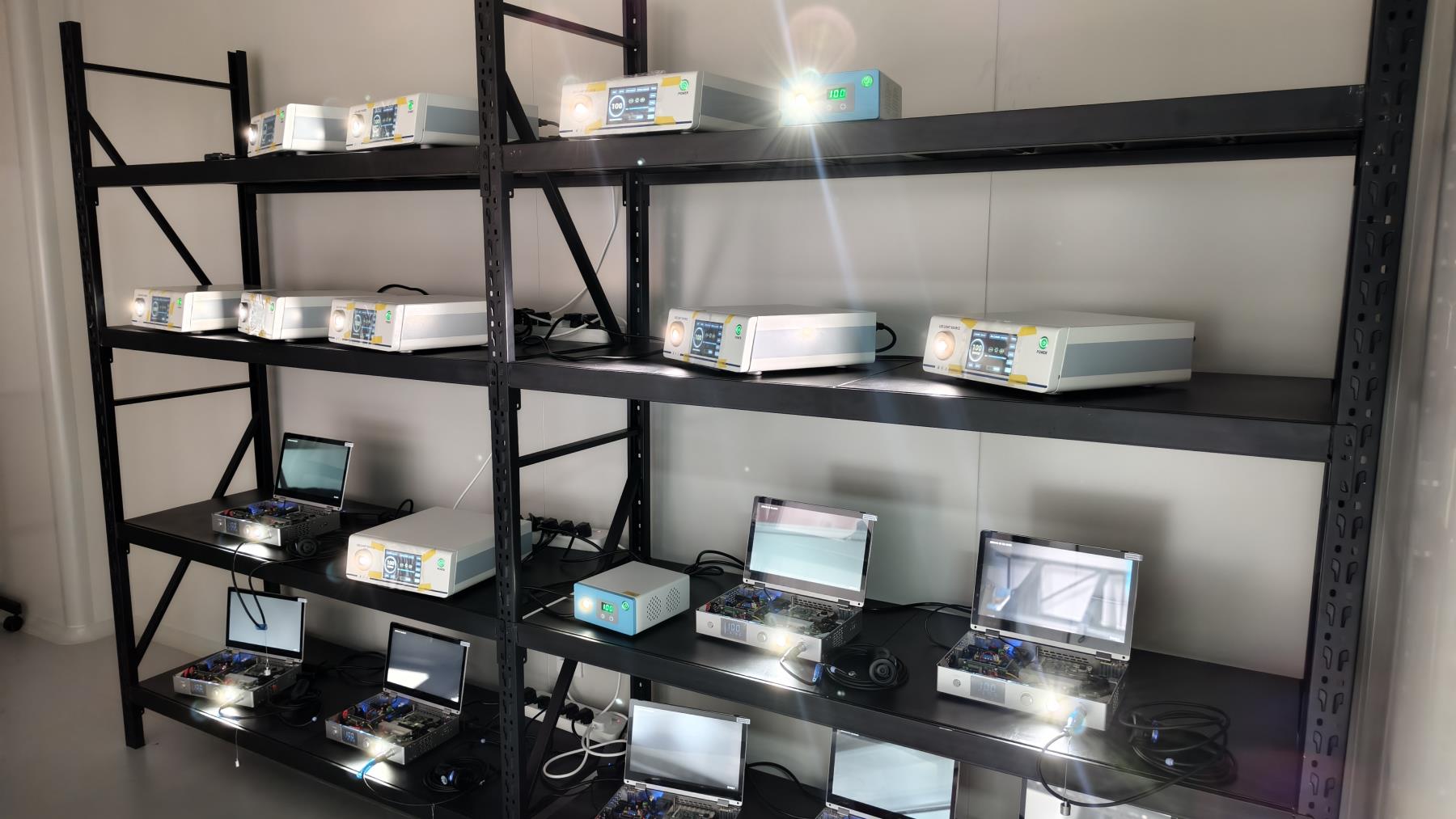
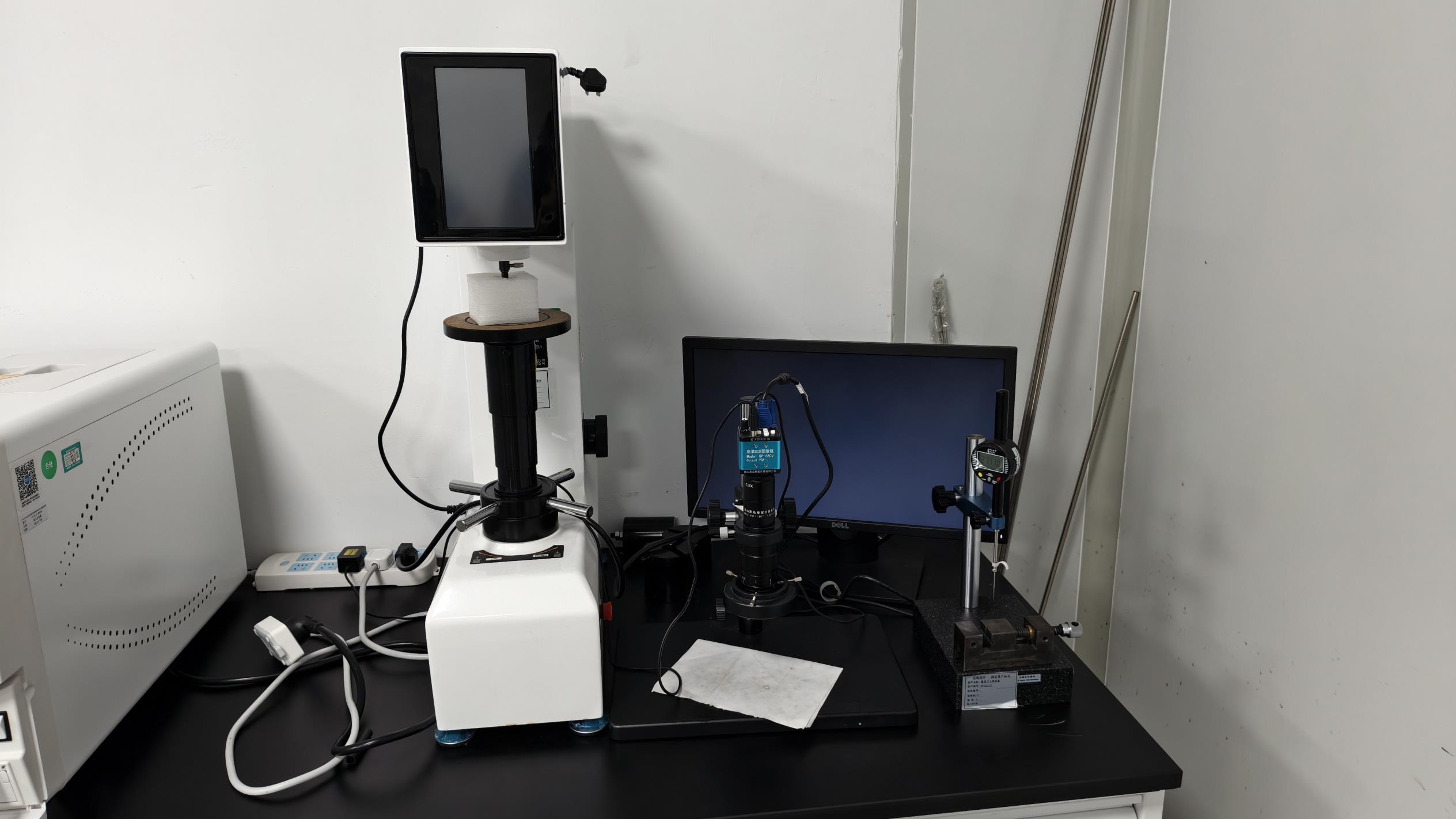
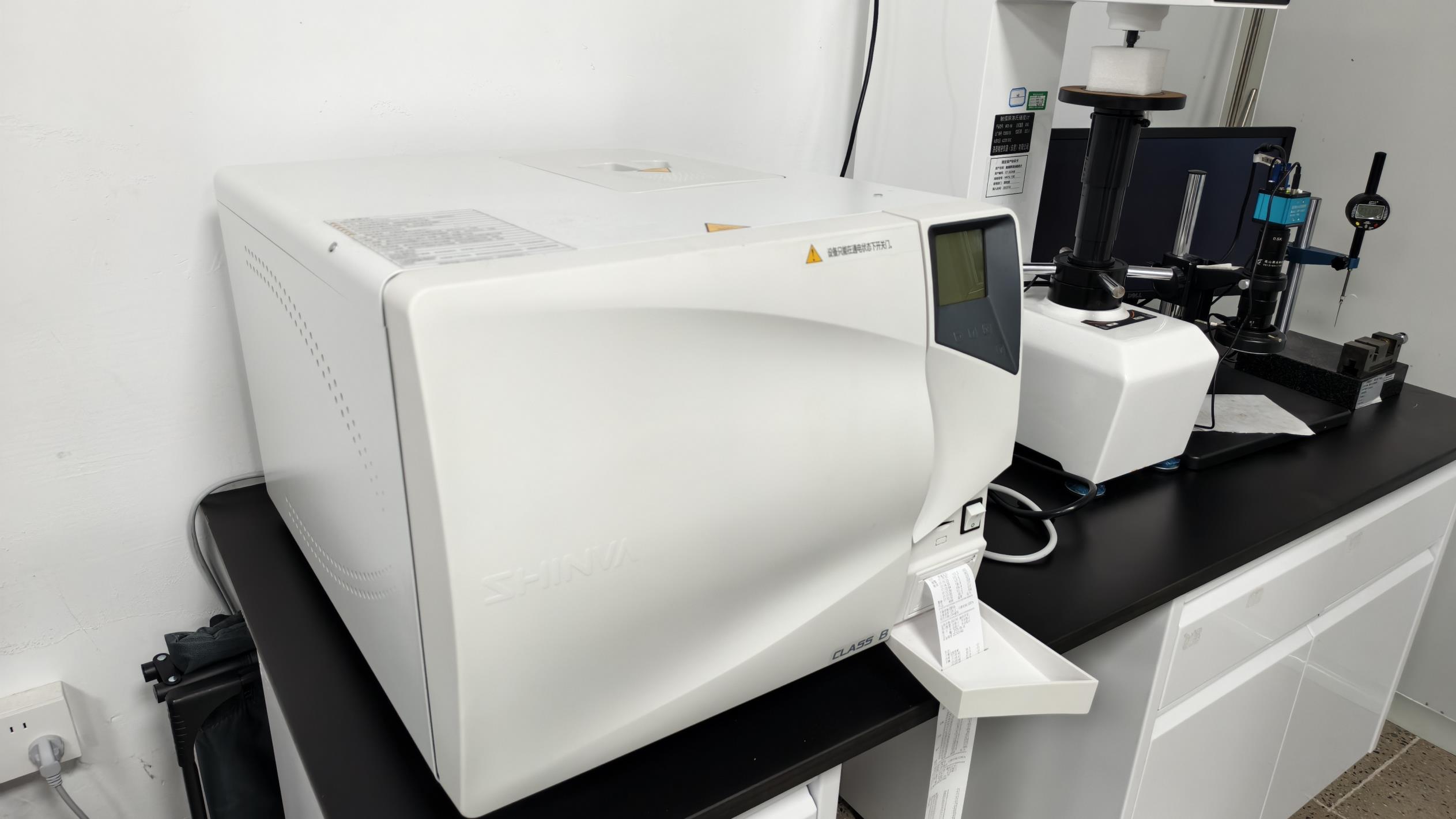
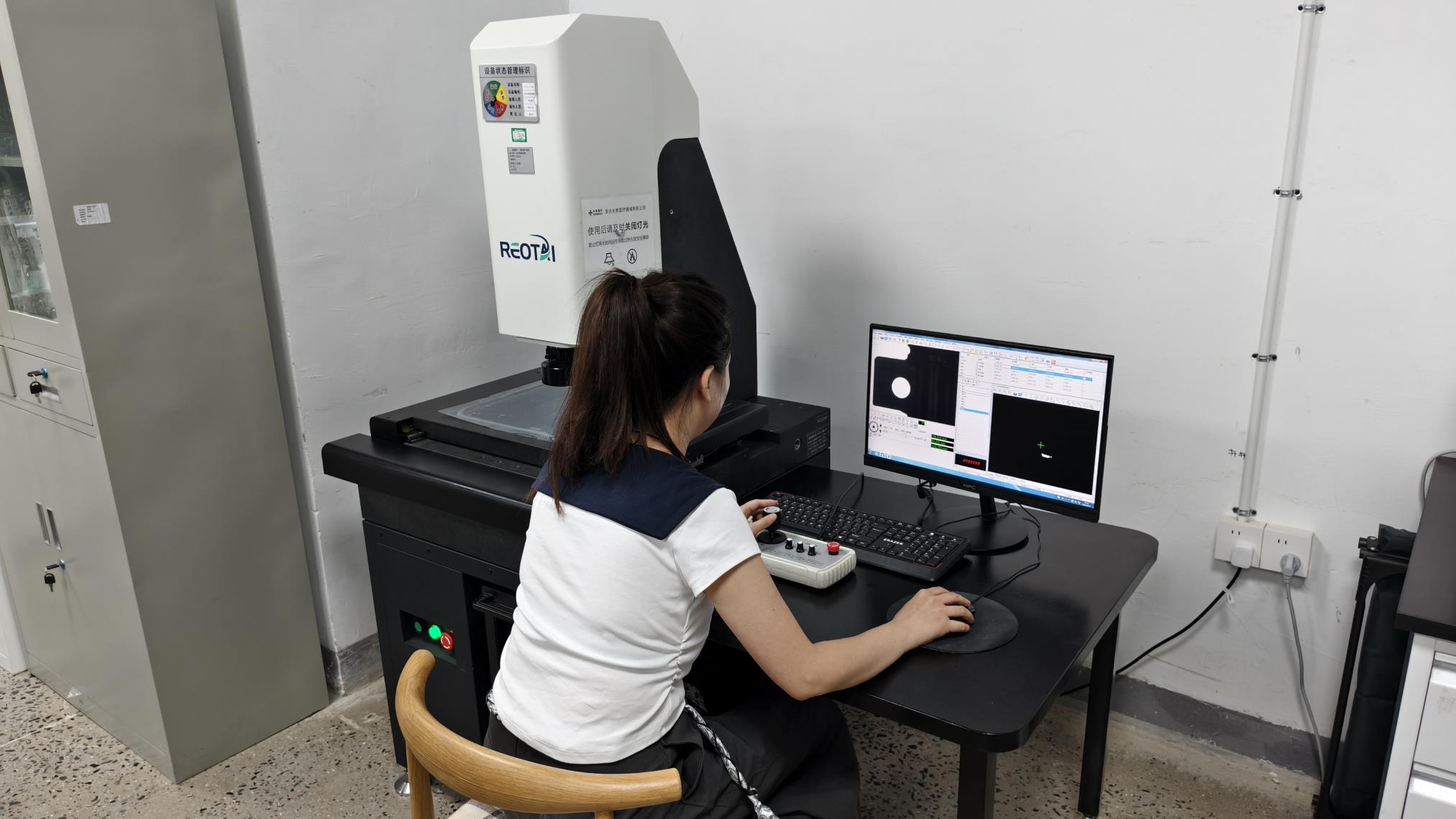
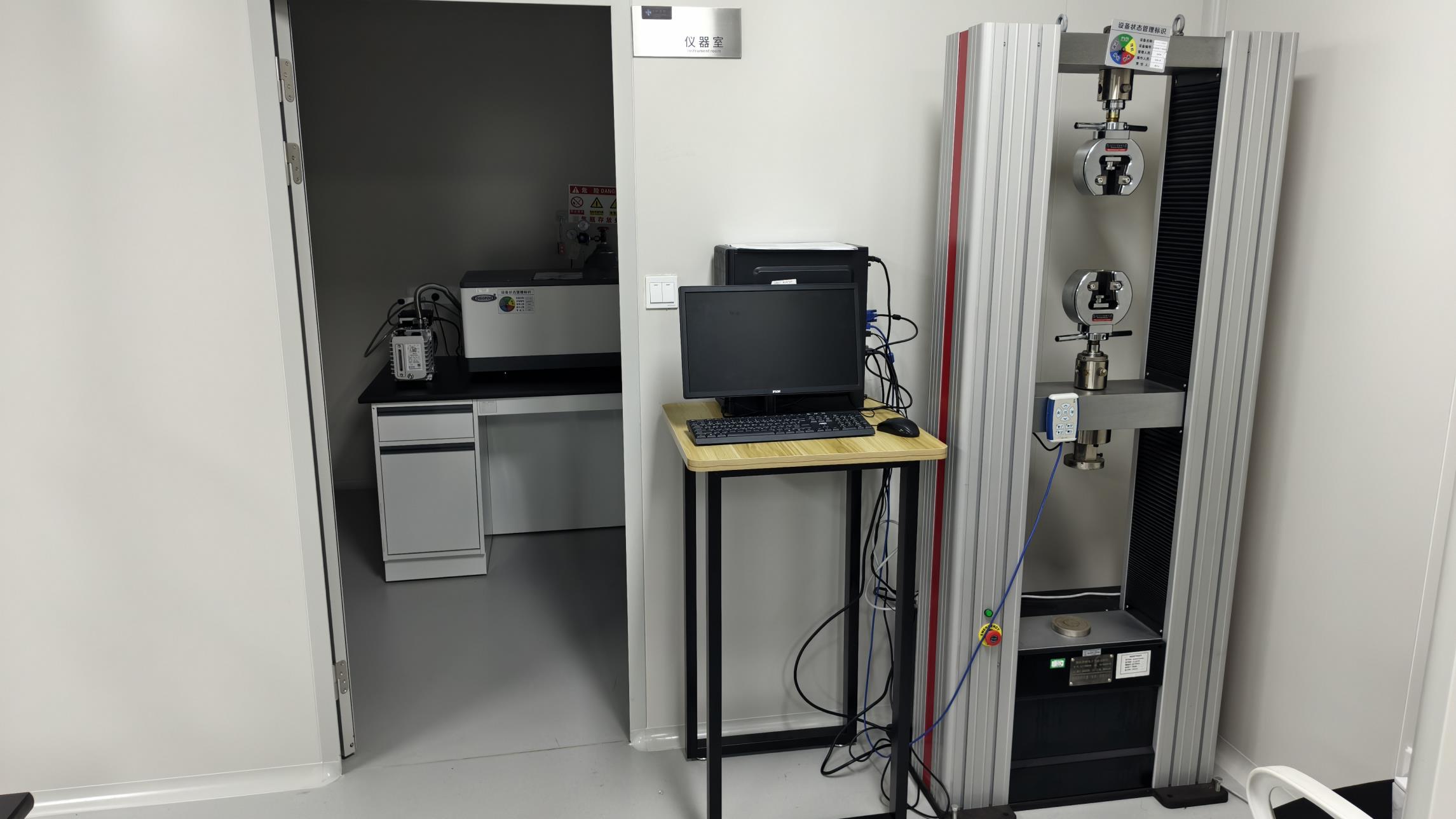
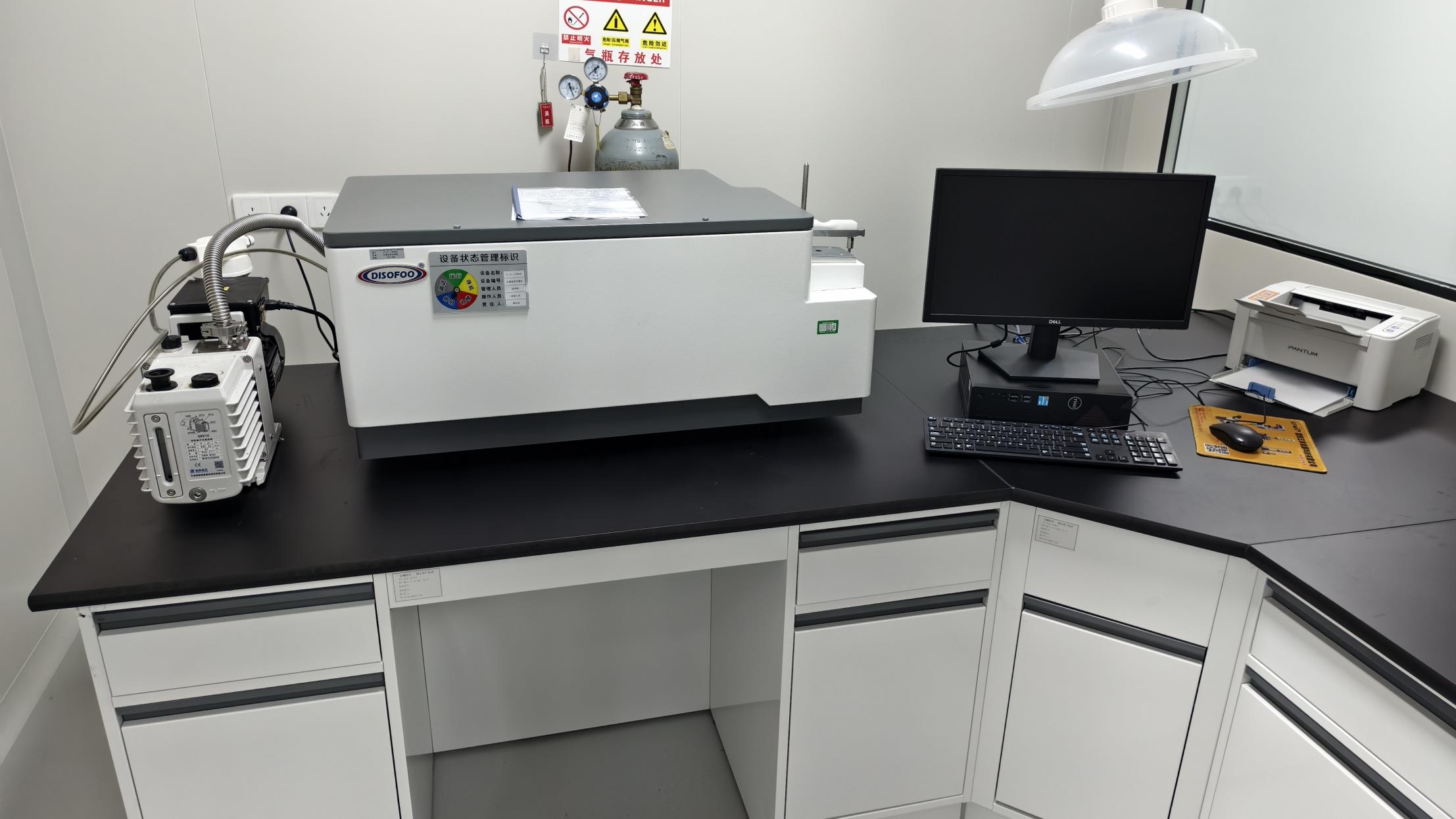
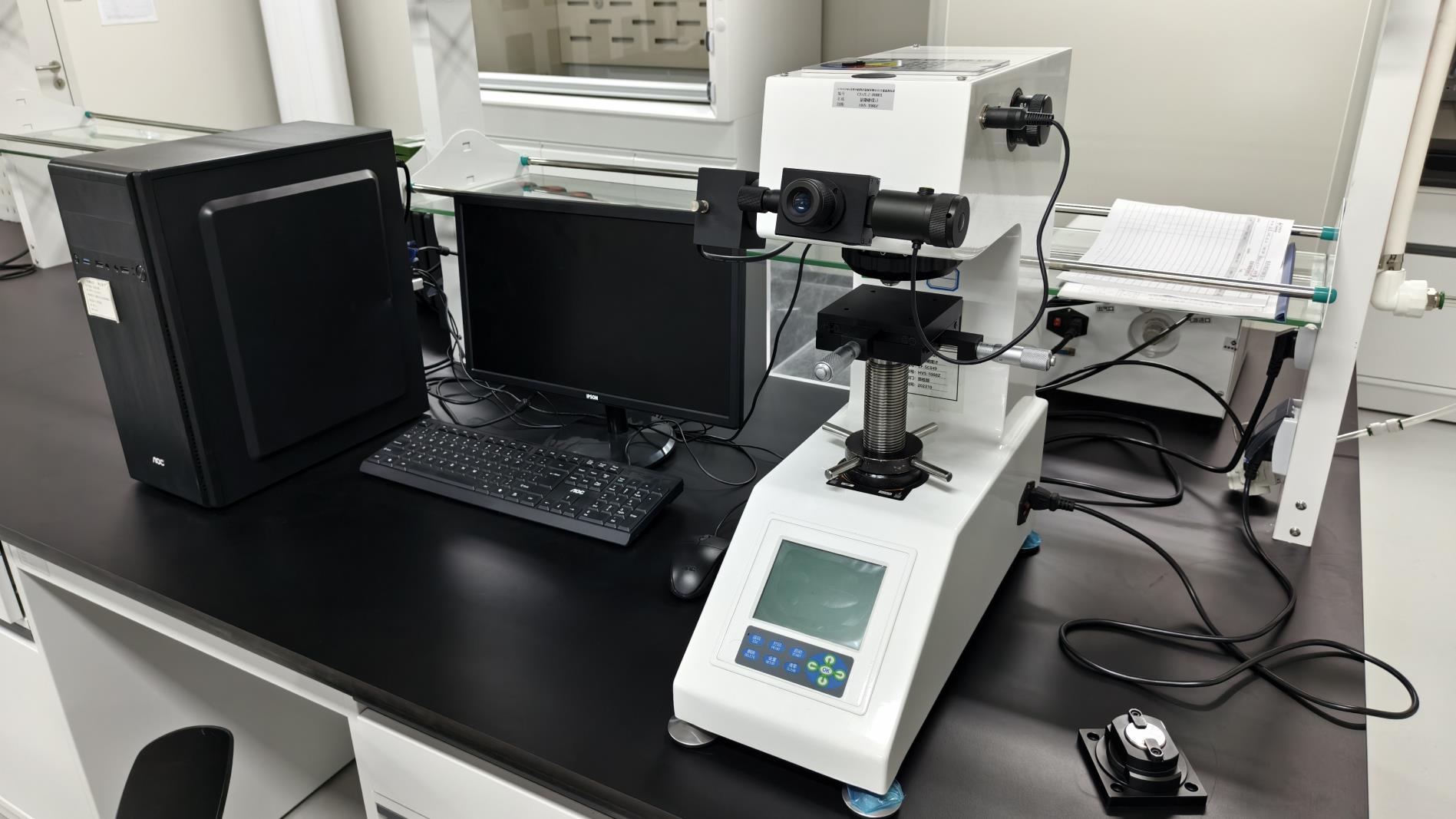
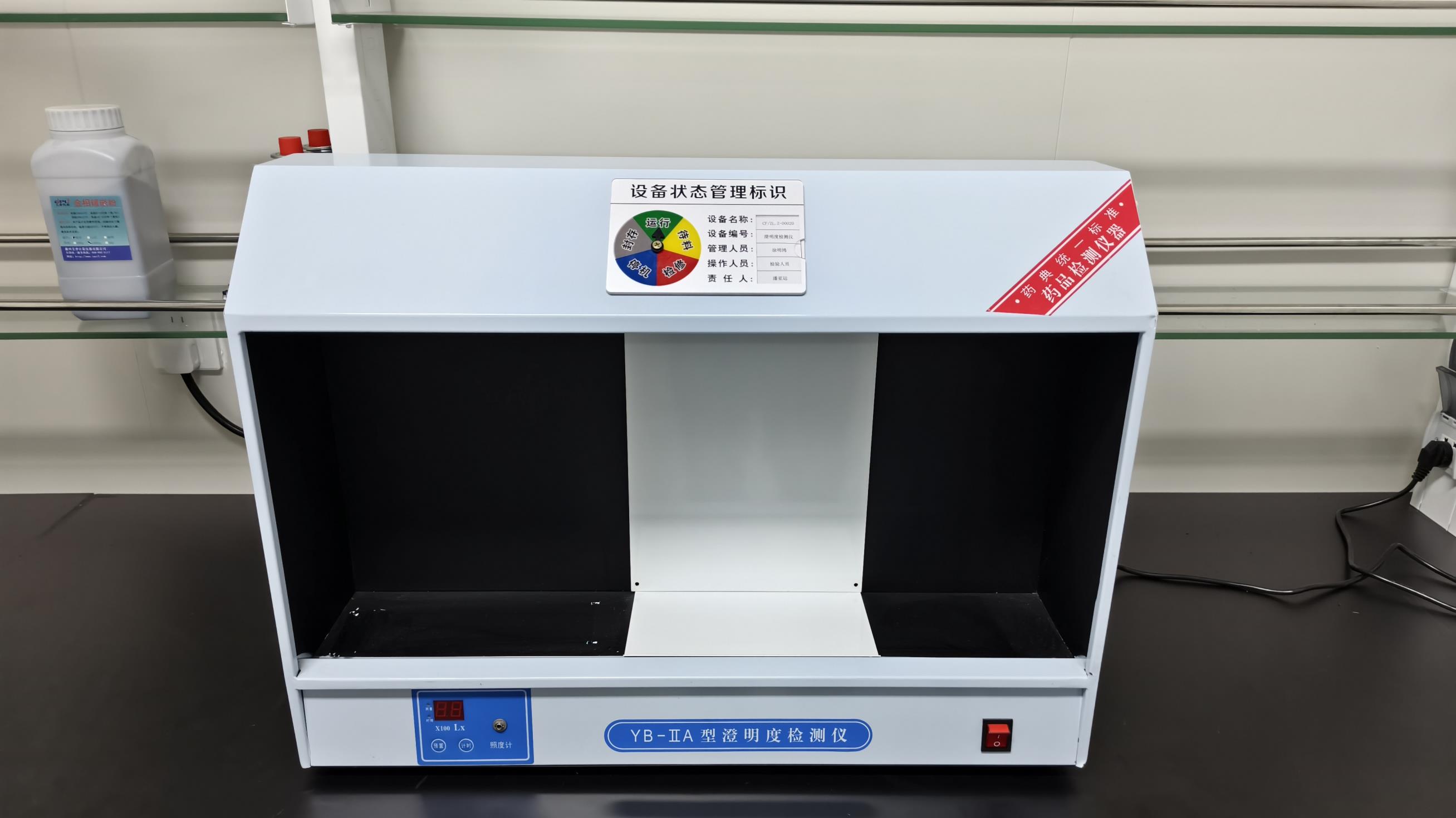
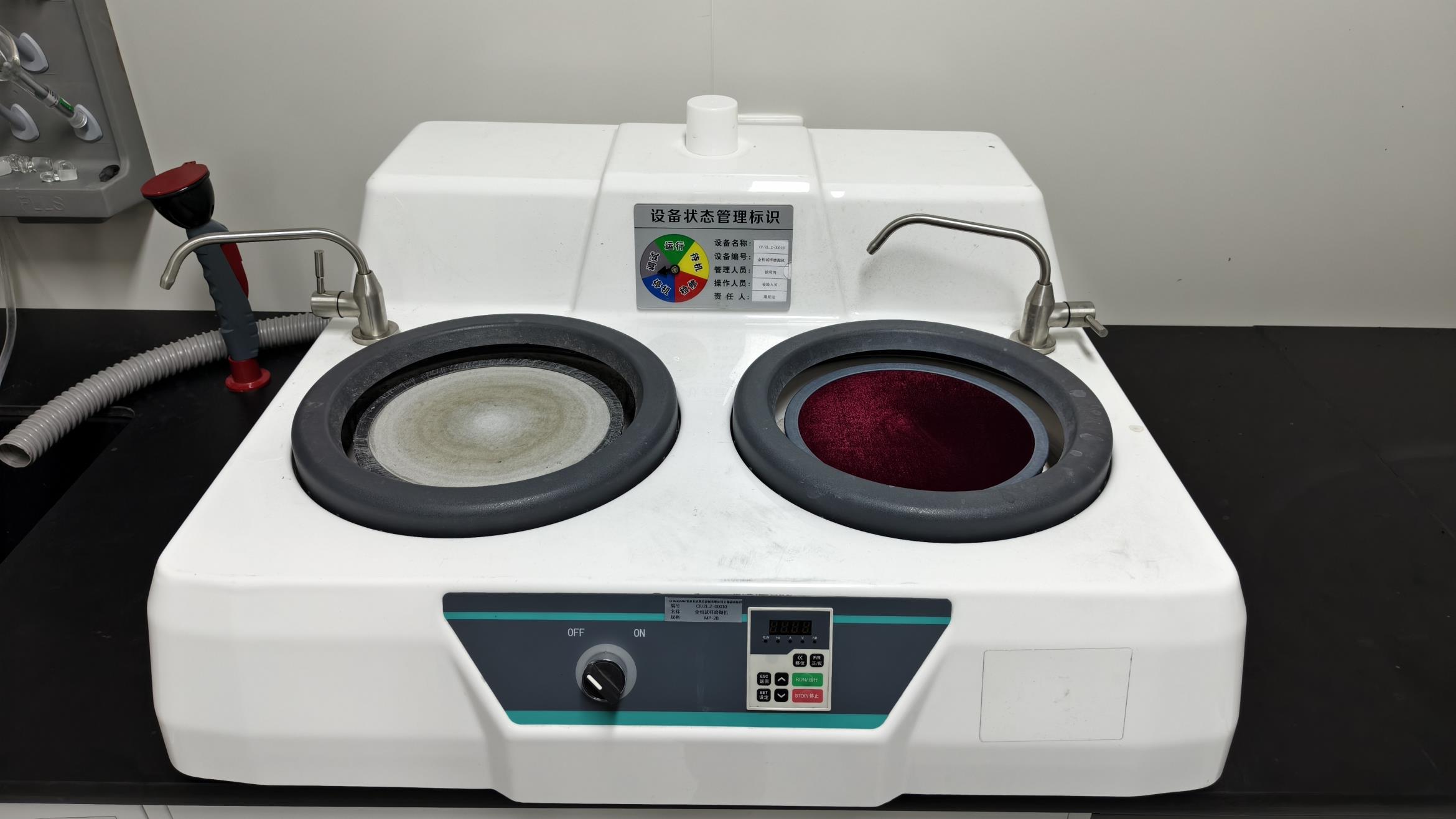
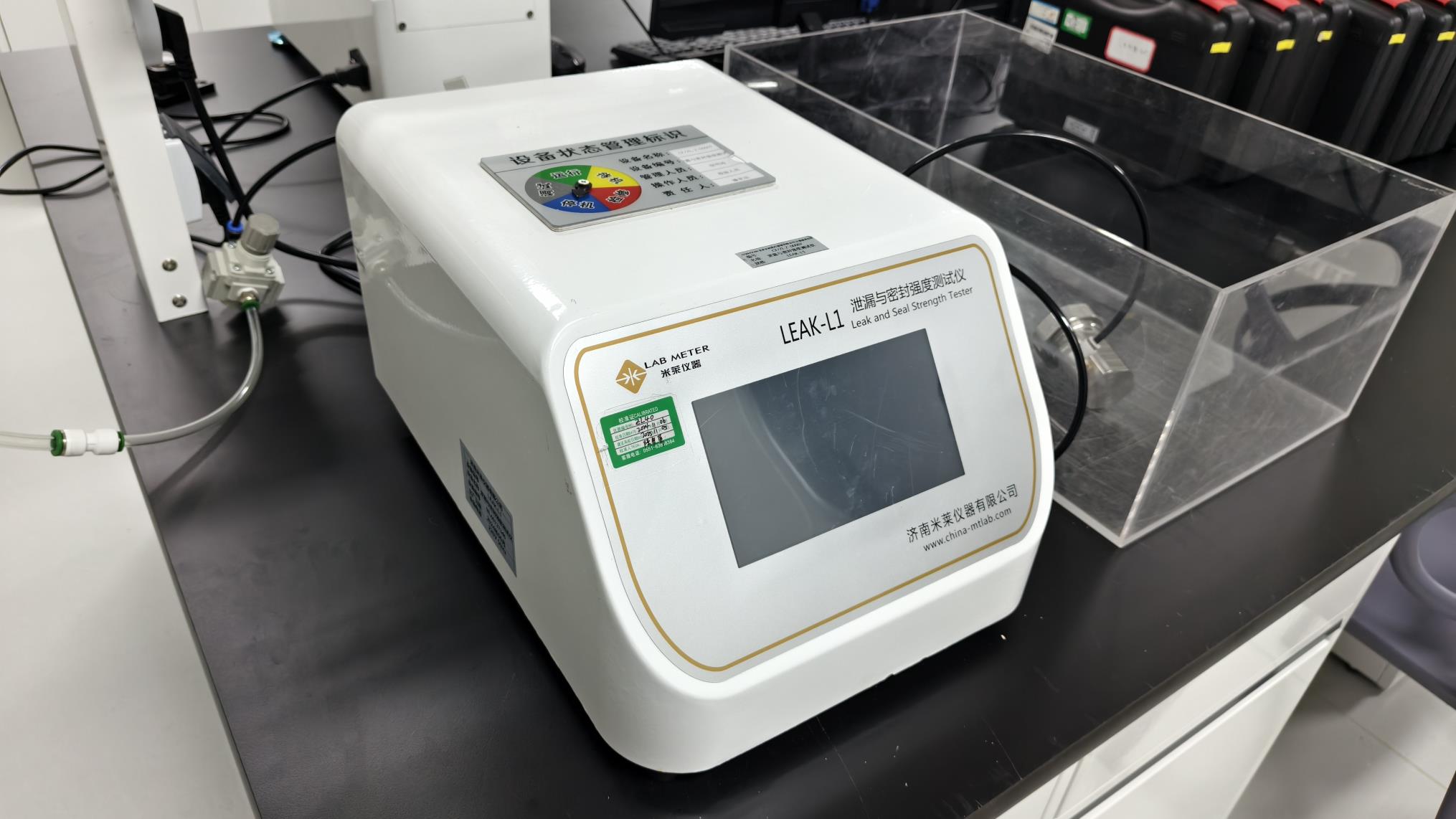
Zynfuse Medical operates a modern manufacturing facility covering approximately 18,600 m². The facility is equipped with advanced testing and production equipment to handle every step of the implant fabrication process. Our operations include cleanroom packaging (Class 100,000 / ISO 8), modern CNC processing centers, and high-precision Swiss-type lathes to ensure dimensional tolerances within micron limits.
Our supply chain model is designed to buffer global procurement risks. By sourcing high-purity medical grade titanium from qualified domestic suppliers and maintaining a strategic raw materials reserve, Zynfuse protects clients from pricing volatility and logistics delays.
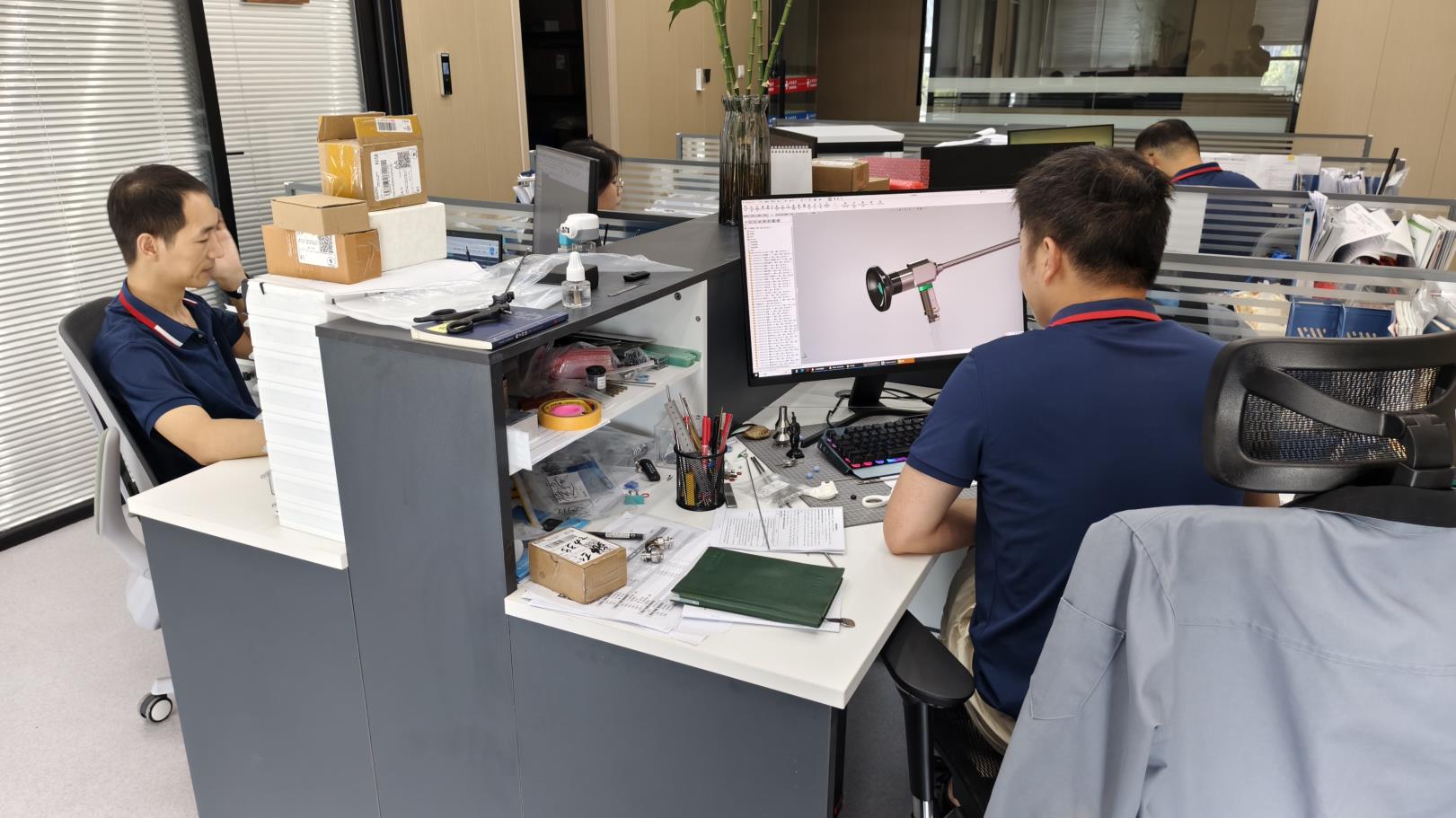
With a dedicated R&D team of 85 engineers and a strict QC department with 68 quality inspection specialists, we manage the transition from raw ingot to sterile orthopedic implant under ISO 13485 protocols.
Established
Industry Experience
Annual Export Revenue
Global Partners
Ensuring compliance, documentation, and logistical support across diverse regulatory environments.
We support regional distribution networks by providing comprehensive technical documentation files. Zynfuse holds ISO 13485 certification, ensuring all production lines meet quality management standards for medical devices.
Our surgical implants undergo biocompatibility testing (ISO 10993) and sterilization validations, enabling smooth regulatory registration processes in Europe, Southeast Asia, the Middle East, and Latin America.
Navigating international medical customs requires accurate documentation. We prepare all necessary shipping dossiers, including Certificates of Free Sale (CFS), Analysis Certificates, and detailed traceability pathways.
With 7 years of direct export experience, our logistical teams coordinate air and sea freight routes to minimize transit times, maintaining supply chain continuity for critical clinical settings.
Key technical, structural, and procurement inquiries resolved by our engineering and sales divisions.
We manufacture our plates using high-grade titanium alloy (Ti-6Al-4V ELI) conformant to ASTM F136. This material provides optimal tensile strength, biocompatibility, and high fatigue resistance while remaining compatible with MRI examinations.
Yes. Supported by our team of 85 design and manufacturing engineers, we offer customized OEM/ODM services. We can customize implant shapes, hole patterns, and screw threads to match specific clinical requirements.
We run every production run through a series of testing procedures. This includes spectrometer analysis for raw material verification, 2D coordinate measurements for dimensions, mechanical tensile and fatigue testing, and surface passivation analysis.
Rigid plate fixation provides stable multi-directional compression, which minimizes the risk of bone cut-through and sternal separation. This reduces post-op complications and promotes recovery, particularly in high-risk patients.
For standard implant profiles and instruments, our stock levels allow us to ship within 15-30 business days. For customized configurations or OEM orders, production runs typically require 45-60 days depending on complexity and regulatory approvals.
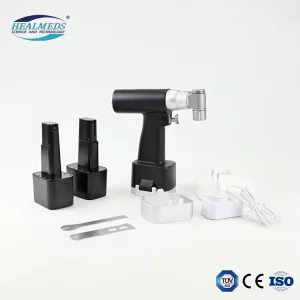
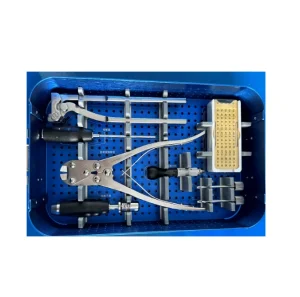
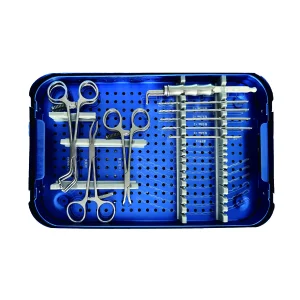
Yes. We supply comprehensive instrument trays, including drill bits, torque-limiting screwdrivers, plate benders, depth gauges, and sterilization containers designed to streamline surgical steps.
Review our extended range of spinal stabilization, joint reconstruction, and orthopedic trauma implant systems.