Zynfuse
Zynfuse
Zynfuse
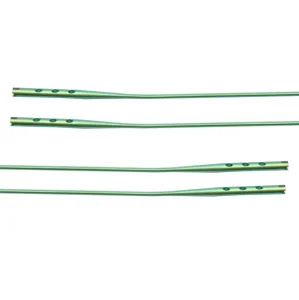
Engineered to exact biomechanical standards, our intramedullary nail product line provides optimum stability and dynamic compression for long bone osteosynthesis.
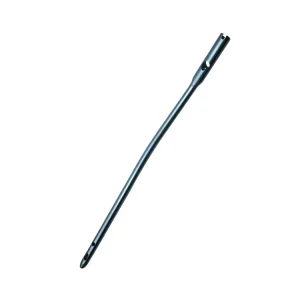
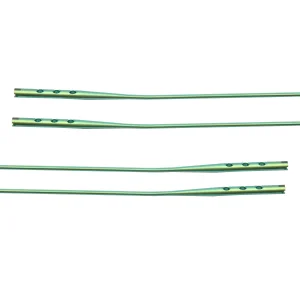
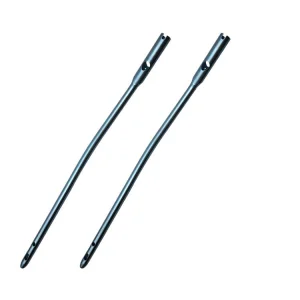
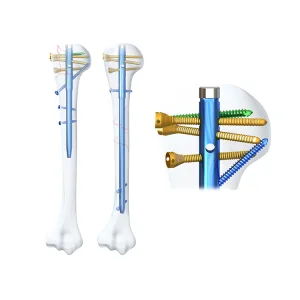
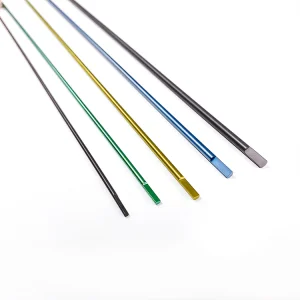
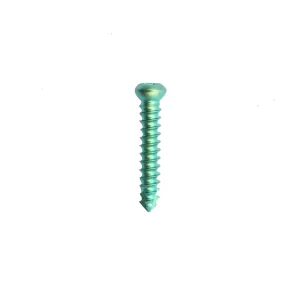
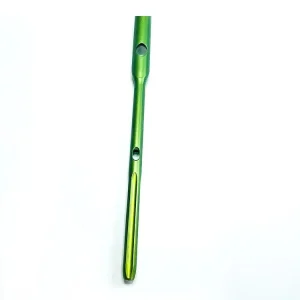
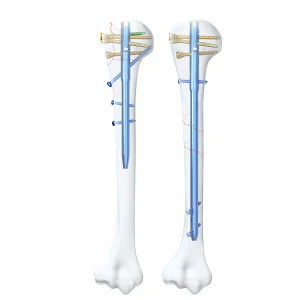
Intramedullary (IM) nailing represents the gold standard for the internal fixation of long bone fractures, specifically targeting the femur, tibia, and humerus. Unlike extramedullary plating, which acts as an asymmetric load-bearing device, an intramedullary nail is placed within the neutral axis of the bone. This biomechanical positioning turns the intramedullary nail into a load-sharing device, distributing mechanical forces evenly along the bone shaft and promoting controlled micro-motions at the fracture site (axial dynamization). This micro-motion accelerates secondary bone healing via callus formation, vastly improving clinical recovery times.
The global orthopedic trauma implants market has experienced rapid expansion. According to orthobiologic clinical research, the global demand for intramedullary nails is driven by two main factors: the rising geriatric population susceptible to osteoporotic fractures (such as intertrochanteric hip fractures) and the high incidence of high-energy motor vehicle accidents requiring stable fixation of diaphyseal fractures. High-tier hospitals and orthopedic clinics require a dependable mix of titanium alloys (such as Ti-6Al-4V ELI / ASTM F136) and biocompatible stainless steel to meet varying clinical situations.
From a structural standpoint, contemporary IM systems use interlocking configurations. Screws are inserted through the nail at proximal and distal ends to prevent rotational displacement and control limb length. Advanced designs, such as the Proximal Femoral Antirotation Nail (PFNA), feature helical blades instead of standard locking screws, improving surface contact area and anchorage stability in soft or osteoporotic bone.
Zynfuse Medical Technology Co., Ltd. is a leading orthopedic medical device manufacturer specializing in advanced bone fusion, joint reconstruction, and trauma implant systems. Founded in 2016, Zynfuse built its operations on a solid foundation of 12 years of industry experience alongside 7 years of specialized export experience. This experience allows the company to confidently address the regulatory requirements of different global healthcare markets.
Our manufacturing hub covers a modern facility of approximately 18,600 m², containing precision manufacturing gear and class-10,000 cleanrooms. Supporting this physical footprint is a strong global distribution infrastructure that records an annual export revenue of $18.5 million, backed by a trusted global supply chain network of over 1,200 partners worldwide.
Quality assurance is key to our manufacturing approach. Zynfuse maintains a quality department with 68 quality inspection specialists who manage raw material control, in-process checking, and final sterile validation. Our operations adhere strictly to ISO 13485-based inspection systems, mechanical performance testing (including fatigue testing and pull-out force trials), and comprehensive biocompatibility evaluations. Our QA protocols cover dimensional verification, fatigue testing, and surface integrity analysis, ensuring every device performs reliably.
Zynfuse maintains a dedicated research division led by 85 experienced engineers. This team drives our product development, introducing around 320 new orthopedic products annually. This high rate of innovation allows Zynfuse to offer extensive customization options, including specialized anatomical geometries, advanced surface treatments, and comprehensive OEM/ODM solutions.
Our integrated production line features high-precision machinery, testing devices, and cleanroom packaging facilities, ensuring complete traceabilty and clinical reliability.
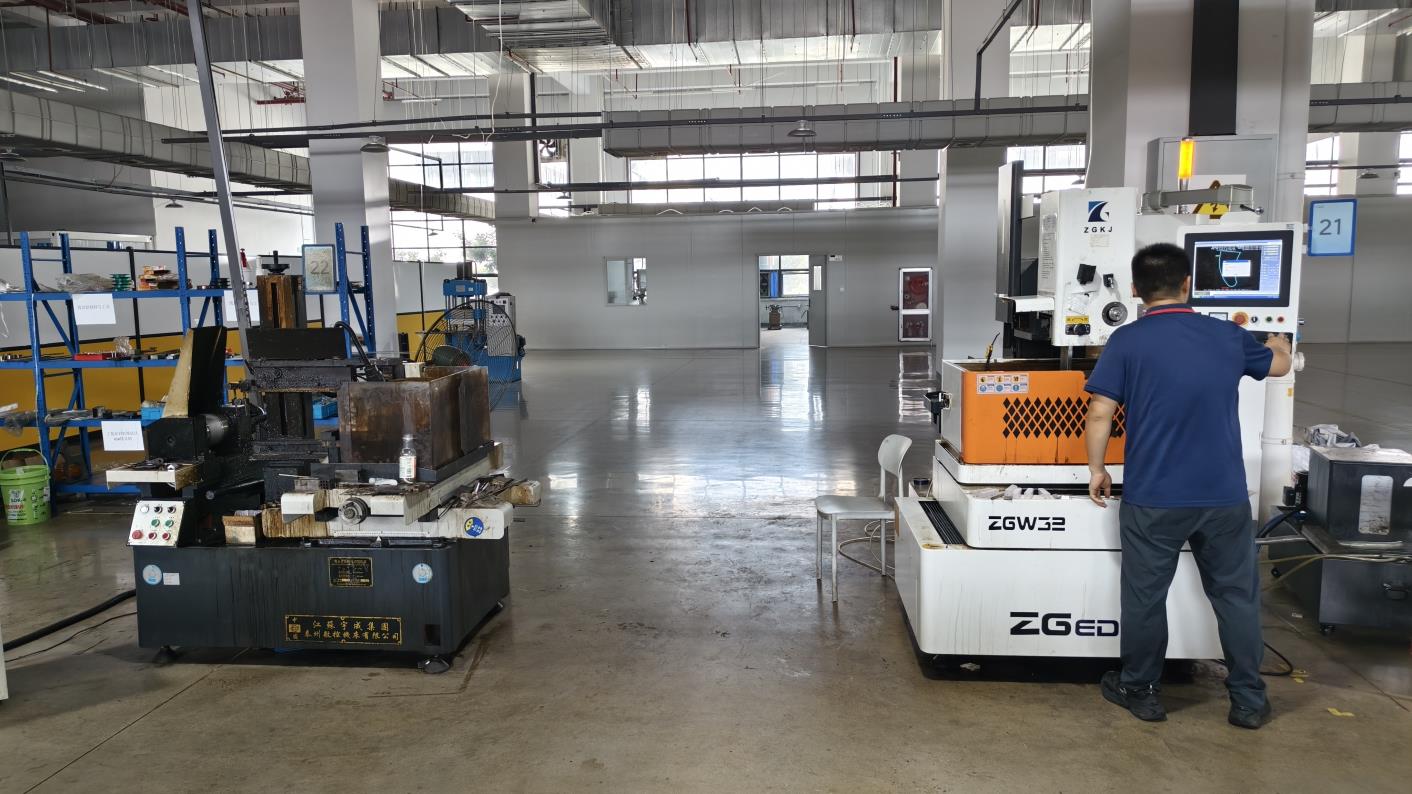
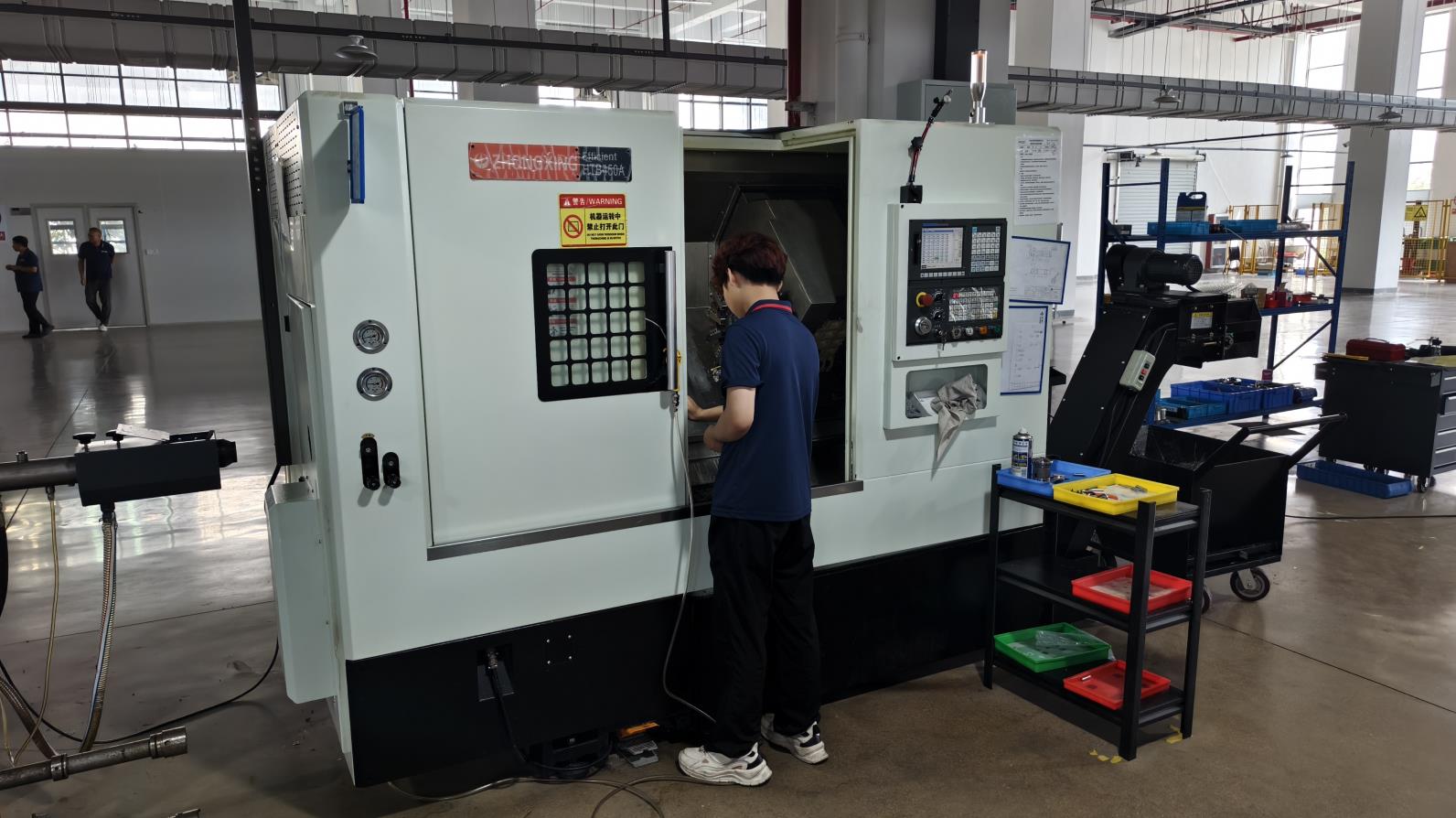
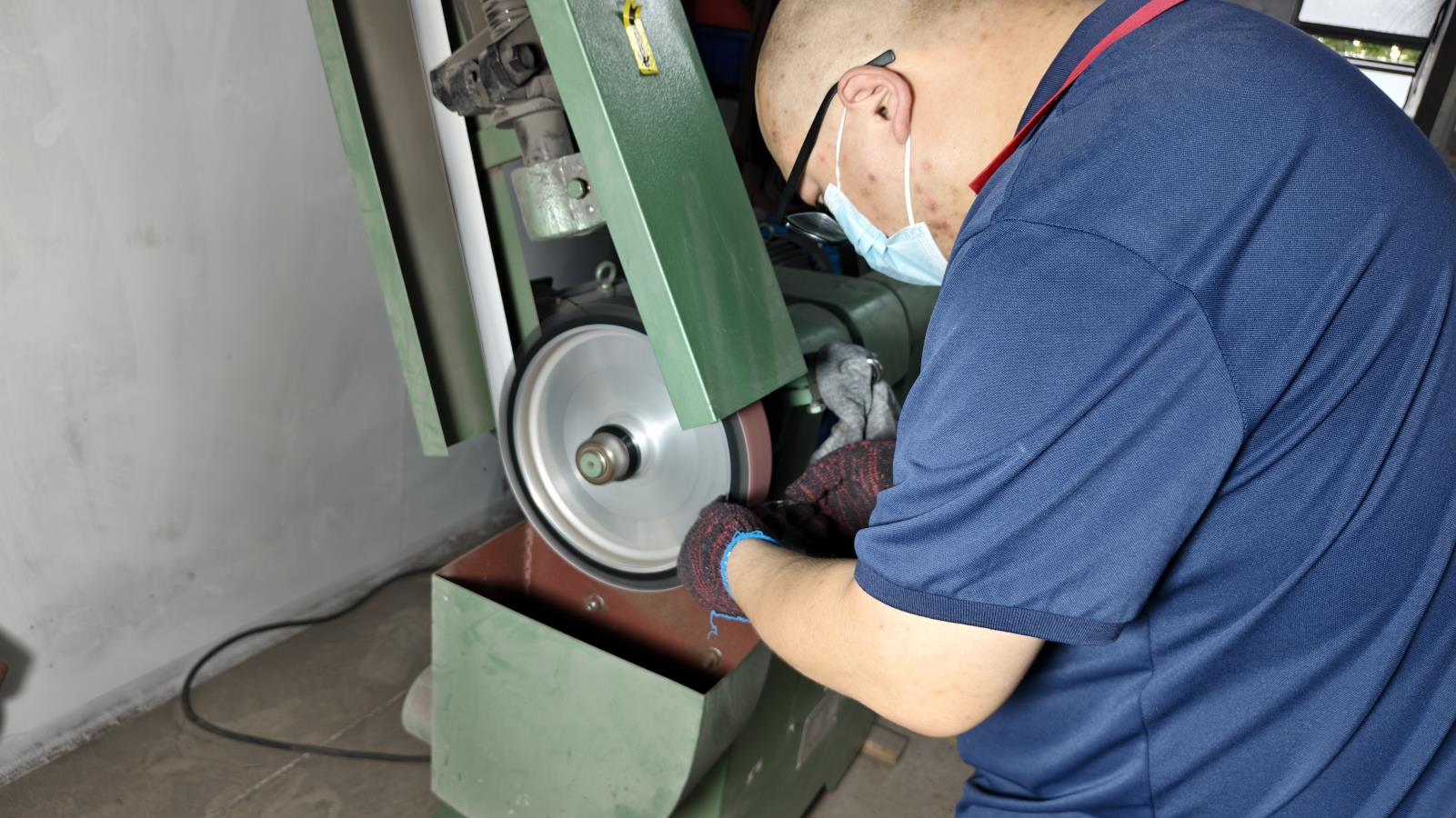
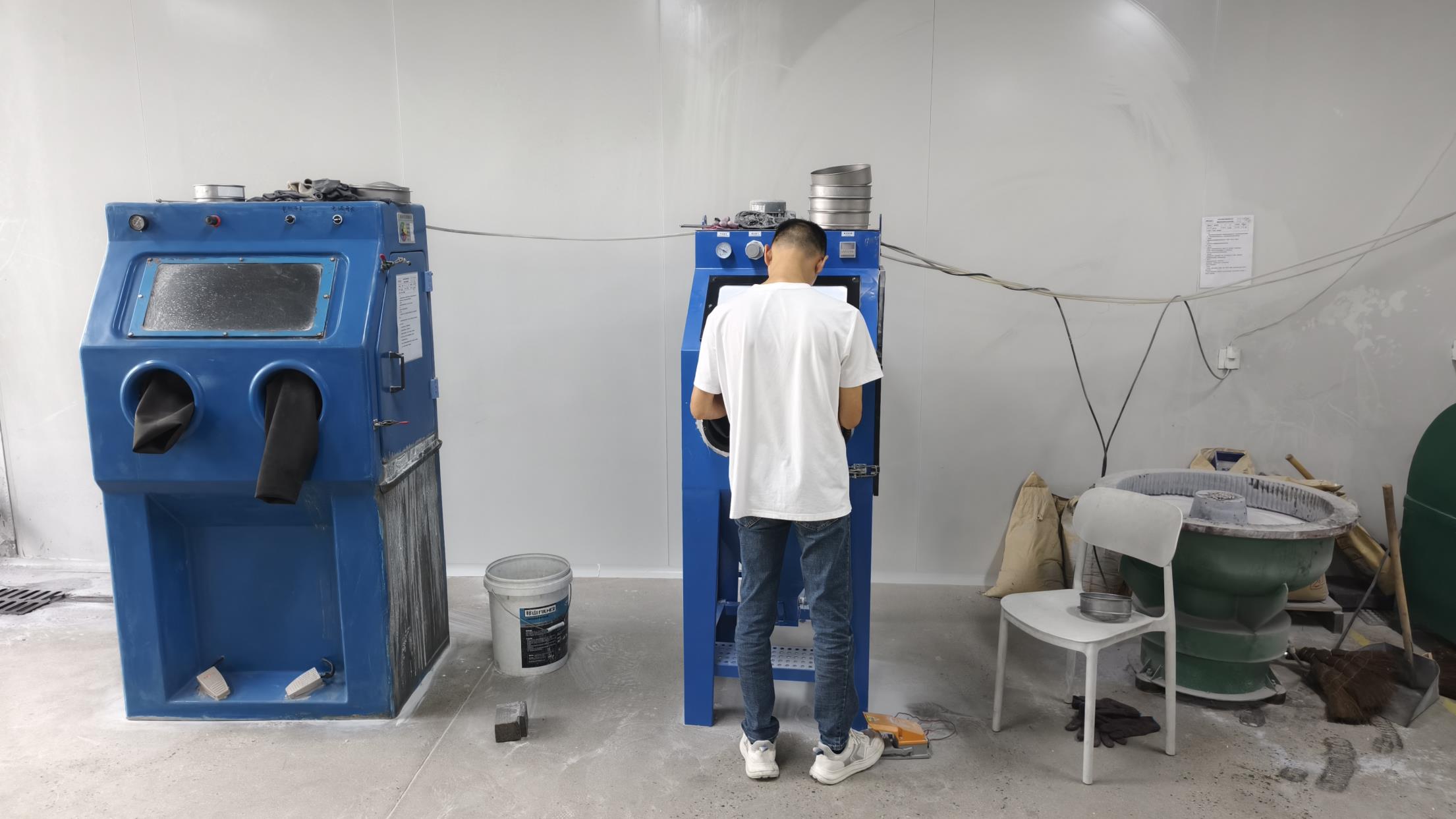
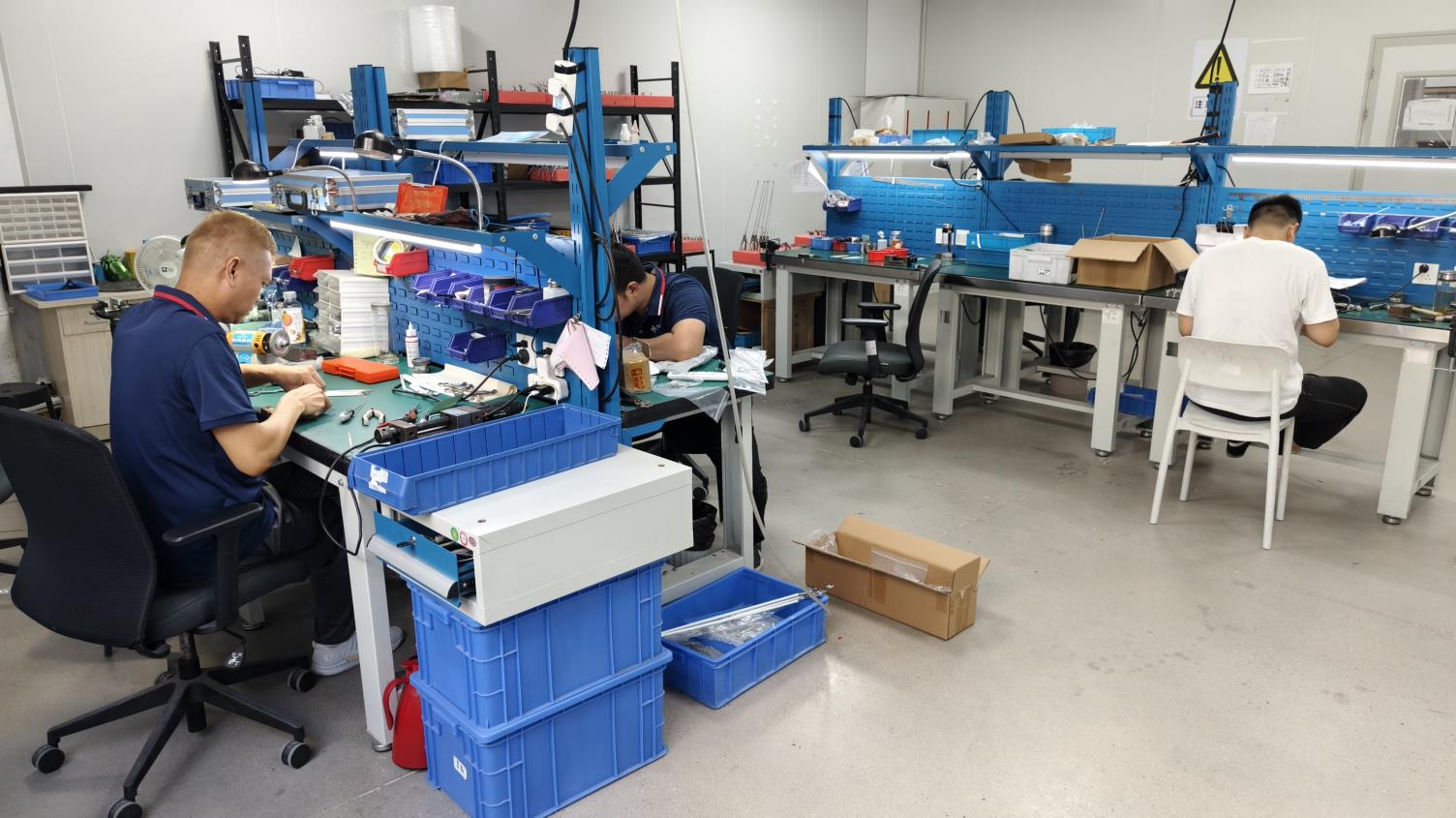
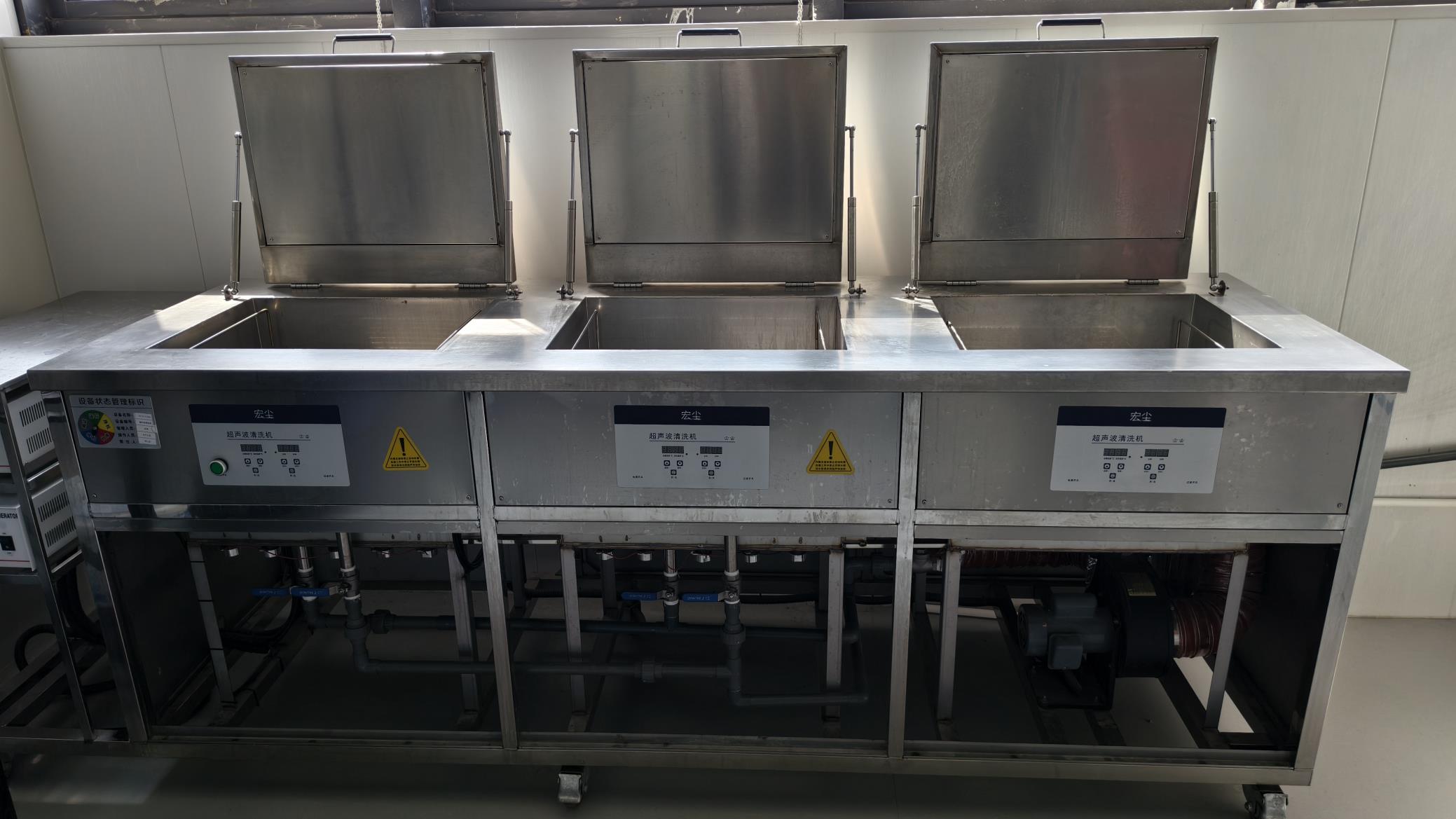
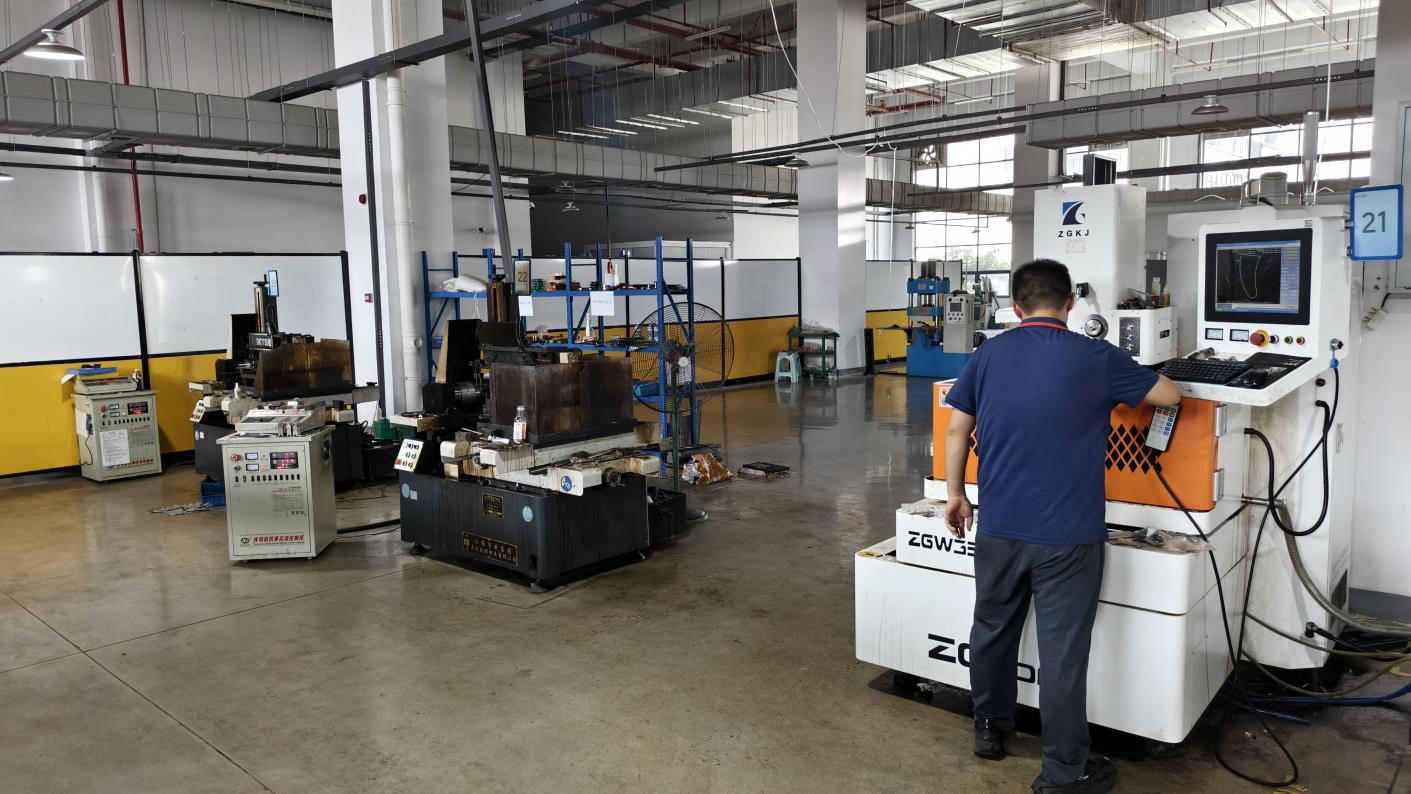
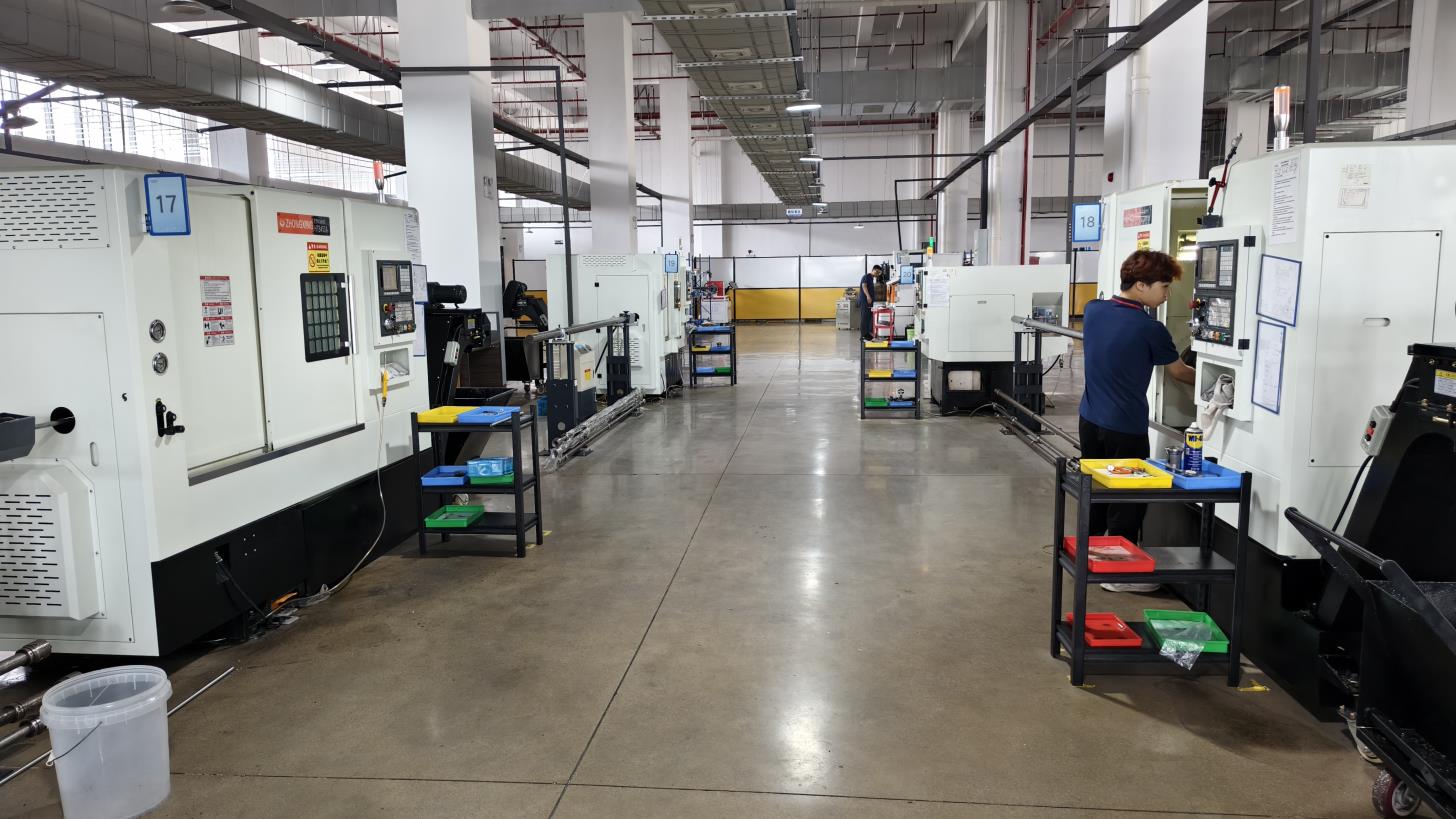
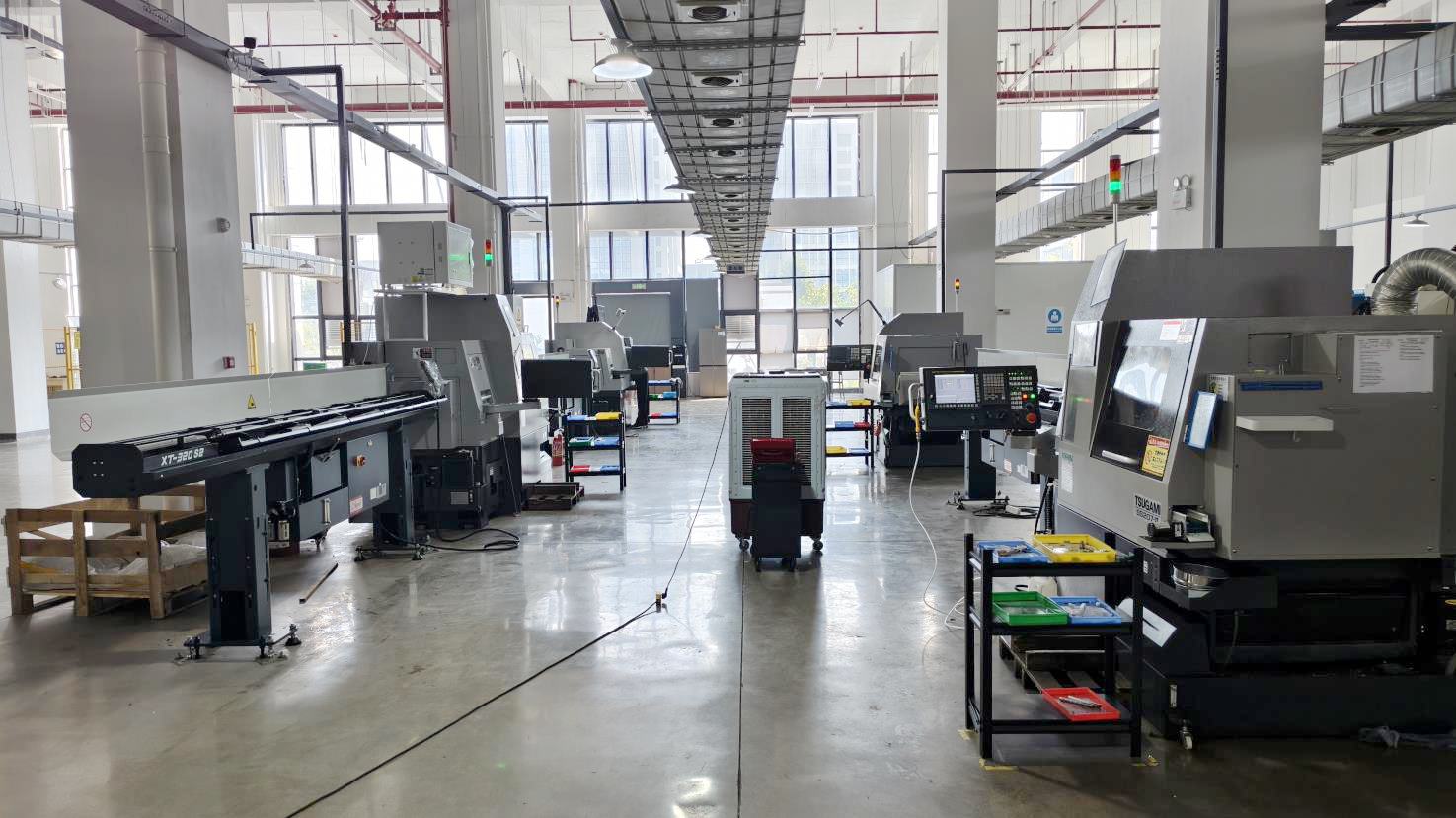
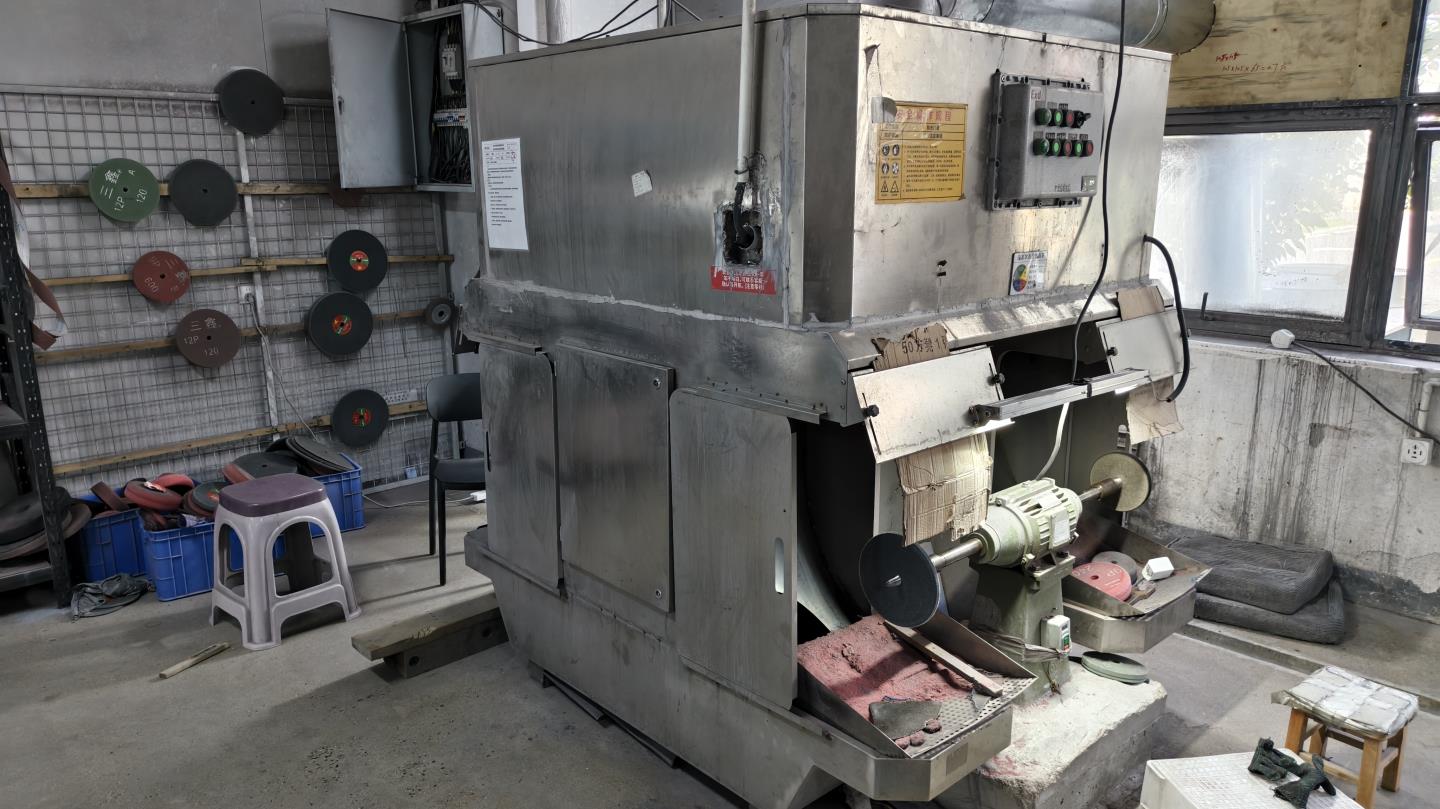
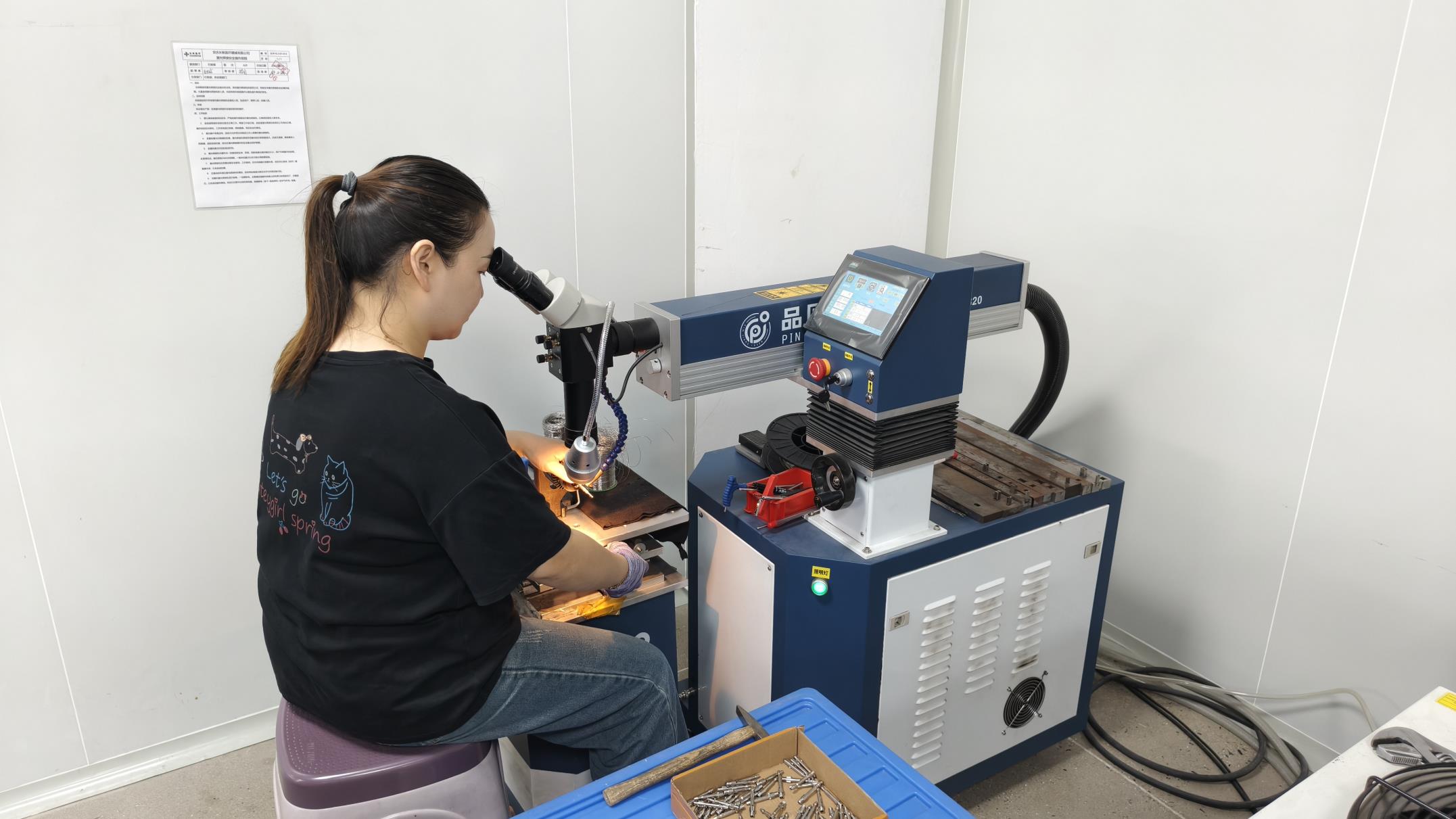
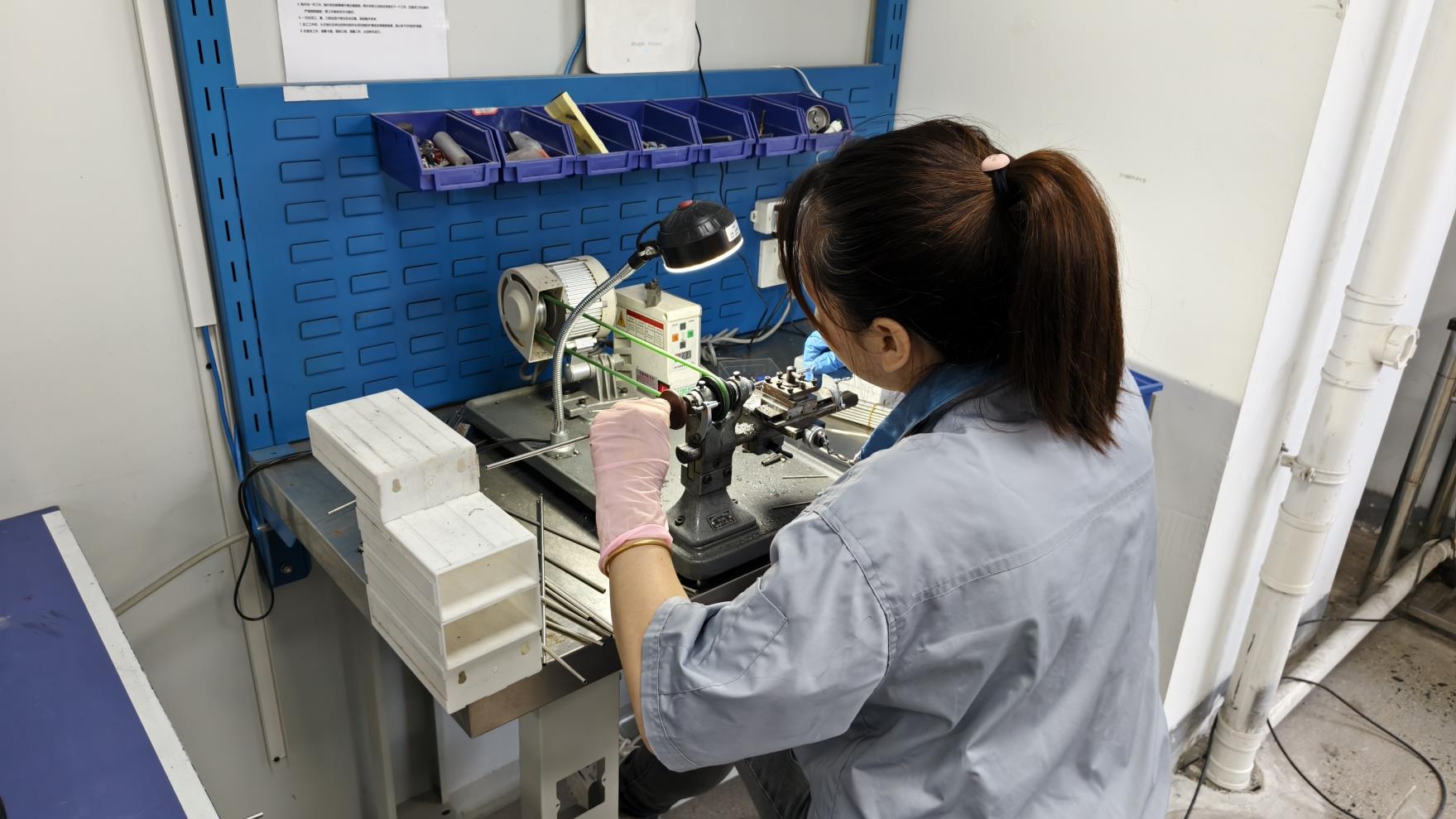
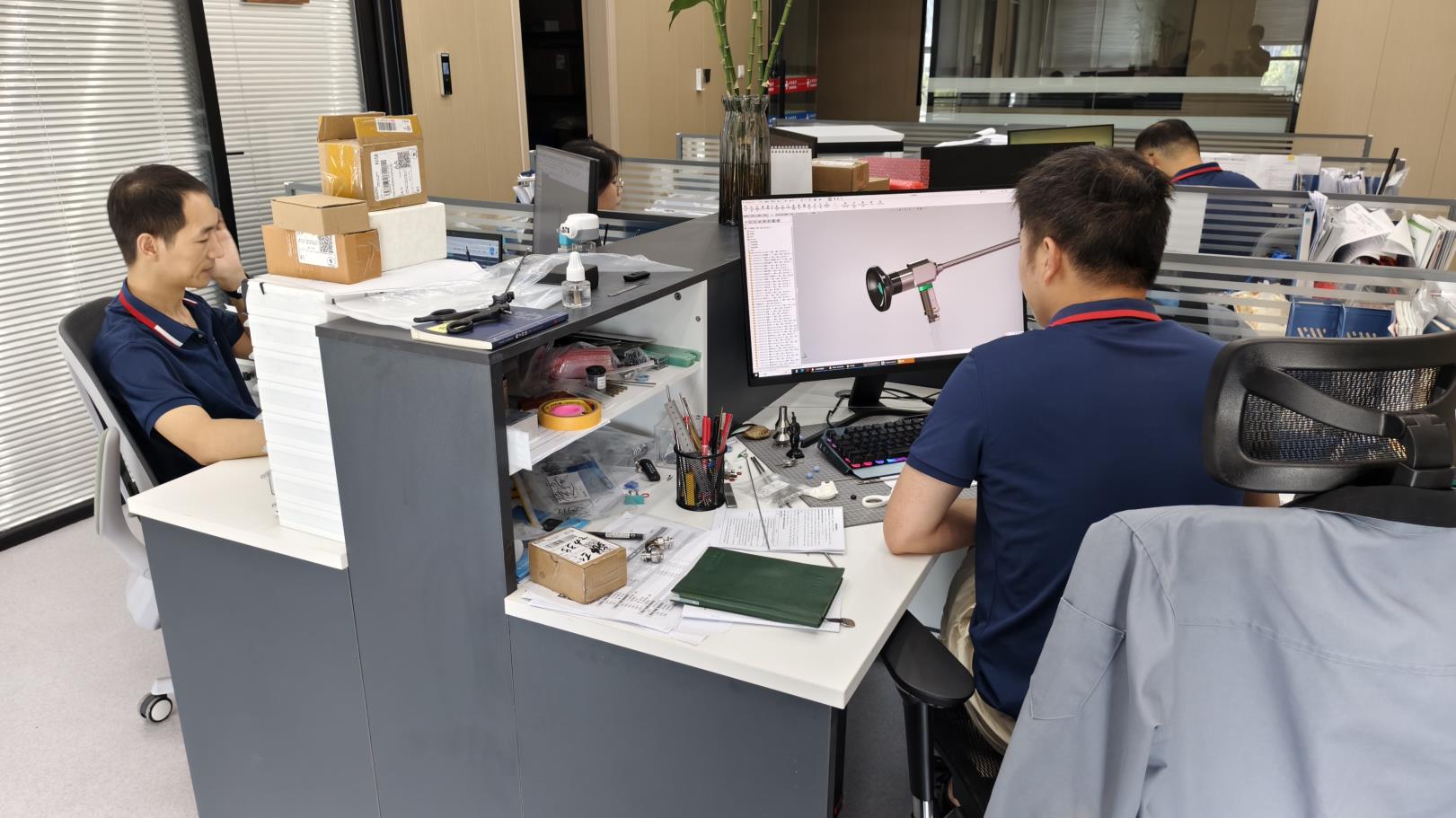
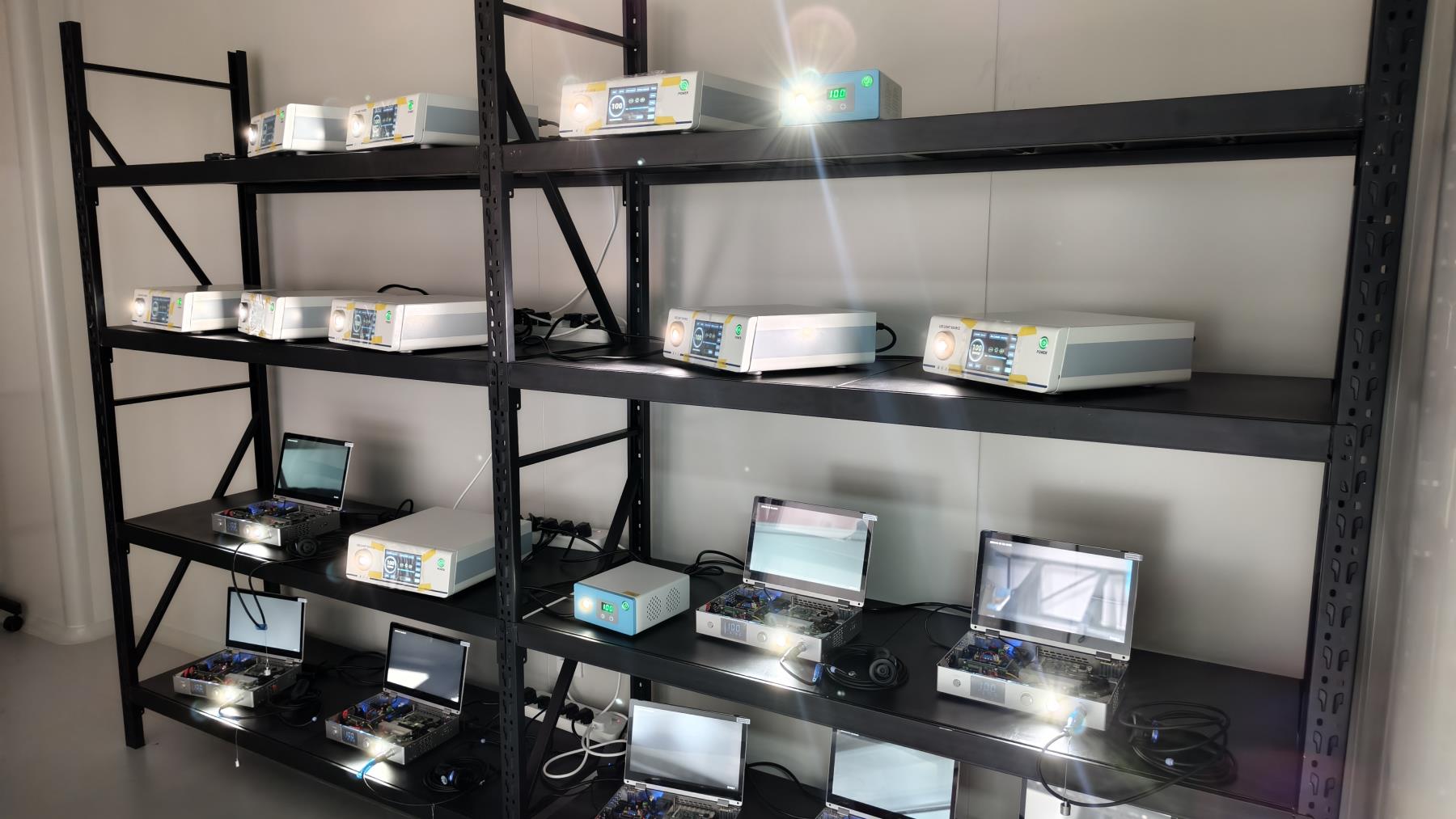
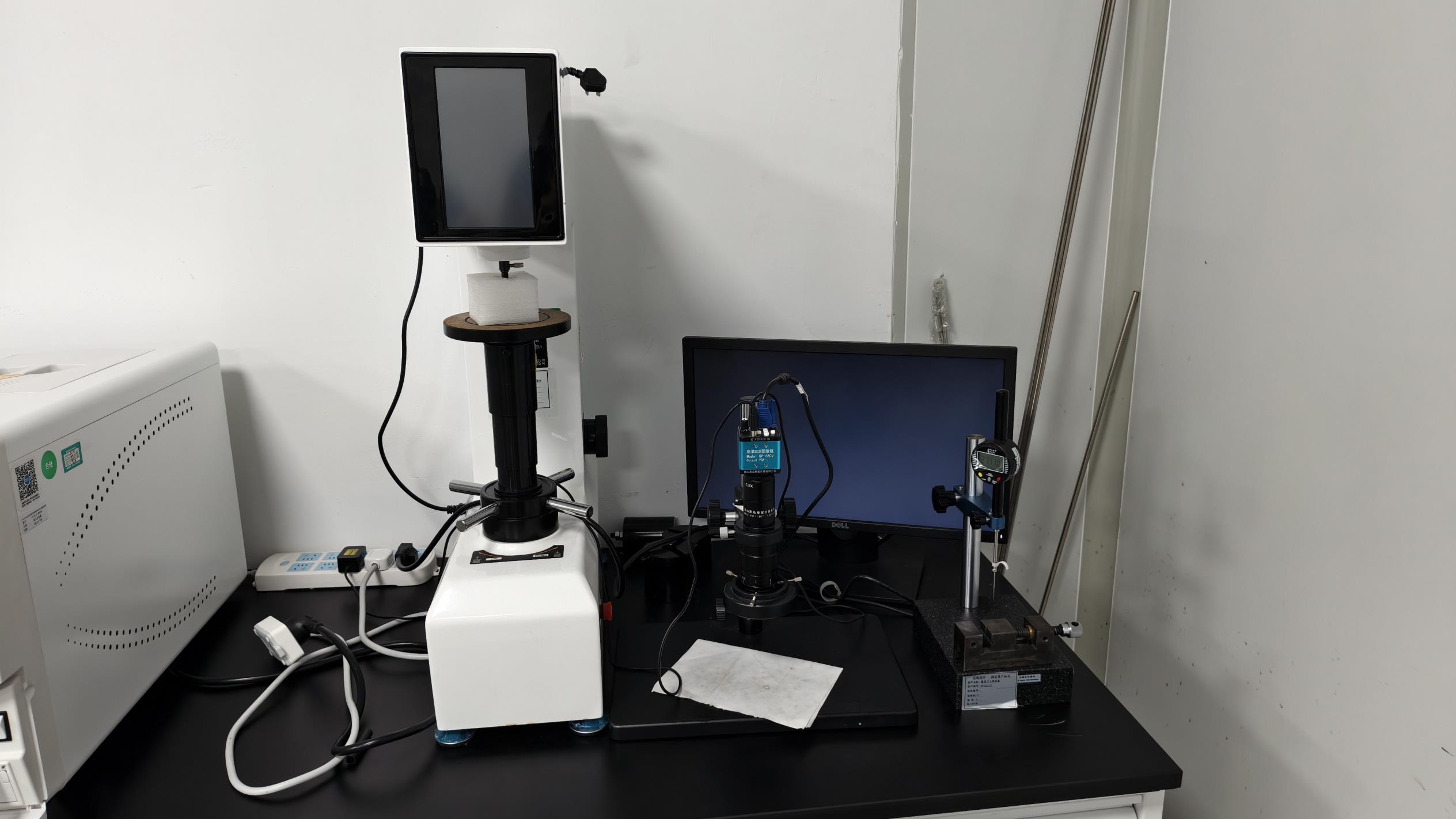
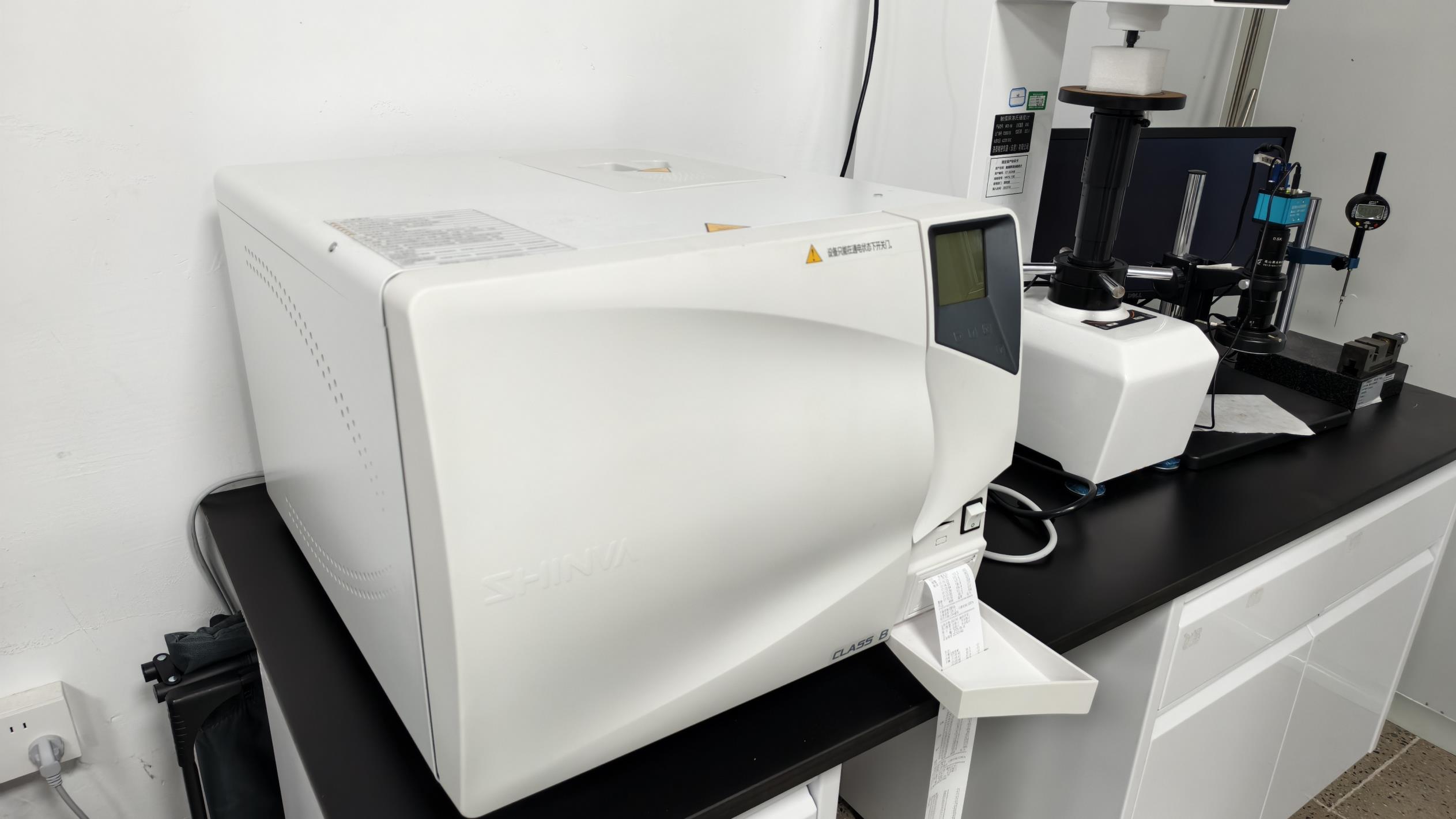
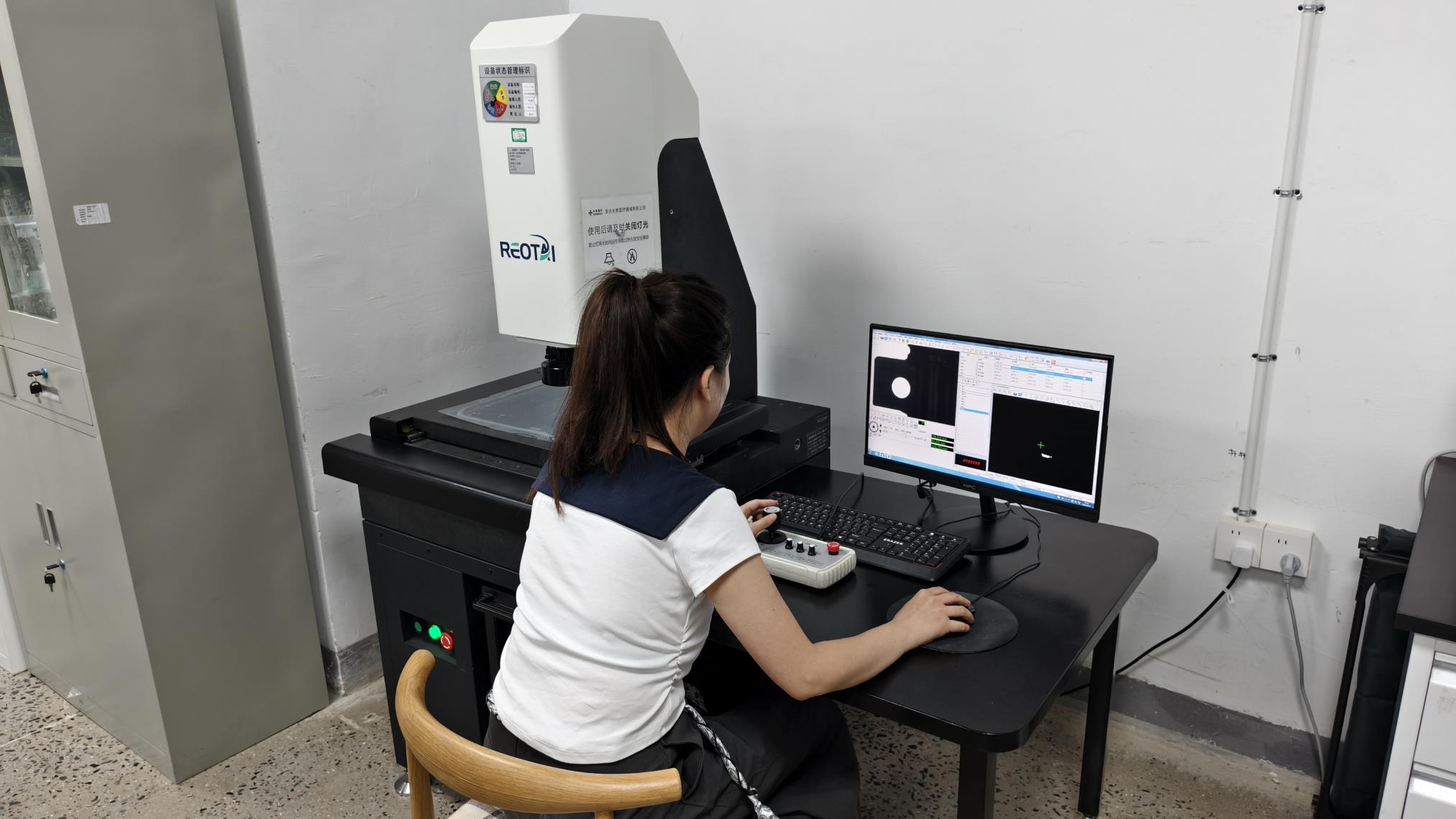
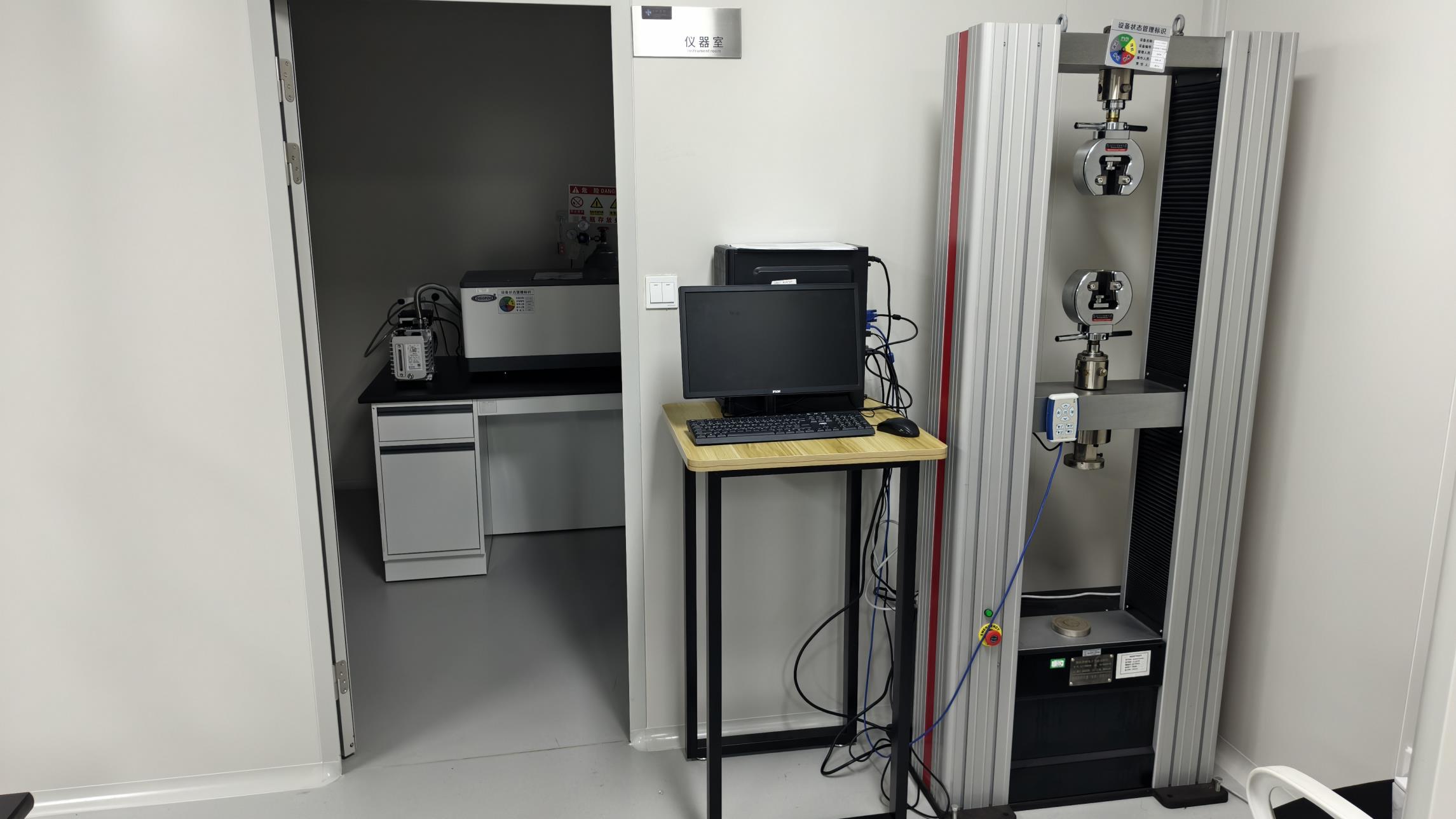
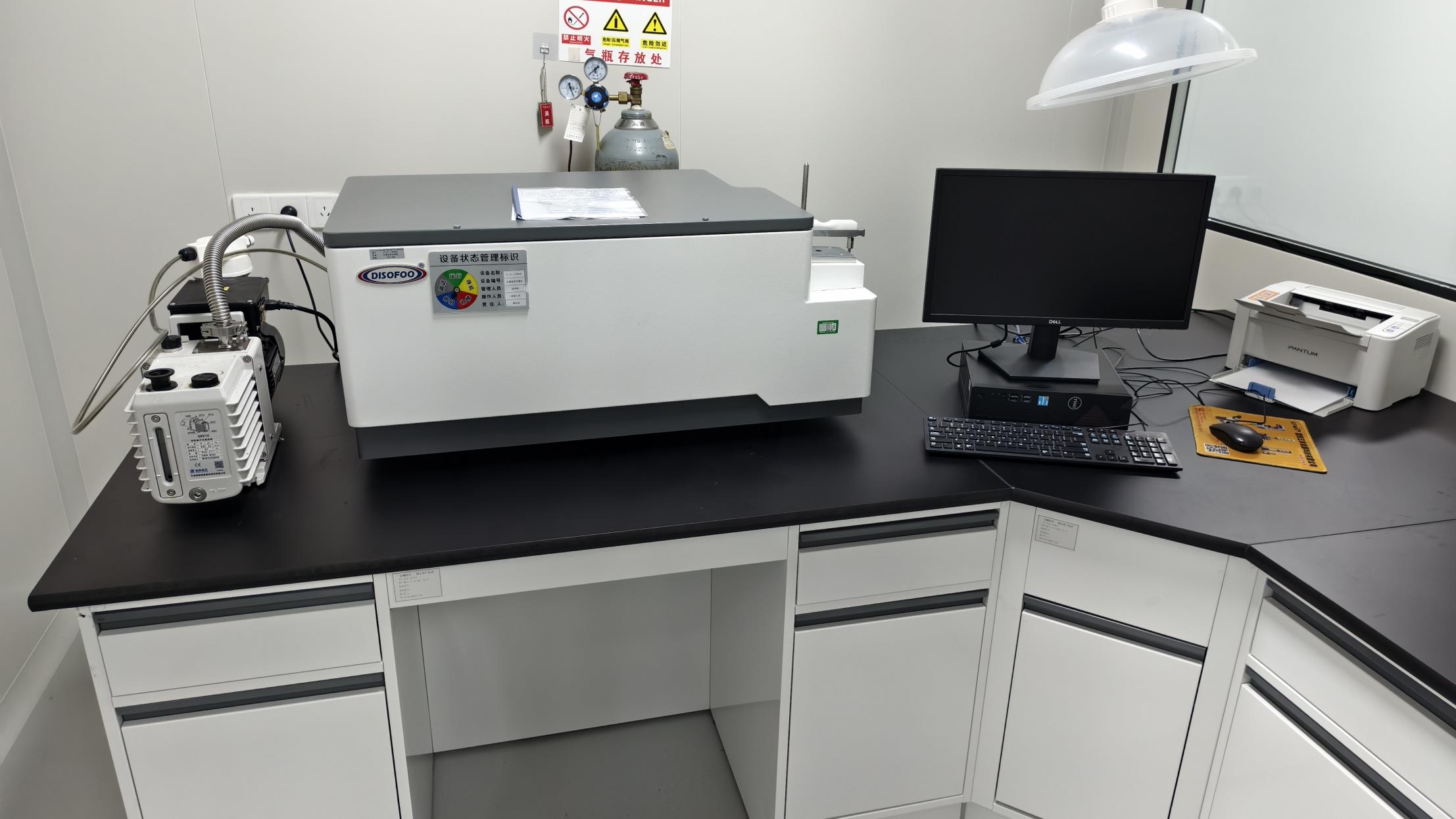
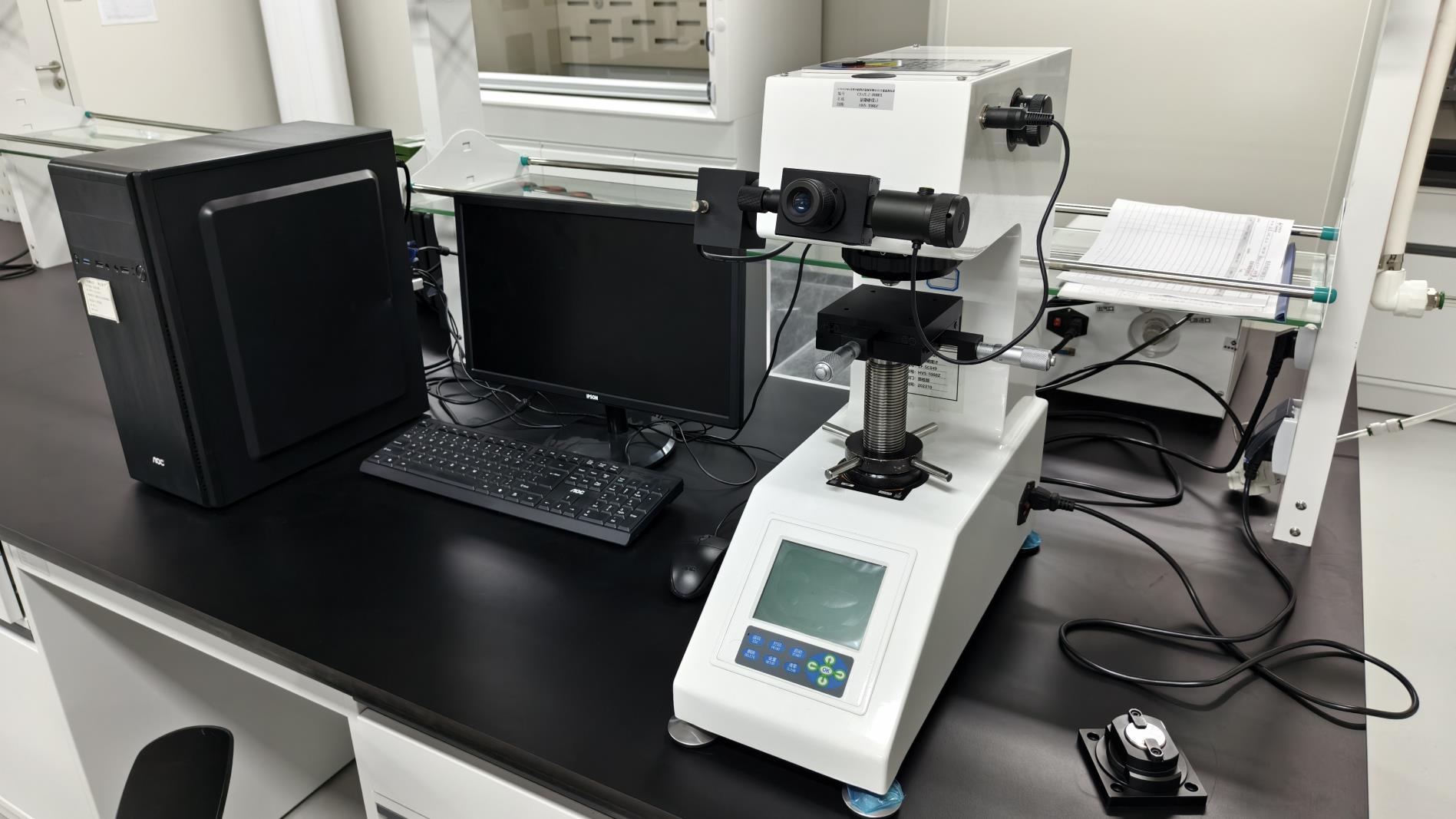
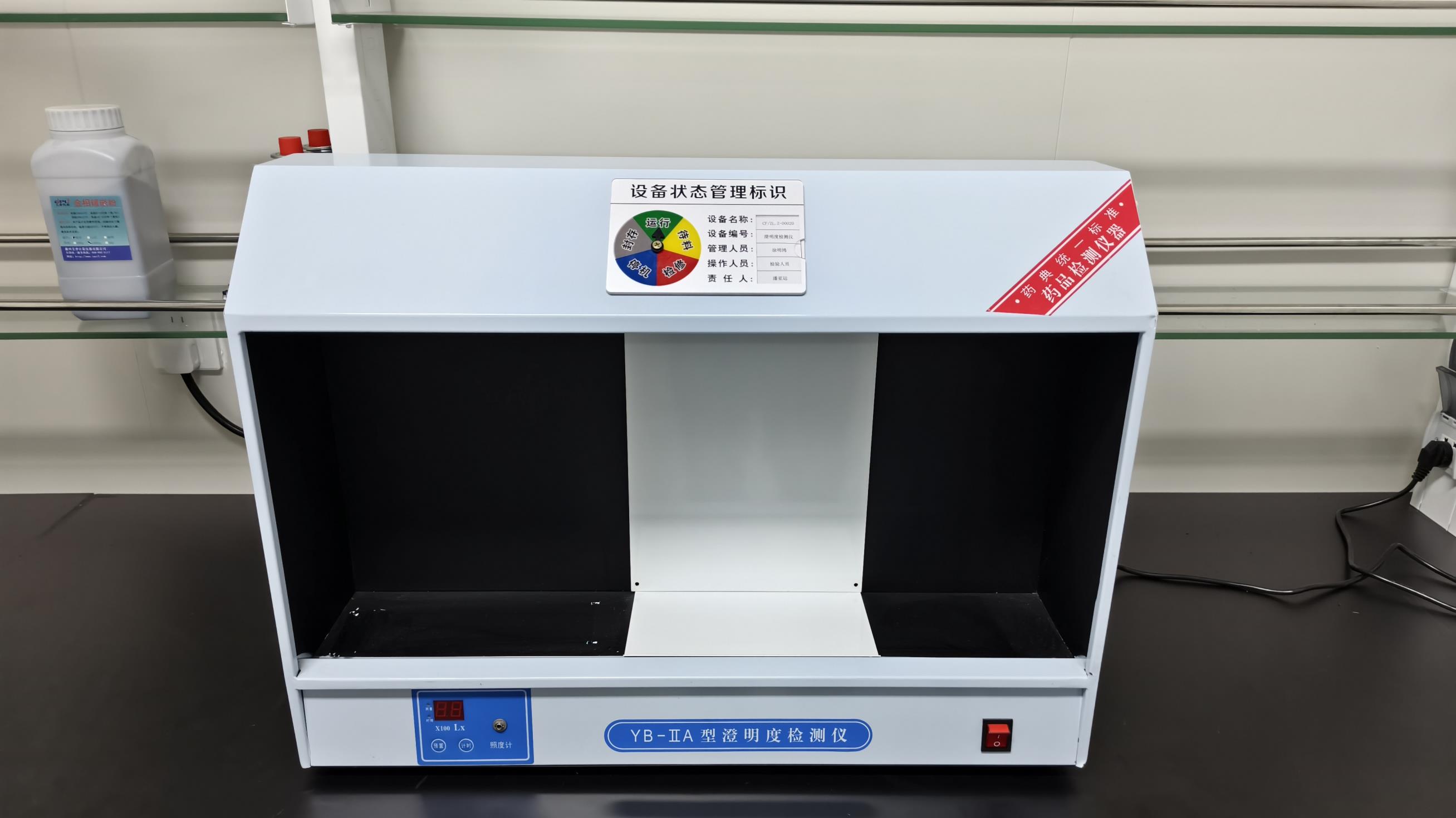
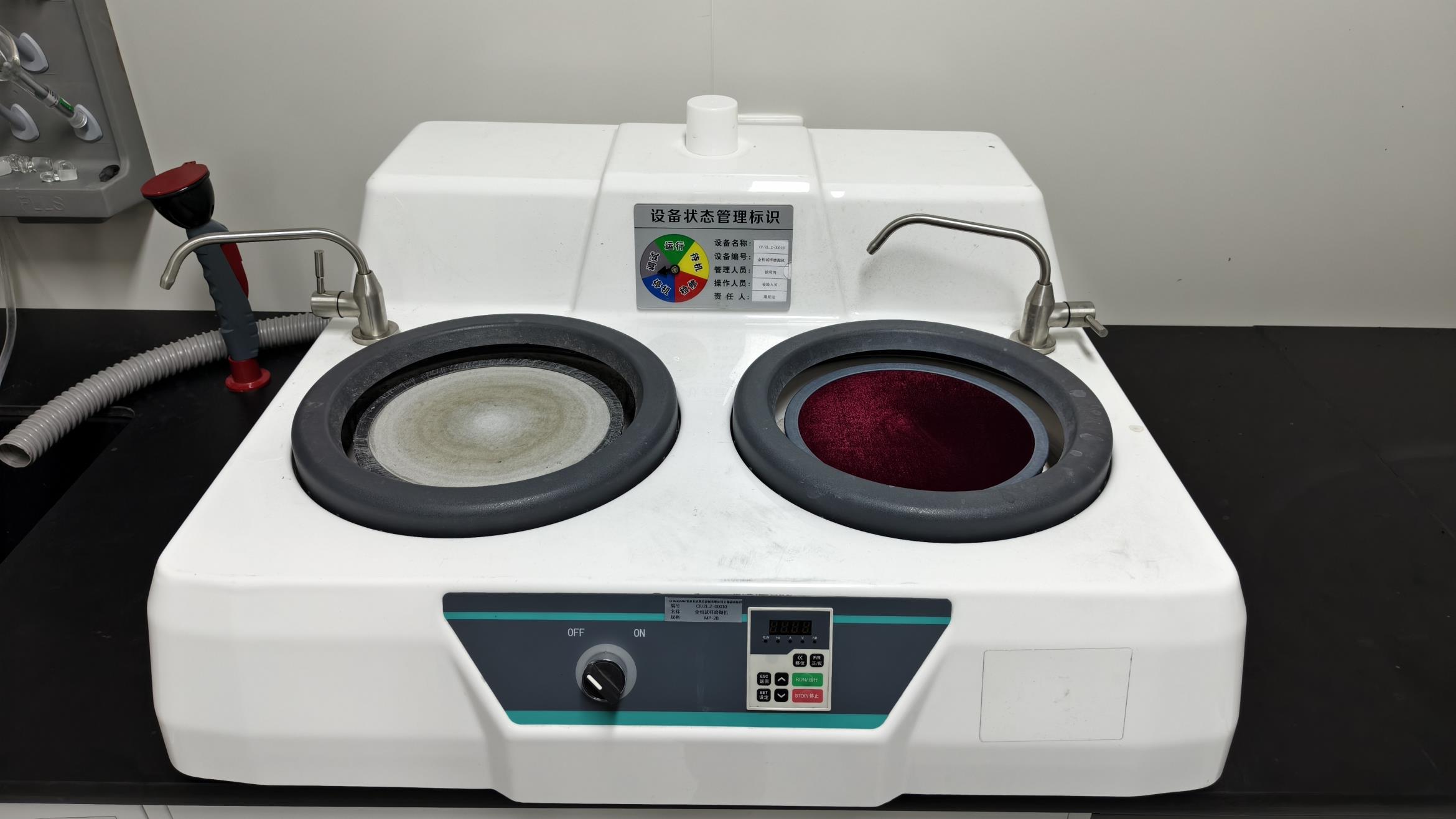
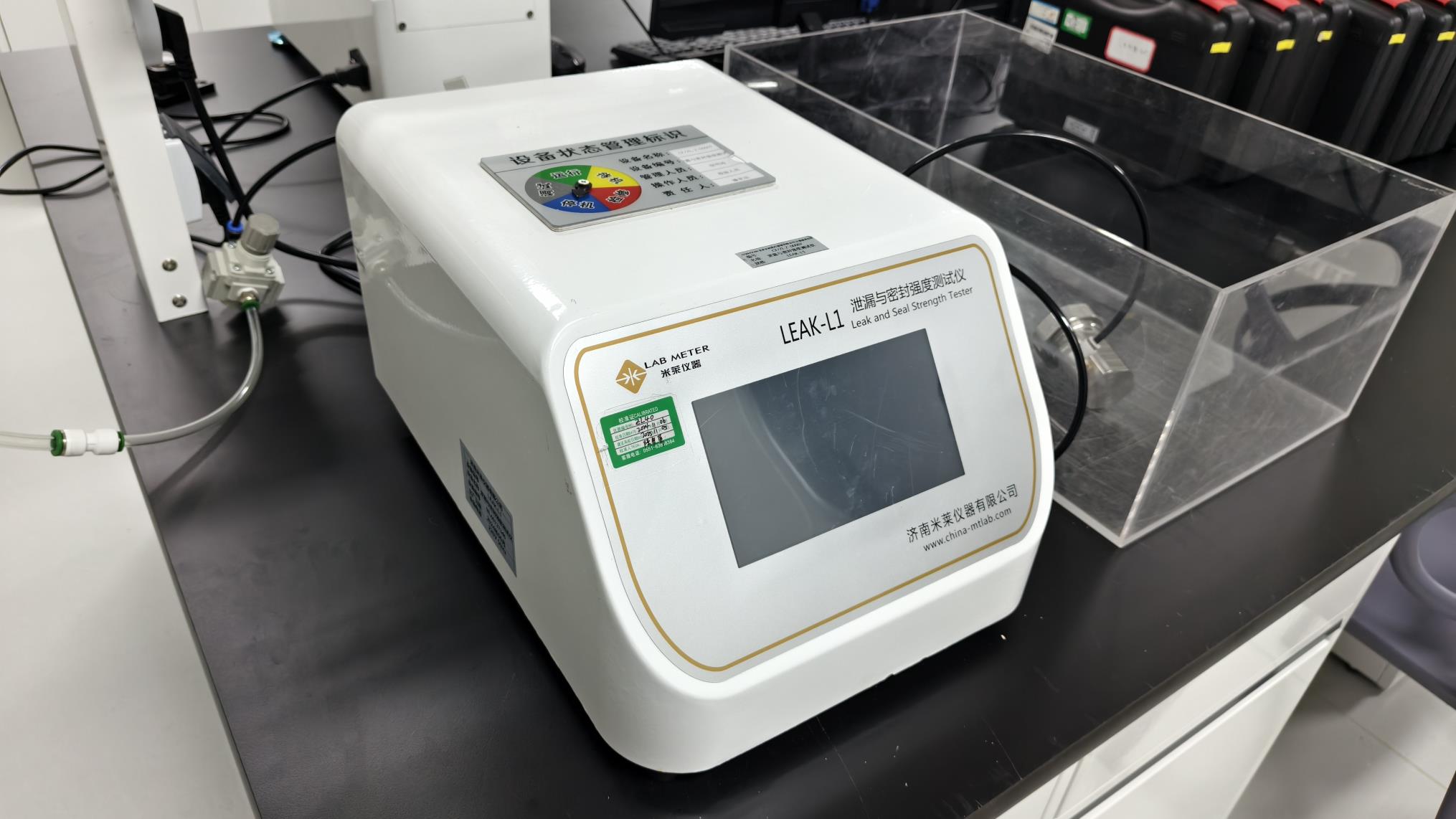
China has established itself as a primary manufacturing hub for orthopedic implants and trauma fixation devices. Chinese factories leverage integrated supply chain ecosystems, automated production machinery, and skilled technical teams to deliver high-quality products cost-effectively. For global medical distributors, sourcing from qualified Chinese manufacturers like Zynfuse offers several key advantages:
Utilizing Swiss-type multi-axis CNC machines allows for single-setup production of complex intramedullary nail structures, guaranteeing tight tolerances and precise interlocking alignment.
We source high-grade titanium alloys certified to ASTM F136 and ISO 5832-3 standards. Mill run certificates and spectrochemical analyses accompany every batch of materials.
Centralized industrial zones optimize raw material distribution, heat treatment operations, and surface finishing anodization, reducing overall manufacturing cycle times.
Furthermore, Zynfuse ensures that high manufacturing volume does not compromise product quality. Operating under strict ISO 13485 guidelines, the company tracks every implant back to its original raw material heat number. By combining automated production with strict manual QC inspections, Zynfuse maintains a low defect rate, offering global importers reliable alternatives to traditional Western brands.
Intramedullary nails are tailored to match specific anatomical requirements and bone configurations. Modern orthopedic procedures depend on targeted implant geometries to ensure optimal patient outcomes:
The orthopedic trauma implant market continues to evolve, driven by clinical studies and material science breakthroughs. Key trends shaping the future of intramedullary nailing include:
For hospital procurement managers and medical distributors, selecting an orthopedic manufacturer involves thorough regulatory and technical review. Use this verification checklist during the evaluation process:
Expert clarifications regarding material specifications, design configurations, and clinical application guidelines.
Titanium Alloy (Ti-6Al-4V ELI) has a lower elastic modulus, closer to human bone, which reduces stress shielding. It offers high biocompatibility, corrosion resistance, and fatigue life. 316L Stainless Steel provides higher rigidity and yield strength, making it suitable for temporary applications where load-bearing requirements are high.
Reamed nailing allows for the insertion of larger, stronger diameter nails, improving mechanical stability. The reaming process also deposits local autologous bone graft material at the fracture site. Unreamed nailing is preferred in emergency trauma or poly-trauma situations, as it preserves endosteal blood circulation and cuts down operating room times.
Static locking places locking screws in circular holes on both sides of the fracture, preventing rotation and length changes. This configuration is ideal for unstable fractures. Dynamic locking uses oblong holes at one end, allowing axial compression during weight-bearing. This promotes callus formation in stable fracture situations.
Zynfuse provides adjustments for specific nail curvatures, distal slot alterations, specialized anodization (for color-coding), and custom dimensions. We also assist with regulatory dossier support (CTD structure formats) to ease registration in international jurisdictions.
Browse our catalog of pediatric options, interlocking systems, and specialized humeral, tibial, and femoral fixation products.