Zynfuse
Zynfuse
Zynfuse
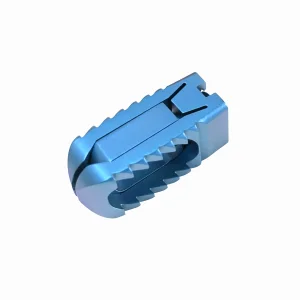
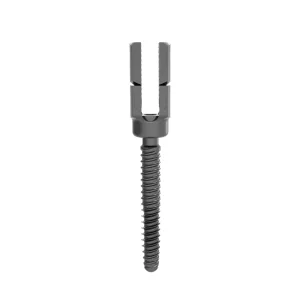
Explore our top-tier spinal reconstructive systems engineered from biocompatible titanium alloy and clinical-grade PEEK. Designed to restore sagittal alignment and support biomechanical load sharing.
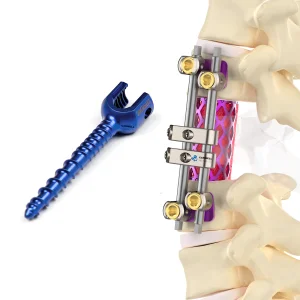
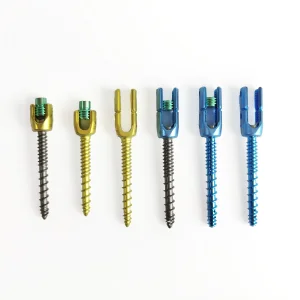
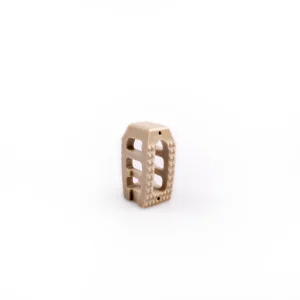
Established in 2016, Zynfuse Medical Technology Co., Ltd. has established itself as an authority in the development, manufacturing, and distribution of advanced orthopedic medical devices. Armed with 12 years of industry experience and 7 years of international trade expertise, Zynfuse designs high-performance bone fusion and spinal stabilization architectures to meet the rigorous expectations of spinal surgeons worldwide.
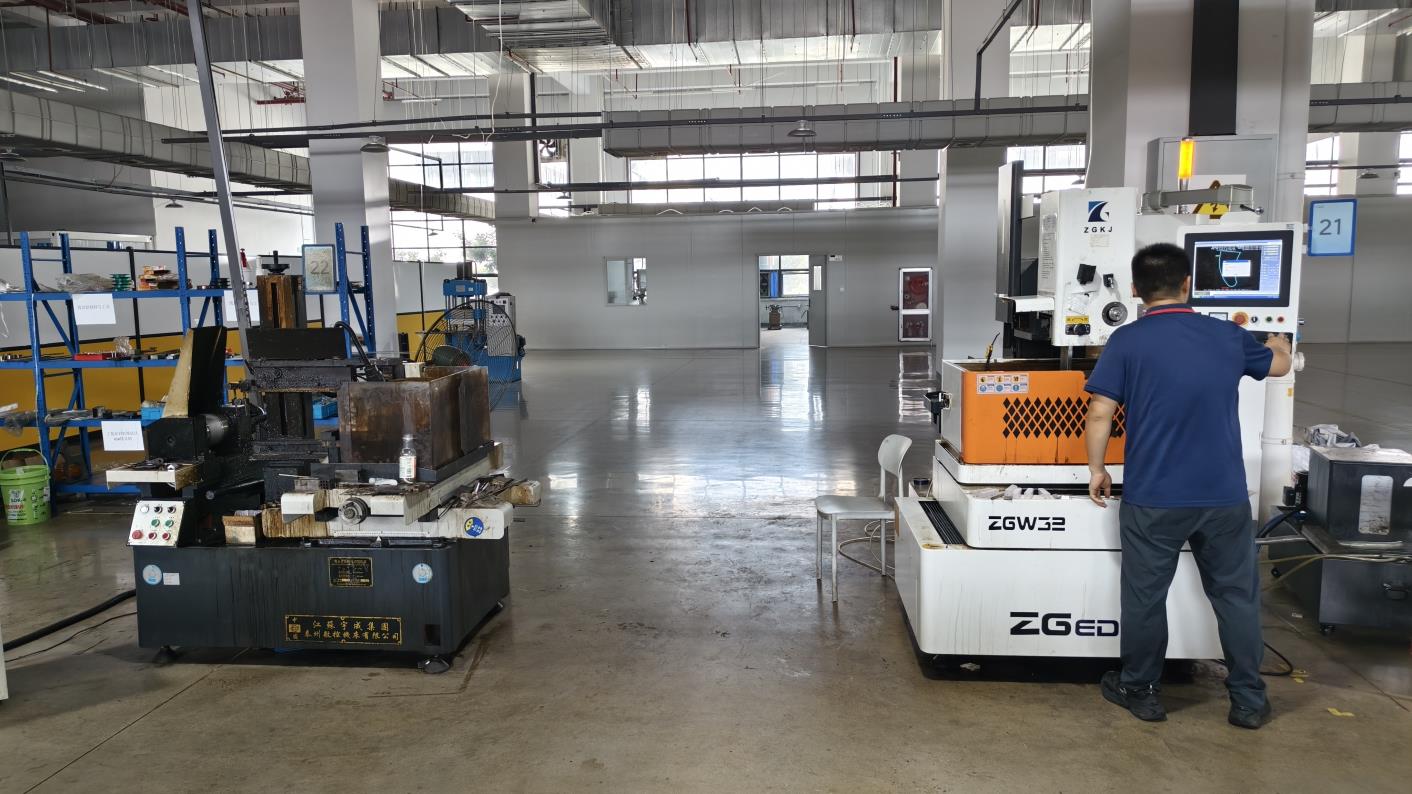
Our modern manufacturing facility spans 18,600 m² and features world-class machining suites. Zynfuse sustains an annual export capability exceeding $18.5 million. We deliver premium-tier solutions to a network of over 1,200 partners in North America, Europe, Southeast Asia, and the Middle East, offering critical support to hospital procurement departments, medical distributors, and specialized orthopedic clinics.
Addressing systemic supply chain challenges, international regulatory hurdles, and cost-containment initiatives in the modern orthopedic sector.
International medical distributors require stable lead times and predictable cost structures. Zynfuse implements an advanced ERP-driven production flow to protect clinical supply chains from raw materials shortages, supporting uninterrupted surgery schedules.
With global Group Purchasing Organizations (GPOs) demanding both high clinical efficacy and cost containment, we deliver CE and ISO-certified implants that reduce procurement costs without compromising patient safety or biomechanical reliability.
For specialized surgical approaches, we offer custom-modified geometries, regional size adjustments, and private label systems. Our R&D center handles raw material optimization (PEEK-OPTIMA or Grade 5 Titanium) to match target profiles.
From digital concept modeling to final sterile-barrier packaging, our integrated production line features advanced multi-axis machining centers to secure high manufacturing accuracy.
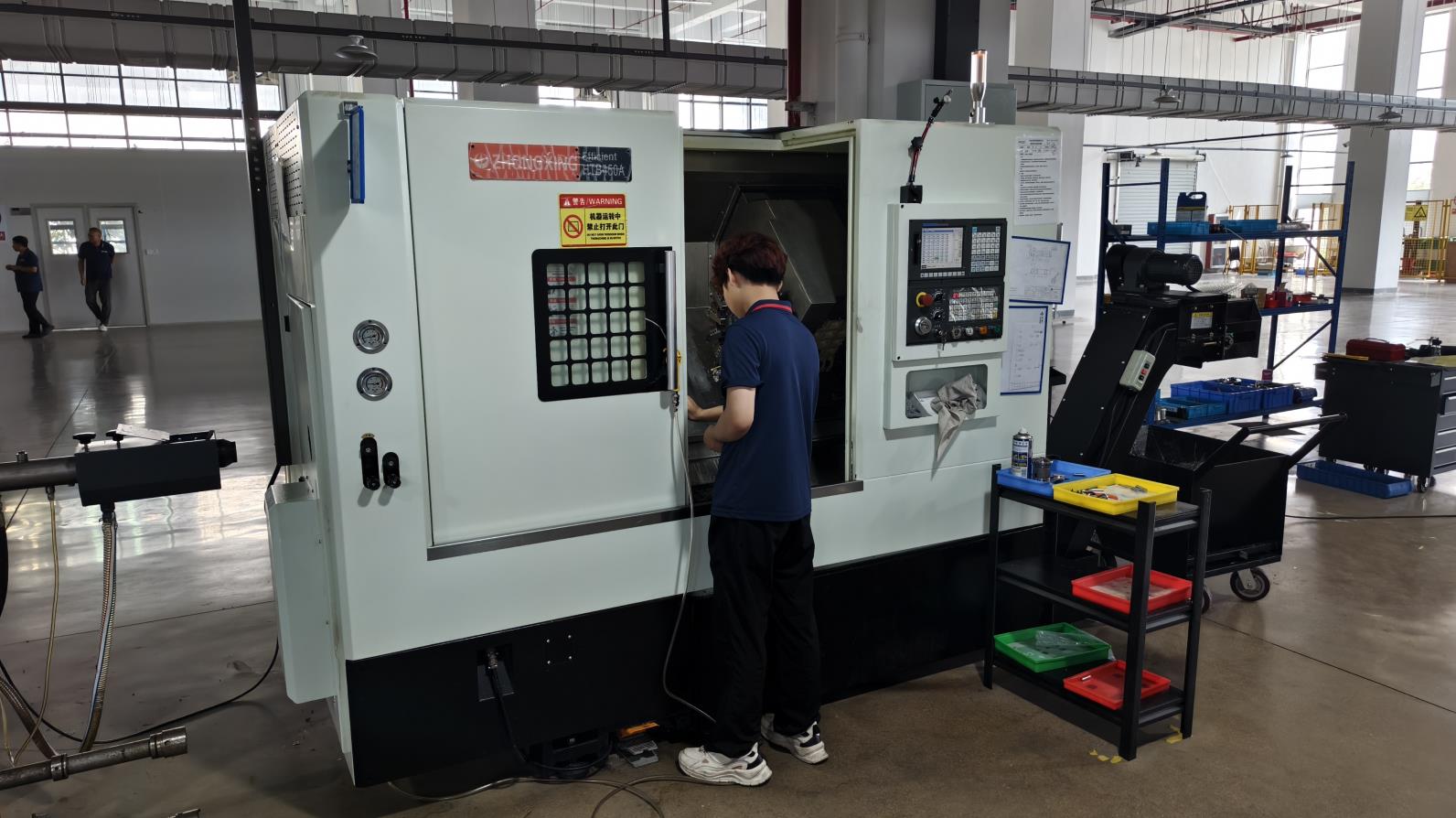
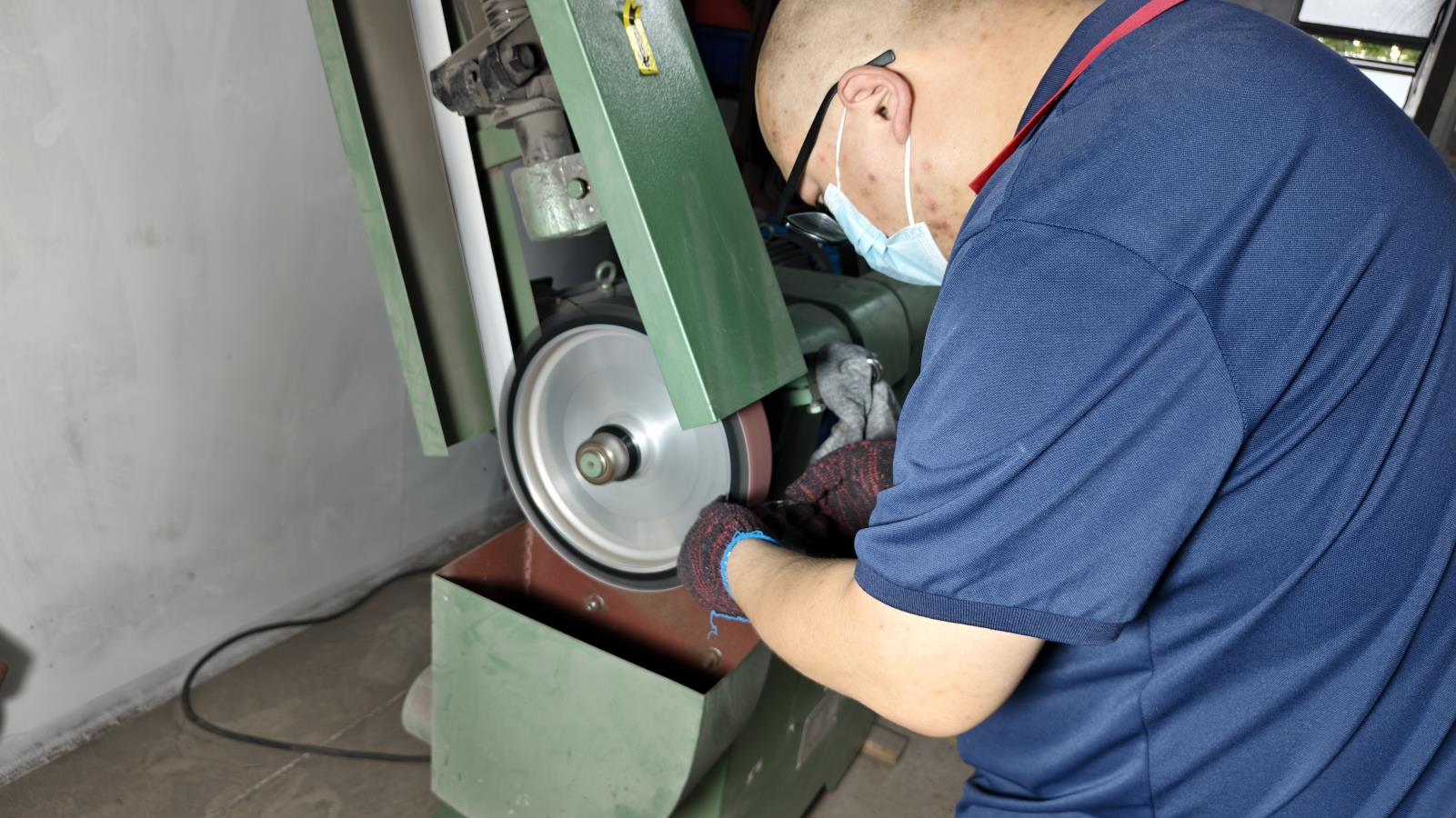
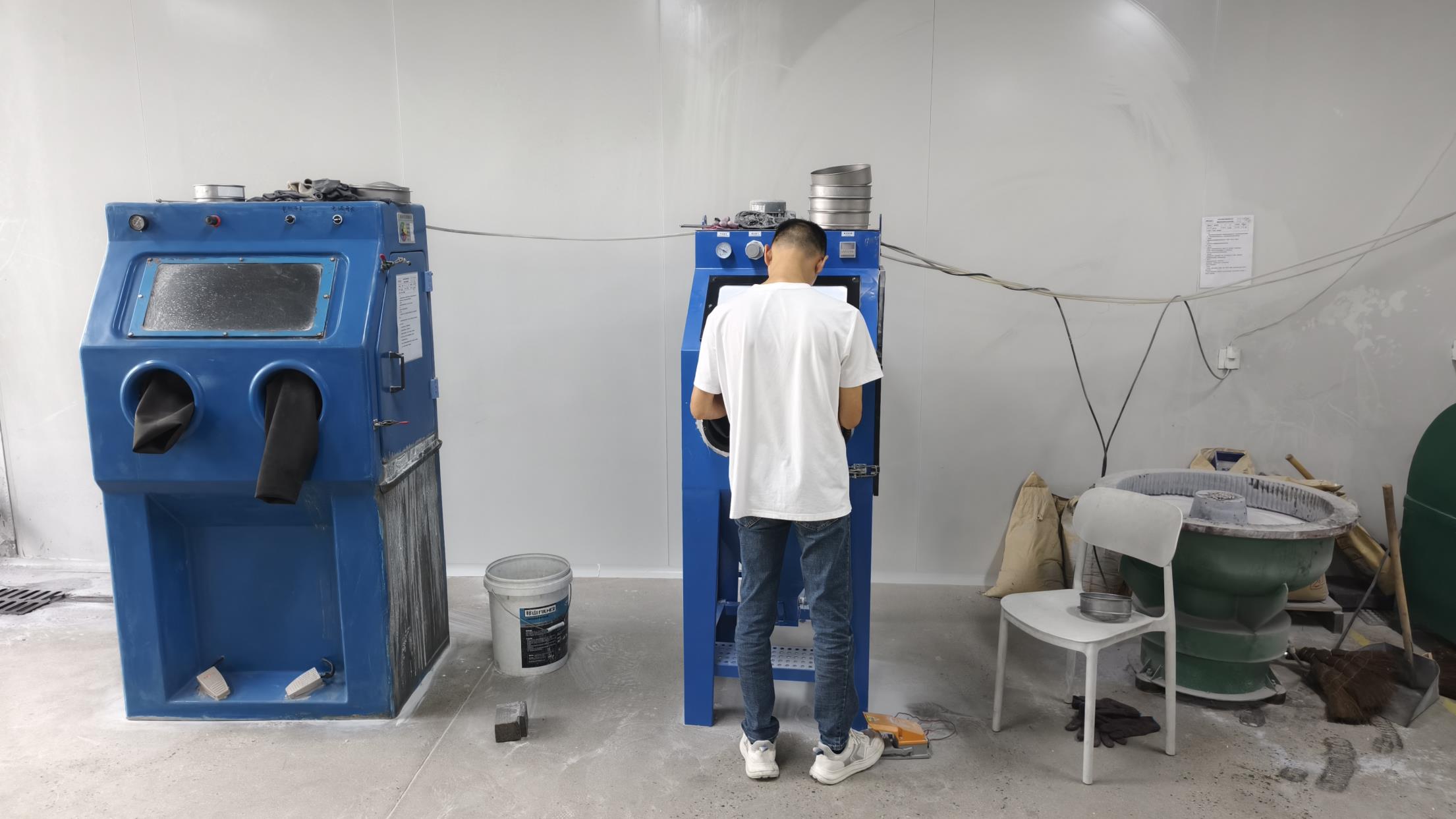
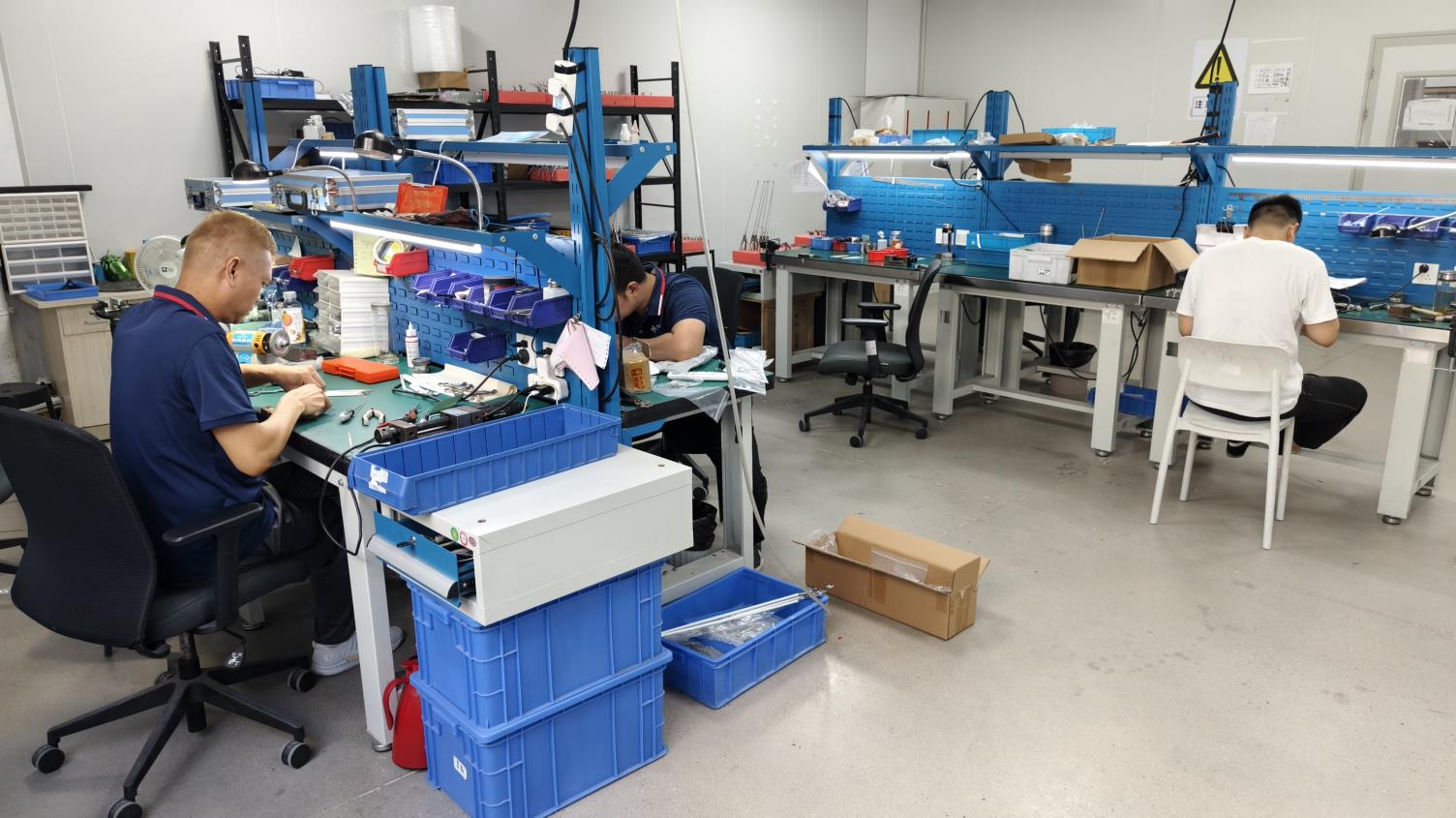
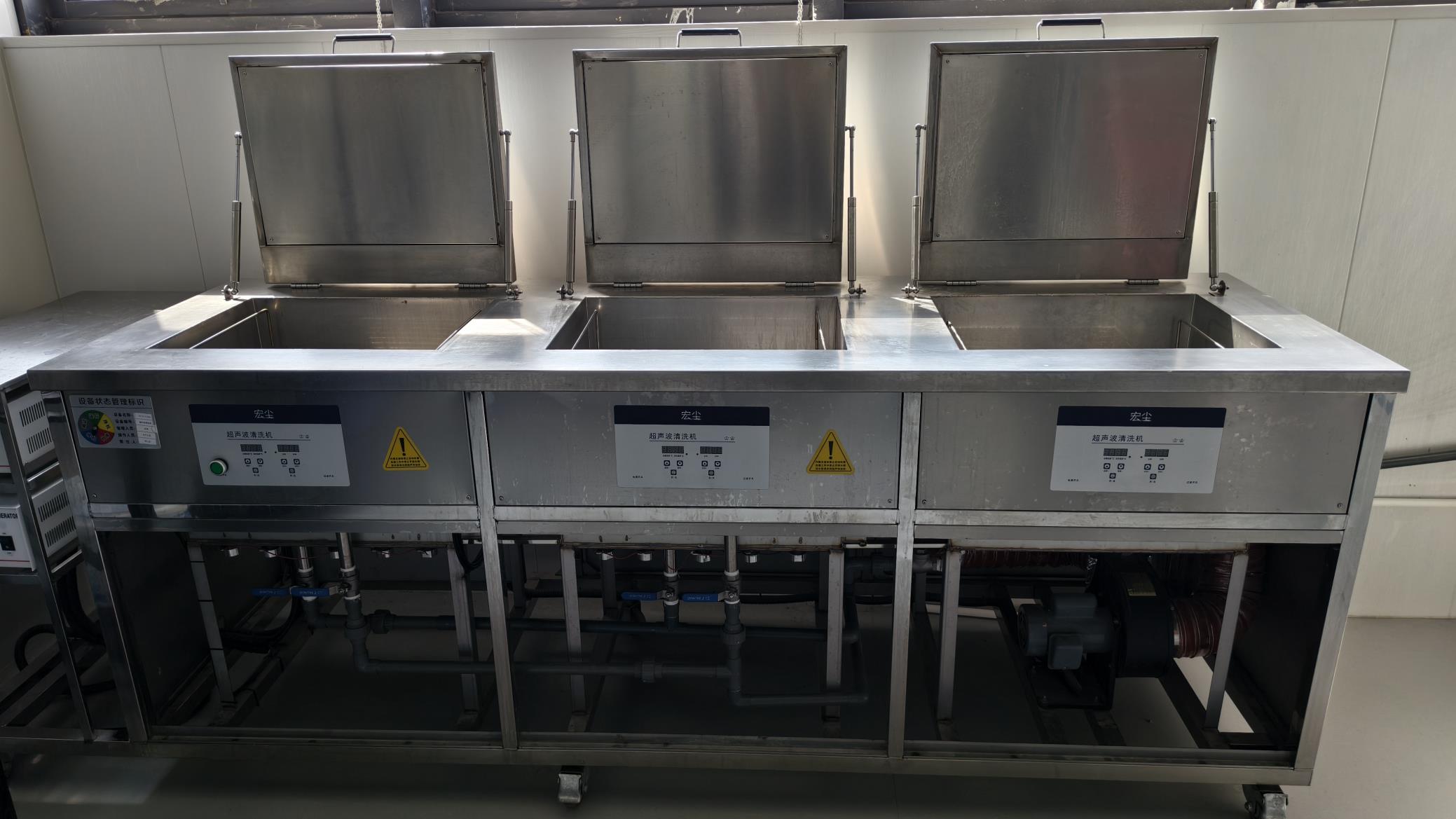
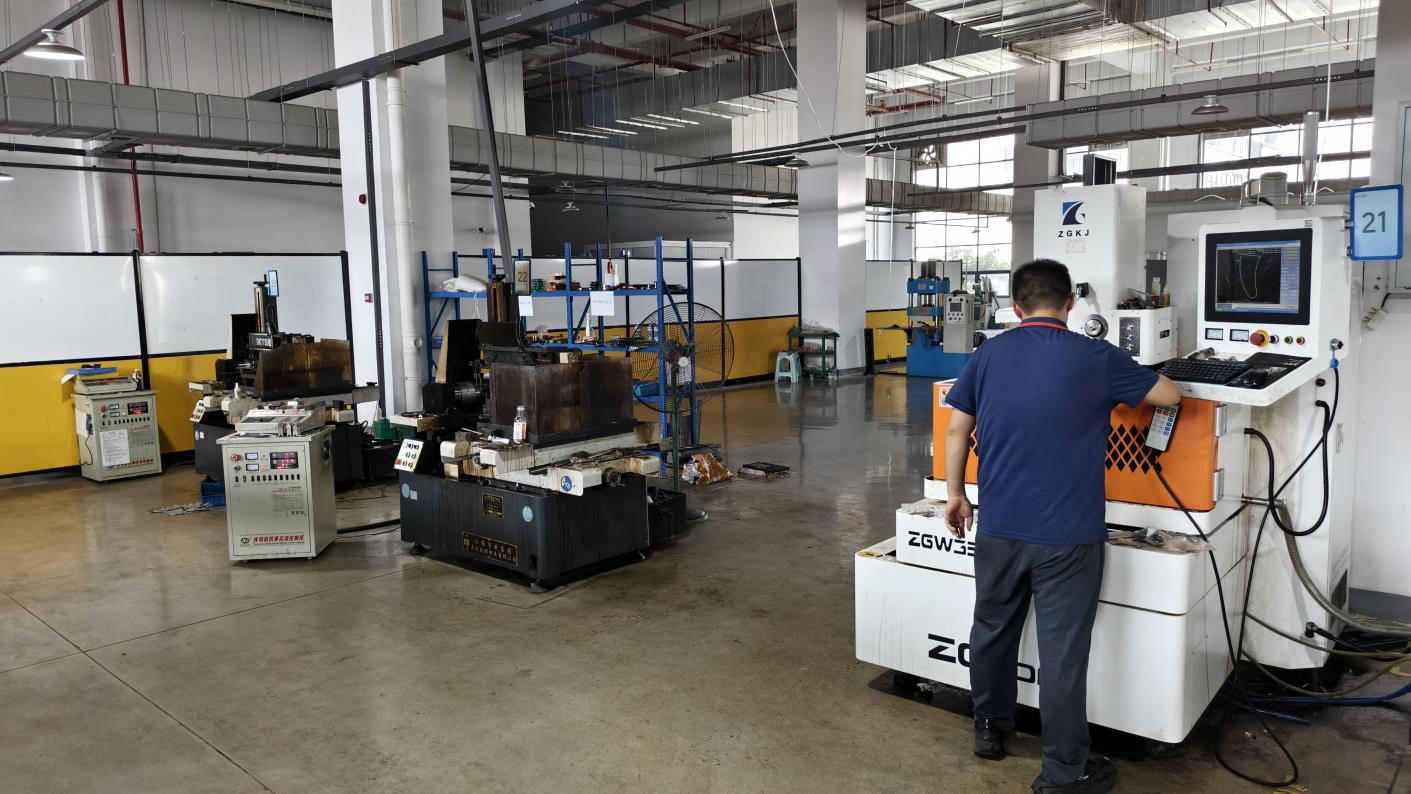
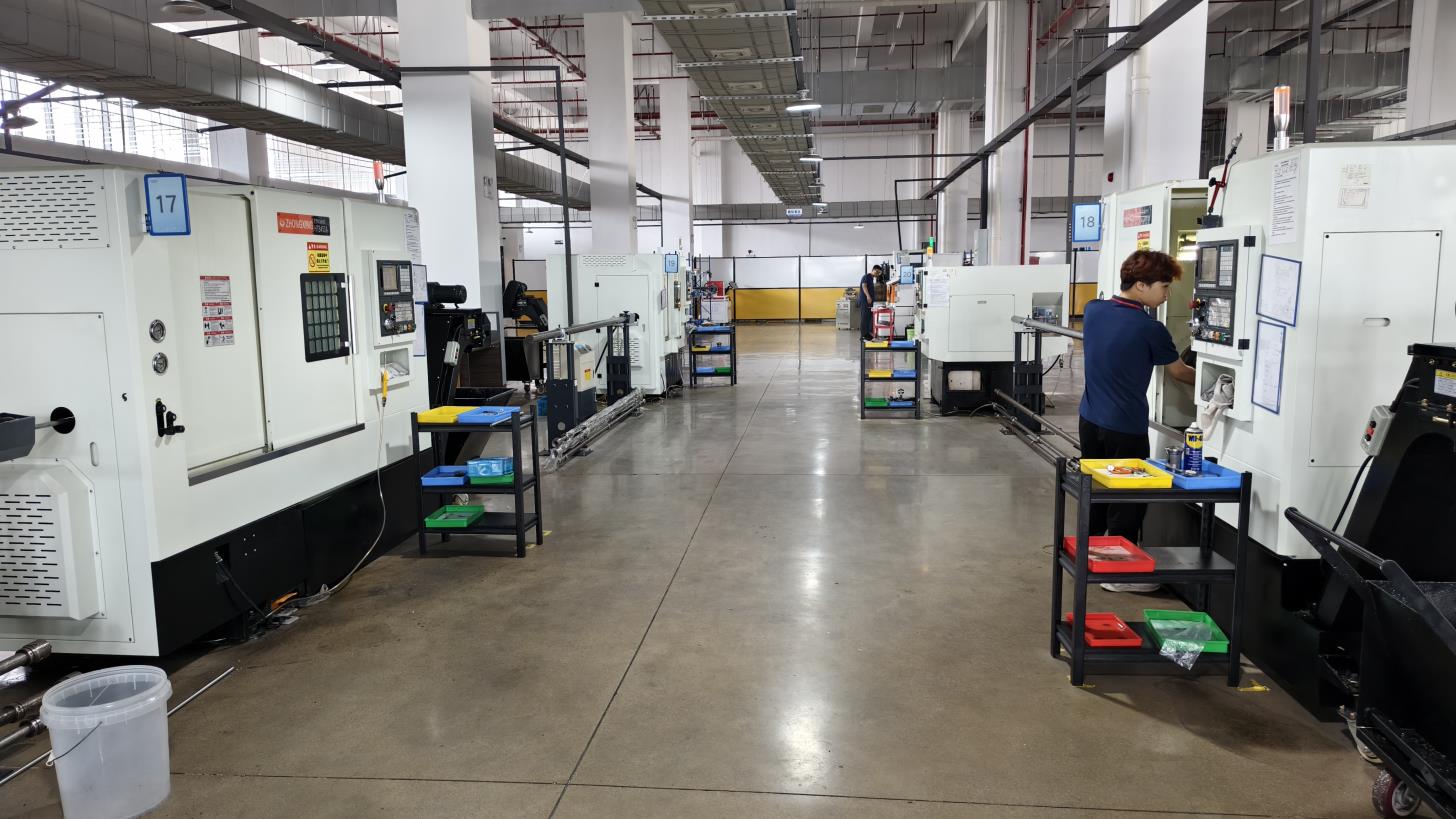
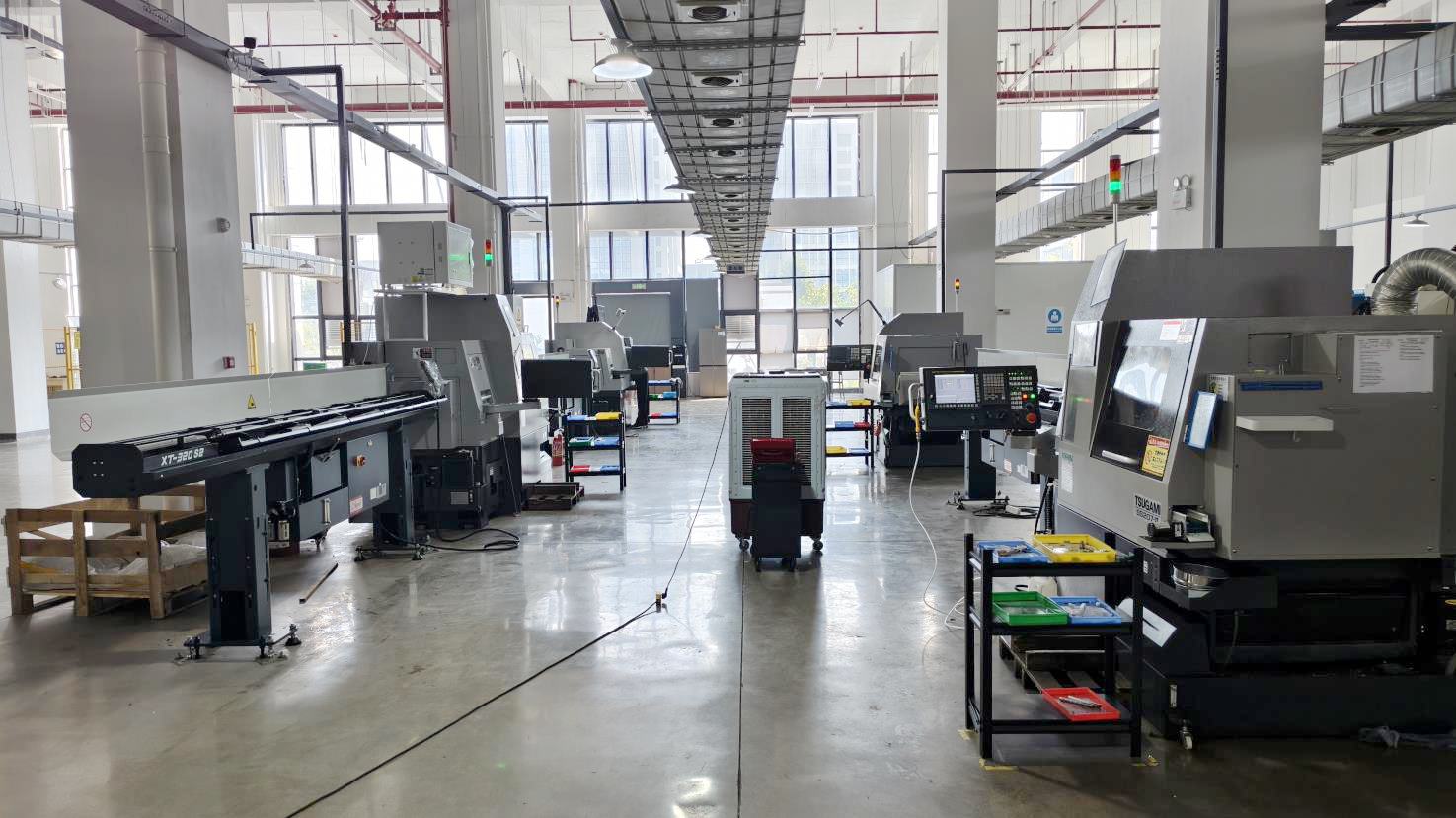
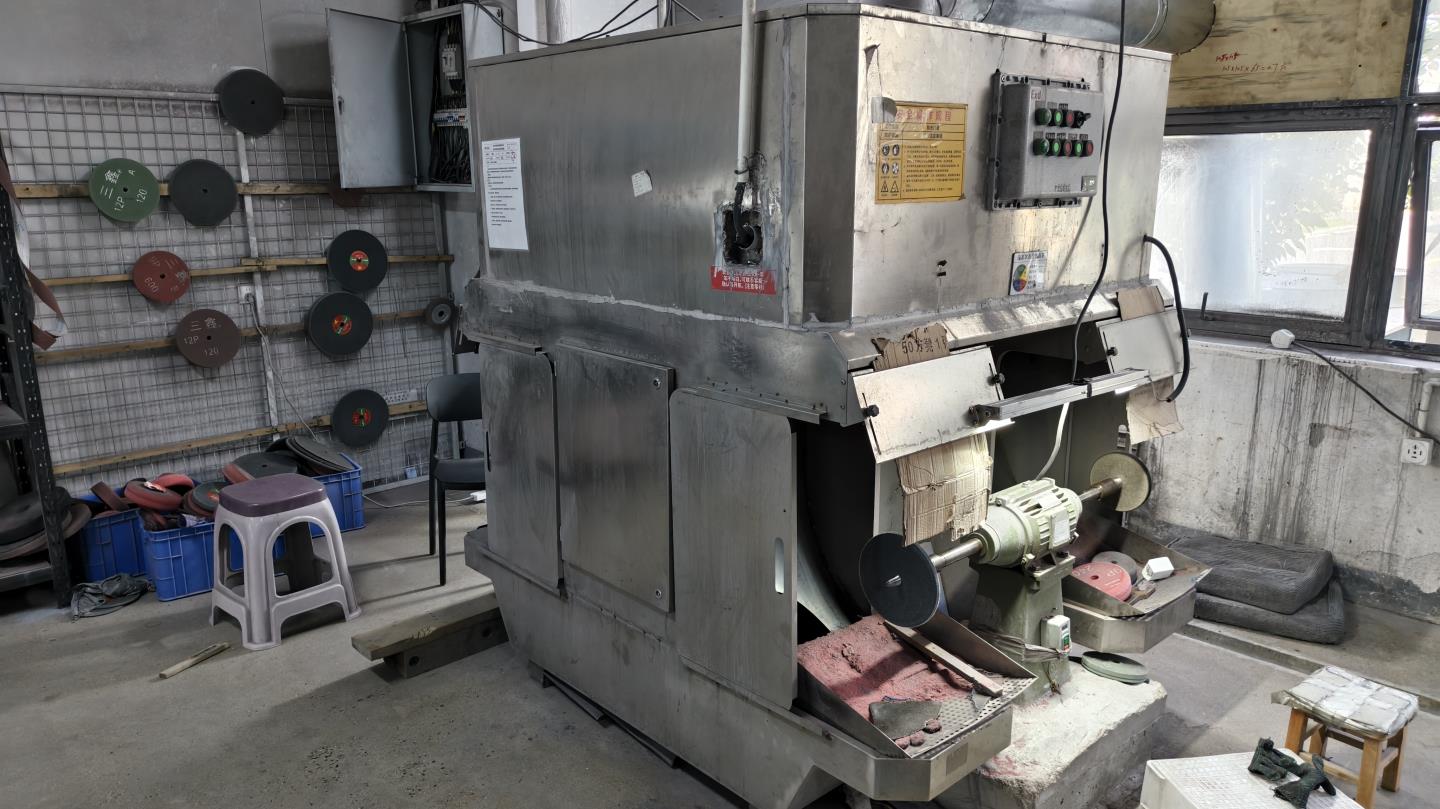
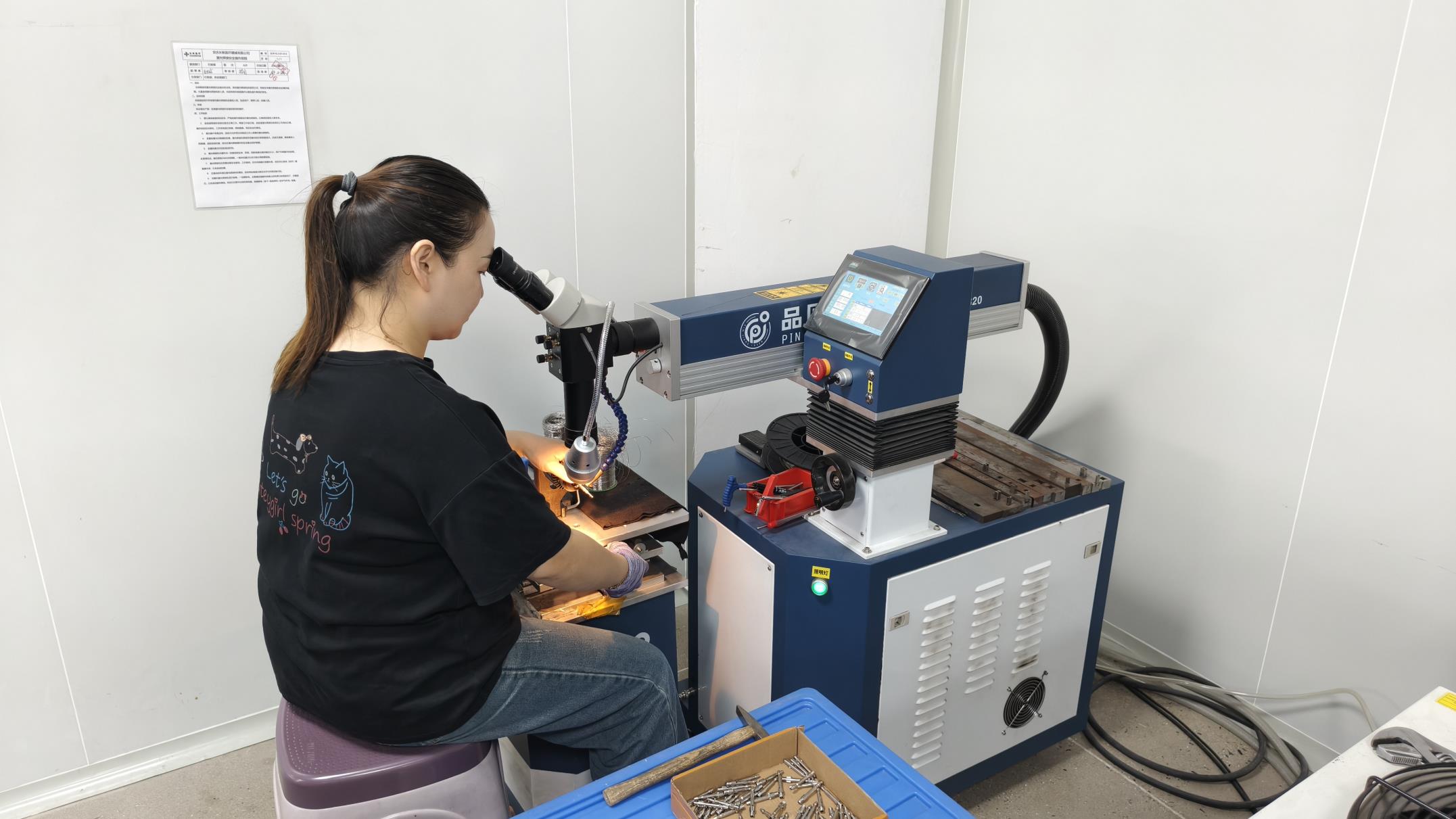
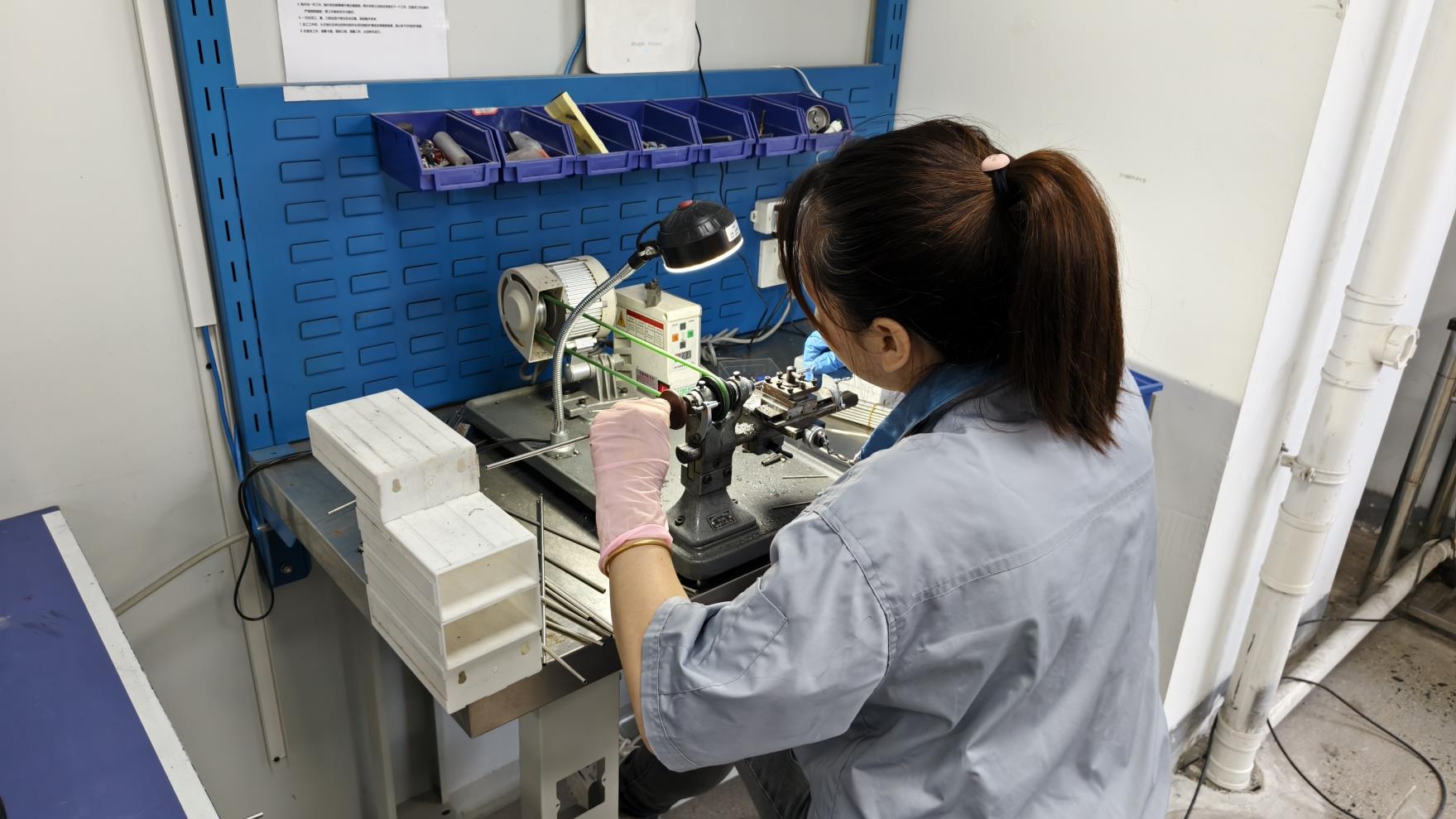
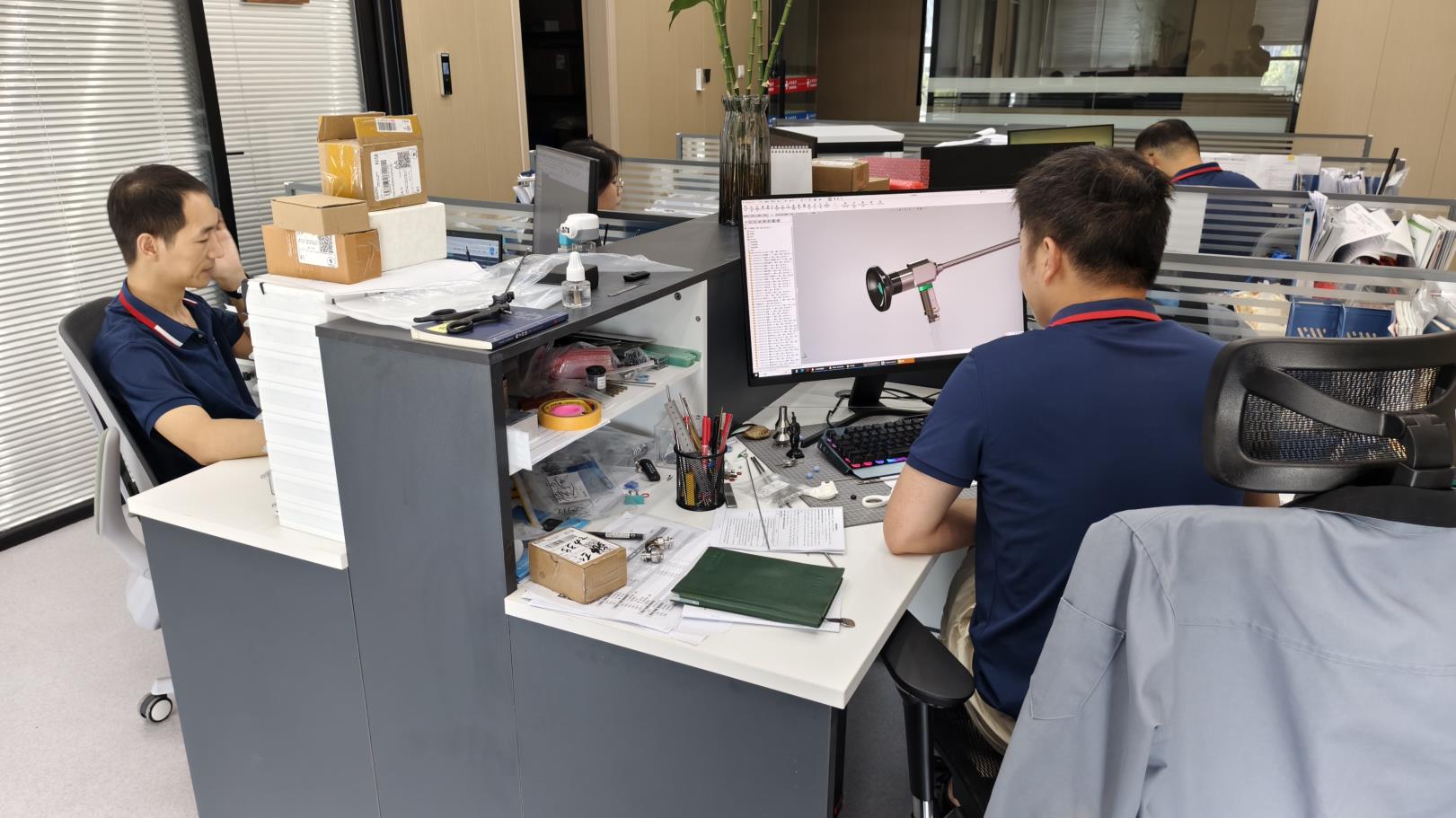
Integrating biological adaptation with engineering precision to optimize bone remodeling and minimize implant failure rates.
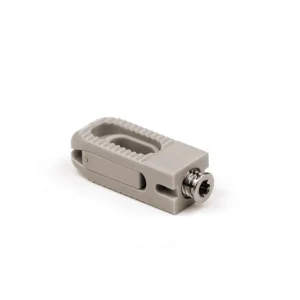
Utilizing biocompatible Titanium alloy for high mechanical strength and raw PEEK-OPTIMA for a low elastic modulus (approx. 3.6 GPa) to mimic human cortical bone. This reduces the risk of stress shielding and subsequent cage subsidence.
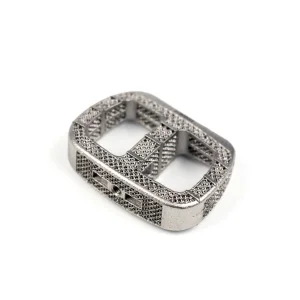
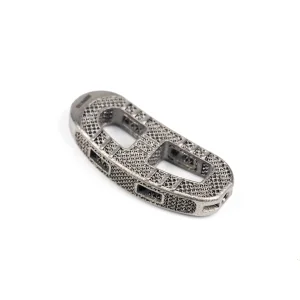
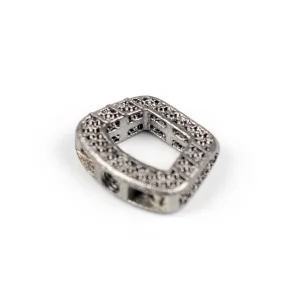
Implementing laser-sintered 3D printing technology to build interbody cages with complex, interconnected trabecular patterns. The pore structure (500–800 microns) encourages vascularization and speeds up direct bony ongrowth and ingrowth.
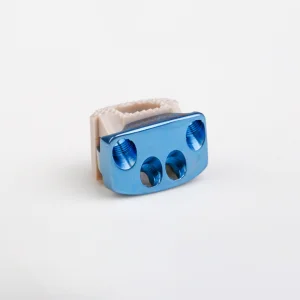
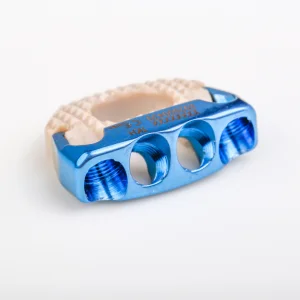
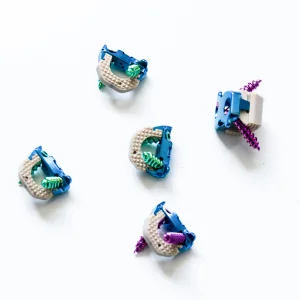
Developing standalone Zero-Profile systems and in-situ expandable lumbar cages. Expanding cages allow for optimal restoration of disk height and lordotic angle while minimizing the required retraction of neurological structures.
Our inspection facility operates under strict medical device standards, utilizing calibrated instrumentation to verify mechanical performance, fatigue life, and material composition.
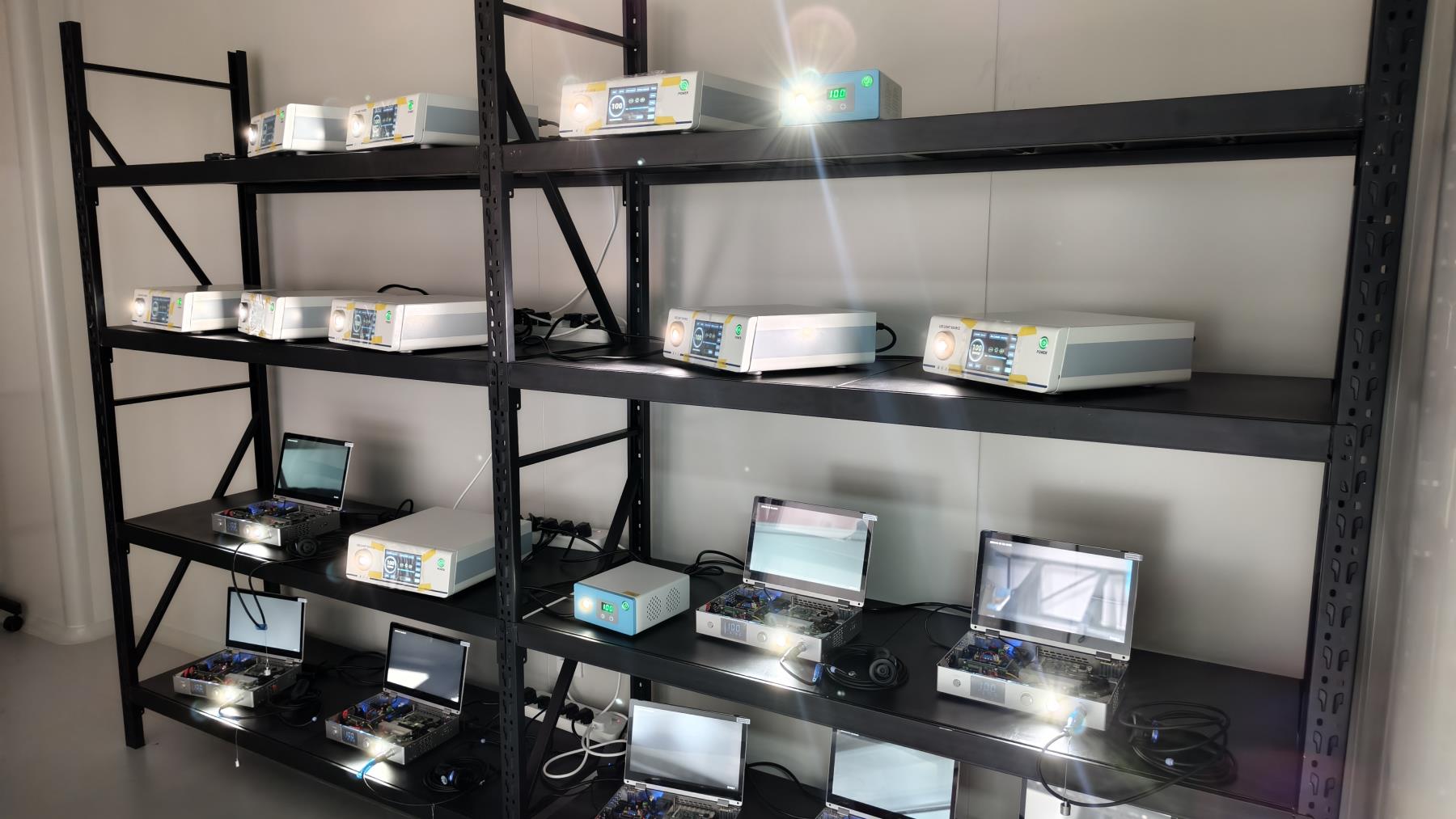
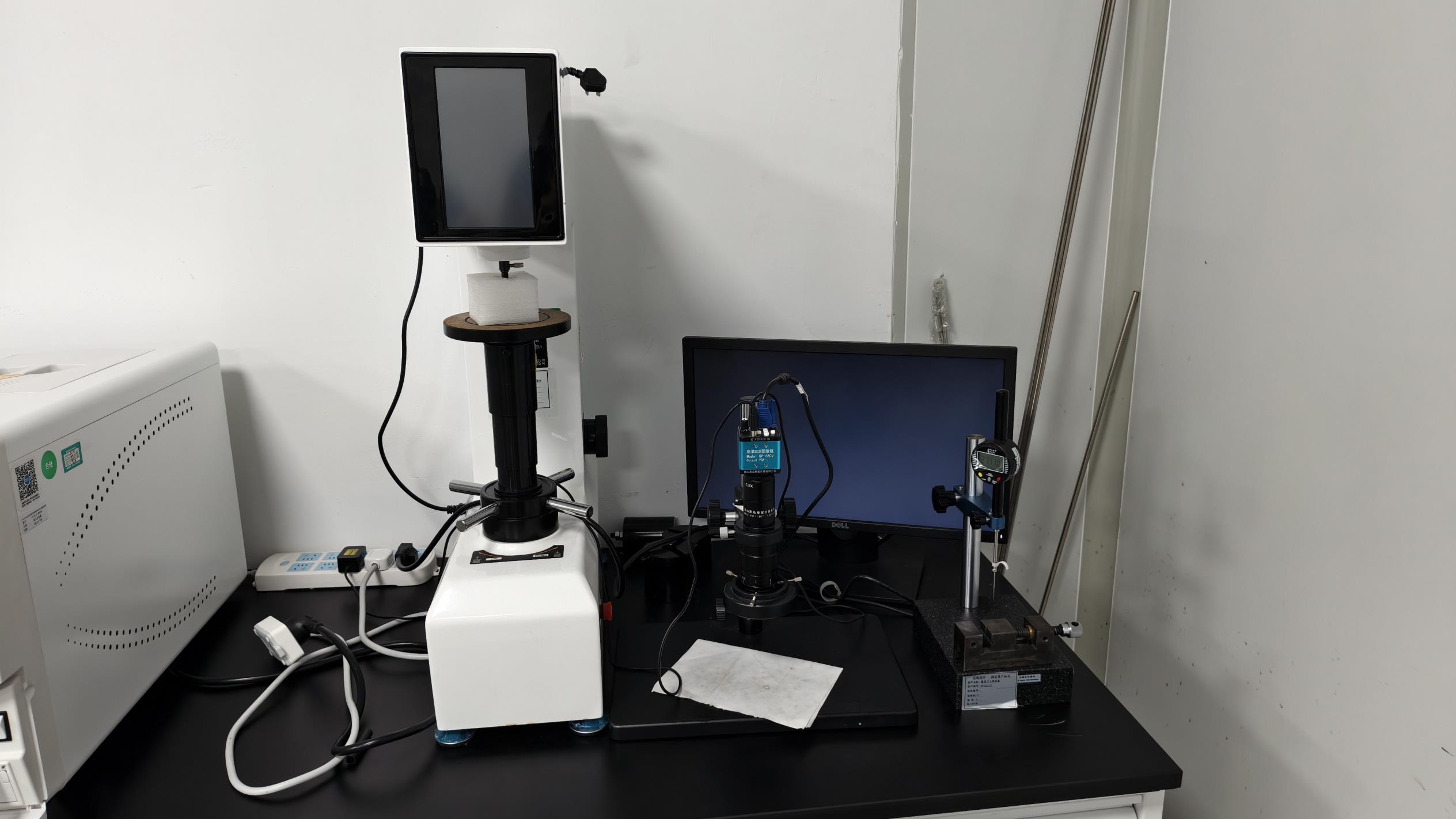
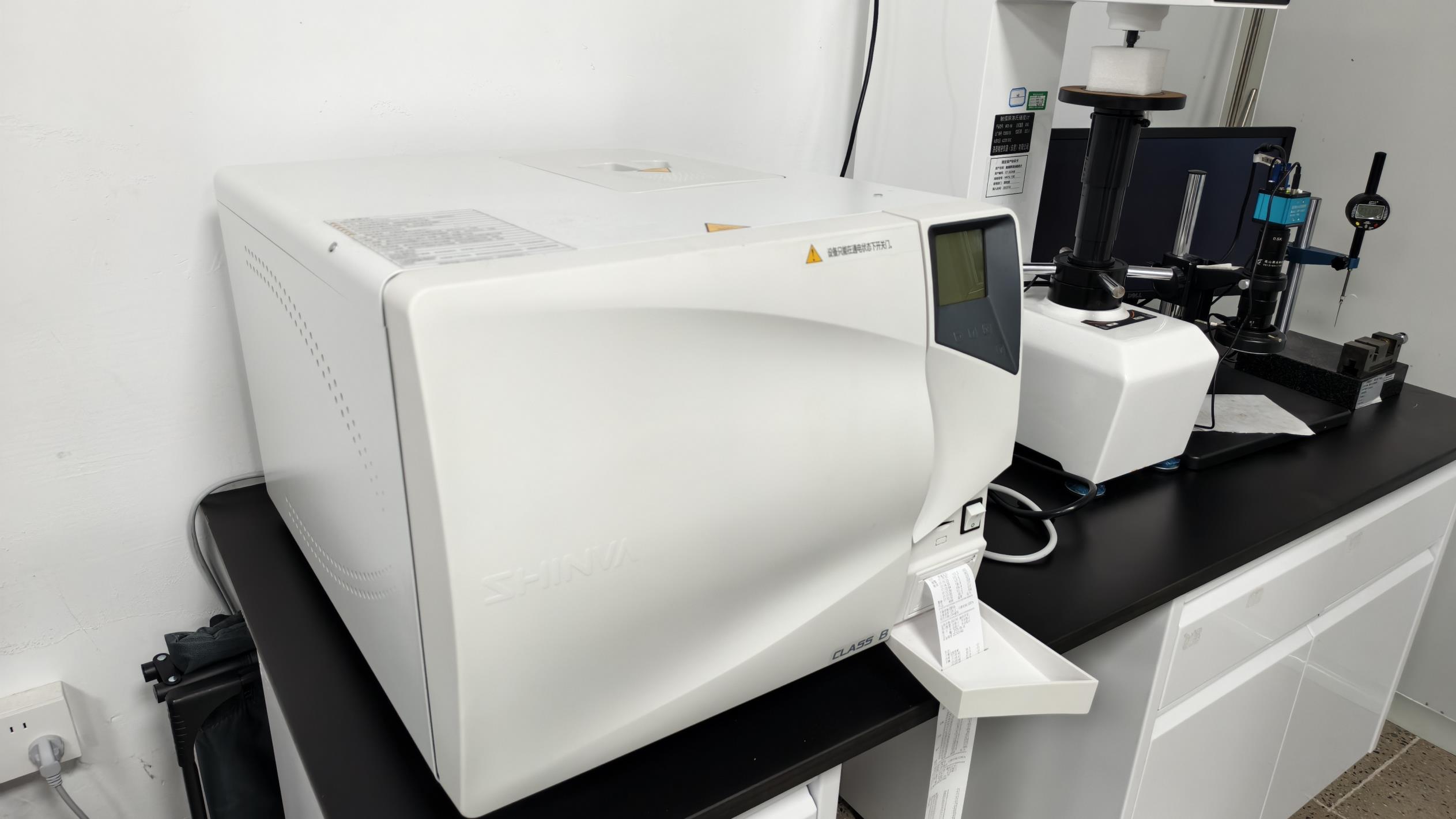
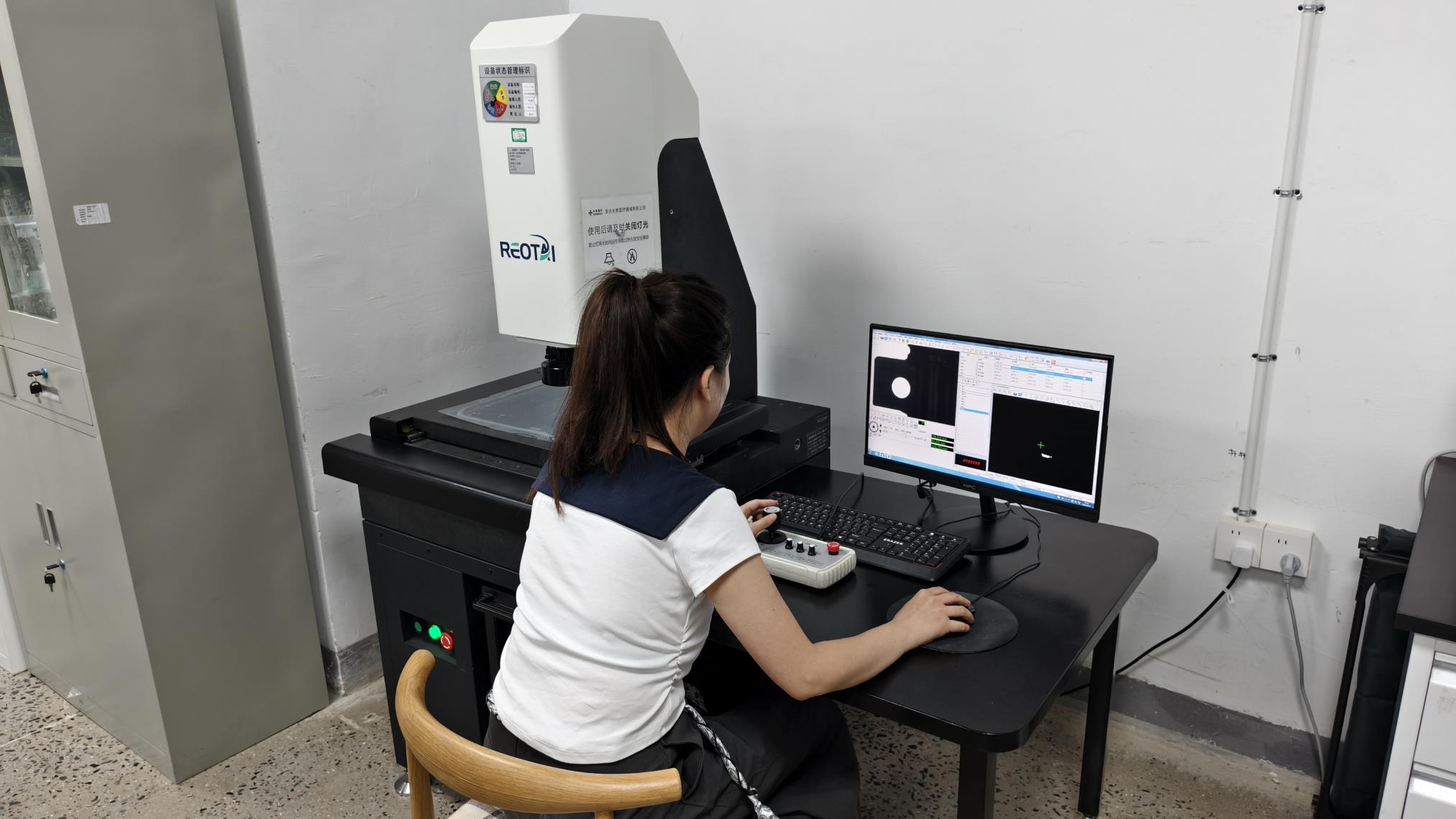
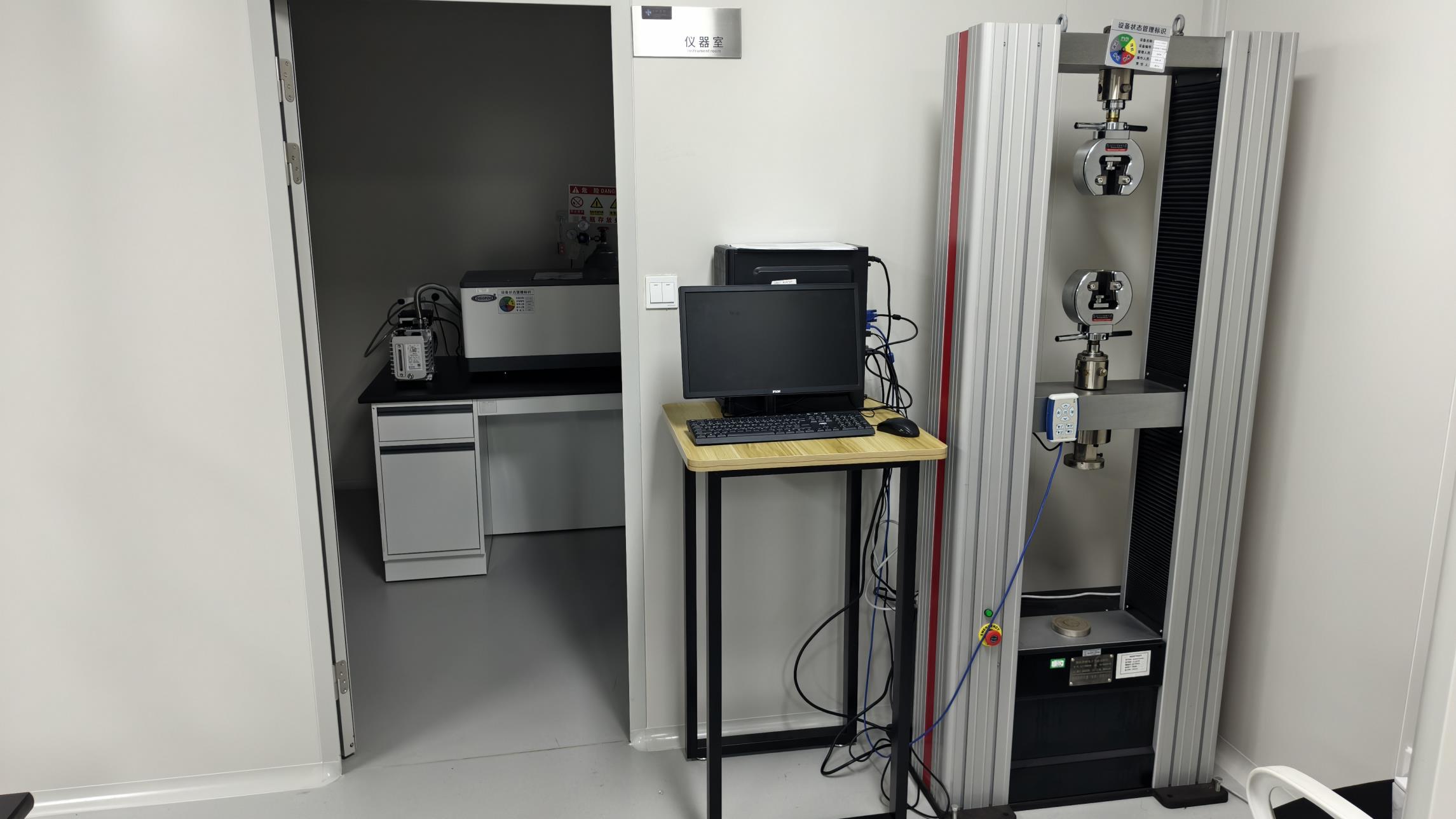
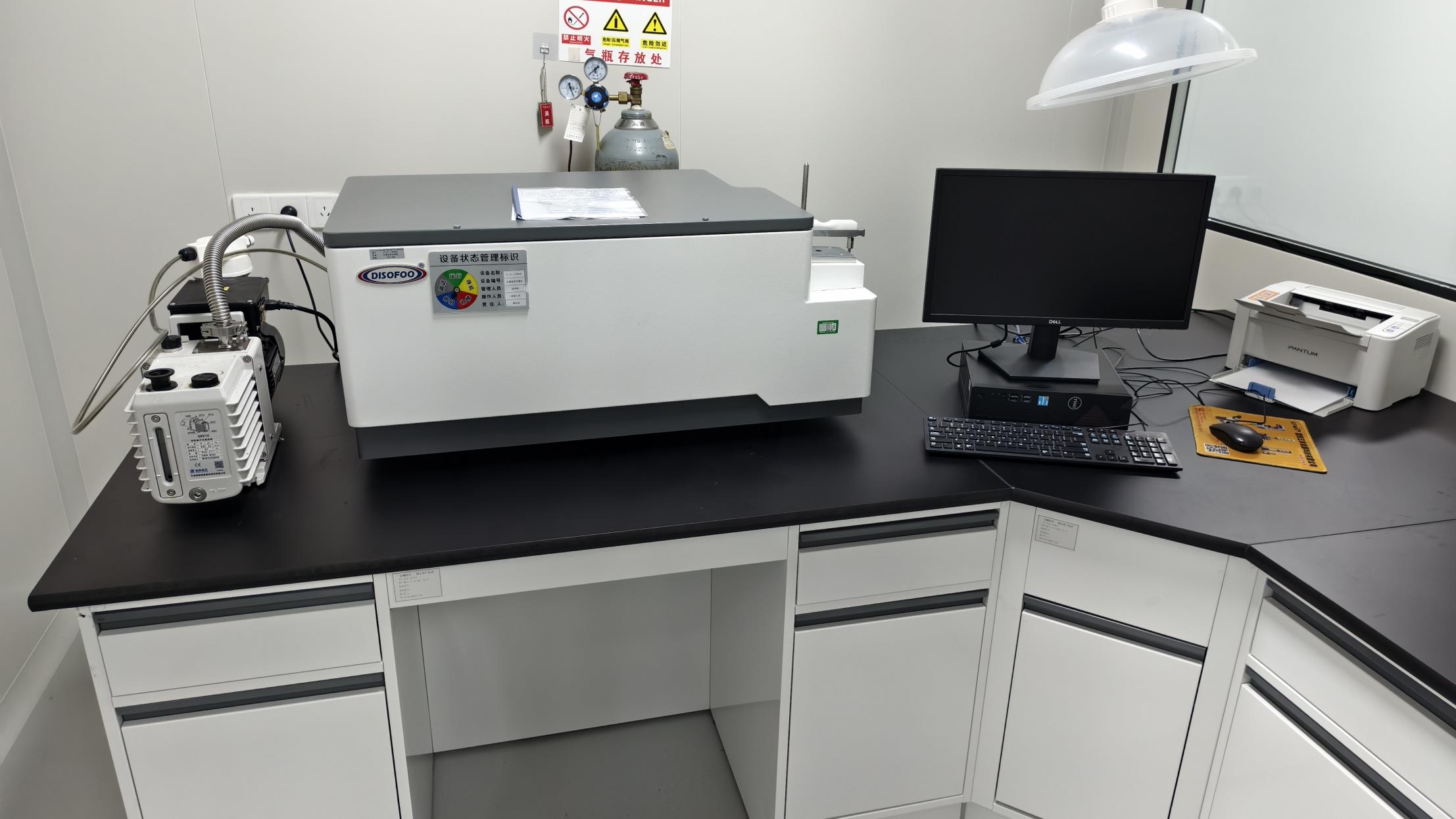
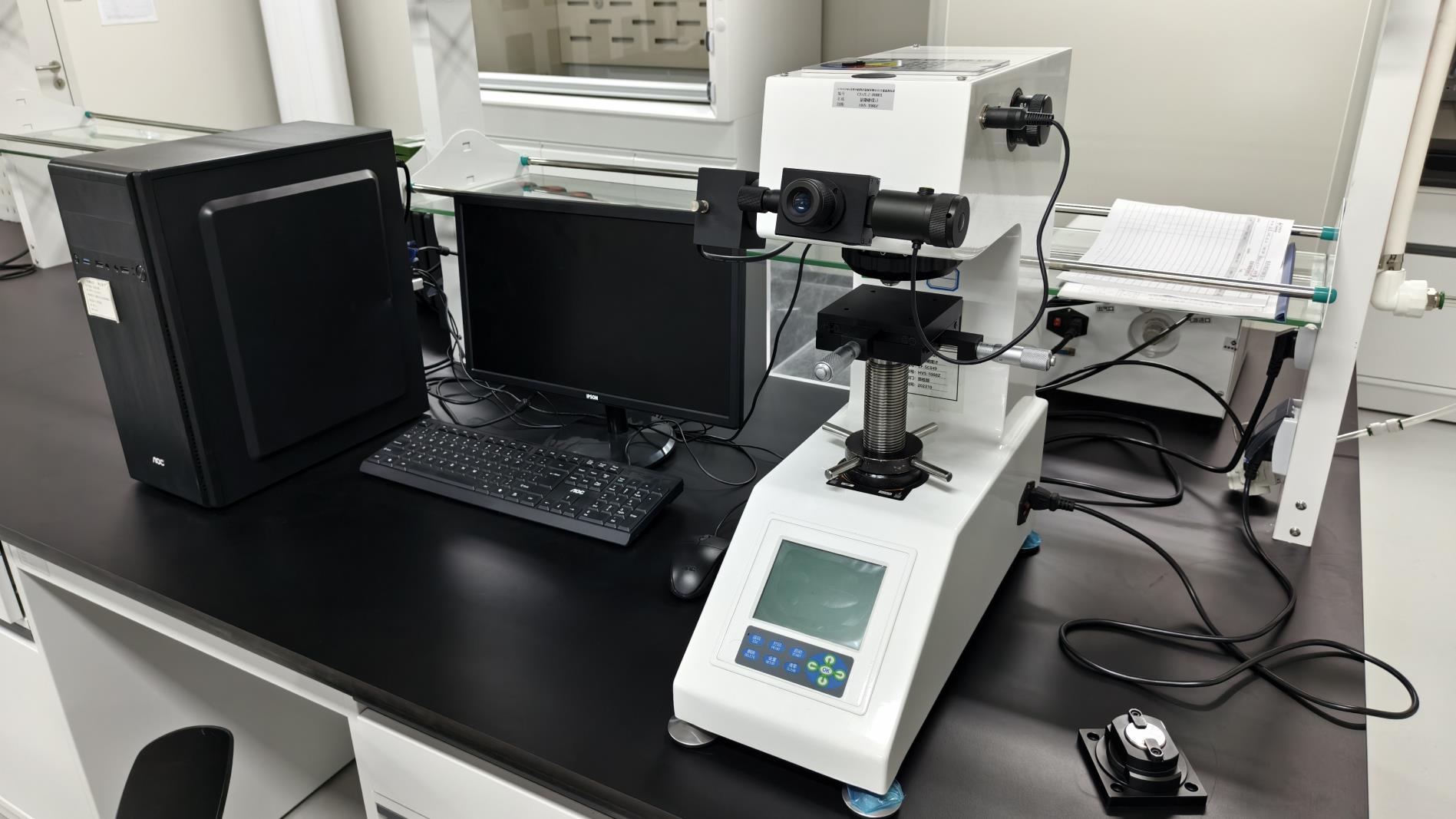
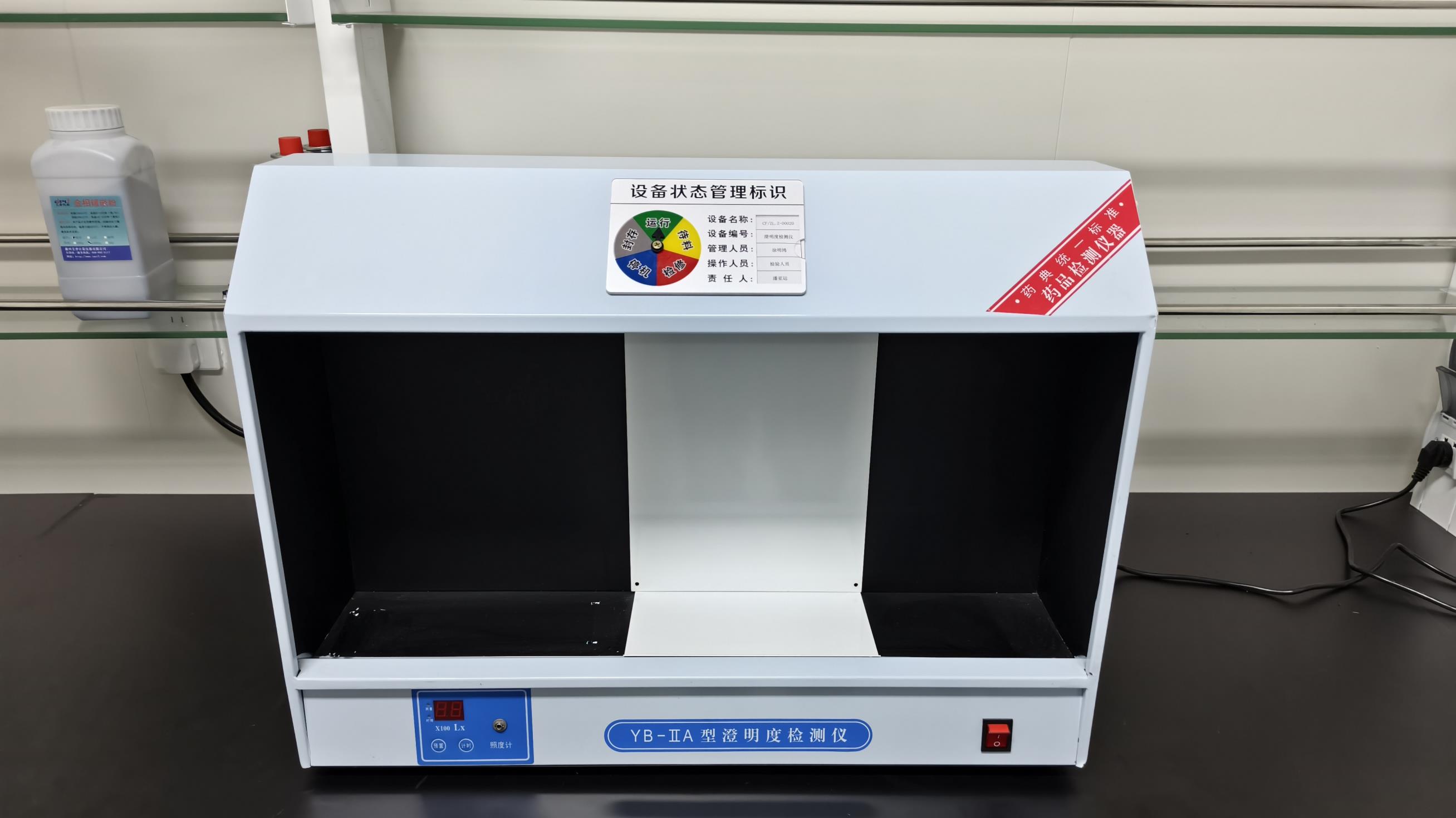
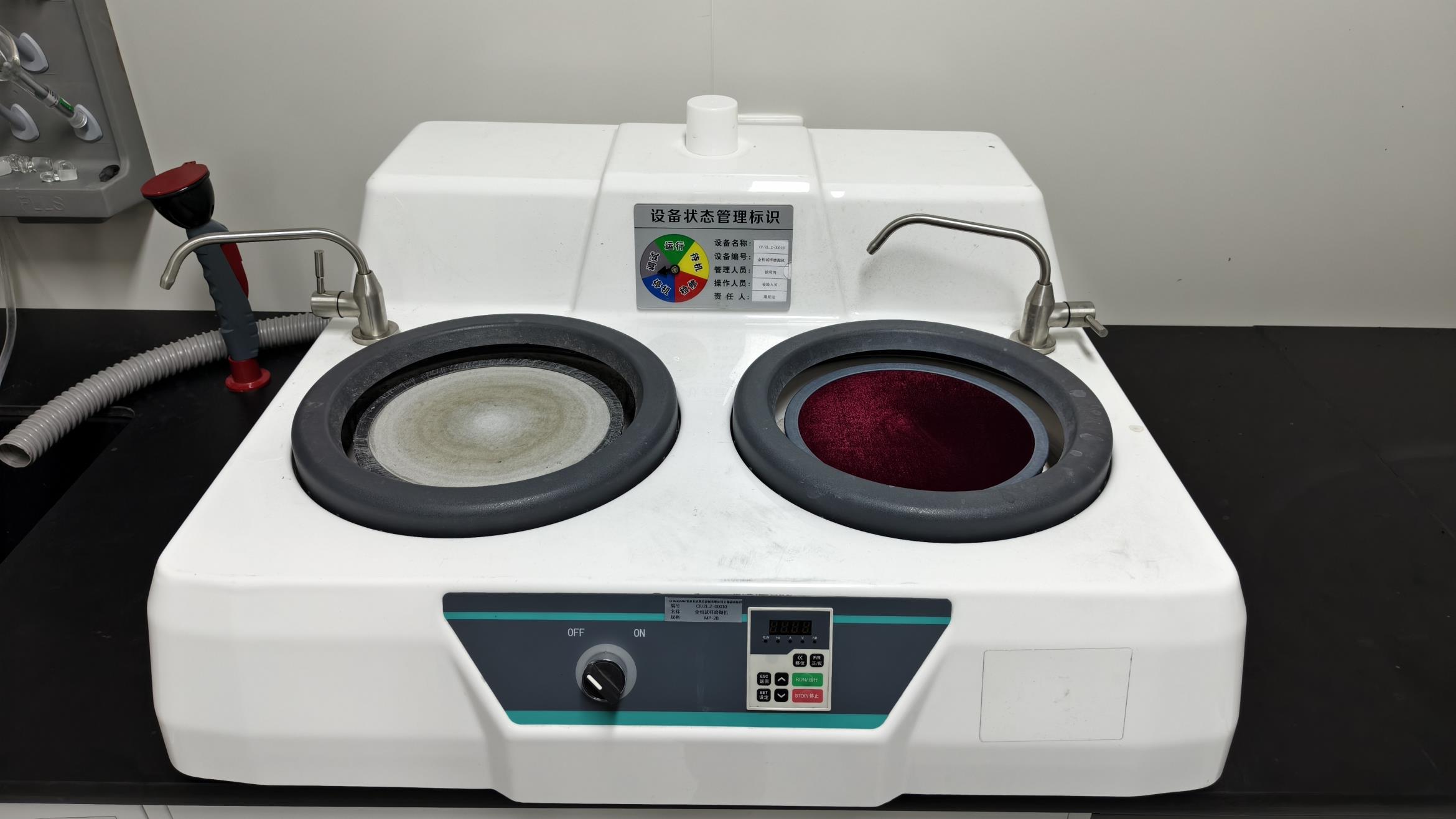
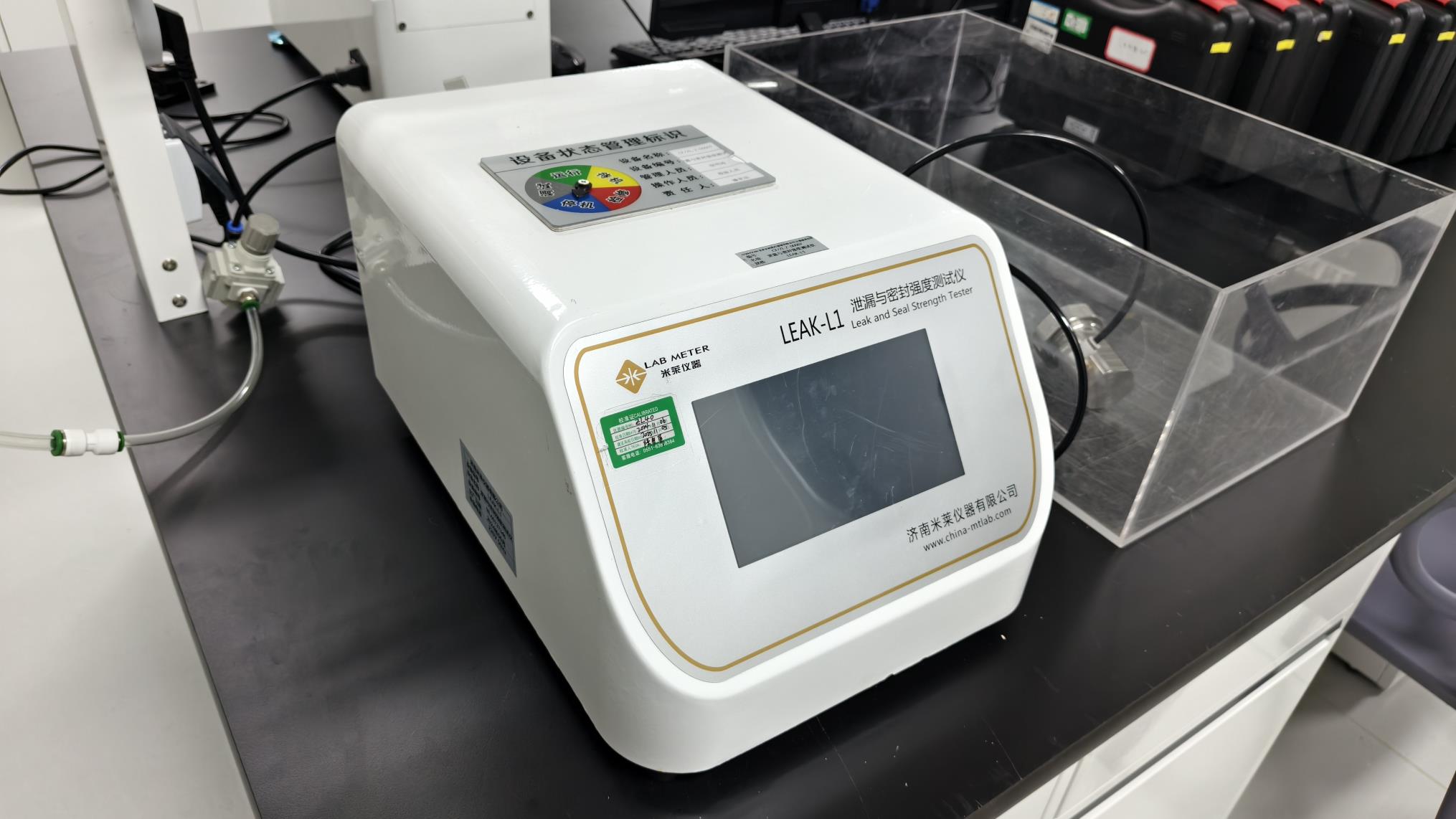
Navigating the global regulatory landscape of orthopedic class III medical devices demands comprehensive compliance records. Zynfuse supports exporters and distributors by providing document verification for imports, including ISO 13485 certifications, CE markings, and detailed raw material trace records.
Every shipment undergoes mechanical testing (conforming to ASTM F1717 and ASTM F2077 guidelines) to verify shear fatigue strength and axial compression performance. The sterile barrier packaging of each implant is validated using packaging leakage and sealing strength testers, ensuring aseptic delivery to surgical suites across Europe, the Americas, and the Asia-Pacific region.
Expert answers regarding biocompatibility, structural design, international trade compliance, and clinical applications.
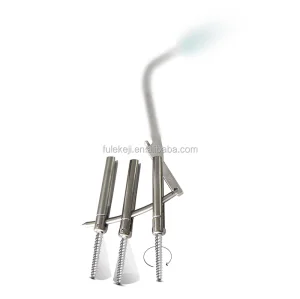
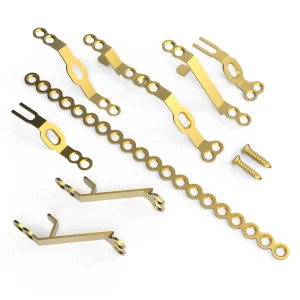
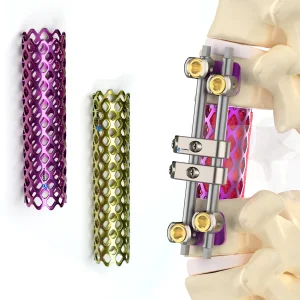
Our advanced series of zero profile cervical spacers, expandable lumbar systems, and laser-sintered porous cage implants designed for minimally invasive spine surgery (MISS).