Zynfuse
Zynfuse
Zynfuse
Premium-grade joint reconstruction components and advanced surgical instruments optimized for precision and clinical stability.
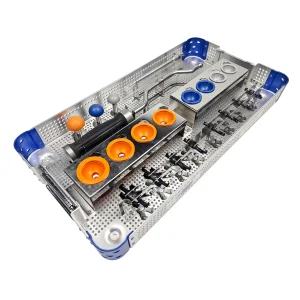
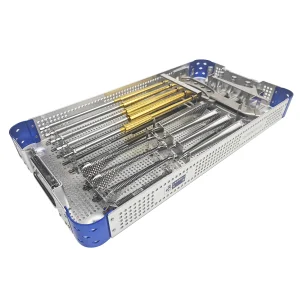
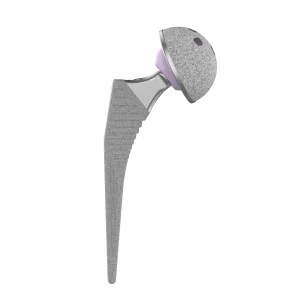
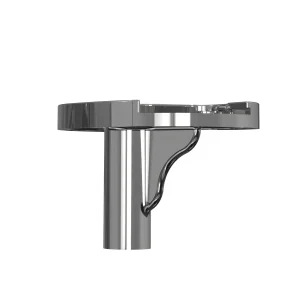
Expert analysis of biomechanics, material engineering, market dynamics, and global supply chain consolidation in total joint replacement systems.
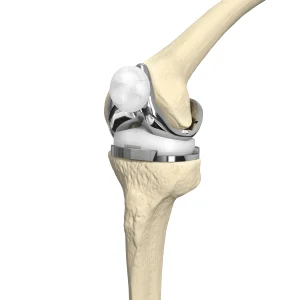
Total Joint Arthroplasty (TJA), specifically Total Hip Replacement (THR) and Total Knee Replacement (TKR), stands as one of the most successful surgical interventions of the 21st century. As life expectancy rises globally and the demand for active longevity escalates, the design, manufacturing, and supply of joint reconstruction systems have undergone profound changes. Today's orthopedic surgeons demand implants that demonstrate zero-wear tribology, rapid osseointegration, and anatomical compatibility tailored to diverse patient demographics.
For B2B orthopedic buyers, hospital procurement teams, and regional distributors, navigating the regulatory, raw material, and engineering capabilities of medical device manufacturers is paramount. Achieving success in this space requires partner factories to exhibit deep mastery of metallurgy (ISO 5832 series), advanced polymer chemistry (UHMWPE & HXLPE), ultra-precision CNC/Swiss machining, and robust sterility assurances. This paper details the industrial landscape, production methodologies, and emerging technological roadmaps for THR/TKR manufacturing.
Modern implants rely on high-integrity interfaces like Ceramic-on-Polyethylene (CoP) and Ceramic-on-Ceramic (CoC) to minimize friction and wear debris. Incorporating Vitamin E into Highly Cross-Linked Polyethylene (HXLPE) significantly prevents long-term oxidation, assuring implant lifespans exceeding 20–25 years.
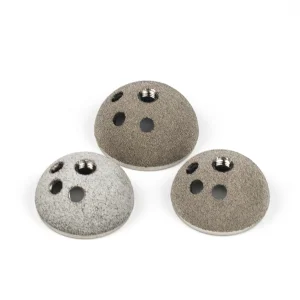
Implant-to-bone fixation relies on porous titanium plasma spraying and Hydroxyapatite (HA) bioactive coatings. These micro-textured layers mimic trabecular bone geometry, stimulating rapid osteoblast migration and securing biological fixation without the need for bone cement.
Orthopedic implants are categorized as Class III high-risk medical devices. Compliance requires rigorous fatigue testing, digital metallographical checking, three-dimensional coordinate dimensional verification, and dynamic sealing integrity assays to guarantee intraoperative safety.
Behind the engineering precision of Zynfuse Medical Technology Co., Ltd. - Driving consistency in global orthopedic supply chains.
Established in 2016, Zynfuse Medical Technology Co., Ltd. is a leading orthopedic medical device manufacturer specializing in advanced joint reconstruction implants and surgical instrument systems. Backed by 12 years of industry experience and 7 years of global export experience, Zynfuse has established itself as an authoritative supplier to hospitals, distributors, and orthopedic centers across North America, Europe, Southeast Asia, and the Middle East.
Our ISO 13485-certified manufacturing processes incorporate advanced equipment from primary cutting to final sterile packaging.
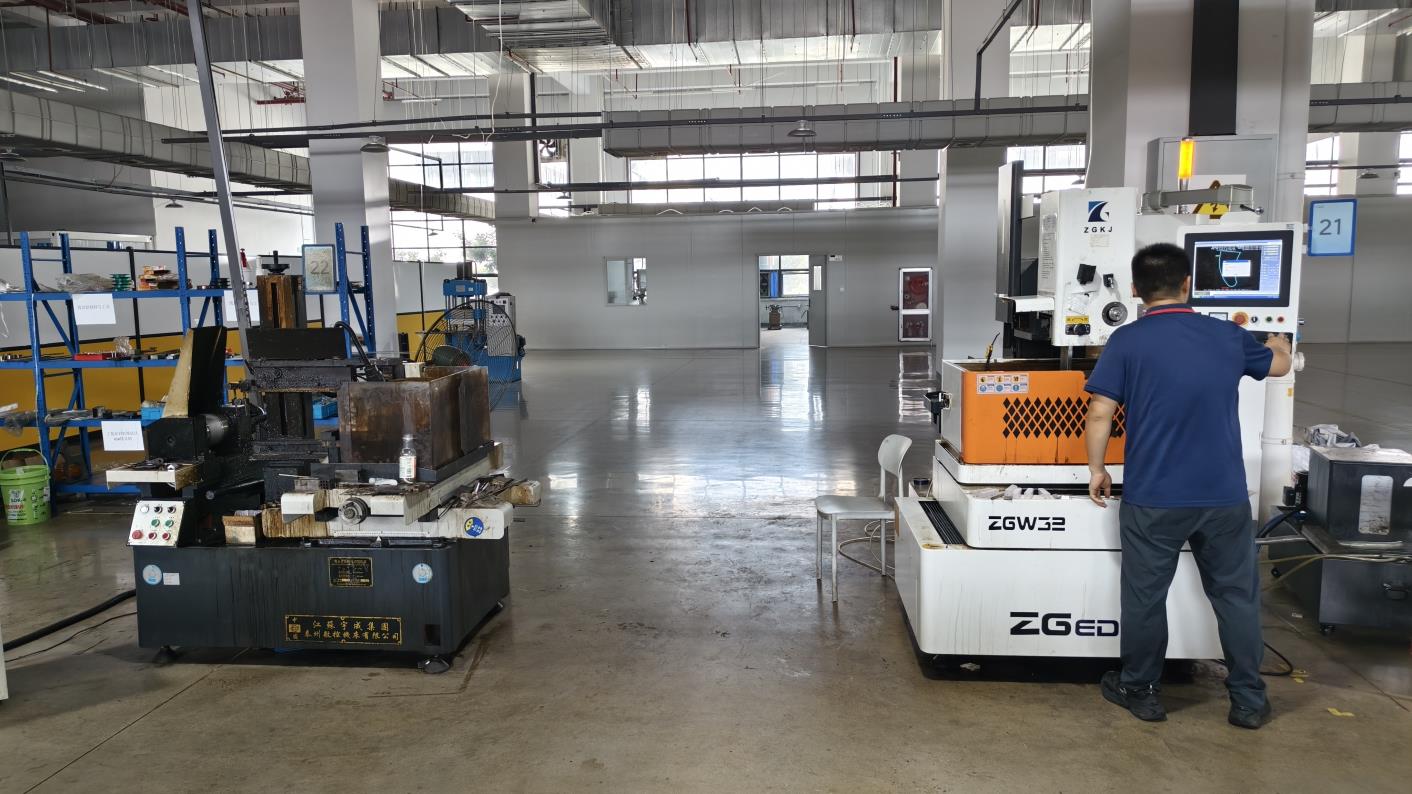
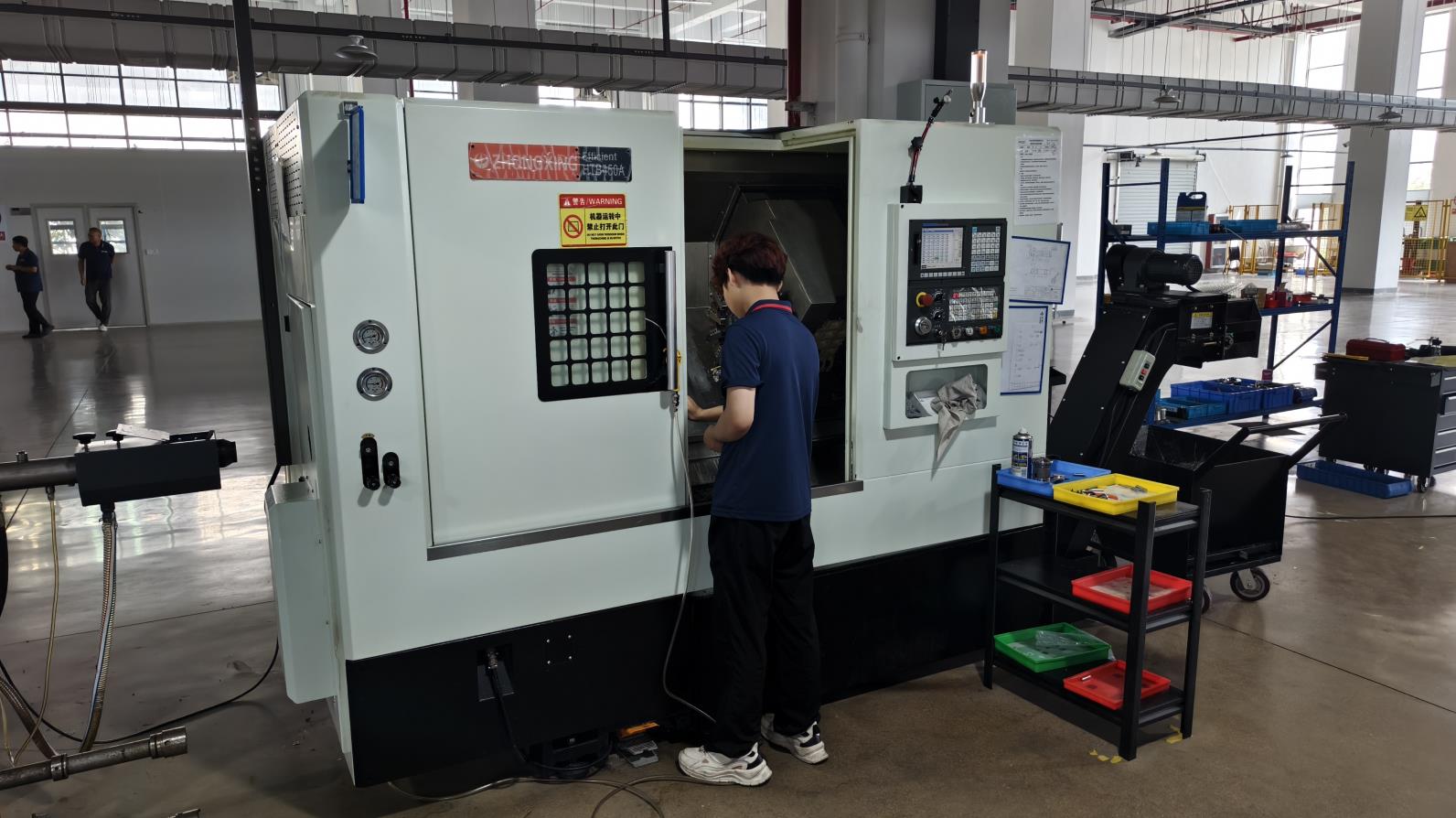
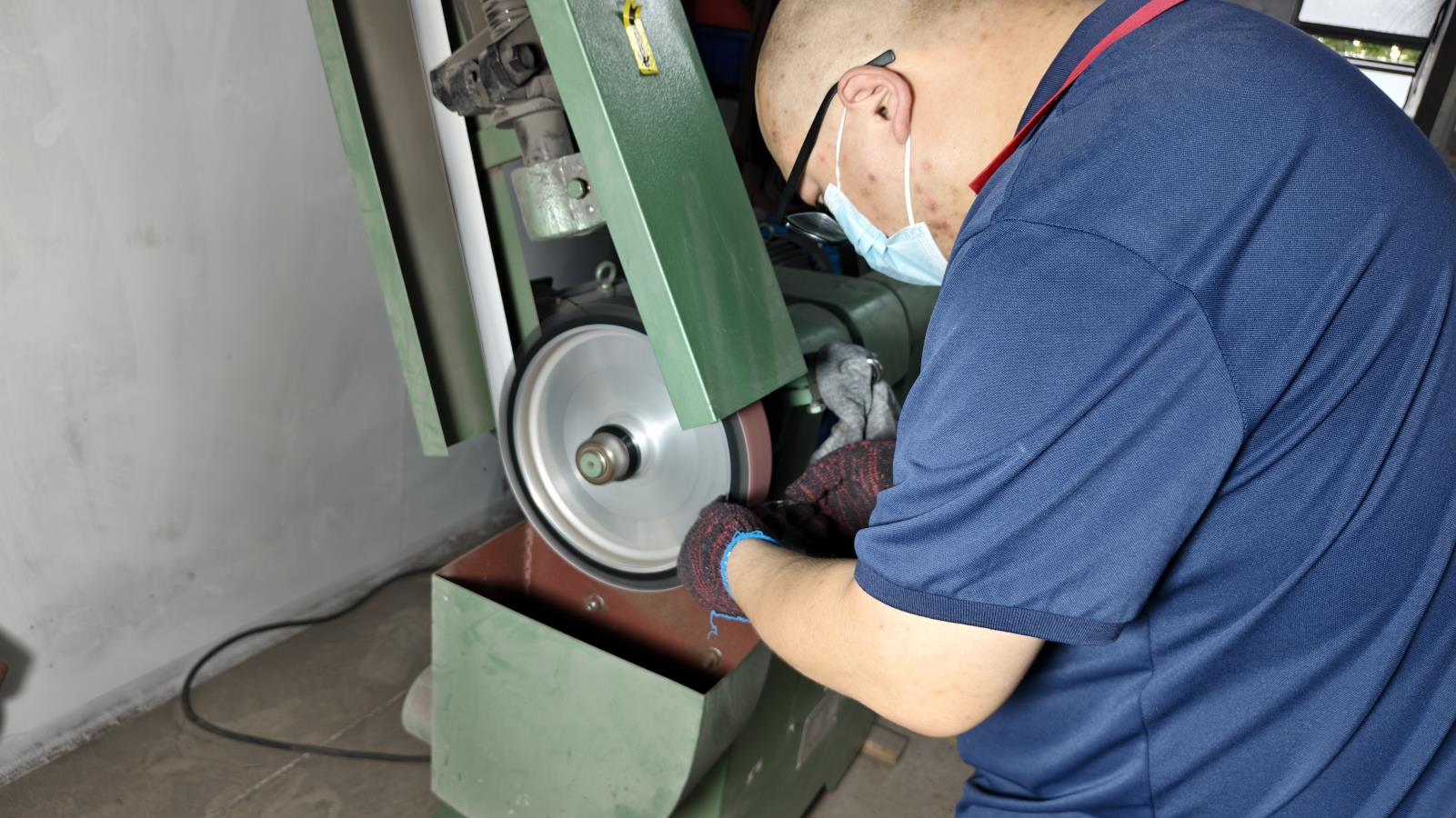
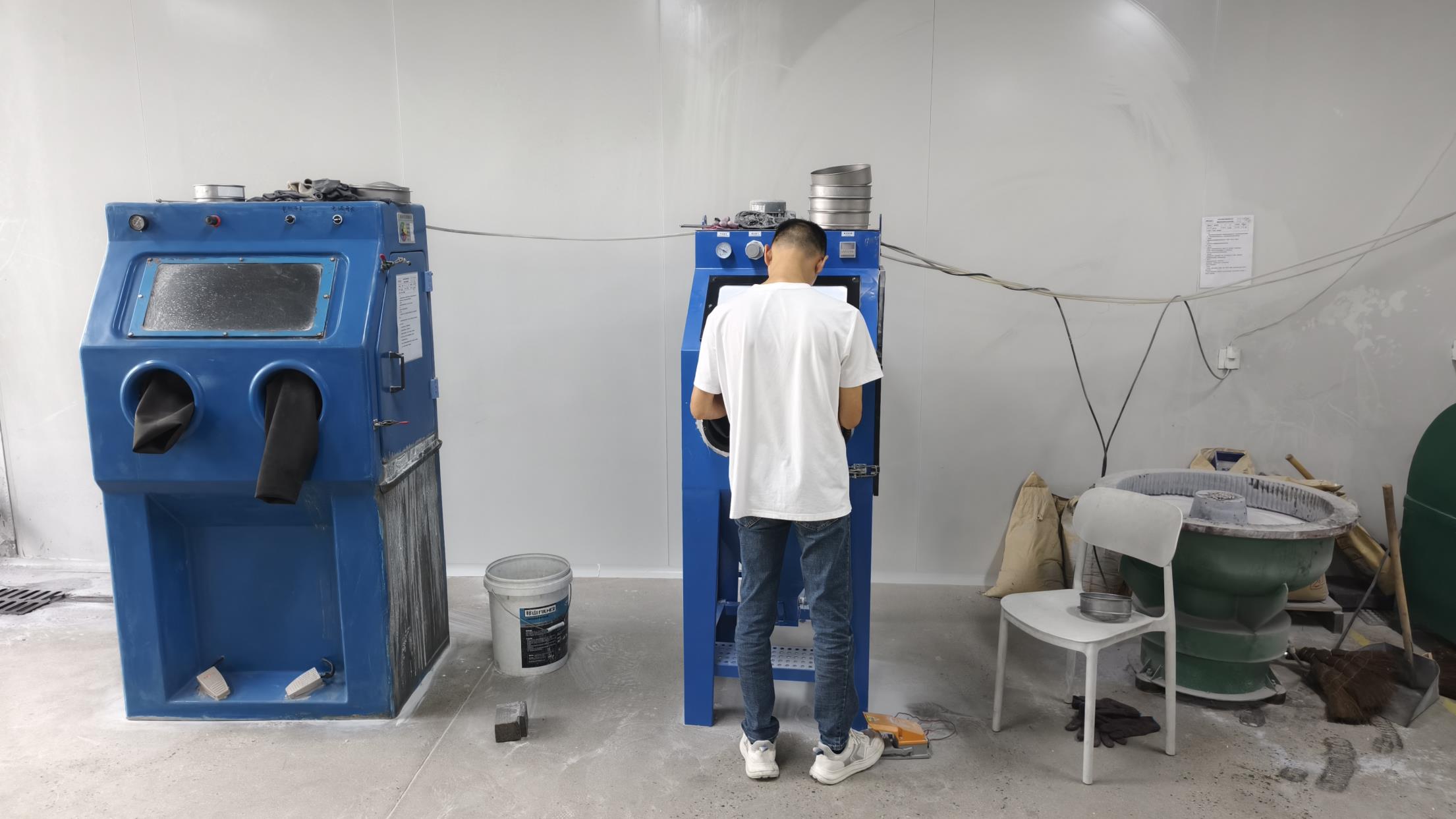
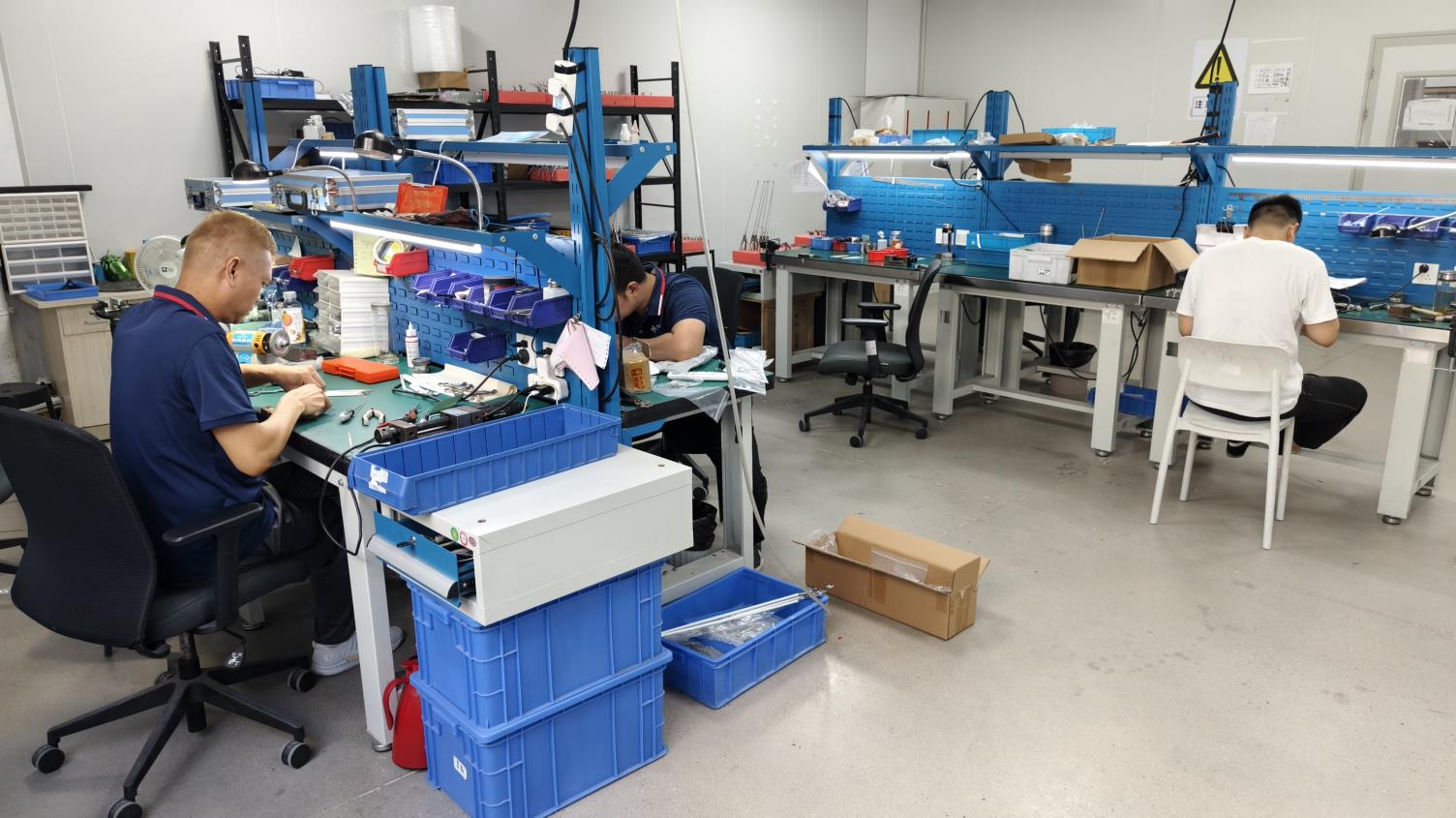
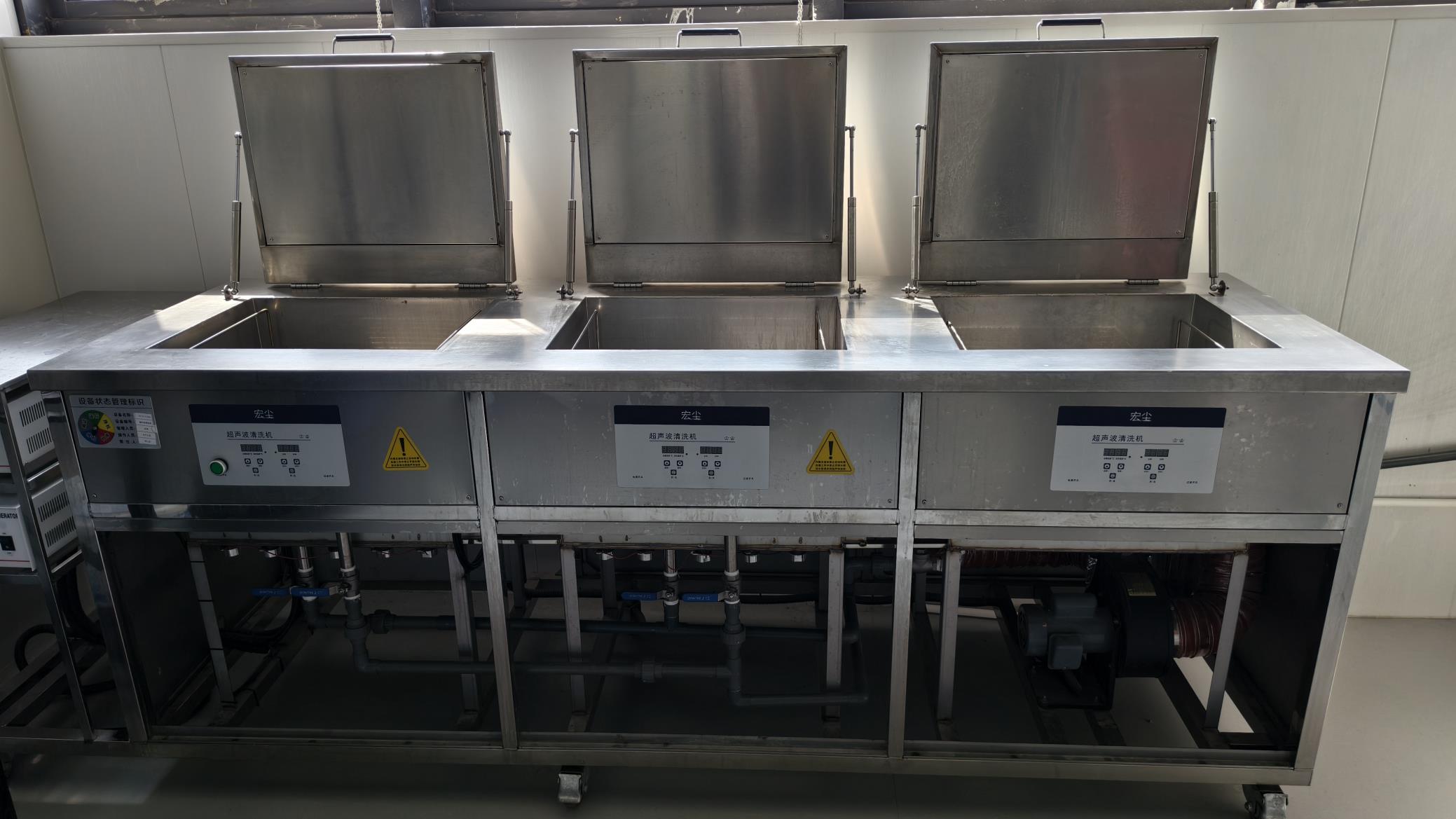
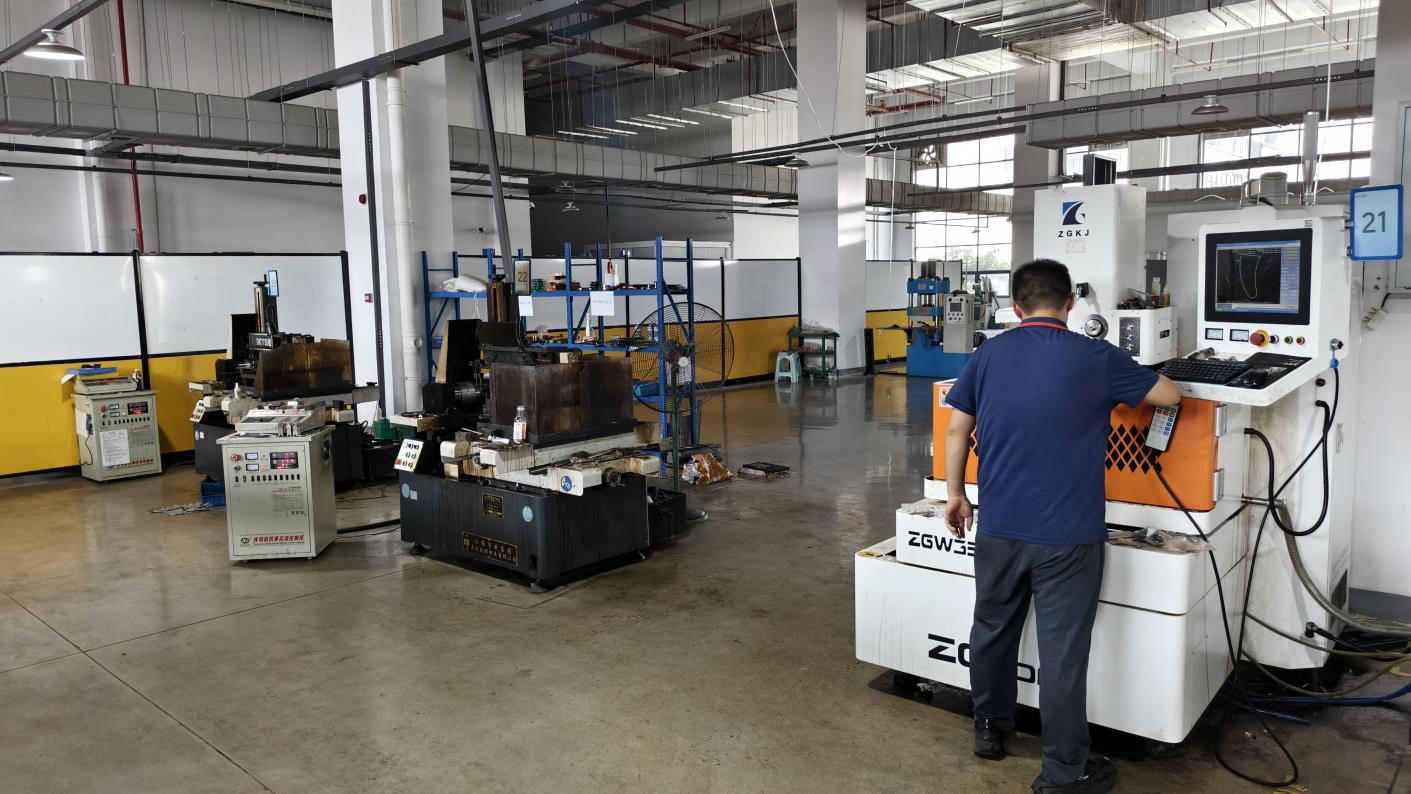
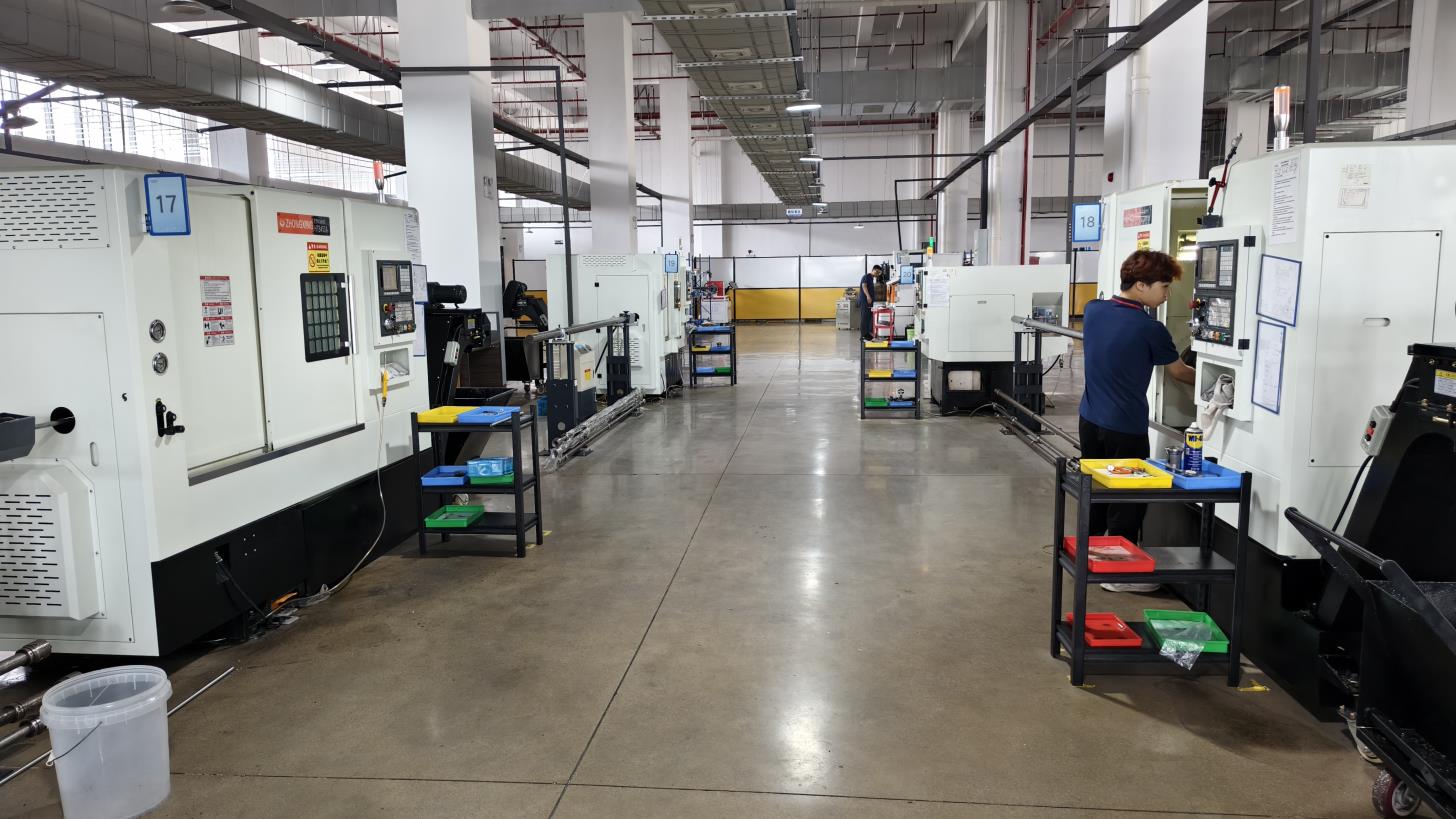
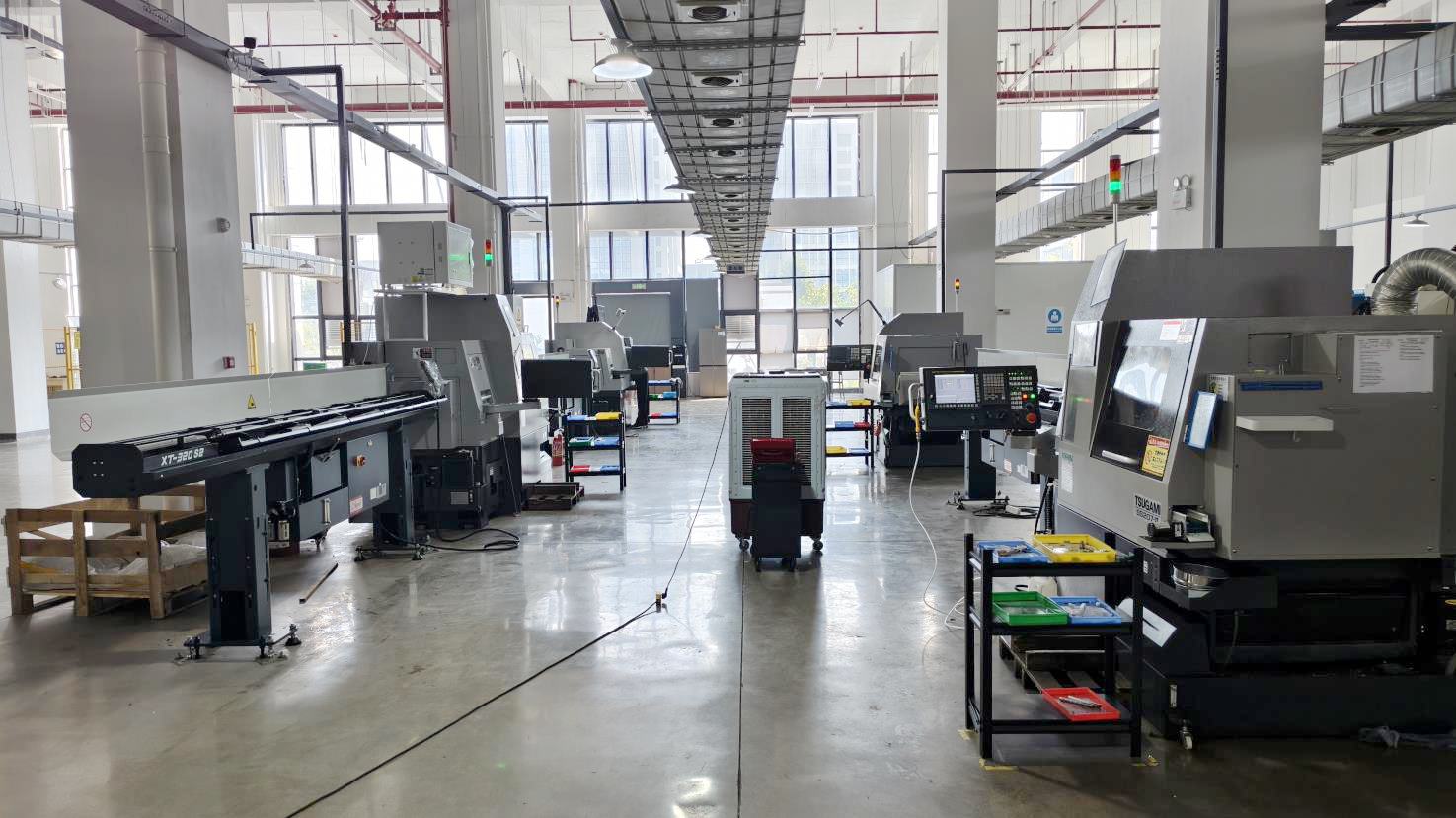
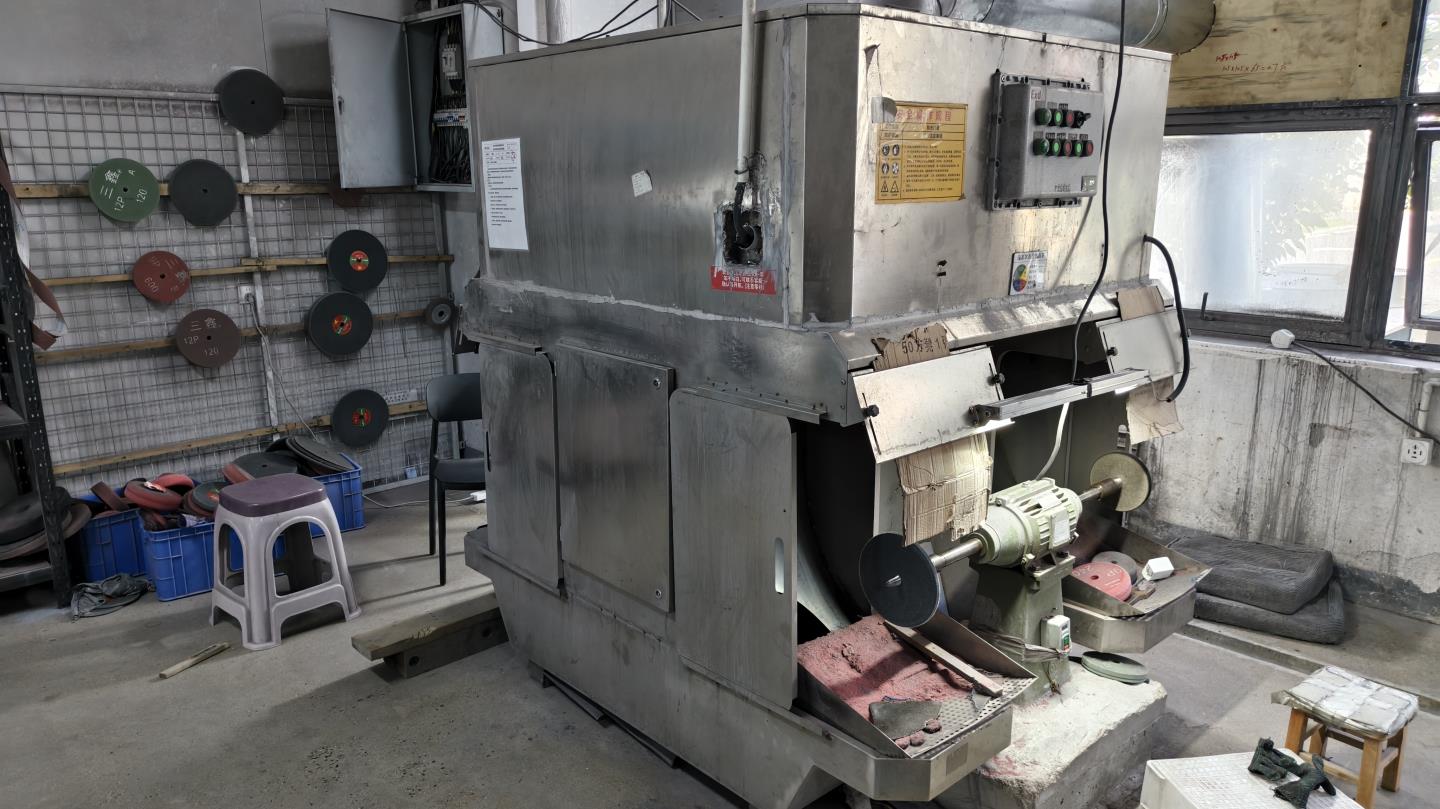
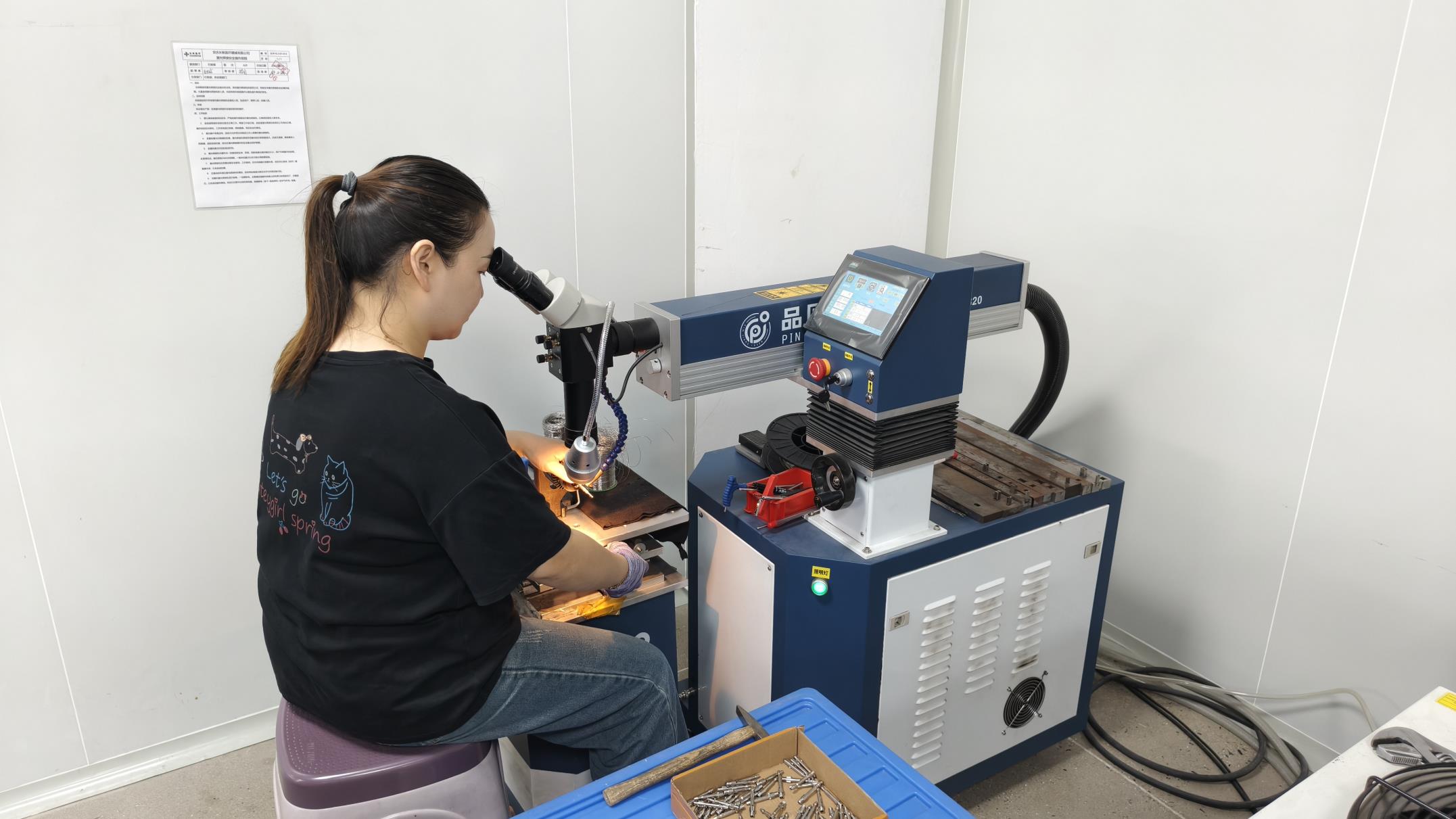
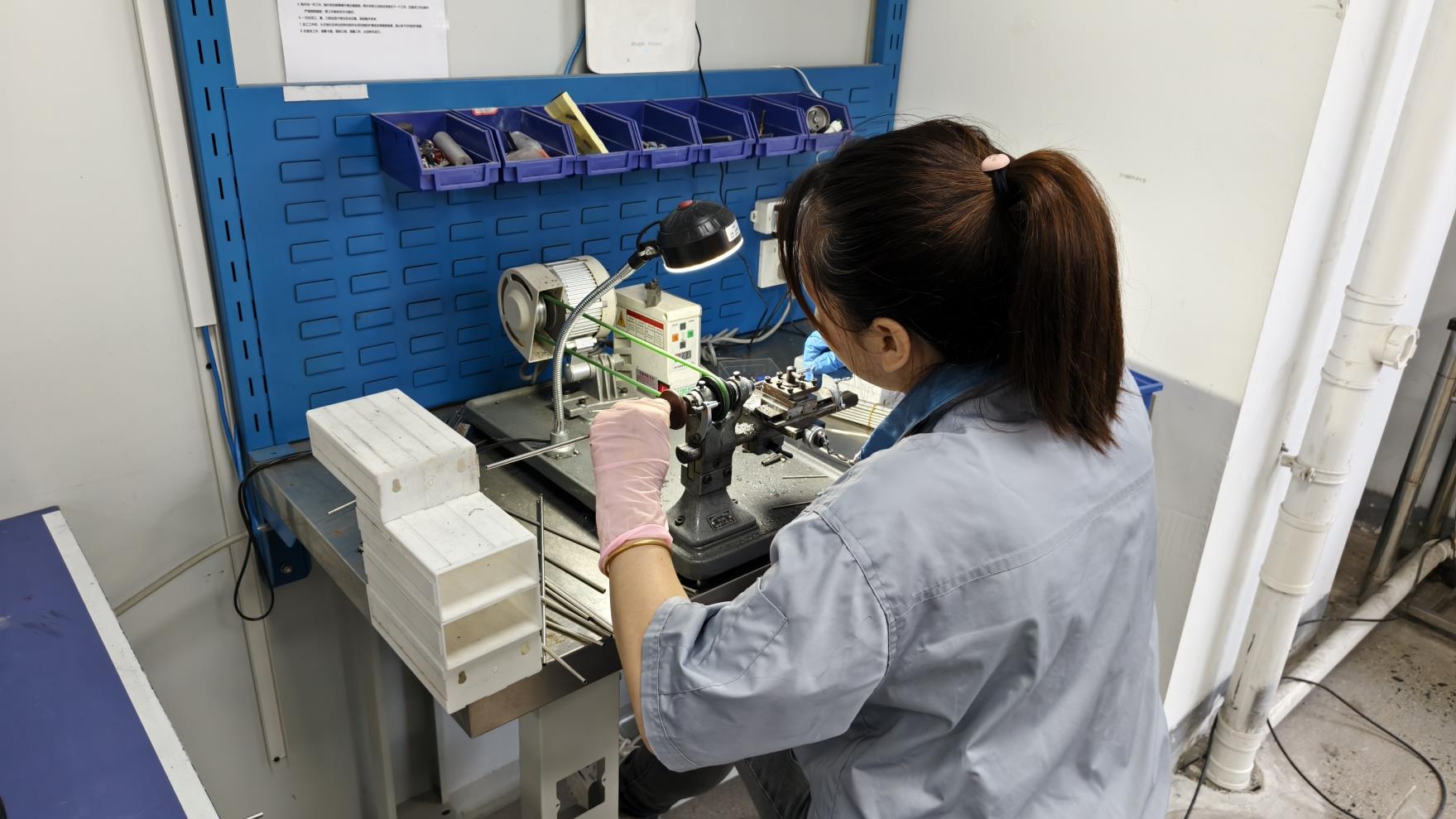
Adhering to strict international standards through precise microstructural and mechanical characterization testing.
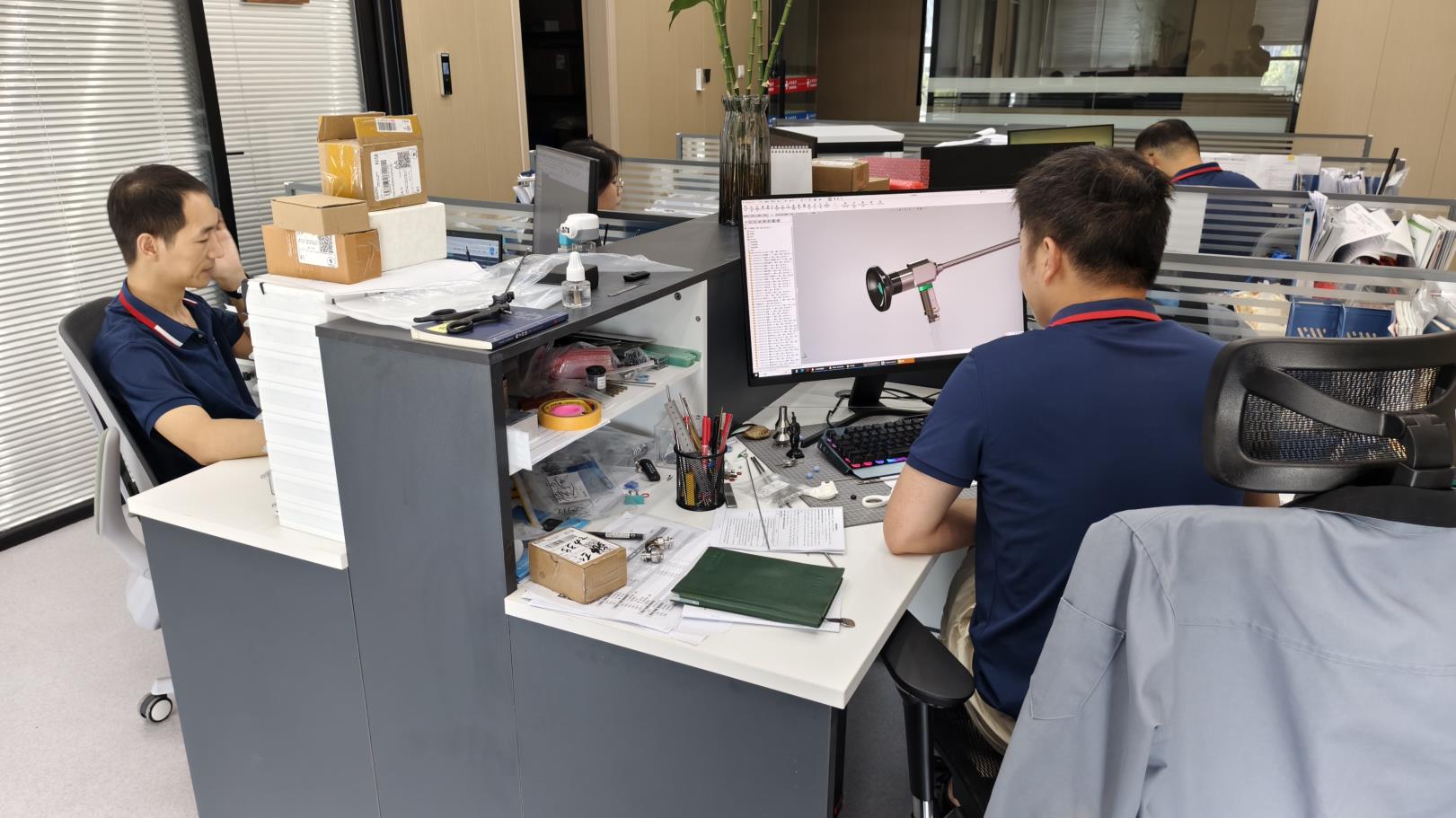
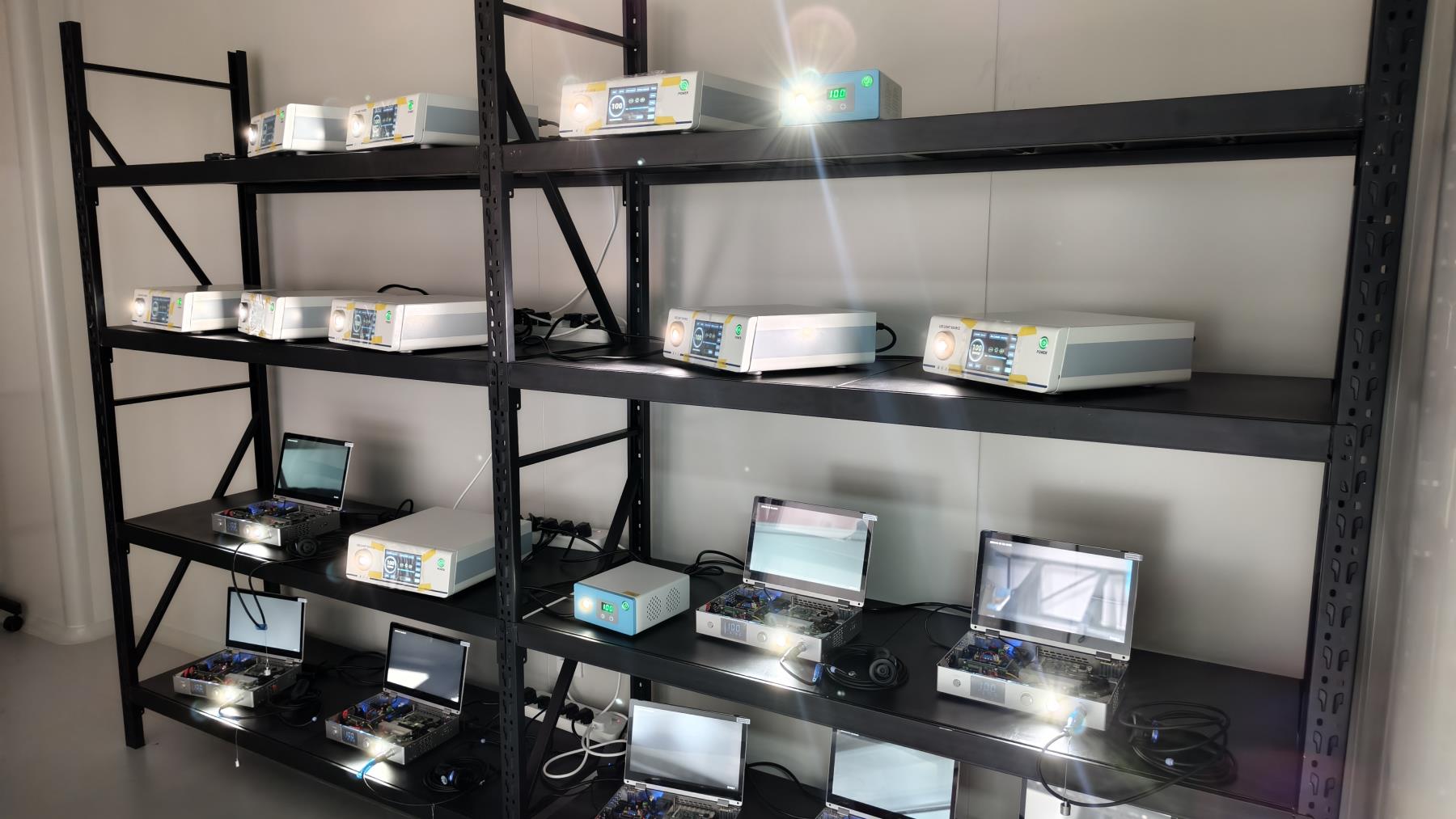
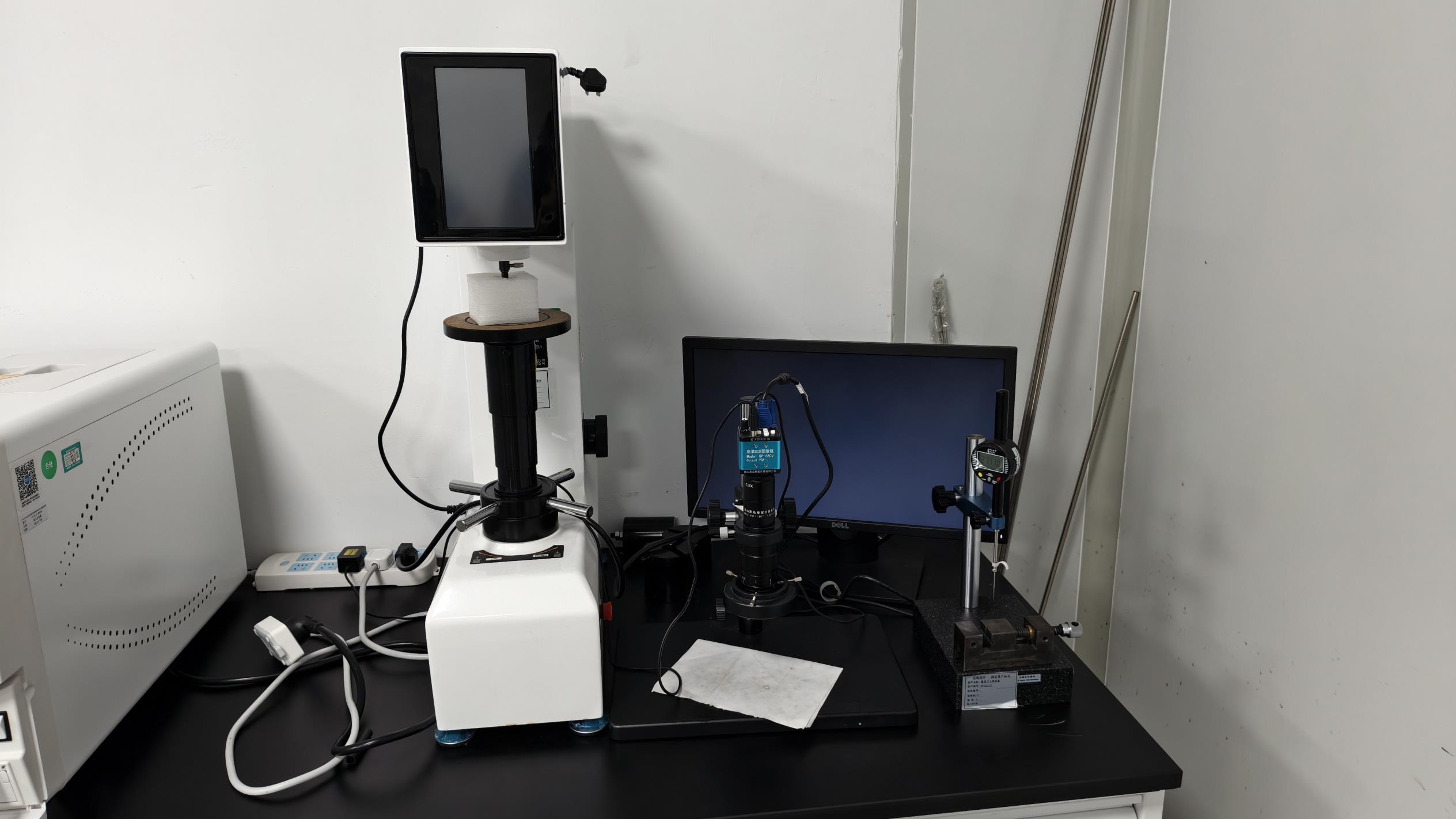
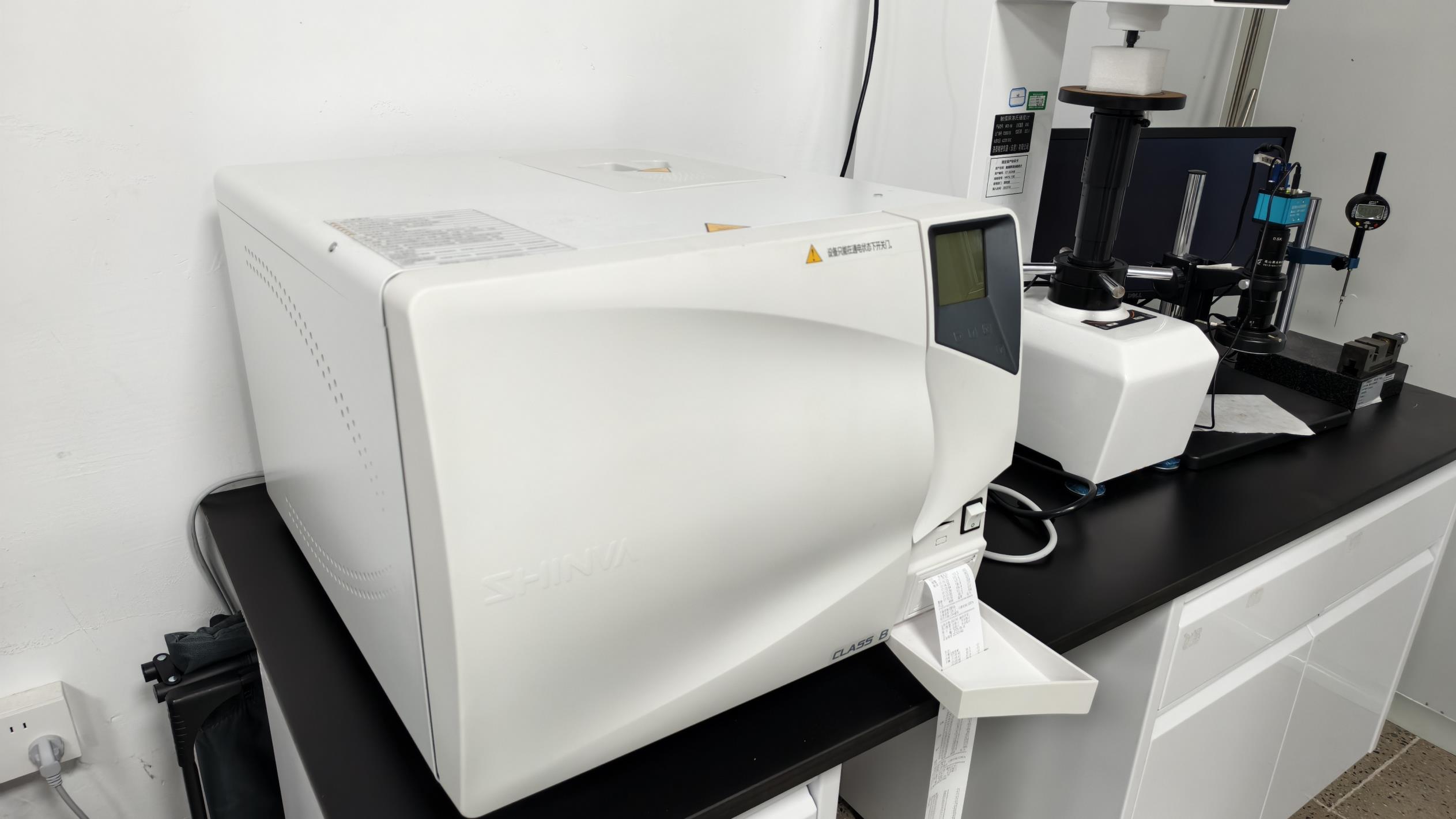
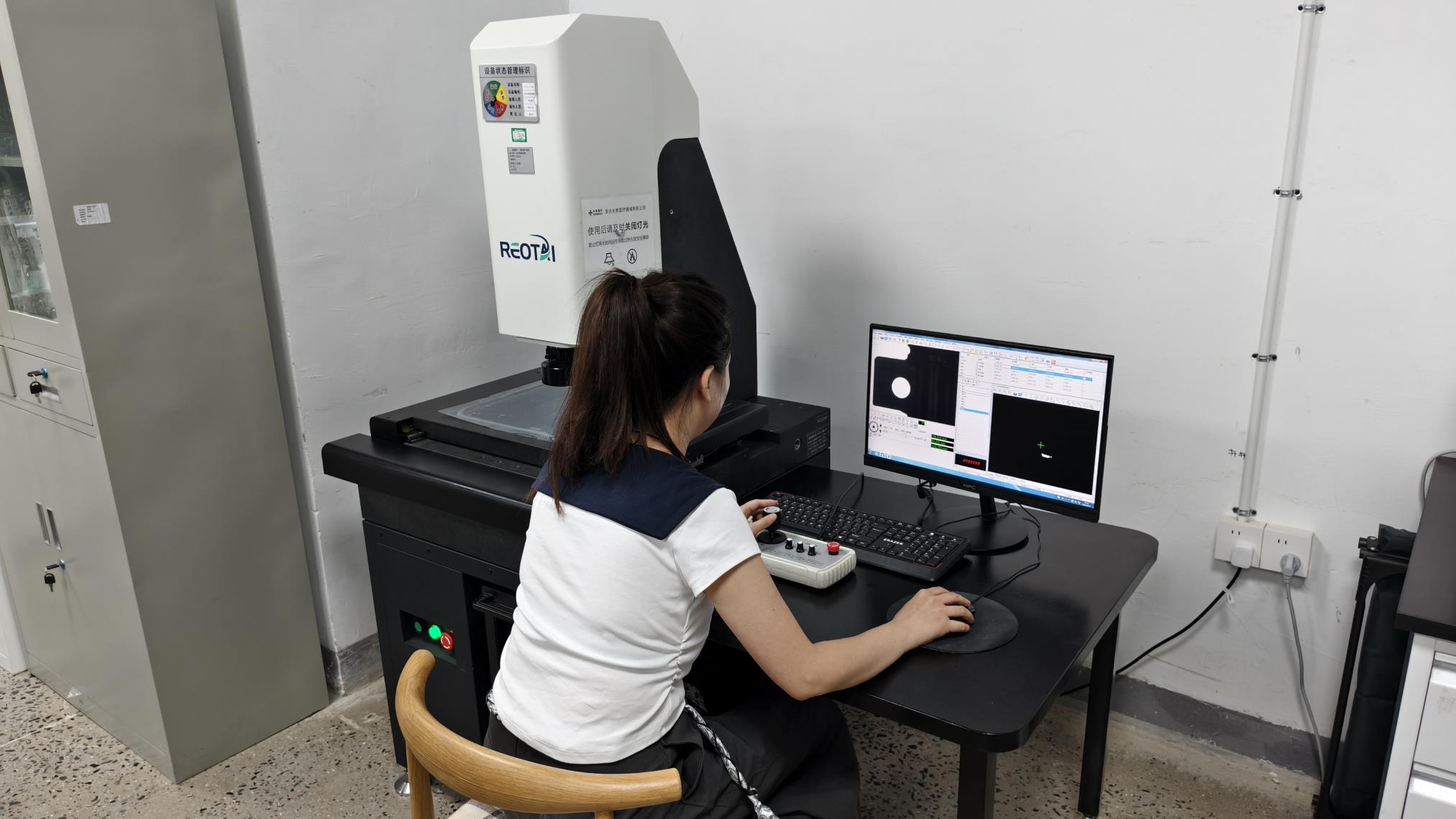
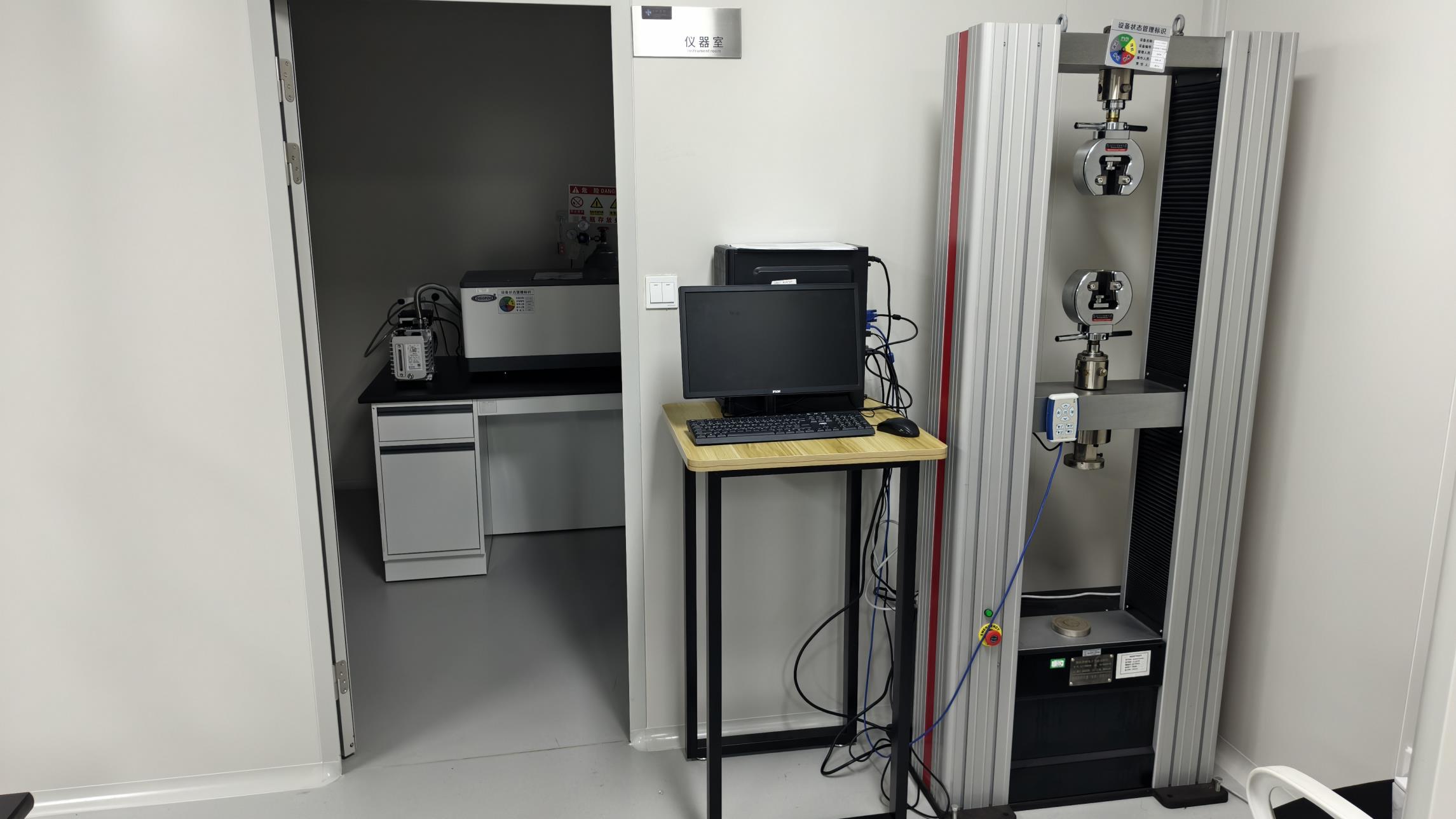
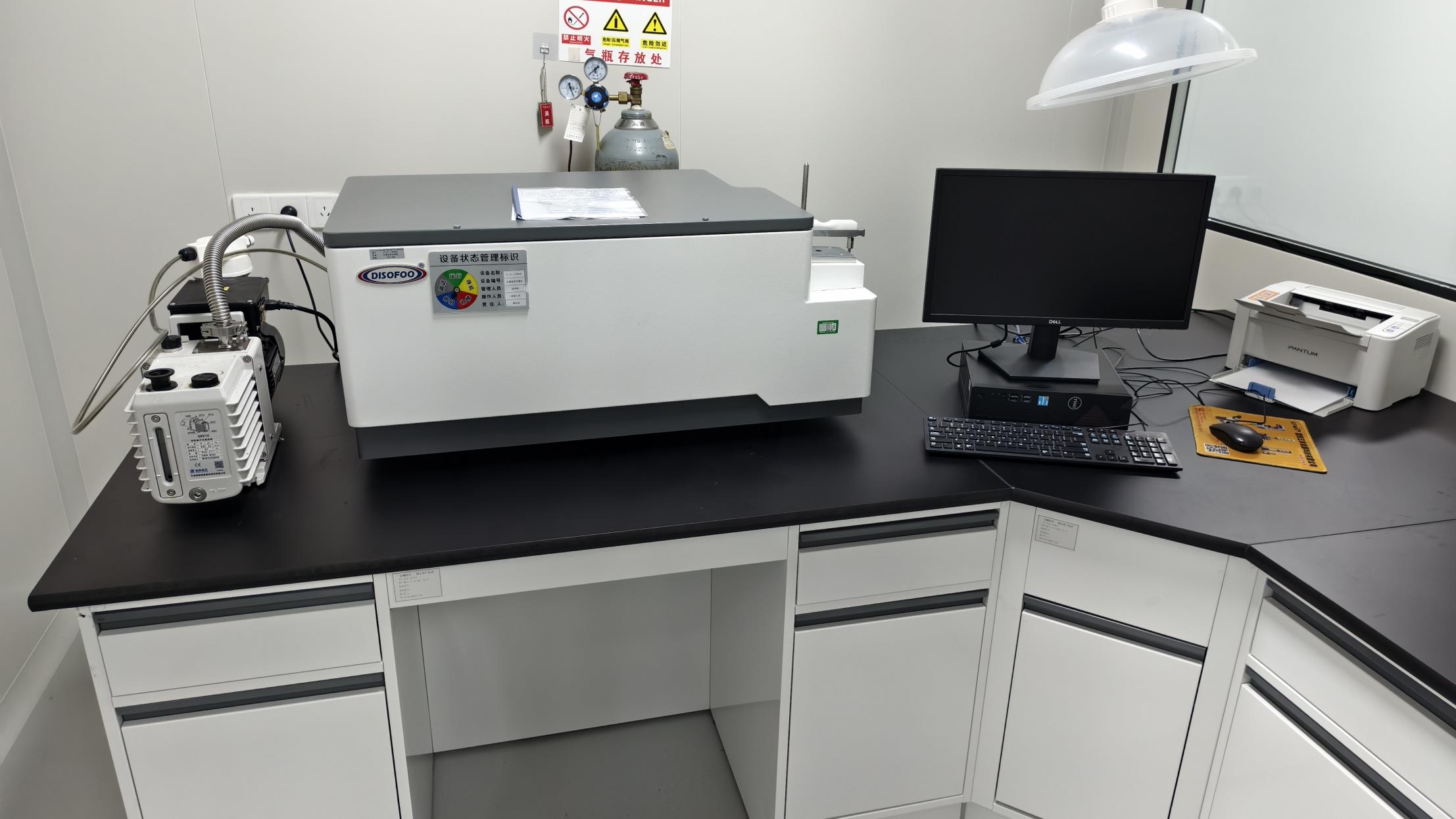
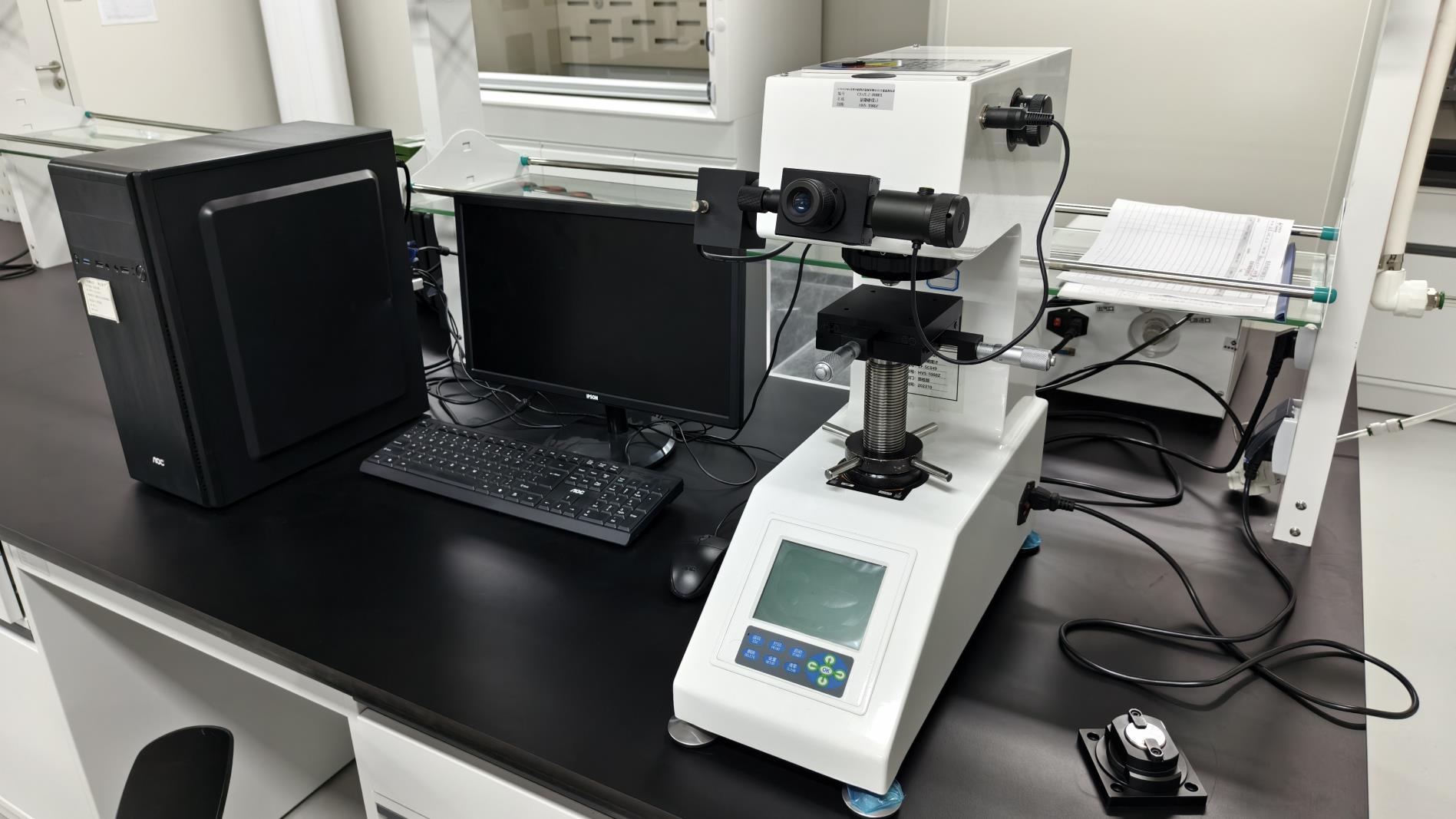
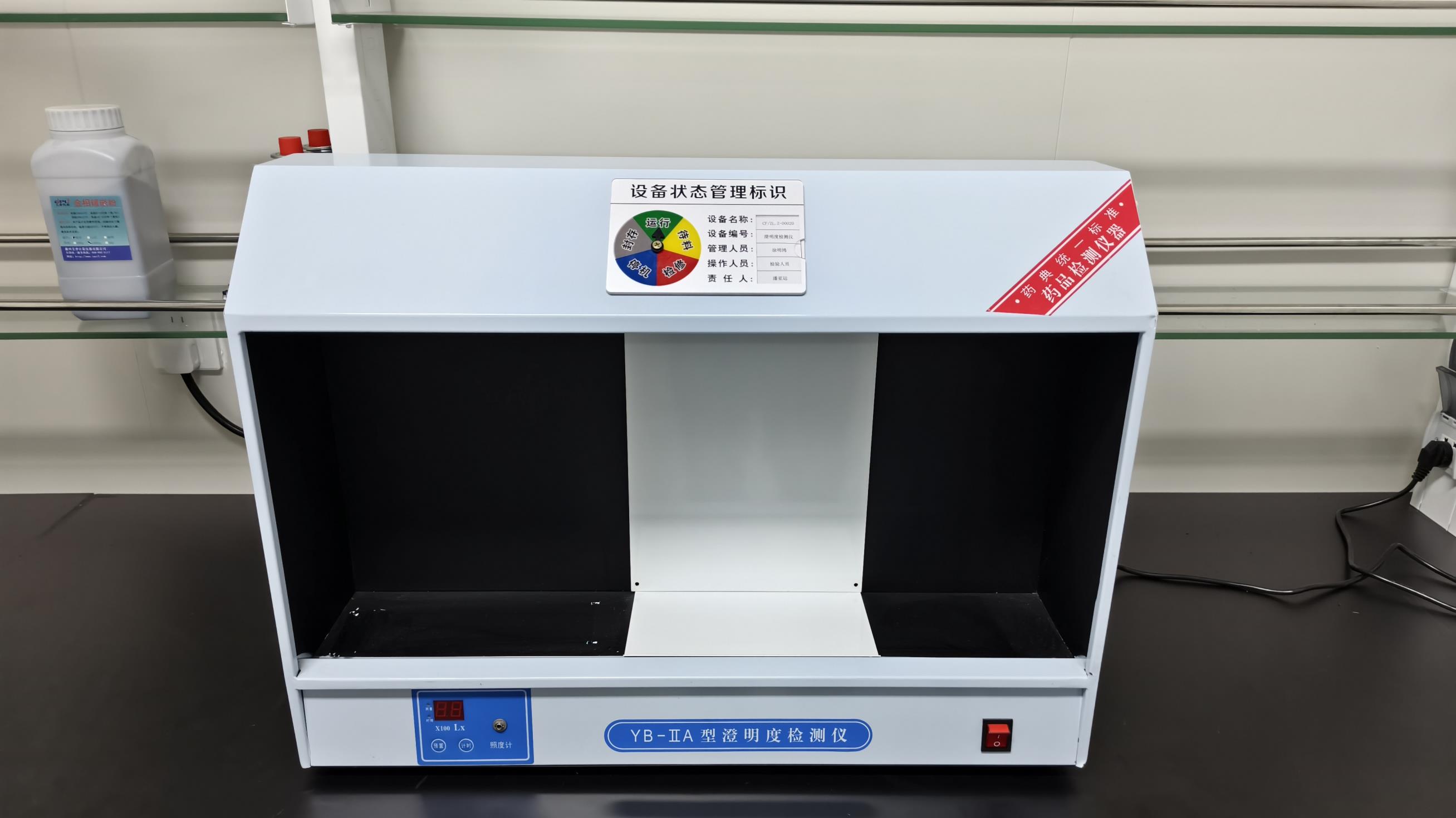
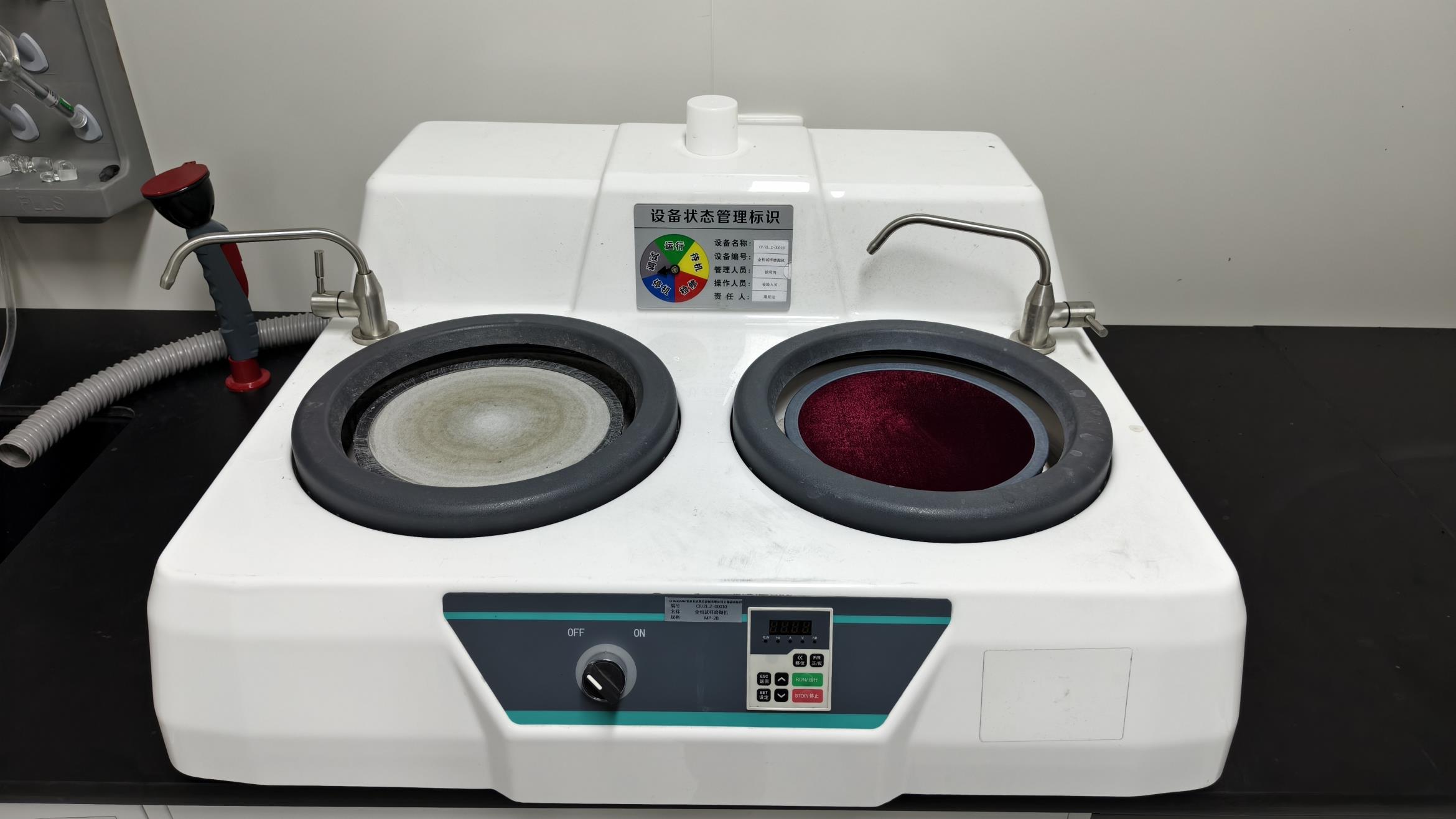
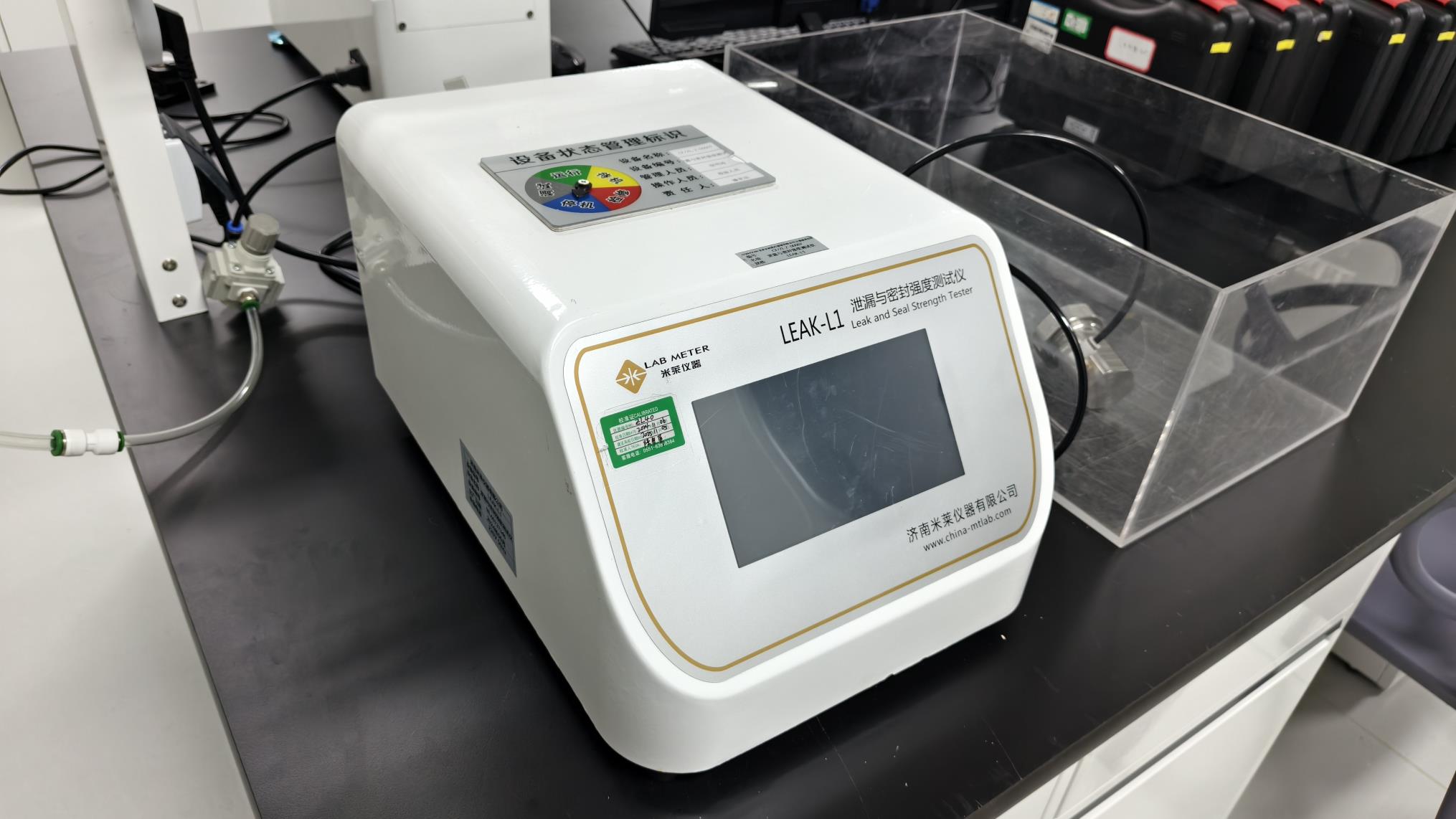
A deep dive into implant metallurgy, coating techniques, and wear rate specifications.
Orthopedic implants must perform under continuous cyclic loads in a corrosive physiological environment. At Zynfuse, our R&D team of 85 engineers follows strict material specifications to ensure that every femoral stem, acetabular cup, and tibial plate matches or exceeds reference standards established by ASTM and ISO. Our annual launch of roughly 320 new products ensures we remain aligned with current clinical techniques.
| Implant Component | Base Material & Grade | Surface Modifications | Key Compliance Standard |
|---|---|---|---|
| Femoral Stem (THR) | Ti-6Al-4V ELI (Extra Low Interstitial) Alloy | Vacuum Plasma Spraying (VPS) Titanium Powder + Hydroxyapatite (HA) | ISO 5832-3 / ASTM F136 |
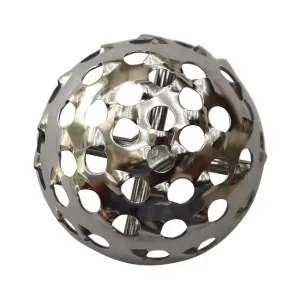
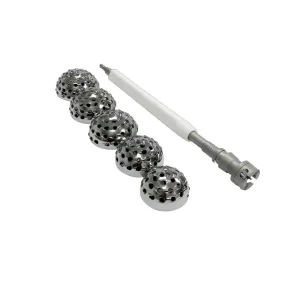
| Acetabular Cup | Wrought Titanium Alloy or CoCrMo | Highly porous titanium coating for biological fixation | ISO 5832-3 / ISO 13179-1 |
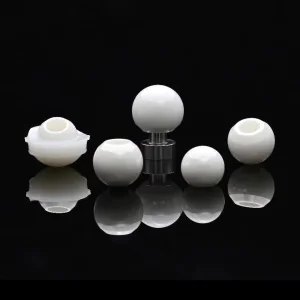
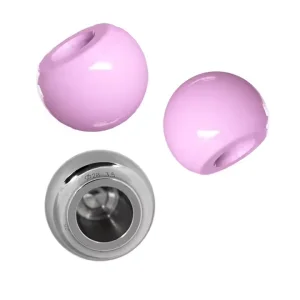
| Femoral Head | BIOLOX® delta Ceramic / Cobalt-Chromium-Molybdenum | Mirror polished (Ra < 0.02 µm) for wear reduction | ISO 5832-12 / ISO 6474-2 |
| Tibial Base Plate (TKR) | CoCrMo Alloy (Cast or Wrought) | Macro-texture/cement pockets for biological/PMMA cement adhesion | ISO 5832-4 / ASTM F75 |
| Articular Insert (Knee/Hip) | Highly Cross-linked Polyethylene (HXLPE) + Vit E | Gamma irradiation cross-linking + aging stabilization | ASTM F648 / ISO 5834-2 |
Strategic B2B support, regulatory documentation, and customizable solutions for medical device importers.
We provide comprehensive technical files to support local product registration. This includes ISO 13485 certification, mechanical test results, clinical evaluation reports, and biocompatibility studies, assisting with local FDA, CE MDR, and MoH submissions.
Our engineering team can modify implant geometry, select alternative materials, and design customized instrument trays to meet the clinical requirements of specific regional markets or customized surgical techniques.
With an annual export volume of $18.5M, we manage complex logistics to clear customs in North America, Europe, and Asia. Our processes minimize transit times while ensuring the sterile barrier of the packaging remains intact.
Technical and commercial answers for orthopedic distributors, hospital procurement leads, and regulatory managers.
Our implants are made from clinical-grade biocompatible materials: Ti-6Al-4V ELI titanium alloy (ASTM F136/ISO 5832-3) for femoral stems and acetabular cups; Cobalt-Chromium-Molybdenum alloy (ASTM F75/ISO 5832-4) for tibial plates and femoral knee components; and Highly Cross-Linked Polyethylene (HXLPE) or BIOLOX® delta ceramics for articulating surfaces. These configurations minimize wear debris and maintain mechanical stability.
Yes. Supported by 85 R&D engineers, we provide OEM/ODM customization services. We can adjust implant geometry, apply custom surface coatings (such as double-layered titanium and HA), and manufacture custom surgical instruments. Designs are validated through finite element analysis (FEA) and mechanical fatigue testing to verify patient safety.
We maintain an ISO 13485-compliant quality control system managed by 68 quality inspection specialists. Quality checks include elemental testing, coordinate dimensional verification, surface roughness measurements (Ra), hardness profiling, metallographic analysis, and mechanical fatigue testing. Every production batch is fully traceable from raw material to sterile package.
Our manufacturing facilities and products are ISO 13485 certified, and select product lines hold CE certifications and Class III medical device approvals. We provide full technical documentation (DMF, biocompatibility, sterilization validation) to support local registration processes in various international jurisdictions.
For standard implant catalog items, lead times range from 30 to 45 days, depending on batch sizes and sterile packaging requirements. For custom OEM/ODM orders requiring design changes, lead times vary between 60 and 90 days to accommodate tooling development and validation testing.
Our porous titanium coating is applied via vacuum plasma spraying (VPS), creating an open, interconnected pore structure with 30-50% porosity. This structure mimics trabecular bone, encouraging bone ingrowth (osseointegration) and providing long-term biological fixation without the need for bone cement.
Yes, we design and manufacture dedicated veterinary hip prosthesis systems and corresponding instrument sets. These components are scaled to the anatomical dimensions of canine and feline patients, utilizing the same medical-grade titanium and cobalt-chromium alloys as our human implant lines.
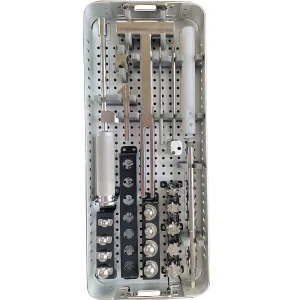
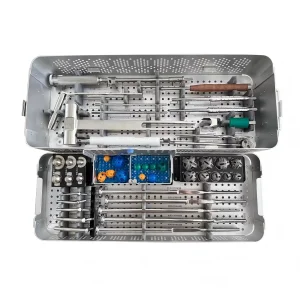
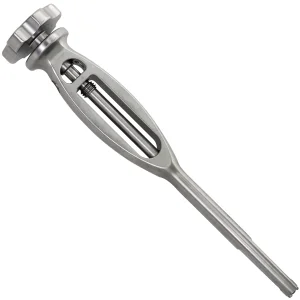
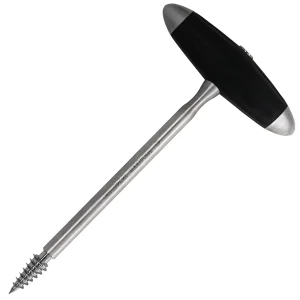
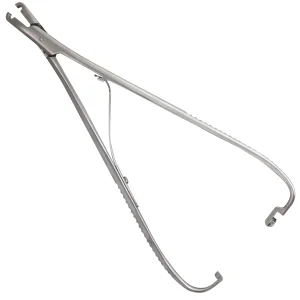
Comprehensive orthopedic instrument sets, revision systems, and specialty joint prosthetics.