Zynfuse
Zynfuse
Zynfuse
Explore our high-precision external fixation devices designed to provide stability for fracture healing, deformity corrections, and reconstructive orthopedics. All products are manufactured in compliance with international surgical standards.
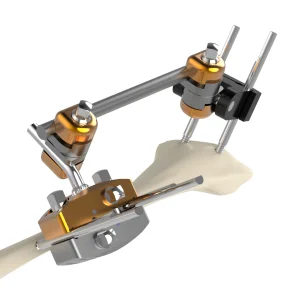
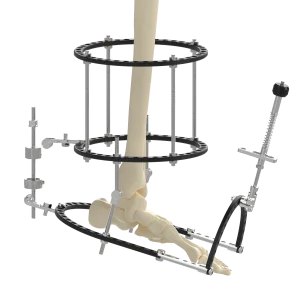
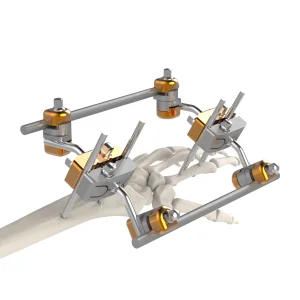
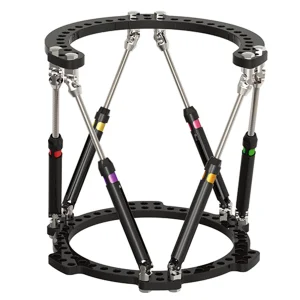
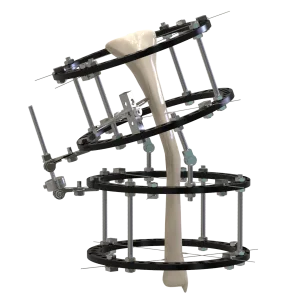
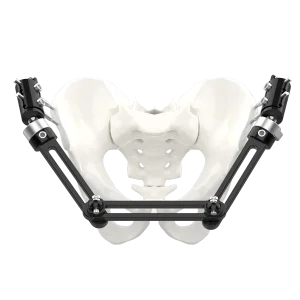
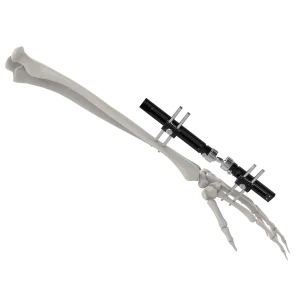
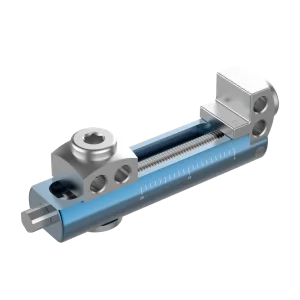
Zynfuse Medical Technology Co., Ltd. is a premier, professional orthopedic medical device manufacturer specializing in advanced bone fusion systems, external fixations, and high-performance implant architectures for global surgical innovation. Founded in 2016, we integrate deep industry experience—backed by over 12 years of specialized development and 7 years of global export performance—with a dynamic engineering paradigm. We serve international healthcare markets, supplying premium surgical gear to hospital networks, medical distributors, and specialized orthopedic clinics worldwide.
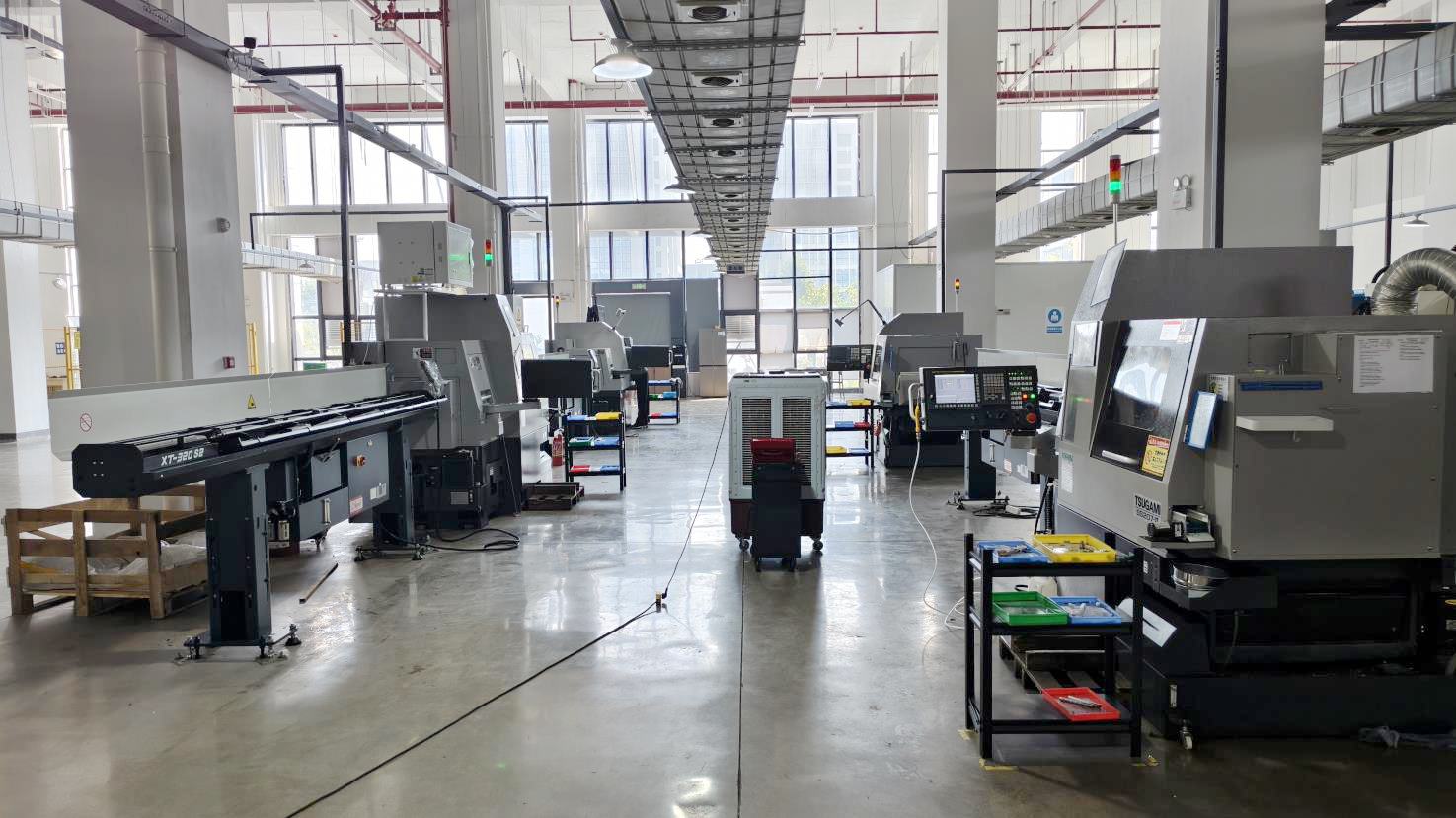
Our state-of-the-art facility features cutting-edge CNC configurations, Swiss-type high-precision lathes, and cleanroom assembly lines that consistently support our network of over 1,200 global partners. To ensure compliance with strict medical directives, we employ 68 quality inspection specialists who systematically oversee all verification procedures—from metallurgical analysis to mechanical stress testing—ensuring our implants hold up to demanding physiological conditions.
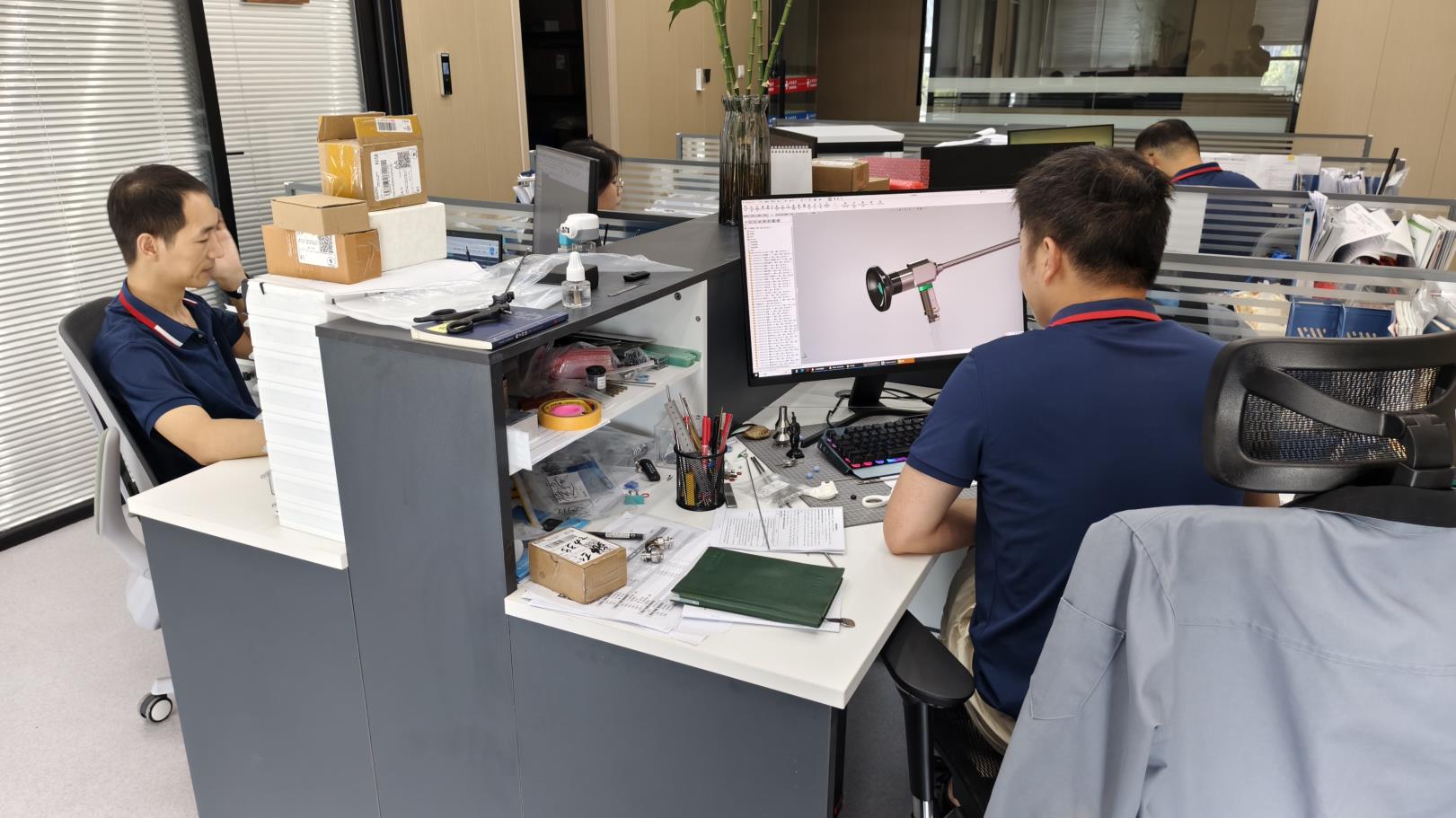
By leveraging our robust R&D pipeline led by 85 veteran engineers, we adapt quickly to clinical demands, presenting customized structural designs, customized pin clamp configurations, and custom ODM/OEM solutions. From North America to Europe, Southeast Asia, and the Middle East, Zynfuse remains a trusted, primary manufacturing partner for critical trauma management solutions.
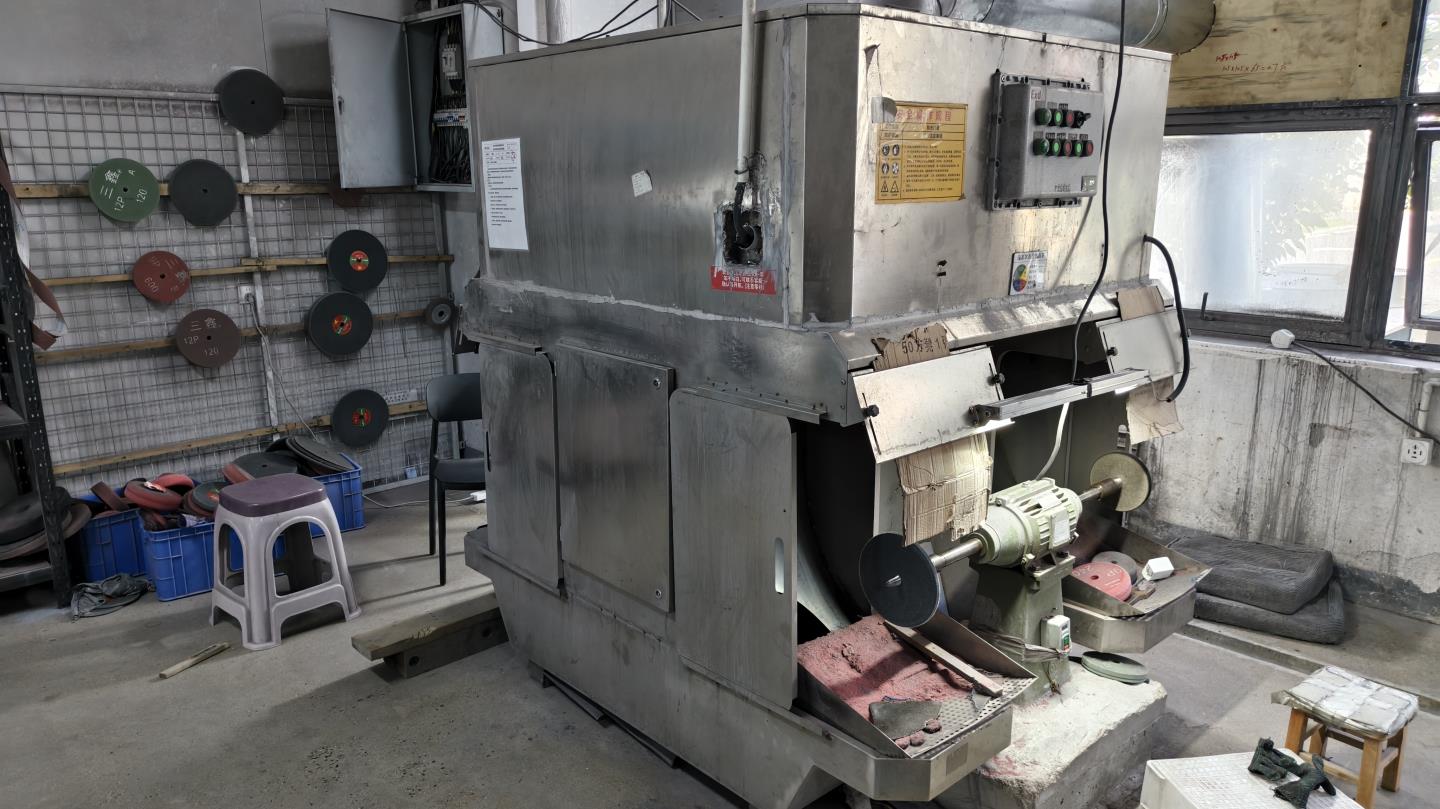
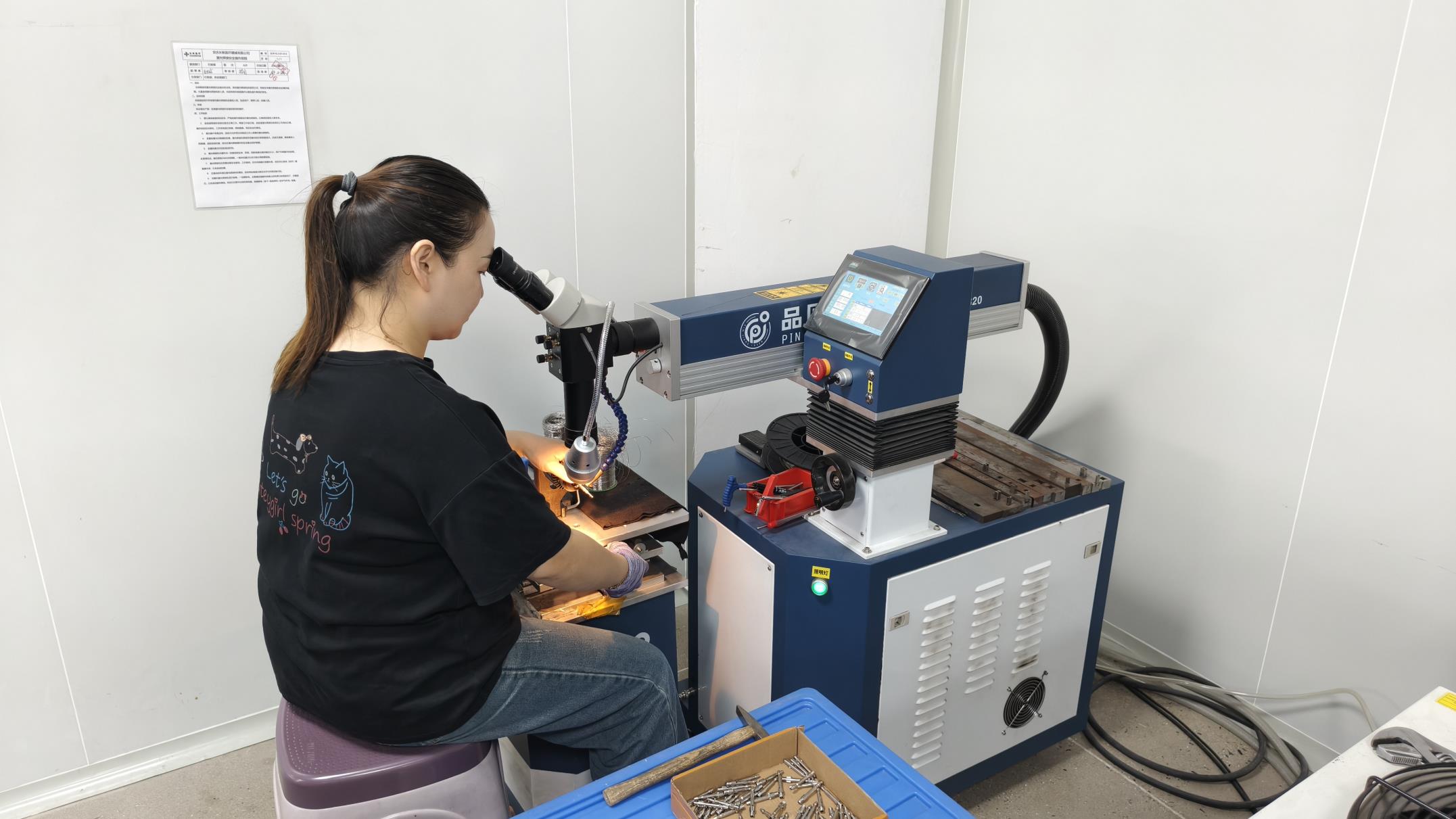
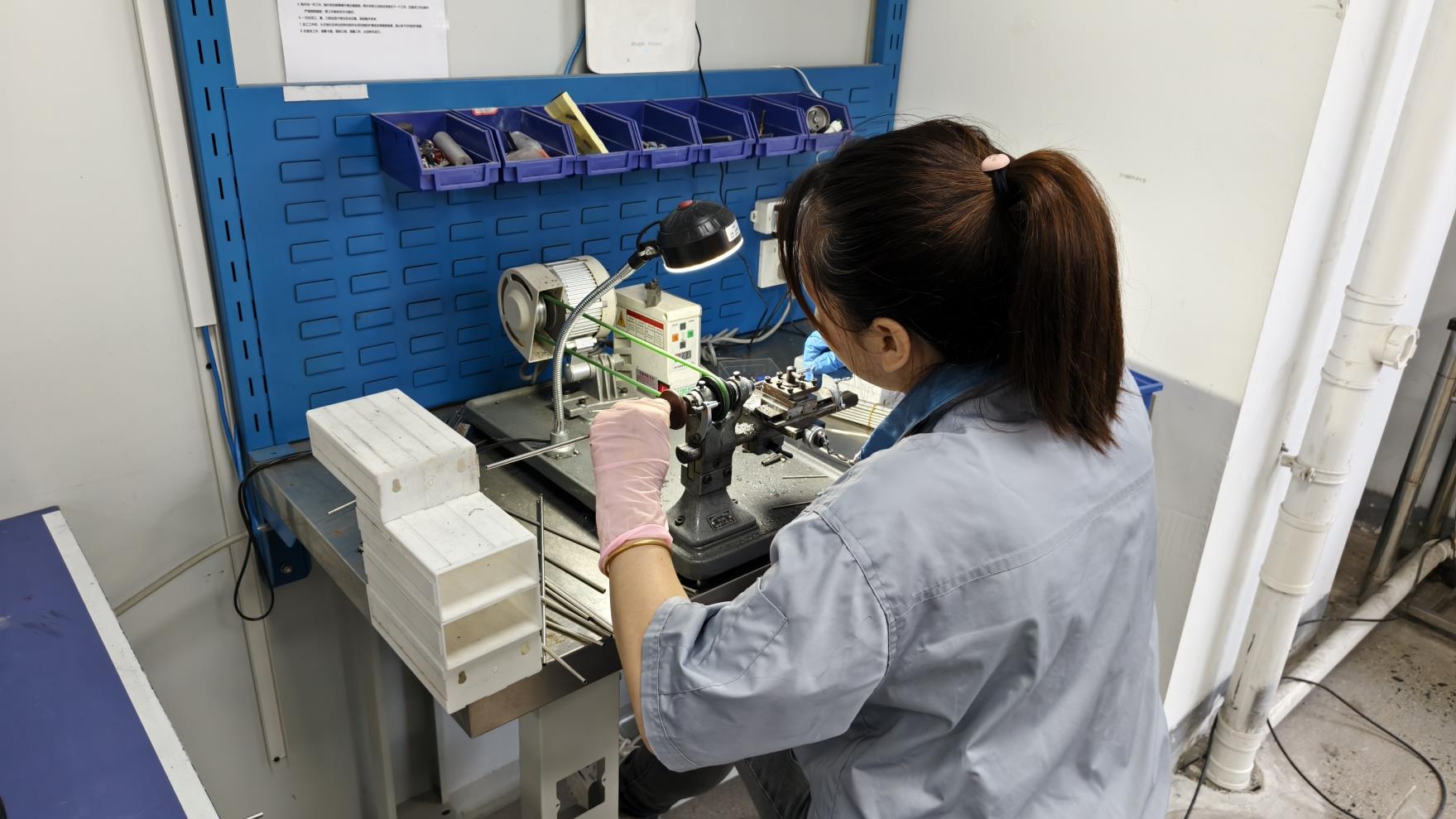
Precision engineering is essential when manufacturing orthopedic devices. Our manufacturing workflows combine modern machining processes with automated surface treatments to ensure every components matches tight mechanical tolerances.
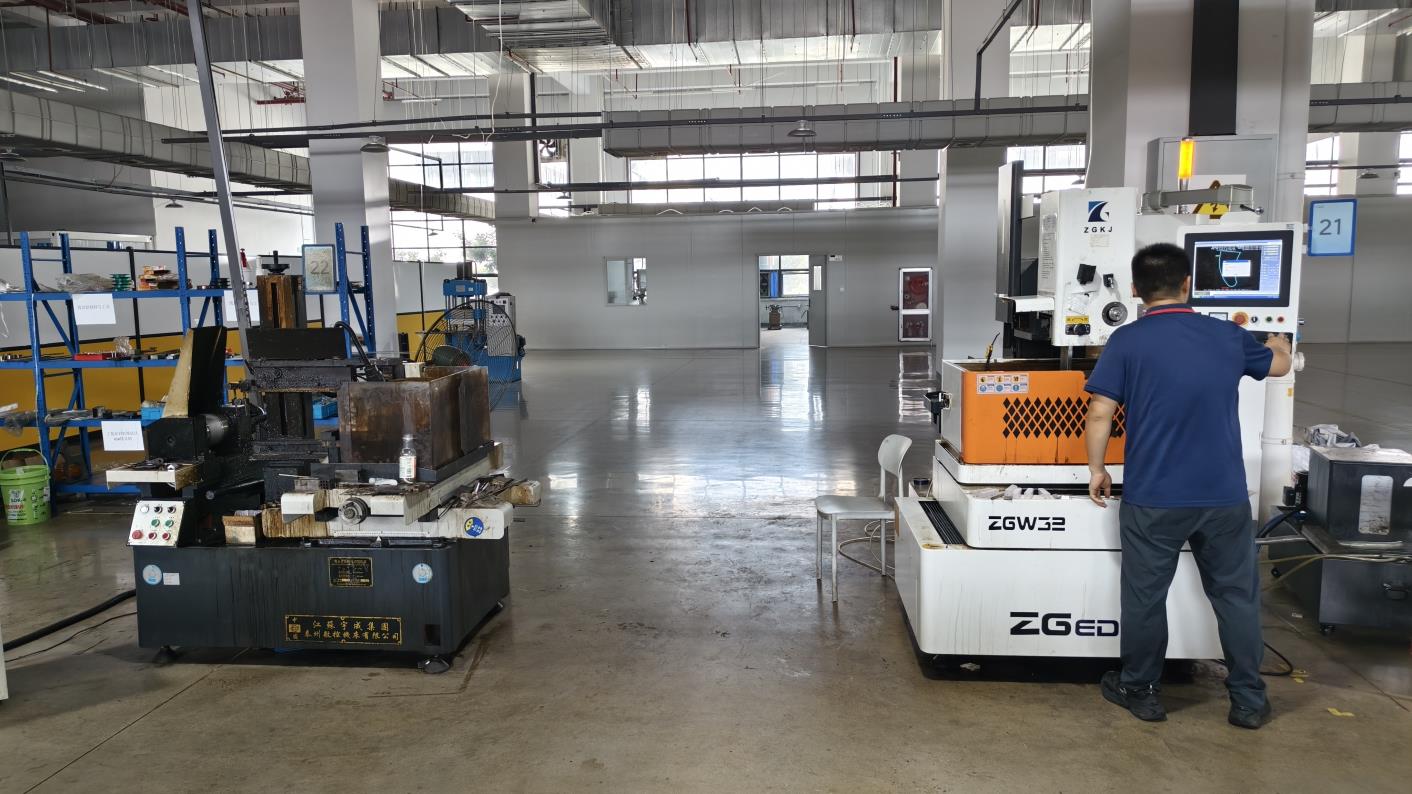
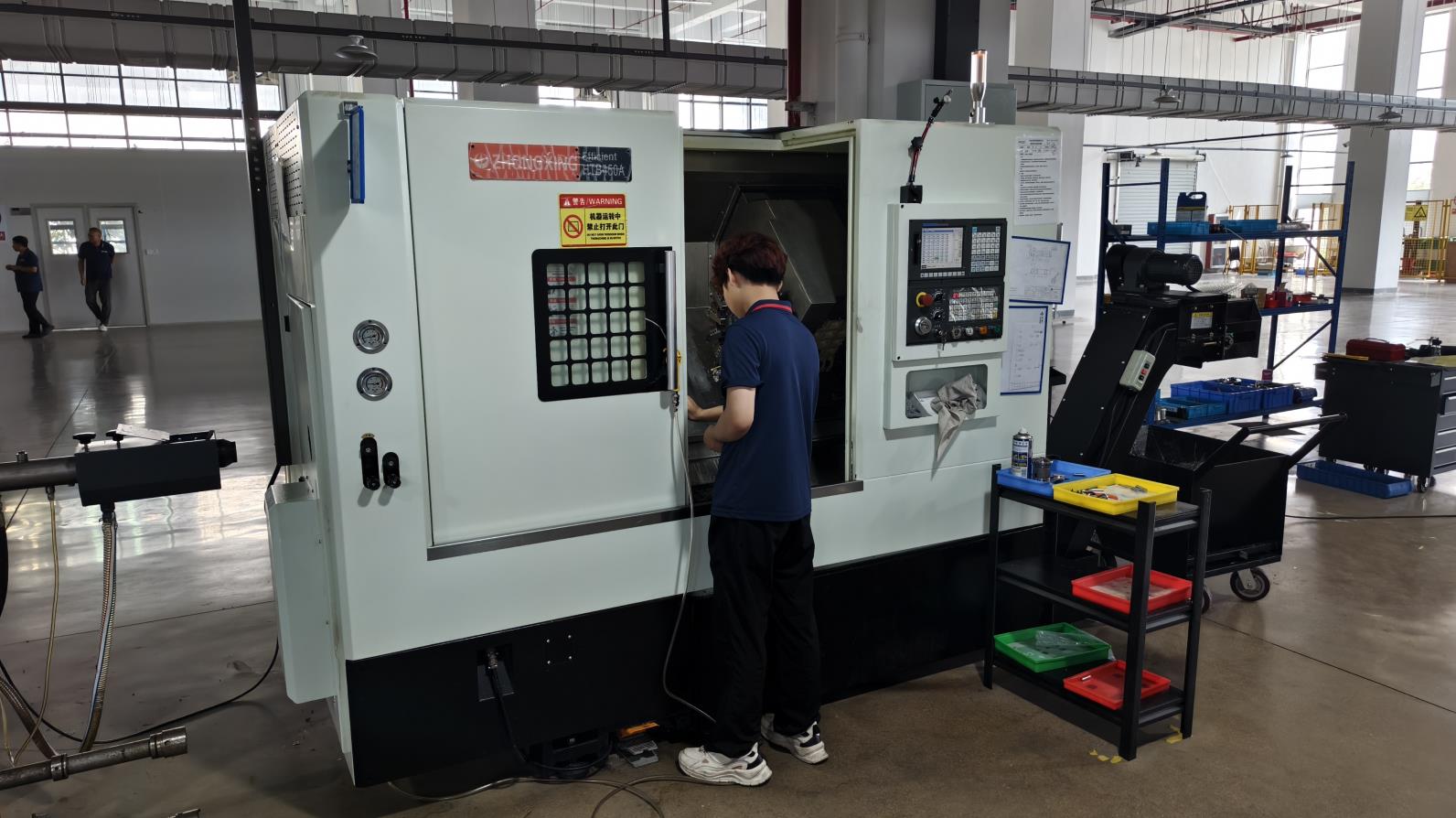
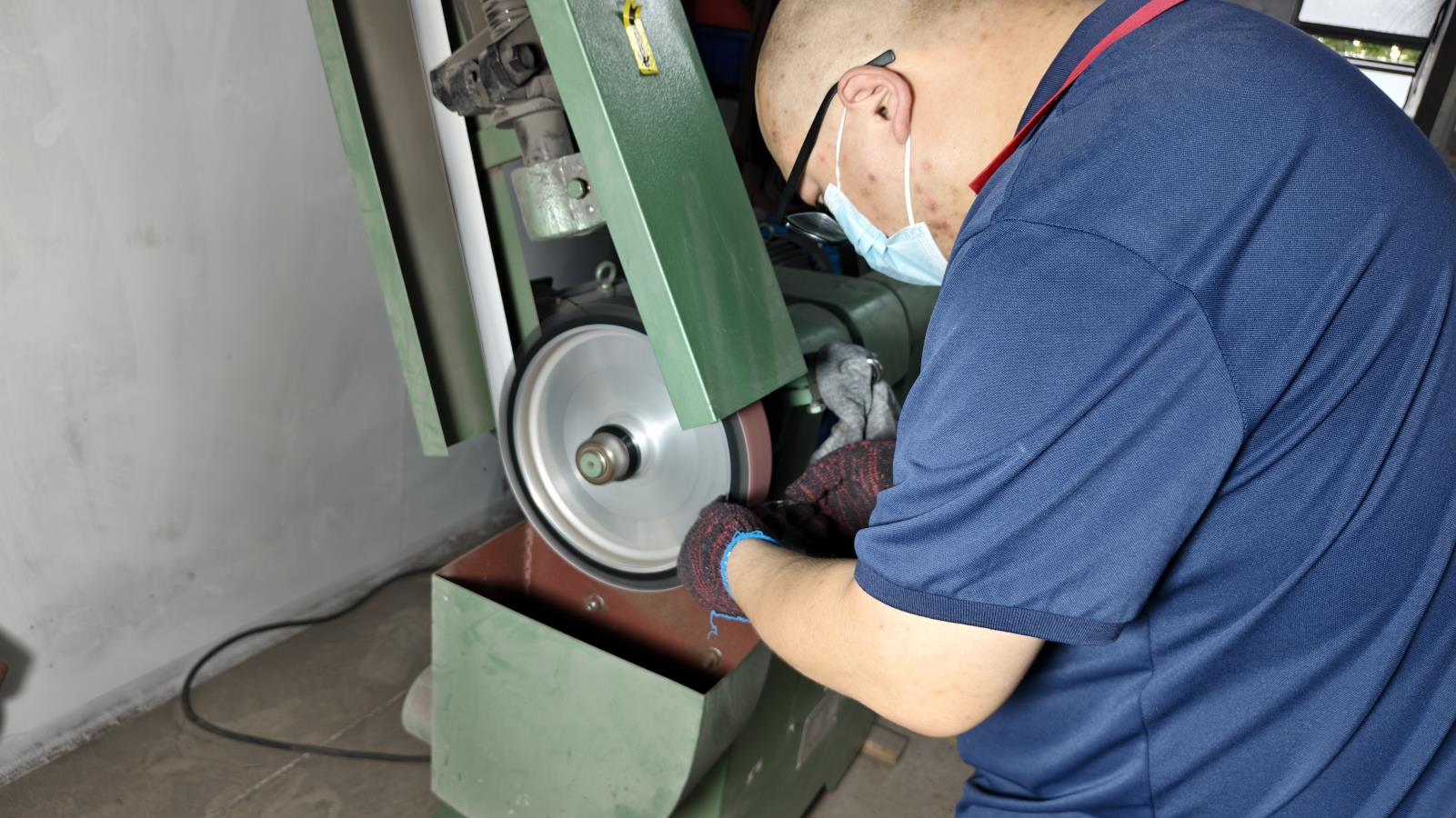
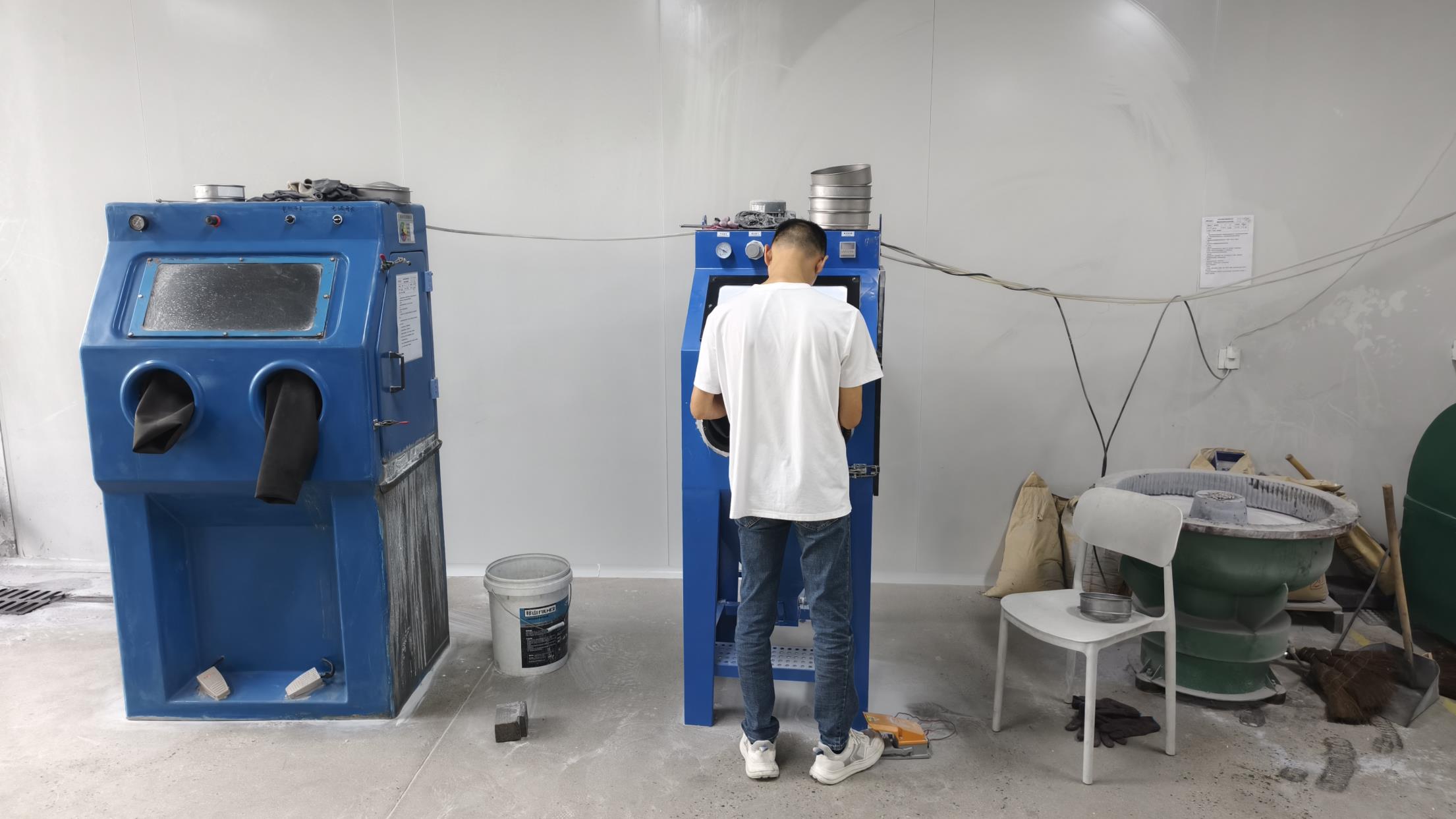
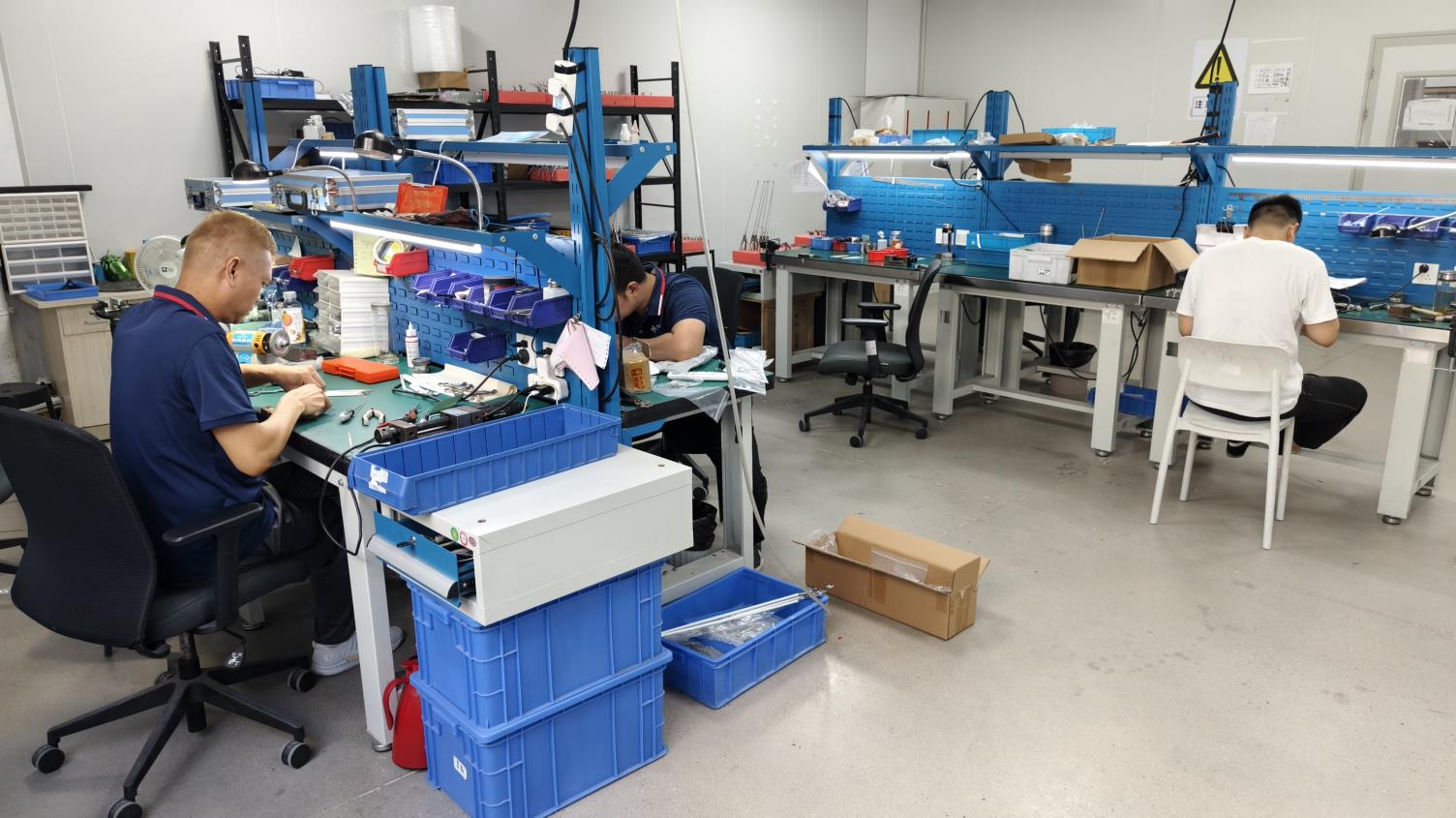
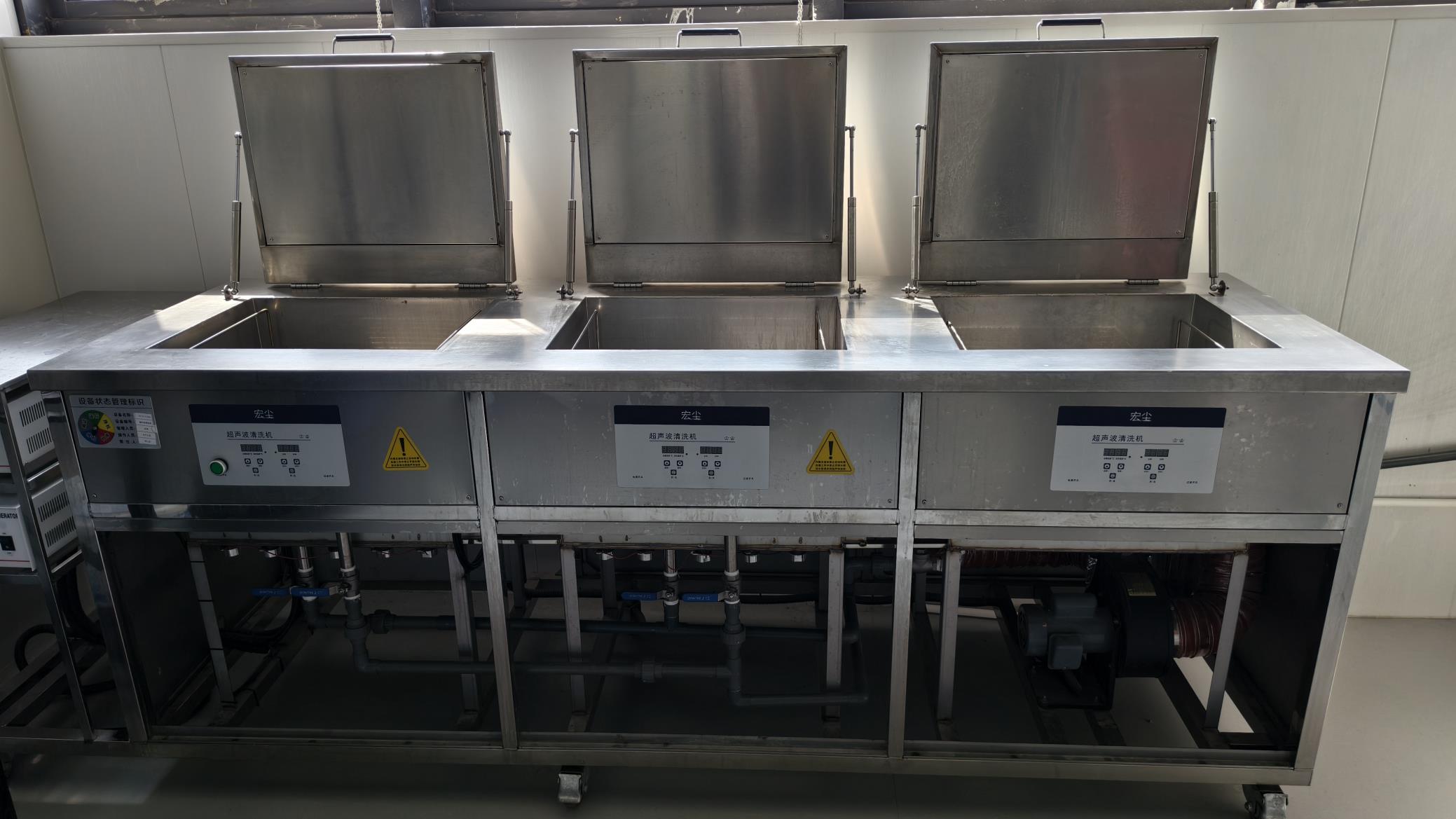
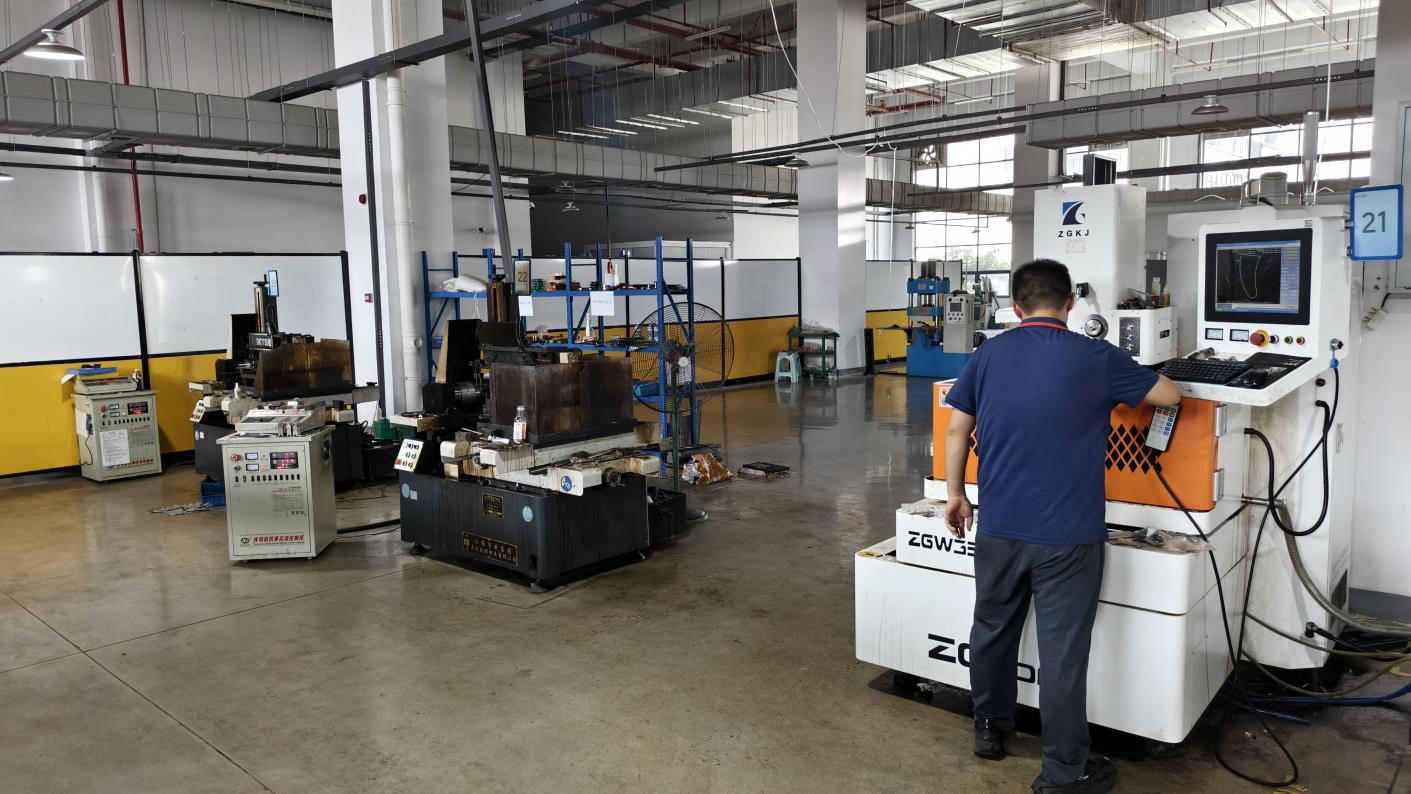
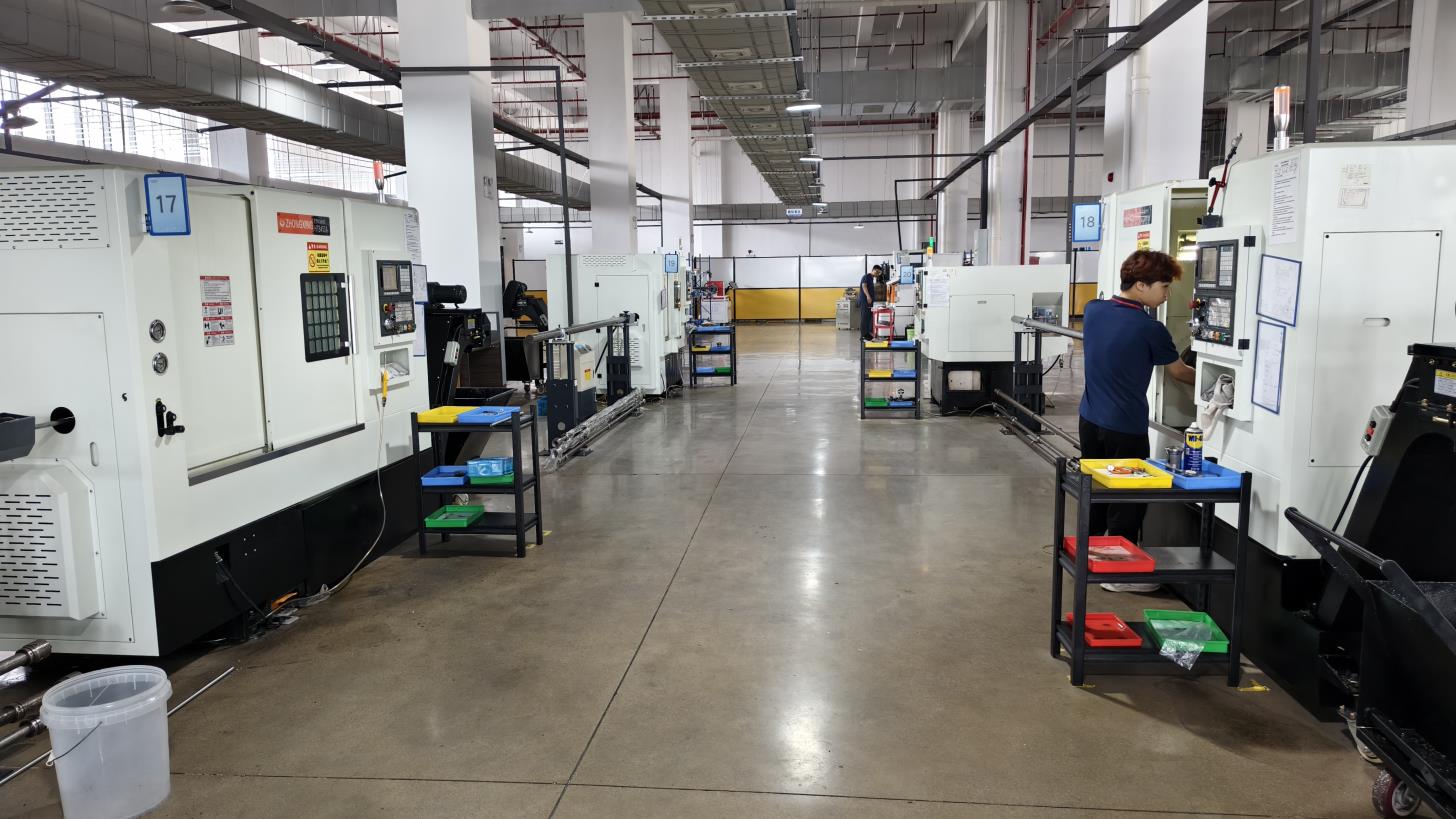
Chinese orthopedic manufacturers have evolved from low-cost providers to advanced engineering centers. Operating from this manufacturing base, Zynfuse integrates cost-efficiency, materials innovation, and robust supply chains.
Our facilities are strategically positioned near raw material sources, specialized heat-treatment hubs, and packaging plants. This regional integration reduces logistics overhead, minimizes lead times, and stabilizes operational costs.
Utilizing Swiss-type CNC machines and high-accuracy laser-welding configurations, Zynfuse matches or exceeds European quality levels while maintaining the efficiency advantages of modern Chinese manufacturing.
With a team of 85 research engineers, we quickly translate surgical feedback into functional prototypes, releasing up to 320 new product variants every year to meet evolving clinical trends.
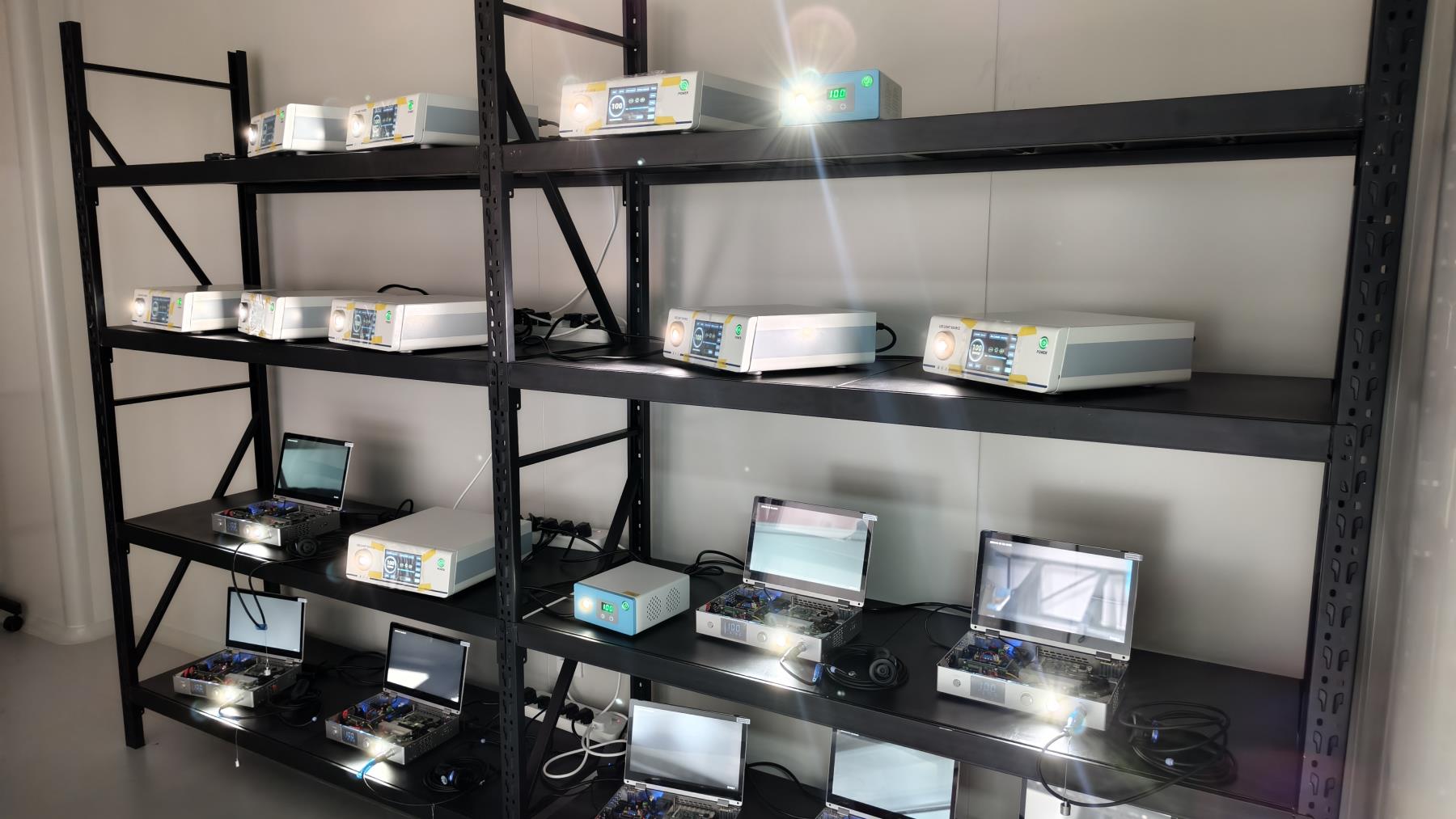
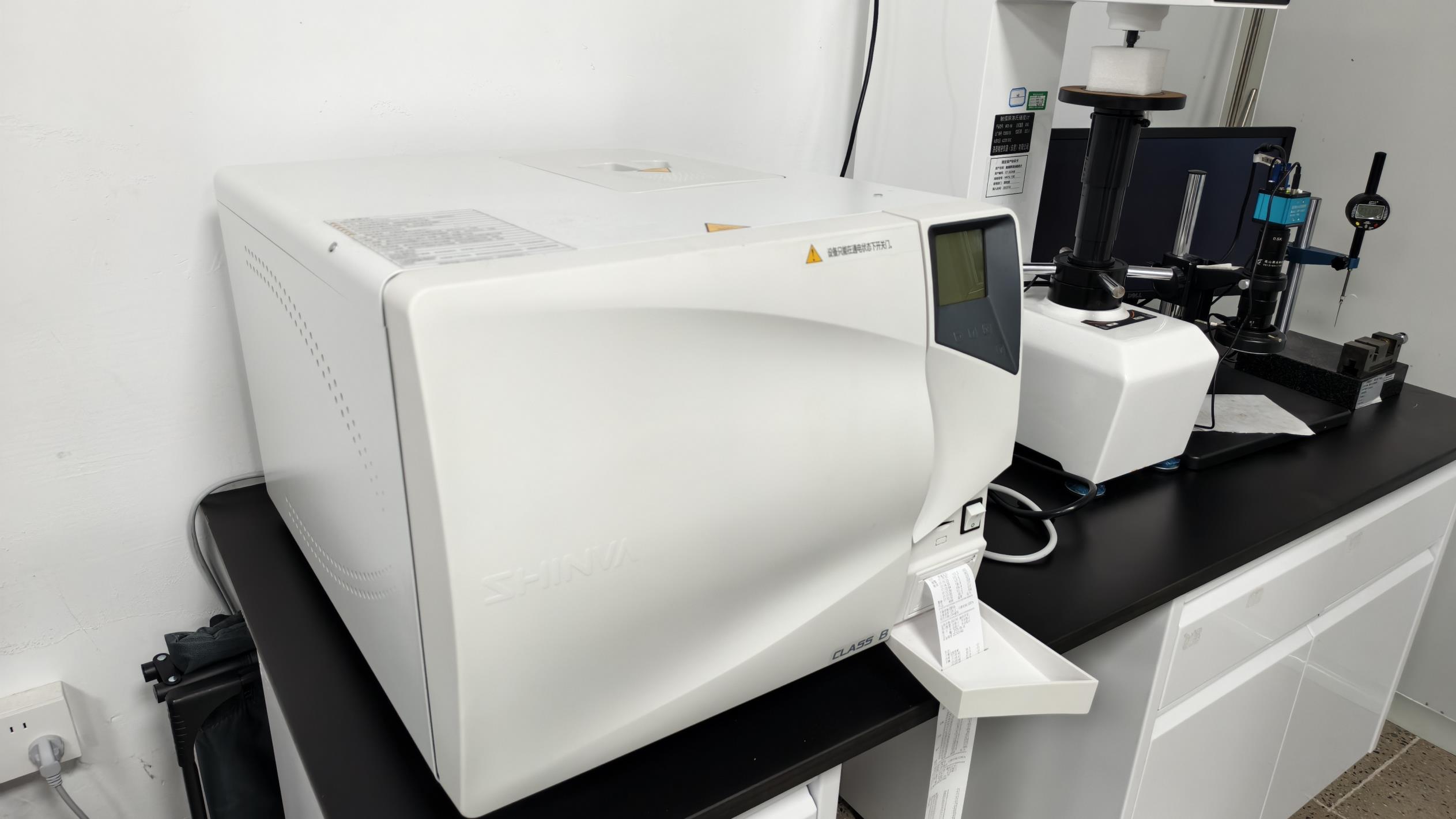
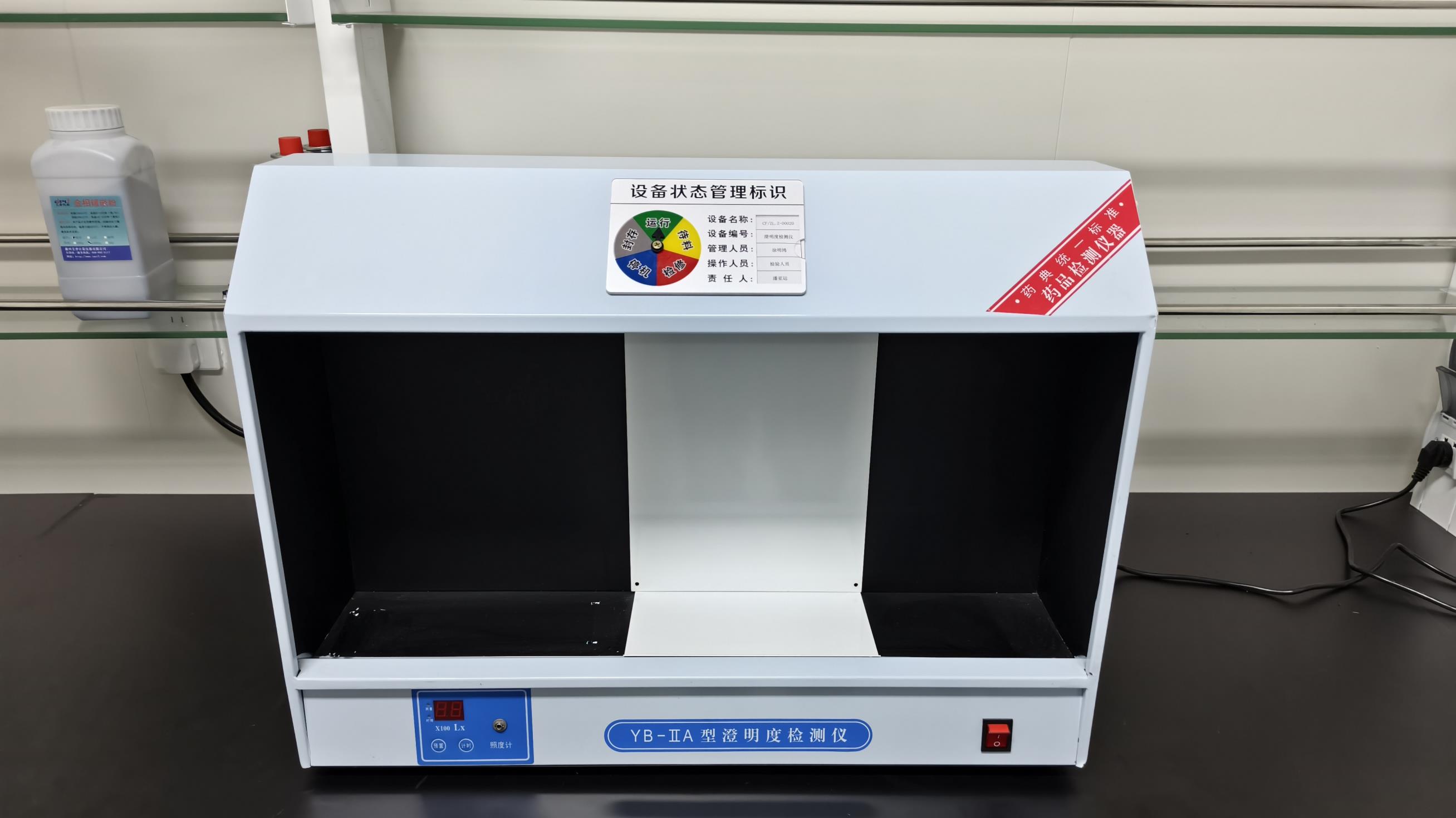
Zynfuse implements an ISO 13485-compliant quality management system. From initial mechanical stress simulations to biocompatibility studies, our testing protocol ensures our implants perform reliably under real-world clinical loads.
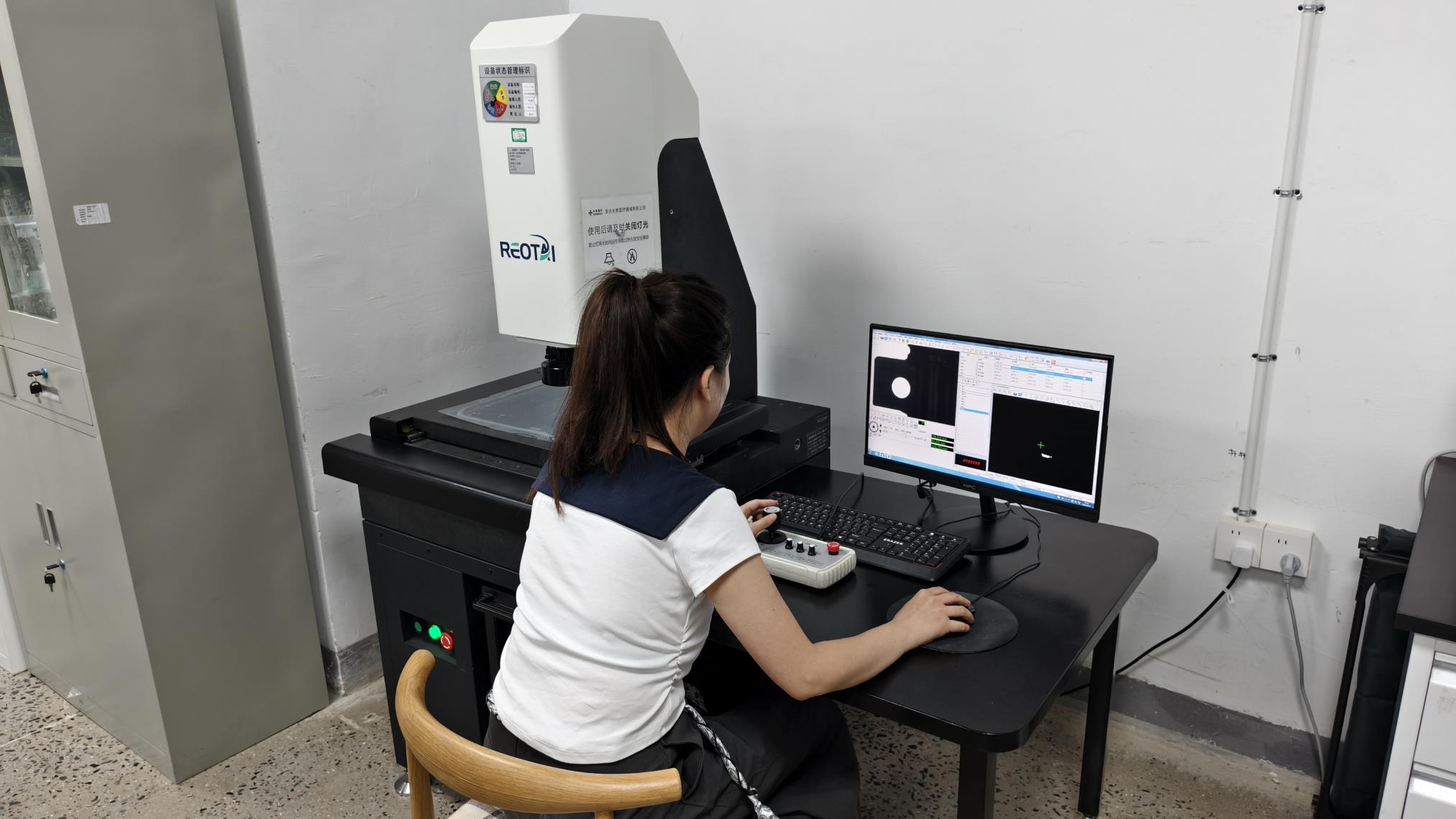
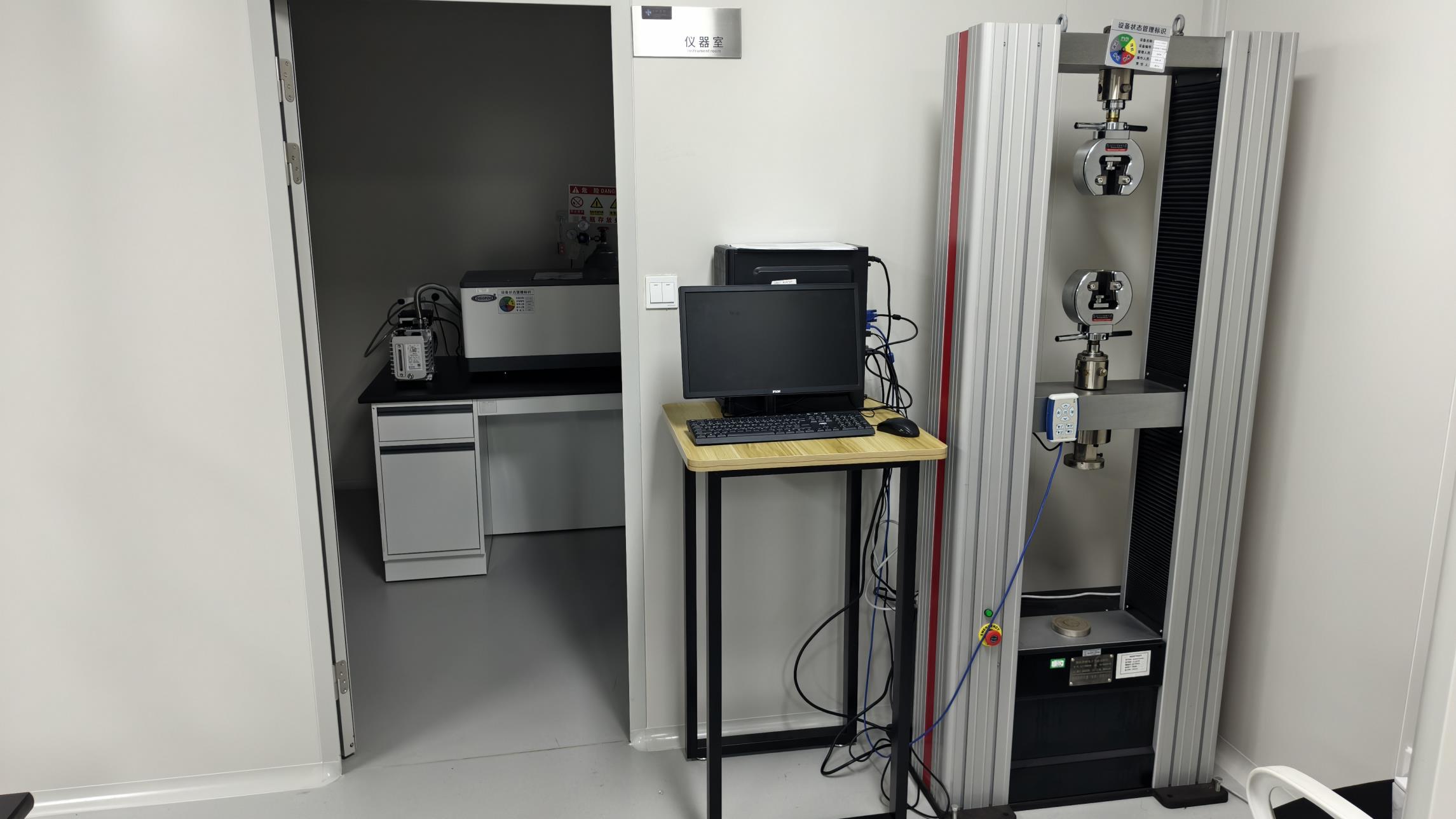
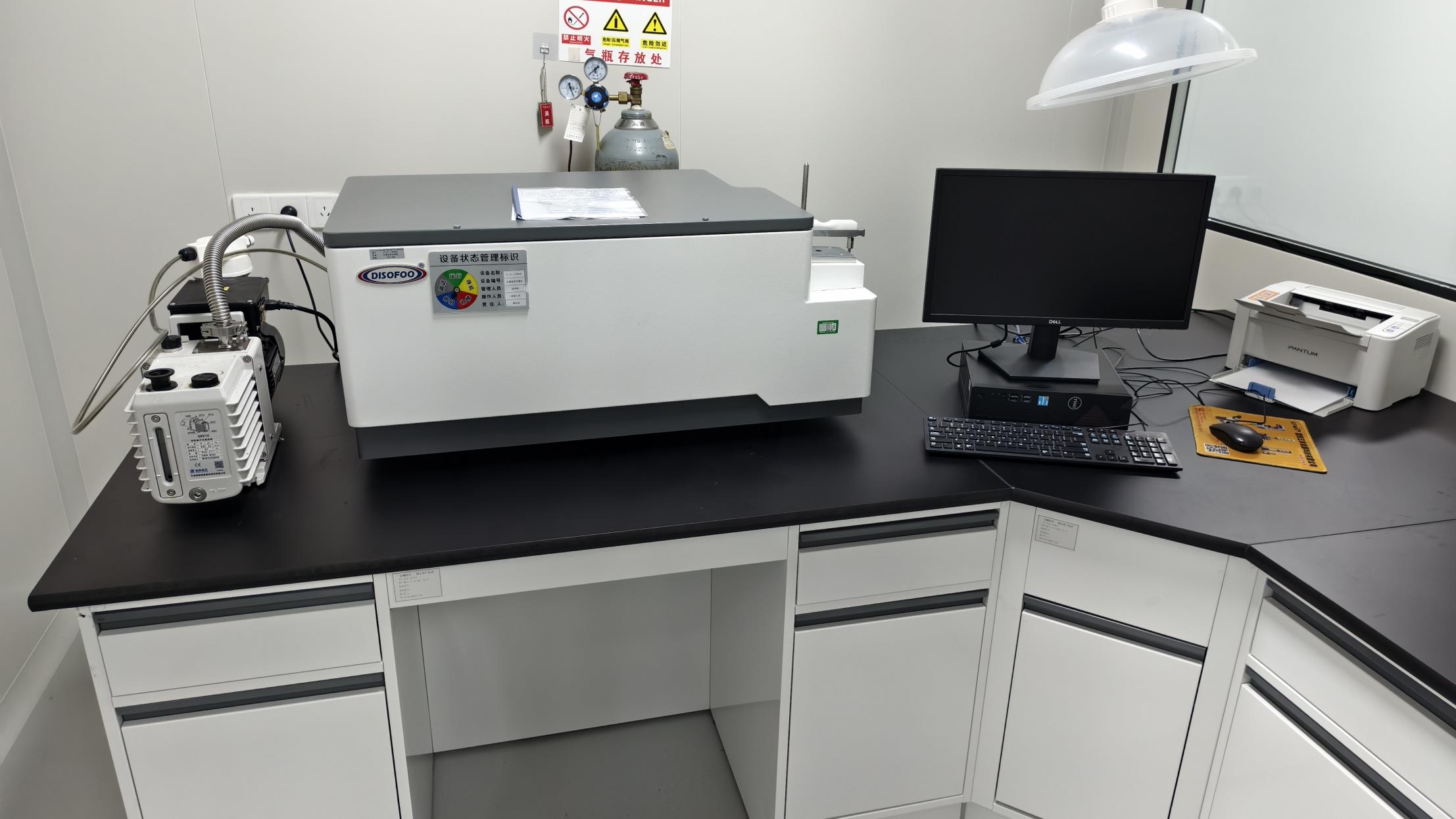
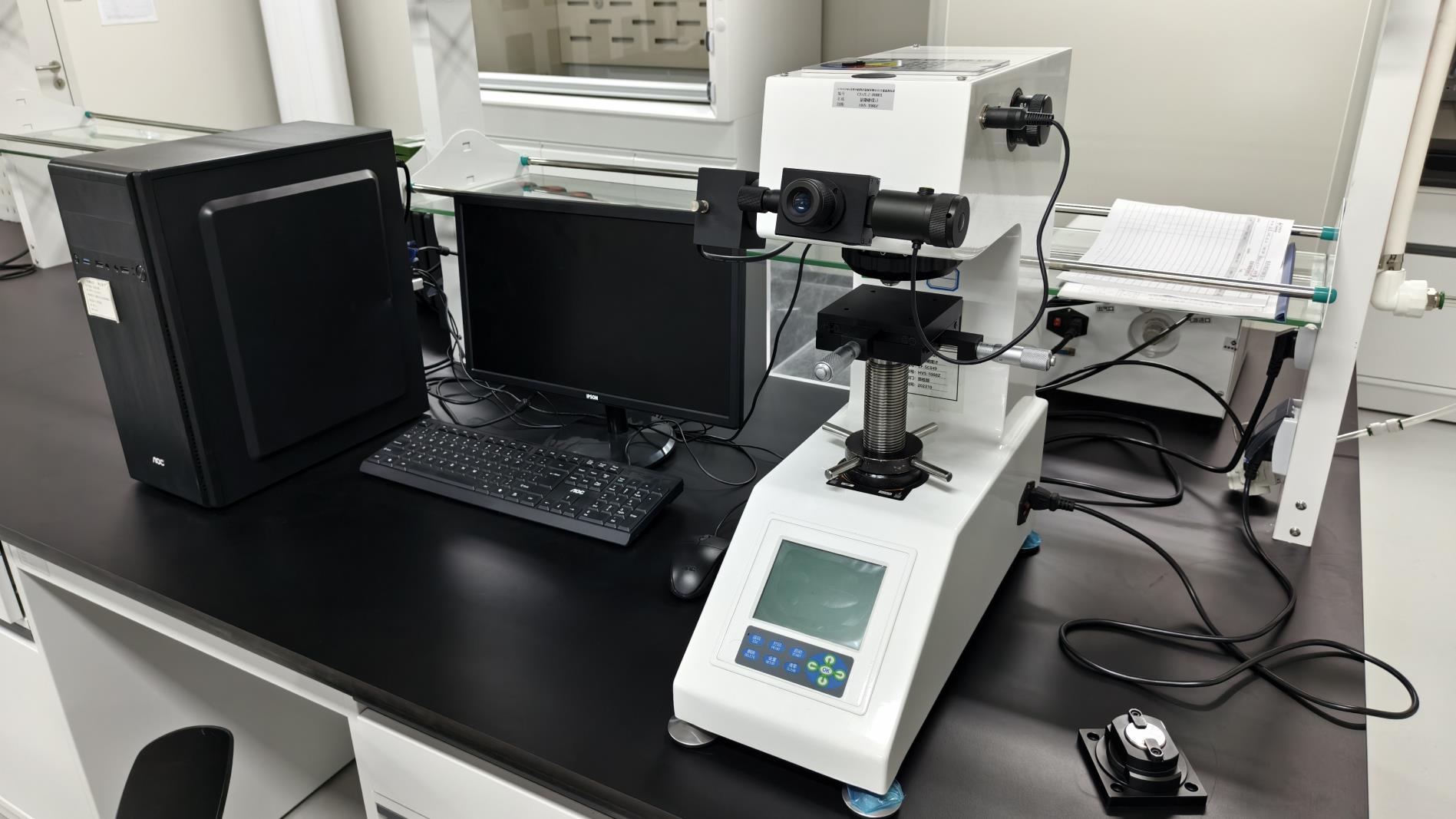
Global medical procurement departments face pressure to manage rising material costs while maintaining clinical compliance. Zynfuse helps address these challenges by providing reliable bone fusion constructs, complete external fixation kits, and trauma instrument sets under one supply chain.
We provide our distribution partners with full technical dossiers, material certificates (ASTM F136 titanium, ISO 5832-3 stainless steel), and compliance documentation (CE, ISO 13485) to streamline the regional registration and importation processes.
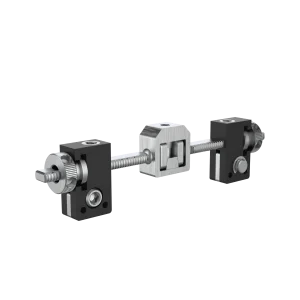
We offer engineering support for regional clinical variations, including modifications to pin diameters, clamp configurations, and custom carbon-fiber bar lengths. Our team uses CNC Swiss machining, multi-axis milling, and rapid prototyping tools to manufacture custom components that match specific anatomical profiles.
External fixation systems continue to evolve, moving from heavy stainless steel configurations to lightweight, radiolucent, and digitally planned constructs.
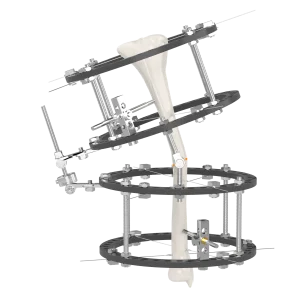
Devices like the Taylor Spatial Frame (TSF) leverage hardware designs along with anatomical planning software. Surgeons enter fracture parameters to generate a daily strut adjustment plan, improving alignment accuracy in complex bone corrections.
Modern external frames utilize carbon-fiber rods instead of steel bars. This reduces overall construct weight, improves patient comfort, and provides radiolucency for clearer post-operative X-ray monitoring.
Clinicians are increasingly using dynamic clamping systems. After initial stability is achieved, controlled mechanical micro-movements are allowed across the fracture site to stimulate osteogenesis and support natural callus formation.
Read our answers to common questions about materials, regulatory compliance, customization options, and global shipping policies.
A: We construct our pin clamps, circular rings, and coupling joints using medical-grade Titanium Alloy (Ti-6Al-4V ELI conforming to ASTM F136) and High-Strength Stainless Steel (316LVM conforming to ASTM F138). Our connection rods are manufactured using carbon fiber epoxy composites, ensuring a balance of low weight, structural rigidity, and radiolucency.
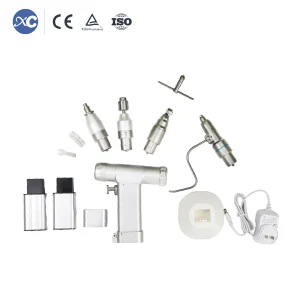
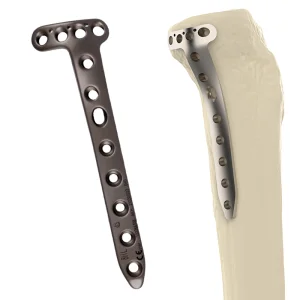
A: Yes. All our orthopedic trauma implants and surgical instruments are manufactured under an ISO 13485-certified quality management system. Our primary external fixation configurations, locking compression plates, and surgical drill sets hold CE certification, qualifying them for global distribution.
A: Yes. With a dedicated team of 85 research engineers, we can customize geometry parameters, thread styles, clamp configurations, and custom instrumentation cases. We assist our partners throughout the process, from initial CAD modeling and FEA (Finite Element Analysis) verification to manufacturing and validation testing.
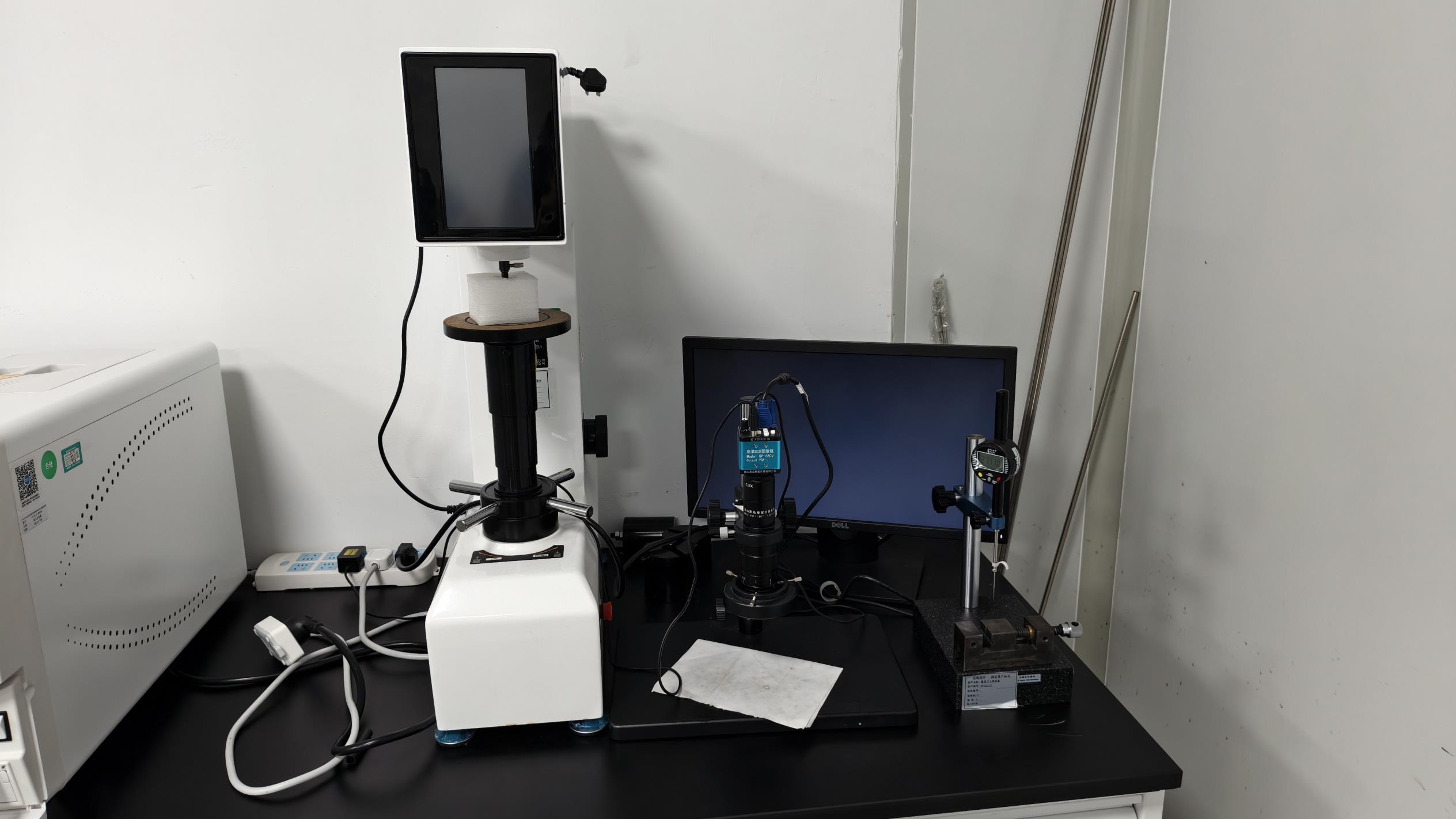
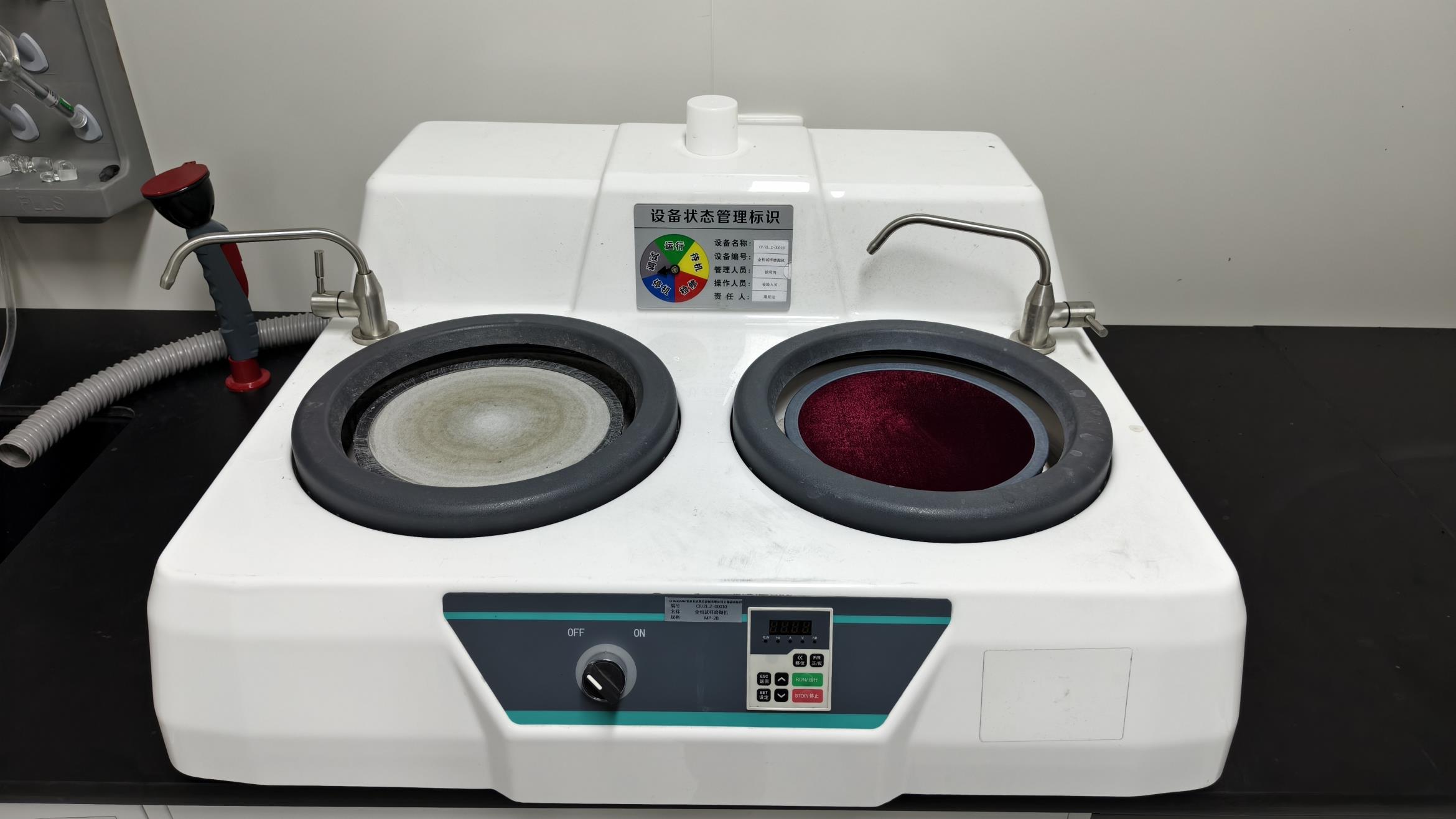
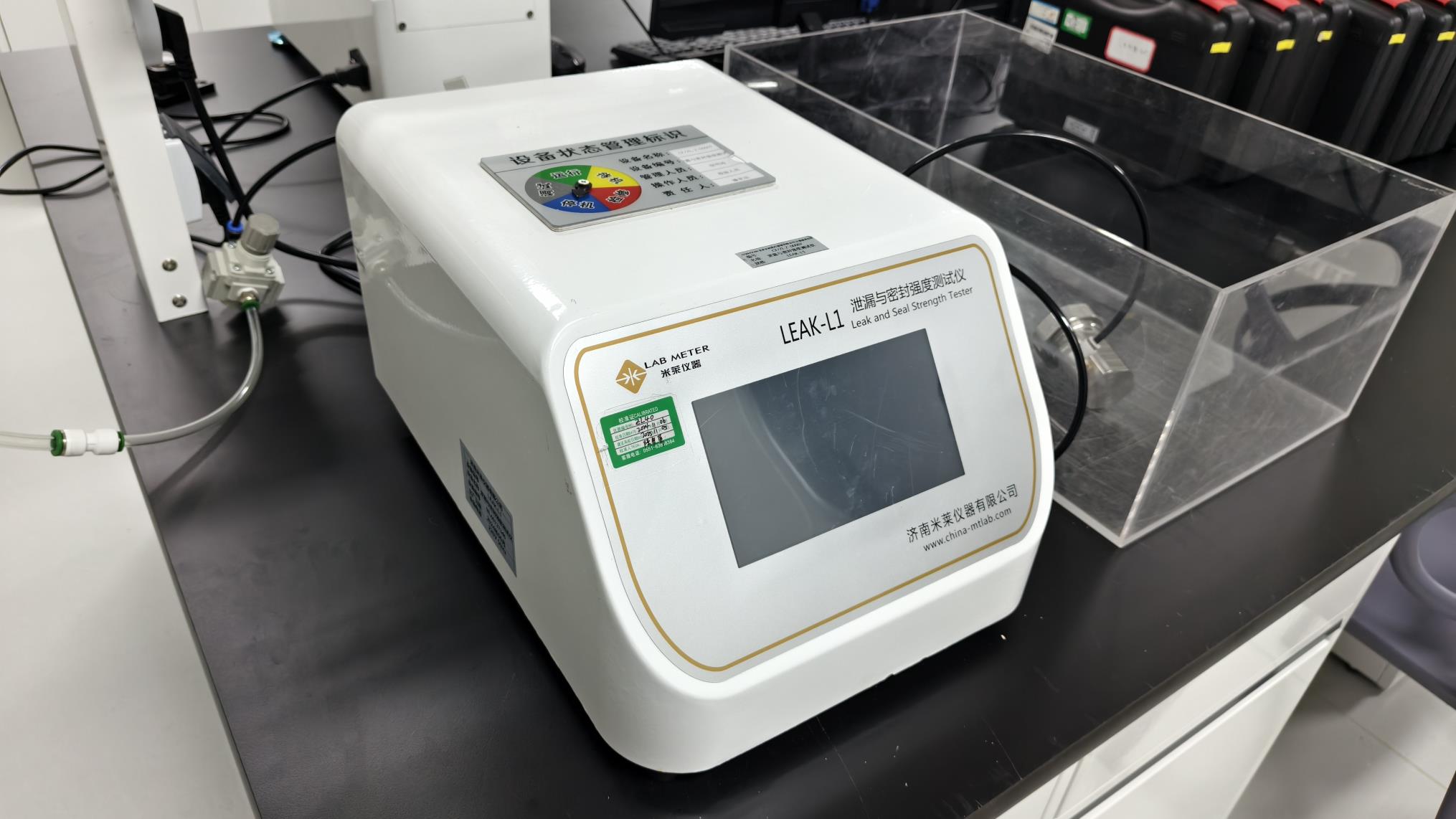
A: We verify every batch using mechanical tensile testing machines, Vickers hardness testers, and multi-axis fatigue analyzers. Surface finishes undergo chemical passivation and anodization to prevent localized corrosion, while packaging seals are validated using seal strength and bubble leakage testers.
A: Lead times vary from 15 to 45 days depending on the customization level and batch volume. Minimum Order Quantities (MOQs) depend on the product category; standard external fixators have flexible MOQs, while custom OEM implants are subject to specific raw material run requirements. Contact our team for detailed order parameters.
A: Every shipment is accompanied by a material certificate and mill test report (MTR). Our quality inspectors use optical emission spectrometers to verify chemical composition, and laser-etched batch numbers provide full trace-back to the original raw material melt.
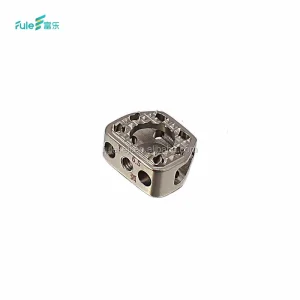
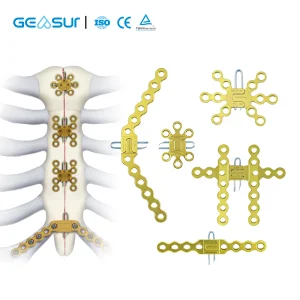
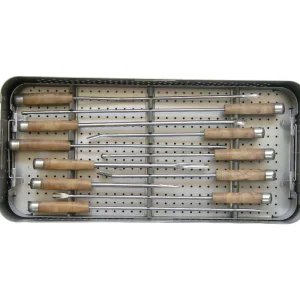
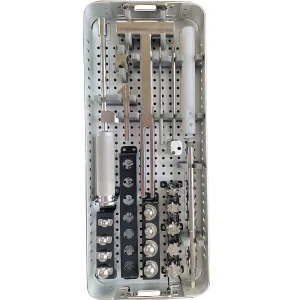
Review our full product range, including locking plates, intramedullary nails, spine interbody cages, surgical drills, and orthopedic revision kits.