Zynfuse
Zynfuse
Zynfuse
As Saudi Arabia continues its monumental transformation under Vision 2030, the reorganization and modernization of its healthcare sector—specifically orthopedic trauma care—have become focal points for national growth. The integration of advanced surgical devices, particularly high-performance External Fixation Systems, is essential to meet the rising demand from newly established trauma networks, emergency medical clinics, and comprehensive tertiary hospitals across Riyadh, Jeddah, Dammam, and the rest of the Kingdom.
For procurement officers, regional distributors, and clinical stakeholders in the Gulf region, securing medical hardware that complies with the rigorous standards of the Saudi Food and Drug Authority (SFDA) is paramount. Standardized configurations, high biocompatibility index values (ISO 10993 compliance), mechanical longevity under load (ASTM F1541 protocols), and an uninterrupted supply chain are the foundations of efficient clinical intervention.
The healthcare infrastructure of Saudi Arabia is undergoing rapid decentralization and privatization. Under the Health Sector Transformation Program, the Ministry of Health (MOH) is establishing regional health clusters to increase coverage and operational quality. Trauma care, in particular, has seen increased public and private investment due to the historical volume of road traffic accidents (RTAs) and structural reconstruction cases in industrial zones like Jubail and Yanbu.
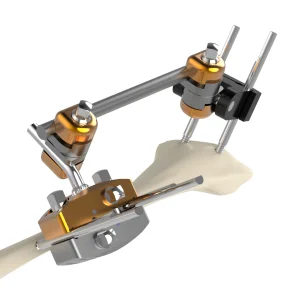
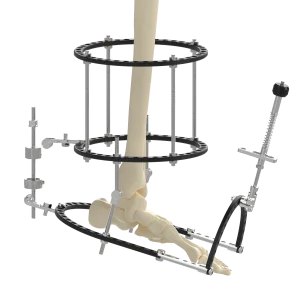
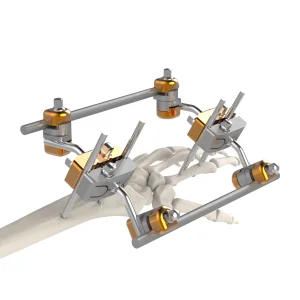
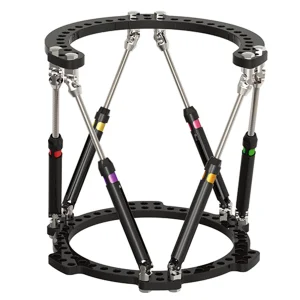
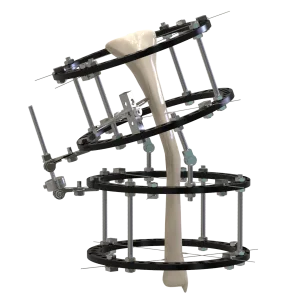
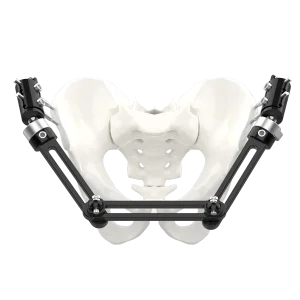
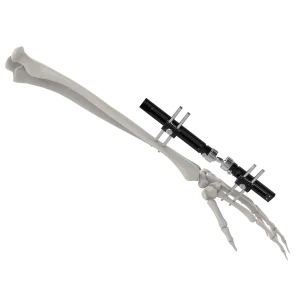
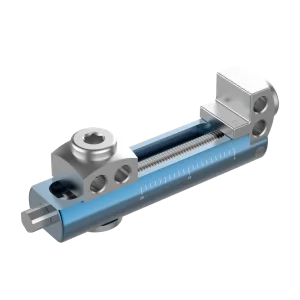
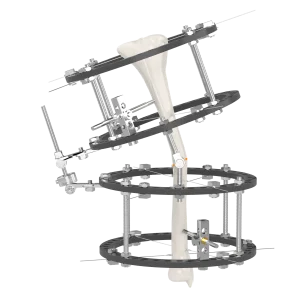
External fixation remains a cornerstone treatment modality for high-energy traumatic fractures, compound injuries with soft tissue compromise, and complex non-unions. The requirements of the Saudi market are unique: devices must withstand challenging environmental conditions, be intuitive enough for rapid stabilization in emergency departments, and offer highly customizable mechanics for long-term reconstruction. This requires exporters to supply not just basic rods and pins, but advanced configurations like Taylor Spatial Frames (hexapod reconstructive systems) and Ilizarov ring constructs.
Exporting orthopedic trauma products to KSA requires strict Medical Device Marketing Authorization (MDMA). Our systems are backed by full ISO 13485 quality systems and comprehensive technical documentation to simplify local registration.
We source medical-grade Titanium Alloy (Ti-6Al-4V ELI) and Surgical Stainless Steel (316LVM) to guarantee excellent biocompatibility, mechanical durability, and MRI compatibility in critical clinical environments.
Our engineering team can design specialized implant geometries, customized instrumentation layouts, and tailored packaging configurations to align with the procurement catalogs of groups like NUPCO and major hospital networks.
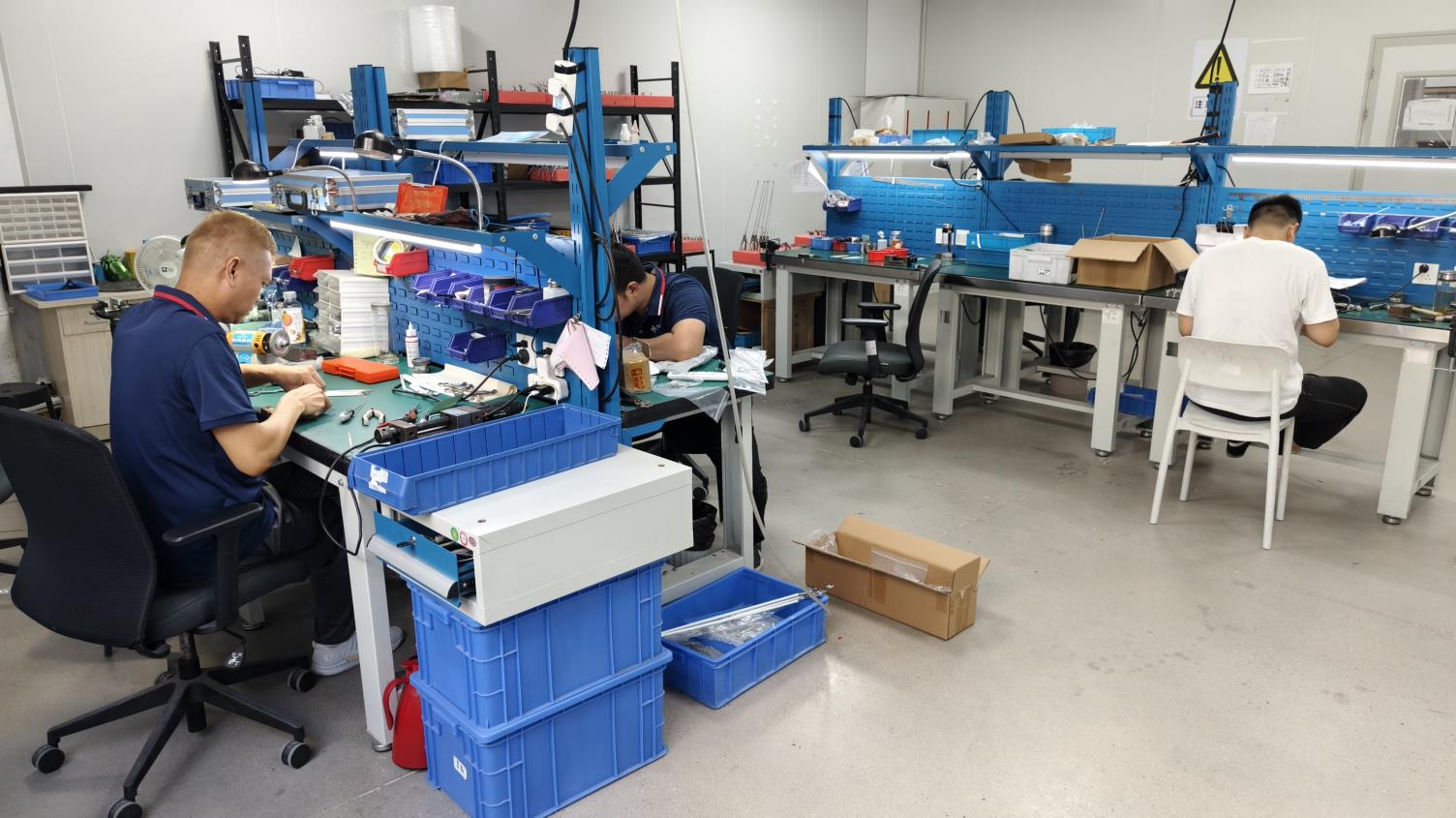
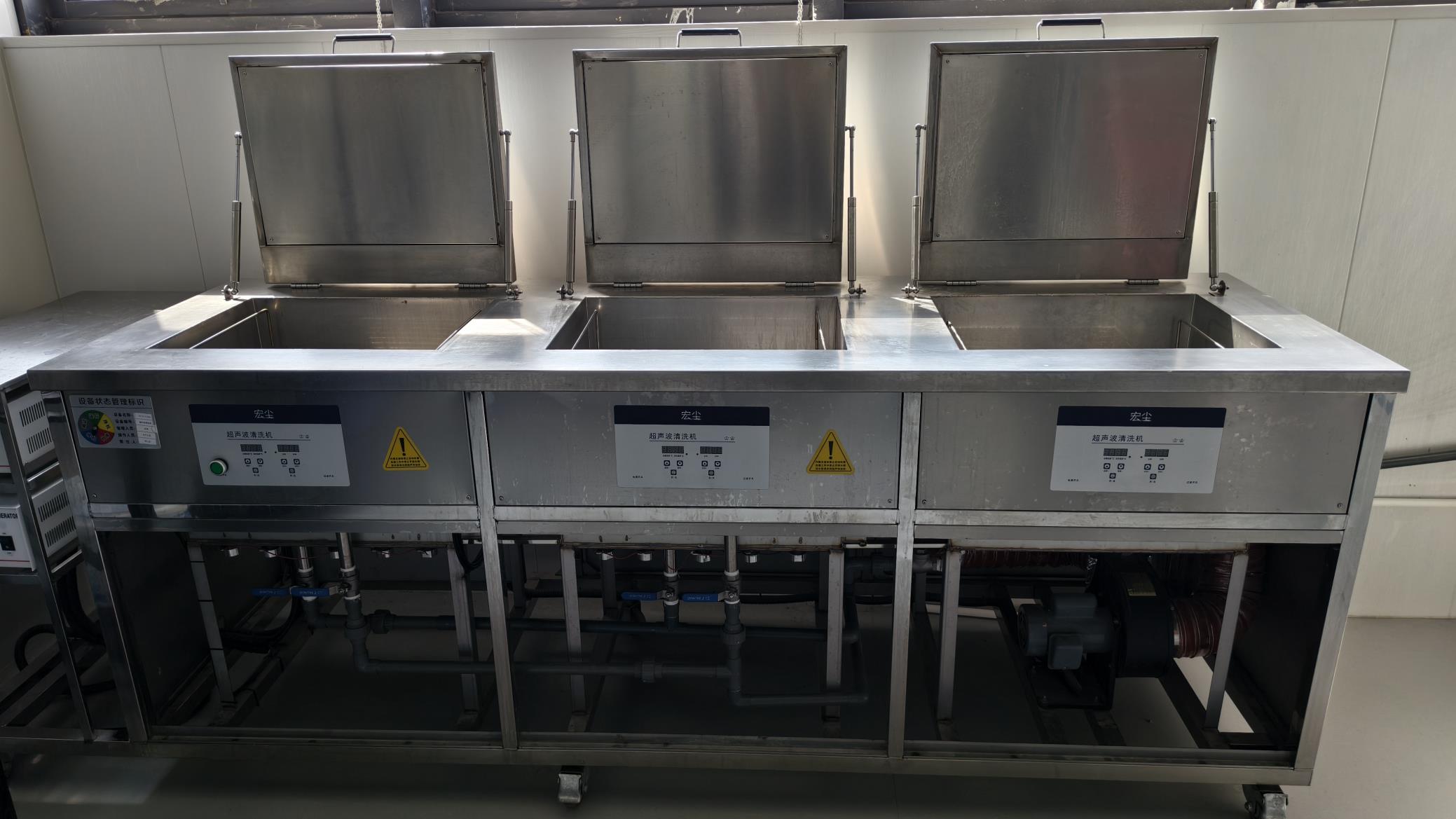
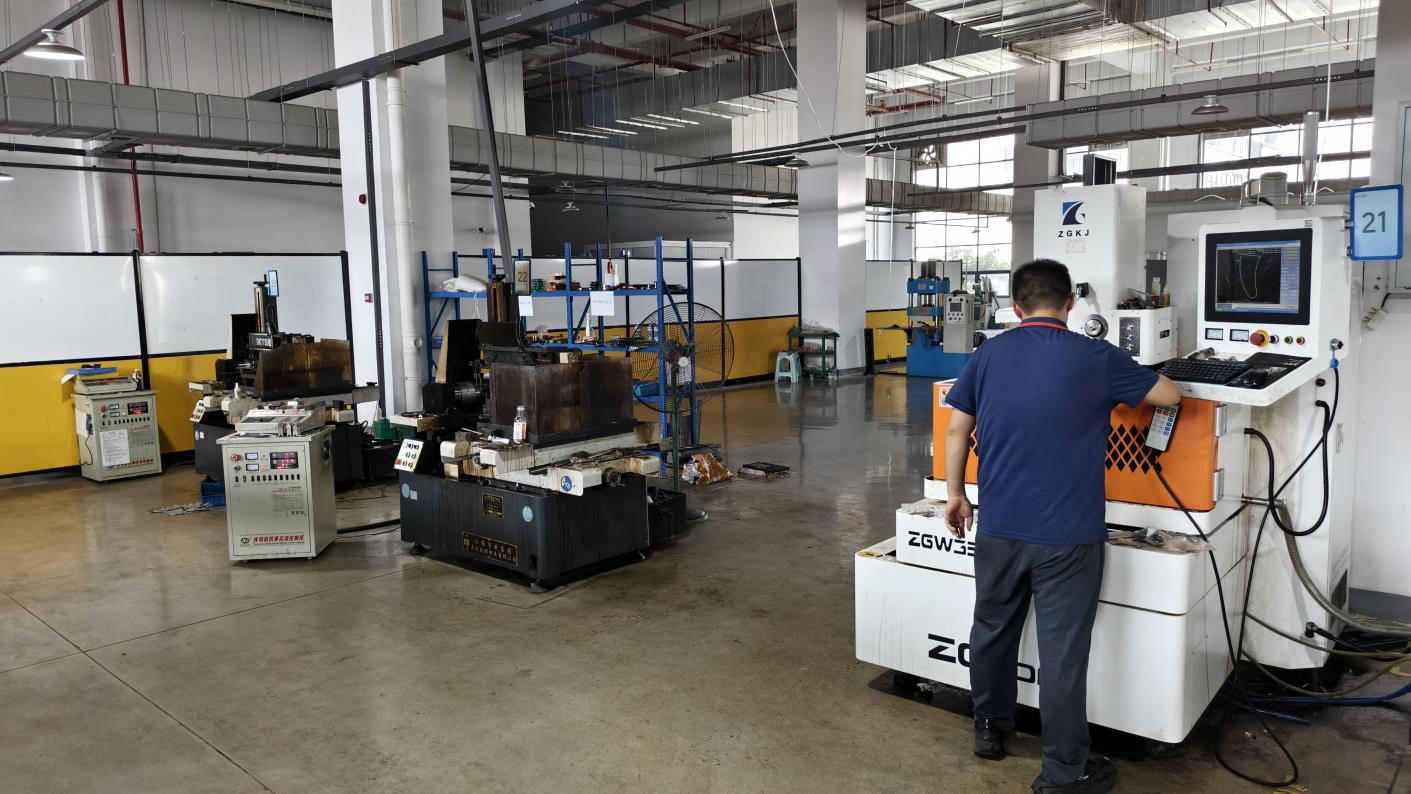
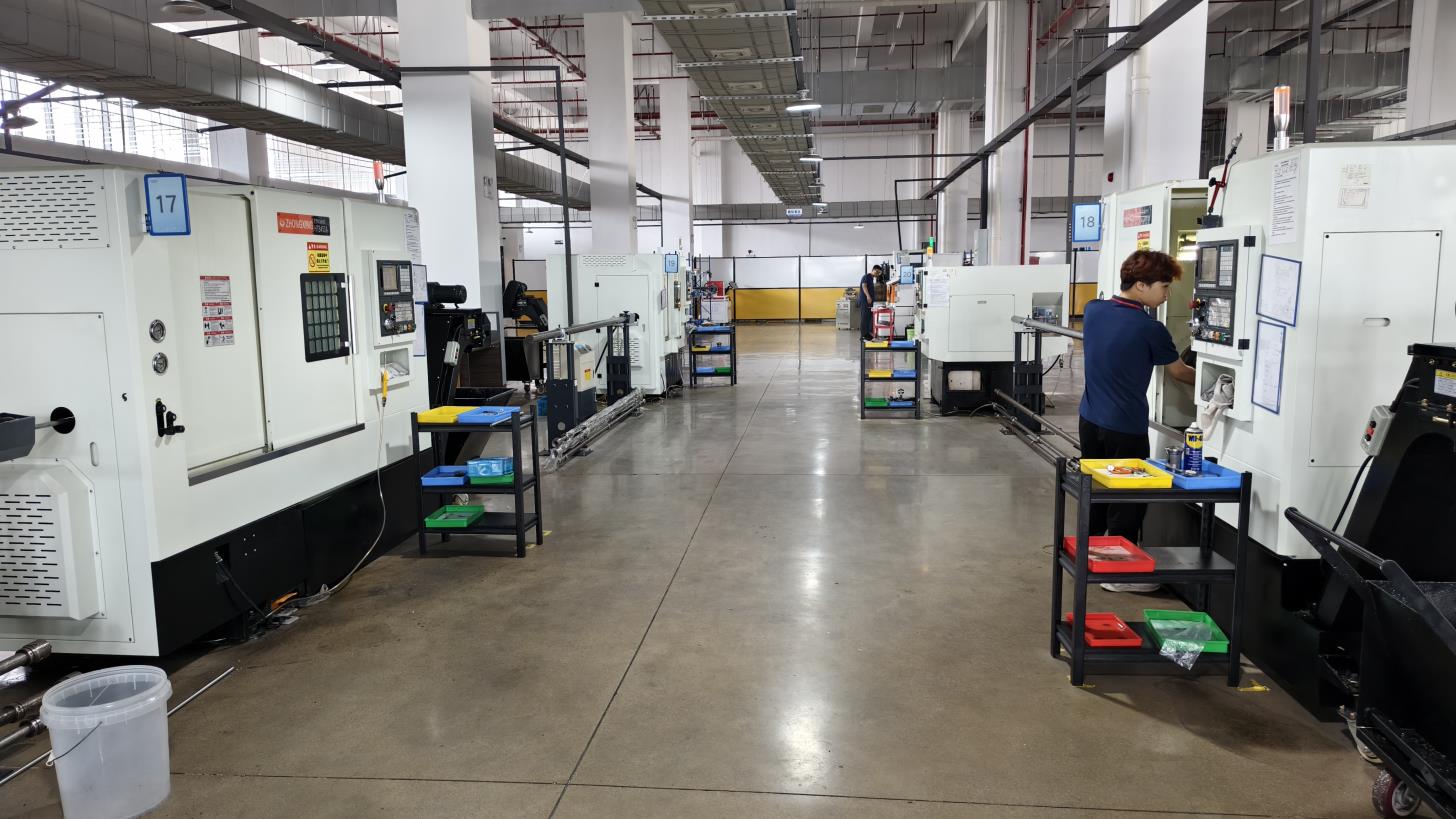
Our manufacturing facility spans over 18,600 square meters and is equipped with cutting-edge Swiss-type precision lathes, multi-axis CNC machines, and specialized laser-welding systems. Below is an overview of our core manufacturing and processing phases, ensuring that each implant and fixation rod meets precise surgical tolerances:
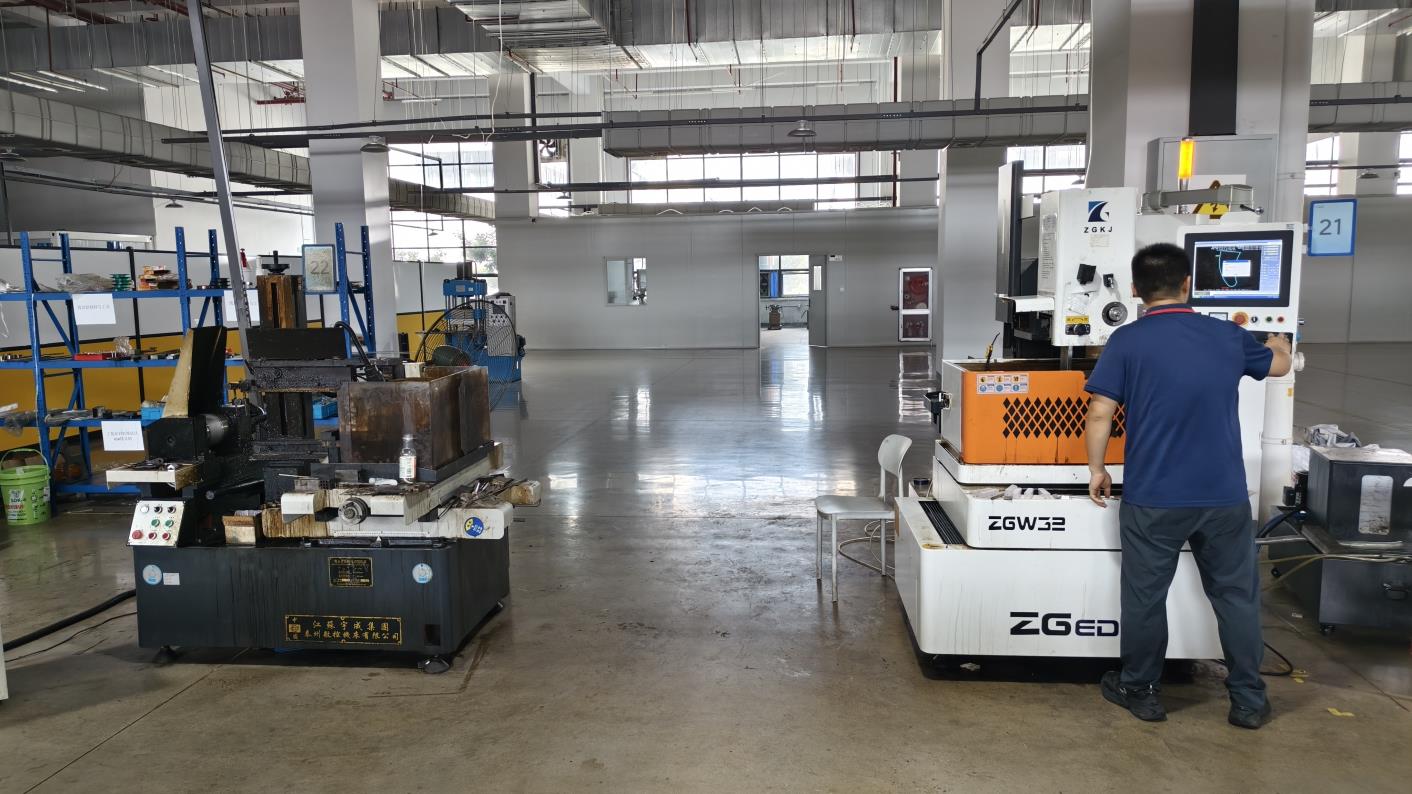
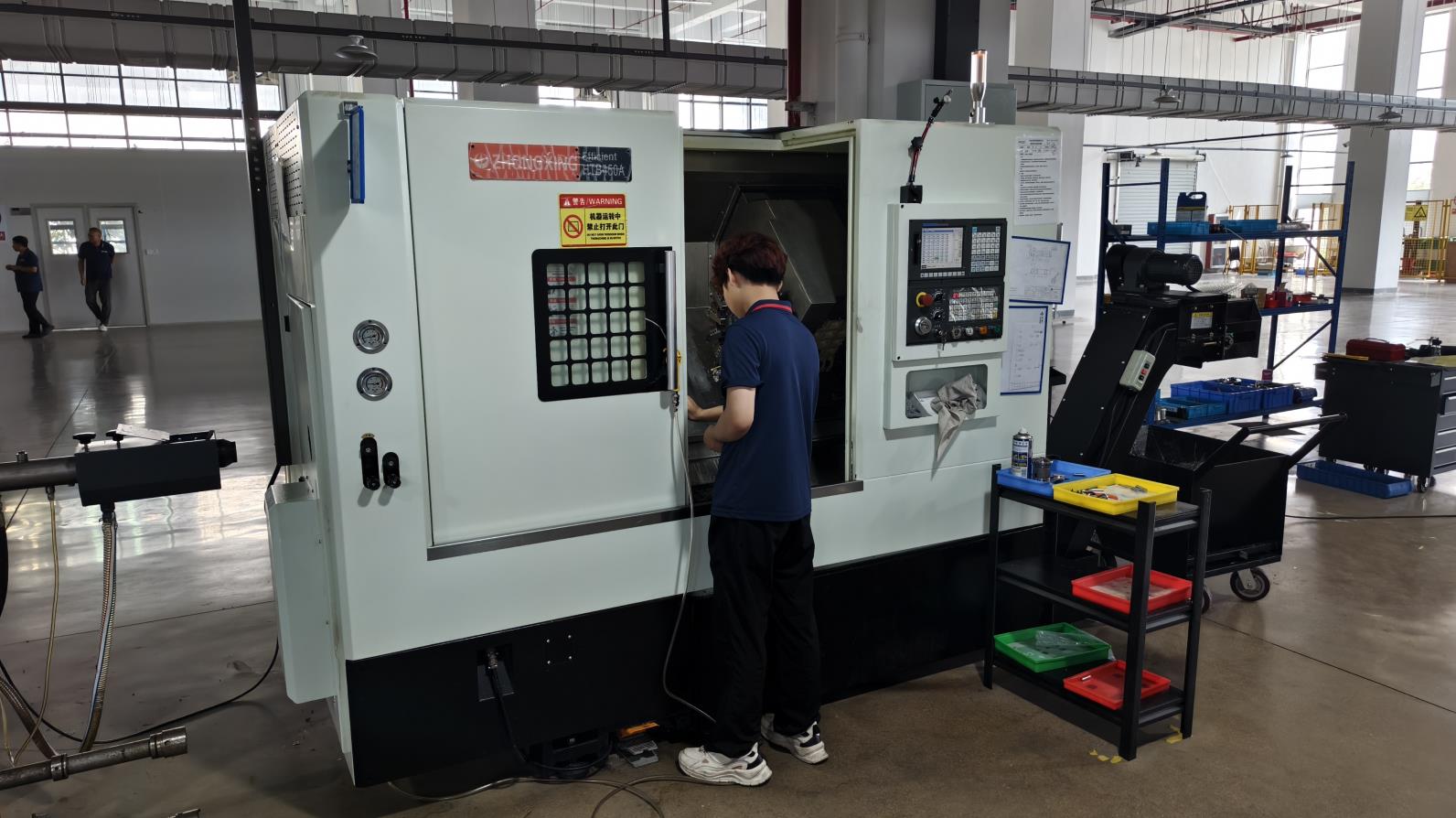
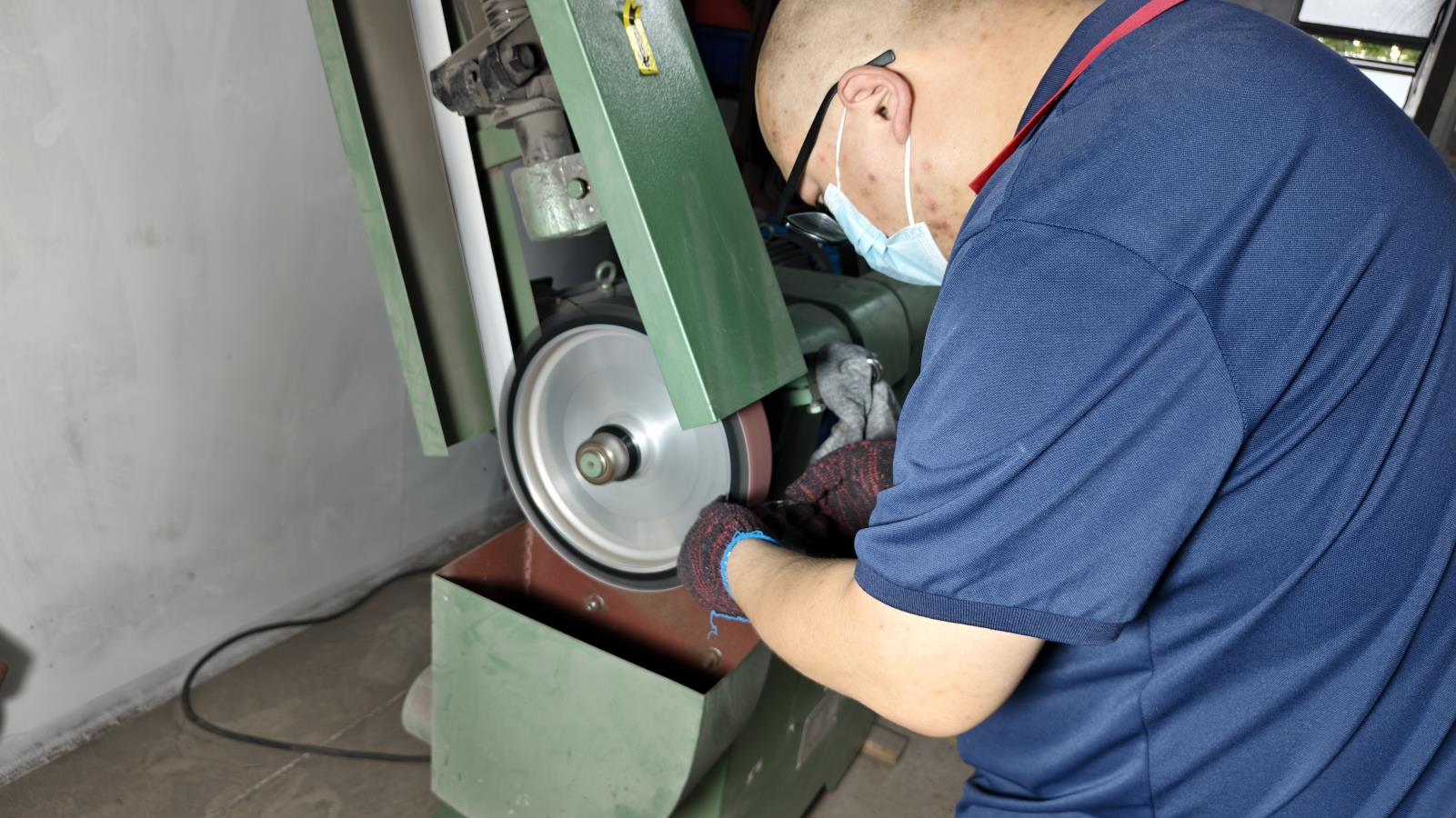
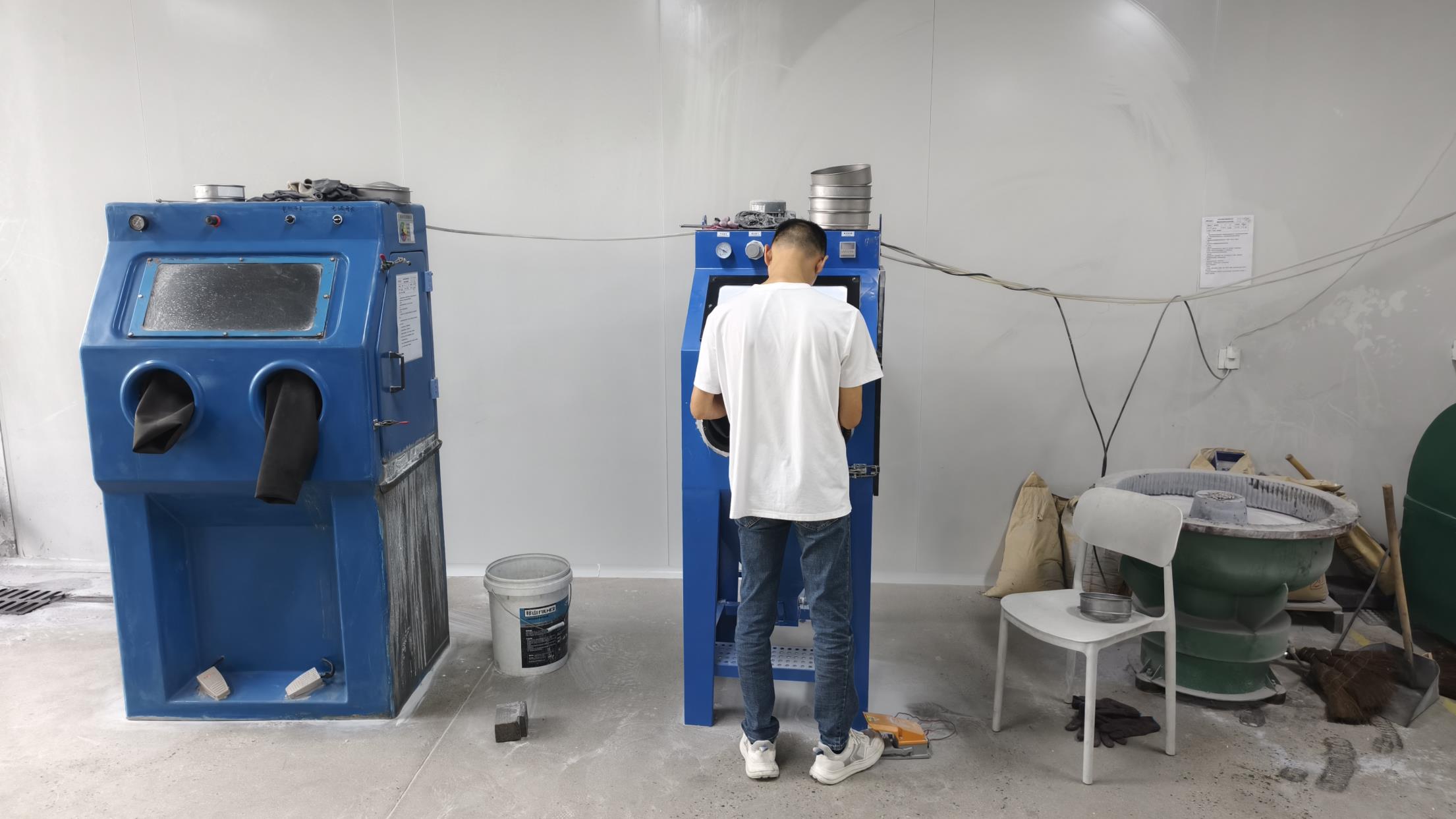
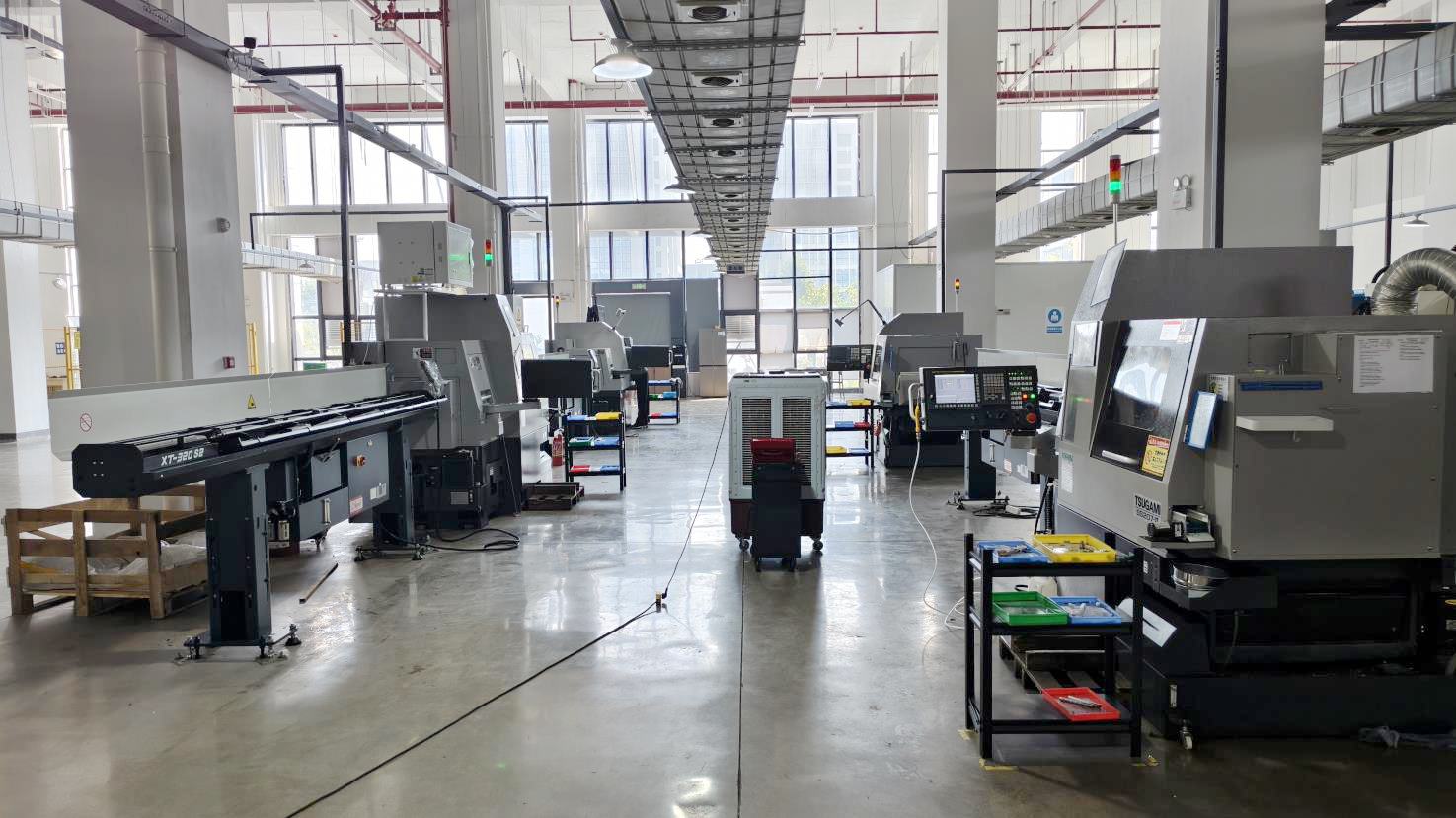
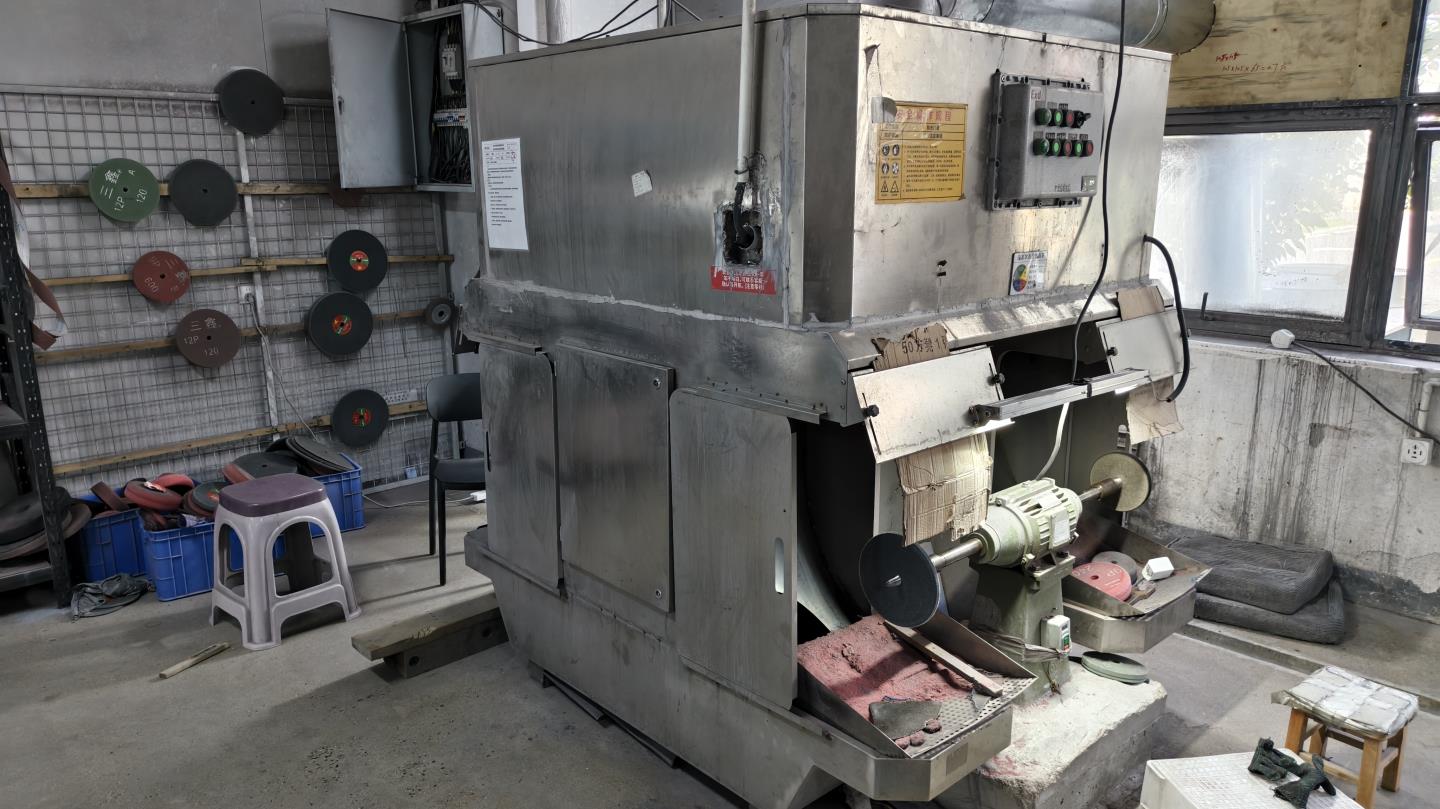
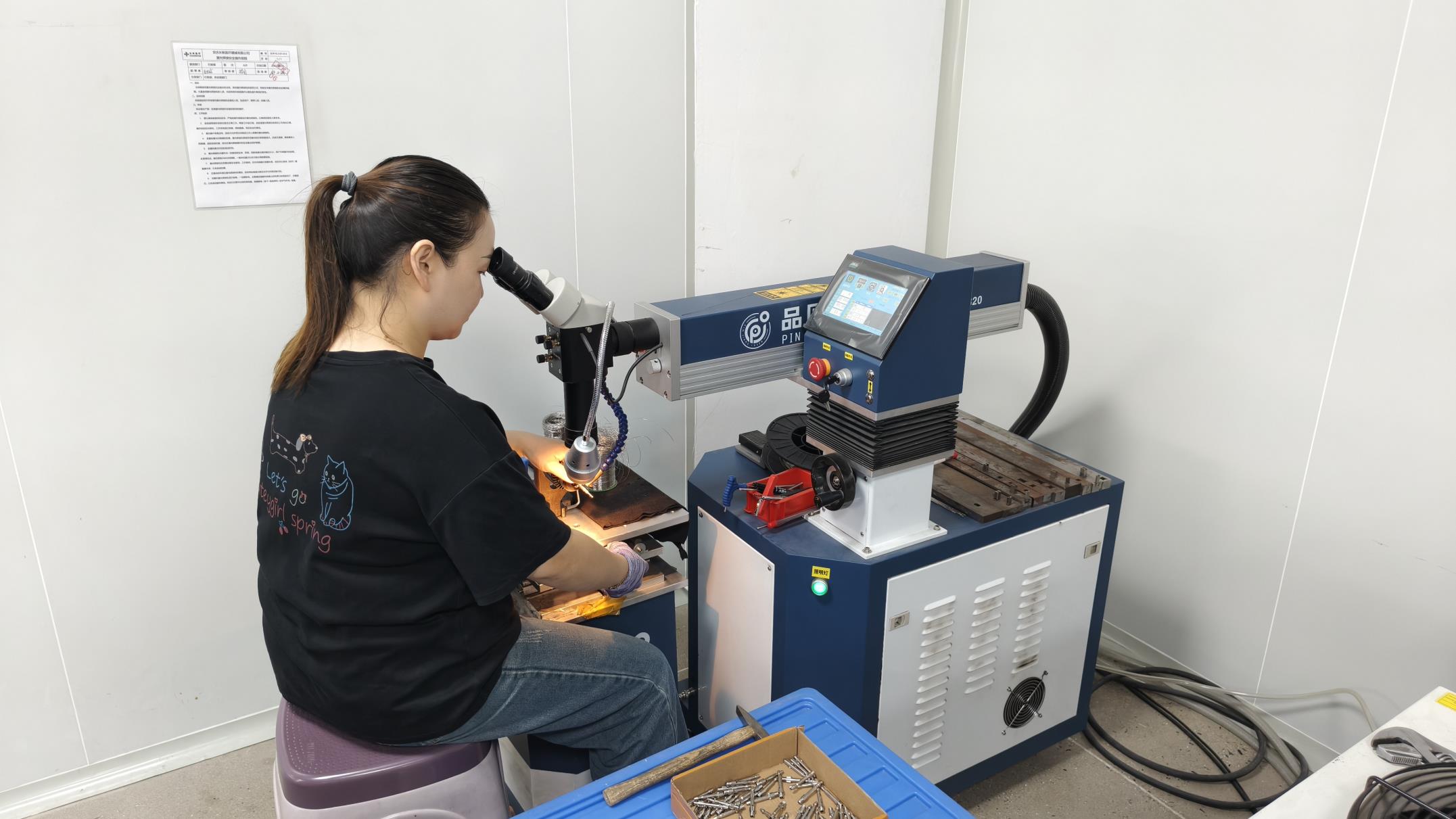
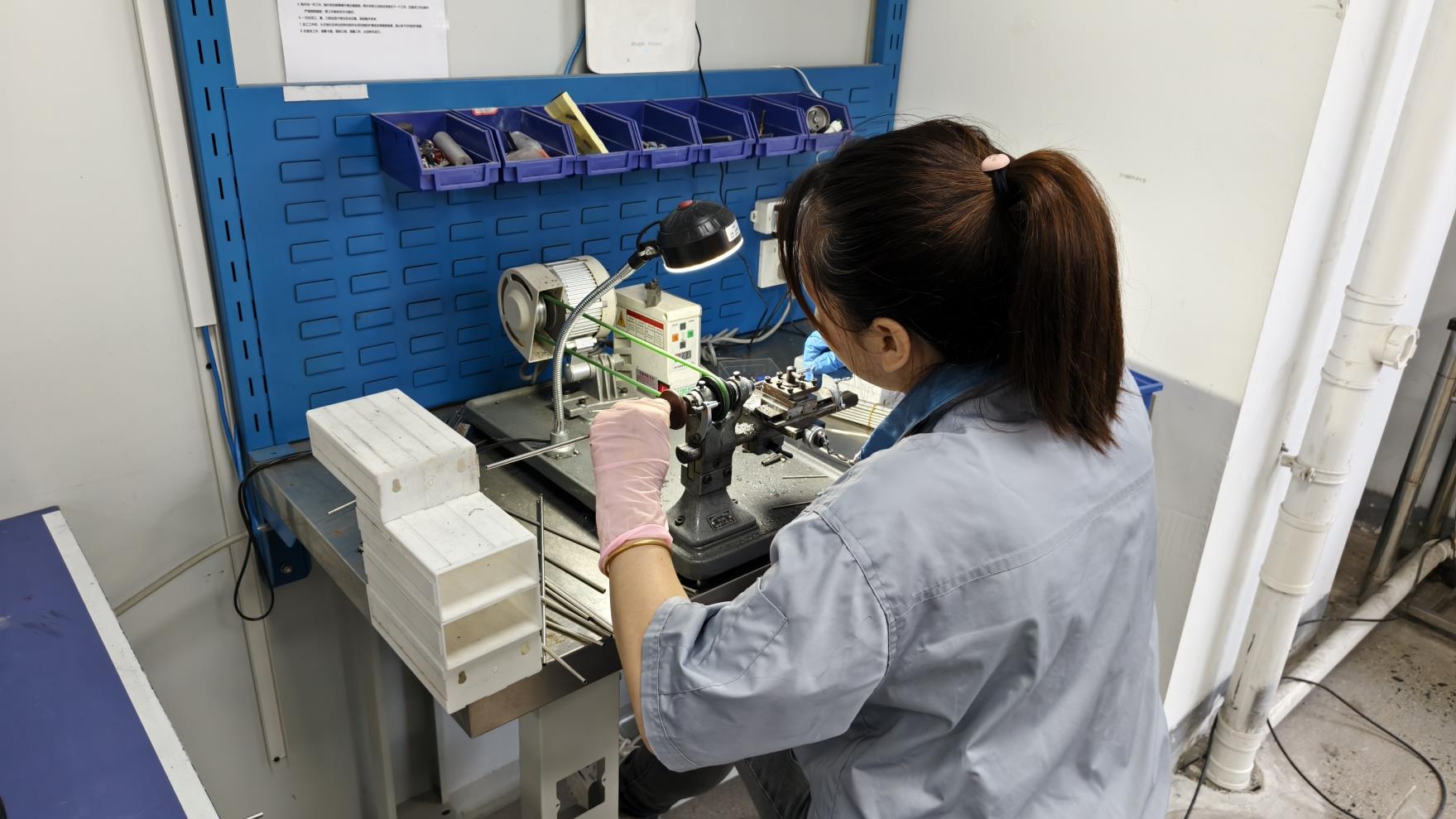
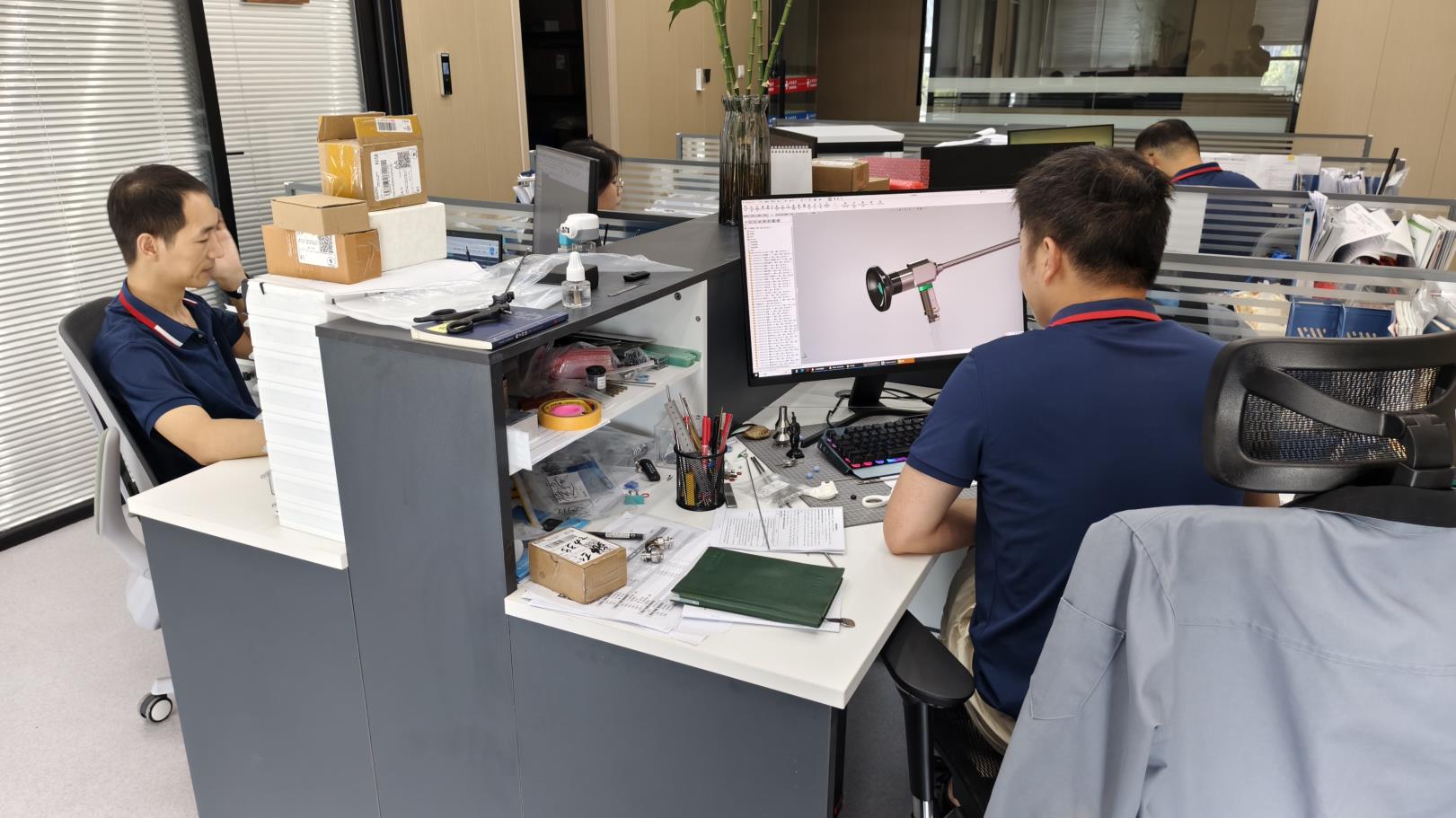
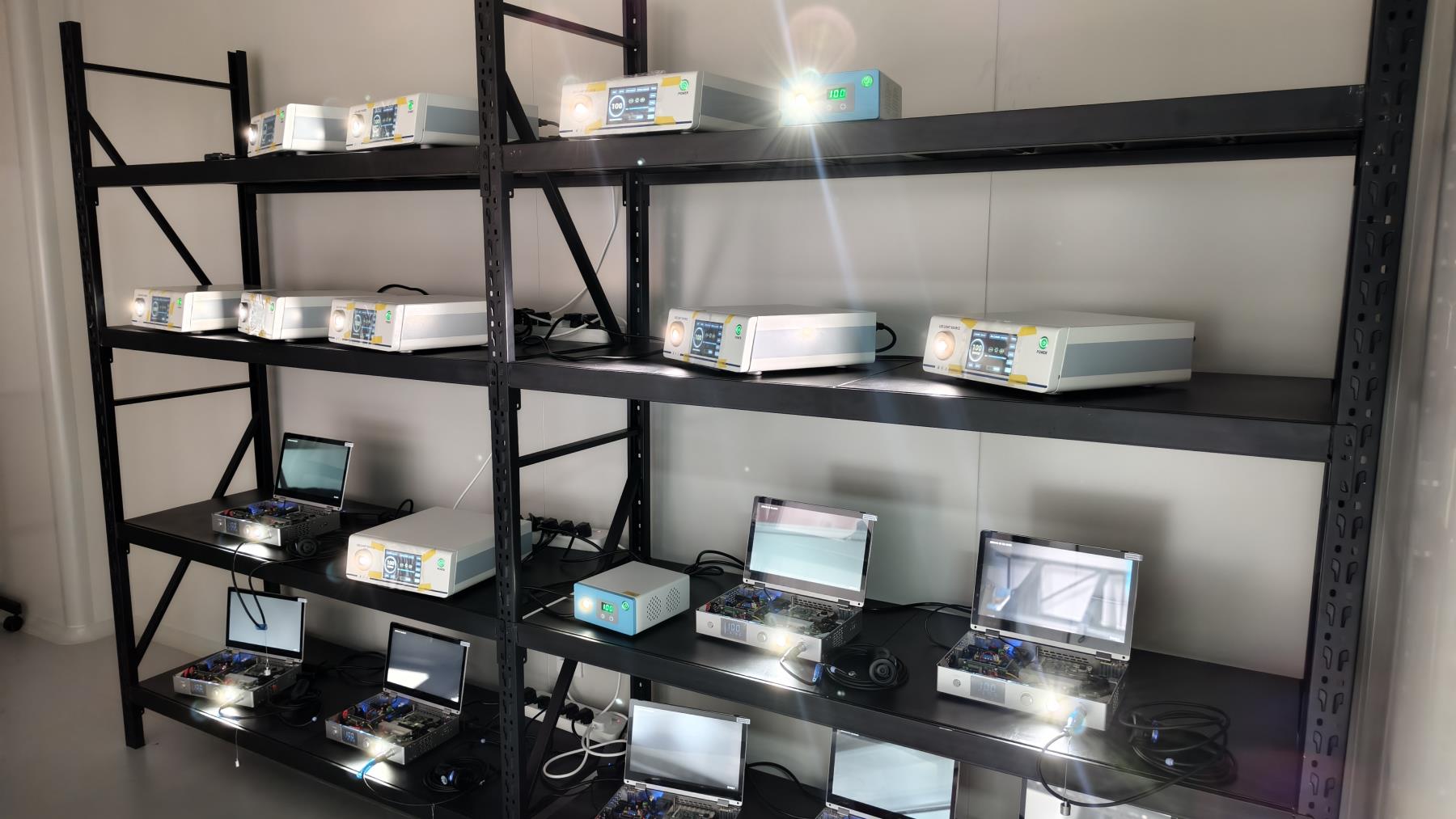
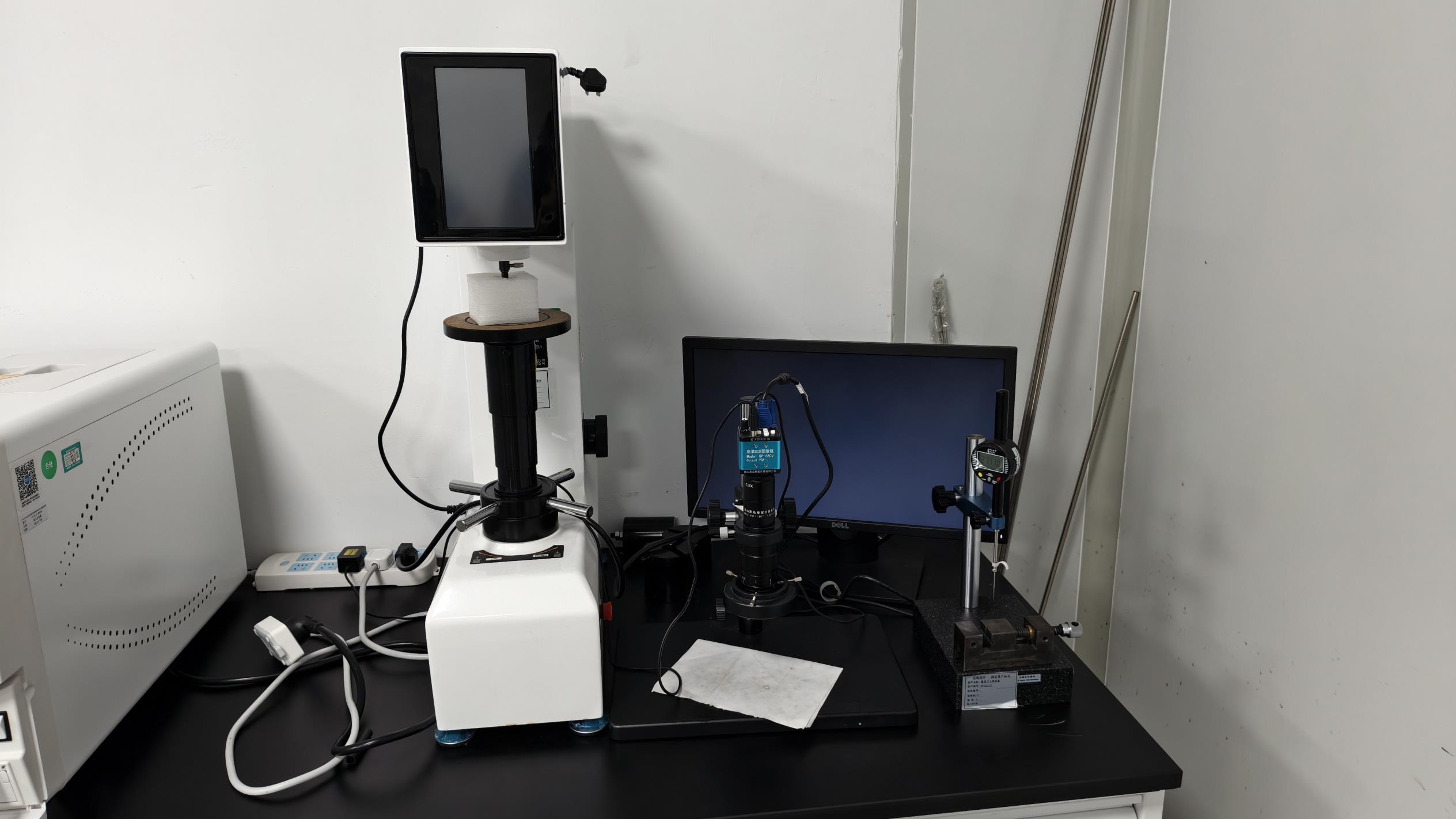
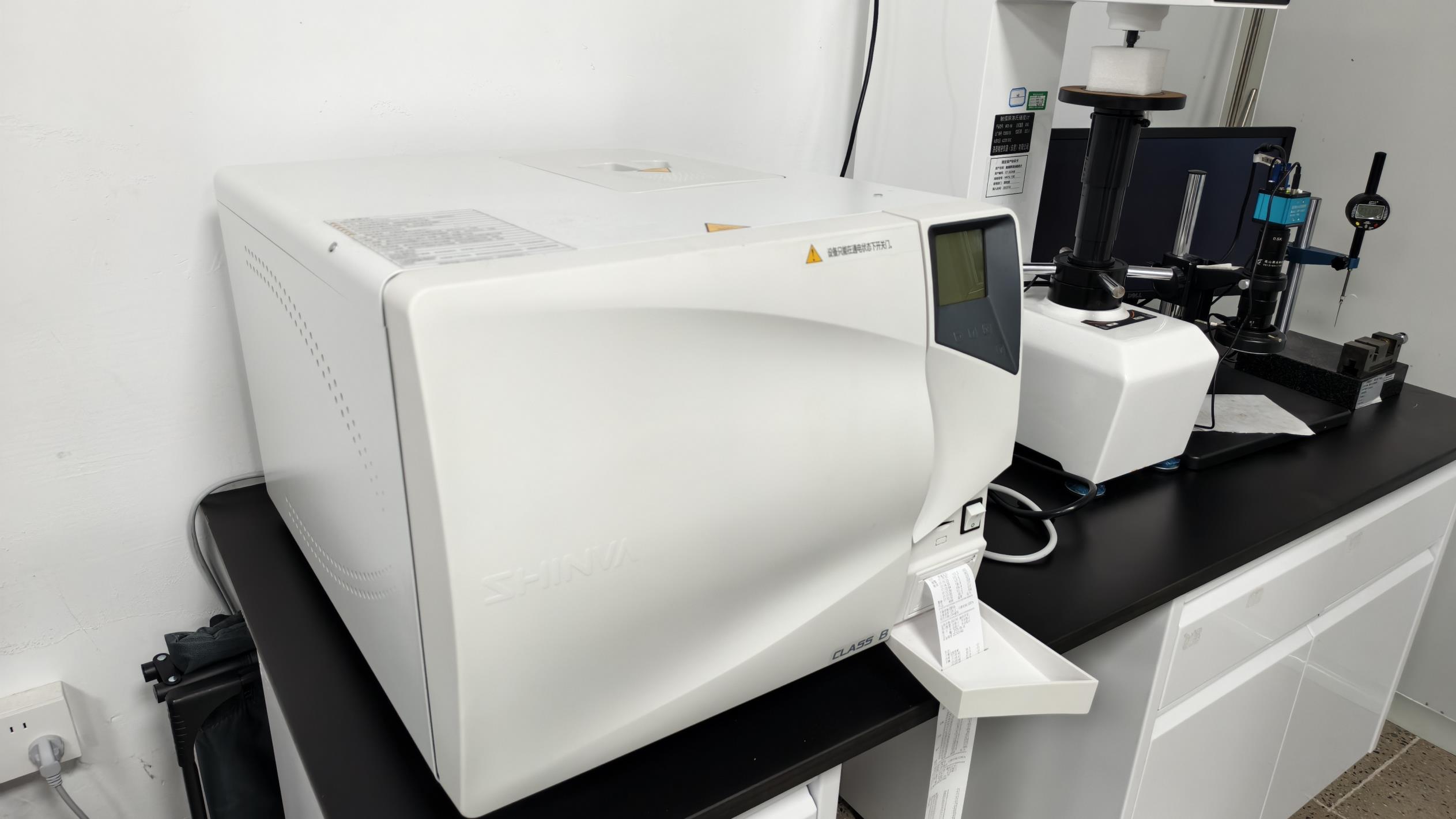
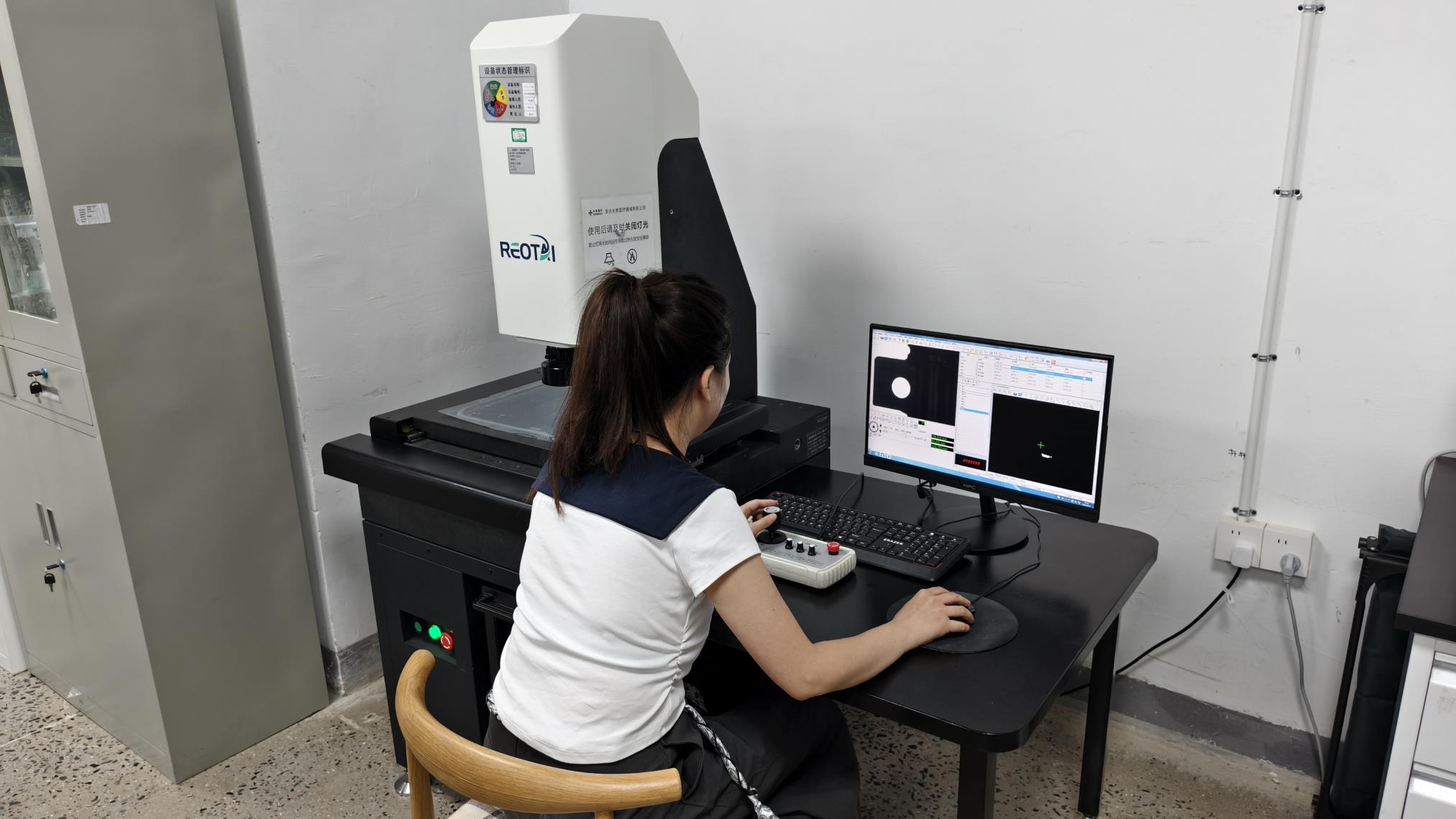
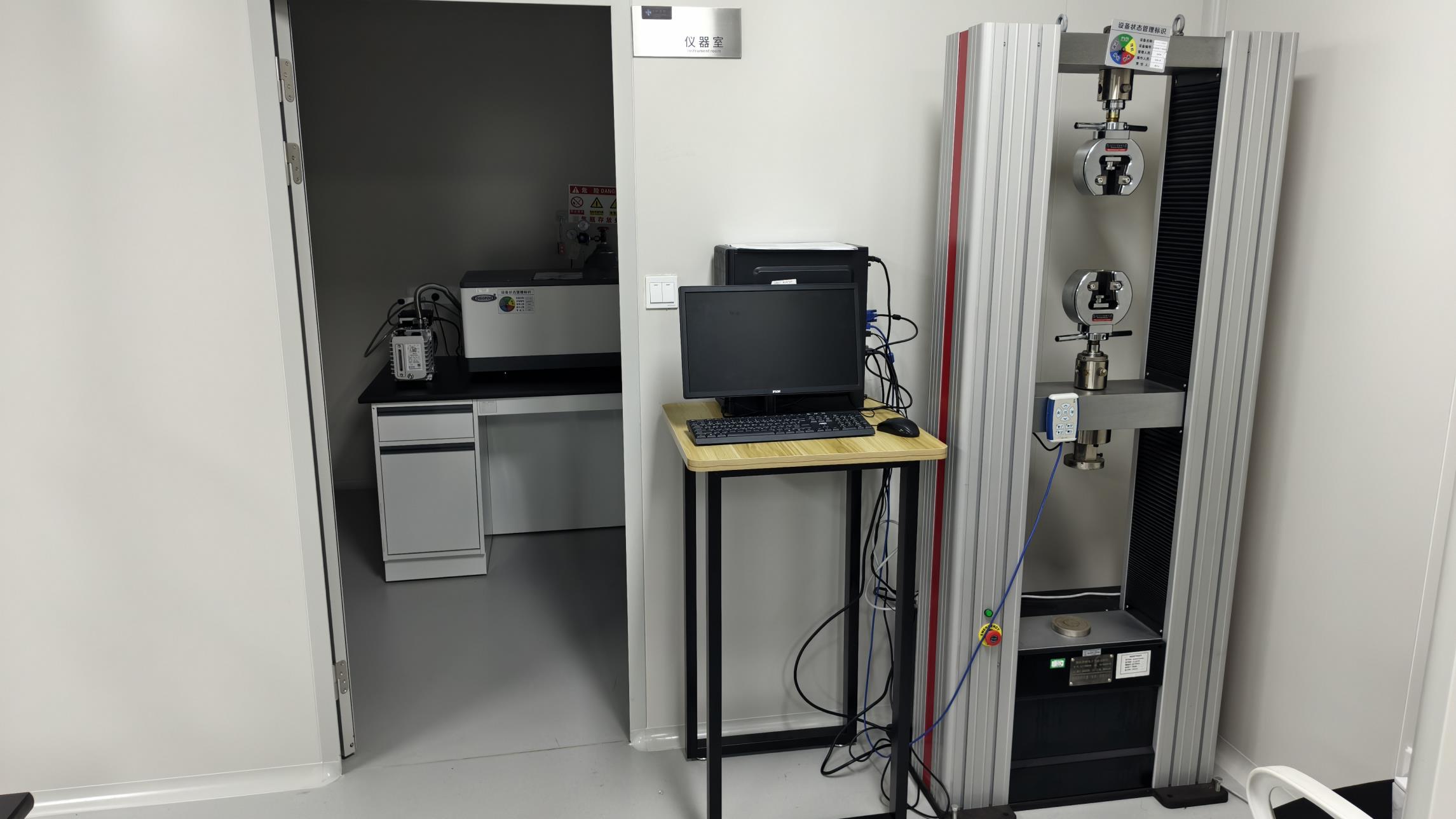
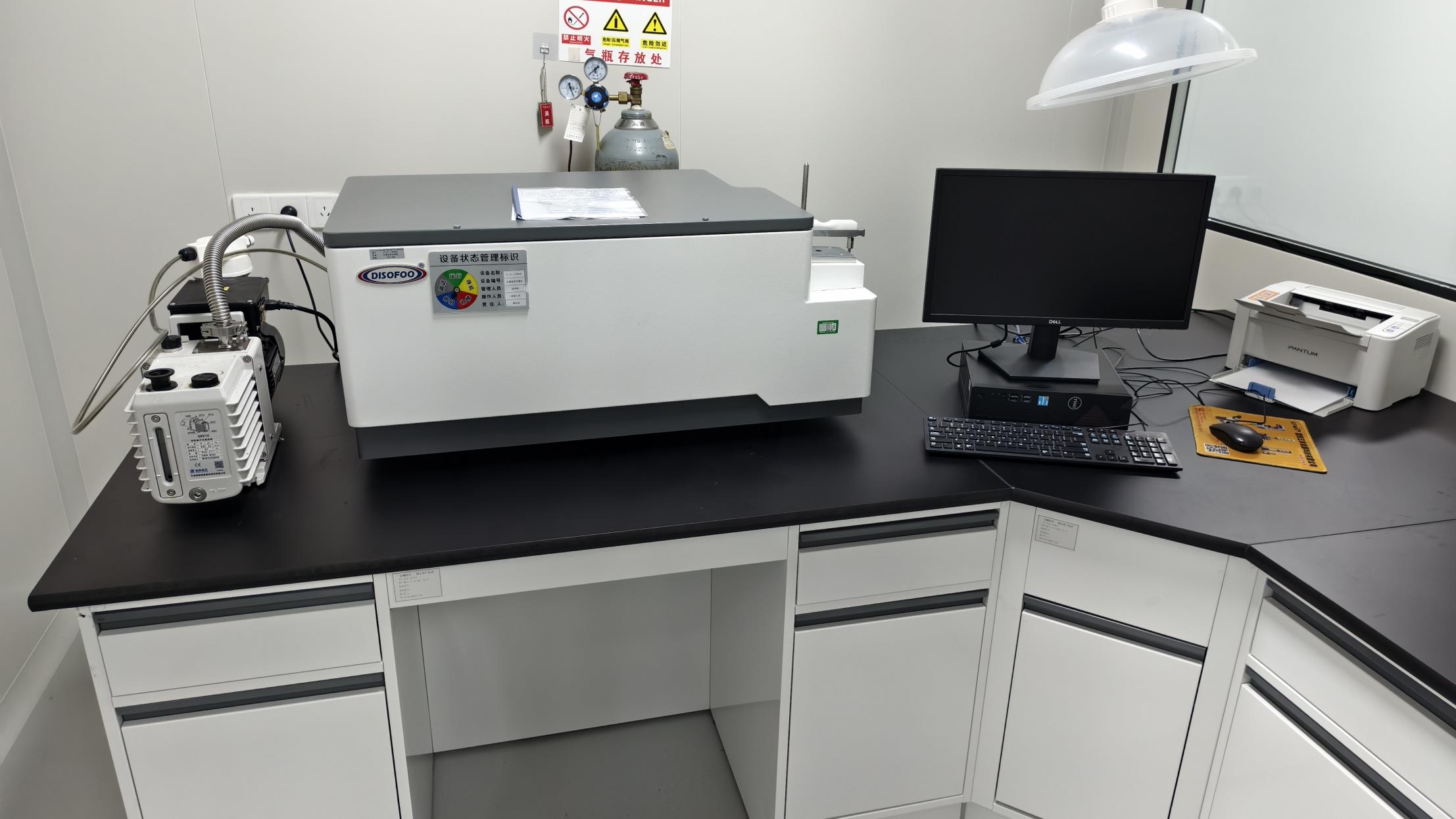
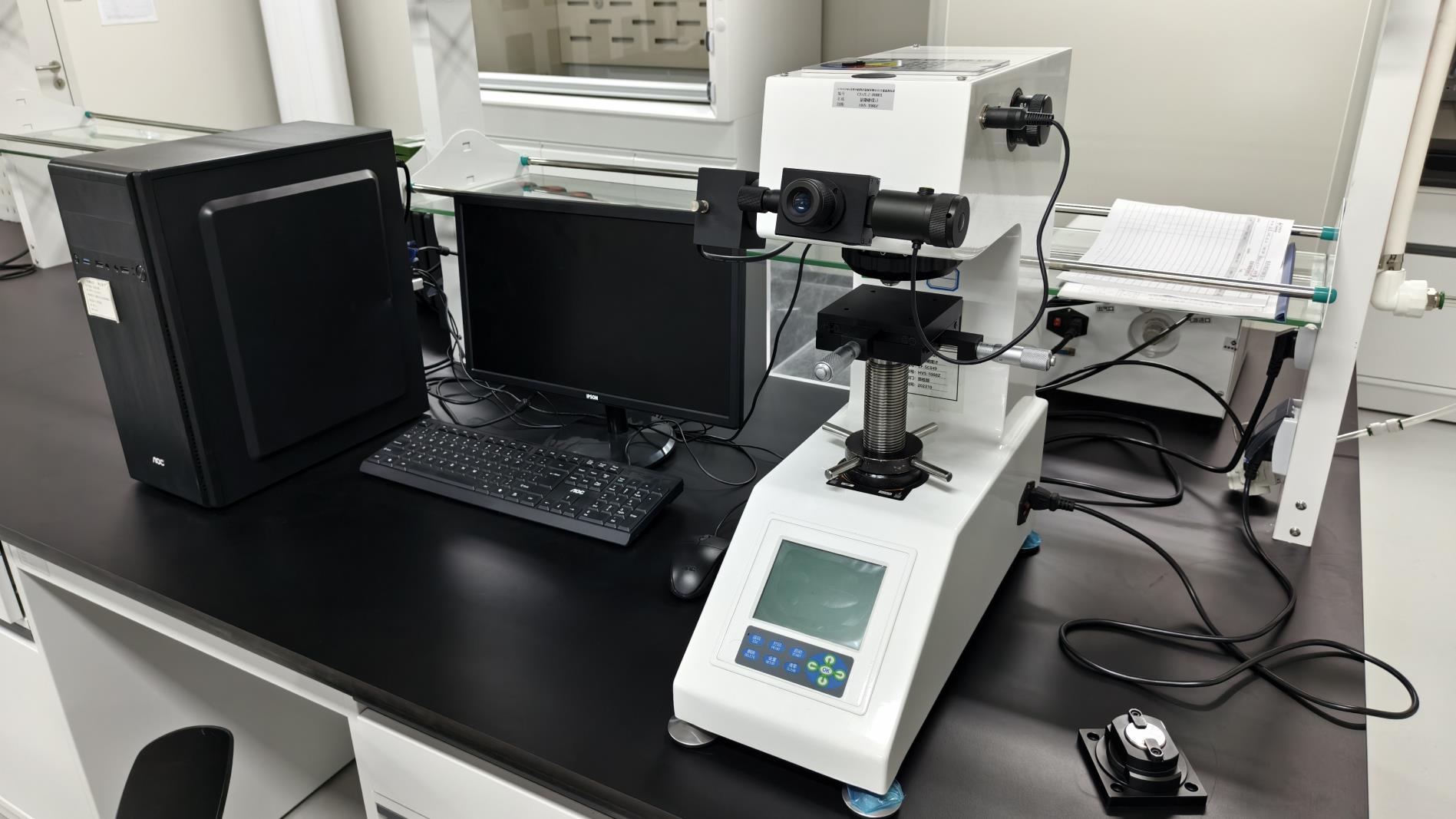
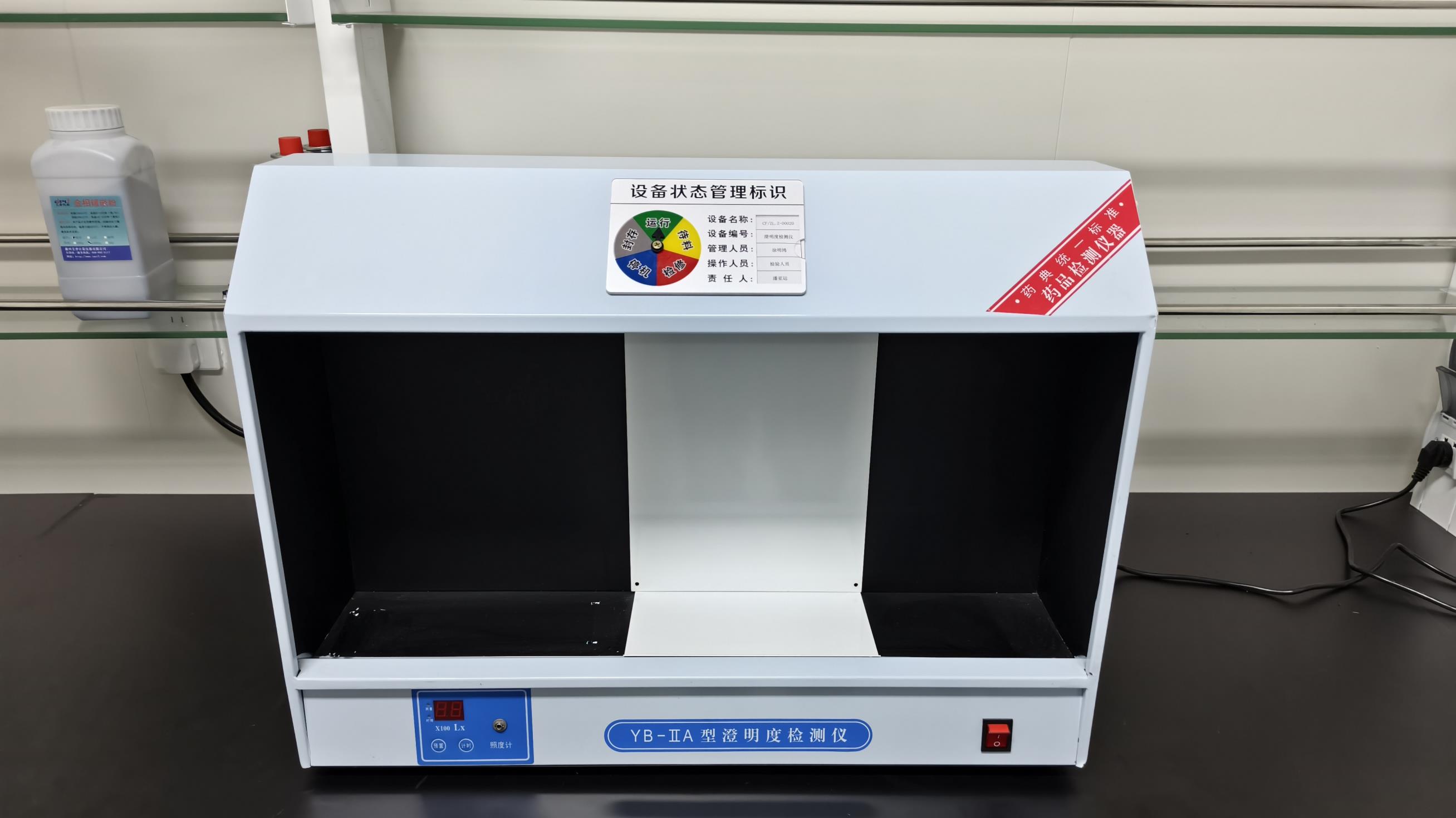
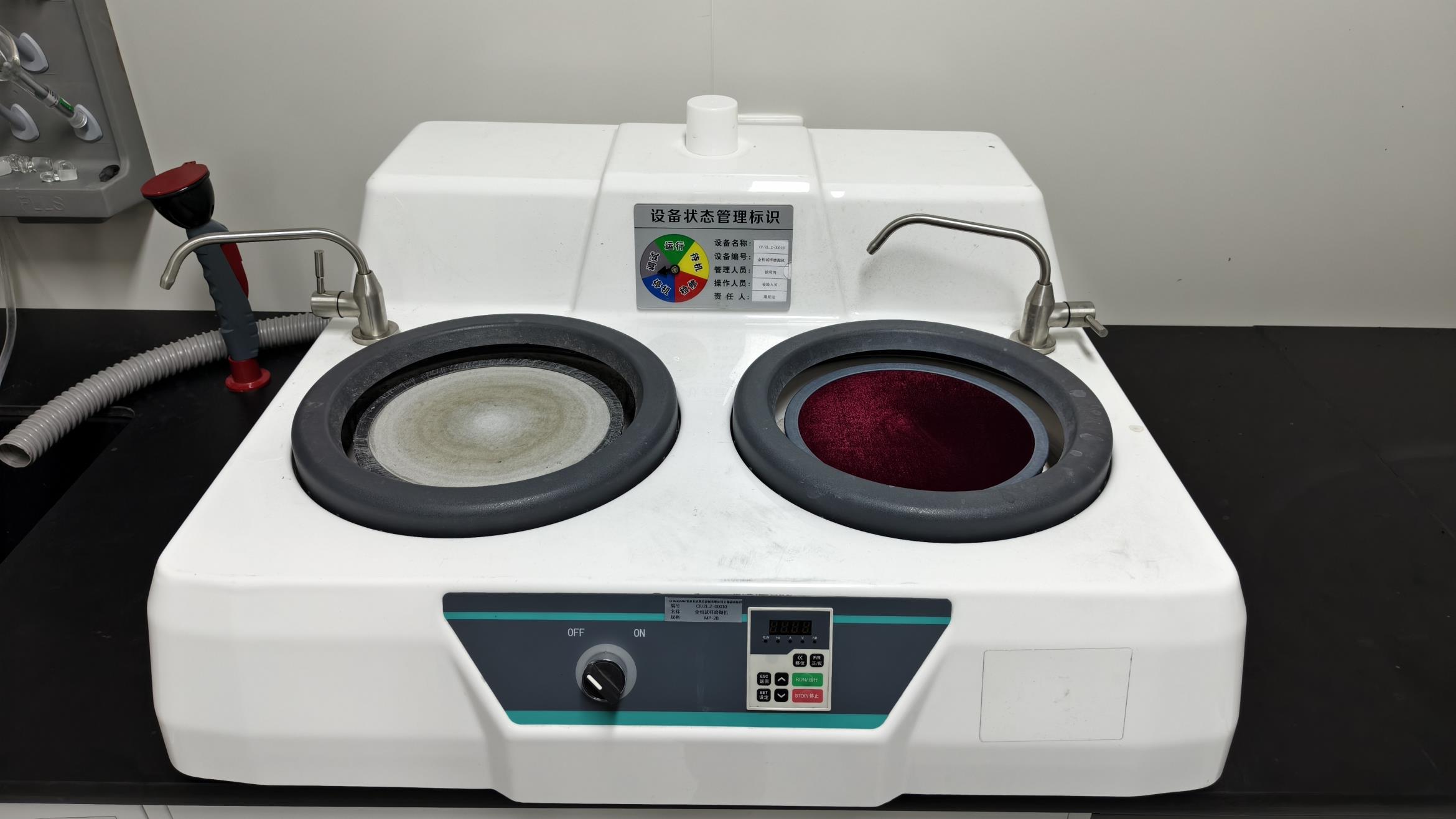
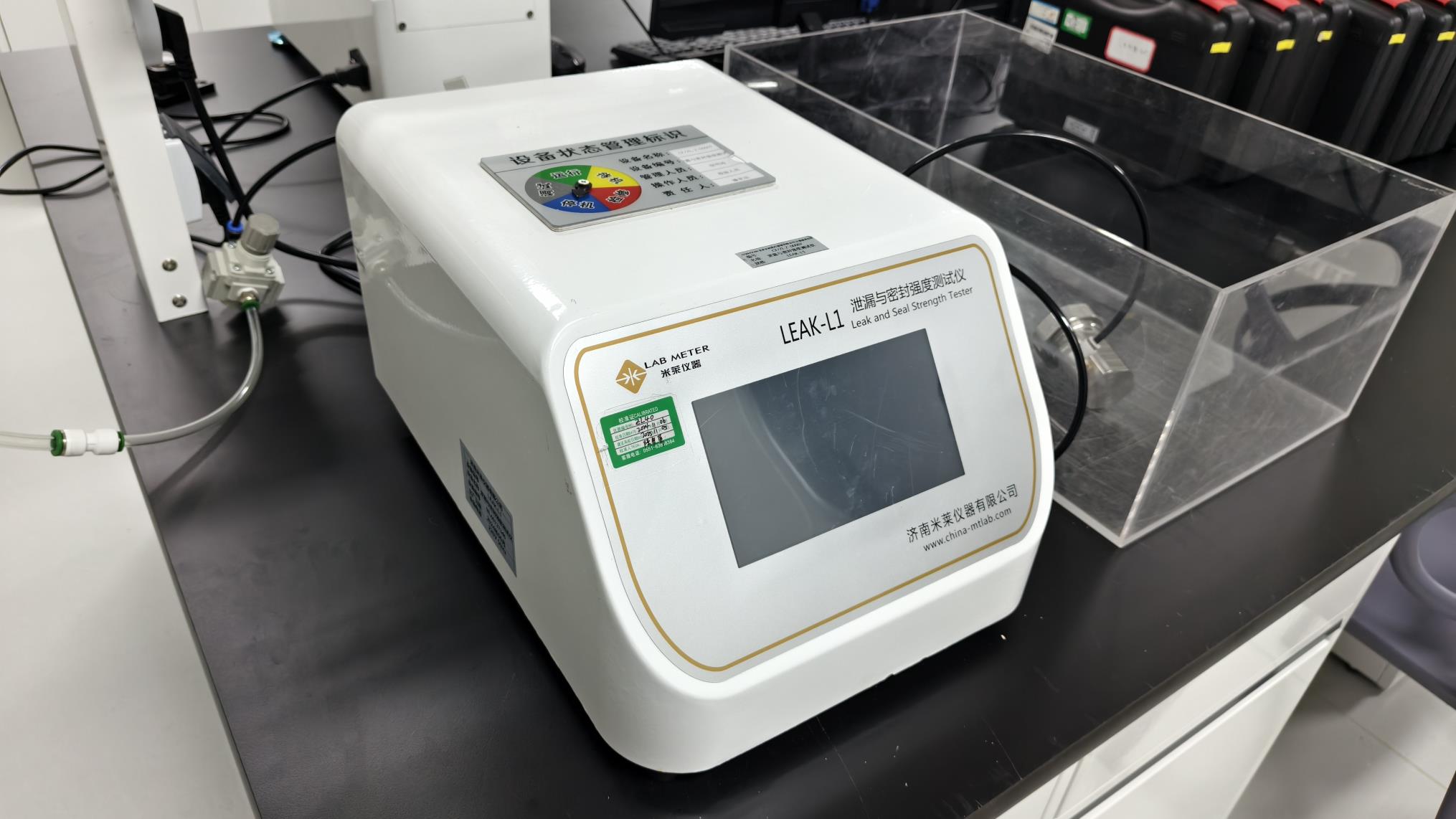
Safety is the primary metric in orthopedic implantation. With a dedicated team of 68 quality inspection specialists, we execute strict physical, chemical, and biological evaluations to confirm mechanical stability, trace elemental distribution, and verify surface integrity. Our metrology lab runs under continuous ISO 13485 management workflows, incorporating advanced non-destructive and destructive test parameters:
The field of external fixation is rapidly transitioning from heavy metal constructs to intelligent, low-profile, radiolucent systems. Zynfuse’s research and development roadmap focuses on addressing key issues identified by clinical teams in Saudi Arabia:
Radiolucent Carbon Fiber Technology: Standard metal rods can cause image distortion during post-operative X-rays and CT scans. By utilizing advanced carbon-reinforced polymers, our new frame configurations provide high structural rigidity while allowing surgeons to inspect bone healing progress without obstruction.
Advanced Biocompatible Coatings: Pin tract infection remains a challenge in external fixation. Our technical team is testing antimicrobial silver-ion and hydroxyapatite (HA) coatings on bone pins. These coatings promote integration with cortical bone, reducing the risk of pin loosening and subsequent infection.
Digitally Planned Hexapod Systems: Hexapod frames, such as our Taylor Spatial Frame, rely on specialized computer software to plan 3D deformity correction. We are updating our web-based coordinate programs, allowing surgeons in the Middle East to calculate rod adjustments and manage bone lengthening plans remotely.
Securing a contract with a hospital network or regional distributor requires more than just high-quality implants; it requires reliable logistics and support. At Zynfuse, we have optimized our supply chain structure to meet the unique requirements of the Gulf Cooperation Council (GCC) market:
Regulatory & Document Readiness: We supply a comprehensive technical package with every export batch, containing raw material mill certificates, bio-compatibility reports, sterility validations, and certificate of origin documents legalized by the Saudi Chamber of Commerce. This helps streamline import customs clearance at King Khalid International Airport (Riyadh) and Jeddah Port.
OEM/ODM and Tailored Kits: Every hospital cluster in the Kingdom operates under specific surgical protocols. Zynfuse offers custom modular fixation kits, arranging rod sizes, pin lengths, and clamp types according to the regional trauma profile. We also provide sterile protective packaging systems to ensure safety and sterile integrity during transit and storage in warm arid regions.
Efficient Production Cycles: Backed by our 18,600m² factory footprint and 1,200 global supply partners, we maintain a reliable delivery schedule. Standard fixator configurations are stored in semi-finished states, allowing us to finish, pack, and ship orders quickly to help partners maintain low inventory overheads.