Zynfuse
Zynfuse
Zynfuse
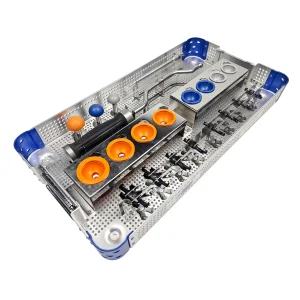
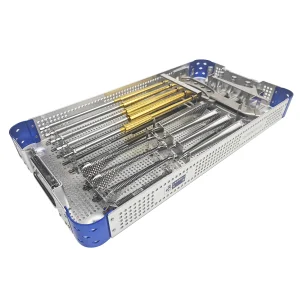
Primary implants and complete surgical instrument configurations designed to withstand clinical assessment and streamline operating room setup across Spanish orthopedic hospitals.
A professional analysis of clinical demands, public-private healthcare split, and regulatory alignment in Southern Europe.
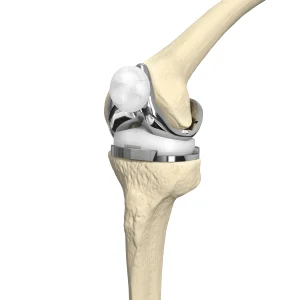
Spain possesses one of the highest life expectancy rates globally, resulting in a rapidly aging demographic profile. Consequently, degenerative joint diseases such as osteoarthritis (artrosis) have escalated, positioning Total Hip Arthroplasty (THA) and Total Knee Arthroplasty (TKA) among the most frequently performed elective surgical procedures in Spanish hospitals. The Spanish National Health System (Sistema Nacional de Salud - SNS), which operates under a decentralized structure across 17 autonomous communities (Comunidades Autónomas), faces substantial budgetary challenges. Hospital procurement departments, such as those governed by SERMAS (Madrid), CatSalut (Catalonia), and SAS (Andalusia), seek to balance cost-effective public tenders (licitaciones públicas) with demanding clinical outcome standards.
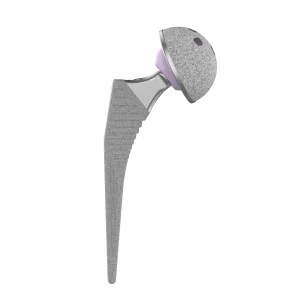
Clinical Focus: There is a major shift toward cementless implants featuring advanced bioactive coatings. Sintered porous titanium coatings and Hydroxyapatite (HA) layers are highly favored for primary total hip stems to accelerate early osseointegration, reducing revision rates in active, older Spanish populations.
The implementation of the European Union Medical Device Regulation (EU MDR 2017/745) has restructured the procurement strategy of orthopedic distributors in Spain. Class III high-risk devices, including permanent implants like hip stems, acetabular cups, and tibial base plates, require exhaustive clinical evaluation portfolios, post-market clinical follow-up (PMCF) plans, and Notified Body certifications. Many local Spanish suppliers are rationalizing their portfolios due to compliance costs, opening a massive demand window for experienced manufacturers like Zynfuse, who align with ISO 13485 quality systems and maintain robust compliance portfolios. B2B importers in Madrid, Barcelona, Valencia, and Bilbao prioritize supply chains that provide transparent material traceability certificates, biocompatibility studies, and mechanical fatigue test data.
Procuring orthopedic implants at a global level requires addressing key supply chain pain points:
How Zynfuse Medical Technology leverages automated, data-driven production to ensure high clinical performance and competitive cost structures.
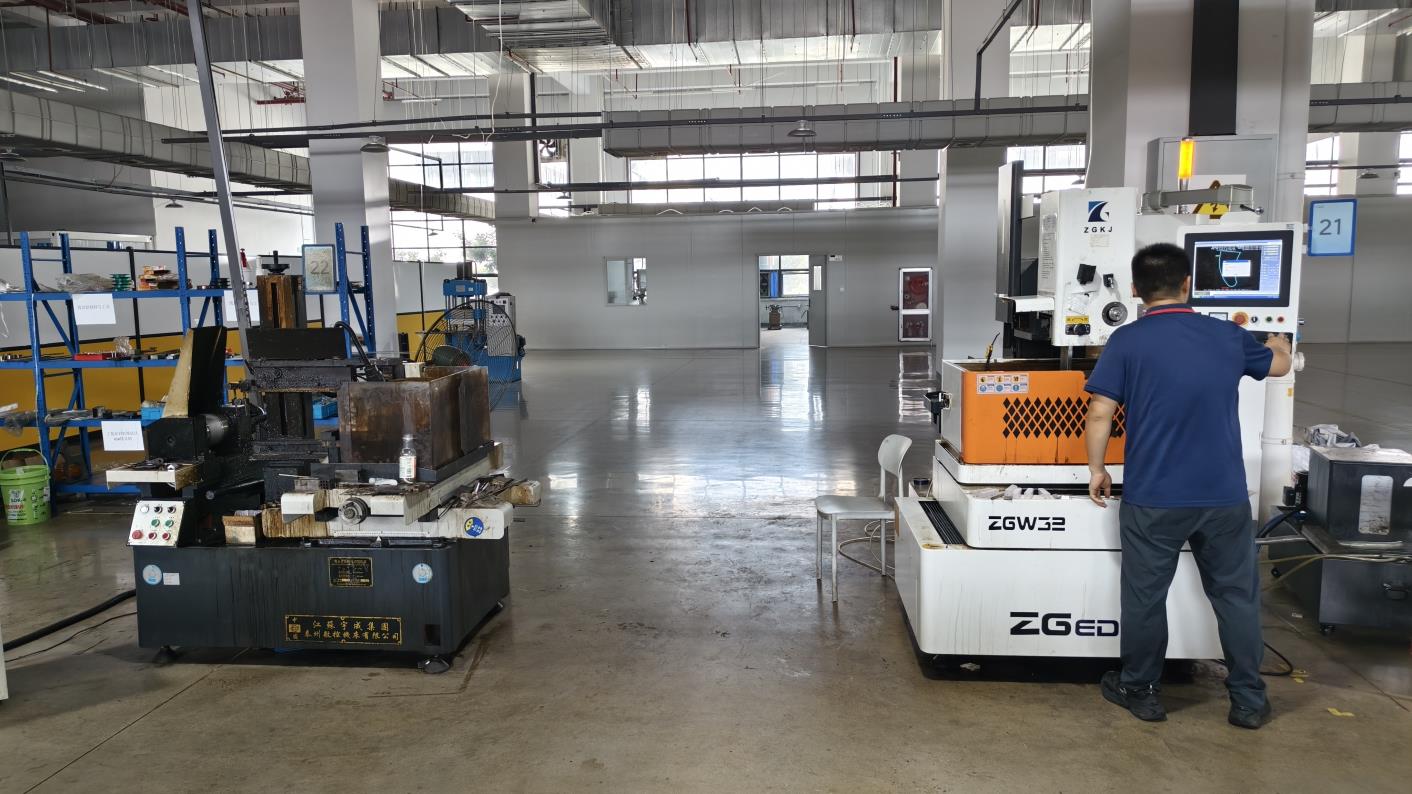
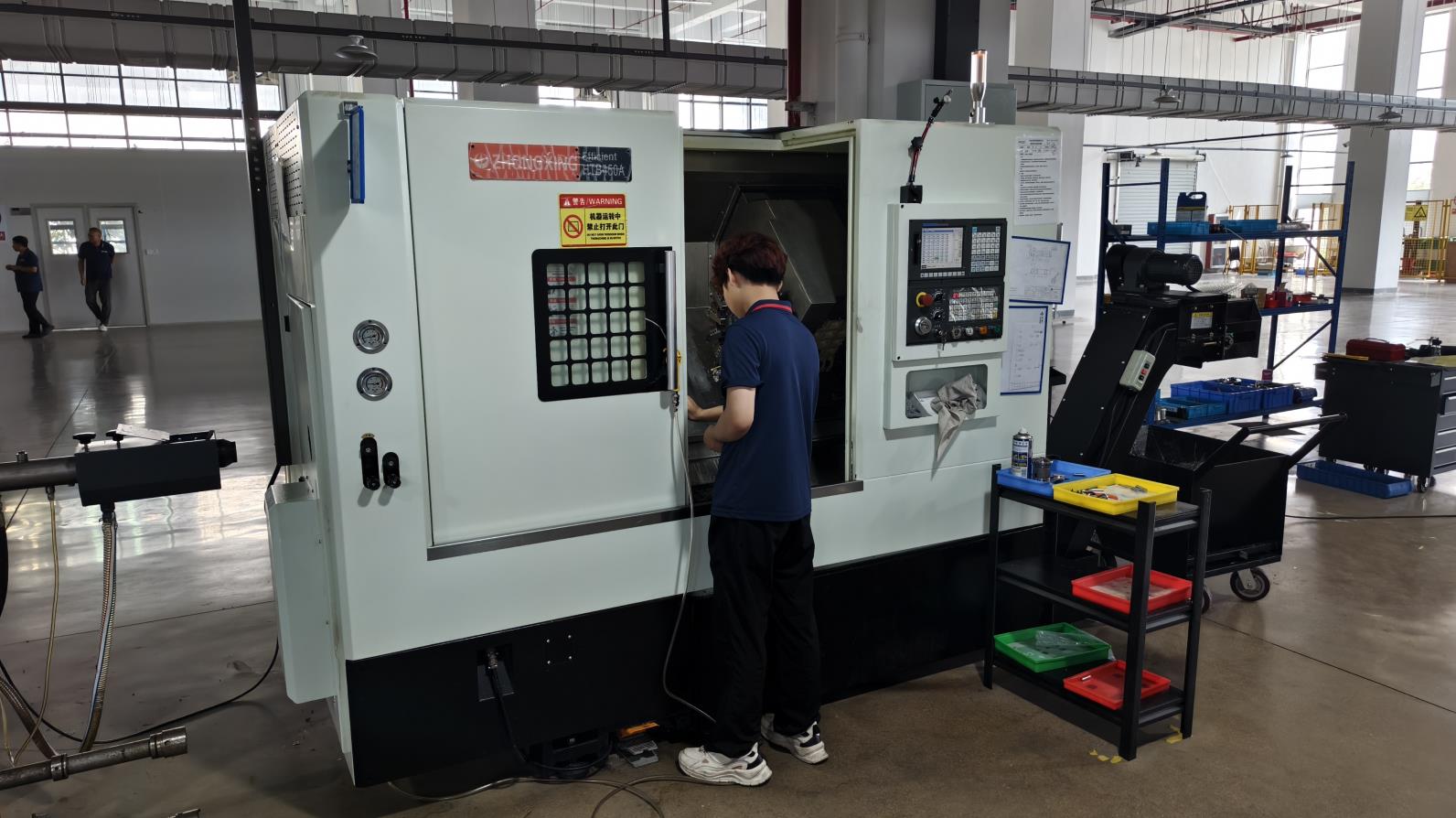
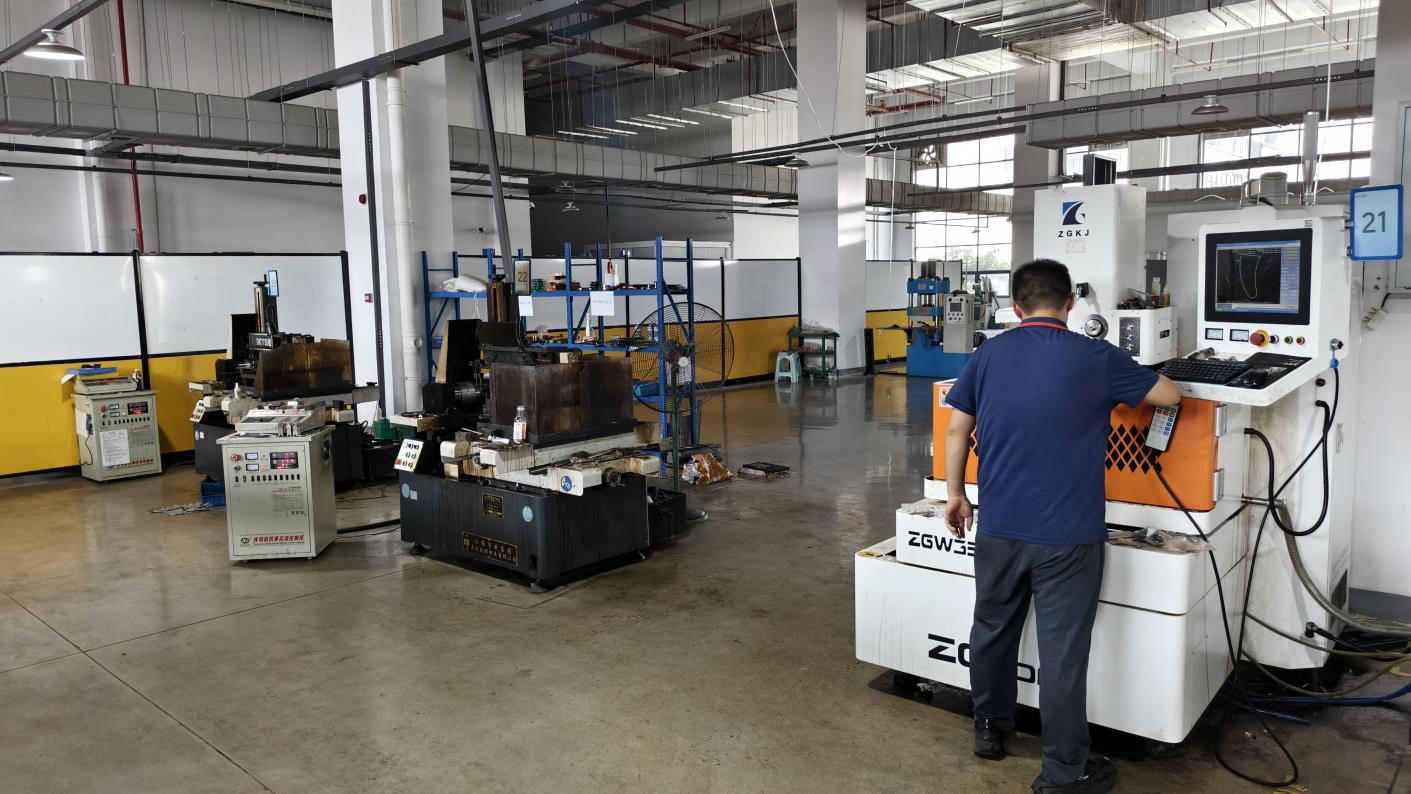
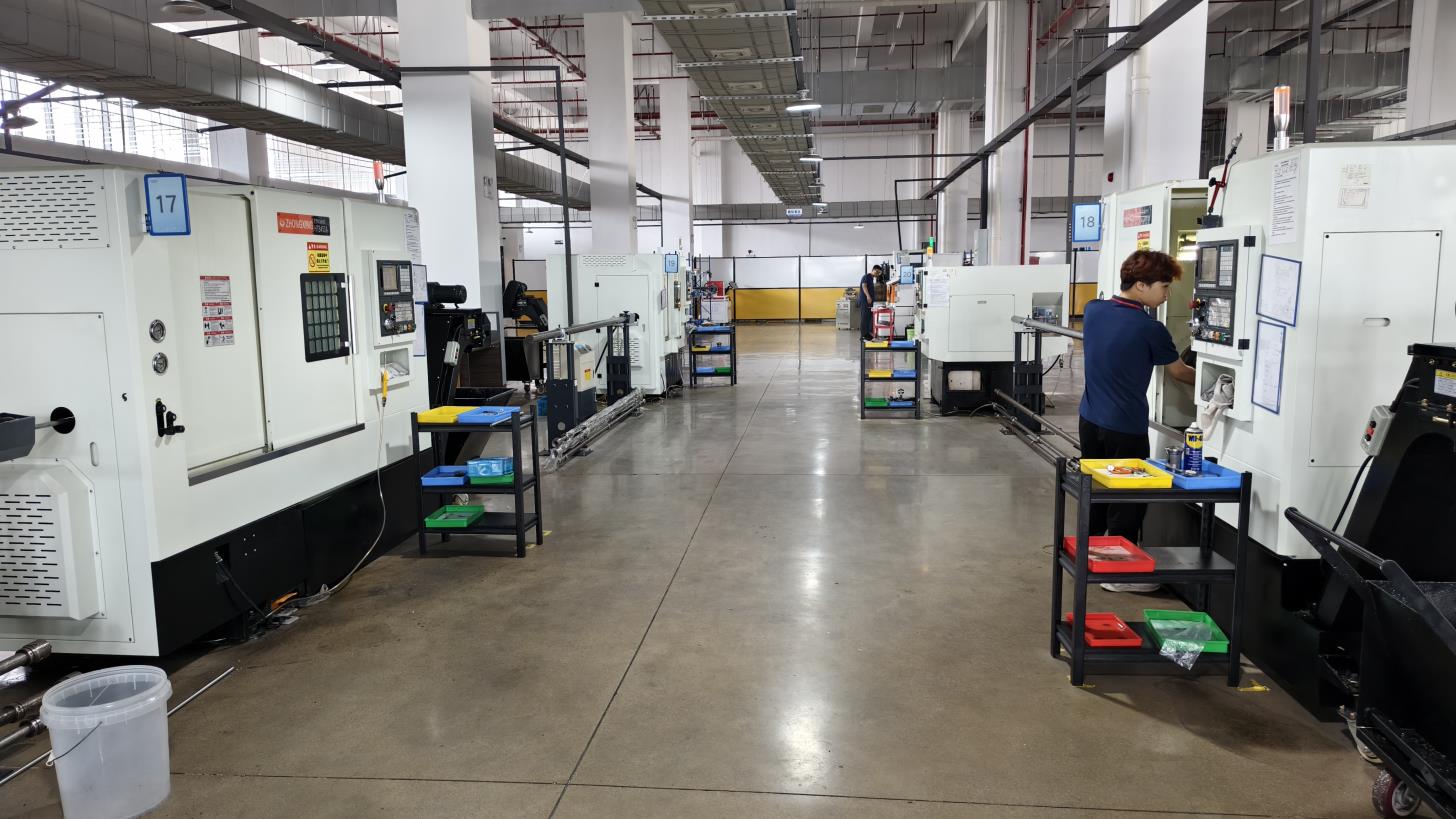
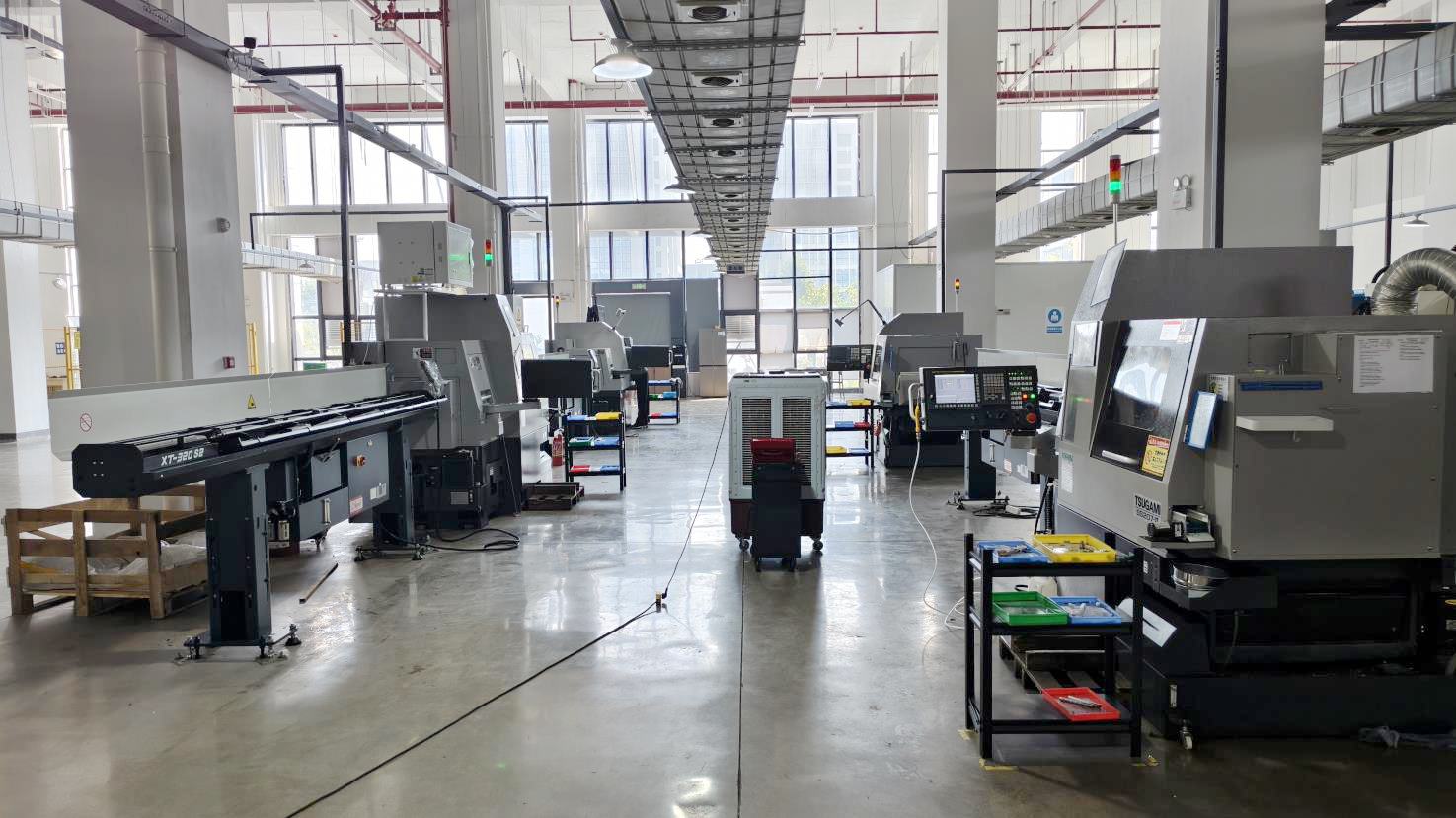
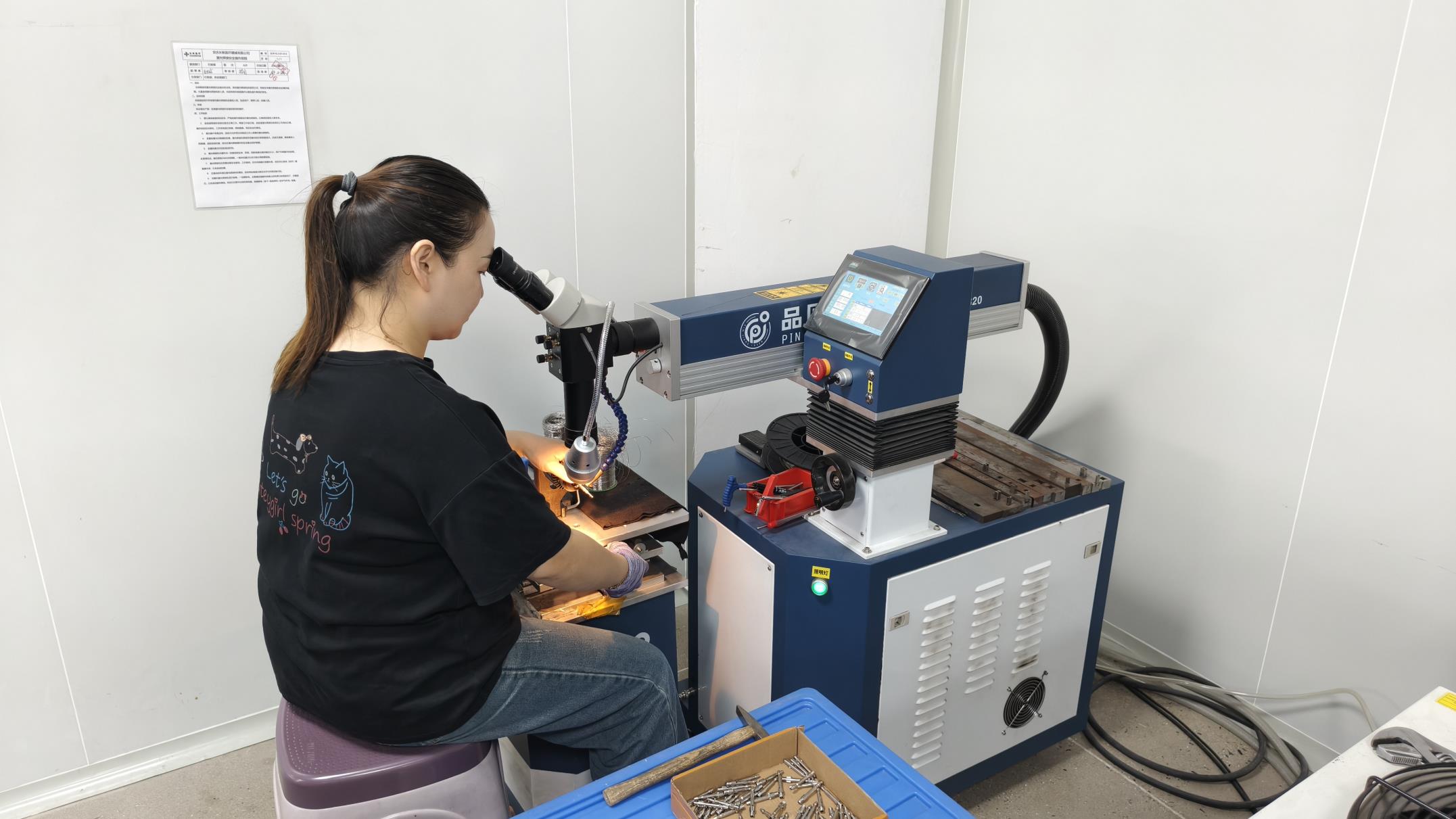
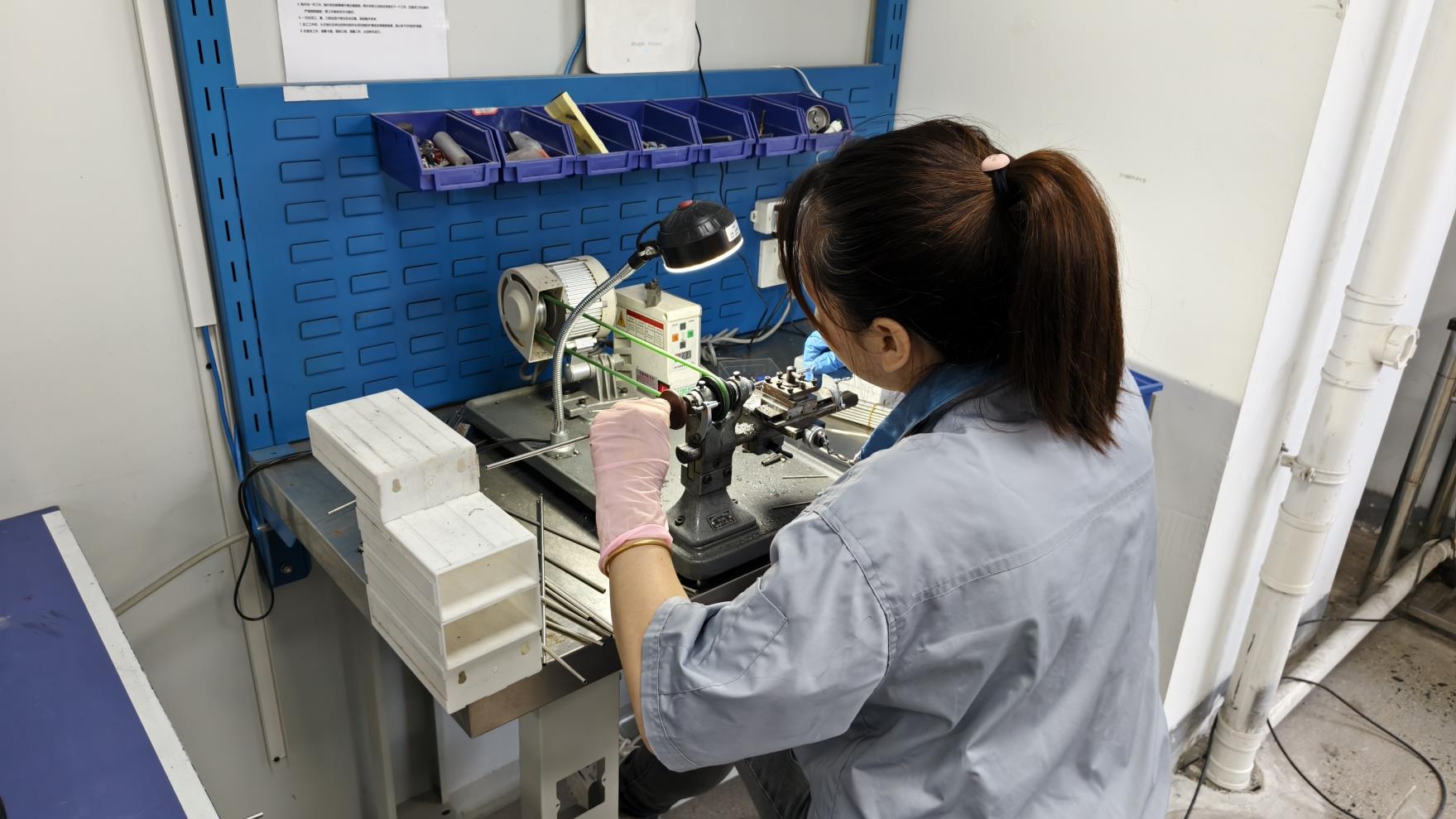
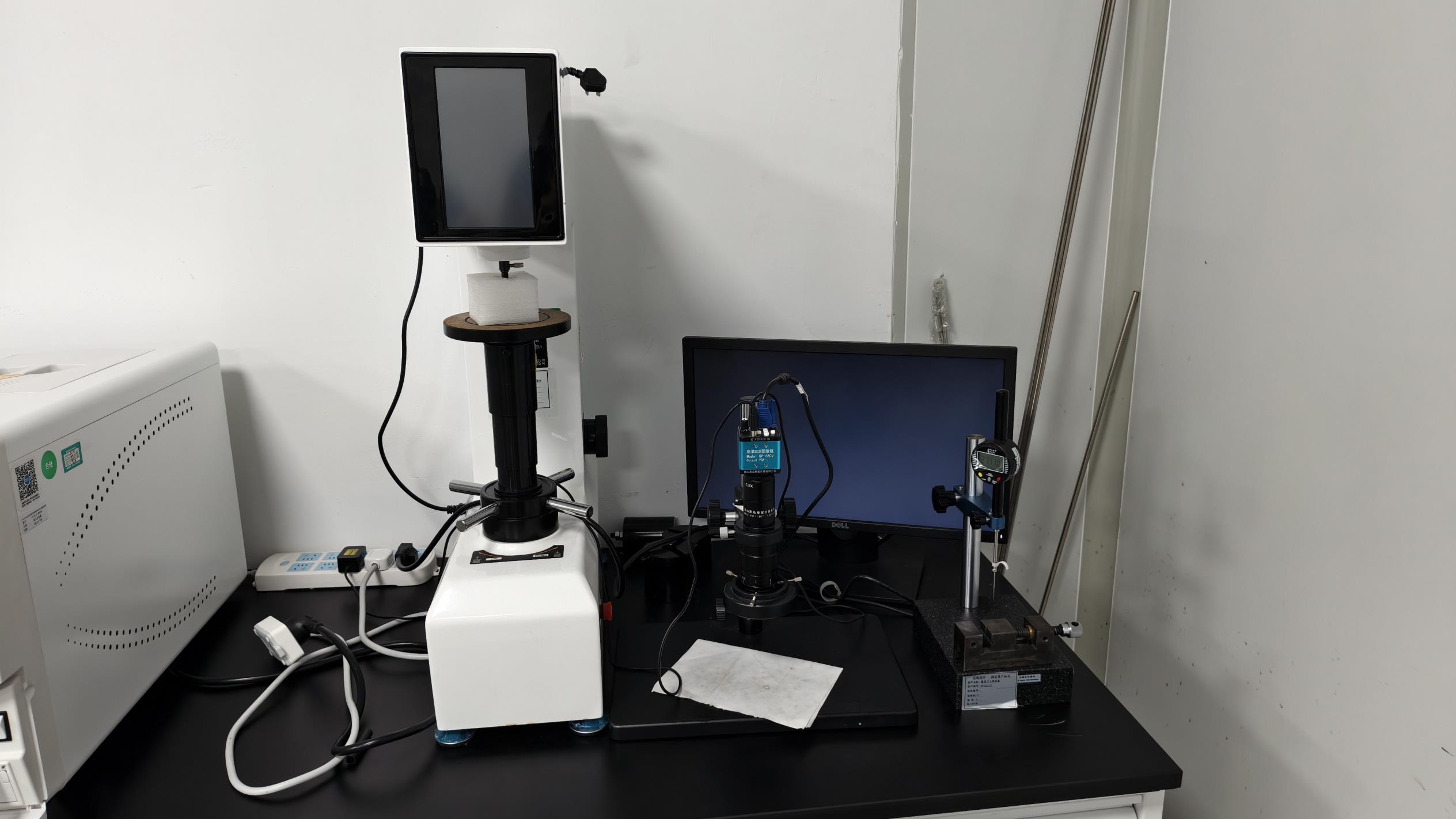
At Zynfuse Medical Technology, our 18,600 m² modern manufacturing facility utilizes smart manufacturing concepts to deliver orthopedic implants with sub-micron tolerances. Our factory floor houses advanced CNC machinery, Swiss-type high-precision lathes, and automatic wire cutting units to eliminate variance during production. This ensures that every primary hip stem or knee tibial plate matches surgical design specifications exactly.
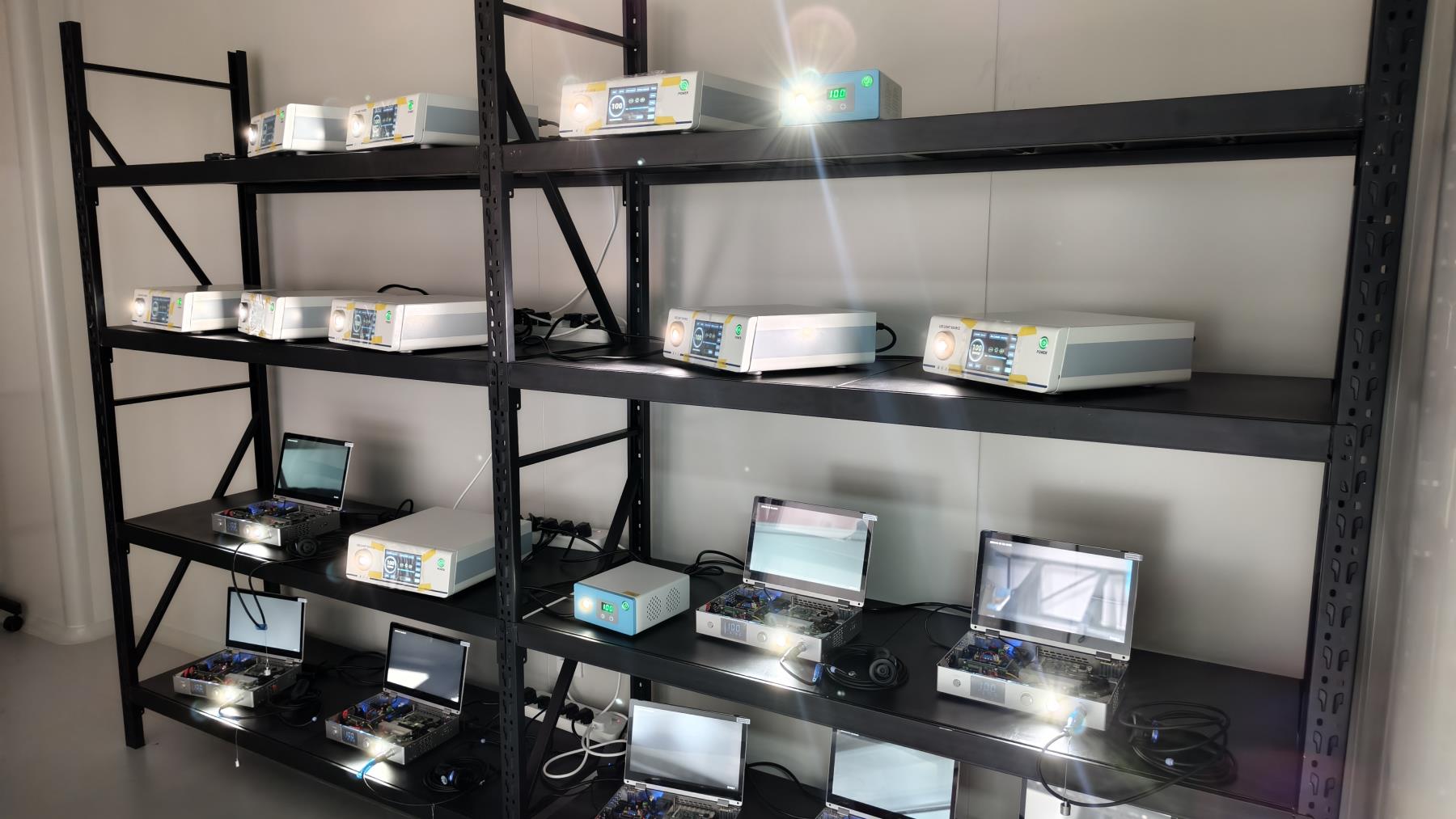
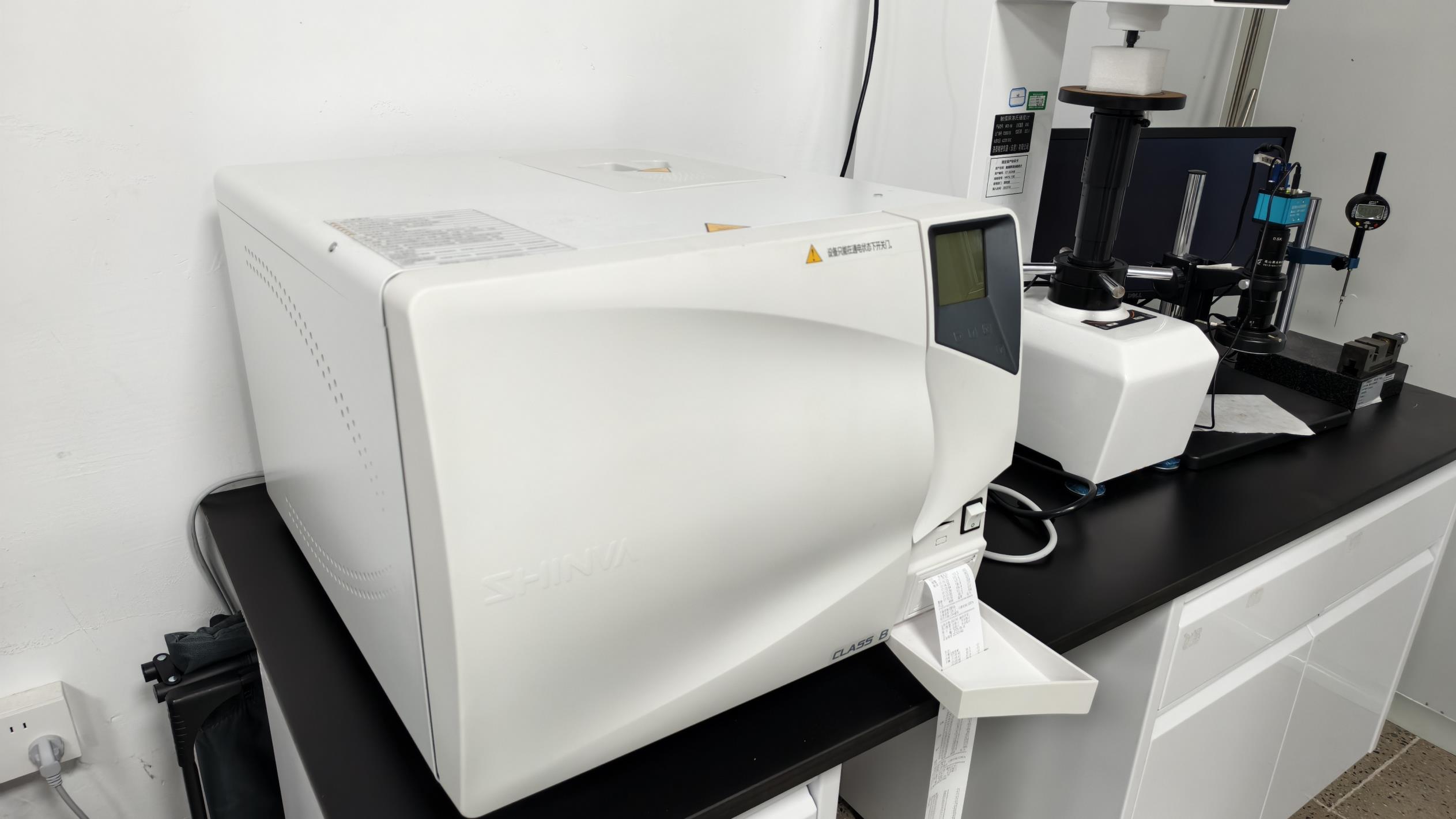
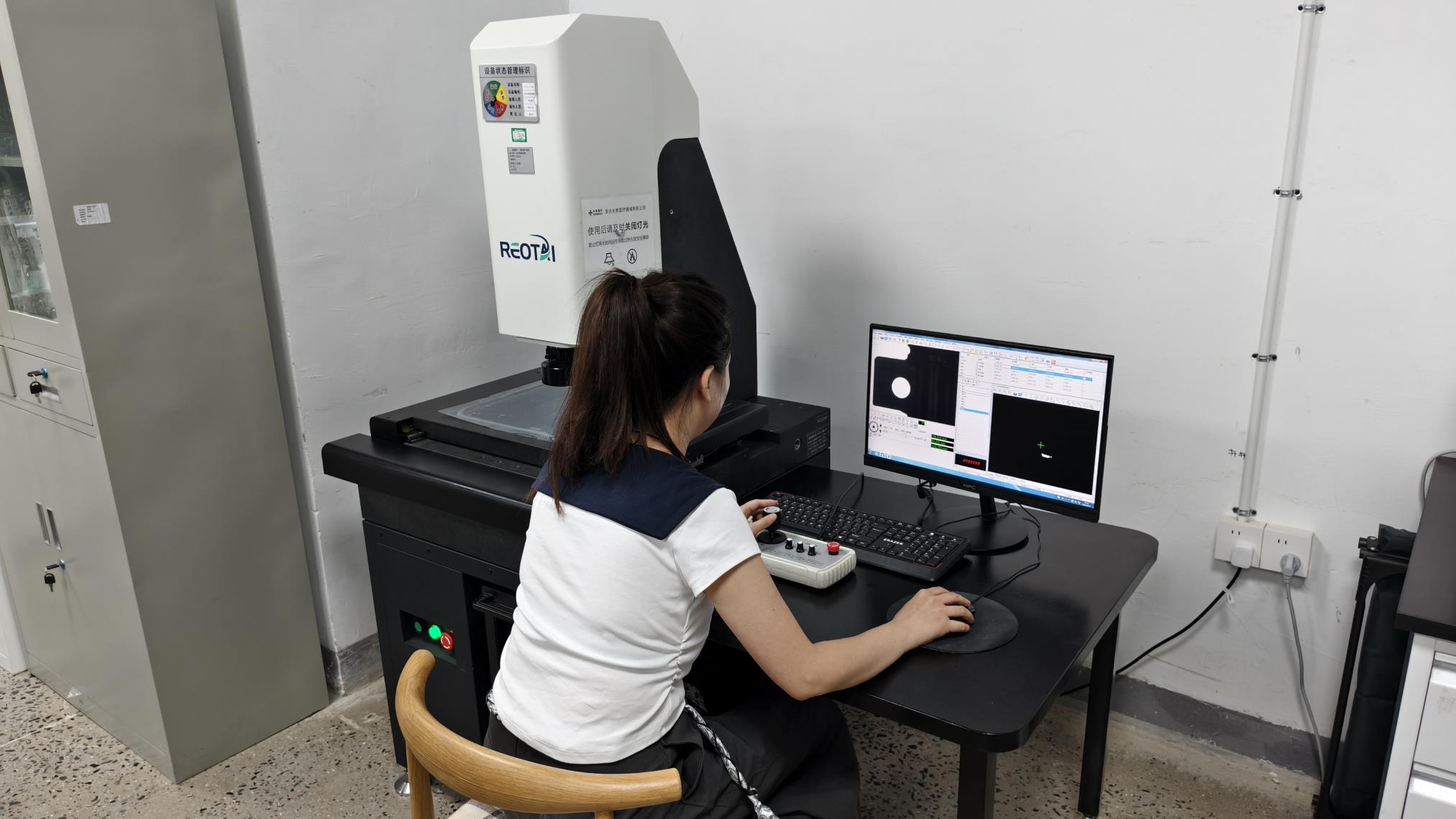
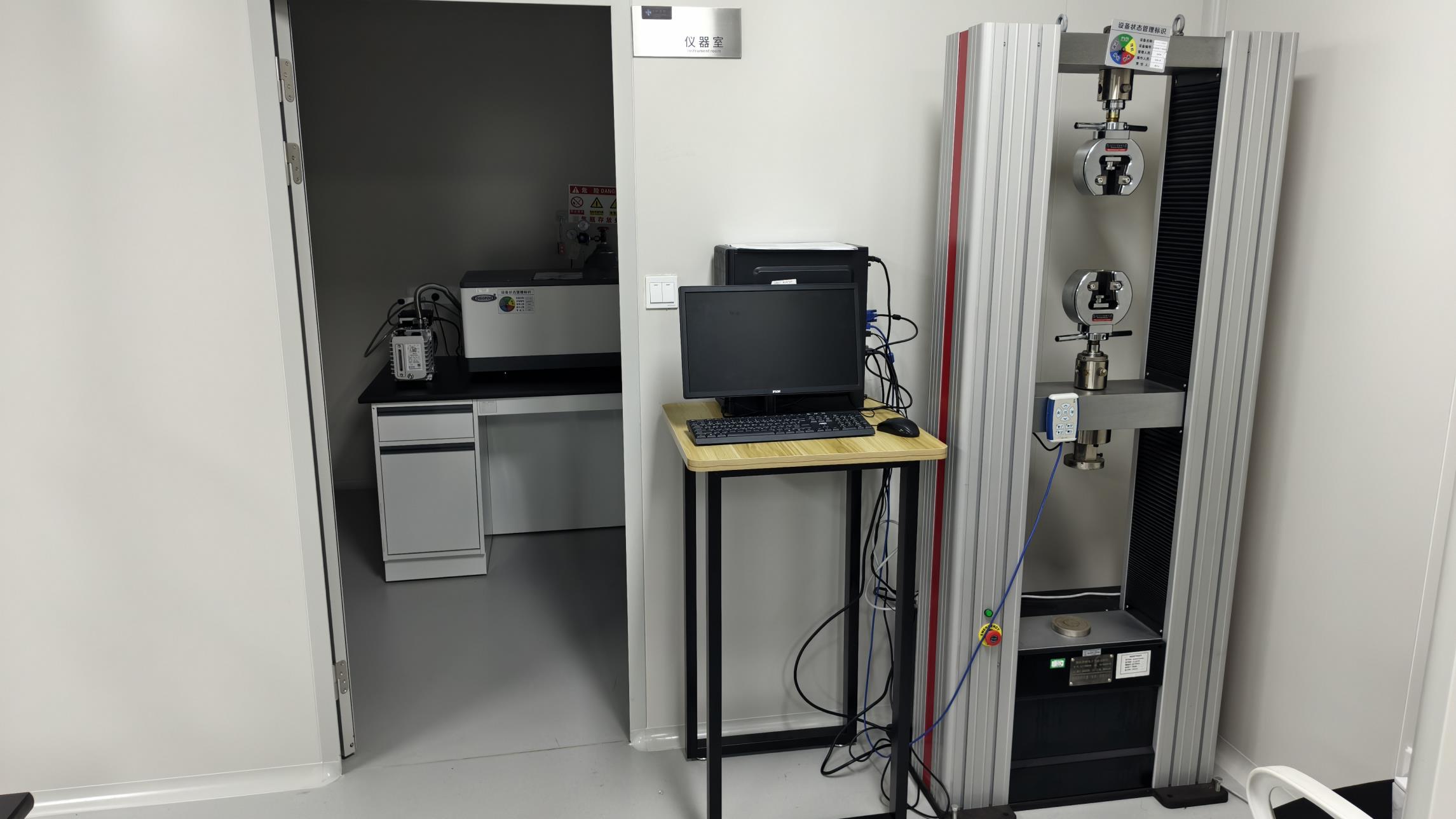
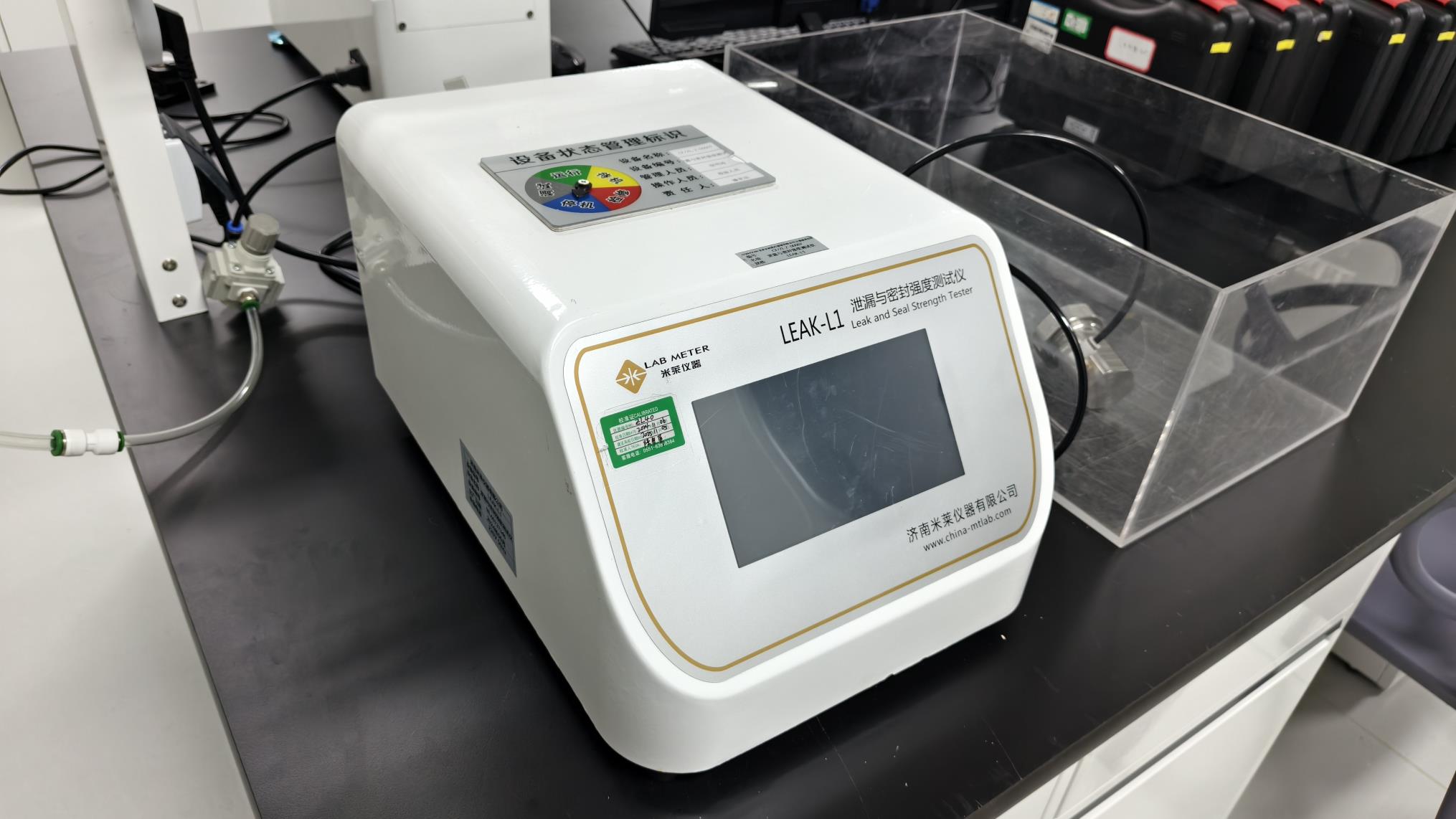
Our quality control is structured in strict compliance with ISO 13485 standards. Zynfuse utilizes high-end testing devices to maintain a zero-defect policy before packaging:
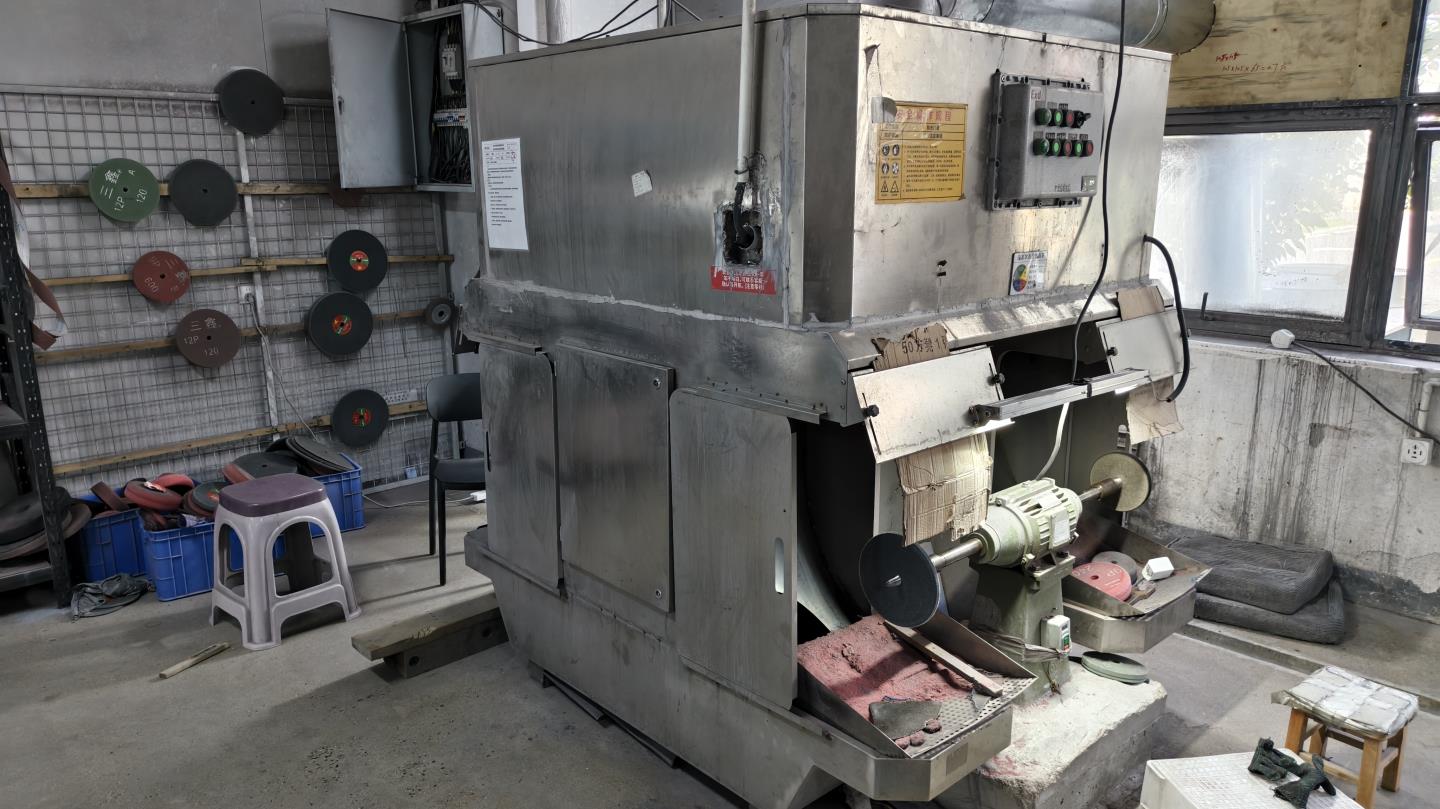
Take a virtual tour through our raw cutting, CNC machining, cleanrooms, and testing laboratory facilities.
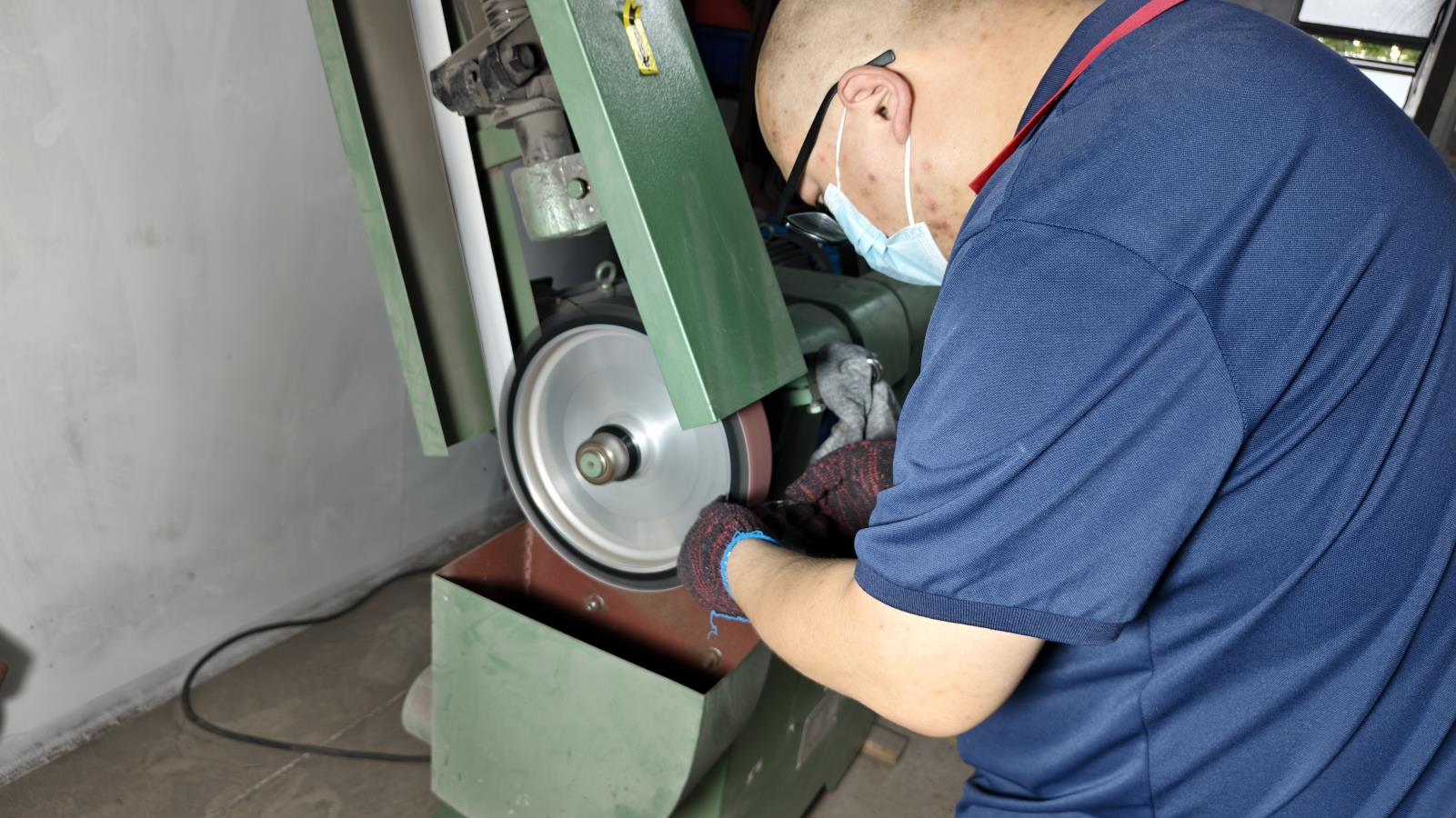
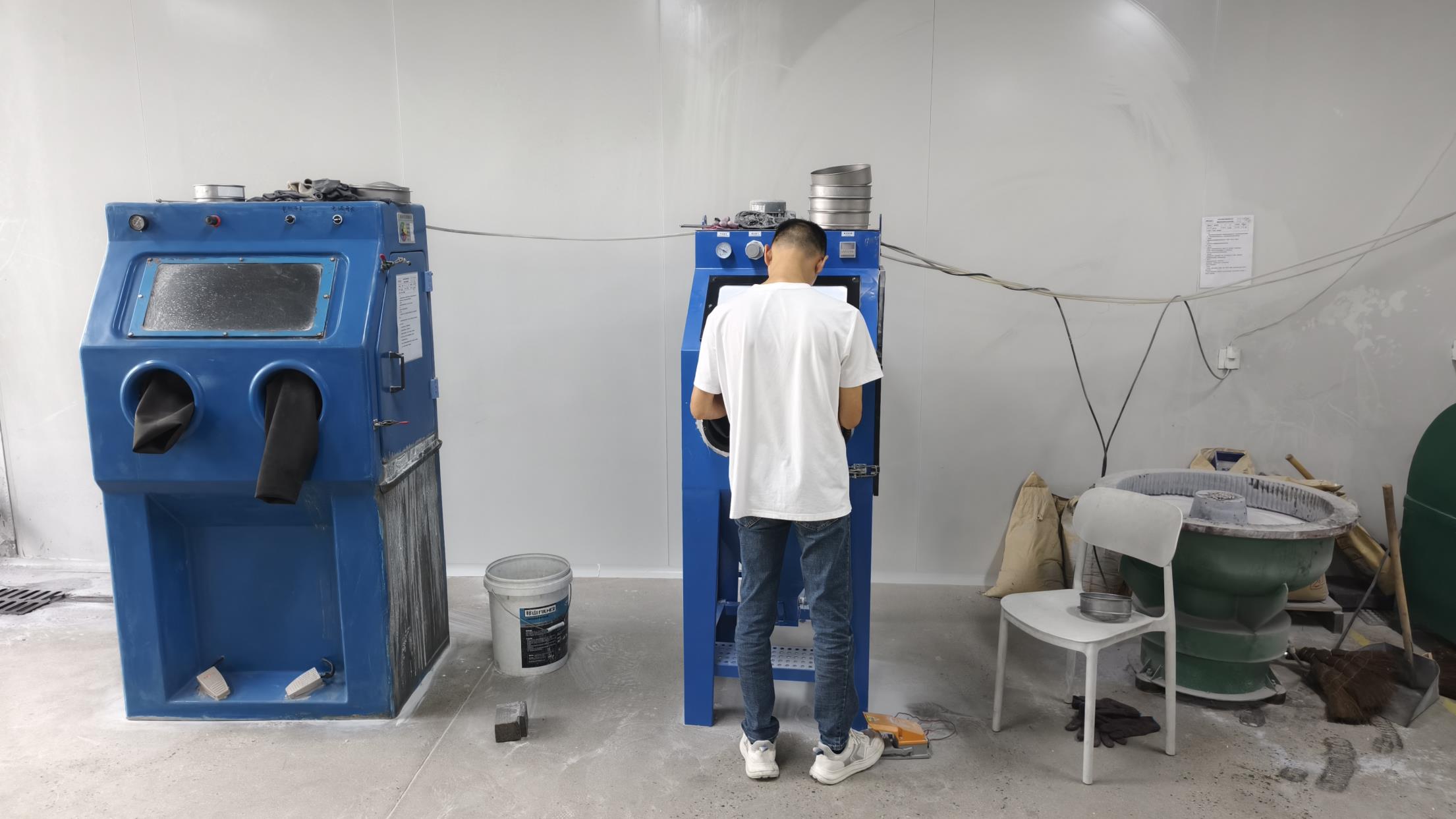
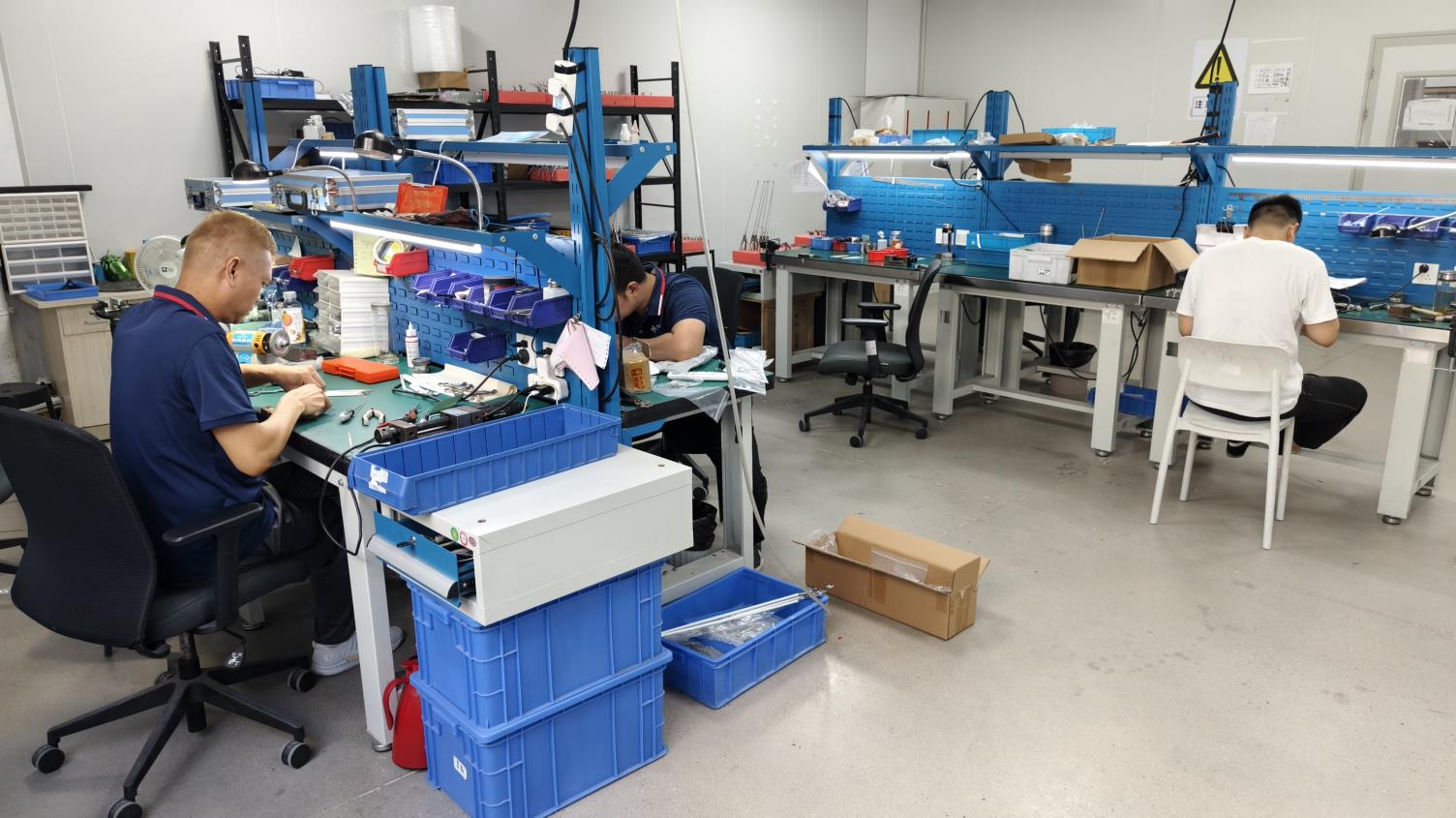
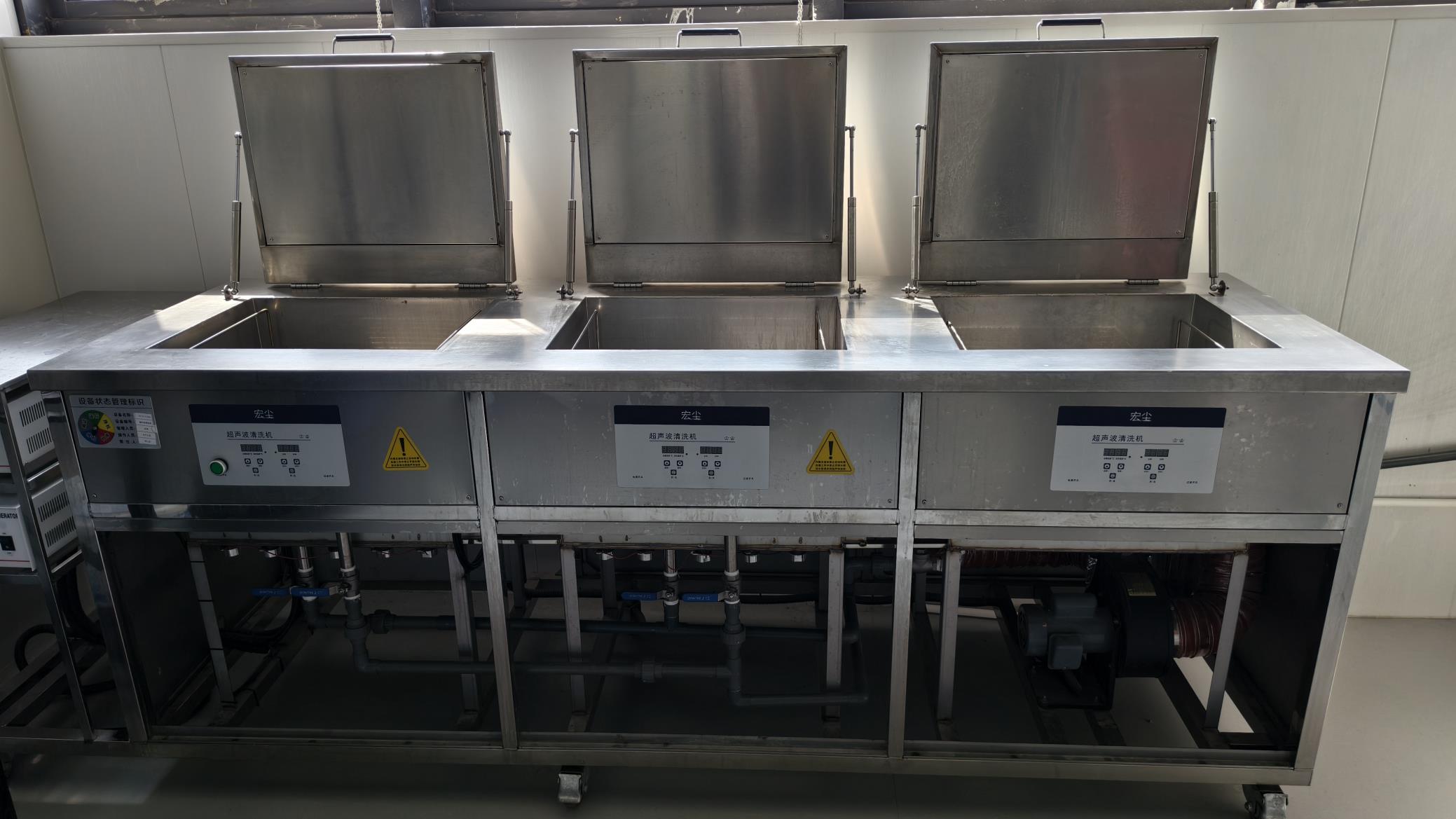
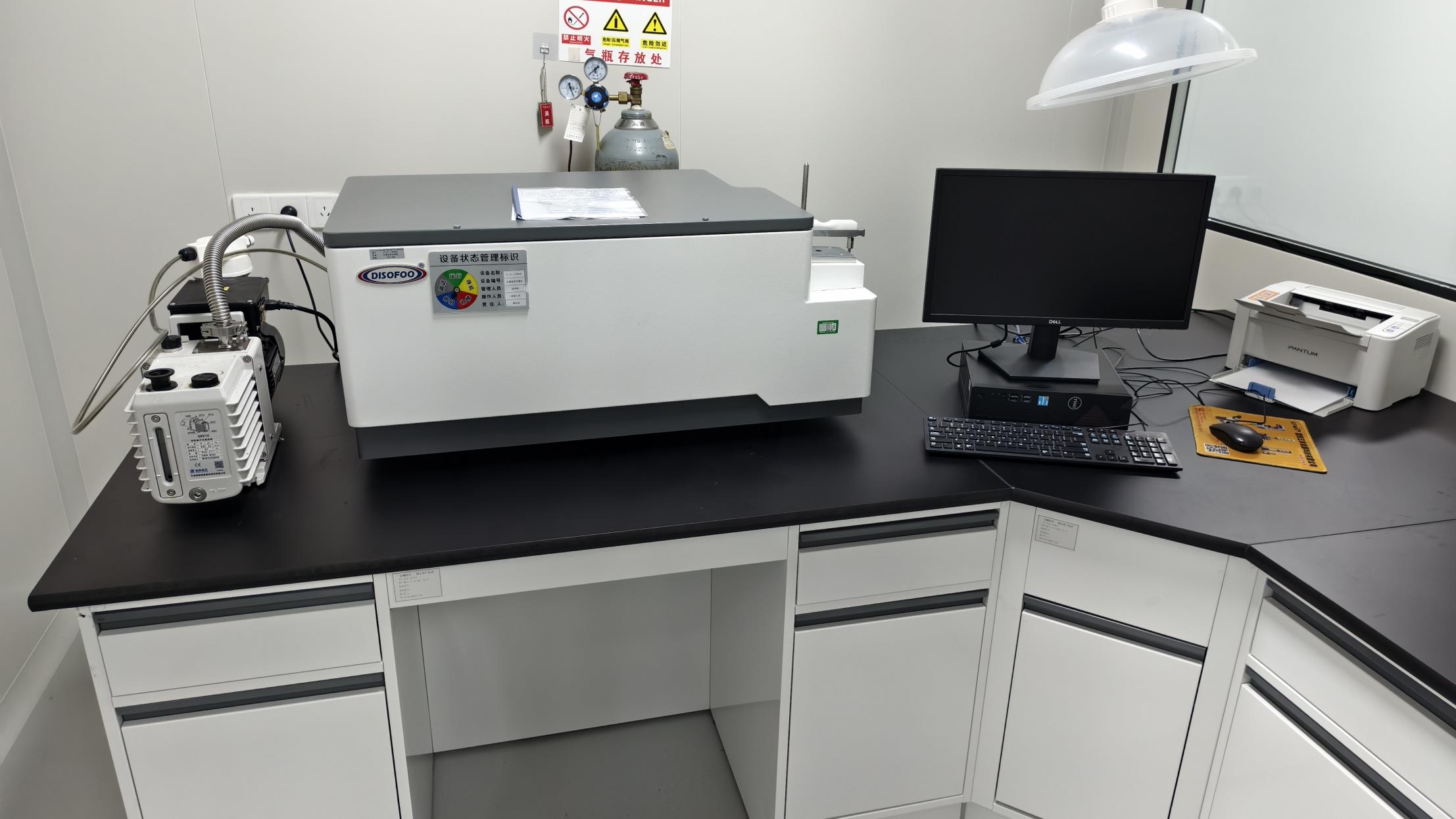
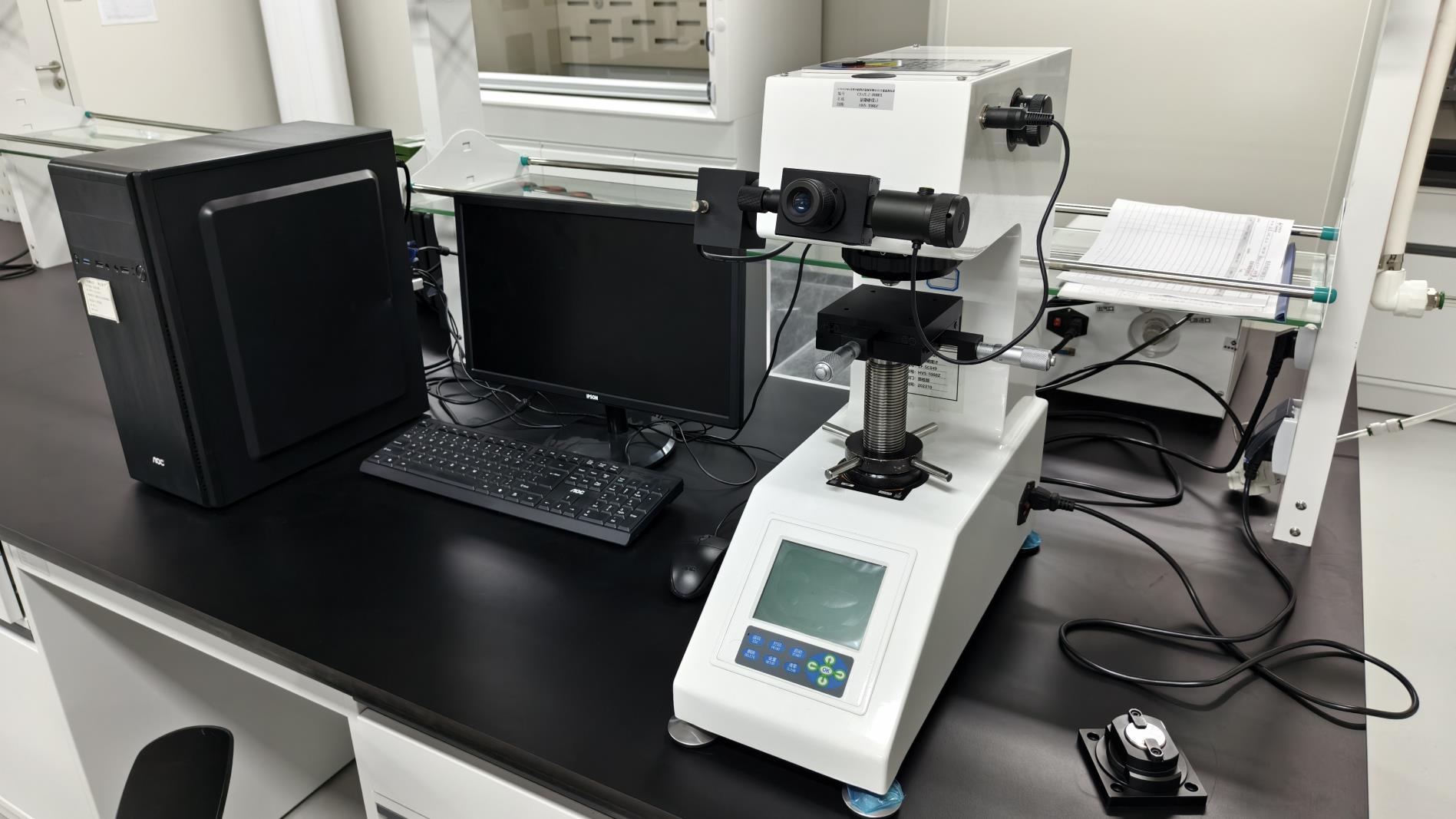
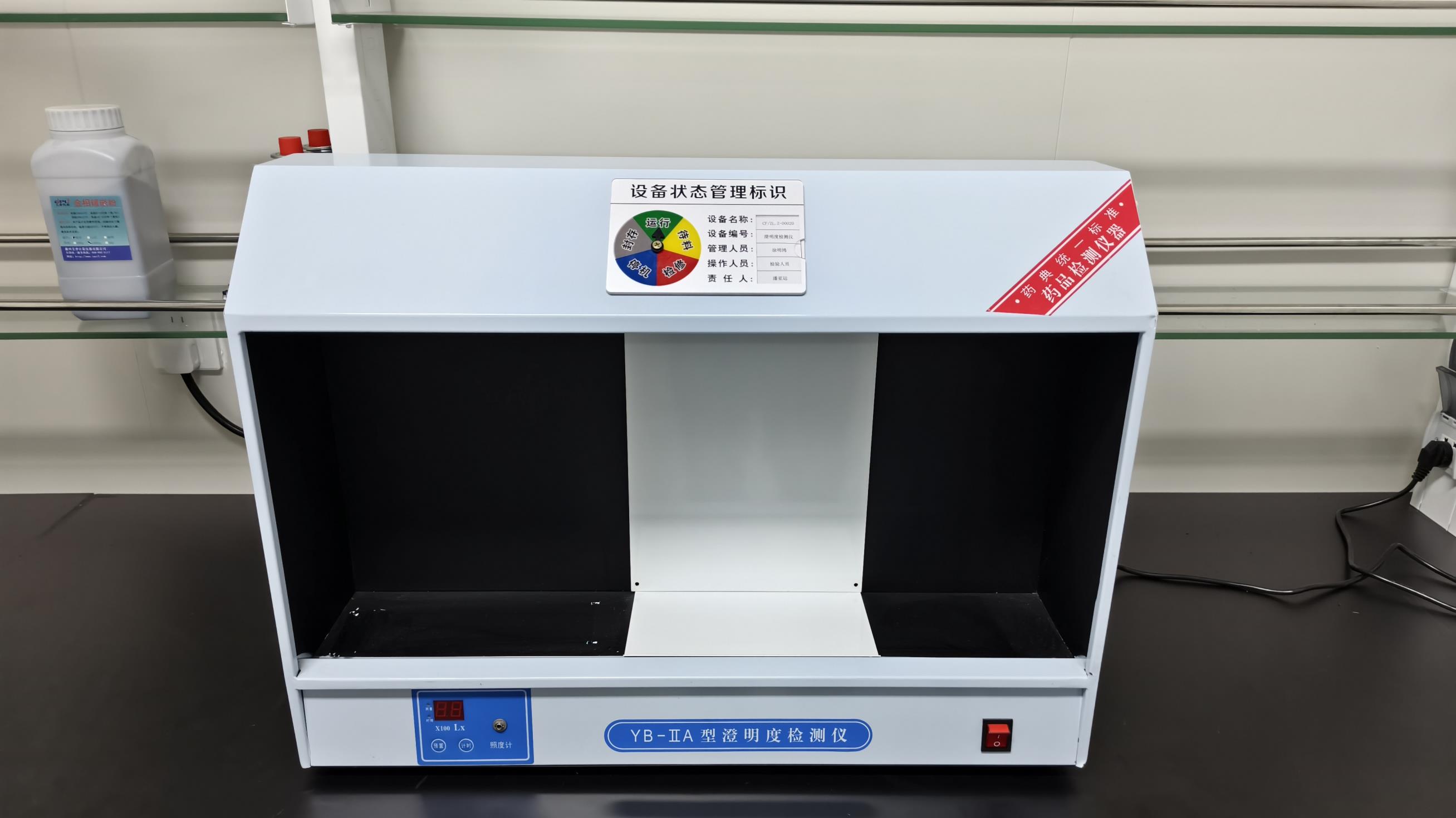
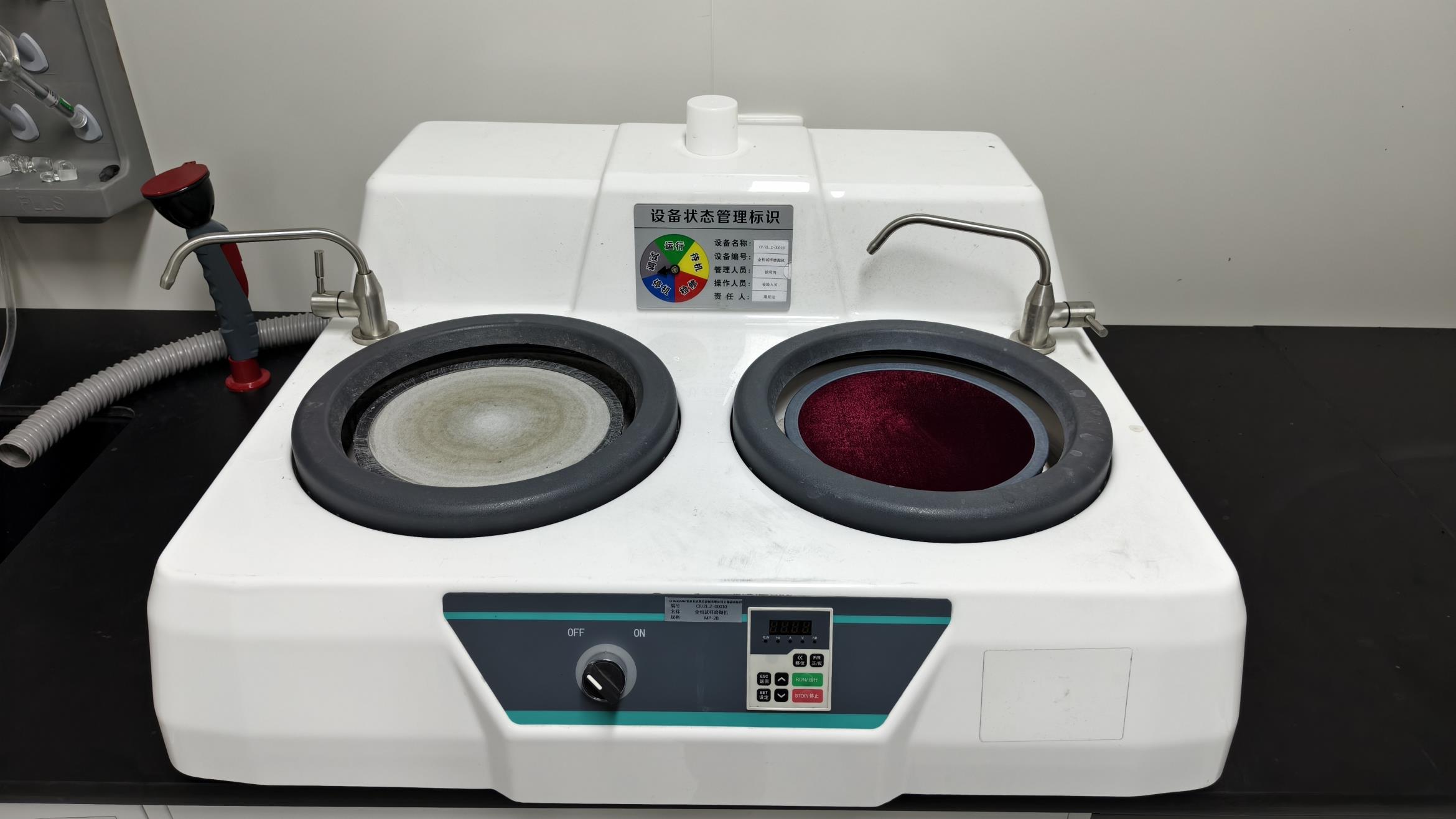
Tailoring implant supply chains to meet specific medical and veterinary environments from Andalusia to Catalonia.
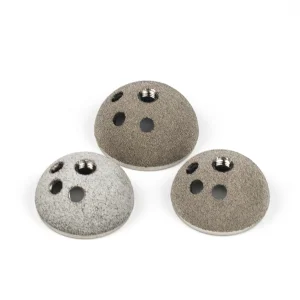
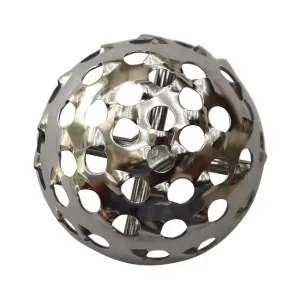
Spanish public hospital groups seek long-term economic stability and comprehensive surgical kit configurations. We supply primary hip replacement configurations with highly porous titanium coatings to ensure swift biological fixation. To match these demands, we support orthopedic distributors with extensive documentation packages, including FDA, CE certifications, and ISO biocompatibility reports, ensuring seamless integration into regional public tender bids.
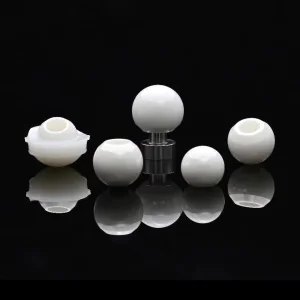
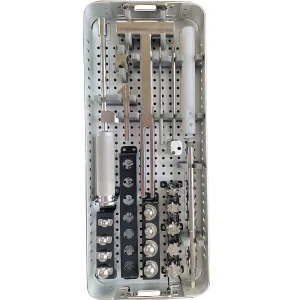
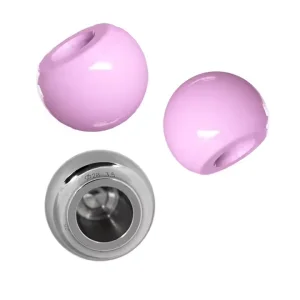
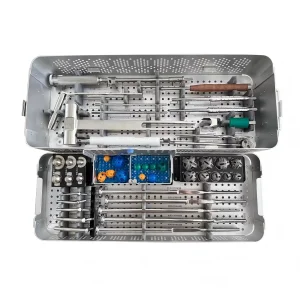
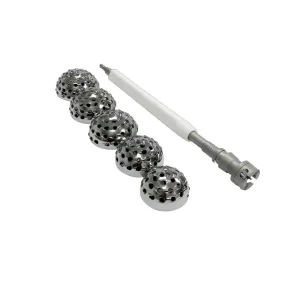
Private clinical groups (e.g., Quirónsalud, Vithas, HM Hospitales) prioritize fast patient recovery and minimized operating room times. The demand in private sectors emphasizes ceramic-on-polyethylene bearing combinations to minimize particle wear and prolong prosthesis life. Zynfuse supplies high-finish Ceramic Femoral Heads and specialized surgical toolkits that facilitate minimally invasive approaches, reducing hospital stays and post-operative complications.
Beyond human joint reconstruction, the Spanish veterinary market is experiencing a rapid expansion in specialized surgical solutions. Advanced veterinary reference hospitals in Madrid and Barcelona frequently require specialized hip prostheses for large canine breeds suffering from severe hip dysplasia. To address this demand, we supply dedicated veterinary instruments and implants tailored for small-animal joint surgeries, ensuring animal health specialists have access to the same precision engineering as human surgical environments.
Technical and regulatory answers for B2B buyers, orthopedic importers, and regulatory managers in Spain.
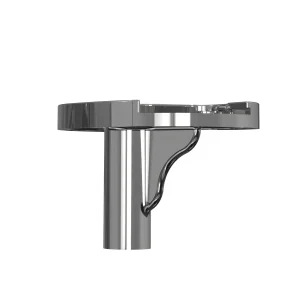
A: All our Class III implants, including primary hip stems, acetabular cups, and tibial base plates, are manufactured inside an ISO 13485 certified quality management system. We compile comprehensive technical files covering bio-compatibility, mechanical wear (ISO 14242 / ISO 7206 series), and stability profiles. This assists Spanish importers in filing registrations with the AEMPS (Agencia Española de Medicamentos y Productos Sanitarios).
A: We prioritize medical-grade materials to prevent adverse tissue reactions: femoral stems and acetabular shells utilize Titanium Alloy (Ti6Al4V ELI conforming to ASTM F136); articulating surfaces feature Cobalt-Chromium-Molybdenum (CoCrMo ASTM F75) or medical-grade BIOLOX-compatible Alumina/Zirconia Ceramics; and liners utilize Ultra-High-Molecular-Weight Polyethylene (UHMWPE) or highly cross-linked polyethylene (XLPE) for reduced wear rates.
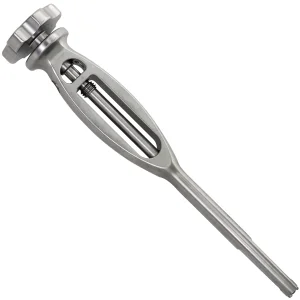
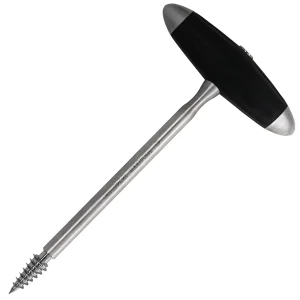
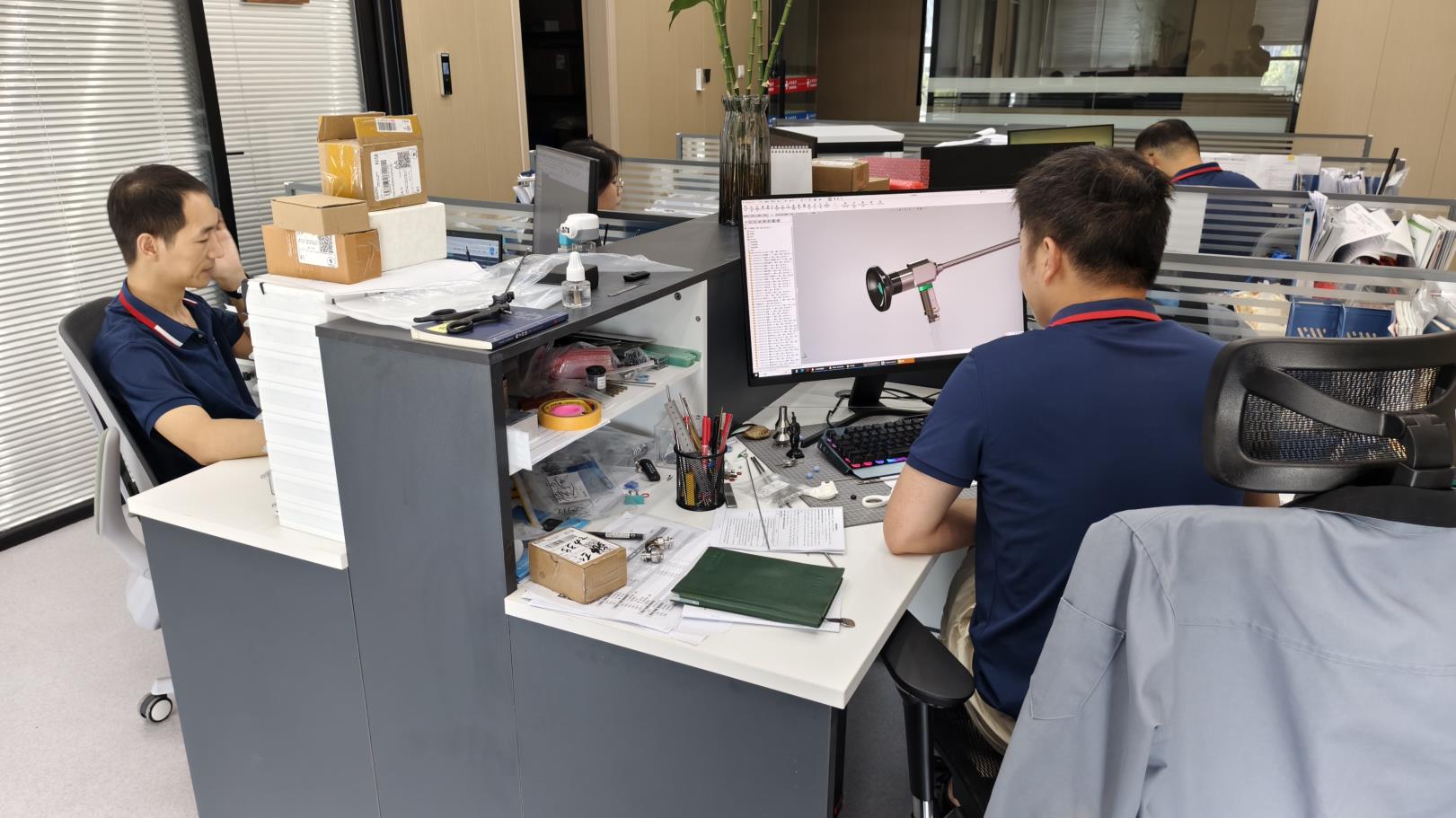
A: Yes. Supported by our R&D department of 85 engineers, we provide tailored geometry modifications, custom laser markings, localized sizing options, and specialized surgical instrument handle configurations. We develop over 320 custom products annually to align with regional anatomic variations and clinical practices.
A: For standard catalog products and instruments, we maintain consistent stock levels. Production schedules for custom OEM batches typically run from 30 to 45 days. Shipments are routed via air freight (approx. 5-7 days to Madrid-Barajas or Barcelona-El Prat) or sea freight (approx. 28-35 days to Spain's major ports) depending on order volume.
Explore our complete range of implants, instruments, and revision tools designed for clinical safety and durable performance.