 Zynfuse
Zynfuse
Zynfuse
Ho Chi Minh City (HCMC) has rapidly evolved into Southeast Asia's leading medical hotspot. Leading institutions such as the HCMC Heart Institute, Cho Ray Hospital, and the University Medical Center (UMC) perform thousands of complex open-heart procedures yearly. Consequently, there is an urgent demand for advanced sternal closure systems that reduce surgical site infections (SSIs) and sternal dehiscence.
Traditional stainless steel wire cerclage, while cost-effective, often lacks the mechanical stability needed for high-risk patients. These include patients with osteoporotic bone structures, high BMI, or COPD. As a result, the HCMC healthcare market is actively shifting from traditional wiring to advanced Rigid Plate Fixation systems. This change ensures swift bone fusion and reduces post-operative complications.
"Rigid fixation of the sternum after median sternotomy is associated with lower rates of complications, reduced pain, and improved respiratory mechanics compared to traditional wire closure." — Clinical Study Insight
Global manufacturers and distribution networks are setting up specialized hubs in HCMC. They aim to supply hospitals with bio-compatible titanium sternal locking systems. Through this, regional healthcare systems are aligning with global standards like those of the Society of Thoracic Surgeons (STS). This alignment is critical as Vietnam continues to establish its footprint in advanced medical tourism.
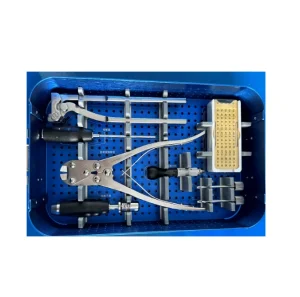
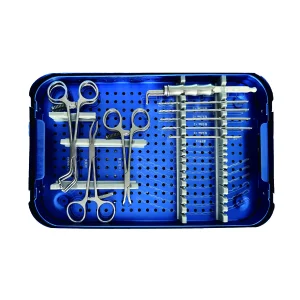
A selection of our high-demand orthopedic implants and instrumentation deployed in leading HCMC clinical settings.
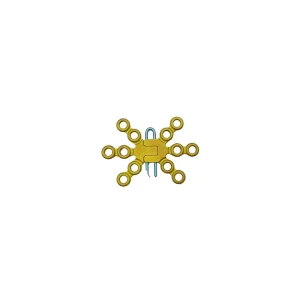
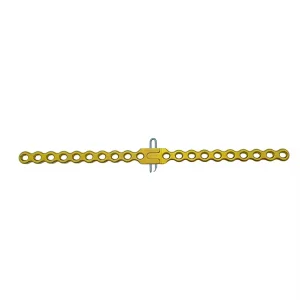
Globally, the cardiothoracic surgery field has embraced Rigid Fixation Systems (RFS) as the primary standard of care for high-risk sternotomy patients. Unlike cerclage wires, which concentrate mechanical loads on small contact points on the bone, rigid fixation plates distribute anatomical load more evenly. This design minimizes the risk of the wire cutting through soft bone, a major cause of post-operative failure.
Key market drivers include the rising global incidence of cardiovascular disease and a growing geriatric patient cohort. In addition, the development of anatomical low-profile locking plate systems has significantly improved clinical outcomes. These systems fit the precise contours of the sternal anatomy, minimizing hardware irritation and the need for subsequent removal.
From a bio-mechanical perspective, the sternum must withstand complex stress vectors. These stresses include shear, tension, and lateral displacement forces during respiratory cycles, coughing, and patient transfer. Studies demonstrate that rigid locking systems provide greater structural rigidity than wire loops. This reduction in micro-motion promotes rapid, primary bone healing (primary intention fusion) rather than secondary callus formation.
Specifically, titanium alloy plates (such as Ti-6Al-4V ELI) combine a high strength-to-weight ratio with excellent biocompatibility. These properties help prevent issues like hardware allergy, rejection, and bacterial colonization on the implant surface.
Uses stainless steel suture wire. While cost-effective, it offers limited resistance to shear forces and carries a high risk of bone cutting, especially in osteoporotic patients.
Features contourable plates secured with locking screws. These provide excellent rigid stabilization, which helps prevent sternal dehiscence and mediastinitis.
Incorporates elastic and dynamic elements within the plate design. These elements allow natural chest wall micro-movements during deep breathing while maintaining rigid structural alignment.
Features 3D printed patient-matched implants fabricated from bio-resorbable polymers or porous titanium. These structures encourage bone tissue ingrowth and dissolve once fusion is complete.
| Fixation Parameter | Monofilament Wire Cerclage | Rigid Locking Plate System | Dynamic Fixation Systems |
|---|---|---|---|
| Load Distribution | Concentrated point loads (high localized shear) | Evenly distributed across the bone surface | Dynamically adjusted during respiratory cycles |
| Biomechanical Stability | Low resistance to lateral and shear forces | High resistance to shear & torsional forces | Optimized to match physiological chest movement |
| Sternal Dehiscence Risk | High in osteoporotic or diabetic patients | Significantly reduced (<0.5%) | Minimally low |
| Operative Time | Short (10-15 minutes) | Moderate (20-35 minutes) | Moderate (25-35 minutes) |
| MRI Compatibility | Poor (creates artifacts, steel heating) | Excellent (Titanium grade alloy, minimal artifacts) | Excellent (Titanium/polymer construction) |
A trusted medical implant supplier backed by strict quality inspection systems, extensive manufacturing capabilities, and global clinical validation.
Established in 2016, Zynfuse Medical Technology Co., Ltd. is a leading manufacturer of orthopedic implants and advanced sternal fixation devices. Backed by 12 years of industry experience and 7 years of export history, we specialize in high-precision, clinically verified fusion platforms.
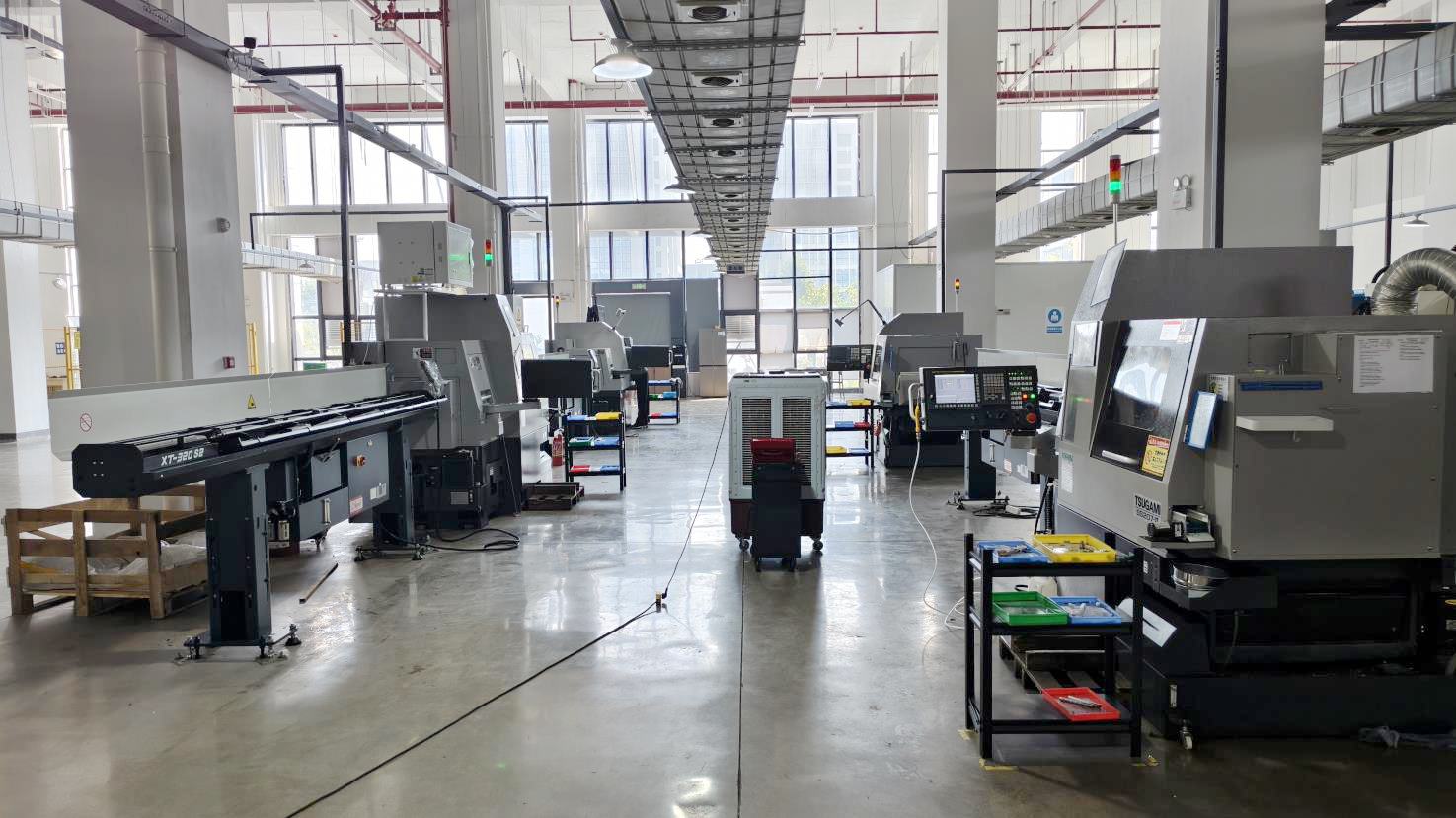
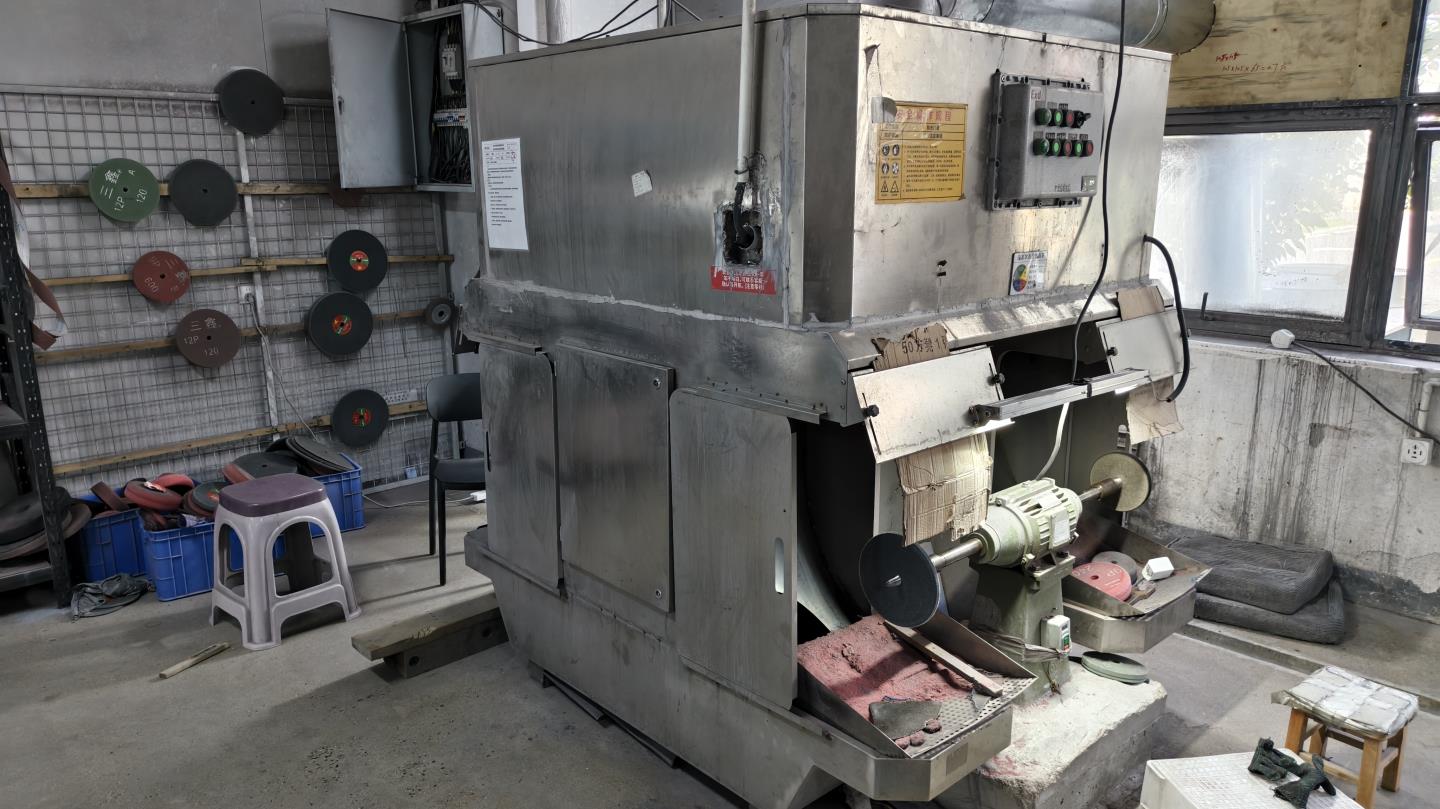
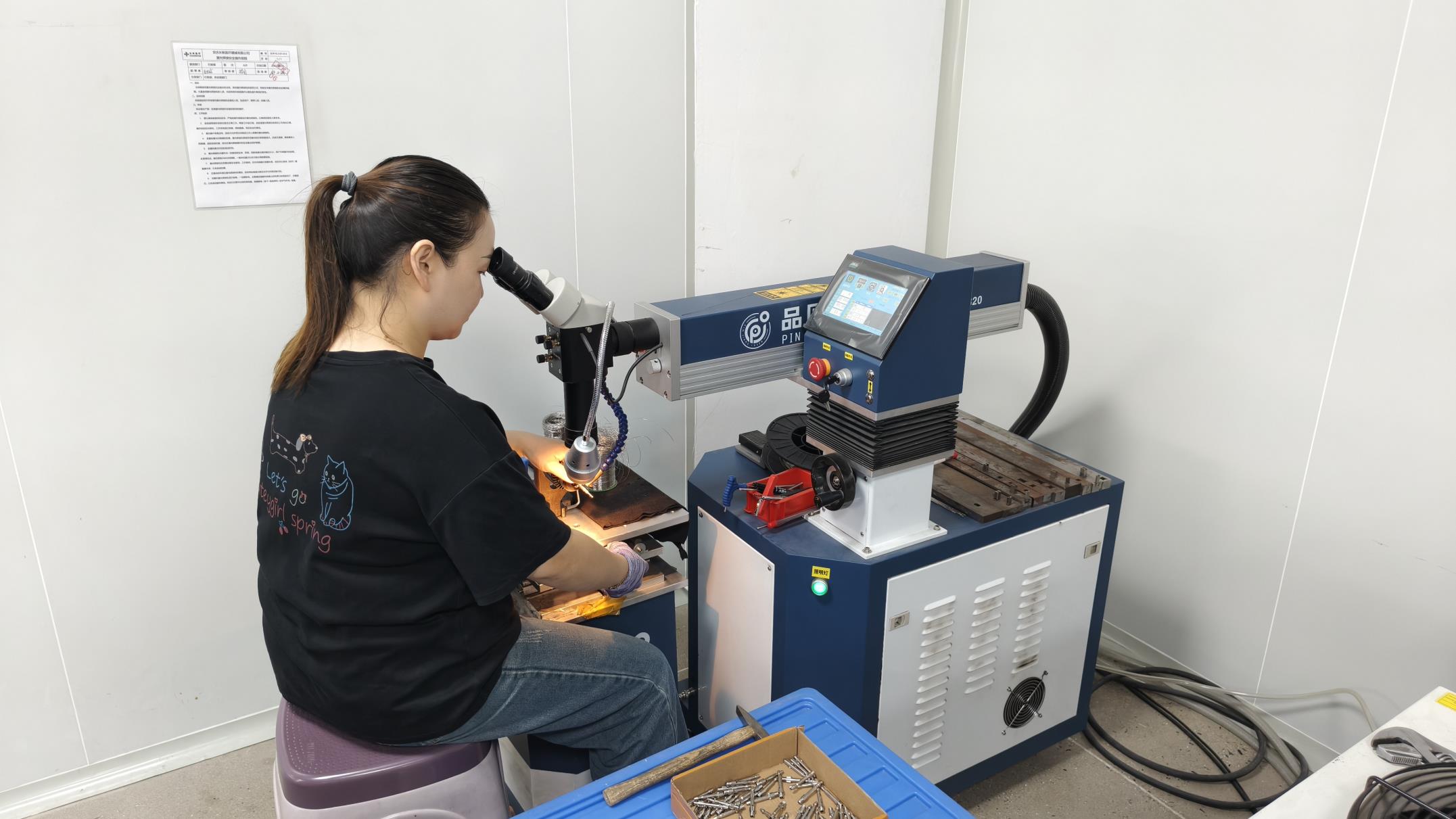
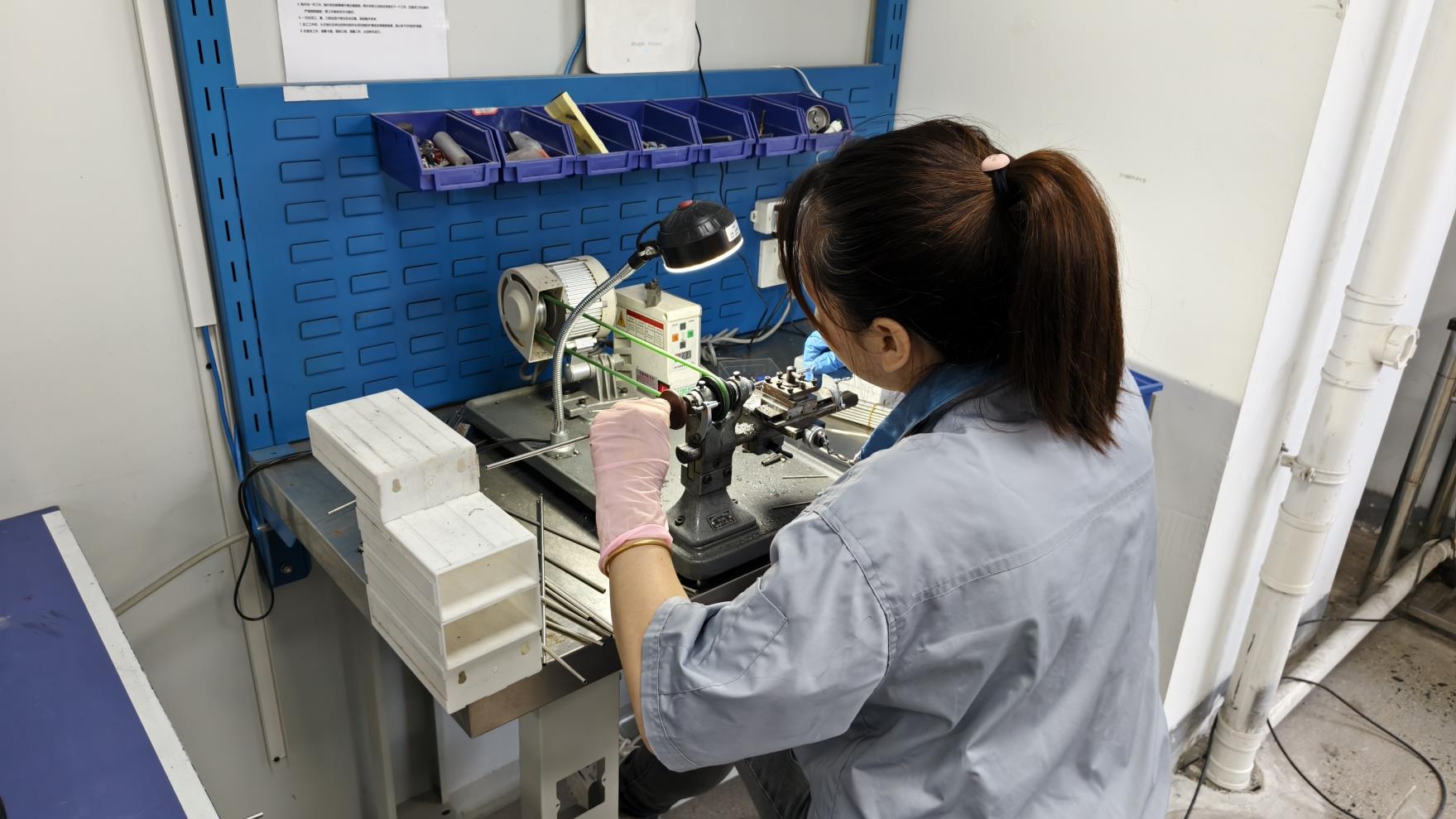
Our modern manufacturing facility covers approximately 18,600 m². Equipped with Swiss-type lathes, CNC machining centers, and wire cutting machinery, the plant meets rigorous ISO 13485 quality standards. With a team of 85 dedicated R&D engineers, we launch over 320 new products annually. This rate of innovation ensures our global clients access modern orthopedic technology.
Zynfuse serves major global medical markets, including North America, Europe, Southeast Asia, and the Middle East, partnering with hospitals, distributors, and orthopedic centers. In Ho Chi Minh City, we work closely with top-tier medical device importers to supply sterile trauma implants and instrument sets directly to hospital networks.
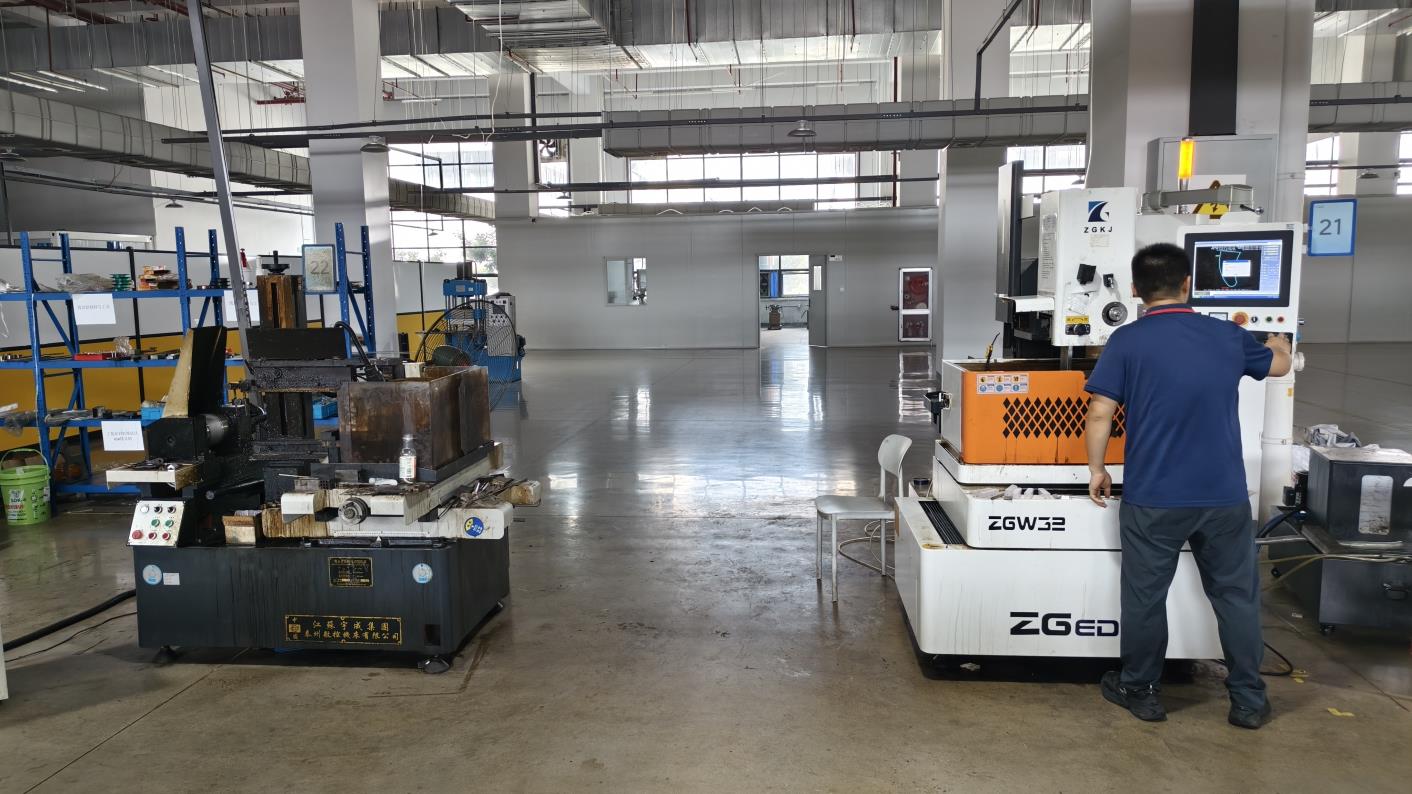
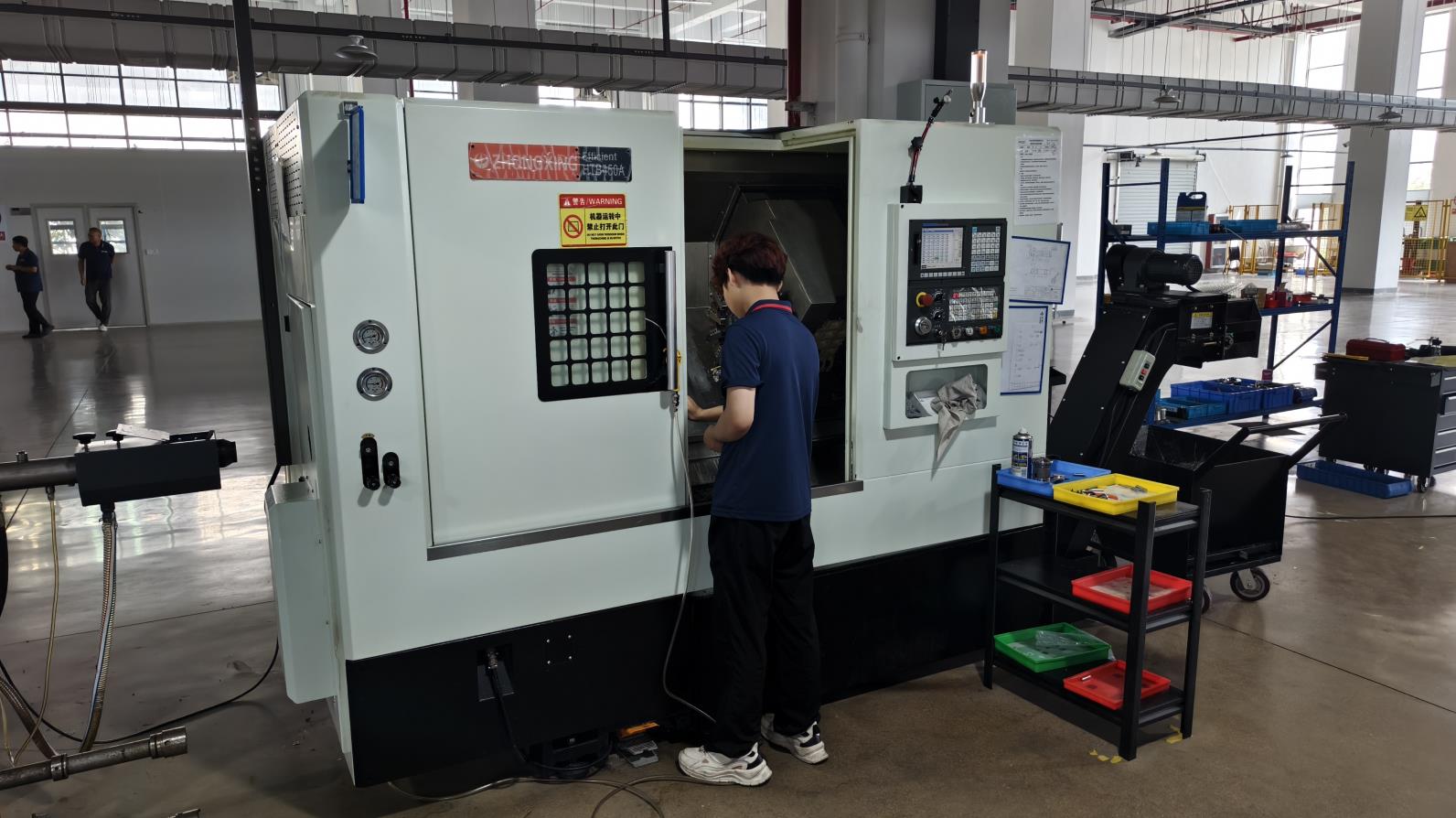
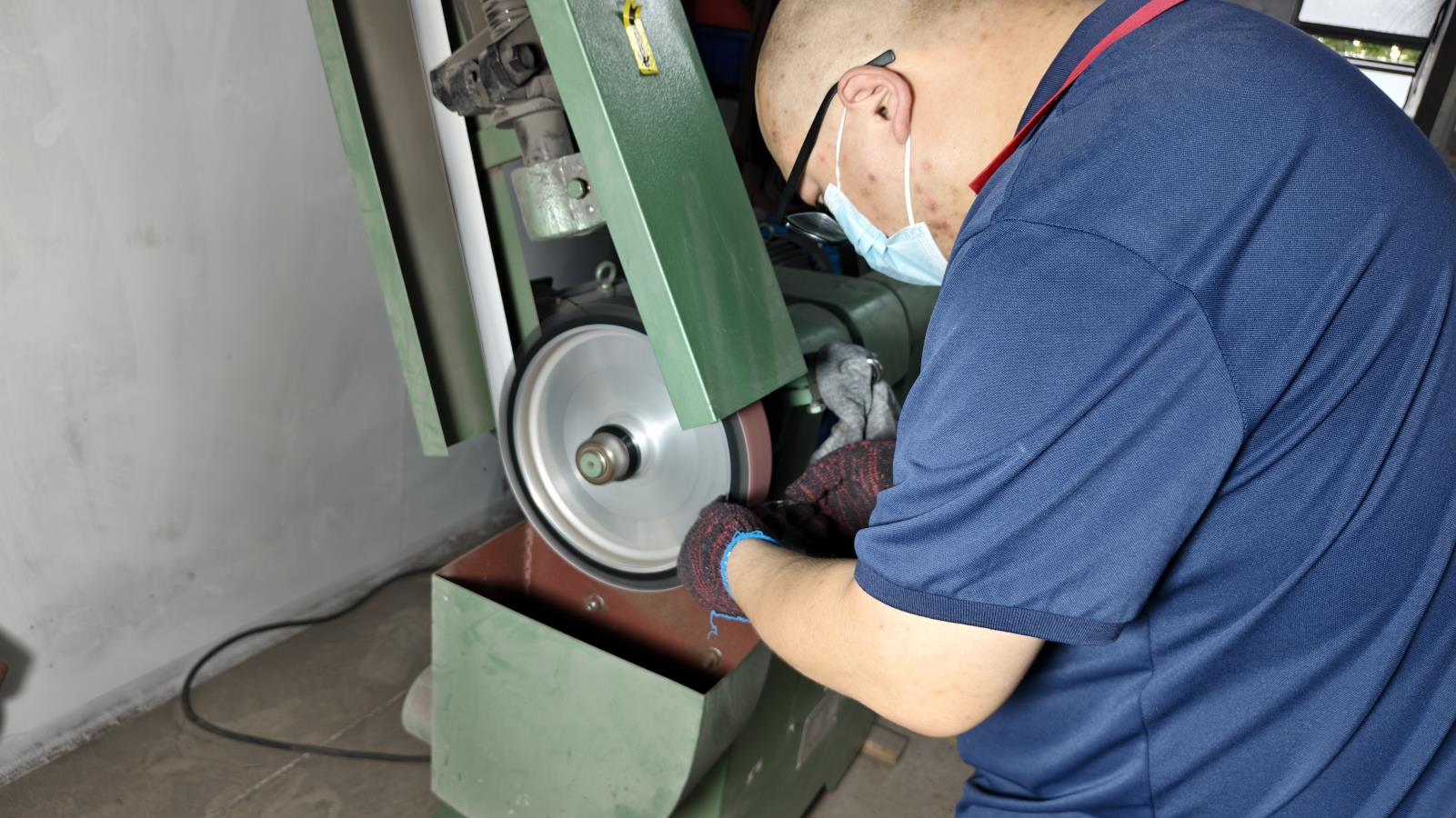
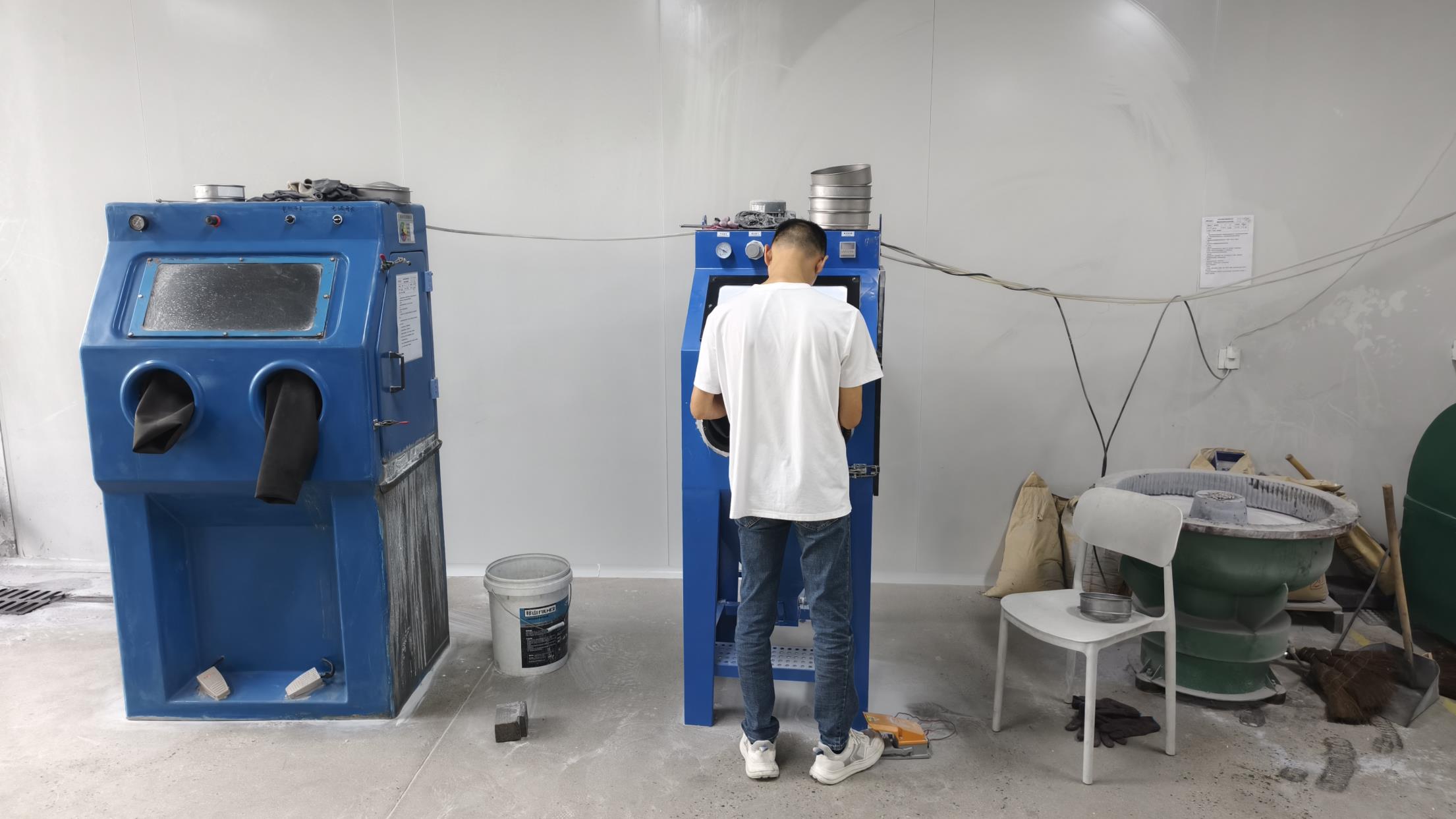
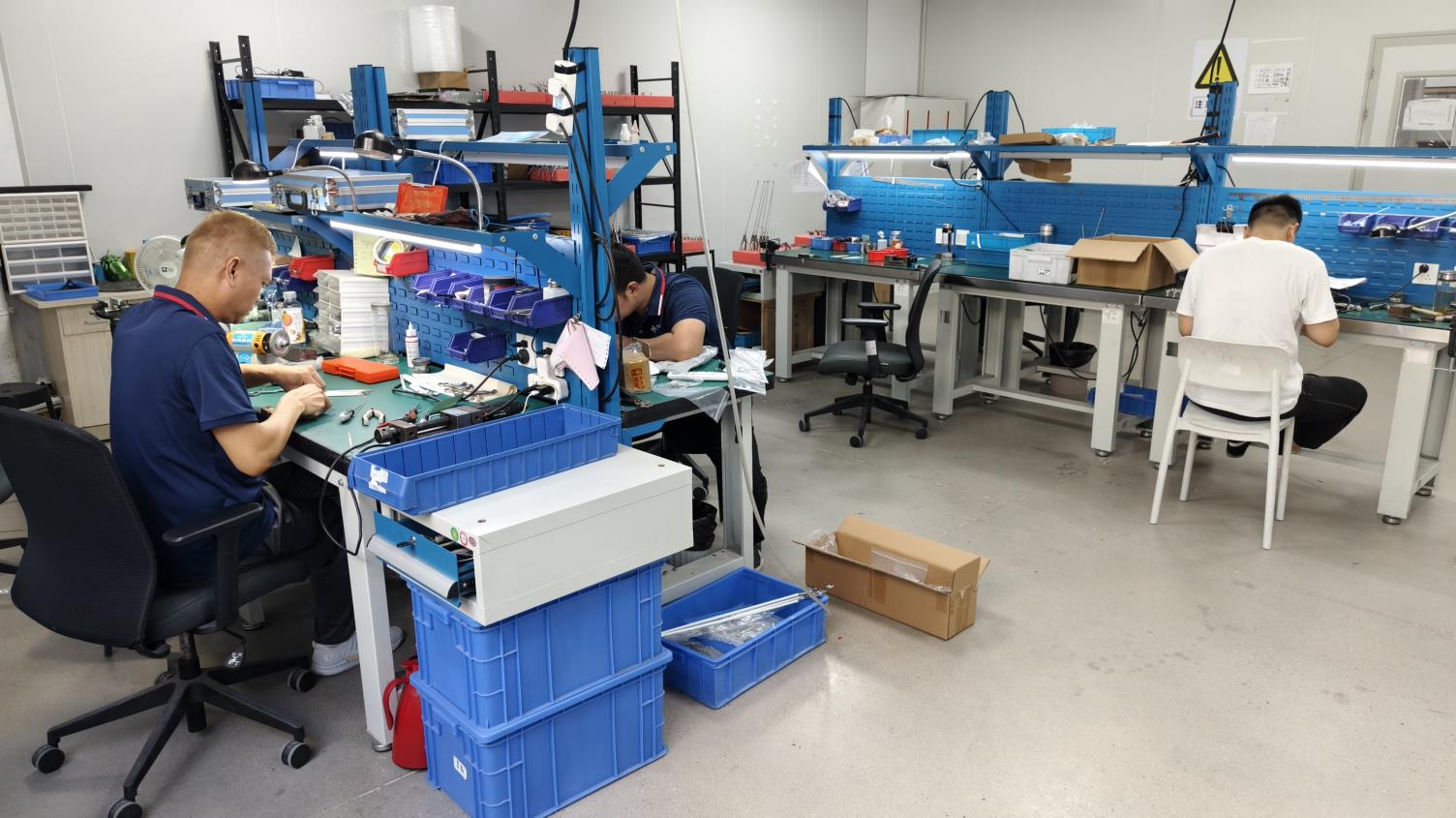
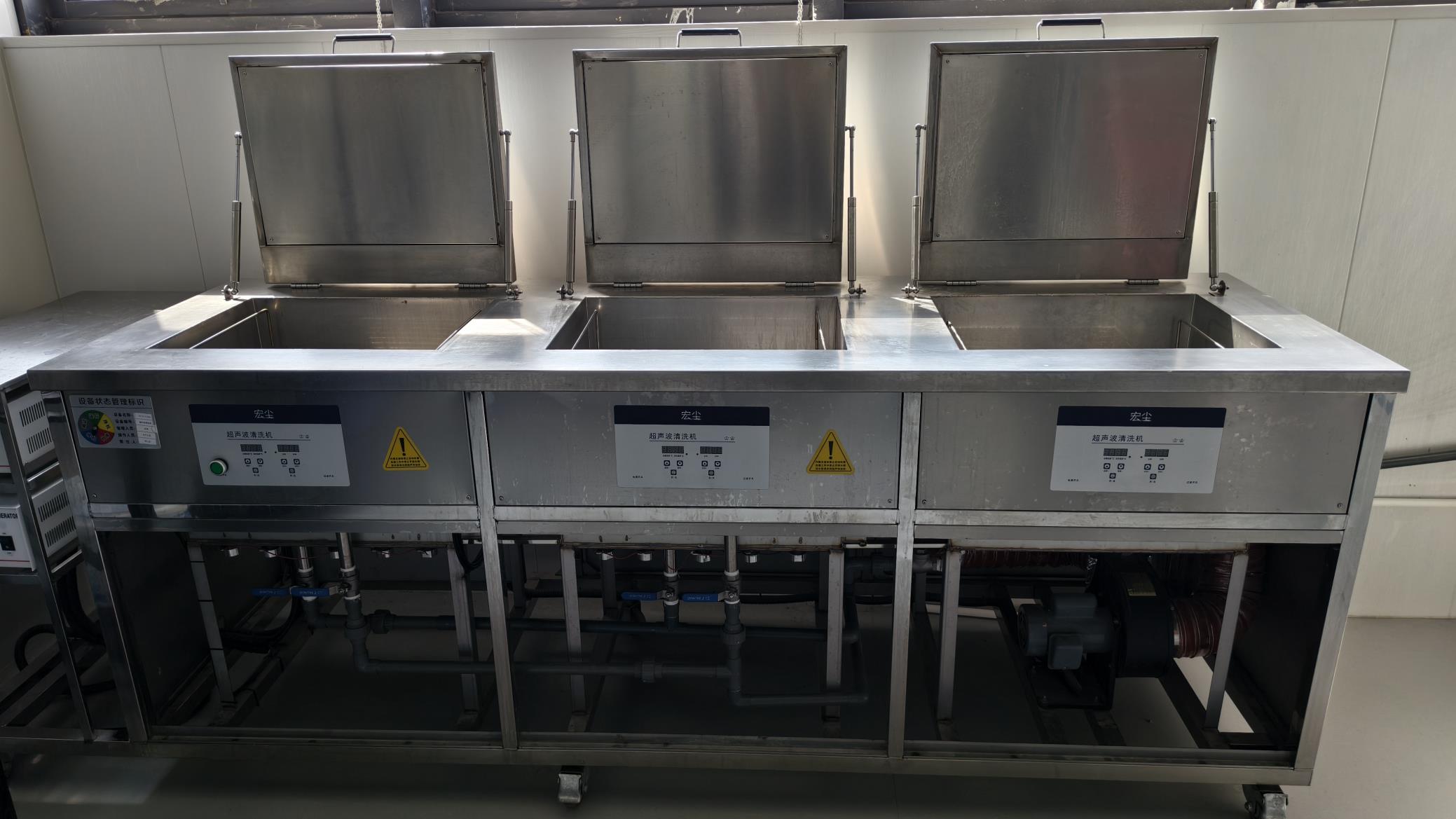
Quality inspection methodologies include mechanical performance testing, biometric scanning, and 3D precision evaluation.
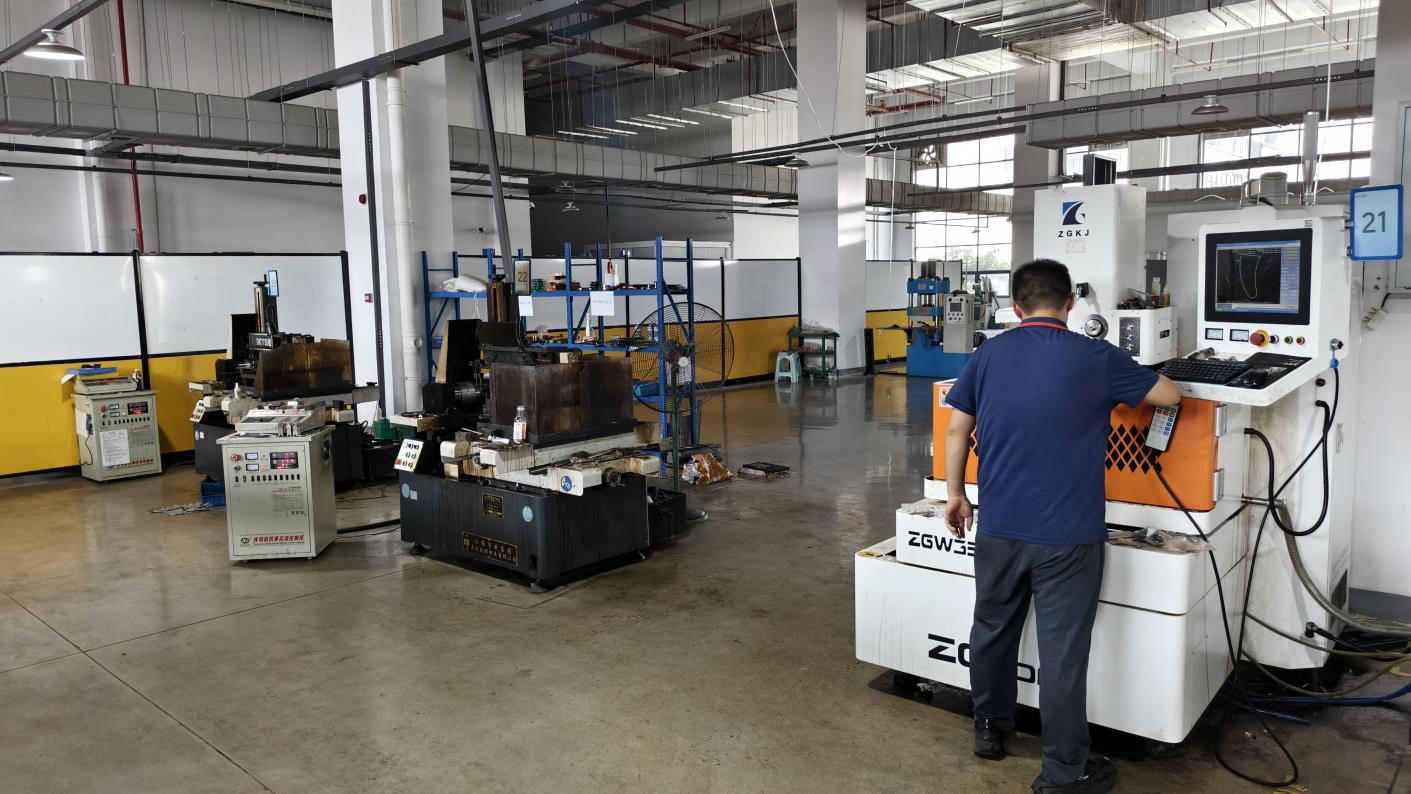
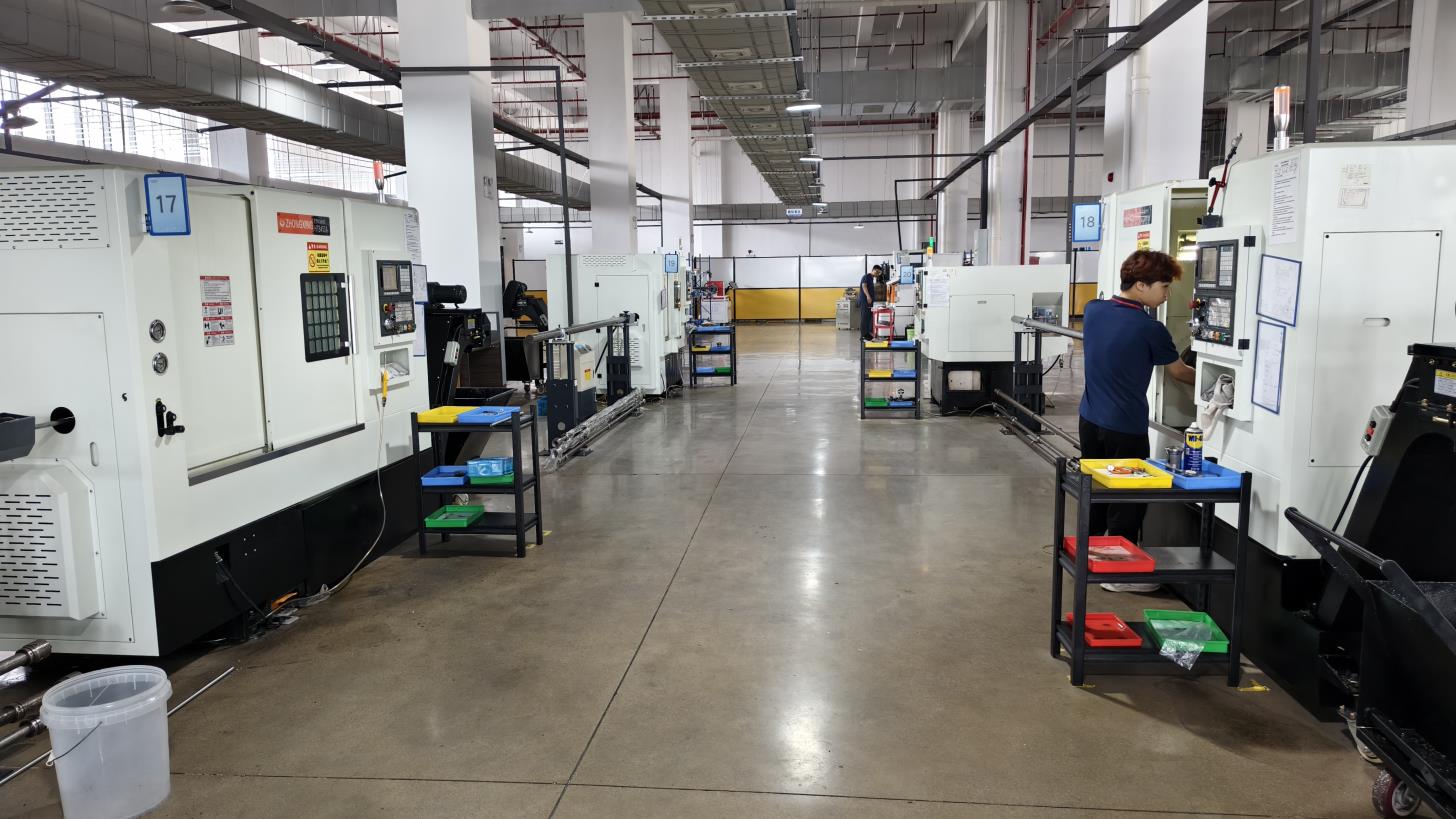
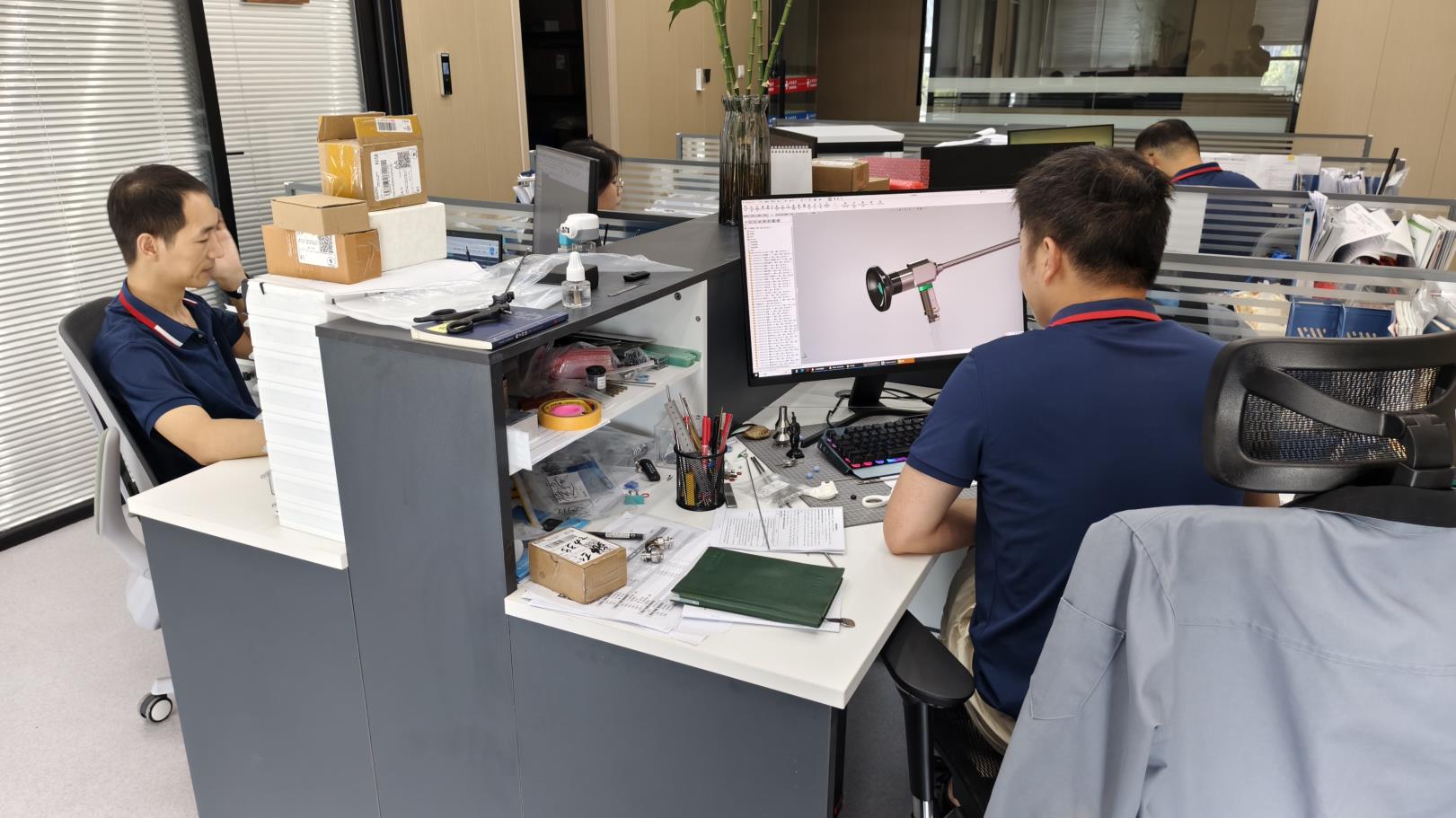
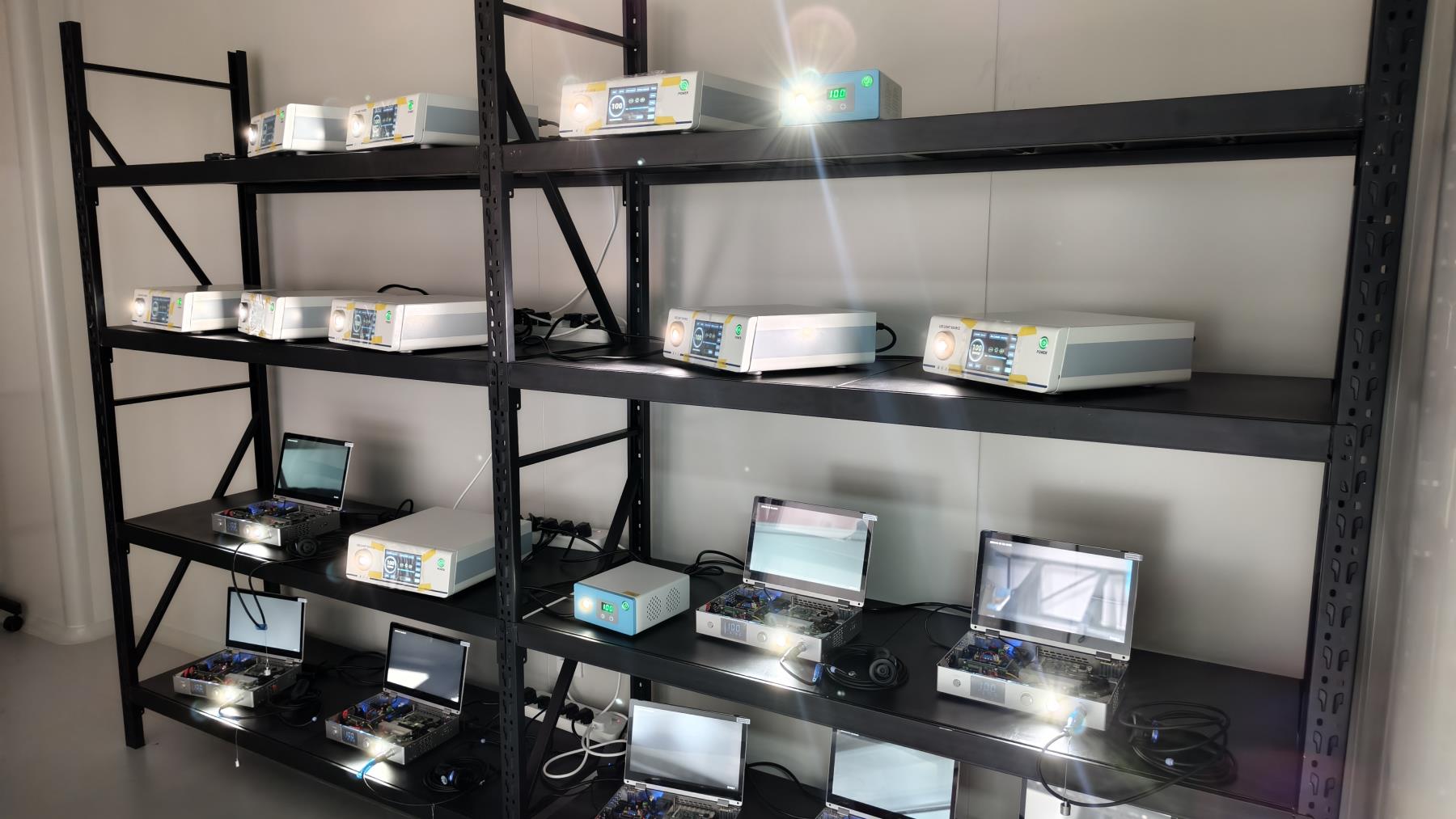
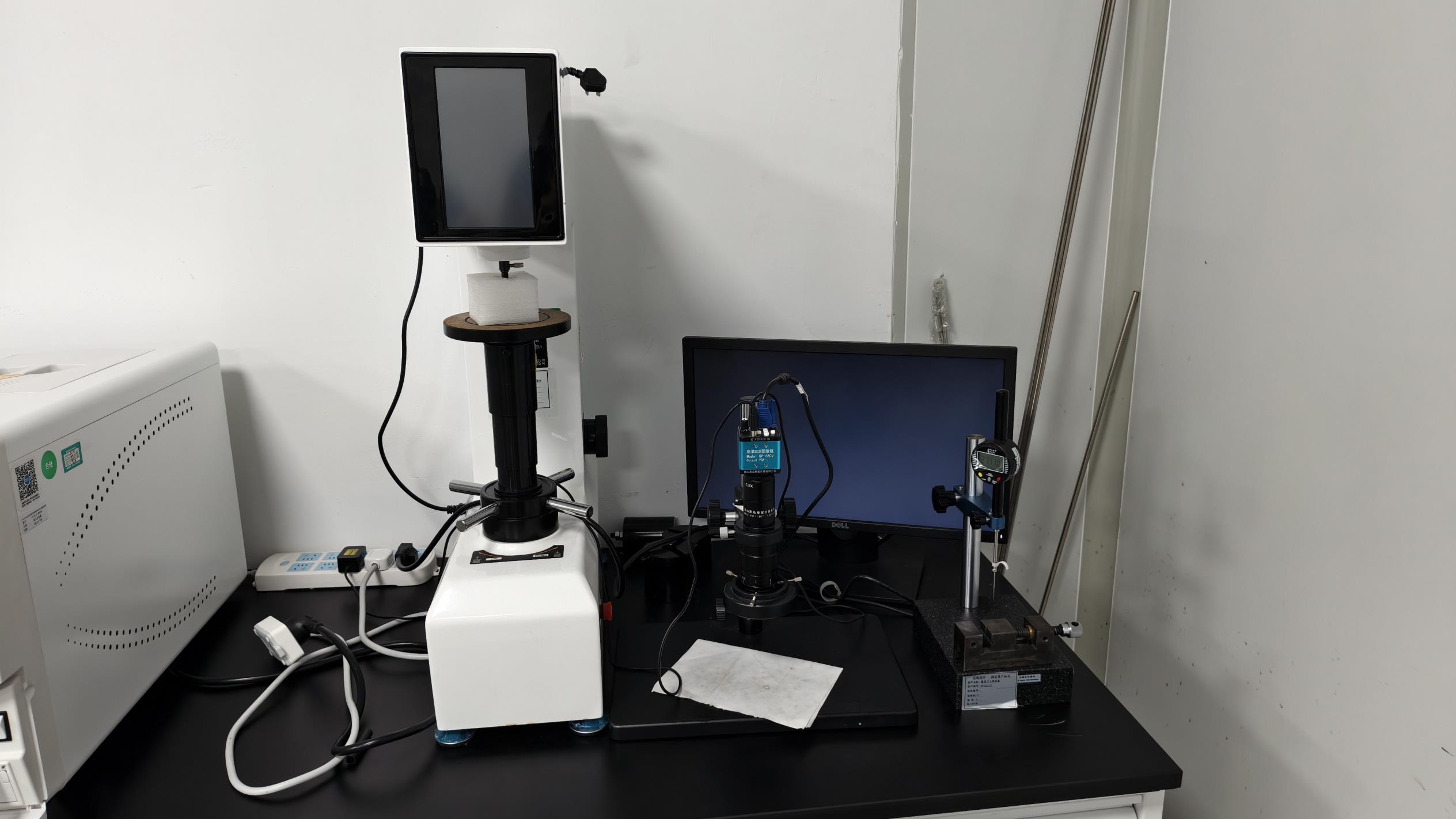
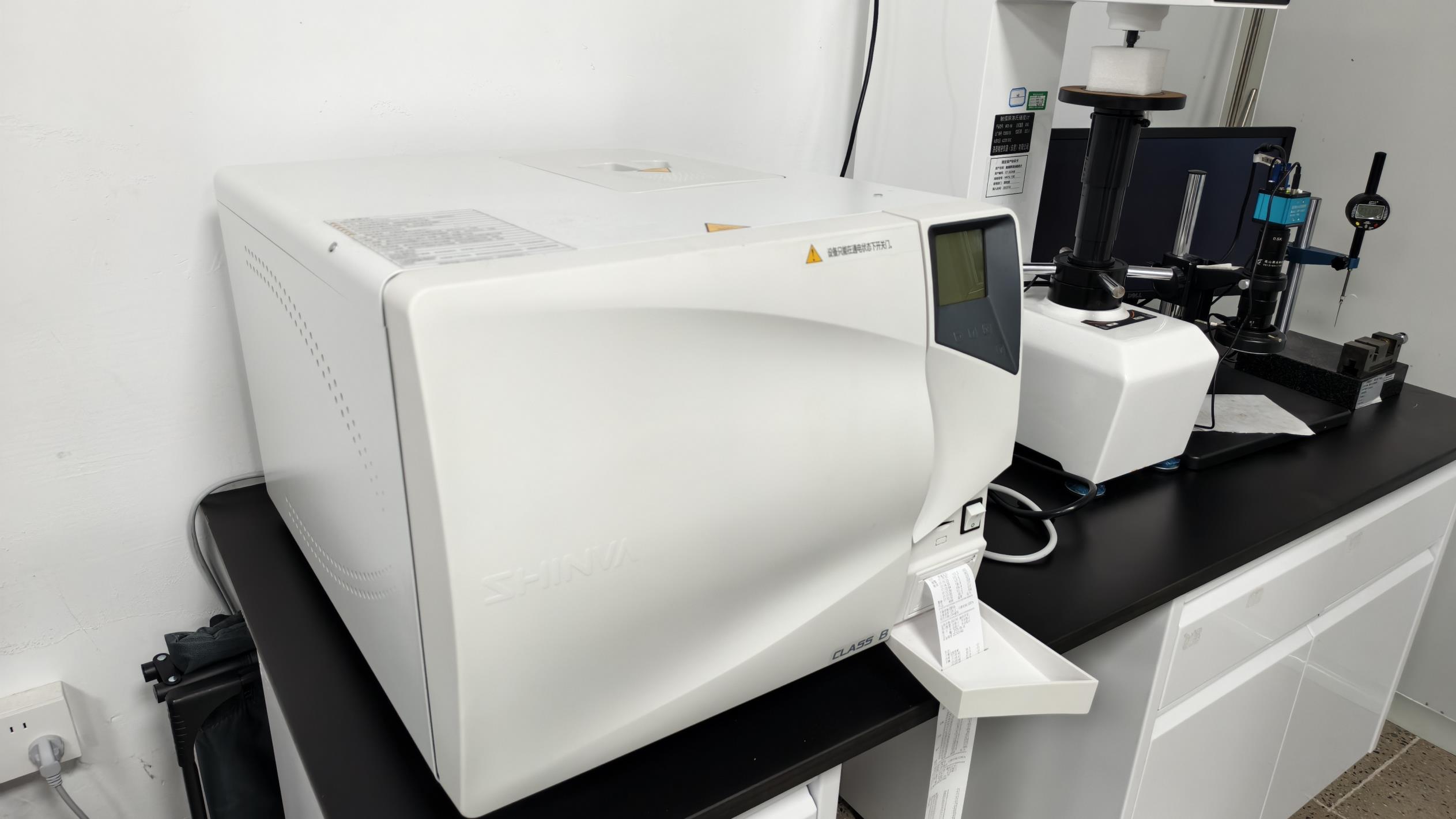
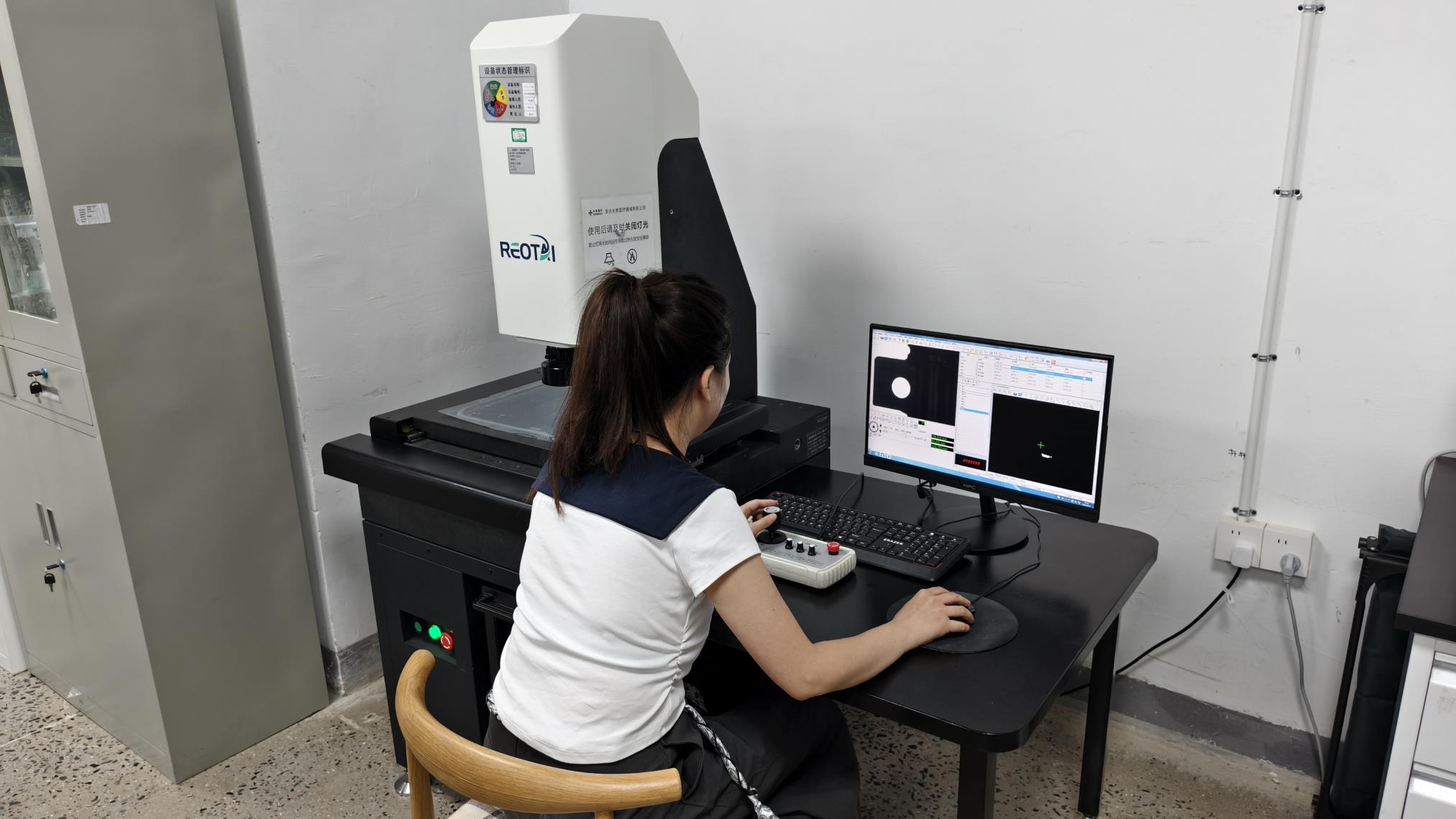
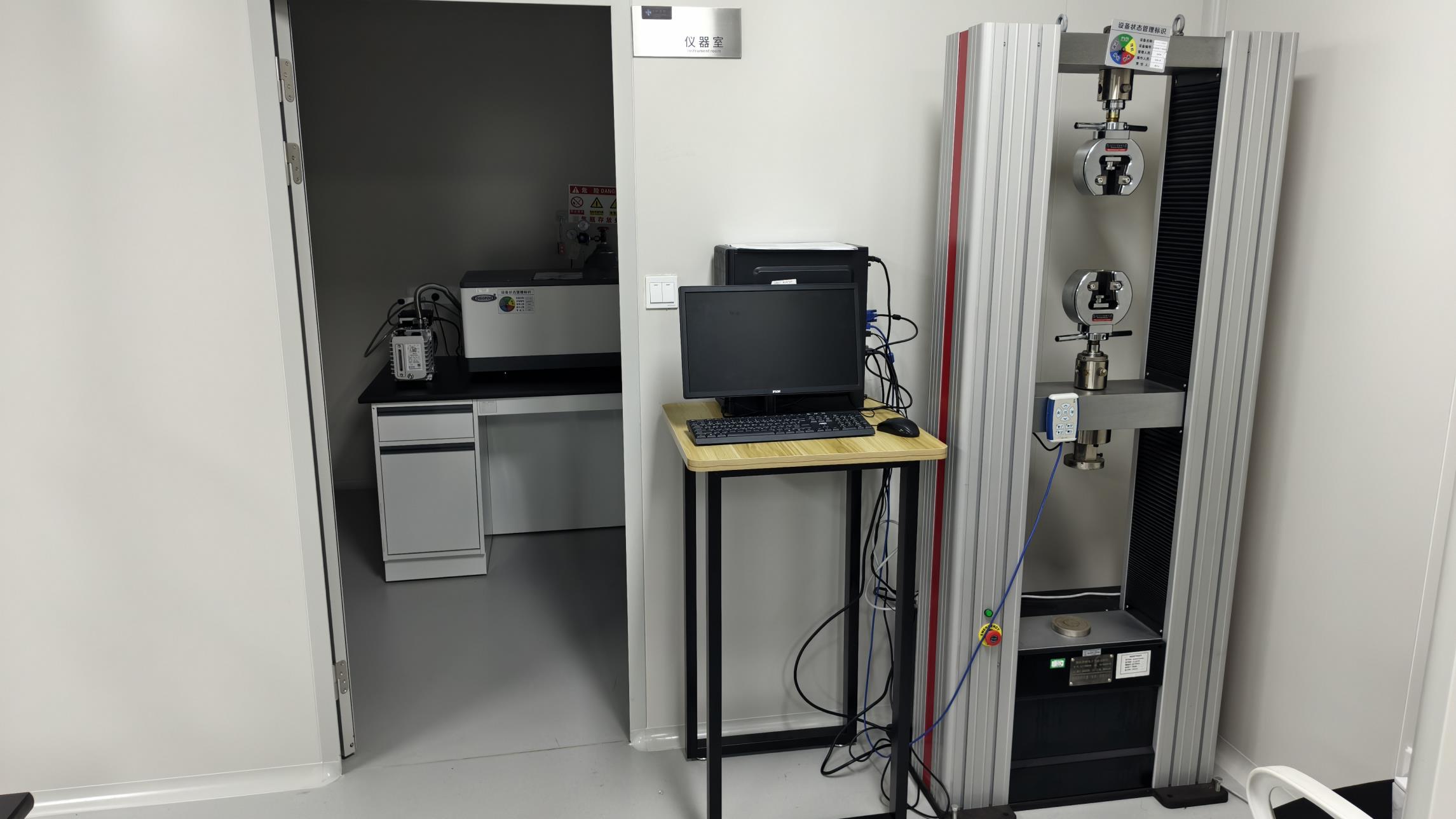
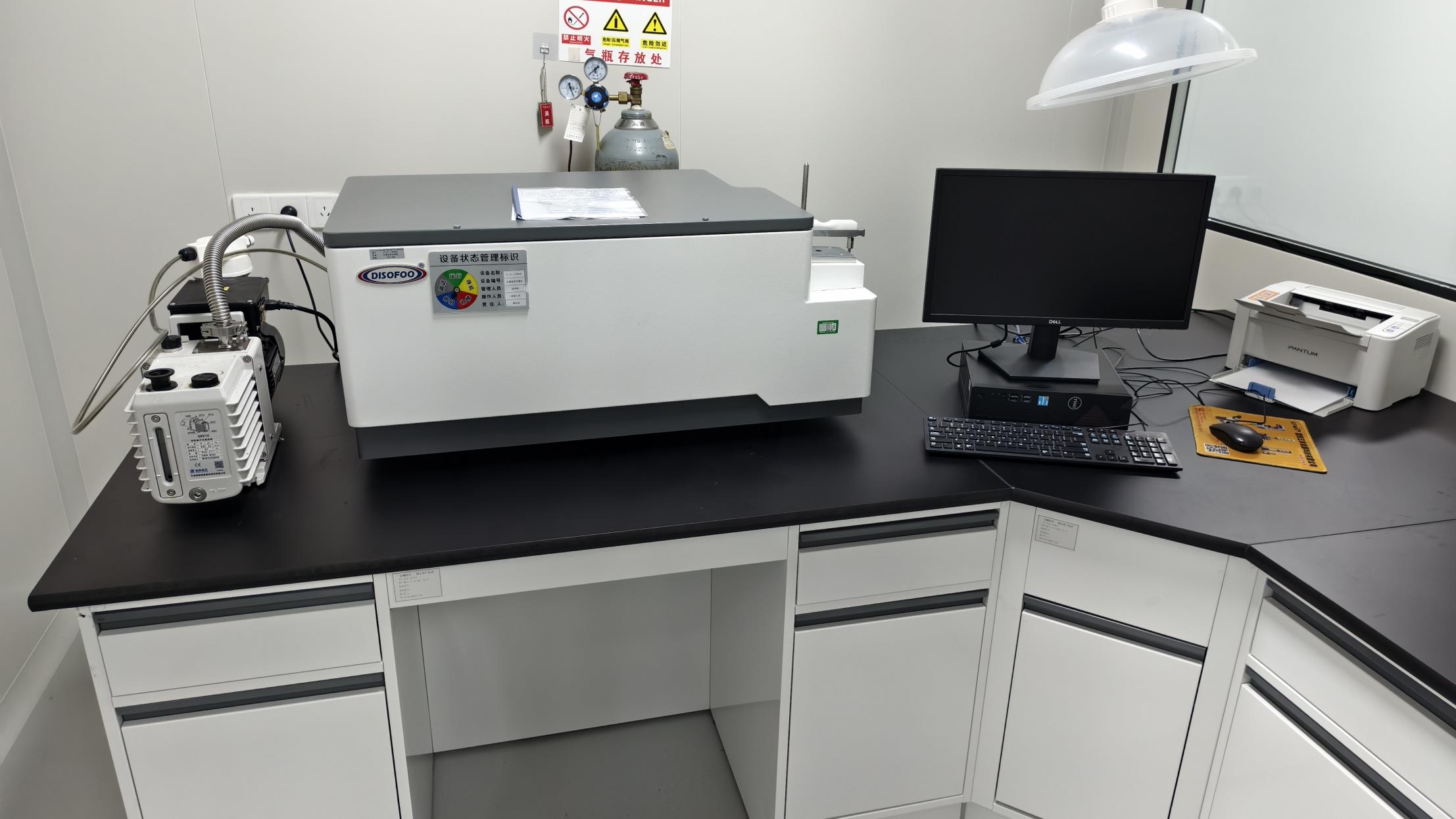
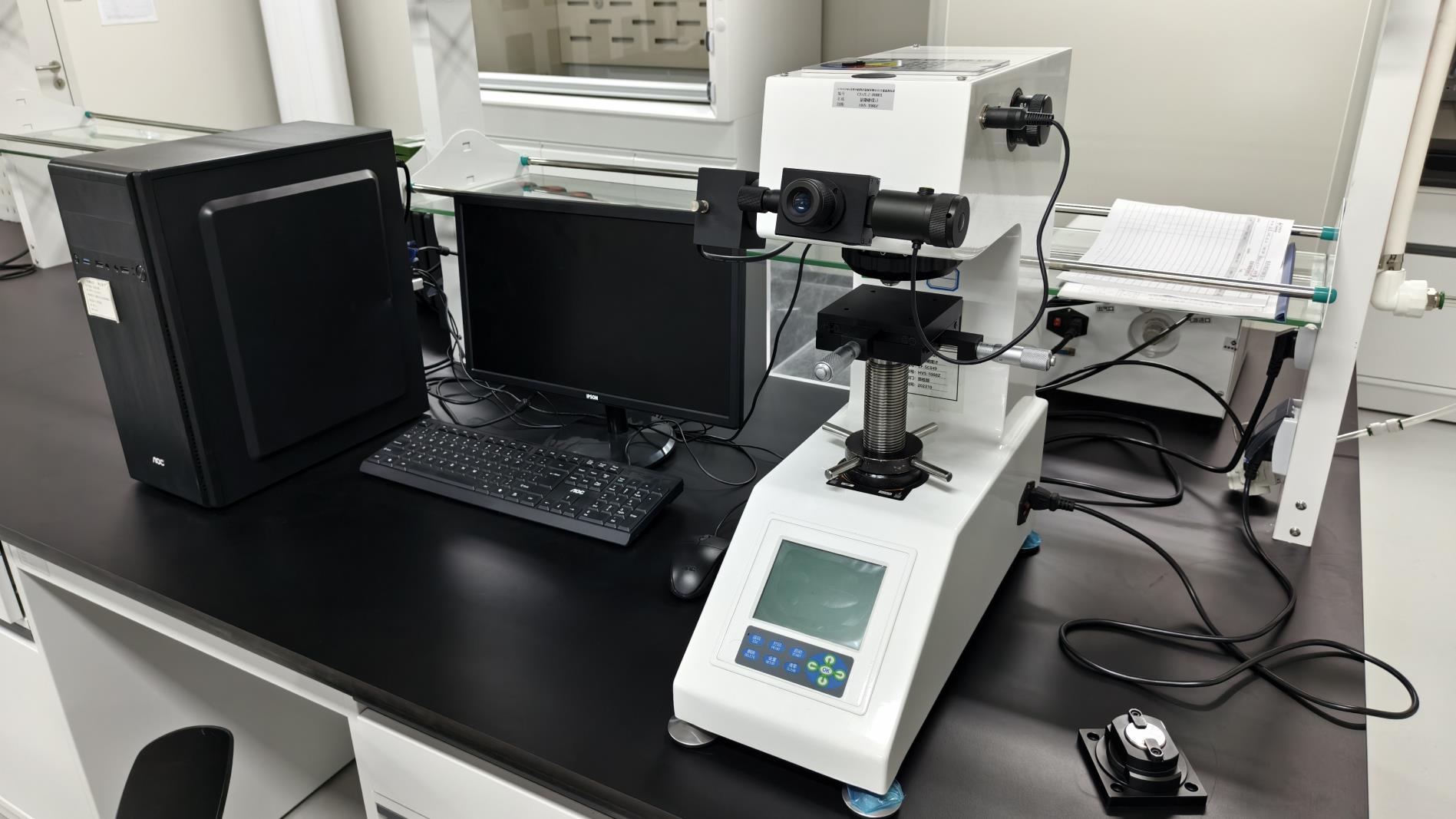
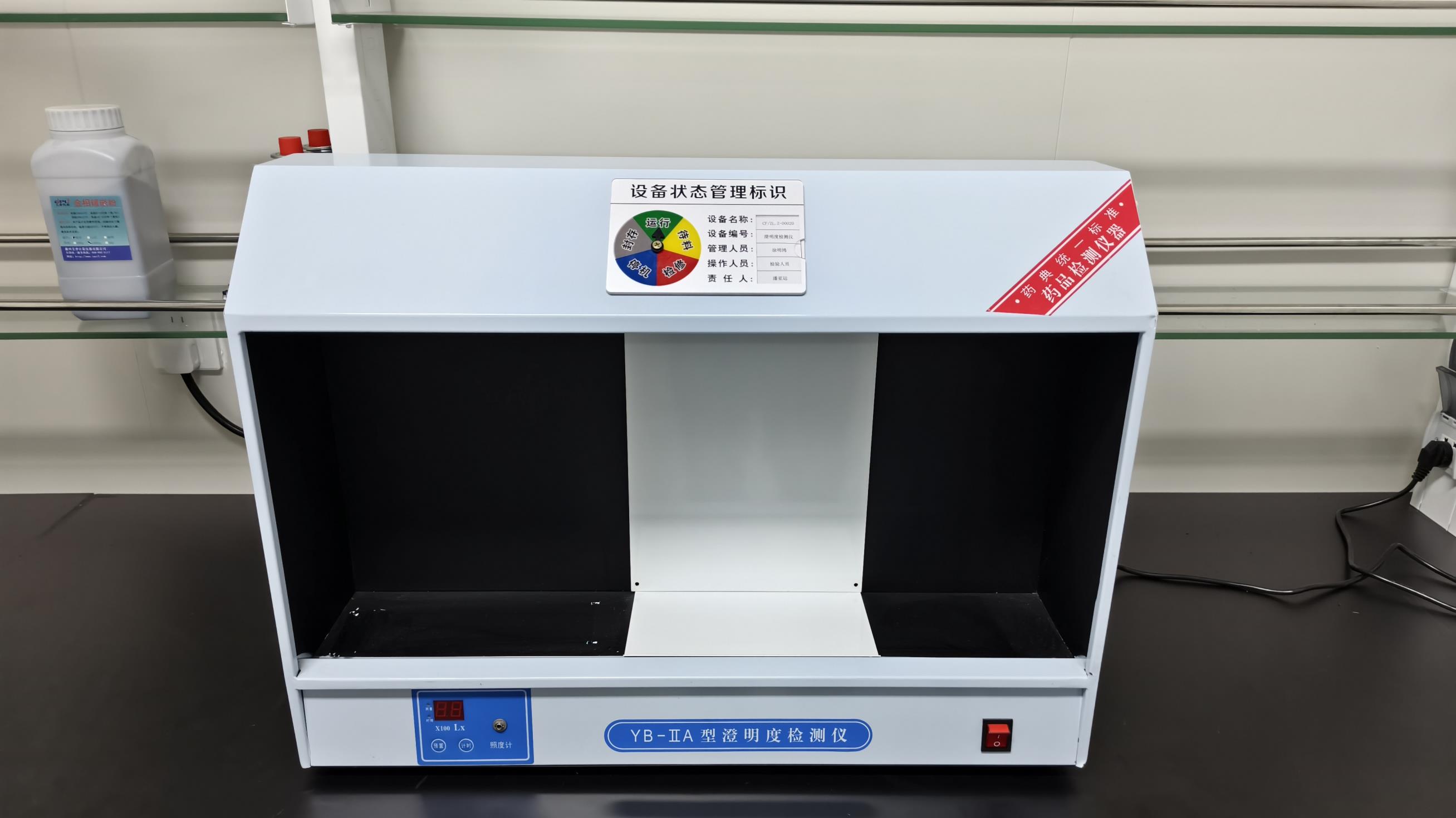
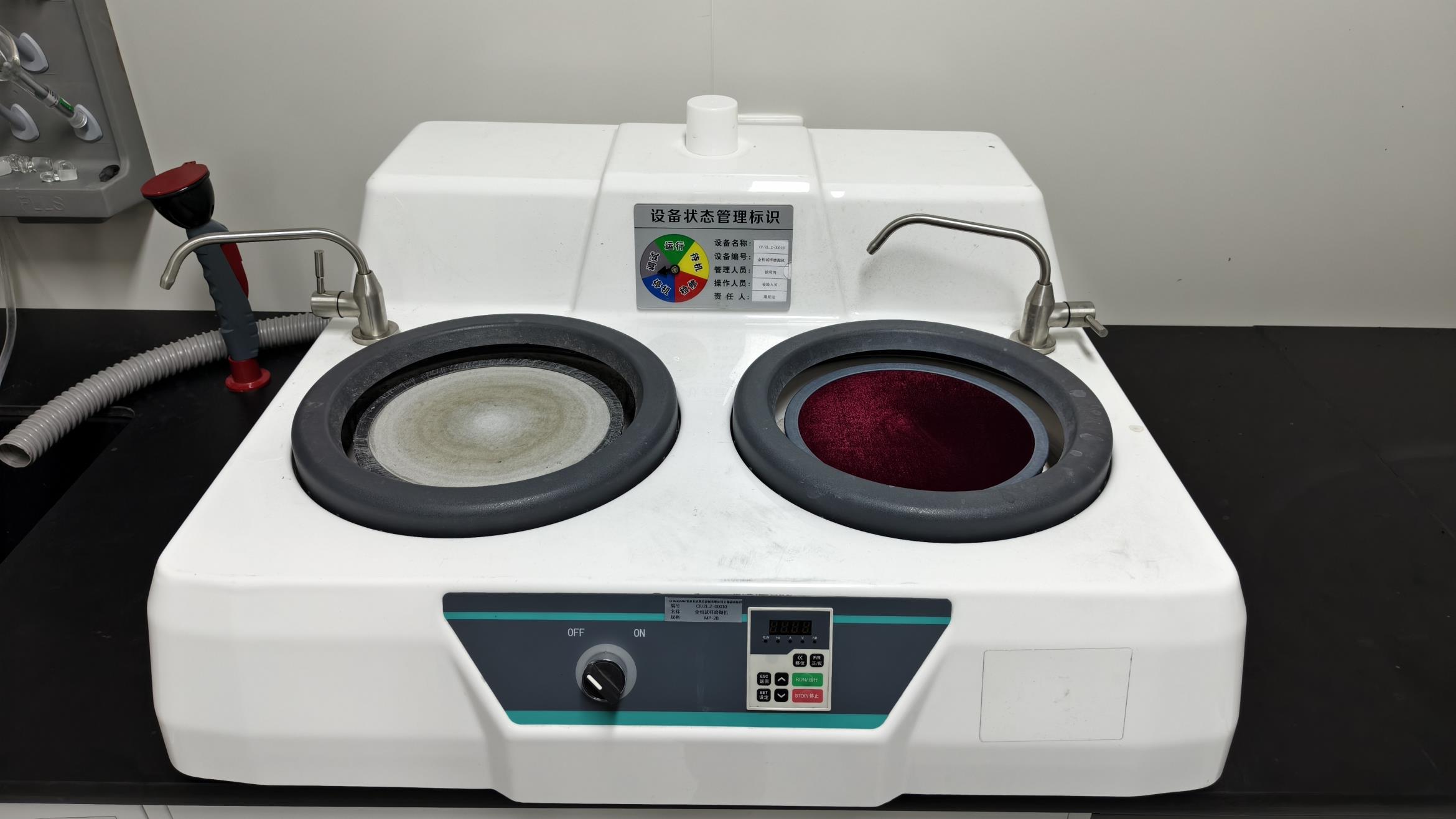
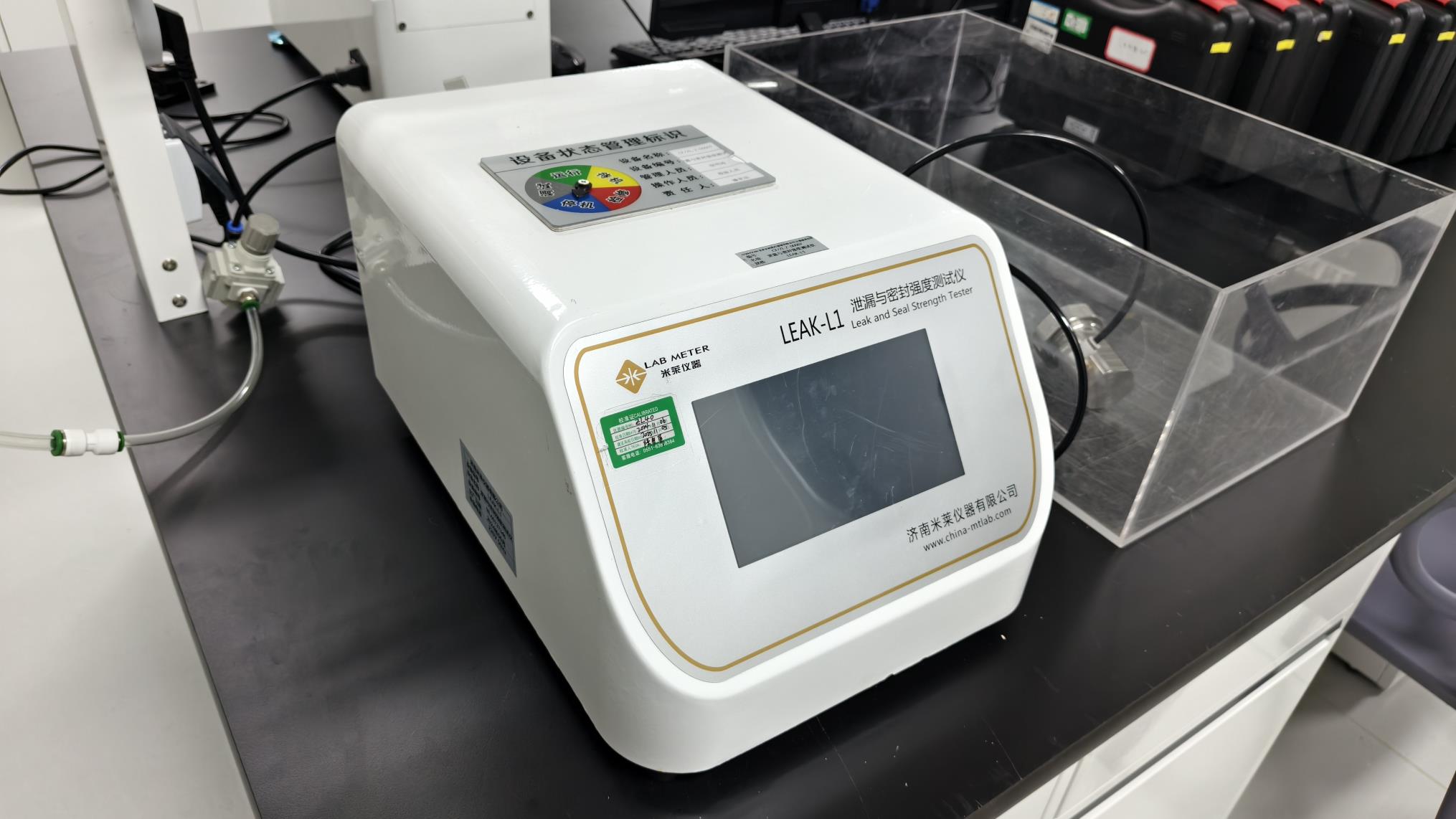
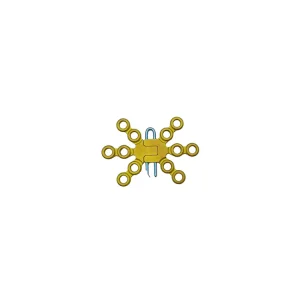
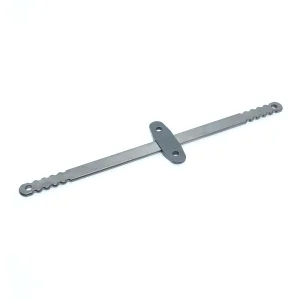
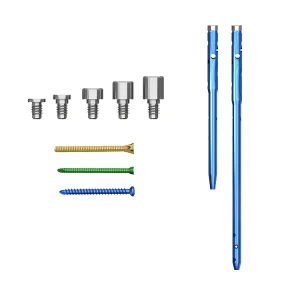
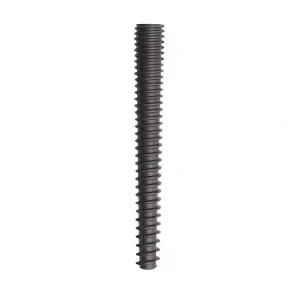
Explore our wider range of orthopedic trauma locking systems and medical instruments selected for the Ho Chi Minh City orthopedic care providers.
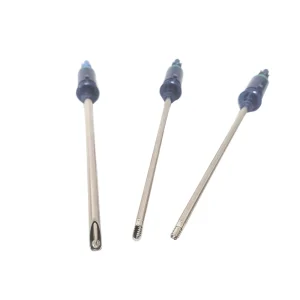
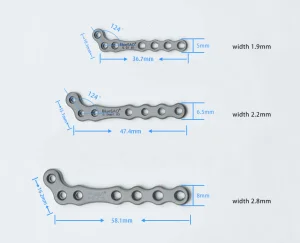
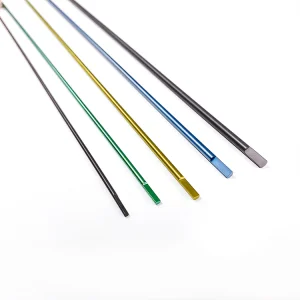
Empowering medical device importers in Vietnam with strategic customization, sterile packaging, and seamless customs logistics.
We provide anatomical configuration adjustments to fit localized population anthropometrics in Southeast Asia. Our engineers adjust plate curvatures, plate widths, and screw locking configurations to optimize stability on thinner, Asian sternal bone structures.
We provide full verification documentation, including ISO 13485 certification, mechanical testing logs, and biocompatibility evaluations. Our team coordinates with HCMC import brokers to streamline medical device registry and customs clearance procedures.
Our rib and sternal system instrumentation kits feature quick-coupling drill guides, ergonomic plate bending irons, and depth gauges. We supply localized training manuals and clinical training videos for surgical technicians and cardiothoracic nursing staff.
Get answers to technical, mechanical, and logistical queries regarding sternal locking and trauma fixation systems.
Secure high-quality orthopedic implants and sternal fixation systems certified under international standards for Ho Chi Minh City's clinics and global healthcare systems.
Send Inquiry Now