 Zynfuse
Zynfuse
Zynfuse
Explore our premium selection of sports medicine products, clinically designed for precise ligament repair, joint reconstruction, and intraoperative imaging in compliance with Middle Eastern medical standards.
The United Arab Emirates (UAE) has established itself as the leading healthcare powerhouse in the Middle East, driven by structural initiatives such as the Dubai Health Strategy 2021, the Abu Dhabi Economic Vision 2030, and massive investments in localized medical capabilities. Historically dependent on importing medical care, the region has transitioned into a world-class hub for complex orthopedic operations, sports rehabilitation, and preventative musculoskeletal therapies.
This transformation is driven by several key factors: an expanding expatriate population, a surging regional interest in fitness, extreme sports, and professional athletic events (such as the Arabian Gulf League, international camel racing tournaments, and equestrian endurance championships), and the rising prevalence of lifestyle-related degenerative joint diseases. Consequently, UAE clinical facilities demand implants and arthroscopic devices that meet or exceed global standards.
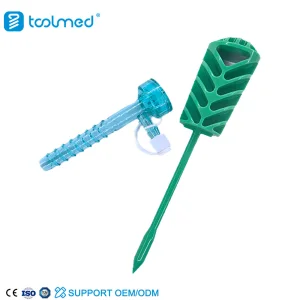
With patients demanding minimal postoperative recovery times and hospital administrators striving to improve bed turnover rates, sports orthopedic clinics in Dubai Healthcare City (DHCC) and Abu Dhabi's major healthcare networks (like SEHA and Cleveland Clinic Abu Dhabi) are prioritizing minimally invasive arthroscopic interventions. The consumption of disposable trocars, specialized arthroscopic cannulas, high-strength PEEK suture anchors, and active radiofrequency plasma electrodes has seen double-digit annual compound growth. Global manufacturers must supply high-precision, biocompatible, and regulatory-approved implants to maintain a presence in this competitive procurement environment.
Purchasing coordinators and medical directors across public and private hospitals in the UAE enforce strict, zero-tolerance policies regarding product reliability. Implants must feature biomaterials engineered to prevent long-term osteolysis while offering maximum tensile stability. Whether utilizing Polyetheretherketone (PEEK) or surgical-grade Titanium alloys, materials must comply with ISO 13485 standards.
Additionally, with the UAE's strict Ministry of Health and Prevention (MoHAP) registration guidelines, manufacturers must provide clean trace histories, sterile packaging guarantees (SAL 10-6), and extensive clinical validation reports before any orthopedic medical item is approved for clinical use.
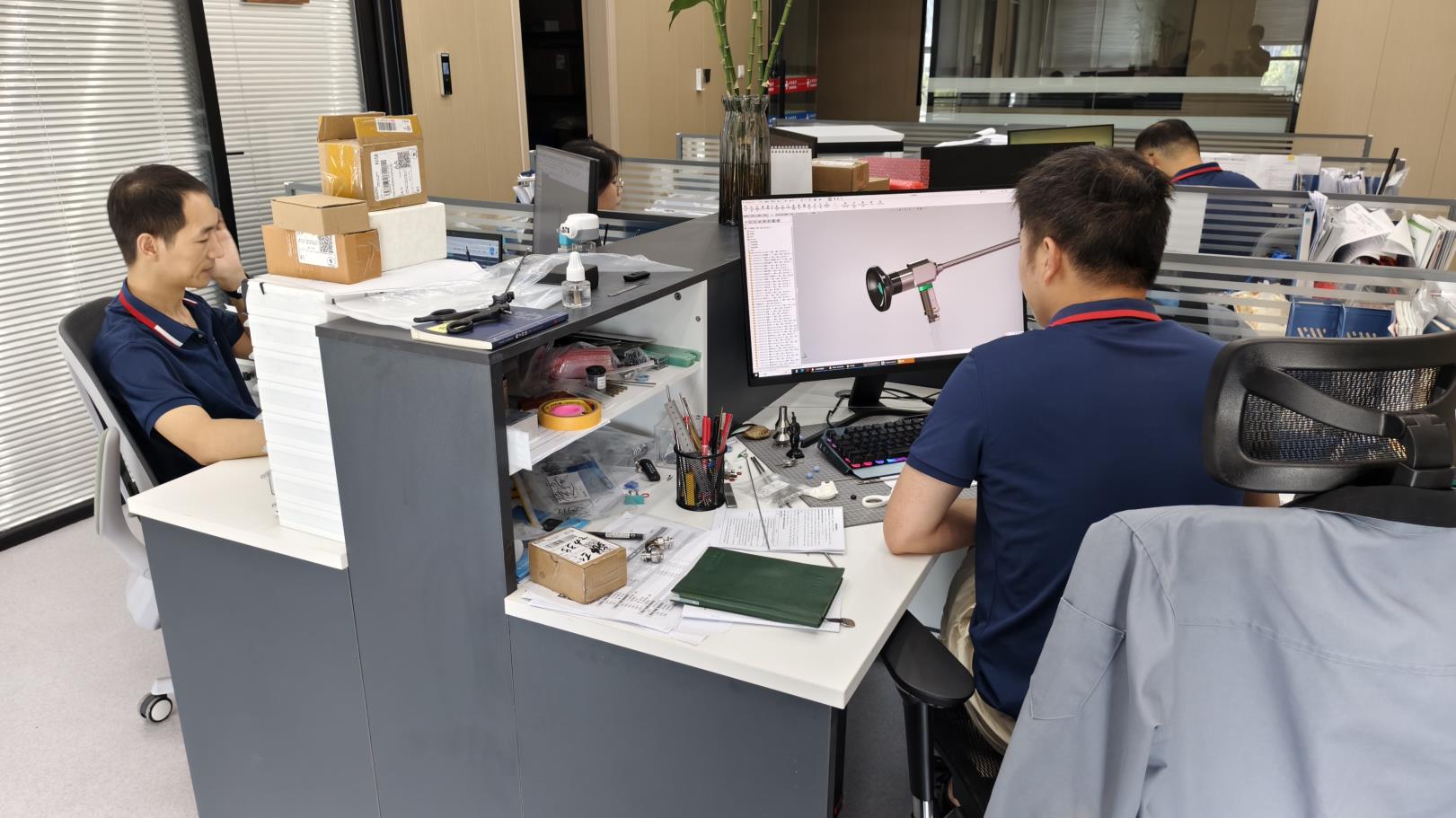
Zynfuse Medical Technology Co., Ltd. is a professional orthopedic medical device manufacturer specializing in bone fusion and advanced implant systems for surgical innovation. Established in 2016, the company has built a strong foundation in orthopedic solutions with 12 years of industry experience and 7 years of export experience, serving global healthcare markets with consistent quality and reliability.
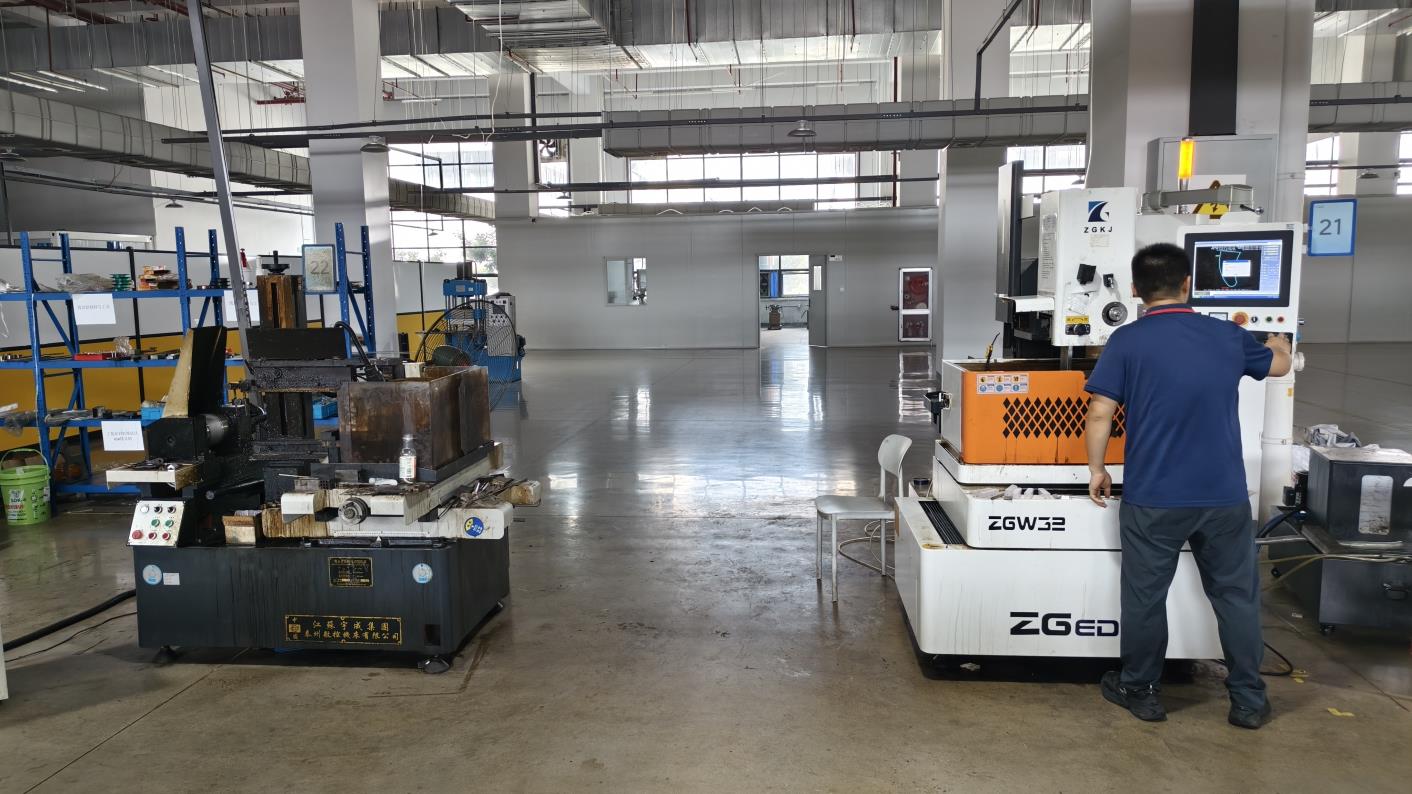
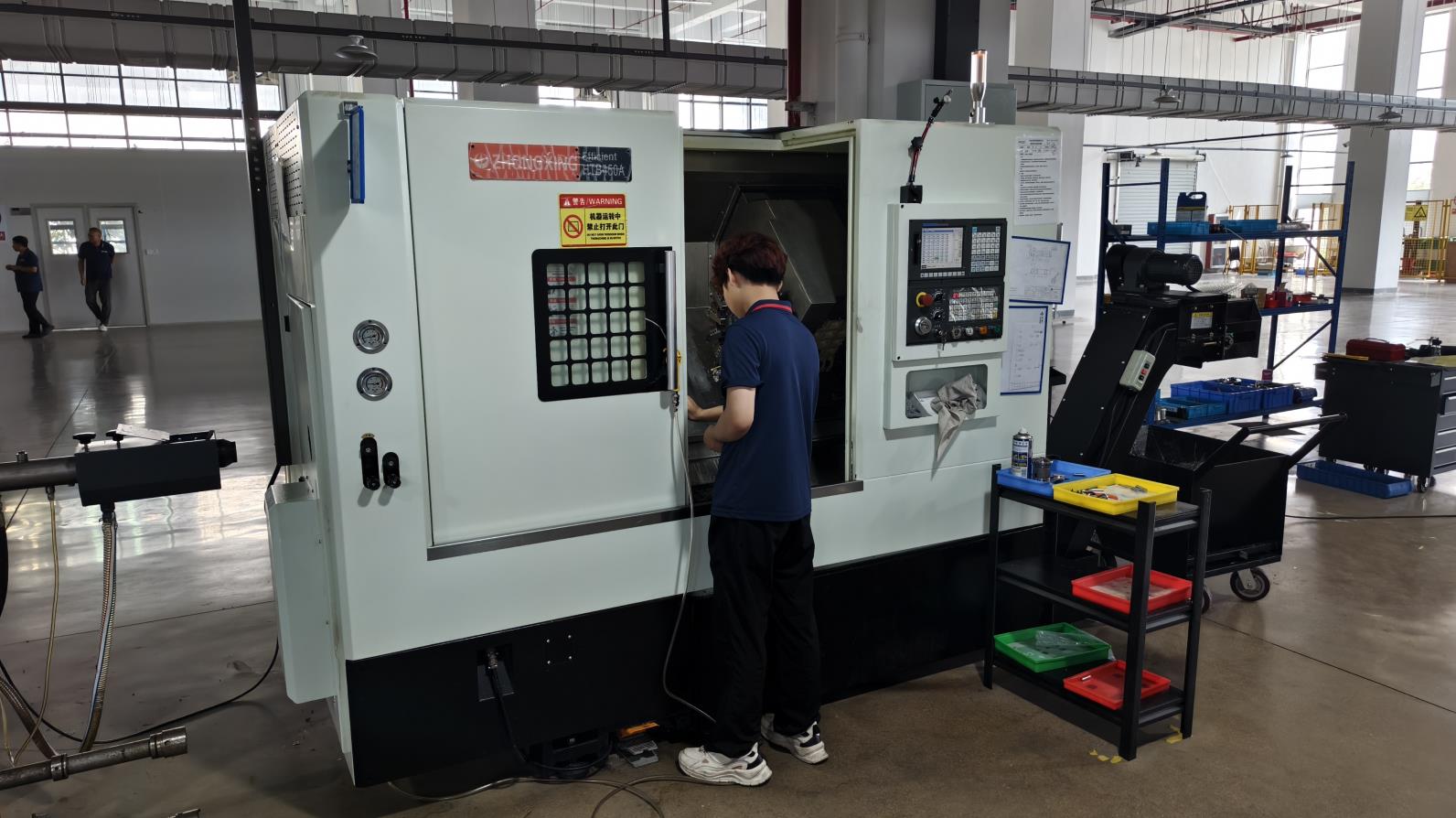
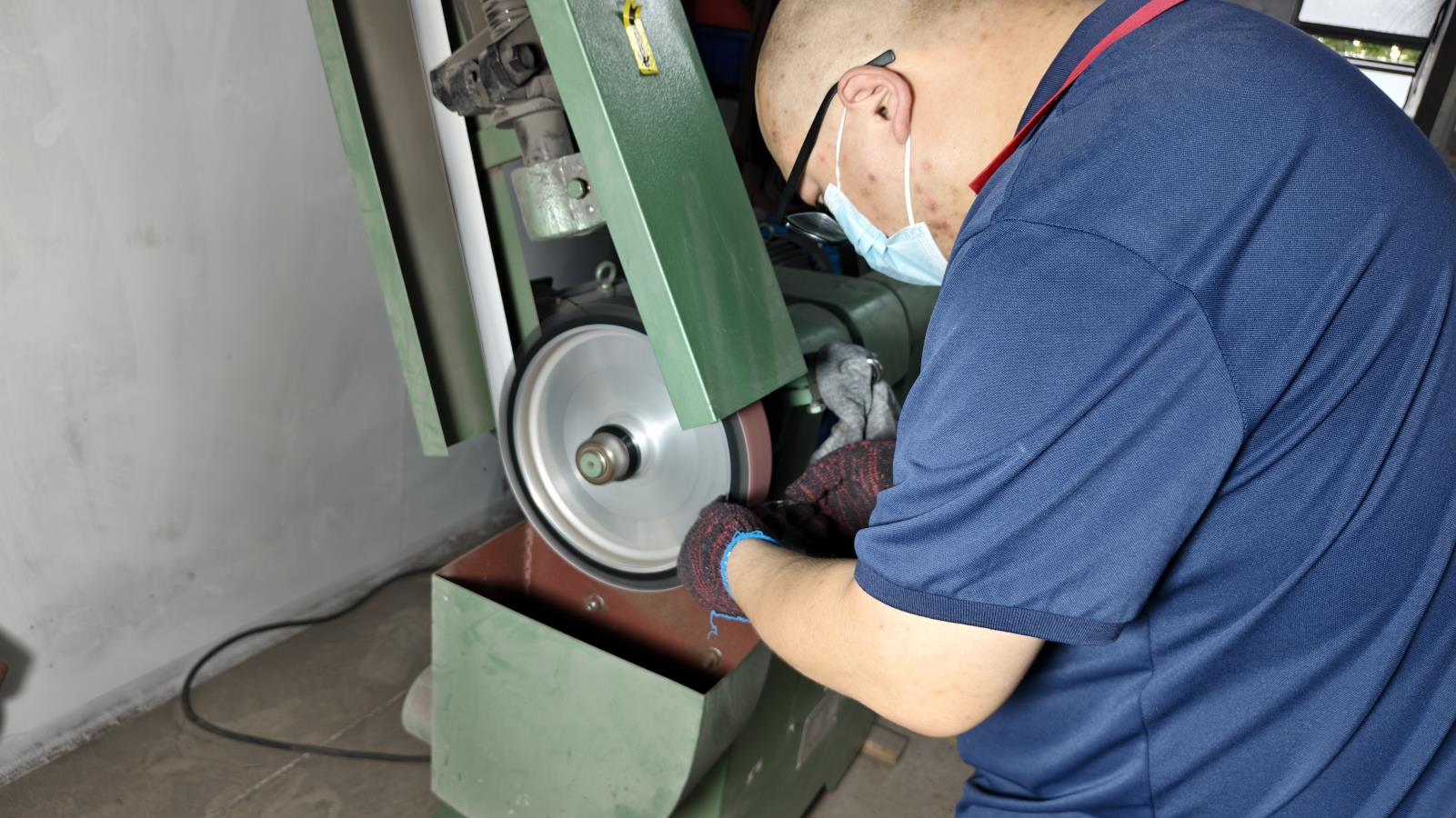
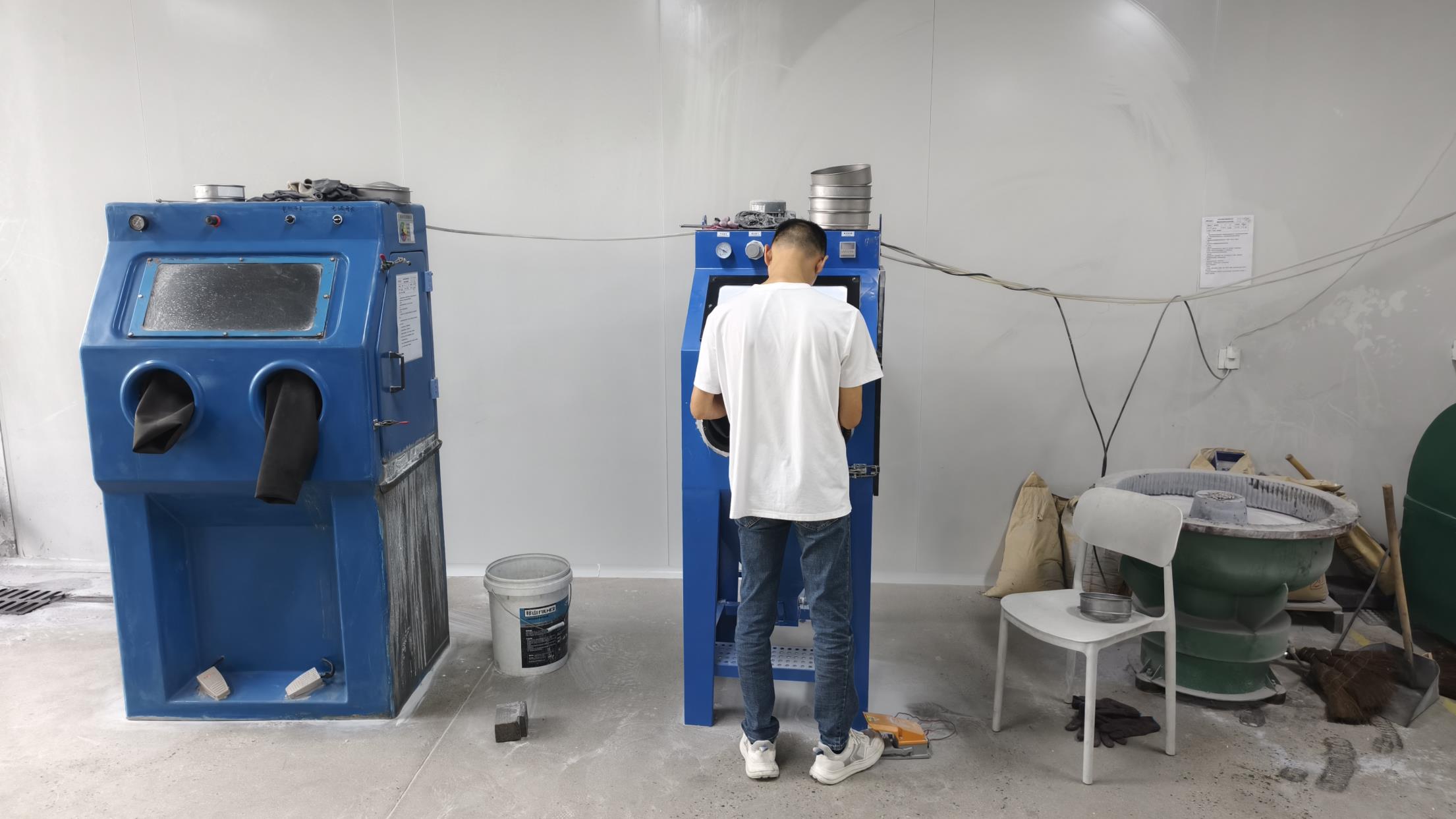
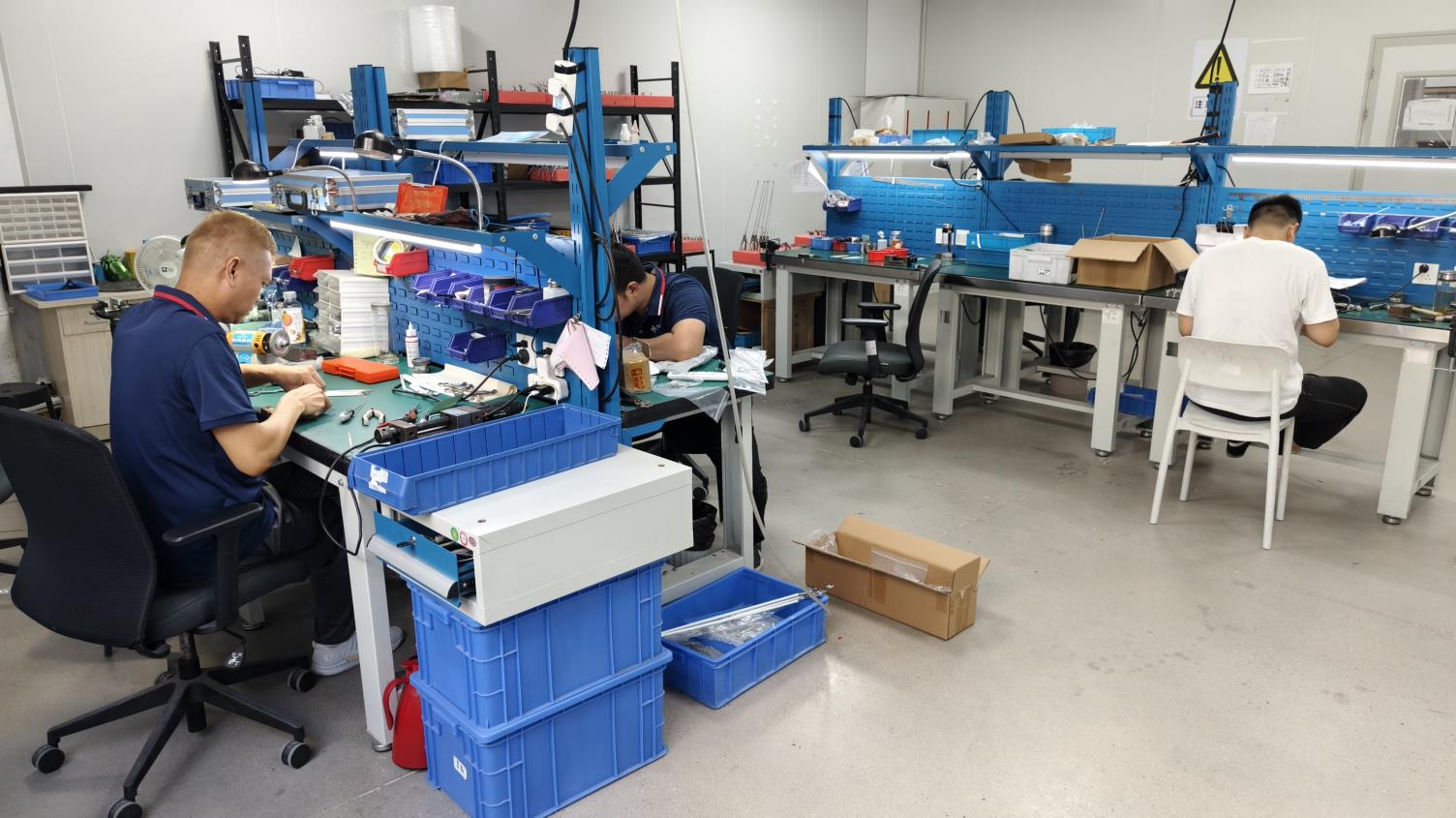
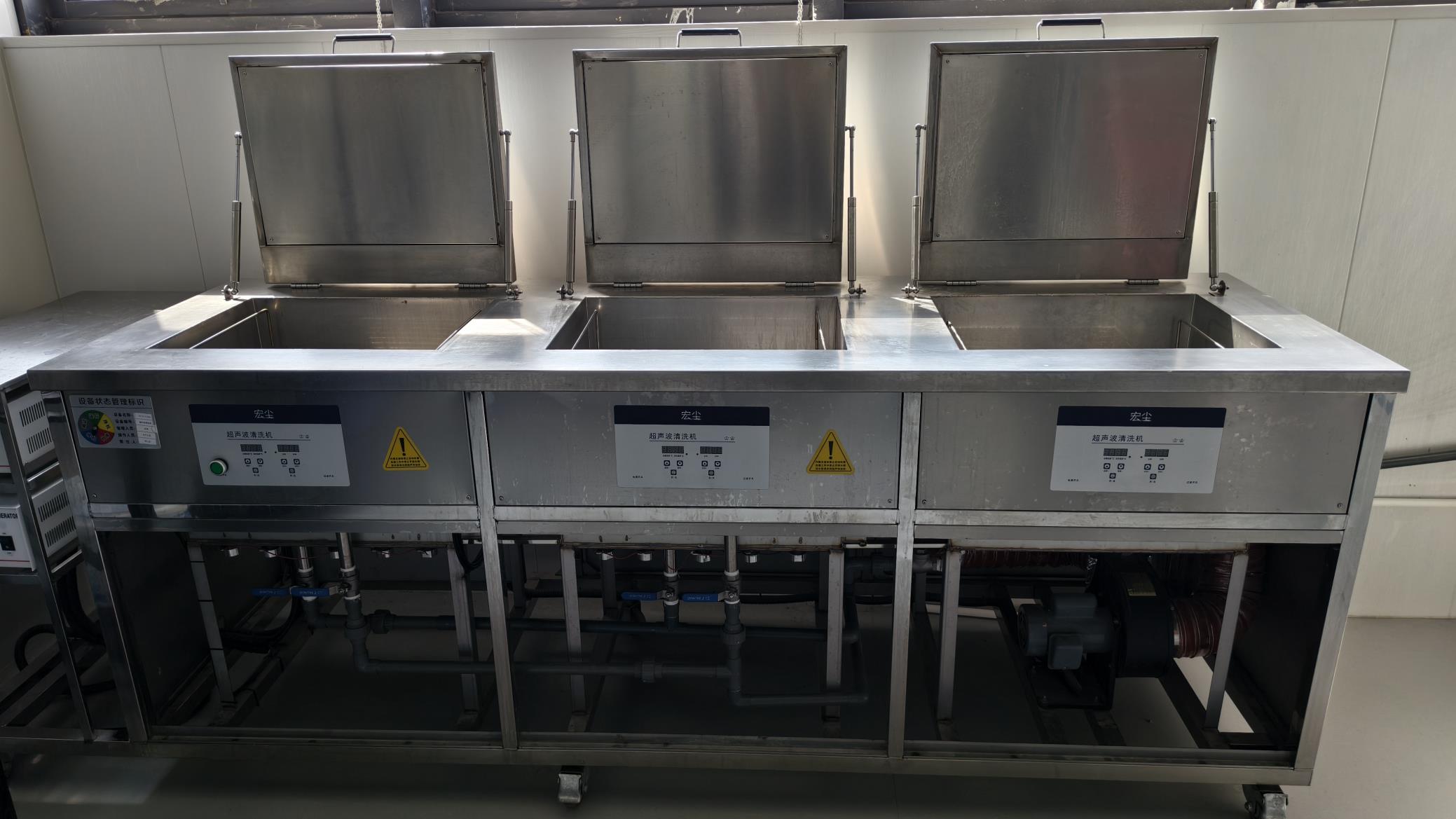
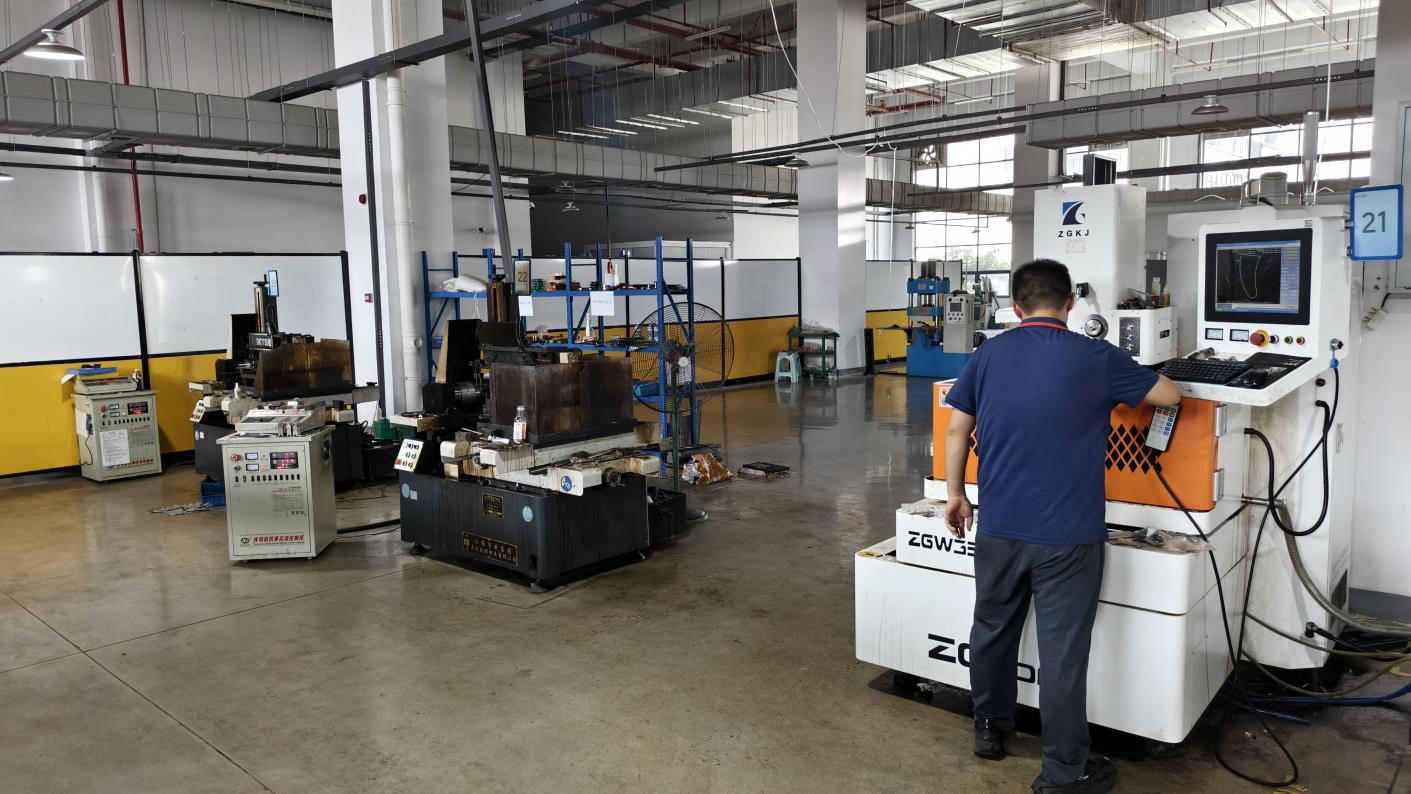
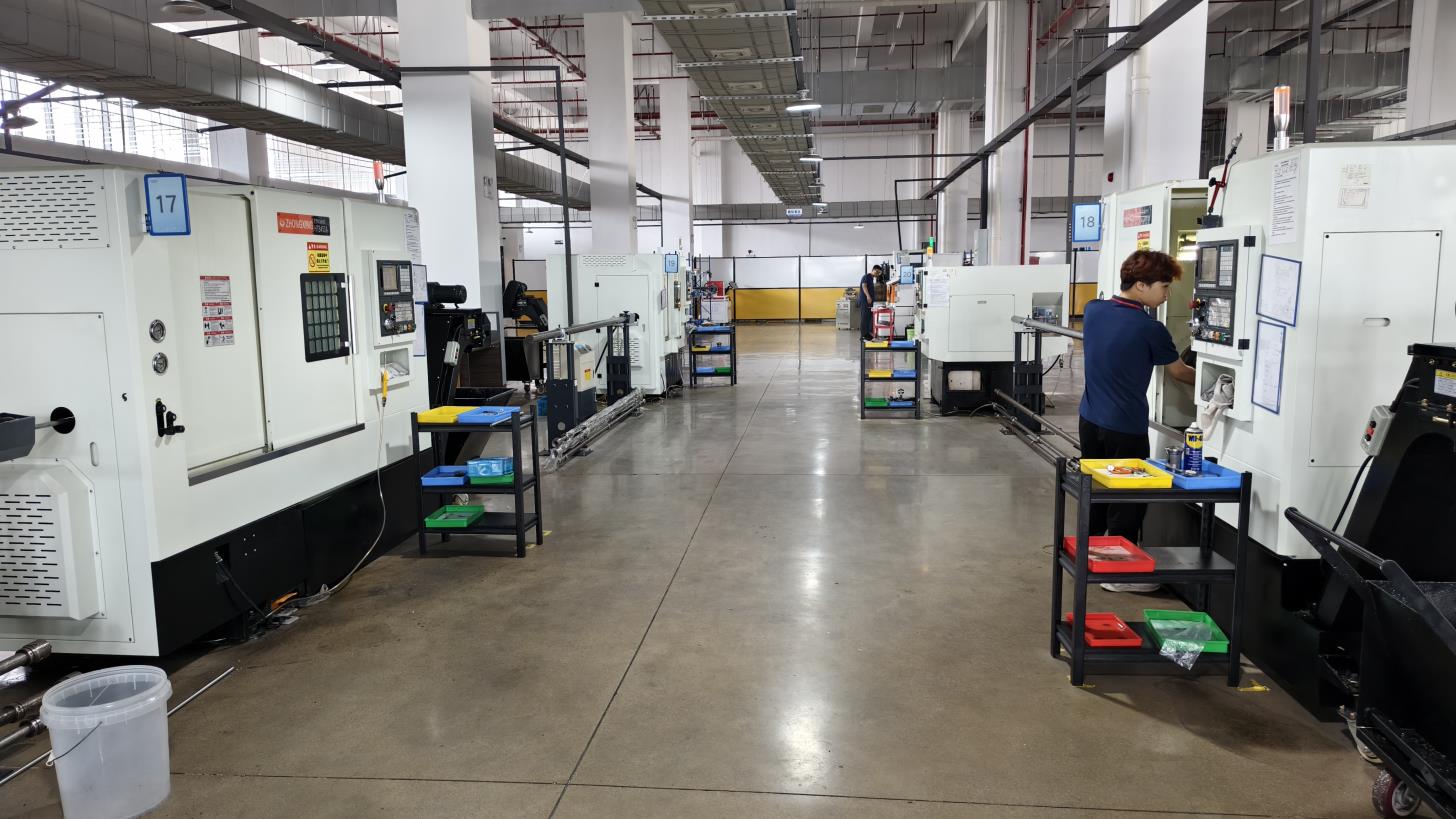
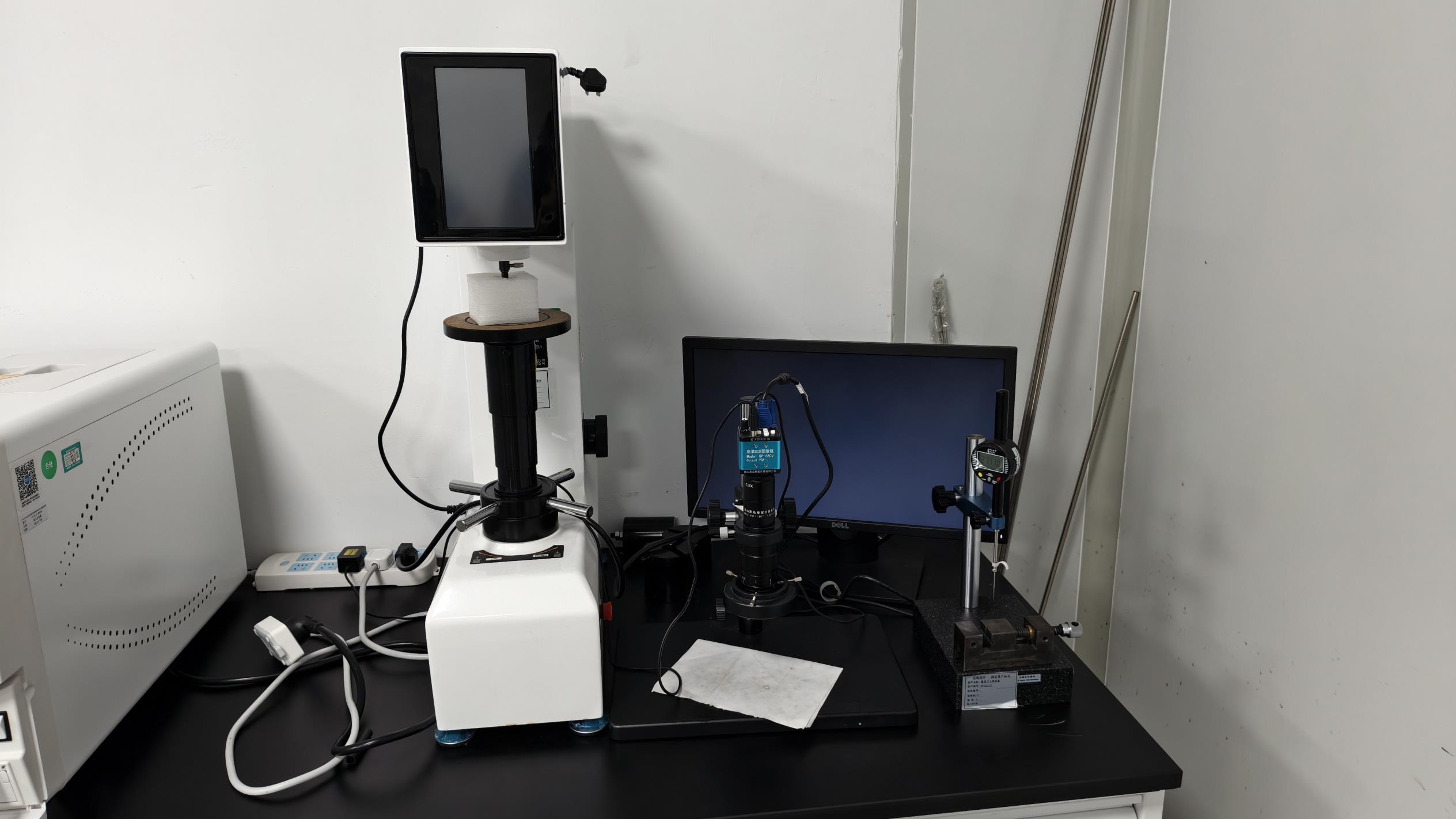
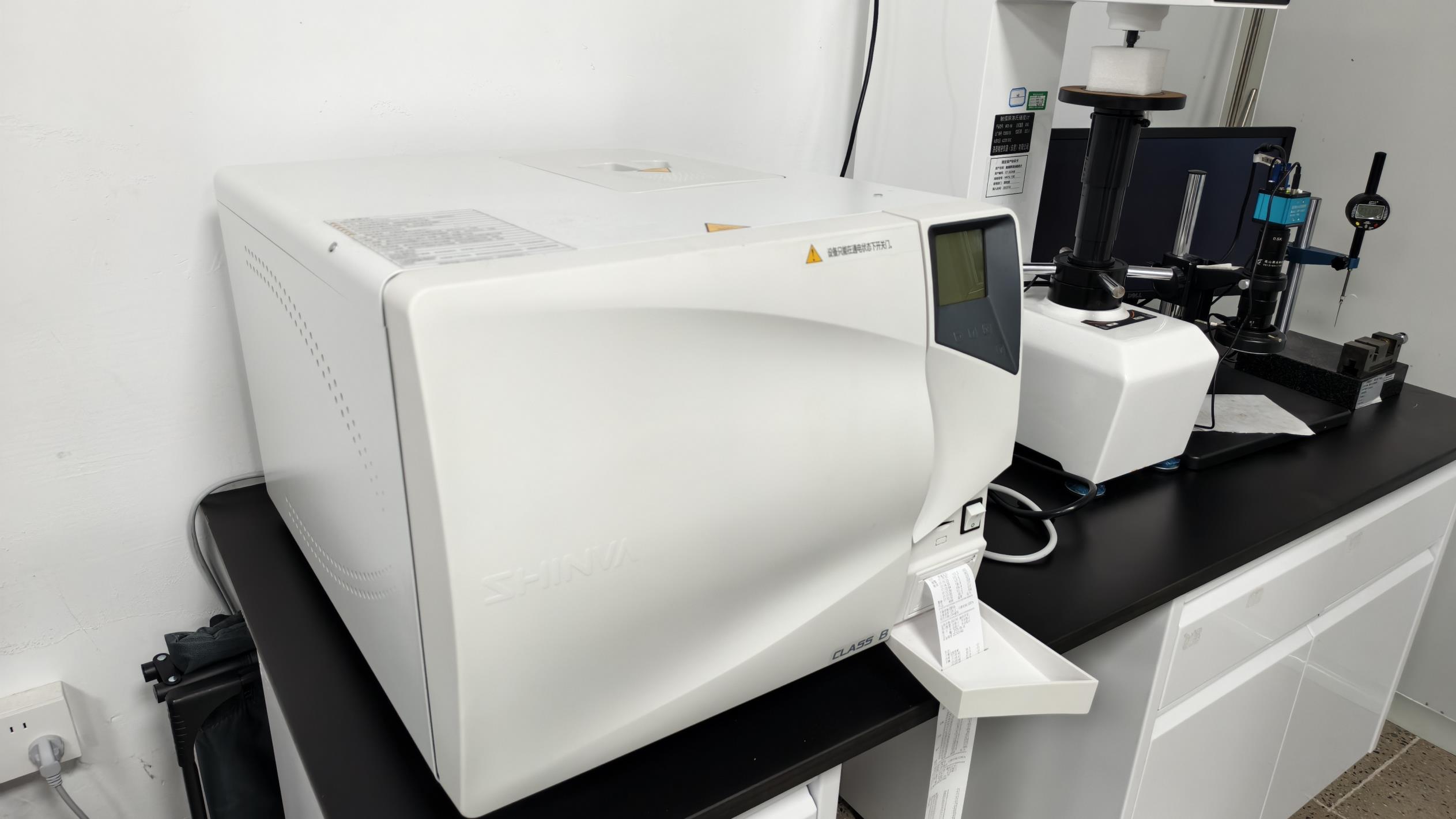
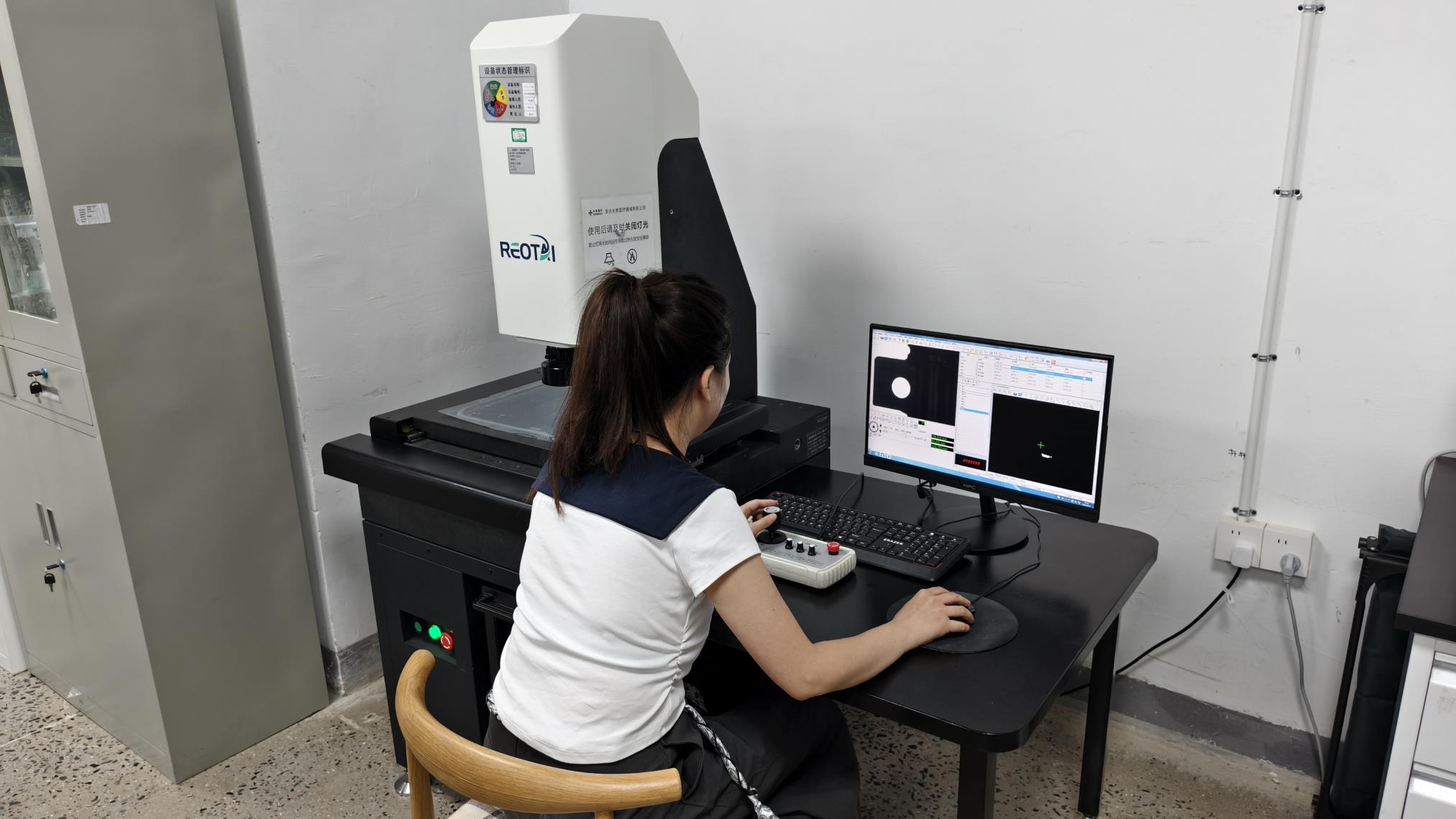
The company operates a modern manufacturing facility covering approximately 18,600 m², equipped with advanced production and testing equipment. Zynfuse maintains an annual export revenue of around $18.5 million, supported by a highly efficient supply chain network of over 1,200 partners worldwide. The organization employs 68 quality inspection specialists ensuring strict compliance with international medical standards.
Zynfuse serves major global markets including North America, Europe, Southeast Asia, and the Middle East, and collaborates with hospitals, distributors, orthopedic clinics, and medical device importers. Its client base primarily includes medical distributors, hospital procurement departments, and orthopedic surgical centers.
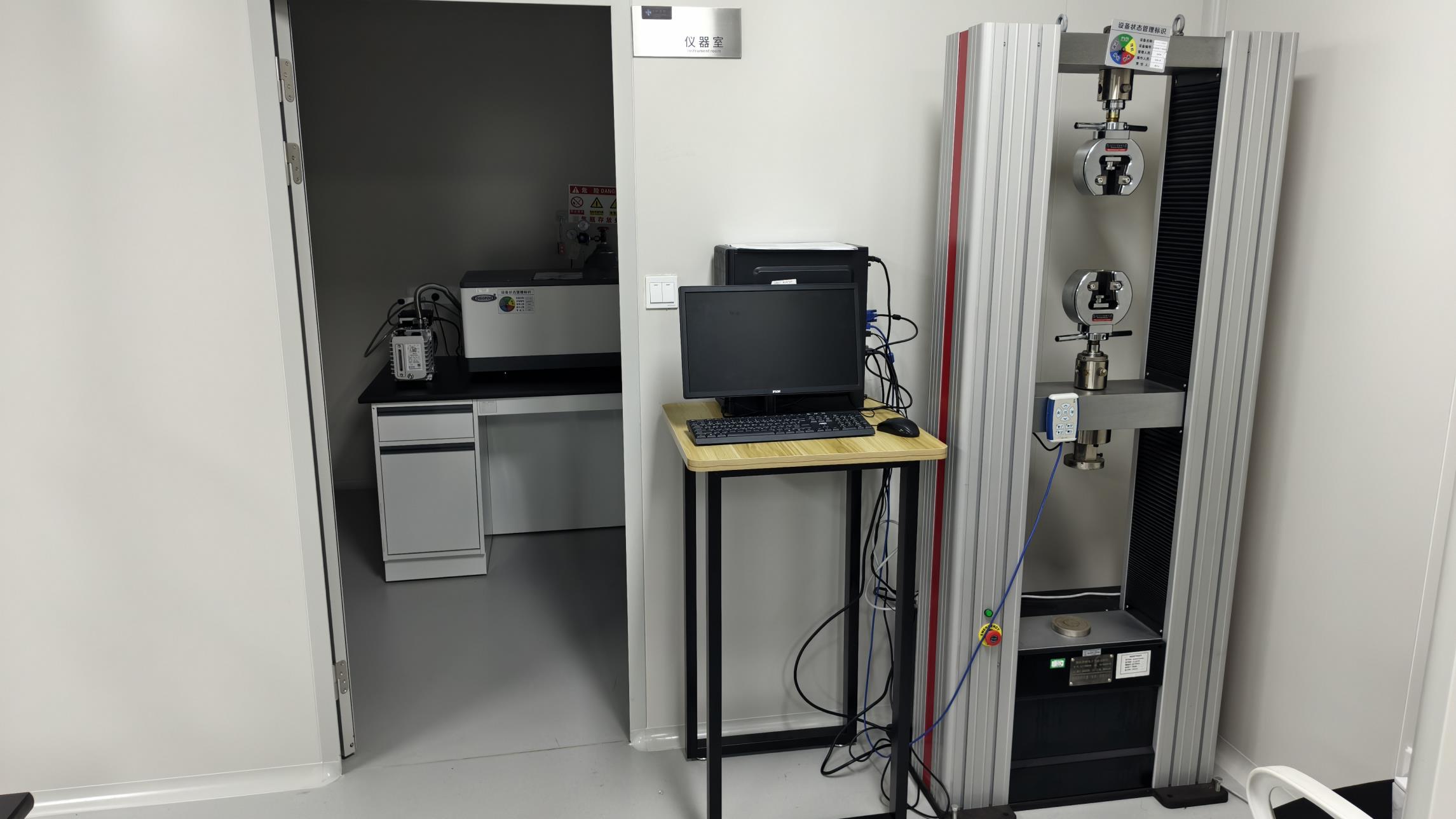
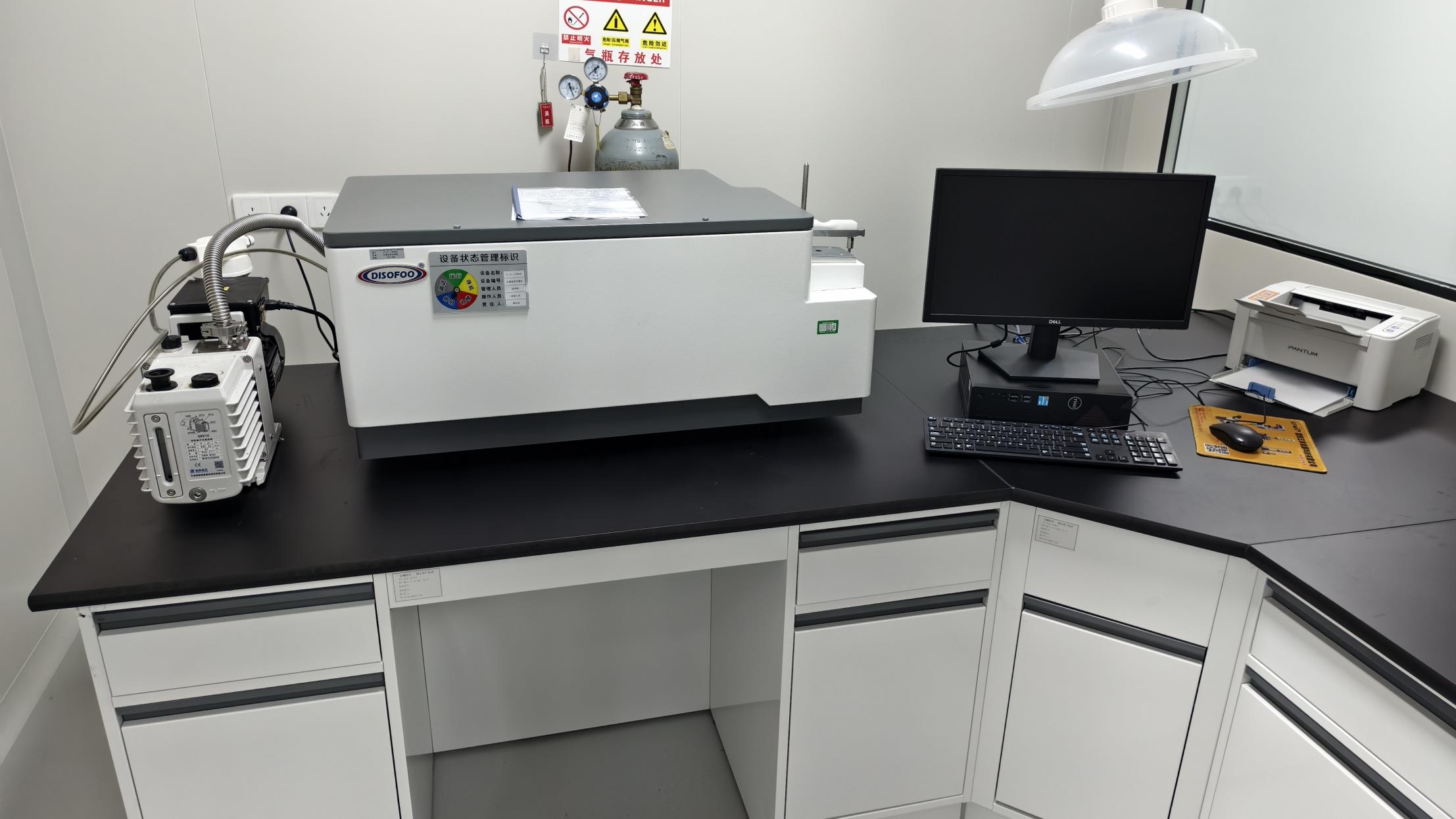
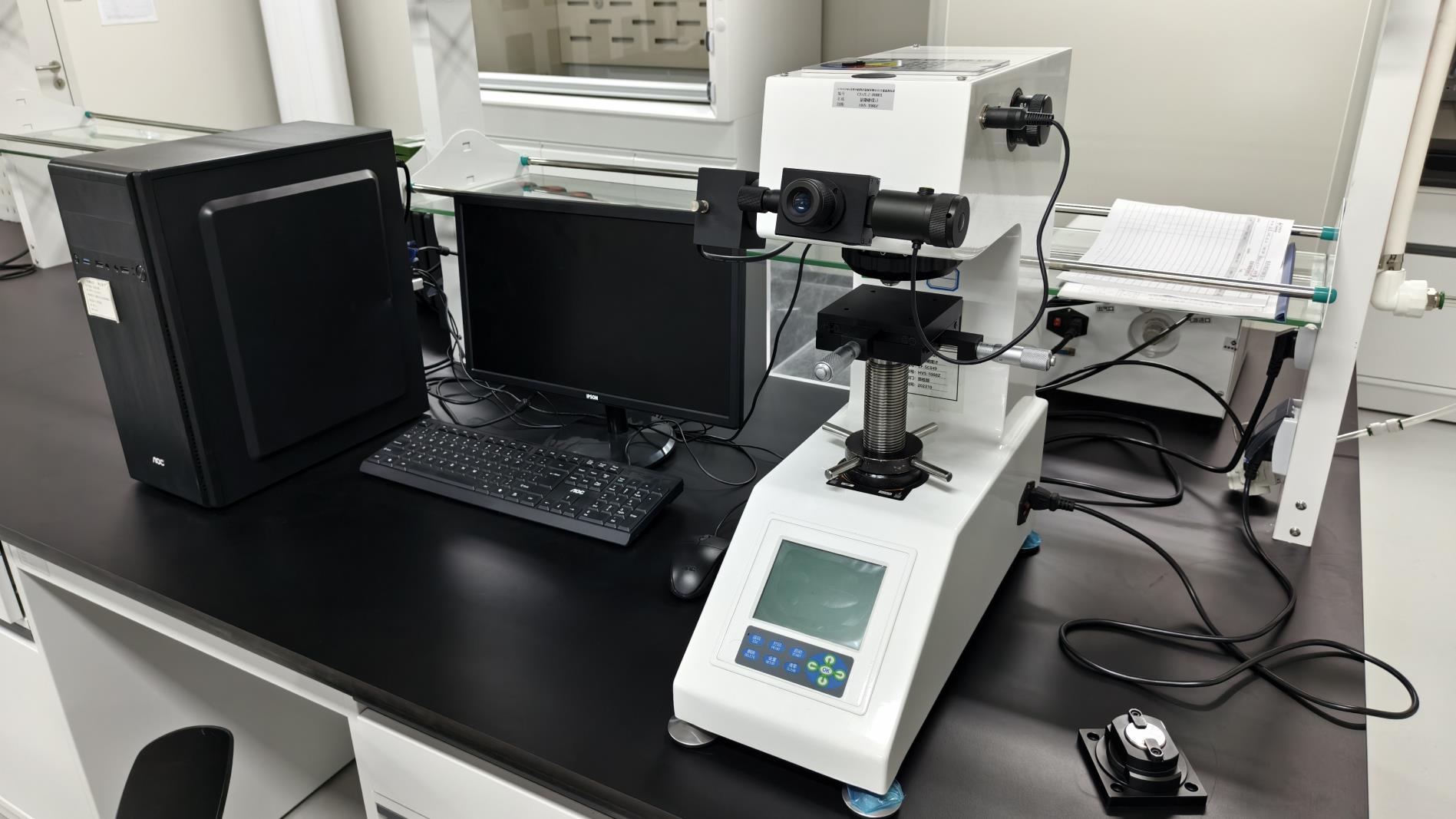
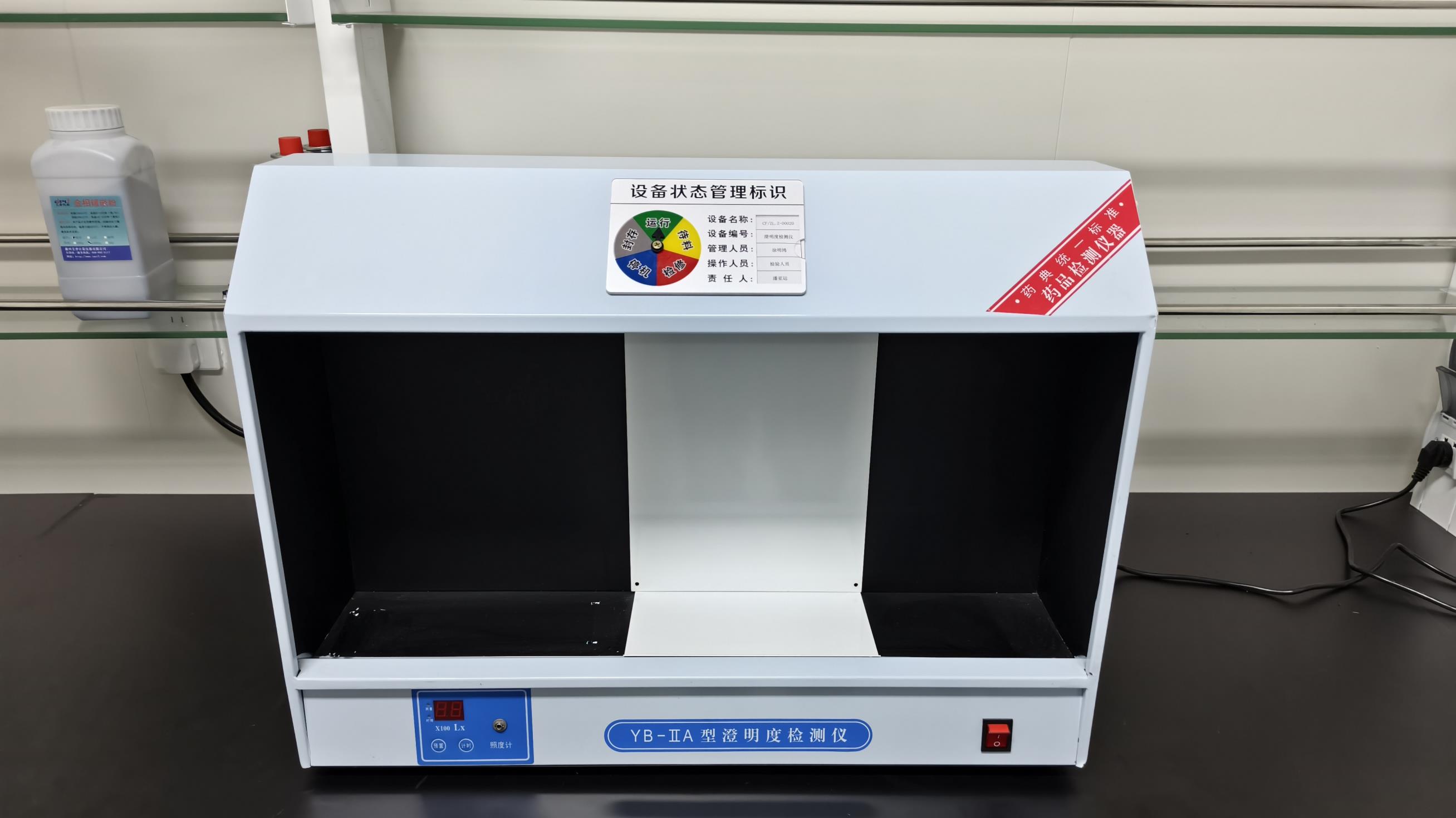
The company places strong emphasis on quality control, implementing ISO 13485-based inspection systems, mechanical performance testing, and biocompatibility evaluations. Product inspection methods include dimensional verification, fatigue testing, and surface integrity analysis.
With a robust R&D team of 85 engineers, Zynfuse continues to expand its innovation capabilities, launching approximately 320 new products annually. The company offers extensive customization options, including implant geometry adjustment, material selection, and OEM/ODM solutions tailored to client needs.
Zynfuse maintains a strong trade background with long-term partnerships across the global medical device industry, ensuring stable supply and consistent product excellence.
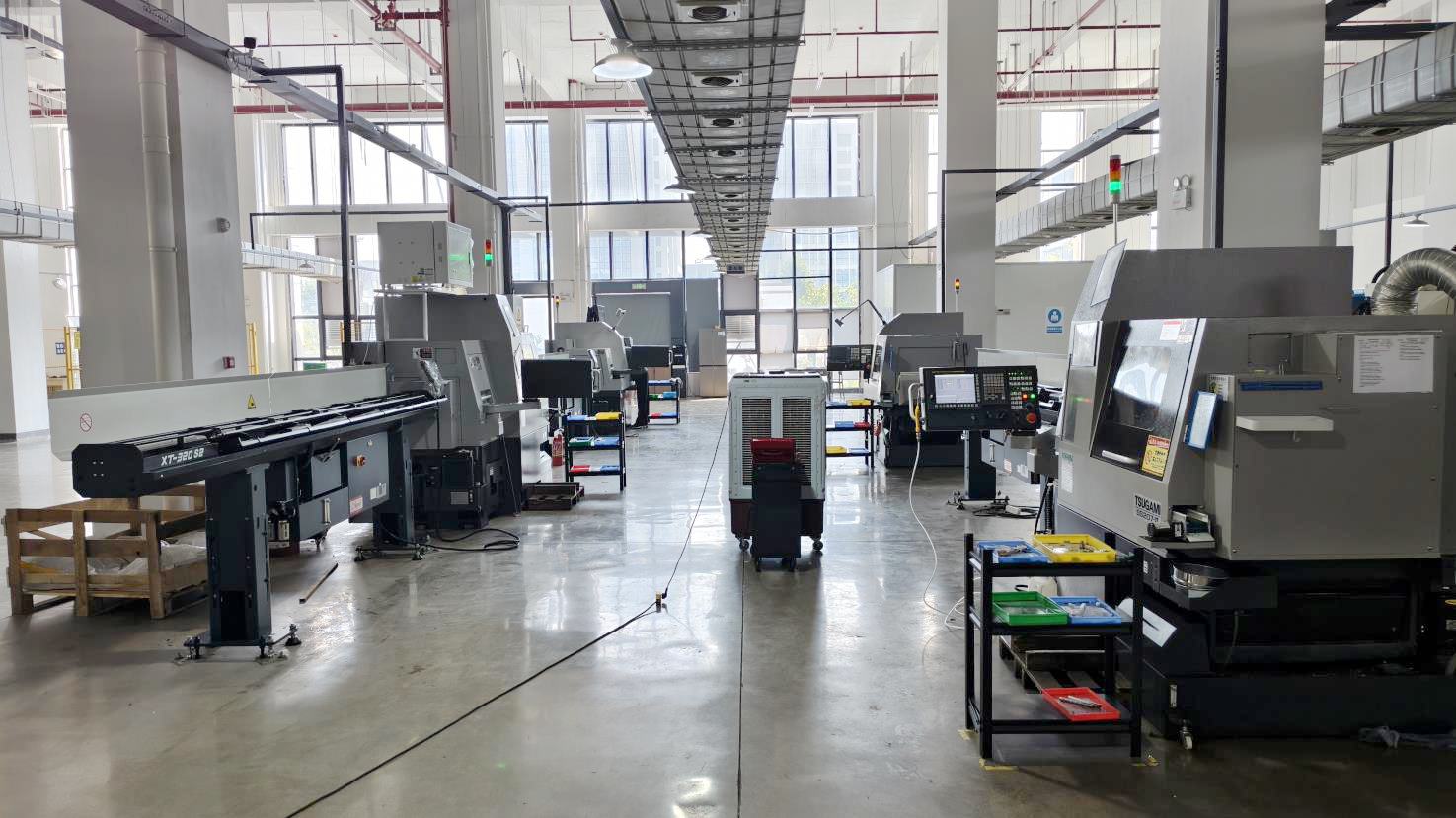
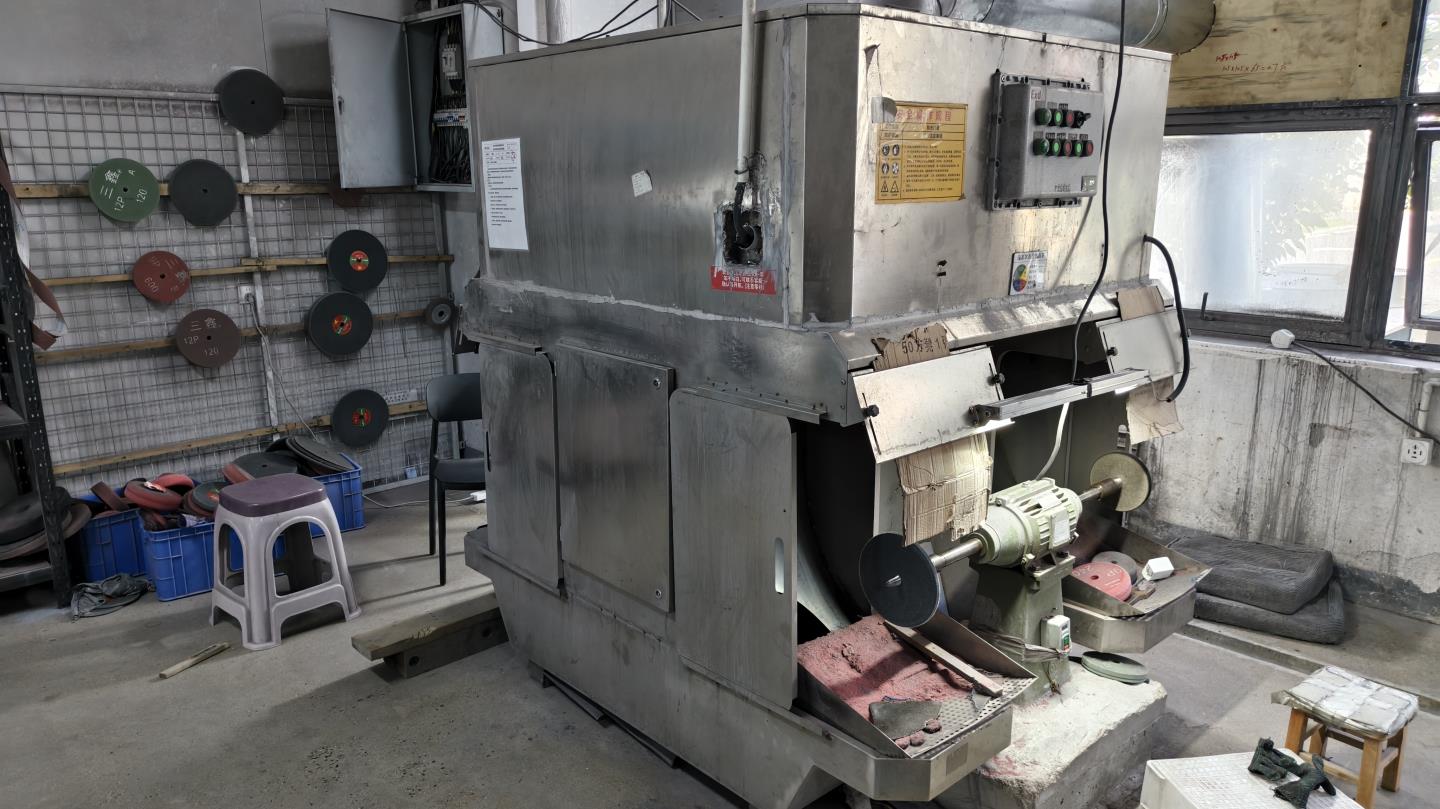
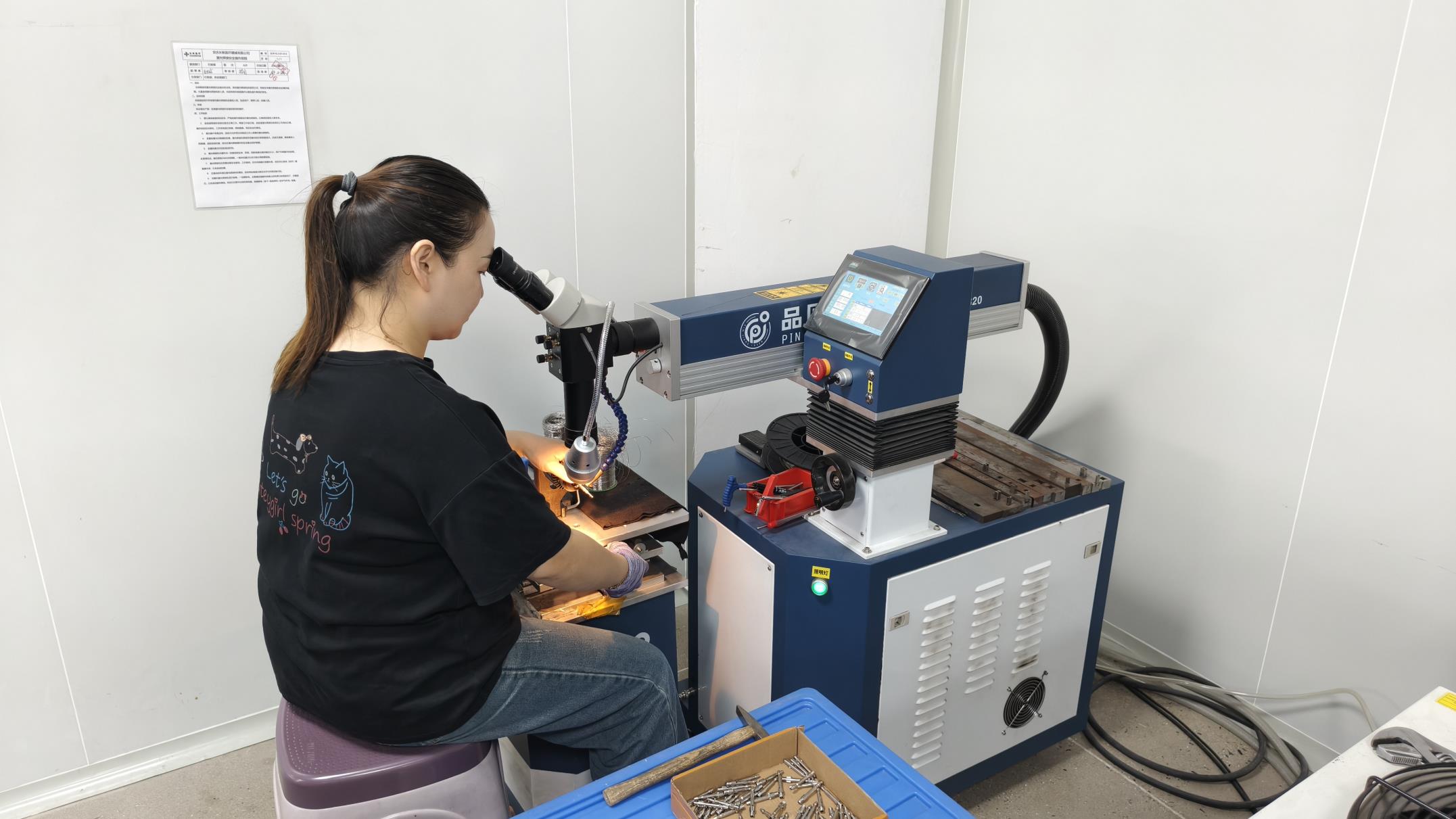
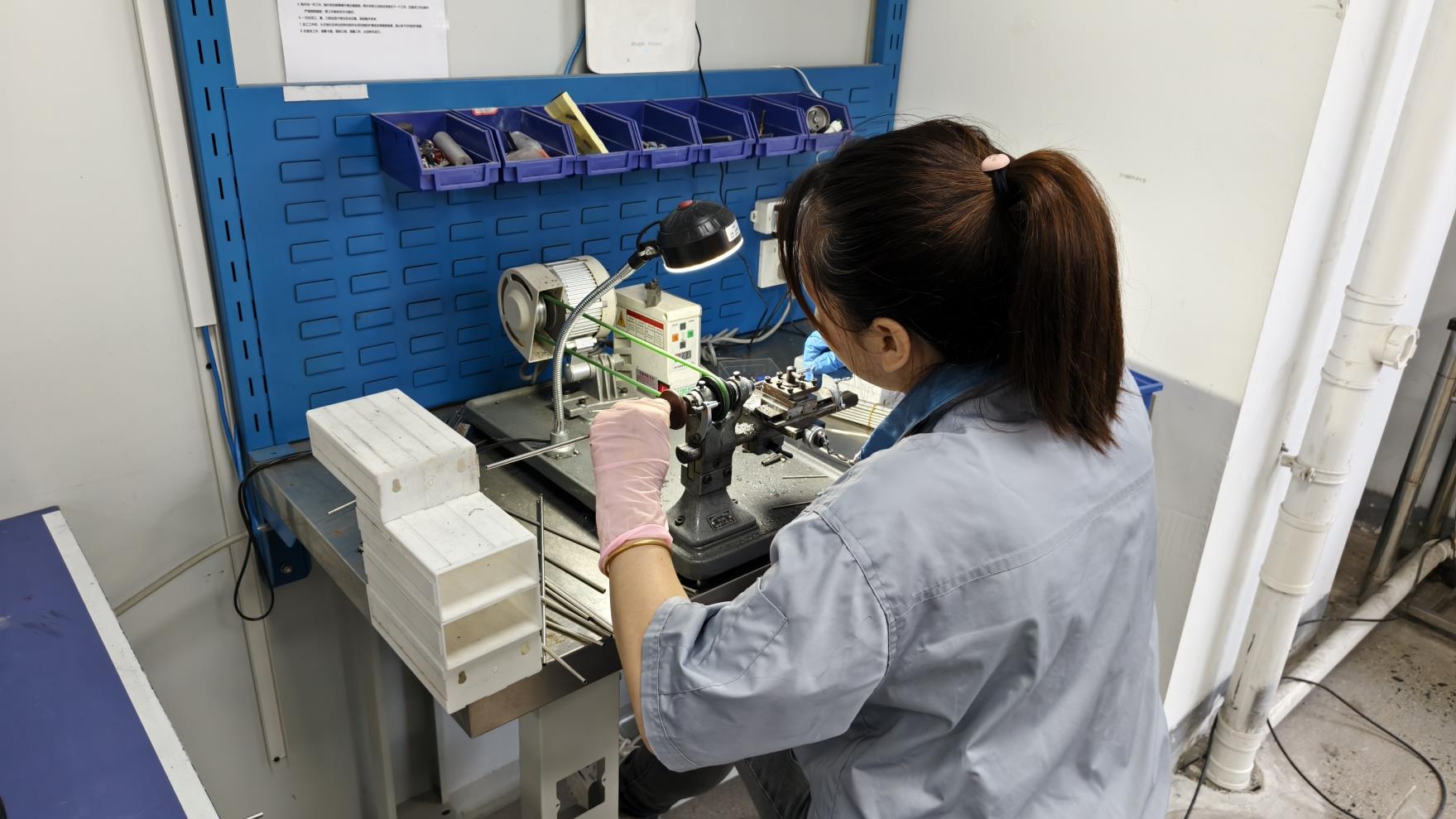

The selection of implant biomaterials determines long-term clinical integration. PEEK suture anchors prevent MRI distortion and display an elastic modulus close to cortical bone. High-grade Titanium provides mechanical strength for heavy load-bearing zones.
Preventing surgical site infections requires a reliable packaging design. Every single-use arthroscopic cannula and meniscus trocar is packaged in ISO Class 7 cleanrooms using medical-grade Tyvek materials to maintain sterility for up to 5 years.
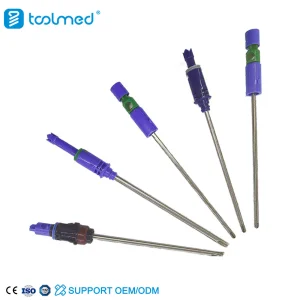
Surgical centers use diverse shaver platforms. Our range of arthroscopic shaver blades is configured with custom hubs compatible with major international power drive consoles, reducing surgical setup times and capital outlays.
Global healthcare procurement systems are changing, with a greater emphasis on supply chain transparency. Hospital networks are bypass-purchasing traditional intermediaries, instead establishing direct partnerships with qualified manufacturers. This direct sourcing strategy allows hospitals to control component geometries, request custom packaging configurations, and leverage cost benefits without sacrificing structural quality or therapeutic efficacy.
This shift is particularly relevant in the GCC region. High import tariffs, strict customs clearances, and regional compliance audits make a direct manufacturer relationship highly valuable. Zynfuse supports this model by offering full regulatory documentation, rapid production validation, and customized manufacturing configurations to keep hospital supply chains reliable and efficient.
Explore our complete catalog of CE and ISO-certified surgical instruments, arthroscopic systems, and bio-implant components designed to support fast patient recovery and smooth clinical workflows.
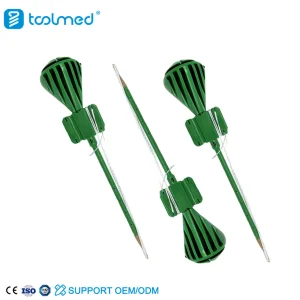
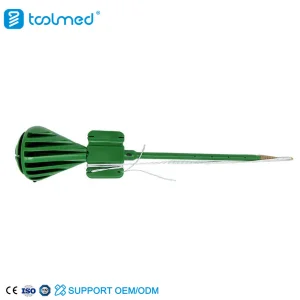
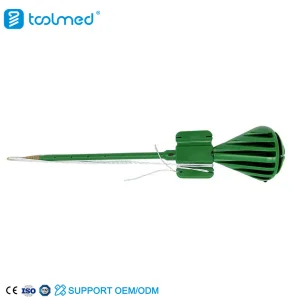
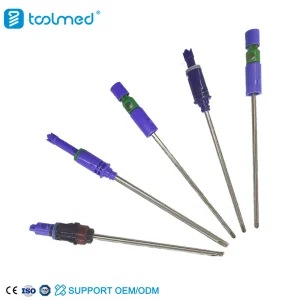
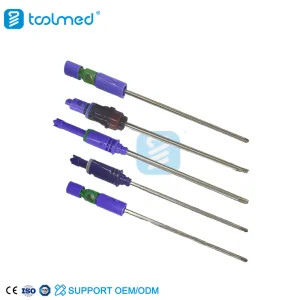
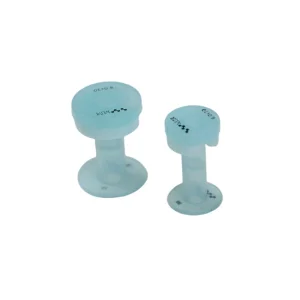
Selecting sports medicine implants requires evaluating their biomechanical performance under physiological stress. For ACL reconstructions, rotator cuff repairs, and labral stabilization, the fixation device must withstand repetitive forces during early mobilization.
Modern soft-tissue fixation relies on the bone-implant interface. Zynfuse designs and tests its PEEK and Titanium suture anchors to optimize thread geometry and pitch, increasing pull-out strength in low-density bone. By testing thread engagement and load-to-failure limits, these anchors are engineered to maintain structural integrity under cyclic loads, reducing the risk of implant displacement during patient recovery.
Developing smart surfaces is key to improving osseointegration. Zynfuse's R&D team works on surface modifications for orthopedic implants to promote cellular attachment. Through plasma-chemical processing, we modify implant surfaces to enhance cell adhesion and support natural healing, helping secure the implant to the surrounding tissue.
Minimally invasive debridement requires precise thermal management. Our RF plasma electrodes generate a stable plasma layer to ablate targeted tissues while preserving adjacent healthy structures. By maintaining stable temperatures at the active tip, these tools minimize thermal spread, helping protect surrounding tissue and supporting patient recovery.
Importing medical devices into the United Arab Emirates requires strict adherence to regulatory steps managed by the Ministry of Health and Prevention (MoHAP). Foreign manufacturers must cooperate with licensed local distributors or hold a valid authorized representative delegation.
Our regulatory department prepares complete technical documentation (including ISO 13485 certificates, CE declarations of conformity, biocompatibility data, and clinical evaluation studies) to help our UAE partners complete the MoHAP approval process smoothly.
We offer customizable packaging options, including multi-language labeling (English/Arabic) and custom product layouts, matching the specific sterilizing and storage practices of hospitals across the GCC.
From our production lines to the ports of Jebel Ali or Abu Dhabi, our logistics processes are designed to maintain sterile product integrity. Through strict quality controls and temperature-monitored shipping options, we ensure every delivery arrives in ready-to-use condition for healthcare facilities across the region.