 Zynfuse
Zynfuse
Zynfuse
Optimized spinal fixation accessories designed to meet the strict technical standards of Osaka surgical departments and regional Kansai hospitals.
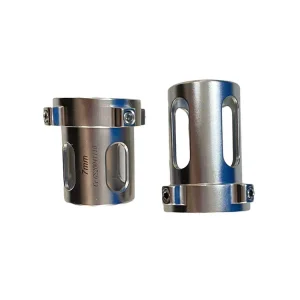
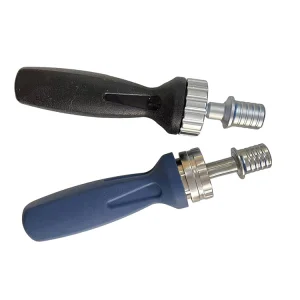
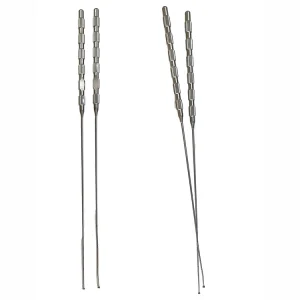
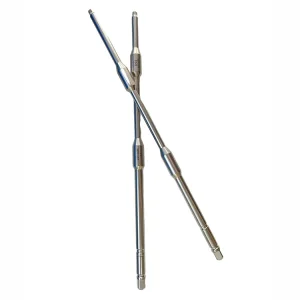
An authoritative analysis of Osaka's clinical ecosystem, manufacturing challenges, and structural demand shifts in orthopedic implant procurement.
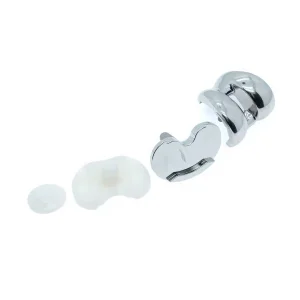
Osaka Prefecture, as the commercial and industrial anchor of the Kansai region, faces a profound demographic transition. With over 28% of the population aged 65 or older, clinical demand for degenerative spine procedures, total knee arthroplasty (TKA), and osteotomy interventions has grown consistently over the past decade. This shift requires a continuous, high-volume supply of specialized spinal hardware, instrumentation, and positioning guides. Local university hospitals, including Osaka University Hospital and Osaka Metropolitan University Hospital, have pioneered minimally invasive spine surgeries (MISS), which call for increasingly complex surgical instruments.
Local medical device distributors in Osaka face challenges with long lead times from traditional Western OEM vendors and rising component costs. Zynfuse Medical meets this demand by offering highly responsive manufacturing capabilities that deliver high-precision, bio-compatible orthopedic accessories directly to Kansai-based distributors, complying with PMDA regulations and global quality protocols.
The Japanese Ministry of Health, Labour and Welfare (MHLW), through the Pharmaceutical and Medical Devices Agency (PMDA), enforces strict standards for orthopedic implants and tools. Material selection (such as Ti-6Al-4V ELI titanium alloy and ultra-high-molecular-weight polyethylene), surface finish, passivation, and sterility assurance are tightly regulated.
Zynfuse Medical maintains a production process aligned with ISO 13485 quality management systems, facilitating compliance validation for Japanese distributors. Our manufacturing methods support regional distributors in securing local PMDA marketing approvals (Shonin) and registrations (Ninsho) for Class I, II, and III medical devices, ensuring a stable, traceable supply chain.
Zynfuse Medical Technology Co., Ltd. is an orthopedic medical device manufacturer specializing in bone fusion systems, advanced joint implants, and surgical instrumentation. Since our founding in 2016, we have built our business around clinical innovation and supply chain reliability. With 12 years of industry experience and 7 years of export experience, Zynfuse supports major healthcare markets globally, including North America, Europe, Southeast Asia, and the Middle East.
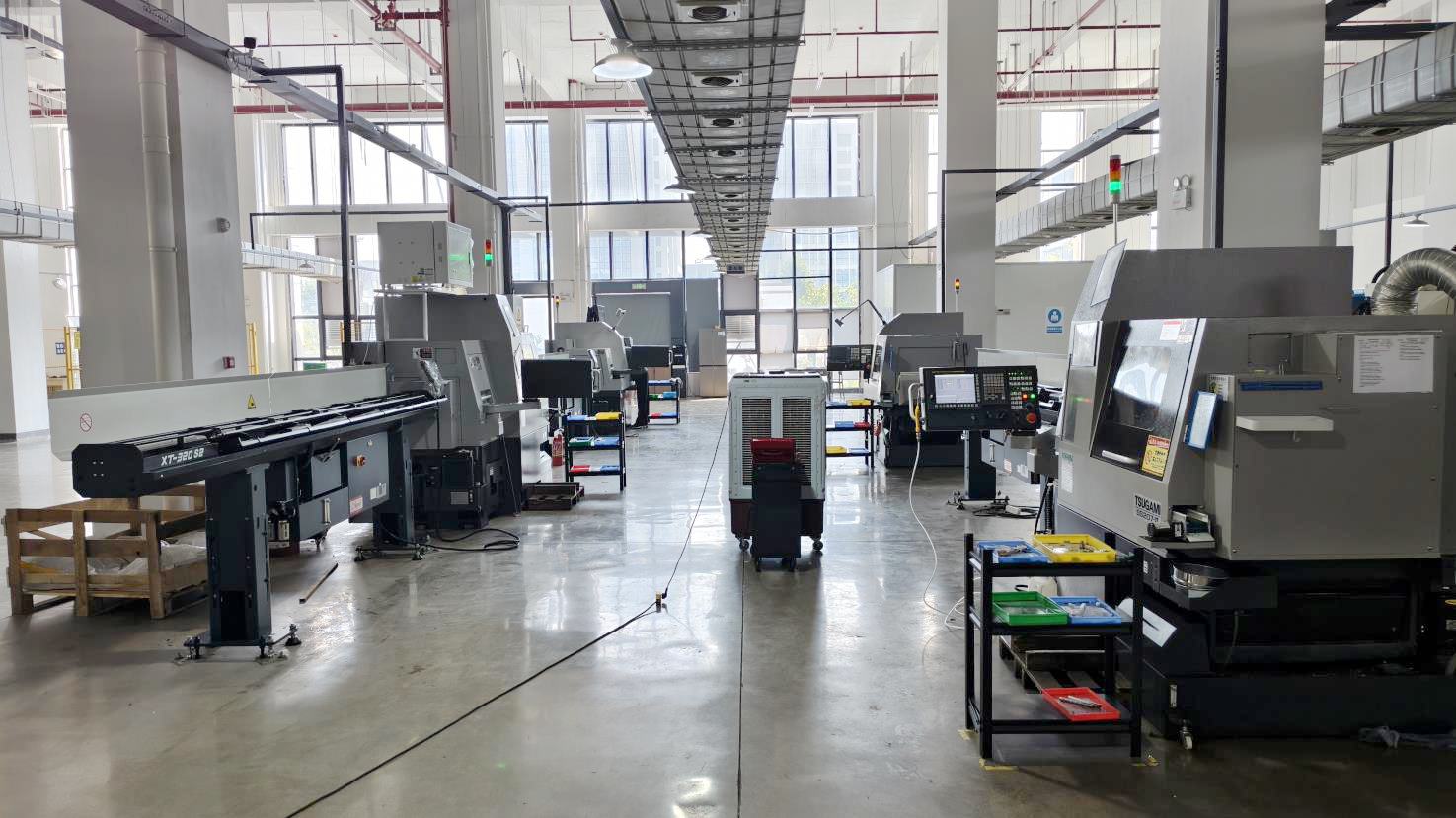
Our facility spans approximately 18,600 m² and is equipped with multi-axis CNC machines, Swiss-type precision lathes, and ISO Class 7 cleanrooms. We generate an annual export revenue of $18.5 million, backed by an established network of more than 1,200 partners worldwide. Quality control is managed by a team of 68 quality inspection specialists who supervise our ISO 13485-compliant processes, ensuring all components meet global regulatory standards.
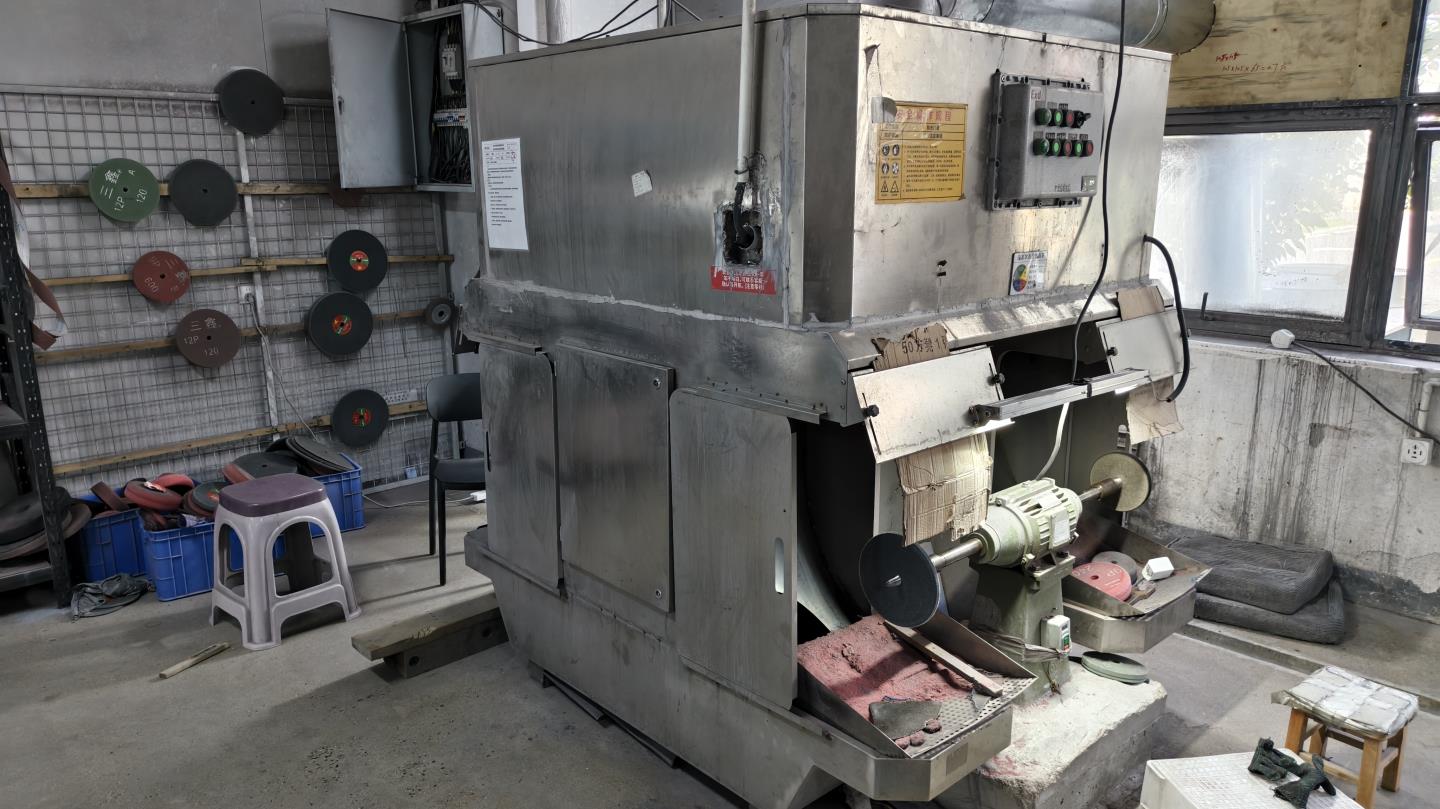
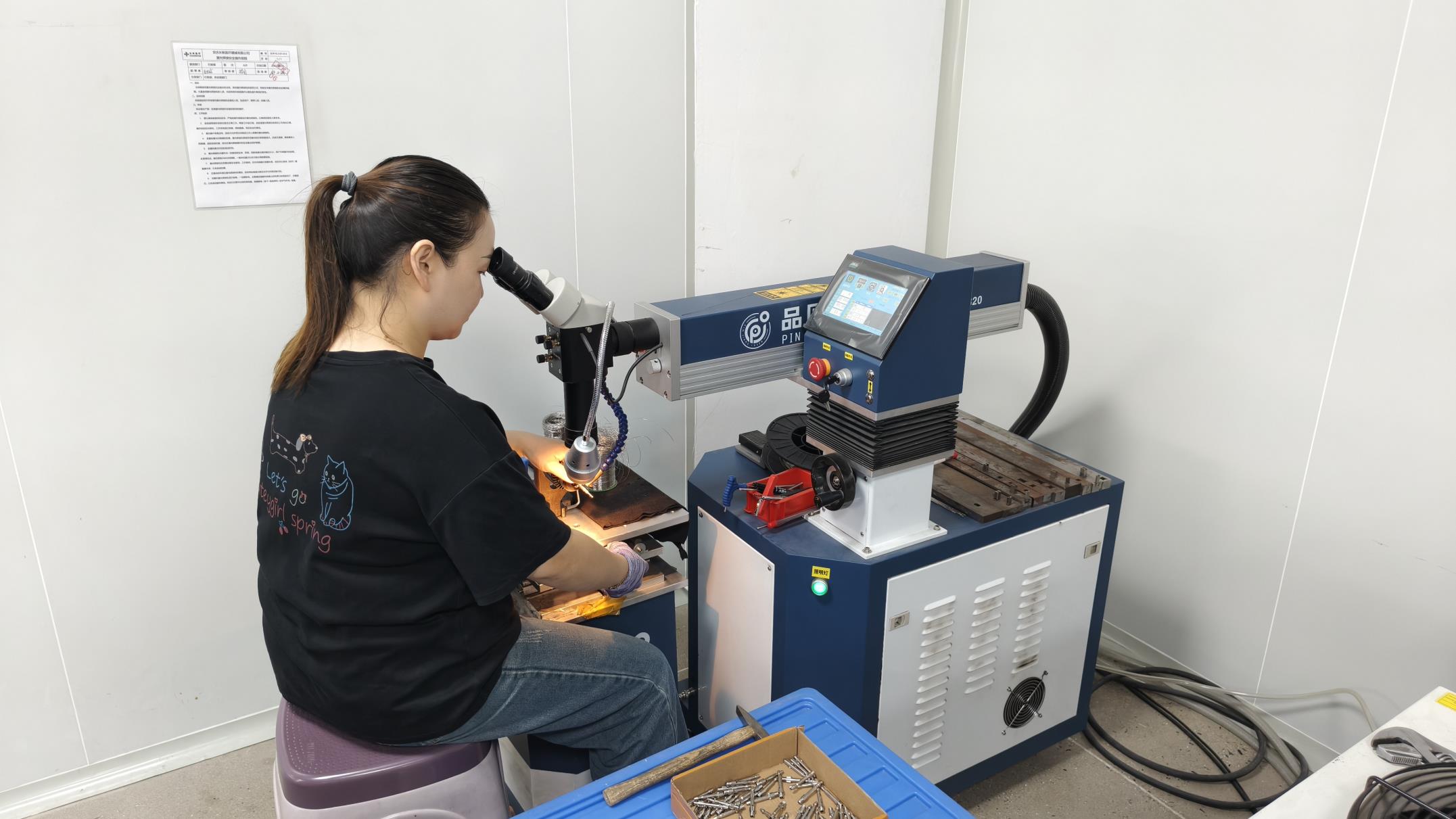
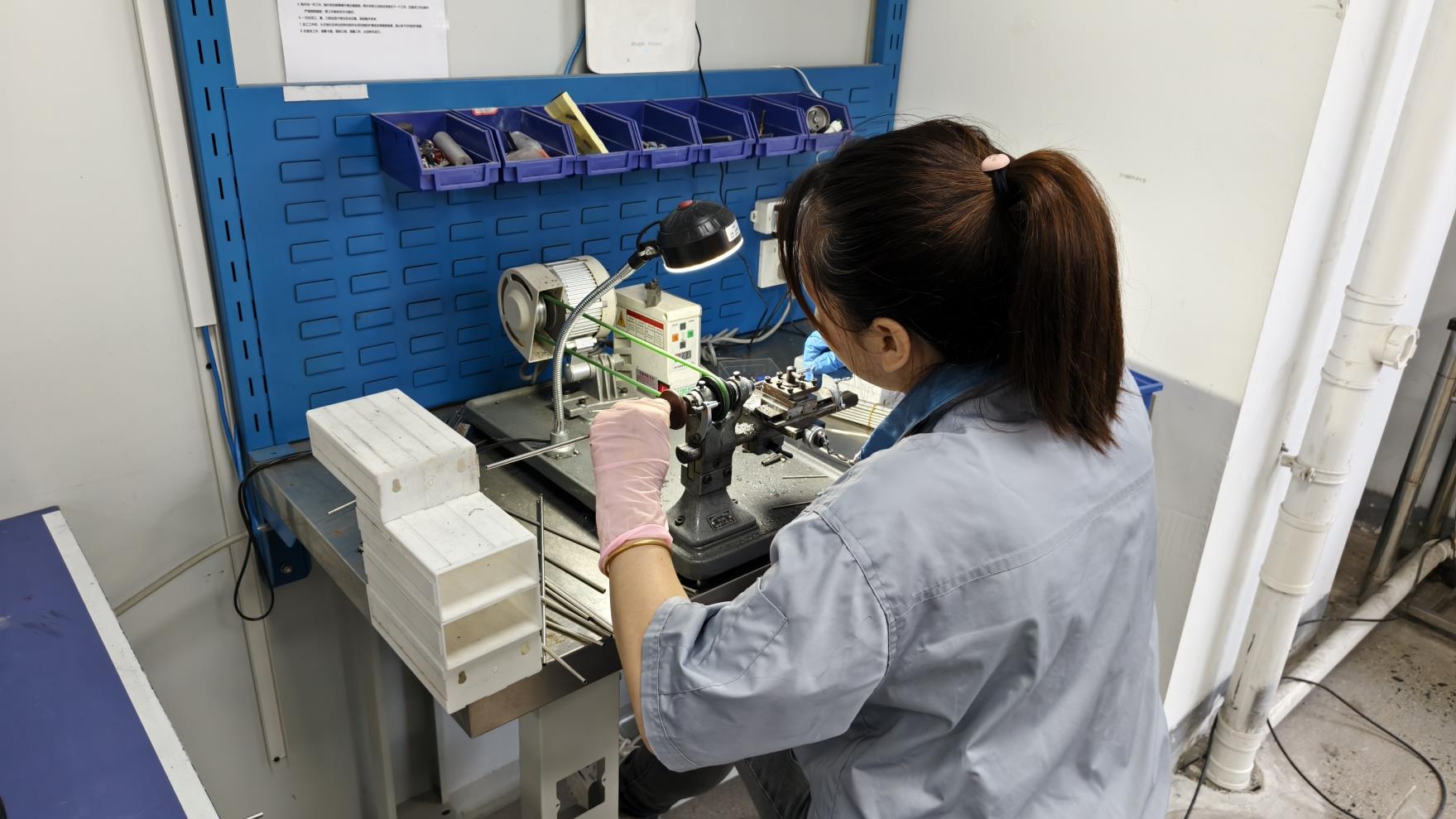
Every stage of production—from raw stock machining to final sterile packaging—is completed in-house to guarantee material traceability and structural performance.
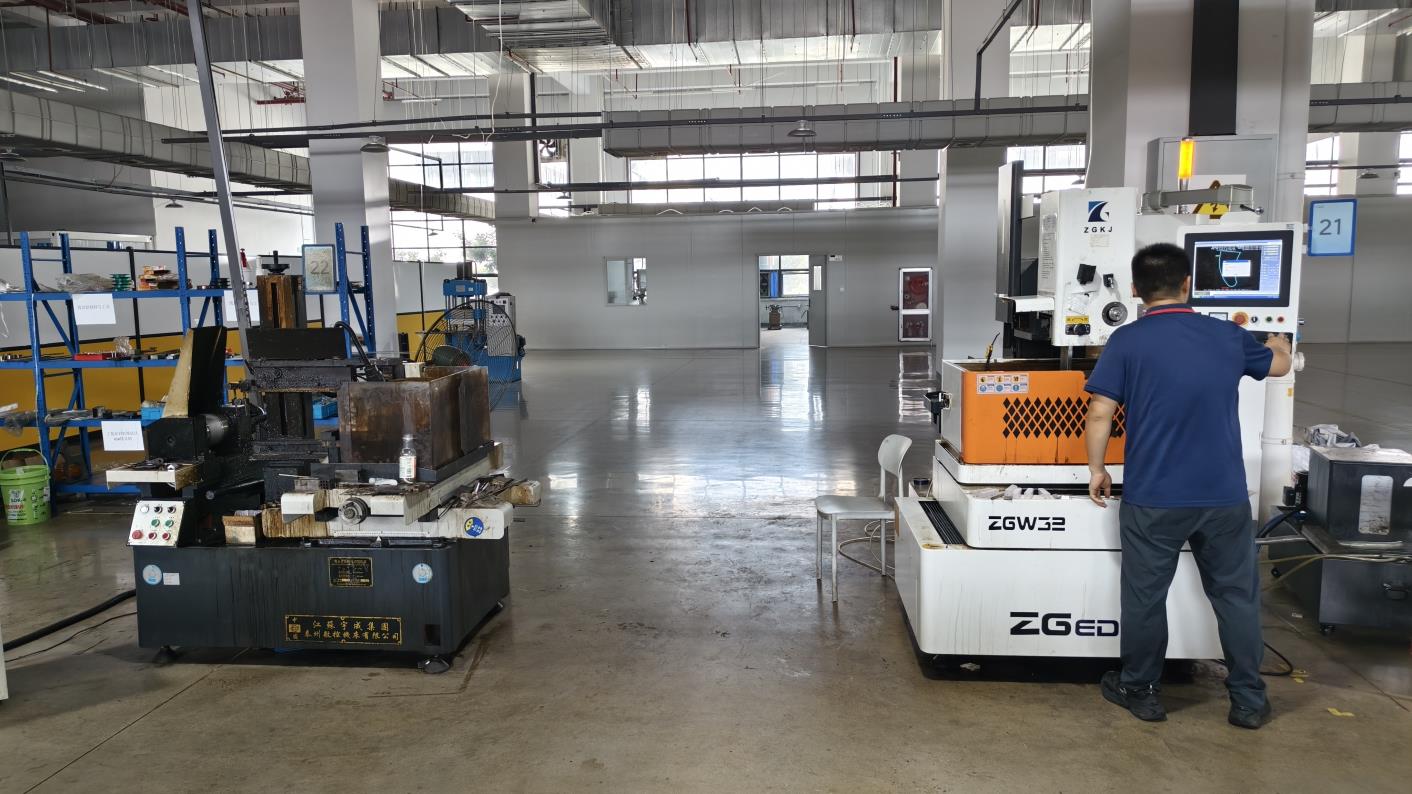
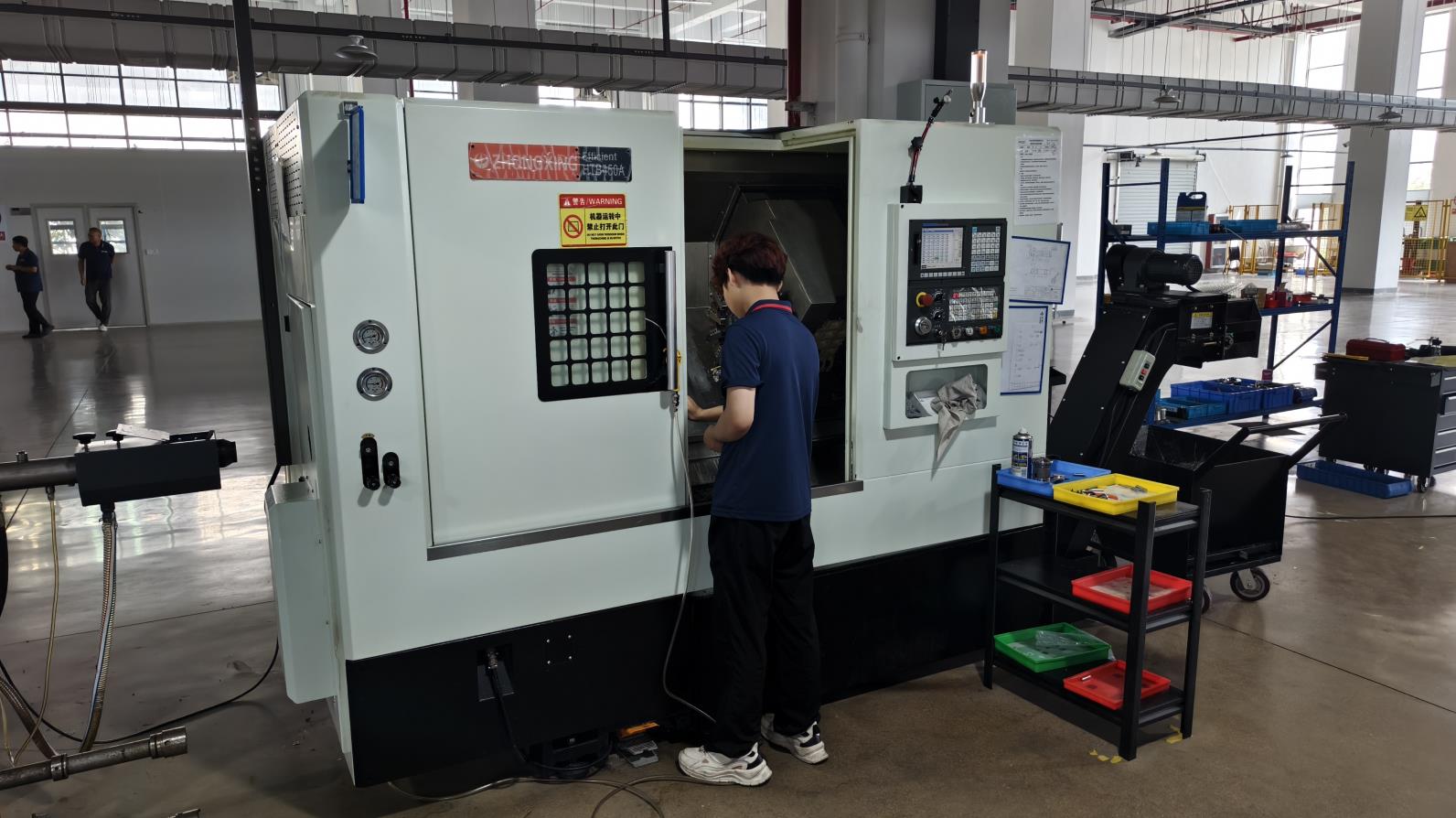
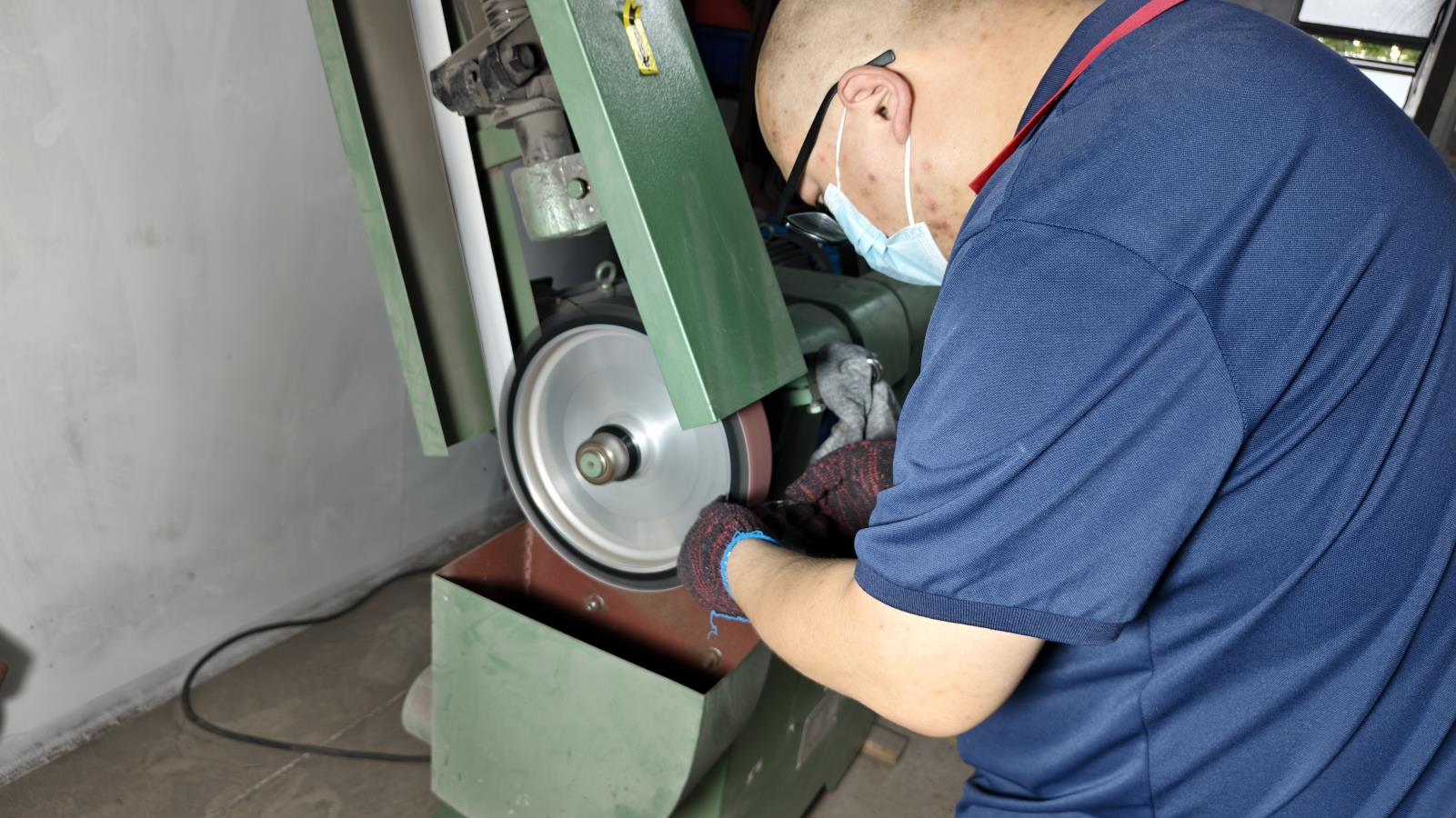
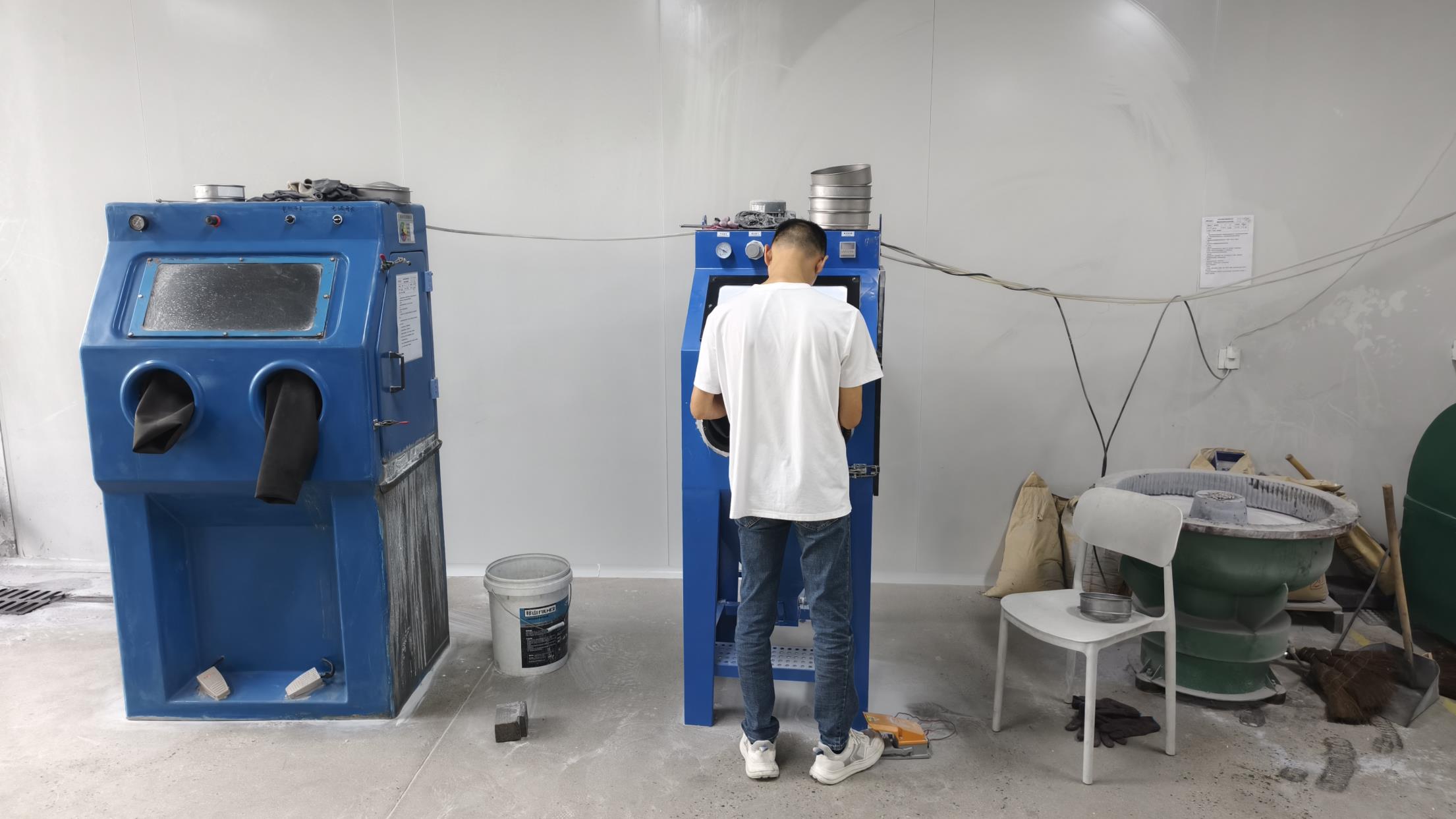
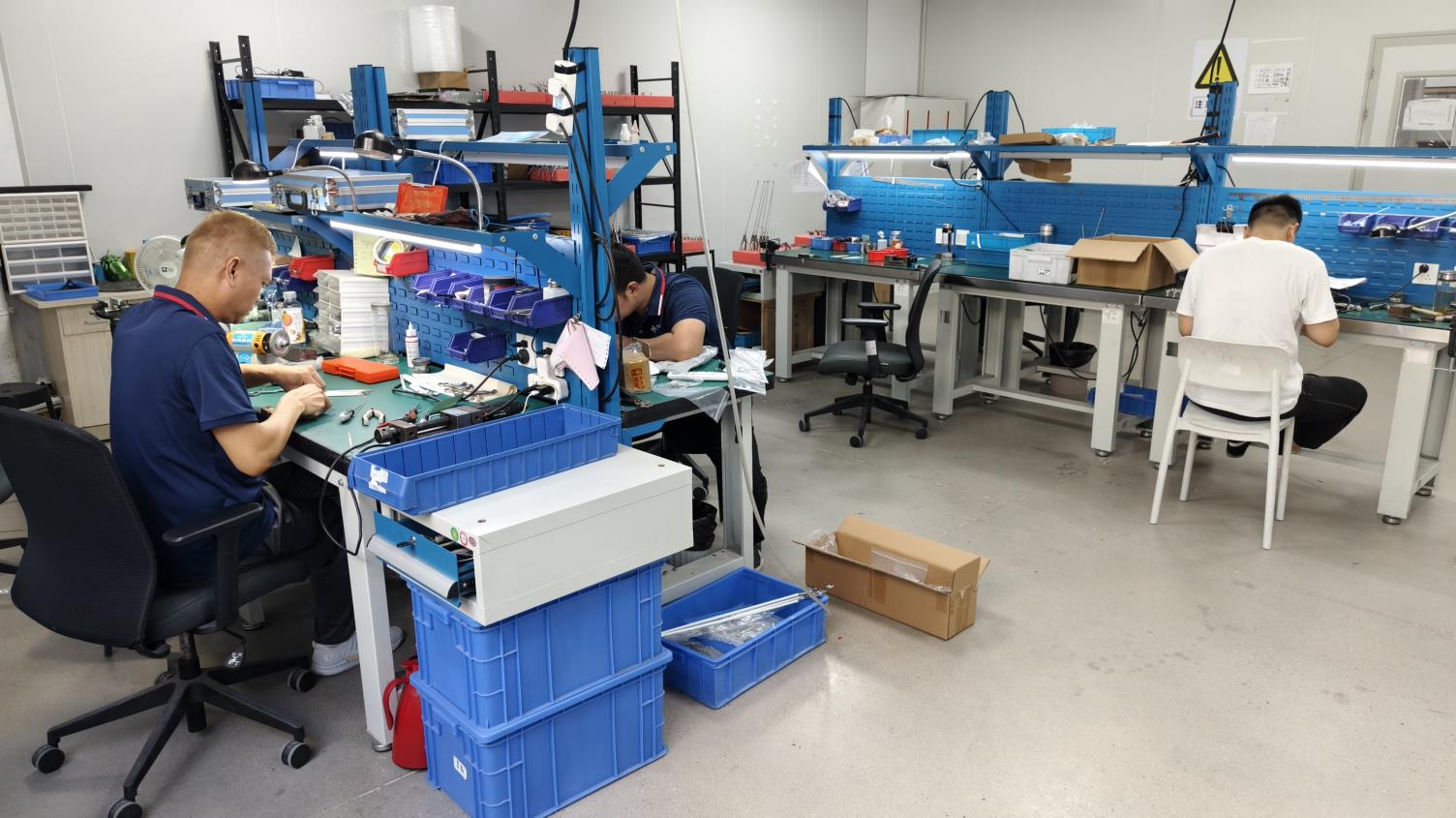
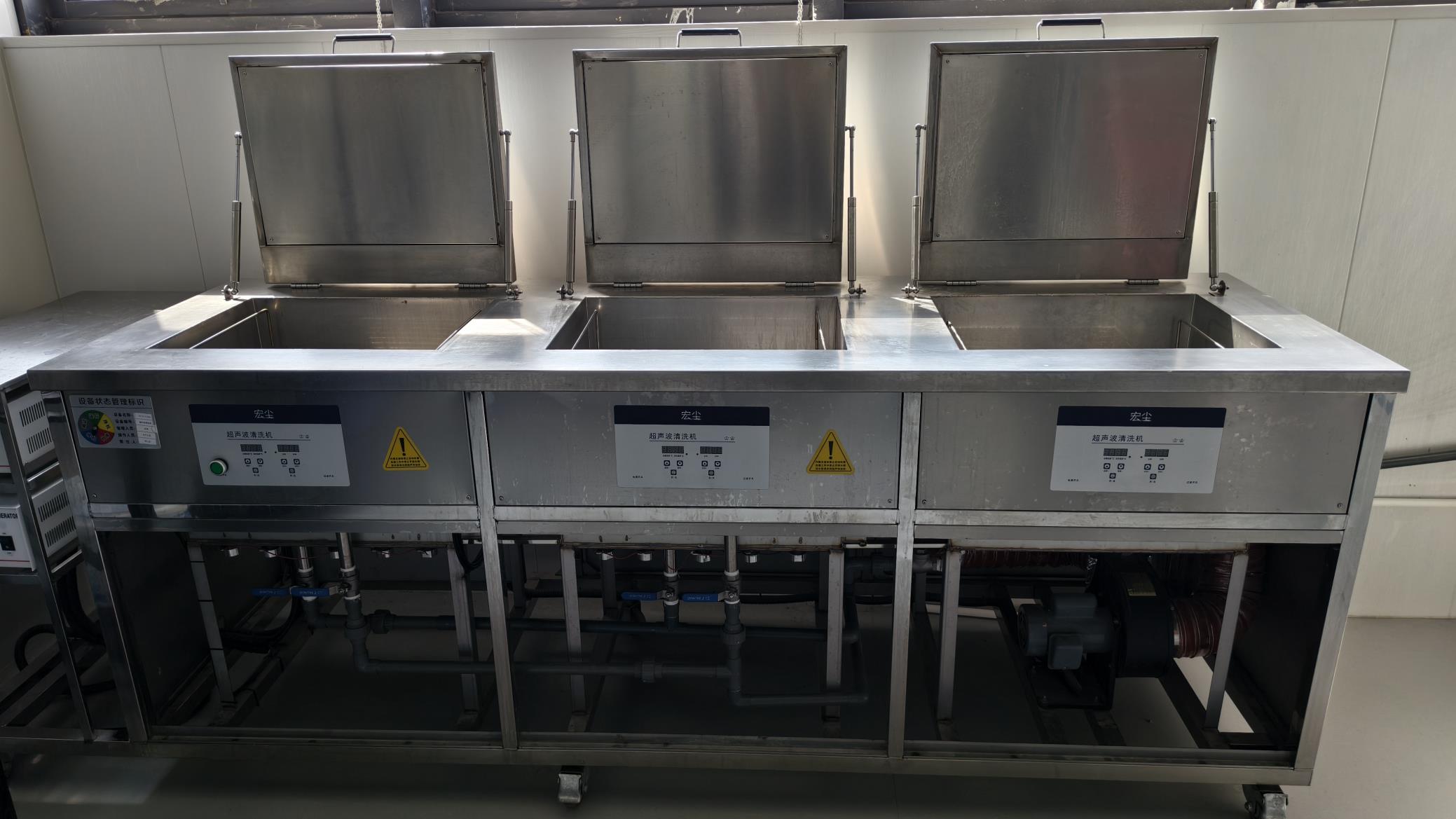
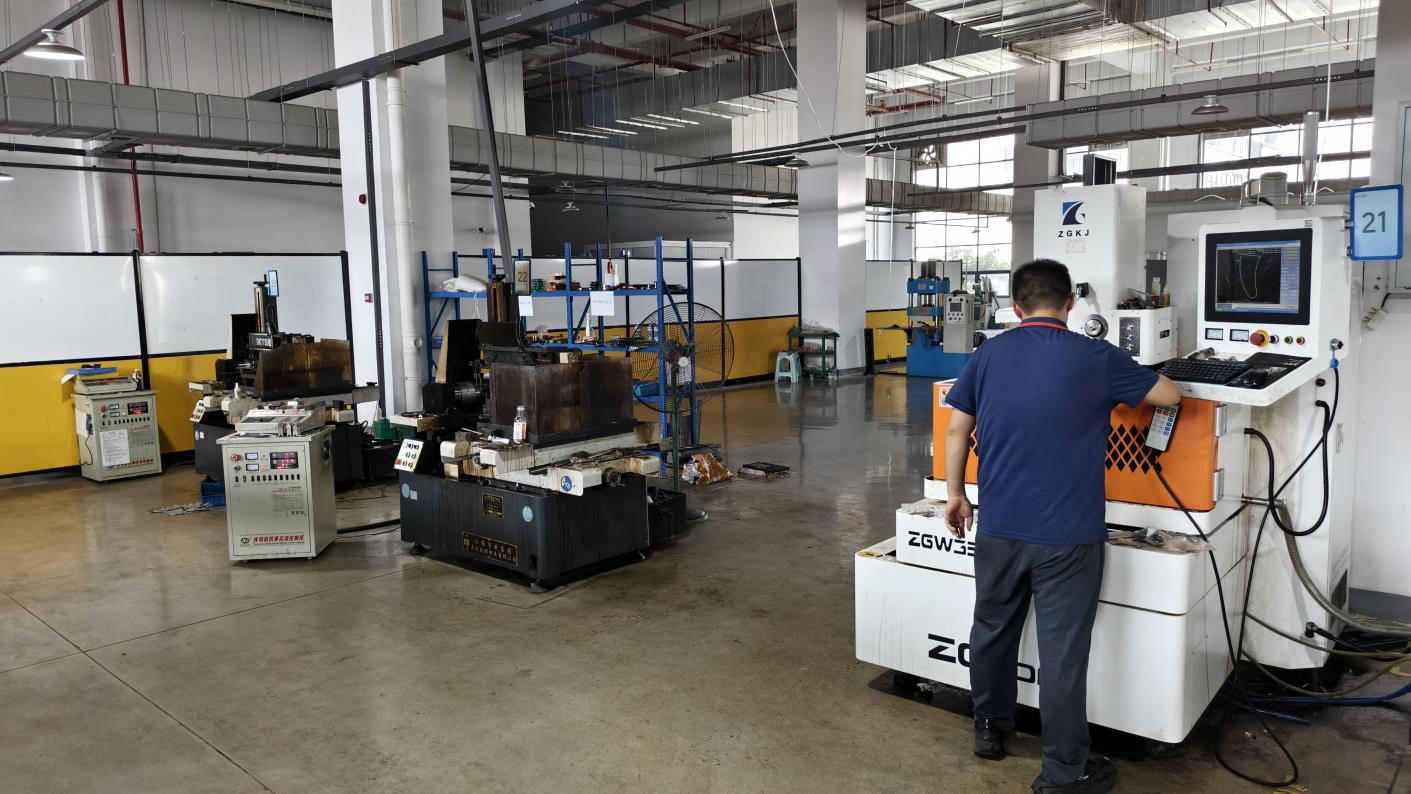
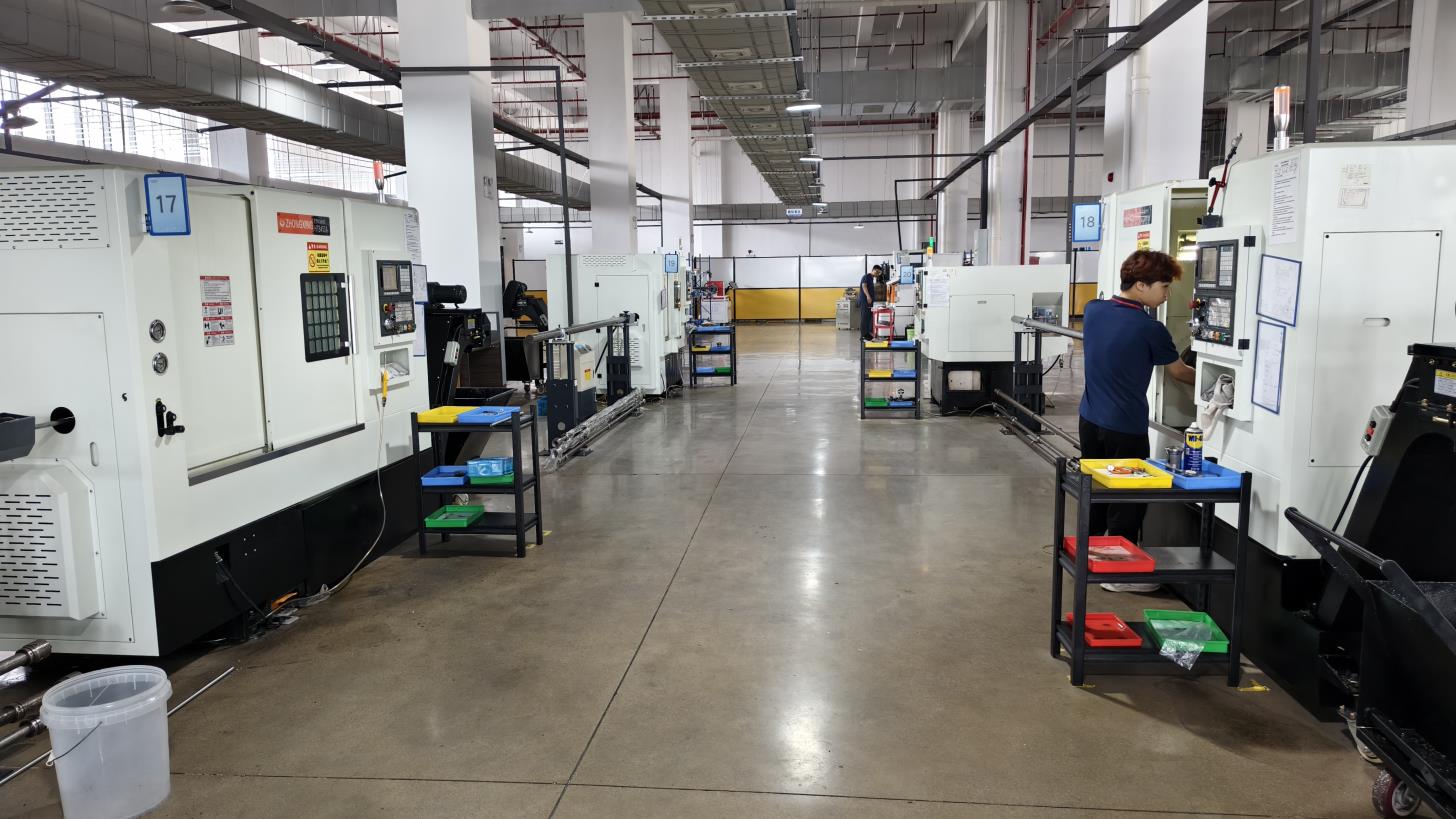
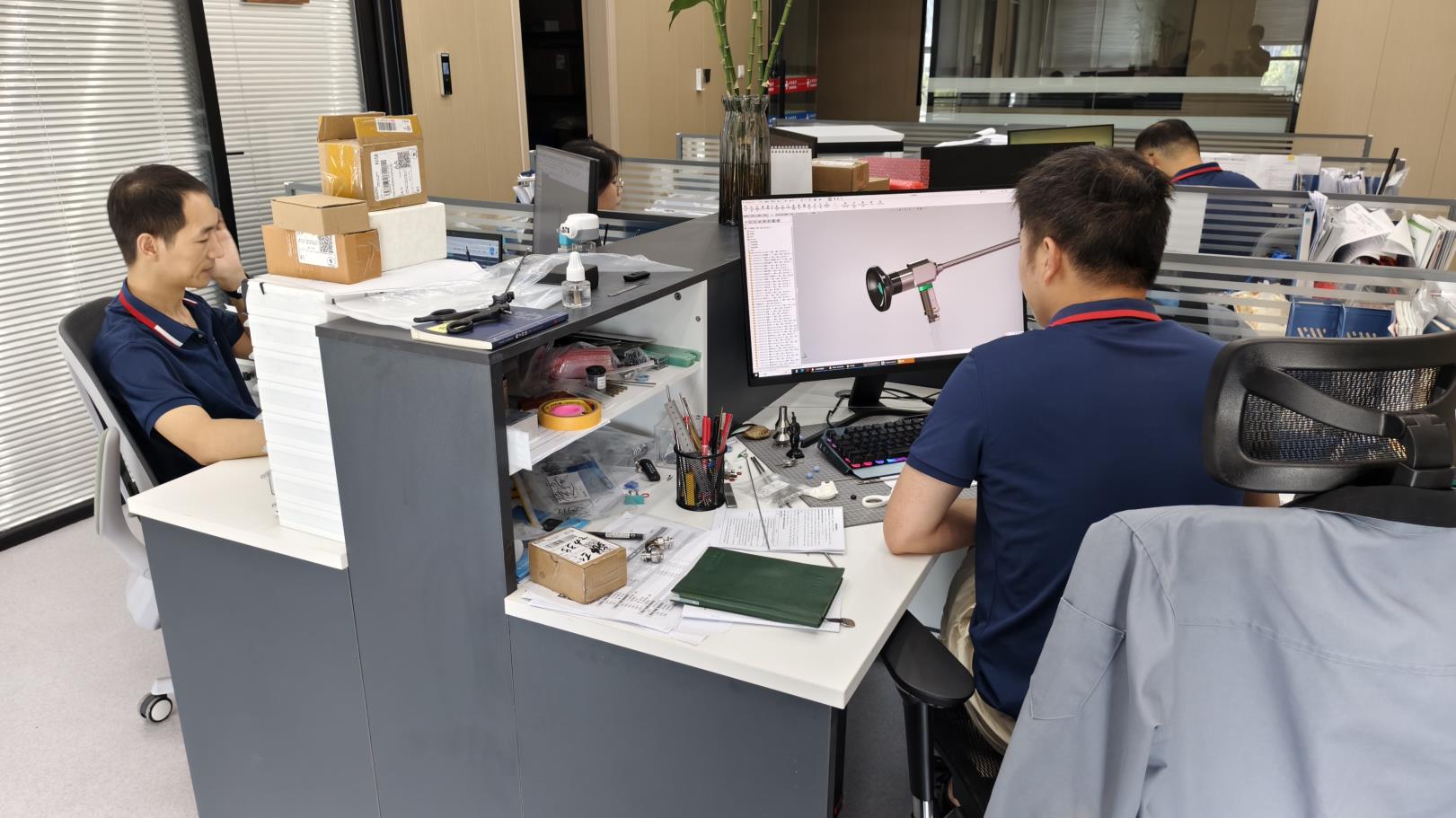
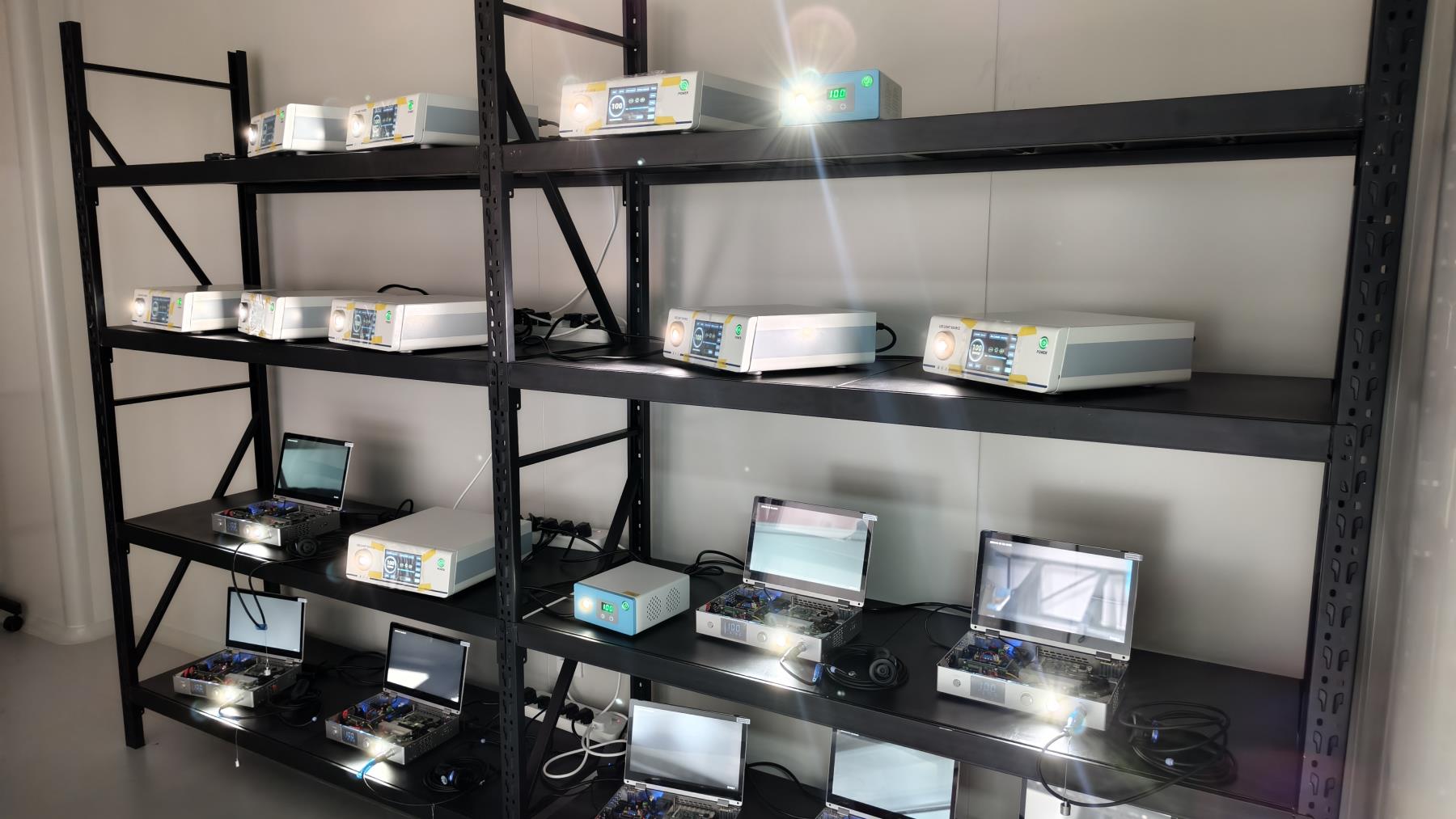
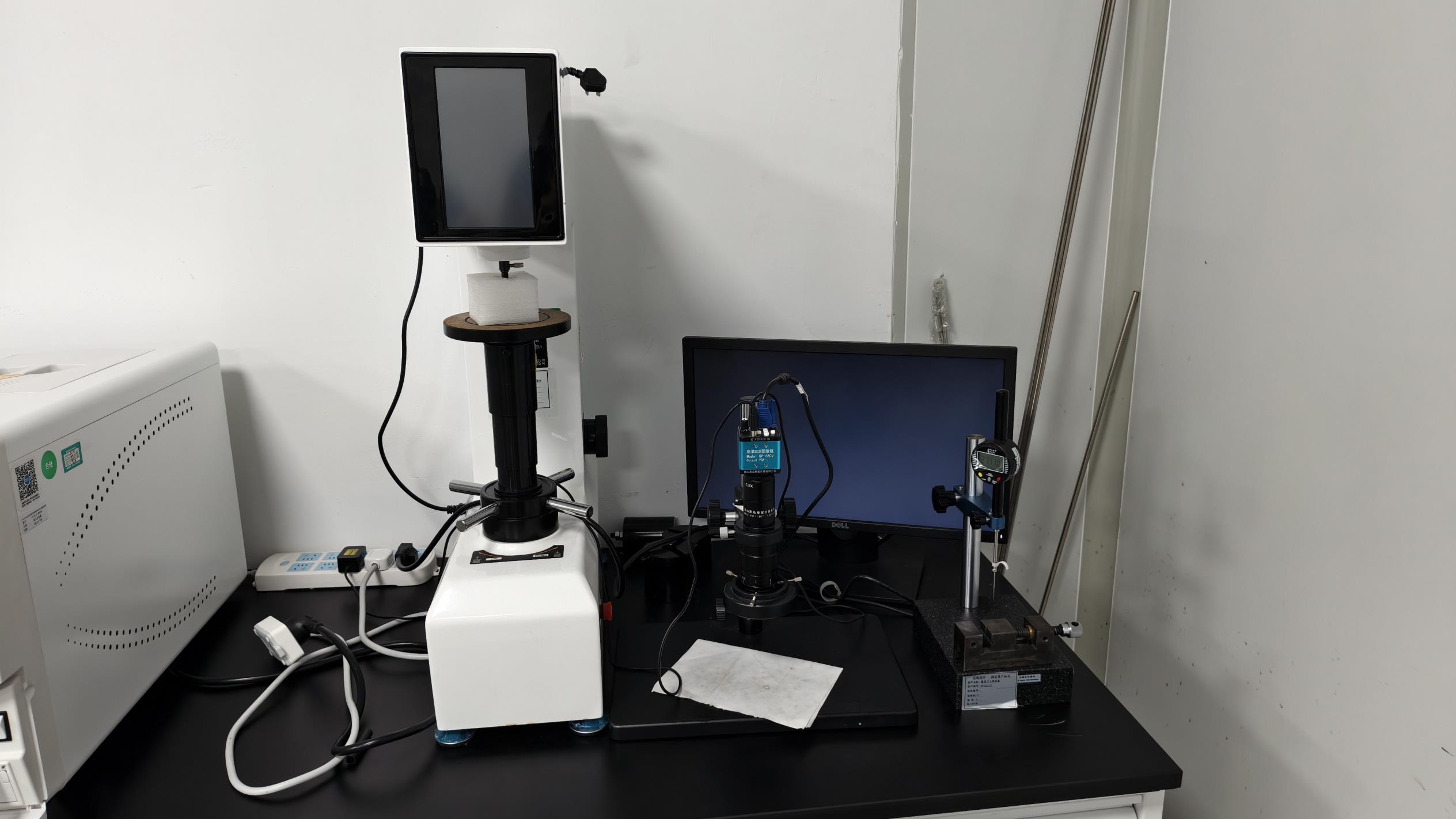
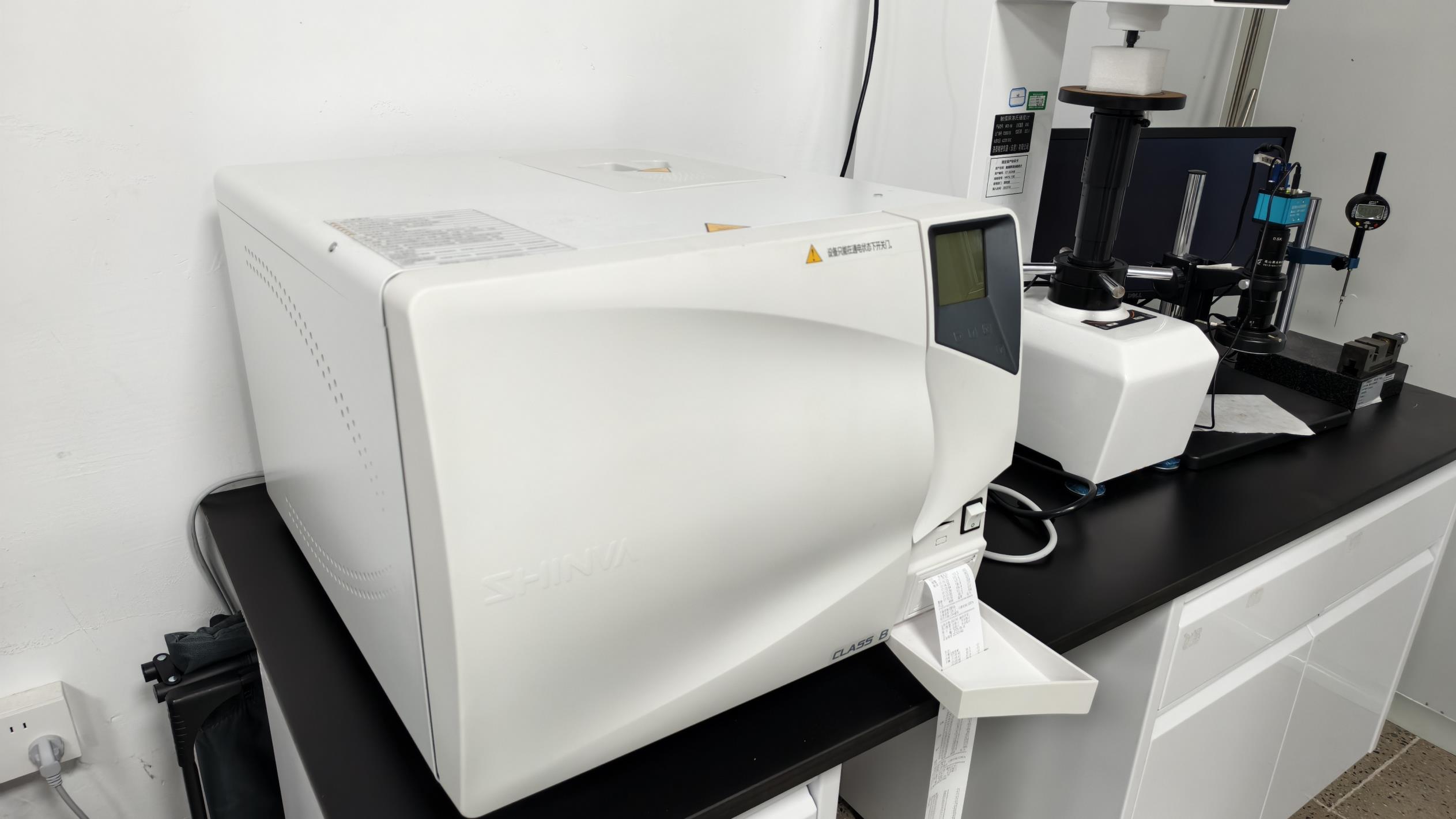
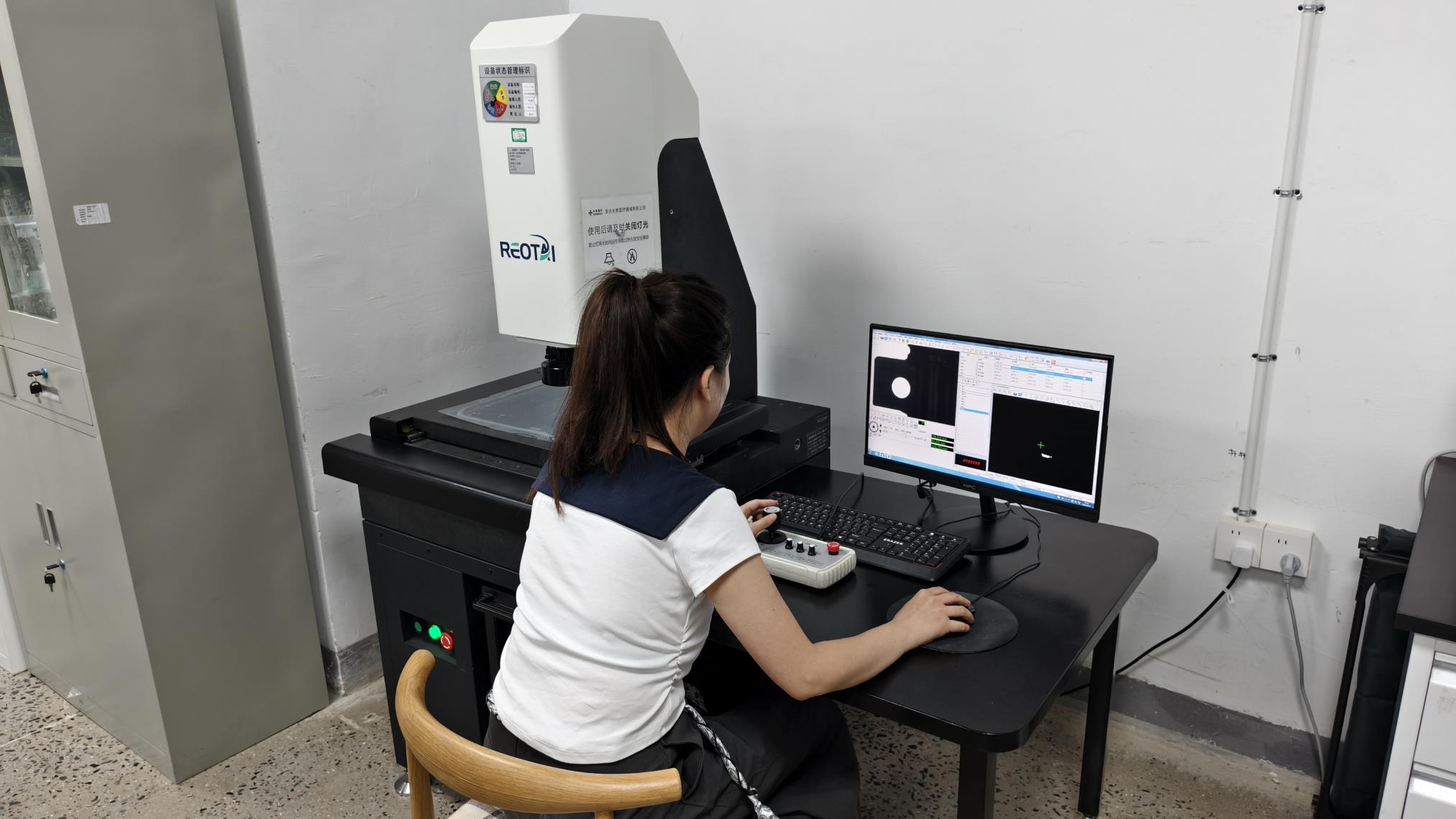
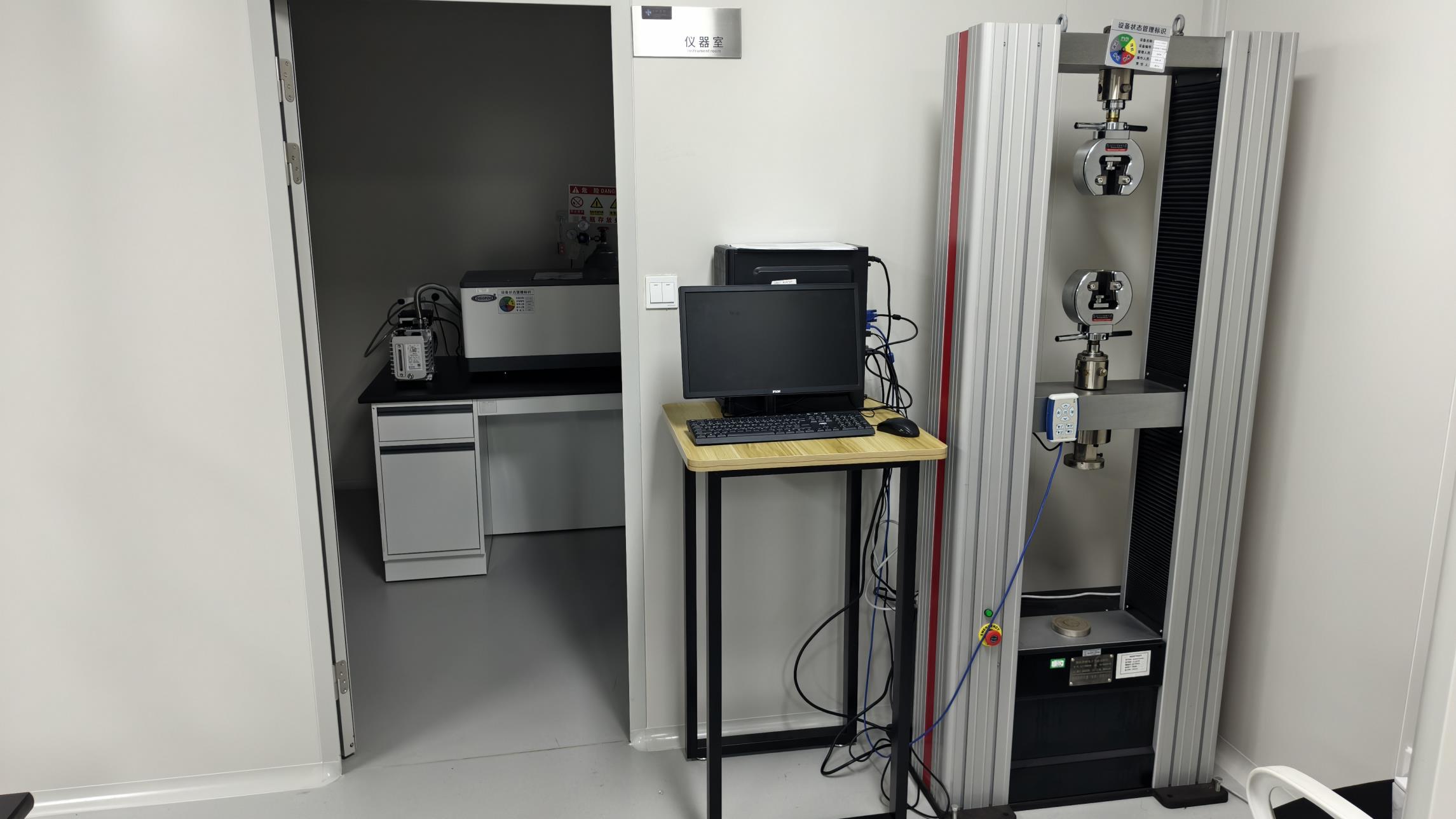
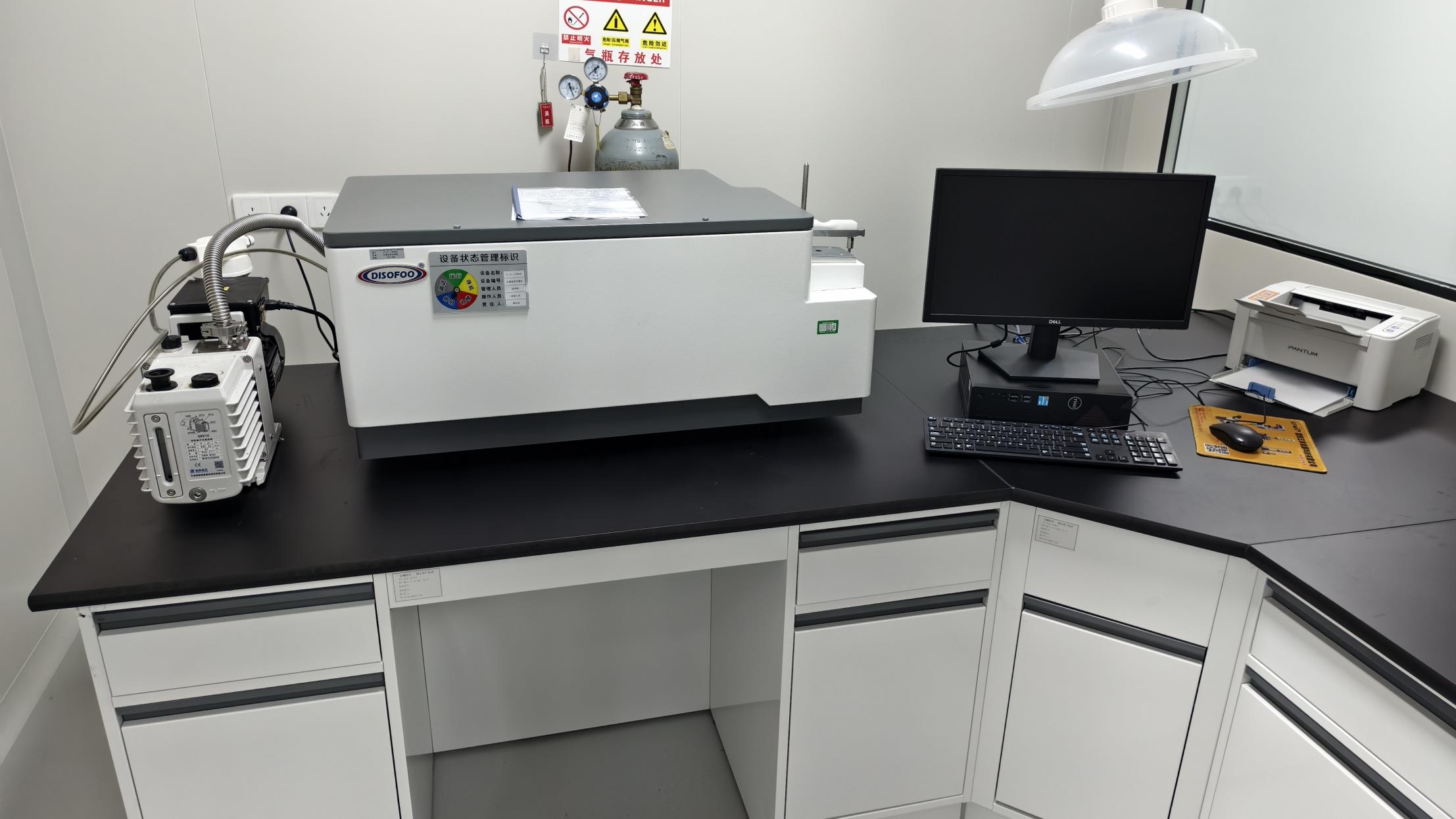
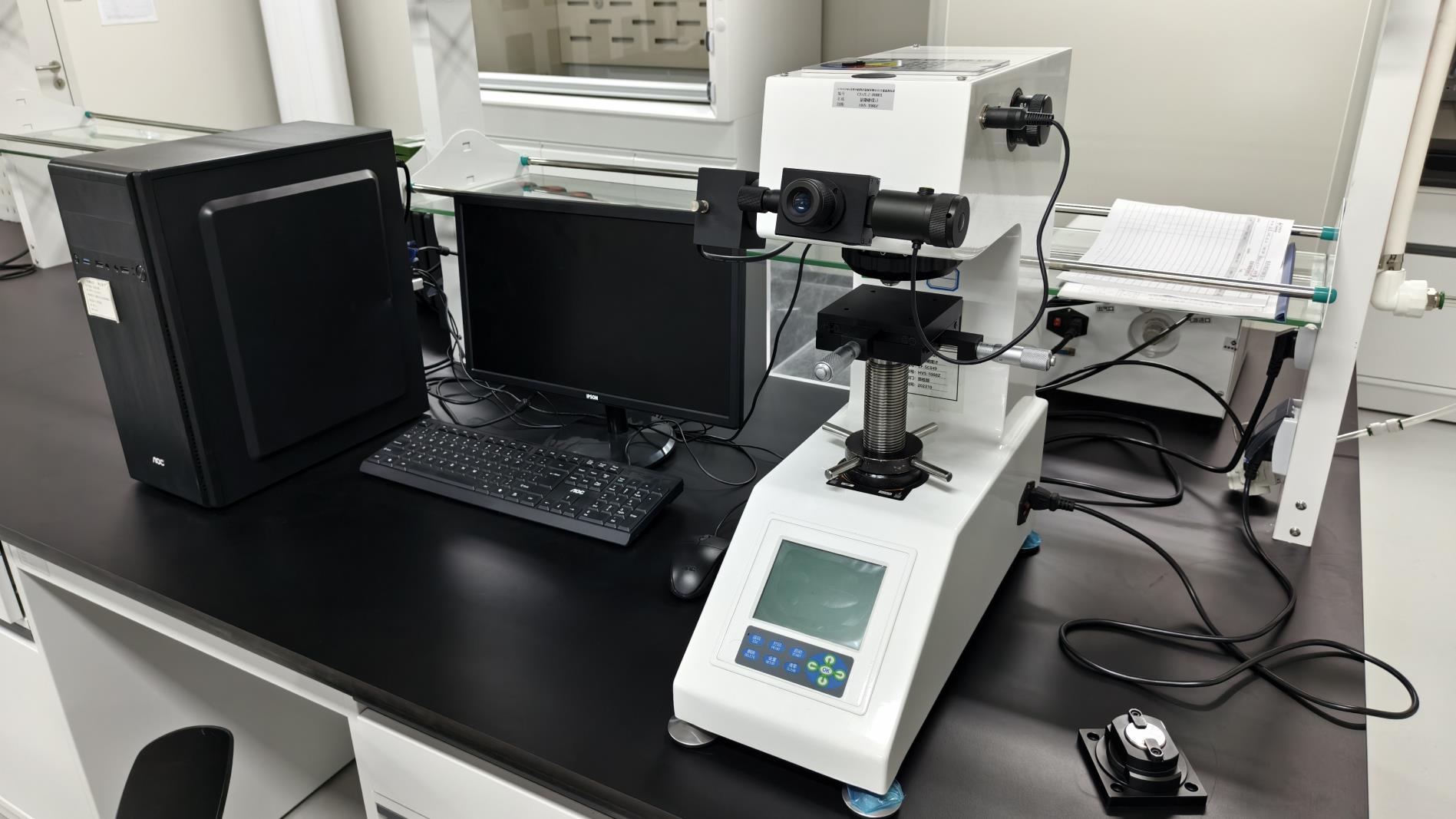
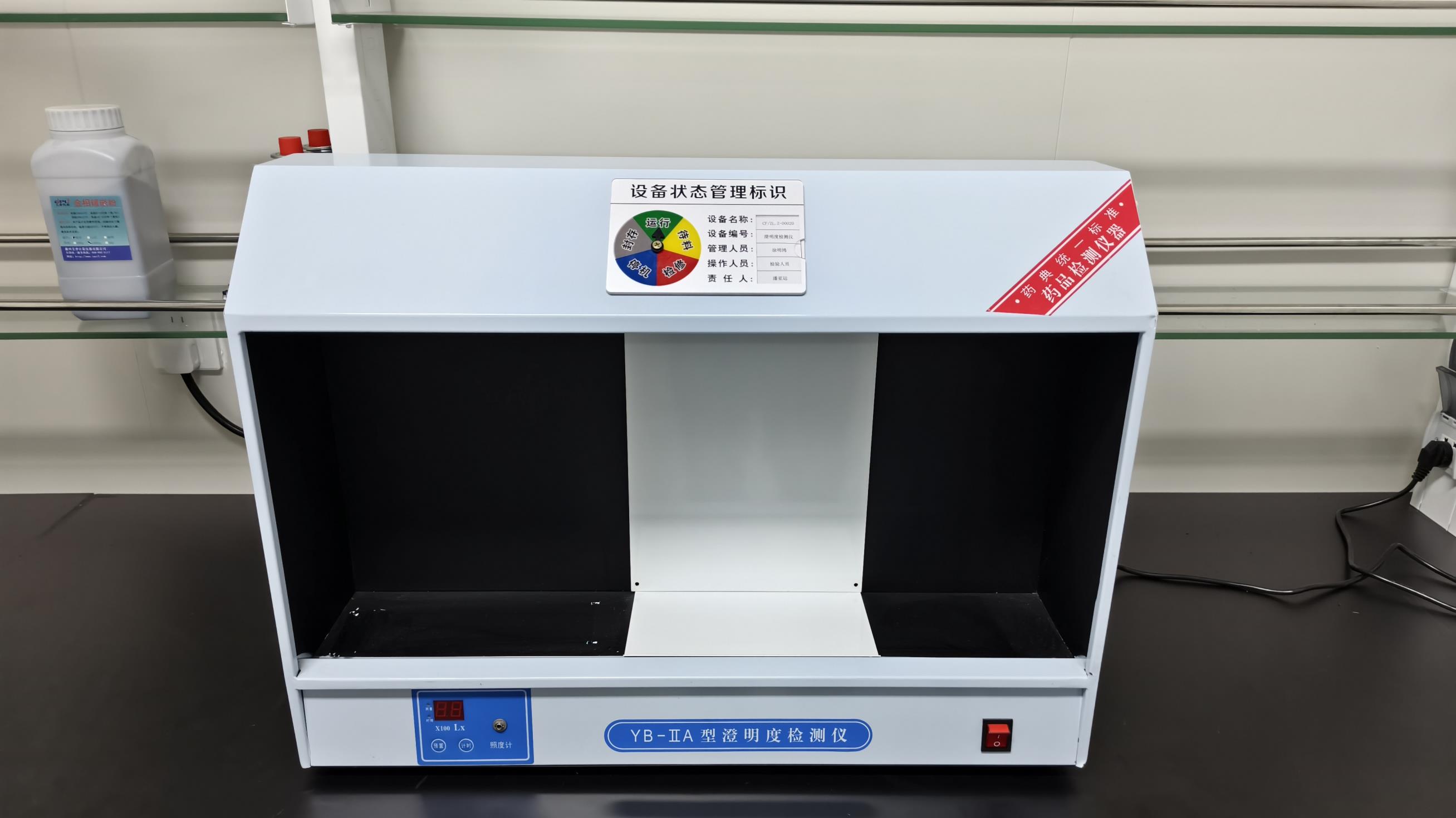
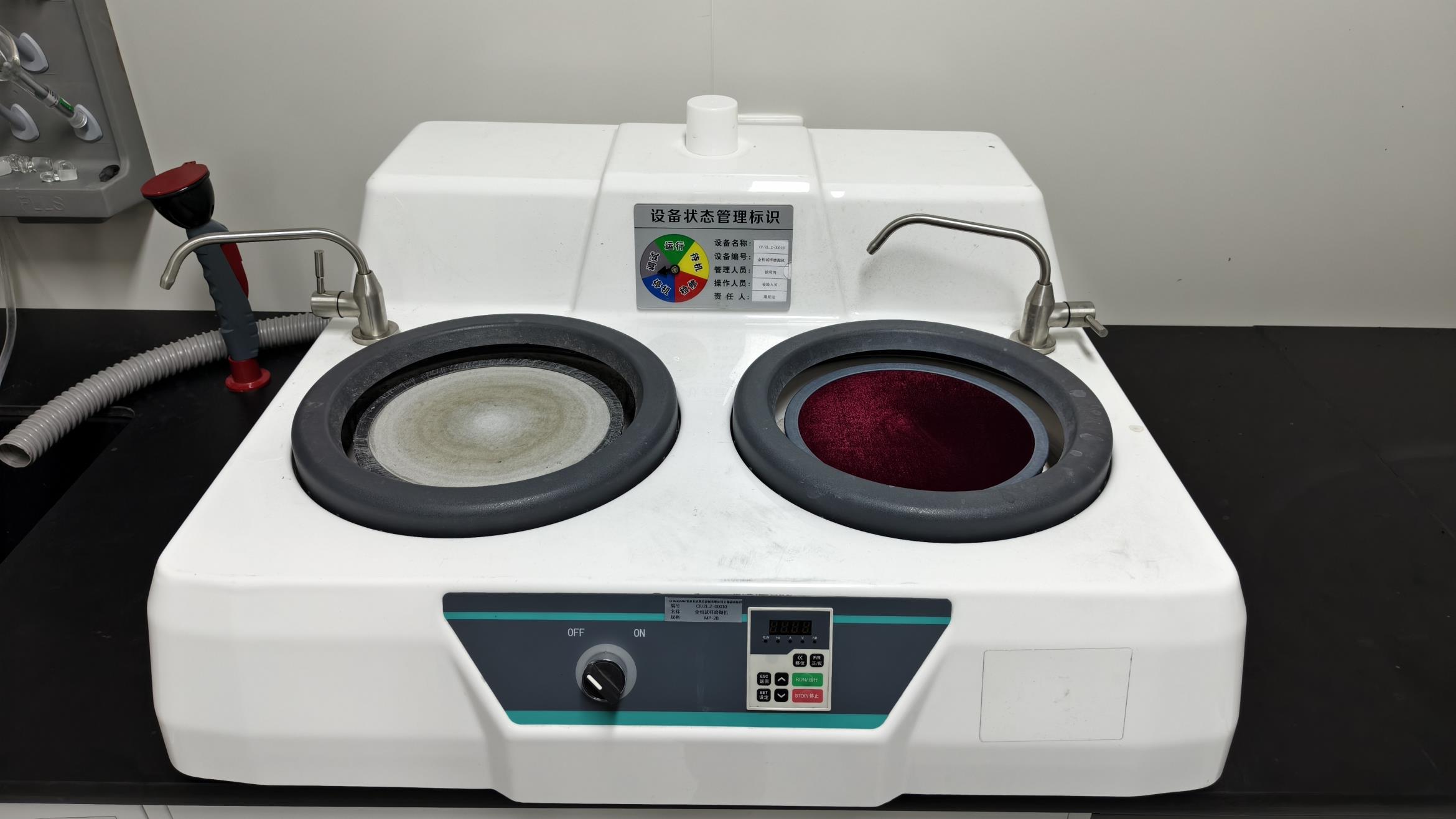
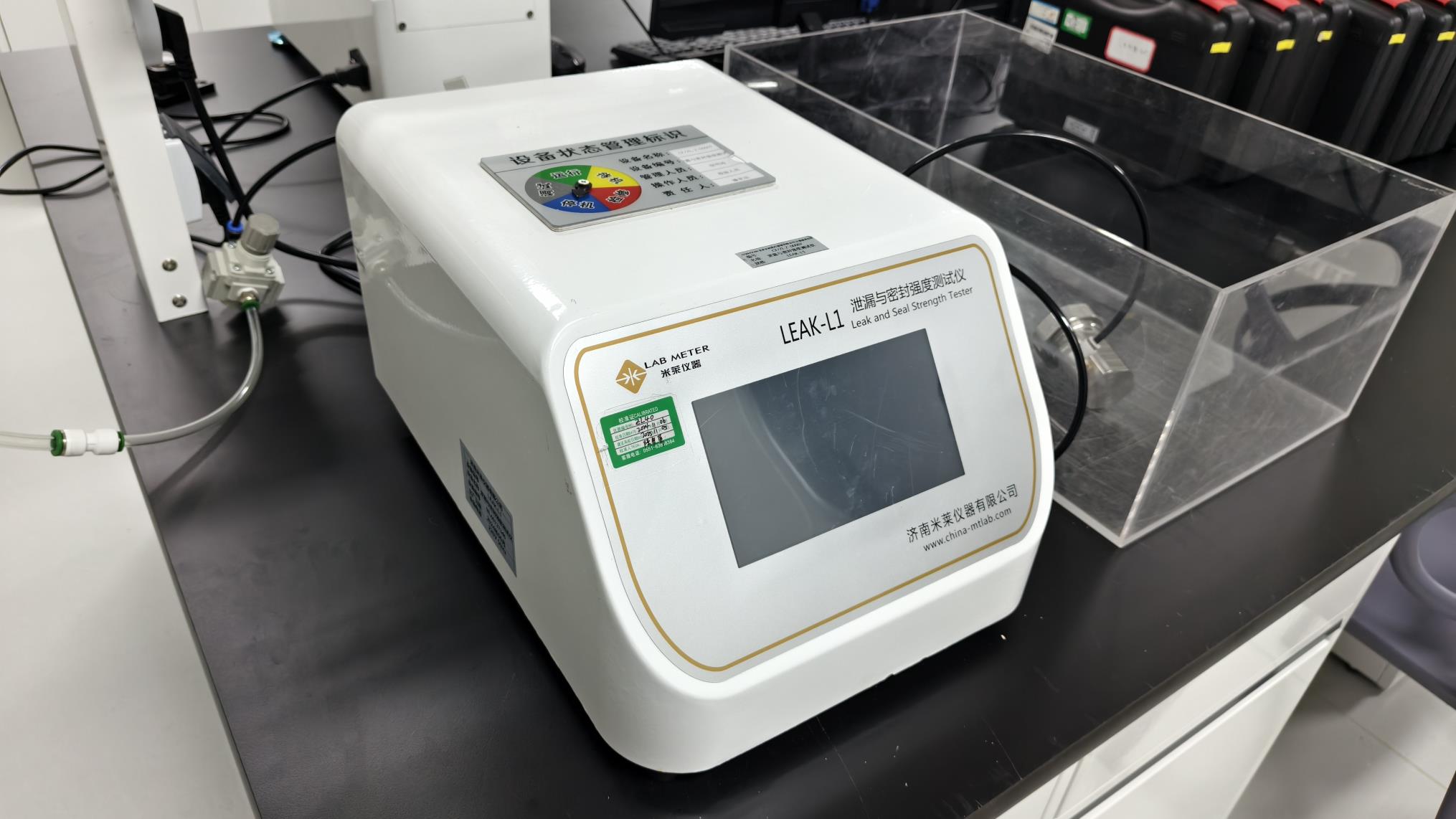
Key considerations for managing risk and verifying quality when sourcing orthopedic implants and instrumentation.
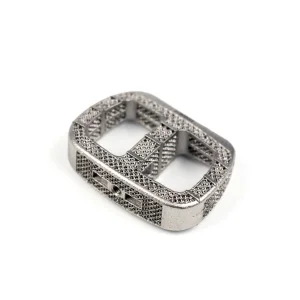
The industry continues to transition toward 3D-printed porous titanium constructs for interbody fusion. This technology mimics trabecular bone geometry, supporting early osteointegration. For distributors in Osaka, introducing 3D-printed titanium cages meets the demands of modern spinal surgical centers.
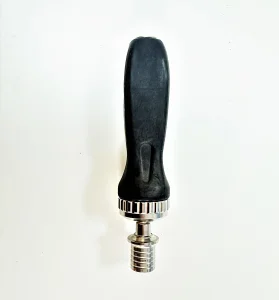
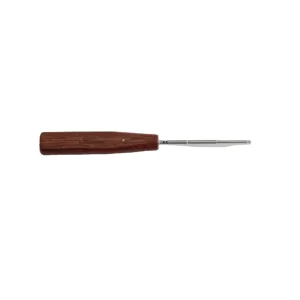
Surgical units are shifting away from large-incision procedures. This transition requires low-profile pedicle screw systems, long-reach bayoneted tools, and specialized retractor sets. High fatigue resistance and dimensional consistency are critical for these compact tools.
Regulatory updates like the EU MDR and Japan's MHLW guidelines place more emphasis on end-to-end component traceability. Materials must have clear mill certificates, raw chemical analysis, and verified hardness tests to guarantee clinical safety and performance.
Want to review our materials certification dossier?
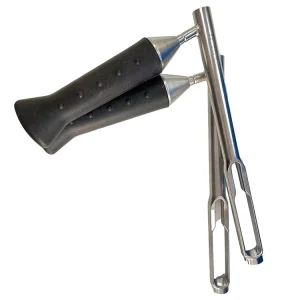
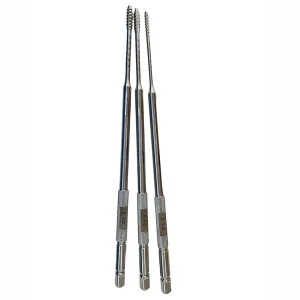
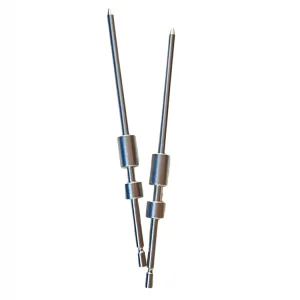
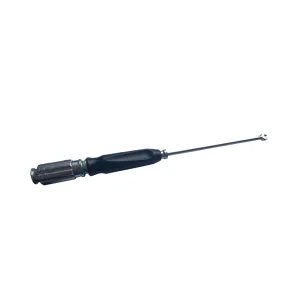
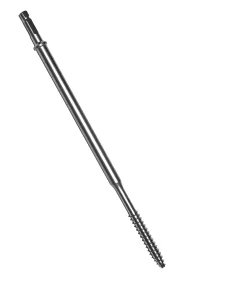
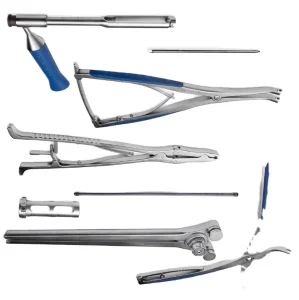
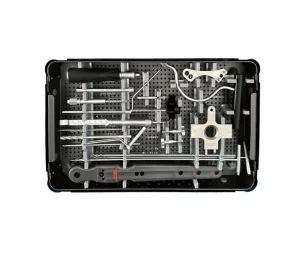
Download Quality Assurance DocumentsSelect from our line of spinal systems, specialized instruments, and custom-manufactured joint implants.
Answers to common questions regarding regulatory compliance, quality control, and international shipping.