 Zynfuse
Zynfuse
Zynfuse
Specifically optimized for the strict biological safety and precision standards demanded by healthcare consortia in Luxembourg, these premium titanium alloy implants deliver structural stability under intense physiological loads.
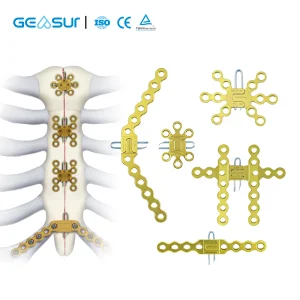
Ultra-low profile design engineered for sternal stabilization post-sternotomy. Manufactured from medical-grade Ti-6Al-4V ELI (ASTM F136) to ensure optimal biocompatibility and minimal imaging artifacts.
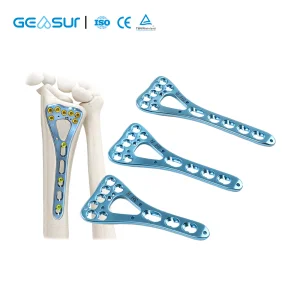
Enables ±15° variable-angle screw insertion to target complex intra-articular and extra-articular wrist fractures, providing maximum anatomical fit and mechanical lock.
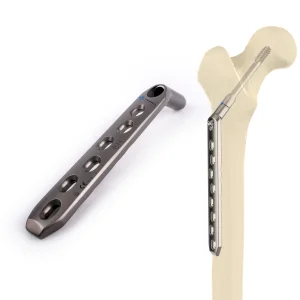
Classic osteosynthesis solution for stable and unstable intertrochanteric fractures, featuring controlled dynamic collapse for accelerated bone union.
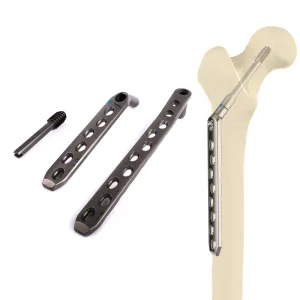
Reinforced 135-degree barrel and plate interface designed to bear heavy patient loads, avoiding hardware failure during rehabilitation.
Luxembourg represents a highly sophisticated healthcare ecosystem with centralized hospital networks, including the Centre Hospitalier de Luxembourg (CHL), the Hôpitaux Robert Schuman (HRS), and the Centre Hospitalier Émile Mayrisch (CHEM). As public health initiatives prioritize quality-of-life and swift return-to-work metrics for trauma patients, the clinical demand for locking plates and intramedullary nails with extreme fatigue life has risen exponentially.
Furthermore, Luxembourg’s dependency on strict European Union Medical Device Regulation (EU MDR 2017/745) means that distributors and procurement officials can no longer tolerate compliance grey areas. Every titanium locking plate, dynamic hip screw, or pediatric elastic nail must feature absolute traceabilitiy, verified biocompatibility, and proven mechanical endurance certificates.
At Zynfuse Medical Technology Co., Ltd., we address these specific needs by supplying high-performance titanium alloy implants with full raw material certification (ASTM F136 / ISO 5832-3), manufactured under stringent ISO 13485-compliant quality management protocols. Our systems are engineered to reduce intraoperative complexity, matching the rapid surgical cycles of modern Western European clinical units.
Our design philosophy integrates mechanical engineering with human biology. By utilizing advanced finite element analysis (FEA), we ensure that our plates optimize stress distribution, avoiding the deleterious effects of stress shielding.
Our plates are modeled after extensive statistical database sweeps of human bone structures. This results in superior anatomical fitting, reducing the requirement for intraoperative bending, which can compromise the implant's structural integrity.
Our type II anodization surface treatment forms an uniform biocompatible oxide layer. This not only enhances corrosion resistance in bodily fluids but also significantly decreases cold welding risk between screws and plates.
Our VA locking mechanism enables dynamic redirection of the screw axis. Surgeons can angle screws around delicate joint structures or capture fragmented articular bone segments with maximum biomechanical stability.
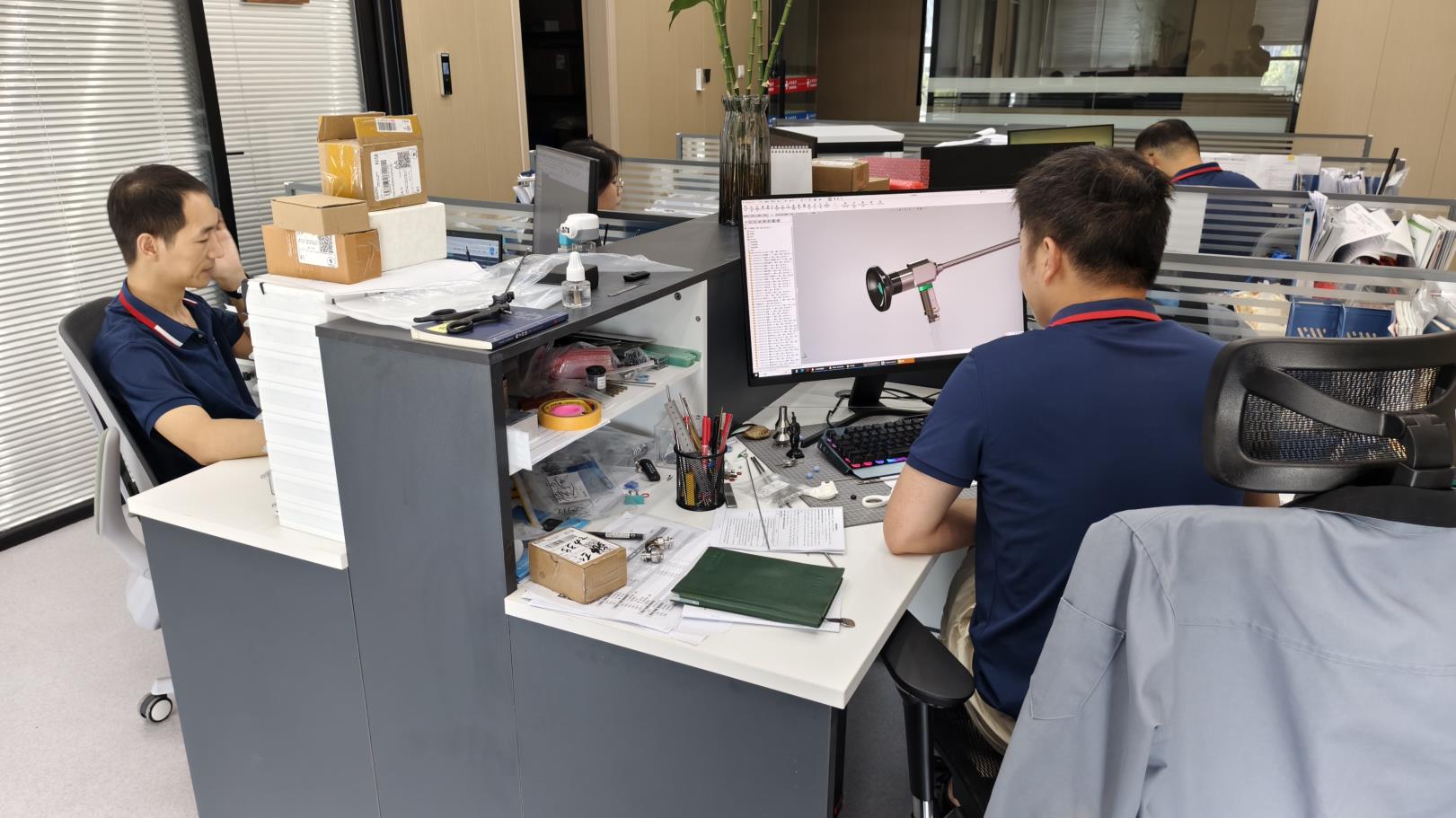
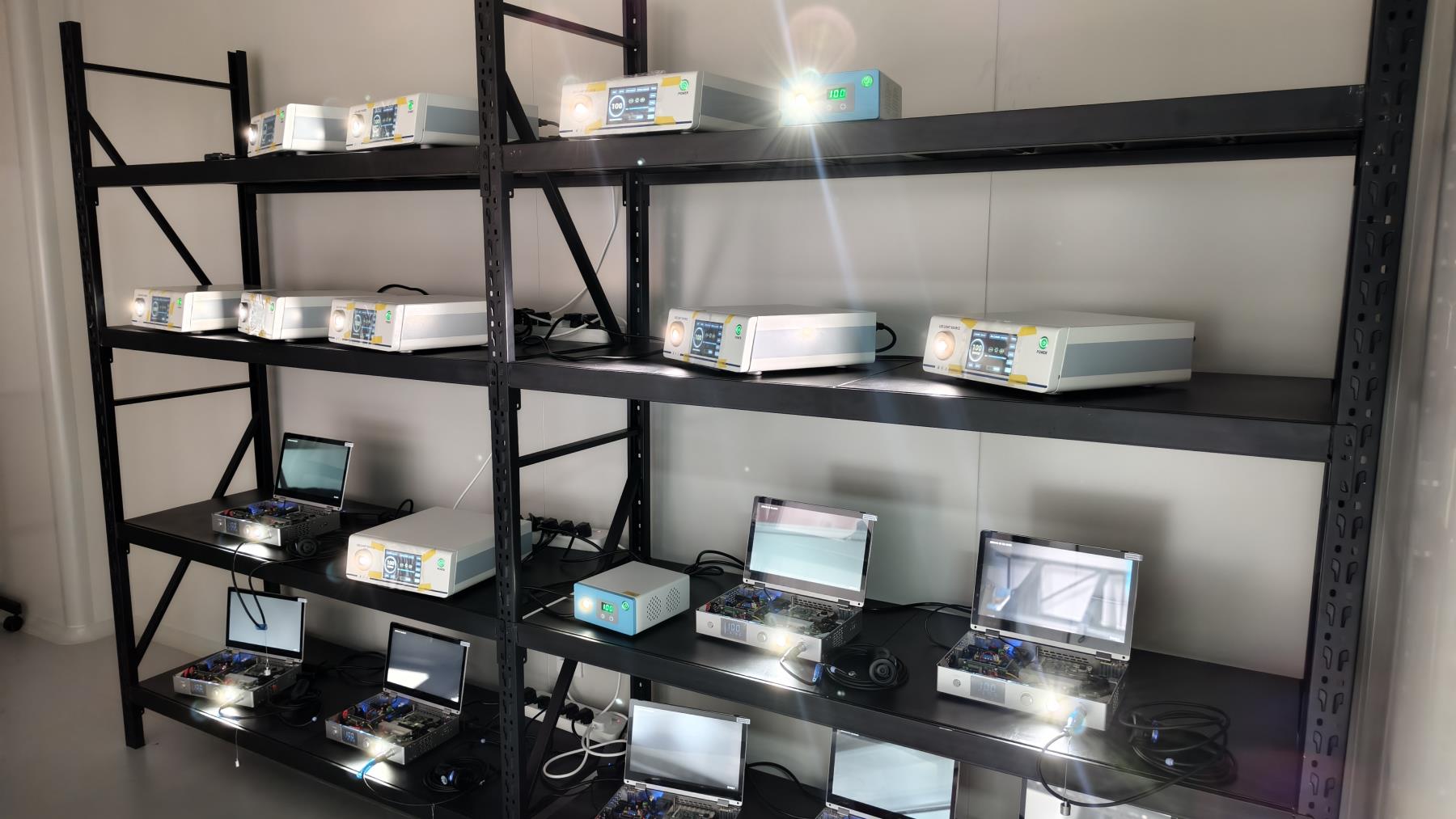
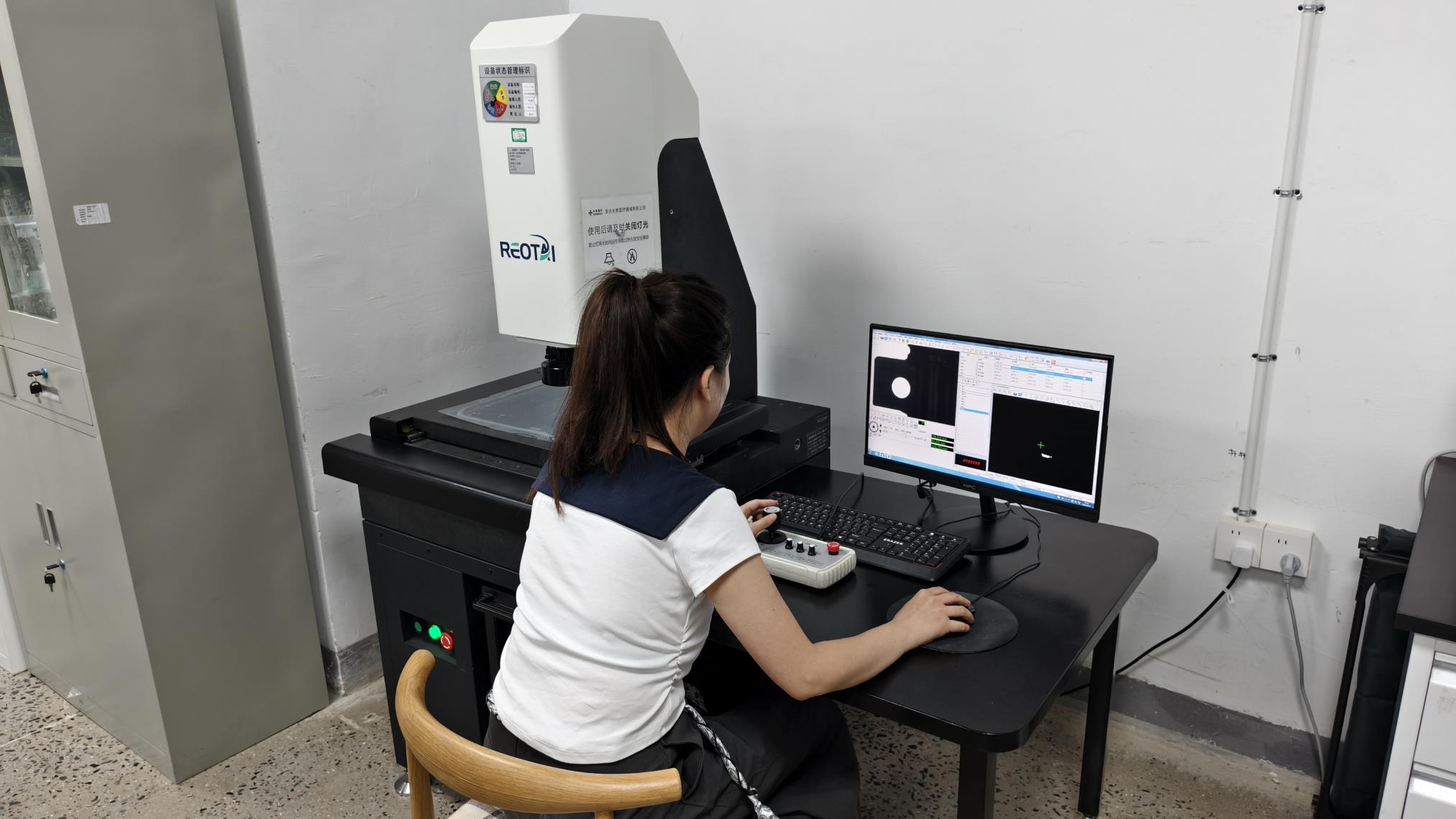
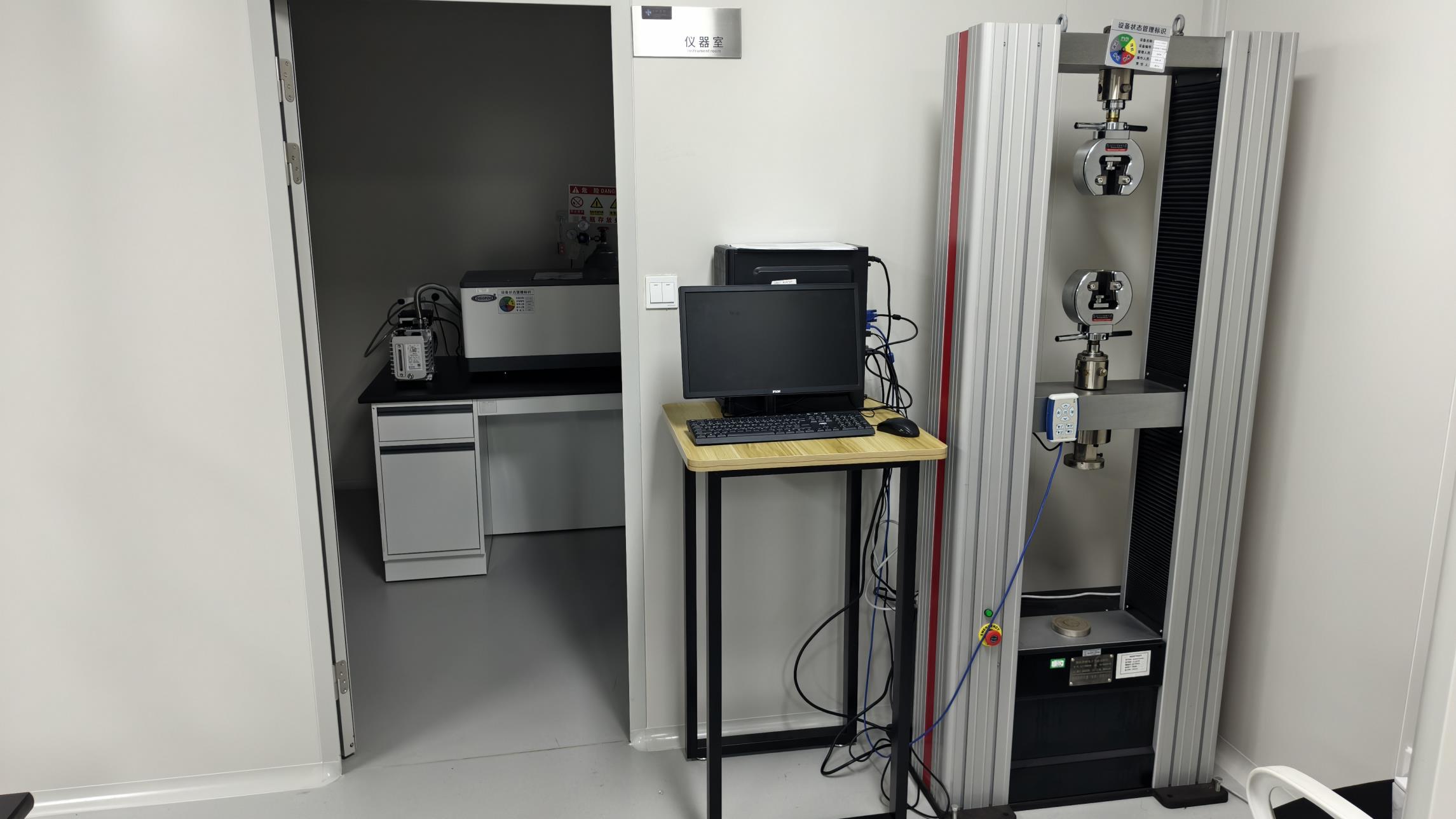
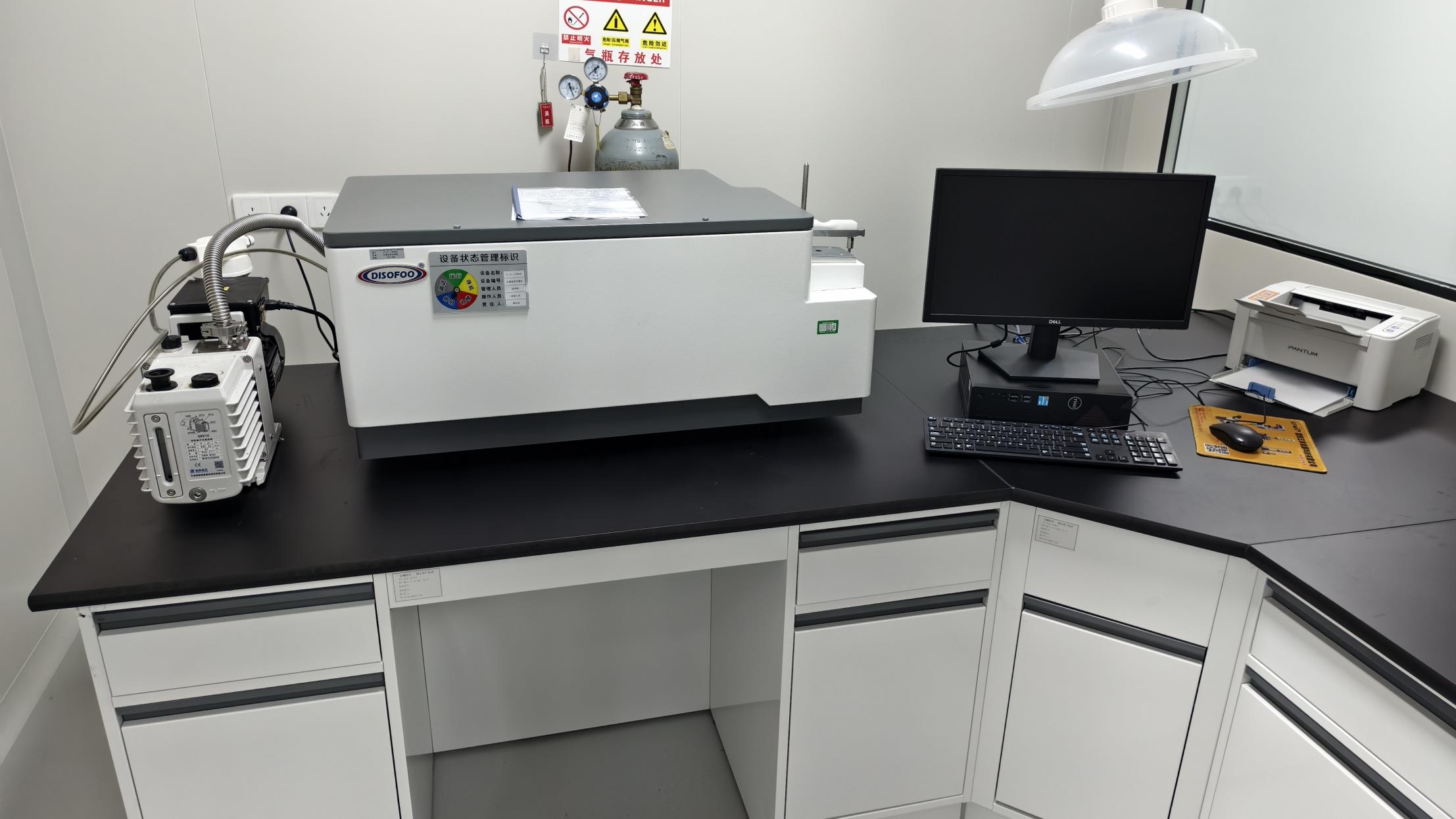
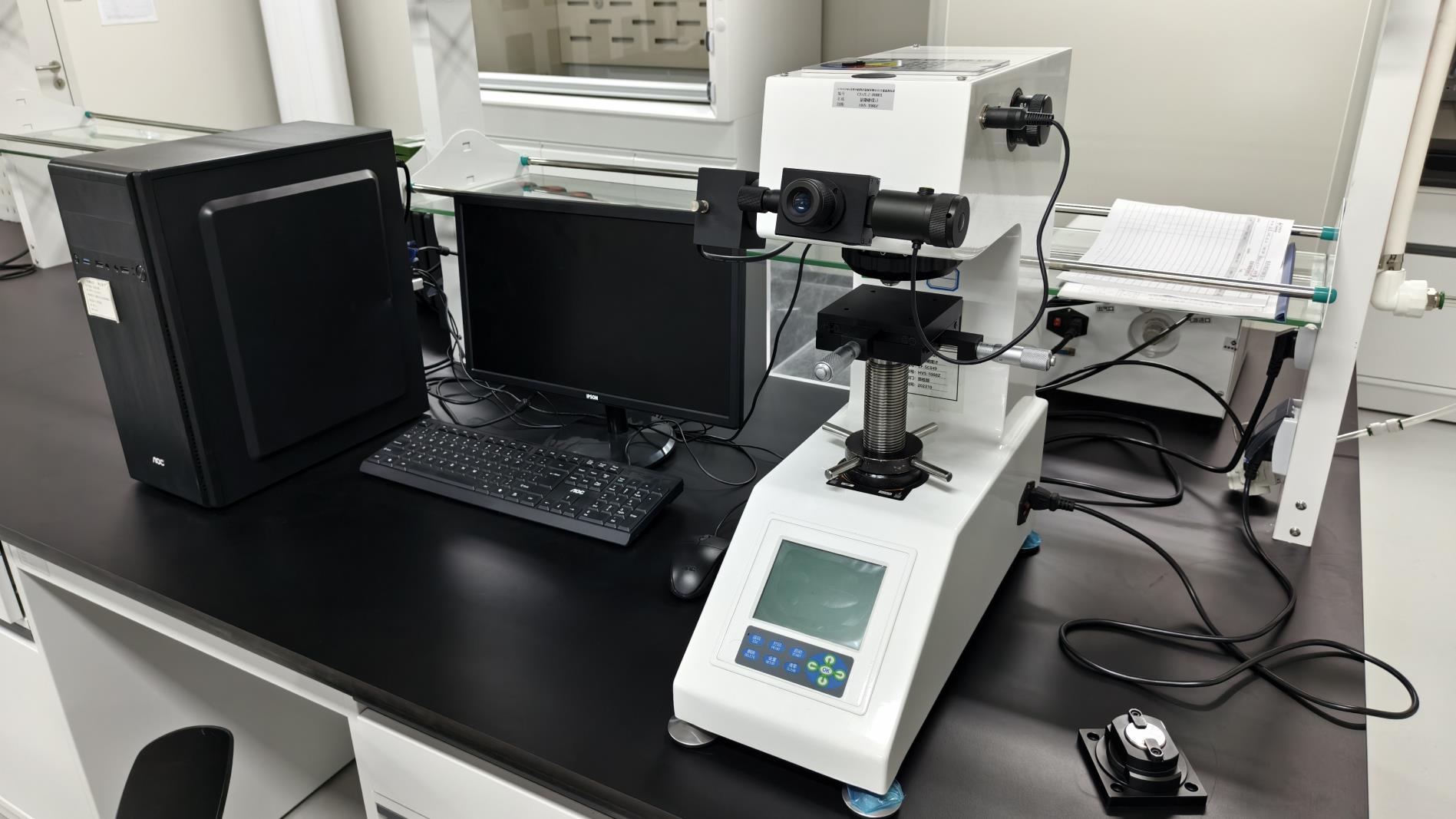
Operating an 18,600 m² modern plant, we utilize high-precision equipment to process raw medical titanium into implants. Explore our manufacturing flow and quality verification center.
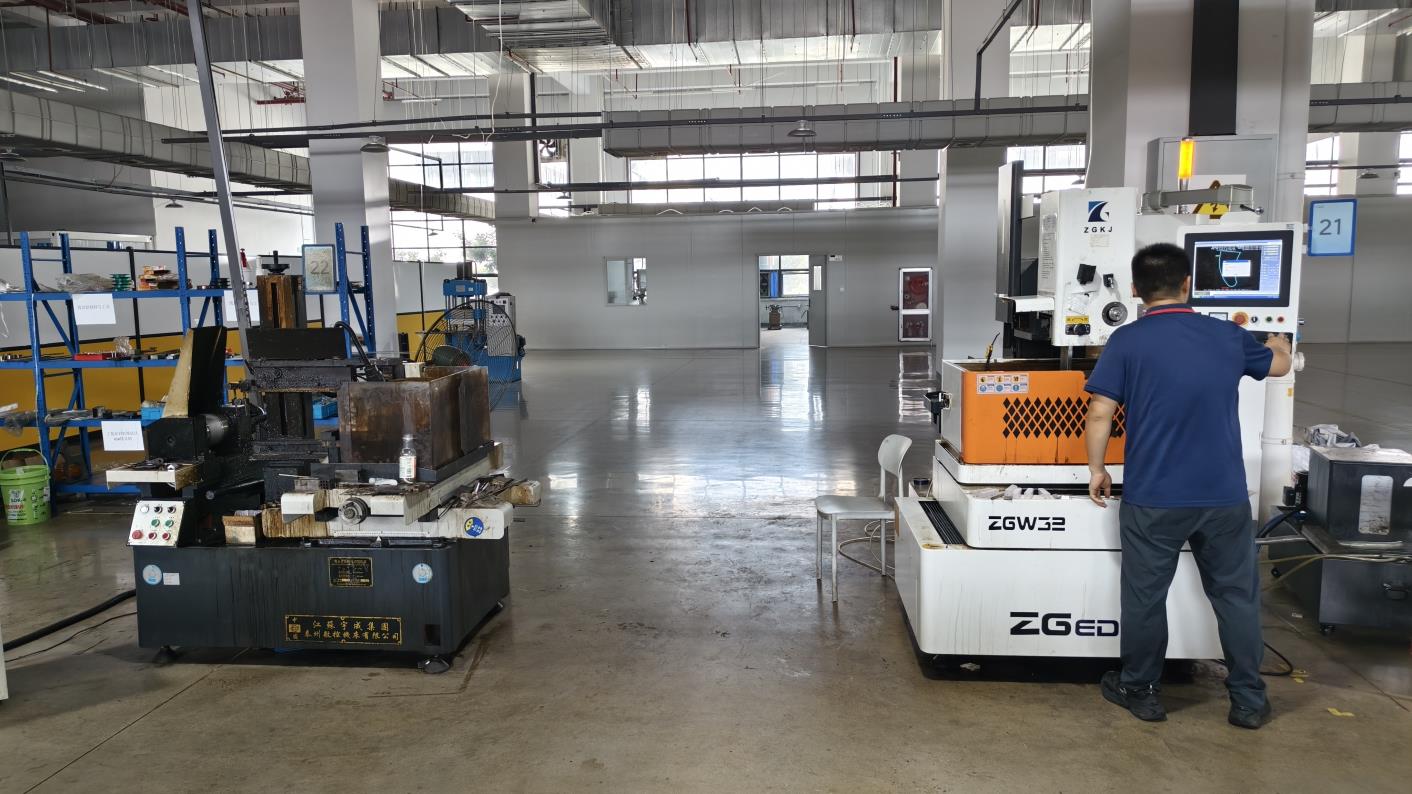
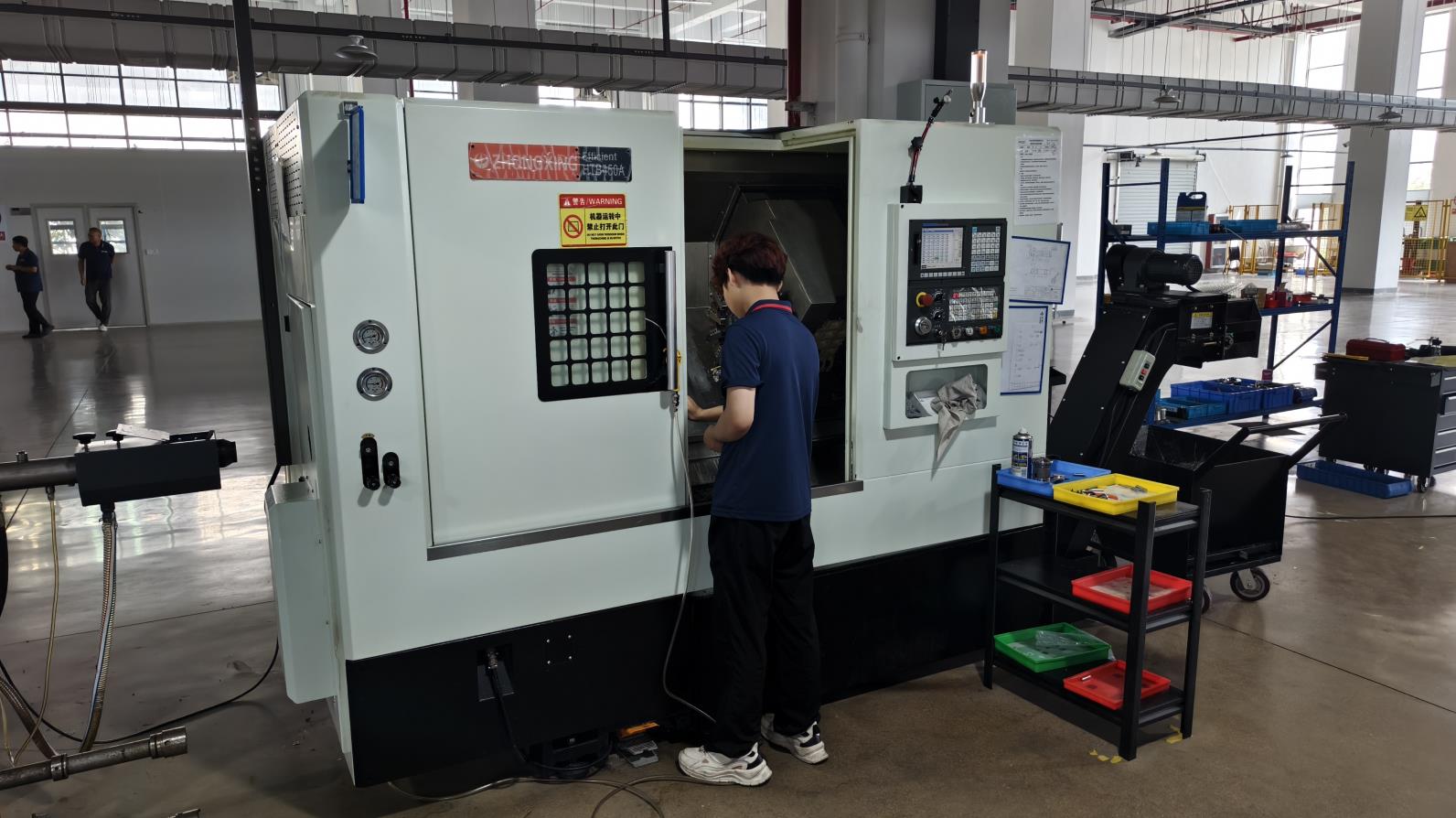
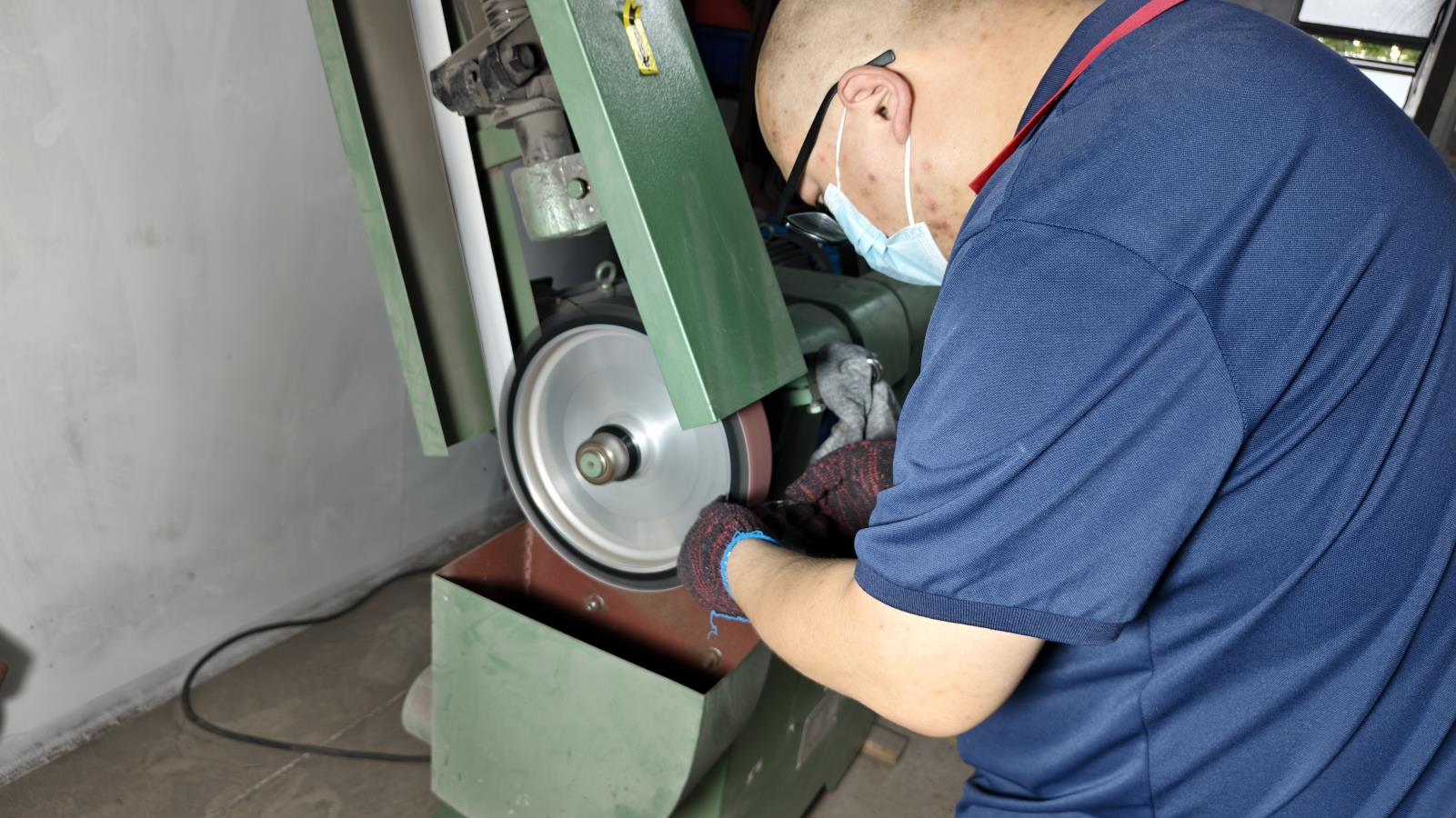
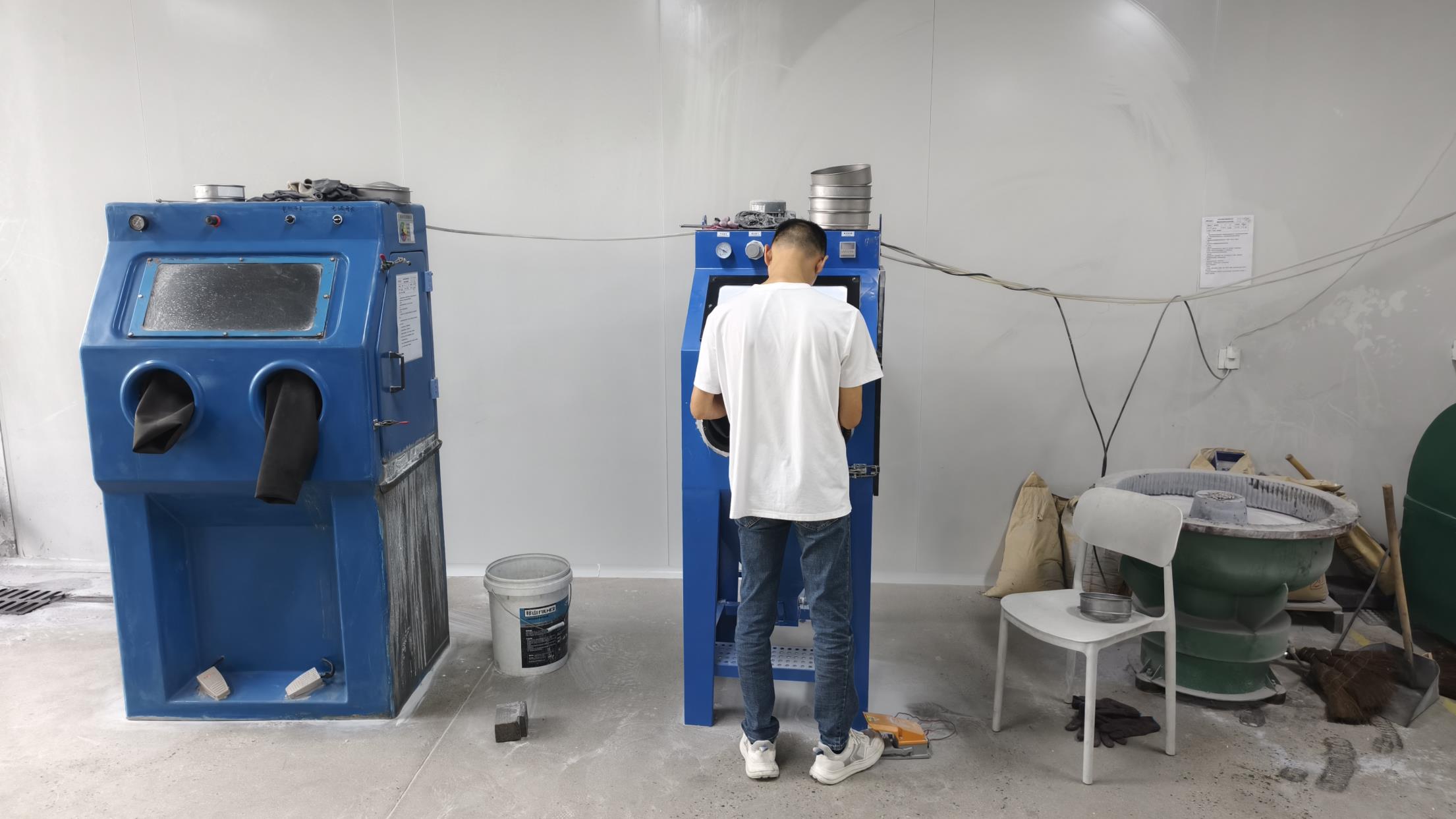
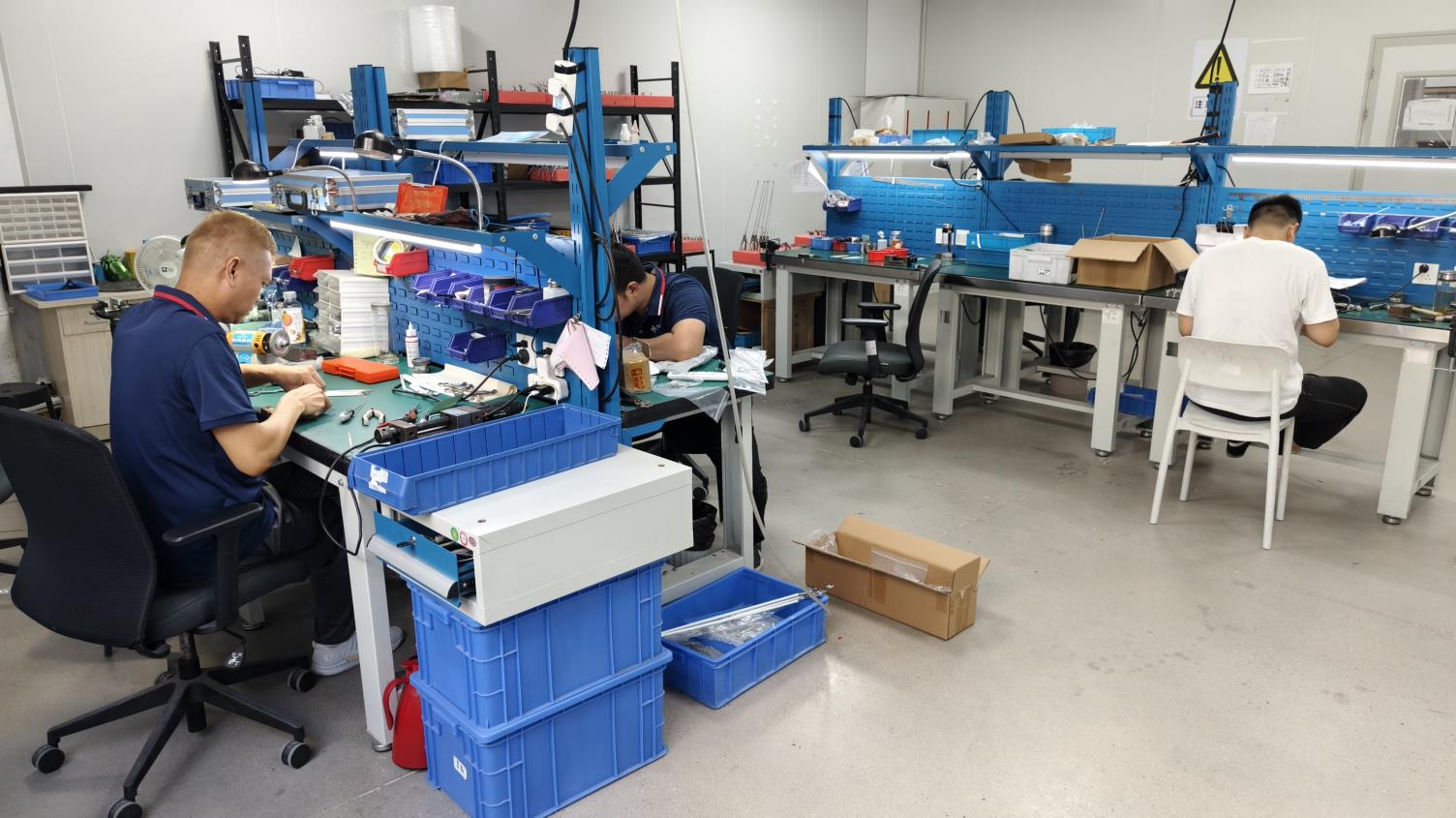
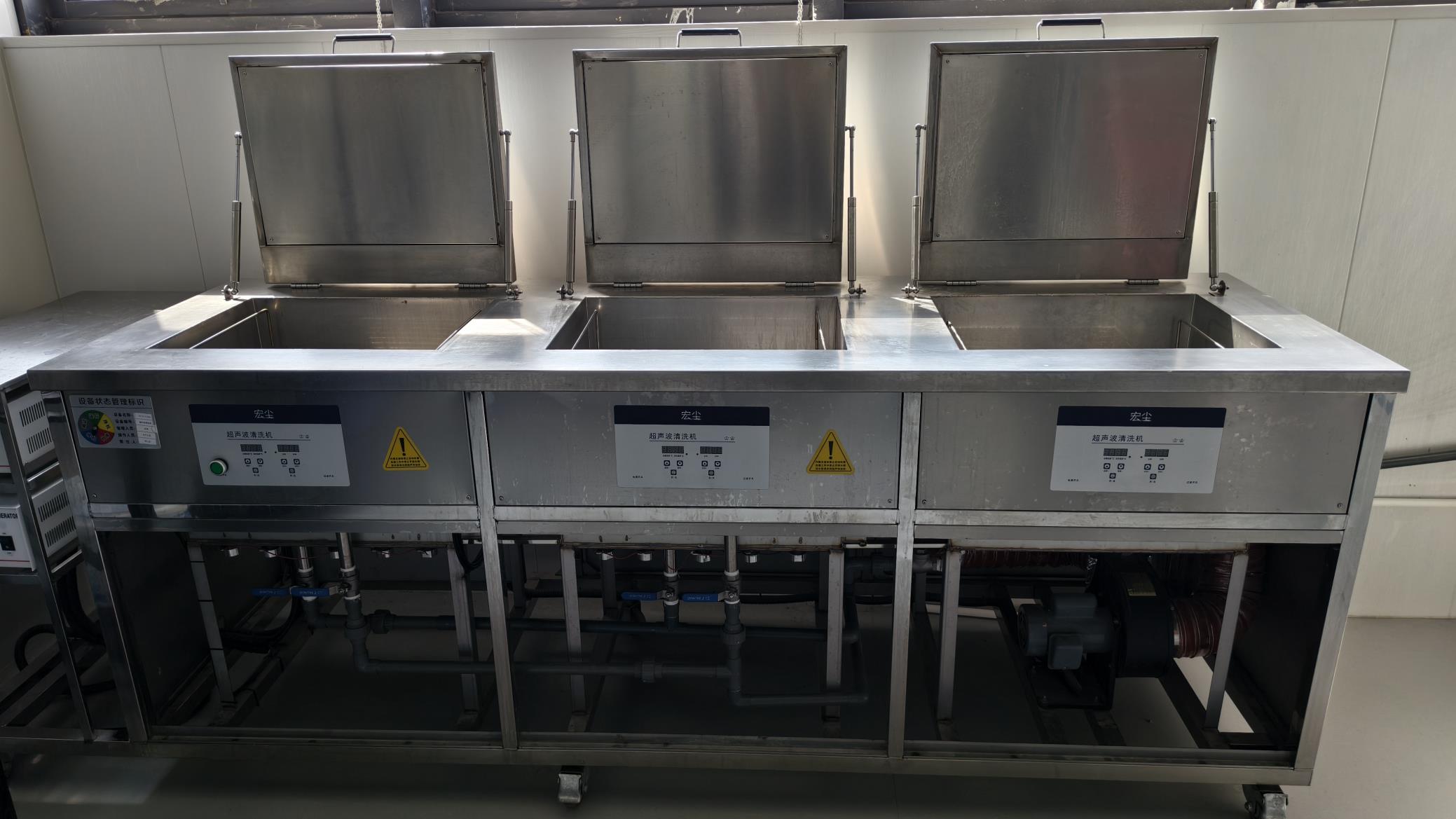
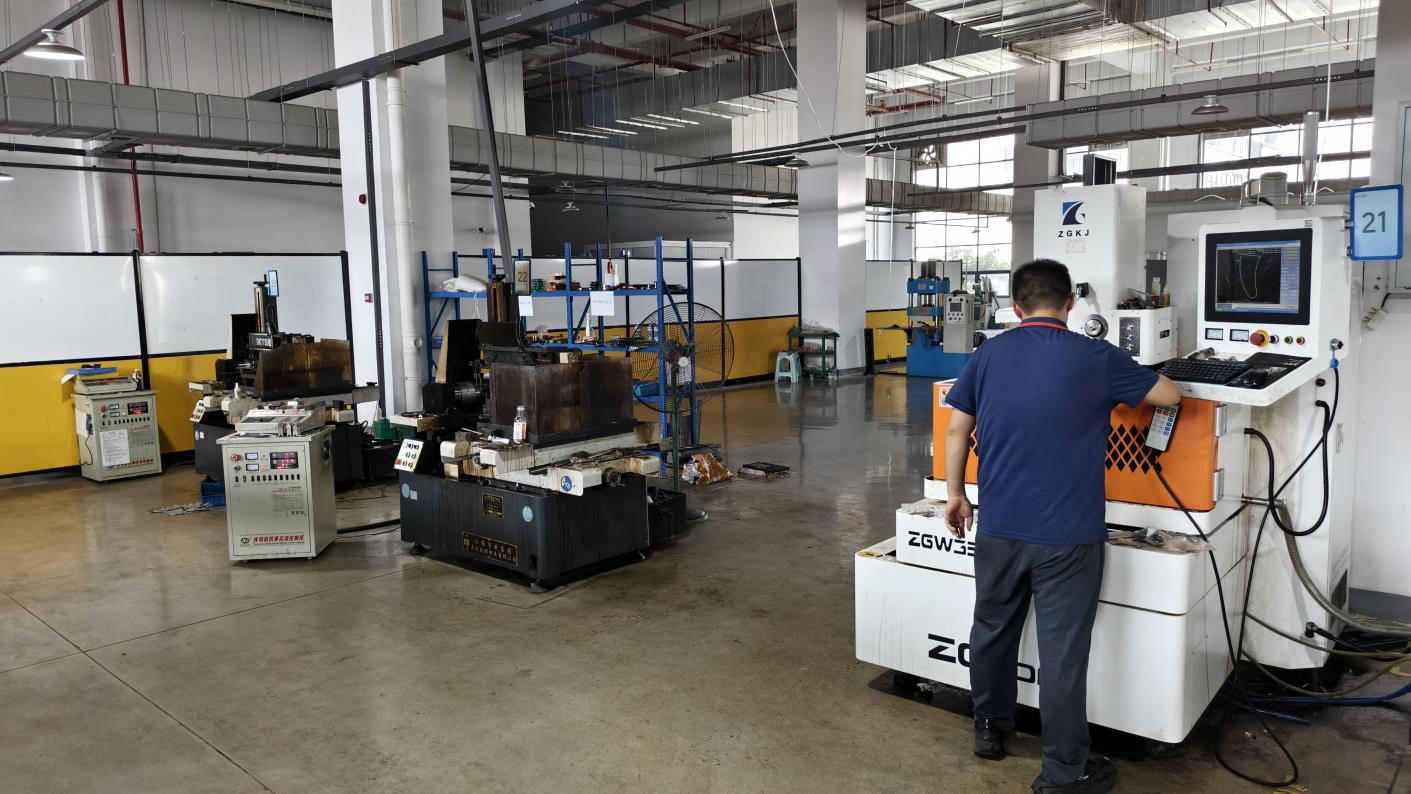
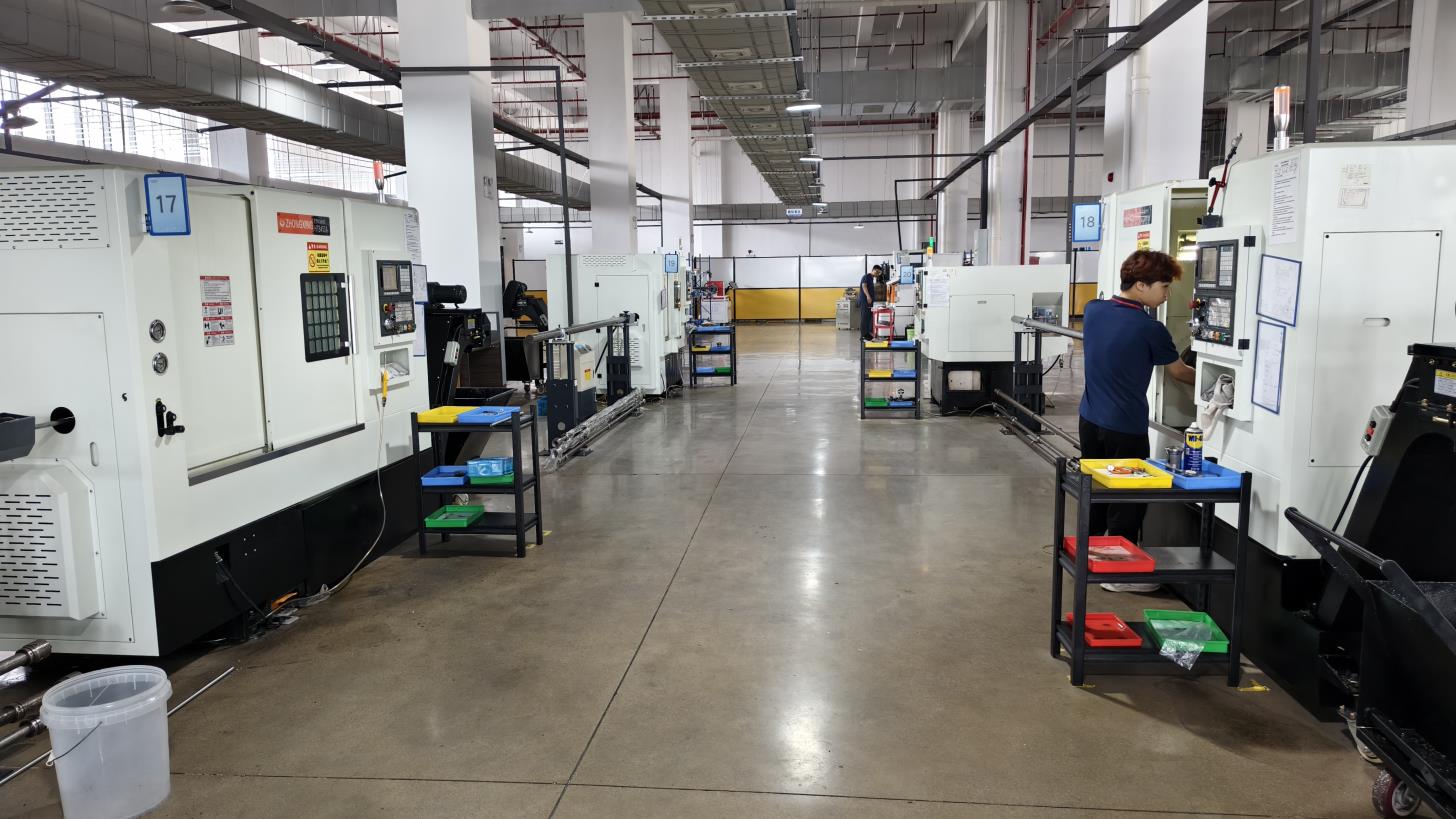
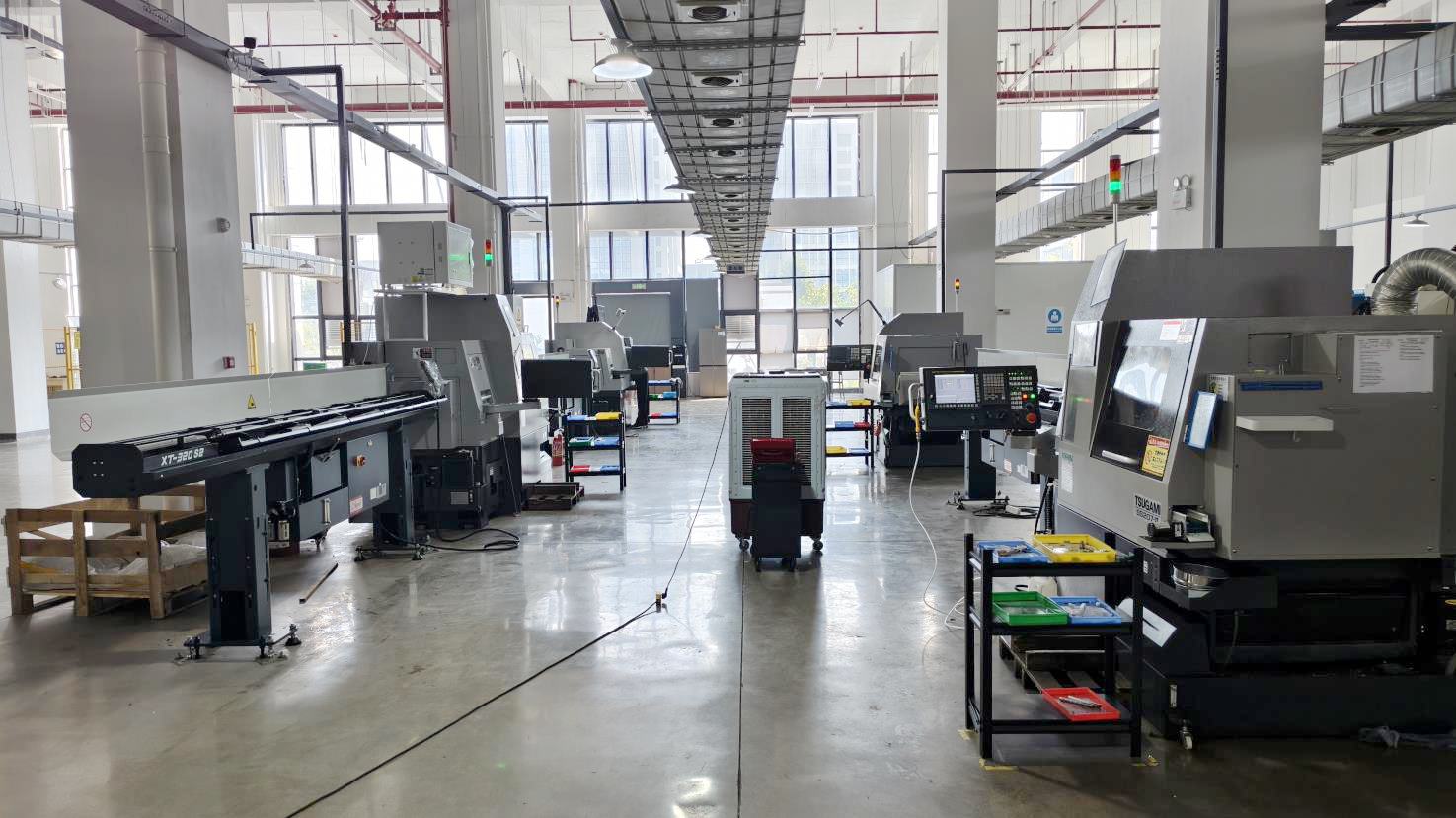
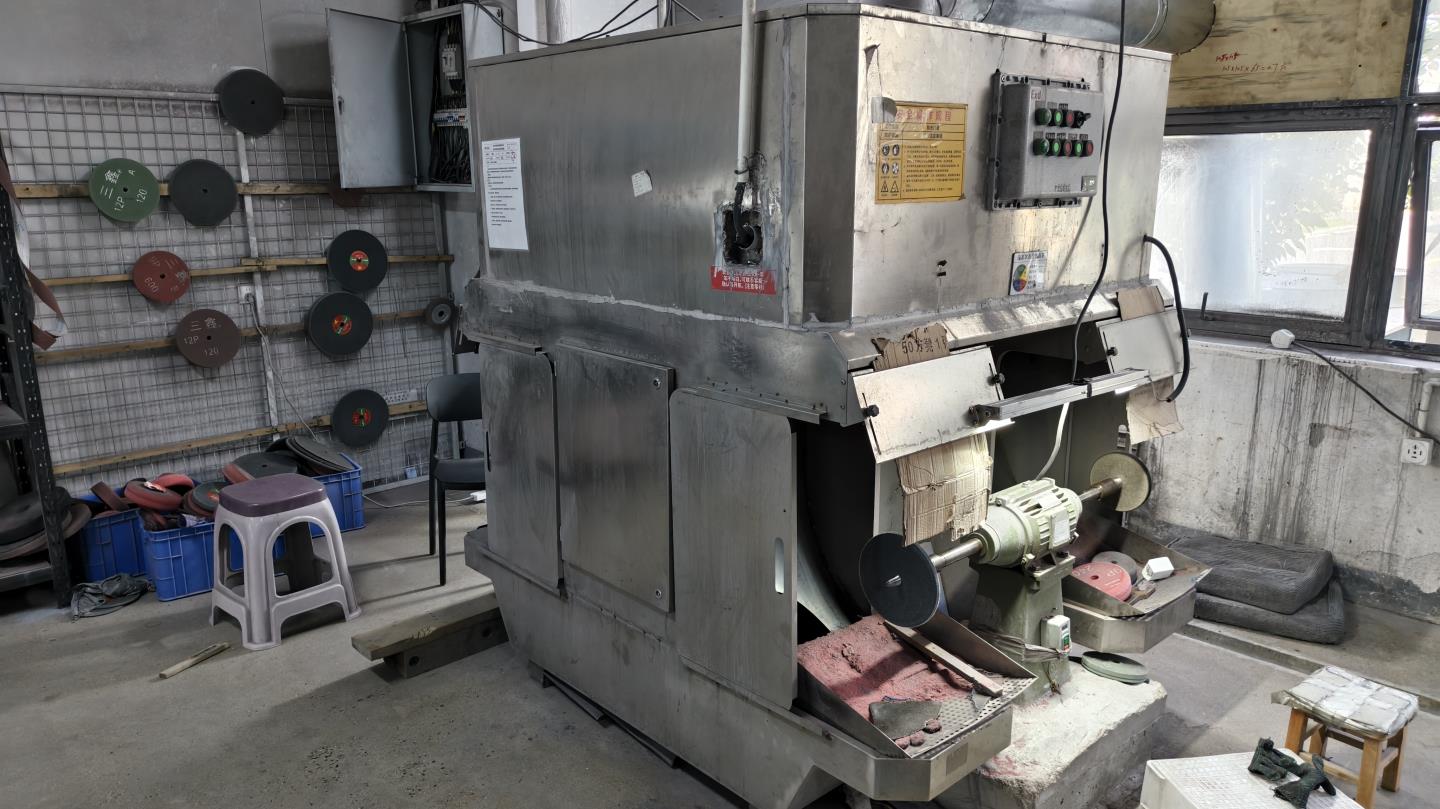
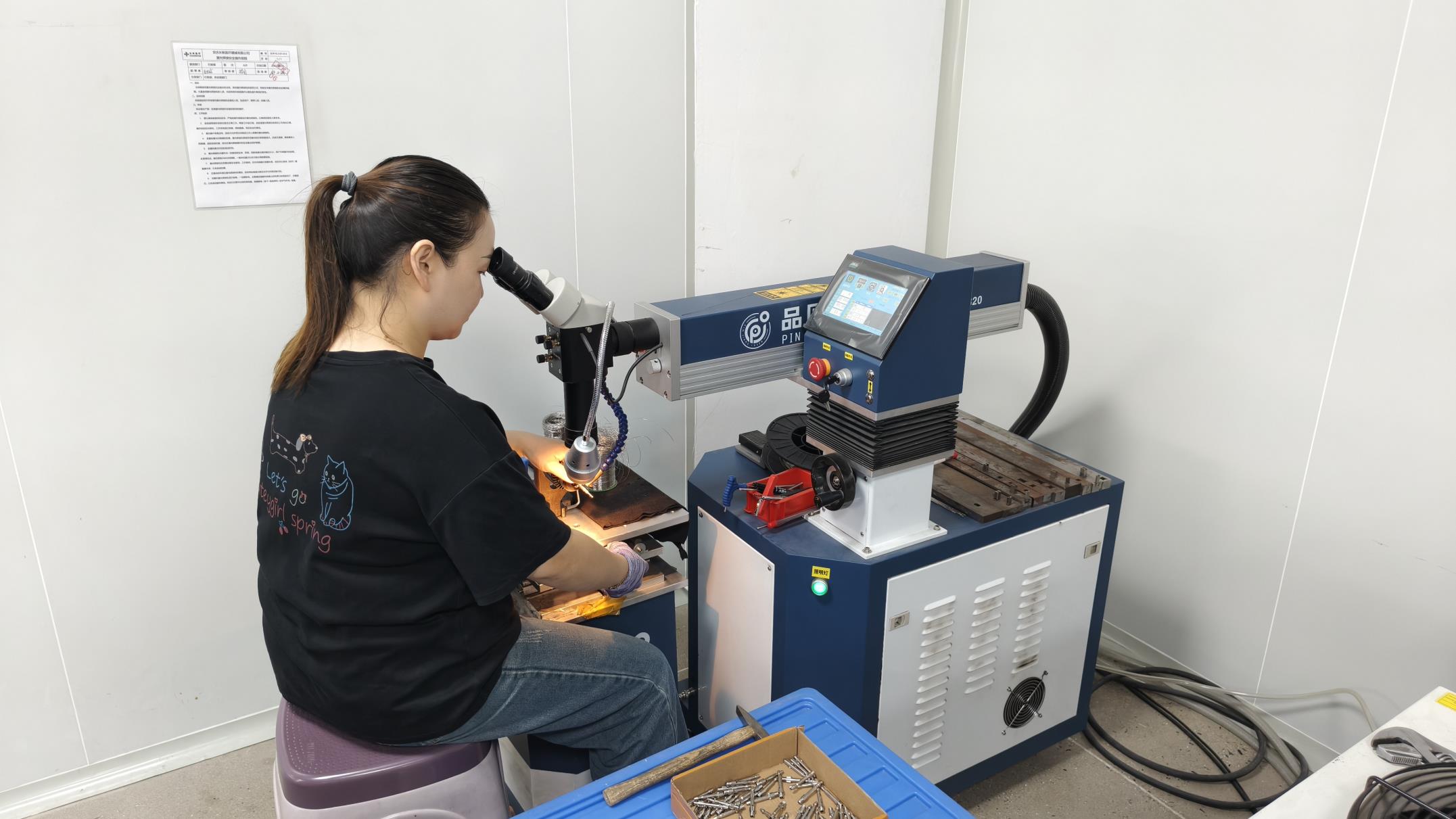
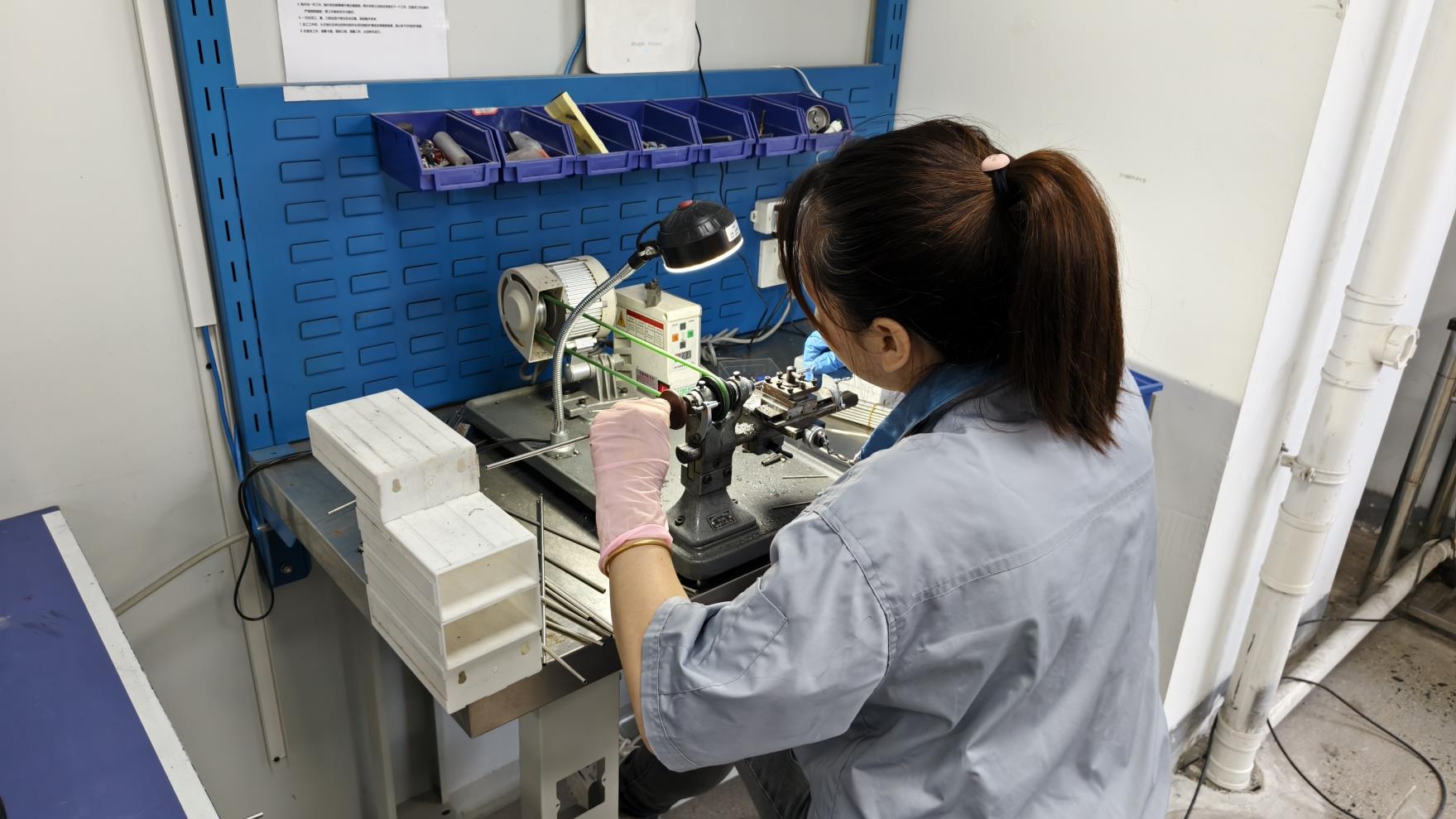
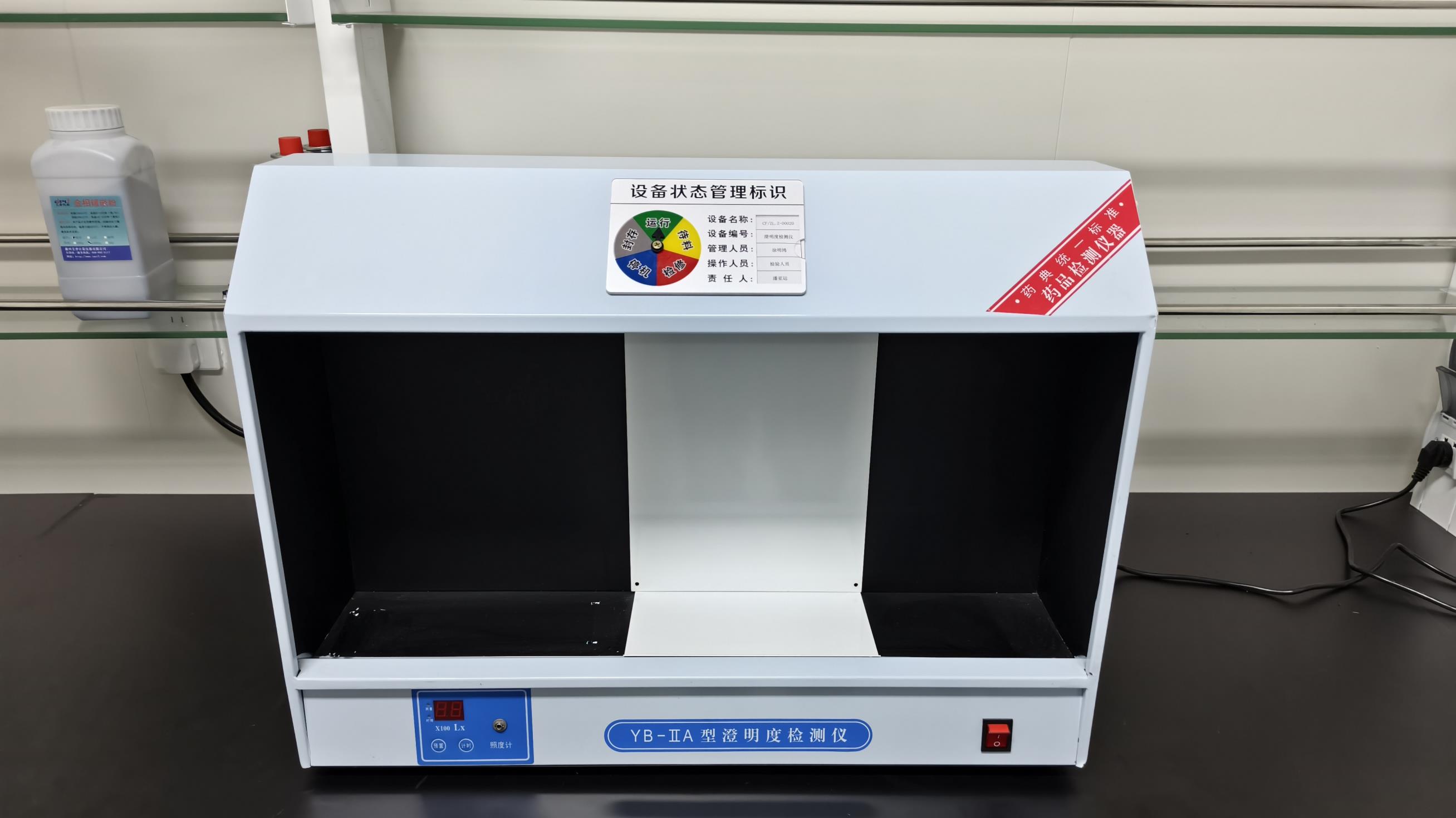
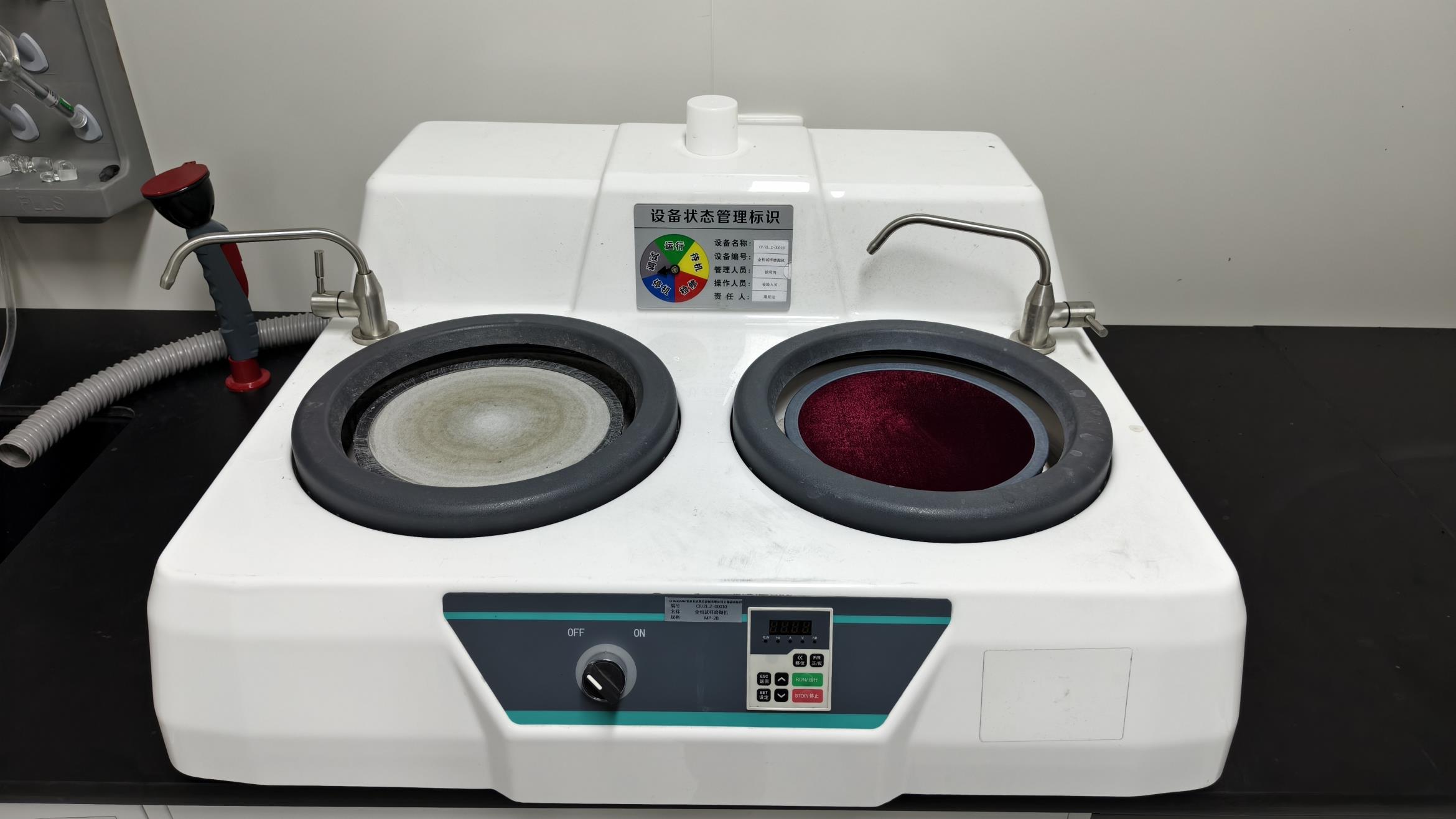
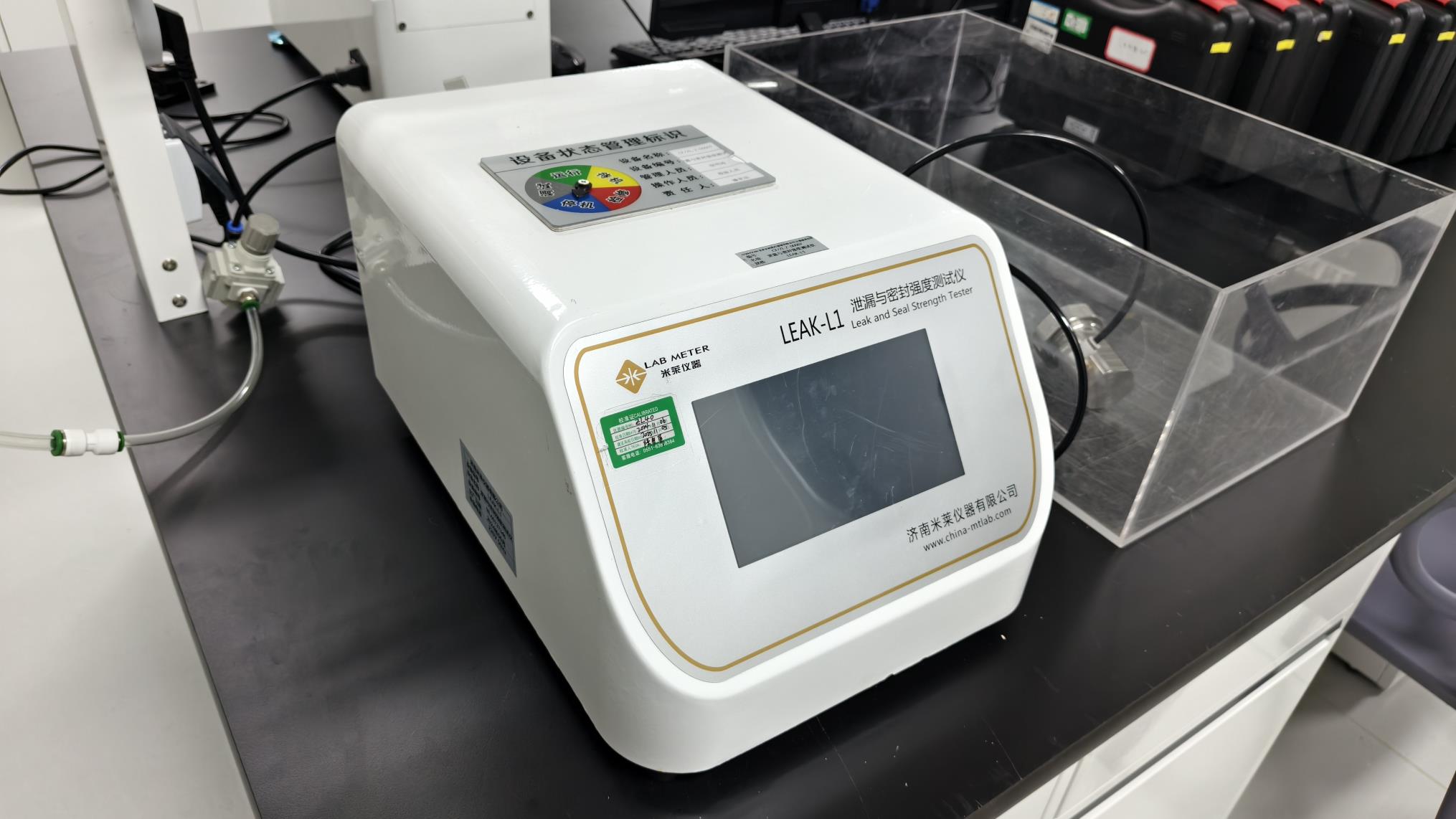
Our broader traumatology catalog features high-yield locking systems, cannulated compression screws, and flexible intramedullary nailing systems designed to meet critical clinical needs.
Anatomically pre-shaped plate with multiple distal locking screw configurations to avoid avascular necrosis of the humeral head.
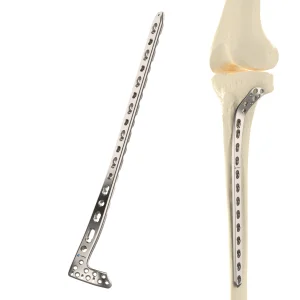
Low-profile geometry minimizes soft-tissue irritation around the distal tibia, optimizing biological healing.
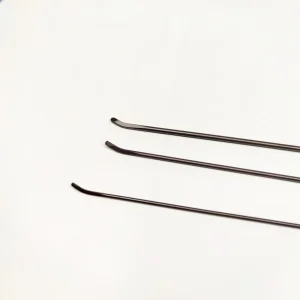
Flexible intramedullary nails engineered for pediatric diaphyseal fractures, maintaining alignment without growth plate disruption.
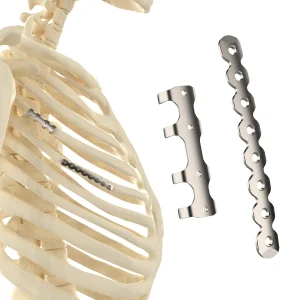
Highly malleable titanium plates designed for rapid rib stabilization, enhancing ventilation mechanics post-trauma.
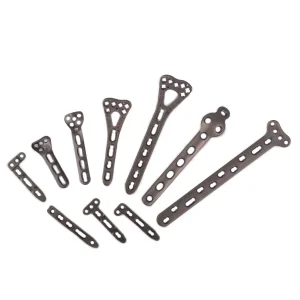
Optimized volar plate contouring ensures placement close to the watershed line without tendon abrasion.
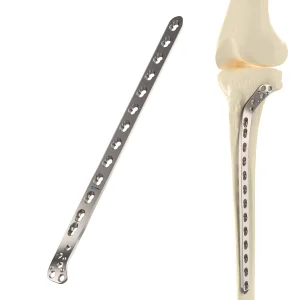
Heavy-duty construction supporting lateral tibial plateau fractures, accommodating 5.0mm locking locking screws.
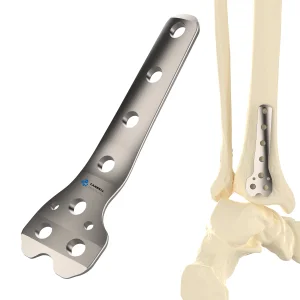
Targeted fixation for complex posterior pilon and distal tibia fractures, facilitating direct structural stabilization.
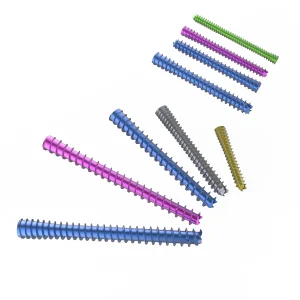
Cannulated structure designed for percutaneous insertion, offering reliable compression across osteotomy interfaces.
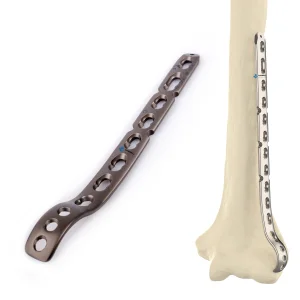
Medial and lateral anatomical plates providing robust mechanical bridge structures for intra-articular elbow reconstructions.
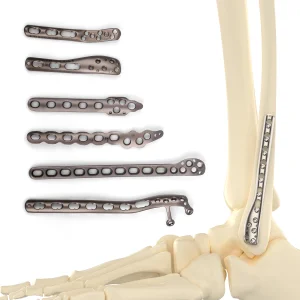
Specifically contured lateral fibular plate supporting optimal syndesmotic screw inclusion, preventing alignment shifts.
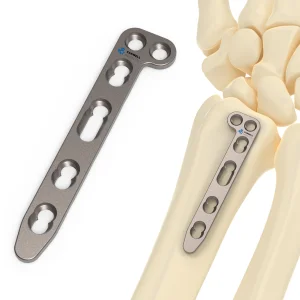
L-profile geometry optimized for dorsal wrist approach, providing supplementary support in comminuted articular fractures.
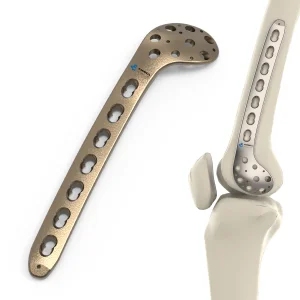
Engineered for distal supracondylar and medial femoral fractures, bearing physiological axial compression loads during gait cycle.
Deep regulatory, clinical, and mechanical insights for professional medical procurement agents and distributors in the EU.
Yes. All Zynfuse orthopedic trauma implants are designed, validated, and manufactured to align with the safety, performance, and clinical evaluation criteria mandated by the EU Medical Device Regulation (MDR 2017/745). We maintain comprehensive technical files and collaborate with accredited European notified bodies to ensure compliance, enabling seamless distribution across the Grand Duchy of Luxembourg and the wider Schengen area.
We primarily utilize high-purity medical-grade Ti-6Al-4V ELI (Extra Low Interstitial) titanium alloy, conforming to ASTM F136 and ISO 5832-3. This specific material provides an optimal strength-to-weight ratio, exceptional fatigue resistance under dynamic load, and excellent biocompatibility, minimizing the risk of adverse tissue reactions and preventing osteolysis or metal ion release.
Absolutely. Guided by our R&D group of 85 design engineers, Zynfuse offers extensive customization solutions. We adjust implant geometry, plate profiles, thickness, screw hole alignment, and surface finishes based on 3D CT scan data or clinical requests from medical centers. All customized designs undergo identical Finite Element Analysis (FEA) and fatigue testing to ensure patient safety.
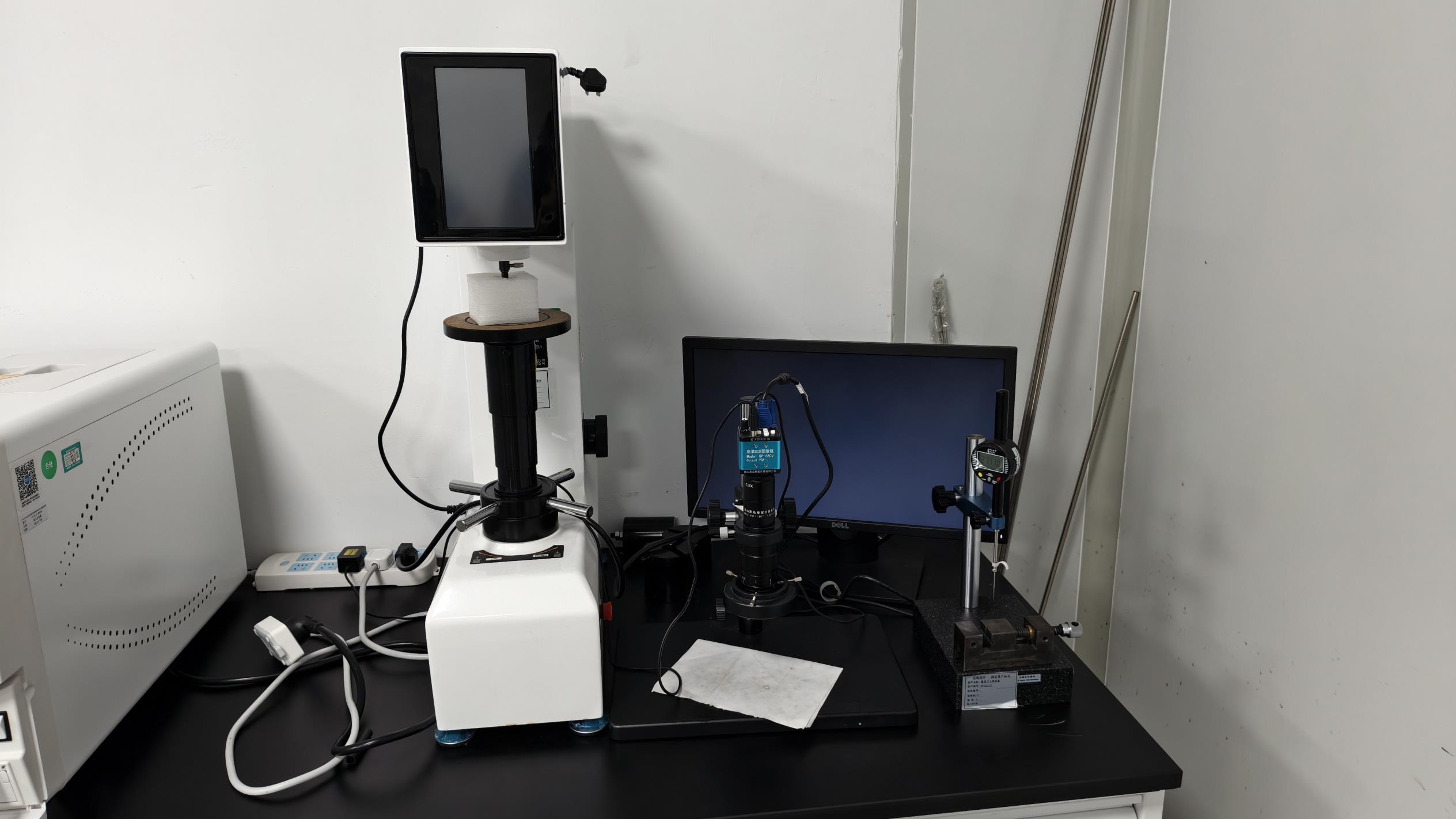
Our quality assurance program is supported by 68 dedicated QA inspectors. Every batch of trauma implants undergoes material composition validation via optical emission spectrometers, micro-hardness verification using Vickers testers, dimensional accuracy checks using automatic 2D video measuring instruments, and surface morphology inspection under digital microscopes. Dynamic fatigue testing is also conducted to ensure structural durability.
We apply a specialized Type II Anodic Oxidation surface treatment to our locking plates. This electrochemical process forms a controlled titanium dioxide layer that reduces the friction coefficient at the screw-plate thread interface, effectively preventing galling and cold welding. This enables surgeons to smoothly remove implants when post-healing extraction is clinically indicated.
For standard catalogue implants, shipments can be dispatched within 7–14 days. Customized OEM/ODM productions typically require 4–6 weeks for precision engineering, manufacturing, and QA verification. Standard air cargo routes to Luxembourg Findel Airport (LUX) facilitate efficient logistics, with delivery typically taking 5–7 transit days.
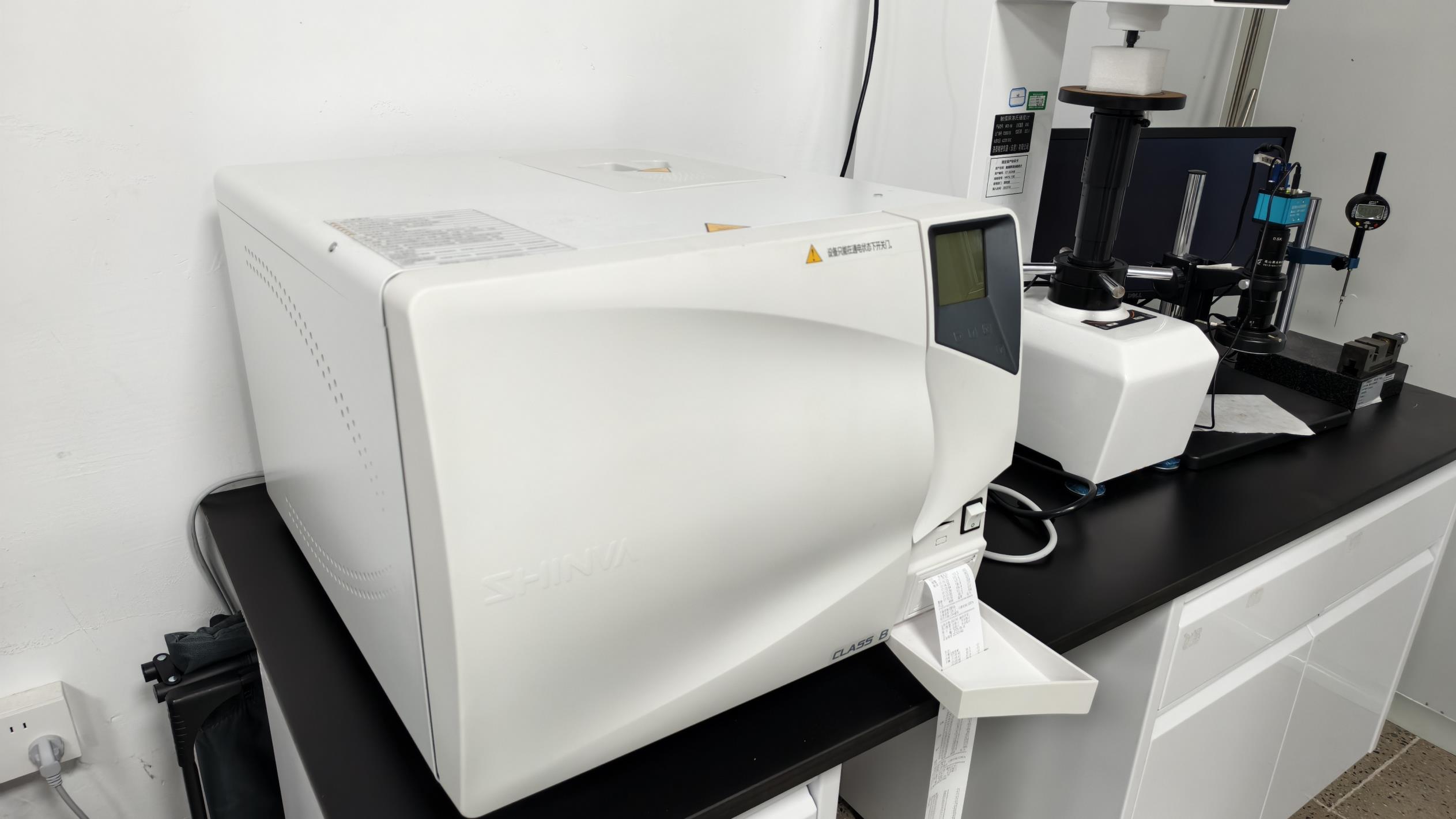
Our implants undergo multi-stage cleaning and are packaged within our ISO Class 7 certified cleanroom environment. We offer double-barrier sterile packaging (using premium medical Tyvek bags) sterilized via Ethylene Oxide (EO) or Gamma irradiation, as well as non-sterile configurations that hospitals can sterilize in-house using conventional steam autoclaving.
Our variable-angle distal radius plates allow for multi-directional screw placement (up to ±15°). This enables surgeons to place locking screws in denser subchondral bone structures. The combination of dynamic compression and locking holes distributes load evenly, minimizing the risk of construct collapse or screw pull-out in osteoporotic or compromised bone.
Our dynamic hip screw systems are engineered to withstand cyclical axial compression and rotational shear stresses. In mechanical simulation testing, our DHS barrel plates regularly survive over 1 million loading cycles without mechanical fatigue failure or crack propagation, exceeding the standard physiological demands of fracture consolidation periods.
We work with established European Authorized Representatives (EC REP) based within the European Union. They manage regulatory filings, assist with post-market surveillance reports, and act as direct liaisons for national competent authorities, including Luxembourg's Ministry of Health (Ministère de la Santé), ensuring complete transparency.
Partner with a trusted, ISO 13485-certified manufacturer. Access premium titanium implants, OEM capabilities, and comprehensive regulatory documentation.