Zynfuse
Zynfuse
Zynfuse
Optimized clinical instrumentation designed for high-performance surgical facilities across Australia.
Australia's orthopedic device sector functions within a highly structured environment governed by the Therapeutic Goods Administration (TGA). With an aging demographic, the rate of joint reconstructions and fracture fixations continues to climb. Orthopedic surgery clinics, public healthcare networks, and private healthcare groups are seeking direct procurement routes with manufacturers that can guarantee raw-material purity and dimensional compliance.
The TGA aligned its medical device regulations closely with the European Union Medical Device Regulation (EU MDR), raising the bar for clinical data requirements and technical documentation for Class IIb and Class III orthopedic implants and surgical kits. Importers face extended delivery cycles and rising manufacturing costs. Zynfuse Medical meets these requirements with systematic raw-material documentation, ISO 13485 verification, and cleanroom packaging protocols.
Australian medical device distributors require localized design modifications and biocompatible material testing reports (ASTM F136/ISO 5832-3). Zynfuse operates a direct OEM/ODM system, producing custom geometries for micro-plates, spinal cages, and interlocking nails that match regional surgical preferences.
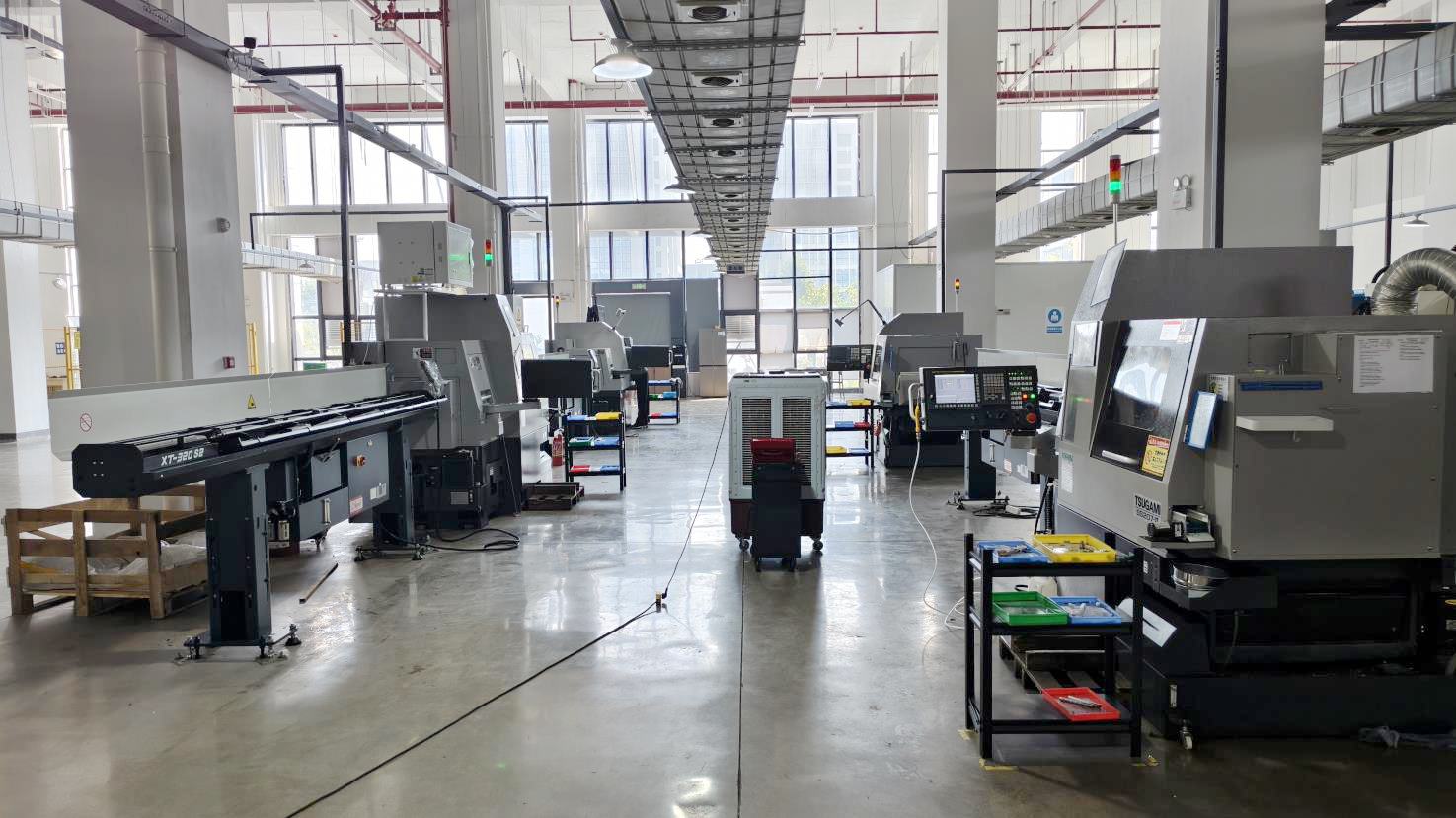
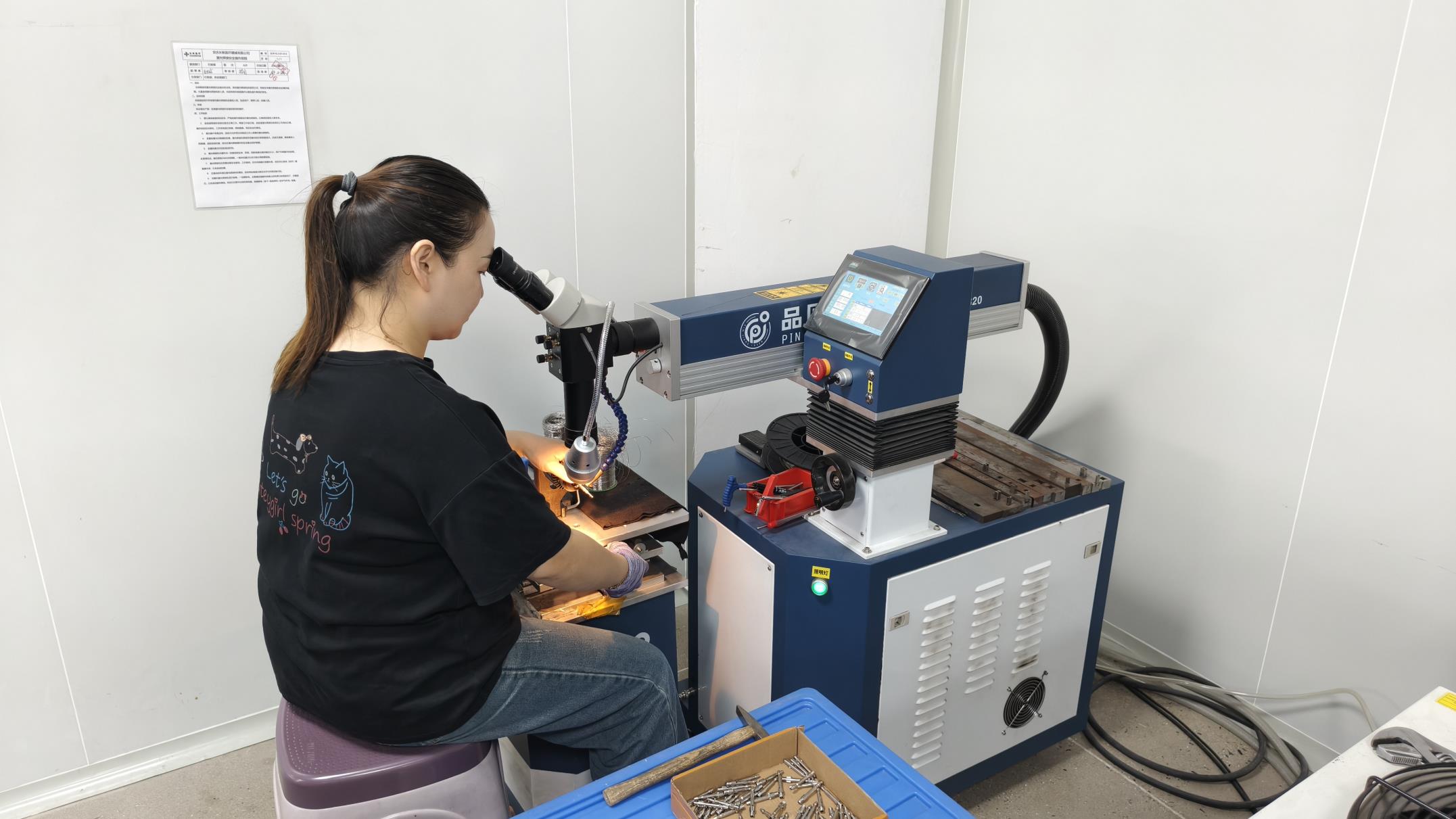
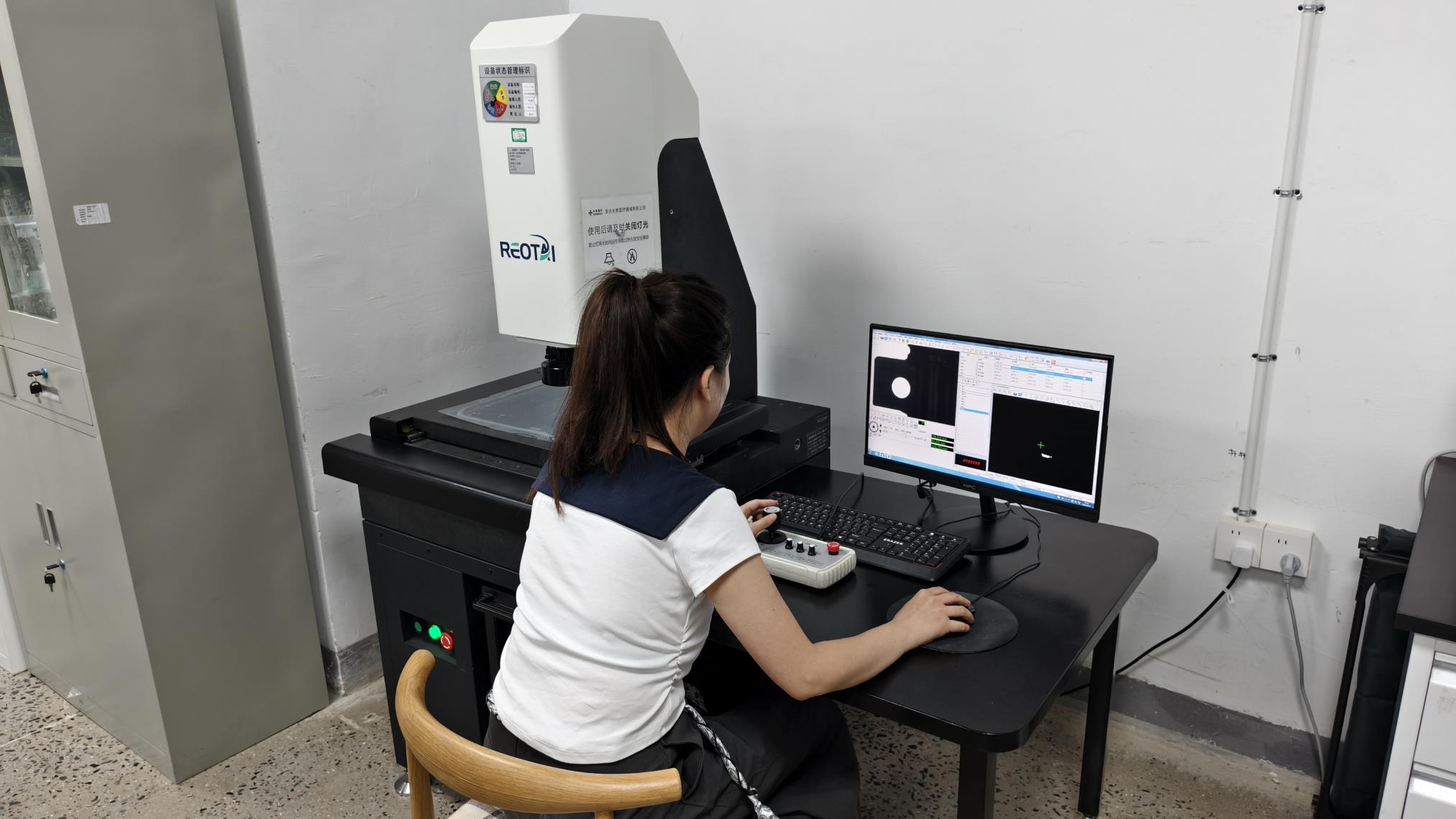
Spanning over 18,600 m² and utilizing Swiss-type CNC machining, wire cutting, and advanced optical inspection systems.
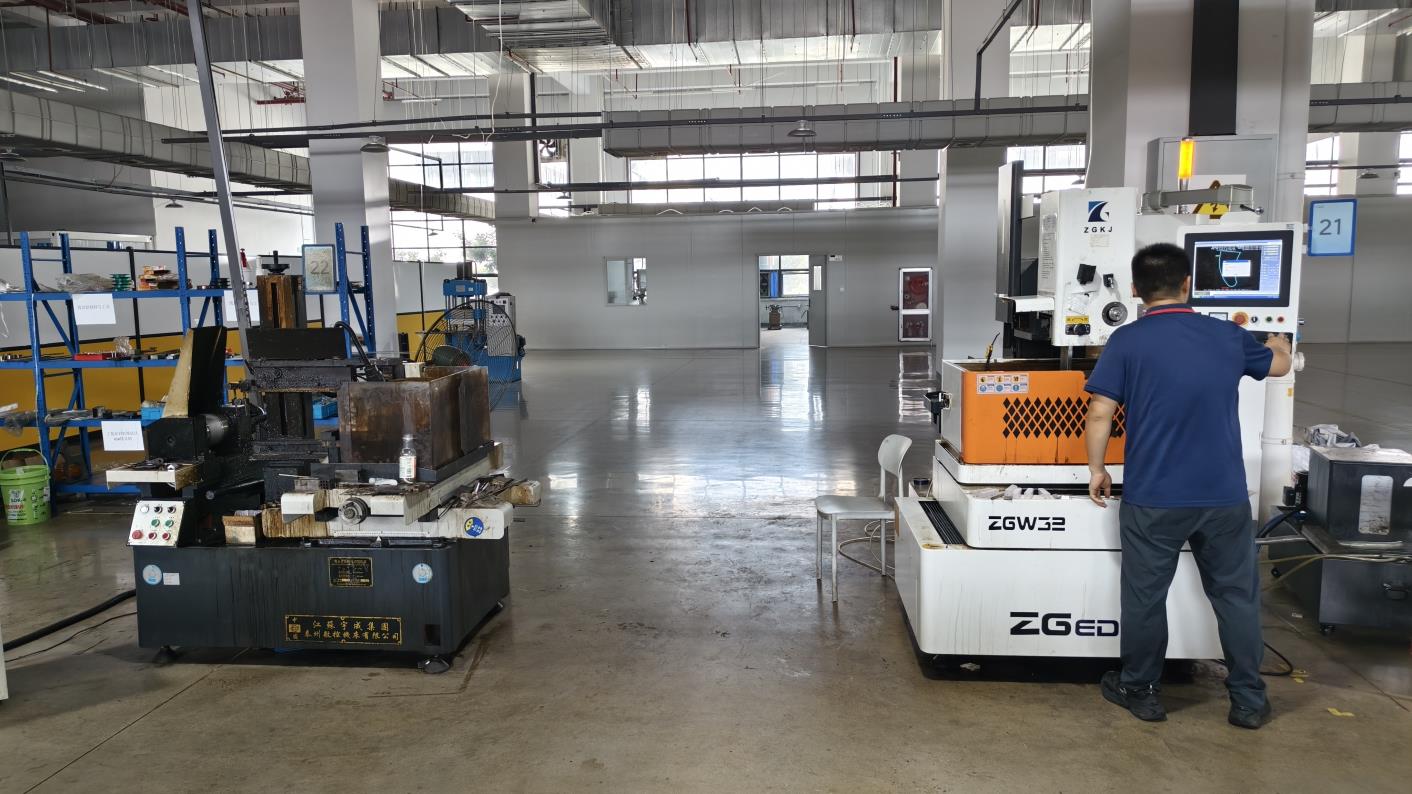
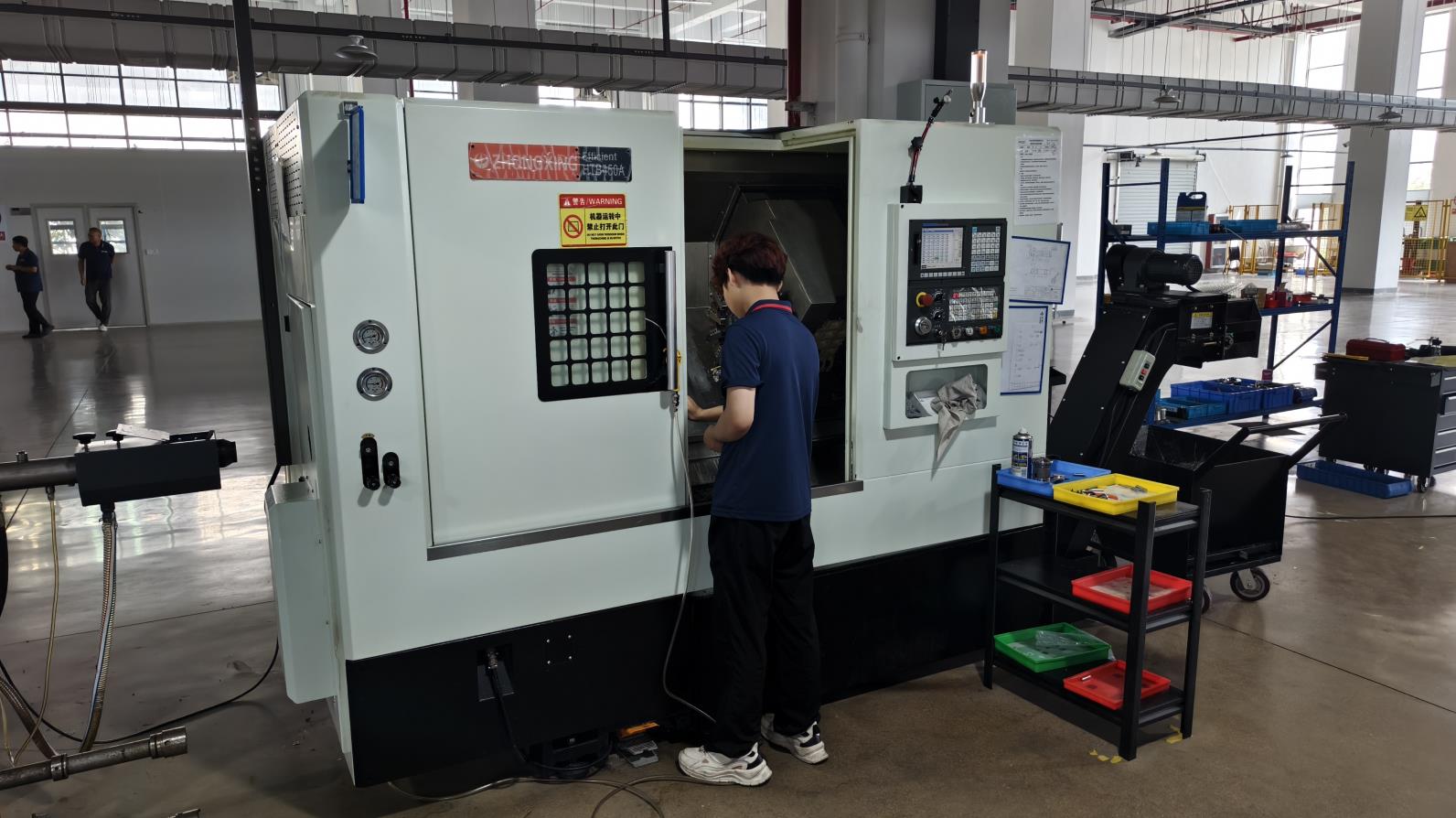
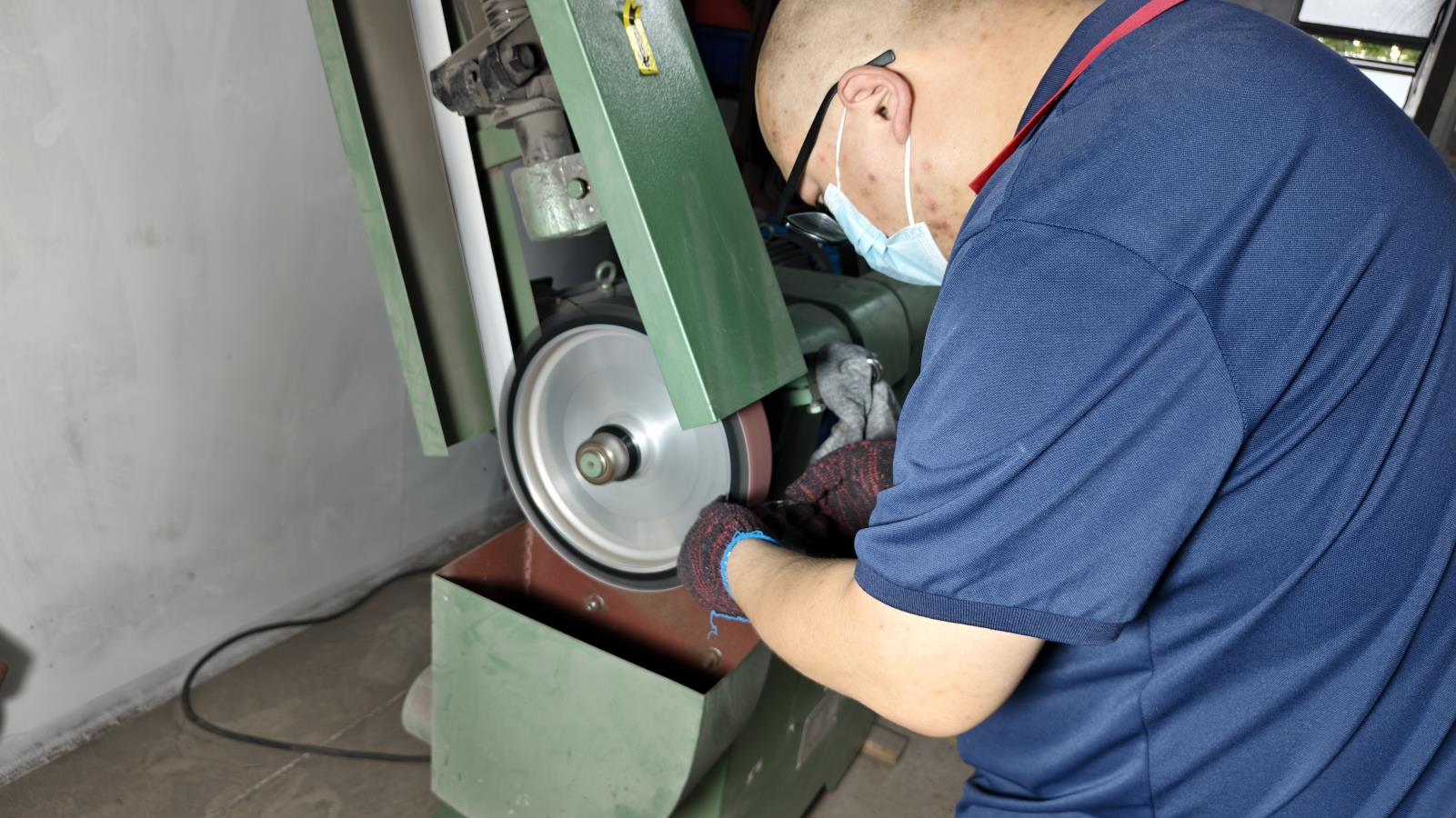
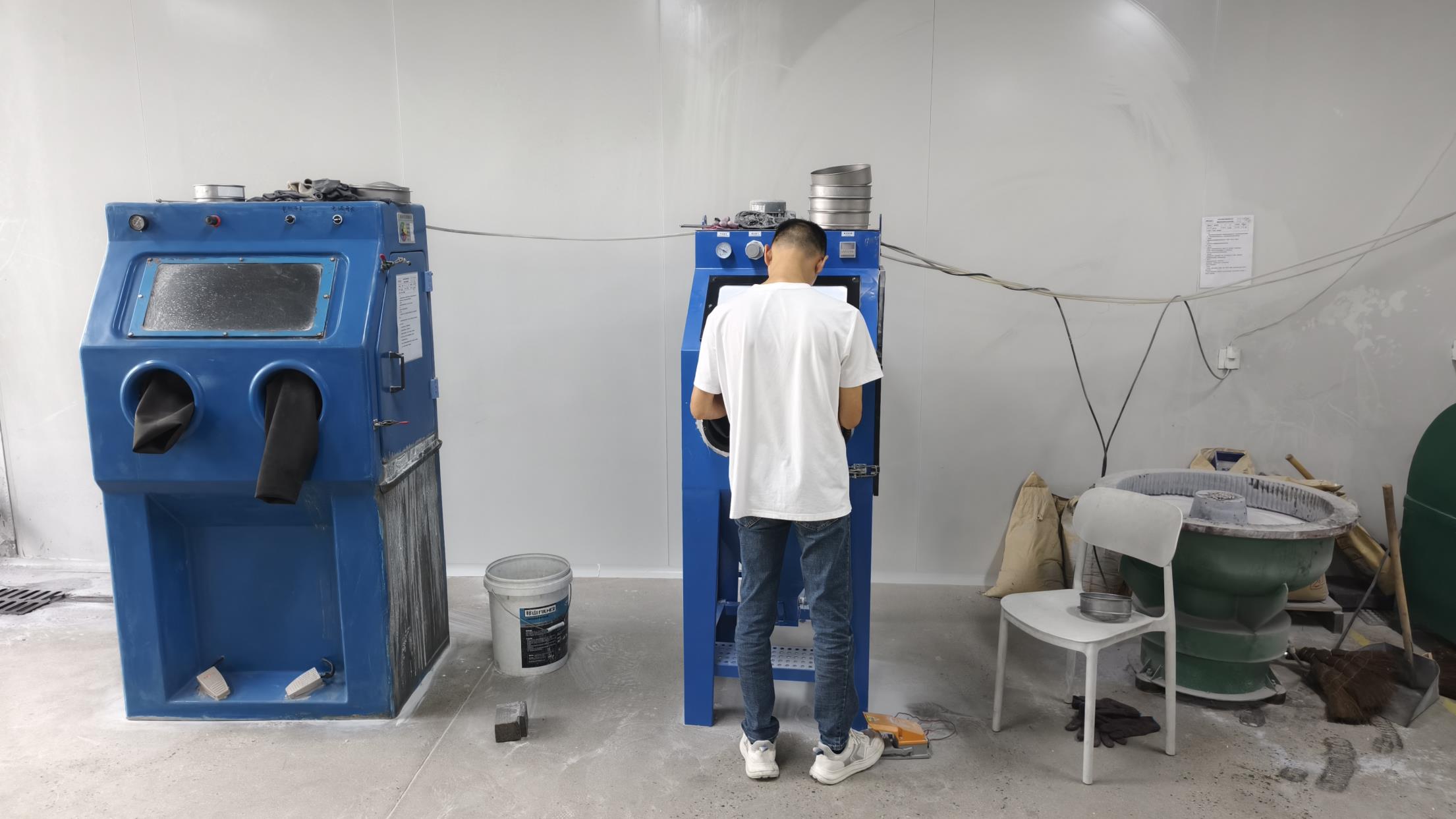
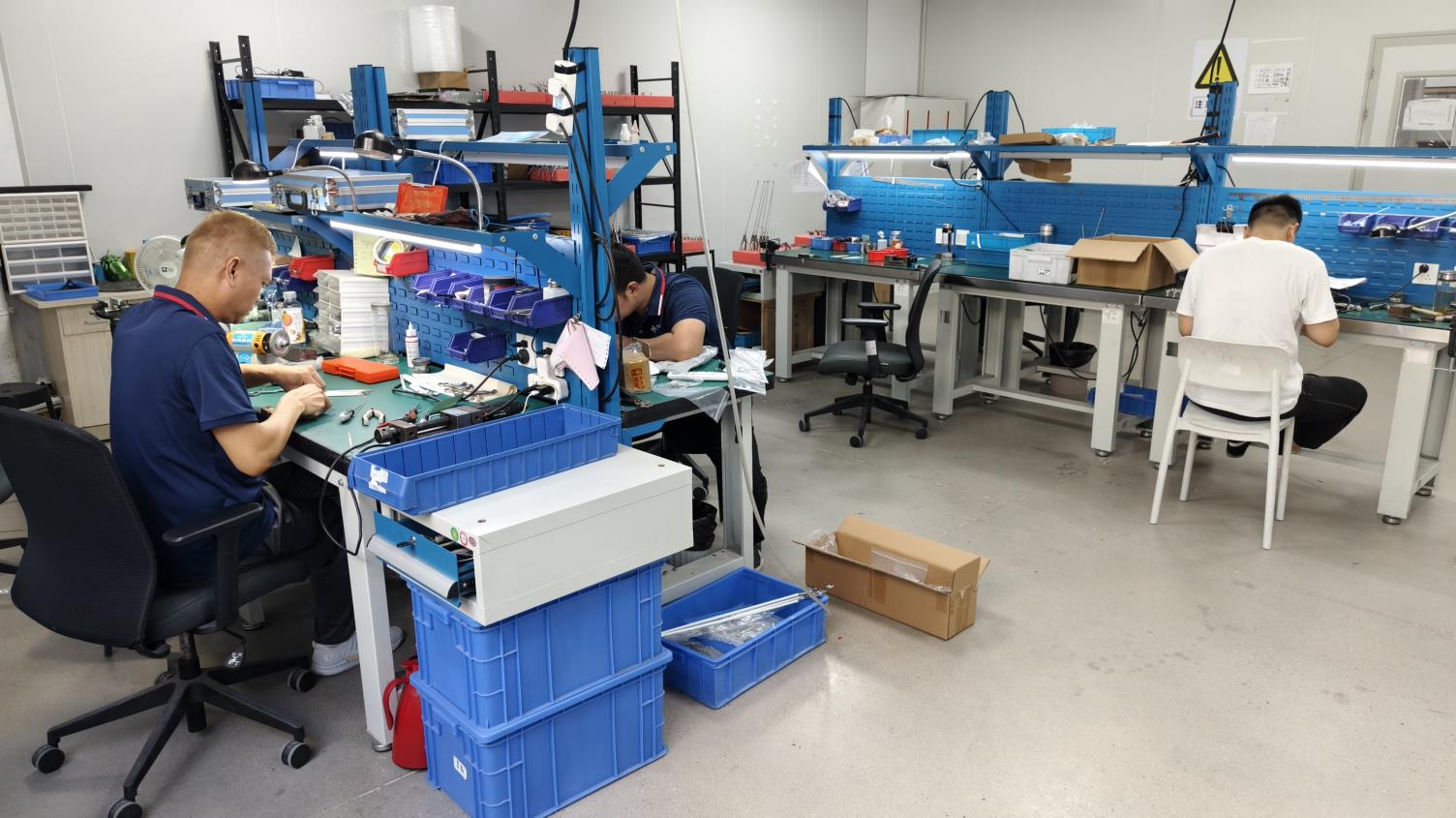
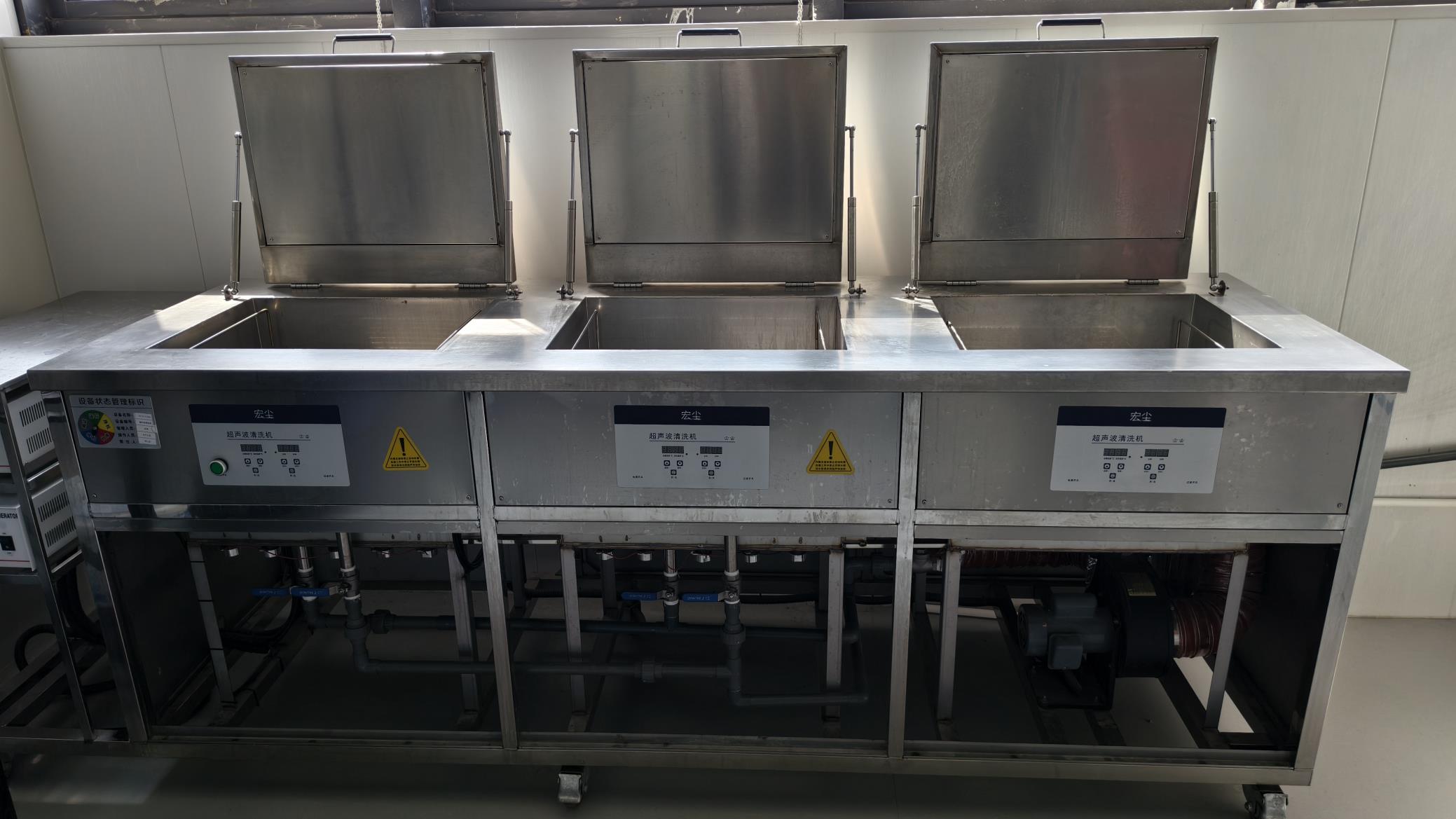
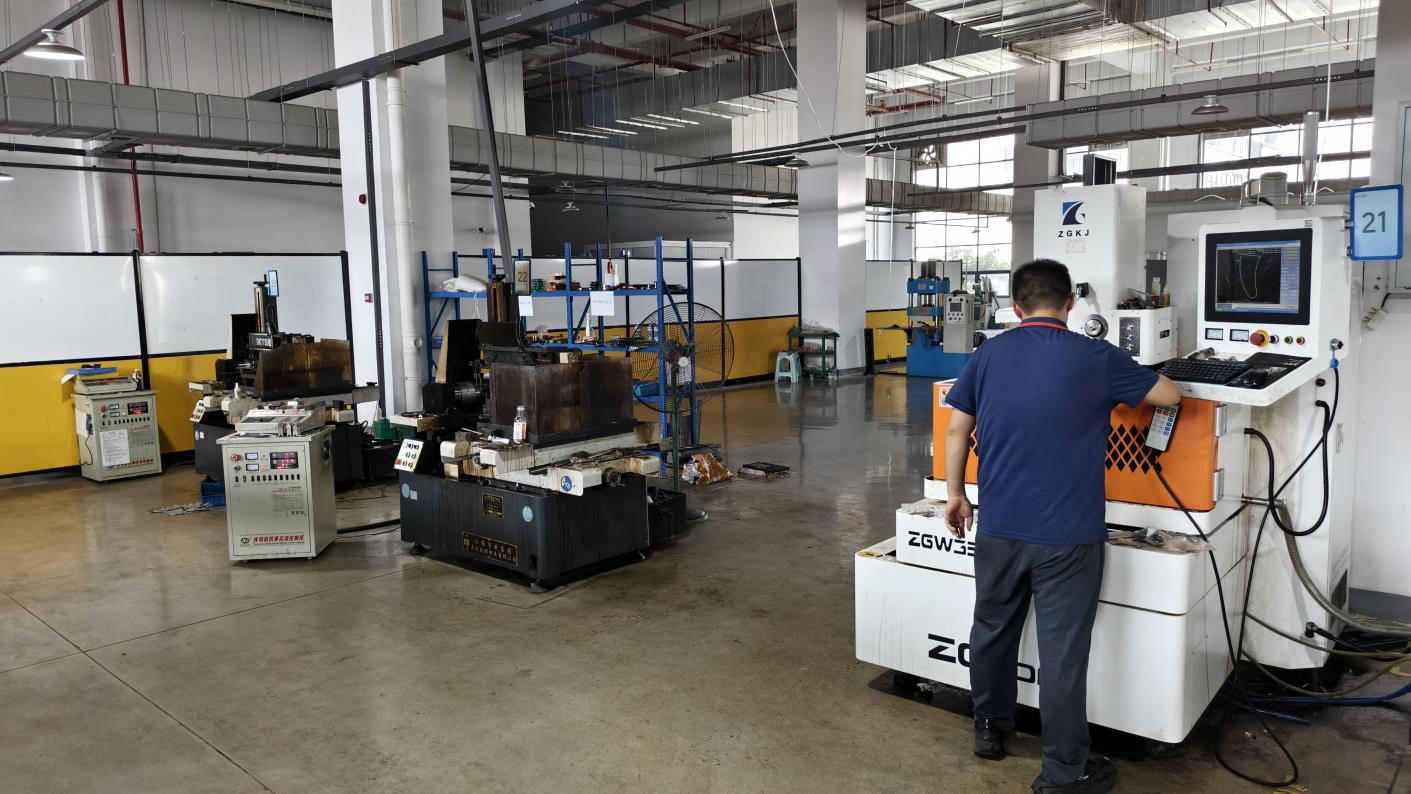
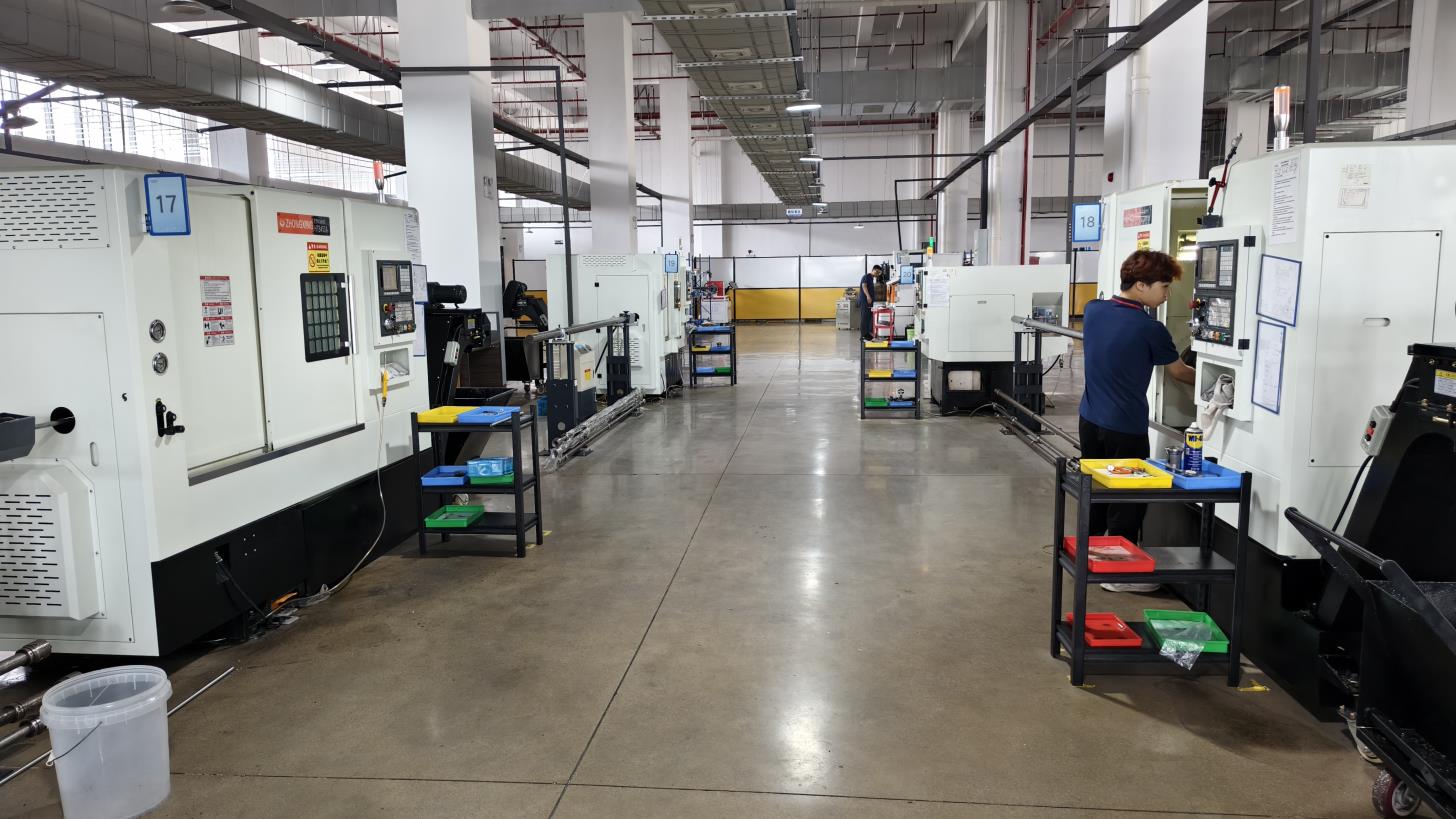
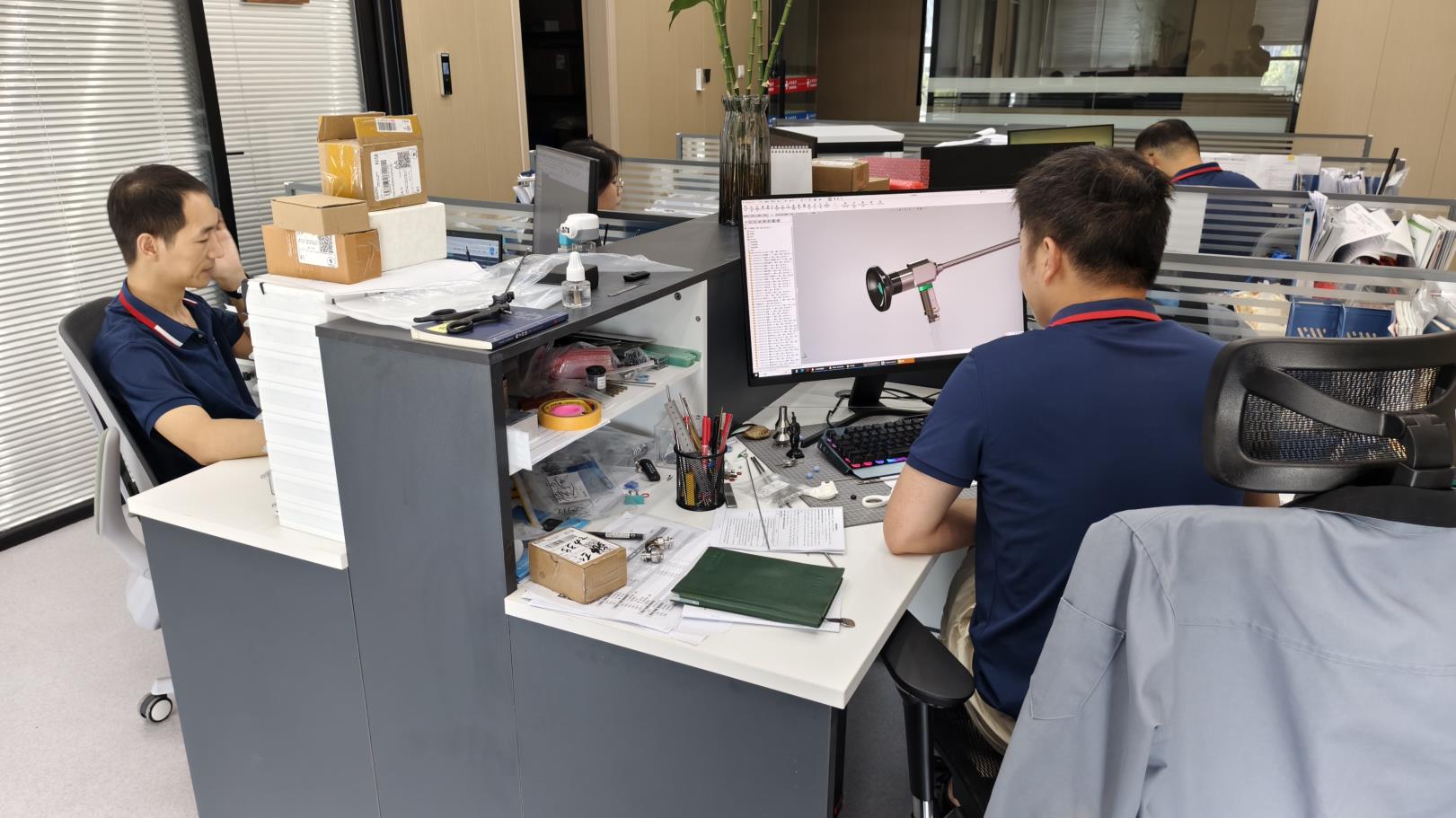
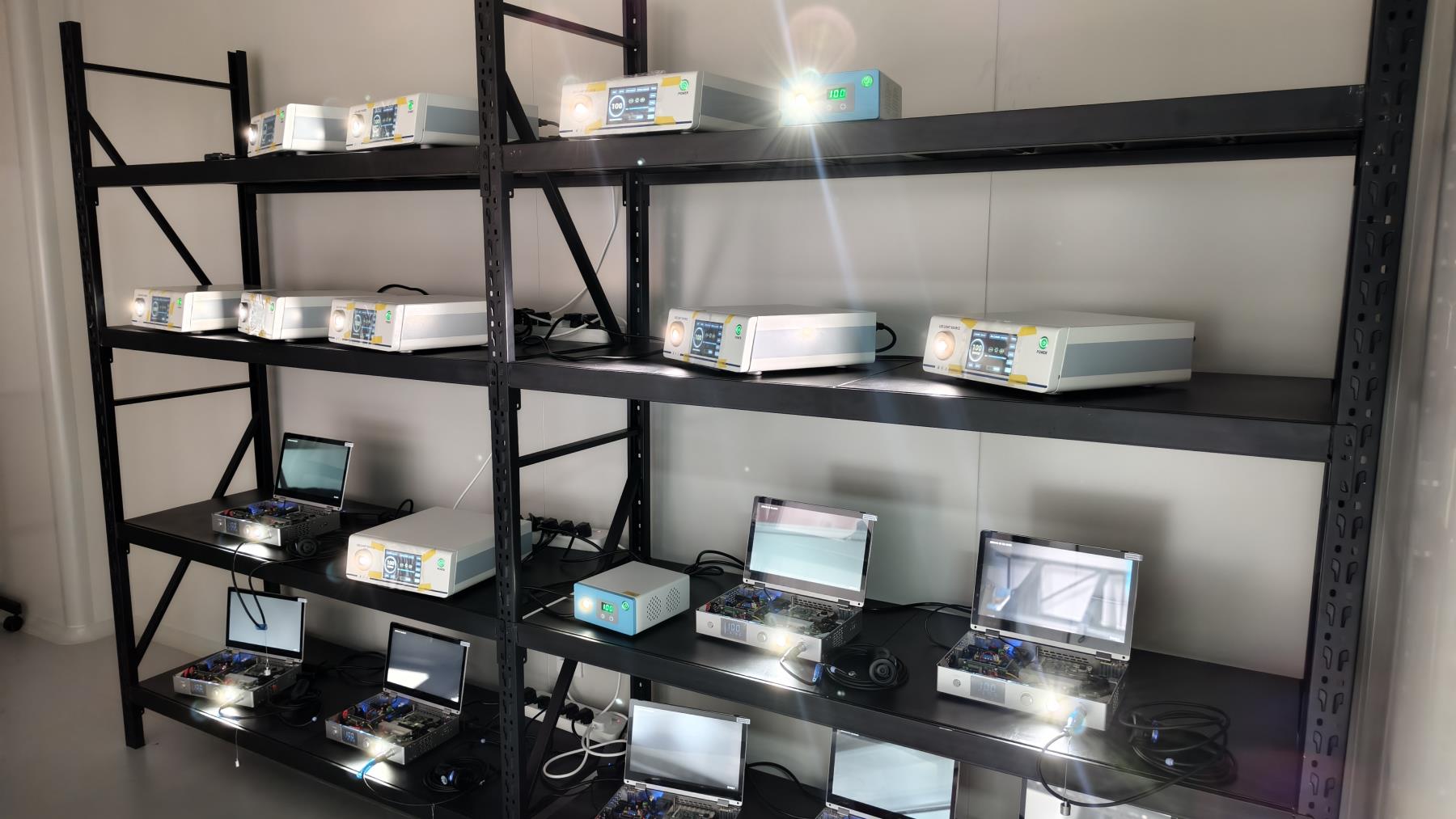
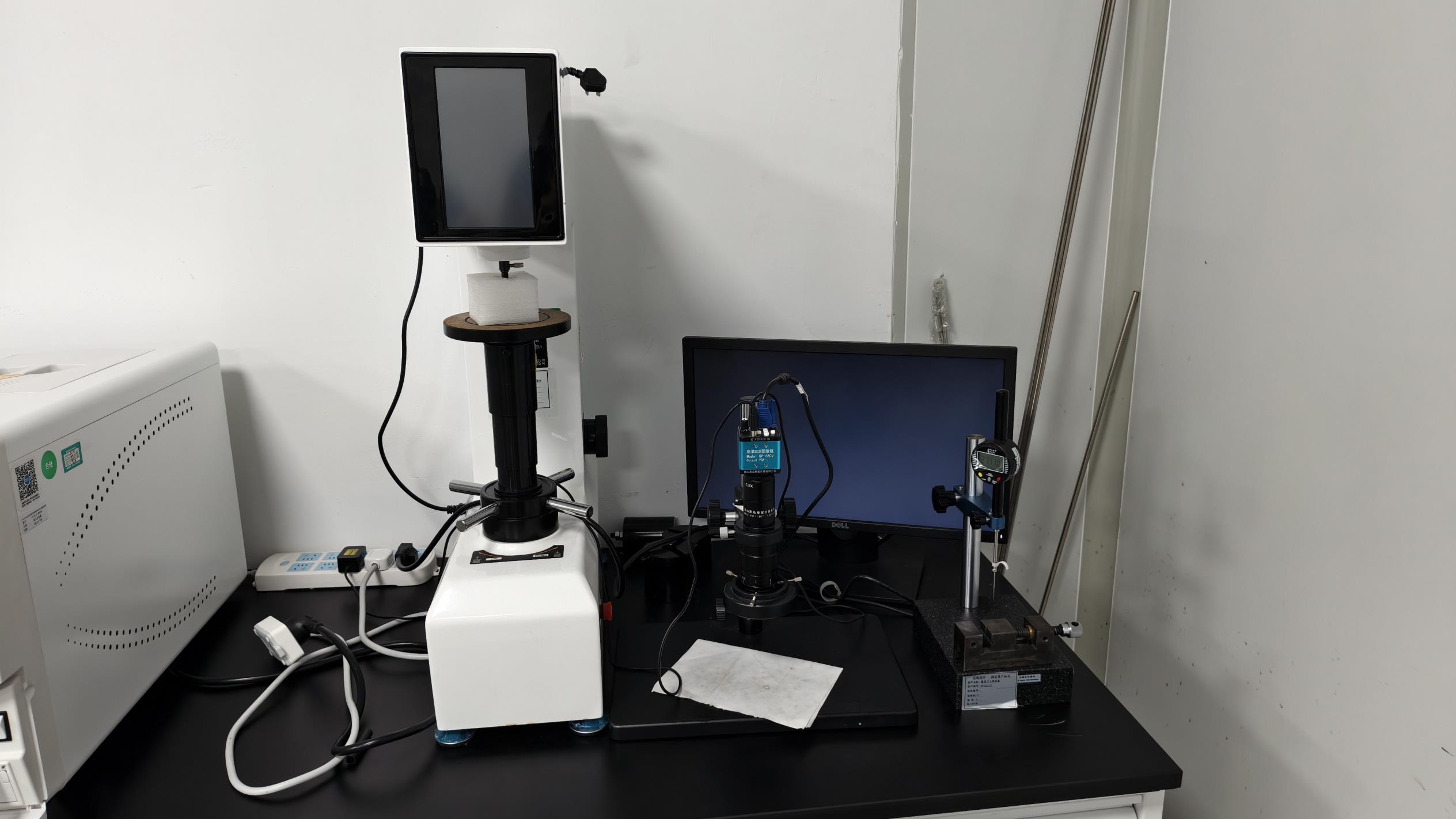
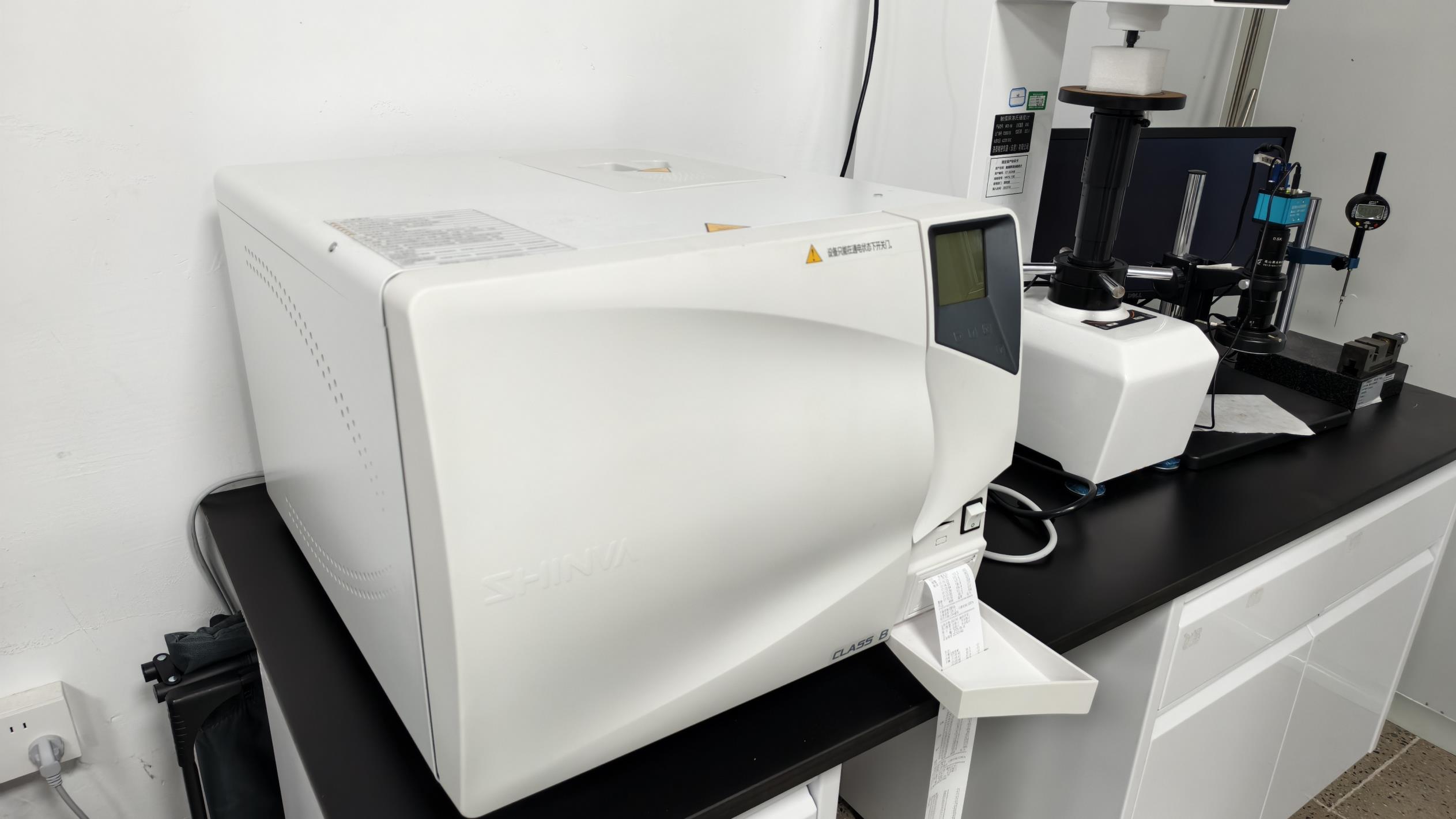
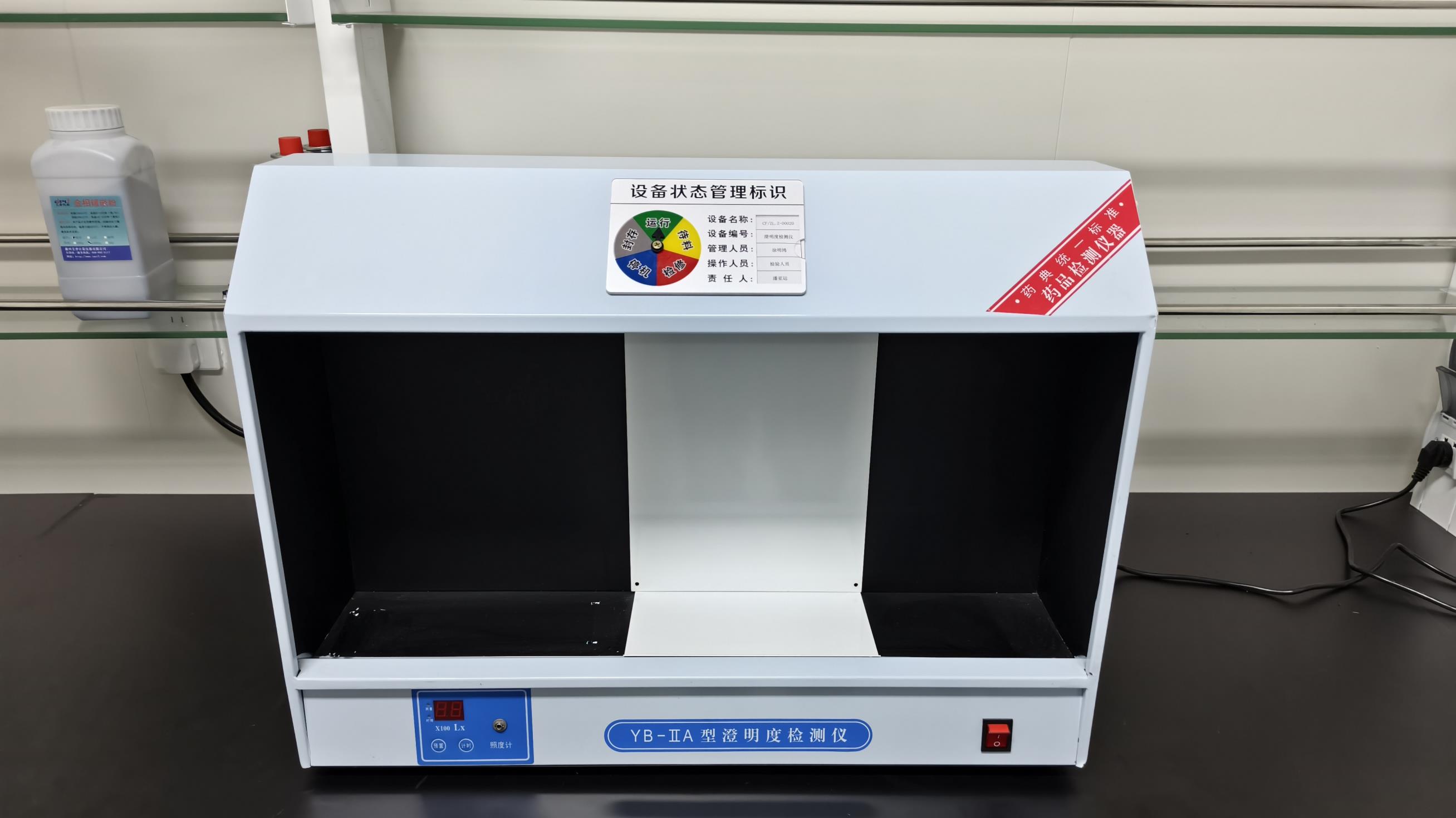
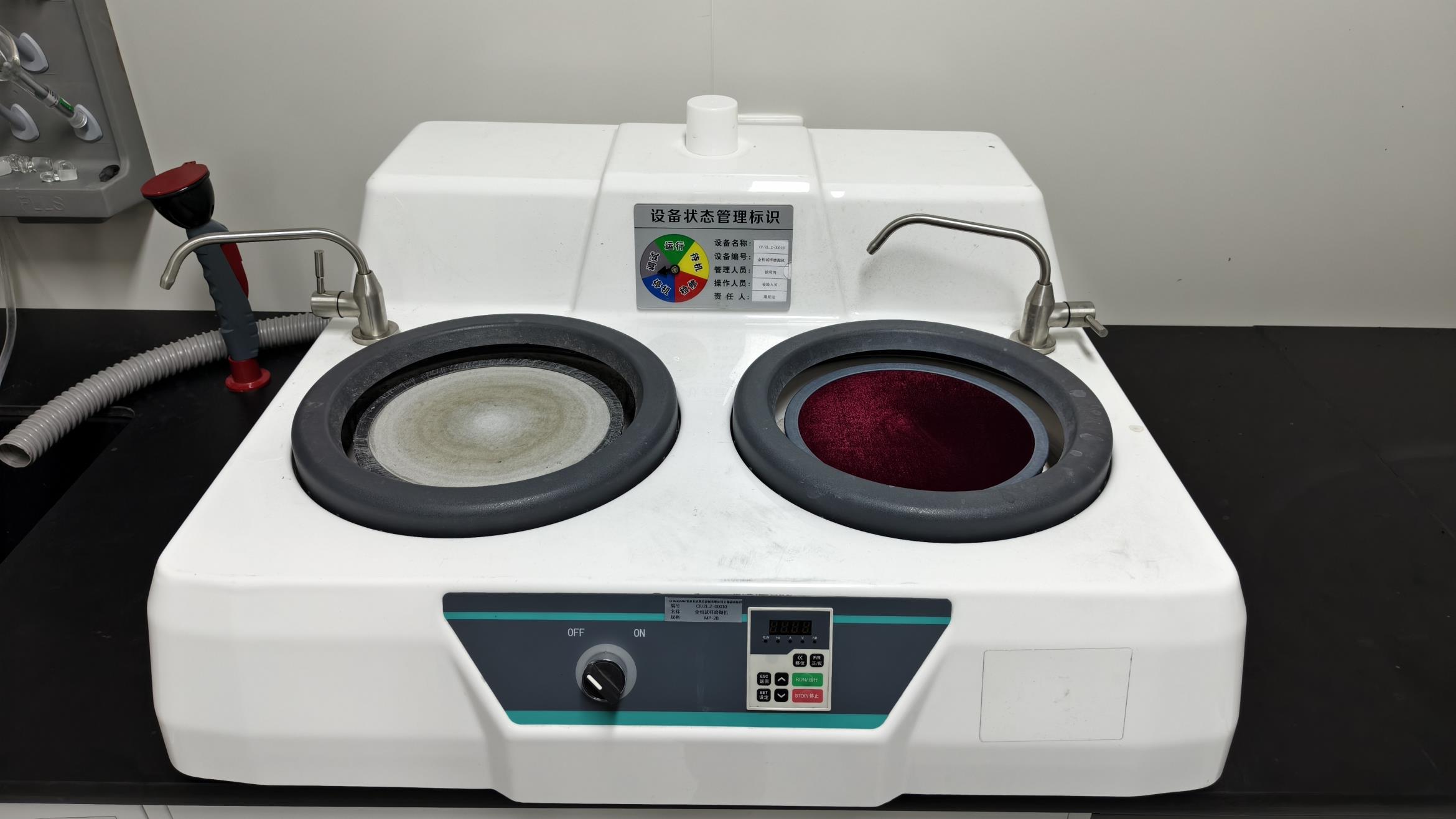
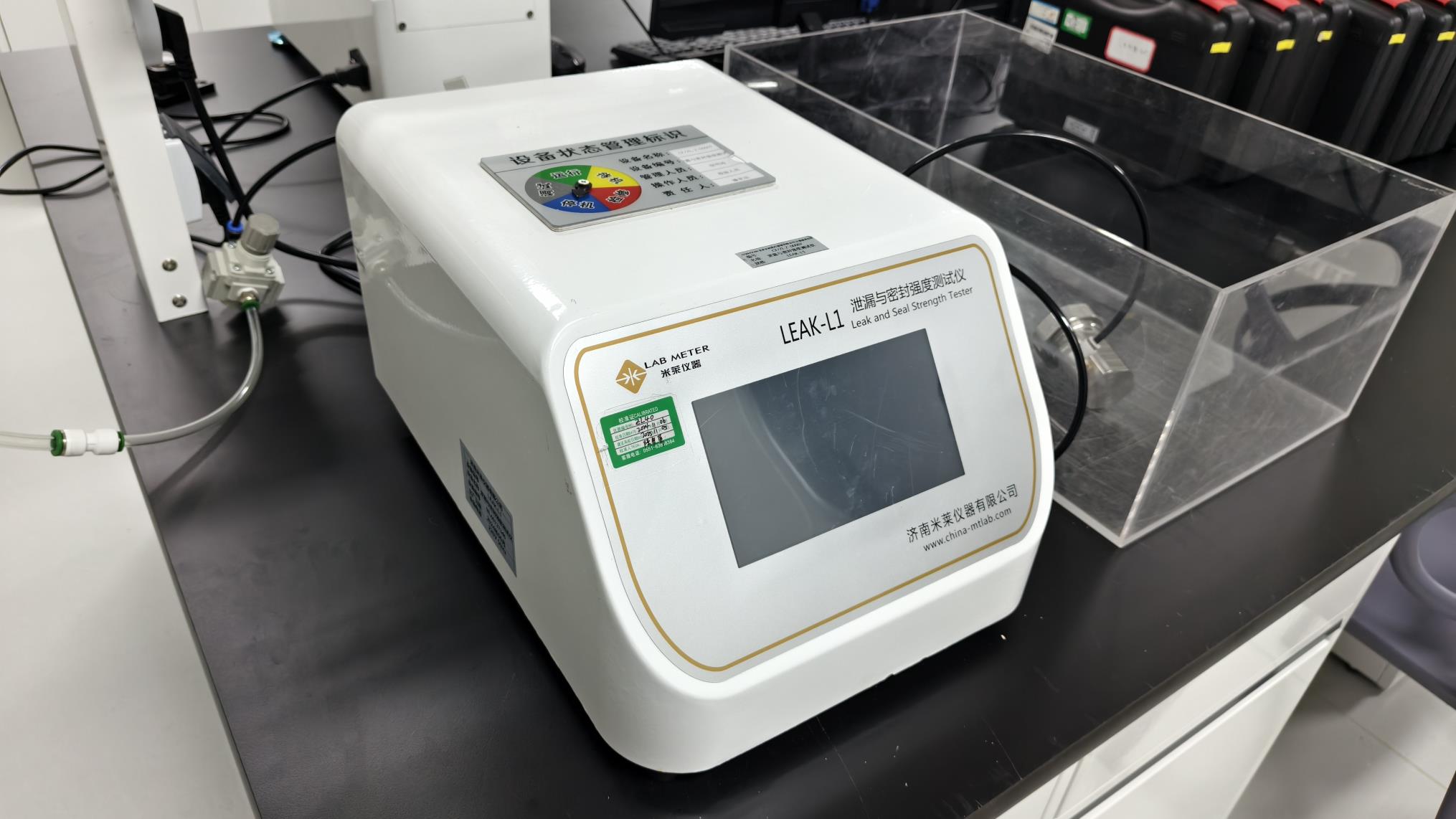
"Integrating raw material purity, certified Swiss machining tolerance (±0.005mm), and precise chemical passivation guarantees our implants integrate cleanly, lowering post-operative complication rates across Australian surgical centers."
— Lead R&D Engineer, Zynfuse Medical
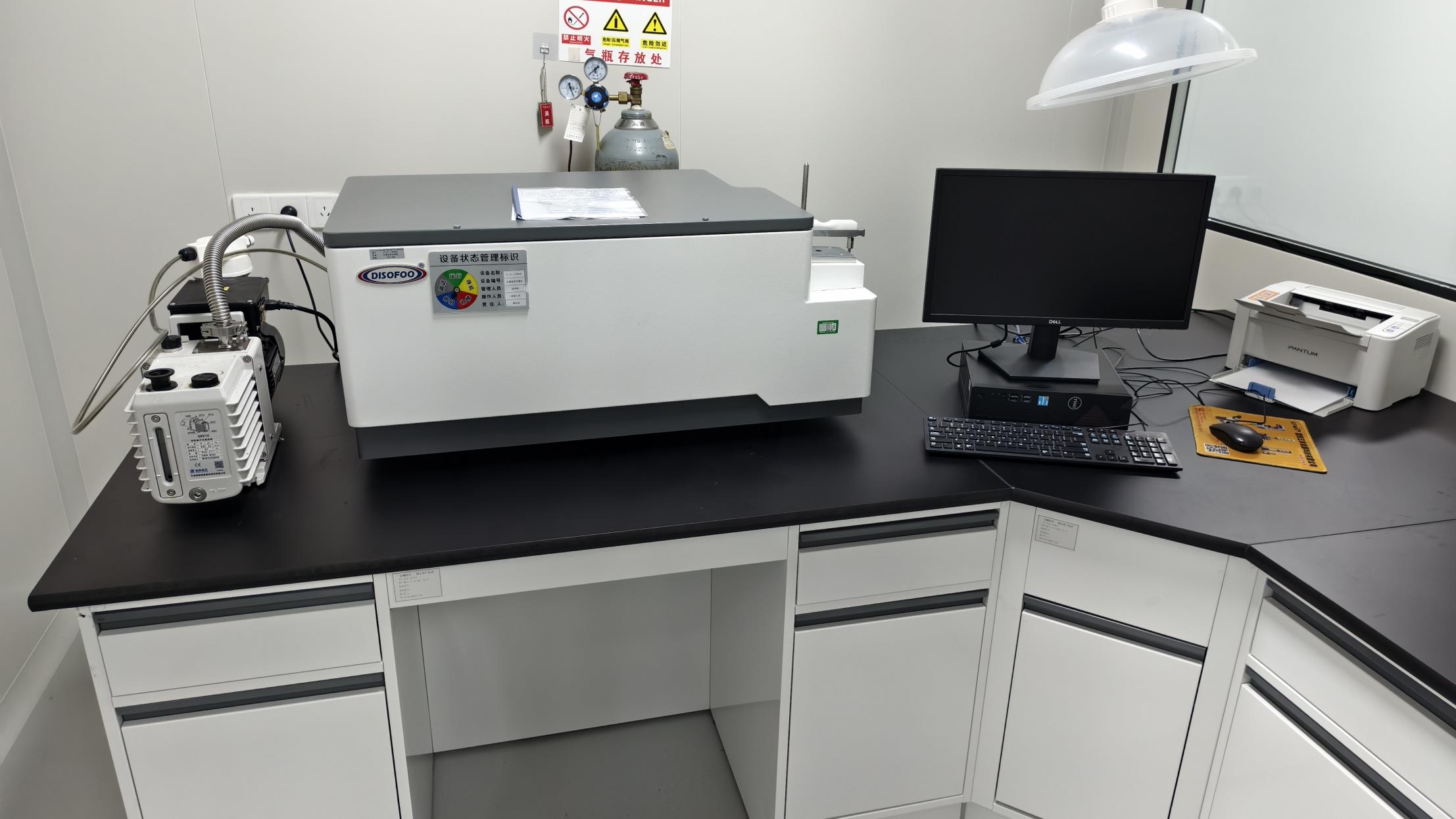
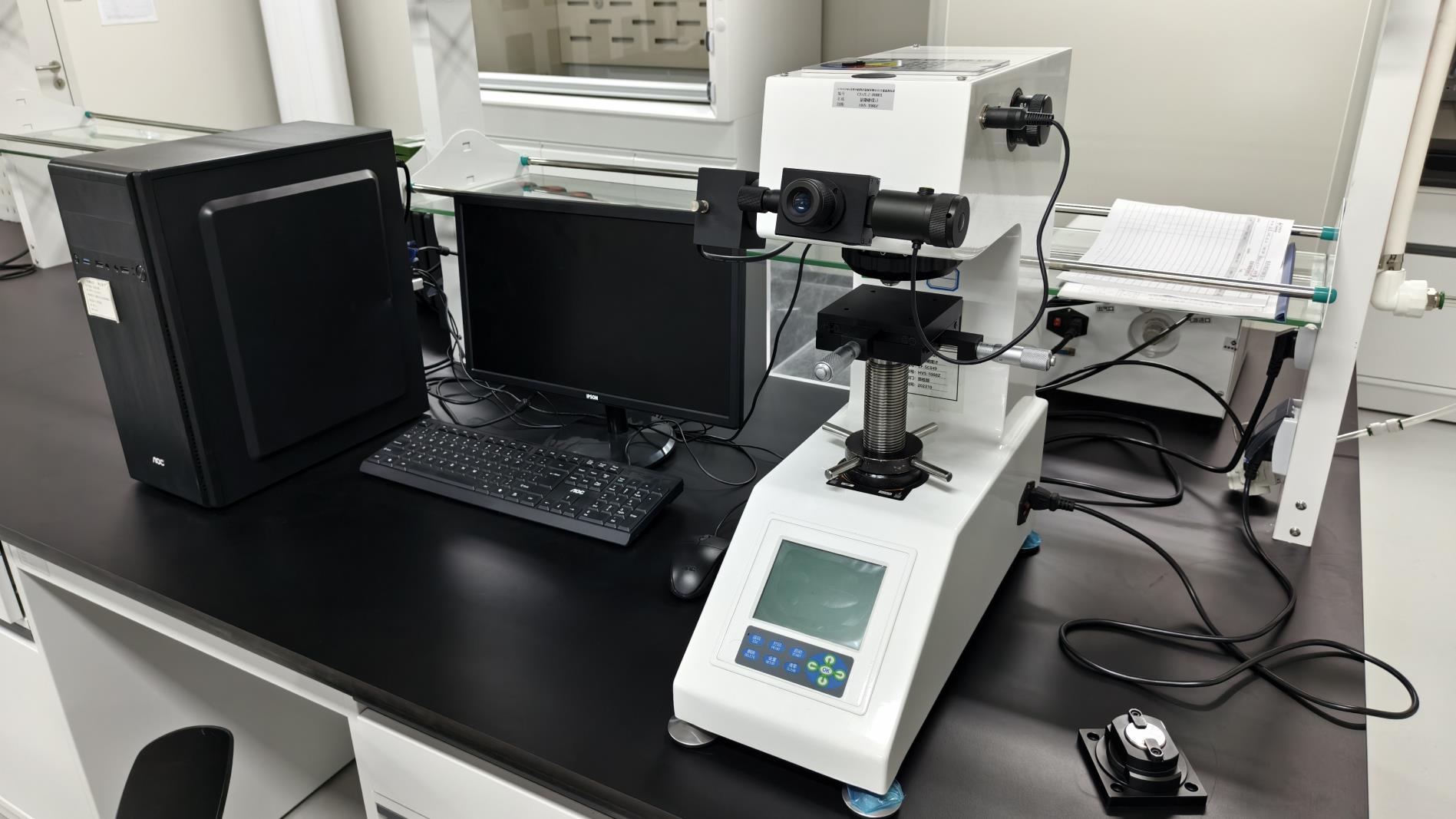
Quality begins at the metallurgical level. Zynfuse uses medical-grade titanium alloys (Ti-6Al-4V ELI conforming to ASTM F136) and high-performance polyetheretherketone (PEEK-OPTIMA®) sourced exclusively from audited suppliers. Raw materials undergo spectrophotometer analysis and metallographic structure evaluation before entering the Swiss-type automatic lathes.
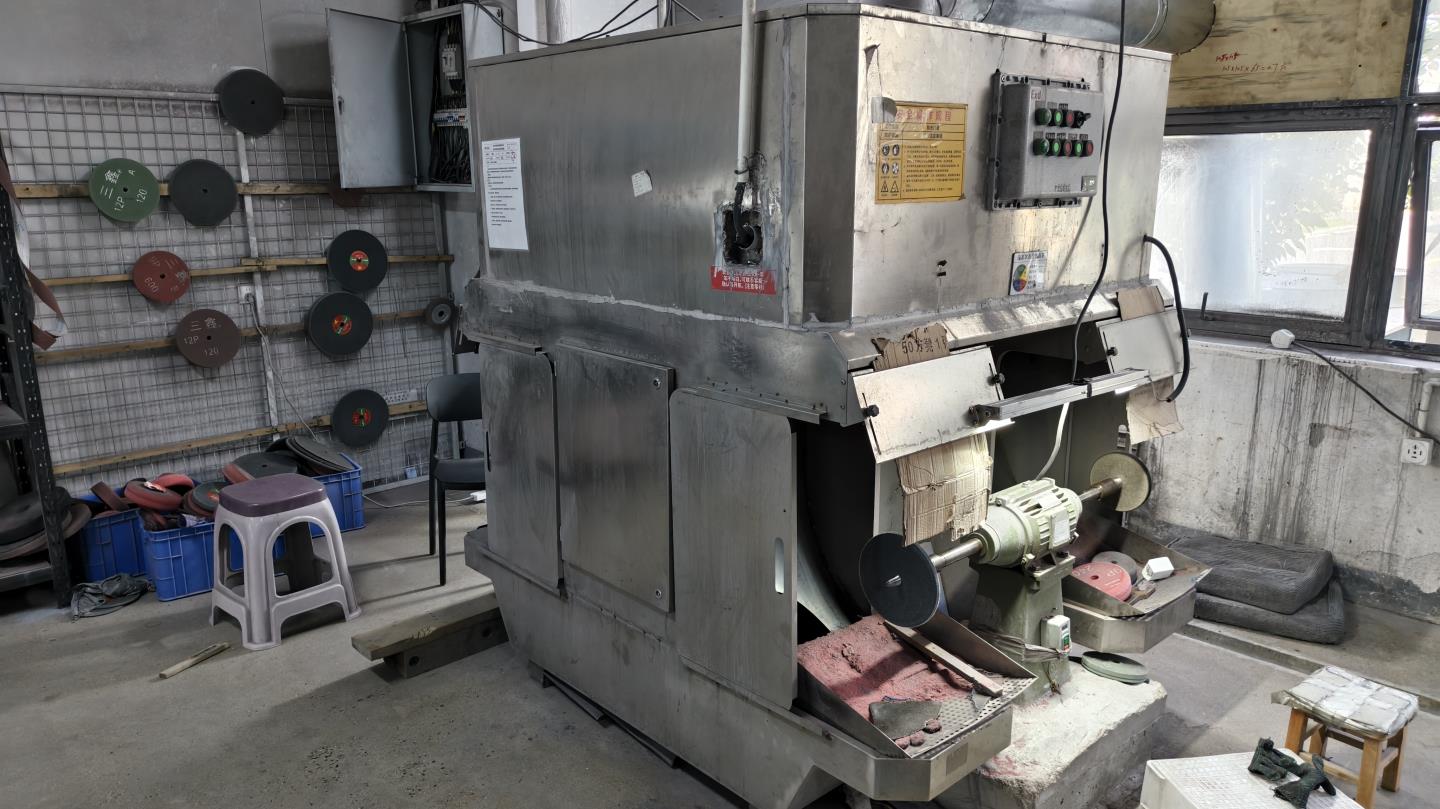
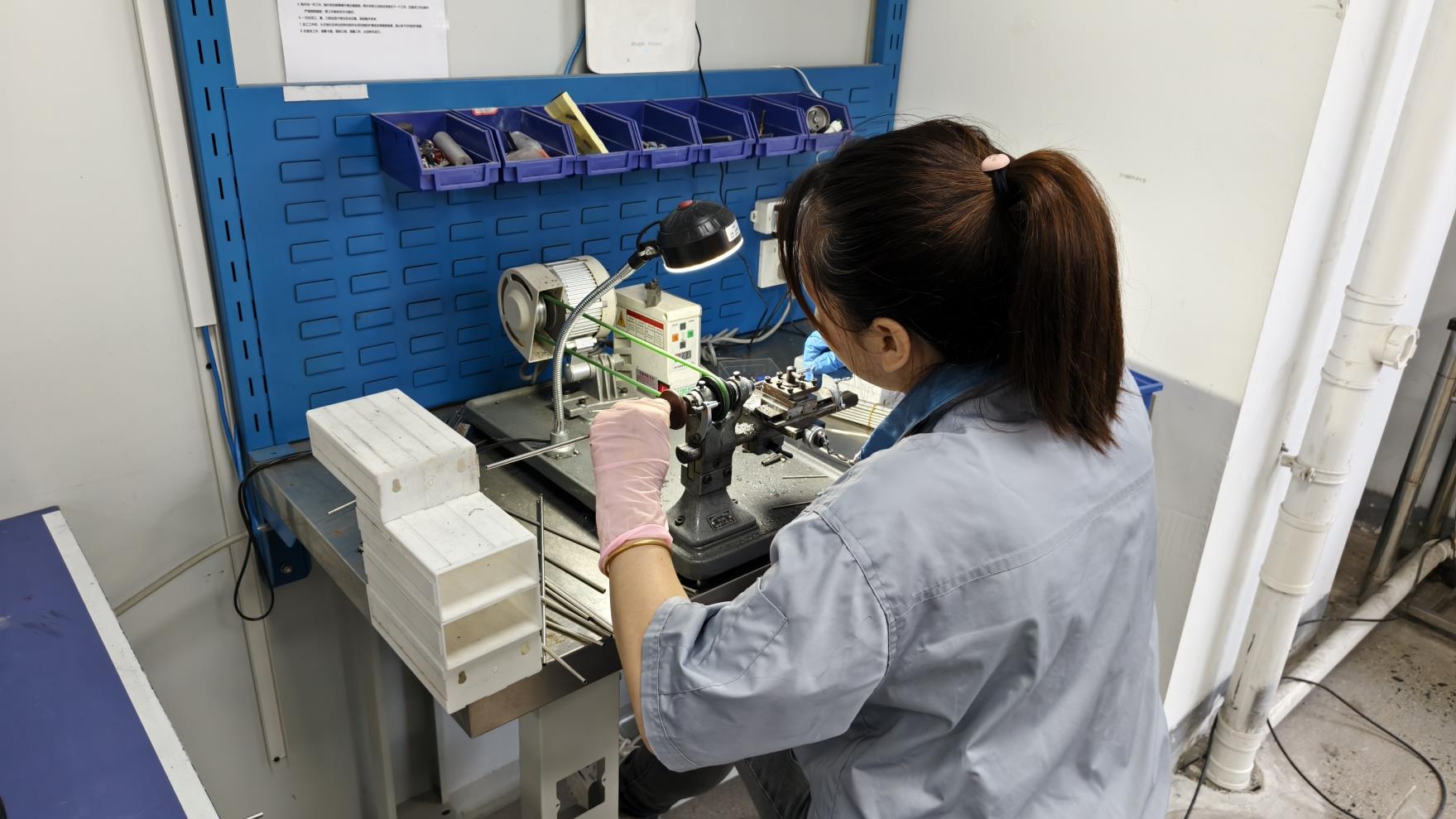
Our micro-locking plates and intramedullary nails undergo rigorous passivation processes. The resulting titanium oxide film prevents chemical reactivity with body fluids. Through automated multi-axis grinding and electrolytic polishing, we achieve a surface finish (Ra < 0.2 μm) that minimizes bacterial adhesion and optimizes bone interface contact.
Demonstrated capacity and global scale supporting orthopedic distributors worldwide.
How our manufacturing parameters align with Australian clinical expectations and operating theater requirements.
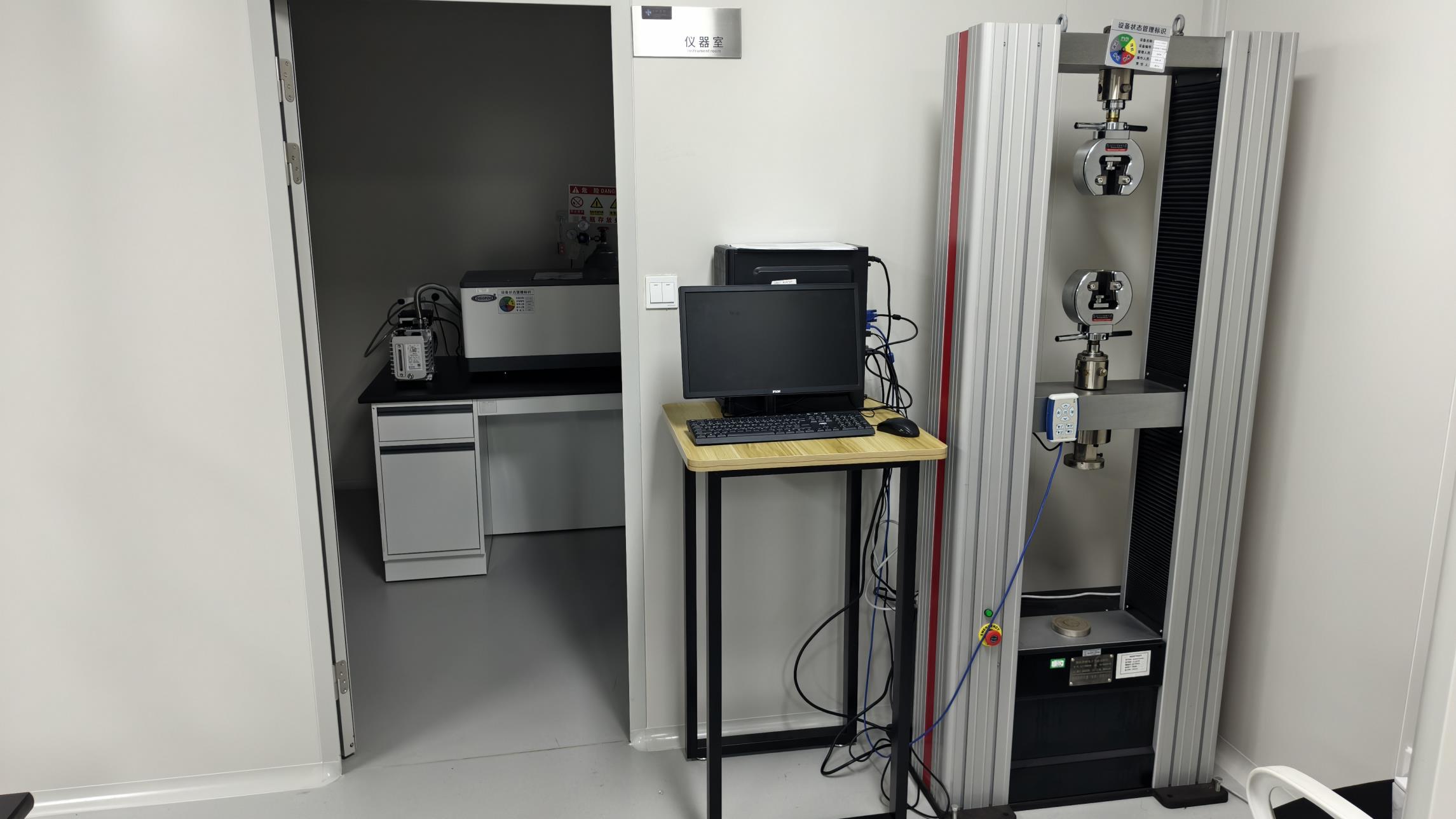
Every production run of intramedullary nails and bone plates undergoes fatigue testing to verify load-bearing capacity under physiological stress profiles.
Passivation protocols aligned with ISO 10993. Minimal ion release, optimal corrosion resistance, and verified biocompatibility for permanent implantation.
Using advanced 2D video measurement and coordinate measuring machines (CMM) to maintain dimensional accuracy within micron limits.
The Australian healthcare system demands materials and designs that streamline procedures and reduce OR time. Zynfuse's R&D team, comprised of 85 specialists, is actively developing systems to support minimally invasive surgery (MIS). Our low-profile plate designs minimize soft tissue irritation, making them suitable for distal radius and distal tibia reconstruction.
Additionally, we are investigating antimicrobial silver-ion and bioactive calcium-phosphate surface coatings. These technologies aim to improve osseointegration rates in osteoporotic bone, addressing a major challenge in geriatric orthopedic care across Australia's regional and metropolitan clinical networks.
Technical answers for clinical engineers, healthcare buyers, and distribution agents in Australia.
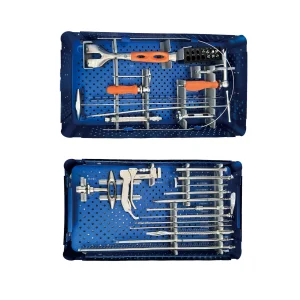
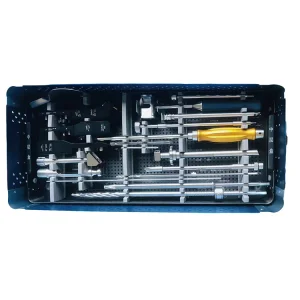
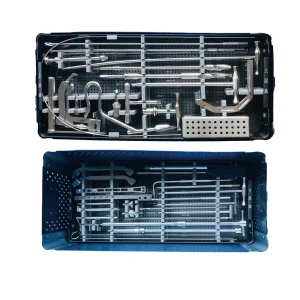
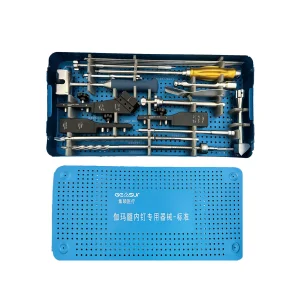
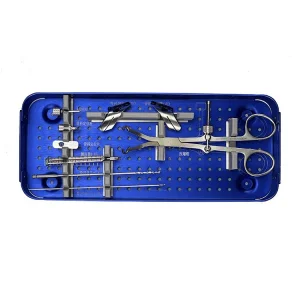
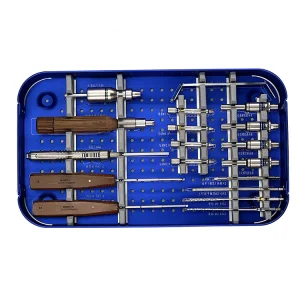
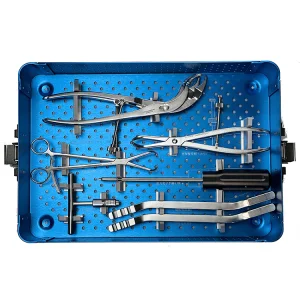
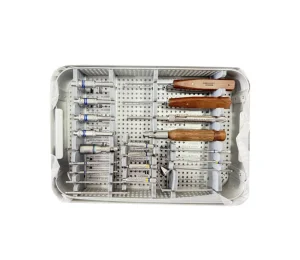
From spinal fusion cages to locking plate configurations, engineered for precision trauma recovery.