Zynfuse
Zynfuse
Zynfuse
High-performance clinical implants optimized for trauma centers, public procurement, and orthopedic clinics in Hungary.
The Hungarian healthcare system, governed by the National Health Insurance Fund (NEAK - Nemzeti Egészségbiztosítási Alapkezelő), is undergoing structural modernization. With a growing geriatric population and a high prevalence of osteoporotic bone fractures, the clinical demand for advanced trauma devices—specifically intramedullary nails—is at an all-time high. Public university clinics (such as those in Budapest, Szeged, Debrecen, and Pécs) and regional county hospitals face significant pressure to balance patient clinical outcomes with tight budgetary constraints.
Historically, European healthcare institutions relied on premium-priced multi-national brands. However, recent economic shifts and tender restructurings have created a strong demand for high-tier alternative manufacturers that offer certified clinical equivalence, robust mechanical performance, and optimized cost structures. Importers and medical device distributors in Hungary are seeking factory-direct partnerships that bypass heavy distribution markups, provided the products meet strict European regulatory standards.
For Hungarian orthopedists, key factors for adopting interlocking nails include anatomical geometry, surgical instrumentation ergonomics, and intraoperative safety. High-strength titanium alloys (such as Ti-6Al-4V ELI) are mandatory to ensure long-term biocompatibility and reduce risk of stress-shielding or implant failure. The transition of the regulatory framework to the European Medical Devices Regulation (EU MDR 2017/745) has further intensified the search for suppliers with validated technical documentation and robust clinical follow-ups.
Full conformance to European Union standards, ensuring seamless registration in the national medical device databases (EUDAMED).
Strategic supply chain lines routing through Central European logistics hubs to minimize lead times for public tender fulfillments.
Precision-engineered implant geometries tailored to diverse patient demographics, reducing the risk of cortical penetration during insertion.
Modern osteosynthesis demands implants that not only offer structural stability but also actively promote bone healing. The technology roadmap for intramedullary nails at Zynfuse involves advancements in materials science, surface finish treatments, and anatomical design optimization.
| Feature Domain | Current Clinical Standard | Next-Generation Outlook (Zynfuse R&D) |
|---|---|---|
| Alloy Composition | Ti-6Al-4V Grade 5 (High fatigue life) | Ultra-fine-grained Ti-6Al-4V ELI (Extra Low Interstitial) for enhanced tensile yield and micro-fracture resistance. |
| Surface Modification | Standard anodization (Type II) | Bioactive coatings incorporating antimicrobial silver ions and calcium phosphate to stimulate osteoblast proliferation. |
| Distal Locking Guidance | Manual mechanical targeting frames | Electromagnetic and optical guidance systems that reduce intraoperative fluoroscopy exposure for surgical staff. |
| Biomechanical Design | Rigid fixed interlocking configurations | Dynamization-friendly interlocking geometries that permit controlled axial micro-motion to accelerate callus formation. |
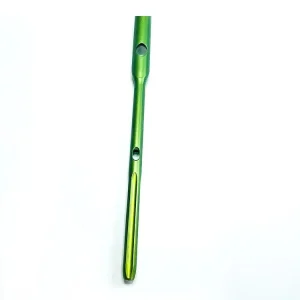
A primary research focus is the reduction of postoperative complications such as screw backing out, cortical bone necrosis, and non-unions. By refining locking mechanics, Zynfuse implants leverage low-profile helical blades and interlocking cross-screws that distribute load more evenly, crucial for osteoporotic patients frequently treated in Hungarian trauma centers.
Exporting orthopedic medical devices into the European Union requires alignment with the strict directives of the EU MDR 2017/745. For Hungarian medical importers, navigating the transition from MDD to MDR certificates can present operational risks. Zynfuse guarantees strict compliance and minimizes hurdles through a dedicated regulatory support model:
Additionally, we recognize that the Hungarian clinical tender system (Közbeszerzés) values robust localization. We supply surgical manuals translated into Hungarian, visual reference sheets, and interactive surgeon training materials to ensure seamless adoption by operating theater staff.
Operating a modernized manufacturing facility spanning 18,600 m², Zynfuse blends advanced machinery with rigorous quality control. Backed by 12 years of industry experience and 7 years of medical export expertise, our operations are optimized to handle high-volume tenders while maintaining custom OEM/ODM flexibility.
To ensure high quality, we employ 68 quality inspection specialists running mechanical performance, fatigue, and biocompatibility evaluations under ISO 13485 guidelines.
Each implant undergoes a verified manufacturing process designed to minimize material fatigue and maximize structural longevity:
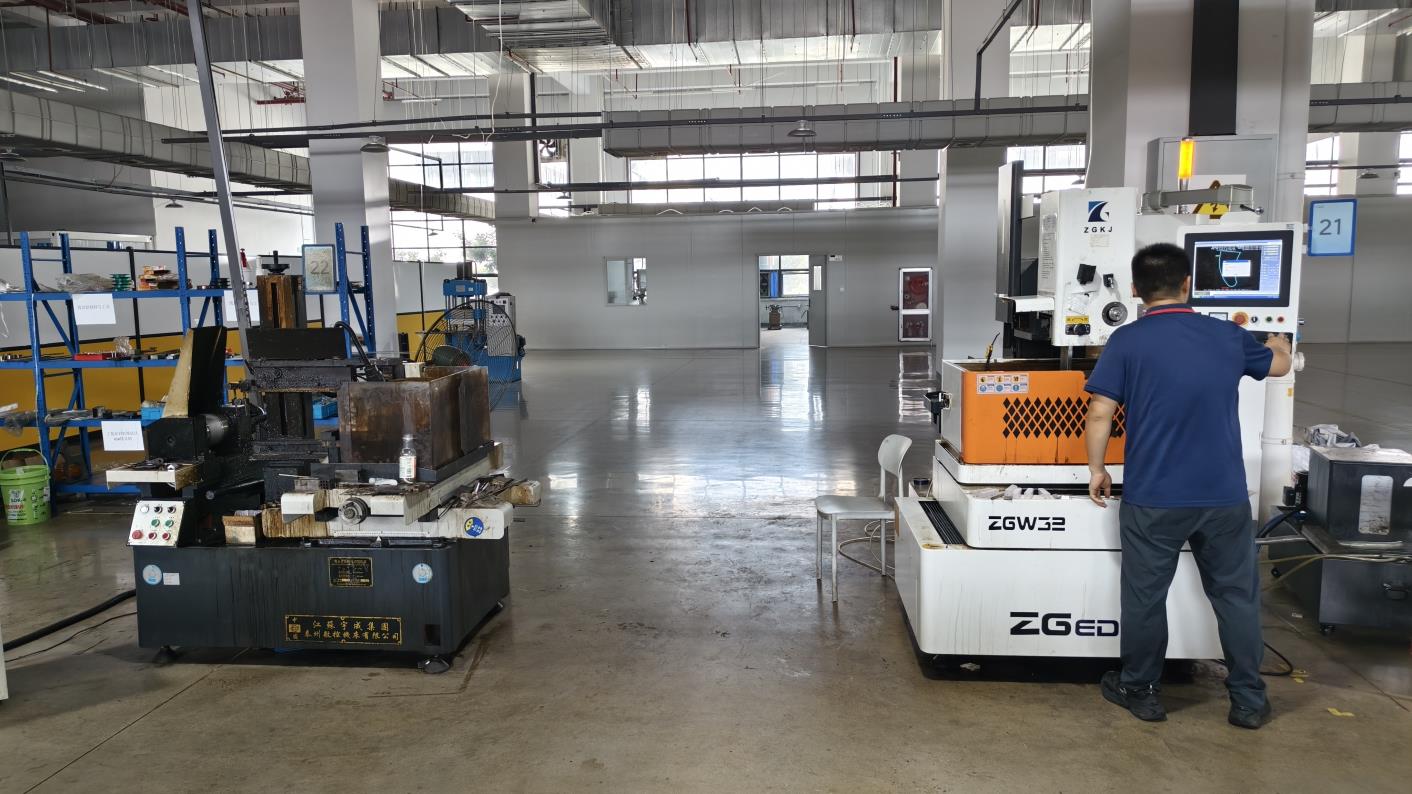
High-precision alloy stock slicing with minimal thermal influence to protect internal grain structures.
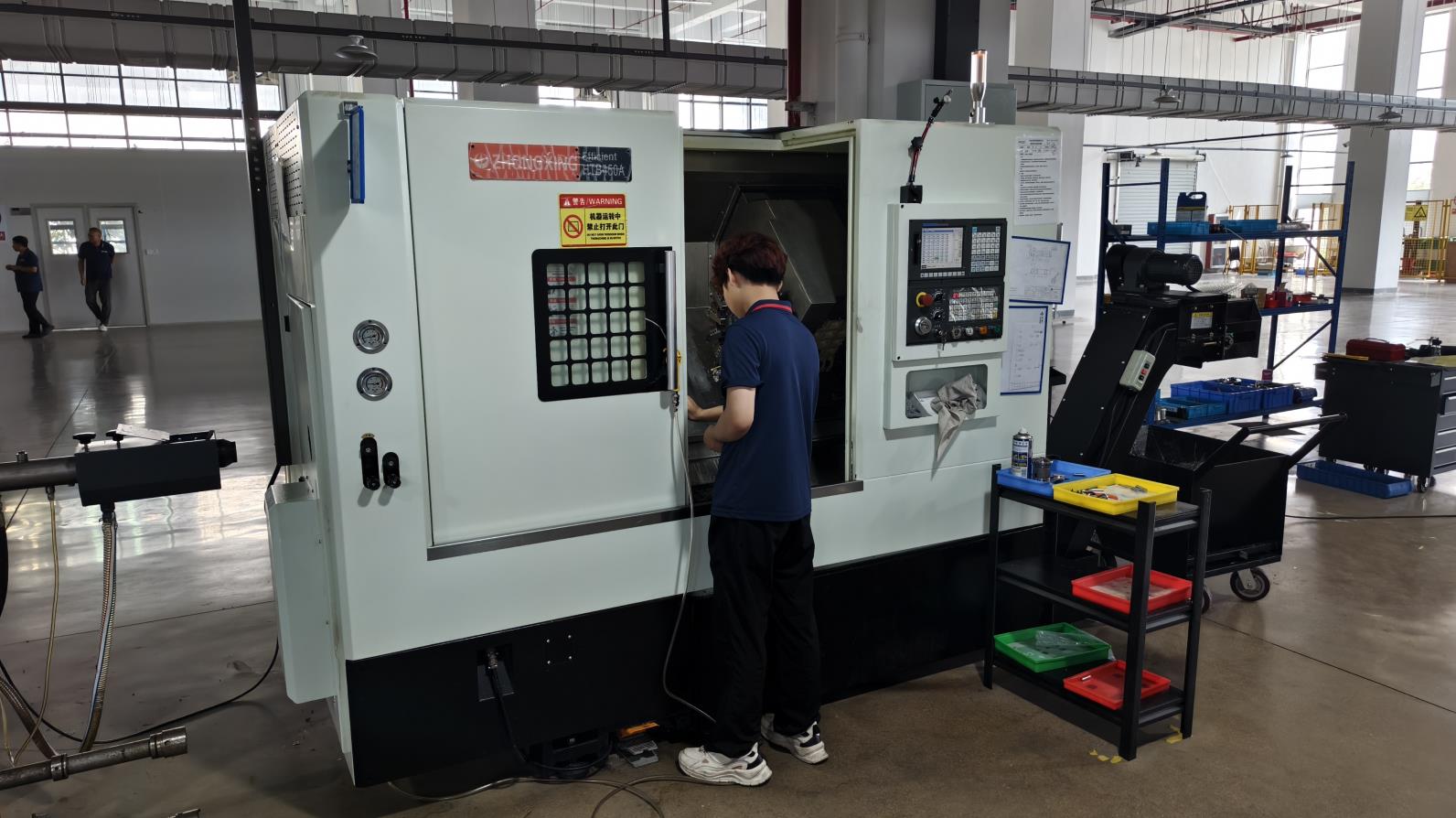
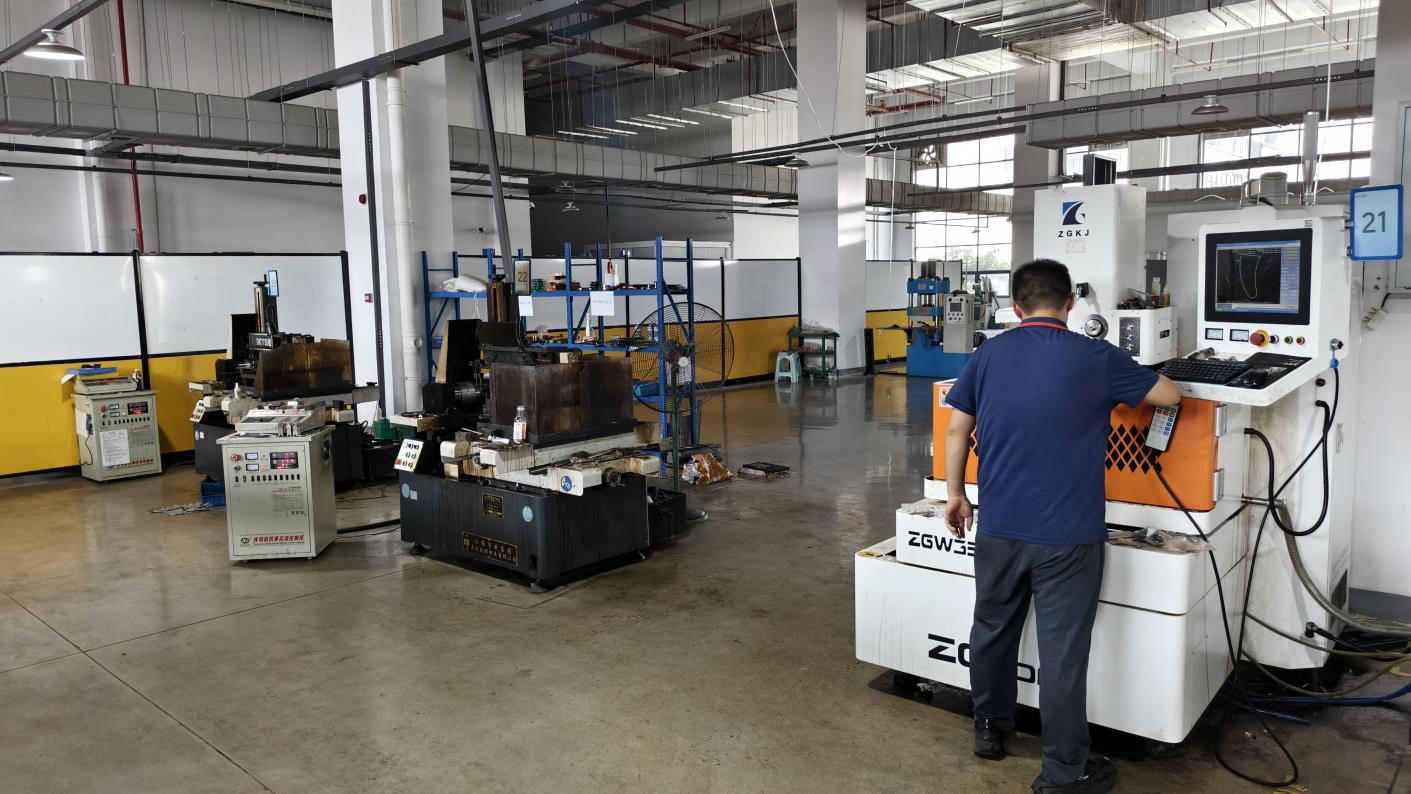
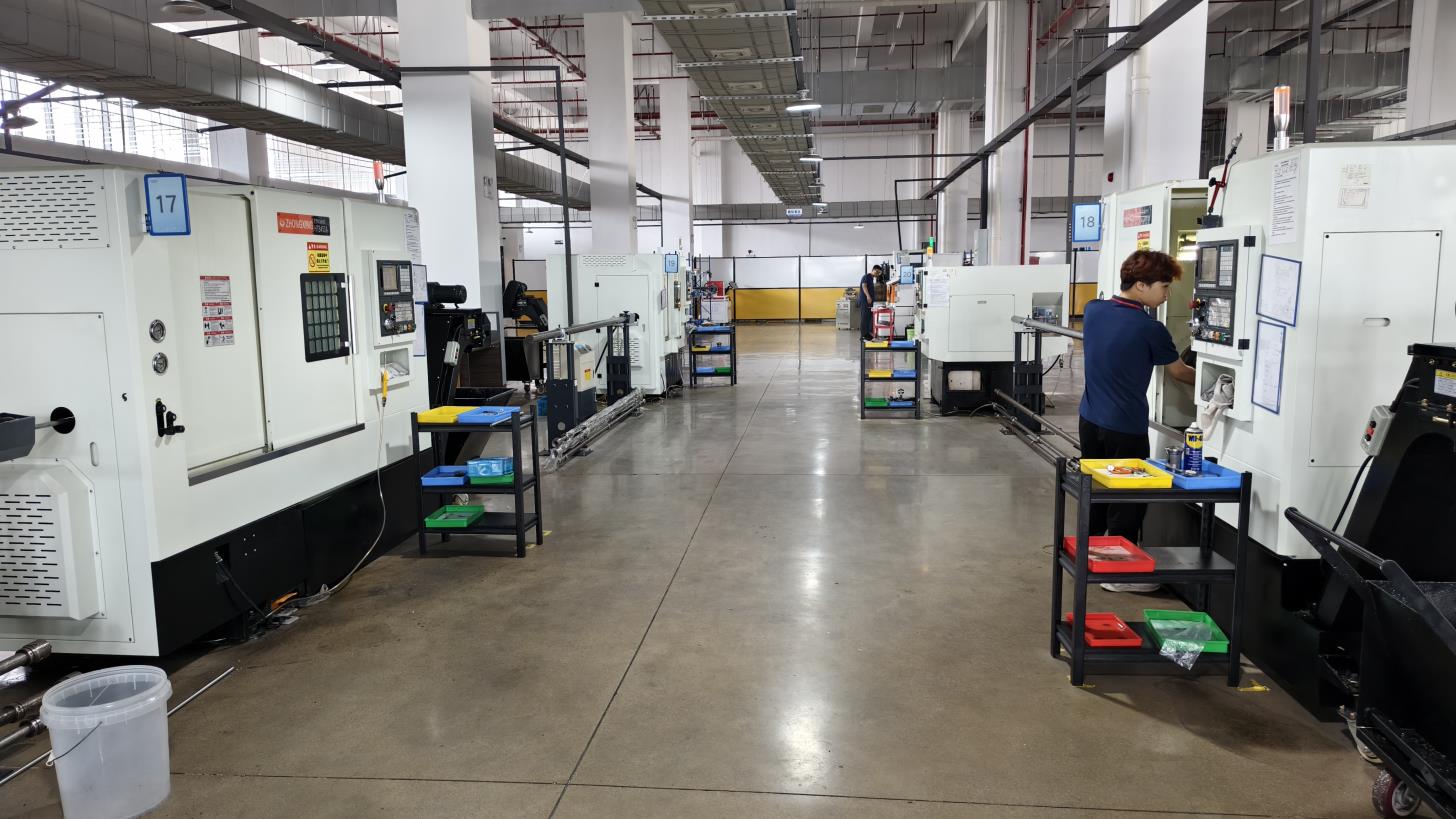
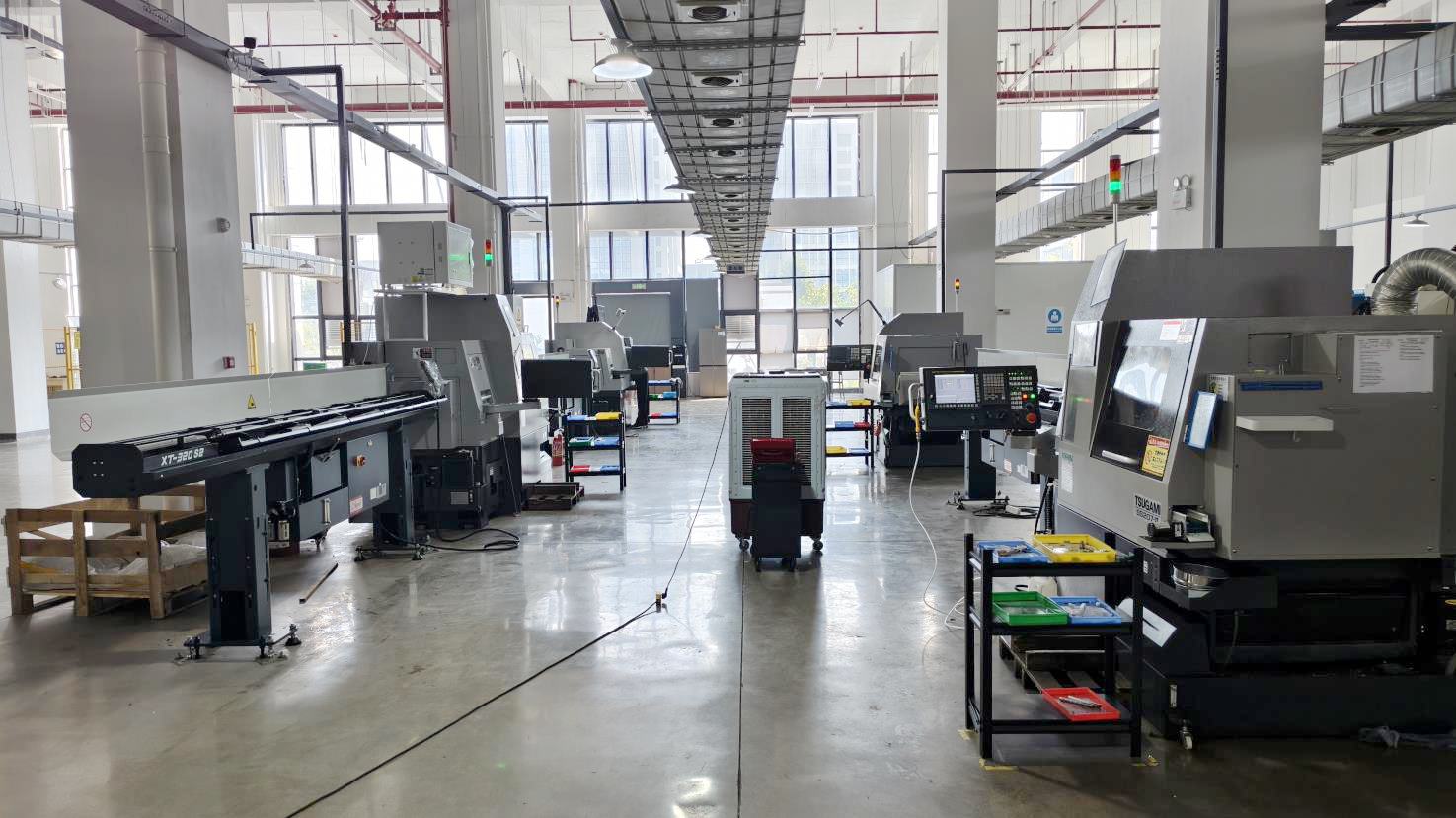
Multi-axis CNC Swiss machining forms the nail's complex anatomical contours and dynamic slot geometries.
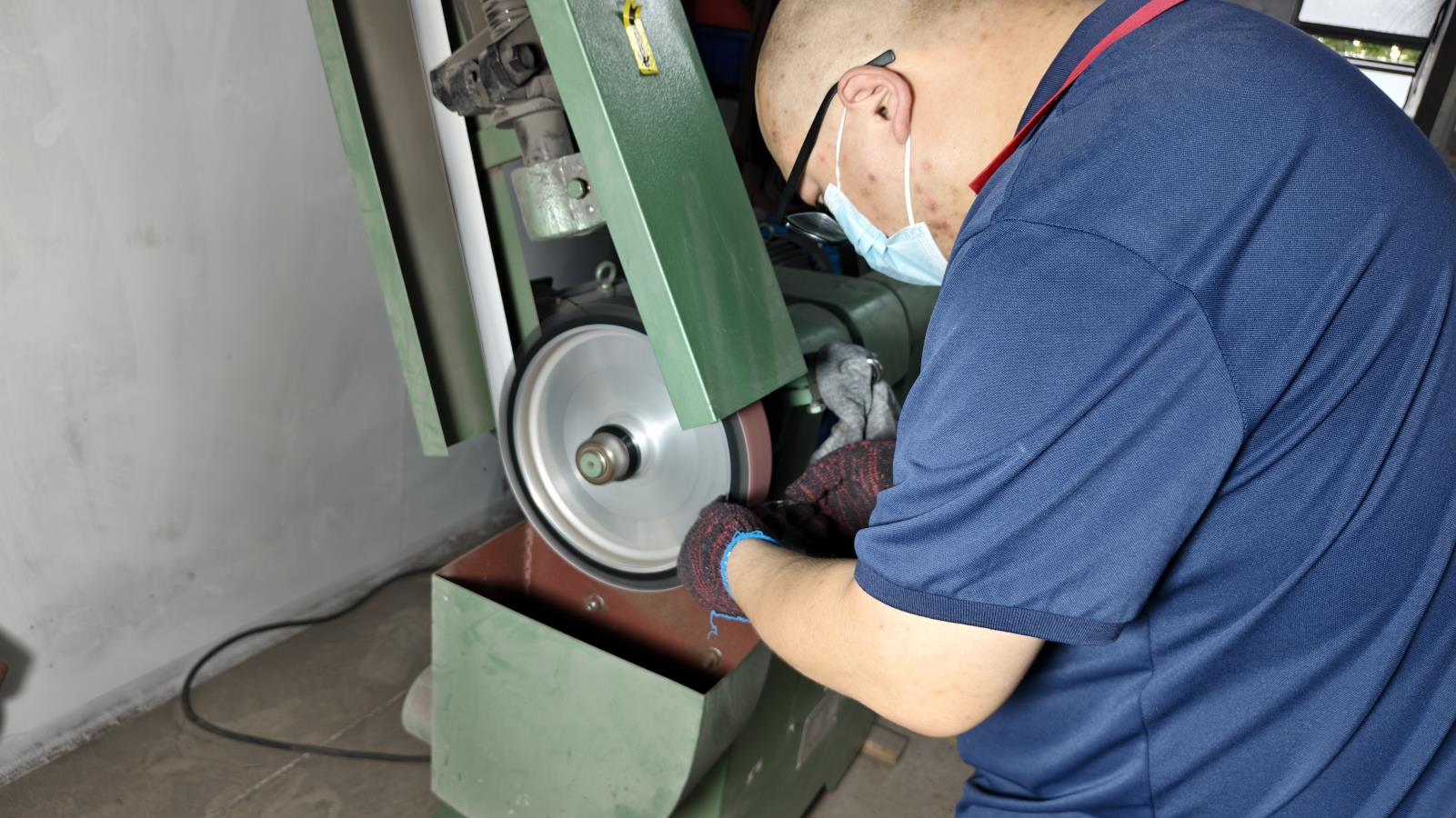
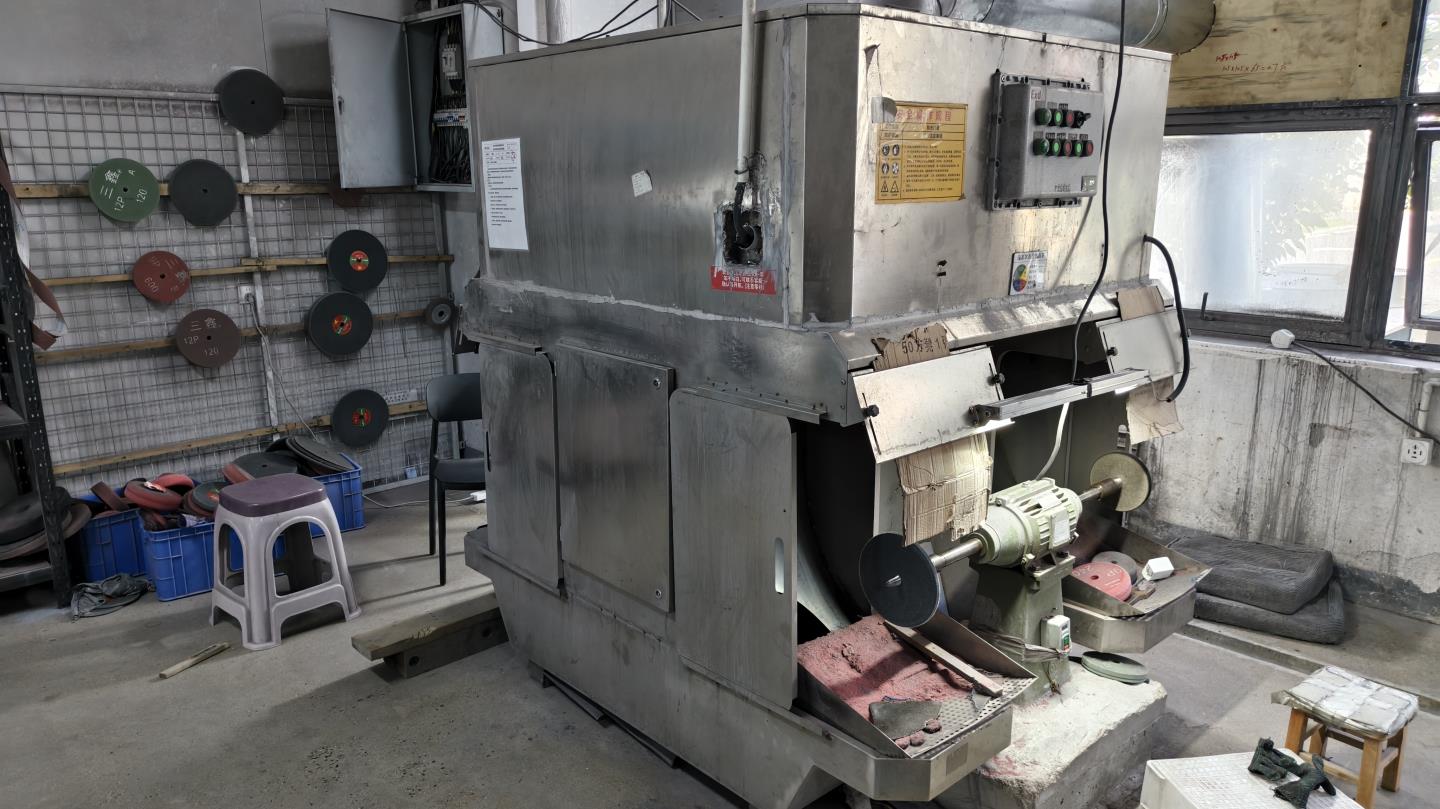
Mechanical and electrochemical polishing eliminates surface micro-scratches, lowering tissue irritation risks.
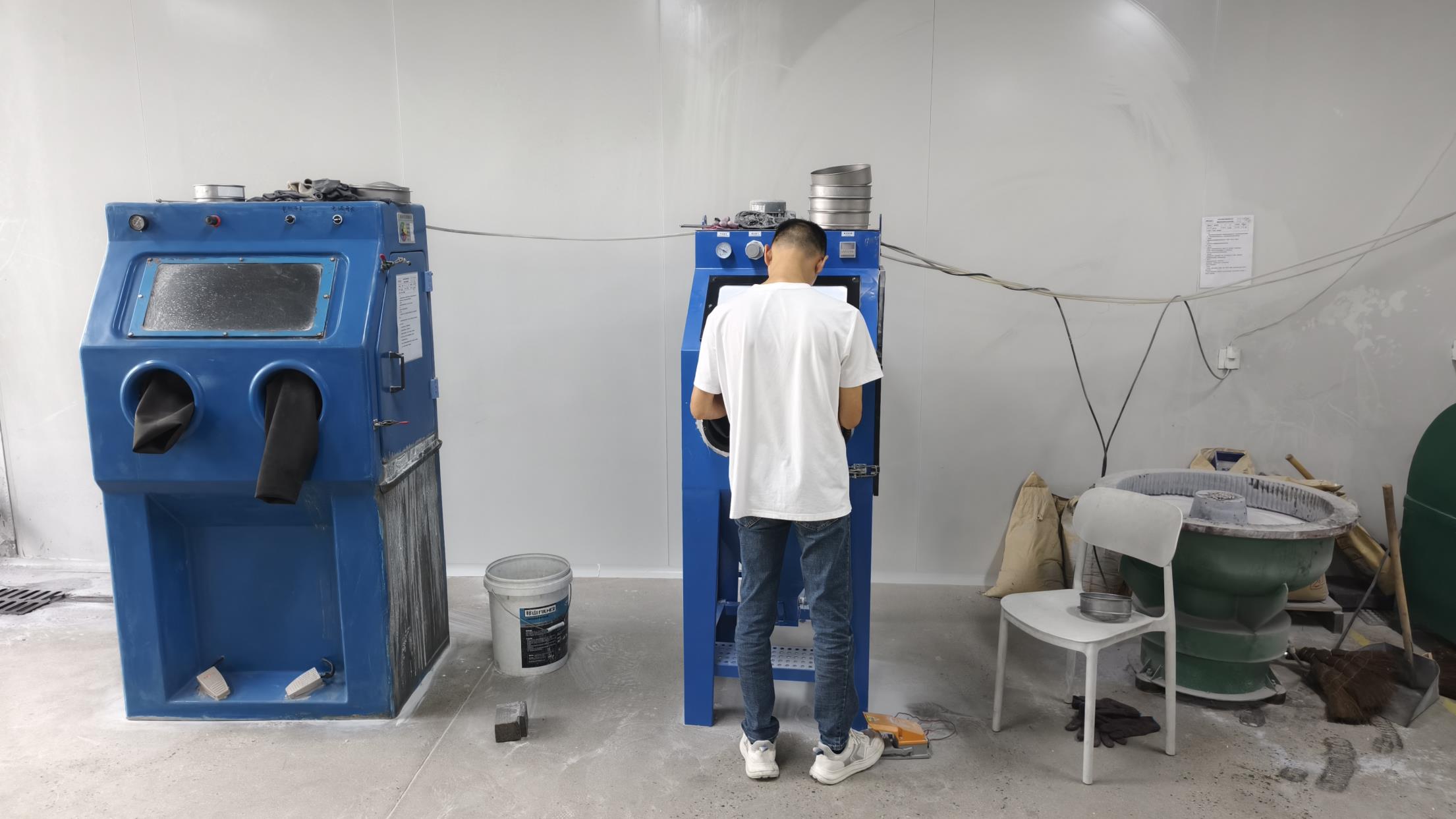
Color anodization forms a bio-passive titanium oxide layer, aiding visual sizing in the OR.
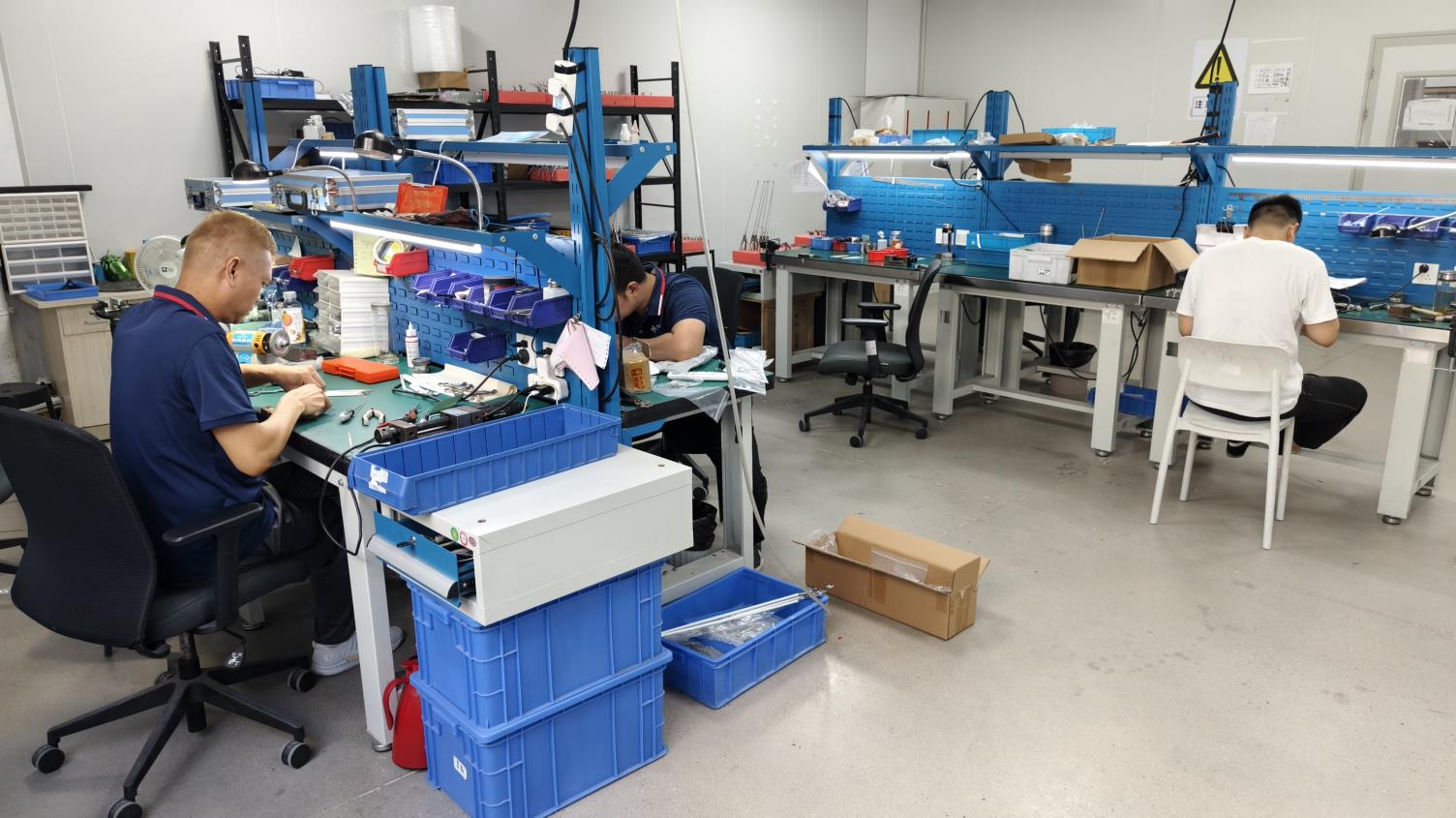
Mating internal components, targeters, and screws under cleanroom environments to verify exact fits.
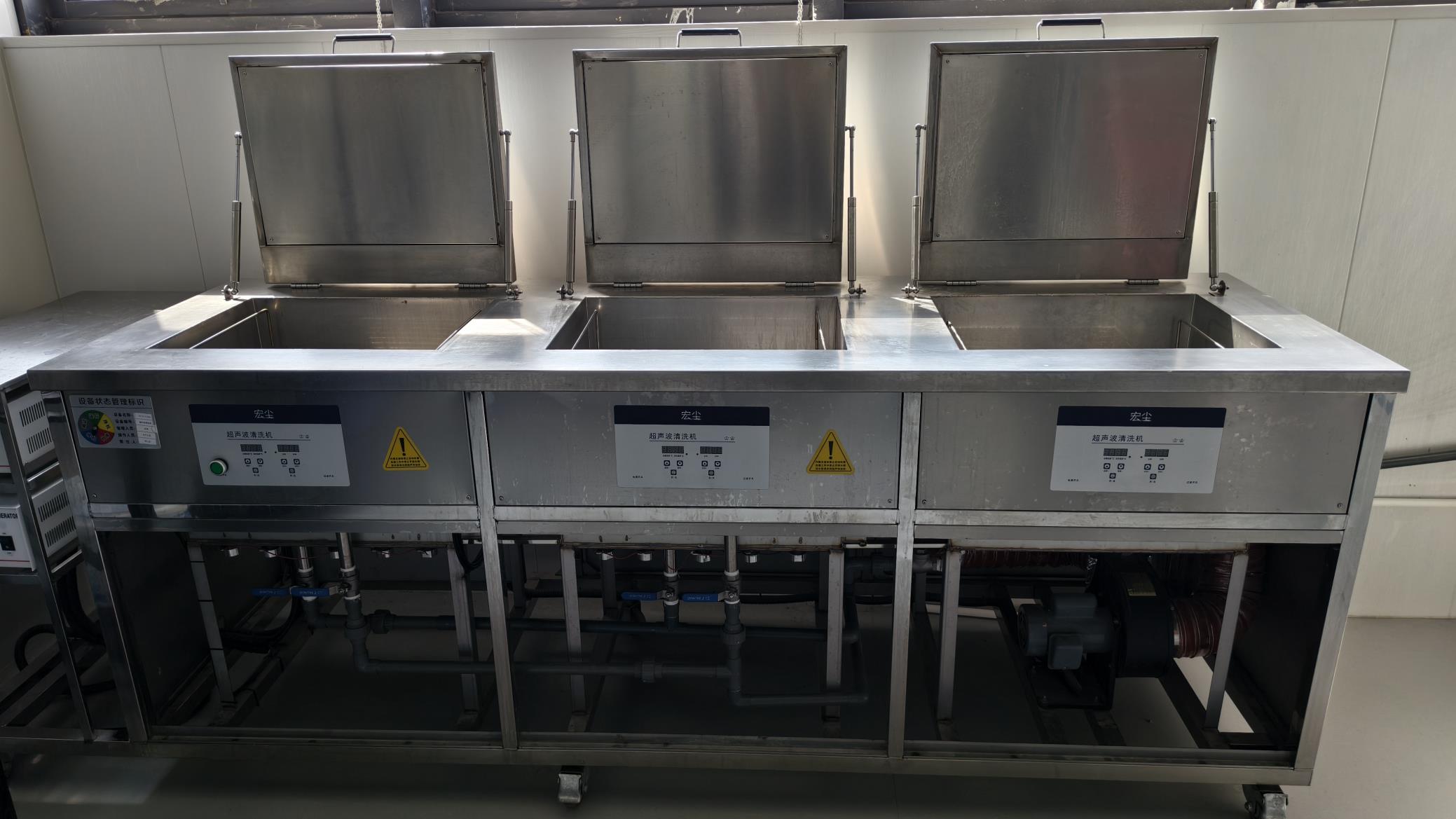
Multi-stage ultrasonic cleaning and visual verification ensure pyrogen-free implants ready for sterilizing packs.
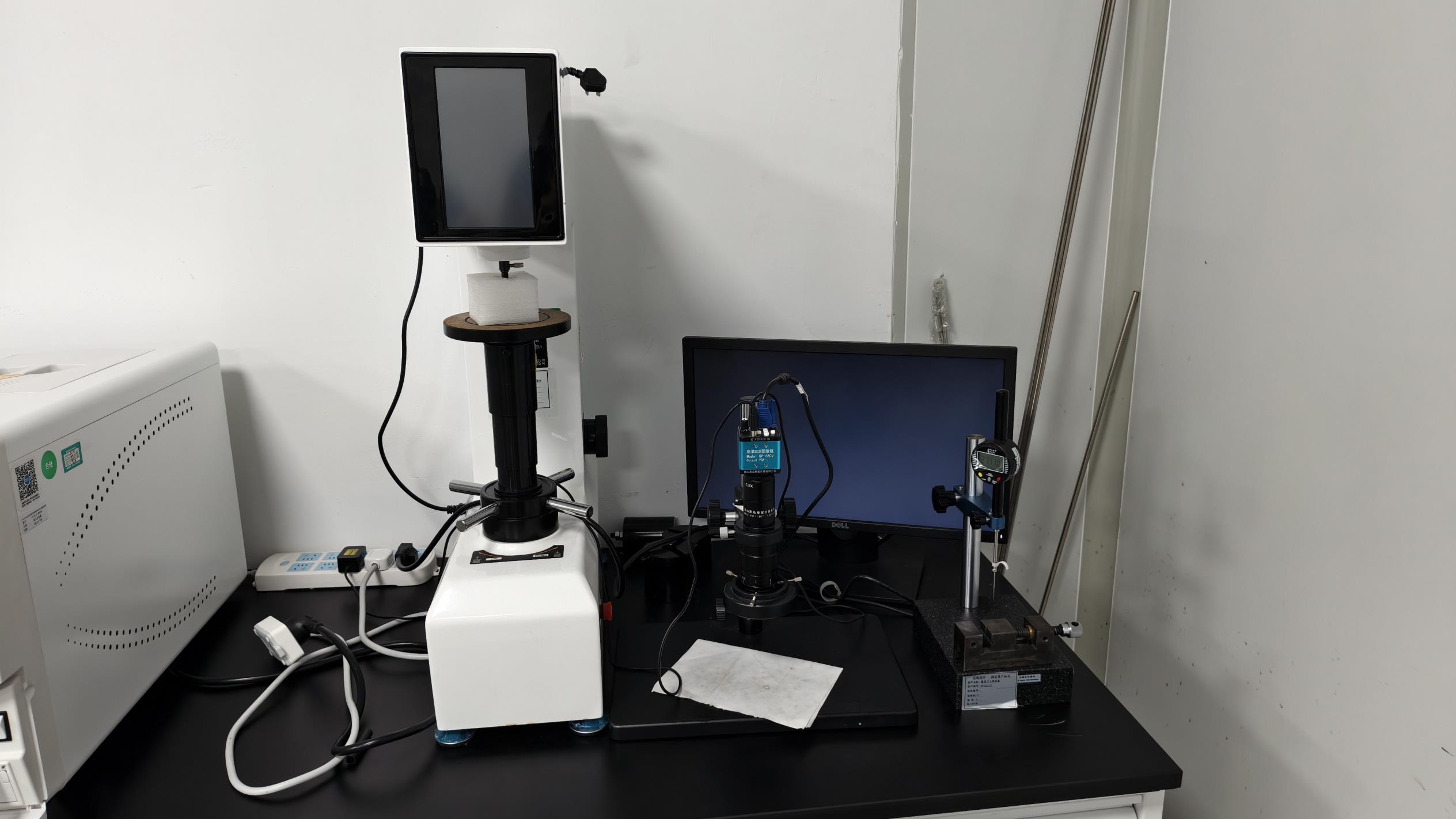
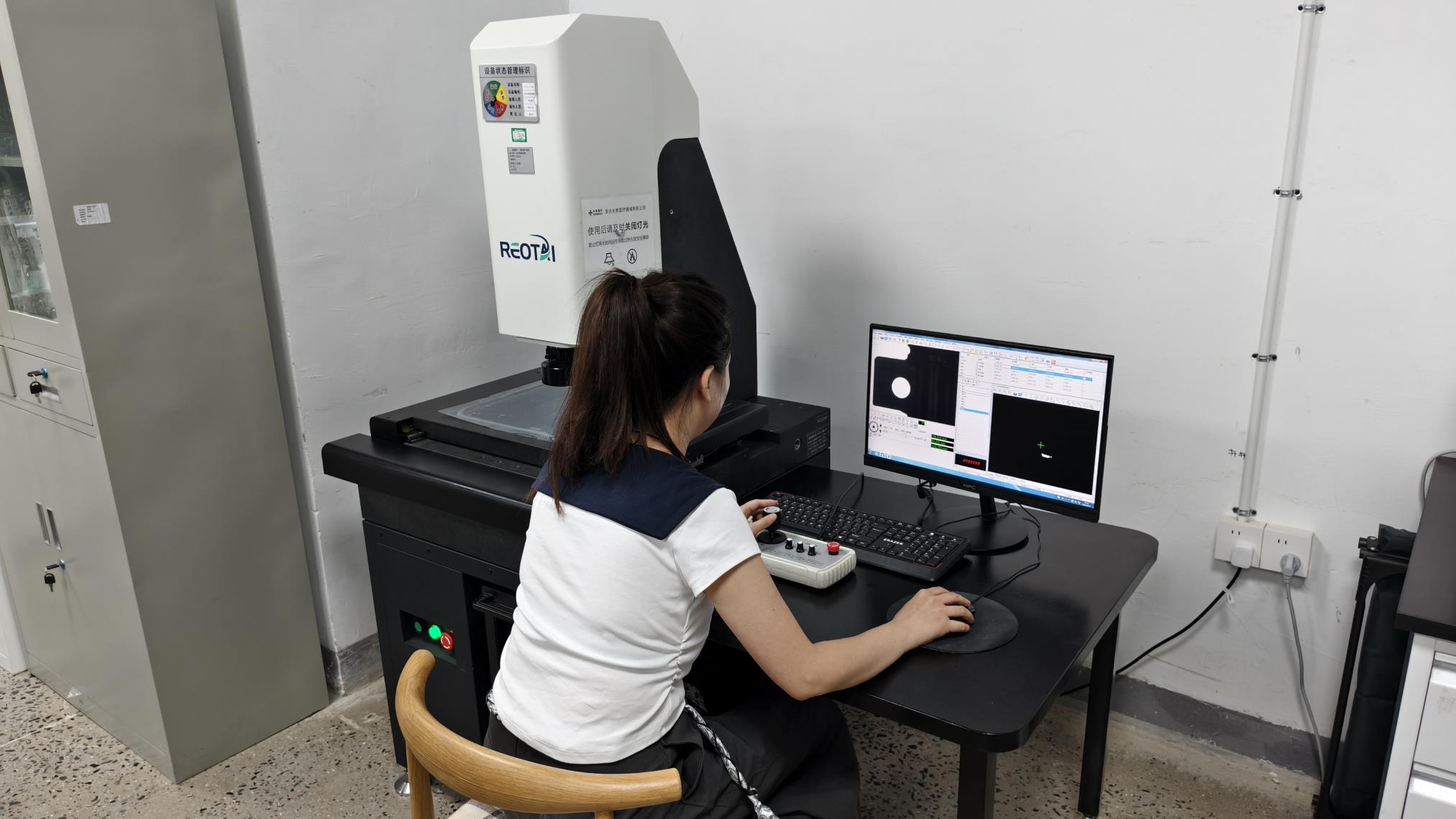
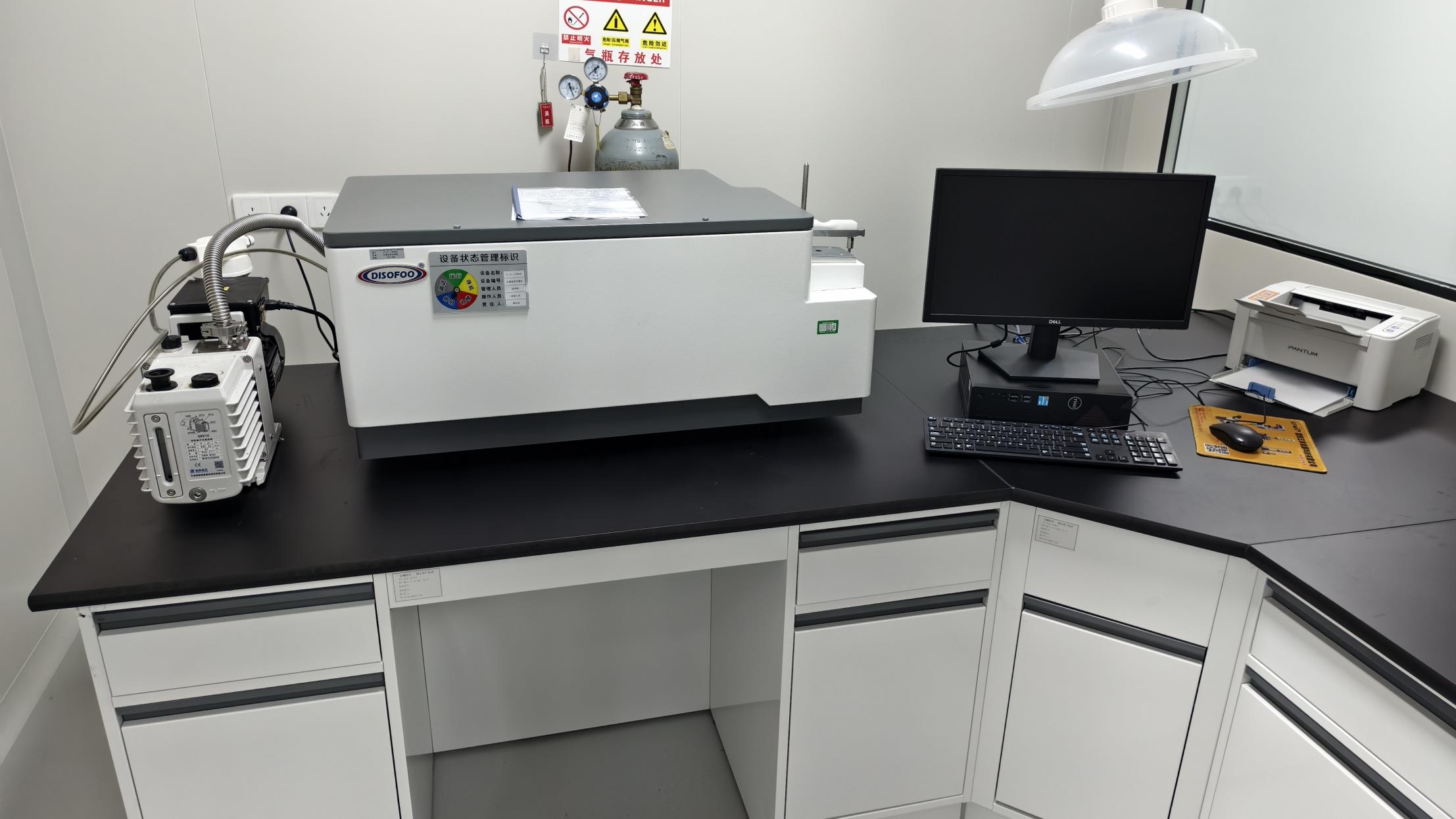
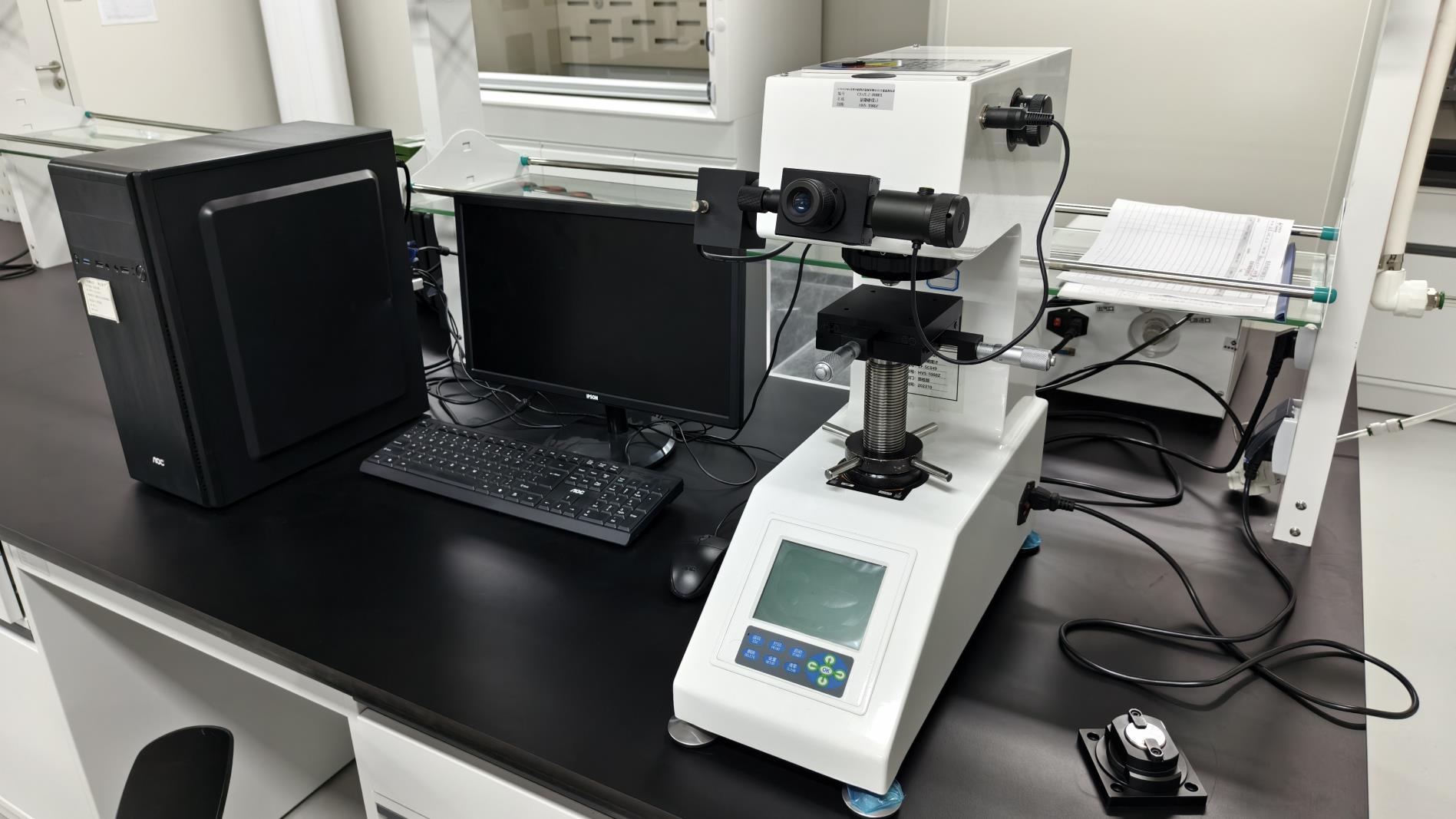
Our workshop integrates advanced CNC machining centers with cutting-edge testing hardware to maintain tight tolerance metrics:
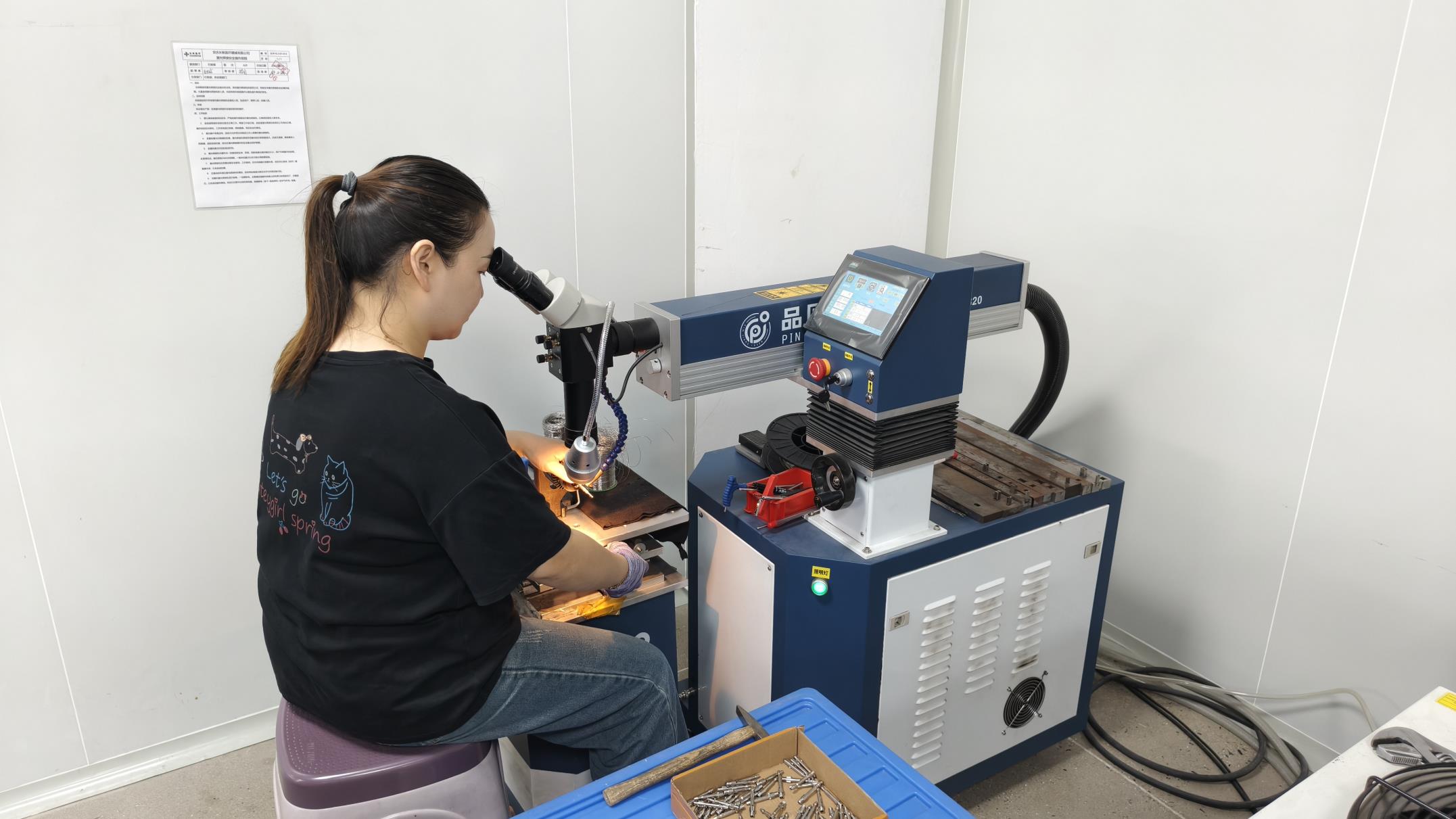
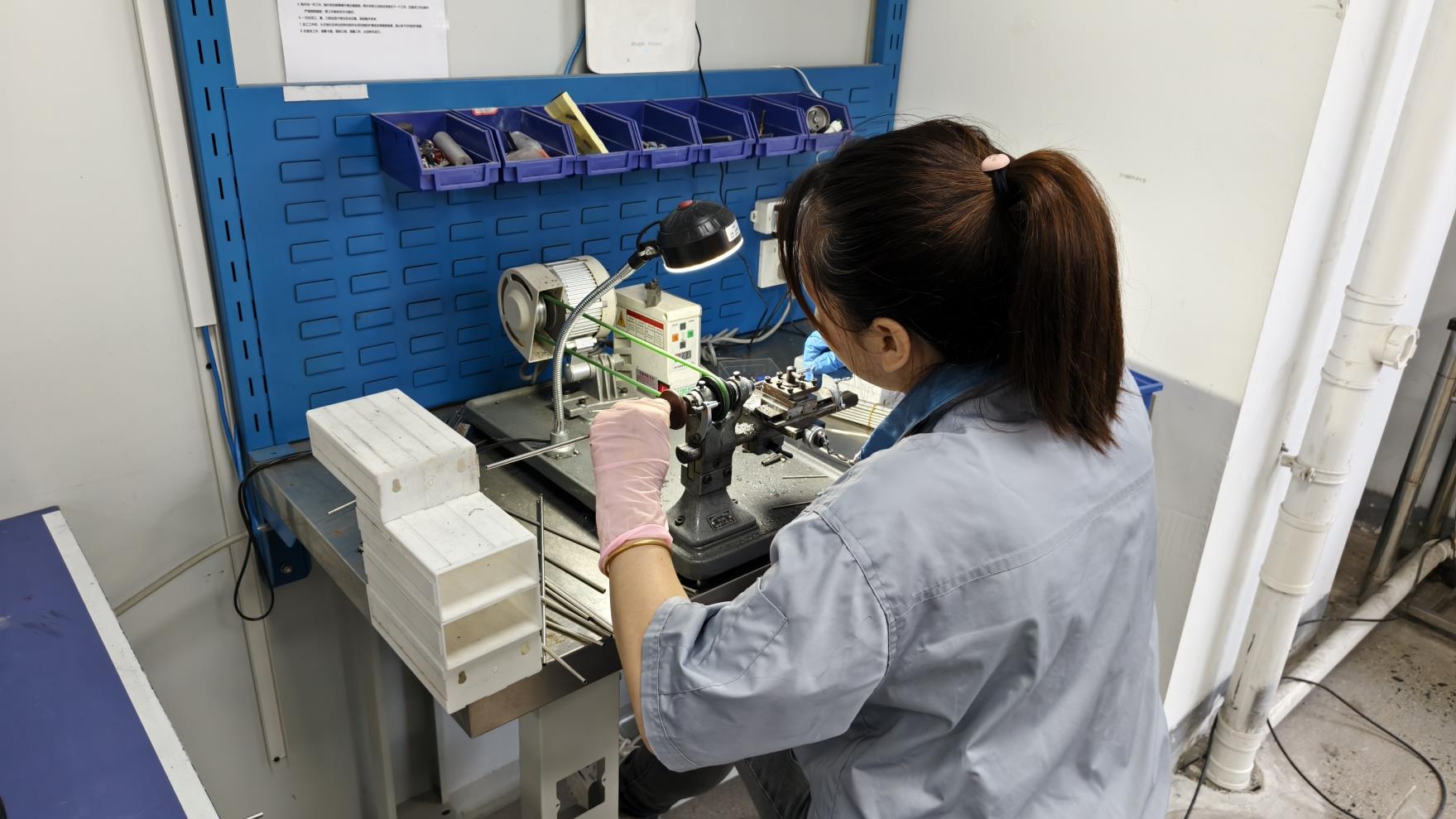
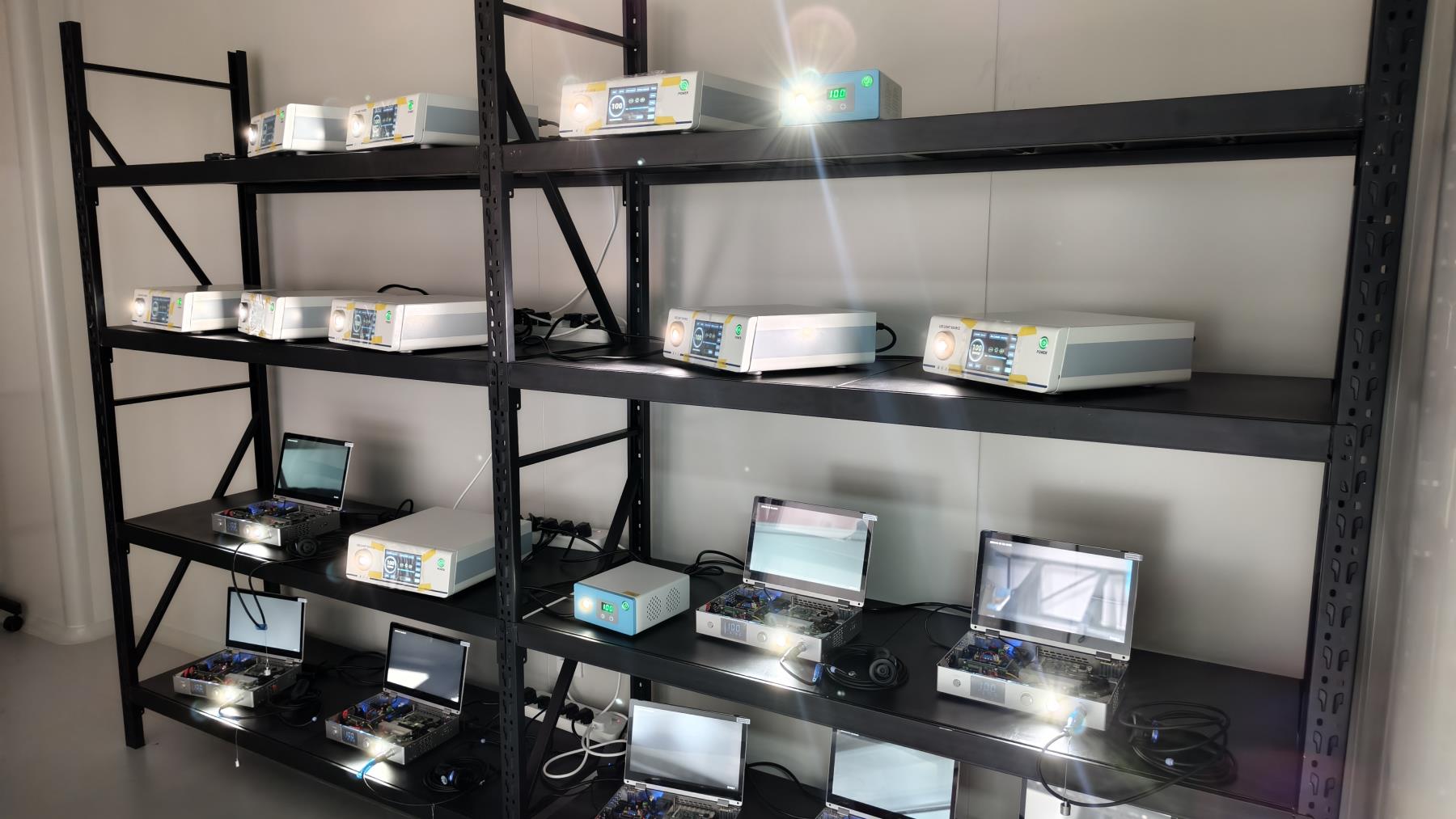
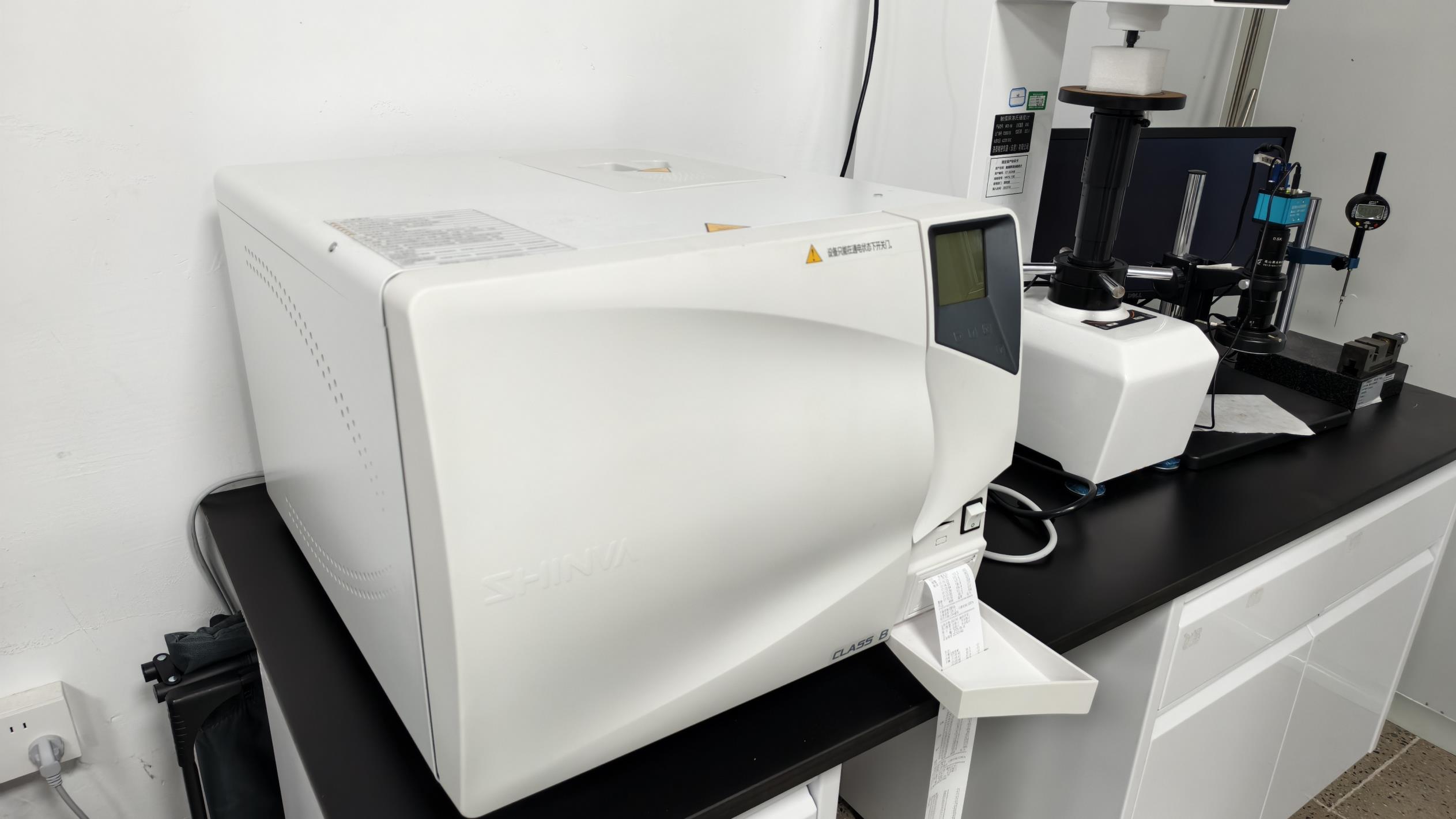
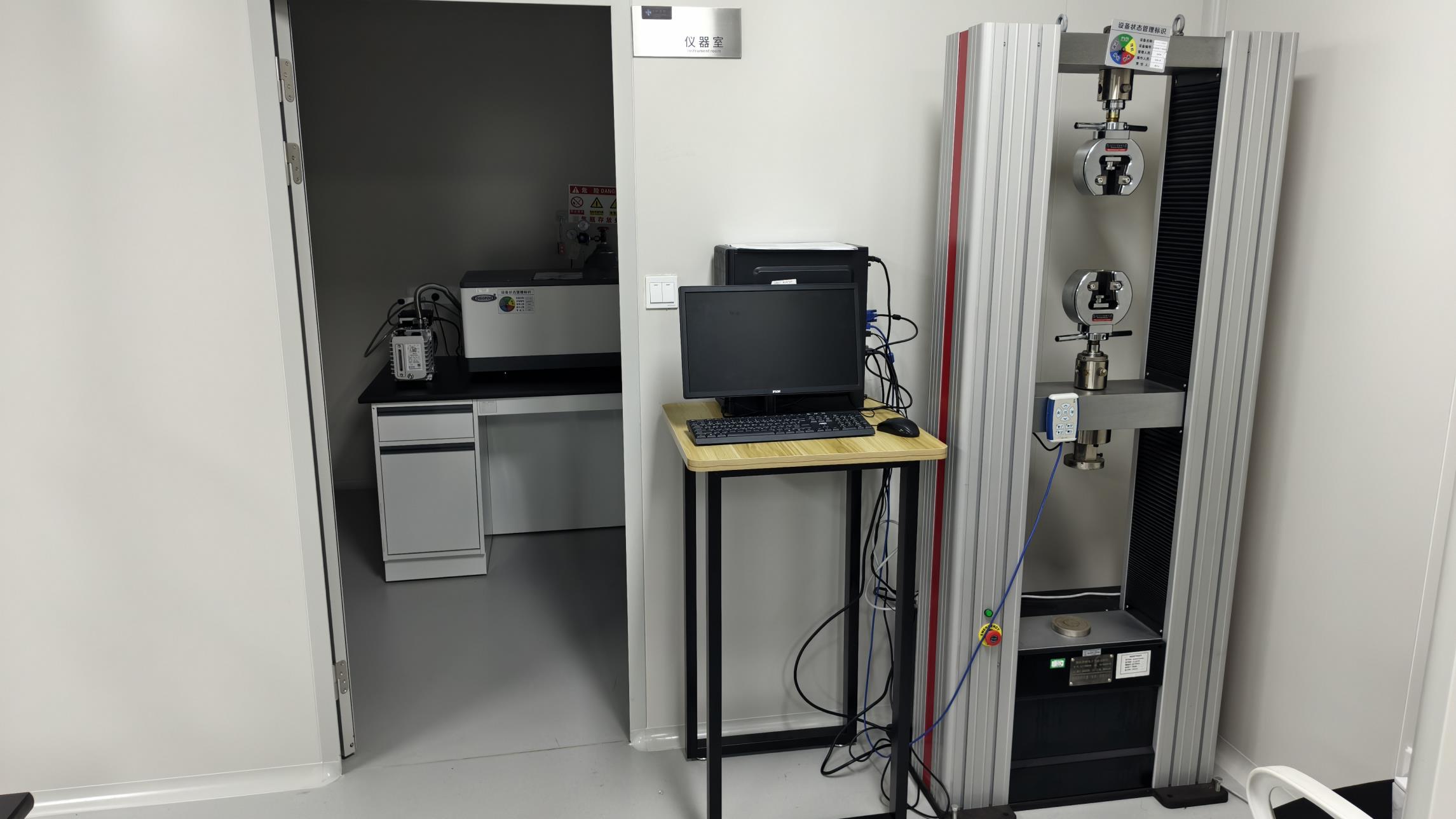
To verify structural stability and biocompatibility before export, Zynfuse utilizes a specialized testing laboratory suite:


For procurement professionals within the Hungarian healthcare landscape (NEAK coordinators, hospital purchasing committees, and trauma center supply managers), cost optimization must not compromise patient safety. Partnering with a large-scale manufacturer like Zynfuse delivers clear structural advantages:
Bypassing intermediaries reduces unit pricing on interlocking nails, lag screws, and distal locking bolts, freeing up budget for orthopedic trauma tenders.
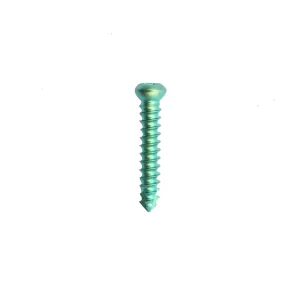
We ship customized orthopedic surgical instrument cases containing drill guides, reamers, insertion drivers, and targeting arms matched to our implant systems.
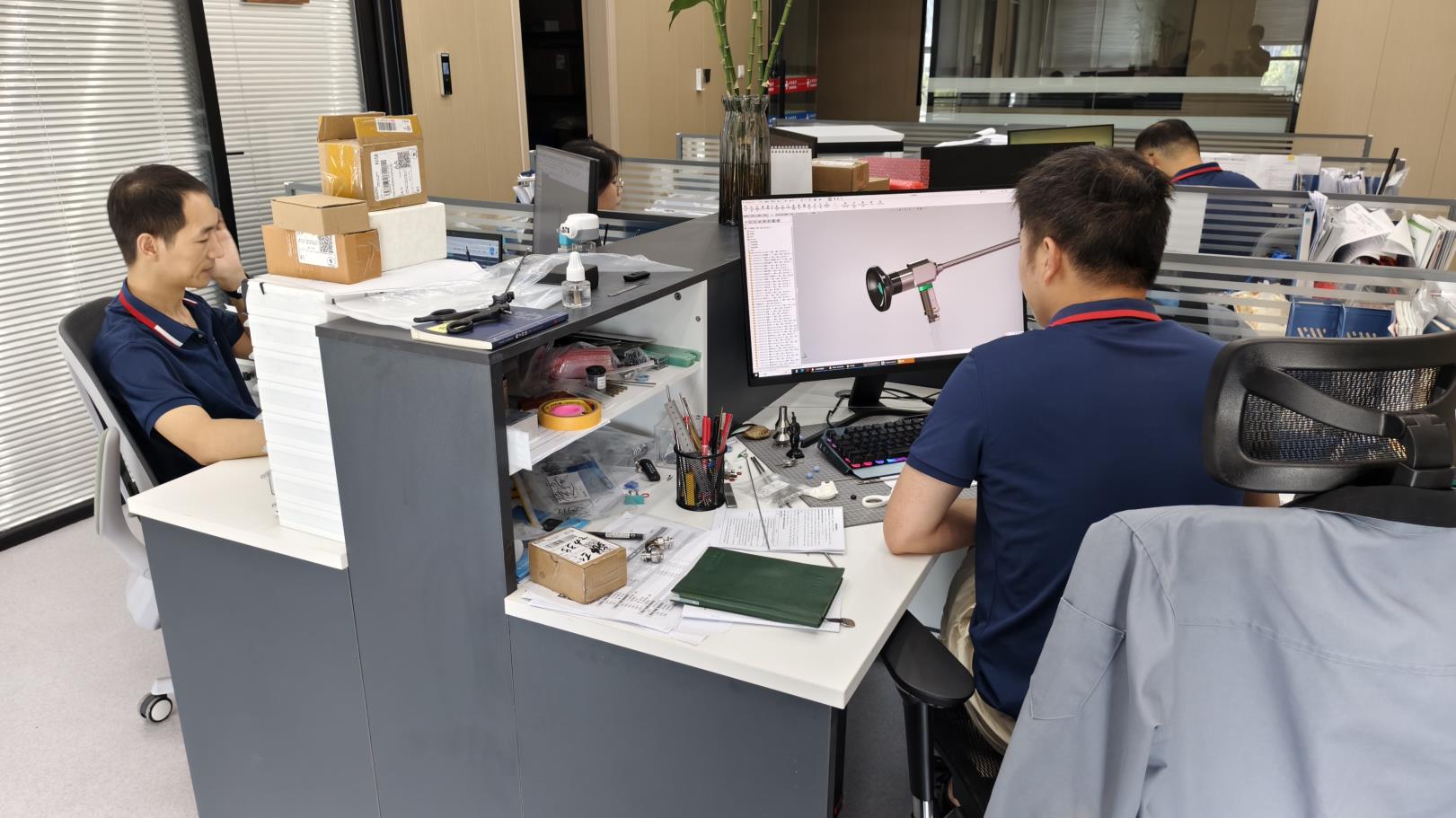
With 85 design engineers, Zynfuse can customize implant geometries, surface treatments, and branding setups to match regional clinical specifications.
Our large raw stock inventory and efficient operations protect supply chains from sudden shortages, maintaining reliable order dispatch.
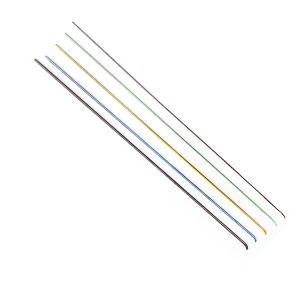
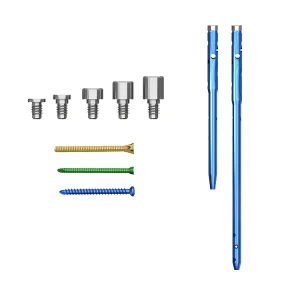
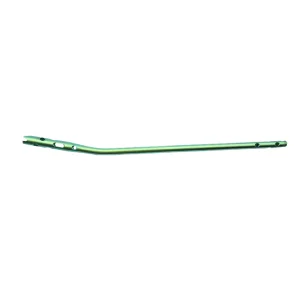
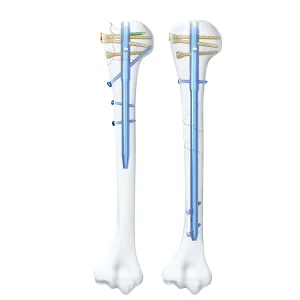
Explore our full line of interlocking systems, pediatric elastic options, and dynamic humerus, tibia, and femur nails.
Technical and logistics details for medical distributors, surgeons, and healthcare procurement specialists in Hungary.