Zynfuse
Zynfuse
Zynfuse
Explore our foundational osteosynthesis and reconstructive solutions engineered to meet the structural demands of bone trauma procedures in Japanese medical centers.
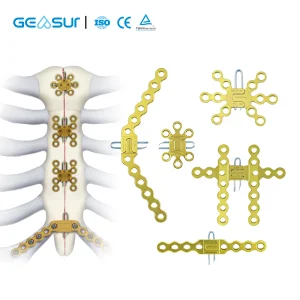
Japan represents one of the most sophisticated and highly regulated medical device markets globally. Driven by a super-aged demographic profile, where over 29% of the population is aged 65 or older, the clinical demand for orthopedic trauma implants—specifically intramedullary (IM) nails and osteosynthesis plating systems—has shifted dramatically toward solutions that optimize geriatric care pathways.
For elderly patients sustaining trochanteric and femoral neck fractures, immediate surgical stabilization is critical to prevent the cascading cognitive and physical decline associated with prolonged bed rest. Japanese orthopedic surgeons demand implants that support early post-operative mobilization while minimizing intraoperative bone loss. This requires exceptionally refined anatomical designs that respect the unique skeletal morphology of Asian patients, who generally present with smaller femoral diameters, increased anterior bowing, and varying distal radius curvature compared to Western populations.
Consequently, international sourcing in Japan requires absolute biological security, dimensional accuracy, and strict adherence to PMDA (Pharmaceuticals and Medical Devices Agency) approval protocols. Implants must demonstrate superior fatigue strength to withstand physiological loads in severely osteoporotic bone structures.
Japan's high incidence of fragility fractures requires intramedullary nailing systems designed specifically for osteoporotic bone, optimizing distal interlocking configuration to prevent rotational displacement.
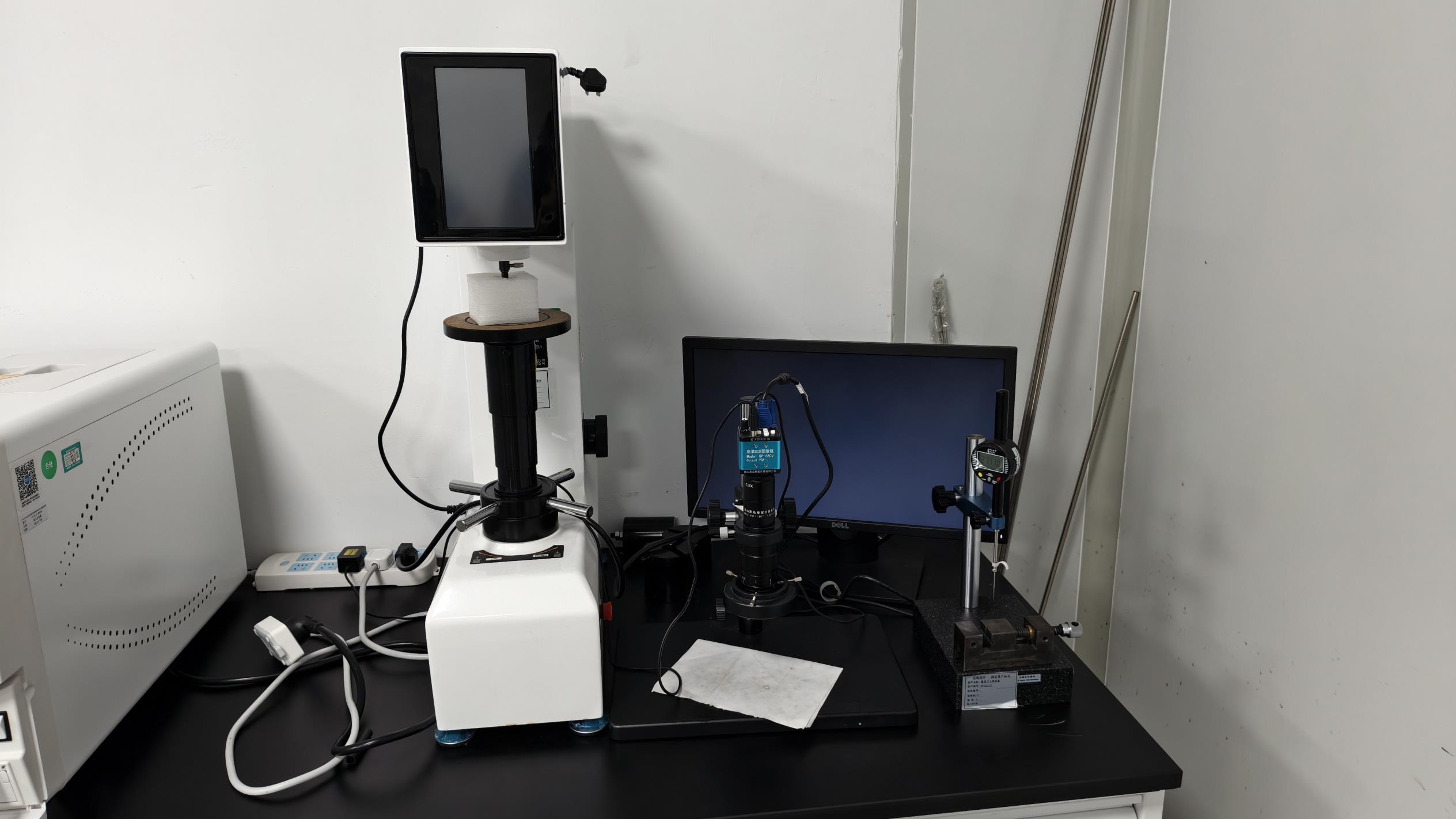
Compliance with Japanese PMDA demands complete traceability of raw titanium alloys (Ti6Al4V ELI) and surface roughness parameters (Ra) optimized for rapid osseointegration.
High clinical demand for anatomical plating and nail curvature tailored to the smaller radius, humerus, and femur dimensions common in Asian patient databases.
Understanding the technological trajectory and commercial challenges of global implant procurement.
The global orthopedic trauma field is evolving rapidly, centered around the integration of advanced materials and smart manufacturing. Prominent trends include:
For international medical distributors, hospital purchasing groups, and implant brand owners, strategic sourcing involves balancing regulatory compliance with economic viability:
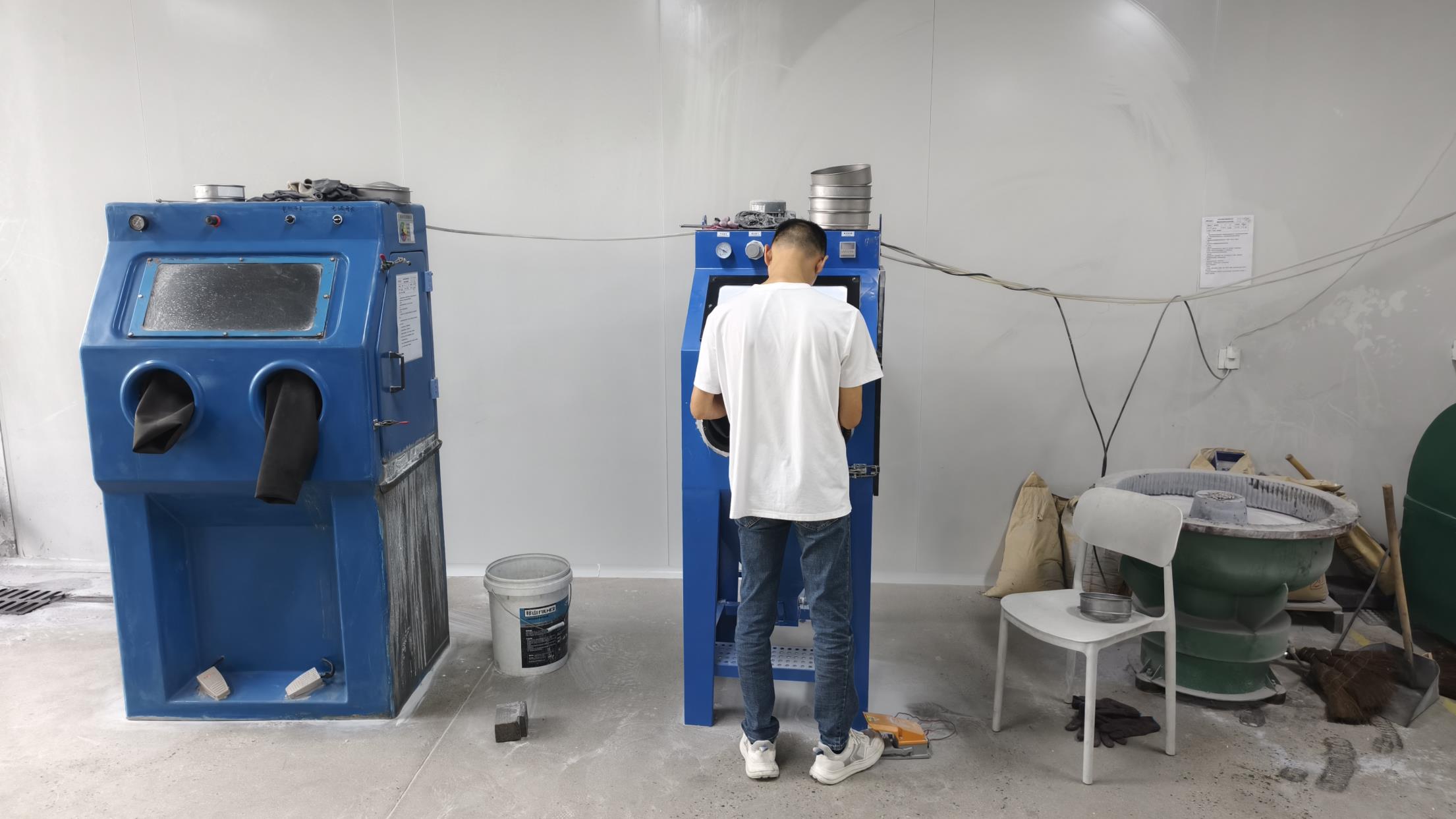
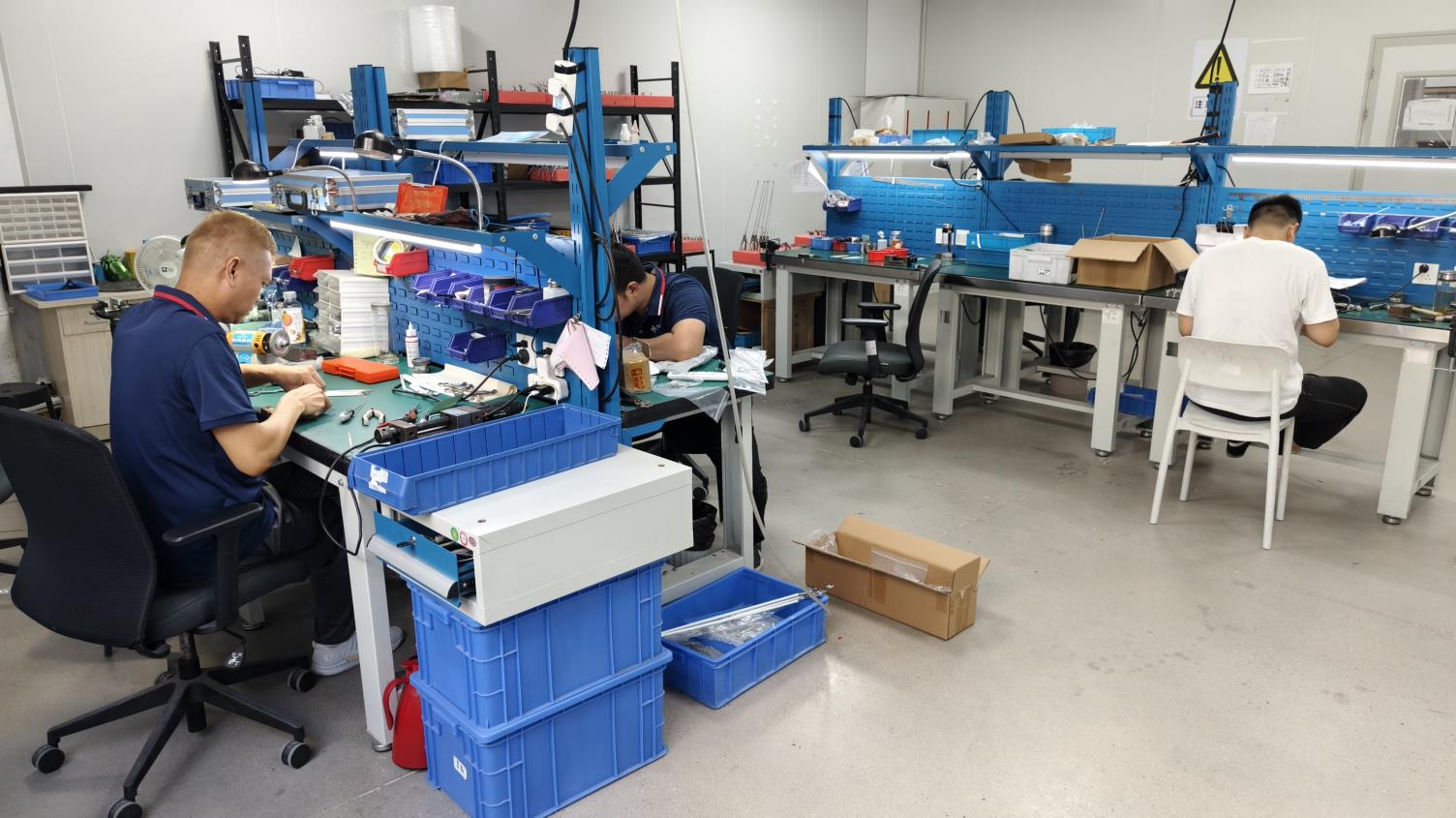
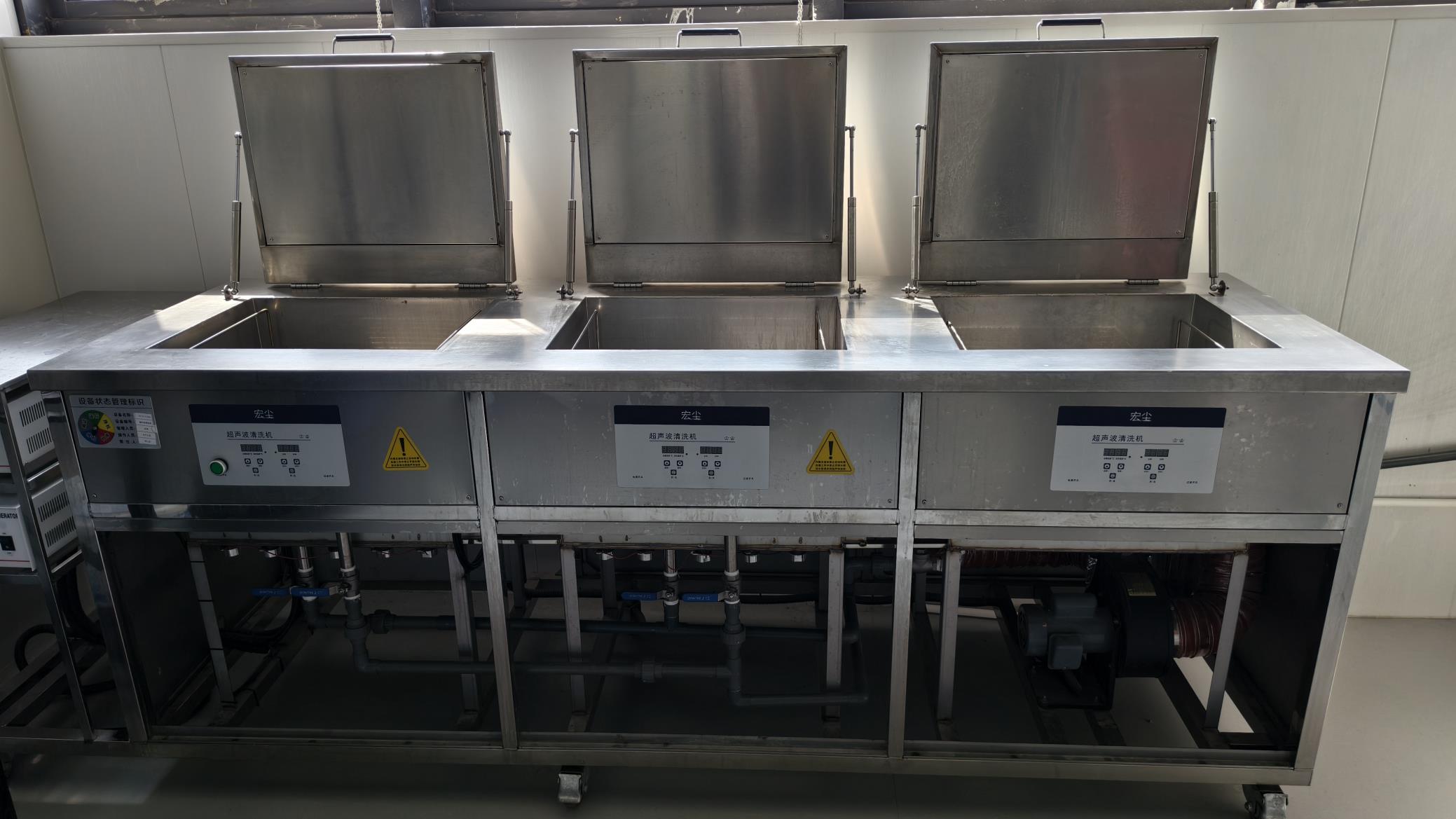
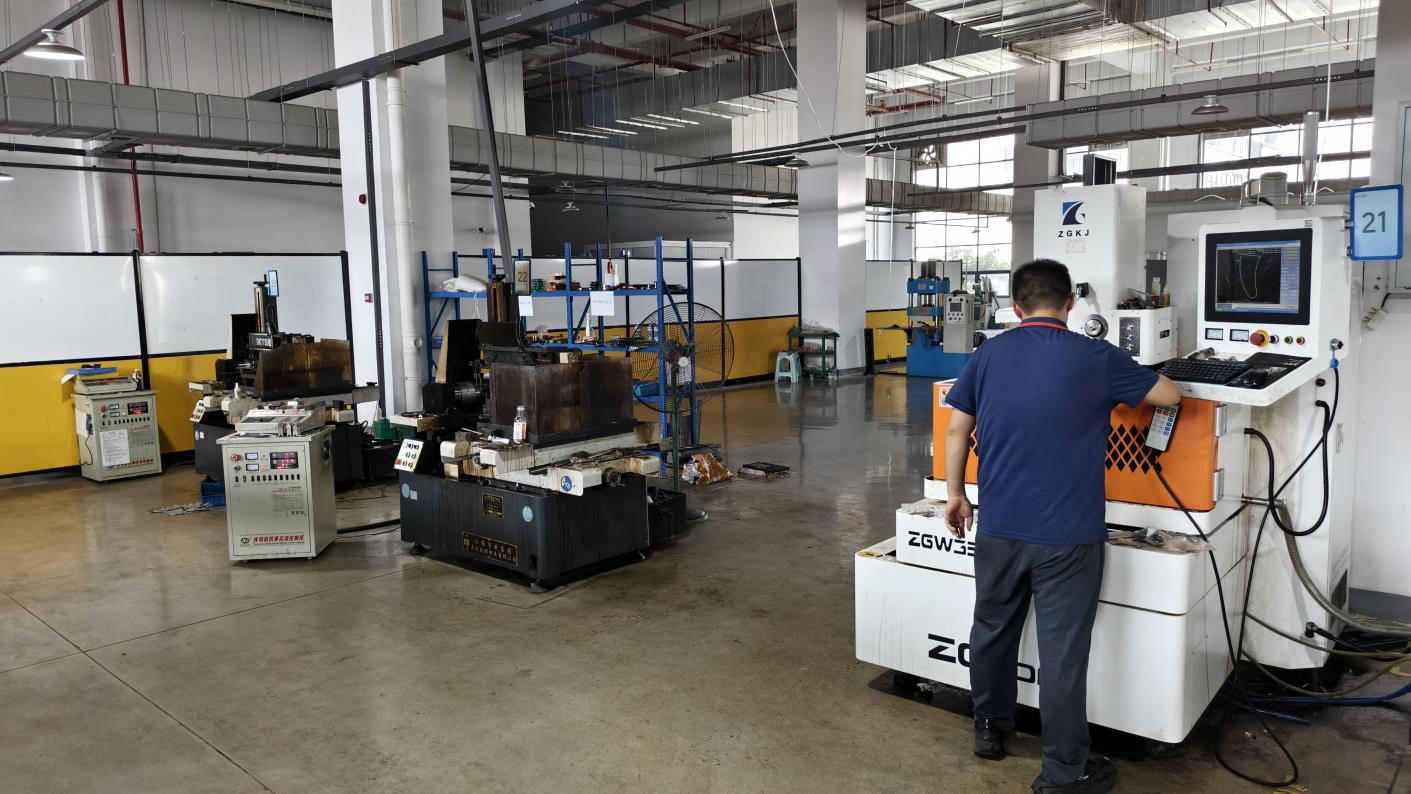
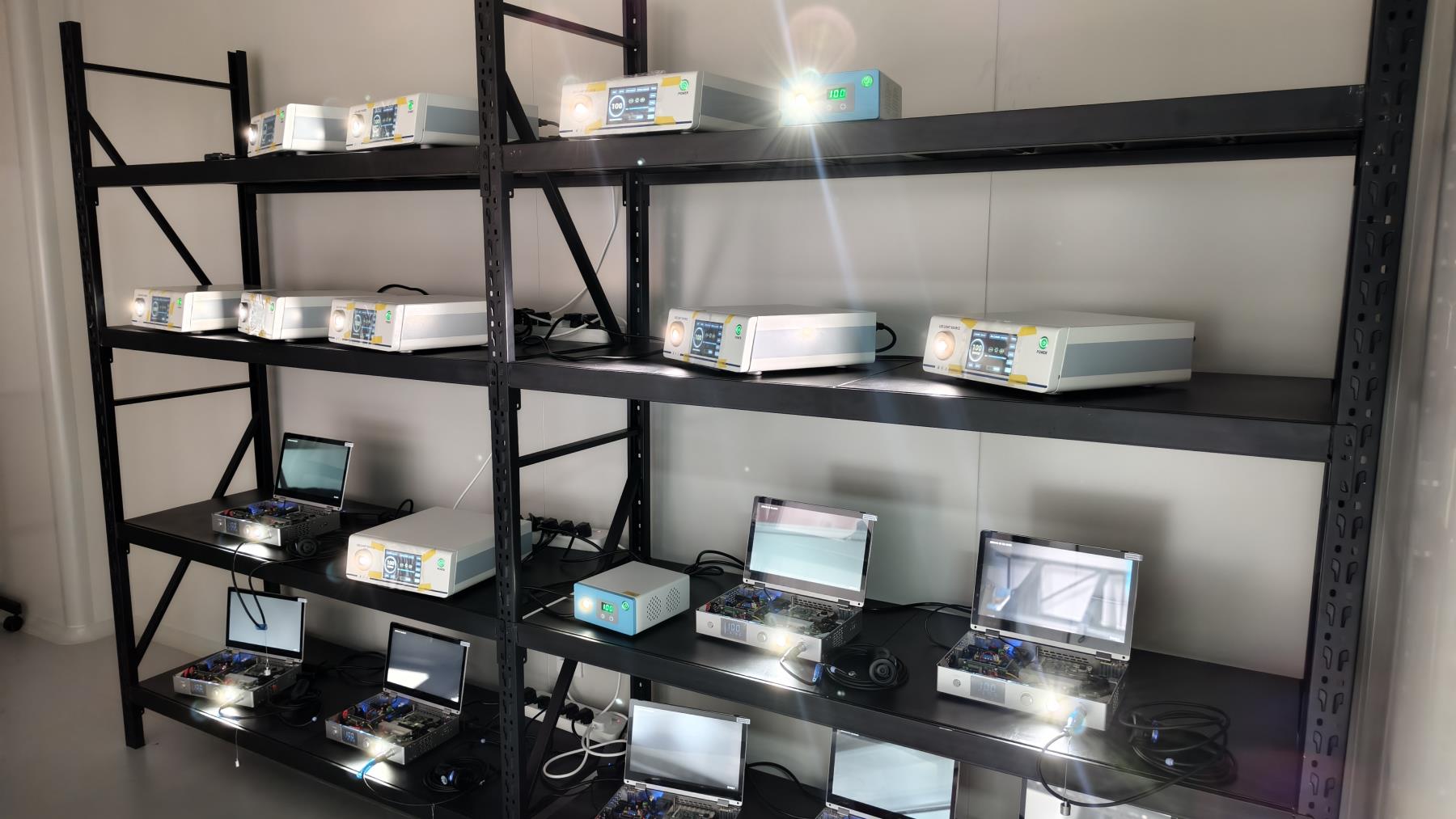
Zynfuse Medical Technology Co., Ltd. operates at the intersection of clinical precision and automated high-throughput production. Our advanced manufacturing facility, spanning approximately 18,600 m², is designed to support the strict requirements of international medical supply chains, including the Japanese orthopedic market.
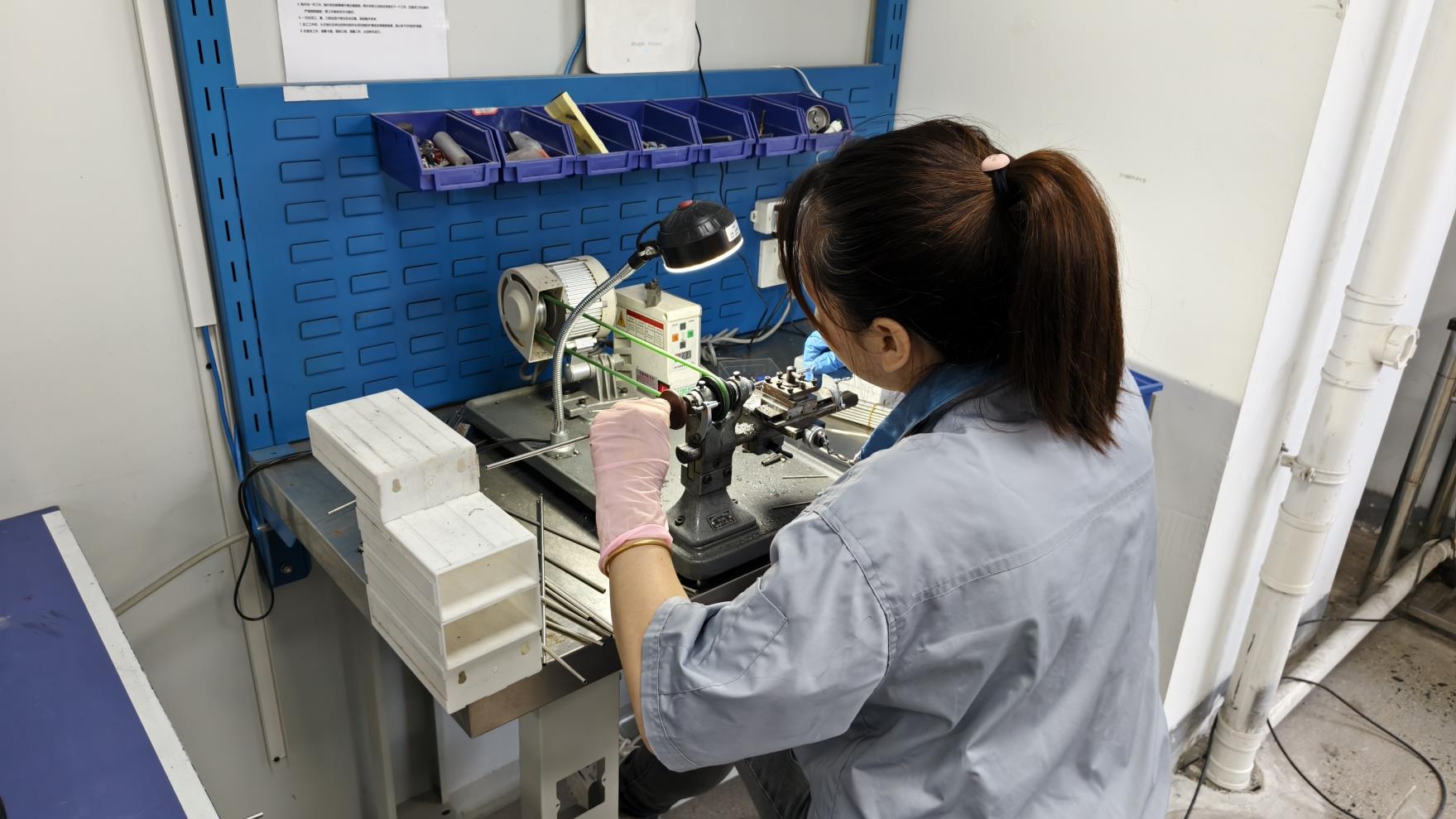
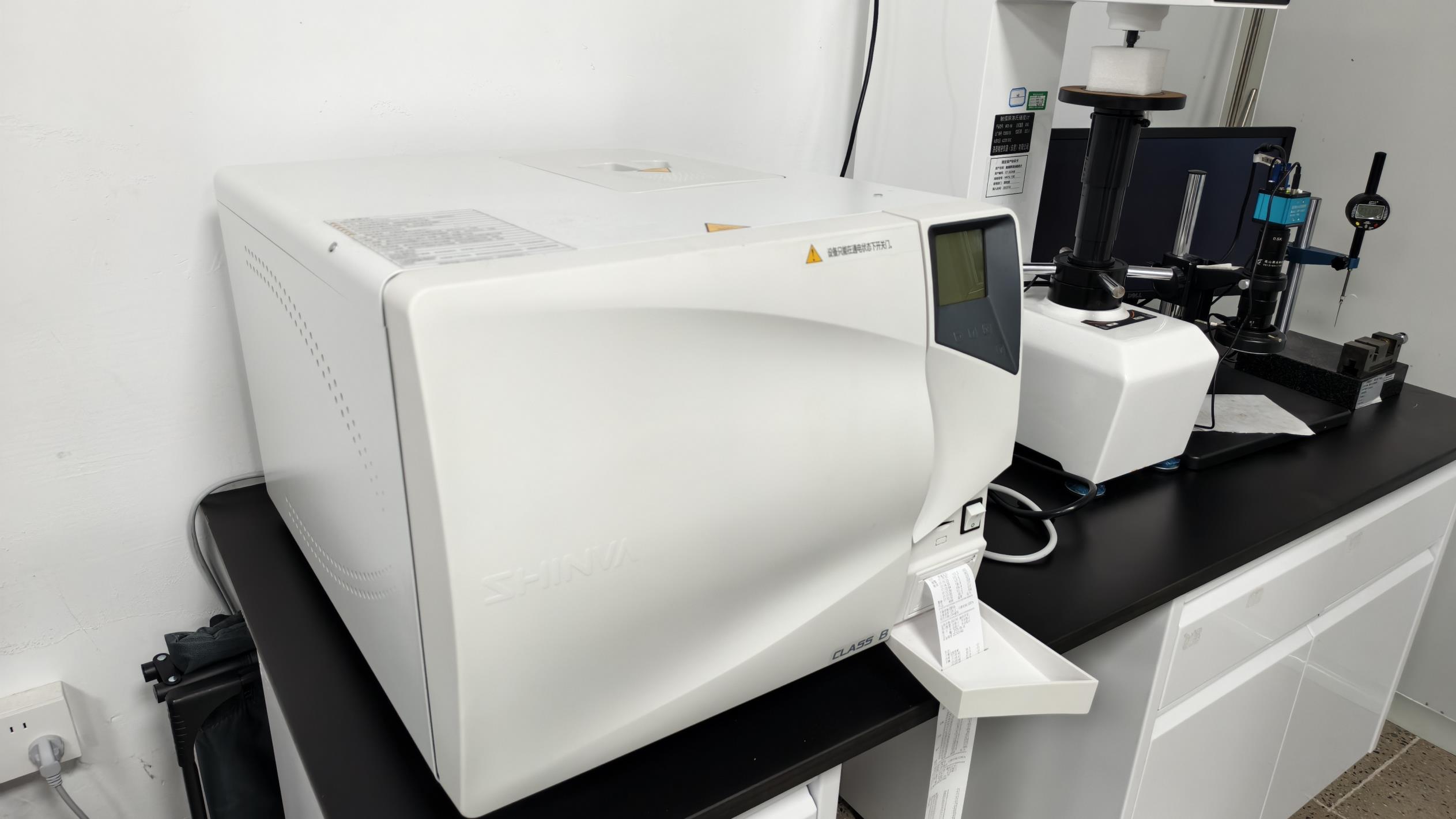
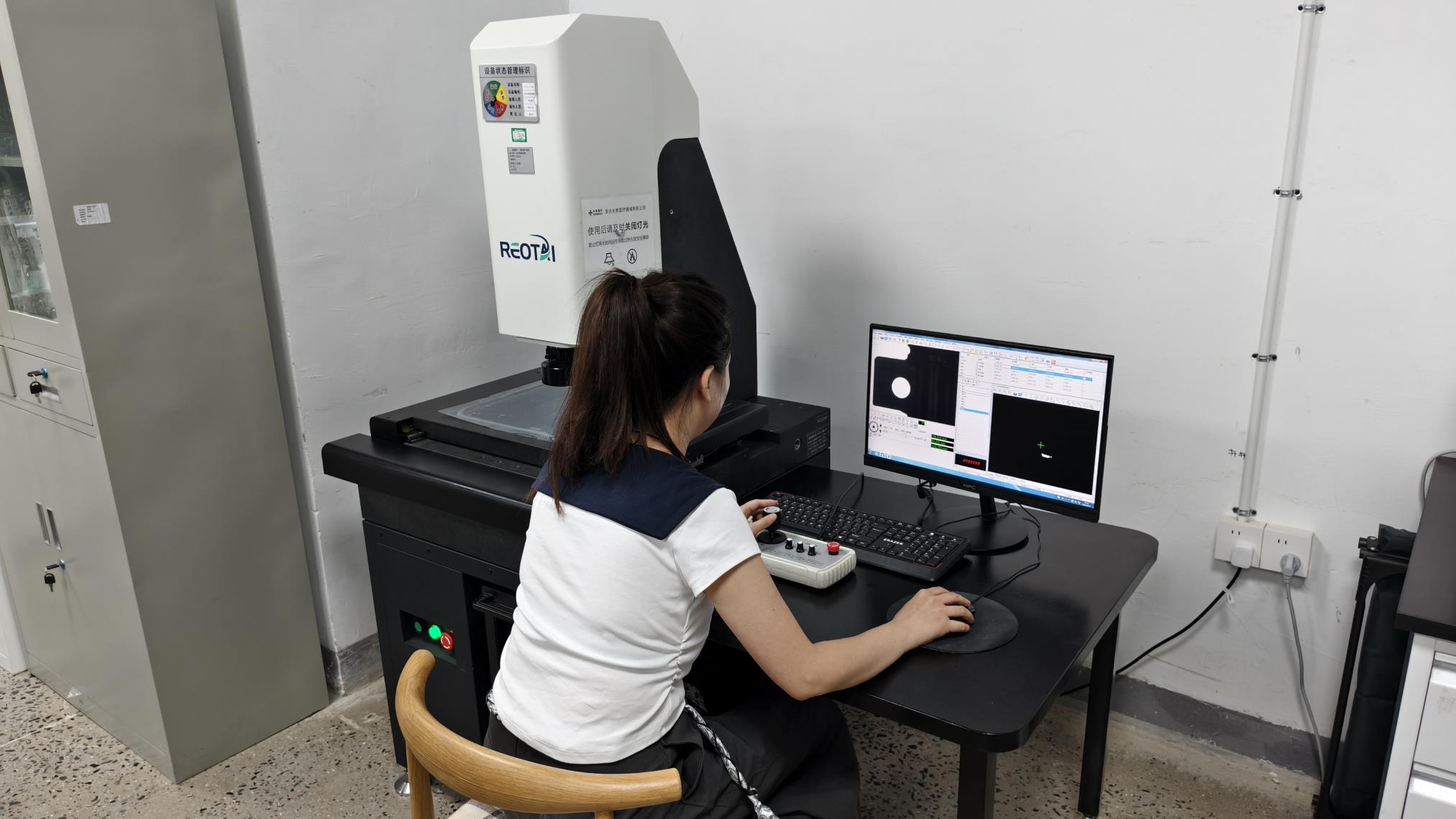
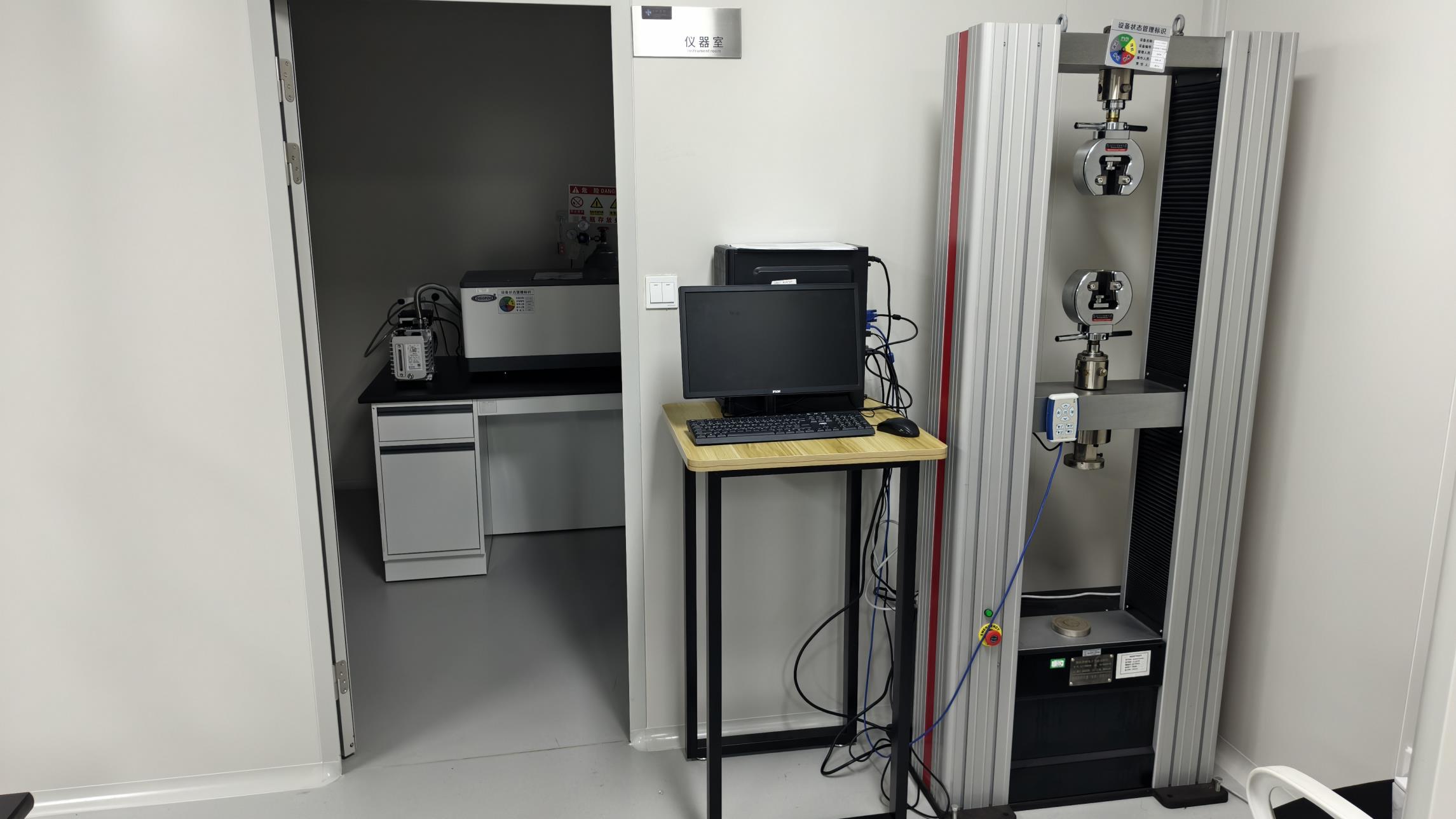
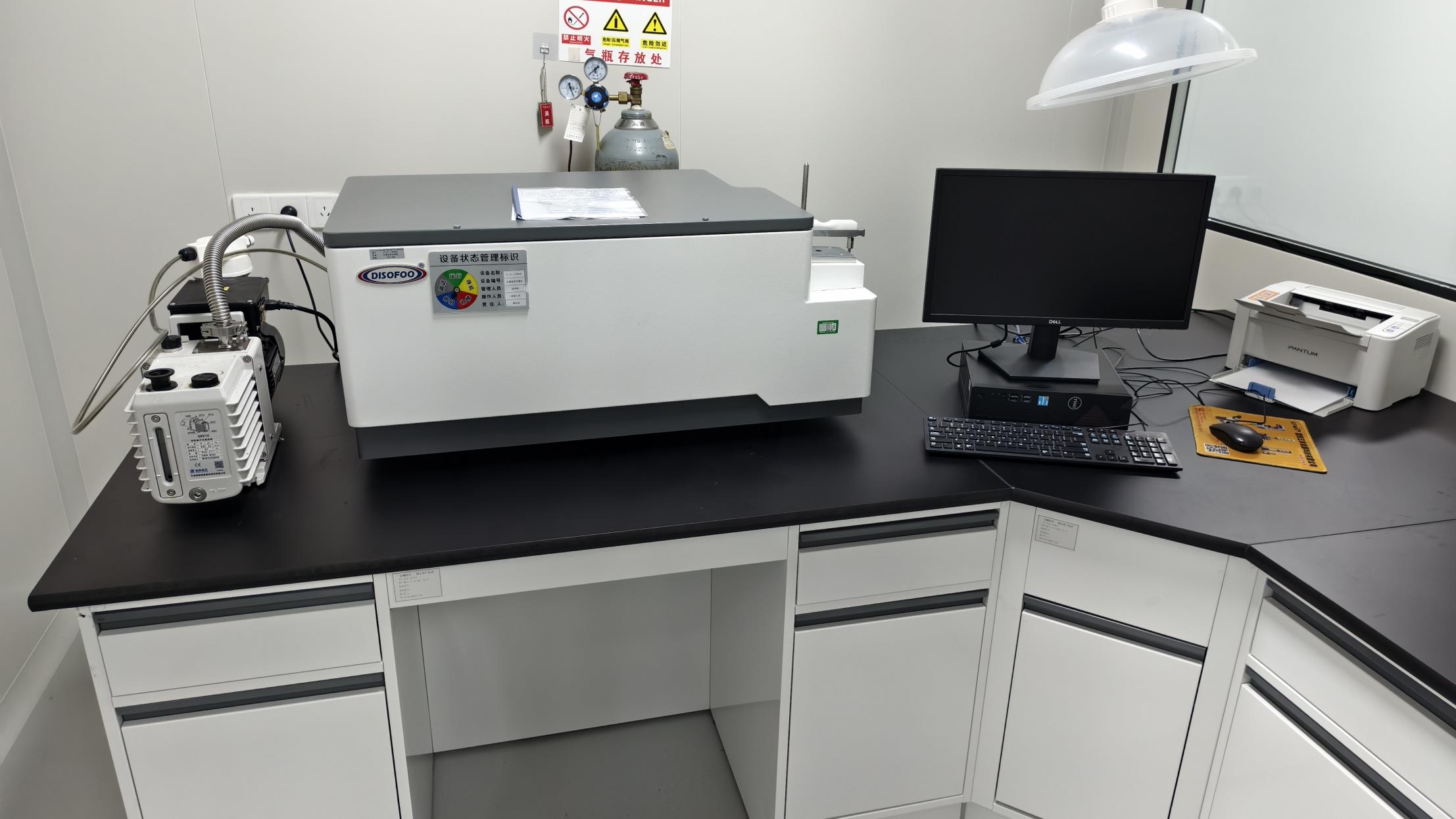
By leveraging Swiss-type lathe precision machining and high-speed multi-axis CNC systems, we minimize production tolerance deviations to the micron level. Our supply chain configuration relies on automated production flows, digital inventory management, and raw material validation from certified biomedical alloy suppliers. This ensures that every intramedullary nail, dynamic hip screw, and anatomical plate exhibits optimal dimensional uniformity and structural integrity.
With an annual export volume reaching $18.5 million and a footprint spanning North America, Europe, Southeast Asia, and the Middle East, Zynfuse has established itself as a reliable OEM/ODM partner for premium clinical brands.
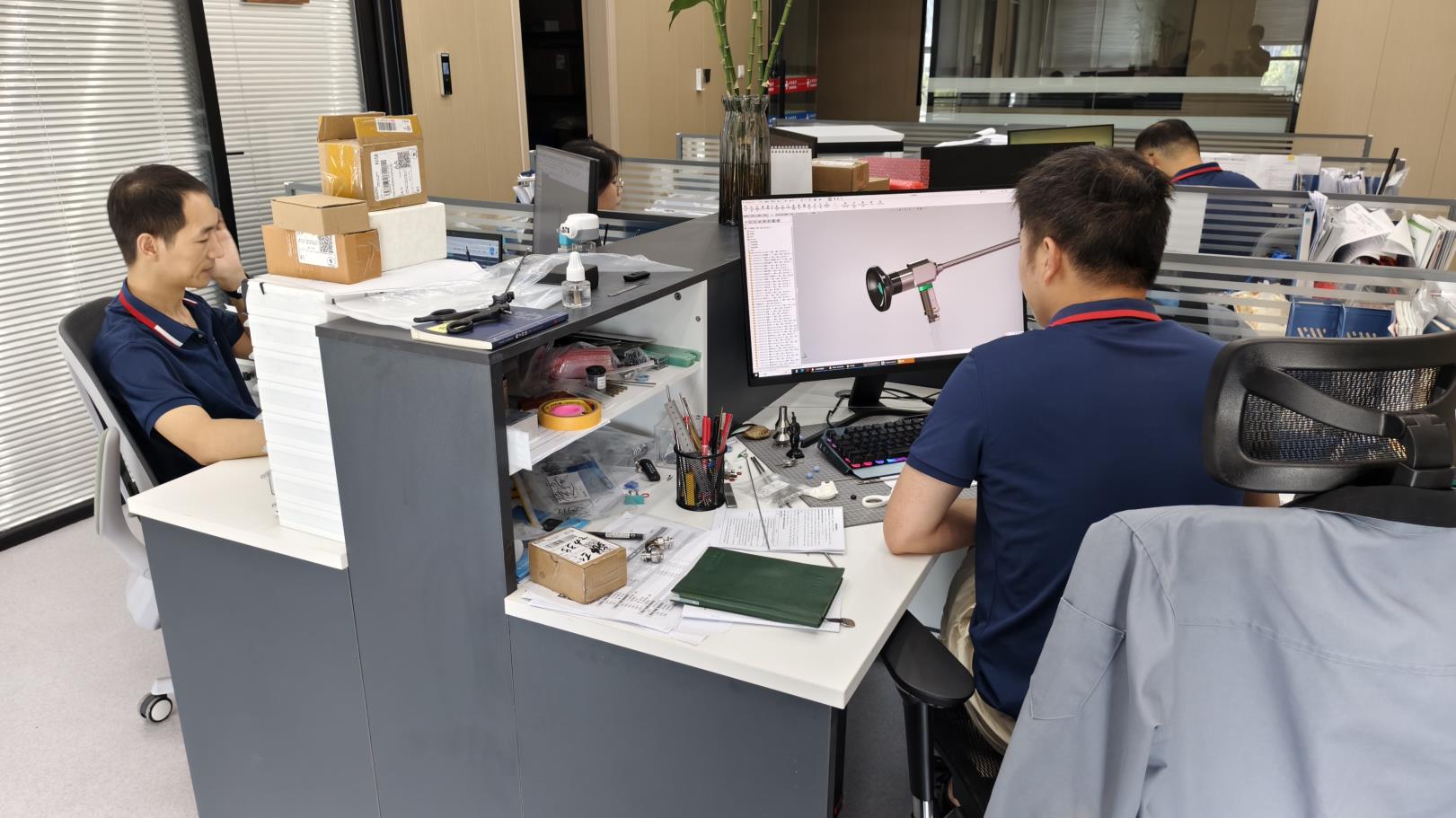
We believe that high-capacity manufacturing must coexist with agile engineering capabilities to meet distinct international clinical requirements:
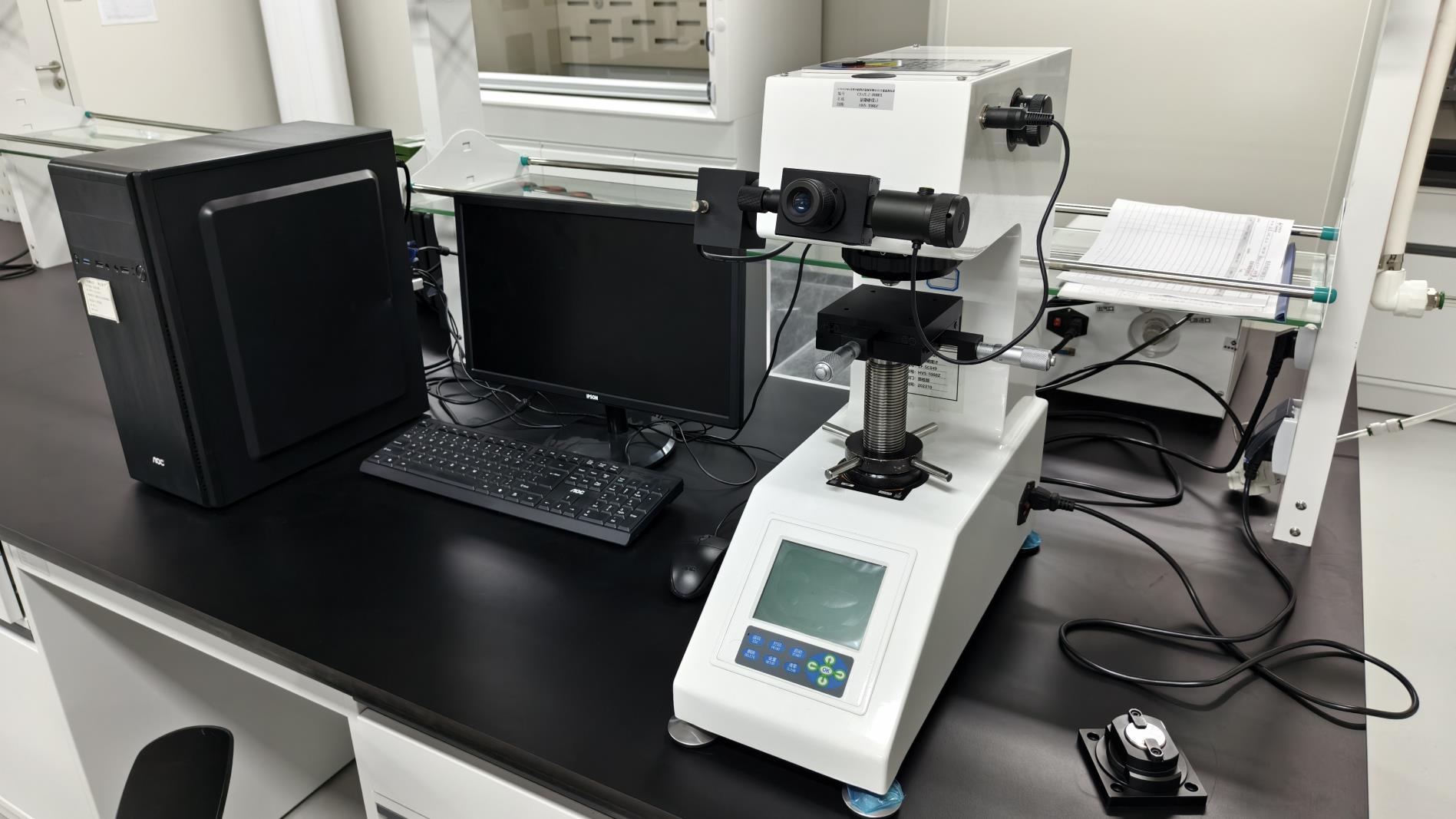
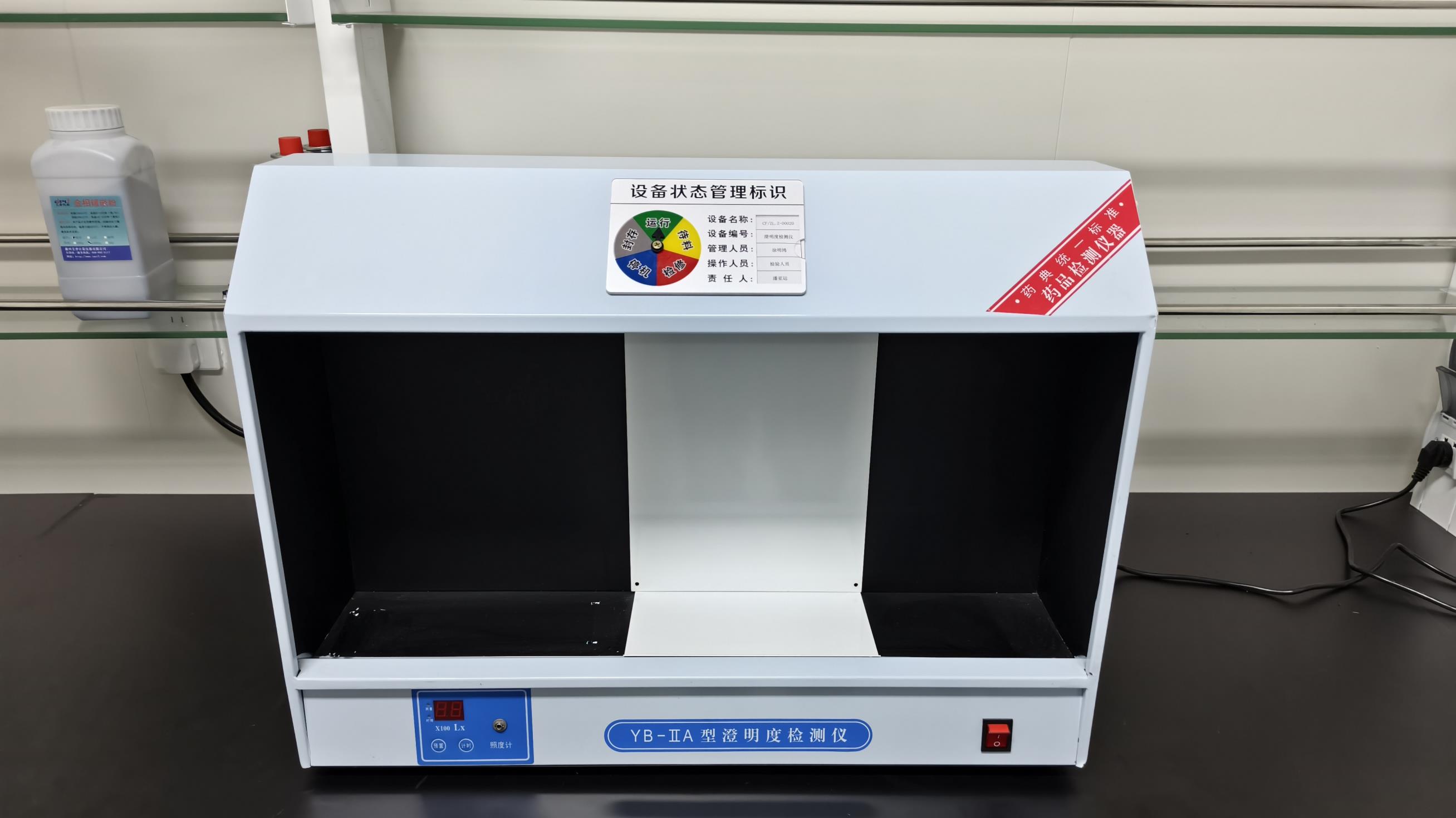
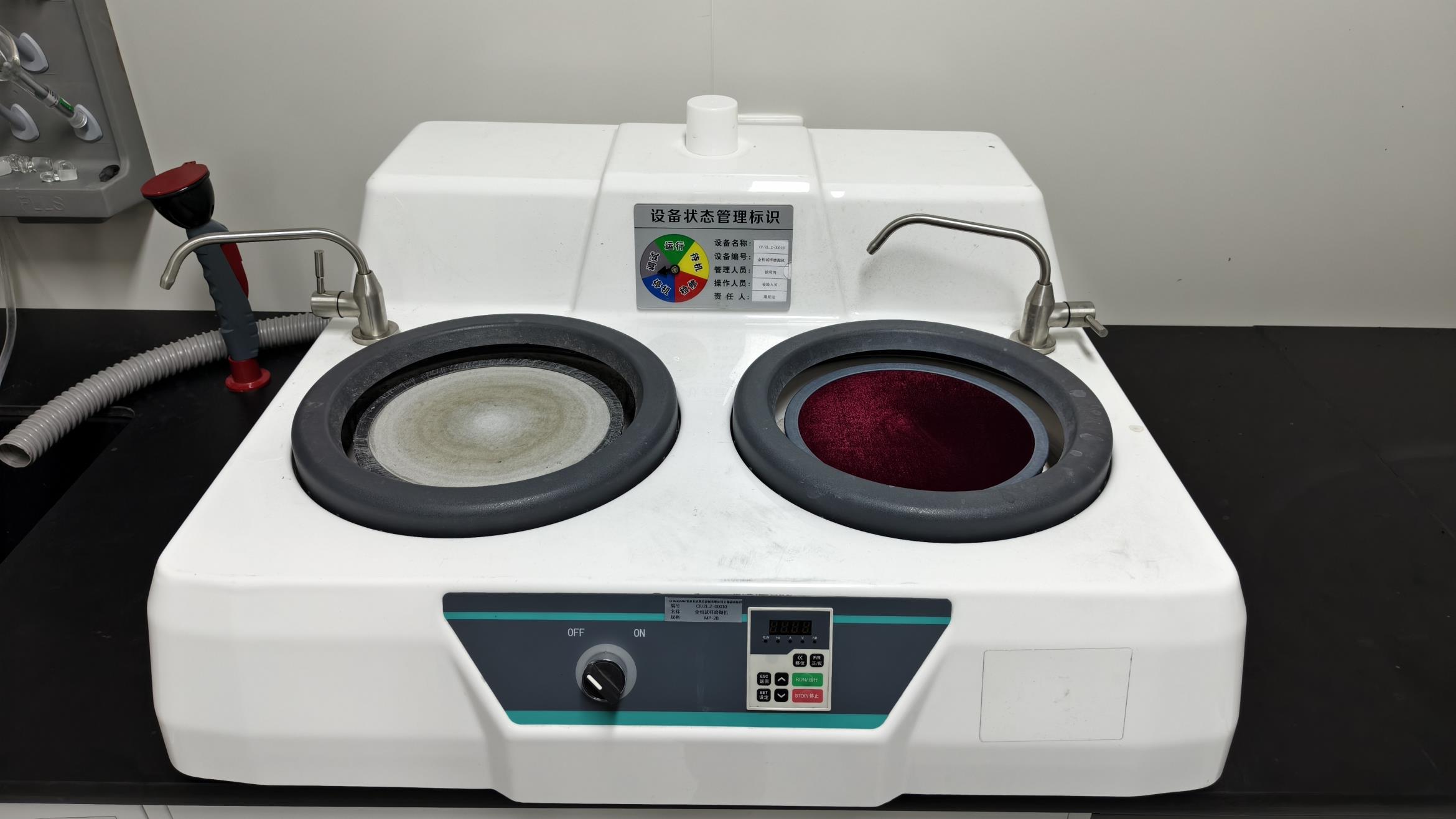
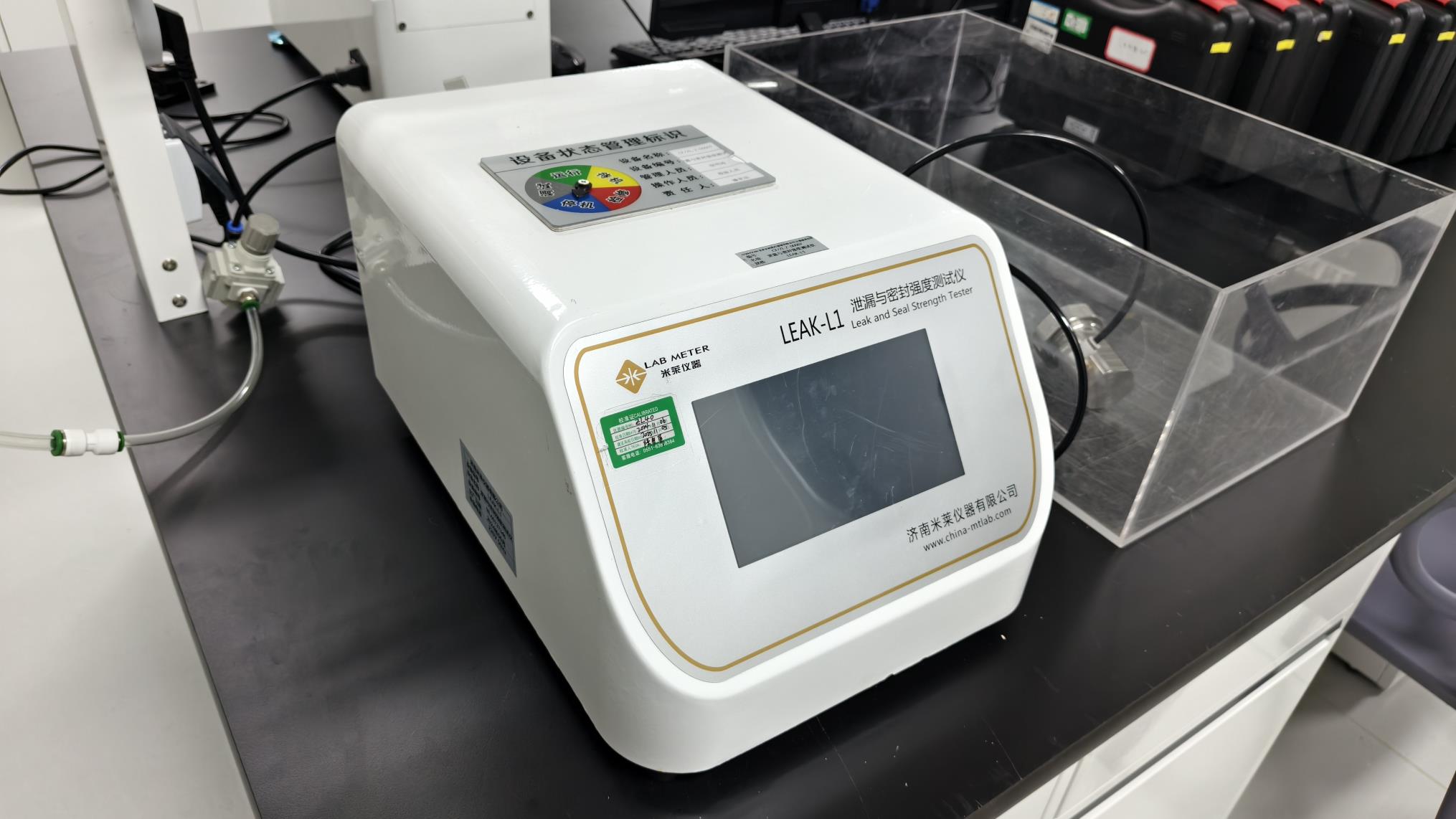
Visualizing our advanced technological processes—from raw material cutting to metallurgical validation and final cleanroom sterilization packaging.
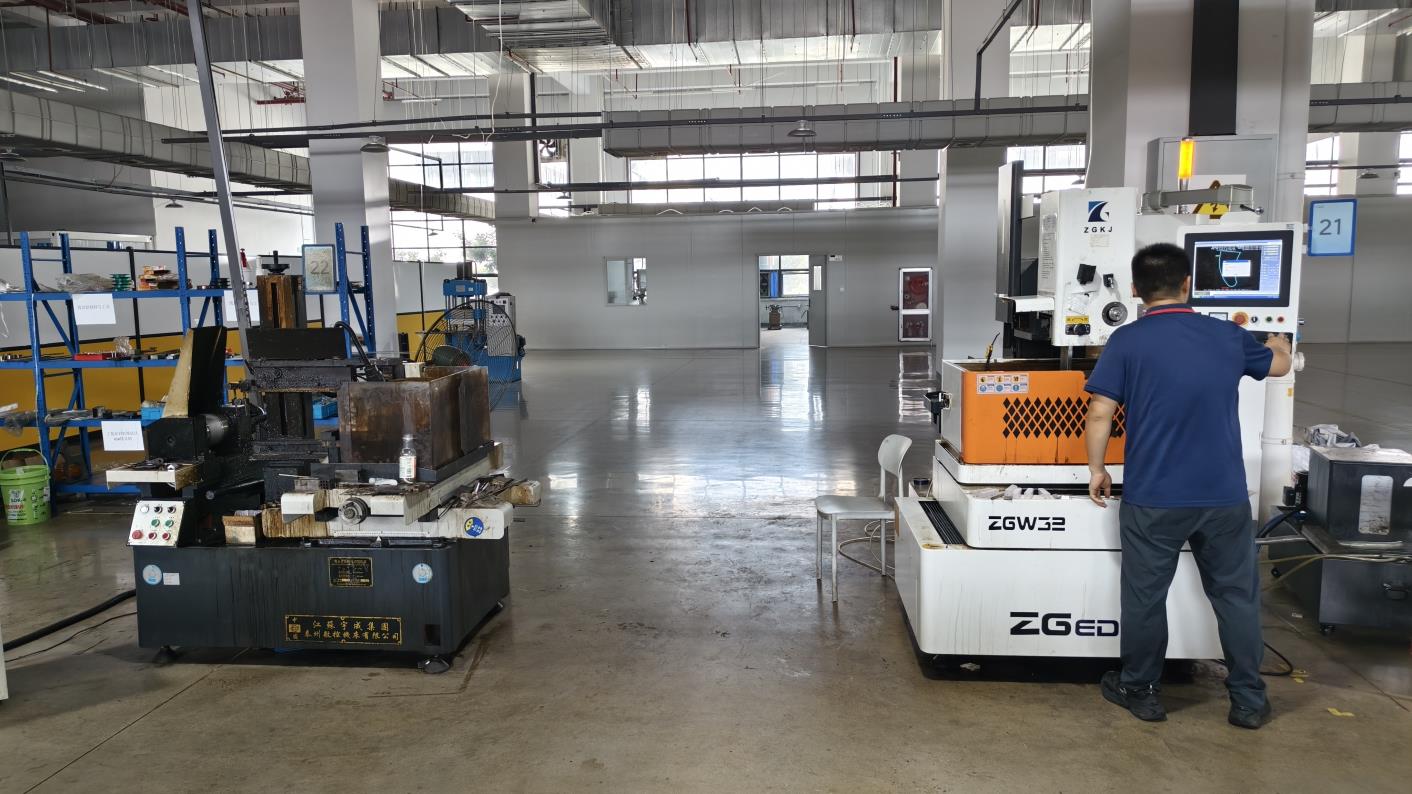
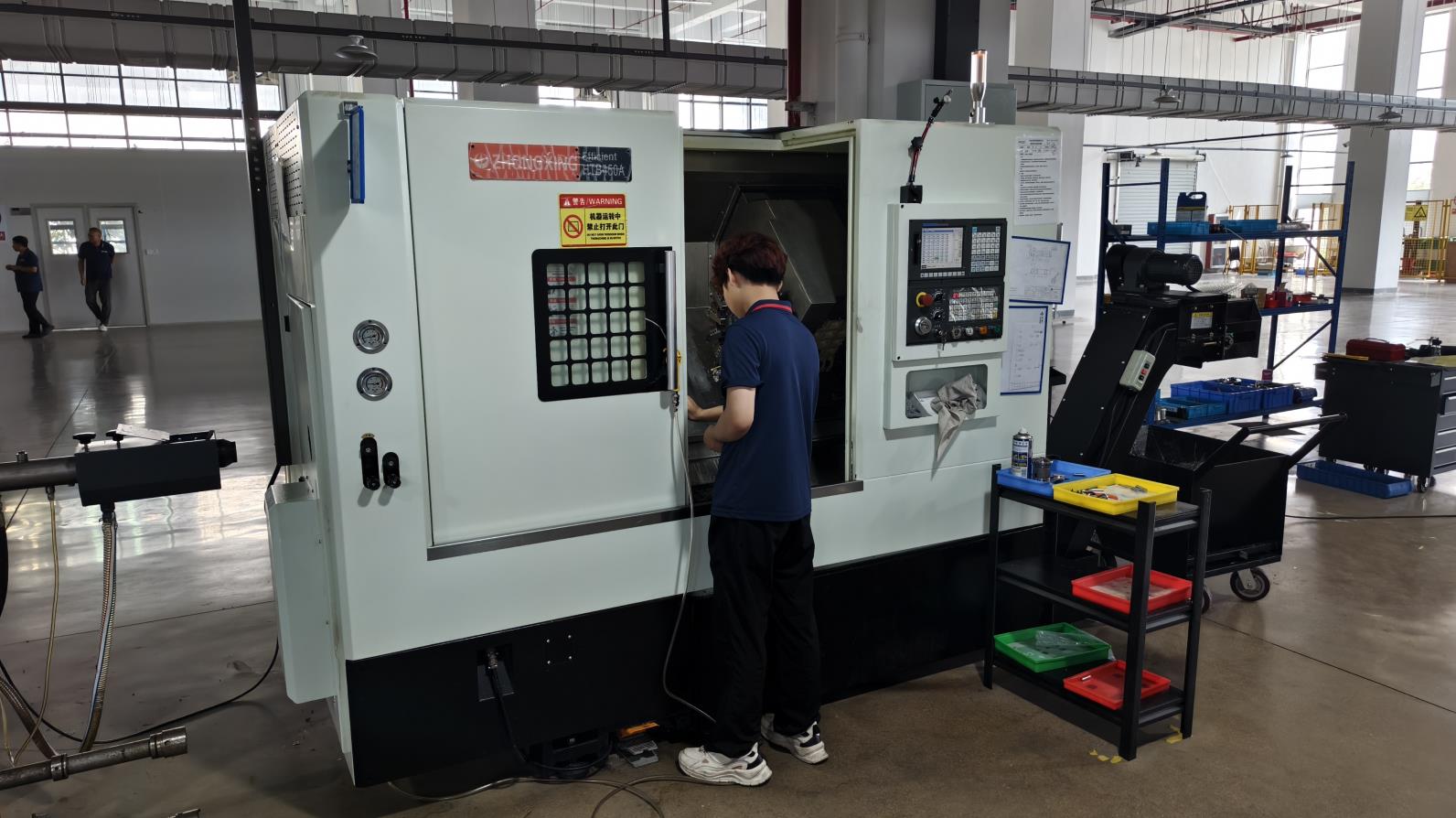
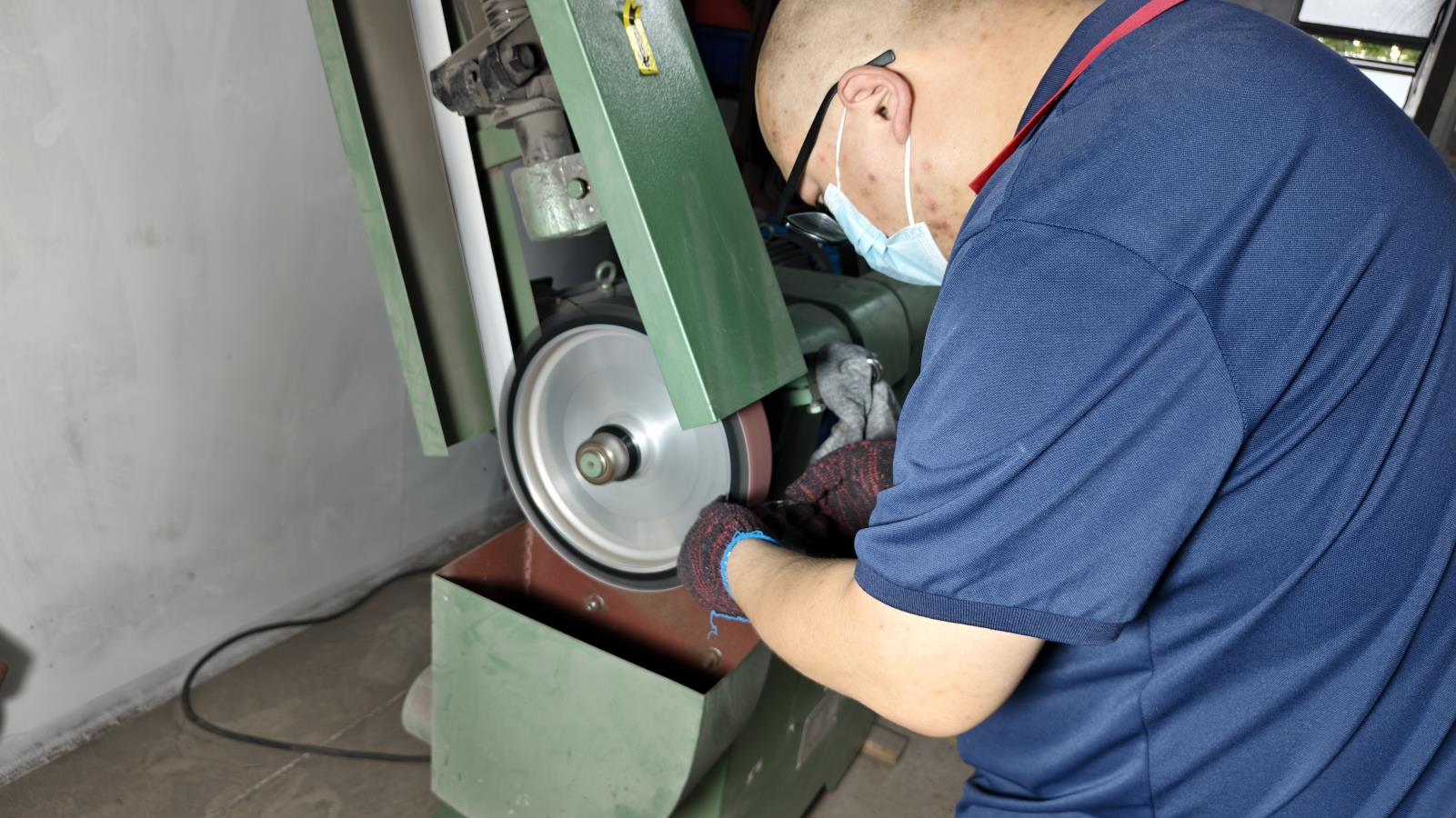
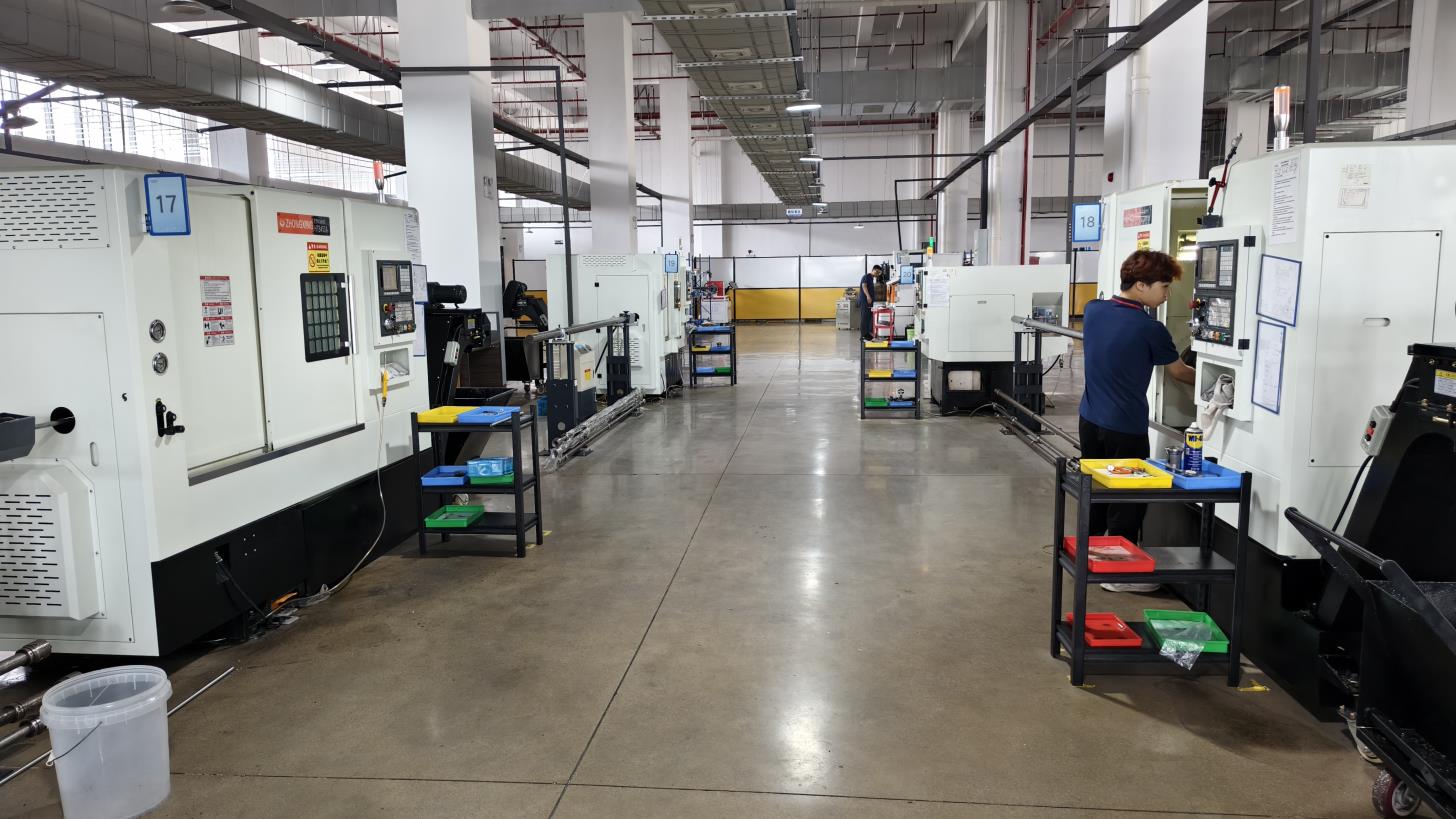
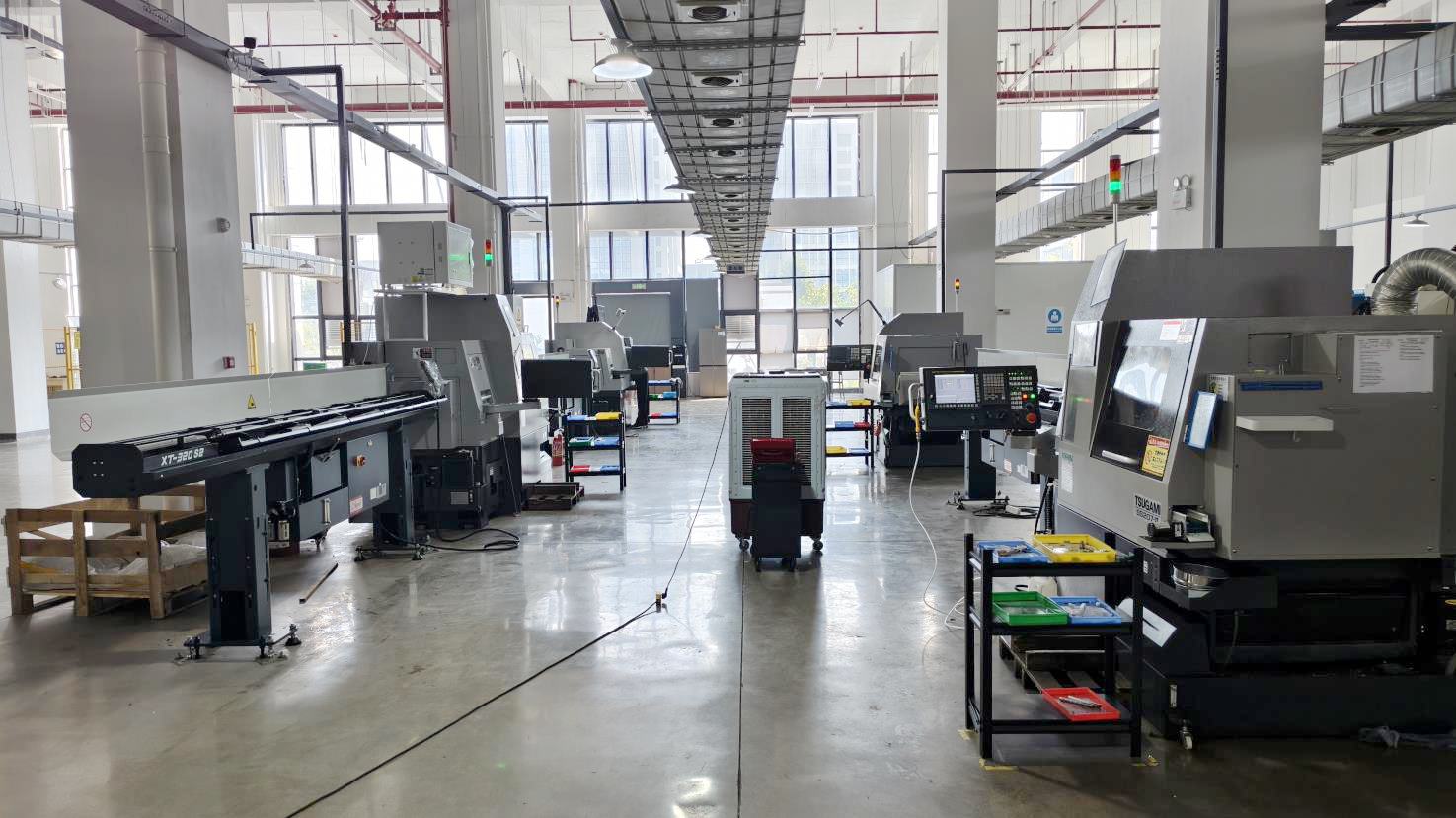
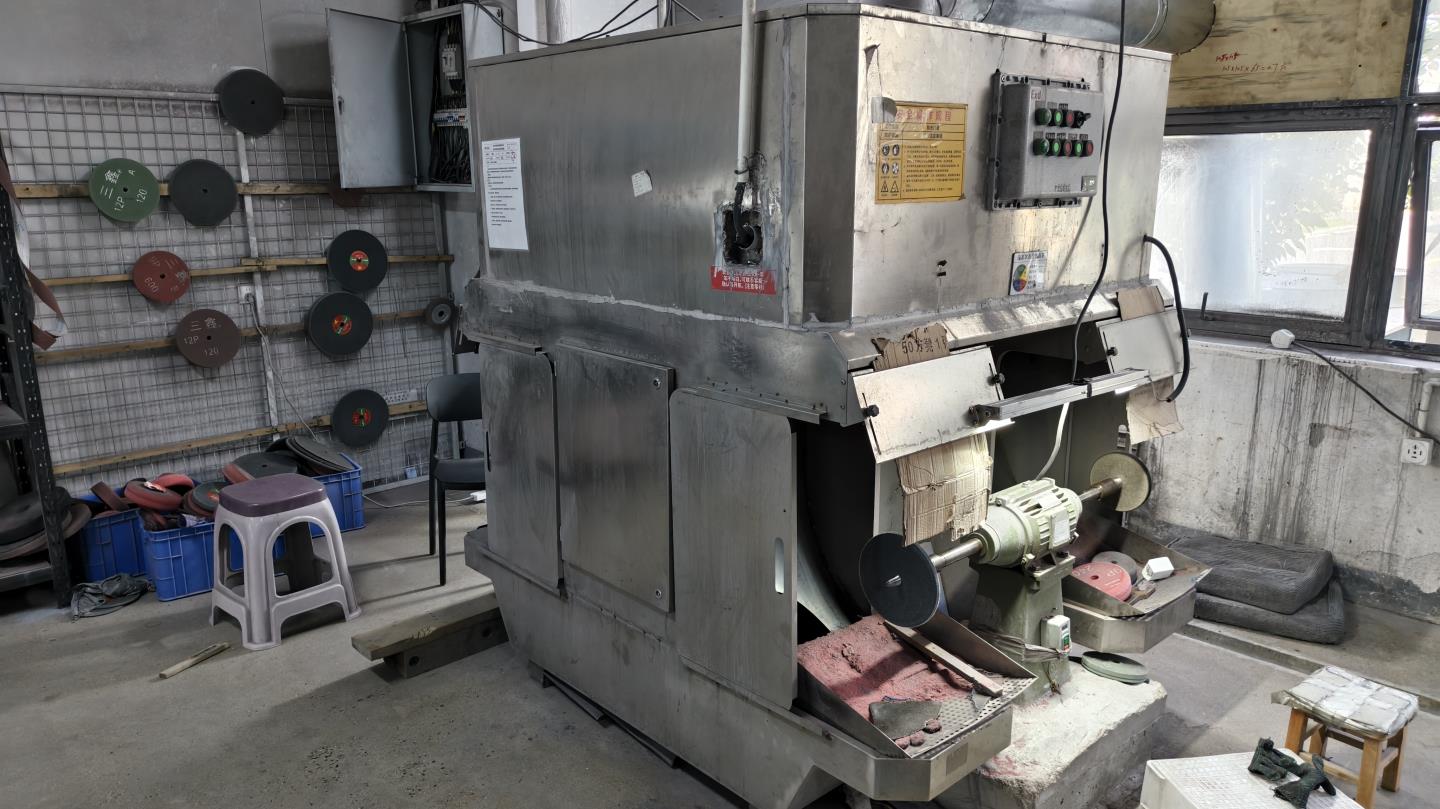
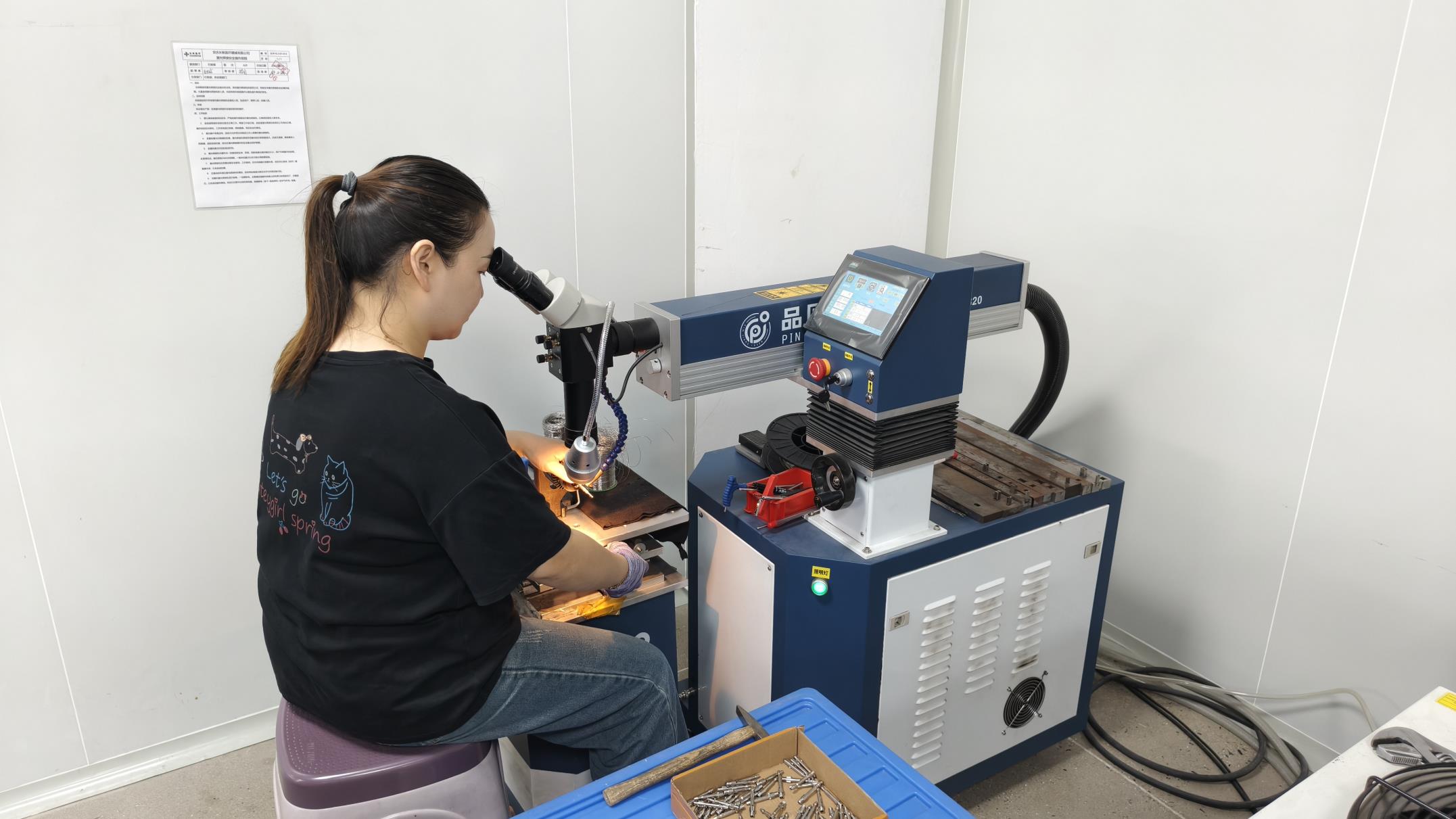
Clinical settings in metropolitan hubs like Tokyo, Osaka, and Fukuoka present unique procedural contexts. To ensure optimal surgical workflows and patient outcomes, our trauma implants are developed for specific applications:
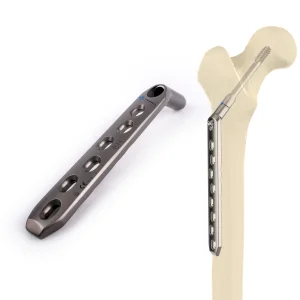
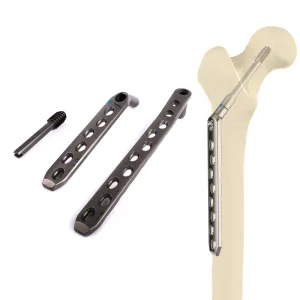
For intertrochanteric fractures in osteoporotic bone, our dynamic hip screws and intramedullary nails support stable fixation and controlled impaction, reducing the risk of lag screw cut-out under early post-operative loading.
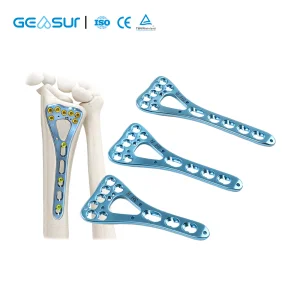
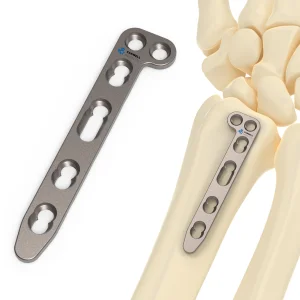
Variable-angle locking plates conform closely to the volar aspect of the distal radius. This design helps minimize soft-tissue irritation and tendon friction in patients with smaller bone structures.
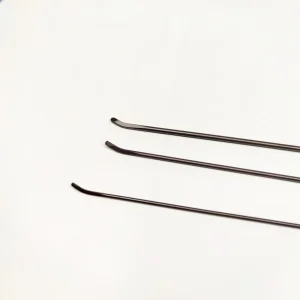
Our titanium elastic nails (TEN) provide dynamic stabilization for pediatric long-bone fractures, promoting rapid callus formation while protecting active growth plates.
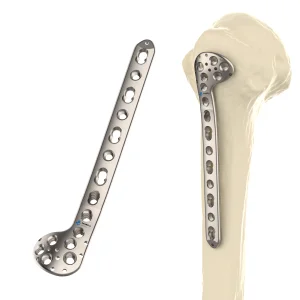
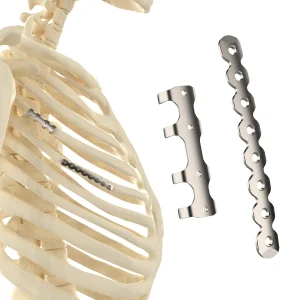
Low-profile pre-contoured locking plate systems reduce the need for intraoperative bending, simplifying fixation in delicate thoracic reconstruction cases.
Answers to common regulatory, metallurgical, and supply chain questions from international distributors and clinical procurement officers.
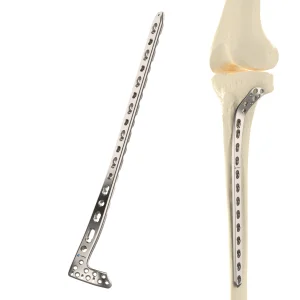
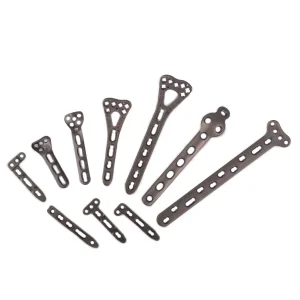
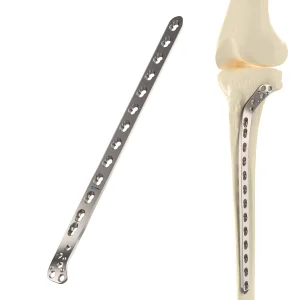
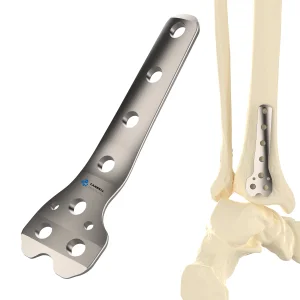
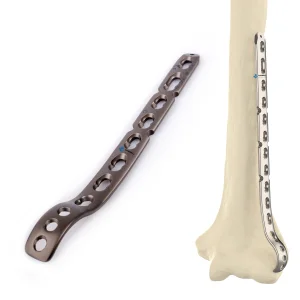
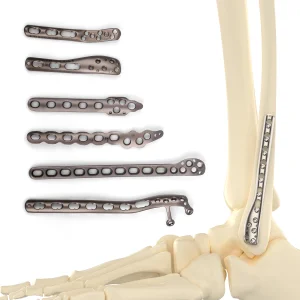
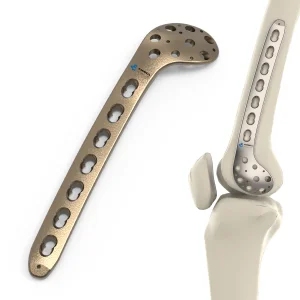
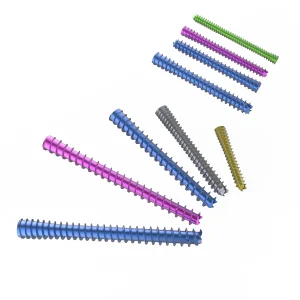
A broad selection of locking plates, elastic intramedullary nails, and compression fixation systems engineered for diverse skeletal applications.
Whether you require customized anatomical geometries for the Japanese demographic, detailed documentation for PMDA applications, or a resilient high-capacity manufacturing partner, Zynfuse has the engineering expertise and production infrastructure to support your goals.