Zynfuse
Zynfuse
Zynfuse
Premium cannulated compression hardware and surgical instrumentation packages engineered to align with Health Canada's rigorous clinical standards.
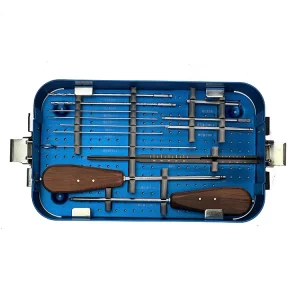
Analysis of regulatory compliance, demographic pressures, and sourcing shifts within the Canadian medical device landscape.
Canada’s healthcare infrastructure is under unprecedented strain, driven by an aging demographic. Statistics Canada indicates that the population aged 65 and older is growing at a rate faster than almost any other demographic segment. This shift has led to a major increase in degenerative joint diseases, femoral neck fractures, and extreme trauma cases requiring immediate internal fixation. The demand for reliable cannulated compression screws—especially in femoral neck fractures, scaphoid stabilization, and ankle arthrodesis—has scaled rapidly.
Canadian orthopedic departments require implants that guarantee rapid osteosynthesis, minimal tissue damage, and simplified surgical retrieval if necessary. High-quality titanium cannulated screws with accurate guide-wire targeting systems are critical to reducing operating room (OR) times and improving overall patient outcomes within provincial health systems like Ontario Health, Alberta Health Services (AHS), and BC Health Authorities.
Exporting orthopedic implants to Canada requires adherence to rigorous regulatory standards. Cannulated bone screws and associated spinal instrumentation are categorized under Class III Medical Devices by Health Canada. To access the market, manufacturers must hold a Medical Device License (MDL) and maintain an ISO 13485 Medical Devices Quality Management System certification audited under the Medical Device Single Audit Program (MDSAP).
Canadian healthcare distributors and Group Purchasing Organizations (GPOs) cannot compromise on material traceability and biocompatibility testing. Every batch of implants must feature documented raw material certificates (ASTM F136 ELI Titanium Alloy), tensile strength verifications, and surface topography validations to ensure zero failure rates inside the human body.
In recent years, Canadian GPOs have experienced significant delays when relying on domestic or single-source European manufacturers. Prolonged lead times for critical surgical packs and specialized trauma screws lead to cancelled surgeries and extended hospital stays. As a result, procurement departments are actively diversifying their supply chains, seeking reliable OEM/ODM partners capable of delivering high-precision medical devices without supply chain interruptions.
By establishing direct partnerships with advanced manufacturing hubs that operate under strict international regulatory compliance, Canadian importers can secure competitive pricing structures, reduce lead times, and maintain safety and clinical performance standards.
"Medical device procurement in Canada is shifting toward high-value partnerships that balance regulatory compliance, mechanical performance, and supply chain resilience. Manufacturers that provide complete material traceability and transparent manufacturing workflows are winning this transition."
The global orthopedic implant market is moving toward smart manufacturing, specialized thread designs (such as headless variable-pitch compression screws), and customized surface treatments like anodization and acid-etching to promote rapid osseointegration. Manufacturers must implement advanced engineering processes, including high-precision Swiss CNC machining, to meet the strict tolerances (+/- 0.005mm) demanded by modern orthopedic surgery.
How Zynfuse Medical Technology integrates automated production, precision engineering, and quality control systems to support Canadian distributors.
Zynfuse operates Swiss-type CNC lathes and specialized machining centers capable of maintaining dimensional tolerances within +/- 0.005mm. This degree of accuracy is essential for cannulated screws, where the concentricity of the central guide-wire channel must remain perfectly aligned to prevent instrument jamming or screw failure during surgery.
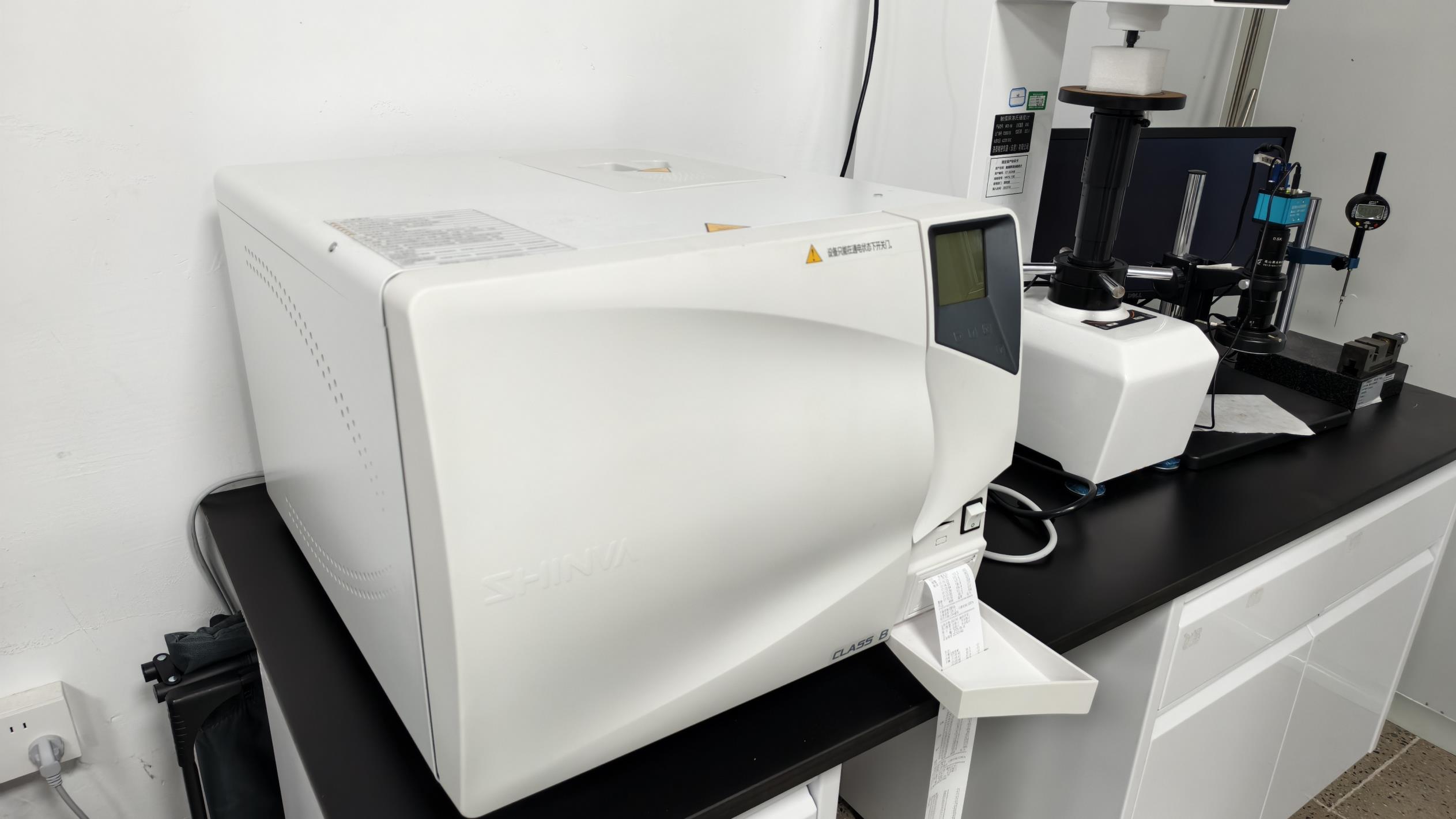
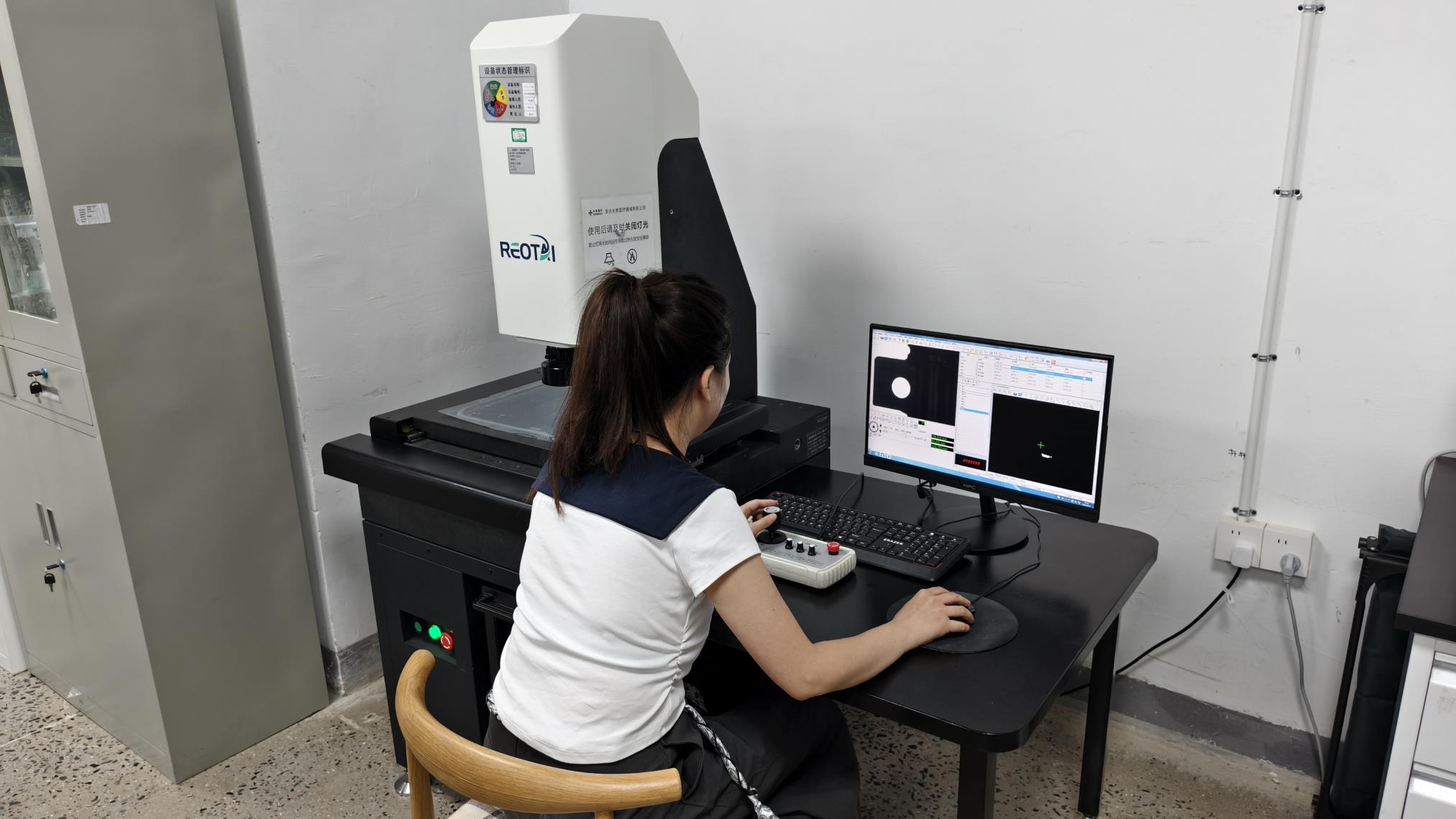
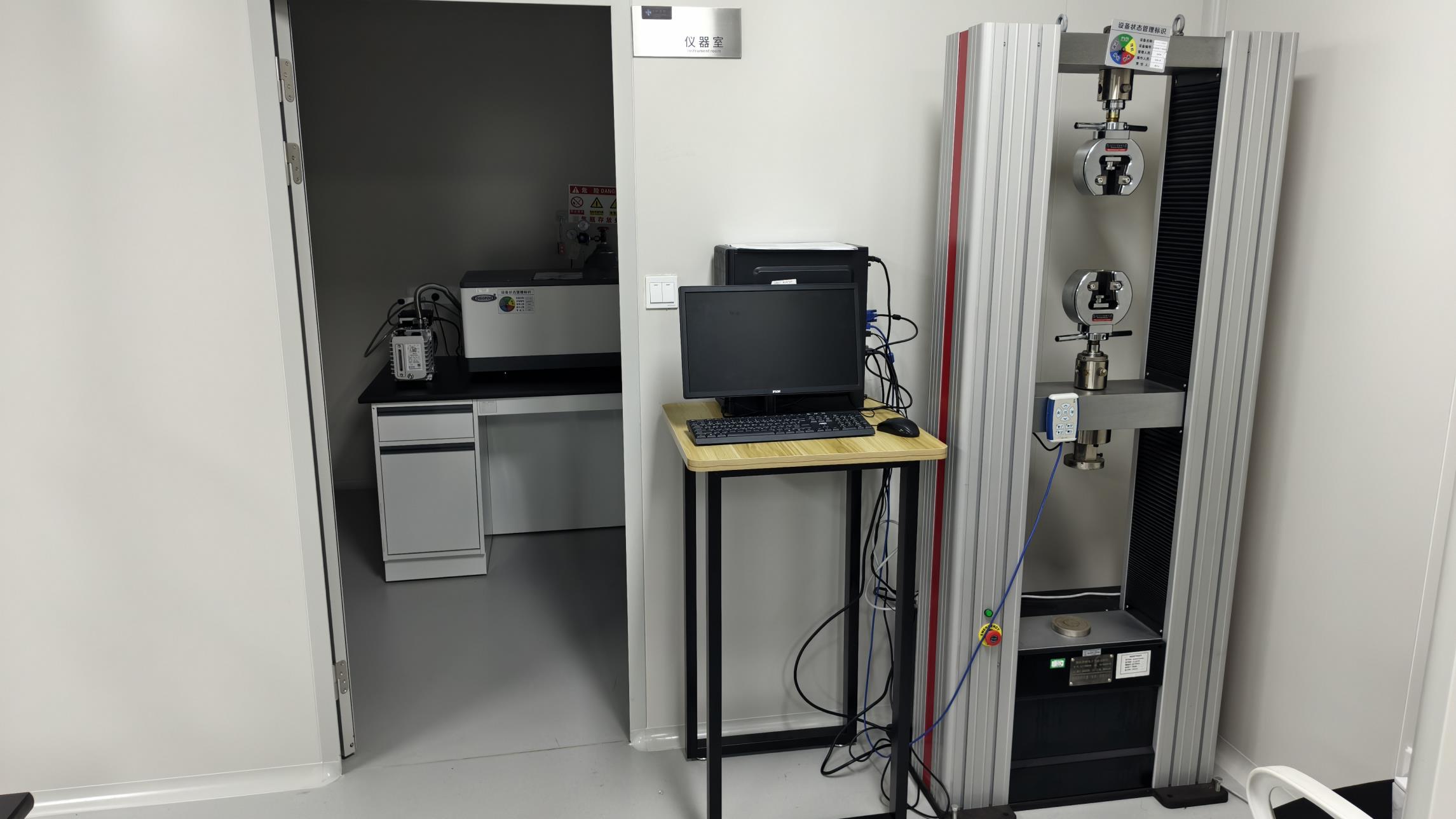
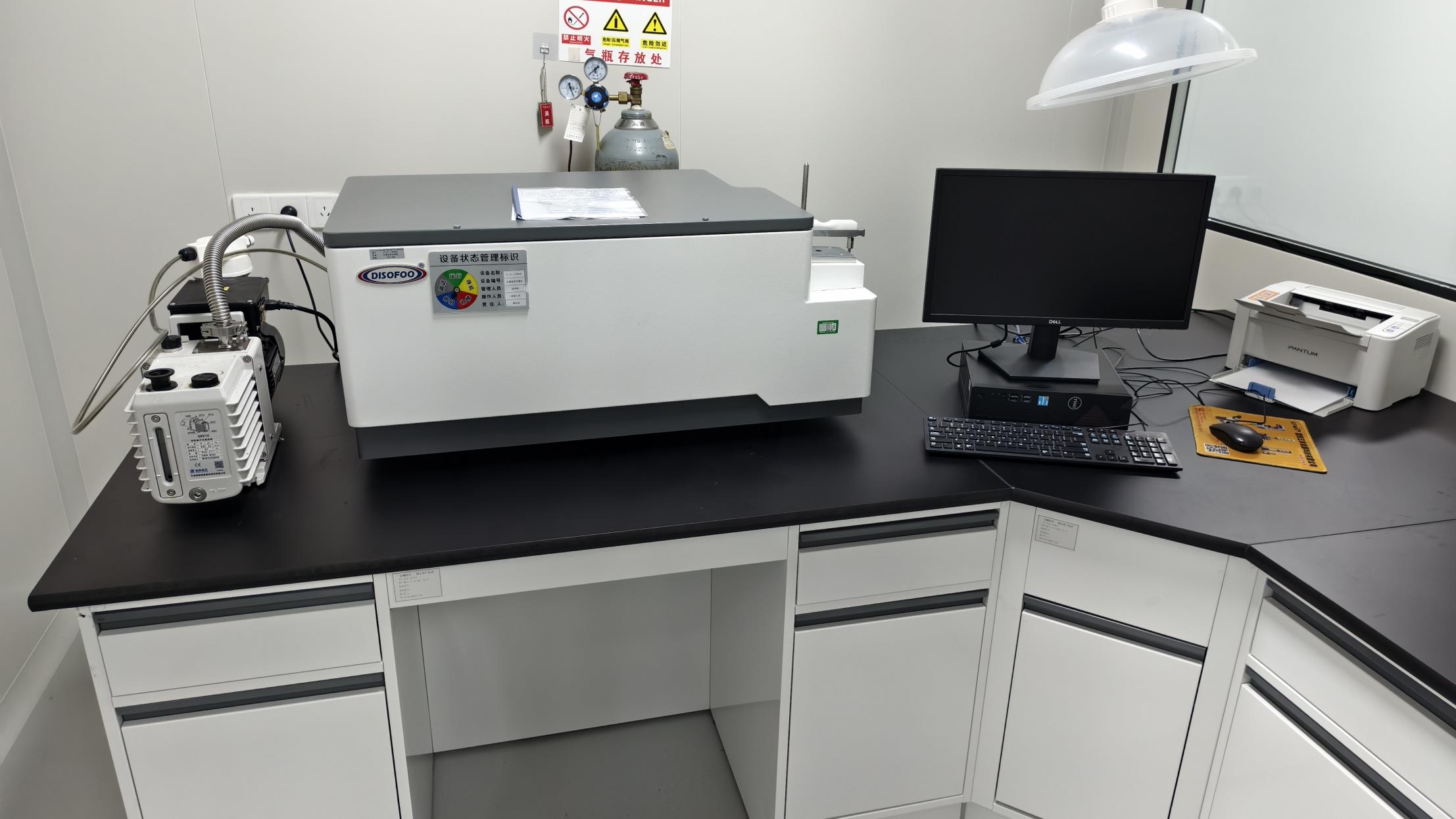
With 68 dedicated quality inspection specialists, our QA lab utilizes 2D automatic video measuring systems, digital microscopes, tensile testers, and metallographic sample analyzers. We conduct mechanical performance testing, including fatigue testing, in accordance with ASTM F543 standards, verifying torque strength and pullout force parameters for every production lot.
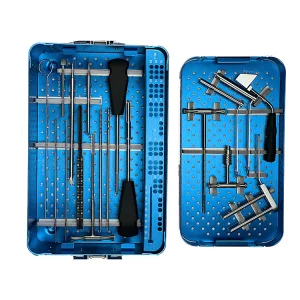
Backed by an R&D team of 85 experienced engineers, Zynfuse introduces approximately 320 new products each year. We offer tailored services for Canadian medical brands, adjusting implant geometry, altering pitch size, optimizing headless compression structures, and manufacturing custom-branded trauma instrument cases.
All implants undergo ultrasonic cleaning, passivating surface treatments, and packaging in ISO Class 7 (10,000 class) cleanrooms. This ensures particles and bacterial endotoxins are controlled, preparing the implants for final sterilization before clinical use in Canadian hospitals.
Transparent display of our ISO 13485-compliant manufacturing stages and quality verification instruments.
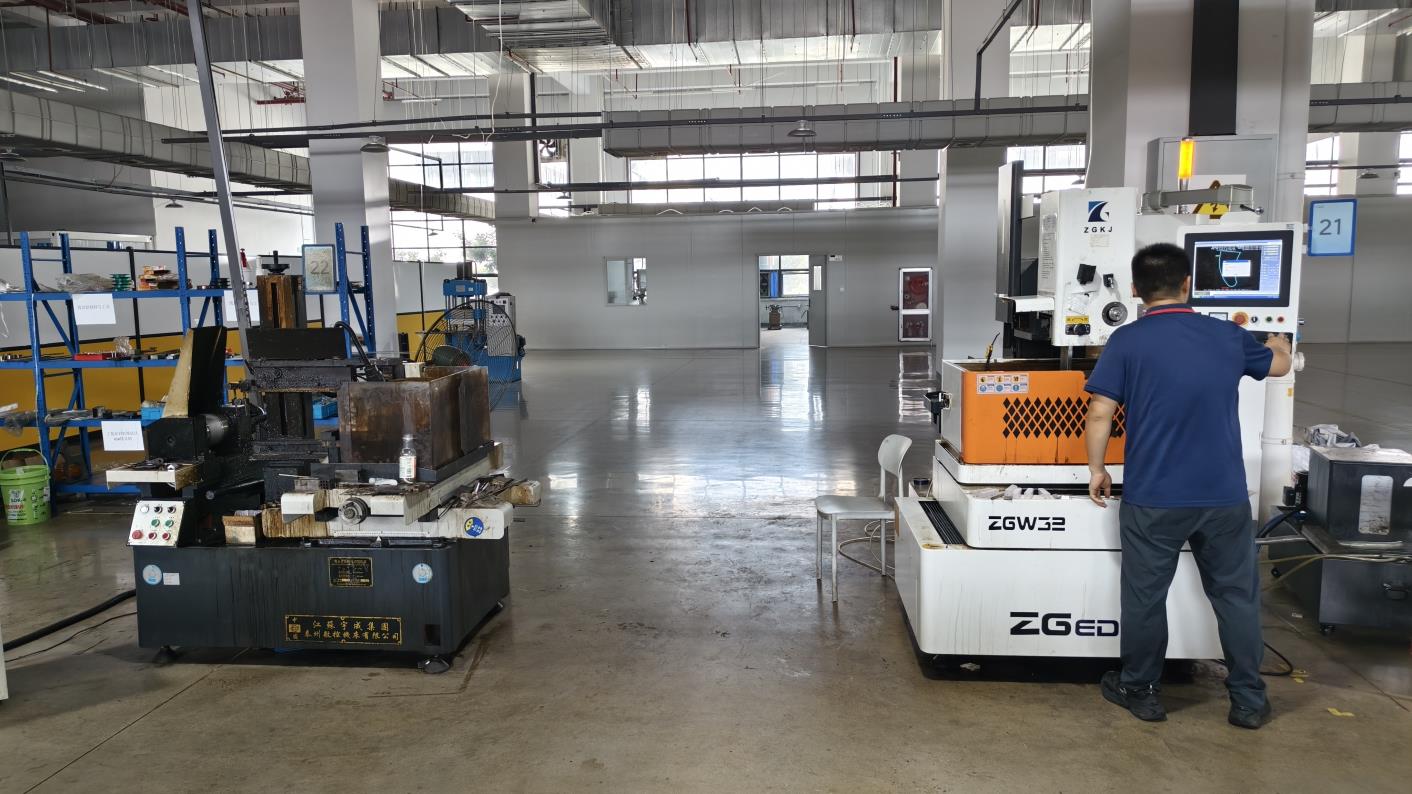
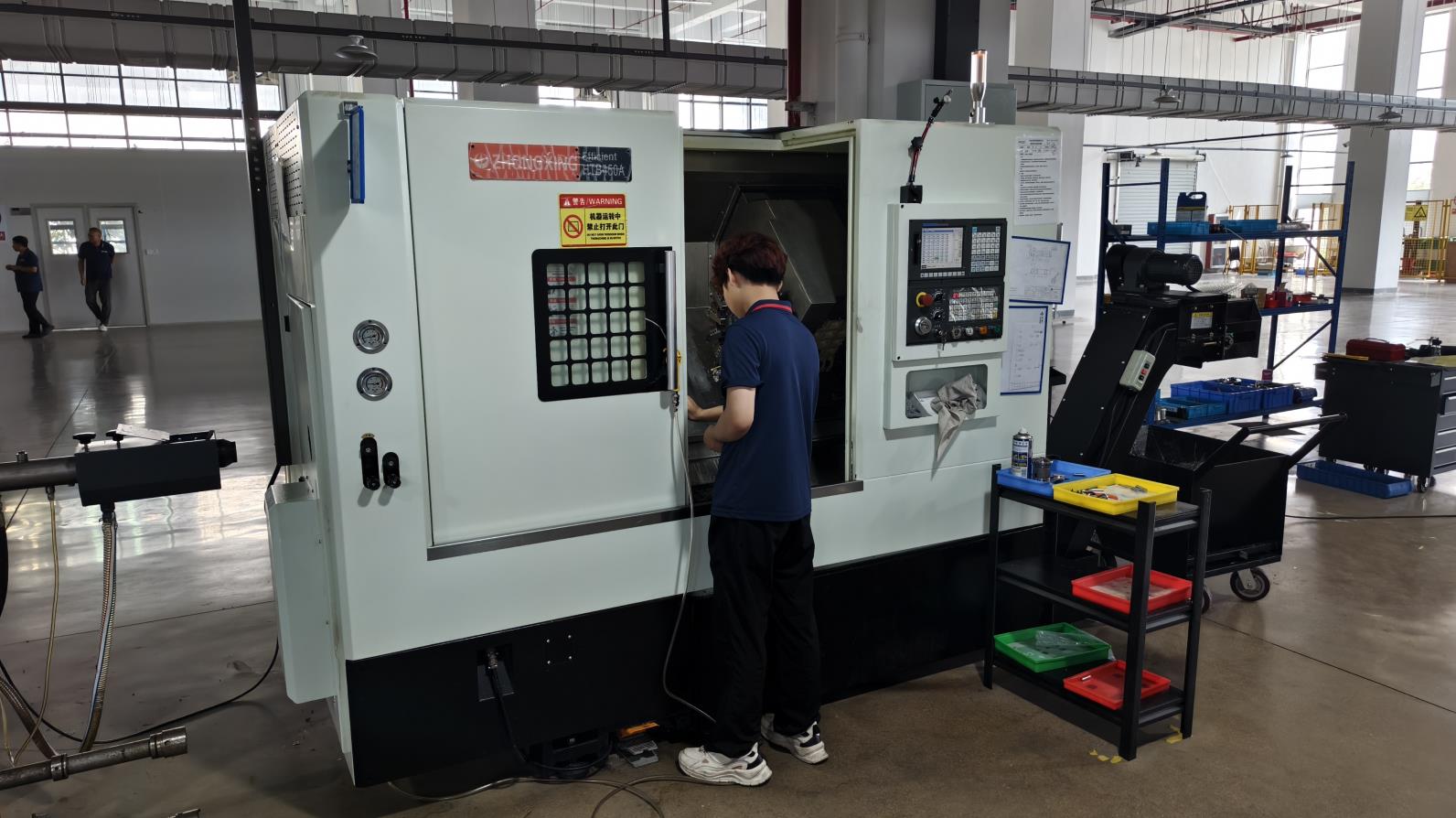
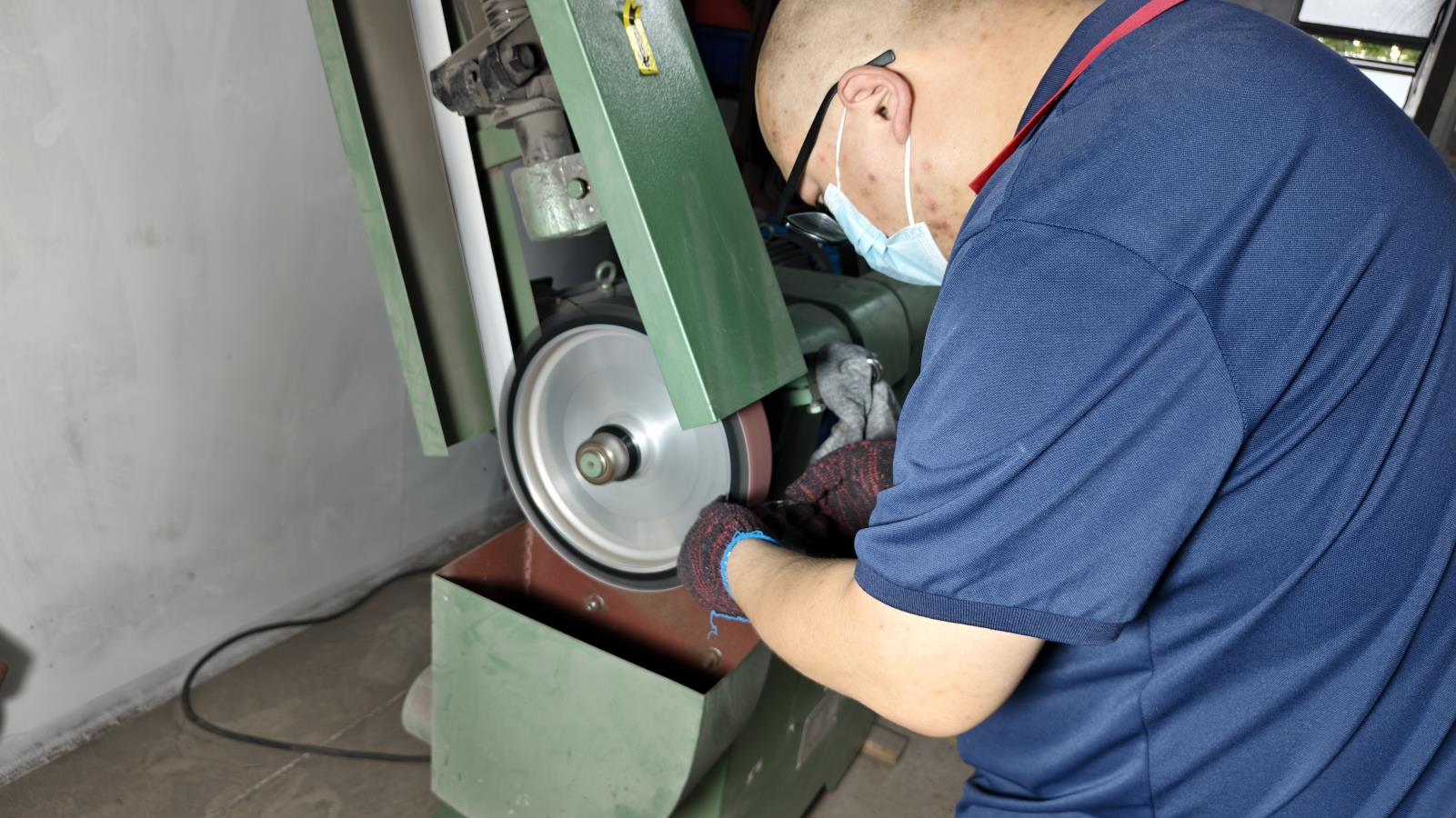
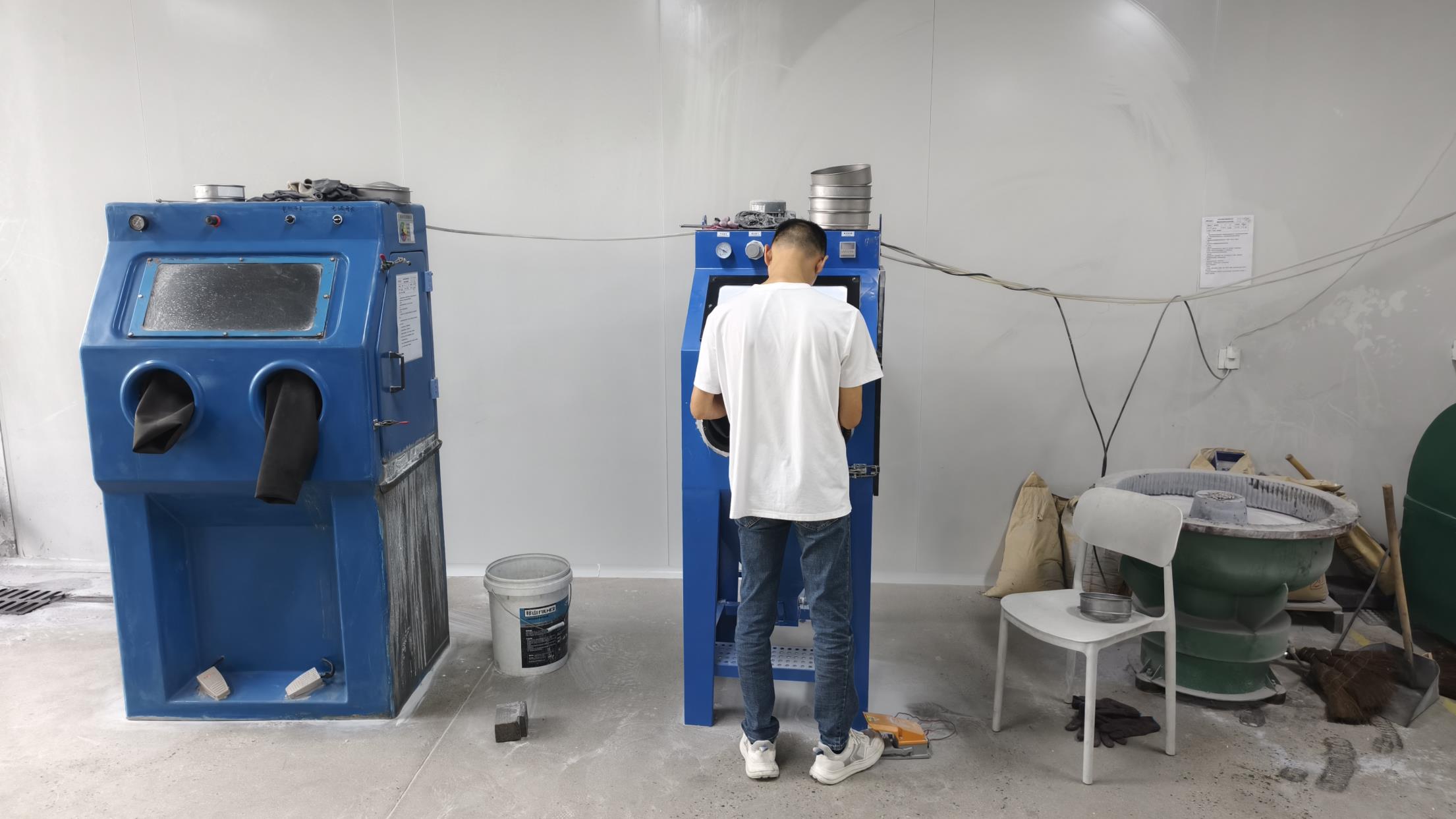
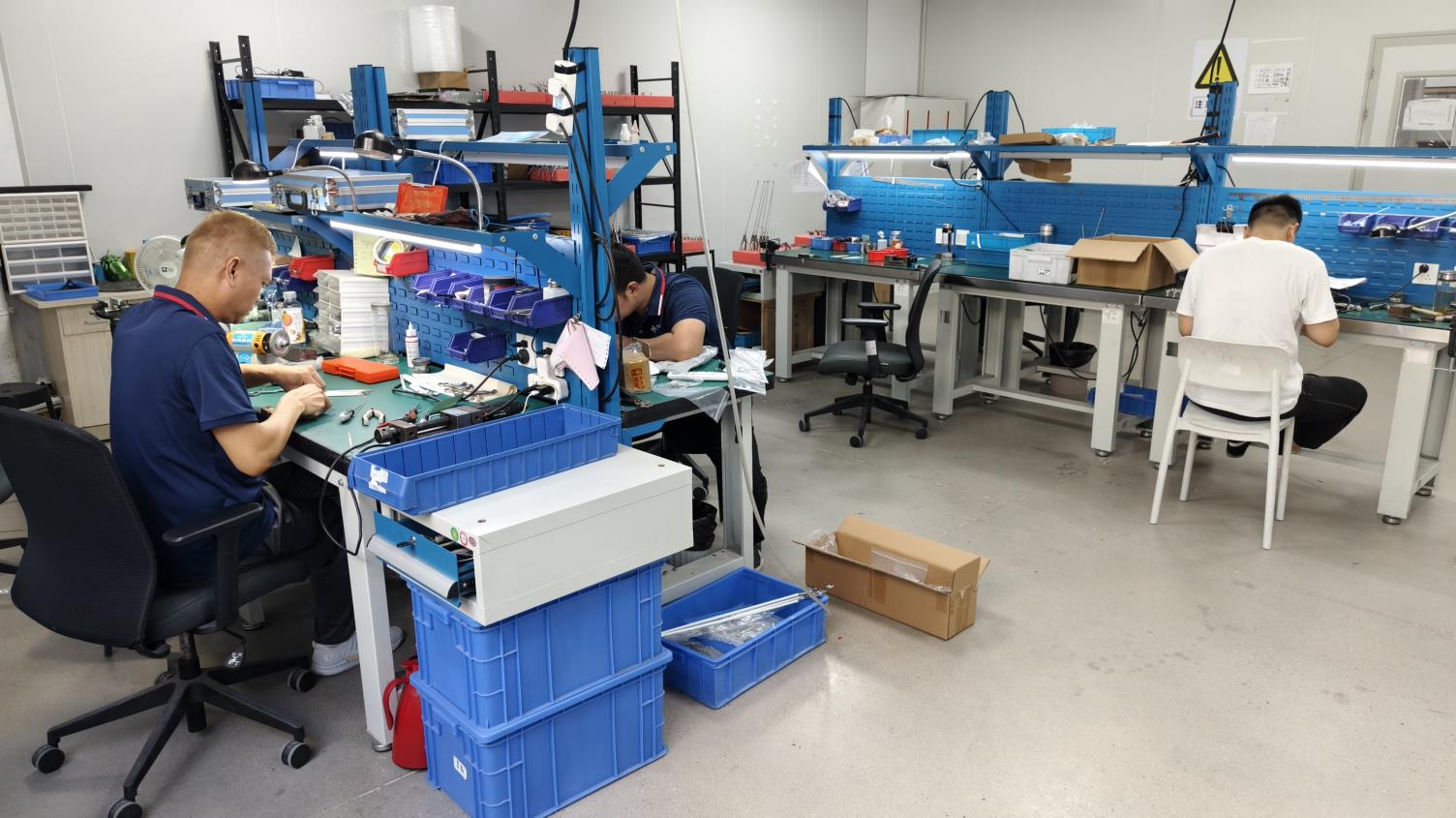
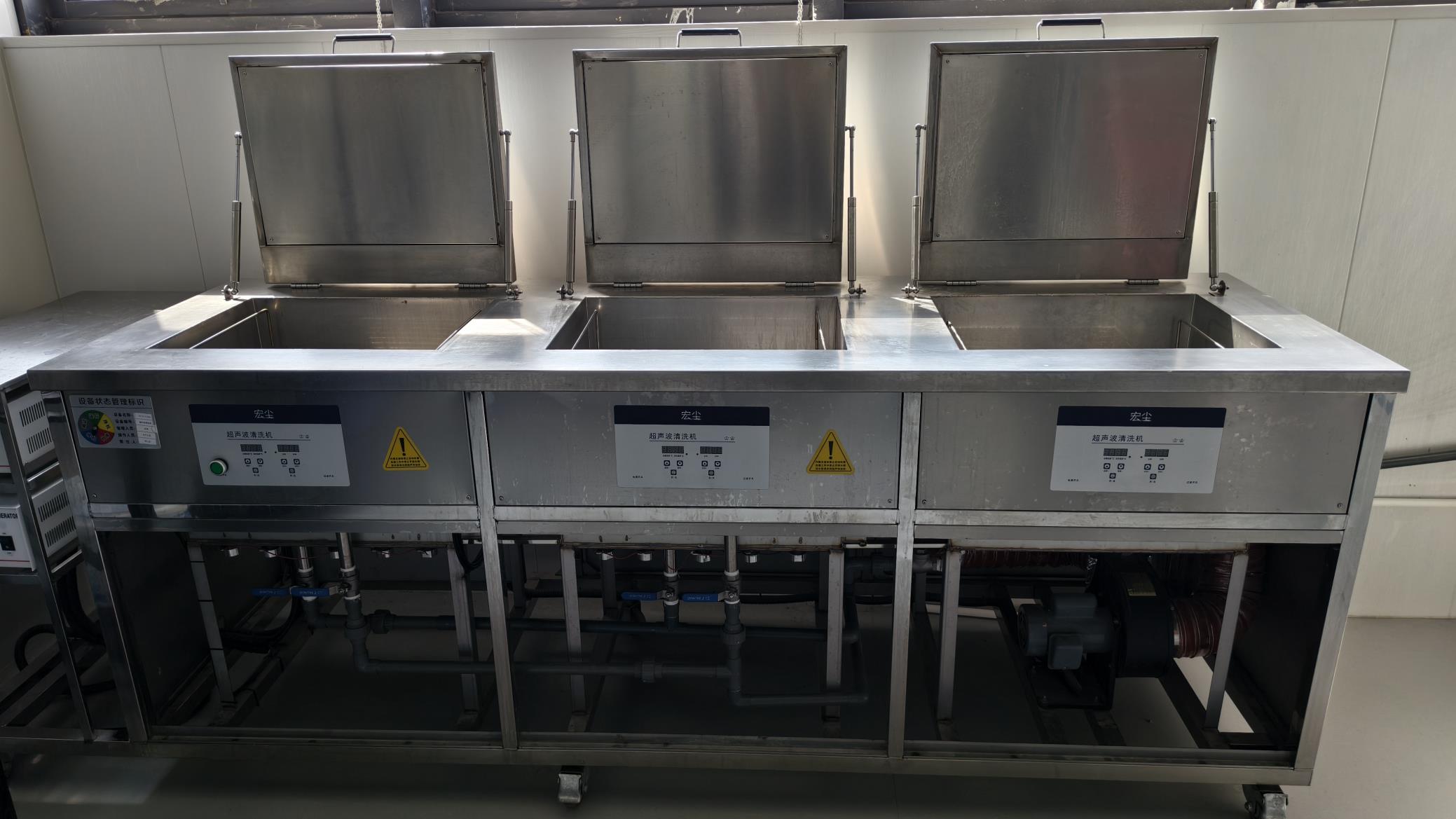
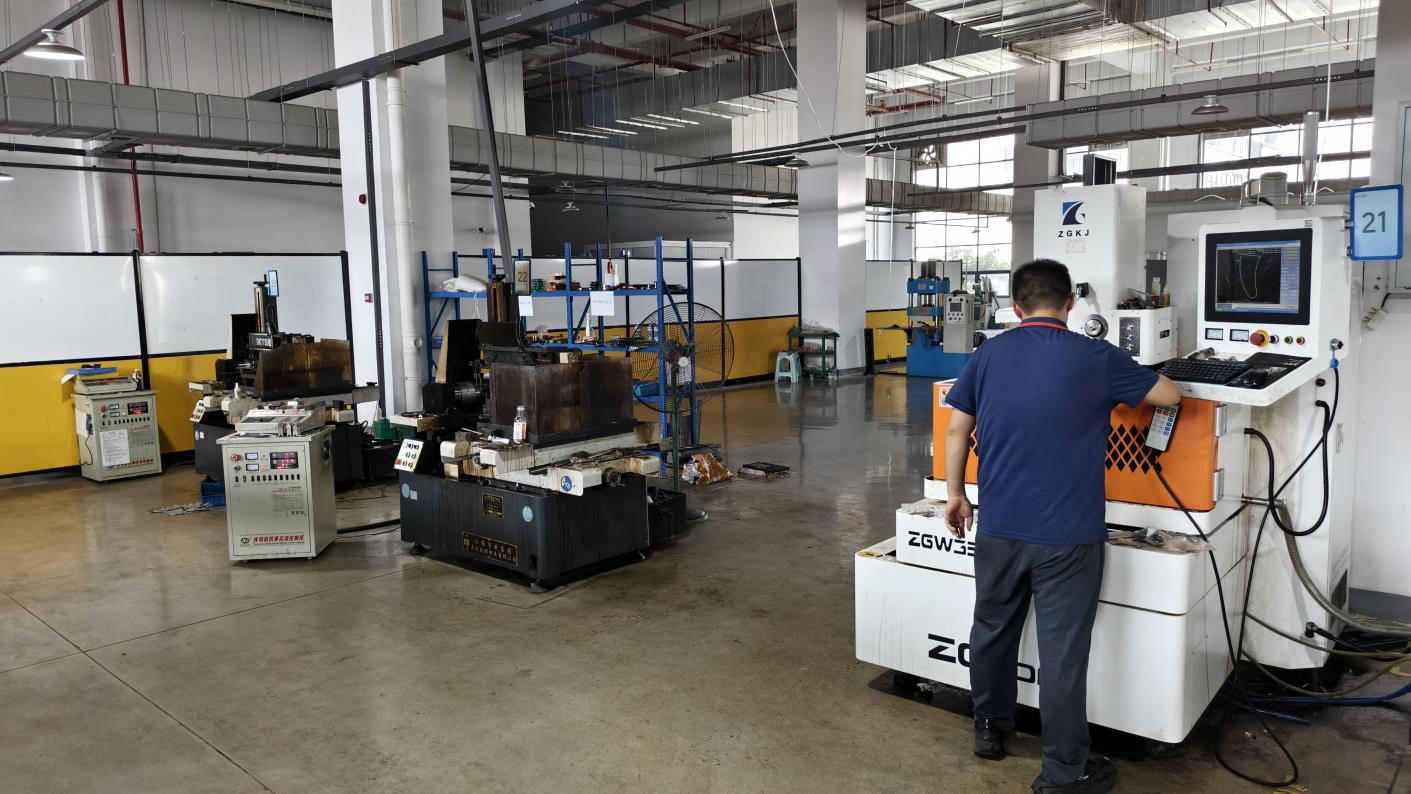
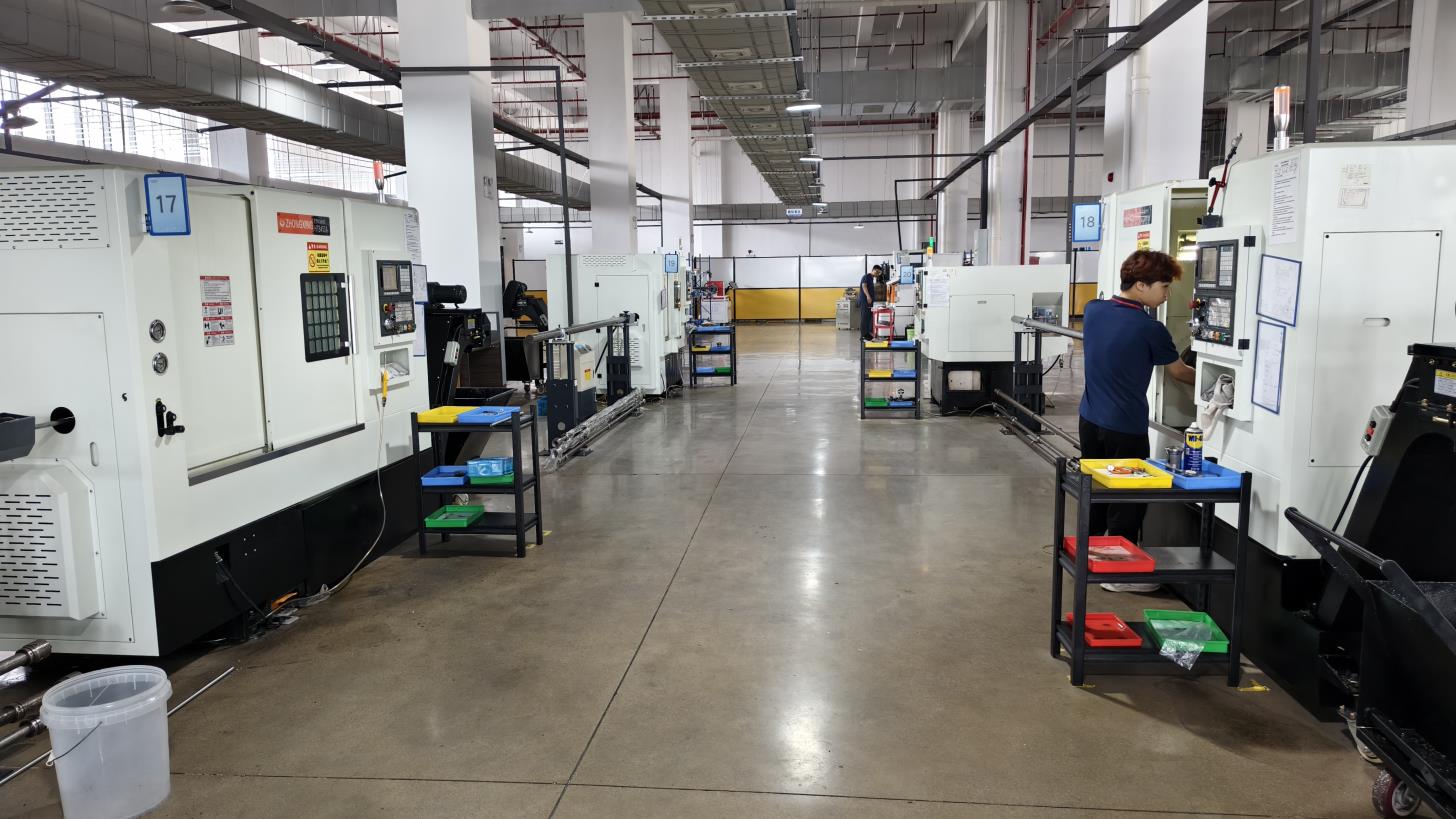
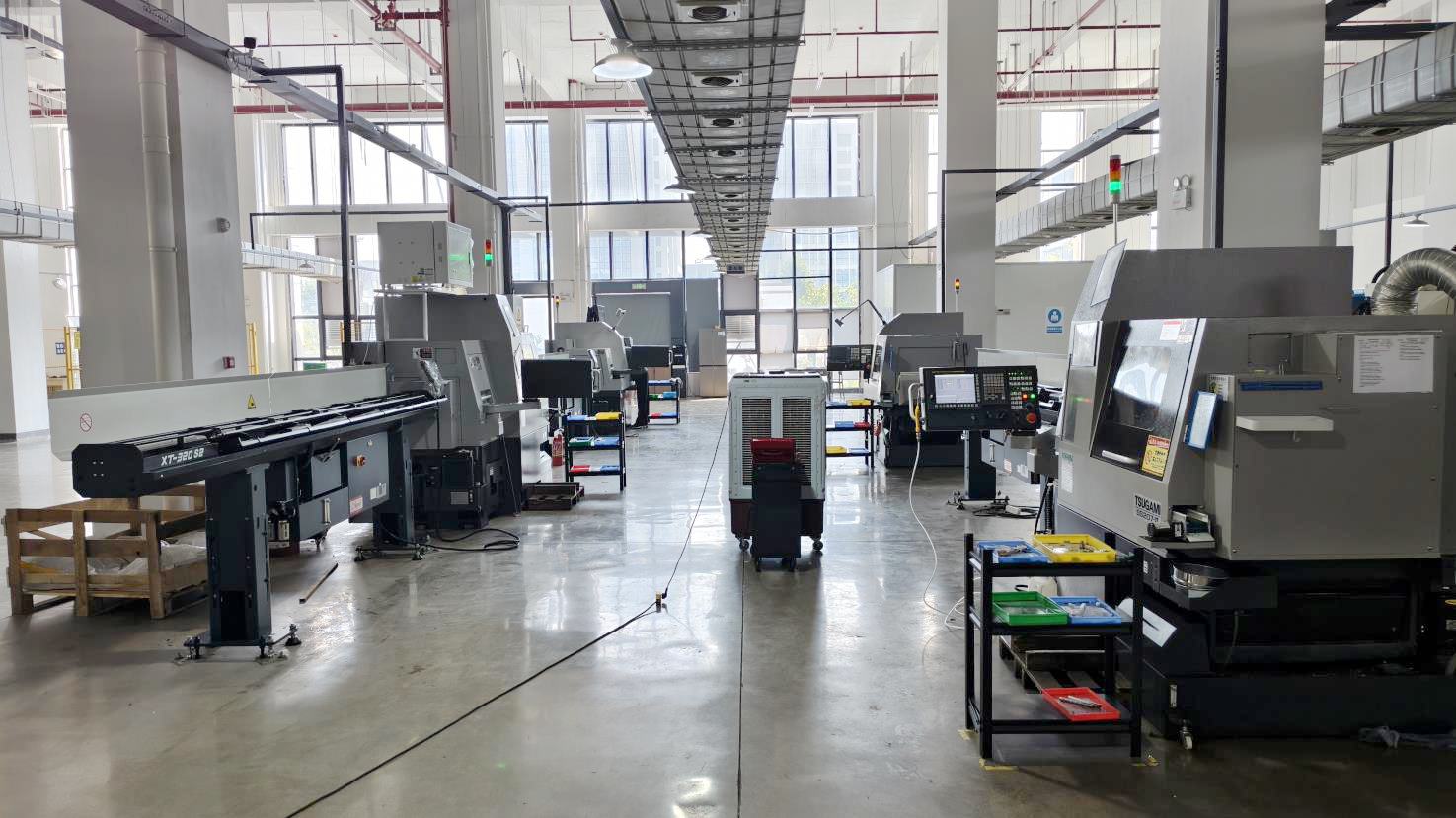
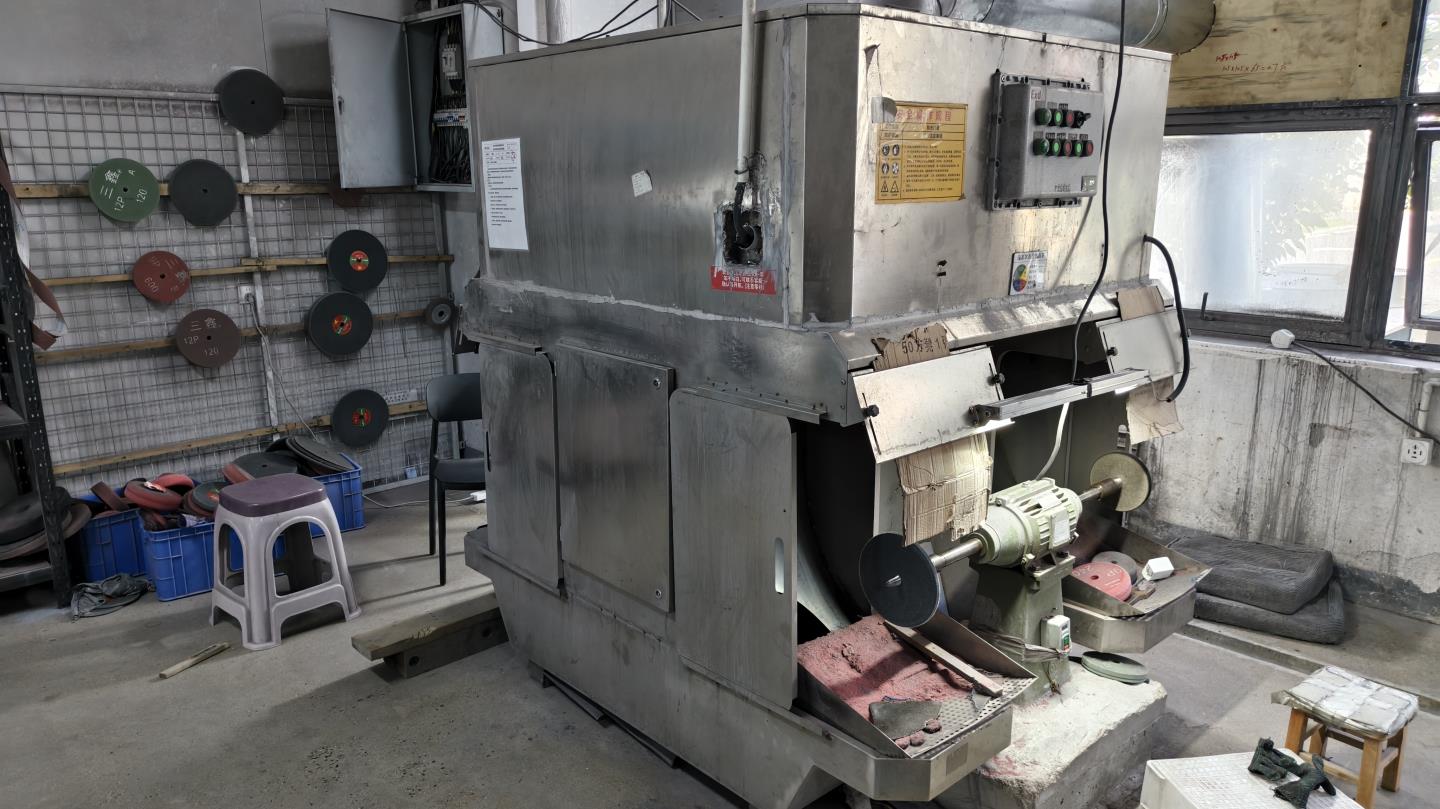
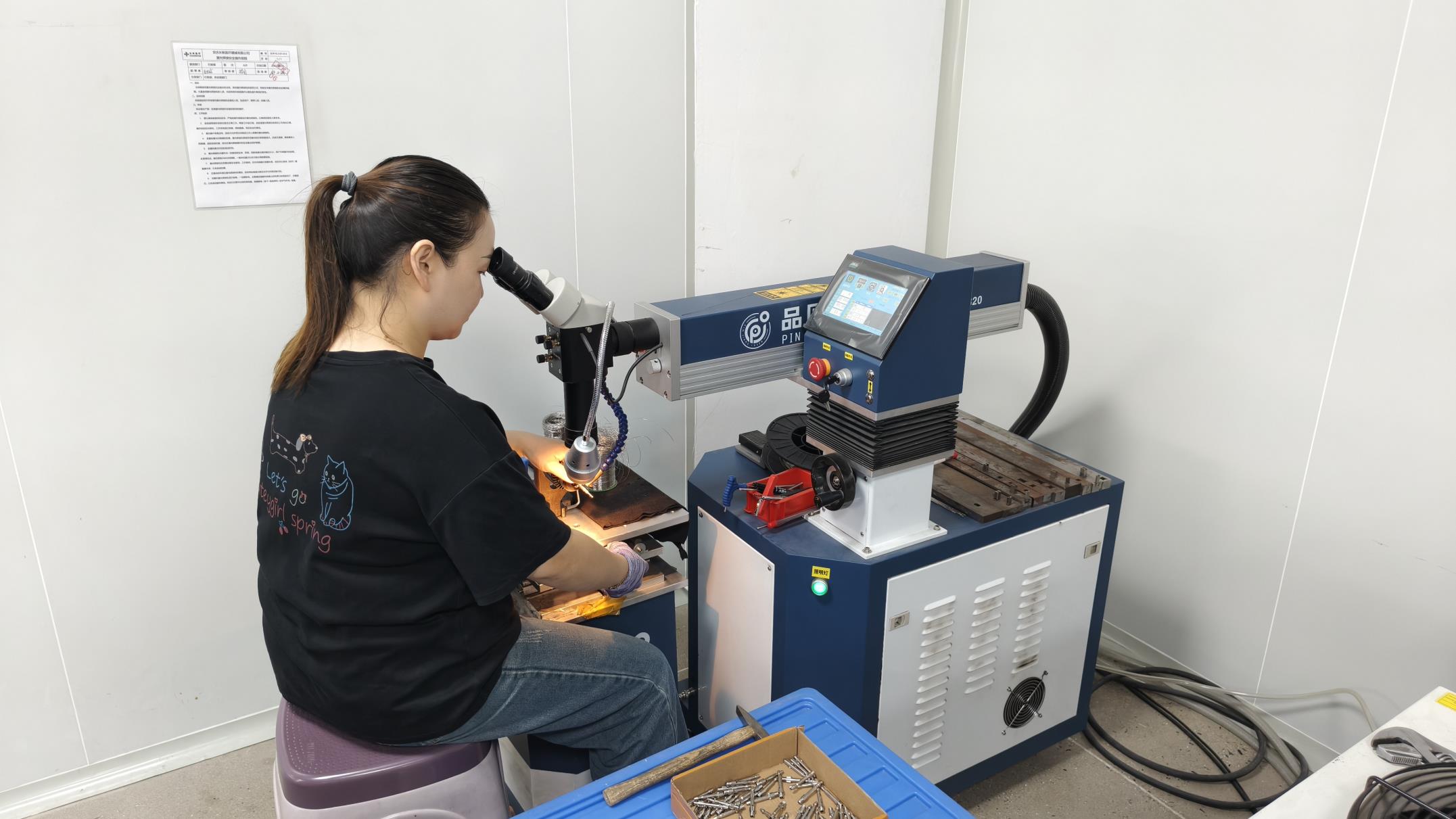
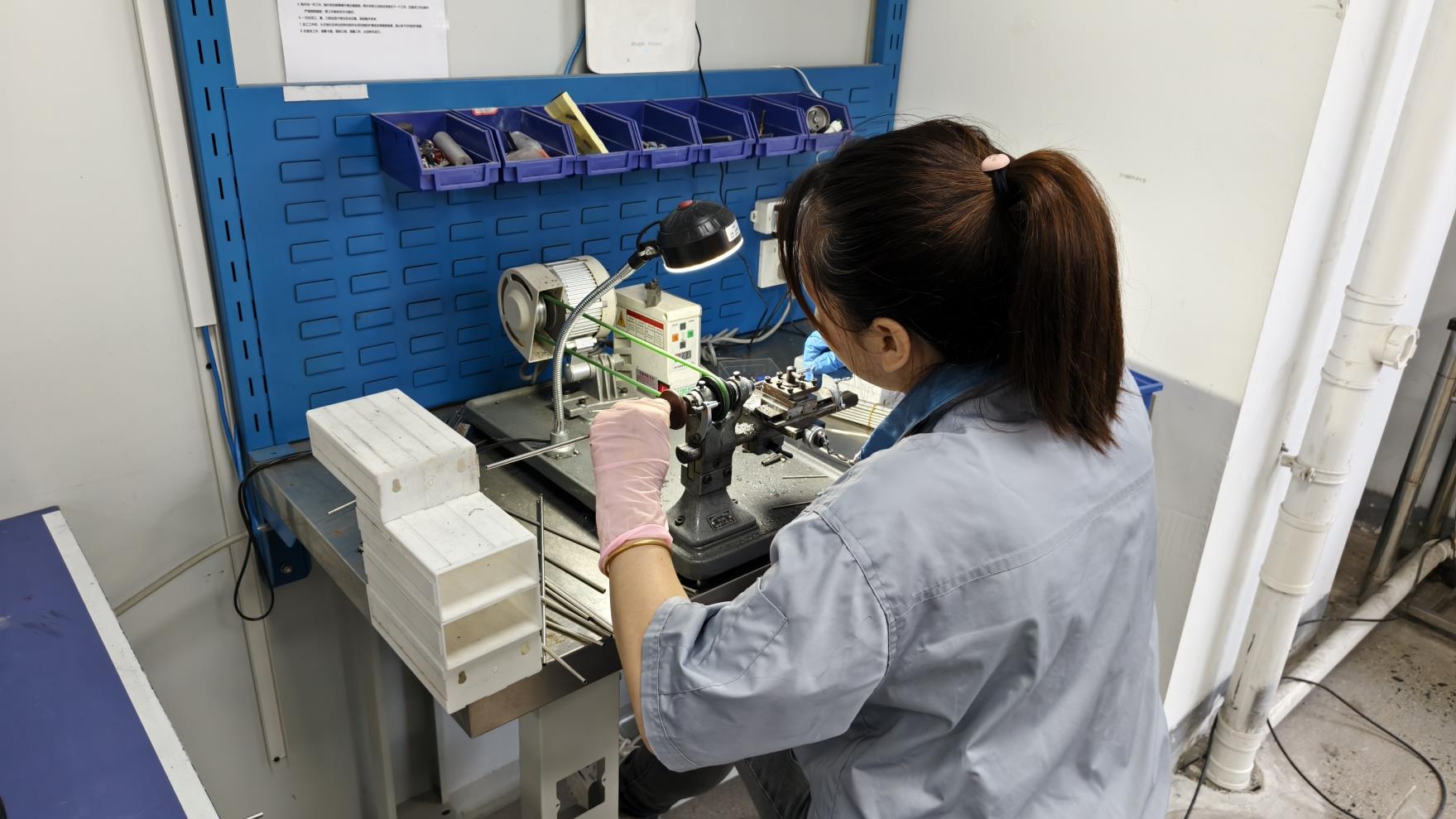
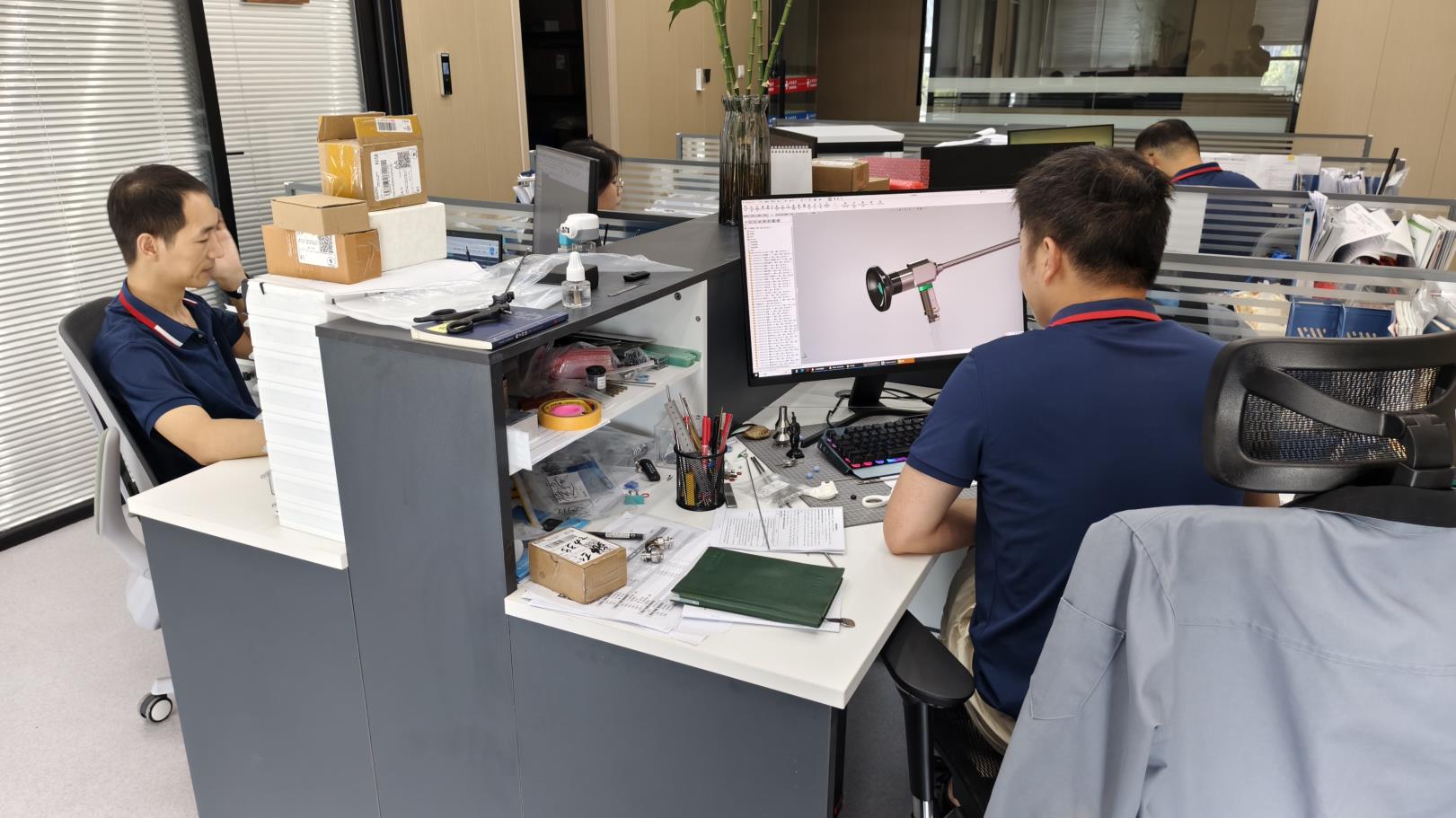
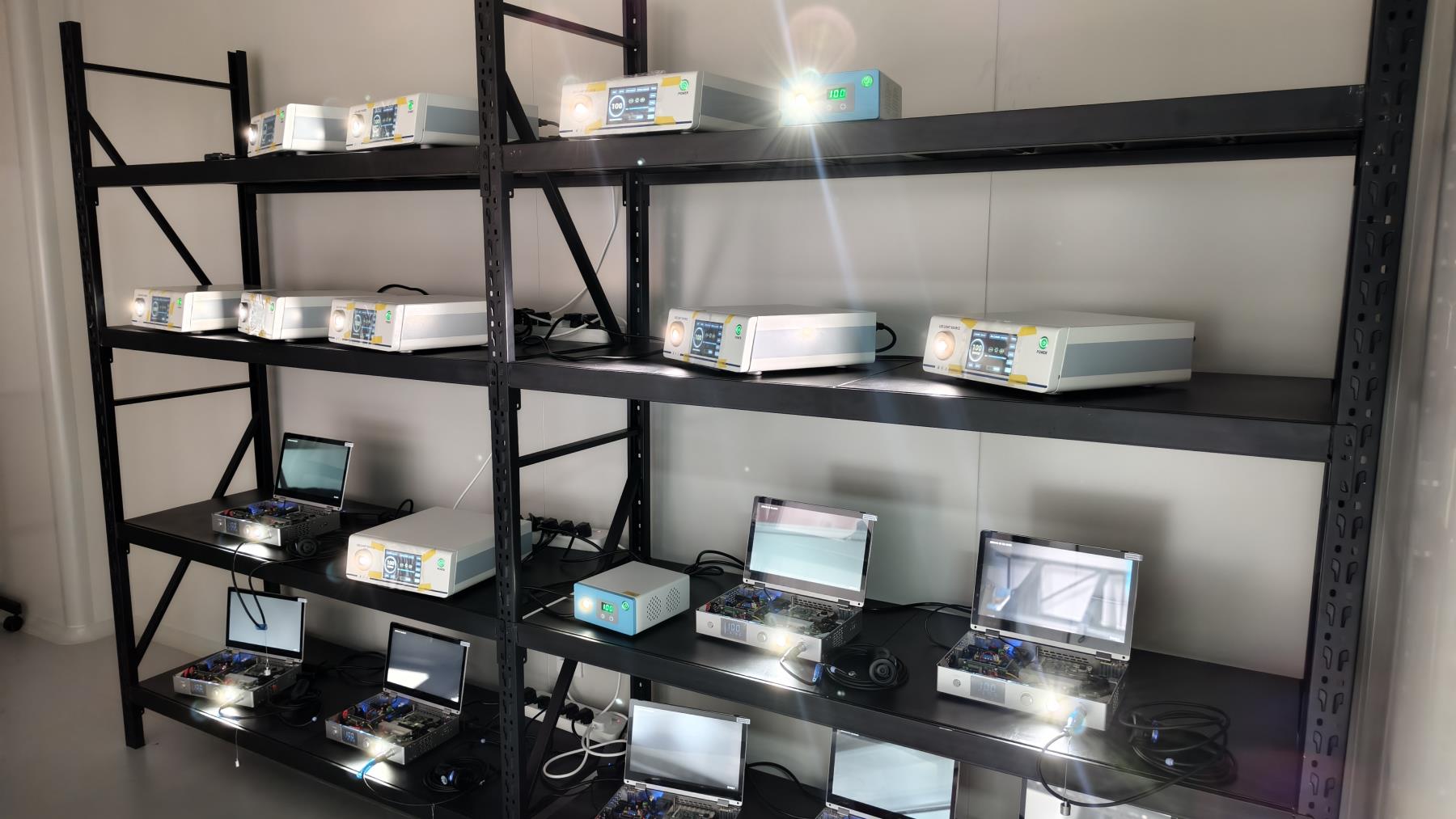
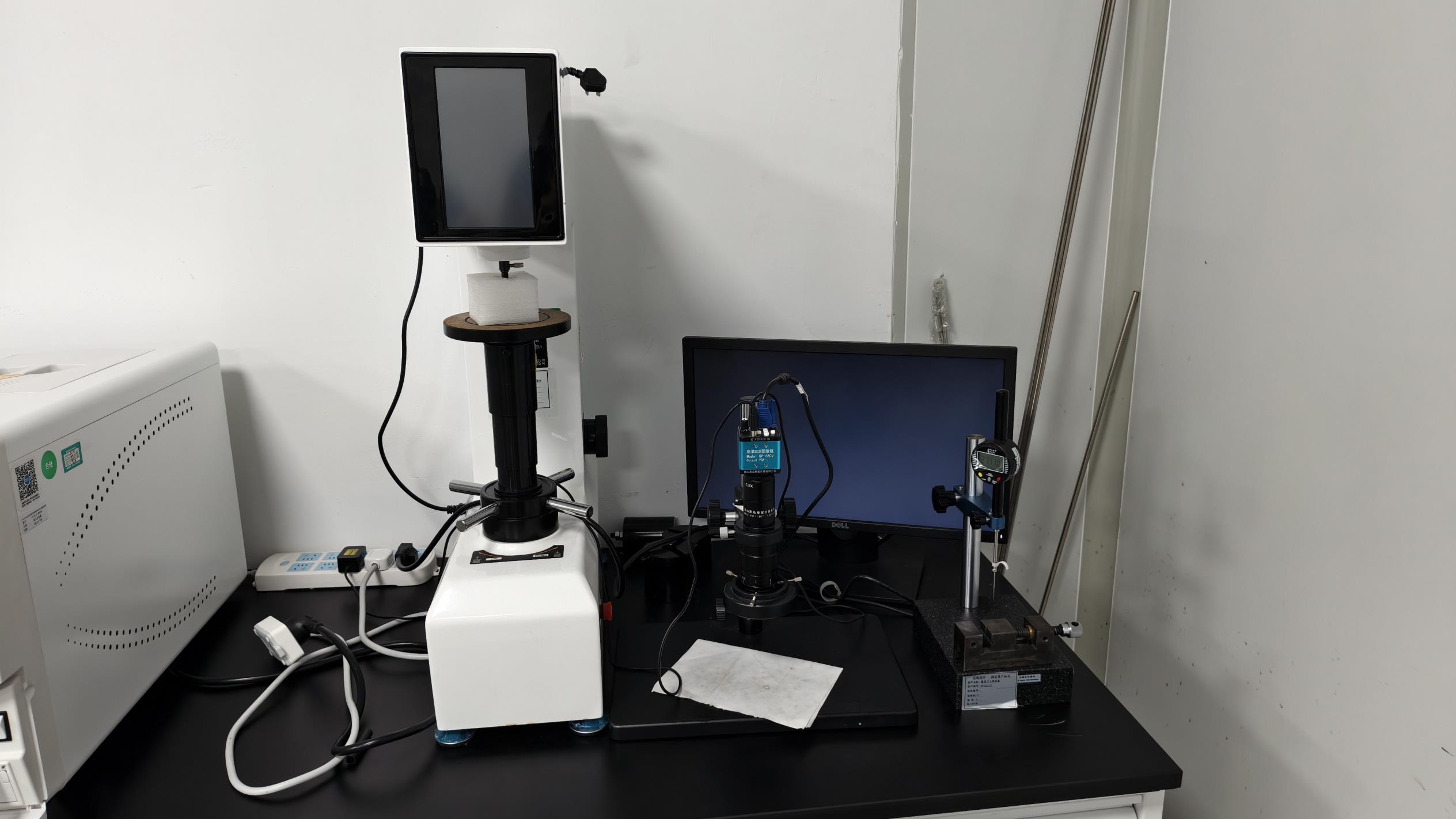
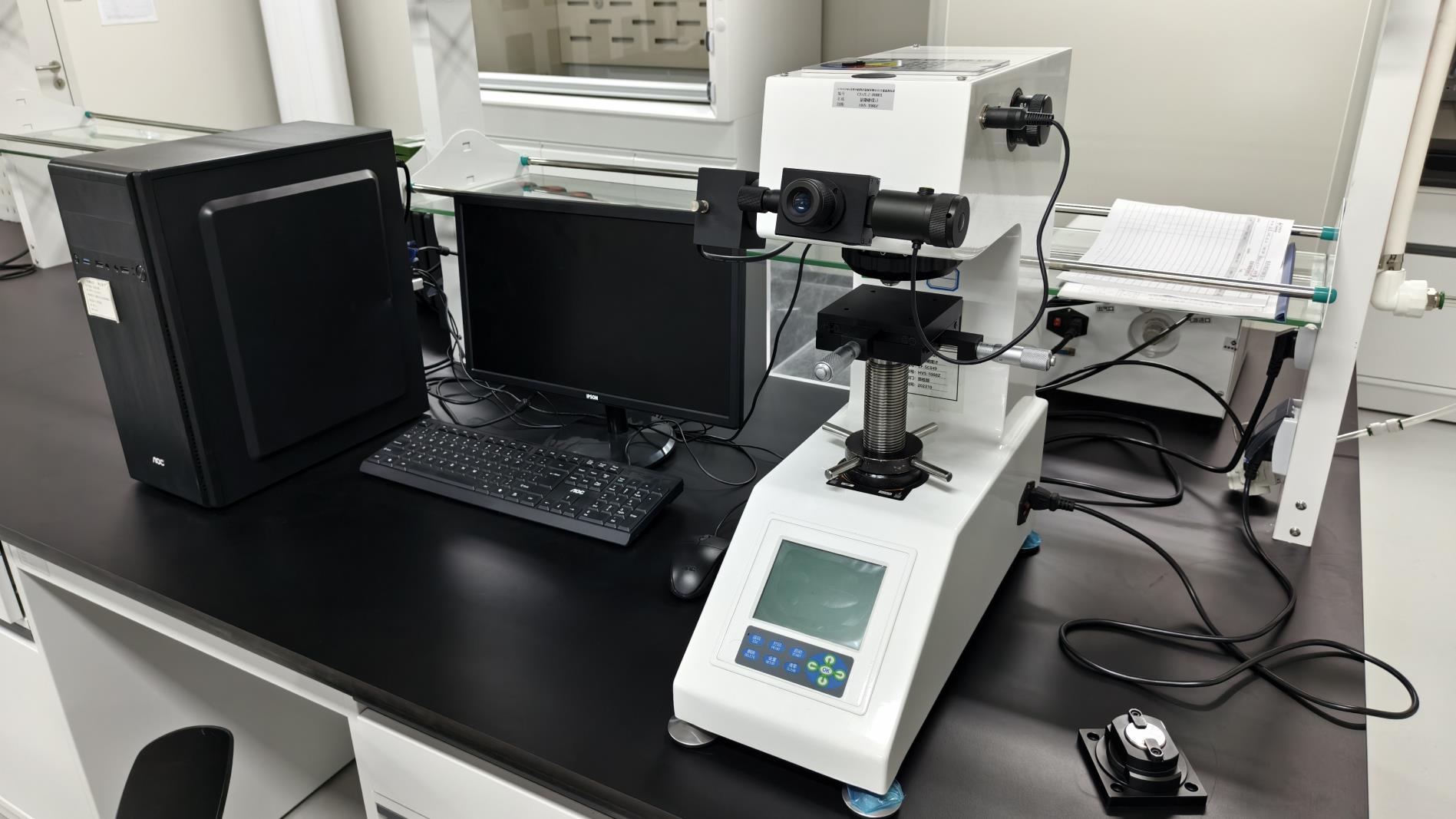
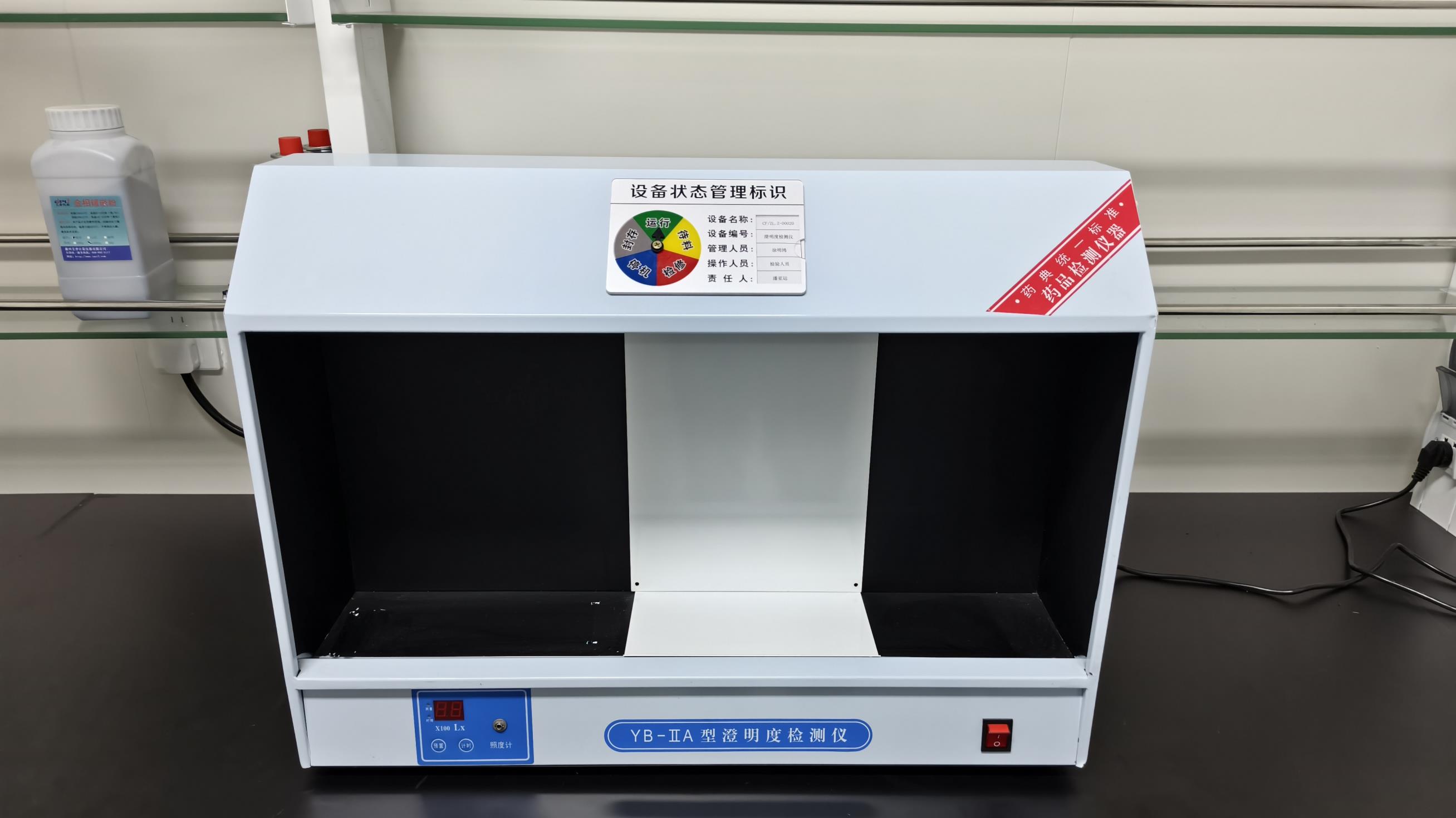
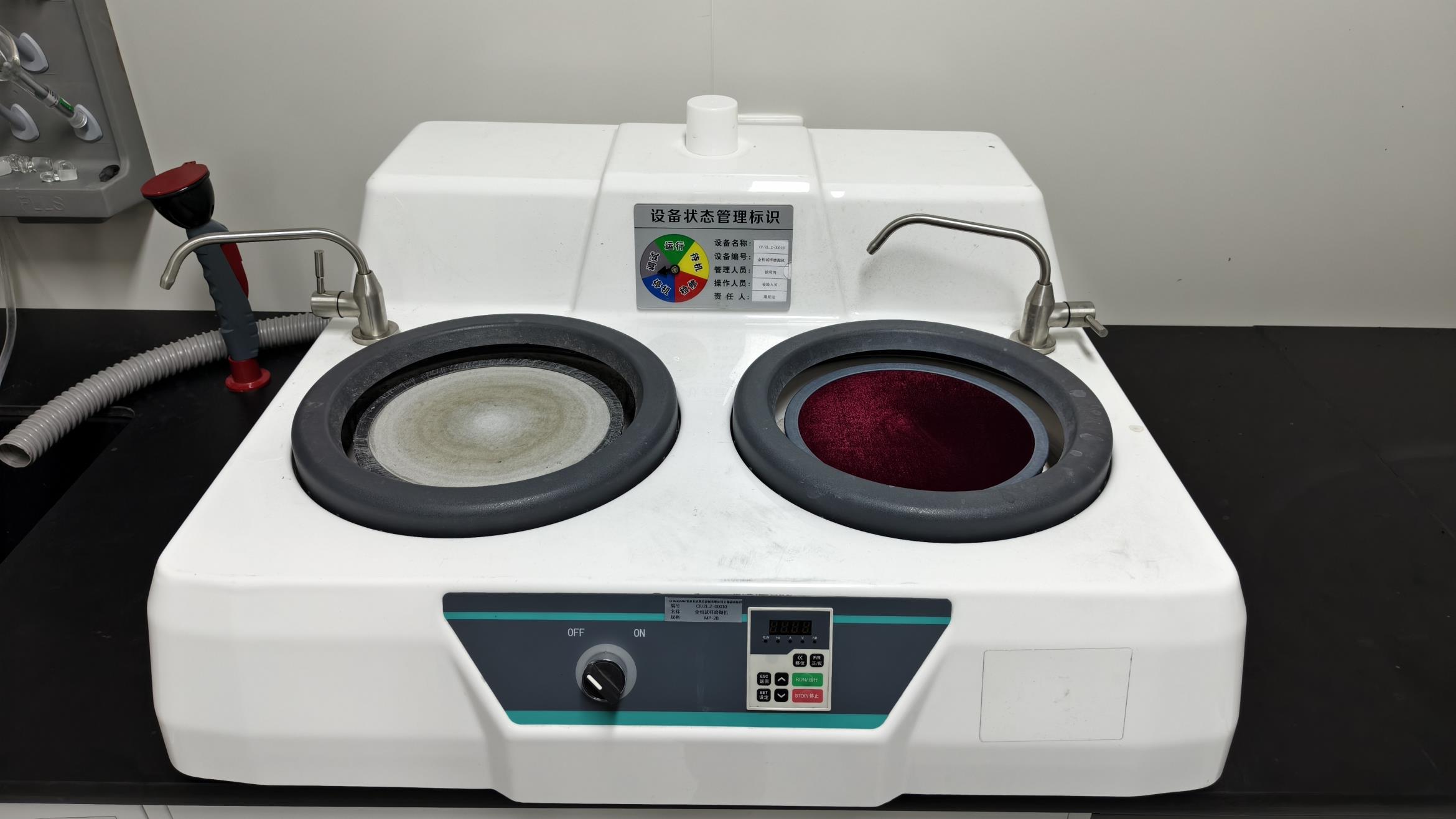
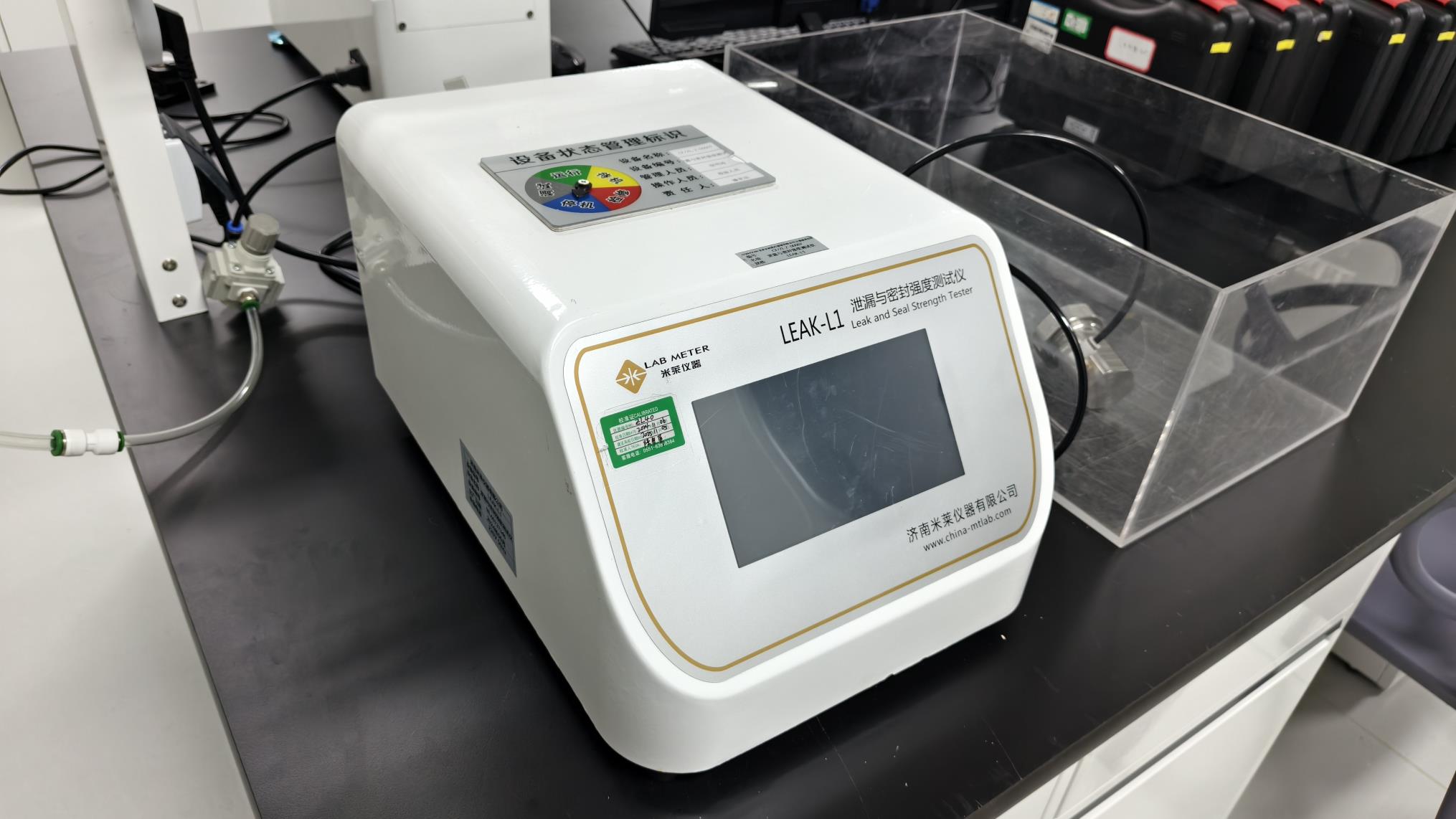
Engineered for precise osteosynthesis inside demanding clinical settings across North America.
Using parallel-positioned 6.5mm or 7.3mm cannulated compression screws. This method provides the rotational stability and mechanical compression needed to prevent nonunion or avascular necrosis of the femoral head in elderly patients.
Utilizing headless 2.5mm and 3.0mm compression screws (Herbert design). The low-profile headless design ensures the screw remains beneath the articular cartilage, avoiding interference with wrist joint biomechanics.
Heavy-duty 4.5mm and 6.5mm partially threaded cannulated screws generate compression across arthrodesis interfaces, providing stable fixation and encouraging fast fusion.
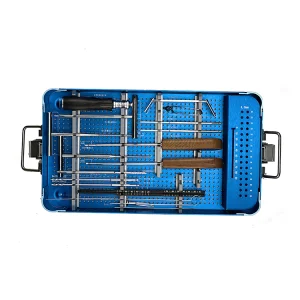
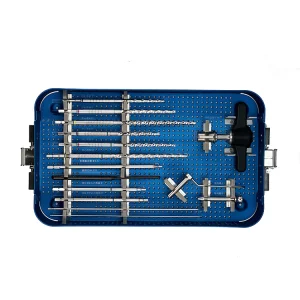
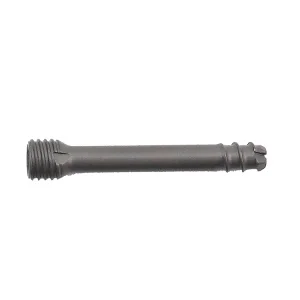
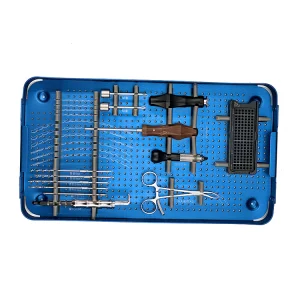
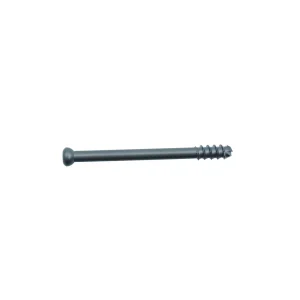
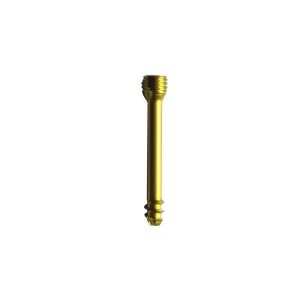
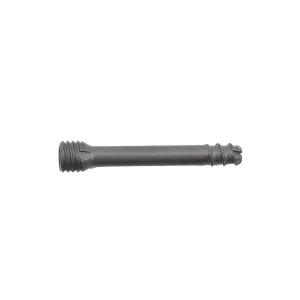
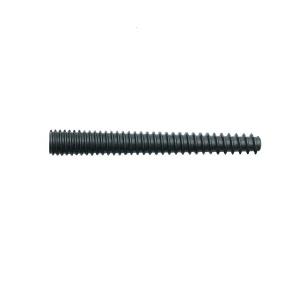
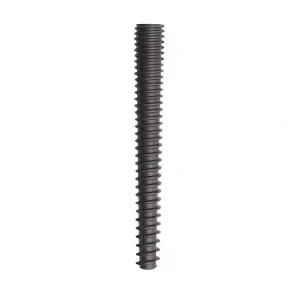
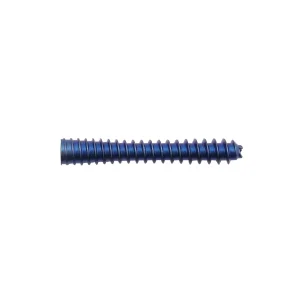
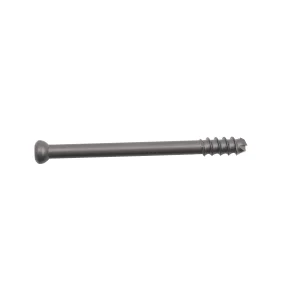
Select from our extensive line of orthopedic implants and specialized instrument kits, configured for Canadian surgical protocols.
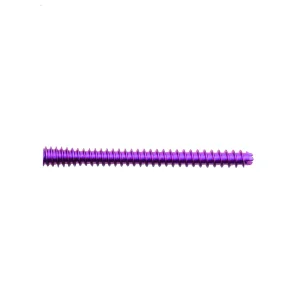
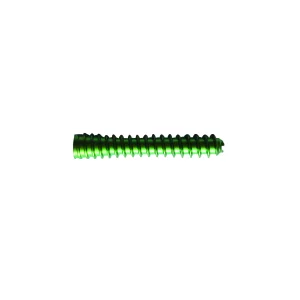
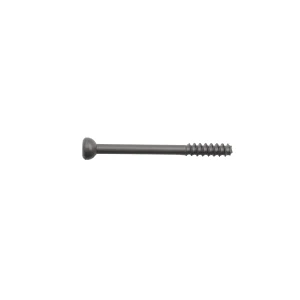
Critical regulatory, material, and logistics information for Canadian orthopedic buyers and distributors.
Connect with our technical team today to request material certifications, mechanical testing records, or custom product quotes.
Send Inquiry Now