 Zynfuse
Zynfuse
Zynfuse
Premium, hospital-grade internal fixation components engineered for clinical efficacy and precise anatomical compression in Kuala Lumpur healthcare facilities.
Analyzing local clinical environments, regional healthcare networks, and global manufacturer-to-hospital integration.
Kuala Lumpur, as the financial and surgical core of Malaysia, is rapidly evolving into Southeast Asia's primary destination for complex orthopedics and joint reconstruction. Private healthcare chains such as Pantai Hospitals, KPJ Healthcare, and Gleneagles, alongside prominent academic institutions like University Malaya Medical Centre (UMMC) and Hospital Kuala Lumpur (HKL), require a relentless stream of Class III orthopedic implants. The demand is heavily tilted towards cannulated screws that can handle fracture reductions under fluoroscopic guidance with minimal surgical footprint.
In trauma procedures, orthopedic surgeons seek predictable compression forces, precise self-tapping configurations, and exceptional tensile strengths. Cannulated systems play a critical role by allowing a guide wire to be positioned prior to screw insertion, minimizing anatomical displacement. For the Kuala Lumpur medical community, ensuring these devices conform to the Medical Device Authority (MDA) of Malaysia under Act 737 is of paramount importance. Local distributors and hospital procurement channels look for manufacturers that provide detailed biocompatibility portfolios, fatigue testing records, and international ISO 13485 certifications.
Deep dive into implant design, raw materials, and structural efficiency designed for optimal osteosynthesis.
Every cannulated screw from Zynfuse is fabricated from medical-grade Titanium Alloy (specifically Ti-6Al-4V Extra Low Interstitial). This material is favored for its extraordinary strength-to-weight ratio, biocompatibility, and lower modulus of elasticity compared to stainless steel, which significantly mitigates stress shielding. In orthopedic applications—such as femoral neck stabilization or scaphoid fracture union—the implant must withstand dynamic shear and bending moments. The internal lumen (cannulation) is drilled with precision to avoid eccentricity, maintaining a uniform wall thickness and preventing mechanical failure under high torsional loads during insertion.
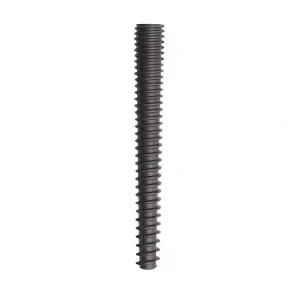
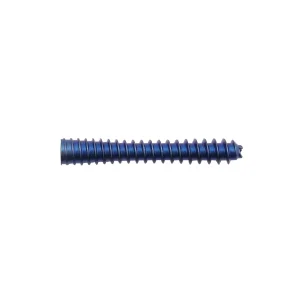
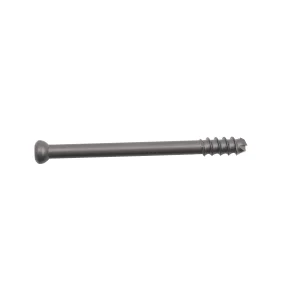
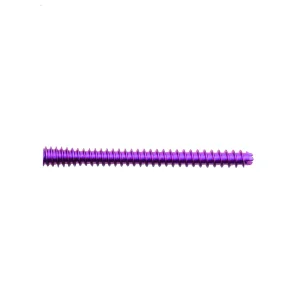
Our cannulated screws feature specialized thread geometries optimized for specific bone densities:
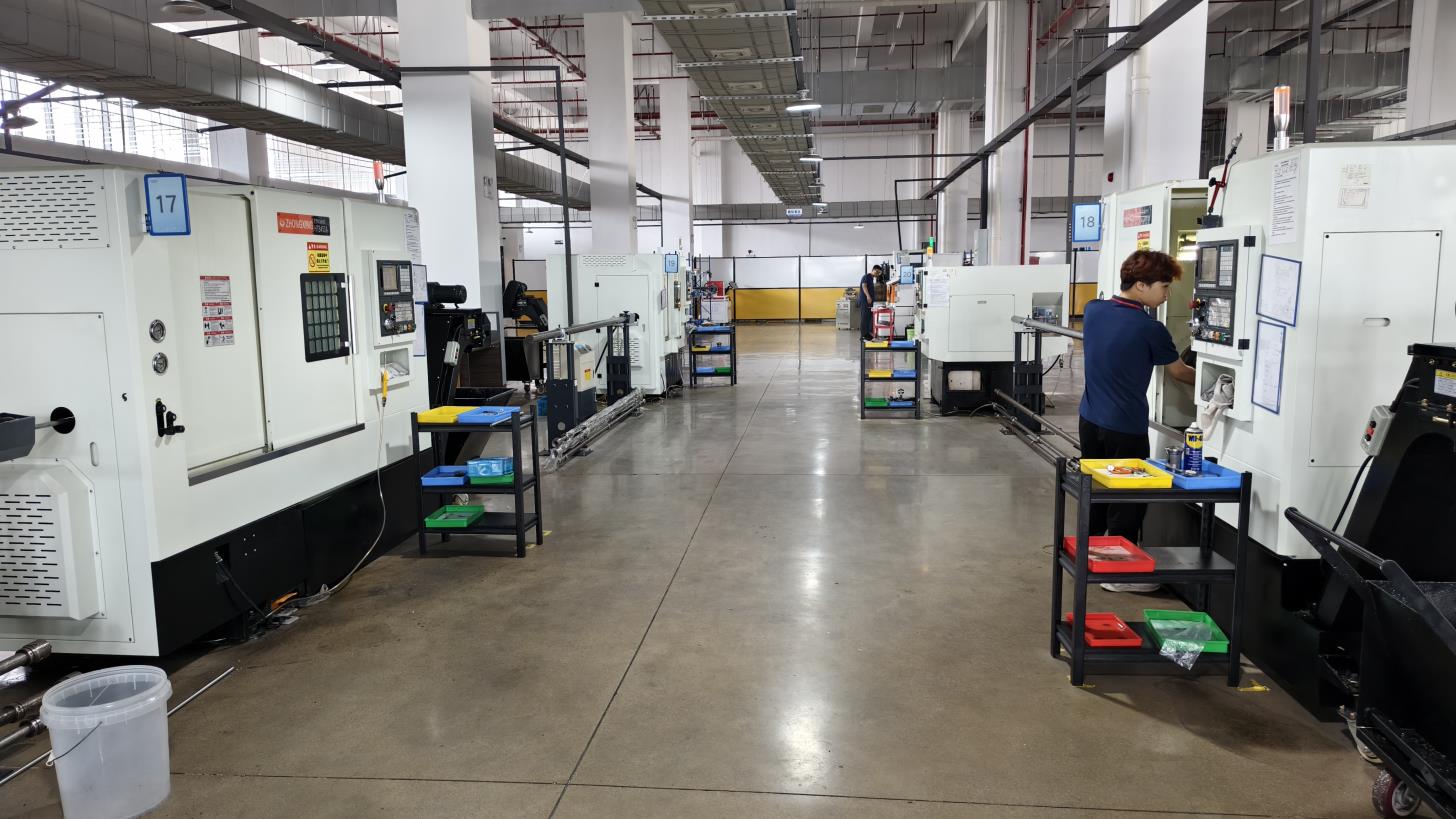
By employing CNC Swiss-type lathes, Zynfuse manufactures screws with thread tolerances down to ±0.01mm. This eliminates thermal and physical micro-fractures during the threading phase, ensuring smooth progression along the pre-drilled guide wire.
How our localized medical cluster model translates to significant cost-efficiency, superior scaling capability, and rapid delivery to Klang Valley hospitals.
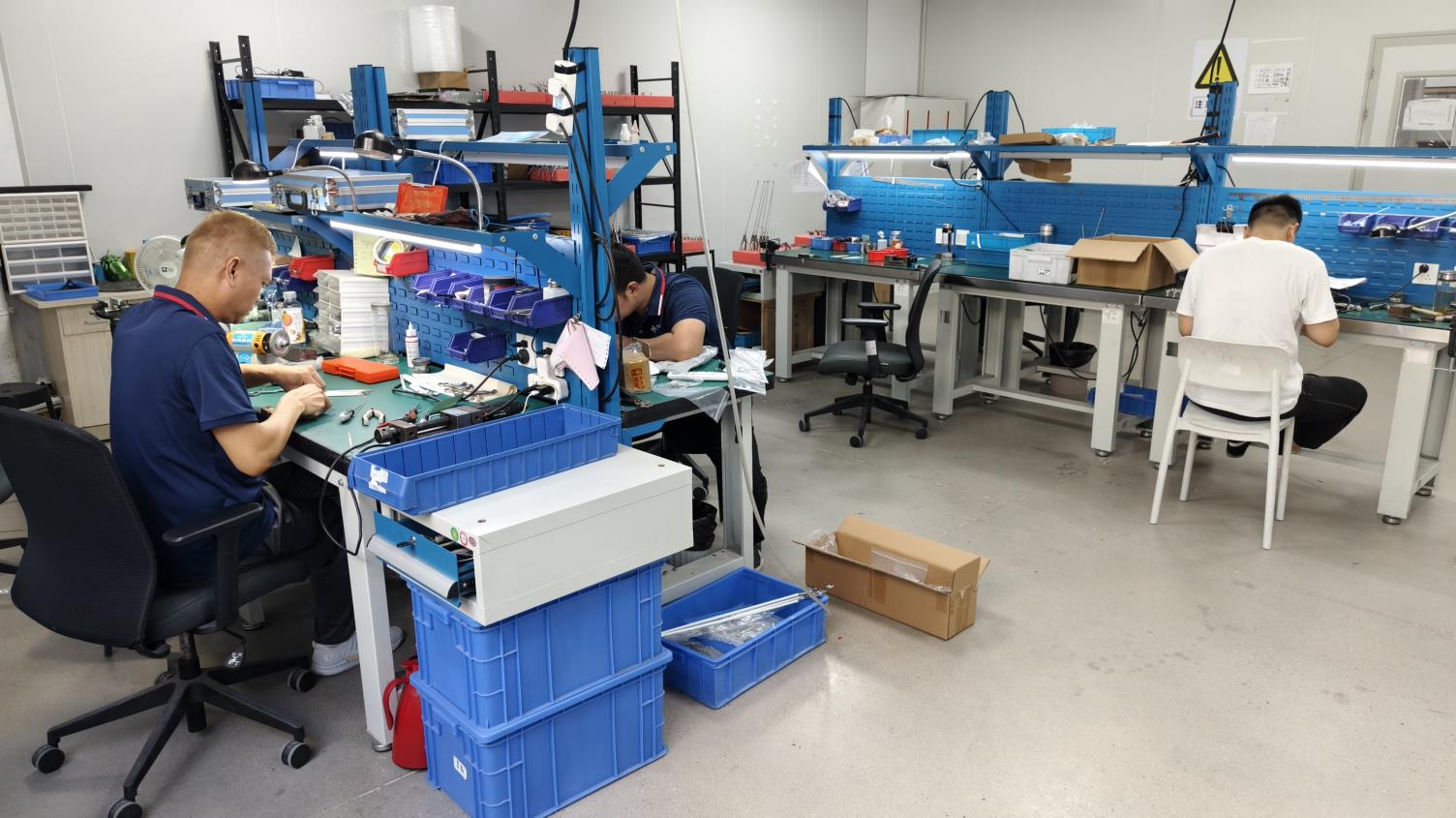
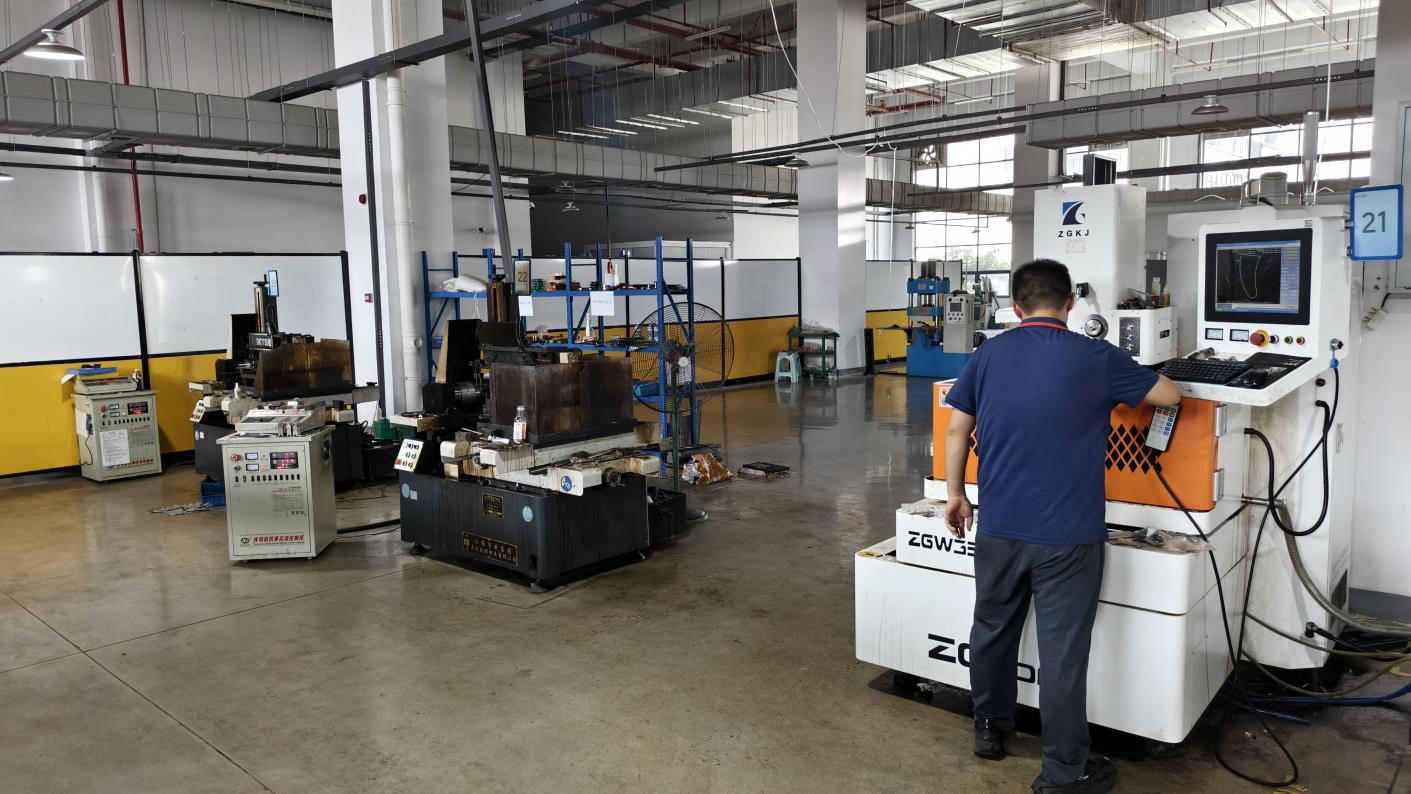
The global medical supply chain is changing, and China's advanced medical manufacturing hubs are at the forefront of this transformation. Zynfuse, operating from an 18,600 m² modern facility, harnesses raw material partnerships, integrated automation, and a localized technical talent pool. This allows us to manufacture Class III titanium implants at a fraction of the cost of Western suppliers, while matching or exceeding equivalent mechanical performance metrics.
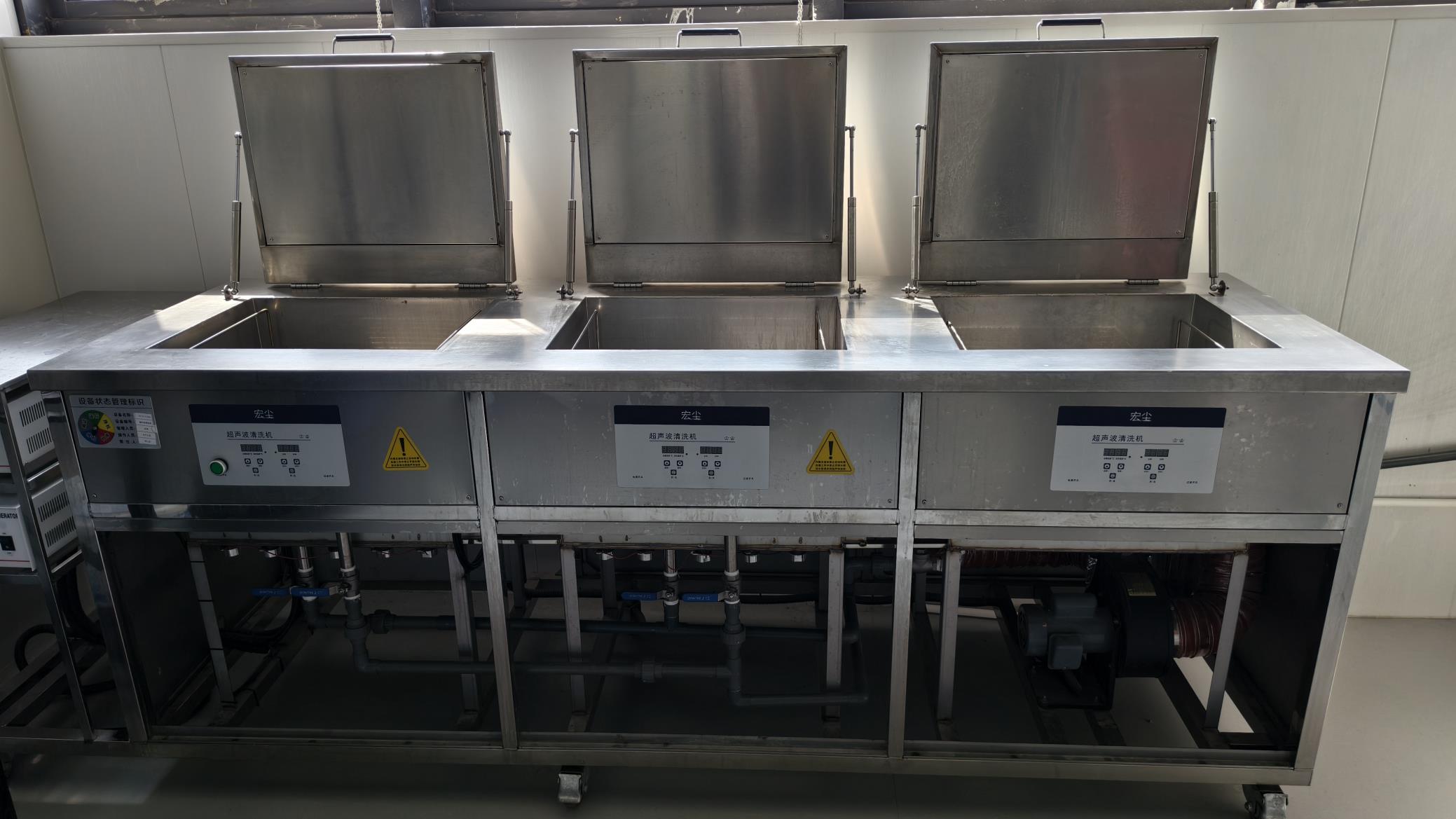
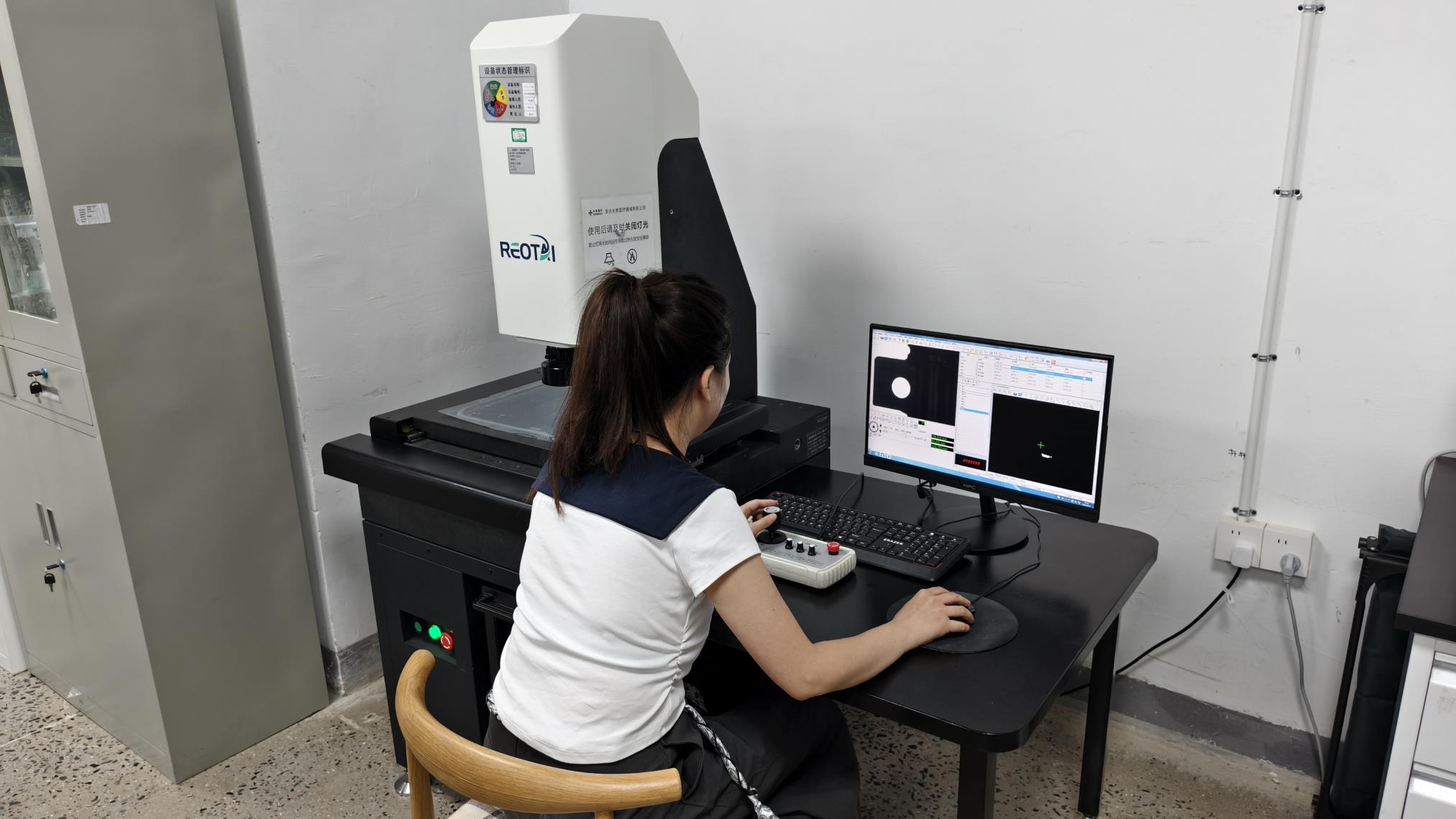
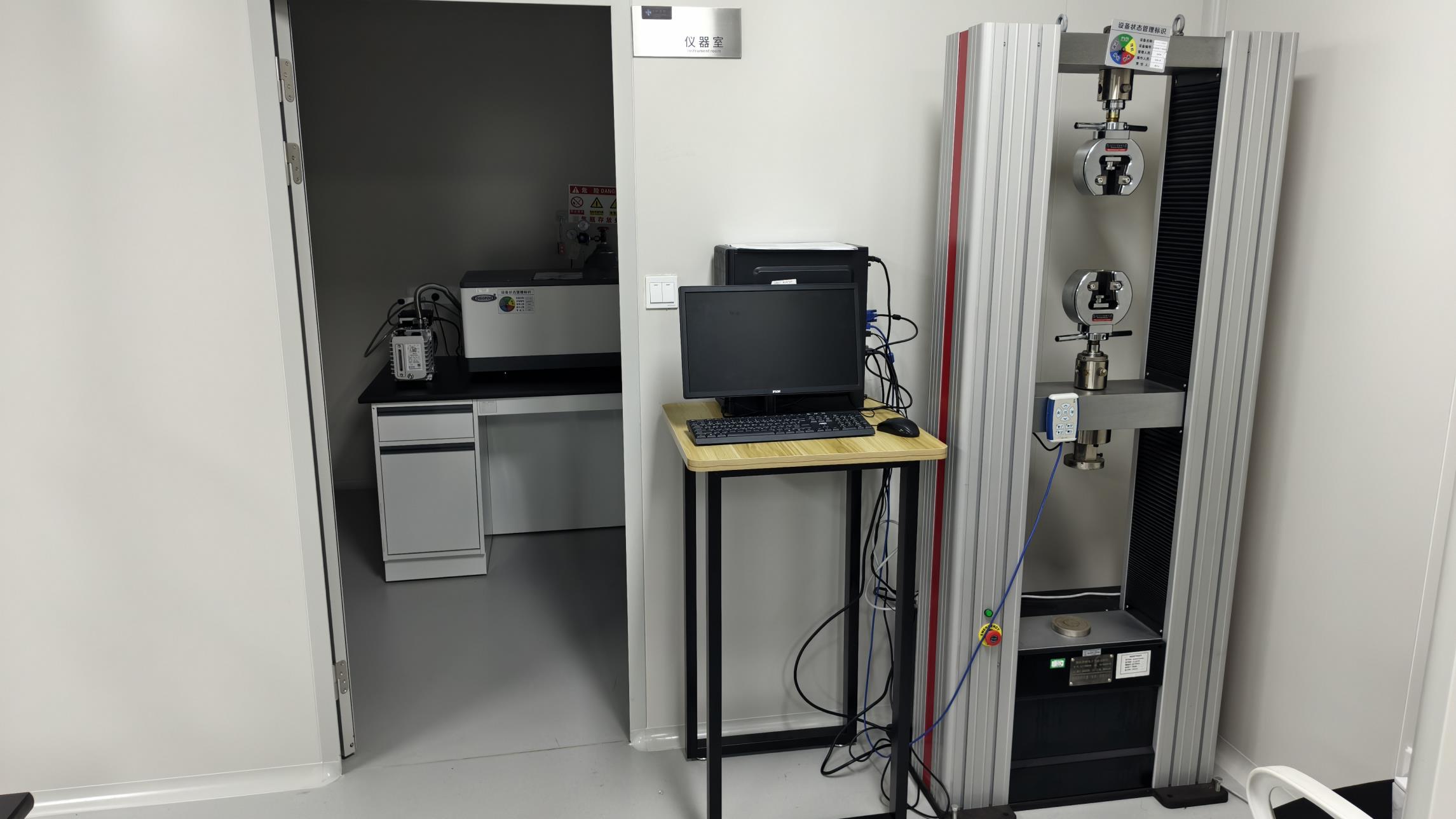
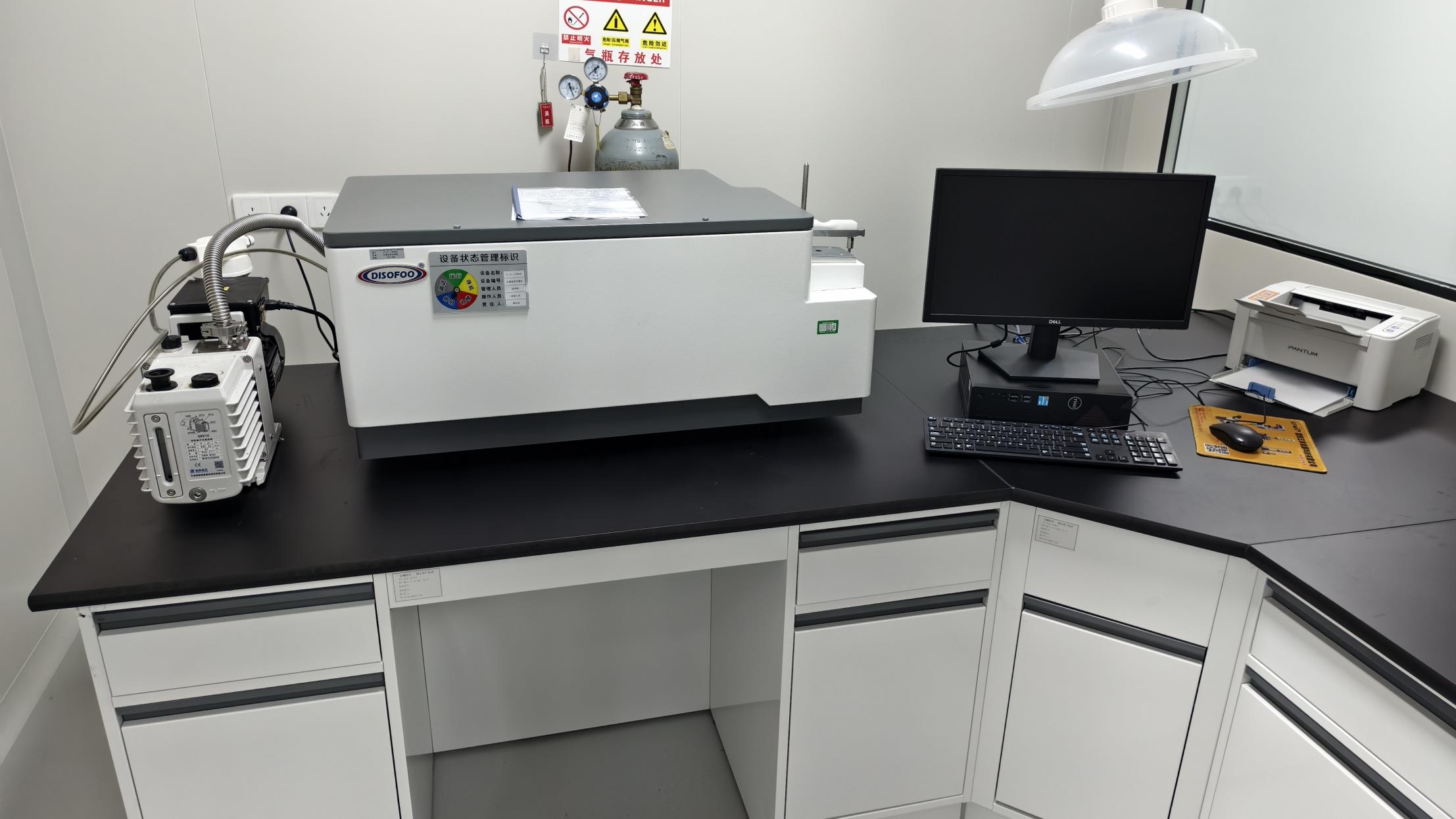
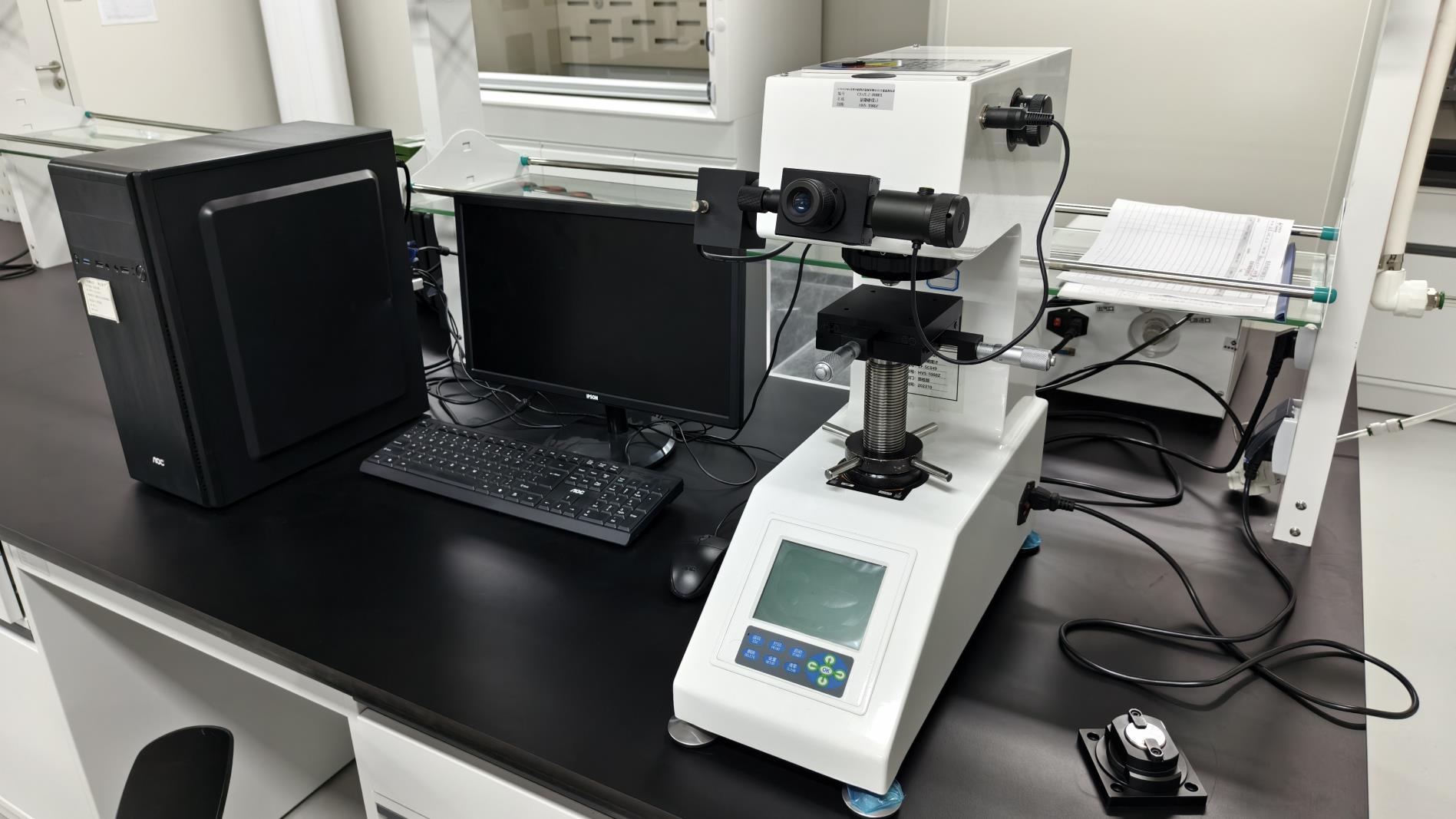
With a dedicated team of 68 quality inspection specialists, we maintain a comprehensive ISO 13485 quality management framework. Testing methods include:
Direct visualization of our advanced manufacturing line and state-of-the-art laboratory testing equipment.
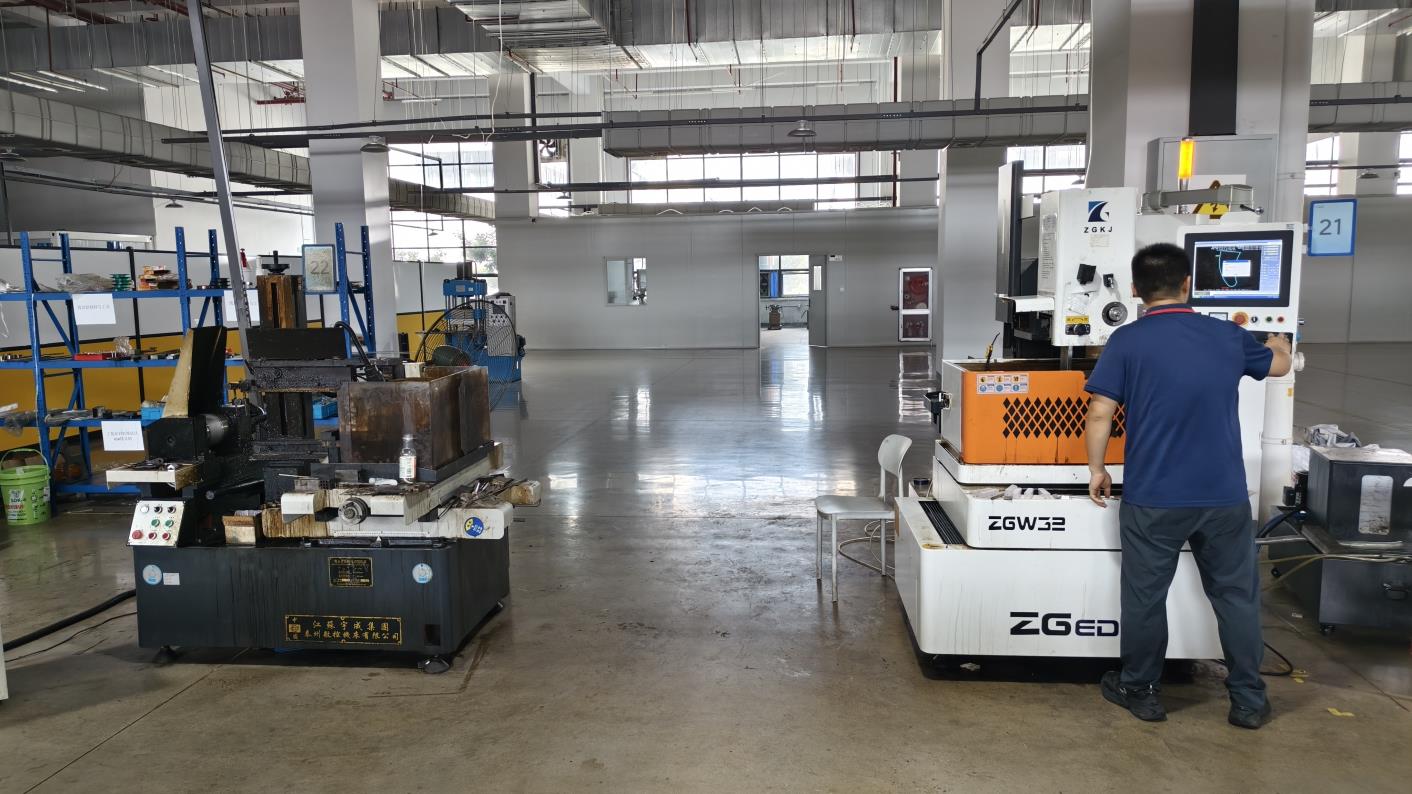
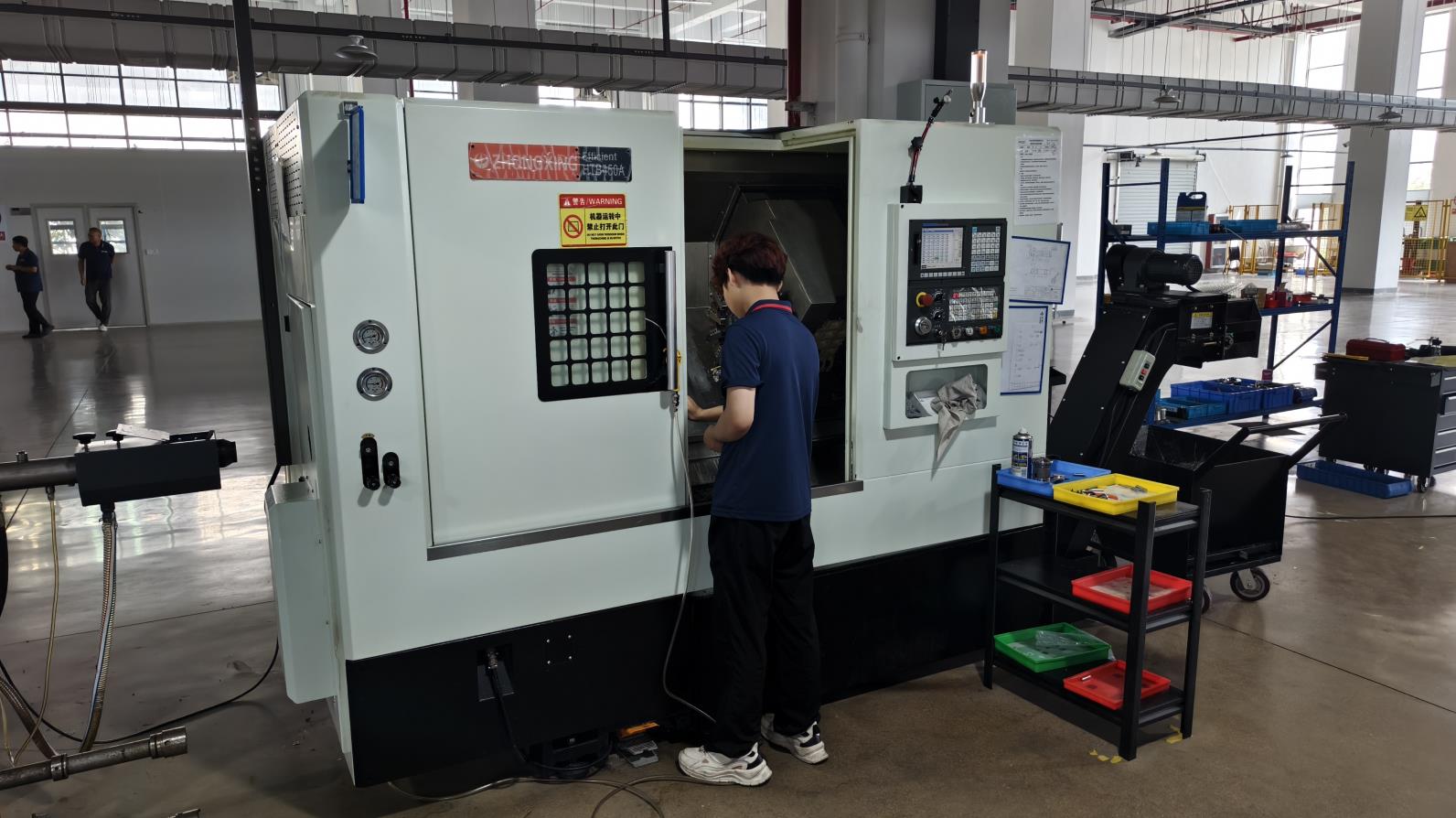
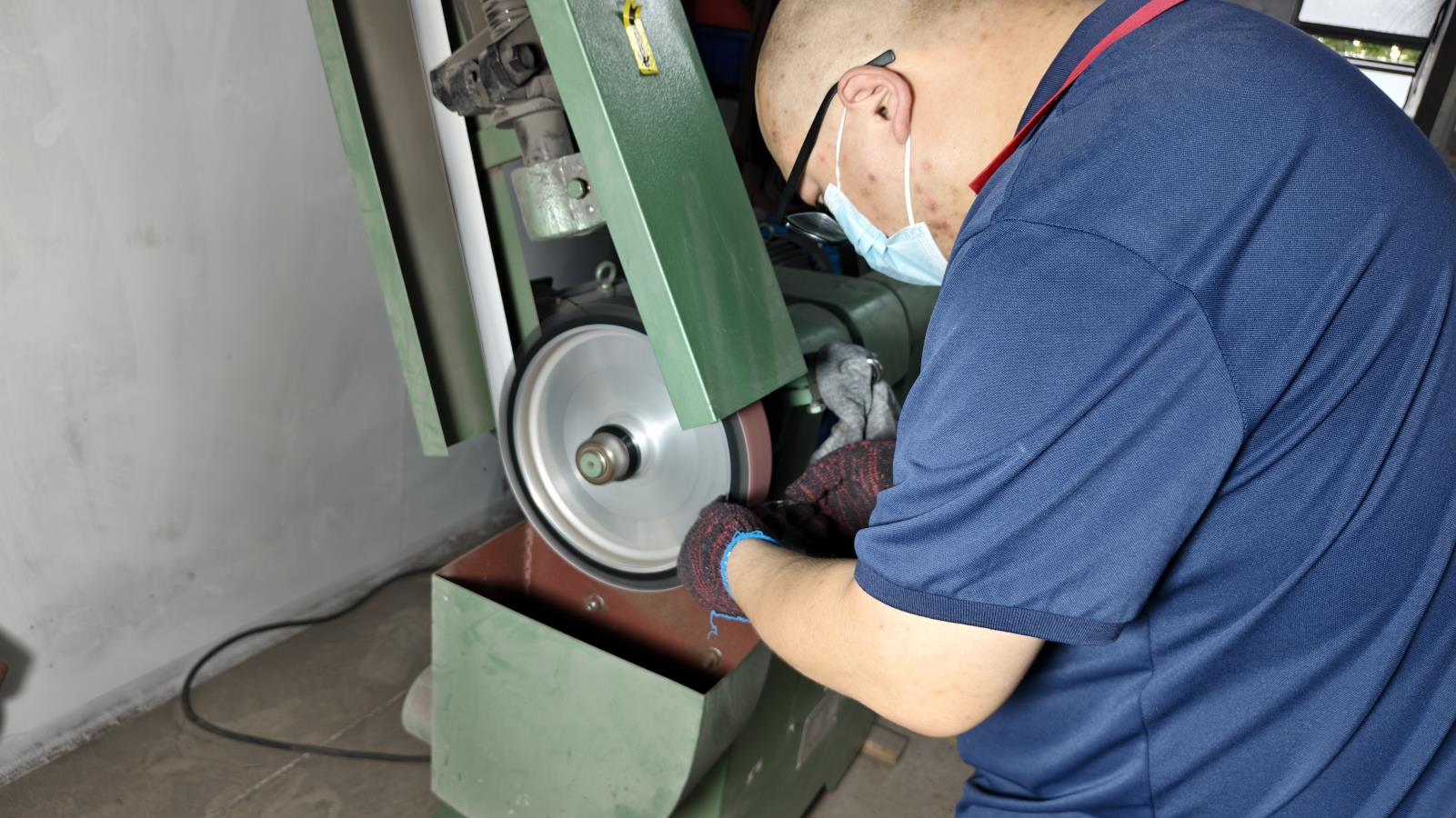
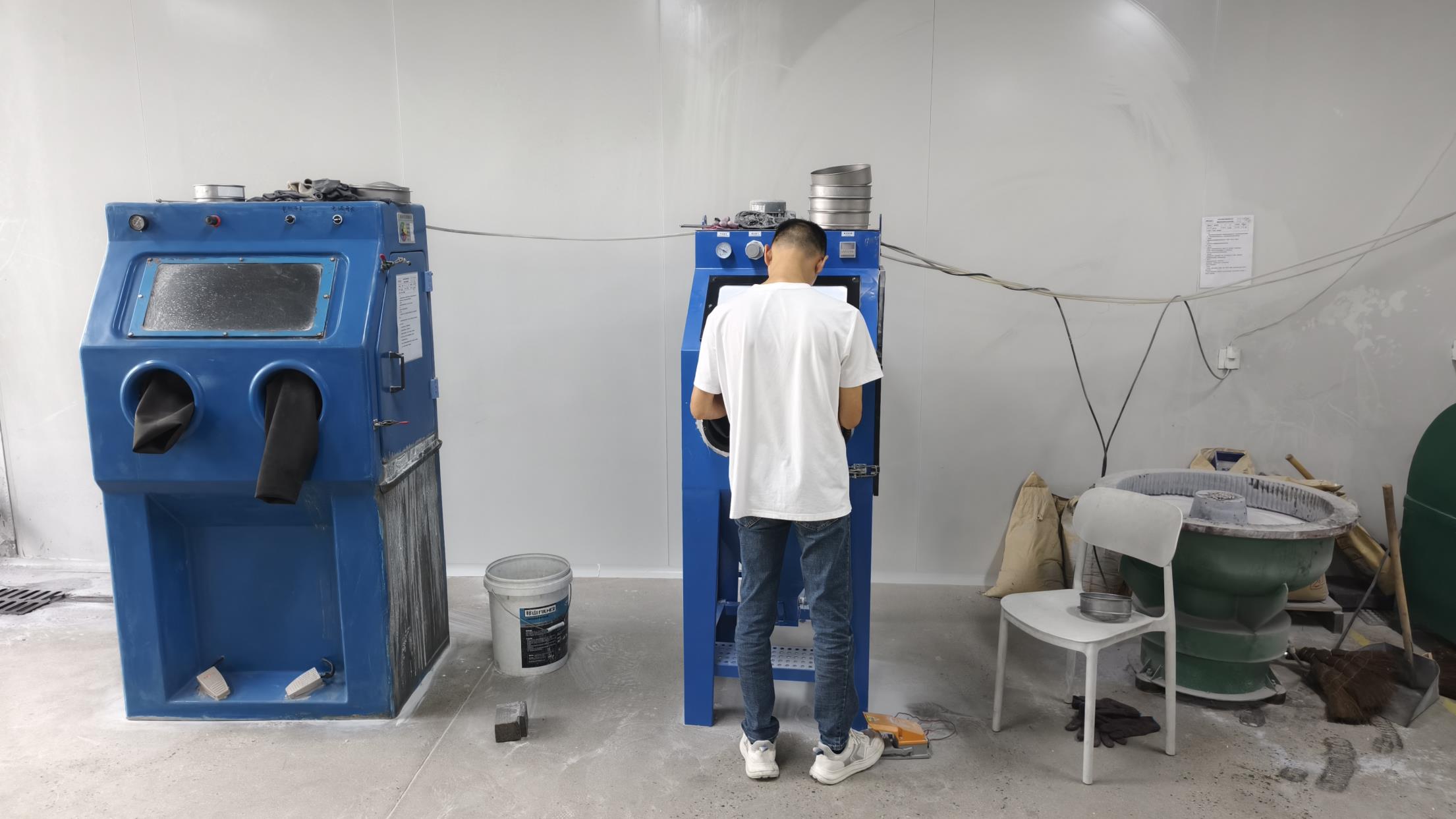
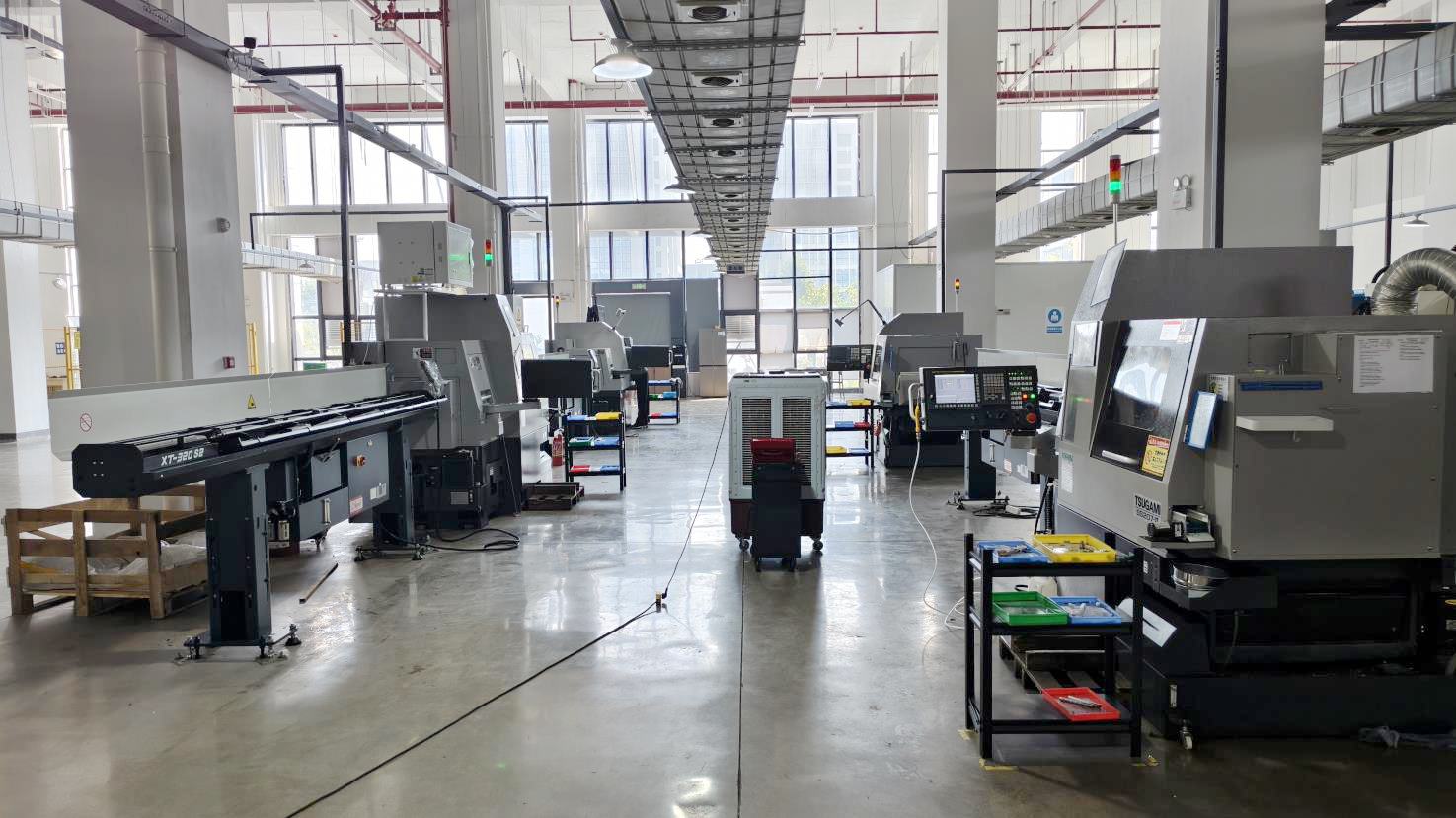
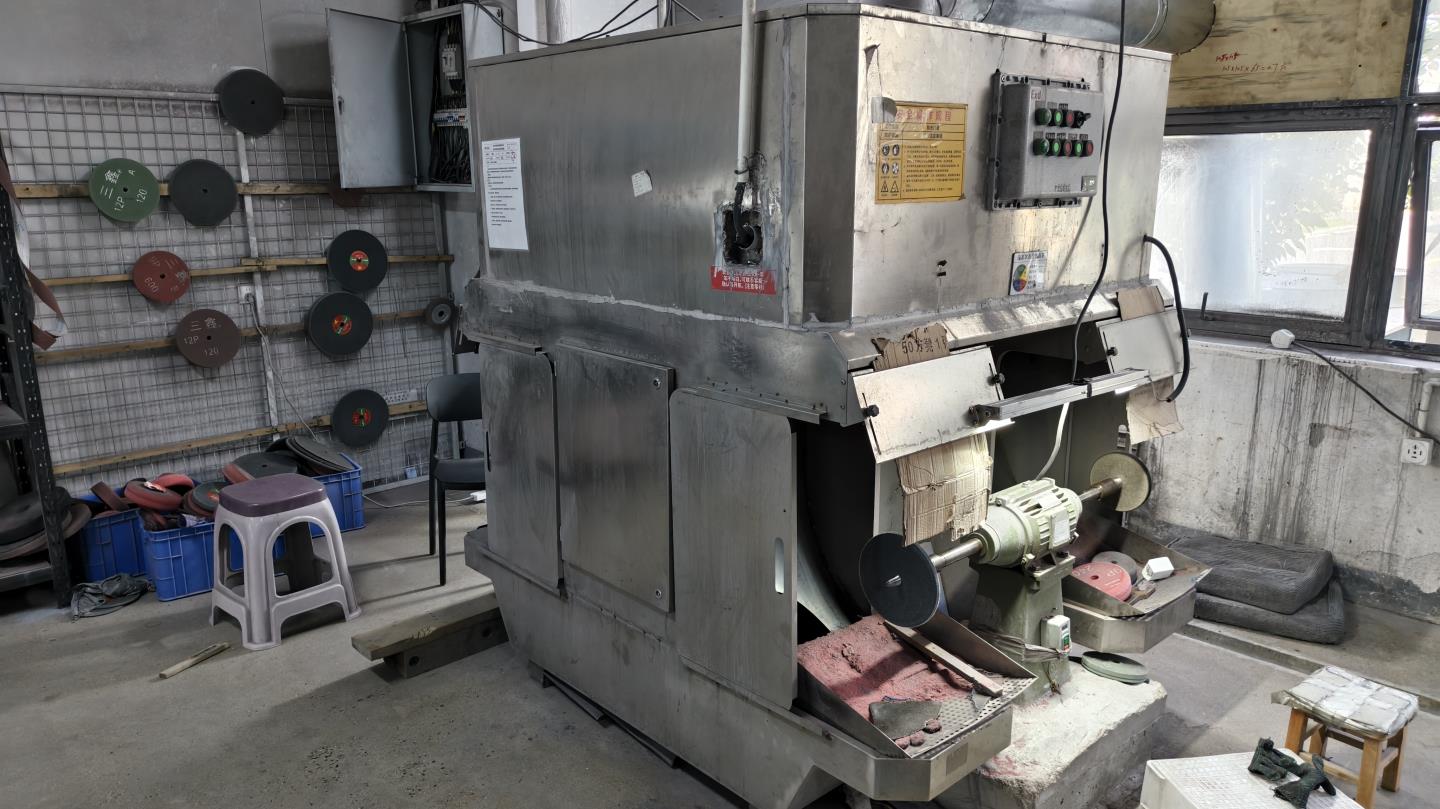
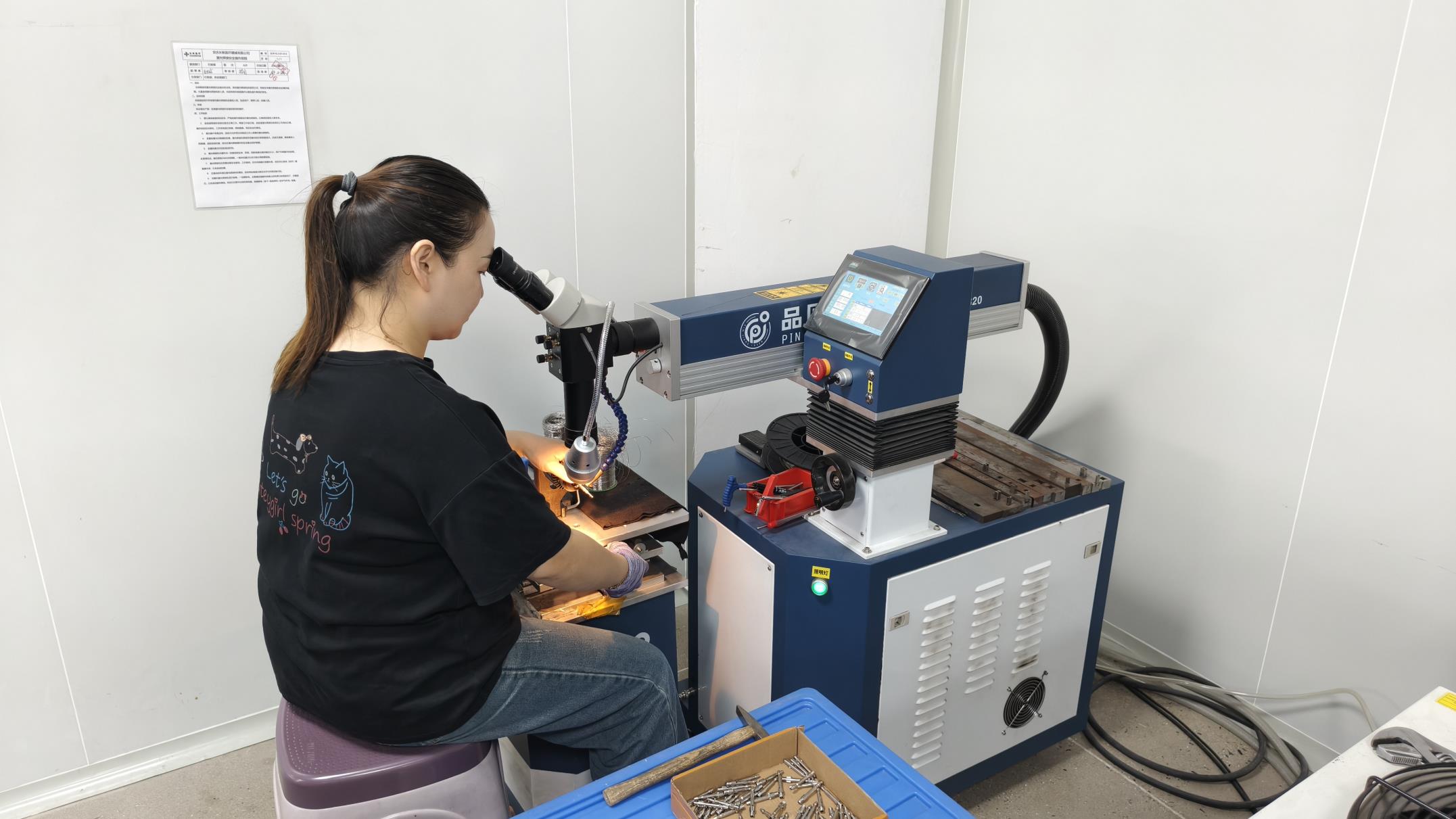
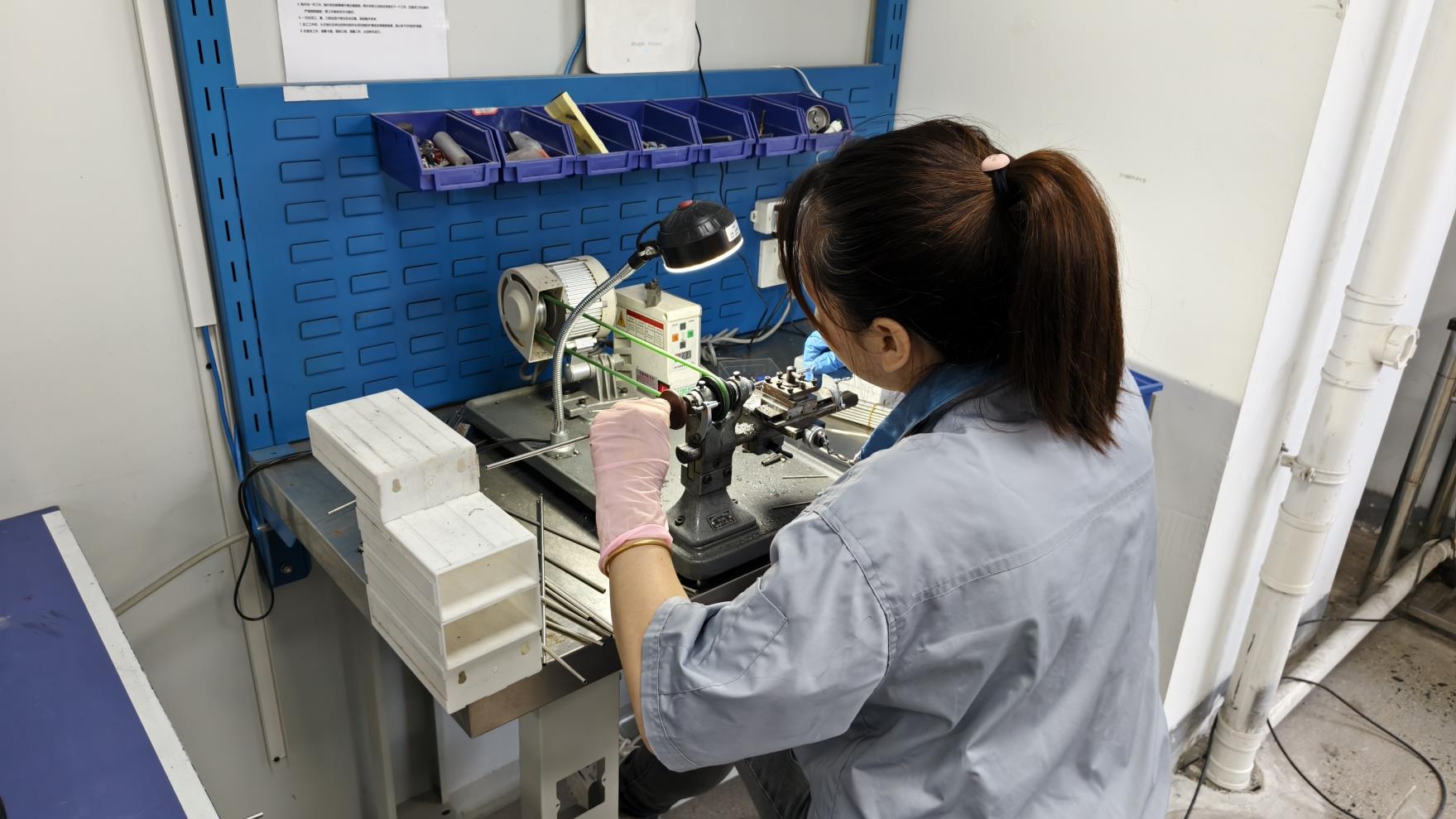
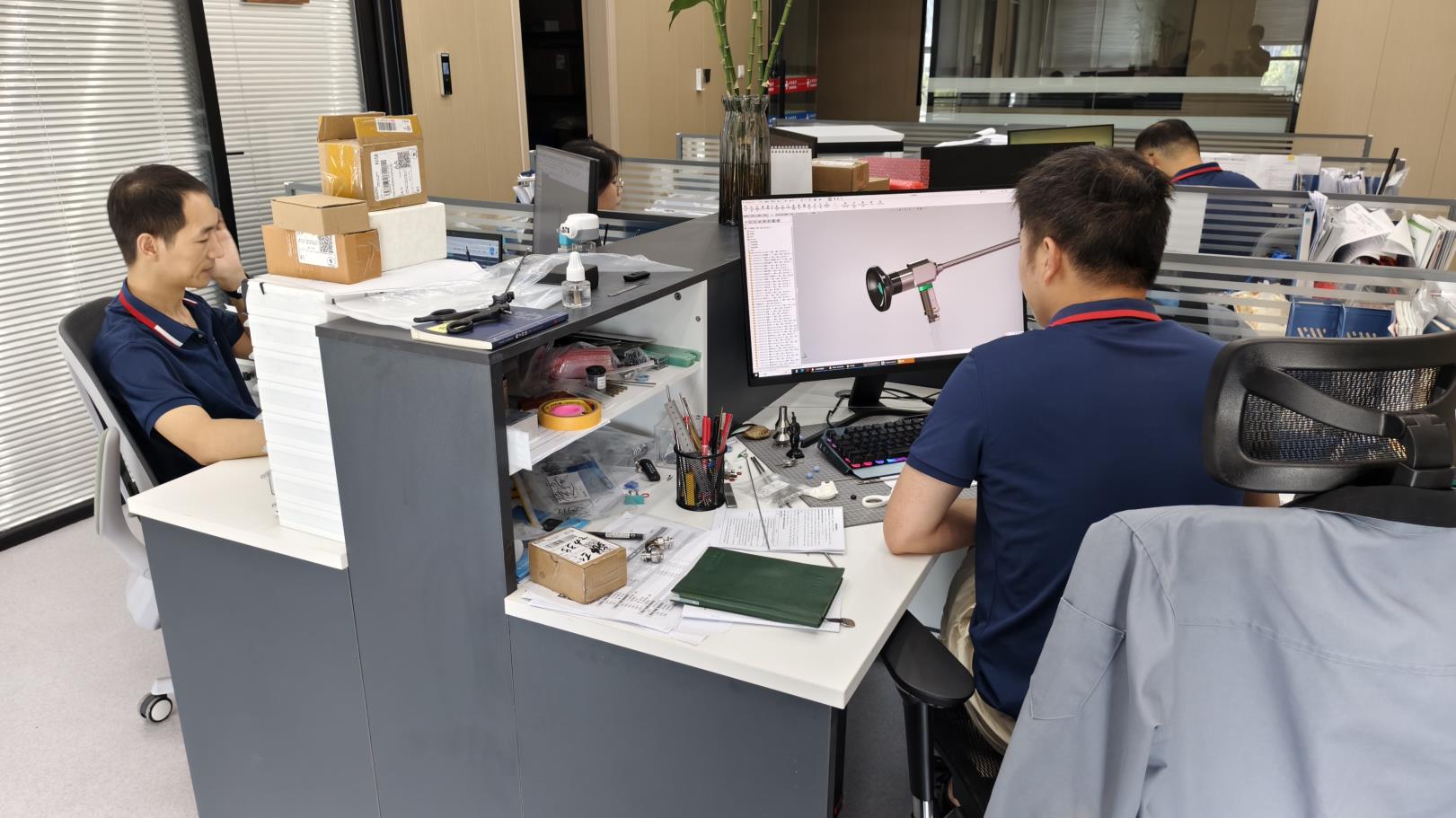
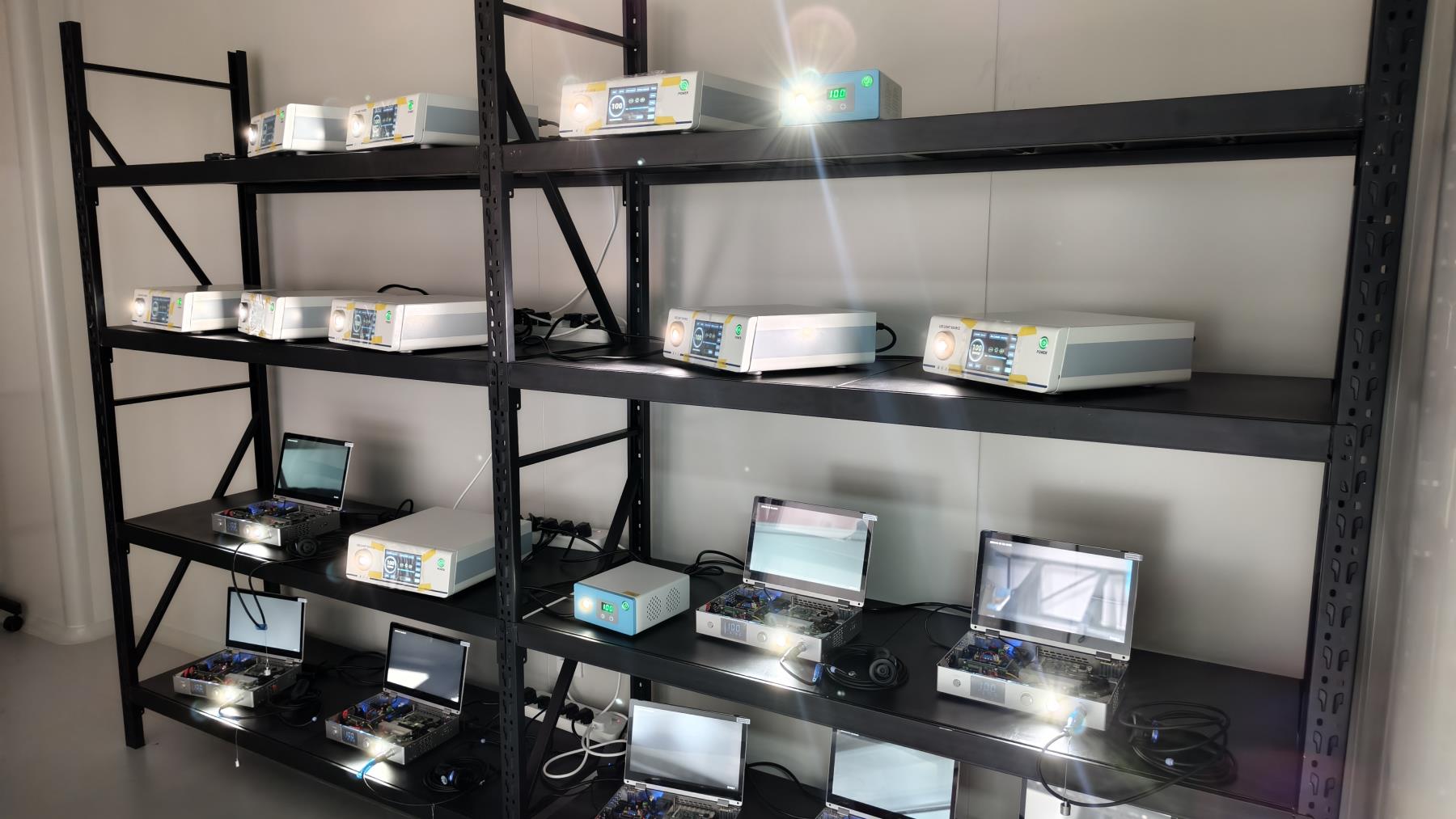
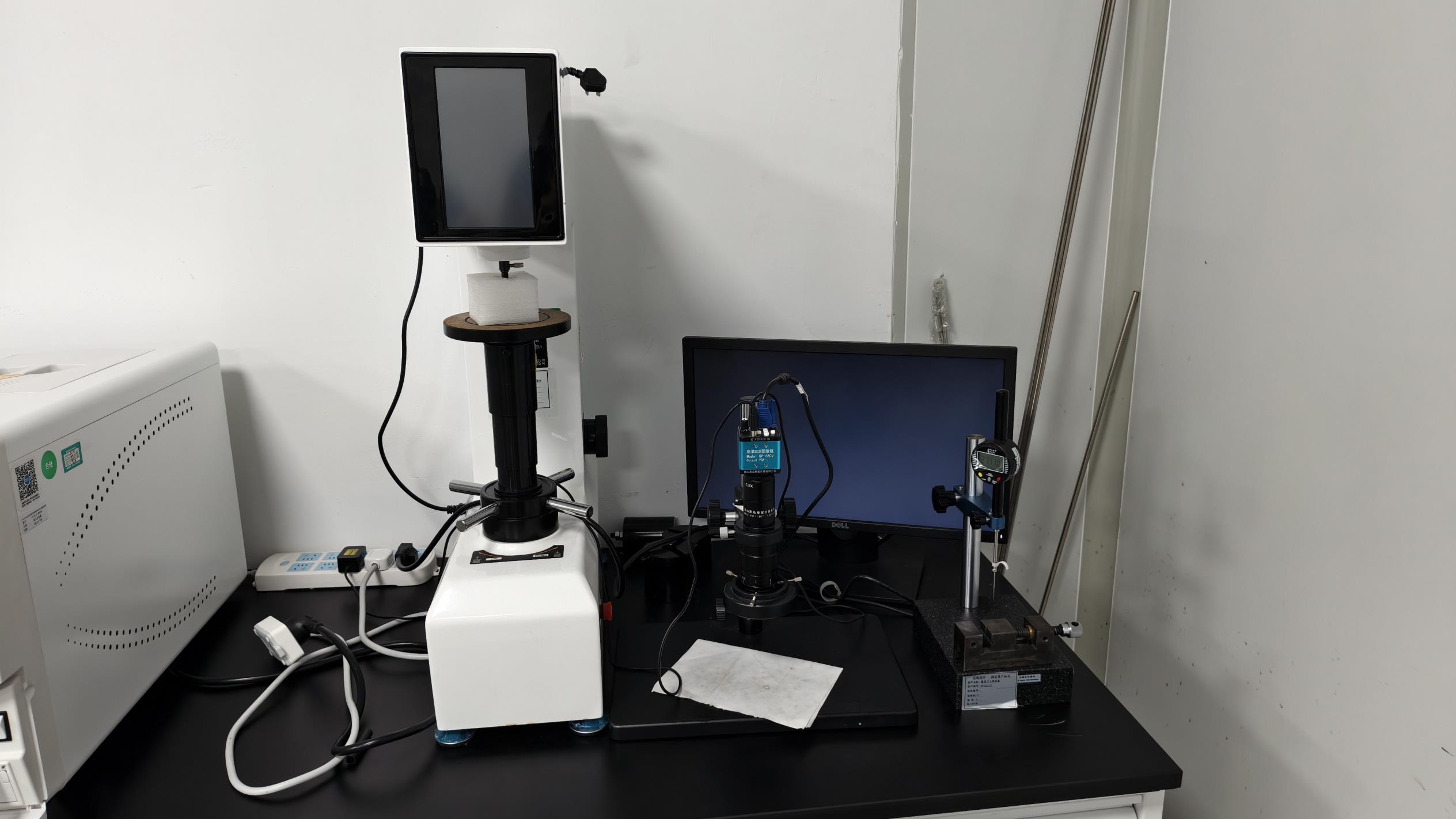
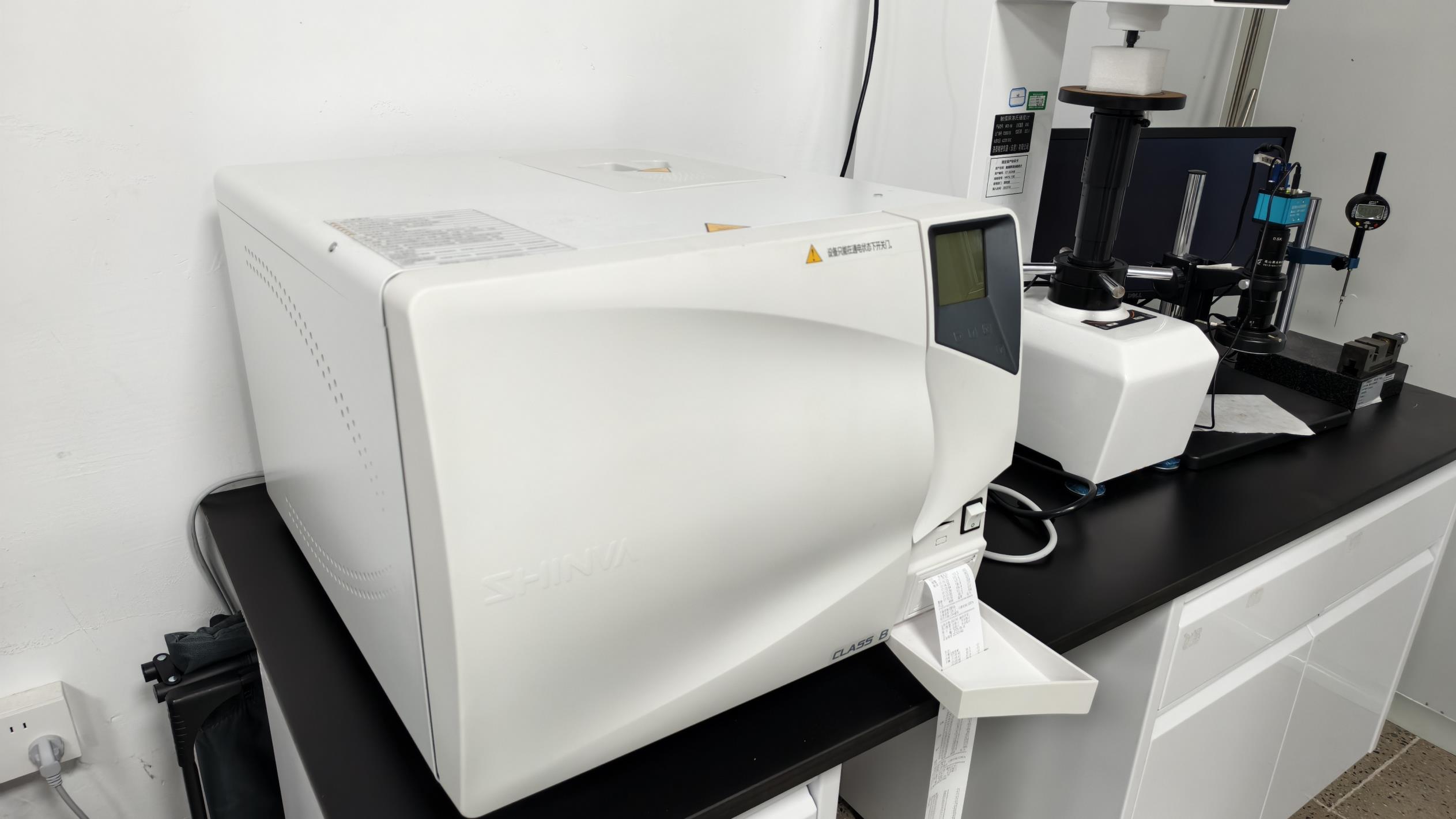
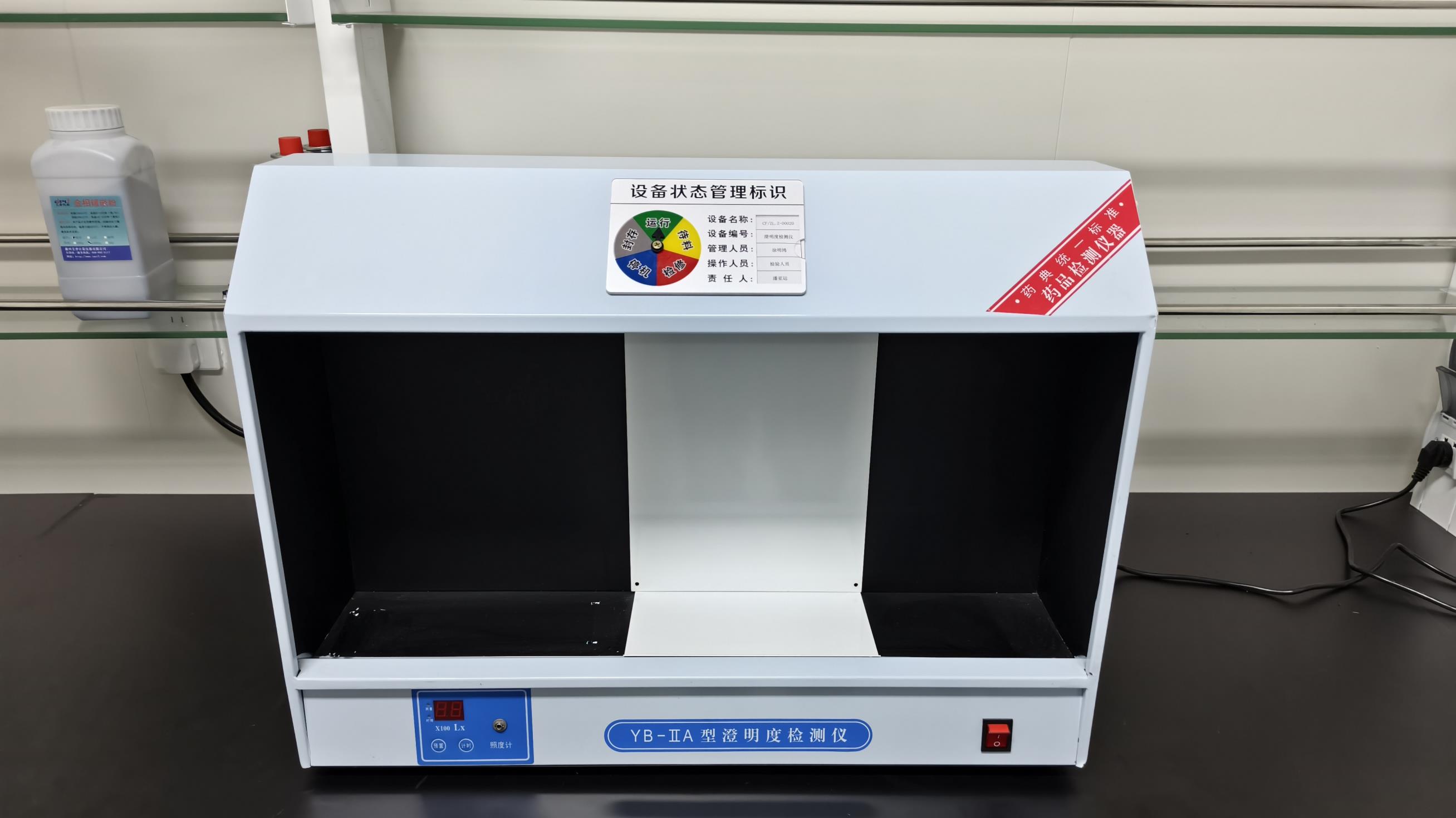
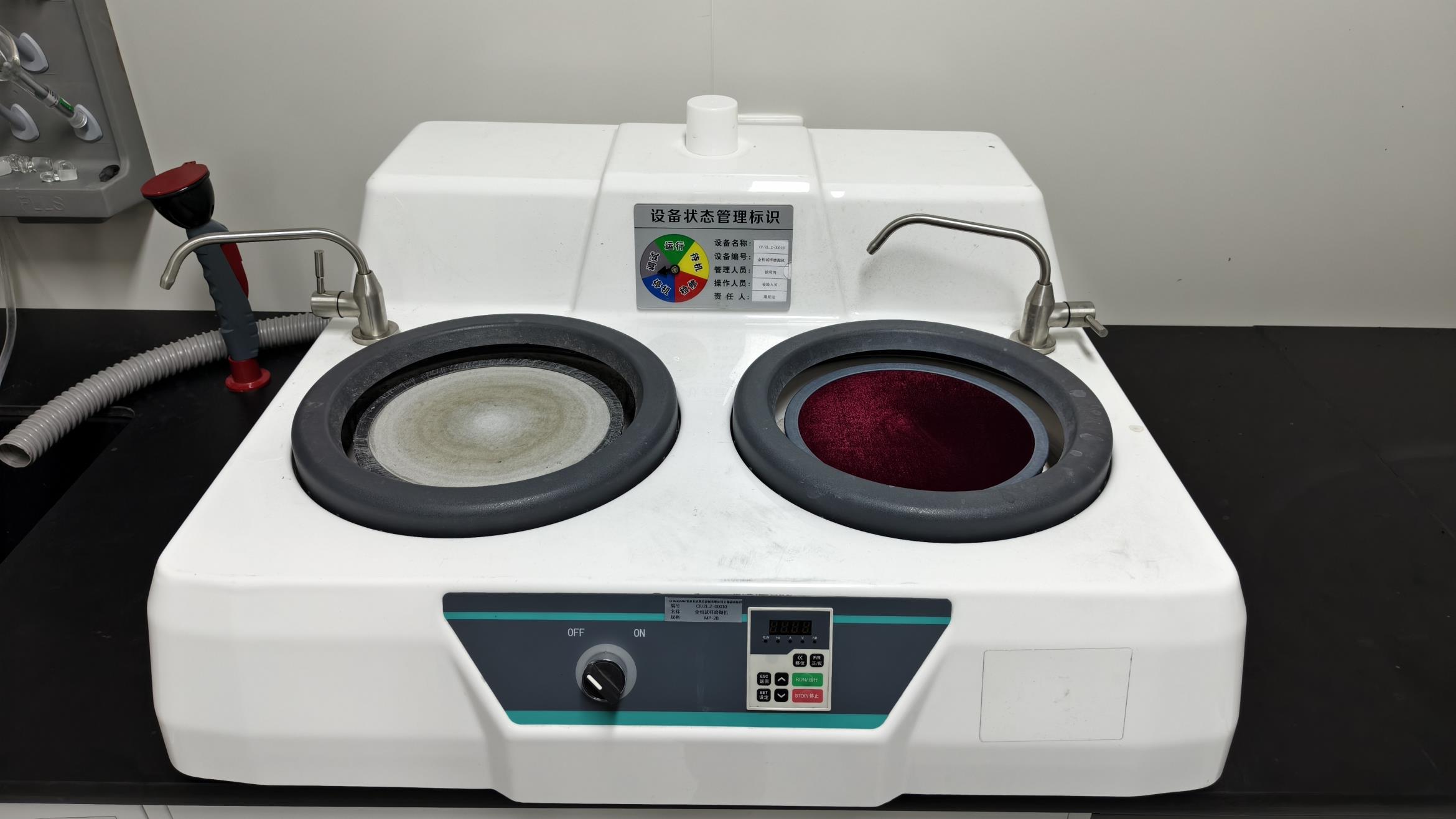
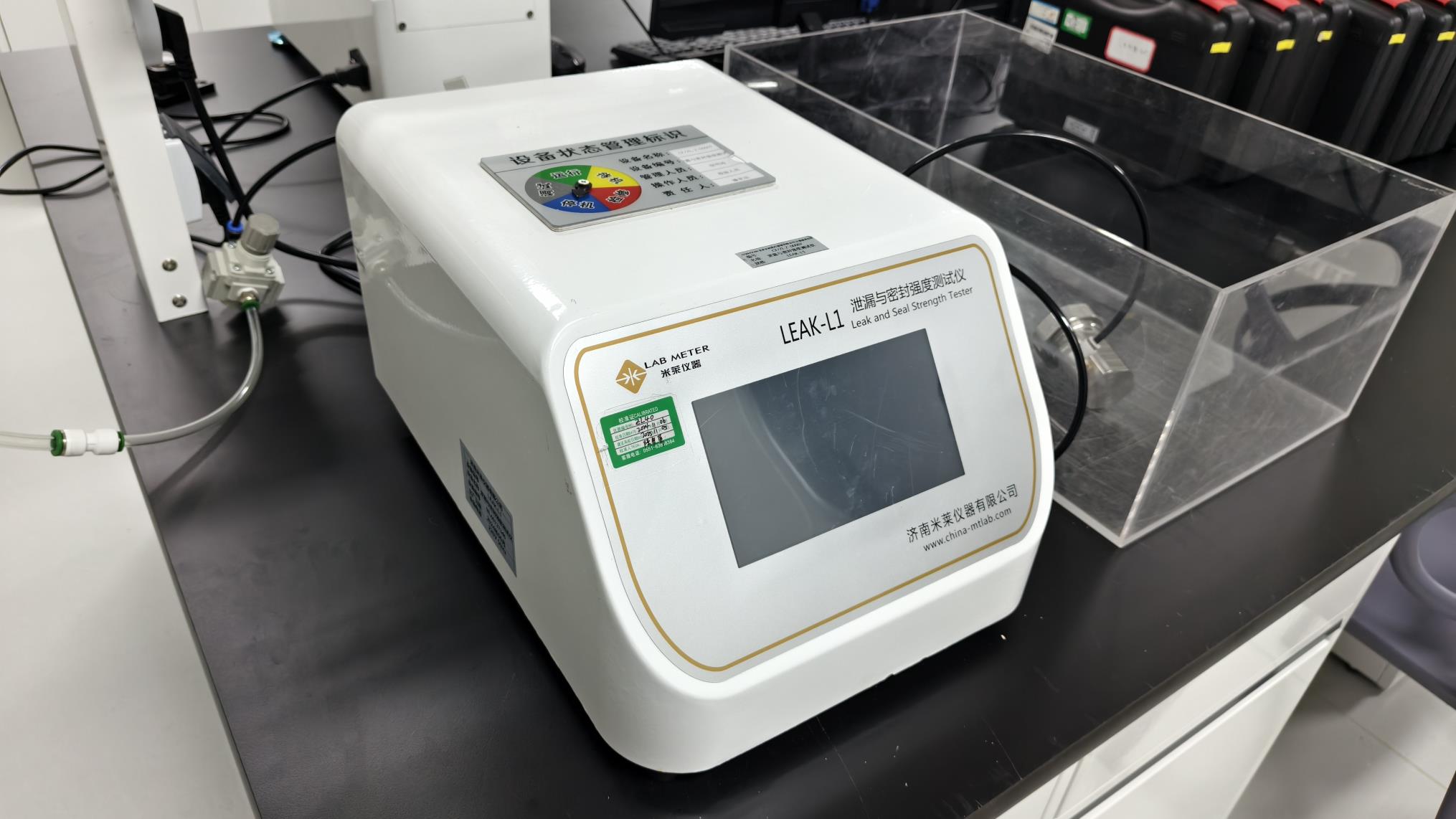
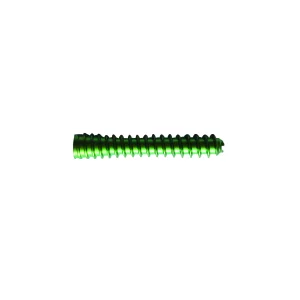
Providing specialized compression screws, Herbert-type headless solutions, and orthopedic instrument kits for complex bone reconstruction.
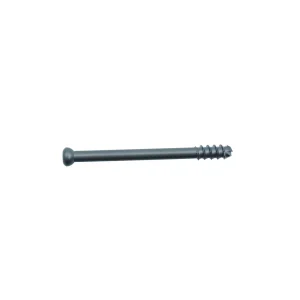
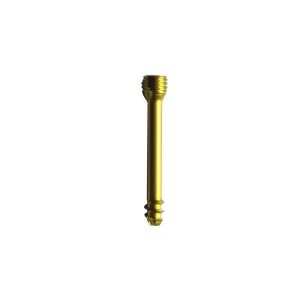
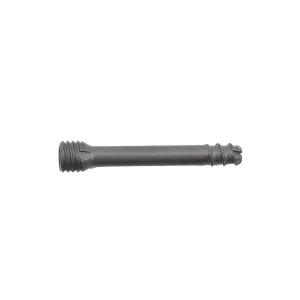
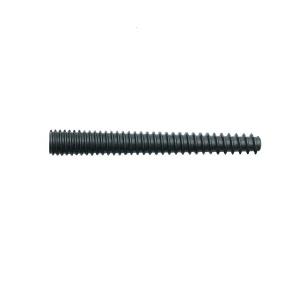
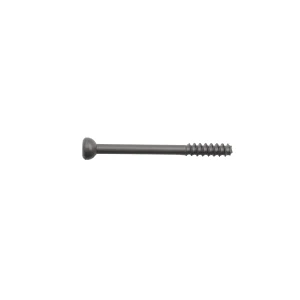
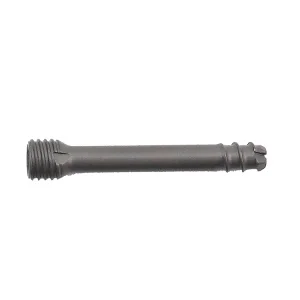
How orthopedic surgeons across Southeast Asia utilize our cannulated systems to optimize surgical workflows.
The insertion of a guide wire under image intensification allows for exact positioning before the screw is driven home. This is particularly valuable in pelvic fractures, distal femur reconstructions, and ankle fusion procedures. The cannulation is engineered to run true through the central axis, minimizing the risk of the screw drifting off target and preventing mechanical compromise in hard cortical regions.
Our headless compression screw configuration implements different thread pitches at the leading and trailing ends. As the screw is advanced, the difference in pitch draws the bone fragments together, creating strong interfragmentary compression. This eliminates the need for a prominent screw head in articular cartilage zones, protecting joints from impingement and chronic wear.
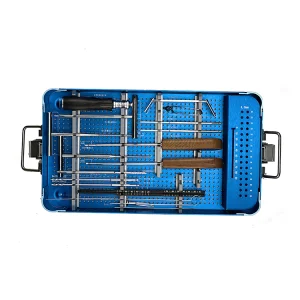
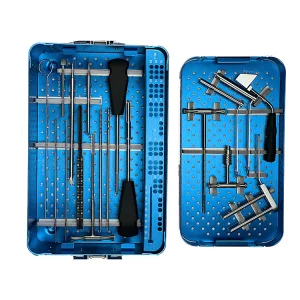
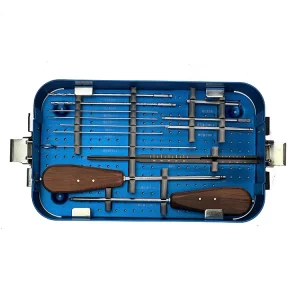
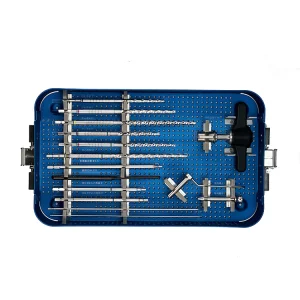
Our spinal and trauma instrumentation kits are designed to be universally compatible with standard hospital sterilization trays. The drivers, drill guides, depth gauges, and screw taps are made from high-strength stainless steel to withstand repeated autoclaving without loss of precision.
Ensuring seamless import clearance, logistics, and compliance with the Medical Device Authority (MDA).
For distributors and hospital supply officers in Kuala Lumpur, importing Class III implants involves navigating strict regulatory pathways. In Malaysia, orthopedic implants must undergo rigorous review and be registered with the Medical Device Authority (MDA) under Act 737. Zynfuse provides all the necessary documentation to streamline this process, including CE certificates, ISO 13485 declarations, raw material analysis reports, and biological safety testing files.
We work with trusted international logistics providers to coordinate shipping from our manufacturing base to Port Klang or Kuala Lumpur International Airport (KLIA). Implants are double-packaged in sterile barrier bags inside shockproof protective cartons to guarantee safety and integrity during transit.
Answering technical, regulatory, and supply chain questions for hospital buyers and orthopedic distributors in Malaysia.