Zynfuse
Zynfuse
Zynfuse
Designed to provide robust anatomical compression and stable osteosynthesis. Featuring premium titanium alloy construction and optimized thread profiles for surgeons across London NHS and private clinics.
The medical sector in Greater London, characterized by leading NHS Foundation Trusts and world-renowned private institutions on Harley Street, is currently undergoing significant transformation. With orthopedics facing substantial clinical backlogs, hospitals are prioritizing supply chain reliability, reduced surgical operation times, and implants that demonstrate superior biomechanical outcomes.
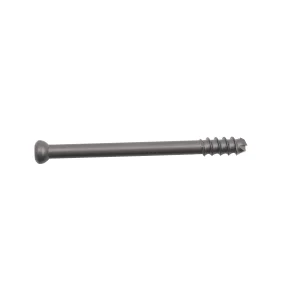
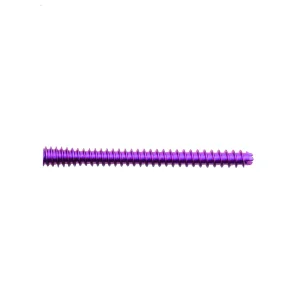
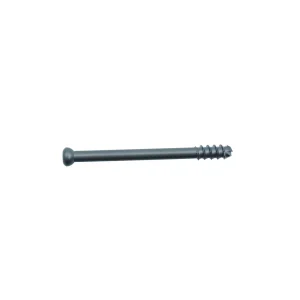
Cannulated screws represent a key clinical component in modern osteosynthesis. The ability to insert a guide wire under fluoroscopic control followed by a hollow-core screw allows for highly accurate, minimally invasive bone fragment stabilization. As surgical techniques progress towards outpatient procedures, the demand for precision, self-tapping, and self-drilling medical-grade titanium cannulated screws is at an all-time high.
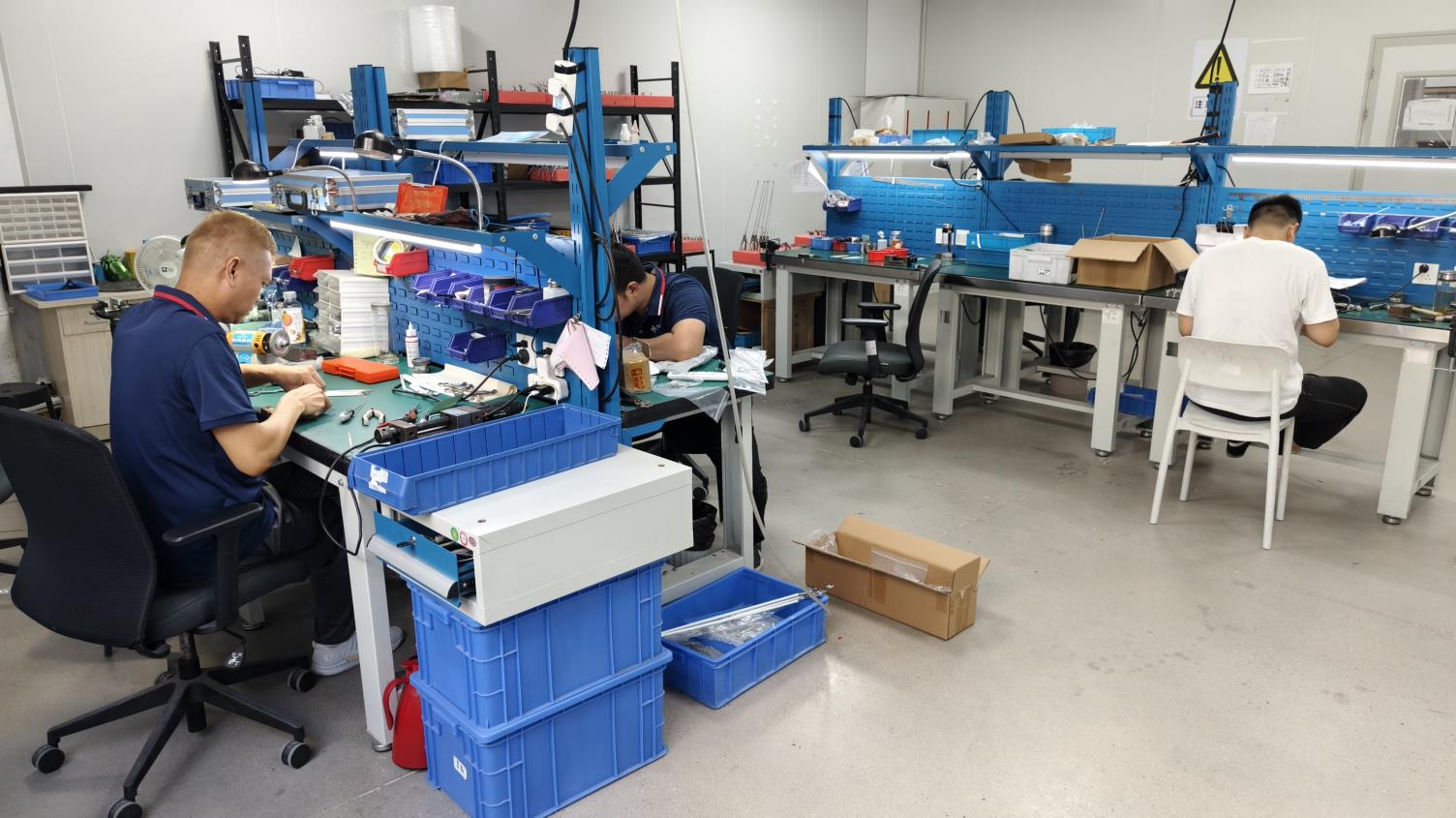
To serve this demanding ecosystem, Zynfuse Medical Technology integrates advanced micro-machining with strict quality assurance. We leverage biocompatible Ti-6Al-4V ELI (ASTM F136) titanium alloys to manufacture implants that minimize stress-shielding, optimize load sharing, and ensure long-term osseointegration.
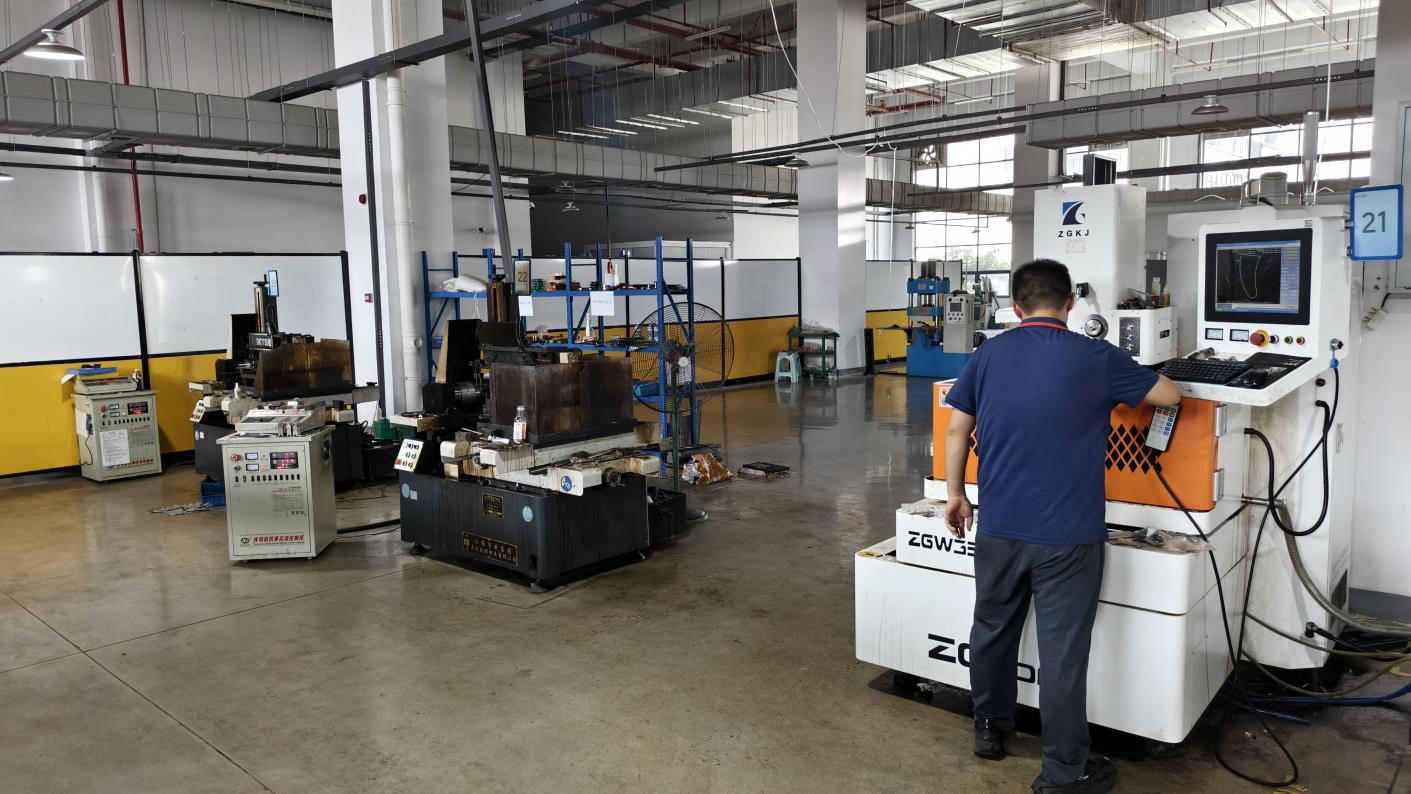
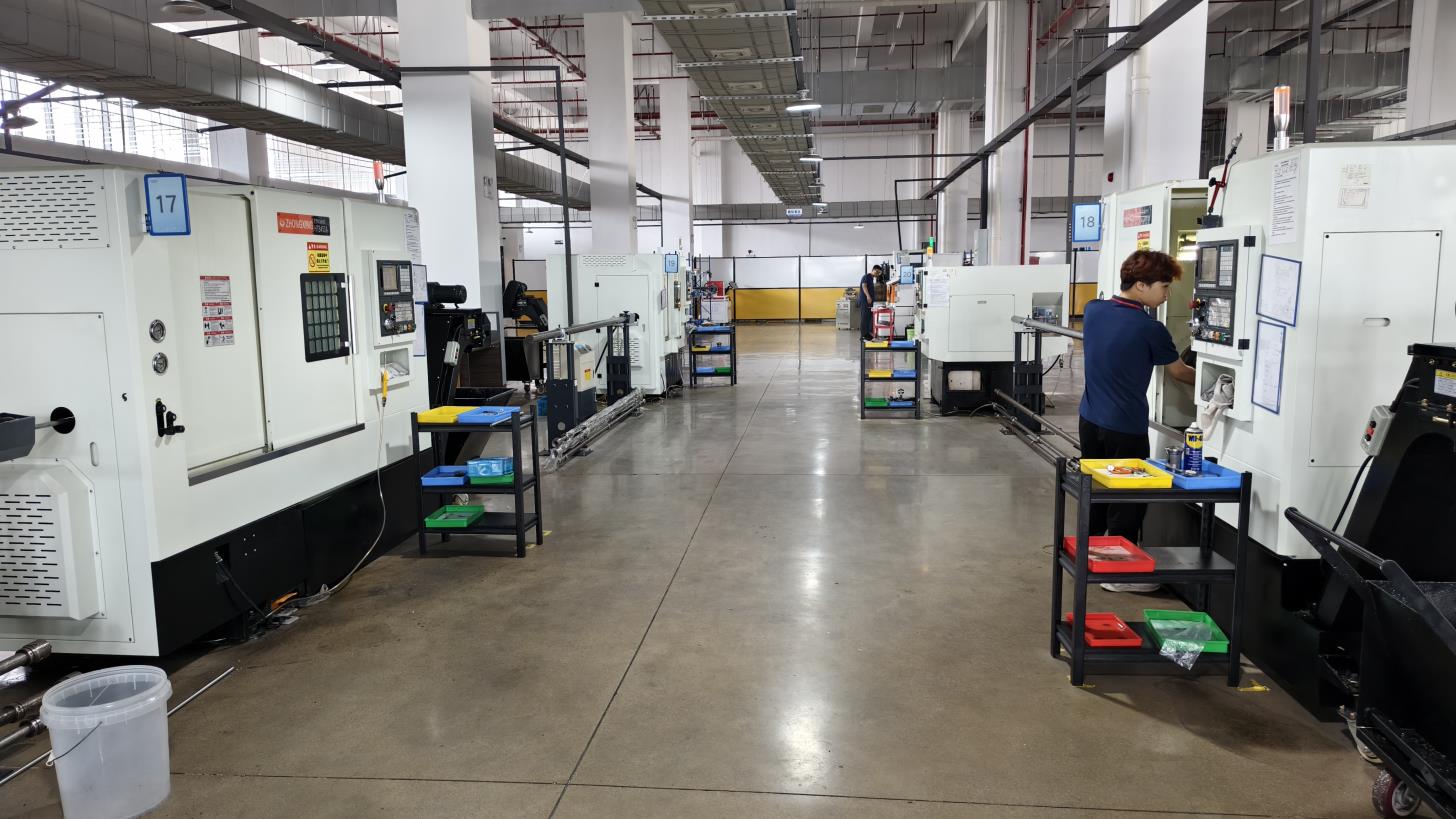
We combine Swiss-type CNC lathing, laser welding, and dynamic physical testing to maintain high tolerances across our entire catalog of orthopedic implants and instruments.
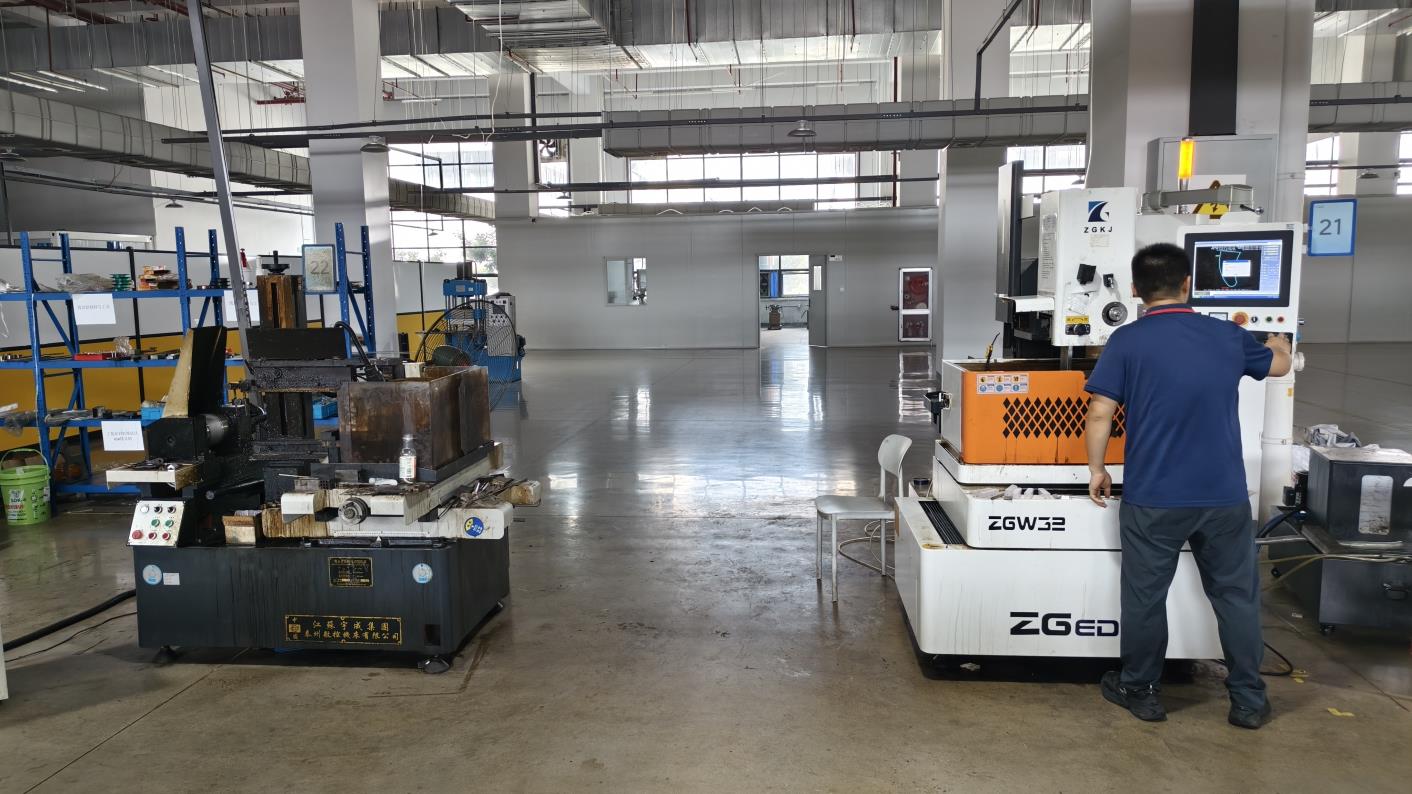
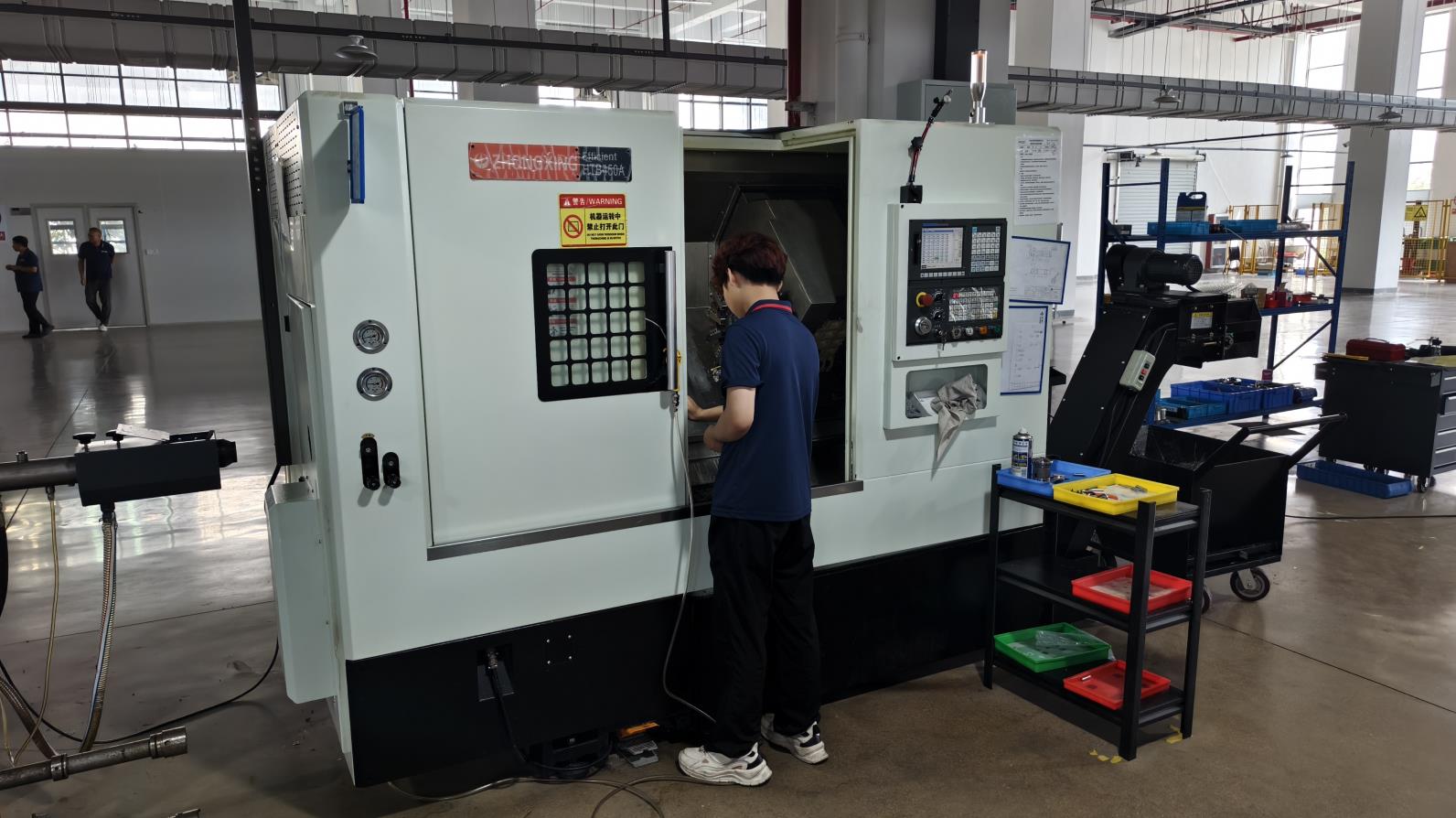
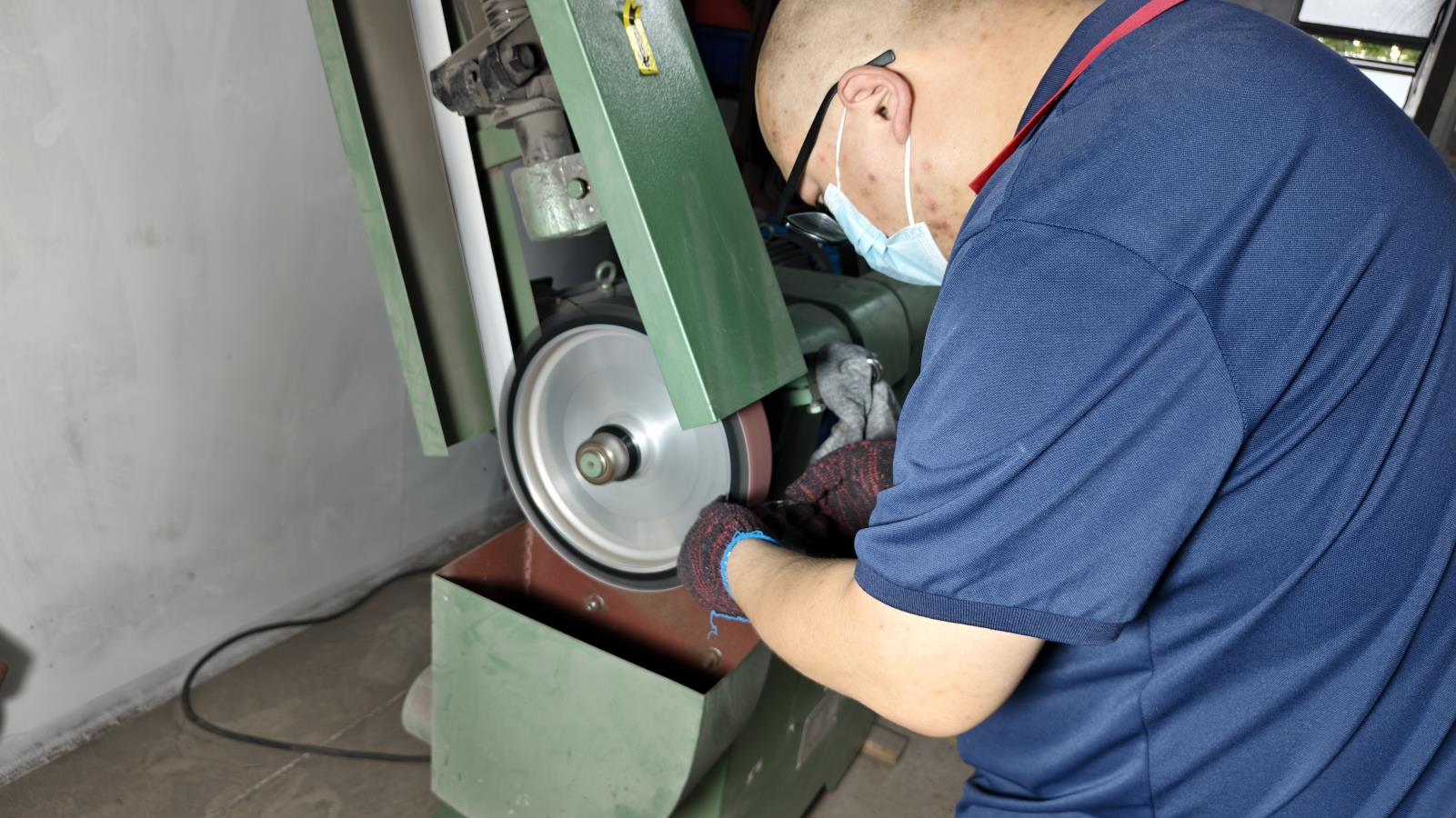
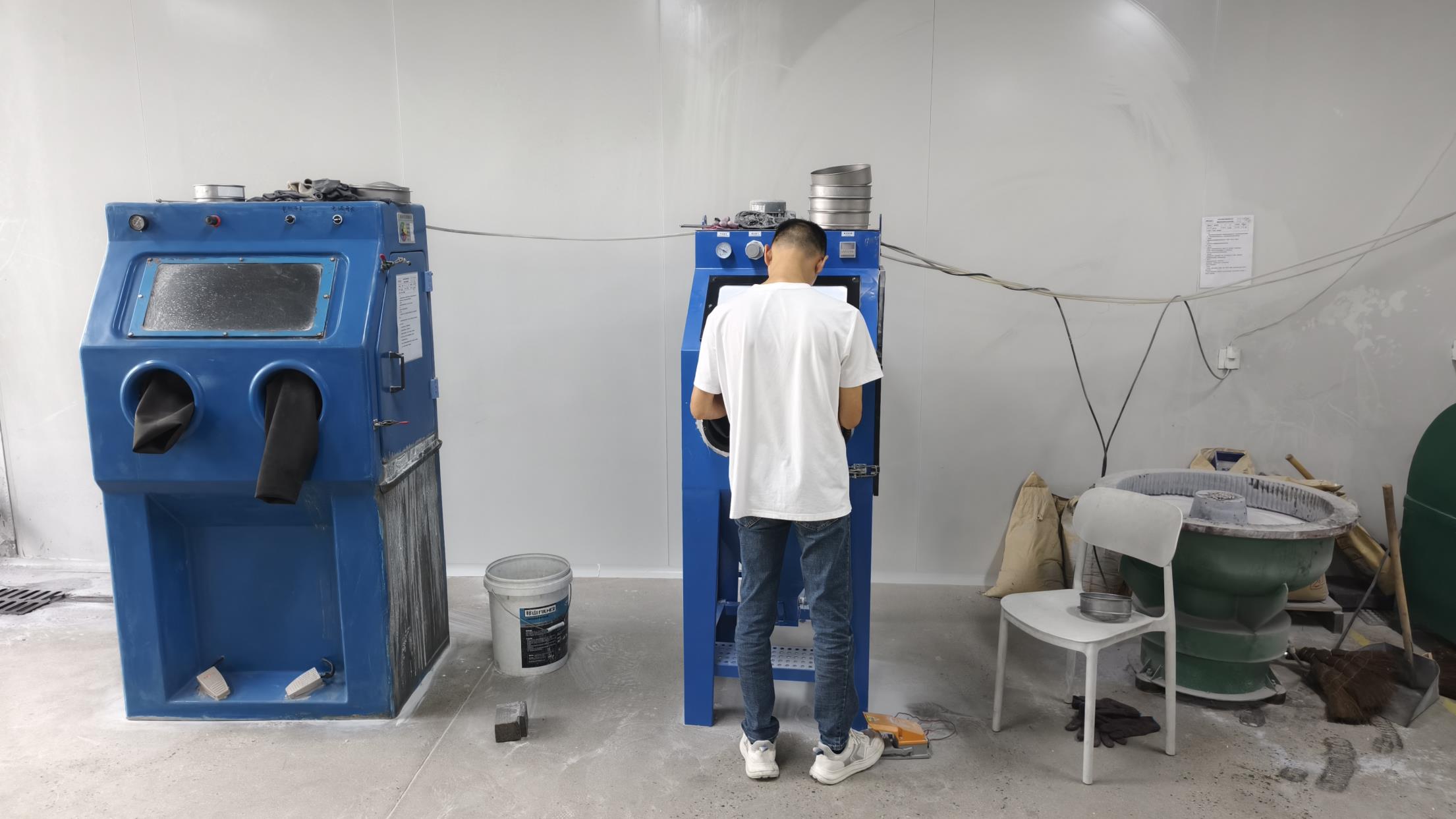
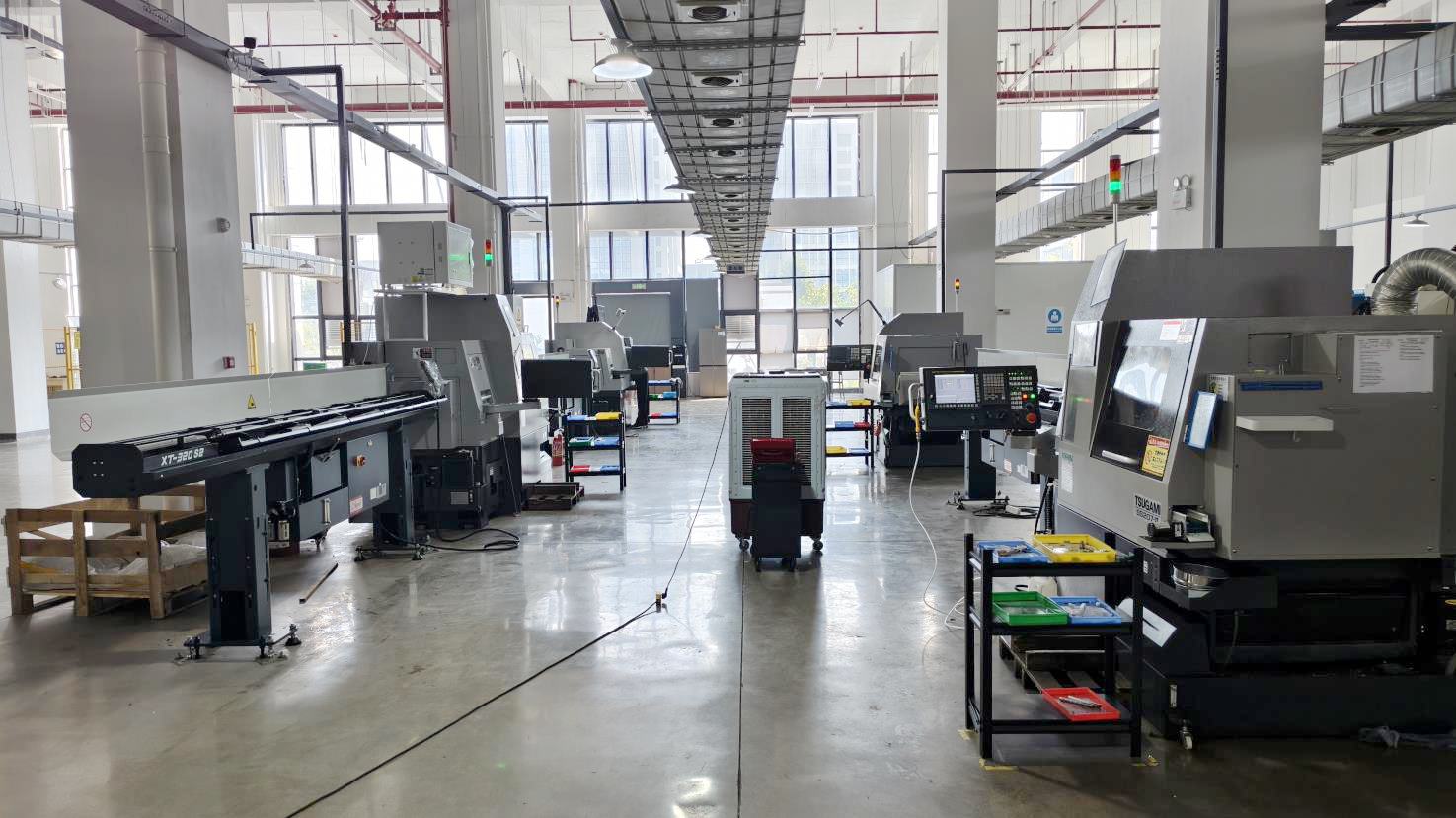
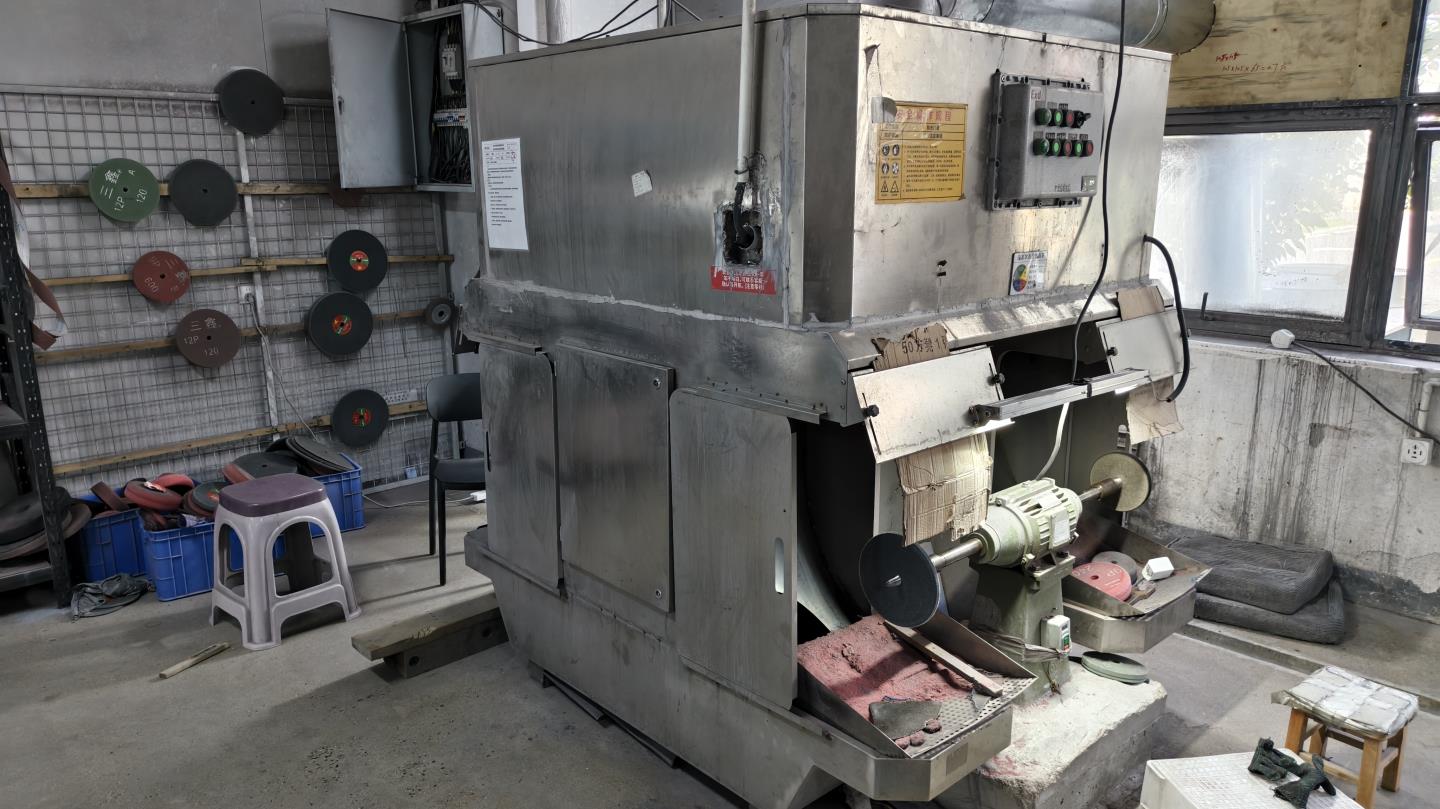
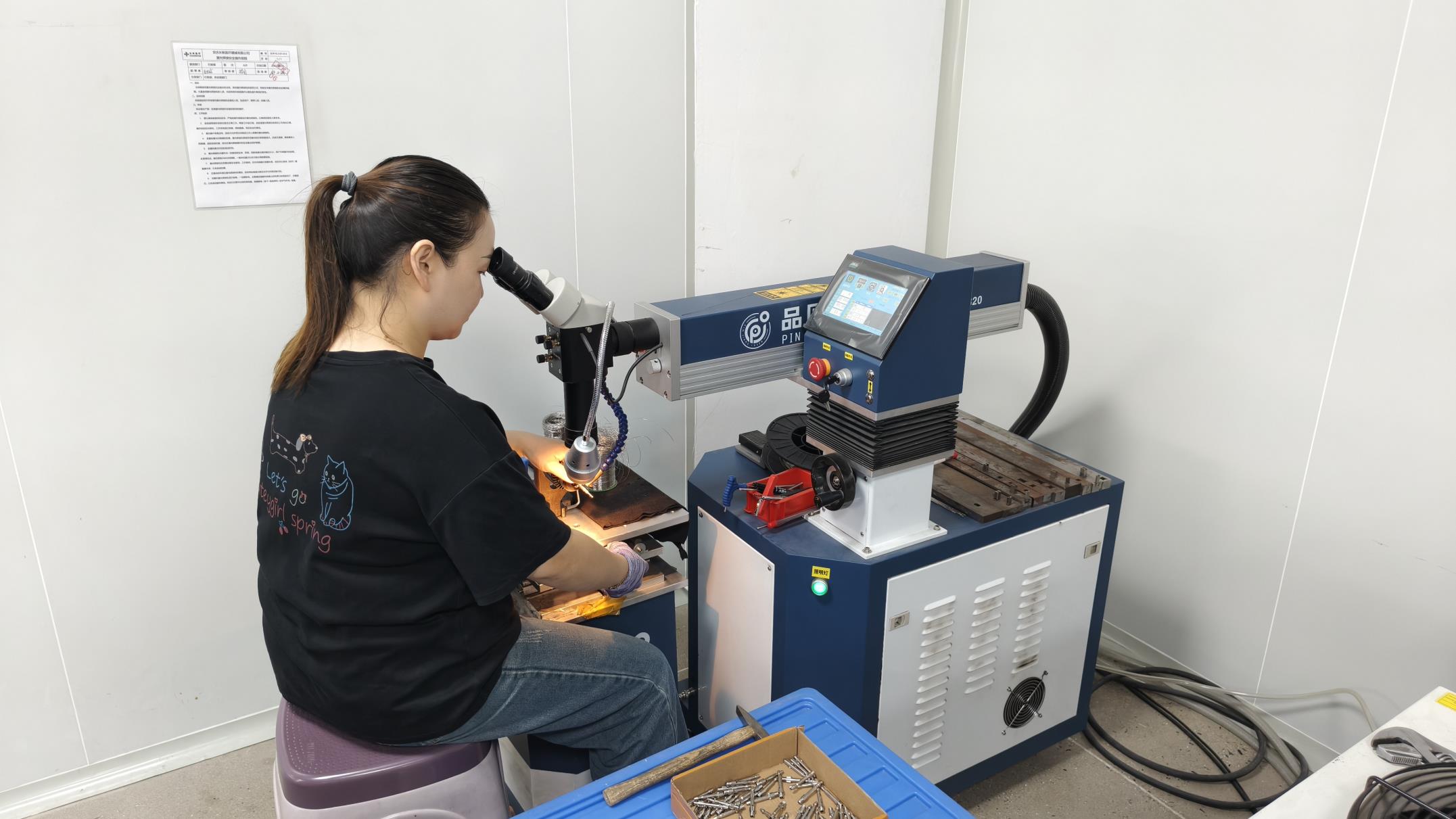
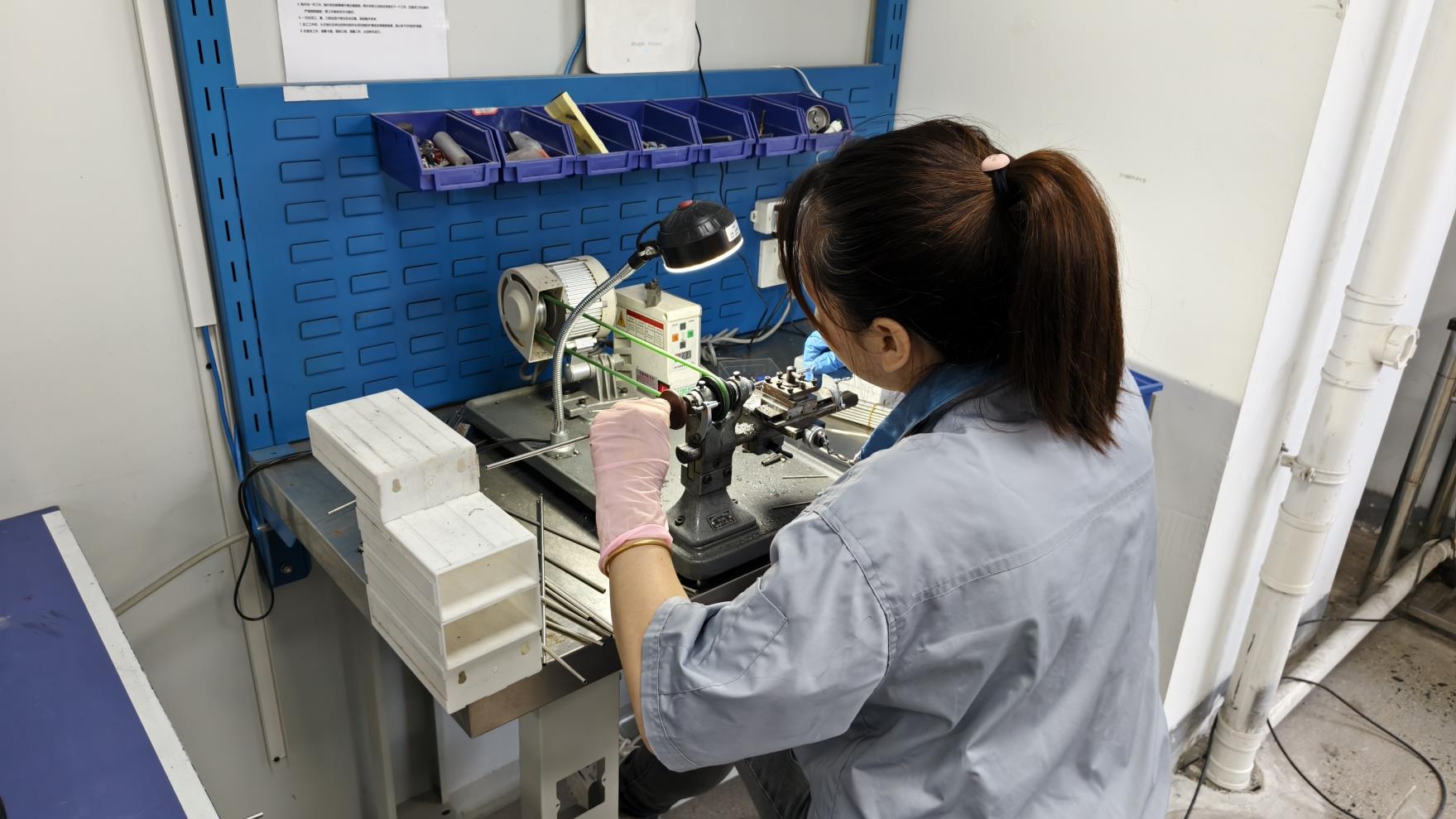
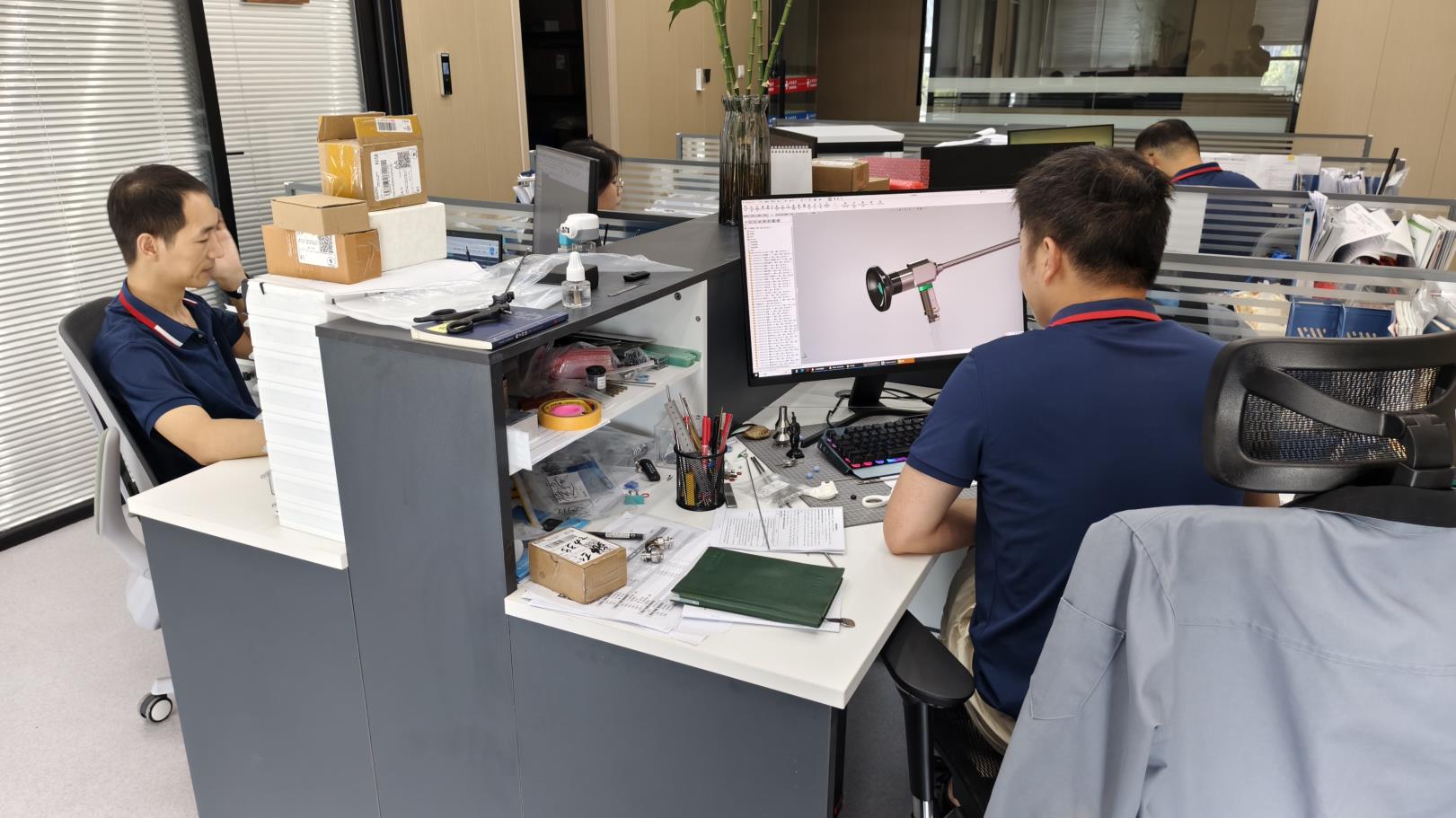

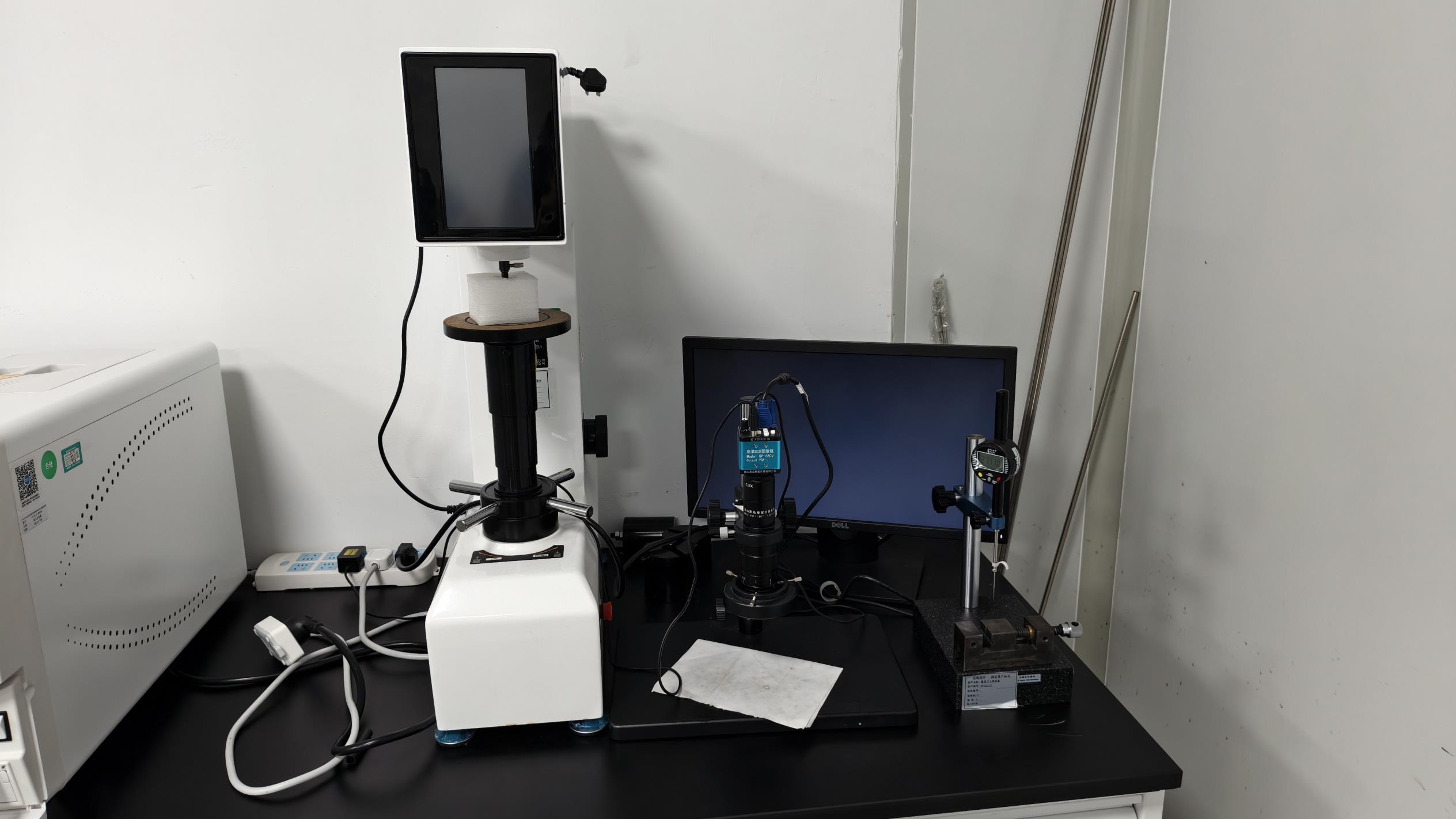
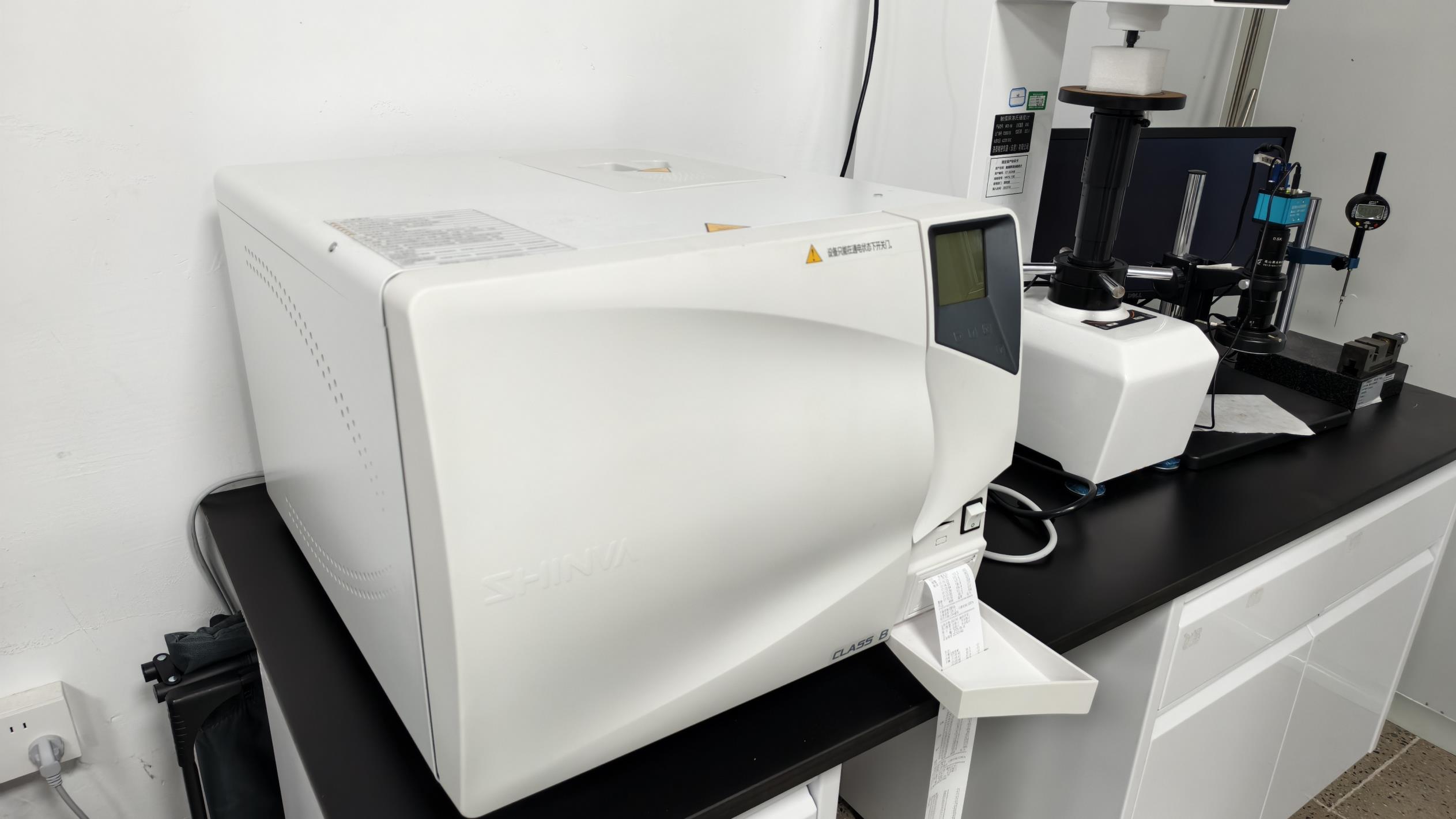
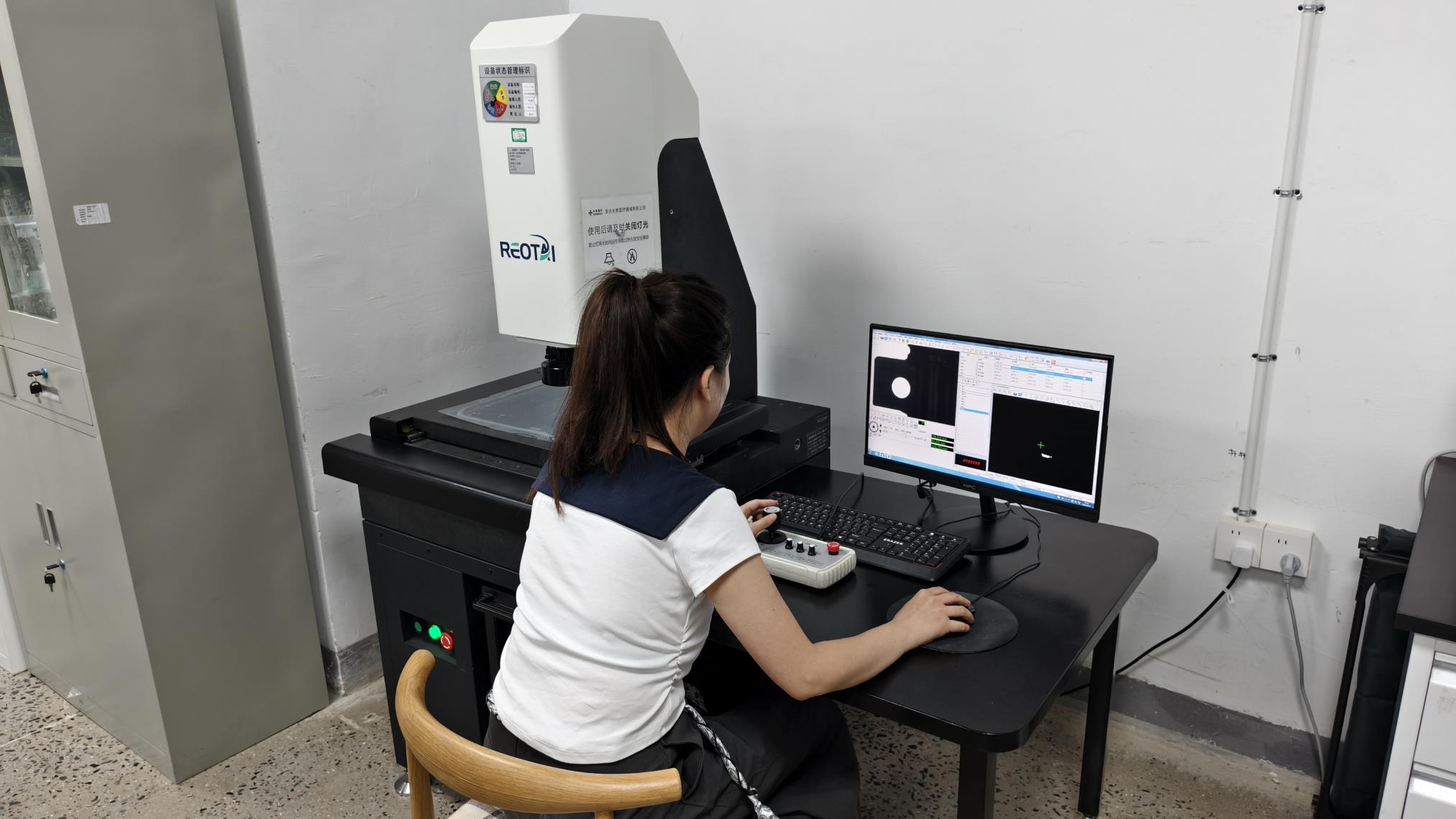
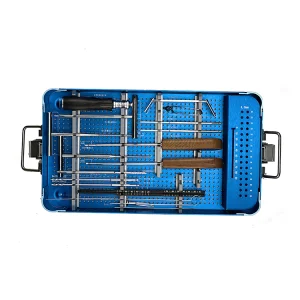
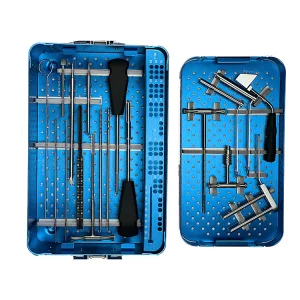
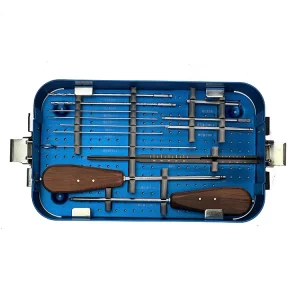
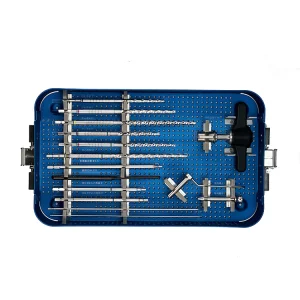
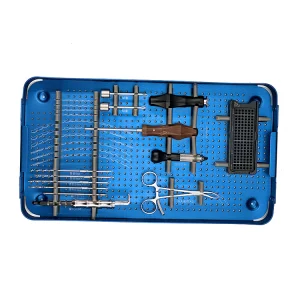
Designed for trauma surgeries requiring precision compression and stable osteosynthesis across pelvic, rib, and long bone applications.
Understanding the engineering parameters that drive surgical success in osteosynthesis.
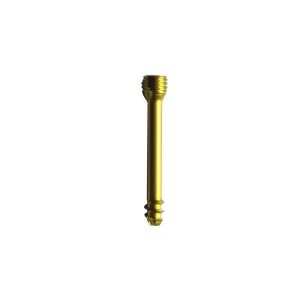
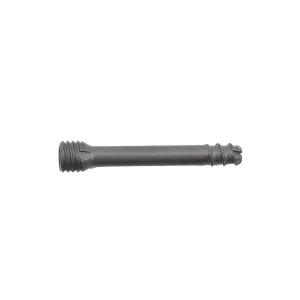
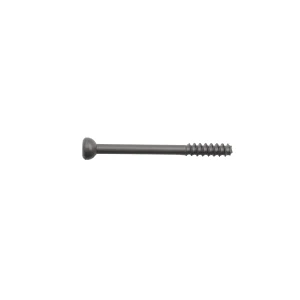
Designed for intra-articular fractures. The pitch differences between the proximal and distal threads pull the bone fragments together as the screw is driven home, burying the head beneath the cartilage to prevent soft tissue irritation.
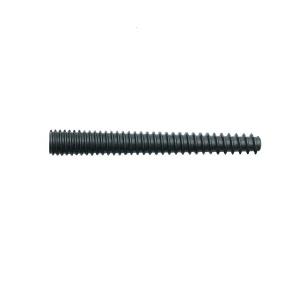
Partially threaded designs are critical for lag-screw compression across fracture planes, where the threads only catch the far cortex. Fully threaded options maximize stability in osteoporotic bone where purchase is compromised.
Parallel guide pin placement is confirmed via fluoroscopy prior to cannulated drilling. This minimizes bone loss and prevents secondary displacement of unstable fragments during implant insertion.
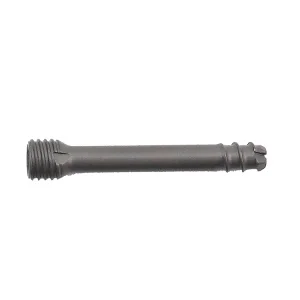
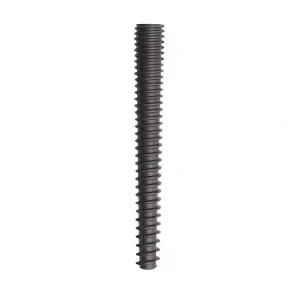
The structural integrity of a hollow screw depends on the ratio of its internal cannulation diameter to its outer thread diameter. An optimized balance prevents mechanical shearing under torsional loading during insertion. We implement a thread-profile design with deep cut angles to improve pull-out resistance, combined with self-drilling flute geometries that clear bone debris. This eliminates the need for pre-tapping in most cancellous bone applications, reducing overall operation time.
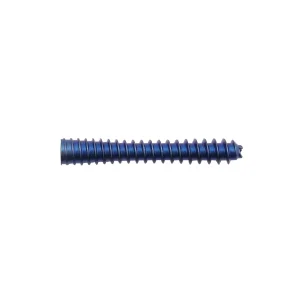
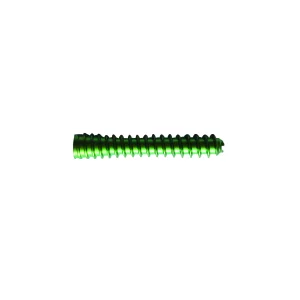
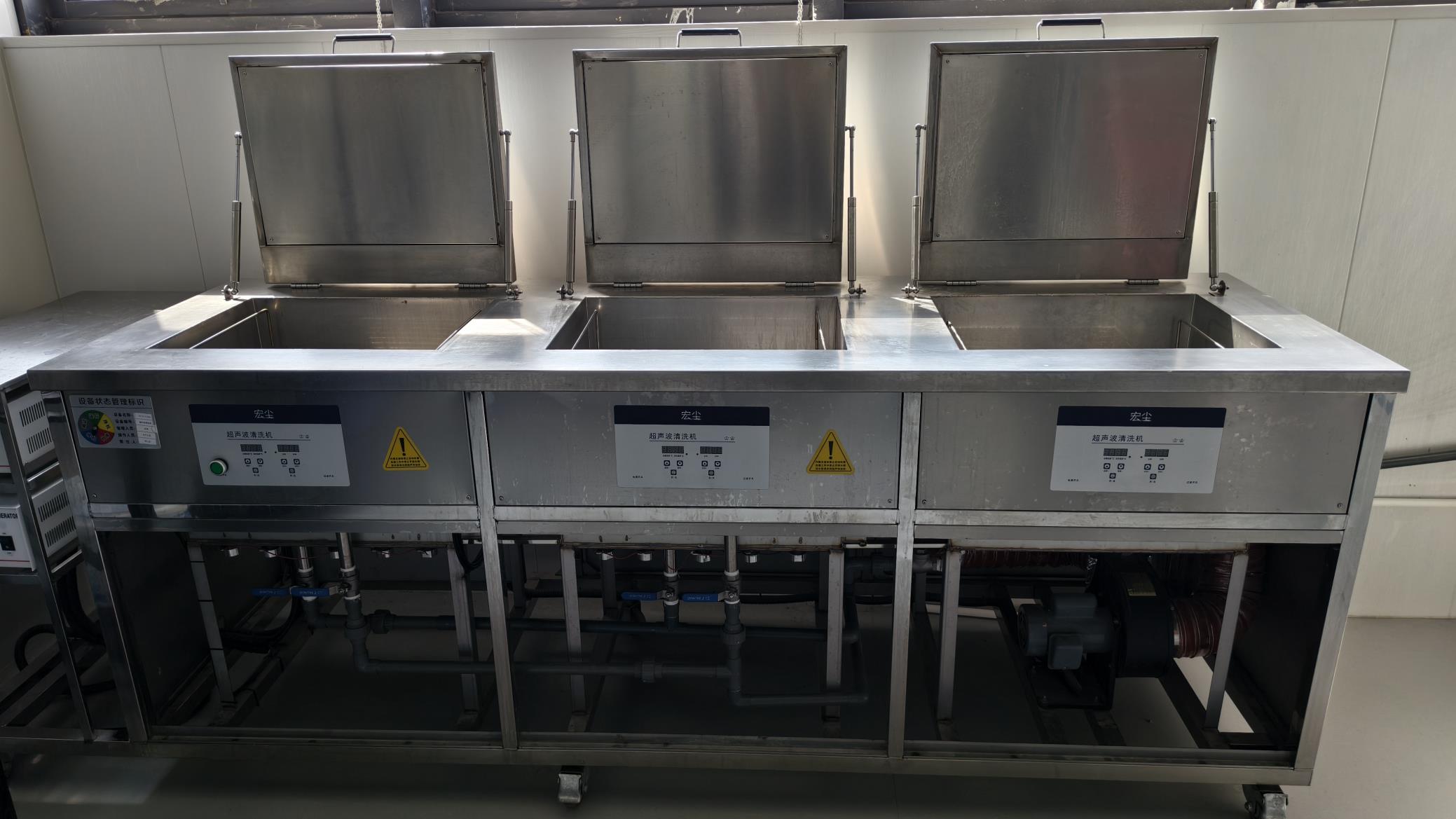
All implants undergo anodization surface treatment, creating a passive titanium oxide film. This thin film enhances corrosion resistance and prevents metal-ion release, supporting safe osteosynthesis and compatibility with MRI imaging profiles.
Procuring orthopedic medical devices in the UK requires strict adherence to regulations overseen by the Medicines and Healthcare products Regulatory Agency (MHRA). Following the UK's transition to the UKCA (UK Conformity Assessed) framework, Zynfuse has prepared technical documentation, biocompatibility profiles, and clinical evaluation files to support compliance in NHS trusts and private hospitals.
Our ISO 13485:2016-certified quality management system maintains tracking from the raw titanium bar stock to the sterilized, labeled implant package. For our London distribution network, we offer flexible shipping options, complete batch certification, and customized packaging styles. This ensures rapid replenishment for surgical suites facing high trauma loads.
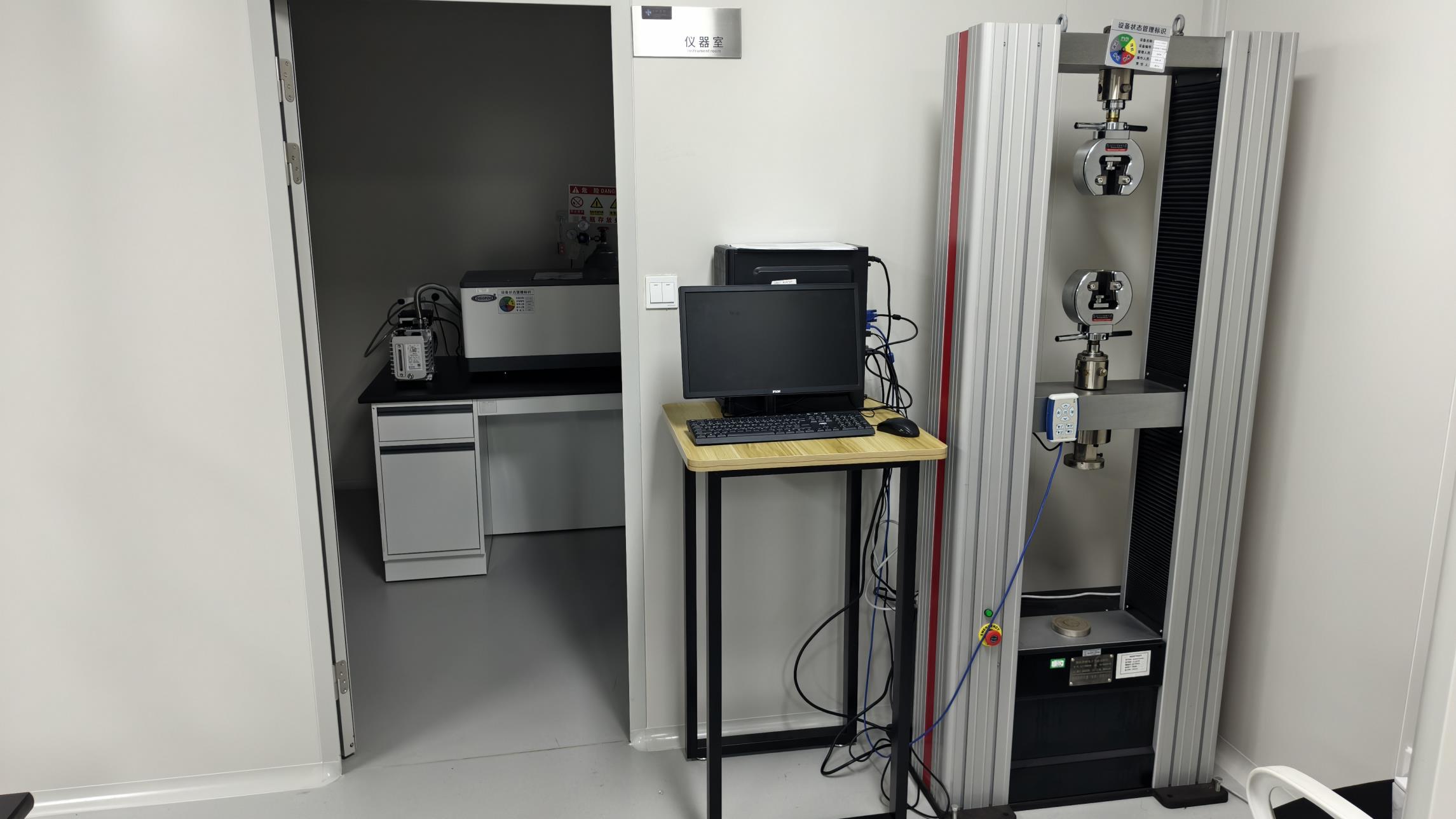
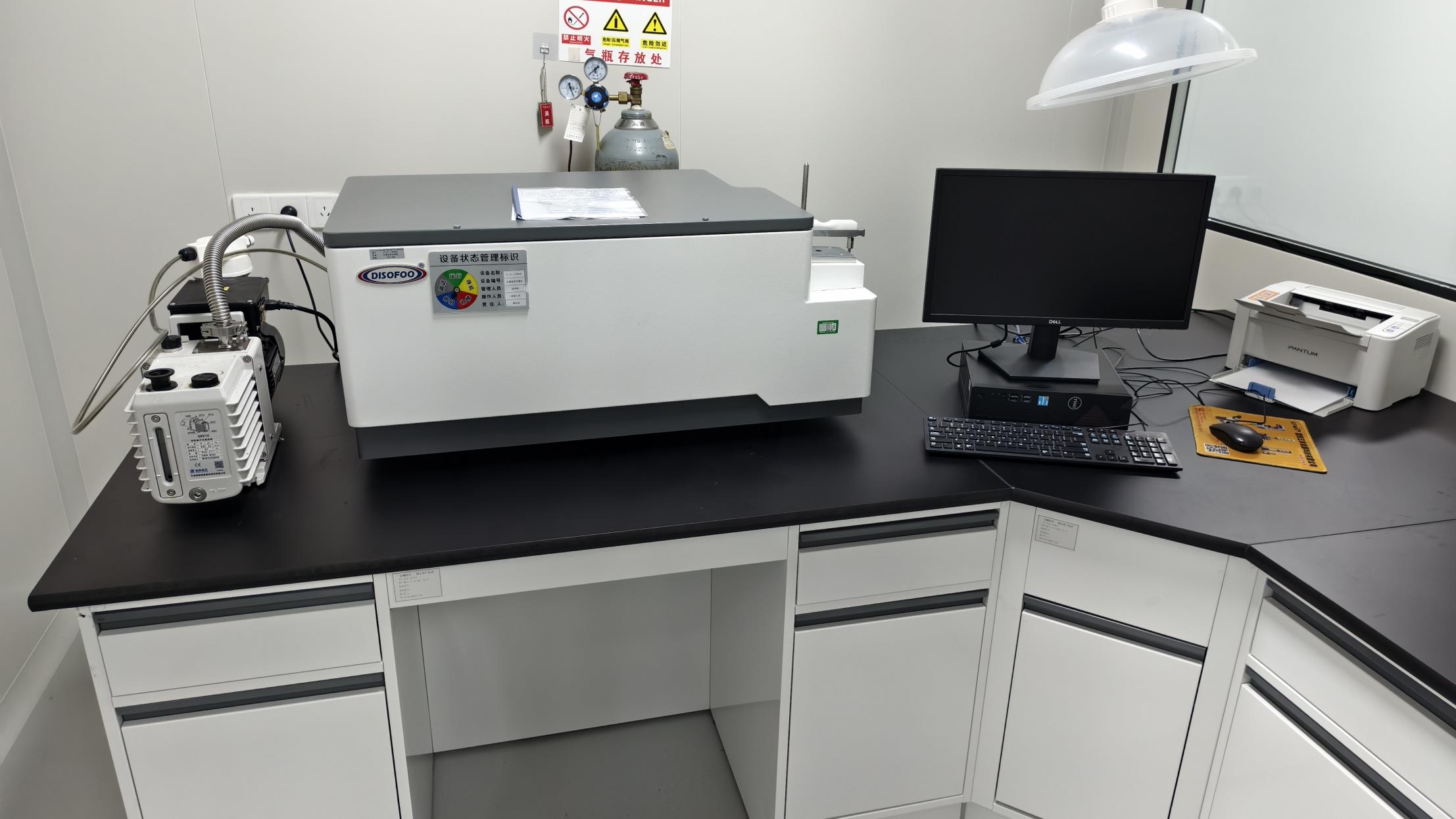
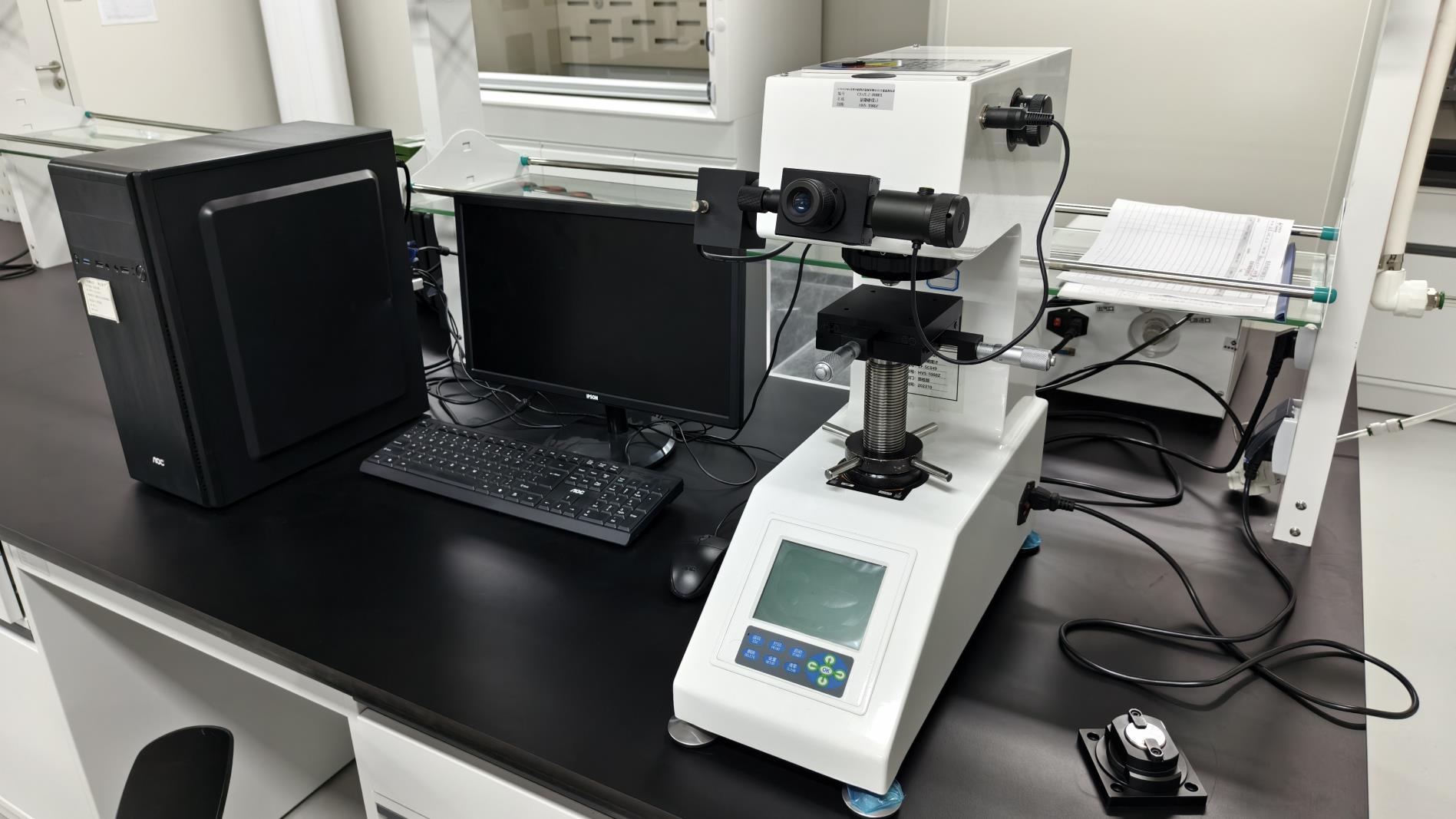
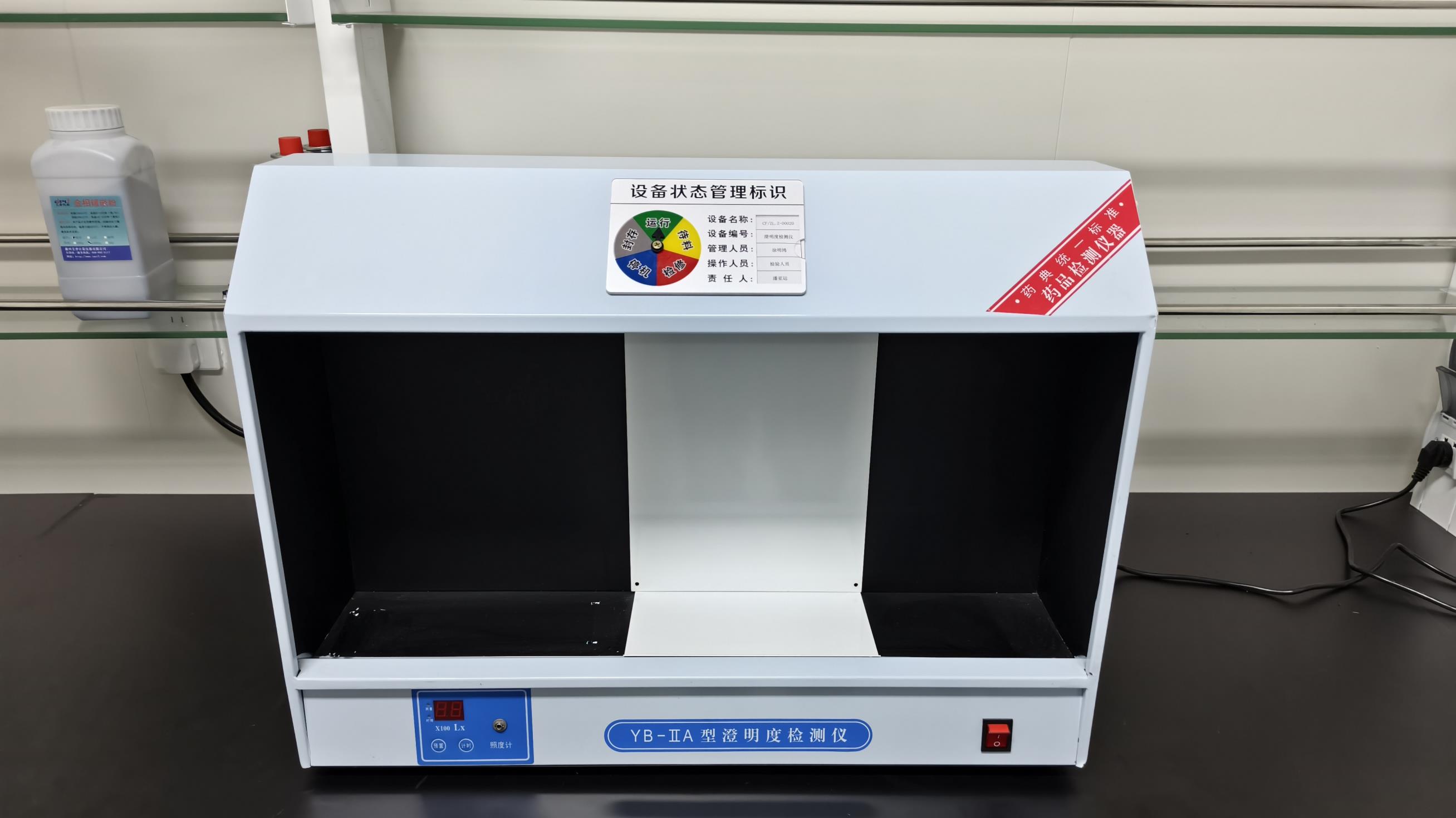
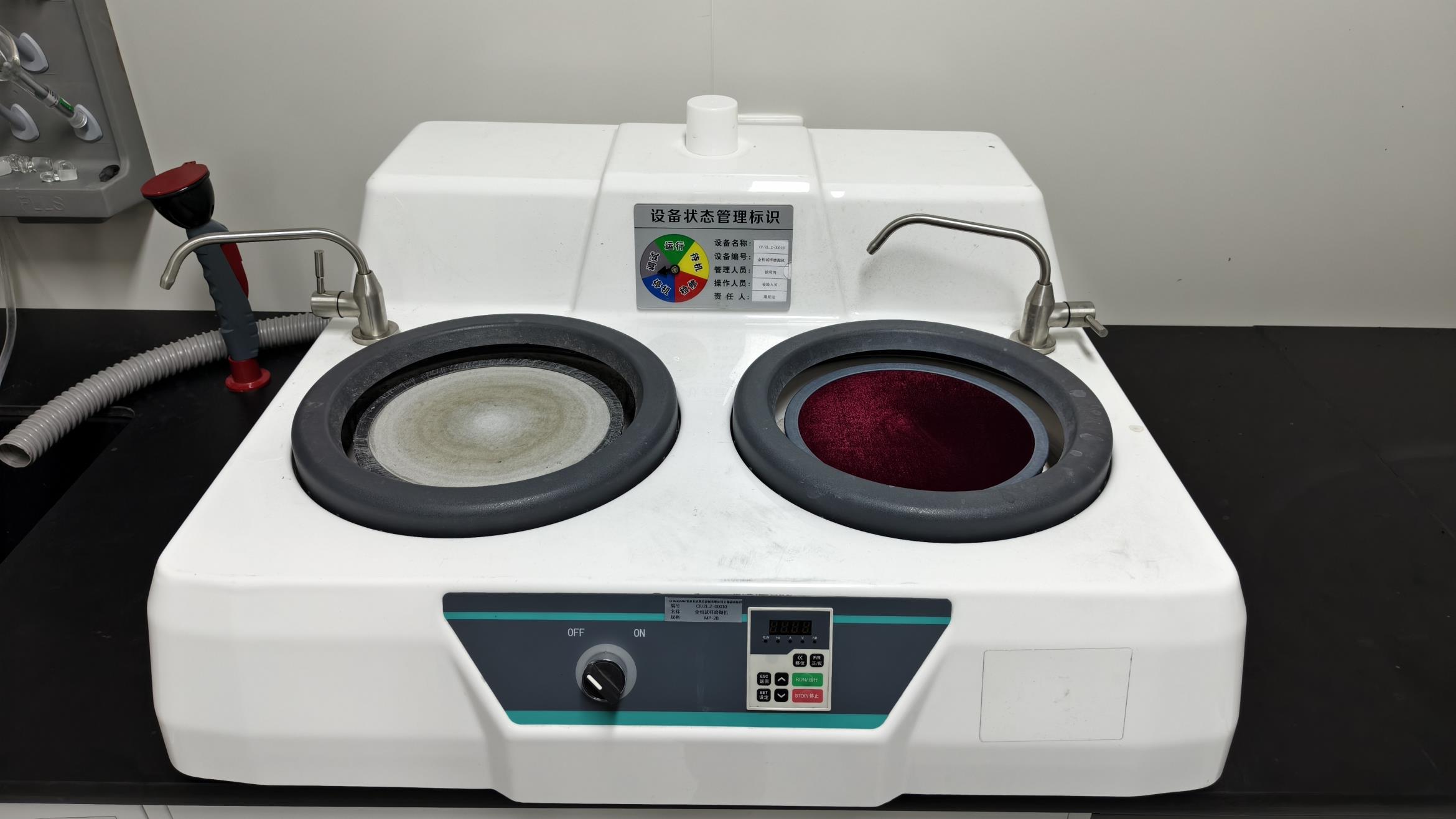
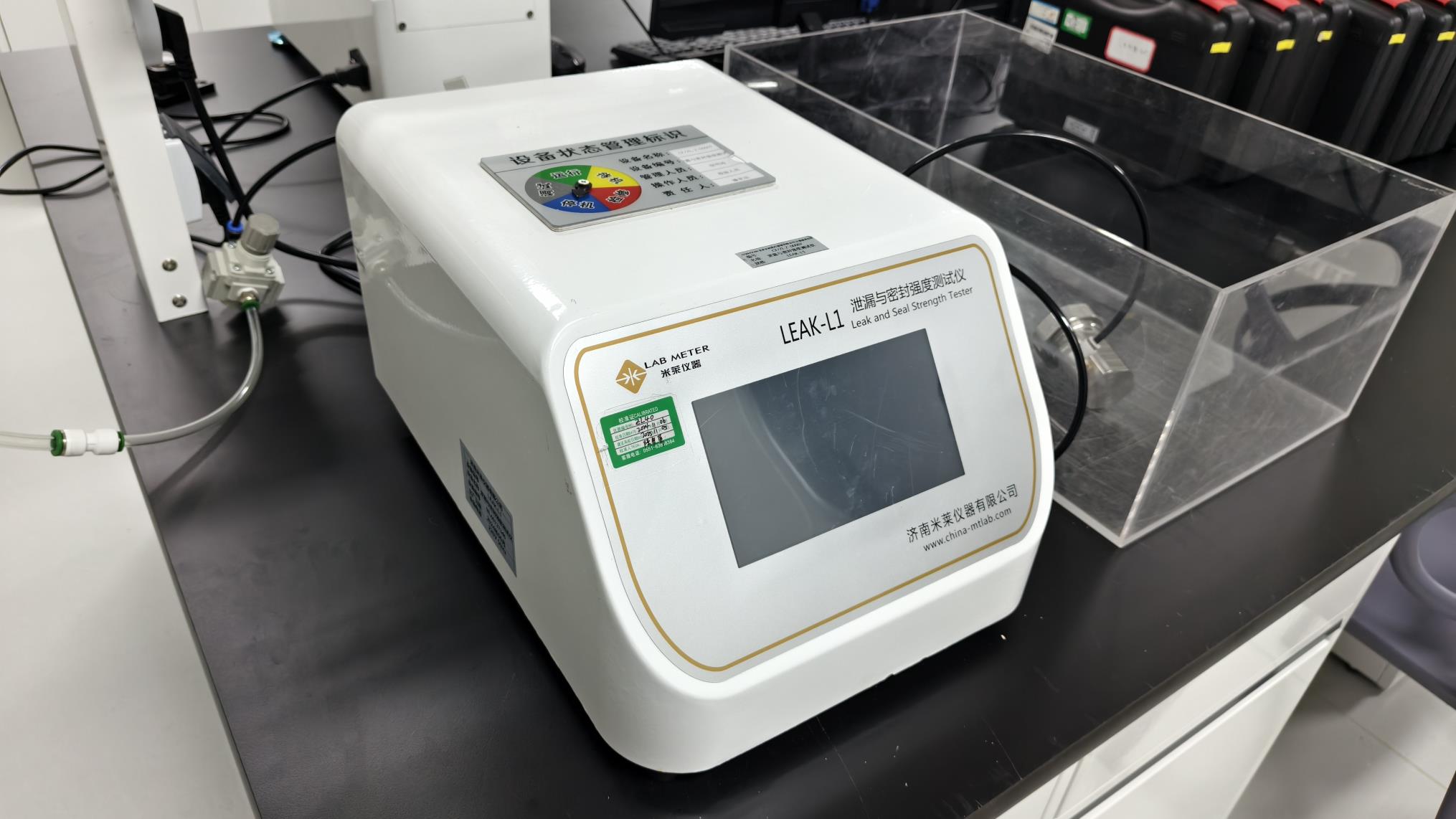
Before shipment, every production lot is subjected to a quality checklist using our testing machinery:
We are advancing implant surfaces to address clinical challenges like implant-associated infections and delayed union.
Integrating antimicrobial silver-ion coatings and silicon-doped hydroxyapatite (Si-HA) structures to promote early bone bonding and prevent bacterial adhesion, reducing revision surgeries.
Developing porous bone-like lattices within the core of cannulated implants. This facilitates bone ingrowth throughout the screw body, improving primary stability in complex pelvic reconstructions.
Researching magnesium-alloy architectures that degrade naturally in the body over 12-18 months. This eliminates the need for secondary hardware removal surgeries in pediatric patients.
Expert answers addressing the clinical, regulatory, and logistics queries of healthcare buyers and distributors.
Fully serialized, sterile or non-sterile options. Manufactured with high tolerances to ensure ease of insertion and reliable biomechanical performance.