Zynfuse
In the dynamic landscape of orthopedic surgery, Distal Radius Locking Plates play a pivotal role. These plates offer advanced fixation for distal radius fractures, a common injury in the upper extremities. Their innovative design enhances stability, allowing for quicker recovery and improved patient outcomes.
As global demand for these medical devices rises, buyers face challenges in selecting the best options. The market is flooded with choices, each varying in quality and functionality. This can lead to confusion and potential missteps. It’s essential for buyers to thoroughly assess their needs, considering both performance and reliability.
Despite the advancements, not all Distal Radius Locking Plates are created equal. Some may lack the necessary durability or fit, potentially leading to complications. This underscores the importance of doing due diligence. Engaging with healthcare professionals, and seeking expert opinions can guide buyers towards making informed decisions.
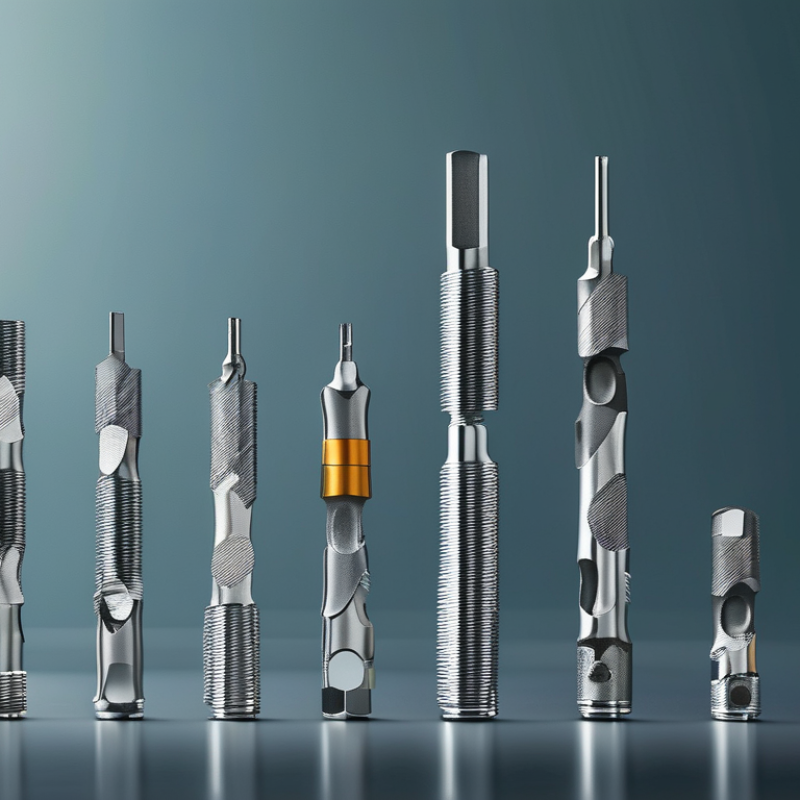
The distal radius locking plates market in China has been experiencing notable growth. According to market analysis, the industry is expected to expand at a compound annual growth rate (CAGR) of approximately 8% from 2021 to 2026. This rise links closely to increasing incidents of wrist fractures globally. The growing elderly population also contributes to higher demand for effective orthopedic solutions.
Additionally, advancements in manufacturing technology enhance product reliability and outcomes. Recent studies indicate that modern locking plates provide superior stability compared to traditional plates. A survey found that about 75% of orthopedic surgeons prefer these advanced solutions. However, despite progress, challenges remain. Some surgeons report difficulties in selecting suitable plate sizes. This inconsistency can impact surgical outcomes.
Moreover, the cost of these locking plates can be a hurdle in developing regions. Budget constraints in hospitals often prevent access to the latest technology. These factors highlight the need for continued innovation and support in the market. Stakeholders are urged to address these gaps while ensuring quality and accessibility in the distal radius locking plates sector.
When considering distal radius locking plates, it’s essential to recognize the key manufacturers in China. These companies offer various designs that cater to different surgical needs. Their products are widely used in orthopedic procedures, promoting better healing outcomes.
Many manufacturers focus on innovation. They employ advanced materials and cutting-edge technology in their production processes. This dedication can significantly impact surgical success rates. However, not all manufacturers maintain the same quality standards. Buyers should conduct thorough research to identify trustworthy suppliers.
Some manufacturers may lack transparency in their production practices. This can lead to concerns about the reliability of their products. It’s crucial for buyers to assess the credentials and reputation of these companies. Gathering feedback from medical professionals can provide deeper insights. The right choice can make a considerable difference in patient recovery.
The market for distal radius locking plates is evolving rapidly. A recent industry report indicated a projected growth rate of over 7% from 2023 to 2030. Buyers now have access to an array of options, each differing in product features and materials. Understanding these differences is crucial for informed decision-making.
Material choices are a significant factor. Many plates are made from titanium, known for its strength and biocompatibility. Others use stainless steel, which offers durability but may not be as biocompatible. Manufacturers are increasingly focused on using bioactive coatings to enhance integration with bone. This could greatly impact recovery times. There is evidence that plates with such coatings can reduce postoperative complications.
Design features also vary widely. Some plates offer multi-axis locking screws, allowing for greater flexibility during surgery. Others feature anatomic shapes contoured to fit specific patient needs. However, not all designs simplify the surgical procedure as intended. Some orthopedic surgeons report difficulties while using overly complex locking mechanisms. Exploration of these design intricacies is essential. As the market progresses, continuous evaluation of product performance will help refine options for global buyers.
When considering distal radius locking plates, quality standards and certifications play a crucial role. The effectiveness and safety of these medical devices depend significantly on the manufacturing process. According to recent reports from the Global Orthopedic Devices Market, stringent quality standards ensure reliability and performance. Regulatory bodies like the FDA and ISO guidelines also enforce essential safety measures.
It's vital for health professionals to check for certifications when selecting a distal radius locking plate. Many devices must undergo rigorous testing, including mechanical strength and biocompatibility assessments. For instance, ASTM standards often guide these evaluations, which help verify that the plates meet specific requirements for surgical applications. Adherence to these protocols reflects a commitment to patient safety and effective treatment outcomes.
Tip: Always request documentation of compliance with ISO 13485 or similar certifications. This ensures that the manufacturer adheres to strict quality management systems. It is not uncommon for some suppliers to lack complete certification, which can raise concerns. The reflection on this aspect can lead to better decision-making in health care. Aim for transparency in sourcing materials and production methods; it can save you future complications.
| Model | Material | Locking Mechanism | Weight (g) | Radiopaque | Certifications |
|---|---|---|---|---|---|
| Model A | Titanium Alloy | Screw Locking | 50 | Yes | ISO 13485, CE |
| Model B | Stainless Steel | Plate Locking | 45 | Yes | FDA, ISO 9001 |
| Model C | Titanium | Dynamic Locking | 52 | Yes | CE, TGA |
| Model D | Cobalt Chrome | Static Locking | 60 | Yes | ISO 13485, CE |
| Model E | Titanium Alloy | Screw Locking | 48 | Yes | FDA, ISO 9001 |
The market for distal radius locking plates has grown significantly. Recent studies indicate a global market size of approximately $1.2 billion, with an expected annual growth rate of 6.5%. This rise reflects an increasing demand for innovative solutions in orthopedic surgeries. Factors such as the aging population and rising rates of wrist fractures drive this demand.
Buyers show a preference for plates that prioritize ease of use, fixation strength, and versatility. Reports indicate that around 73% of orthopedic surgeons prefer locking plates that provide a higher degree of stability. A reliable plate can enhance recovery and improve patient satisfaction, which medical professionals view as critical in their choice of products.
However, not all options meet these expectations. Some distal radius locking plates struggle with ease of application. They may require advanced skills or additional tools. The inconsistencies in quality and performance create a challenge, leading many professionals to reconsider their purchasing decisions. It's crucial to address these gaps for a more consistent product experience in the market.
: Increasing wrist fractures and a growing elderly population significantly drive market growth.
The market is projected to grow at a CAGR of around 8%.
Titanium and stainless steel are popular choices; titanium offers better biocompatibility.
Enhanced manufacturing improves product reliability and provides better surgical outcomes.
It’s essential to verify certifications and compliance with quality standards for safety.
Some find it difficult to choose the appropriate plate size, affecting surgical success.
Budget constraints in hospitals can limit access to the latest technology.
They enhance bone integration and may reduce postoperative complications significantly.
Overly complex locking mechanisms may hinder surgical procedures instead of simplifying them.
It promotes better decision-making and helps avoid future complications related to quality.
The article "China Top 10 Distal Radius Locking Plates for Global Buyers?" provides a comprehensive overview of the distal radius locking plates market in China, highlighting its growth trends and the increasing demand among global buyers. As a critical component in orthopedic surgeries, these plates are designed to enhance stability and support for distal radius fractures, making them essential for effective recovery.
The article also delves into key manufacturers within the Chinese market, offering a comparative analysis of product features and materials used in the production of distal radius locking plates. Furthermore, it discusses the quality standards and certifications necessary for these medical devices, ensuring compliance with international safety regulations. Understanding market demand and buyer preferences is critical for stakeholders looking to navigate this evolving landscape and make informed purchasing decisions.
