Zynfuse
Zynfuse
Zynfuse
Engineered to meet the exact performance and metallurgical requirements of modern traumatology and reconstructive surgeries.
Understanding clinical requirements, design parameters, and biomechanical standards for modern implants.
The human meniscus plays a vital role in joint biomechanics, distributing axial load, absorbing shock, and stabilizing the knee joint. Meniscal tears are among the most common orthopedic injuries worldwide. Clinically, preserving the tissue via suture repair has replaced subtotal meniscectomy as the standard of care to mitigate early-onset osteoarthritis. This paradigm shift has escalated the demand for advanced All-Inside, Inside-Out, and Outside-In Meniscal Repair Devices.
Designing and manufacturing these devices requires balancing tensile strength, suture retention, bio-compatibility, and mechanical deployment consistency. All-inside devices, in particular, rely on intricate delivery mechanisms featuring ultra-small polymer anchors (typically PEEK or bioabsorbable PLLA/PLDLA polymers) connected by high-strength, non-absorbable Ultra-High-Molecular-Weight Polyethylene (UHMWPE) sutures.
For medical brand owners and distributors, partnering with an experienced OEM/ODM manufacturer is crucial. Precision engineering of components with sub-millimeter tolerances is necessary to prevent deployment failure in the arthroscopic space, ensuring surgeons can perform reliable, reproducible stitch configurations under tension.
Modern sports medicine centers require implants to withstand continuous cyclic loads exceeding 100 Newtons without slippage or tissue cutout. Minimizing the foreign-body profile inside the synovial joint capsule is also crucial to avoid cartilage abrasion.
From an engineering perspective, this calls for precision molding, sterile assembly, and high-performance biomaterial selection.
A trusted name in advanced orthopedic device manufacturing, serving global healthcare markets with consistent quality and innovation.
Zynfuse Medical Technology Co., Ltd. is a professional orthopedic medical device manufacturer specializing in bone fusion and advanced implant systems for surgical innovation. Established in 2016, the company has built a strong foundation in orthopedic solutions with 12 years of industry experience and 7 years of export experience, serving global healthcare markets with consistent quality and reliability.
The company operates a modern manufacturing facility covering approximately 18,600 m², equipped with advanced production and testing equipment. Zynfuse maintains an annual export revenue of around $18.5 million, supported by a highly efficient supply chain network of over 1,200 partners worldwide. The organization employs 68 quality inspection specialists ensuring strict compliance with international medical standards.
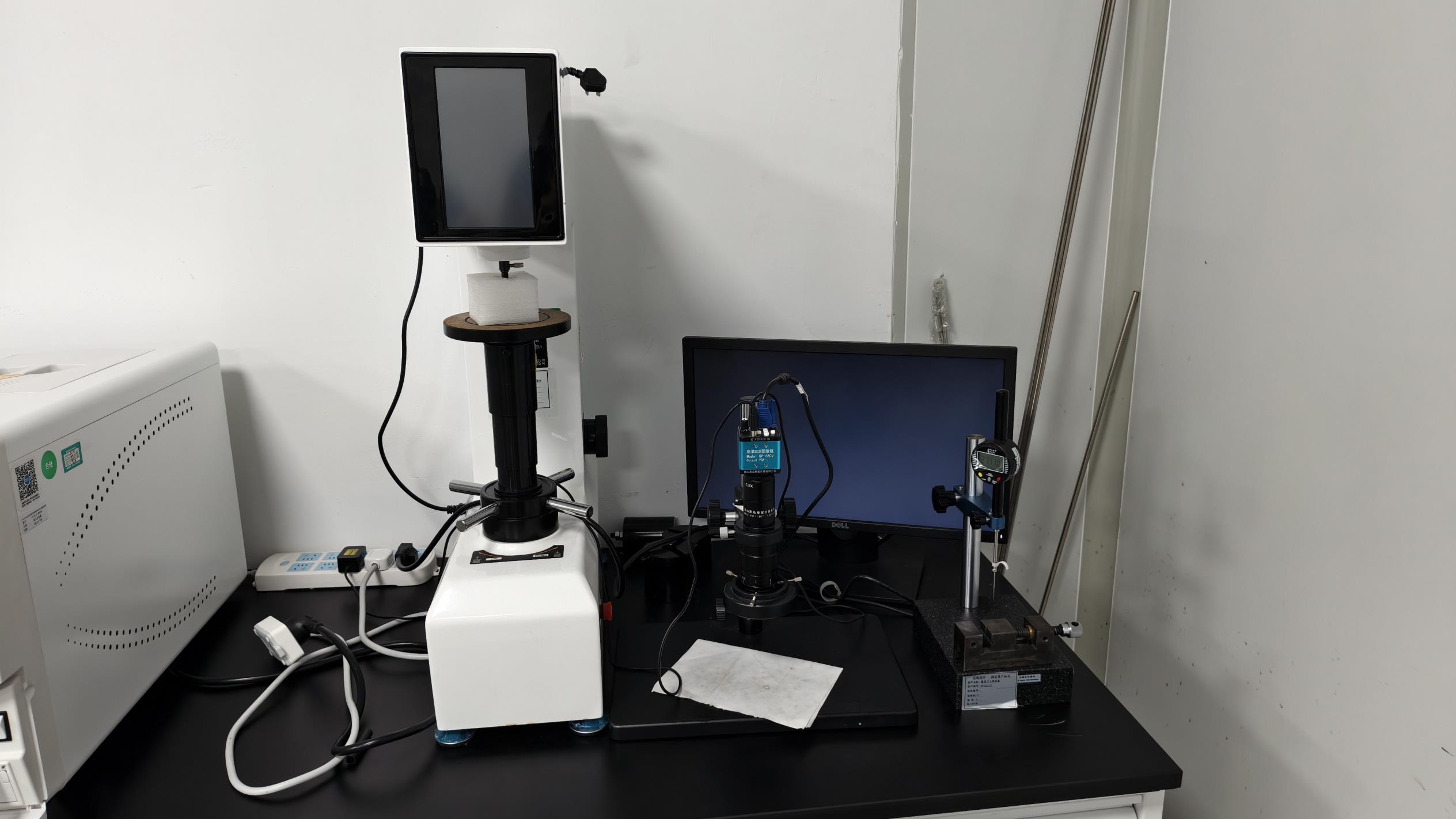
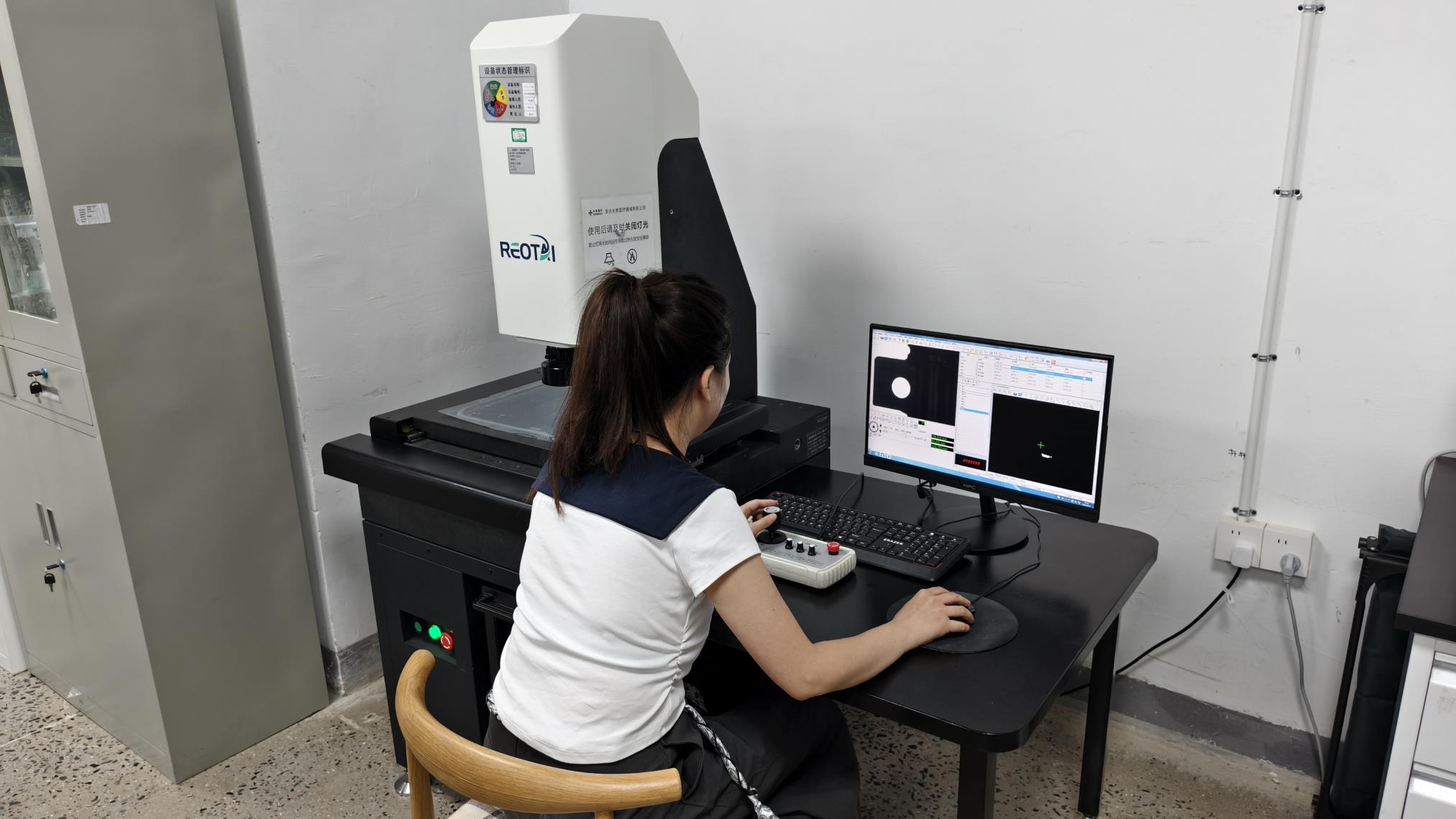
Zynfuse serves major global markets including North America, Europe, Southeast Asia, and the Middle East, and collaborates with hospitals, distributors, orthopedic clinics, and medical device importers. Its client base primarily includes medical distributors, hospital procurement departments, and orthopedic surgical centers. The company places strong emphasis on quality control, implementing ISO 13485-based inspection systems, mechanical performance testing, and biocompatibility evaluations. Product inspection methods include dimensional verification, fatigue testing, and surface integrity analysis. With a robust R&D team of 85 engineers, Zynfuse continues to expand its innovation capabilities, launching approximately 320 new products annually. The company offers extensive customization options, including implant geometry adjustment, material selection, and OEM/ODM solutions tailored to client needs. Zynfuse maintains a strong trade background with long-term partnerships across the global medical device industry, ensuring stable supply and consistent product excellence.
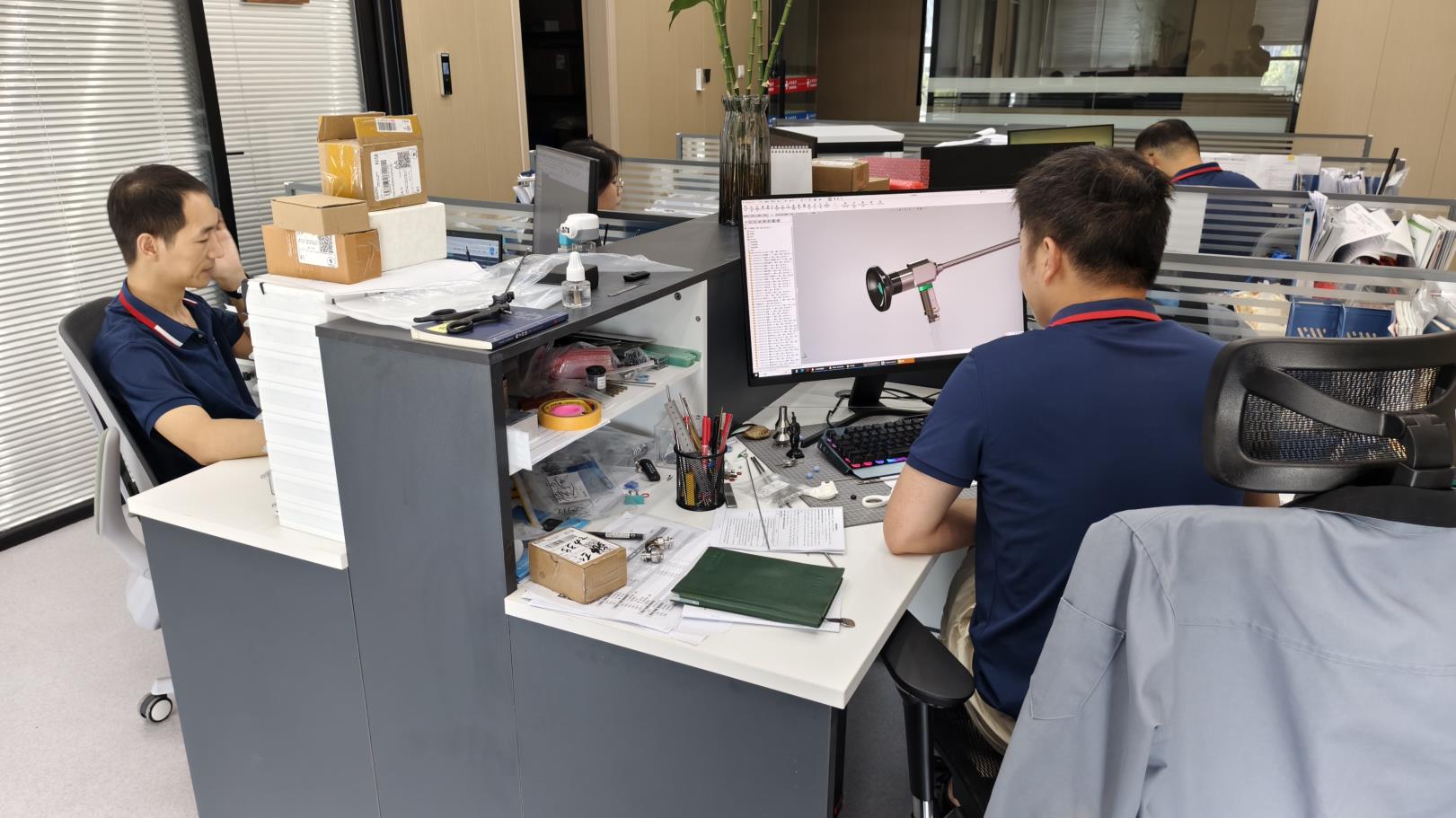
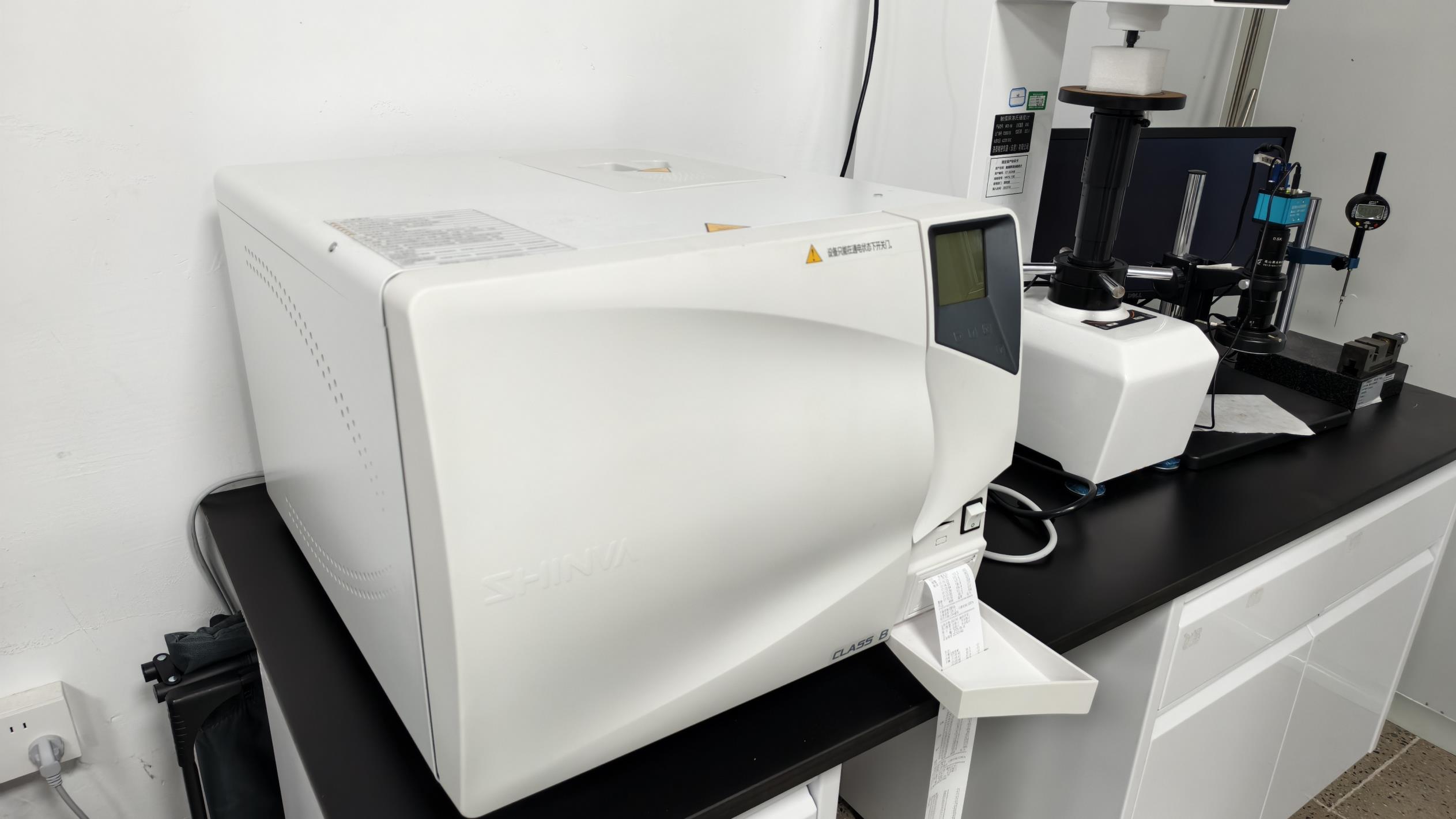
Every step of our process—from raw material cutting to cleanroom assembly—is validated to ensure clinical consistency.
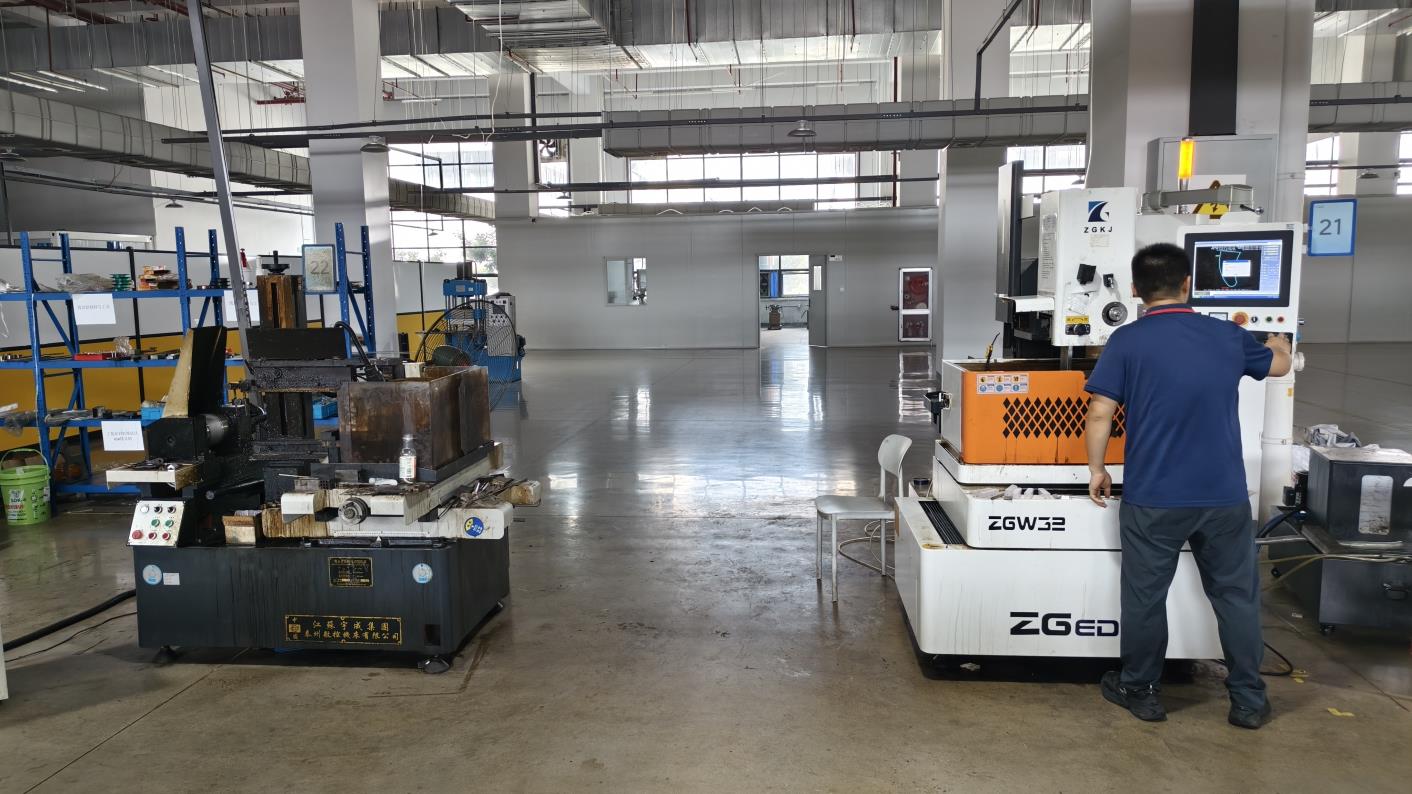
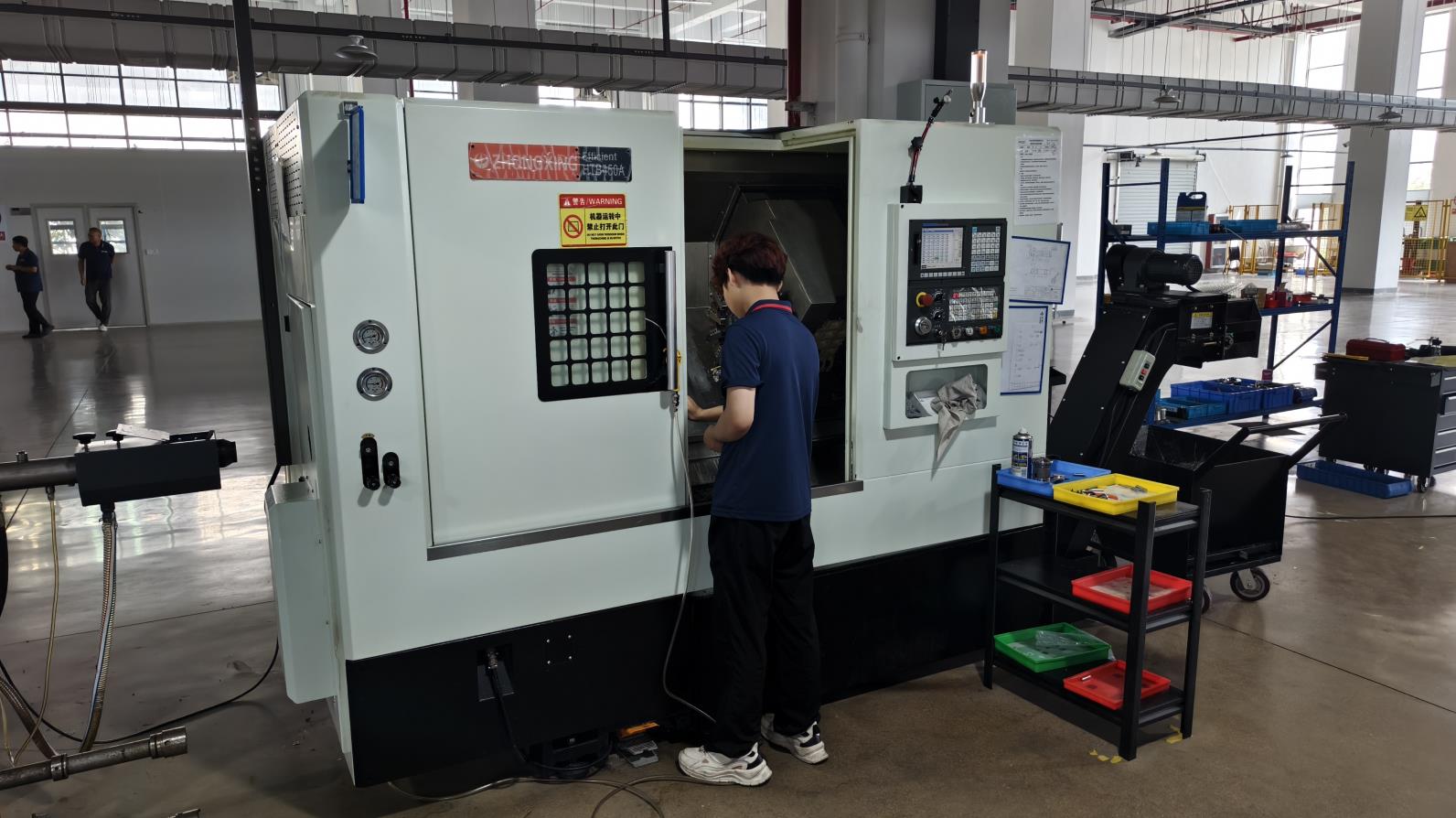
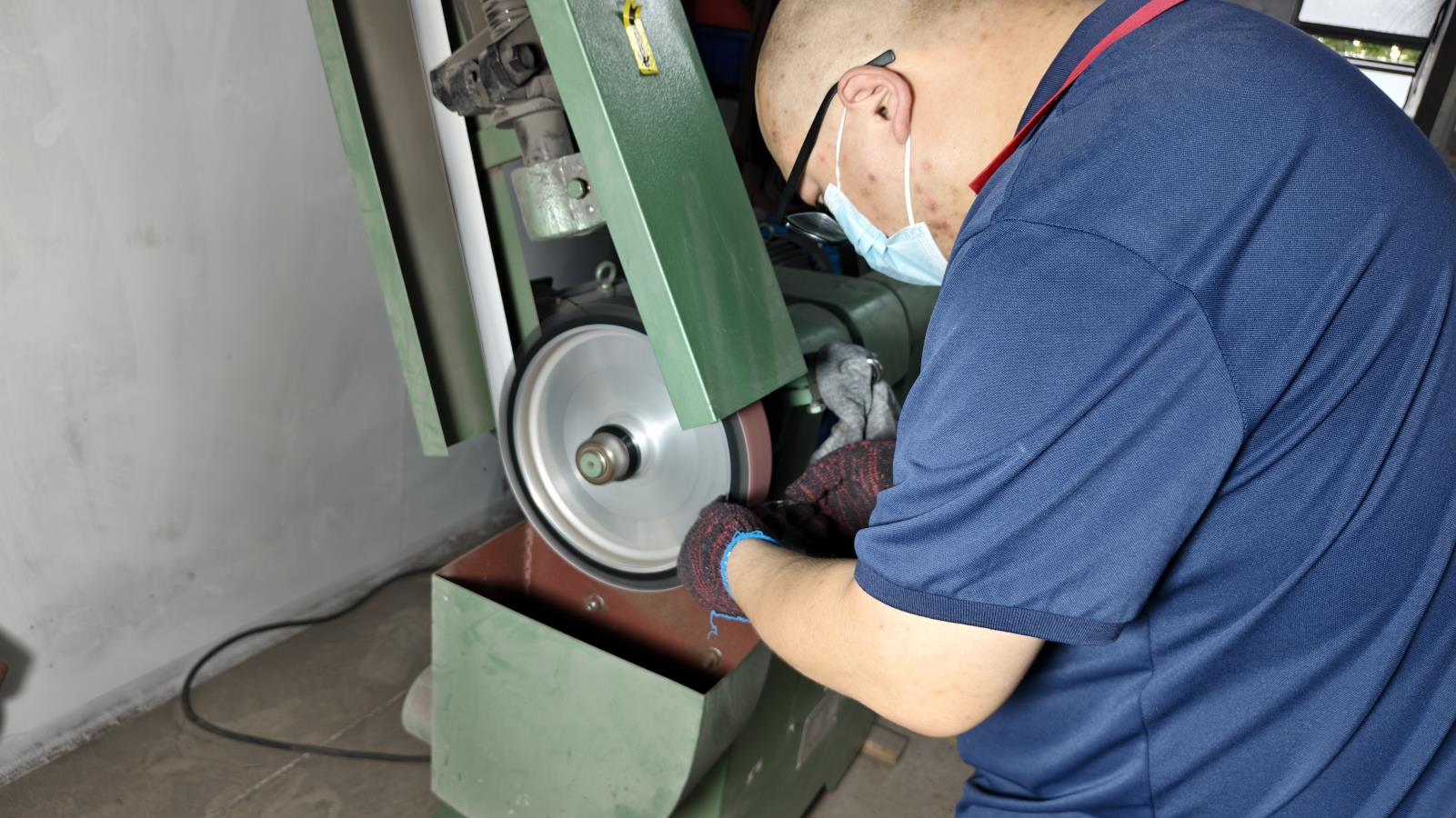
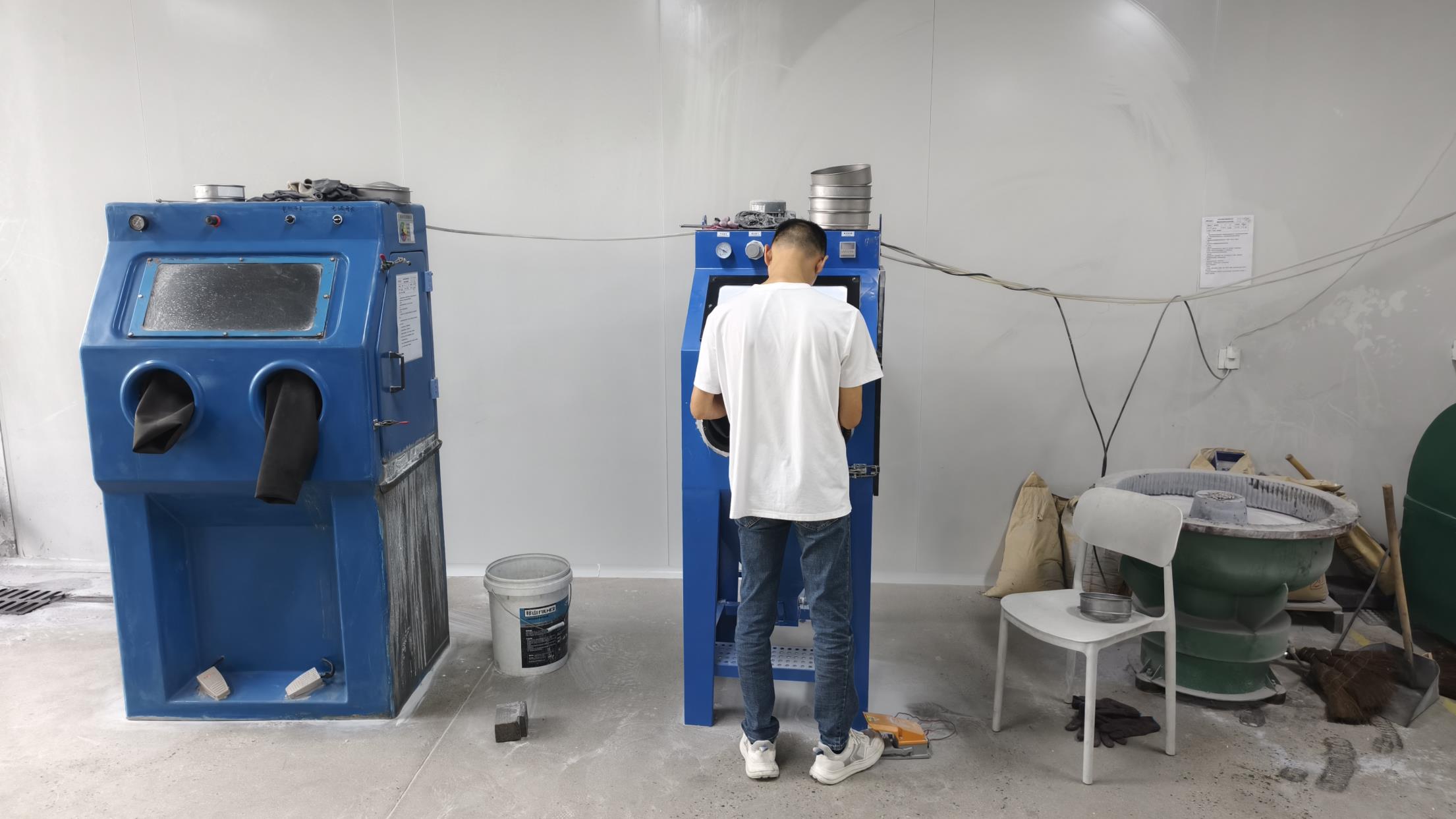
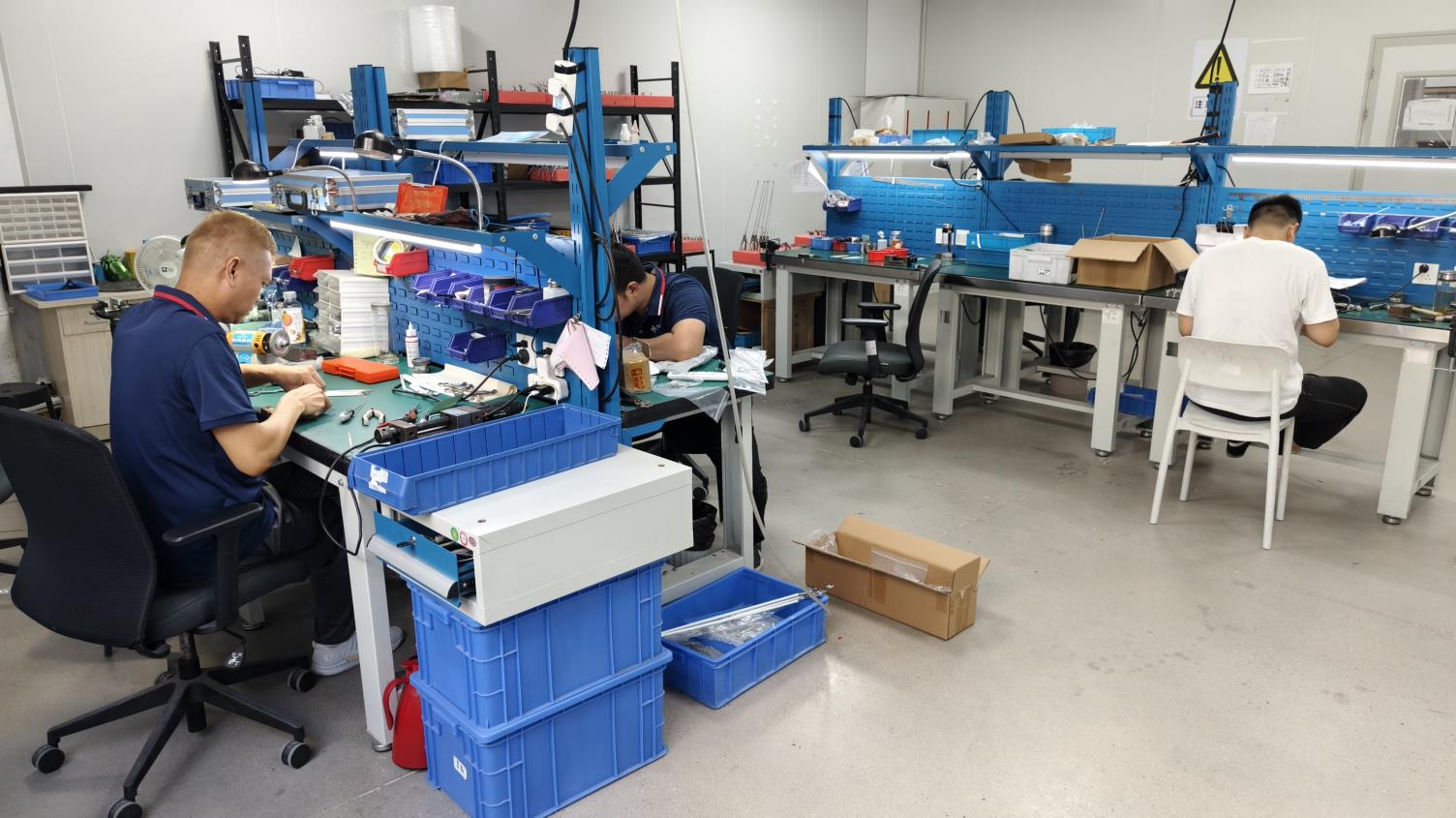
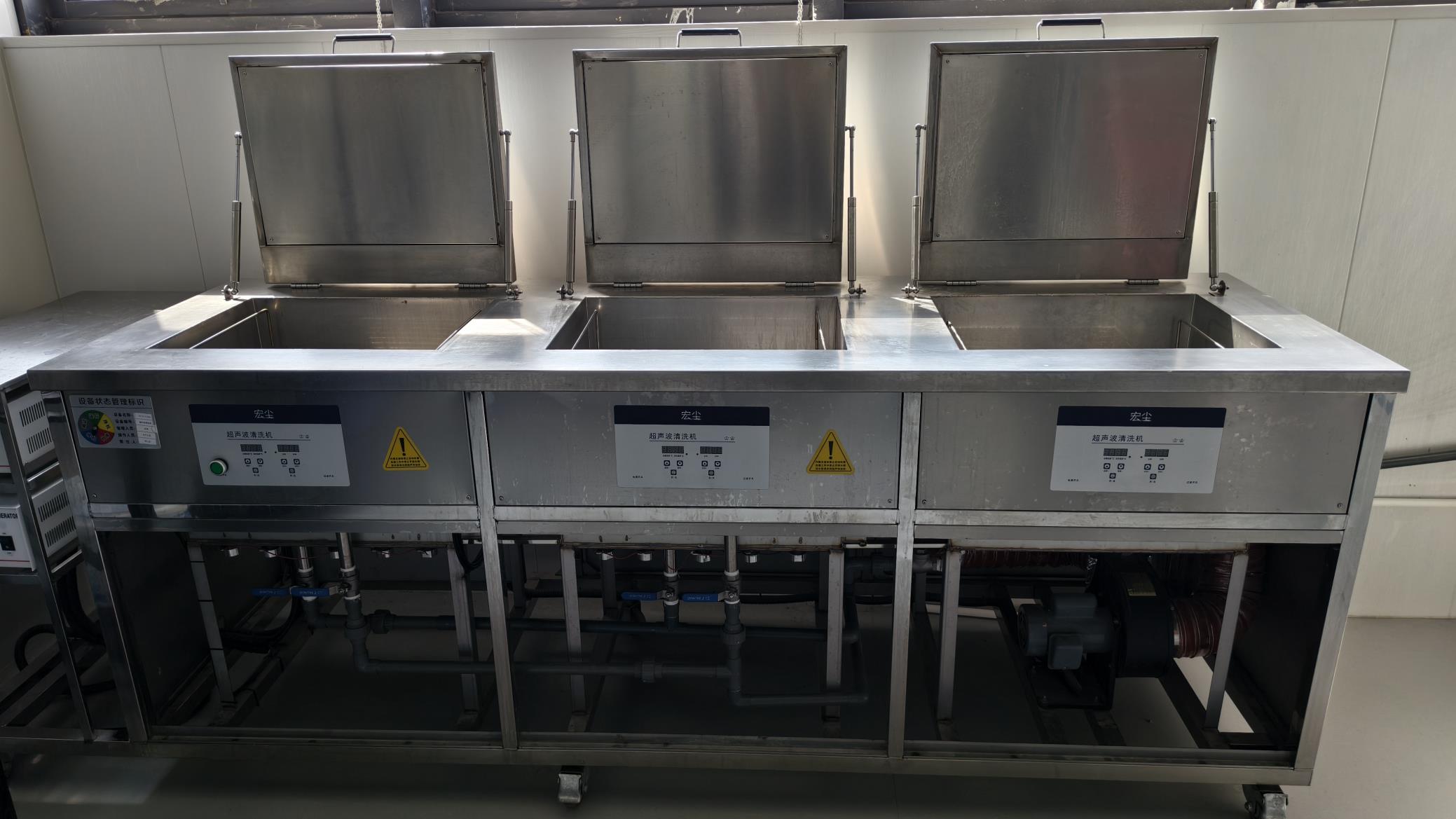
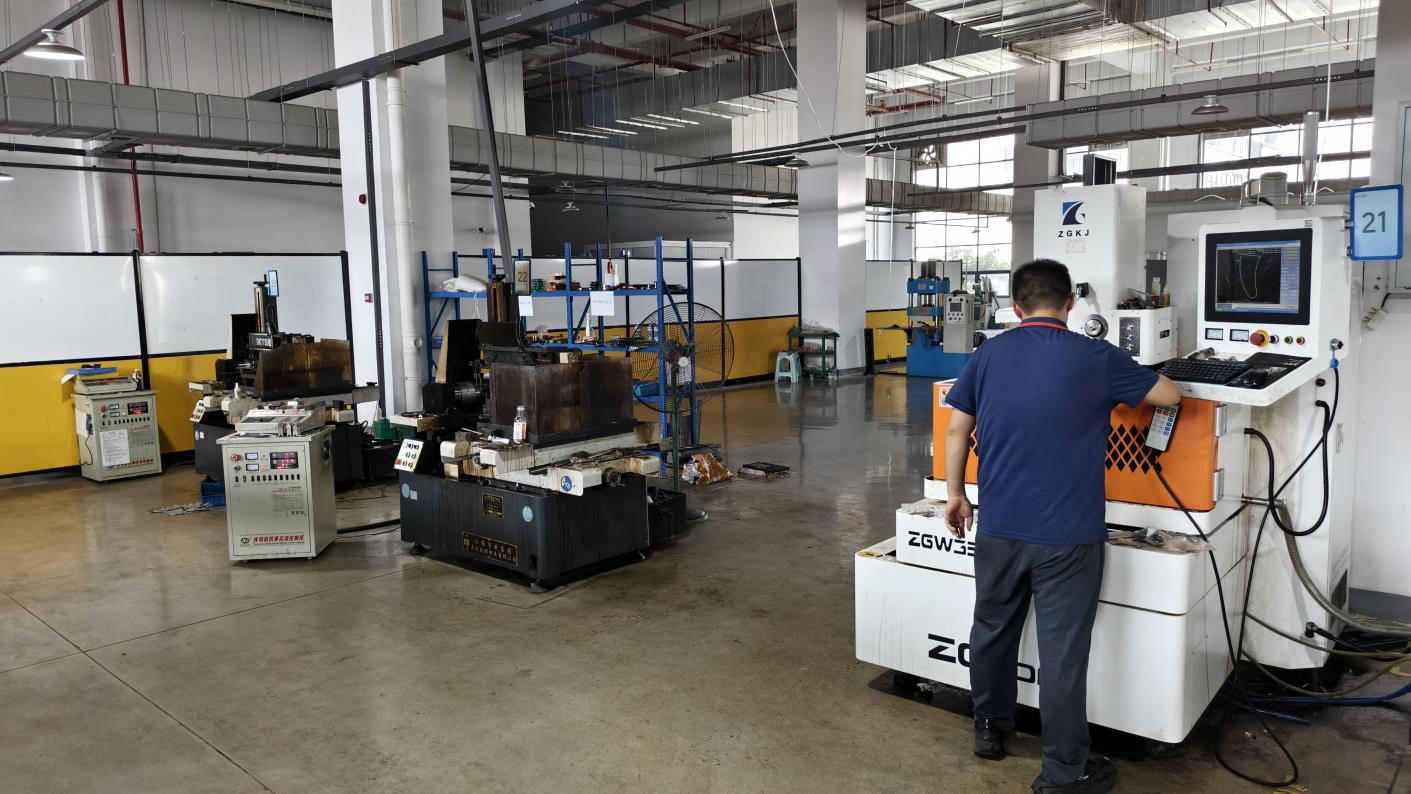
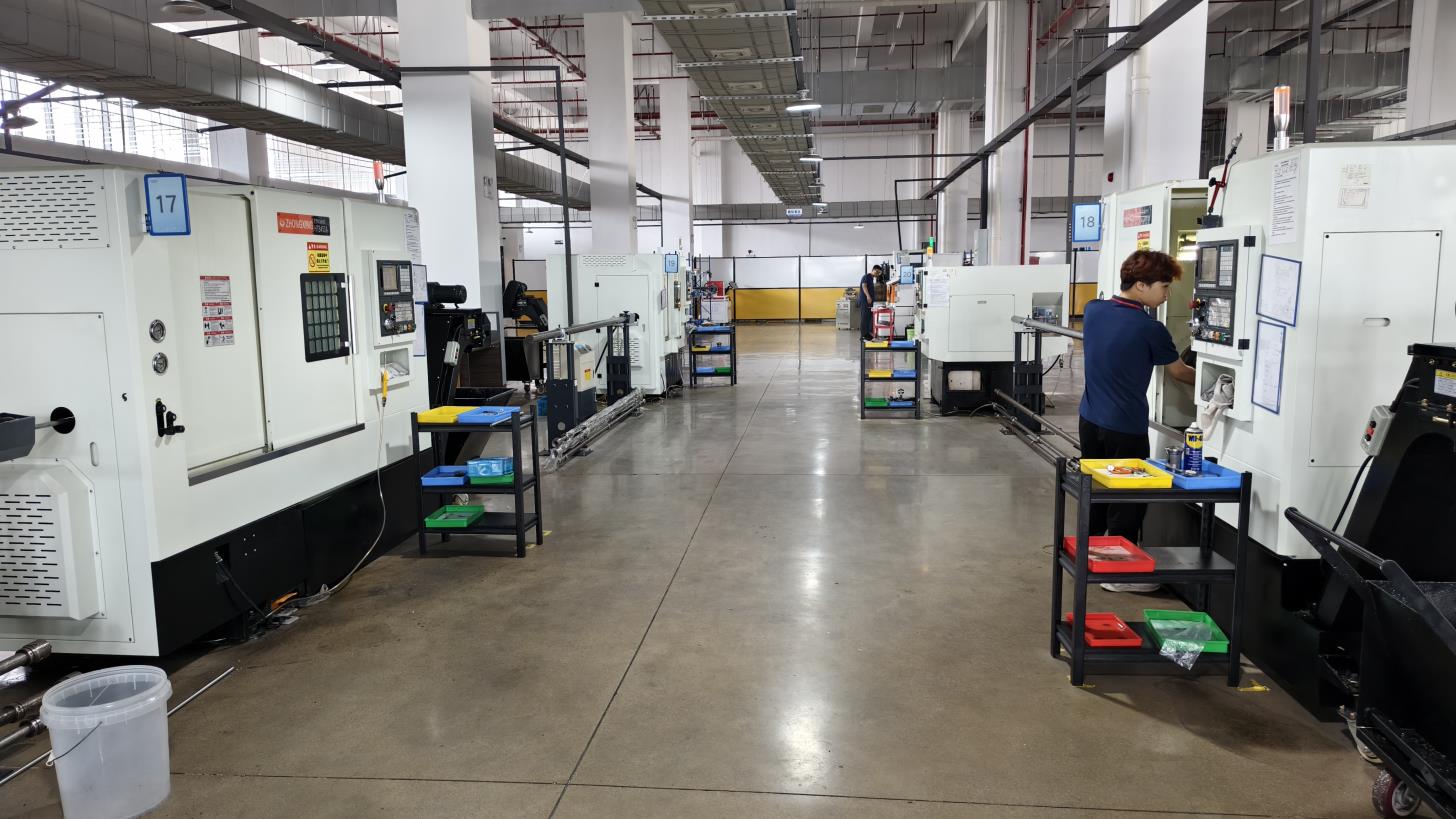
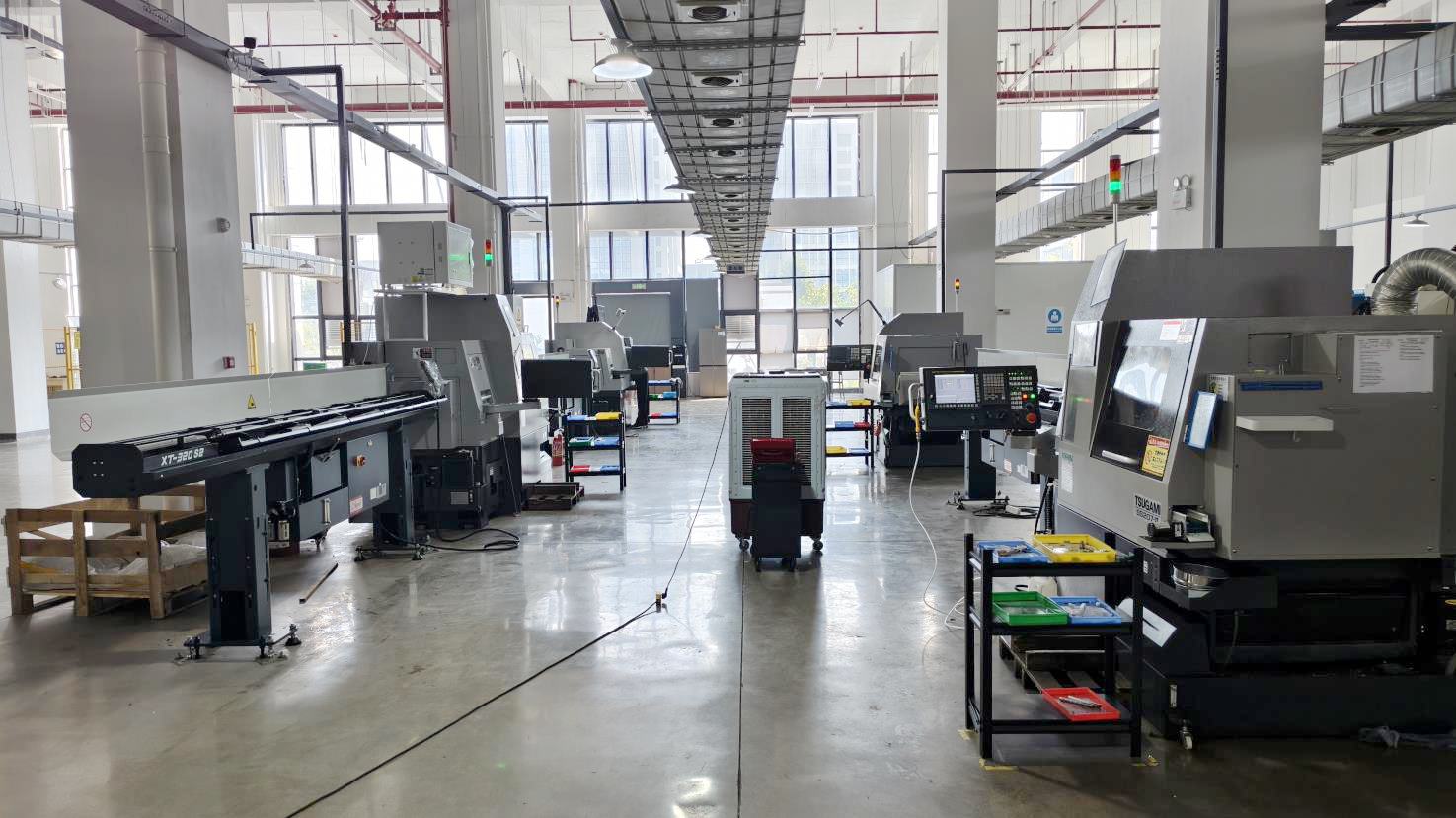
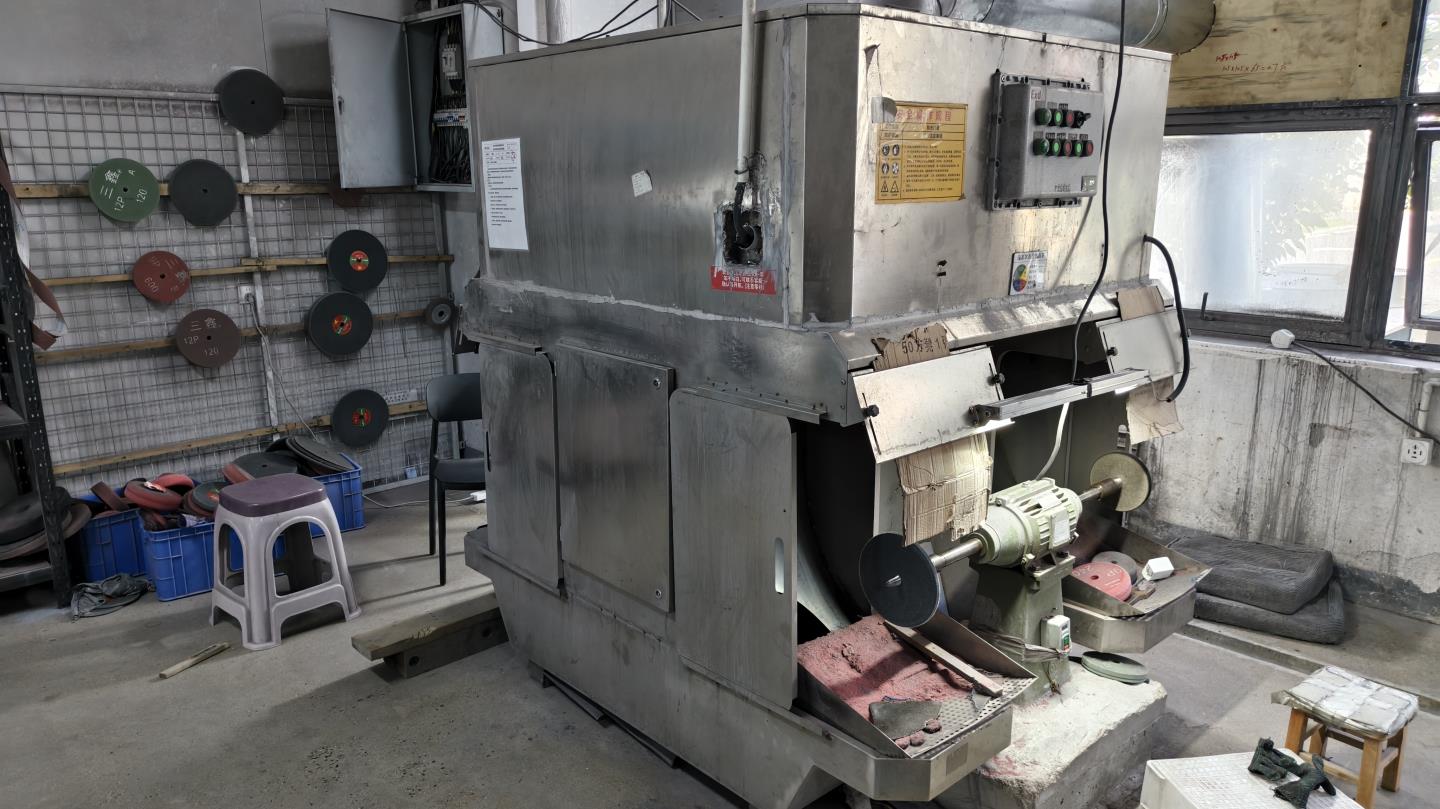
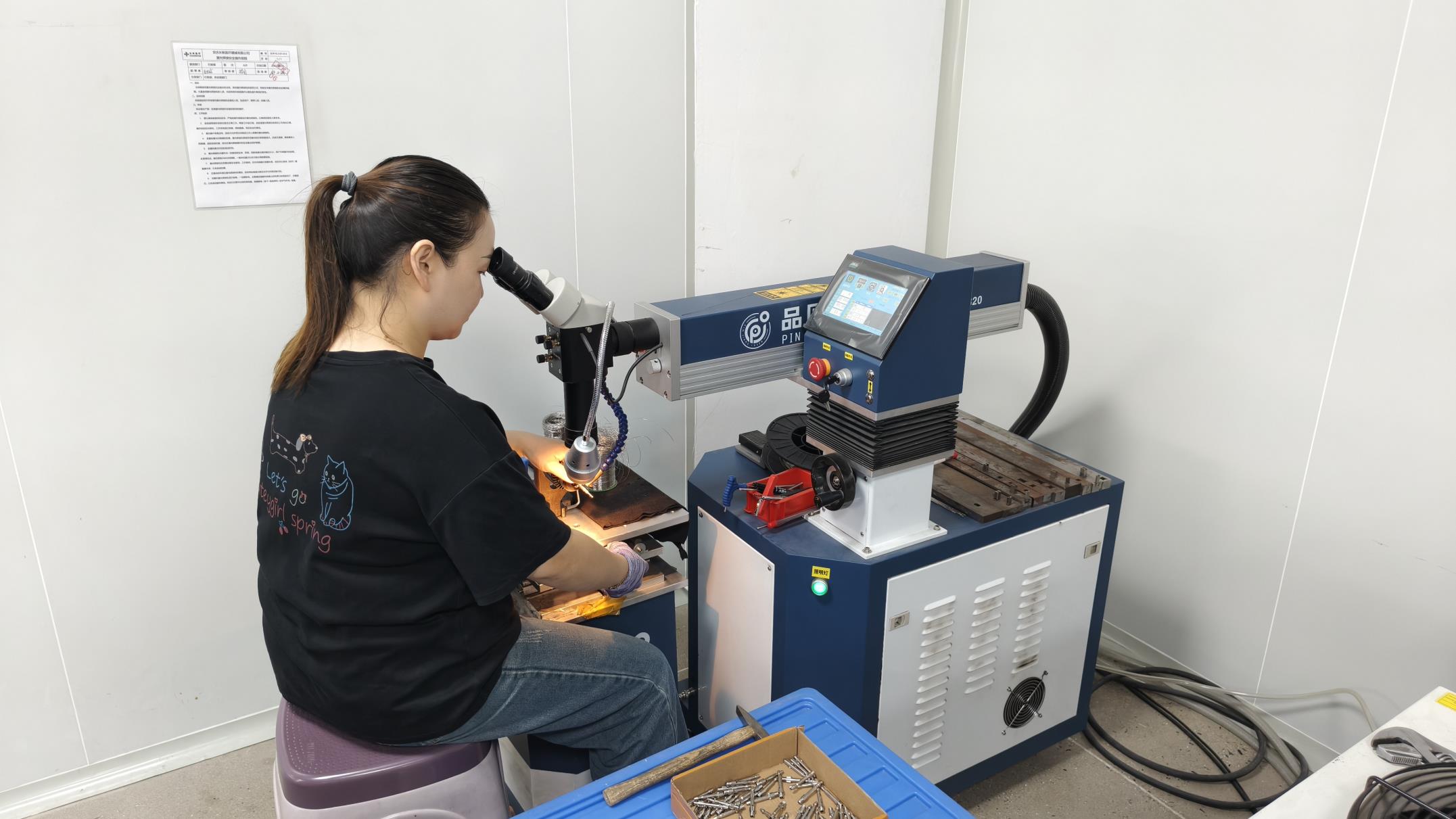
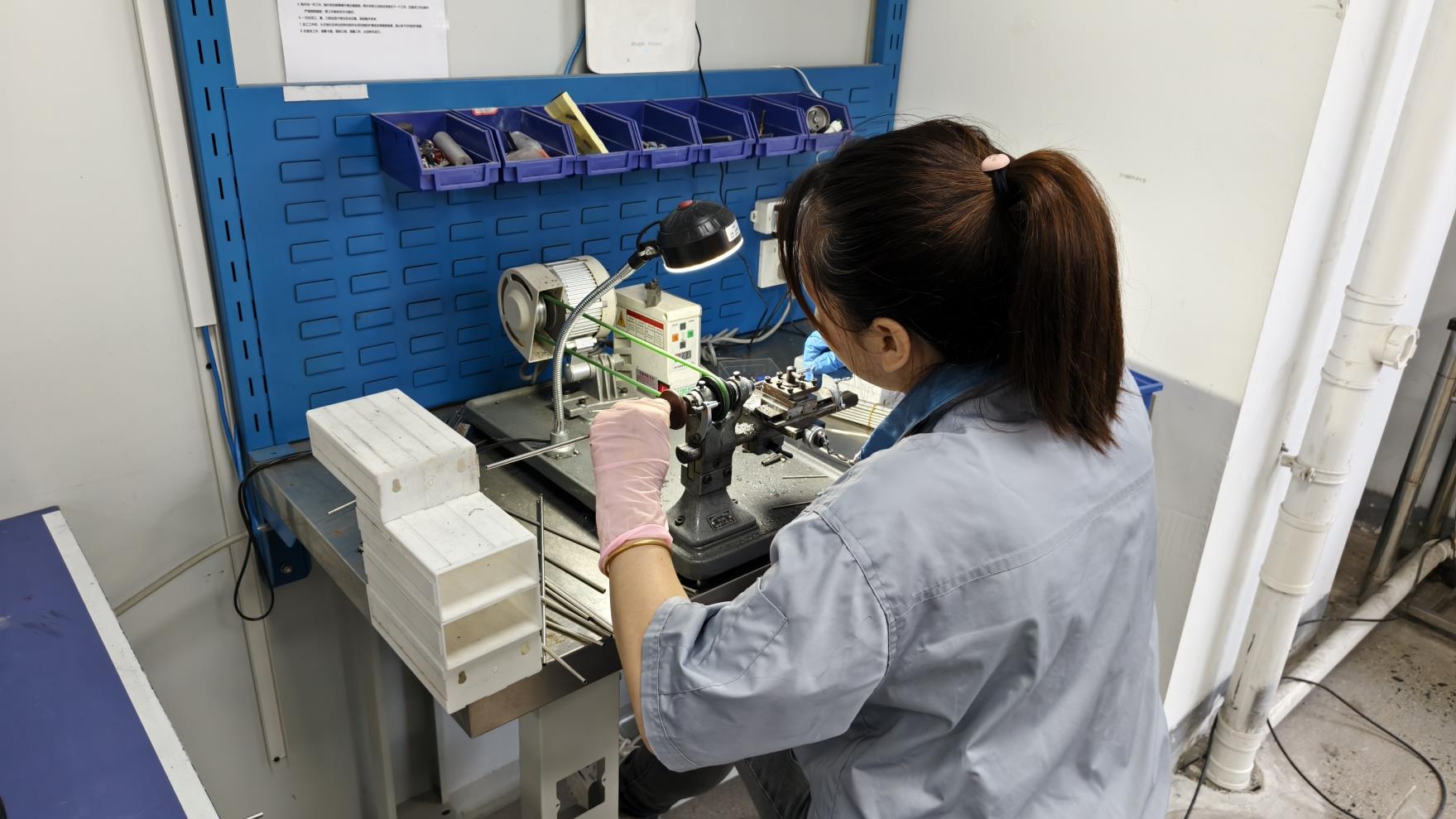

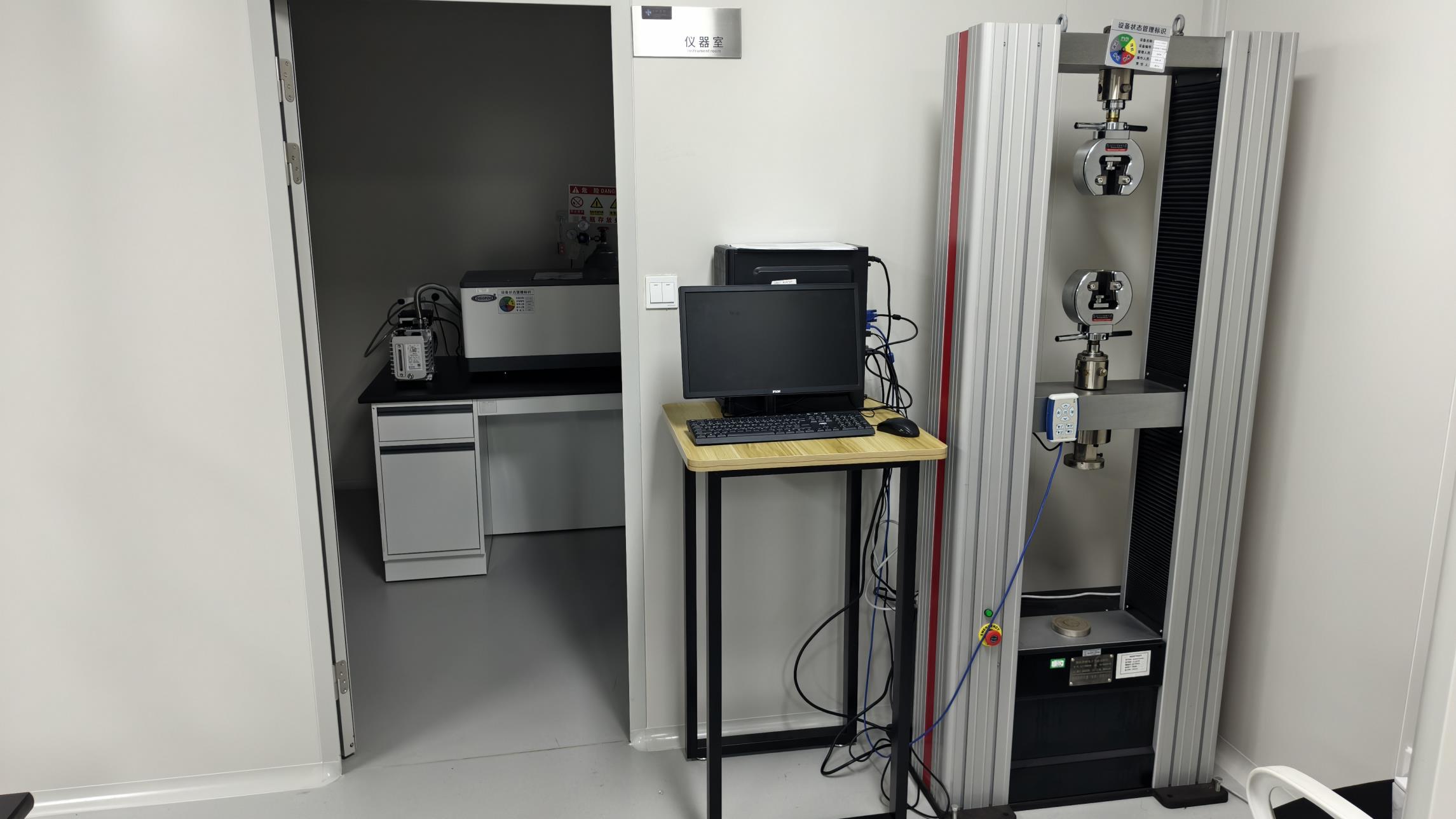
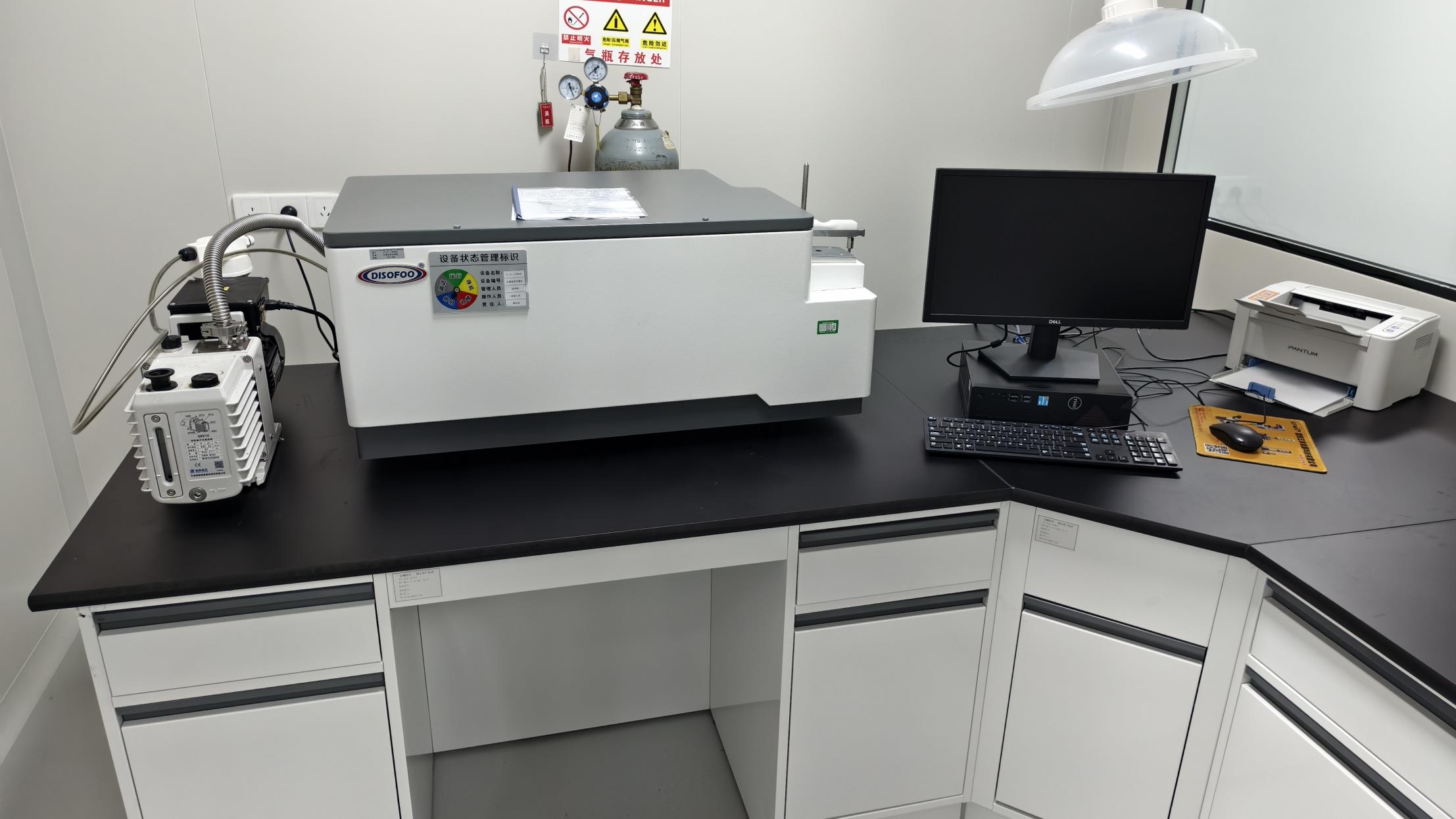
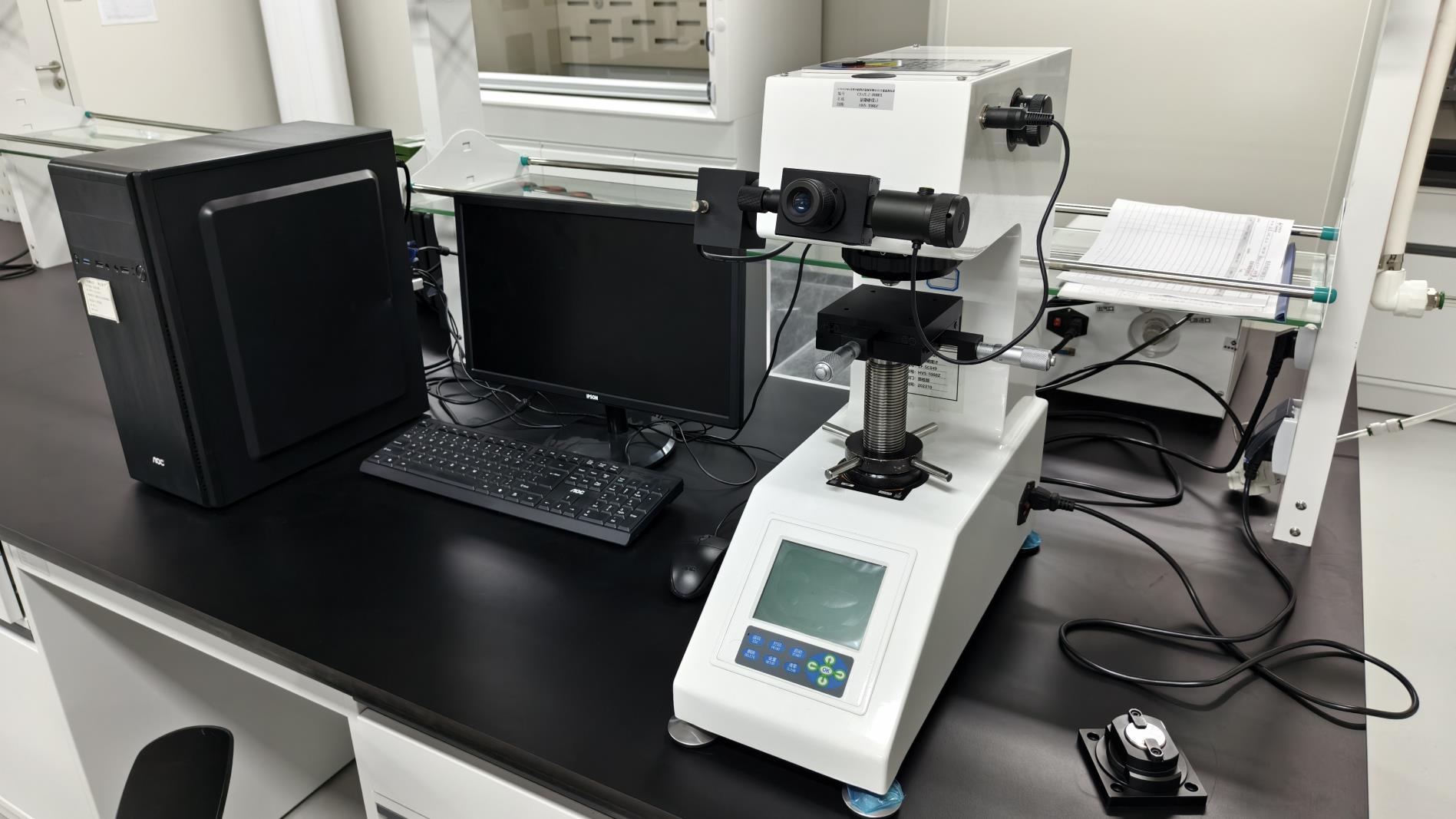
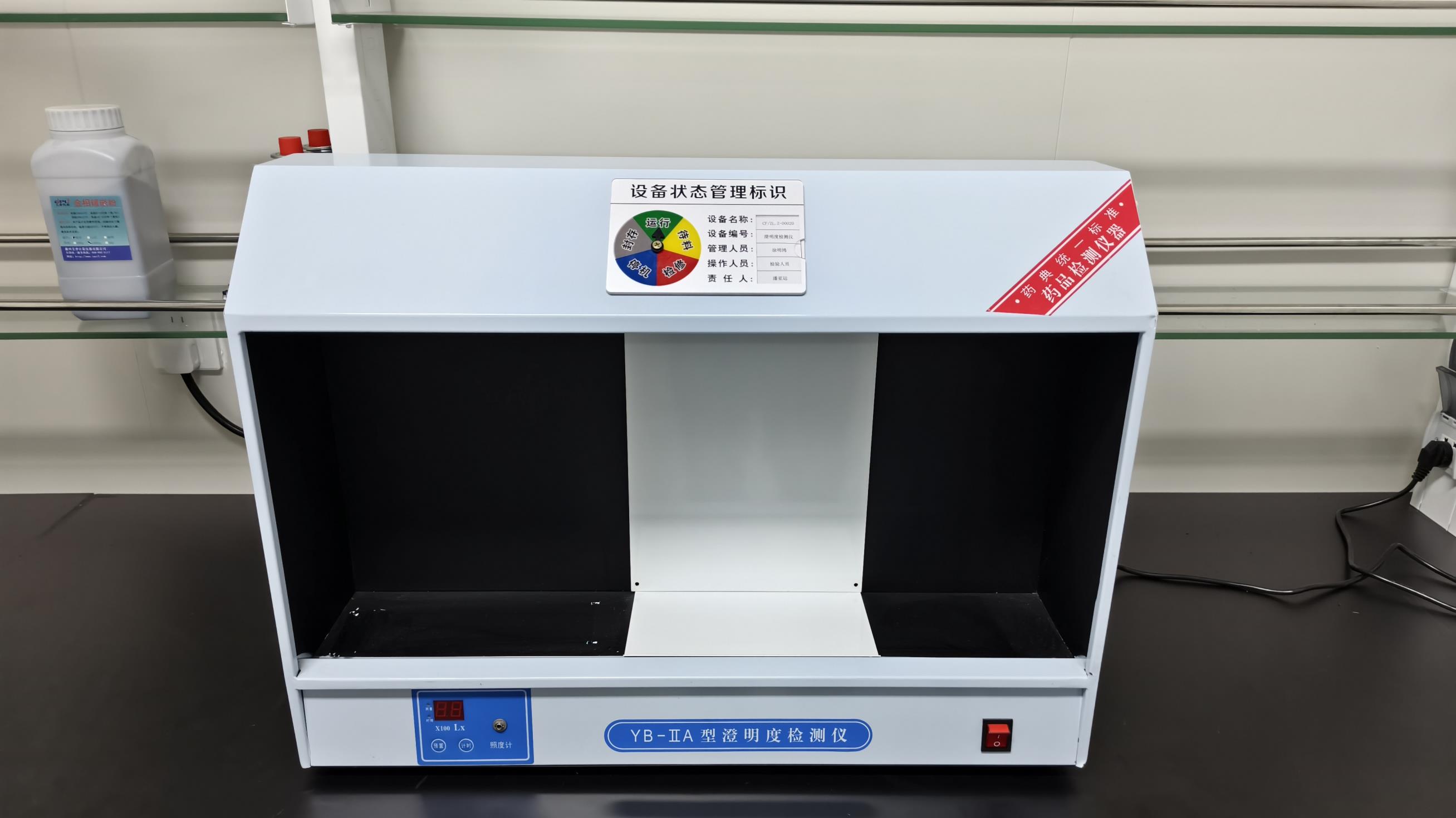
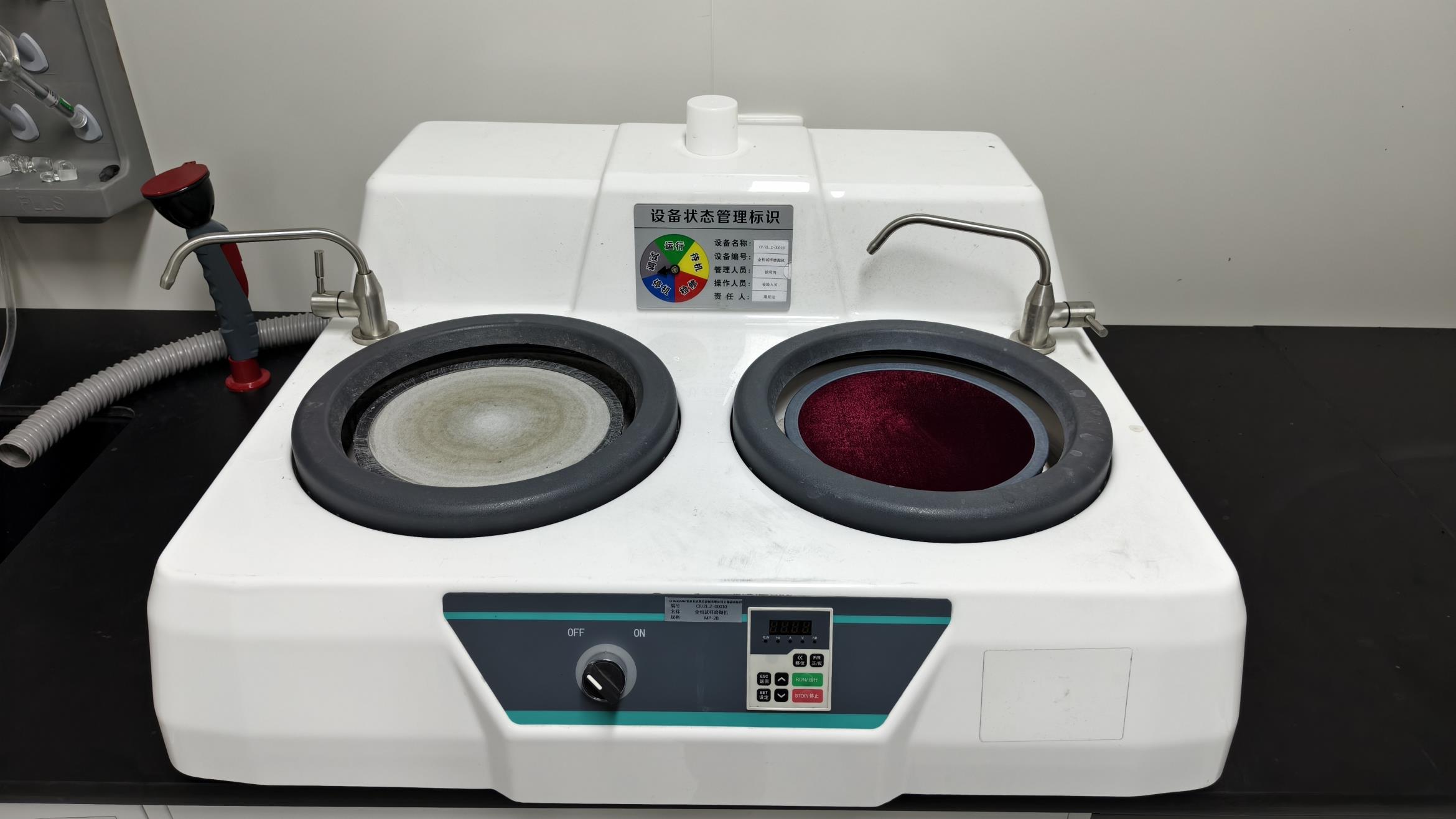
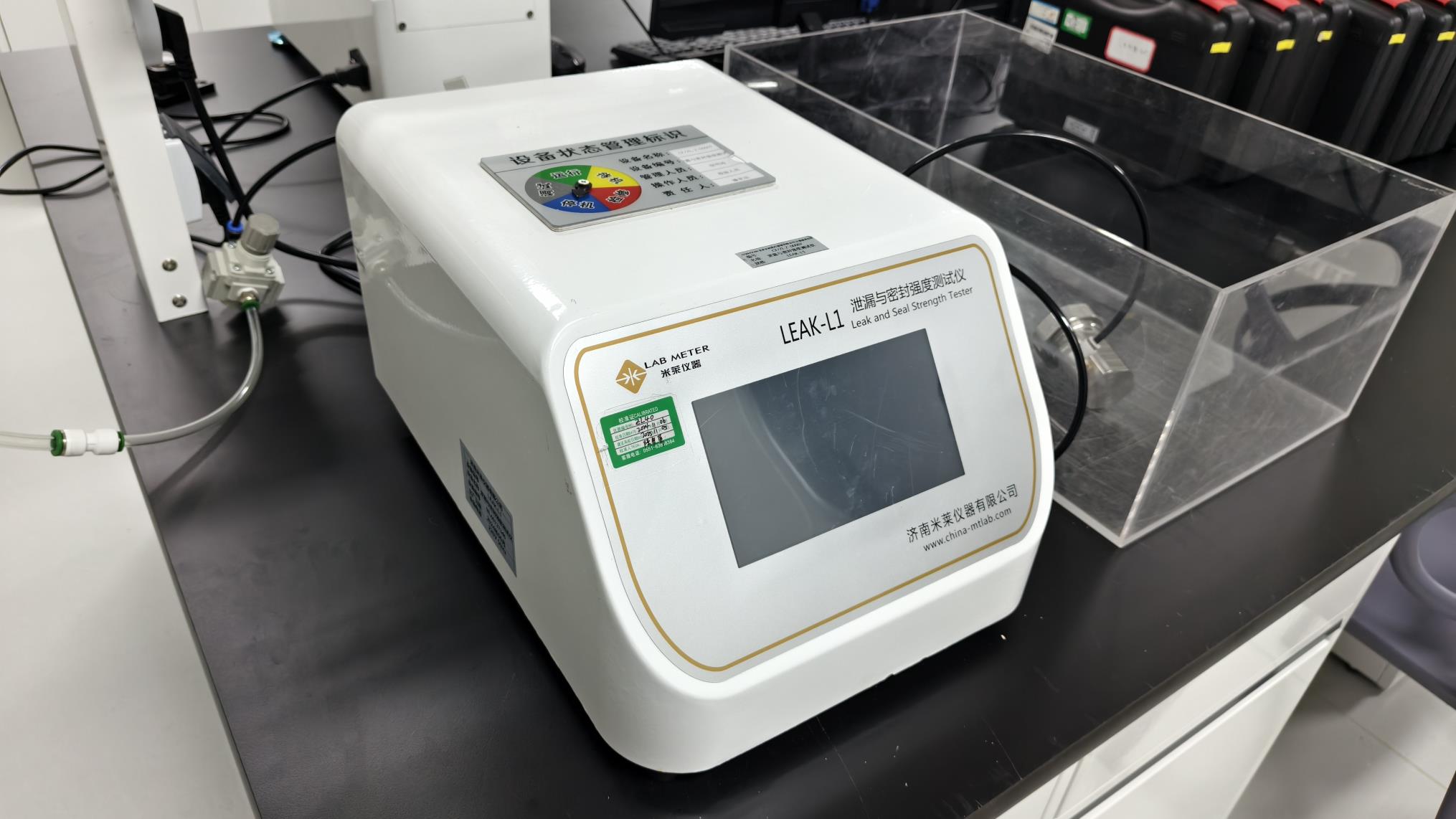
Combining structural cost advantages with world-class engineering capabilities to deliver peak value.
China's orthopedic industrial clusters facilitate rapid access to raw materials certified for medical implants. This includes high-purity medical titanium (Grade 5 ELI), high-strength poly-ether-ether-ketone (PEEK-OPTIMA), and UHMWPE suture materials. Having direct integration with certified material providers optimizes our lead times and lowers transportation-related overheads.
With an experienced R&D team consisting of 85 dedicated engineers, we transition designs from concept/CAD file to functional test models within weeks. Leveraging high-speed Swiss-type lathes and CNC wire cutting systems allows us to iterate and validate new features rapidly—minimizing the traditional 12-month development cycle down to mere months.
Exporting orthopedic solutions to international healthcare networks requires robust packaging, clear tracking, and optimized logistics channels. Operating with over 7 years of direct export experience and serving a network of over 1,200 global partners, Zynfuse ensures that shipping protocols remain highly organized, minimizing transit delays and custom hold-ups.
Core factors that international procurement managers and hospital administrators evaluate to reduce supply-chain risk.
Hospital groups and orthopedic distributors require medical-grade partners that offer more than just raw manufacturing. When sourcing meniscal repair implants, the following pillars are critical:
Additionally, OEM buyers prioritize customization capabilities. Off-the-shelf designs do not fit every arthroscopic portal. Working with a manufacturer that can customize needle curves, suture colors (for ease of visualization), and handle ergonomics is a huge operational asset.
Zynfuse's 18,600 m² cleanroom manufacturing facility and 68 quality inspectors address these complex engineering demands, helping clients build market confidence and brand value.
Navigating the complex global regulatory pathway to ensure secure commercial entry.
Securing regulatory clearance is a primary hurdle in medical device commercialization. We support OEM/ODM clients by providing complete technical documentation, including biological evaluation reports (ISO 10993), packaging stability data, and mechanical fatigue test results.
Our entire factory operations run on an ISO 13485-compliant quality management system. From document control, CAPA (Corrective and Preventive Action) procedures, to design trace matrices, we align with international standards to pass stringent third-party audits.
We offer localized consulting, post-market surveillance support, and custom product training for regional distributors. This ensures clinical representatives understand our device mechanics, facilitating smooth adoption across local orthopedic networks.
Key indicators driving product development and sourcing strategies for the next decade.
1. The Rise of Bioabsorbable Polymers and Scaffolds: Pure titanium or permanent PEEK anchors can cause tissue reactions and complicate revision surgeries. Modern product development focuses on advanced bioabsorbable materials (like poly-L-lactide-co-glycolide - PLGA) that support tissue healing and then dissolve, leaving only native tissue behind.
2. Knotless Fixation Systems: Traditional arthroscopic knot tying can be challenging in tight joint spaces. Modern all-inside meniscal repair devices utilize pre-tied, self-sliding knots or knotless anchor systems that simplify the procedure and minimize operating room time.
3. Expanding Veterinary Applications: Sports medicine is no longer restricted to human care. The veterinary sector is rapidly adopting arthroscopic procedures. The demand for veterinary-specific orthopedic instrumentation—including TPLO saws and small-animal joint repair tools—has surged, matching human orthopedic quality standards.
4. Outpatient Surgery Optimization: Ambulatory Surgical Centers (ASCs) prioritize disposable, pre-sterilized single-use instrument kits. We specialize in designing and packaging single-use delivery devices that reduce sterilization costs and turnaround times for surgical centers.
Our products are engineered to excel in diverse clinical settings globally.
Designed for active-patient ligament and meniscal reconstructions, where rapid tissue healing, strong fixation, and minimal arthroscopic footprint are primary clinical goals.
Engineered for high-volume outpatient clinics requiring reliable, easy-to-use delivery devices and pre-sterilized components to maximize operating room efficiency.
Adapting high-performance orthopedic designs for small and large-animal joint surgeries, providing veterinary clinics with reliable instrumentation.
Essential information regarding OEM parameters, material verification, compliance, and ordering logistics.
High-quality medical instruments designed for traumatology, spinal fixation, and reconstructive surgery.