Zynfuse
Zynfuse
Zynfuse
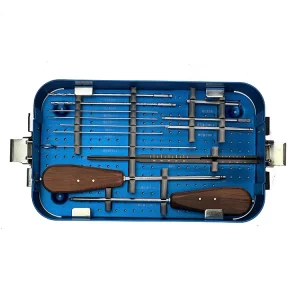
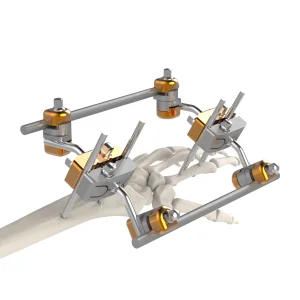
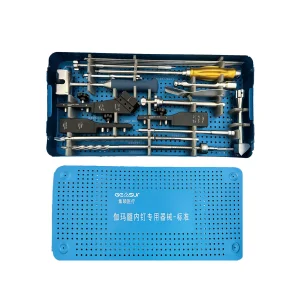
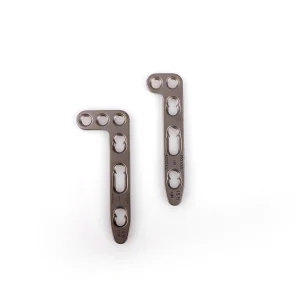
Explore our highly-engineered medical devices and implant systems designed for optimal clinical performance.
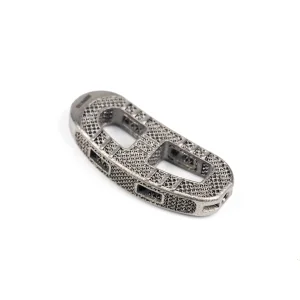
Cranioplasty, the surgical repair of a defect or deformity in the skull, has evolved from prehistoric trepanation treatments into one of the most sophisticated domains of modern neurosurgery. Globally, the clinical demand for titanium mesh cranioplasty continues to grow due to rising incidences of traumatic brain injuries (TBIs), decompressive craniotomies, congenital skull defects, oncological resections, and complex reconstructive surgeries.
Titanium has emerged as the gold standard for cranial repair due to its peerless biocompatibility, high strength-to-weight ratio, and exceptional corrosion resistance. In comparative clinical trials, surgical grade titanium exhibits excellent resistance to mechanical stresses while maintaining an extremely low infection rate (ranging between 2% and 5%, significantly lower than synthetic polymer alternatives like PMMA). Additionally, modern titanium mesh designs incorporate specific porosity configurations that facilitate fluid dynamics, minimize postoperative fluid collection (seroma), and support osteointegration by allowing local connective tissues to interface seamlessly with the implant structure.
Zynfuse Medical Technology Co., Ltd. is a professional orthopedic medical device manufacturer specializing in bone fusion and advanced implant systems for surgical innovation.
Established in 2016, Zynfuse Medical Technology Co., Ltd. has built a strong foundation in orthopedic solutions with 12 years of industry experience and 7 years of export experience, serving global healthcare markets with consistent quality and reliability. Our modern manufacturing facility covers approximately 18,600 m², and is equipped with advanced production and testing equipment that enables us to meet the rigorous quality expectations of hospitals, medical distributors, and surgical centers in North America, Europe, Southeast Asia, and the Middle East.
By optimizing our global supply chain network with over 1,200 partners worldwide, Zynfuse maintains an annual export revenue of around $18.5 million. To ensure complete compliance with international medical device regulations, our organization employs 68 quality inspection specialists who manage strict quality control, implementing ISO 13485-based inspection systems, mechanical performance testing, and biocompatibility evaluations. Our product inspection methods include dimensional verification, fatigue testing, and surface integrity analysis.
A comprehensive visual overview of our industrial processing steps, state-of-the-art CNC machining, and rigorous physical testing suites.
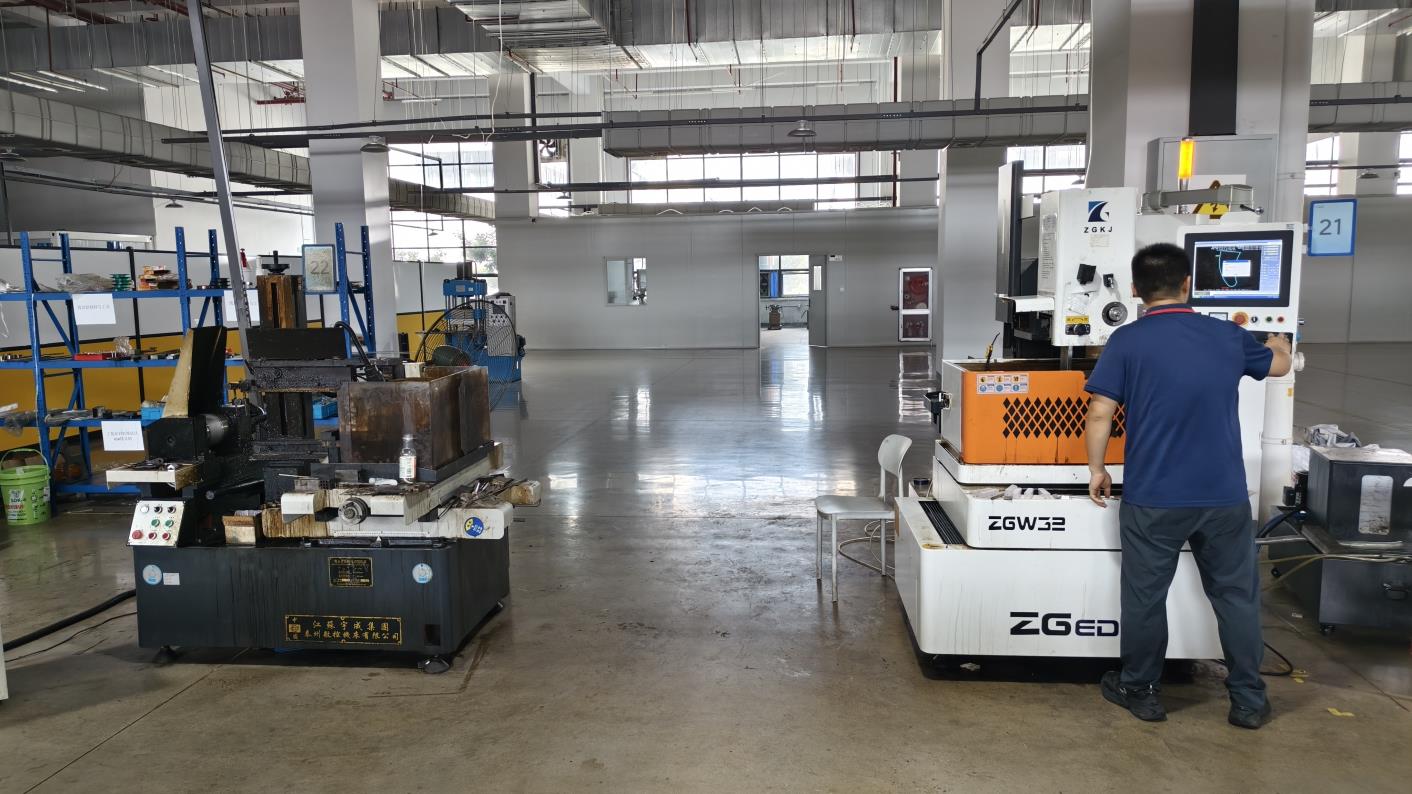
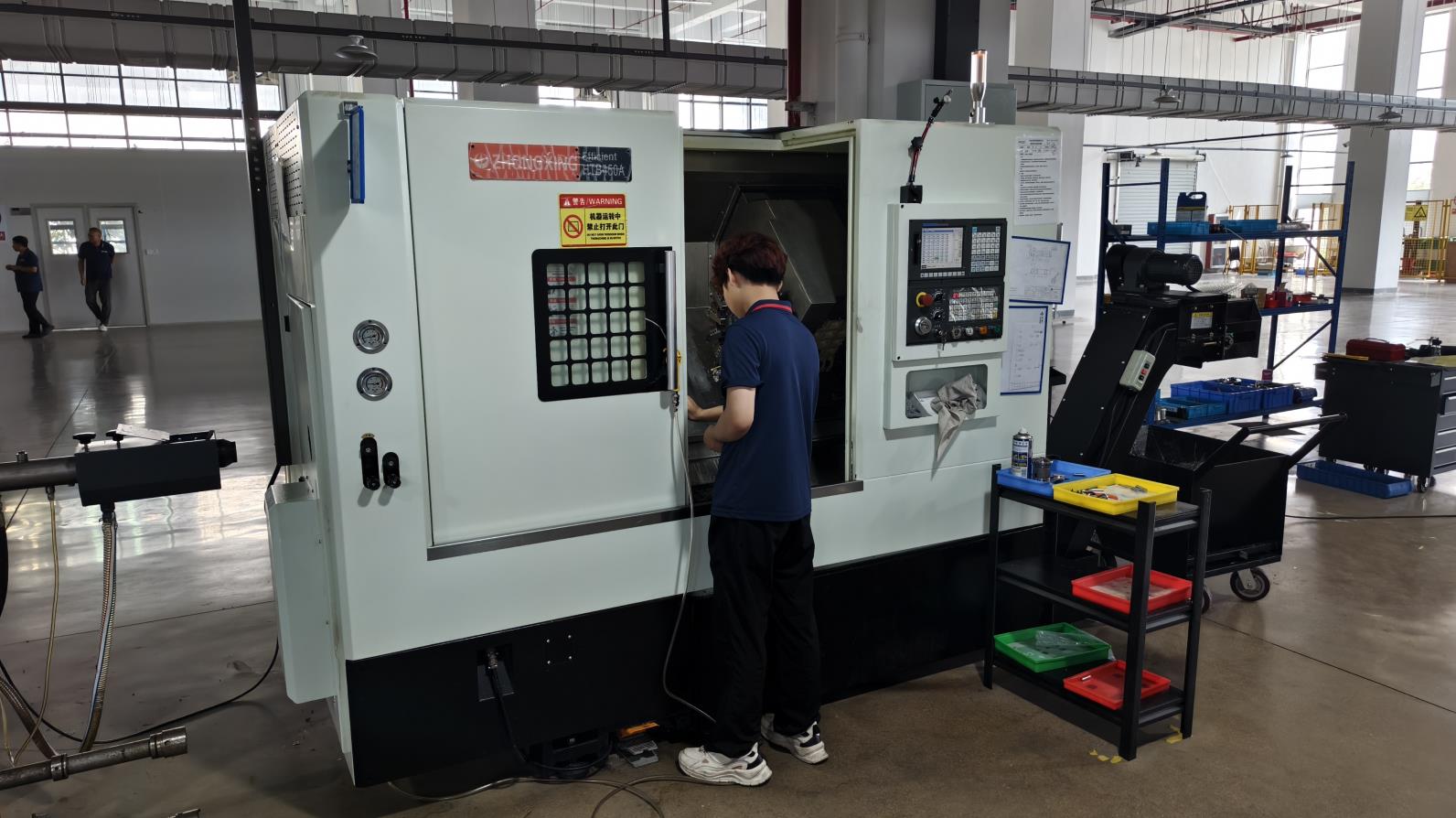
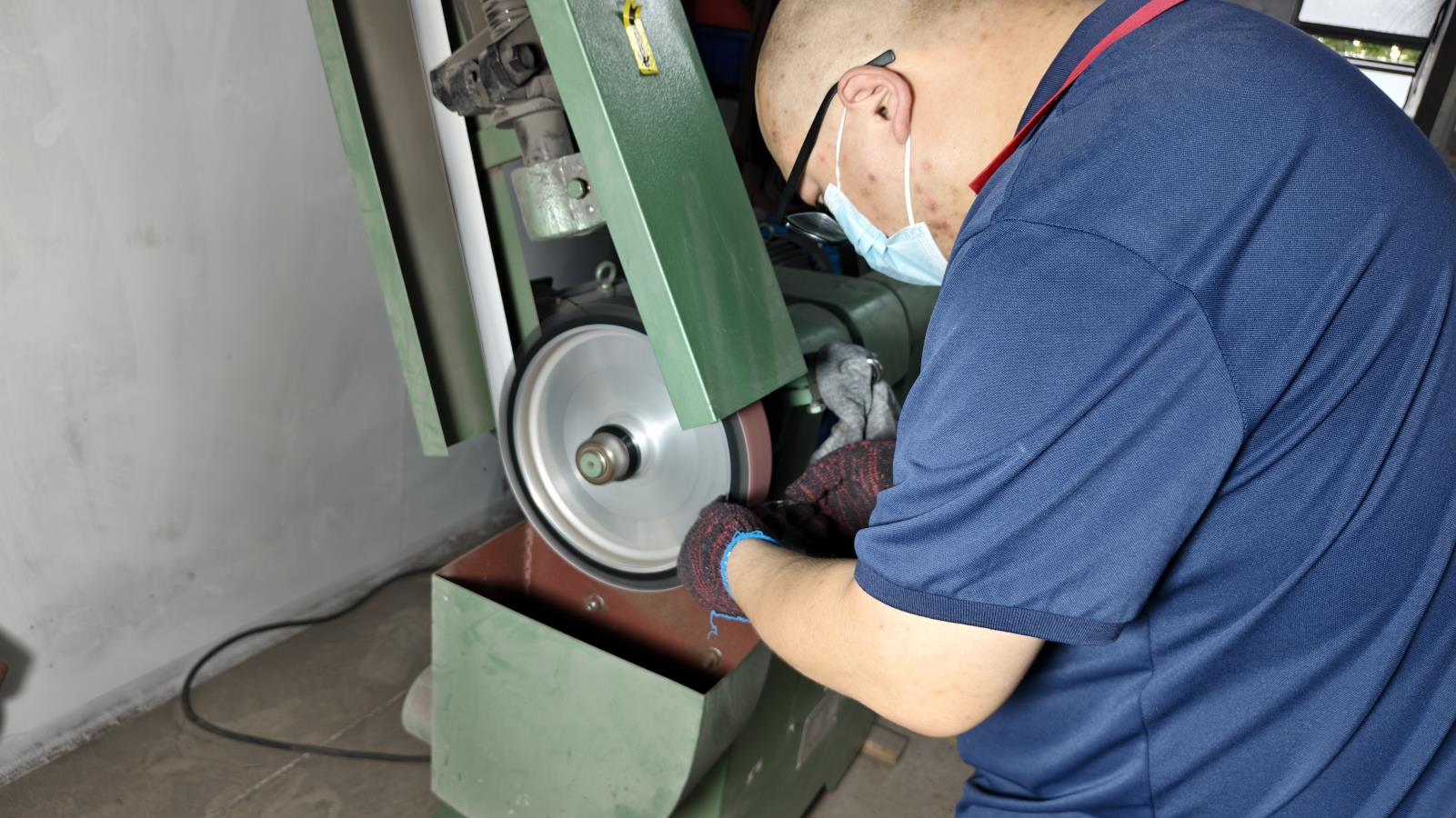
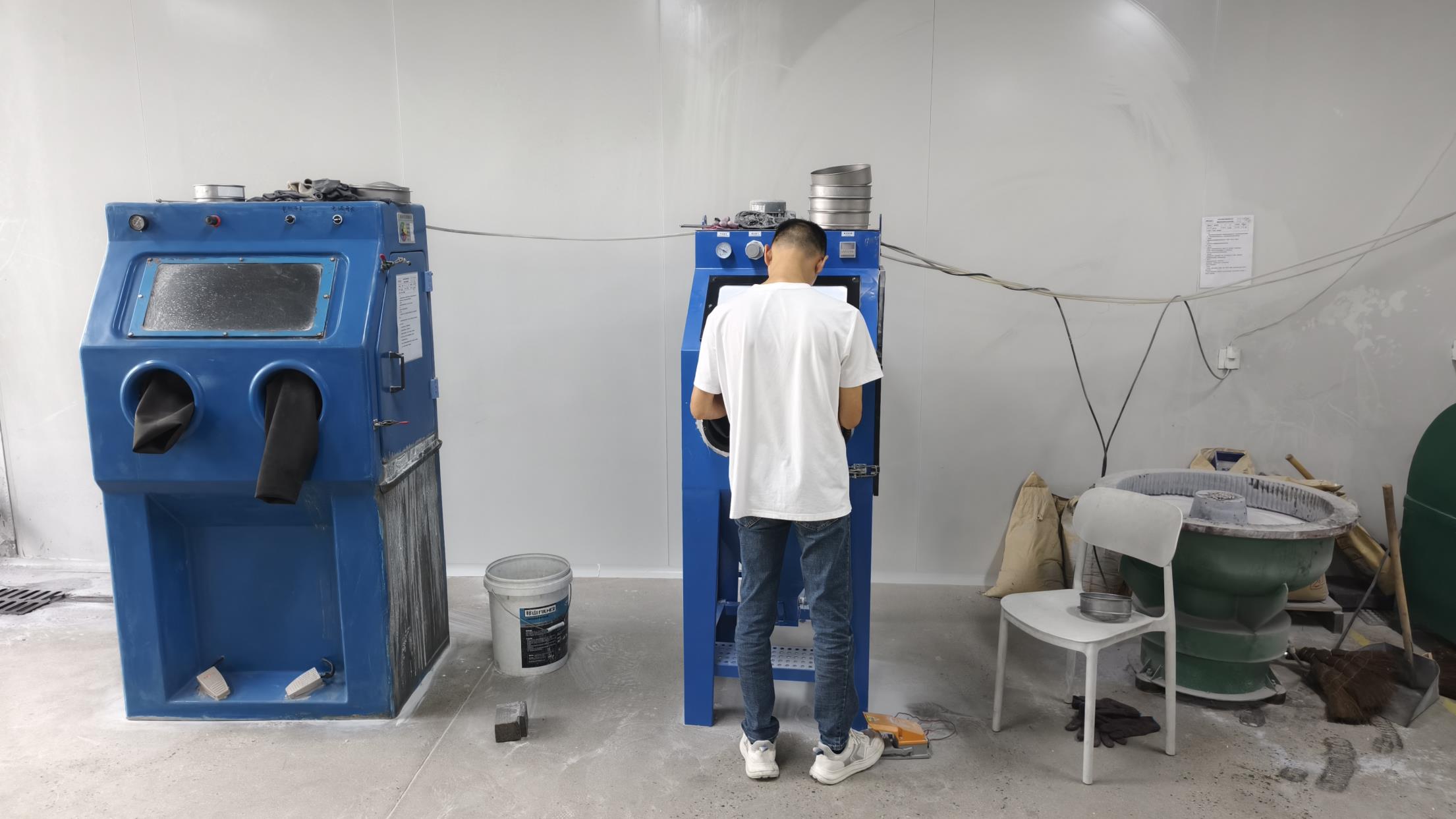
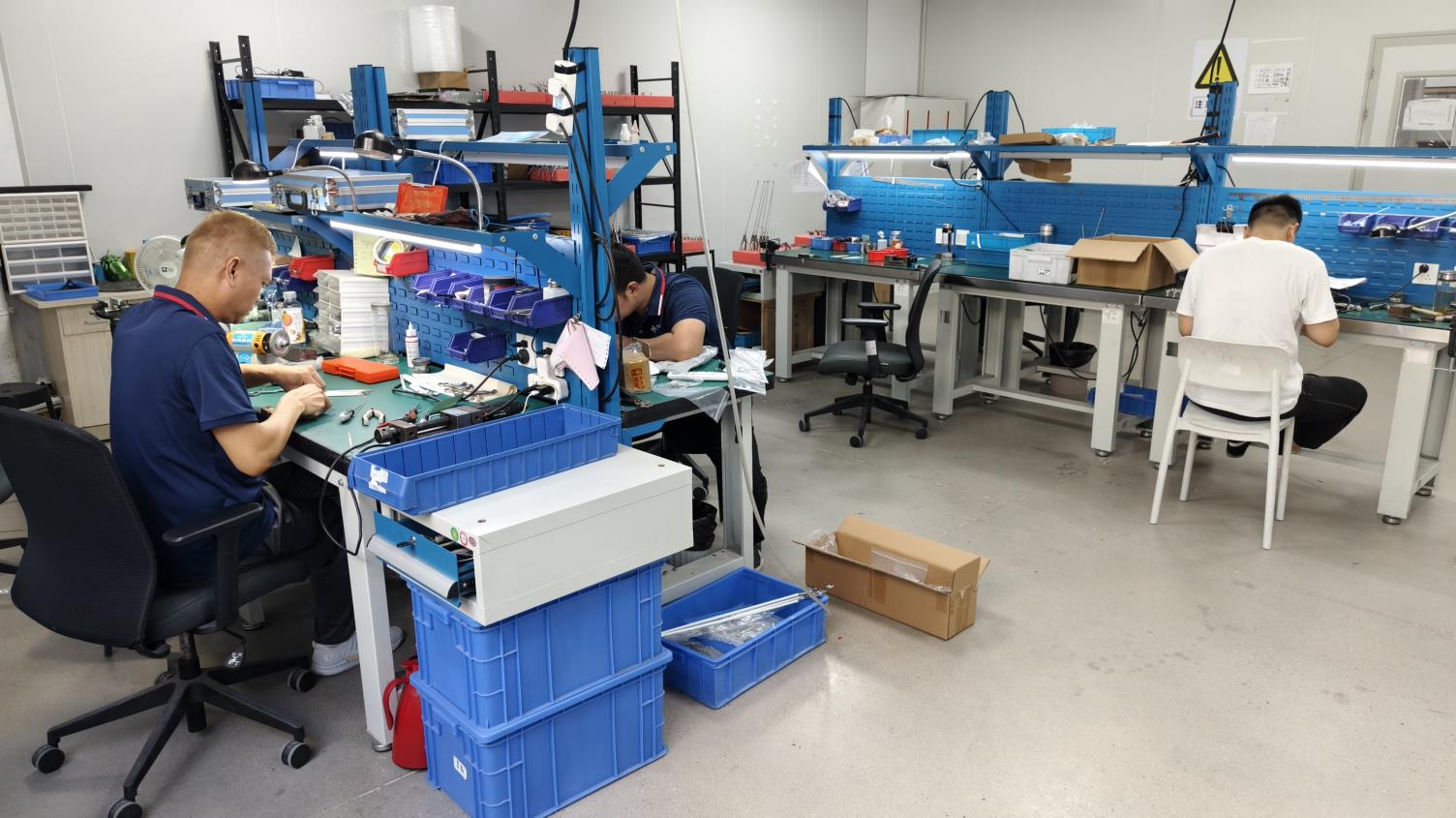
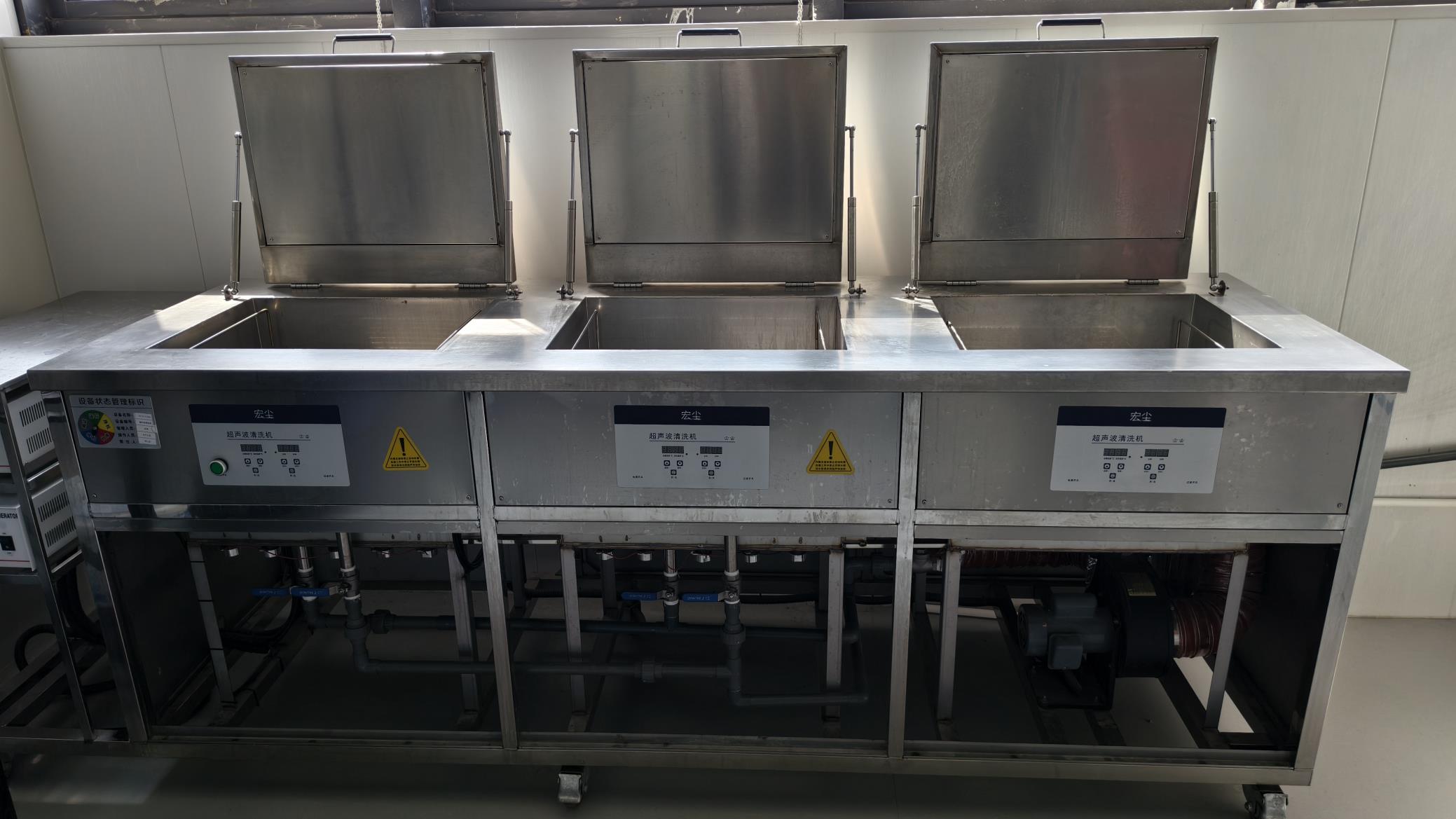
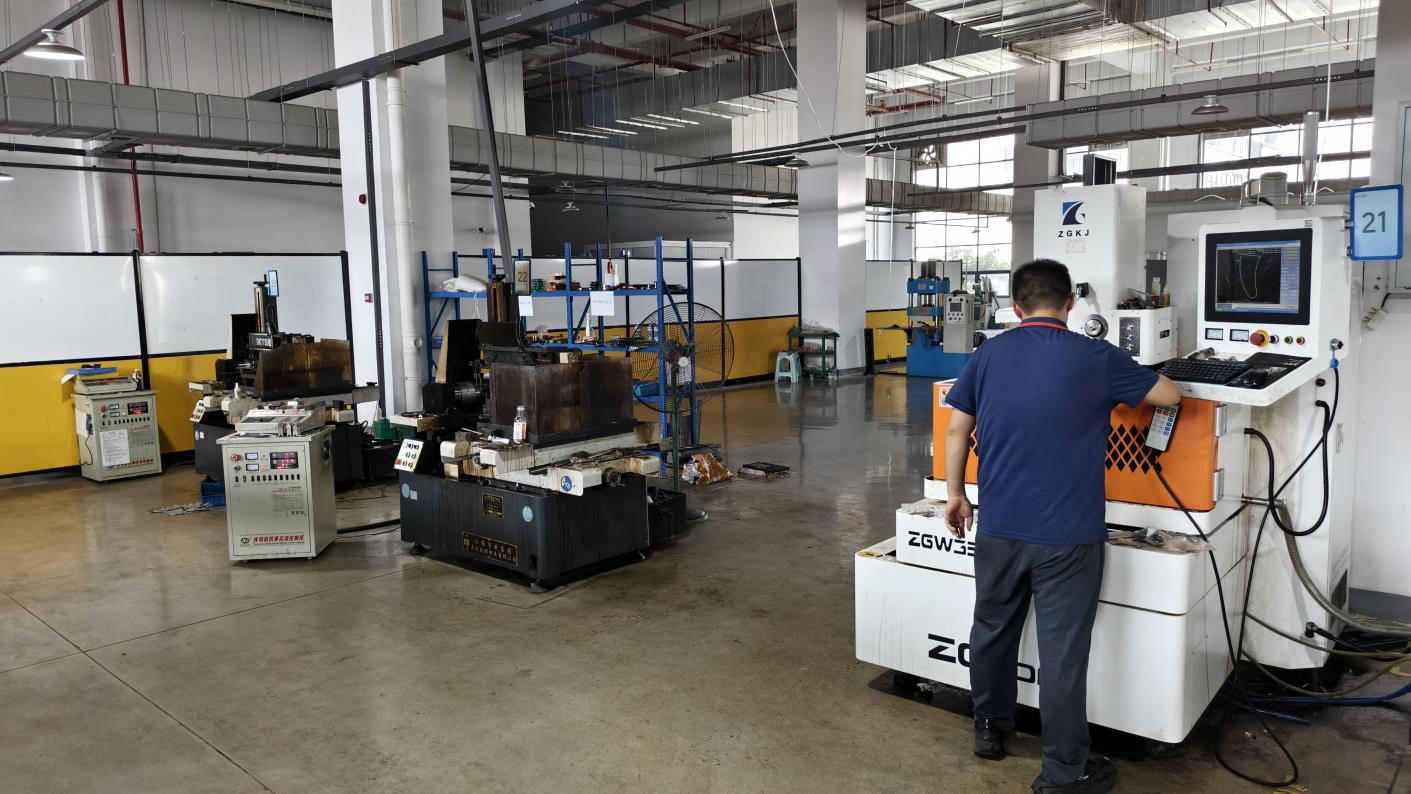
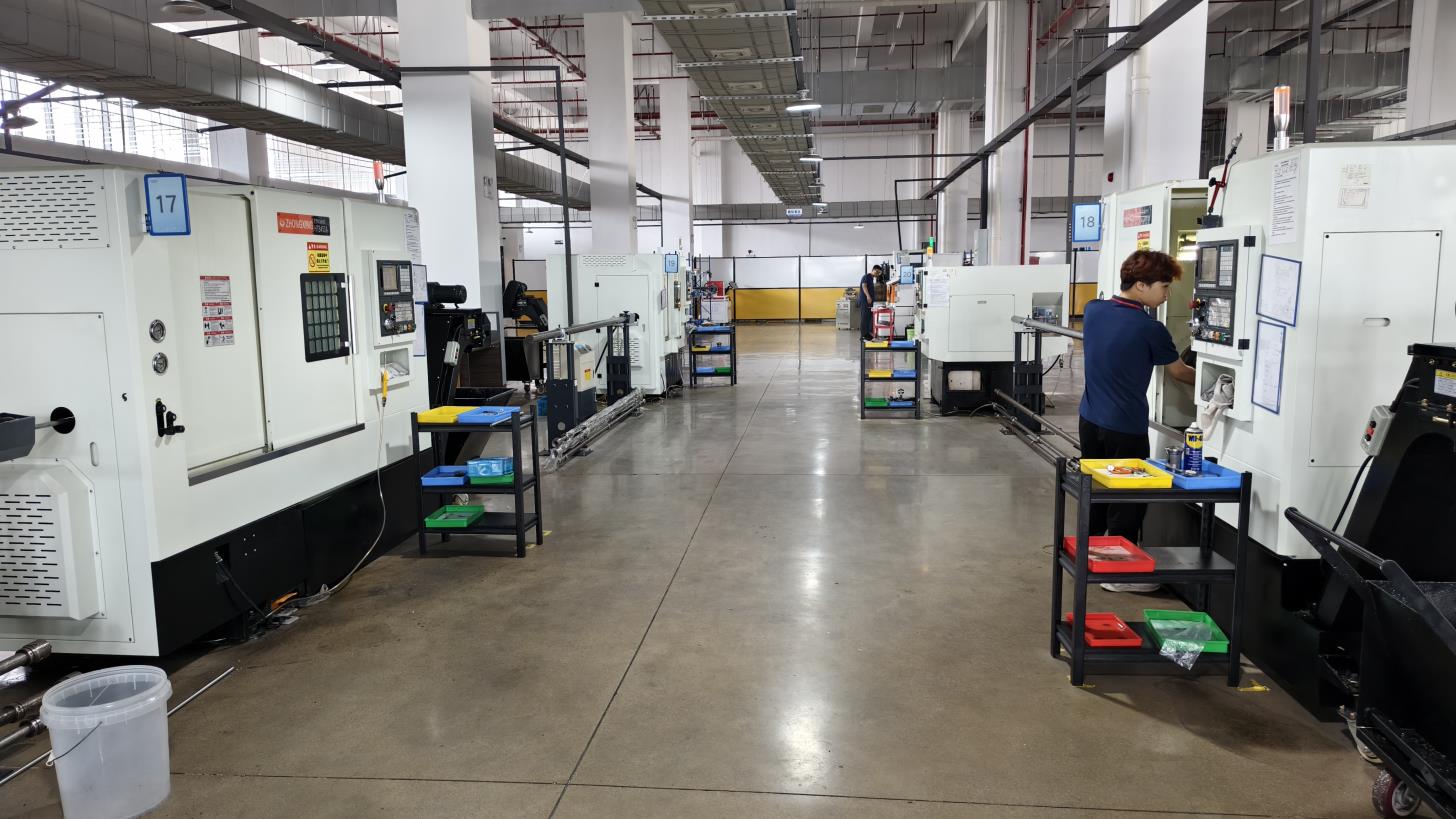
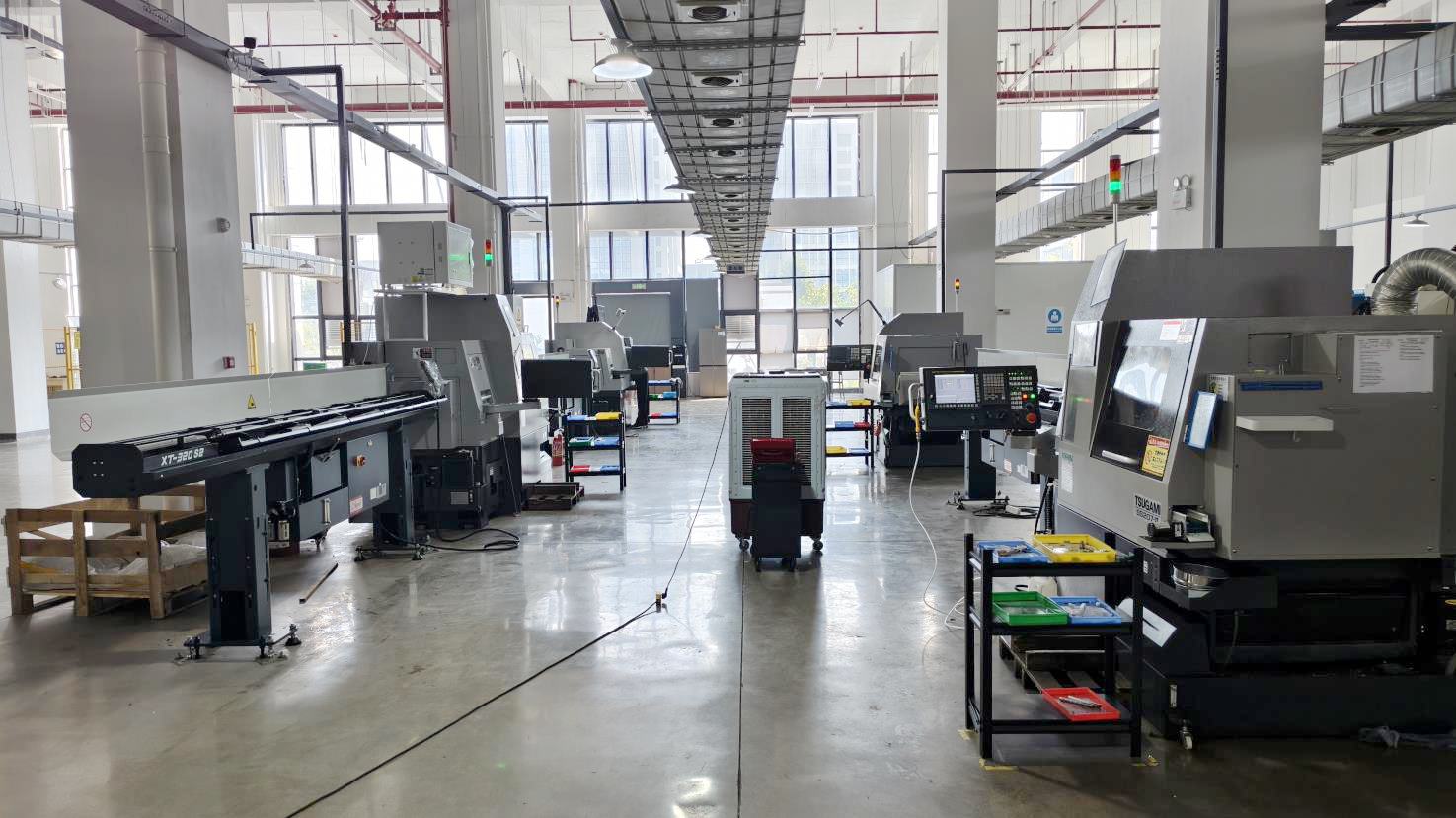
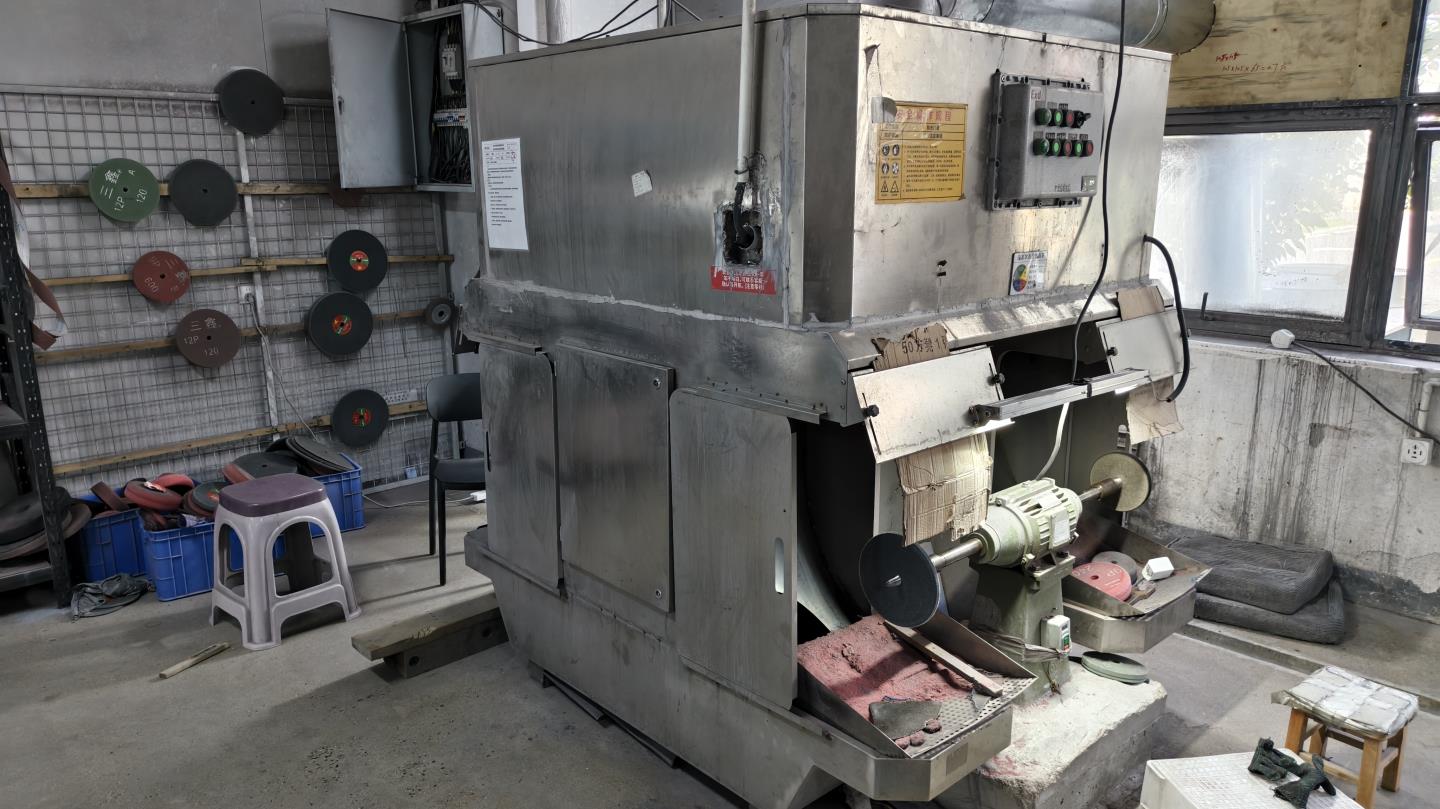
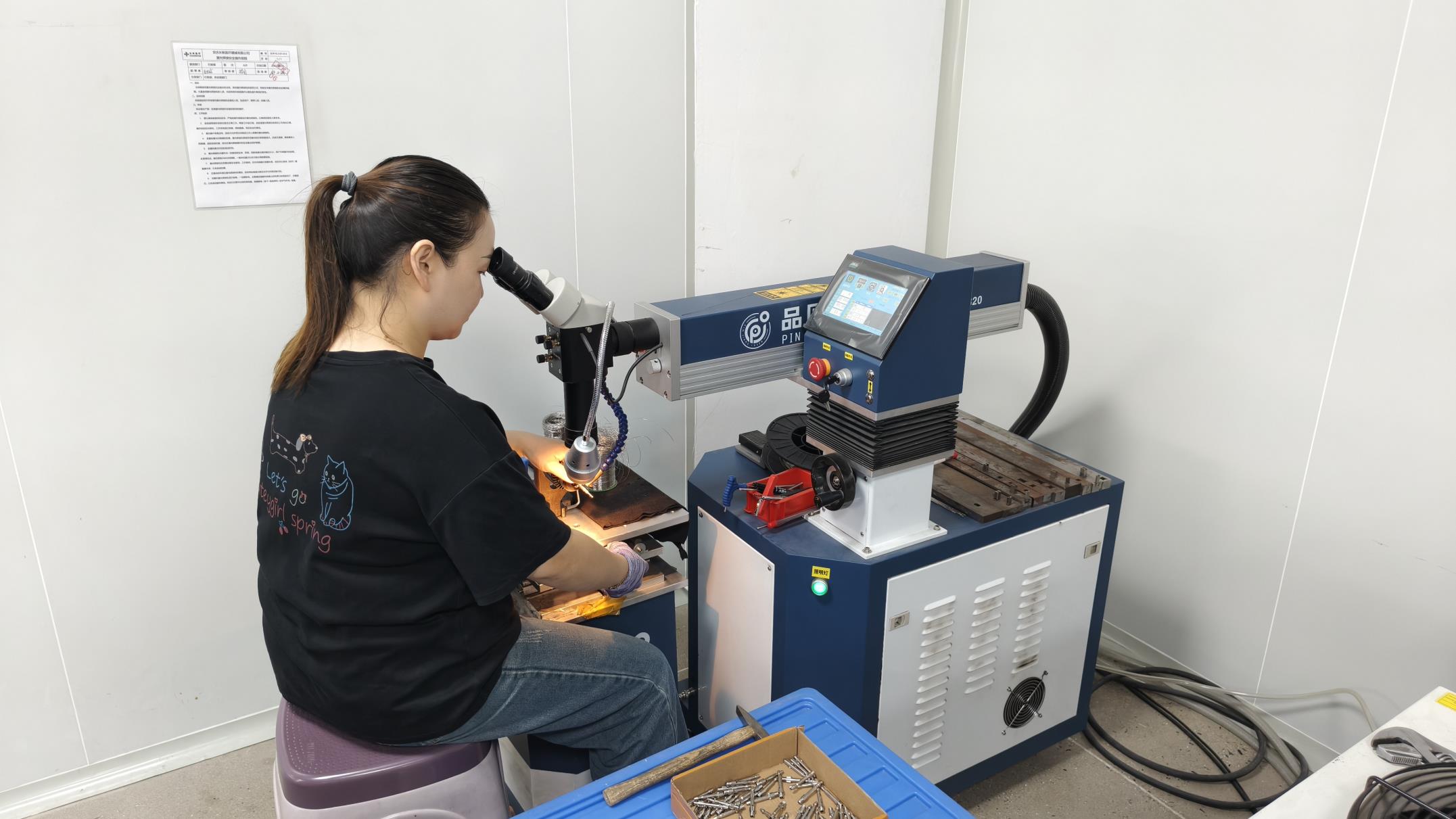
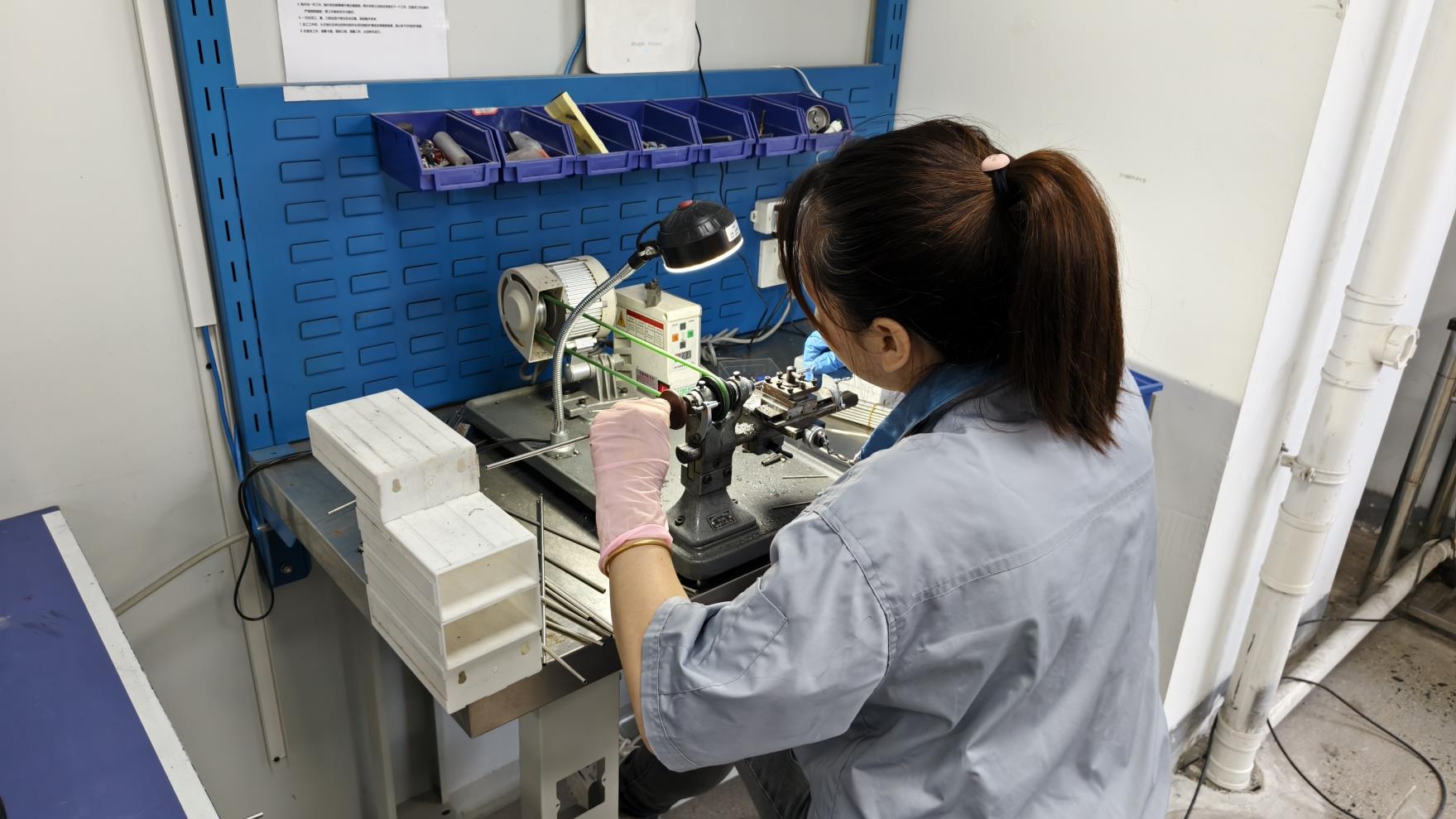
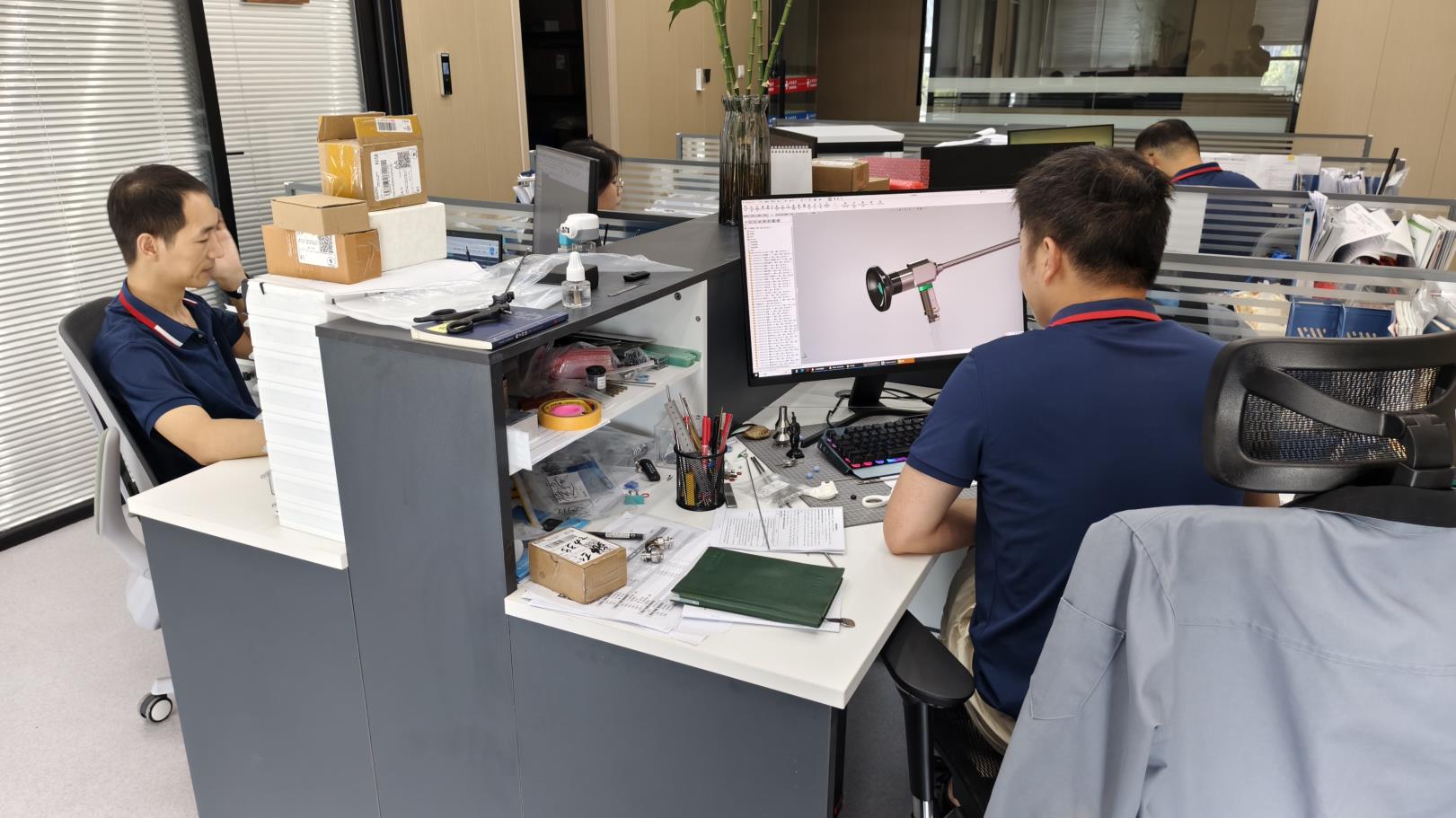

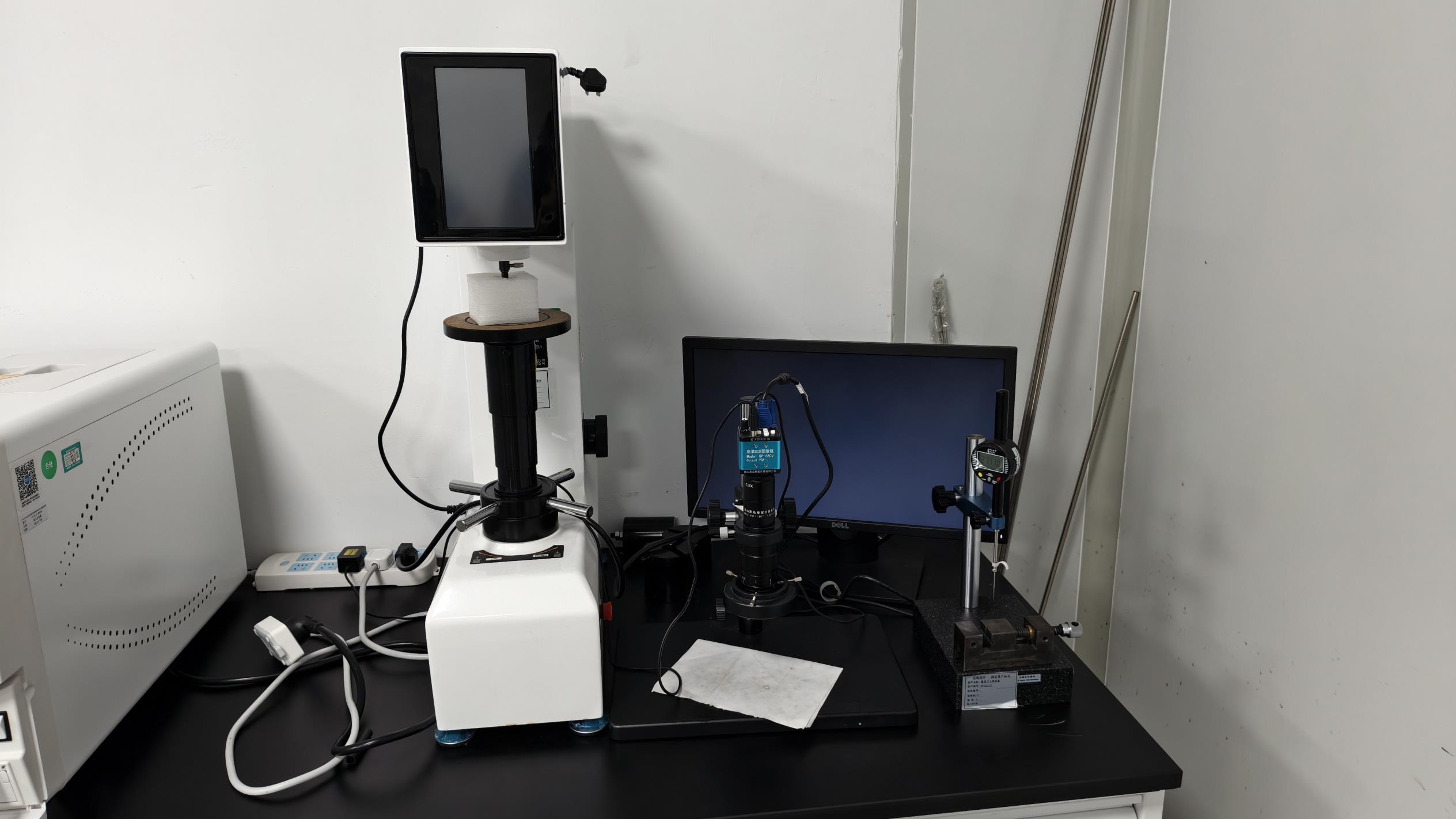
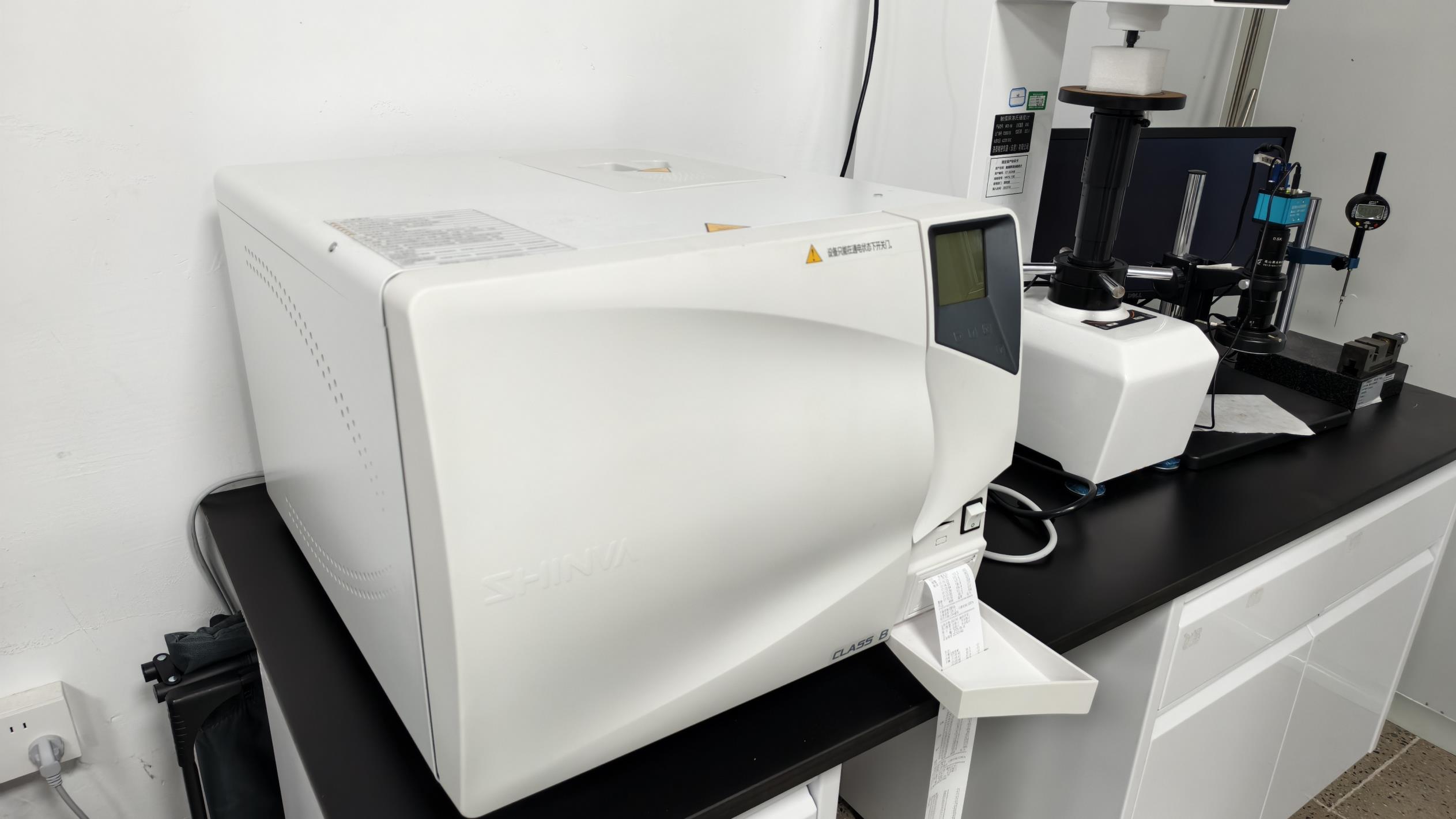
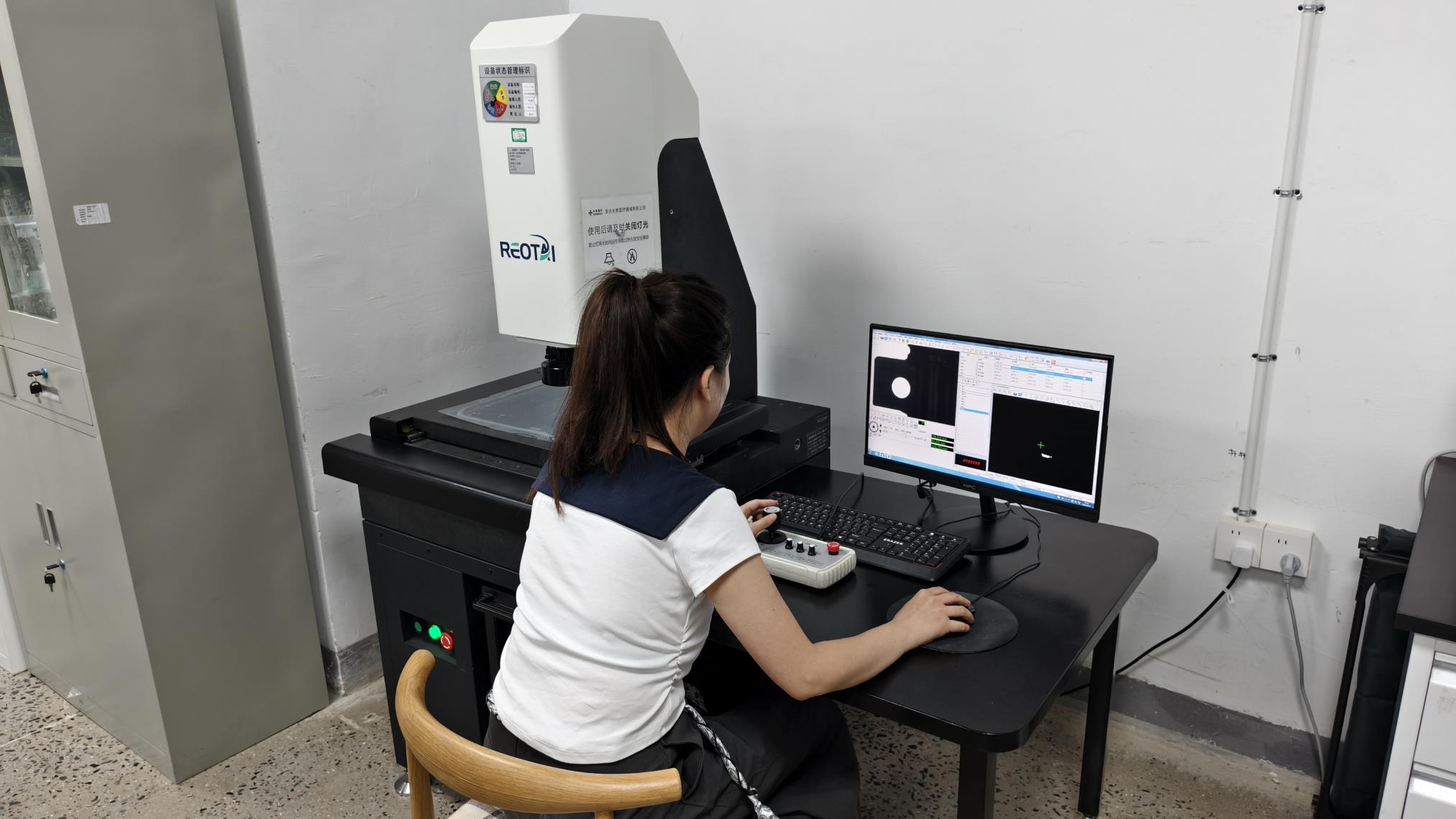
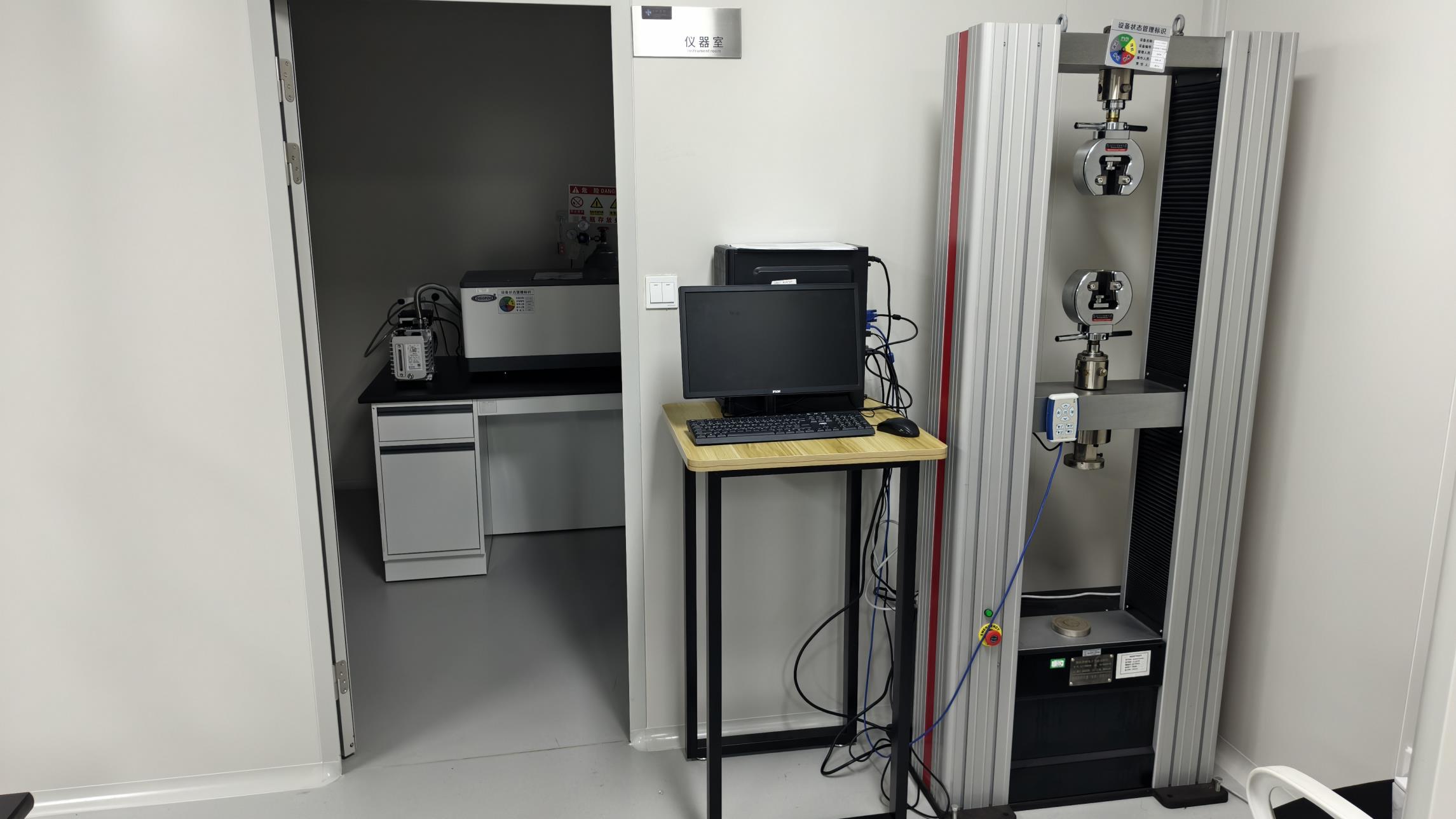
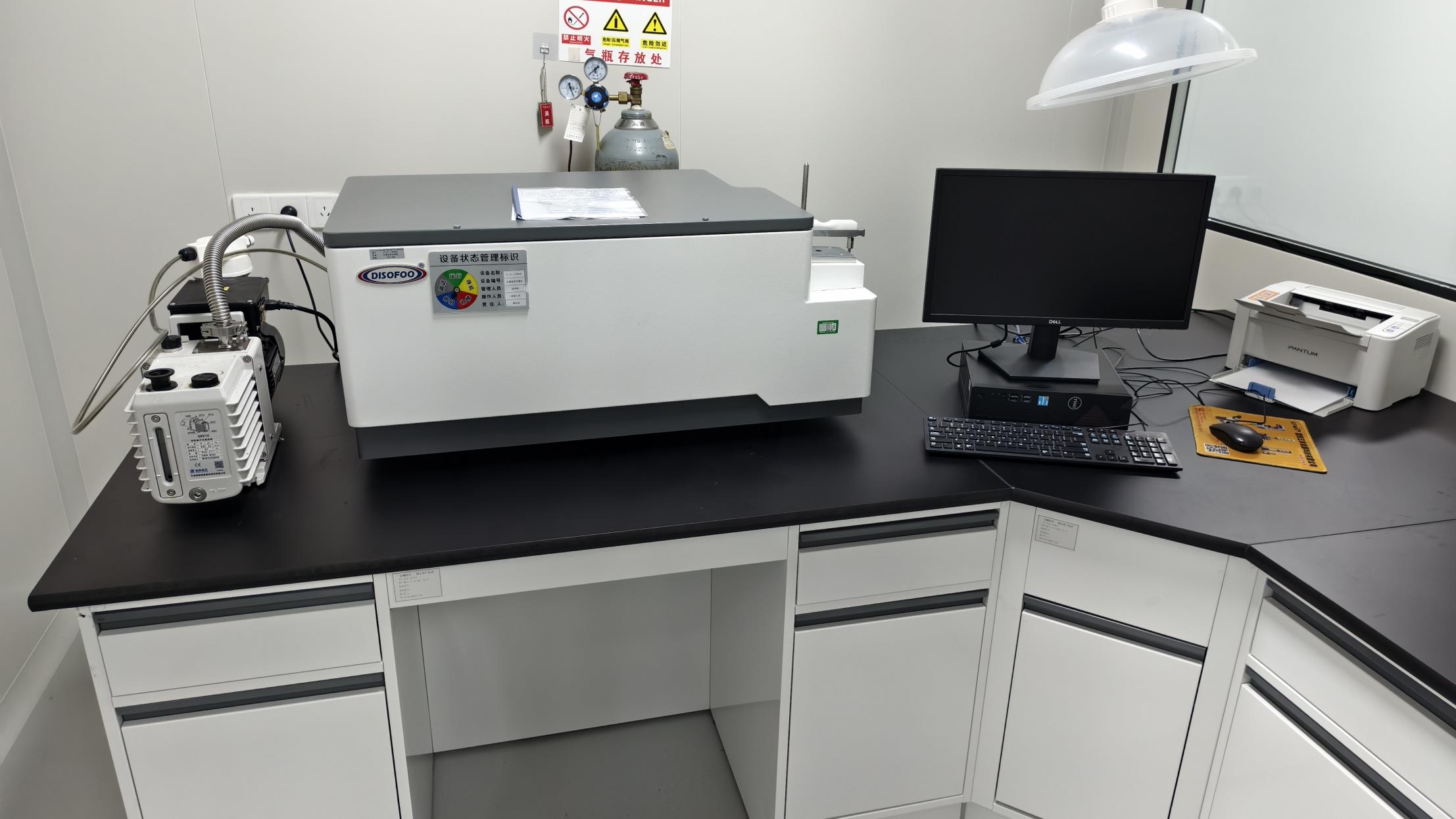
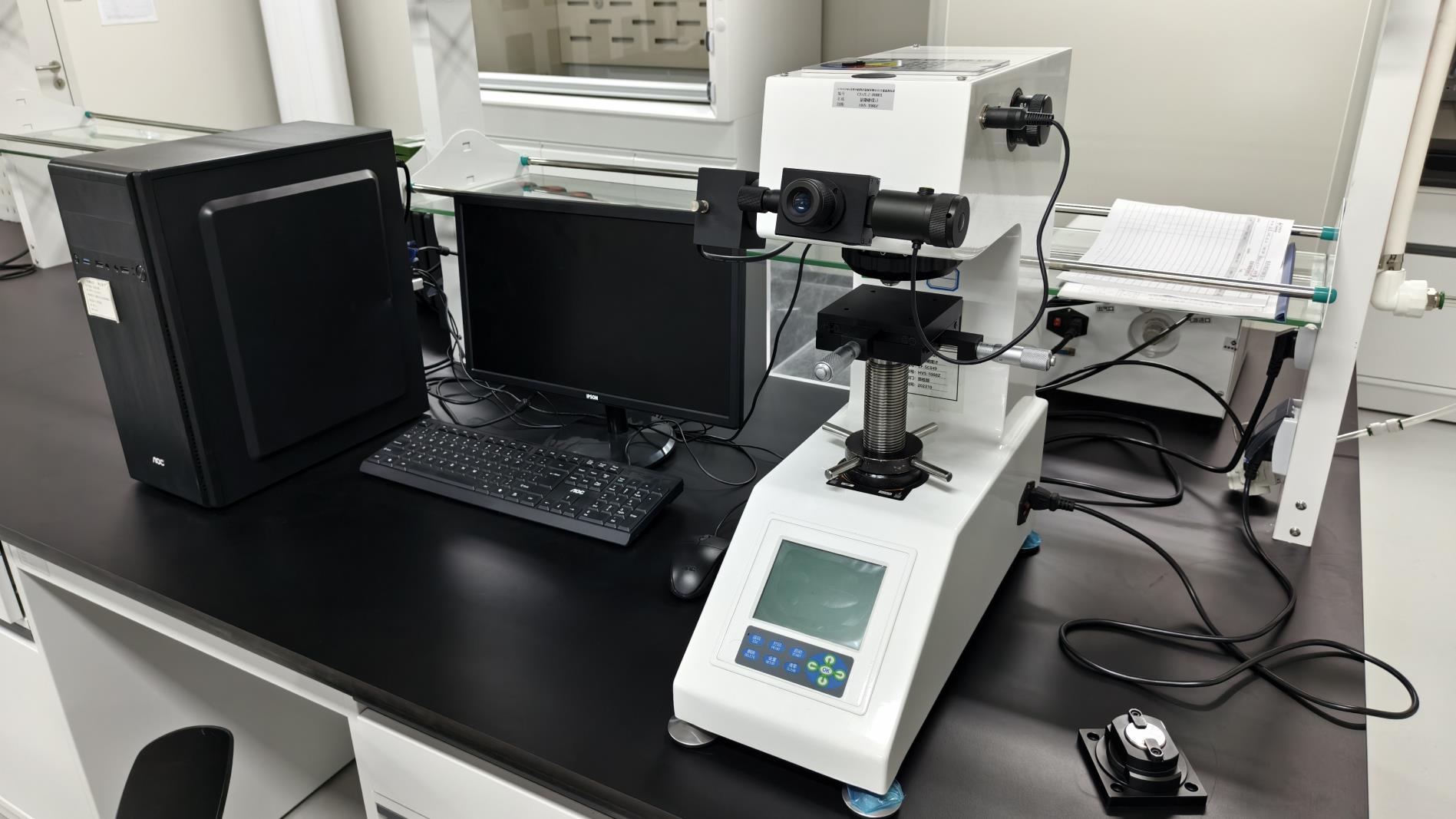
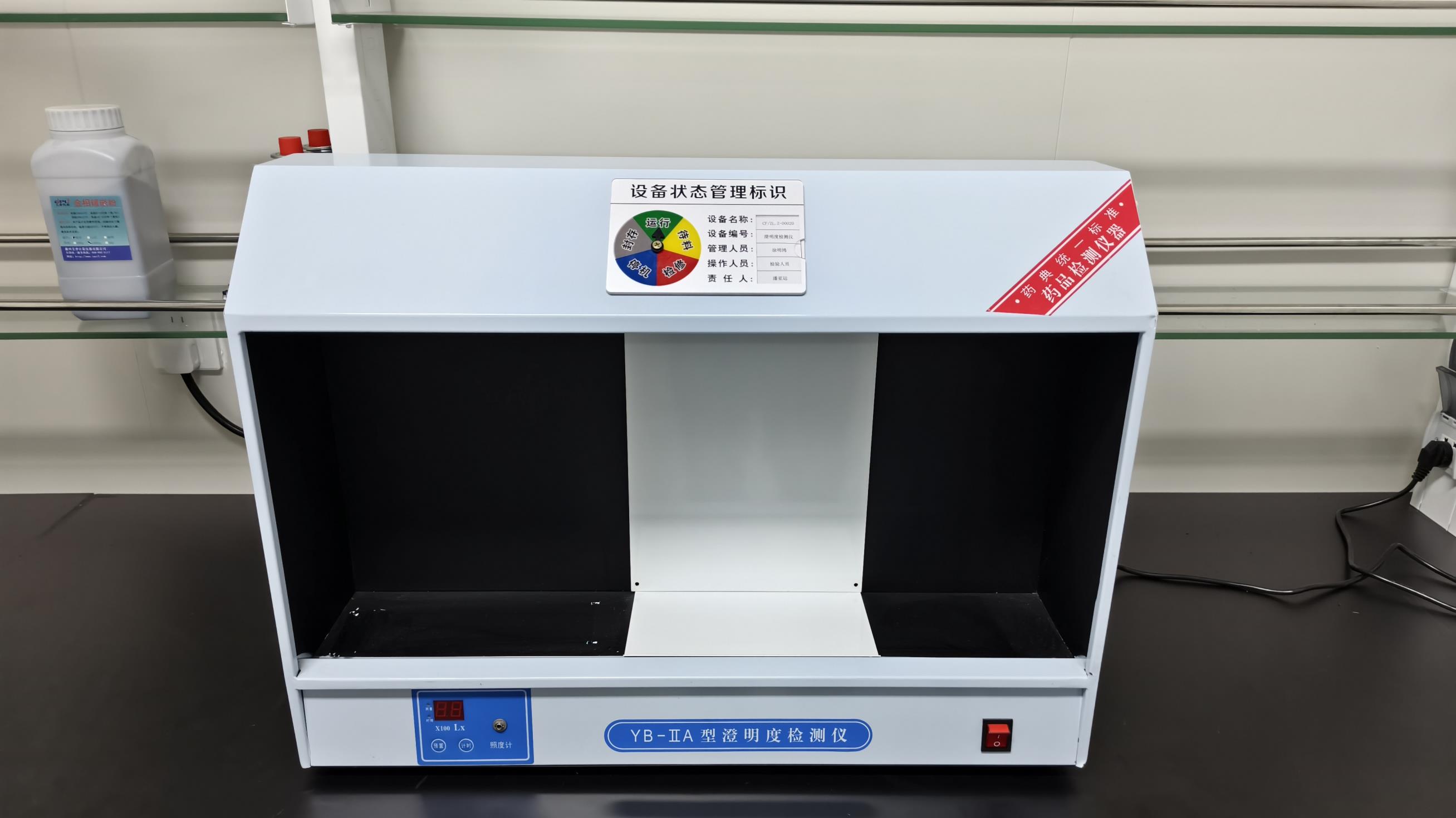
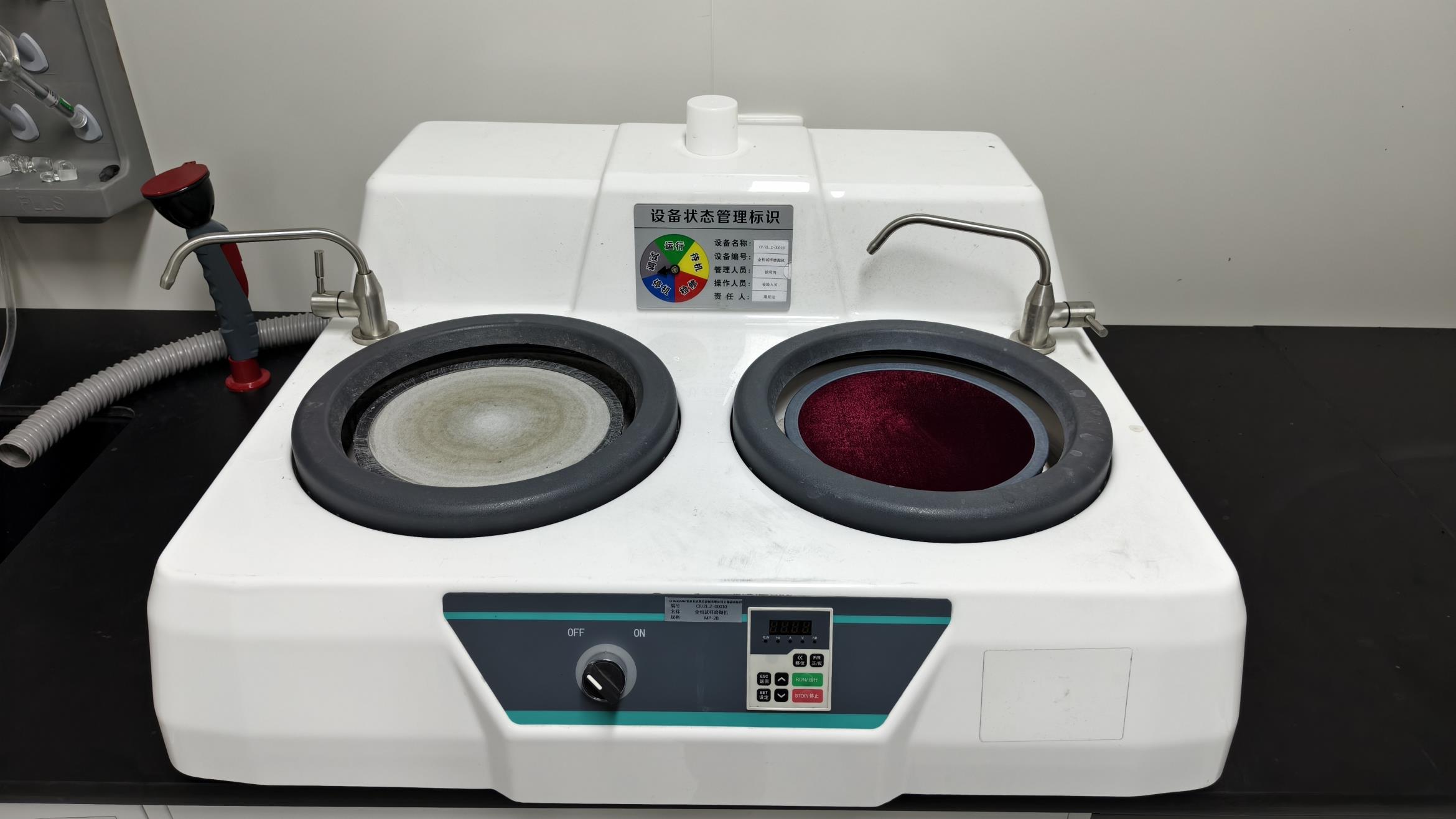
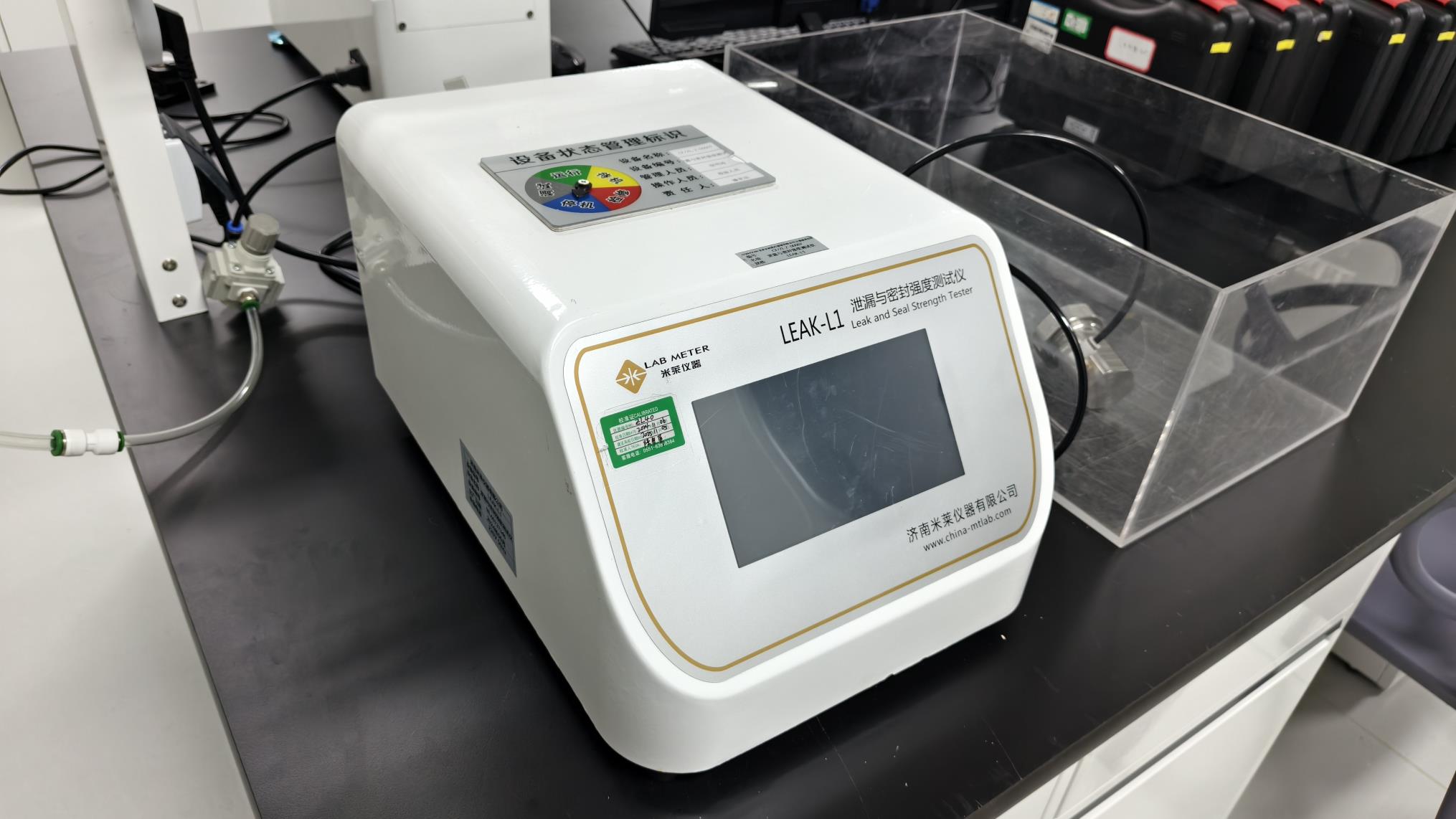
The global medical device market has shifted dynamically toward Chinese manufacturing hubs, not merely due to cost efficiencies, but due to an extraordinary integration of upstream raw material access, high-precision machining, and rigorous state-backed regulatory frameworks. Chinese factories specializing in titanium cranial mesh combine the world's most advanced CNC, wire-cutting, and laser-welding machineries with a highly qualified pool of orthopedic biomedical engineers.
At Zynfuse Medical, our R&D department features 85 dedicated engineers who launch approximately 320 new products annually. This high-velocity development allows us to stay ahead of international clinical trends, incorporating surgical feedback immediately into mechanical redesigns. Unlike many Western competitors who outsource their machining, our 18,600 m² facility enables vertically integrated production—from initial CAD/CAM modeling and CNC machining to electrochemical surface treatment, cleanroom ultrasonic washing, steam sterilization, and comprehensive sealing strength testing.
By consolidating components and utilizing Swiss-type high-speed lathes, Zynfuse offers distinct logistical benefits to international buyers:
From custom patient-specific implants to structural trauma interventions, explore the clinical environments where our titanium solutions excel.
1. Traumatic Brain Injury (TBI) and Decompressive Craniectomy Reconstruction: In cases of severe brain swelling, a large portion of the skull is surgically removed. After patient stabilization, a secondary cranioplasty procedure is performed. Our pre-formed titanium mesh plates are engineered to conform precisely to standard cranial geometries (frontal, temporal, parietal, and occipital regions), reducing the surgeon's intraoperative bending time and minimizing patient exposure under anesthesia.
2. Post-Oncological Cranial Resection: Tumor invasion into the cranial bones requires radical excision. The resulting complex structural gap must be bridged using high-strength titanium implants. By combining advanced CAD/CAM software with high-resolution digital microscopes and Swiss-type milling lathed components, we supply high-integrity systems that restore the protective barrier of the central nervous system.
3. Custom 3D Printed Patient-Specific Implants (PSIs): While standard pre-formed mesh is suitable for simple defects, large-scale or aesthetically critical facial-cranial defects require tailor-made solutions. Zynfuse supports OEM/ODM solutions using titanium 3D printing and precise laser-welding methodologies. Implants are constructed to match the contralateral healthy bone profile, ensuring optimal aesthetic outcomes and postoperative symmetry.
4. Pediatric Cranioplasty & Micro-Fixation Systems: Pediatric cranial reconstructive surgery requires thinner, highly malleable mesh systems that secure the bone graft without restricting future skull growth. Our micro-mesh systems (thickness ranging from 0.3mm to 0.4mm) coupled with self-drilling micro-screws (1.5mm to 2.0mm diameter) provide robust, low-profile fixation that minimizes palpability under the scalp.
Comprehensive technical and commercial answers compiled by our neurosurgical engineering and export logistics teams.
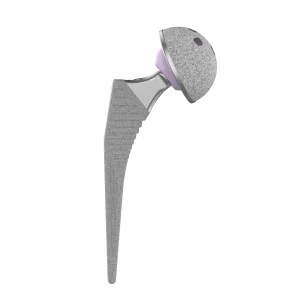
Explore our highly-durable implant solutions, spinal fixation systems, and joint replacement prosthetics.