Zynfuse
Zynfuse
Zynfuse
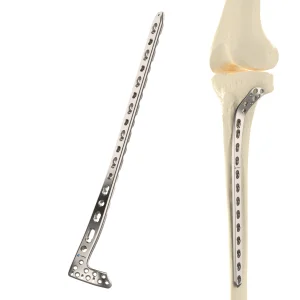
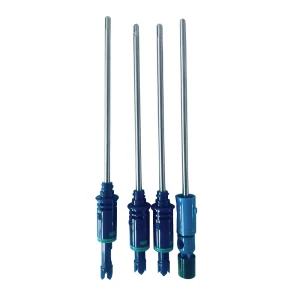
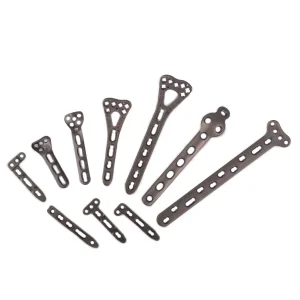
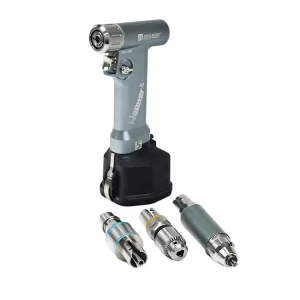
Explore our high-precision surgical instruments, plates, and bone fixations engineered for optimized arthroplasty outcomes.
Bridging biomechanical research with scale manufacturing to deliver clinical safety and surgical excellence globally.
Zynfuse Medical Technology Co., Ltd. is a leading, specialized orthopedic medical device manufacturer focused on bone fusion and advanced implant systems for orthopedic surgical innovation. Since our establishment in 2016, we have committed ourselves to engineering high-integrity orthopedic solutions that restore mobility and improve patient outcomes worldwide.
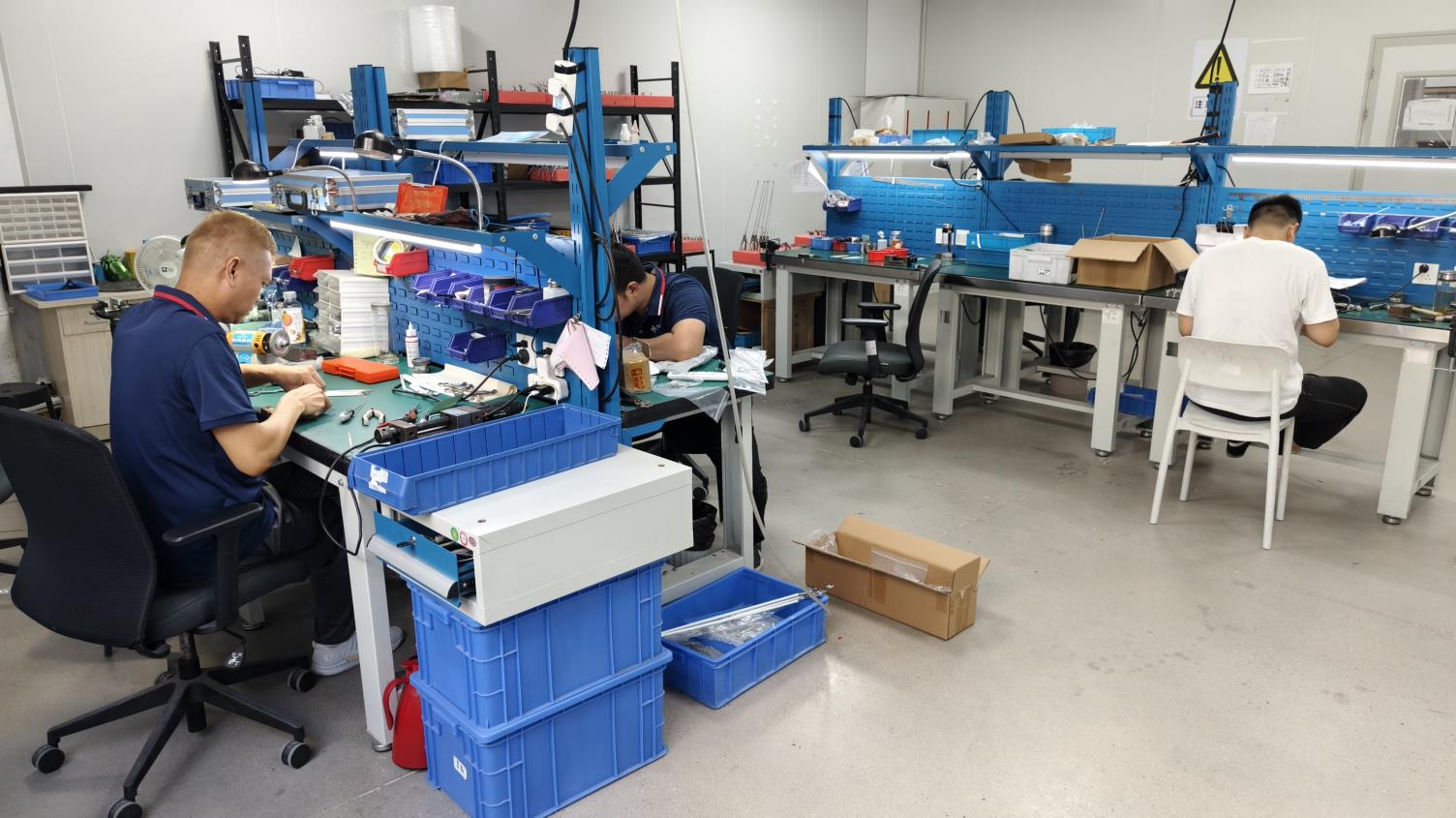
Operating a state-of-the-art 18,600 m² manufacturing facility, we utilize advanced production, surface treatment, and testing lines. Backed by 12 years of core industry expertise and 7 years of international trade operations, we serve an expansive global network exceeding 1,200 strategic partners across North America, Europe, Southeast Asia, and the Middle East.
Our commitment to patient safety is reinforced by 68 quality inspection specialists. We employ a multi-layered inspection system based on ISO 13485 protocols, encompassing comprehensive dimensional verification, high-cycle fatigue testing, biocompatibility evaluation, and advanced surface integrity analysis.
Additionally, our powerhouse R&D division, consisting of 85 experienced engineers, drives consistent innovation. We launch approximately 320 new orthopedic products annually and offer extensive customization options, including geometry modification, material selection, and professional OEM/ODM solutions designed for surgical clinical requirements.
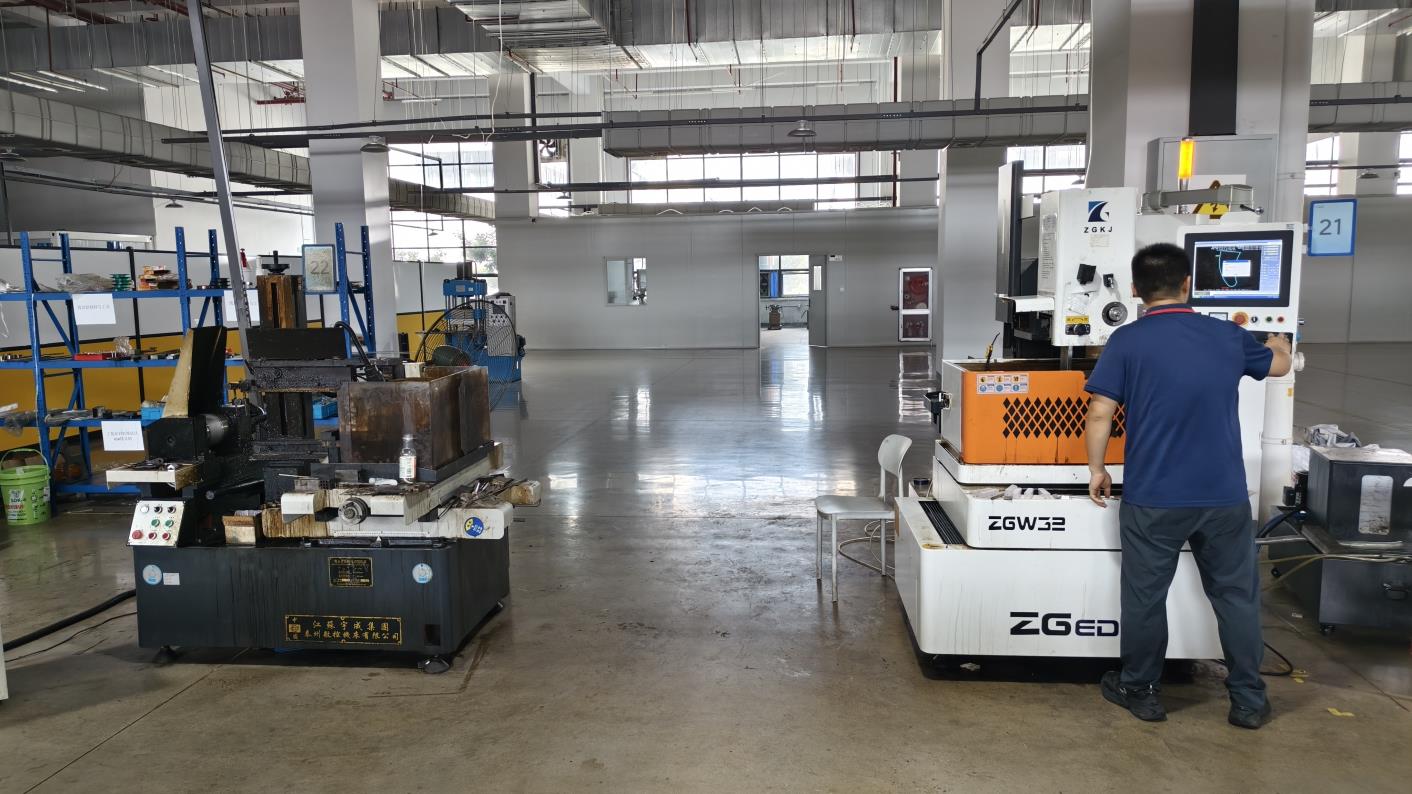
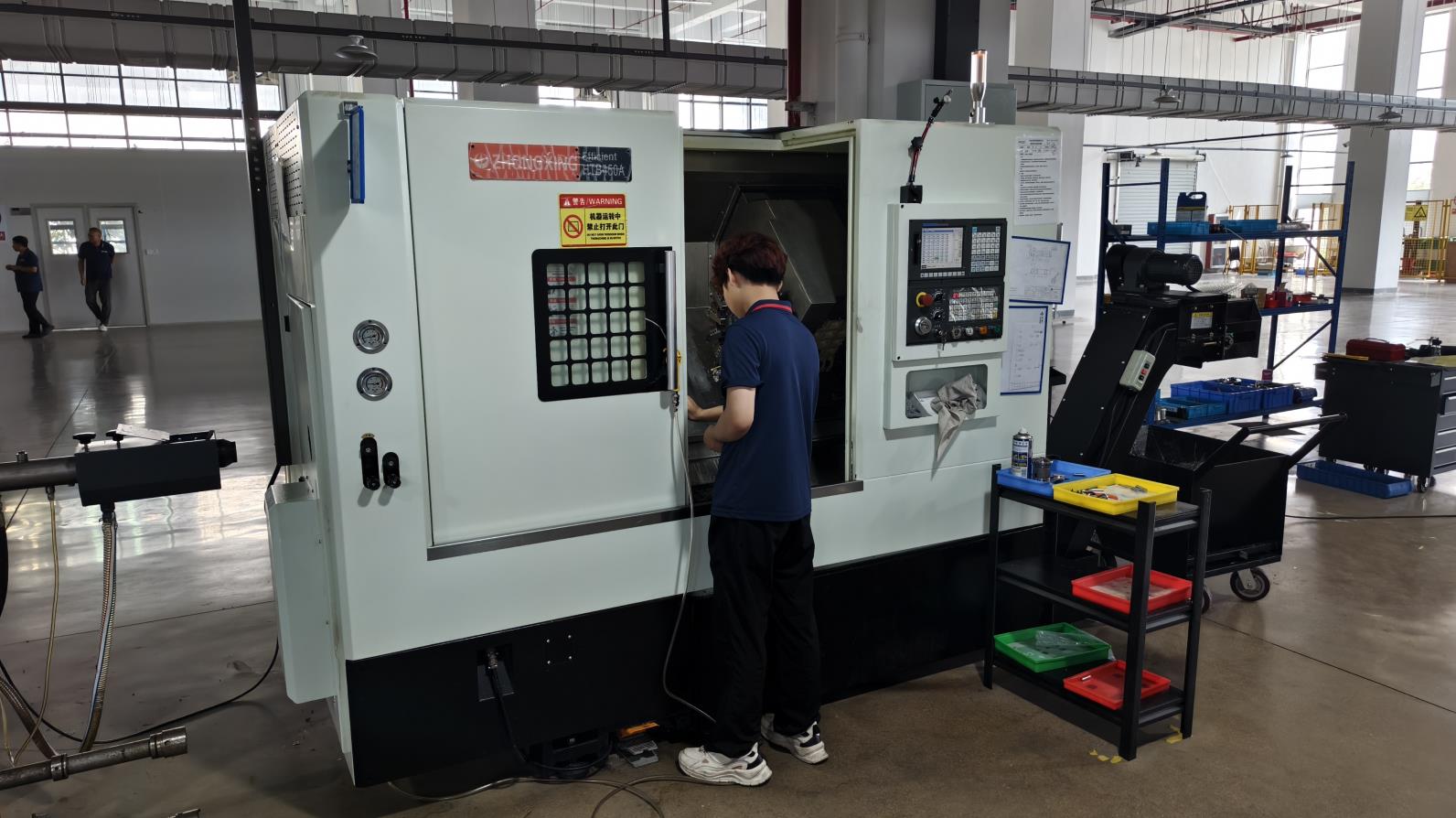
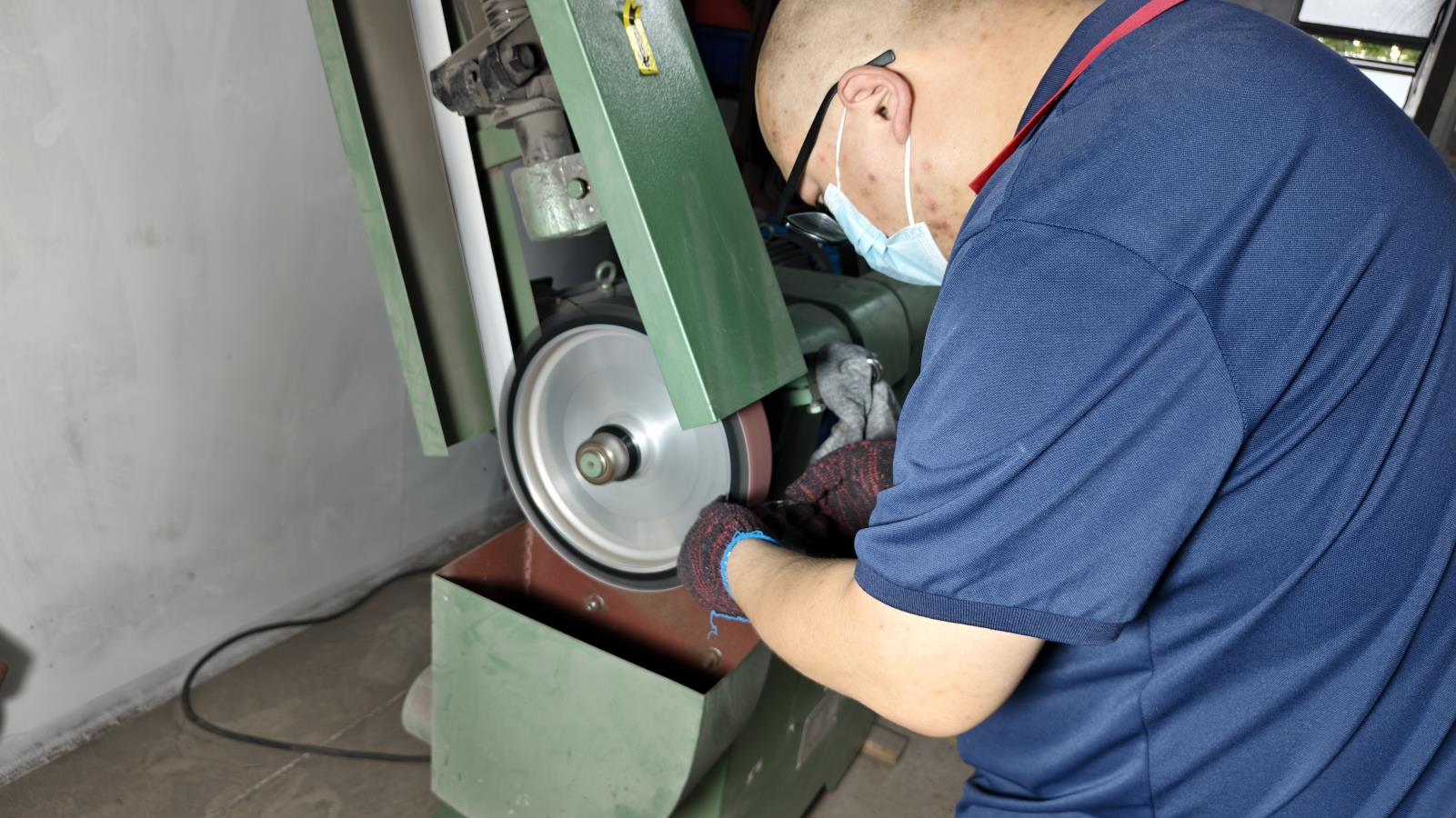
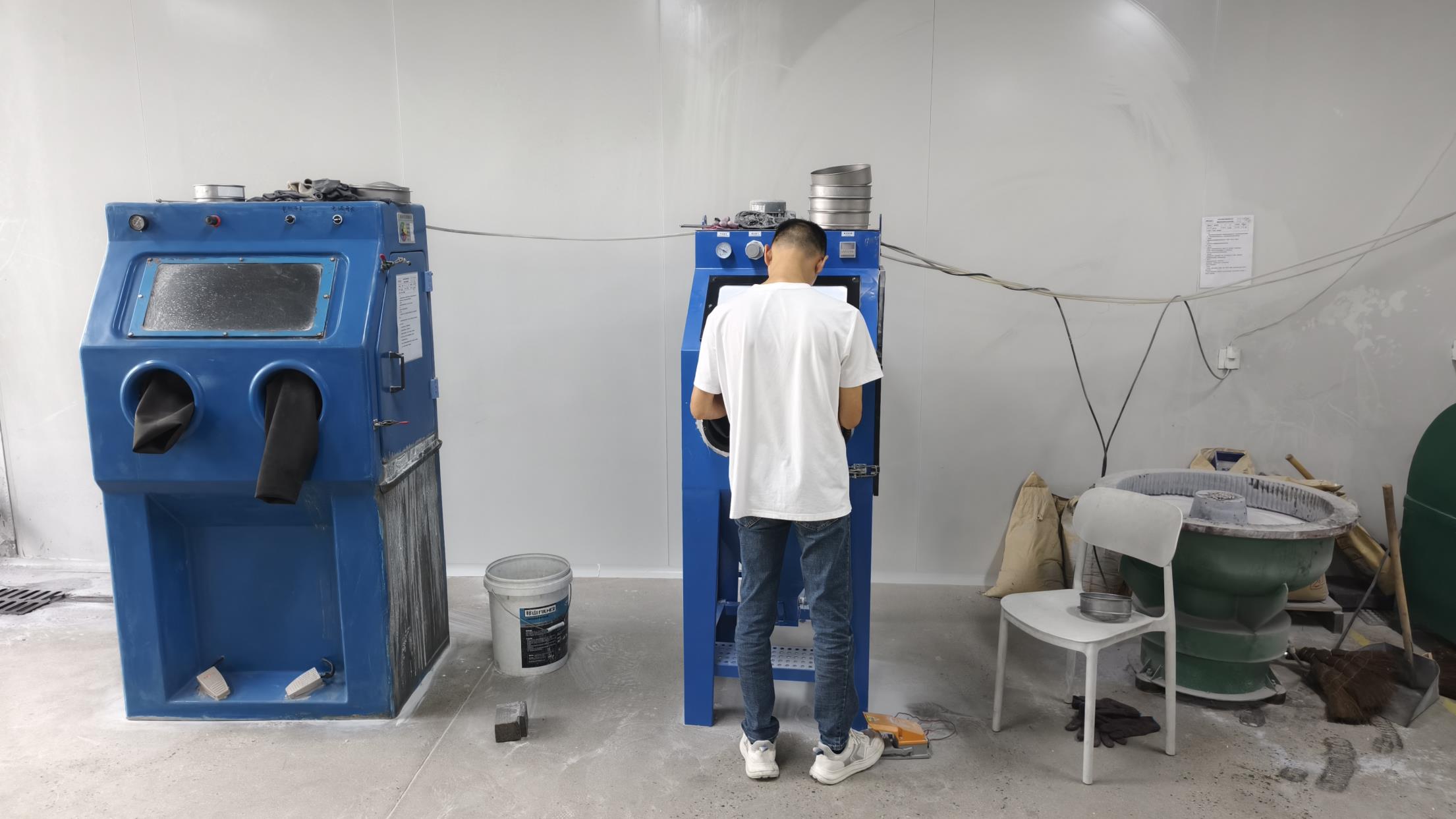
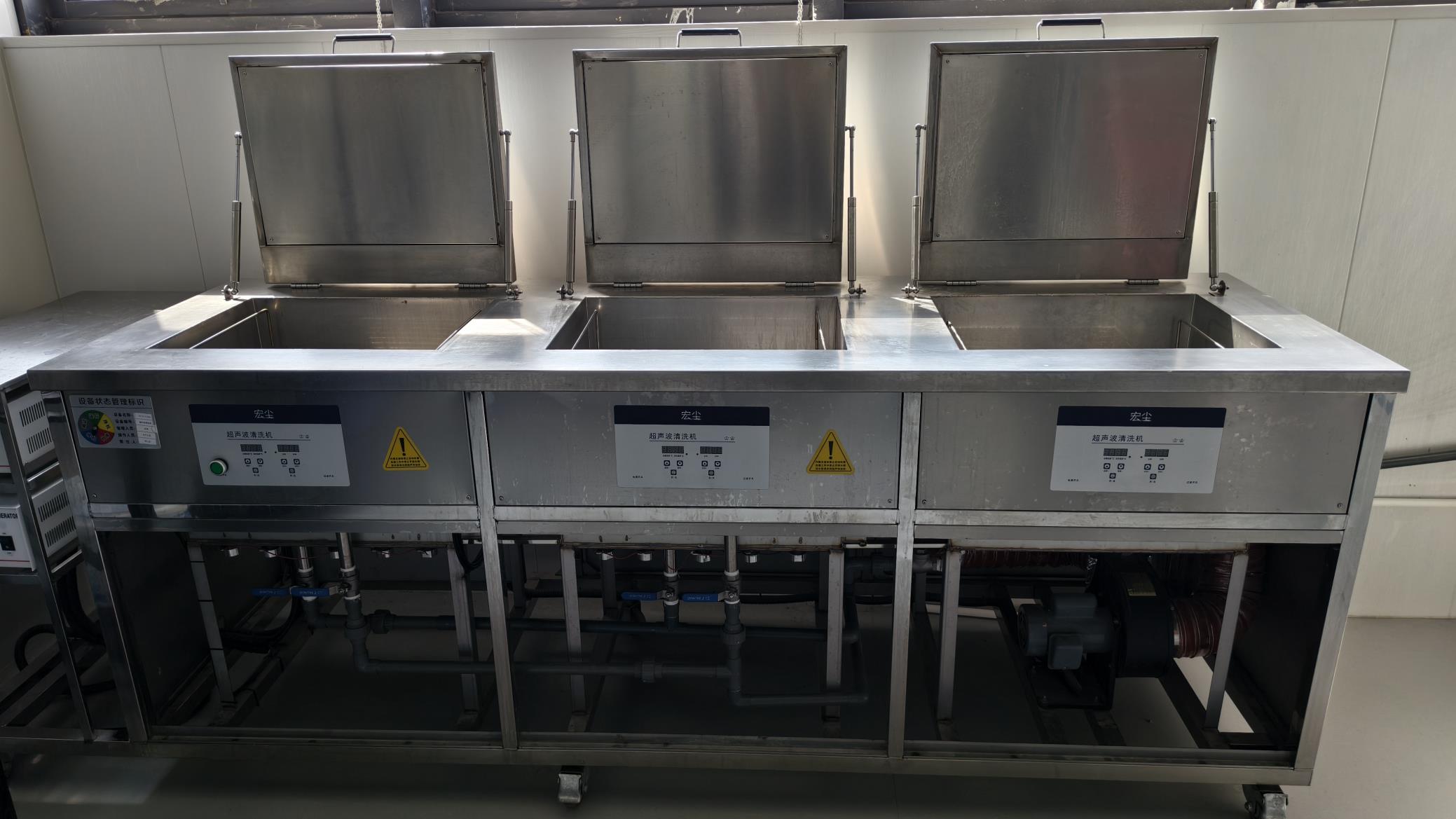
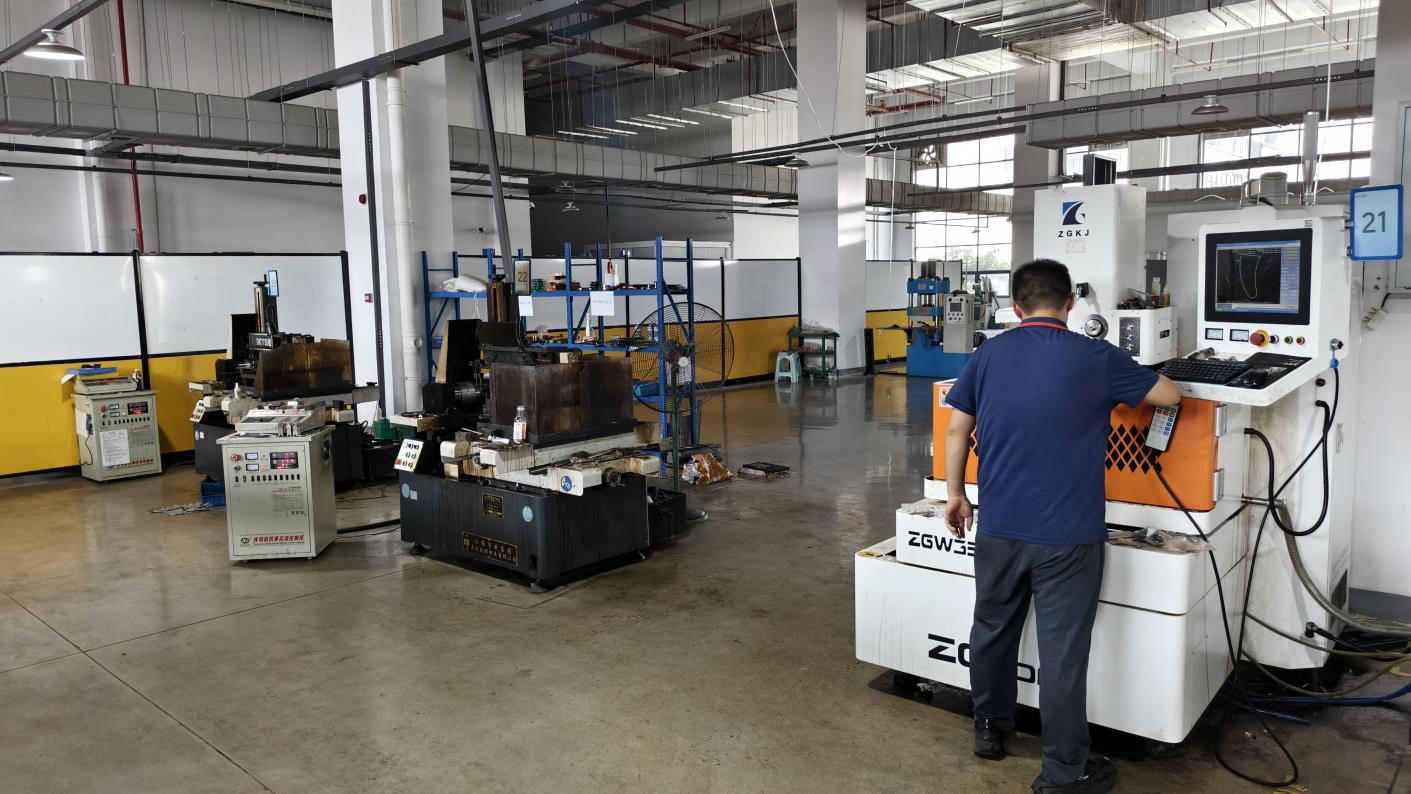
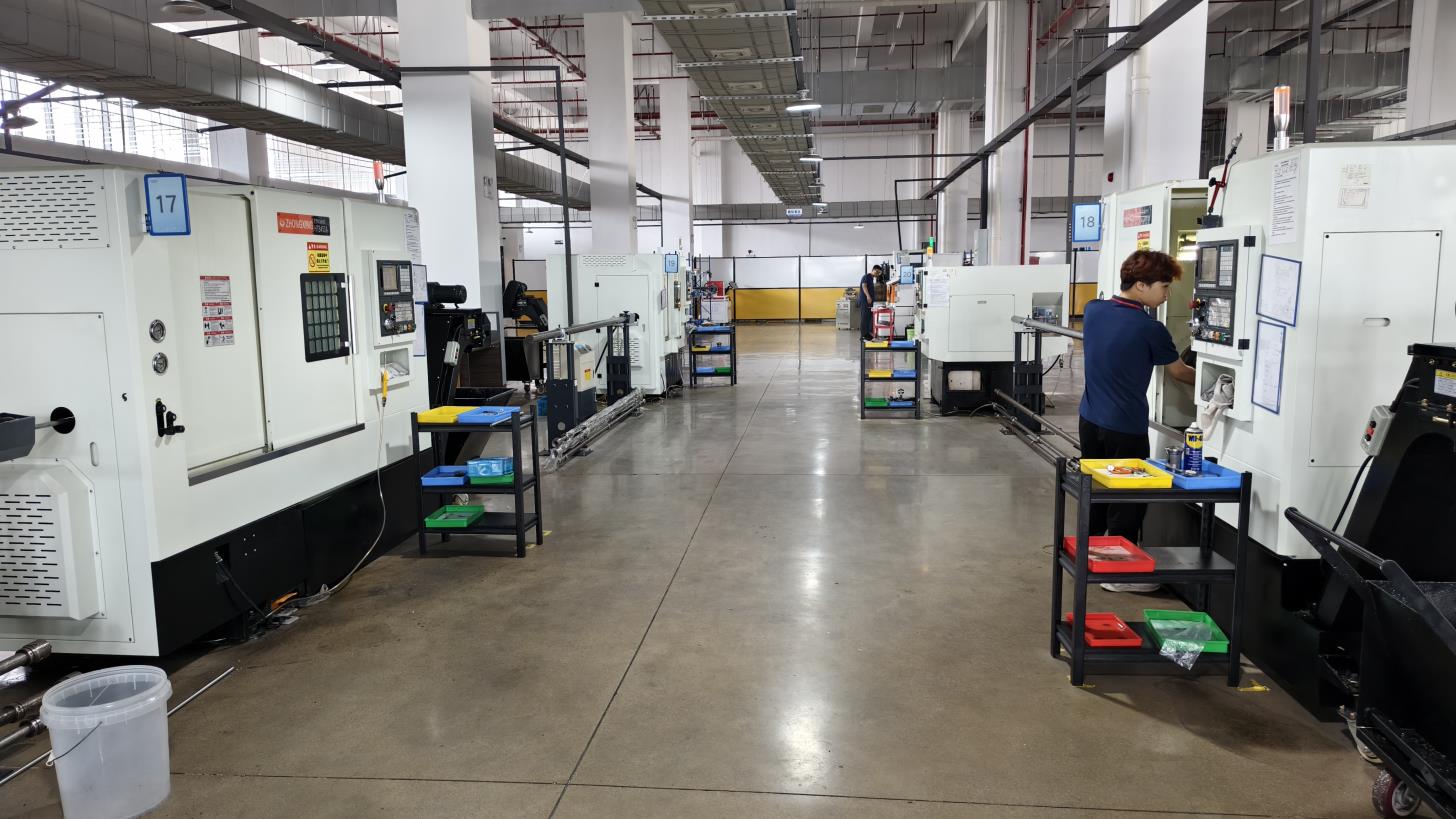
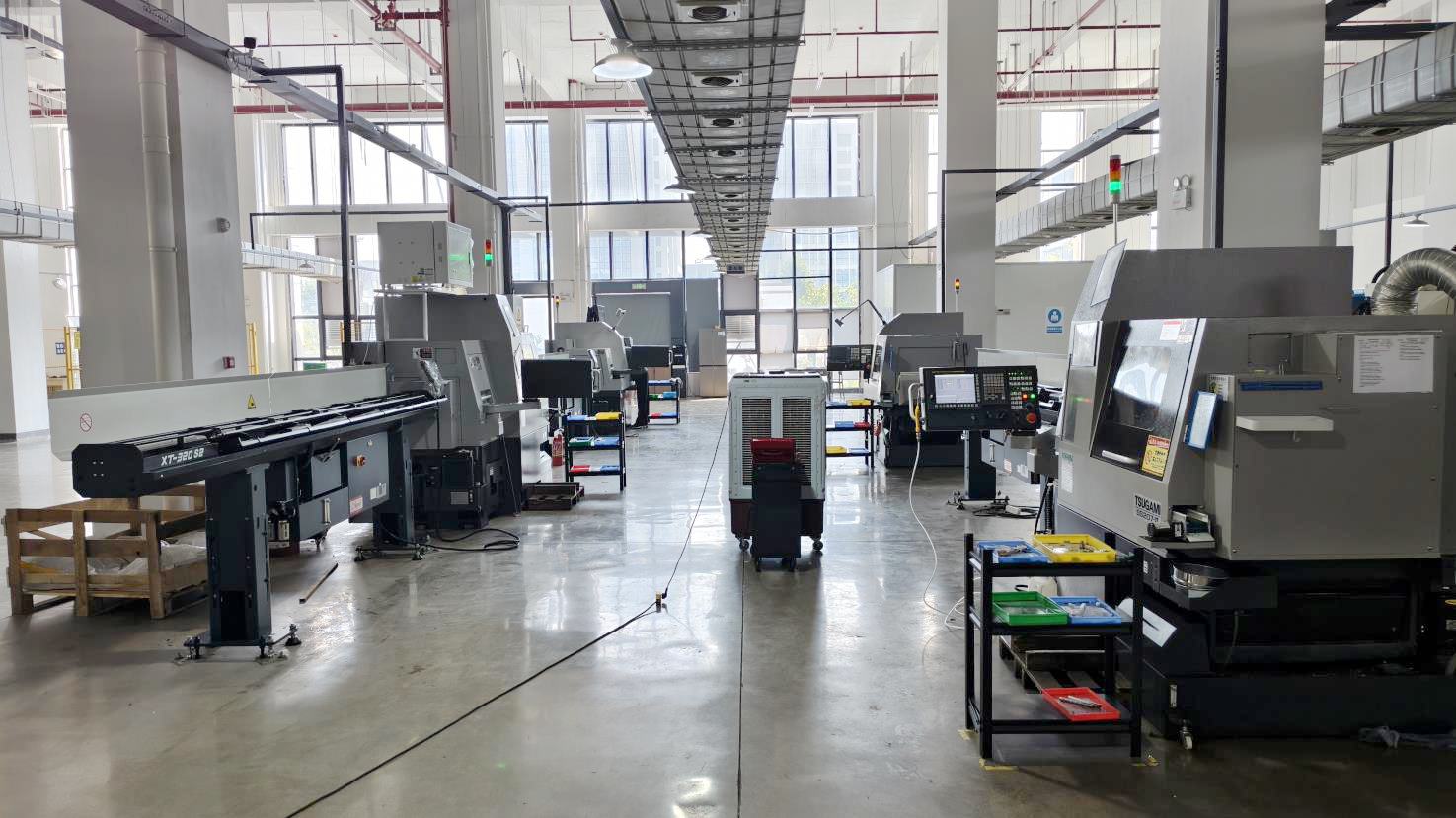
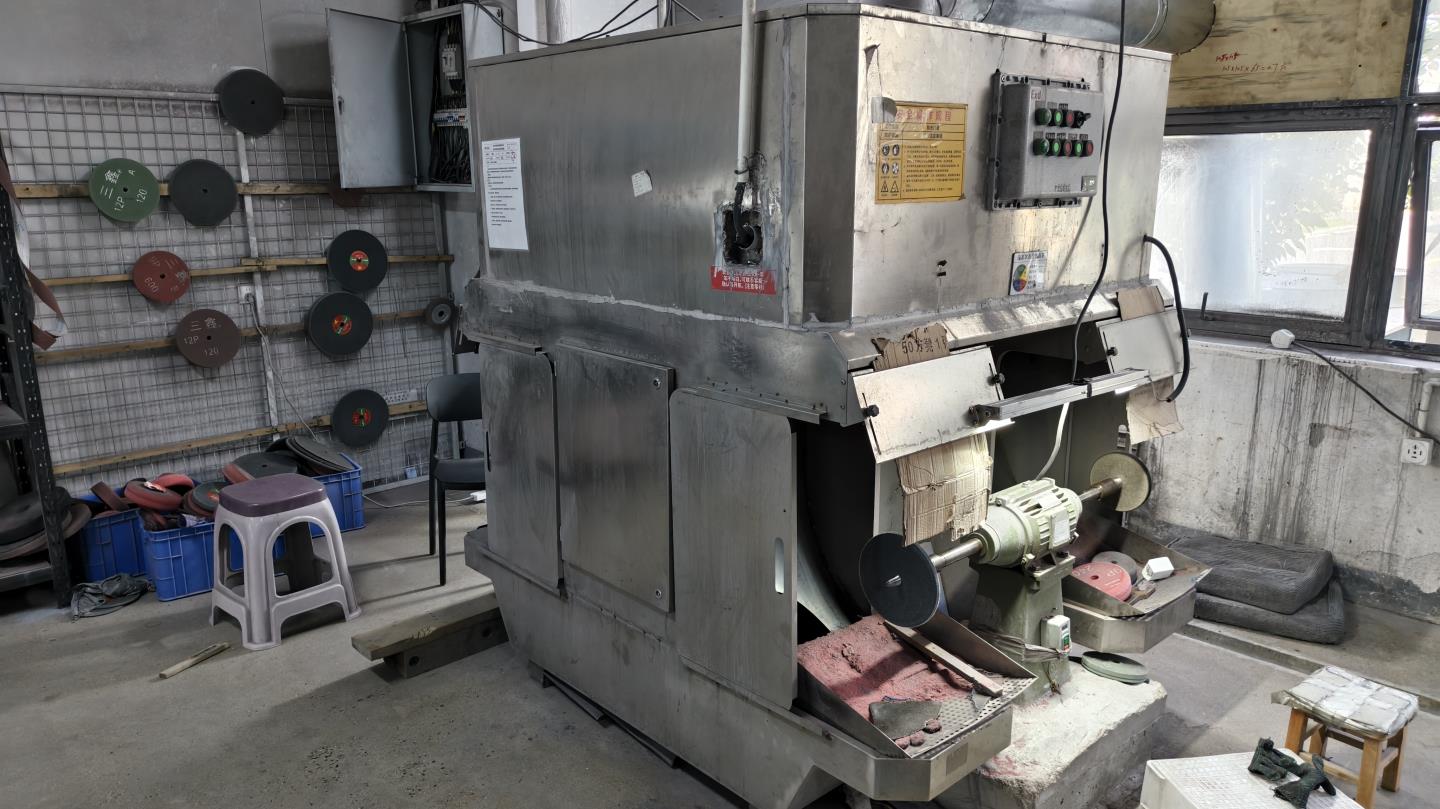
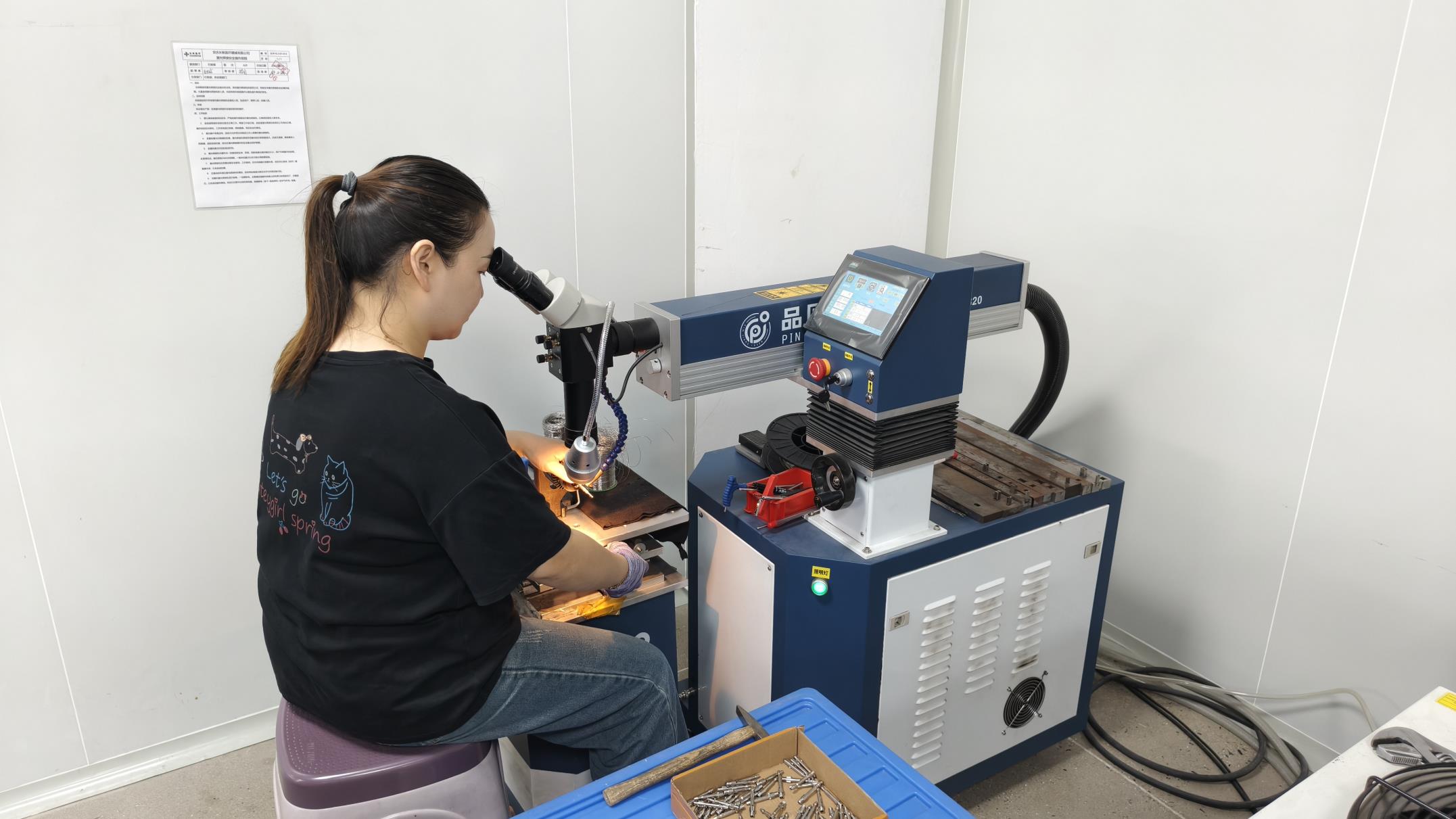
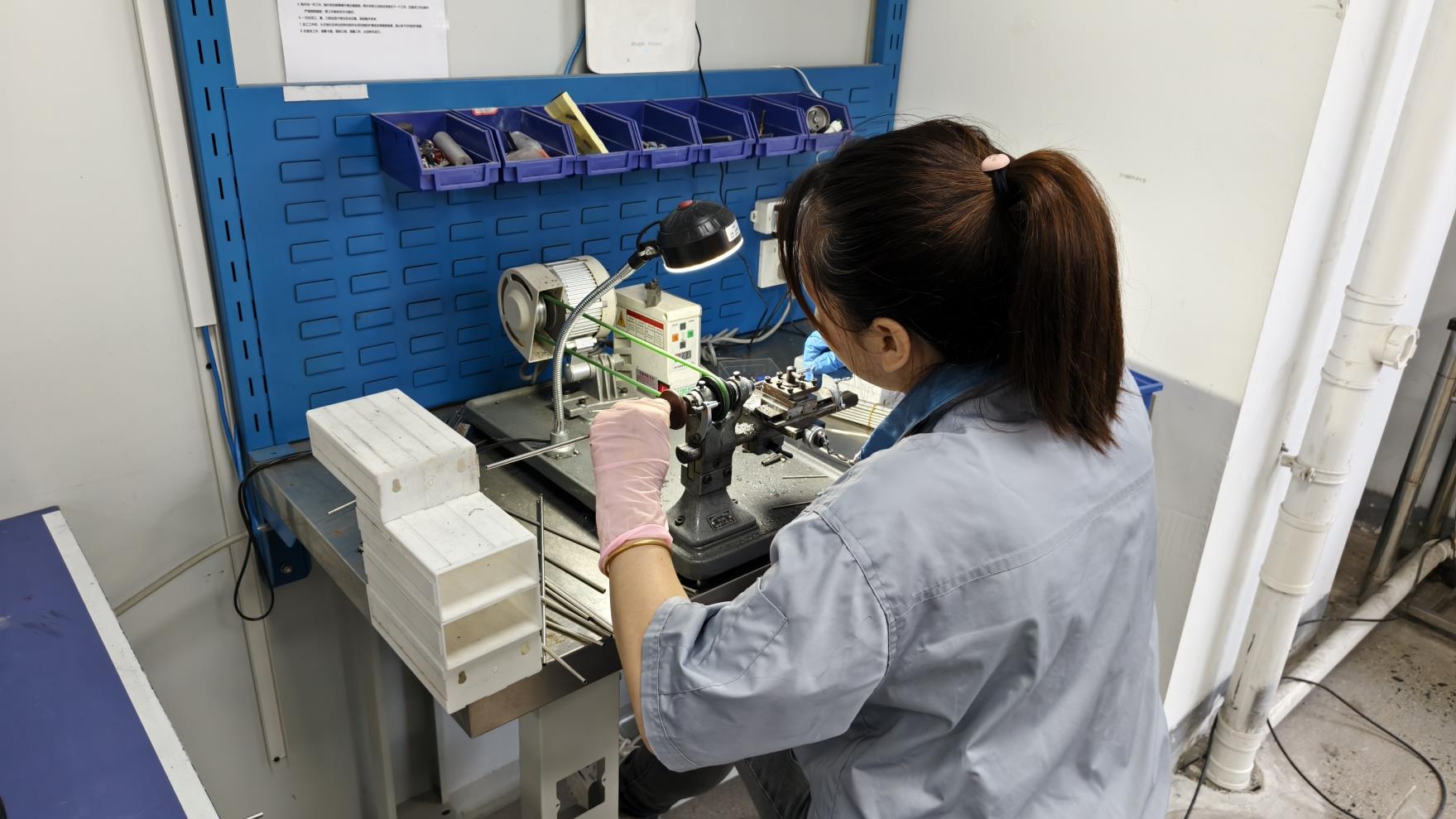
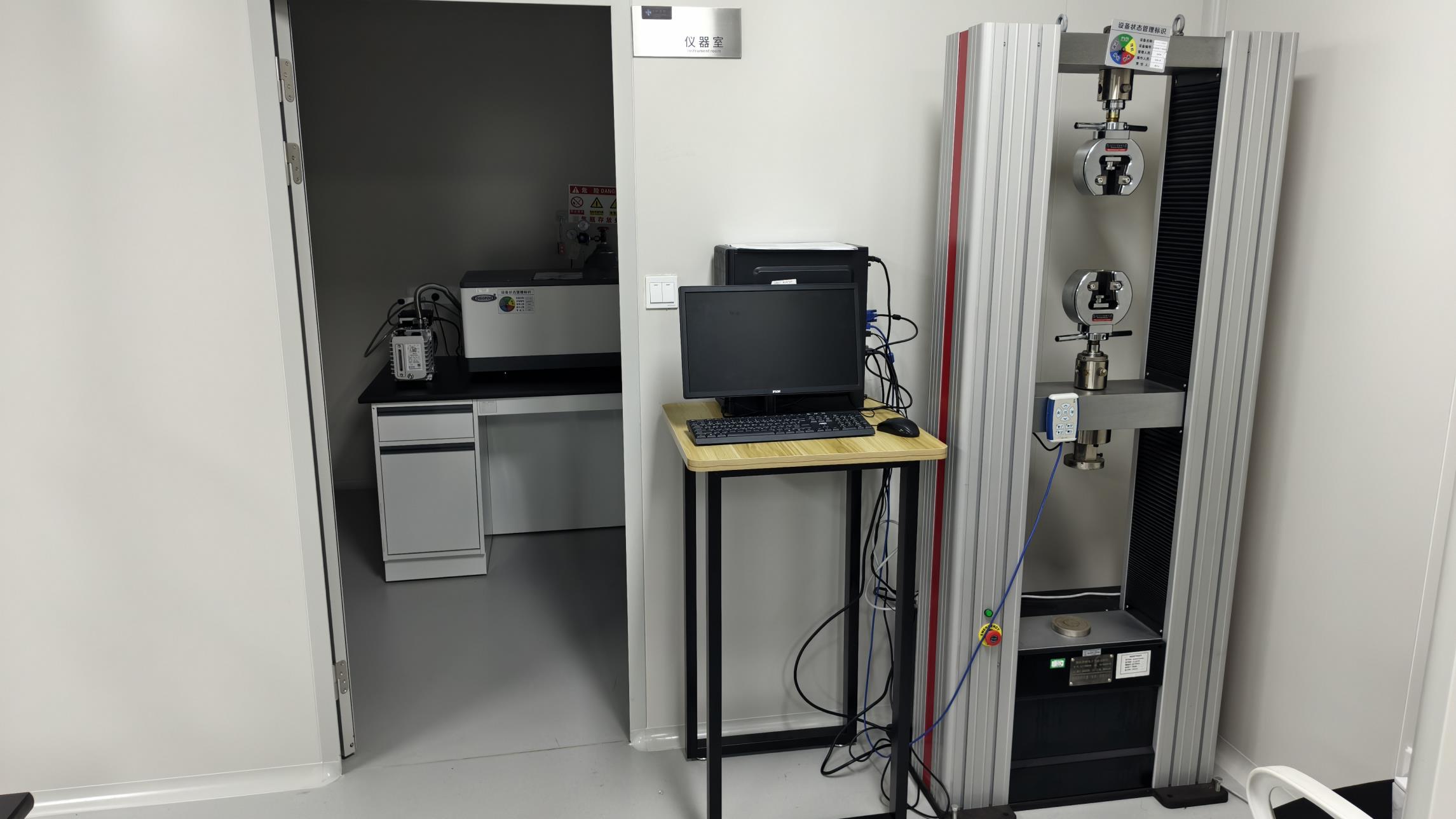
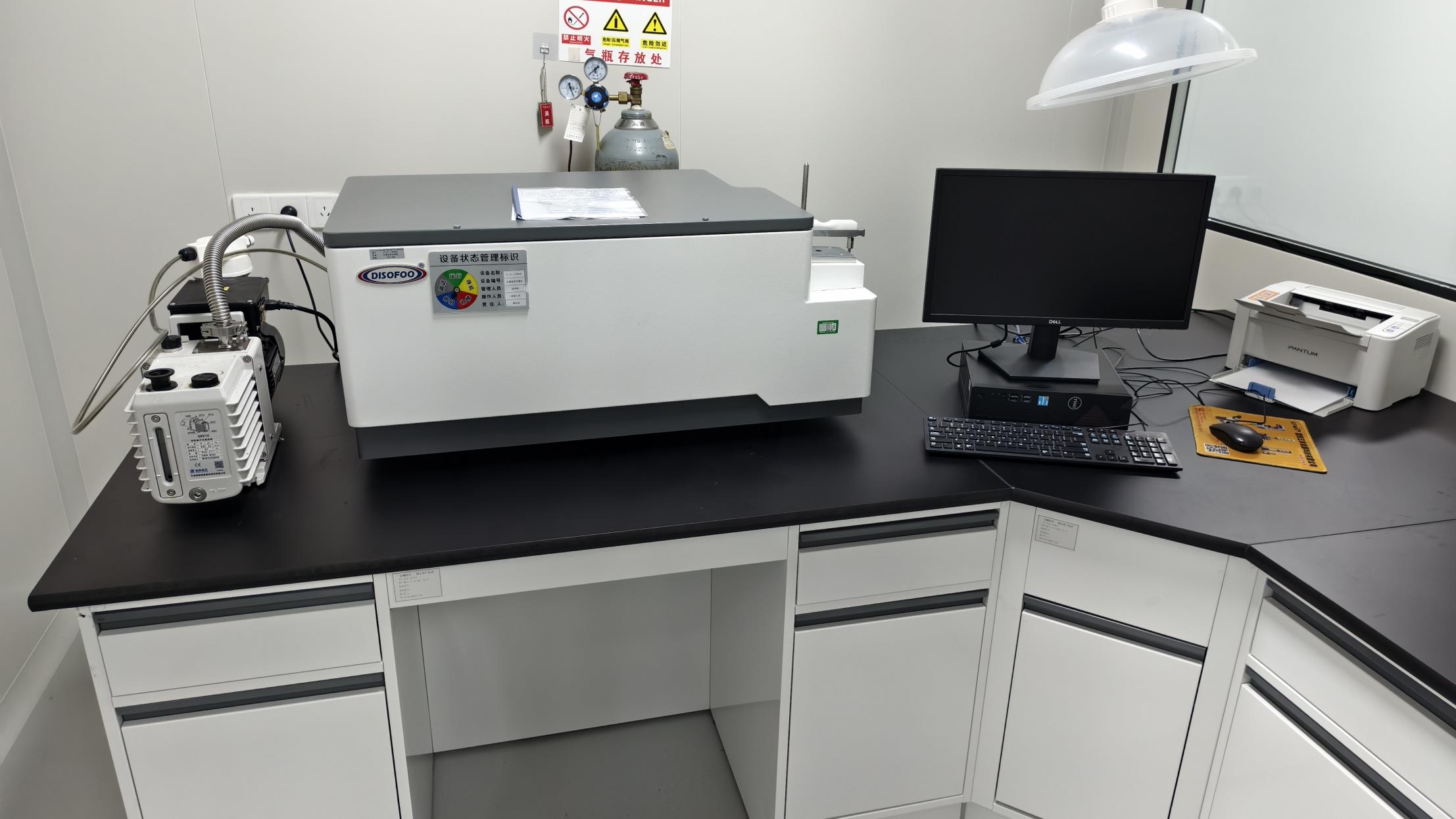
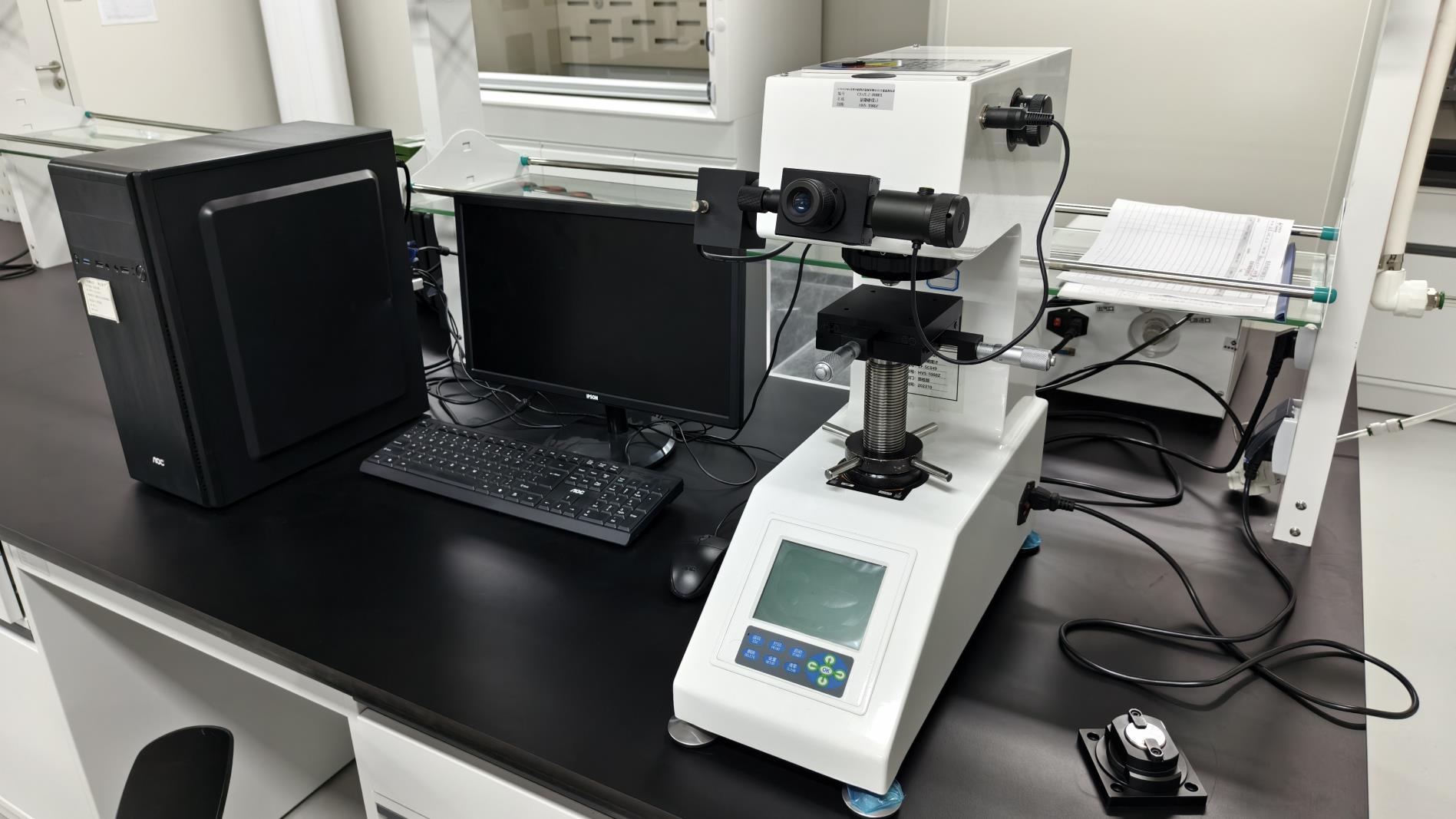
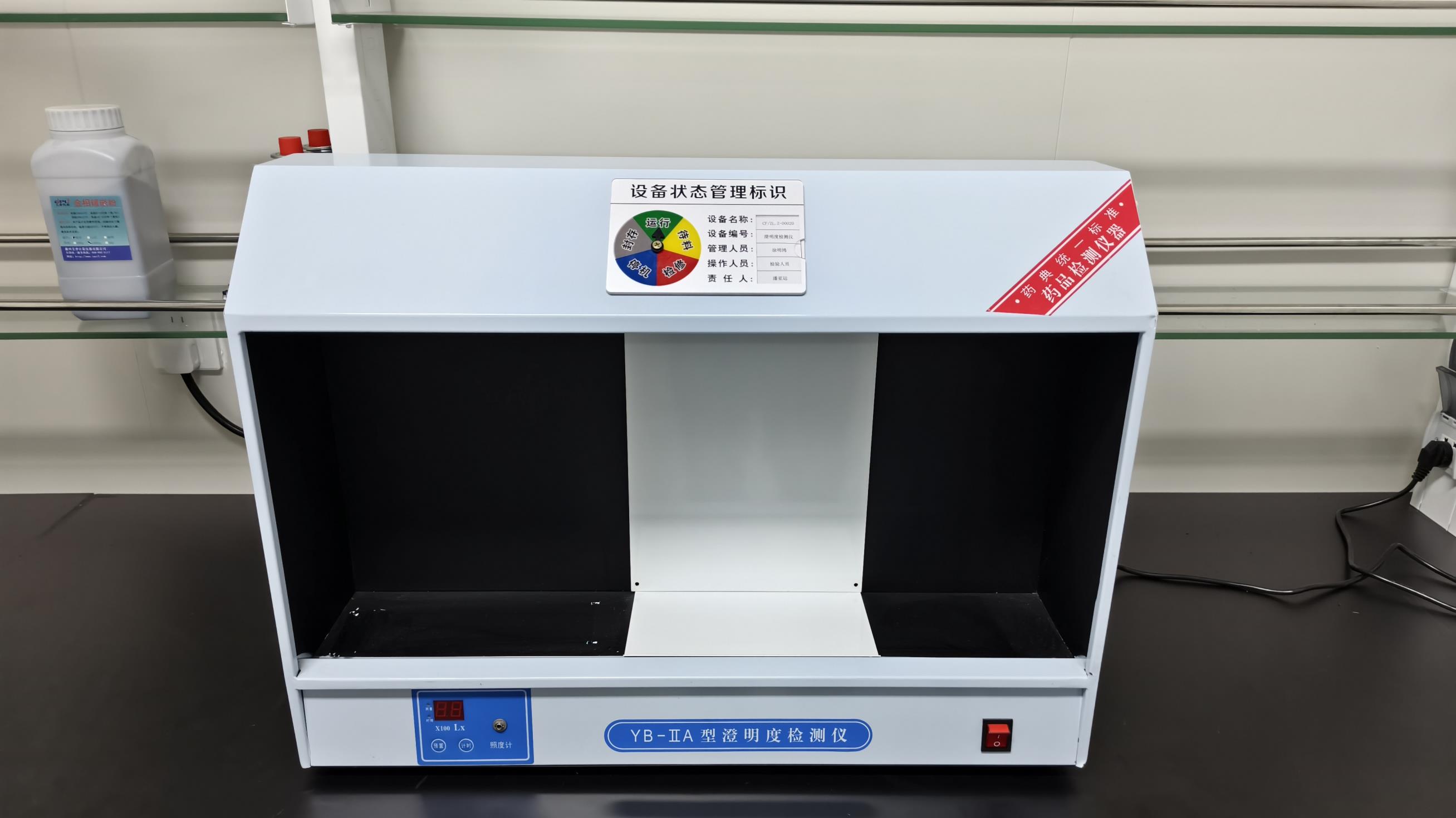
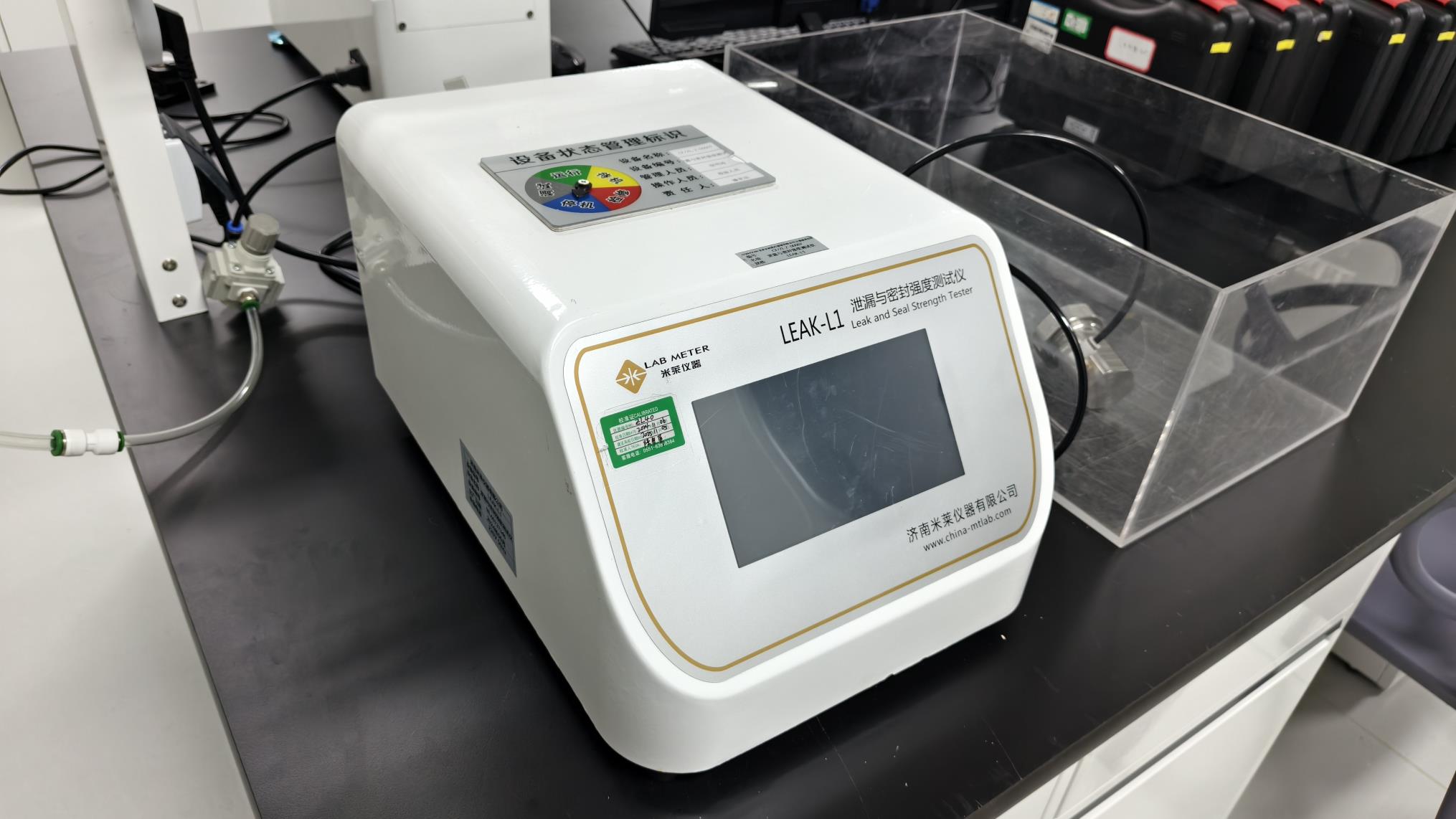
Take an inside look at Zynfuse's manufacturing plant, high-precision machining centers, and strict quality control labs.
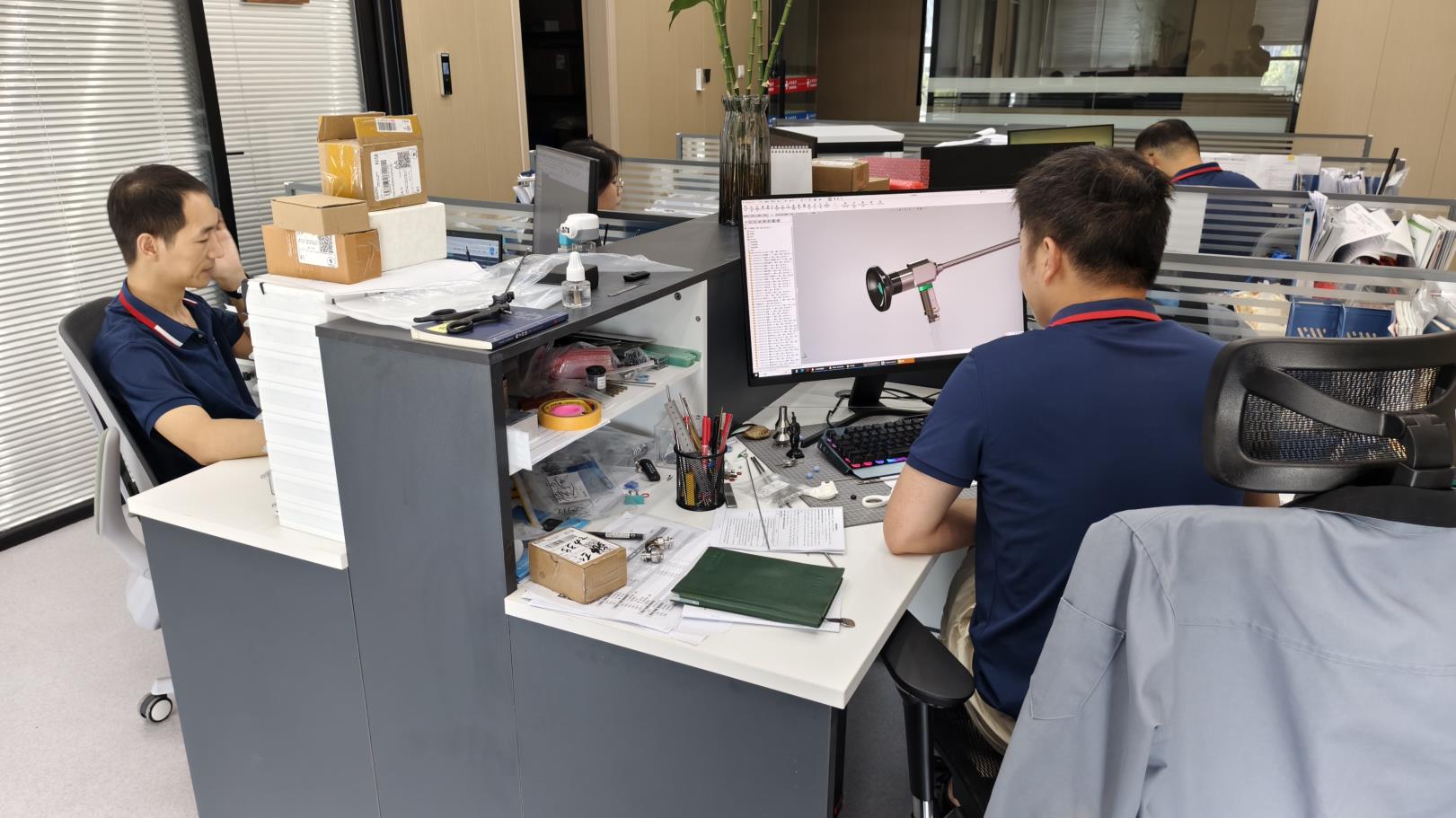

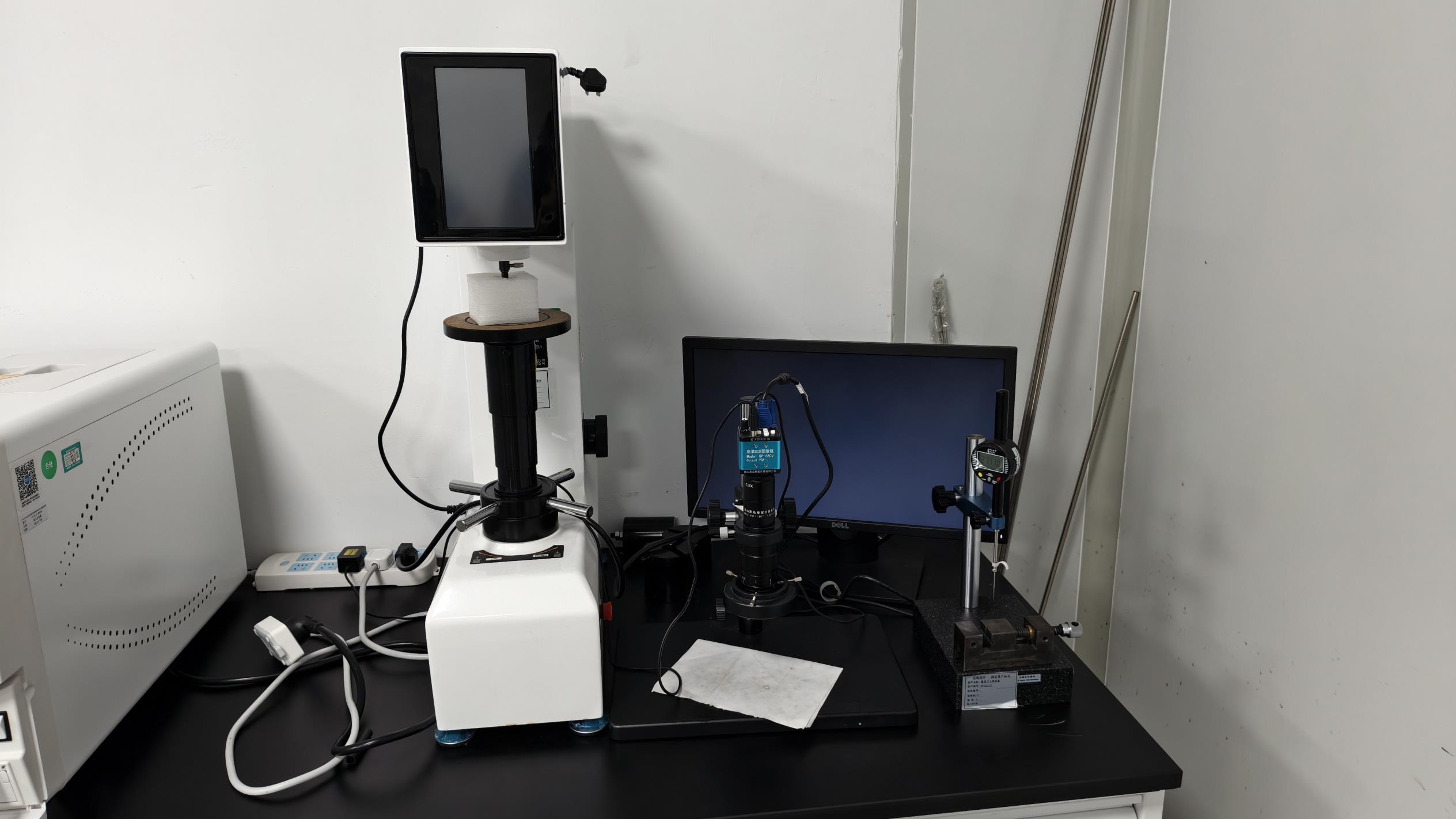
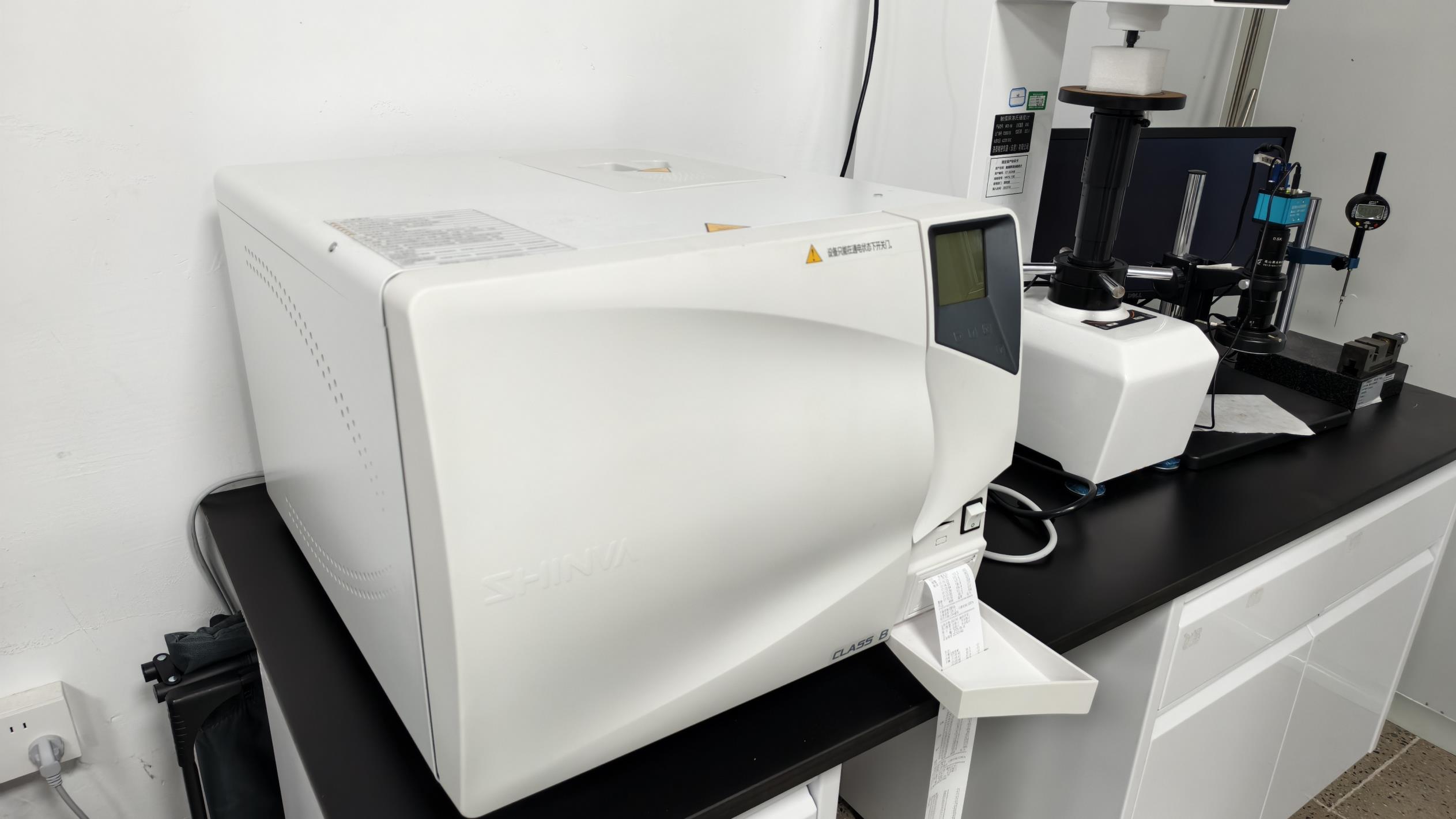
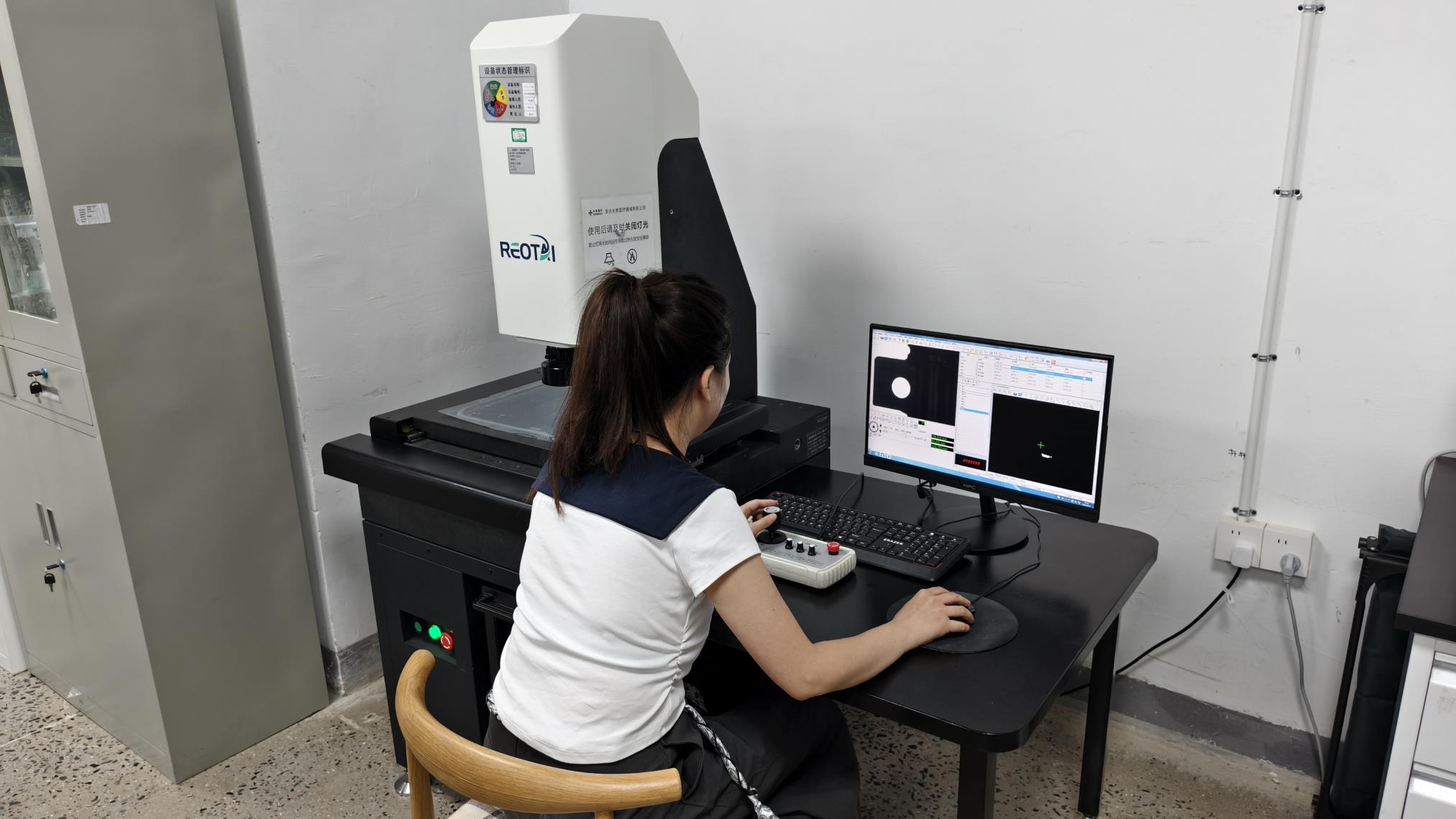
How cemented arthroplasty provides immediate stability, and why manufacturing standards define patient outcomes.
In the field of Total Hip Arthroplasty (THA), selecting the appropriate fixation interface is a critical decision. While cementless (press-fit) designs have gained popularity in younger populations with robust bone stocks, cemented hip prostheses remain the gold standard for geriatric, osteoporotic, and rheumatoid arthritis patients.
A cemented hip replacement depends on Polymethyl Methacrylate (PMMA) bone cement. The cement acts not as an adhesive, but as a mechanical grout. It completely fills the trabecular spaces in the bone and wraps around the metallic stem, creating a highly stable interlocking construct. This immediate physical stability allows patients to bear full weight almost immediately post-surgery, reducing post-operative complications related to prolonged bed rest.
To ensure long-term survivorship, cemented stems are engineered with two distinct geometry theories:
At Zynfuse, our engineers utilize high-purity Cobalt-Chromium-Molybdenum (CoCrMo) and medical-grade Titanium alloys. This, paired with automated Swiss milling and precision polishing, minimizes frictional wear at the interface.
How localized raw material integration, high-tech manufacturing, and structural cost efficiencies benefit international buyers.
By operating near China's medical-grade metal production hubs, Zynfuse sources premium Titanium (Ti6Al4V ELI) and Cobalt-Chromium (CoCrMo) alloys directly. This reduces transportation lead times and ensures traceability from raw bar stock to finished prosthesis.
Our 18,600 m² factory houses high-precision Swiss-type lathes, multi-axis CNC machining complexes, and automated polishing. Automation guarantees micro-tolerance replication, reducing dimensional variation across manufacturing runs.
By integrating supply chains, tooling fabrication, and in-house testing, we provide a significant cost advantage over Western manufacturers without sacrificing ISO quality or biocompatibility standards.
Exporting medical implants demands compliance with global regulatory frameworks. Zynfuse maintains a robust quality management system under ISO 13485, and our implants conform to CE and ISO benchmarks for clinical safety.
Every batch of cemented stems undergoes rigorous mechanical evaluations. This includes static and fatigue testing to simulate millions of load cycles in vivo, preventing catastrophic implant failures.
Ensures traceability of materials, sterilization control, and strict cleanroom assembly standards.
All raw metals, cleaning processes, and packaging materials undergo full biological assessment.
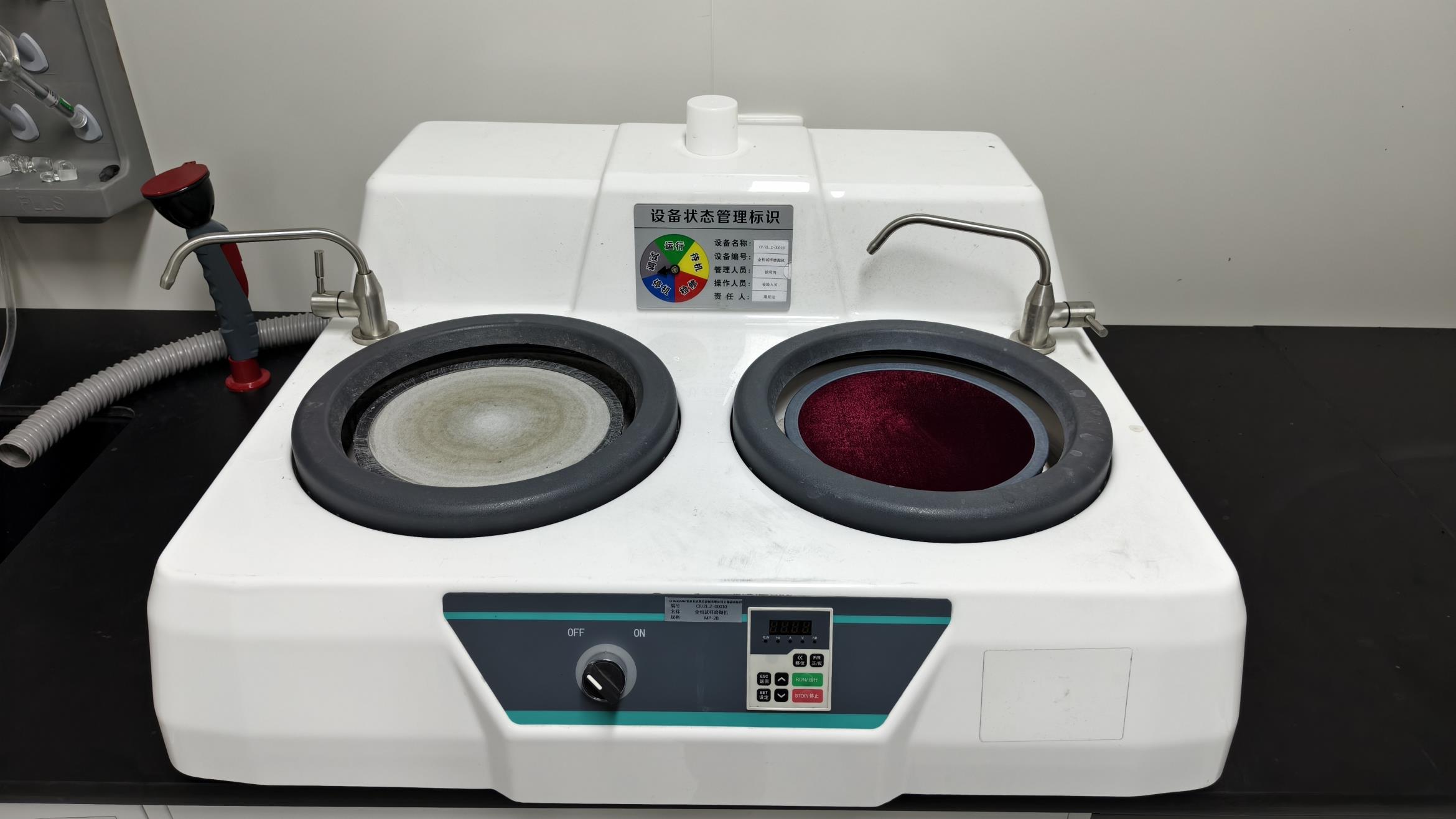
Equipped with 2D visual measuring systems, metallographic analyzers, and tensile test benches.
Supporting hospital networks, orthopedic clinical centers, and medical device distributors with customized OEM/ODM options.
Hospital procurement officers and orthopedic distributors prioritize three critical elements when selecting manufacturers: supply chain continuity, regulatory compliance certificates, and customizable sizing systems.
Because surgical requirements vary across patient populations, Zynfuse provides modular stem configurations. We offer varying neck-shaft angles, offset lengths, and distal diameters. This allows surgeons to restore joint biomechanics accurately across differing anatomies.
For private label clients, our R&D engineering team offers full OEM/ODM product cycles. This ranges from CAD modeling and aging simulations to laser markings and custom medical-grade packaging.
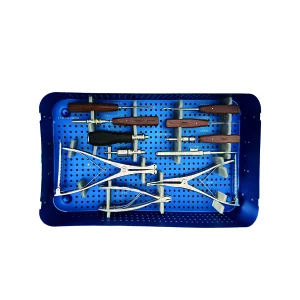
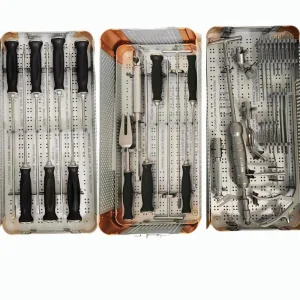
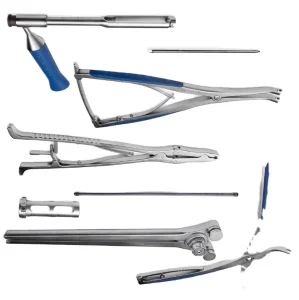
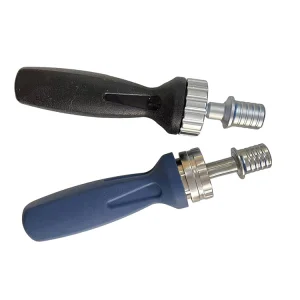
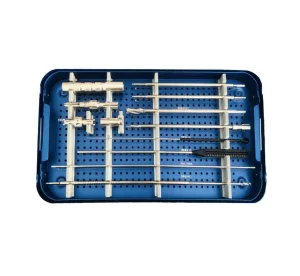
By supporting our clients with localized documentation, import-export compliance assistance, and custom instrument kits (such as trials, rasp handles, and stem extractors), Zynfuse helps reduce time-to-market for medical brands.
Expert technical answers to key questions on cemented stems, manufacturing protocols, and raw materials.
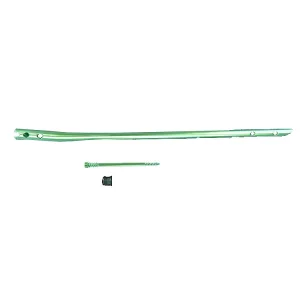
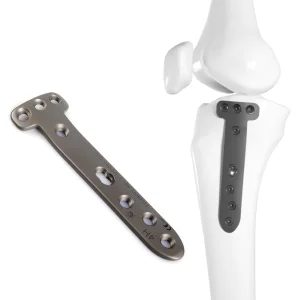
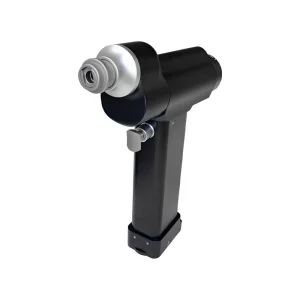
High-durability implants and instrument systems designed to support surgeons during complex trauma and joint surgeries.