Zynfuse
Zynfuse
Zynfuse
Precision-engineered orthopedic devices designed for complex fracture fixation and minimally invasive reconstructive procedures.
Tibial shaft fractures represent one of the most common long-bone injuries encountered by orthopedic surgeons globally. Over the past three decades, the treatment protocol has decisively shifted toward intramedullary (IM) nailing as the gold standard for stabilizing diaphyseal tibia fractures. Compared to open reduction and plate fixation, IM nailing preserves the periosteal blood supply, minimizes soft tissue disruption, and allows for early post-operative weight-bearing. As a premier manufacturer, Zynfuse Medical Technology Co., Ltd. analyzes these orthopedic trends to engineer products that address the biomechanical challenges of trauma surgery.
Modern clinical studies indicate that the success of tibial IM nailing is highly dependent on two variables: metallurgical integrity and anatomical geometry. High-performance implants must match the physiological curve of the medullary canal. By integrating a Herzog bend (typically 10° to 10.5° proximal bend) and a distal bend, Zynfuse nails facilitate insertion from the tuberosity without compromising the mechanical axis of the tibia. This minimizes the risk of malalignment, which is a frequent complication in proximal-third fractures.
Furthermore, the clinical choice between reamed and unreamed nailing dictates specific implant properties. Reamed nailing permits the insertion of larger, stiffer nails, which increases mechanical stability and contact area, making it suitable for complex non-unions or critical-sized bone defects. Unreamed nailing, on the other hand, is indicated in severe open fractures (Gustilo-Anderson Grade II/III) to protect the remaining endosteal vascularity. Zynfuse addresses both approaches by offering a wide spectrum of nail diameters (from 8.0mm to 12.0mm) and cannulation profiles that cater to specific surgical parameters.
At the center of Zynfuse's manufacturing ethos is the utilization of advanced medical-grade alloys. Our tibial intramedullary nails are primarily forged from Titanium Alloy (Ti-6Al-4V ELI) conforming to ASTM F136 standards, and high-purity Stainless Steel (316LVM) conforming to ASTM F138. Titanium ELI (Extra Low Interstitials) offers superior biocompatibility, a lower modulus of elasticity closer to cortical bone (reducing stress shielding), and higher fatigue strength compared to conventional implant alloys.
Through finite element analysis (FEA) and dynamic fatigue testing under ISO 15025 standards, our engineering team optimizes the transition zones between the solid distal end and the cannulated body of the nail. This eliminates stress concentration points, reducing the incidence of implant failure or breakage under physiological loads.
Zynfuse Medical Technology Co., Ltd. is a professional orthopedic medical device manufacturer specializing in bone fusion and advanced implant systems for surgical innovation. Established in 2016, the company has built a strong foundation in orthopedic solutions with 12 years of industry experience and 7 years of export experience, serving global healthcare markets with consistent quality and reliability.
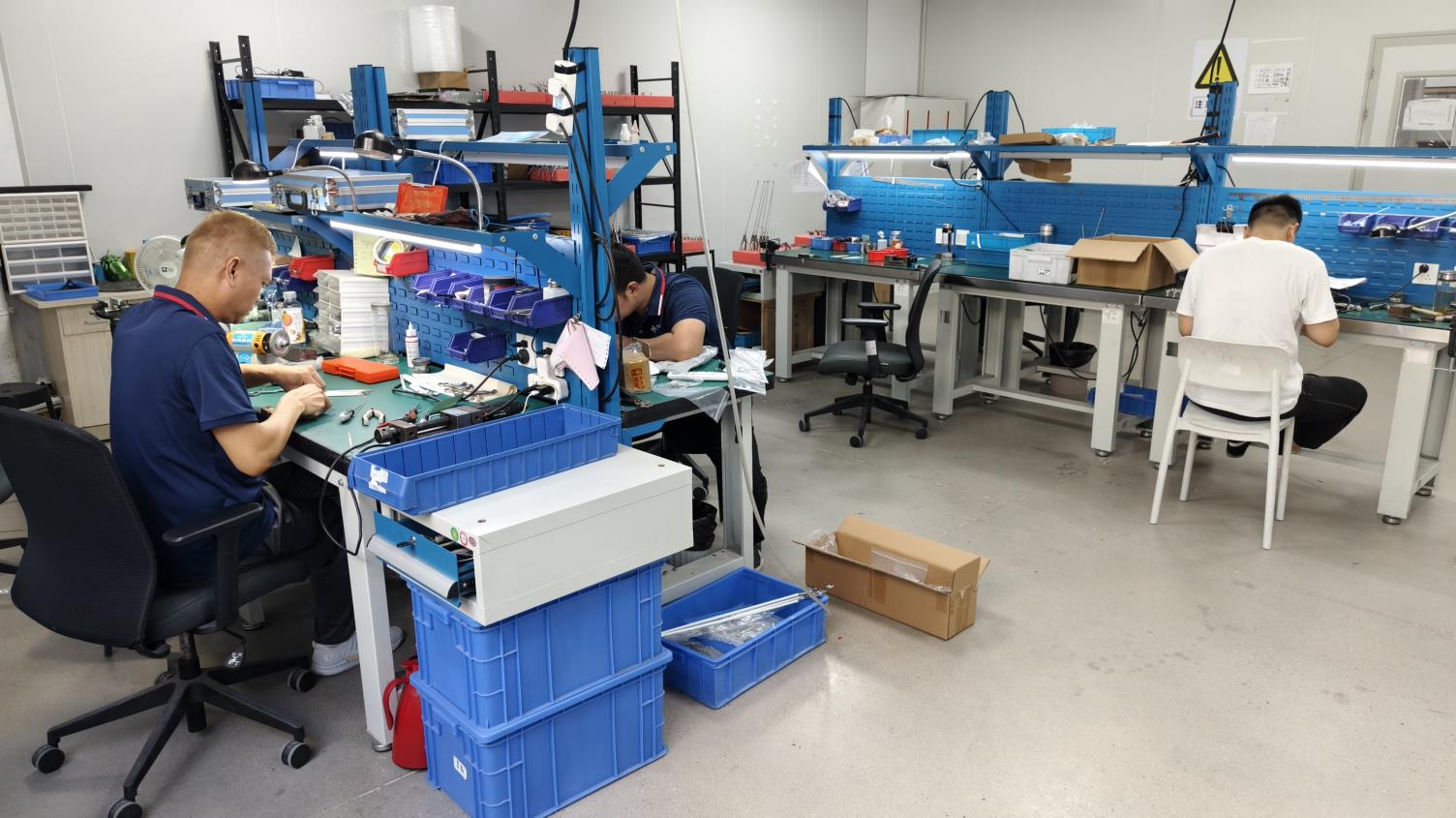
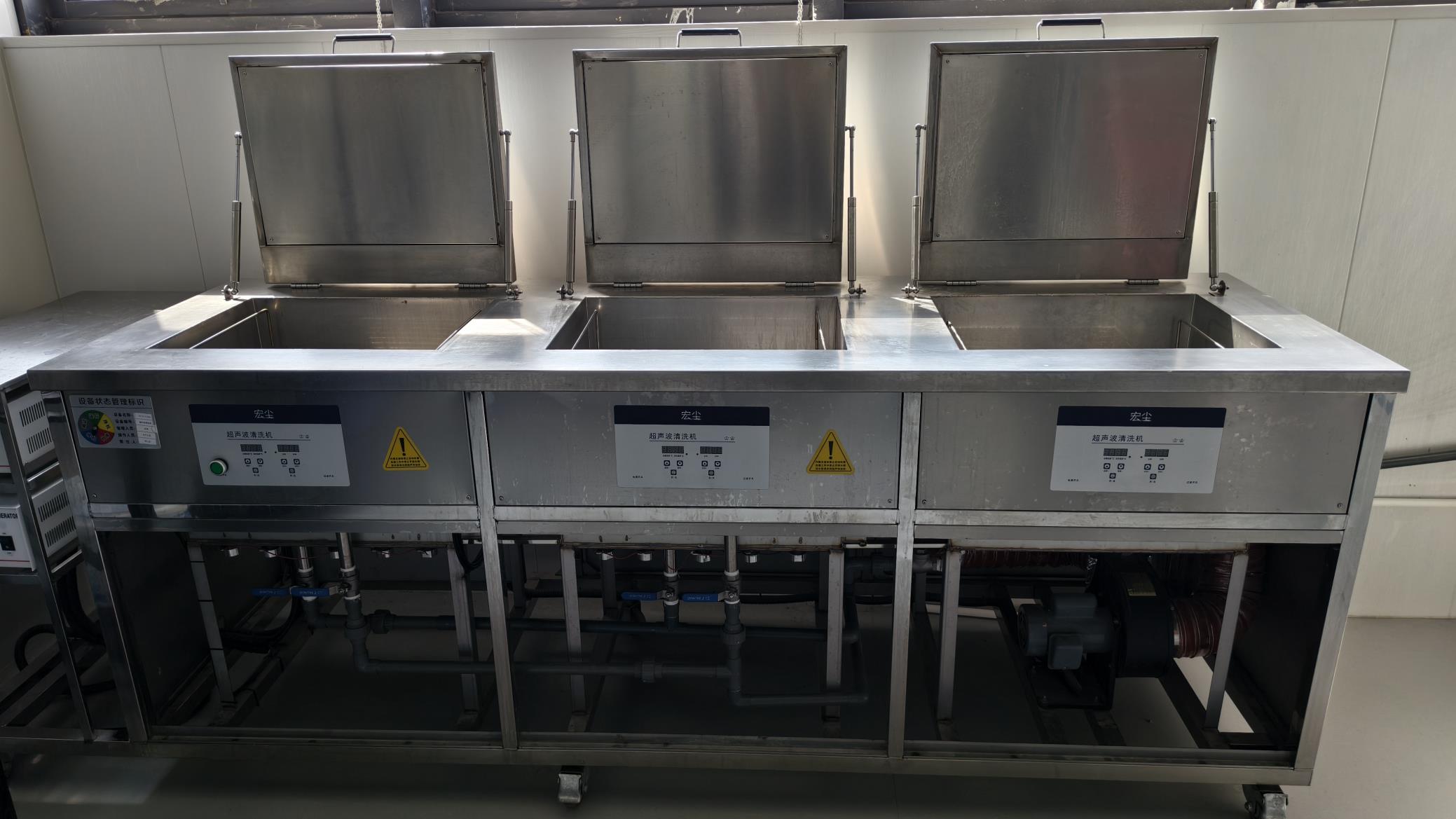
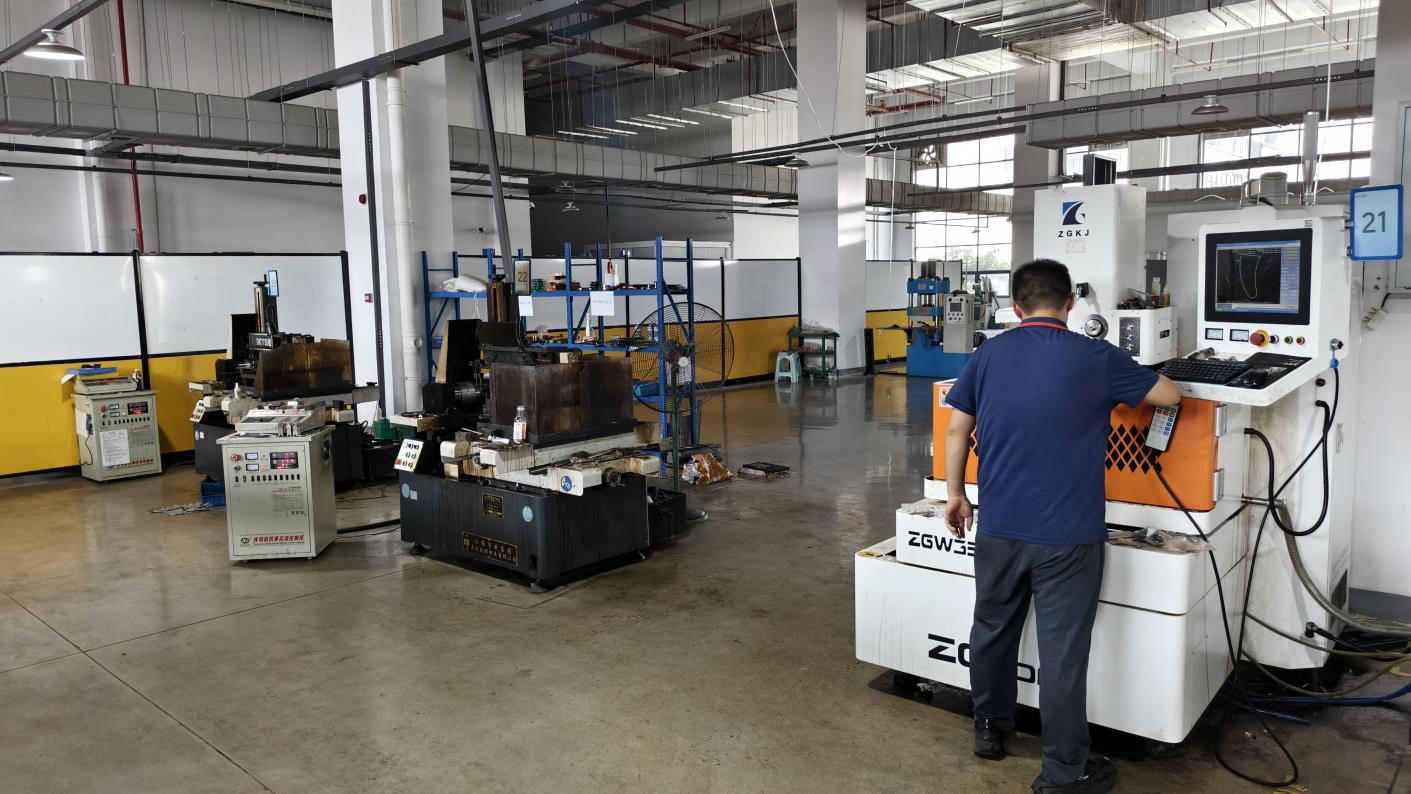
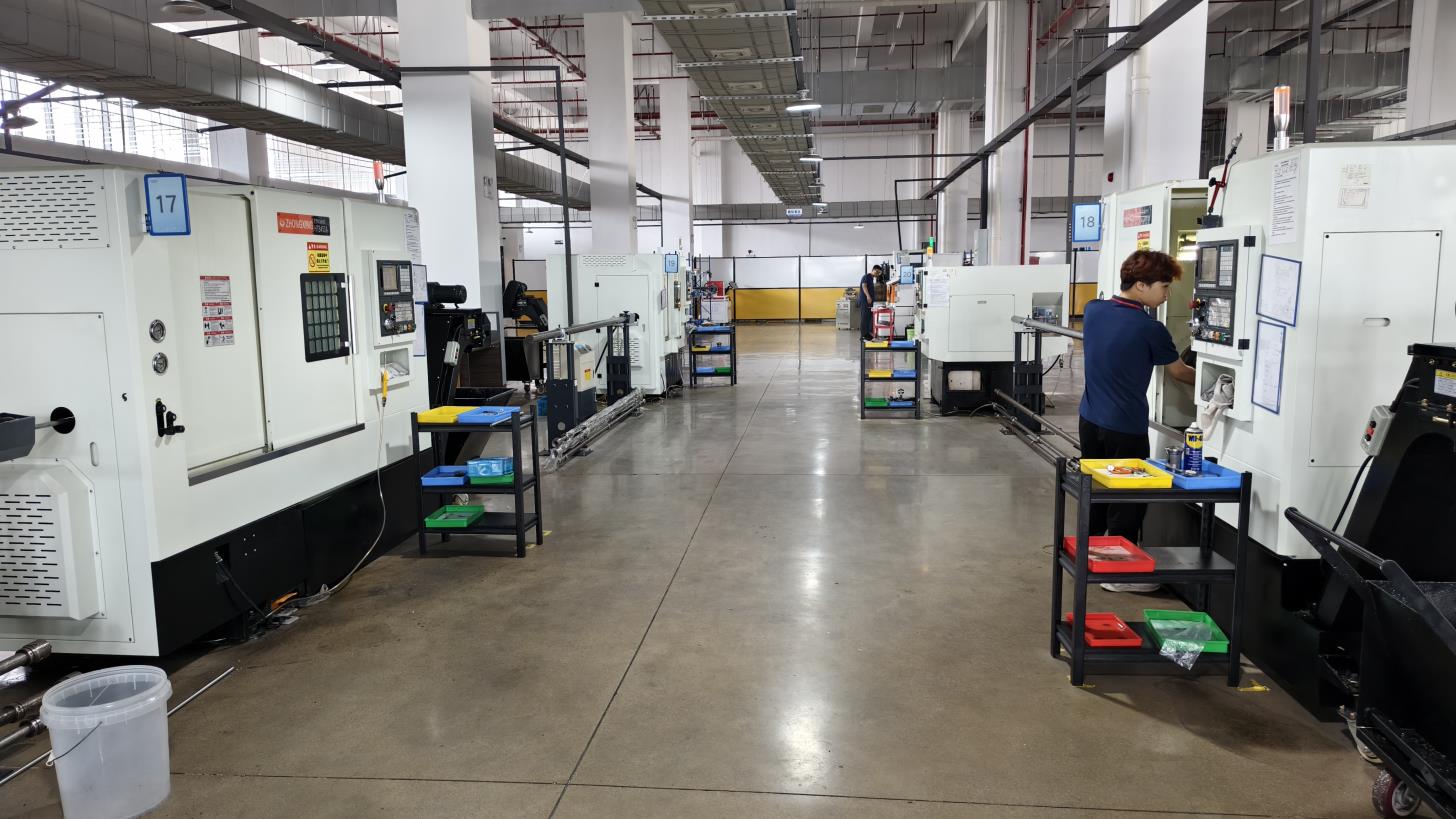
The company operates a modern manufacturing facility covering approximately 18,600 m², equipped with advanced production and testing equipment. Zynfuse maintains an annual export revenue of around $18.5 million, supported by a highly efficient supply chain network of over 1,200 partners worldwide. The organization employs 68 quality inspection specialists ensuring strict compliance with international medical standards.
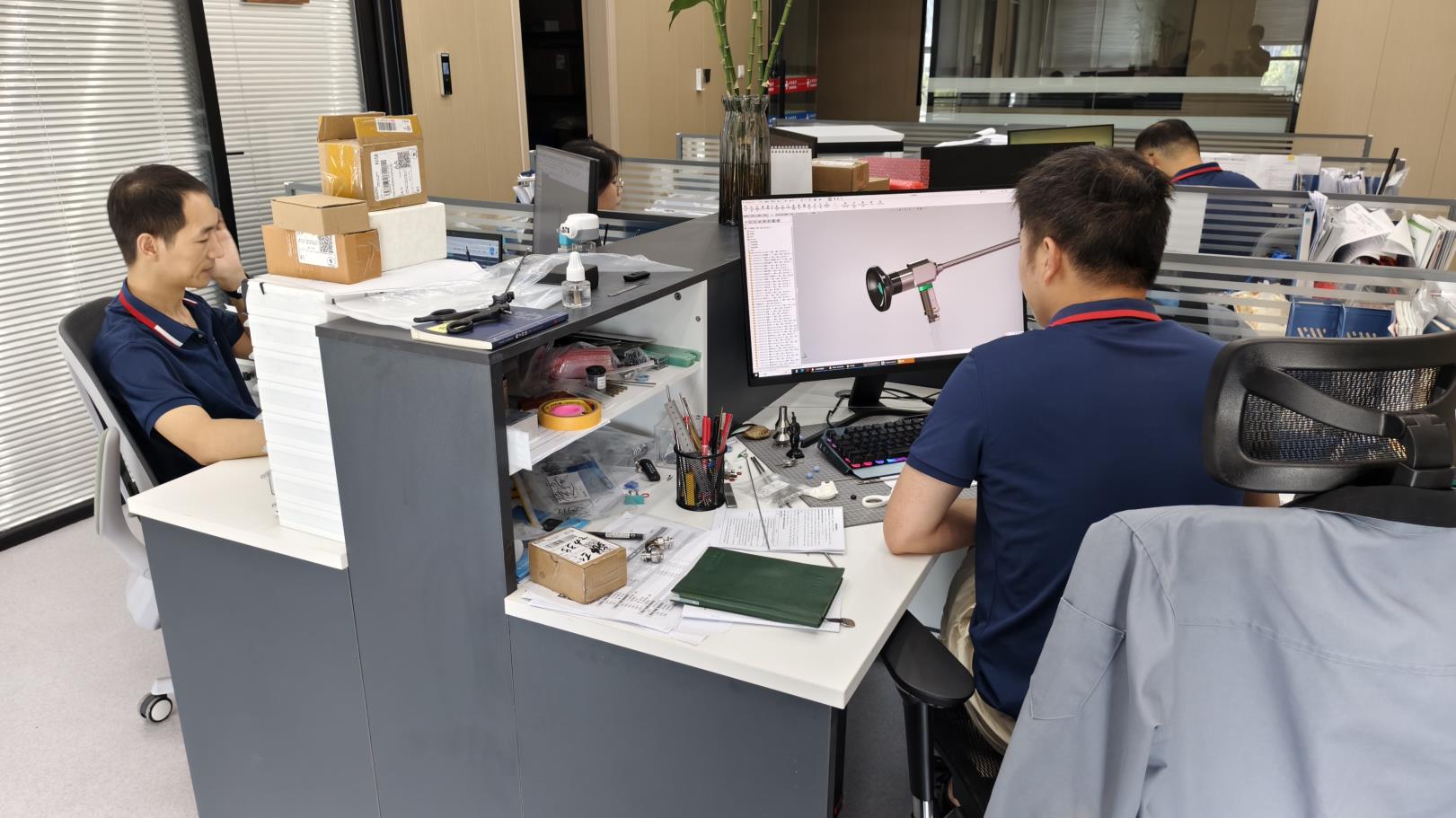
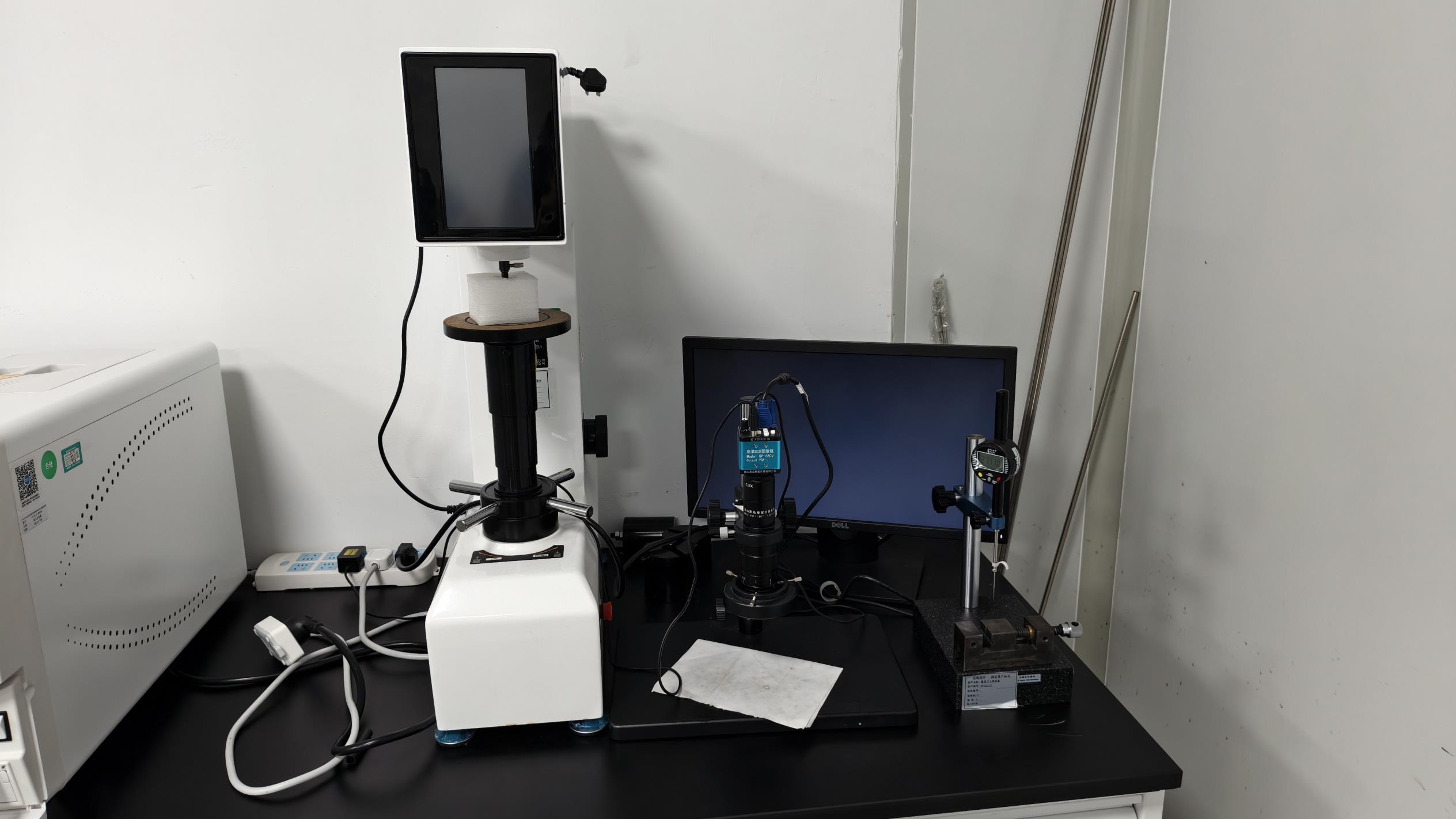
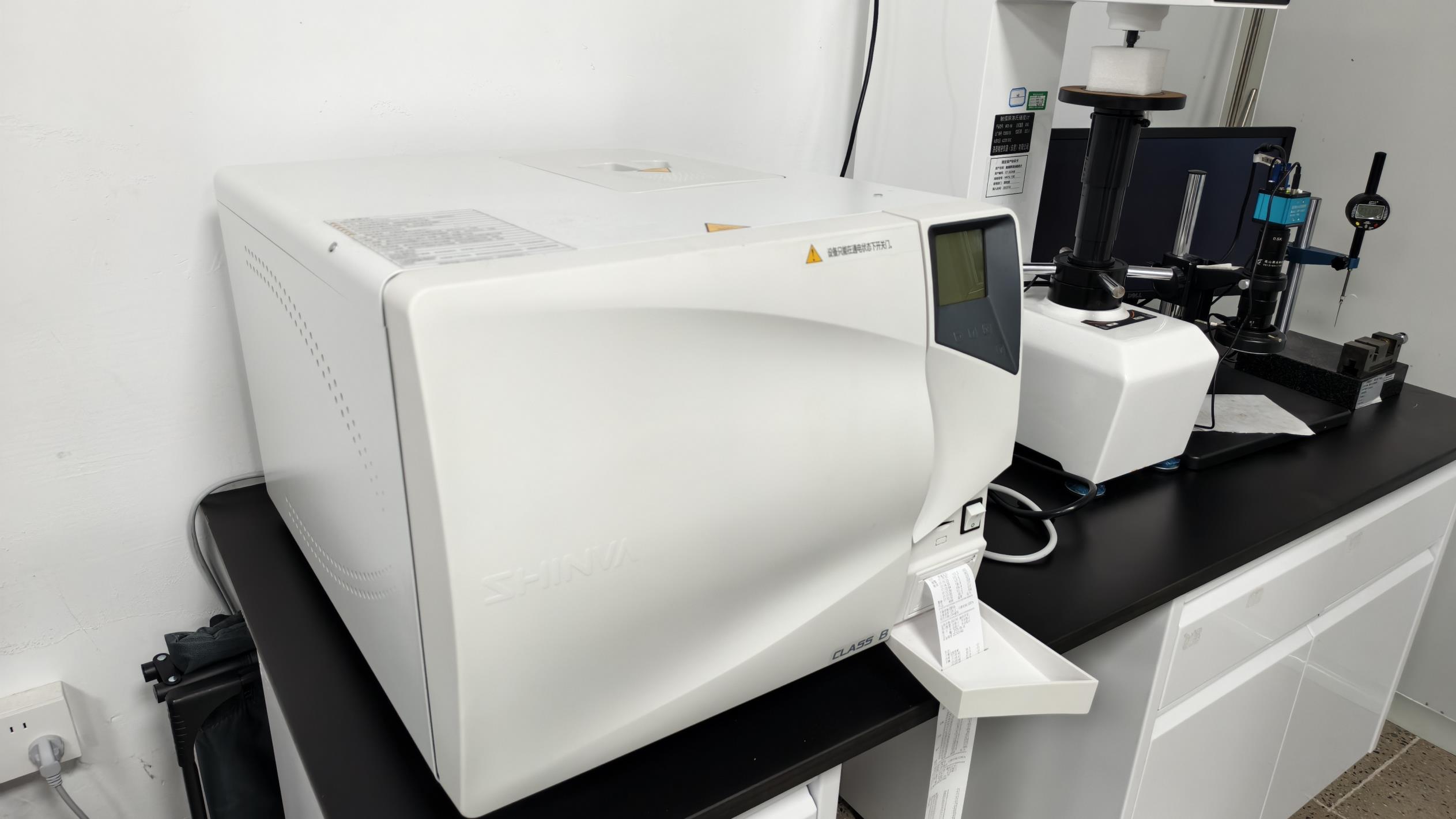
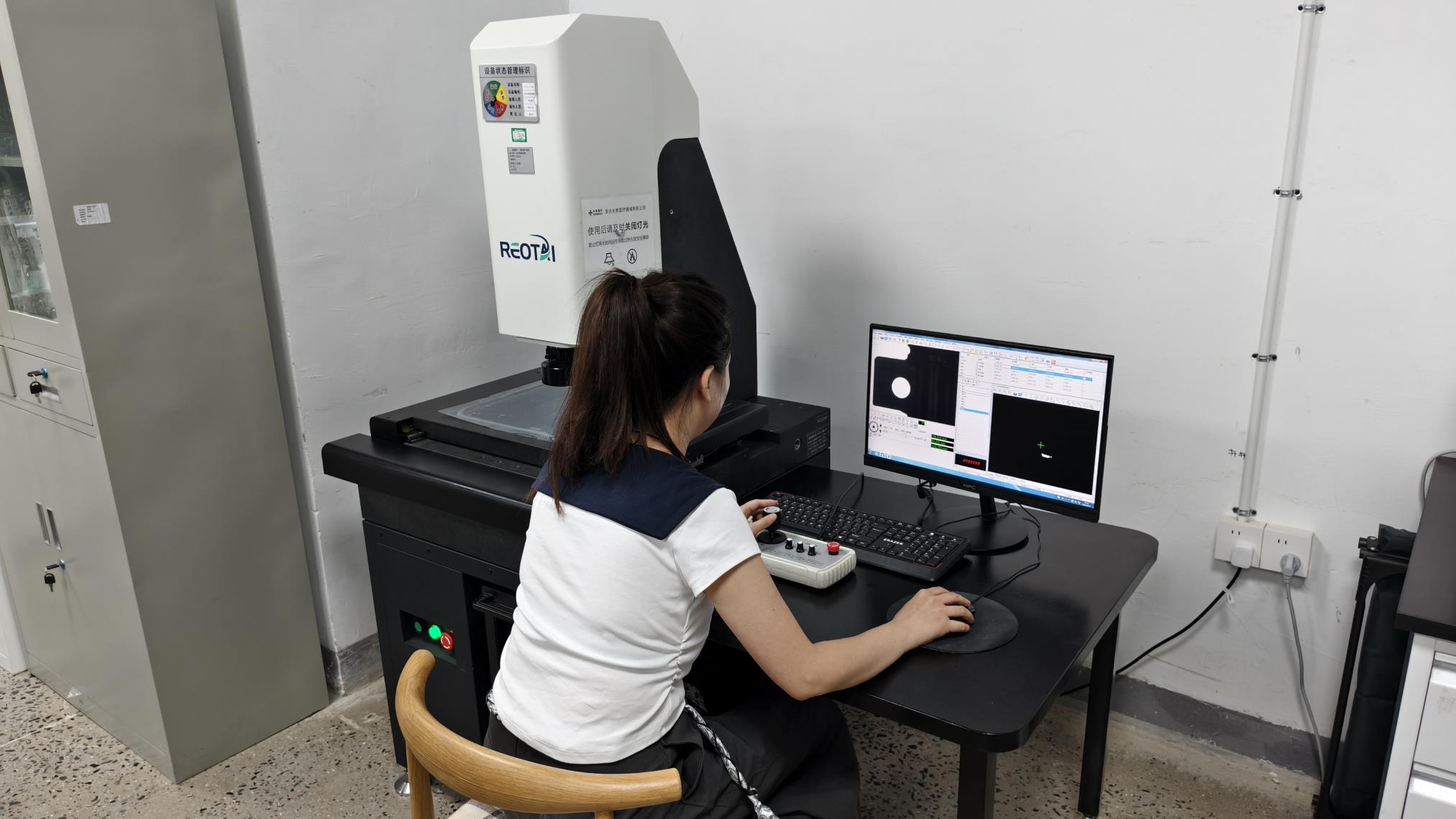
Zynfuse serves major global markets including North America, Europe, Southeast Asia, and the Middle East, and collaborates with hospitals, distributors, orthopedic clinics, and medical device importers. Our client base primarily includes medical distributors, hospital procurement departments, and orthopedic surgical centers. The company places strong emphasis on quality control, implementing ISO 13485-based inspection systems, mechanical performance testing, and biocompatibility evaluations. Product inspection methods include dimensional verification, fatigue testing, and surface integrity analysis. With a robust R&D team of 85 engineers, Zynfuse continues to expand its innovation capabilities, launching approximately 320 new products annually. We offer extensive customization options, including implant geometry adjustment, material selection, and OEM/ODM solutions tailored to client needs.
Procuring orthopedic implants is a complex process governed by regulatory frameworks, clinical efficiency parameters, and cost-containment directives. Hospital purchase departments and multinational medical device distributors require partners that provide more than just basic implants; they seek manufacturers that deliver technical data packages, guaranteed supply capacity, and absolute regulatory compliance.
From an regulatory perspective, Zynfuse has structured its quality management systems under the strict guidance of ISO 13485. Every batch of tibial intramedullary nails is accompanied by full chemical composition certificates (MDR compliant), heat treatment records, and dimensional inspection sheets. By maintaining transparent traceability from the raw titanium bar stock to the sterilized, packaged implant, Zynfuse mitigates clinical and legal liabilities for importing distributors.
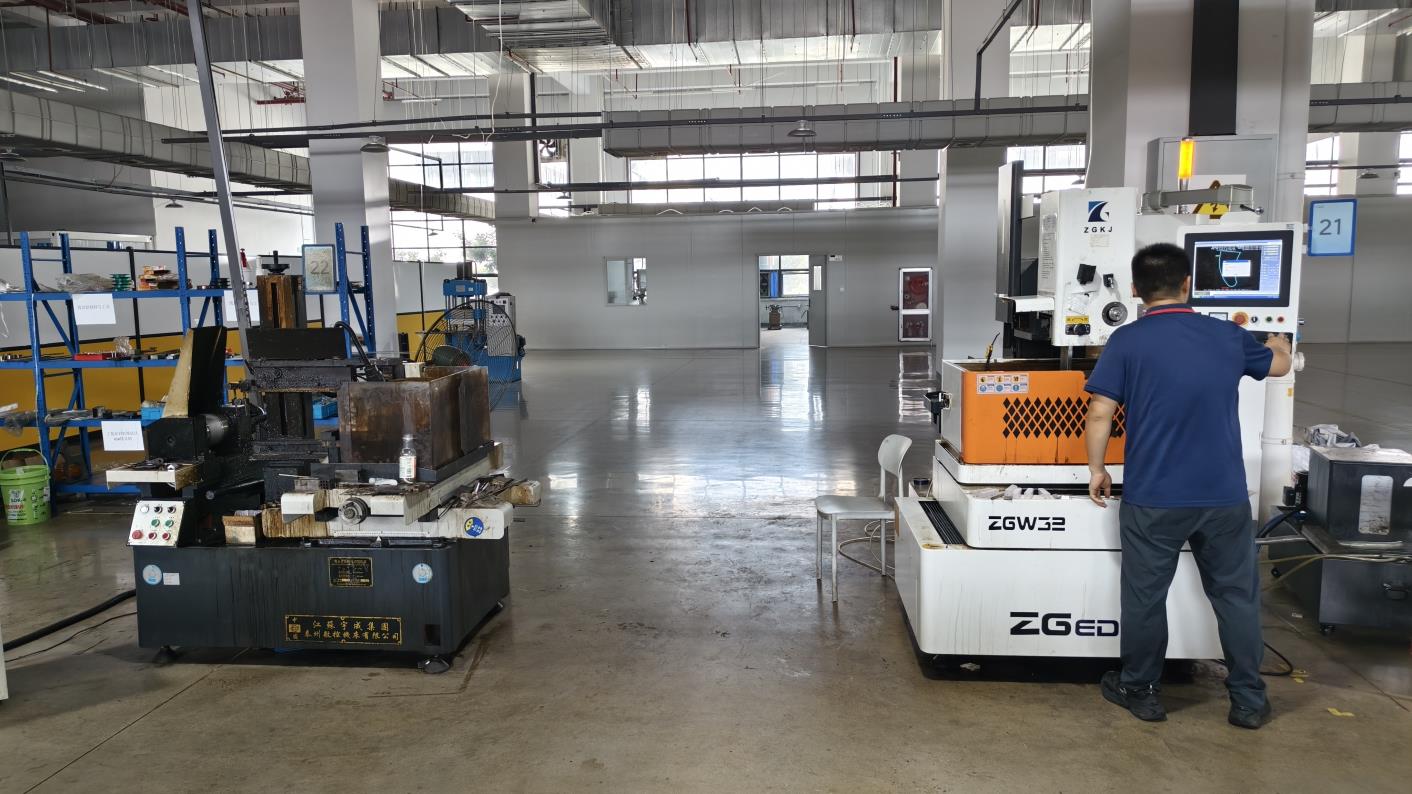
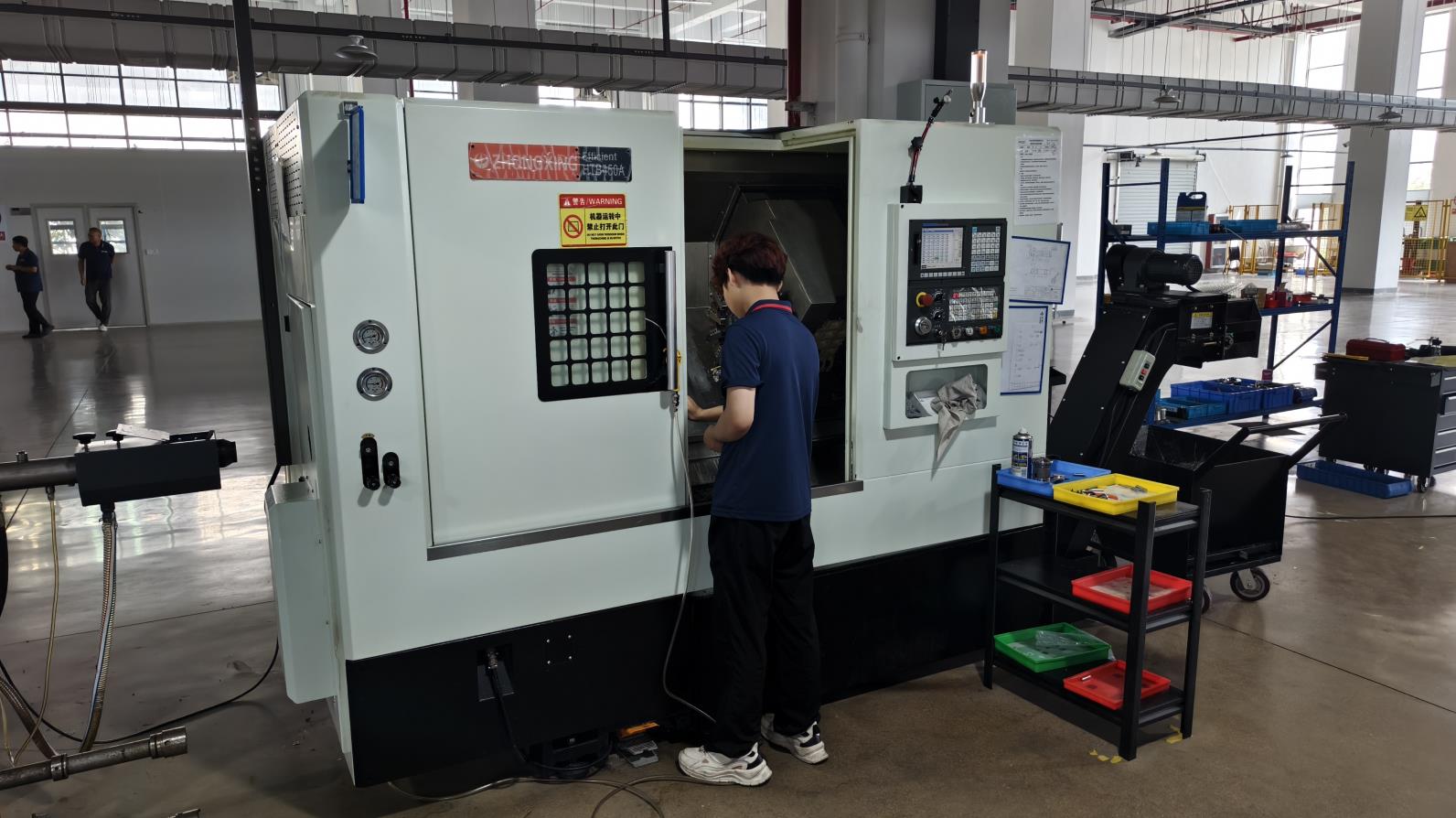
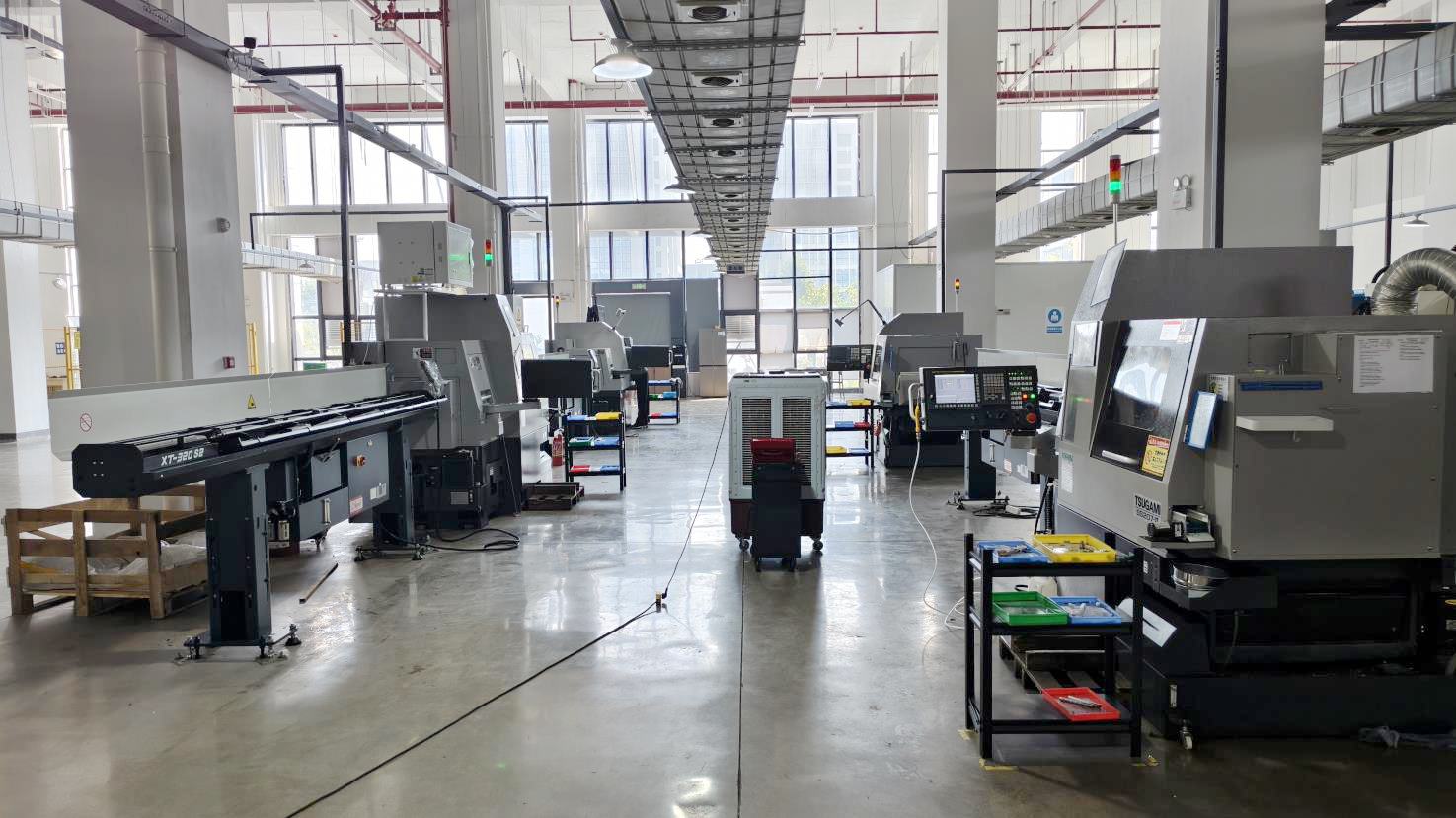
In addition, global supply chain volatility has made lead times and production consistency critical benchmarks. Zynfuse's modern 18,600 m² facility houses automated machining equipment that ensures high-throughput manufacturing without variations in tolerances. Our strategic stock program guarantees that standard tibial nail configurations are ready for container loading, reducing procurement cycles and preventing regional hospital stockouts.
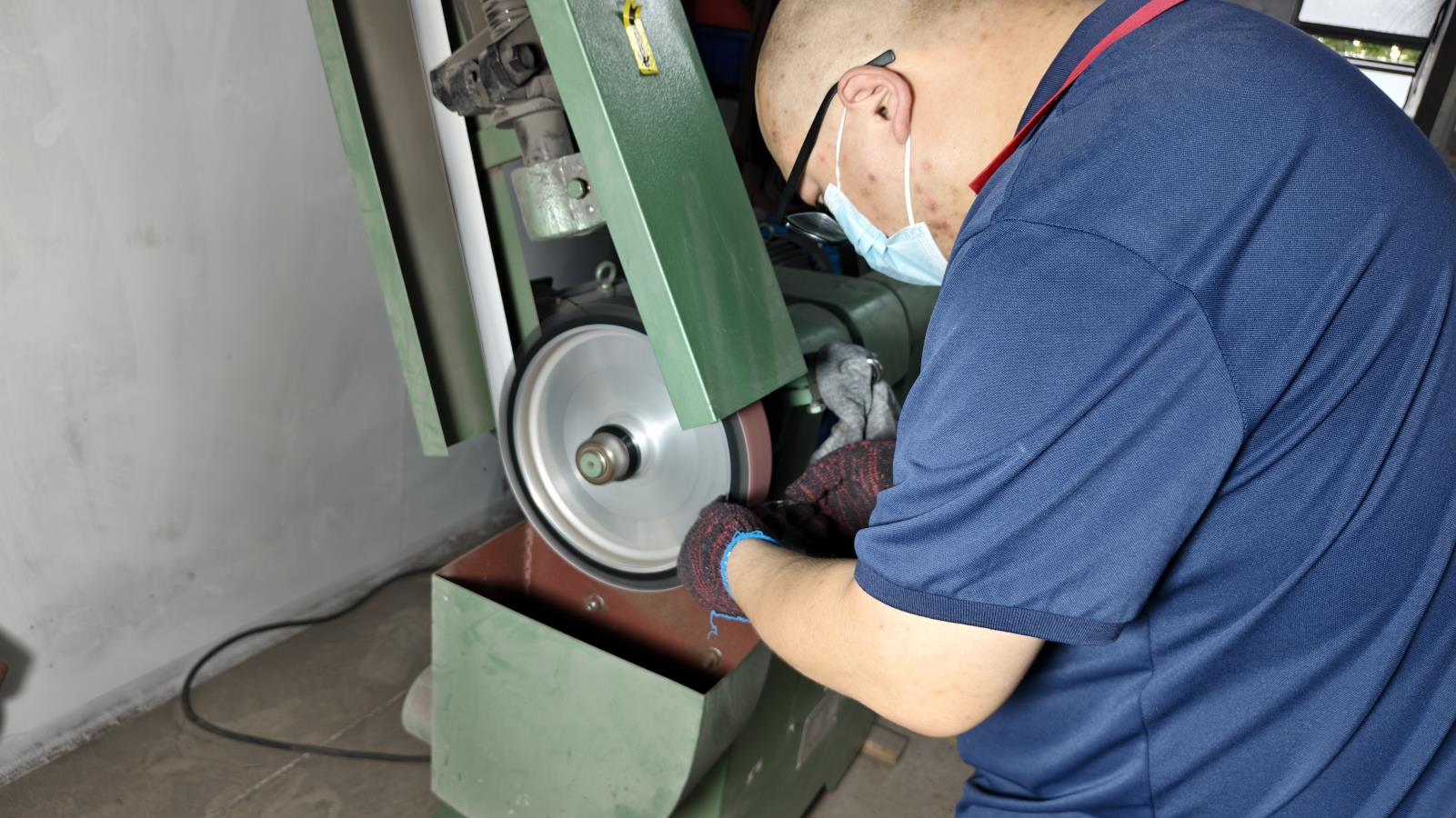
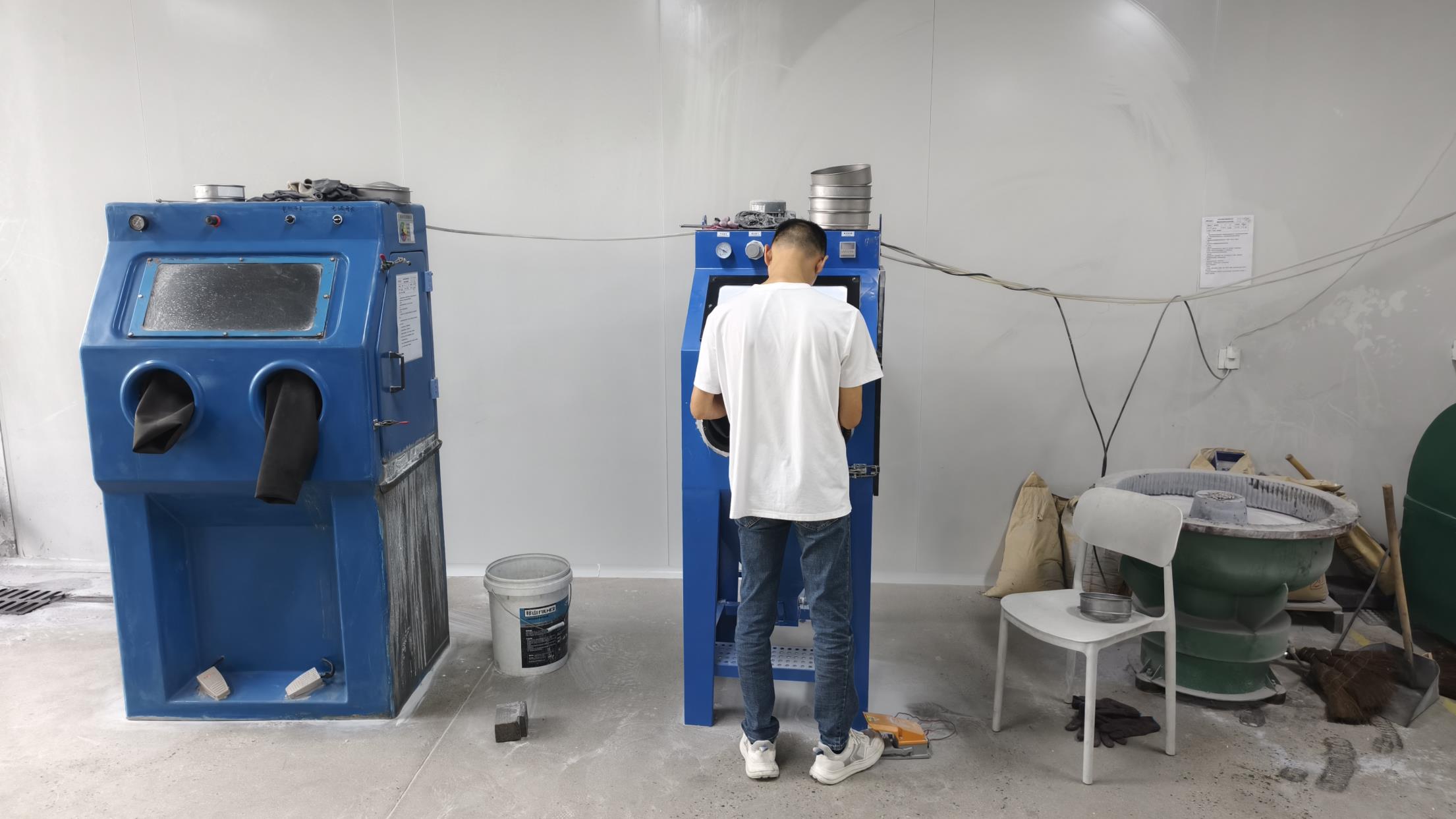
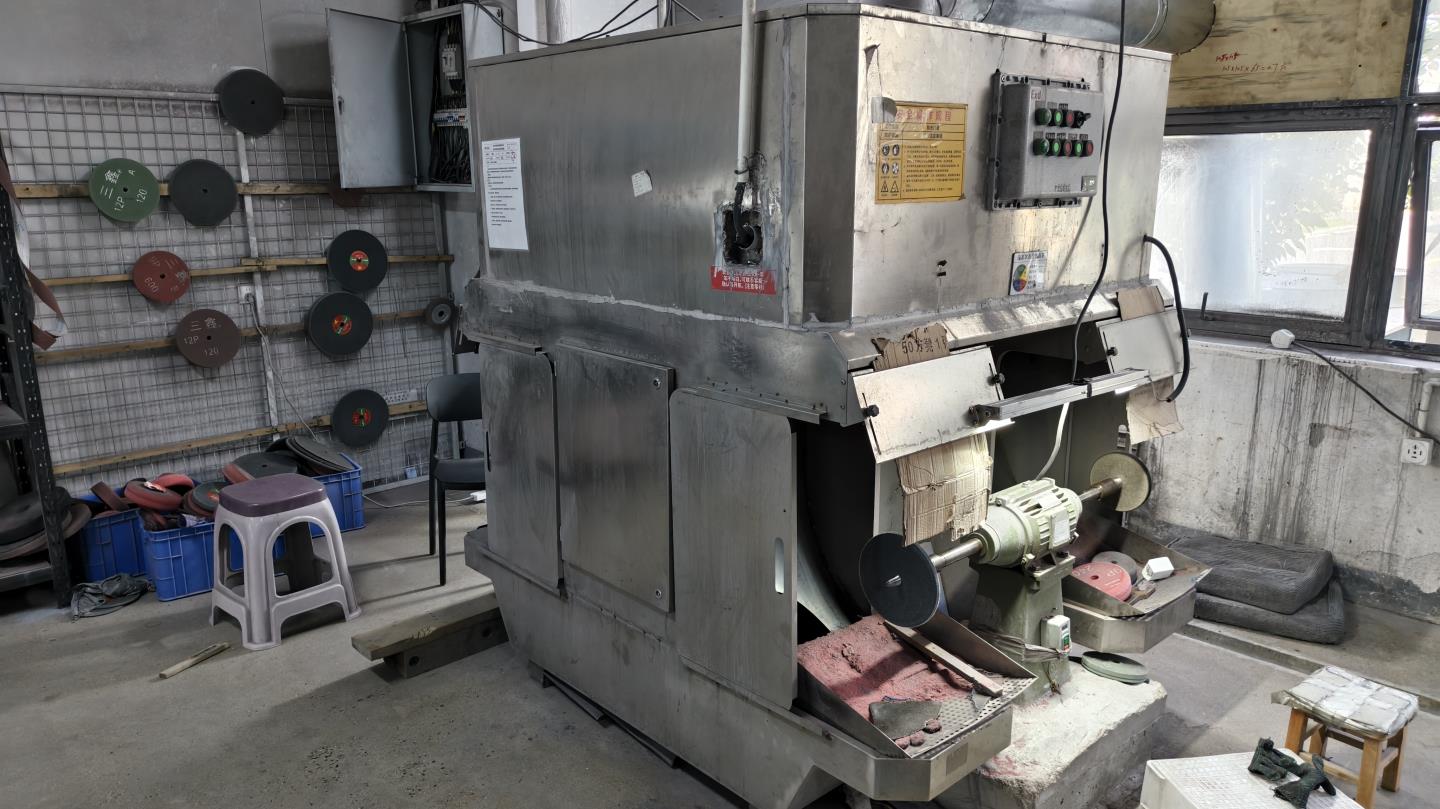
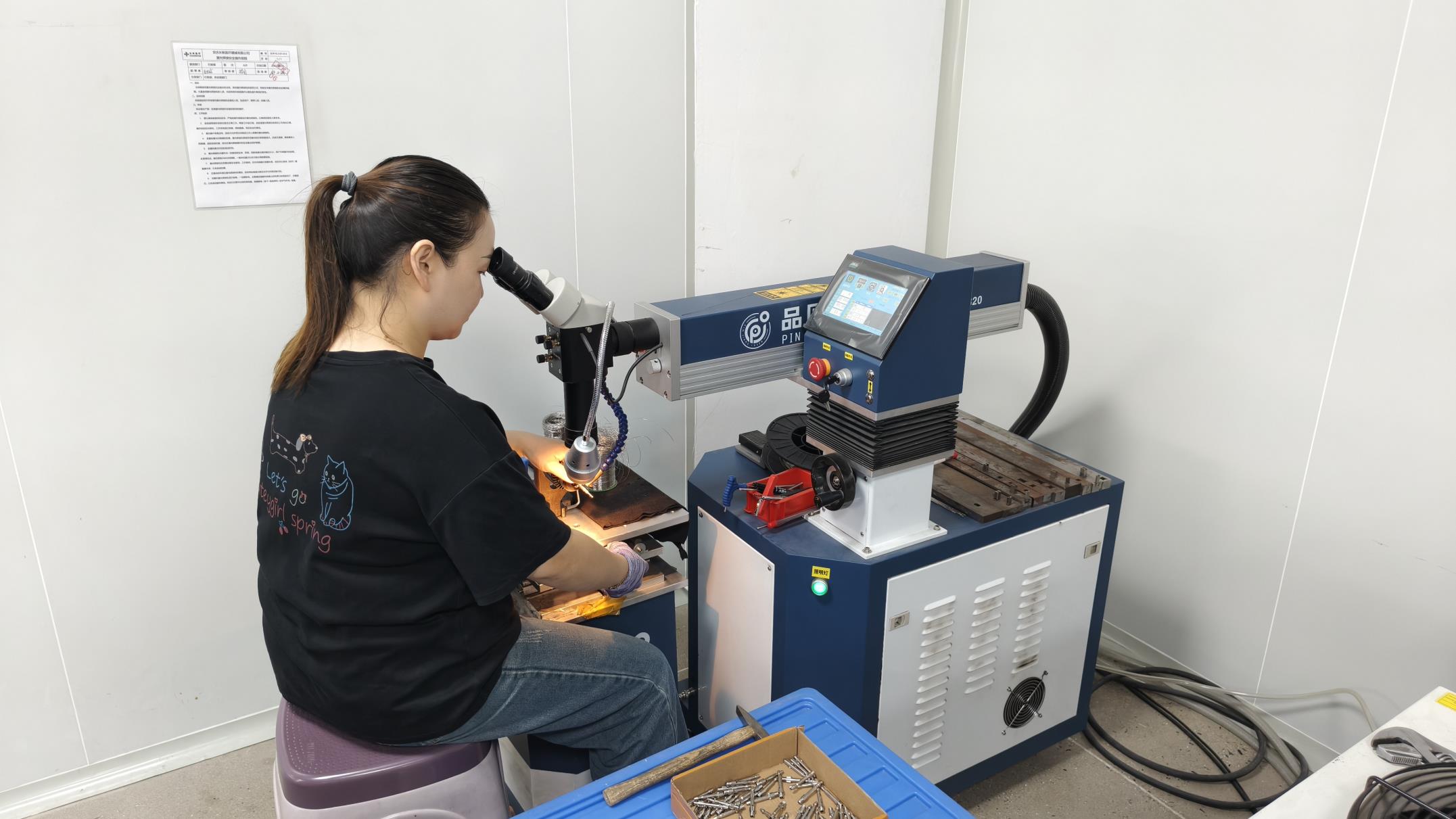
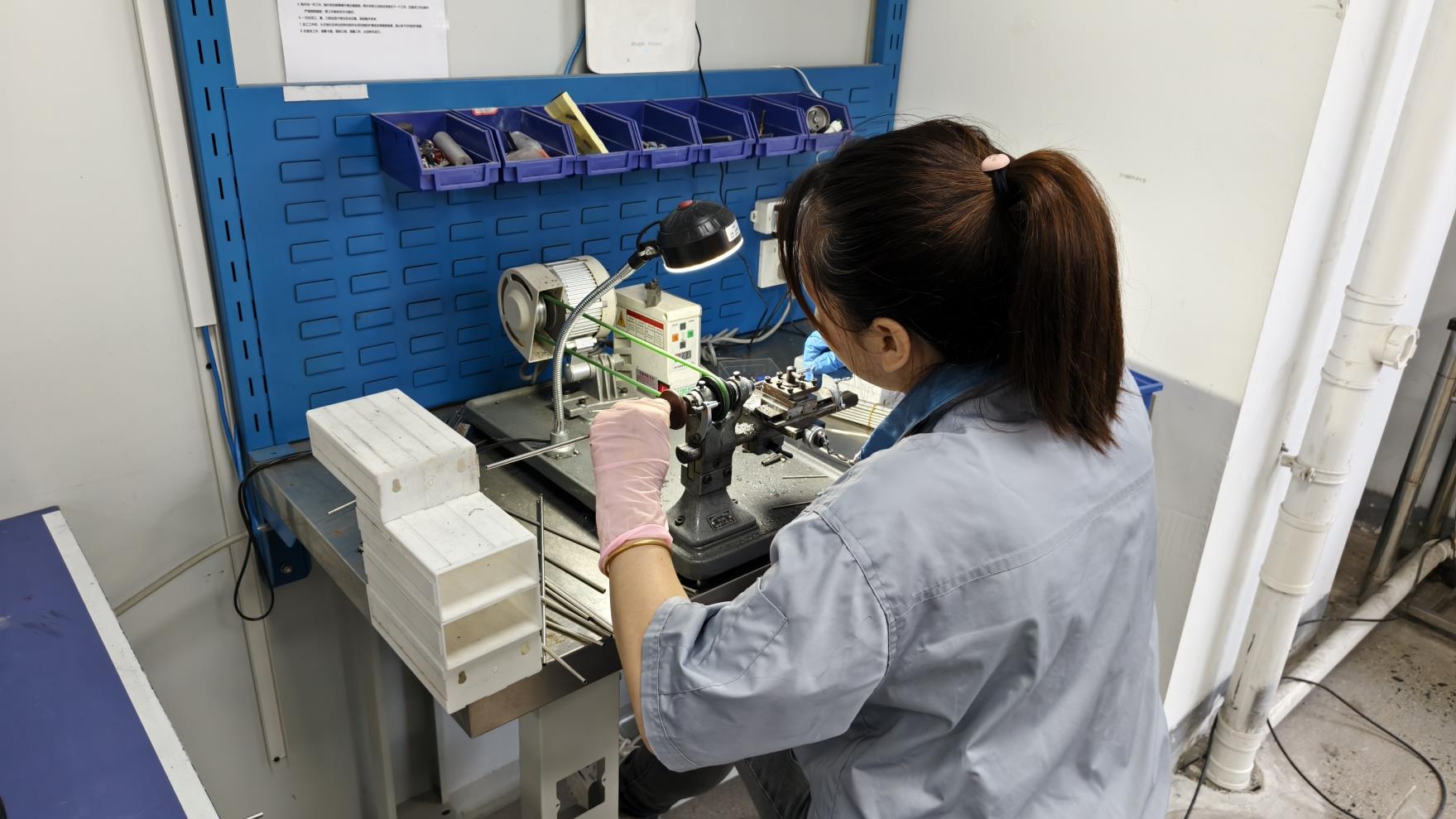
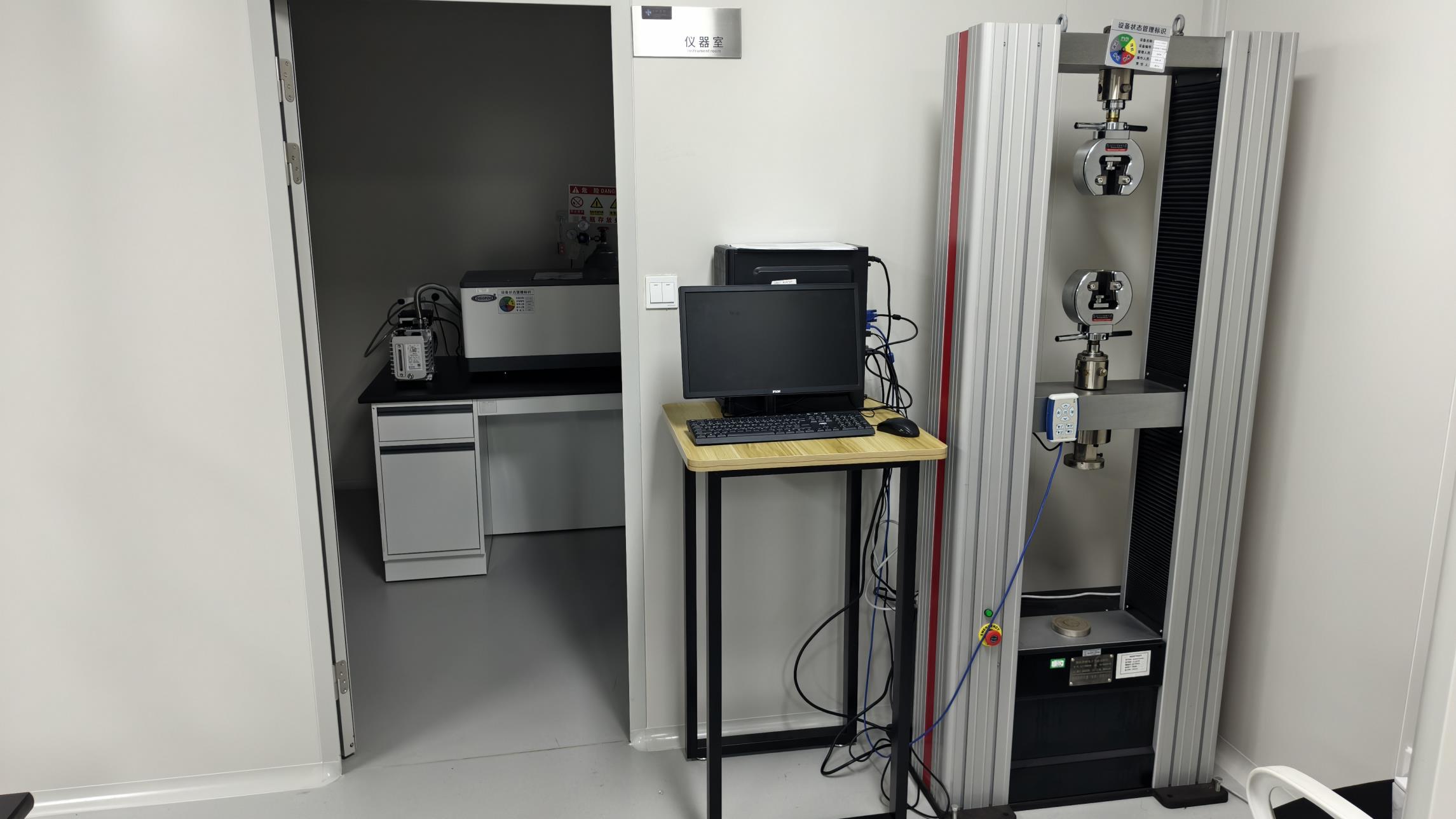
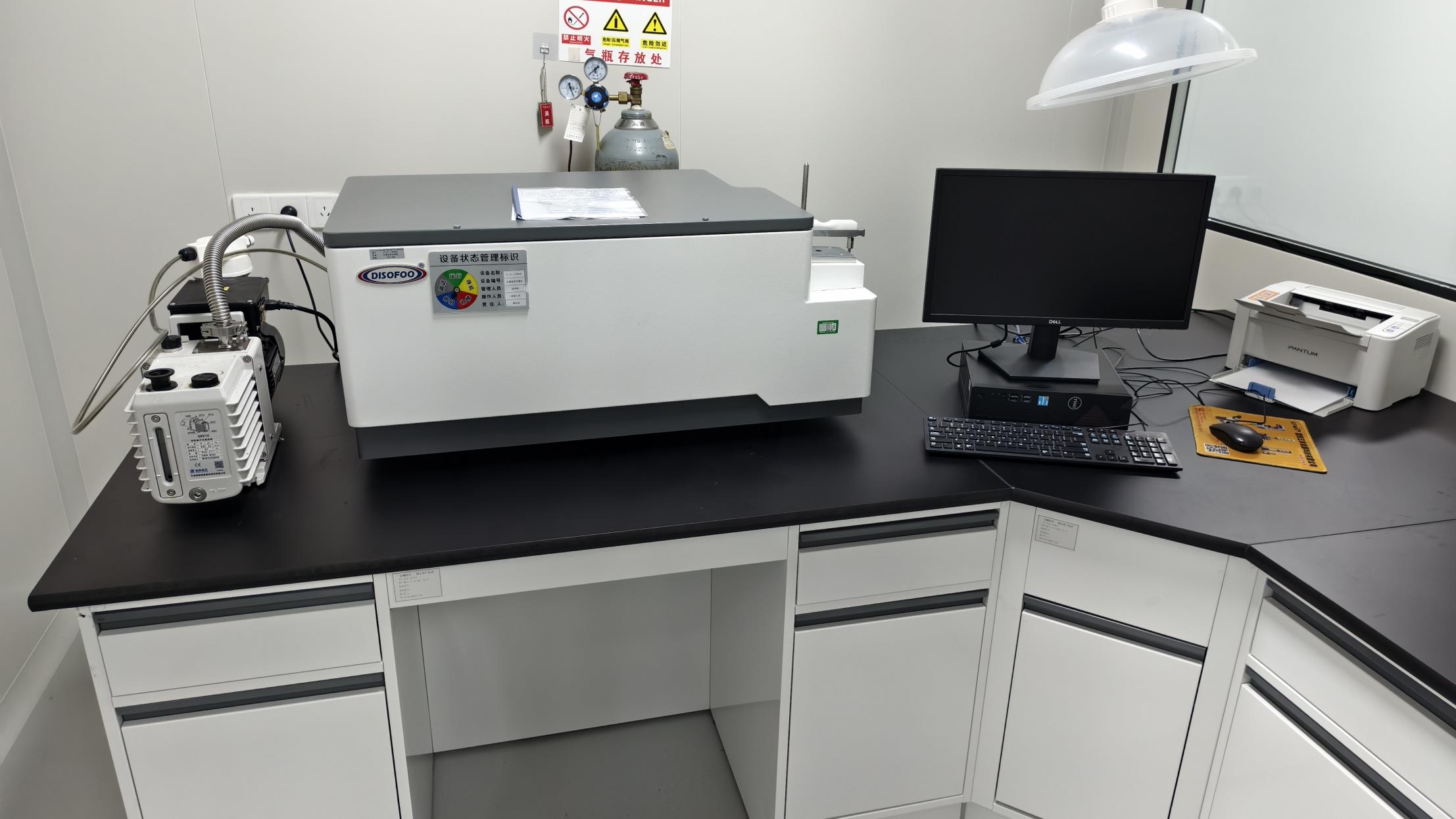
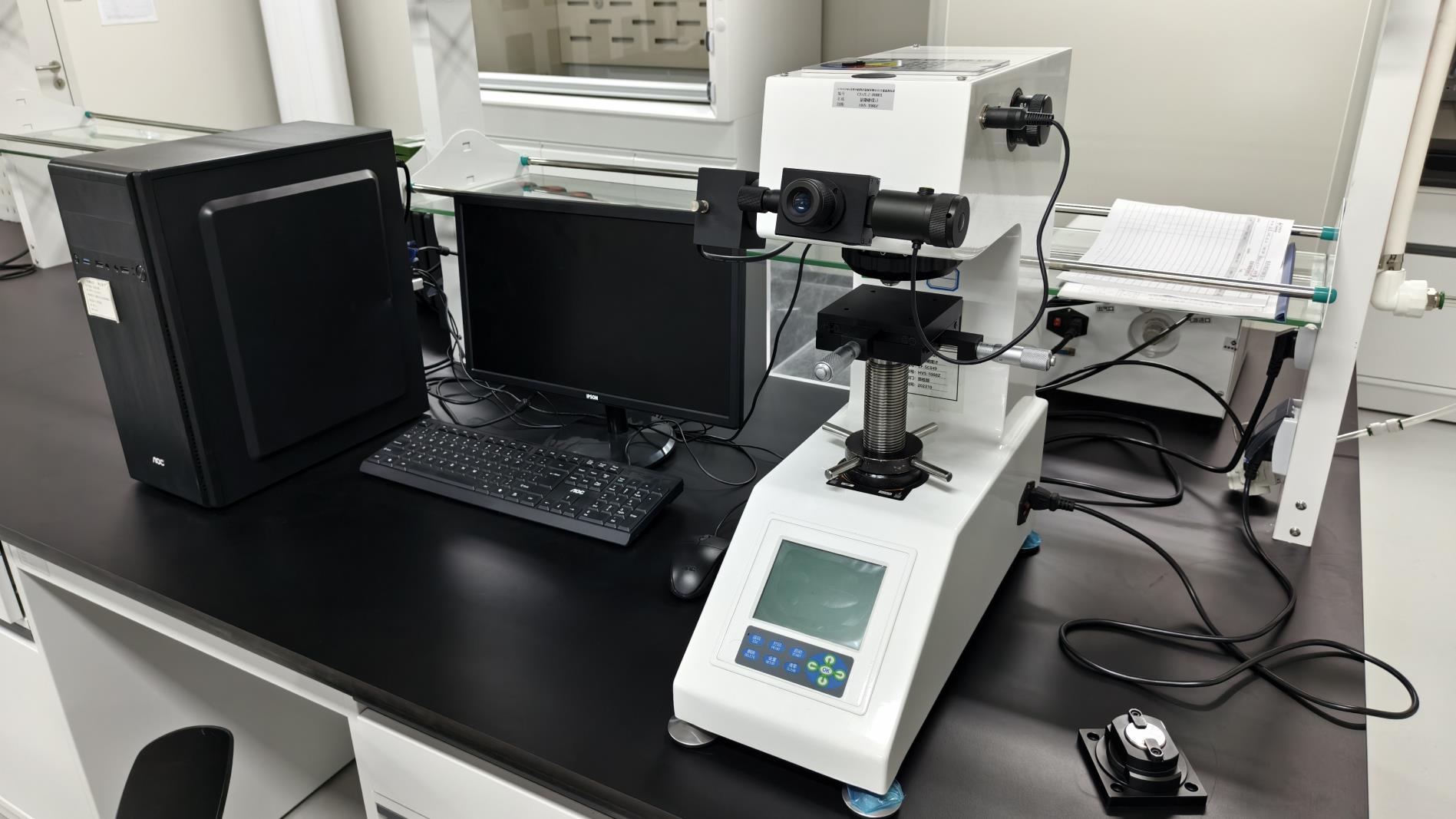
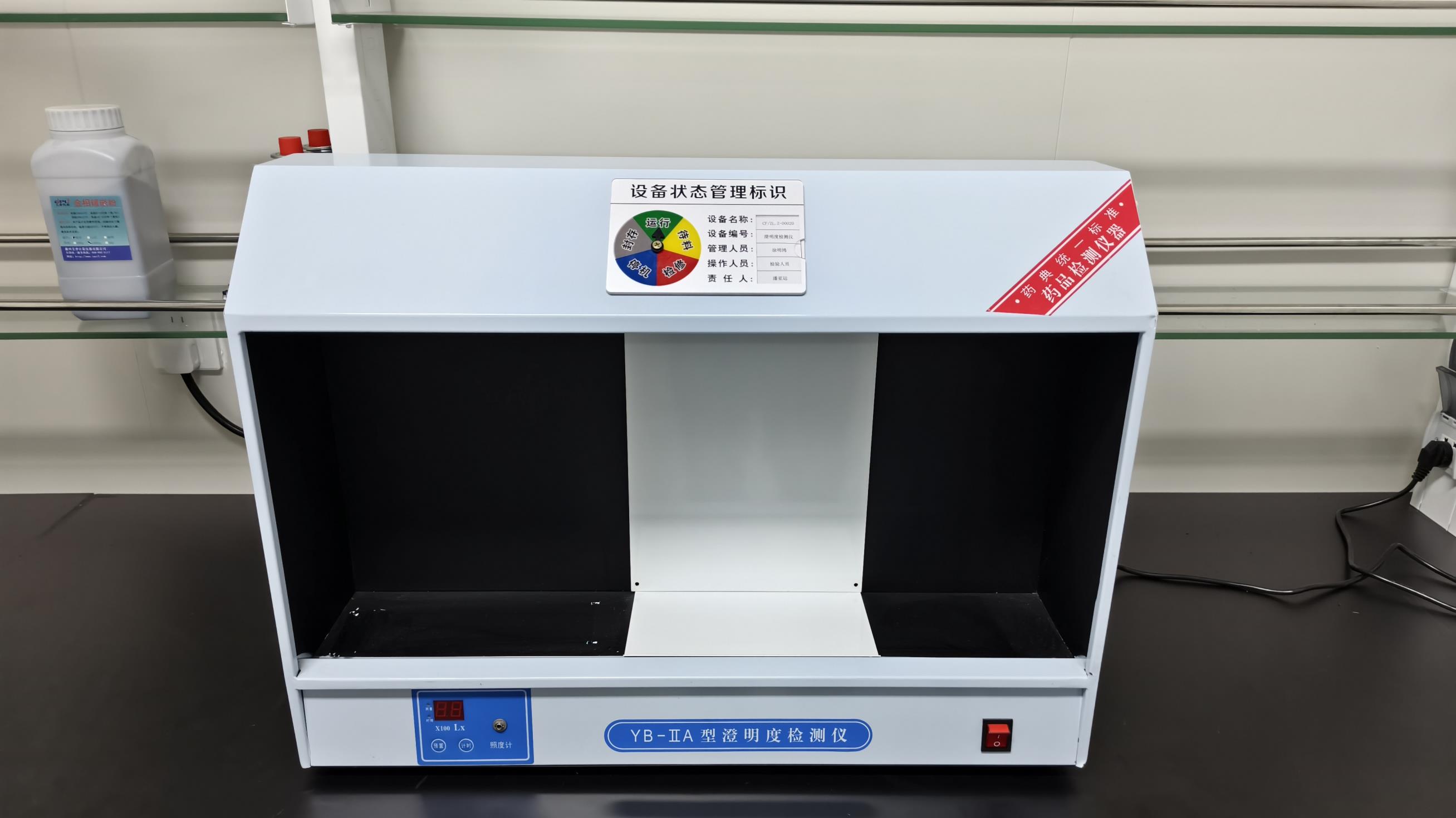
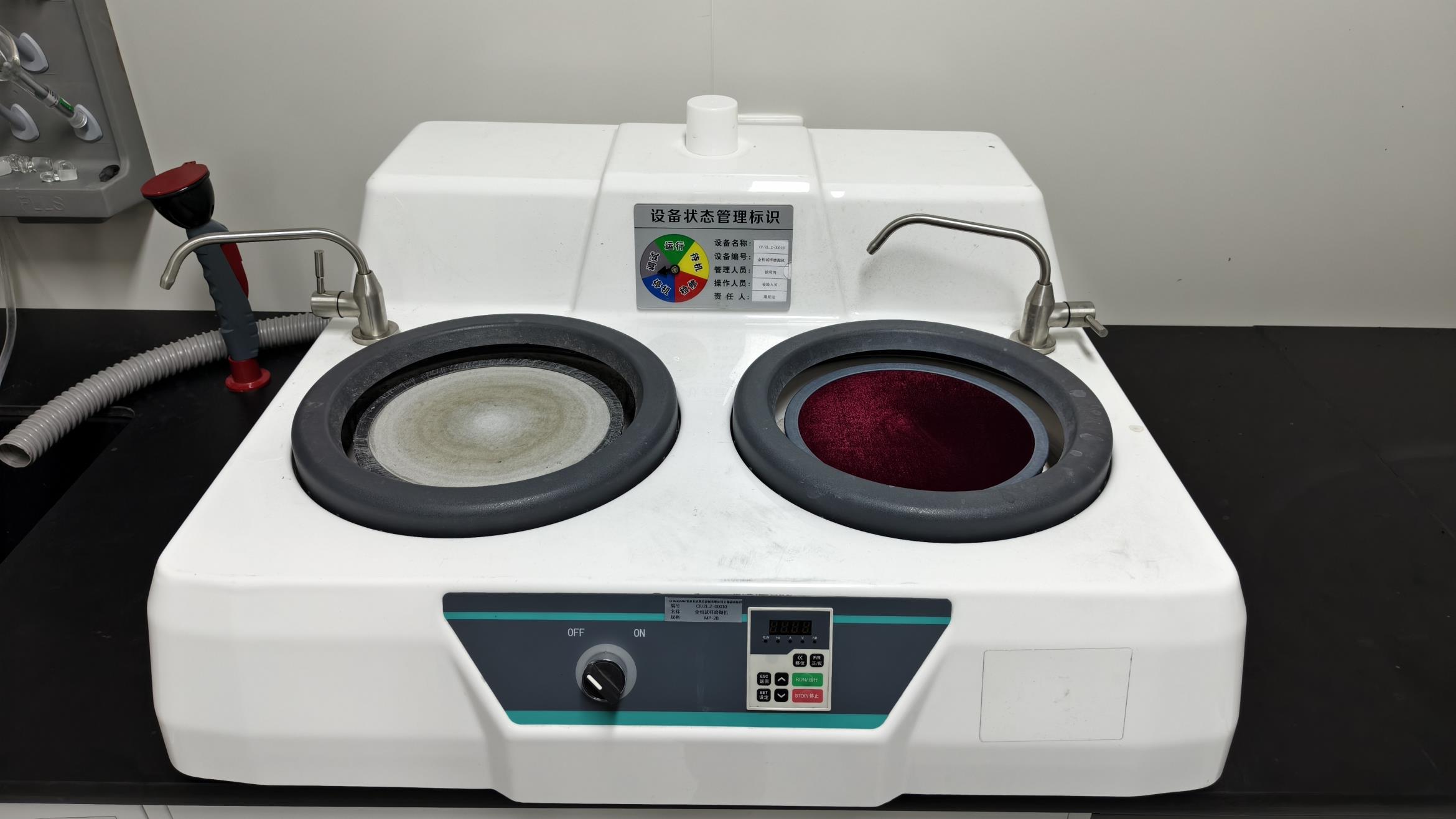
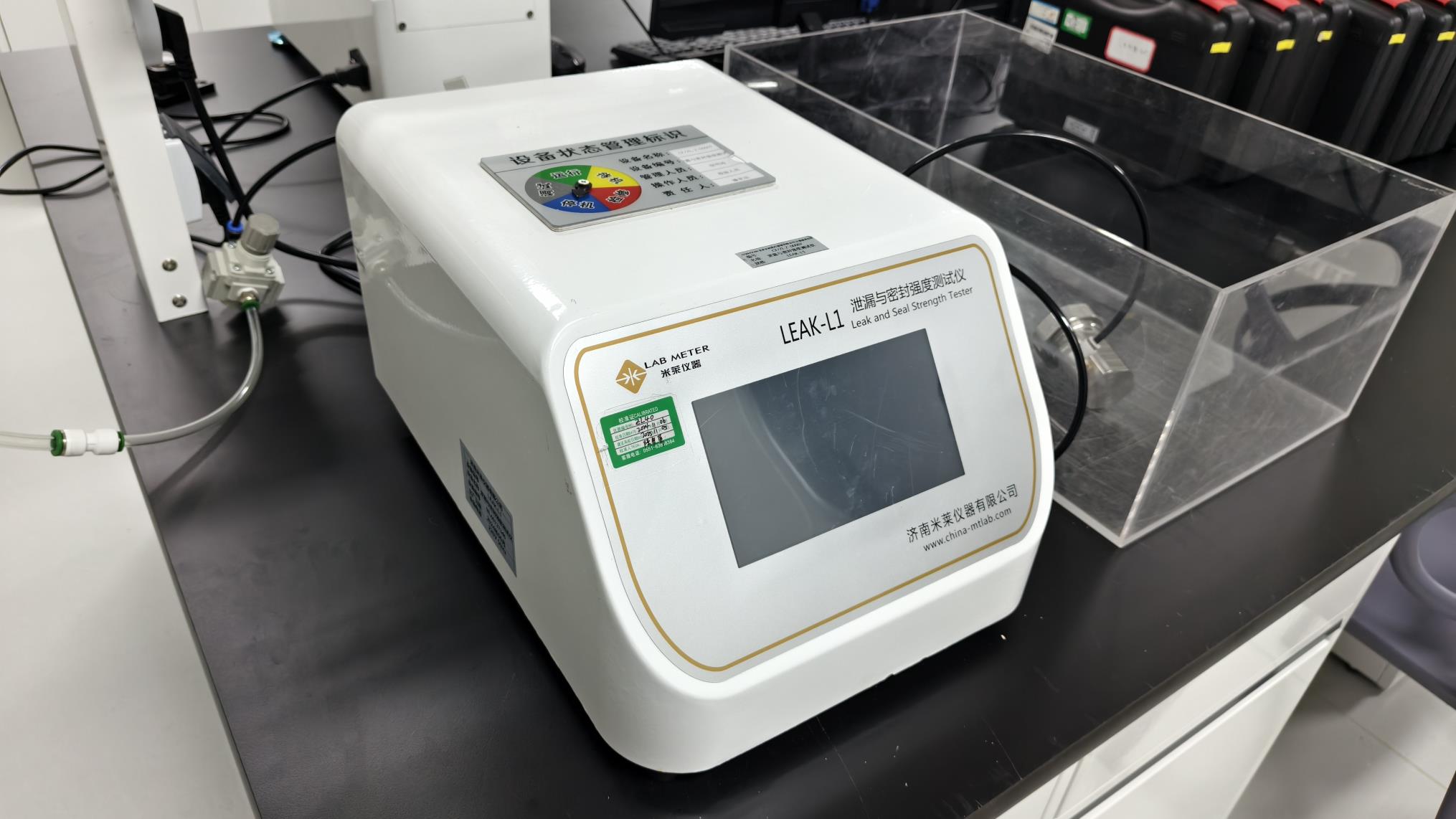
Every step of our process—from primary metal cutting to microscopic inspection—is monitored by our 68 quality assurance specialists using advanced diagnostic instruments.

As trauma medicine advances, surgeons are increasingly demanding smarter, more adaptable implant systems. In response, Zynfuse's R&D pipeline is actively working on several key innovations:
Integrating surface textures and bioactive coatings (hydroxyapatite/silicon-doped calcium phosphate) that accelerate bone growth across the bone-implant interface, which is crucial for osteopenic patients.
Development of electromagnetic (EM) navigation-compatible instrumentation. This allows for accurate distal locking screw targeting without the need for repetitive intraoperative fluoroscopic imaging.
Leveraging CT reconstruction data to produce patient-specific anatomical nails via 3D printing (additive manufacturing) for complex deformities and severe skeletal trauma.
Through our dedicated OEM/ODM division, we collaborate with multinational implant brands to adapt existing portfolios to regional demographic requirements. Our engineers adjust variables such as mechanical curvature radius, proximal locking vectors, and thread patterns. This flexibility, coupled with our large production volume, makes Zynfuse a preferred manufacturing partner for global medical device brands.
Technical and regulatory answers for biomedical engineers, hospital buyers, and global orthopedic distributors.
Explore our expanded catalog of orthopedic implants, specialized spinal systems, and veterinary surgical instruments.