Zynfuse
Zynfuse
Zynfuse
Direct supply line of premium ISO-certified precision systems designed for reconstructive and revision joint interventions.
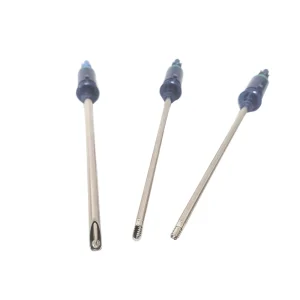
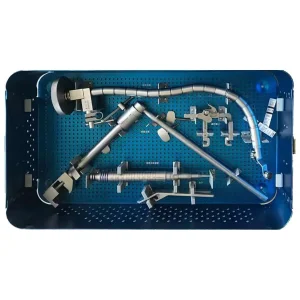
A trusted global orthopedic manufacturer, engineering advanced implants with proven quality management and clinical execution.
Zynfuse Medical Technology Co., Ltd. stands as a premier medical device manufacturer specializing in advanced orthopedic implants, bone fusion solutions, and precision surgical instrumentation. Established in 2016, Zynfuse integrates 12 years of core industry experience and 7 years of international trade operations, making it a cornerstone partner for global orthopedic distributors, major hospital groups, and research-led surgical centers.
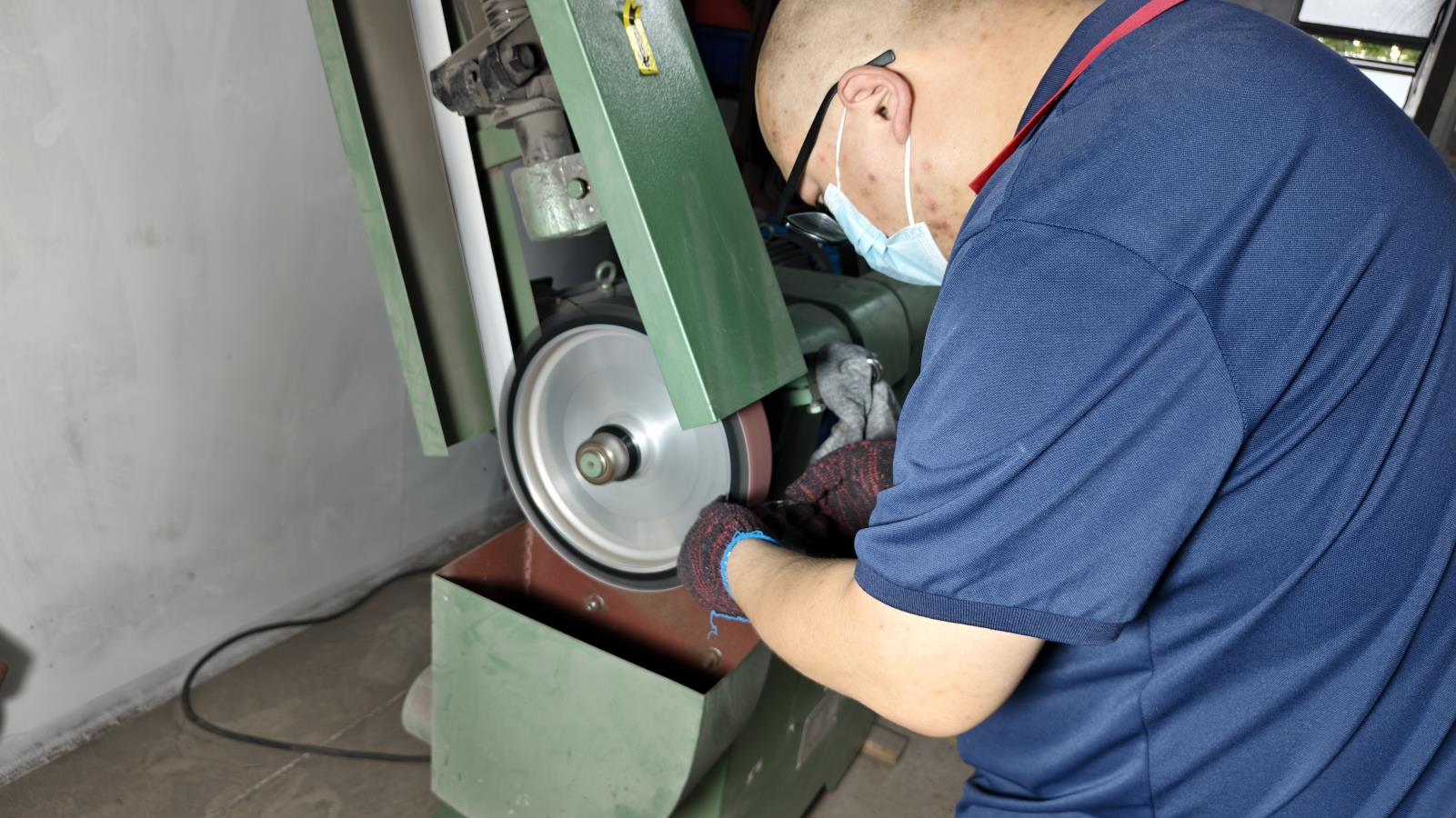
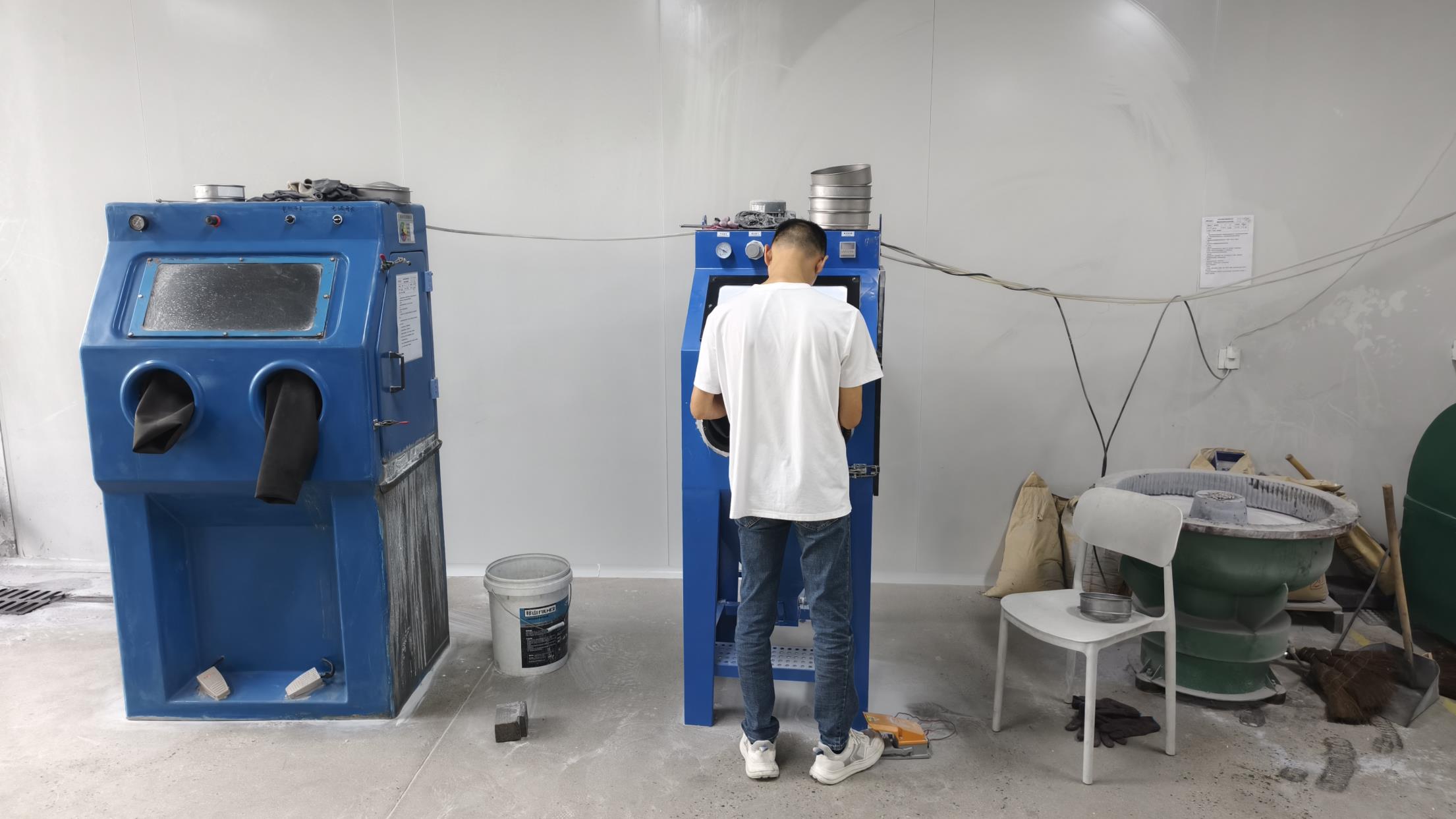
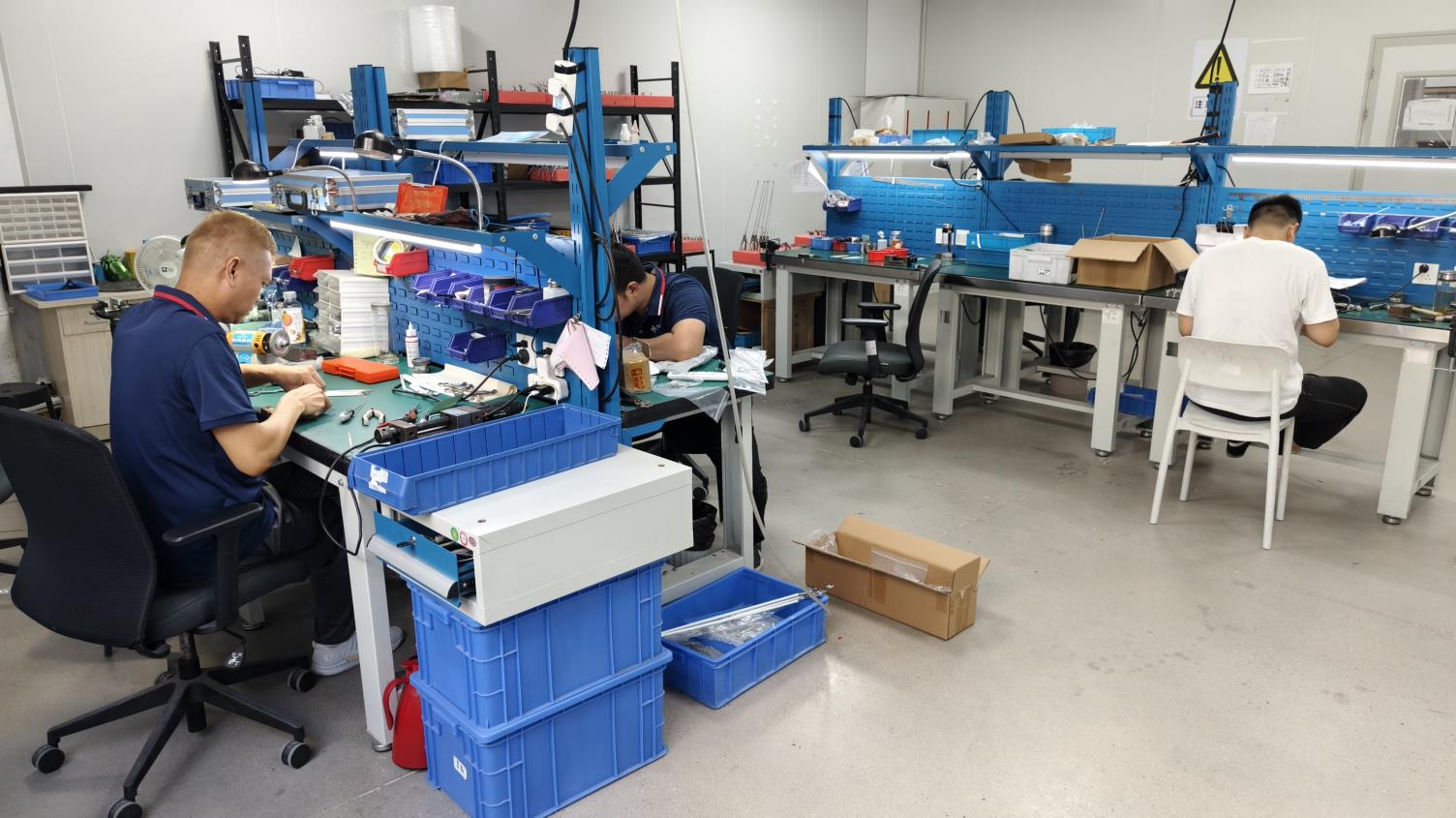
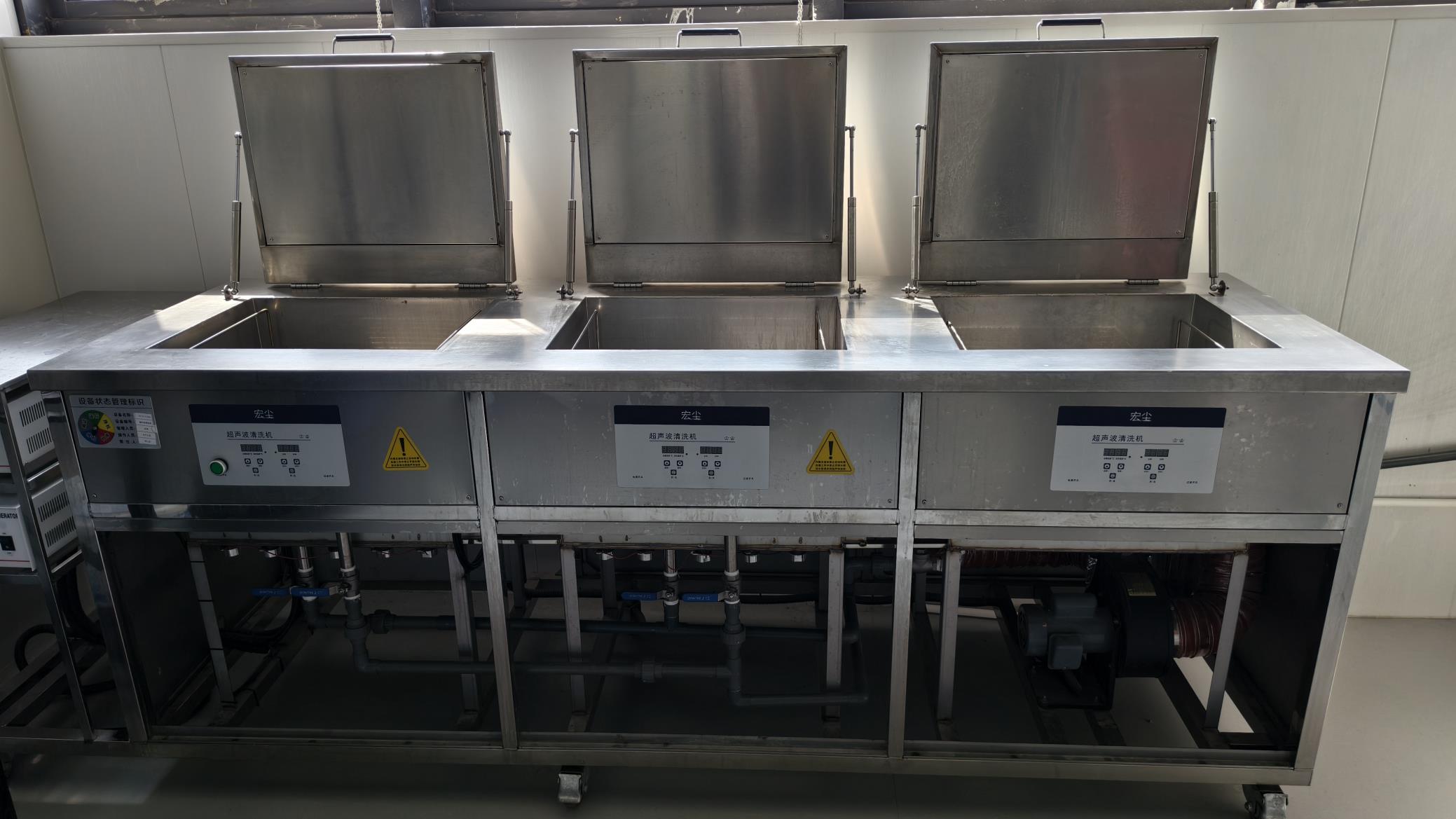
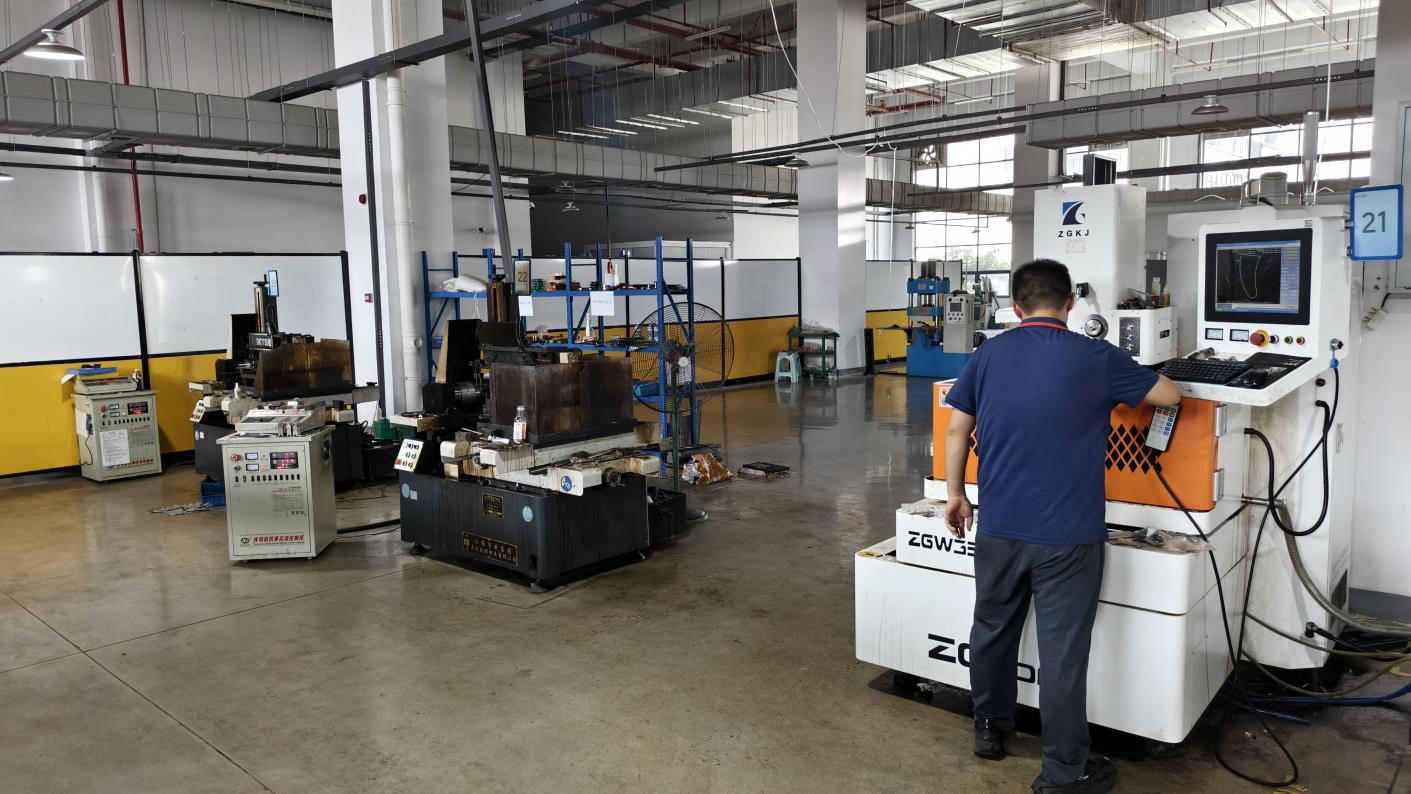
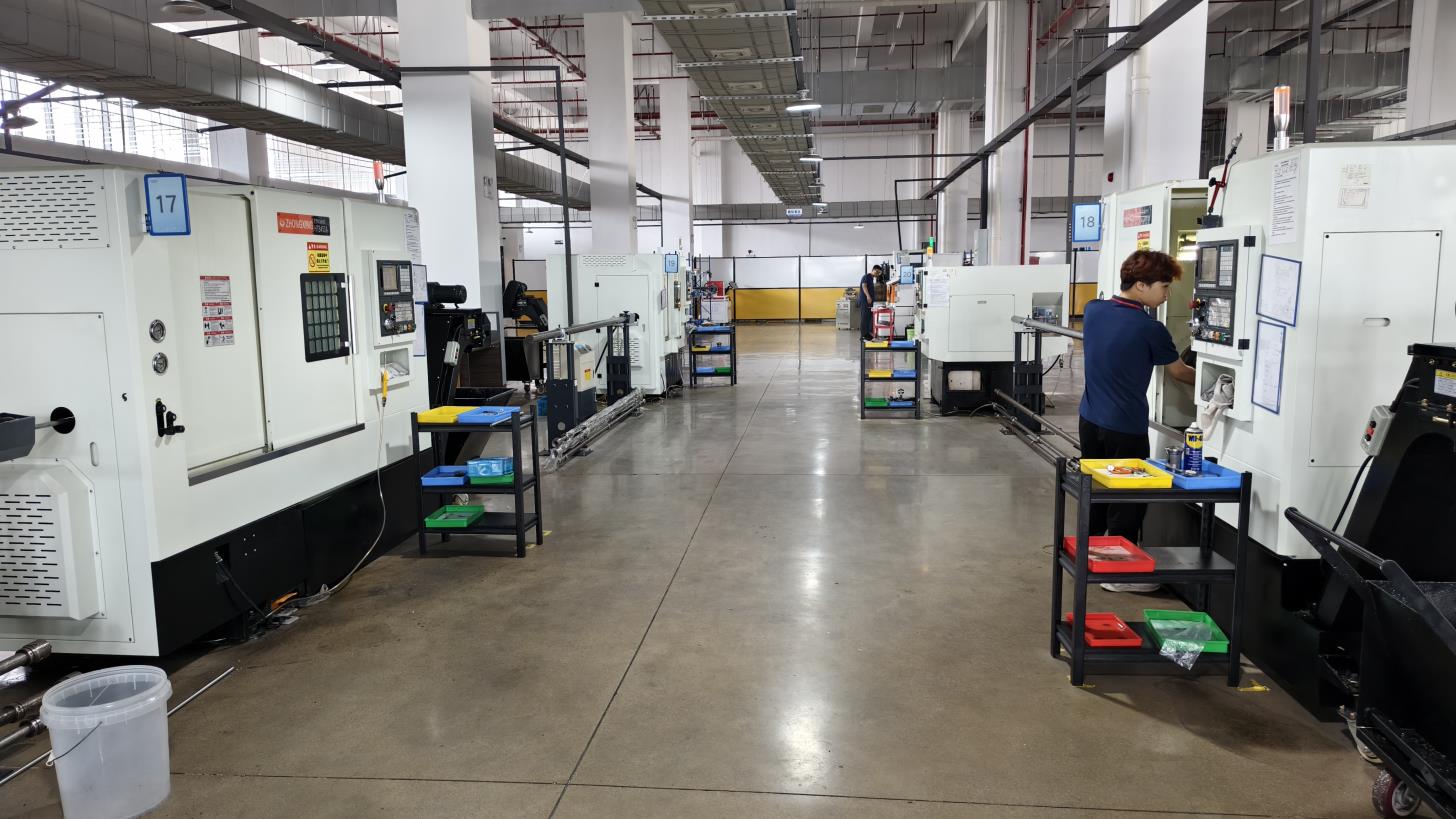
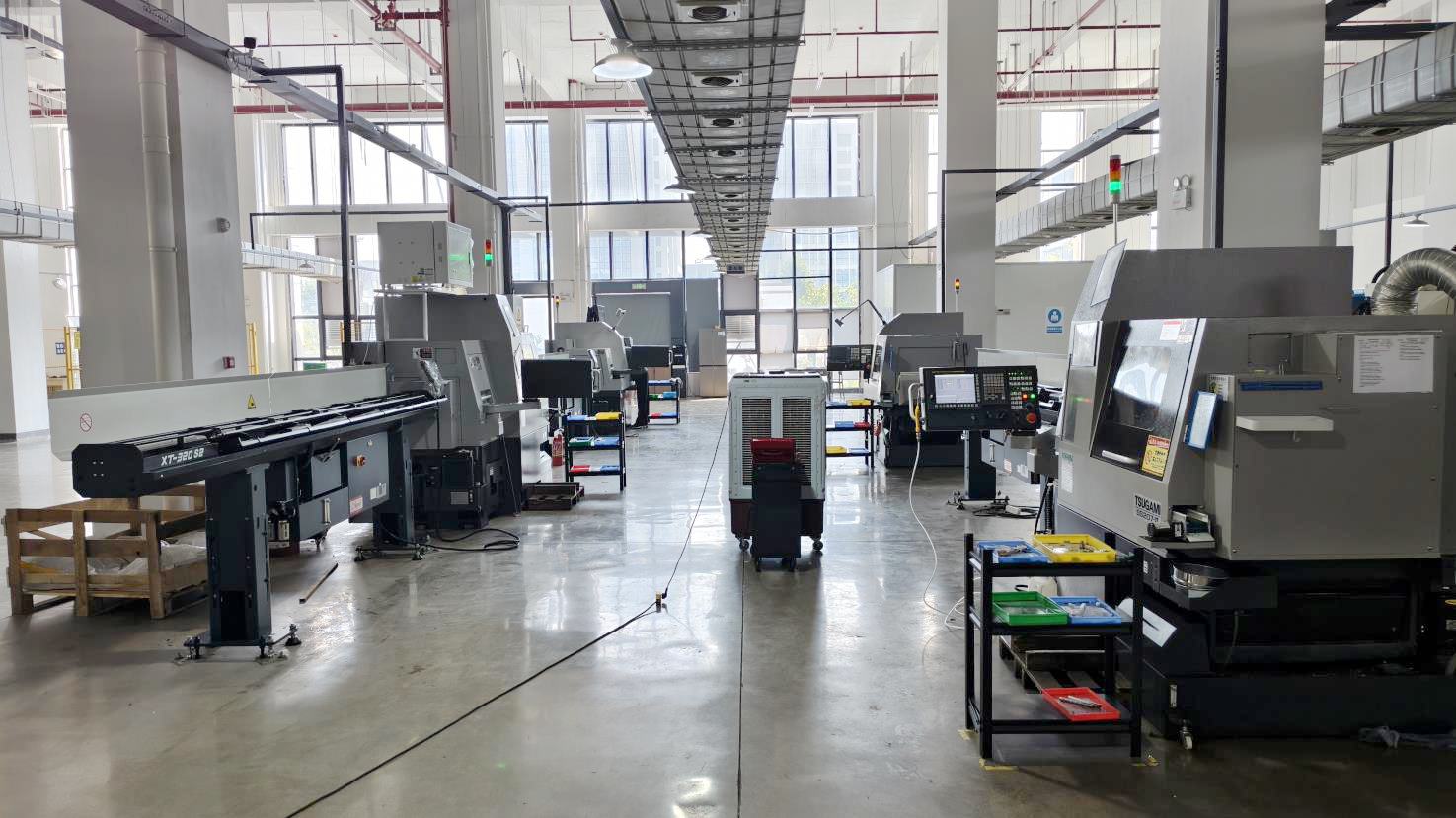
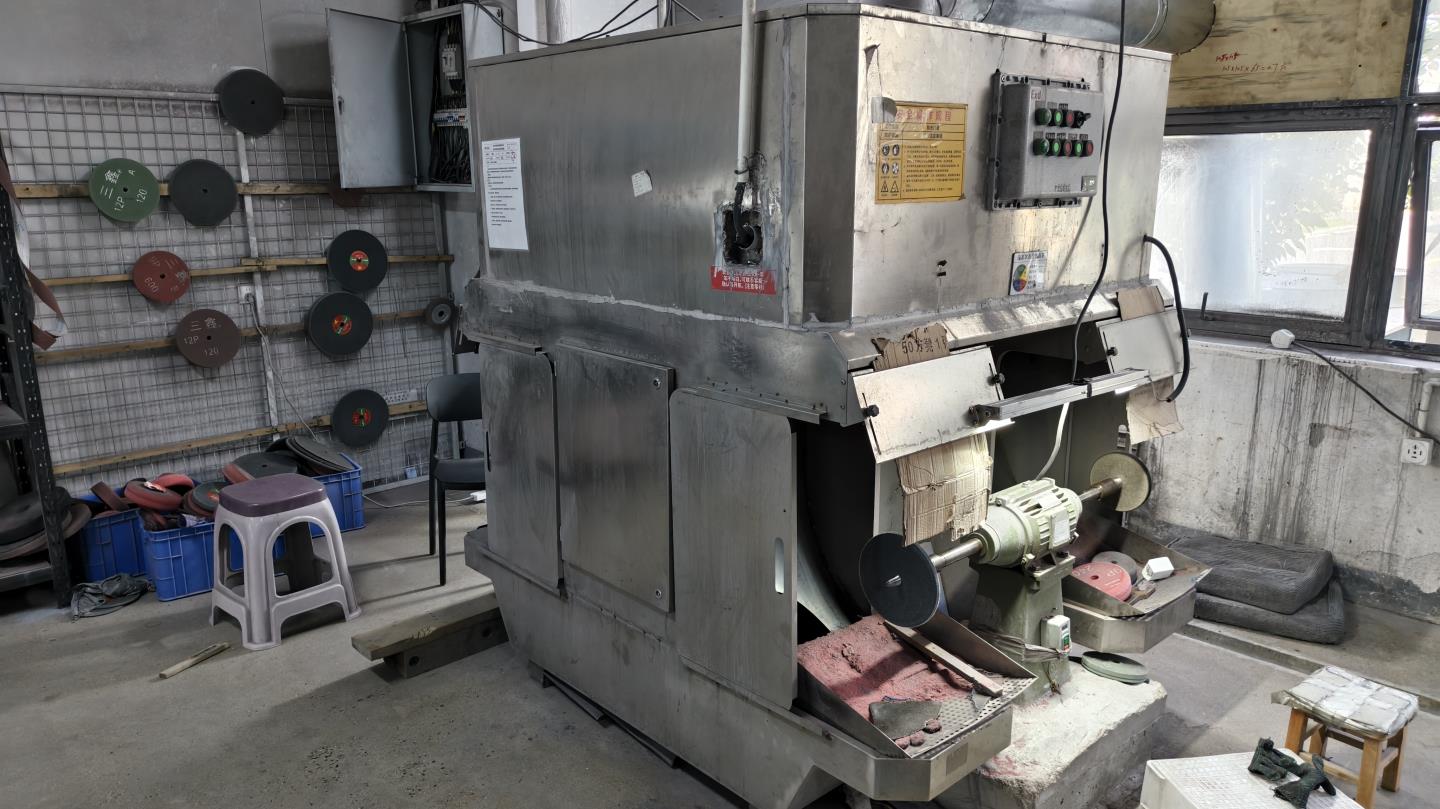
Operating a modernized, class-10,000 cleanroom production facility spanning 18,600 m², Zynfuse utilizes high-end multi-axis CNC machines, grinding platforms, and surface modification systems. Backed by a high-efficiency supply network consisting of over 1,200 partners worldwide and a robust quality control team featuring 68 quality inspection specialists, we maintain a flawless execution chain that ensures structural reliability in clinical environments.
Revision Total Knee Arthroplasty (RKA) is complex, requiring surgeons to address bone tissue compromise, joint instability, and altered biomechanics. Unlike primary knee replacements, revision surgery occurs under challenging clinical conditions, including:
Aseptic loosening, osteolysis caused by polyethylene wear debris, and structural damage from primary component removal require modular stems, metaphyseal sleeves, or custom cones to fill structural voids.
Elevating or depressing the joint line negatively affects patellofemoral tracking and overall knee kinematics. Precise reconstruction tools are essential for maintaining proper ligament tension and range of motion.
When the collateral ligaments (MCL/LCL) are compromised, standard implants cannot provide adequate stability. Modern revision portfolios must offer varying levels of constraint, from posterior stabilized (PS) to condylar constrained knee (CCK) and fully hinged configurations.
"At Zynfuse, our OEM/ODM revision knee systems are engineered to address the specific mechanics of damaged bone beds. By utilizing modular femoral and tibial components, offset options, and highly porous titanium structures, we enable surgeons to restore correct anatomy and achieve long-term primary stability."
The global revision knee joint replacement market is expanding, driven by an aging population, rising obesity rates, and the growing demand for primary total knee replacements (TKA) in younger patients. With primary implants having a typical lifespan of 15–20 years, the volume of revisions is projected to grow significantly by 2030.
From an industrial perspective, medical device suppliers must navigate strict international regulations, such as the European Union Medical Device Regulation (EU MDR), US FDA 510(k) clearances, and ISO 13485 quality standards. For distributors and hospital groups, partnering with an OEM/ODM manufacturer that provides comprehensive technical dossiers, biocompatibility validation, and dynamic stress certification is essential for regulatory compliance.
Zynfuse supports global OEMs through a comprehensive development pipeline, transforming digital clinical data (CT/MRI scans) into high-performance implants.
We modify implant profiles, condylar curvatures, and bone-interfacing surfaces to match target patient demographics, including specialized designs for Asian, Caucasian, or custom local patient groups.
Our surface modification processes include titanium plasma spray (TPS), hydroxyapatite (HA) coating, and porous structures that promote osseointegration and long-term biological fixation.
Our solutions feature highly customizable stem geometries, including cemented, press-fit, splined, slotted, tapered, and offset stems. This variety ensures surgeons can bypass damaged bone and achieve secure diaphyseal fixation.
Zynfuse uses premium implant-grade biomaterials to maximize biocompatibility and mechanical durability. Our components are manufactured from Titanium Alloy (Ti-6Al-4V ELI) conforming to ASTM F136 standards for high tensile strength and a lower elastic modulus, and Cobalt-Chromium-Molybdenum (Co-Cr-Mo) conforming to ASTM F75 for articulating surfaces to reduce friction and wear. Polyethylene inserts are made from Ultra-High Molecular Weight Polyethylene (UHMWPE) or highly cross-linked polyethylene (XLPE) enriched with Vitamin E to resist oxidation and reduce long-term wear debris.
A detailed view of Zynfuse's advanced production workflow and cleanroom inspection systems, ensuring every component meets high standards of accuracy.
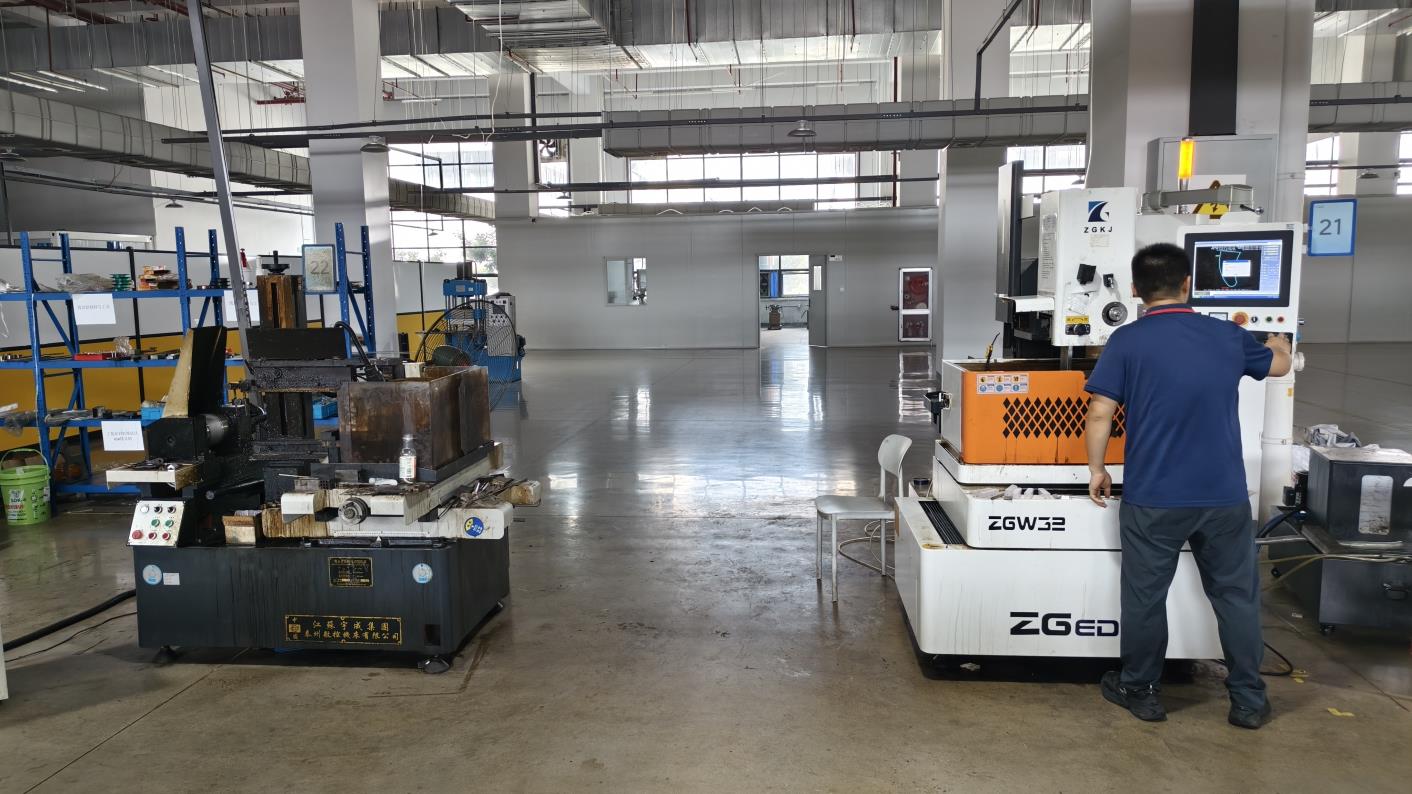
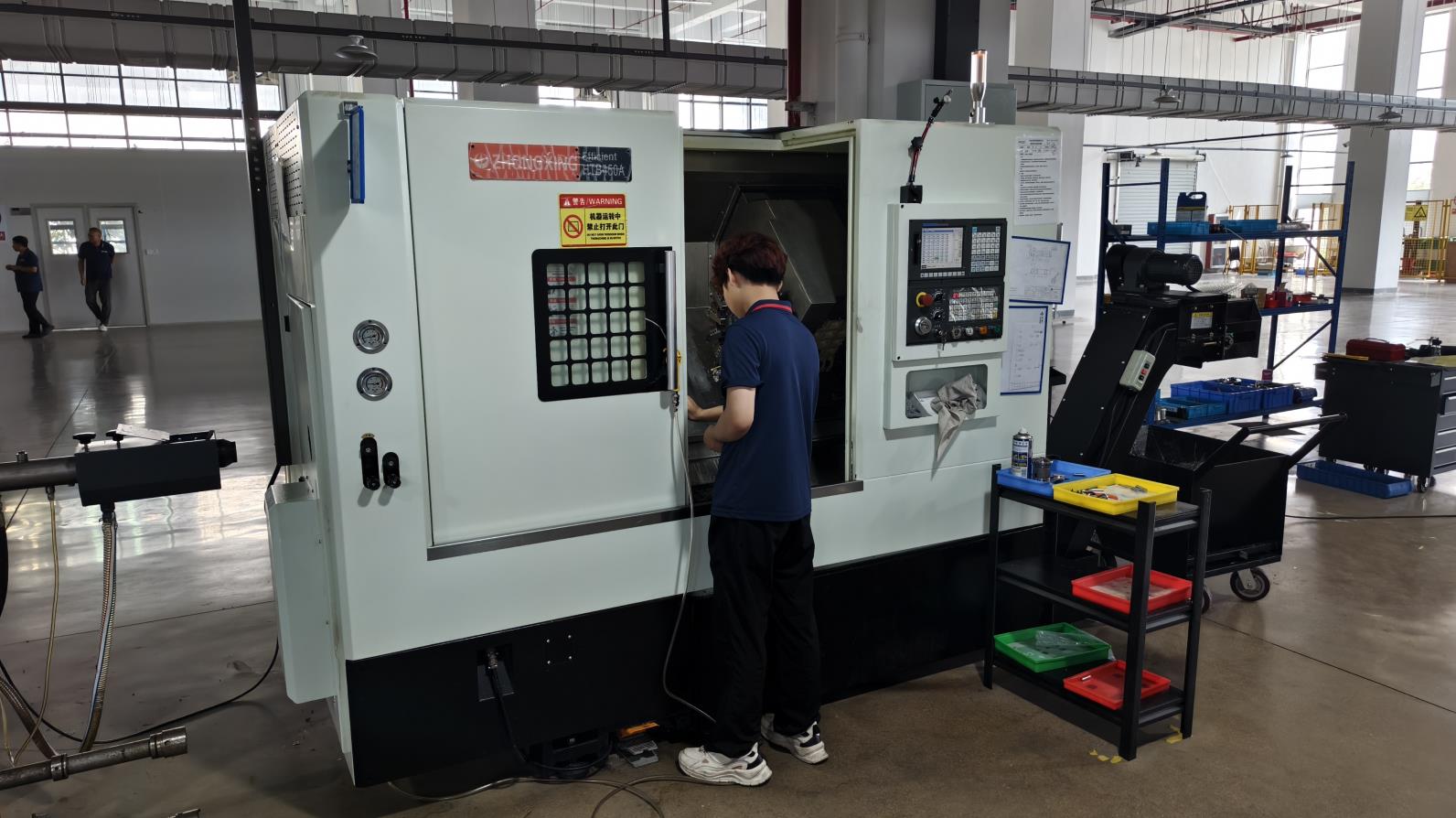
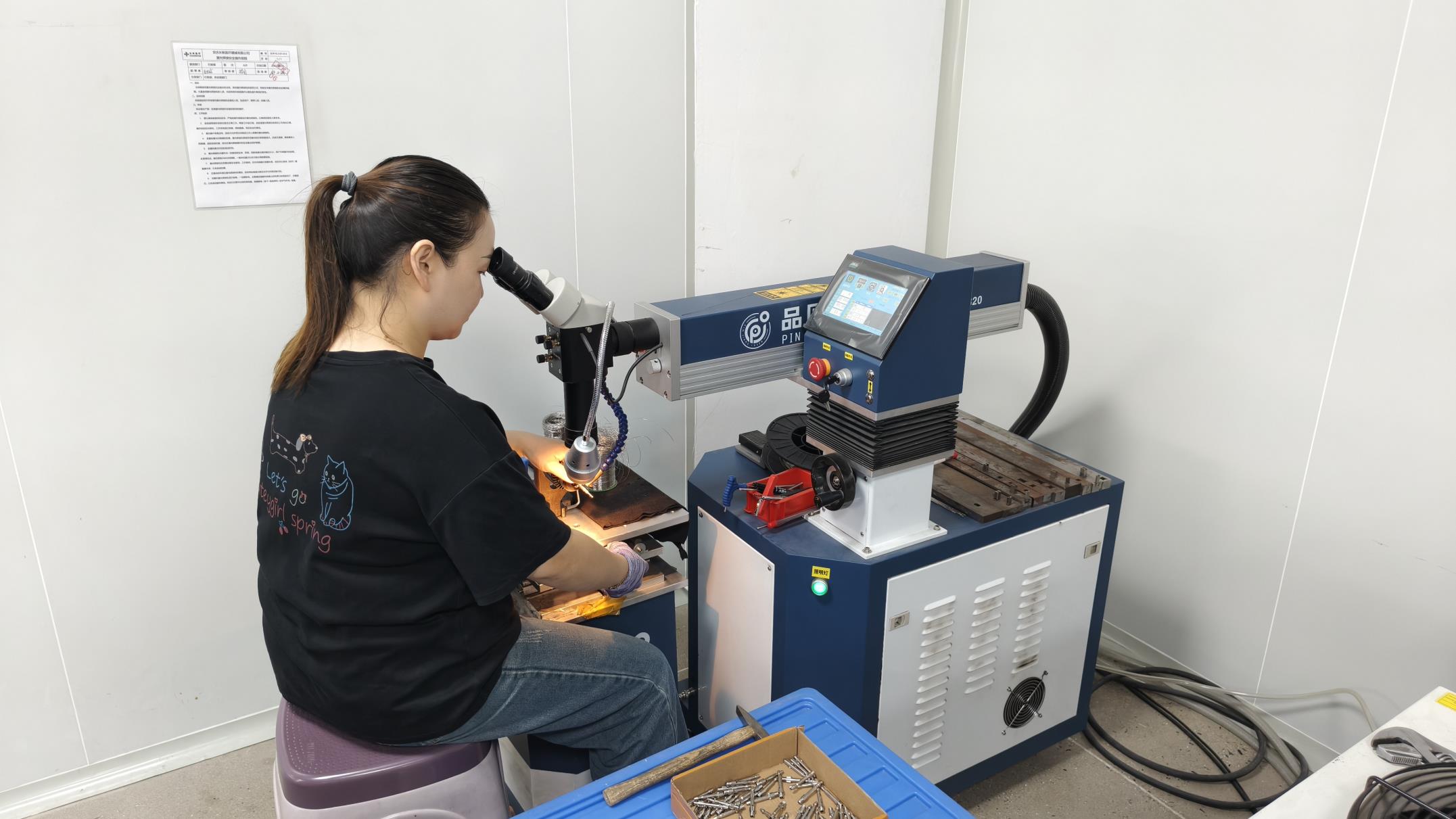
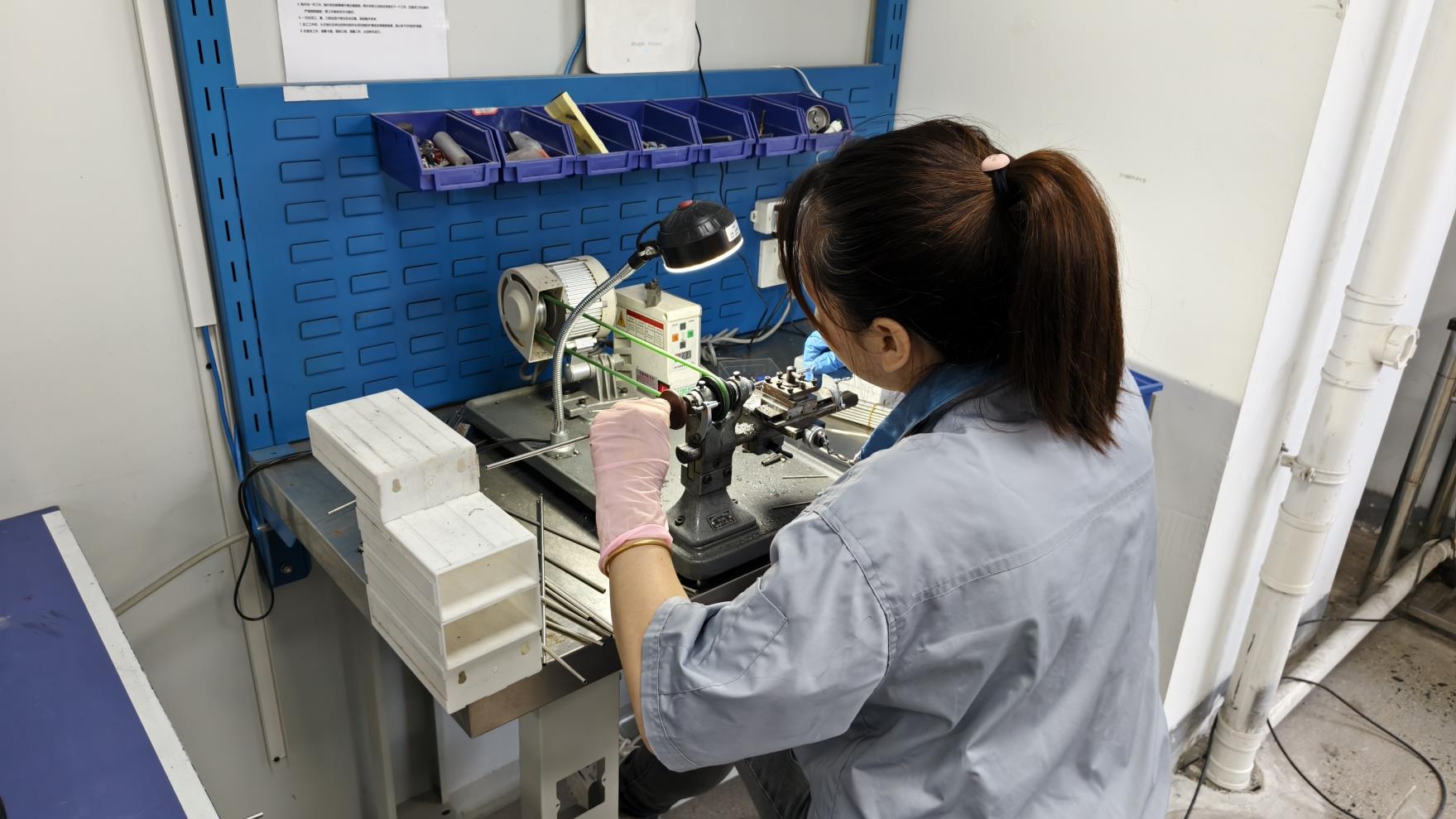
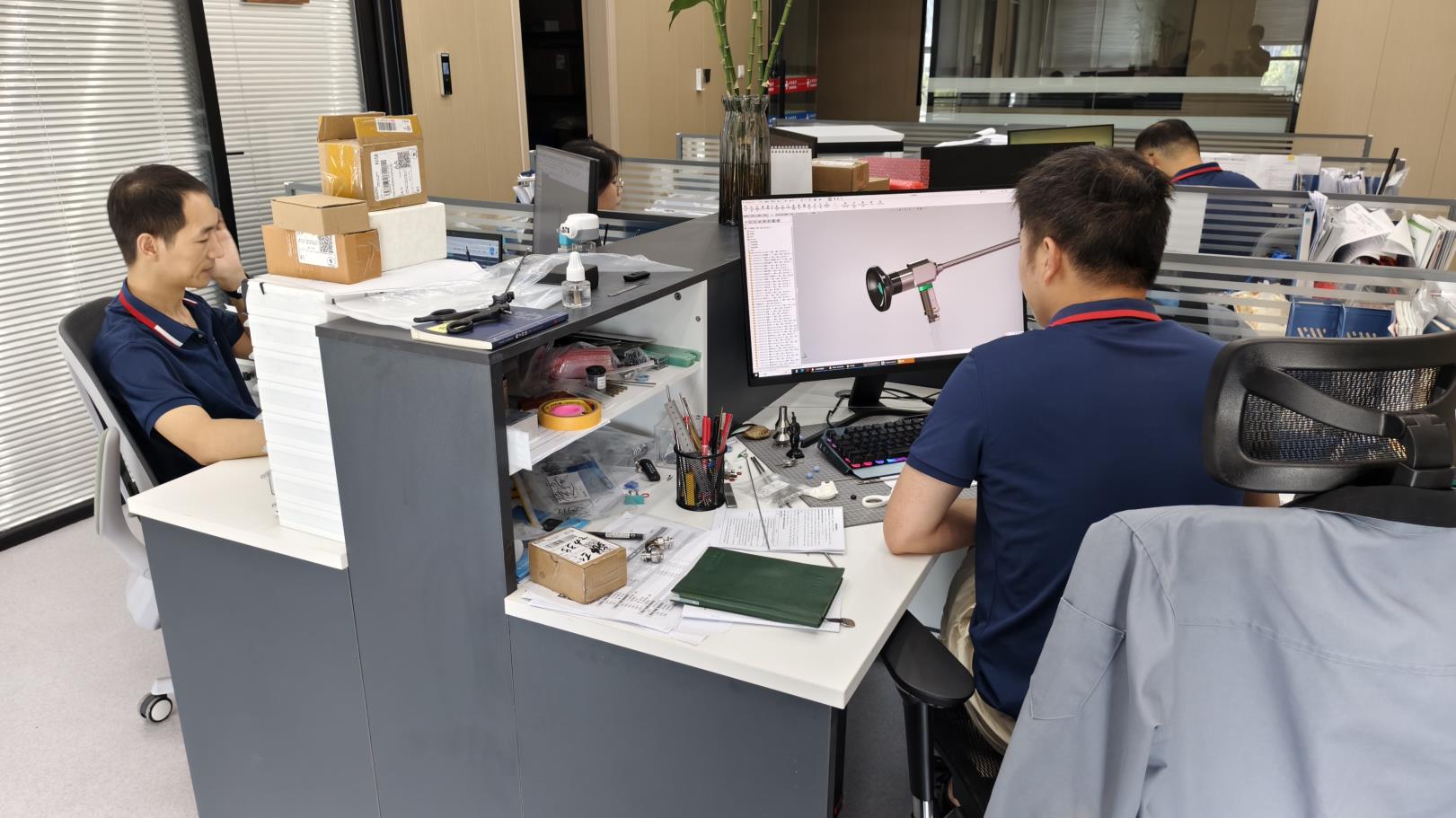

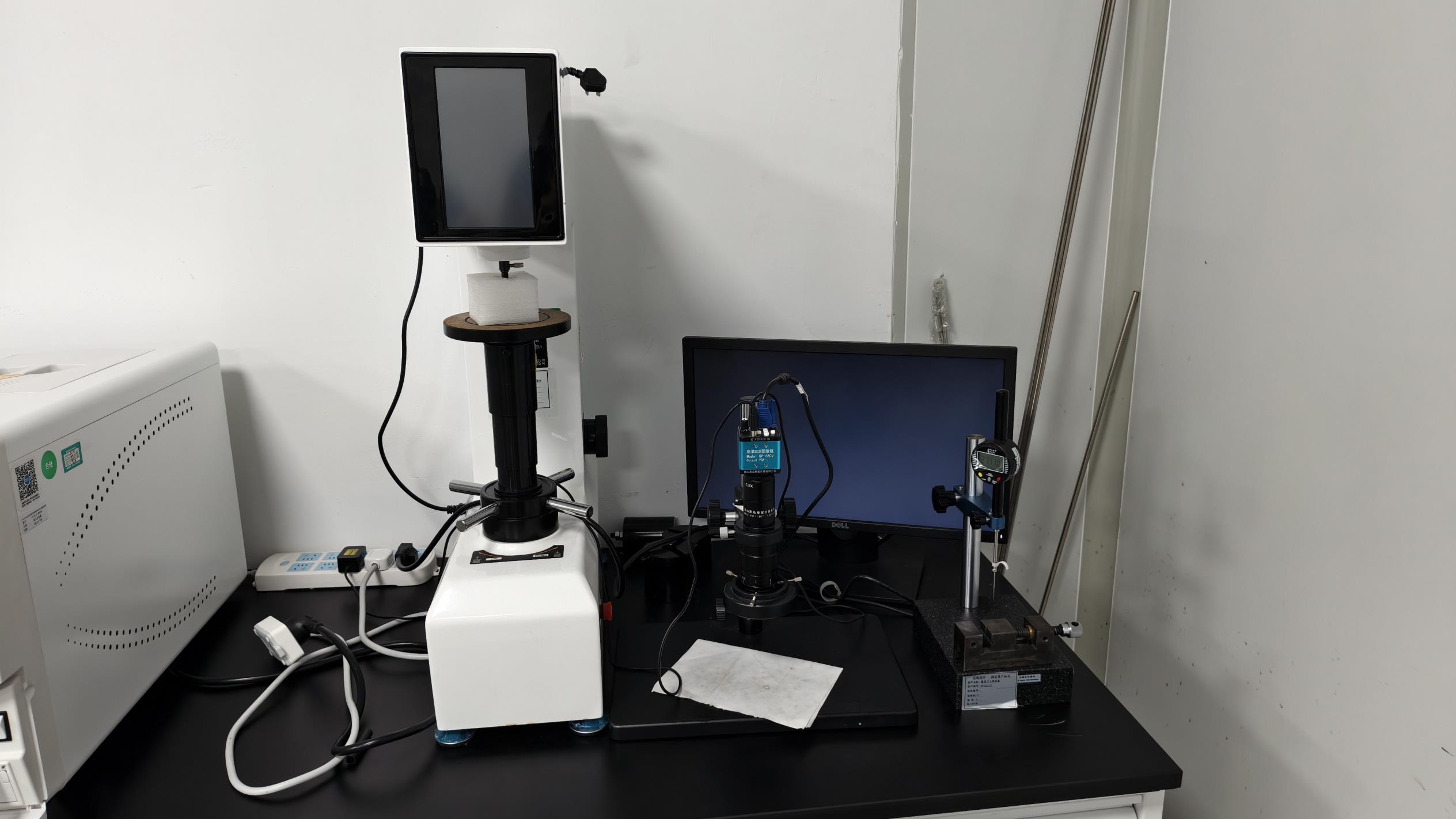
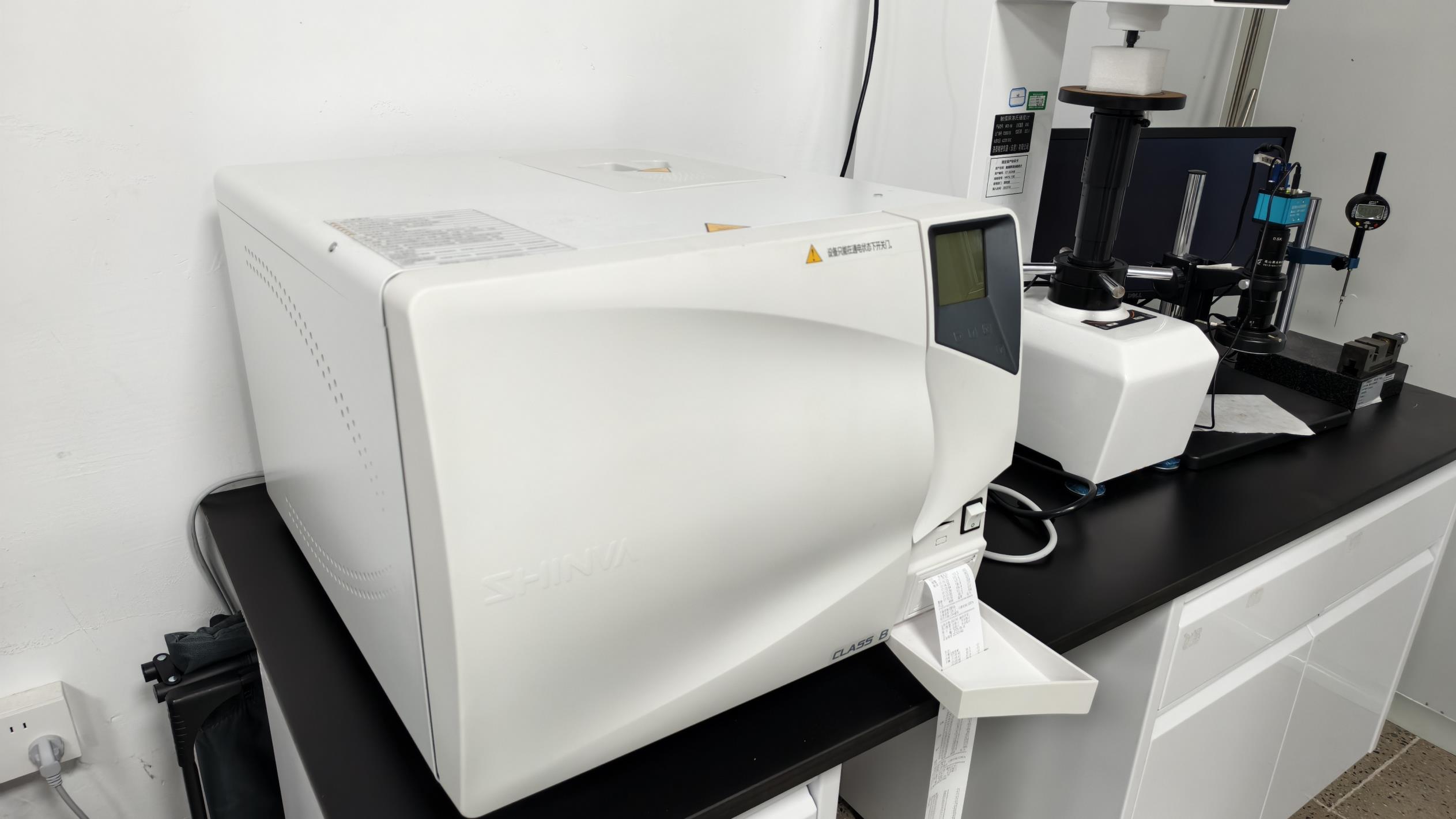
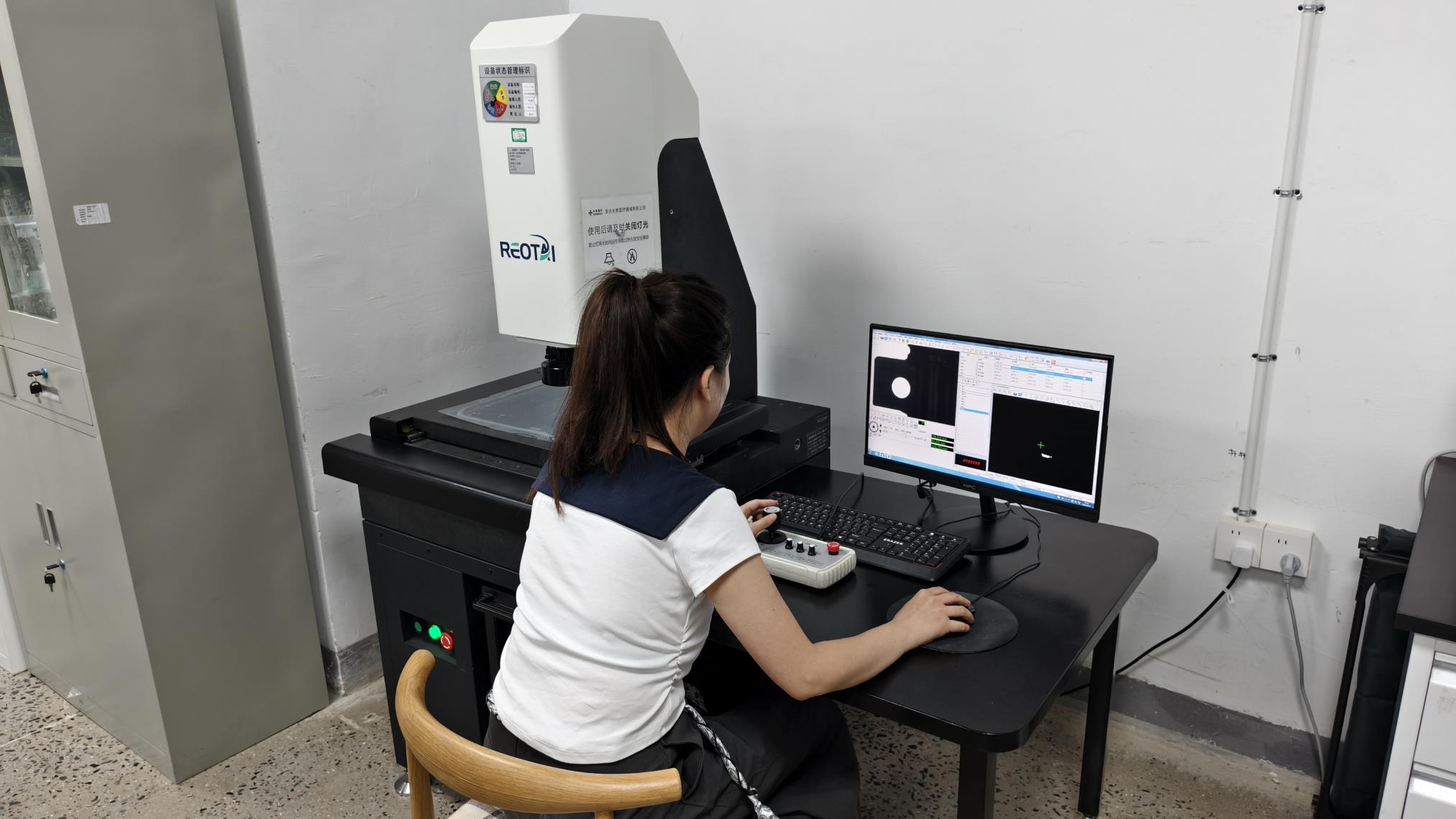
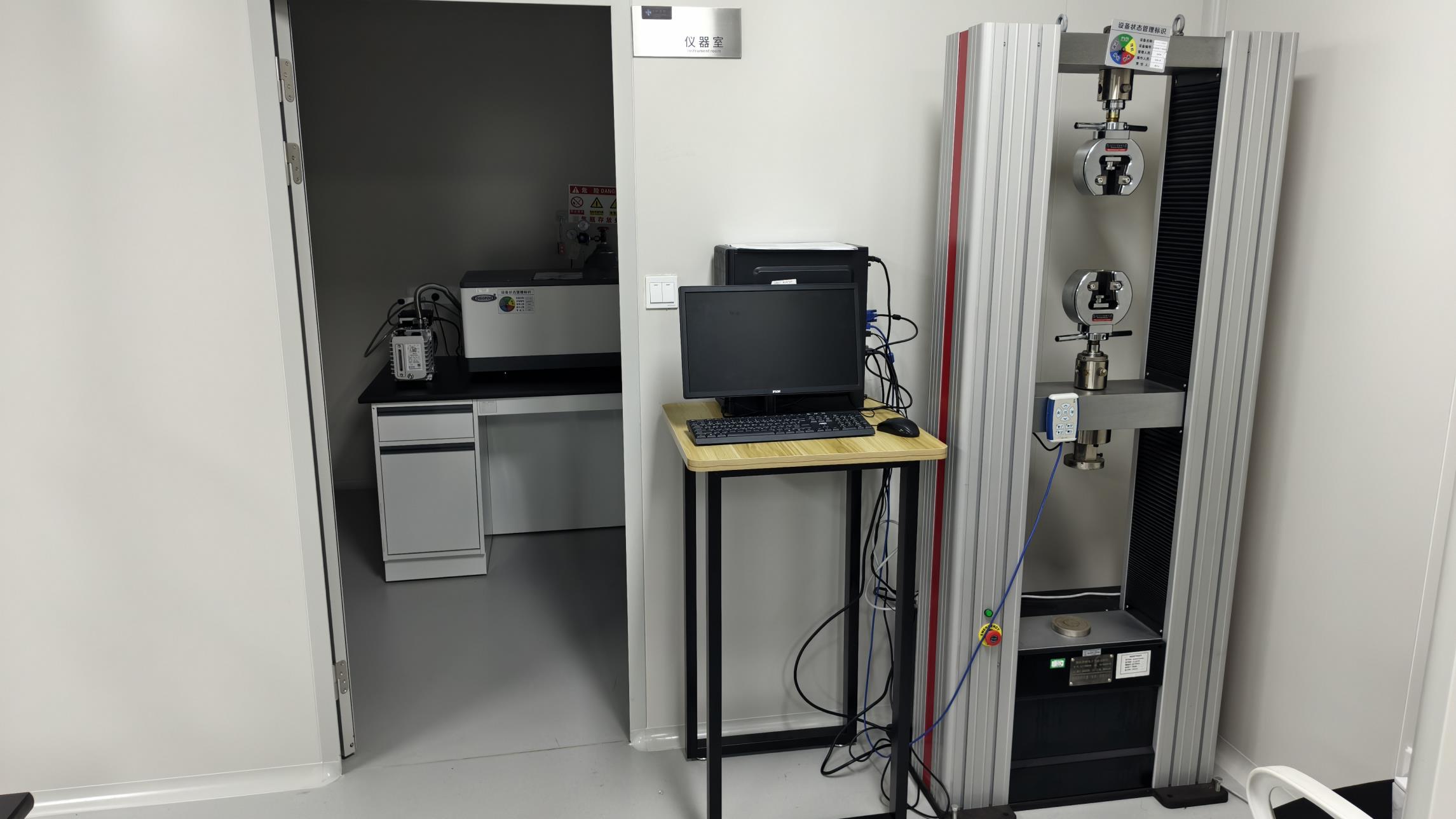
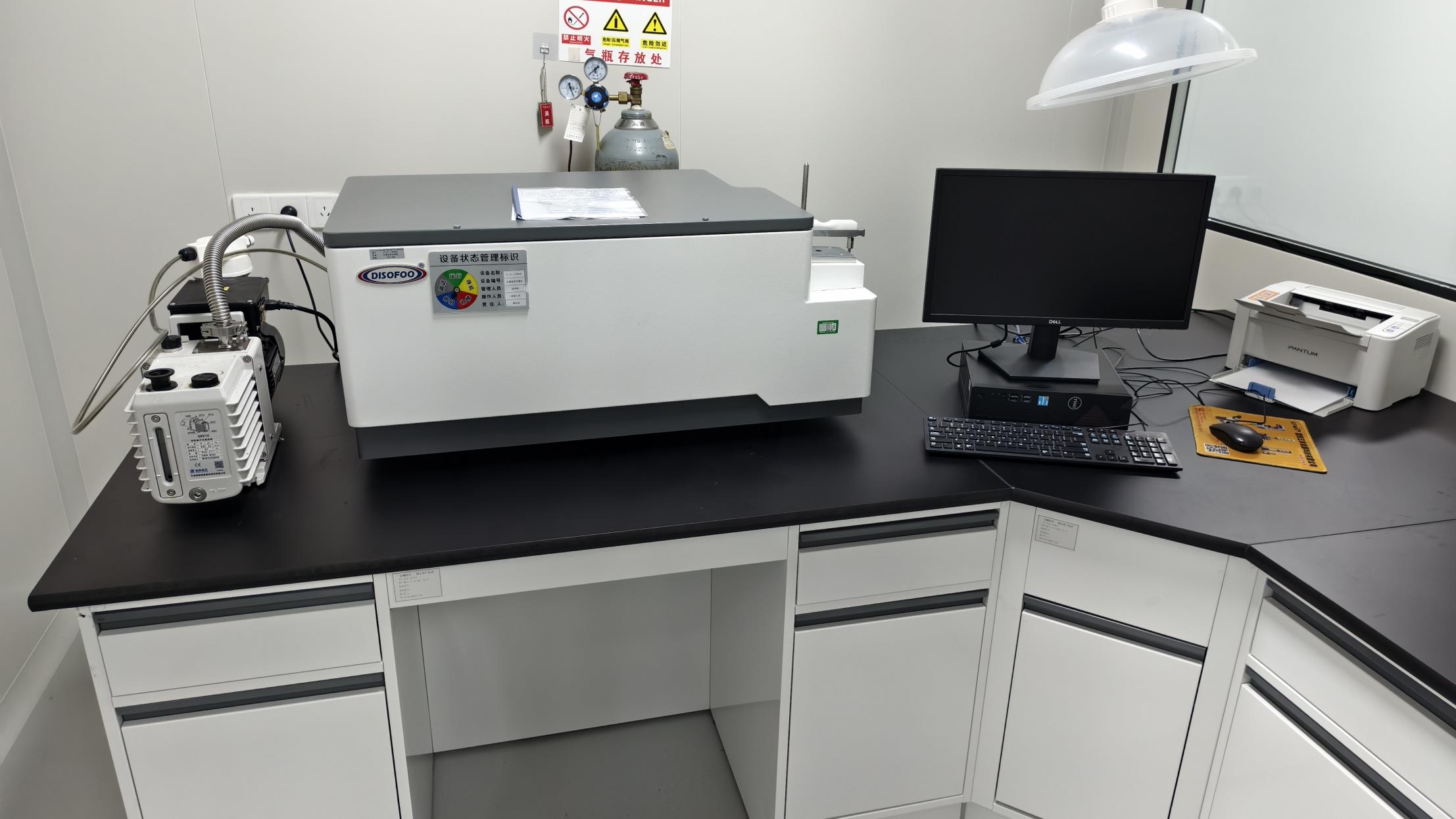
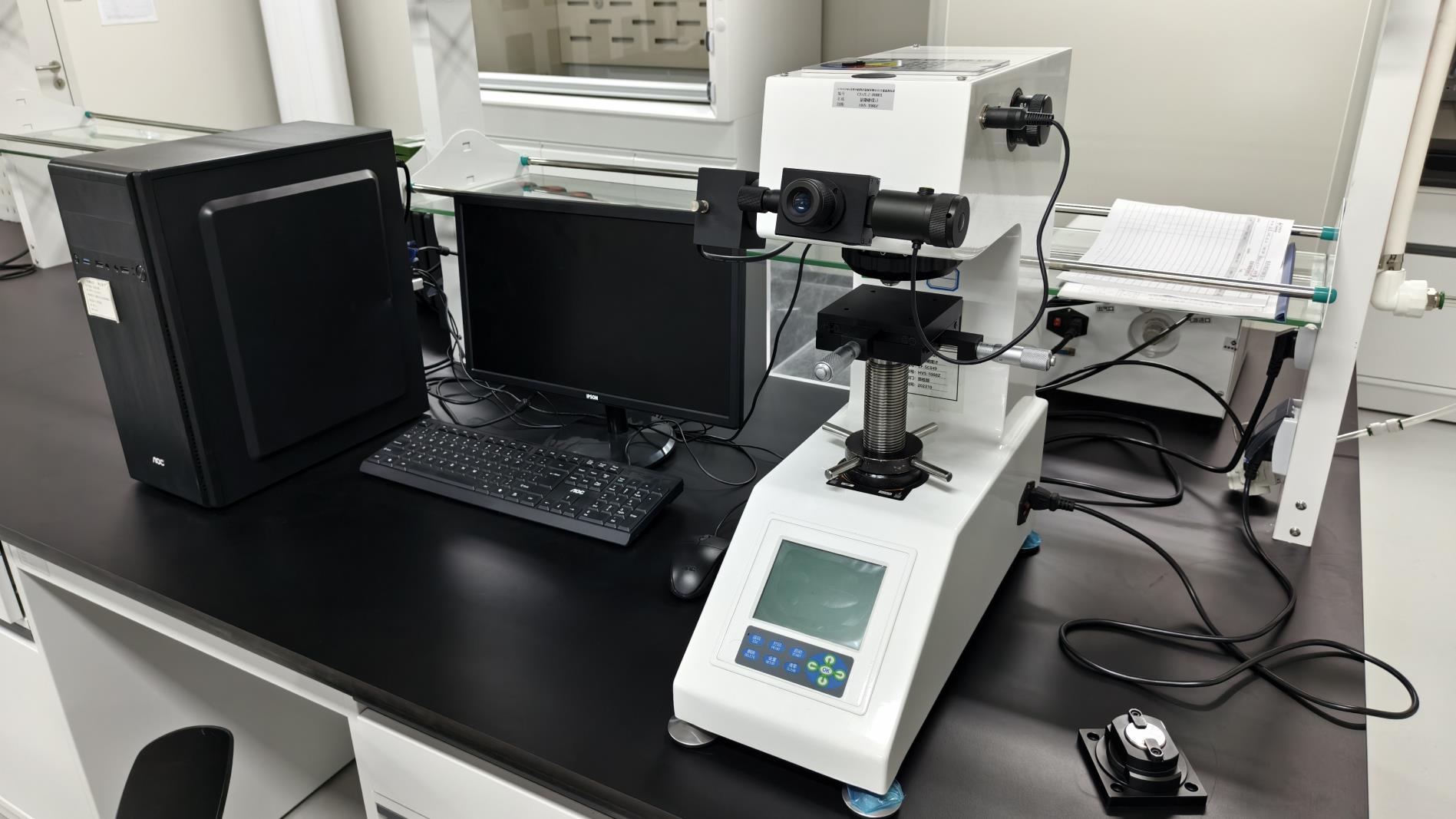
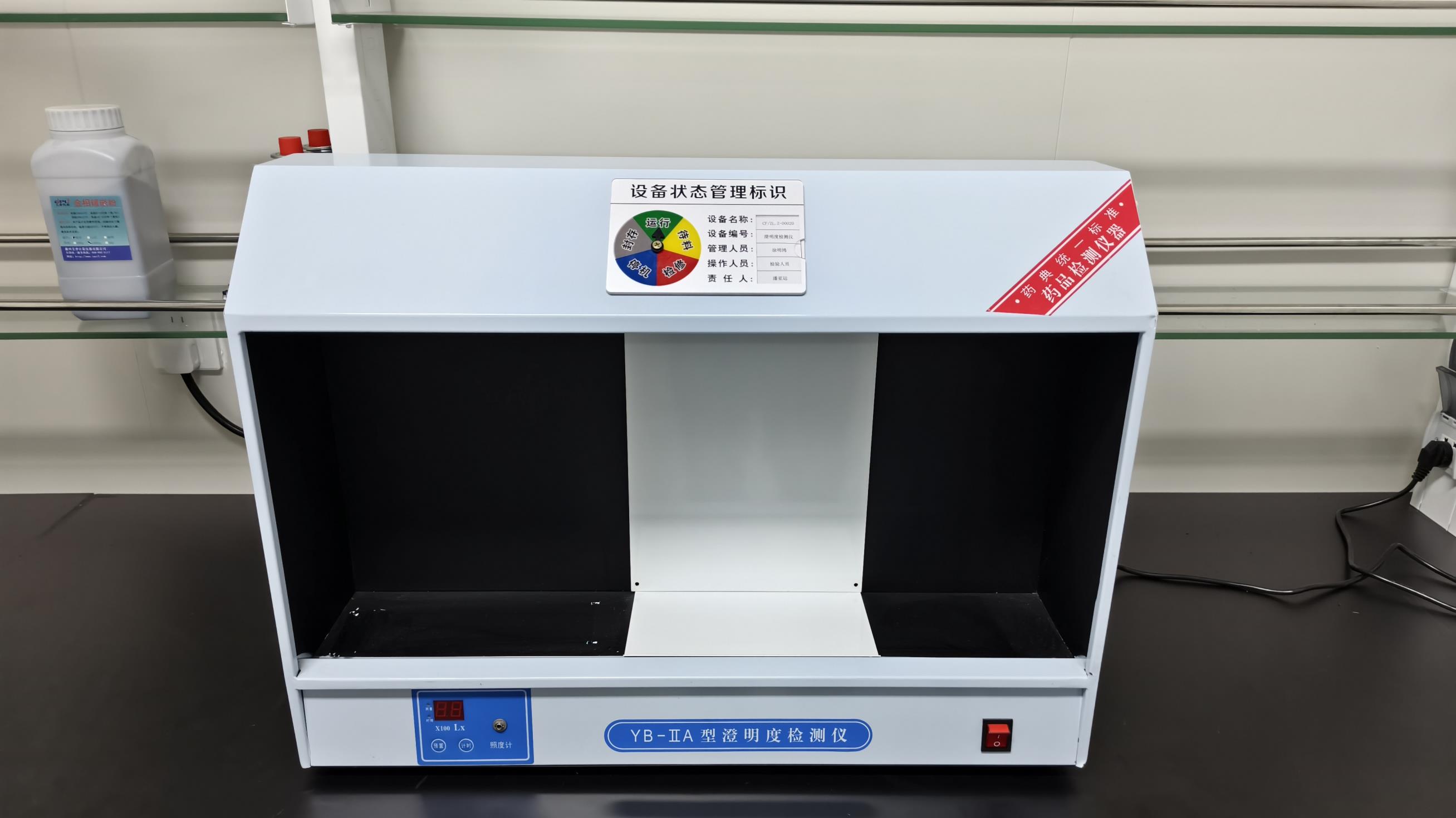
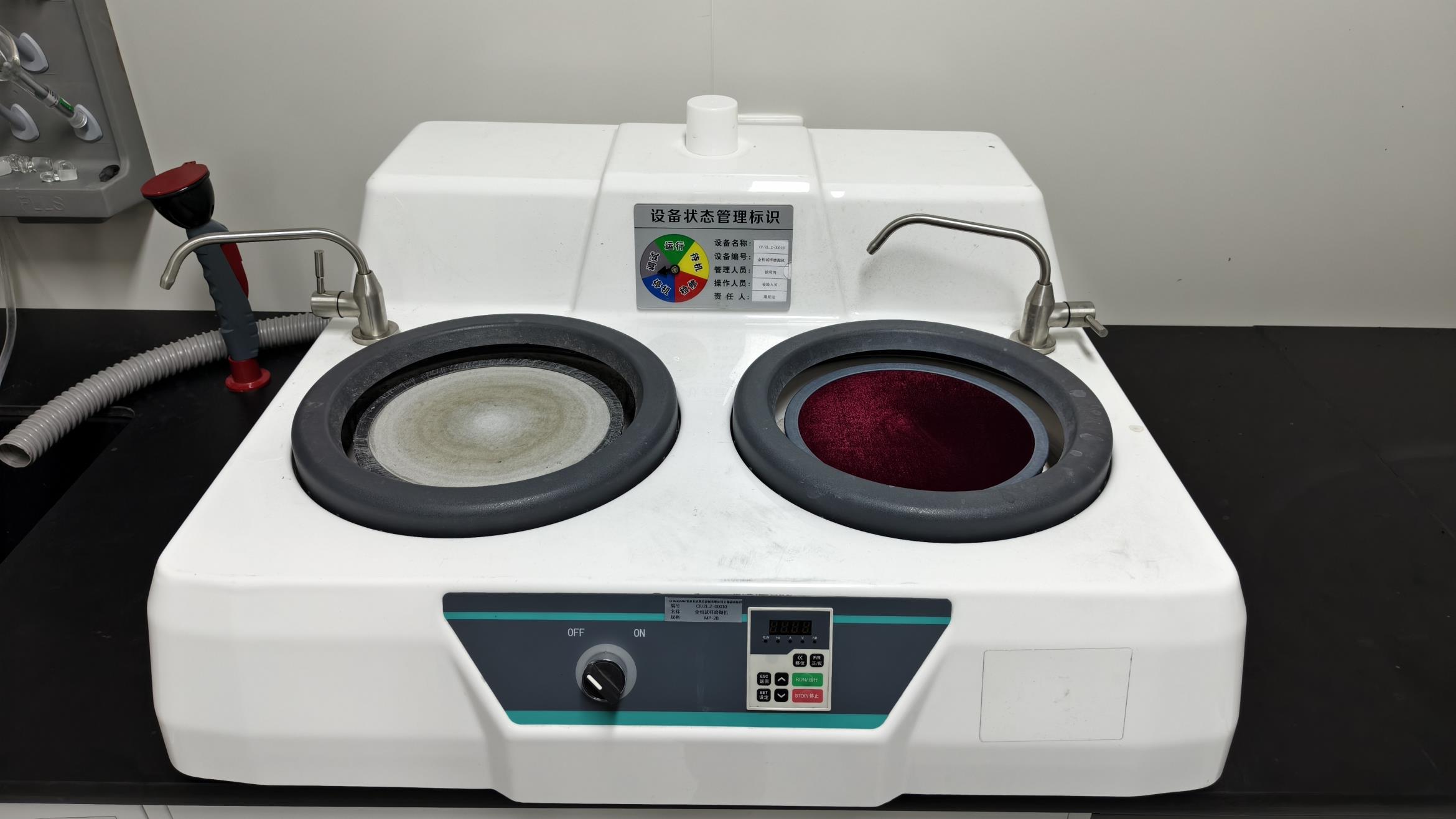
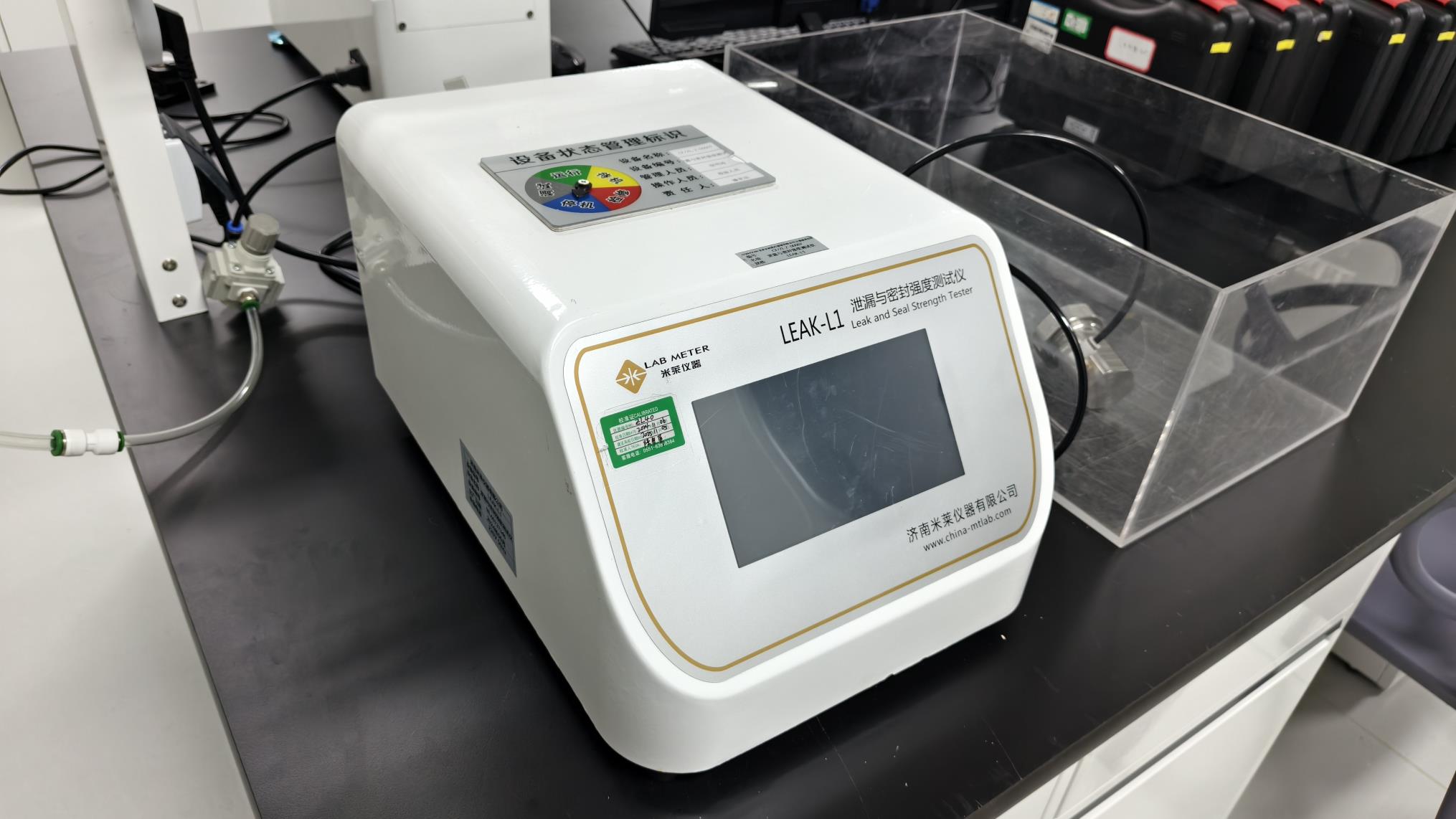
Revision joint prostheses must withstand demanding conditions inside the human body. Zynfuse applies a comprehensive verification process to every batch of products we manufacture.
Our implants undergo rigorous testing to ensure durability, including tibial tray fatigue testing (ISO 14879) and femoral component stress testing (ISO 7206) for millions of cycles without material failure.
Joint simulators test the wear characteristics of Co-Cr-Mo components articulating against UHMWPE inserts. This analysis helps minimize wear debris and prevent osteolysis.
All materials are tested under ISO 10993 standards to verify they are non-cytotoxic, non-mutagenic, and safe for long-term implantation.
We work directly with implant distributors, procurement managers, and hospital administrators to streamline logistics and supply chain operations. Our B2B support services include:
The field of joint reconstruction is shifting toward personalized care and smart technology. Zynfuse is actively investing in new R&D areas to keep our products at the forefront of the industry:
Direct metal printing (Electron Beam Melting) enables the production of implants with complex trabecular geometries, improving biological integration and allowing for highly customized patient designs.
Our research teams are studying sensor integration to track real-time loading forces, kinetic parameters, and potential aseptic loosening, helping surgeons monitor patient recovery remotely.
We are developing patient-specific instrumentation (PSI) utilizing pre-operative MRI data, making implant alignment more accurate and reducing operating times.
By blending traditional craftsmanship with advanced manufacturing, Zynfuse provides orthopedic solutions that meet the evolving demands of modern healthcare markets.
Essential information regarding manufacturing timelines, engineering specifications, and customization capacities at Zynfuse.
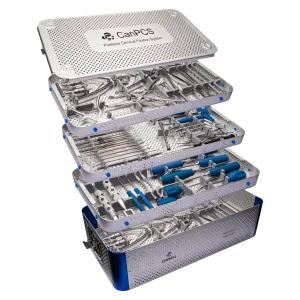
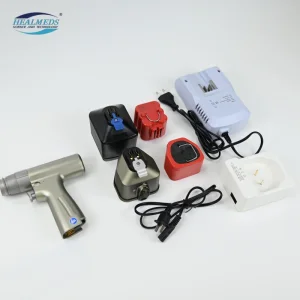
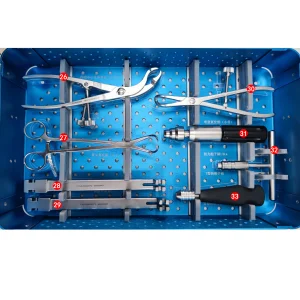
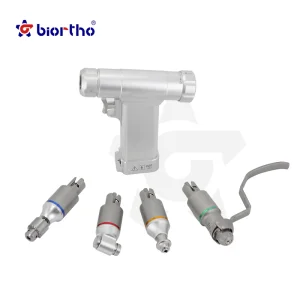
Explore our full range of implants, surgical drills, and fixation systems developed for orthopedic procedures.