Zynfuse
Zynfuse
Zynfuse
Explore our premium range of orthopaedic solutions, engineered to meet the strict demands of clinical environments worldwide.
An Industry Whitepaper on Why Polyetheretherketone Dominates Modern Arthrodesis
For more than two decades, spinal arthrodesis has relied on materials that match the physiological load-bearing mechanics of the human body. The introduction of Polyetheretherketone (PEEK) revolutionized spinal surgery. Unlike titanium or cobalt-chromium alloys, PEEK features an elastic modulus (Young's modulus of approximately 3.6 GPa) that closely matches human cortical bone. This unique physical property reduces the risk of stress shielding, a common complication where rigid metal components absorb load that should biologically pass through the healing bone, potentially leading to implant subsidence or bone resorption.
As a leading OEM/ODM PEEK Interbody Fusion Cages Exporter, Zynfuse Medical Technology Co., Ltd. delivers next-generation implant systems optimized for PLIF (Posterior Lumbar Interbody Fusion), TLIF (Transforaminal Lumbar Interbody Fusion), ALIF (Anterior Lumbar Interbody Fusion), and cervical fusion surgeries. By maintaining strict control over raw material sourcing and manufacturing parameters, we ensure that our global partners receive implants of the highest clinical efficacy.
Tailored OEM and ODM Solutions to Suit Diverse Clinical Requirements
Adjusting the implant footprint, lordotic angle (from 0° to 15°), and internal graft volumes to match patient anatomy and enhance bone-implant interface security.
Integrating high-purity tantalum pins (typically 2 to 3 pins) in custom configurations to provide clear radiographic markers for correct positioning under fluoroscopy.
Utilizing micro-serrated patterns, deep ridges, and specialized surface treatments to increase coefficient of friction, optimizing primary stability and preventing migration.
| Parameter | Standard Specification | OEM Customization Range |
|---|---|---|
| Material Grade | ASTM F2026 Implant-grade PEEK | Carbon fiber reinforced PEEK / Porous surface structures |
| Lordosis Angles | 4°, 6°, 8°, 12° | 0° to 15° custom anatomical matching |
| Radiopaque Markers | ASTM F560 Tantalum pins (x3) | Custom count and marker locations |
| Sterilization State | Non-sterile bulk / Double-sterile packaging | Client-specified EO gas or Gamma sterilization validation |
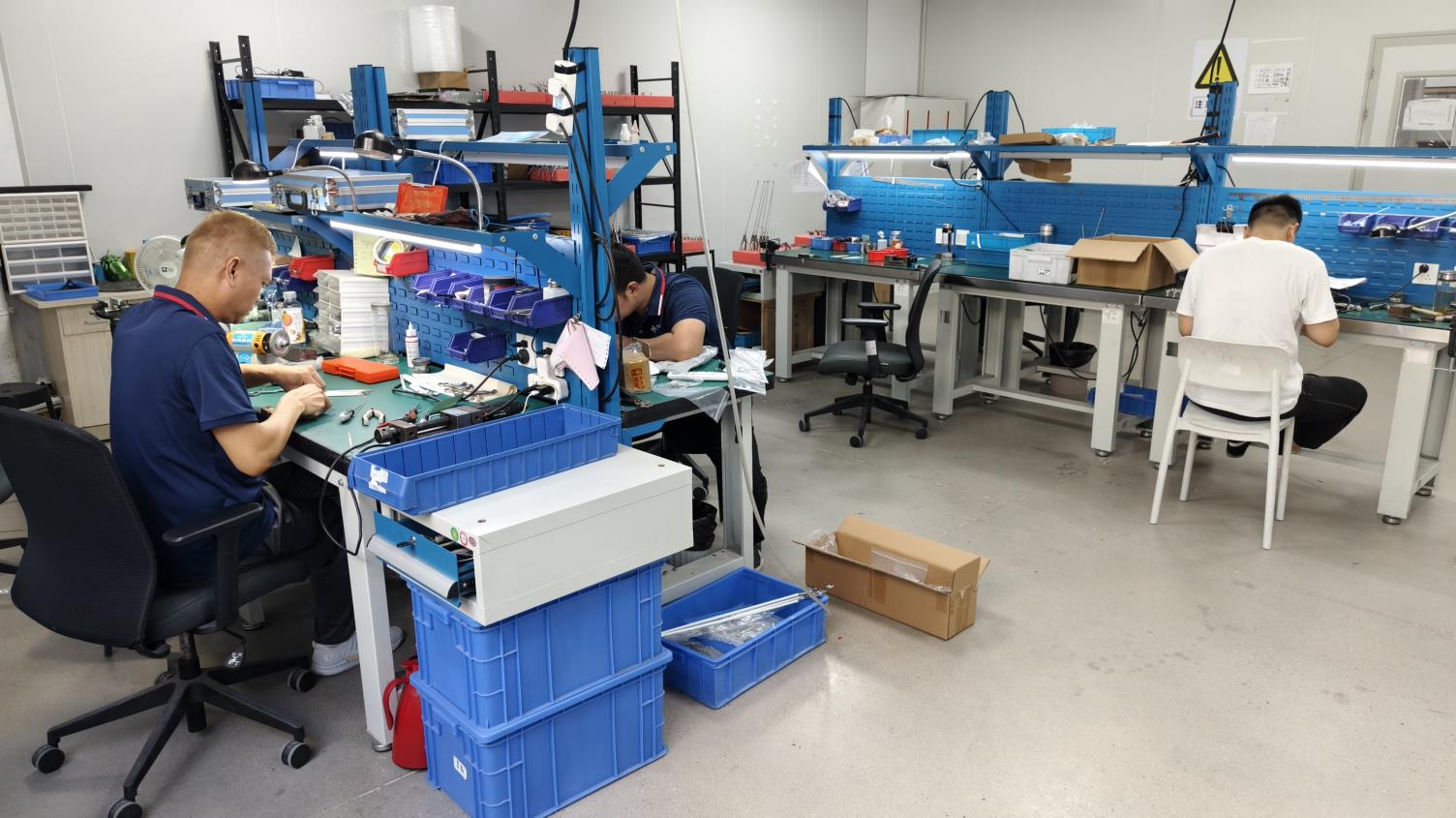
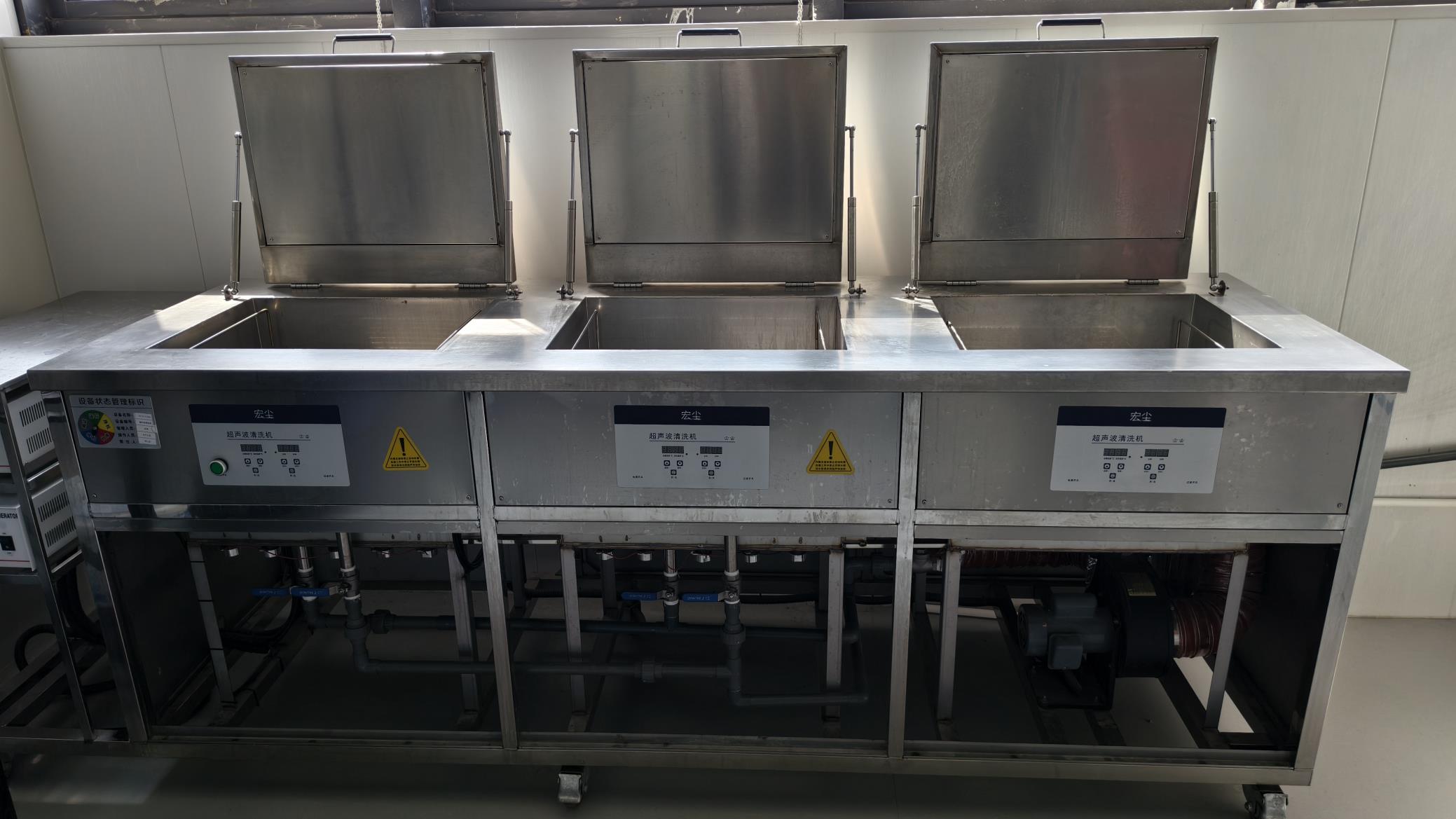
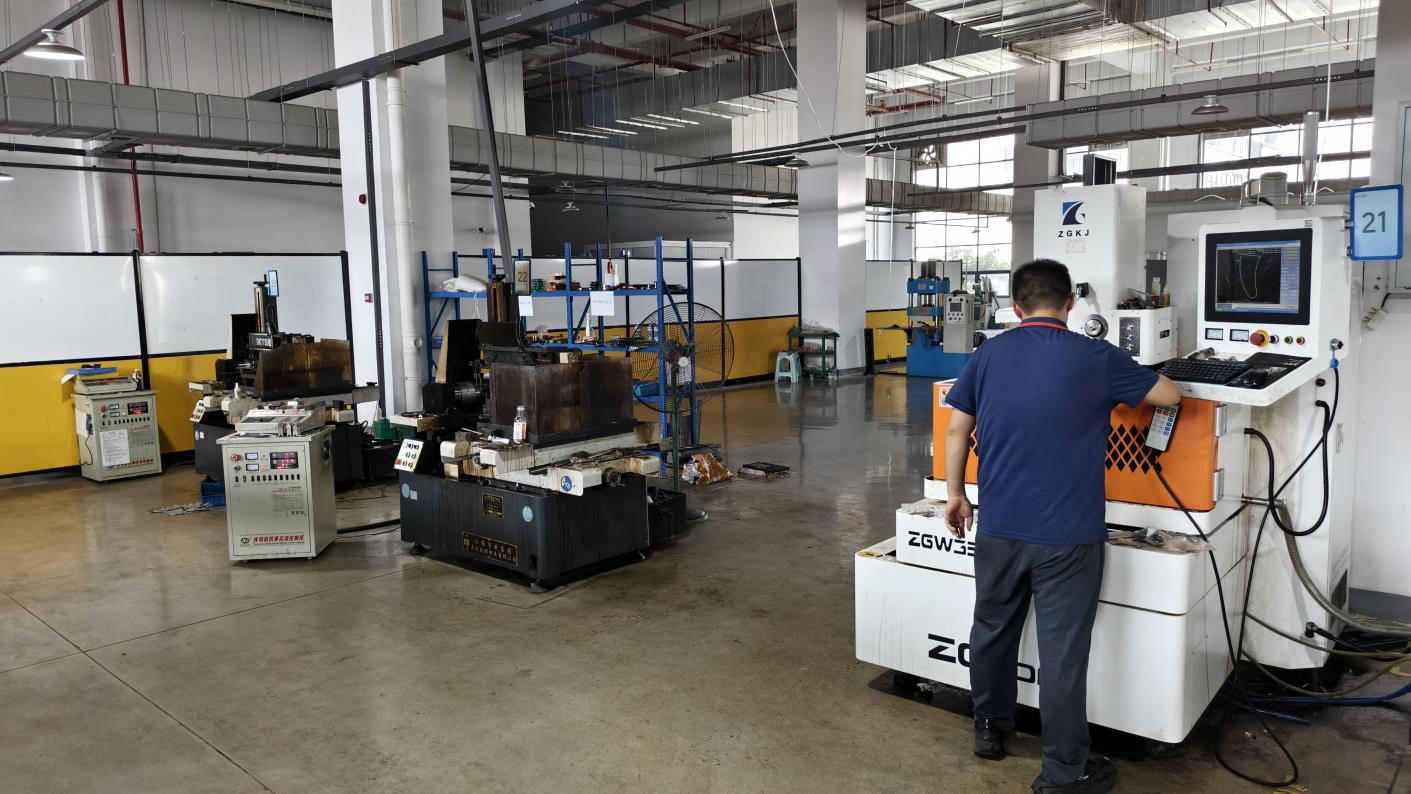
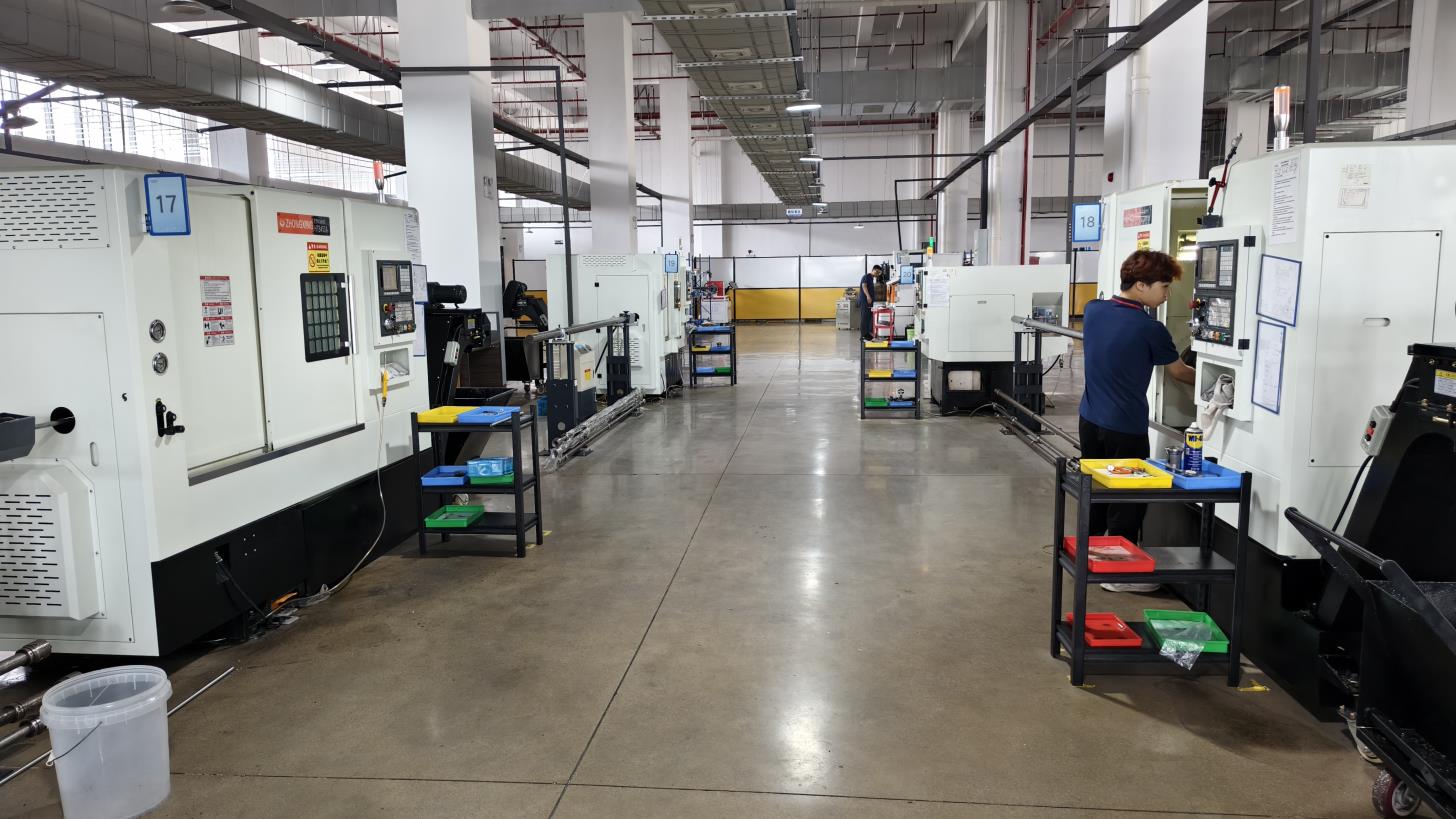
Inside Zynfuse's 18,600 m² Facility with 12 Years of Medical Manufacturing Expertise
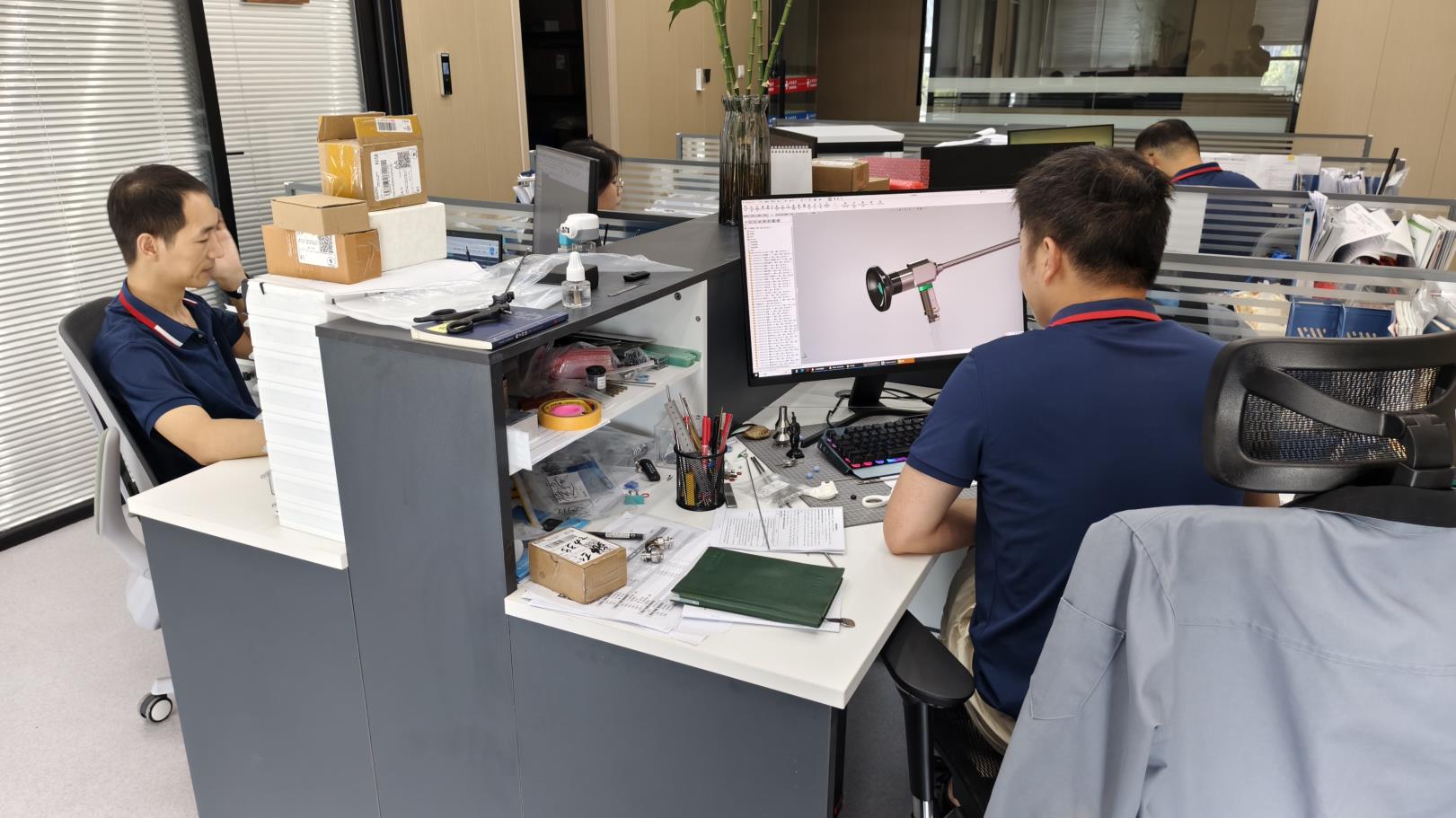
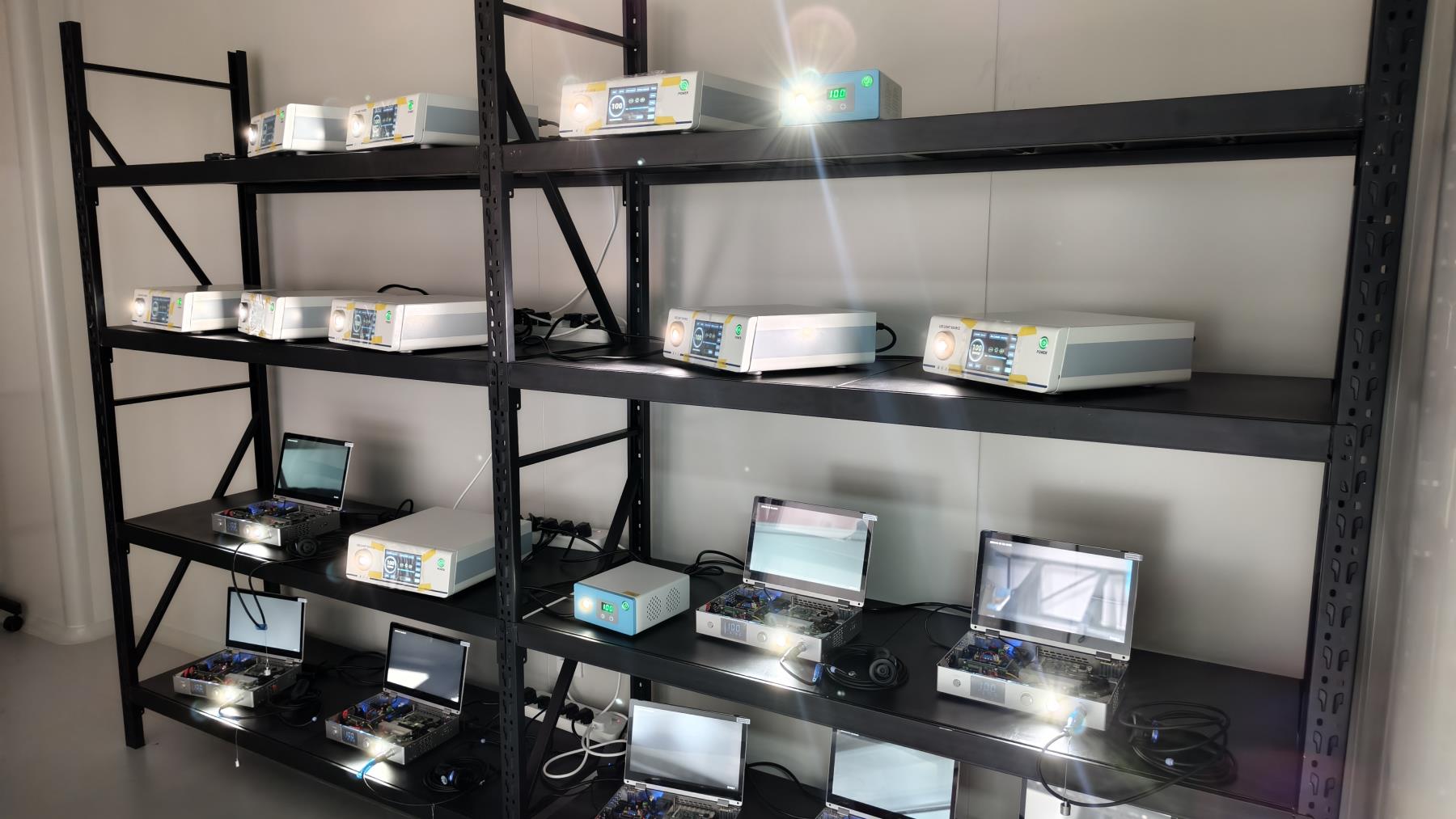
Our commitment to patient safety and clinical efficacy drives our manufacturing standards. Zynfuse Medical Technology operates a fully integrated, state-of-the-art manufacturing plant. With 68 quality inspection specialists monitoring production at every step, we ensure complete compliance with the ISO 13485 quality management standard for medical devices. Our R&D team of 85 engineers works continuously to develop and refine implants, introducing up to 320 new products annually to keep pace with changing surgical demands.
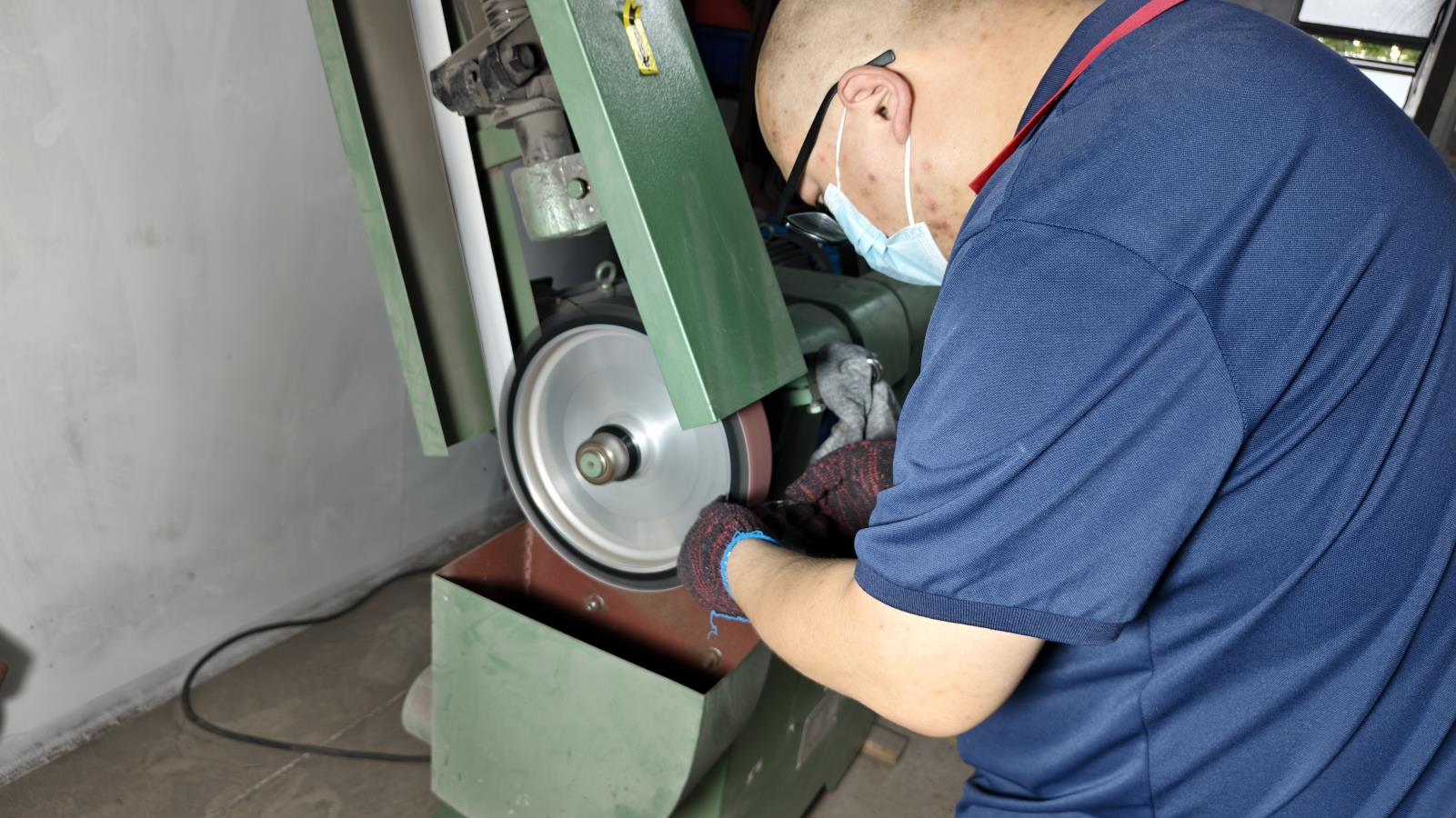
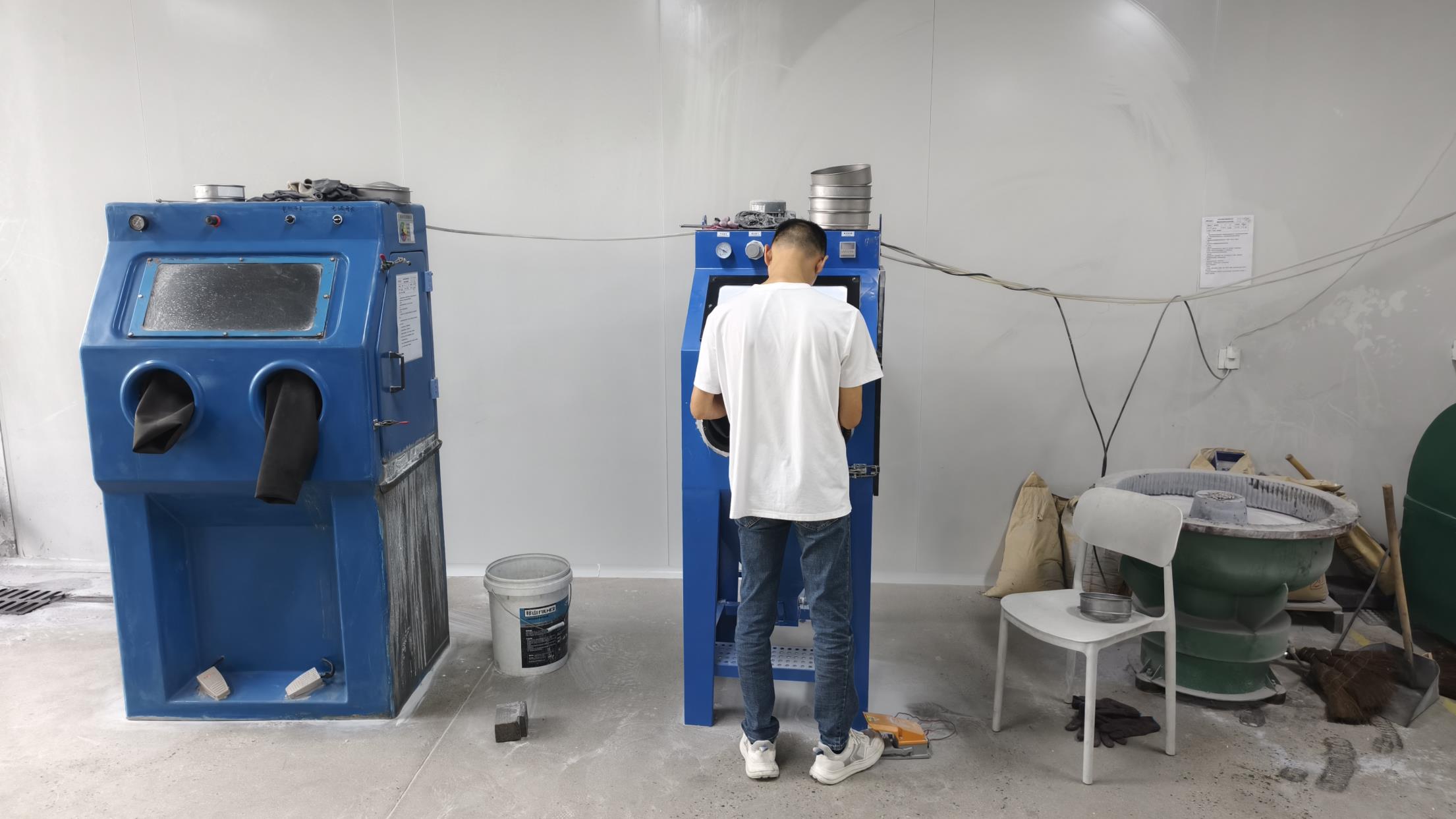
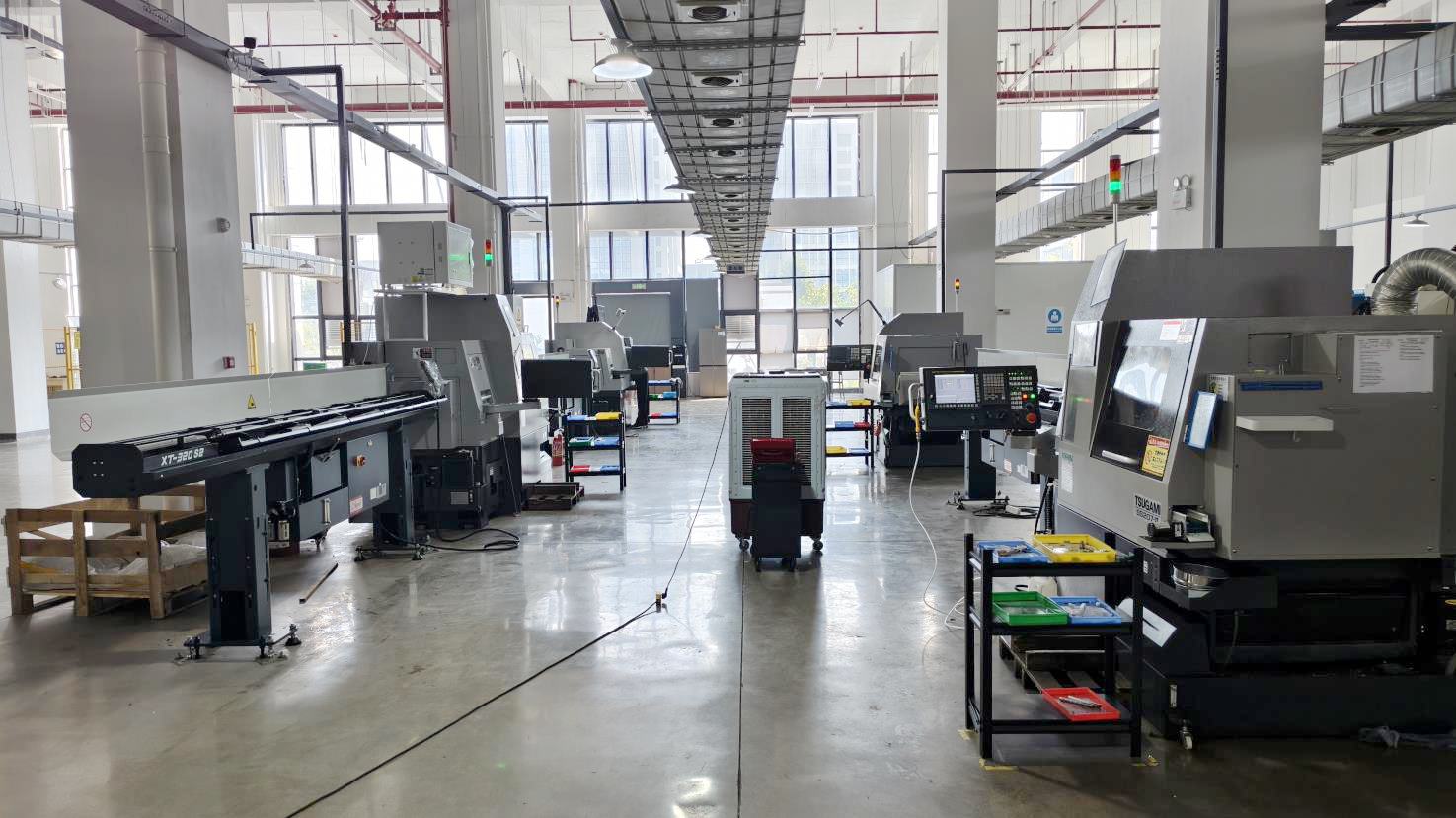
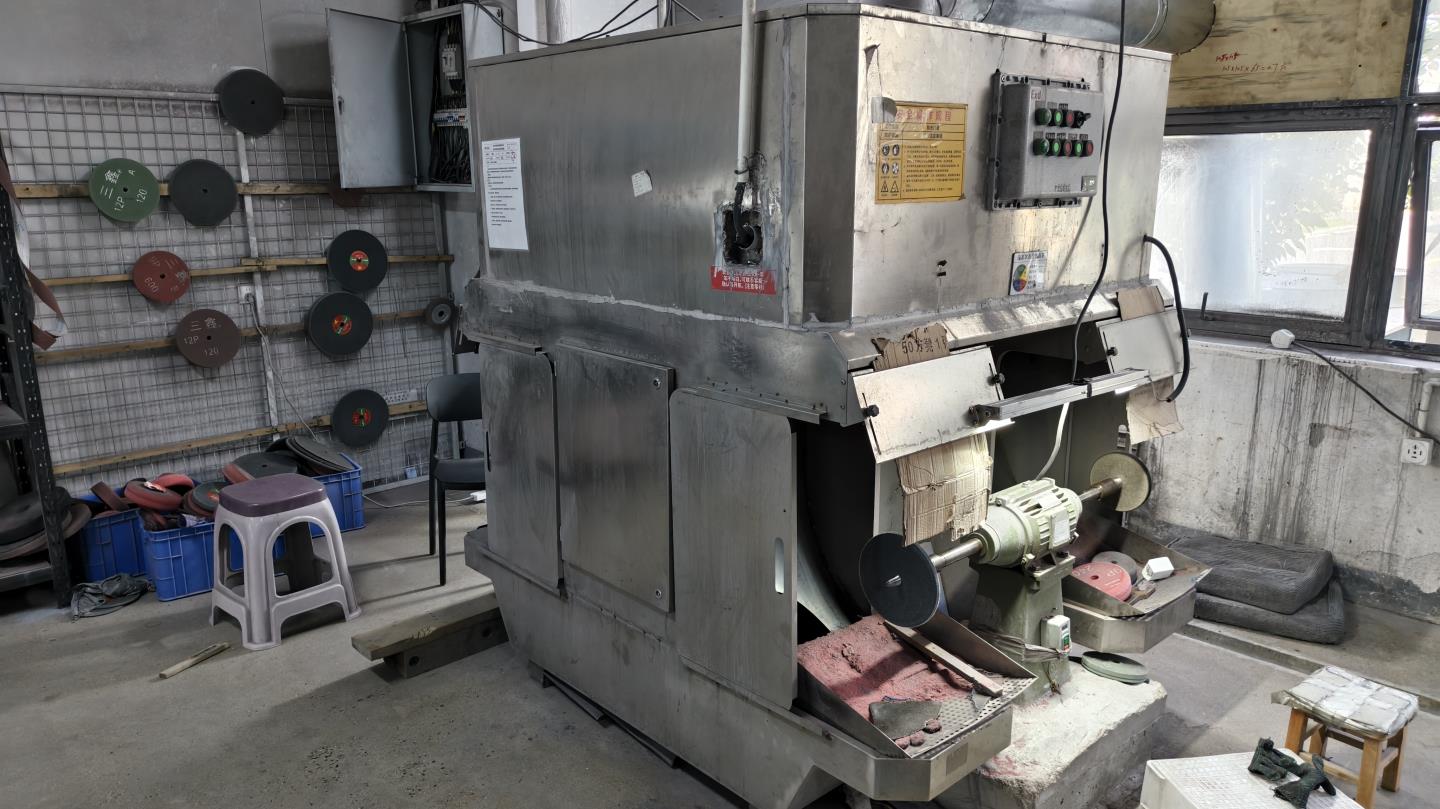
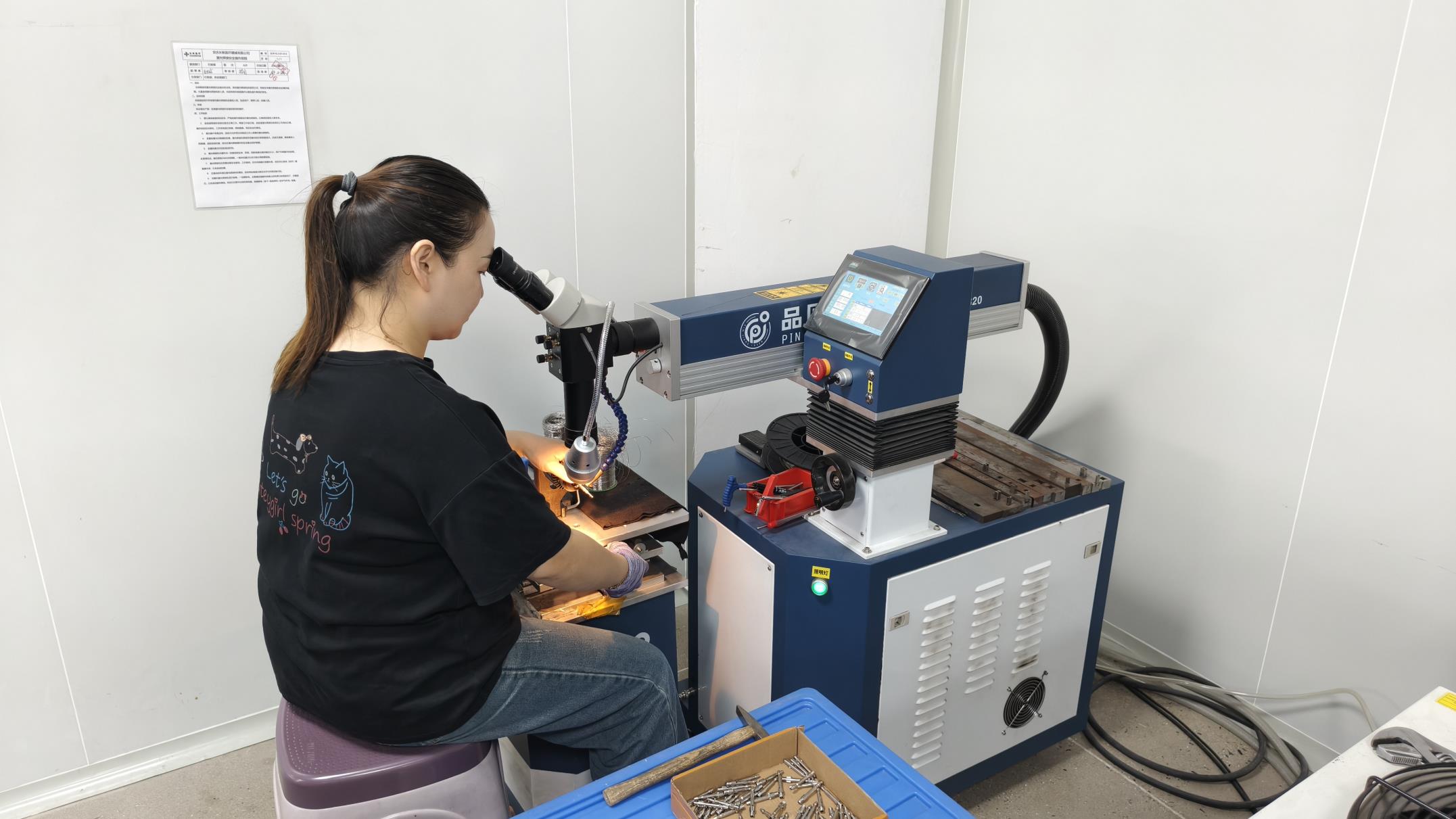
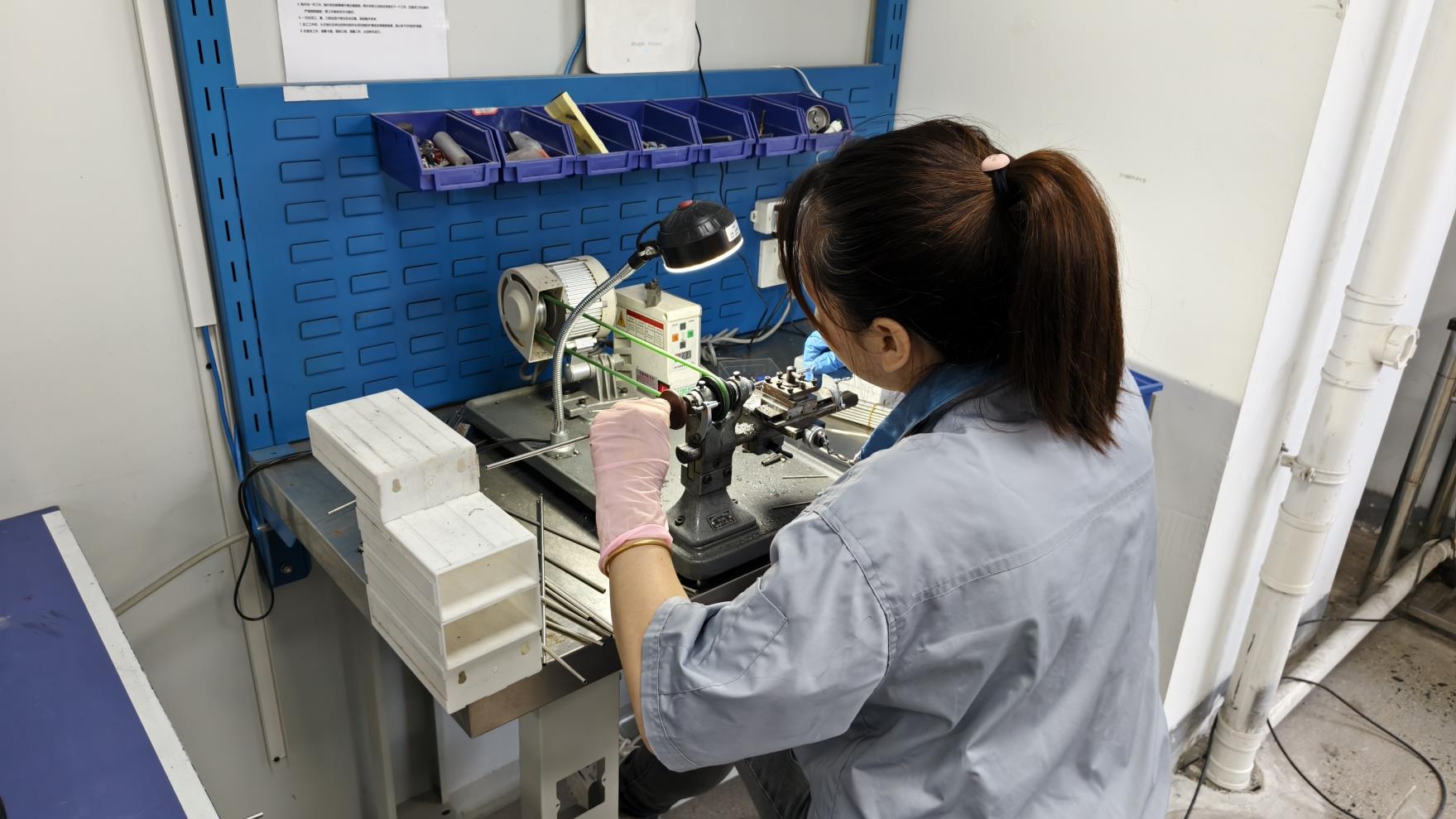
The step-by-step manufacturing cycle of our spinal implants, starting from raw material handling to final cleaning and packaging:
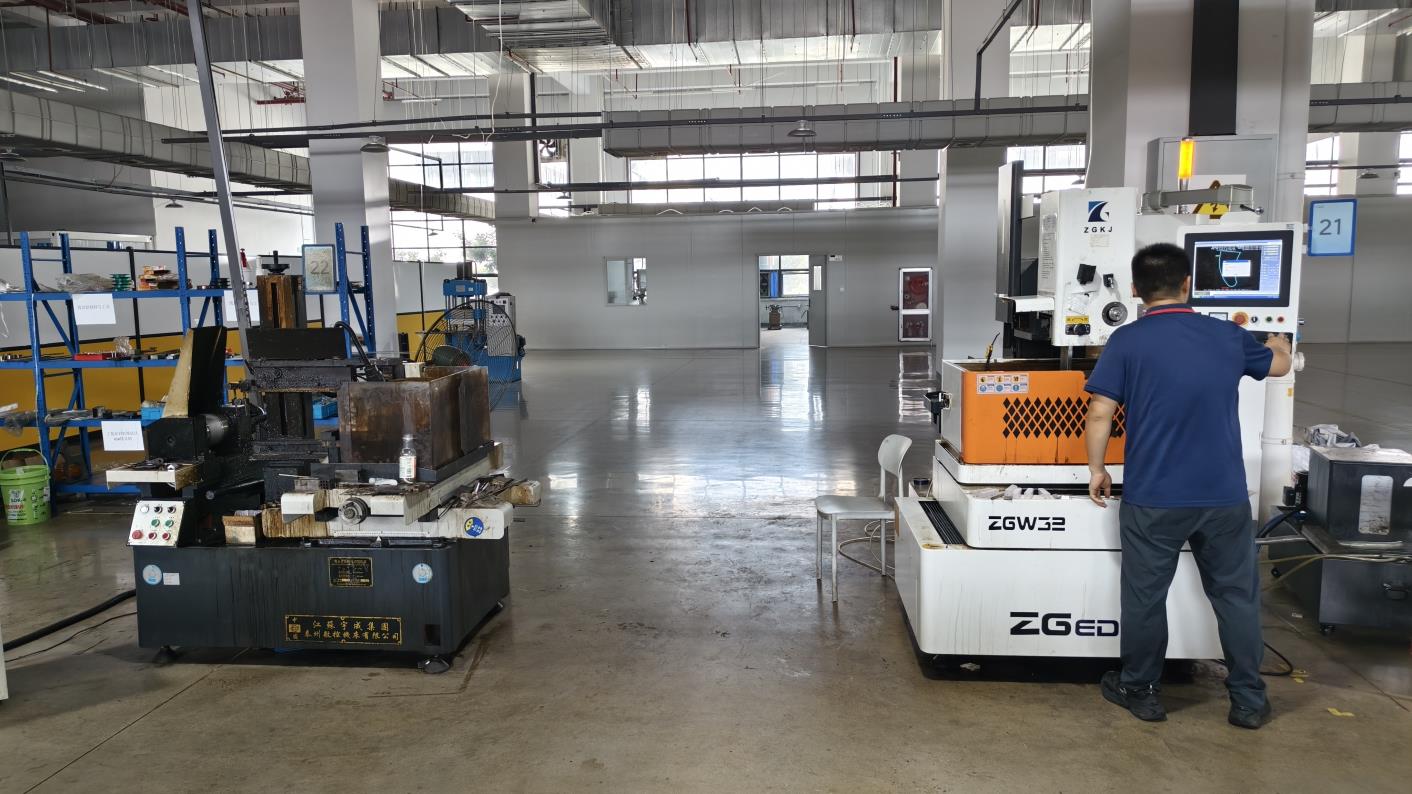
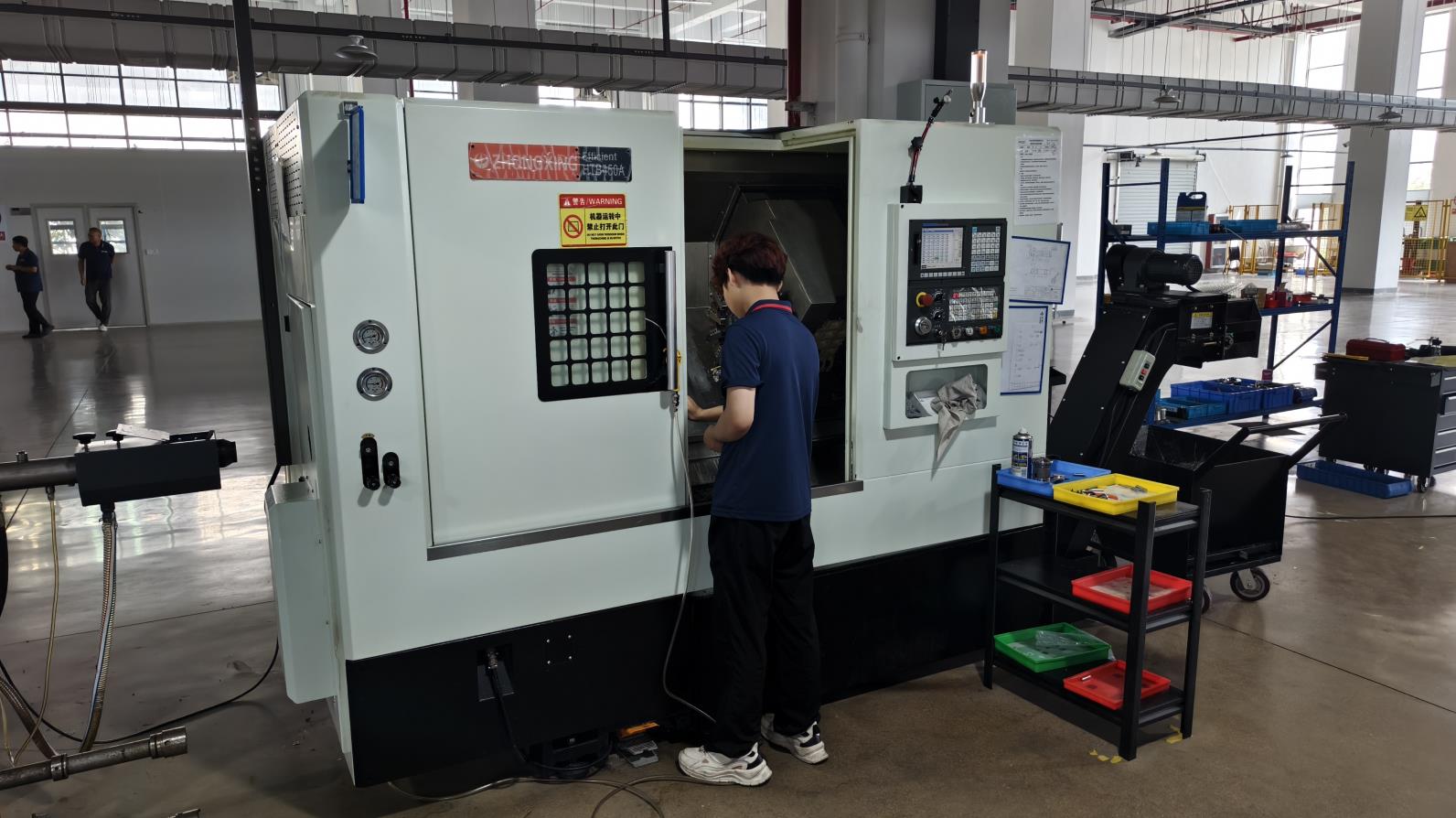
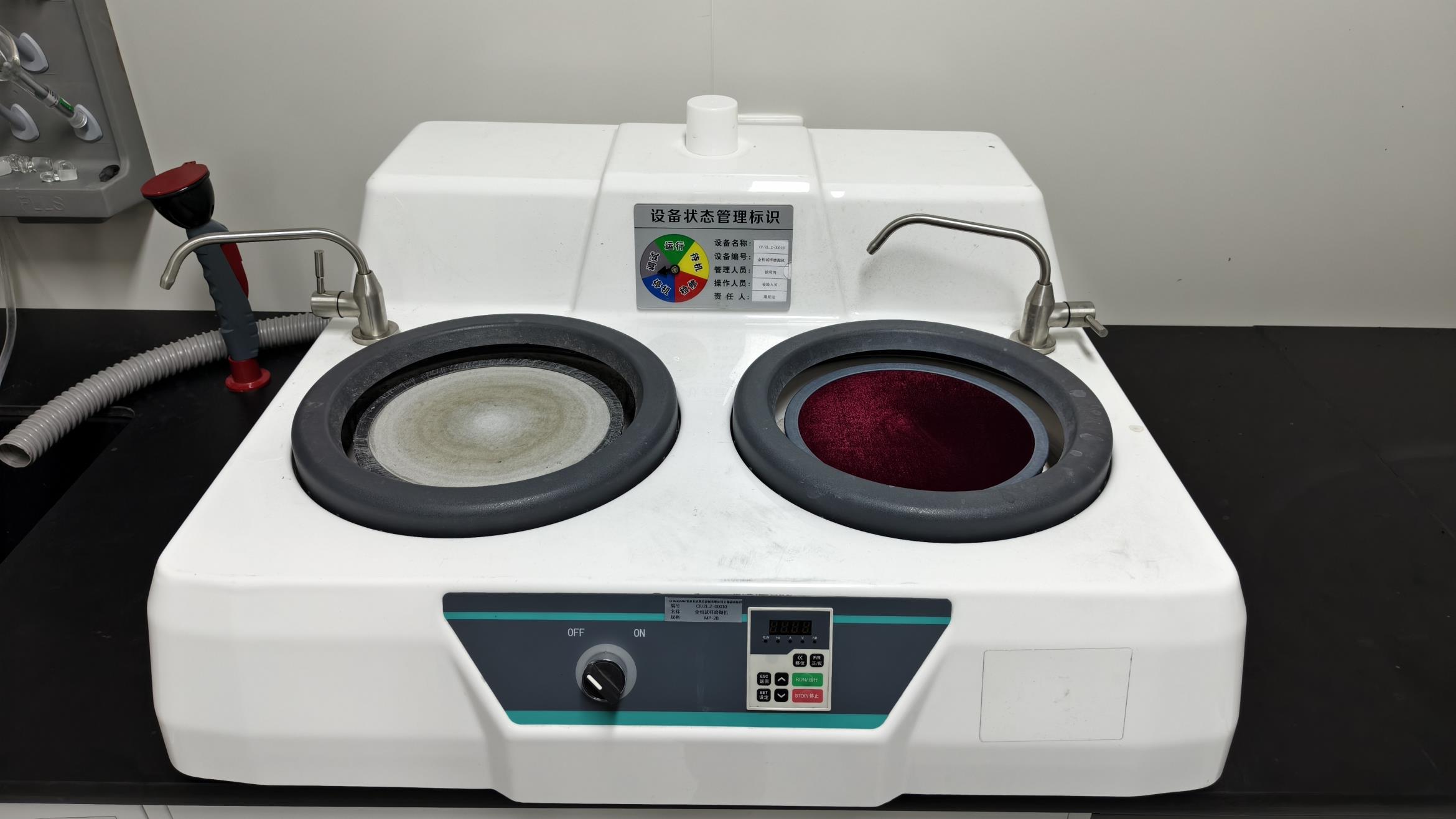
We utilize high-speed precision machinery to ensure tight dimensional tolerances for PEEK medical implants:
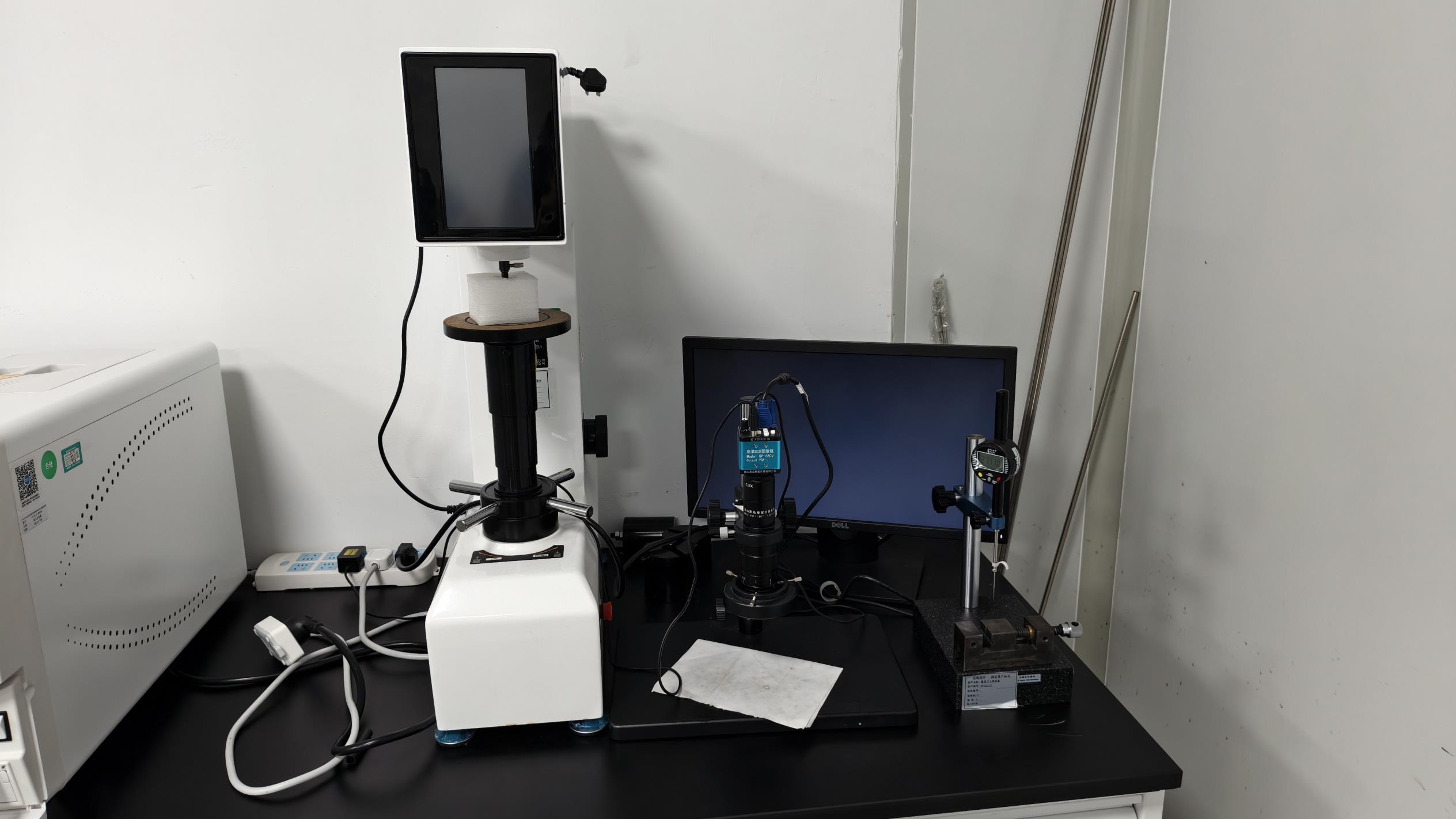
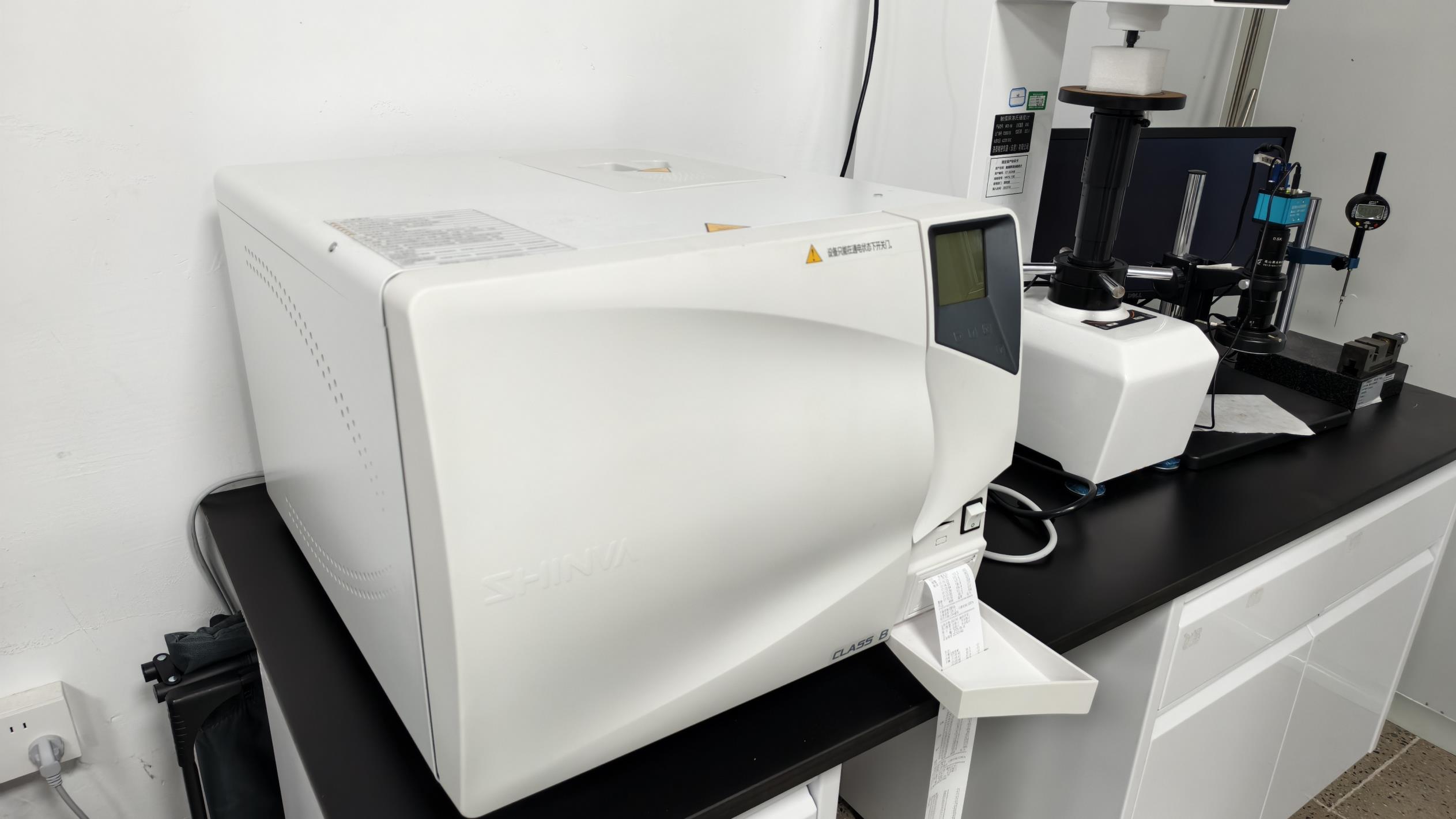
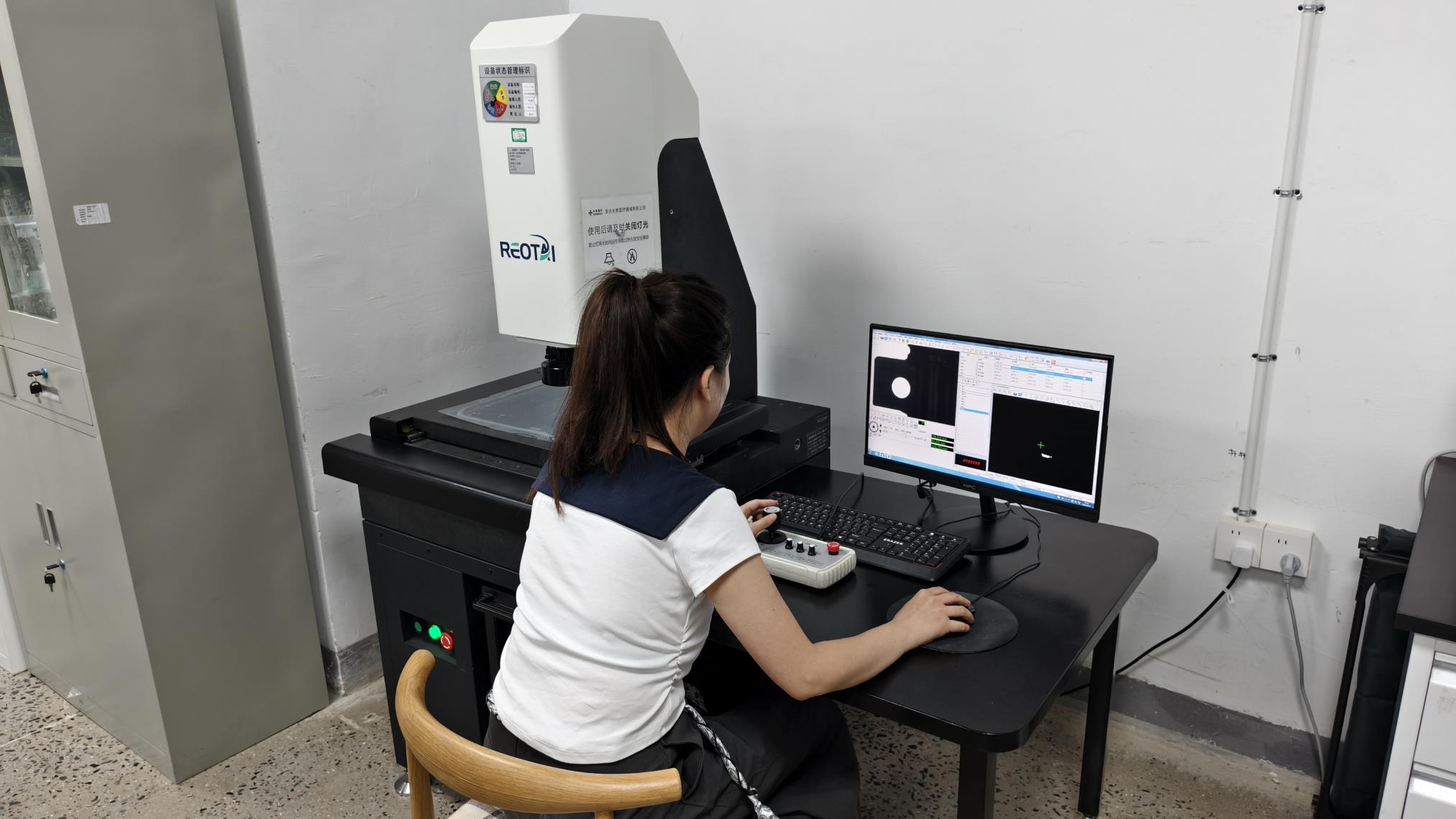
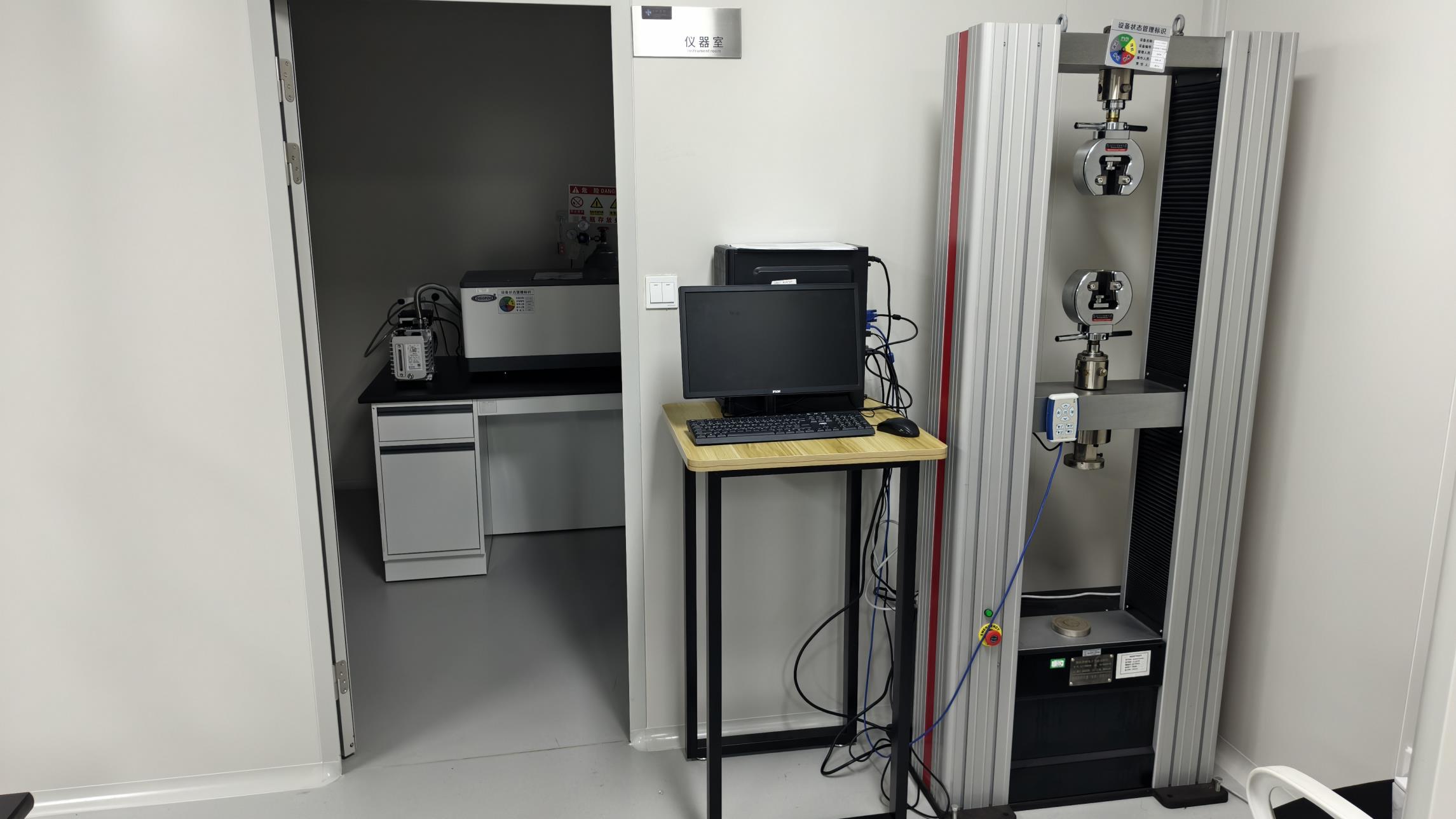
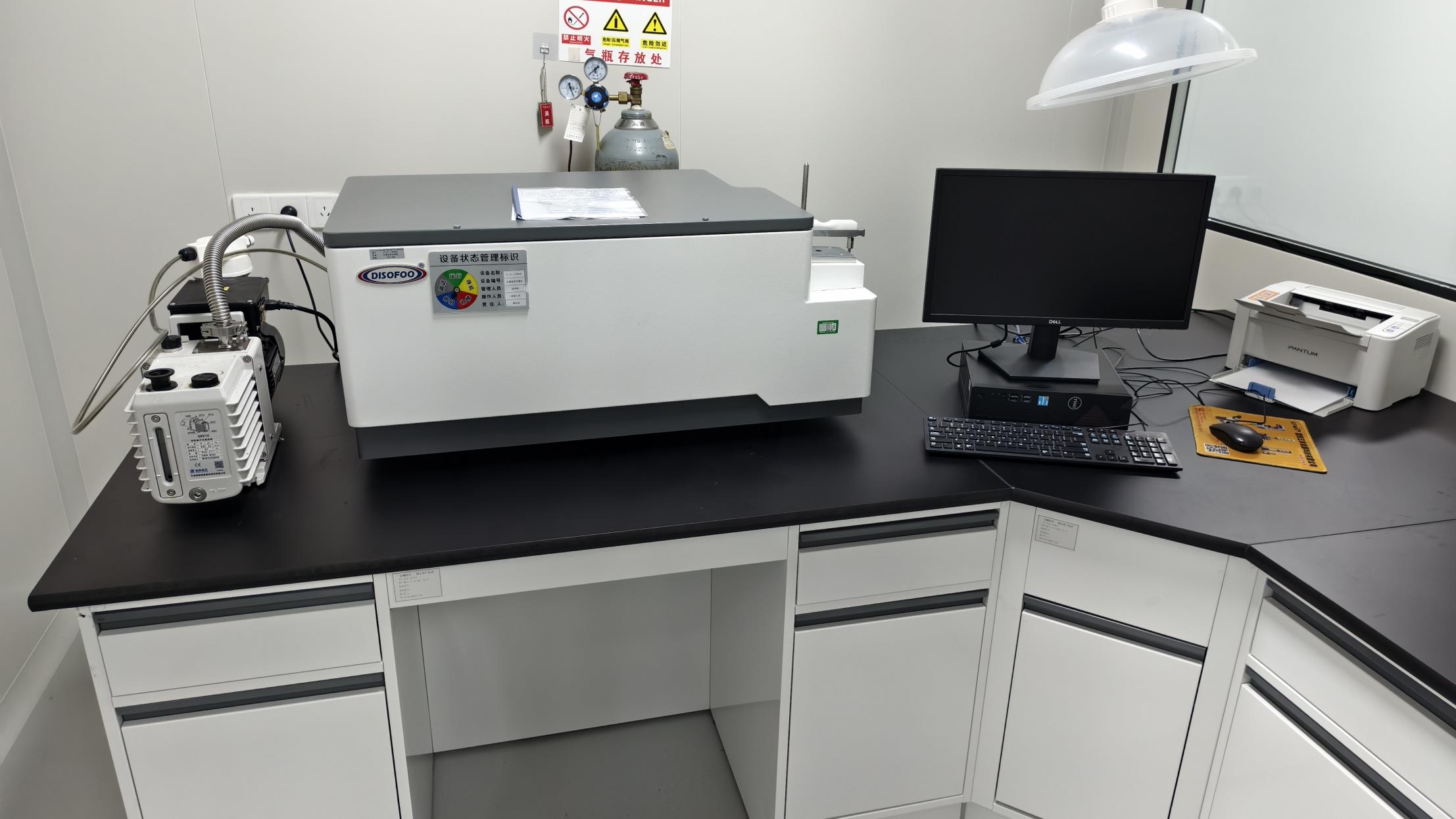
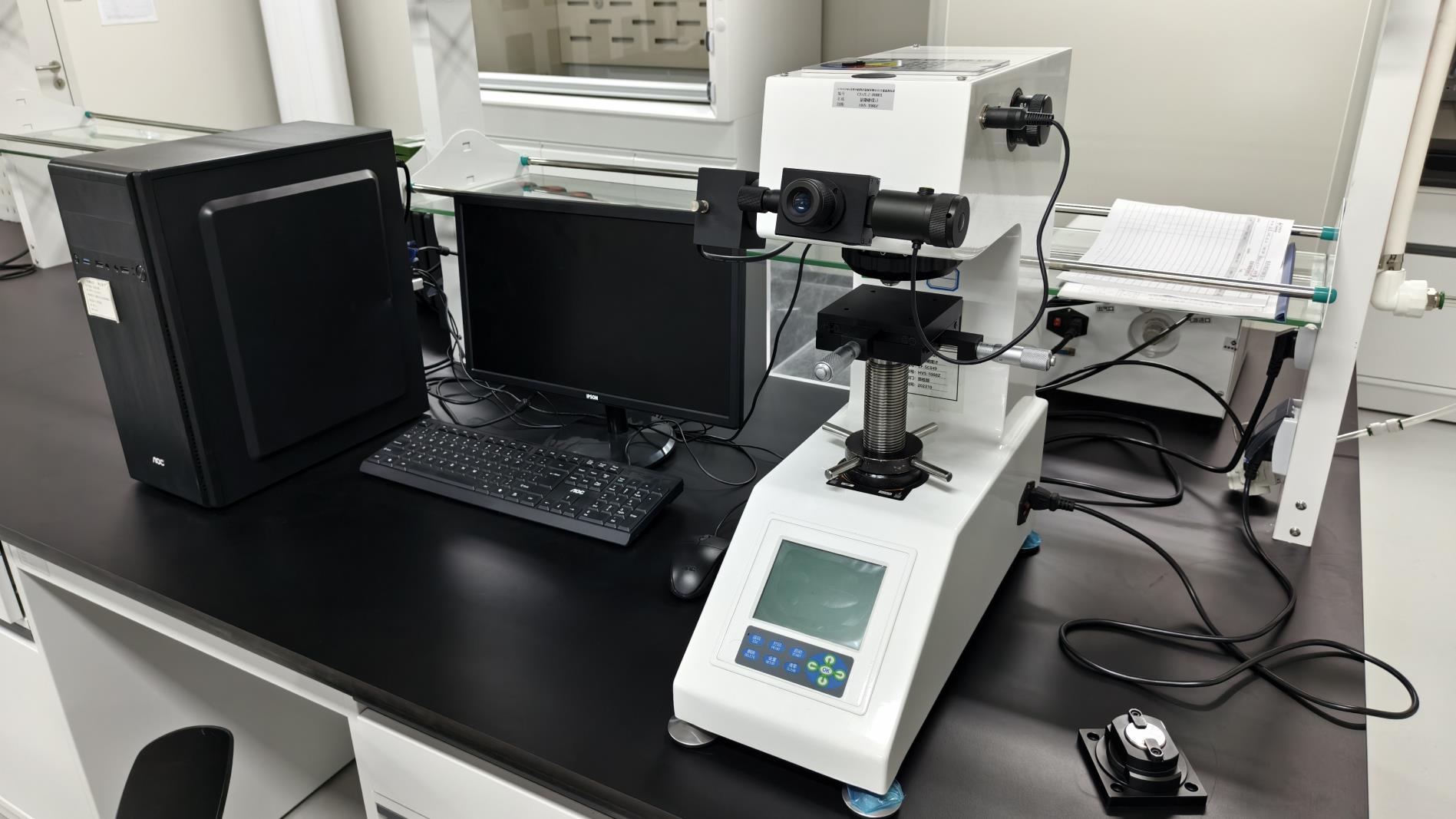
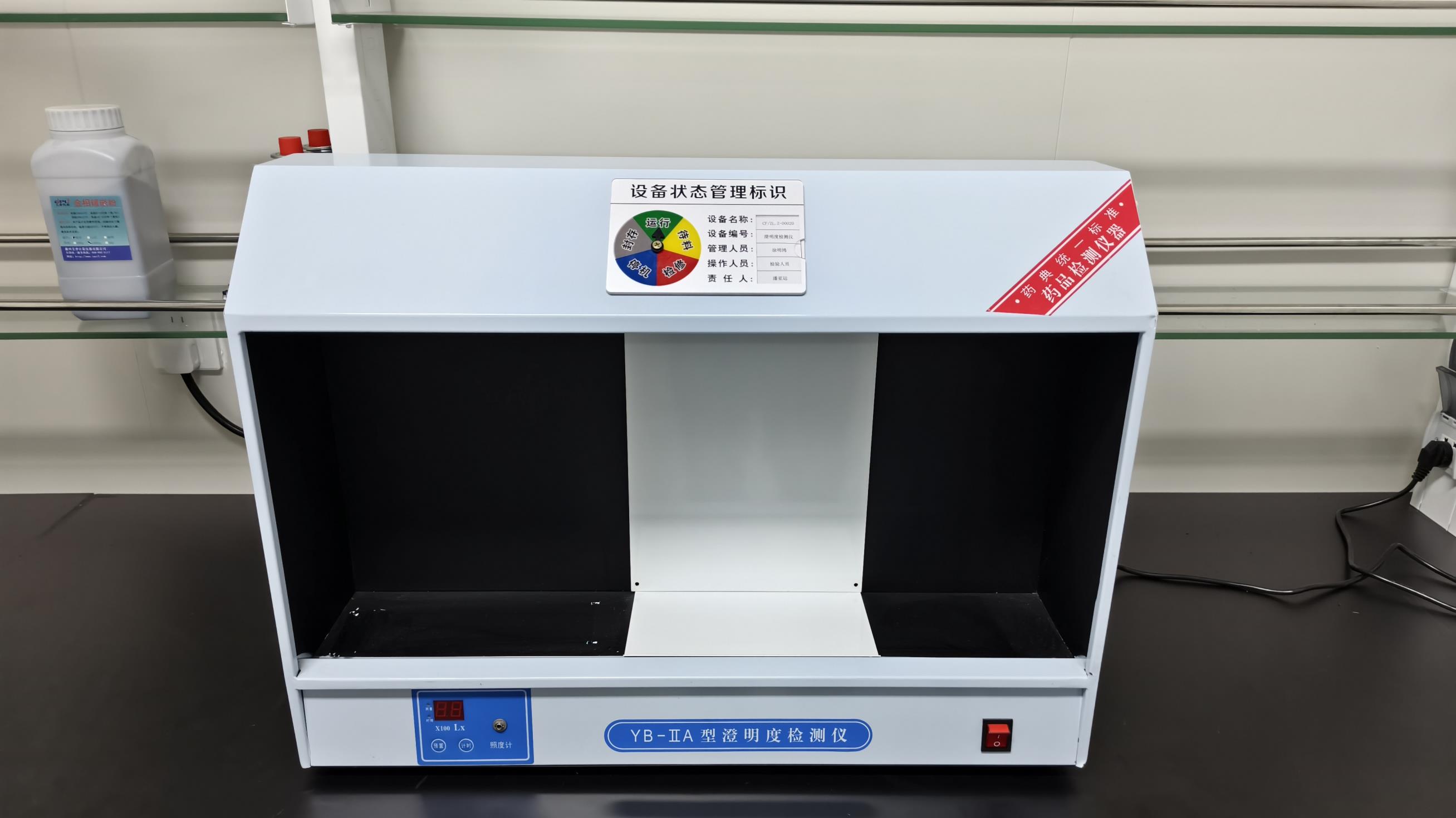
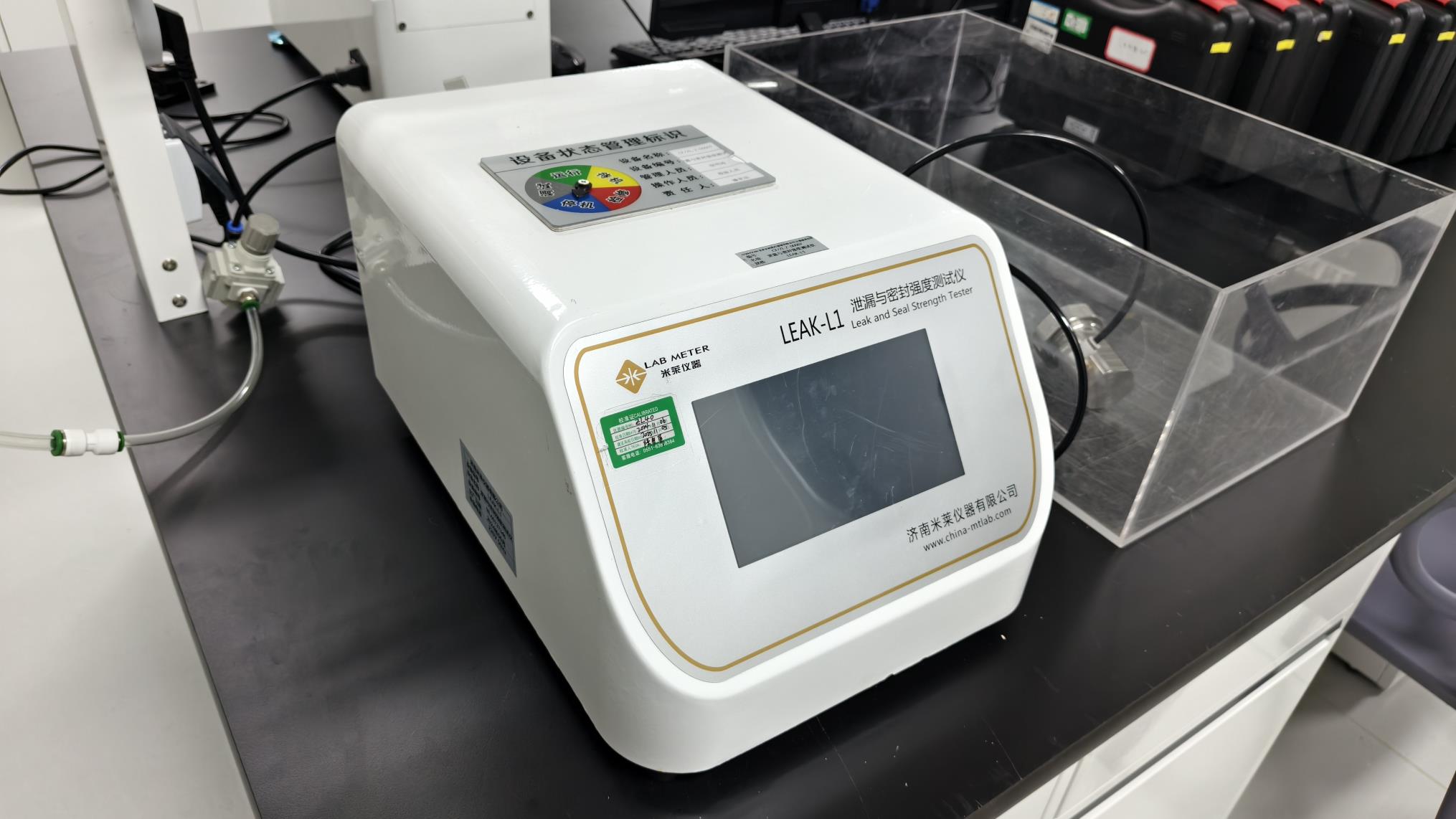
Every batch undergoes rigid mechanical, biological, and dimensional verification in our inspection department:
Securing Seamless Registration and Supply Channels Across North America, Europe, and Asia
Exporting implantable medical devices requires deep knowledge of regulatory environments and rigorous document control. Operating as an established PEEK Interbody Fusion Cages Exporter with 7 years of active export operations, Zynfuse maintains a distribution and support network spanning over 1,200 partners worldwide. Our medical devices are regularly registered and distributed throughout North America, Europe, Southeast Asia, and the Middle East.
Our quality management system is fully structured around ISO 13485. This ensures that every process, from product concept and raw material tracing to production, cleaning, and delivery, is thoroughly documented and audited.
We work with accredited testing laboratories to run biocompatibility profiles (ISO 10993) and mechanical fatigue evaluations (ASTM F2077/F2267) for static compression and dynamic torsion, ensuring our implants stand up to physiological loads.
Zynfuse supports hospital procurement teams, distributors, and orthopedic brand owners with comprehensive documentation packages, including certificate of analysis (COA) certificates, raw material trace records, and validation files. Our regulatory specialists help streamline local registration procedures to speed up time-to-market.
Optimization Strategies for Long-term Spinal Stability and Successful Arthrodesis
Modern spinal fusion demands cages that provide immediate primary stability and support long-term secondary stability. To achieve this balance, Zynfuse engineers use Finite Element Analysis (FEA) to design cage structures that distribute stresses evenly across the vertebral endplates, avoiding stress concentration points that could compromise clinical outcomes.
Our PEEK cages are designed with large central apertures to maximize bone graft volume. This configuration allows bone tissue to grow through the cage, creating a strong, natural bridge between the vertebrae. Additionally, we integrate textured surfaces with microscopic channels to support cell attachment and bone growth at the tissue interface.
Addressing Crucial Product, Quality, and Logistics Queries for Global Importers and Distributors
We use implant-grade PEEK (conforming to ASTM F2026 specifications) sourced from verified suppliers. This material offers excellent biocompatibility, biomechanical properties close to natural bone, and is highly compatible with medical imaging.
Yes, our team of 85 design and manufacturing engineers specializes in modifying implant geometries, footprints, lordosis angles, and graft apertures to meet your specific clinical and market needs.
Our entire facility operates under ISO 13485 quality systems. We maintain rigorous inspection standards covering dimensional verification, fatigue performance, and biocompatibility profile matching.
Lead times vary depending on design complexity and regulatory needs. Typically, initial prototype runs are completed in 4 to 6 weeks, with full-scale production runs taking 8 to 12 weeks after design approval.
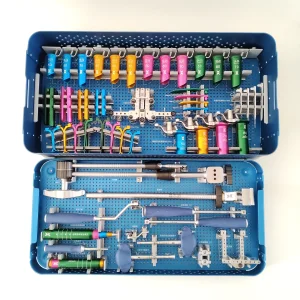
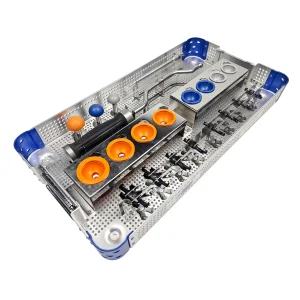
Yes, we supply surgical trial implants, inserters, trials, and preparation instruments designed for use with our cervical and lumbar cage systems to support smooth clinical procedures.
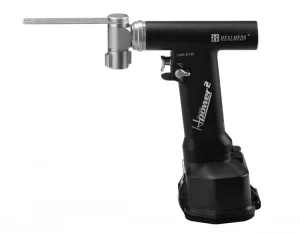
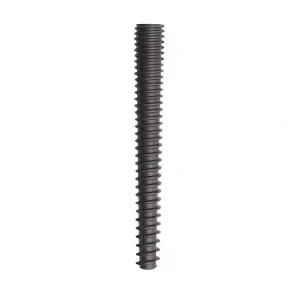
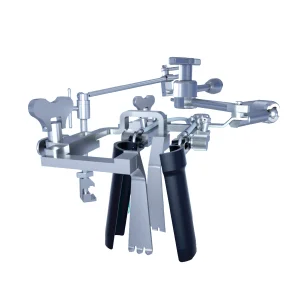
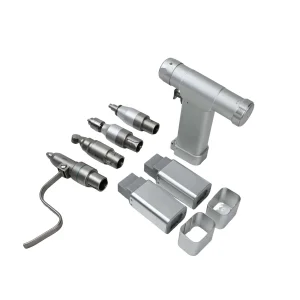
Complete your clinical line with our orthopaedic instruments, bone screws, and specialized surgical equipment.