Zynfuse
Zynfuse
Zynfuse
Advanced trauma, joint reconstruction, and surgical instrumentation designed for pediatric, adolescent, and veterinary applications.
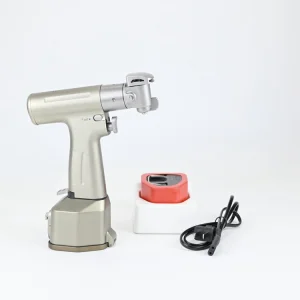
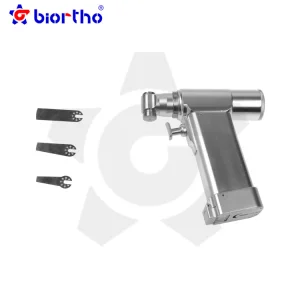
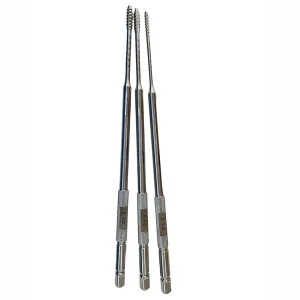
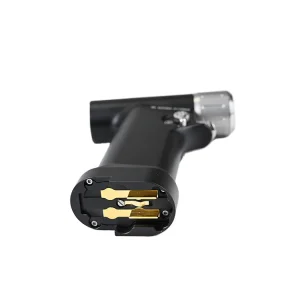
Driving surgical outcomes via advanced medical device engineering, rigorous testing, and a globally integrated supply chain.
Zynfuse Medical Technology Co., Ltd. is a professional orthopedic medical device manufacturer specializing in bone fusion and advanced implant systems for surgical innovation. Since its founding in 2016, the company has consolidated its expertise into premier orthopedic solutions, supported by 12 years of industry experience and 7 years of export history. Zynfuse serves medical distributors, hospital procurement departments, orthopedic clinics, and medical device importers across key international markets, including North America, Europe, Southeast Asia, and the Middle East.
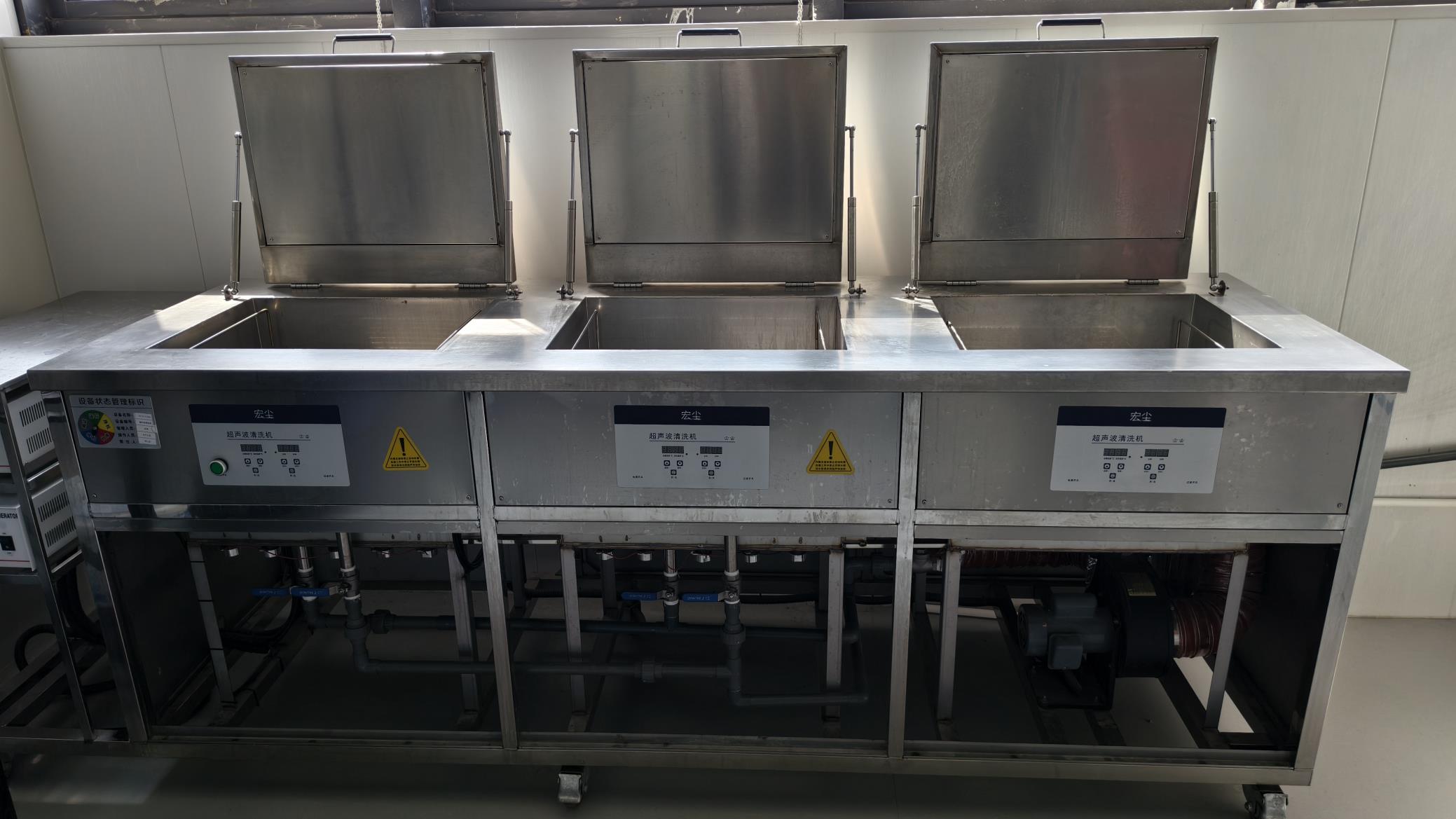
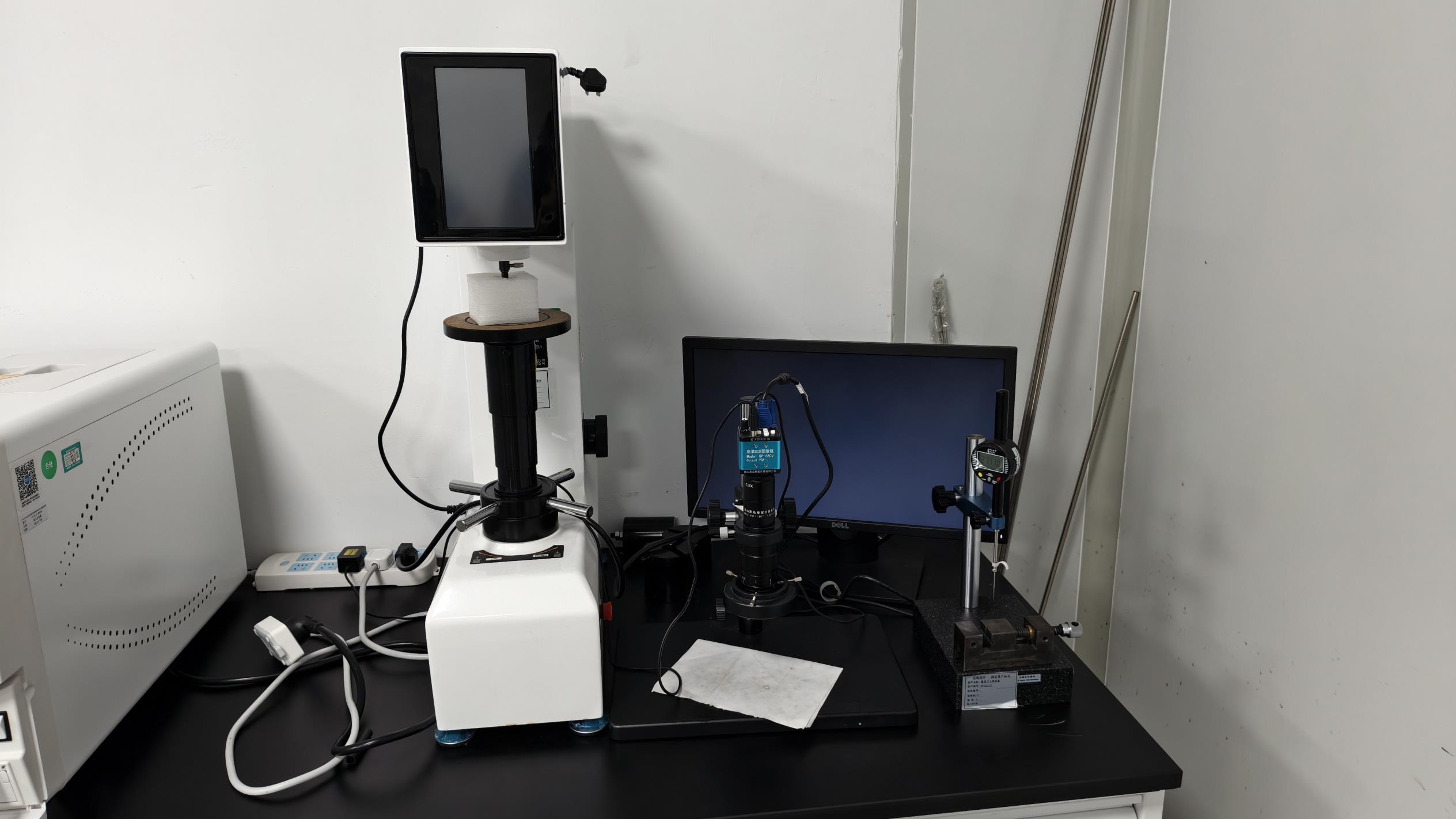
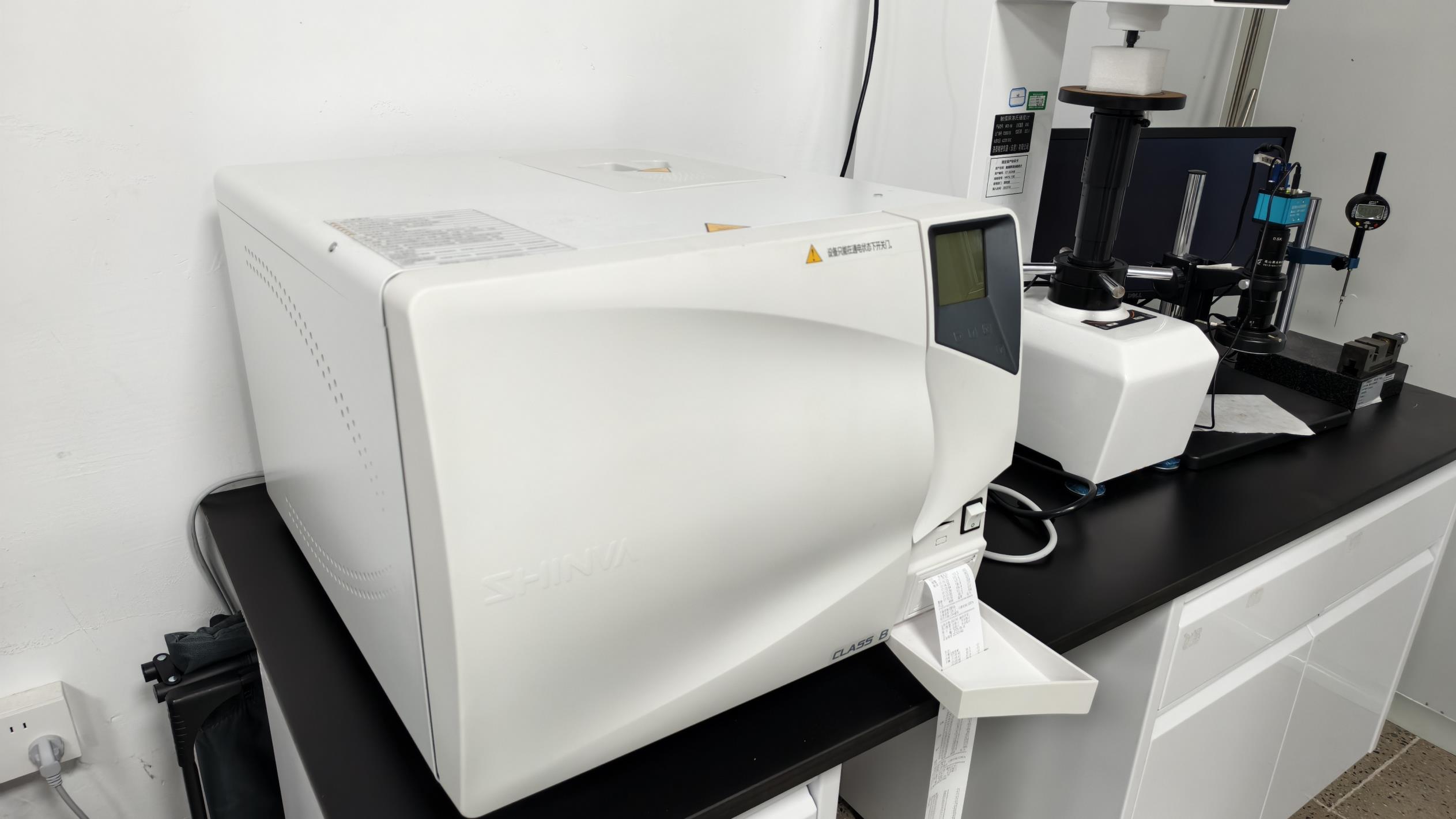
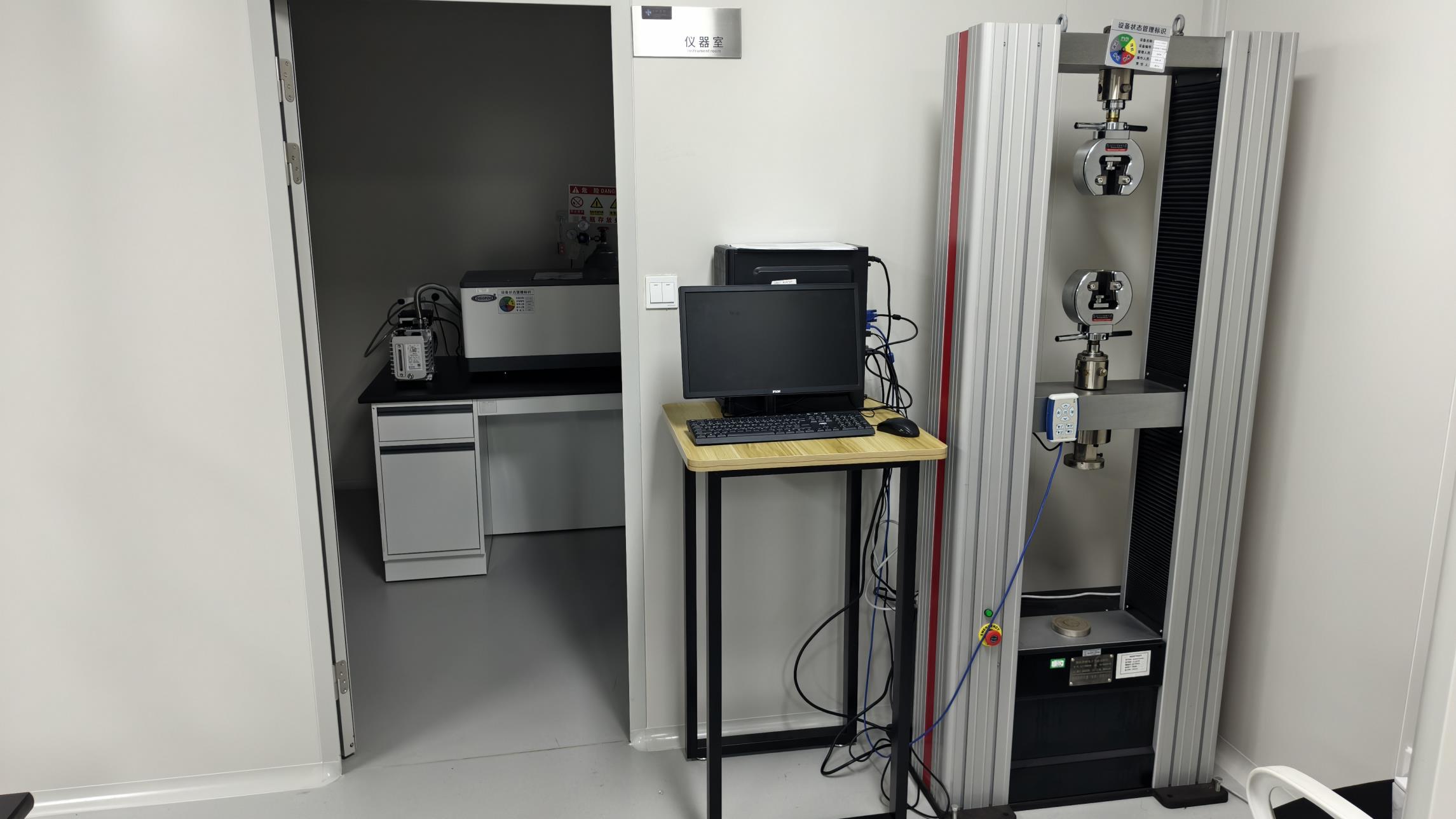
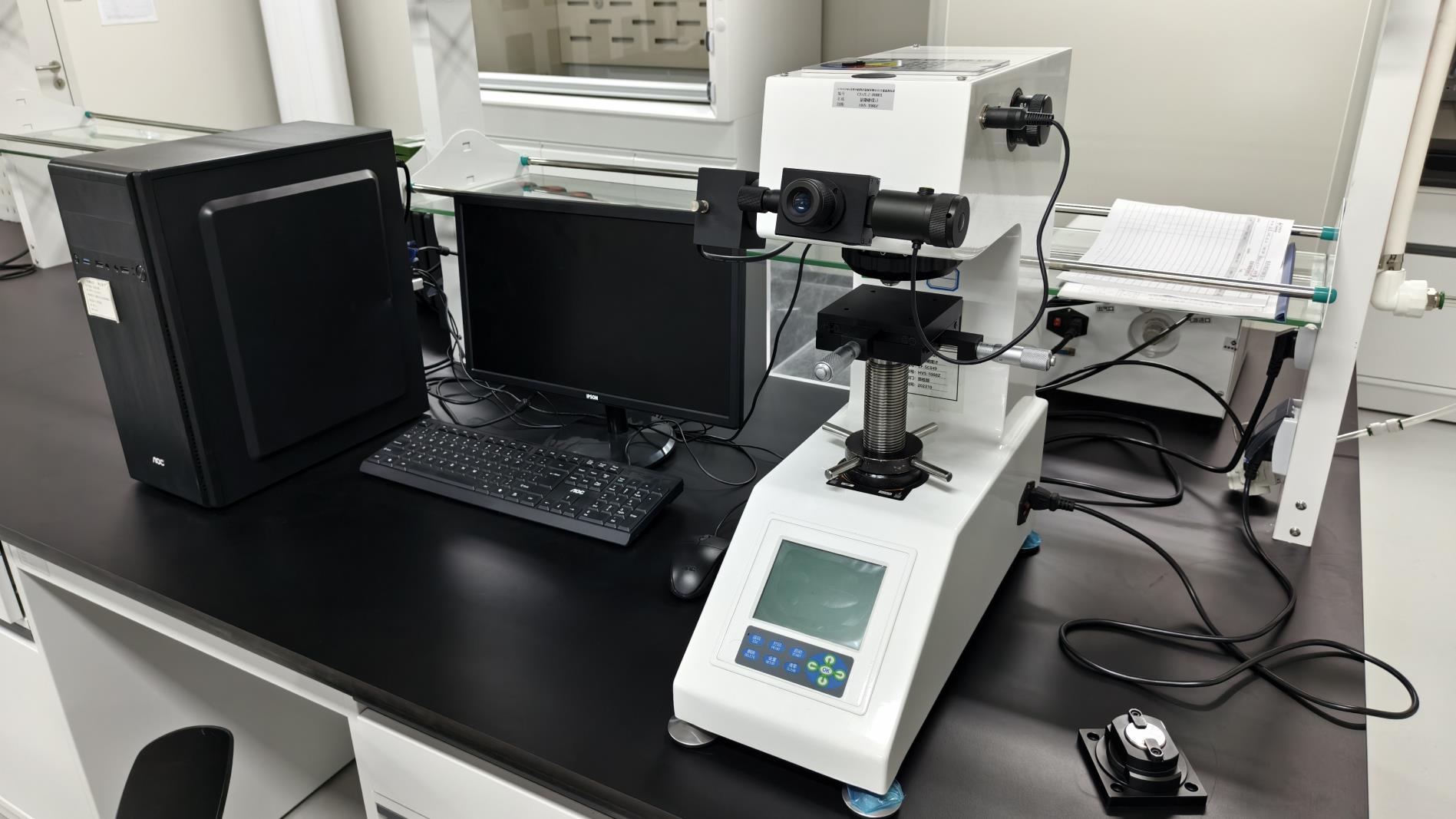
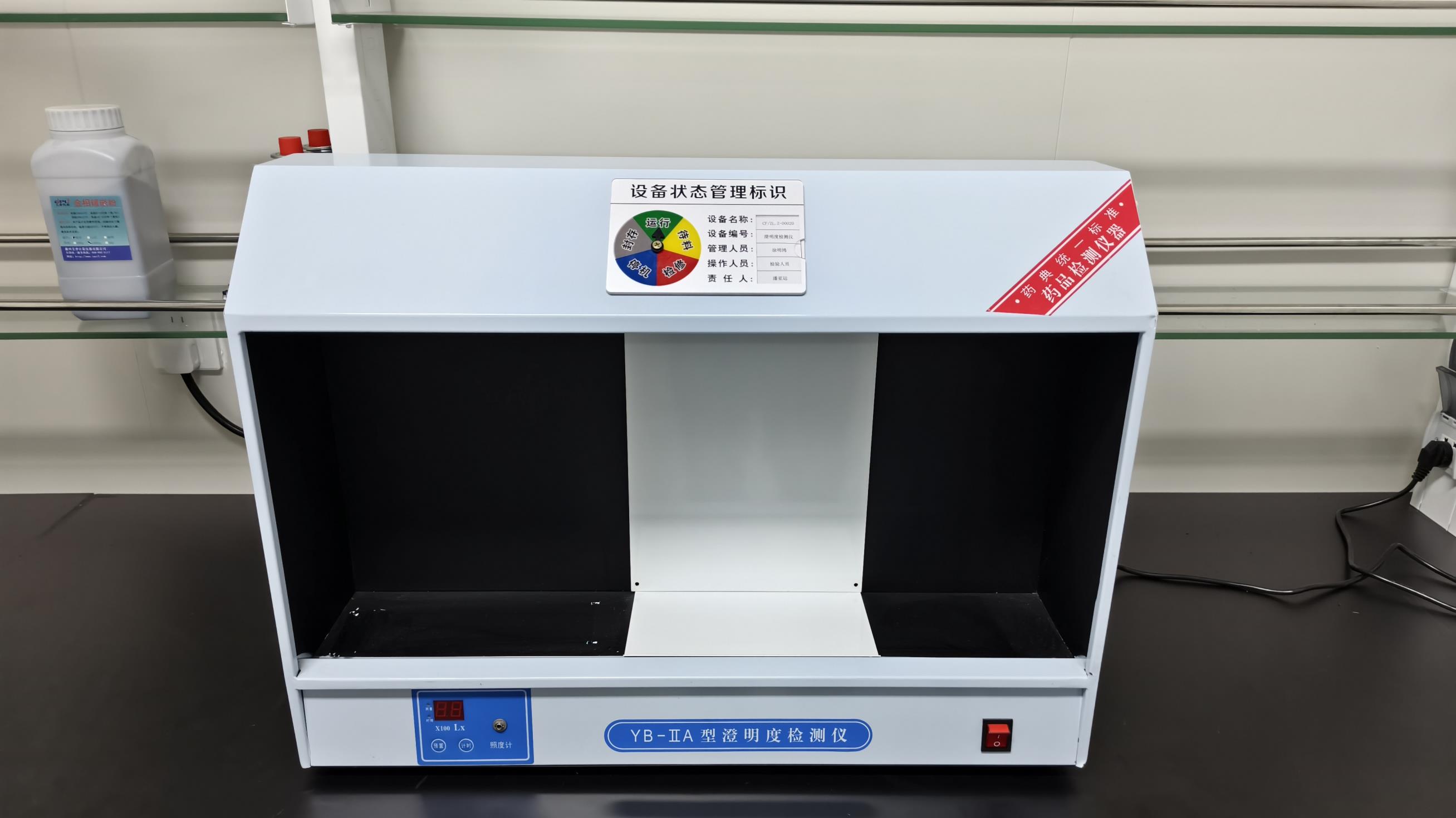
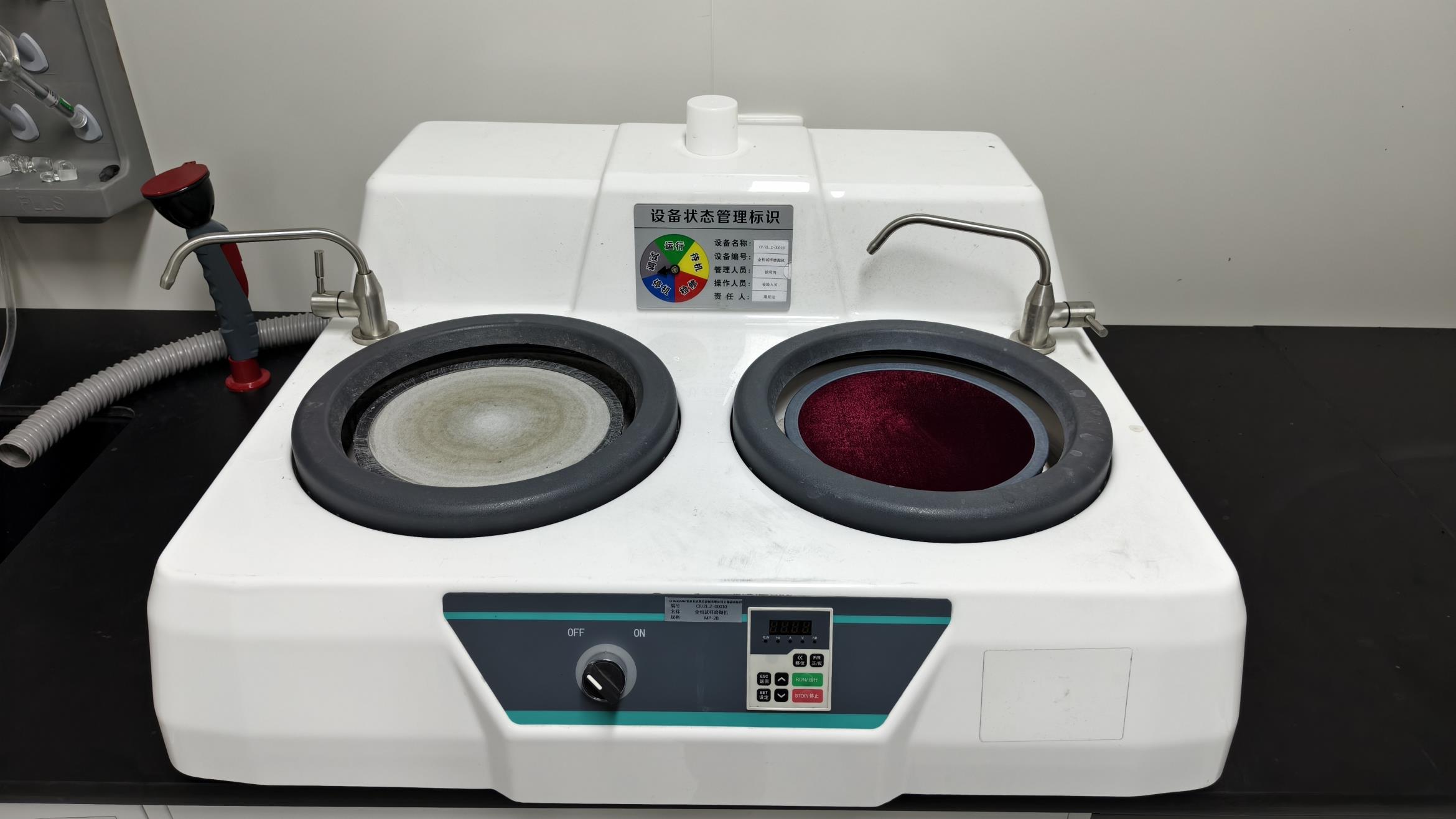
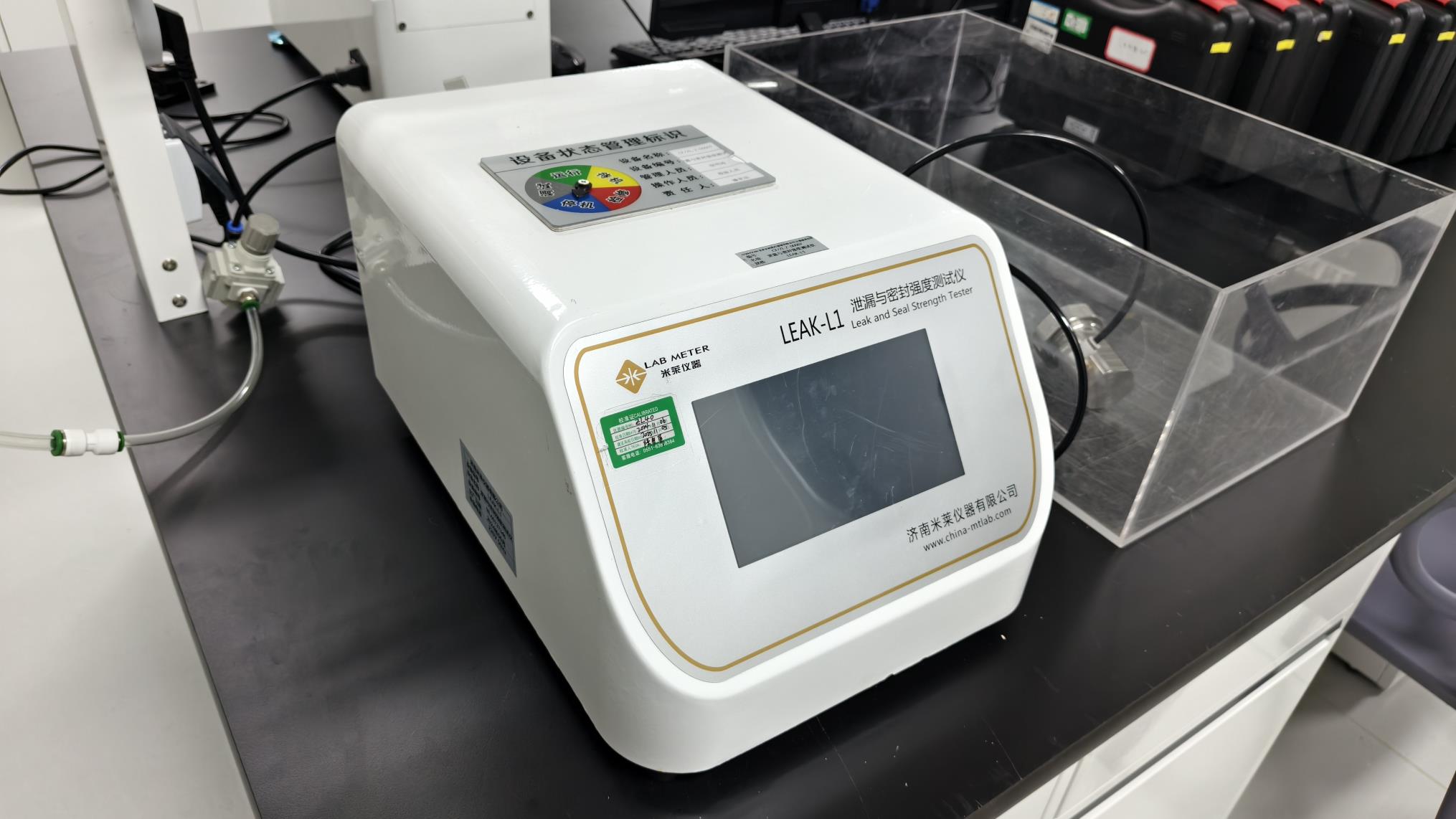
Operating from an expansive, modern 18,600 m² manufacturing facility, Zynfuse maintains a highly resilient, world-class supply chain spanning over 1,200 international partners. Quality is the bedrock of Zynfuse's manufacturing ethos. A dedicated division of 68 quality inspection specialists oversees an extensive testing regimen that incorporates ISO 13485-compliant inspections, dimensional verifications, mechanical fatigue testing, surface integrity analysis, and biocompatibility evaluations to safeguard clinical safety at every stage.
Zynfuse's long-term success is fueled by a powerful R&D engine comprising 85 professional design engineers. This team introduces approximately 320 new medical products annually, helping global clients stay competitive with state-of-the-art products. The company offers tailored OEM/ODM solutions, accommodating custom implant geometries, materials (e.g., Titanium, PEEK, Stainless Steel), and customized surgical instrumentation sets to address the highly precise requirements of modern orthopedic surgeries.
Why children are not just "miniature adults" — requiring specialized pediatric biomechanics and materials.
The human skeletal system undergoes dynamic modifications during childhood and adolescence. From a clinical perspective, pediatric bones differ substantially from adult bones in elasticity, mineral density, vascularity, and growth potential. Standard adult implants scaled down in size are structurally inadequate and clinically unsafe for pediatric interventions. The presence of active epiphyseal growth plates (physis) demands specialized implants that stabilize fractures without causing growth arrest, joint deformity, or vascular compromise.
Furthermore, pediatric bones exhibit a significantly higher osteogenic potential and heal at a rapid rate, but they are also more prone to plastic deformation (such as greenstick fractures). Implants used in pediatric trauma and deformity reconstruction must be highly bio-compatible and low-profile to minimize soft tissue irritation, especially under thin pediatric skin. Consequently, designing plates and locking systems for children requires extreme precision, micro-dimensional sizing, and flexible fixation approaches that accommodate biological growth.
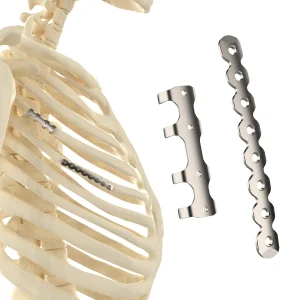
Advanced plate geometries and angled screw trajectories that avoid drilling into or compression across the active physis, preserving natural growth.
Designed with plate thicknesses ranging from 0.8mm to 2.0mm to mitigate prominent implant complications and skin breakdown in small pediatric patients.
Supports controlled micro-motion that stimulates physiological callus formation and accelerates natural cortical healing, shortening recovery periods.
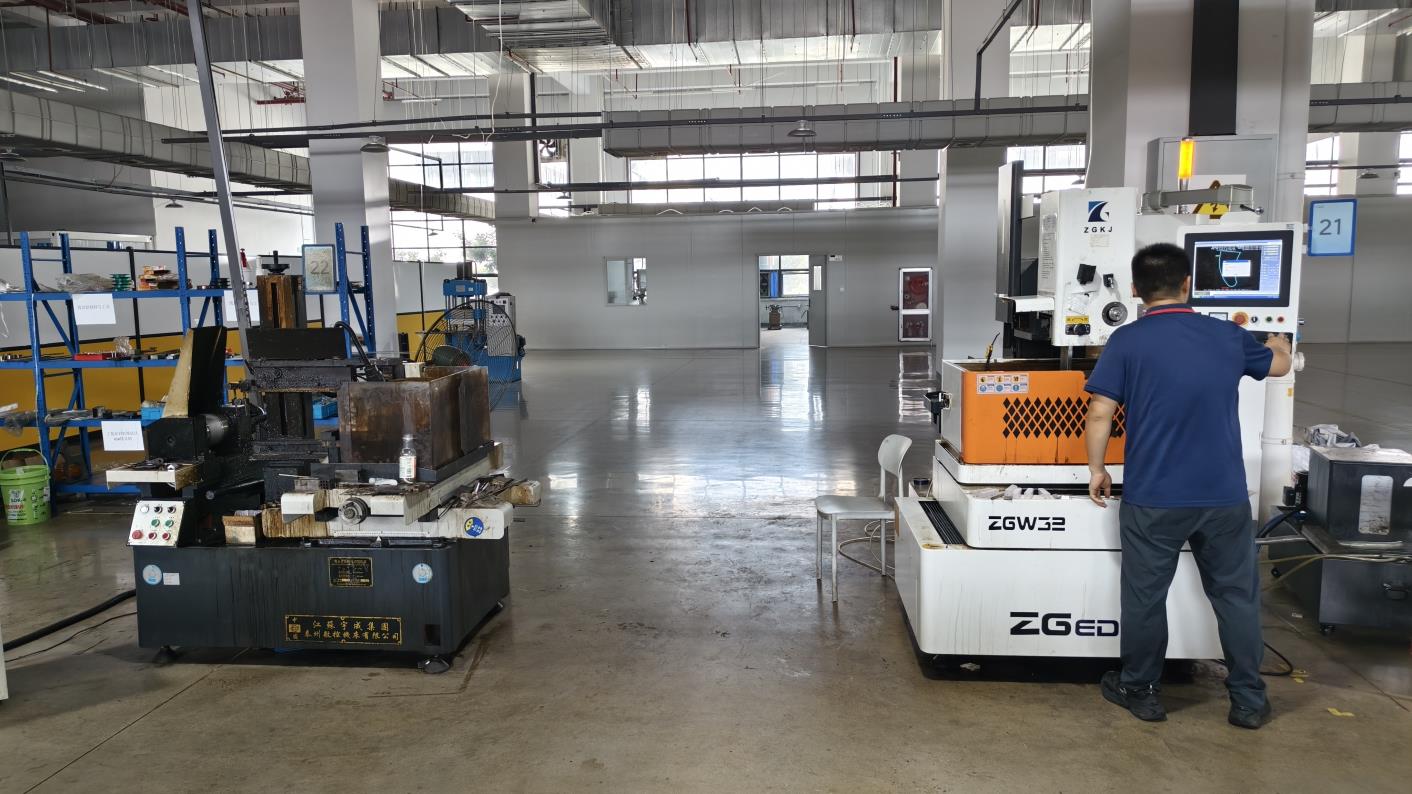
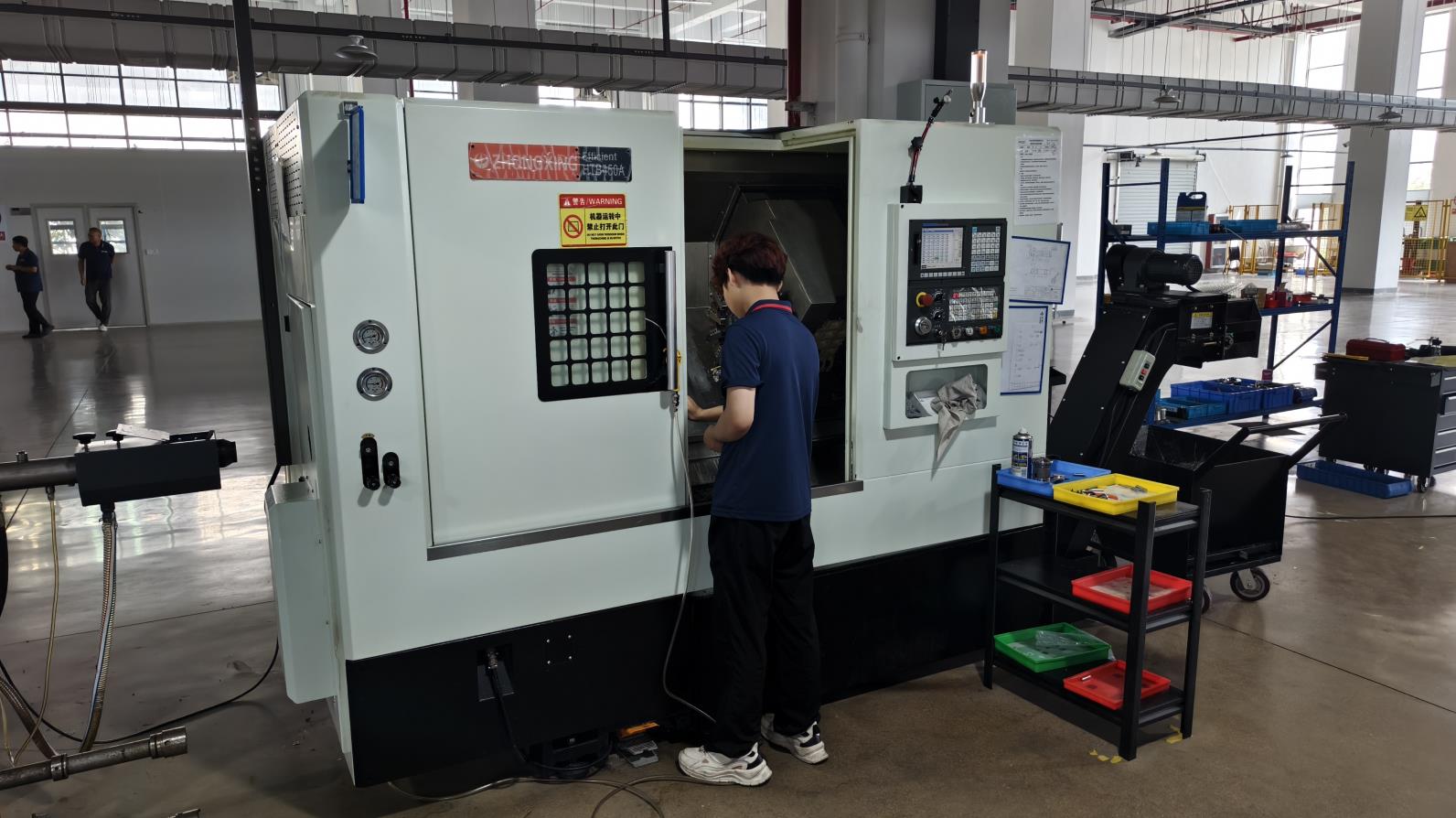
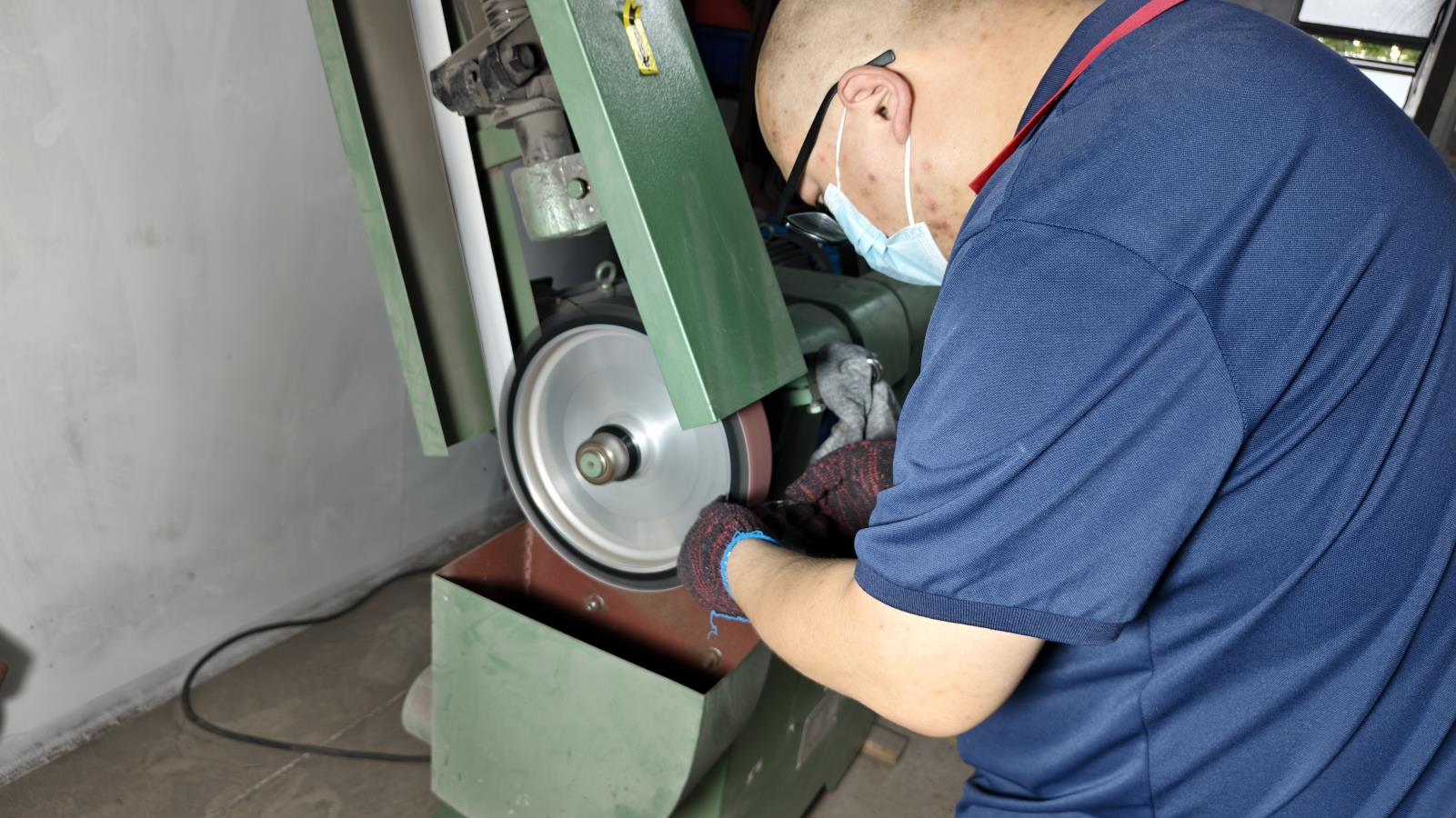
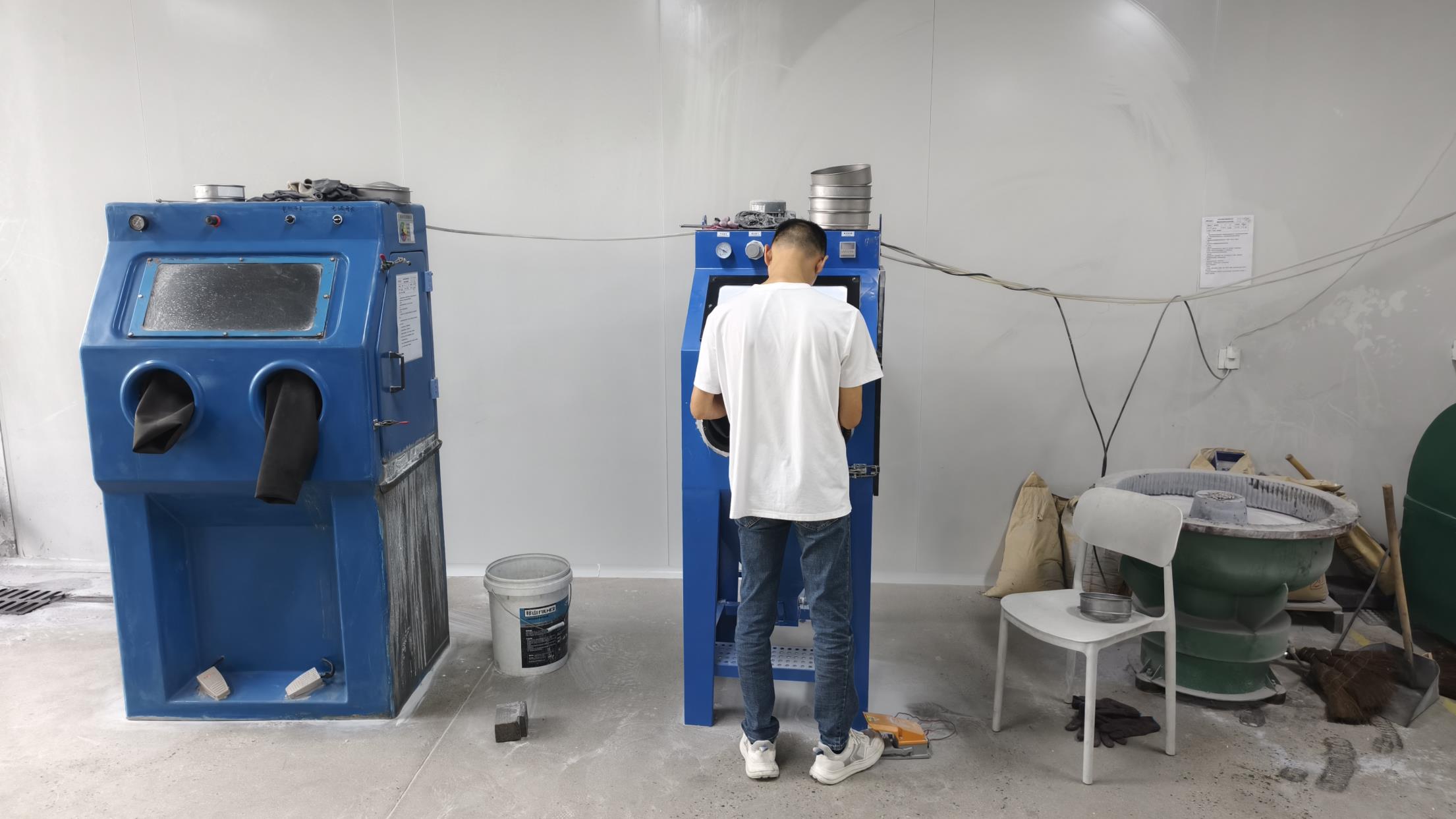
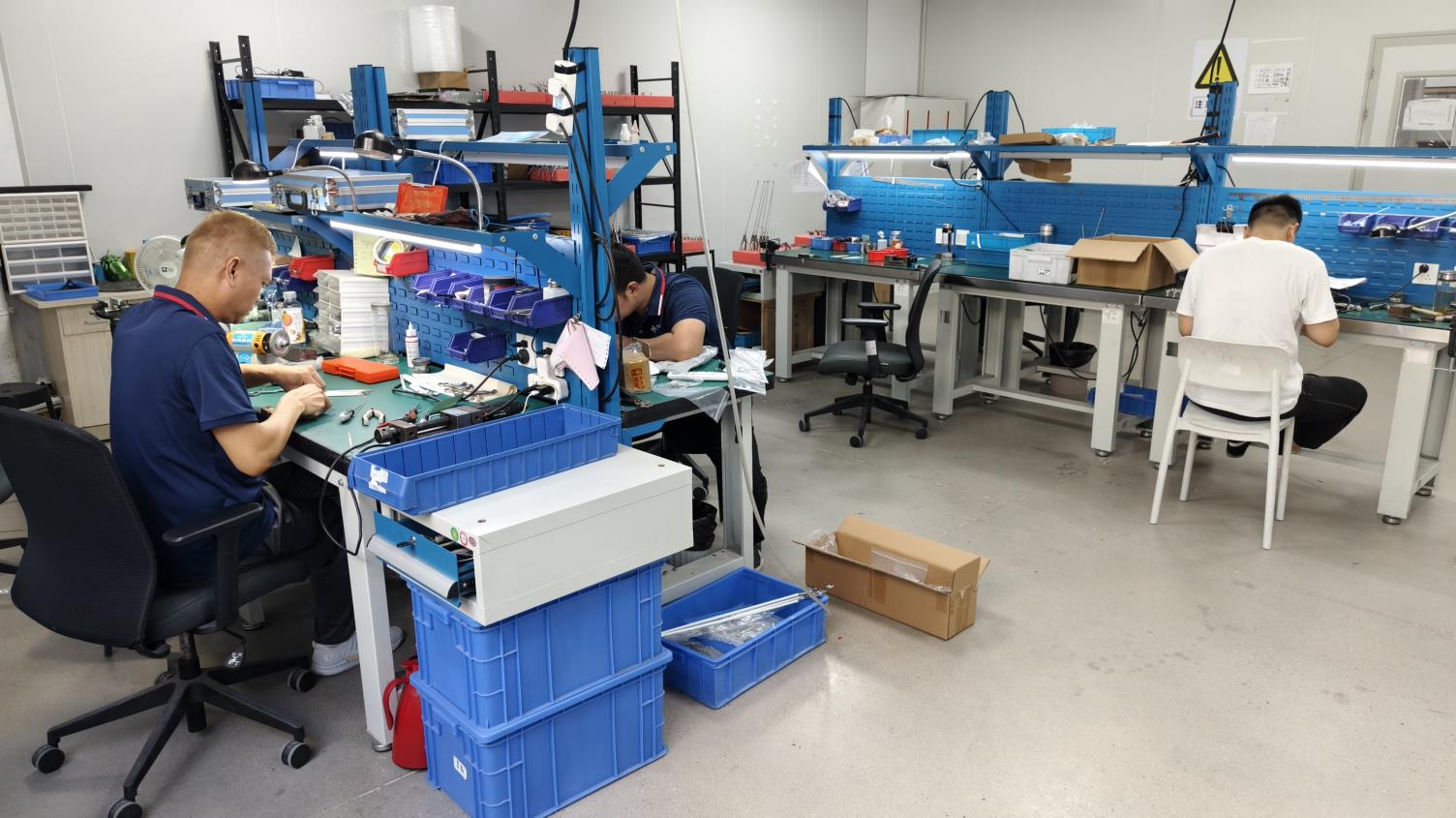
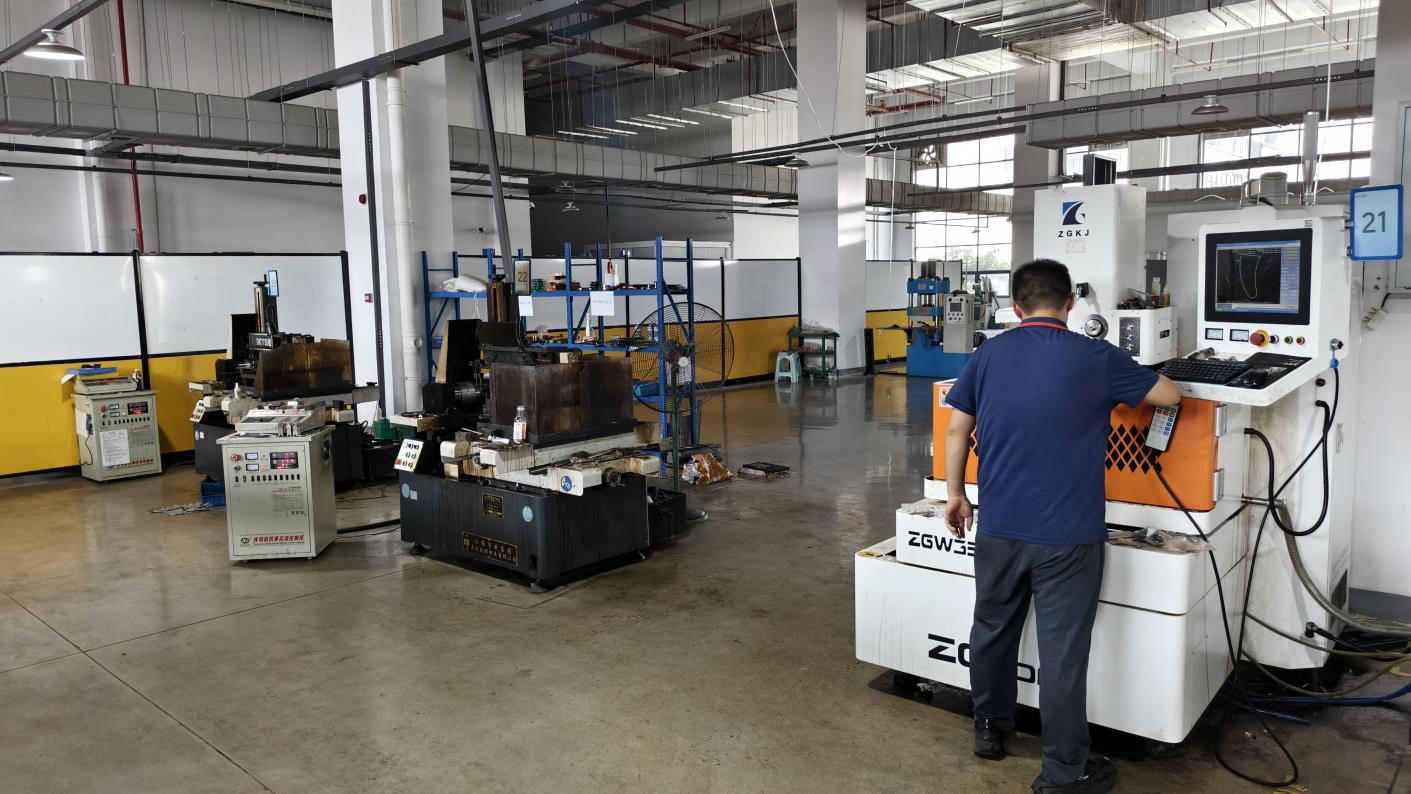
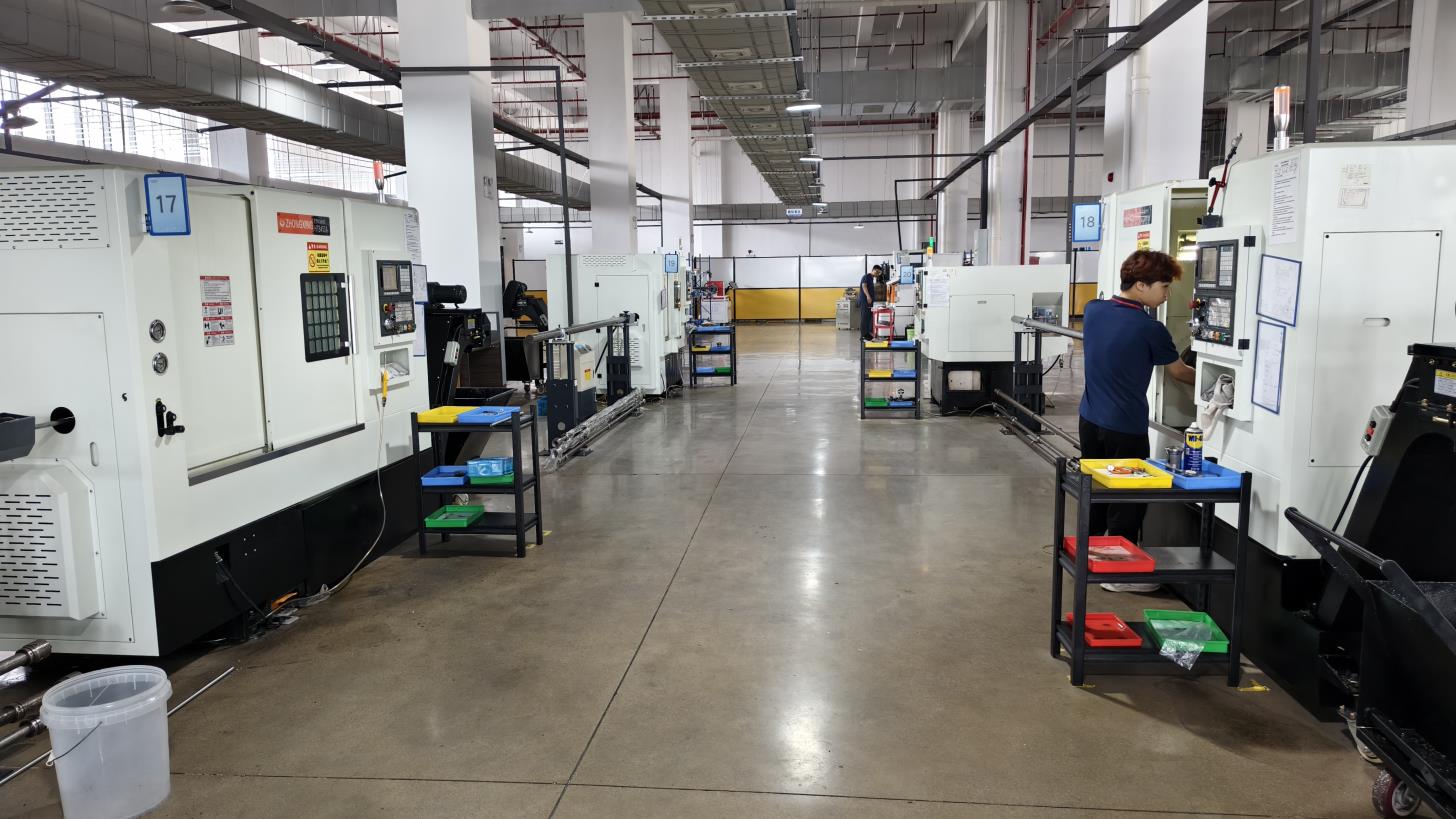
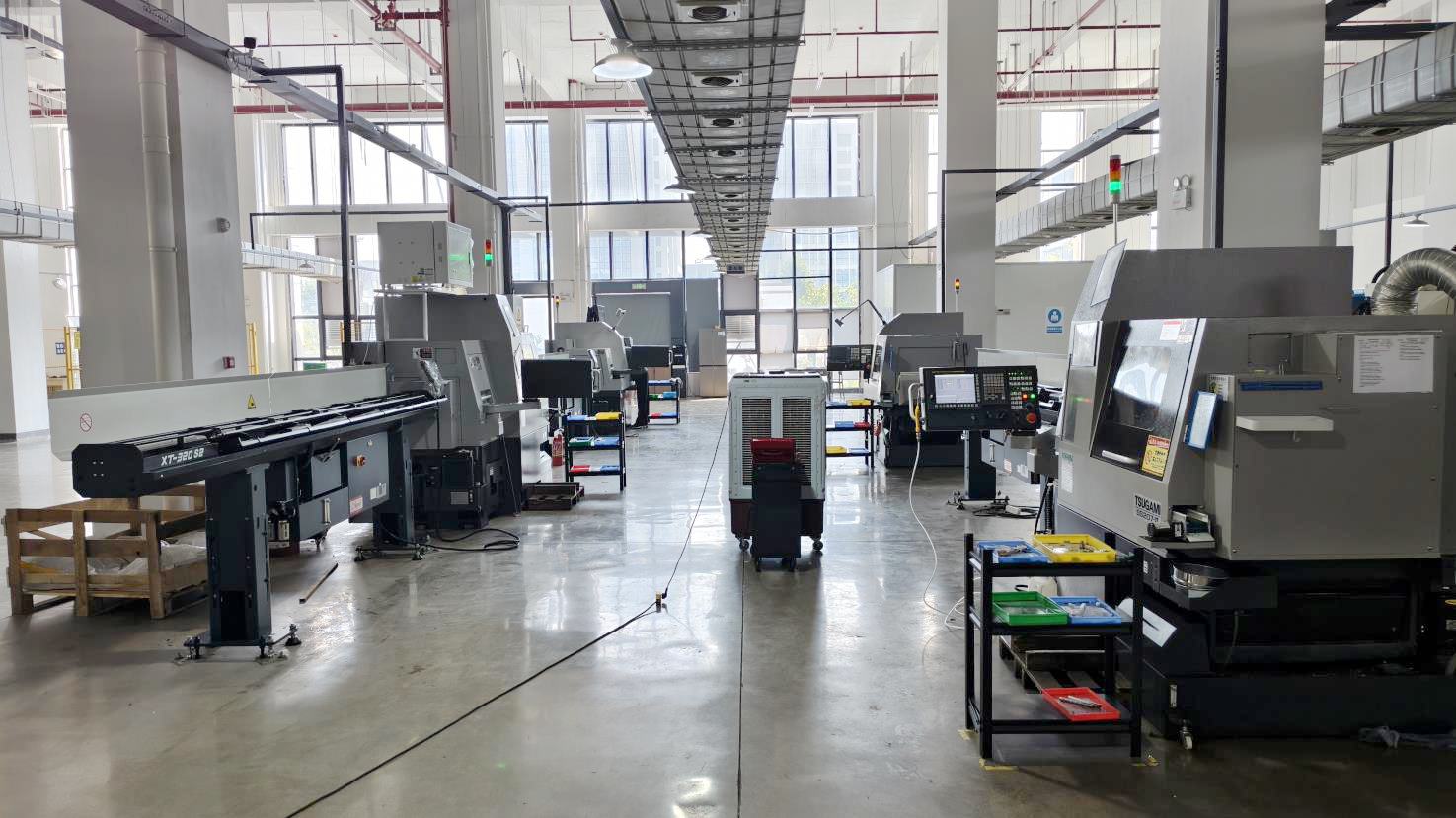
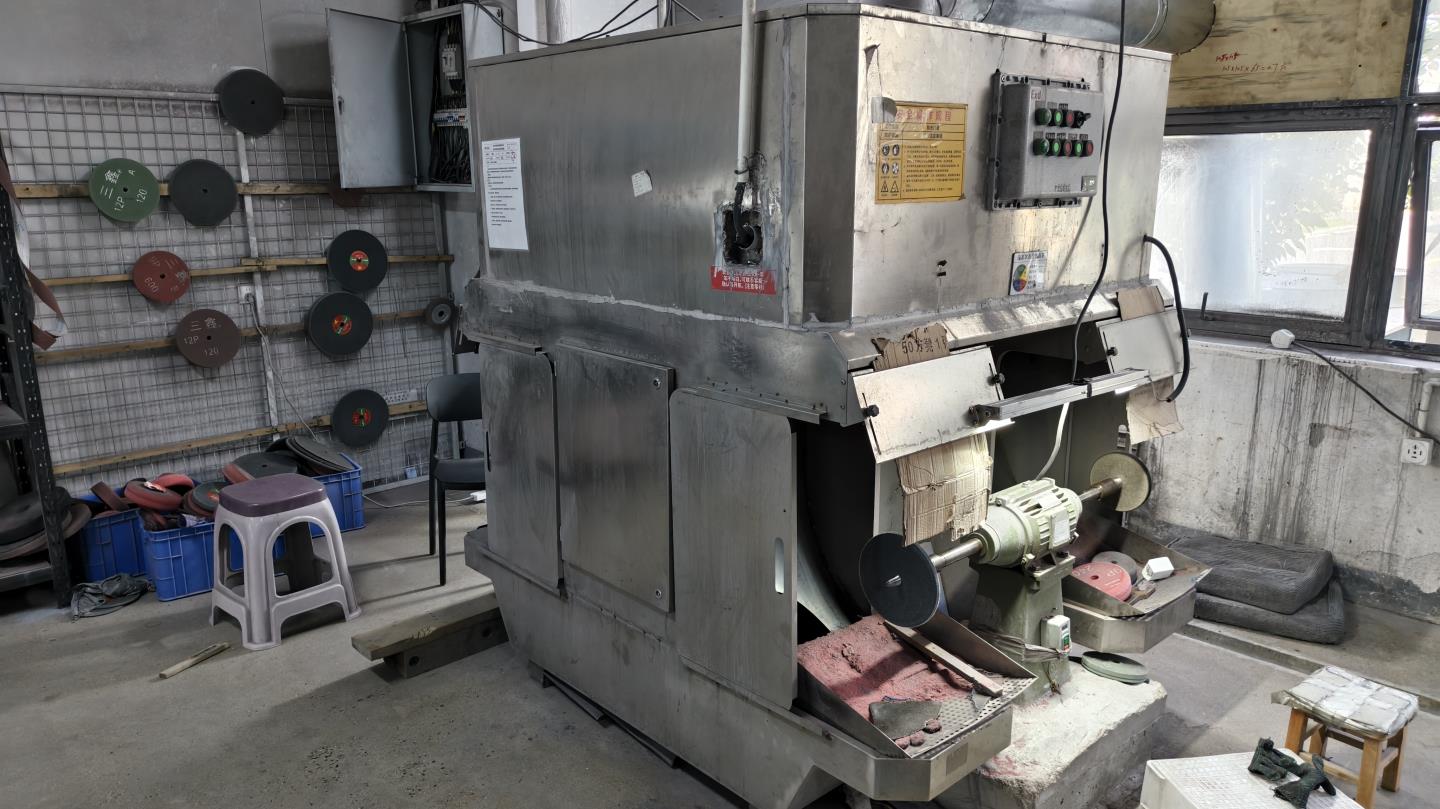
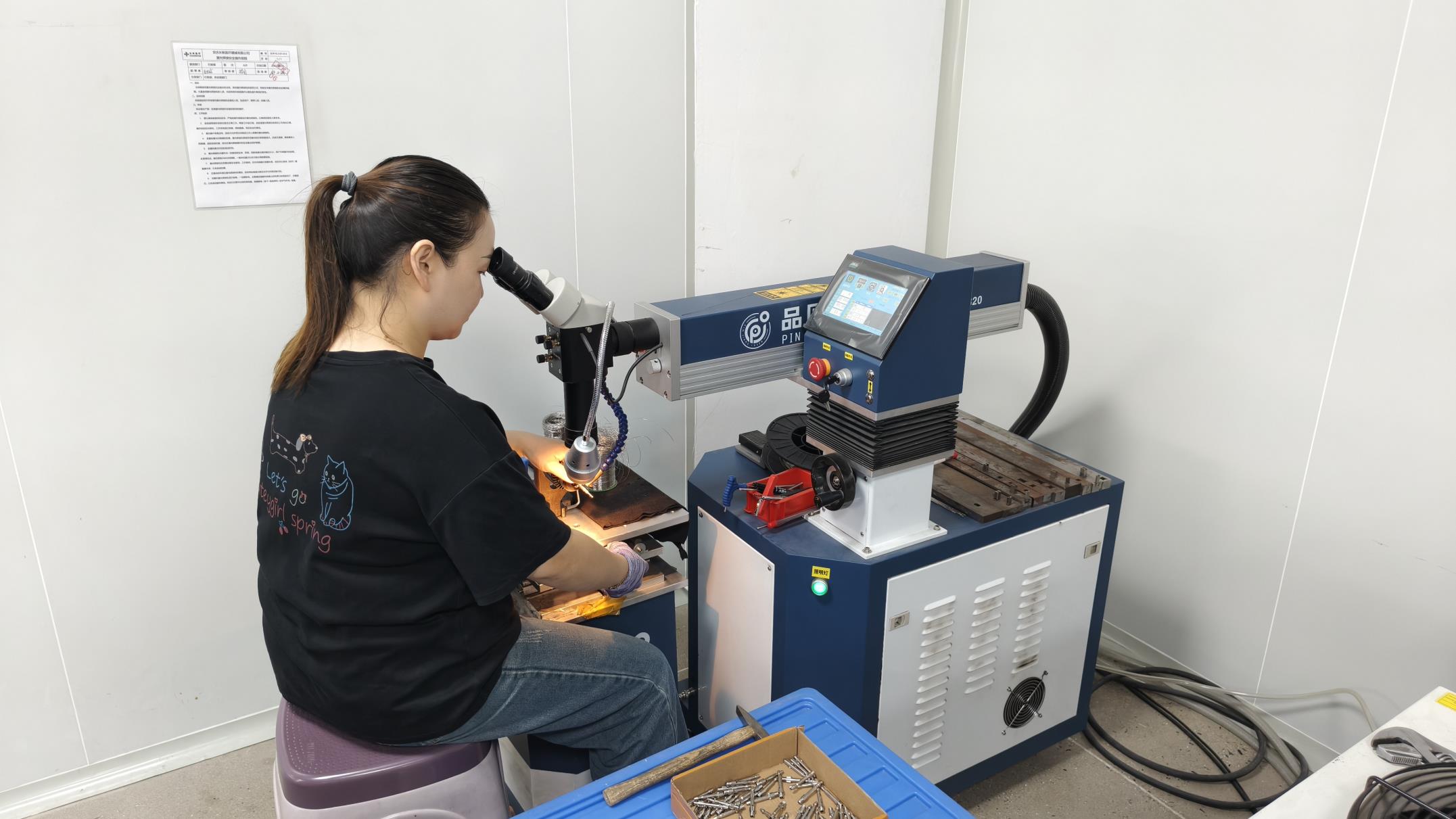
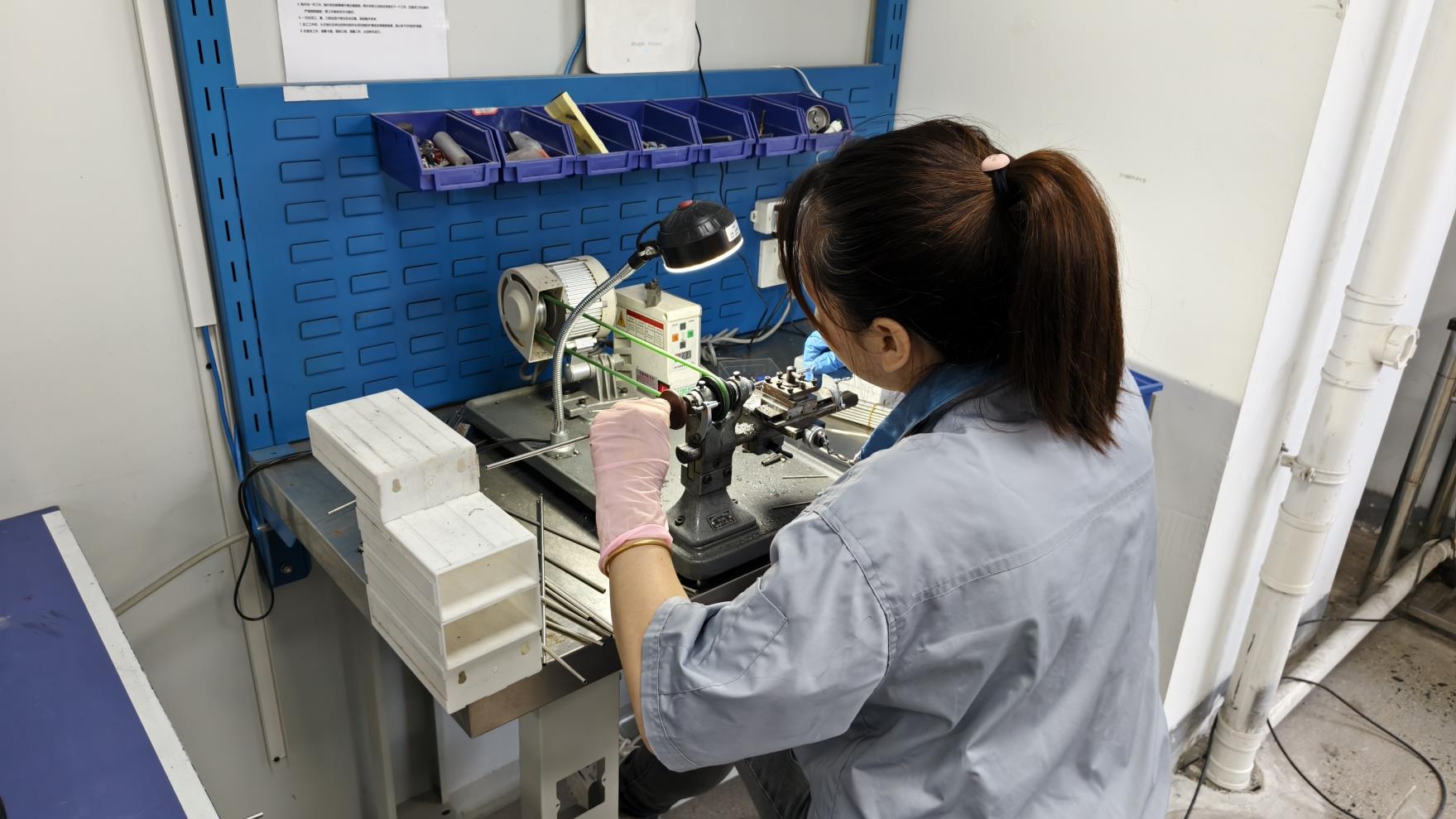
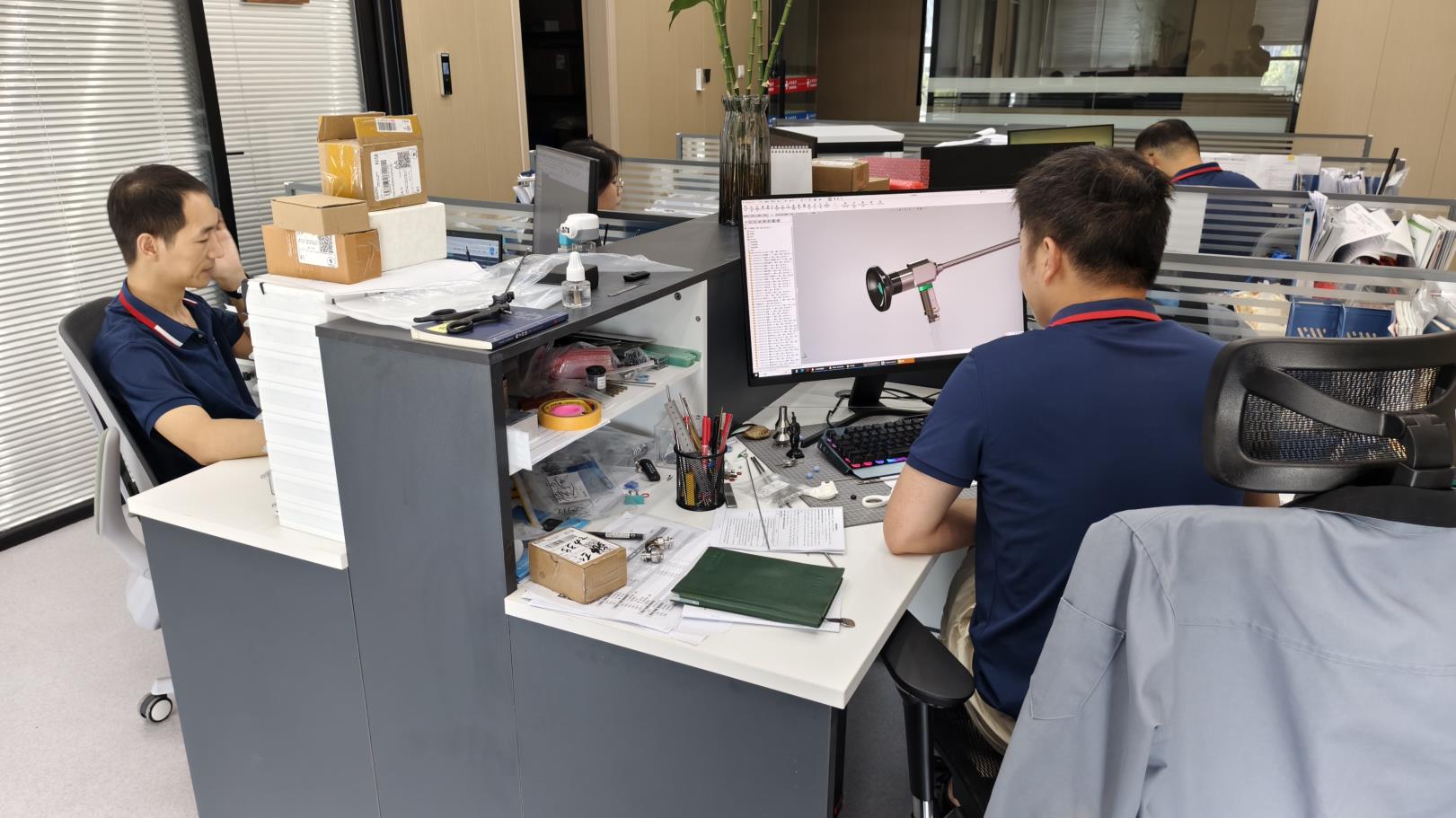
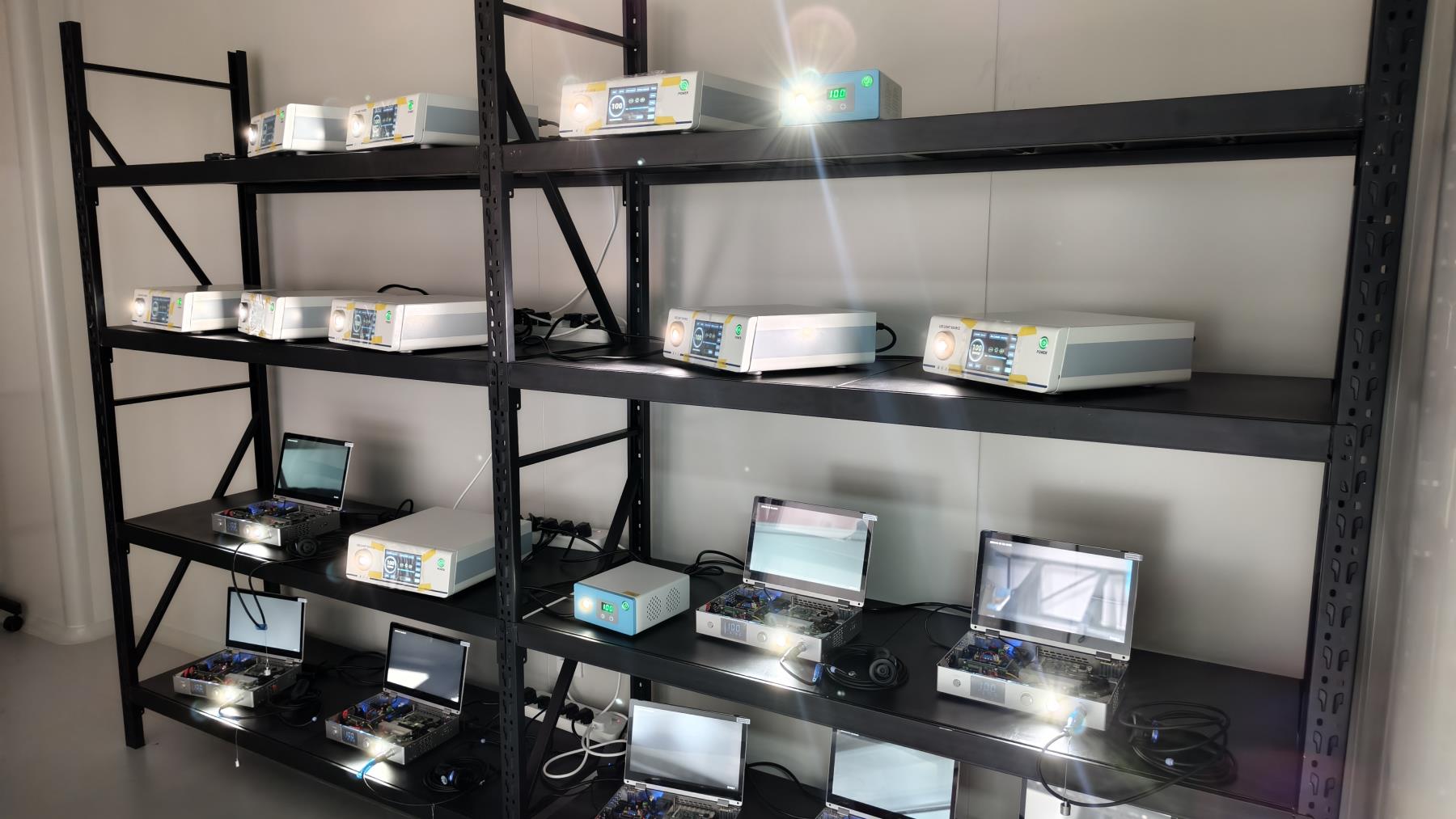
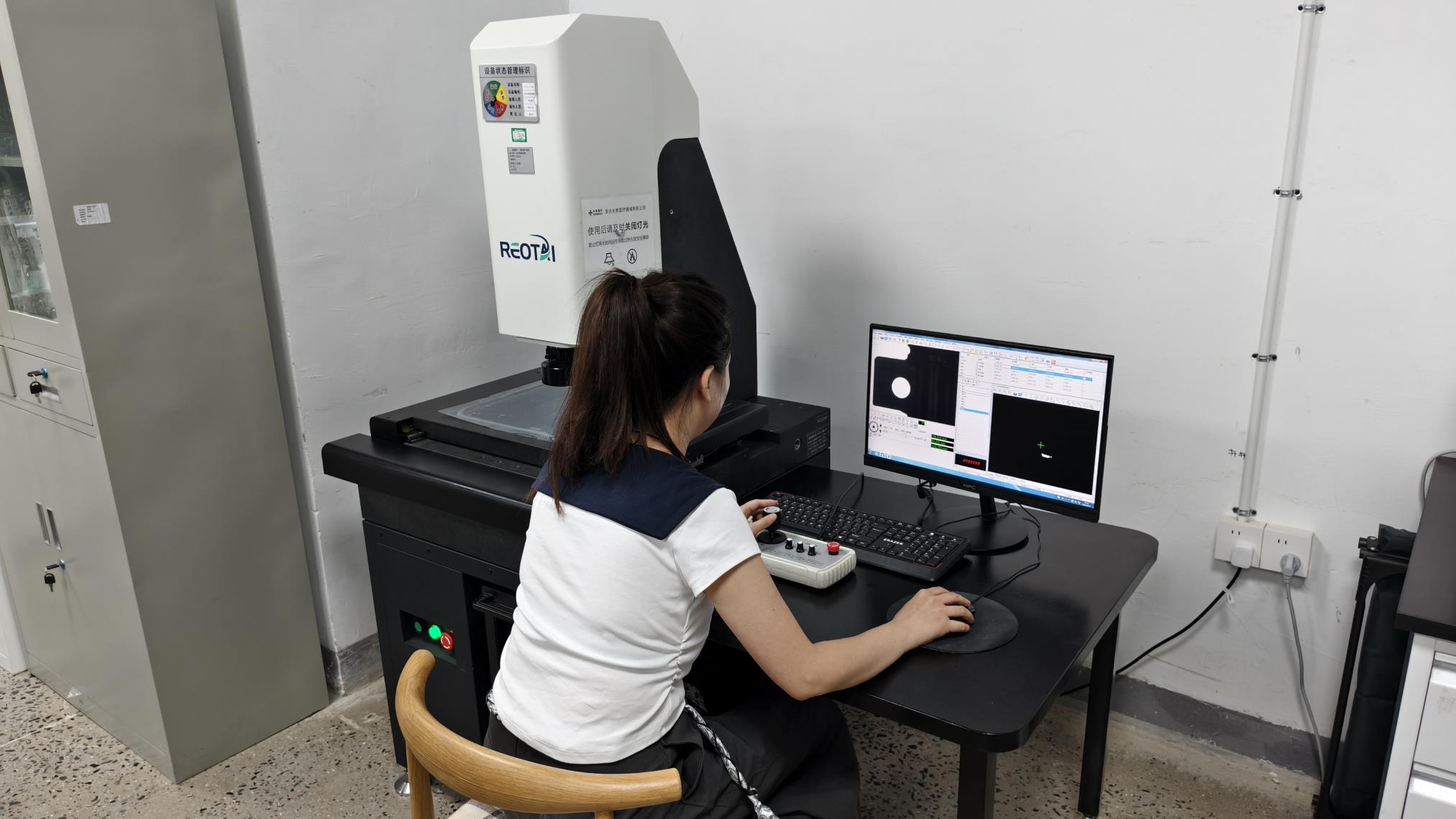
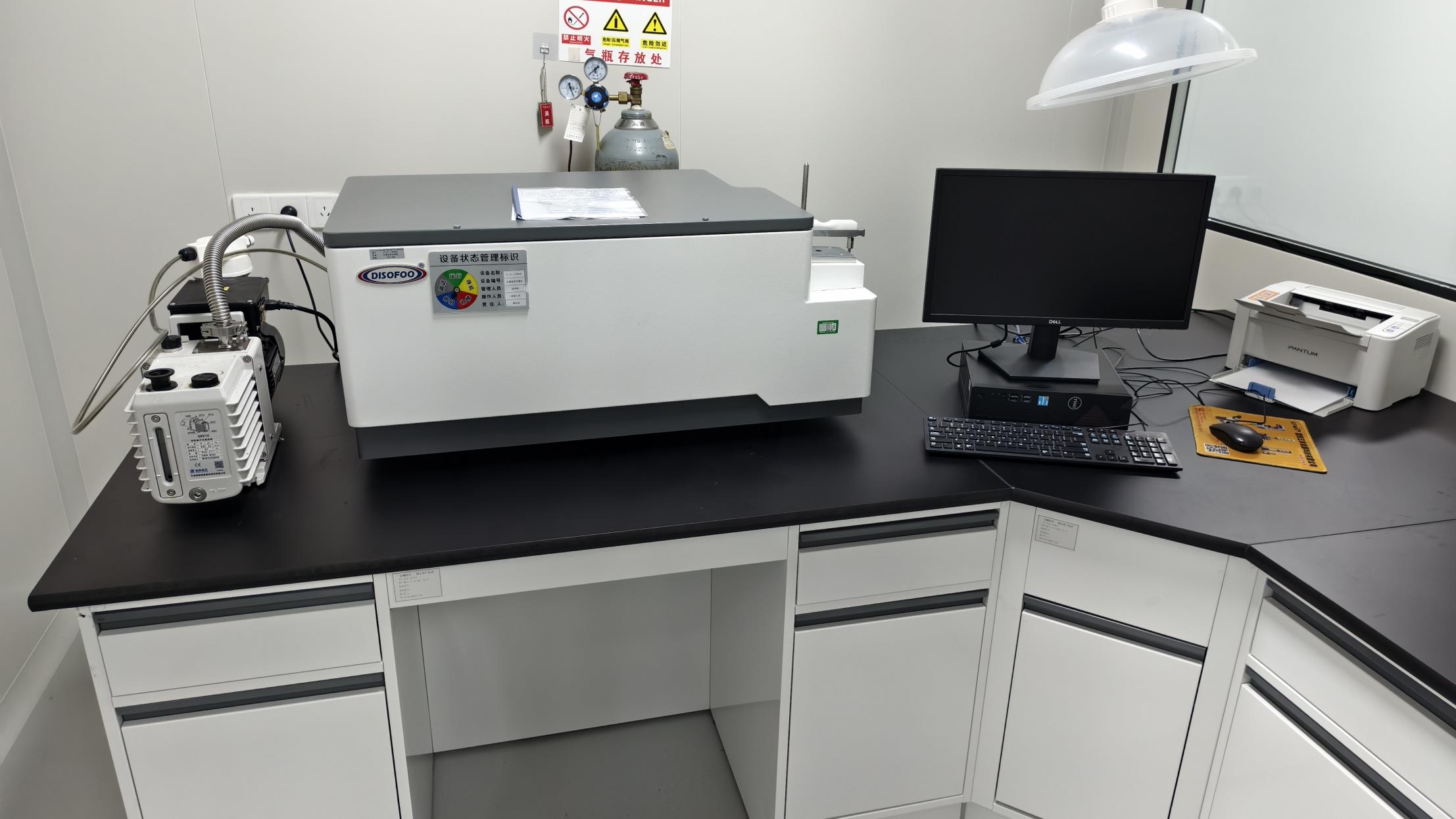
An inside look at our advanced manufacturing lines, automated CNC tooling, and quality verification infrastructure.
Technological trends shaping the future of global pediatric orthopedics and osteosynthesis systems.
Global demand is rising for implants constructed from bioresorbable magnesium alloys and advanced polymers (such as PLGA/PLLA blends). These materials provide temporary structural stabilization before undergoing safe hydrolysis within the body, eliminating the secondary surgeries traditionally required for implant removal—a significant clinical benefit for pediatric patients.
Additive manufacturing using sub-micron titanium powder makes it possible to fabricate patient-matched implants based on pre-operative CT/MRI scans. This approach is highly effective for complex congenital deformities, bone tumors, and joint revision surgeries in children, ensuring optimal anatomical fit and structural load distribution.
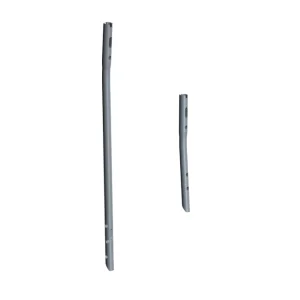
Advancements in pediatric spinal surgery (such as scoliosis treatment) and limb-lengthening interventions rely on telescopic rods and expandable intramedullary devices. These systems adapt to the child's natural growth through magnetic external control, reducing the frequency of invasive corrective surgeries.
Standard mini-fragment systems are evolving toward variable-angle locking mechanics. This allows surgeons to direct screws away from epiphyseal plates while maintaining mechanical stability in soft, osteopenic juvenile bone, reducing clinical failure rates.
Leveraging specialized industrial clusters, state-of-the-art metrology, and high efficiency to deliver premium medical devices.
Partnering with an established Chinese orthopedic manufacturer like Zynfuse offers distinct strategic advantages for global medical brands. China's advanced medical device clusters feature a highly integrated ecosystem, providing direct access to premium biomedical raw materials—such as medical-grade titanium alloy (ASTM F136 ELI) and PEEK—alongside surface-treatment facilities specializing in type II anodization, acid etching, and hydroxyapatite (HA) coatings.
Our facility leverages advanced CNC Swiss-type lathes, automated multi-axis grinding centers, and high-precision laser-welding systems to produce implants with tolerances as tight as ±2 microns. By combining these advanced manufacturing techniques with our team of 68 quality assurance specialists, Zynfuse maintains competitive production costs without compromising on regulatory compliance or clinical safety. This enables us to offer scalable OEM/ODM capacity and shorter lead times to international distributors and hospital procurement networks.
How Zynfuse partners with distributors and medical brands from initial CAD rendering to international delivery.
Medical device importers and distributors face rigorous regulatory pathways and quality verification processes. Zynfuse streamlines this journey through a structured, transparent design-to-delivery pipeline, ensuring complete alignment with FDA, CE, and local regulatory frameworks.
Our team of 85 R&D engineers creates detailed CAD models based on client input, simulating stress distribution via Finite Element Analysis (FEA) to verify performance.
Rapid CNC prototyping generates sample batches. These undergo mechanical fatigue testing (up to 5 million cycles), surface roughness profiling, and chemical analysis.
Approved designs move to serial production within our controlled cleanrooms. Implants are packaged in ISO-compliant sterile barrier packaging, complete with full lot traceability.
Critical procurement, compliance, and custom engineering insights for medical distributors and orthopedic brands.
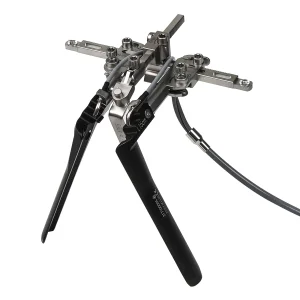
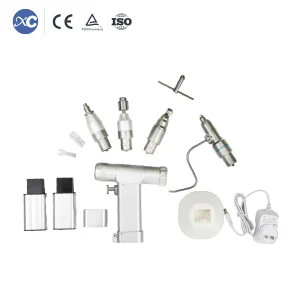
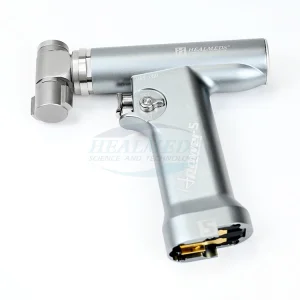
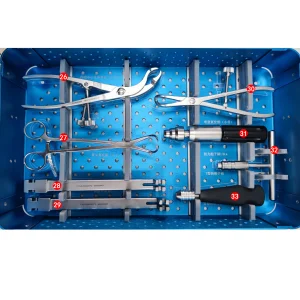
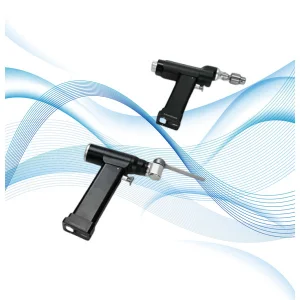
Complete surgical instrumentation and dynamic stabilization systems designed for orthopedic trauma reconstruction.