Zynfuse
Zynfuse
Zynfuse
Pioneering precision medical solutions with global safety clearances and advanced biomechanical performance.
In joint reconstruction, the femoral stem serves as the foundation of mechanical load transfer and long-term biological fixation. As orthopedic clinics demand superior implant lifespans and patient-specific adaptations, the manufacturing processes of total hip arthroplasty (THA) components must evolve. The transition toward customized hip replacements and advanced porous structures has repositioned B2B procurement strategies around precision engineering, supply-chain flexibility, and rigorous regulatory compliance.
Whether fabricating classic cemented titanium alloys or state-of-the-art cementless modular stems with grit-blasted or plasma-sprayed surfaces, selecting an experienced manufacturer is paramount. Precision, material purity, and biological optimization drive our production capabilities, providing global surgical distributors and implant brands with reliable, clinical-grade components.
Combining deep domain expertise with raw manufacturing capacity to deliver high-performance surgical implants globally.
Established in 2016, Zynfuse Medical Technology Co., Ltd. is a professional orthopedic medical device manufacturer specializing in bone fusion and advanced implant systems for surgical innovation. Backed by 12 years of industry experience and 7 years of global export experience, we serve hospitals, medical distributors, orthopedic clinics, and device importers across North America, Europe, Southeast Asia, and the Middle East.
Operating from our modern 18,600 m² ISO-compliant facility, we generate over $18.5 million in annual export revenue. Our production reliability is supported by a global supply chain network of over 1,200 partners and verified by a dedicated team of 68 quality inspection specialists ensuring strict adherence to international standards.
With 85 dedicated R&D engineers, Zynfuse launches approximately 320 new products annually. We offer extensive customization services (OEM/ODM), adjusting implant geometry, neck-shaft angles, surface roughness, and raw material selection to meet the precise clinical and regulatory requirements of our clients.
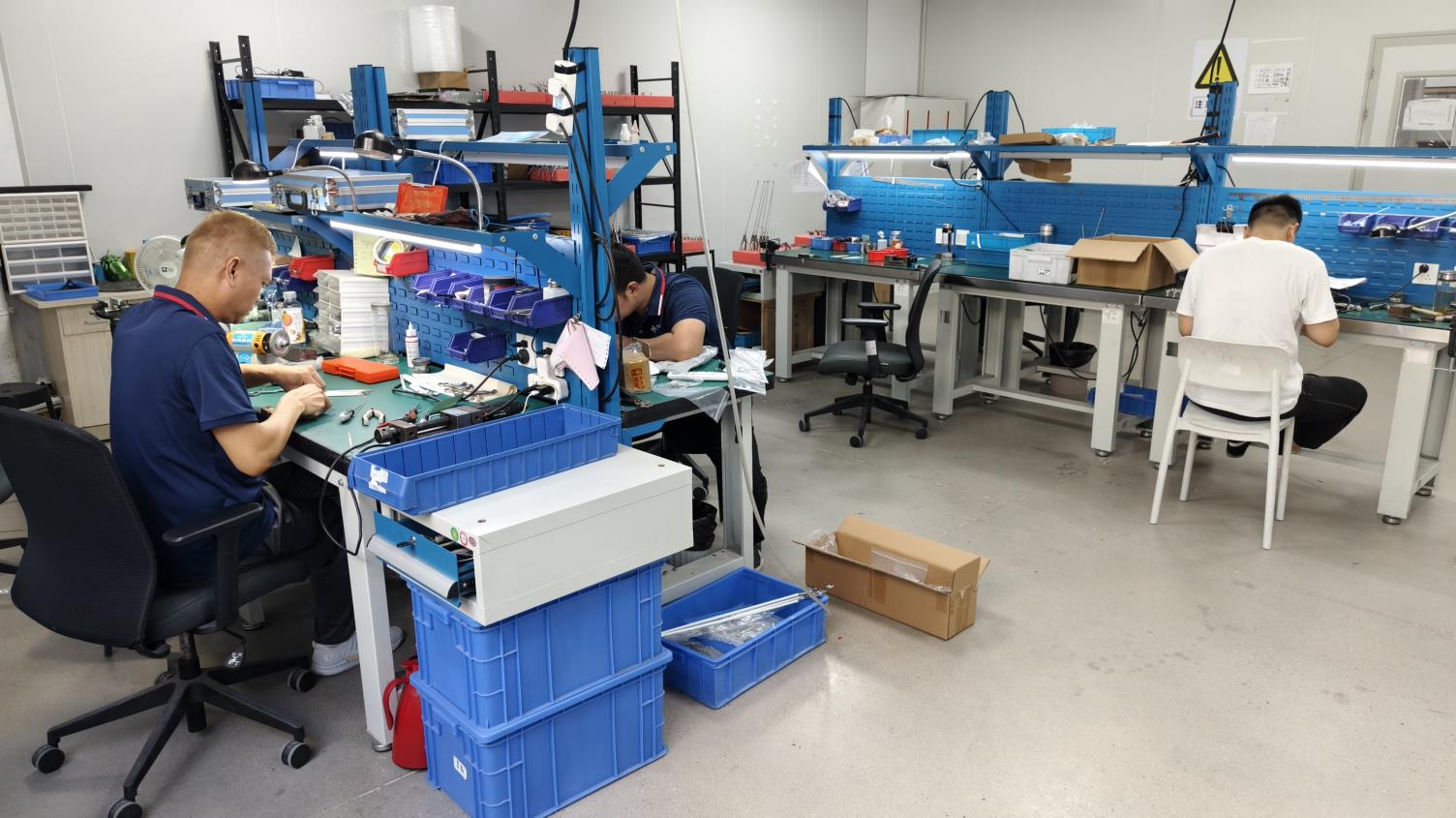
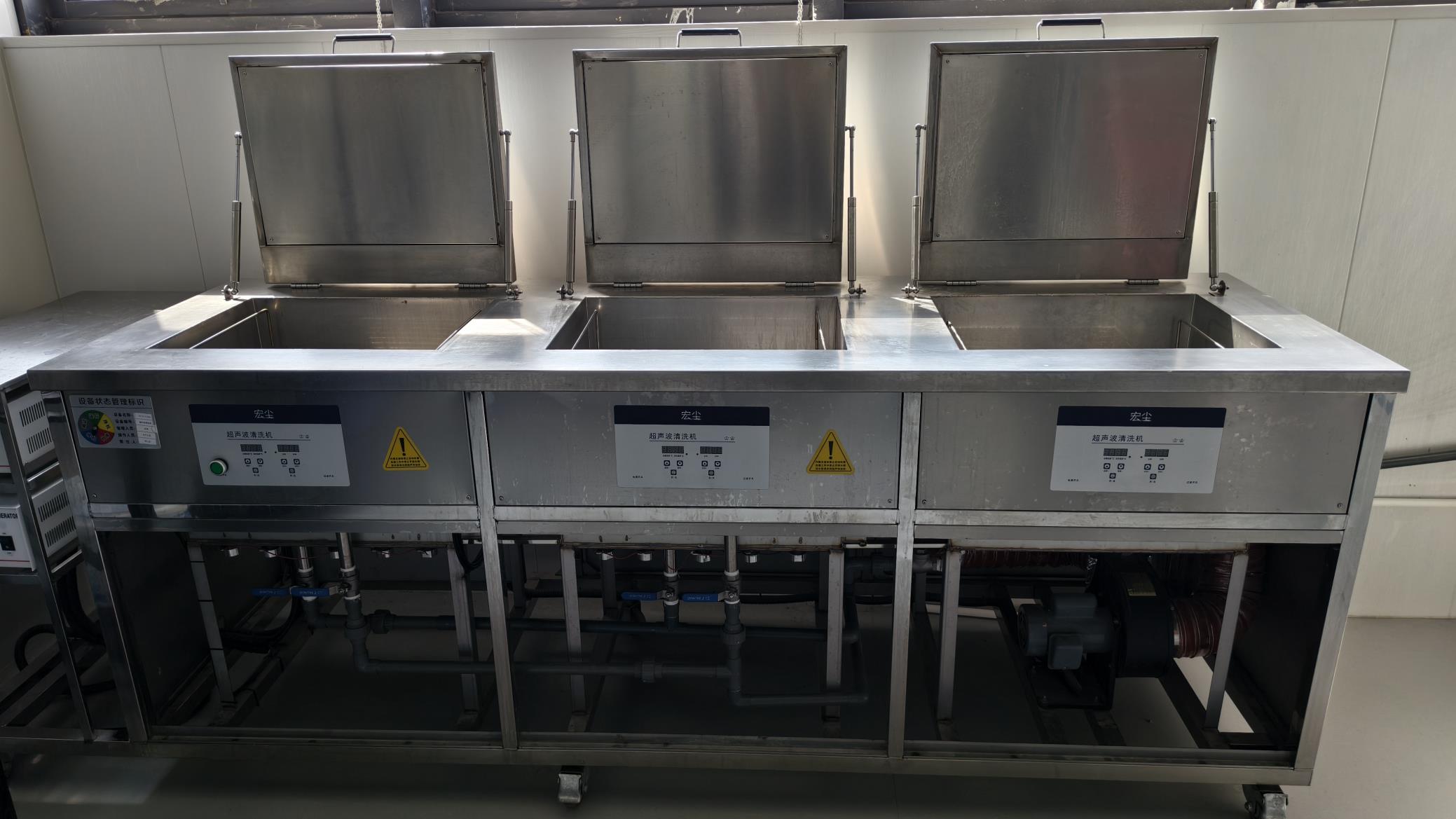
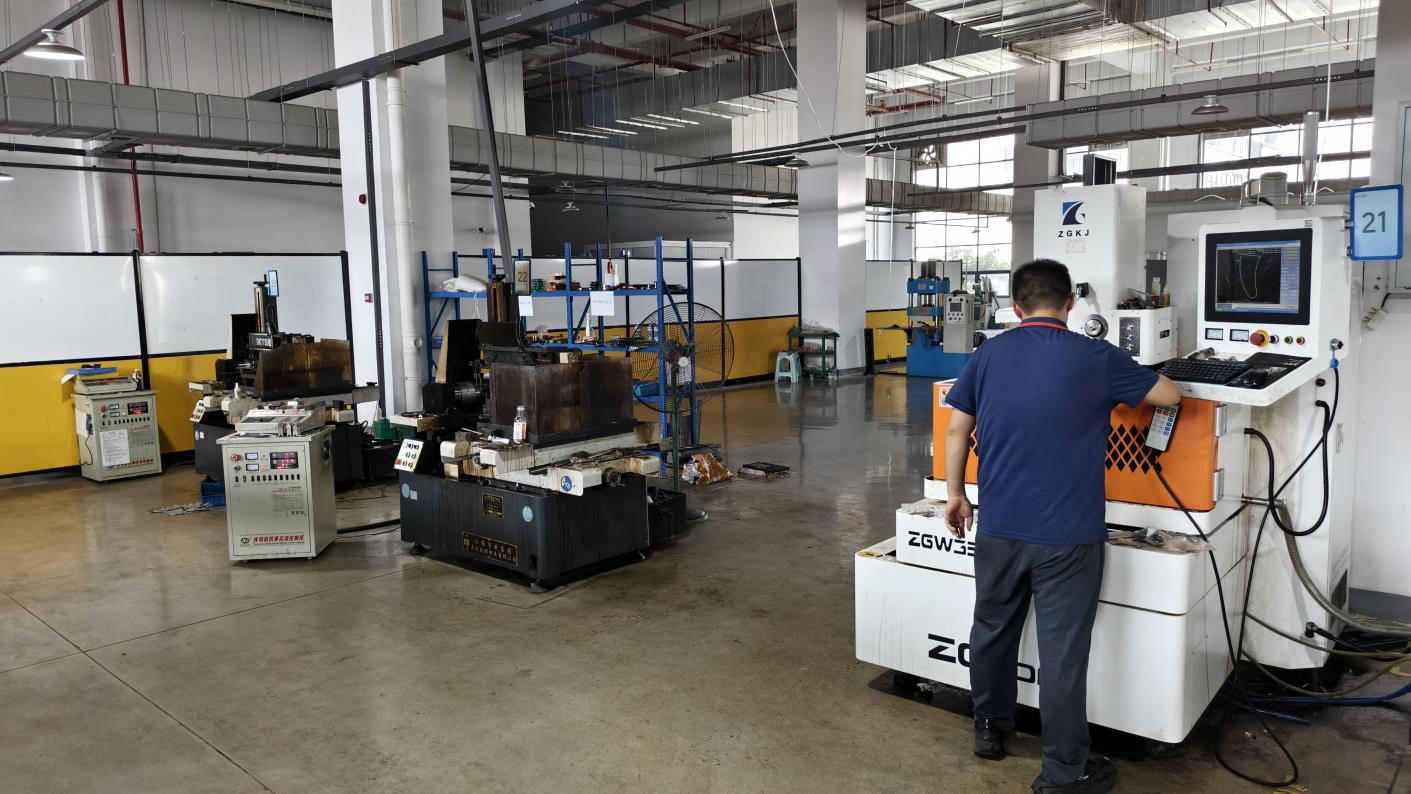
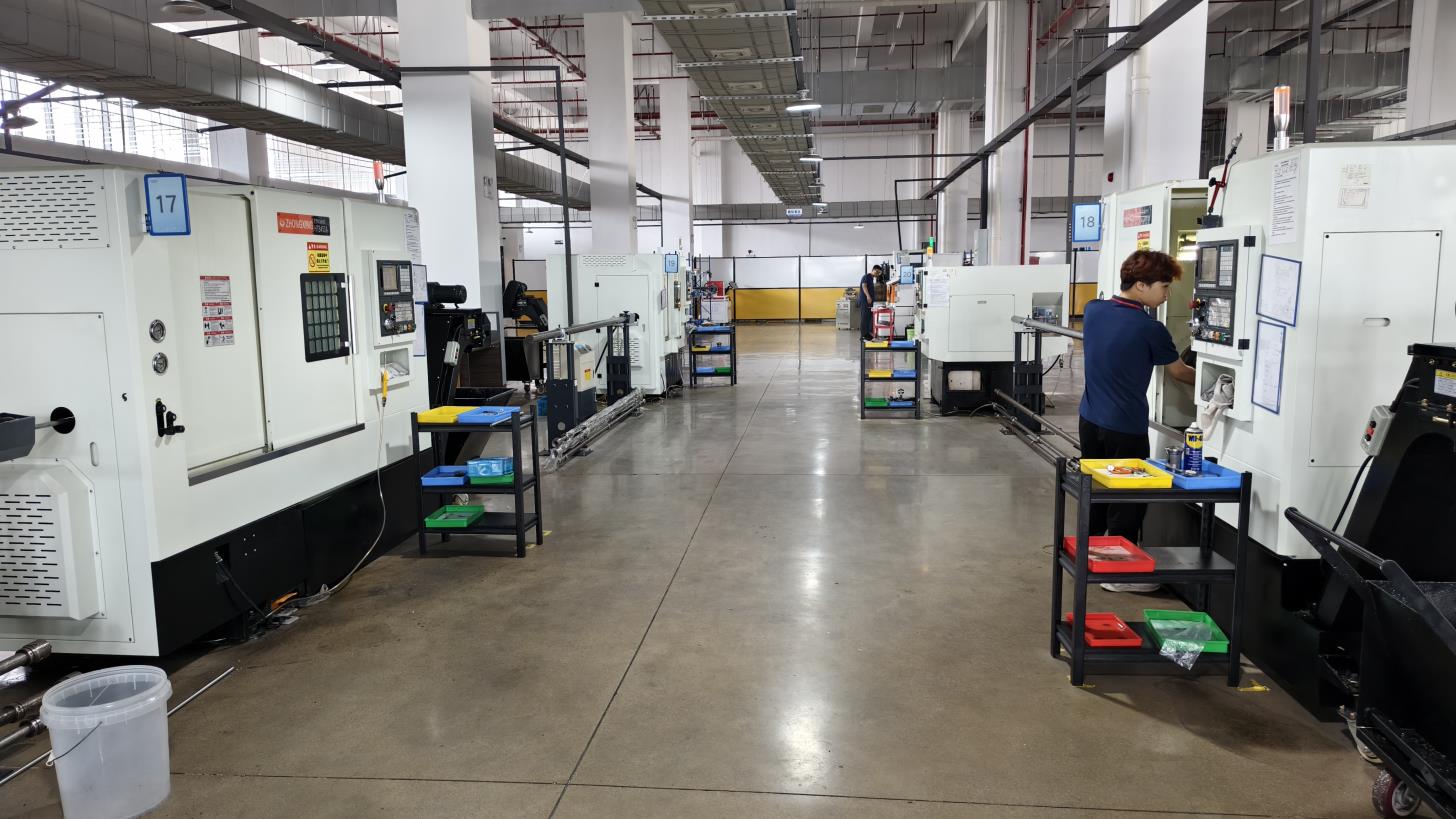
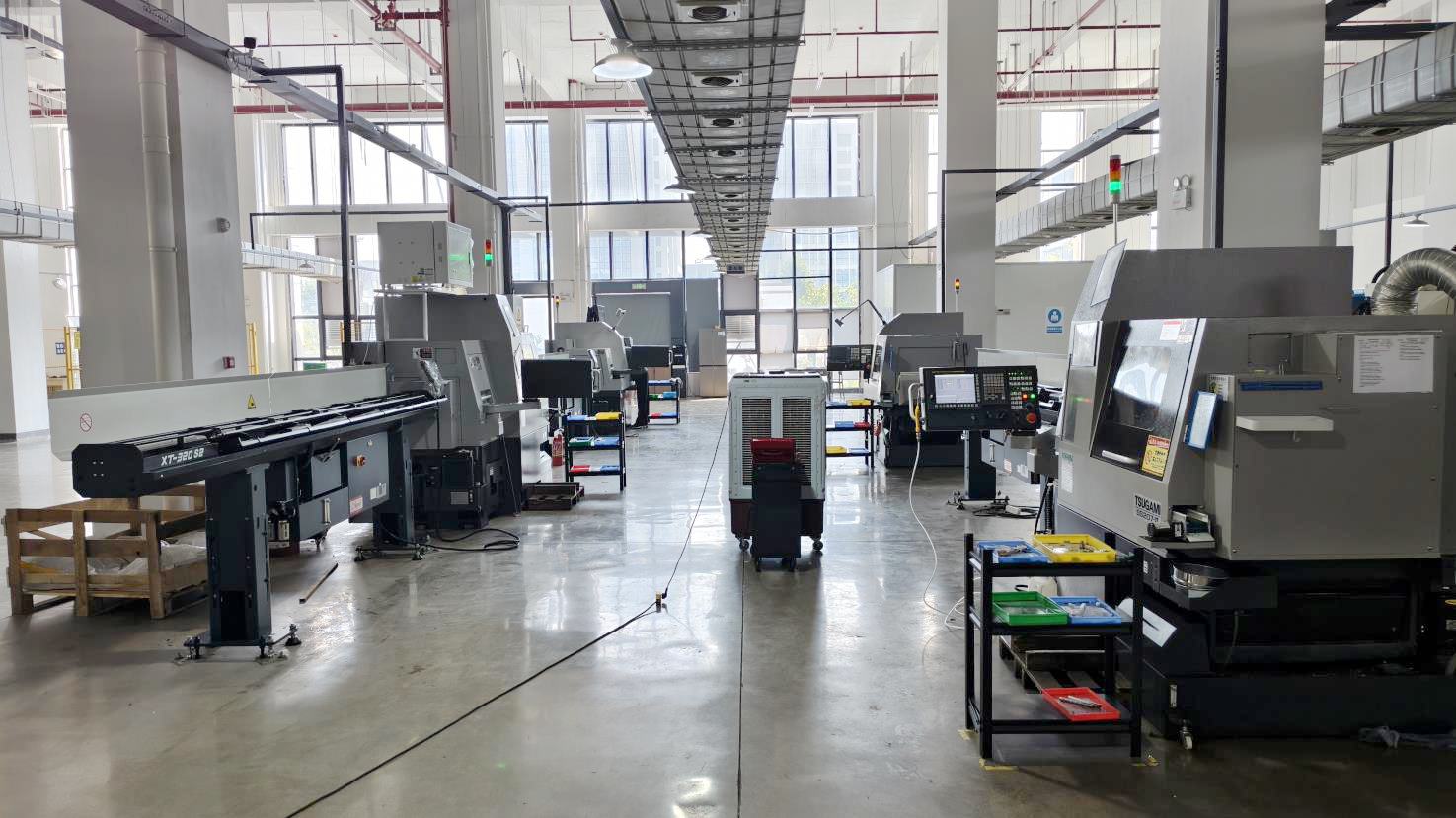
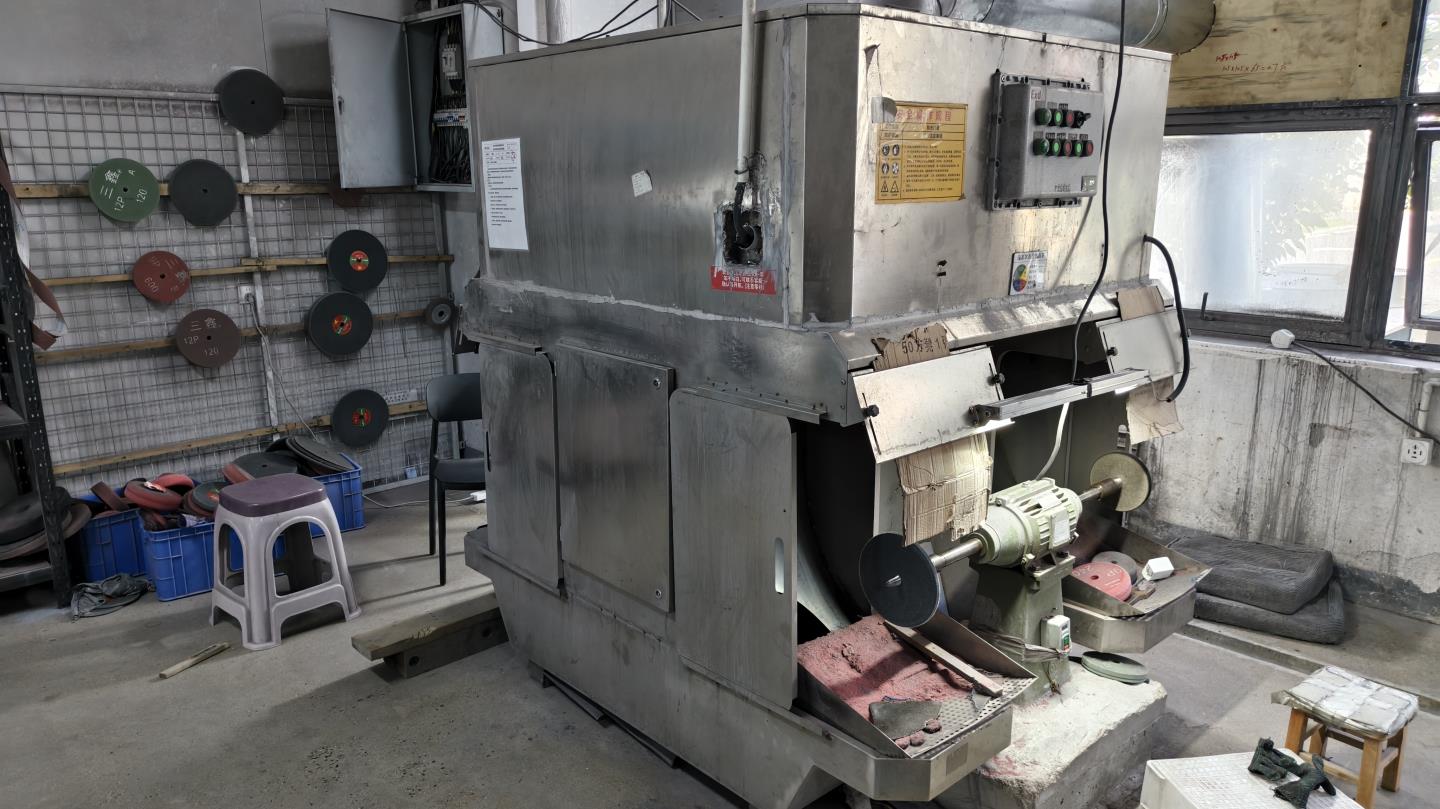
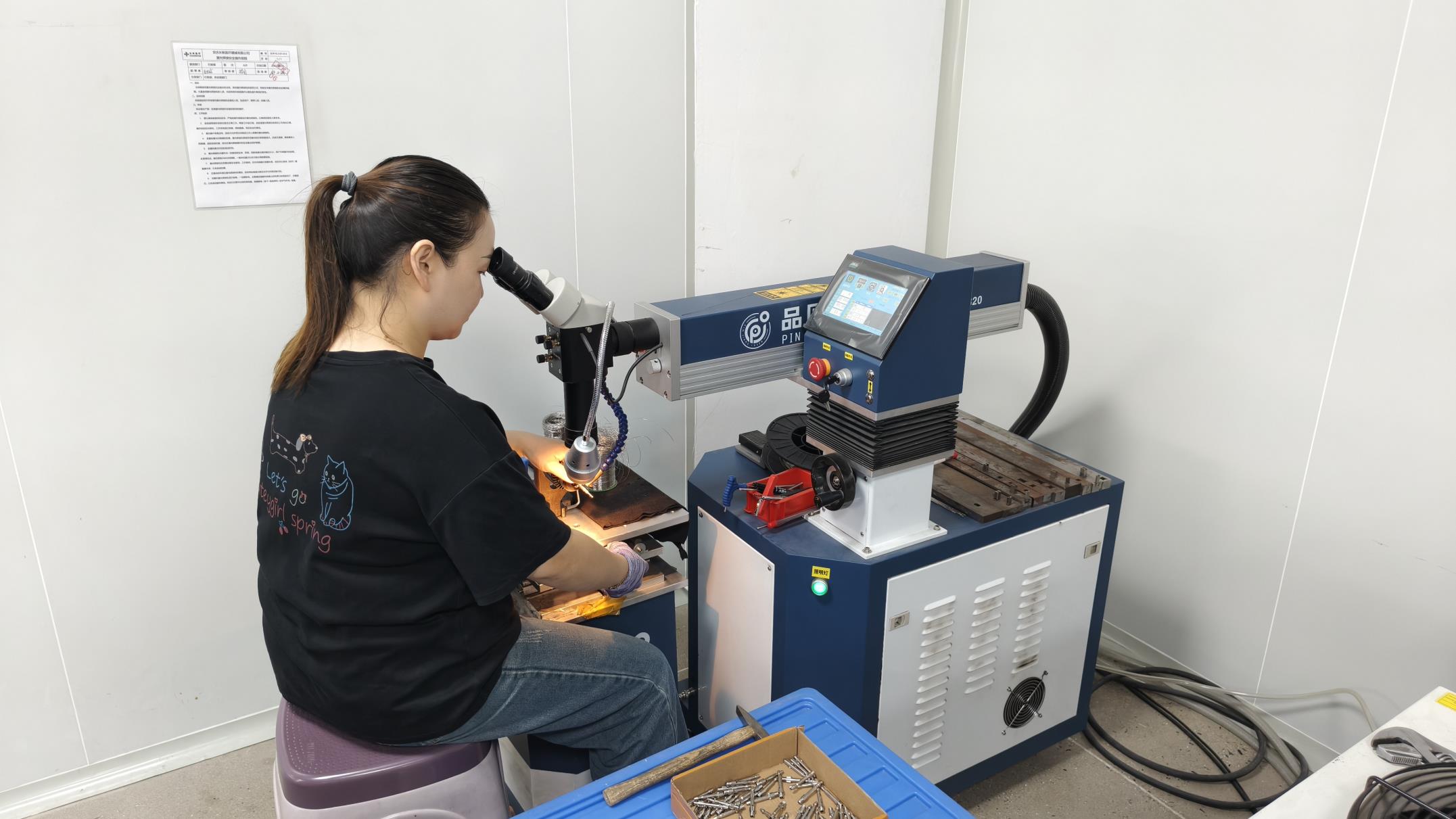
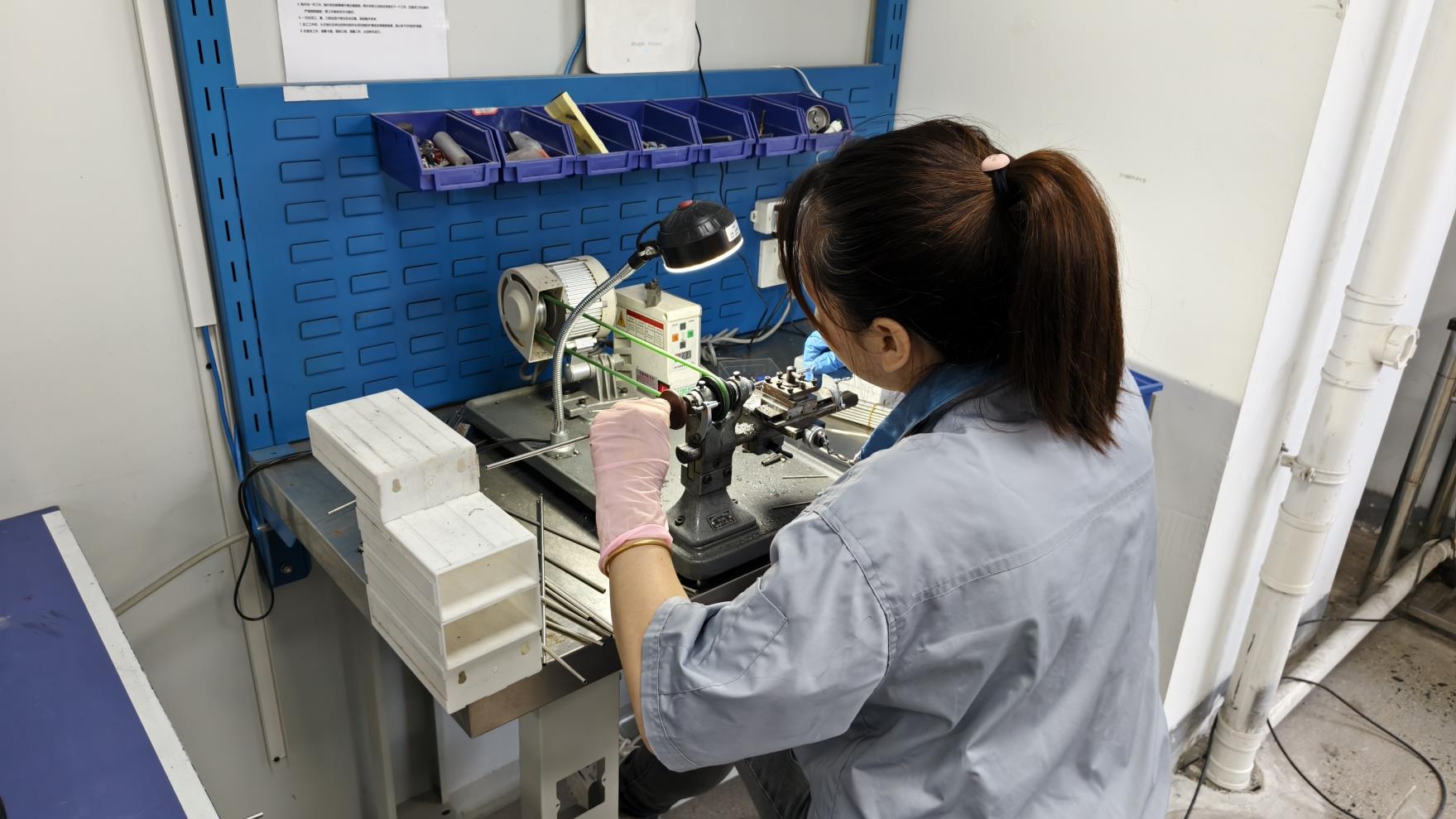
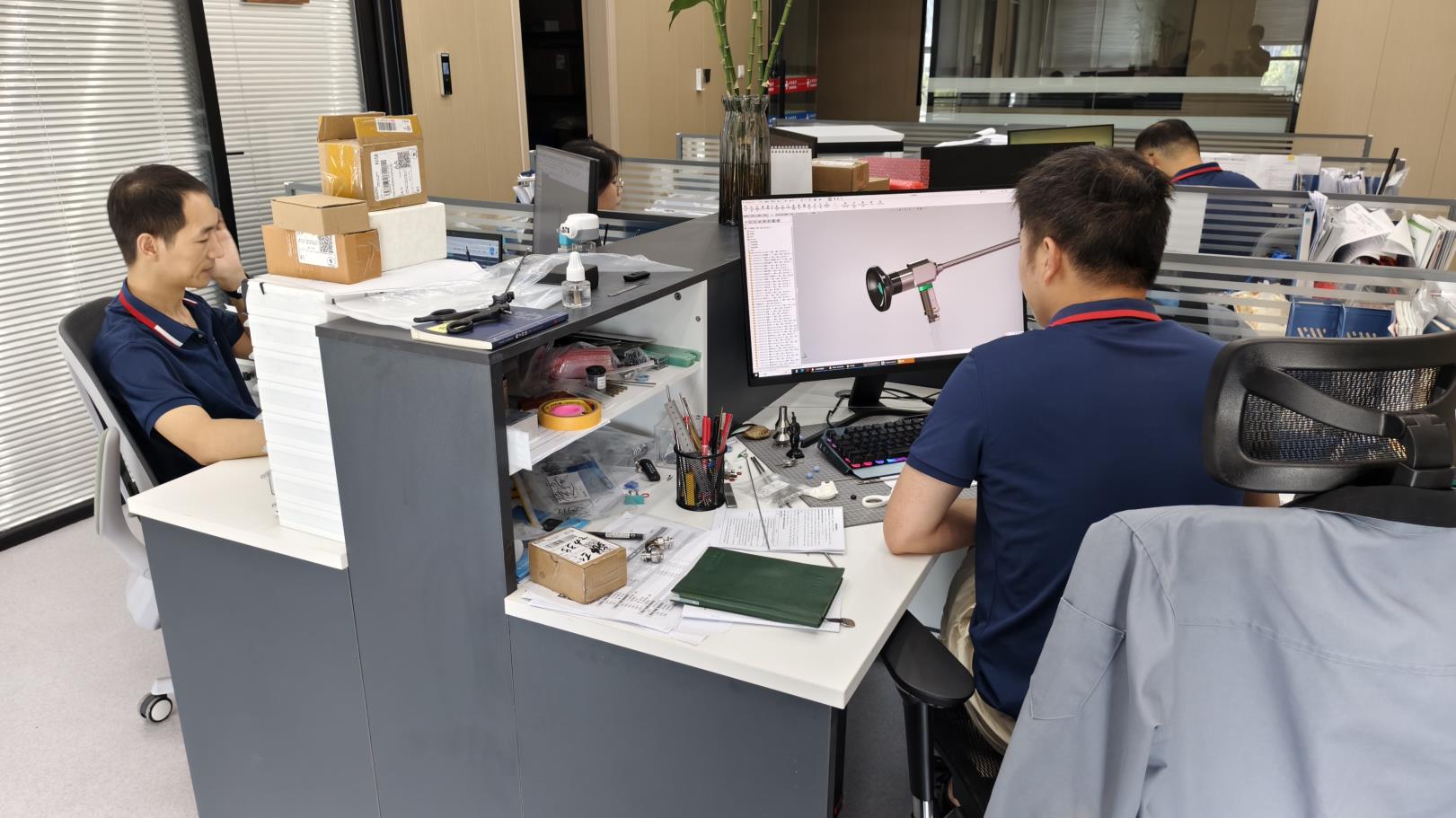
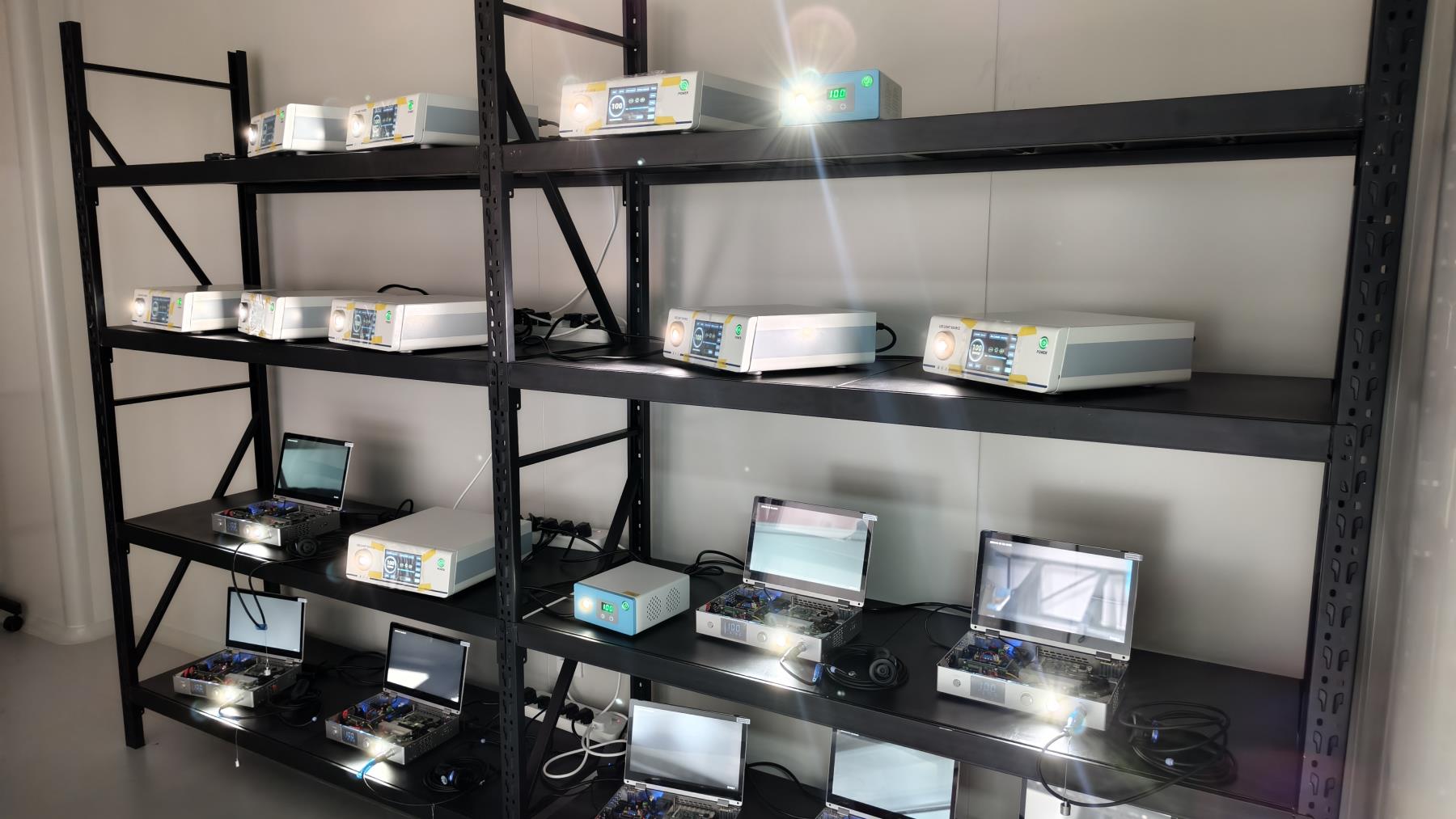
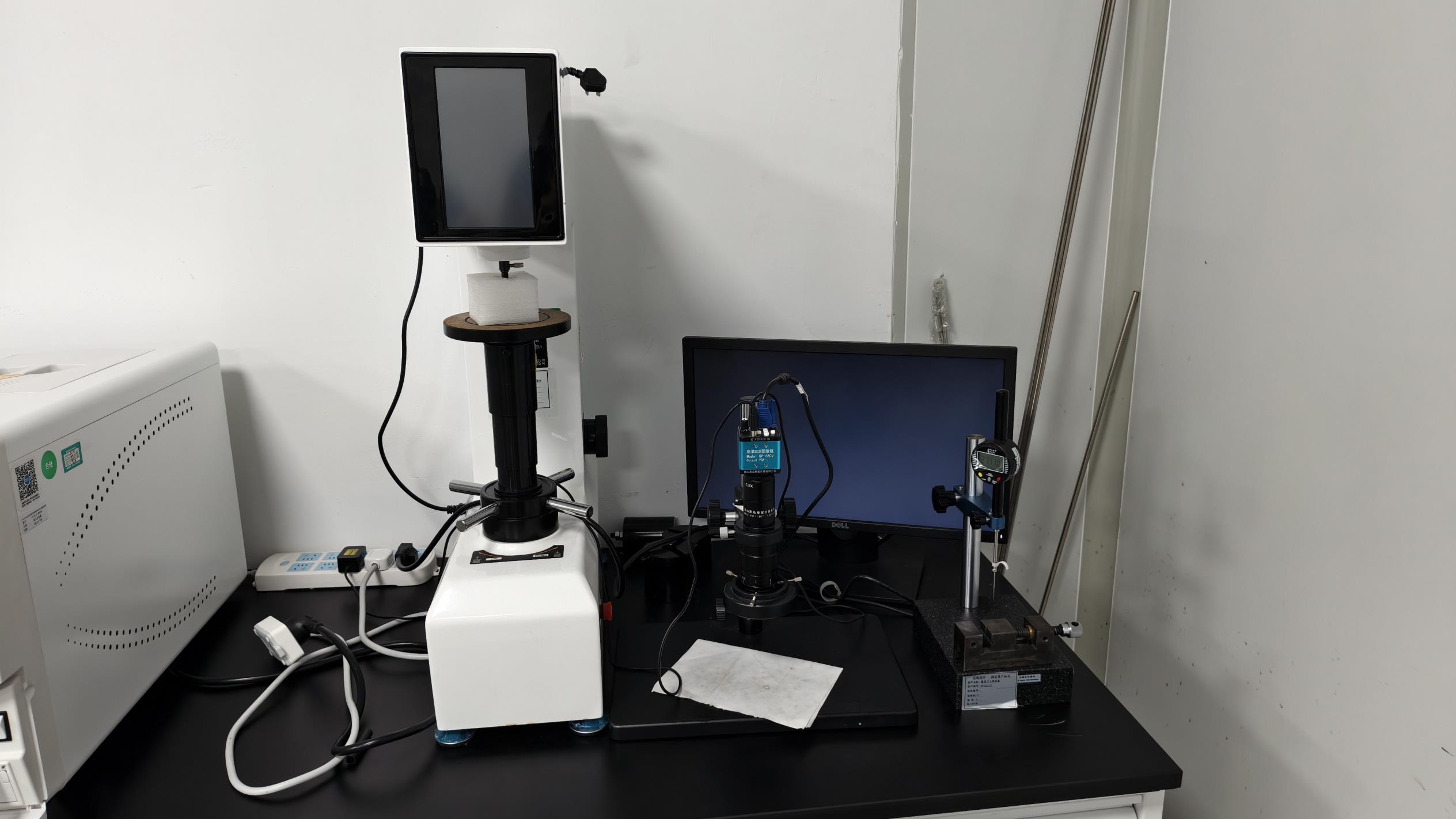
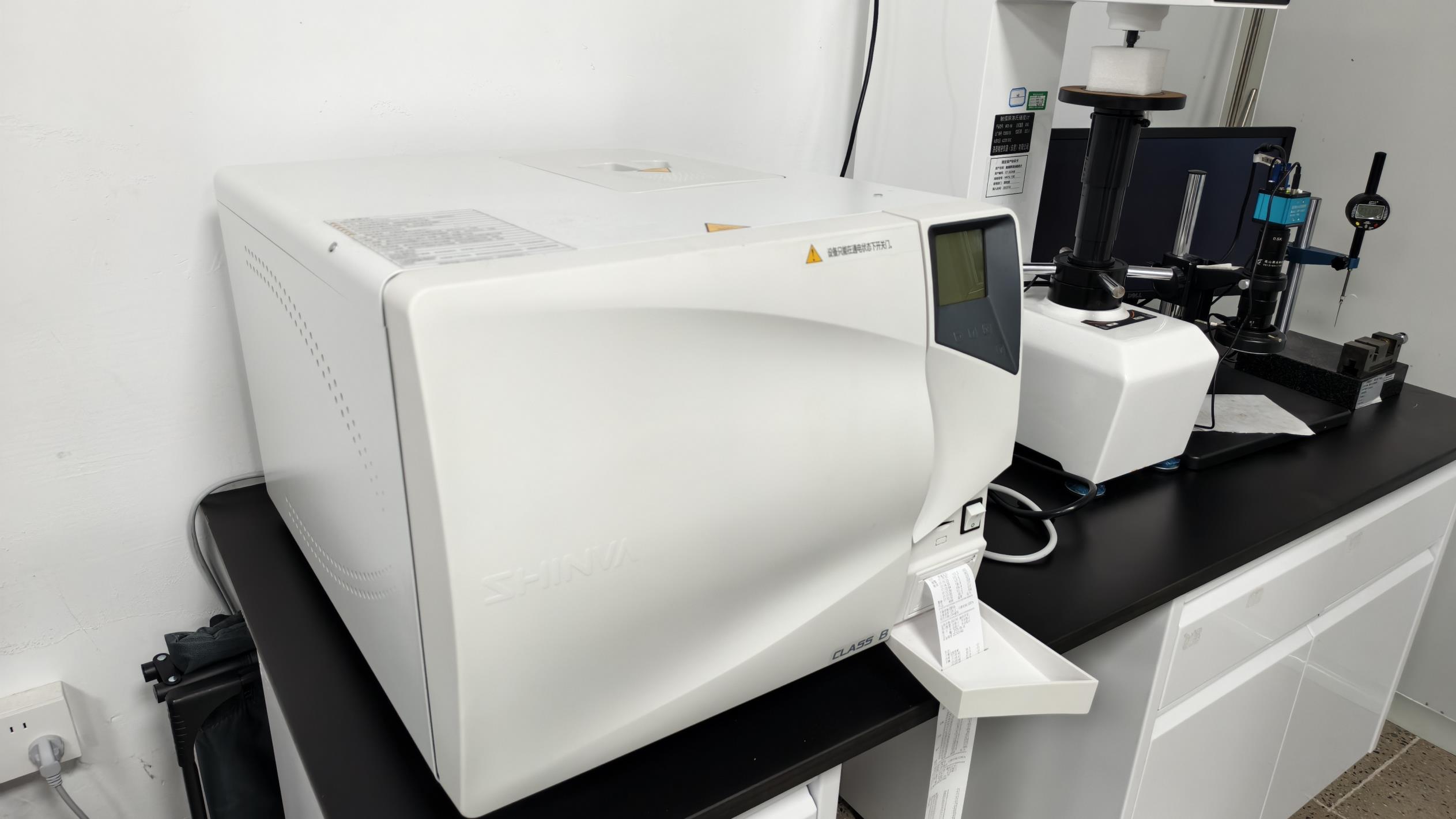
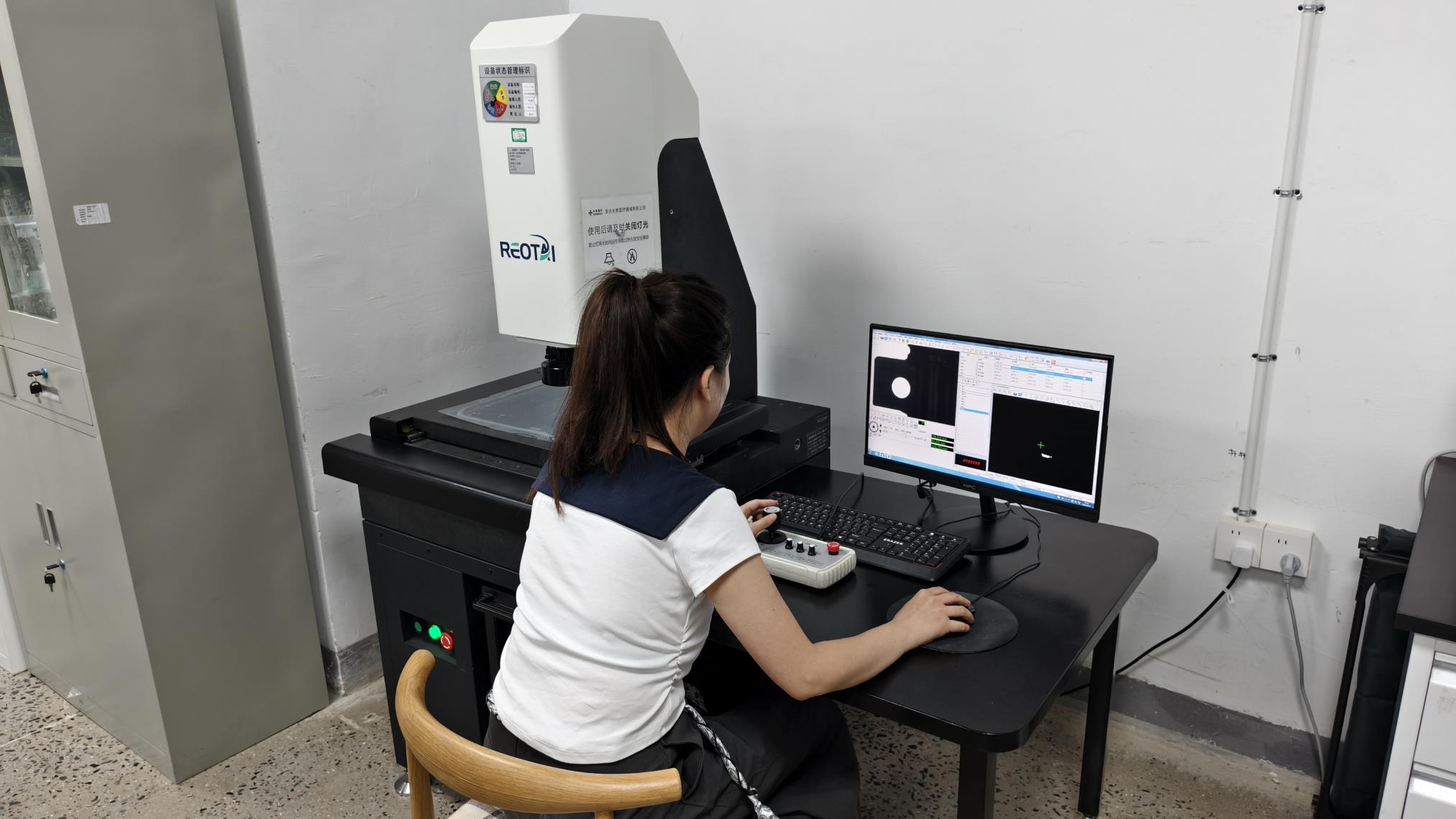
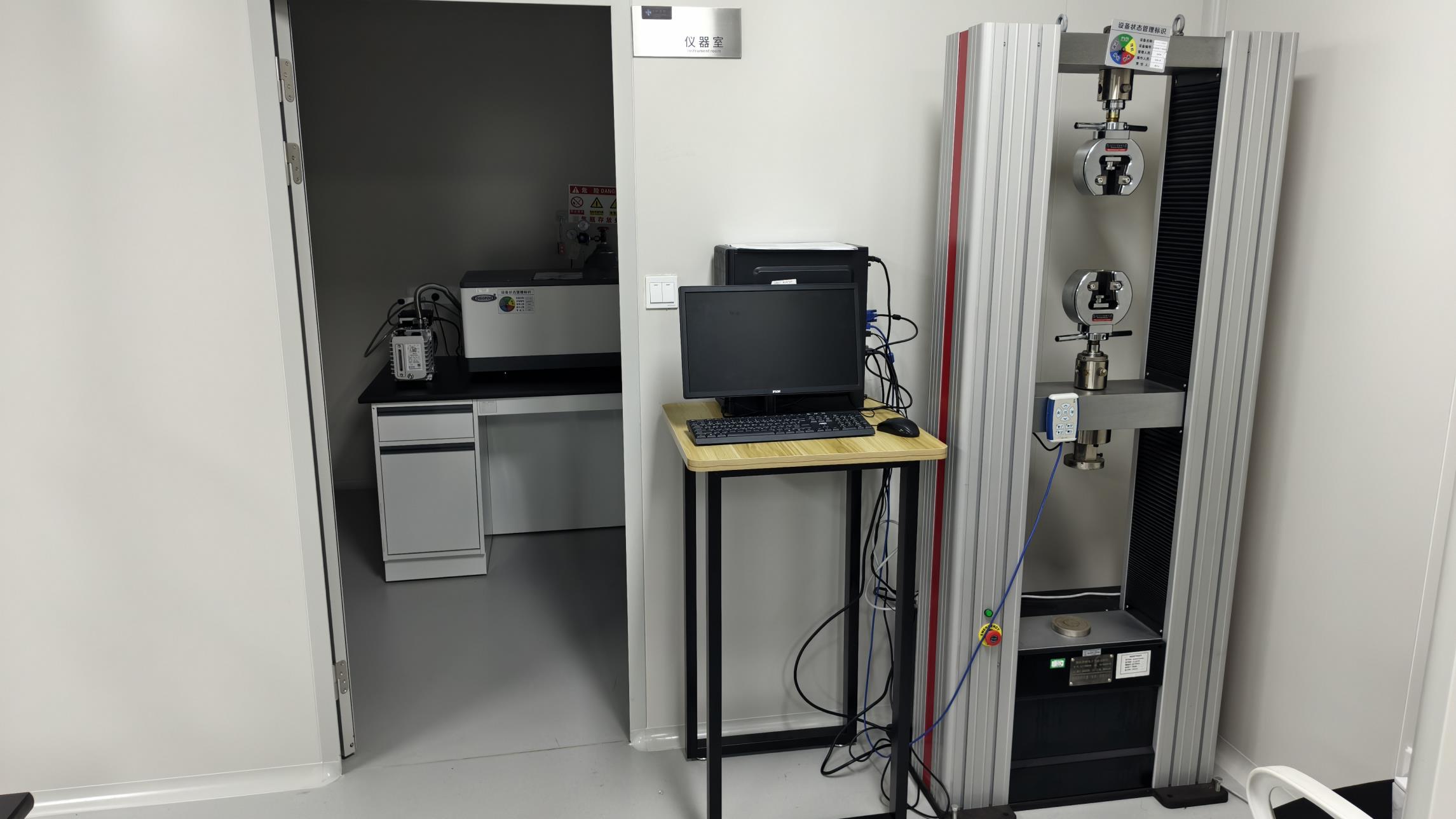
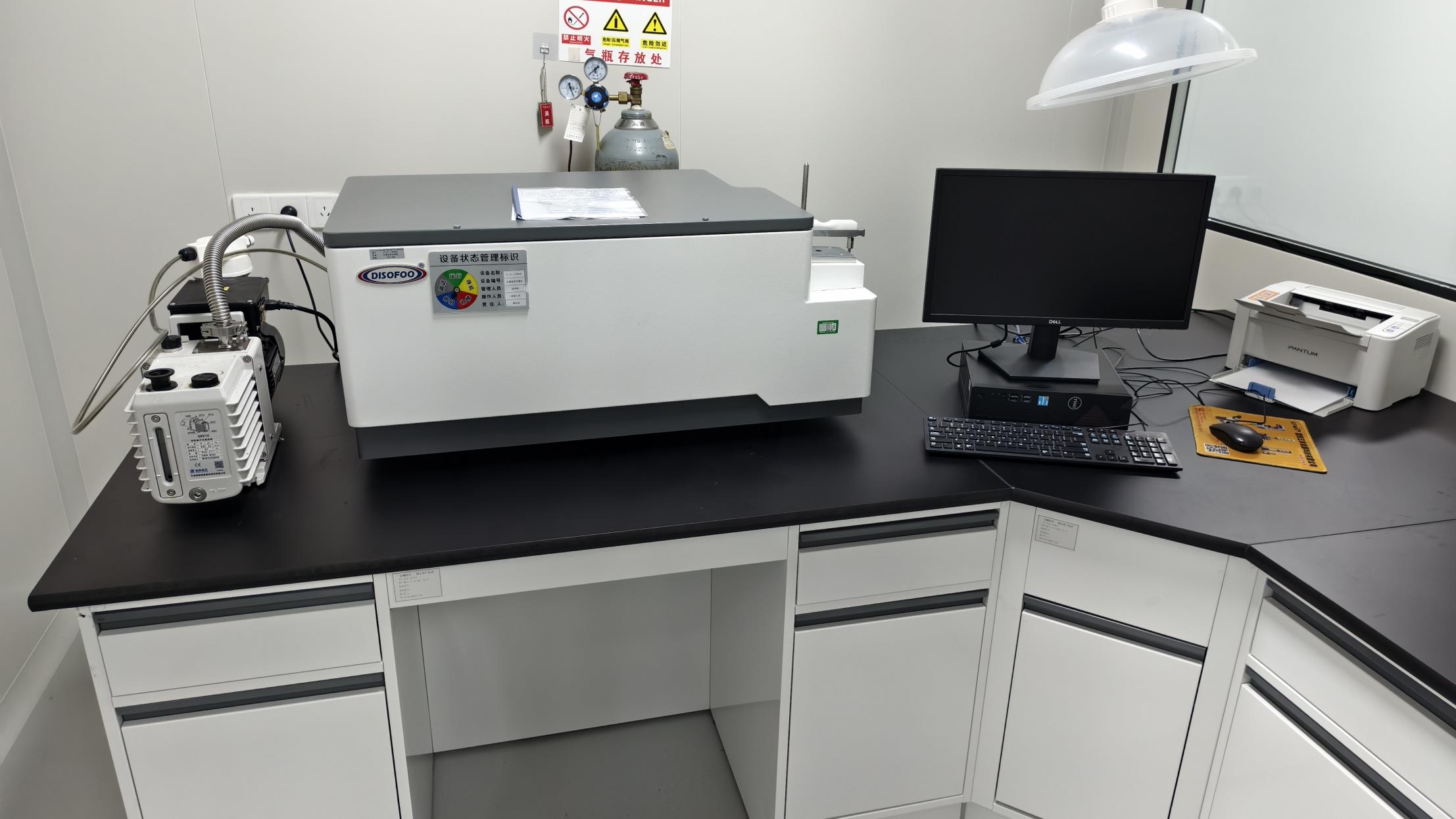
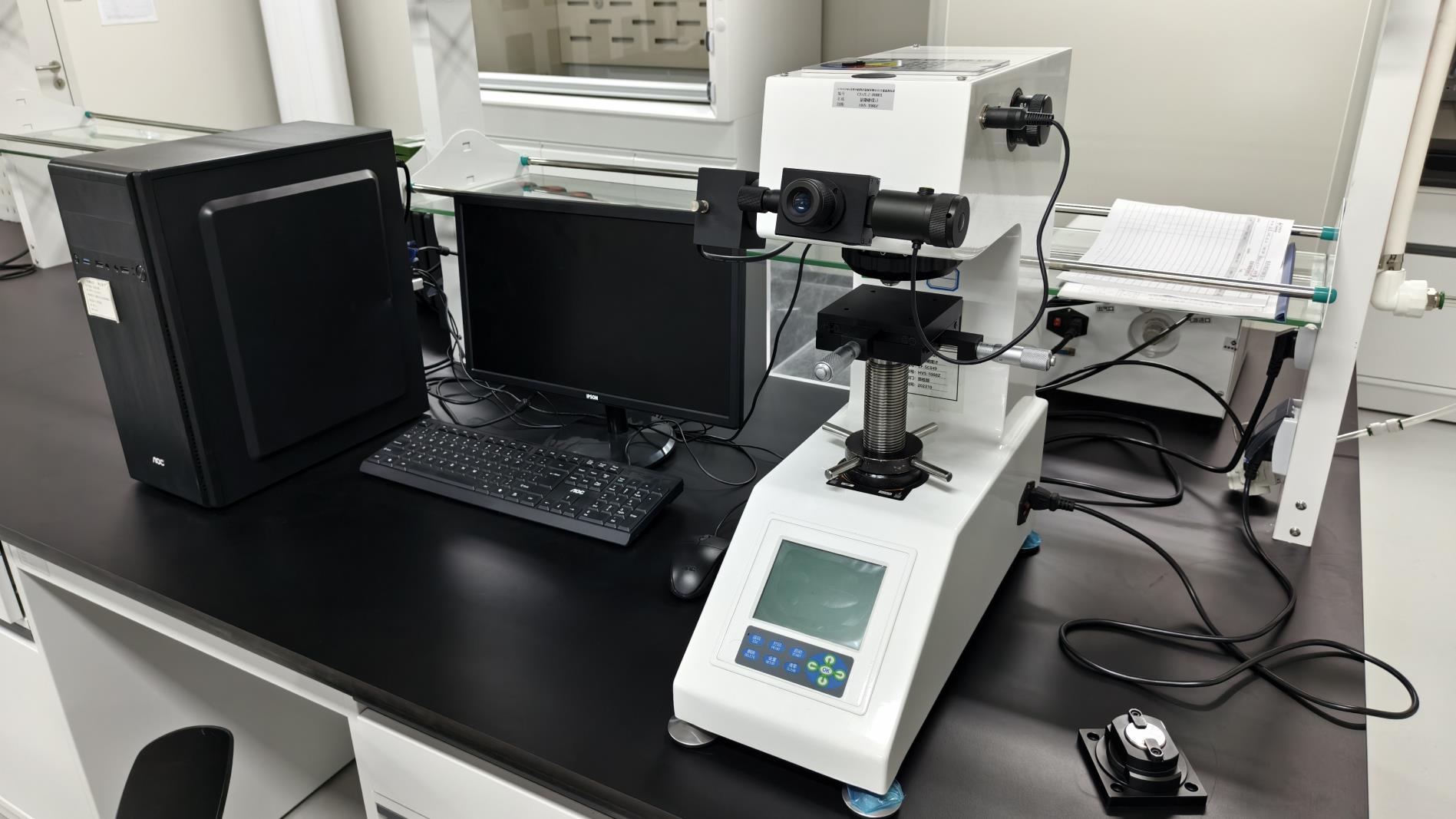
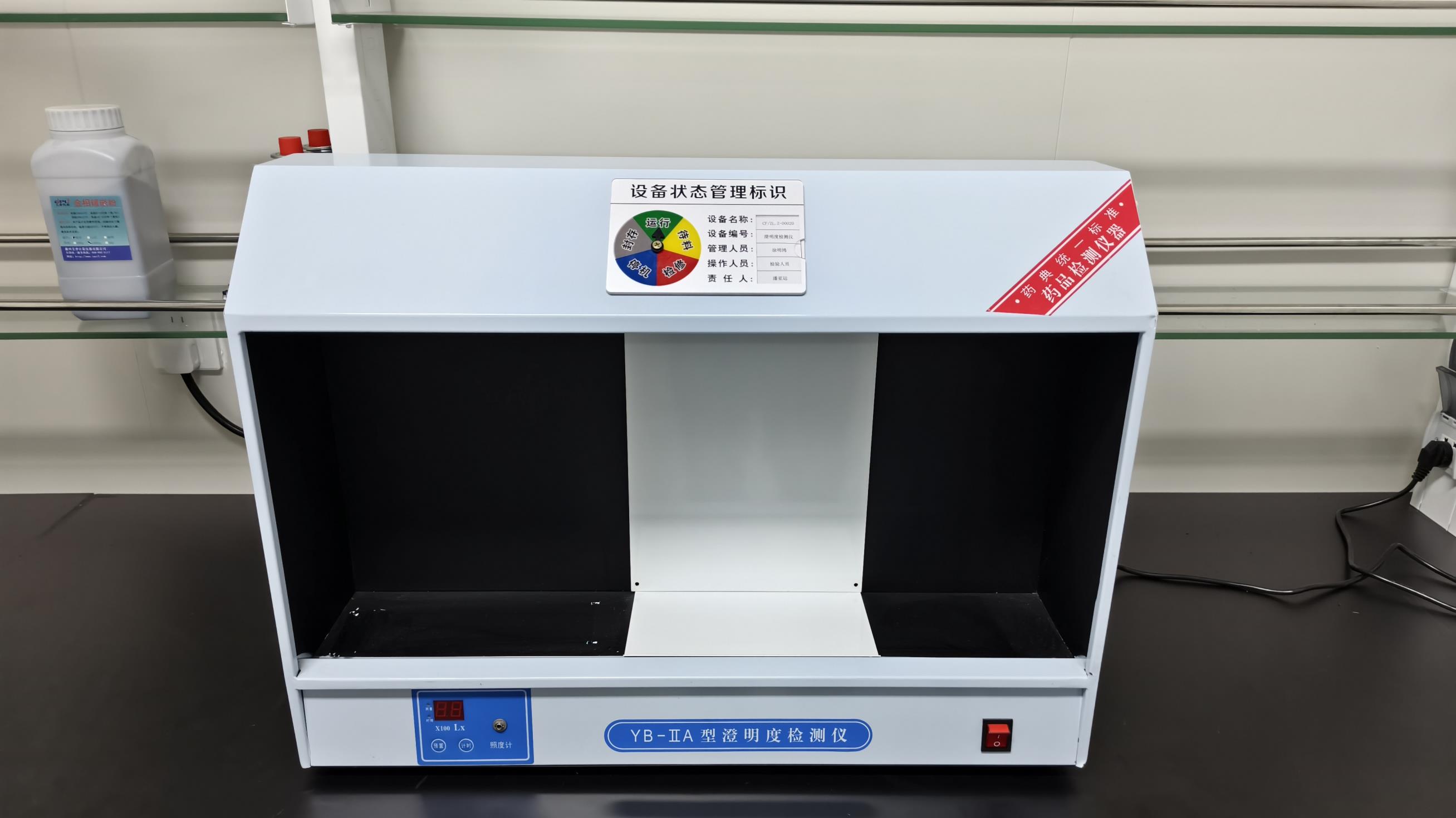
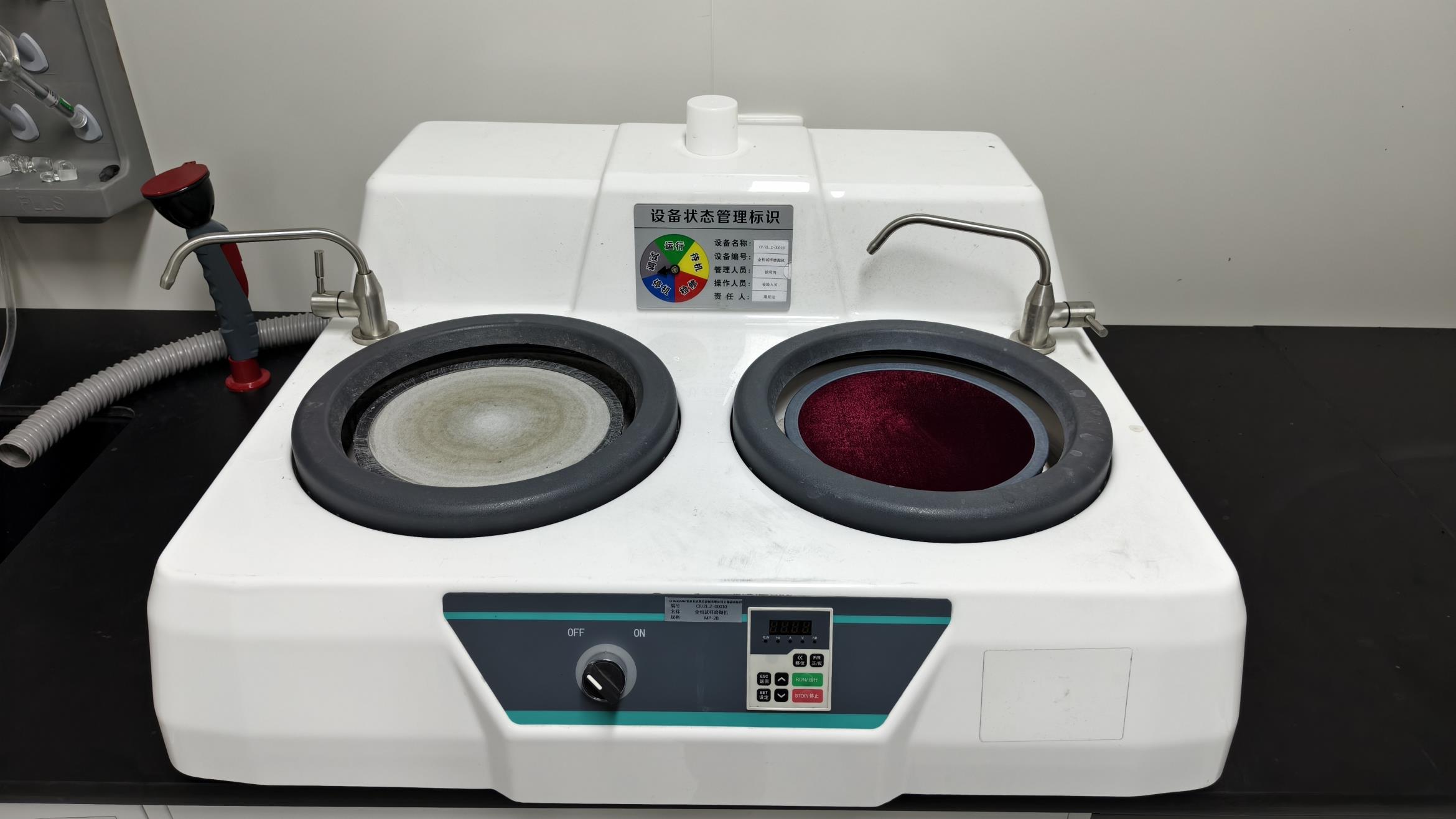
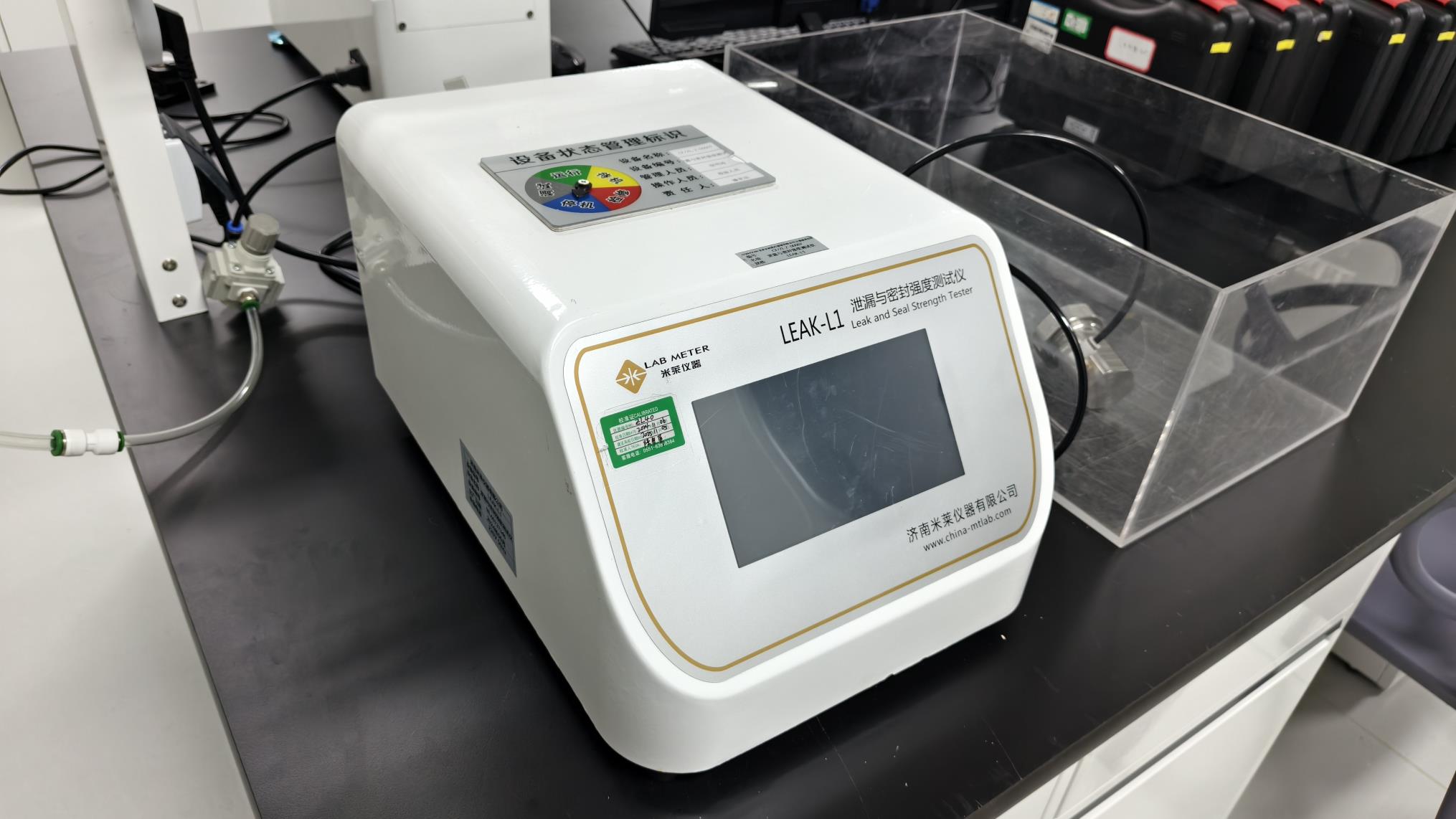
Inside Zynfuse's manufacturing facility: Raw metal cutting to micro-level precision testing instruments.
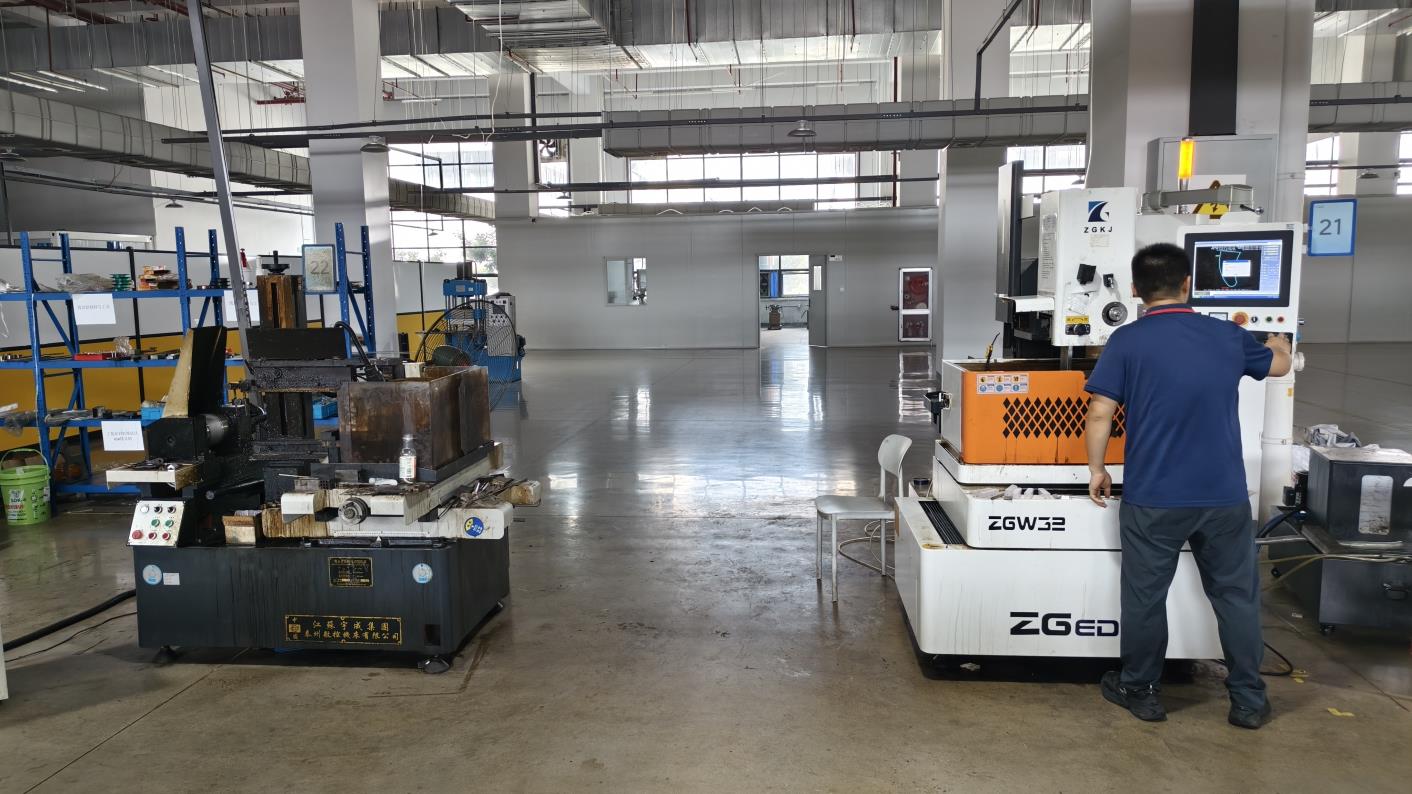
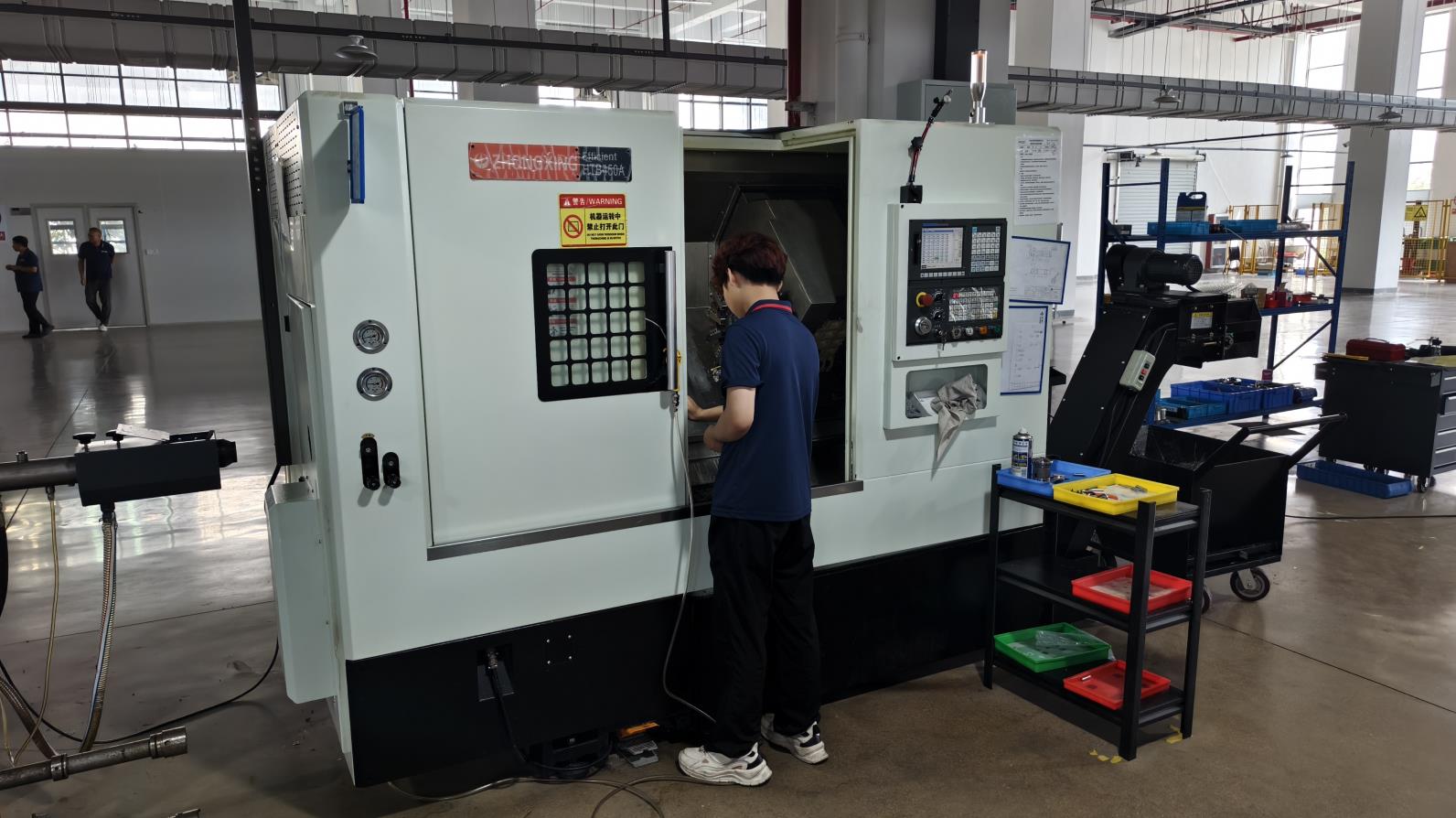
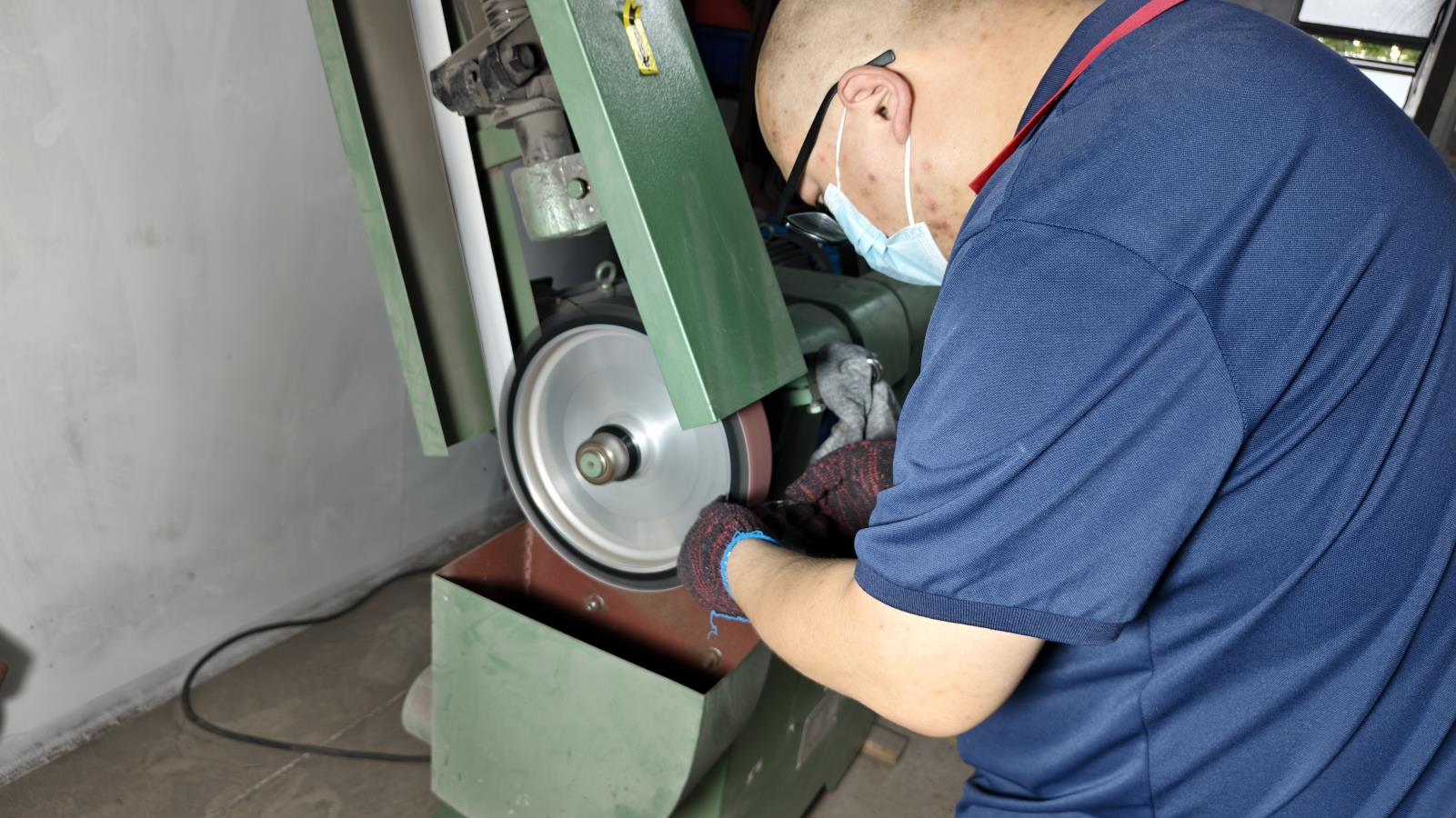
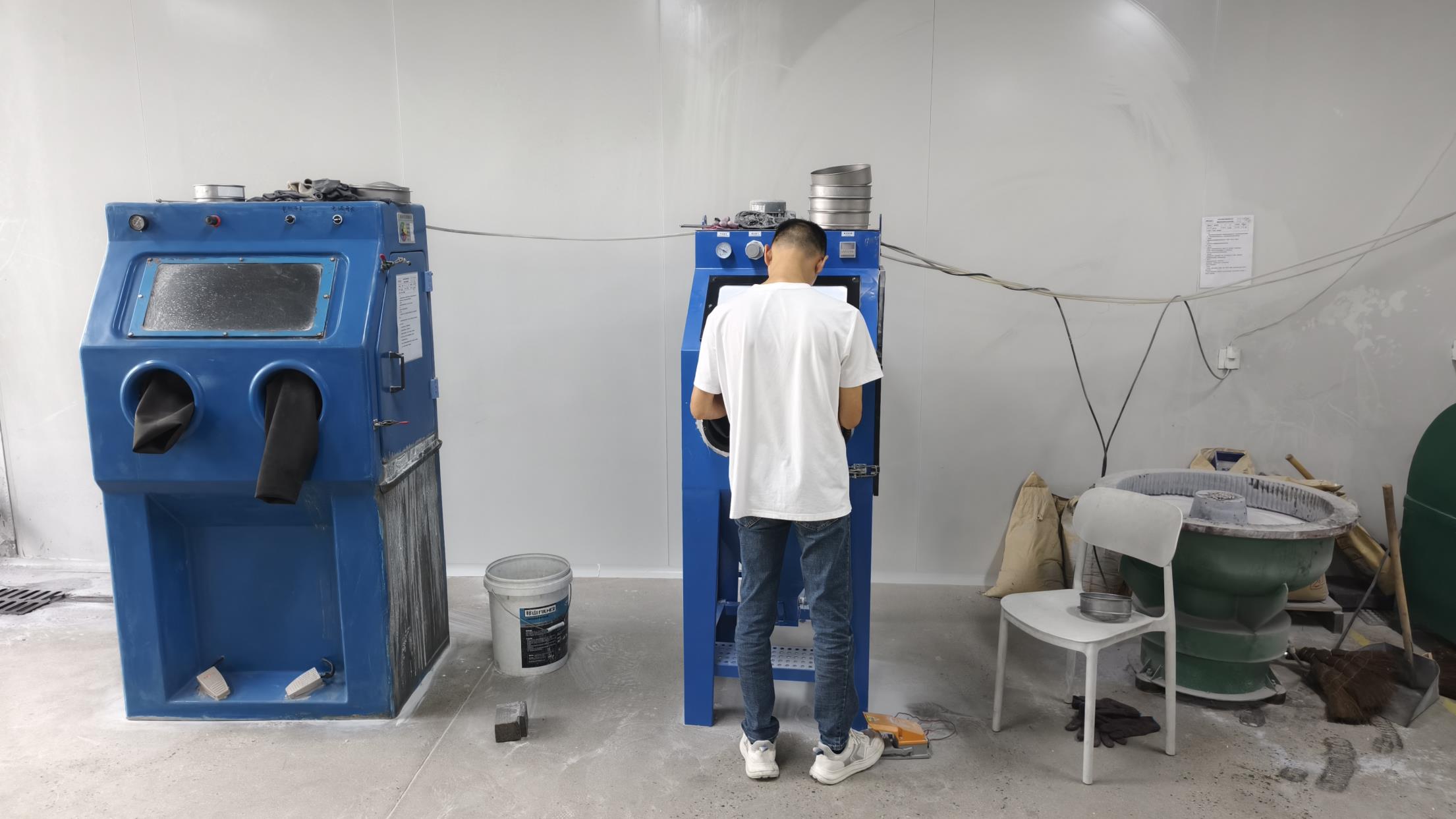
How regional industrial concentration, expert metallurgy, and logistics hubs optimize manufacturing economics.
By operating inside China's advanced industrial corridors, we maintain direct contracts with state-approved titanium and cobalt-chromium refineries. This guarantees consistent access to ASTM F136 Extra Low Interstitial (ELI) grade titanium, reducing material costs while meeting strict international orthopedic specifications.
Advanced tooling, multi-axis automated CNC setups, and localized surface treatments minimize manufacturing costs without compromising quality. Compared to Western facilities, we offer a 30% to 45% production cost savings on high-volume runs of femoral stems and corresponding instrumentation.
With an annual R&D release of over 320 products, Zynfuse scales designs from digital concept to physical clinical prototypes in weeks. Our facility operates continuously under ISO 13485 oversight, preparing technical files to support FDA 510(k), CE MDR, and NMPA submissions.
Large healthcare networks and surgical distributors require stable supply chains. We address these requirements with end-to-end support for custom implants:
We utilize 3D video measuring, tensile testing, and spectrometer analysis to ensure each component meets specified tolerances. Fatigue testing is carried out under simulated physiological conditions (ISO 7206) to confirm long-term durability under dynamic loading.
"Every batch of femoral stems undergoes non-destructive penetrant inspection and microstructural analysis to verify structural integrity, minimizing the risk of intraoperative fracturing or aseptic loosening."
How our product lines adapt to varying global surgical environments and healthcare infrastructures.
Common in North American and European orthopedic clinics, these stems utilize titanium alloy with high-porosity coatings. They promote rapid biological osseointegration, supporting early postoperative load-bearing in younger, active patients.
Mainly used in patients with compromised bone density, these highly polished CoCrMo or stainless steel stems rely on PMMA bone cement for immediate mechanical stability, reducing the risk of subsidence.
We modify stem offsets, lengths, and neck angles to suit the regional anatomic variations of patients across North America, Europe, Asia, and the Middle East, improving fit and joint stability.
Keeping your product line competitive through technology integration and advanced materials.
Advanced 3D metal printing allows for the creation of complex, porous lattice structures that mimic trabecular bone, improving biological fixation and bone remodeling compared to traditional coatings.
Short-stem designs focus on proximal loading and conserve natural bone stock in the distal femoral canal. This simplifies future revision surgeries and is increasingly preferred by active patients.
Dual-coatings (porous titanium with a thin outer layer of Hydroxyapatite) and antimicrobial surface treatments are designed to accelerate initial stability while reducing the risk of implant-associated infections.
Answers to common B2B procurement, engineering, and manufacturing questions.
Browse more trauma, spine, and joint preservation systems manufactured to international standards.