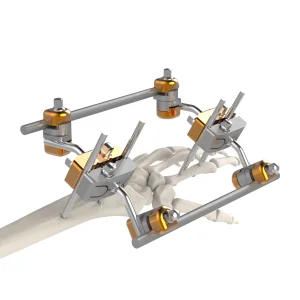
Zynfuse
Zynfuse
Zynfuse
Select premium trauma reconstruction and orthopedic implant options for immediate global distribution and OEM adaptation.
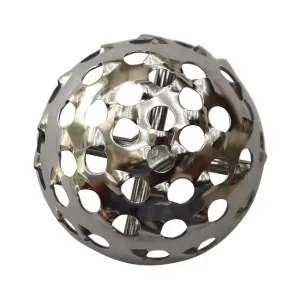
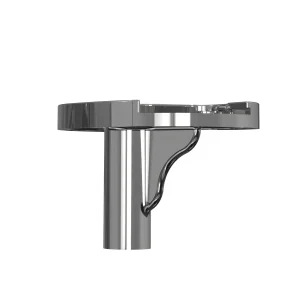
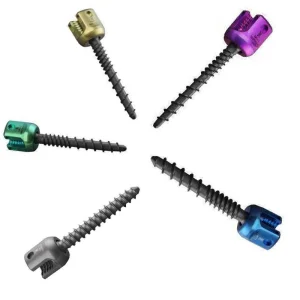
In modern orthopedic trauma care, the stabilization of long bone fractures, non-unions, and congenital bone deformities remains a critical surgical priority. Unilateral external fixators have emerged as a cornerstone treatment modality due to their structural adaptability, mechanical reliability, and minimally invasive clinical application. Globally, the demand for these medical-grade systems is growing rapidly, driven by the rise in high-energy traffic accidents, industrial workplace incidents, and the increasing clinical preference for limb reconstruction procedures over amputation.
As healthcare environments globally seek a balance between patient outcomes and procurement costs, hospitals and medical networks demand systems with high biocompatibility, precise structural mechanics, and absolute manufacturing traceablity. Our unilateral external fixation portfolios deliver structural rigidity, pin-tract safety, and ease of assembly to meet these challenging expectations.
Building the future of orthopedic devices on a foundation of scientific innovation and precision manufacturing.
Zynfuse Medical Technology Co., Ltd. is a professional orthopedic medical device manufacturer specializing in bone fusion and advanced implant systems for surgical innovation. Established in 2016, the company has built a strong foundation in orthopedic solutions with 12 years of industry experience and 7 years of export experience, serving global healthcare markets with consistent quality and reliability.
The company operates a modern manufacturing facility covering approximately 18,600 m², equipped with advanced production and testing equipment. Zynfuse maintains an annual export revenue of around $18.5 million, supported by a highly efficient supply chain network of over 1,200 partners worldwide. The organization employs 68 quality inspection specialists ensuring strict compliance with international medical standards. With a robust R&D team of 85 engineers, Zynfuse continues to expand its innovation capabilities, launching approximately 320 new products annually. The company offers extensive customization options, including implant geometry adjustment, material selection, and OEM/ODM solutions tailored to client needs. Zynfuse maintains a strong trade background with long-term partnerships across the global medical device industry, ensuring stable supply and consistent product excellence.
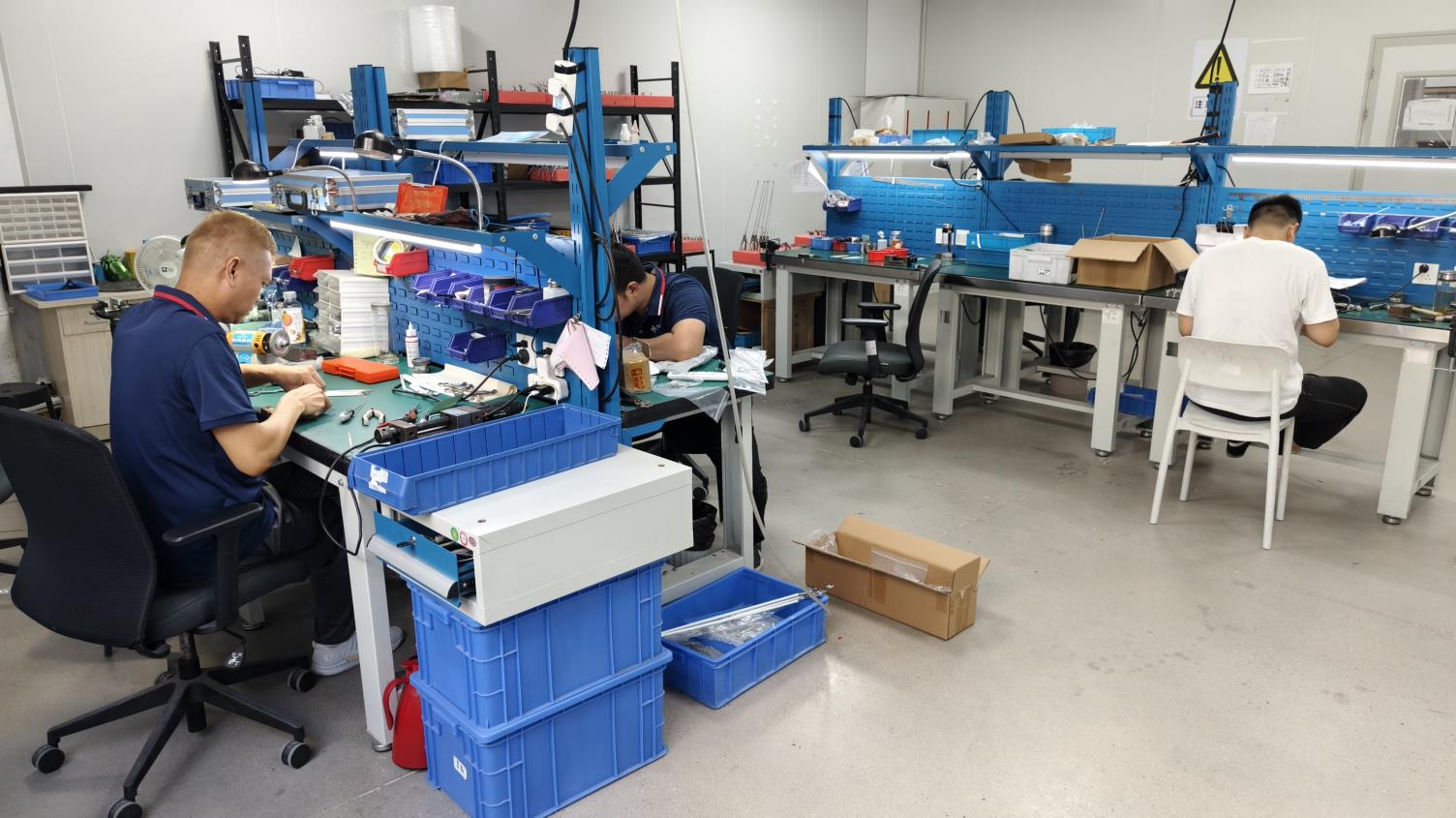
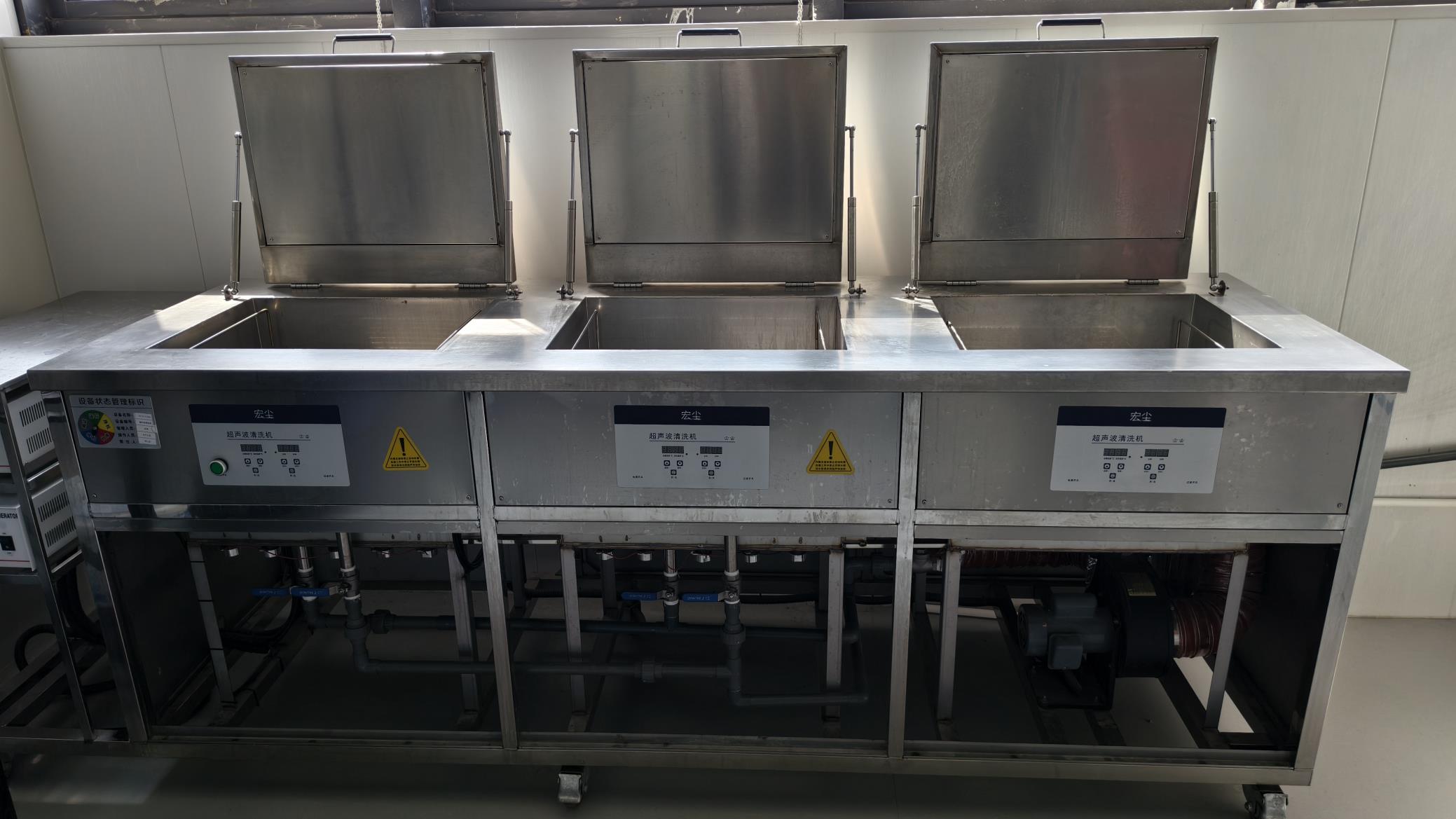
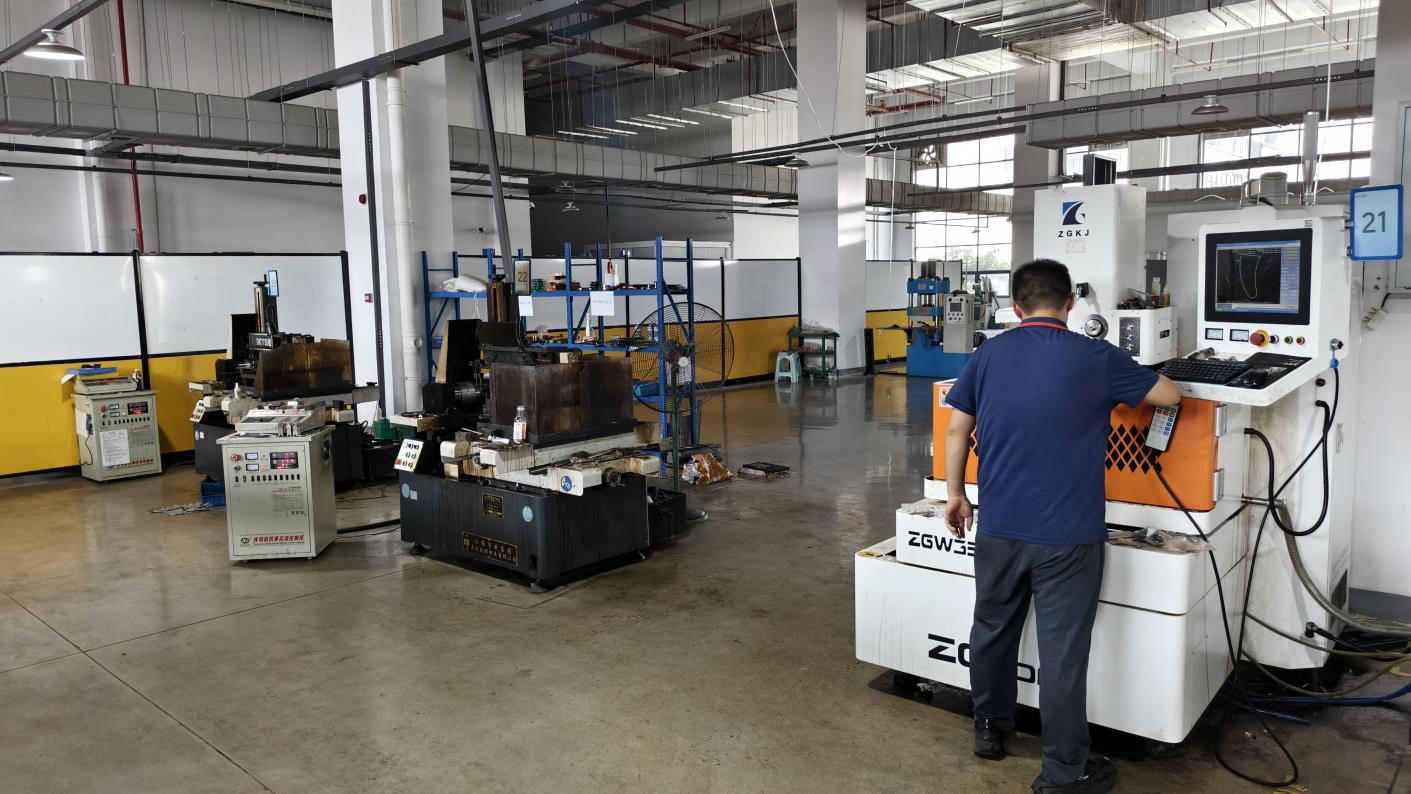
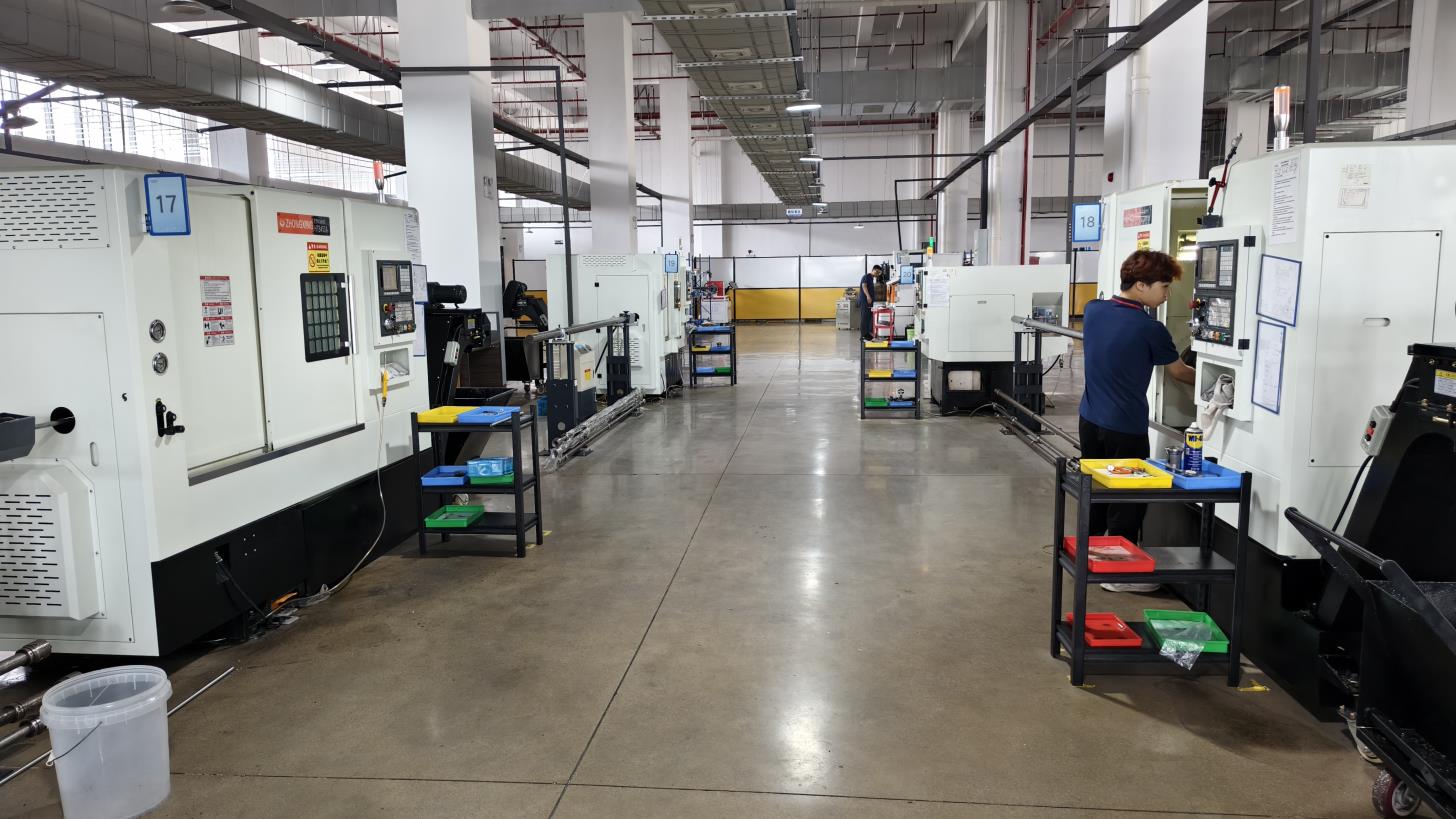
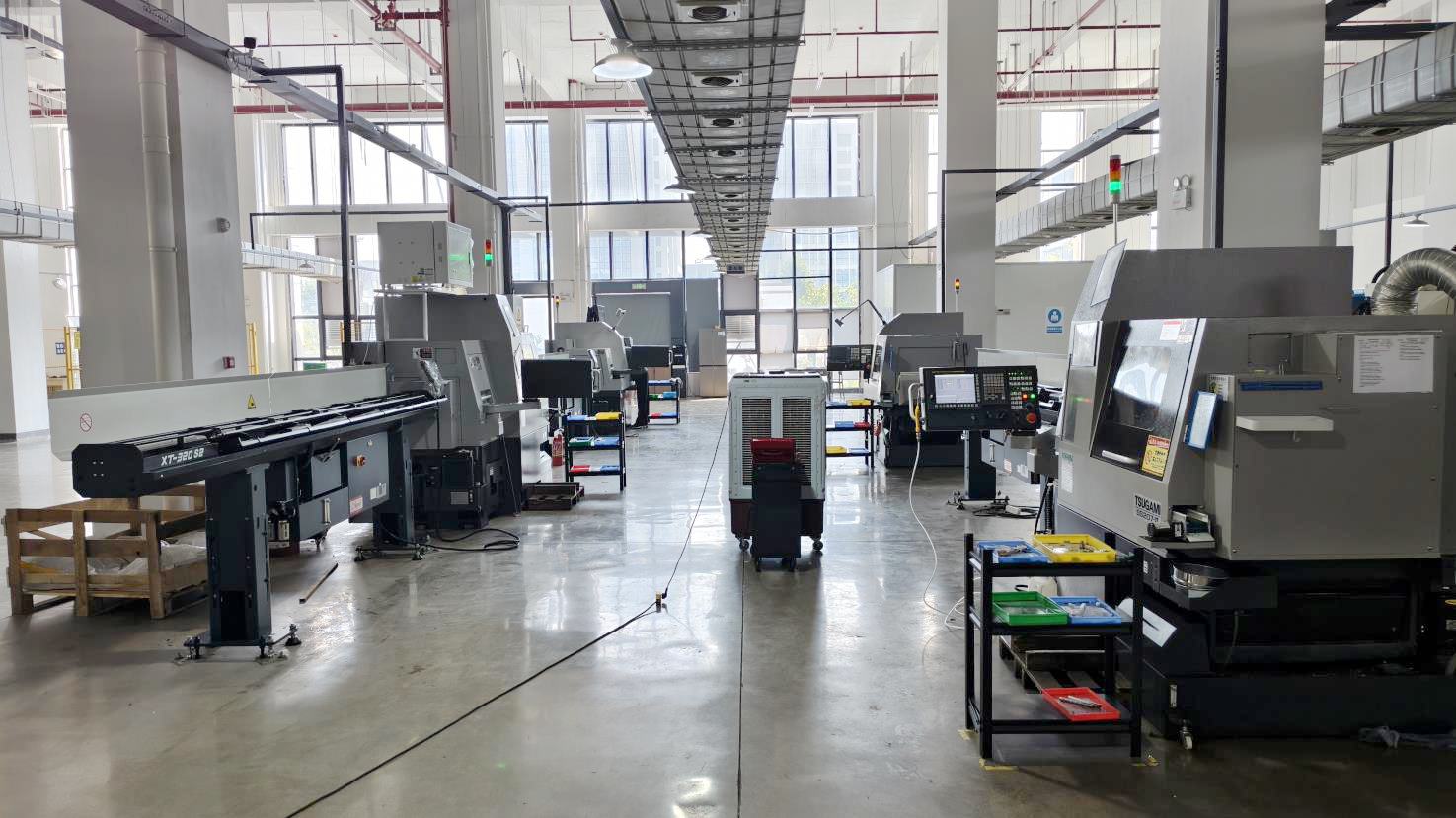
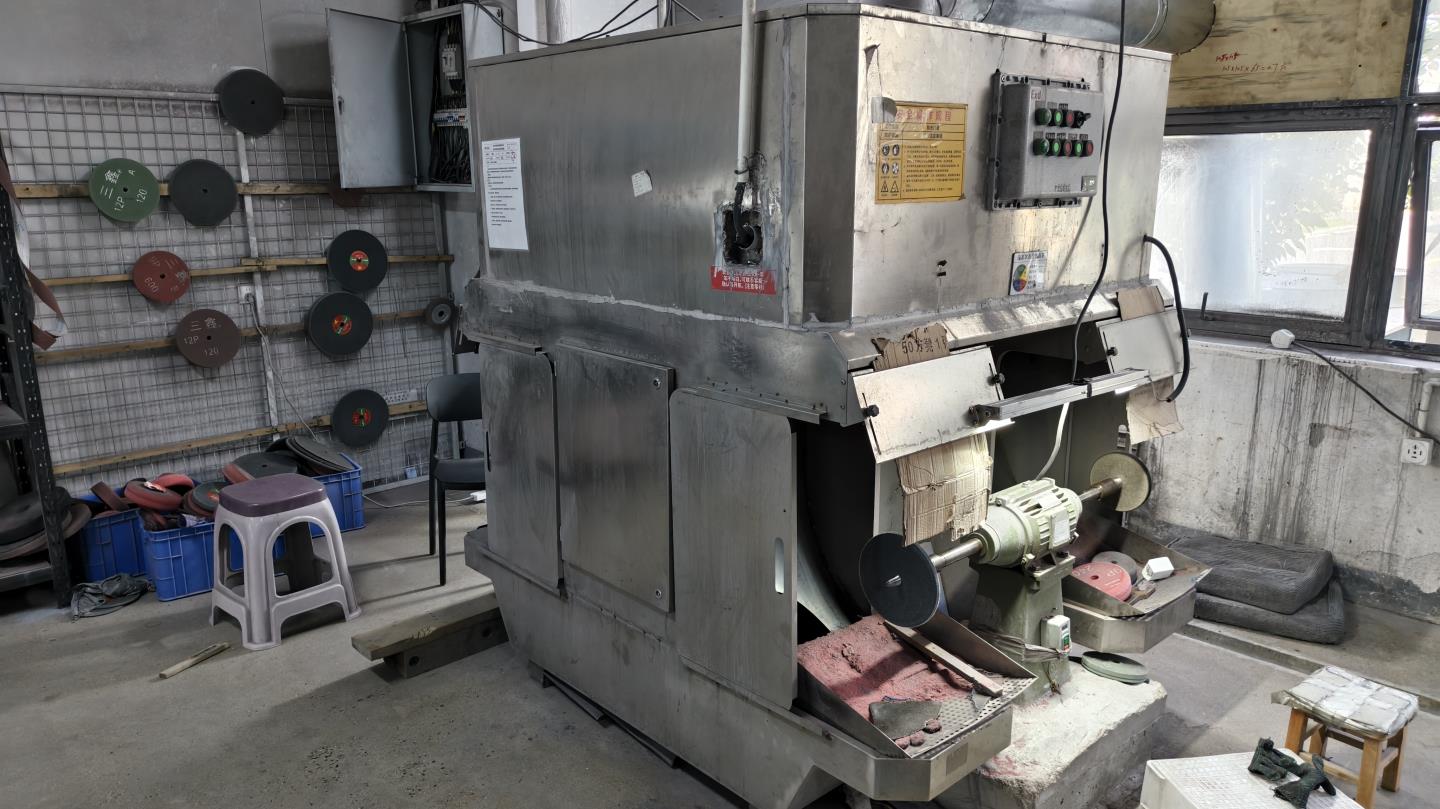
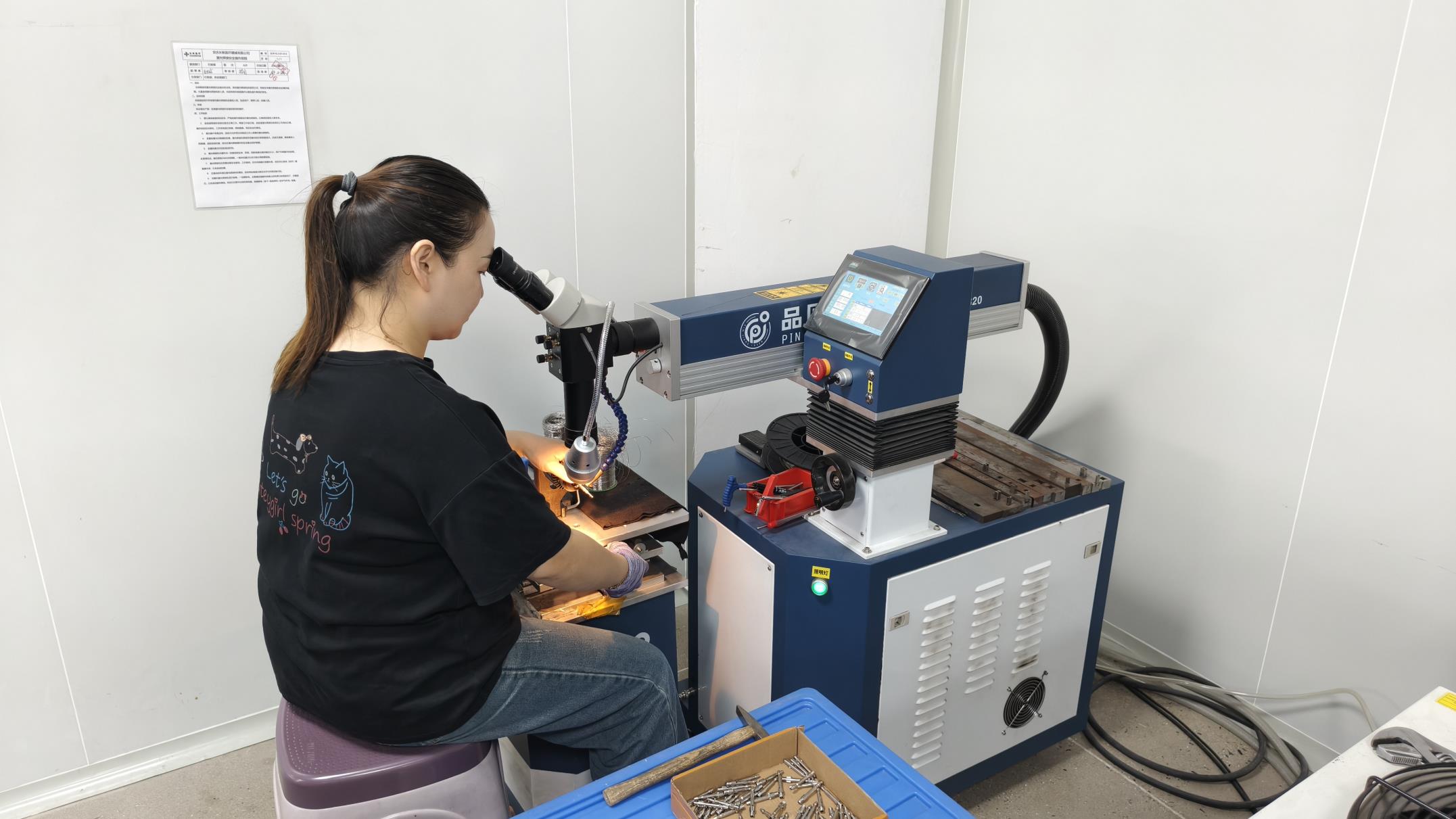
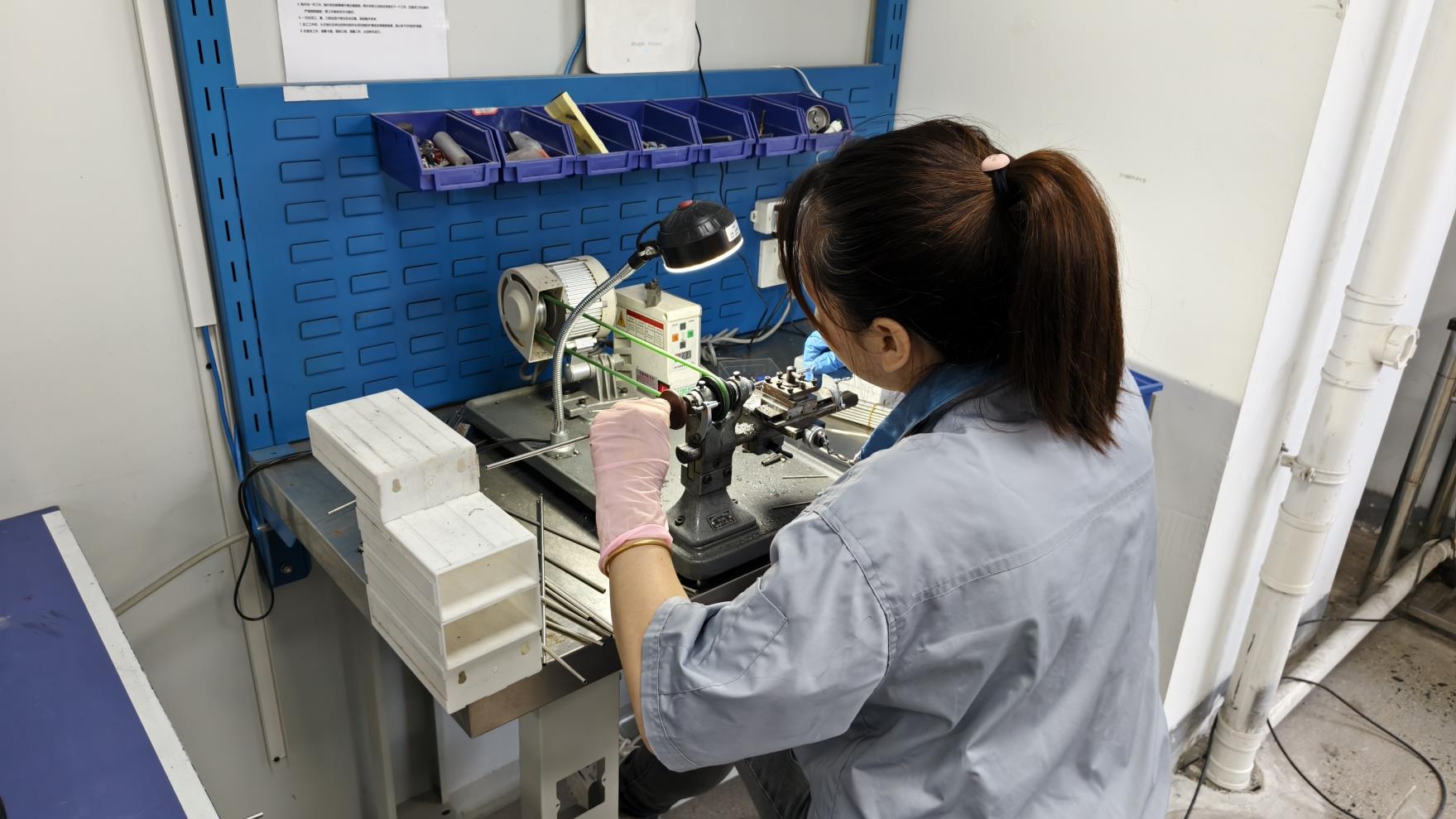
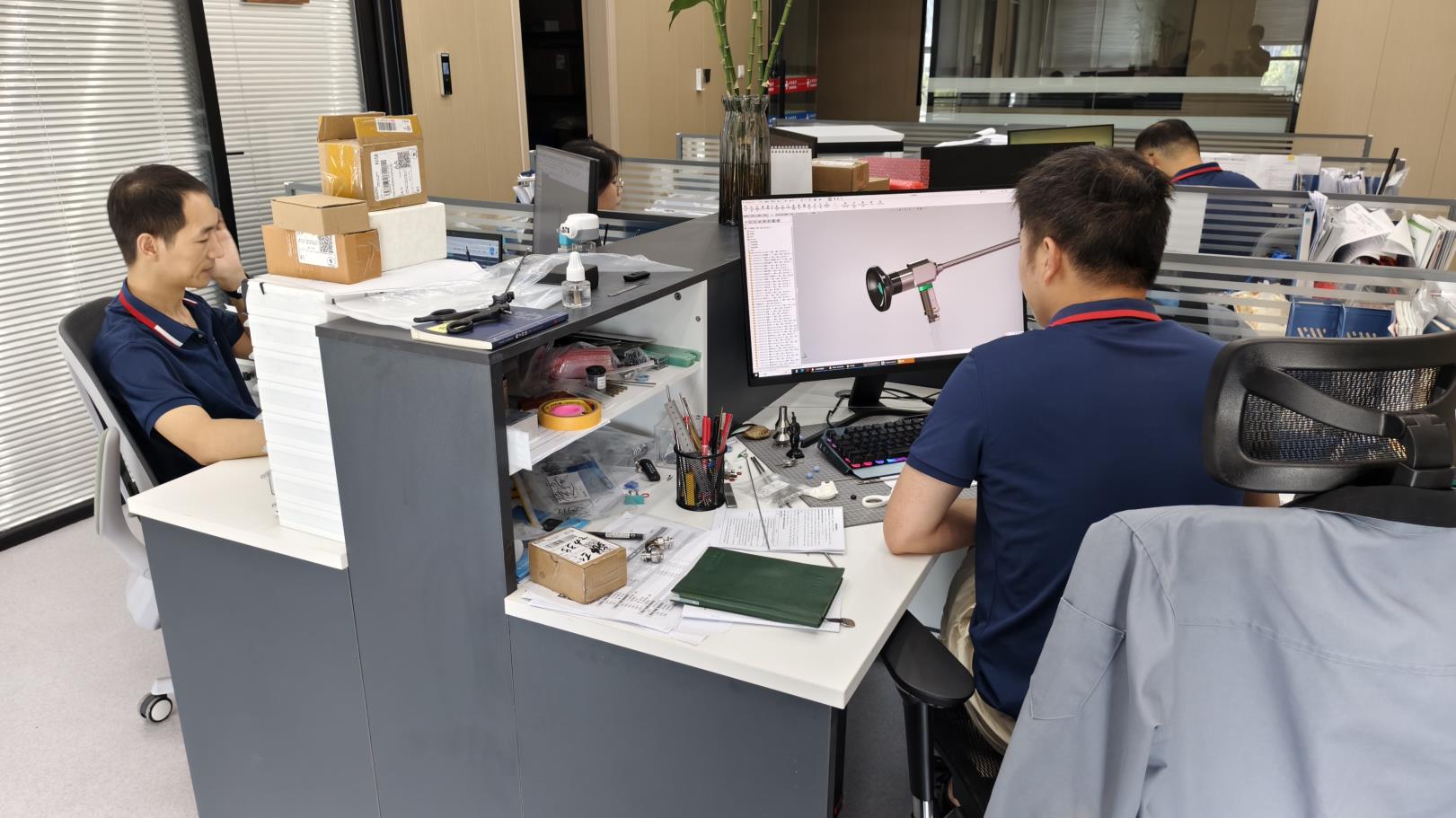
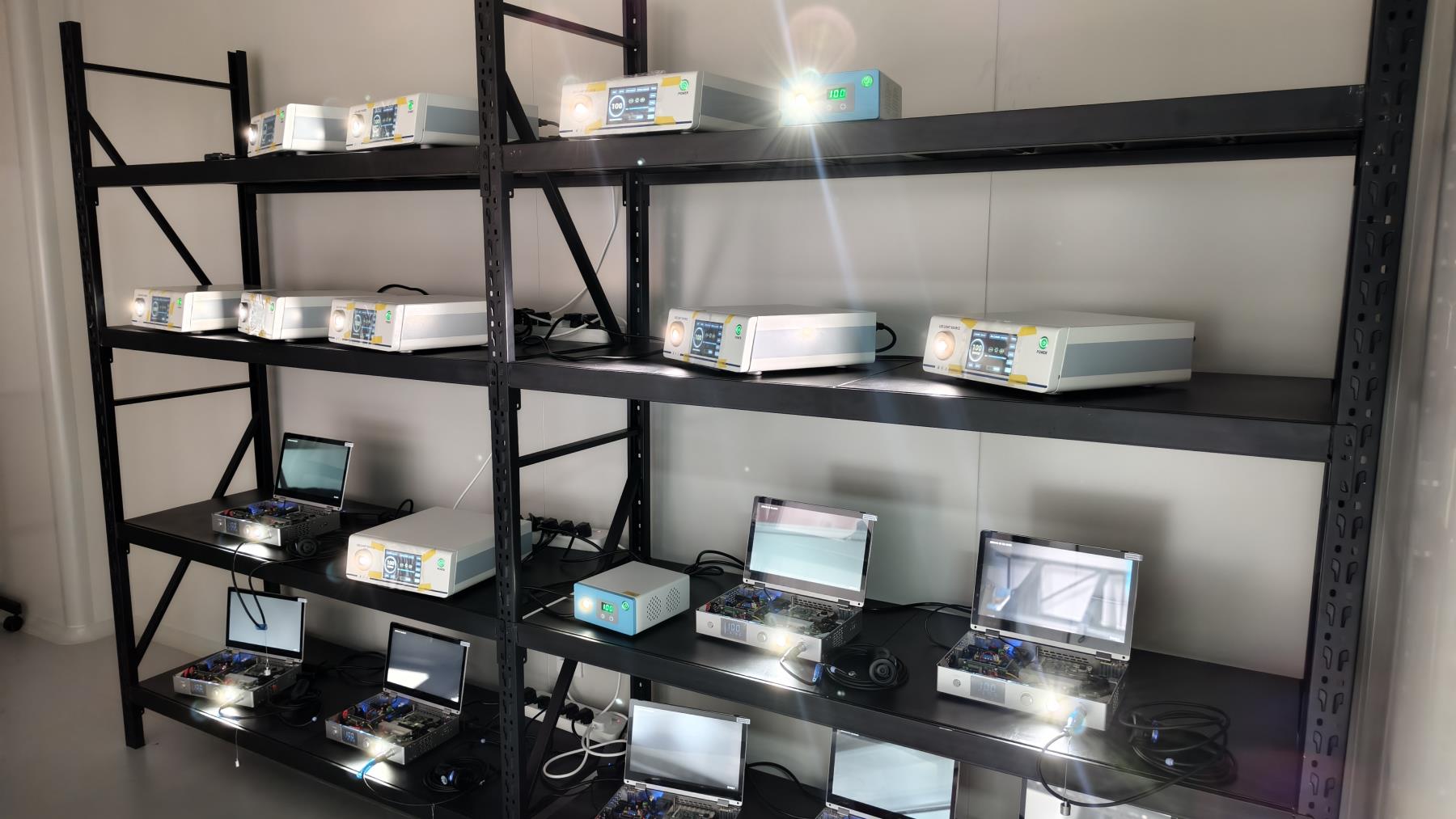
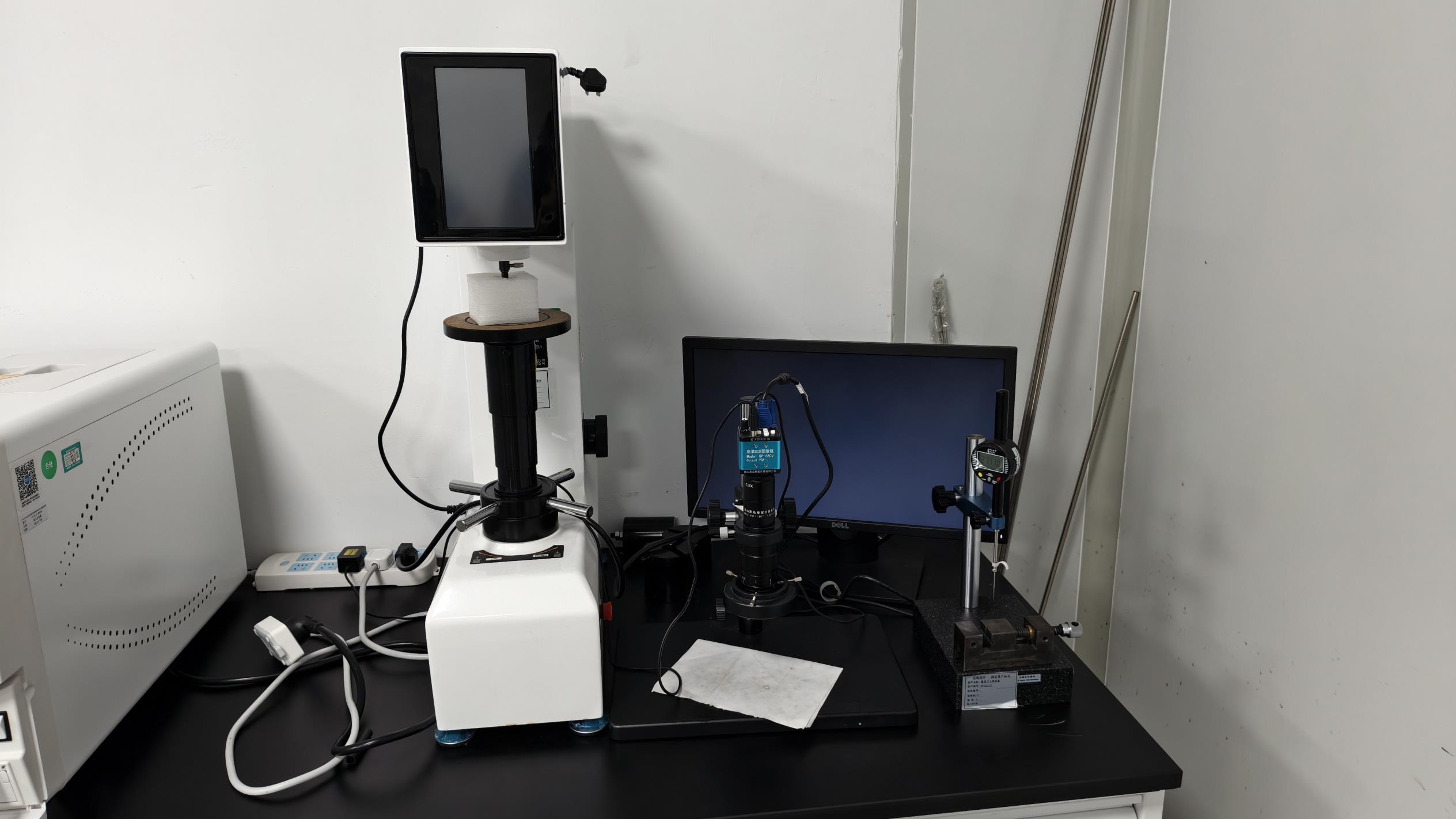
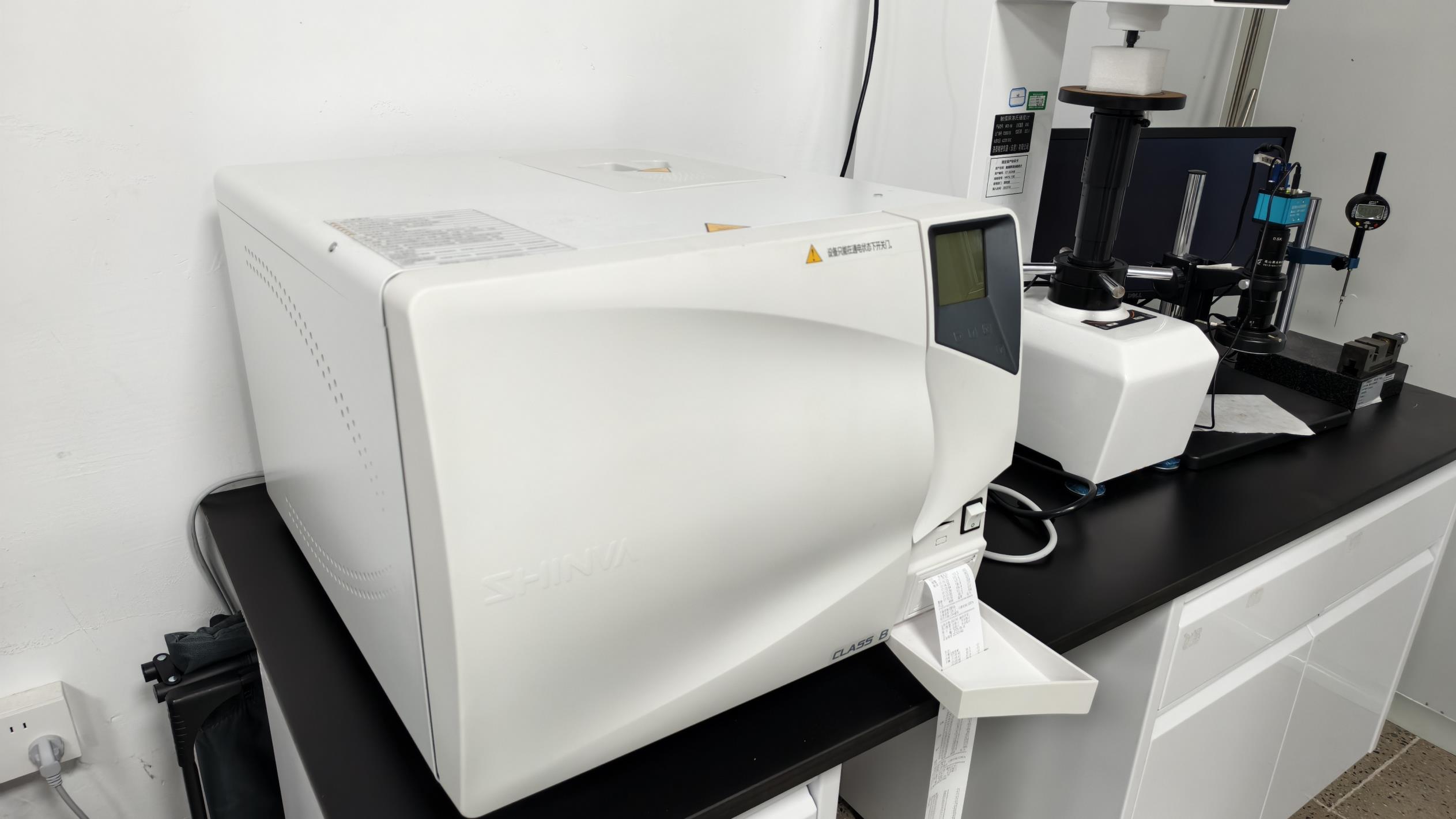
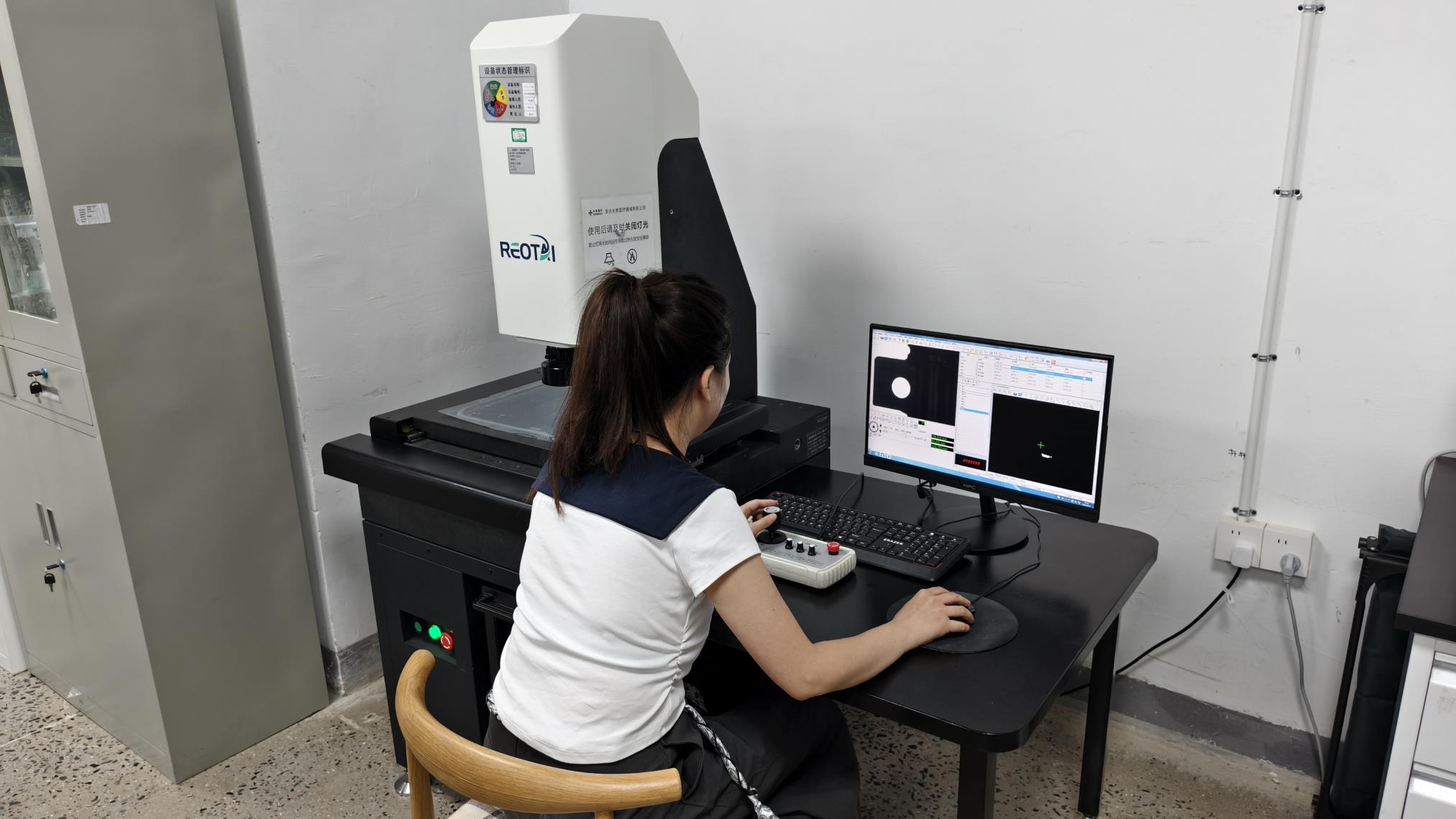
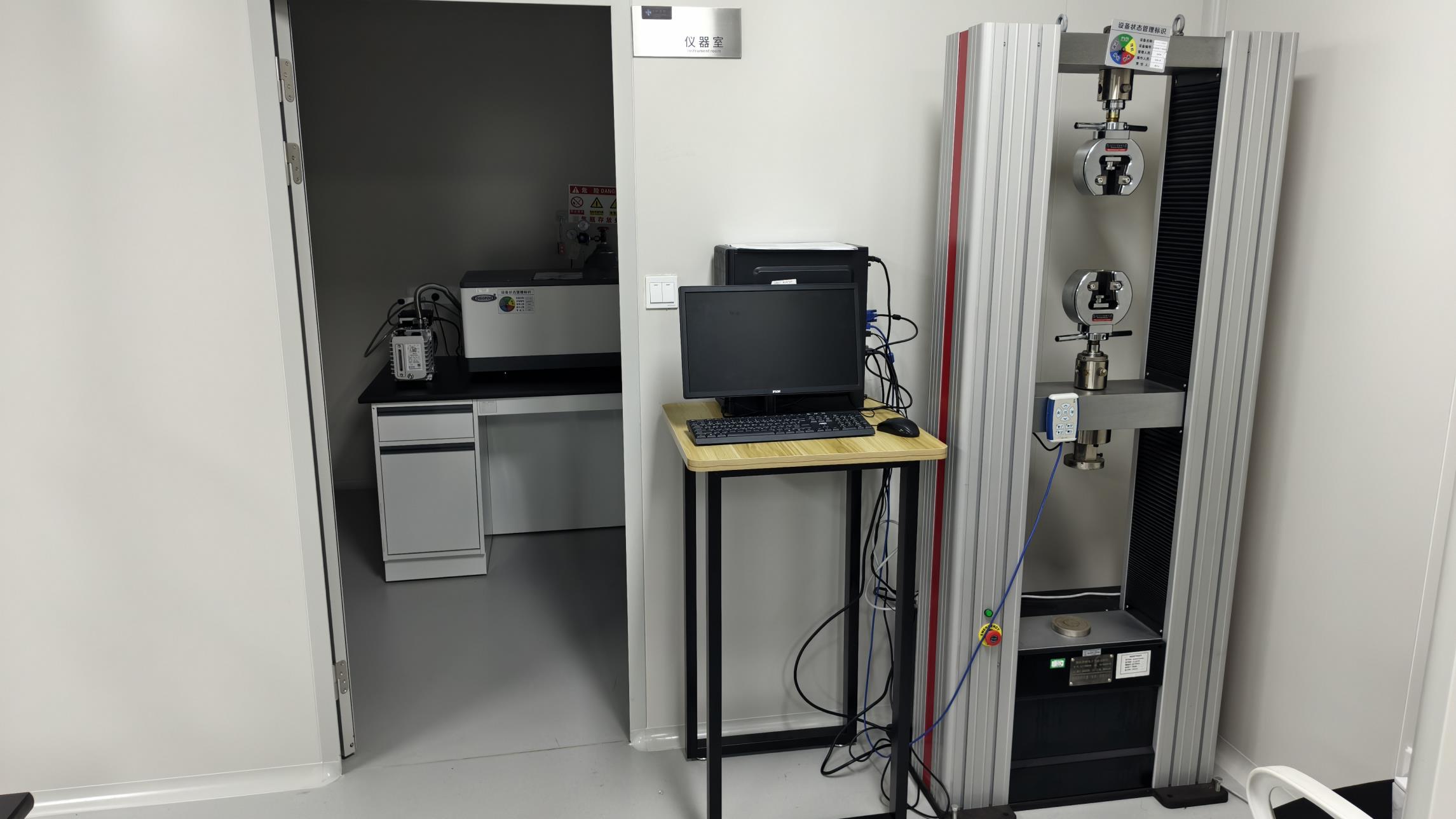
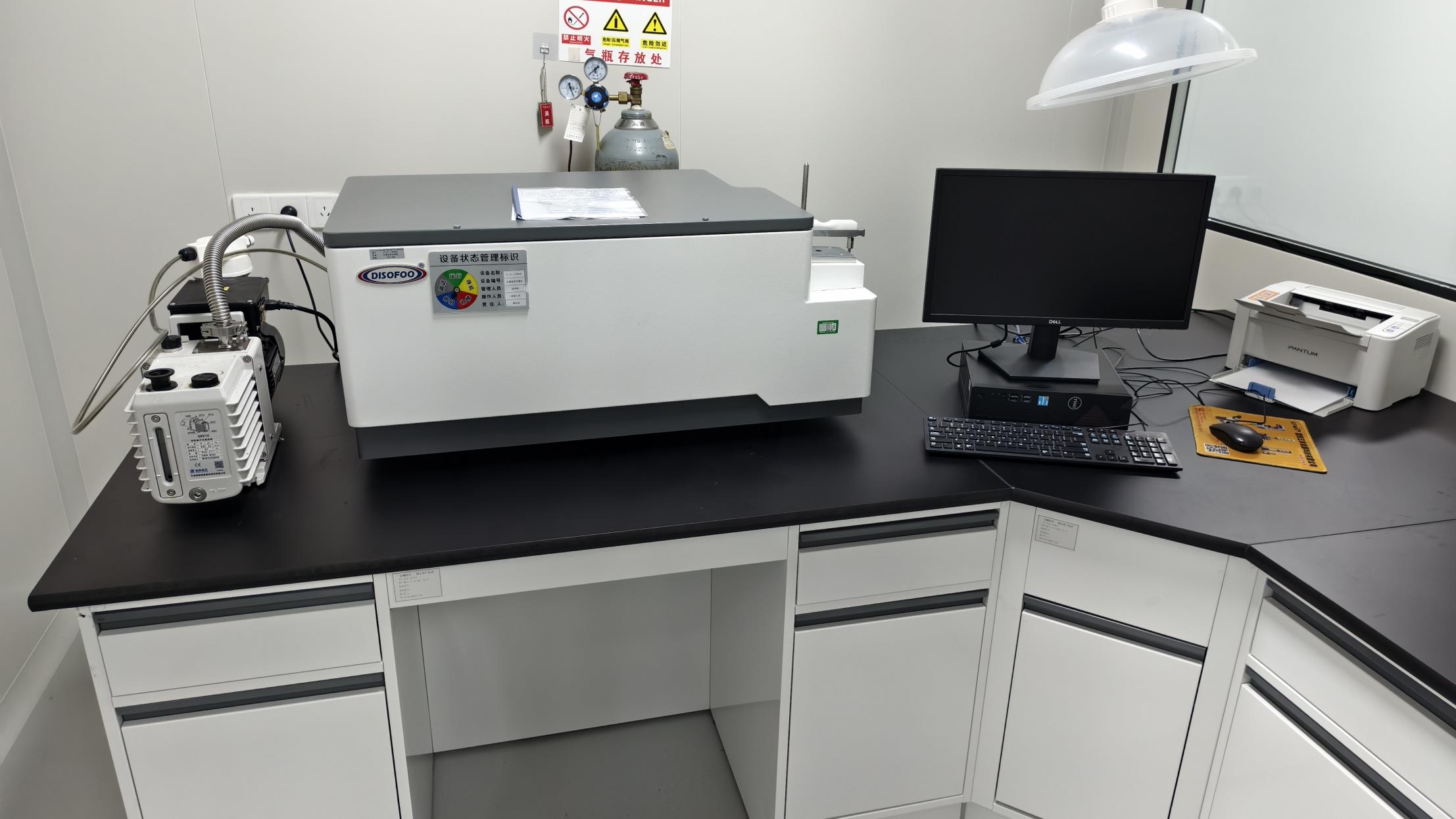
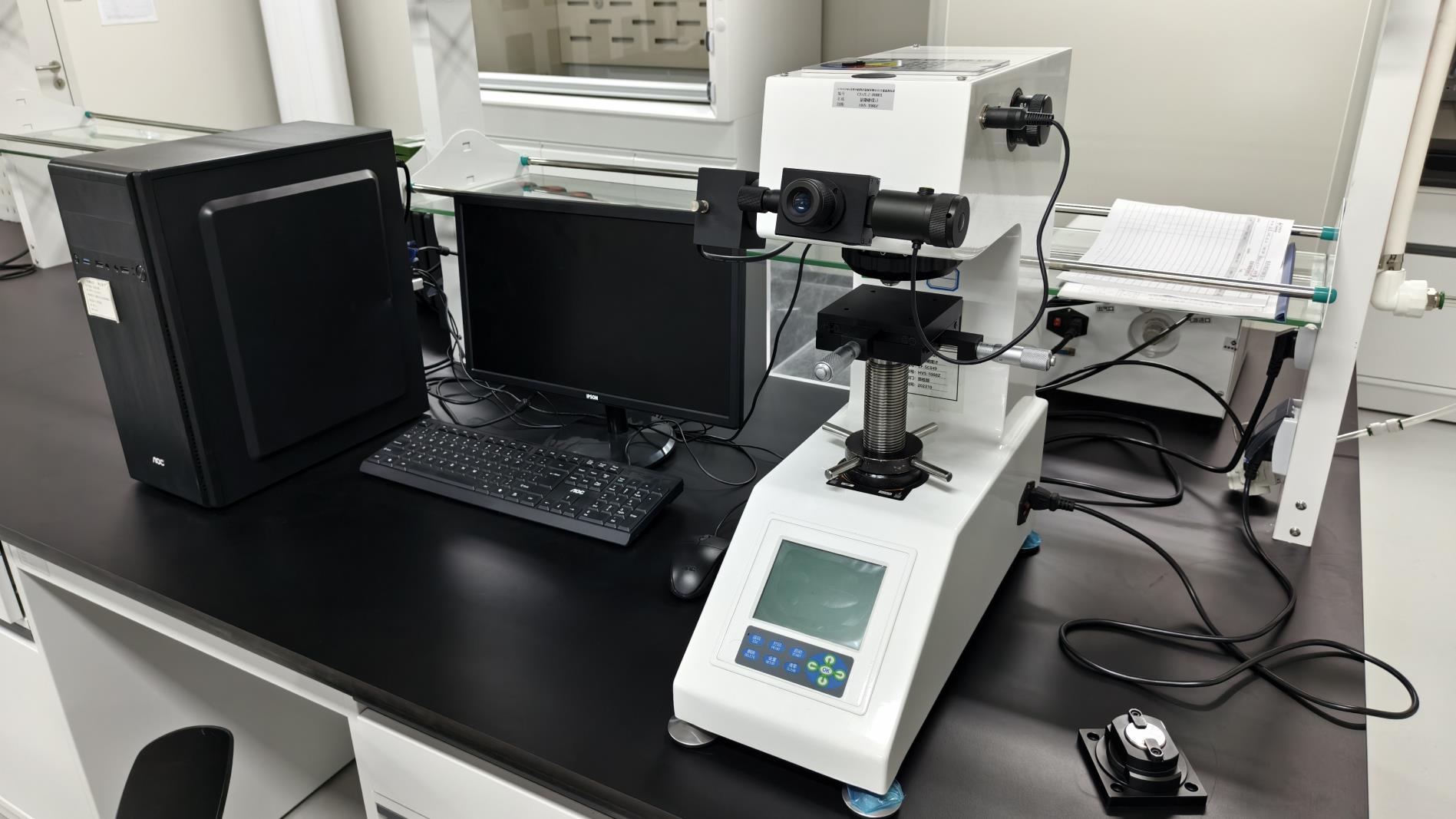
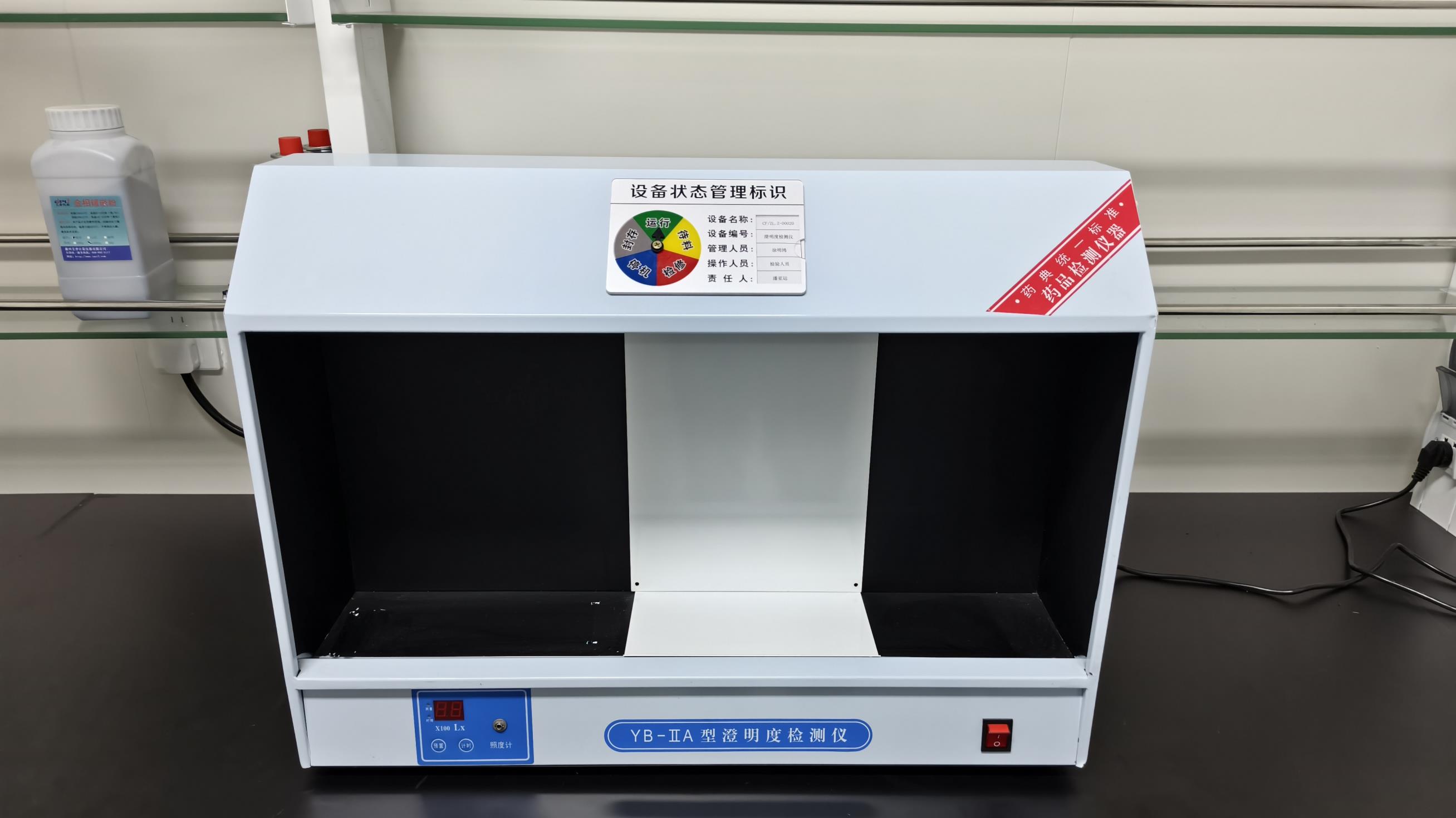
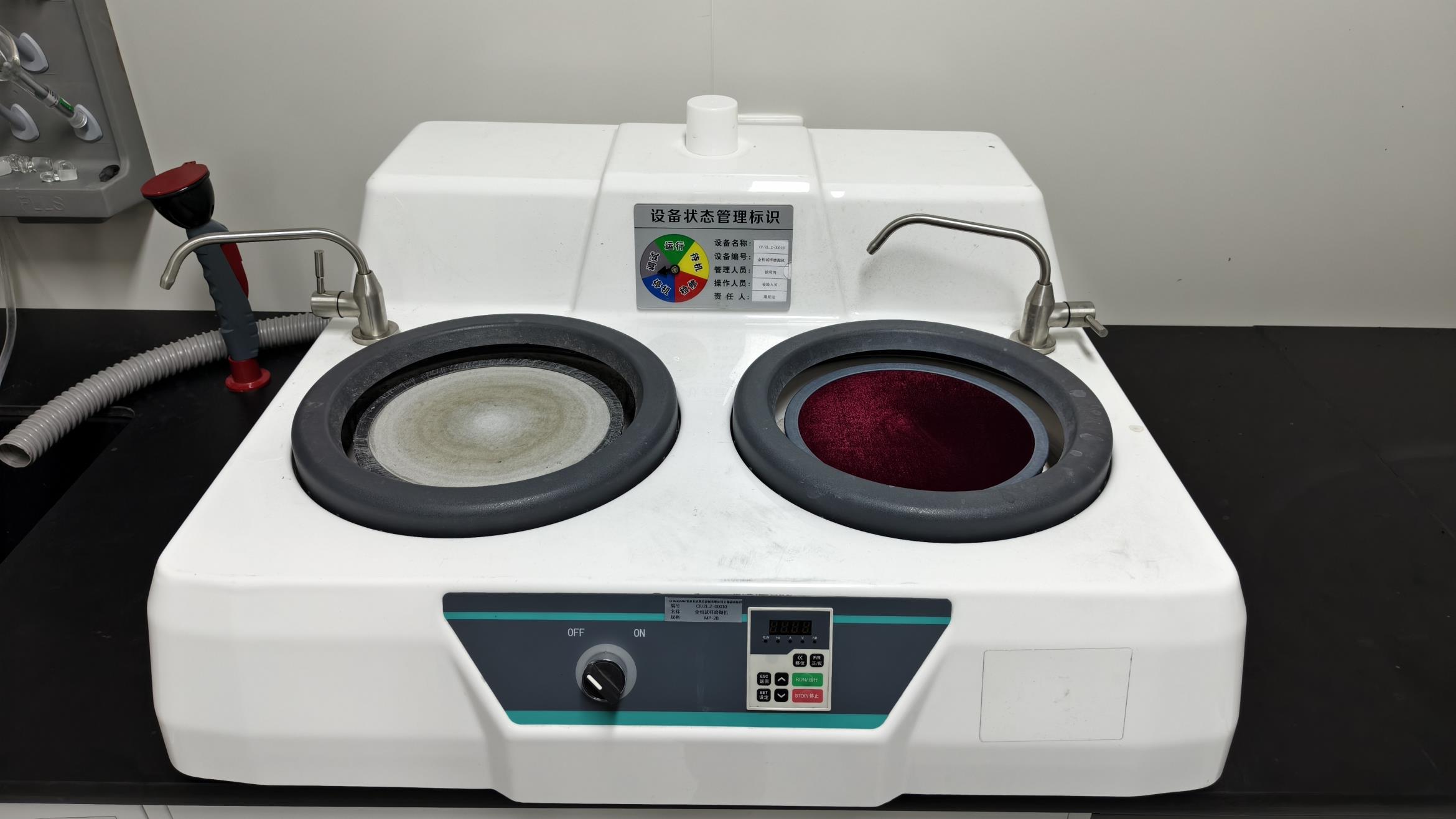
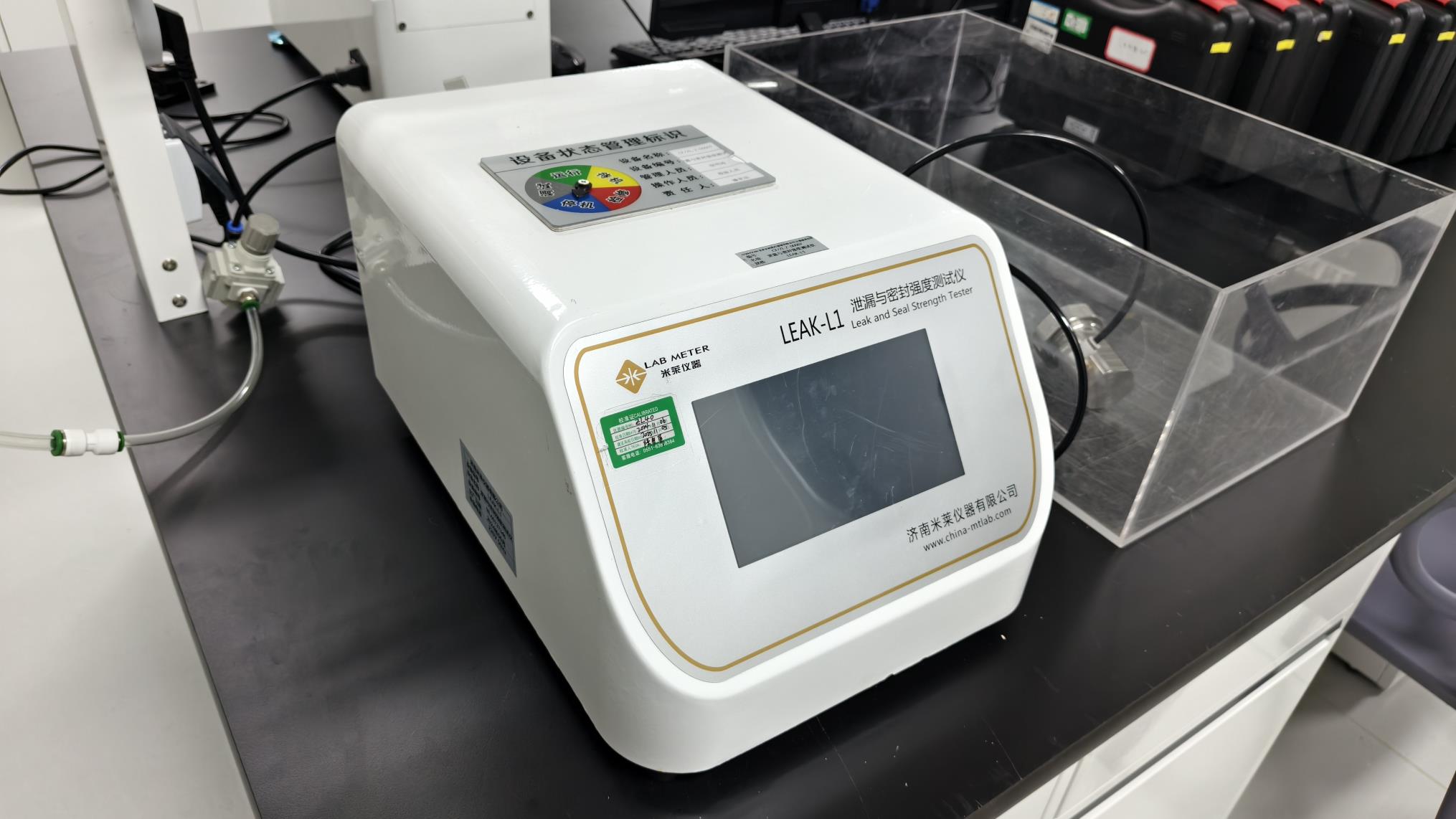
Every stage of production is executed under rigorous medical-grade operating procedures using state-of-the-art machinery.
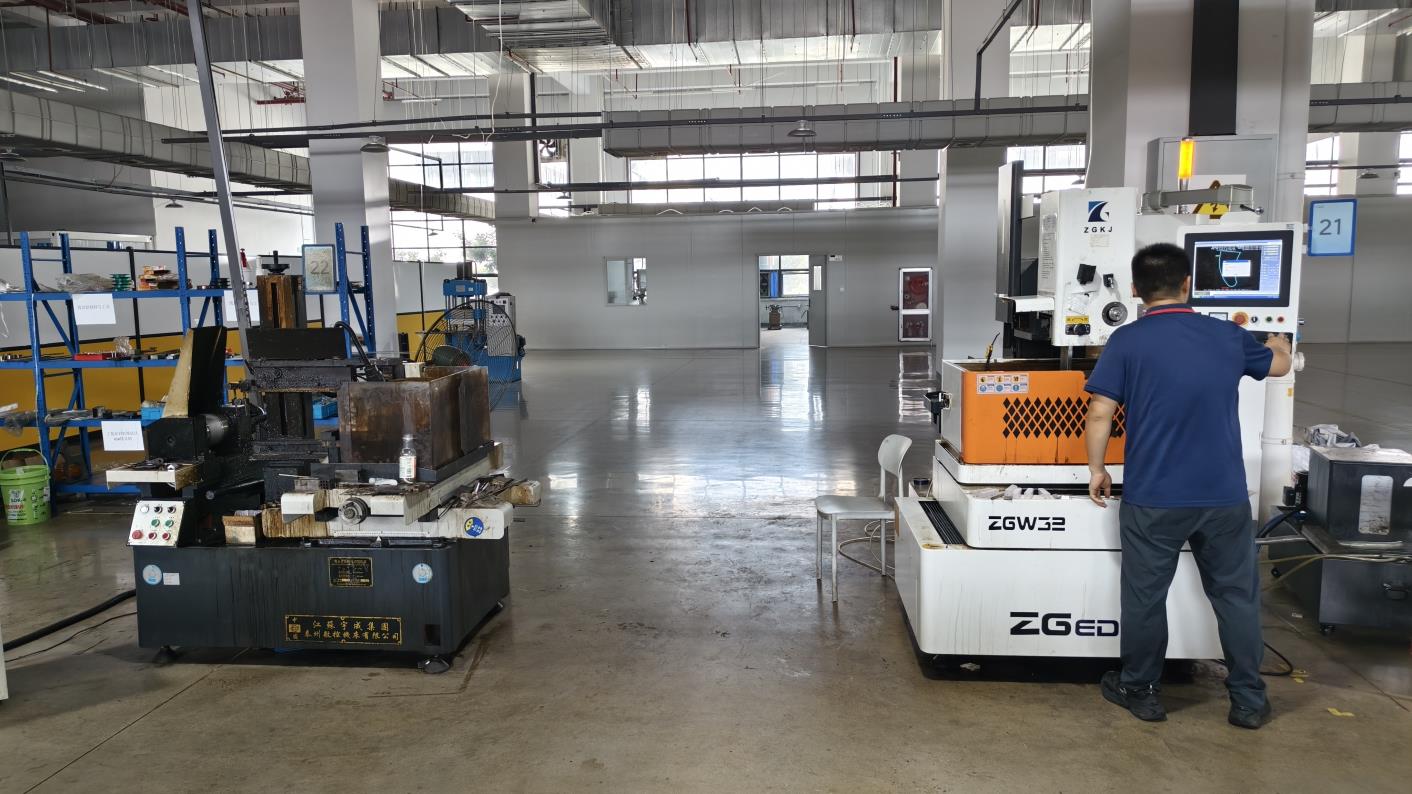
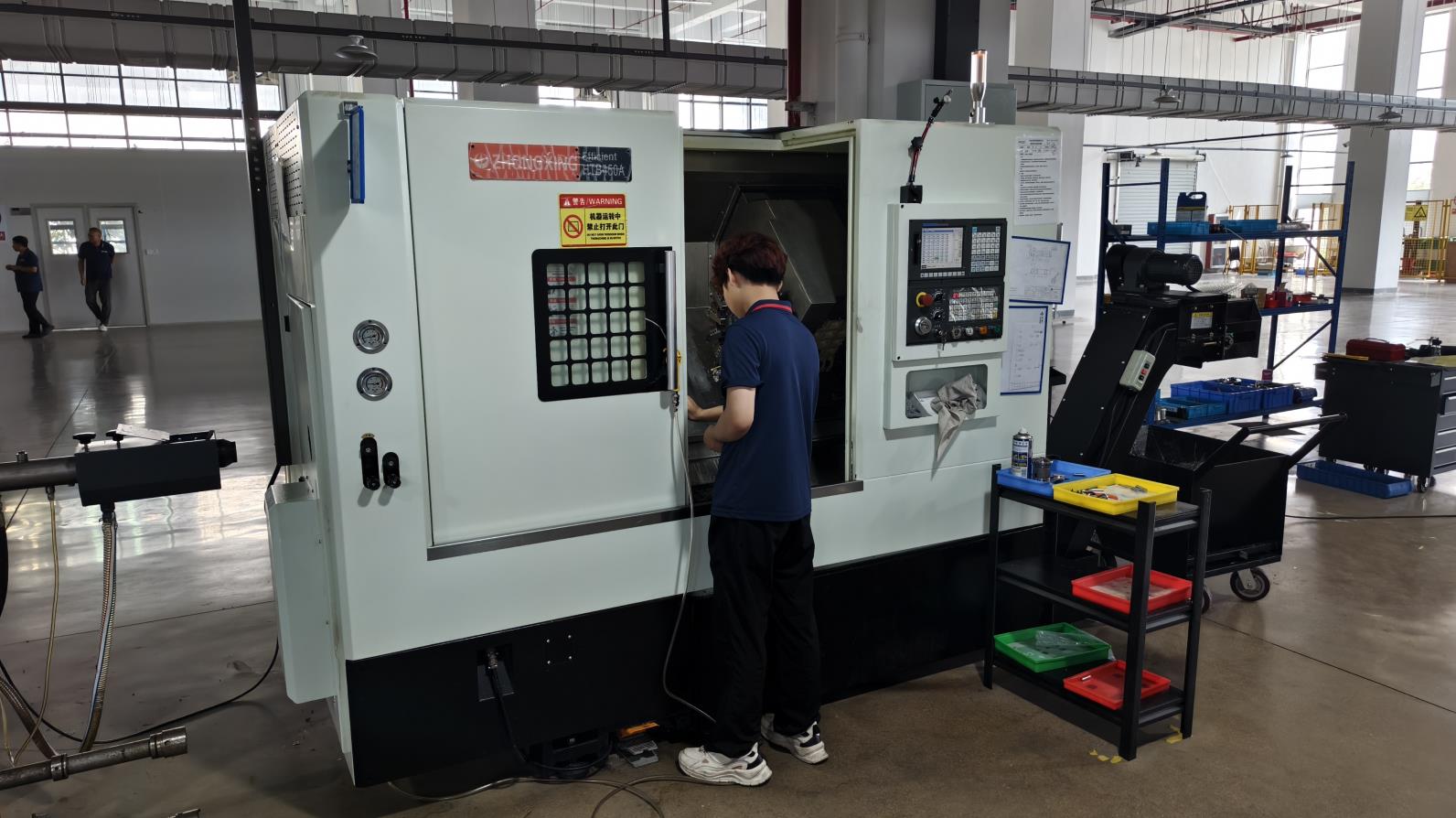
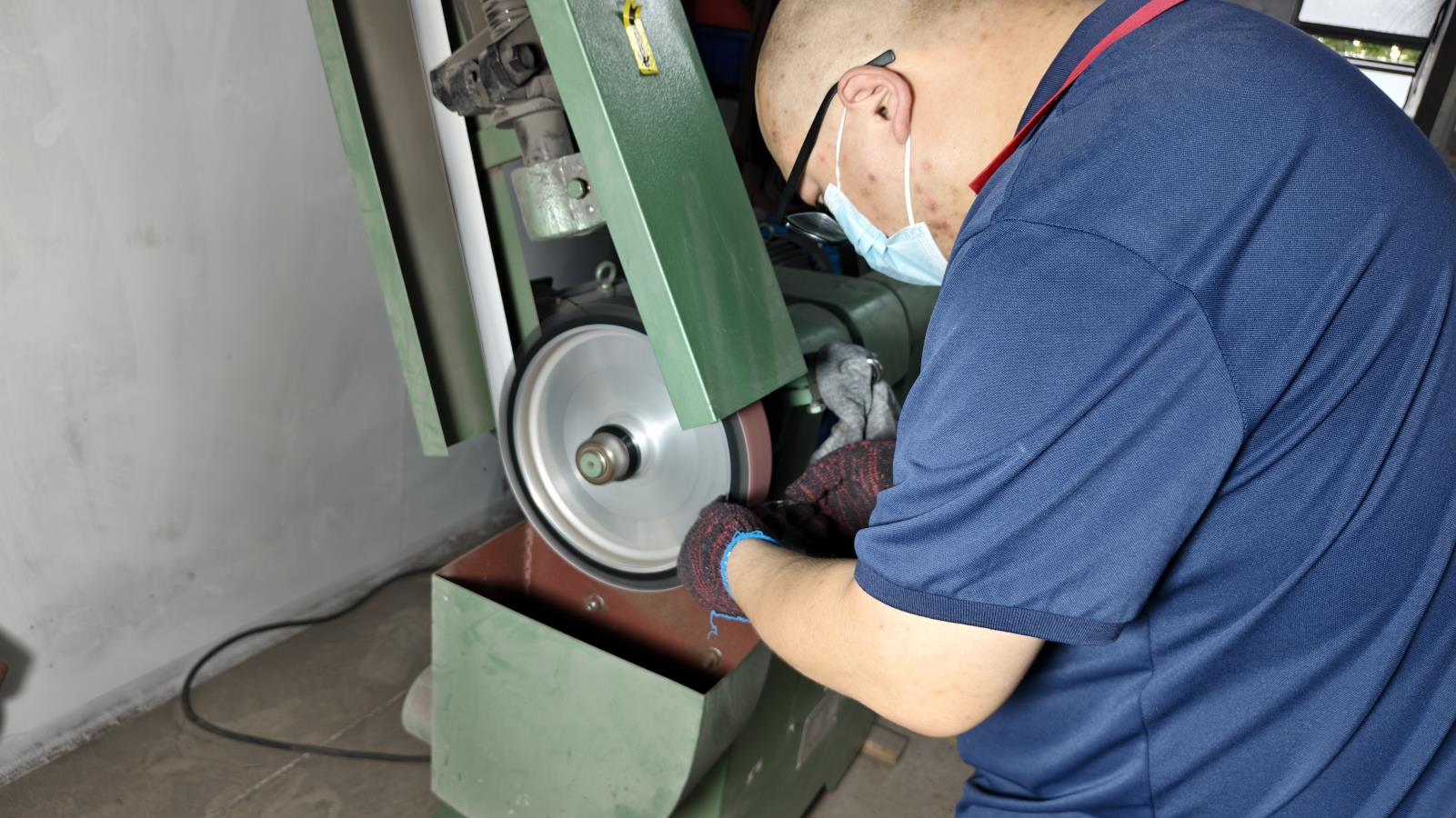
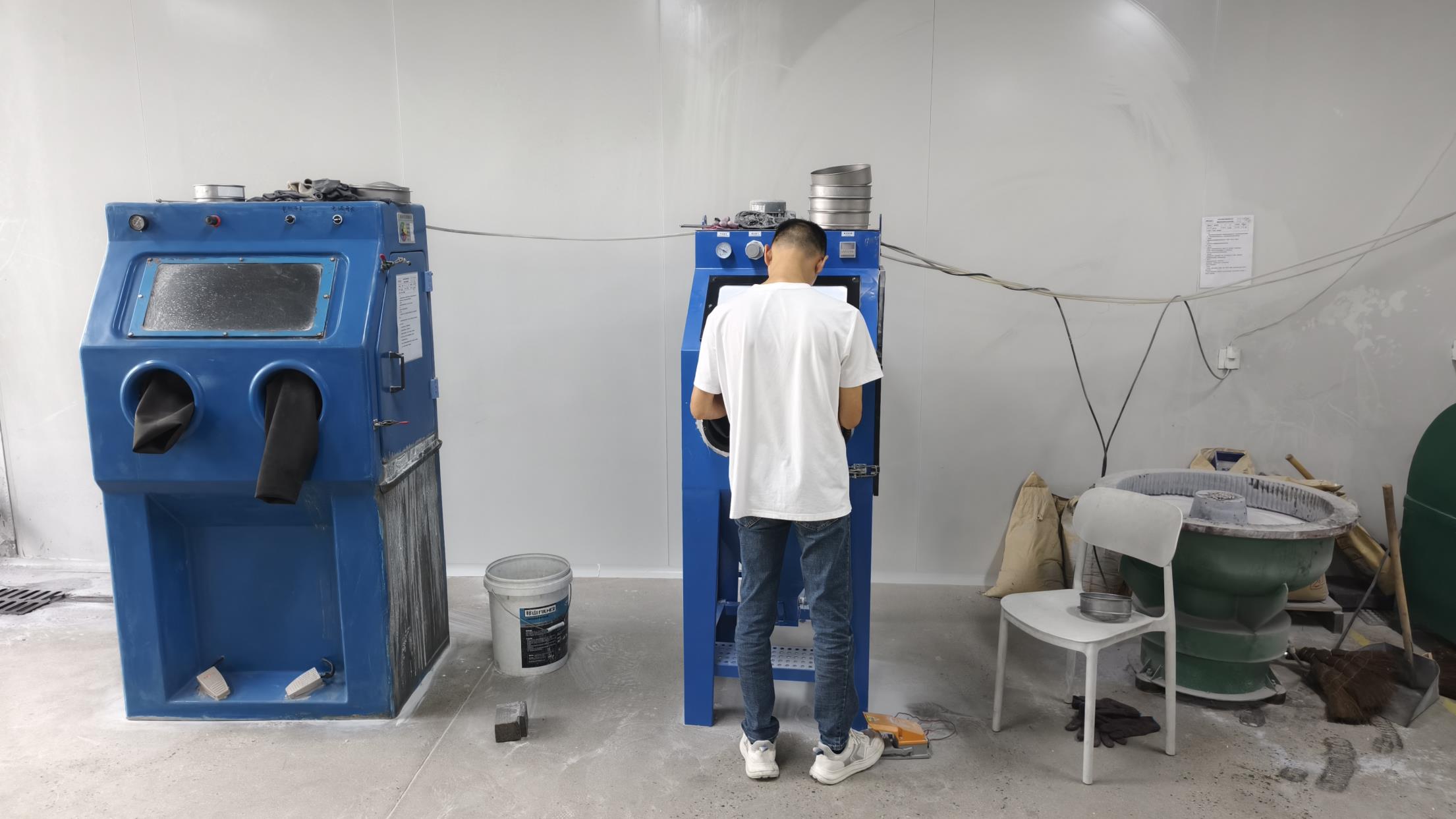
Why leading global orthopedics brands rely on Zynfuse to transform their designs into clinical realities.
In the highly competitive medical device space, fast cycles of R&D and manufacturing are critical. Zynfuse integrates digital engineering, rapid prototyping, and advanced multi-axis CNC machining to shorten product development lifecycles. By maintaining raw material stocks of certified biocompatible titanium, cobalt-chromium, and ultra-high-molecular-weight polyethylene, we bypass upstream material delays and protect client timelines.
Our OEM/ODM services are designed to give global brands an operational edge:
Before launching a manufacturing run, our R&D group uses advanced finite element analysis (FEA) to simulate real-world loading conditions on unilateral fixator bars and clamp assemblies. This process identifies potential stress concentrations, optimizing geometry for stability and patient weight-bearing dynamics prior to physical prototyping.
Each batch of raw material is validated in our metrology lab using advanced spectrometers and hardness testers. We supply complete material certification, including heat treatment logs and chemical compositions, ensuring full traceability from the raw metal rod to the sterile hospital package.
Utilizing high-end Swiss-type lathes and multi-axis CNC machining centers, we fabricate clamp bodies, bone pin connectors, and compression-distraction rods to sub-micron tolerances. This level of accuracy prevents slippage and mechanical failure in critical trauma situations.
Leveraging localized supply chains, high-tech infrastructure, and optimized labor productivity to lower overall costs.
Engineered to deliver exceptional outcomes across diverse patient populations and orthopedic trauma cases.
Unilateral external fixators are highly effective in managing acute orthopedic trauma. Because they are anchored to the bone through percutaneous pins placed outside the zone of injury, they prevent disruption of local soft tissues and the periosteal blood supply, which is critical for bone healing. Standard clinical applications include:
In high-energy trauma with severe soft-tissue compromise, open wound access is required. Unilateral frames provide stable fracture reduction while giving surgeons direct access to soft tissues for cleaning, debridement, and monitoring.
Treating chronic osteomyelitis or major bone loss often requires bone transport or deformity correction. Unilateral external systems can be adjusted post-operatively, enabling controlled, incremental distraction to stimulate new bone growth (osteogenesis).
Pediatric cases require lightweight, low-profile frames to ensure patient compliance and mobility. Our mini-unilateral fixators provide stable fixation for bone lengthening and angular correction without interfering with active growth plates.
Pioneering innovations that will shape the next generation of orthopedic patient care.
Answers to common questions from medical device distributors, sourcing managers, and regulatory consultants.
Browse our complete range of certified spinal implants, trauma plates, and specialized surgical instrument sets.