Zynfuse
Zynfuse
Zynfuse
Explore our premium clinical solutions engineered with ISO 13485 compliance for exceptional biomechanical performance.
About Zynfuse Medical Technology Co., Ltd. - Driving Surgical Innovation Globally
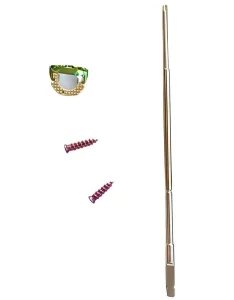
Zynfuse Medical Technology Co., Ltd. stands at the forefront of the orthopedic medical device manufacturing landscape. We specialize in bone fusion solutions, advanced trauma systems, and precision-made titanium locking plates. Our facility, covering over 18,600 m², utilizes cutting-edge Swiss-type CNC manufacturing systems alongside ISO Class 7 cleanrooms to ensure compliance with strict regulatory expectations. With 12 years of industry experience and 7 years of export history, we have earned the trust of hospital systems, distribution partners, and surgical departments across North America, Europe, Southeast Asia, and the Middle East.
To support global supply chains, our team consists of 85 dedicated research and development engineers and 68 quality control specialists. We continuously push technological boundaries by developing approximately 320 new products annually. This active approach allows us to deliver high-quality OEM/ODM solutions, tailored implant geometries, custom surface treatments, and comprehensive surgical instrumentation designed to improve patient outcomes and optimize clinical workflows.
Critical insights into trauma fixation demands, material sciences, and commercial pathways.
The global market for trauma fixation is evolving due to an aging population, rising rates of sports-related injuries, and a growing need for early mobilization protocols. Titanium locking plates are a standard choice in modern internal fixation. Unlike conventional compression plates, locking plates act as internal fixators. They secure the bone fragments without needing to press the plate tightly against the periosteum, which helps preserve the bone's blood supply and supports faster recovery.
Biomechanical Superiority: Rigid locking interfaces prevent secondary loss of reduction, making them highly effective for osteoporotic bone, complex intra-articular fractures, and multi-fragmentary shaft fractures.
In mature markets like North America and Western Europe, there is high demand for anatomical pre-contoured plates, polyaxial locking mechanisms, and low-profile designs that minimize soft-tissue irritation. Meanwhile, developing healthcare systems in the Asia-Pacific region, Latin America, and the Middle East are expanding access to premium orthopedic care. This shift increases the need for cost-efficient, high-volume production routes that maintain strict ISO 13485 standards. As an established custom OEM manufacturer, Zynfuse helps bridge this gap. We combine cleanroom production with competitive pricing to support regional distributors and hospital networks worldwide.
Our systems comply with ISO 13485, CE directives, and global clinical standards. This ensures smooth customs clearance and high safety performance in clinical settings.
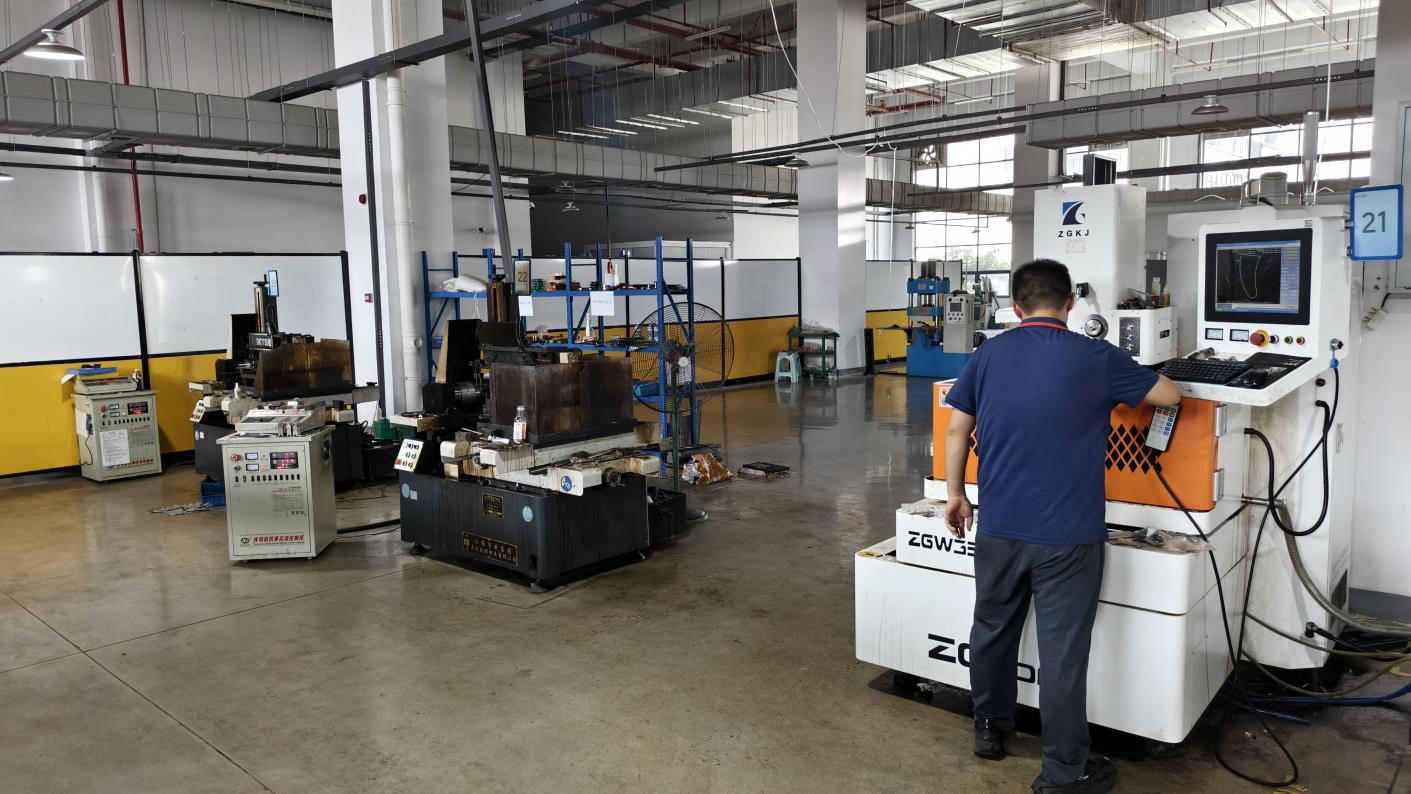
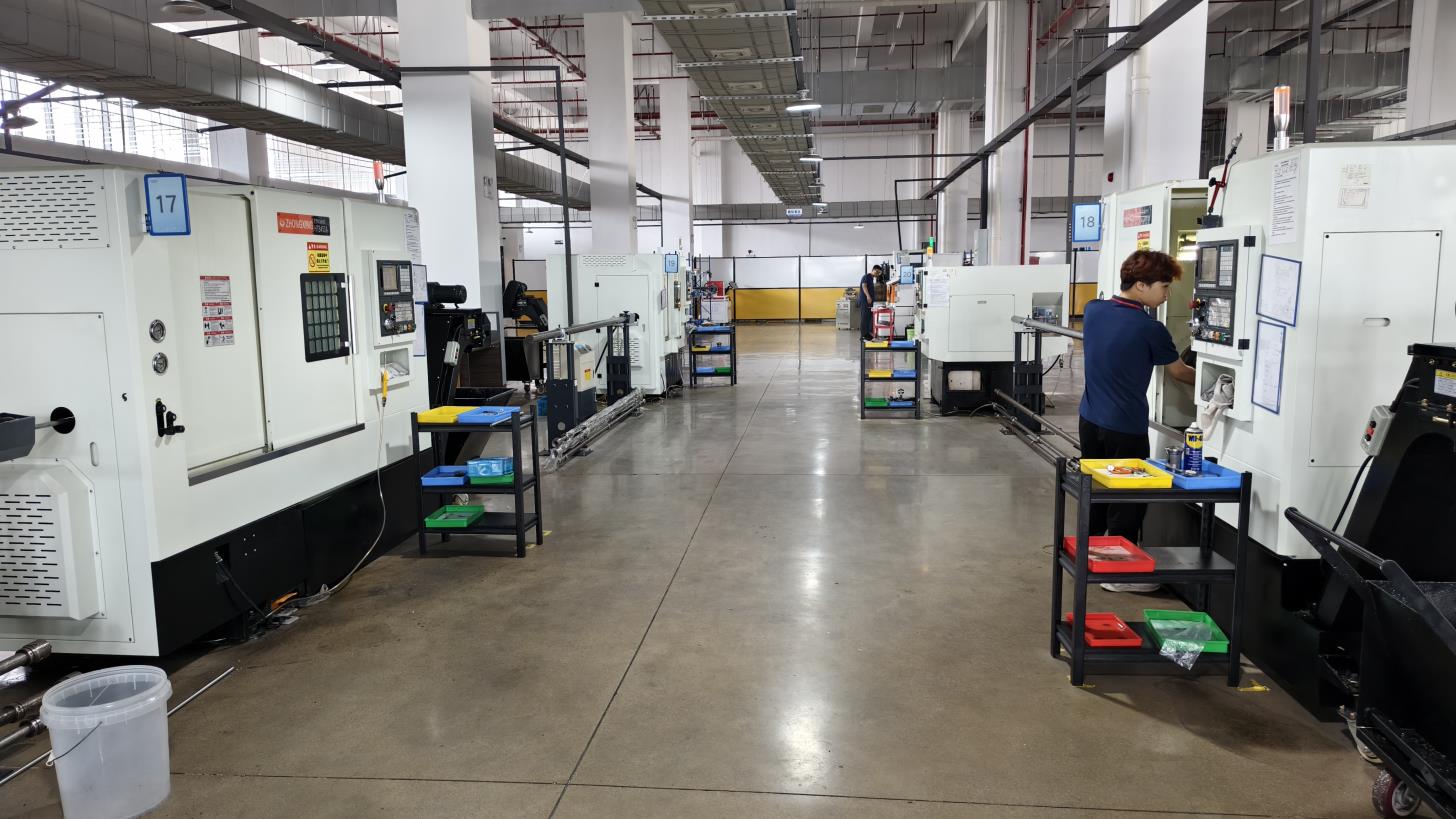
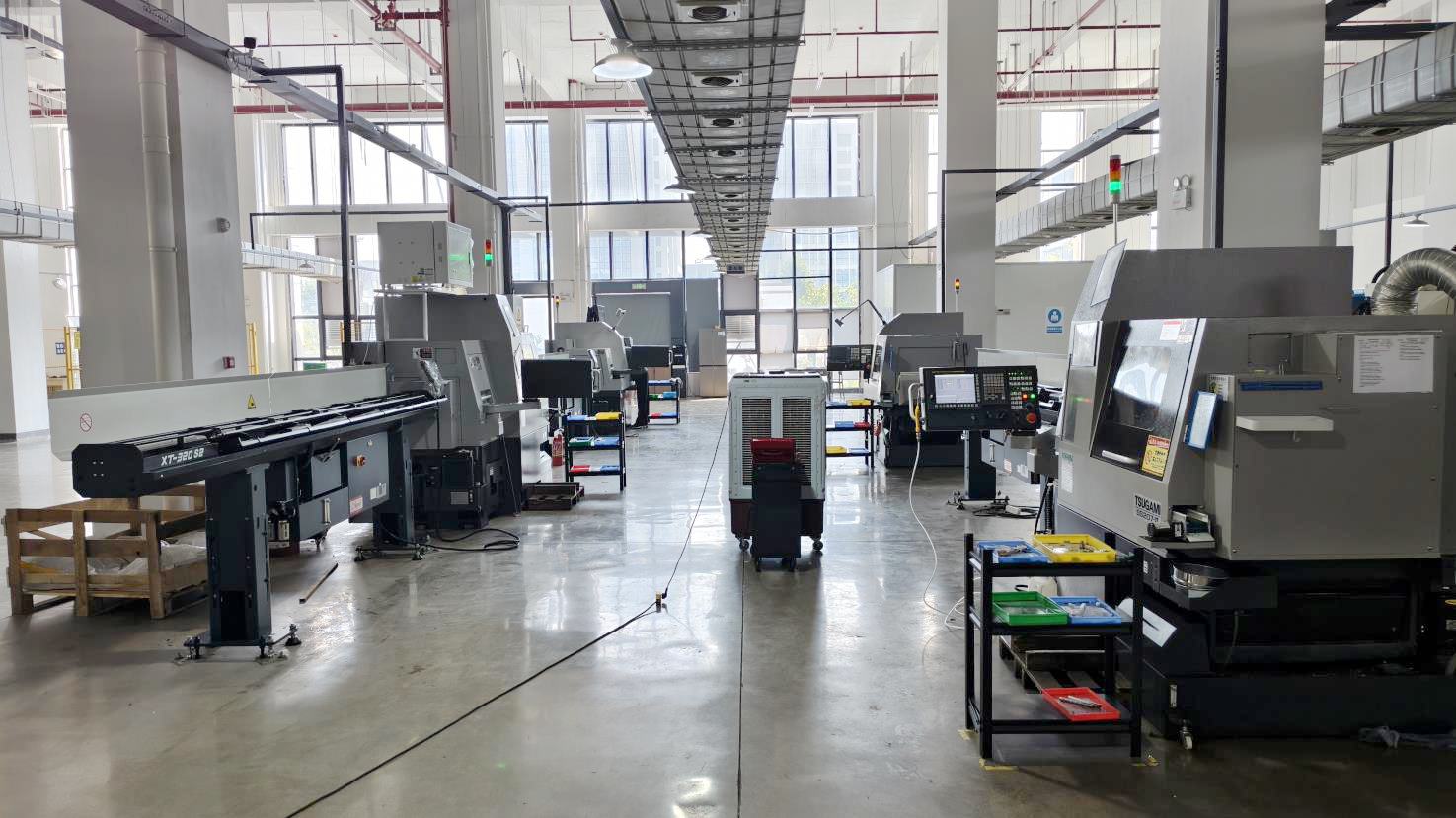
We operate Swiss-type lathe machinery and multi-axis CNC milling centers to maintain tolerances within a few microns.
With 7 years of export history and a network of 1,200 partners, we manage global delivery channels to keep your inventories balanced.
From medical-grade titanium stock to validated cleanroom-packed implants, our process ensures quality at every stage.
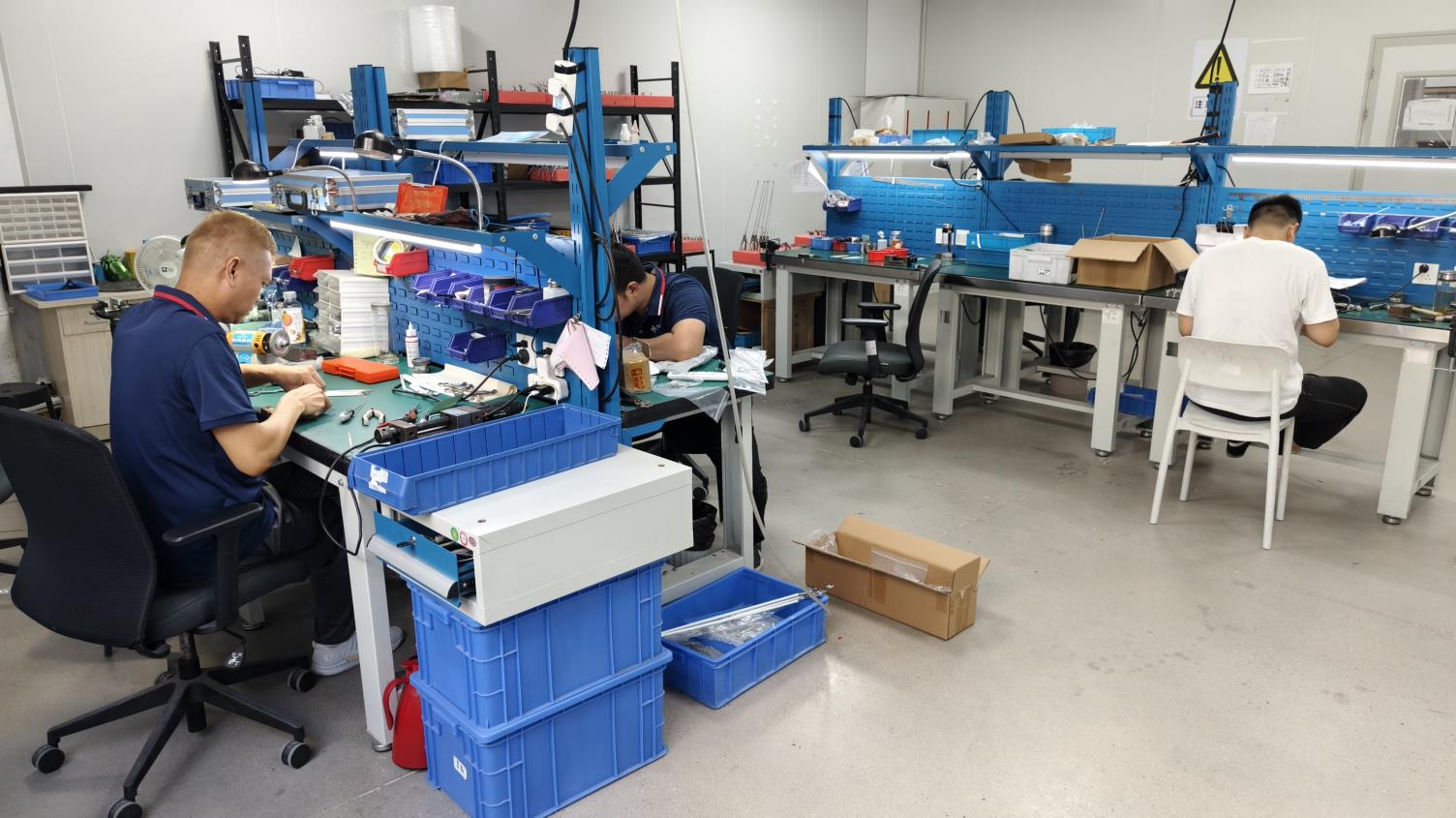
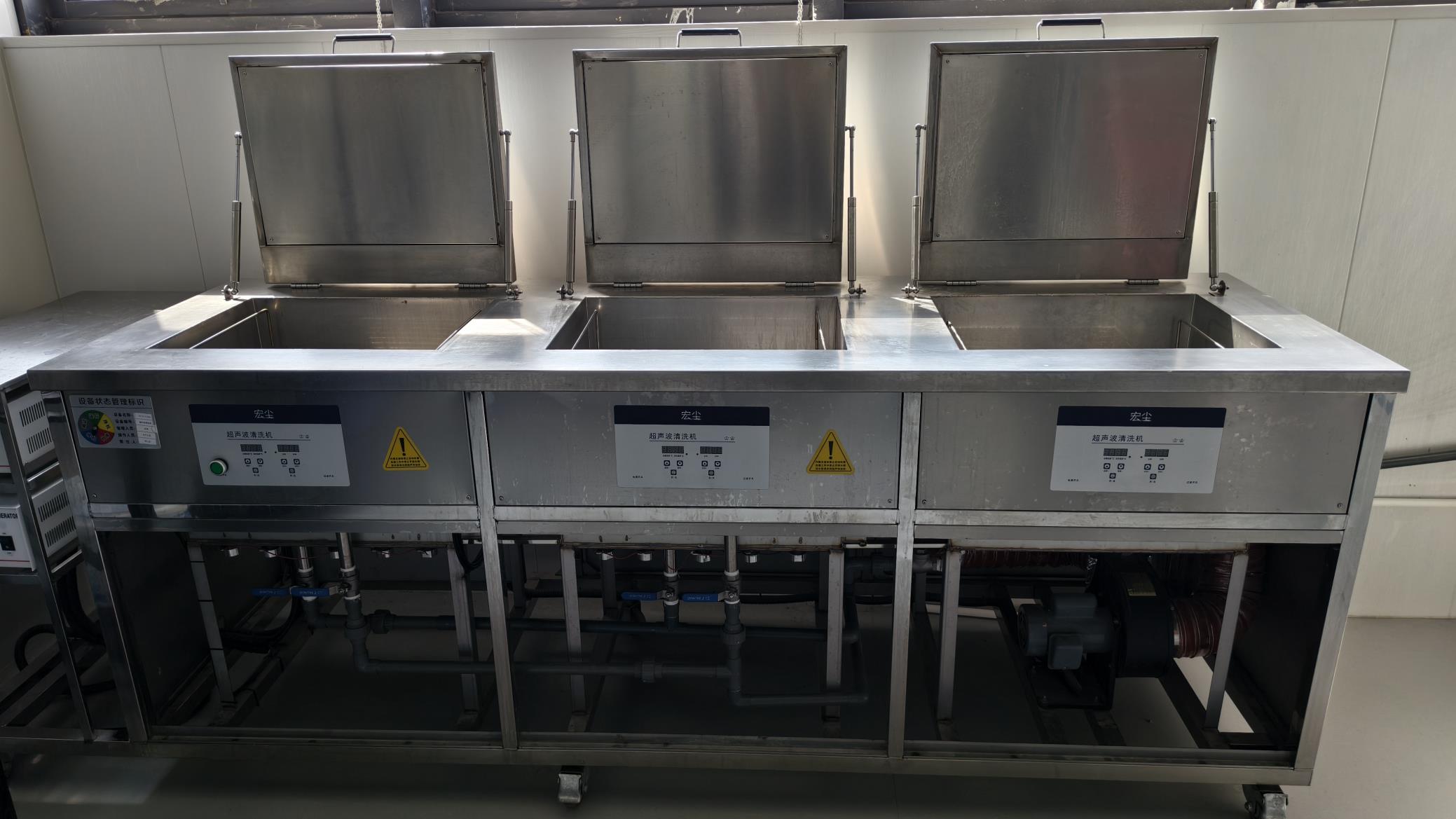
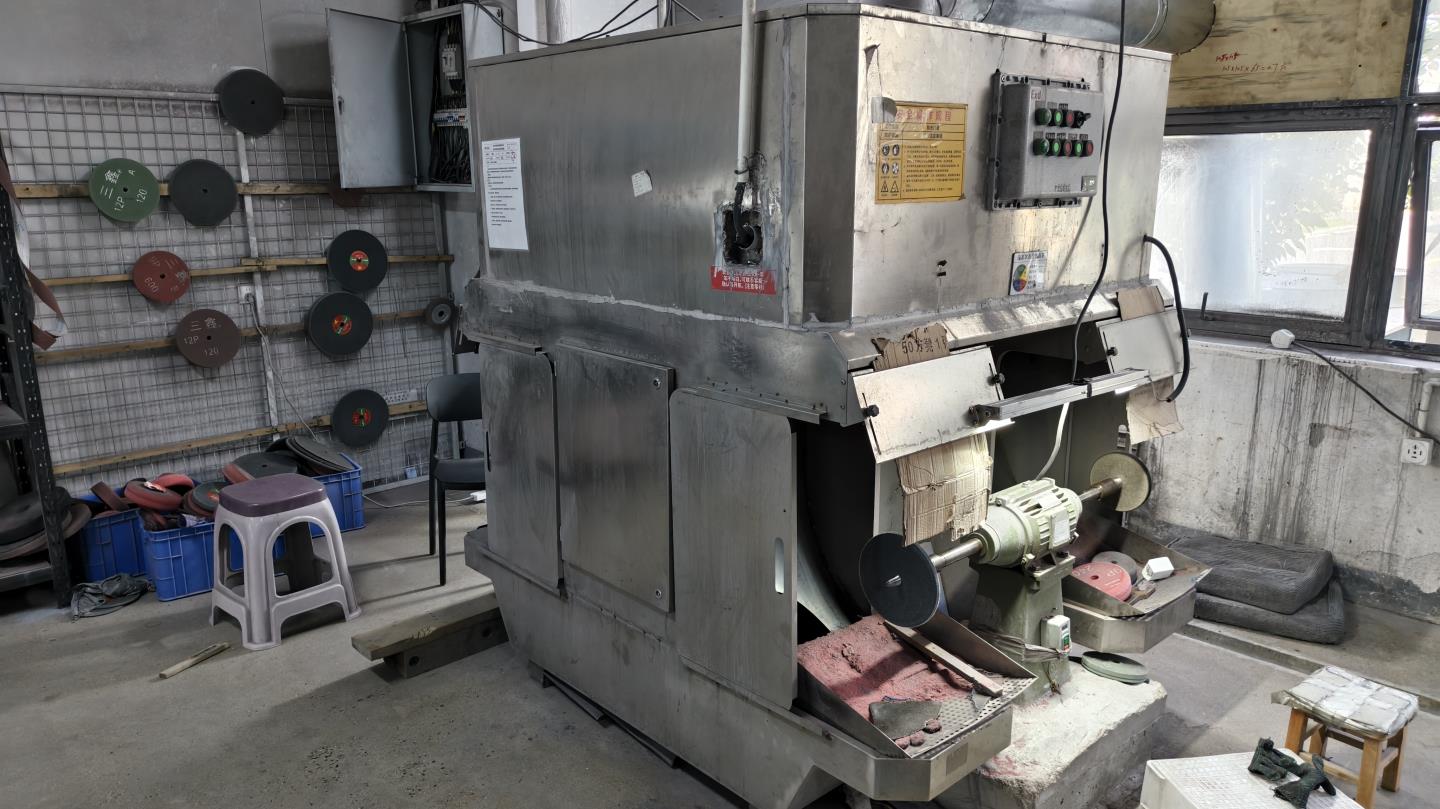
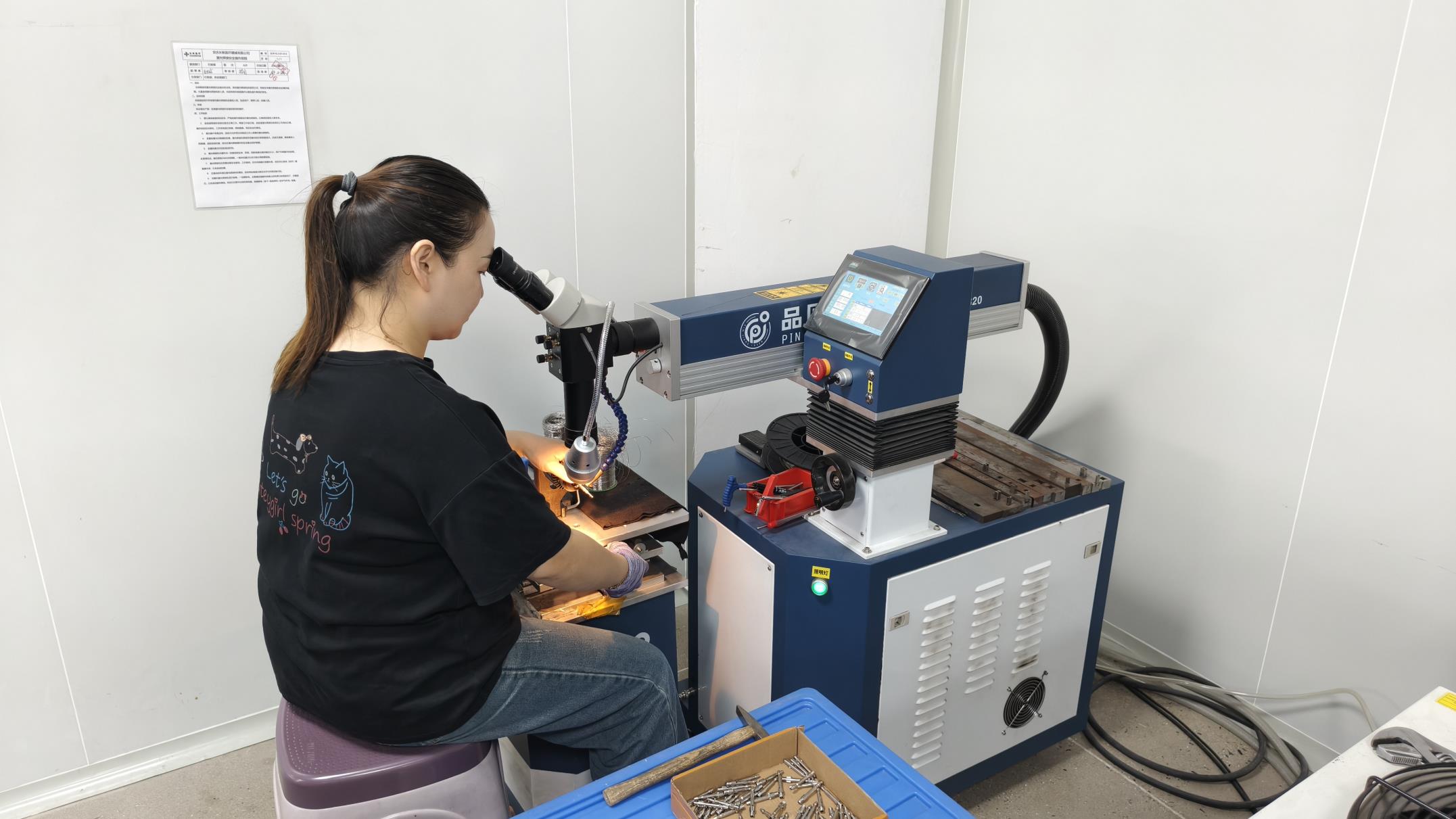
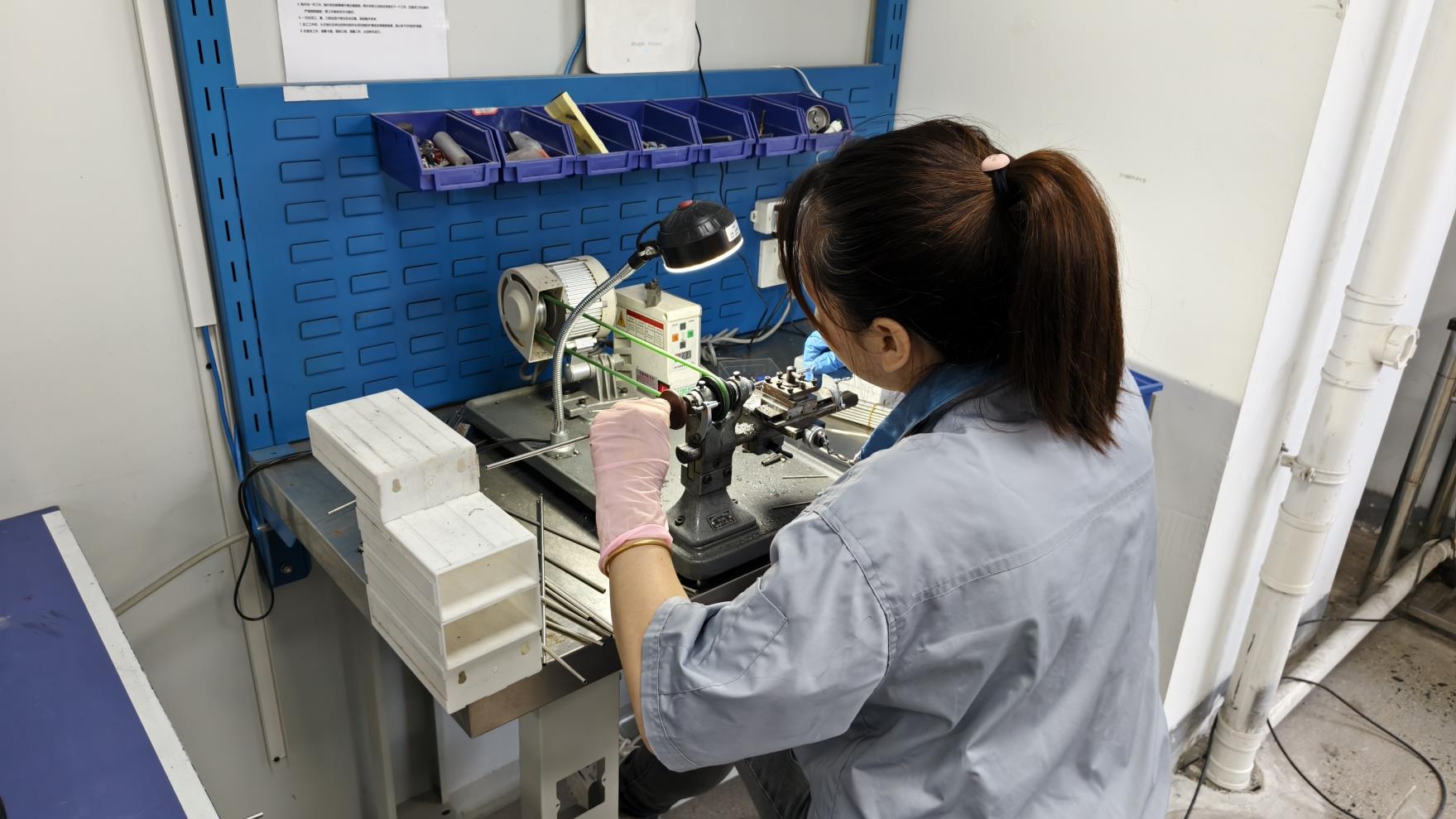
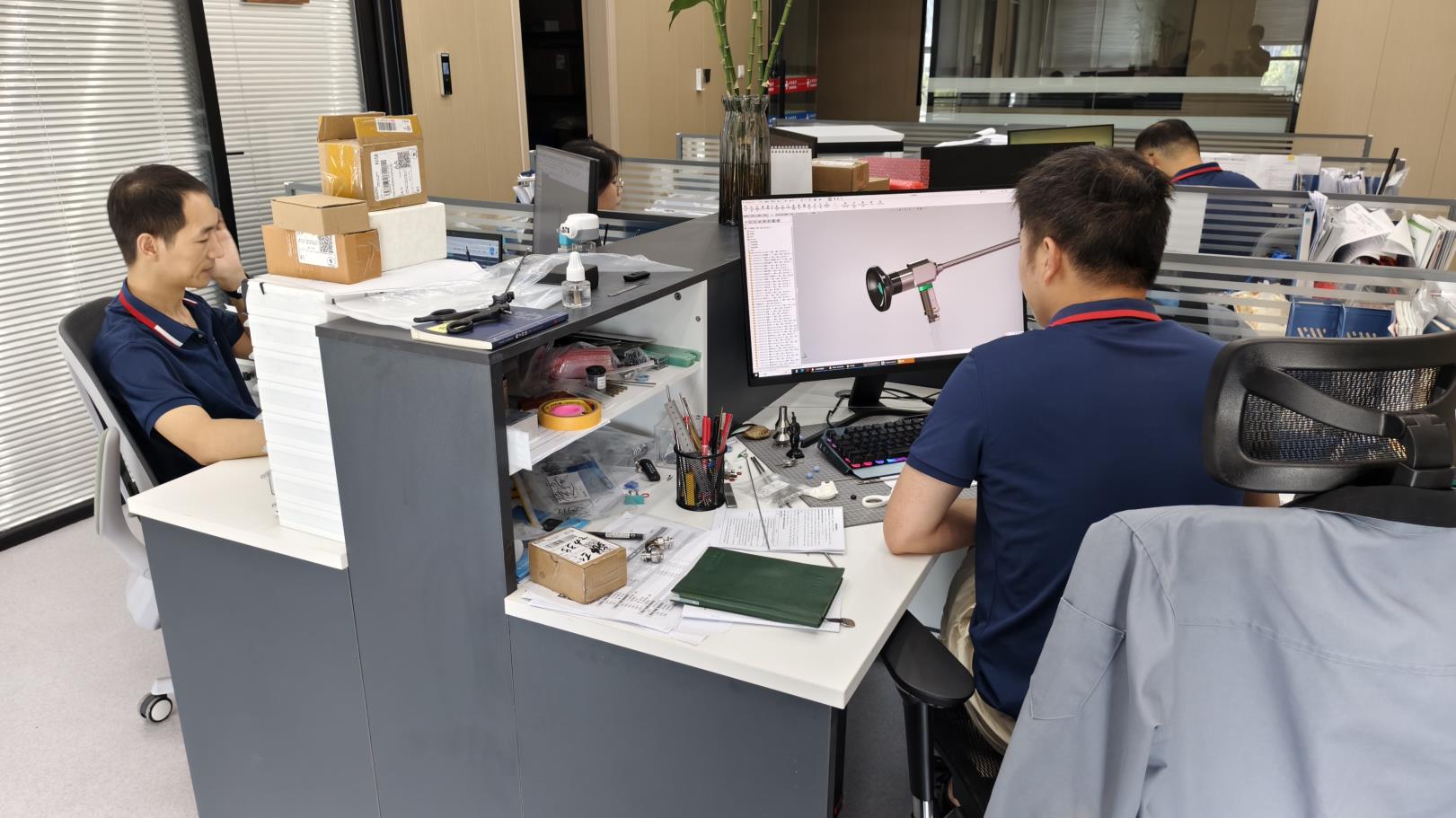
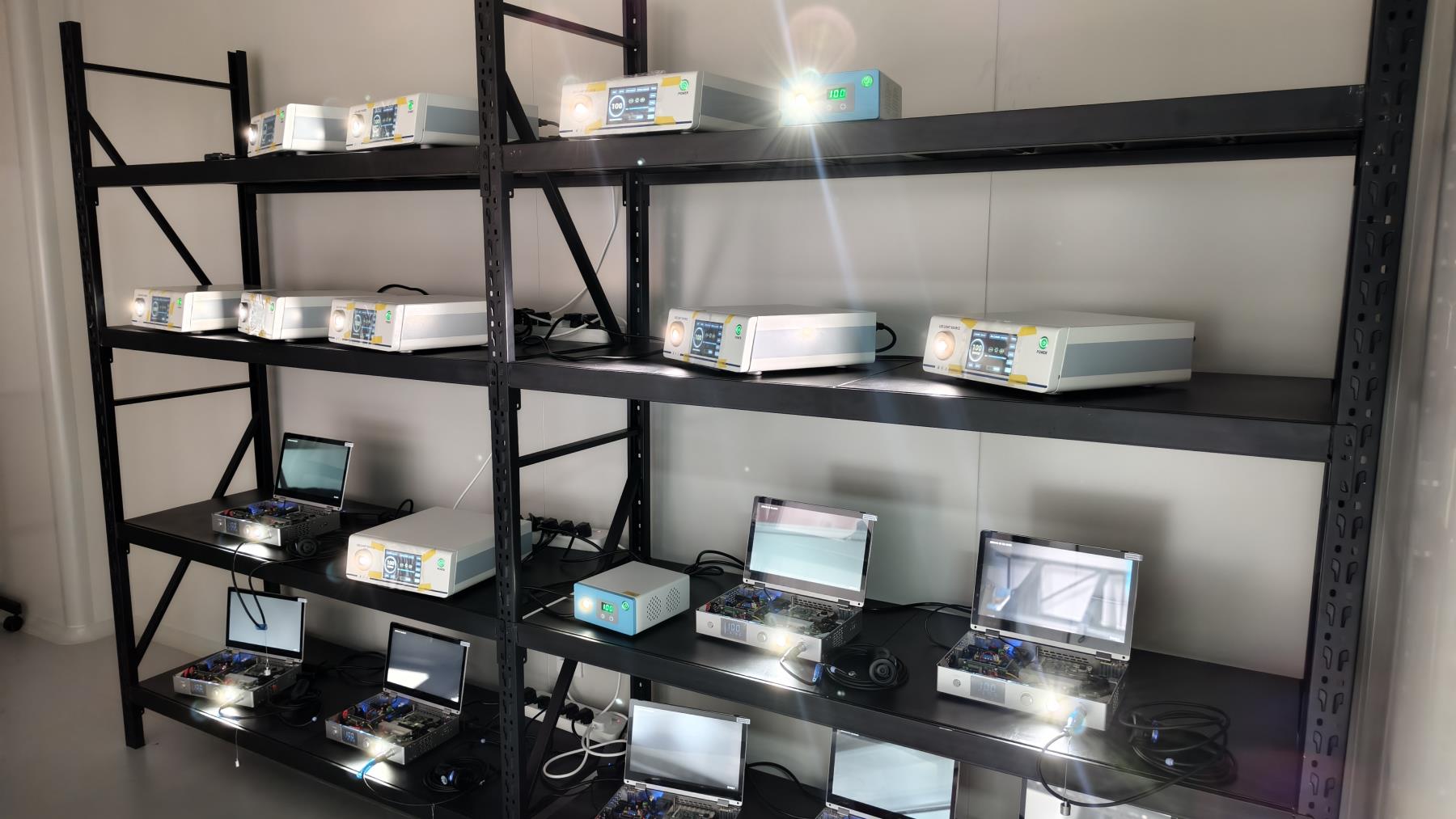
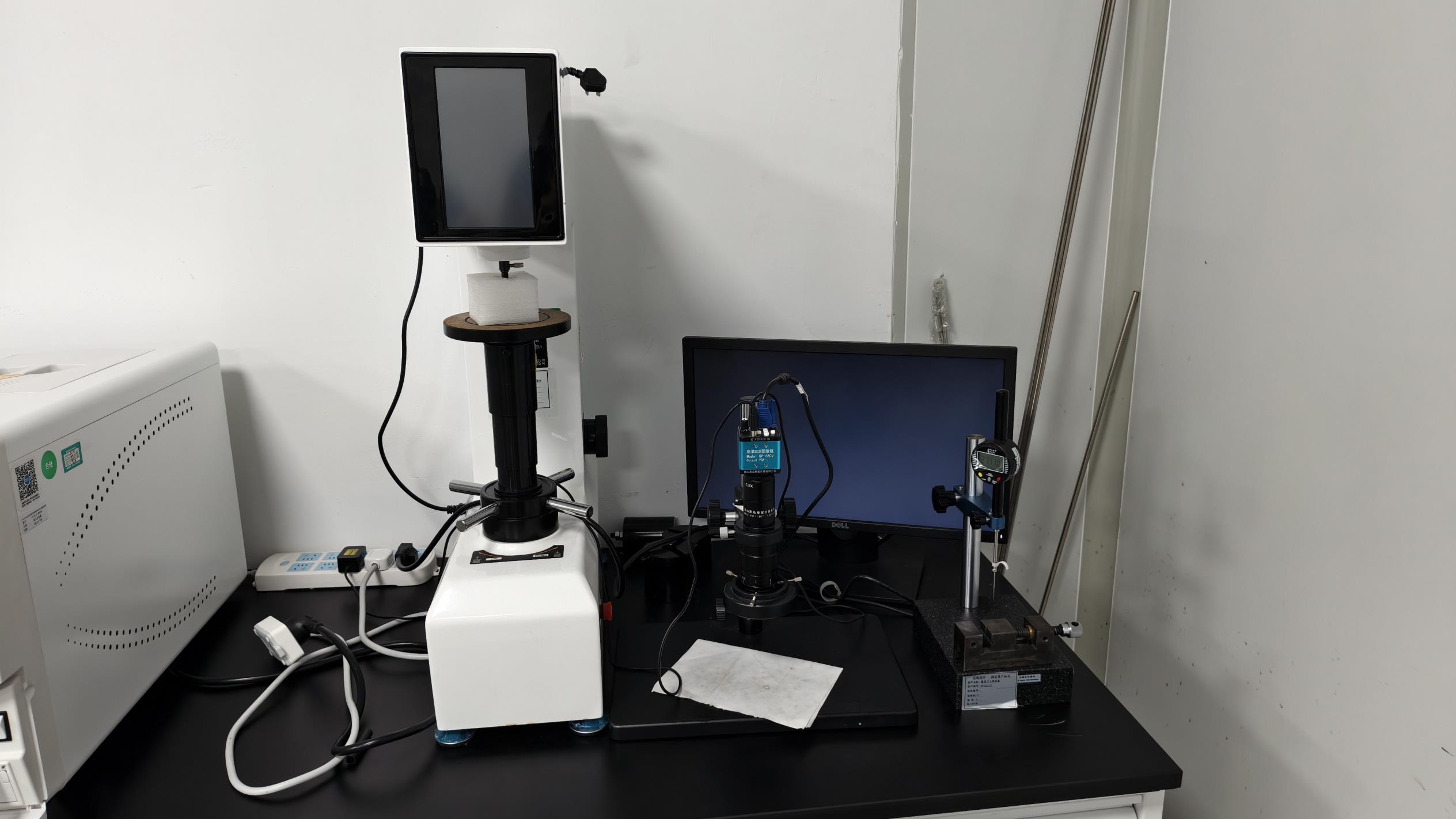
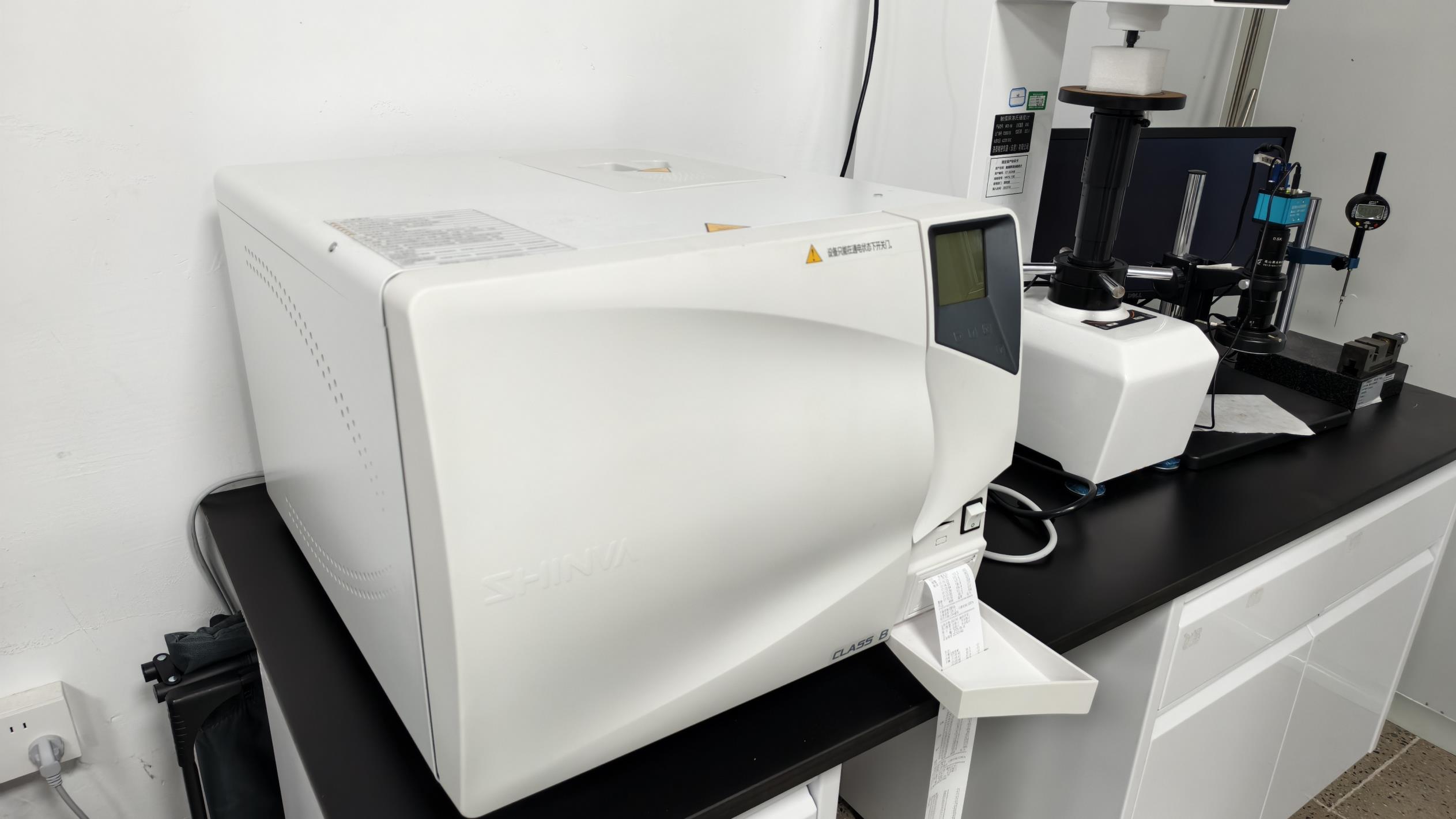
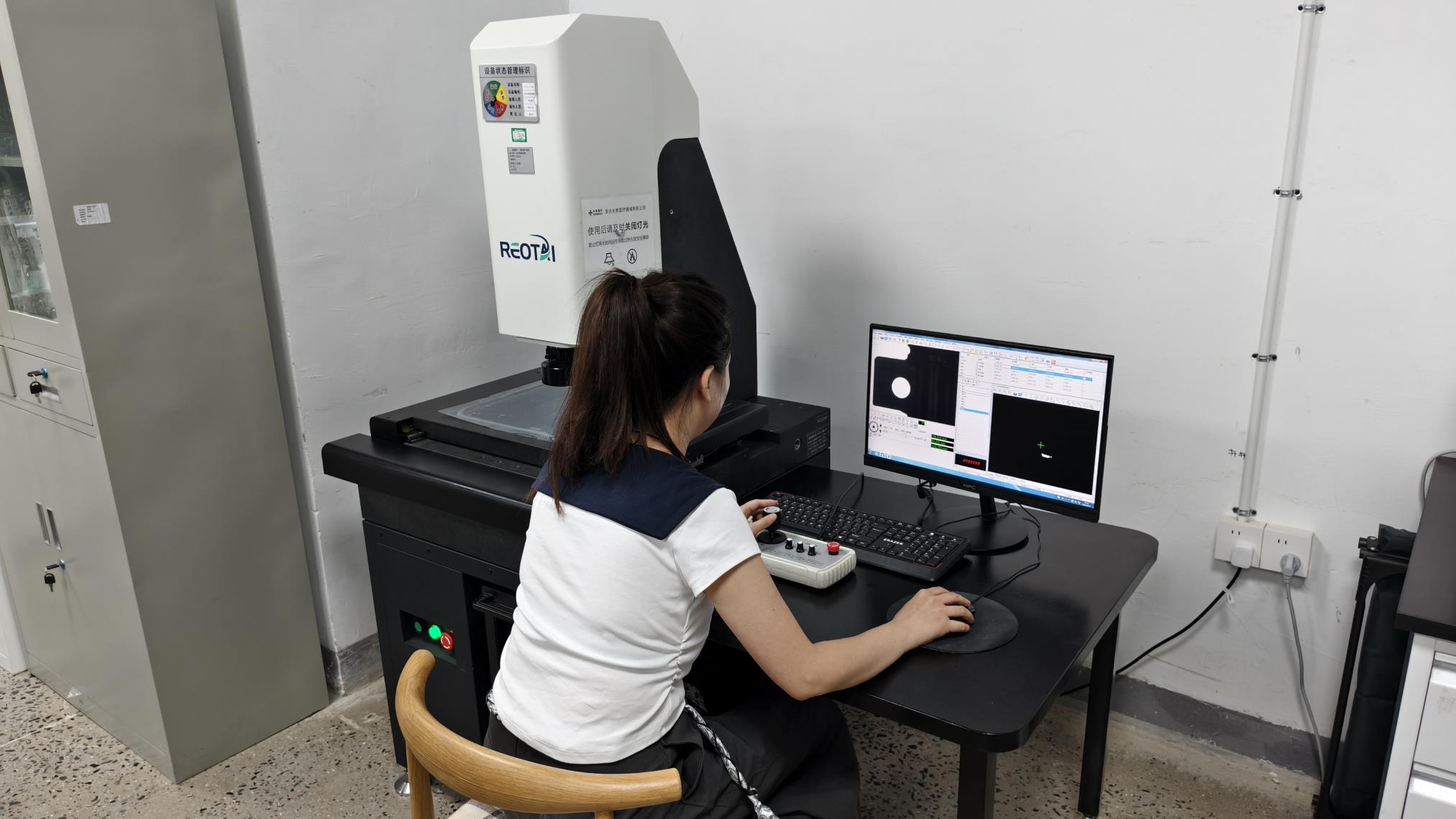
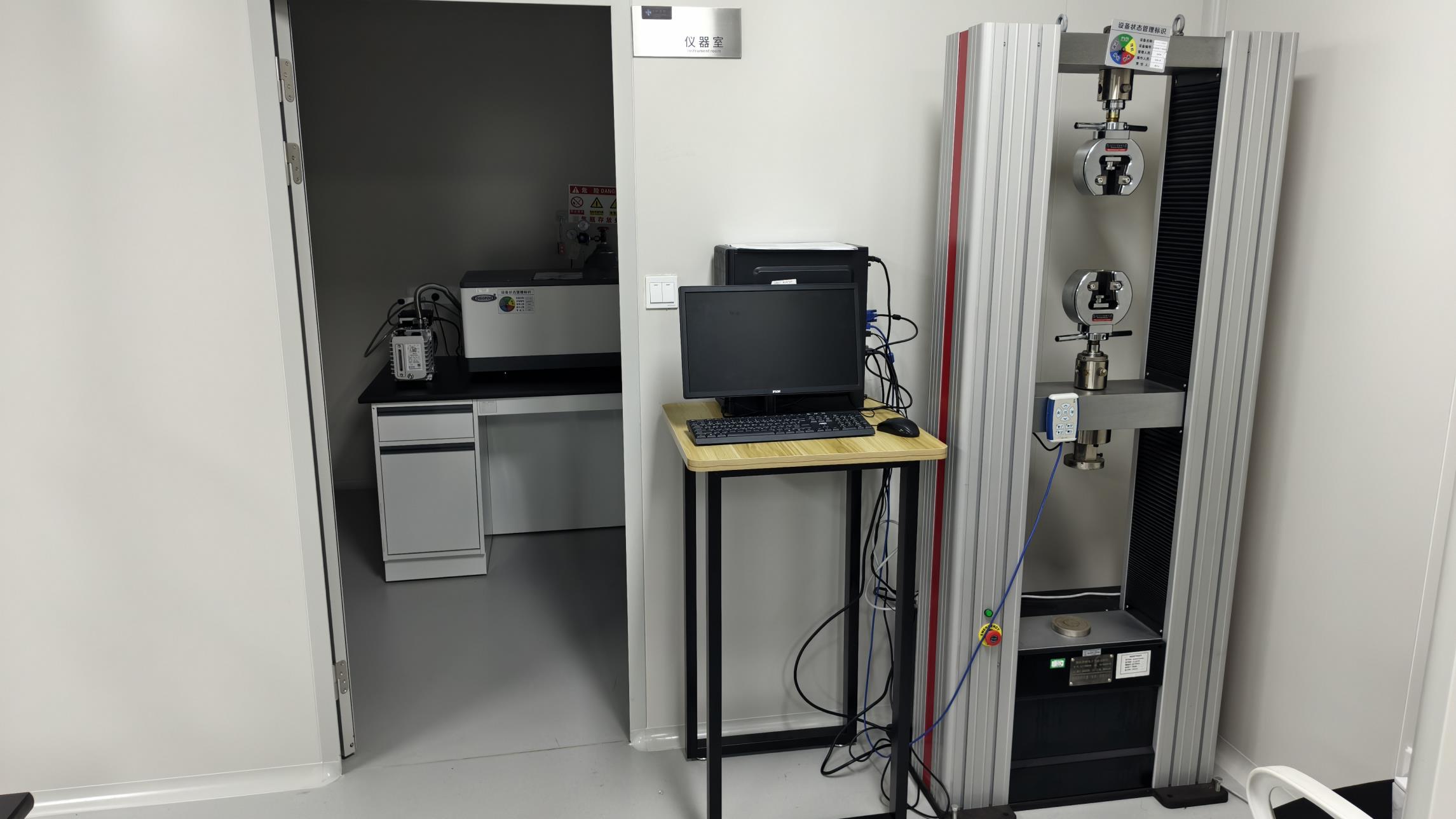
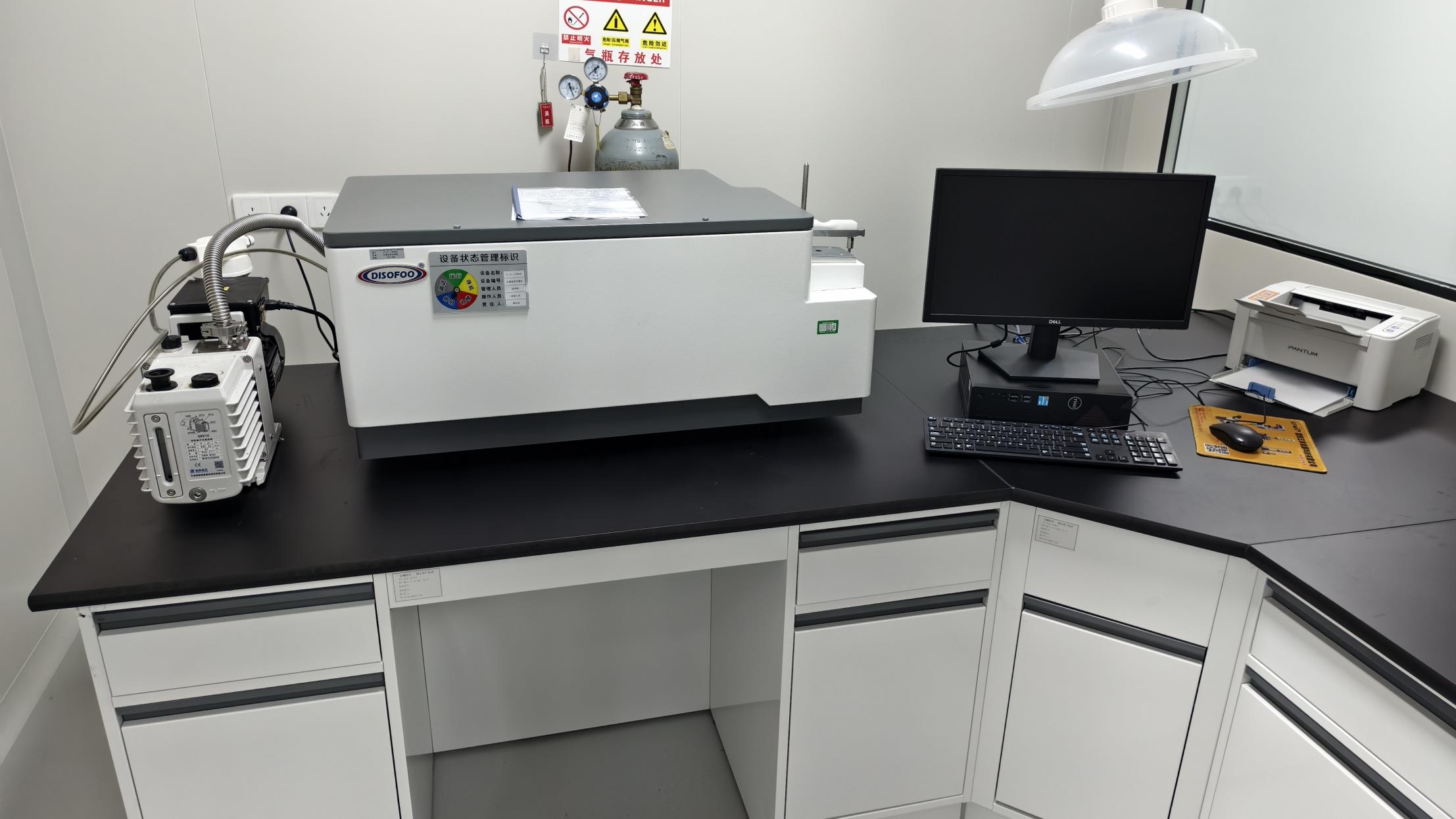
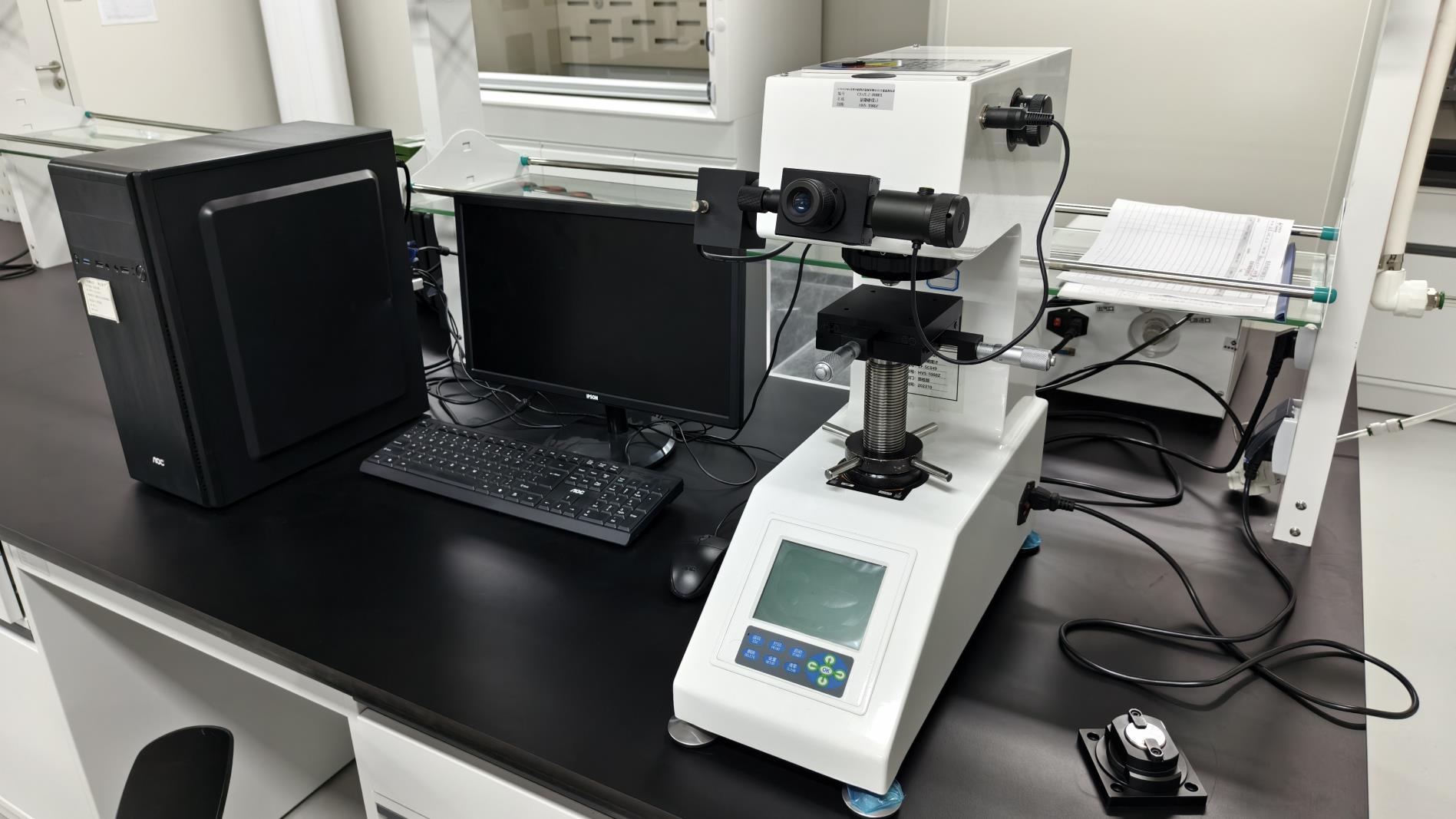
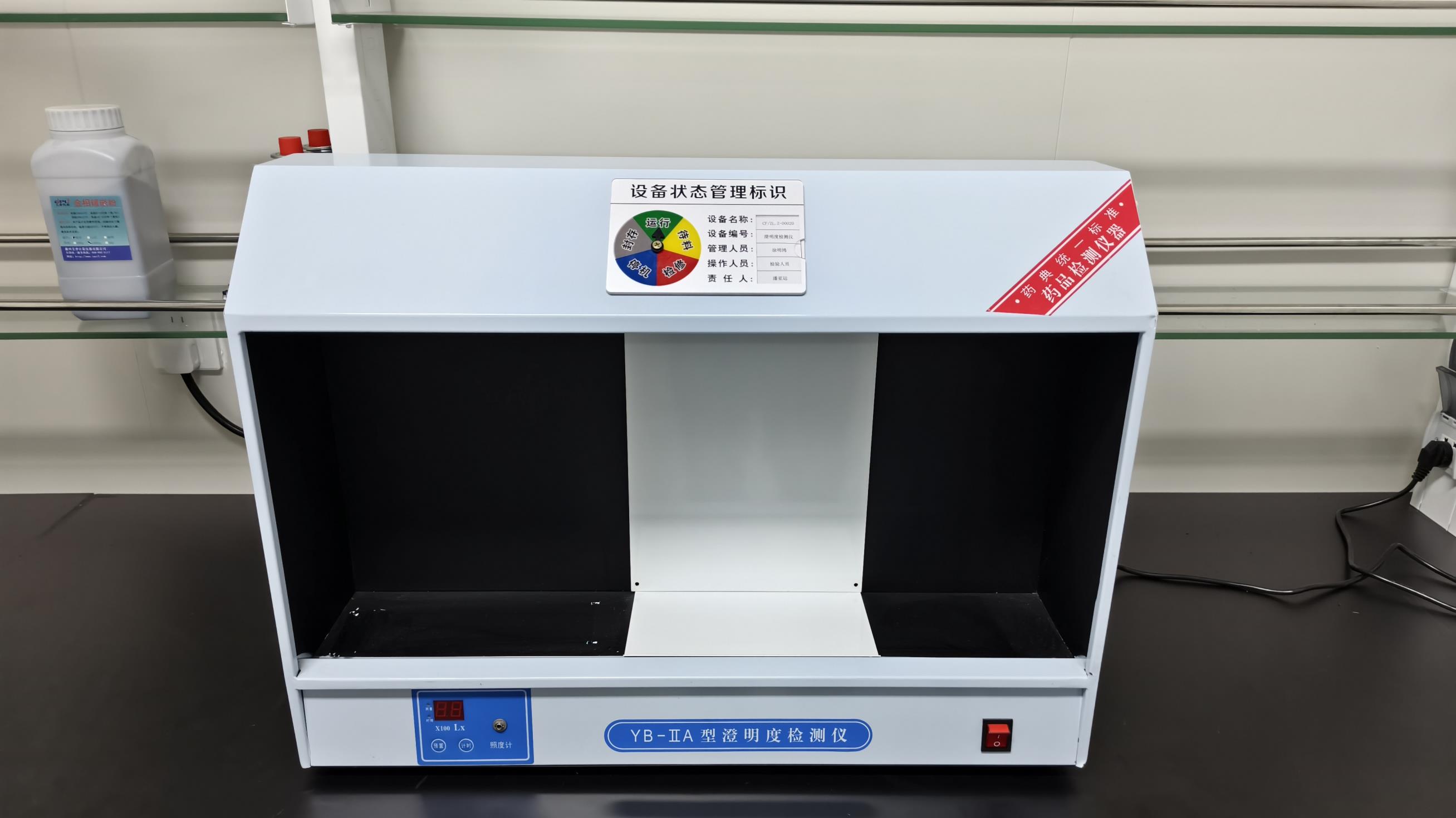
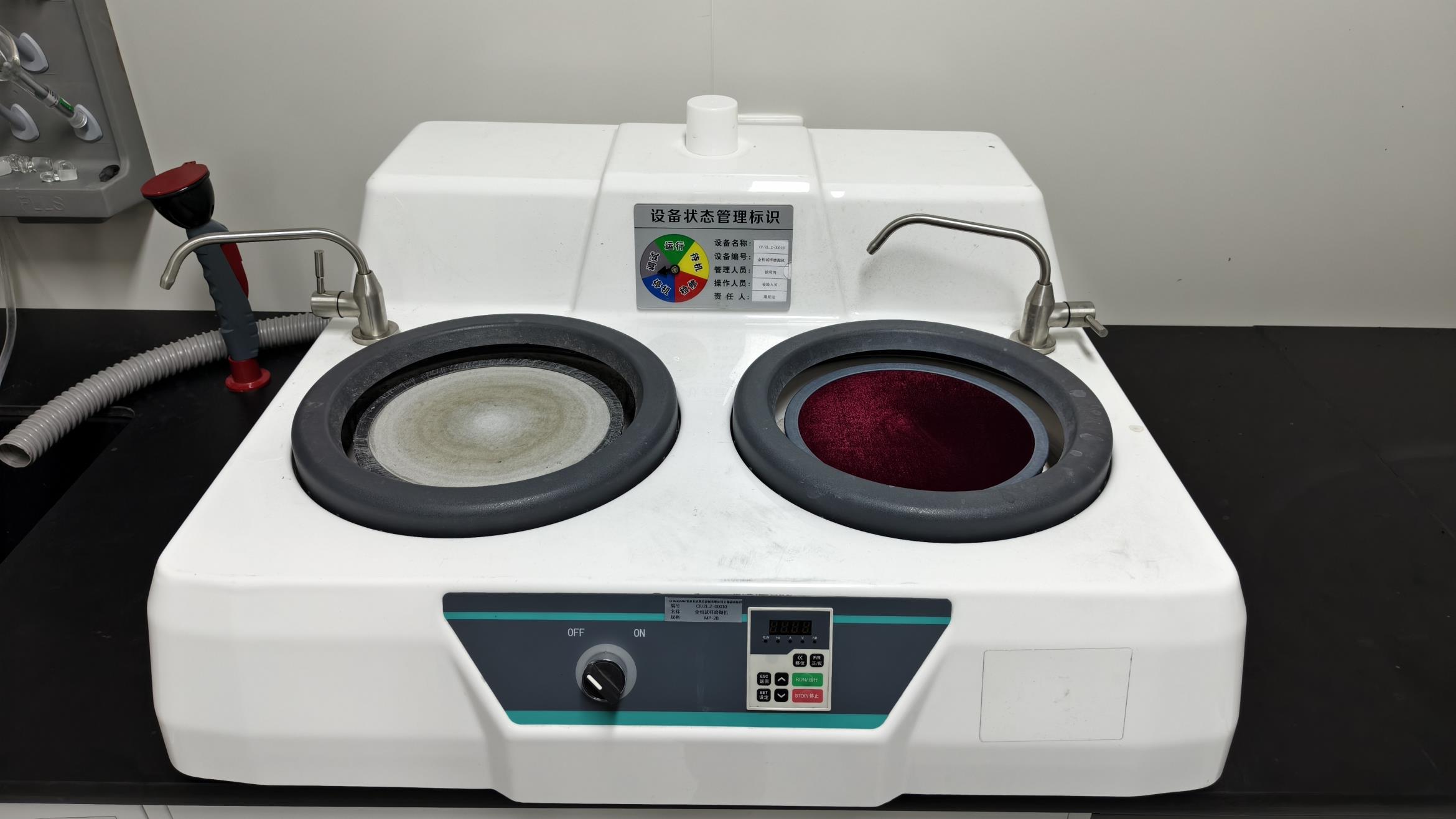
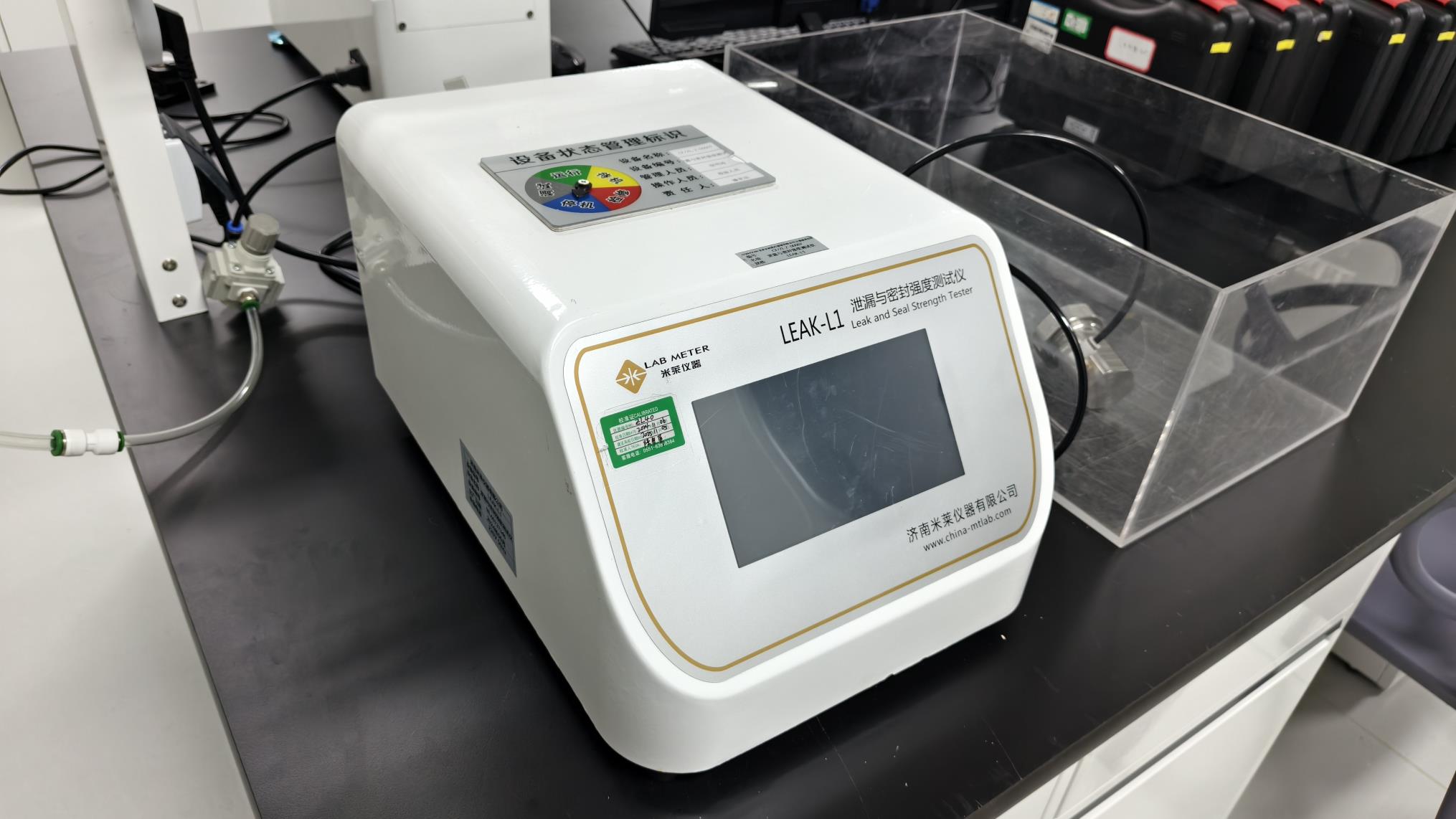
Consistent medical implants depend on a well-managed production chain. At Zynfuse, we maintain full control over the manufacturing process. We source certified Grade 5 (Ti-6Al-4V ELI) and Grade 4 pure titanium, which then undergoes machining and detailed finishing. Below is a look at the equipment and testing steps that support our daily production run.
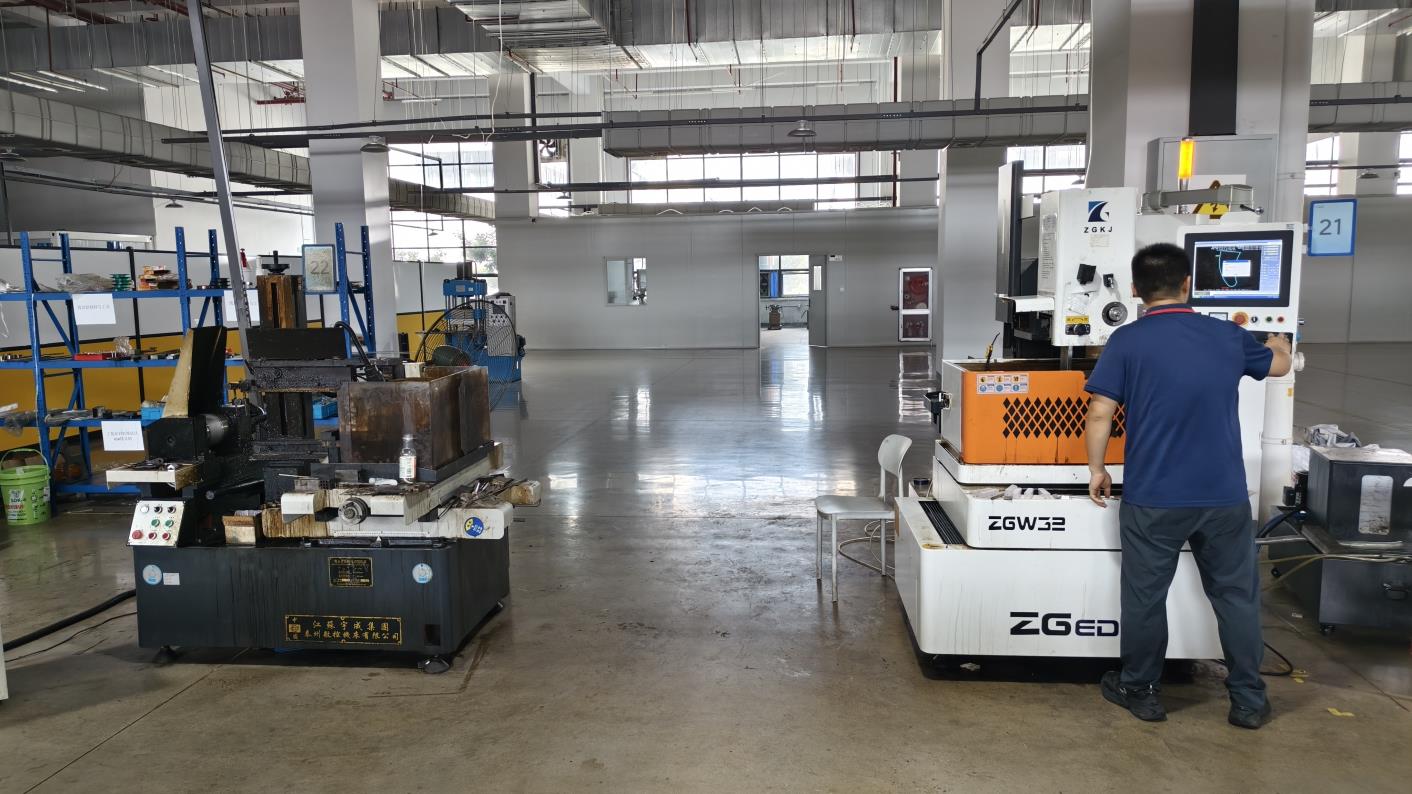
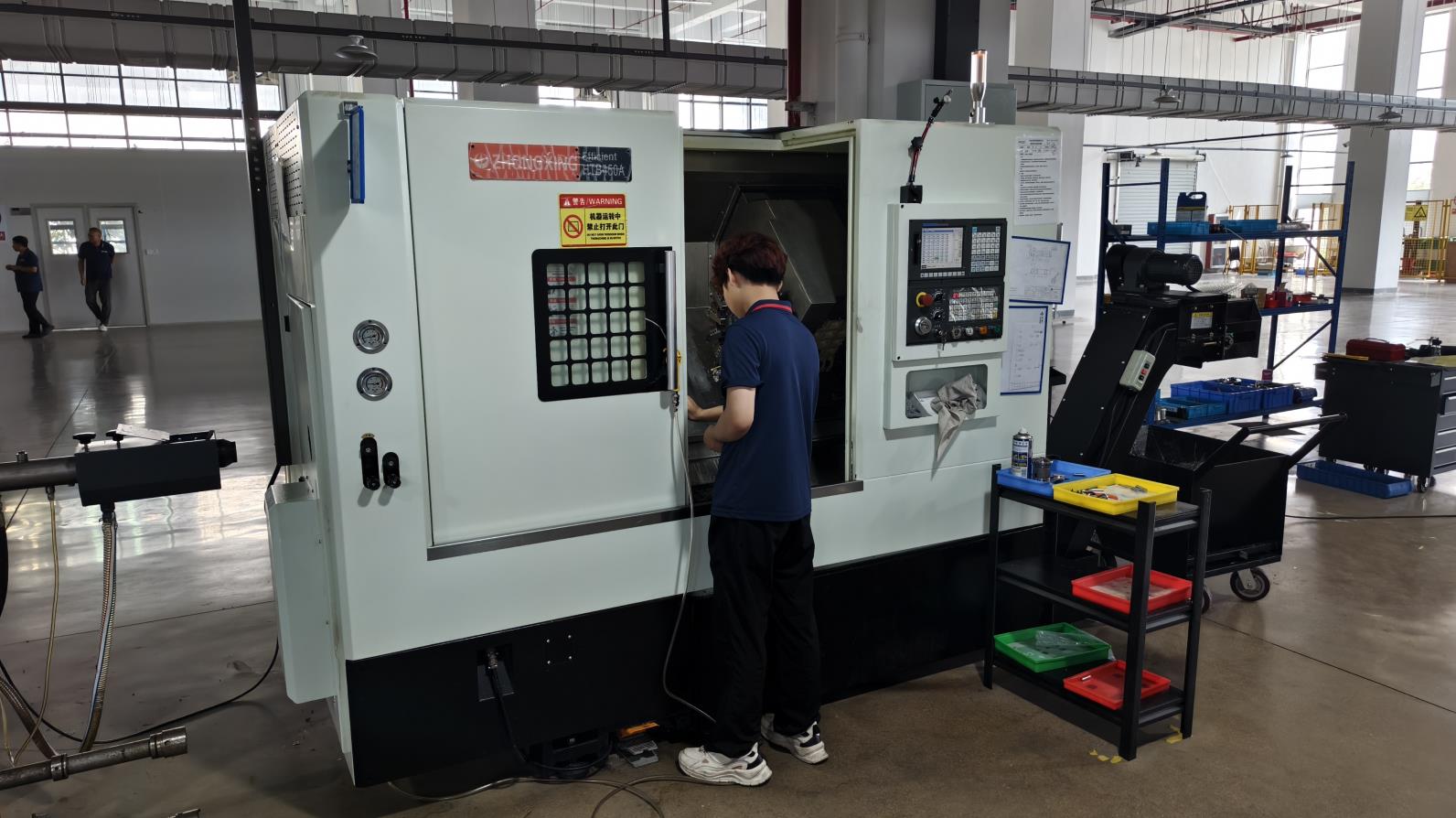
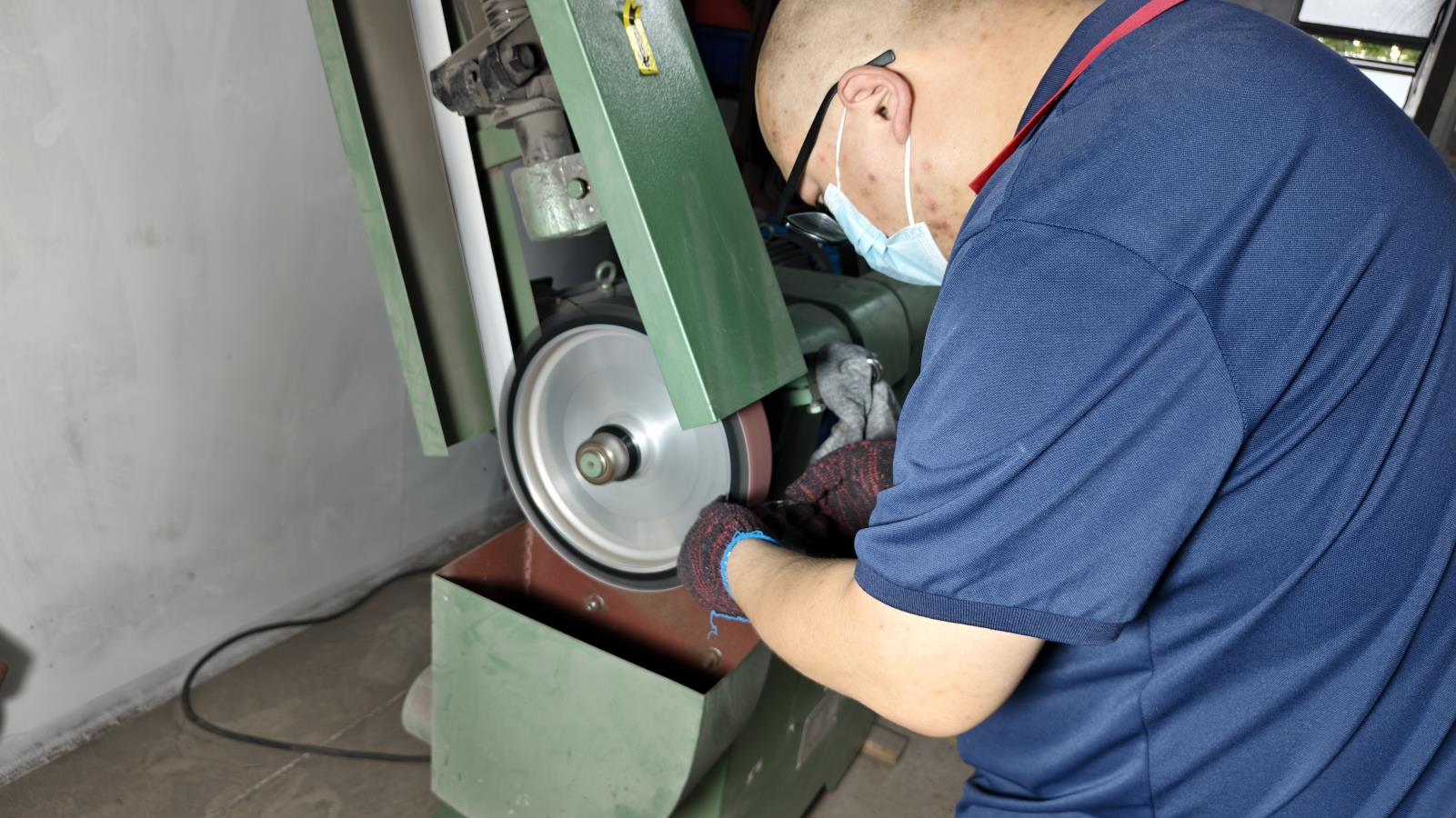
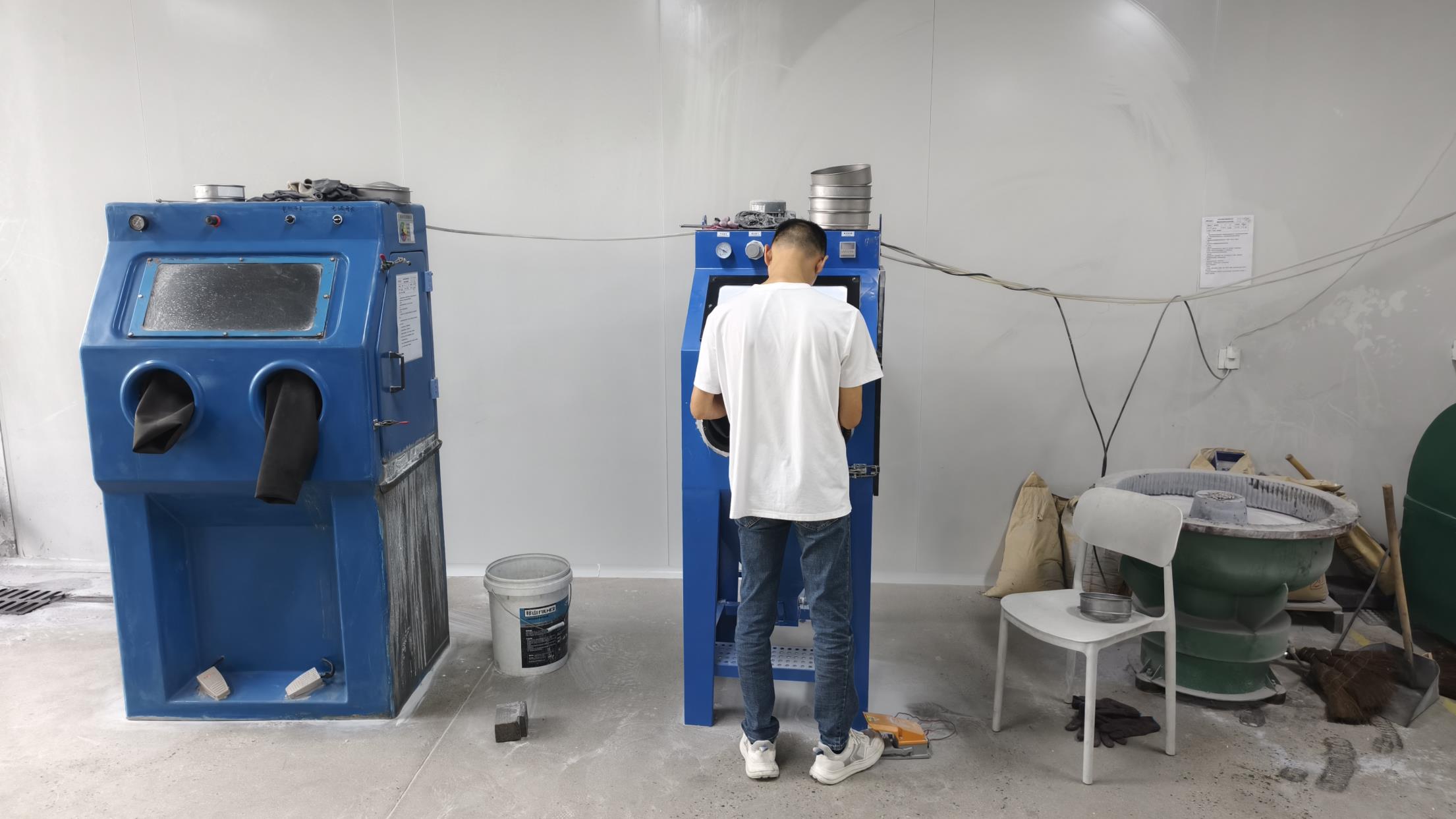
Pioneering design strategies aimed at reducing stress shielding and improving osteointegration.
The orthopedic field is moving toward implants that interact more naturally with bone tissue. Traditional rigid plates can cause "stress shielding," a condition where the metal plate carries too much of the mechanical load, leaving the underlying bone under-stressed and prone to bone loss. Zynfuse’s research team works on structural designs and surface treatments to address this issue:
We use finite element analysis (FEA) to adjust plate stiffness, placing material only where it is needed to withstand peak biomechanical loads. Polyaxial locking mechanism designs let surgeons angle locking screws up to 15 degrees in any direction. This makes it easier to target and secure bone fragments in complex fracture cases.
| Implant Attribute | Standard Pure Titanium (Gr 4) | Ti-6Al-4V ELI (Gr 5 / ISO 5832-3) | Clinical Relevance |
|---|---|---|---|
| Ultimate Tensile Strength | ≥ 550 MPa | ≥ 860 MPa | High fatigue resistance prevents plate failure during early weight-bearing cycles. |
| Yield Strength (0.2% offset) | ≥ 483 MPa | ≥ 795 MPa | Protects the anatomical shape of the plate under heavy structural load. |
| Elongation at Break | ≥ 15% | ≥ 10% | Allows for intraoperative bending and shaping without causing micro-fractures. |
| Modulus of Elasticity | 105 GPa | 110 GPa | Matches human cortical bone better than stainless steel (200 GPa) to reduce stress shielding. |
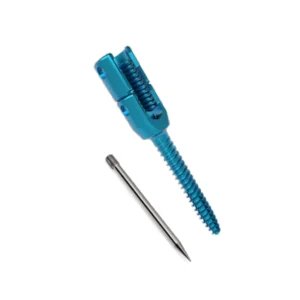
Our Type II and Type III electrochemical anodization processes create a stable titanium oxide layer. This surface treatment improves fatigue resistance, reduces friction at the screw-plate interface, and color-codes different sizes for easier identification in the operating room.
How we support international surgical standards and streamline medical sourcing.
Our OEM and ODM services are structured to meet different clinical requirements around the world:
We work closely with customers through the design, prototype testing, and manufacturing stages. This collaborative approach allows us to modify implant geometries, adjust screw hole patterns, or produce complete surgical instruments that integrate smoothly with existing hospital equipment.
Detailed answers regarding materials, manufacturing tolerances, and custom OEM processes.
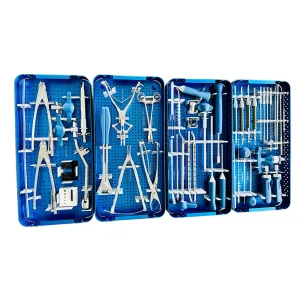
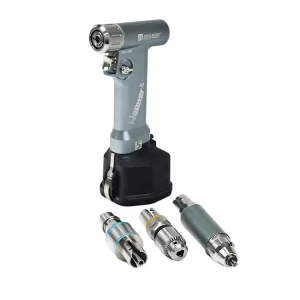
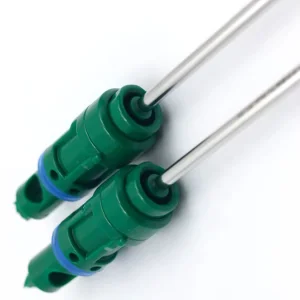
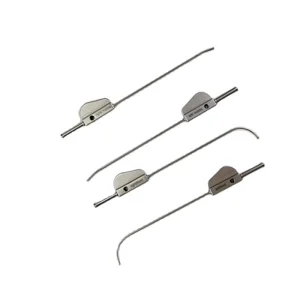
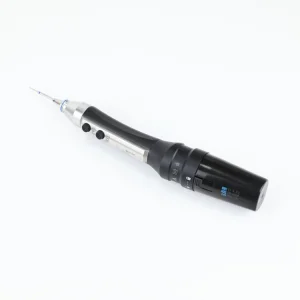
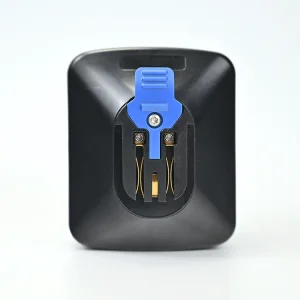
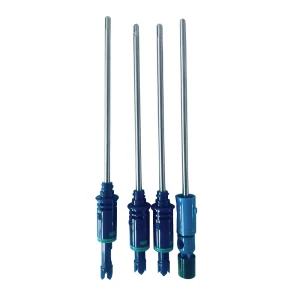
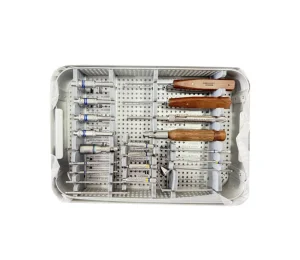
Complete your surgical systems with our specialized instrumentation and implant sets.