Zynfuse
Zynfuse
Zynfuse
High-performance orthopedic implants and instrument sets designed for complex spinal fusion and trauma reconstructions.
The global spinal fusion market has witnessed a significant paradigm shift from static interbody spacers to expandable spinal cages. This transition is primarily driven by the clinical need to reduce insertion profiles, mitigate the risk of endplate damage, optimize sagittal alignment, and customize correction heights intraoperatively. In the modern surgical landscape, expandable cages represent one of the fastest-growing segments within minimally invasive spine surgery (MISS) tech systems.
From an industrial perspective, the production of these complex biomechanical systems demands extreme manufacturing precision, advanced material science (utilizing medical-grade titanium alloy and PEEK-OPTIMA™), and strict biocompatibility validation. As healthcare systems globally focus on reducing revision rates and shortening patient recovery times, specialized OEM and ODM manufacturers play a critical role. They bridge the gap between complex clinical concepts and high-volume, compliant manufacturing pipelines.
The global spinal implant market is driven by demographic shifts, showing a strong Compound Annual Growth Rate (CAGR) within the MISS segment. Expandable technologies now hold a dominant share in newly adopted surgical protocols across premium hospitals.
Expandable cages minimize the mechanical impaction required during insertion, safeguarding the bony endplates. This approach directly lowers the incidence of cage subsidence, a leading cause of early post-operative failure.
Medical device brands are increasingly relying on specialized external manufacturing centers. This allows them to secure robust product pipelines, satisfy regulatory updates, and accelerate time-to-market.
The engineering landscape of expandable interbody fusion devices is evolving rapidly. We are seeing a shift from simple mechanical jacks to highly integrated, multi-axial expansion systems. These devices are optimized for bone ingrowth and seamless integration with robotic navigation. The primary technical trends shaping the next decade include:
Additive manufacturing (specifically Electron Beam Melting and Direct Metal Laser Sintering) allows engineers to create interconnected porous structures. These mimic trabecular bone, promoting immediate cellular attachment and accelerated fusion. OEM developers are increasingly integrating these 3D-printed endplate contacts into expandable cages to combine mechanical adjustment with natural osteointegration.
Restoring sagittal balance is crucial for achieving long-term successful clinical outcomes in spine surgery. Modern expandable cages feature independent height and lordosis expansion adjustments. This allows surgeons to customize the lordotic angle (often up to 15° or 20°) directly within the disc space, tailoring it to the patient's unique spinal anatomy.
Hybrid designs leverage the radiolucency and bone-like modulus of elasticity of Polyetheretherketone (PEEK) alongside the strength and biological properties of titanium. These systems are highly valued by clinical departments looking for optimal post-operative radiographic visualization without sacrificing mechanical performance.
Zynfuse Medical Technology Co., Ltd. is a leading professional orthopedic medical device manufacturer specializing in bone fusion and advanced implant systems.
Established in 2016, Zynfuse has built a strong foundation in orthopedic solutions with 12 years of industry experience and 7 years of export experience, serving global healthcare markets with consistent quality and reliability.
The company operates a modern manufacturing facility covering approximately 18,600 m², equipped with advanced production and testing equipment. Zynfuse maintains an annual export revenue of around $18.5 million, supported by a highly efficient supply chain network of over 1,200 partners worldwide. The organization employs 68 quality inspection specialists ensuring strict compliance with international medical standards.
Zynfuse serves major global markets including North America, Europe, Southeast Asia, and the Middle East, and collaborates with hospitals, distributors, orthopedic clinics, and medical device importers. Its client base primarily includes medical distributors, hospital procurement departments, and orthopedic surgical centers.
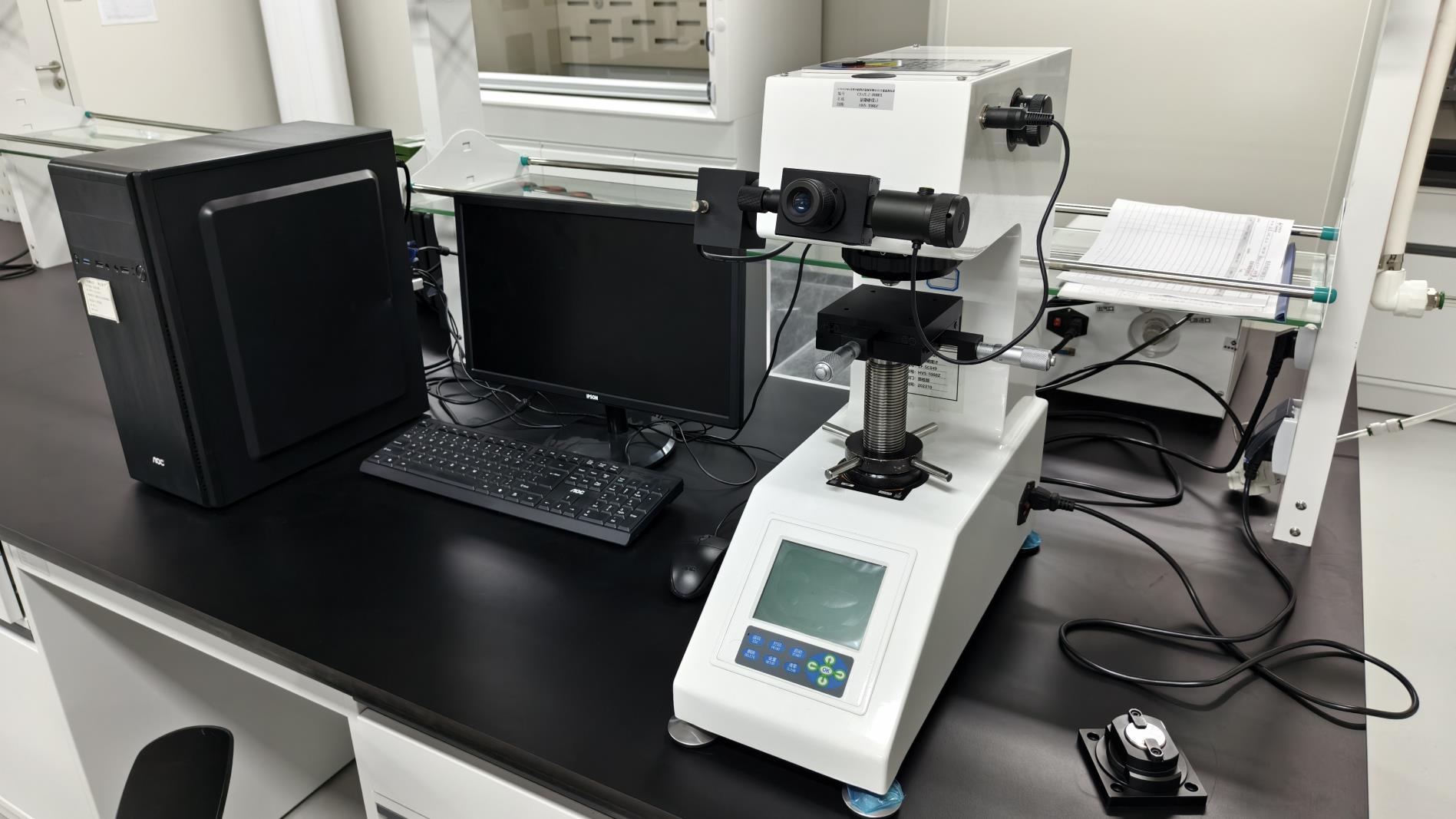
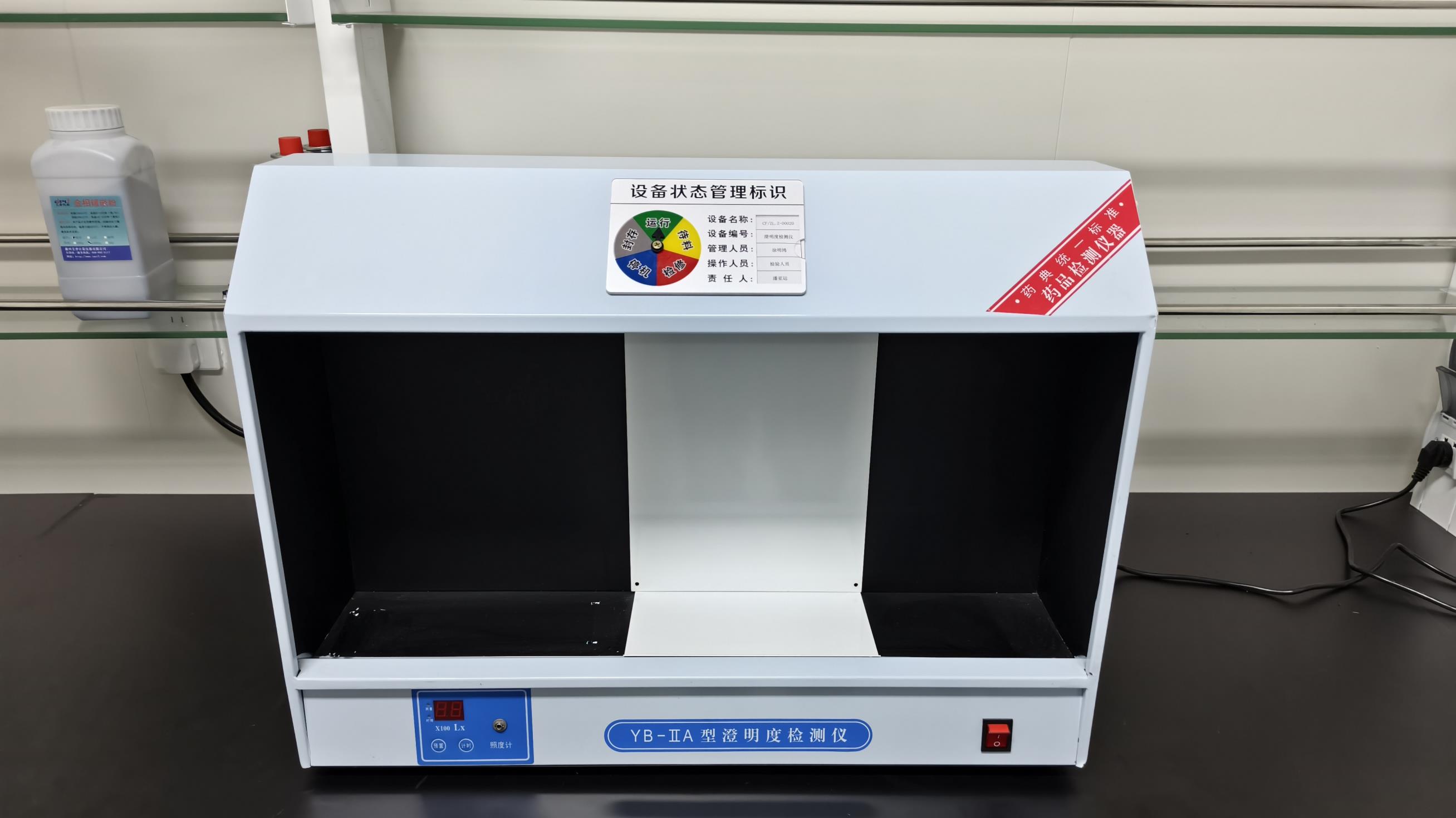
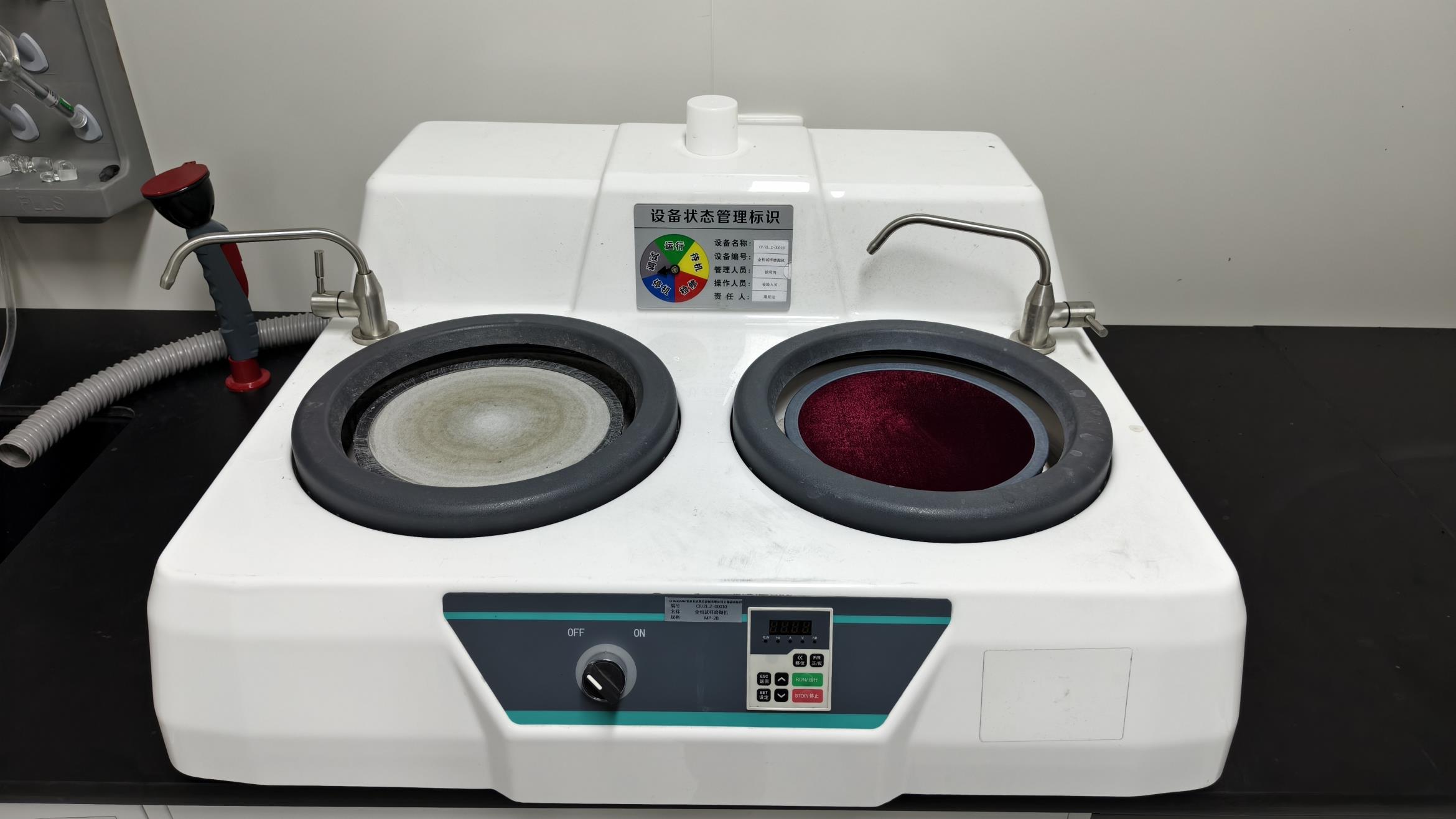
The company places strong emphasis on quality control, implementing ISO 13485-based inspection systems, mechanical performance testing, and biocompatibility evaluations. Product inspection methods include dimensional verification, fatigue testing, and surface integrity analysis.
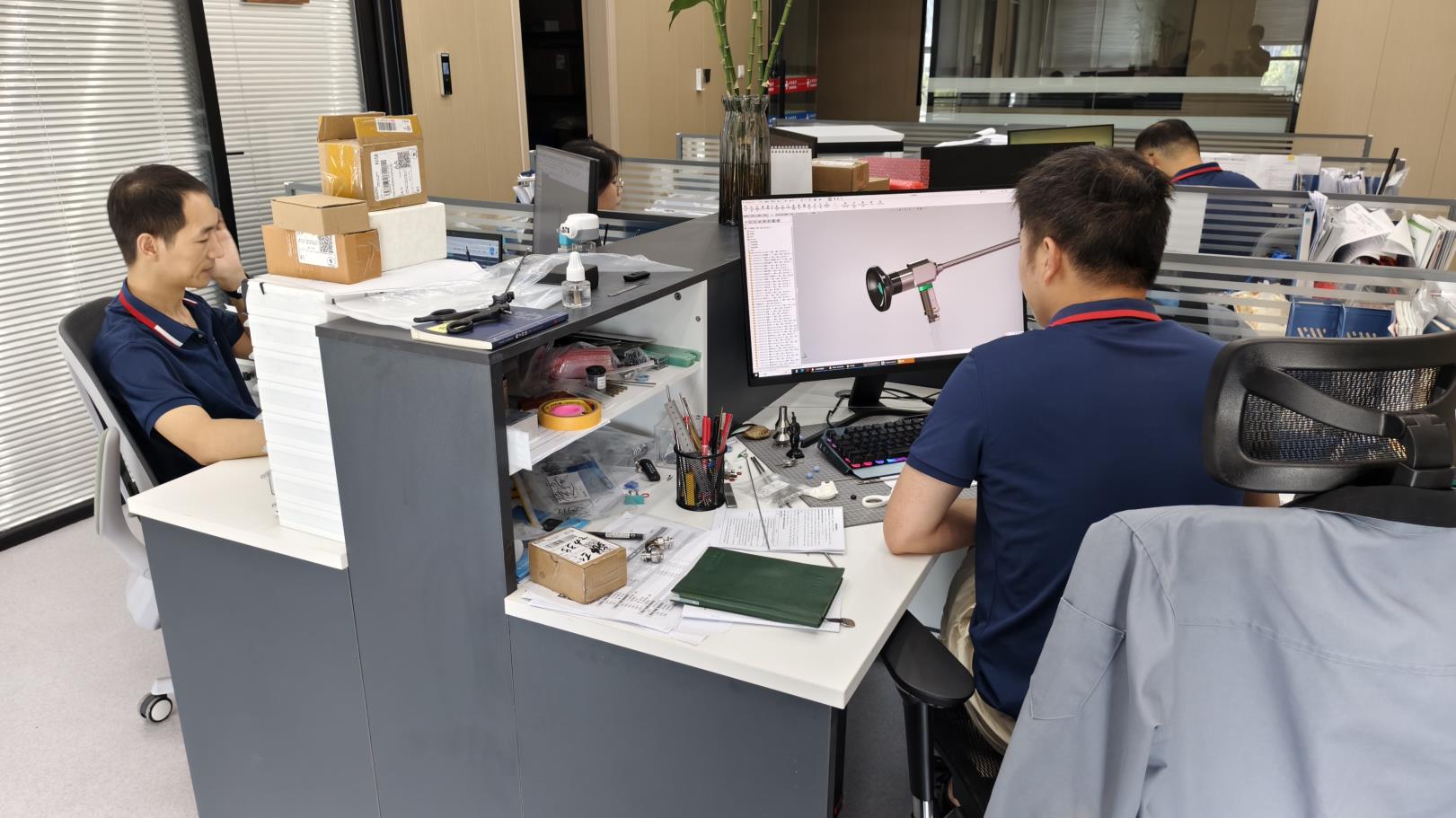
With a robust R&D team of 85 engineers, Zynfuse continues to expand its innovation capabilities, launching approximately 320 new products annually. The company offers extensive customization options, including implant geometry adjustment, material selection, and OEM/ODM solutions tailored to client needs. Zynfuse maintains a strong trade background with long-term partnerships across the global medical device industry, ensuring stable supply and consistent product excellence.
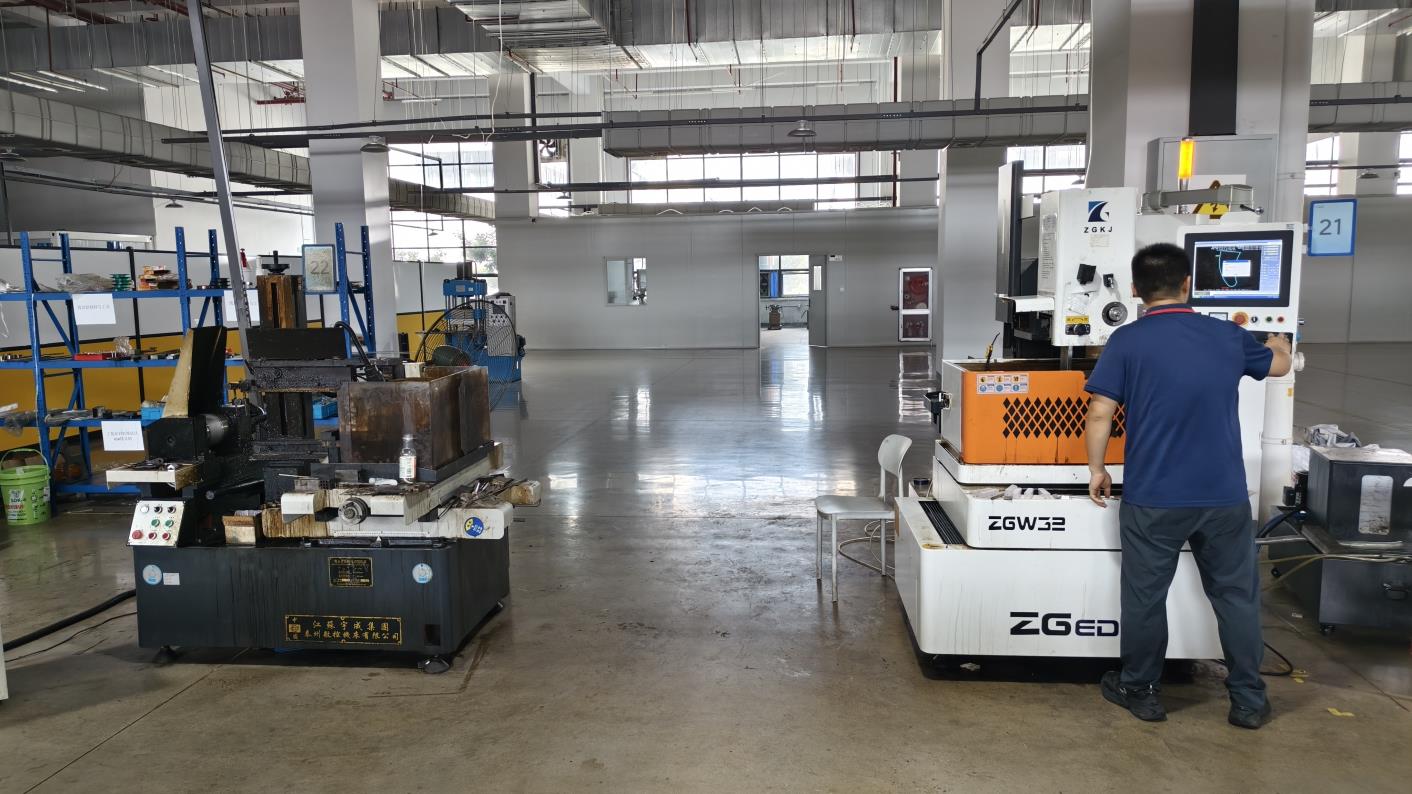
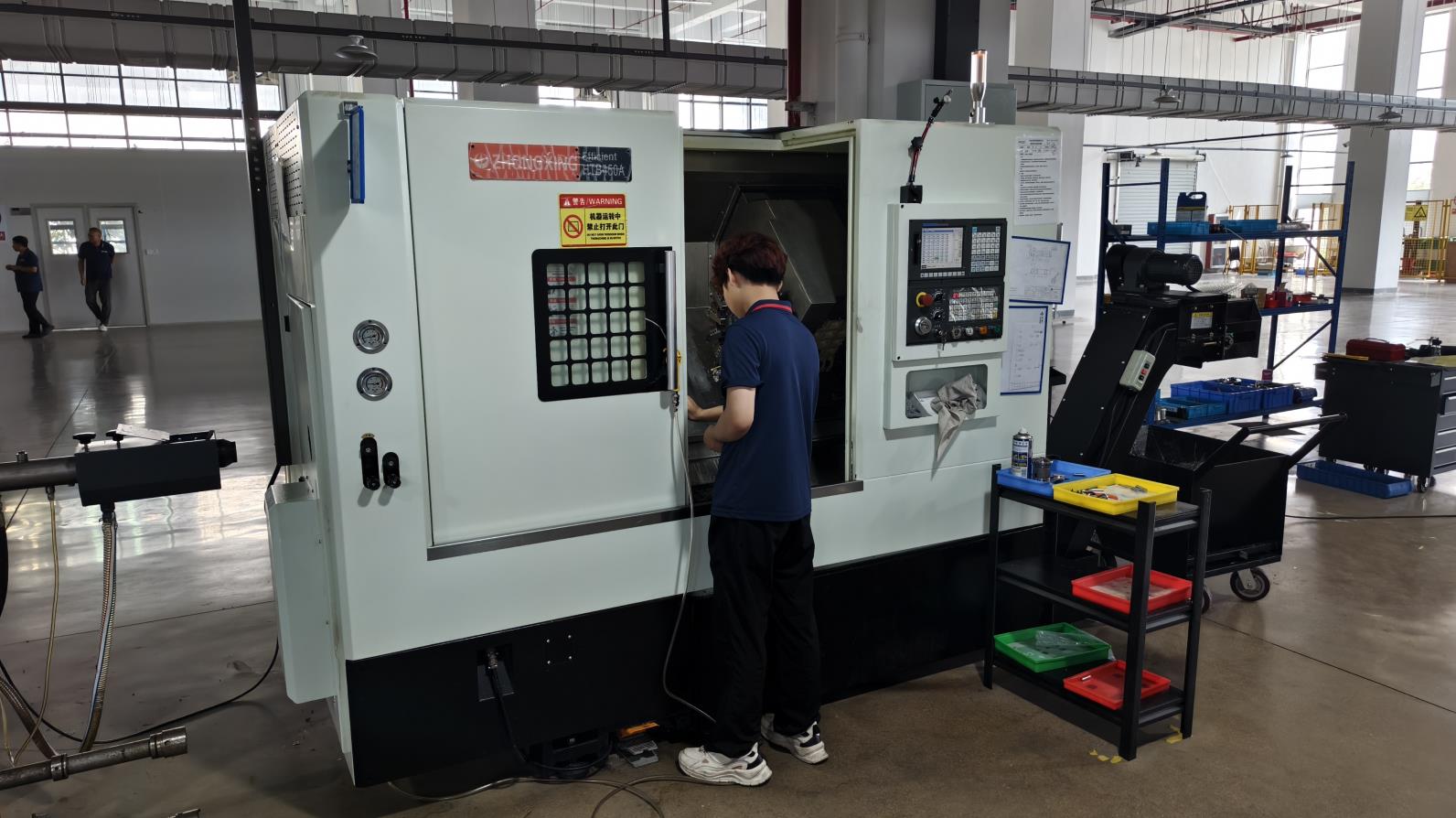
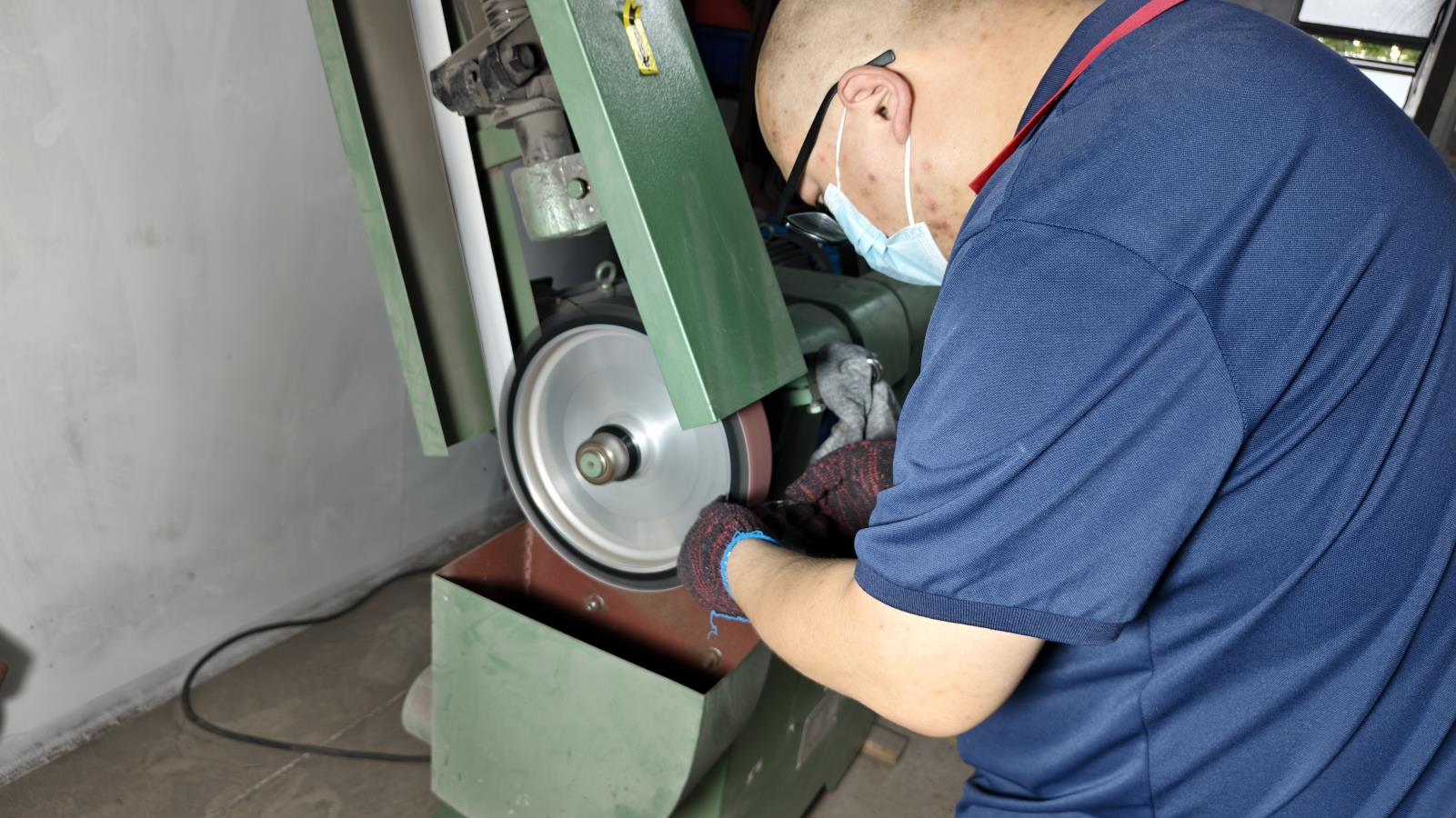
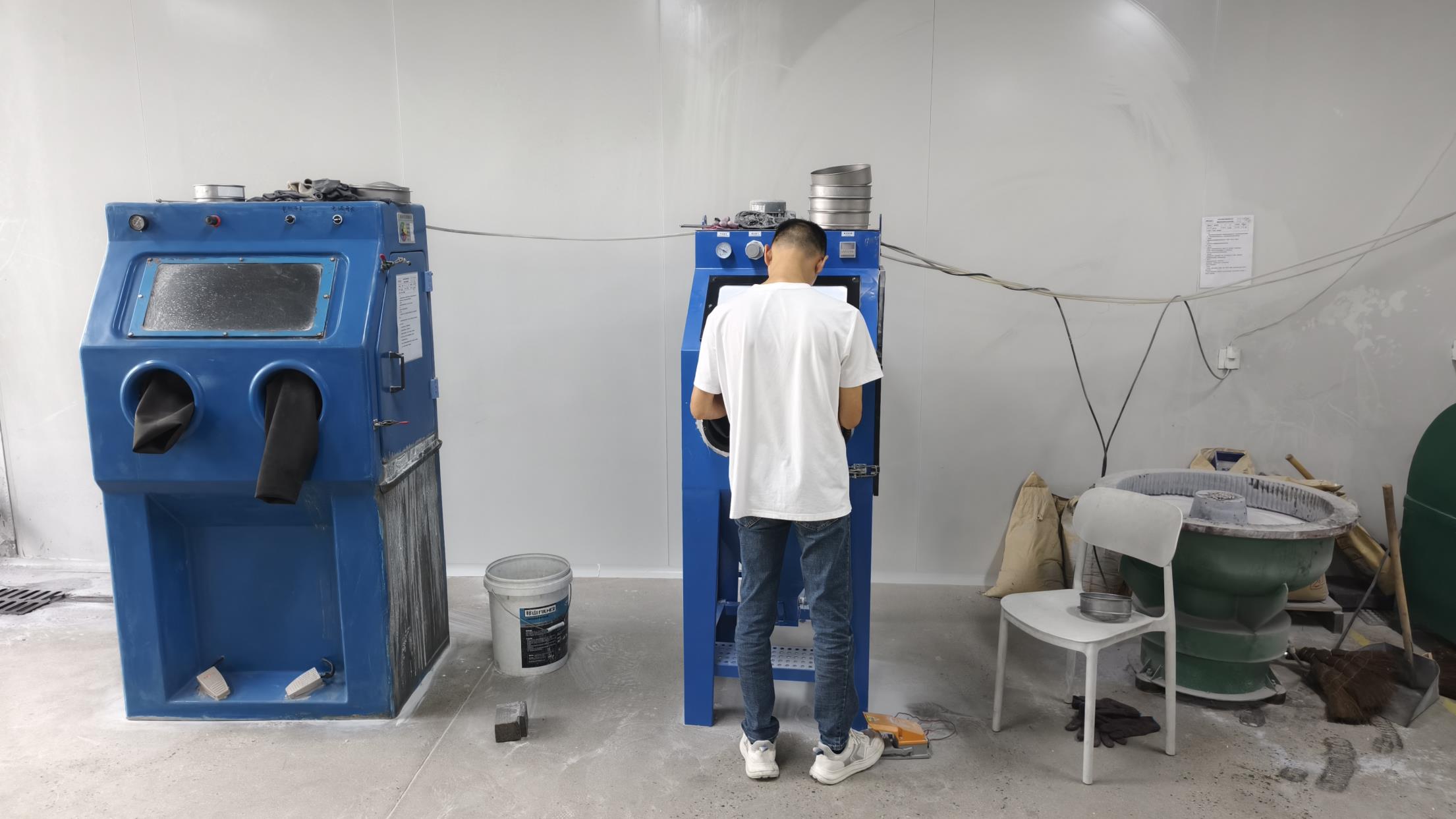
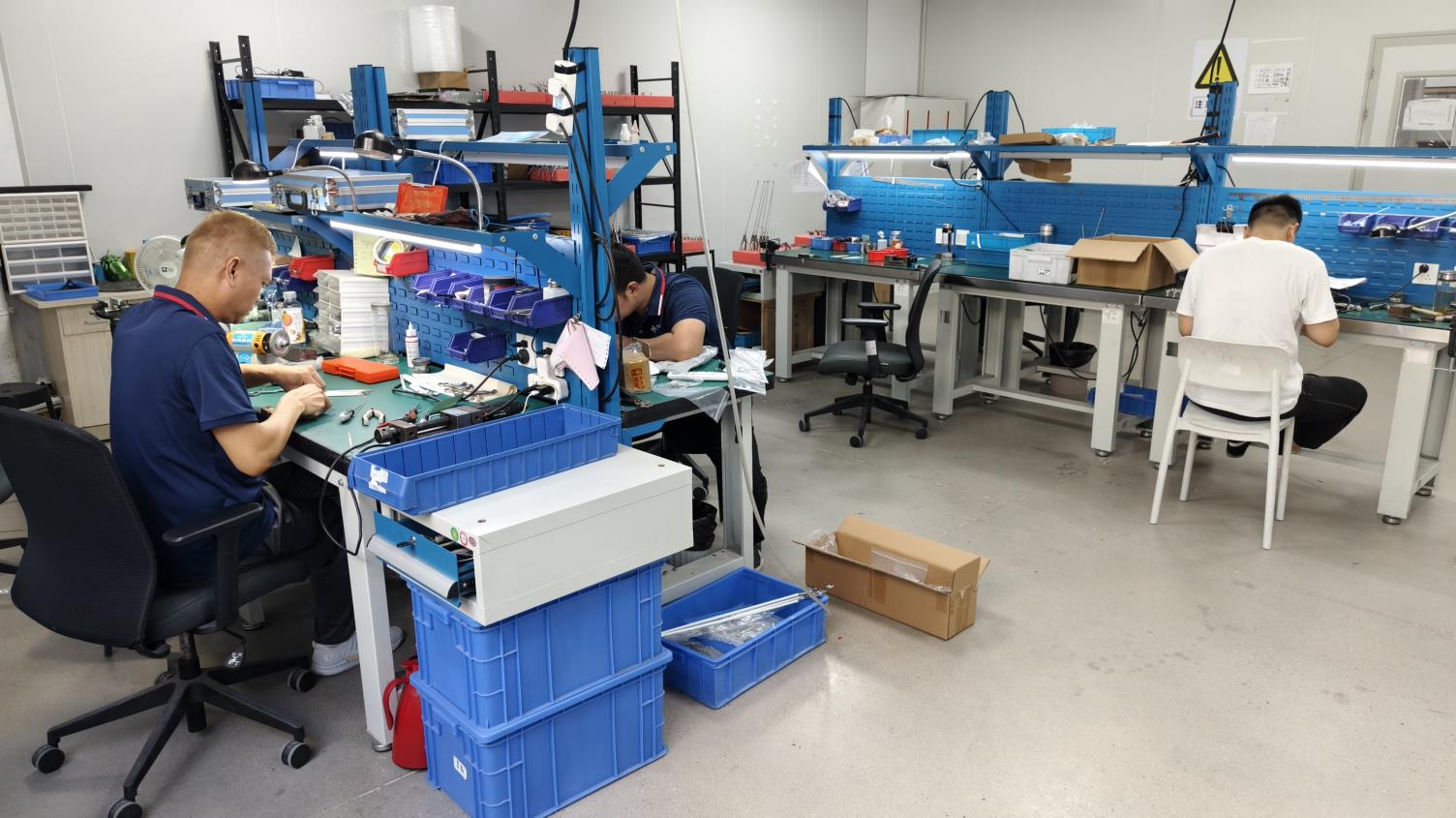
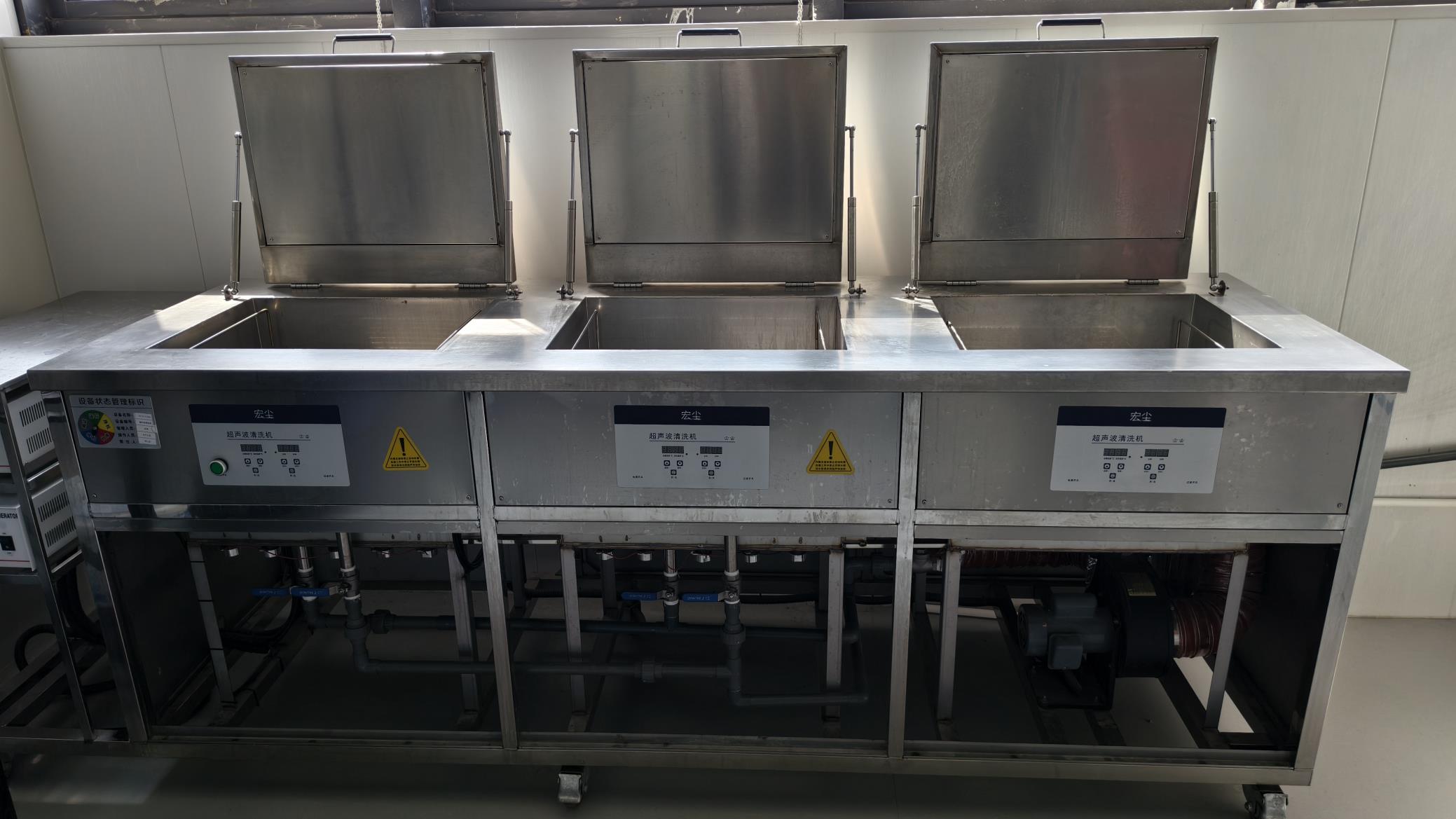
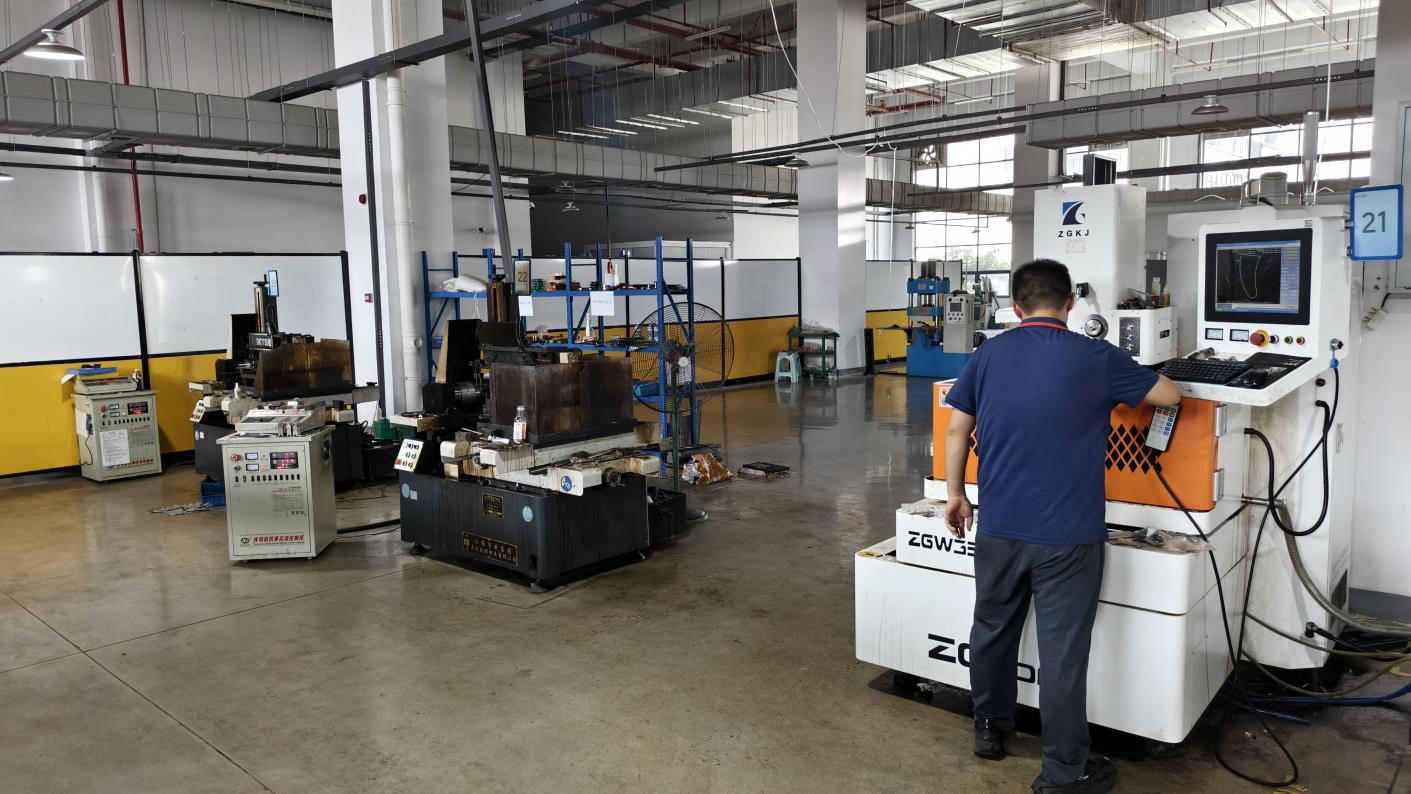
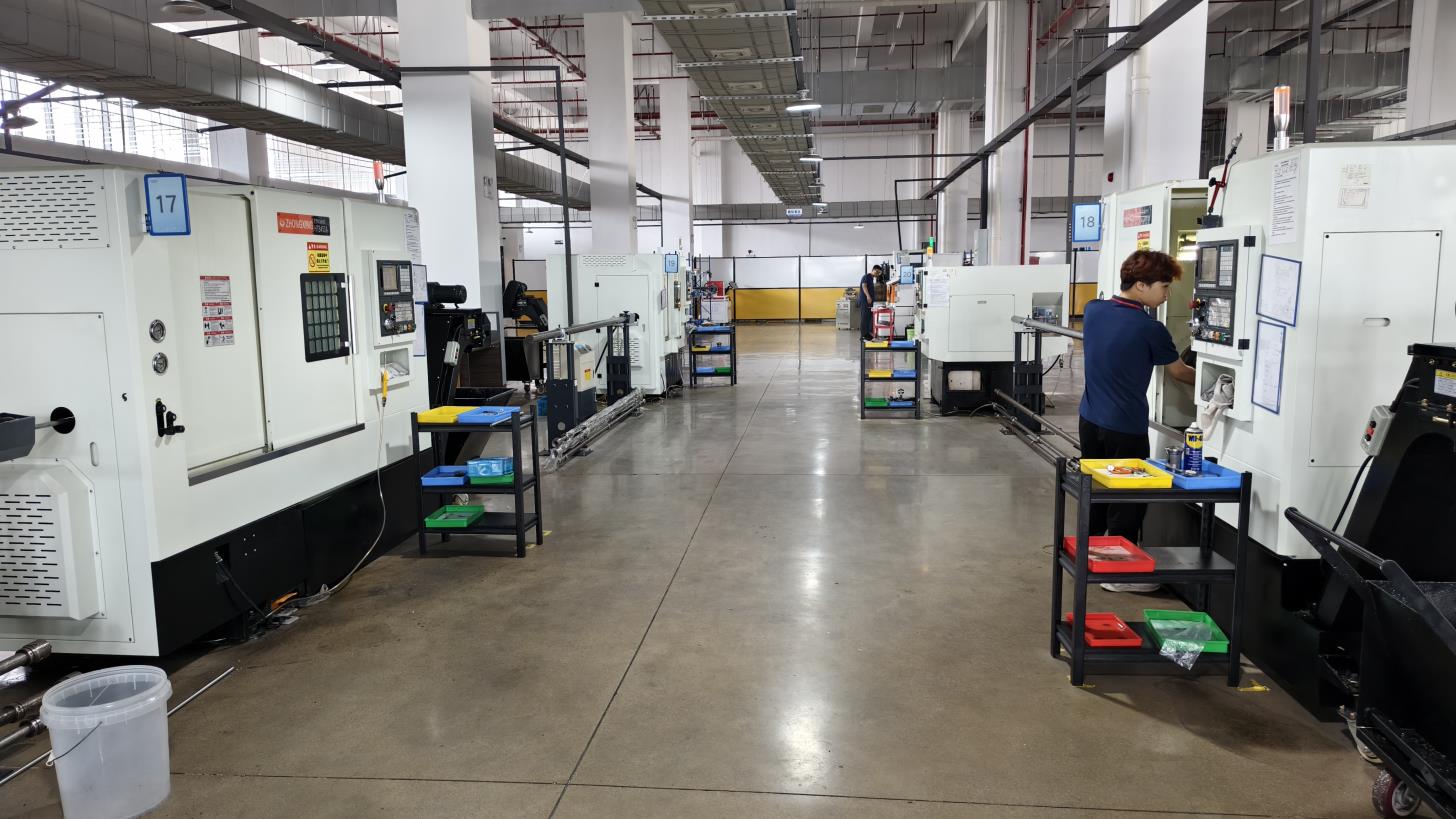
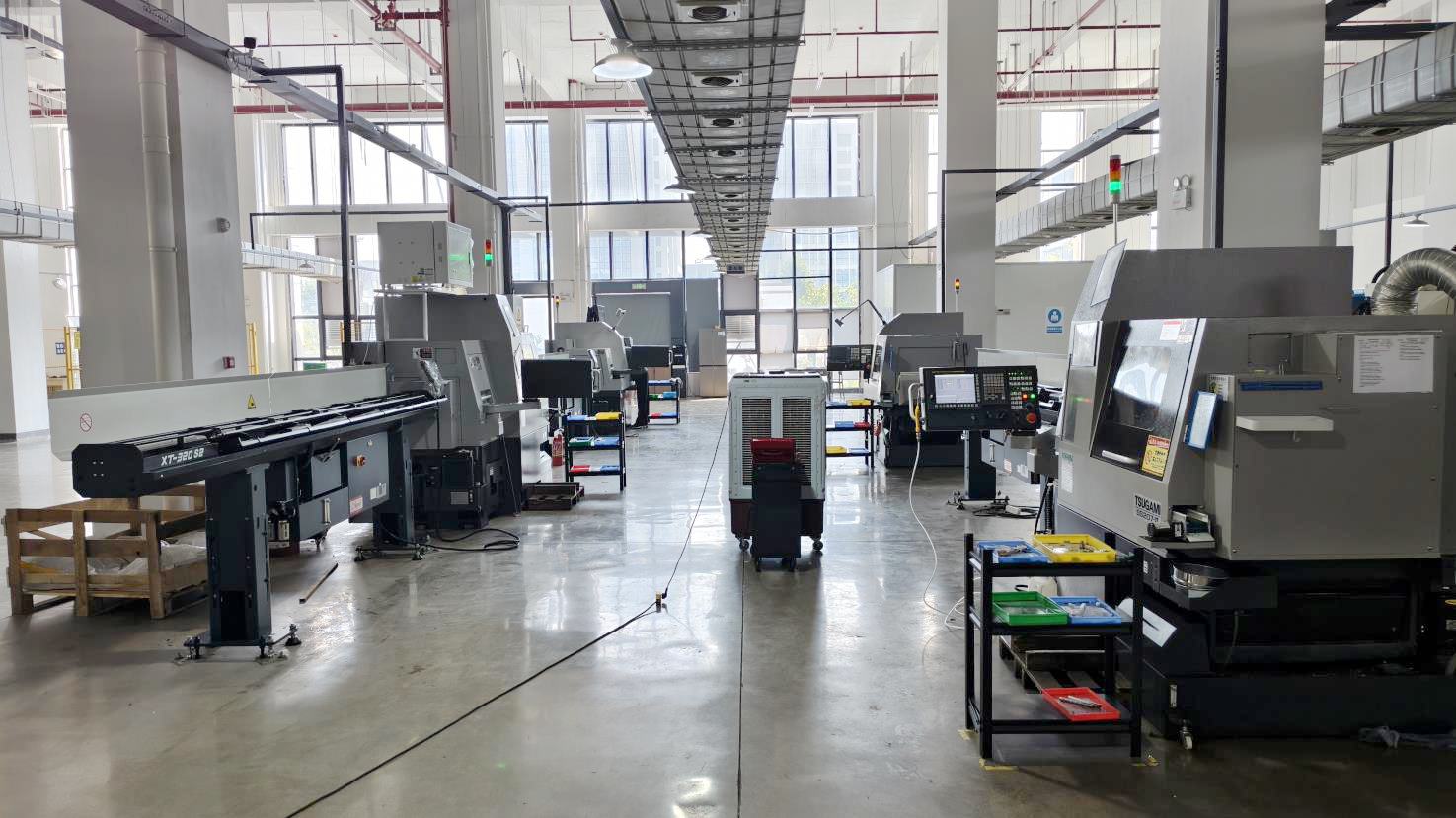
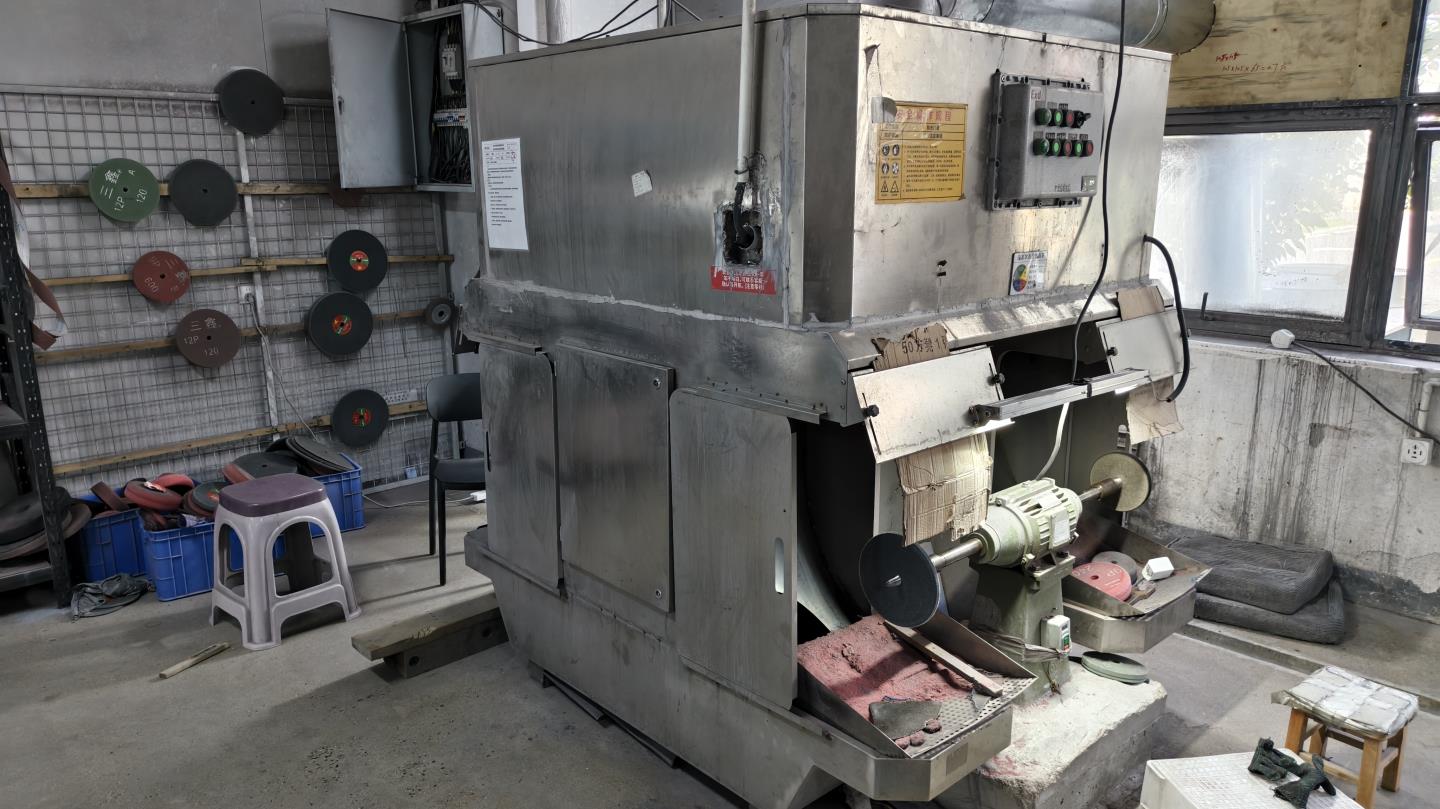
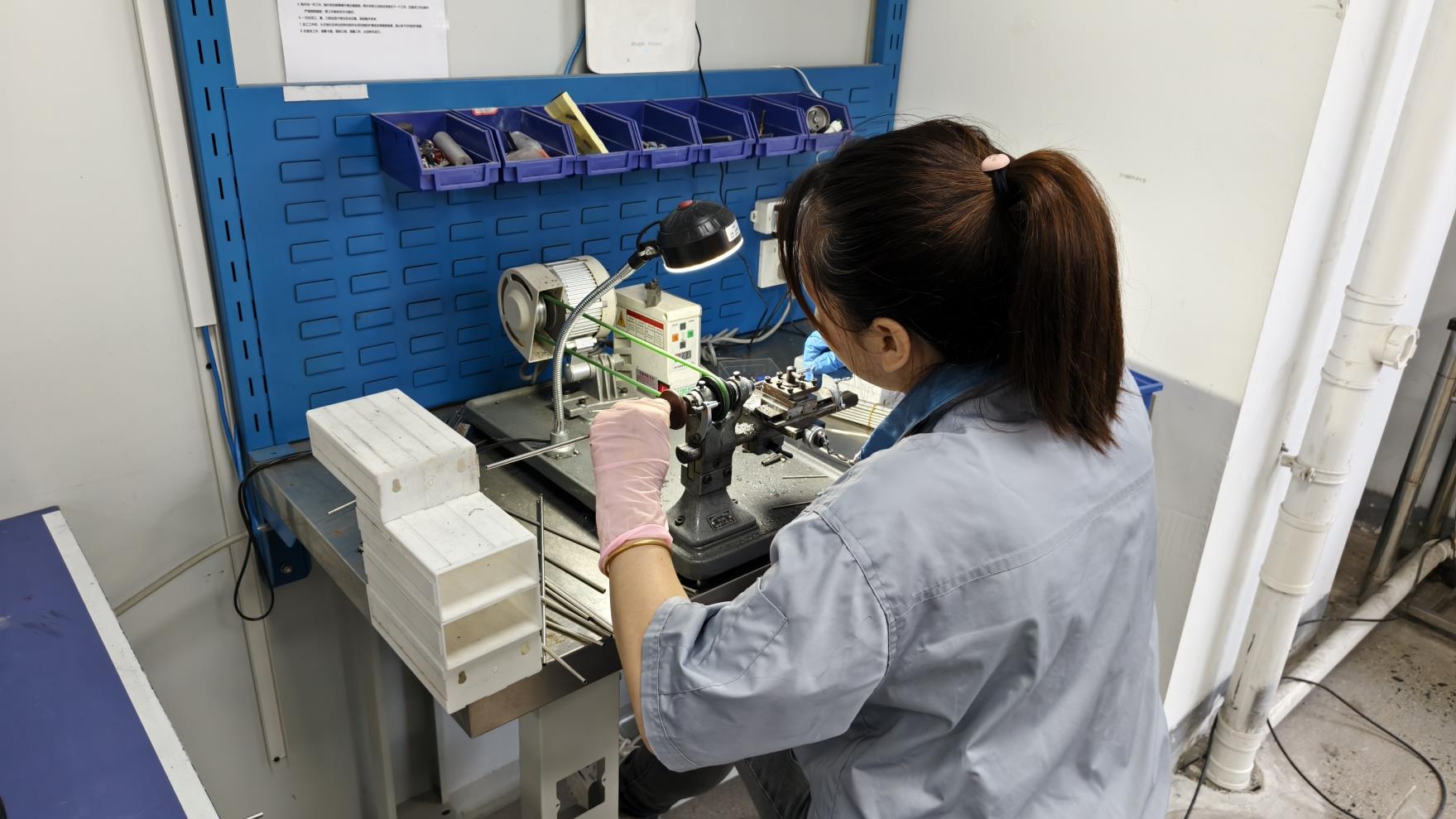
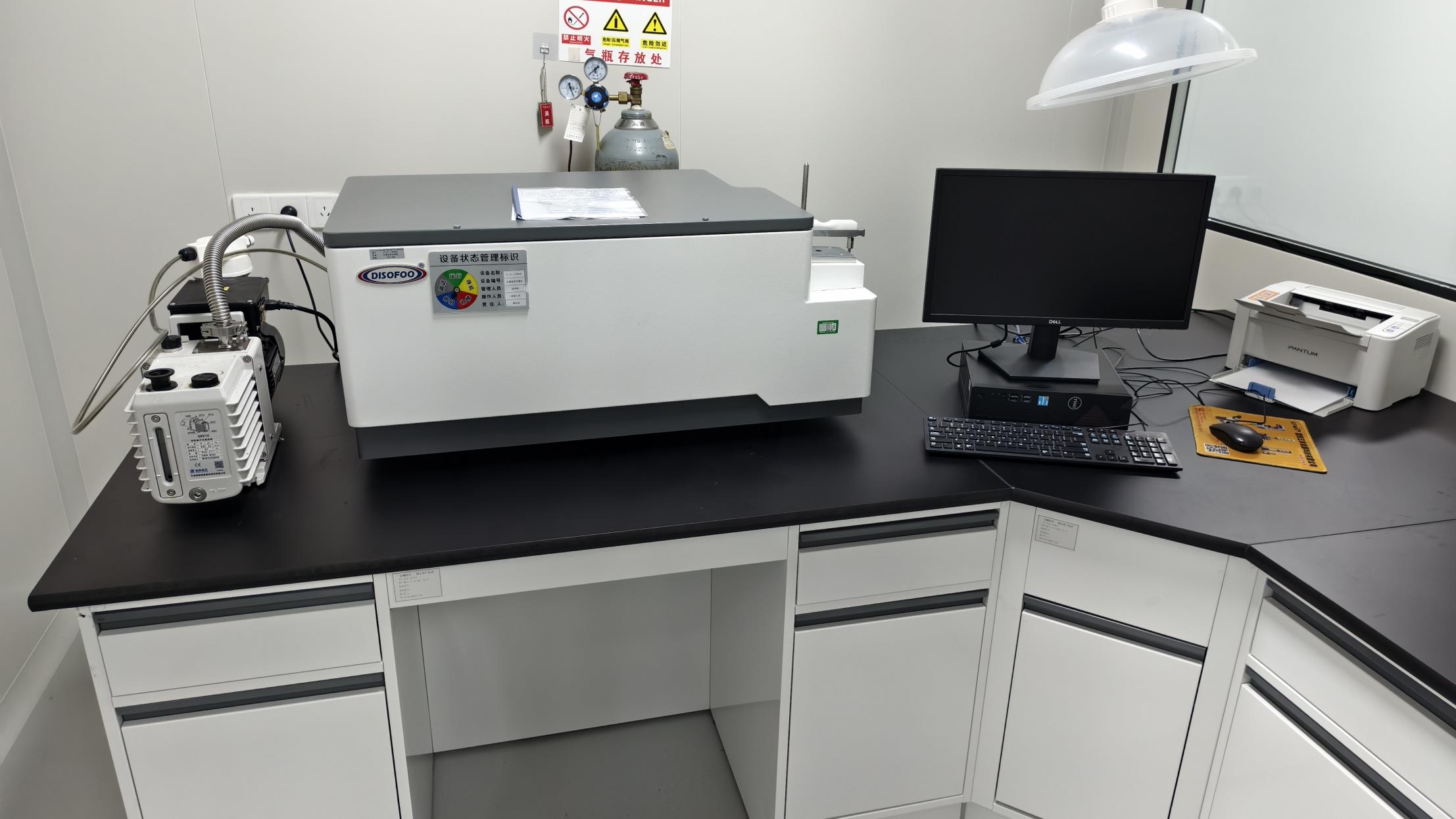
Undergoing strict ISO 13485 protocols, our facility employs state-of-the-art Swiss CNC lathes, cleanroom assembly lines, and mechanical verification labs.

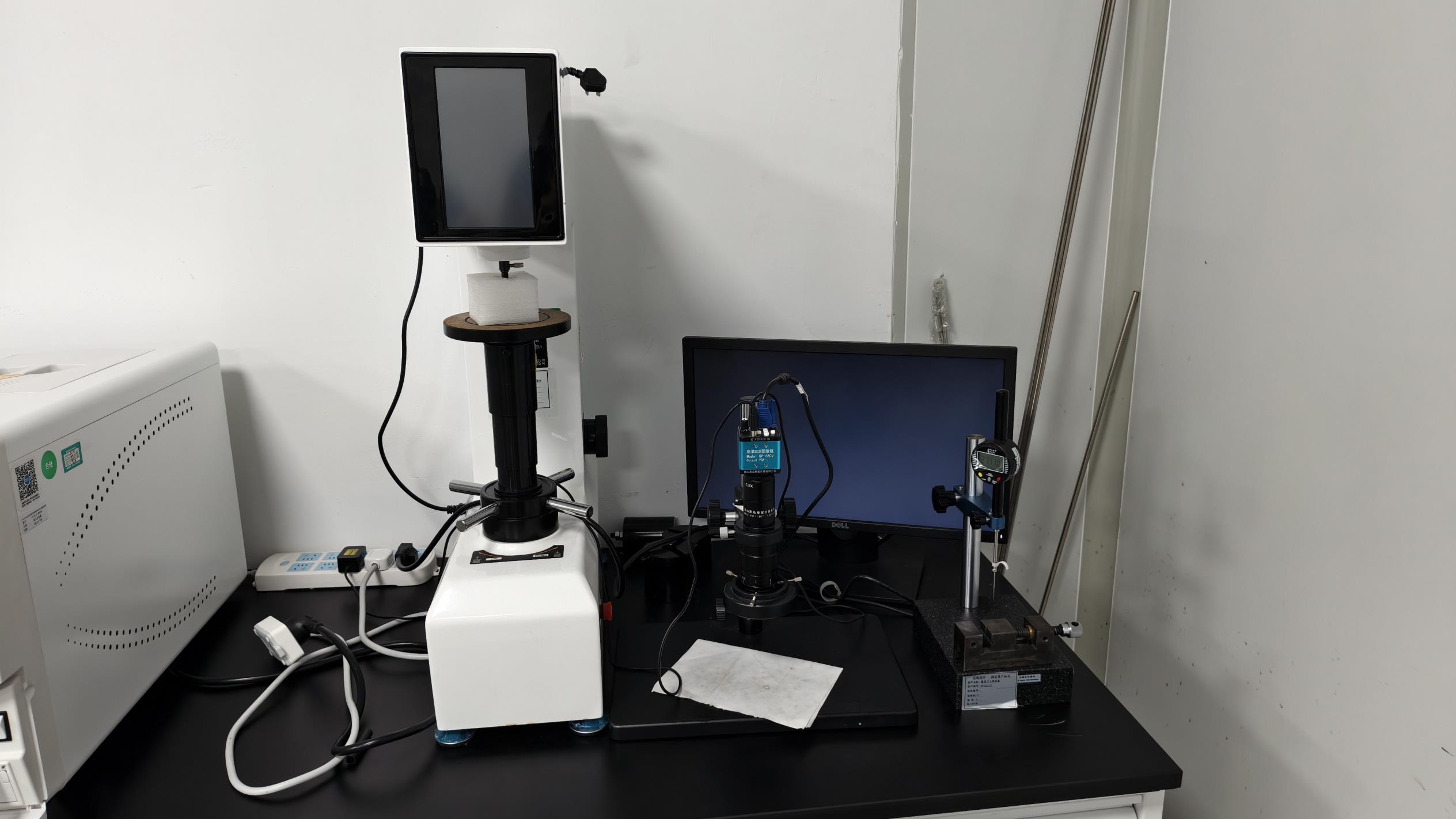
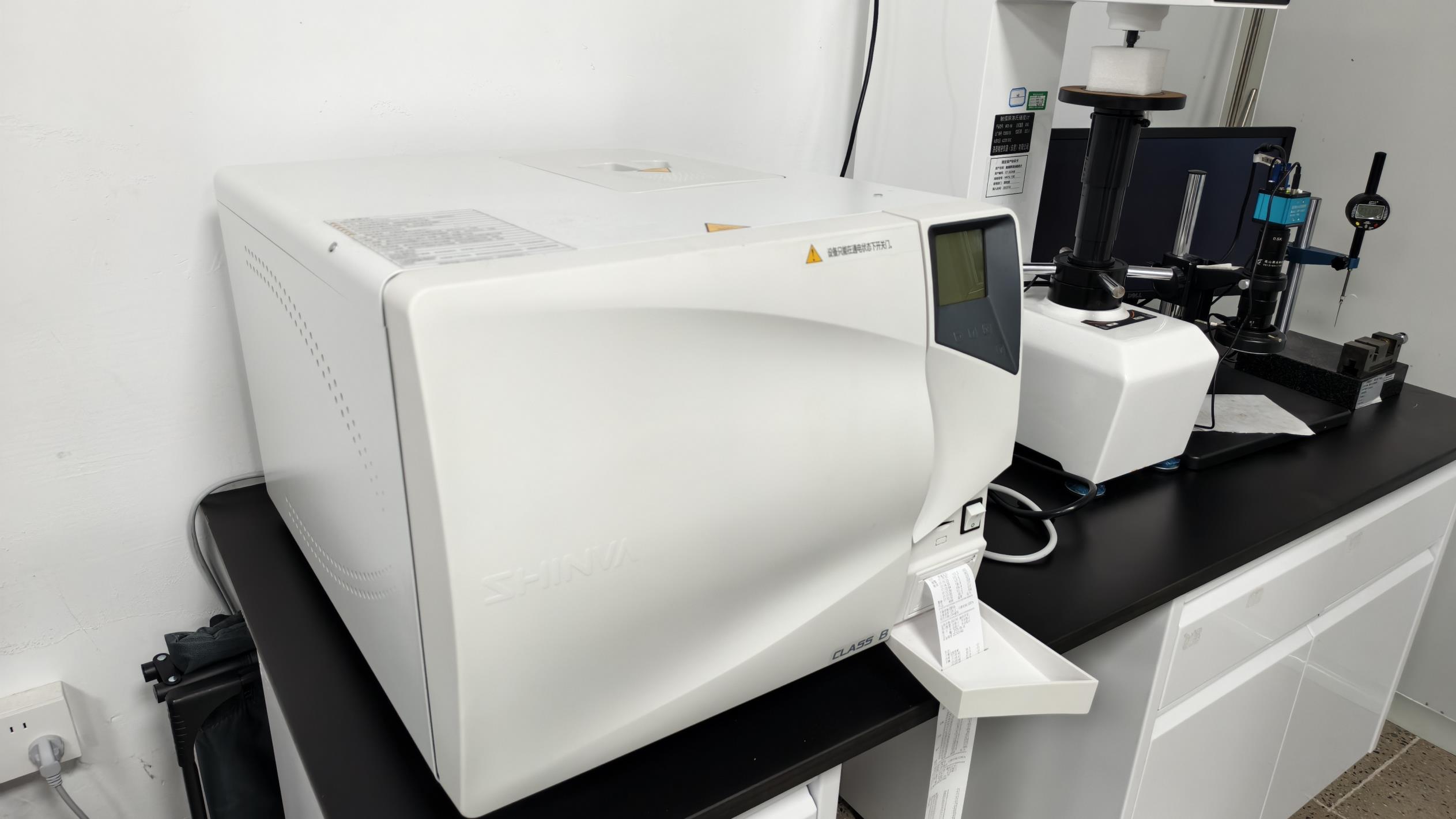
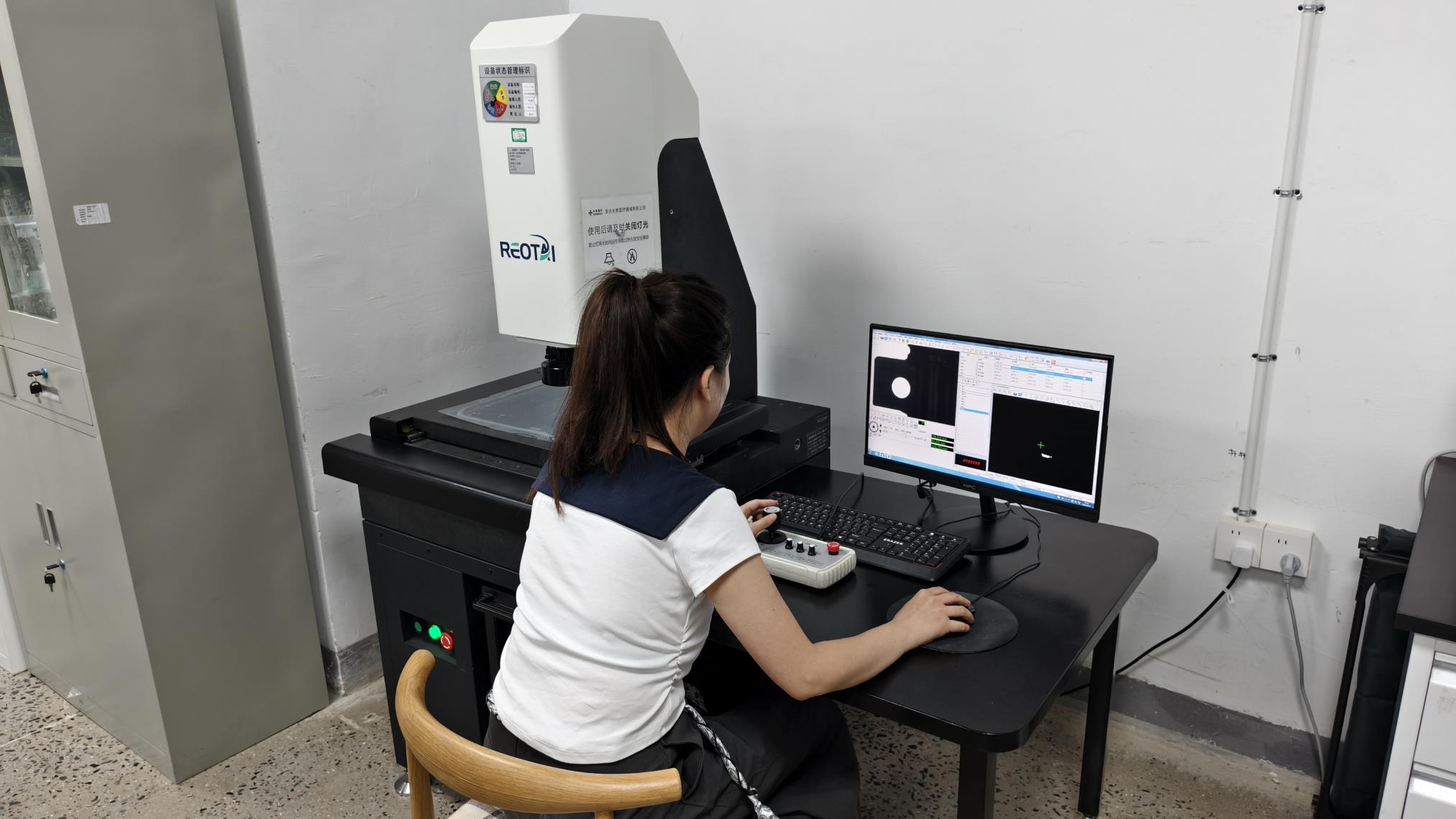
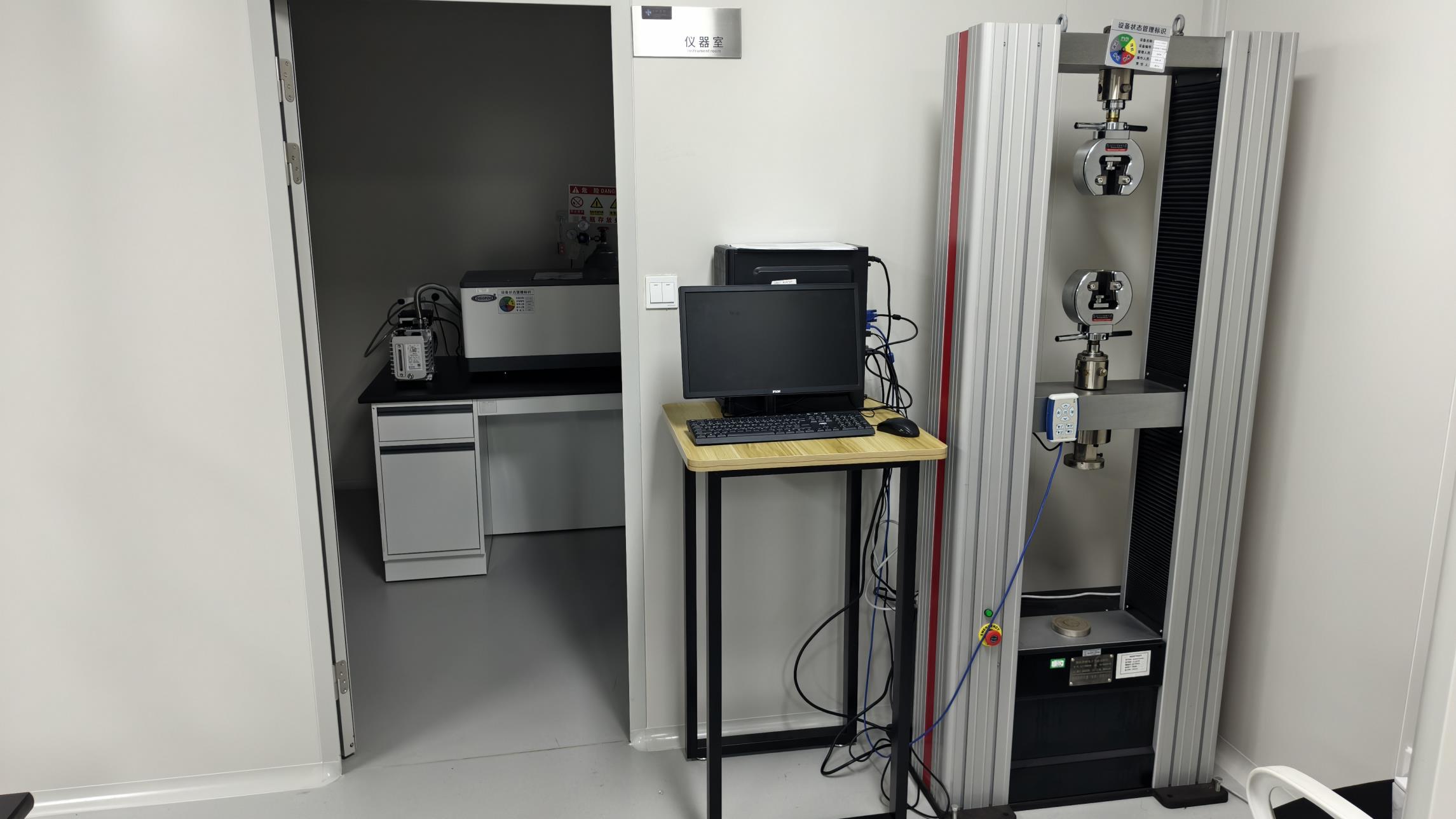
Delivering end-to-end design and manufacturing pipelines for orthopedics organizations worldwide.
As a specialized OEM and ODM supplier, Zynfuse Medical Technology supports clients through a rigorous product development life cycle. This process ensures that every customized expandable spine cage meets strict biomechanical requirements and complies with dynamic regulatory frameworks (such as US FDA 510(k), CE MDR, and NMPA).
Tailored footprint shapes (PLIF, TLIF, LLIF, ALIF), specific expansion ratios, and customizable lordosis angles. Advanced CAD/CAM software allows rapid realization of prototypes within days.
Work with medical-grade titanium alloy (Ti-6Al-4V ELI) and PEEK. We utilize surface treatments, including acid etching, anodization, and titanium plasma spray, to accelerate bone attachment.
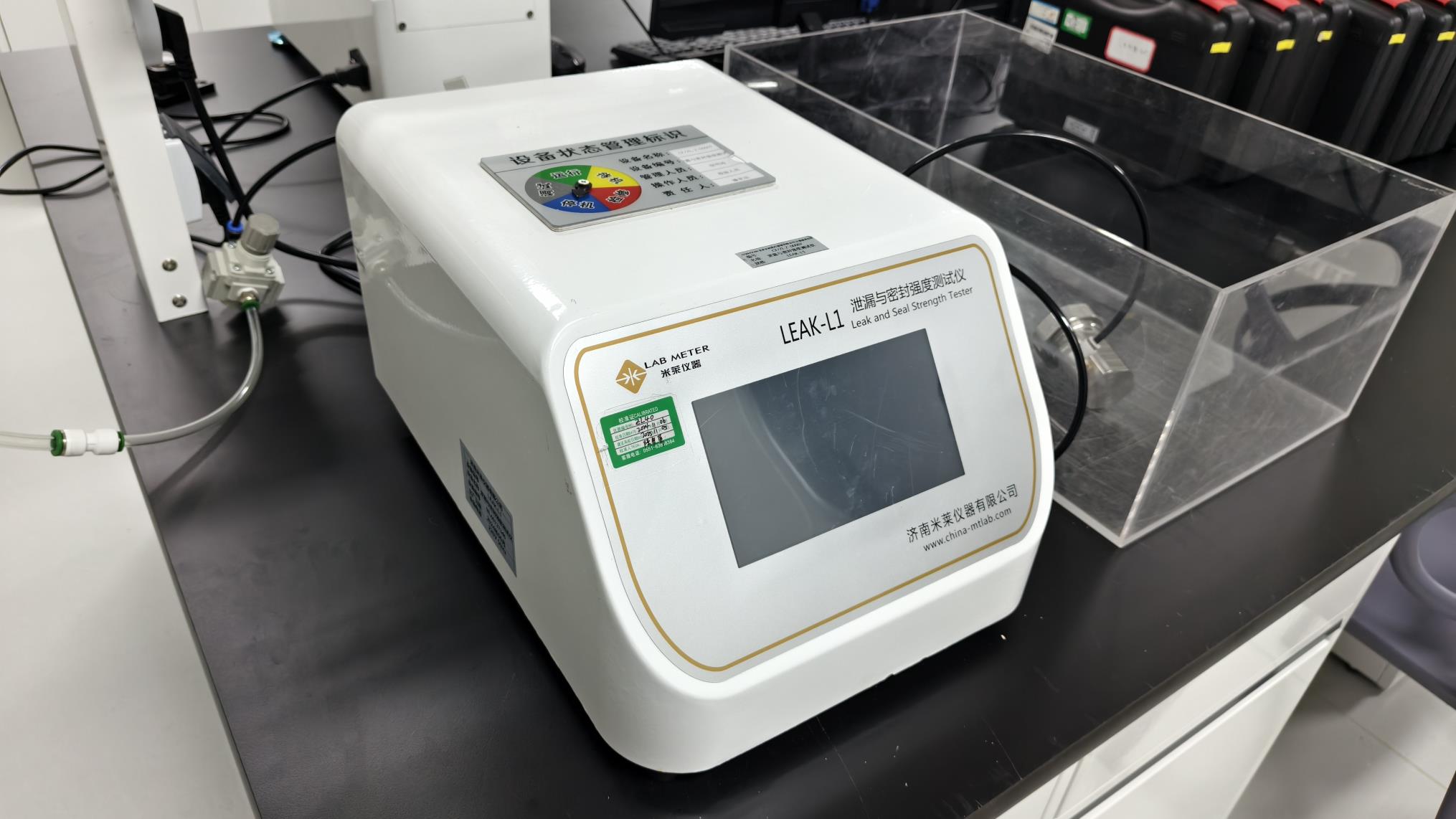
We perform static and dynamic compression, shear, and subsidence tests in compliance with ASTM F2077 and ASTM F2267. This ensures the implants resist degradation under multi-axial spinal loads.
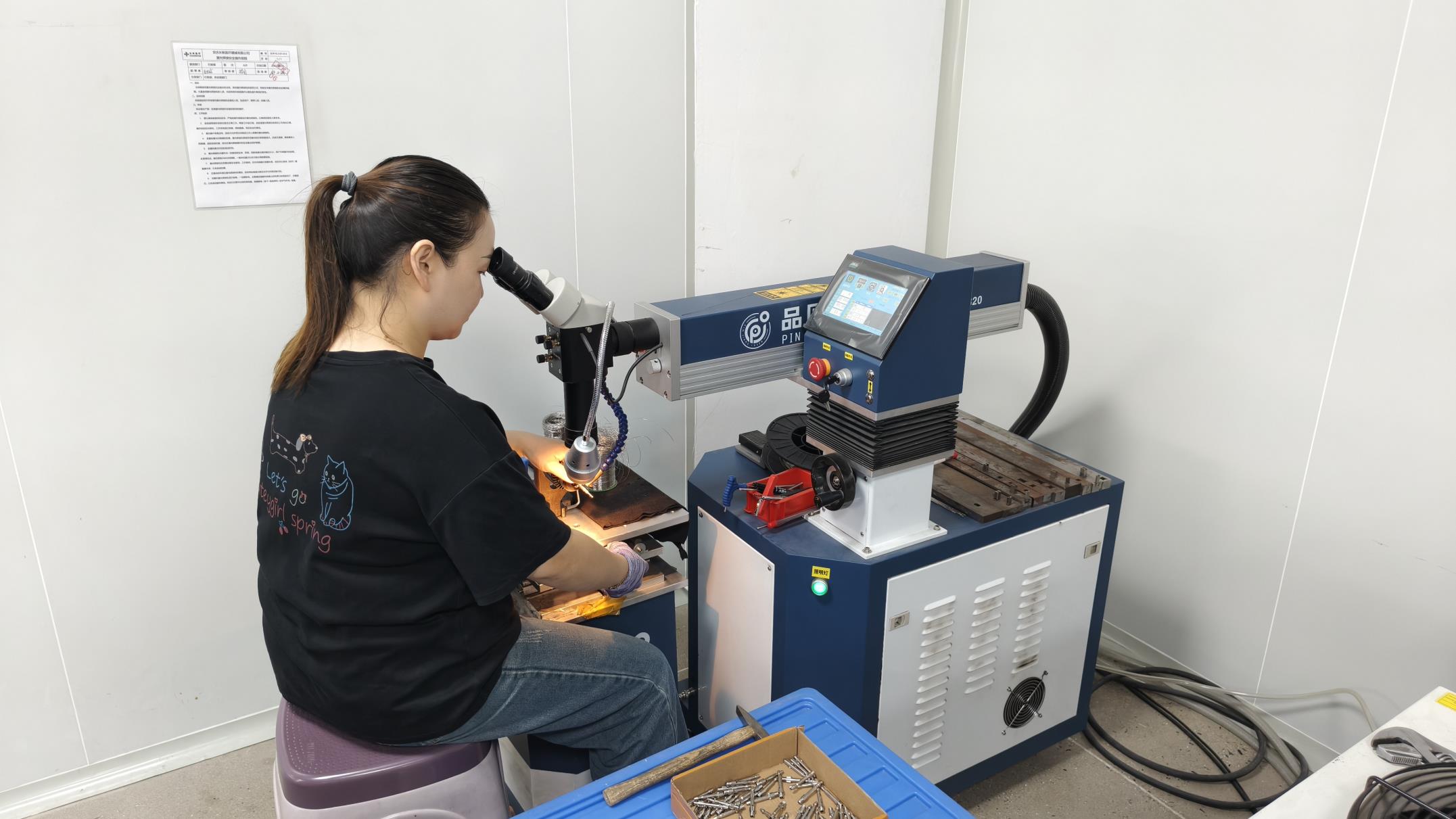
Zynfuse's factory integrates advanced Swiss-type CNC lathes, wire-cutting systems, laser welding machines, and dedicated ISO Class 7 cleanrooms. These capabilities allow us to manage large production batches while maintaining tight tolerances (within 5 microns) on internal expansion gears and mechanisms.
Clinical preferences and purchasing structures for expandable spinal fusion technologies vary across key healthcare regions:
Focused heavily on ambulatory surgical centers (ASCs) and outpatient procedures. This drives demand for minimally invasive, single-instrument expandable platforms. Surgeons prioritize systems that minimize insertion damage and facilitate rapid patient recovery.
Prioritizes robust clinical evidence, cost-effectiveness, and strict CE MDR compliance. European medical networks seek out versatile expandable cages that support a wide range of patient anatomies, helping to minimize inventory carrying costs.
Experiencing rapid growth driven by rising healthcare infrastructure spending. Sourcing groups require dependable, high-quality OEM/ODM partners capable of delivering premium-grade implants alongside robust clinical instrumentation kits.
The next generation of spinal implants will focus on combining mechanical stability with smart data integration. Key developments include:
By investing in advanced materials, digital design loops, and precision testing equipment, Zynfuse ensures our global OEM partners stay at the forefront of spinal surgery technology.
Answers to common technical, regulatory, and procurement questions for distributors and hospital procurement teams.
High-quality components manufactured using Swiss lathe technology and verified under strict laboratory testing.