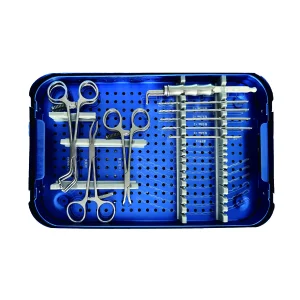
China Wholesale Titanium Cannulated Screws Factory & Exporters

Providing OEM/ODM Medical Implants, Advanced Orthopedic Solutions, & Certified Bone Fusion Screws Globally

Specialized Medical Engineering & Advanced Cannulation Solutions

Setting the standard in high-tolerance titanium implant manufacturing for global B2B procurement networks.

Material Science Excellence

We source medical-grade Ti-6Al-4V ELI (ASTM F136) titanium alloys, delivering an optimized balance of biocompatibility, high tensile strength, and superior fatigue resistance required for long-term internal fixation.

Traceable Quality Control

Operating strict ISO 13485-compliant inspection channels. From raw titanium bars to Swiss-type CNC micro-machining and laser marking, every process stage is fully recorded with digital clarity validation and tensile limit reports.

OEM/ODM Customization

Supported by 85 R&D engineers, we customize thread configurations, head style geometries, dynamic cannulation diameters, and surface textures (such as Type II anodic oxidation) to match specific surgical requirements.

18,600m²
Modern Production Center
12+ Yrs
Industry Experience
320+
New Products Annually
$18.5M
Annual Export Revenue

Technical Analysis: Titanium Cannulated Screws in Modern Osteosynthesis

Cannulated screws represent a key technical advancement in orthopedic trauma and reconstructive surgery. By incorporating a hollow central shaft (cannulation), these fasteners allow surgeons to secure precise guide-wire placement under fluoroscopic control before inserting the screw. This technique minimizes soft tissue disruption, reduces operation times, and improves alignment accuracy in complex anatomical areas like the femoral neck, calcaneus, and distal tibia.

"Biomechanical studies confirm that utilizing Ti-6Al-4V ELI (Extra Low Interstitial) titanium optimizes tensile strength and flexibility, significantly lowering the risk of post-operative failure and metal sensitivity compared to traditional surgical steel implants."

Evolutionary Trends in Titanium Implant Manufacturing

The global orthopedics market is moving toward bone fusion systems that support faster recovery. Modern trends in titanium screw production include:

  • Micro-Machining Precision: Using Swiss-type CNC centers allows manufacturers to achieve tolerances of ±0.01 mm, ensuring smooth insertion and reliable guide-wire alignment.
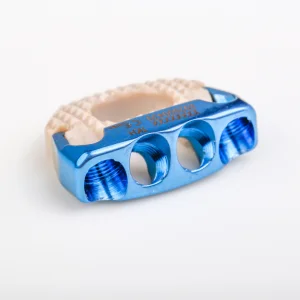
  • Advanced Anodic Oxidation (Type II): Surface modifications that create an oxide barrier to limit metal ion release, increase hardness, and improve visibility under operating theatre lighting.
  • Dynamic Self-Tapping & Self-Drilling Tips: High-performance cutting flutes built into the screw's tip reduce insertion torque, protecting the surrounding bone structure during fixation.

Global Procurement Needs: Navigating the Supply Chain

For B2B procurement managers, hospital networks, and international medical device importers, finding a supplier that balances high quality with cost efficiency is vital. Key criteria include:

  1. Regulatory Compliance: Sourcing facilities must hold updated ISO 13485 certifications and provide complete CE documentation or FDA 510(k) pathway readiness.
  2. Consistent Material Traceability: Suppliers must supply chemical composition certificates (complying with ASTM F136 standards) to verify biocompatibility.
  3. Stable Production Capacity: B2B distributors require partner factories capable of manufacturing high-volume runs with predictable lead times.

Material Standards: Medical Titanium Alloy Specifications

Material Standard Alloy Composition Tensile Strength (MPa) Yield Strength (MPa) Biocompatibility Standard
ASTM F136 (ELI Grade) Ti-6Al-4V ELI ≥ 860 ≥ 795 ISO 10993 Compliant
ASTM F67 (Pure Ti) Grade 1 - 4 Pure Titanium 240 - 550 170 - 483 ISO 10993 Compliant
316L Stainless Steel Fe-Cr-Ni-Mo ≥ 490 ≥ 190 Surgical Grade

Macro Industry Solutions and Technical Integration

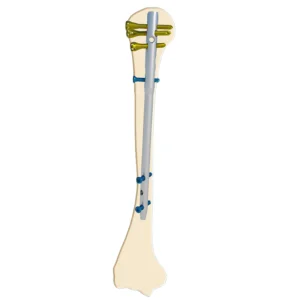
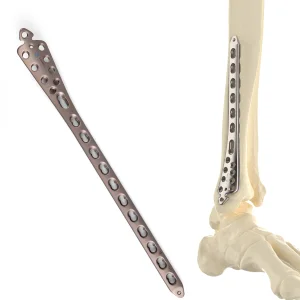
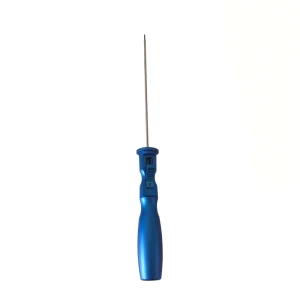
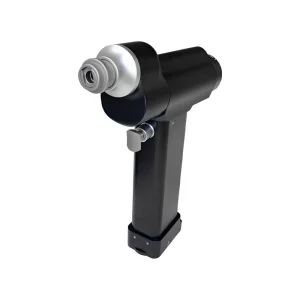
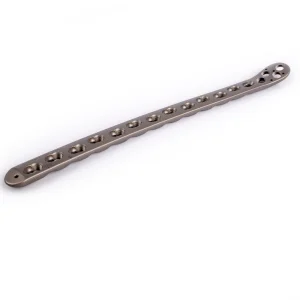
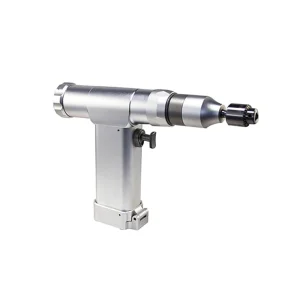
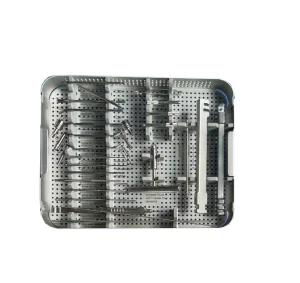
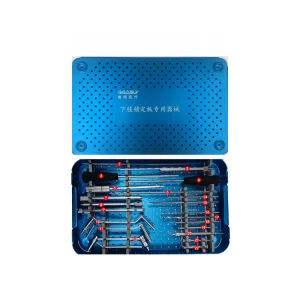
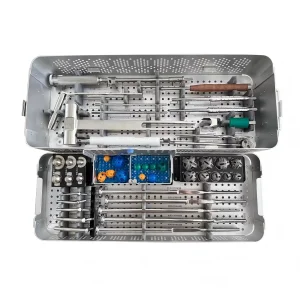
At Zynfuse Medical Technology, we provide comprehensive orthopedic systems rather than standalone components. Our titanium cannulated screws are designed to integrate seamlessly with our line of orthopedic instruments, locking compression plates, and intramedullary nail systems. By selecting matching surgical drills, depth gauges, and sleeve guides, clinical teams can ensure precise screw depth control and stable fixation, helping to minimize complications during bone fusion.

Modern Manufacturing Operations & Quality Infrastructure

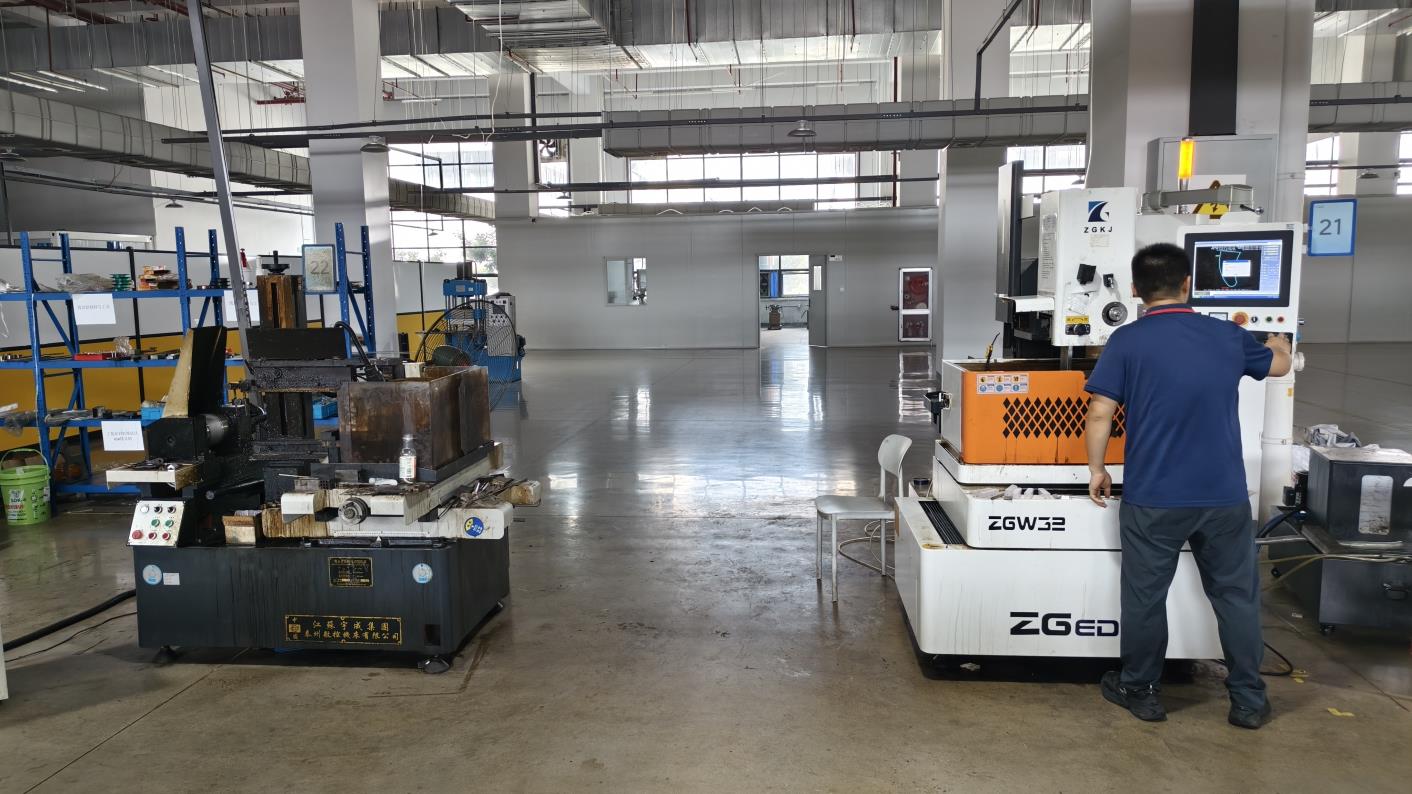
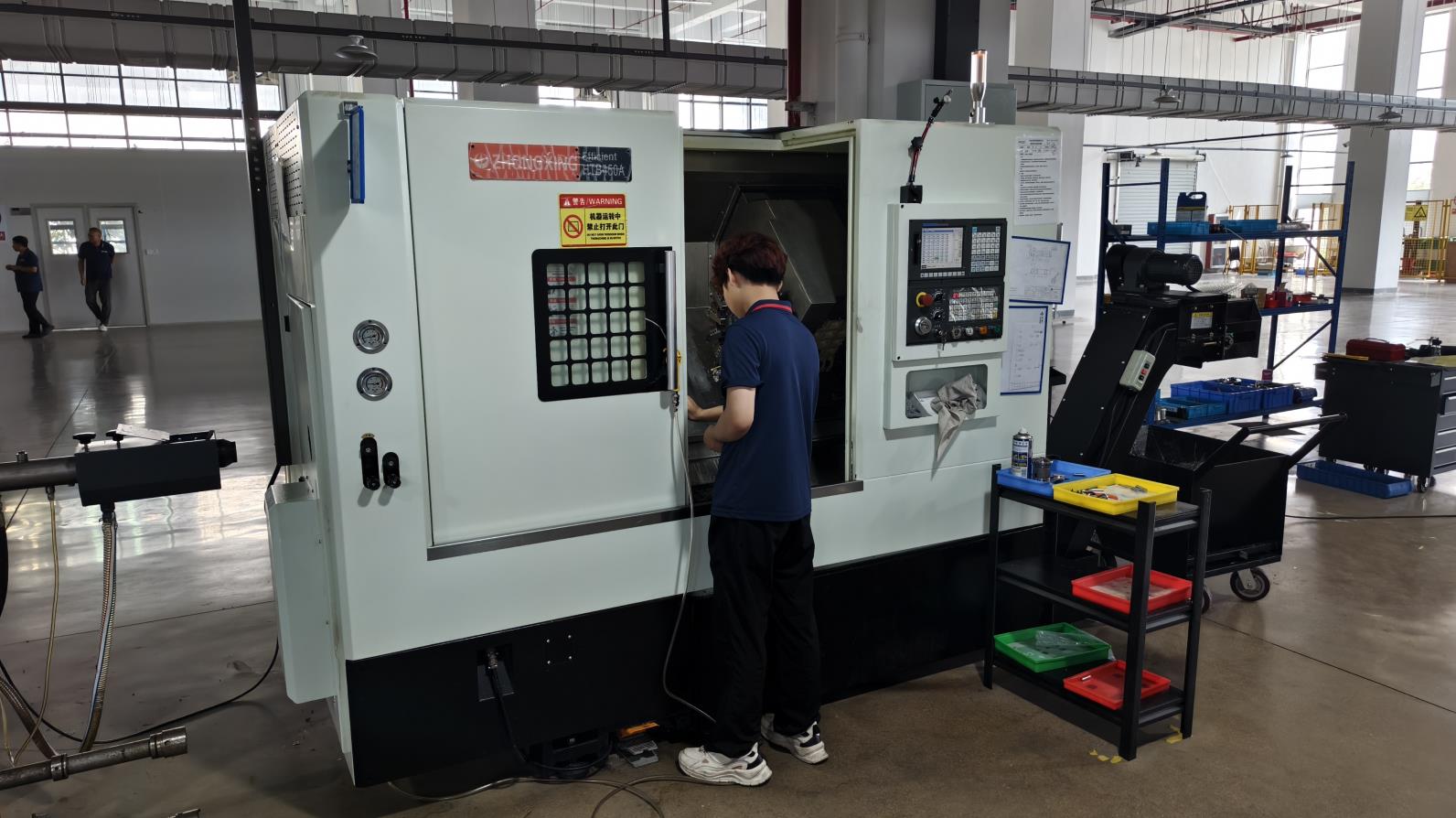
A closer look at Zynfuse Medical's production steps, CNC machinery, and high-precision testing laboratory.
Core Production & Machining Process

Cutting Raw Titanium Bar
Cutting
Precision Machining Center
Machining
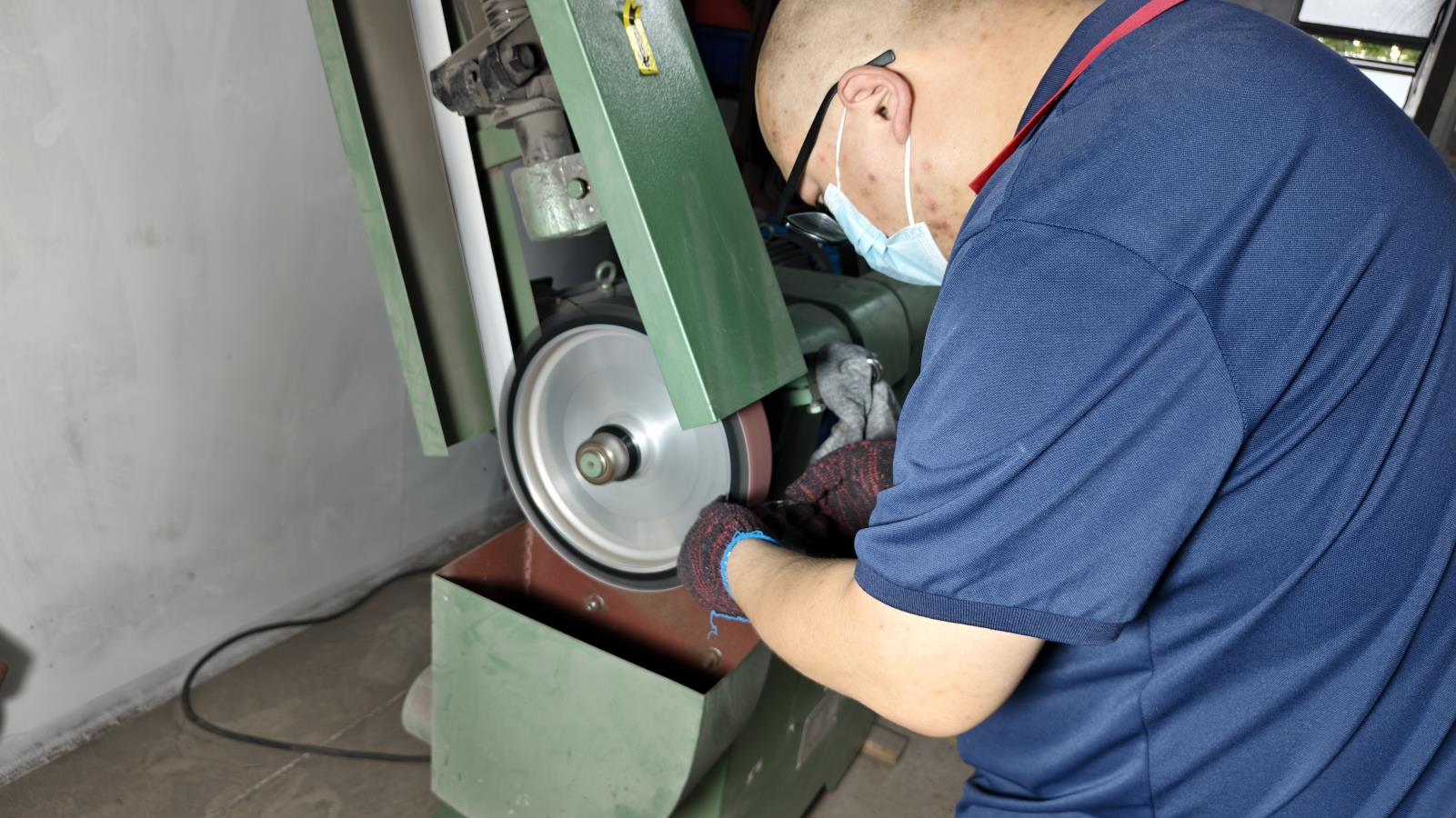
Implant Polishing Stage
Polishing
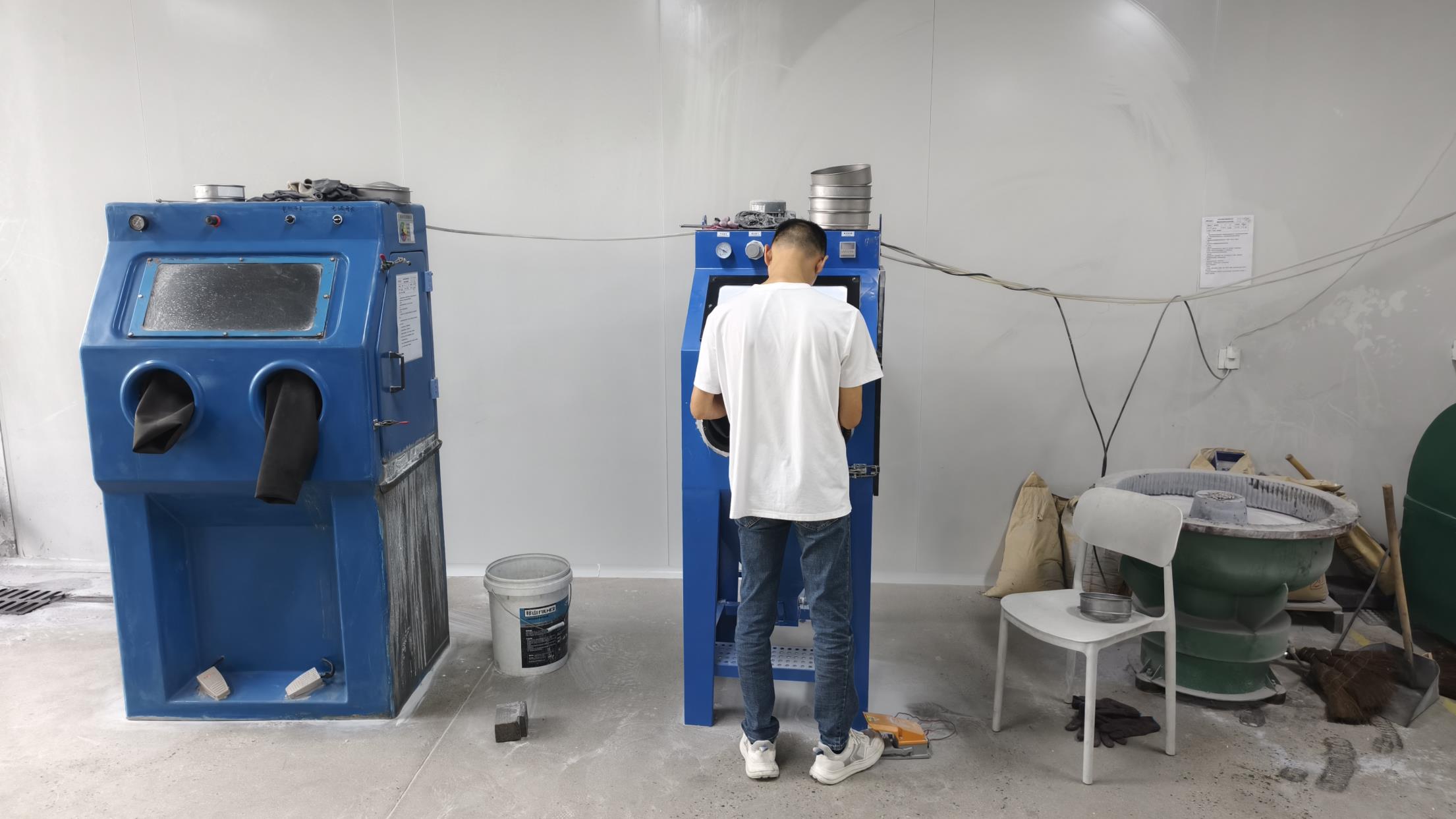
Electrochemical Surface Treatment
Surface Treatment
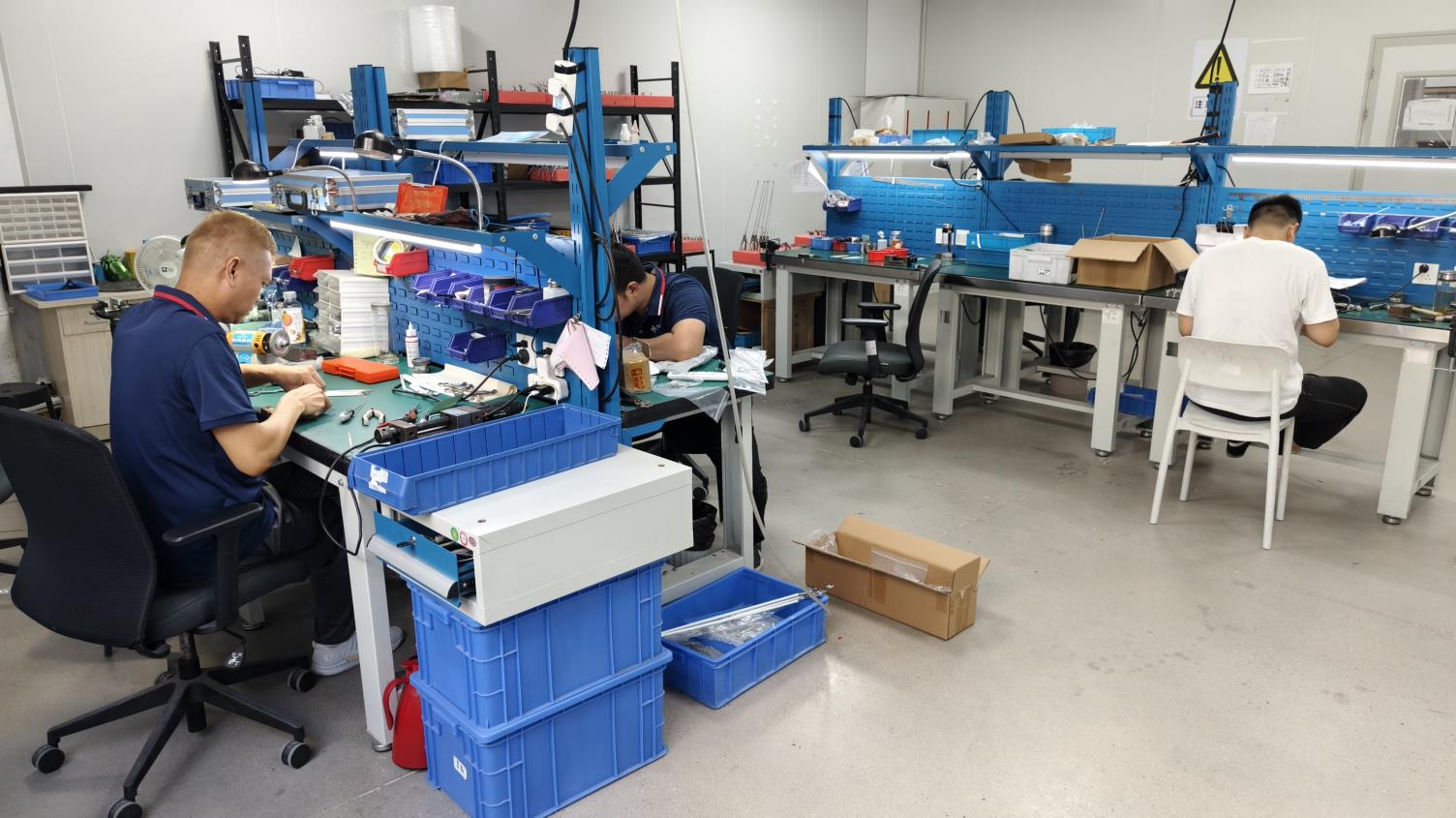
Instrument Assembly Line
Assembling
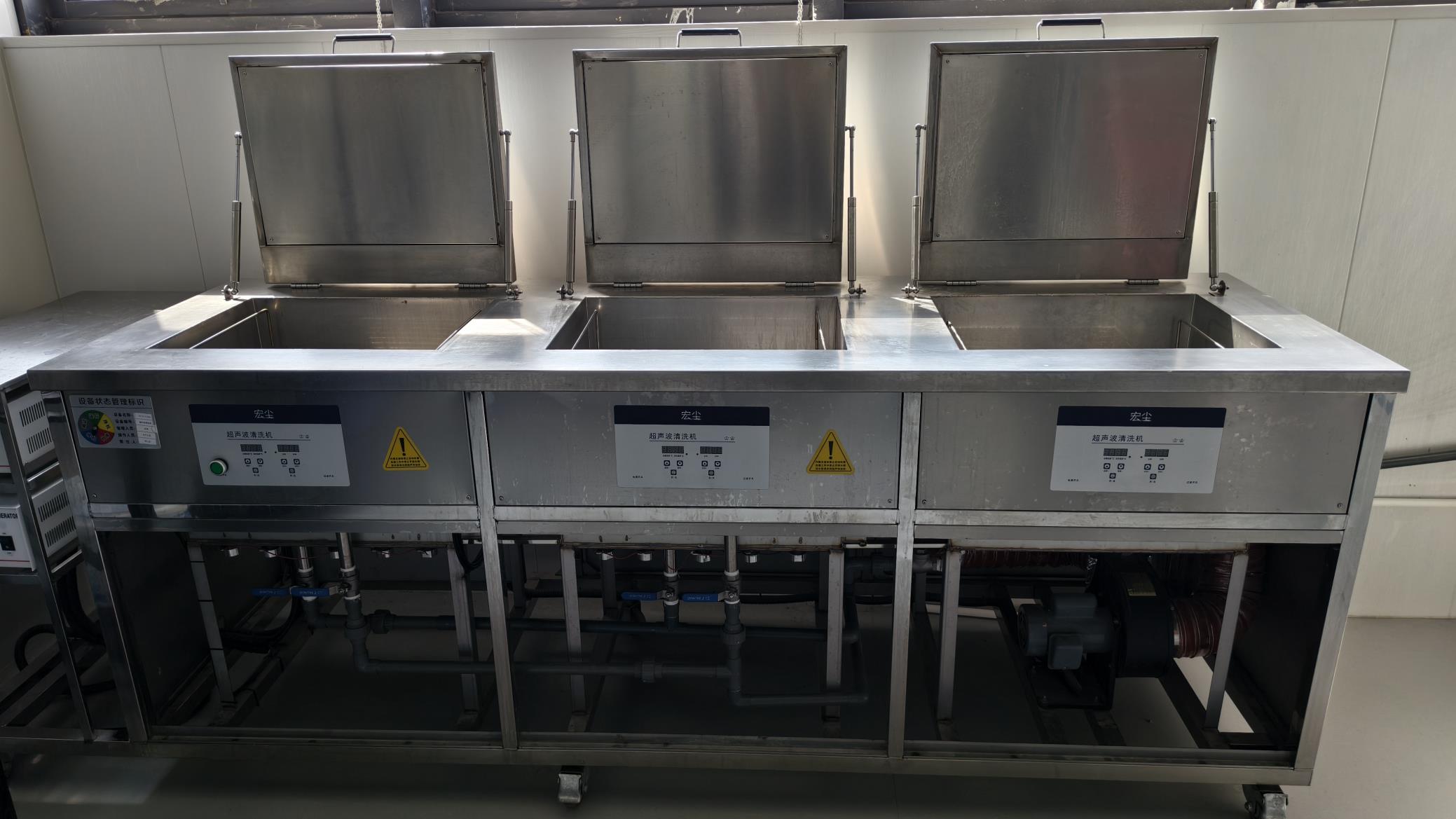
Ultrasonic Cleaning Cycle
Cleaning
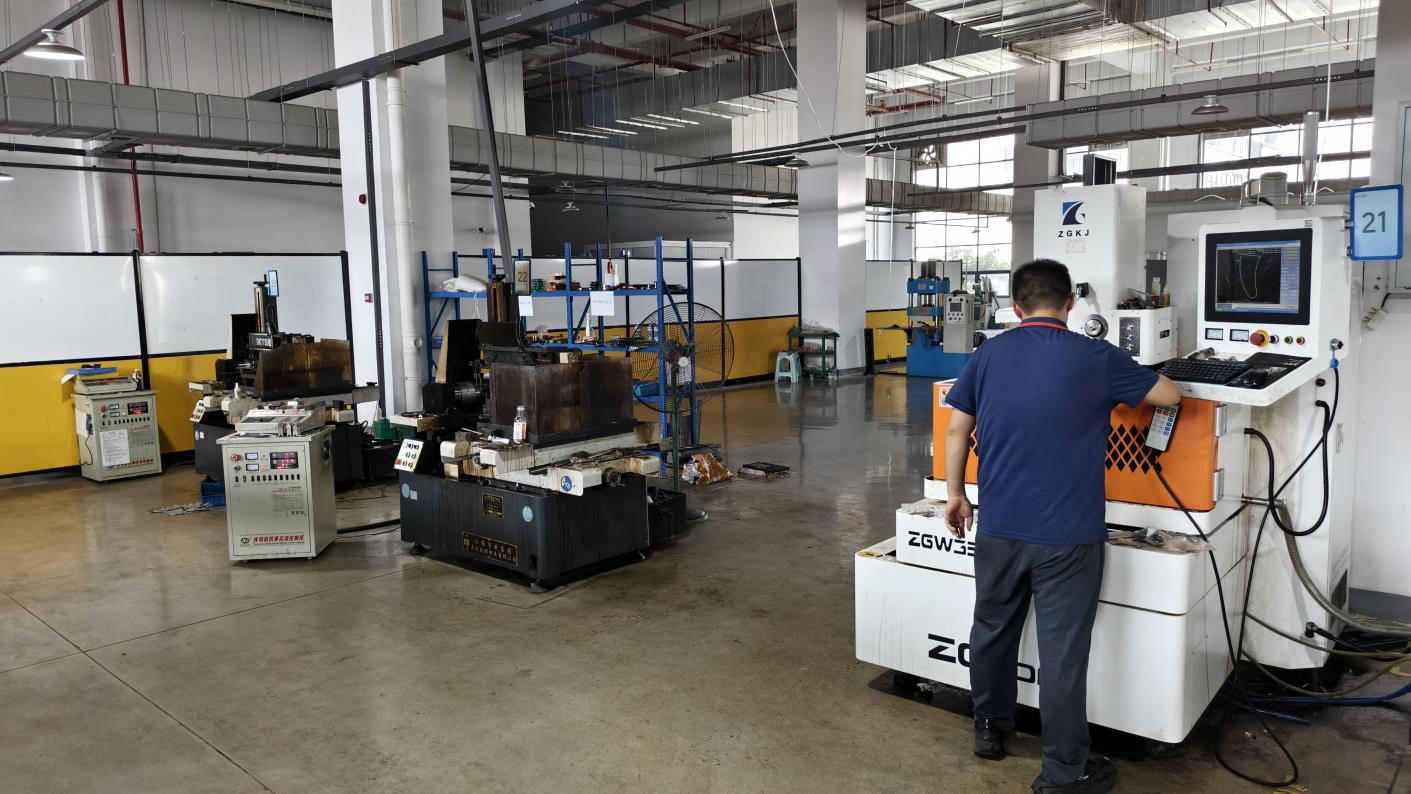
Wire EDM Machinery
Wire Cutting Machine
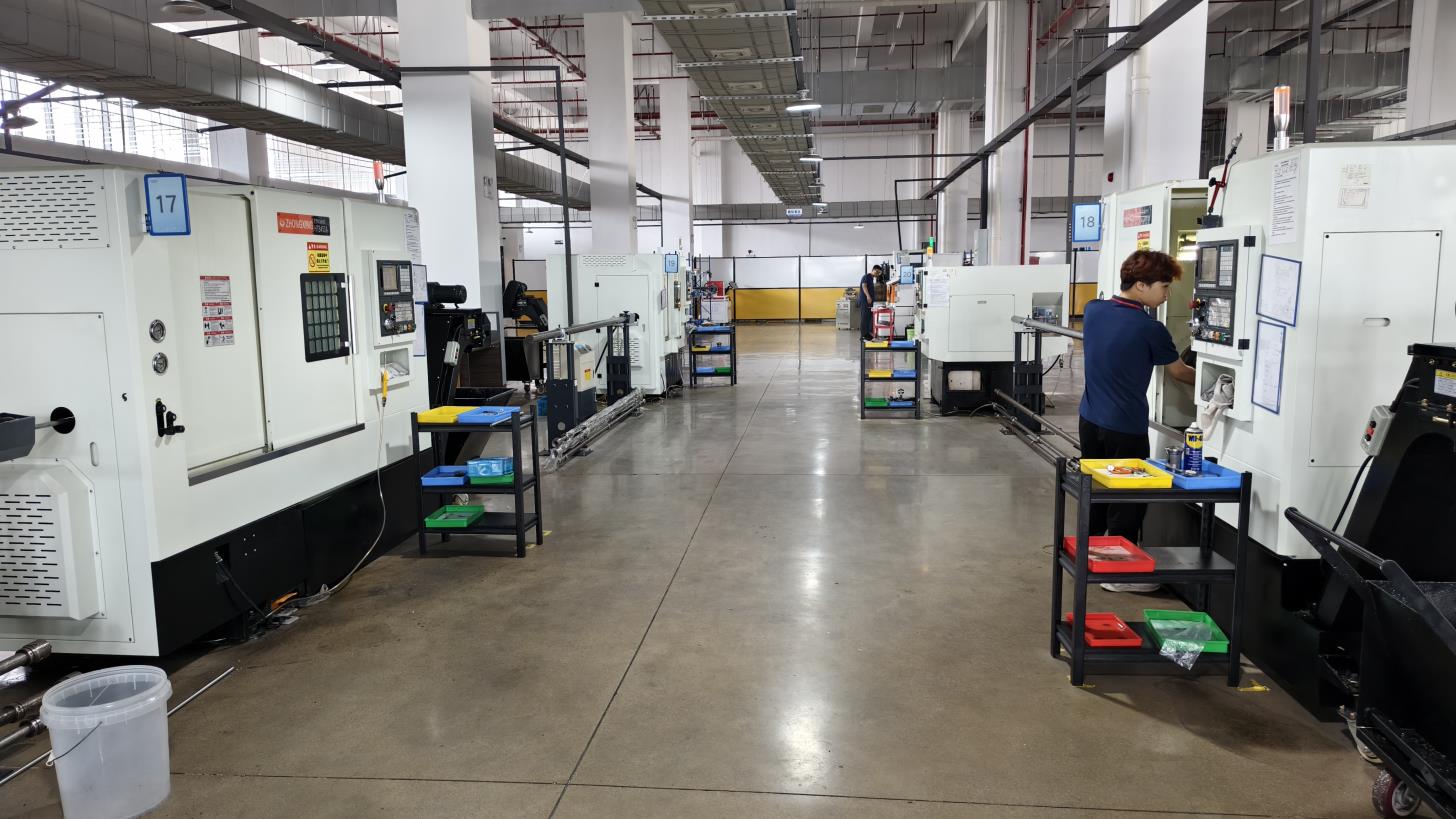
CNC Lathe Core Operations
CNC Lathe
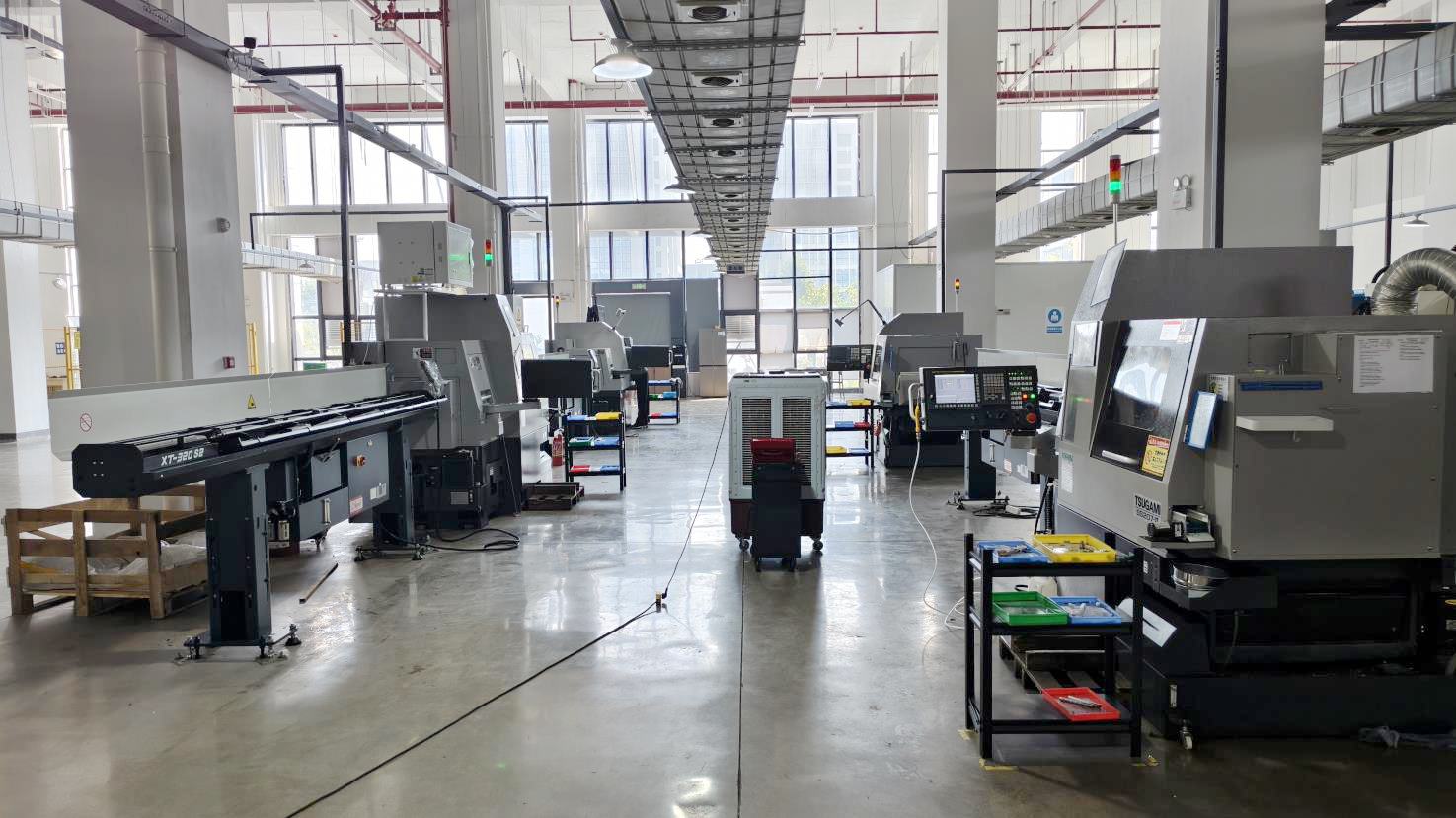
Swiss-type CNC Micro-machining
Swiss-type Lathe
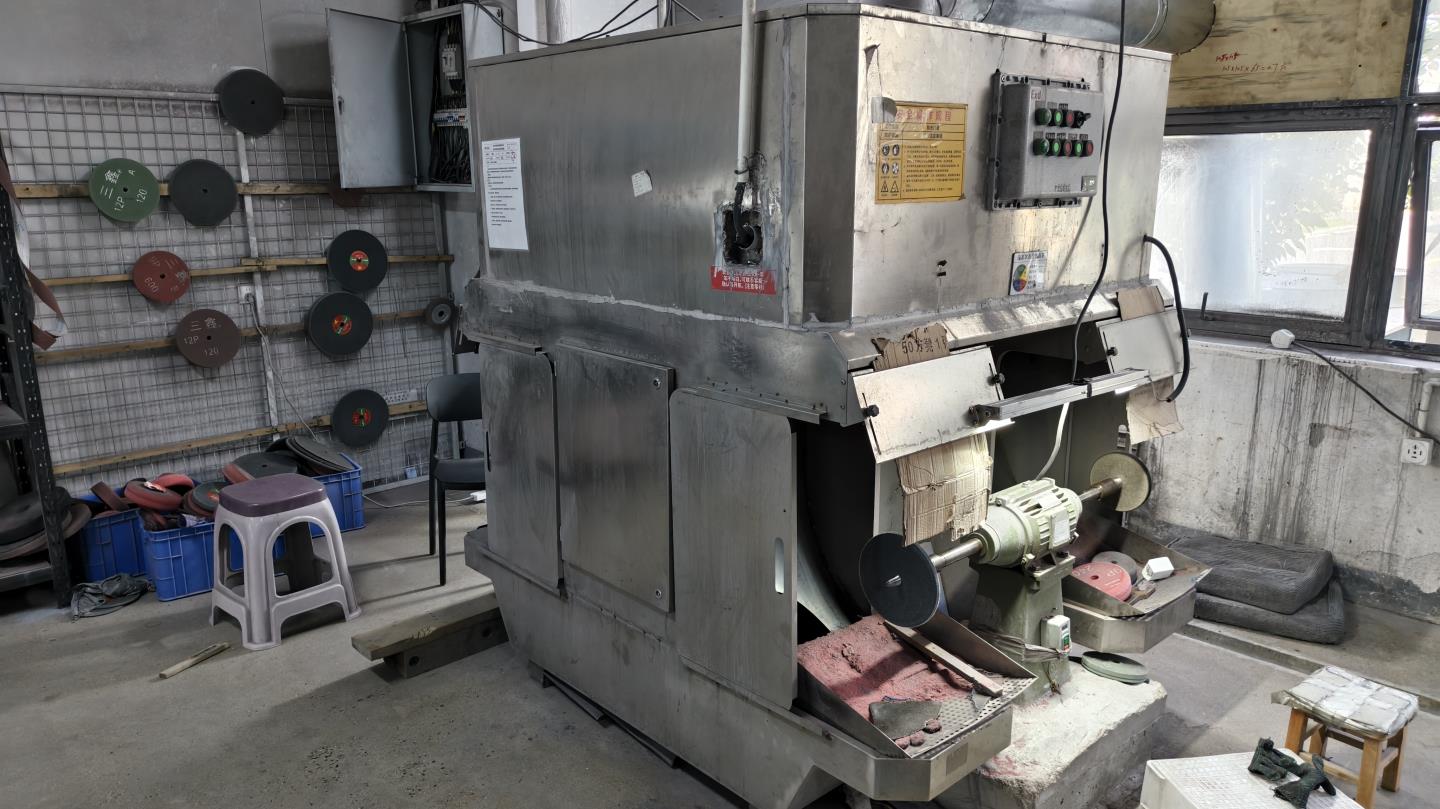
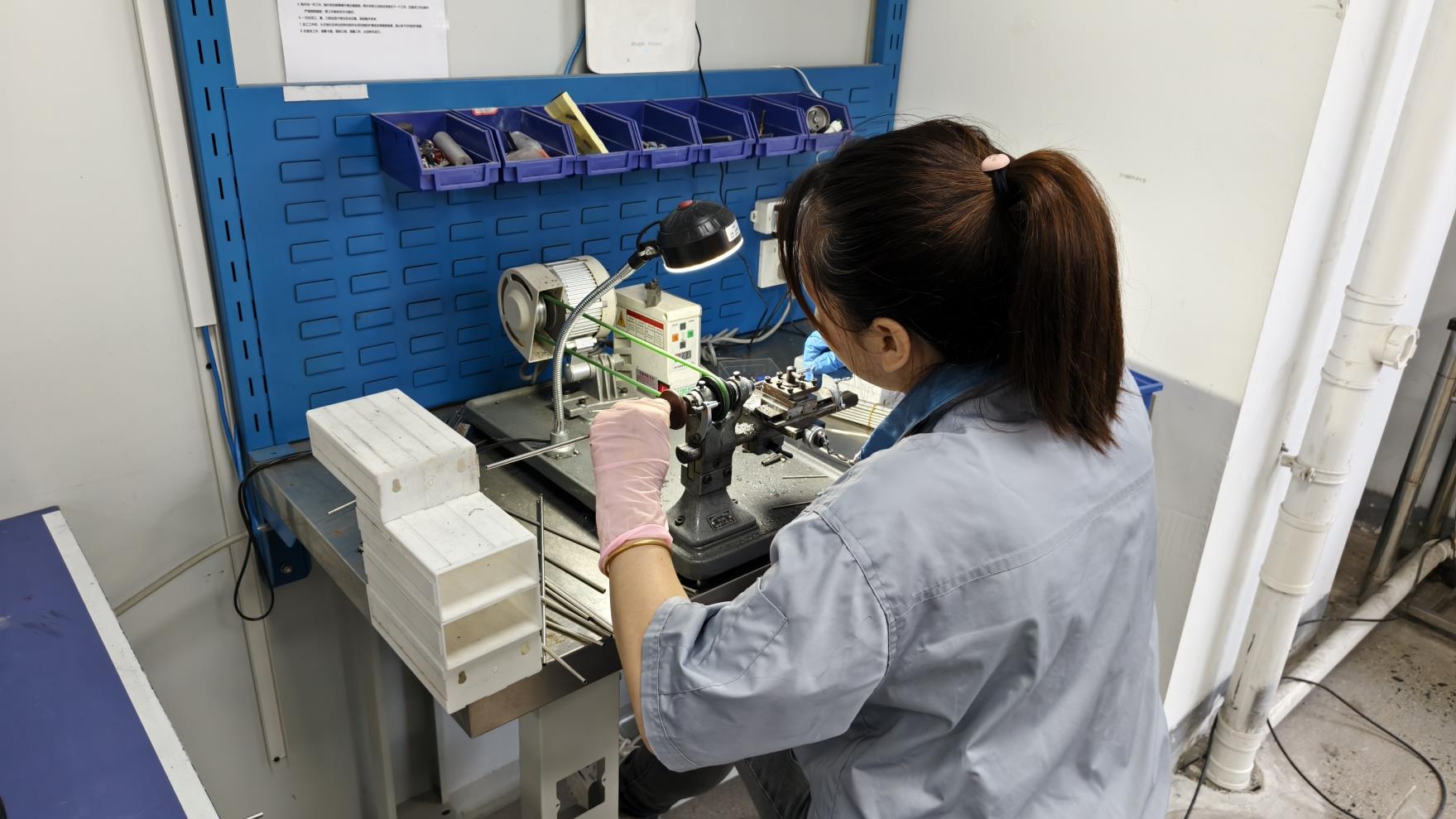
Grinder Finishing Equipment
Grinder
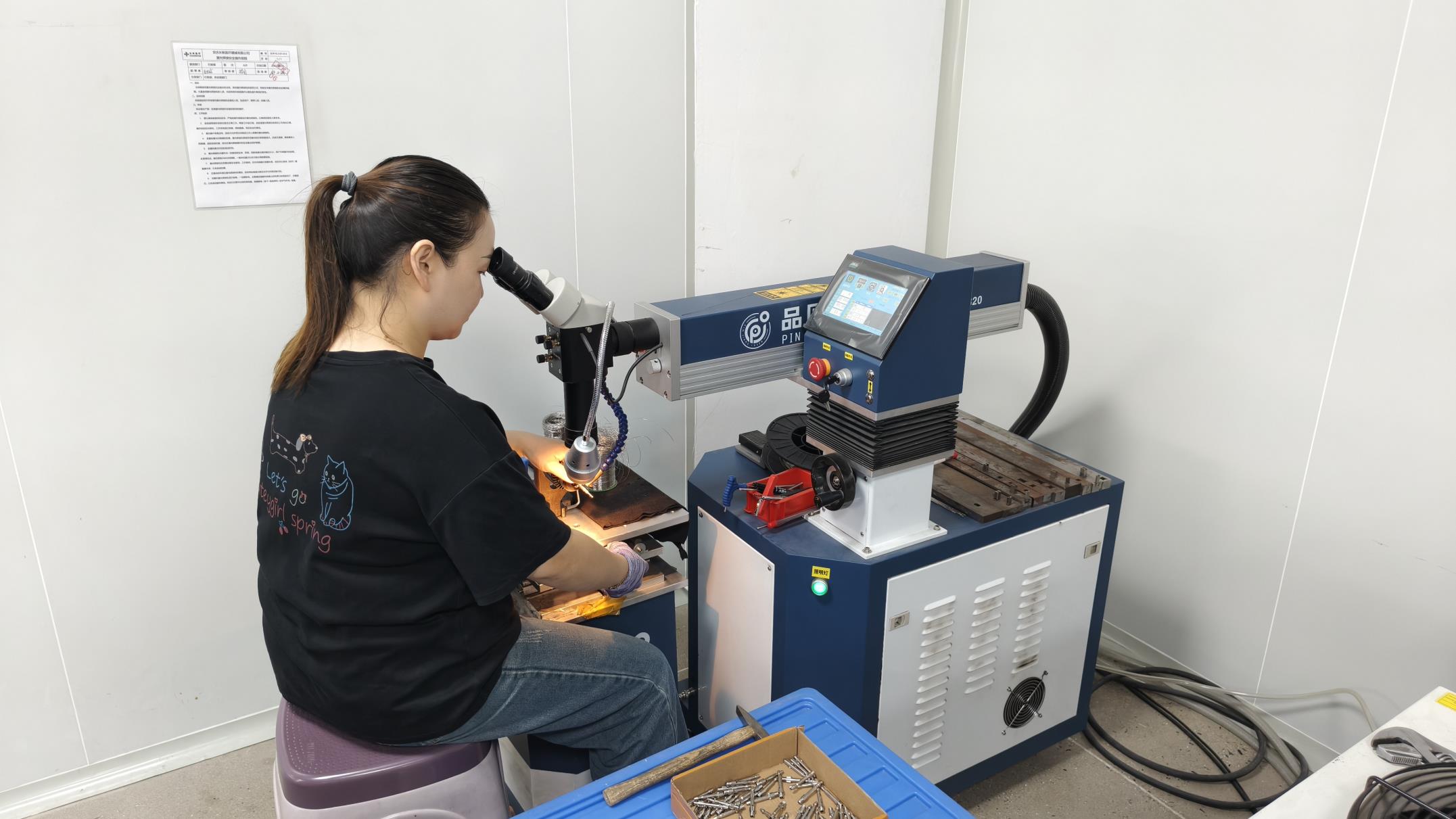
Precision Laser Welder
Laser Welding Machine
Industrial Metal Lathe Processing
Lathe

Engineering Design & Laboratory Quality Inspection

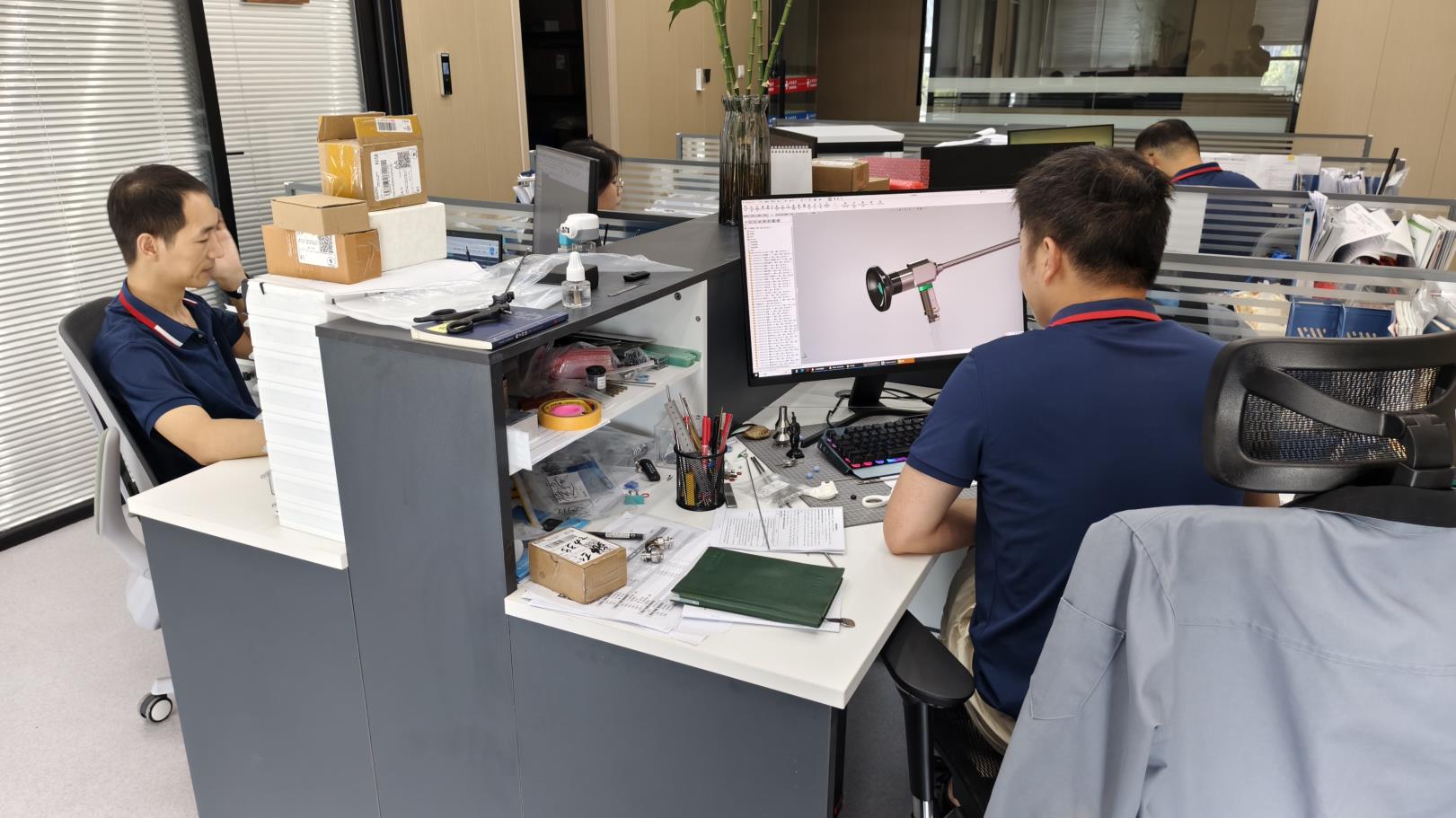
CAD/CAM Implant Design
CAD/CAM Design
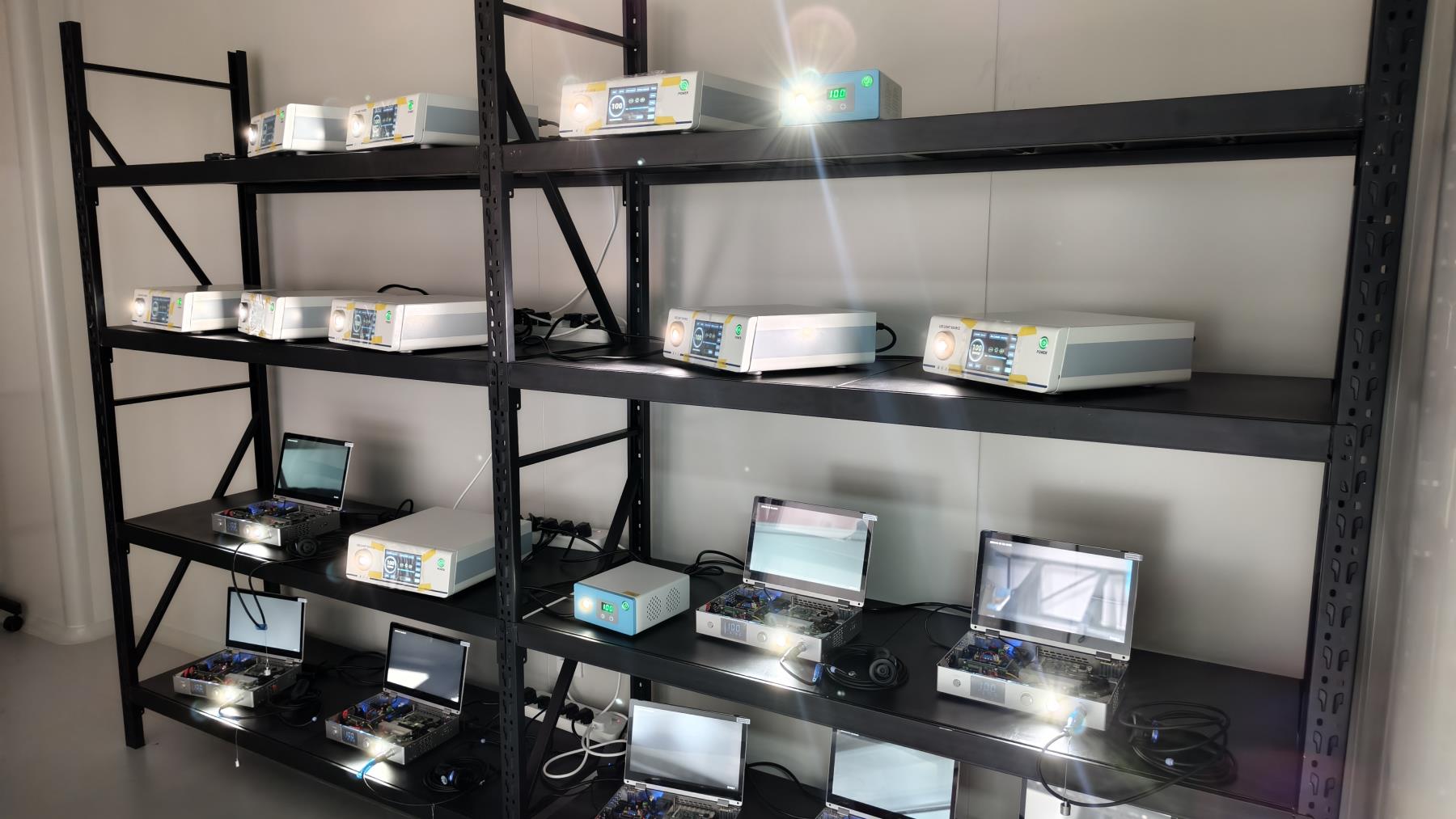
Component Aging Chamber
Aging Test
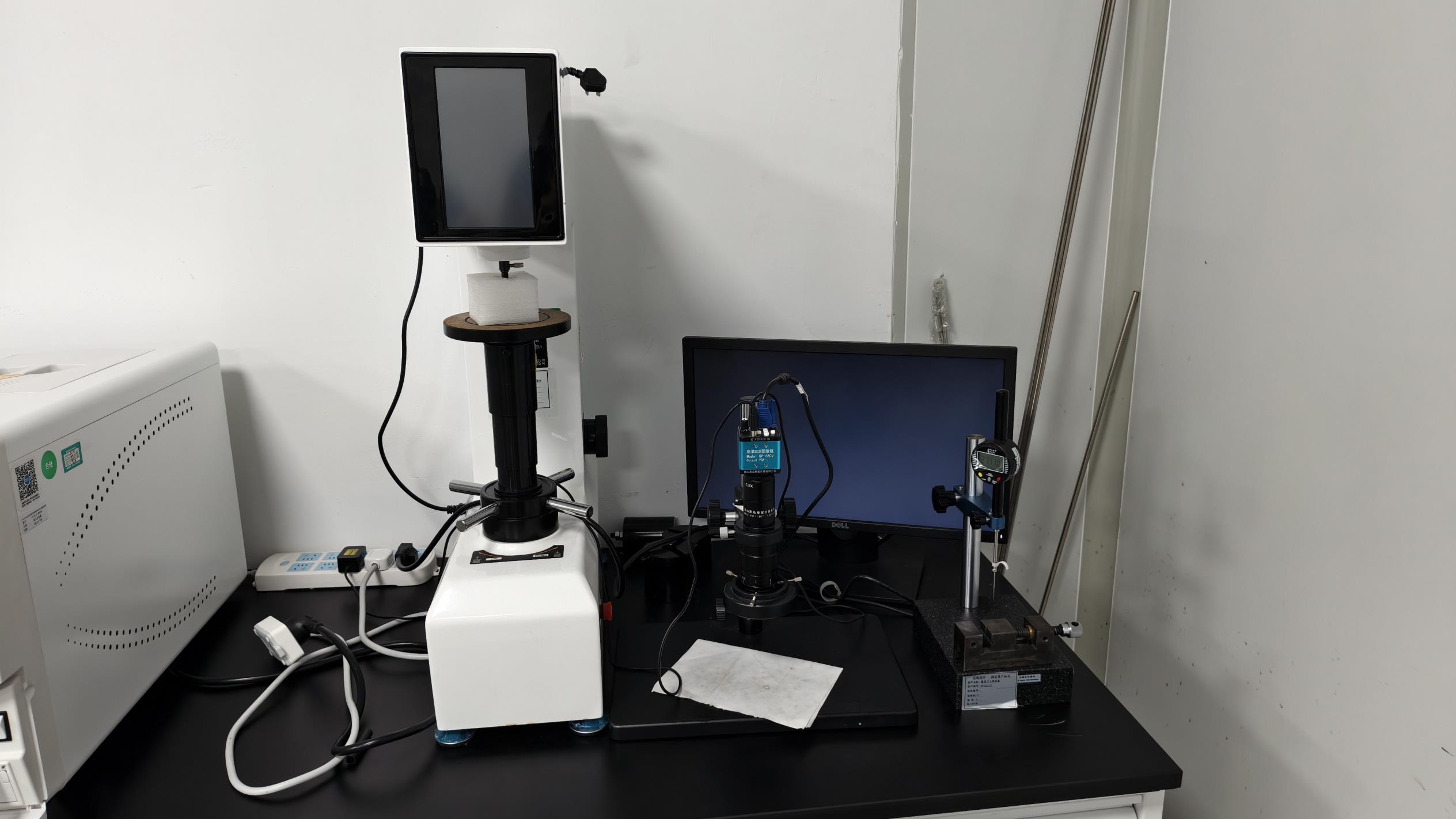
Digital Microscope Analysis
Digital Microscope
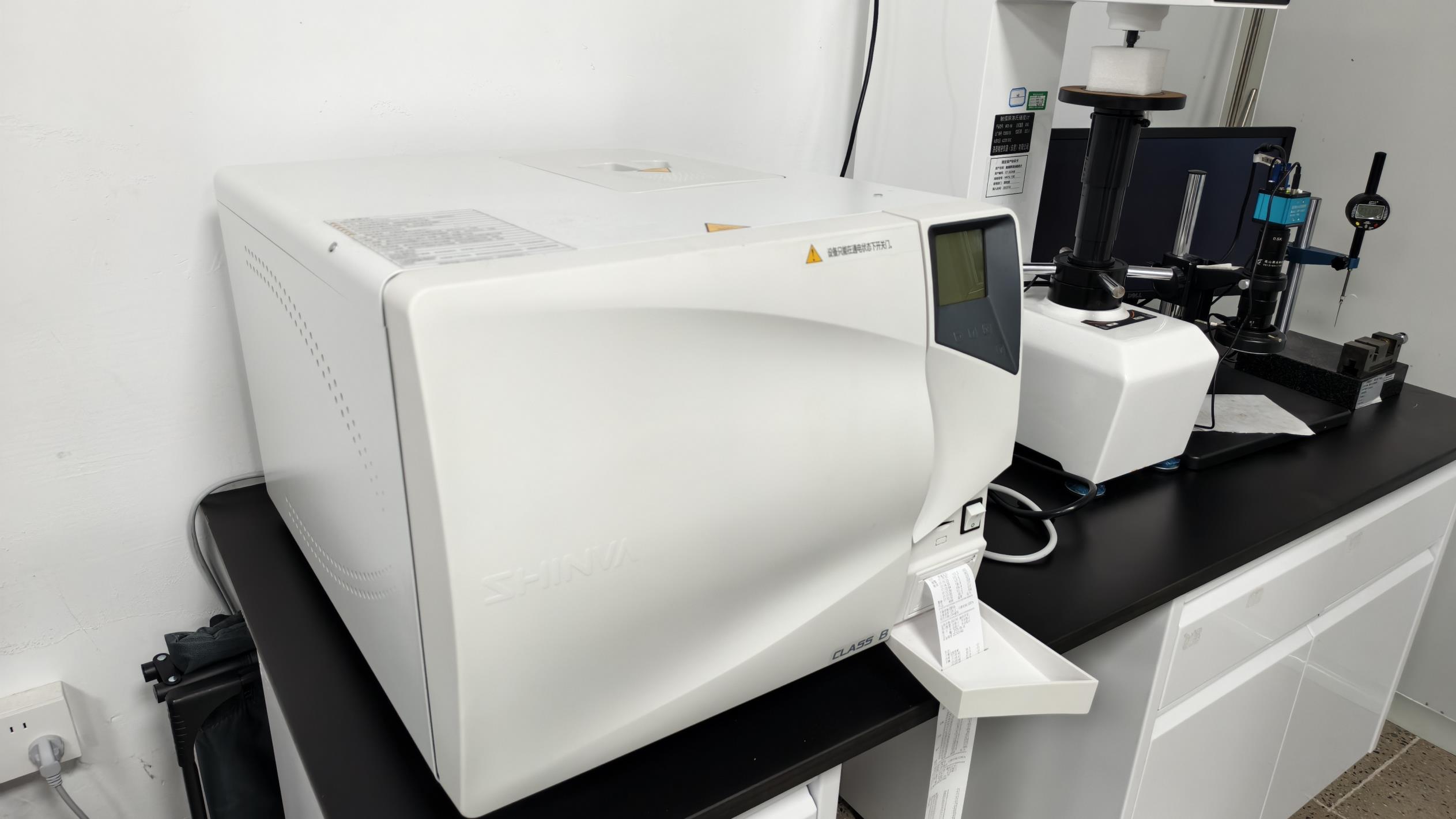
High-Pressure Steam Sterilization Unit
Steam Sterilizer
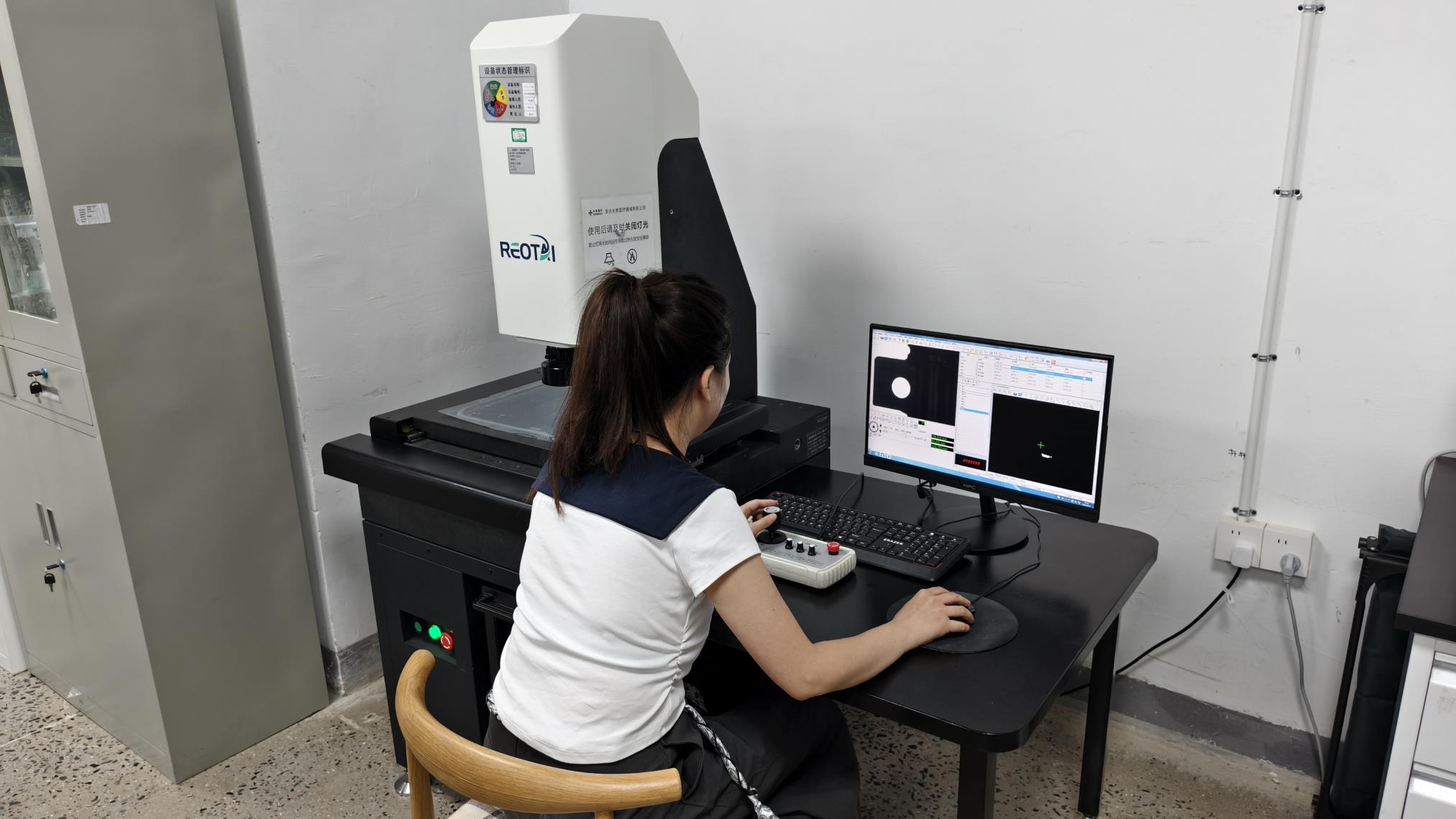
2D Optical Dimension Verification
Automatic 2D Video Measurement
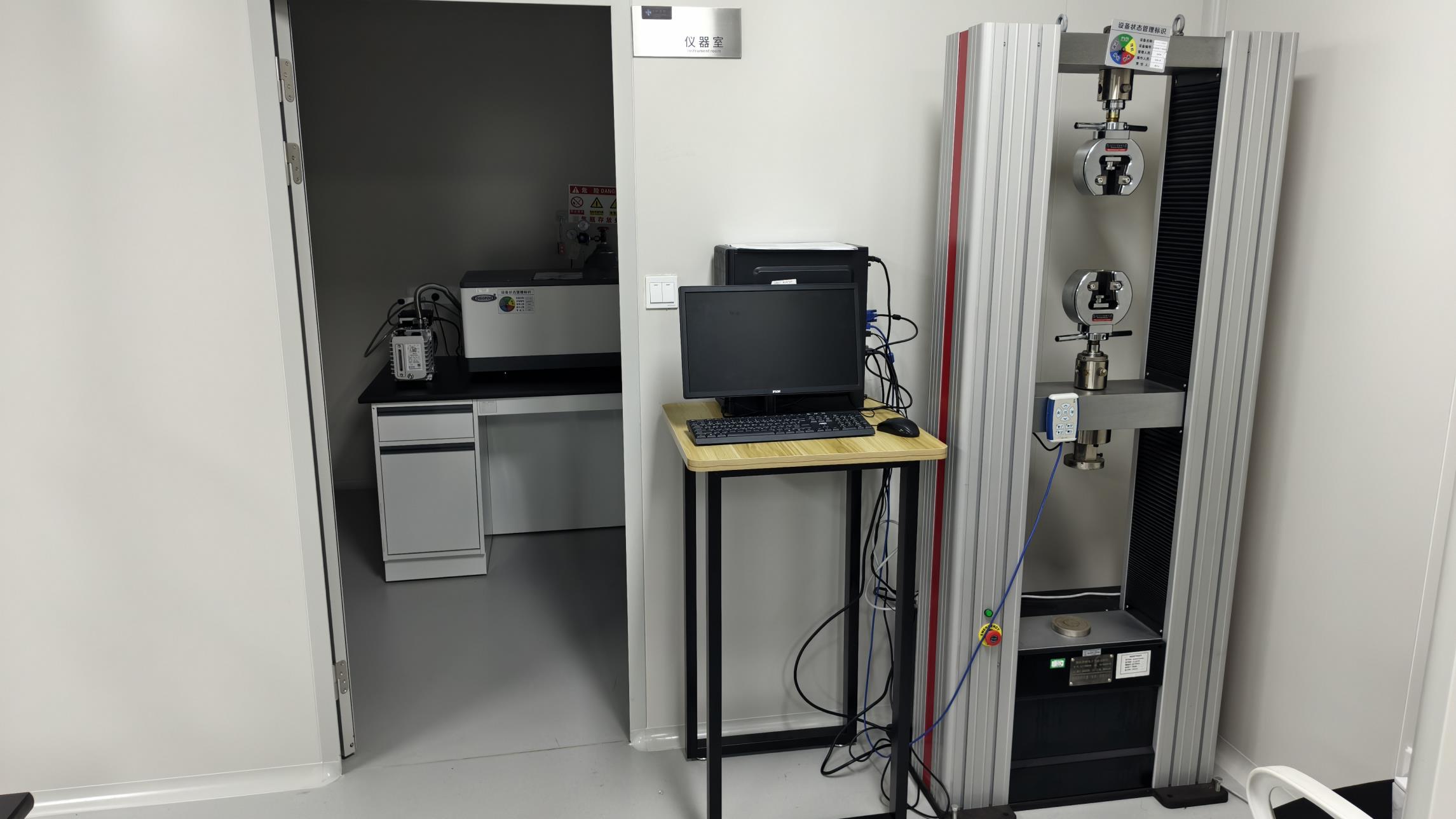
Biomechanical Tensile Testing
Tensile Testing Machine
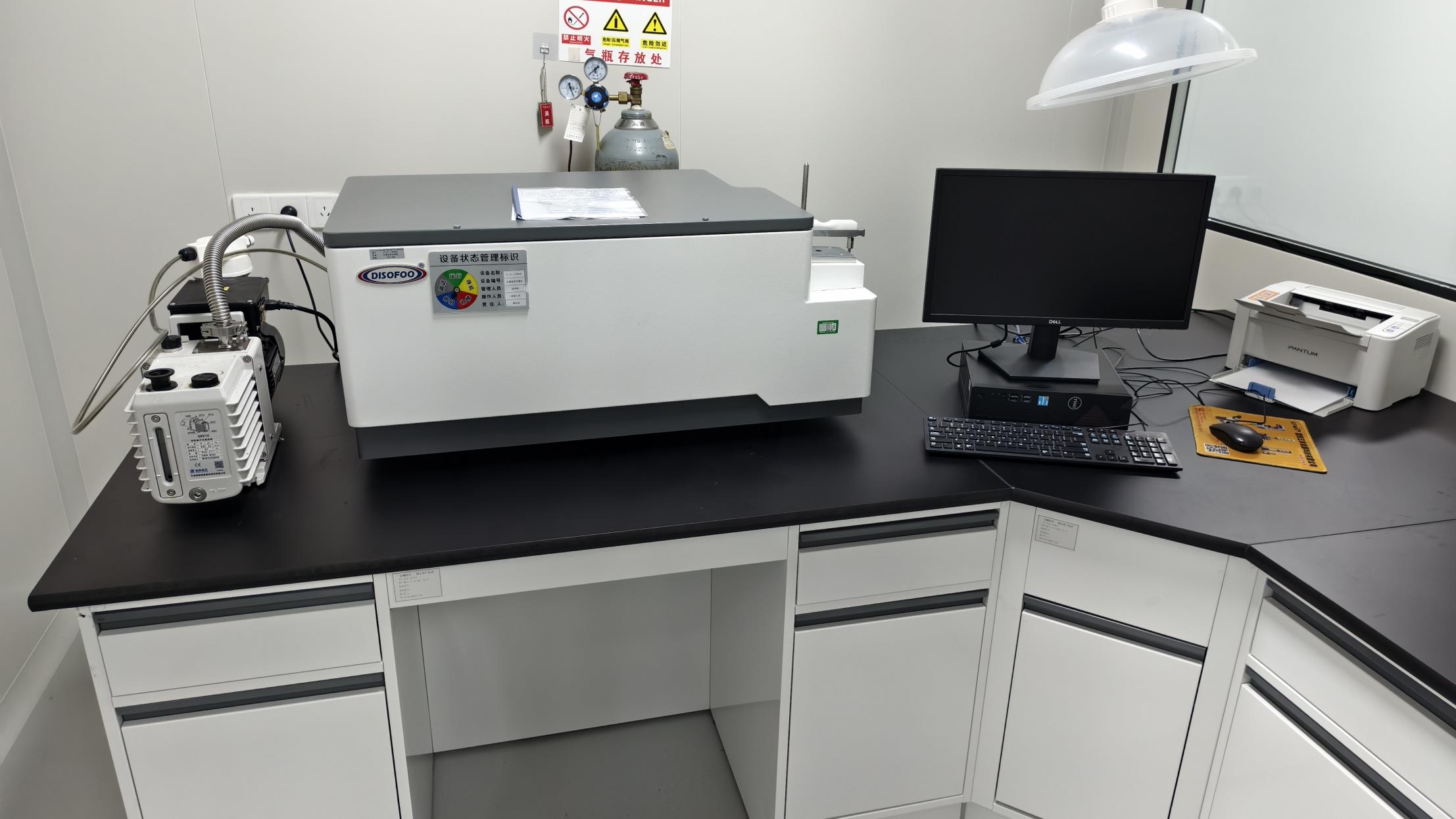
Raw Material Spectrometer Analyzer
Spectrometer
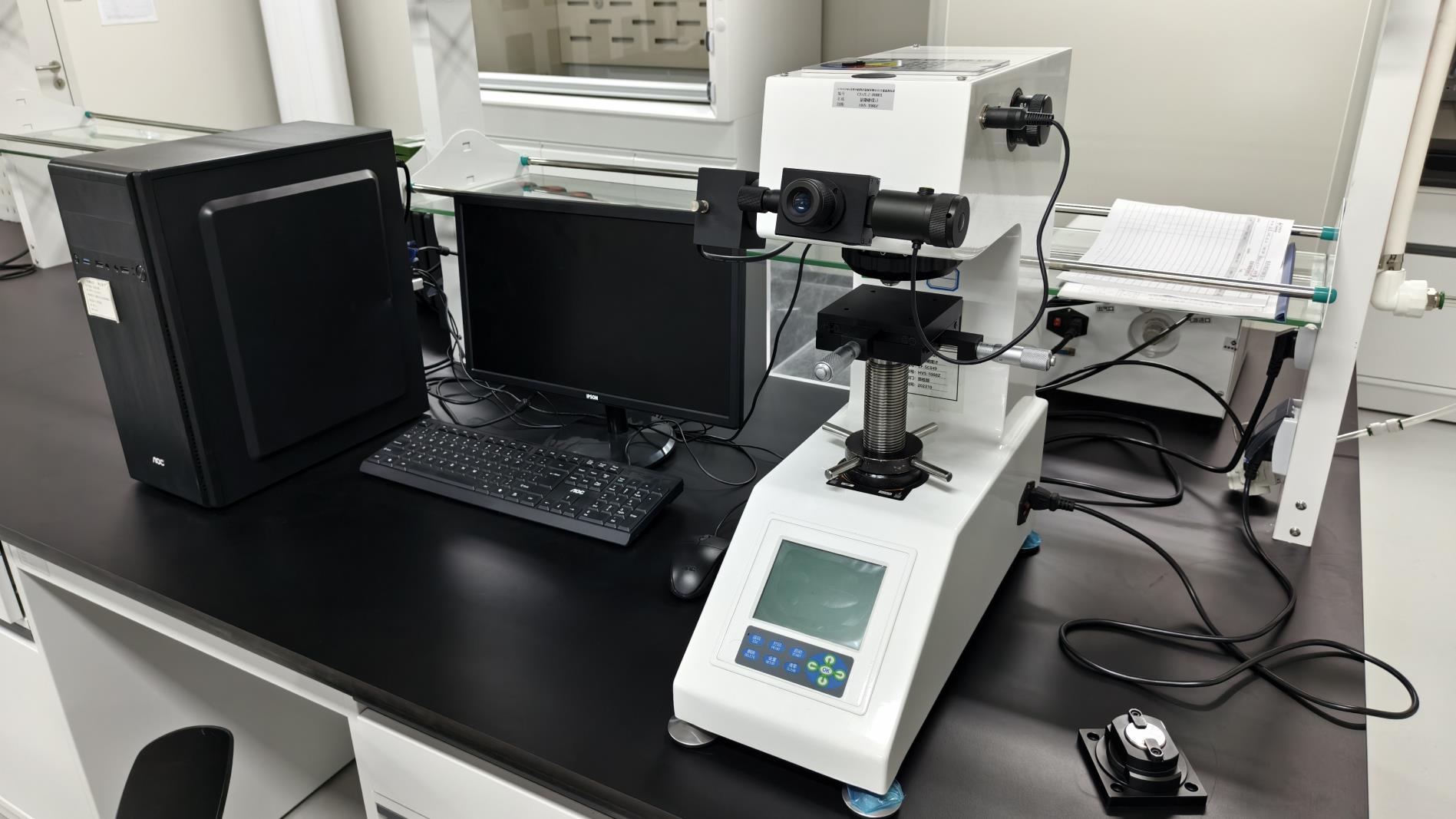
Vickers/Rockwell Hardness Tester
Hardness Tester
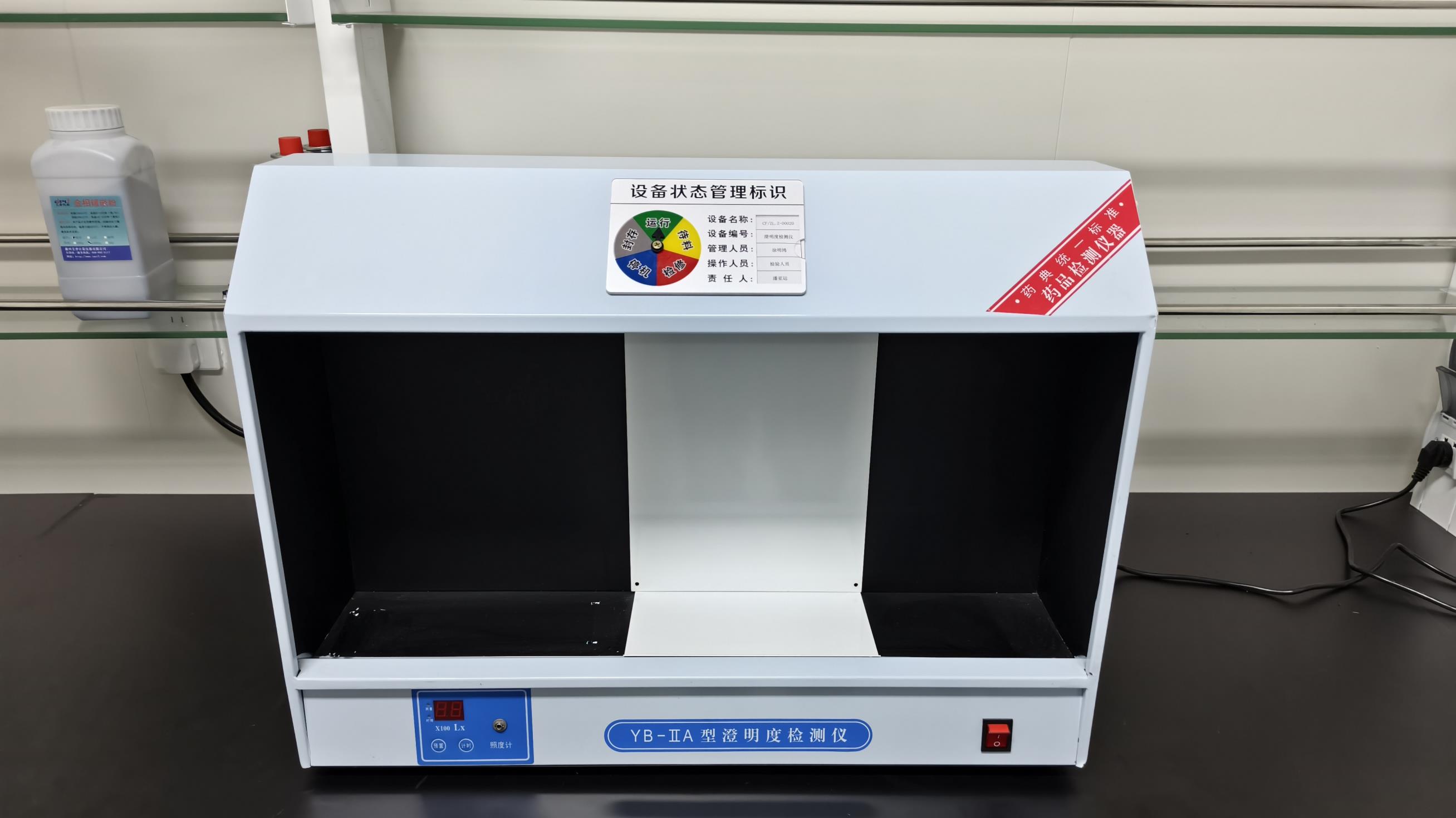
Fluorescence Clarity Detector
Clarity Detector
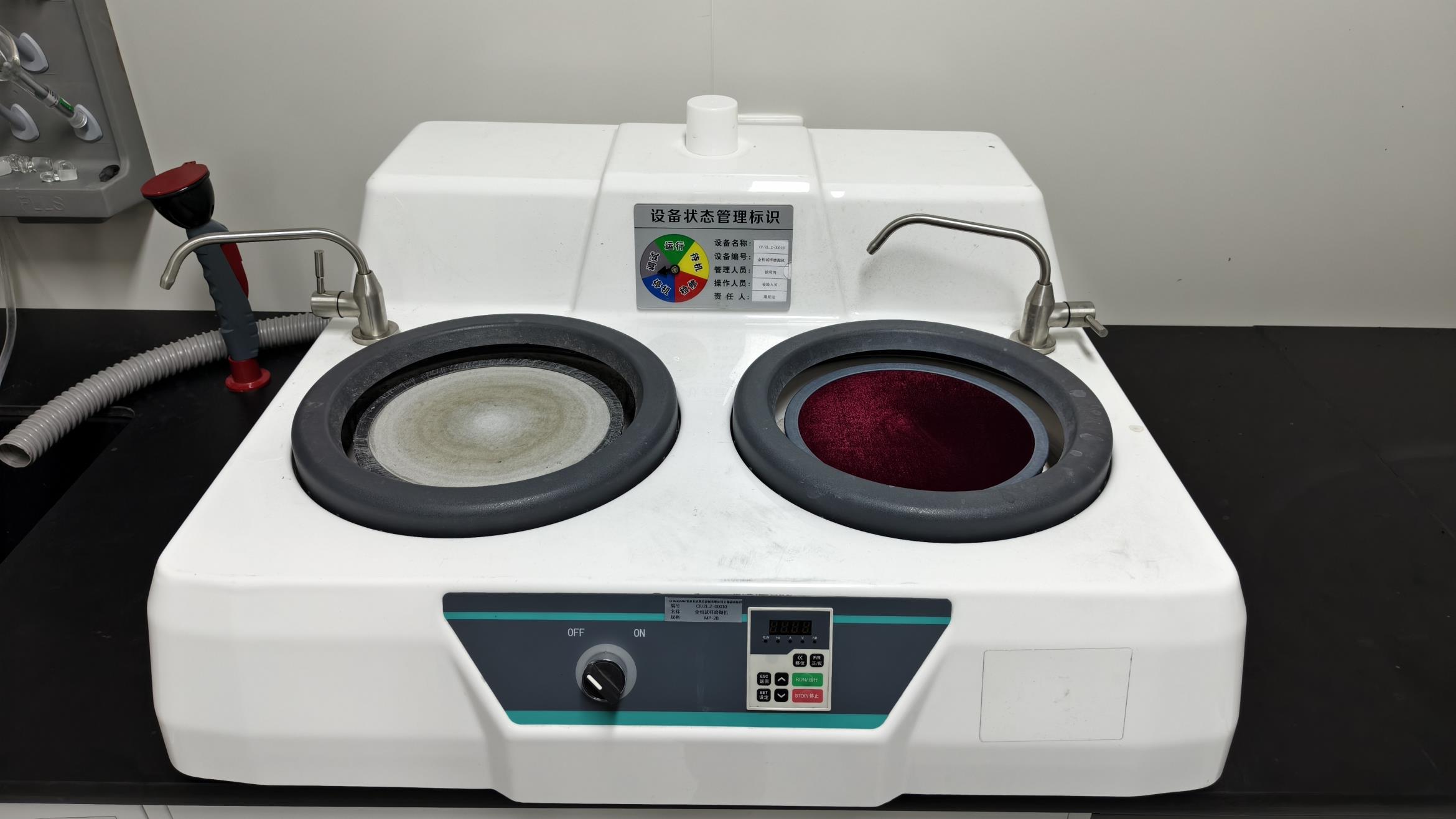
Metallographic Phase Sample Preparation
Metallographic Sample Machine
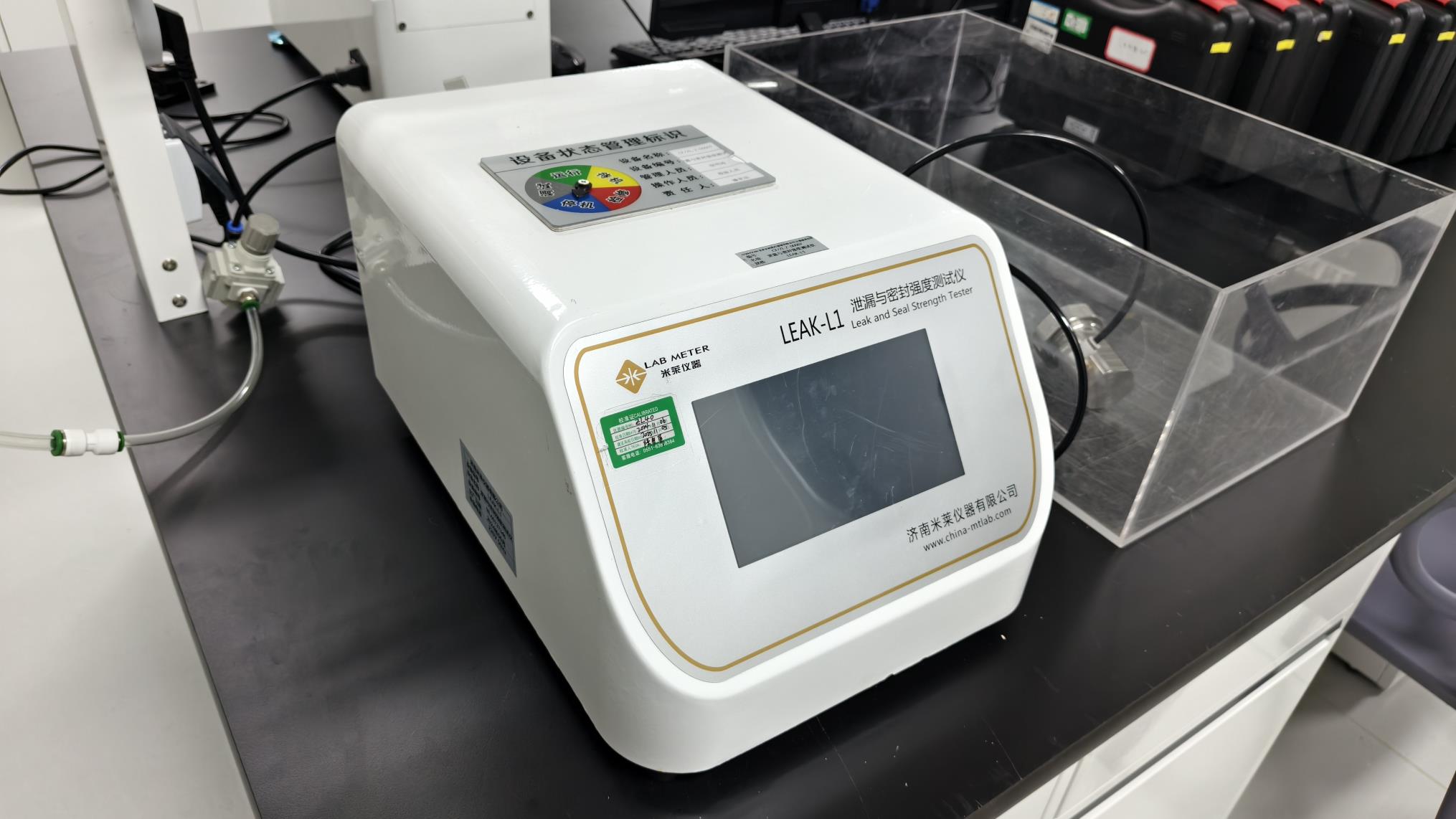
Packaging Integrity Seal Tester
Leakage and Sealing Strength Tester

Regulatory Strategy & Global Supply Chain Security

Exporting high-precision orthopedic implants requires strict compliance with international regulatory bodies. Zynfuse Medical implements an ISO 13485-certified quality management system to support global compliance across our major export regions, including North America, Europe, Southeast Asia, and the Middle East.

Key Quality Metrics & Export Logistics:

  • Sterilization Protocol Validation: We support both non-sterile and gamma-irradiated packaging options, with sterilization validation reports available to ease import clearance.
  • Biocompatibility (ISO 10993): Every product line undergoes comprehensive biological testing, including cytotoxicity, irritation, and systemic toxicity profiling.
  • Packaging Integrity: Our sealing processes are verified using specialized leakage and seal strength testers to preserve device sterility during transit.
  • Documentation Packages: We provide full technical files, certificates of conformity, material analysis sheets, and batch tracking numbers for cleanroom trace validation.

Future Outlook: Advanced Materials & Smart Fixation Systems

As orthopedic surgery moves toward personalized treatments, Zynfuse's engineering team is developing next-generation titanium surface profiles. Our R&D team is testing bioactive coatings to improve osseointegration, along with ultra-low-profile thread patterns that optimize interfragmentary compression. By integrating modern materials and smart manufacturing techniques, we help our partners stay competitive in the evolving medical technology market.

Expert B2B Procurement Q&A

Answers to common questions from distributors, procurement managers, and OEM/ODM clients.

What raw materials are used in Zynfuse cannulated screw production?
We use medical-grade titanium alloy Ti-6Al-4V ELI (Extra Low Interstitial) matching ASTM F136 specifications. This material provides high biocompatibility, fatigue resistance, and mechanical strength, making it ideal for permanent or long-term fracture fixation.
Can you manufacture custom orthopedic implants under OEM/ODM terms?
Yes. Backed by our team of 85 design engineers, we provide complete custom services, including geometry modification, specialized thread designs, custom anodization coloring, and laser-marked branding to align with your regional clinical guidelines.
How does Zynfuse verify the quality of each production run?
Our quality control involves 68 inspection specialists executing a multi-stage ISO 13485 check. We verify alloy chemistry using optical emission spectrometers, verify dimensions using automatic 2D measuring machines, evaluate surface quality with digital microscopes, and confirm structural strength using tensile testing equipment.
What are your typical order lead times and export capacities?
Standard product lead times range from 3 to 6 weeks, depending on order size and stock levels. With our 18,600m² manufacturing facility and a global distribution network of over 1,200 partners, we manage custom scheduling to maintain stable inventory levels.