Zynfuse
Zynfuse
Zynfuse
Engineered to the highest mechanical specifications, serving healthcare systems and distributors globally.
In the modern clinical environment, the acquisition of surgical implants has evolved from a transaction-based purchasing activity to a highly complex, strategic alignment of quality assurance, regulatory compliance, and mechanical engineering. As healthcare systems globally confront rising trauma incidences, aging demographic shifts, and the proliferation of sophisticated joint preservation procedures, the requirement for reliable B2B supply lines from verified exporters has never been more urgent.
This industry analysis examines the key drivers of the orthopedic implant market, outlining mechanical design considerations, material science innovations, and systemic supply-chain solutions designed to optimize purchasing strategies for global medical importers, orthopedic surgical clinics, and public healthcare networks.
Founded in 2016, Zynfuse Medical Technology Co., Ltd. has established itself as an industry-leading orthopedic medical device manufacturer. Built upon a foundation of 12 years of industry experience and 7 years of specialized export history, the company delivers high-quality clinical implants and instrumentation sets across North America, Europe, Southeast Asia, and the Middle East.
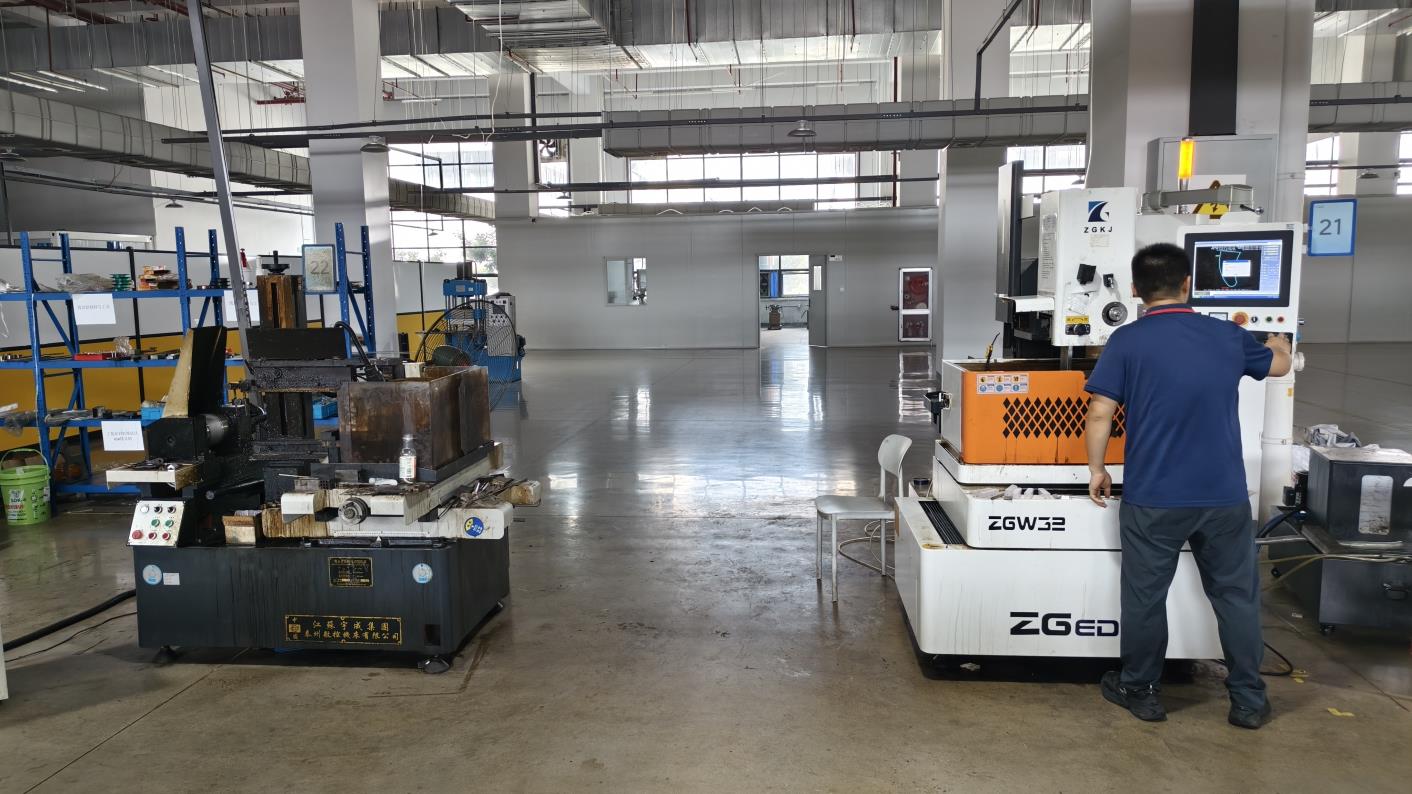
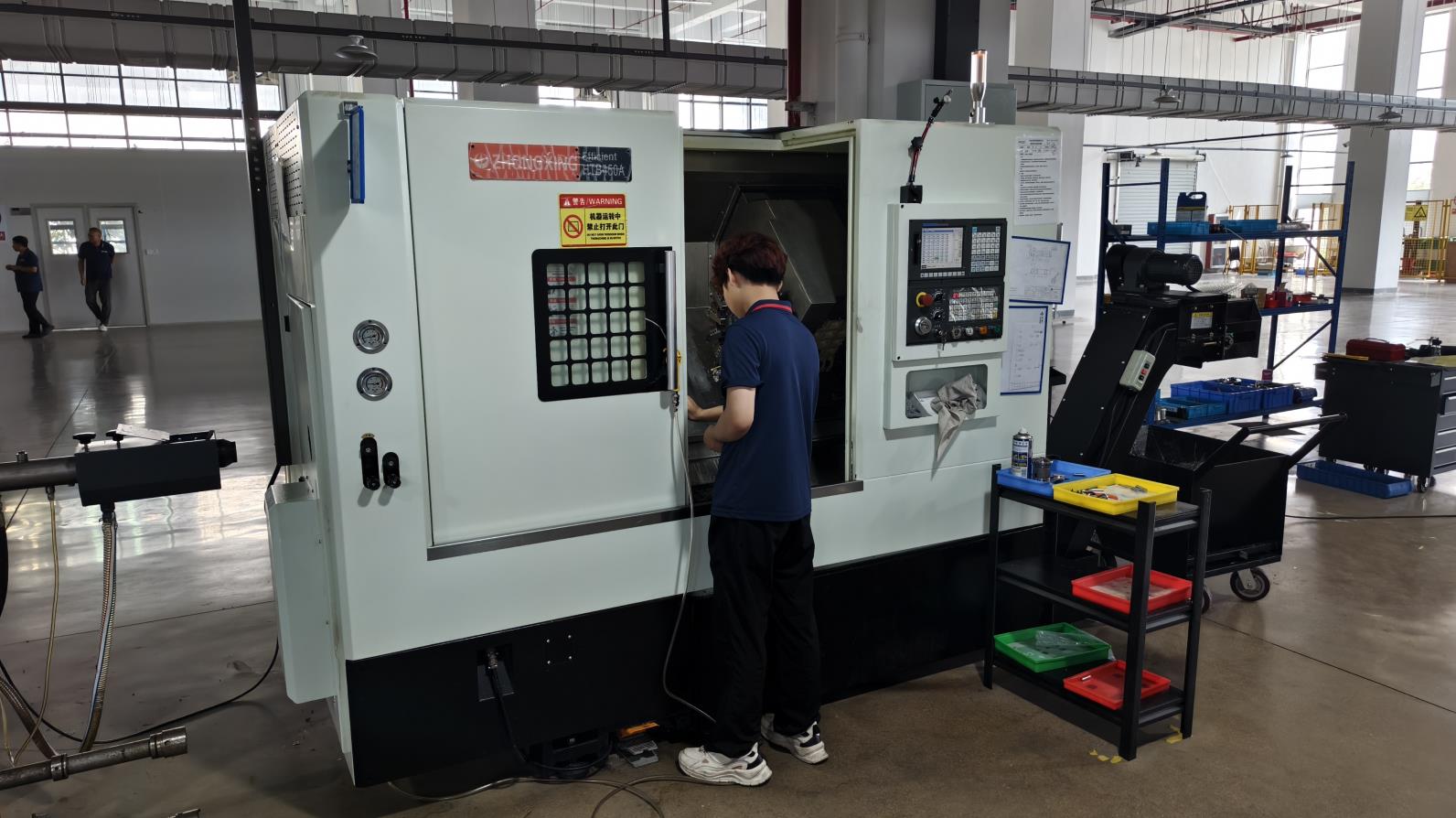
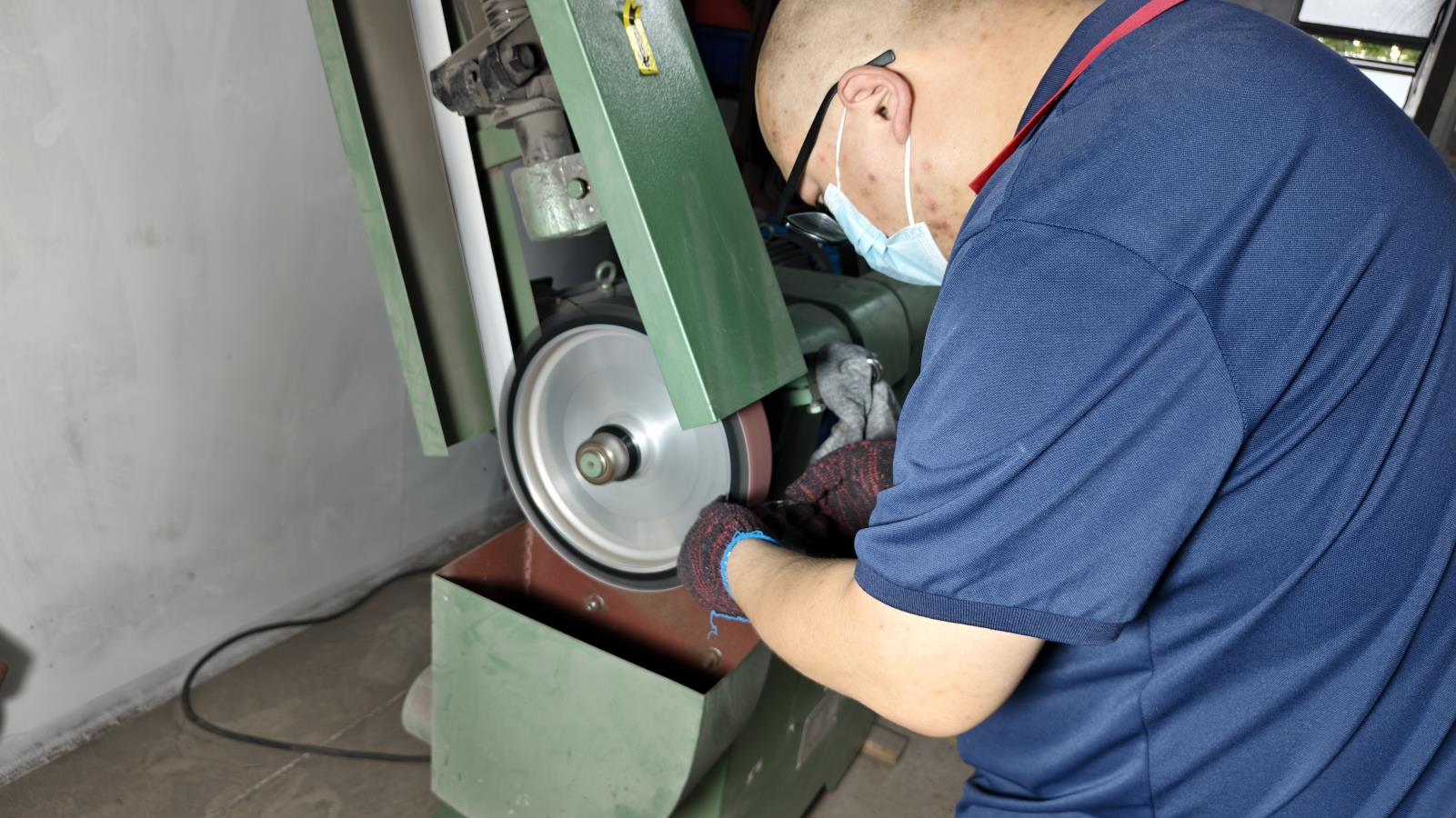
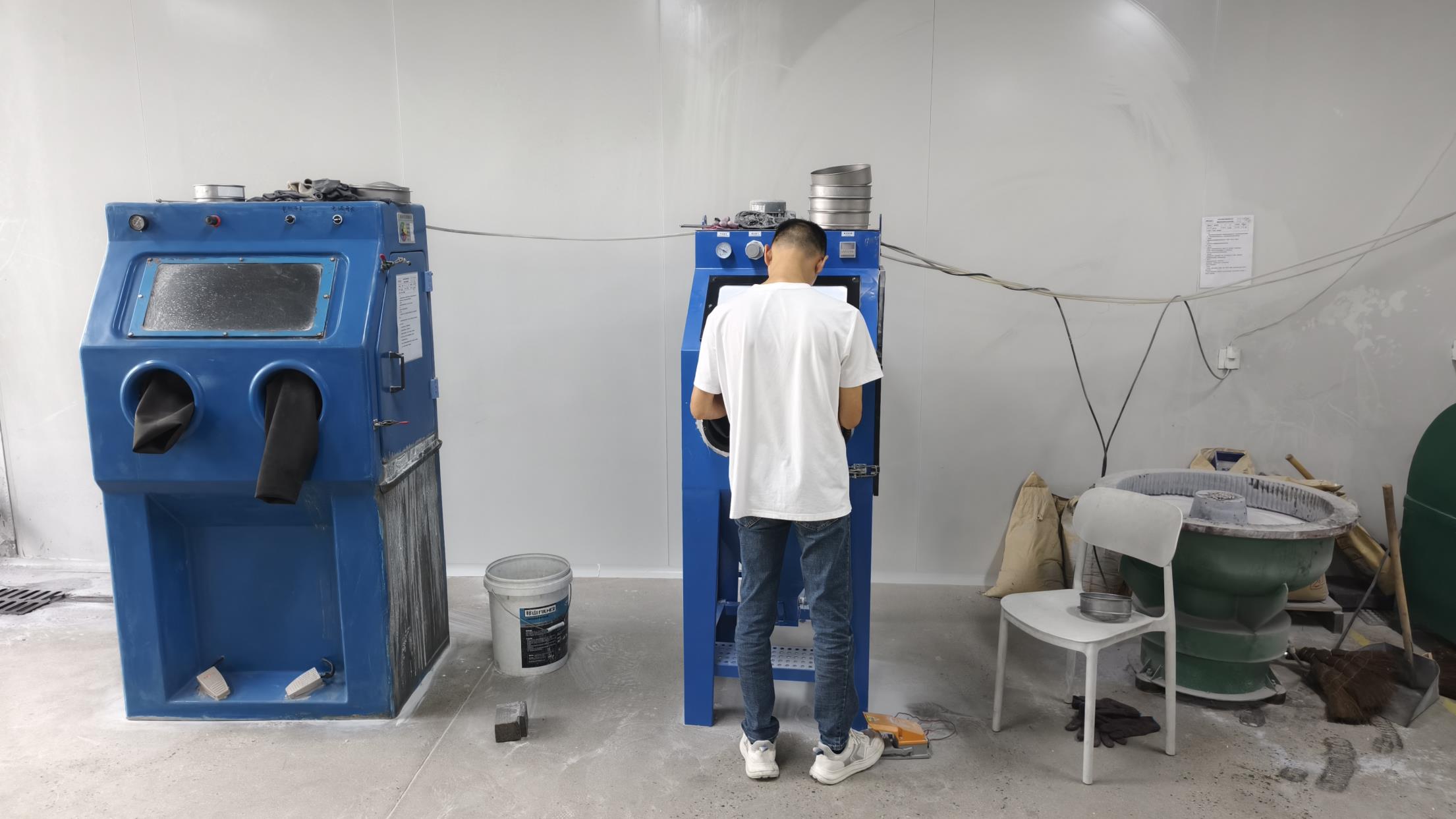
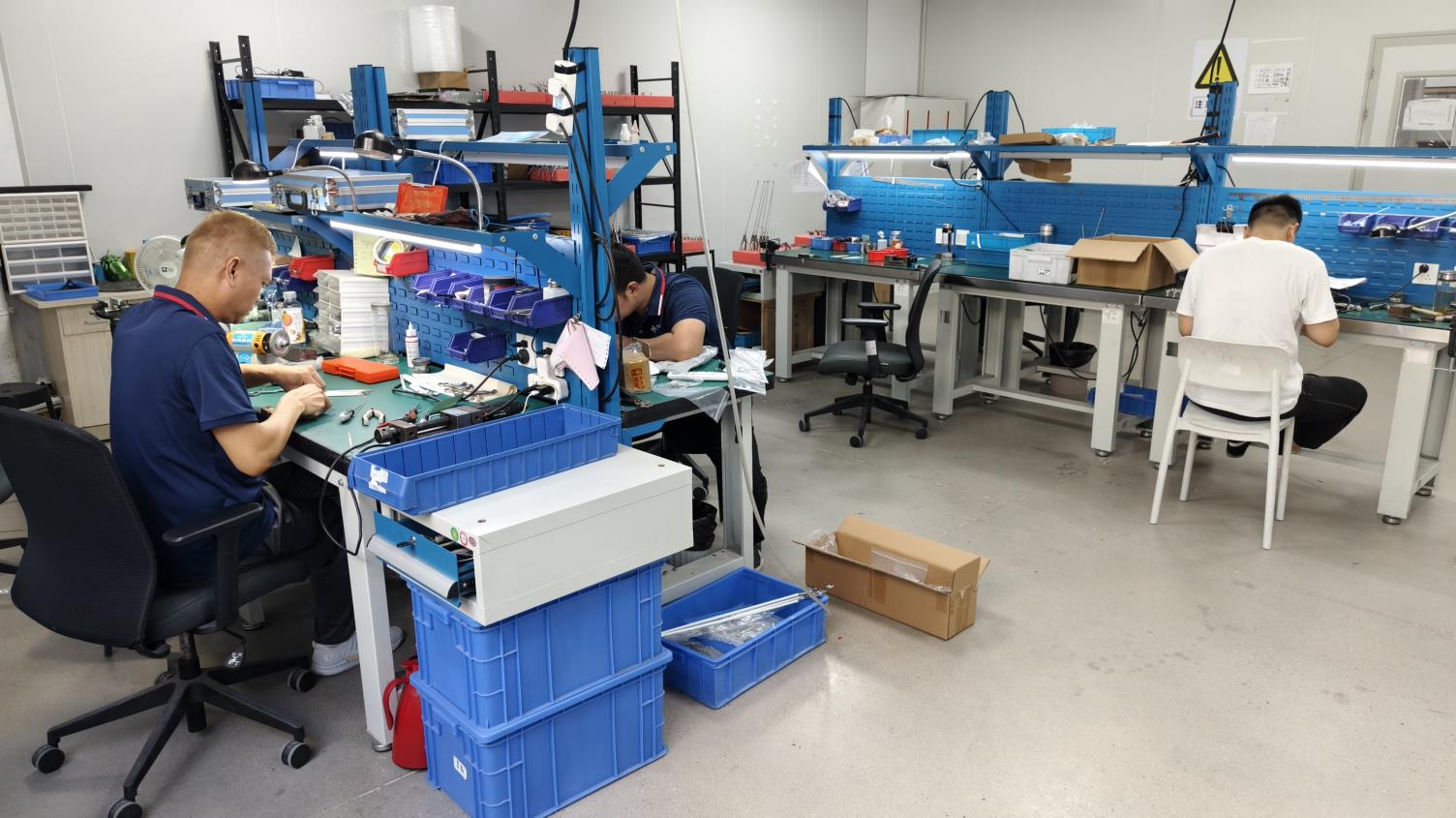
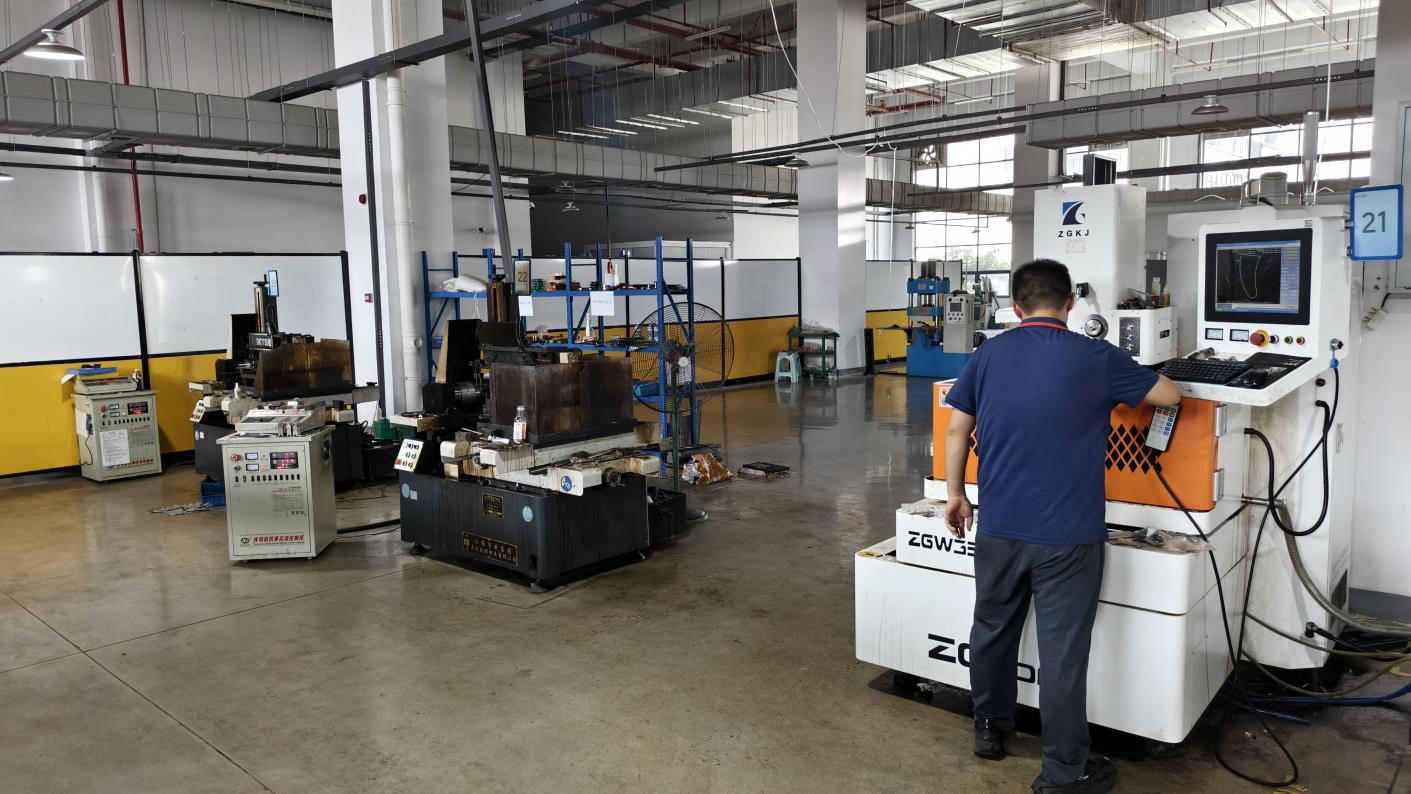
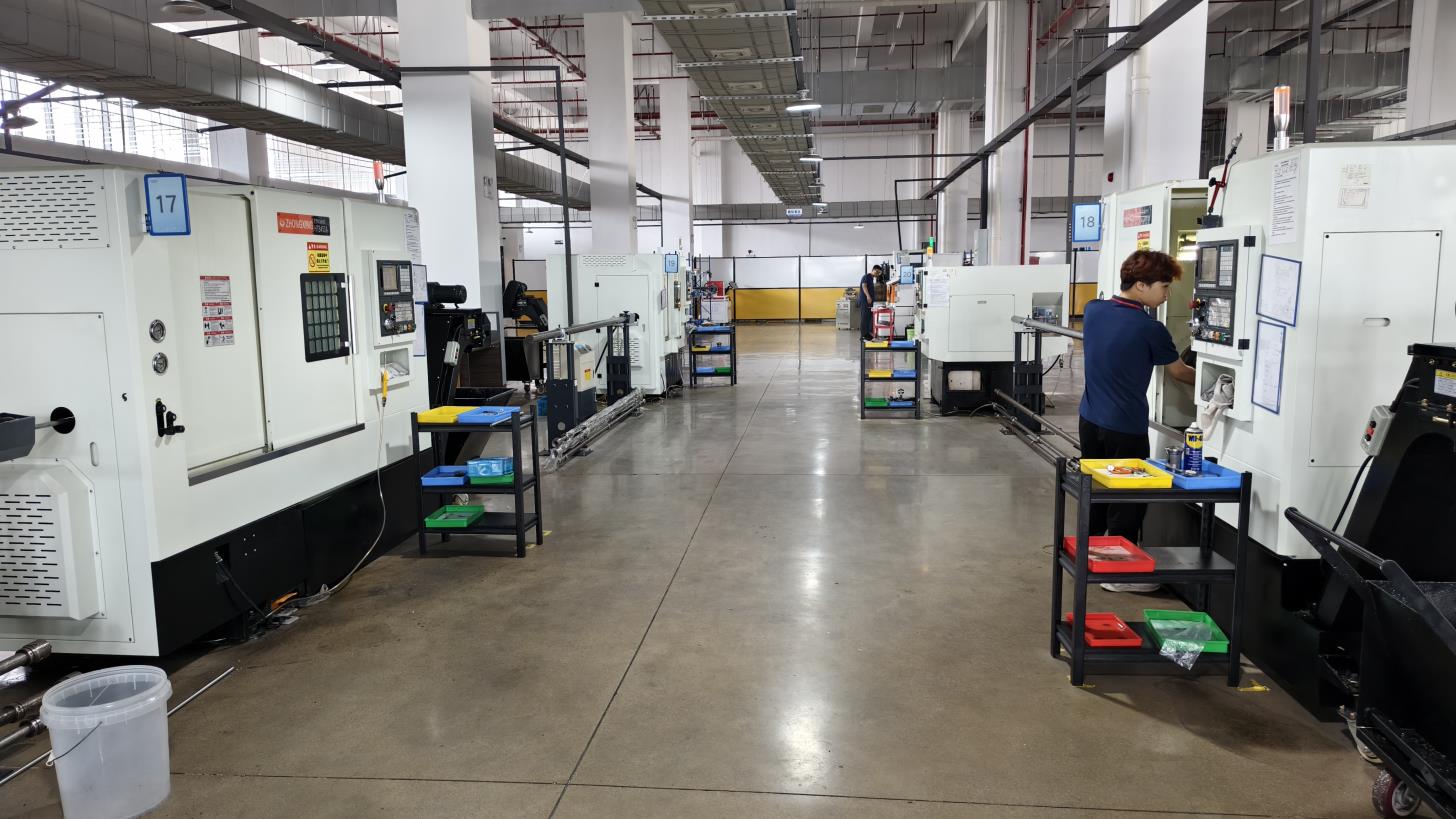
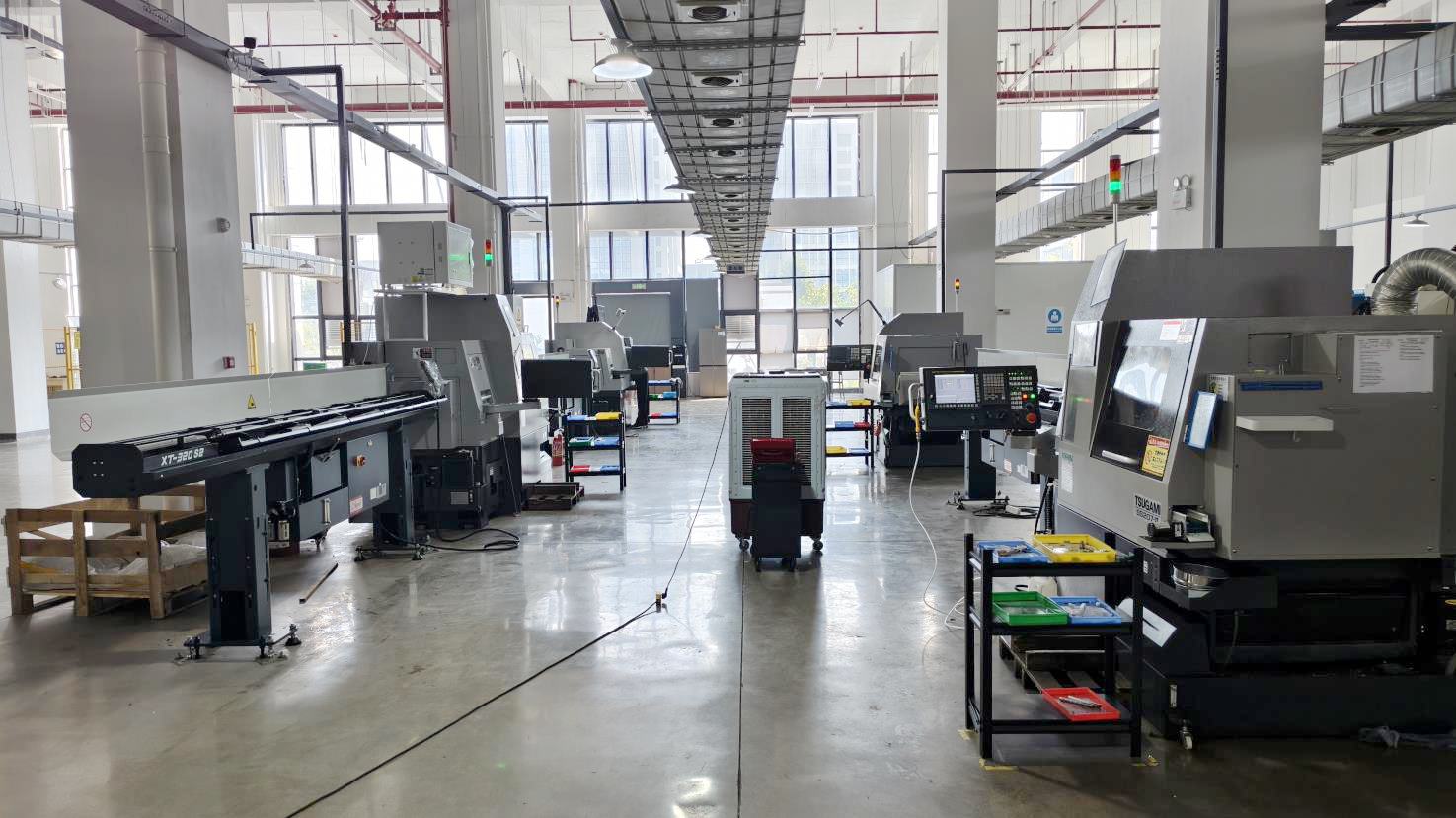
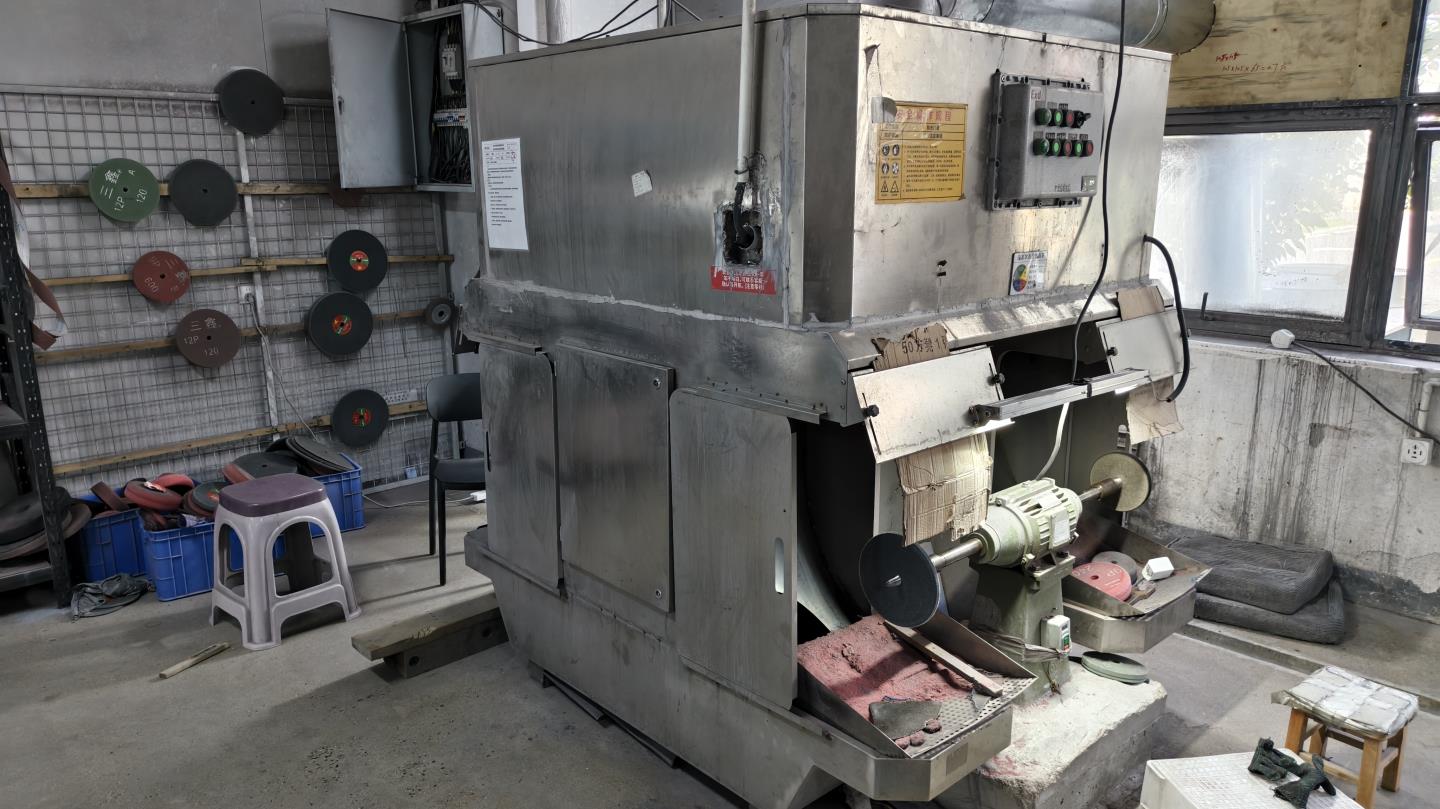
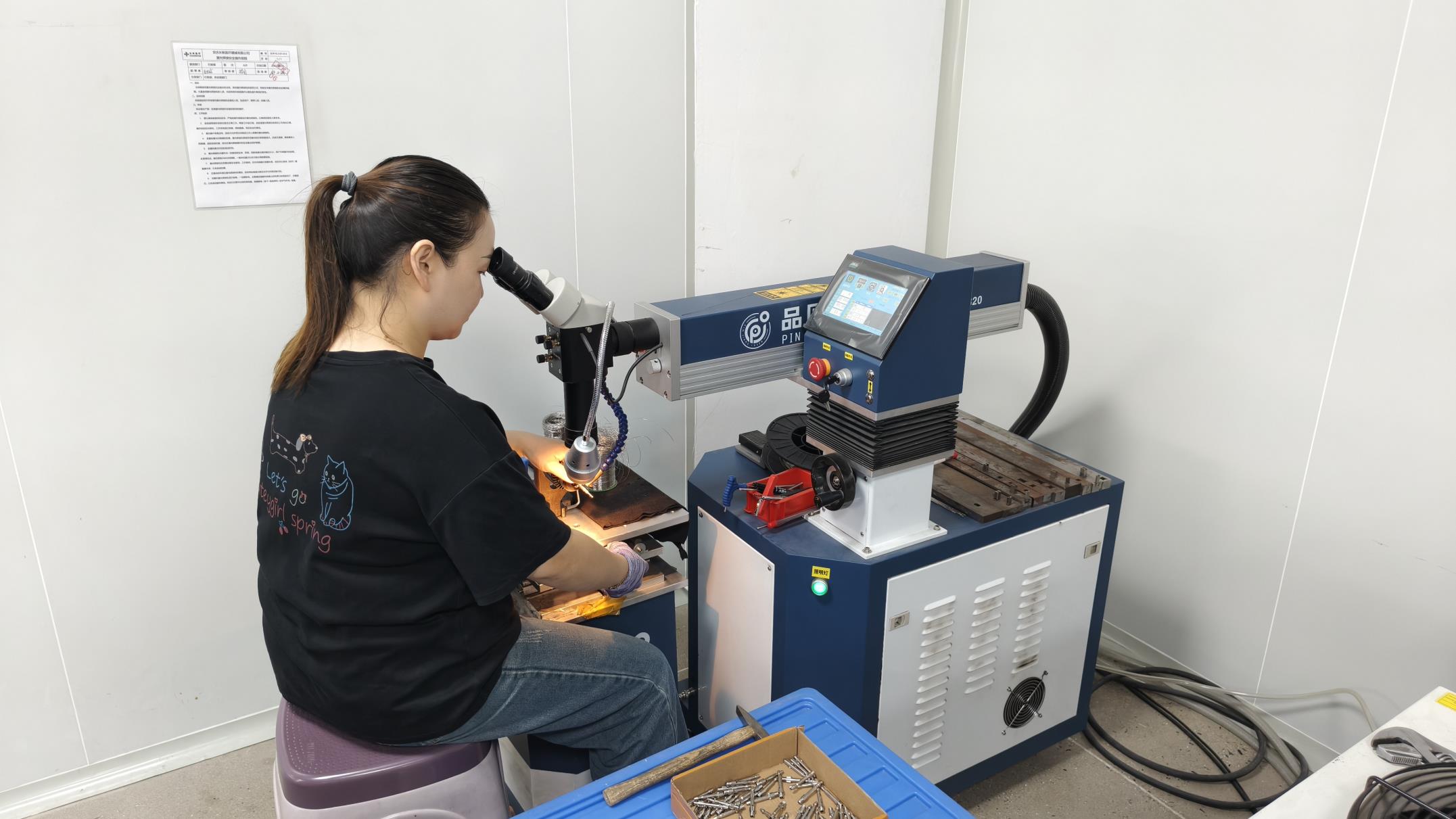
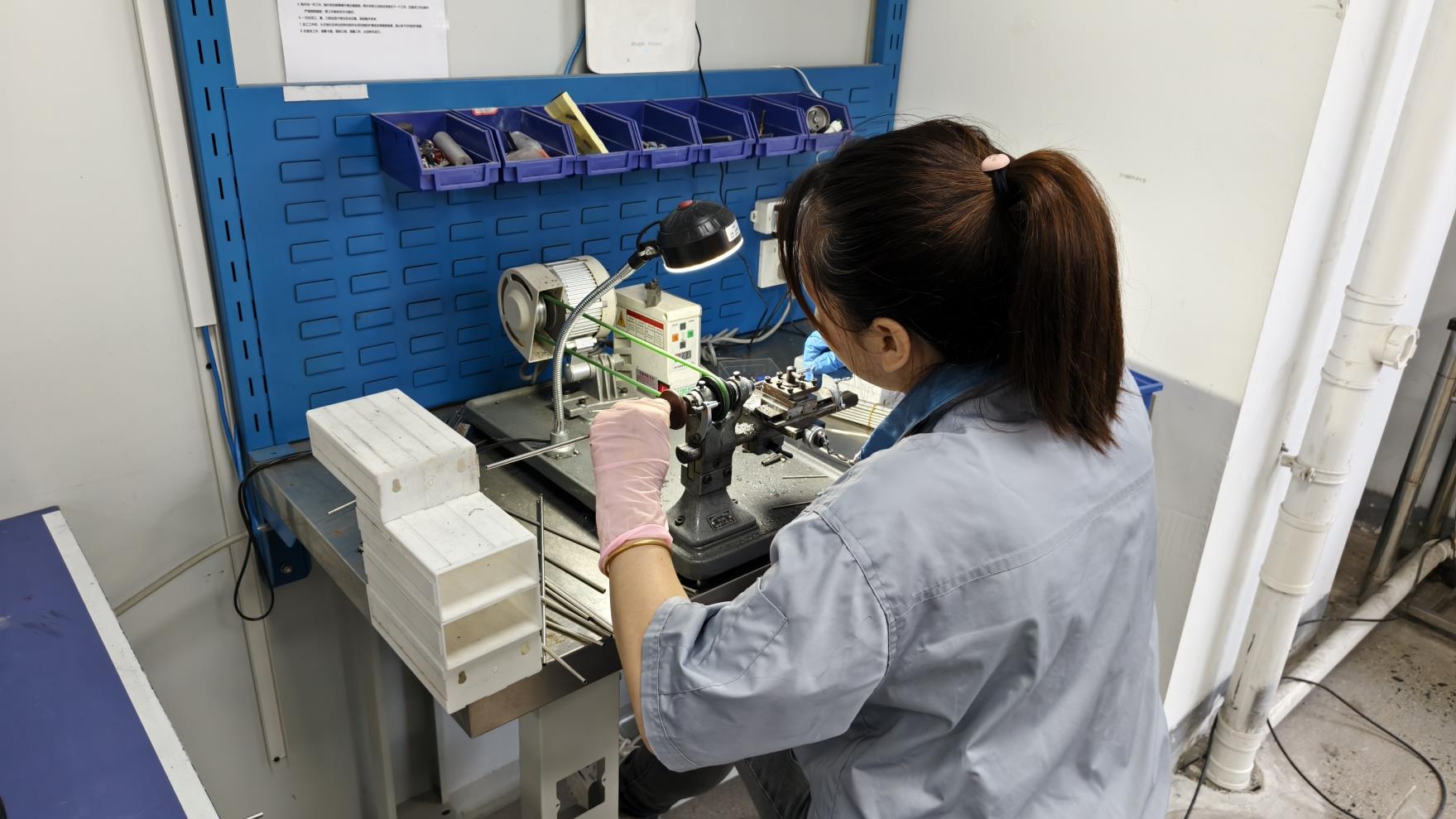
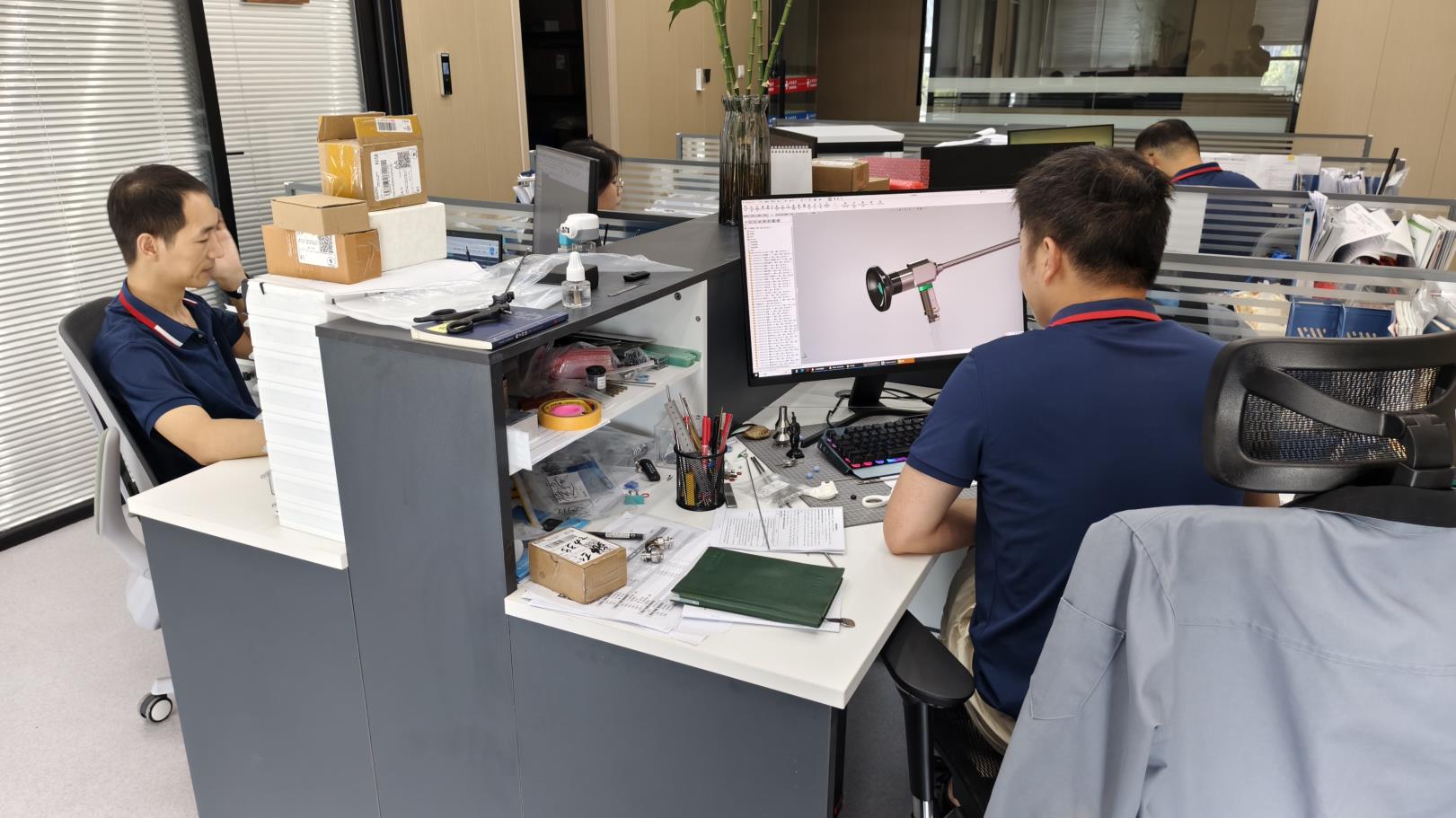
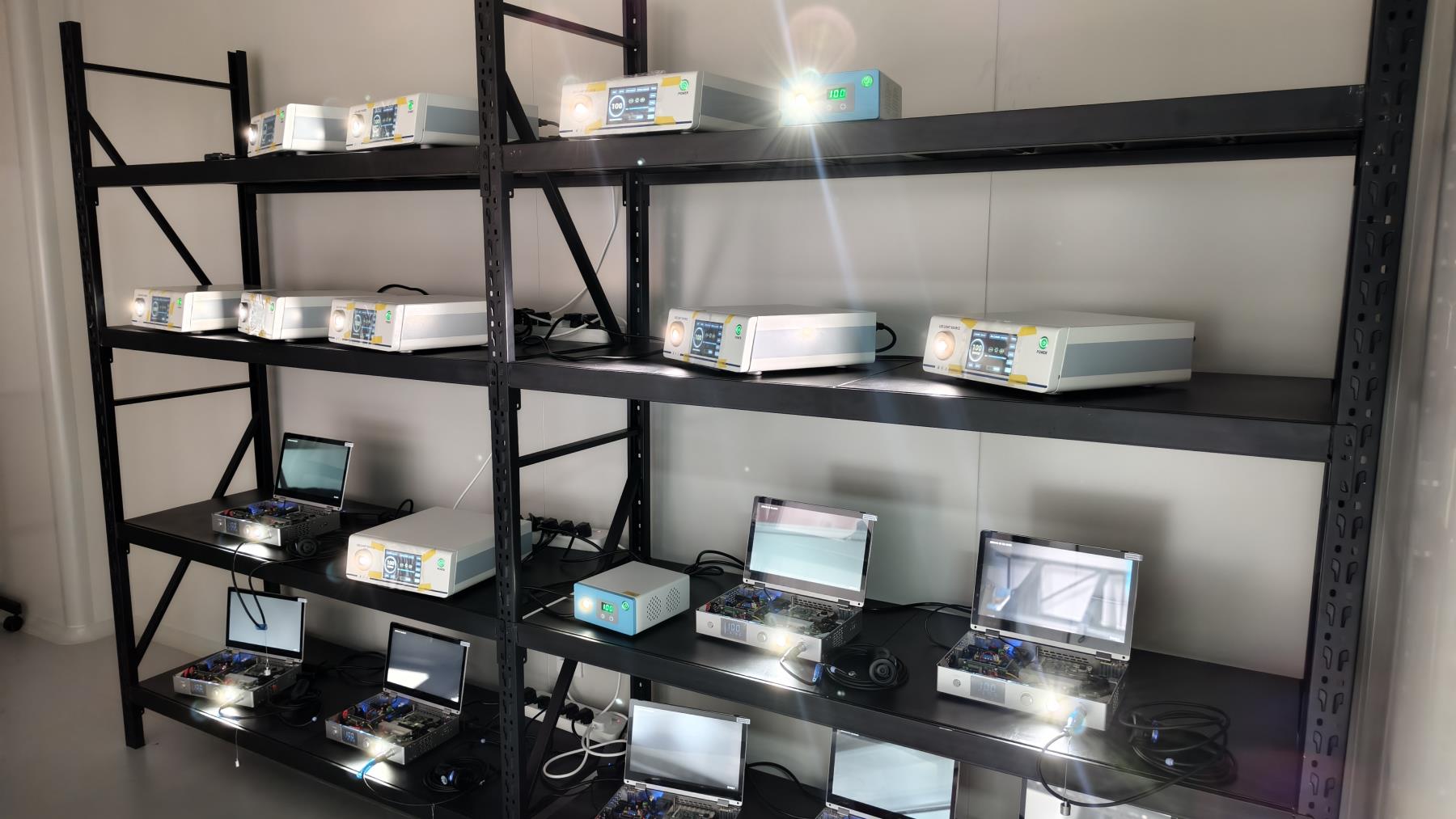
Spanning a state-of-the-art 18,600 m² infrastructure, our facility integrates complete raw material preparation, multi-axis precision machining, micro-abrasive polishing, chemical surface modification, sterile cleaning, and rigorous quality inspection under a single roof. Our research and development core features 85 professional engineers who drive the release of approximately 320 new medical products annually, securing the technical agility required to address evolving custom OEM and ODM demands.
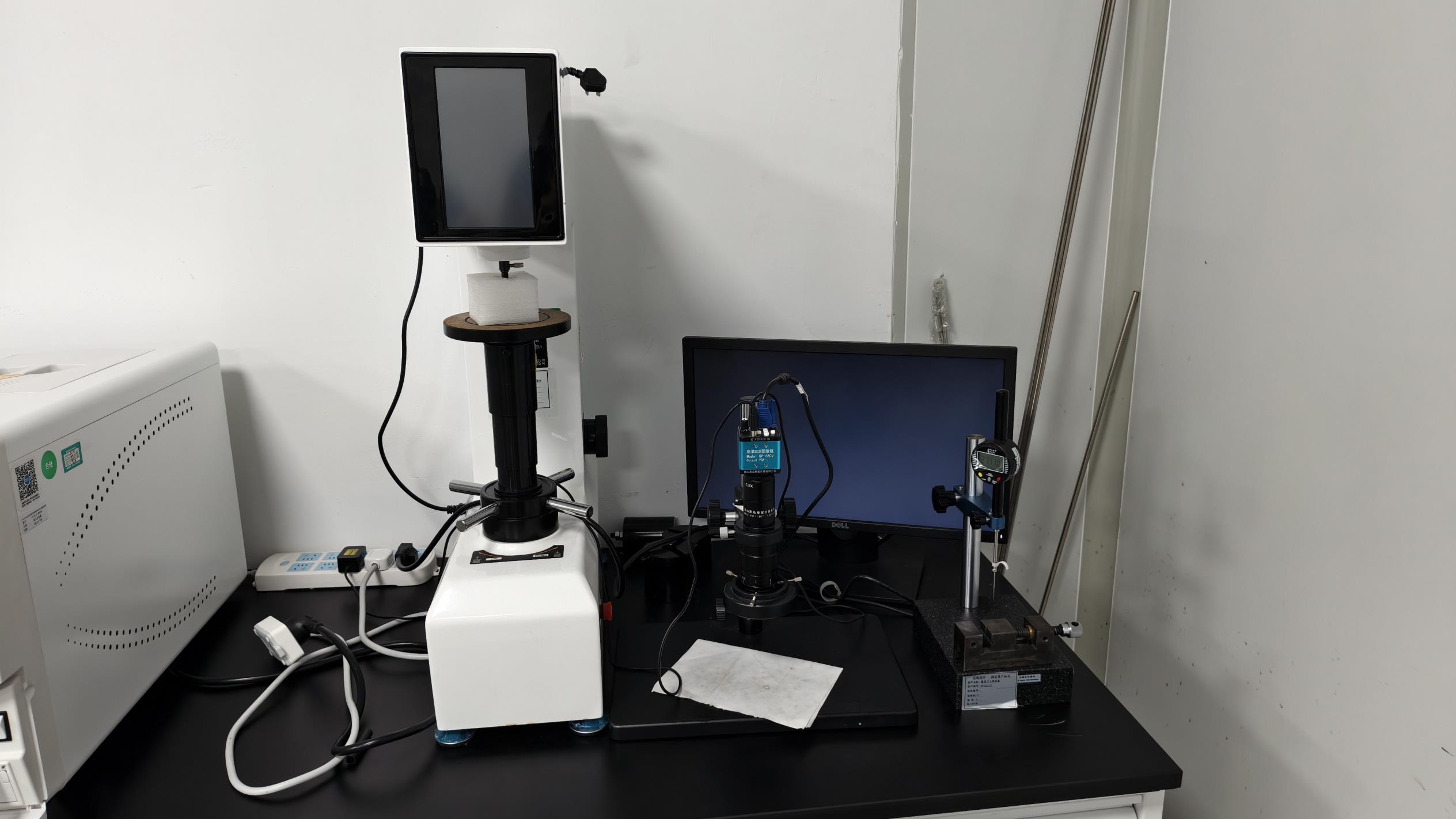
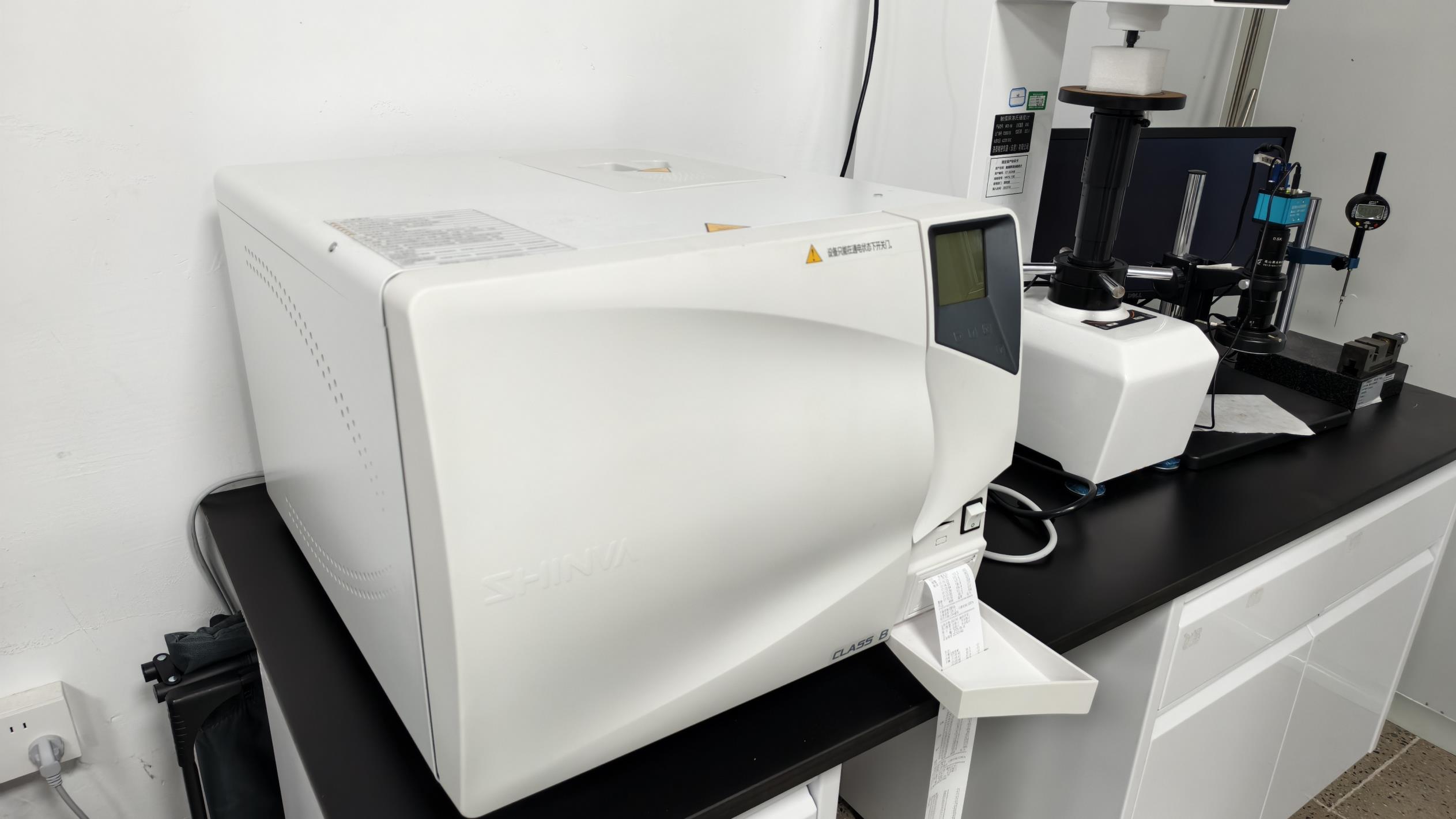
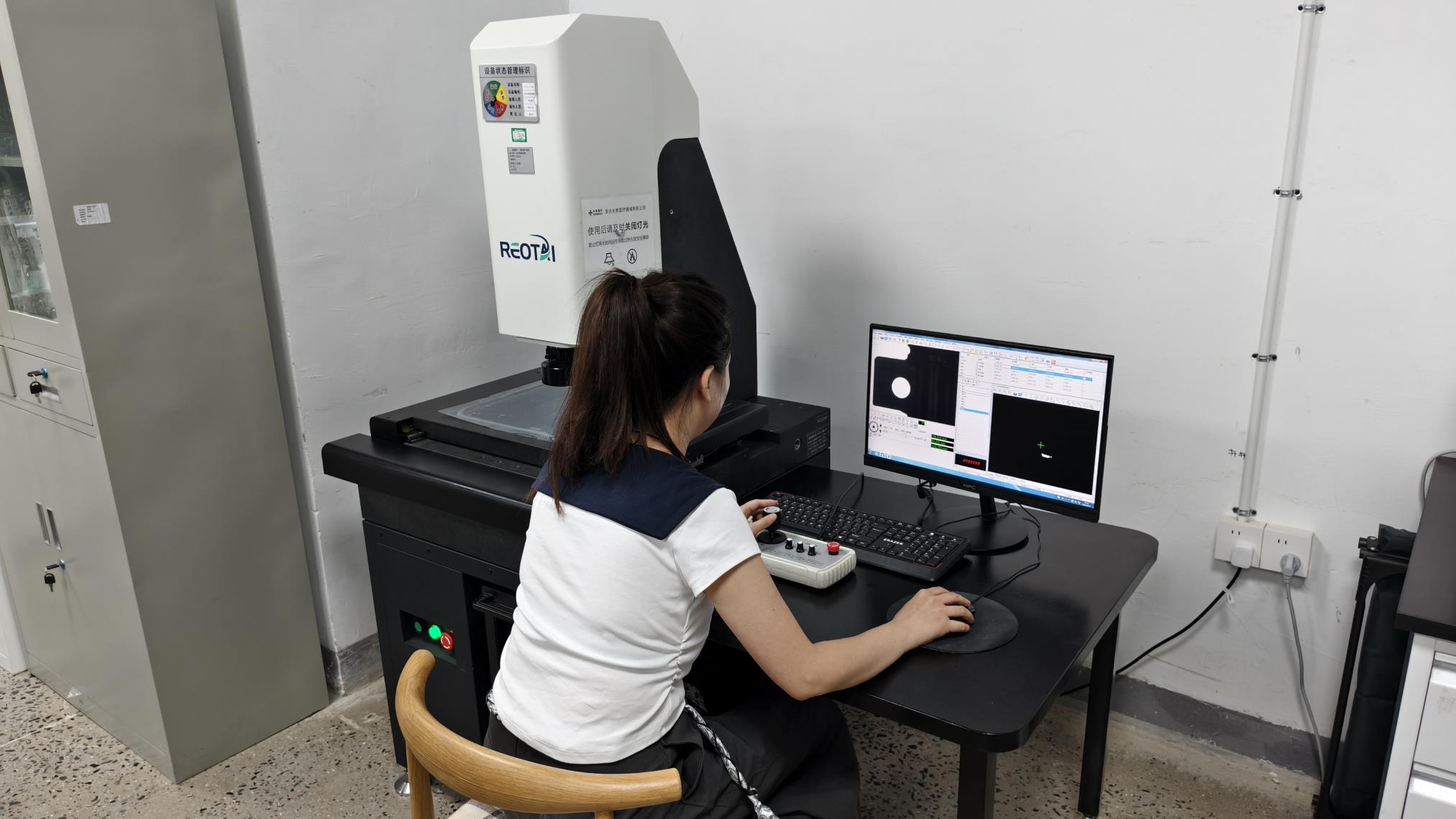
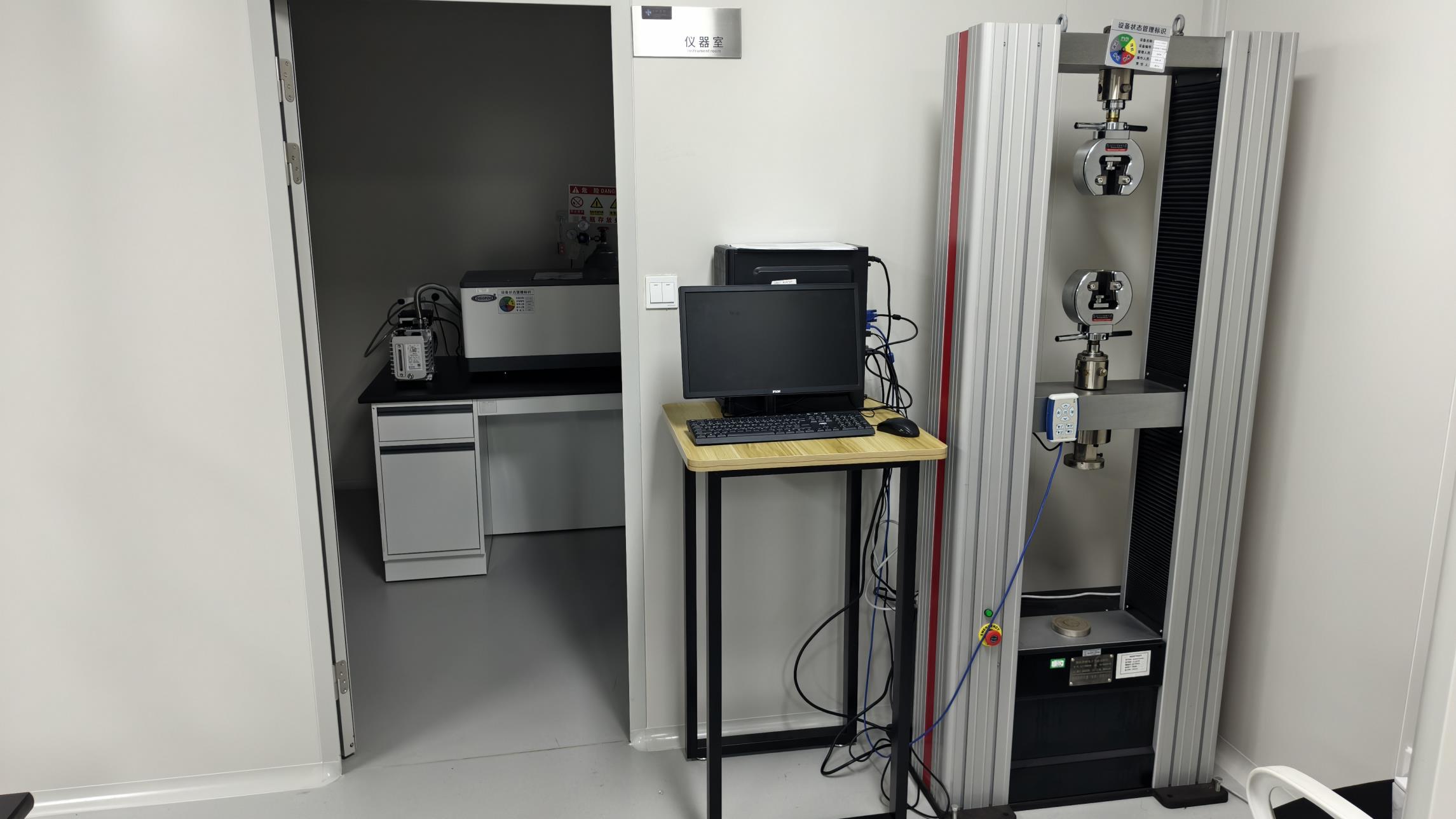
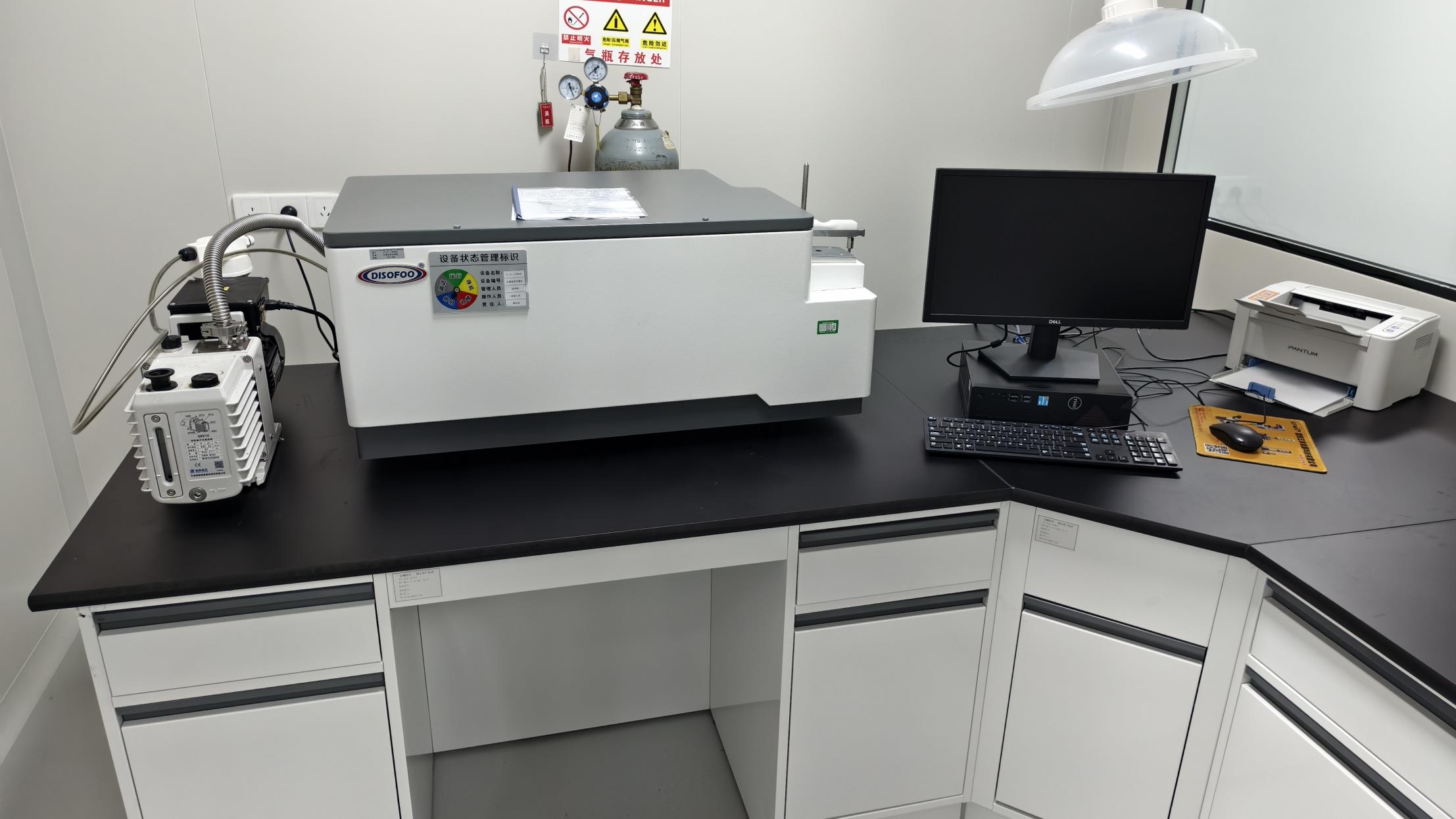
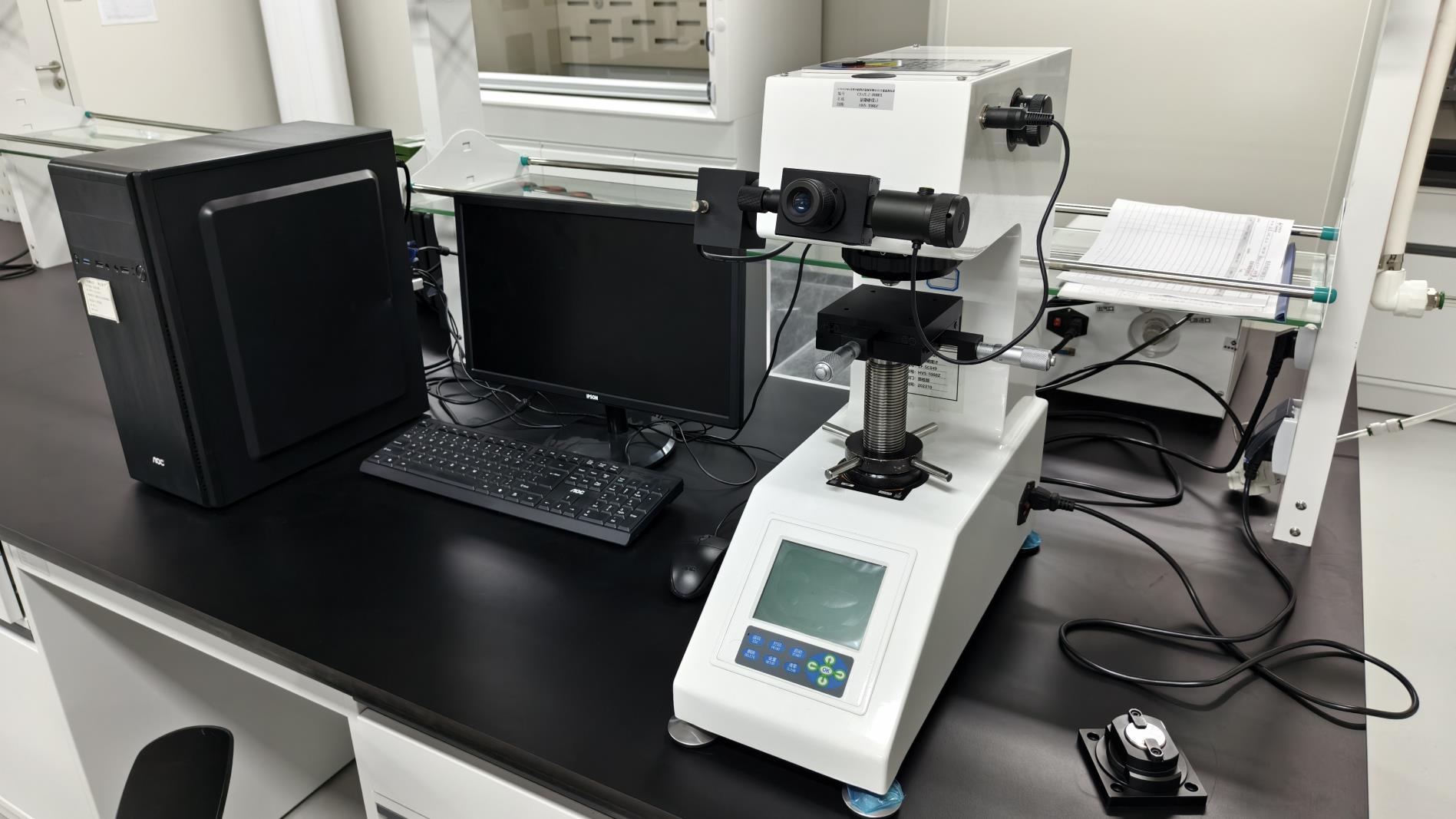
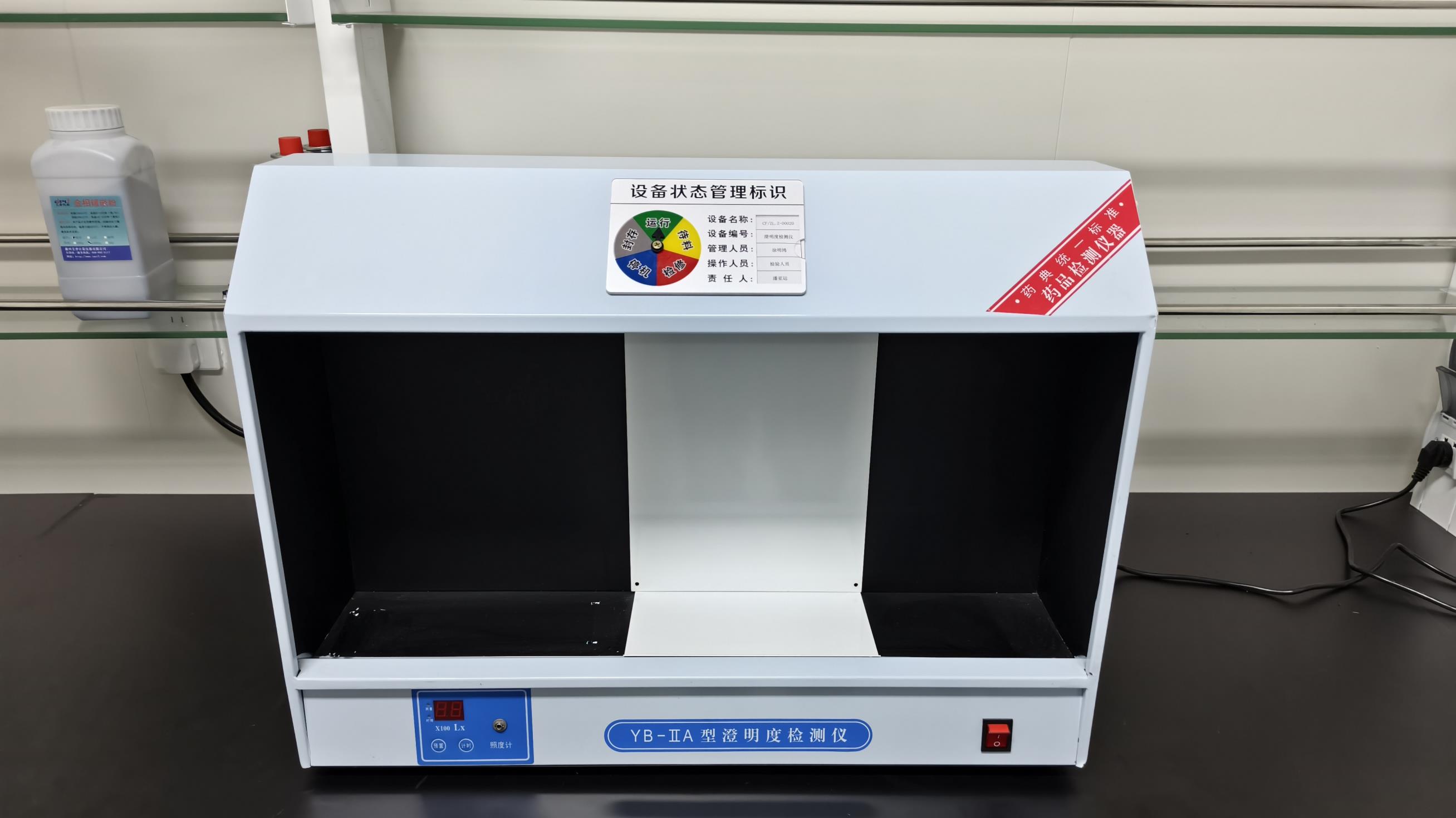
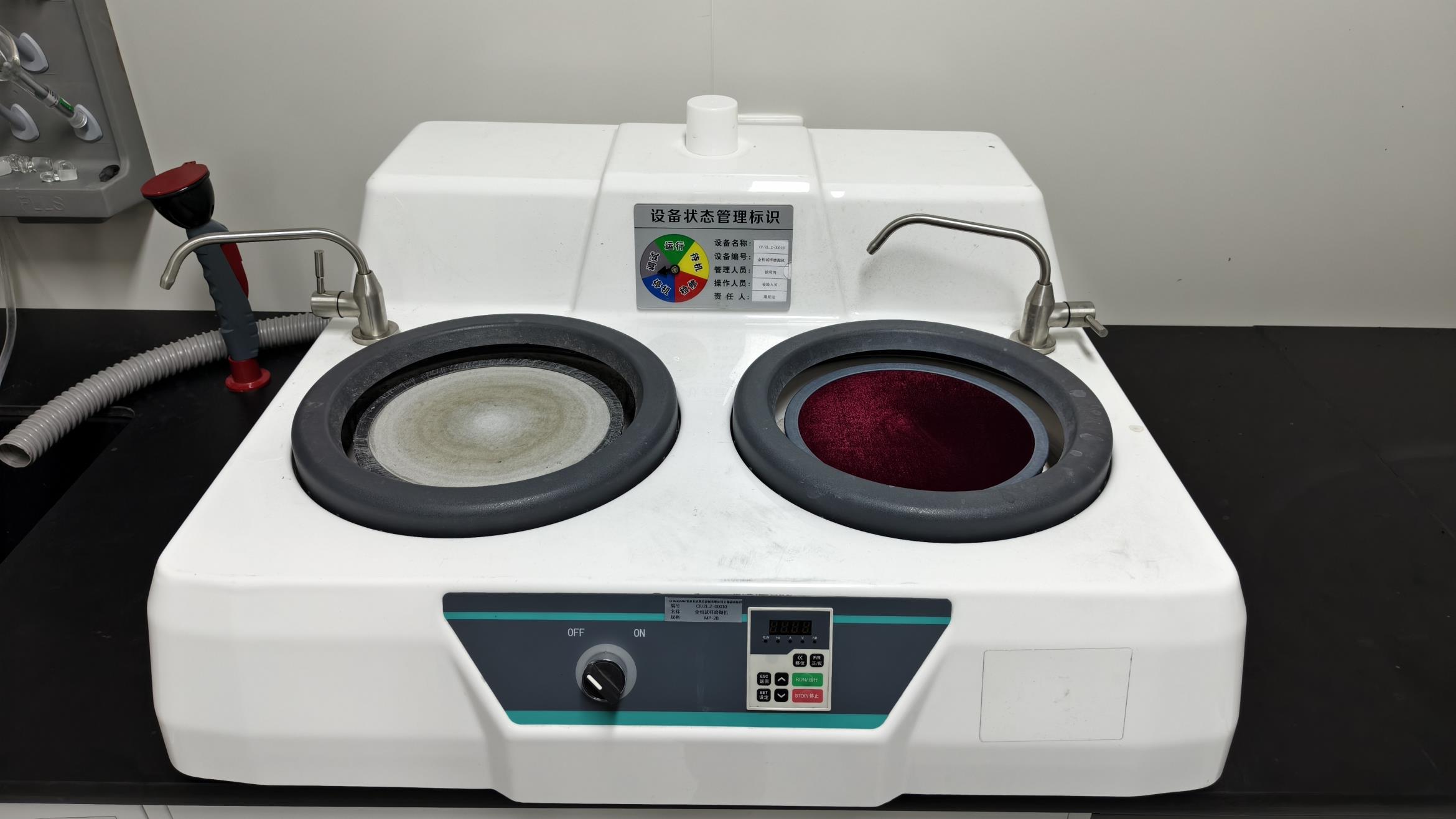
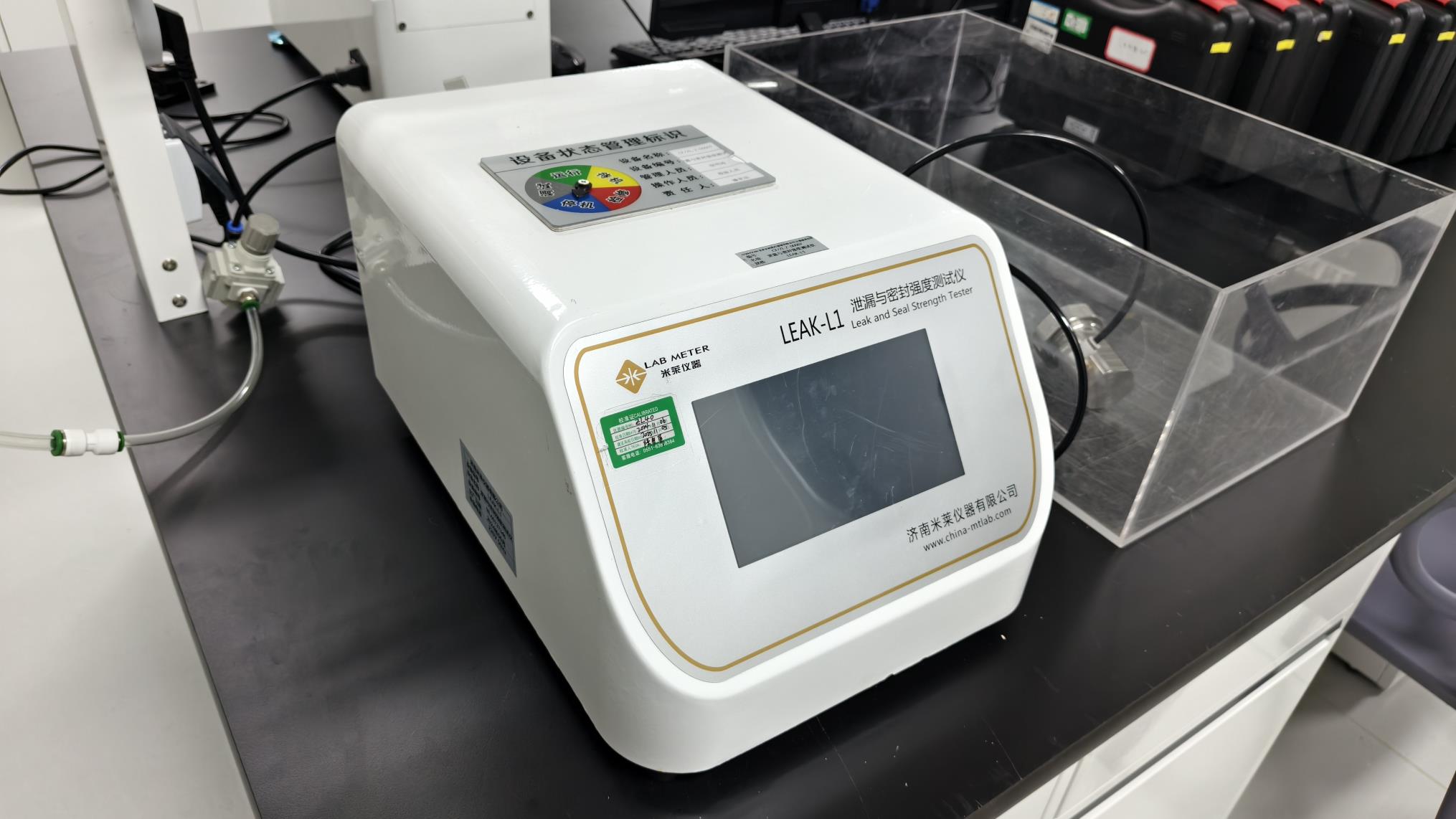
Our Quality Management System is run by 68 quality inspection specialists monitoring compliance with international medical regulations. The inspection framework leverages automatic 2D video measuring devices, metallographic analysis, advanced spectroscopy for elemental validation, hardness testers, sealing strength validators, and structural tensile fatigue machinery to ensure zero-defect distribution across our partner network of over 1,200 entities globally.
Clinical efficacy in reconstructive and trauma osteosynthesis surgeries is highly dependent on mechanical matching. Surgical implants must transfer loading cycles and accommodate structural micro-strains without generating stress shielding or localized corrosion. Our current design portfolio supports a range of macro solutions:
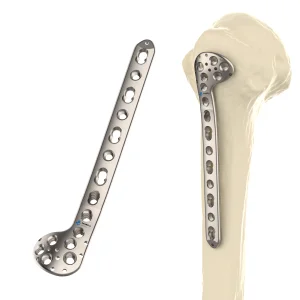
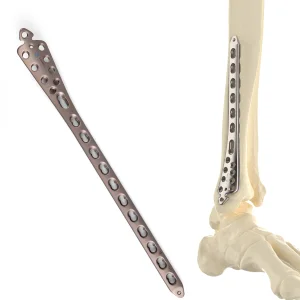
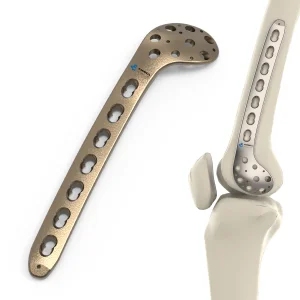
Utilizing high-grade titanium (Ti-6Al-4V ELI) to craft anatomic compression plates (such as Distal Medial Tibial and Femoral configurations). Anatomically pre-contoured profiles reduce intra-operative bending stress and preserve periosteal blood supply.
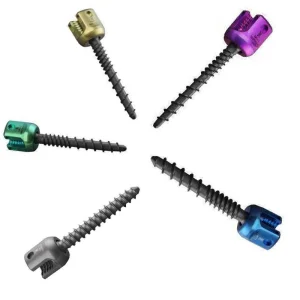
Posterior thoracolumbar pedicle fixation arrays, hollow nail instrumentations, and cervical laminoplasty systems engineered to ensure structural stability during vertebral fusion, using thread-locking patterns that minimize post-operative loosening.
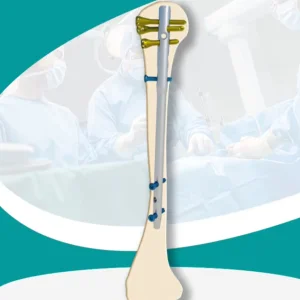
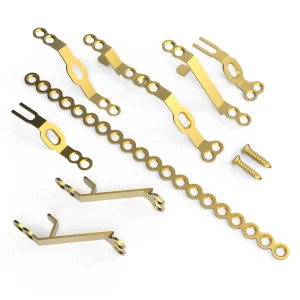
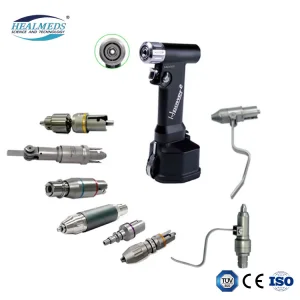
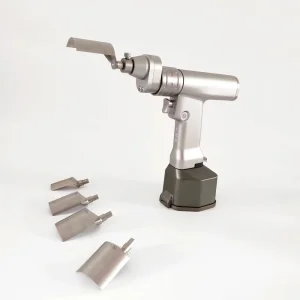
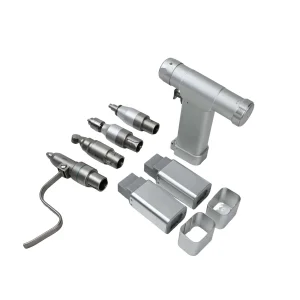
Modular small animal trauma plates, orthopedic oscillating saws, and k-wire systems specifically scaled for domestic and small animal surgeries, ensuring reliable mechanical support under high kinematic stress profiles.
The performance of implantable alloys is determined by their surface chemistry and structural morphology. At Zynfuse, our design framework focuses on two primary areas of innovation:
We source raw titanium alloys in compliance with ASTM F136 and surgical-grade stainless steels under ASTM F138 specifications. These standards guarantee controlled trace elements, preventing local micro-segregations that can accelerate fatigue cracks. By managing the interstitial oxygen content in titanium, we maintain high tensile strength while retaining elongation percentages above 10% to prevent stress fracture propagation.
Our electrochemical surface treatment steps generate a controlled oxide barrier (TiO₂). This thin-film structure improves corrosion resistance and reduces the release of metal ions. Additionally, it creates a surface topography that promotes natural protein adsorption, facilitating early osteoblast attachment and faster bone integration.
Navigating different international regulations is a key consideration for global medical device importers. Zynfuse maintains a quality assurance system certified to ISO 13485 standards, ensuring complete batch traceability from raw bar materials to the sterile clinical packaging step.
Our testing labs perform mechanical stress and fatigue testing under ASTM F382 (for bone plates) and ASTM F543 (for medical bone screws). We verify torsional resistance, bending stiffness, and cycle lifetimes to ensure components withstand long-term physiological loading cycles.
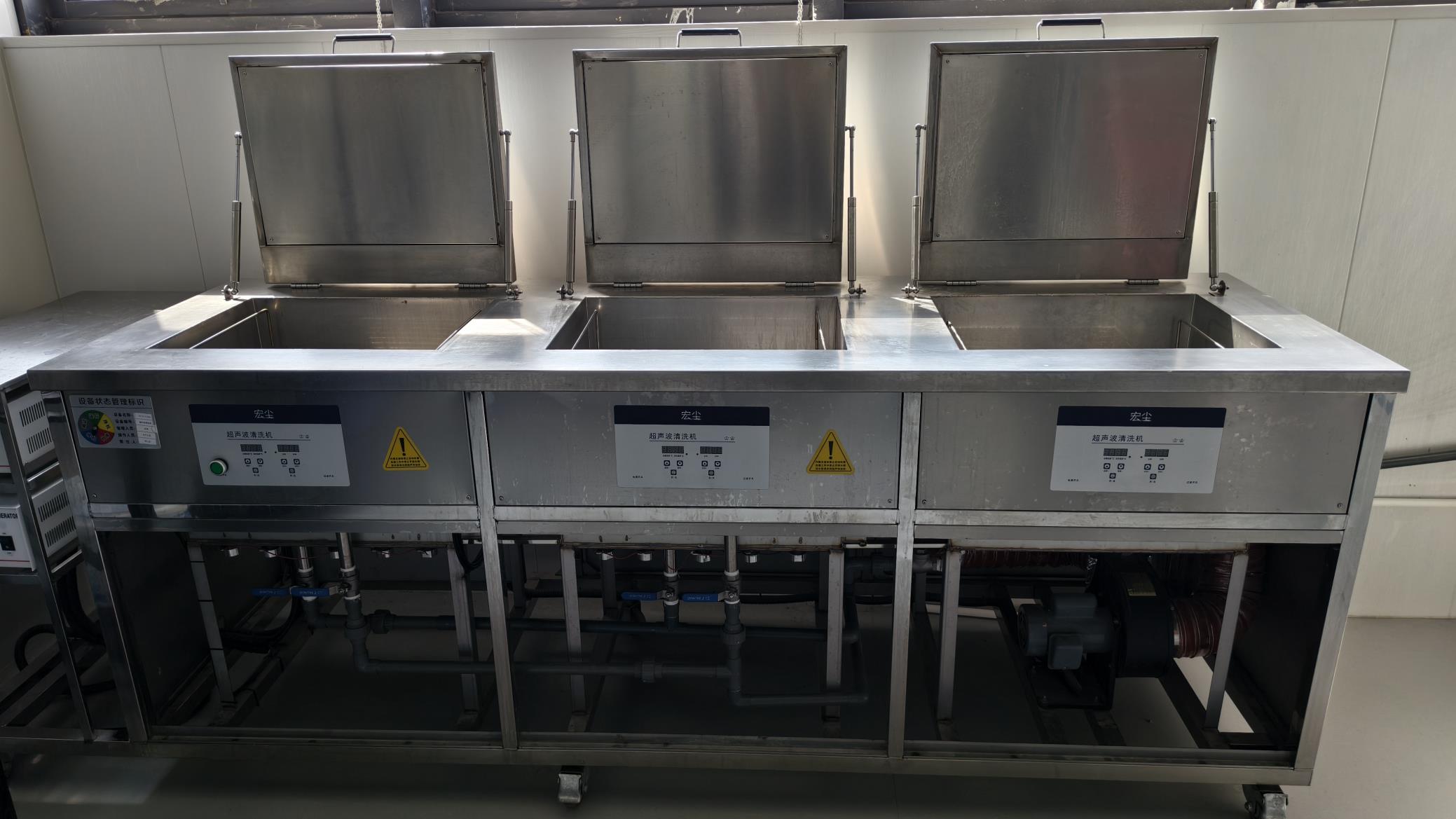
Components undergo ultrasonic cleaning cycles in cleanroom environments to remove residual processing lubricants. Chemical spectrometers and digital microscopes confirm chemical composition and surface cleanliness before cleanroom packaging, preventing adverse biological reactions.
Our products are accompanied by comprehensive regulatory dossiers, material analysis certificates (MTRs), sterilization validation reports, and Certificate of Origin documents to simplify customs clearance and domestic registration processes.
A reliable supplier must provide more than raw manufacturing capacity. Zynfuse provides integrated end-to-end support for our global distributor network through the following core services:
Direct technical answers addressing the key engineering, procurement, and regulatory questions raised by B2B buyers.
We utilize titanium alloy Ti-6Al-4V ELI (Extra Low Interstitials) complying with ASTM F136 specifications for structural bone implants like locking plates and intramedullary nails. For products requiring lower stiffness and higher ductility, we use commercially pure titanium (Grade 2/4) to support custom contouring requirements.
Our washing and primary packaging stages take place within ISO Class 7 (Class 10,000) cleanroom zones. Components undergo multi-phase ultrasonic cleaning in high-purity deionized water, followed by sterilization validations (bioburden, endotoxin, and sterility testing) to meet CE requirements for implant safety.
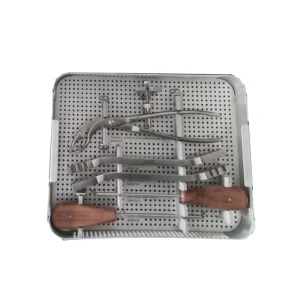
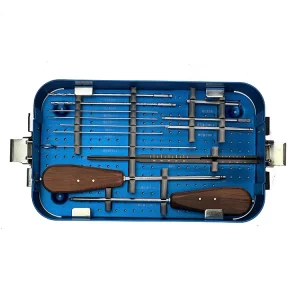
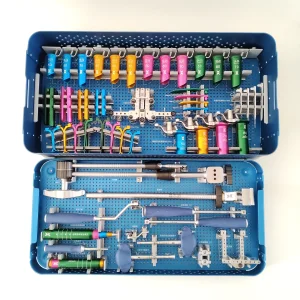
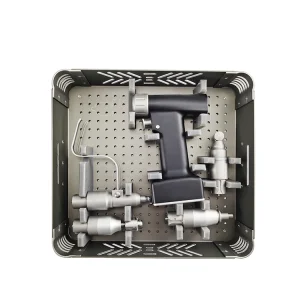
We offer customized sterile blister packaging (Tyvek barrier lids) with customizable label placements. We also design customized surgical instrument sterilization cassettes and trays, organized to follow the specific order of surgical procedures.
Every export shipment is supplied with Mill Test Reports (MTRs) for raw material tracking, mechanical testing certificates, certificates of compliance (CoC), and detailed packaging lists. We also assist partners by providing regulatory dossiers to support local registration processes.
Browse our complete list of orthopedic instruments, spinal fixation assemblies, and specialized veterinary products.