China Wholesale Orthopedic Instrument Trays Factories & Exporters

High-Precision Medical Sterilization Systems, Customized Cassettes, and Implant Delivery Solutions Built for Global Healthcare Infrastructure.

The Strategic Anatomy of Orthopedic Instrument Trays in Modern Surgery

In the highly demanding ecosystem of the operating room (OR), efficiency and sterility are non-negotiable. Orthopedic instrument trays, surgical cassettes, and sterilization containers serve as the structural backbone for complex procedures, including joint arthroplasty, spinal fixation, and trauma reconstruction. A failure in tray design, material integrity, or sterilization processing can lead to micro-motion damage of delicate tools, processing bottlenecks, or, in worst-case scenarios, surgical site infections (SSIs).

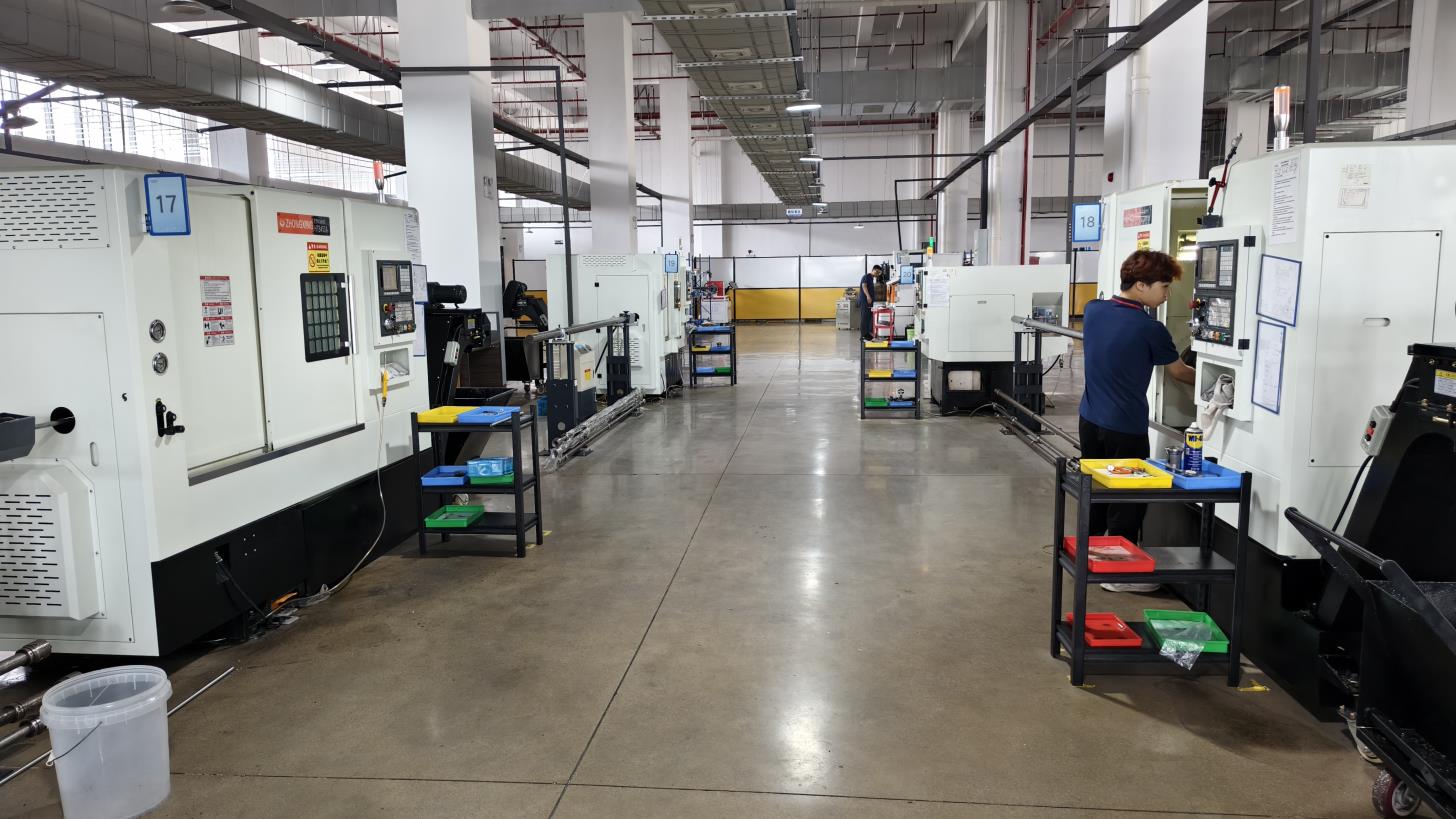
As a leading OEM/ODM manufacturer in China, Zynfuse Medical Technology Co., Ltd. (founded in 2016) draws upon 12 years of industry experience and 7 years of global export expertise. Operating from an 18,600 m² advanced manufacturing facility, we provide medical distributors, hospital procurement managers, and surgical centers worldwide with high-performance, regulatory-compliant orthopedic trays designed to withstand thousands of sterilization cycles.

18,600m²
Modern Factory Space
85
R&D Engineers
68
QA Specialists
320+
New Products Annually

Macro Industry Solutions: Streamlining Hospital Supply Chains

The global transition toward Ambulatory Surgery Centers (ASCs) and high-throughput hospital operating systems has triggered a paradigm shift in how surgical instrumentation is packaged, sterilized, and transported. Standard wrap-based sterilization is increasingly replaced by rigid, reusable sterilization container systems and custom-fitted instrument cassettes.

Key Global Challenges Addressed by High-Performance Tray Systems:

  • Reducing Instrument Damage: Orthopedic power tools, reciprocating blades, and delicate trial implants are highly susceptible to micro-friction. Customized silicone brackets keep each component secure during steam autoclave and ultrasonic washing.
  • Optimizing OR Turnover Times: Standardized layouts with high-visibility labeling and laser-etched silhouettes enable surgical techs to perform pre- and post-operative counts in seconds, significantly reducing anesthesia overhead and operational delays.
  • Weight Optimization and Ergonomics: International regulatory bodies restrict the maximum weight of sterile packs to minimize user fatigue. Our custom-engineered light-alloy aluminum and medical-grade PPSU (Polyphenylsulfone) tray assemblies reduce cumulative pack weight by up to 30% compared to traditional heavy stainless steel options.

Material Science: Selecting the Ideal Material for Your Autoclave Environment

Different clinical setups require specific tray properties. Standardizing your inventory requires a deep understanding of medical-grade alloys and polymers.

Material Option Key Properties Sterilization Compatibility Best Used For
PPSU (Polyphenylsulfone) Lightweight, Impact-resistant, transparent options, high chemical resistance. Steam Autoclave, VHP (Vaporized Hydrogen Peroxide), Ethylene Oxide (EtO). Micro-instrument kits, spine trials, screw organizer boxes.
Anodized Aluminum (5000/6000 Series) Excellent thermal conductivity, fast drying times, corrosion resistance via hard-anodization. Steam Autoclave, EtO. (Note: pH-neutral detergents required). Large orthopedic trauma sets, joint reconstruction trial kits.
Medical Stainless Steel (304 / 316L) Maximum mechanical durability, chemically inert to acid/alkali cleaners. All processes (Steam, VHP, Dry Heat, EtO). Heavy orthopedic retractors, hammers, and high-impact osteotomes.

State-of-the-Art Manufacturing & Quality Inspection

From computerized design and ultra-precise machining to validation under rigid mechanical and biocompatibility testing.
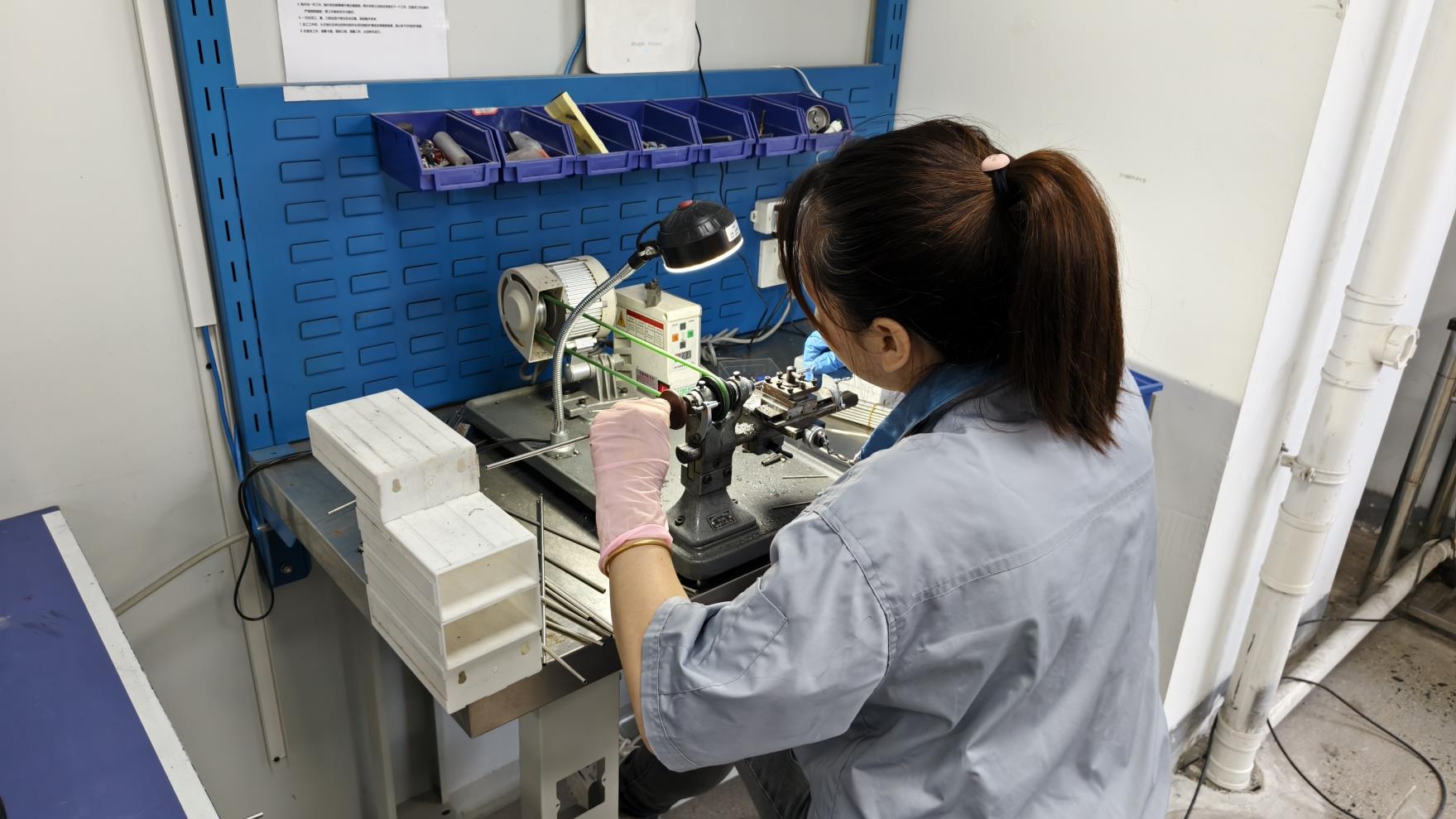
Cutting Process
Cutting
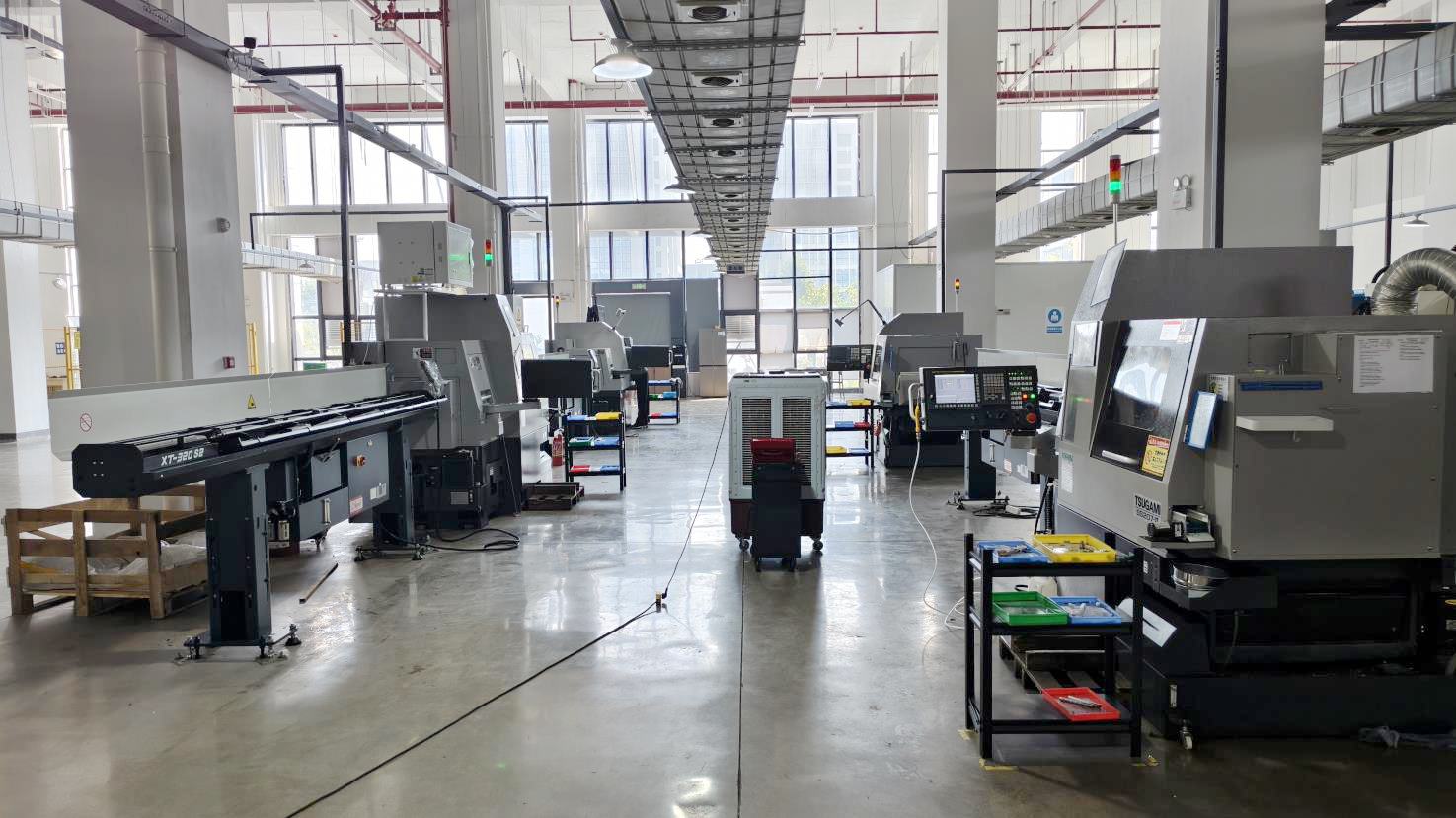
Machining Process
Machining
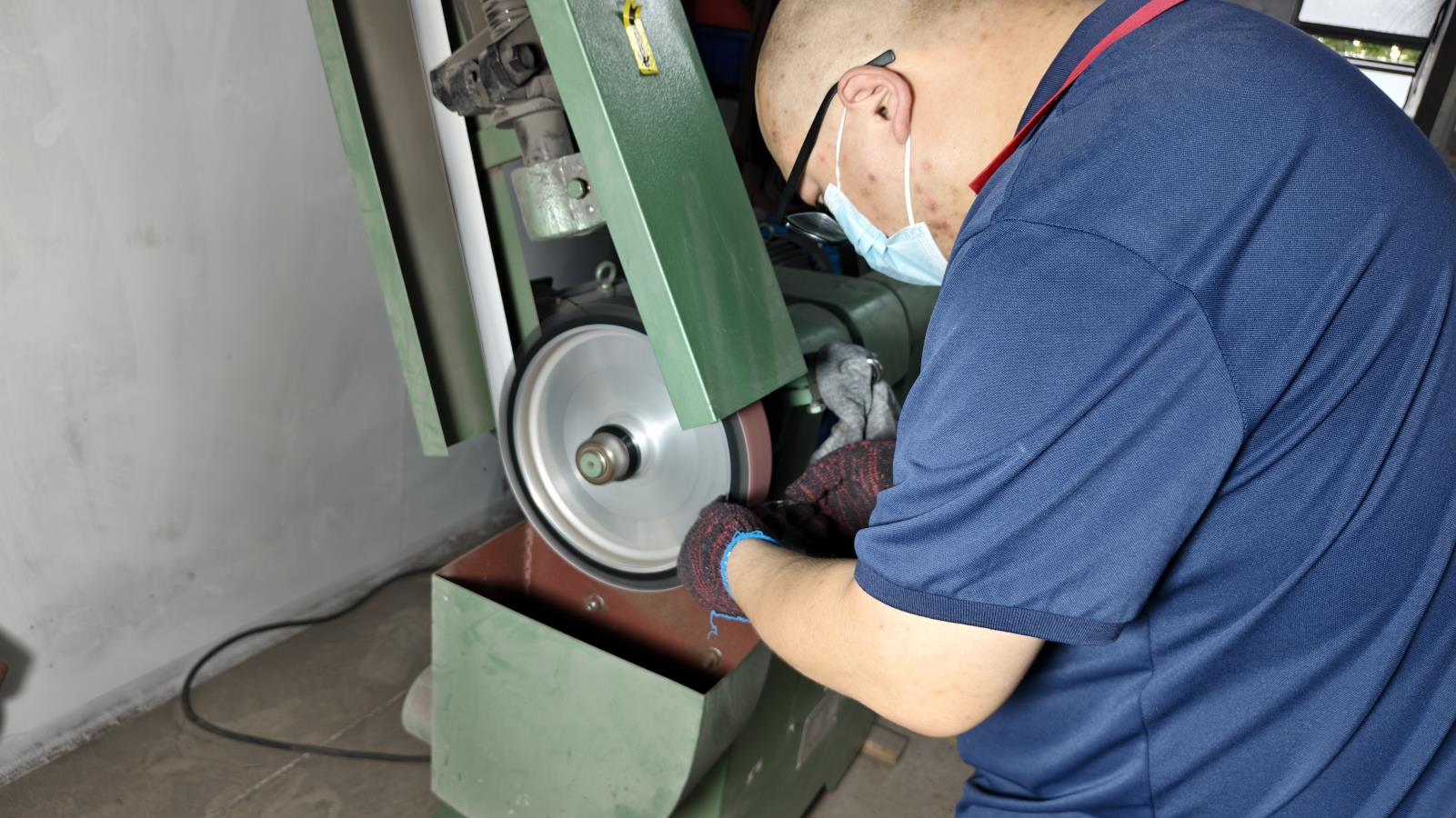
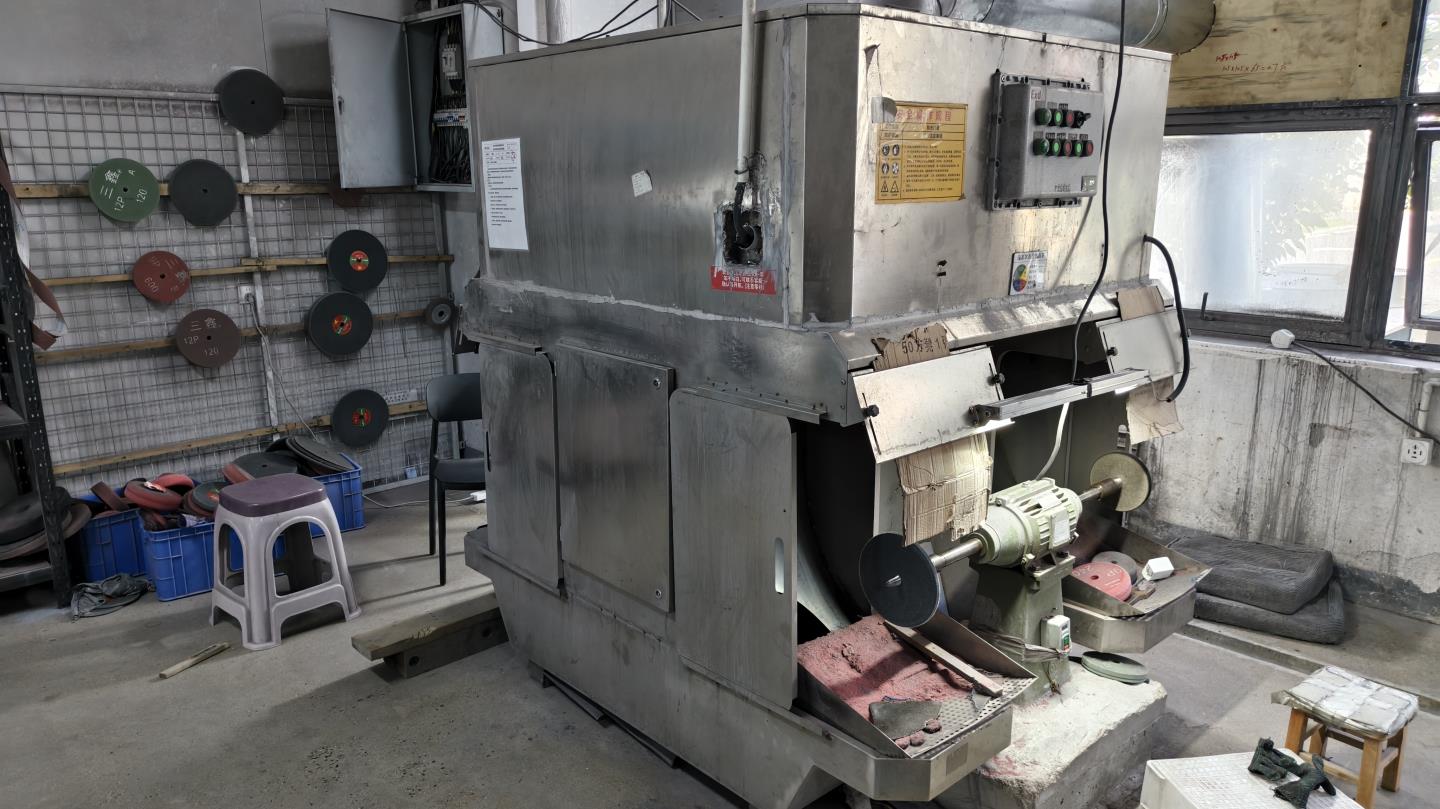
Polishing Process
Polishing
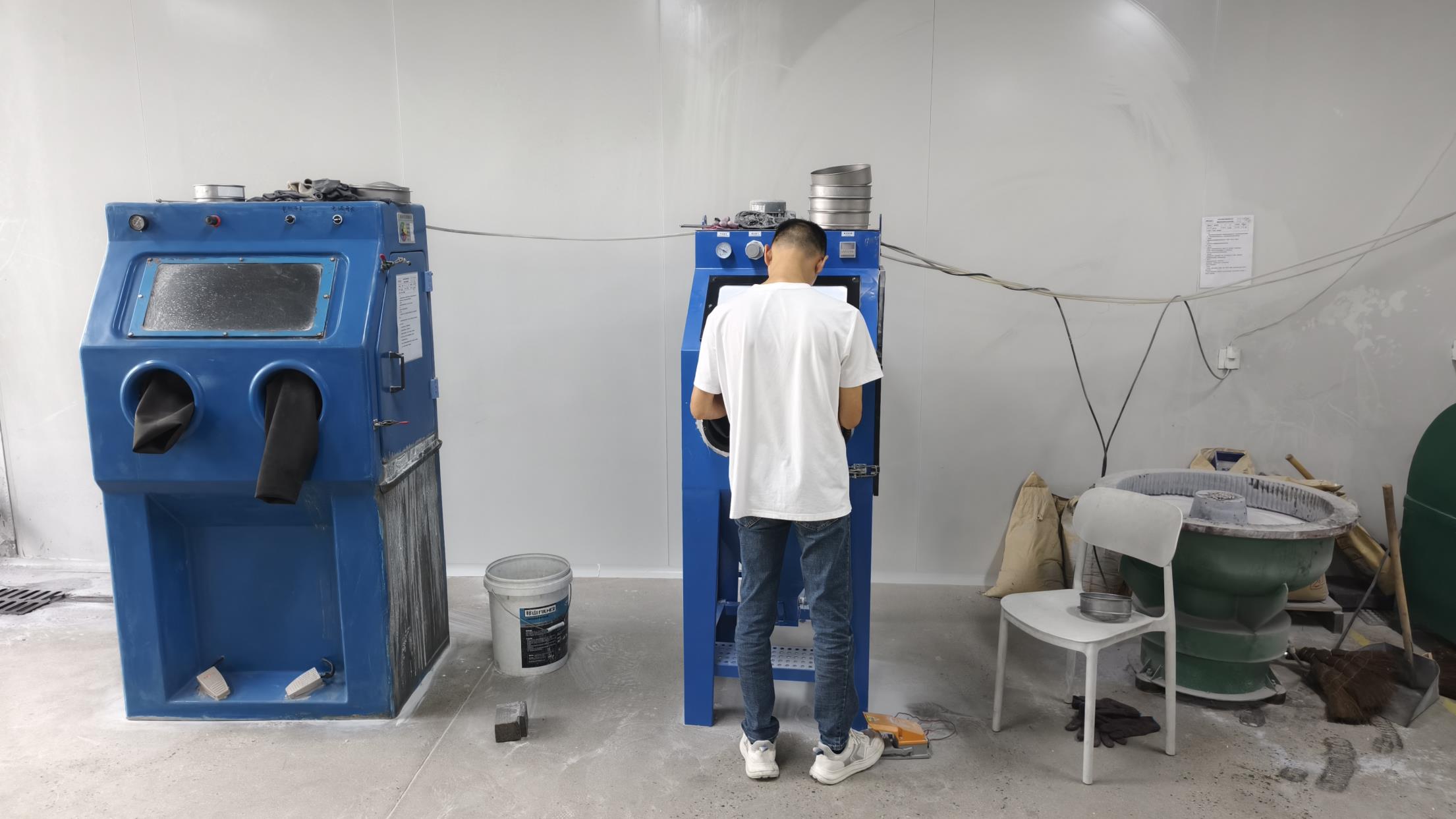
Surface Treatment Process
Surface Treatment
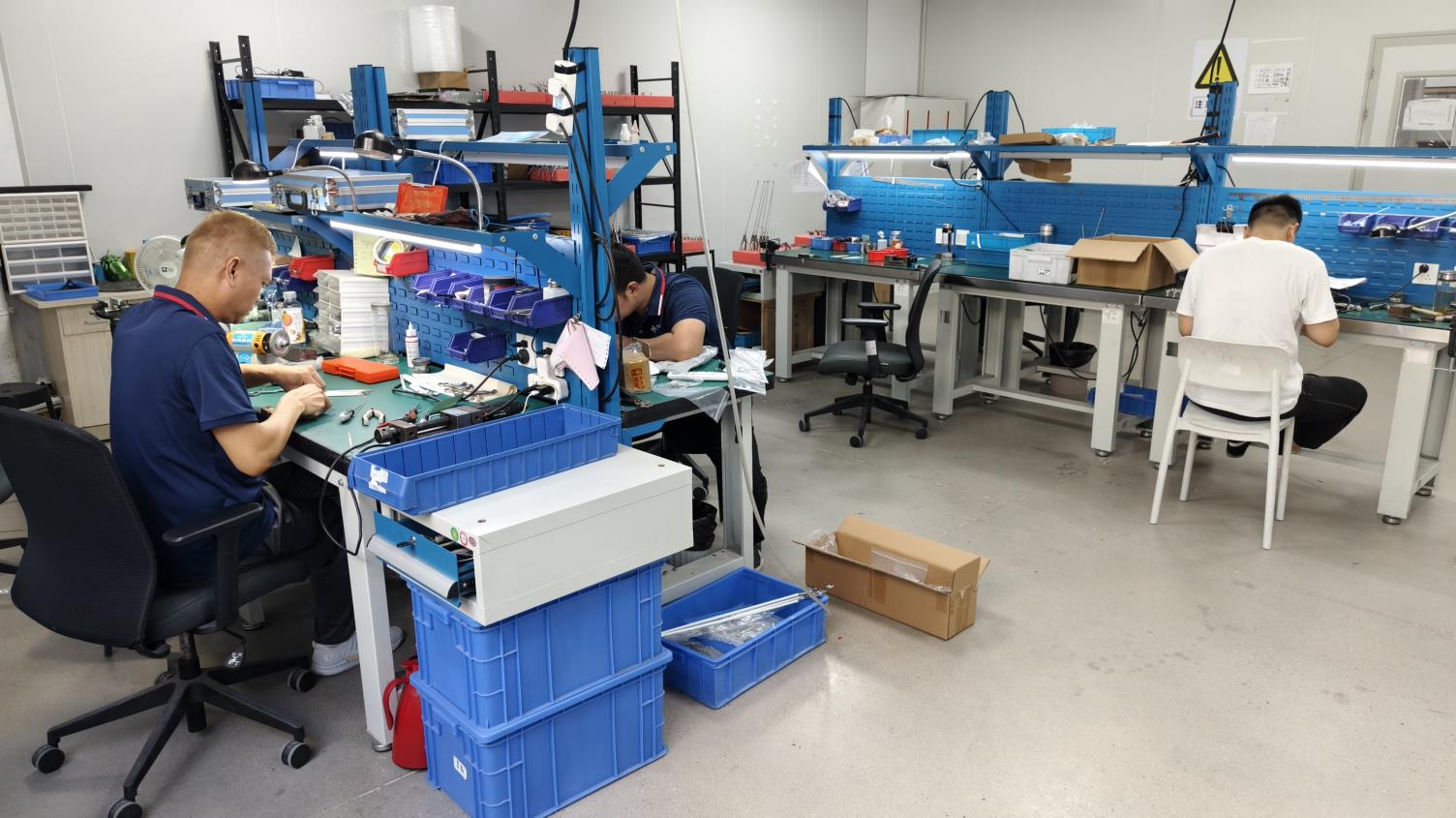
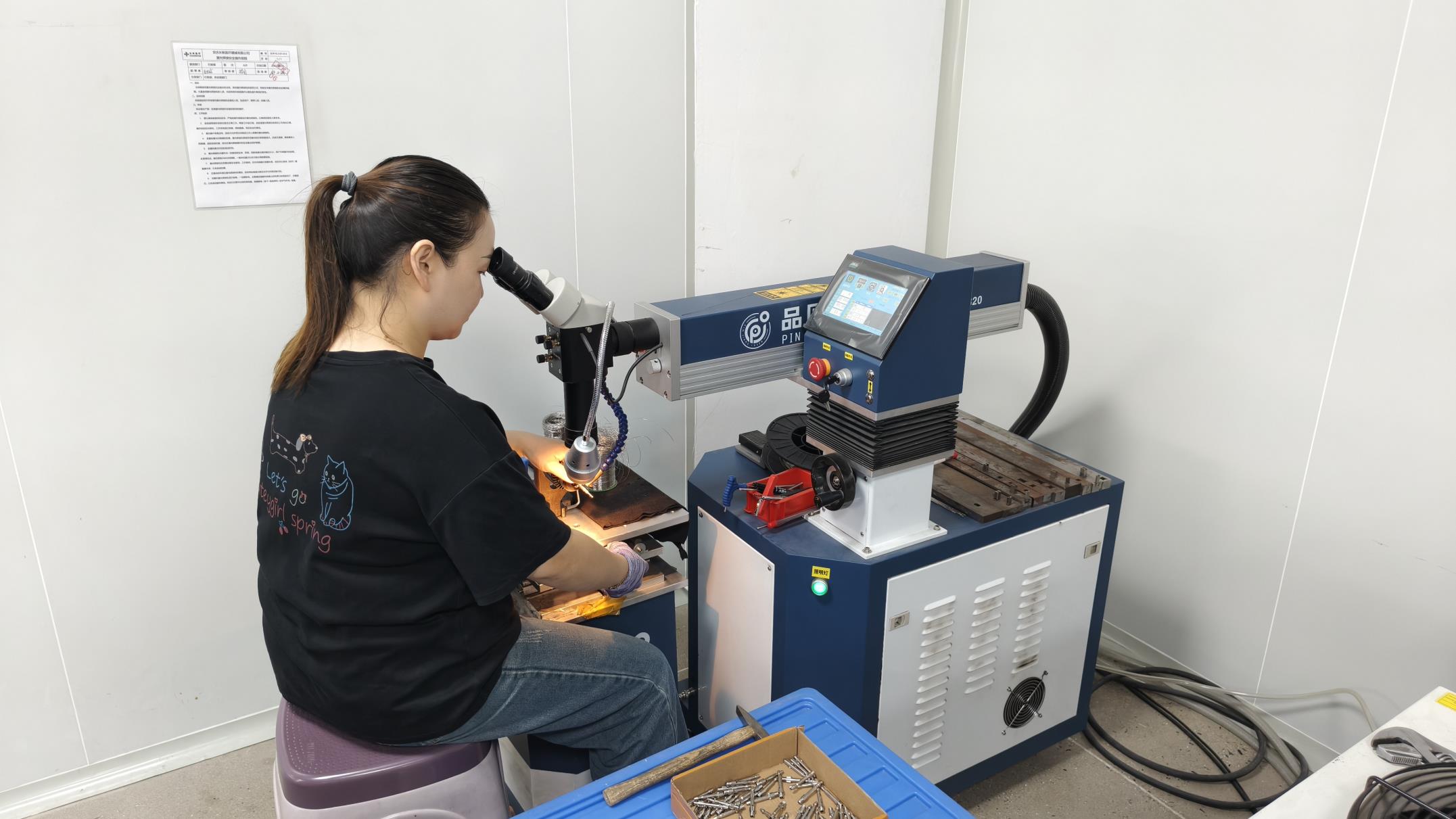
Assembling Process
Assembling
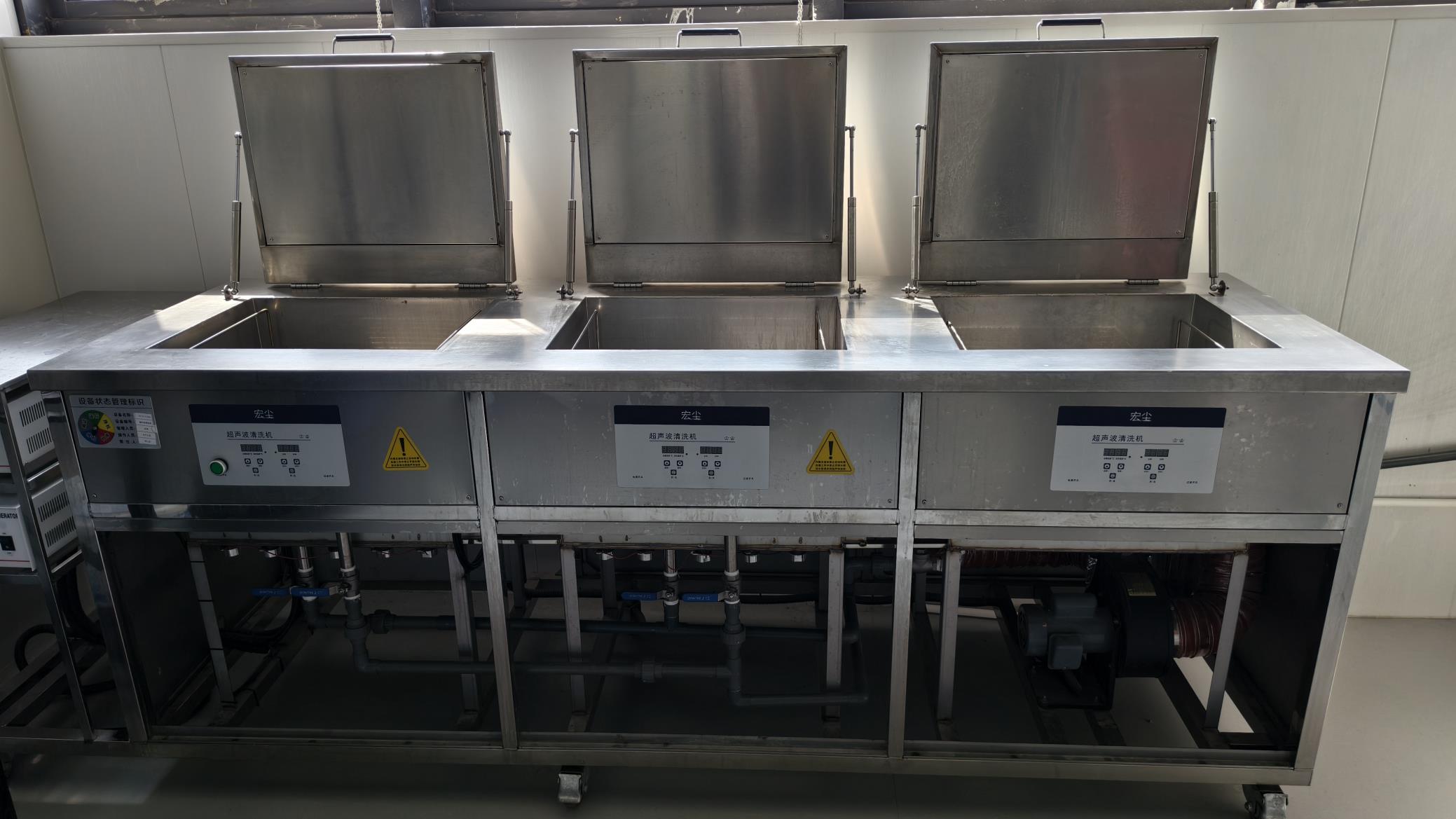
Cleaning Process
Cleaning
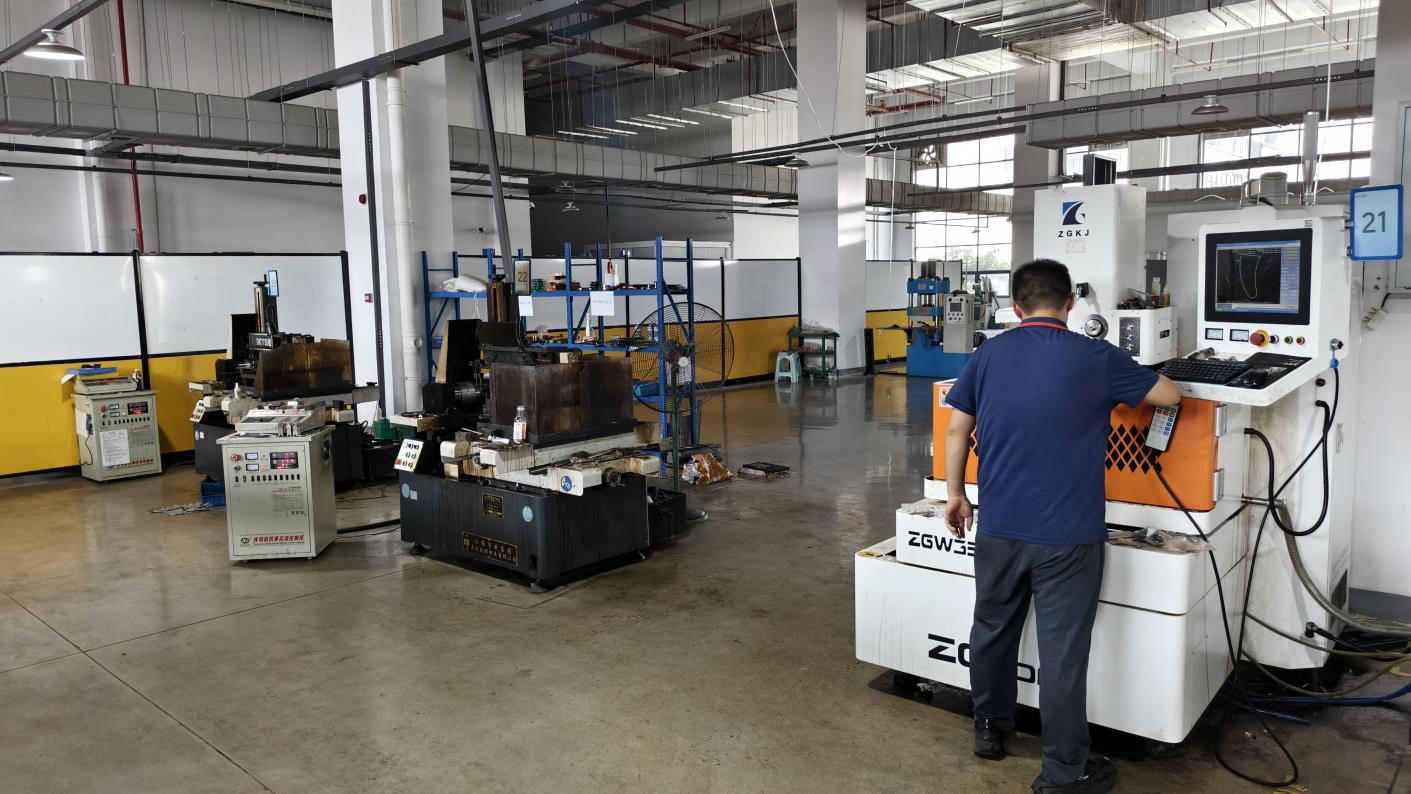
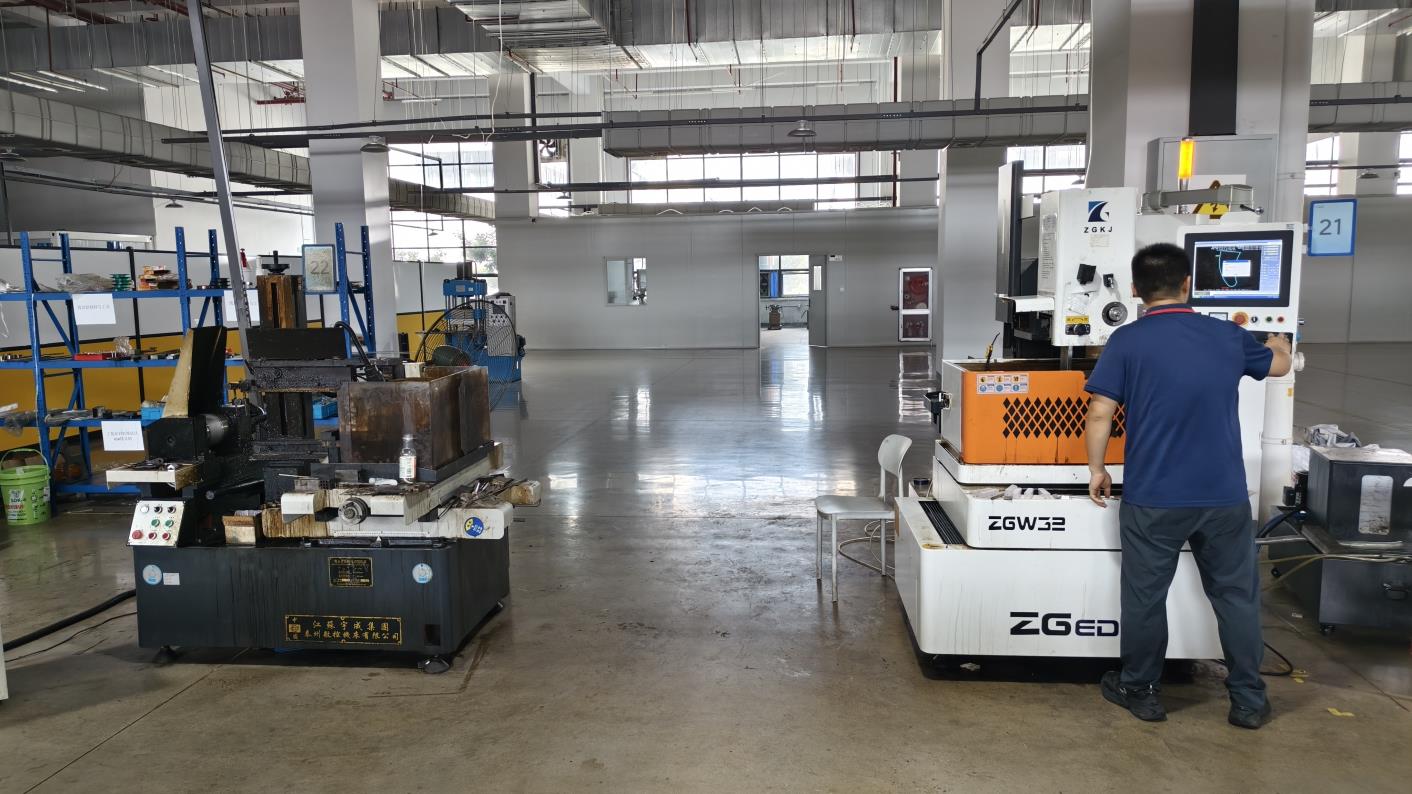
Wire Cutting Machine
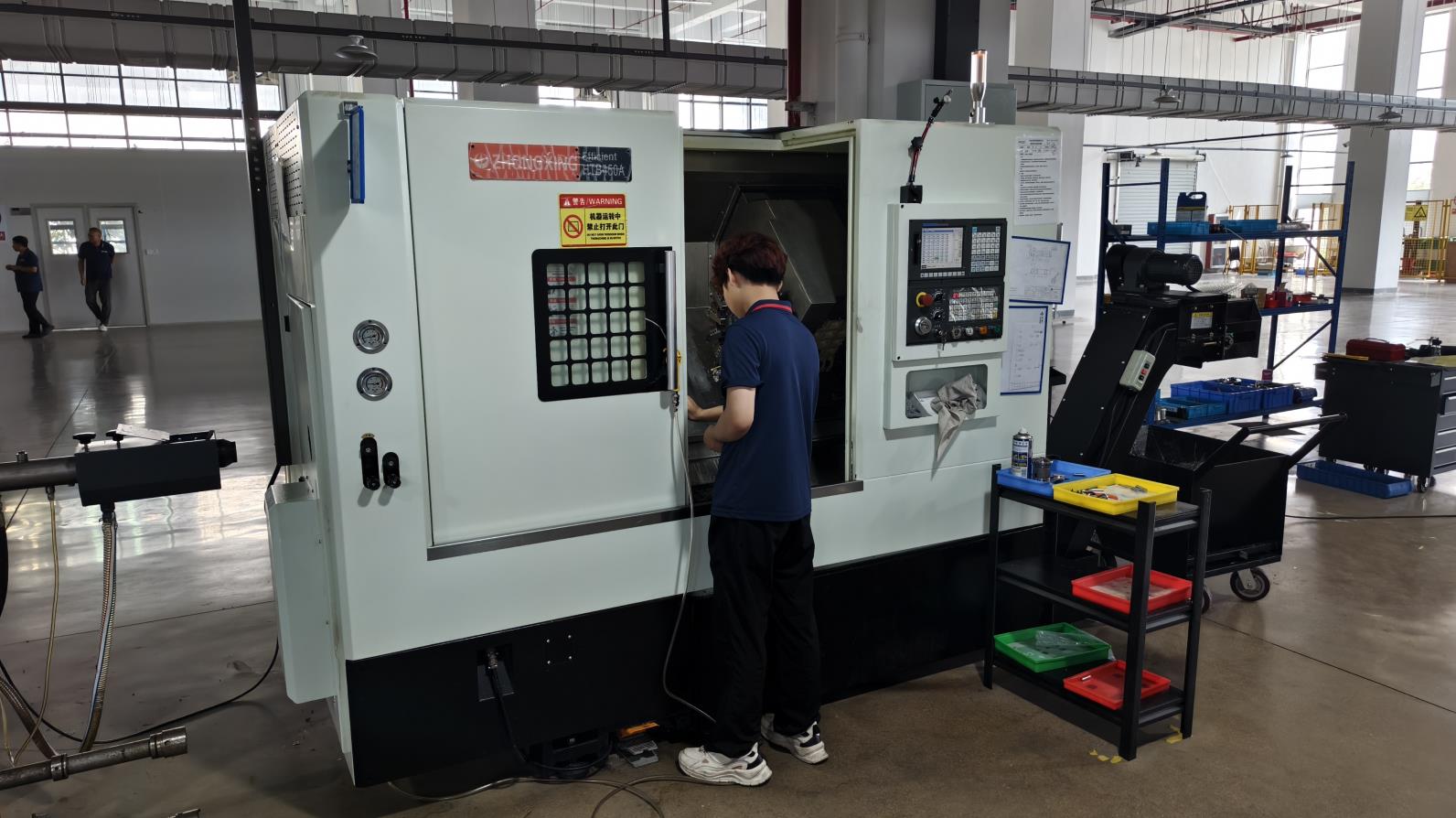
CNC Lathe
CNC Lathe
Swiss-type Lathe
Swiss-type Lathe
Grinder
Grinder
Laser Welding Machine
Lathe
Lathe Machine
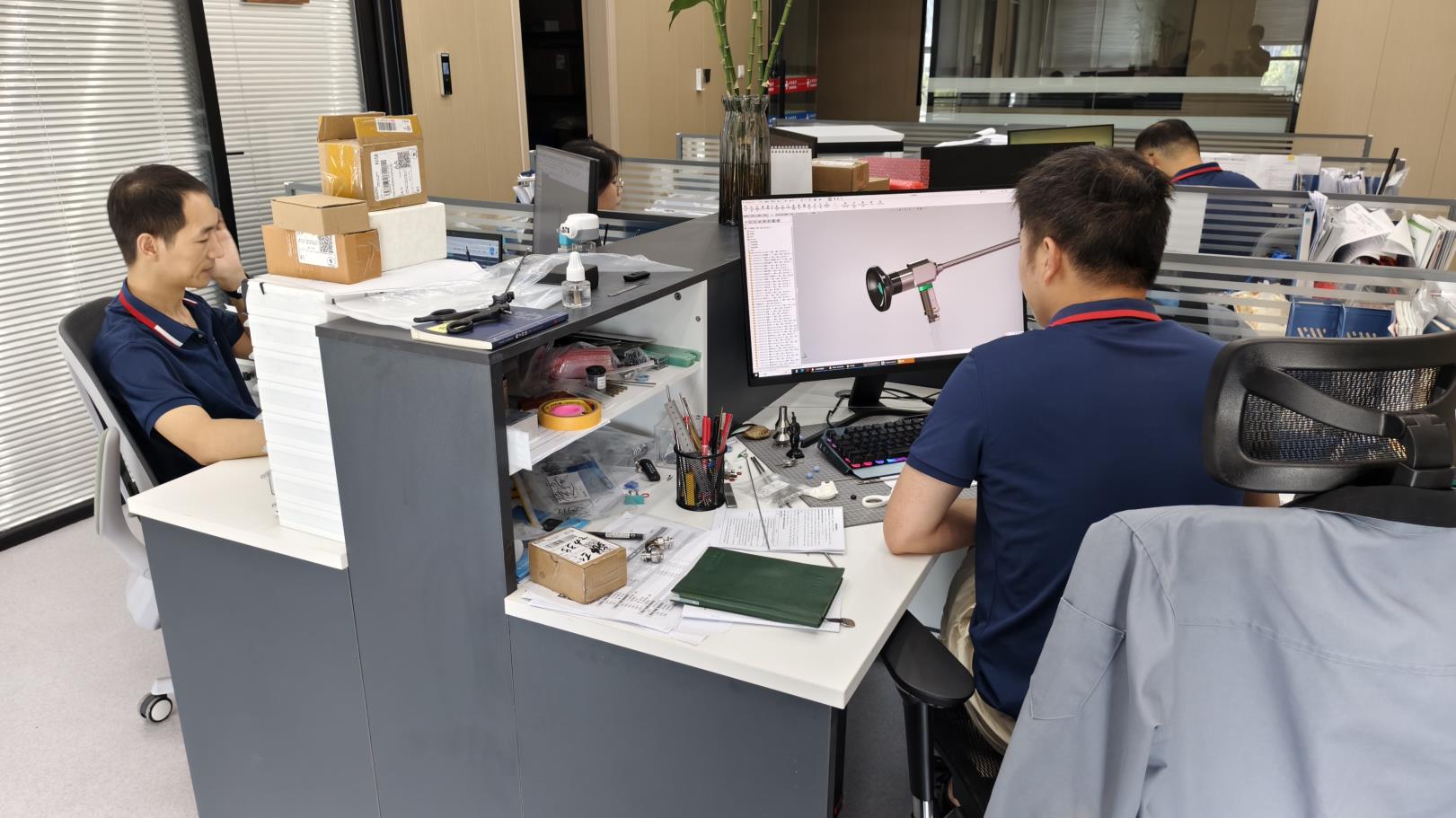
Design
CAD/CAM Design
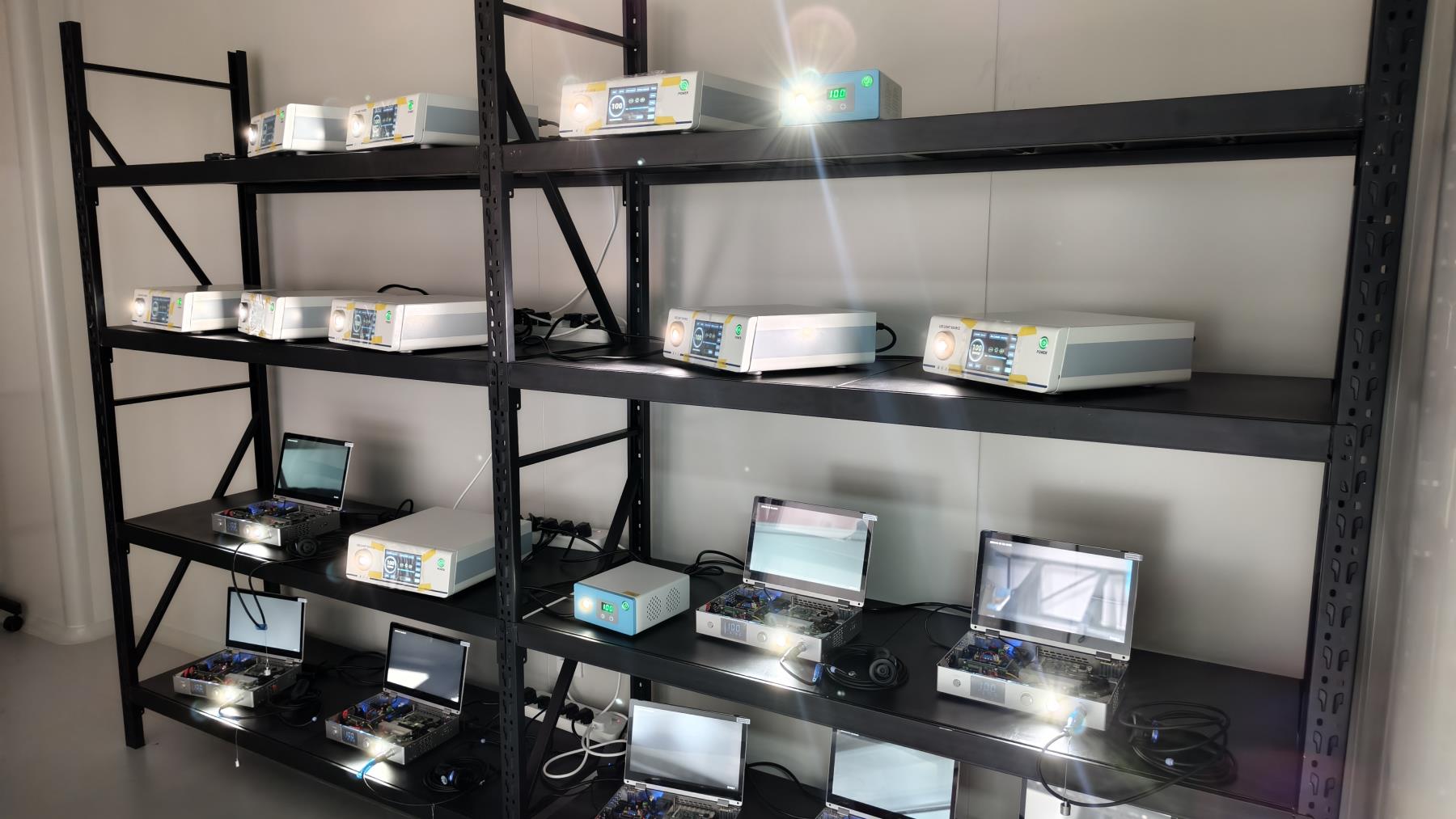
Aging Test
Aging Test
Digital Microscope
Digital Microscope Inspection
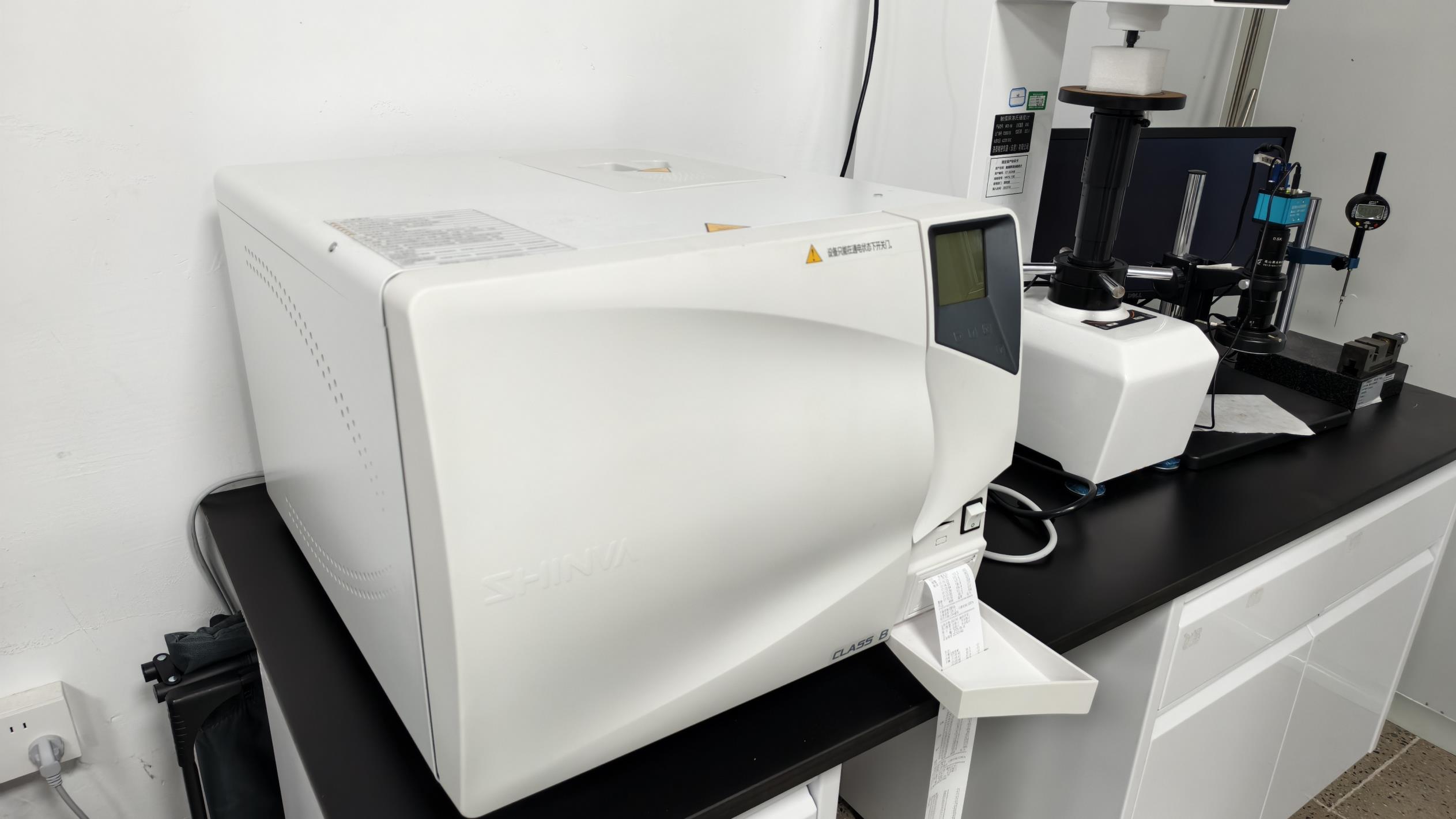
Steam Sterilizer
Steam Sterilization Validation
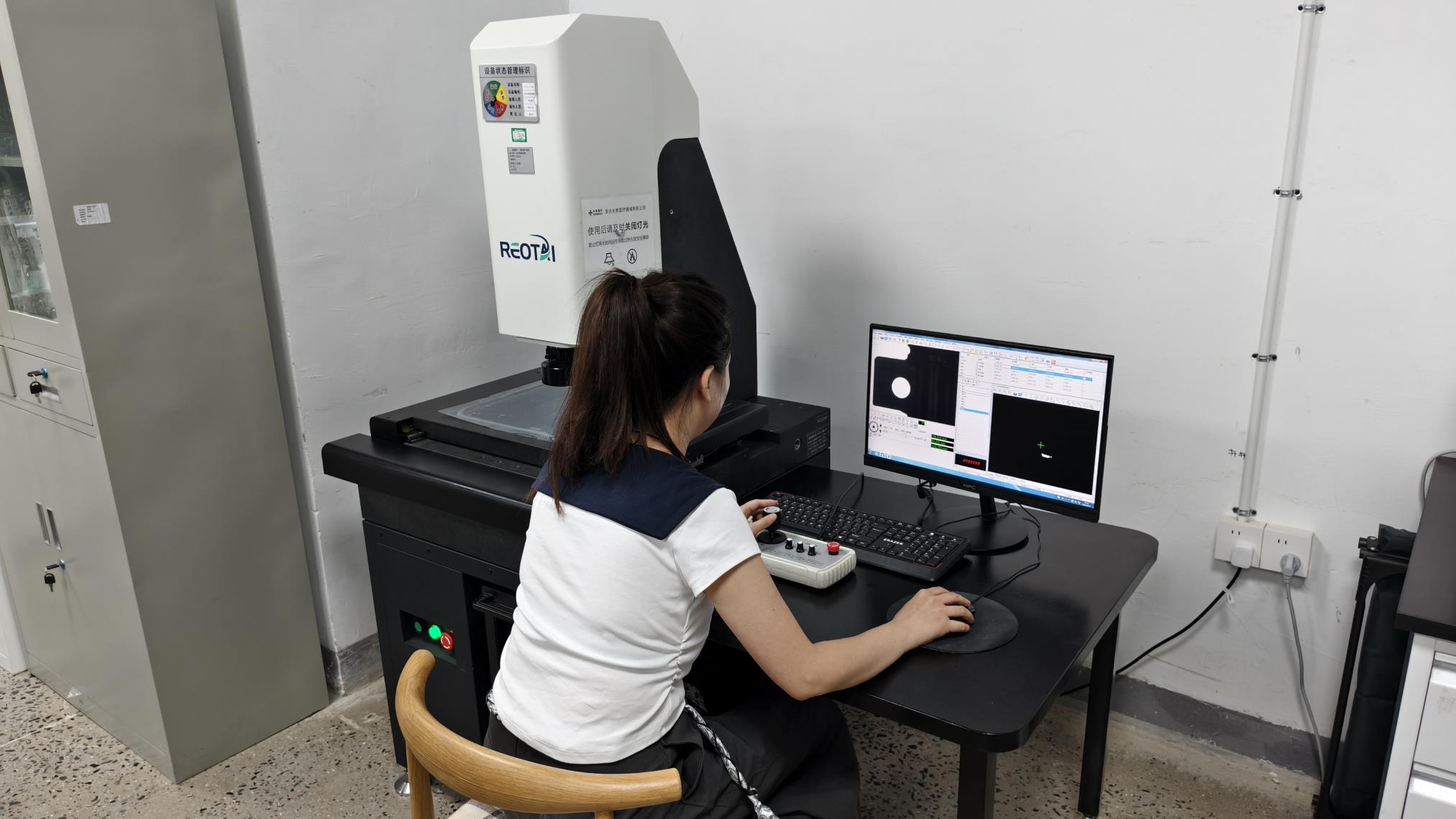
Automatic 2D Video Measuring Instrument
2D Video Metrology
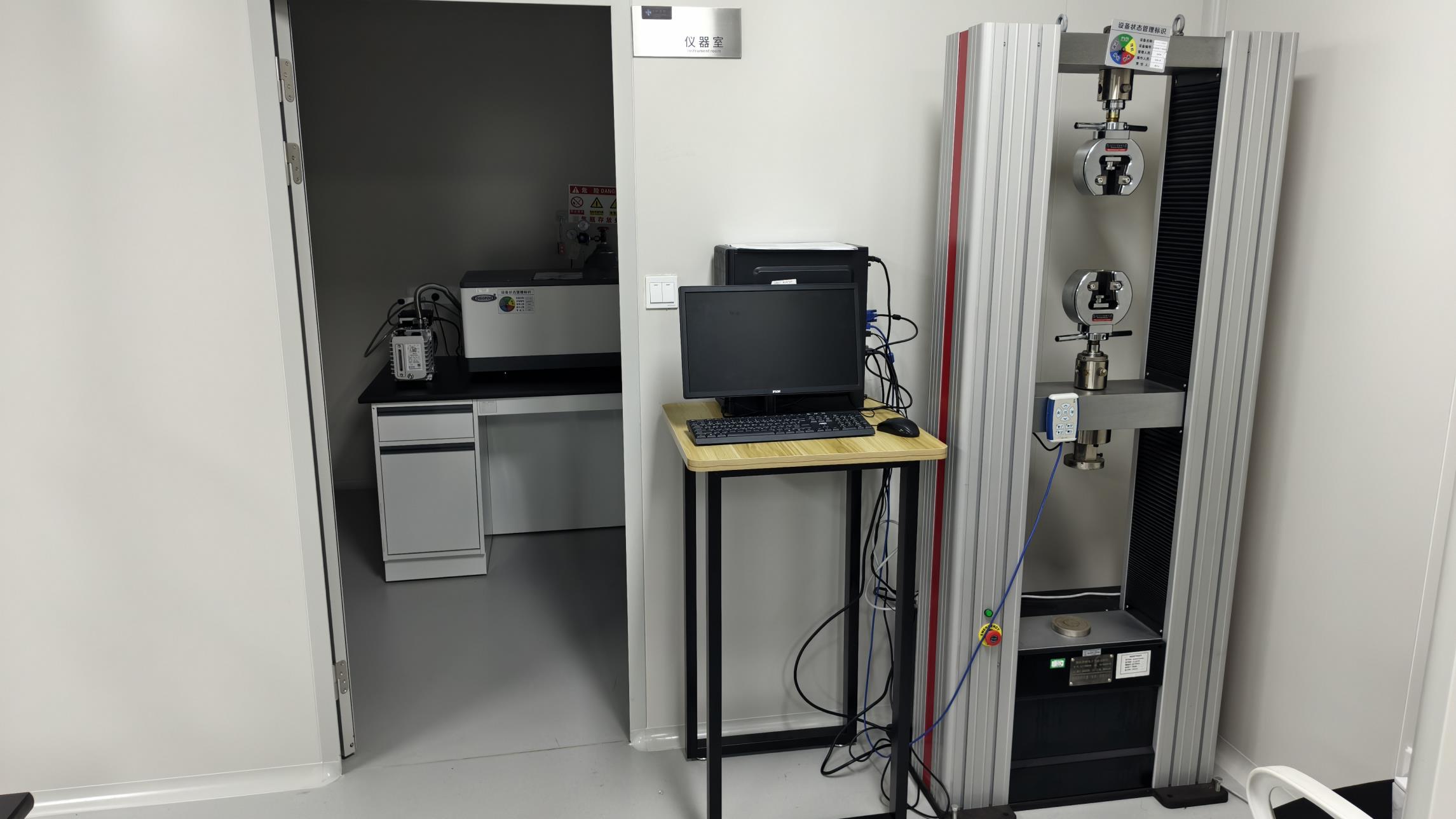
Tensile Testing Machine
Tensile & Fatigue Testing
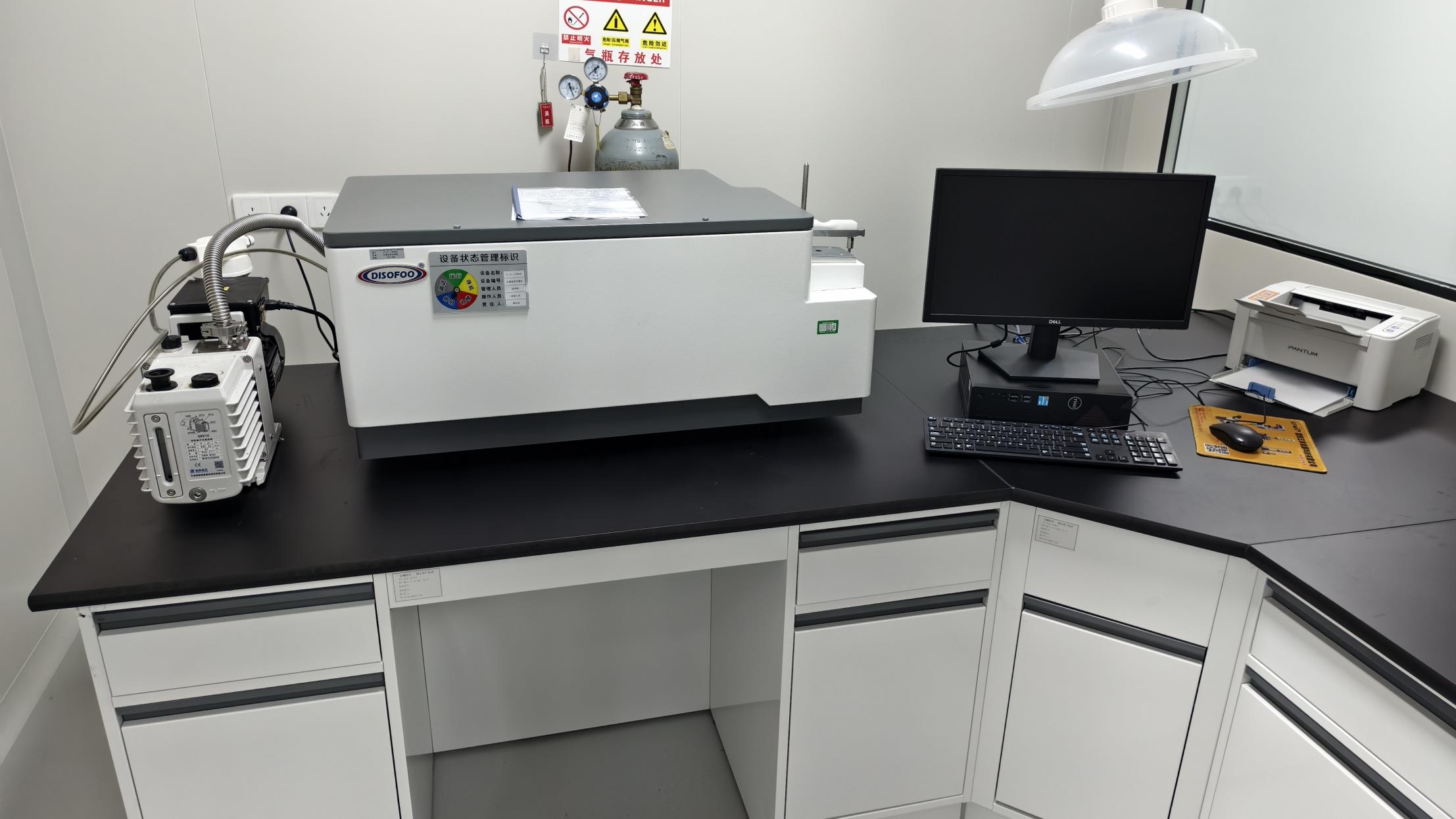
Spectrometer
Spectrometer Material Analysis
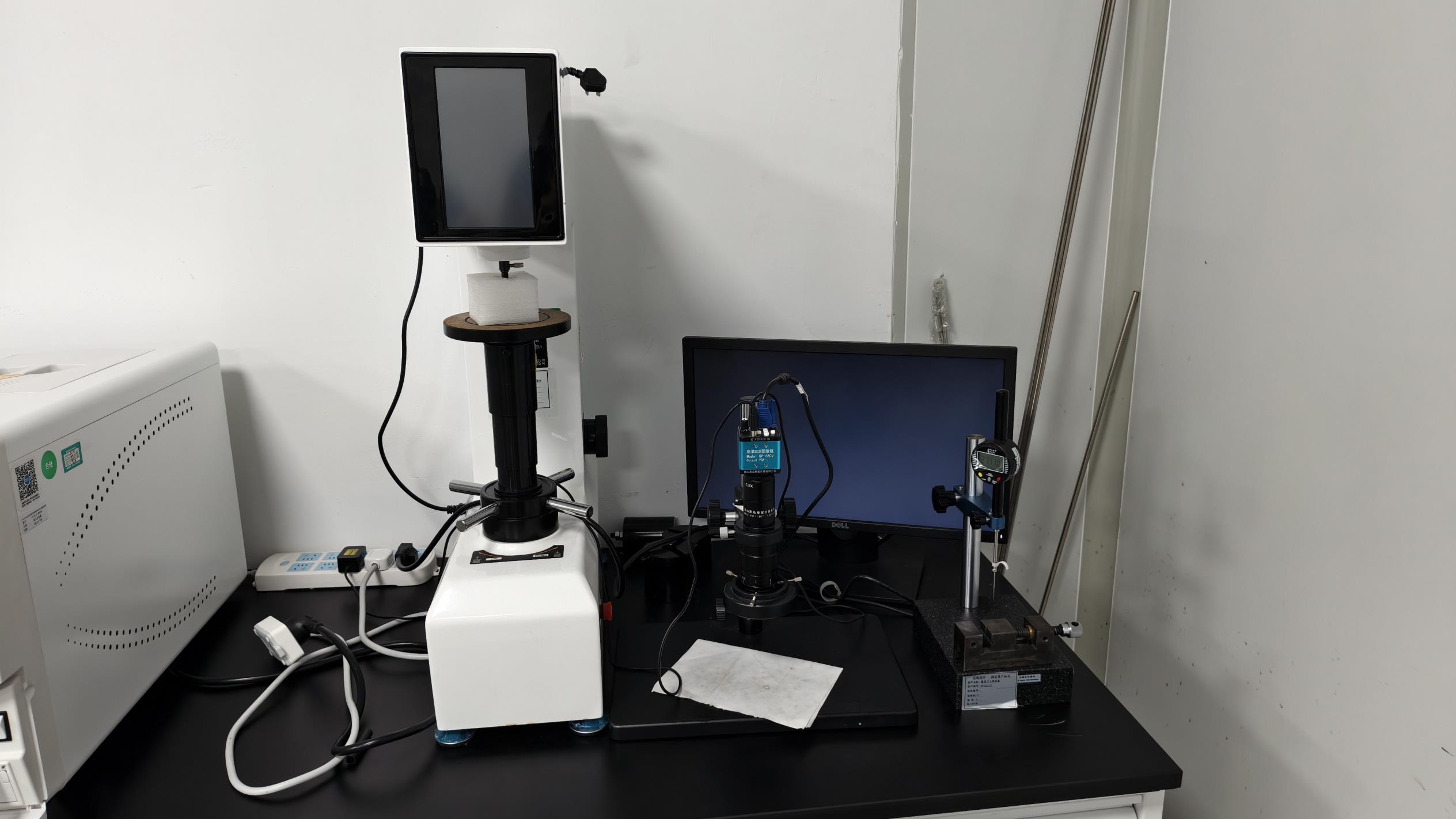
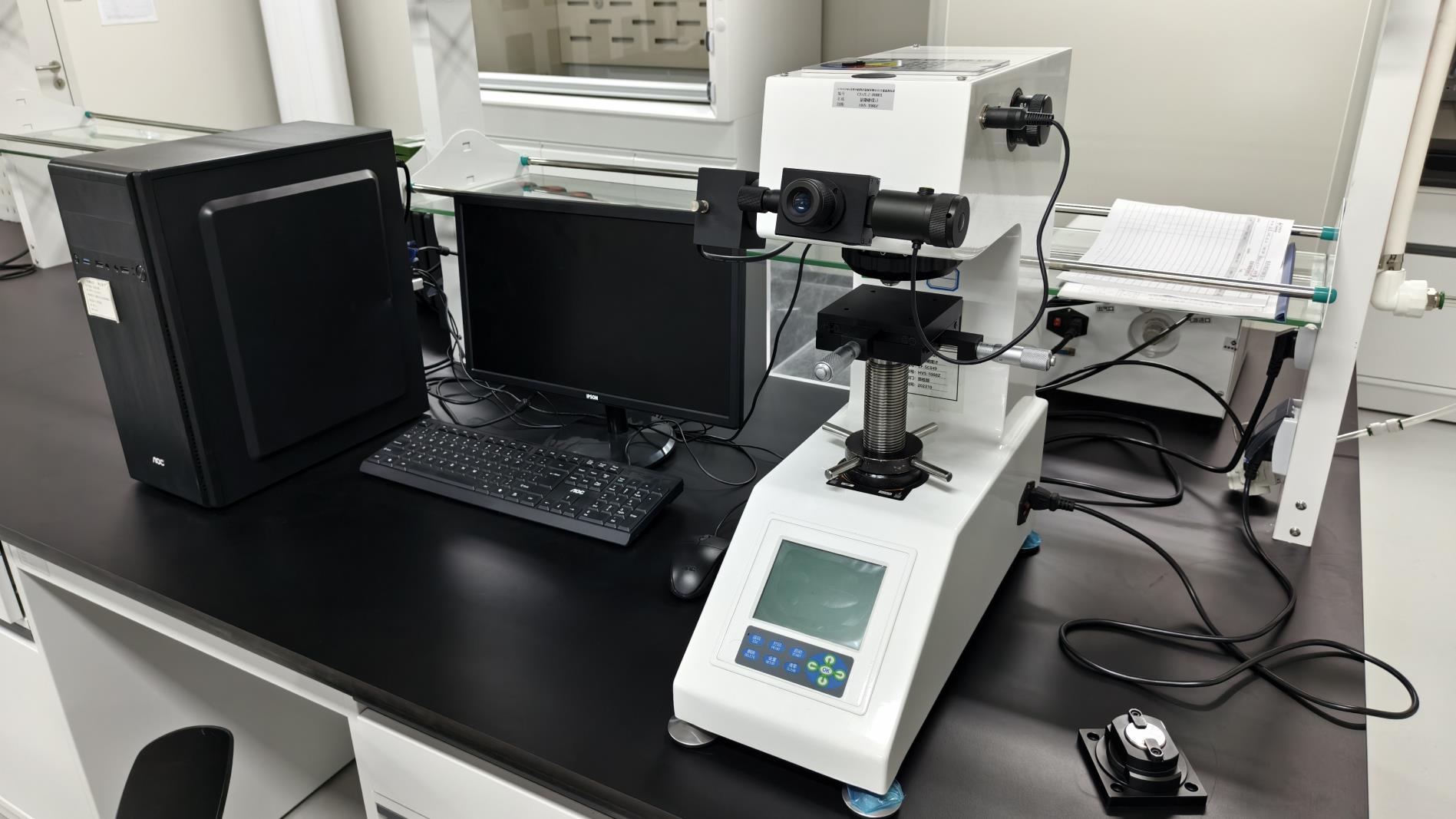
Hardness Tester
Hardness Testing
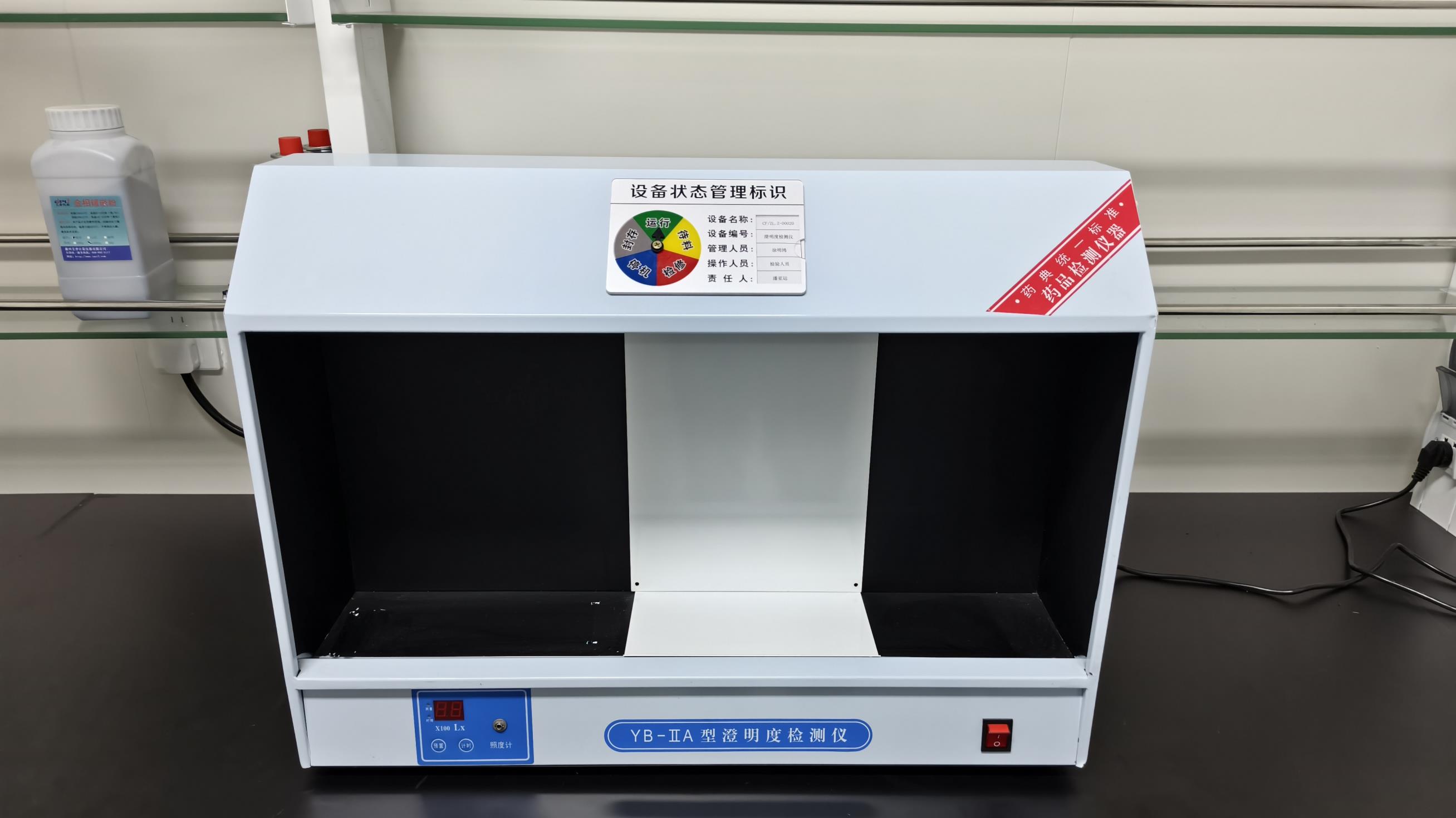
Clarity Detector
Clarity Detector
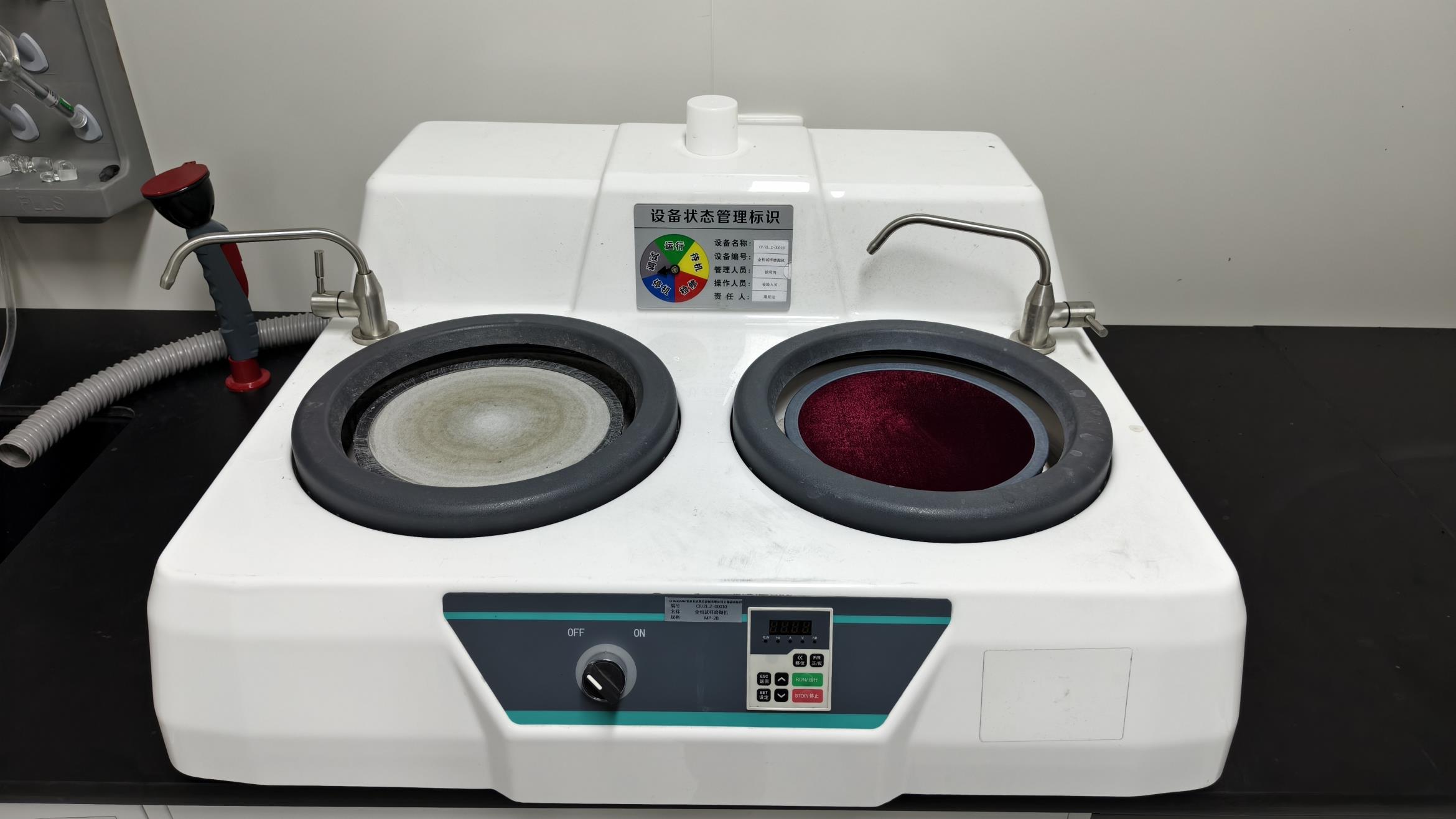
Metallographic Sample Machine
Metallographic Analysis
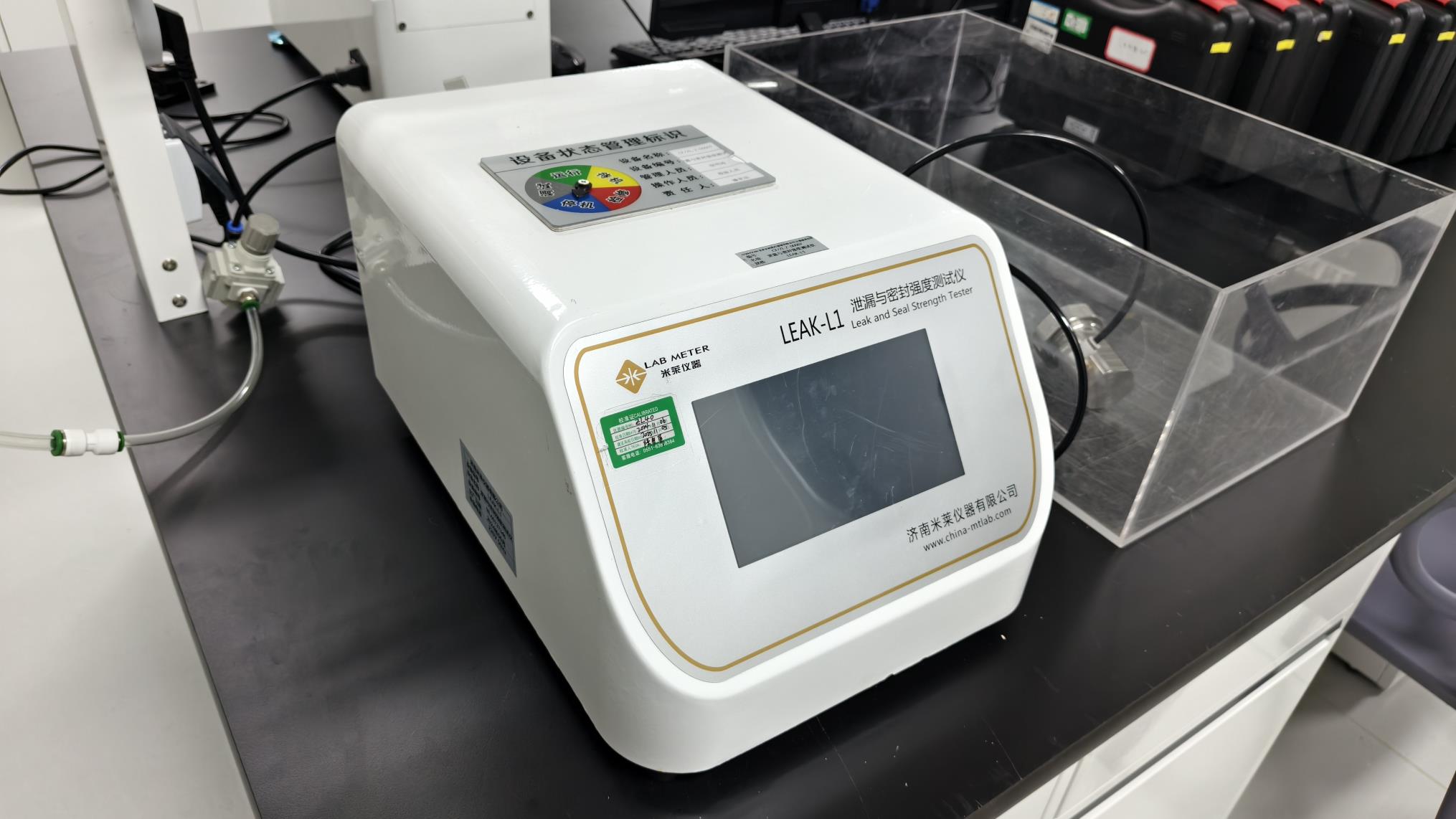
Leakage and Sealing Strength Tester
Leakage & Sealing Strength Tester

Future-Proof Engineering: Technical Roadmap & Smart Integration

The future of medical instrument management is smart, automated, and digital. Traditional paper tracking is fast giving way to digital ecosystems. Zynfuse is actively engineering solutions designed to support this technical shift:

1. Integrated RFID & Unique Device Identification (UDI)

With evolving FDA and EU MDR directives, tracing orthopedic equipment from manufacturing to the OR is critical. Our smart trays offer custom cavities compatible with high-temperature RFID tags, allowing automated scanning during sterilizer runs and inventory validation checks.

2. Advanced Geometry & Flow Optimization

Using 3D CAD/CAM models, we design custom cutouts to optimize direct contact with high-temperature steam or chemical sterilizing agents. The inclusion of perforated patterns and fluid-flow pathways ensures zero residual condensation, solving wet pack challenges during autoclave drying phases.

3. High-Performance Bio-Compatibles

Traditional plastics degraded quickly, releasing microscopic particulates. Zynfuse leverages medical-grade engineering polymers that maintain structural tensile properties without releasing toxins or showing chemical breakdown through over 1,500 autoclave cycles.

Chief Procurement Officer Tip: Ensure your surgical trays incorporate medical-grade, platinum-cured silicone brackets. Cheaper peroxide-cured silicones tend to yellow quickly, release odors, and breakdown chemically under standard 134°C sterilization cycles.

Global Compliance & Localized Support

Importing medical instrumentation requires strict regulatory alignment. As an export specialist serving North America, Europe, Southeast Asia, and the Middle East, Zynfuse maintains a robust regulatory portfolio:

  • ISO 13485:2016 Certification: Ensuring every step of design, machining, surface treating, and final inspection complies with international medical quality management systems.
  • CE and FDA Cleared Raw Materials: We leverage biocompatible raw medical stainless steel and high-end PPSU resins backed by complete trace documentation.
  • Dynamic OEM/ODM Customization: Tailored tray structures, customized bracket modules for proprietary implants, custom laser marking of layout configurations, and localized packaging requirements.

Frequently Asked Questions (FAQ)

Answers to critical procurement, material compliance, and logistical inquiries.

1. What materials are Zynfuse Orthopedic Instrument Trays made of?
We primarily offer three classes of materials based on specific customer environments: high-grade Medical Stainless Steel (304 / 316L), Hard-Anodized Aluminum Alloys (5000/6000 series), and high-performance Polyphenylsulfone (PPSU). All materials are biocompatibility tested and chemical resistant.
2. Do your trays comply with international medical device standards?
Yes, Zynfuse manufactures all products in strict compliance with ISO 13485:2016 quality management systems. Our raw materials are class-approved, and our final testing protocols ensure clean biocompatibility under ISO 10993.
3. Can you customize the tray layout to fit our proprietary surgical instruments?
Absolutely. With an active engineering team of 85 designers, we provide comprehensive OEM/ODM customization services. We can customize internal layouts, silicone brackets, color coatings, laser etching configurations, and implant organizer dials.
4. How many autoclave cycles can your sterilization trays withstand?
Our PPSU and hard-anodized aluminum systems are built to comfortably exceed 1,500 standard steam sterilization cycles (134°C at 2.1 bar) without showing surface cracking, loss of structural tensile strength, or discoloration.
5. What is the standard lead time for wholesale custom orders?
For standard tray configurations, lead times typically range from 20 to 30 days. For highly customized, multi-layer OEM trays involving CAD modeling and functional testing prototypes, the timeline ranges from 45 to 60 days.
6. What testing is performed on the surgical trays before delivery?
Zynfuse conducts dimensional verification, clarity and surface integrity analysis, mechanical fatigue testing, autoclave simulation tests, and leak and seal strength inspections.
7. How does hard-anodized aluminum compare to stainless steel in terms of performance?
Hard-anodized aluminum is lighter and heats/cools faster, minimizing condensation (wet pack risk). Stainless steel is more resistant to corrosive alkaline cleaners but is heavier and takes longer to dry in standard autoclaves.
8. What is the minimum order quantity (MOQ) for custom trays?
For custom layout designs and private label etching, our typical MOQ starts at 50 units. Standard, cataloged tray components have lower MOQs, often as low as 10 units. Contact our sales department for specific quotes.