Zynfuse
Zynfuse
Zynfuse
The global orthopedic trauma landscape has witnessed a paradigm shift toward minimally invasive osteosynthesis (MIO). Among various techniques, Humeral Intramedullary Nails have emerged as the gold standard for stabilizing humeral shaft fractures (AO/OTA Type 12) and complex proximal humerus fractures (2-part, 3-part, and select 4-part fractures under the Neer Classification). The biomechanical alignment of an intramedullary nail allows it to function as a load-sharing device. Unlike eccentric plate fixation, which is subject to high bending stresses, intramedullary nails are positioned along the mechanical axis of the humerus, dramatically lowering implant fatigue failure and reducing the incidence of nonunion.
Industrial statistics indicate that the global market for humeral intramedullary systems is expanding at a CAGR of 6.2%, driven by two core demographics: the aging geriatric population vulnerable to osteoporotic fragility fractures, and the rising incidence of high-energy motor vehicle trauma in developing economies. To satisfy these diverse clinical requirements, modern implant manufacturing demands extremely high precision. Leading healthcare buyers now seek suppliers capable of providing both anterograde systems (inserted via the rotator cuff apex) and retrograde nails (inserted through the supracondylar region of the distal humerus).
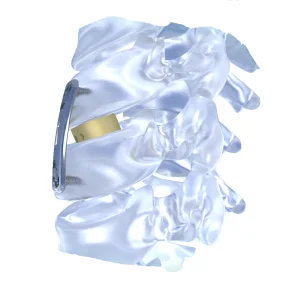
Positioned centrally within the medullary canal to carry physiological loads, reducing stress-shielding, protecting periosteal blood supply, and facilitating earlier patient mobilization and healing.
Utilizes high-strength Titanium Alloy (Ti-6Al-4V ELI conforming to ASTM F136) for superior biocompatibility, fatigue resistance, and artifact-free post-operative MRI imaging.
Features proximal and distal locking screw configurations designed to secure rotational stability and prevent axial migration, even in poor bone stock or osteoporotic conditions.
Sourcing orthopedic implants directly from China has transitioned from a mere cost-saving initiative to a strategic quality play. Chinese manufacturers, exemplified by Zynfuse Medical Technology Co., Ltd., have integrated high-precision Swiss-type CNC machining, automated passivation, and rigorous mechanical validation to build production lines that match or exceed Western counterparts.
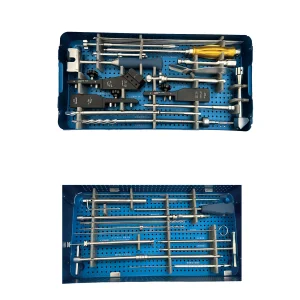
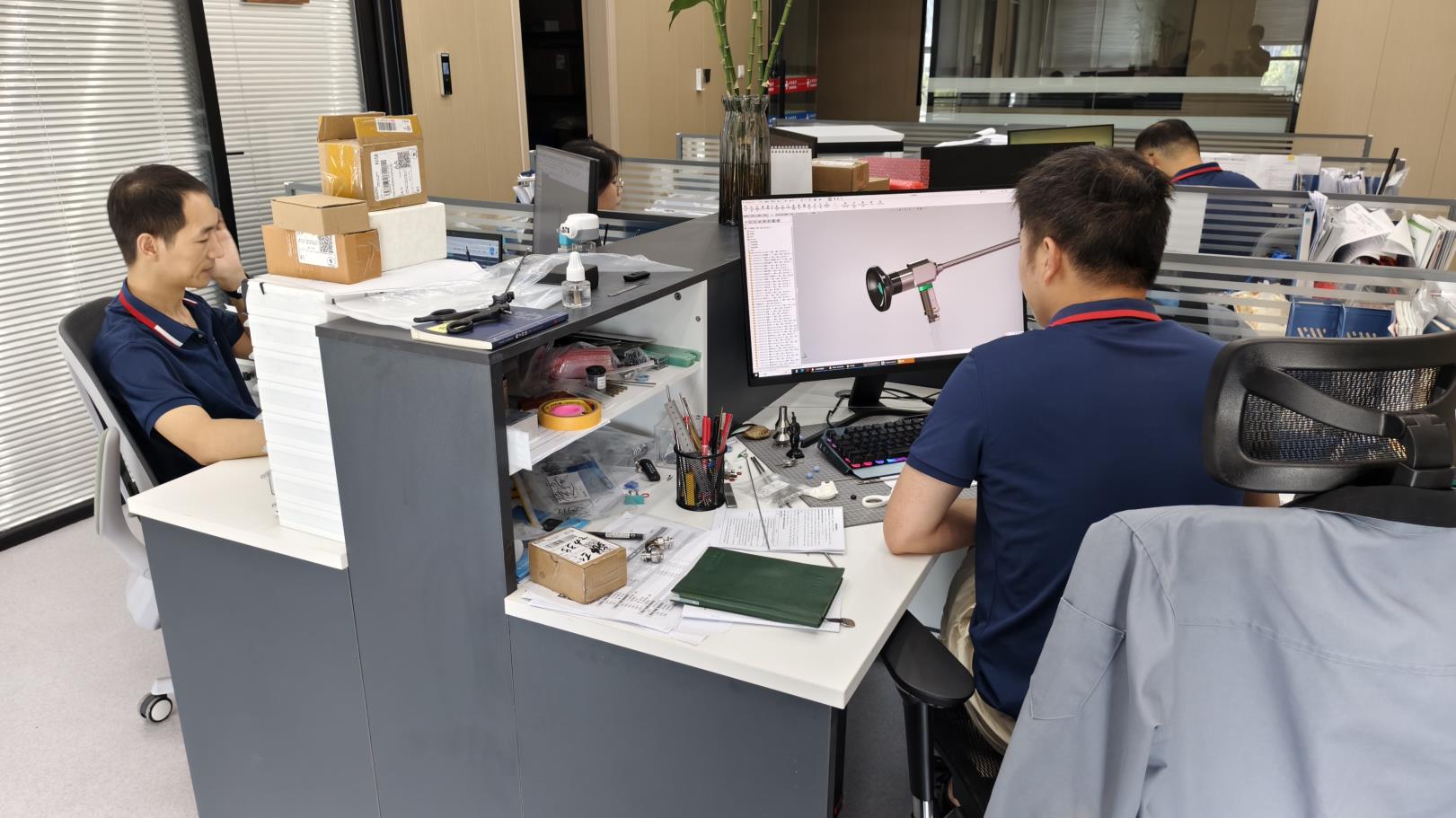
Established in 2016, Zynfuse Medical Technology Co., Ltd. has developed a formidable reputation with 12 years of industry experience and 7 years of export experience. Our annual export footprint reaches key markets including North America, Europe, Southeast Asia, and the Middle East, catering to medical distributors, hospital procurement groups, and specialized orthopedic clinics. With a team of 85 dedicated engineers releasing approximately 320 new products annually, we support complete OEM/ODM customization services, adjusting implant geometry, anodized color coding, and producing custom sterilization trays.
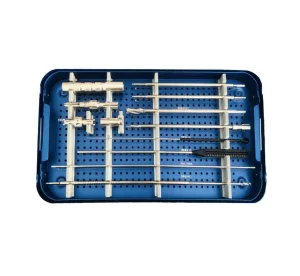
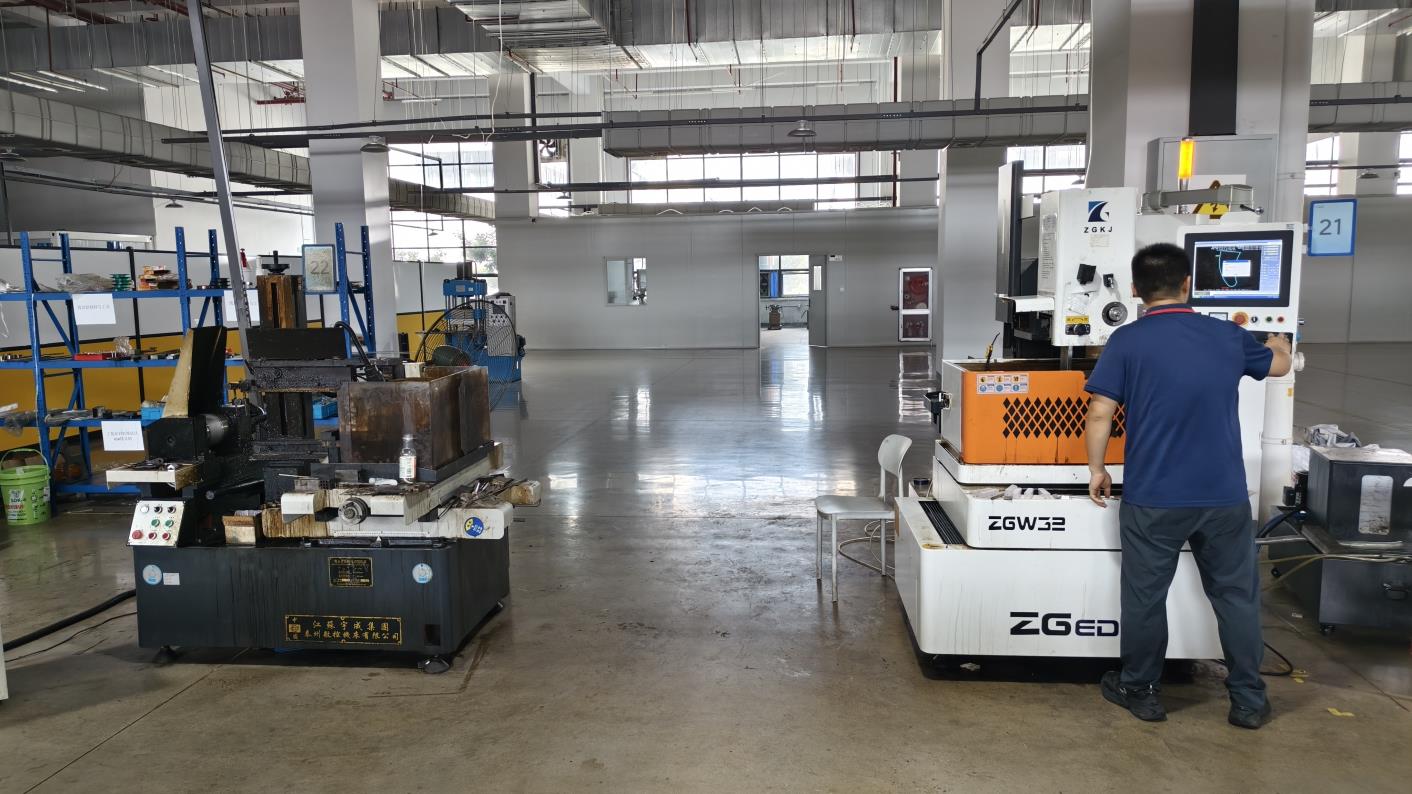
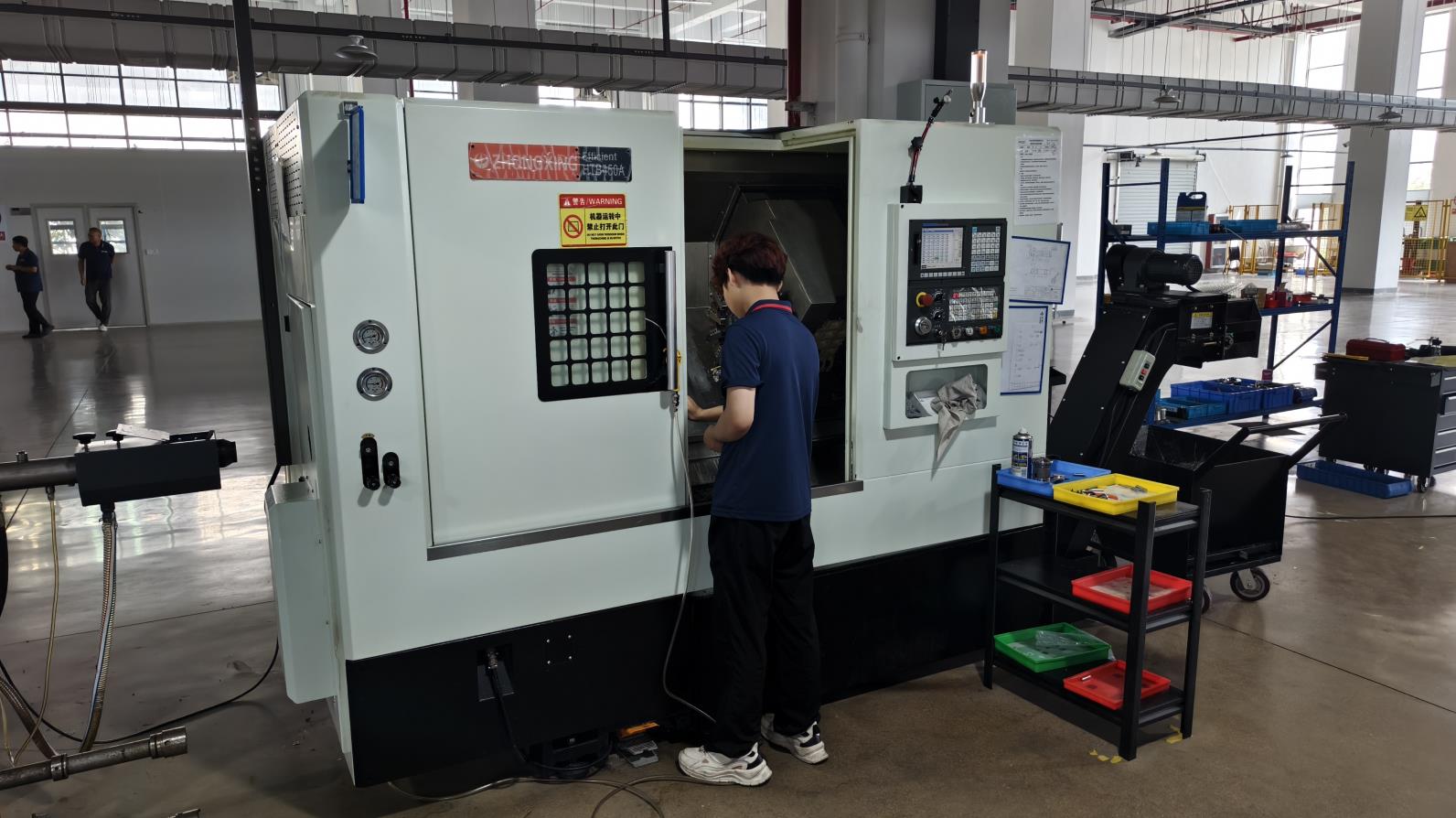
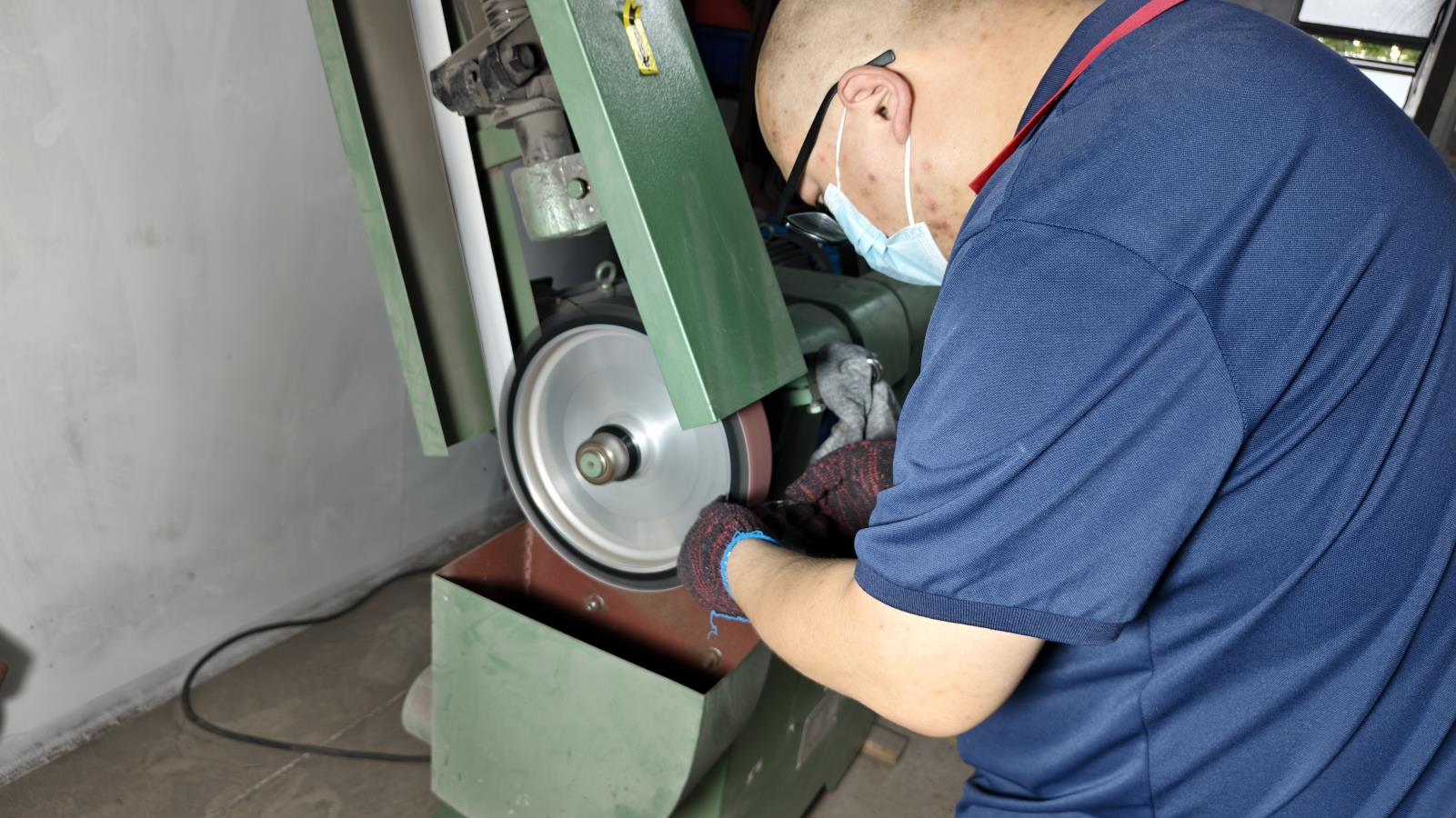
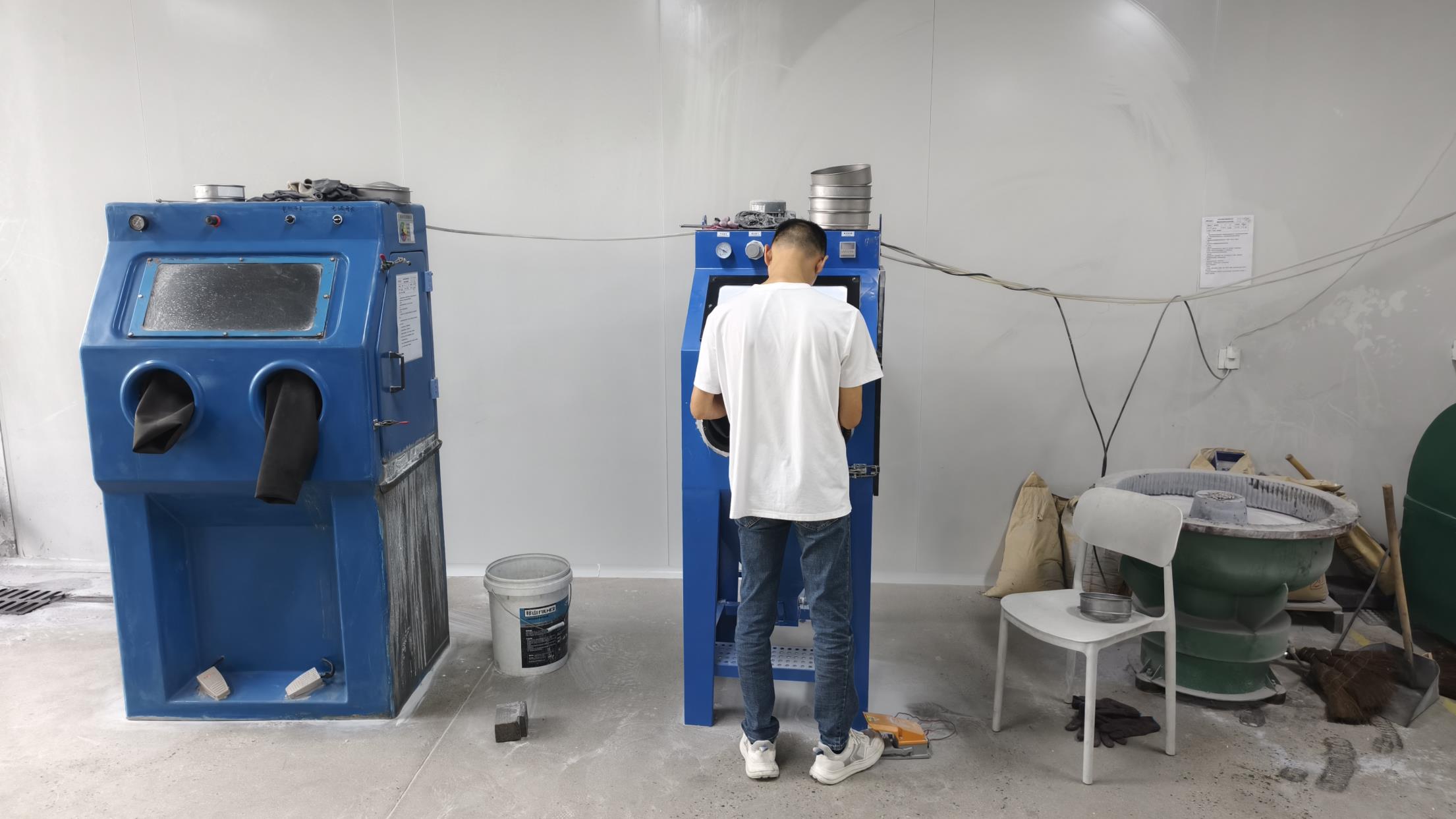
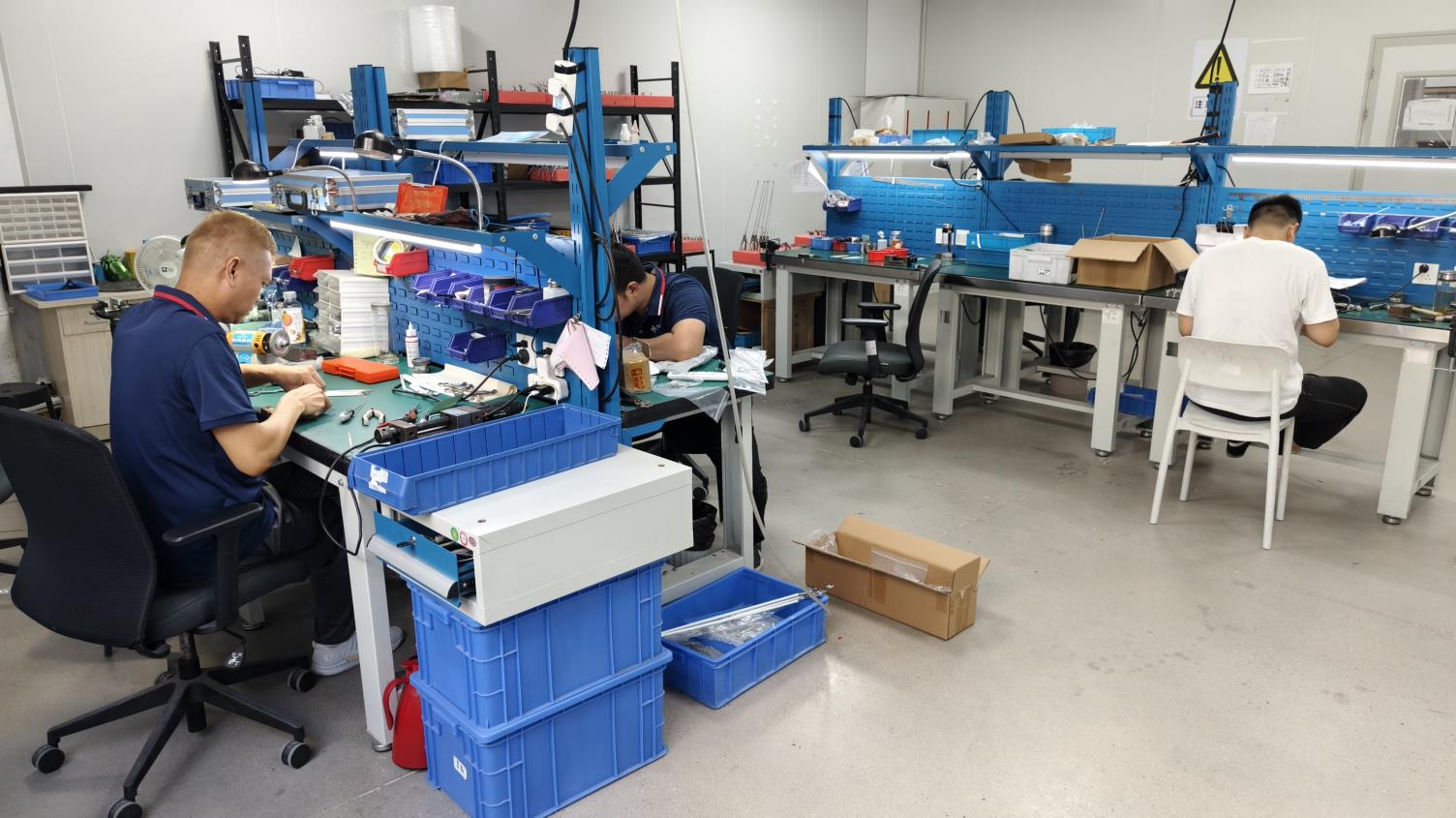
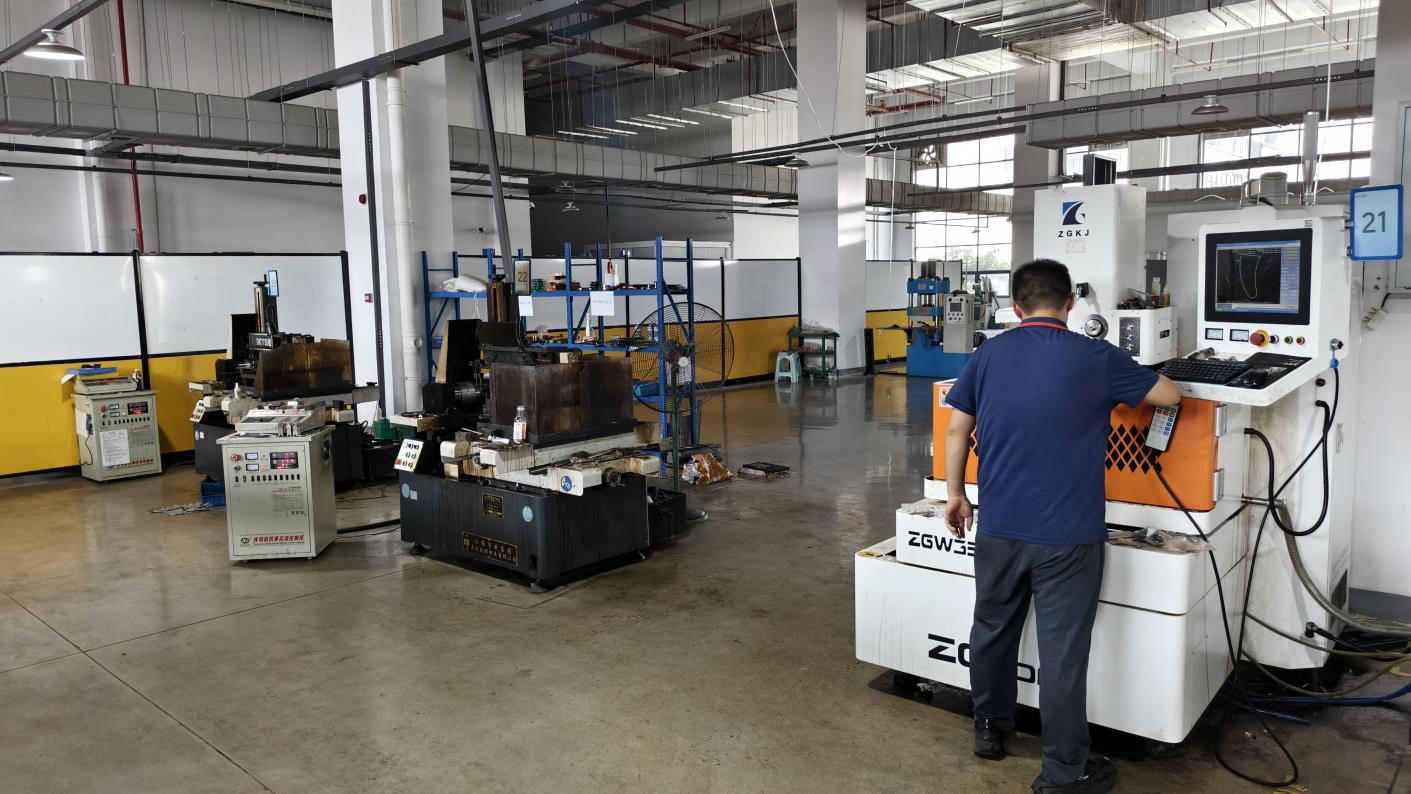
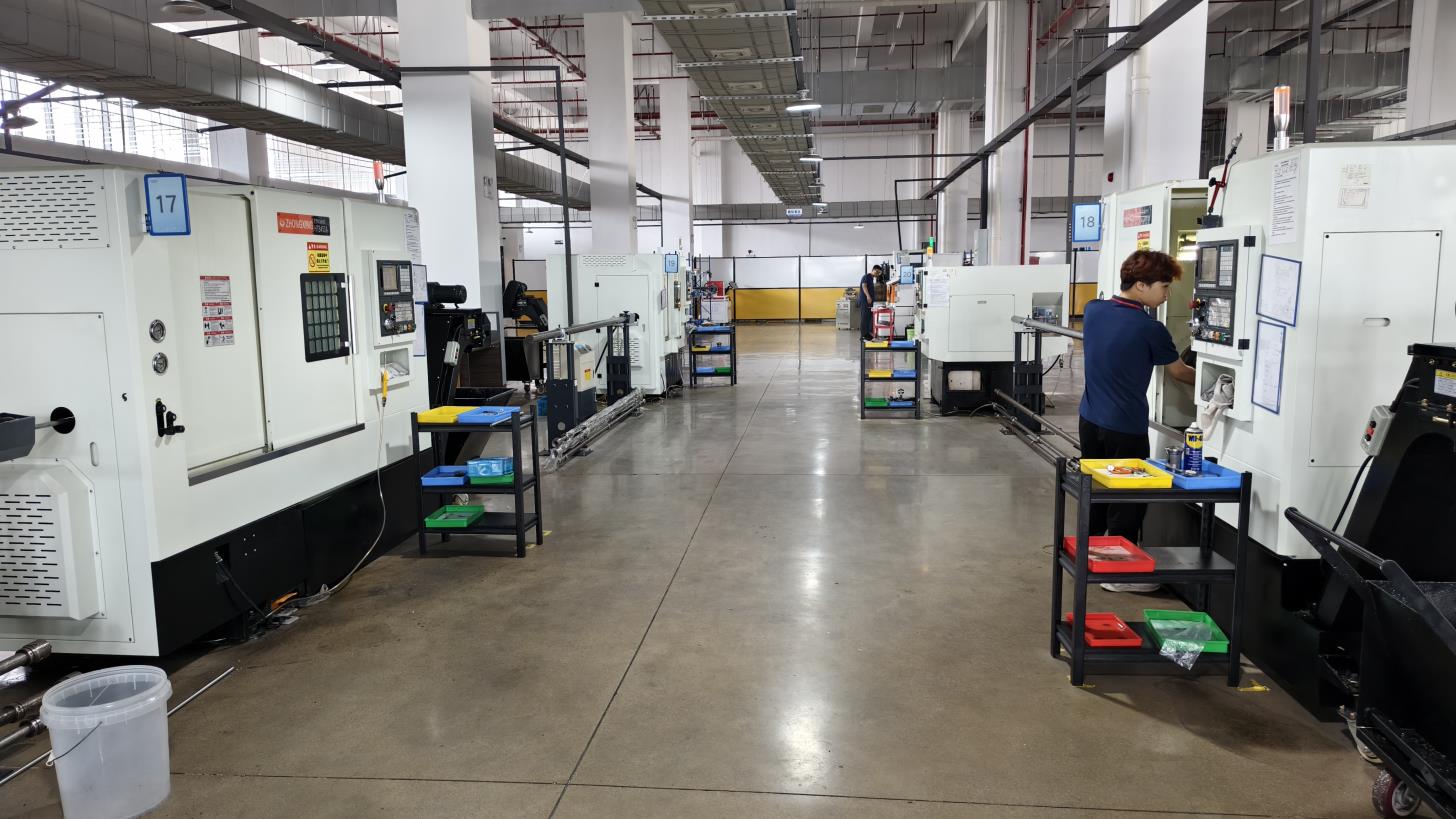
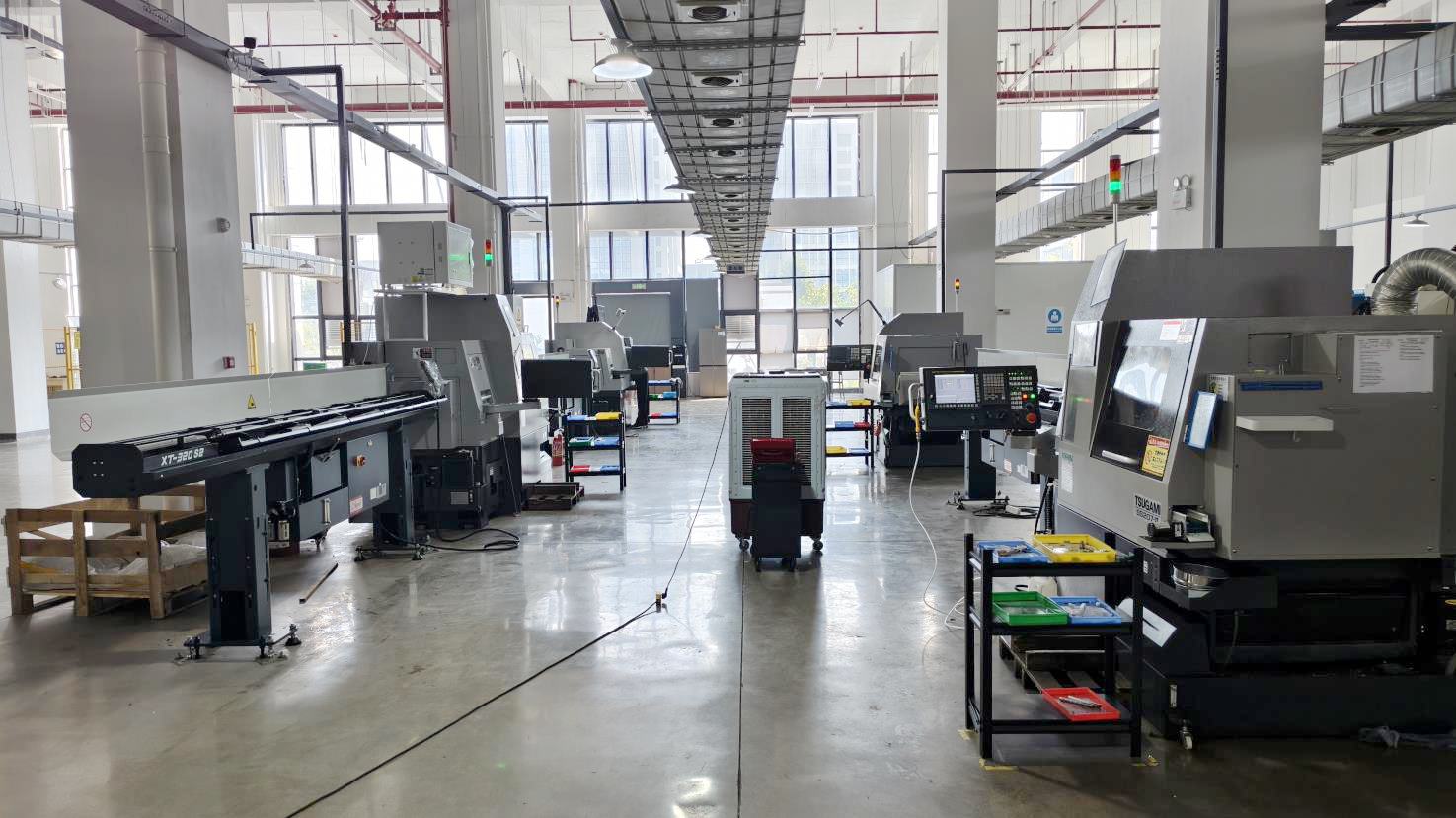
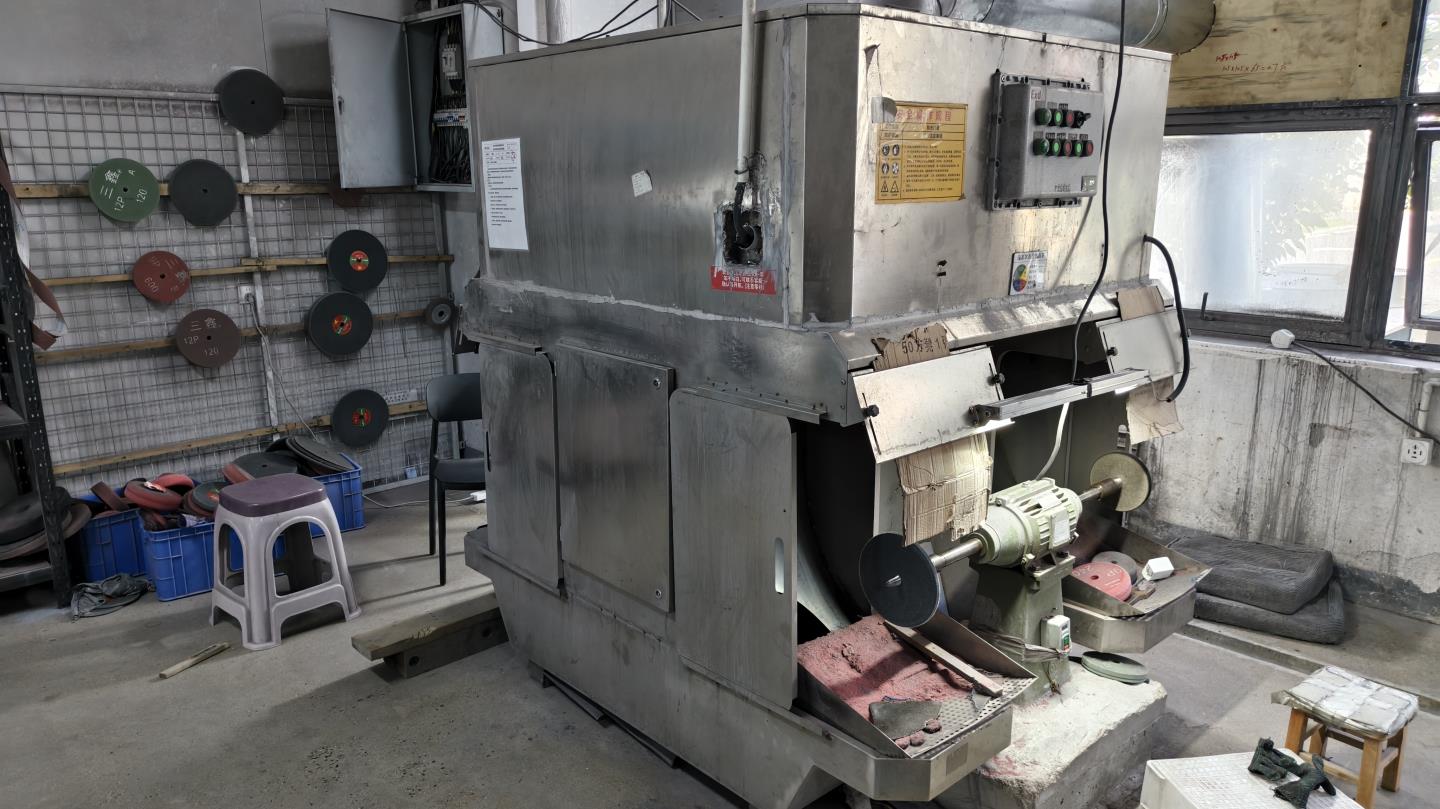
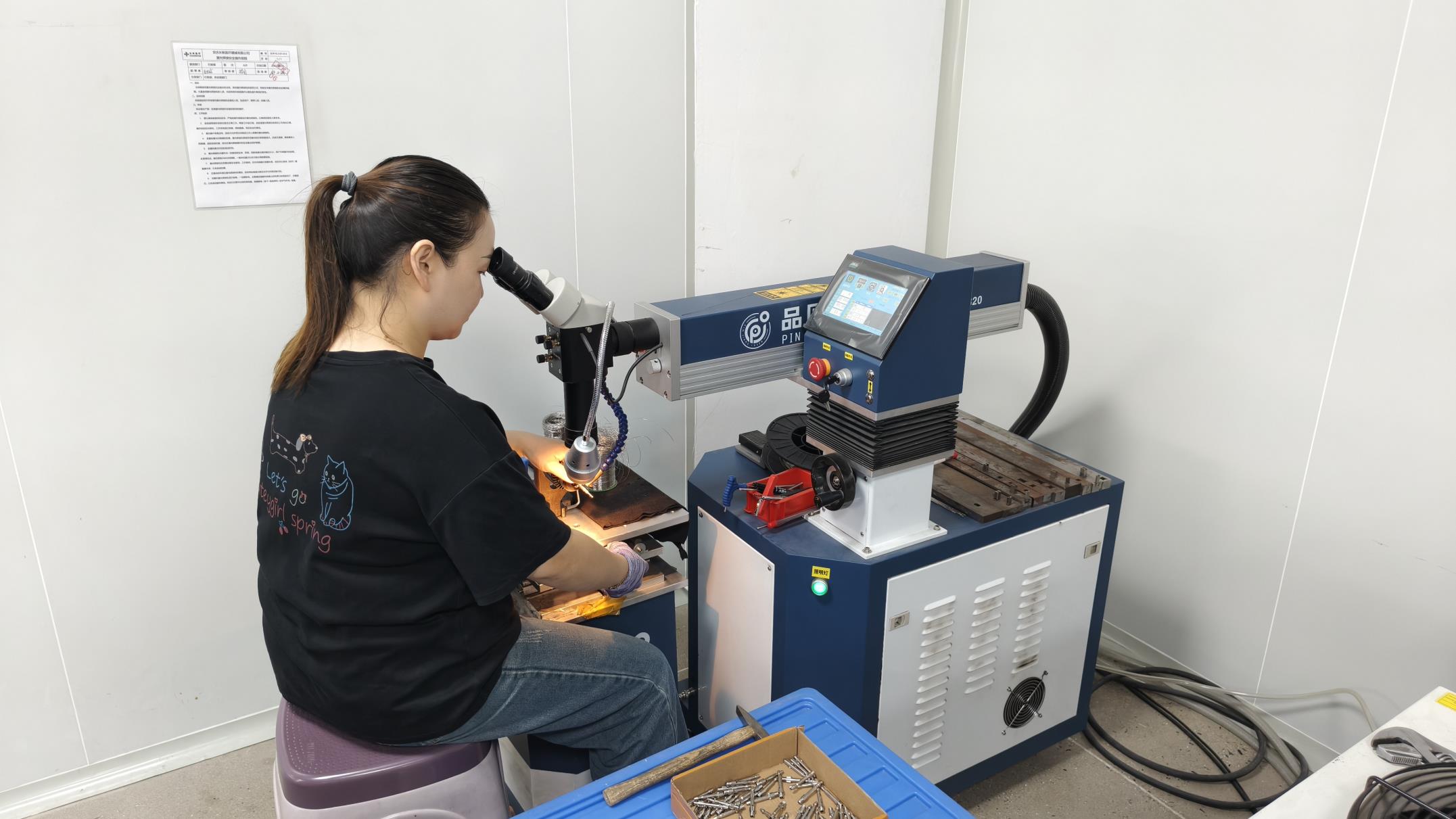
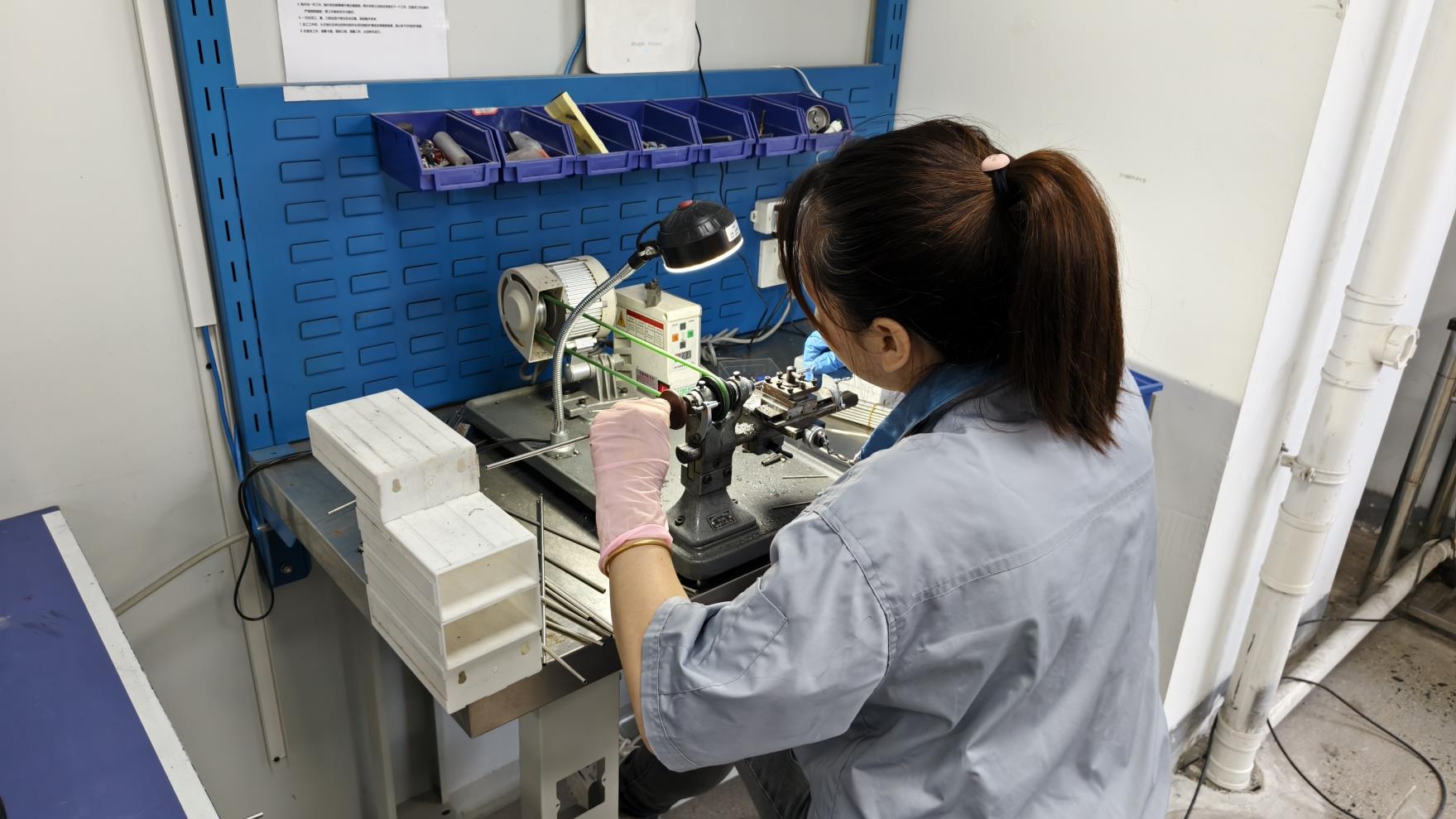
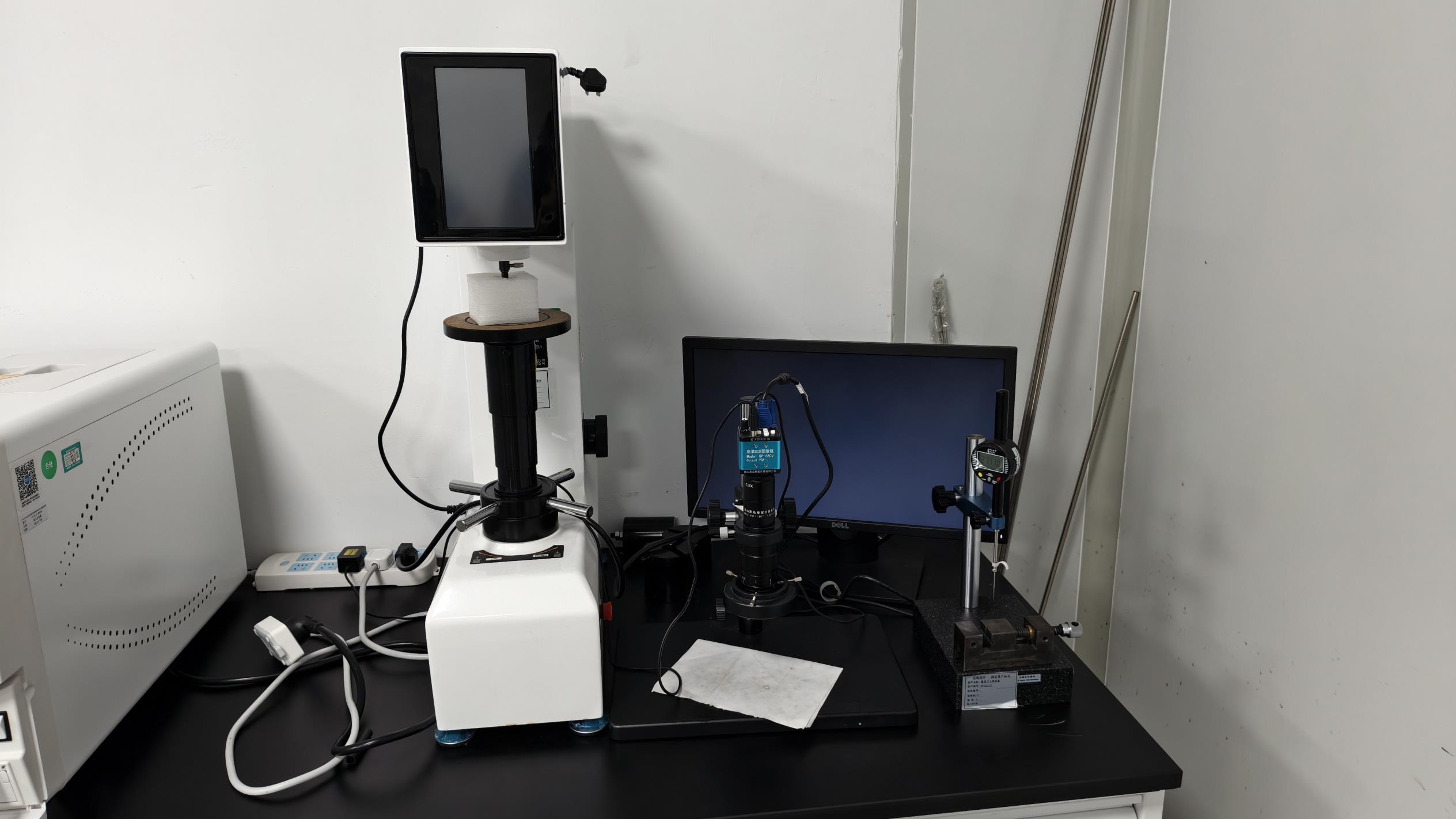
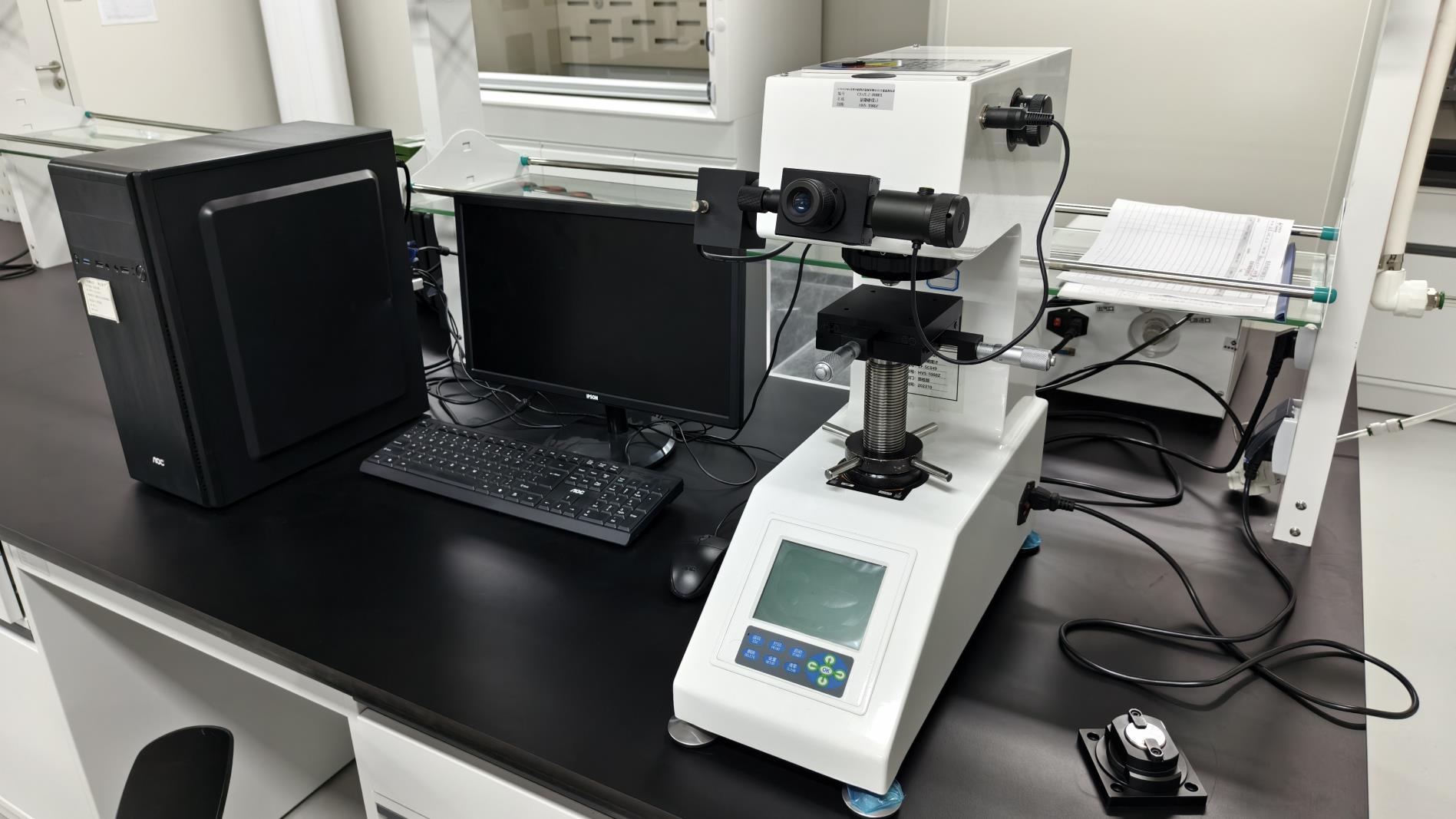
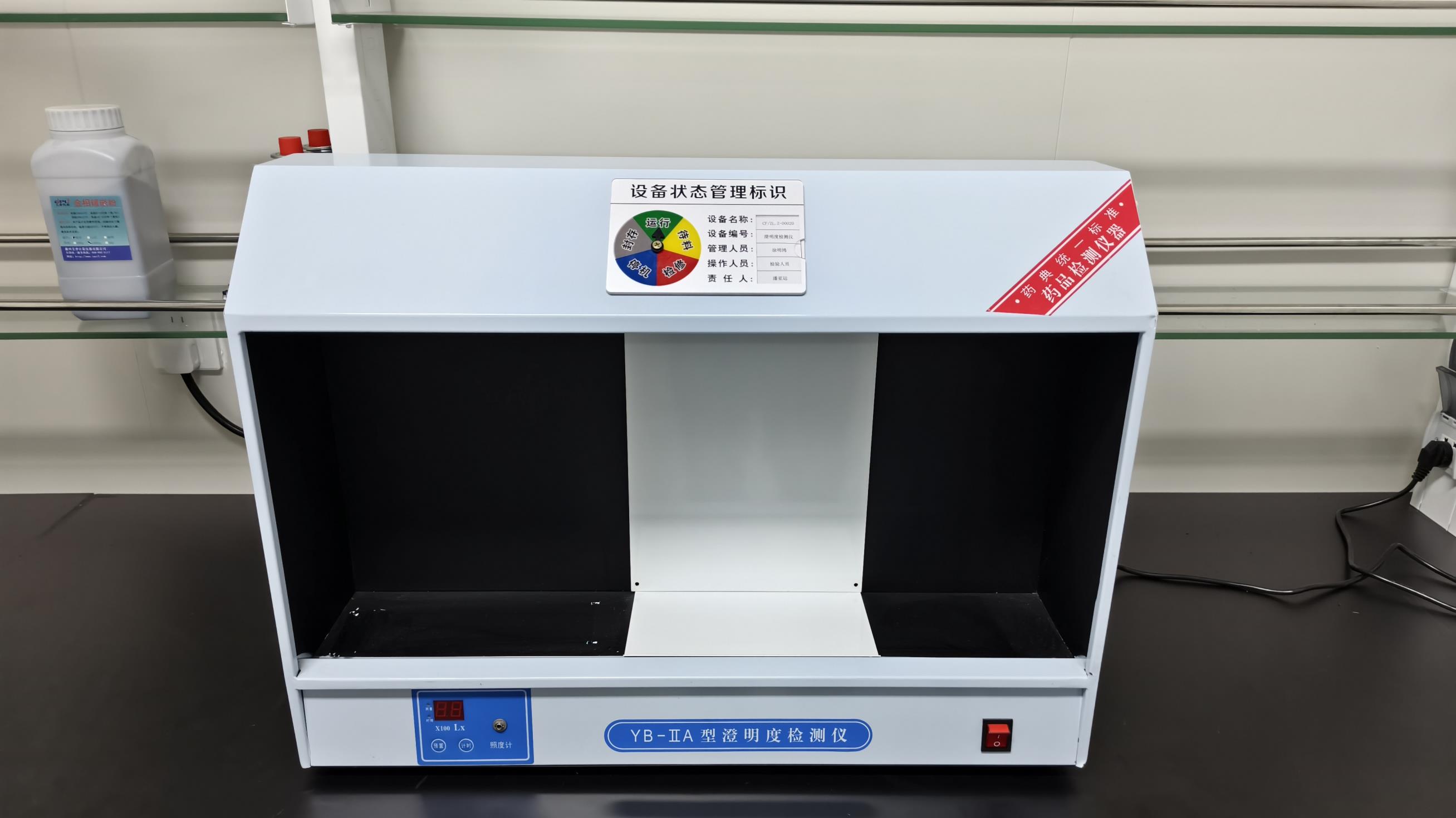
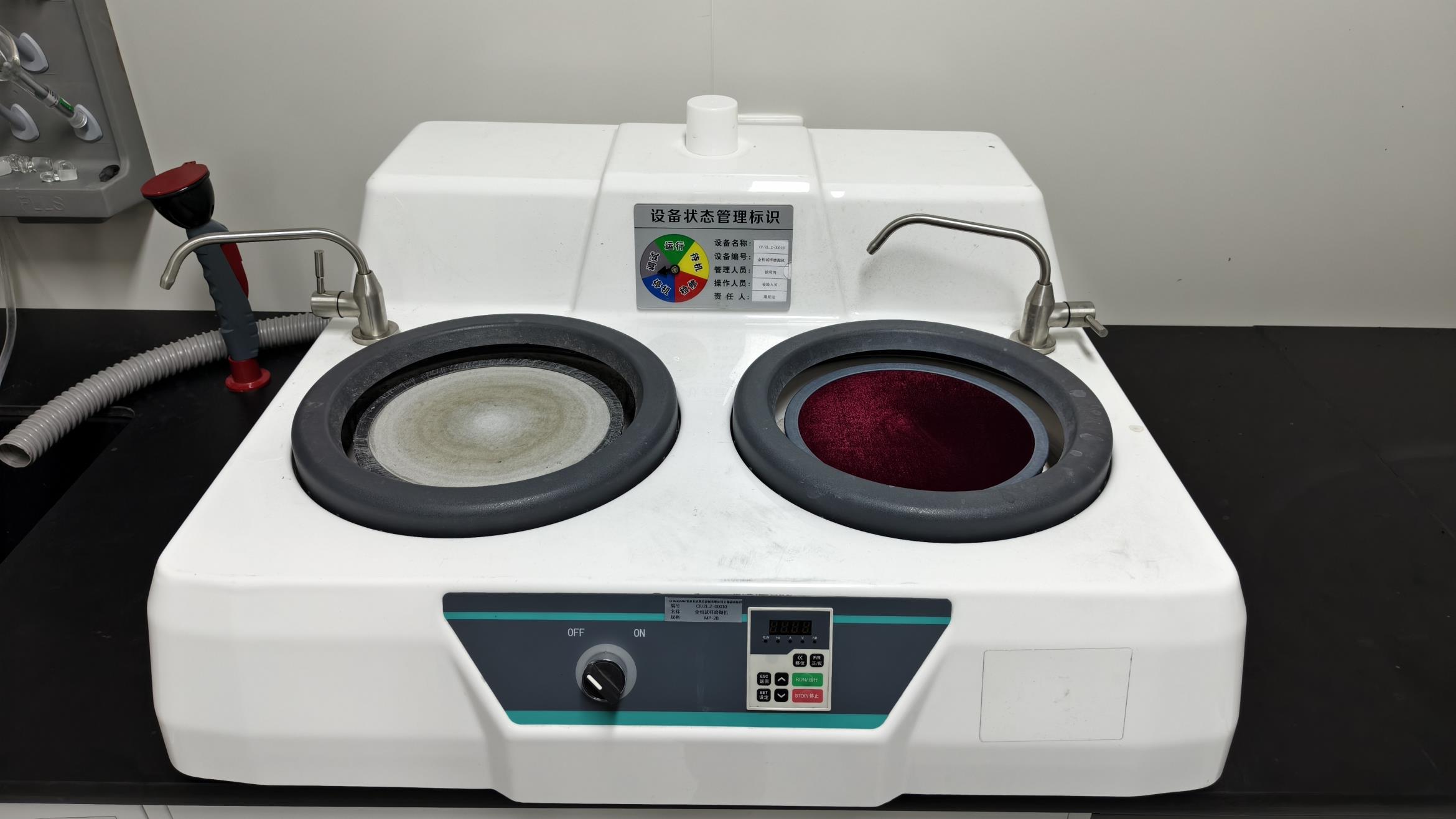
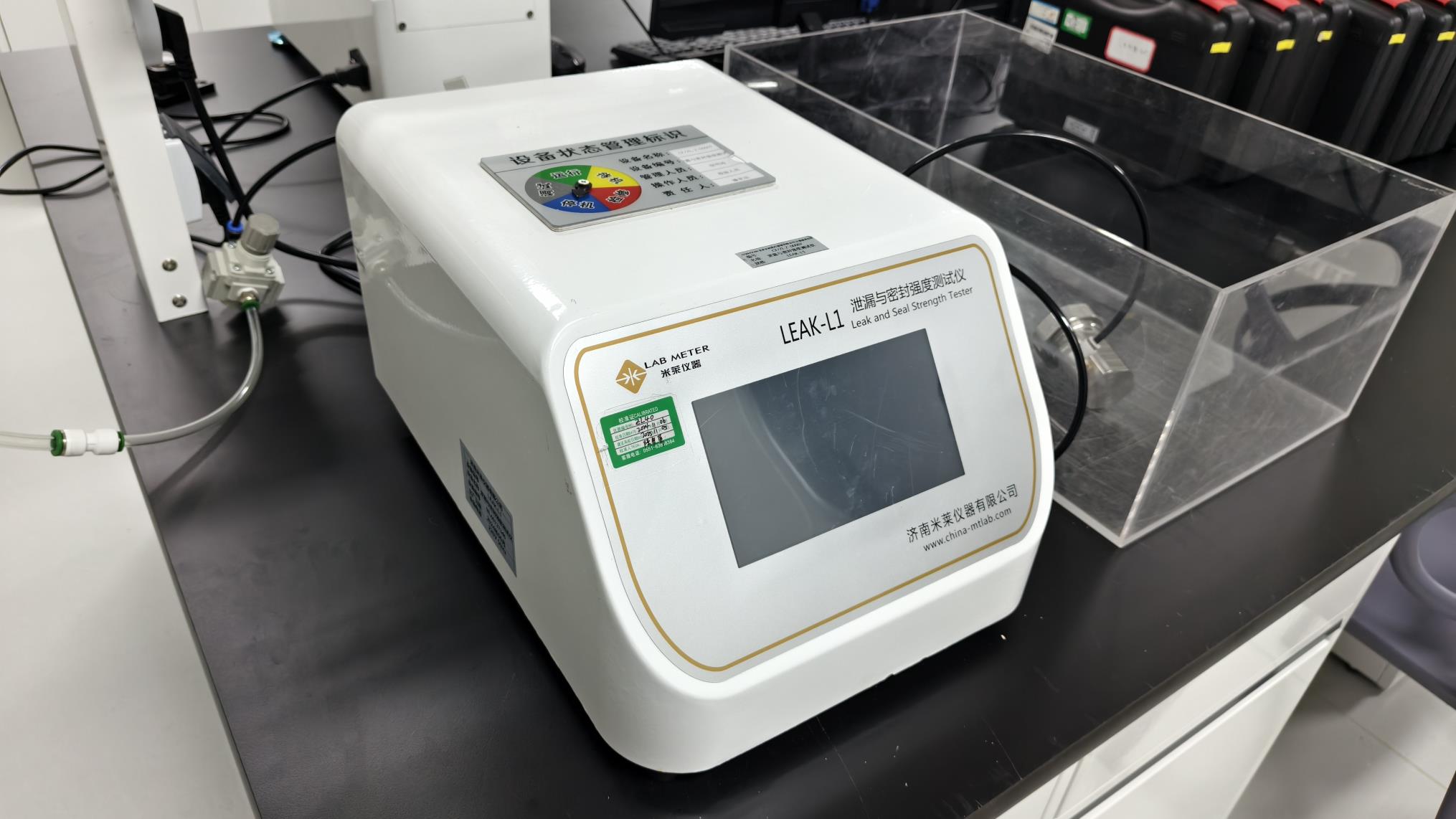
Every humeral intramedullary nail and instrument set undergoes a multi-stage manufacturing protocol. By utilizing Swiss-type lathes, CNC machining centers, and automated polishing, we eliminate the structural inconsistencies associated with traditional forging. Below is the visual representation of our manufacturing processes and in-house inspection capabilities.


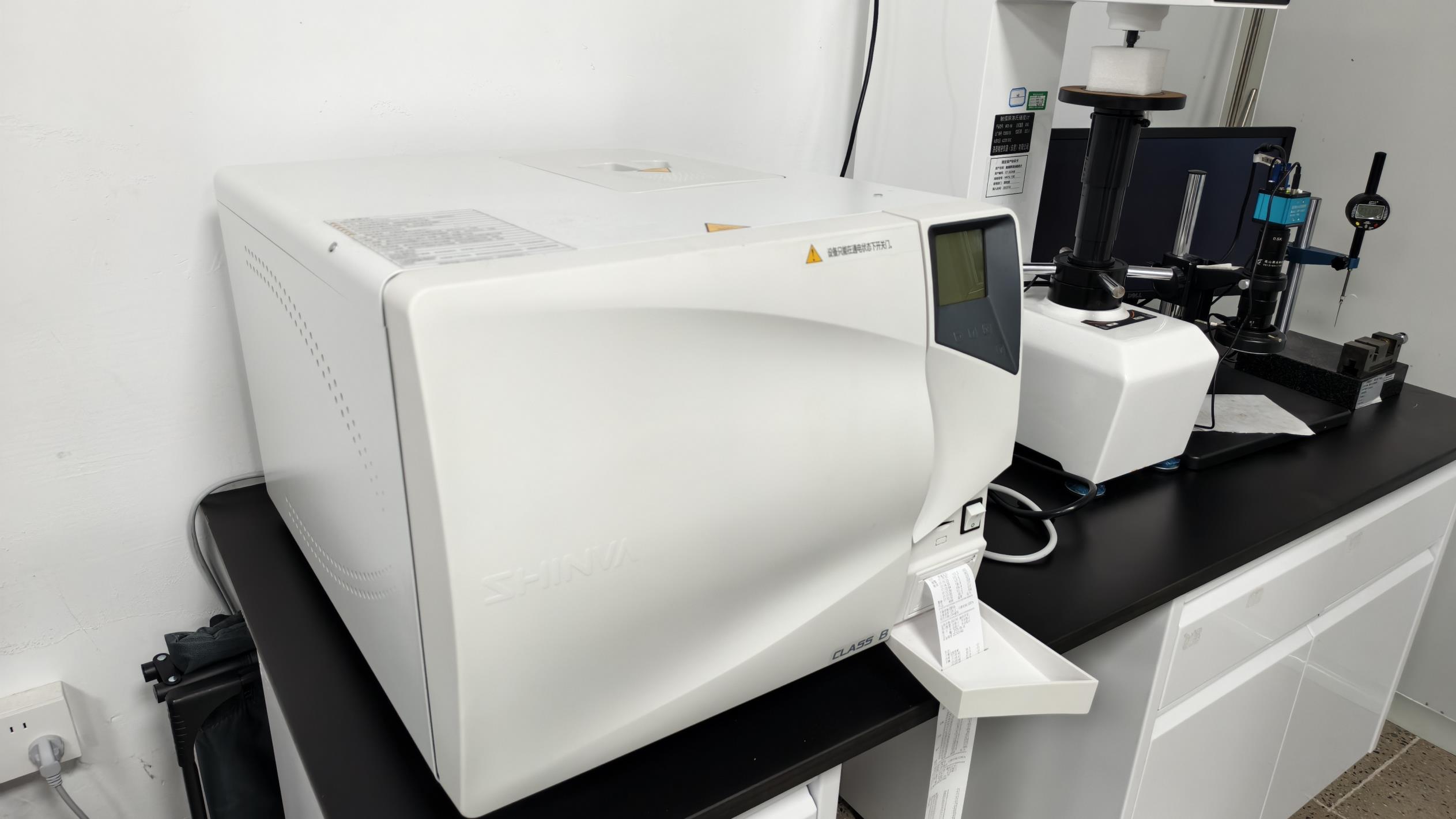
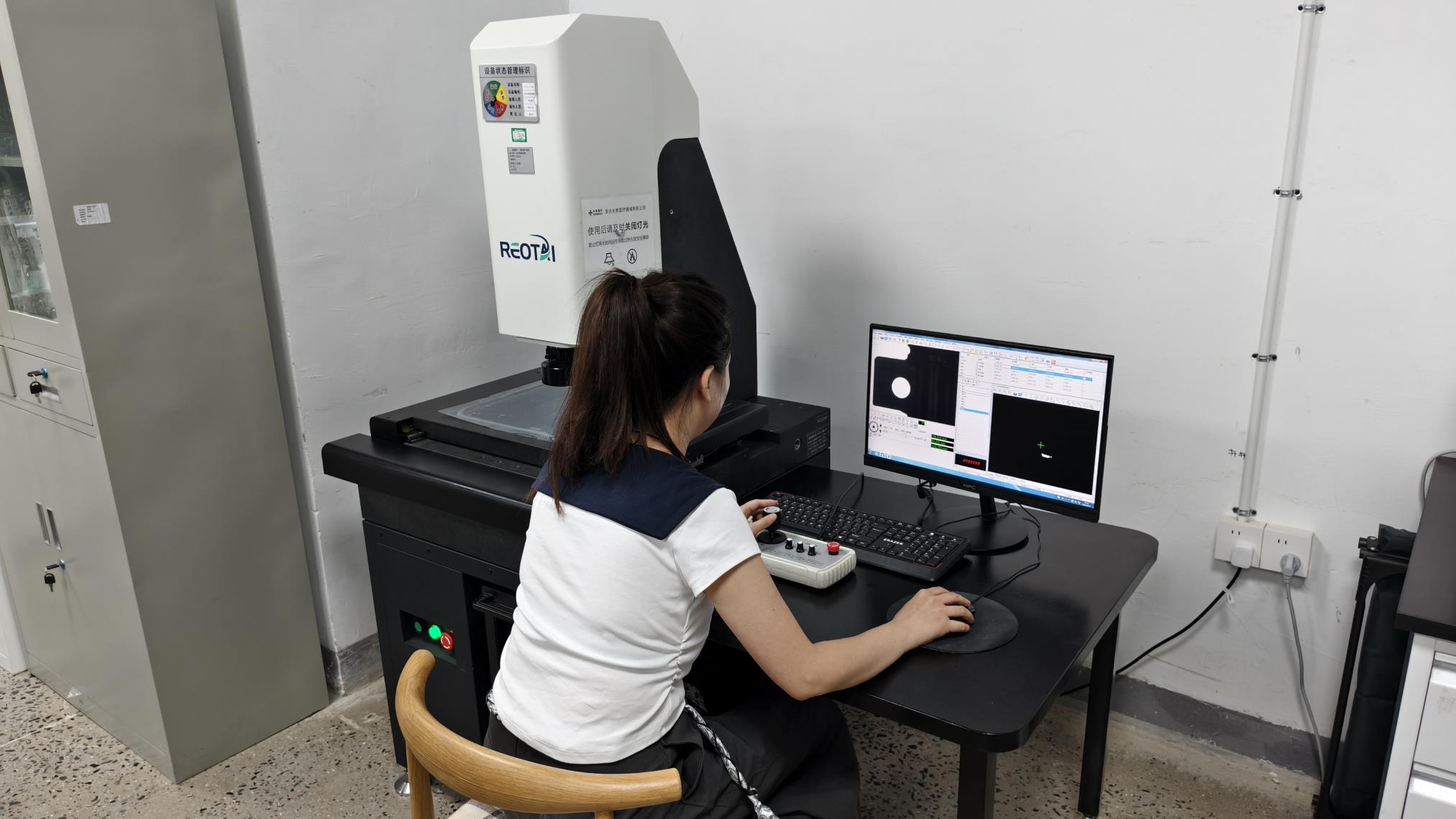
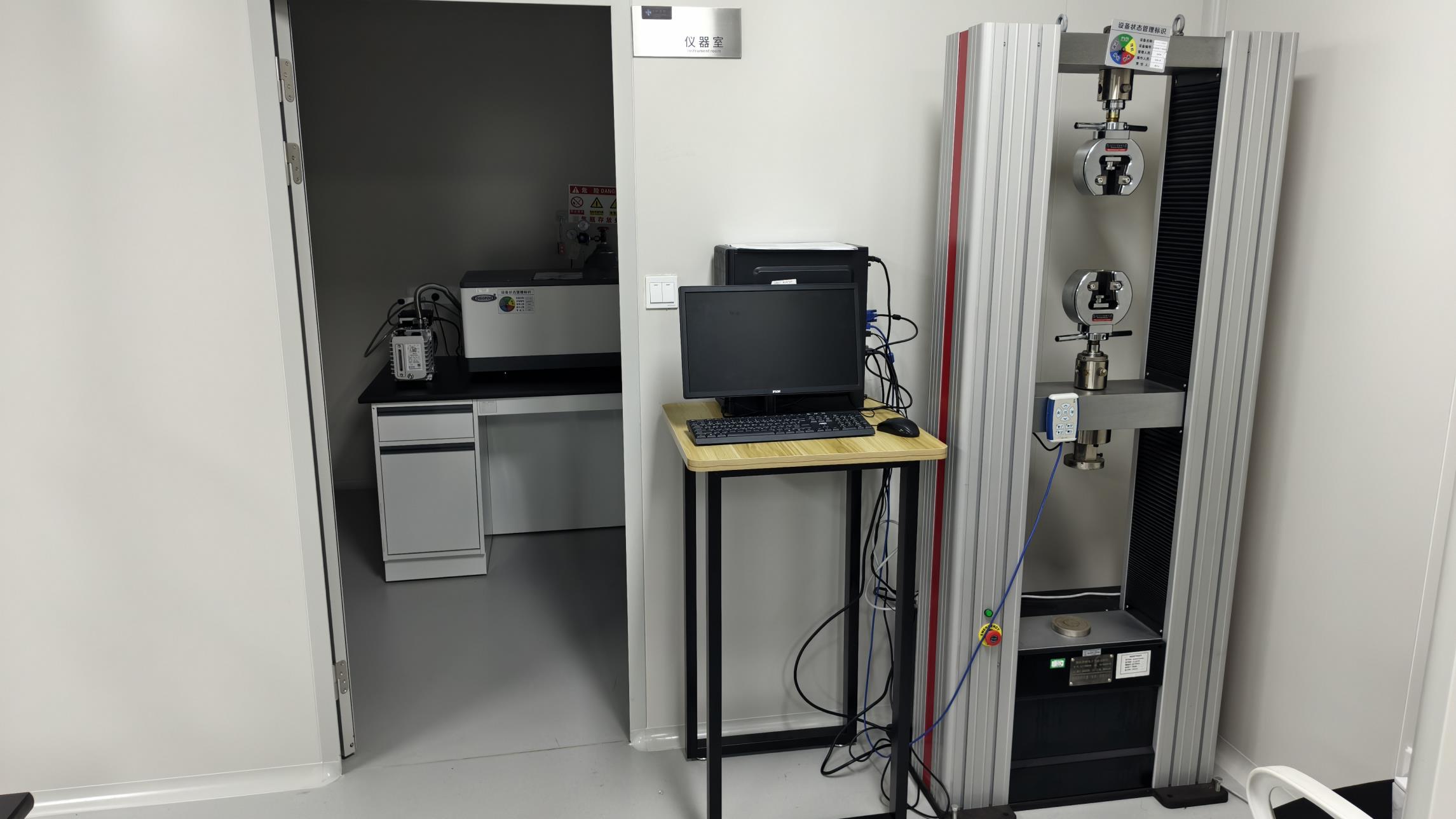
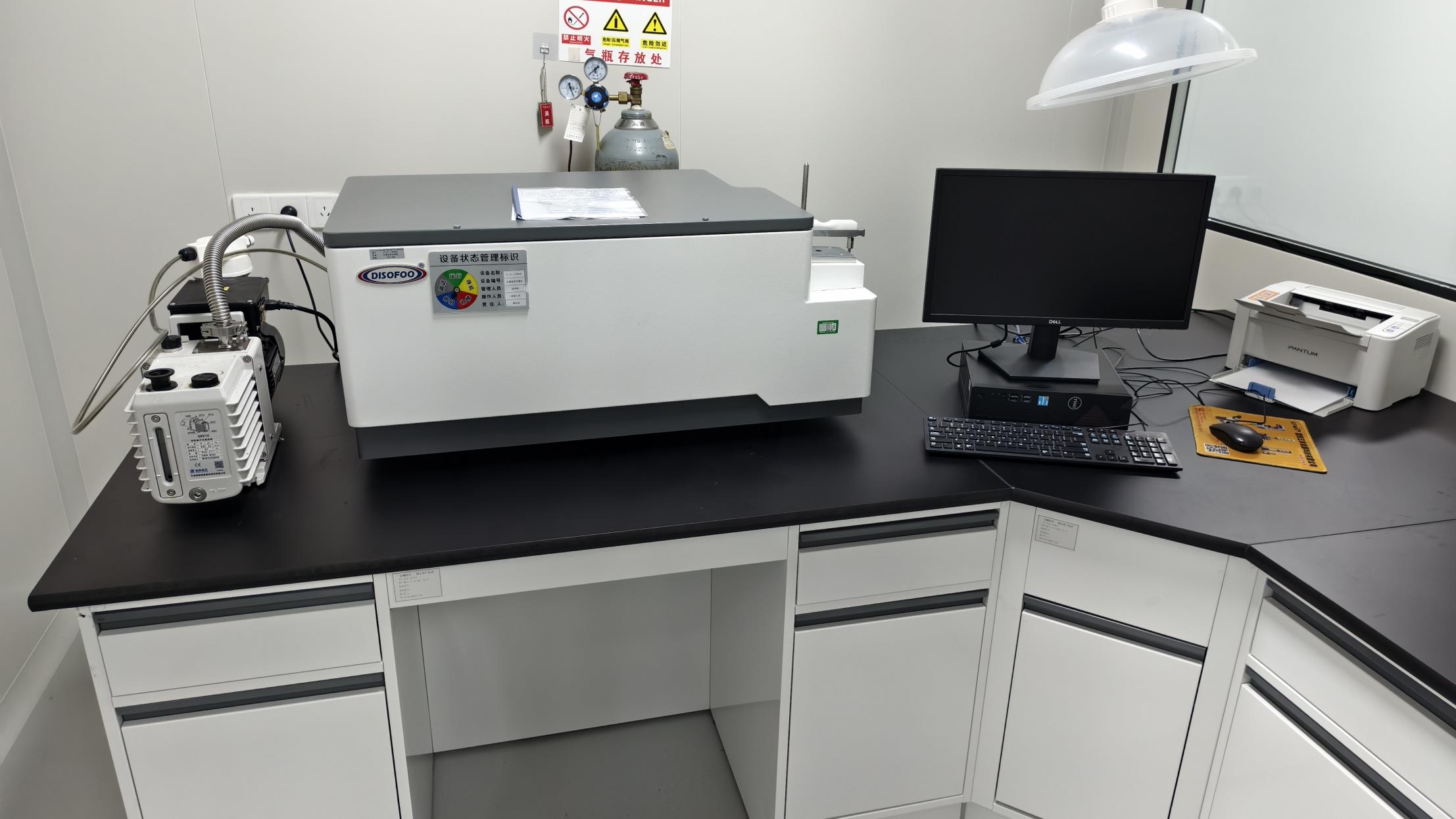
The purchasing behavior of global distributors is deeply influenced by national healthcare structures and regulatory demands. In highly regulated markets like North America and the European Union, medical device importers prioritize traceability. Having an ISO 13485 certification, comprehensive mechanical fatigue data, and a robust Class III sterilization record is baseline compliance. In these developed regions, the focus is increasingly shifting toward ambulatory surgical centers (ASCs) which demand highly streamlined, single-use instrument kits to minimize autoclave cycle overhead.
In contrast, in Latin America, Southeast Asia, and the Middle East, hospital procurement departments prioritize cost-competitiveness without sacrificing safety. Long-term structural partnerships are vital. Zynfuse bridges this gap by managing high-volume production schedules to reduce unit costs while offering a dedicated team of 68 quality inspection specialists. From verifying raw material spectroscopy to testing structural failure on tensile machines, we ensure that every wholesale shipment matches global regulatory standards.
Looking ahead, three major clinical trends are defining the future of intramedullary implants: