Zynfuse
Zynfuse
Zynfuse
Discover Zynfuse's top-tier surgical instrumentation and implants, manufactured in our state-of-the-art facility to meet stringent international standards.
Mandibular reconstruction represents one of the most demanding sub-specialties within maxillofacial surgery. The human mandible acts as a dynamic biomechanical arch, subjected to multi-directional force vectors during mastication, speech, and deglutition. Selecting the right mandibular reconstruction plate is not merely a matter of structural support; it is a critical clinical decision that influences bone healing, stress shielding, long-term implant survival, and patient quality of life.
Traditional non-locking plate systems rely heavily on the friction generated between the plate and the underlying bone surface. When the screws are tightened, the plate is compressed against the cortex, which can lead to localized cortical bone necrosis due to microvascular disruption. In contrast, locking mandibular reconstruction plate systems feature threaded screw holes that lock directly into the plate itself. This design ensures that the screw does not compress the plate to the bone, preserving the periosteal blood supply and preventing stress shielding, where the bone is under-loaded and subsequently resorbed.
To withstand cyclic loading without fatigue failure, manufacturers utilize medical-grade titanium alloys (primarily Grade 4 Pure Titanium or Ti-6Al-4V ELI). These materials offer the optimal balance of tensile strength, fatigue resistance, and low modulus of elasticity, aligning closer to natural human cortical bone than stainless steel or cobalt-chromium alternatives. High-precision engineering is necessary to ensure the locking mechanisms do not gall or seize during insertion, ensuring structural integrity even under high masticatory force.
Established in 2016, Zynfuse Medical Technology Co., Ltd. has positioned itself as a professional orthopedic medical device manufacturer specializing in bone fusion and advanced implant systems. Built upon 12 years of industry experience and 7 years of international export experience, Zynfuse has established a highly reputable presence in the global healthcare market, providing high-precision maxillofacial and orthopedic solutions.
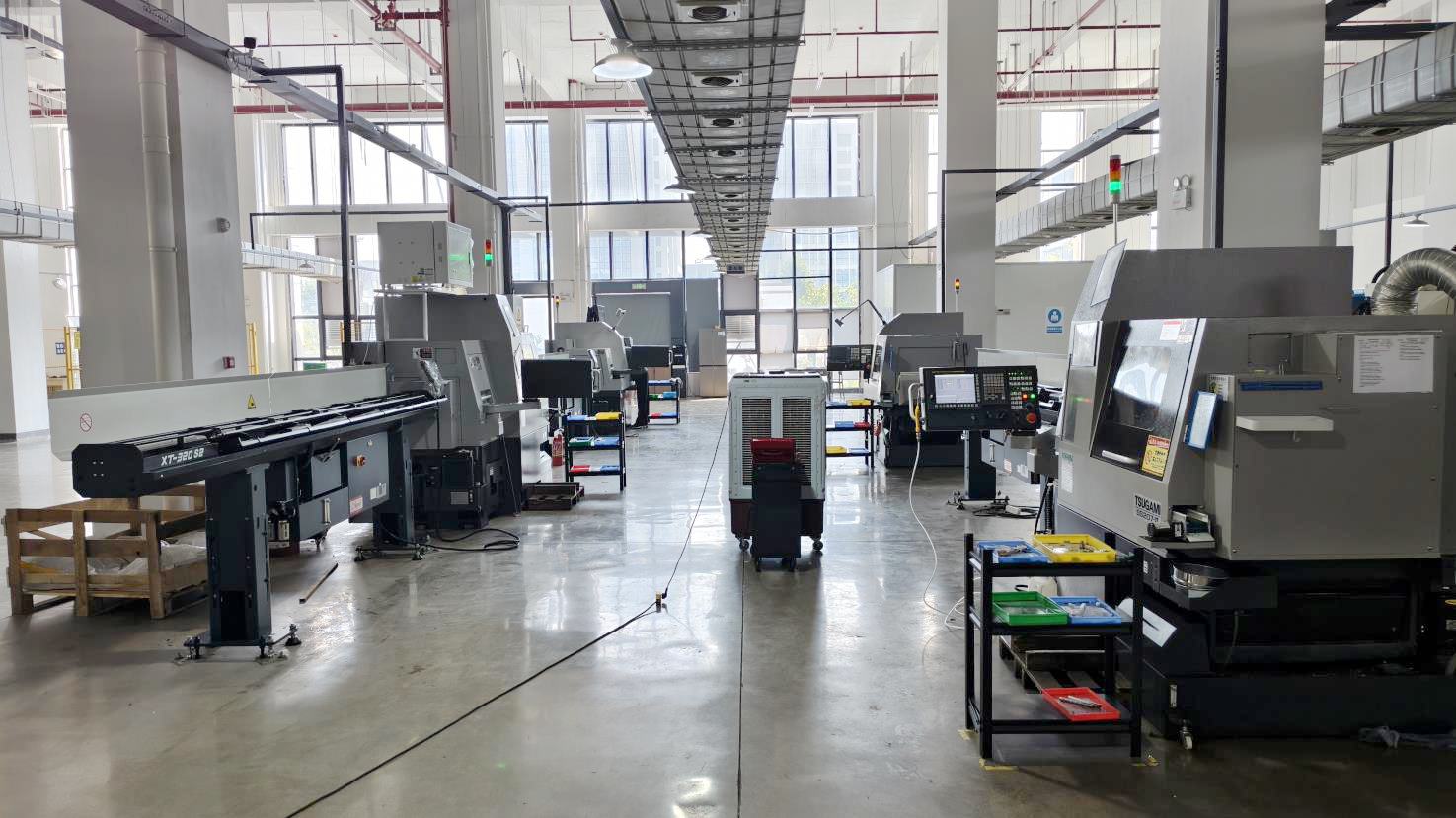
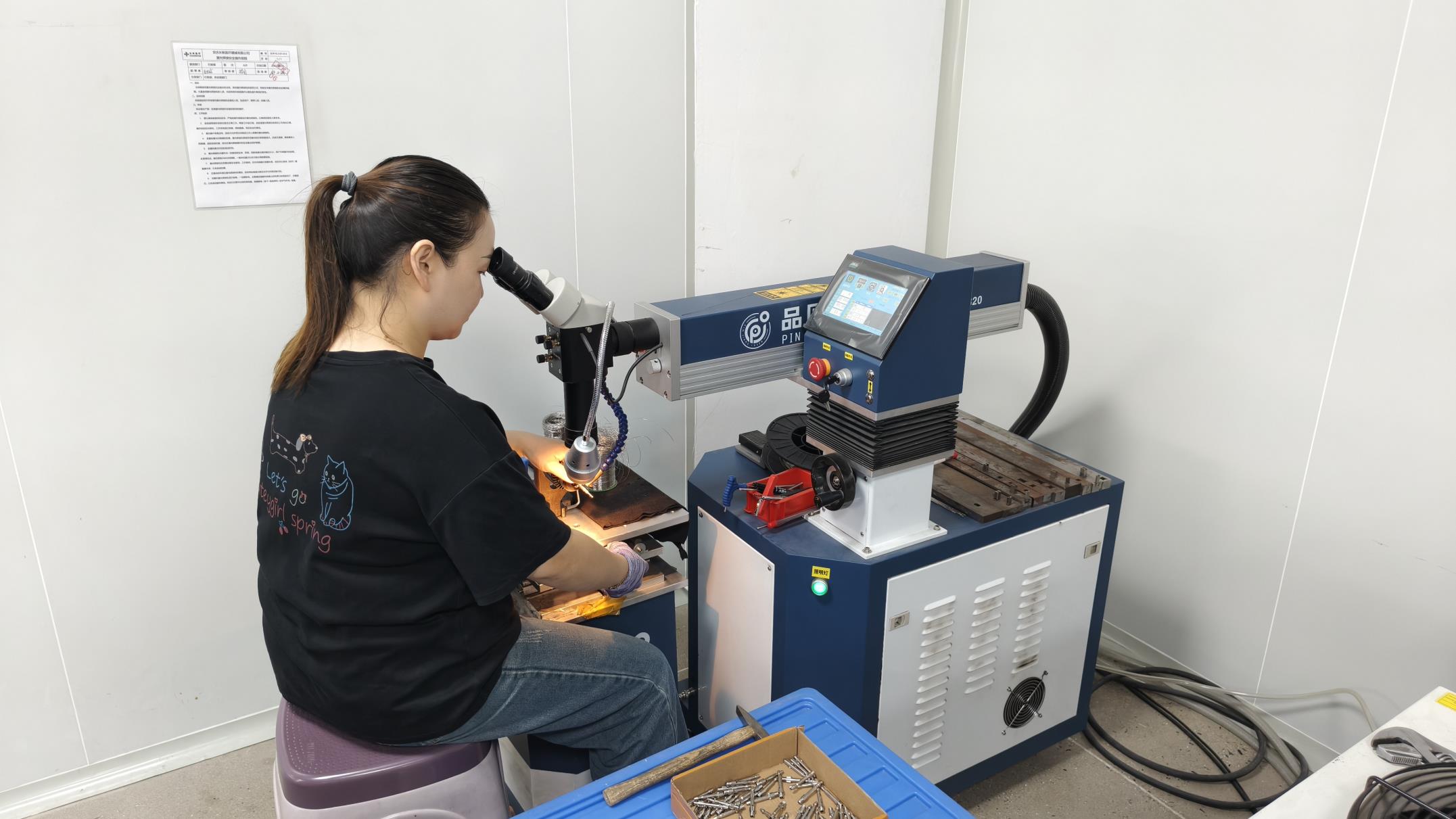
Operating a modernized, temperature-controlled facility spanning approximately 18,600 m², Zynfuse integrates CNC milling, Swiss-type high-precision turning, automated laser welding, and rigorous testing setups to maintain a robust global supply chain. With an annual export volume reaching $18.5 million, the company serves complex procurement pipelines in North America, Europe, Southeast Asia, and the Middle East, partnering with medical distributors, hospital purchasing departments, orthopedic surgical centers, and OEM/ODM clients.
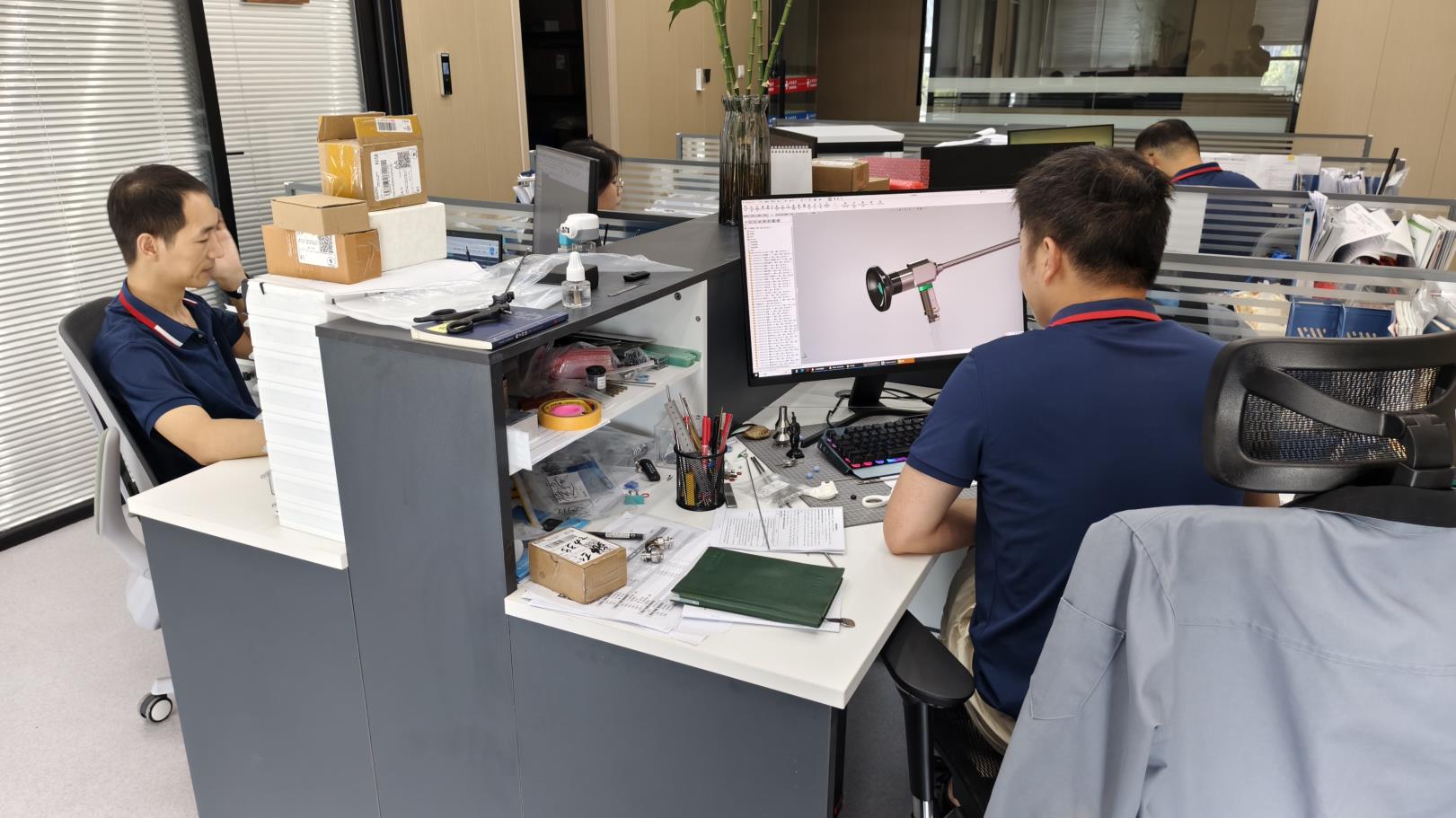
At Zynfuse, research and development drive our annual progress. Our in-house engineering team of 85 R&D specialists continuously refines the mechanical dynamics of our implants, introducing approximately 320 new products each year. This agile development pipeline allows us to offer extensive custom design options, including custom patient-specific implants (PSI), customized plate geometries, and specialized surface treatment modifications to optimize osseointegration.
When global medical device distributors source reconstructive implants, supply chain resilience and cost efficiency are paramount. The concentration of advanced manufacturing technology in China has created a highly integrated industrial cluster for orthopedic medical devices. Zynfuse sits at the intersection of this advanced ecosystem, leveraging state-of-the-art raw material processing, high-precision machining, and efficient regulatory pathways.
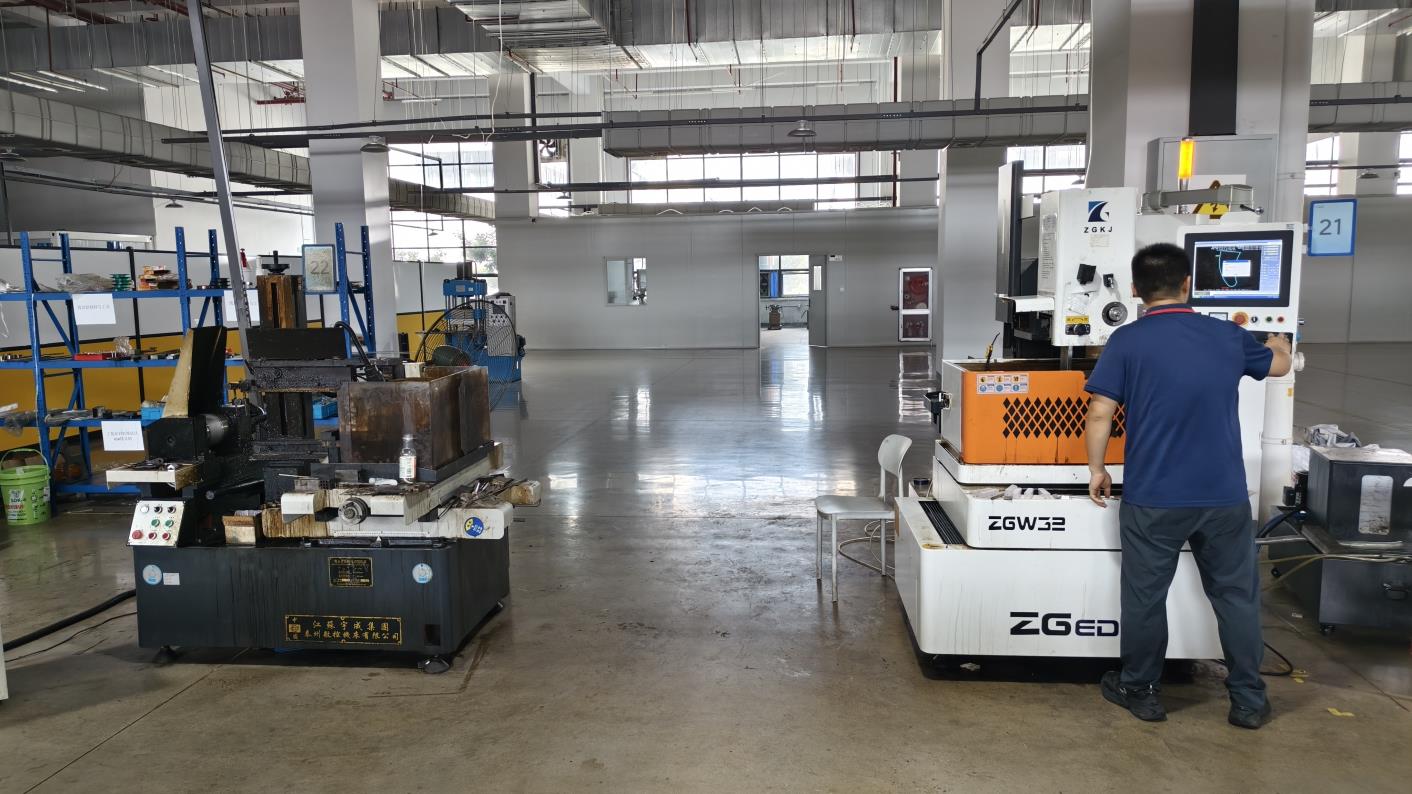
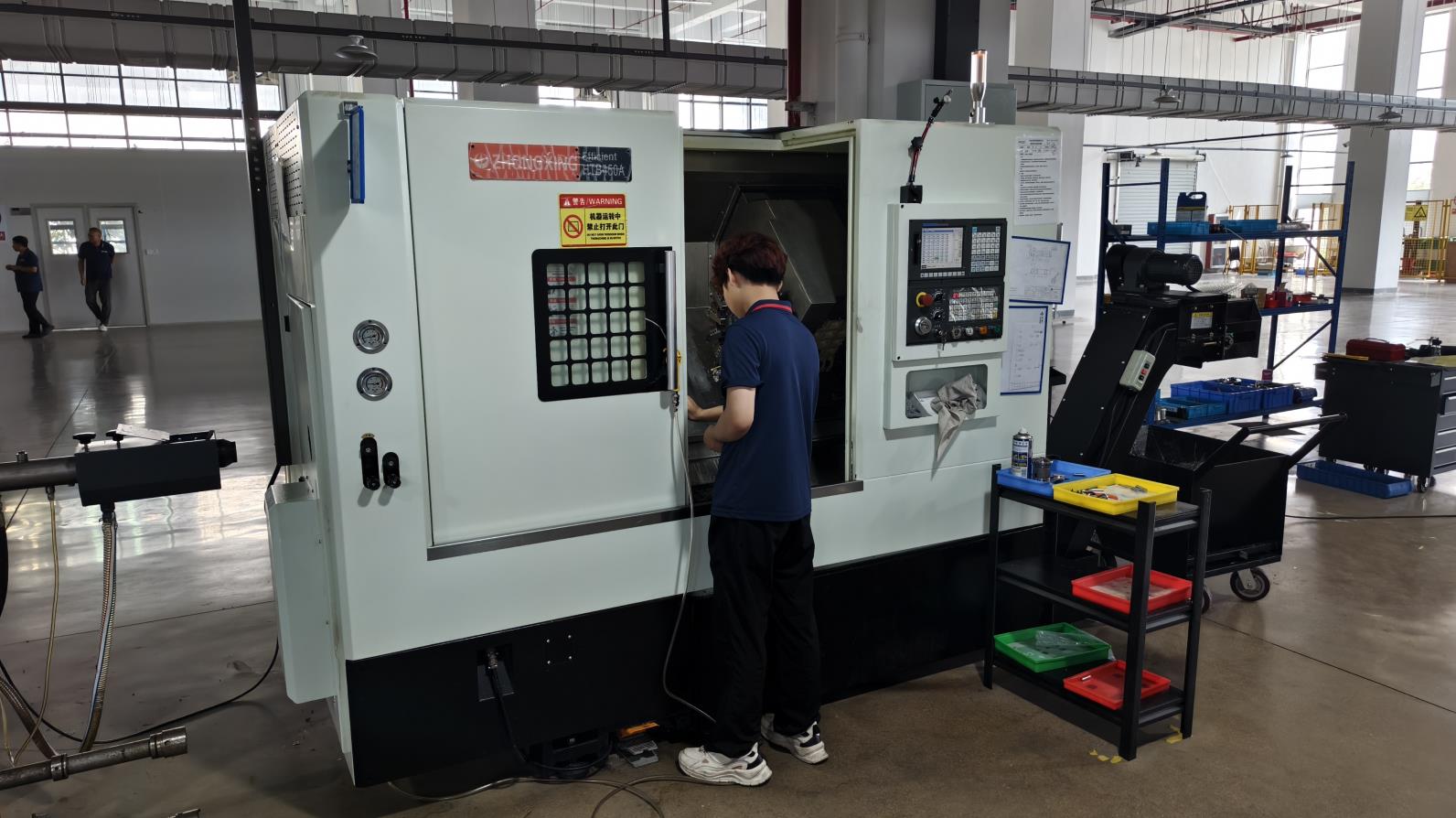
By utilizing world-class Swiss-type CNC lathes, five-axis milling machines, and wire-cutting machinery, we achieve sub-micron tolerances. This level of precision is necessary to guarantee cross-compatibility between screws and plates, reducing the risk of intraoperative stripping or misthreading.
Our scaled production and deep integration with domestic medical-grade titanium raw material refiners allow Zynfuse to offer cost-competitive solutions without sacrificing mechanical performance or biological safety, helping distributors secure healthy margins.
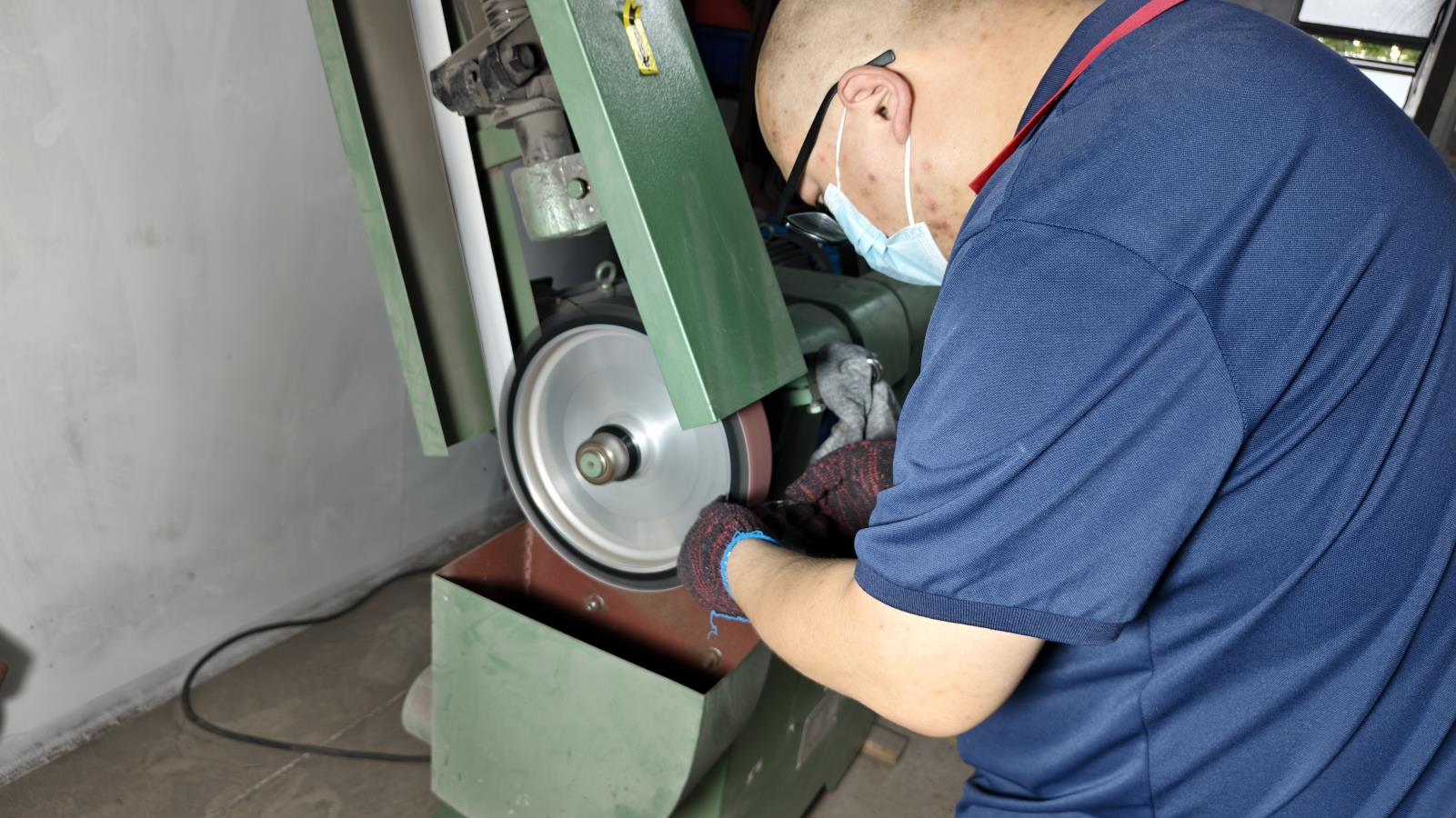
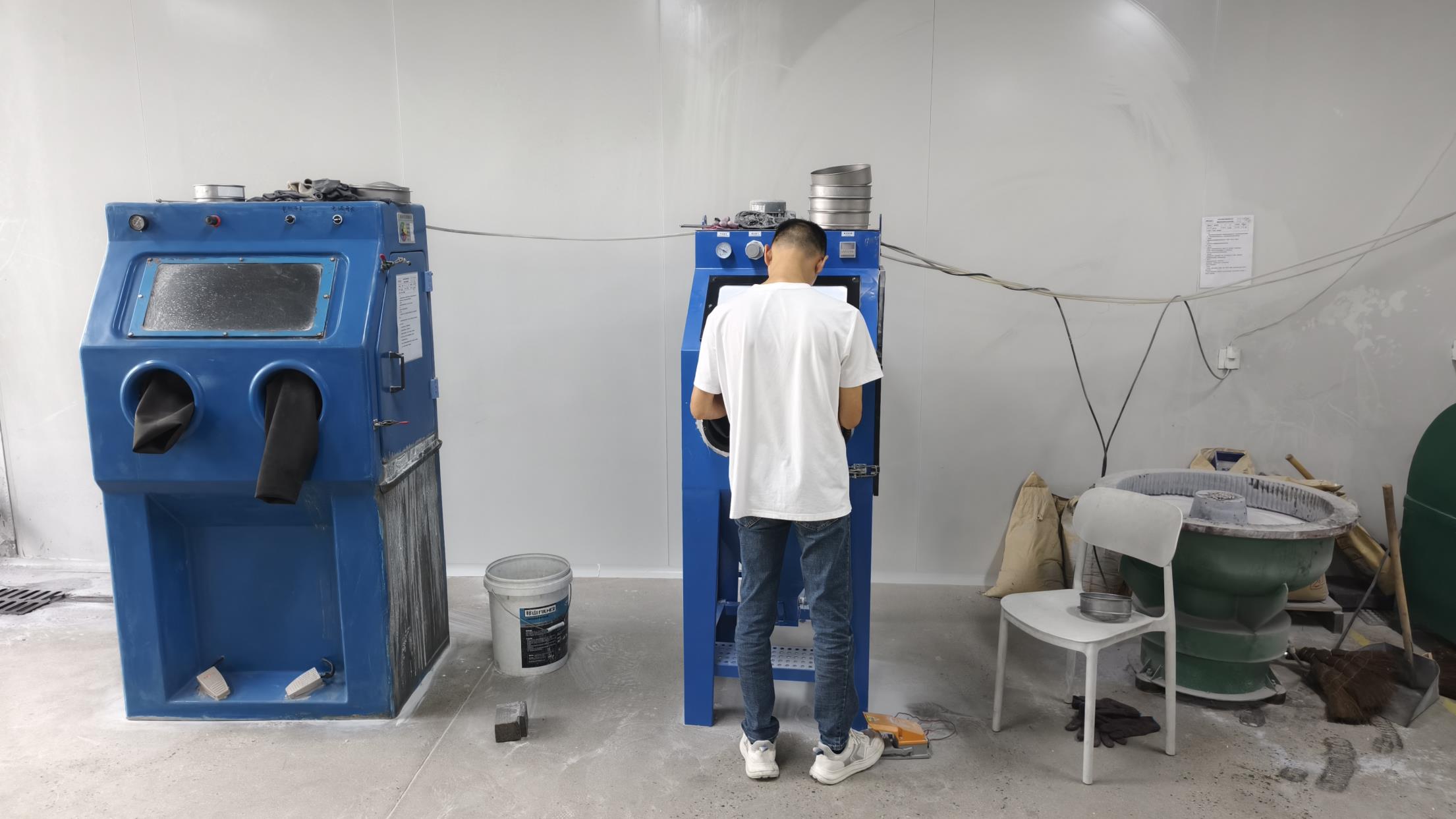
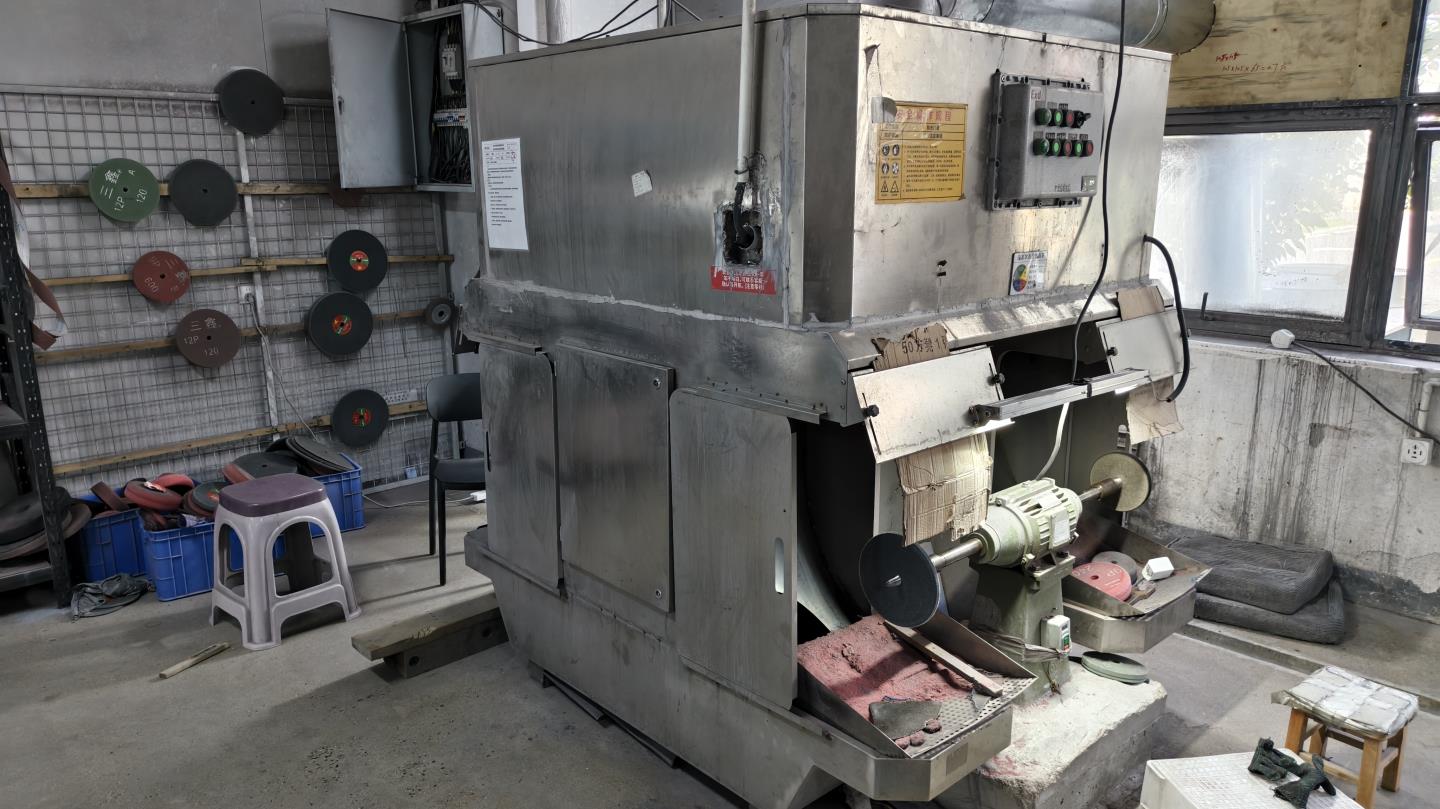
From chemical anodization and bead-blasting to acid-etching and electropolishing, all surface treatments are completed in-house. This ensures that the passive oxide layer of our titanium plates remains uniform, enhancing corrosion resistance and cytocompatibility.
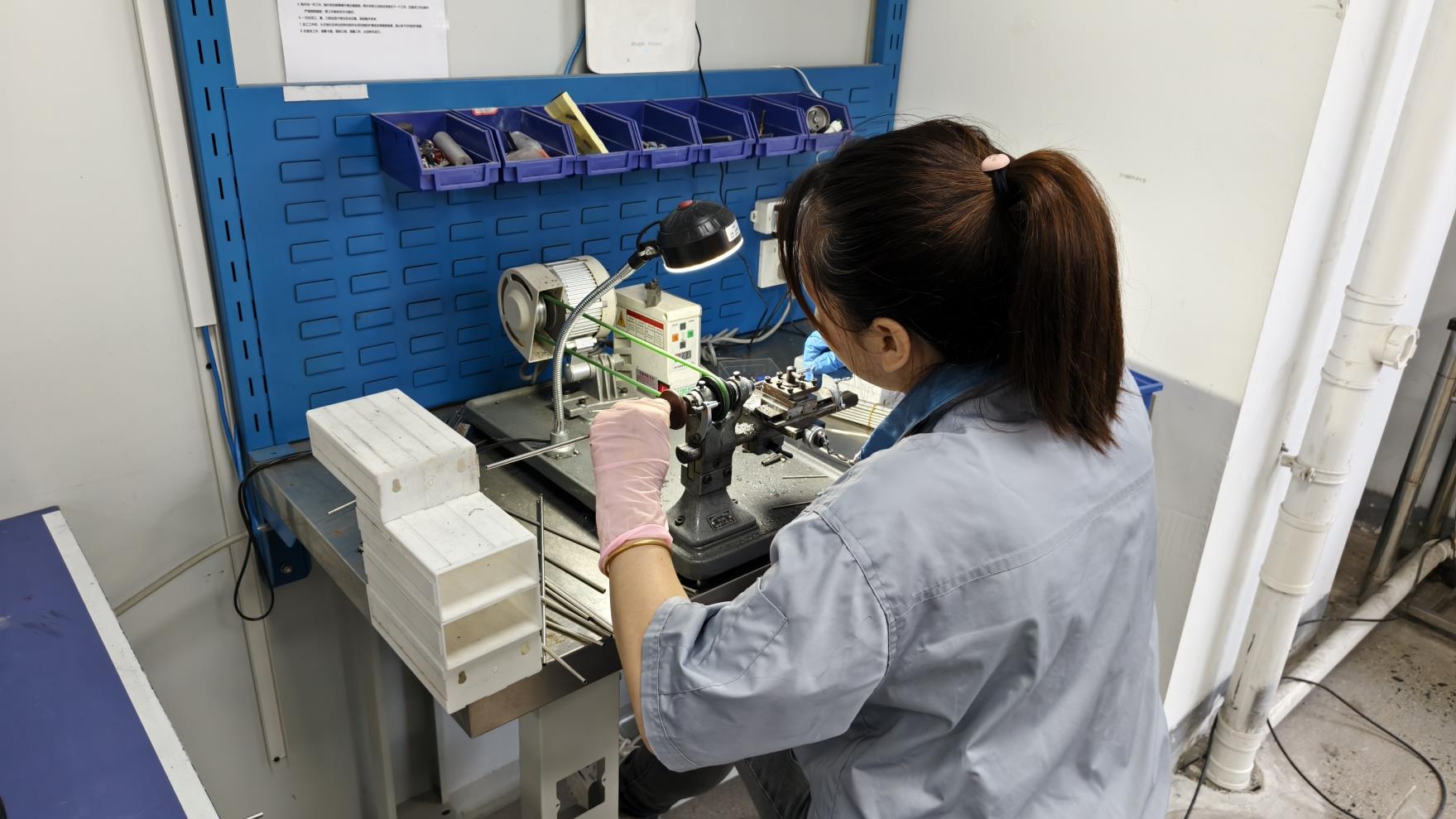
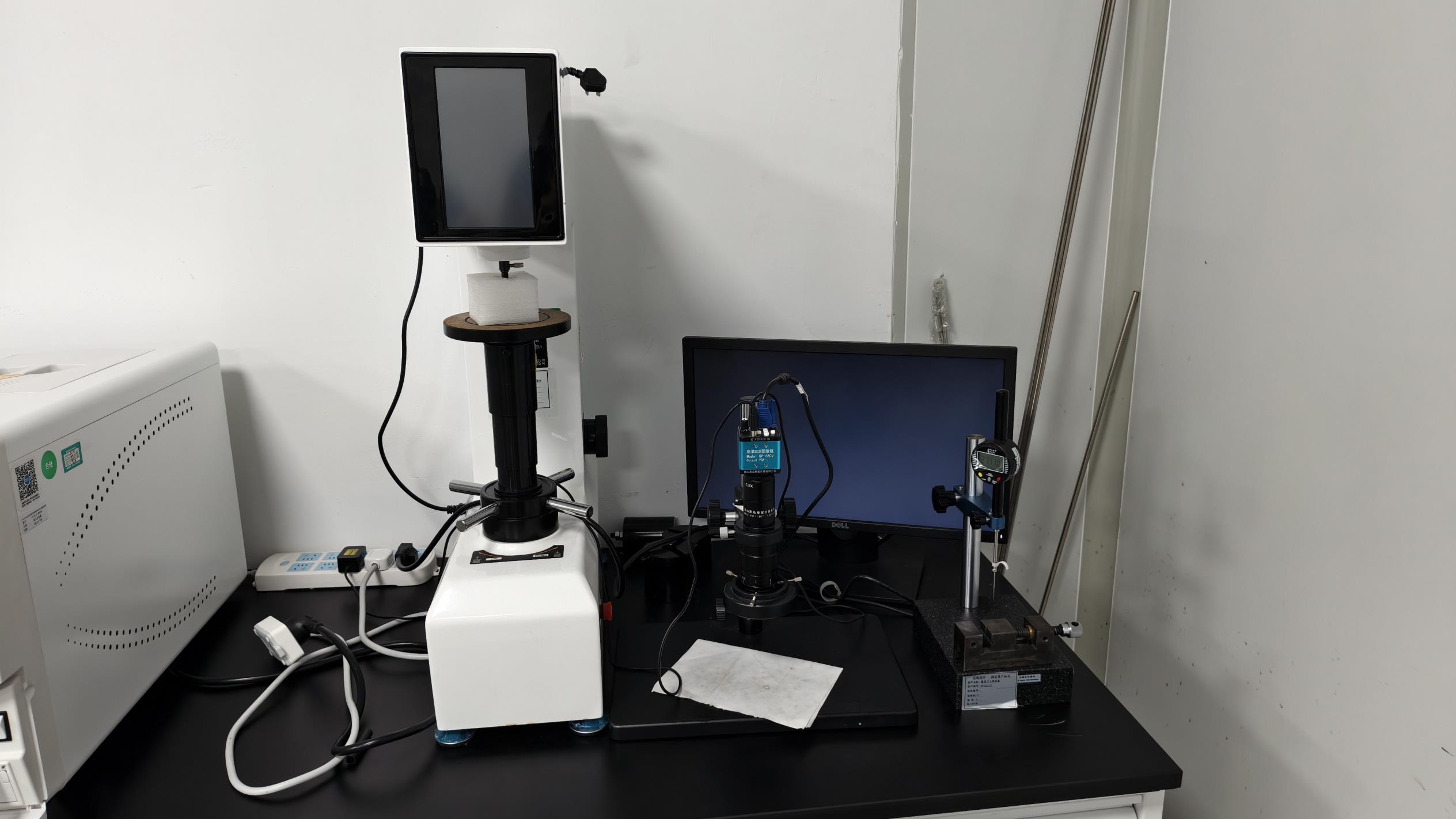
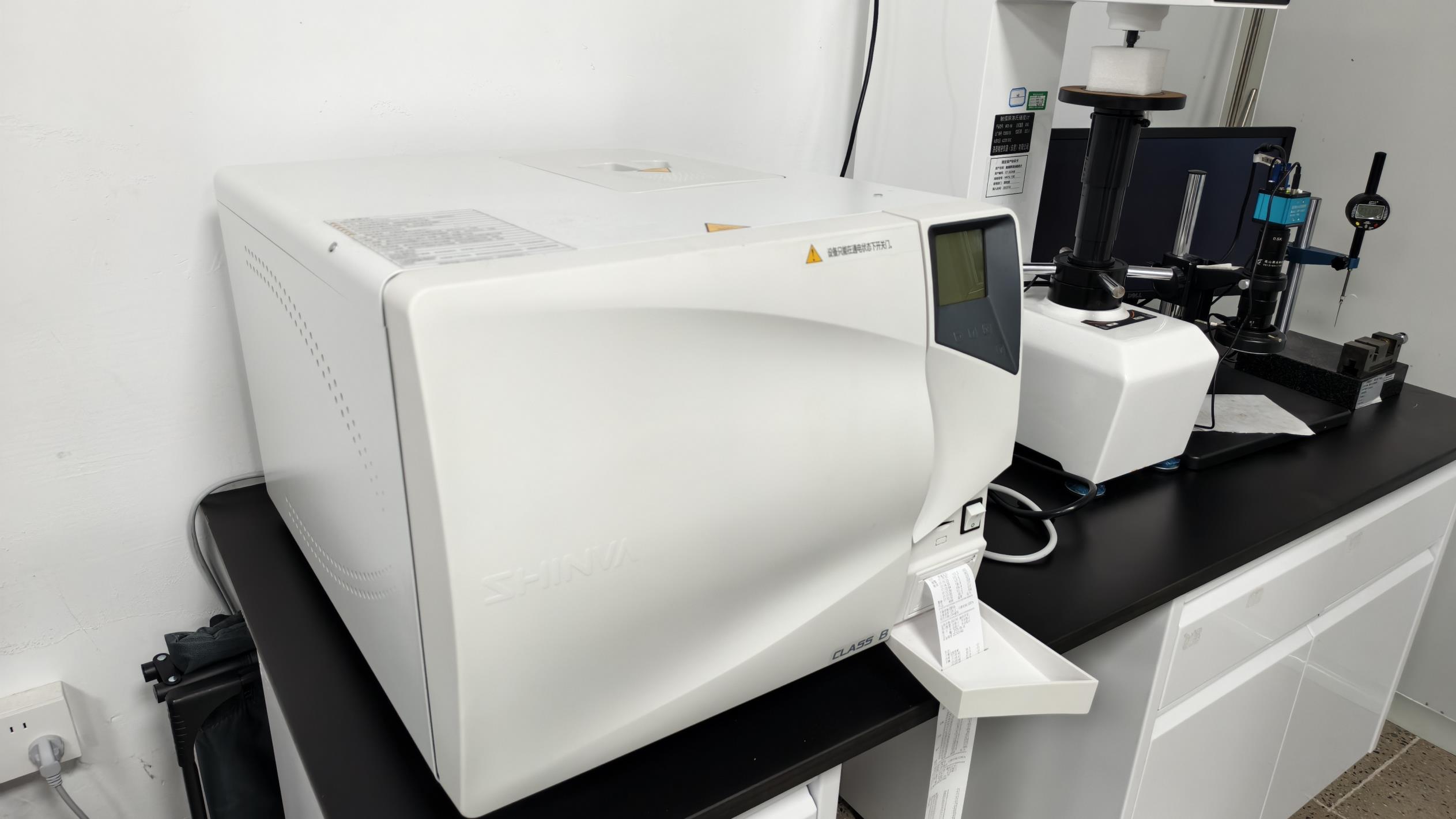
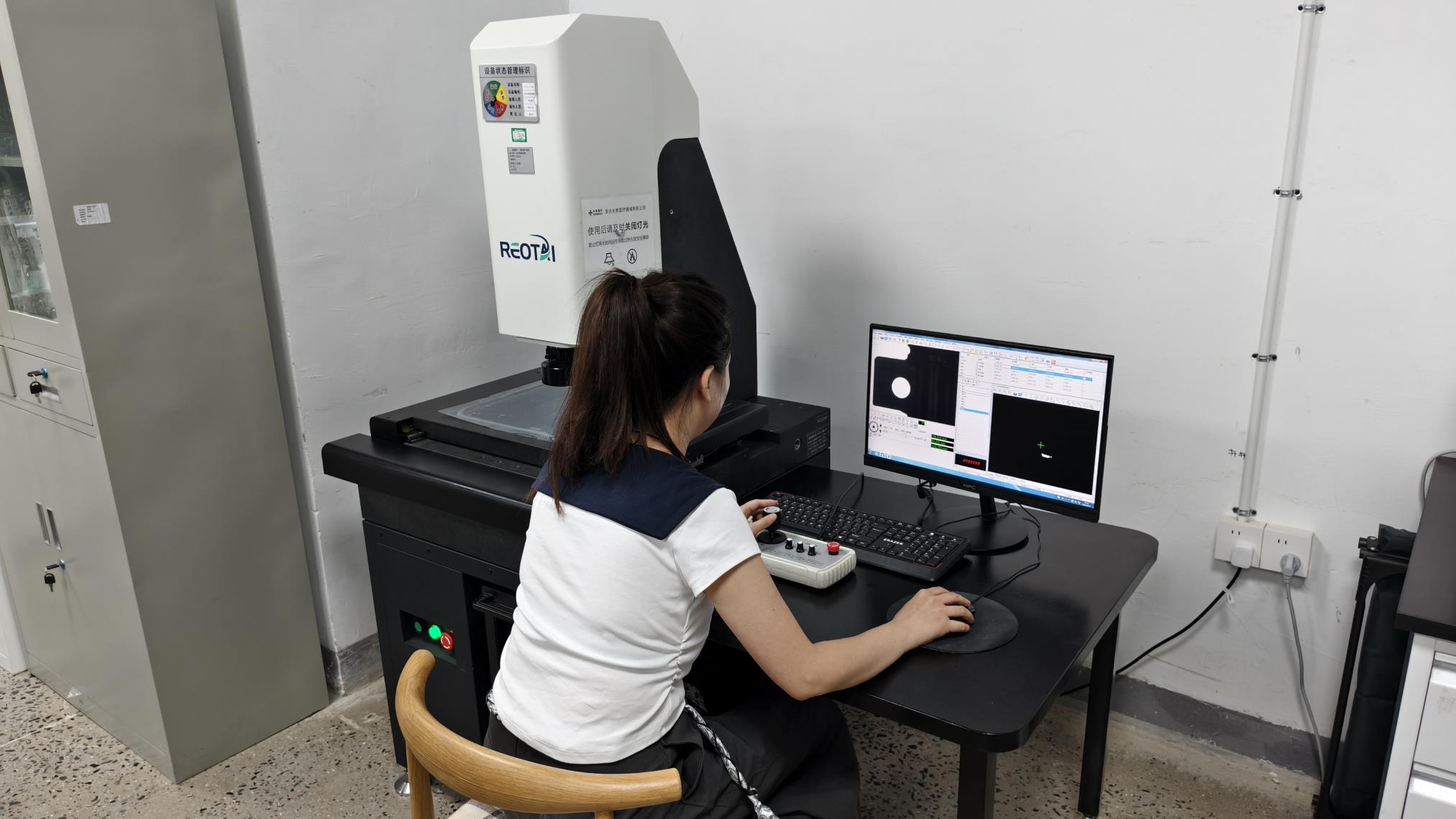
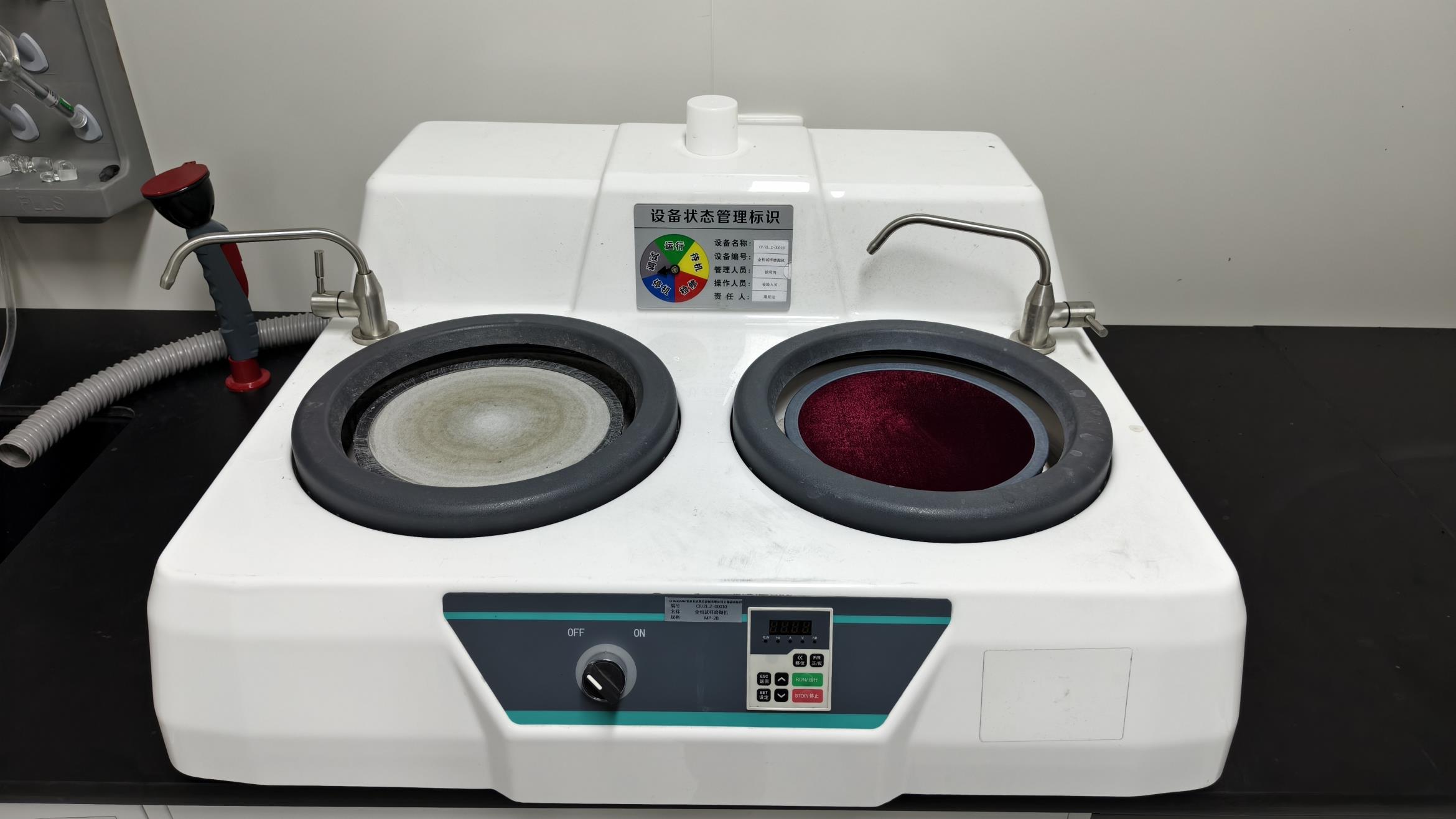
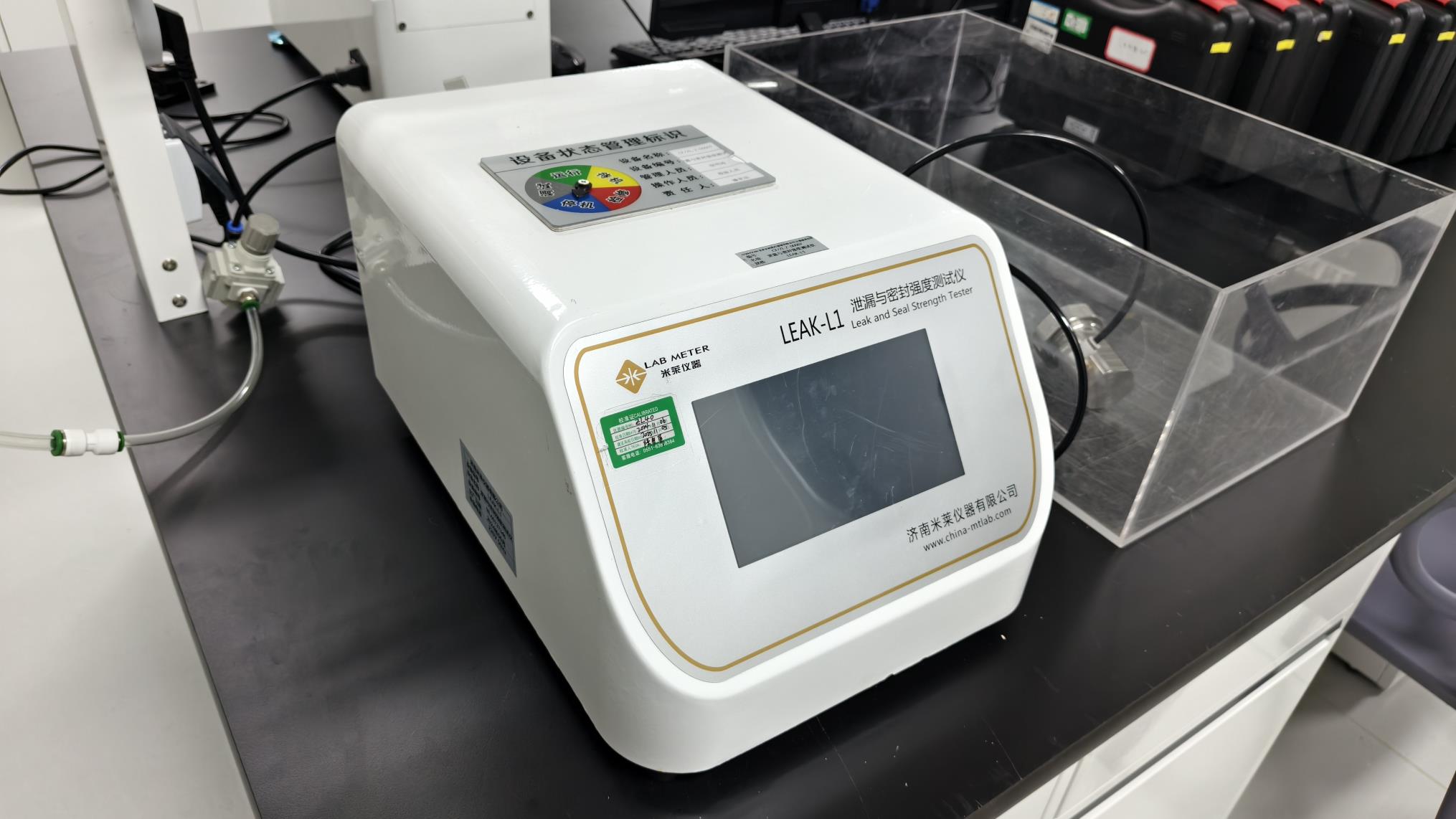
Product reliability starts with strict control over every stage of manufacturing. Below is the visual breakdown of the high-end machining steps, assembly protocols, and rigorous quality inspection methods utilized daily inside the Zynfuse facility.
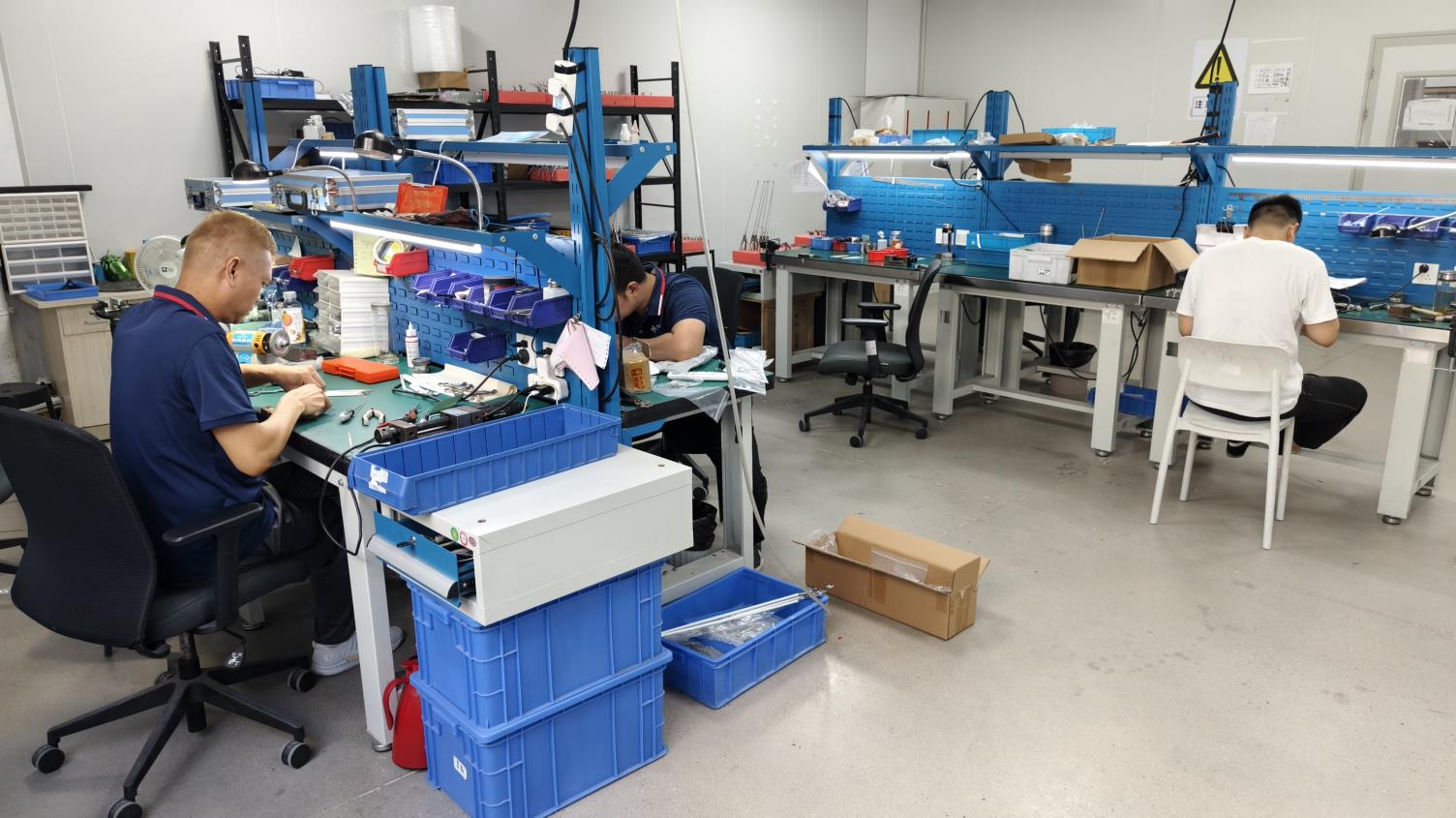
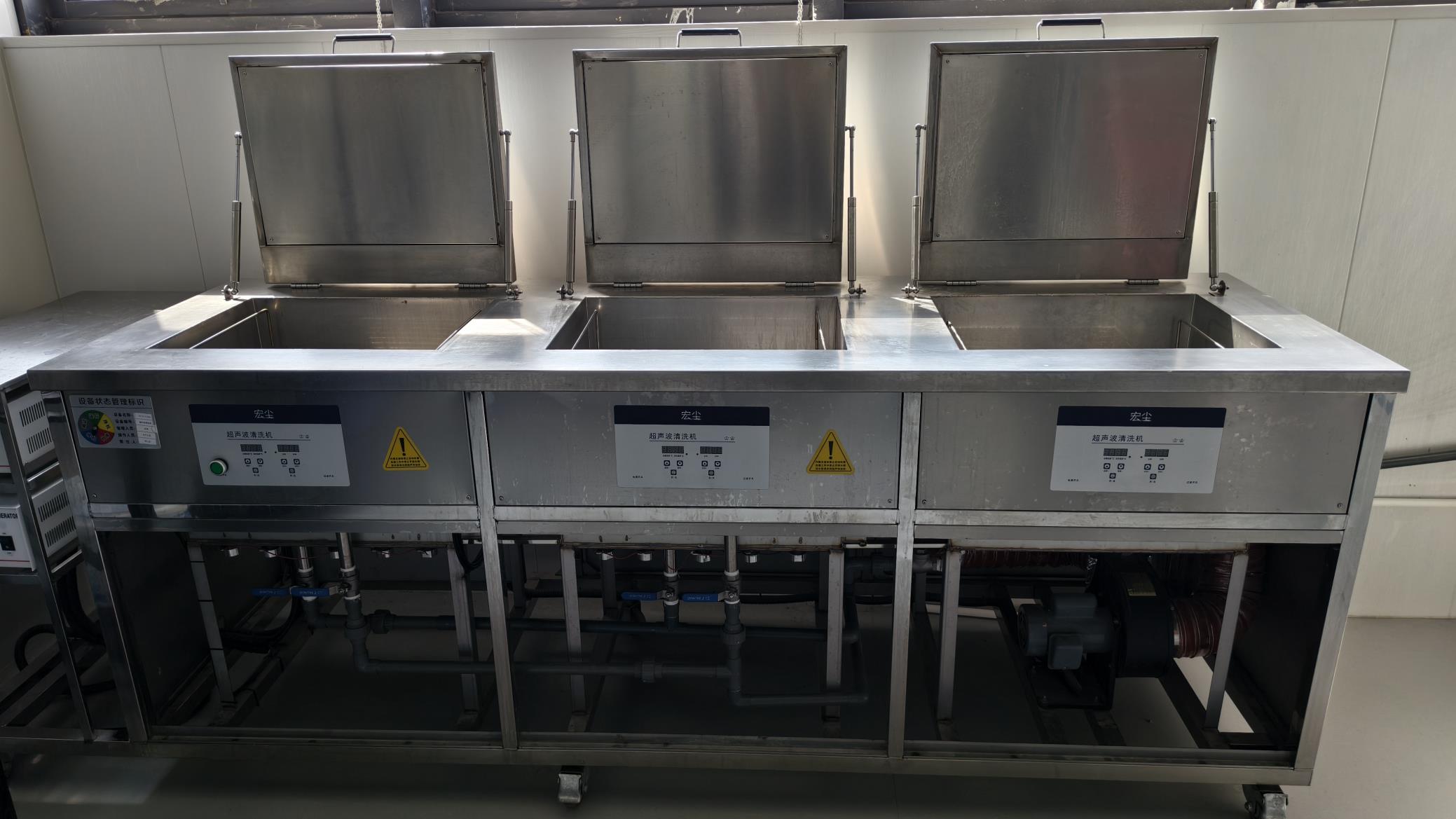
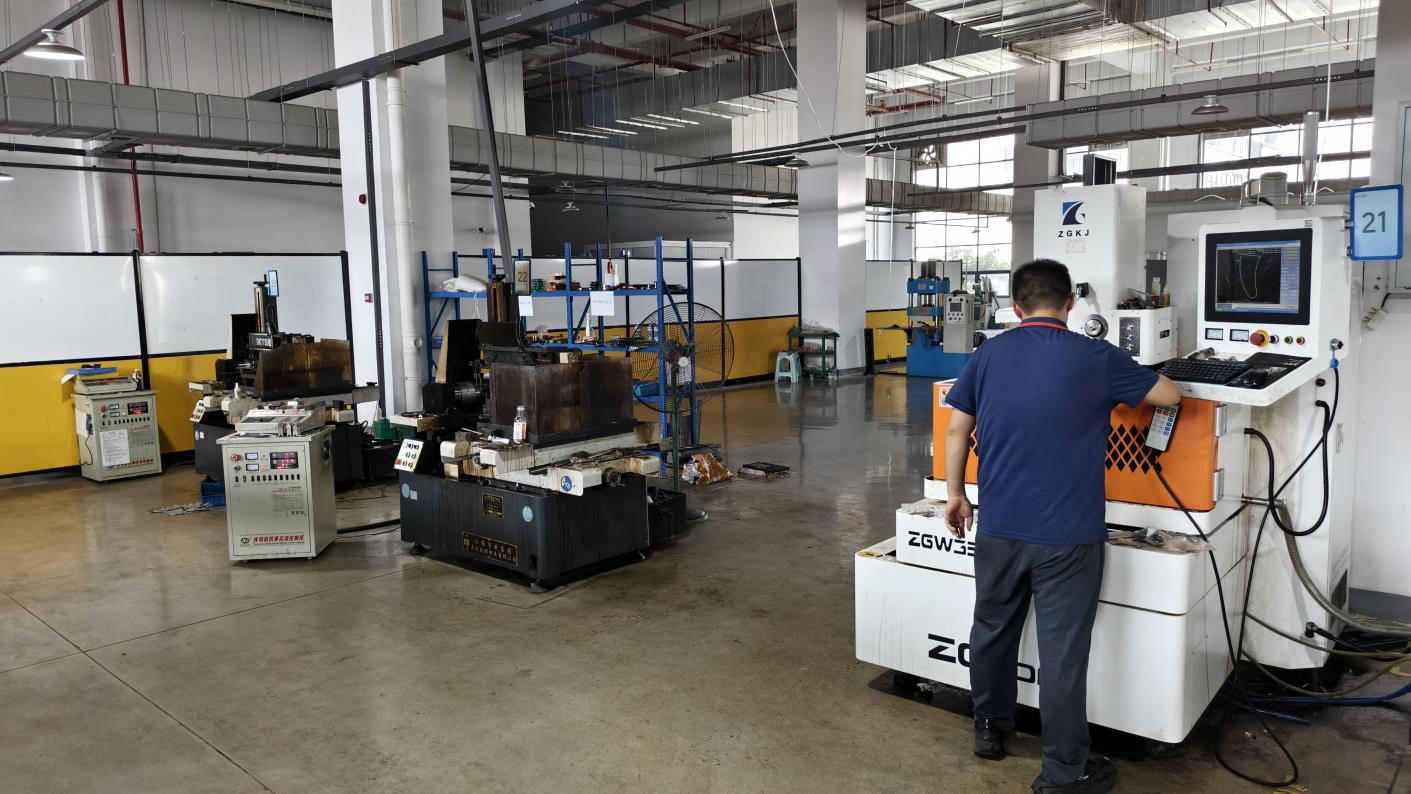
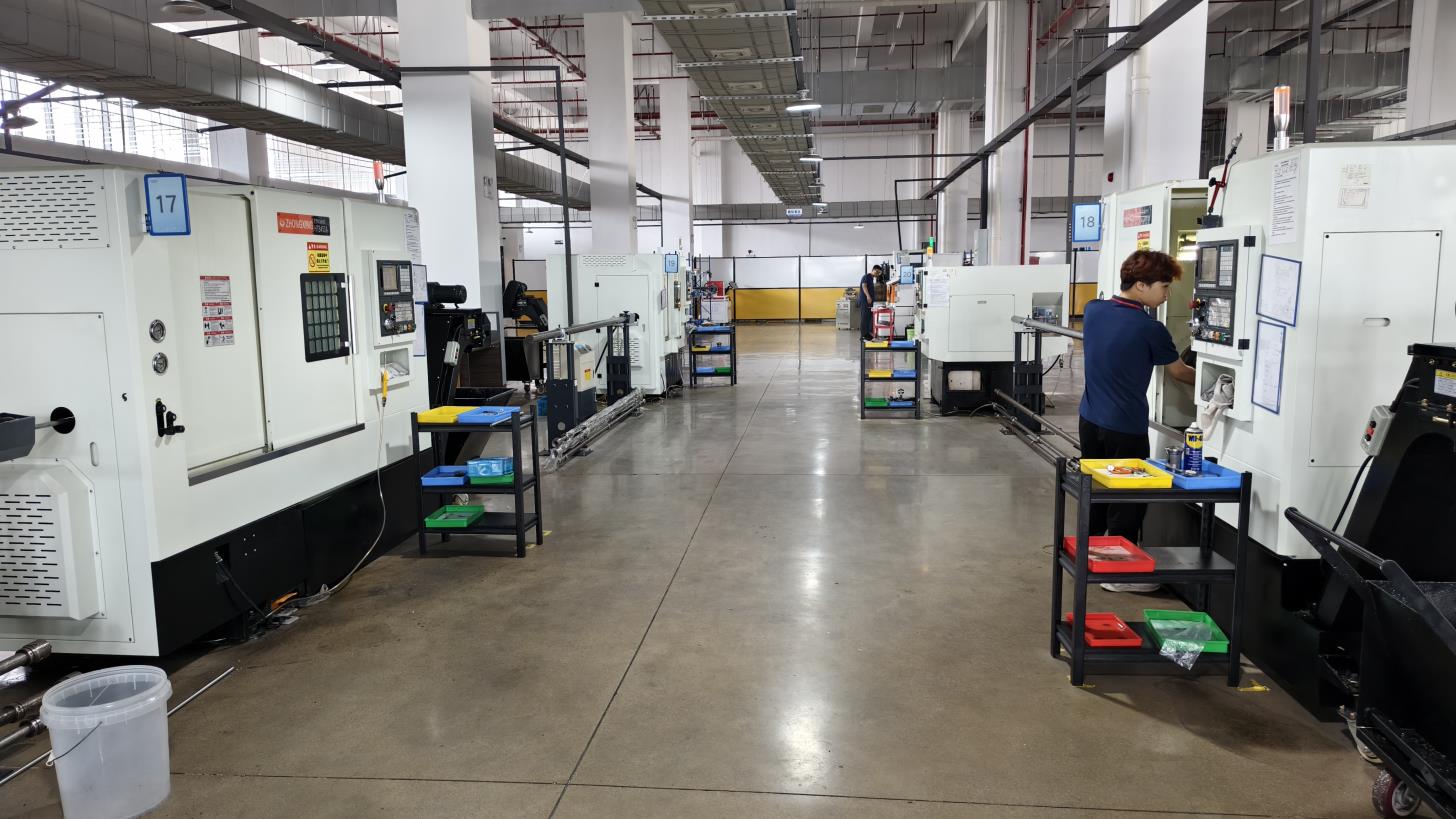

Reconstructive maxillofacial surgery is highly patient-specific. The mechanical demands on a mandibular reconstruction plate vary significantly based on the etiology of the defect, the localized bone health, and the selected reconstructive technique. Zynfuse plates are optimized for three core clinical pathways:
Malignant oral lesions often necessitate wide segmental mandibulectomies. This leaves large gap defects that disrupt occlusion and mandibular alignment. In these complex scenarios, Zynfuse reconstruction plates bridge the gap, stabilizing the remaining bone segments. If a vascularized free fibula bone graft is used, the plate acts as a scaffold, securing the graft segments to the native mandible until complete bony union is achieved.
Comminuted fractures resulting from high-velocity impact require robust, load-bearing stabilization. Zynfuse reconstruction plate systems provide the mechanical rigidity needed to maintain mandibular continuity. The low-profile design minimizes soft tissue irritation in thin subcutaneous areas, reducing the risk of plate exposure or subsequent surgical removal.
For patients undergoing major corrective surgery for congenital anomalies or developmental asymmetry, Zynfuse plates offer a reliable solution for stabilization. The high malleability of pure titanium allows the surgeon to bend the plate to conform to complex anatomical contours without introducing structural stress points that could lead to post-operative fatigue fractures.
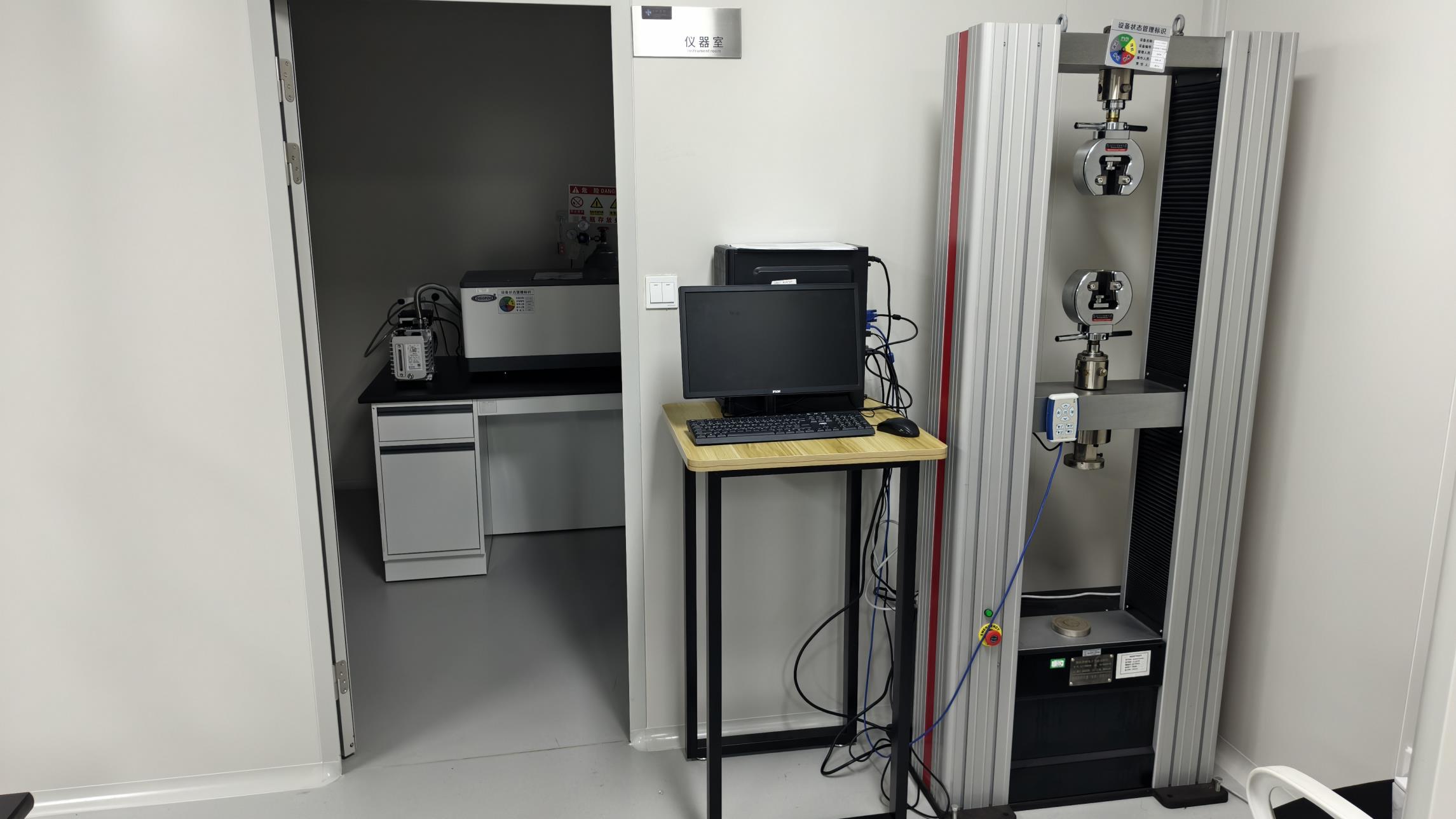
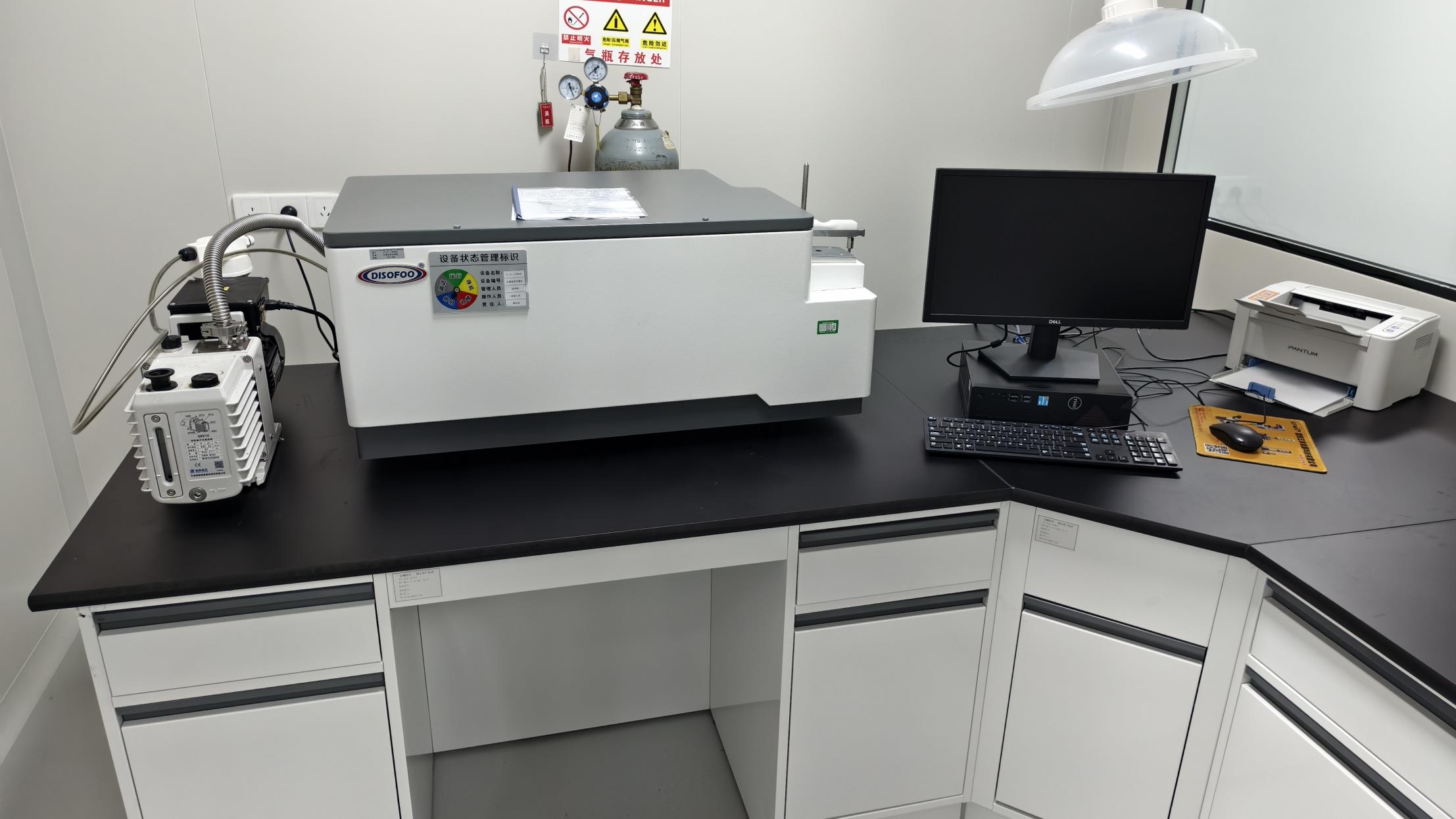
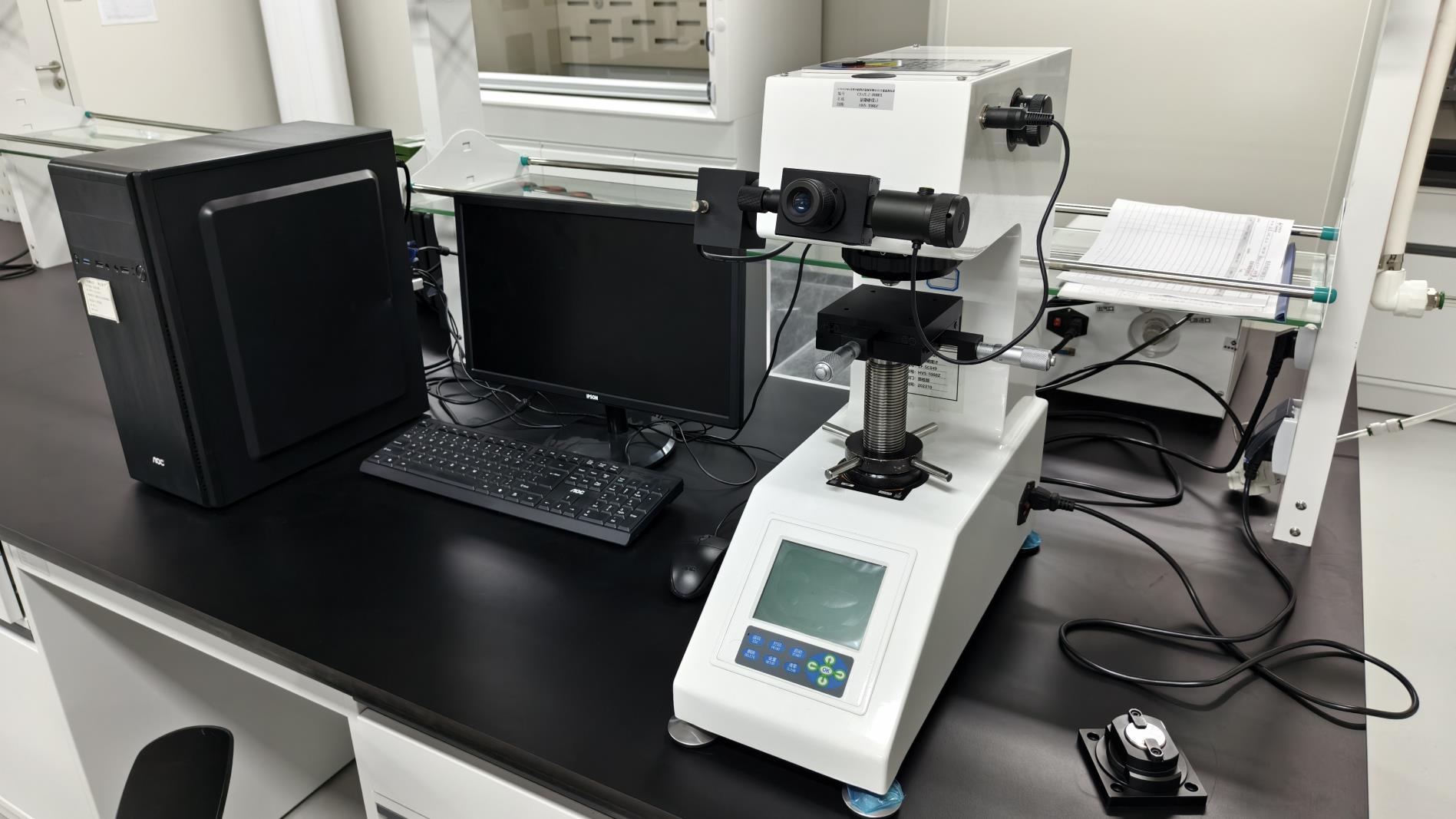
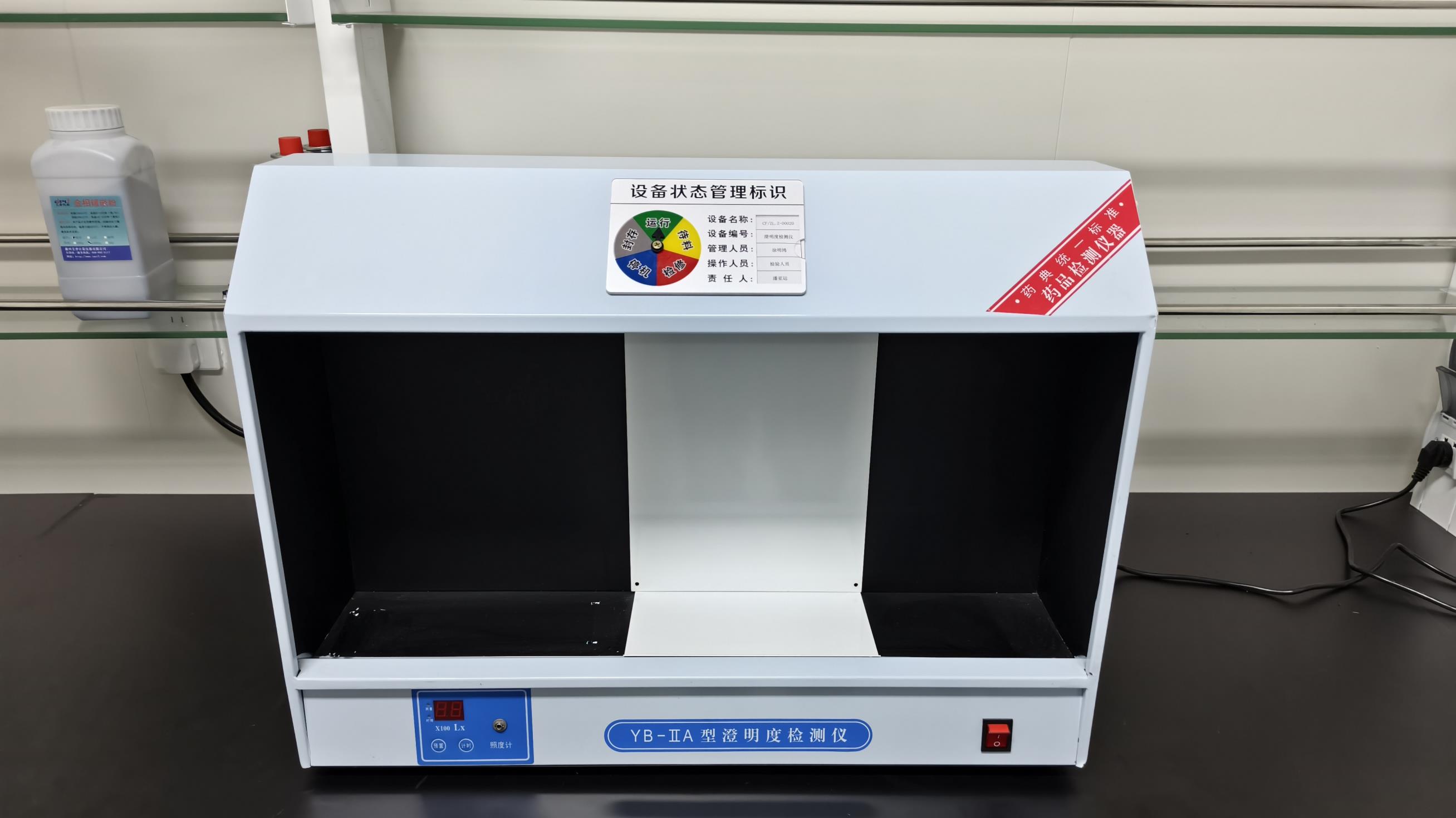
Medical devices within Class III classification demand rigorous quality control protocols. Zynfuse implements an ISO 13485-compliant inspection framework, ensuring every batch of mandibular reconstruction plates undergoes structured testing before export. This comprehensive process is overseen by our team of 68 quality inspection specialists.
ICP-AES Spectrometry verification ensures that only medical-grade titanium (ASTM F136 or ISO 5832-3) is processed, preventing tissue toxicity or premature corrosion.
Using 2D automated video measuring instruments and digital microscopes, we verify that critical thread pitches and screw-to-plate locking parameters are within tolerance.
Our tensile testing setups apply cyclic mechanical loads to plates, simulating years of masticatory activity to verify that the implant can withstand stress over the long term.
Strict cleaning protocols, including ultrasonic washing and validation testing in our class-10,000 cleanrooms, keep particulate contamination and endotoxin levels well below international regulatory limits.
For global importers, navigating localized regulatory frameworks (such as US FDA 510(k) clearances, European CE MDR certificates, or regional health authorities) is essential. Zynfuse provides comprehensive technical dossiers, including raw material certificates of analysis, biomechanical testing reports, sterilization validation files (ISO 11137), and biocompatibility data. This regulatory support streamlines local registration and speeds up time-to-market.
Technical answers to common questions asked by biomedical engineers, hospital procurement committees, and maxillofacial surgeons.
Browse our extended line of spinal fixation systems, joint prosthetics, trauma solutions, and surgical instrument kits.