Zynfuse
Zynfuse
Zynfuse
Precision-engineered implant systems designed for optimal skeletal healing and load-sharing dynamics
For decades, metallic implants constructed from titanium alloys and stainless steel have been the clinical golden standard for internal fixation in orthopedics. However, these permanent implants pose documented biological challenges: stress shielding due to mechanical mismatch with human bone (Young's modulus of titanium is ~110 GPa vs. cortical bone's ~10-20 GPa), long-term metal ion release, localized inflammatory responses, and the necessity of secondary surgical removal procedures—especially in pediatric and craniofacial reconstructions.
The paradigm shift toward bioresorbable orthopedic implants (constructed from medical-grade synthetic aliphatic polyesters like PLLA, PDLLA, and PLGA) addresses these critical clinical pain points. These polymers provide robust temporary mechanical stabilization during the bone healing cycle and subsequently degrade via hydrolytic pathway into non-toxic monomers (lactic and glycolic acids) that are naturally metabolized by the body's Krebs cycle. This eliminates the risk of late-onset foreign body reactions and spares patients the physical and economic trauma of revision surgeries.
Zynfuse Medical Technology Co., Ltd. stands at the forefront of advanced orthopedic solutions, specializing in high-performance bone fusion and surgical implant systems. Established in 2016, we bring 12 years of industry experience and 7 years of export experience, ensuring unparalleled reliability, consistent quality, and profound engineering expertise for global medical markets.
Operating a massive, state-of-the-art manufacturing facility spanning 18,600 m², Zynfuse maintains a highly optimized production infrastructure. We generate an annual export revenue of approximately $18.5 million, backed by an extensive global distribution network of over 1,200 partners. Our absolute commitment to compliance and quality is validated by a dedicated team of 68 quality inspection specialists, ensuring every device meets stringent Class III medical standards under ISO 13485 regulations.
Decoding polymer degradation profiles, load-bearing capacities, and the next frontier of bioactive hybrid composites.
The mechanical properties and degradation kinetics of bioresorbable implants are directly dictated by their polymer architecture. Poly-L-Lactide (PLLA) is highly crystalline, providing high tensile strength and a slow degradation profile (typically 2 to 3 years), making it ideal for load-sharing interference screws. Poly-D,L-Lactide (PDLLA) is amorphous, accelerating degradation to 12-18 months. By copolymerizing L-lactide and glycolide (PLGA), we customize mass-loss timelines for pediatric plates, pediatric screws, and soft tissue anchors, matching the exact physiological healing rate of specific bone types.
A primary technological challenge of pure PLA/PGA implants is the localized accumulation of acidic degradation products (lactic and glycolic acid), which can cause late-stage aseptic inflammation. The next-generation roadmap at Zynfuse integrates osteoconductive ceramics, such as Hydroxyapatite (HA) or Beta-Tricalcium Phosphate (β-TCP), into the polymer matrix. These alkaline additives buffer the local pH value as the polymer breaks down, while simultaneously promoting osteoblast adhesion and neo-vascularization at the bone-implant interface.
While polymeric implants excel in low-stress anatomical sites, they lack the load-bearing capacity for major load-bearing long bone fractures. Zynfuse is actively charting the path forward by developing biodegradable magnesium-based alloys (Mg-Zn-Ca systems). Magnesium possesses a density and Young's modulus (45 GPa) remarkably close to human cortical bone. It acts as an osteogenic stimulator during degradation, opening new horizons for fully bioabsorbable intramedullary nails and large-scale trauma plates.
Witness how Zynfuse implements advanced Swiss-type CNC machining, laser welding, and high-precision finishing technologies to guarantee quality consistency at scale.
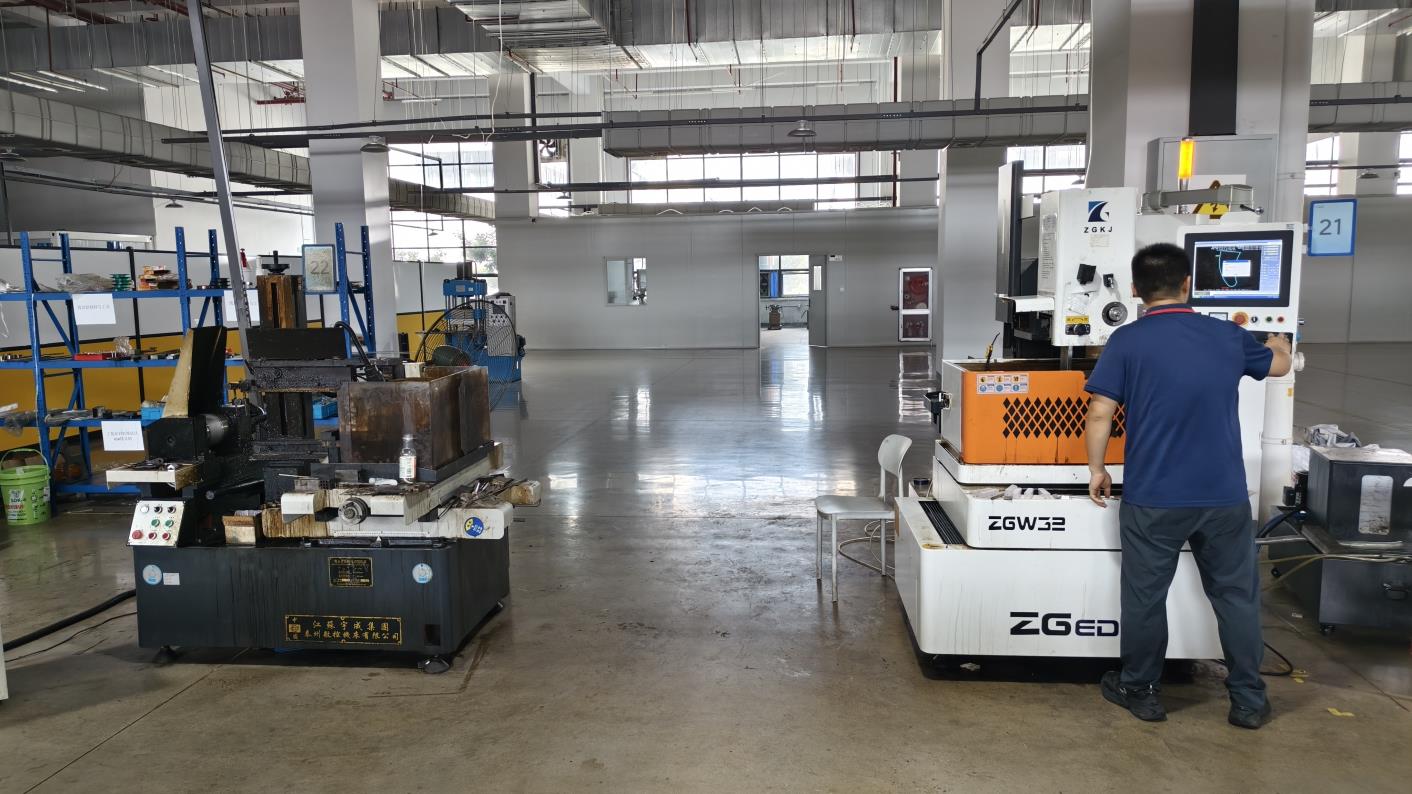
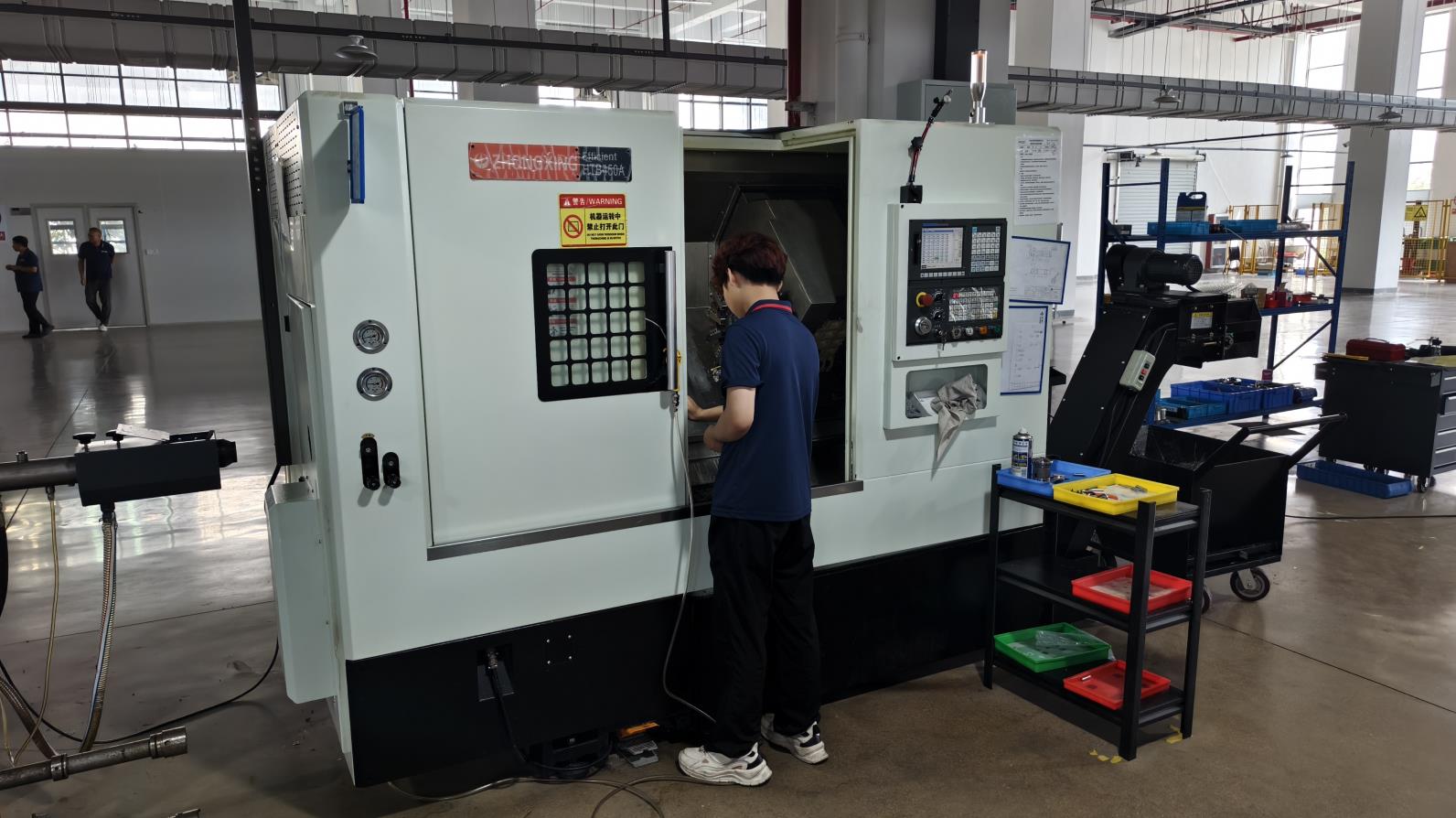
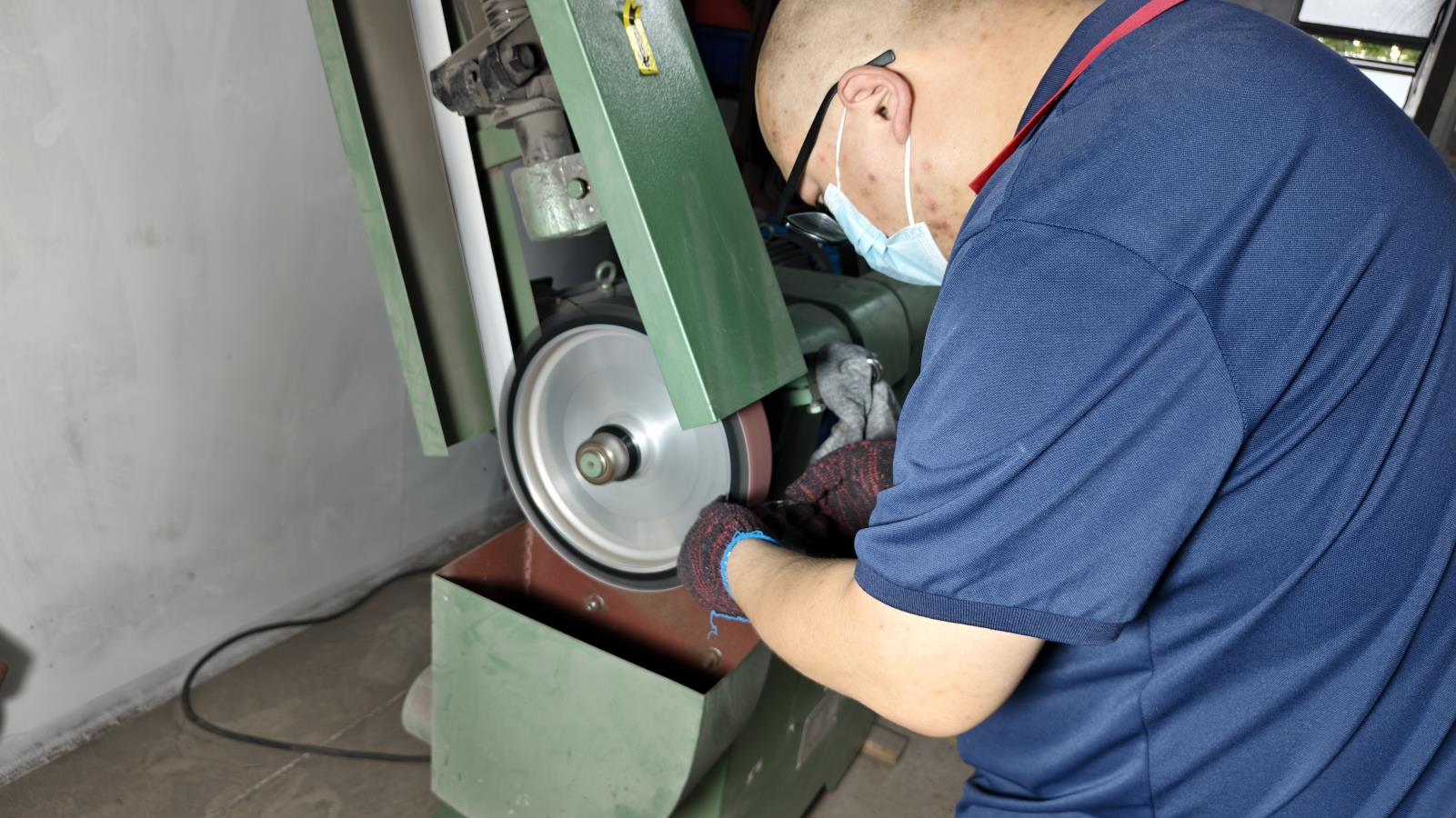
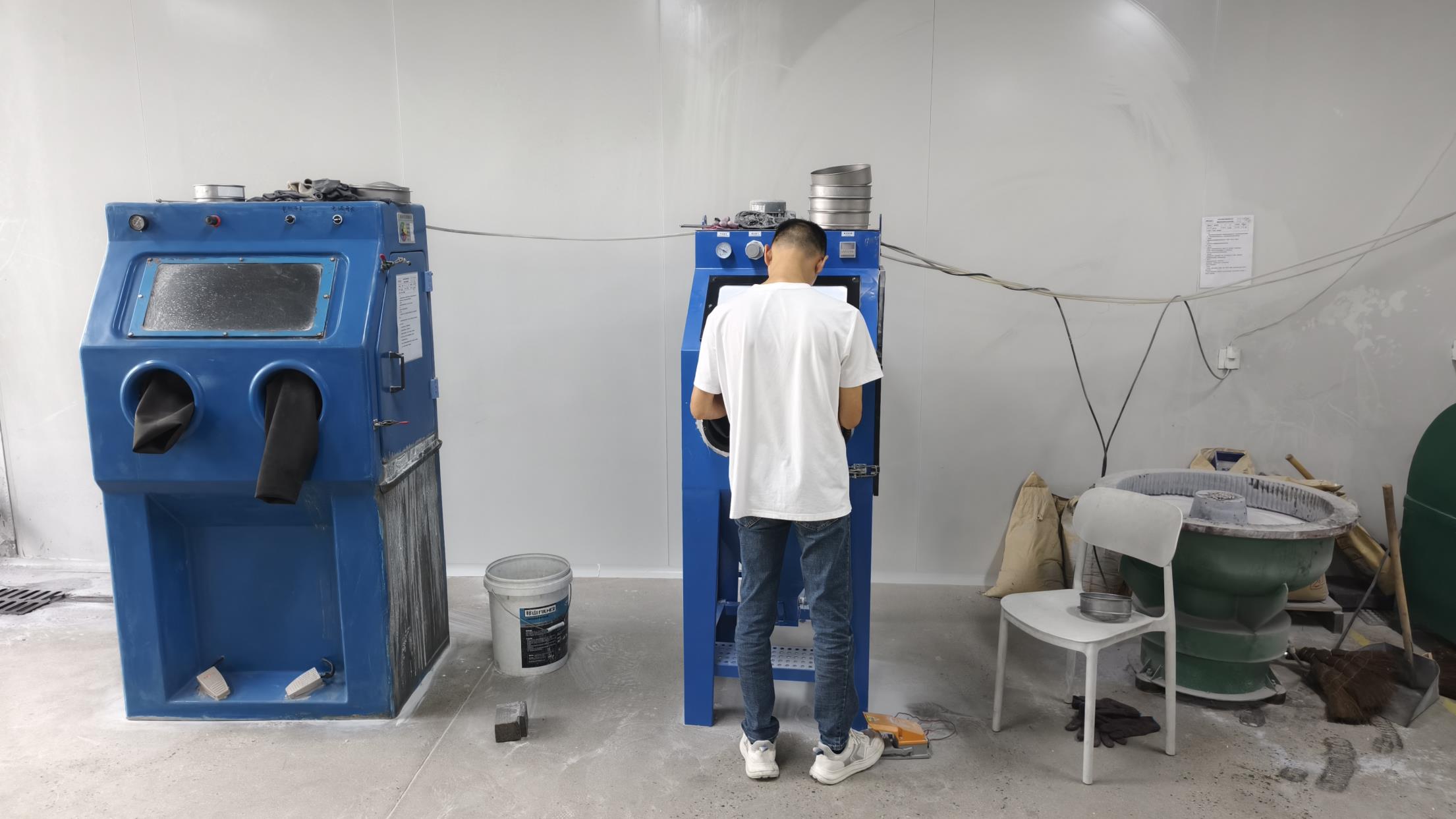
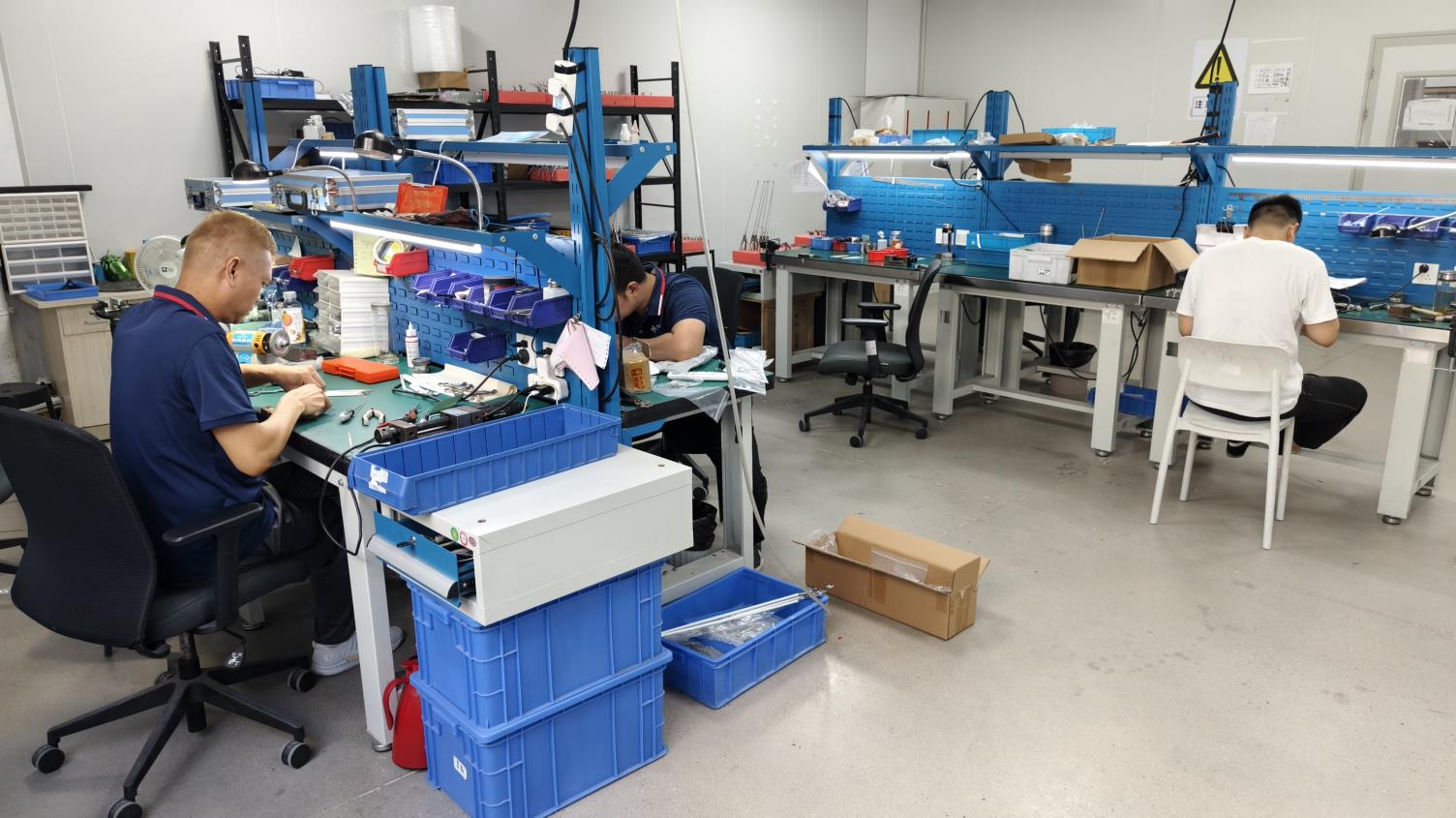
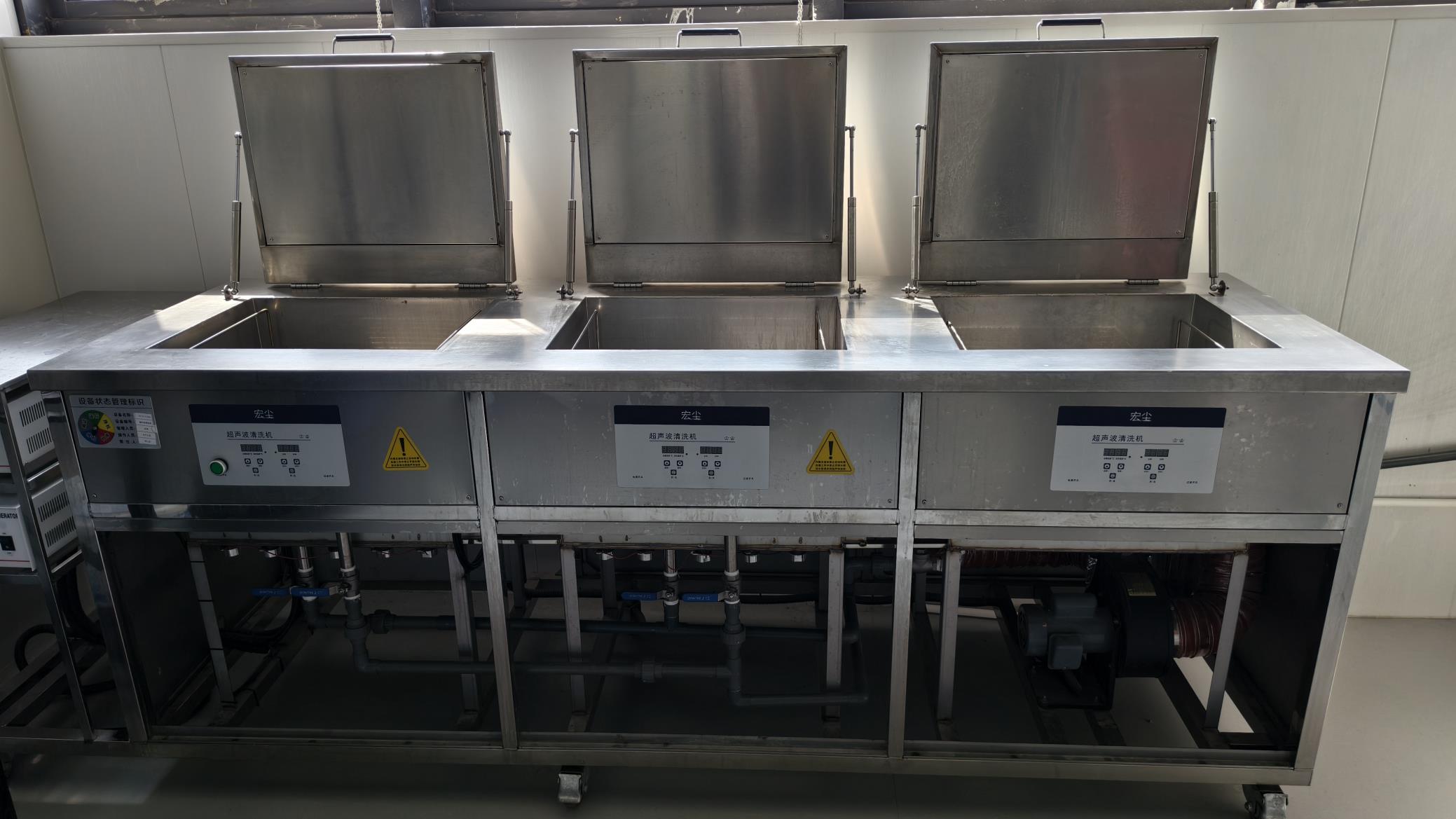
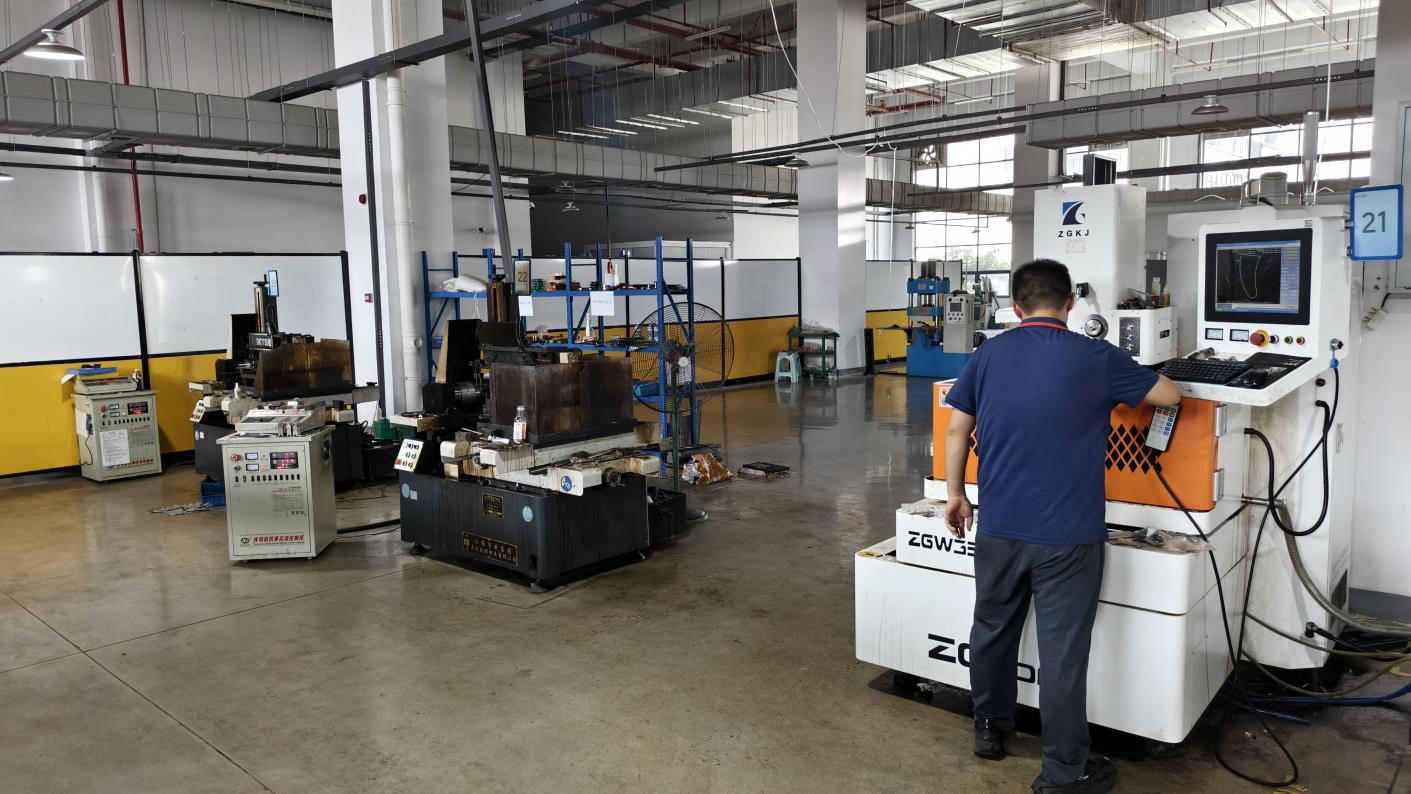
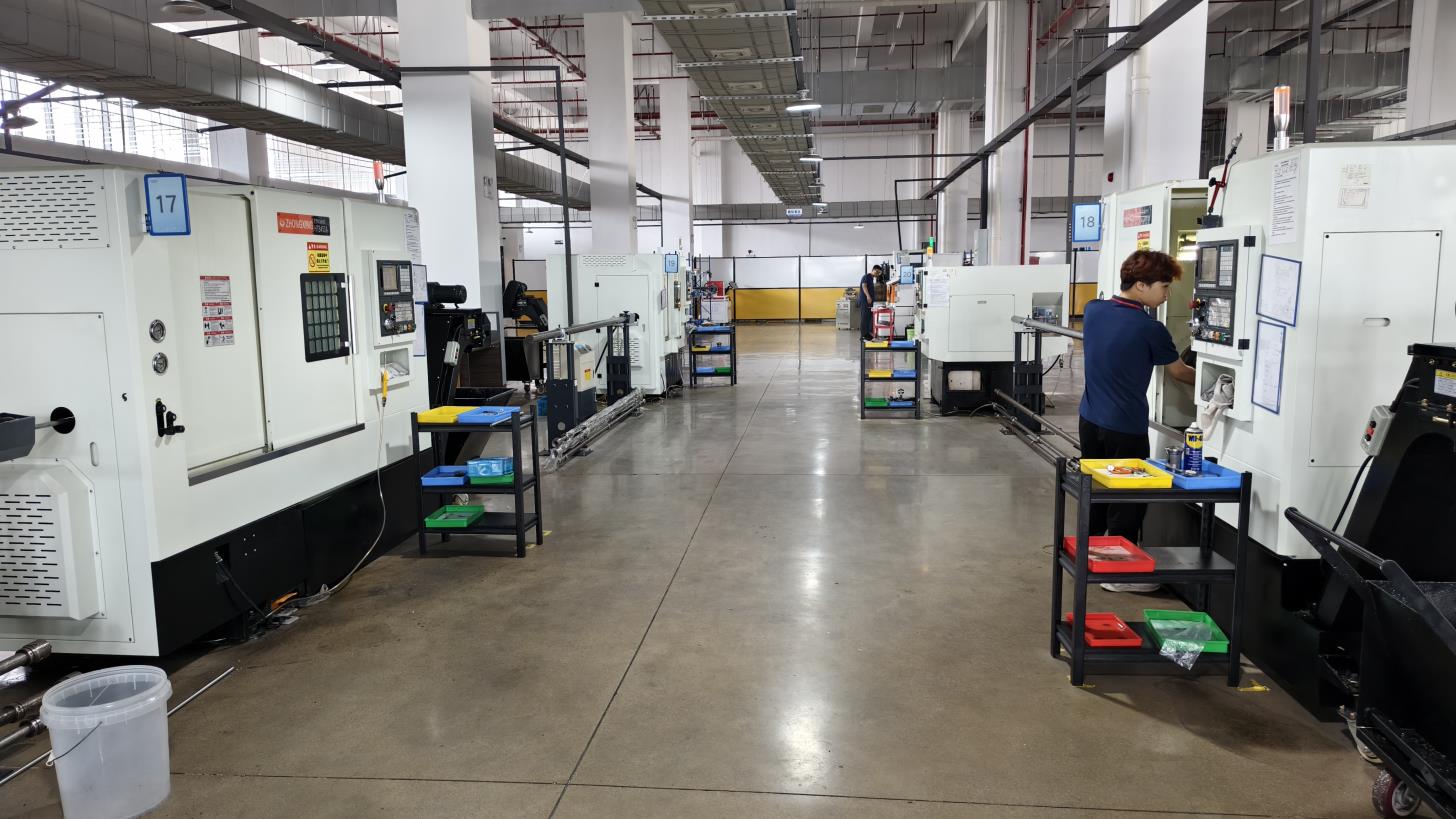
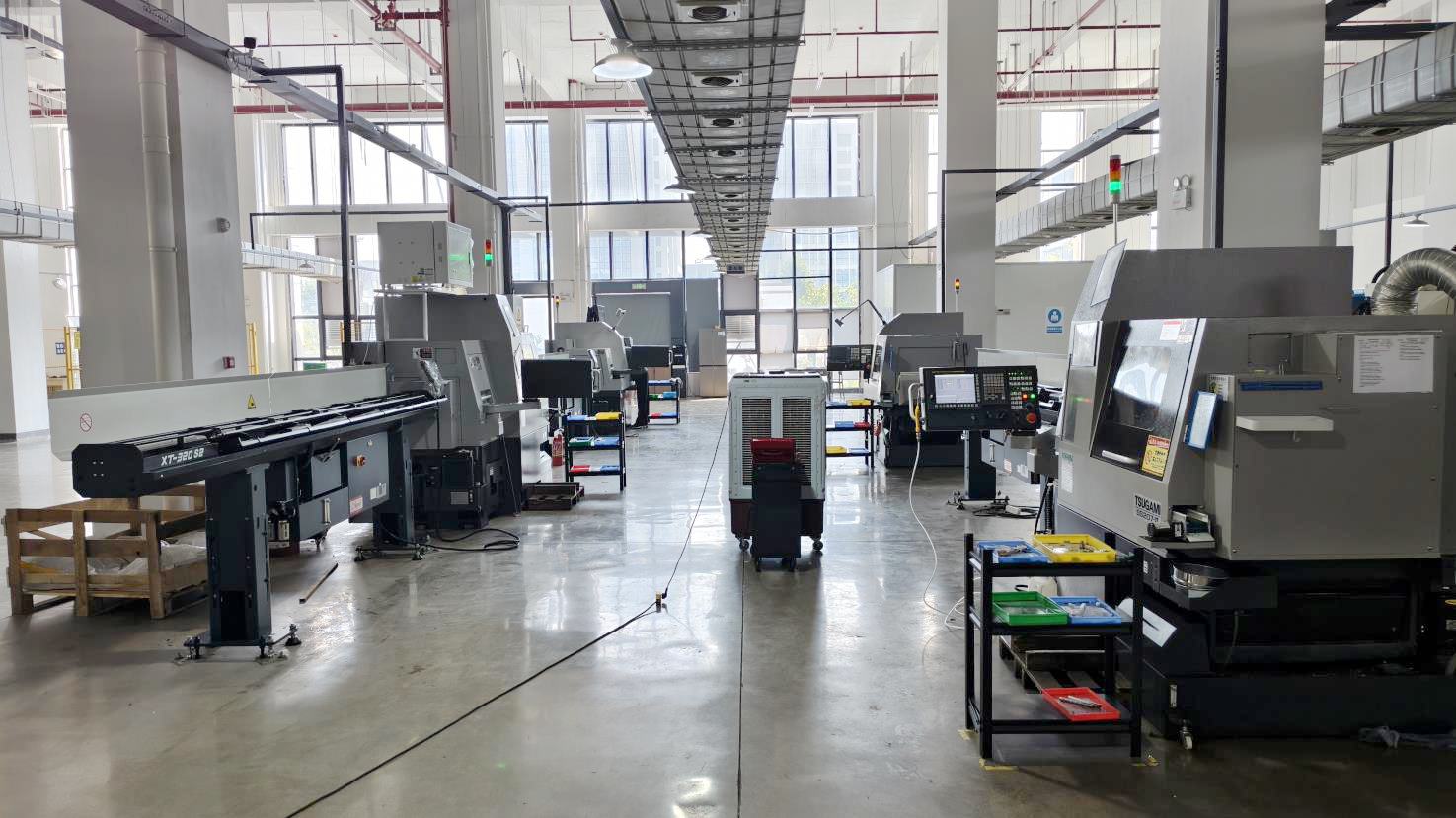
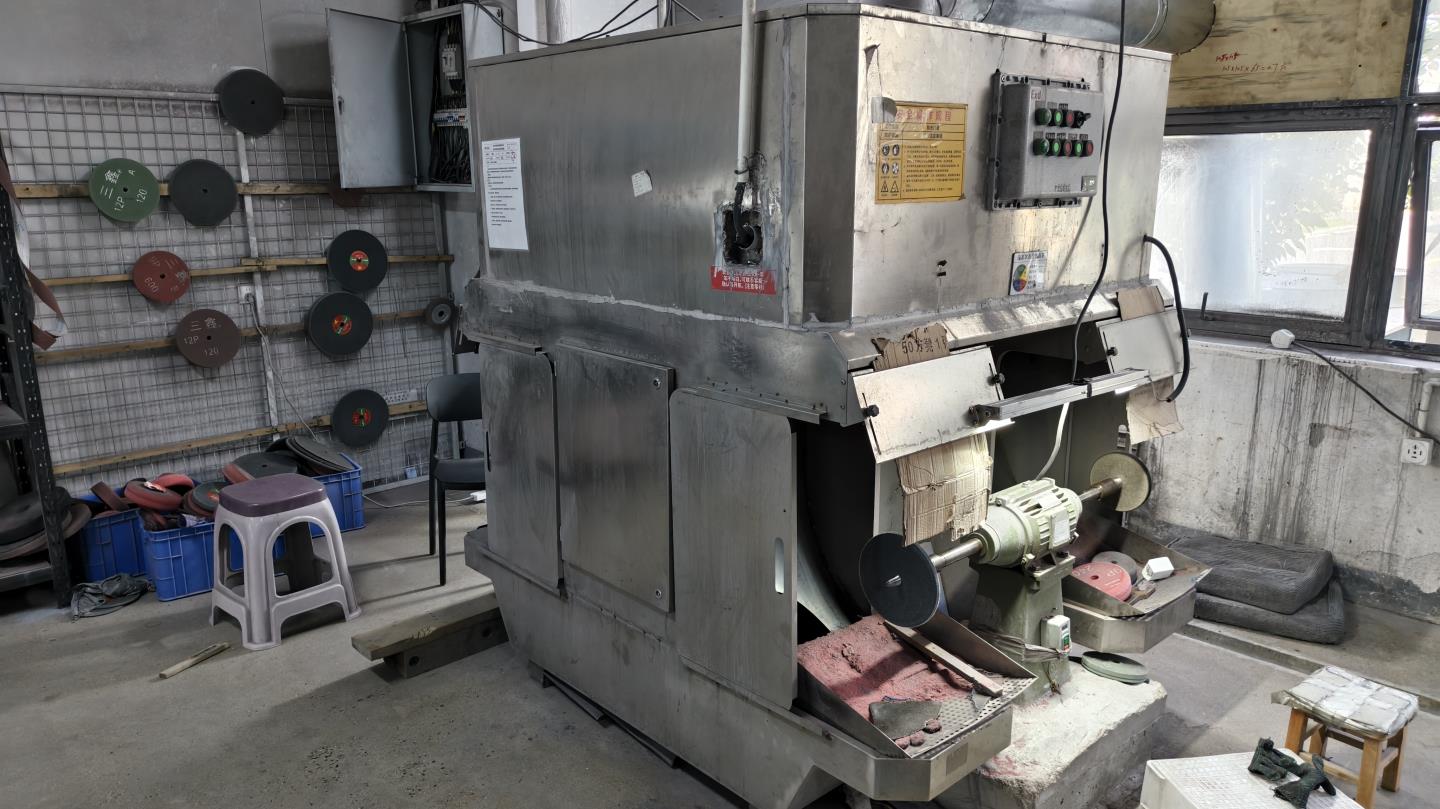
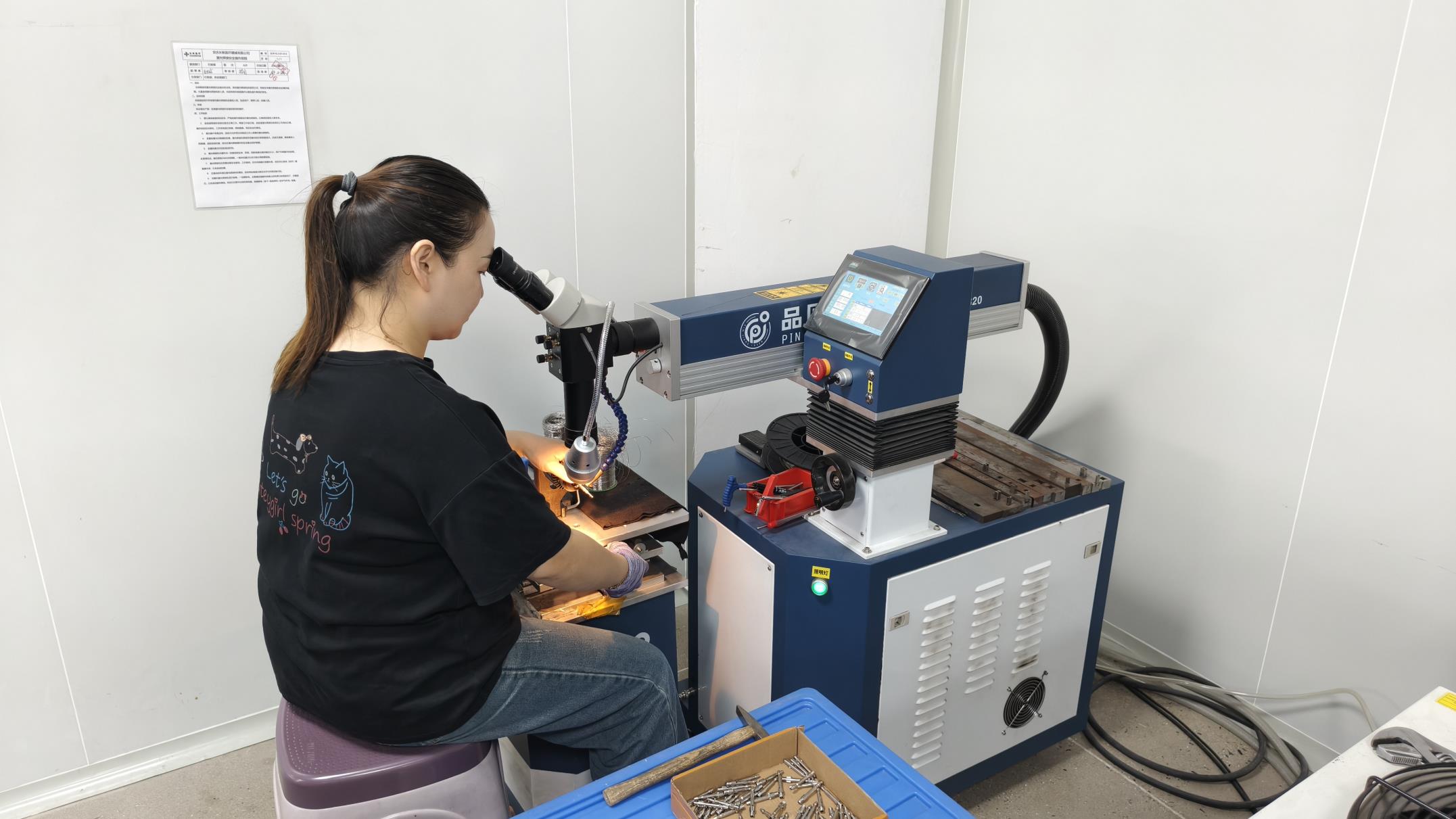
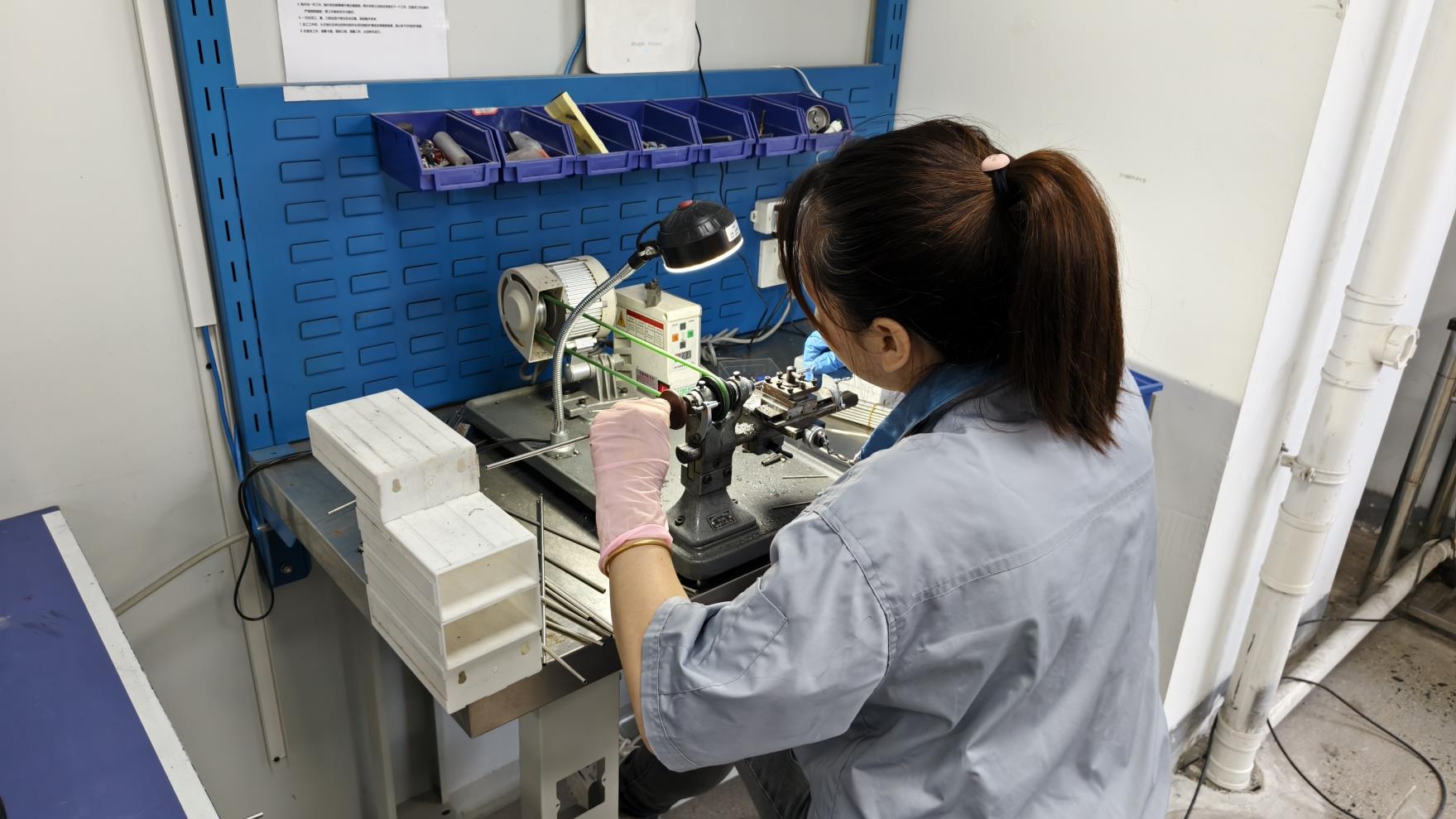
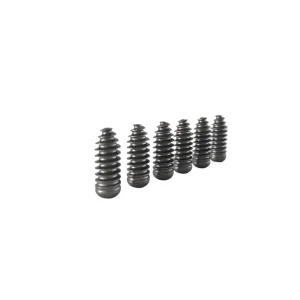
Zynfuse Medical utilizes Swiss-type automatic lathes and advanced EDM wire-cutting machines to manufacture complex geometric bone plates and screws. For polymer-based bioresorbable implants, we strictly enforce "dry machining" techniques under controlled room temperatures to avoid micro-structural phase changes in temperature-sensitive polymers (such as PLA and PLGA). Cleanliness and sterilization readiness are ensured in Class 100,000 cleanrooms using state-of-the-art multi-stage ultrasonic cleaning and localized air handling units.
Compliance and reliability verified by 68 quality inspection specialists utilizing advanced testing instruments.
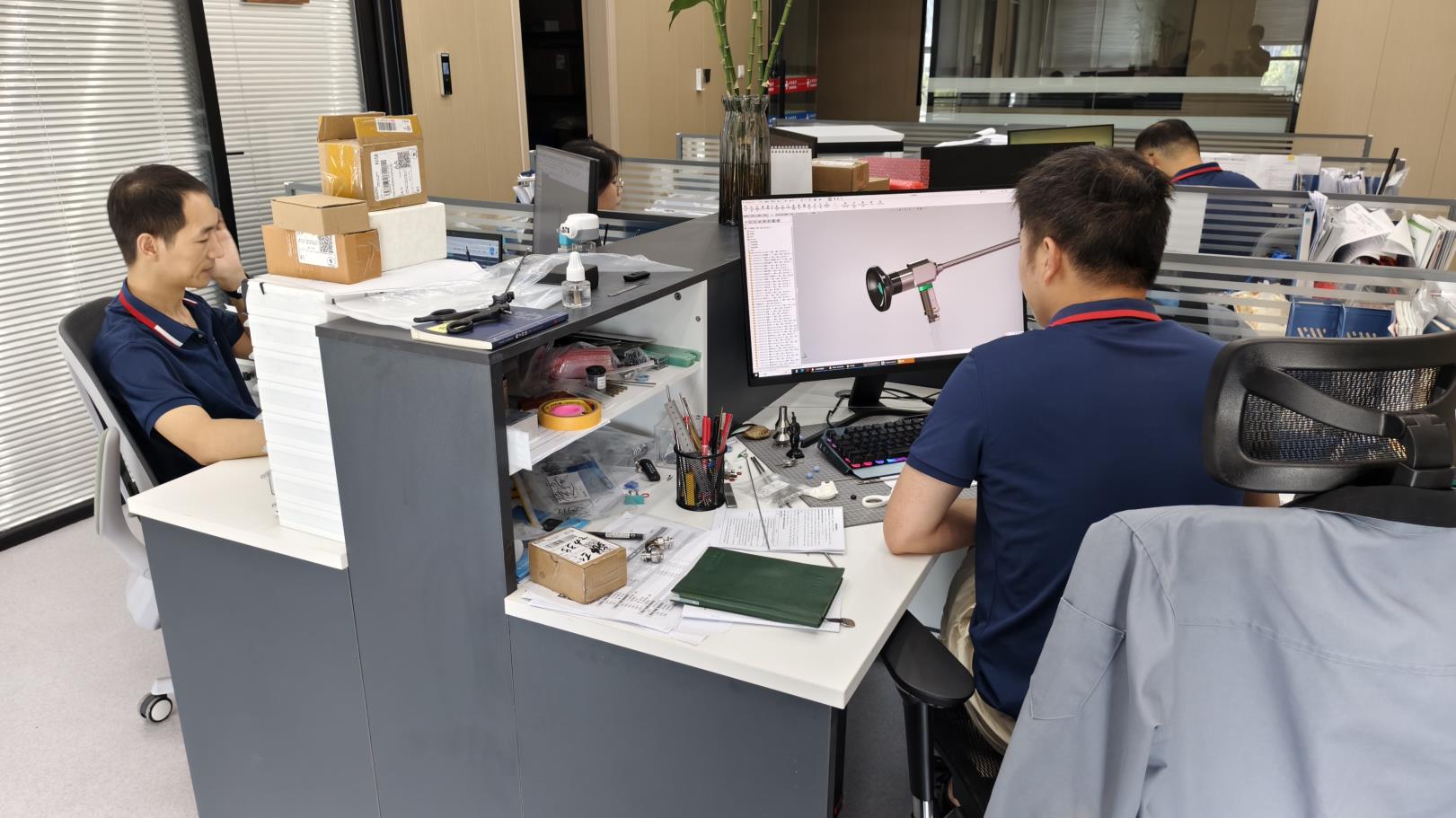

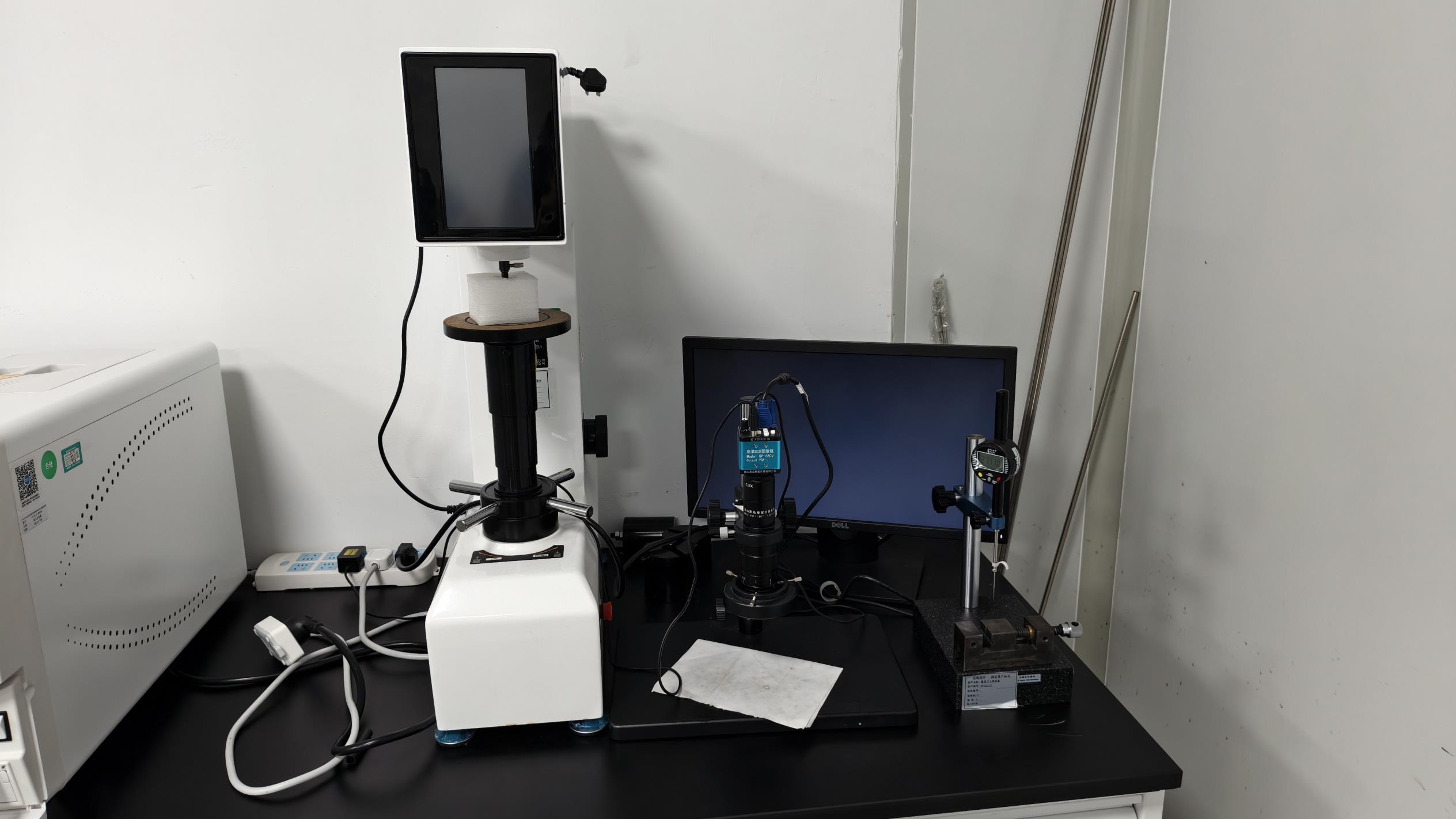
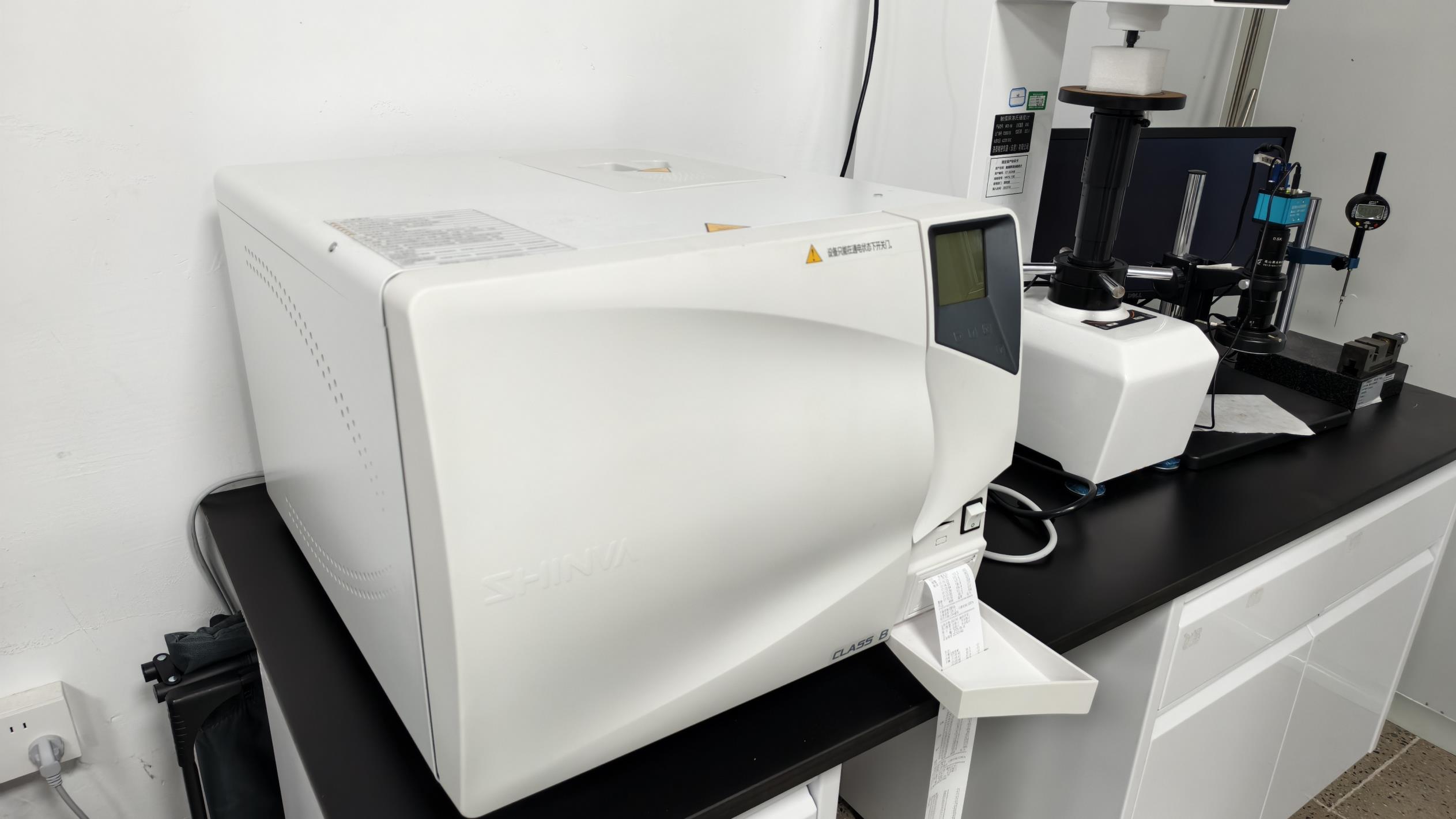
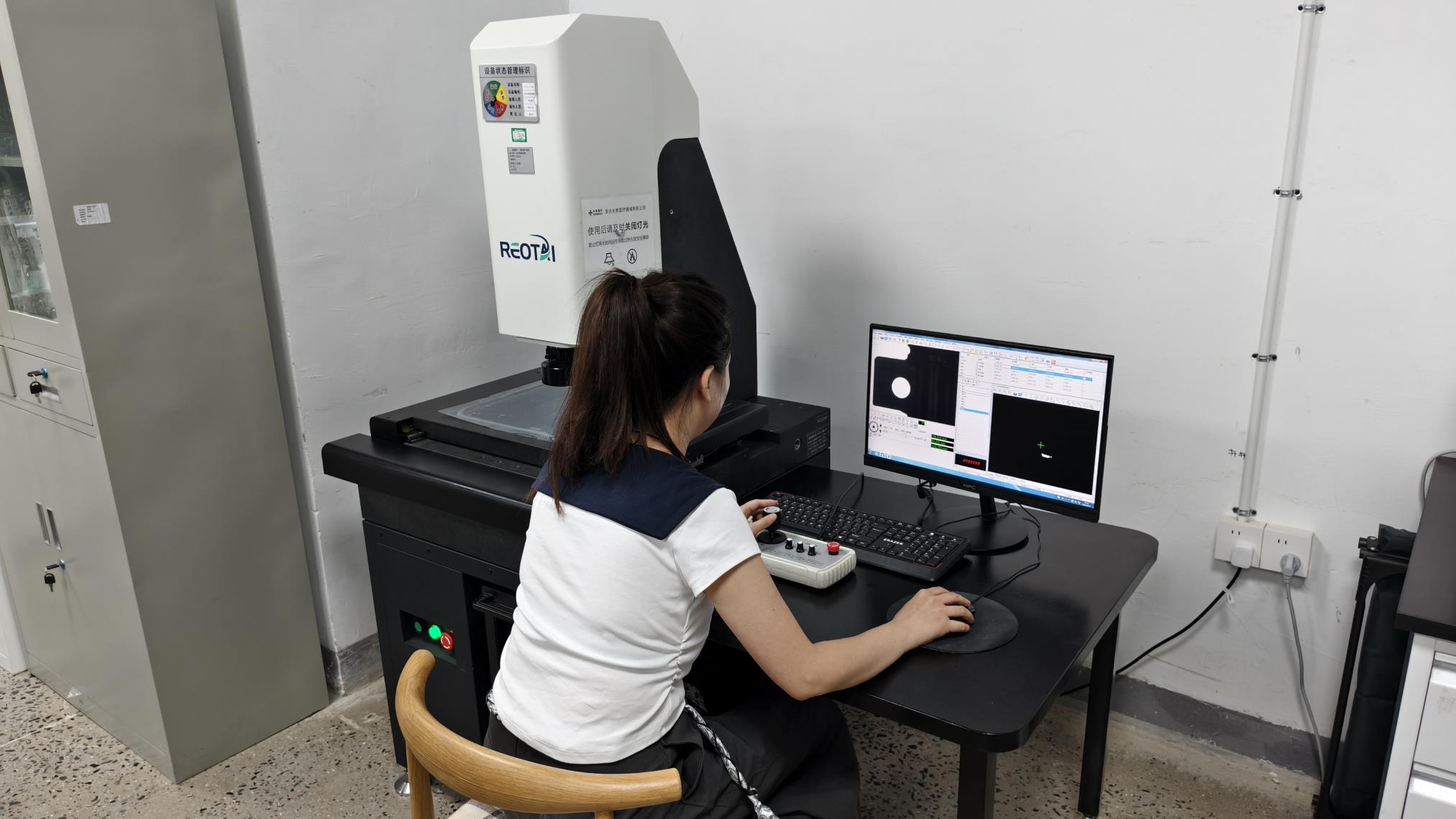
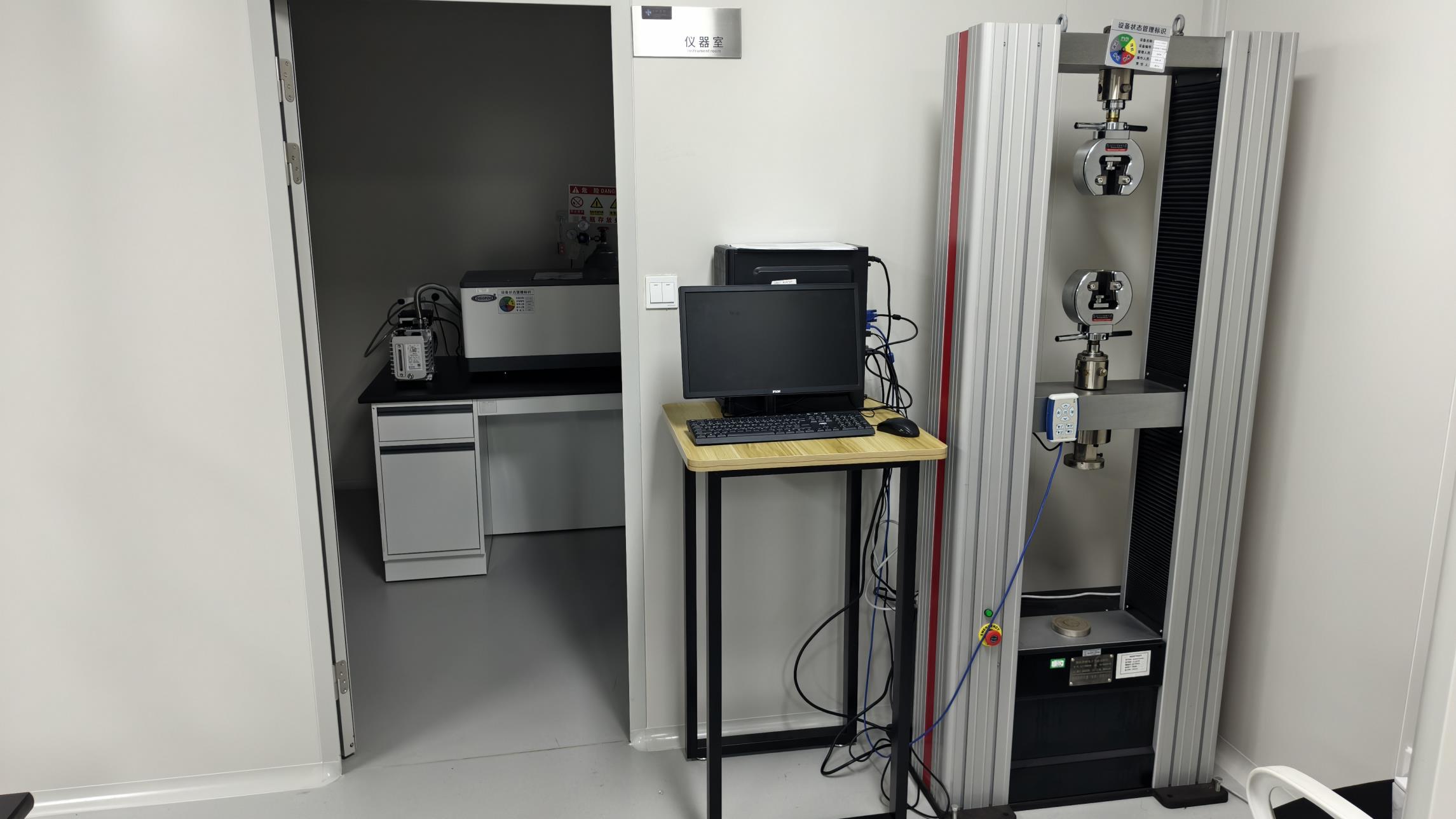
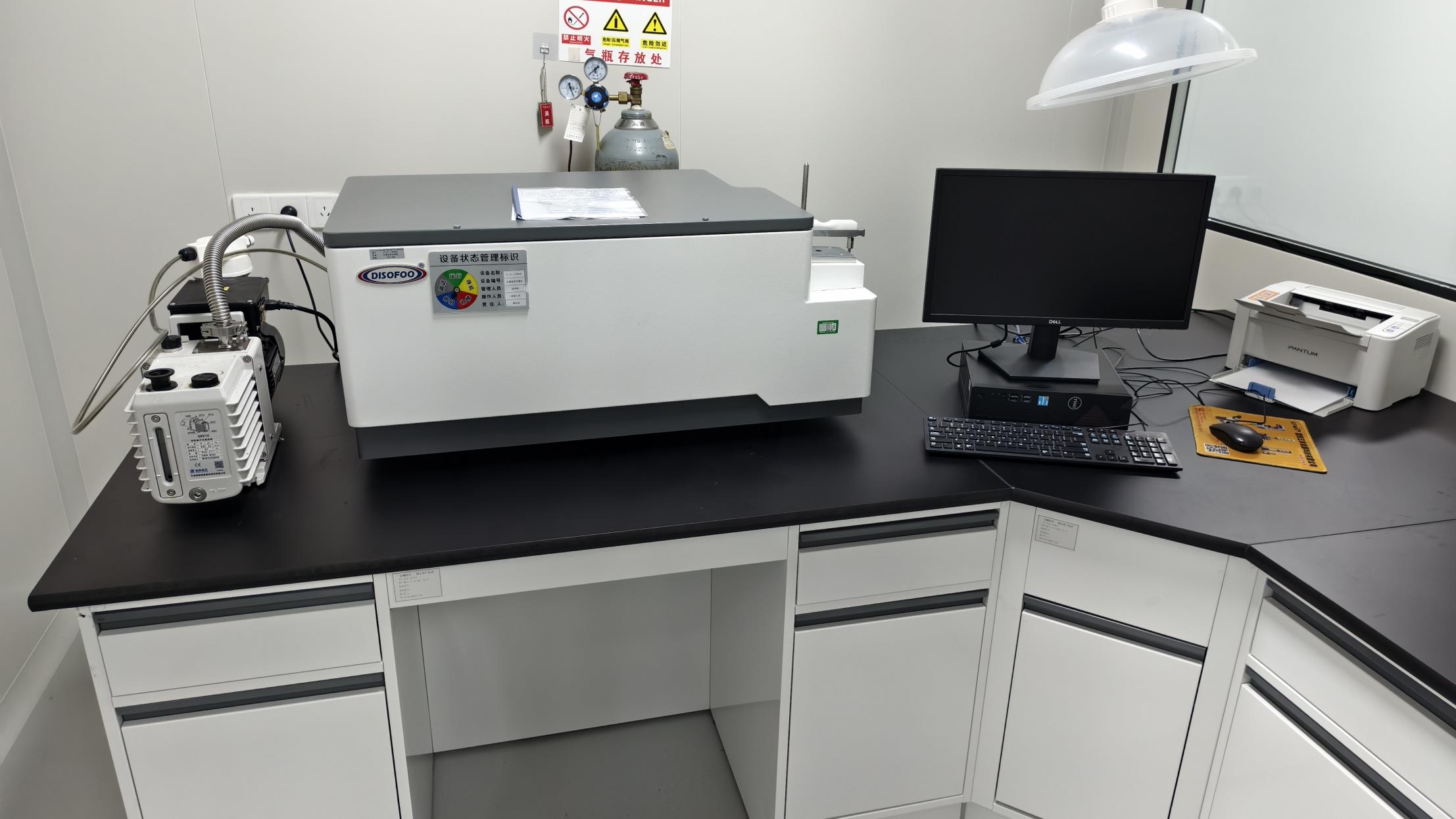
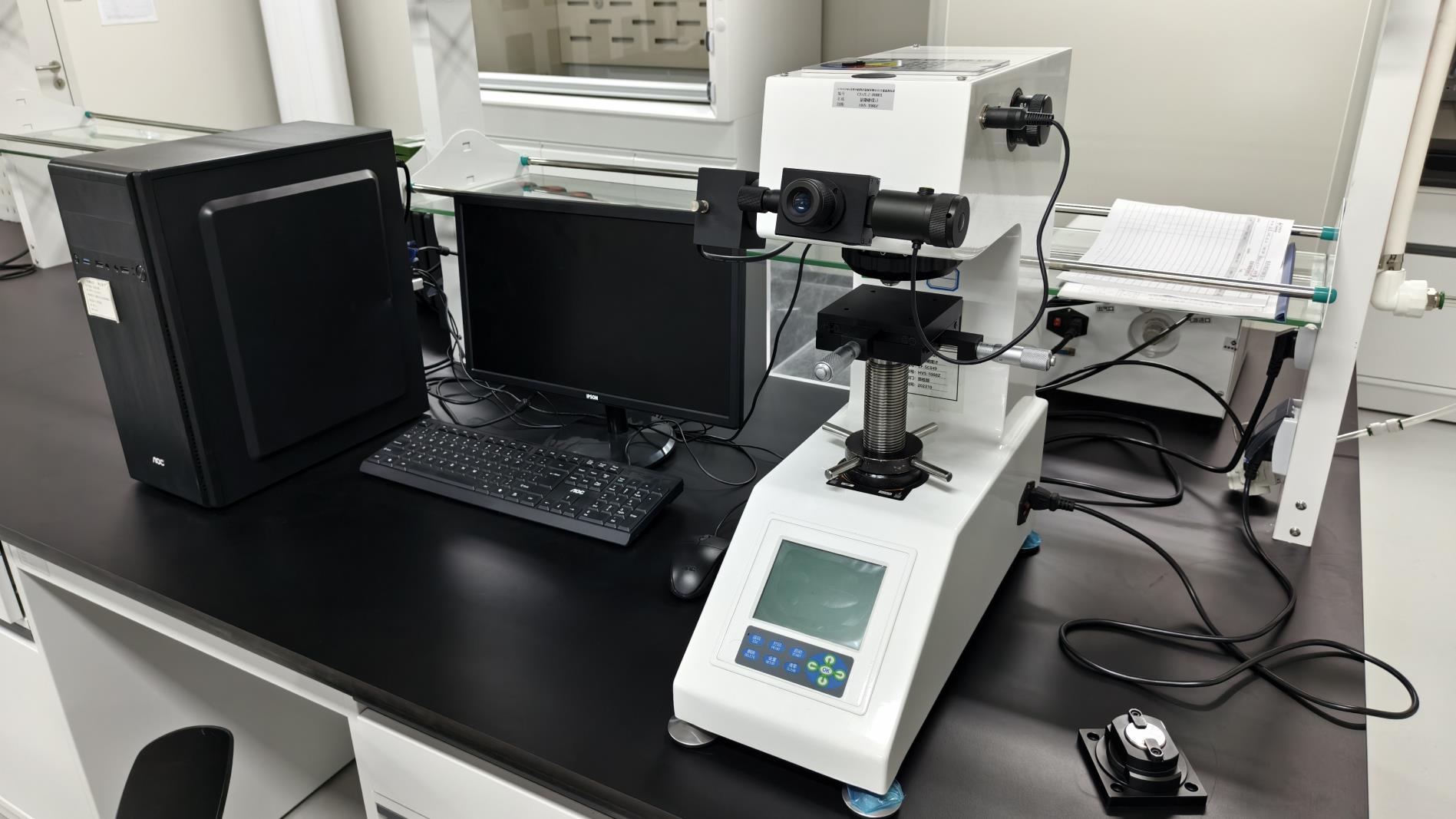
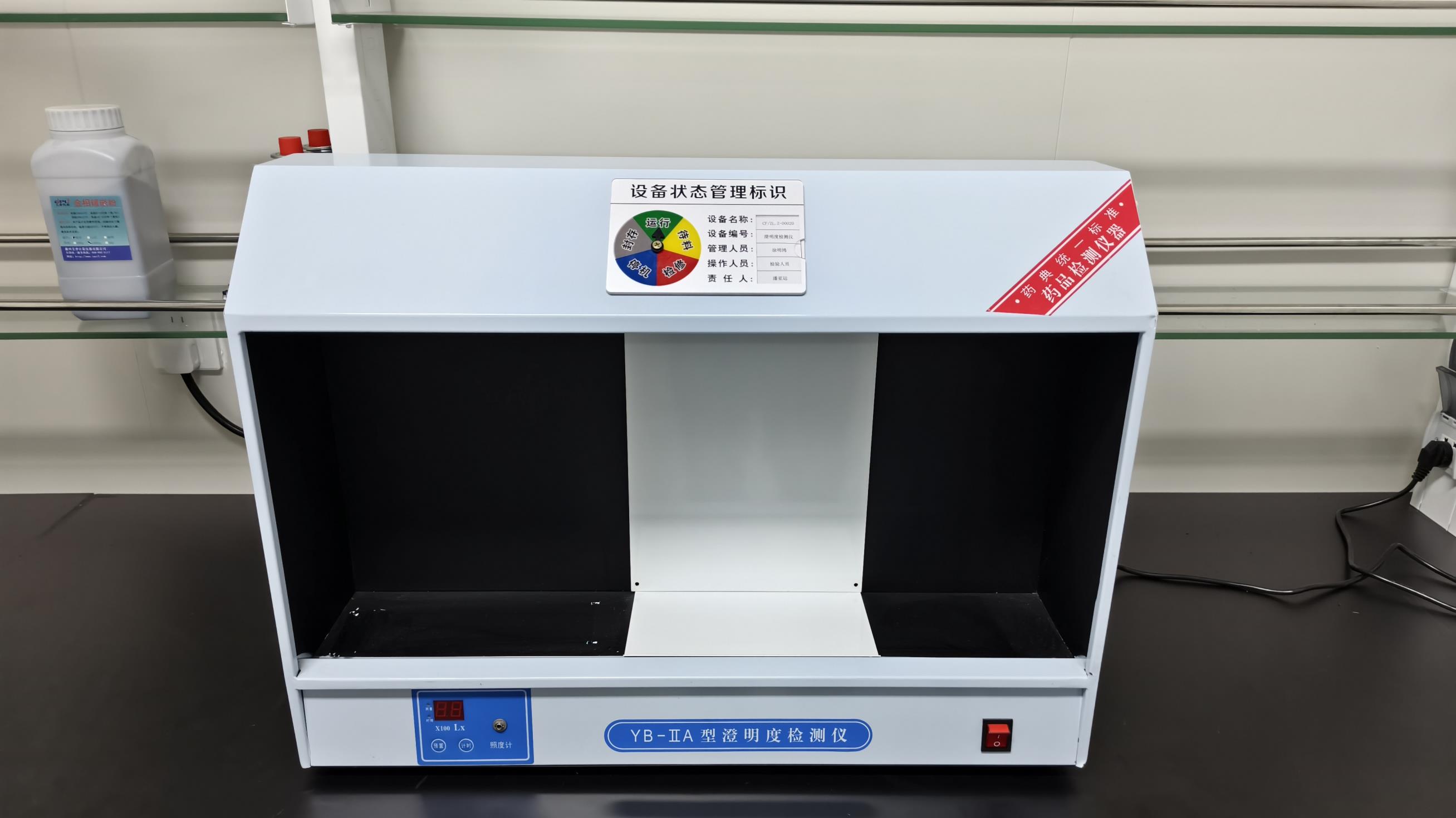
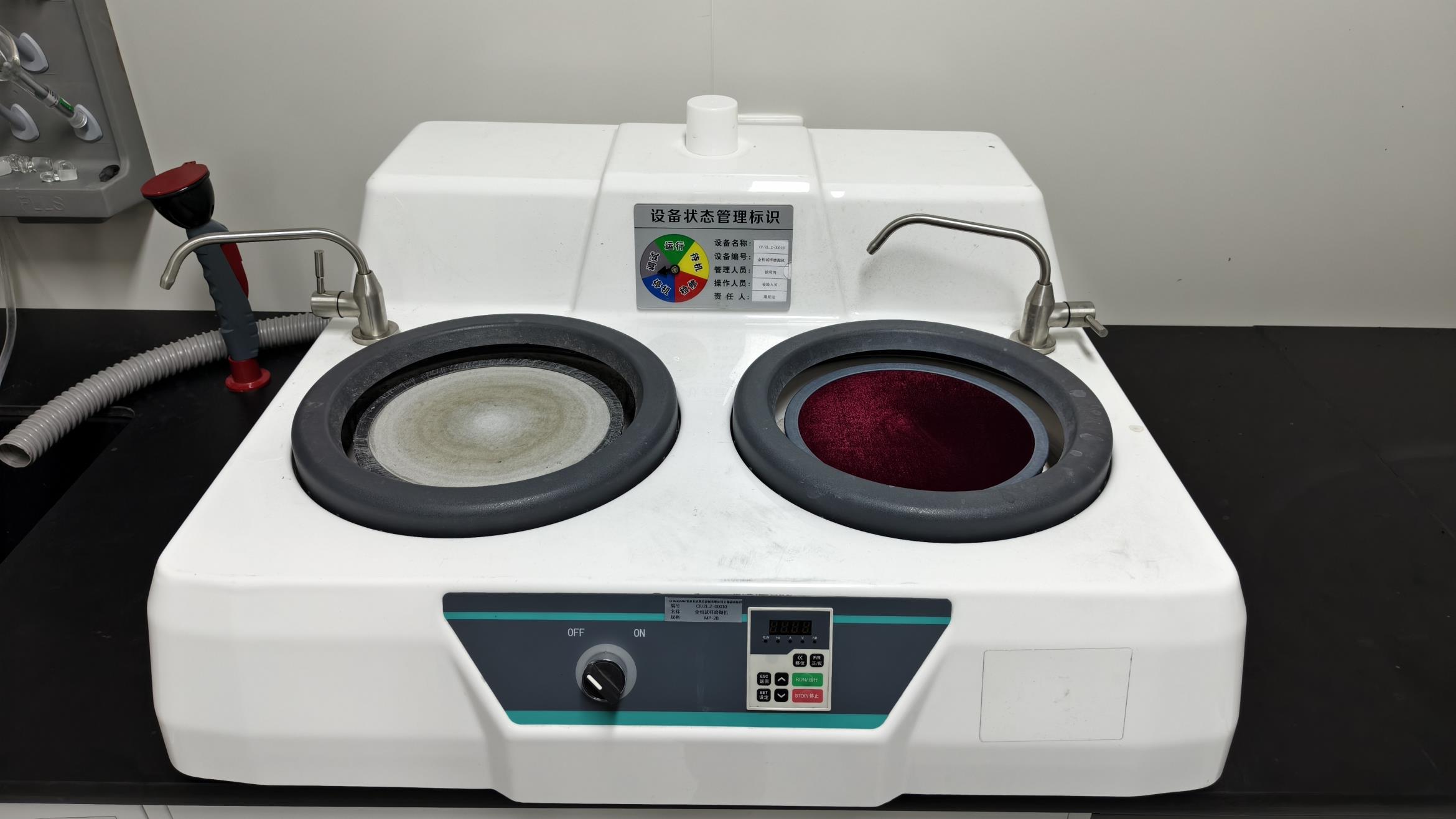
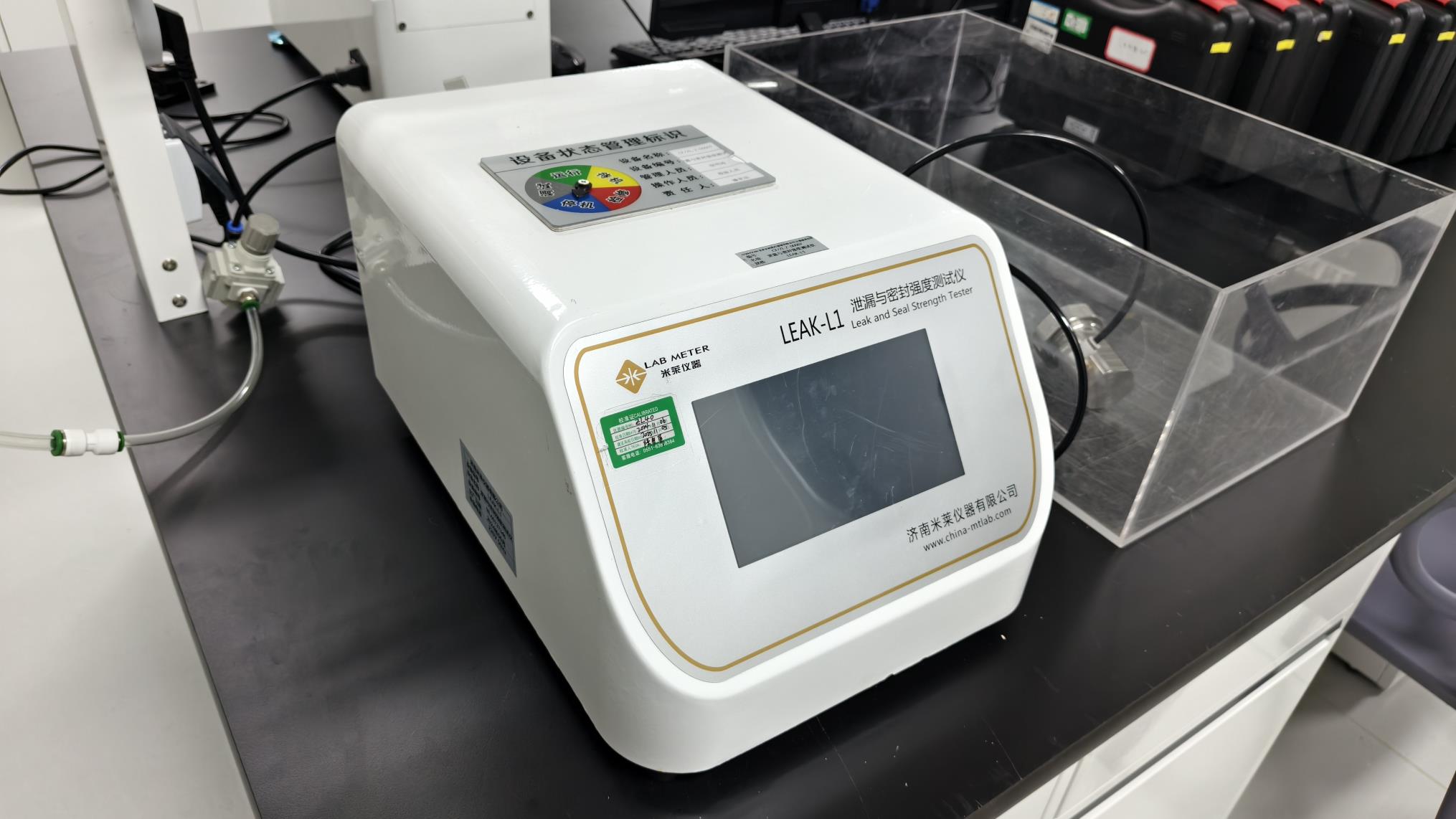
Zynfuse’s quality assurance protocol involves testing raw materials and finished products under realistic surgical loads. Using Universal Tensile Testing machines, we execute static tension and dynamic fatigue testing in simulated body fluid (SBF) environments. Gel Permeation Chromatography (GPC) monitors molecular weight distributions of incoming polymers, ensuring consistent degradation rates, while accelerated aging chambers trace how implants degrade in vitro over a compressed timeline.
Addressing the high-mix, low-volume requirements of global medical device distributors, hospitals, and clinics.
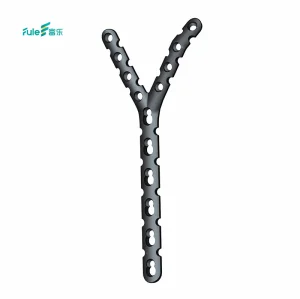
Leveraging clinical CT data, our engineering team uses Finite Element Analysis (FEA) to design plates that align with the contours of specific target populations (such as pediatric osteotomy or cranio-maxillofacial plates). This eliminates the need for intraoperative manual bending, reducing surgeon fatigue and ensuring proper fitment.
We offer material tailoring by adjusting the monomer ratio (e.g., PLGA 85/15 vs. PLGA 50/50). This lets procurement organizations configure degradation profiles specifically for fast-healing trabecular bone (6-8 weeks stabilization required) or slow-healing cortical bone (12-24 weeks stabilization required).
Backed by 85 dedicated R&D engineers, Zynfuse introduces roughly 320 new products annually. We deliver complete OEM/ODM solutions, from rapid CAD prototyping to clinical-grade mold fabrication, packaging design, and validation support for regulatory filings.
Navigating the stringent pathways of NMPA, CE MDR, and FDA clearances for bioabsorbable implants.
Bioresorbable implants fall into high-risk medical device classes globally (Class III for CE MDR and FDA). Zynfuse maintains a quality management system compliant with ISO 13485, maintaining tracking throughout our entire manufacturing chain, from raw resin sourcing to sterile packaging.
We provide our global partners with complete Technical Documentation Files, including raw material certificates (CoAs), biocompatibility evaluation reports (ISO 10993), sterilization validation data (ISO 11135 for Ethylene Oxide), and mechanical testing logs. This documentation simplifies the process of obtaining local import clearances and clinical trial approvals.
Unlike titanium, bioresorbable polymers are sensitive to high temperatures and radiation. Zynfuse uses Ethylene Oxide (EO) Sterilization, validating parameters to prevent material degradation while ensuring a Sterility Assurance Level (SAL) of 10⁻⁶. Residual EO level testing is performed on every batch to verify safety before shipping.
Our materials undergo extensive ISO 10993 evaluations, including in vitro cytotoxicity, systemic toxicity, genotoxicity, and local tissue reactions. Histological analysis confirms that our implants degrade into neutral pathways with minimal inflammatory response, promoting clean osteogenesis.
How global procurement officers, hospital networks, and distributors streamline high-performance orthopedic sourcing.
Sourcing from Zynfuse helps global buyers reduce unit costs while maintaining reliable product quality. Our raw polymers are sourced from verified suppliers (such as Evonik Resomer or Corbion Purasorb), guaranteeing material traceability and stable pricing.
Bioresorbable polymers are sensitive to humidity and high temperatures. Zynfuse packages all implants in hermetically sealed, moisture-barrier blister packs. We use temperature-controlled logistics channels to protect the material structure during international transport.
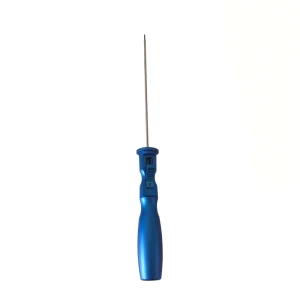
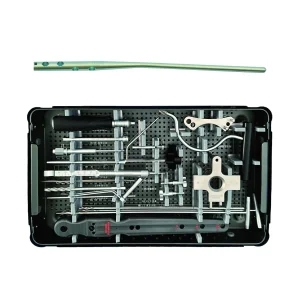
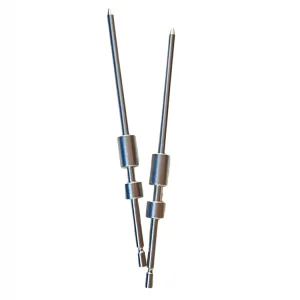
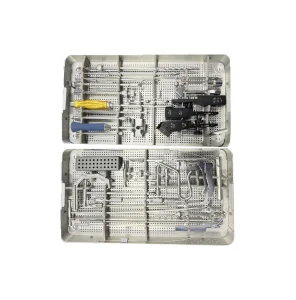
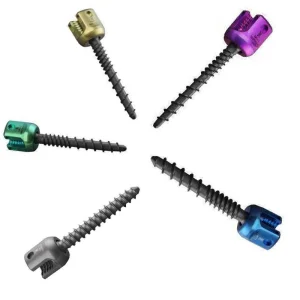
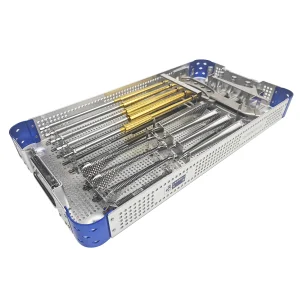
To support clinical installation, we supply matching surgical instrument sets (taps, drills, and drivers). These instruments are designed to work together, minimizing the risk of screw head breakage or cross-threading during orthopedic procedures.
Expert answers to the most common technical and regulatory inquiries from biomedical buyers and clinical engineers.
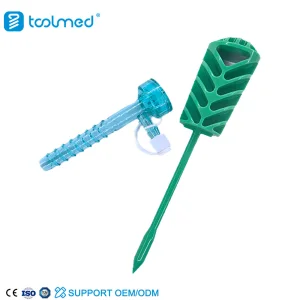
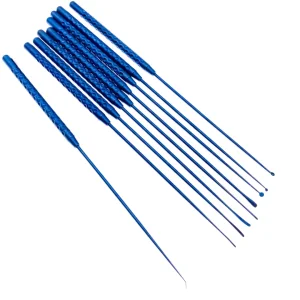
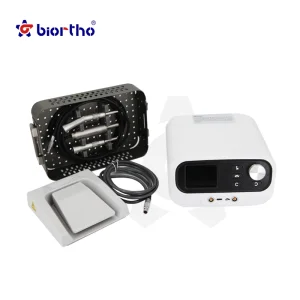
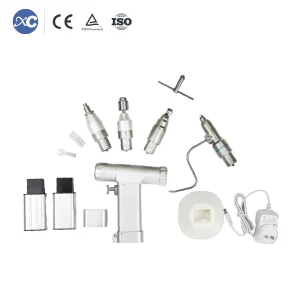
High-precision reusable and disposable surgical instruments supporting advanced fixation procedures