Zynfuse
Zynfuse
Zynfuse
Engineered for high performance, anatomical compatibility, and strict compliance with global medical requirements.
Zynfuse Medical Technology Co., Ltd. is a professional orthopedic medical device manufacturer specializing in bone fusion and advanced implant systems for surgical innovation. Established in 2016, the company has built a strong foundation in orthopedic solutions with 12 years of industry experience and 7 years of export experience, serving global healthcare markets with consistent quality and reliability.
Our operations leverage a modern manufacturing facility covering approximately 18,600 m², designed in compliance with the stringent ISO 13485 quality standards. With an annual export revenue stabilizing around $18.5 million, Zynfuse maintains its footprint by delivering state-of-the-art trauma, spine, and joint preservation systems to a highly efficient supply chain network of over 1,200 partners worldwide. Our production facility houses a specialized workforce of 68 quality inspection specialists, ensuring that from raw materials to final sterilization, no detail is compromised.
We work hand-in-hand with leading international distributors, hospital procurement coordinators, and OEM/ODM procurement managers to streamline supply channels and integrate patient-centric features directly into implant design.
Serving medical distributors, hospital procurement departments, and orthopedic surgical centers across North America, Europe, Southeast Asia, and the Middle East.
Our robust R&D department launches approximately 320 new products annually, focusing on customizable implant geometries, materials, and surgical instruments.
Understanding the interplay of load sharing, profile optimization, and screw dynamics in cervical stabilization.
Modern clinical practices favor dynamic anterior cervical plates for multi-level constructs because they allow controlled micro-motion. This load-sharing model aligns with Wolff’s Law: bone heals faster when subjected to physical stress. Dynamic plating systems feature slotted screw holes or sliding mechanisms that allow load redistribution during spinal settling. Rigid plates, conversely, provide strict immobilisation, which is excellent for acute segment reconstruction and complex reconstructions where movement is contraindicated.
High-quality anterior cervical plates from Zynfuse feature an ultra-low profile (typically 1.5mm to 2.0mm in thickness) to minimize post-operative dysphagia—a common complication associated with thick plating. The anatomic pre-contouring minimizes intraoperative bending while maintaining lordotic geometry. Smooth margins, rounded corners, and a polished surface reduce friction against adjacent soft tissues, such as the esophagus, optimizing patient recovery trajectories.
Screw design determines fixation pull-out resistance. Our implants support dynamic angulation (variable-angle screws) alongside rigid fixation options (fixed-angle screws). Variable-angle screws permit convergence/divergence angles up to 15 degrees, allowing surgeons to avoid the disc space and customize screw trajectory based on individual patient anatomy. Our advanced integrated lock mechanisms ensure single-step tactile security, preventing screw back-out without adding profile height.
Key Clinical Advantage:
Zynfuse plates feature dynamic locking tabs that offer visual confirmation of active locking, minimizing intraoperative time and decreasing back-out rates.
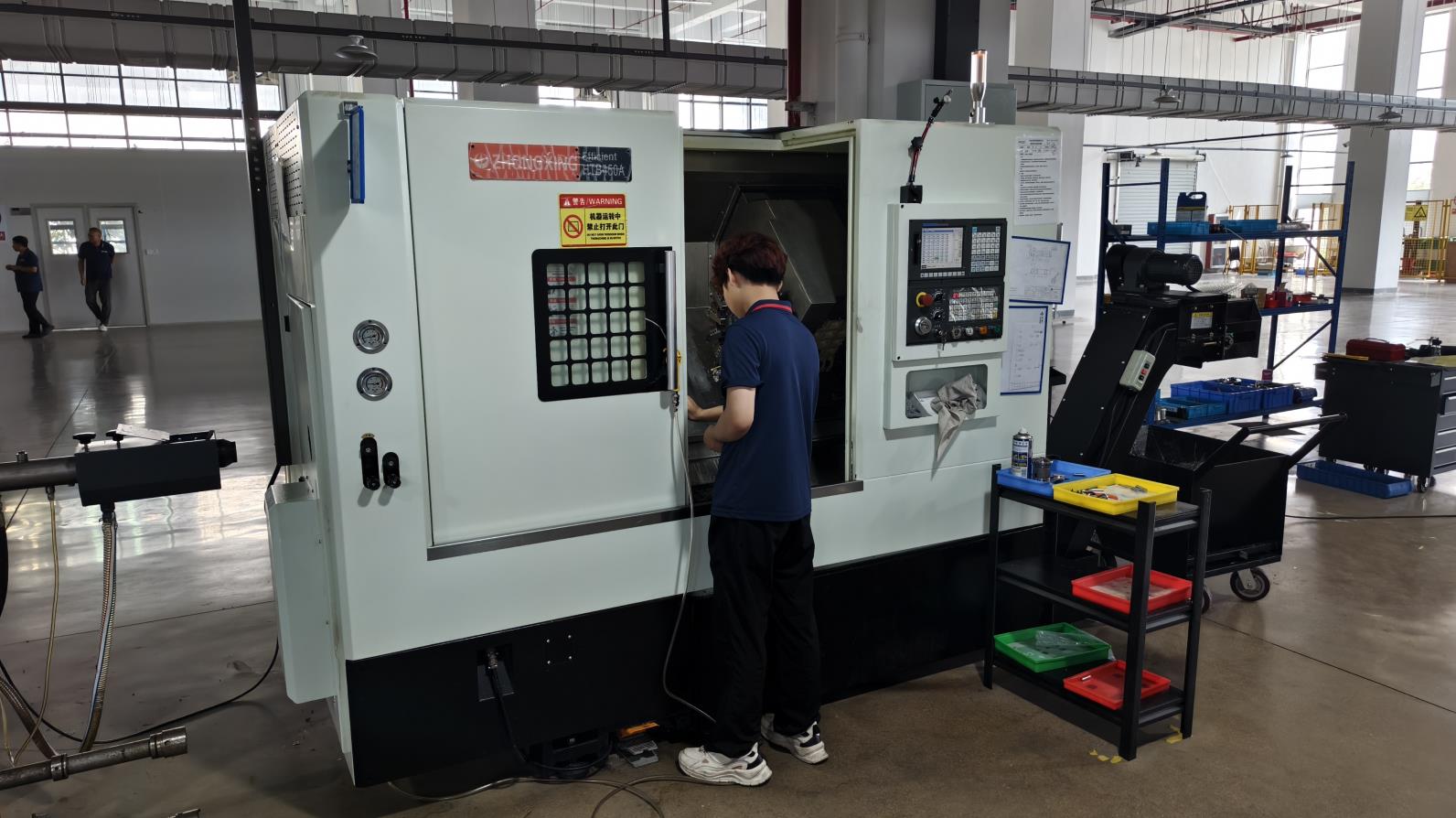
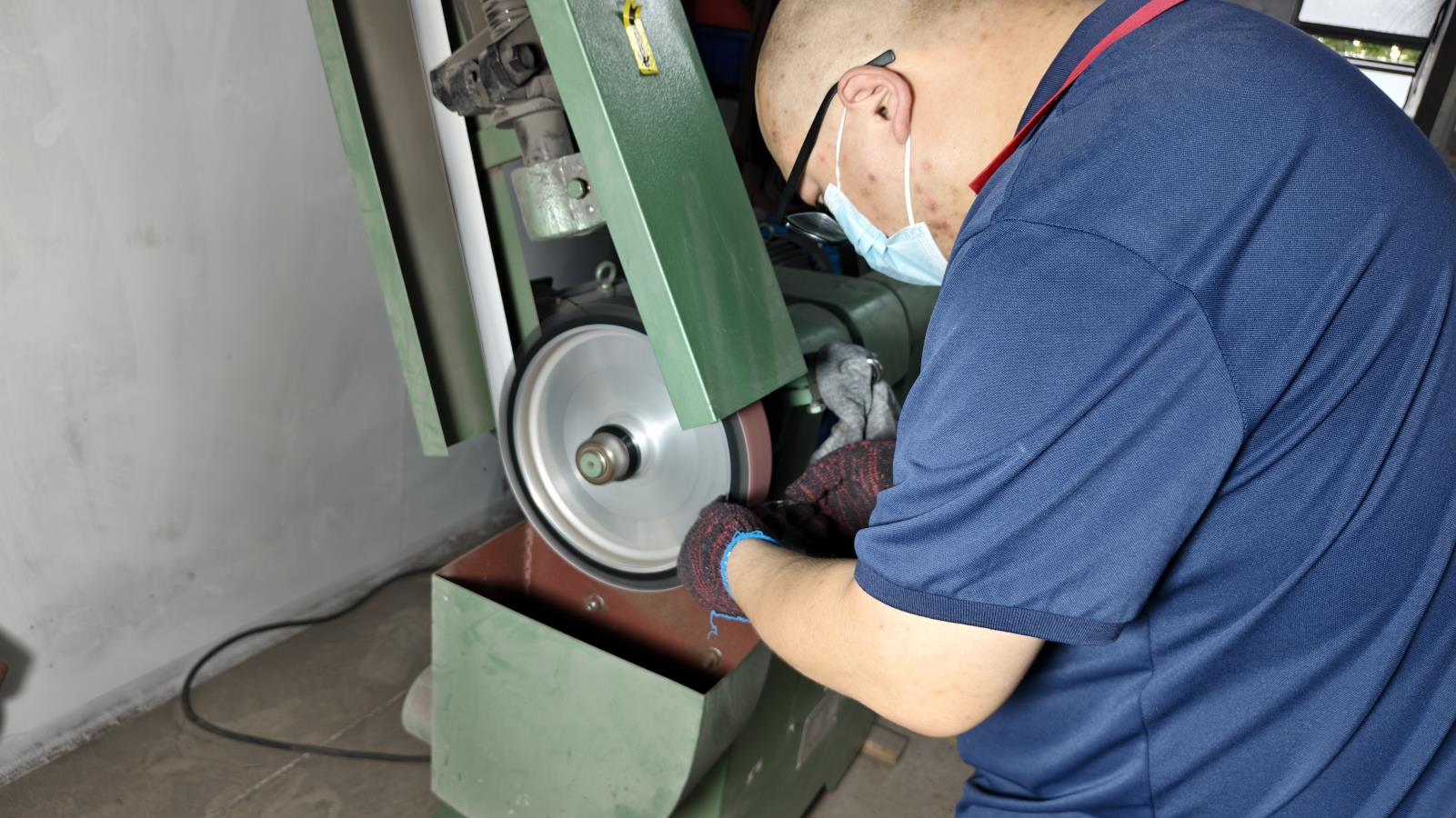
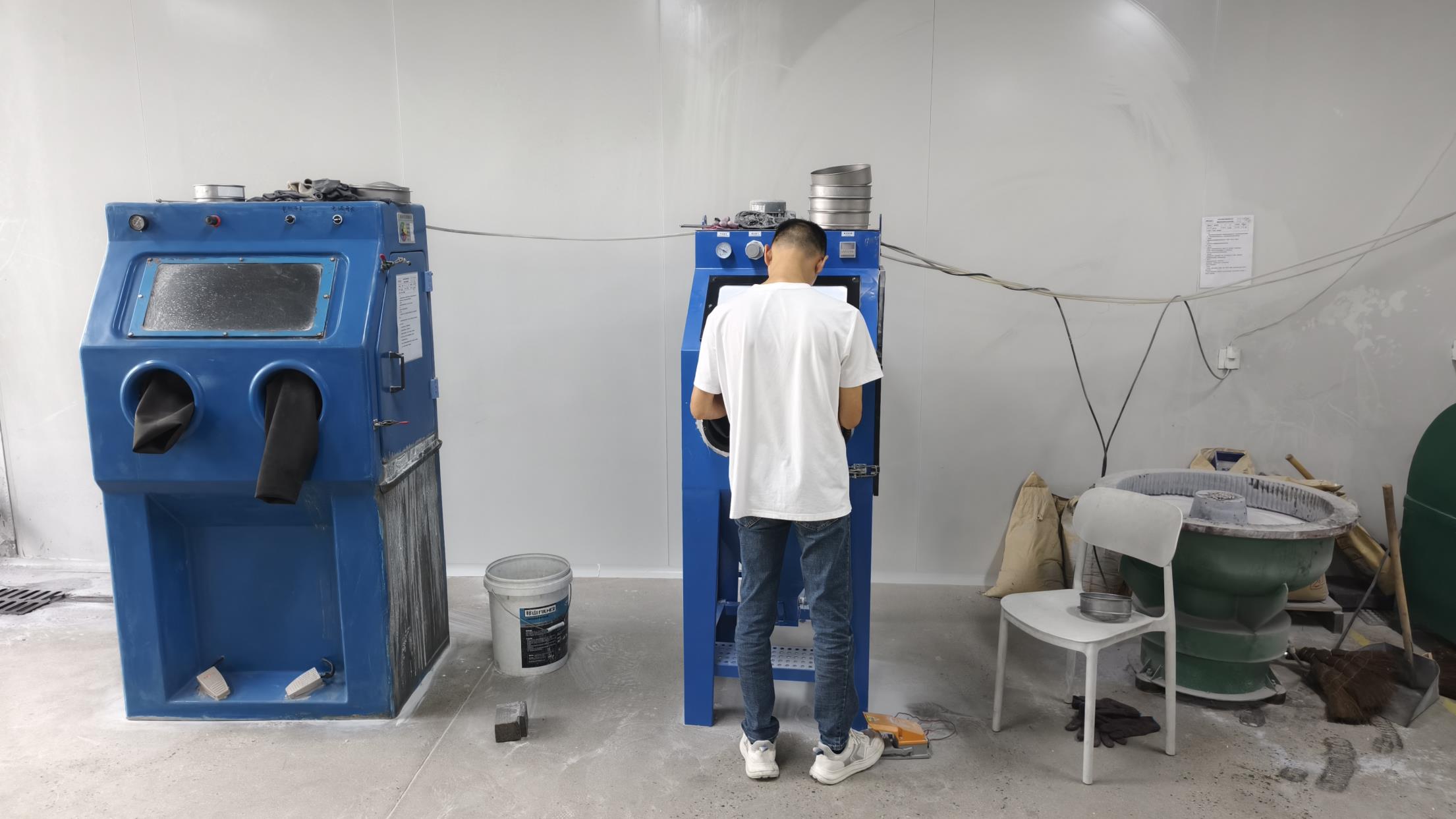
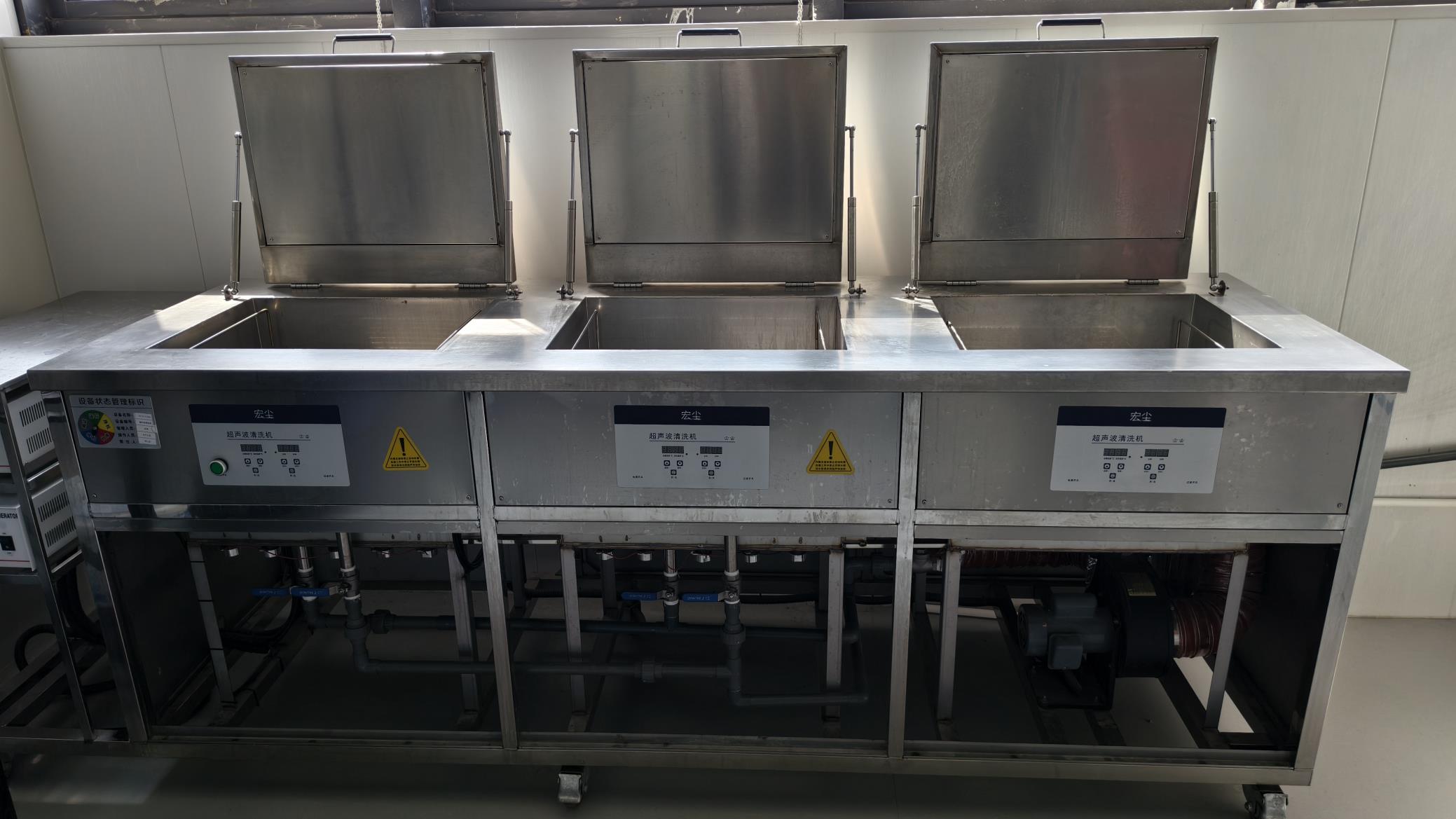
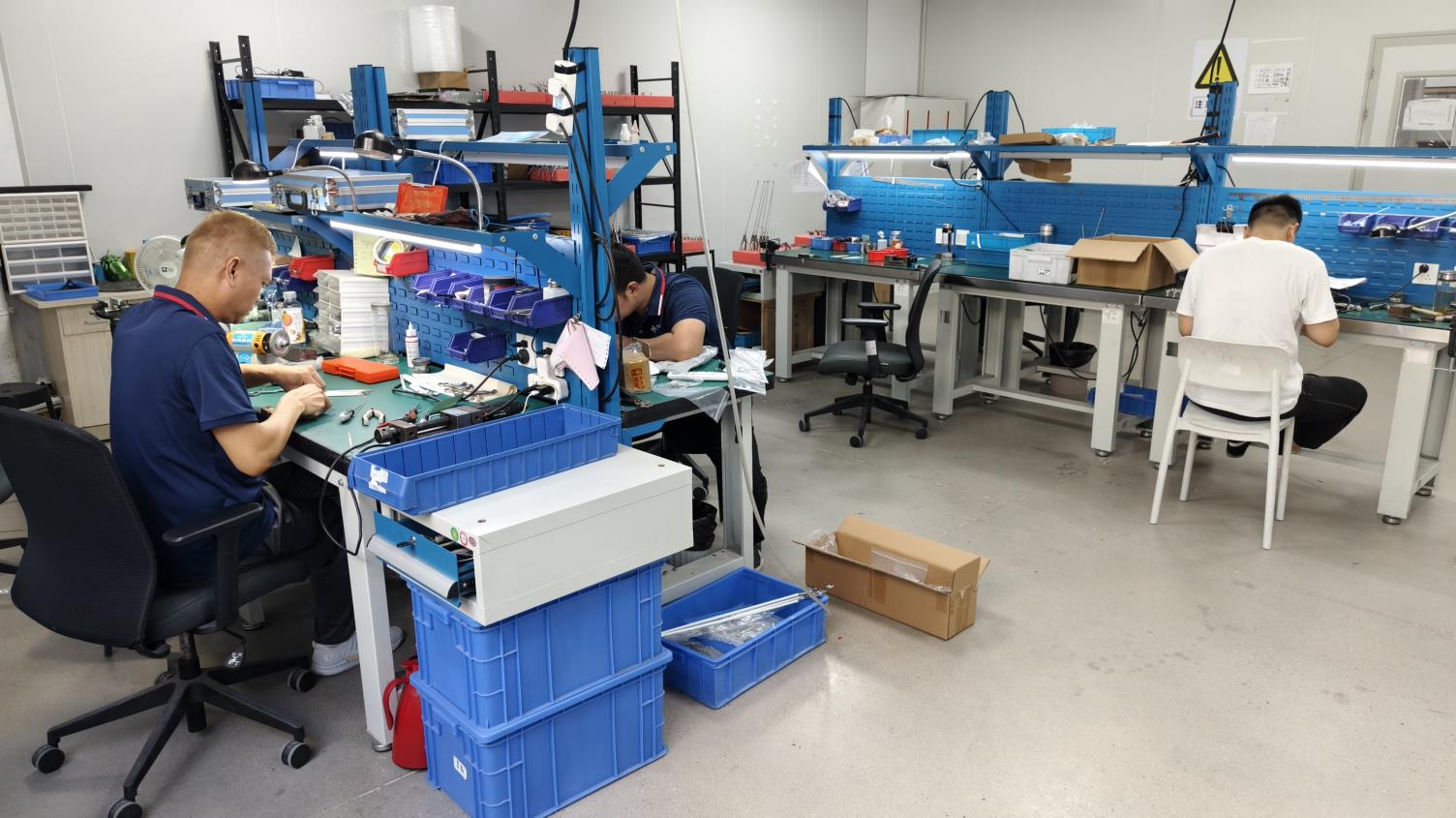
An inside look into Zynfuse's modern 18,600 m² factory floor, deploying high-precision machining, custom prototyping, and automated surface treatment.
By leveraging state-of-the-art CNC machining centers, Swiss-type automatic lathes, and automated surface treatment, we minimize structural tolerances to the micrometer scale. Below is the step-by-step production progression of our cervical plates and trauma implants.
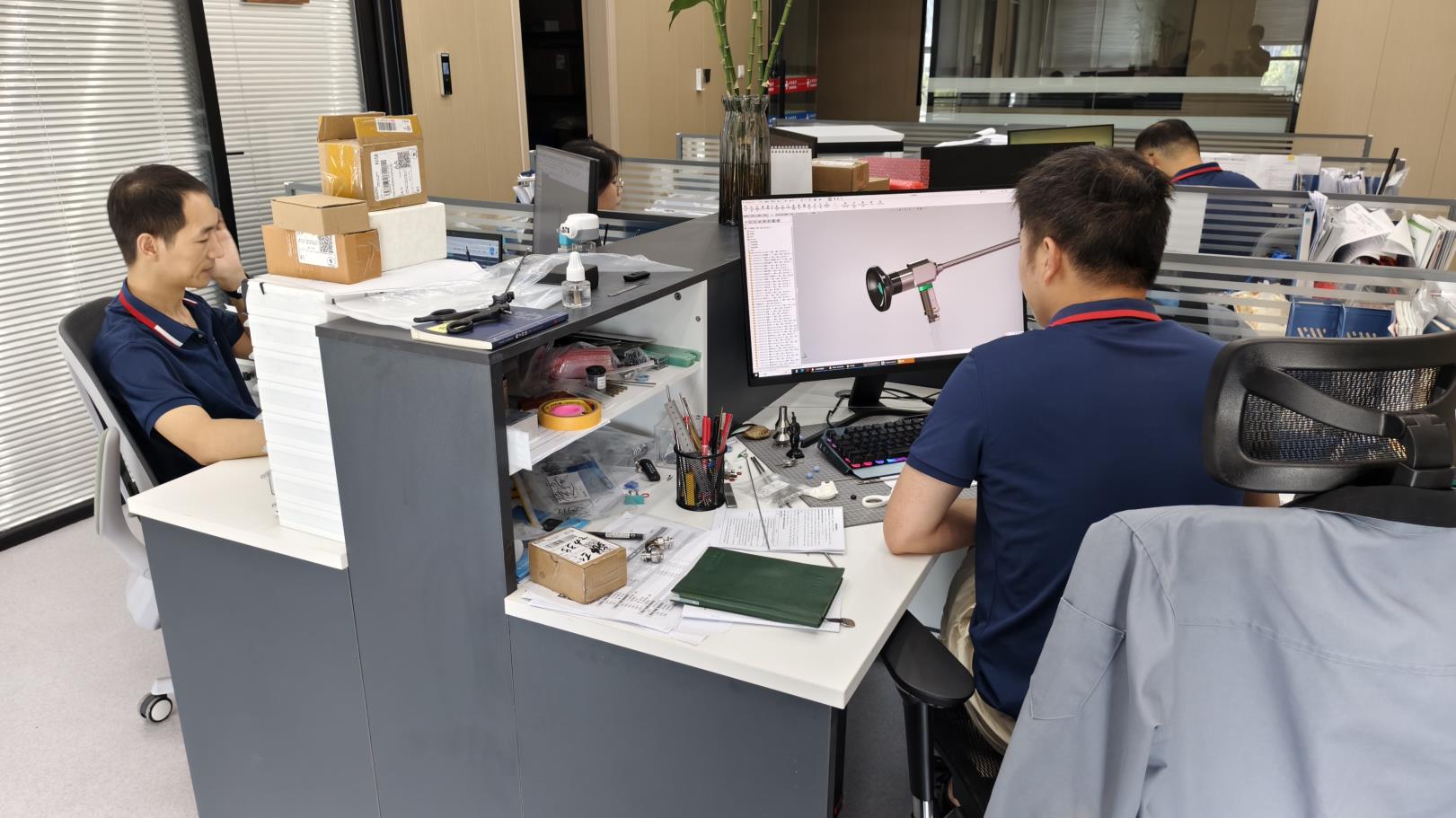
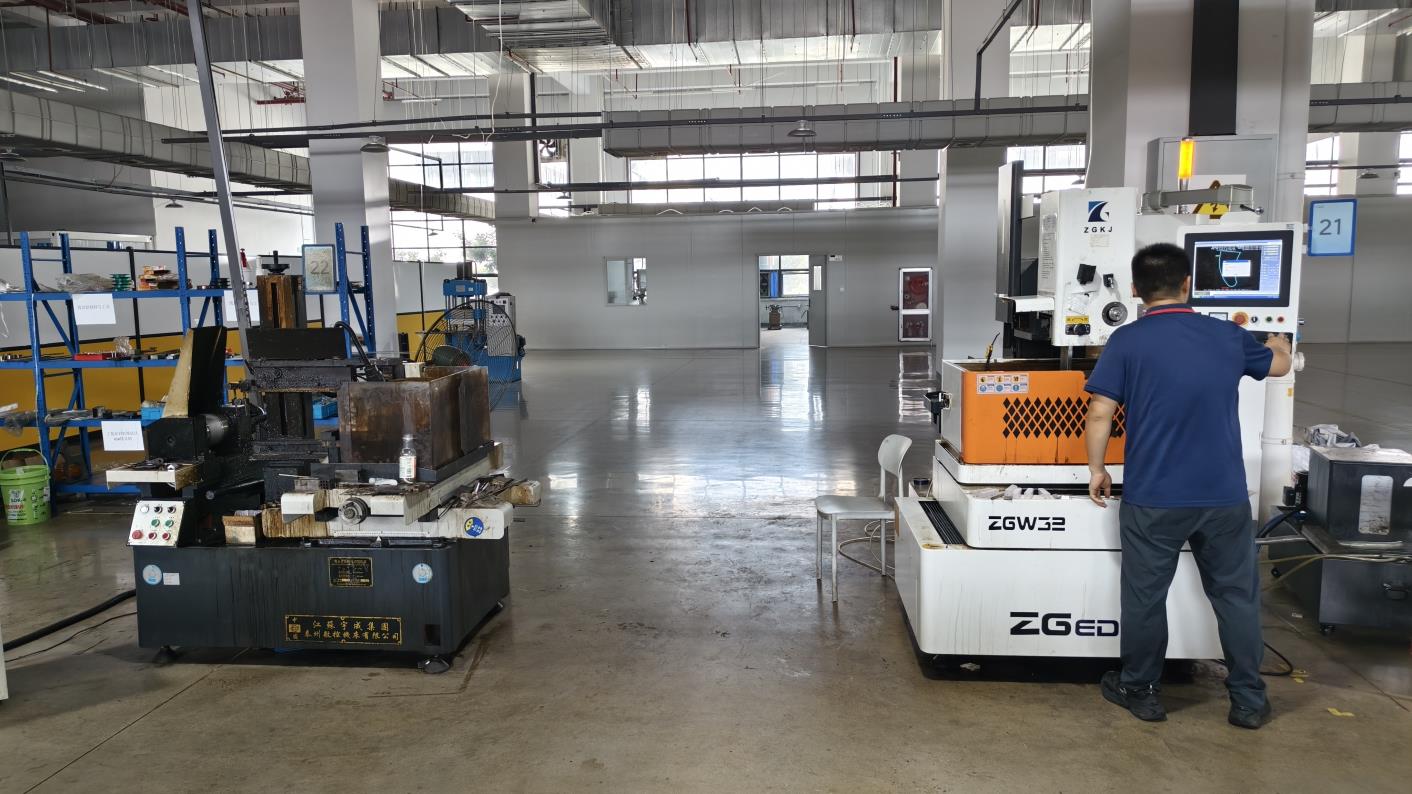
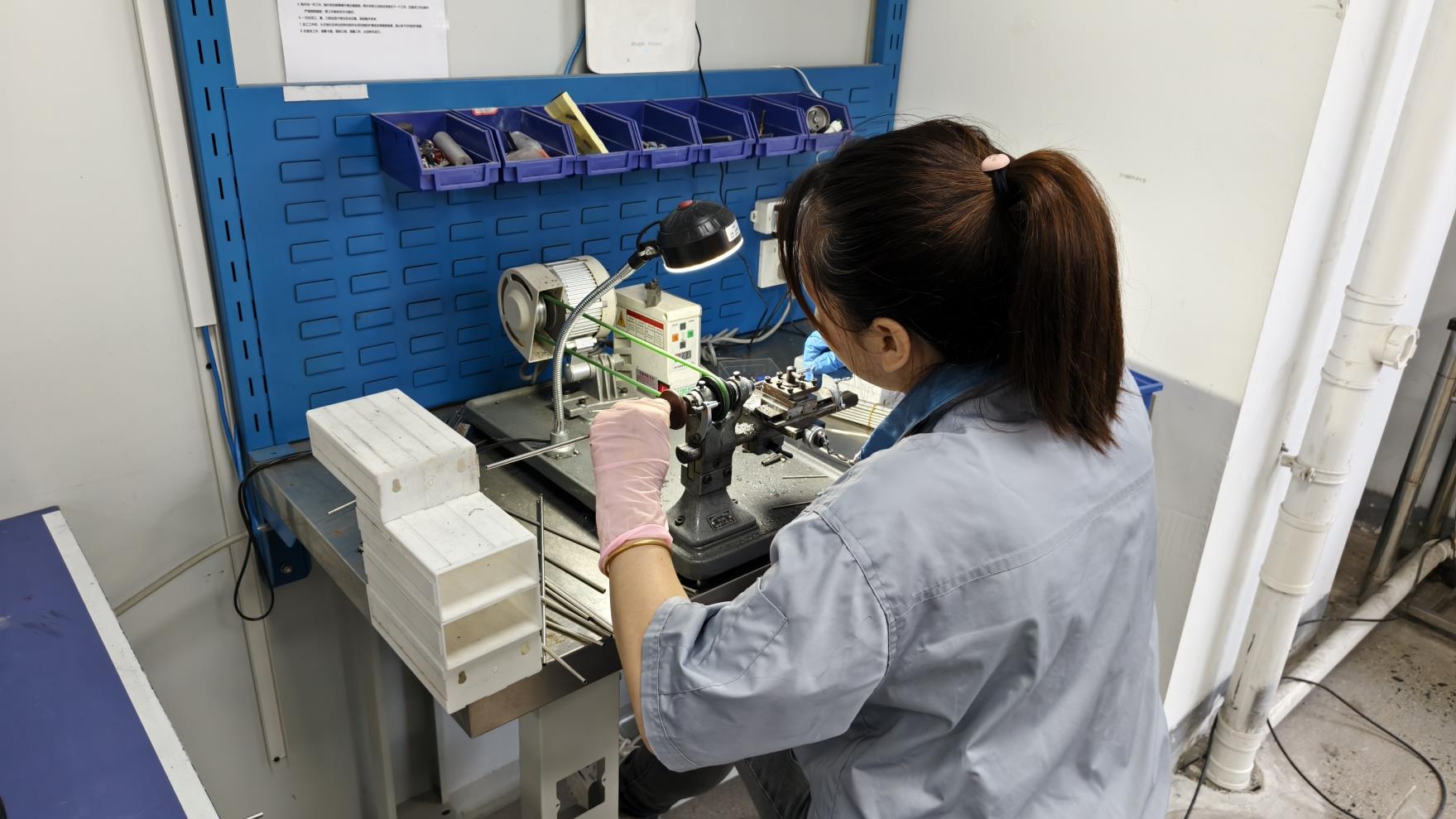
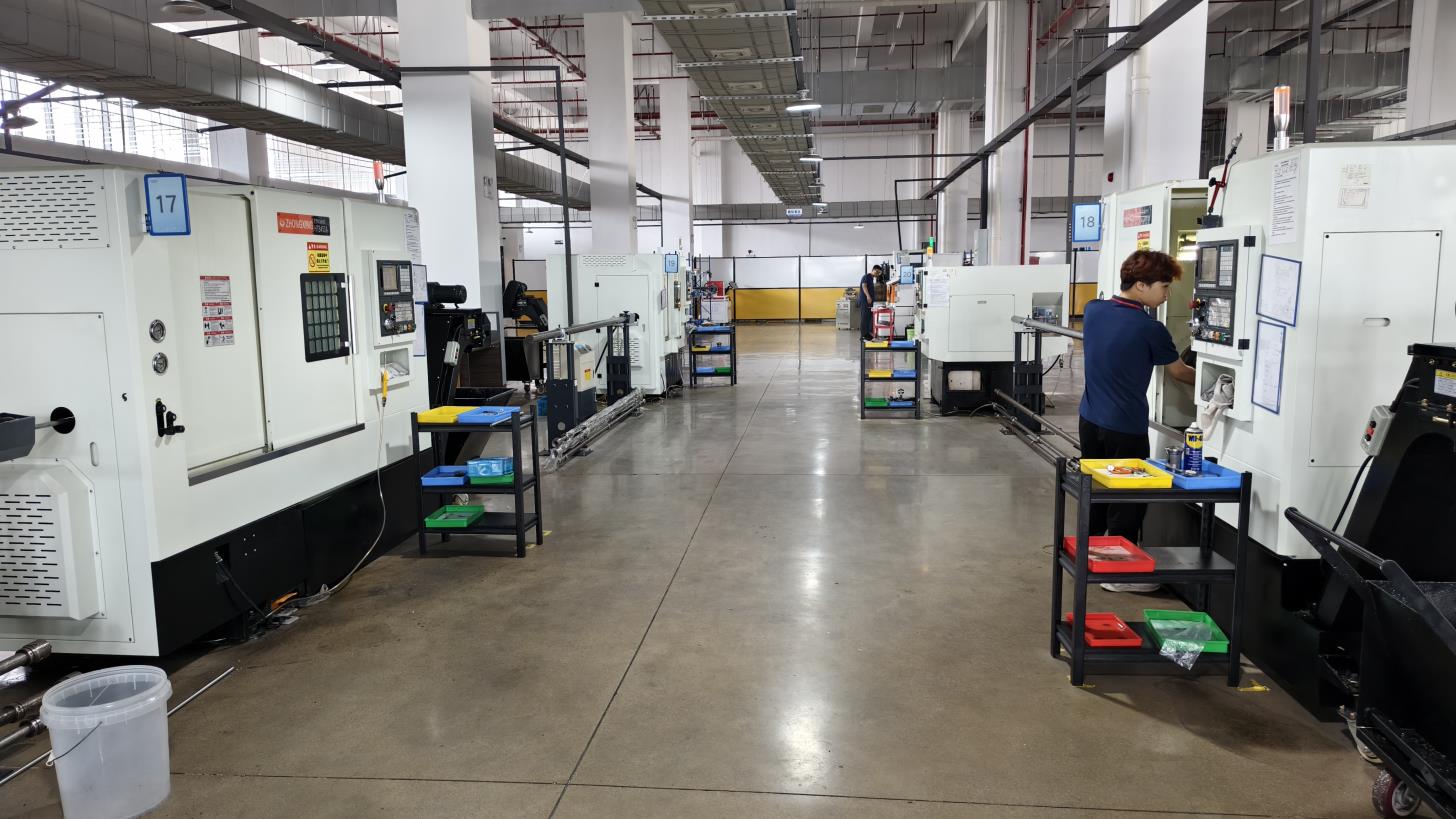
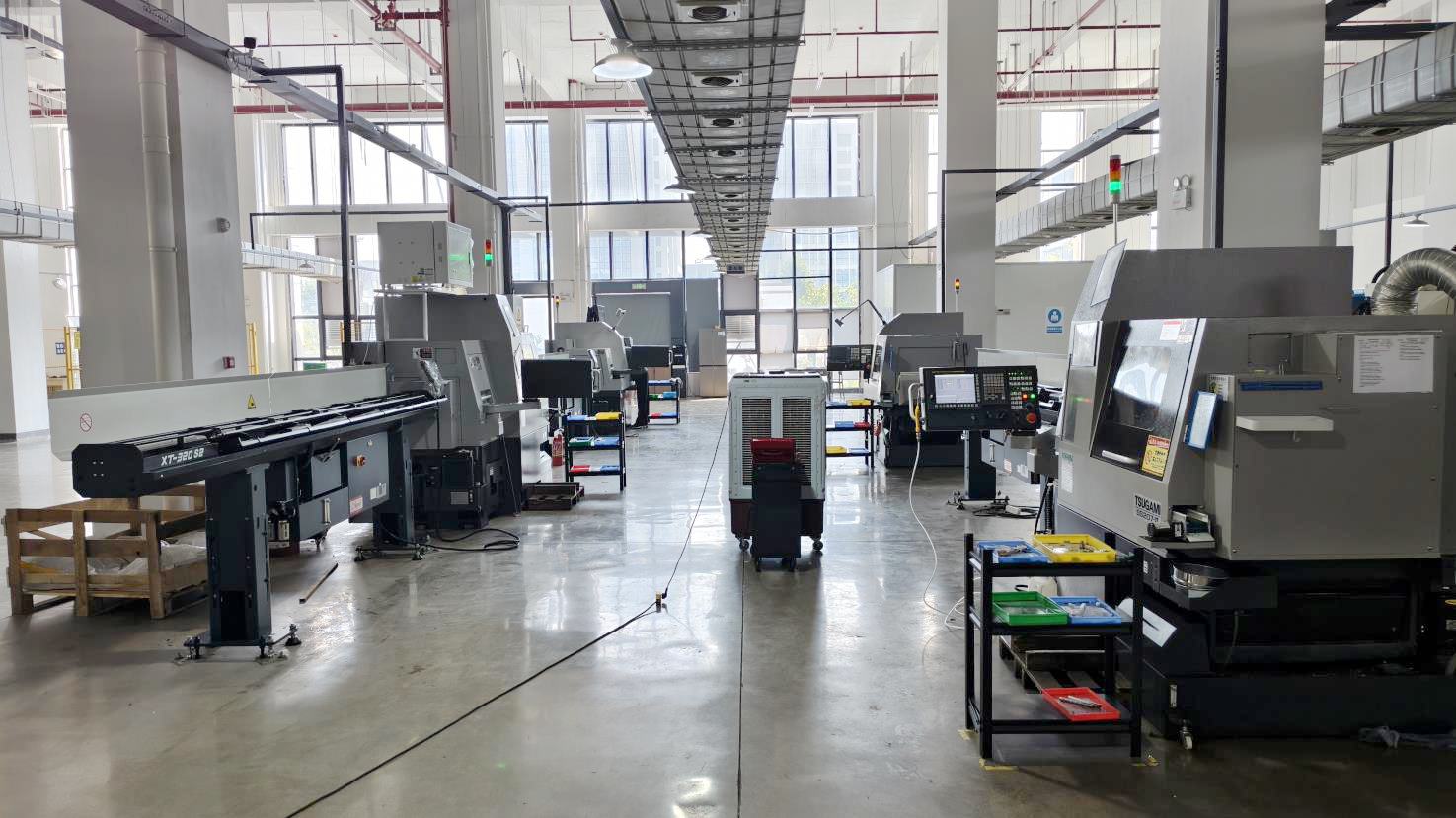
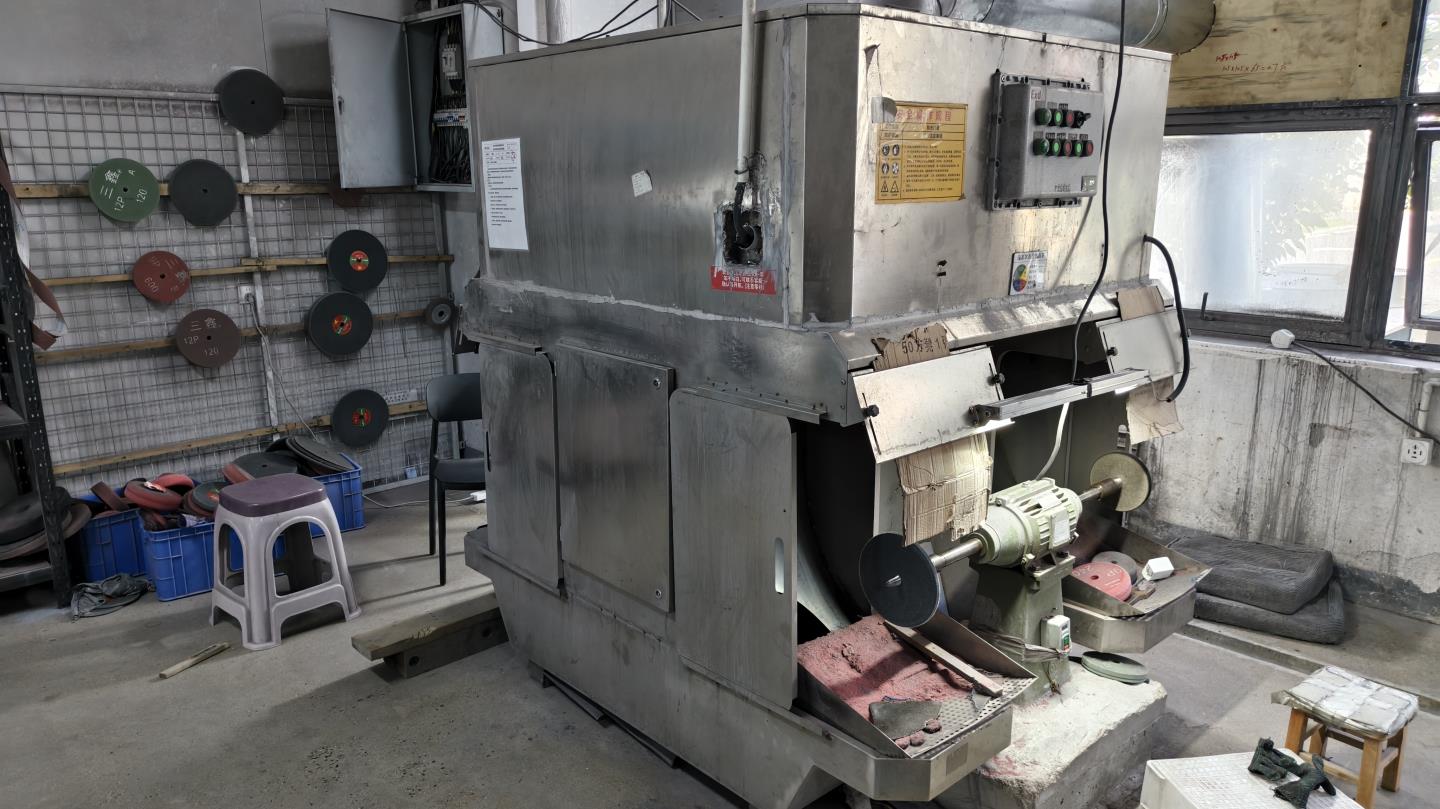
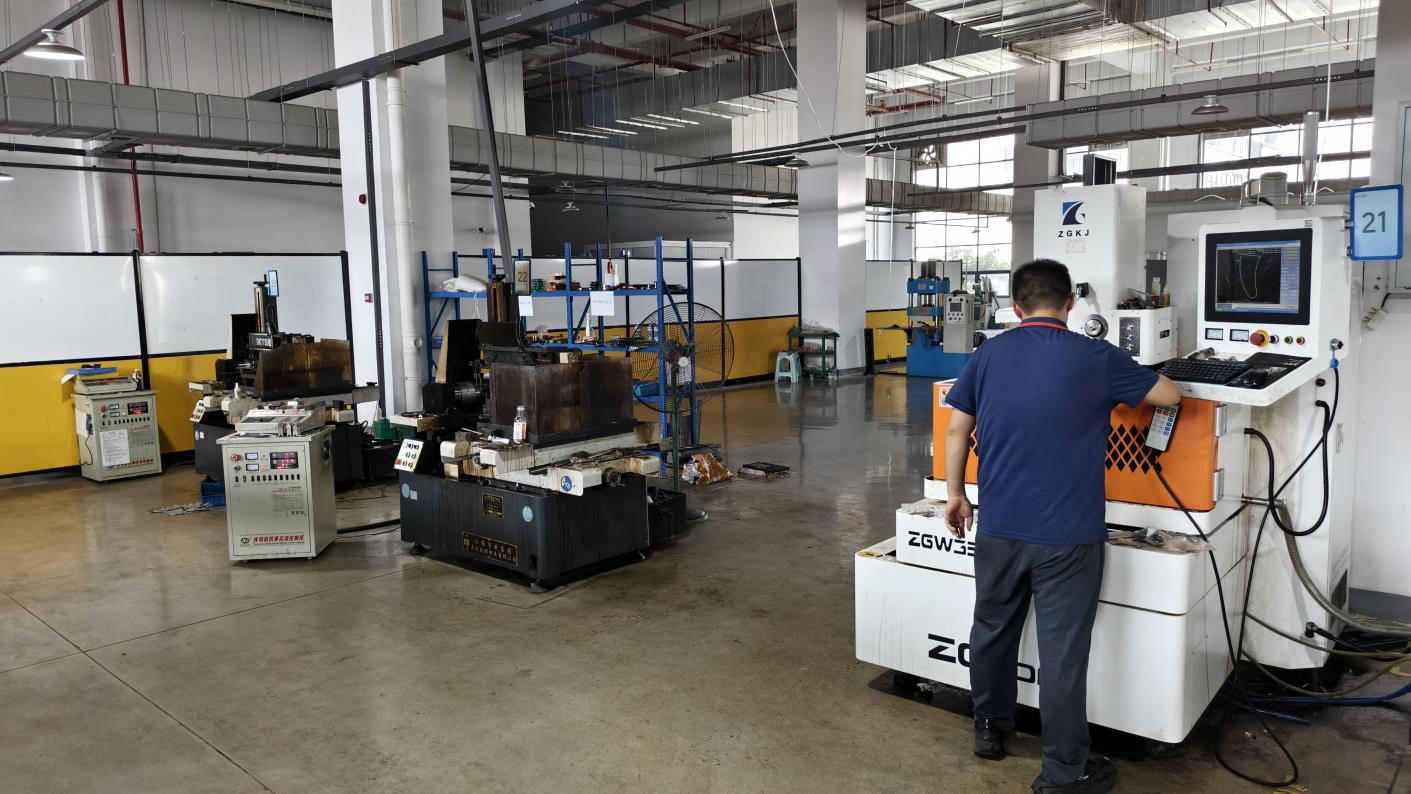
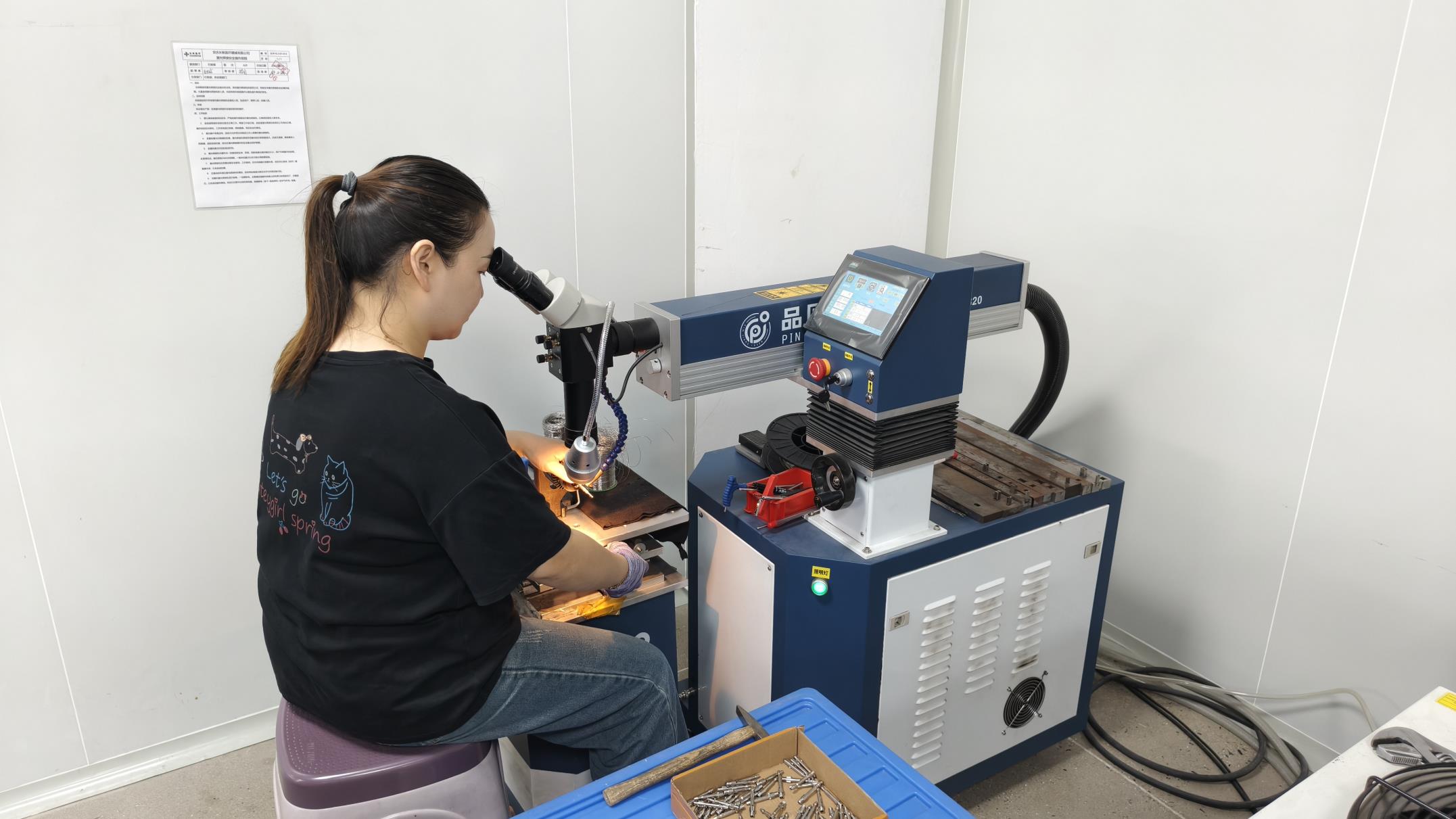
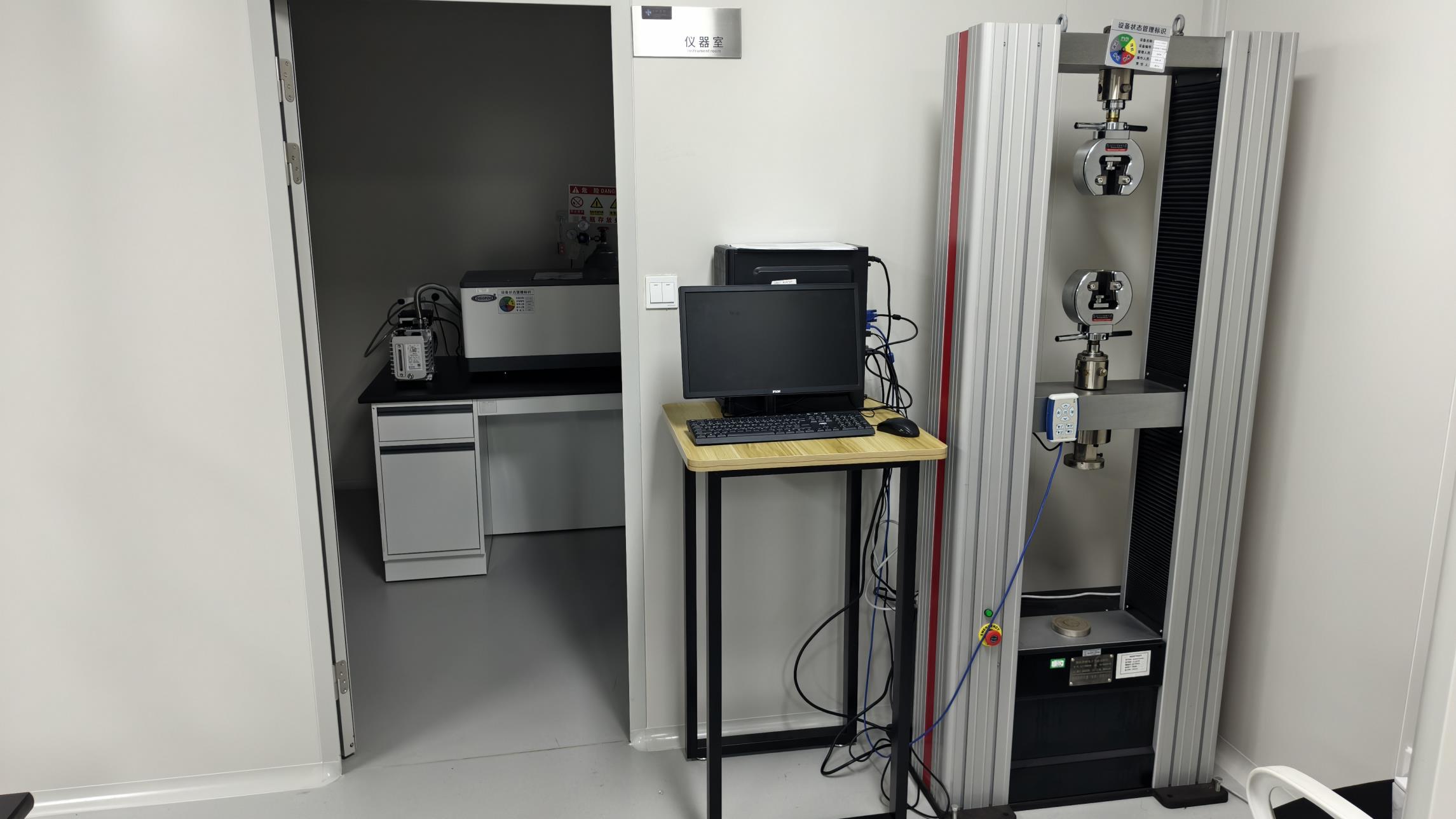
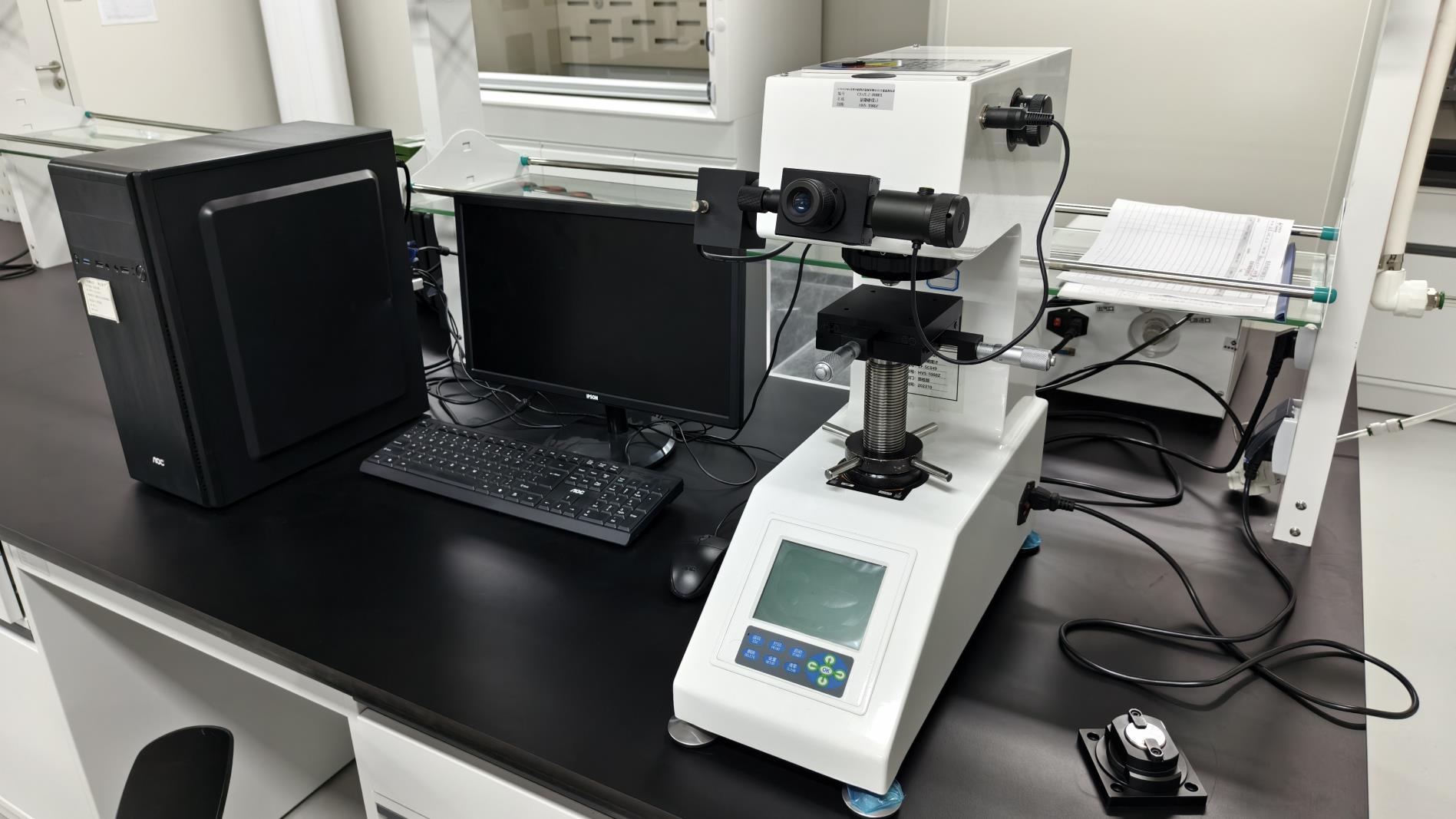
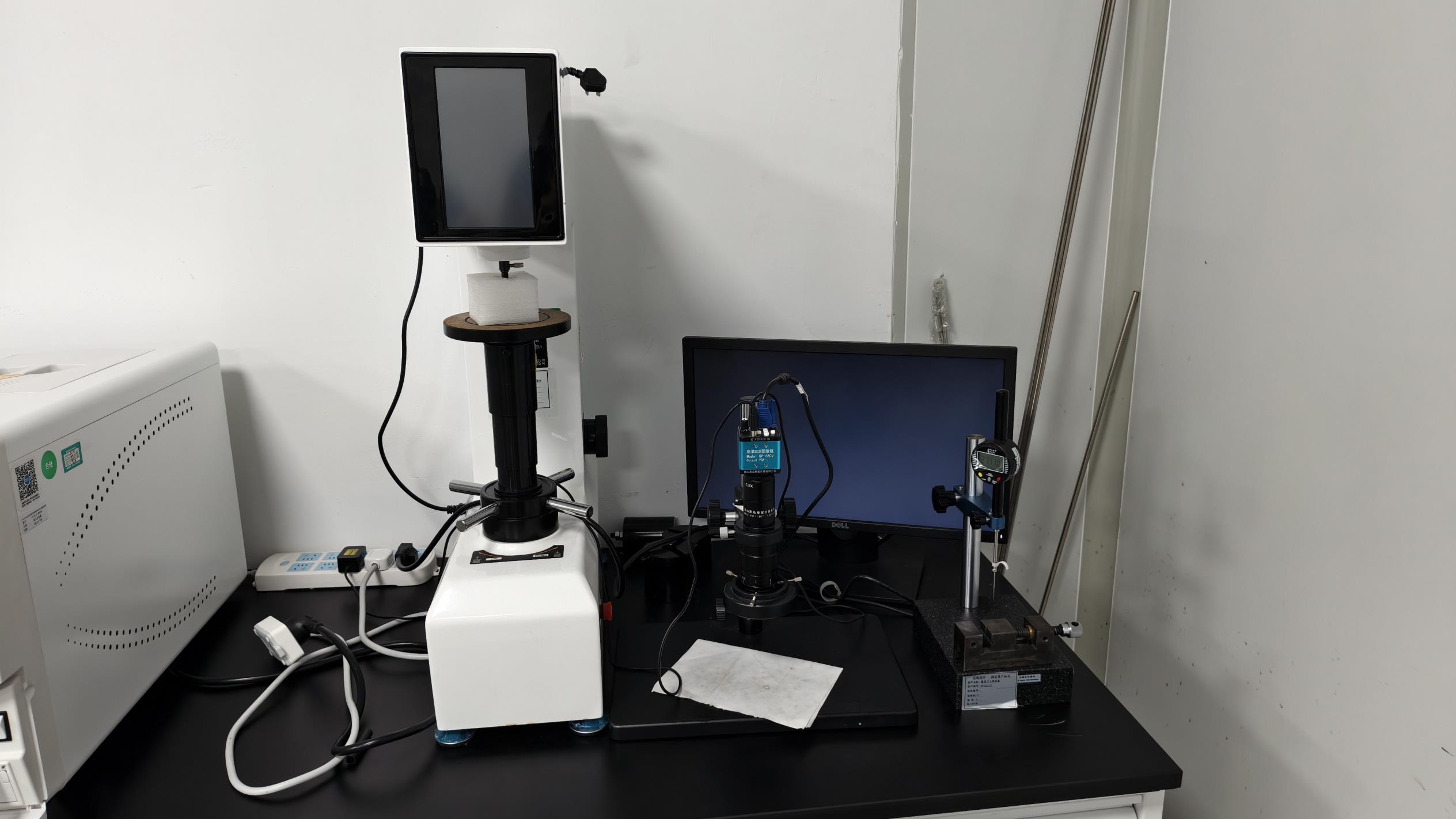
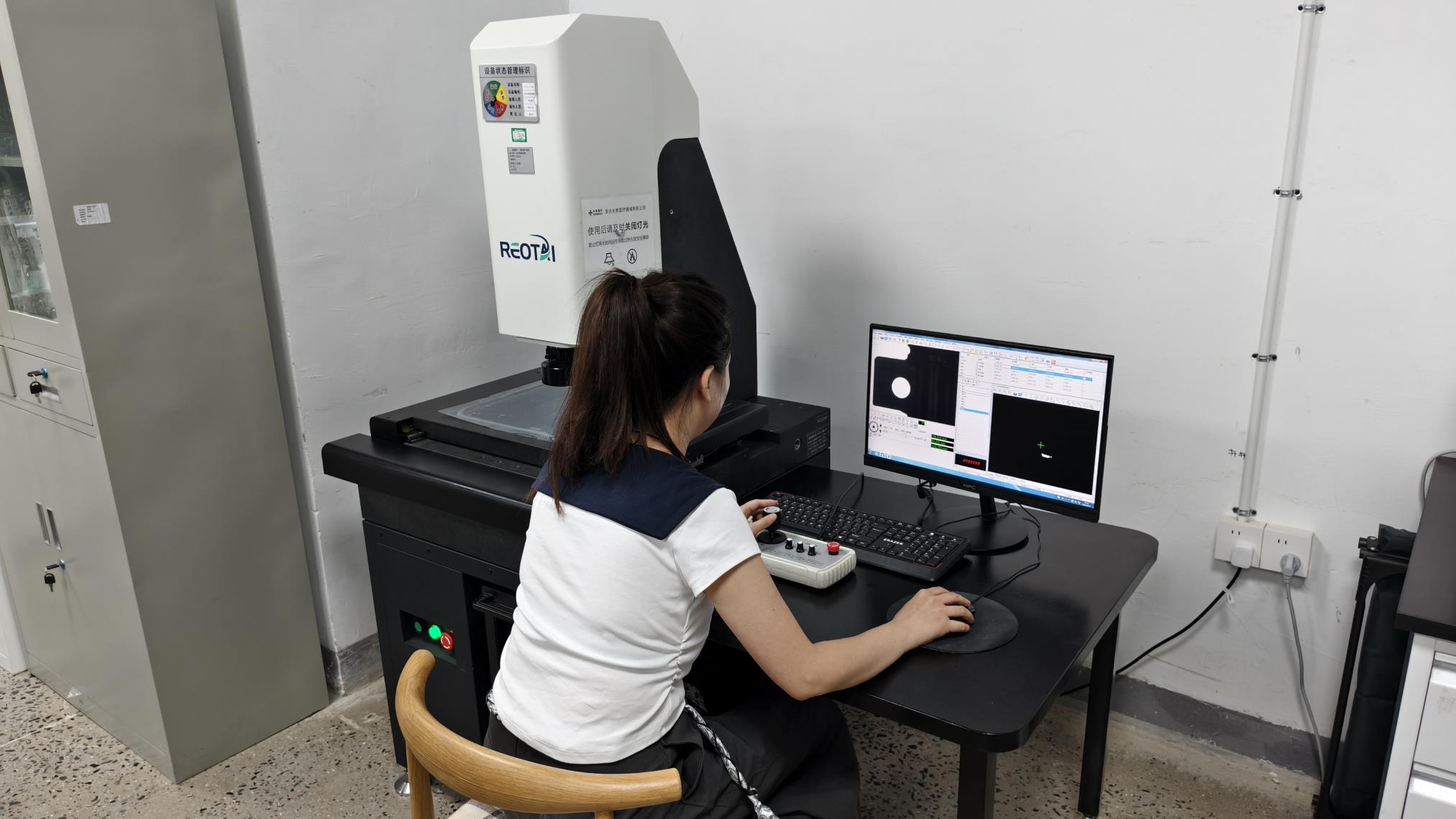
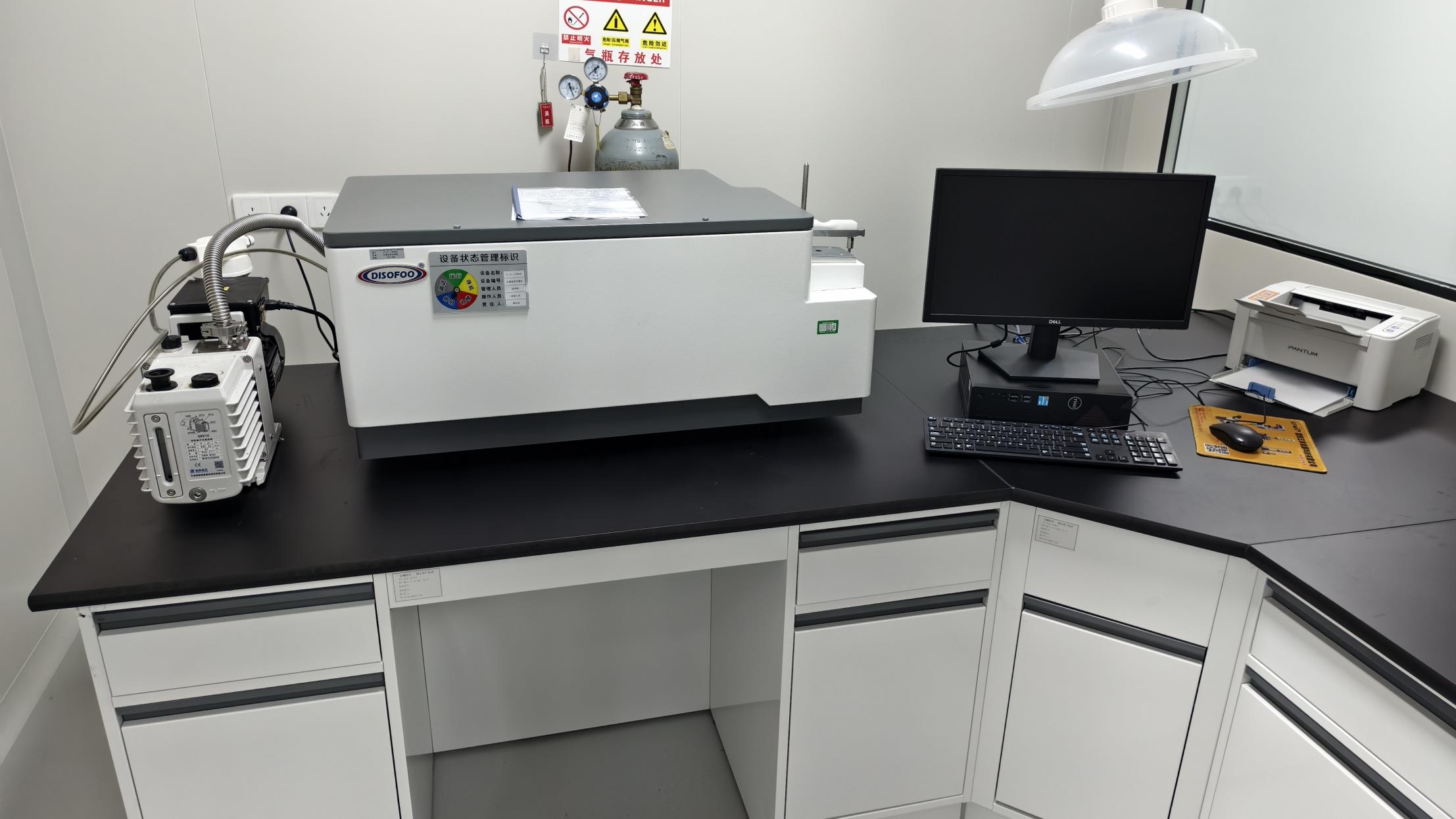
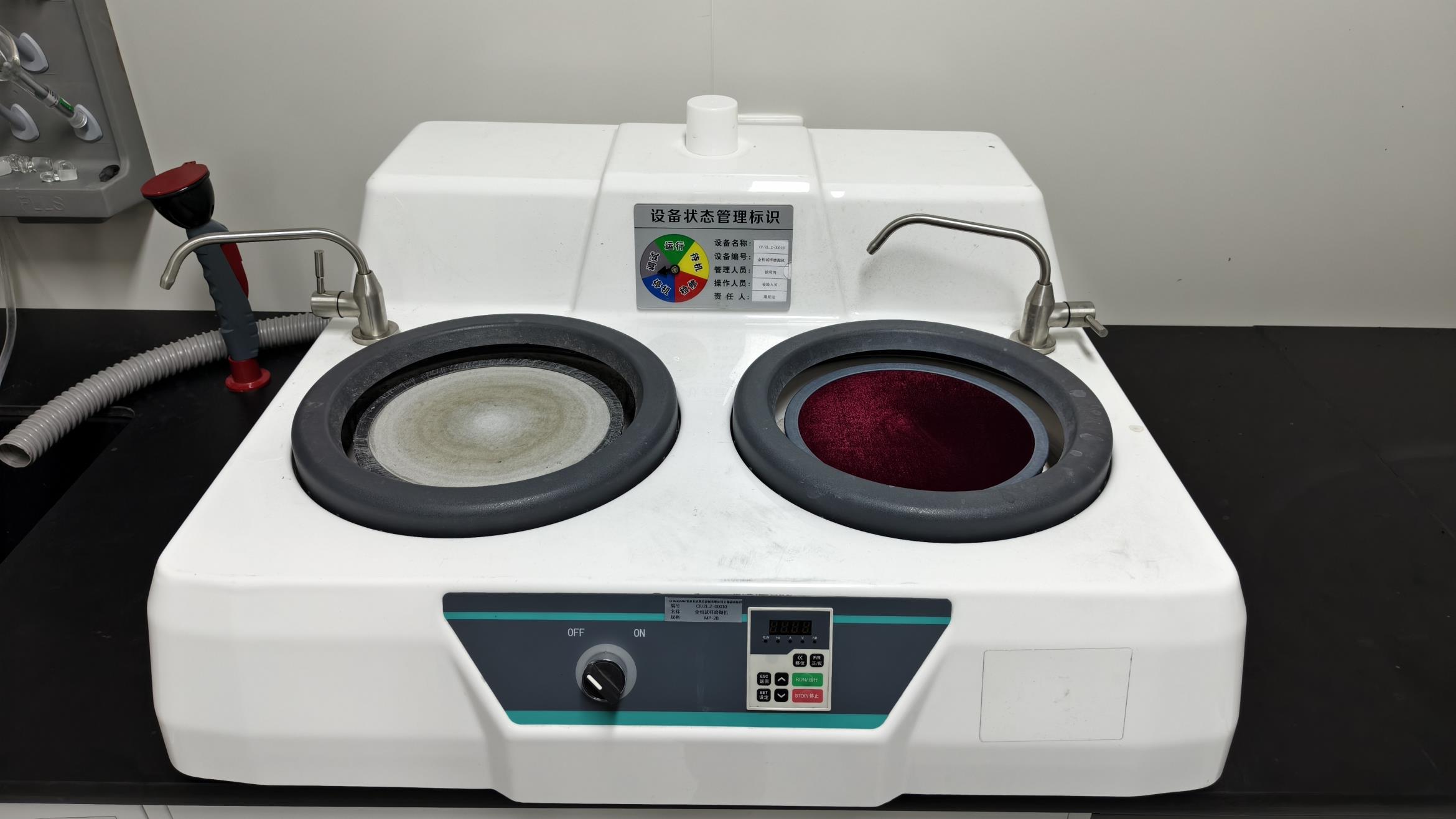
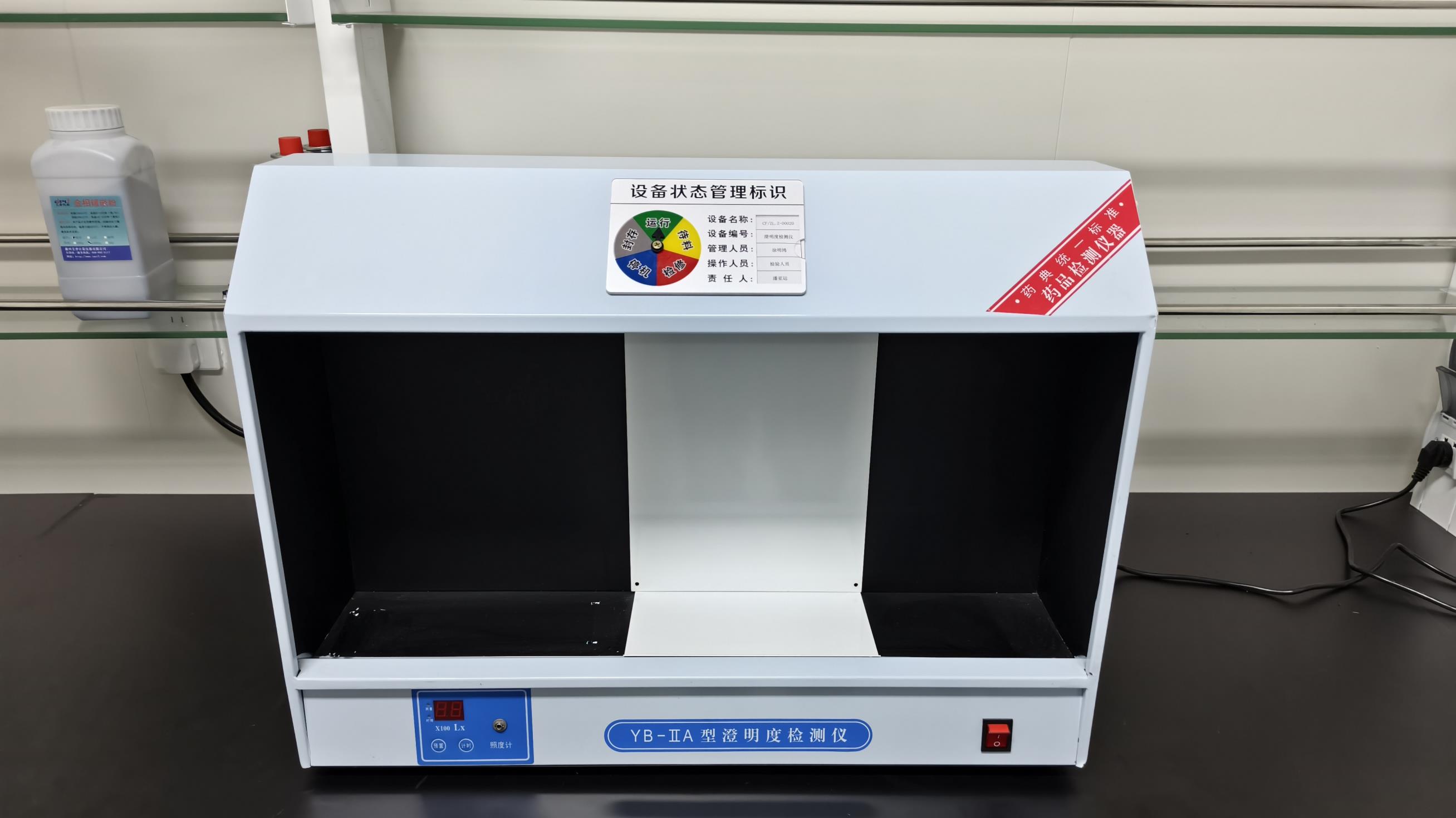
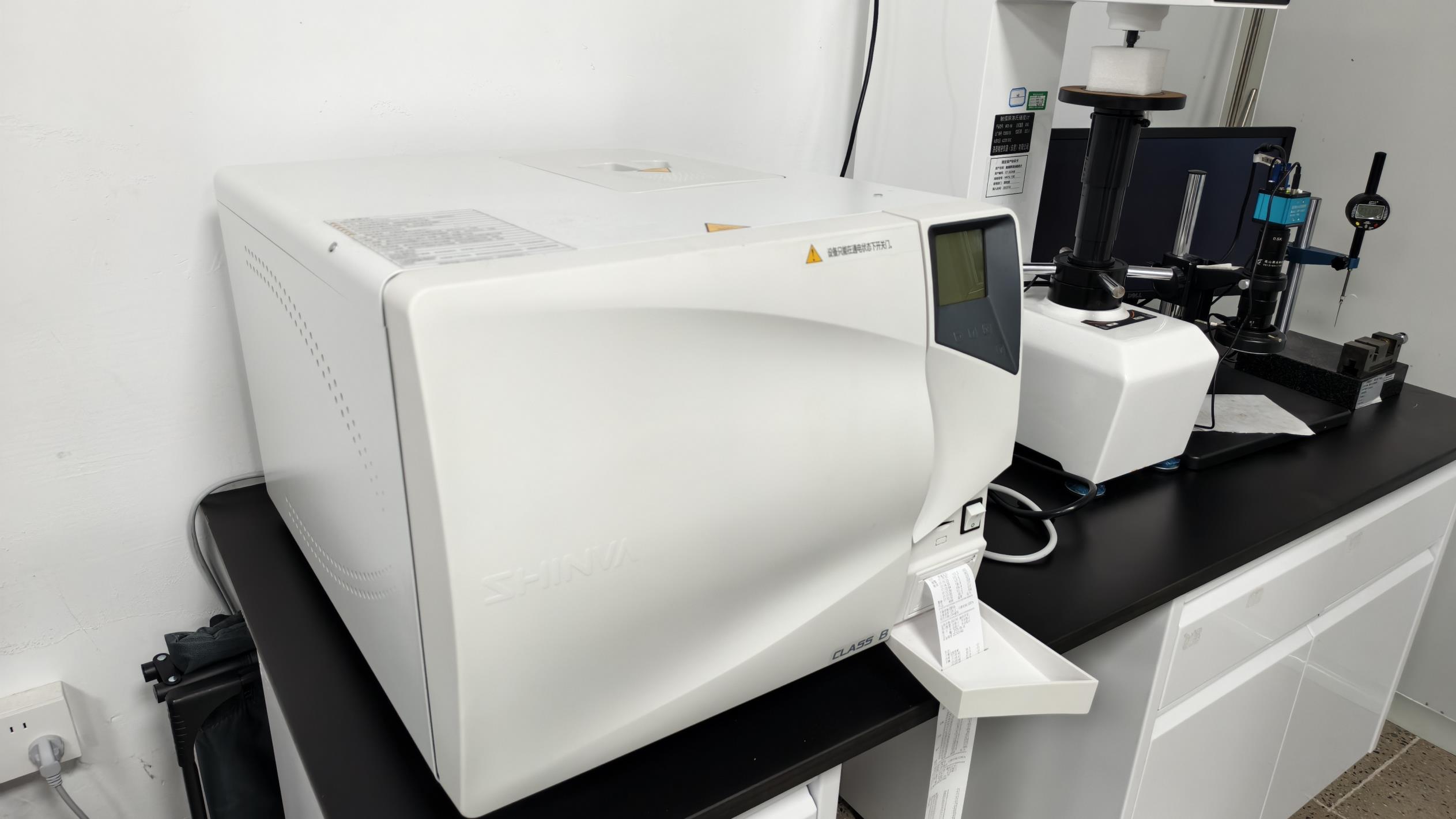
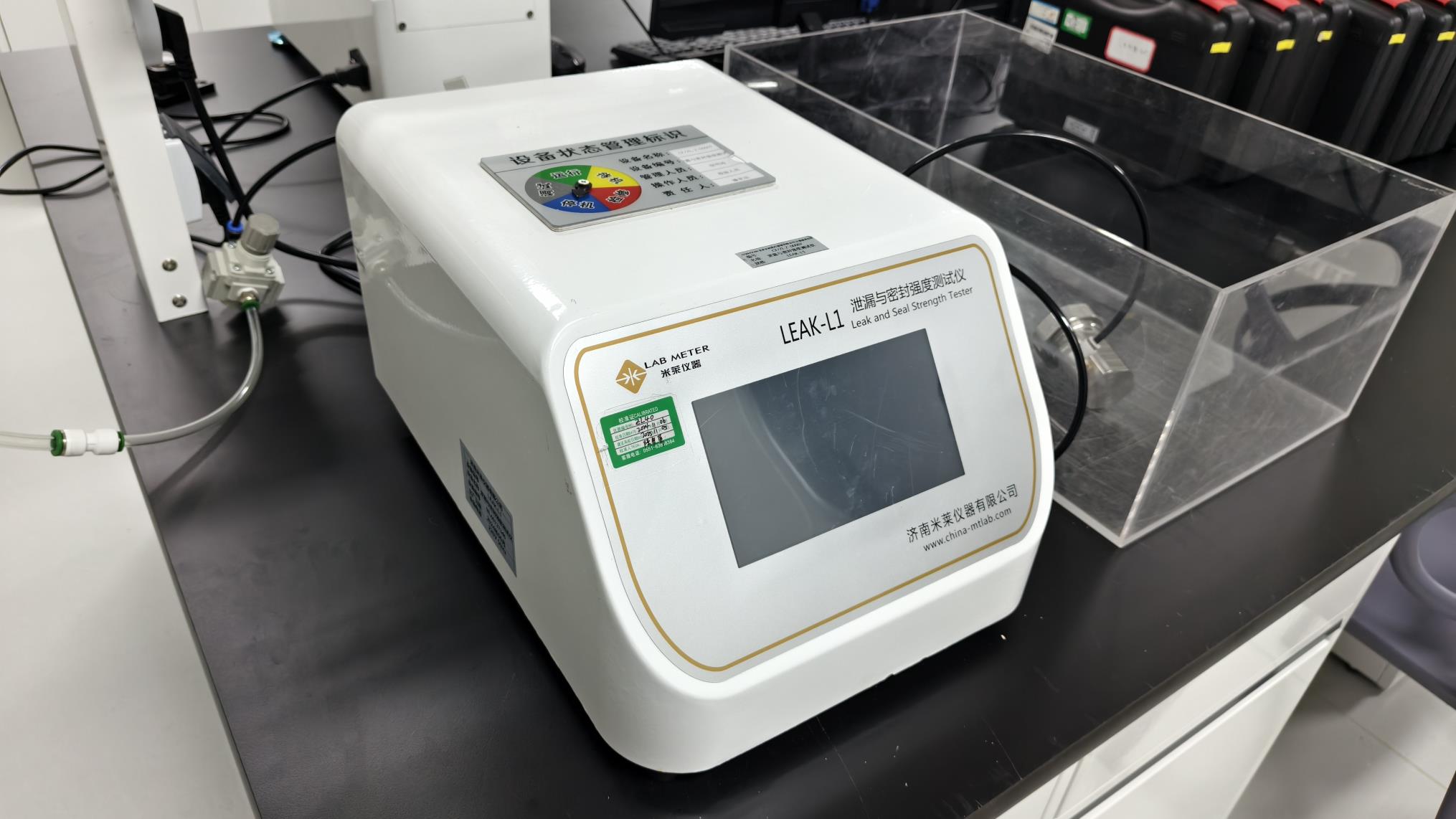
68 quality inspection specialists ensuring zero defect rates in biocompatibility, fatigue limit, and dimensional tolerances.
Quality inspection forms the core of our brand equity. We integrate mechanical performance testing, metallurgical micro-structural validation, and strict biocompatibility testing to guarantee that our implants conform to ASTM F136 titanium standards.
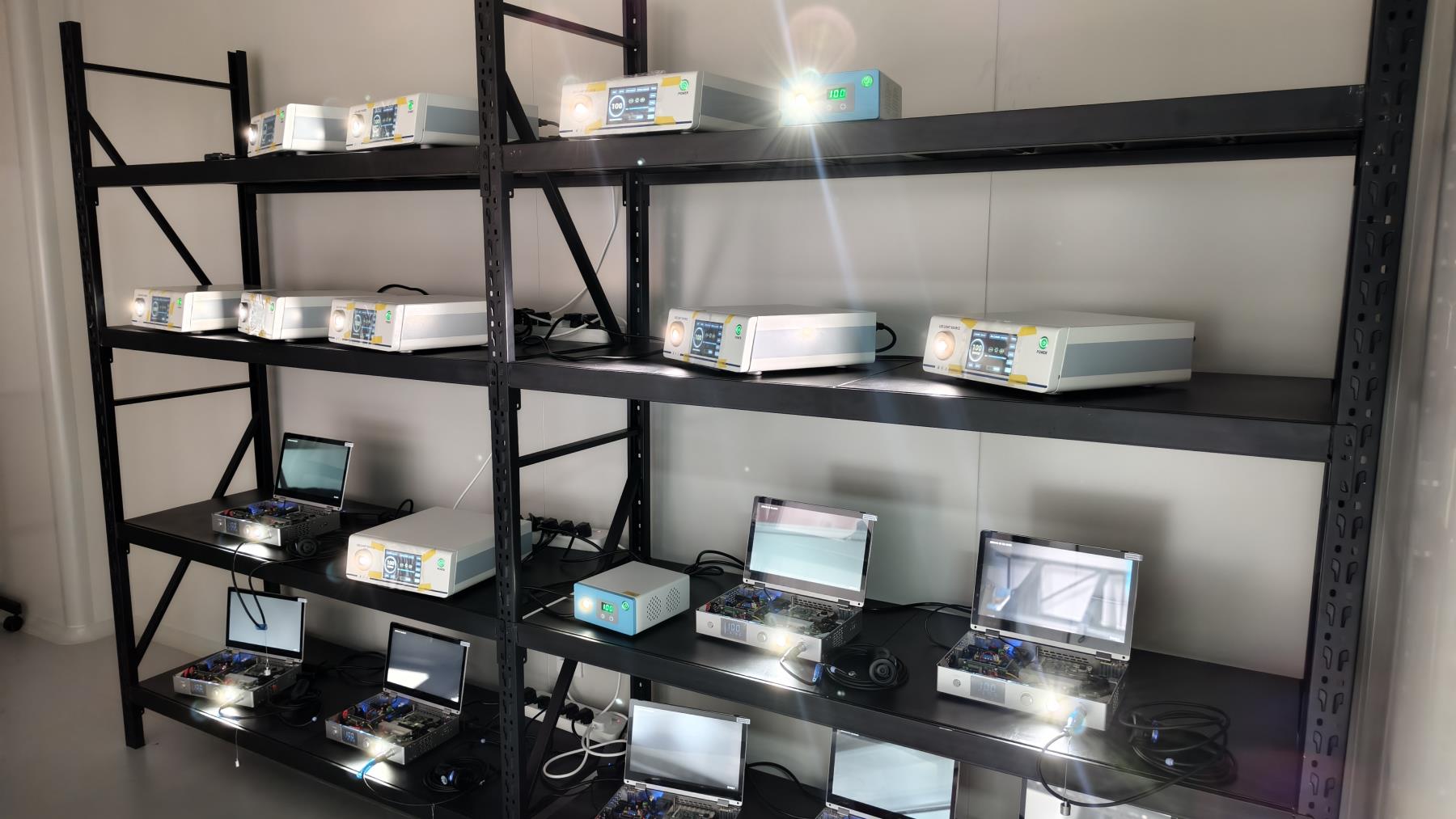
Streamlining localized distribution, ensuring MDR/FDA compliance, and adopting next-gen orthopedic technologies.
Navigating global healthcare requires localized regulatory support. We coordinate registration dossiers (510k, CE technical files, MDR compliance checklists) to ensure seamless importation. We provide customized local language instructions for use (IFUs), localized surgical technique guides, and training mock-ups for your sales team.
By leveraging partnerships in over 1,200 international hubs, we achieve flexible shipping timelines. Our logistics framework includes bonded warehouse options, dynamic lead-time adjustments based on hospital tender cycles, and cleanroom sterile double-barrier packaging to ensure our orthopedic devices arrive surgery-ready.
Future iterations of cervical fusion systems are pivoting toward osteo-conductive implants. Research shows that surface texturing (such as nano-roughened titanium or acid-etched geometries) boosts osteoblast attachment. Zynfuse is actively developing smart cervical implants integrated with porous structures that mimic cancellous bone, significantly speeding bone union.
Expert answers addressing regulatory, biomechanical, and manufacturing inquiries from global orthopedic buyers.
We source medical-grade titanium alloy (Ti-6Al-4V ELI) conforming to ASTM F136/ISO 5832-3 standards. This material offers high fatigue resistance, exceptional tensile strength, and excellent biocompatibility, ensuring it matches the physical requirements of the human spine.
Our cervical plate systems integrate a dynamic, zero-profile active locking mechanism. Once the screw is seated, the lock can be engaged with a simple physical turn. This provides immediate visual and tactile confirmation of screw security without increasing the overall construct height.
Yes. Our R&D department features 85 engineers who utilize state-of-the-art CAD modeling and dynamic mechanical testing. We can modify plate dimensions, contour profiles, screw angle tolerances, and offer customized branding, custom packaging, and sterile product configurations.
Our factory operates under a strict ISO 13485-compliant Quality Management System. Depending on the product category, we supply complete technical files that align with MDD 93/42/EEC (transitioning to MDR 2017/745) requirements, allowing medical distributors to secure local market access.
Standard trauma and spine hardware products require 30 to 45 days for manufacturing. For customized OEM components, prototyping takes 15 to 20 days, and batch manufacturing requires 60 days, depending on geometry complexity and surface processing requirements.
Our testing labs utilize high-frequency dynamic fatigue testers to evaluate structural resilience under simulated physiological stress profiles (conforming to ASTM F1717 guidelines). Our 68 QA specialists review every batch using digital microscopes and tensile testers before release.
We offer Type II anodization (grey/color options) to increase surface hardness, prevent titanium particle shedding, and improve corrosion resistance. We also provide satin and mirror-polished surface options to minimize friction against adjacent soft tissues.
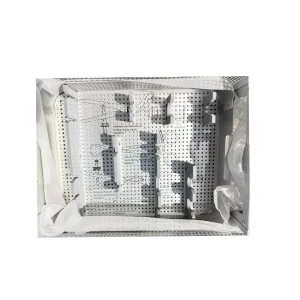
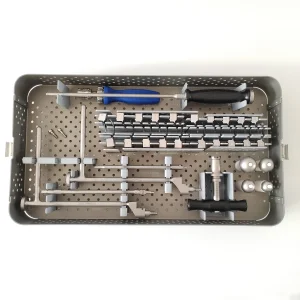
Yes, we supply complete surgical instrument boxes (drill guides, screwdrivers, plate benders, temporary pins) customized for each plate system. These instruments are manufactured from surgical stainless steel and medical-grade silicone handles to withstand autoclave sterilization cycles.
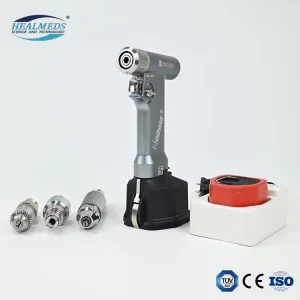
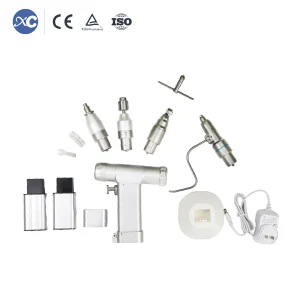
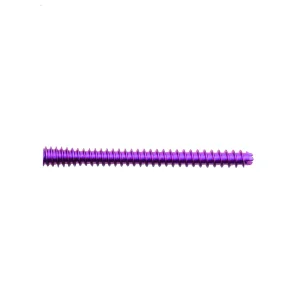
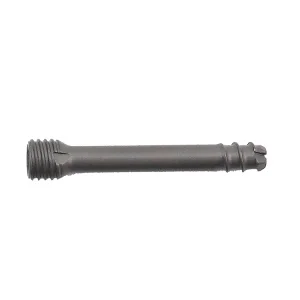
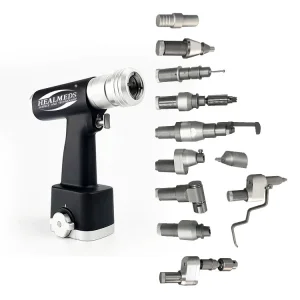
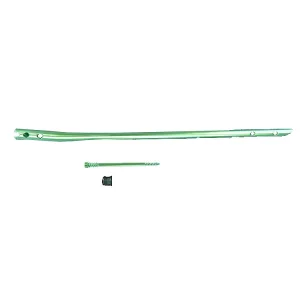
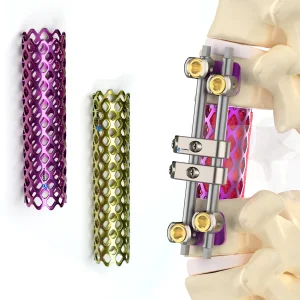
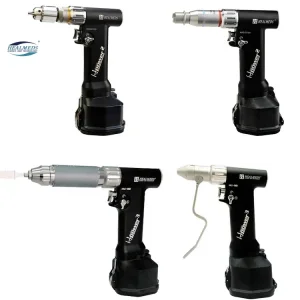
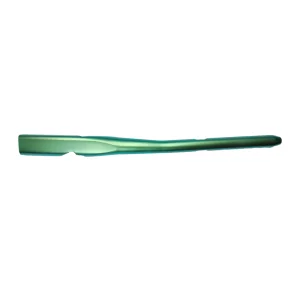
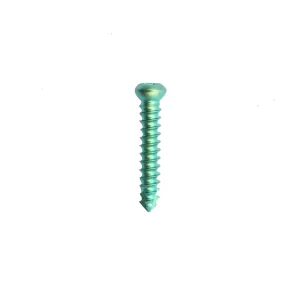
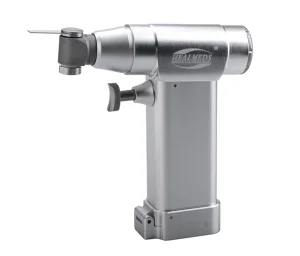
Explore our extensive collection of spine mesh cages, intramedullary nails, locking plates, and surgical power tools.