Zynfuse
Zynfuse
Zynfuse
Advanced Surgical Instrumentation & Fixation Systems engineered for clinical precision
An industry technical whitepaper on stabilization systems for proximal and distal tibia fractures, examining engineering benchmarks, material biocompatibility, and China's high-tech manufacturing capacity.
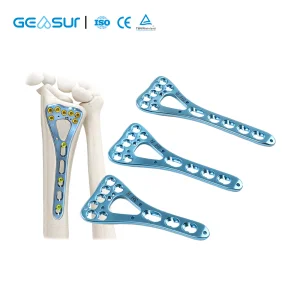
Tibial fractures present a unique set of clinical challenges due to the tibia's subcutaneous location, vulnerable soft tissue envelope, and complex biomechanical loading parameters. The tibia bears the majority of axial weight-bearing stresses, necessitating fixation systems that provide exceptional stability. Tibial locking plates have revolutionized trauma surgery by combining the mechanical advantages of external fixators with the anatomical profile of internal fixation.
Traditional non-locking plate systems rely strictly on friction between the plate and bone surface generated by screw torque. This mechanism carries a high risk of bone necrosis, periosteal compression, and primary reduction loss. In contrast, locking compression systems act as fixed-angle constructs. The mechanical interface is stabilized by the threads in the plate hole engaging with the threaded head of the locking screw. This design prevents the plate from being drawn tight to the bone, preserving the periosteal blood supply and promoting secondary bone healing through micro-motion and callus formation.
Modern designs incorporate "combi-holes," allowing surgeons to select locking screws for angular stability, conventional cortex screws for compression, or a combination of both. When addressing proximal tibial plateau fractures (Schatzker Types I-VI) or distal metaphyseal fractures, these locking configurations offer superior pull-out resistance, preventing articular collapse under physiological loads.
The material selection for tibial fixation is critical to preventing long-term stress shielding, galvanic corrosion, and tissue reactions. Zynfuse Medical utilizes medical-grade raw materials, primarily focusing on two alloys:
To ensure complete compatibility with human tissue, all implants undergo rigorous surface treatment and passivation, forming a stable titanium oxide or chromium oxide layer that prevents ion leaching and promotes osseointegration.
The global demand for high-quality orthopedic implants has intensified, driving hospital procurement departments and medical device distributors to seek highly reliable manufacturers capable of maintaining robust supply chains. Zynfuse Medical Technology Co., Ltd. addresses this demand by utilizing advanced manufacturing infrastructure and strategic geographical positioning.
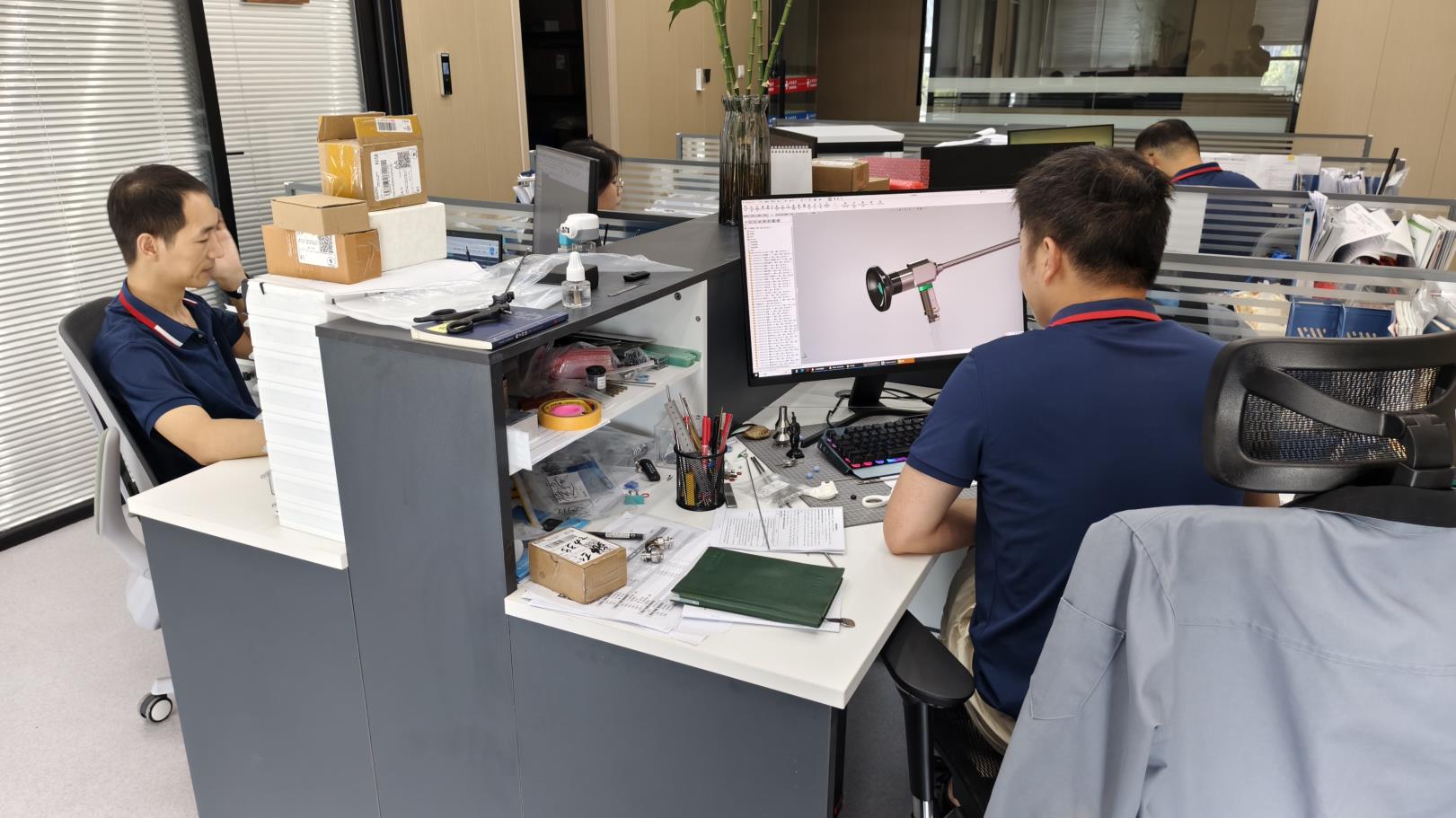
Backed by an 85-engineer strong R&D department, producing over 320 new products annually. Custom geometric modifications and instrumentation designs are delivered with minimal turnaround times.
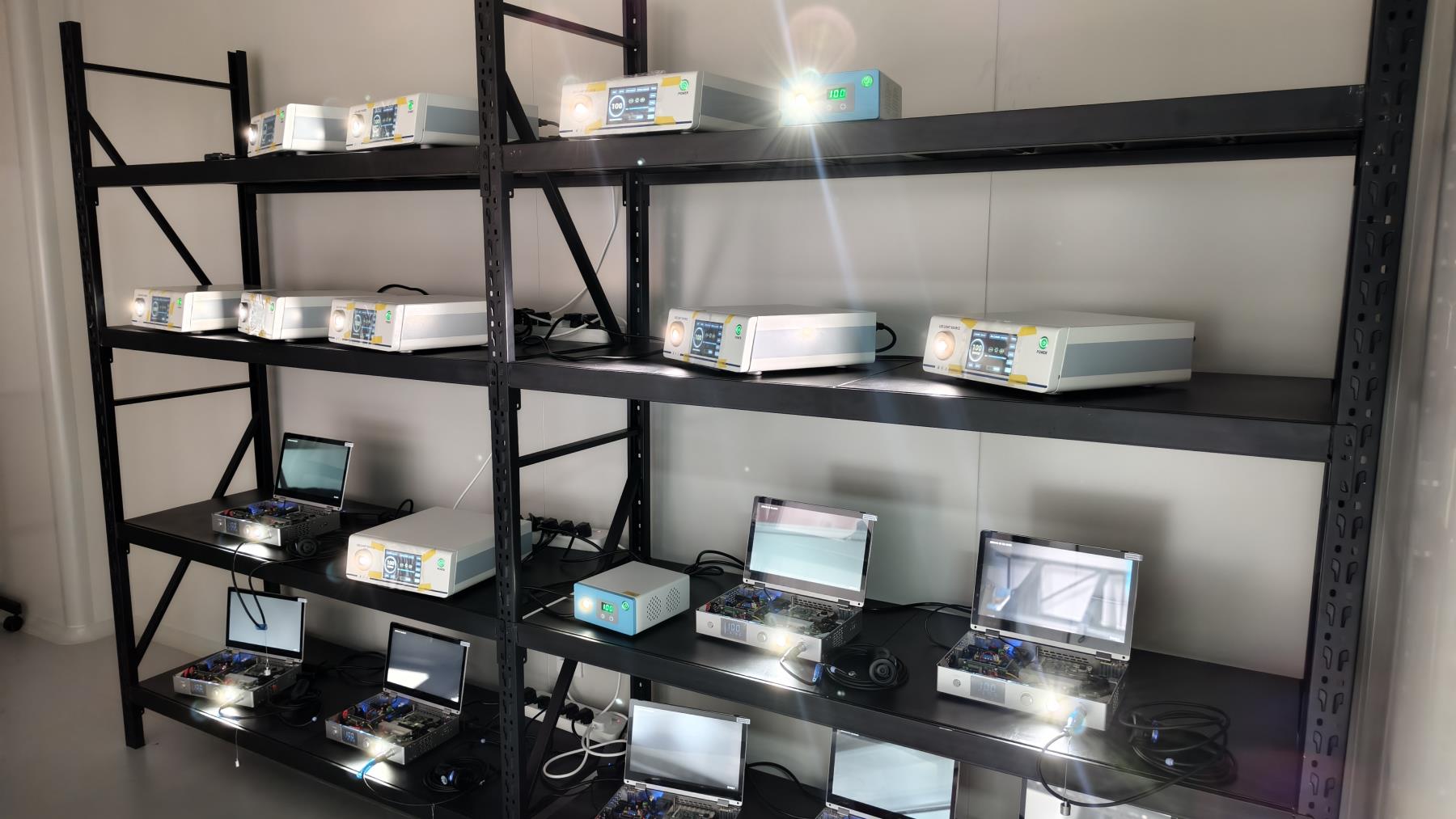
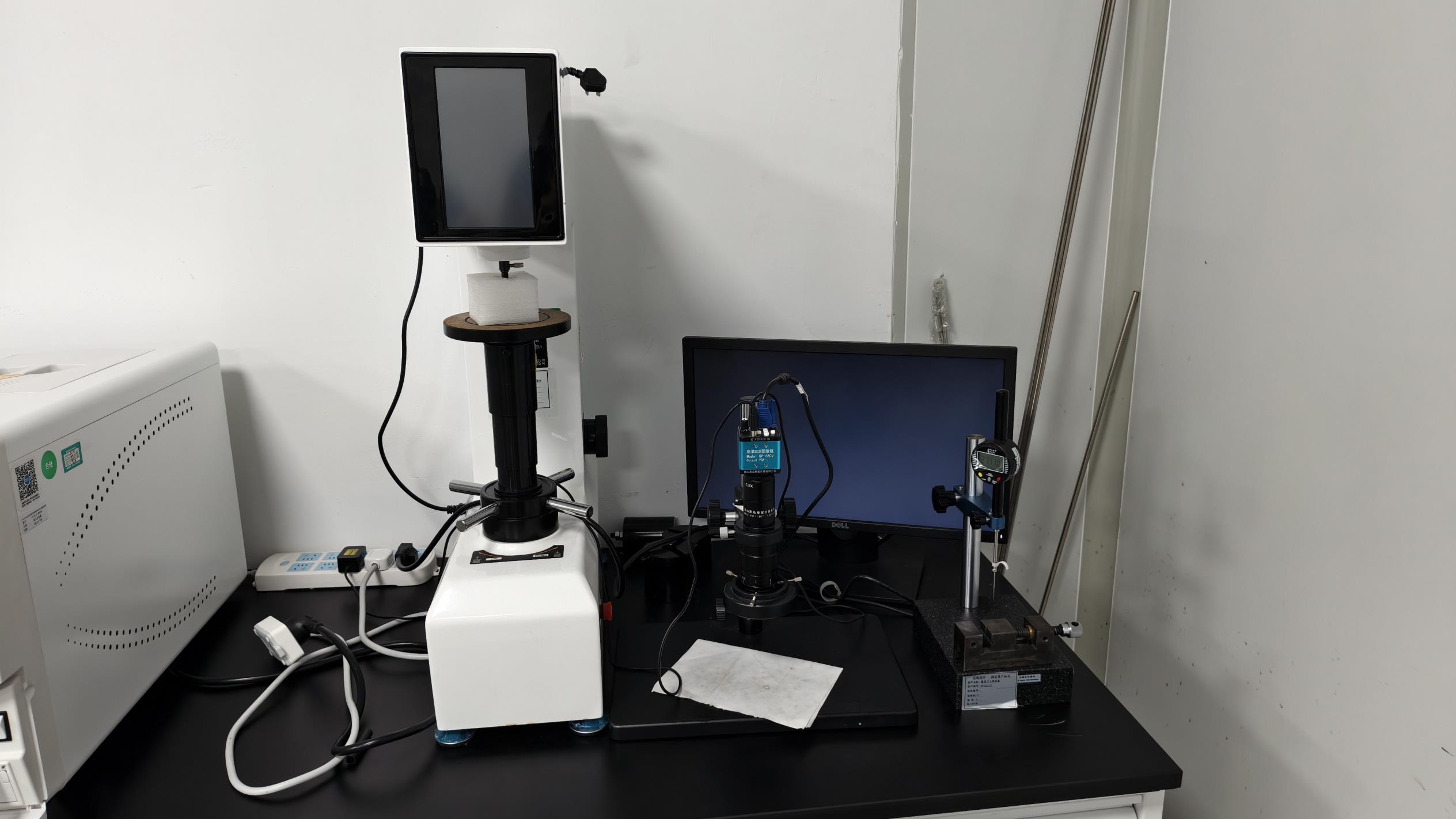
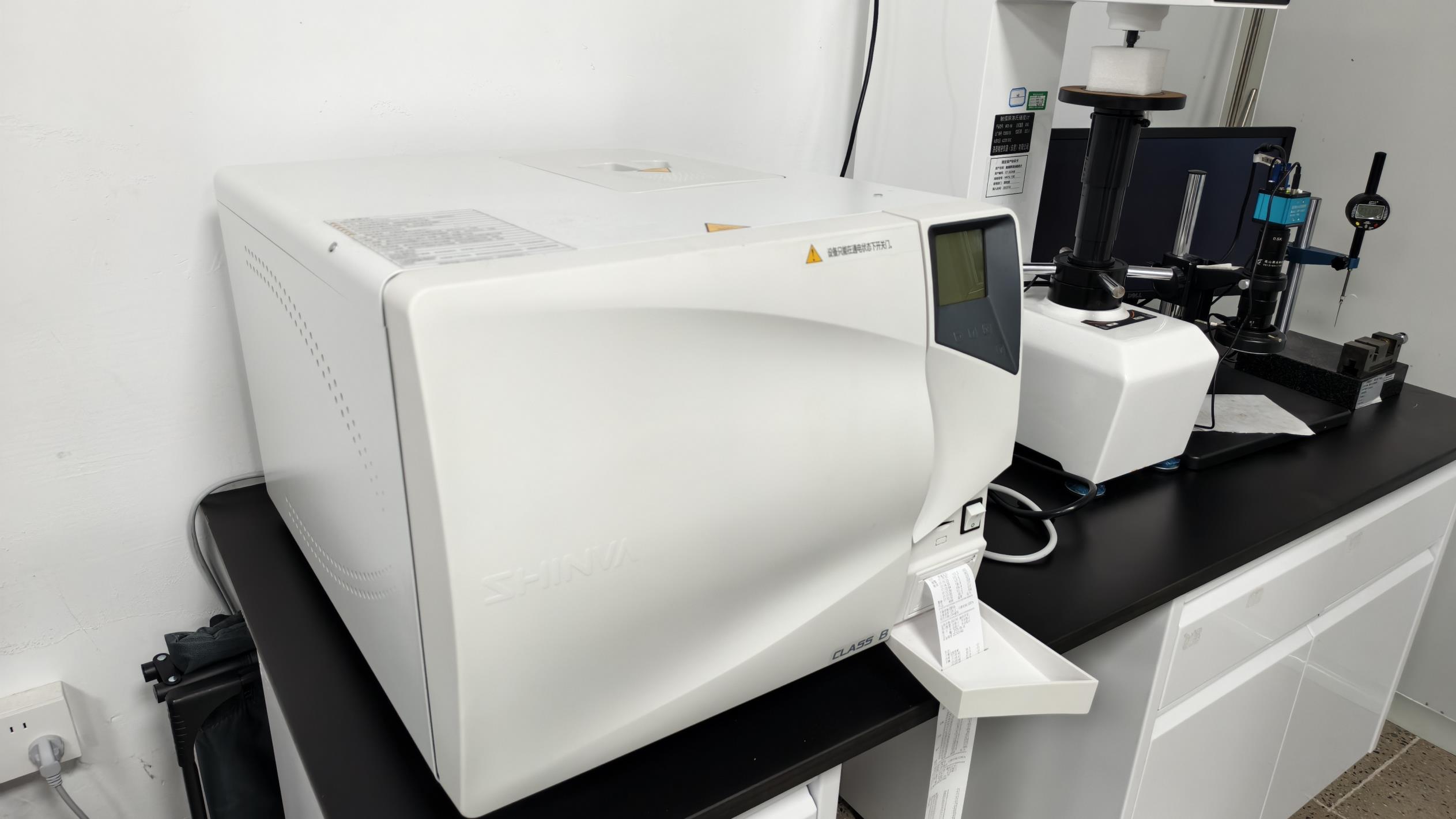
Our ISO 13485-compliant manufacturing protocols are managed by 68 quality assurance professionals, utilizing automated 2D measurements, laser coordinate validation, and fatigue analysis systems.
Active export distribution networks spanning North America, Europe, Southeast Asia, and the Middle East, sustained by a robust network of over 1,200 commercial partners.
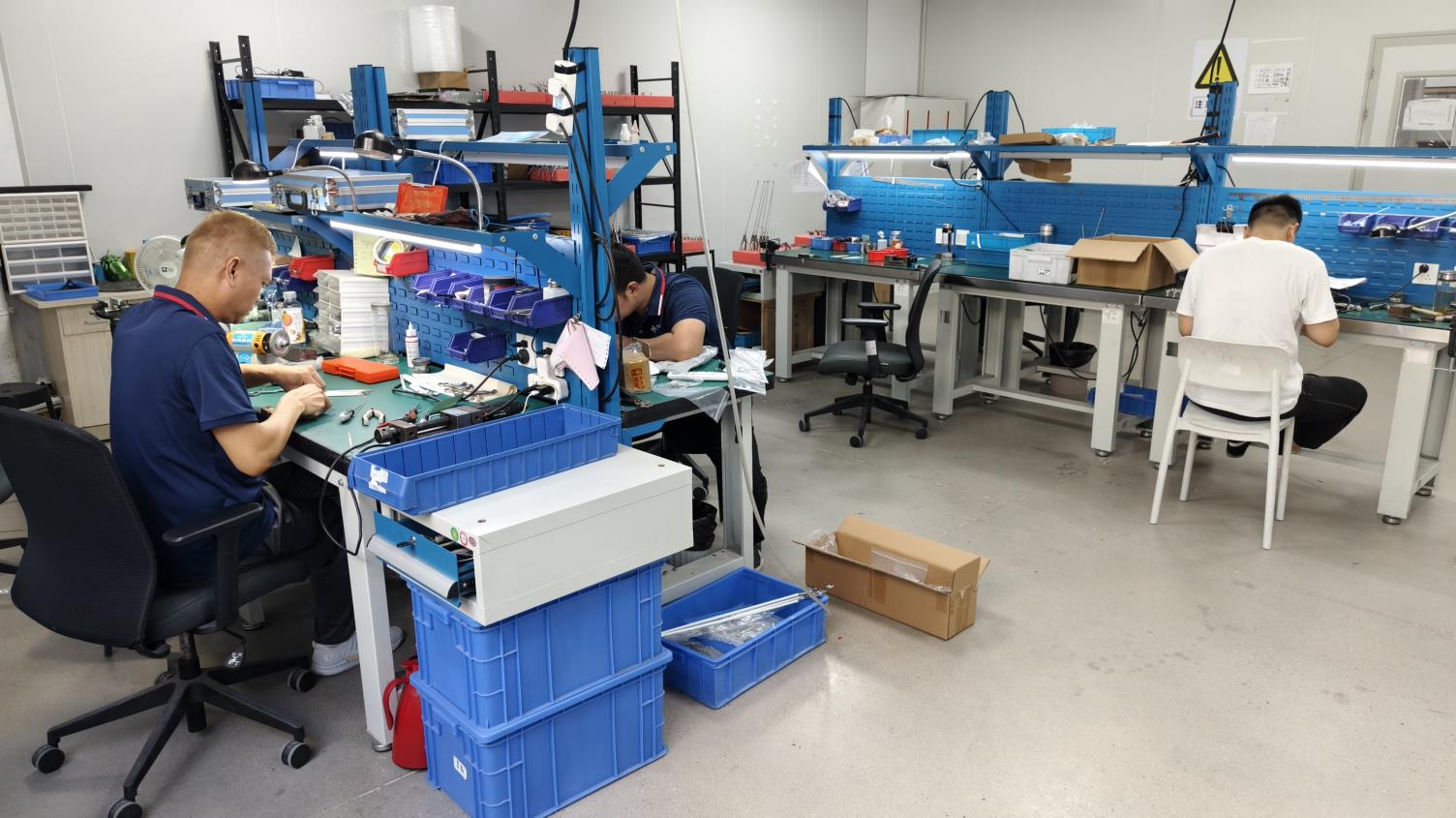
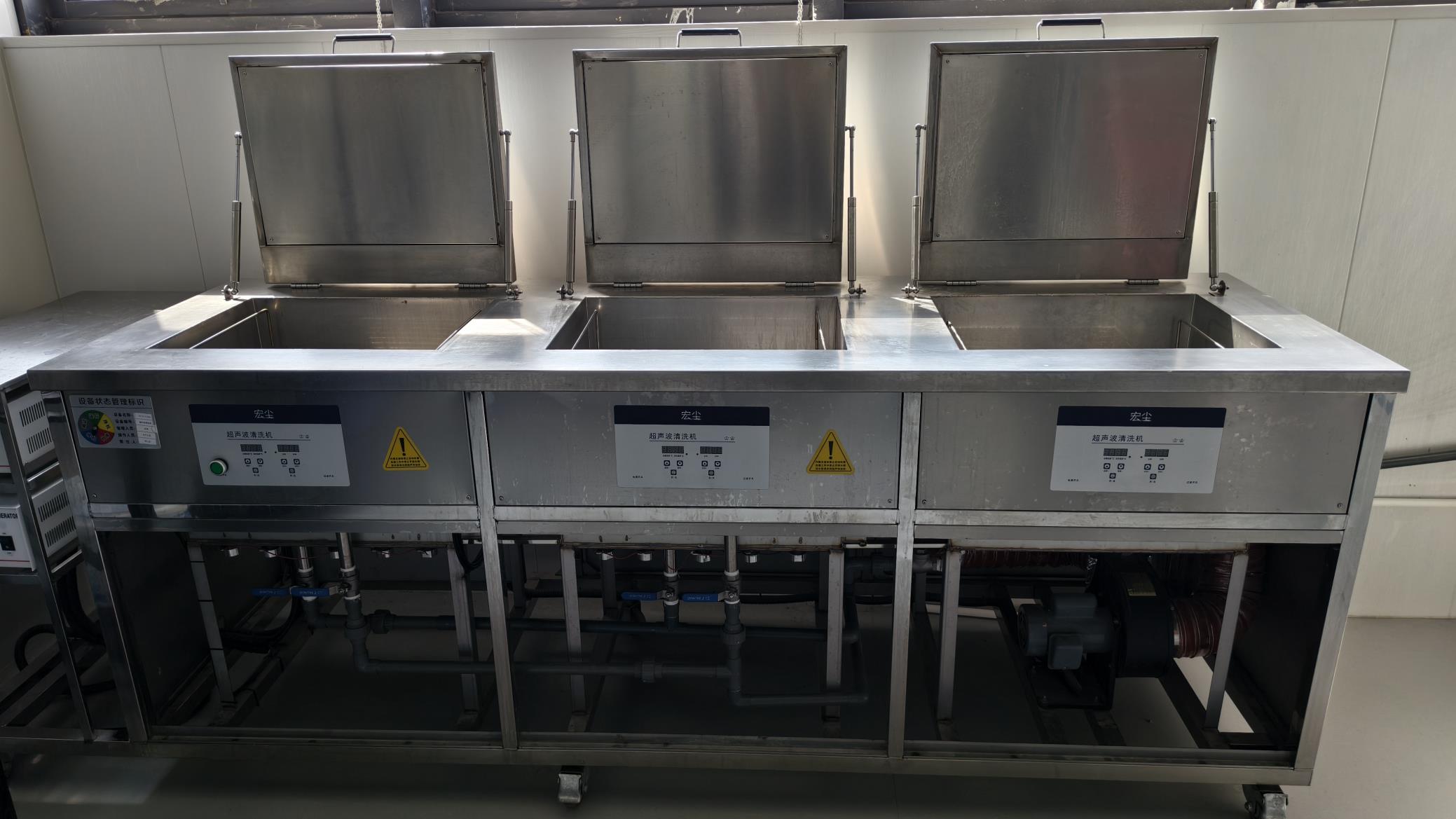
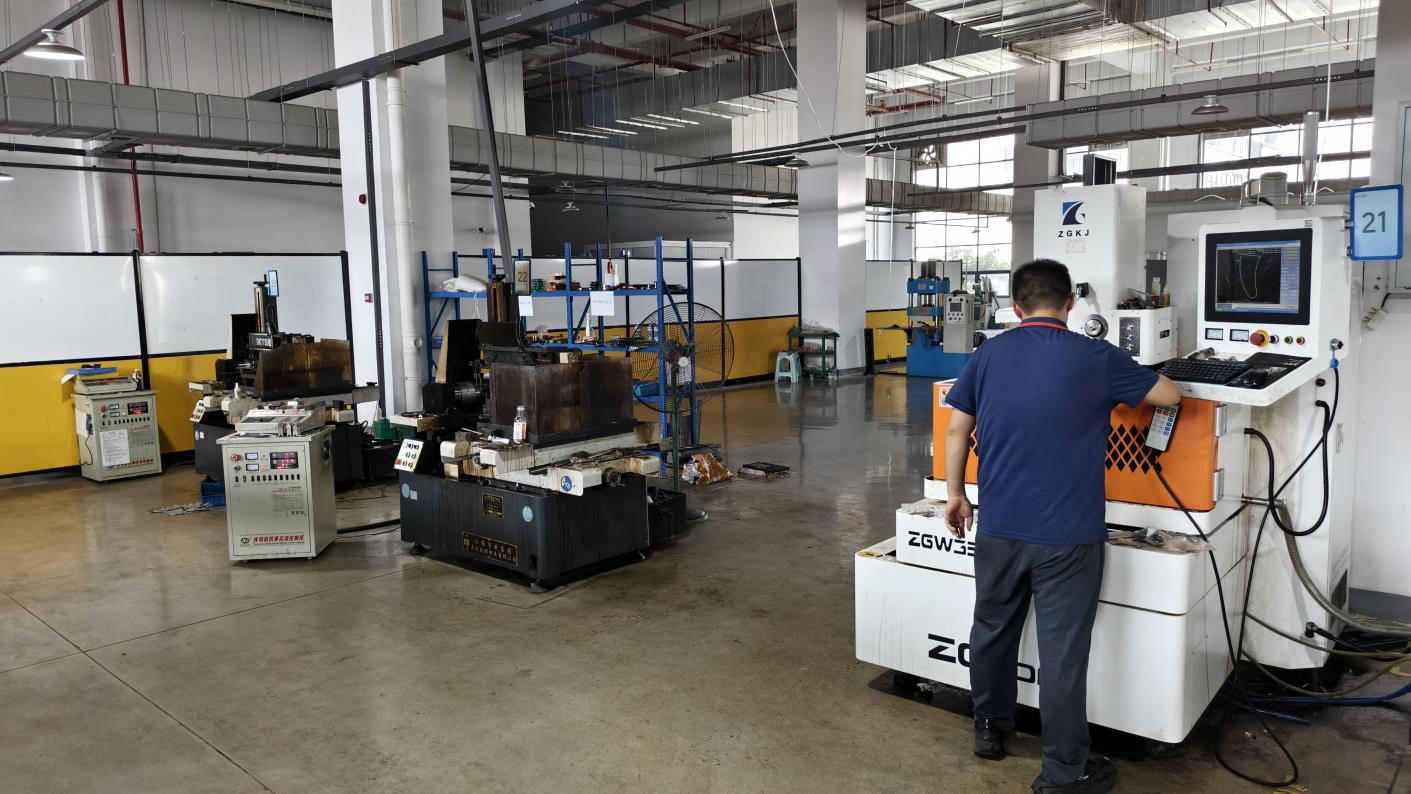
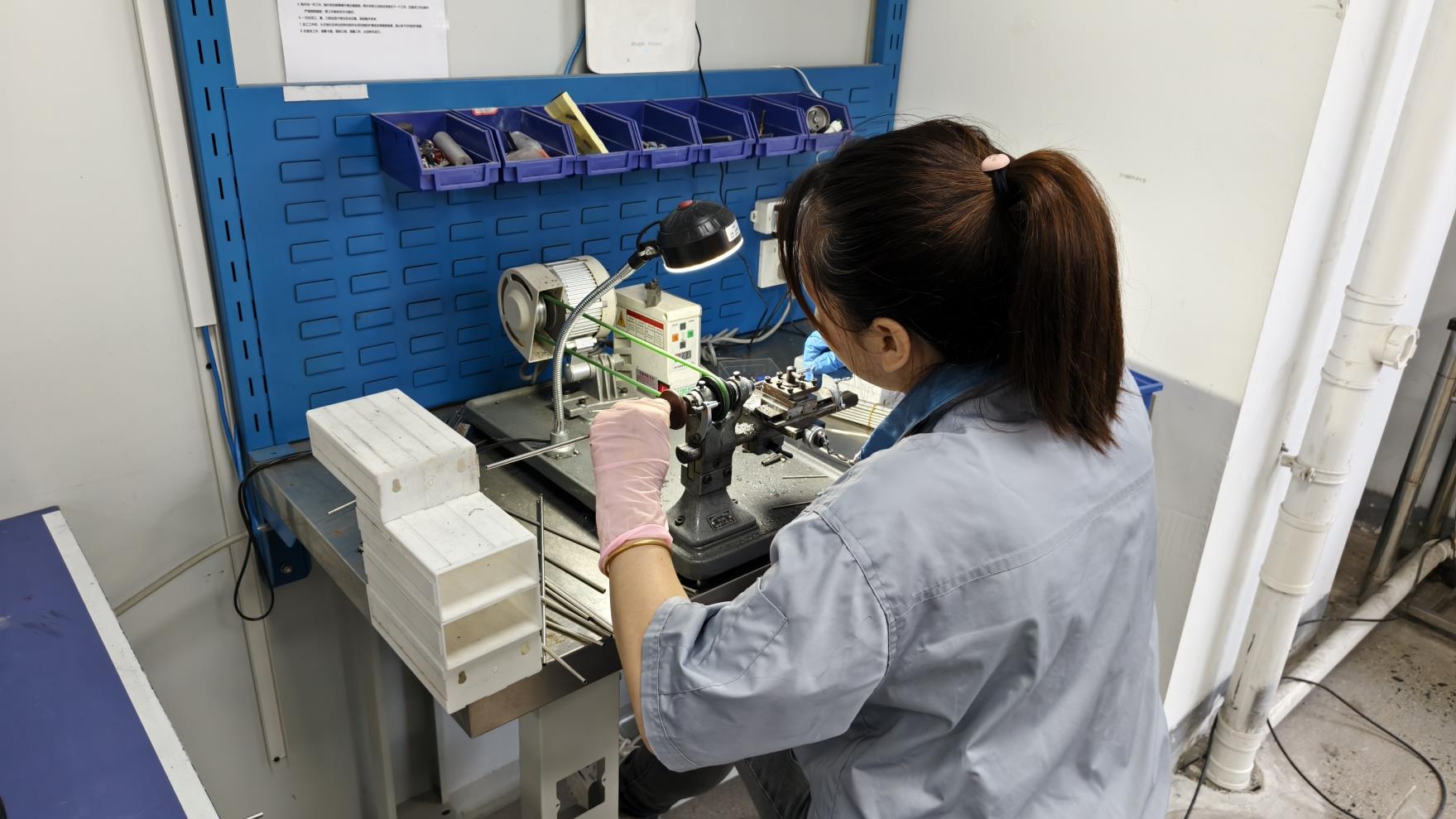
Operating an 18,600 m² modern facility, Zynfuse integrates the complete implant production cycle in-house. This comprehensive manufacturing process includes high-precision Swiss-type lathes, multi-axis CNC machines, laser welding units, and automated surface treatment systems, reducing delivery lead times and ensuring consistent manufacturing quality.
In-depth look at our advanced manufacturing lines and high-fidelity verification systems
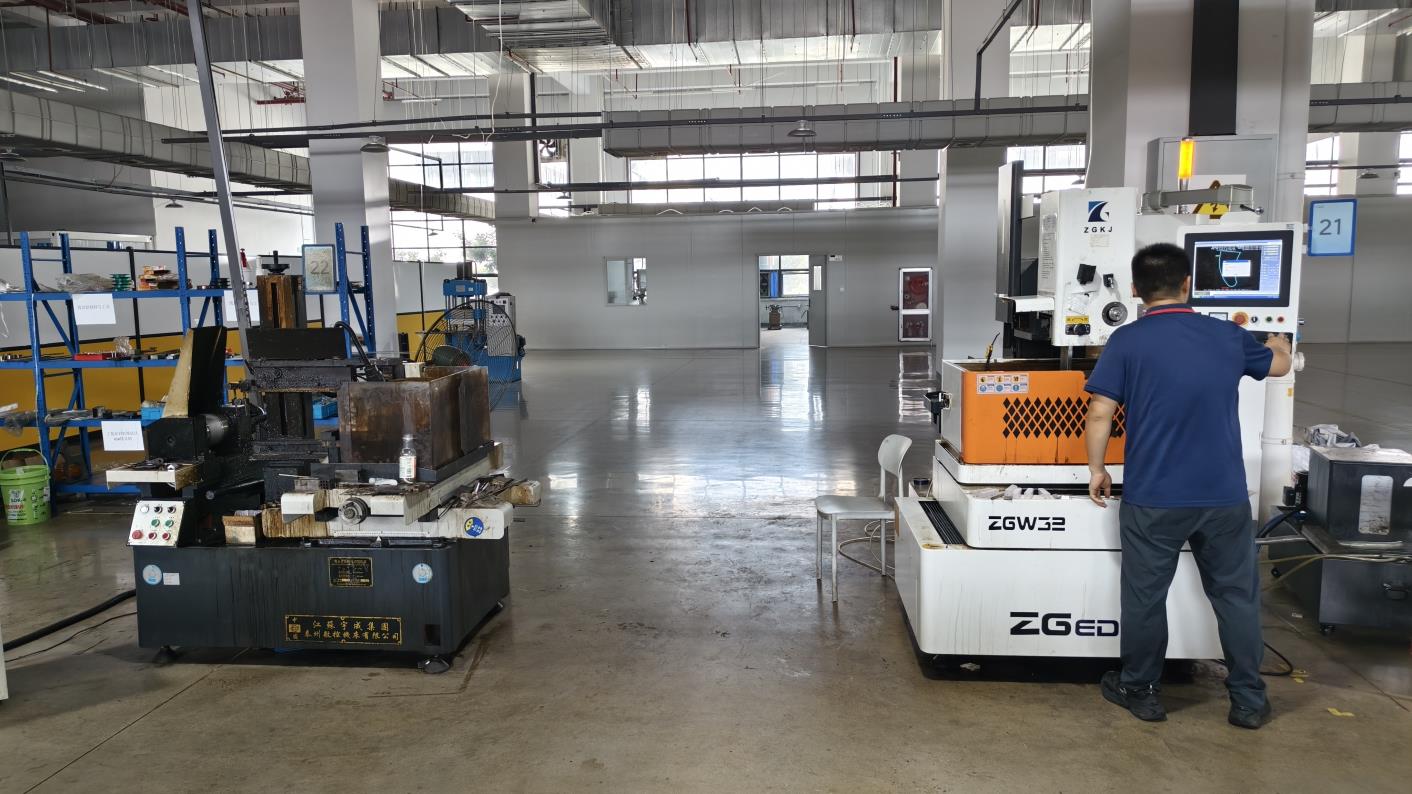
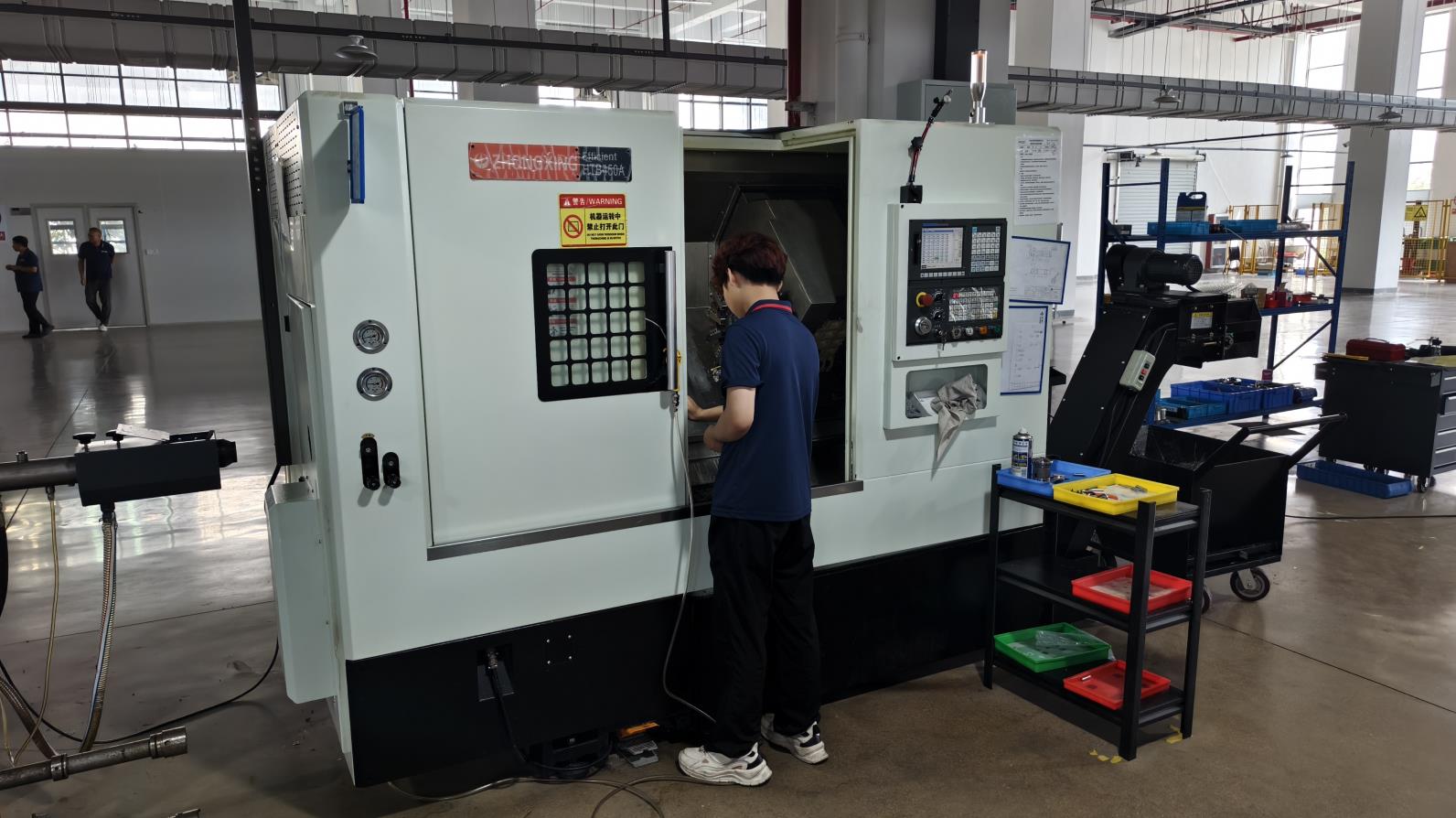
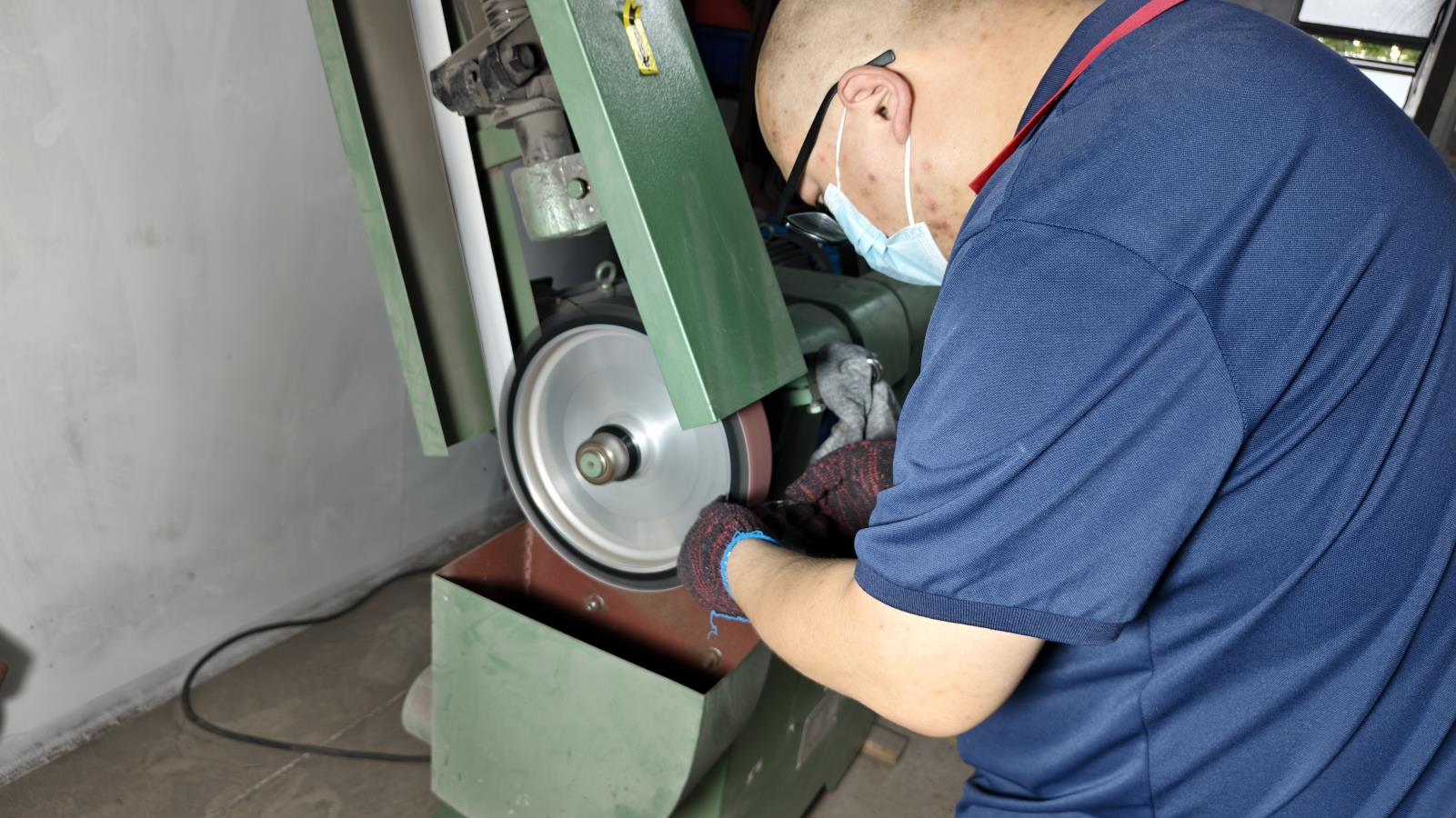
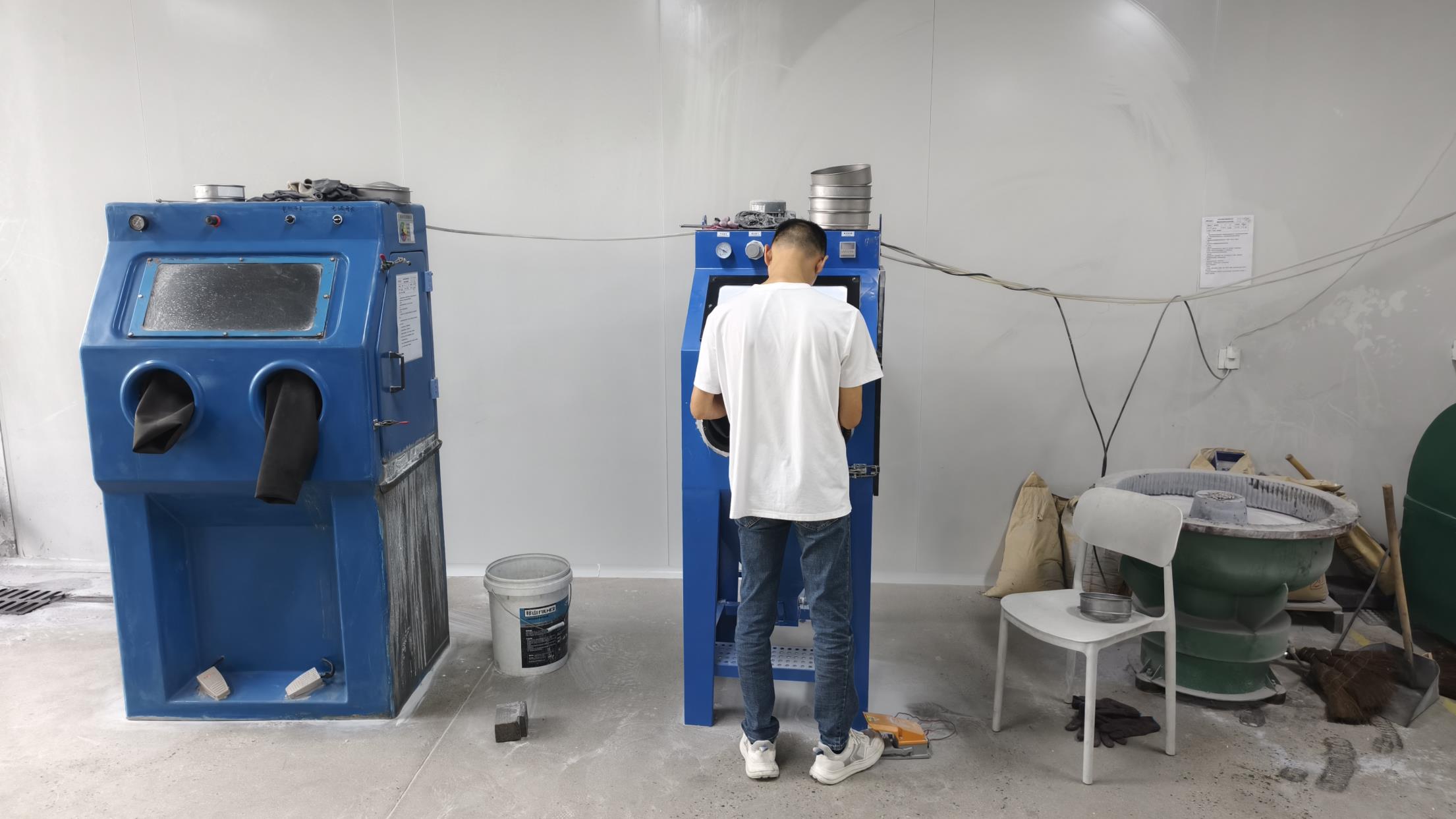
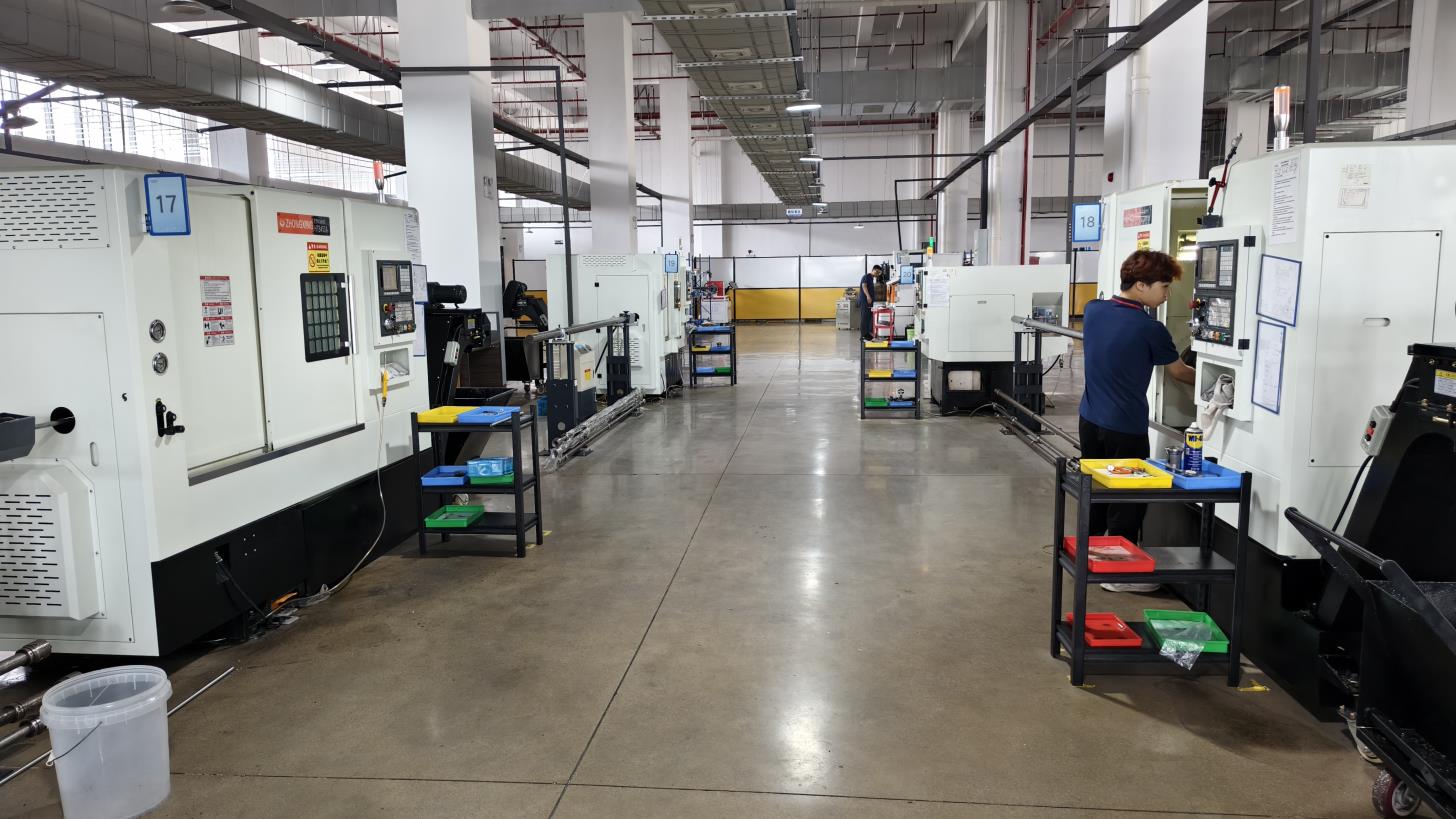
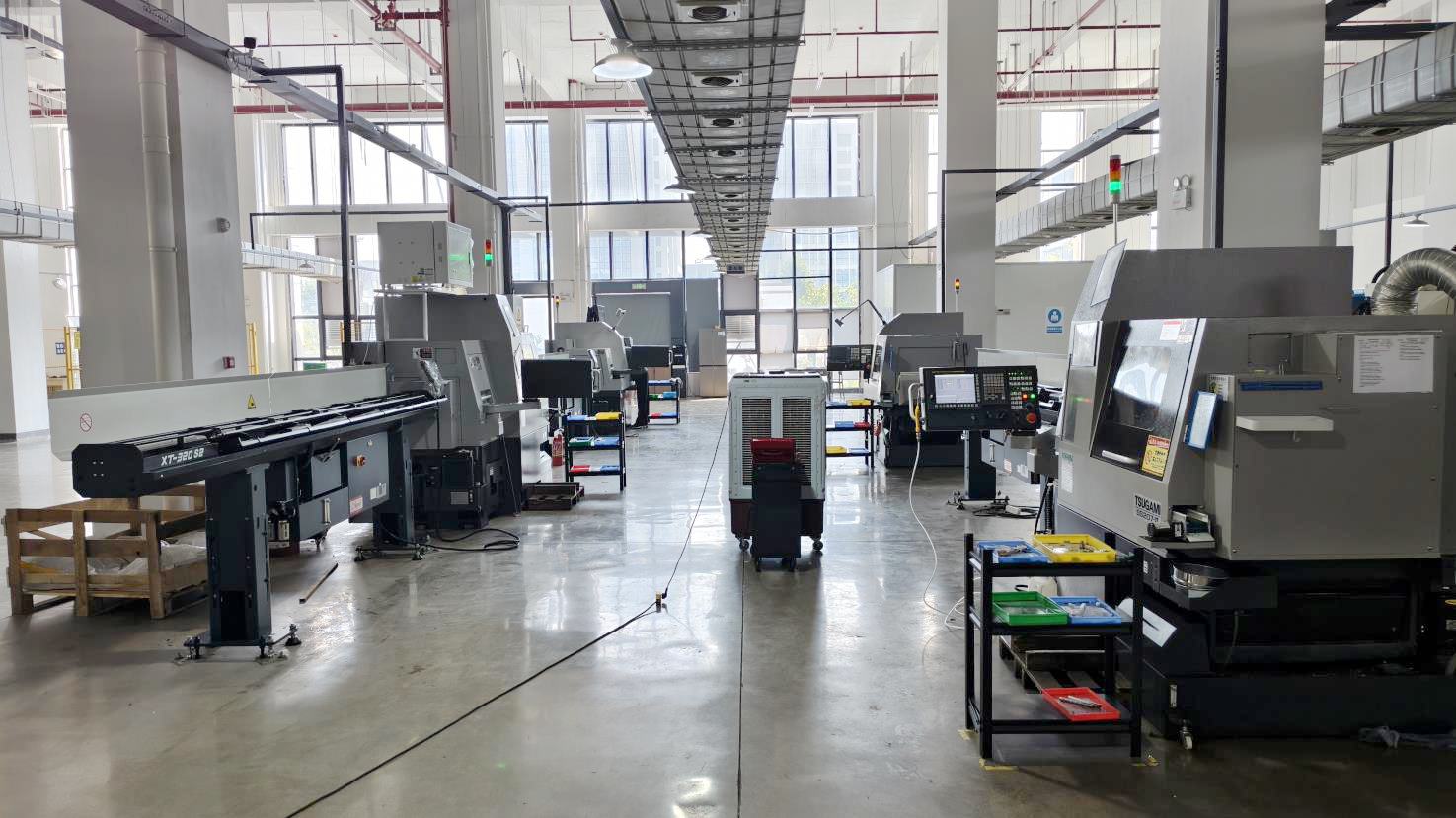
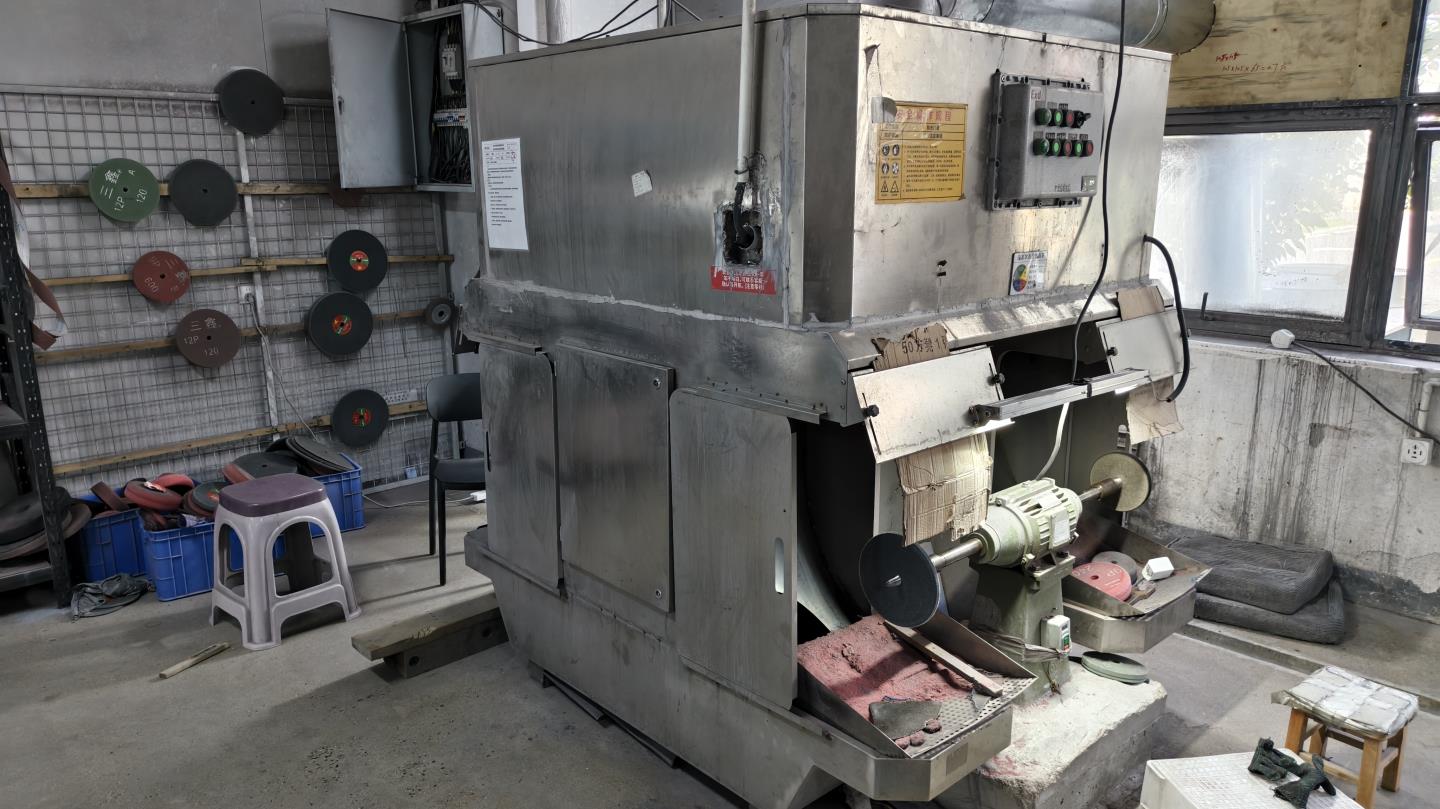
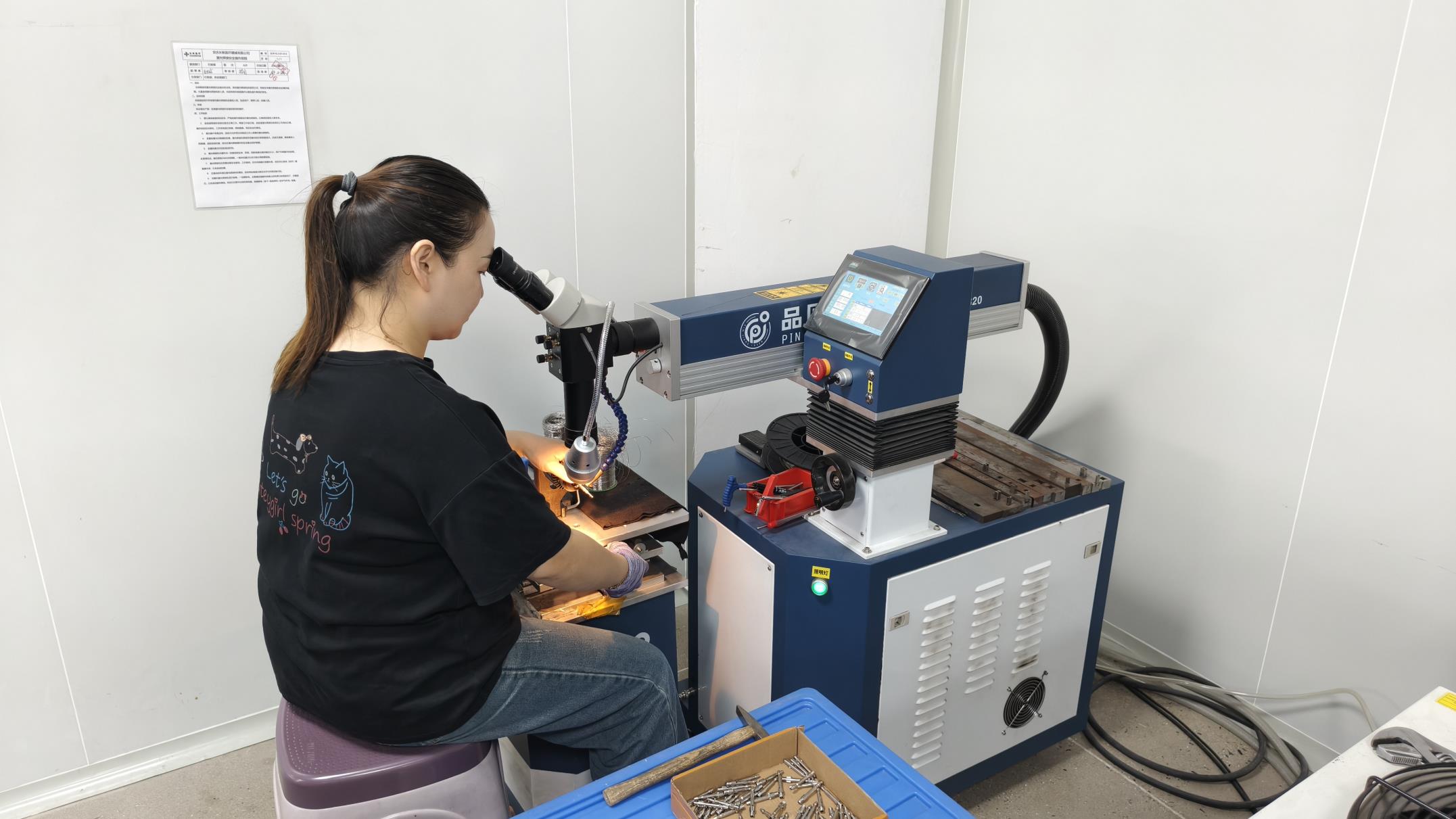
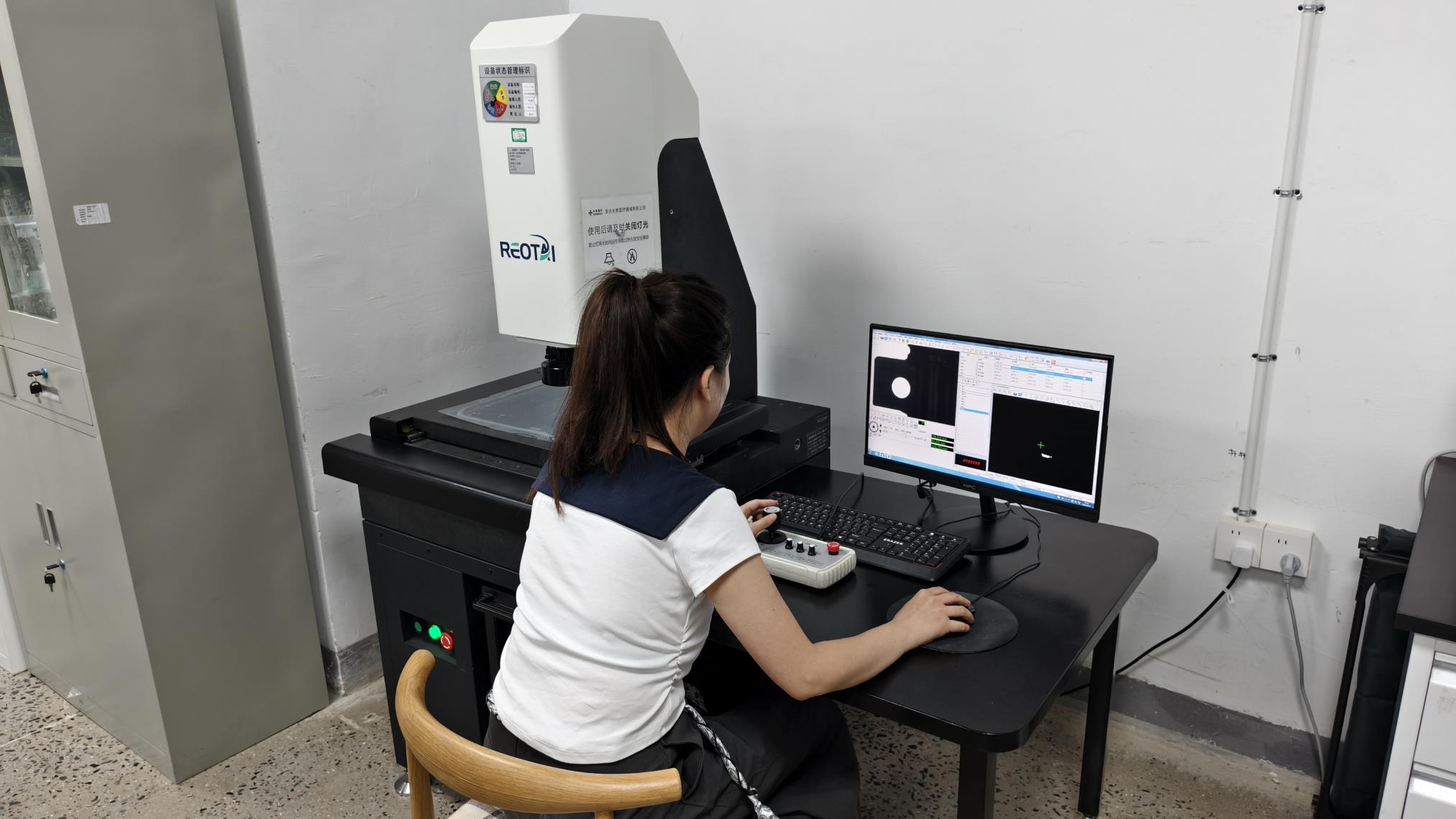
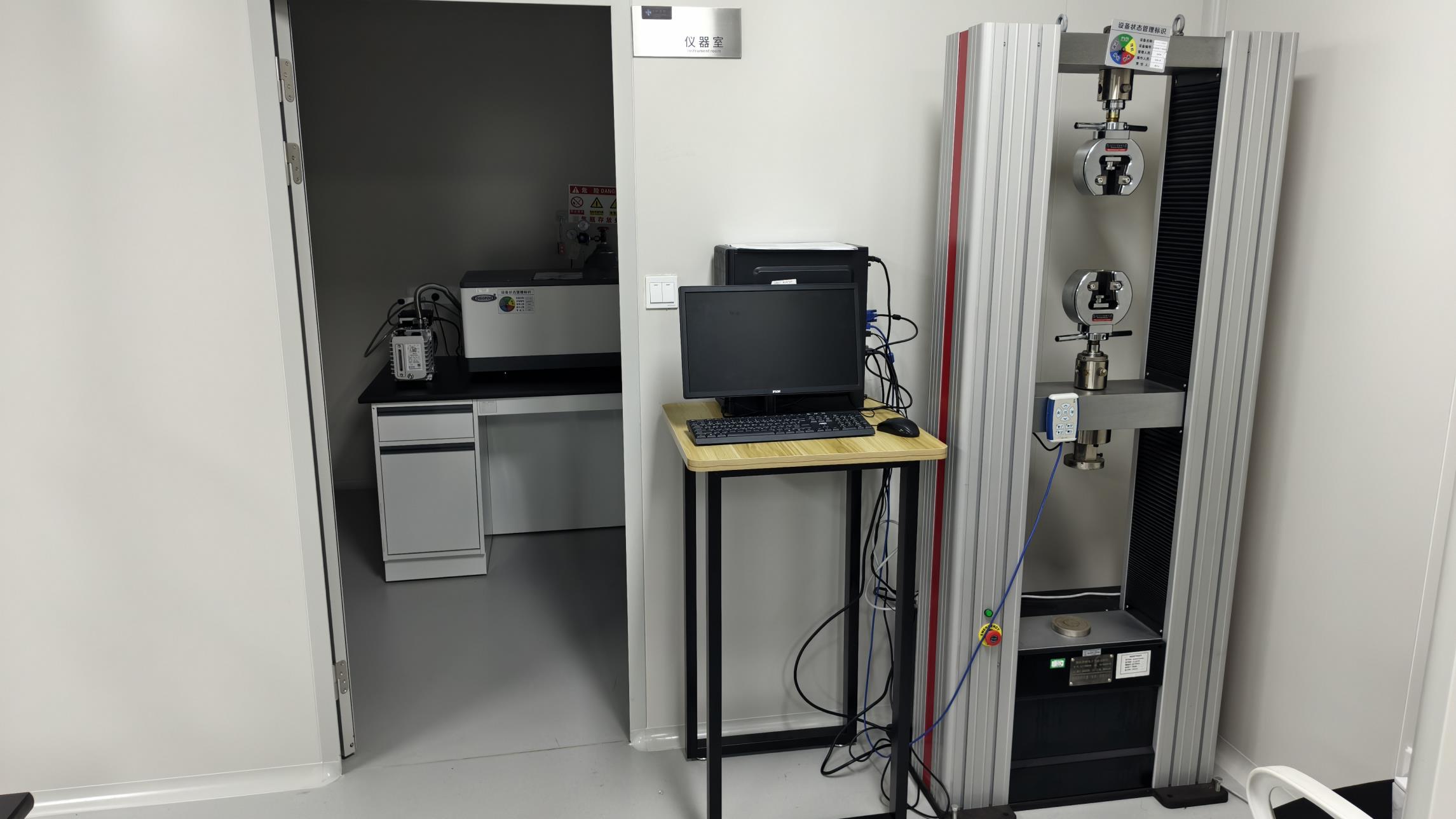
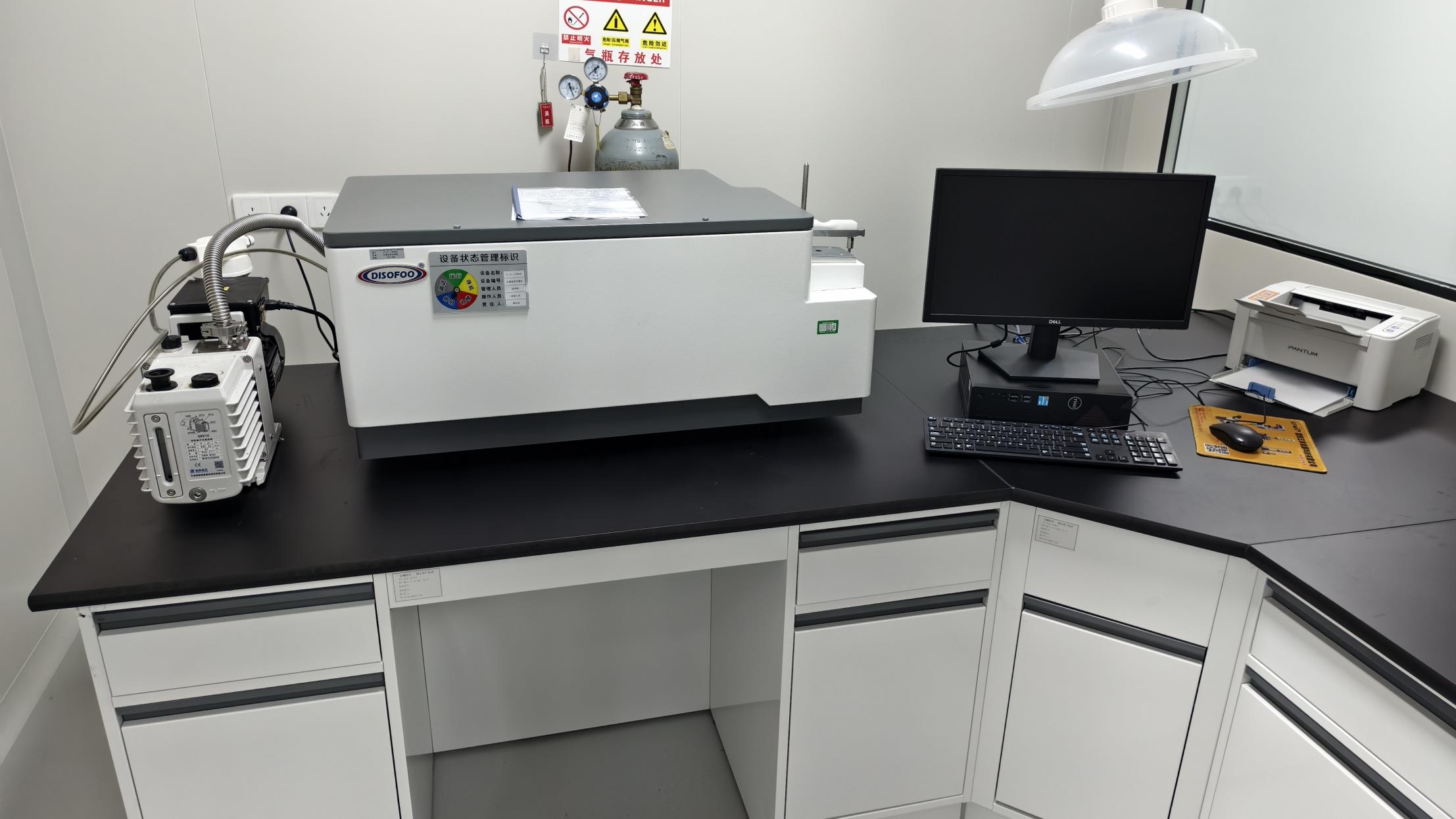
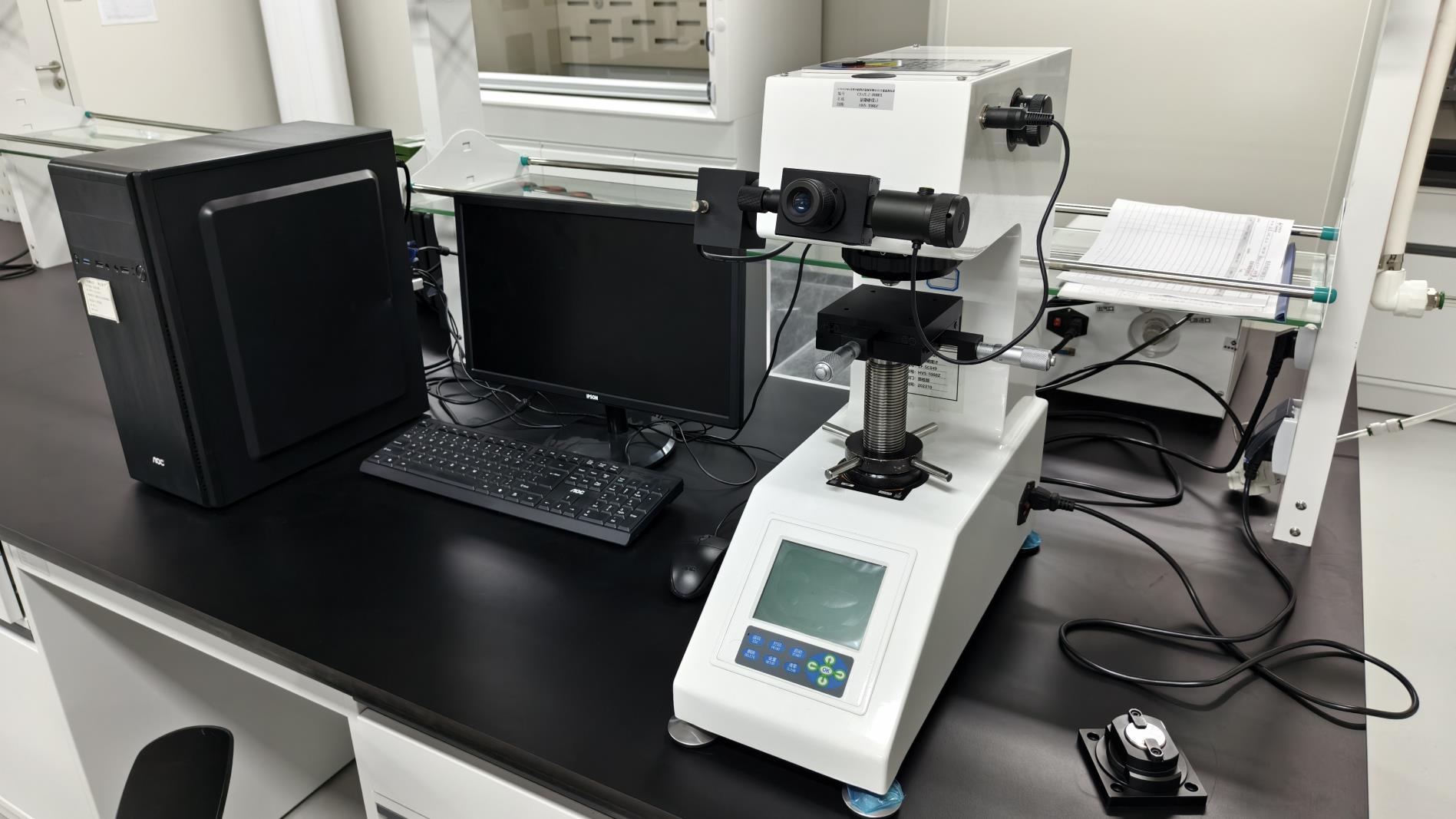
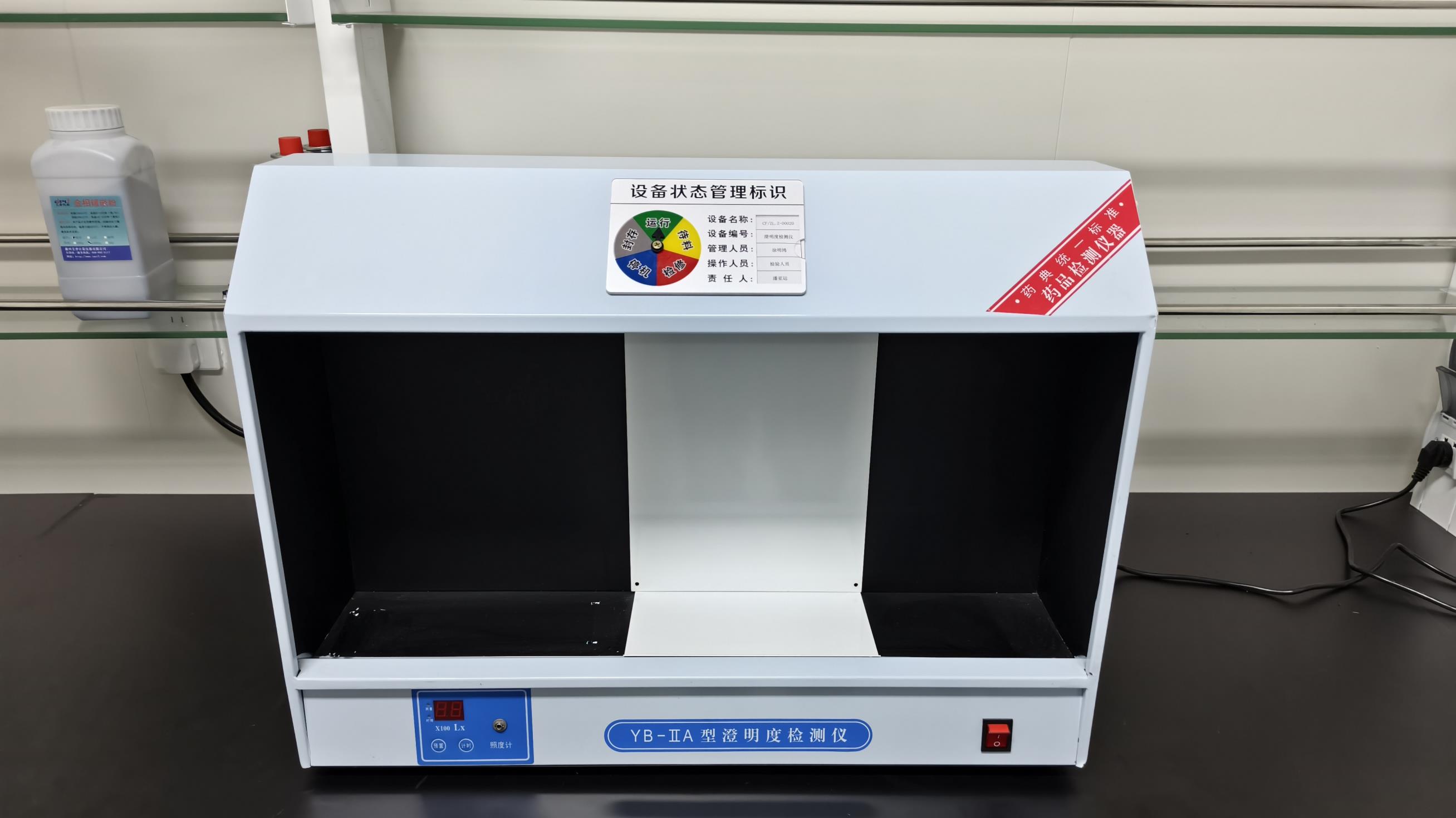
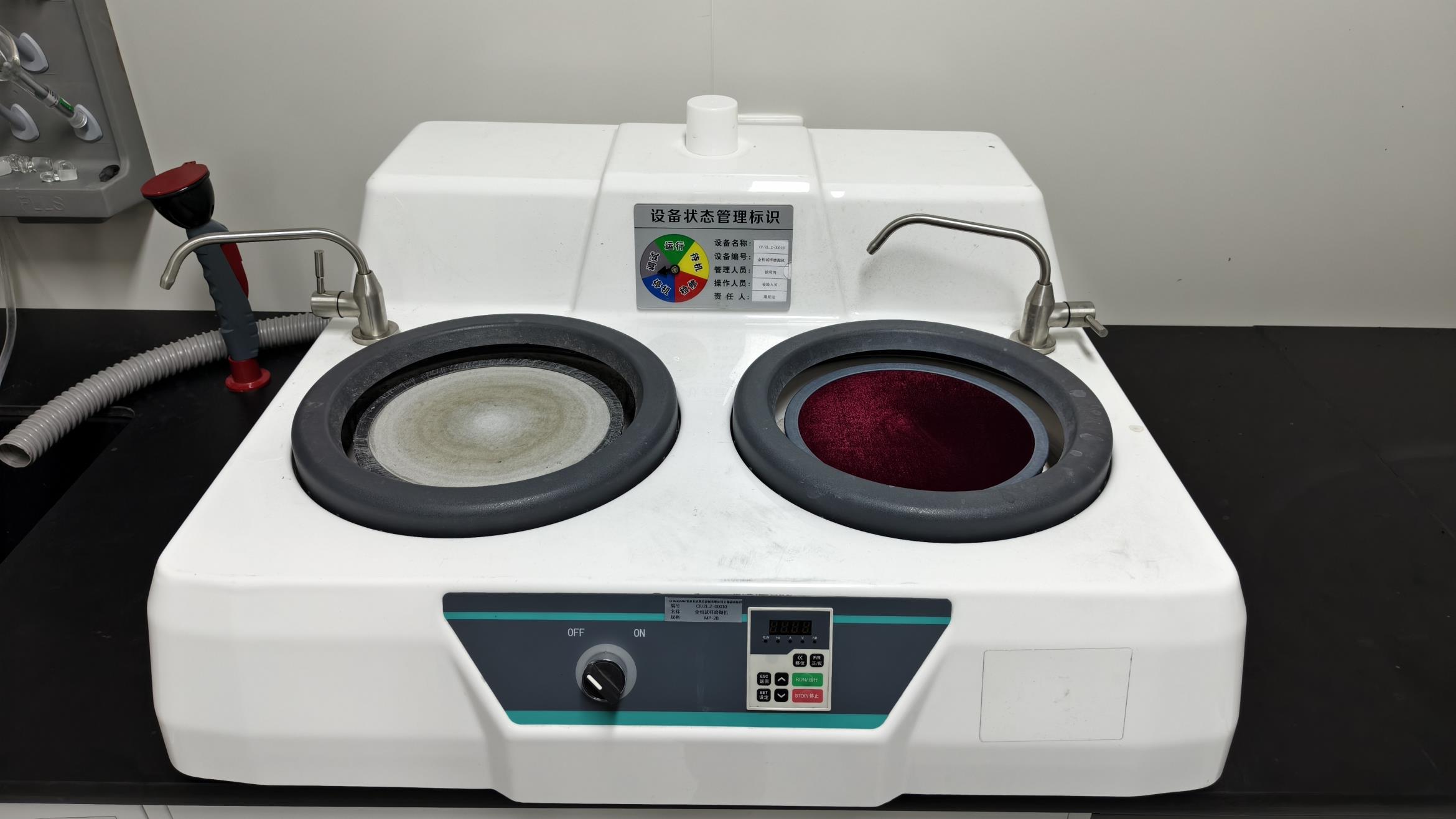
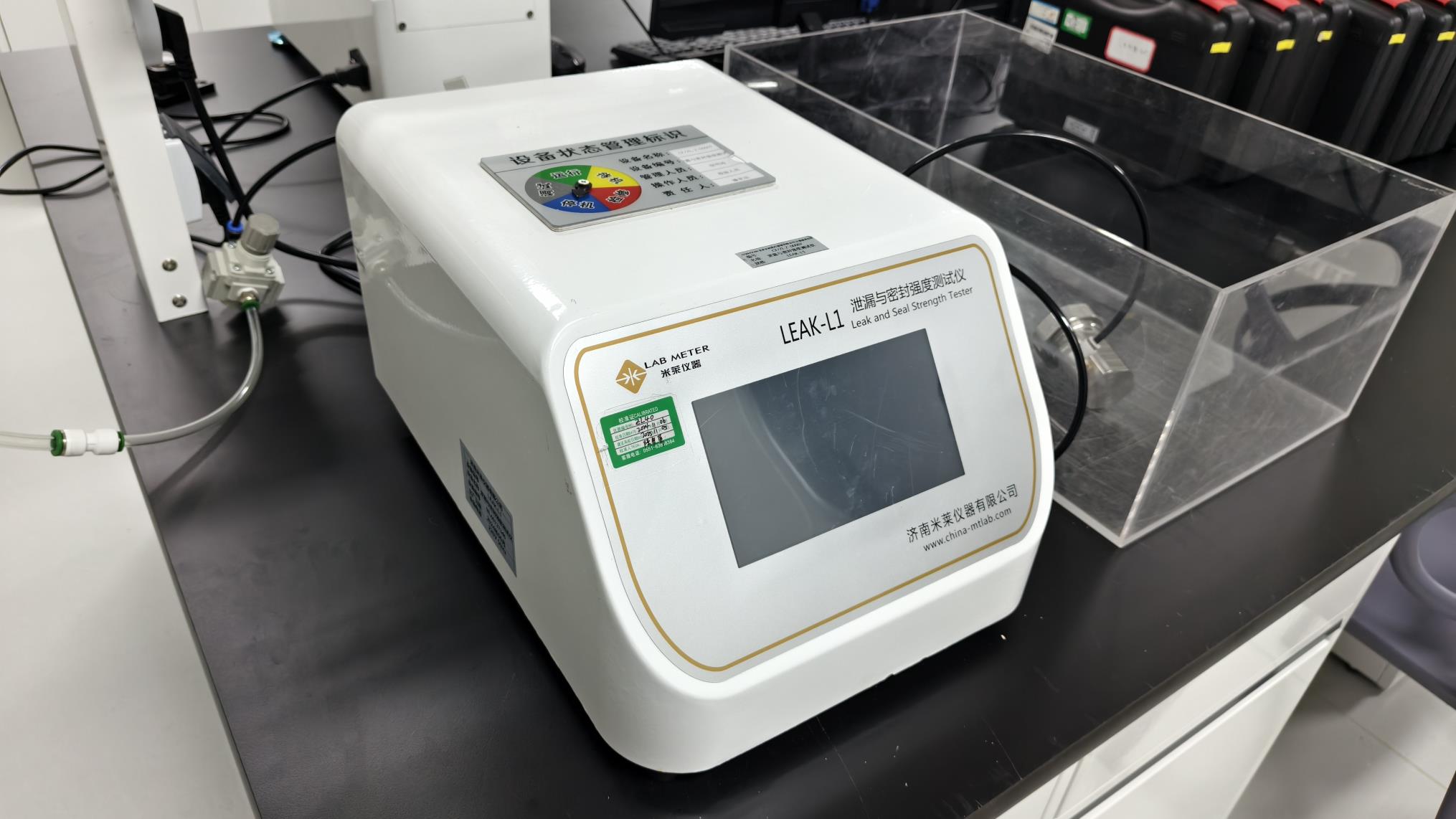
Registering medical implants in global regions requires extensive technical documentation. Local healthcare regulations (such as CE MDR in Europe, FDA 510(k) in the United States, and COFEPRIS in Mexico) impose rigorous validation protocols.
Zynfuse supports global distributors by providing dynamic documentation packages, including:
The field of internal fixation is shifting toward intelligent implants and anatomical customization. Key developments include:
Key information regarding procurement, manufacturing standards, and implant biomechanics
Explore our high-performance bone plates, pedicle screws, and dynamic joint systems