Zynfuse
Zynfuse
Zynfuse
Discover our highly precise veterinary instruments, trauma locking plates, and spine surgical hardware manufactured to ISO 13485 standards.
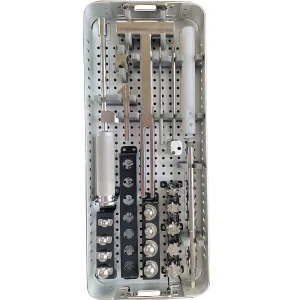
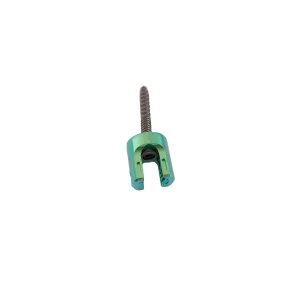
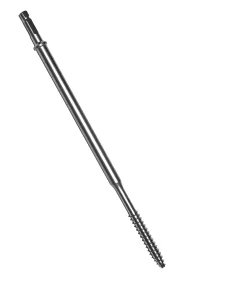
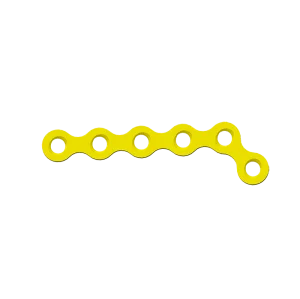
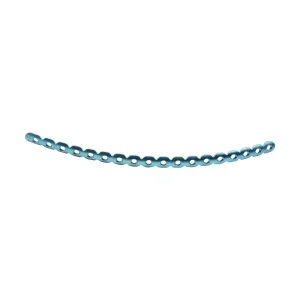
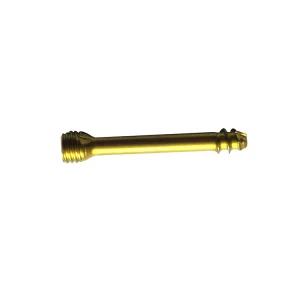
In modern spinal reconstruction surgery, the monoaxial pedicle screw remains the gold standard for rigid internal fixation. While polyaxial designs provide surgeons with multi-directional angulation to simplify rod placement, they inherently compromise load bearing in specific orientations. Monoaxial pedicle screws, featuring a fixed screw-to-head trajectory, deliver unmatched stability in the sagittal and coronal planes. This rigid design is indispensable in complex spinal deformity corrections, severe degenerative instabilities, and high-energy traumatic fractures.
The clinical demand for monoaxial fixation centers on its biomechanical resistance to pull-out forces. Under axial and torsional stress, the interface between the screw thread and the cancellous bone experiences significant shear forces. Monoaxial screws distribute this load evenly along the long axis of the screw, minimizing stress concentrations at the head-neck junction. For patients suffering from severe scoliosis or spinal deformities, maintaining the precise angle of correction requires a construct that refuses to yield under physiological loading.
The comparative analysis below outlines the mechanical performance parameters crucial for orthopedic distributors and hospital procurement teams when evaluating spinal implants:
Underpinned by 12 years of clinical research experience and advanced production environments complying with international standards.
Established in 2016, Zynfuse Medical Technology Co., Ltd. is a highly specialized medical manufacturer focusing on spinal fixation, joint arthroplasty, and trauma systems. Our deep technical foundation comprises 12 years of industry experience and 7 years of export experience, supplying orthopedic hardware to regulatory-intense markets including North America, Europe, Southeast Asia, and the Middle East.
Operating within an expansive 18,600 m² modern manufacturing complex, we ensure complete control over raw materials, precision machining, and cleanroom packaging. Quality is managed by a team of 68 quality inspection specialists, ensuring that every batch of titanium monoaxial pedicle screws satisfies international ISO 13485 certification protocols, mechanical fatigue tests, and biocompatibility evaluations.
Innovation is driven by our R&D team of 85 veteran engineers who launch over 320 new products annually. This powerful engineering engine provides medical distributors and hospital procurement departments with bespoke OEM/ODM options, encompassing geometric screw modifications, thread customization, and tailored instrument kit packaging.
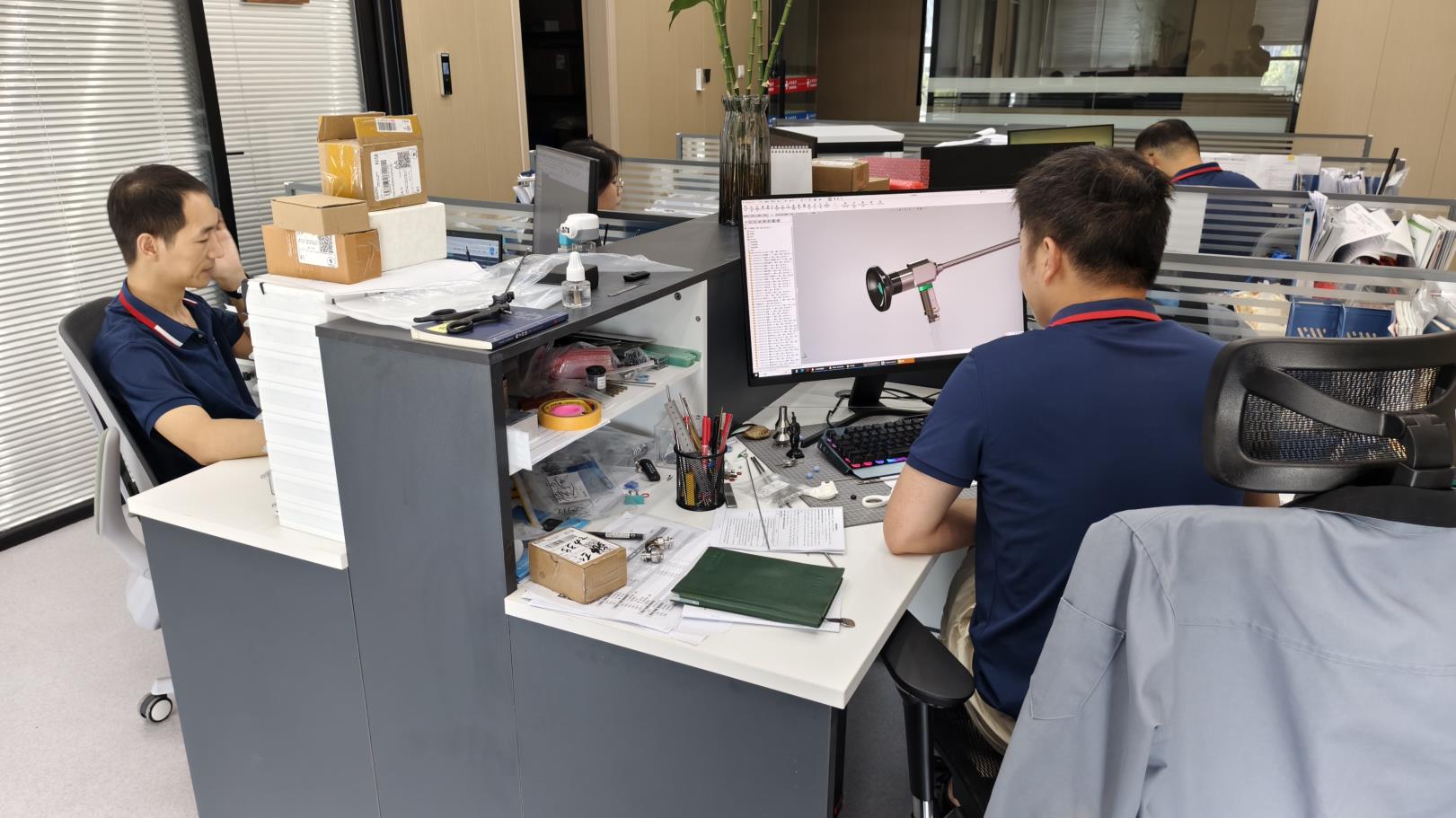
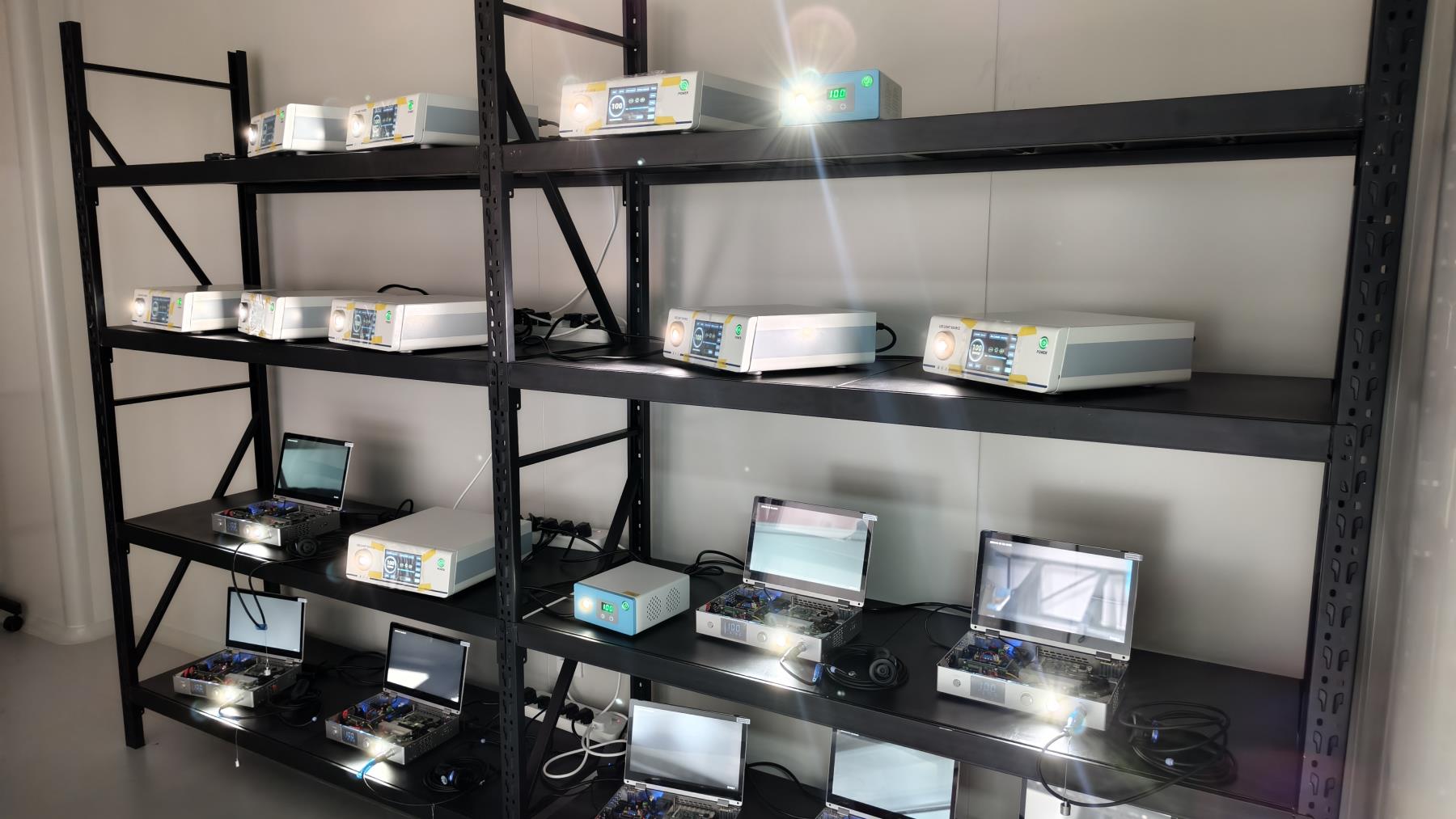
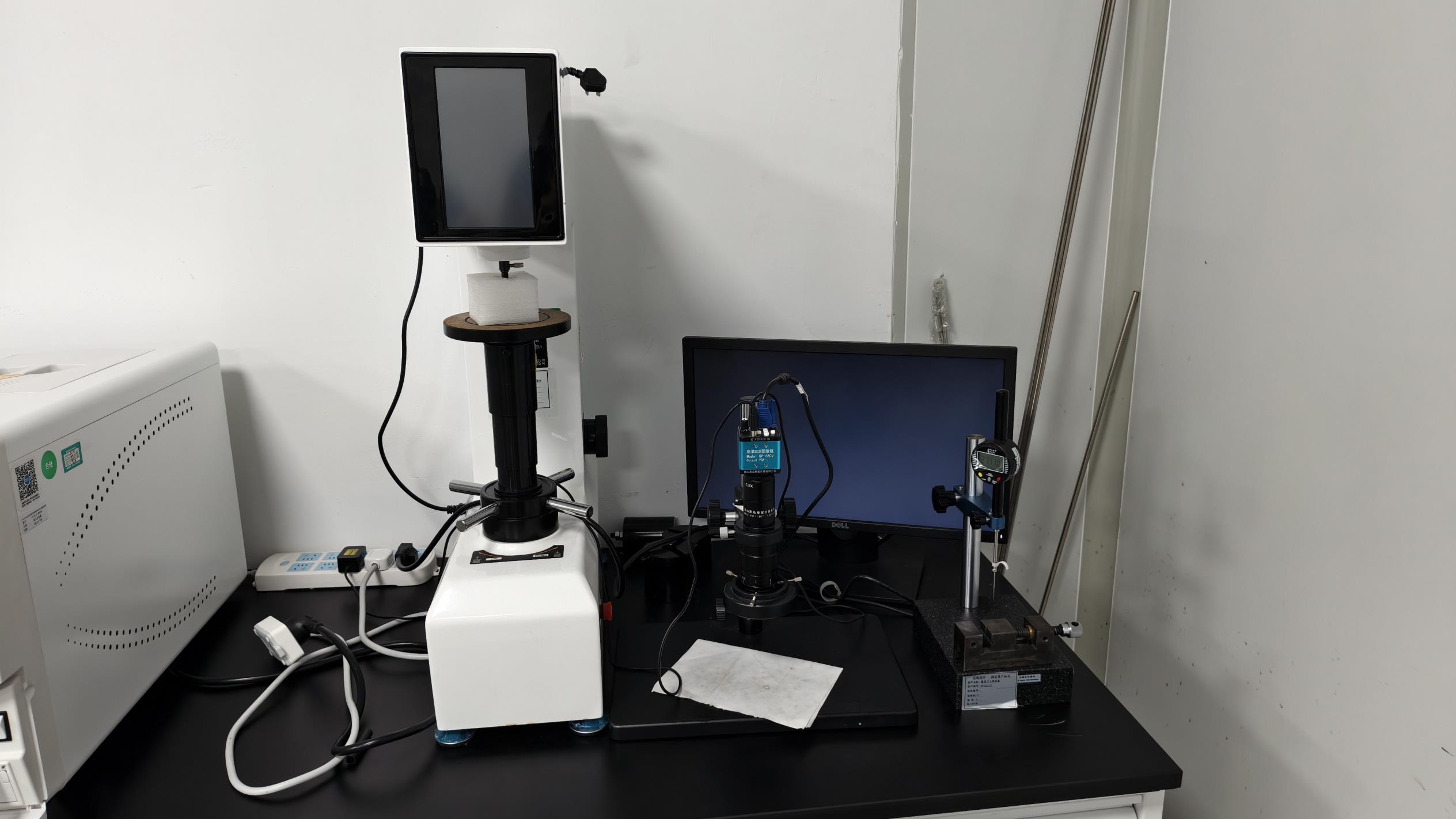
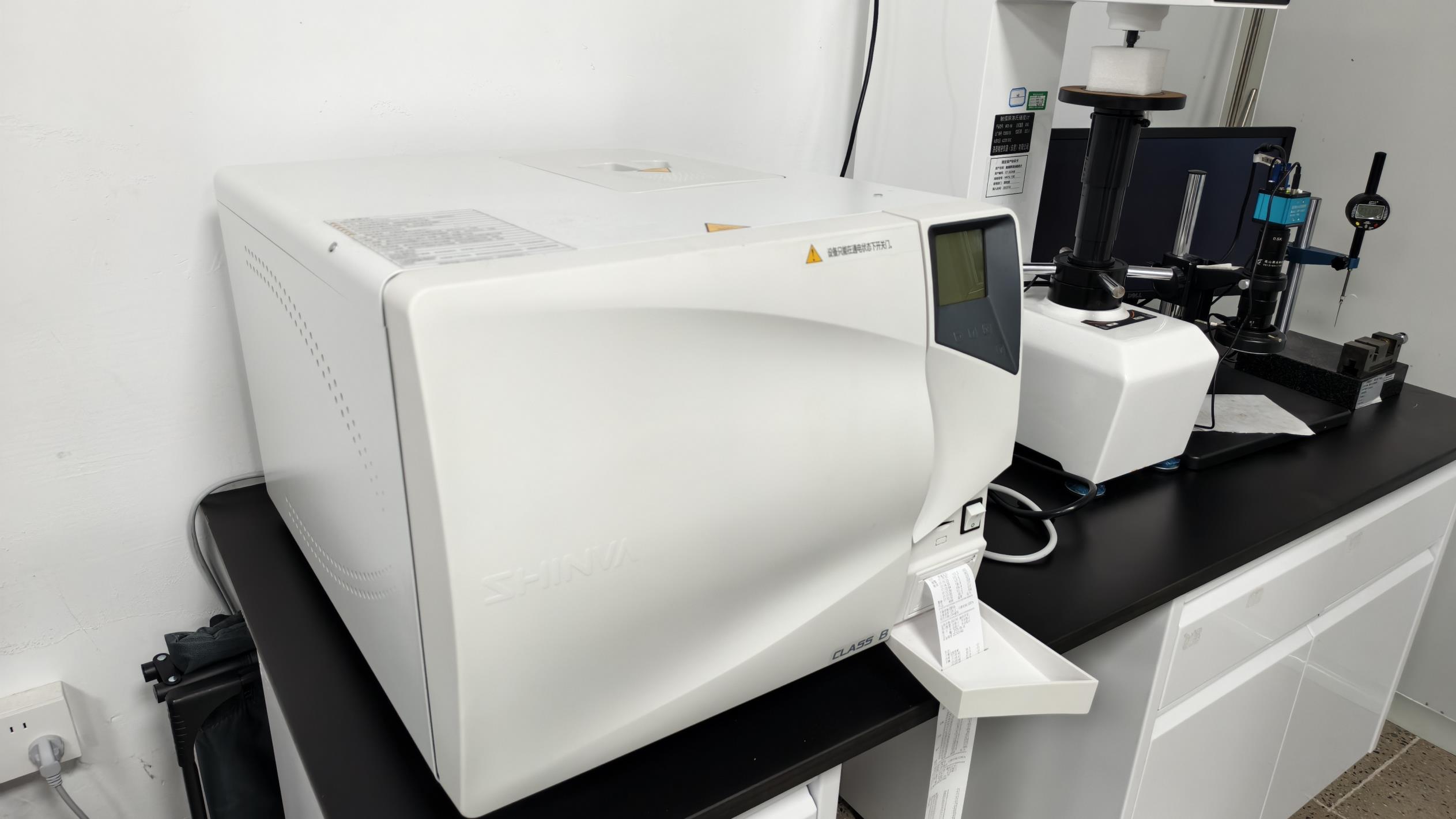
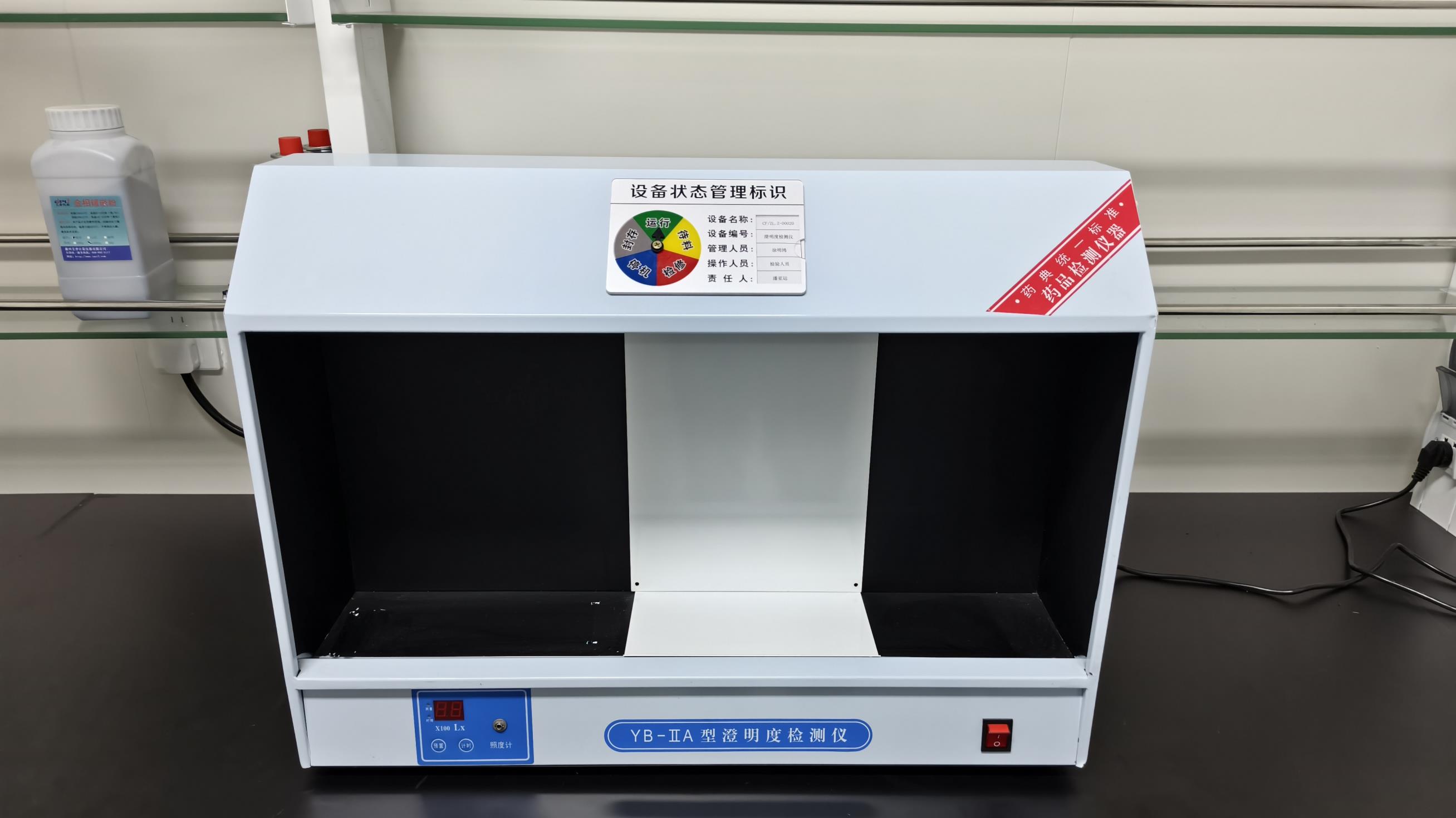
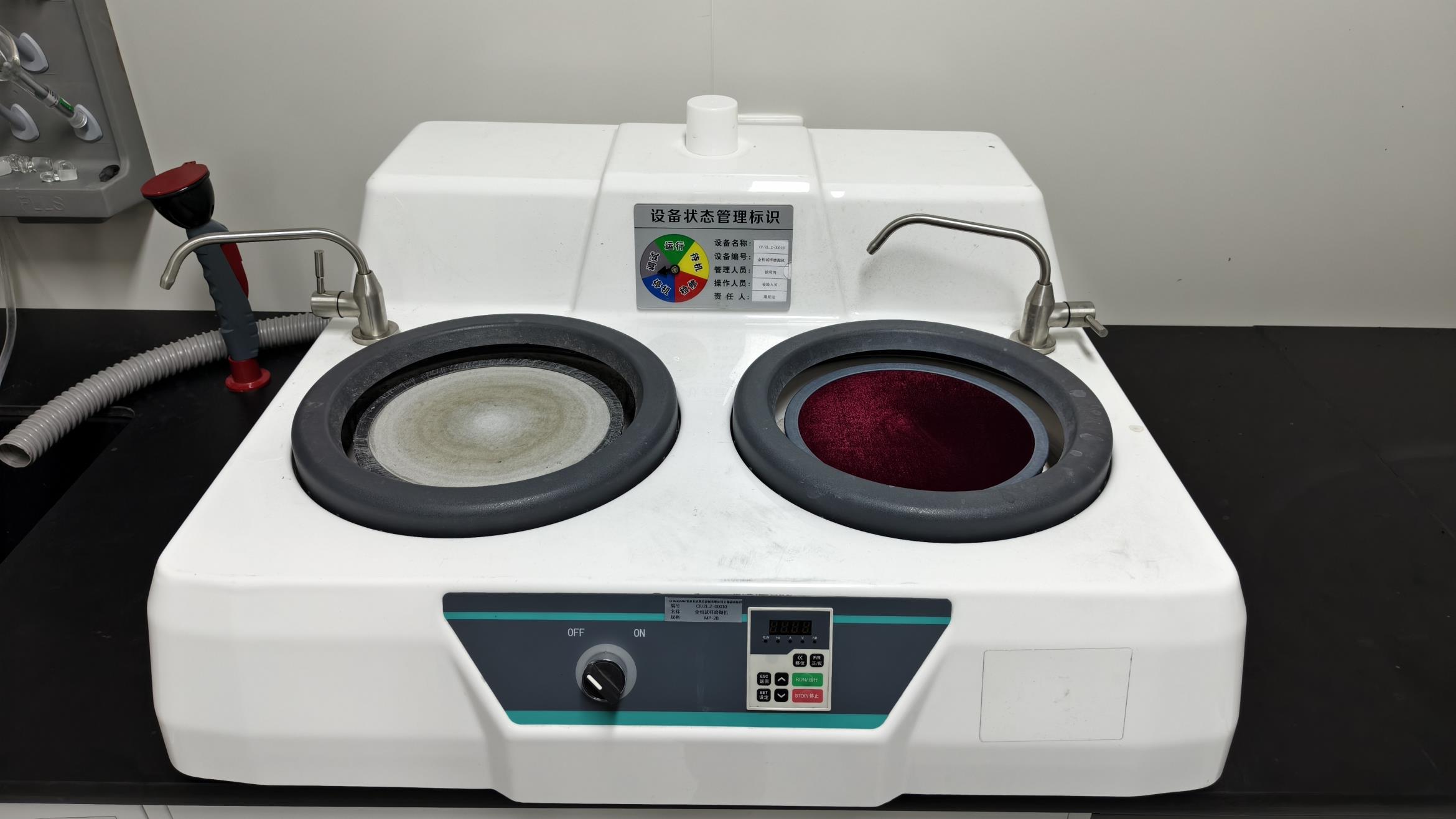
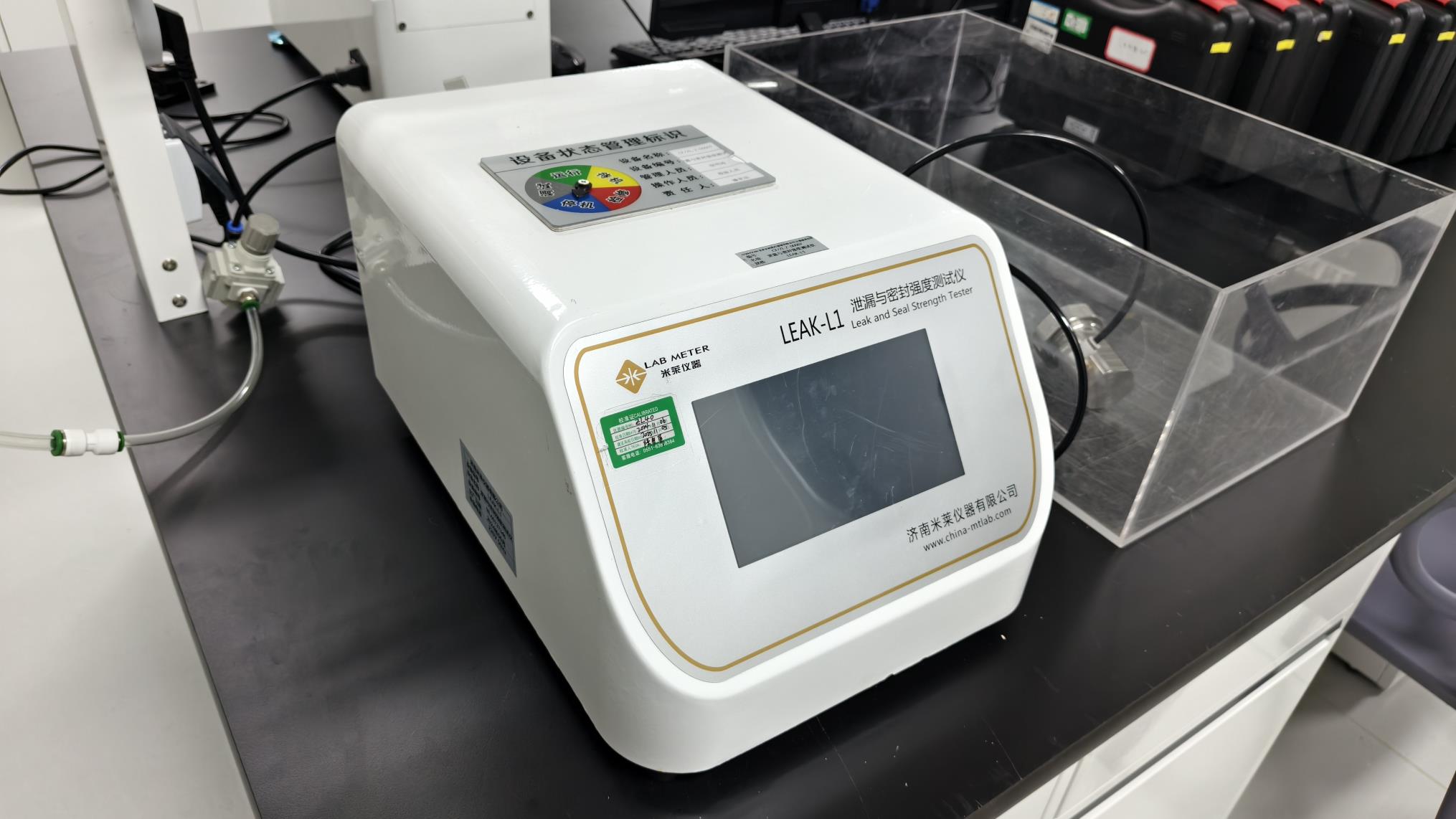
We deploy advanced CNC equipment and stringent inspection devices to secure micrometric precision and global supply chain resilience.
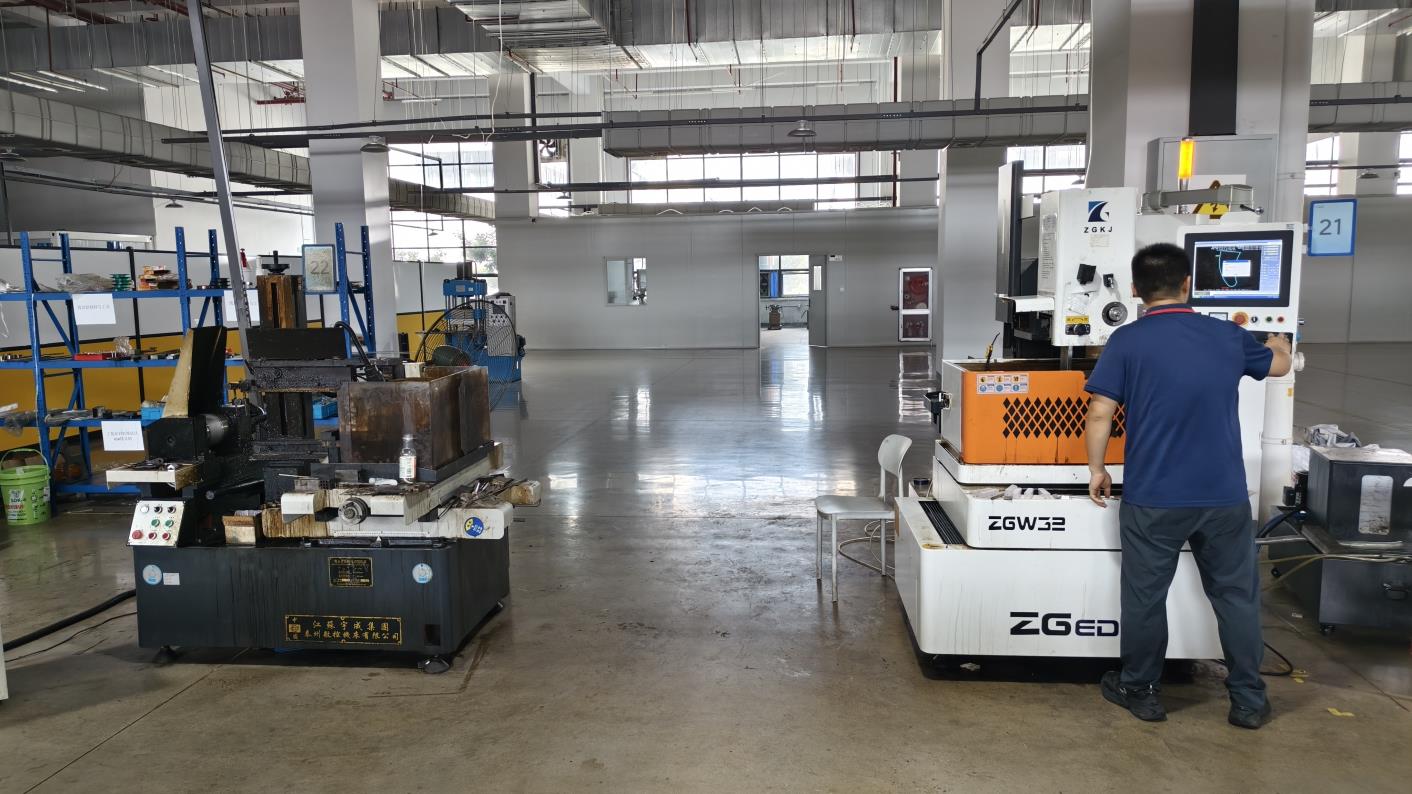
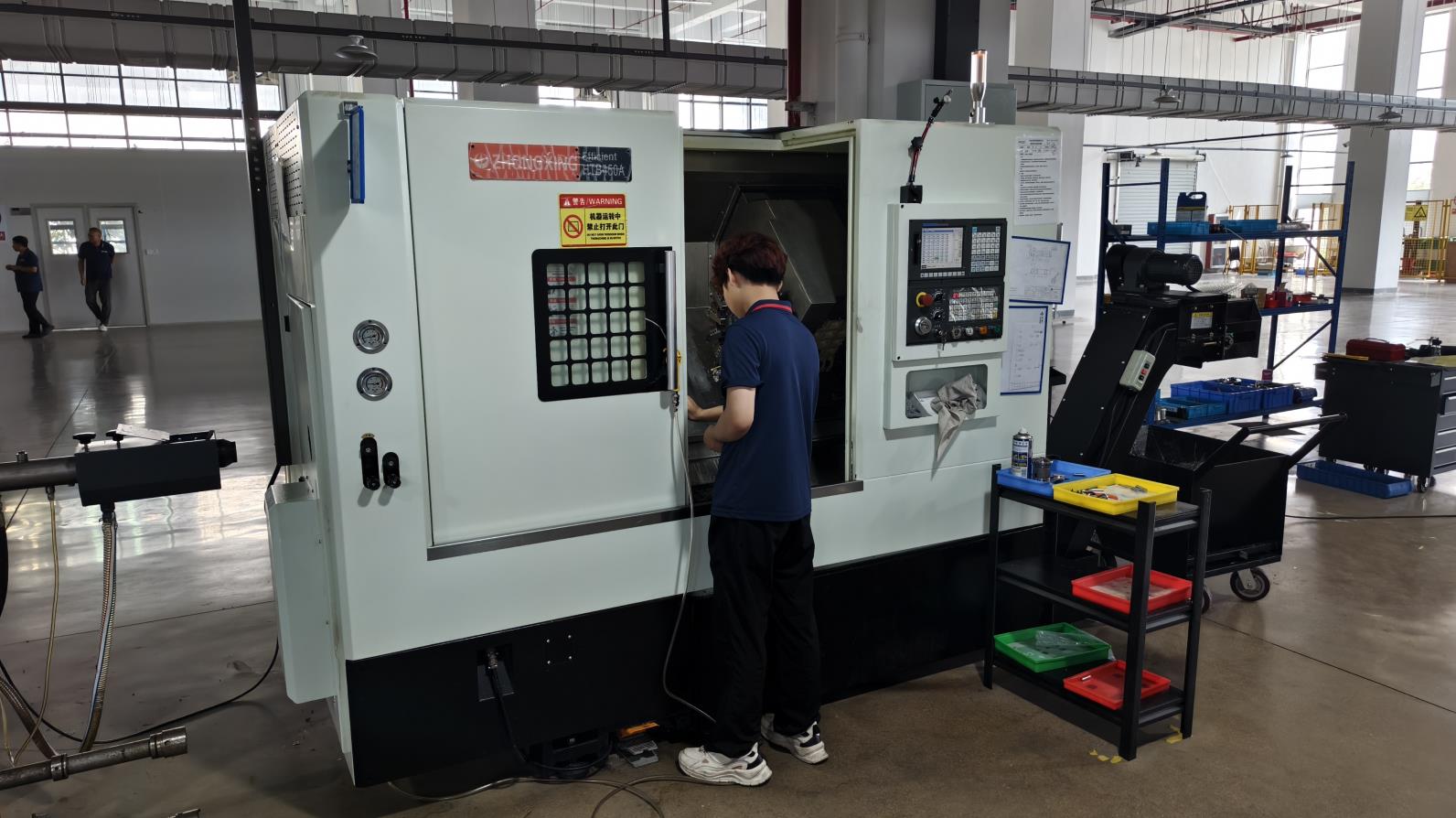
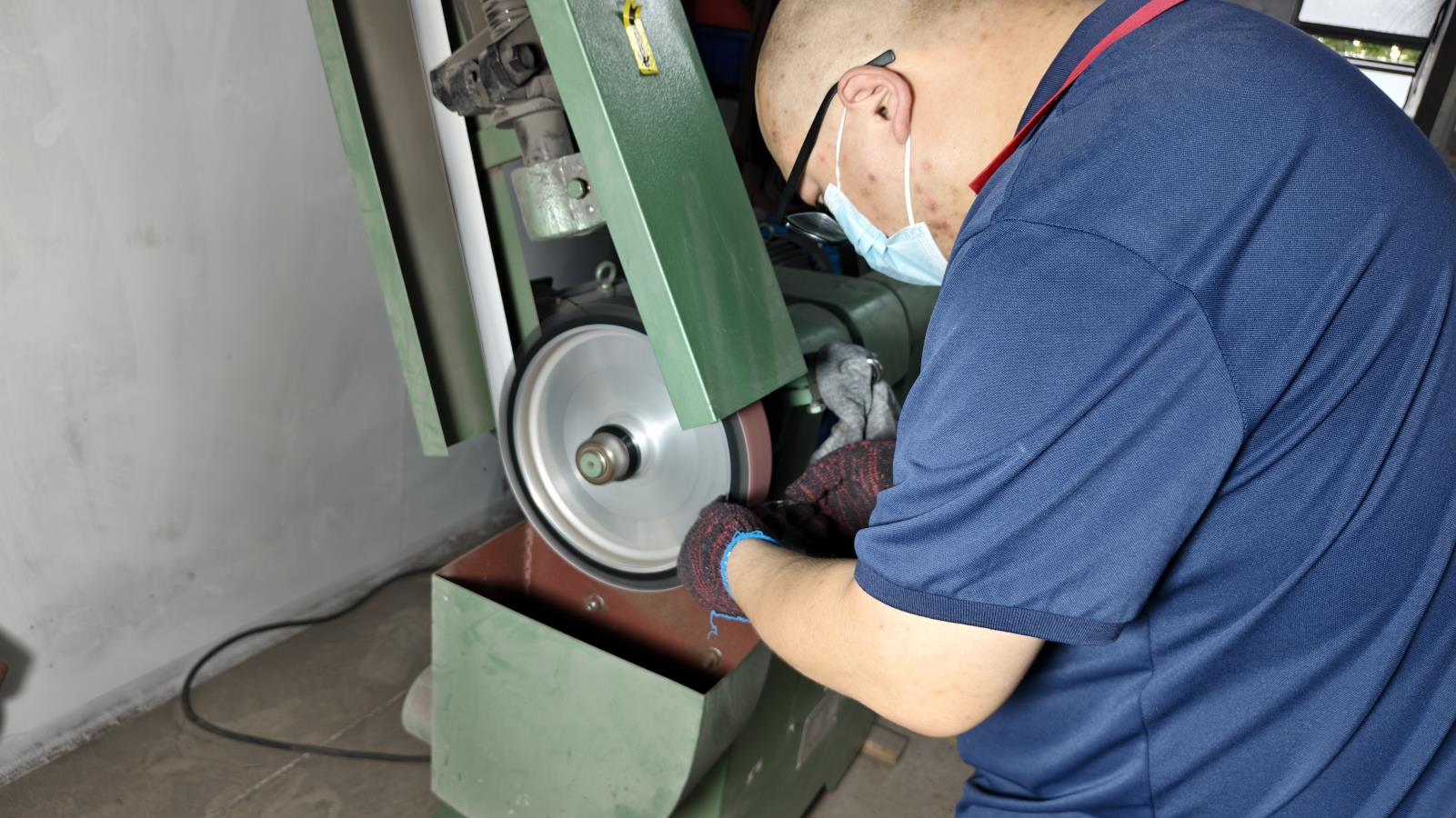
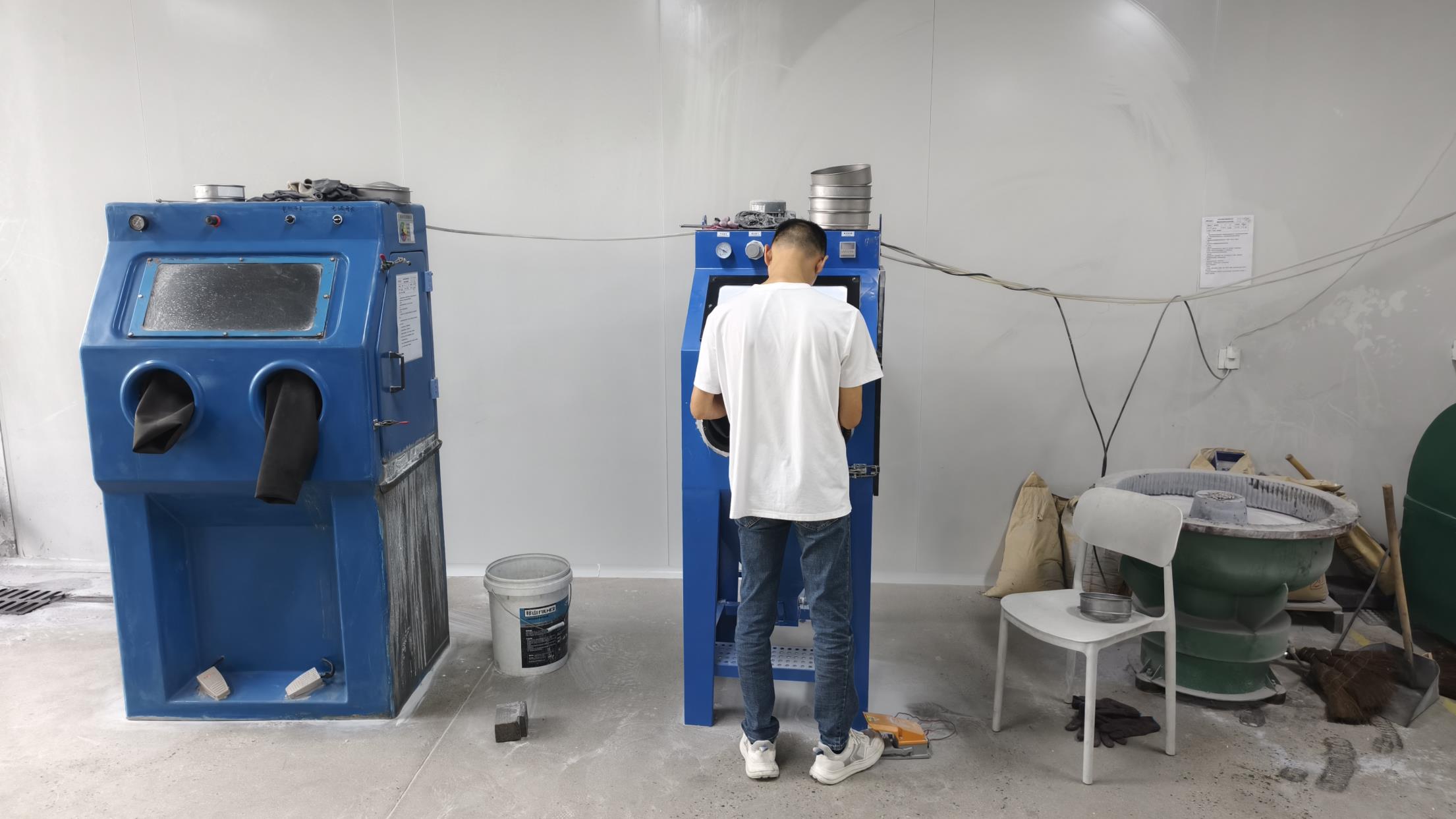
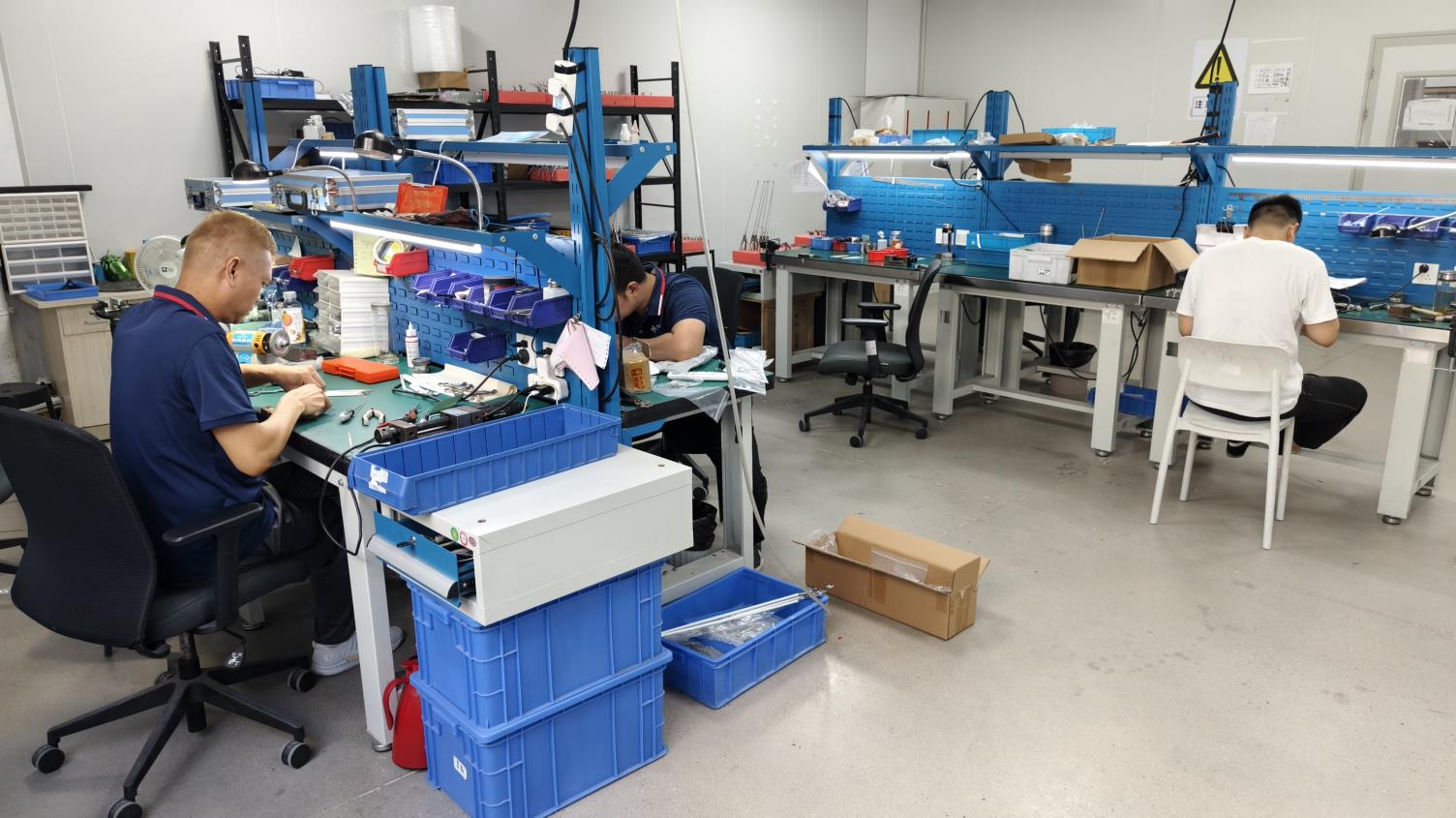
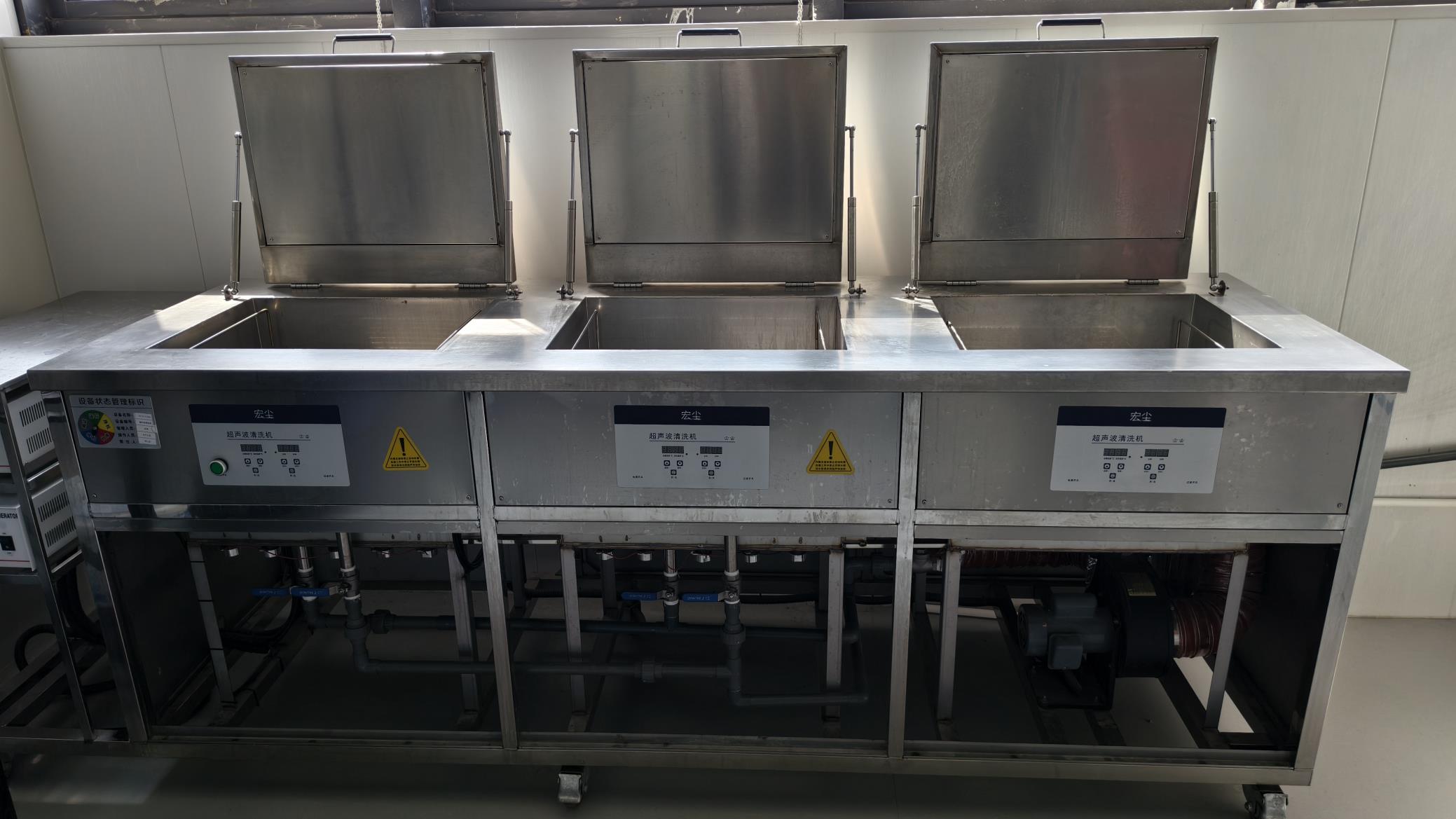
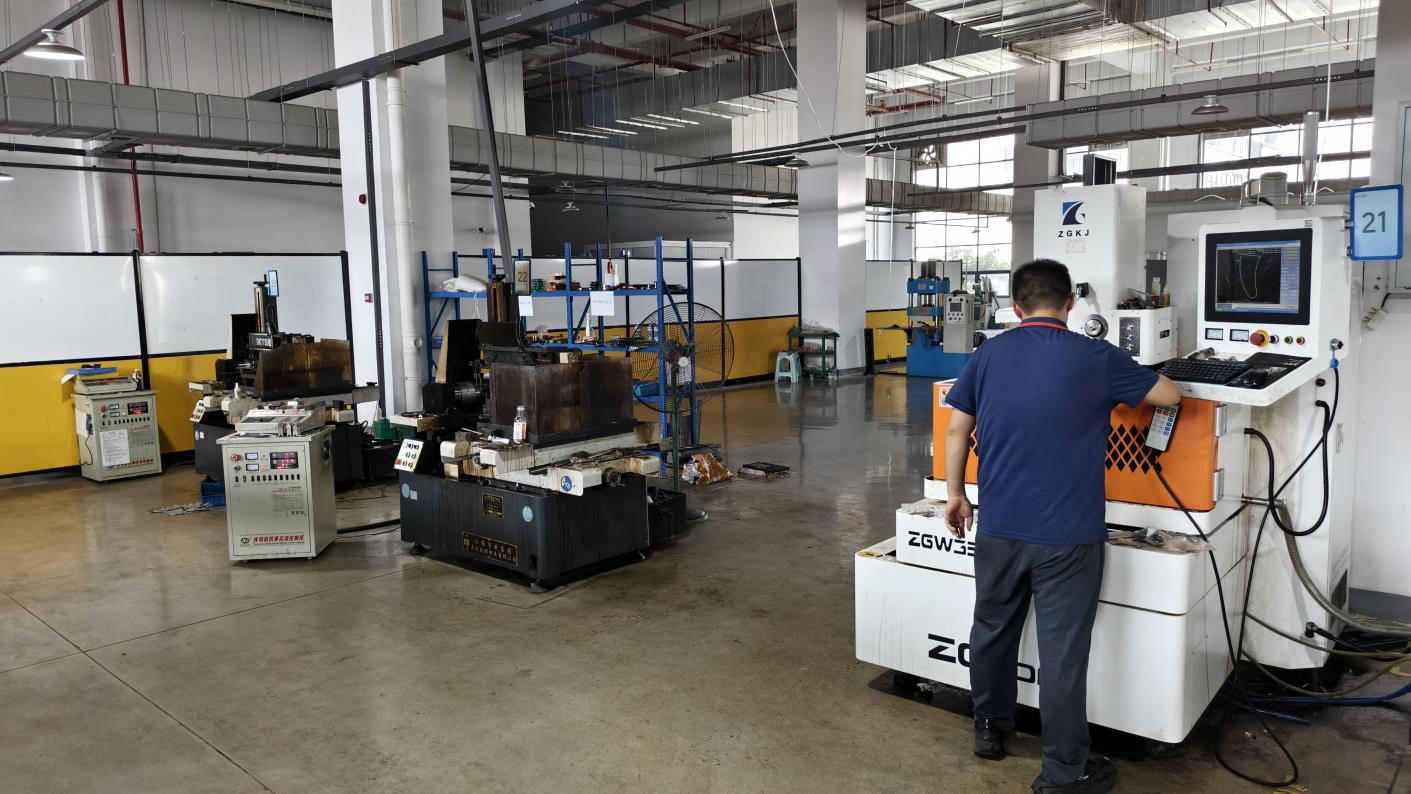
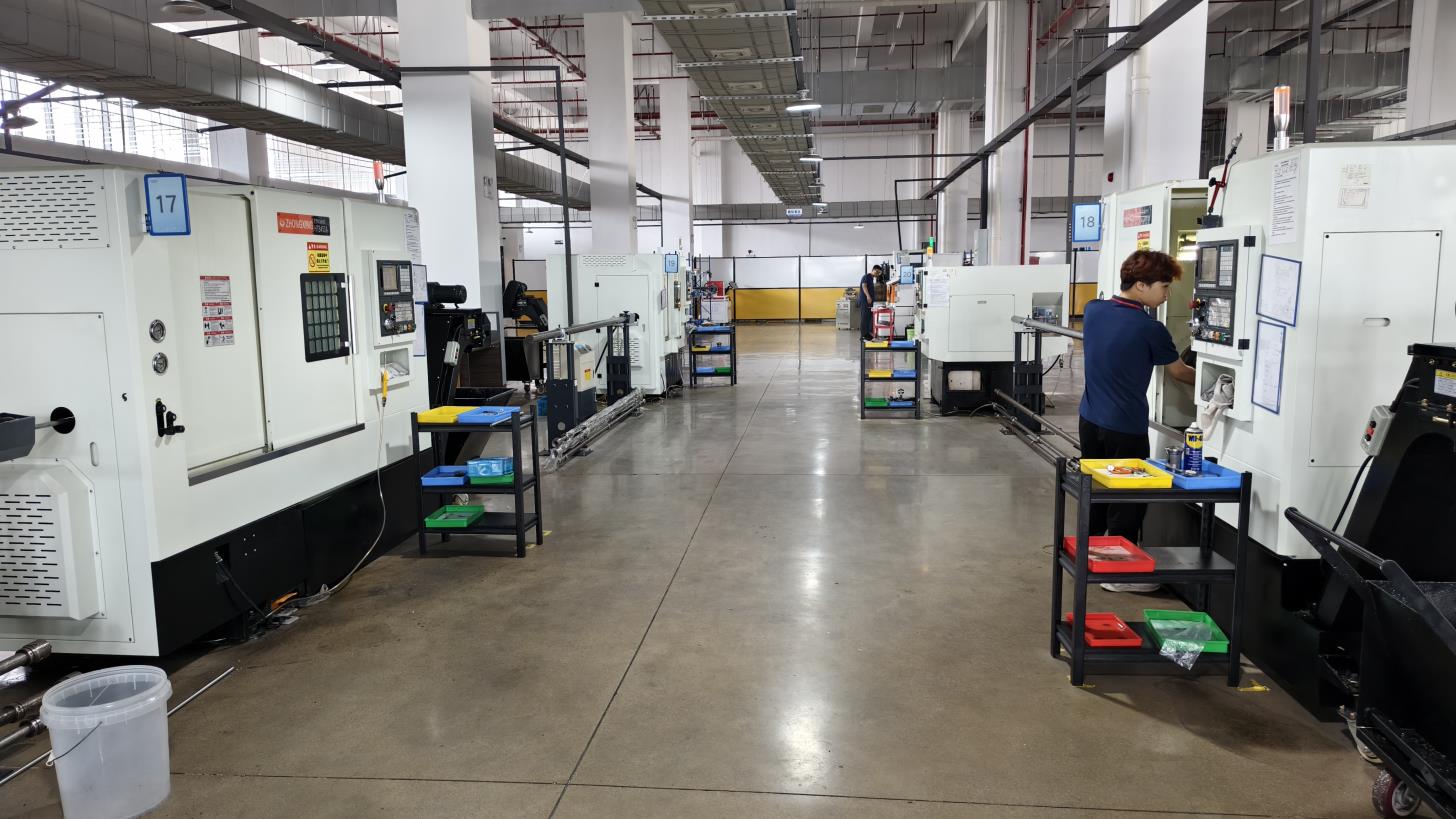
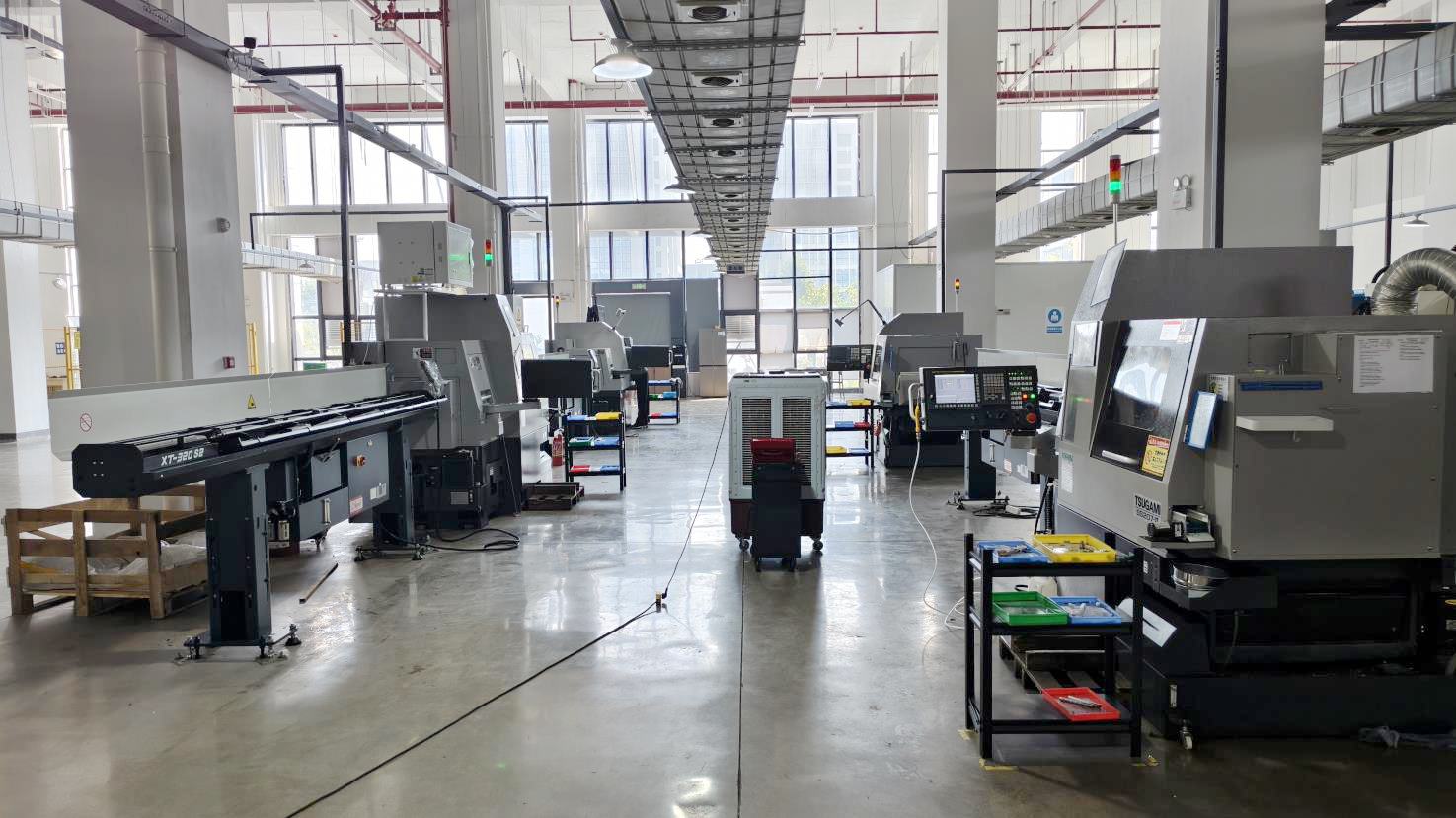
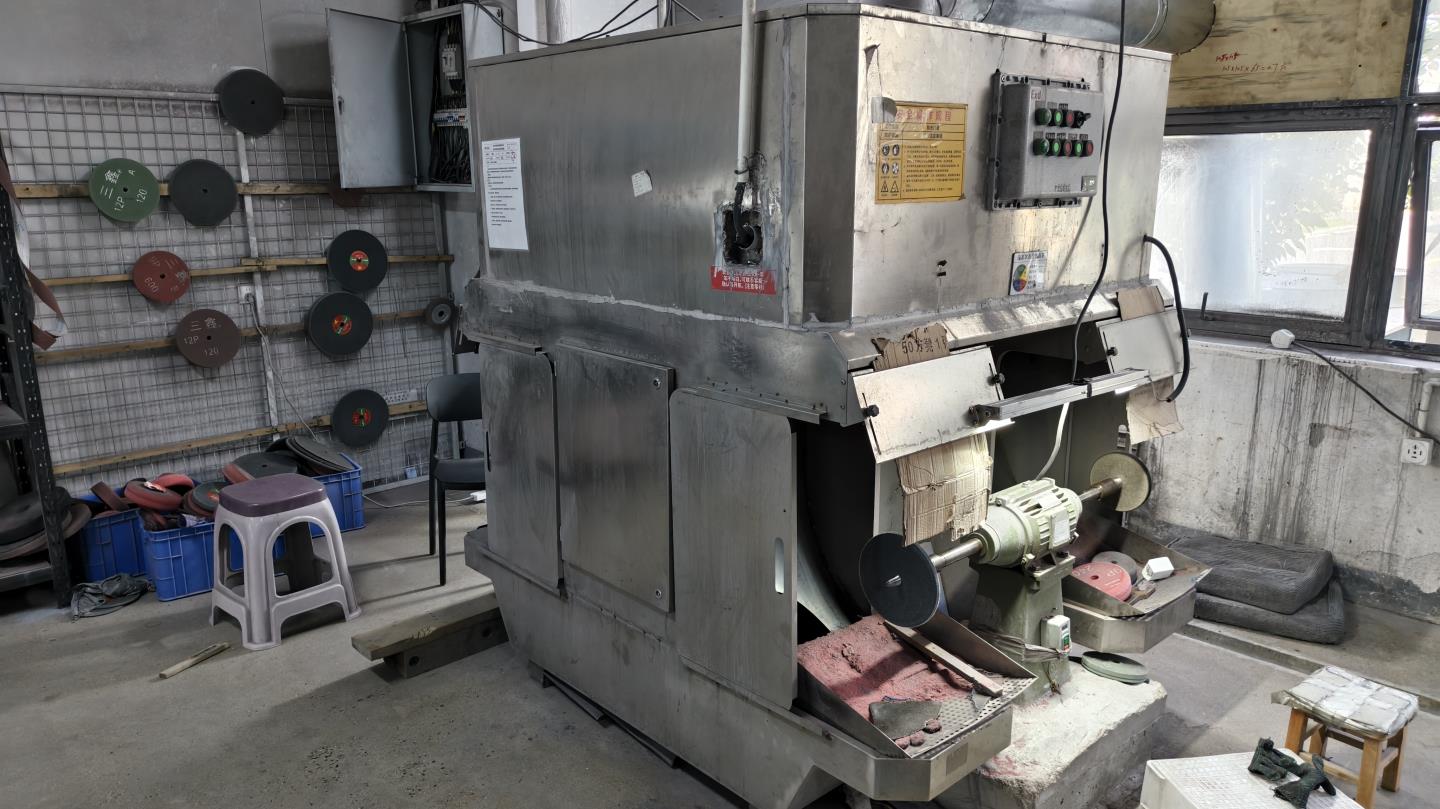
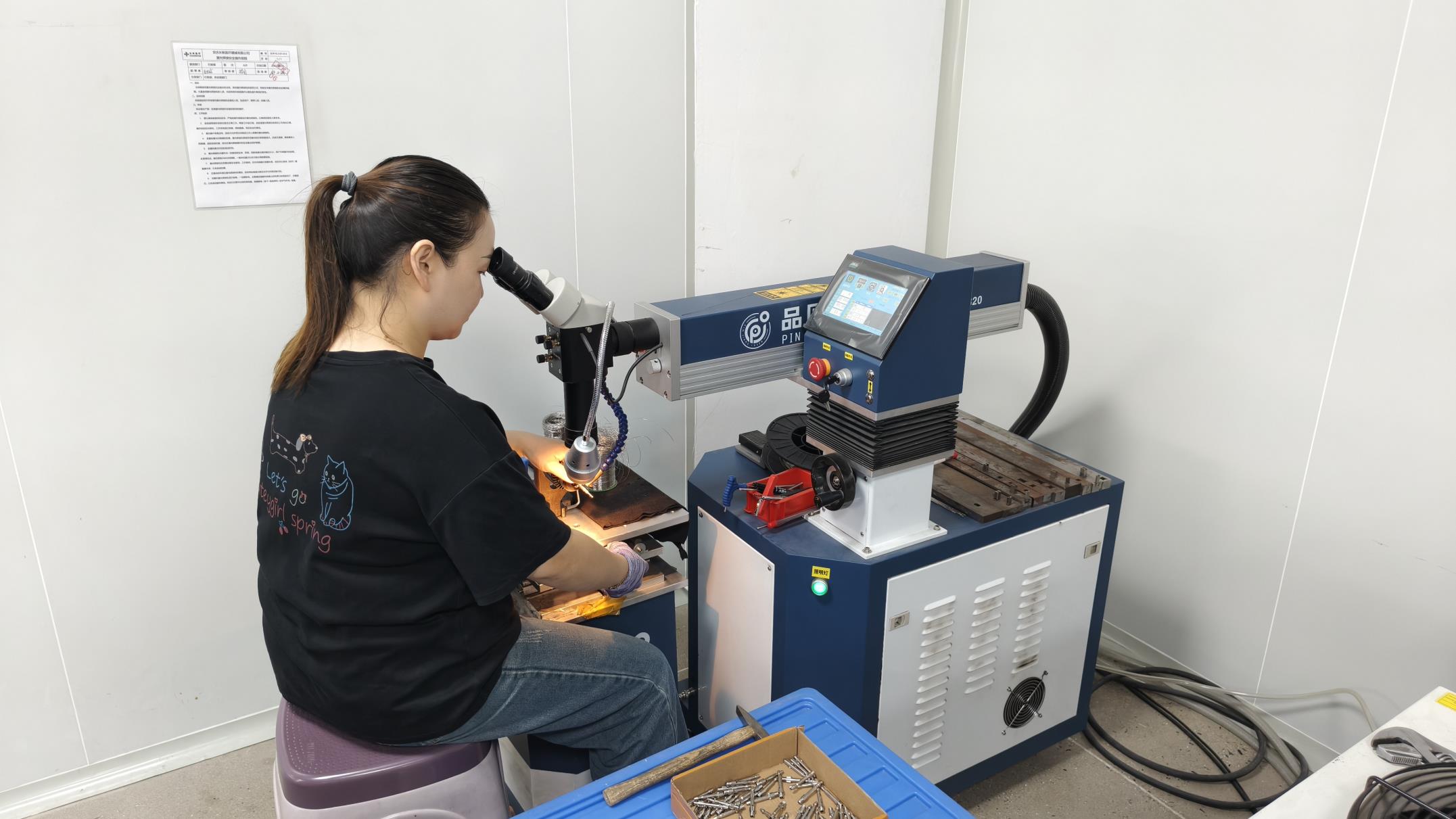
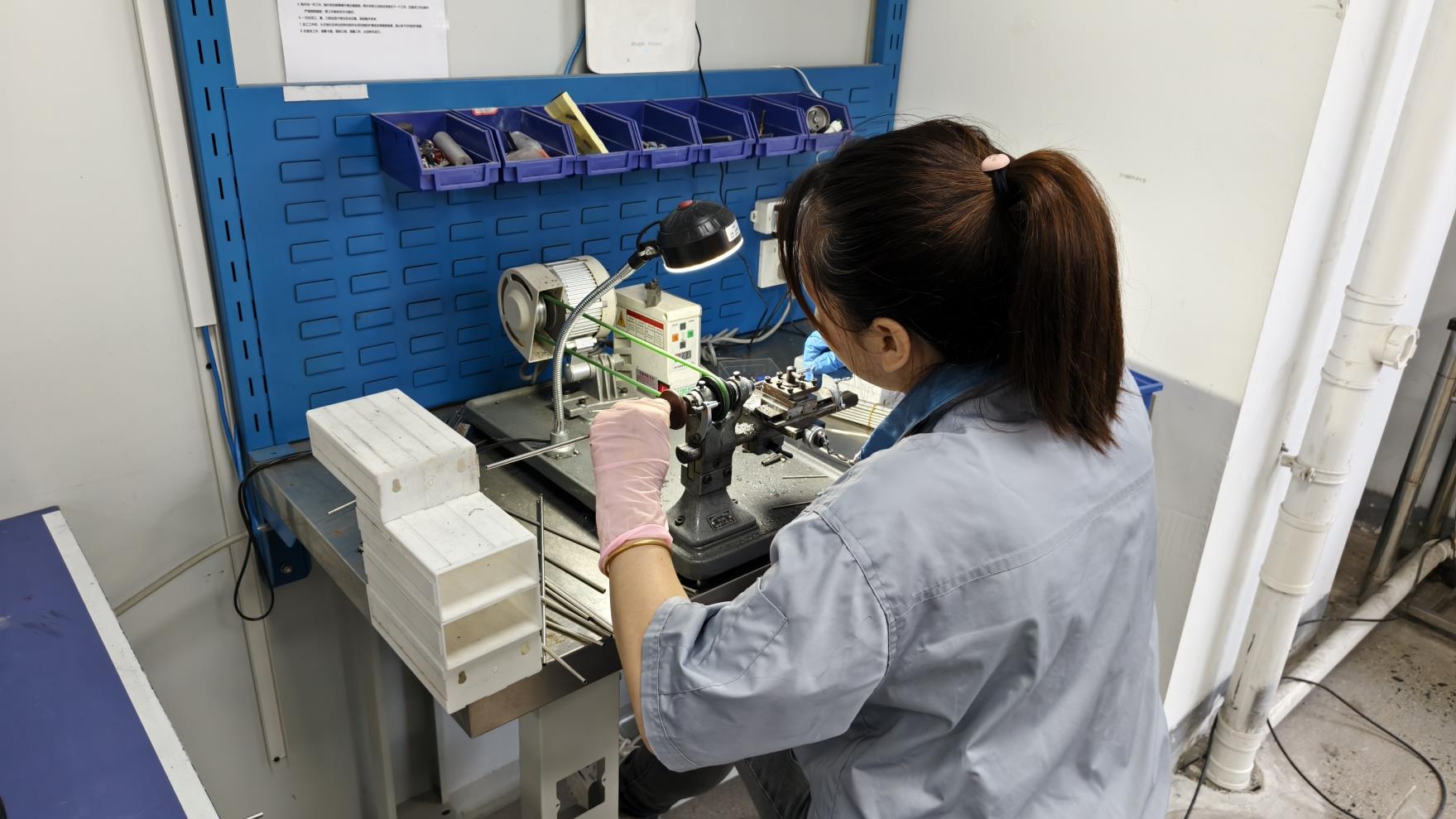
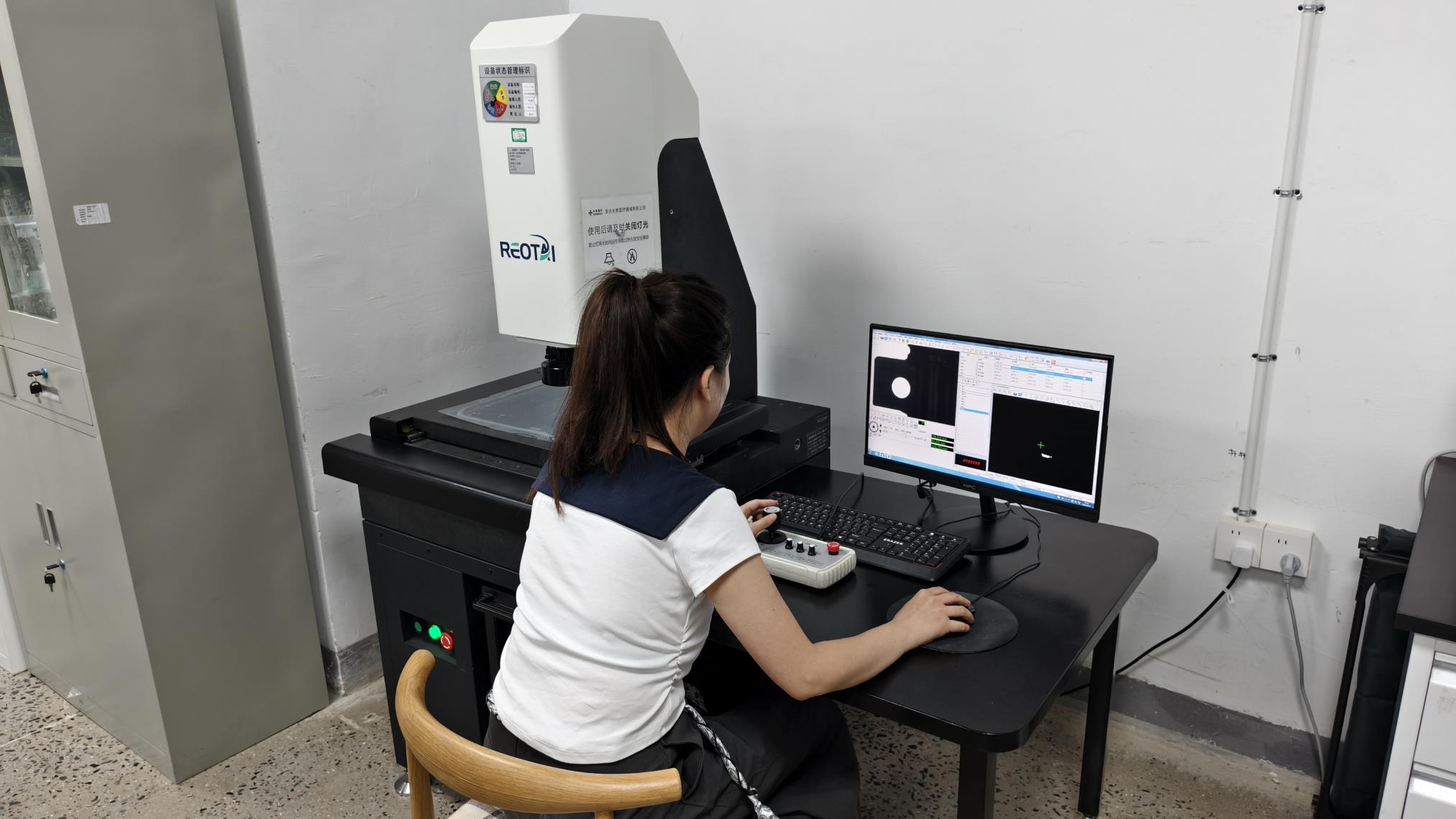
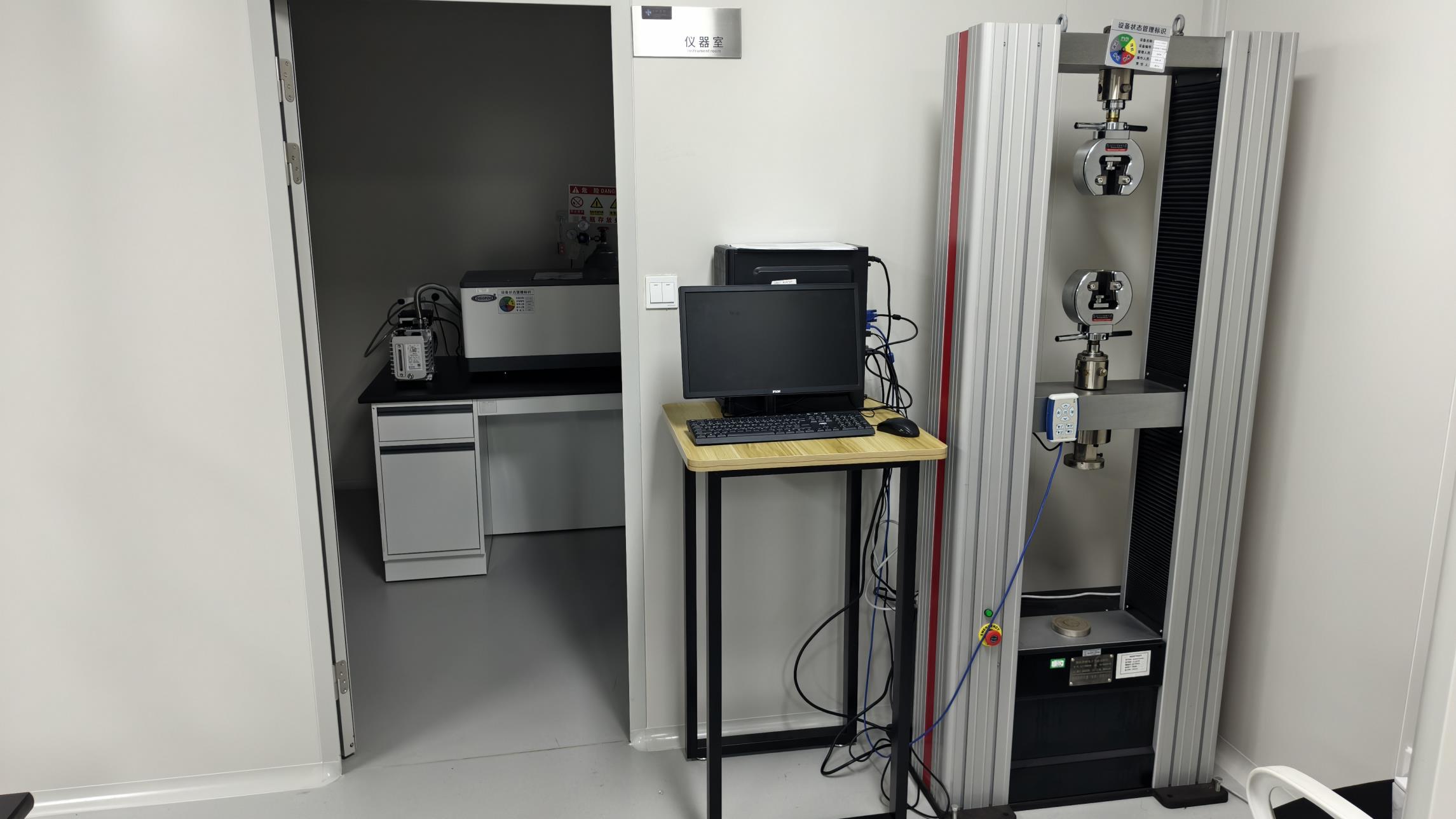
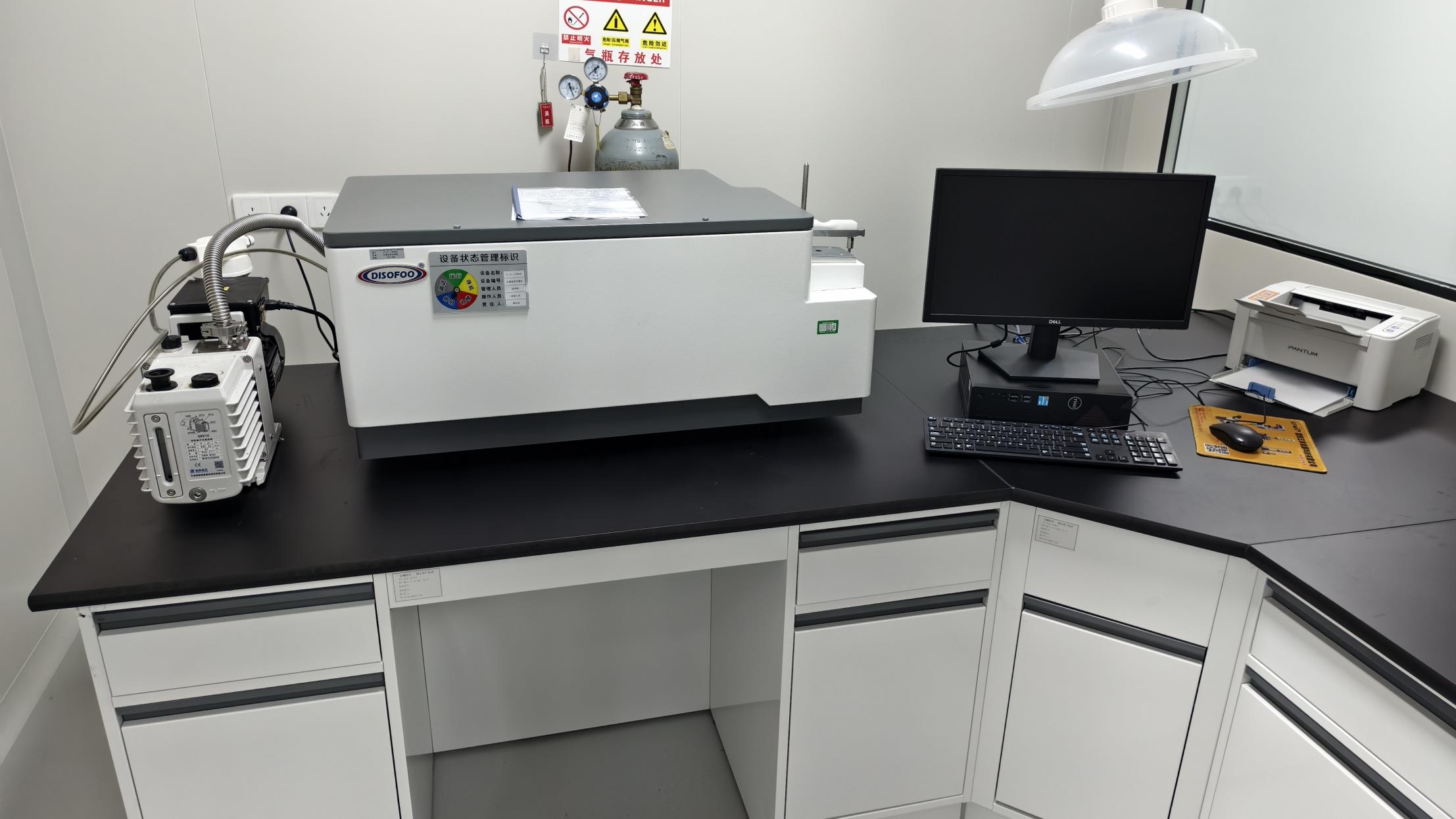
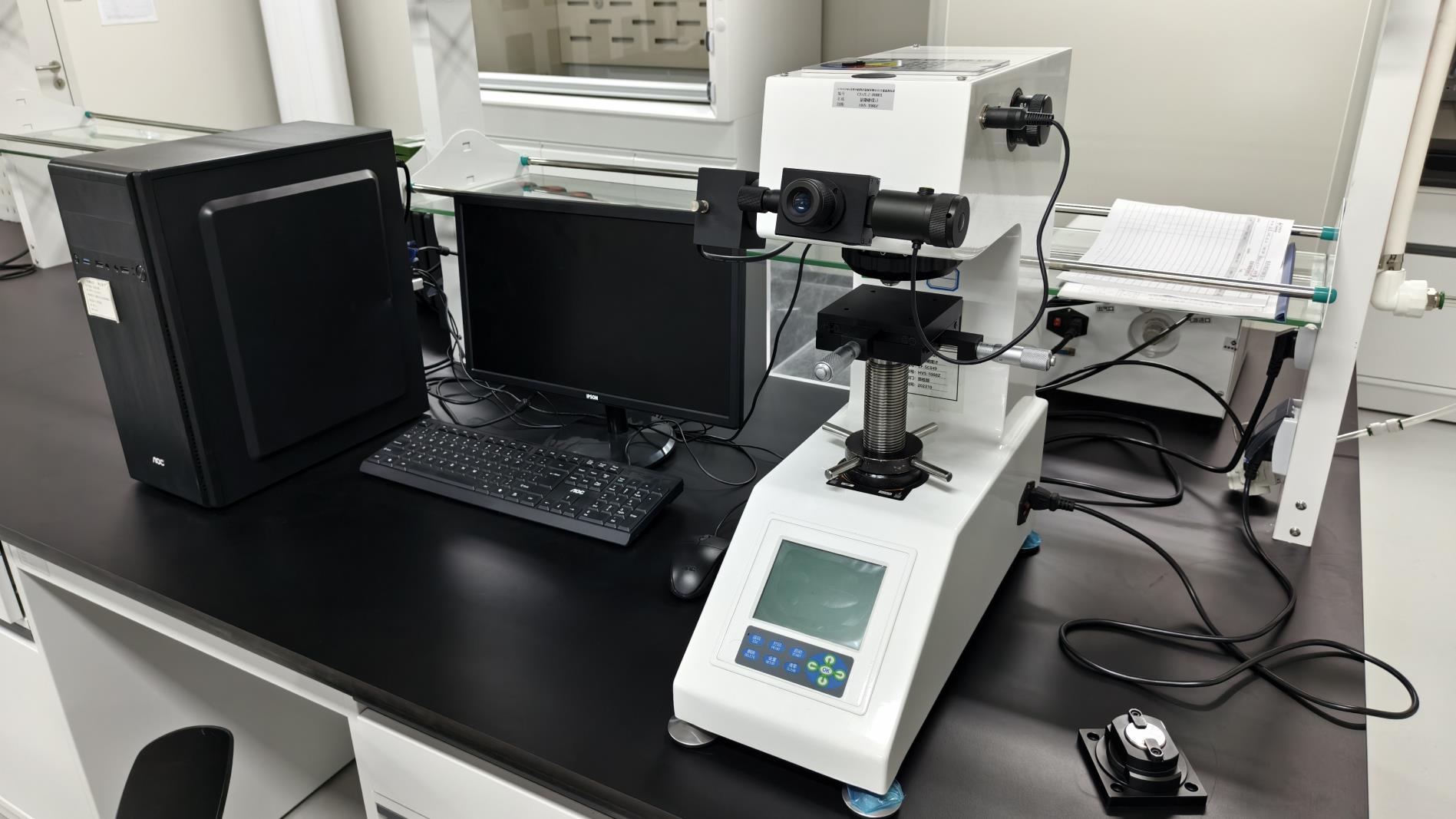
The global spinal implants market is undergoing a rapid evolution, propelled by an aging demographic and escalating expectations for postoperative patient mobility. Within this marketplace, procurement agents in advanced regional centers—including the United States, Germany, Brazil, and Japan—confront distinct procurement demands. While clinical demands emphasize mechanical fatigue resistance and high biological integration, supply chain managers remain focused on pricing structures, steady lead times, and regulatory compliance.
Spinal implants are high-risk medical devices. Global buyers mandate CE Marks, FDA clearances, and strict conformity to ISO 13485 frameworks to avoid import delays.
Rigid monoaxial pedicle screws must undergo axial pull-out, static torsion, and dynamic compression fatigue testing as specified in ASTM F1717 standards.
B2B buyers seek Chinese manufacturers that maintain an optimized domestic raw material network to shield clients from international logistics volatility.
Furthermore, localized application scenarios show that monoaxial pedicle screws are essential tools in orthopedic surgical centers. Pediatric deformity correction clinics require small-diameter monoaxial systems for fine-tuned spinal realignment, while geriatric trauma centers require robust monoaxial configurations combined with PMMA (bone cement) injection systems to enhance fixation in severely osteoporotic patients.
Essential answers regarding design, manufacturing, custom OEM options, and global distribution of our monoaxial spinal hardware.
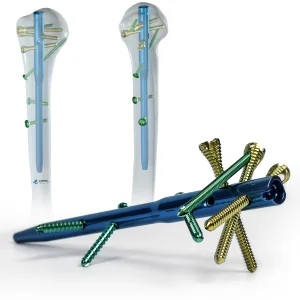
Browse our broader range of spine fixation accessories, internal fixator nails, and specialized animal osteotomy tools.