Zynfuse
Zynfuse
Zynfuse
Explore our CE Class III certified spinal implants, pedicle screw-rod systems, and surgical tools crafted to meet exacting clinical performance thresholds.
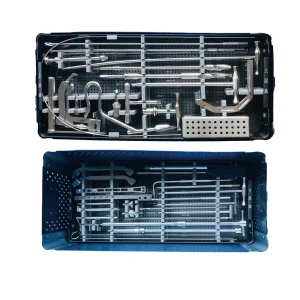
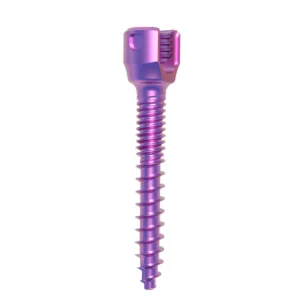
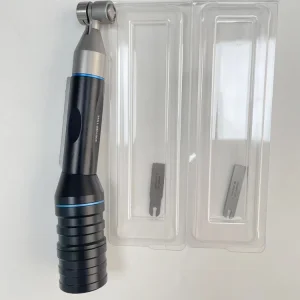

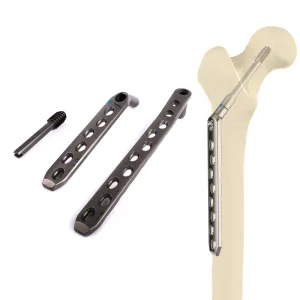
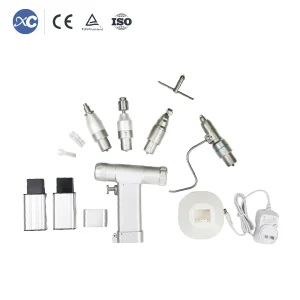
A premier OEM/ODM orthopedic medical device manufacturer dedicated to spinal fusion innovation, biomechanical engineering, and international regulatory compliance.
Established in 2016, Zynfuse Medical Technology Co., Ltd. has consolidated 12 years of industry experience and 7 years of international export experience into an apex manufacturing paradigm. Operating from a state-of-the-art 18,600 m² production hub, we integrate high-precision CNC machining, ISO 7 cleanroom assembly, and rigorous metallurgical verification. Our global footprint extends across North America, Europe, Southeast Asia, and the Middle East, catering directly to hospital procurement departments, orthopedic centers, and tier-1 medical distributors.
At Zynfuse, clinical safety is governed by strict ISO 13485-based inspection protocols. Supported by an expert team of 68 dedicated quality control inspectors, every batch of pedicle screws, spinal plates, and fusion cages undergoes rigorous dimensional verification, mechanical fatigue testing, and biocompatibility evaluations. Our robust R&D architecture—staffed by 85 senior biomechanical engineers—fuels continuous technology advancements, driving the annual development of over 320 custom and standard product lines.
An exhaustive analysis of material science, stress distribution dynamics, and surface topography optimization in modern posterior and anterior spinal instrumentation.
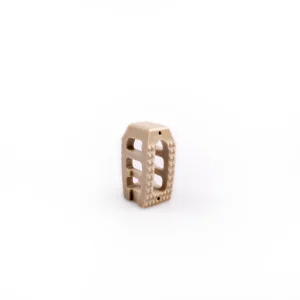
Modern spinal fixation relies heavily on Grade 5 Titanium Alloy (Ti-6Al-4V ELI - Extra Low Interstitial) and medical-grade Polyetheretherketone (PEEK). Titanium alloys offer unmatched tensile strength (>860 MPa) and dynamic fatigue resistance necessary for pedicle screw-rod construct stabilization during multi-level posterior fusion. Conversely, PEEK cages feature an elastic modulus (3.6 GPa) closely matching human cortical bone, reducing stress shielding at the interbody interface and eliminating artifact interference in post-operative MRI/CT diagnostics.
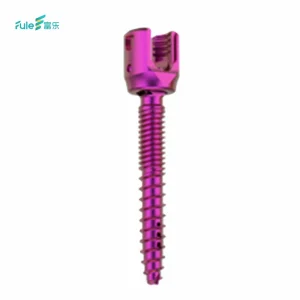
Zynfuse pedicle screws incorporate dual-thread geometries featuring an aggressive proximal micro-thread for cortical bone engagement and a deep distal macro-thread for cancellous fixation. The polyaxial head allows for a 52-degree cone of articulation, mitigating intraoperative rod-contouring stress and lowering the risk of pedicle wall breach. Screw pull-out strength is increased by up to 34% through automated thread tapping and micro-polished thread root radii.
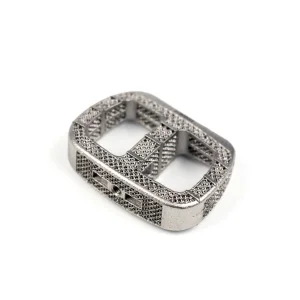
Utilizing Additive Manufacturing (SLM 3D Printing Technology), Zynfuse produces titanium interbody cages featuring interconnected porosity (60-70% void volume with pore sizes ranging from 400 to 700 microns). This bio-mimetic structure mimics natural trabecular bone architecture, facilitating rapid cellular migration, vascularization, and direct bony in-growth (osteointegration) without requiring synthetic bone graft extenders.
Biomechanical Verification Metric: All Zynfuse CE-marked spinal fixators undergo static and dynamic fatigue testing in compliance with ASTM F1717 (Spinal Implant Constructs in a Vertebrectomy Model) and ASTM F2077 (Interbody Fusion Devices). Systems sustain up to 5,000,000 fatigue cycles at load levels exceeding 75% of static yield threshold without structural degradation.
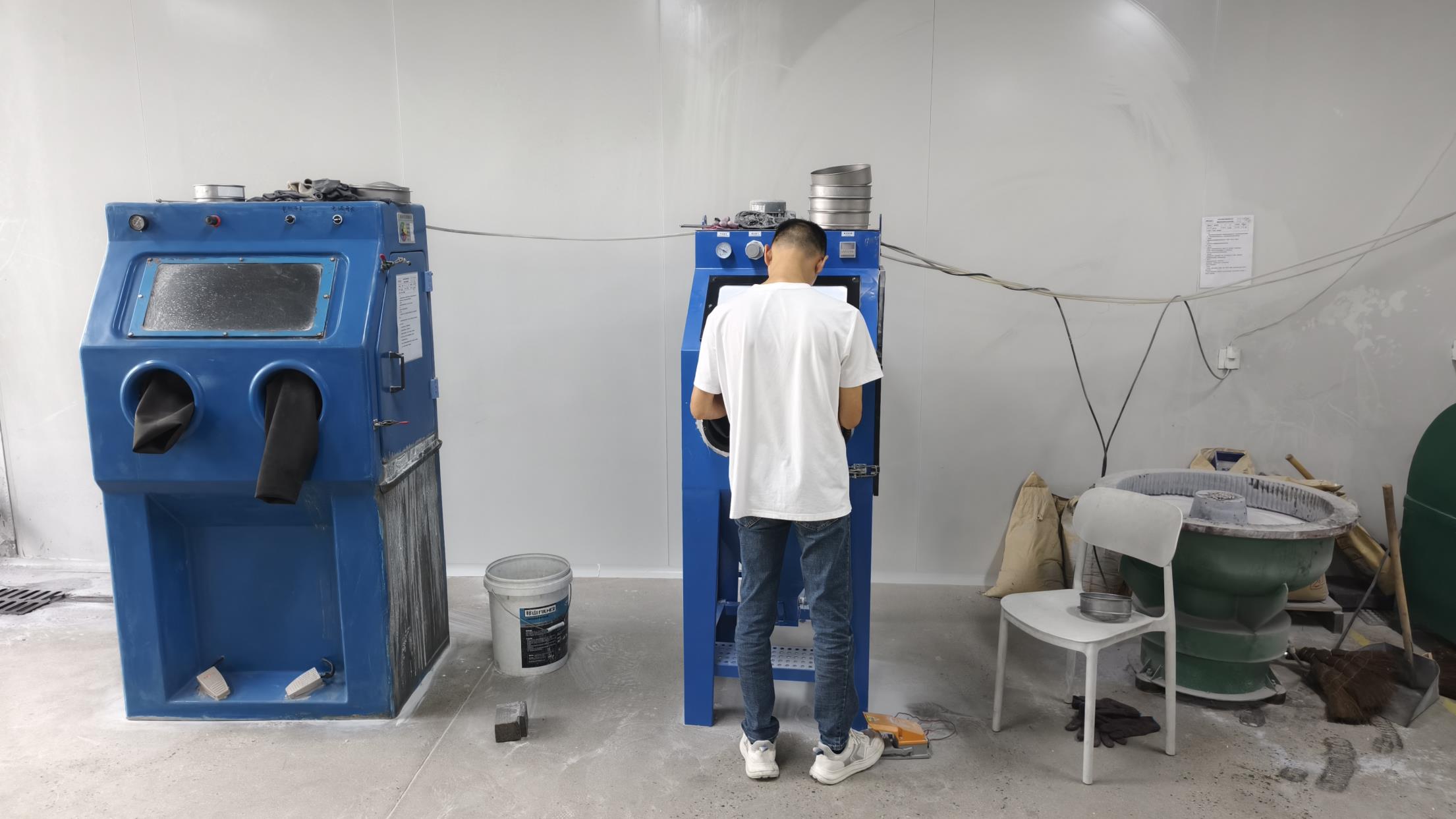
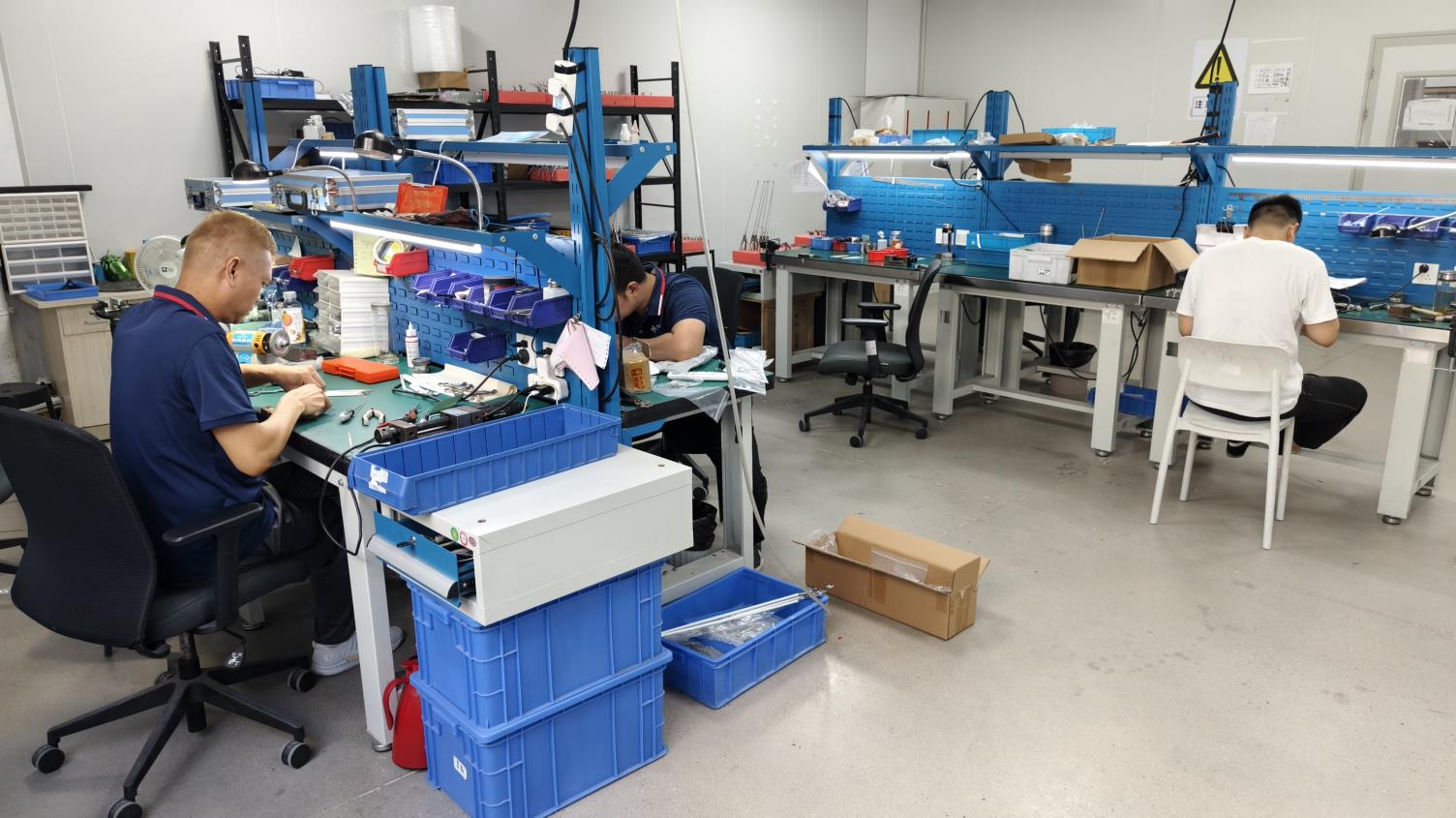
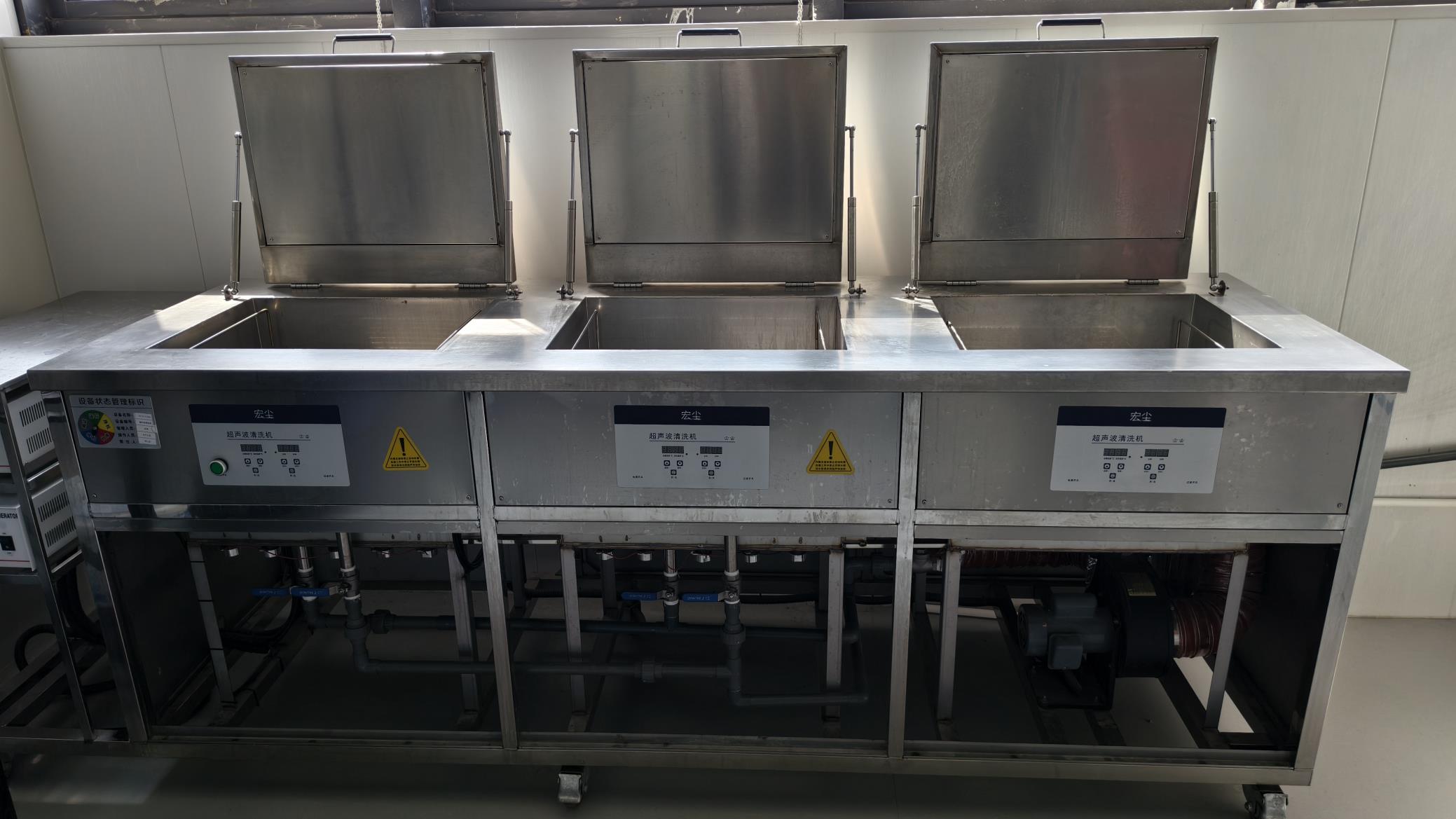
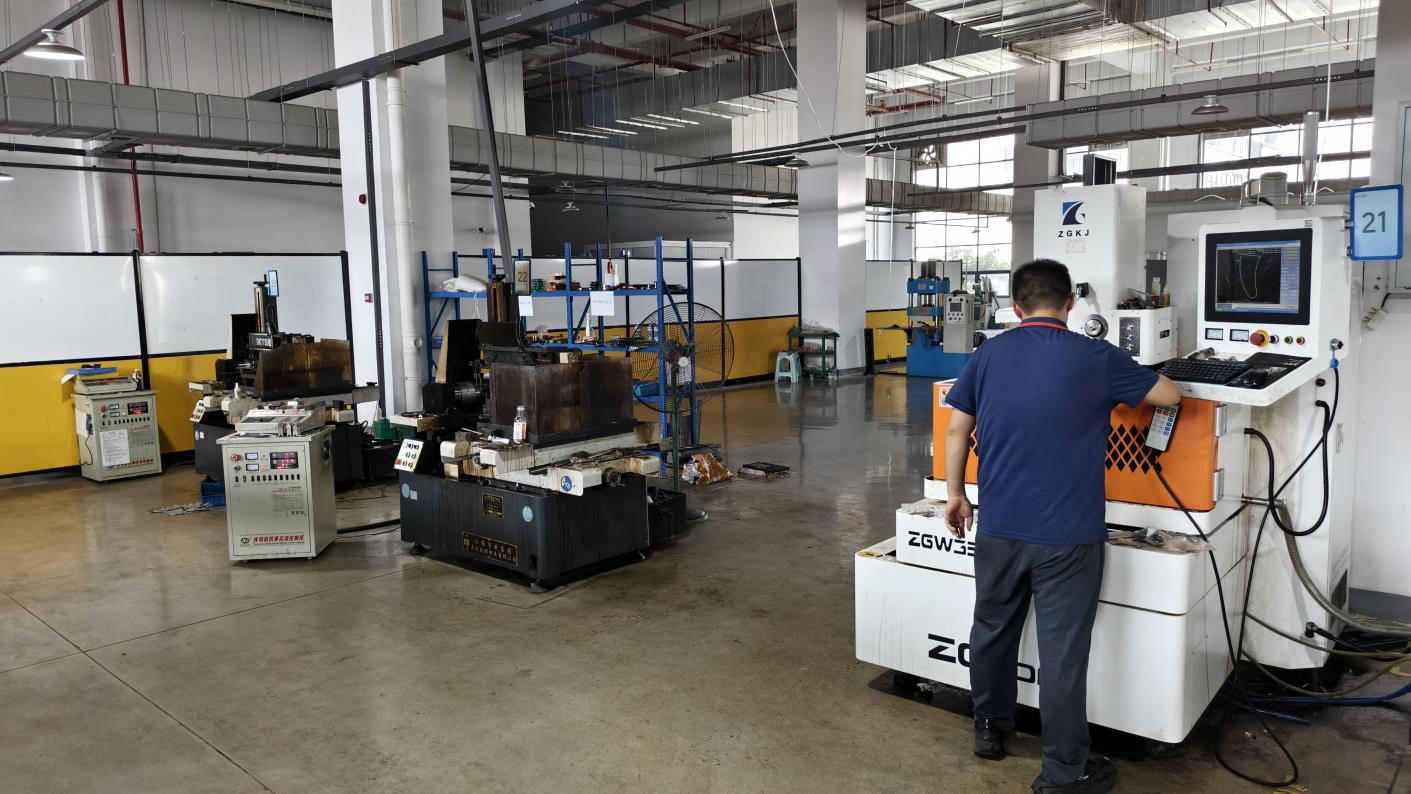
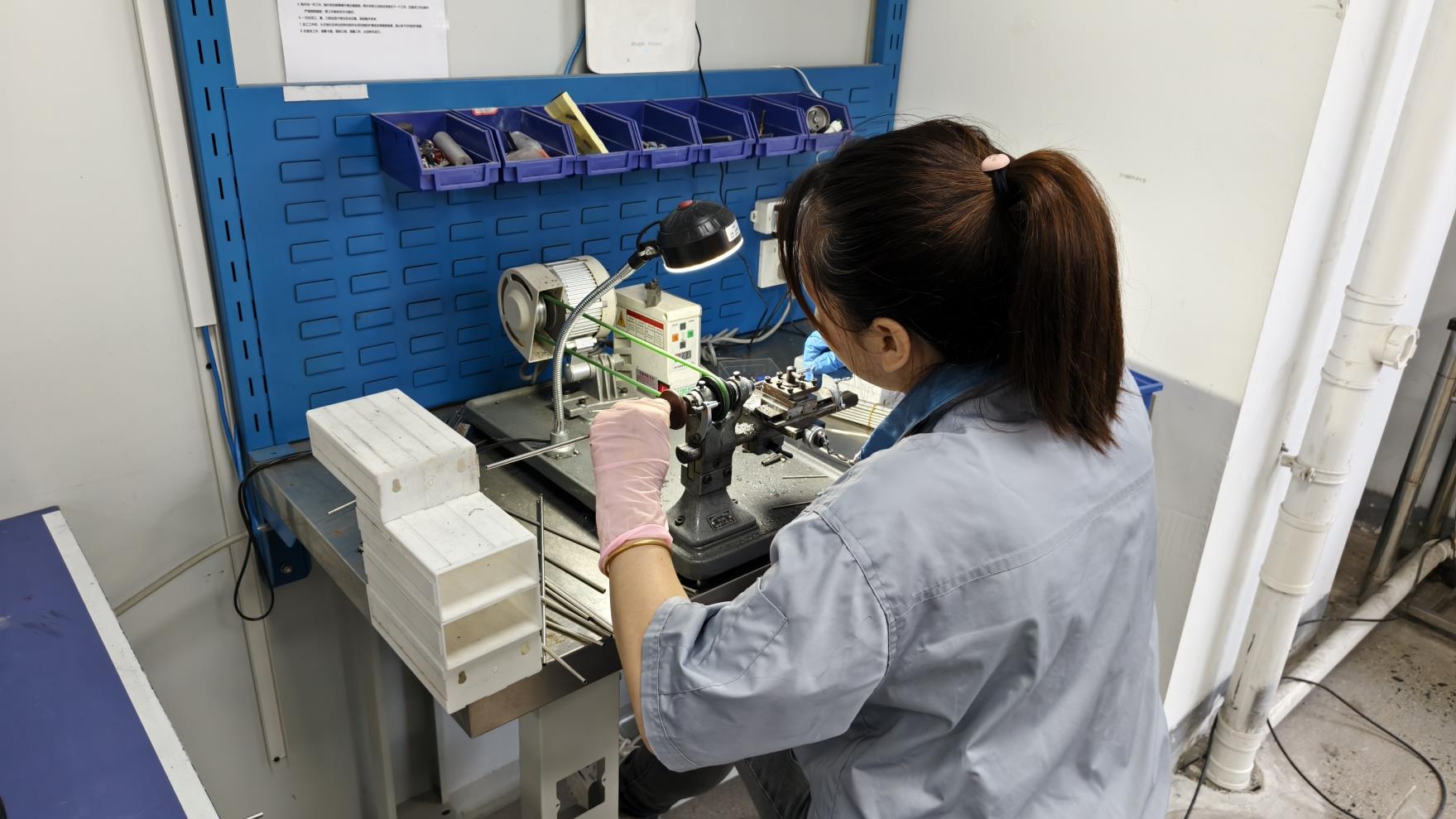
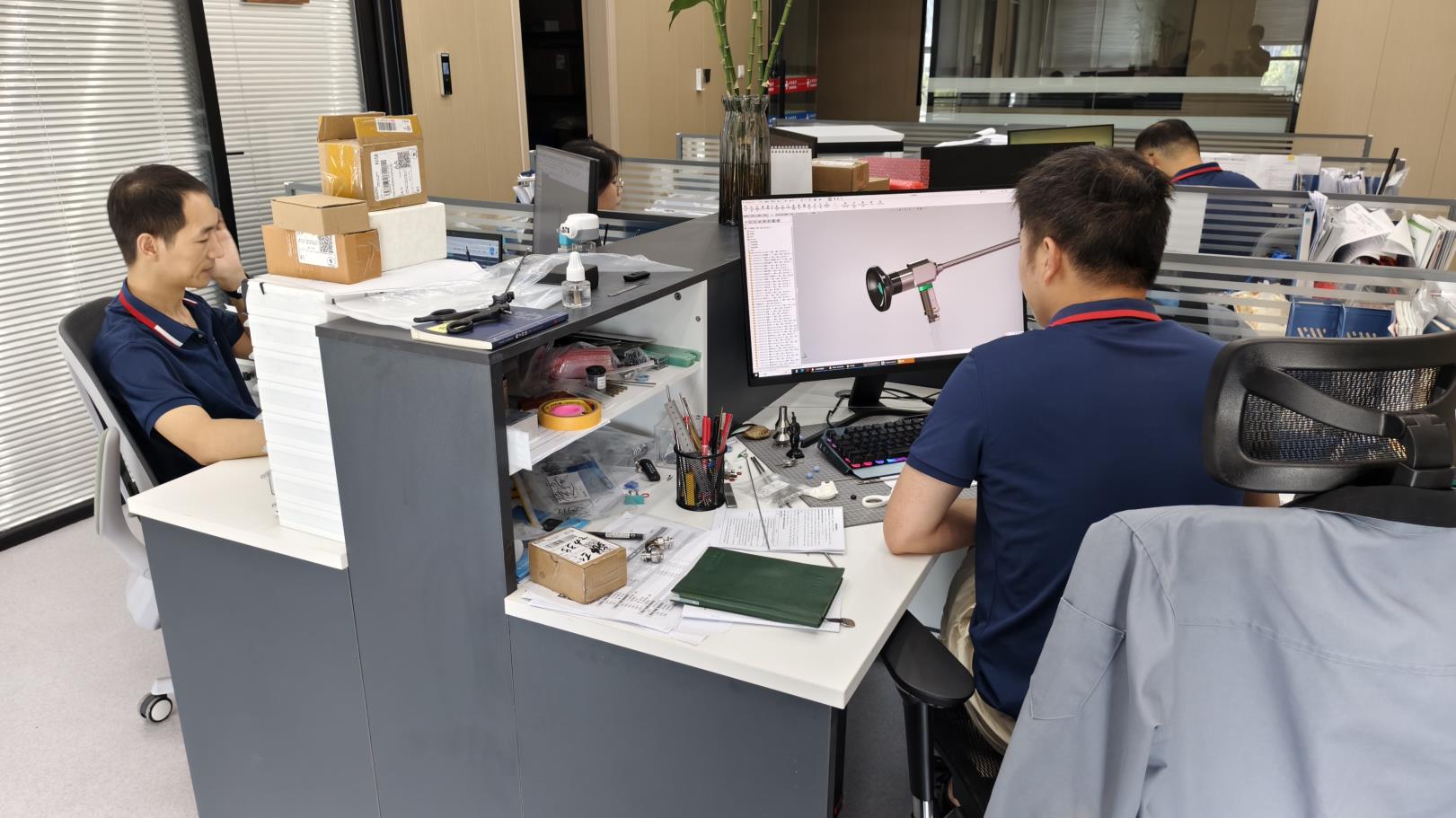
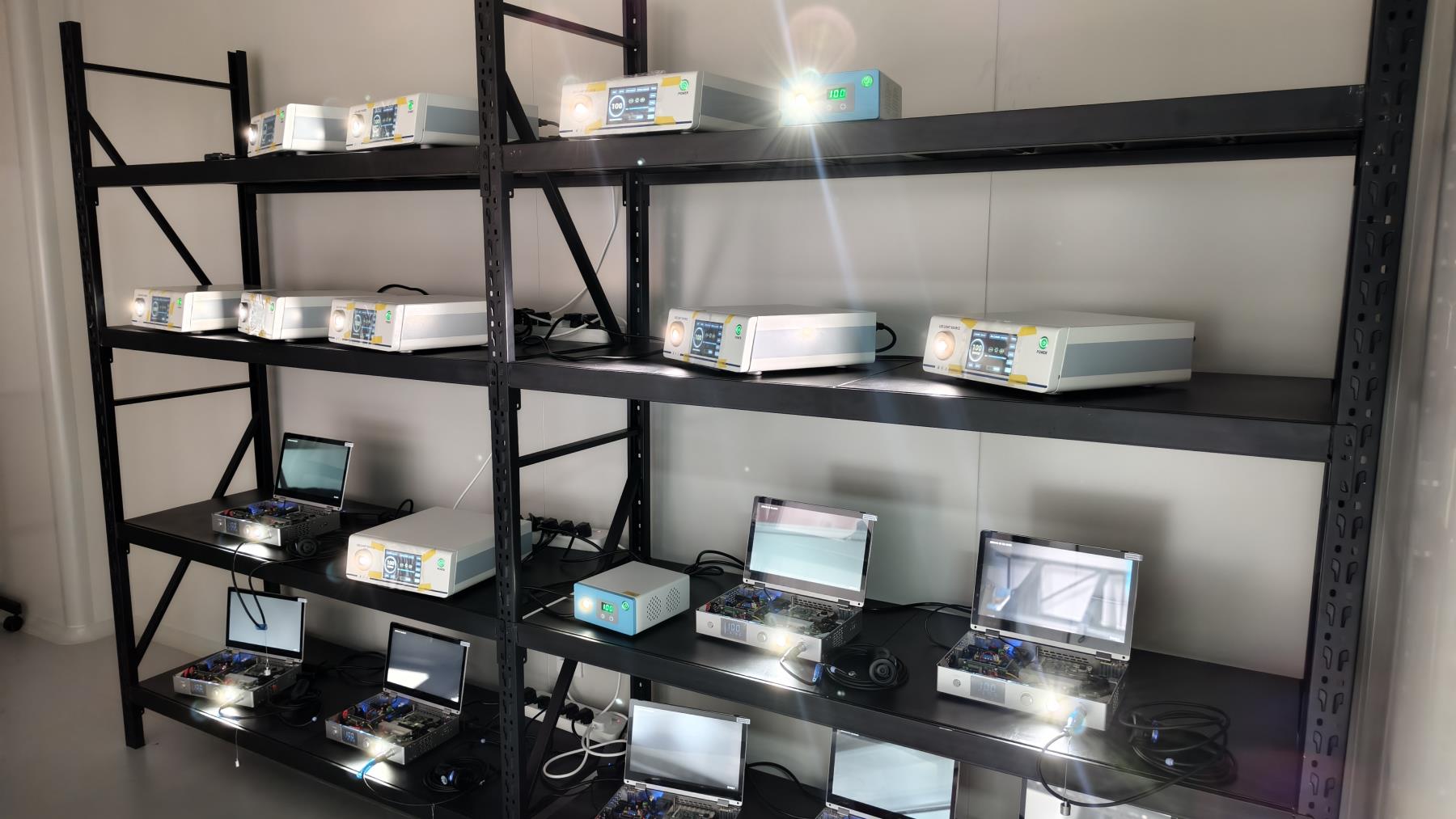
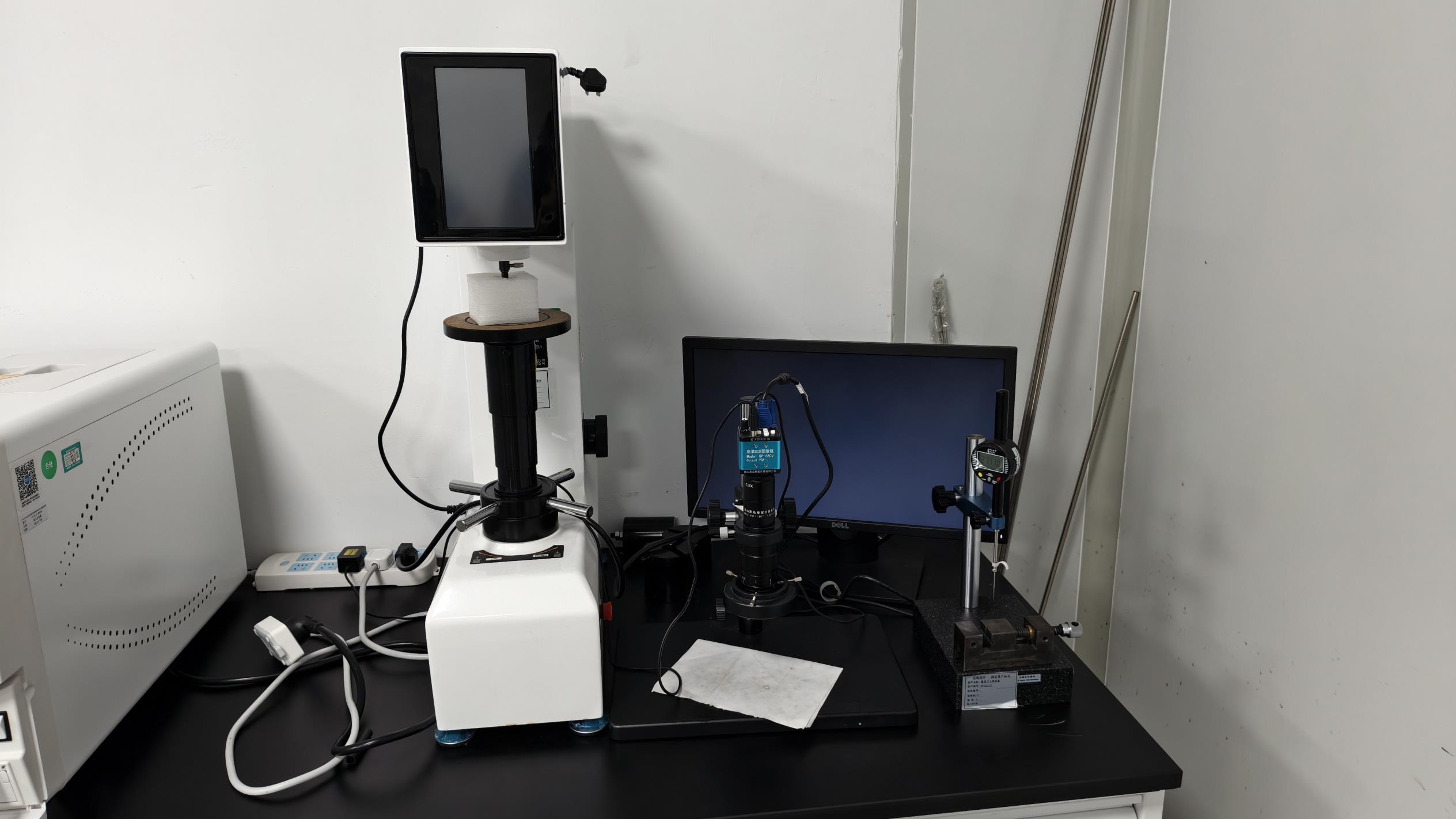
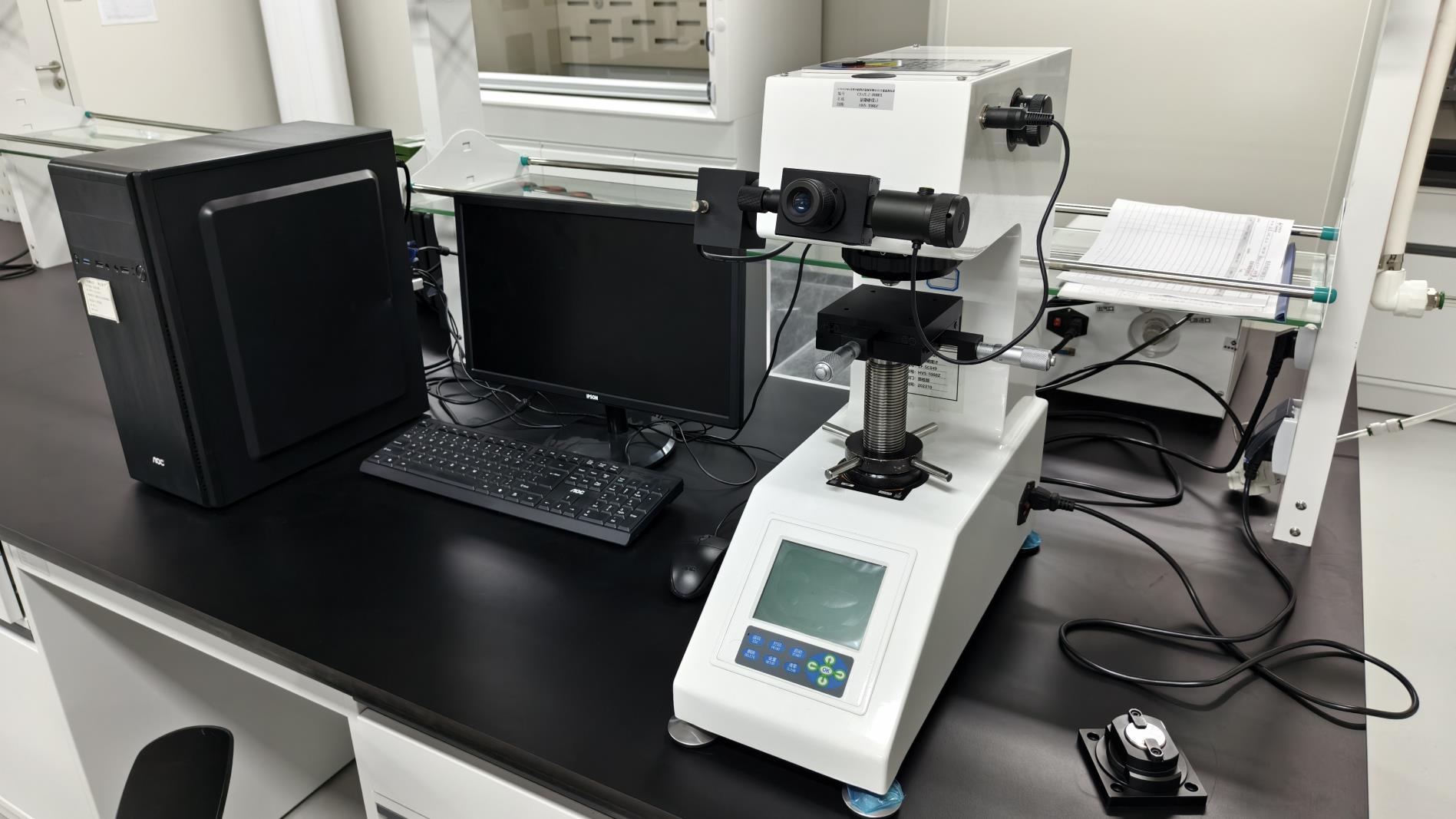
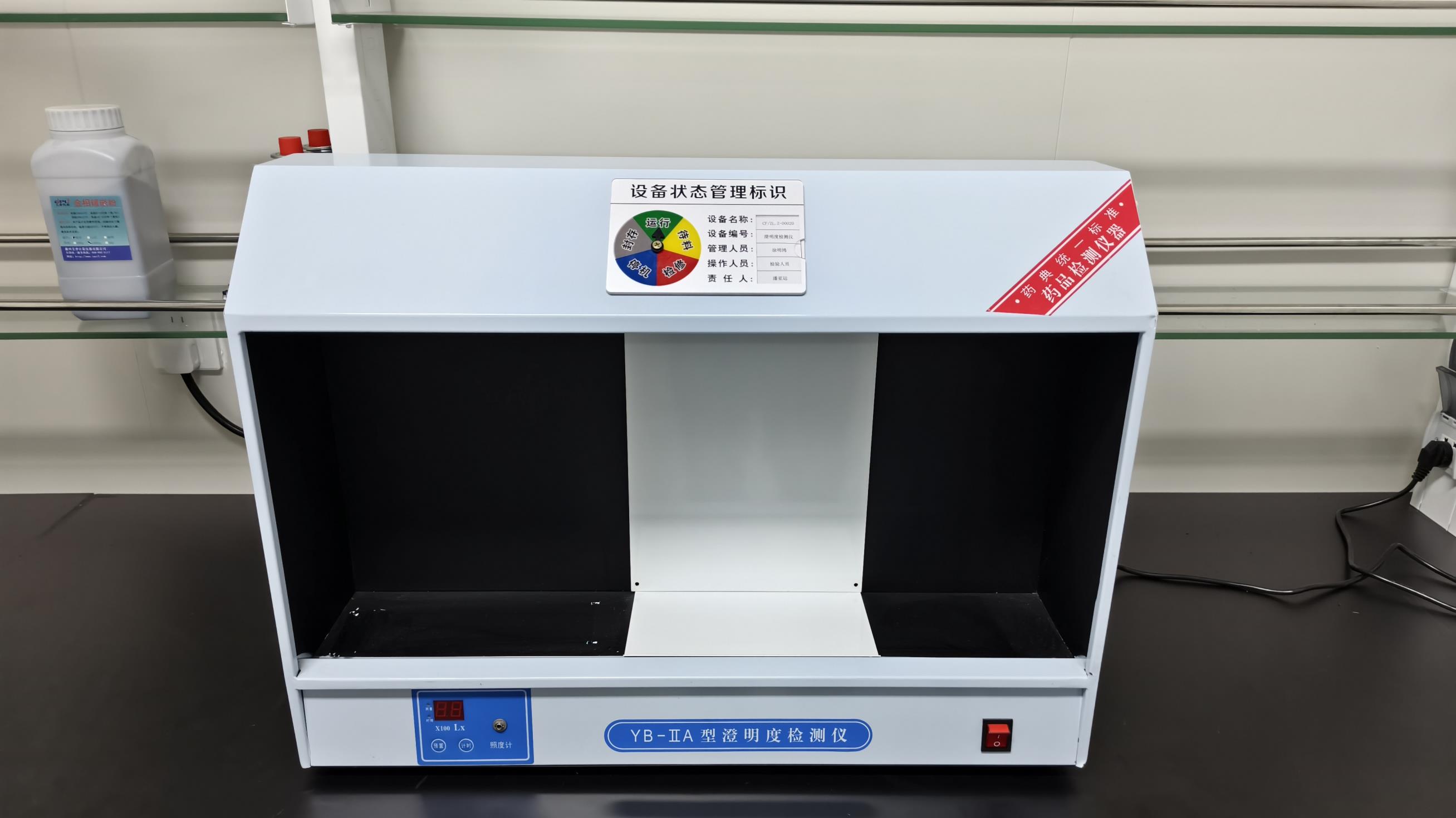
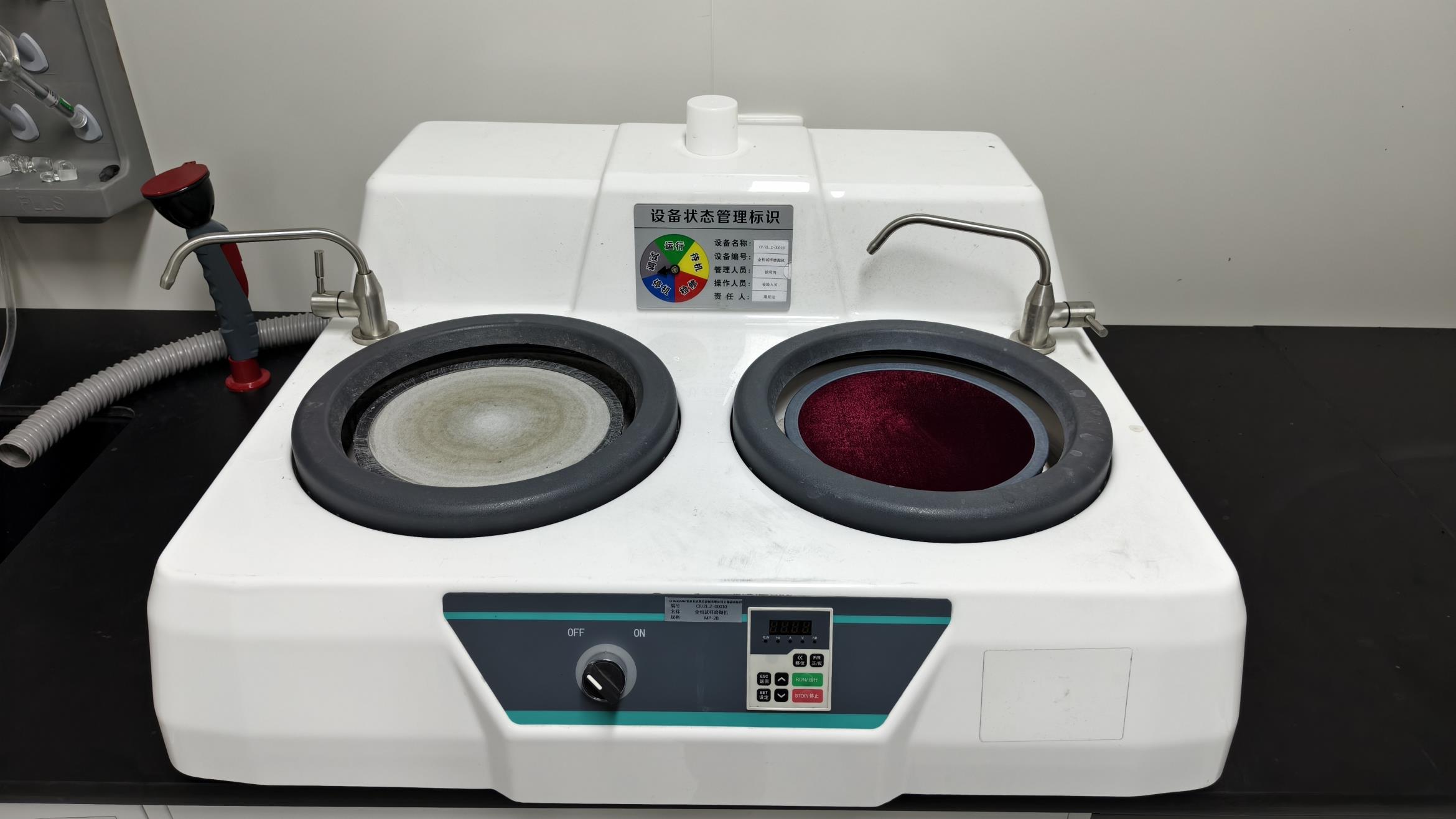
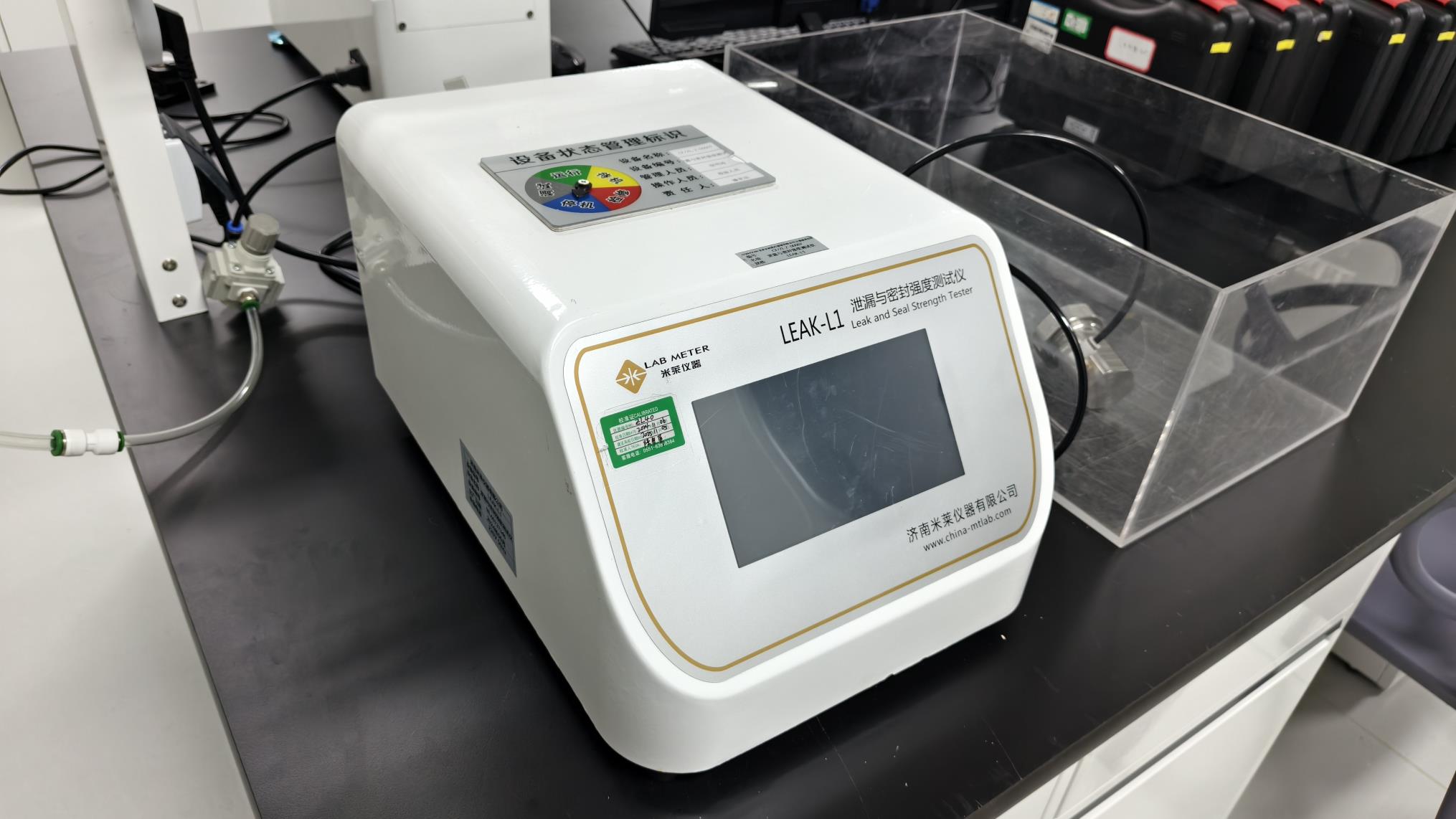
From raw titanium billet cutting to automated 2D optical dimensioning, explore the machinery driving our zero-defect manufacturing standard.
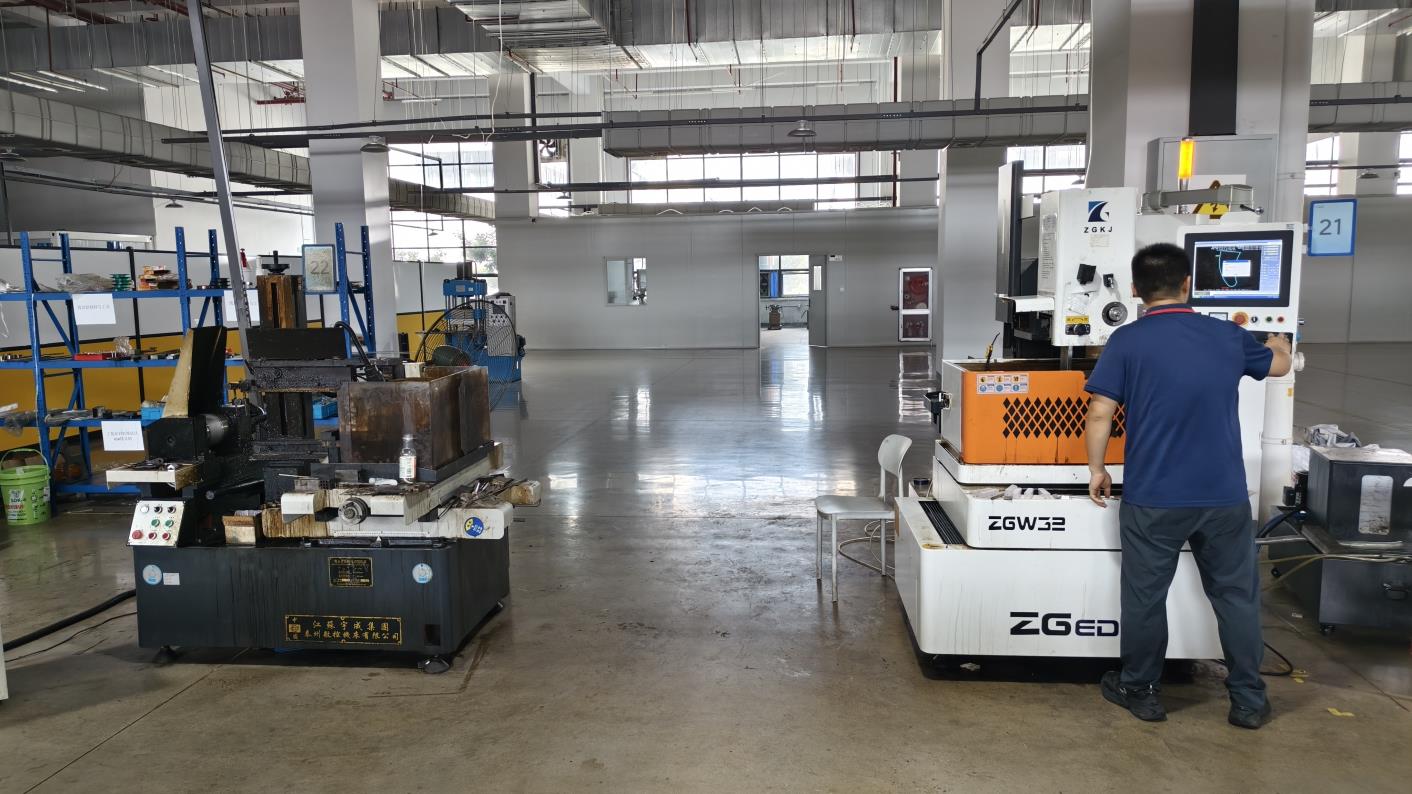
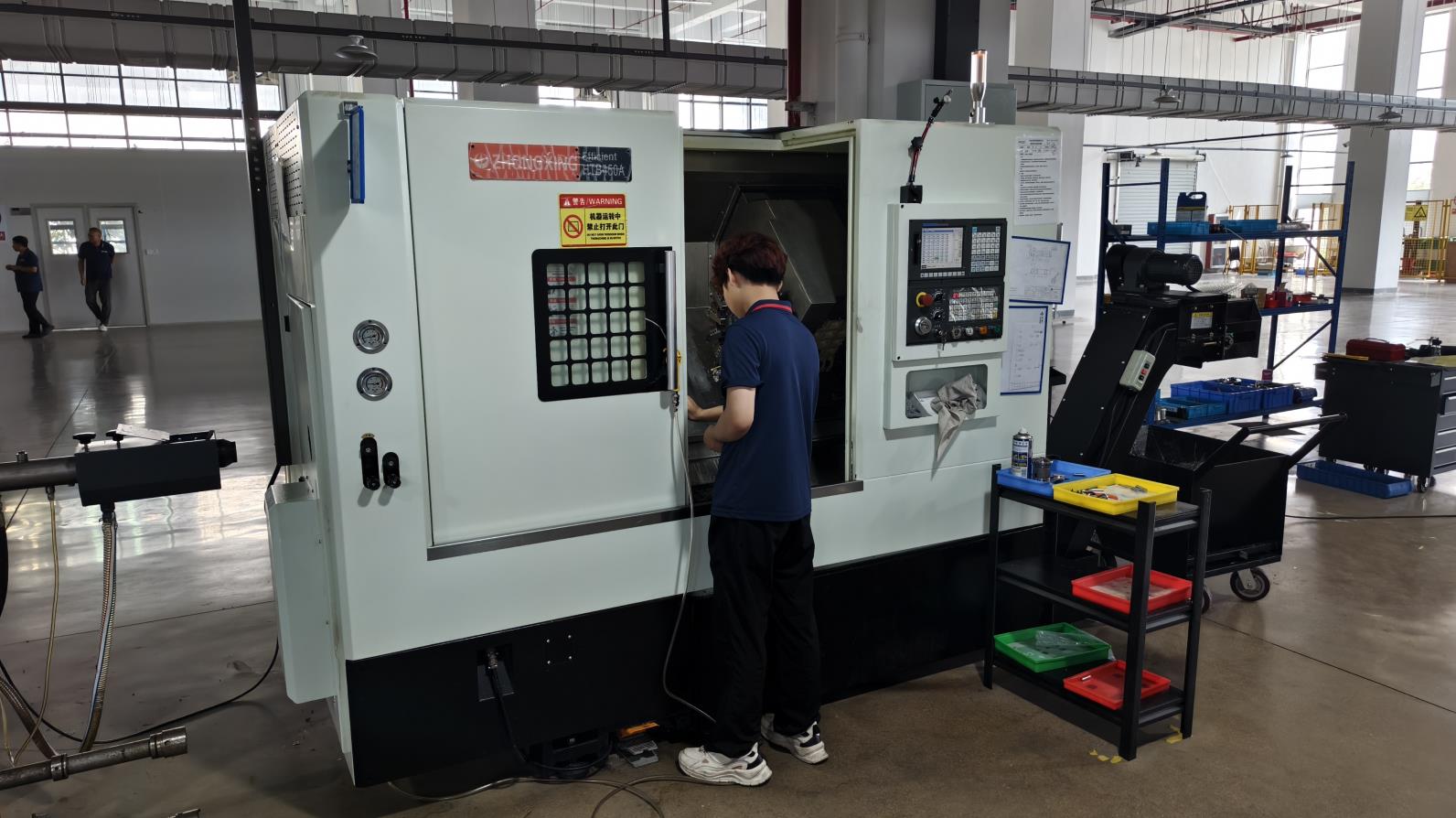
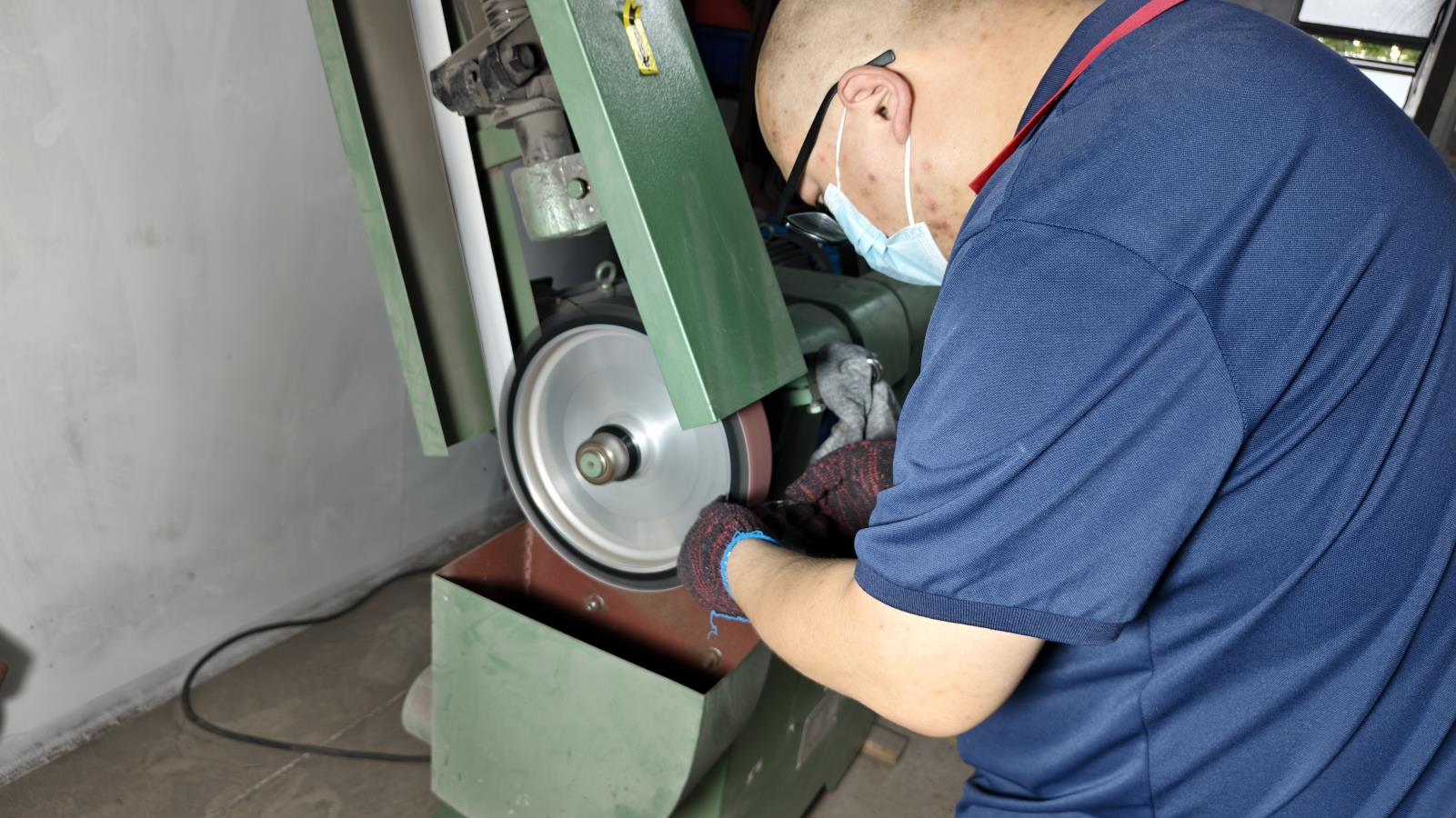
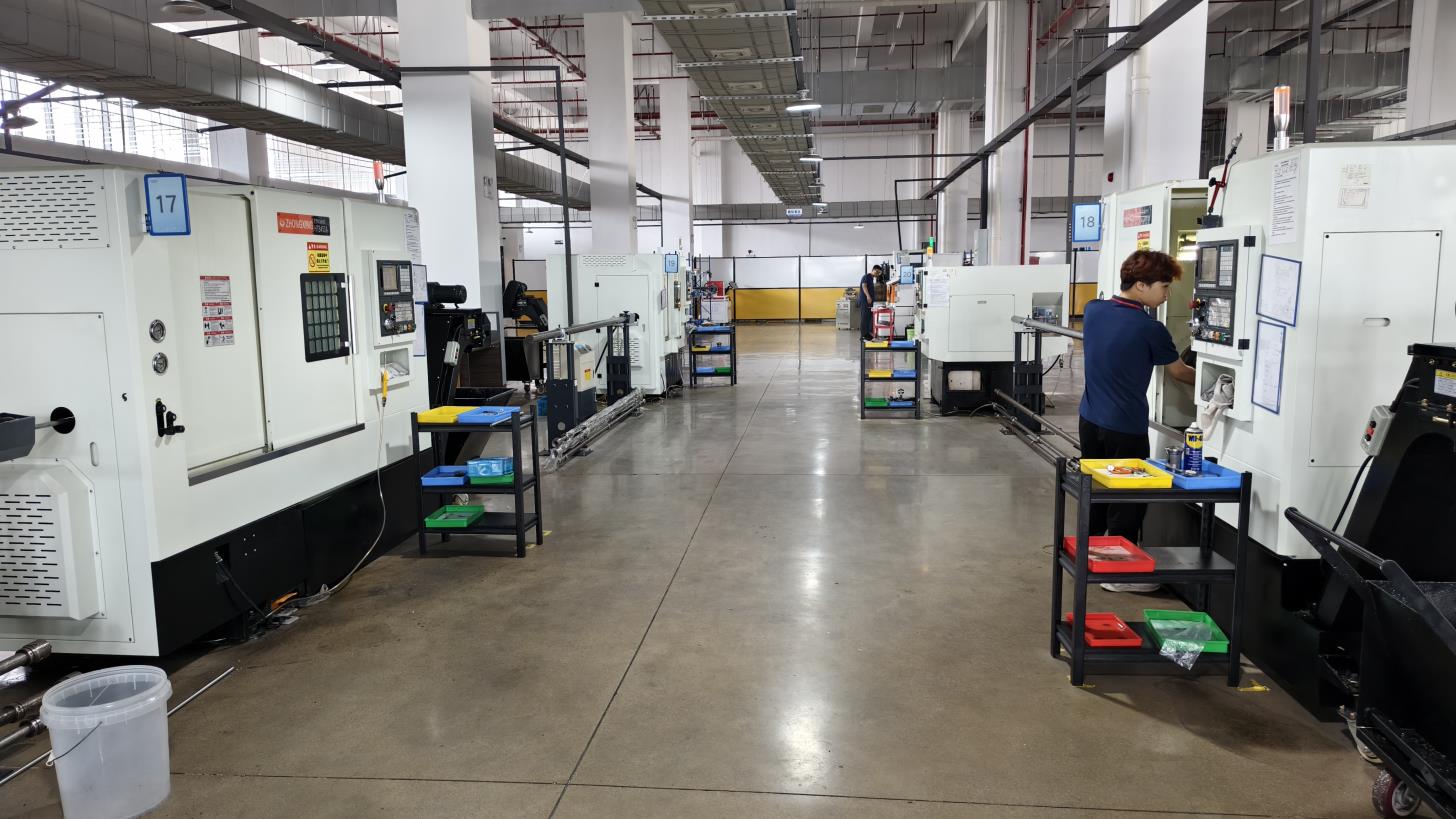
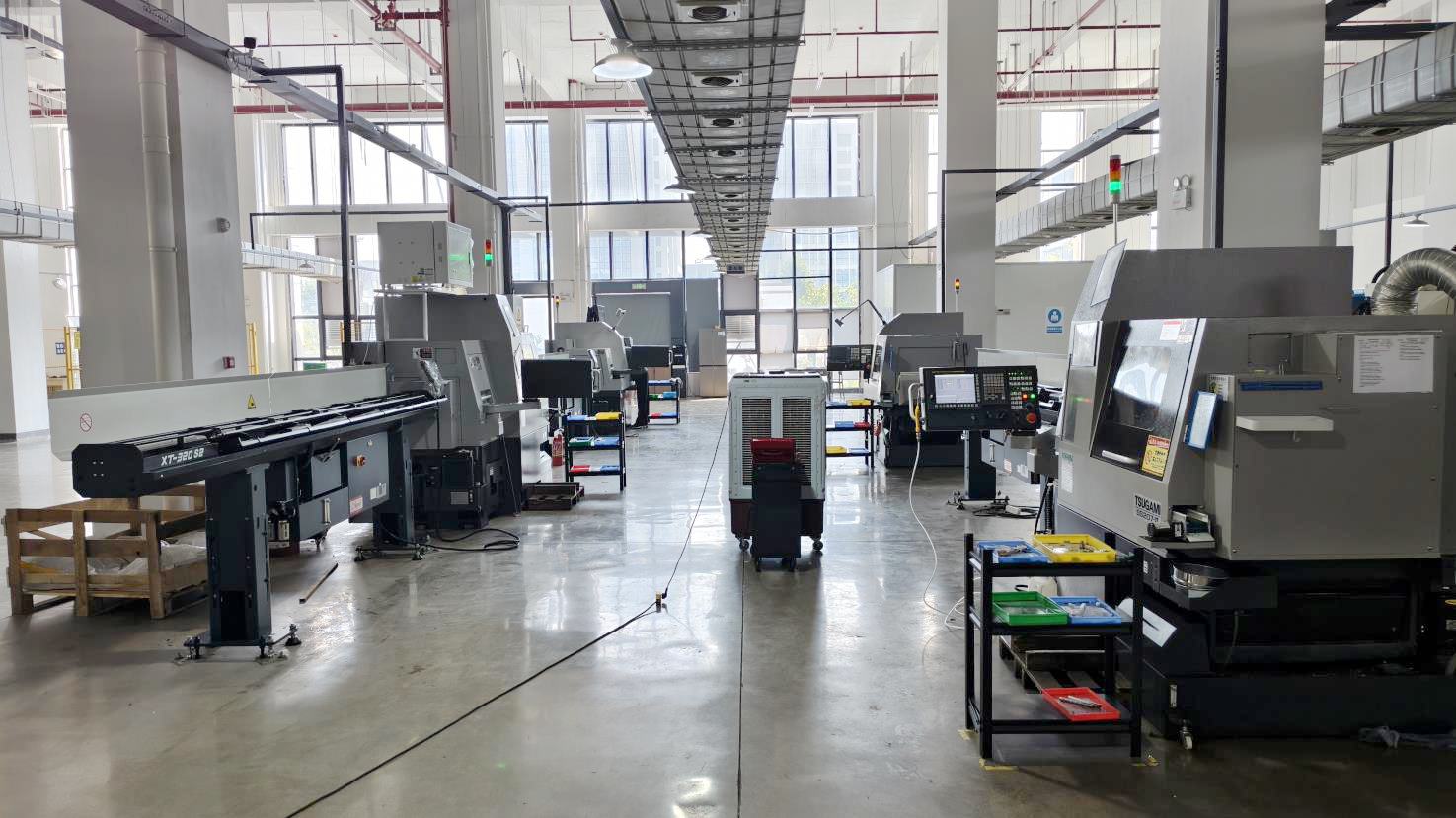
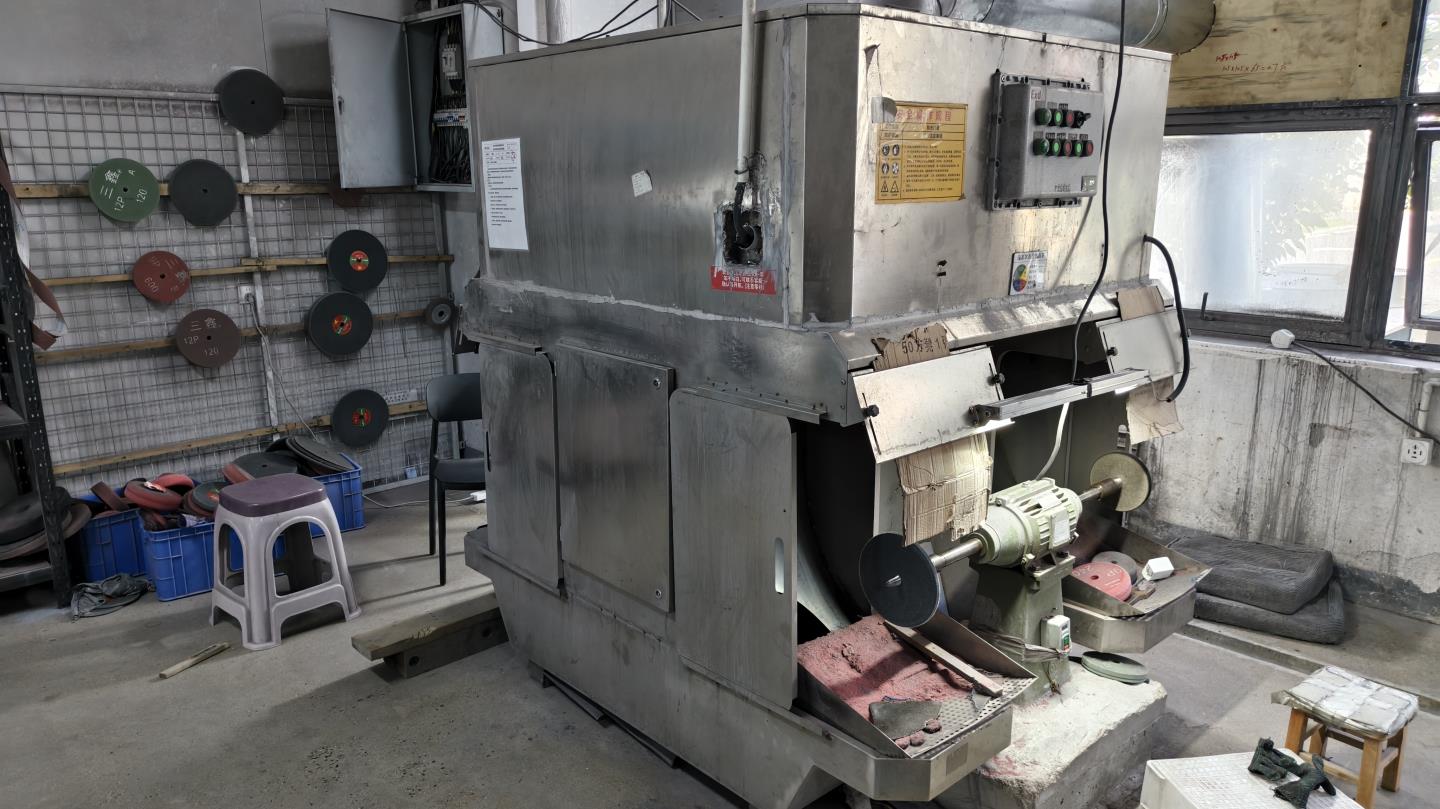
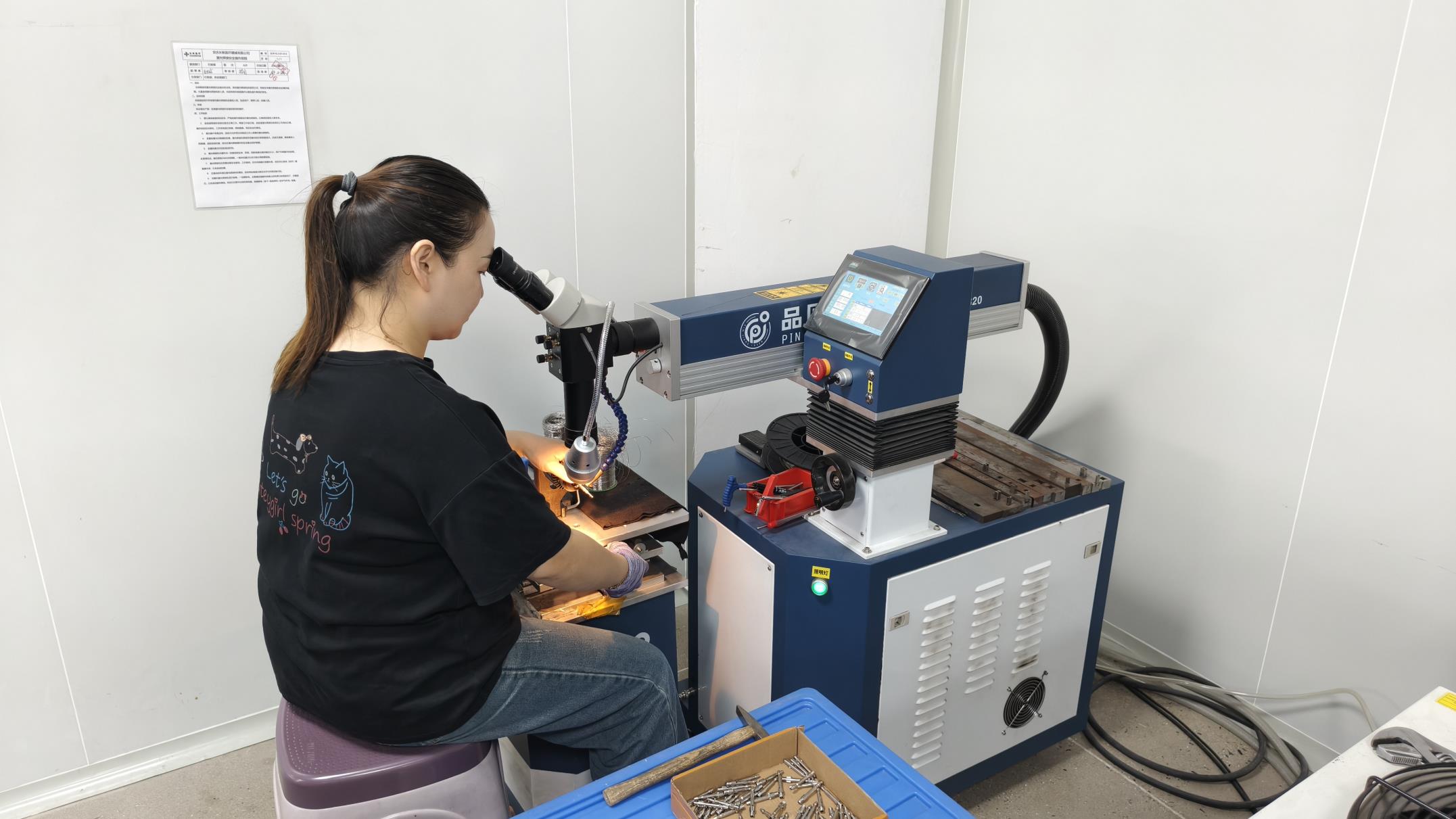
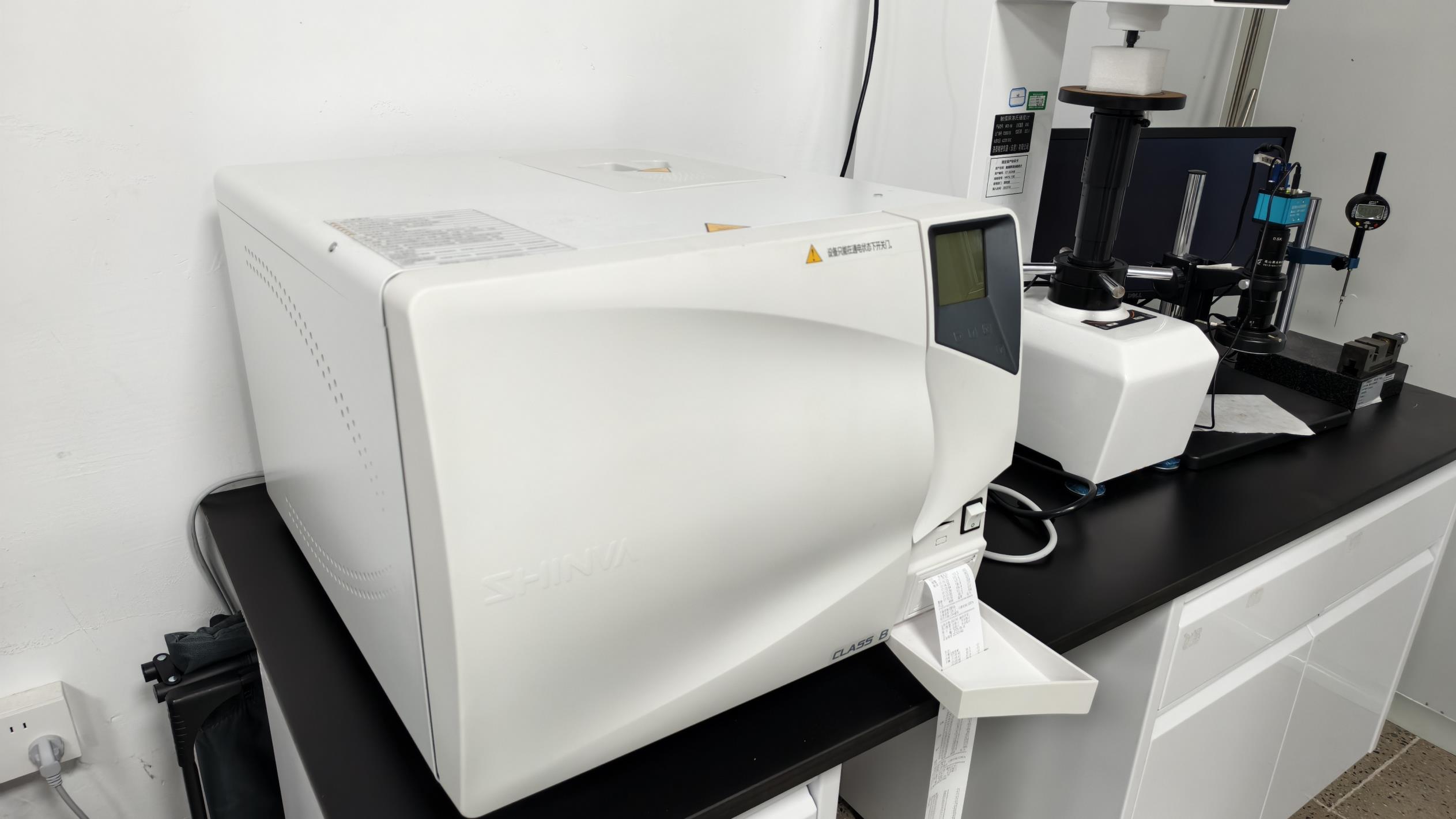
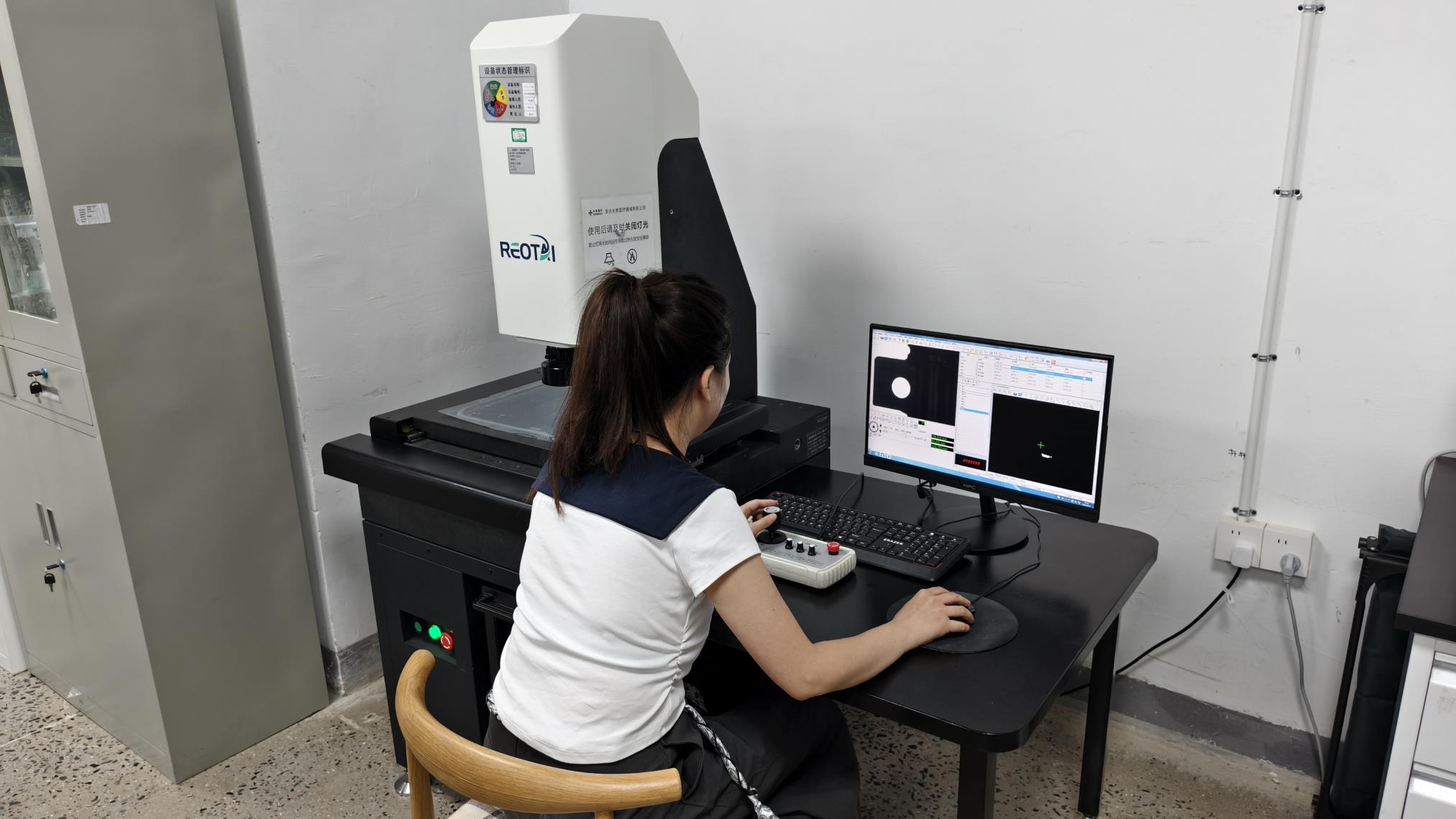
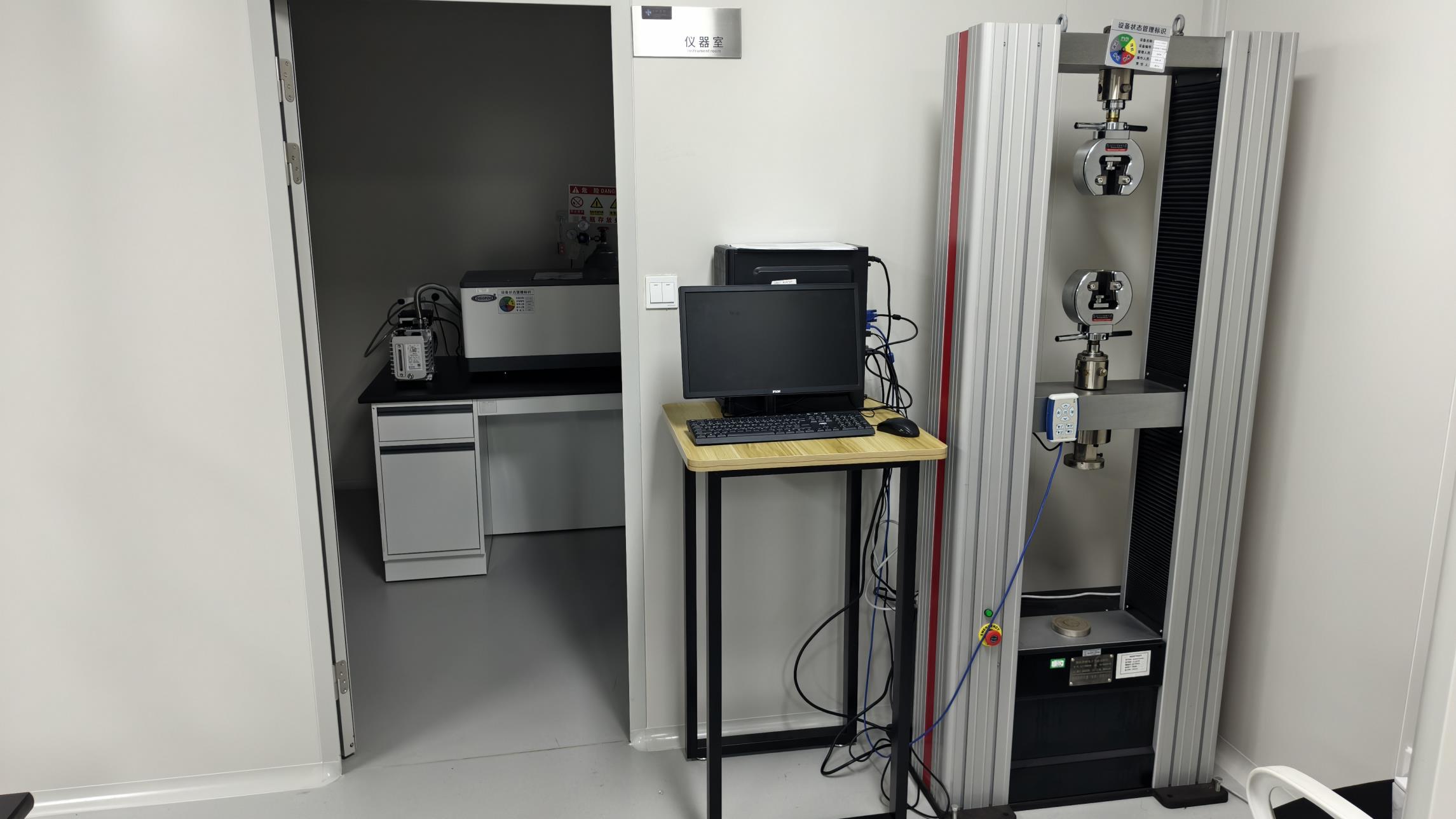
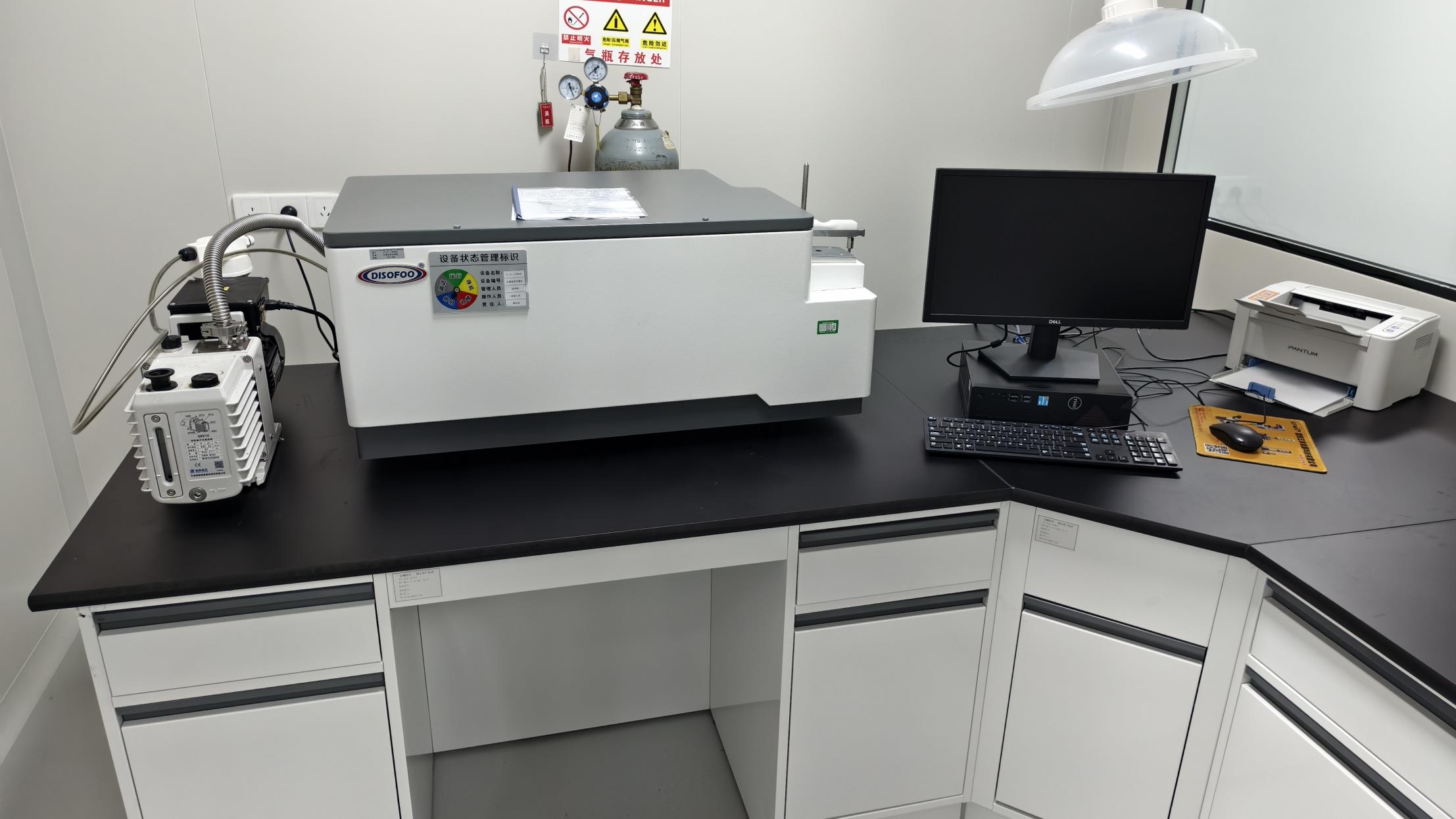
Examining the structural, economic, and technological efficiencies that position Chinese orthopedic manufacturing hubs as dominant forces in international medical supply networks.
China's medical device industry clusters—particularly in Jiangsu and Zhejiang—offer unmatched supply chain density. Zynfuse leverages localized access to ultra-high purity titanium raw stock, specialized coating vendors, micro-tooling suppliers, and certified packaging laboratories within a 50-kilometer radius. This geographic concentration reduces production lead times by up to 45% compared to fragmented Western supply chains.
Through optimized operational overheads, advanced multi-axis CNC automation, and high-volume production throughput, Zynfuse delivers CE-marked spinal fixation systems at competitive pricing structures. Capital savings achieved by hospital networks and OEM clients can be reinvested into clinical trials, surgeon training, and market expansion without sacrificing product reliability or biocompatibility.
Backed by an 85-engineer R&D division, Chinese medical factories excel at rapid reverse engineering and rapid prototyping. Zynfuse transitions complex CAD models to sterile, implantable prototypes within 14 business days. Whether adapting pediatric spinal rods or engineering specialized MIS (Minimally Invasive Surgery) cannulated screws, our team delivers seamless custom OEM/ODM solutions.
Key shifts shaping the global spine care market, from navigation-integrated pedicle screws to patient-specific 3D printed implants.
The global adoption of robotic-assisted spine surgery (such as Medtronic Mazor or Globus ExcelsiusGPS) demands implants with tighter manufacturing tolerances. Zynfuse pedicle screws feature high-precision hexalobular (Torx) drive mechanisms and calibrated optical tracking reference markers, ensuring seamless insertion compatibility with leading surgical navigation software and robotic arms.
Patient demand for shorter hospital stays and reduced tissue trauma is accelerating the shift toward percutaneous pedicle screw placement and lateral interbody fusion (LLIF/DLIF). Zynfuse has developed comprehensive MISS access systems, featuring extended-tab cannulated screws, radiolucent retractors, and specialized percutaneous rod inserters.
Emerging research focuses on sensor-embedded spinal instrumentation capable of real-time strain monitoring and osteogenesis tracking. Zynfuse R&D actively collaborates with biomedical institutes to integrate surface-modified magnesium alloy coatings and piezo-electric telemetry into next-generation spinal stabilization constructs.
To overcome adjacent segment degeneration (ASD) caused by rigid spinal fusion, dynamic stabilization systems utilizing flexible PEEK rods and artificial facet joints are gaining traction. Zynfuse engineered dynamic spinal rods provide controlled micro-motion, absorbing sagittal plane shear stresses while maintaining anatomical alignment.
Navigating regulatory compliance, technical documentation, and quality assurance during large-scale orthopedic implant sourcing.
Global procurement teams must confirm that suppliers hold valid CE Marking under EU MDR 2017/745 or MDD 93/42/EEC certifications, backed by Notified Body audit reports. Full Technical Files (including Risk Management per ISO 14971, Clinical Evaluation Reports CER, and Biocompatibility testing per ISO 10993) should be readily available for hospital tender submissions.
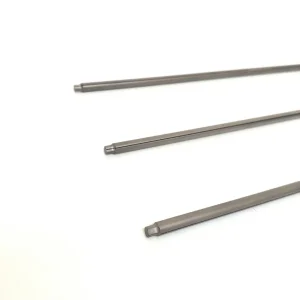
In accordance with Unique Device Identification (UDI) regulations, every pedicle screw, plate, and surgical instrument must feature laser-etched matrix codes. Procurement standards require raw material mill test certificates (MTC) linking titanium rods to specific heat numbers, ensuring 100% material traceability from forge to OR.
Implant suppliers must offer validated double-blister Tyvek packaging systems complying with ISO 11607 (Packaging for terminally sterilized medical devices). Accelerated aging studies must confirm a minimum shelf-life stability of 5 years under EO (Ethylene Oxide) or Gamma Radiation sterilization cycles.
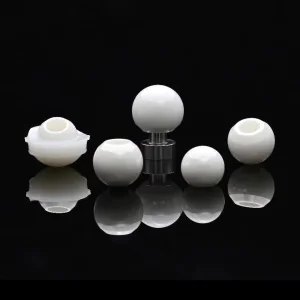
Expand your surgical offering with our secondary collection of orthopedic solutions, arthroscopy components, and veterinary power tools.
Detailed answers addressing engineering parameters, regulatory documentation, custom OEM workflows, and global shipping logistics.