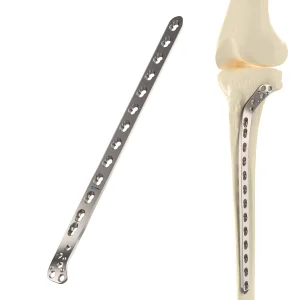
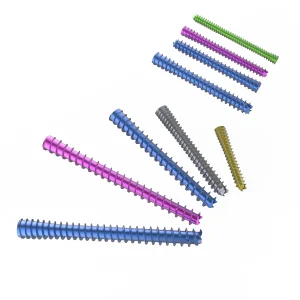
Zynfuse
Zynfuse
Zynfuse
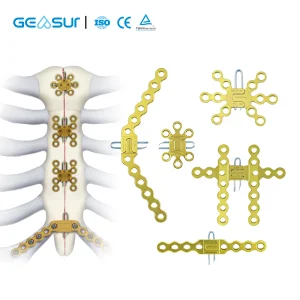
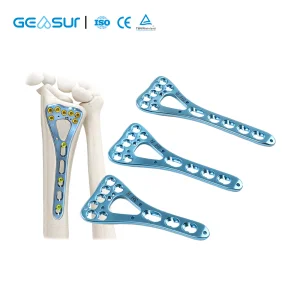
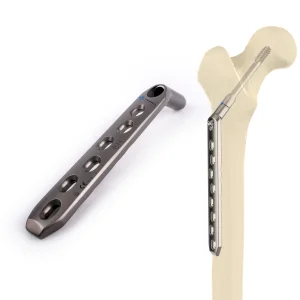
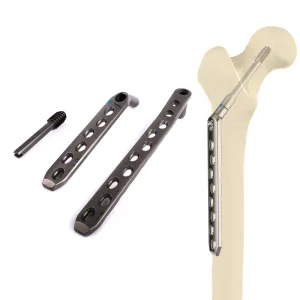
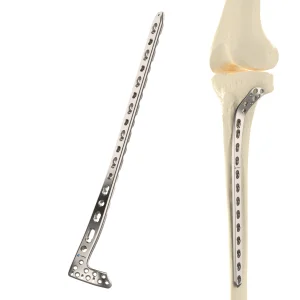
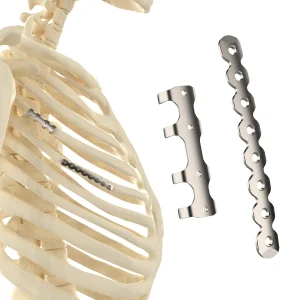
The Greater Philadelphia metropolitan region sits at the heart of one of the world's most dense and sophisticated healthcare and life science ecosystems. Home to multiple Level 1 Trauma Centers, renowned teaching hospitals, and research facilities (such as Penn Medicine, Jefferson Health, and Temple Health), Philadelphia generates a substantial, relentless demand for highly reliable, precision-engineered orthopedic trauma implants. The regional demand is characterized by clinical requirements for variable-angle locking structures, sternal reconstruction interfaces, and advanced hip/femur stabilization options capable of facilitating rapid post-operative mobilization.
For hospital systems and medical device distributors across Pennsylvania, securing a resilient and highly compliant pipeline of orthopedic hardware is not merely a purchasing function; it is a critical driver of clinical outcomes and institutional cost-efficiency. With shifting reimbursement models such as Bundled Payments for Care Improvement (BPCI), Philadelphia's orthopedic procurement teams are intensely focused on sourcing premium implants that deliver equivalent or superior mechanical performance compared to legacy Tier 1 brands, while significantly reducing the acquisition cost per unit.
Our manufacturing pathways align tightly with ISO 13485 quality systems. We support Philadelphia medical device importers and distributors with documentation necessary for FDA 510(k) clearances, CE markings, and compliance certificates for global distribution.
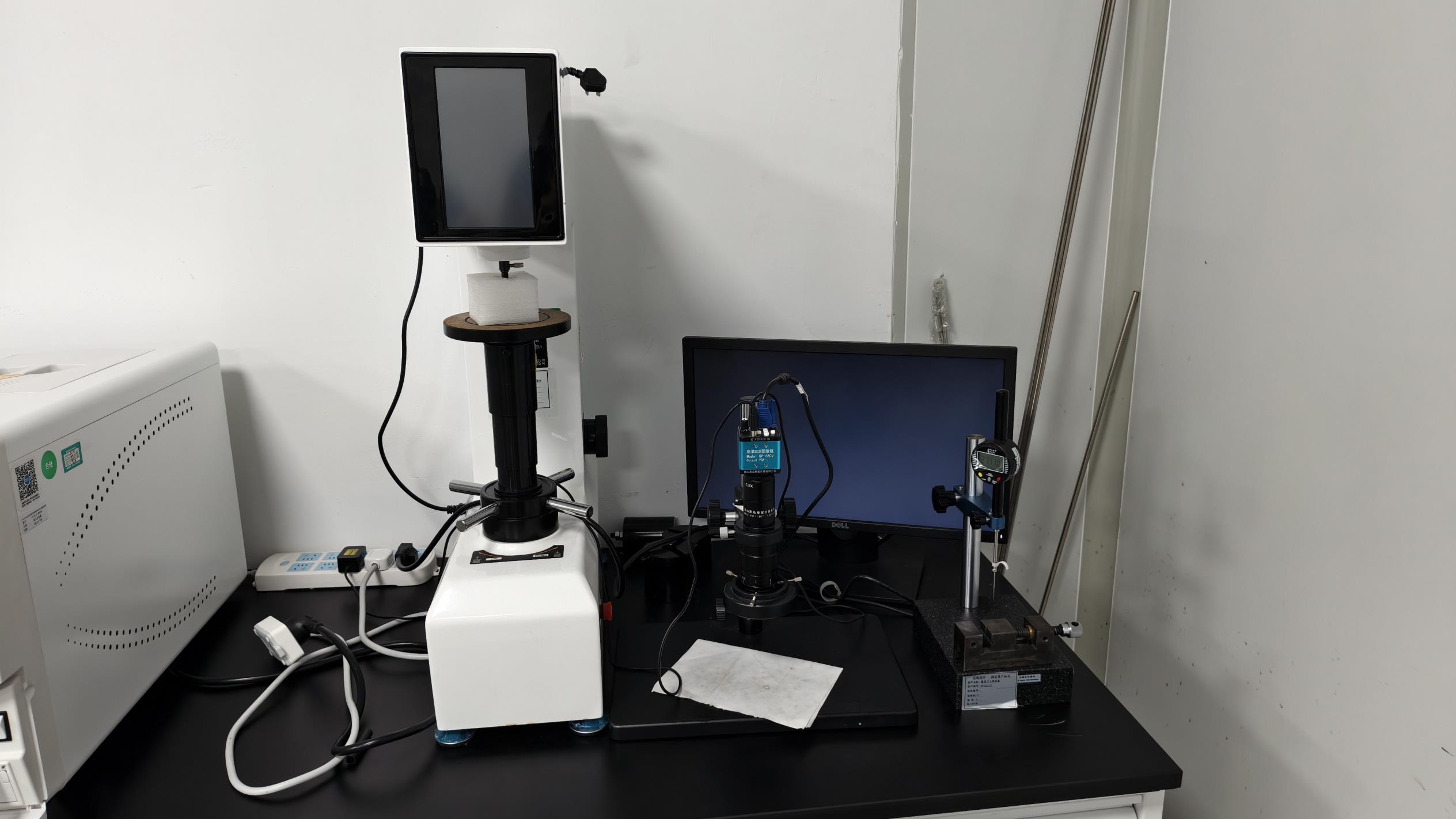
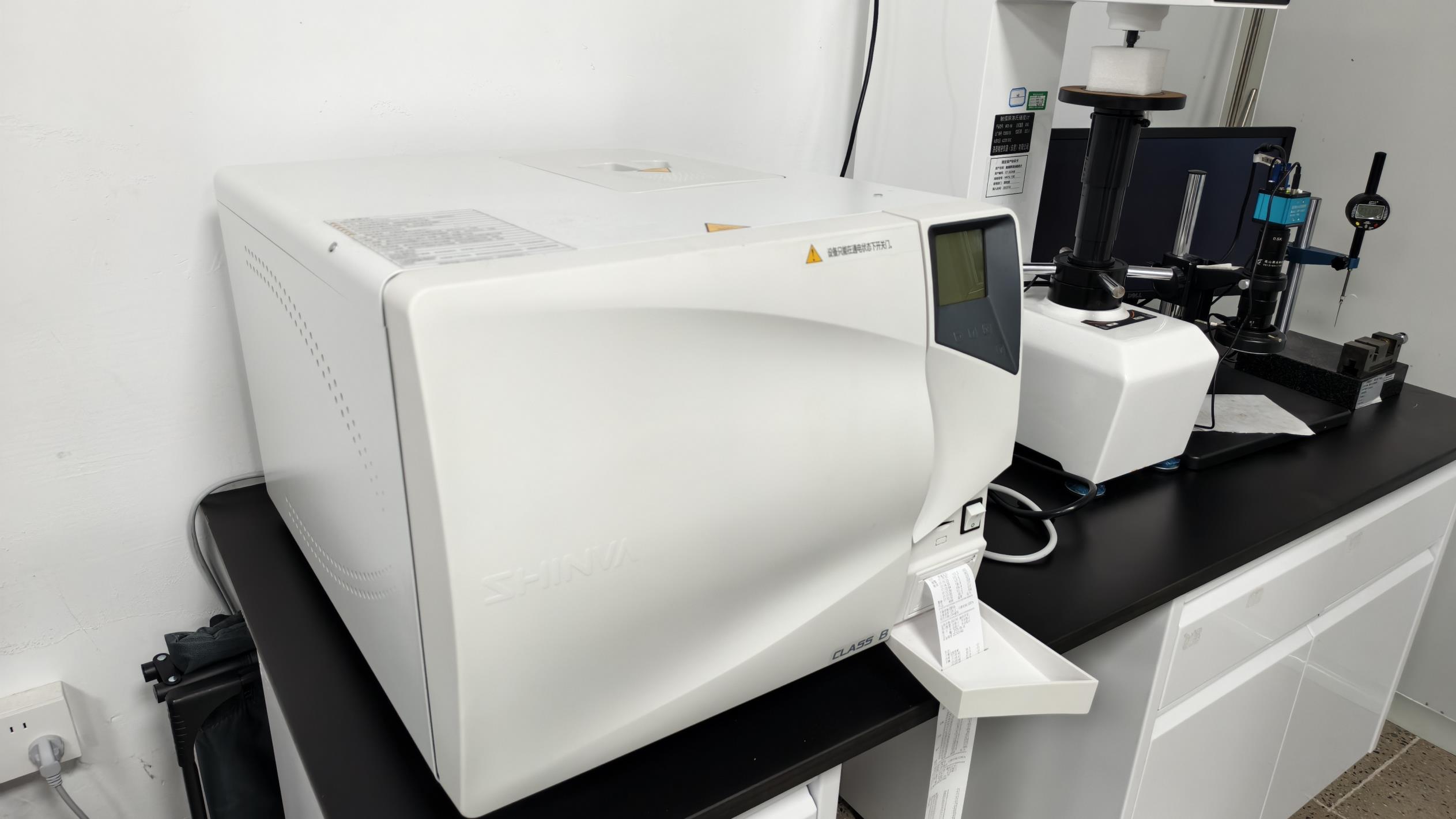
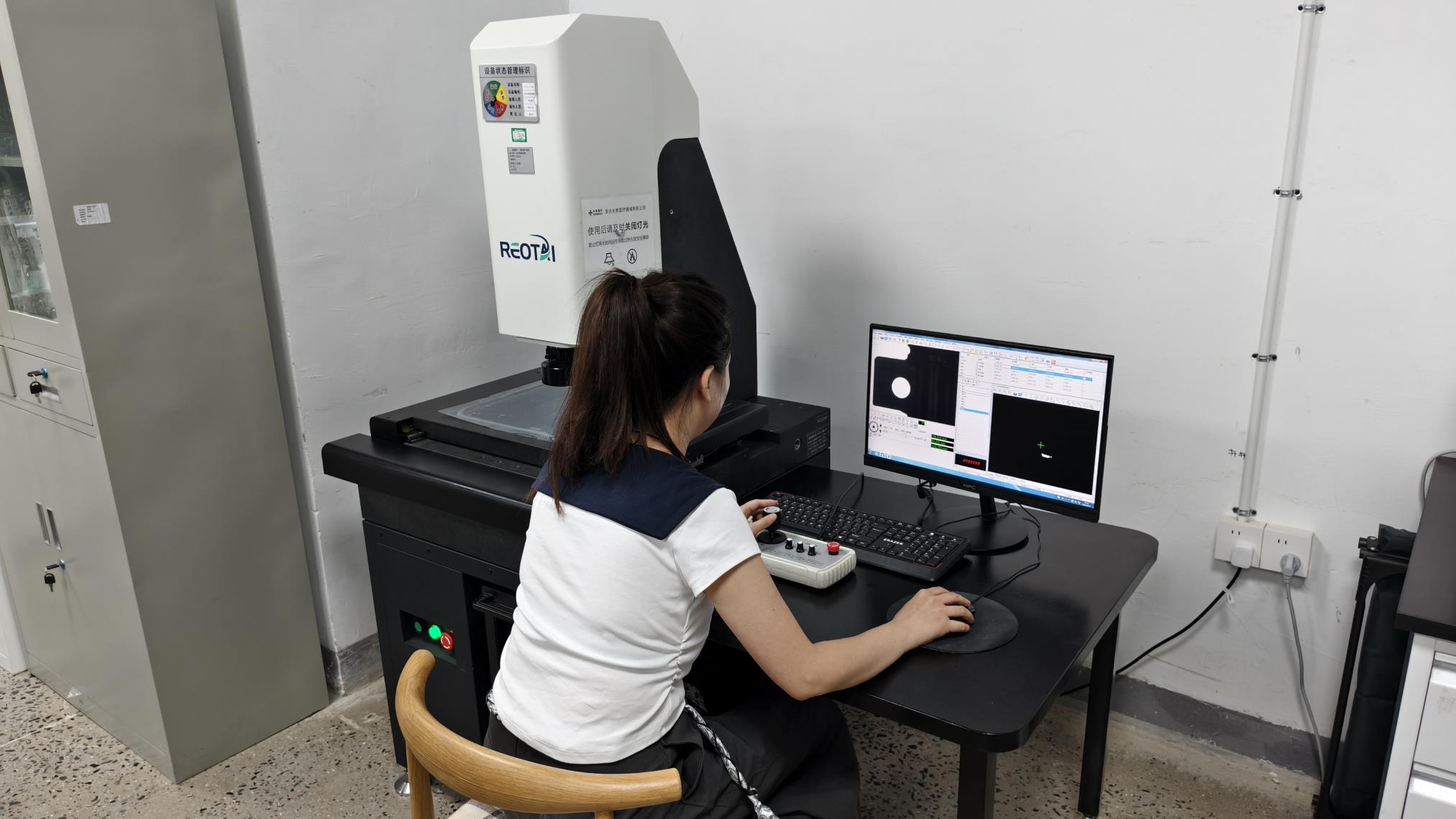
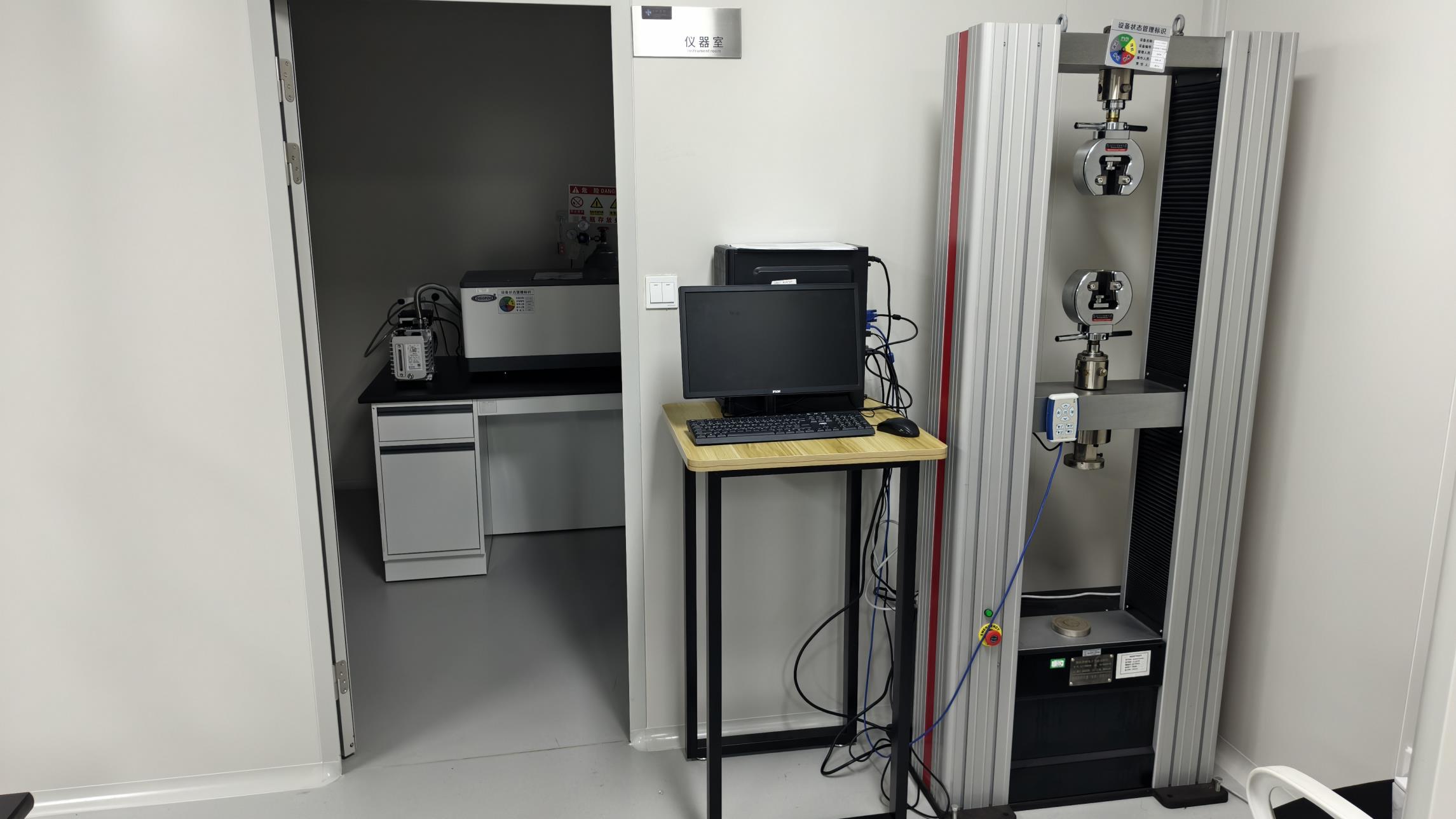
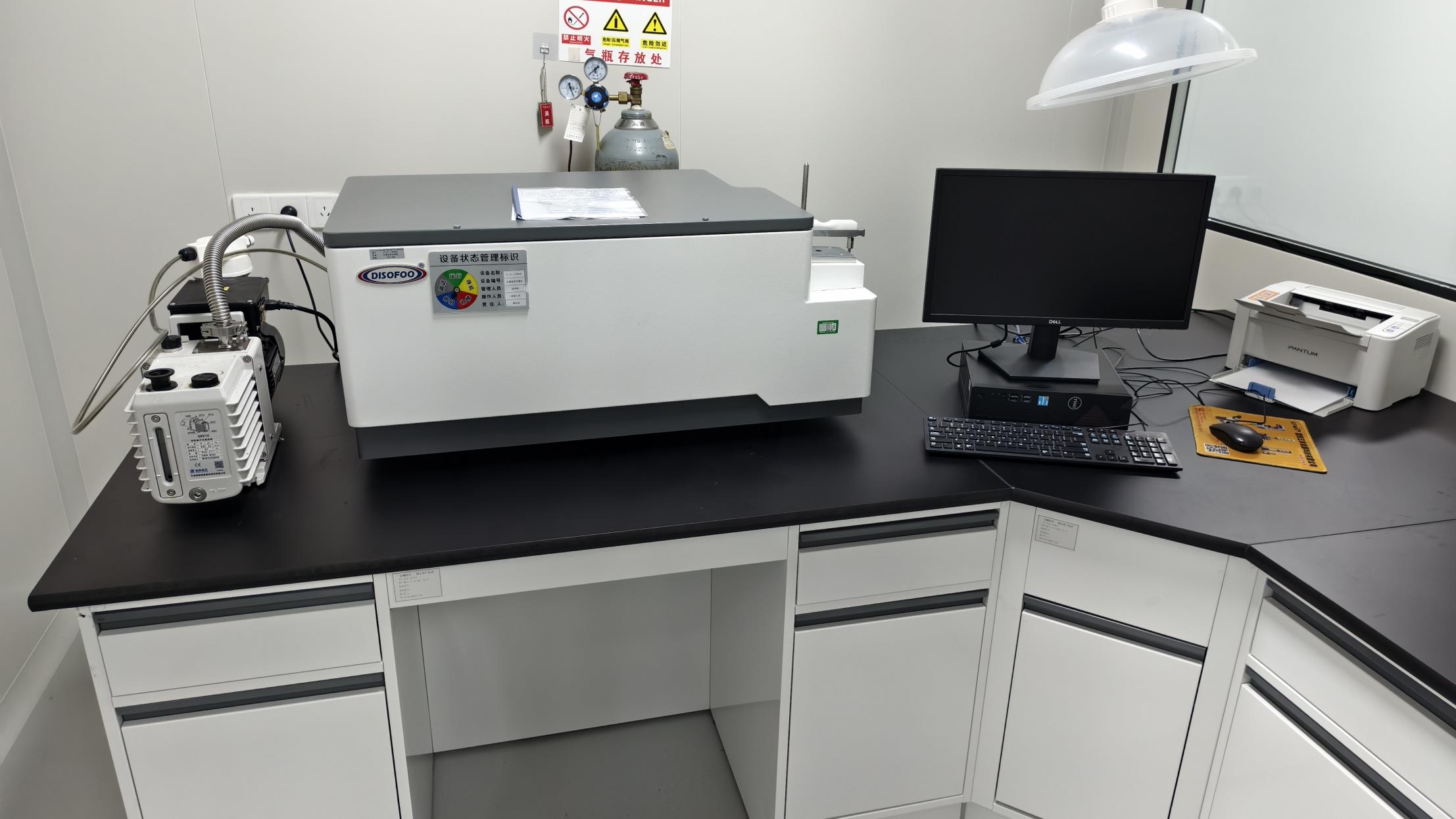
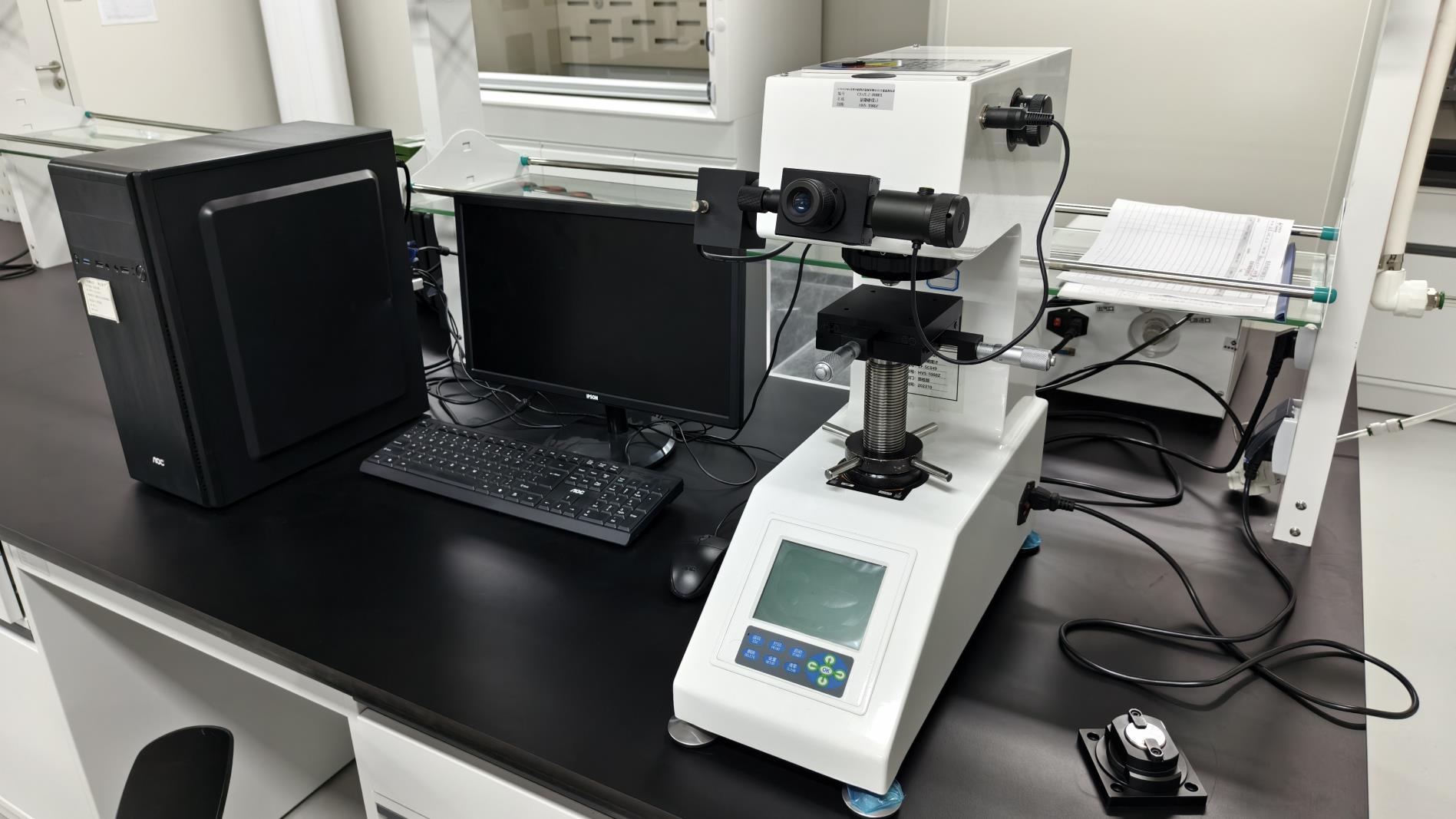
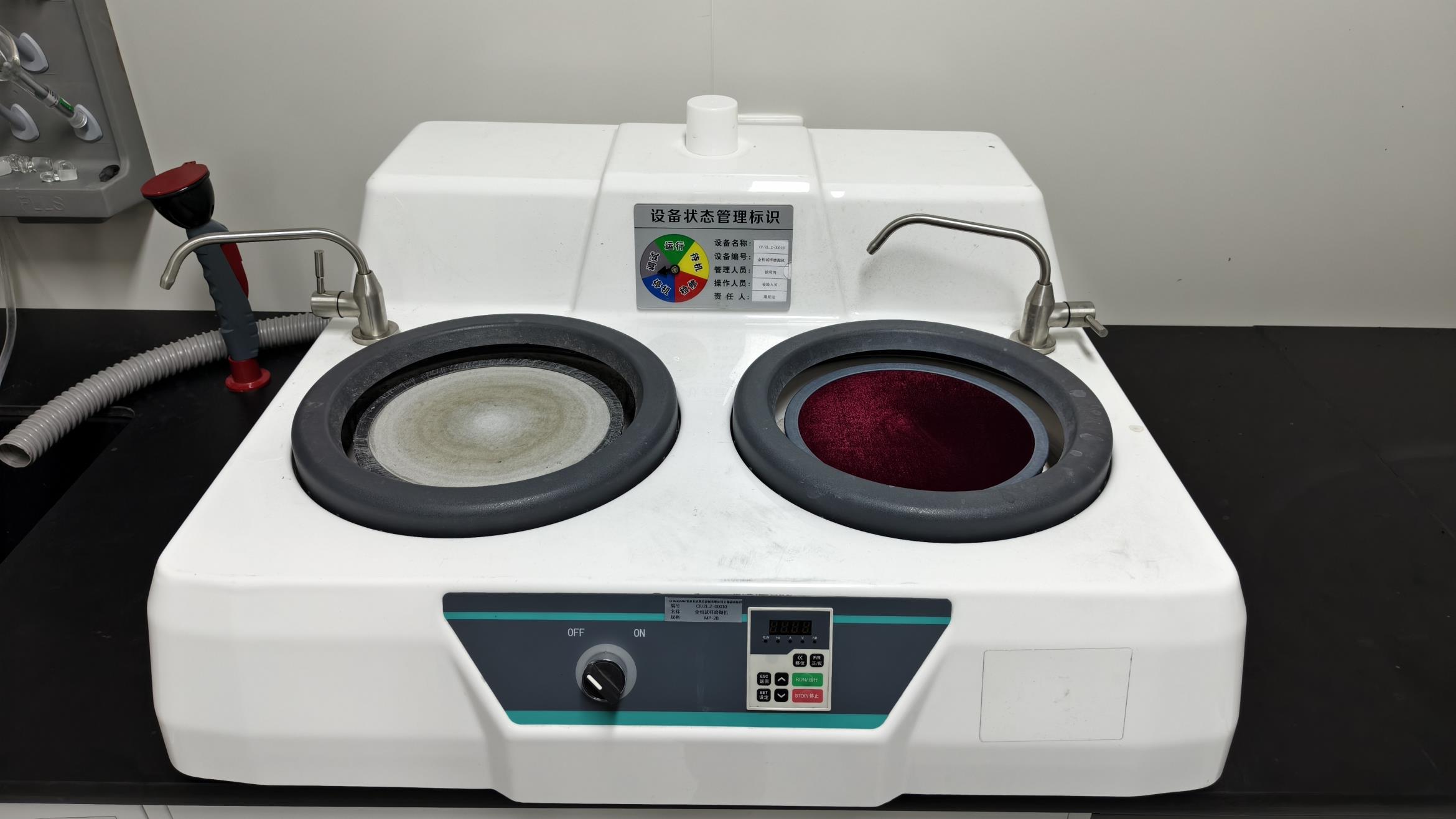
Each titanium alloy formulation undergoes intensive fatigue testing, static compression trials, and metallographic sample analysis to ensure structural integrity matches ASTM F136 requirements for surgical implants.
We collaborate with regional biomedical engineers to deliver custom implant geometries, optimized thread profiles, and instruments optimized for localized trauma surgery protocols in Pennsylvania.
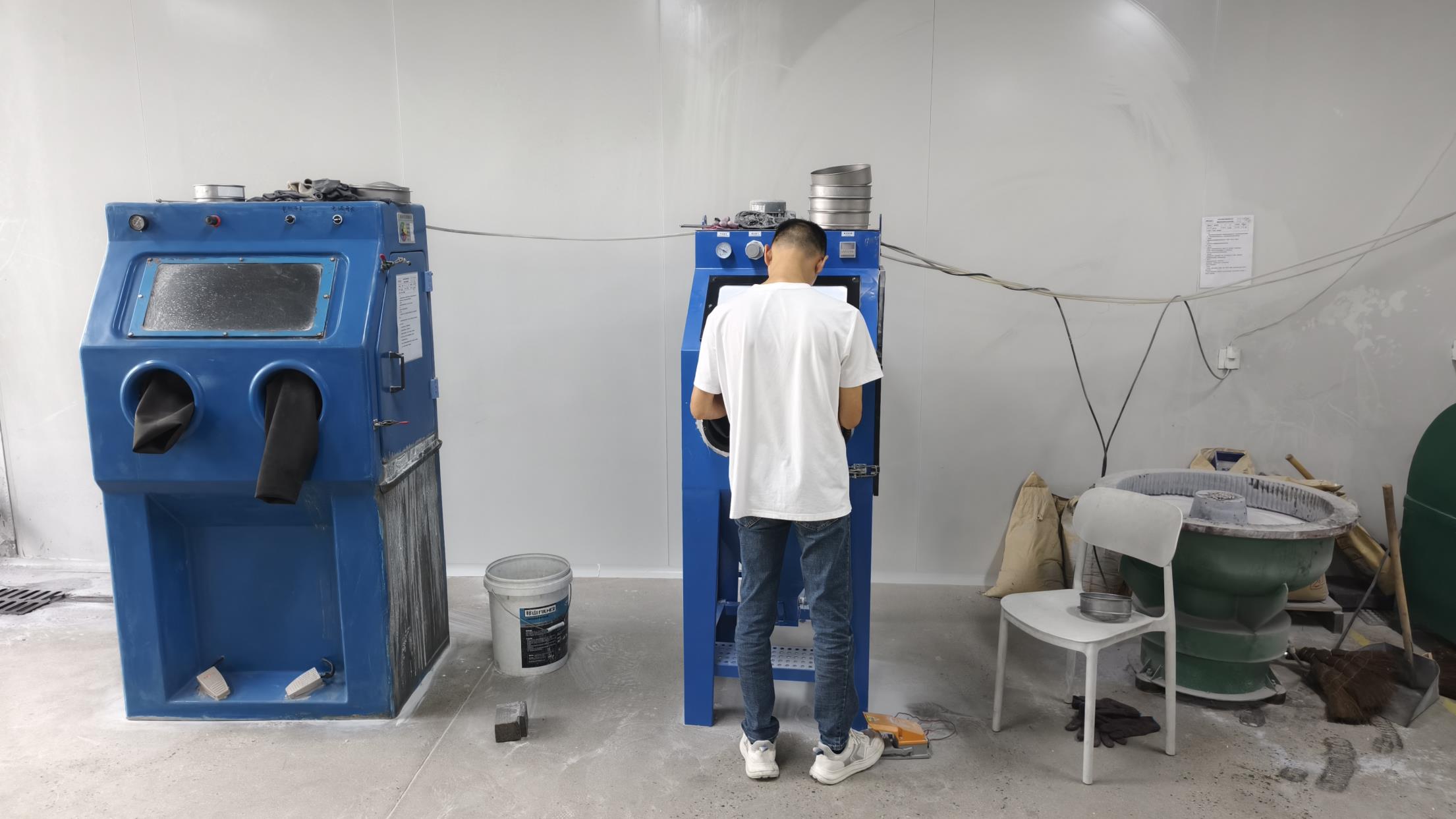
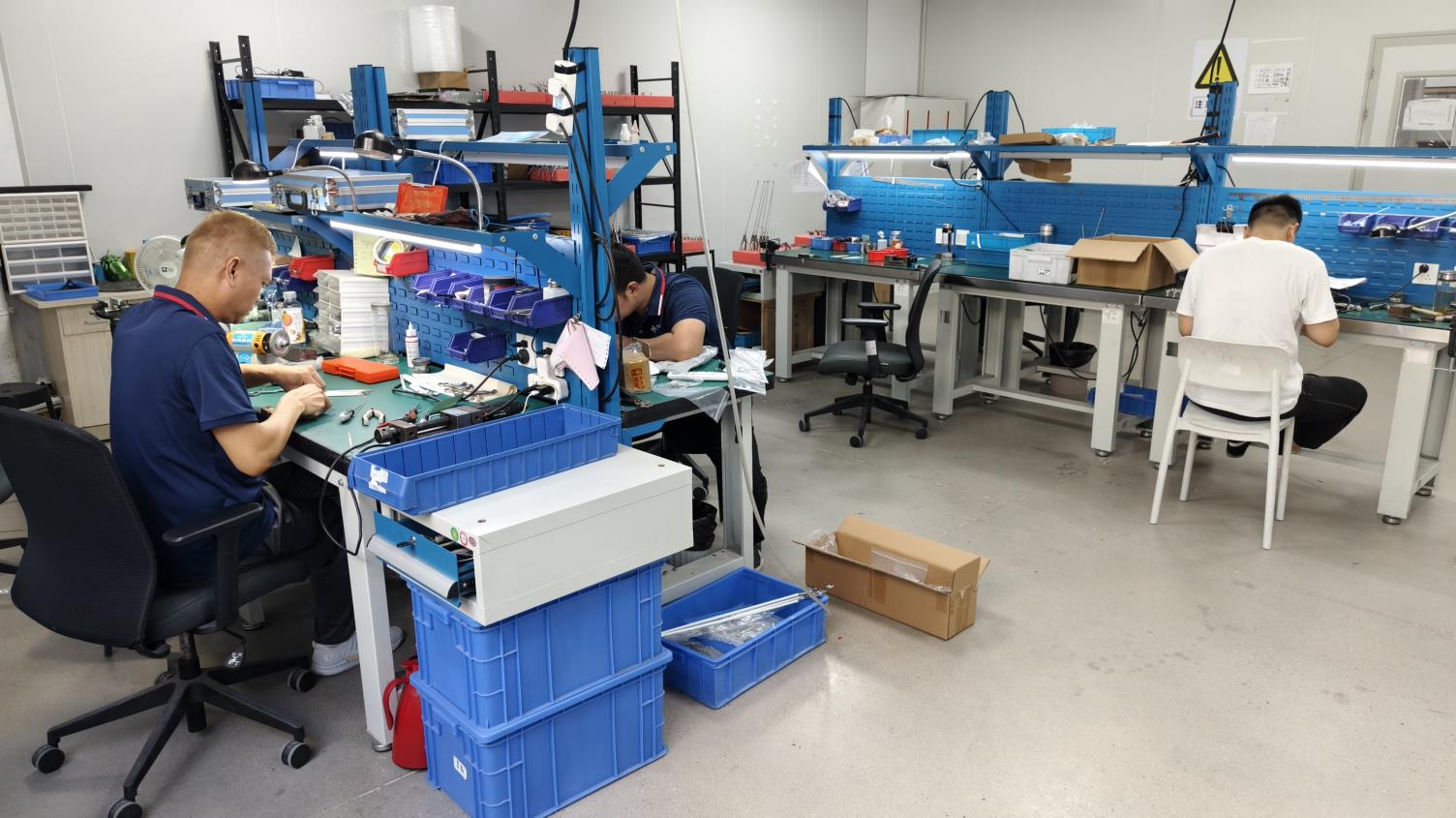
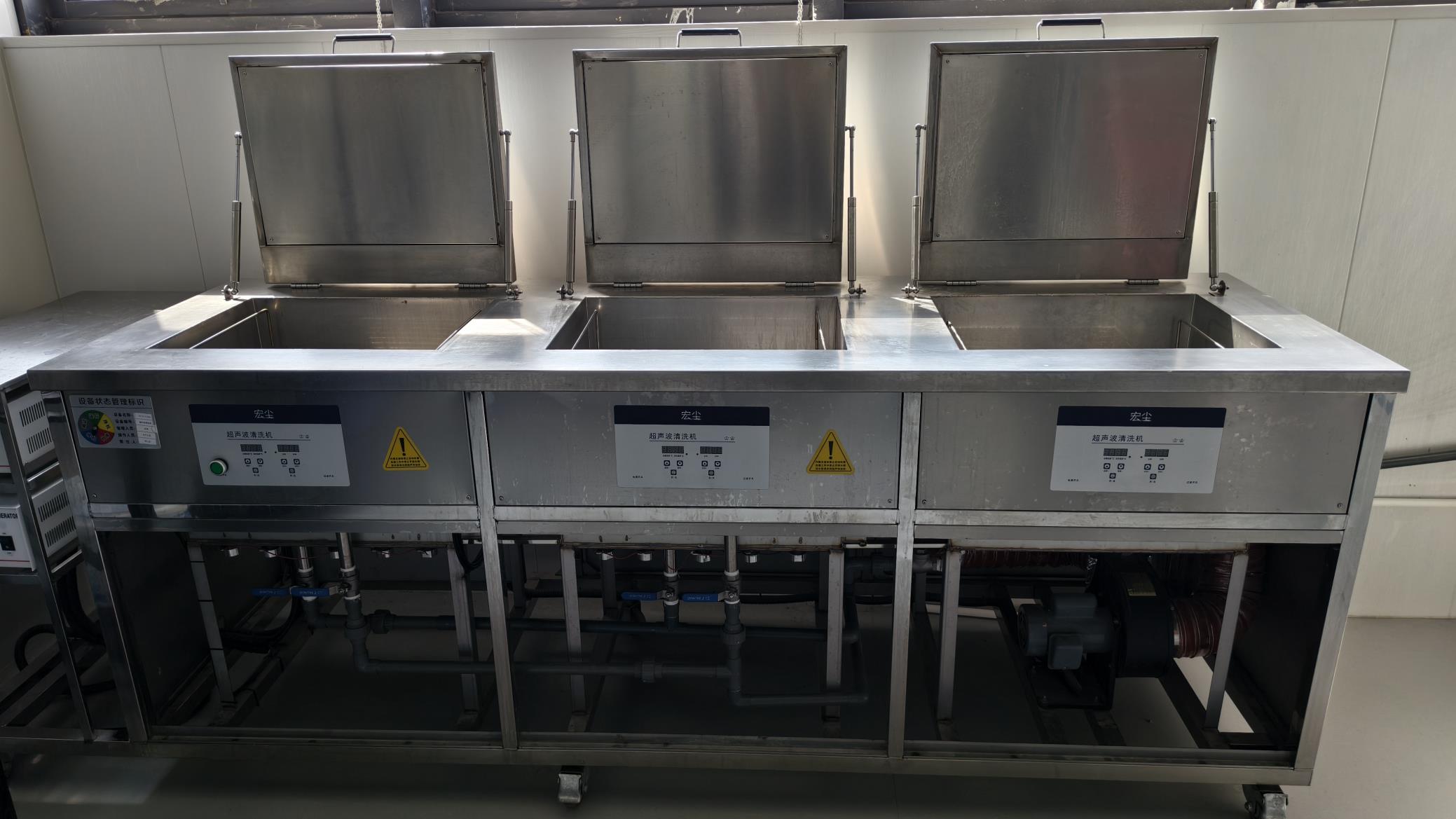
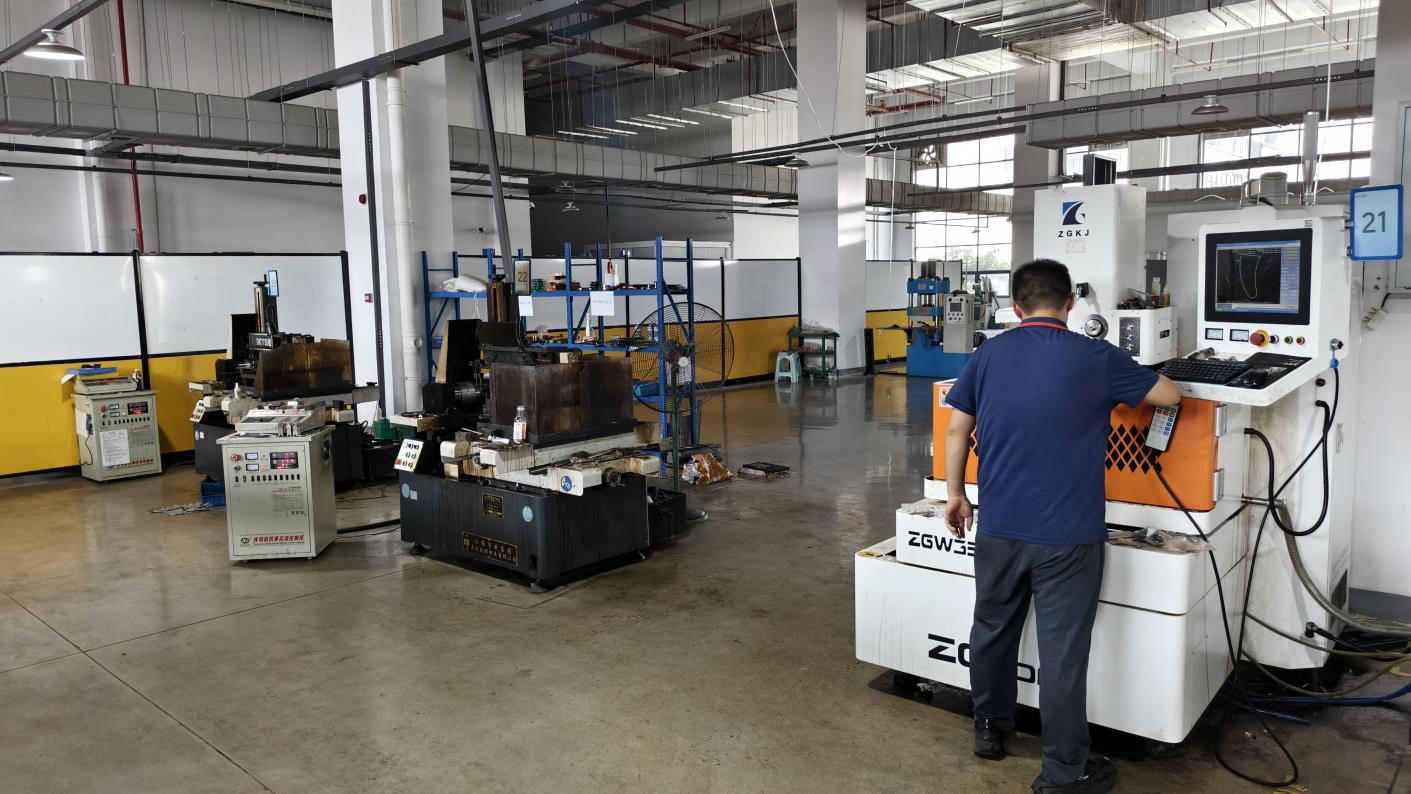
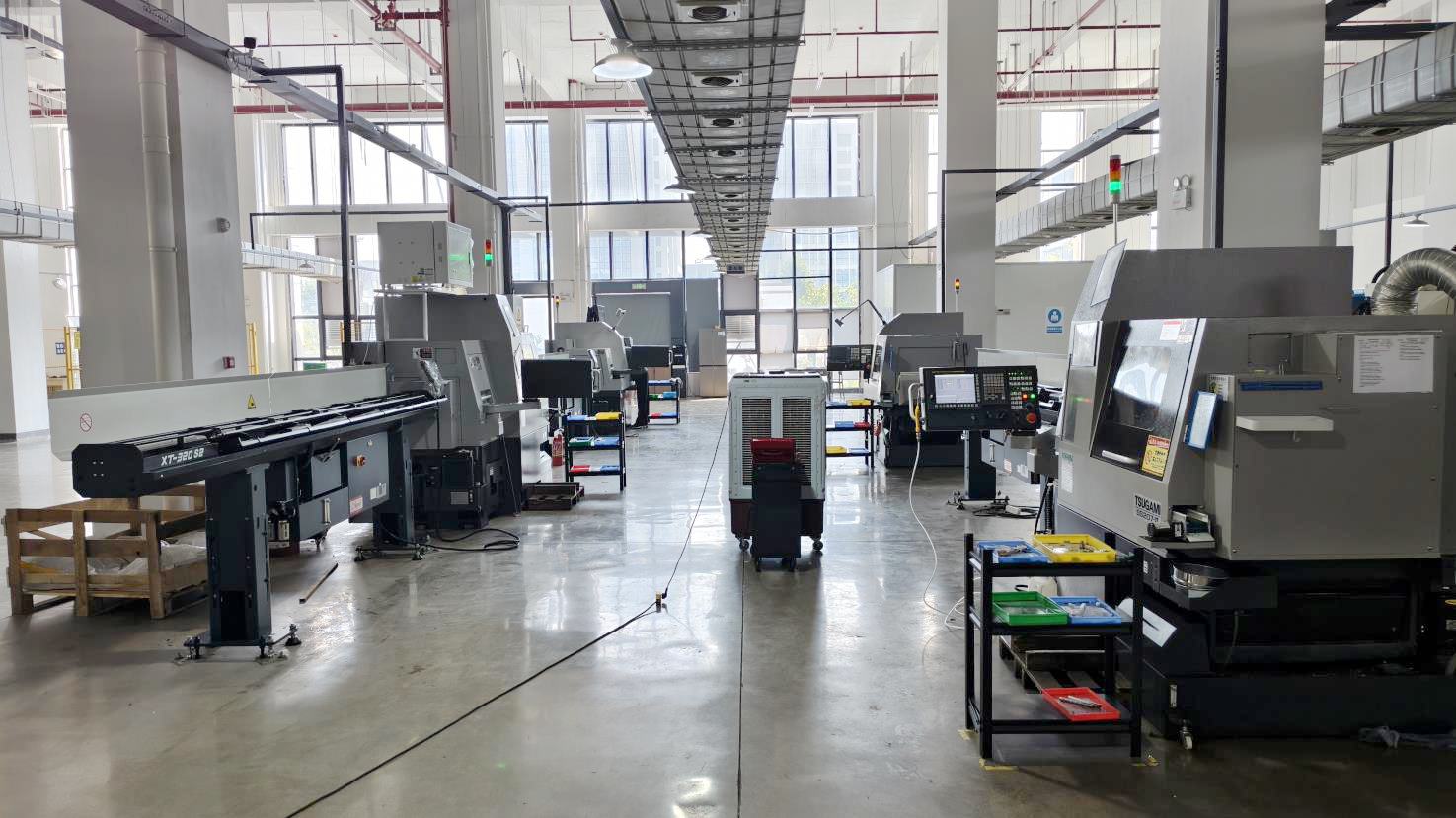
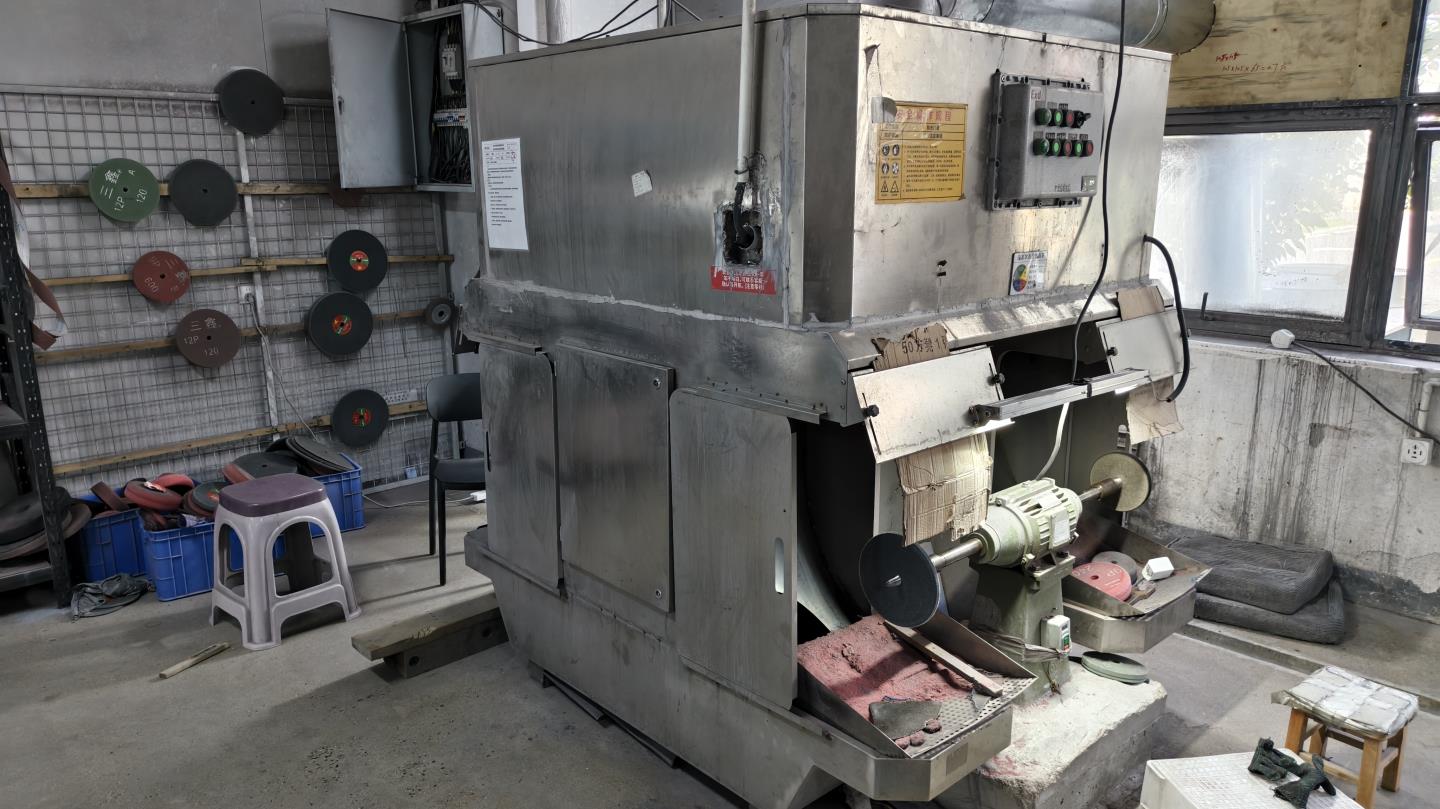
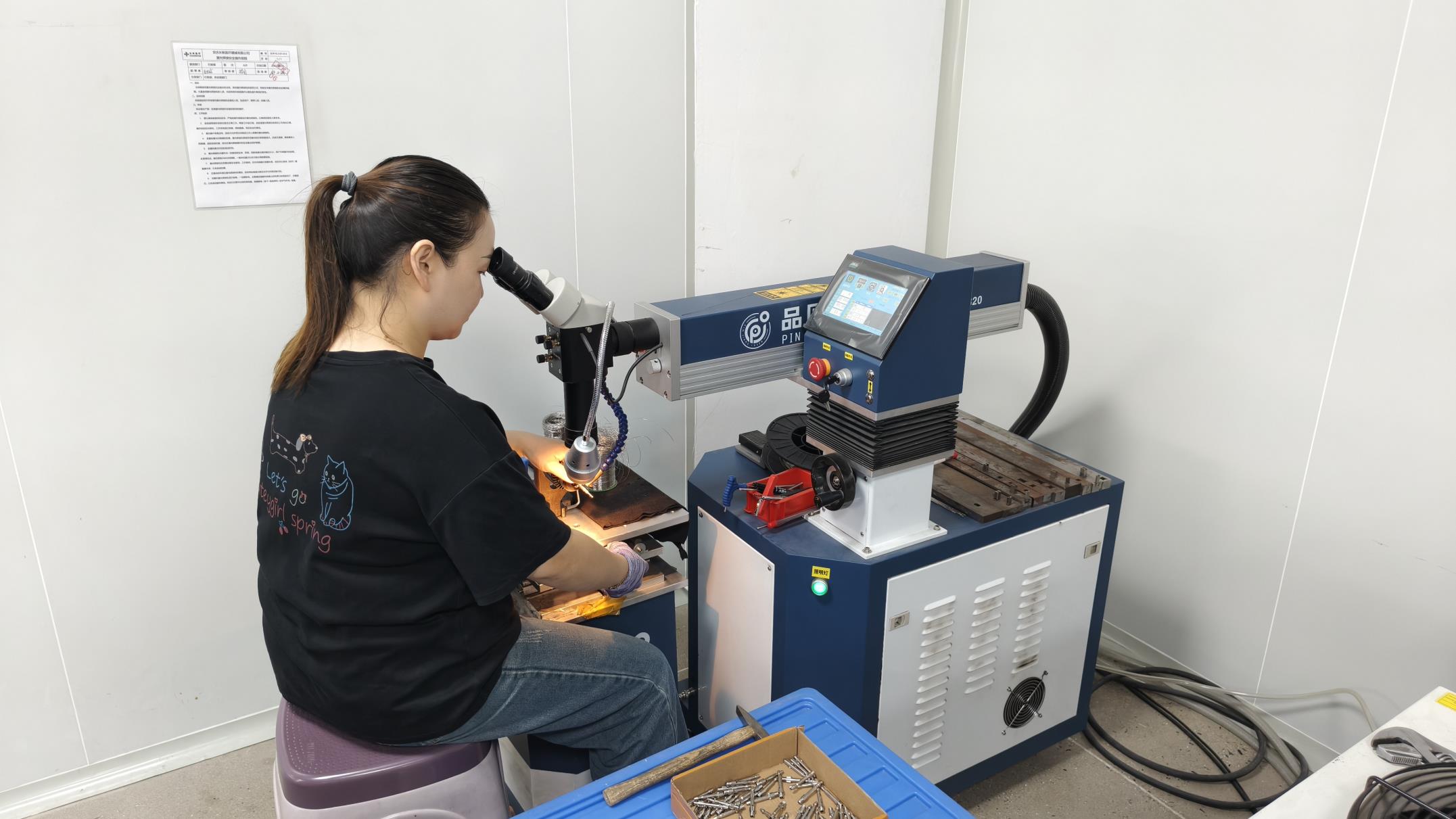
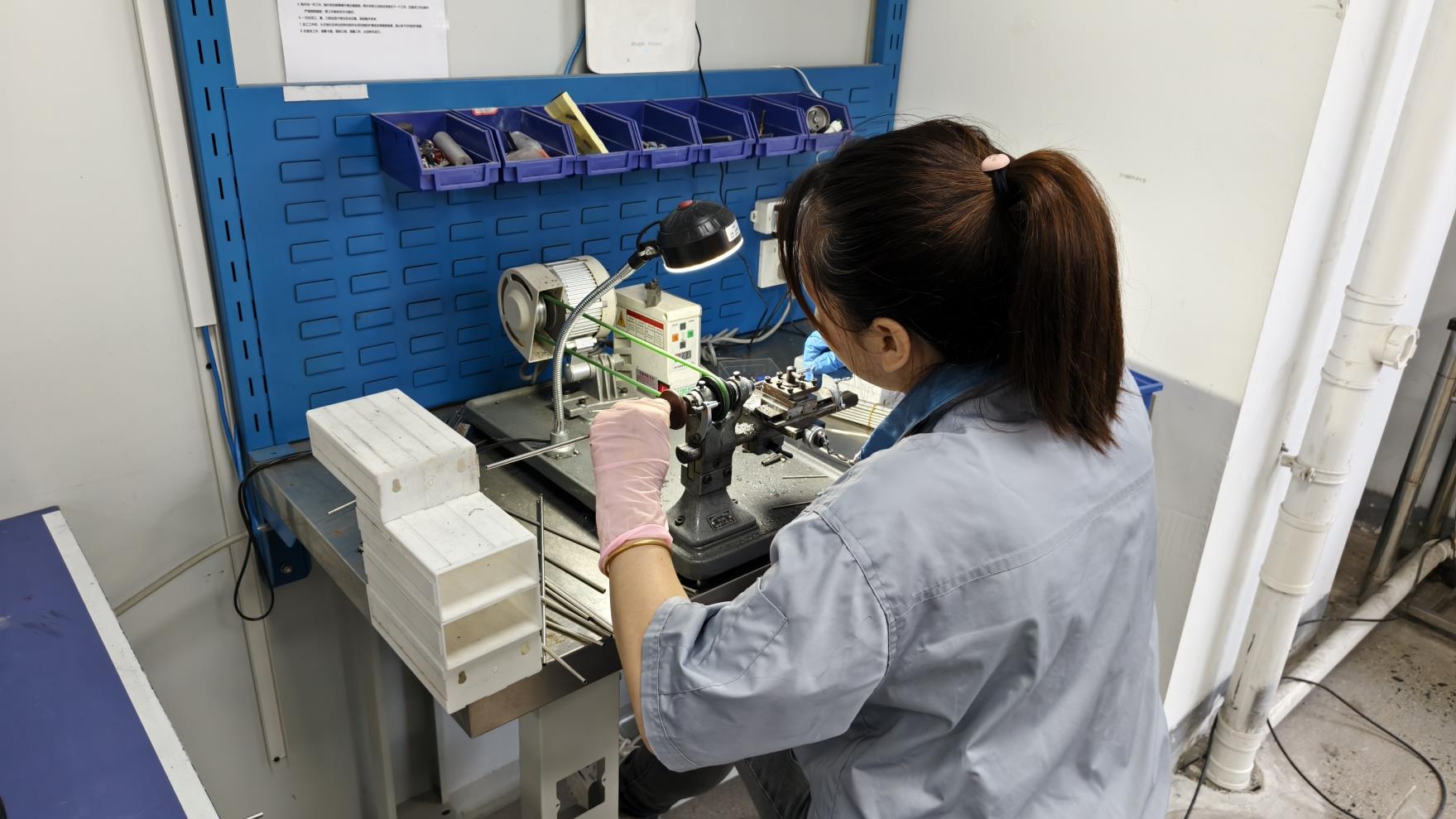
Operating from an expansive, modern 18,600 m² manufacturing facility, Zynfuse Medical Technology Co., Ltd. integrates advanced Swiss-type lathes, CNC machining, automated passivation, and laser marking technologies to deliver premium-tier trauma plates and screws. Our vertical integration enables us to mitigate the inflationary costs that plague domestic US orthopedic suppliers, passing a substantial cost reduction onto Philadelphia hospitals and international distributors.
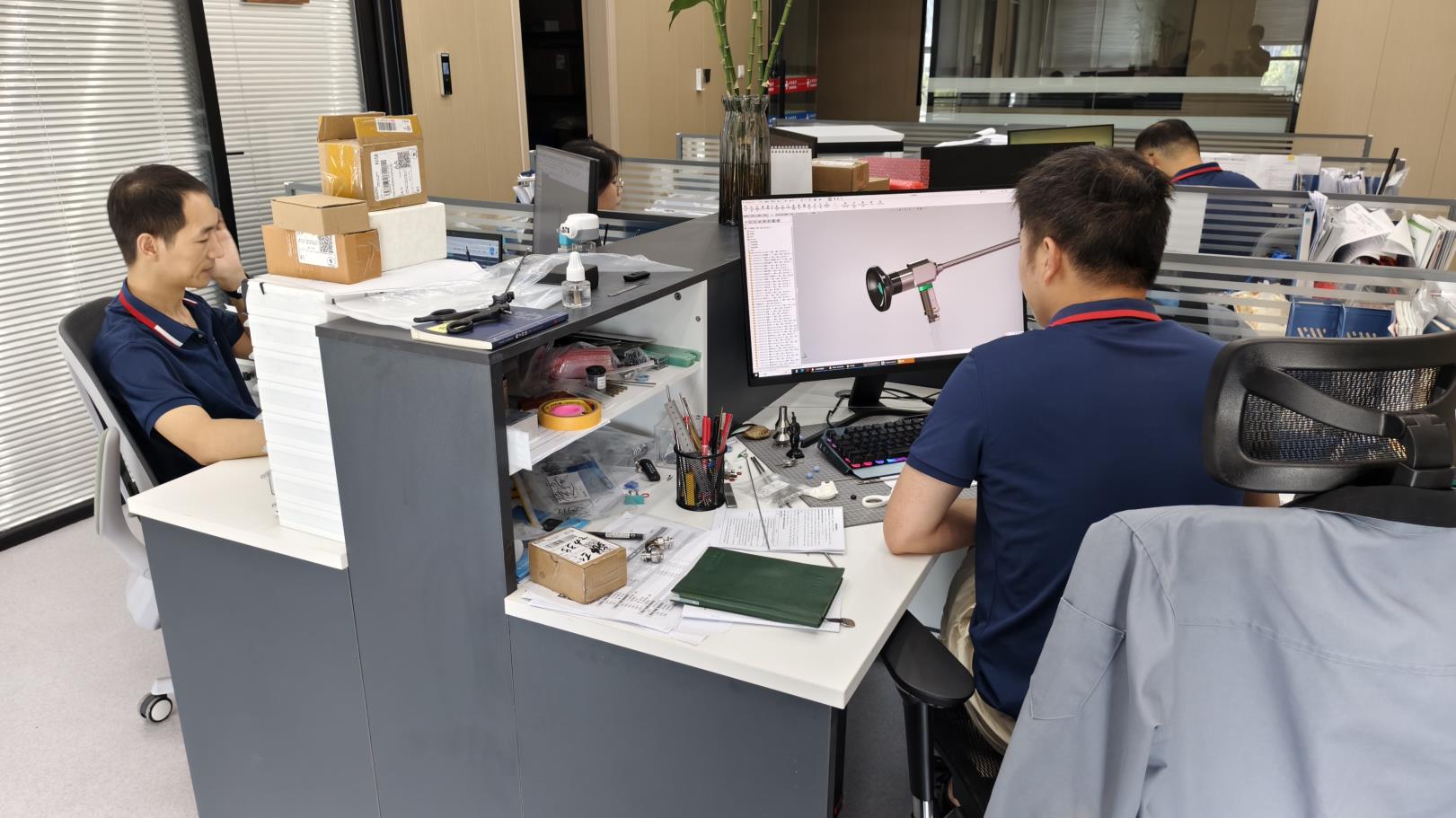
Our raw material sourcing is restricted to medical-grade titanium alloys and ultra-pure stainless steel from verified global mills. Backed by 68 quality inspection specialists, a cleanroom packaging infrastructure, and a robust R&D team of 85 engineers capable of introducing 320 new products annually, we guarantee continuous product supply and rapid localization customization. Whether you require OEM custom plate contours or dynamic locking options, our production pipelines operate continuously, stabilizing lead times and neutralizing supply chain interruptions.
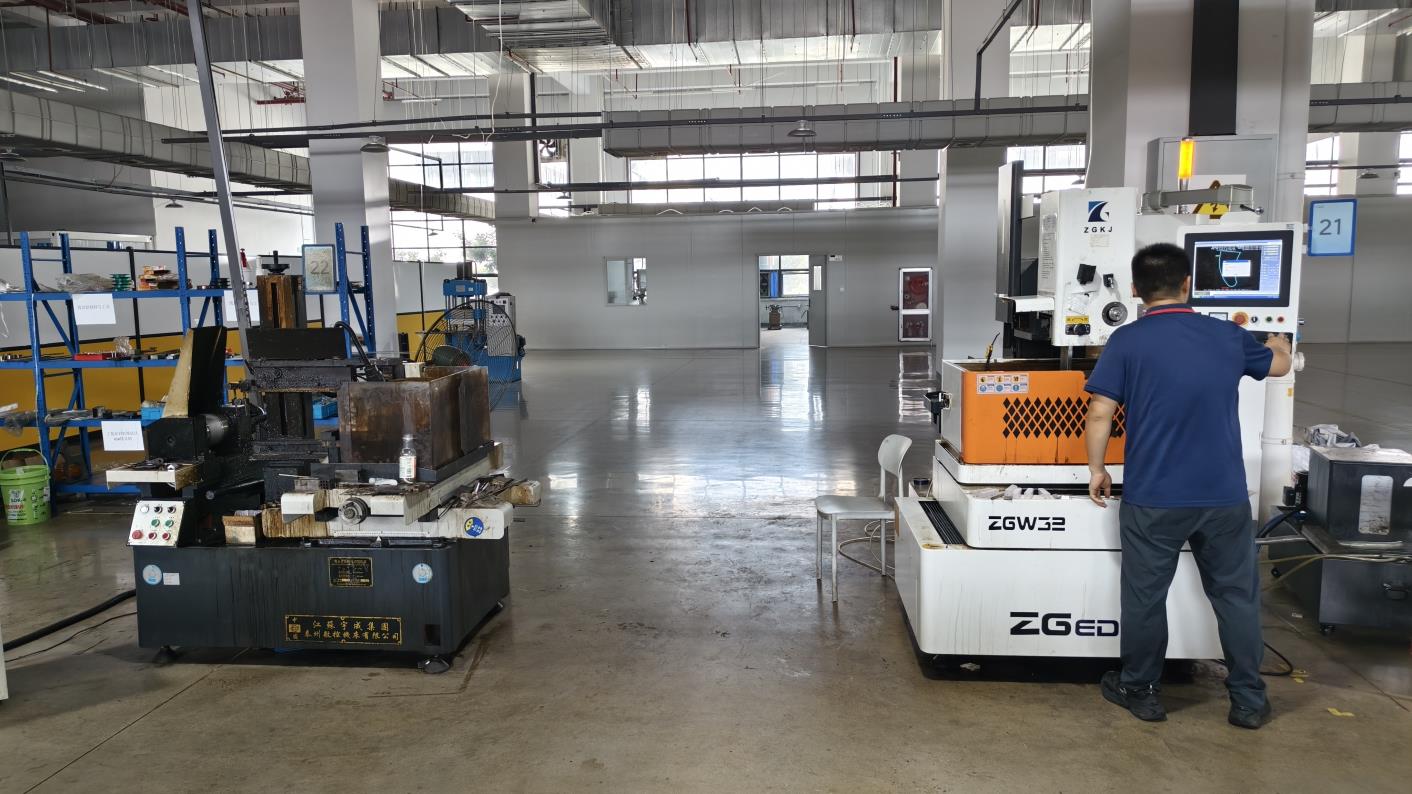
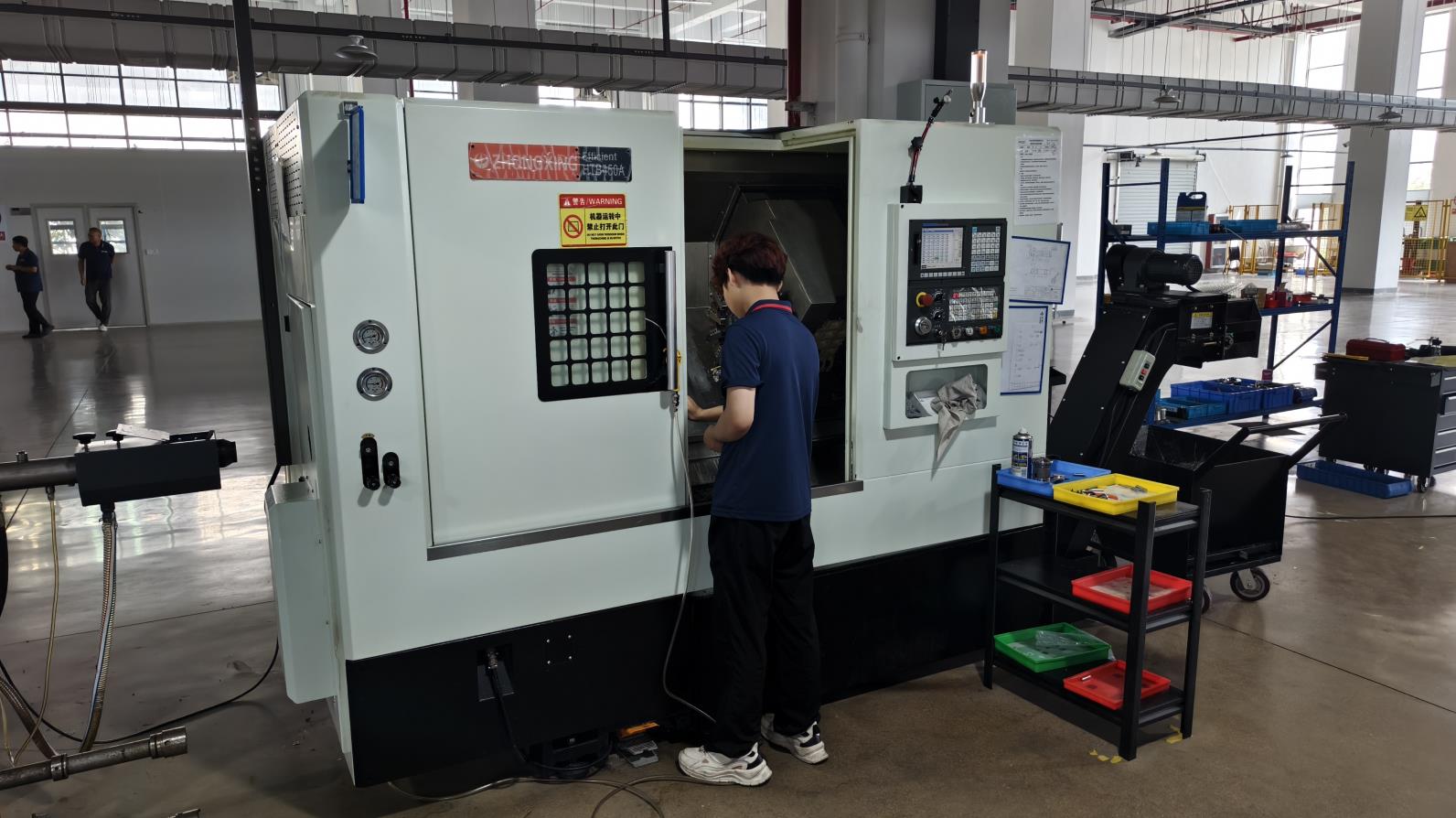
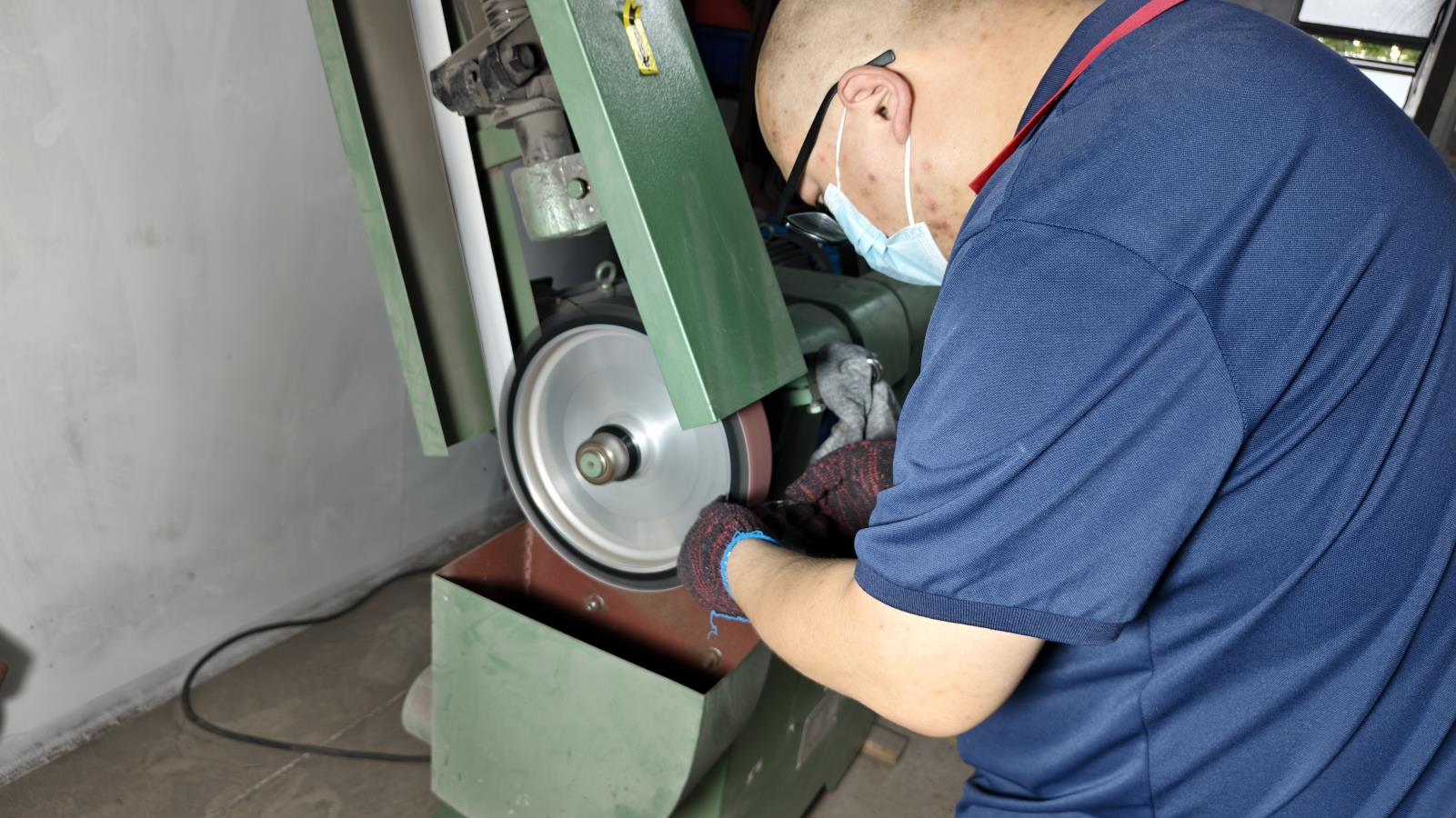
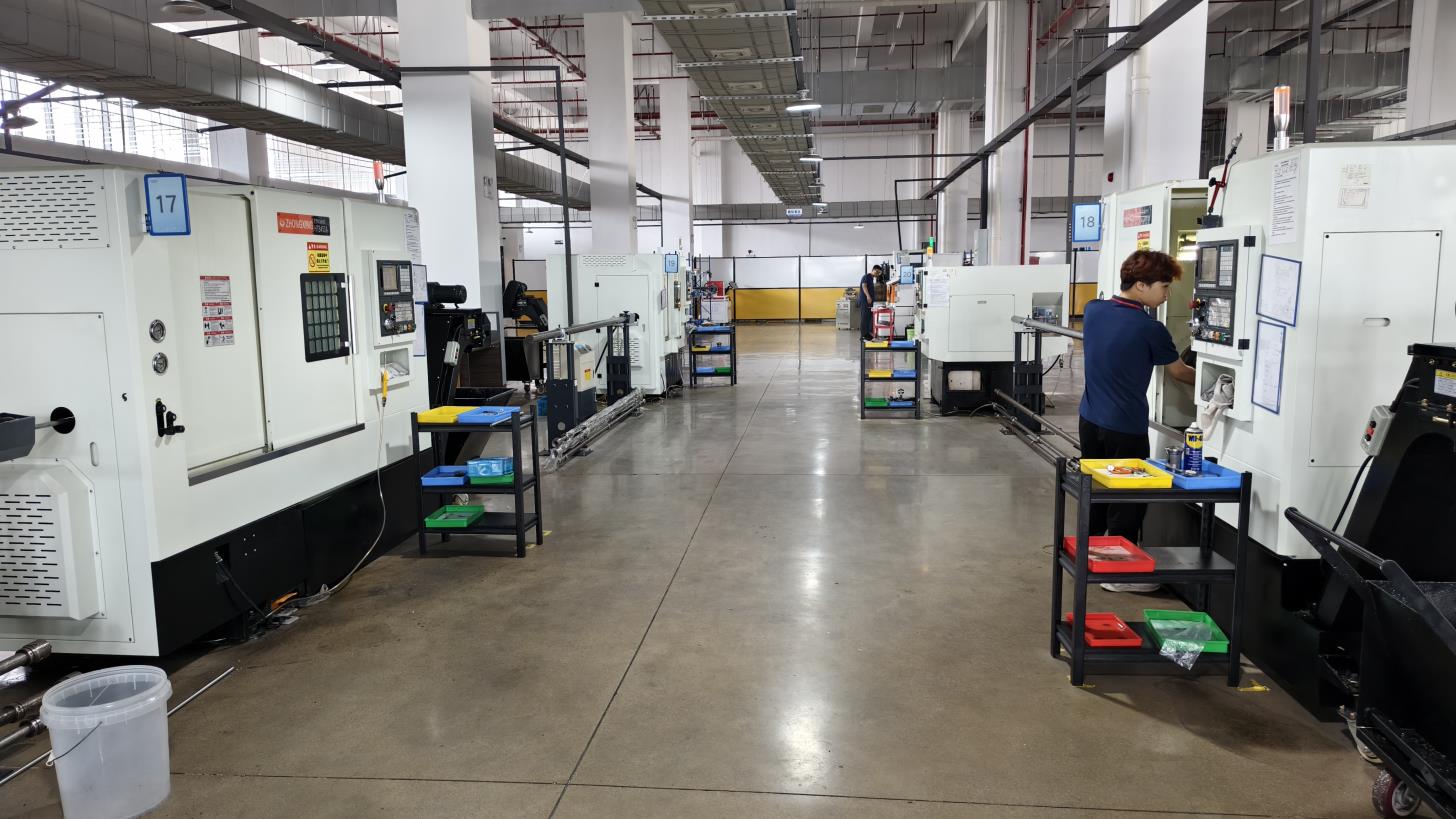
In modern orthopedic trauma management, the industry is witnessing an accelerated shift toward patient-specific implants and smart fixation technologies. These advancements require manufacturing systems capable of flexible programming and high repeatability. B2B procurement agents representing hospital groups in the US and Europe expect suppliers to provide not only basic structural components but comprehensive surgical kits, customized instrumentation, and variable-angle geometry options.
Our continuous investment in advanced design machinery allows us to maintain tolerances within single-digit micrometers. This precision prevents cross-threading during surgical implantation and supports long-term biomechanical stability. By keeping pace with medical design shifts (e.g., lower profile plates, anatomical curvatures, and type-II anodized titanium surfaces for reduced bacterial adhesion), Zynfuse supports Philadelphia distributors in maintaining competitiveness in local GPO (Group Purchasing Organization) bidding processes.
Consult with our orthopedic technical team for OEM configurations, material certification sheets, and custom logistics packaging tailored to the Greater Philadelphia region.
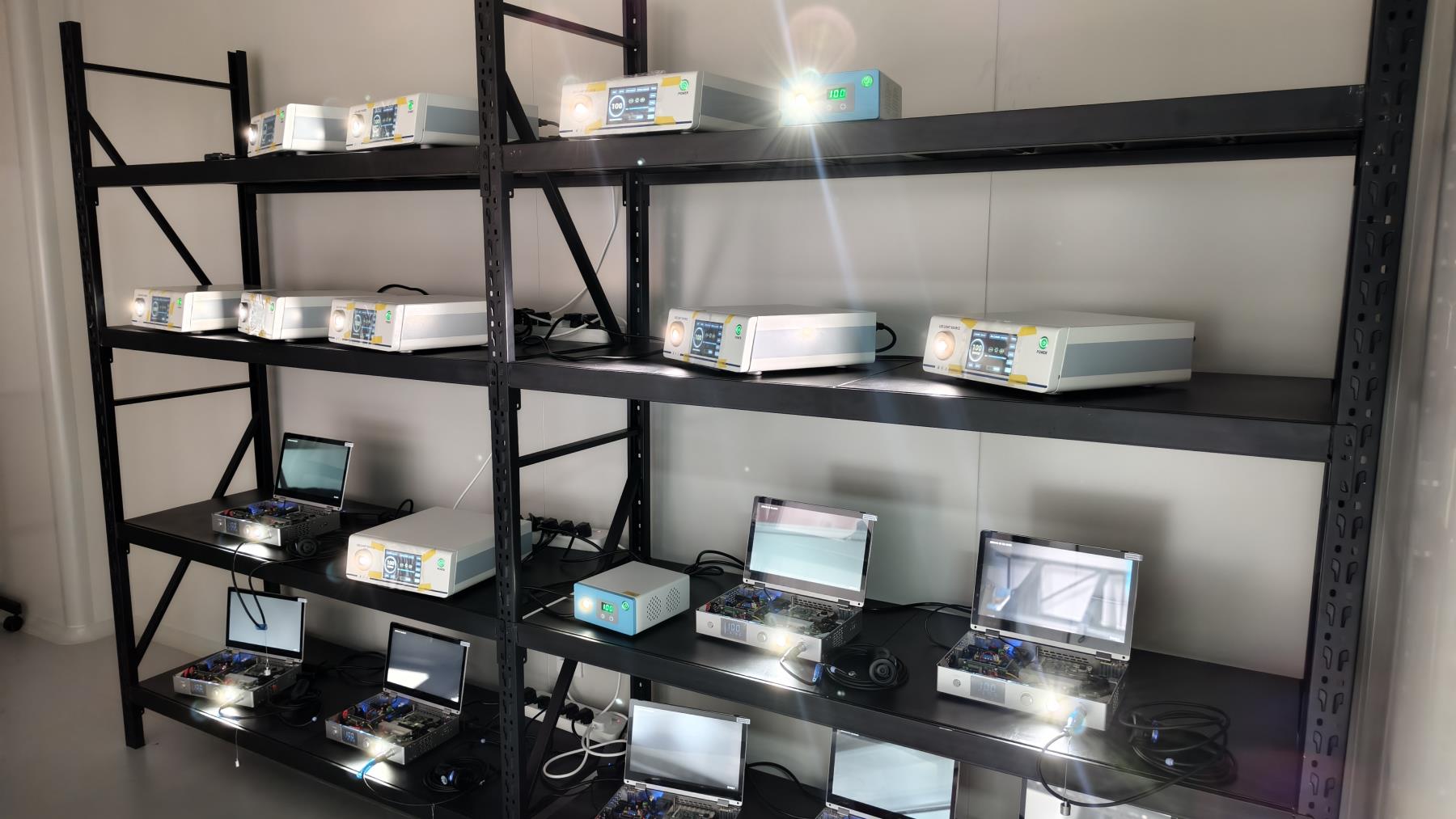
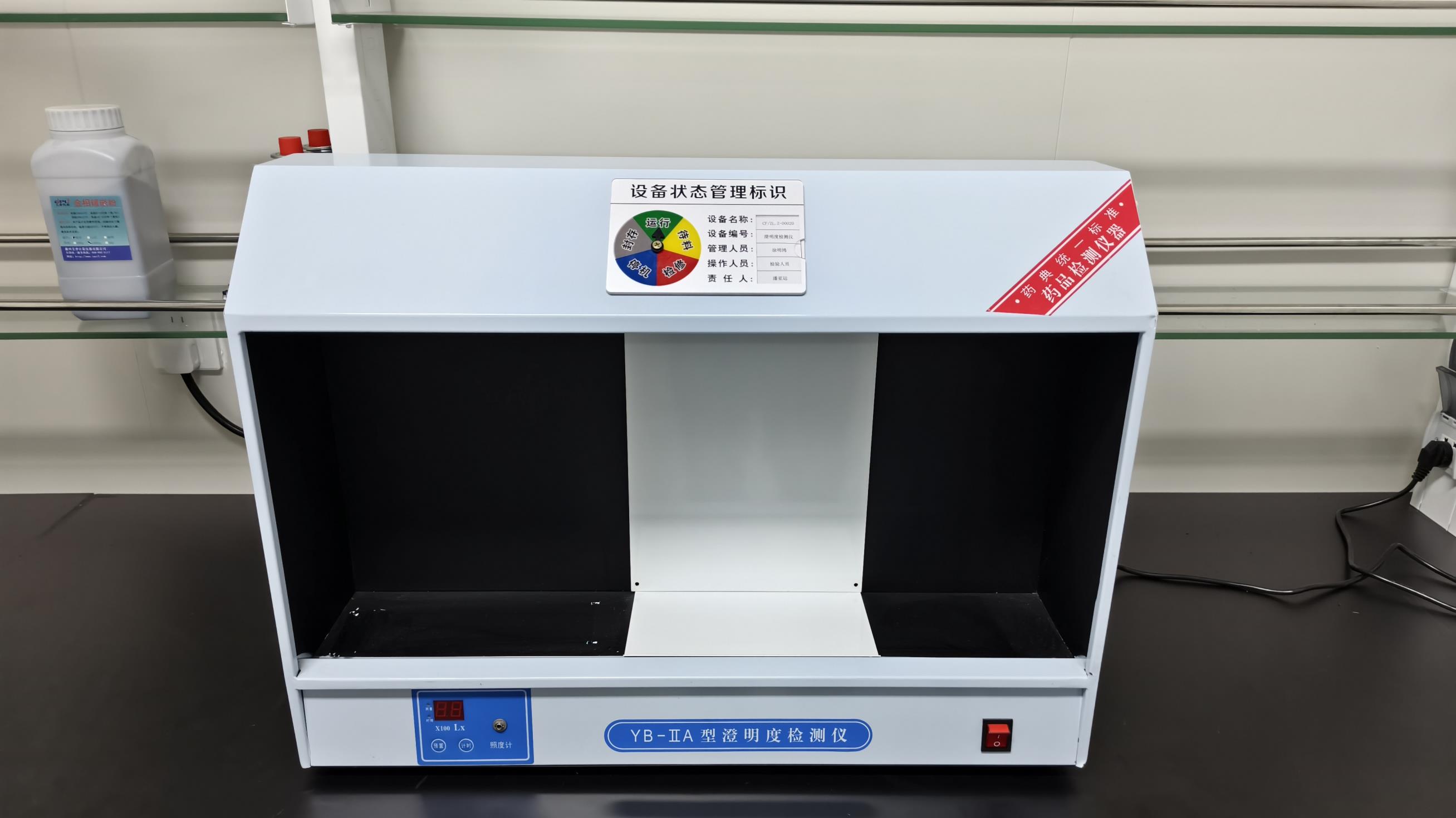
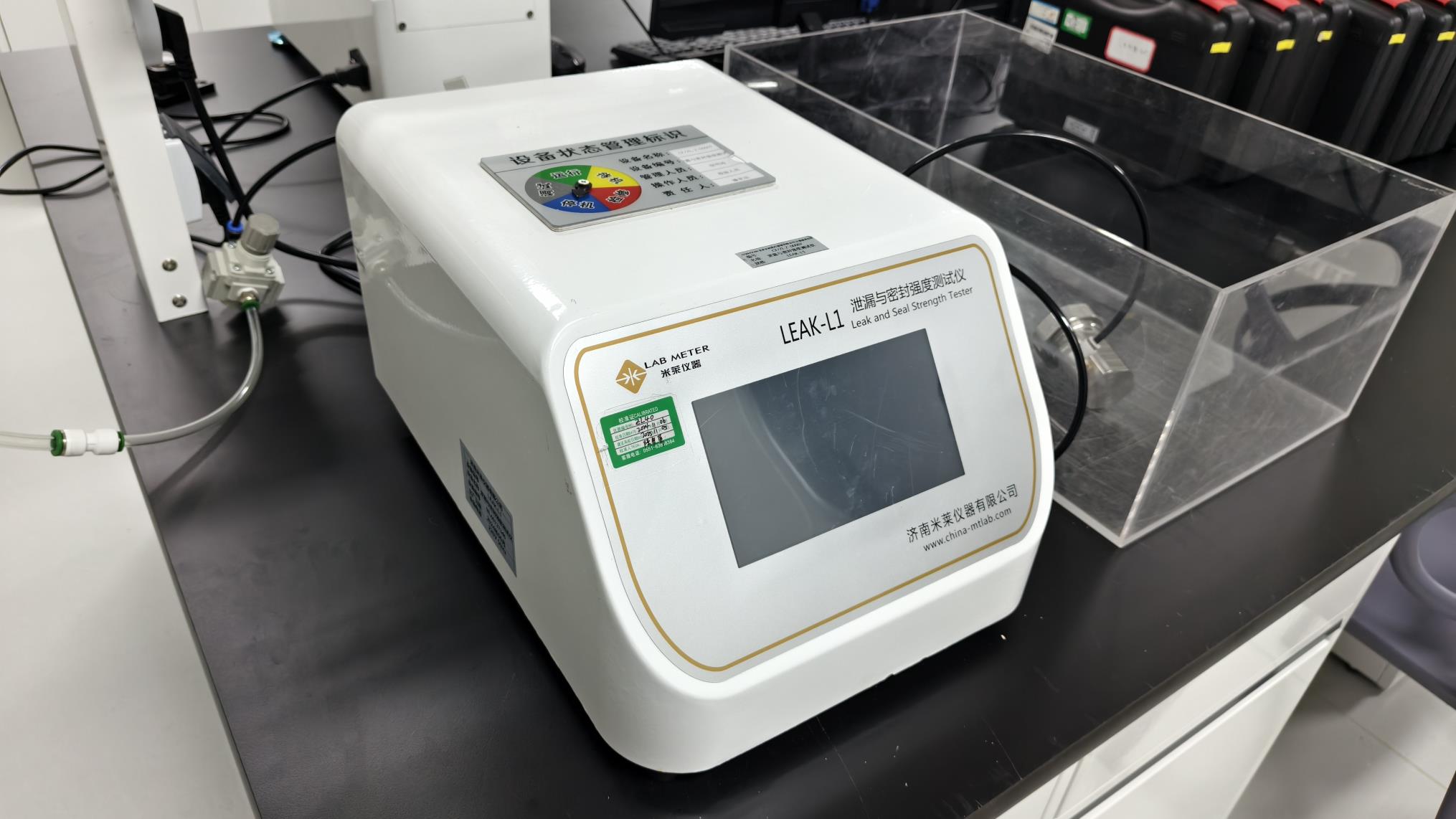
Request Quote & Product SamplesEvery production batch must clear structural integrity testing, dimensional verification, and chemical composition authentication before shipping to North American clinical markets.
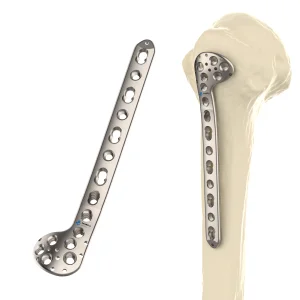
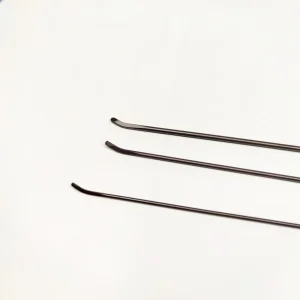
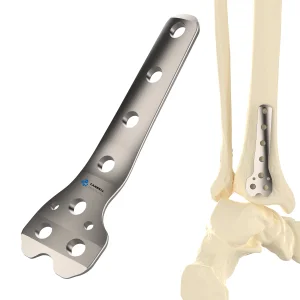
In high-velocity trauma situations frequently treated at Level 1 centers in downtown Philadelphia, speed and fixation security are paramount. The mechanical demands on implants during reconstructive procedures require specific metallurgical qualities:
Connect with our international logistics and technical engineering teams. Request samples, mechanical test databases, or customized pricing structures.
Send Inquiry Now