Zynfuse
Zynfuse
Zynfuse
Explore our highly precise, clinically evaluated implants designed to accelerate patient recovery and guarantee structural integrity.
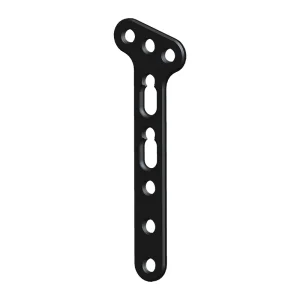
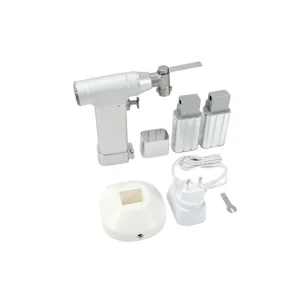
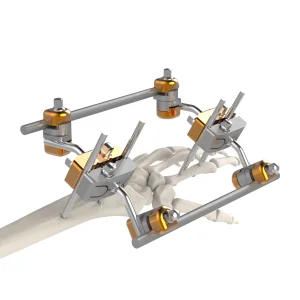
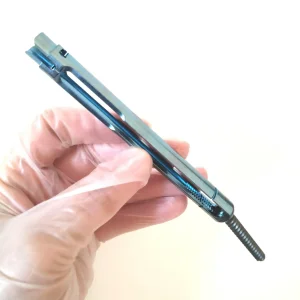
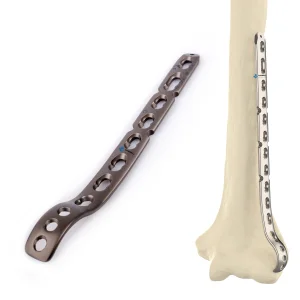
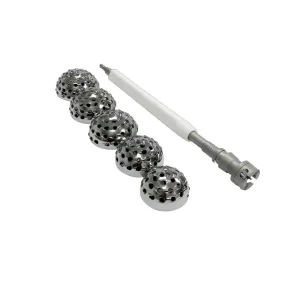
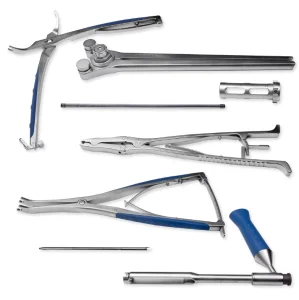
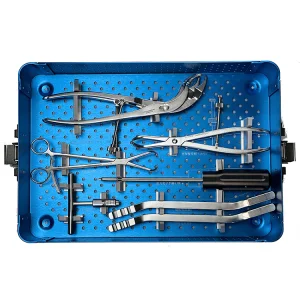
Precision-Engineered Orthopedic Devices for Global Surgeons and Hospitals
Established in 2016, Zynfuse Medical Technology Co., Ltd. is a specialized orthopedic medical device manufacturer focusing on bone fusion and advanced implant systems. Built upon 12 years of industry experience and 7 years of export history, we support global healthcare providers with highly safe and reliable implants.
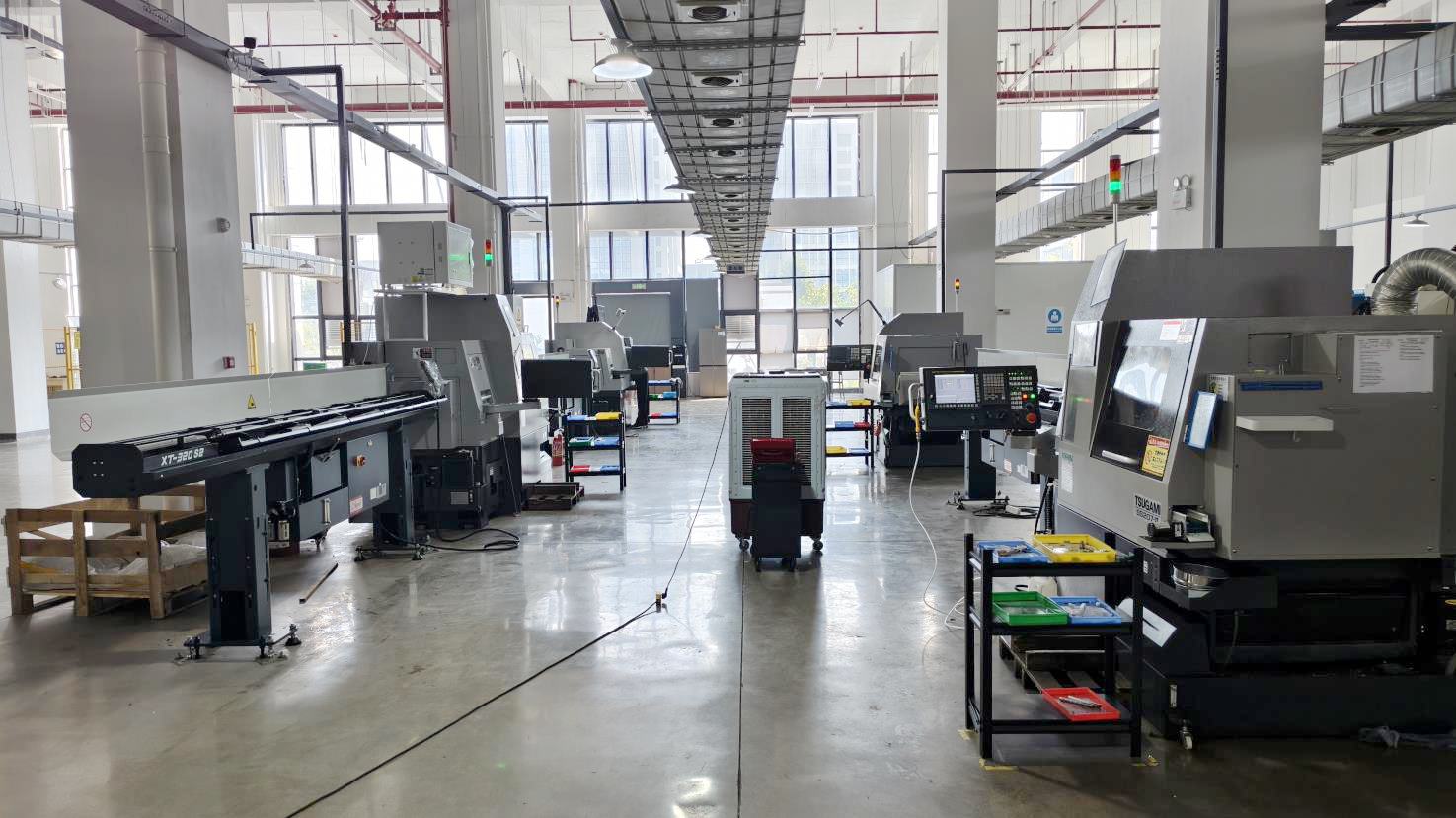
Our modern manufacturing facility spans approximately 18,600 m², outfitted with world-class production equipment and testing machinery. Operating with an annual export revenue of $18.5 million, we rely on a strong supply network containing over 1,200 partners worldwide. This infrastructure is backed by 68 quality inspection specialists ensuring total compliance with global medical benchmarks.
Zynfuse services major orthopedic markets including North America, Europe, Southeast Asia, and the Middle East. We collaborate closely with medical distributors, hospital procurement offices, orthopedic clinics, and specialized medical importers.
A deep technical overview for medical buyers, orthopedic surgeons, and device distributors.
Modern Total Knee Arthroplasty (TKA) requires implants that mimic the natural kinematics of the human knee. As a leading knee implants manufacturer, we design implants that balance stability, range of motion, and longevity. The standard designs utilize either Cruciate-Retaining (CR) or Posterior-Stabilized (PS) geometry:
Designed for patients with a functional Posterior Cruciate Ligament (PCL). This design preserves bone and maintains natural rollback behavior during flexion, ensuring optimal proprioception and localized joint stability.
Indicated when the PCL is absent or compromised. A post-and-cam mechanism substitutes for PCL function, preventing subluxation and guiding posterior translation during high flexion angles.
Utilizing high-grade Cobalt-Chromium-Molybdenum (CoCrMo) alloys for femoral components to reduce wear rates, alongside medical-grade Ultra-High-Molecular-Weight Polyethylene (UHMWPE) for tibial inserts.
Sourcing knee implants and orthopedic hardware from our facility in China enables access to a robust, vertically integrated manufacturing process. We operate under stringent quality systems while maintaining structural efficiency that reduces procurement costs for international enterprises:
Large-scale medical distributors and hospitals look for three key attributes when choosing an implant supplier:
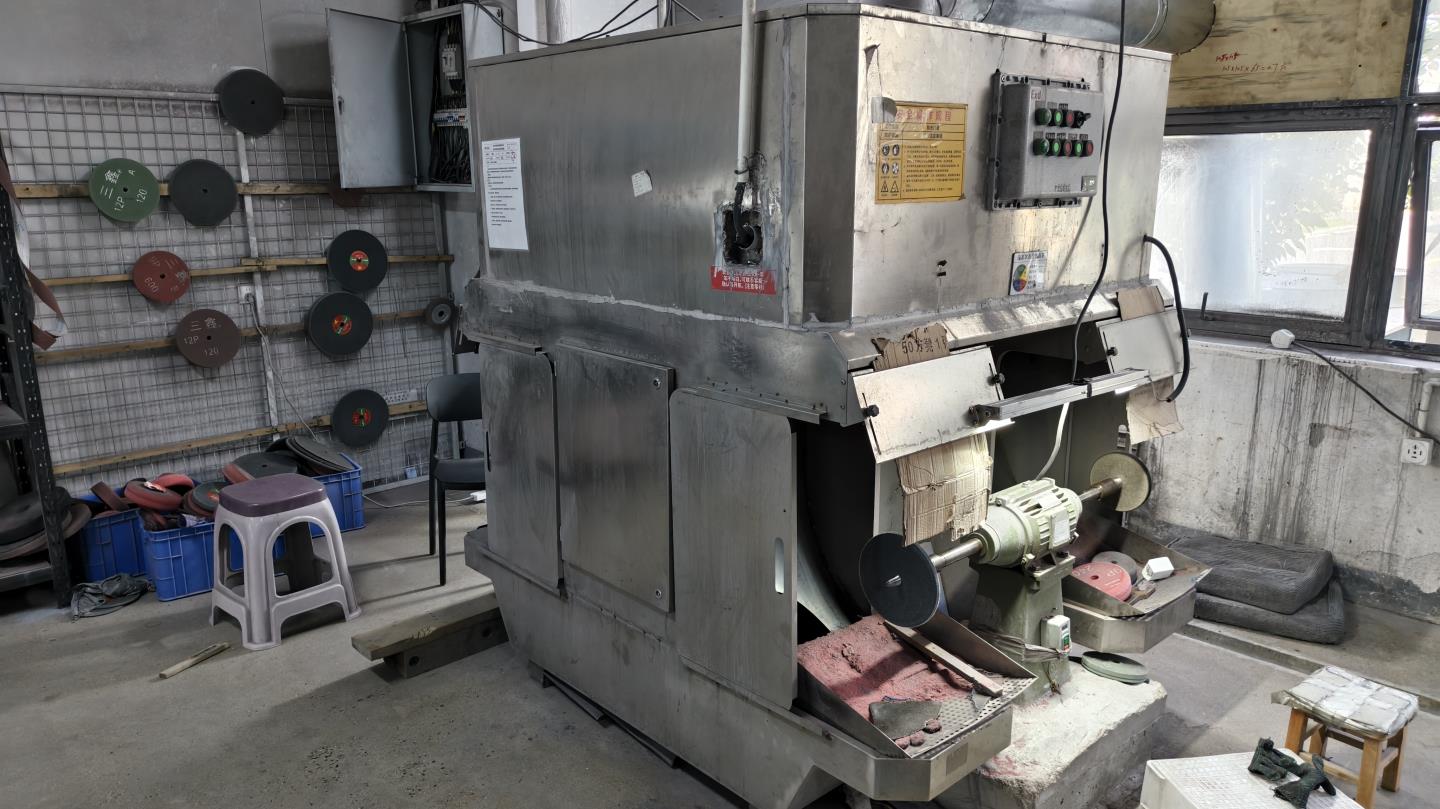
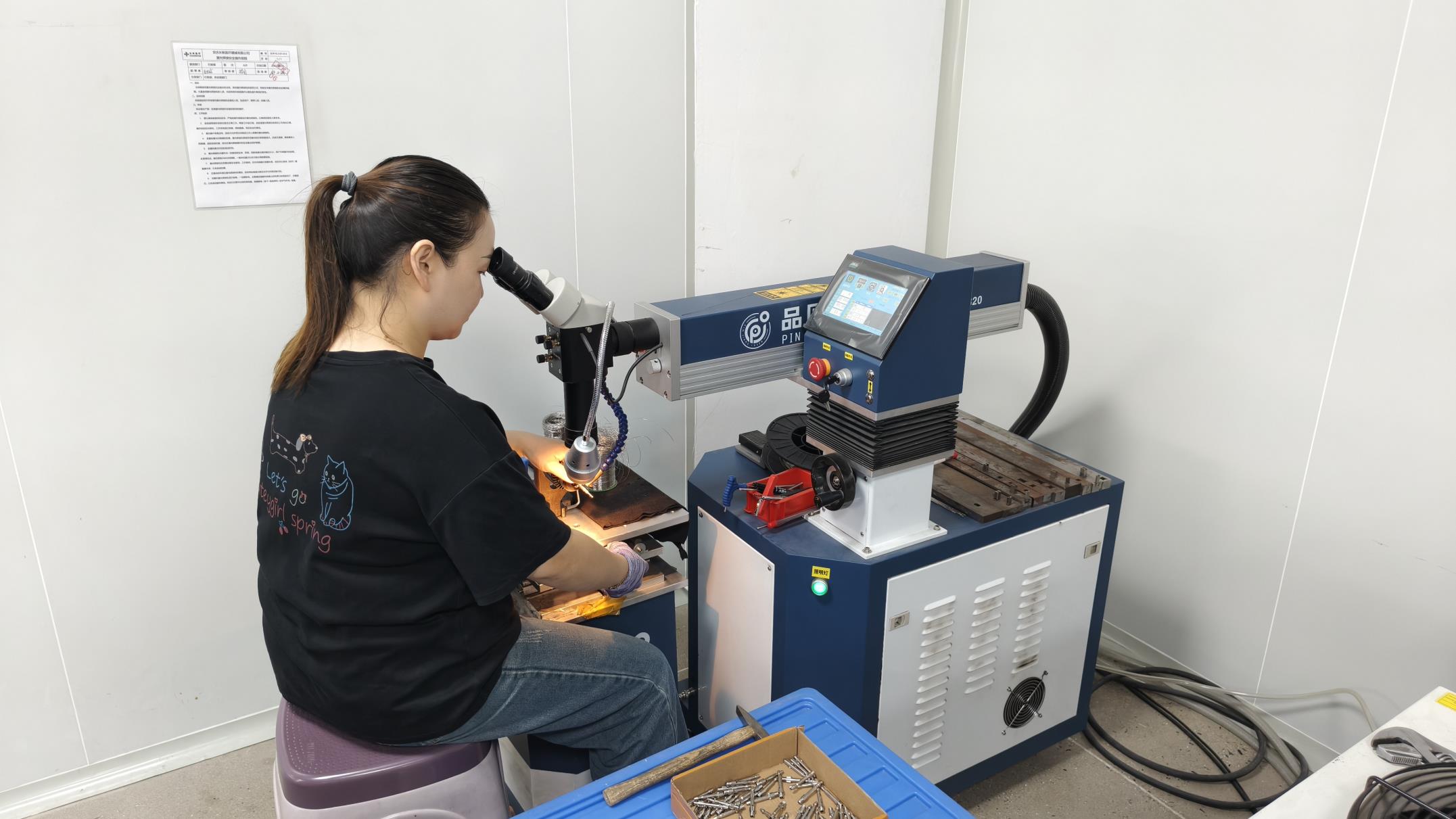
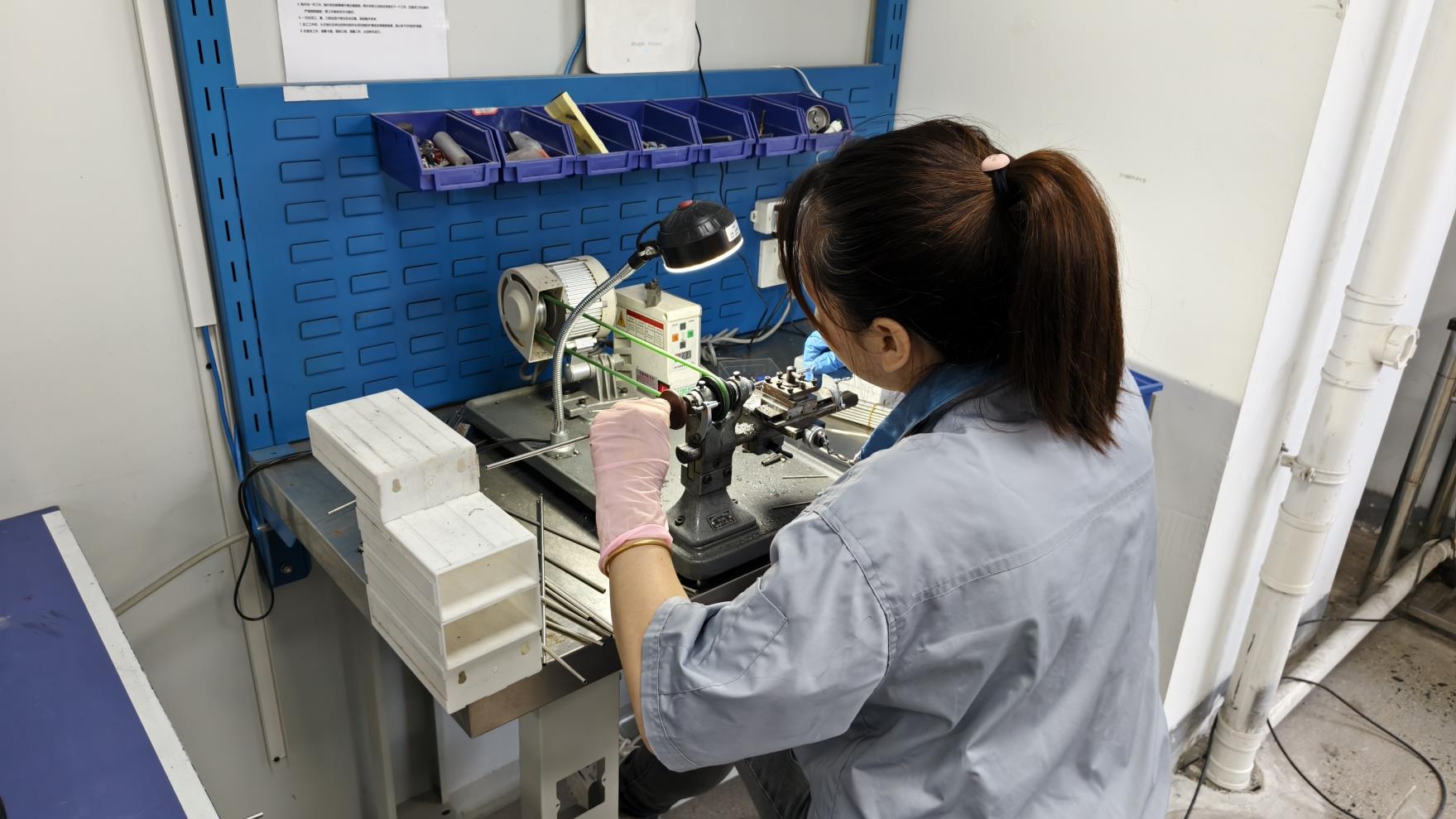
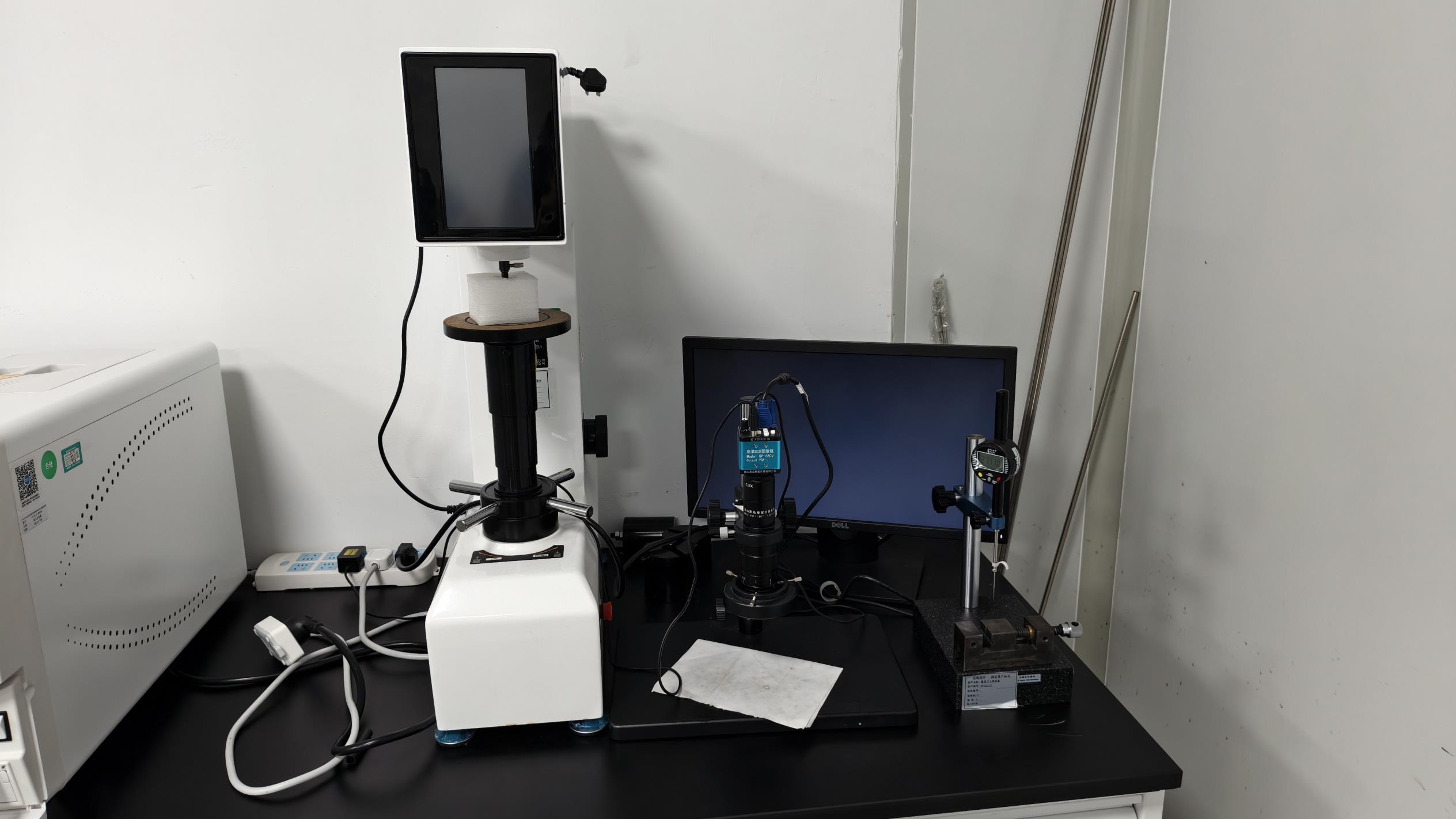
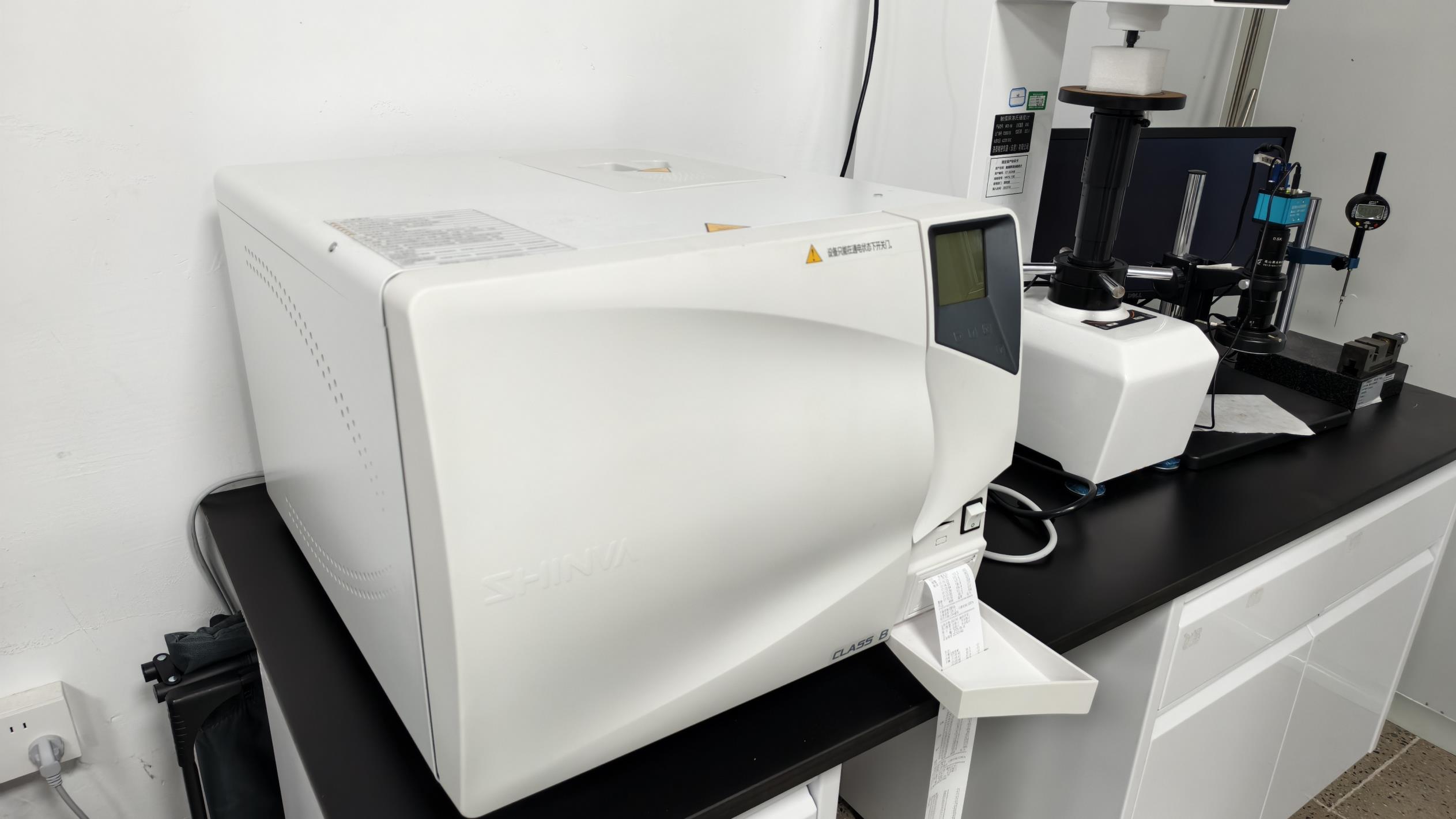
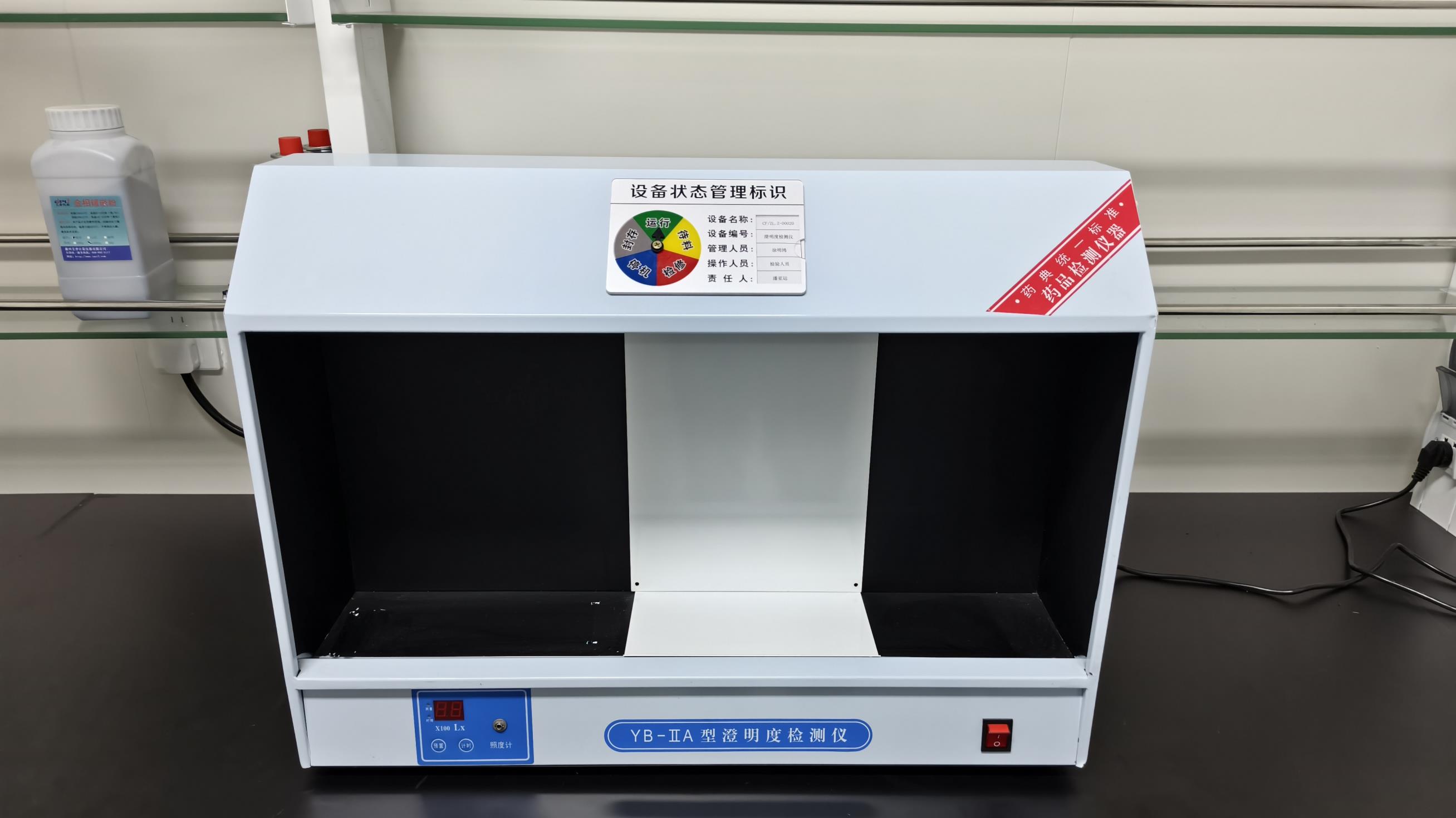
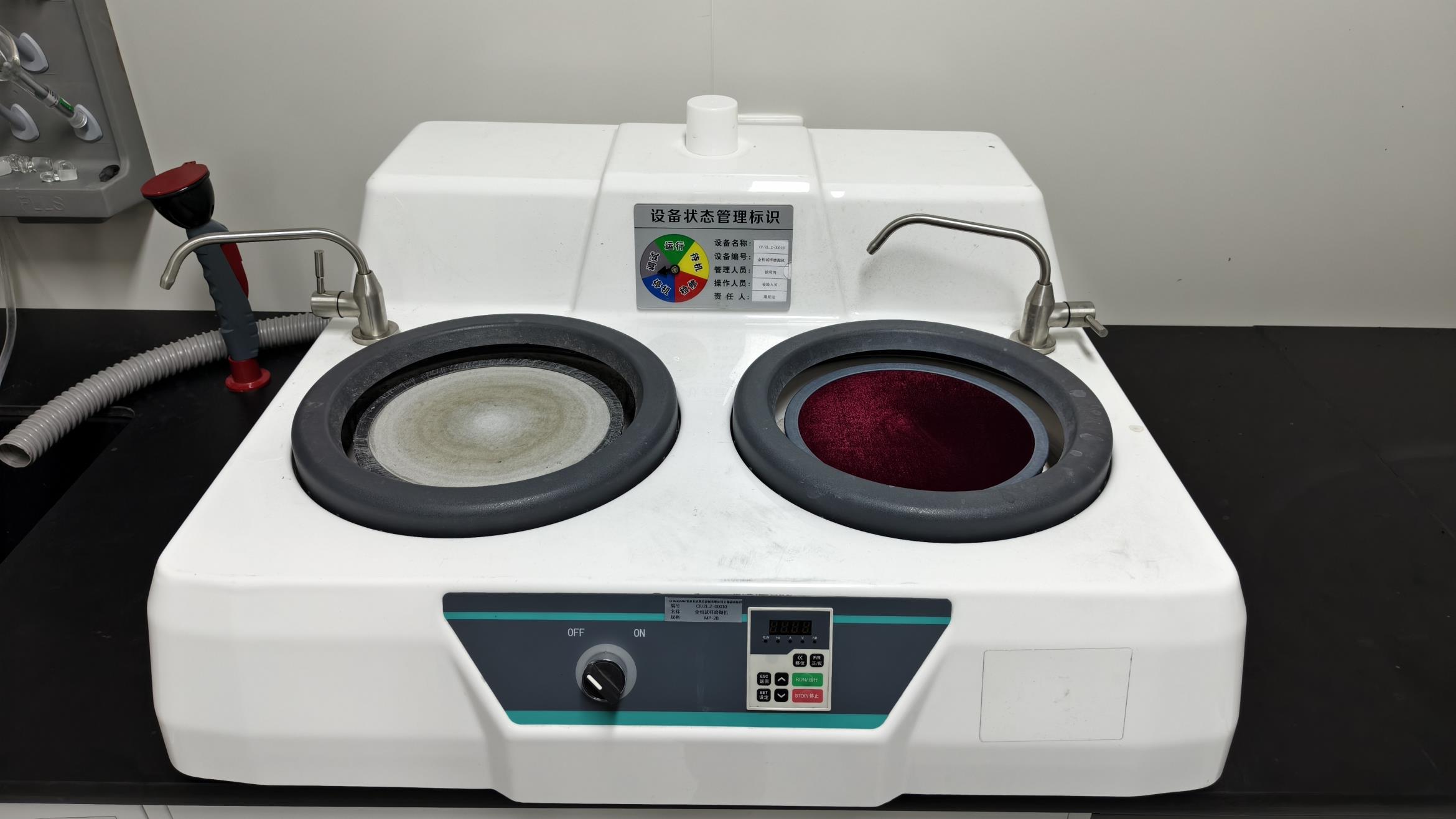
Every step of our process—from primary metal cutting to microscopic analysis—adheres to ISO 13485 medical standards.
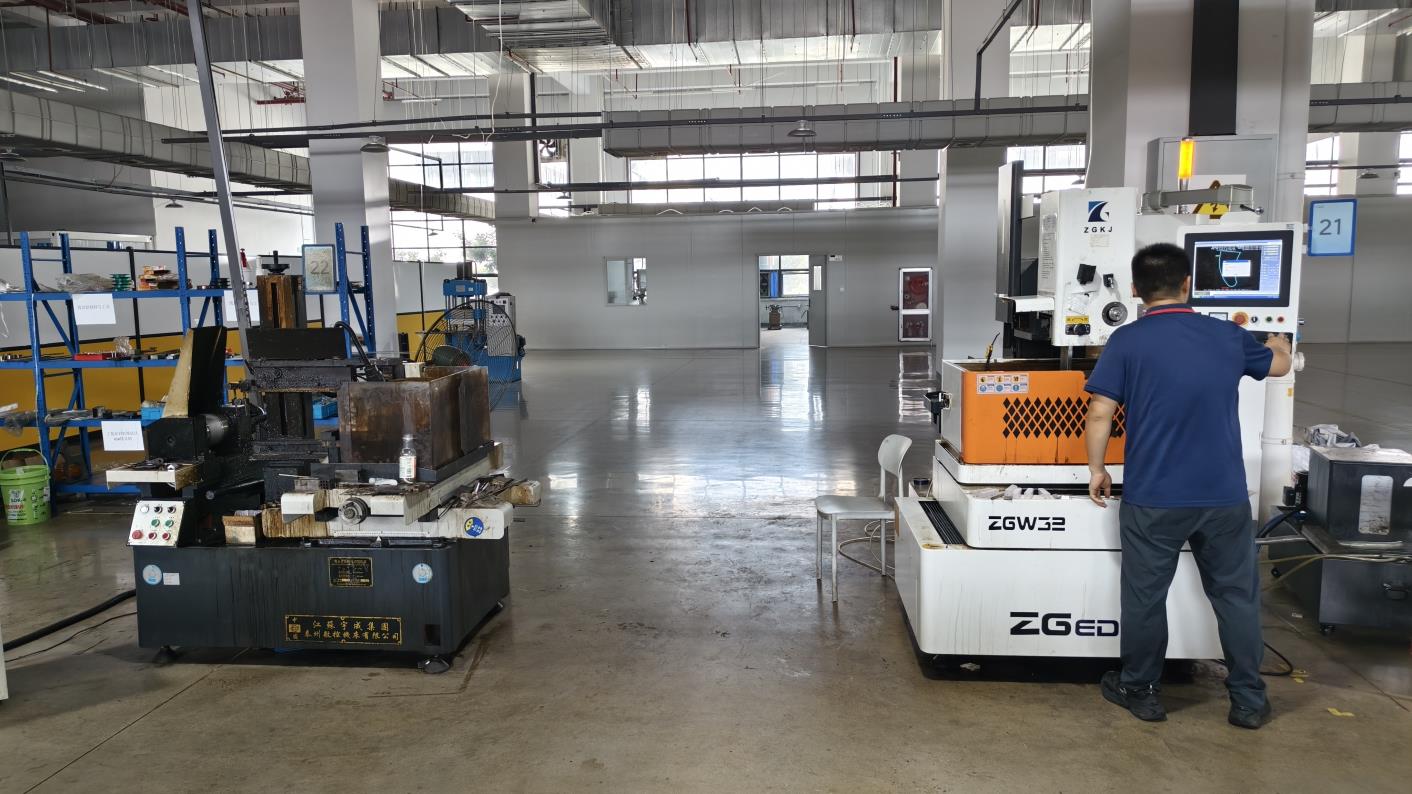
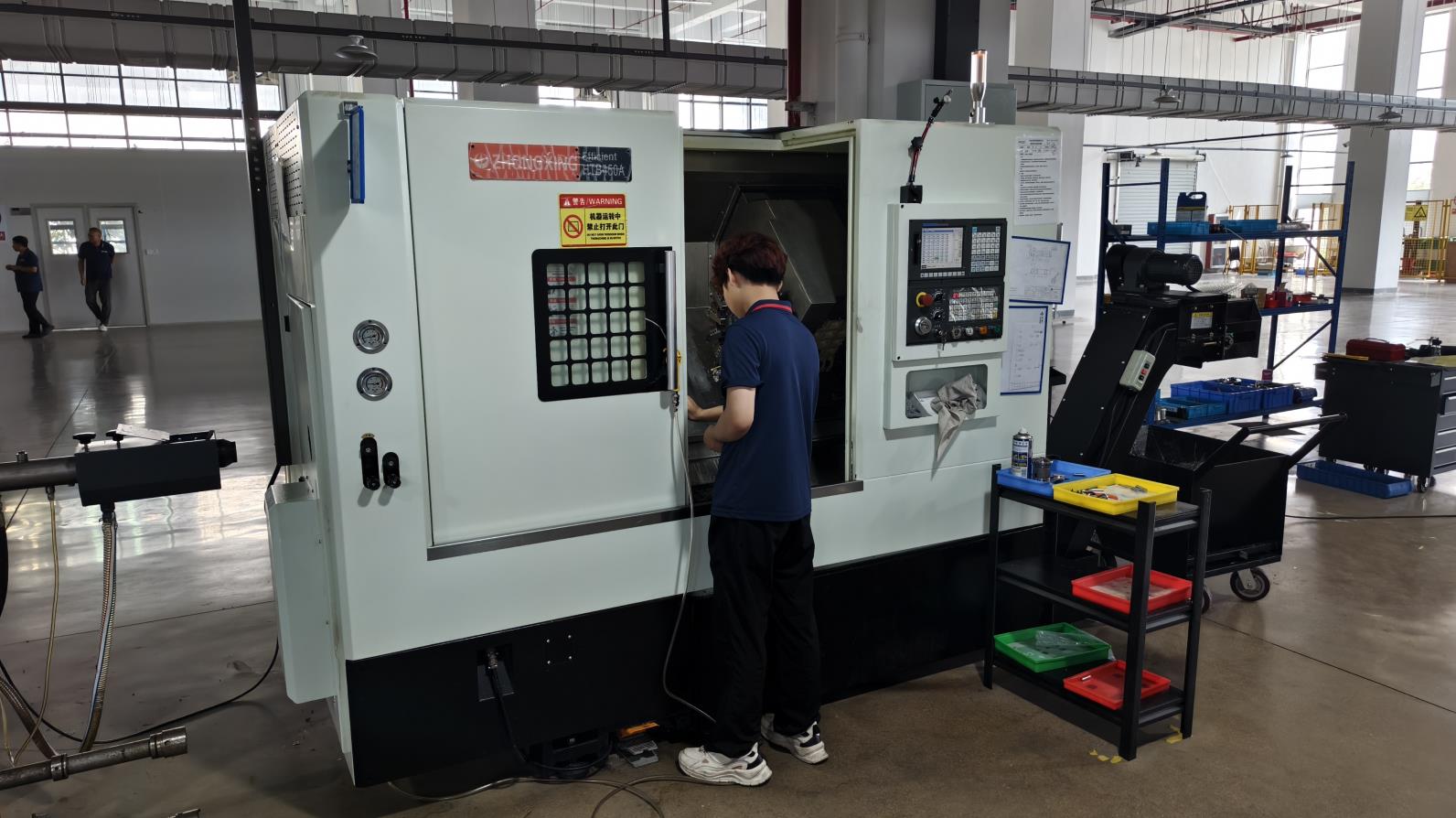
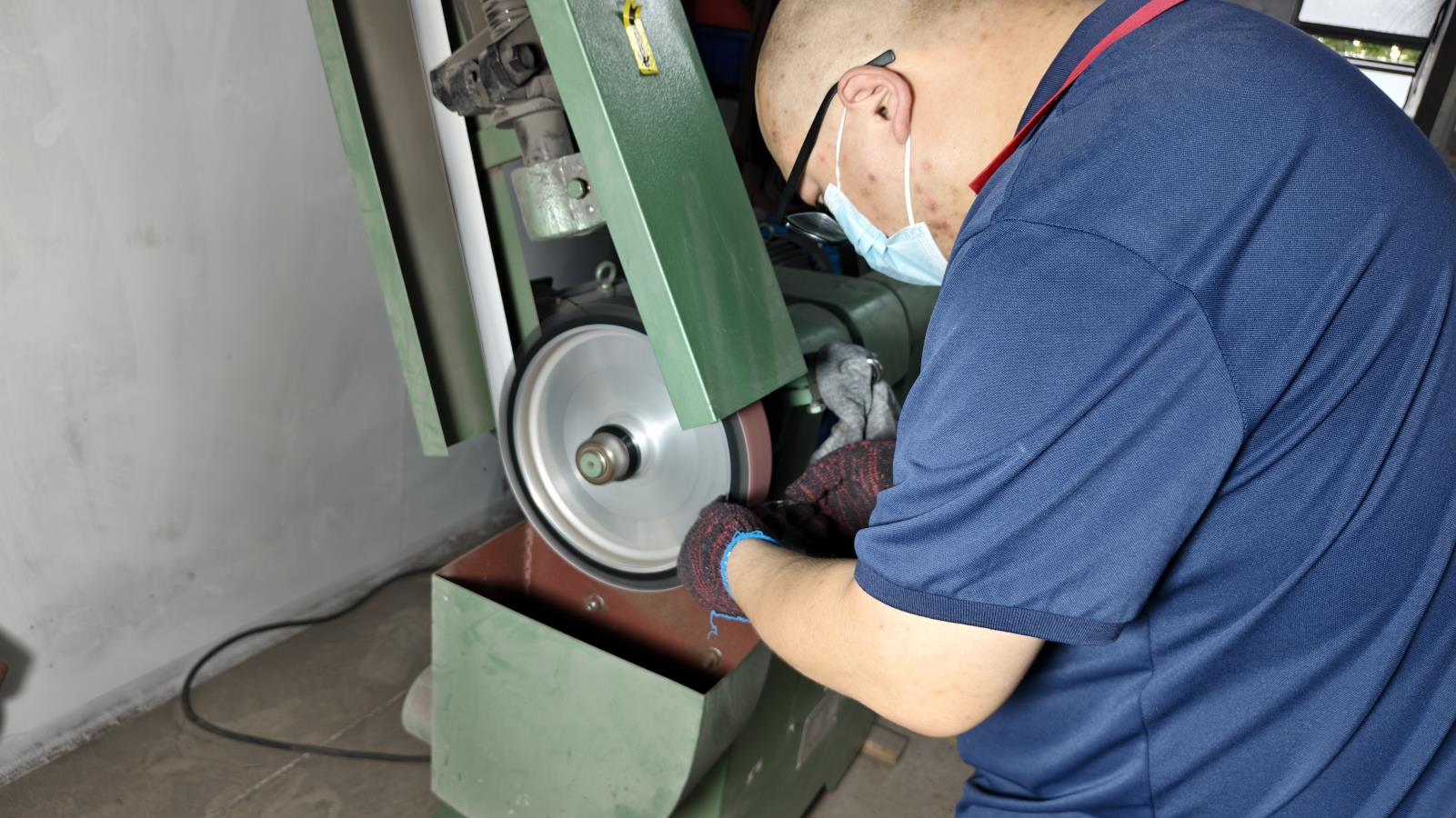
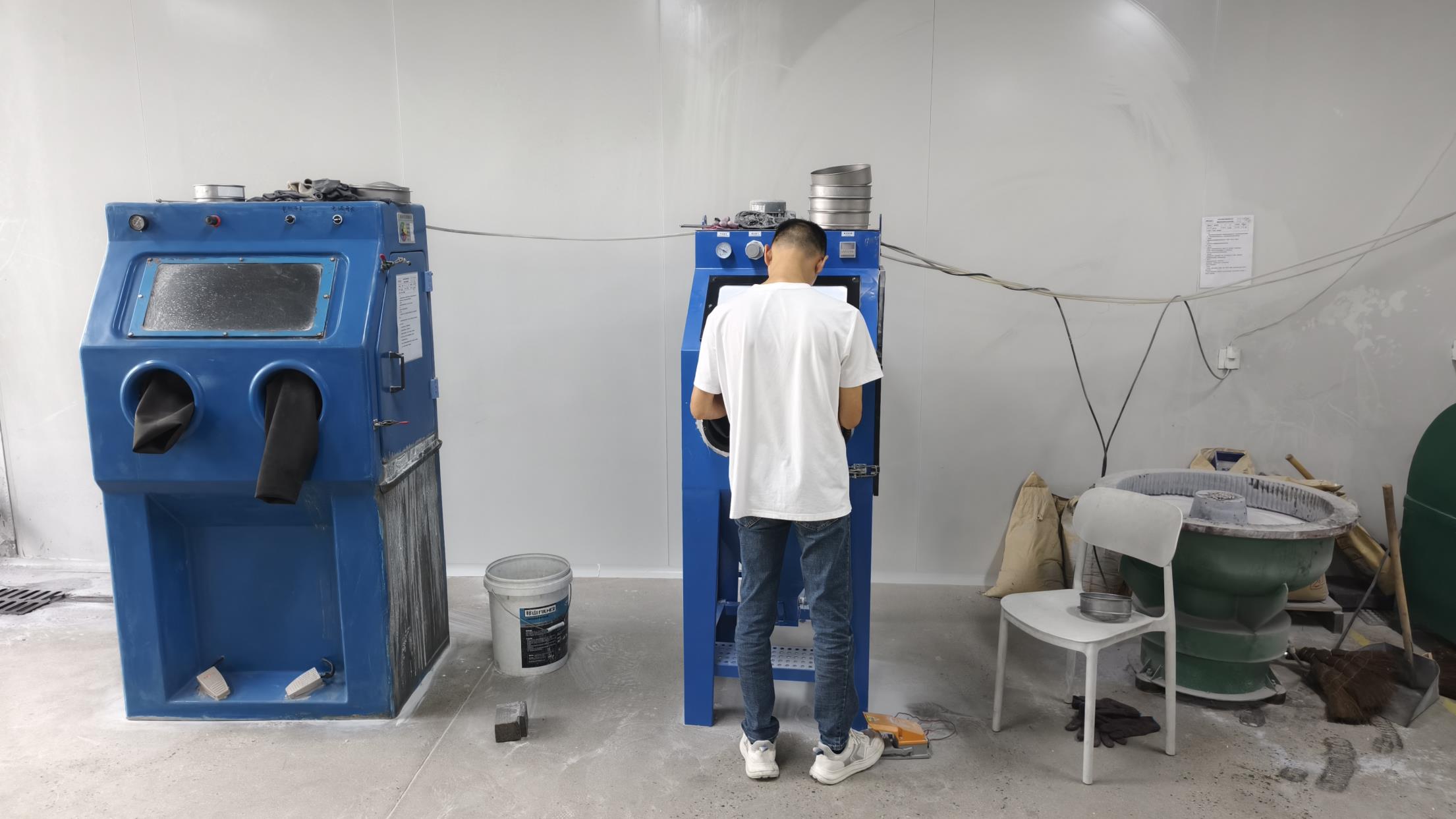
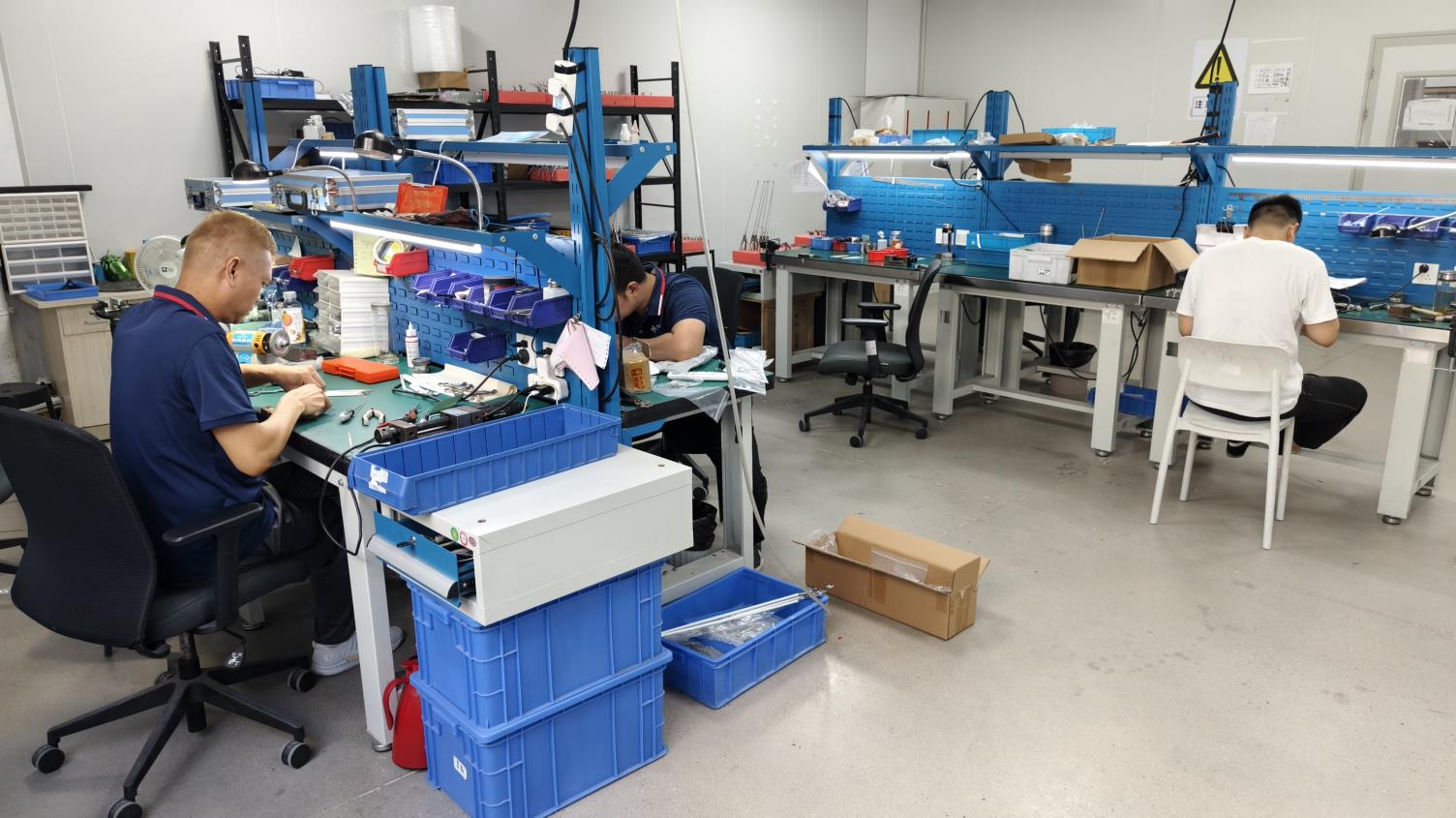
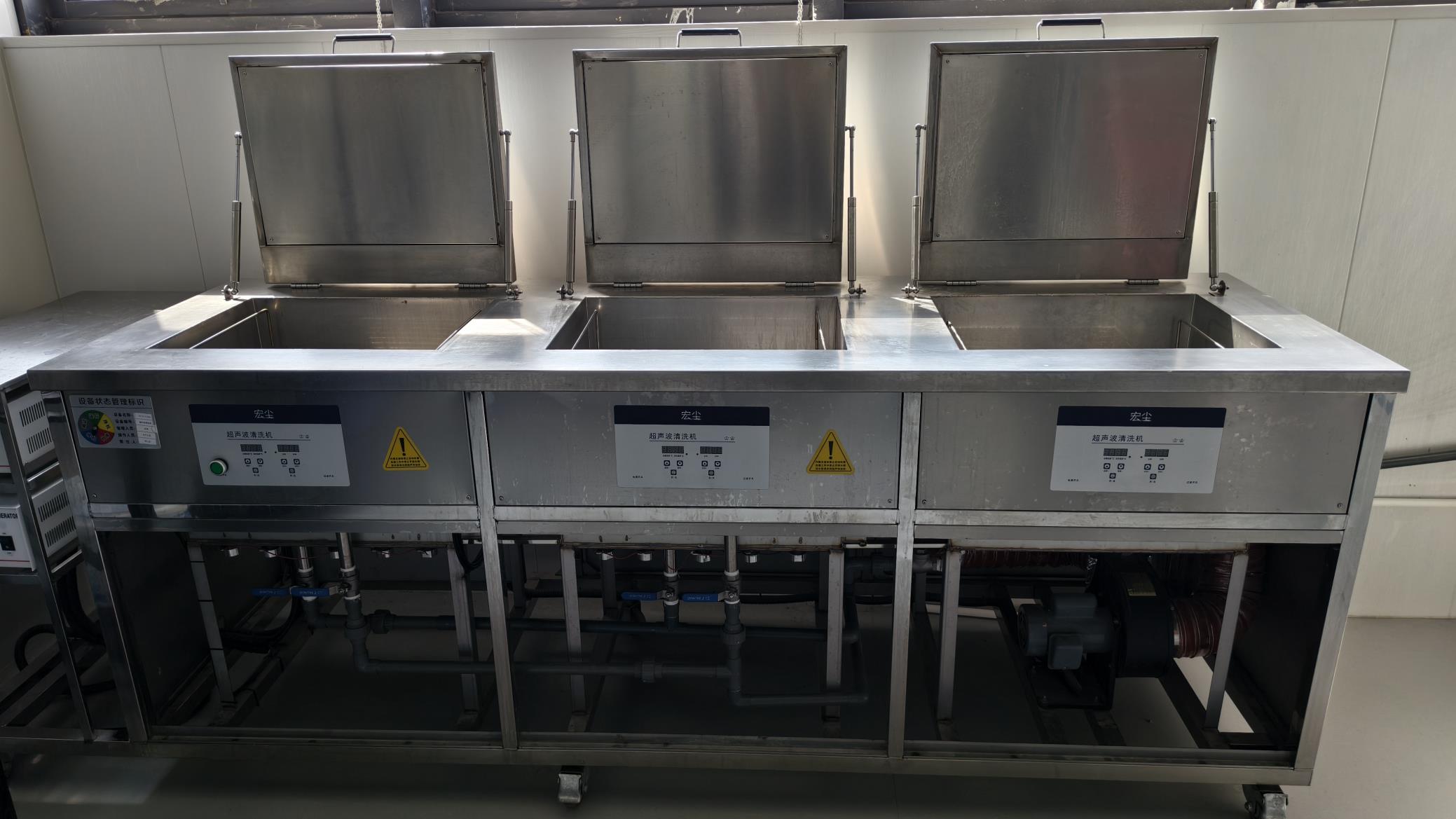
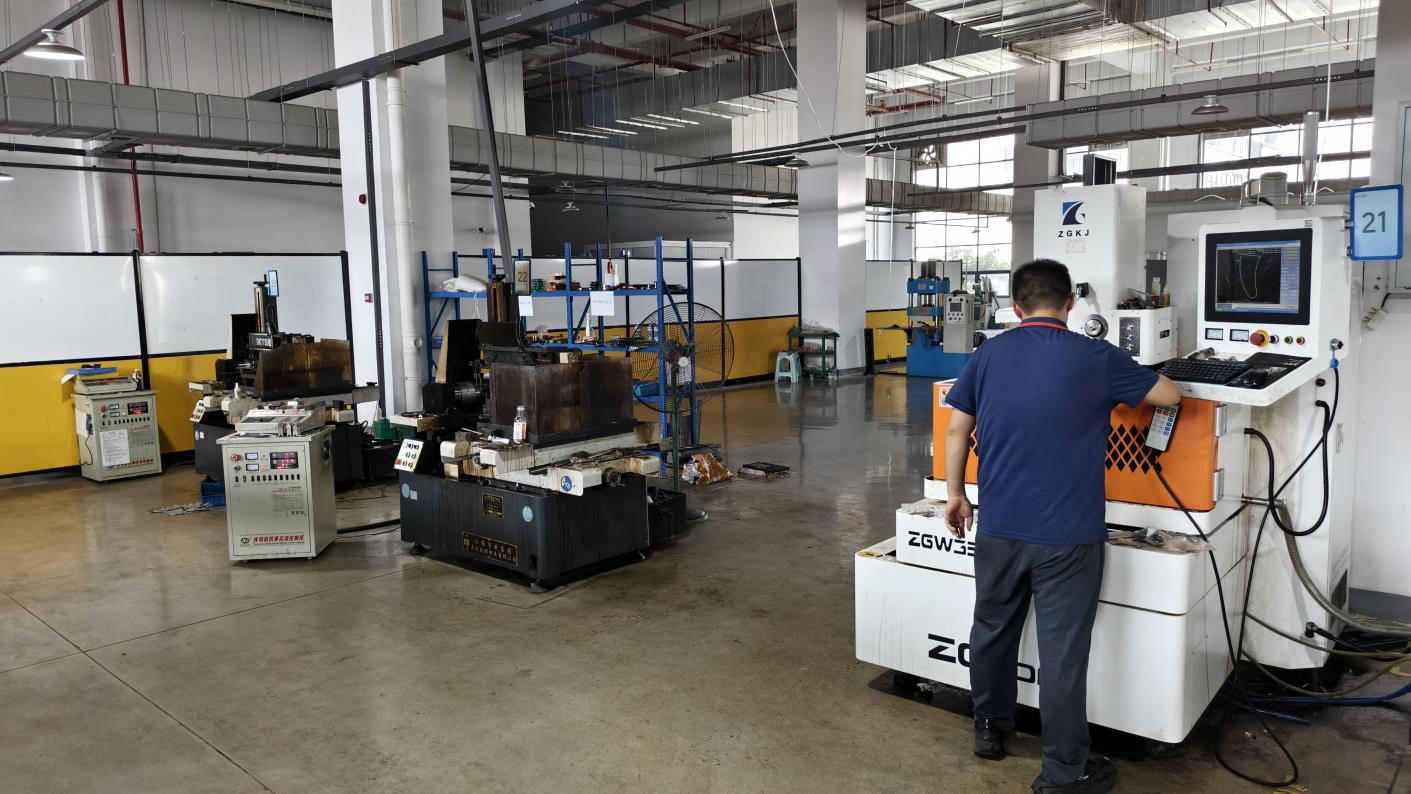
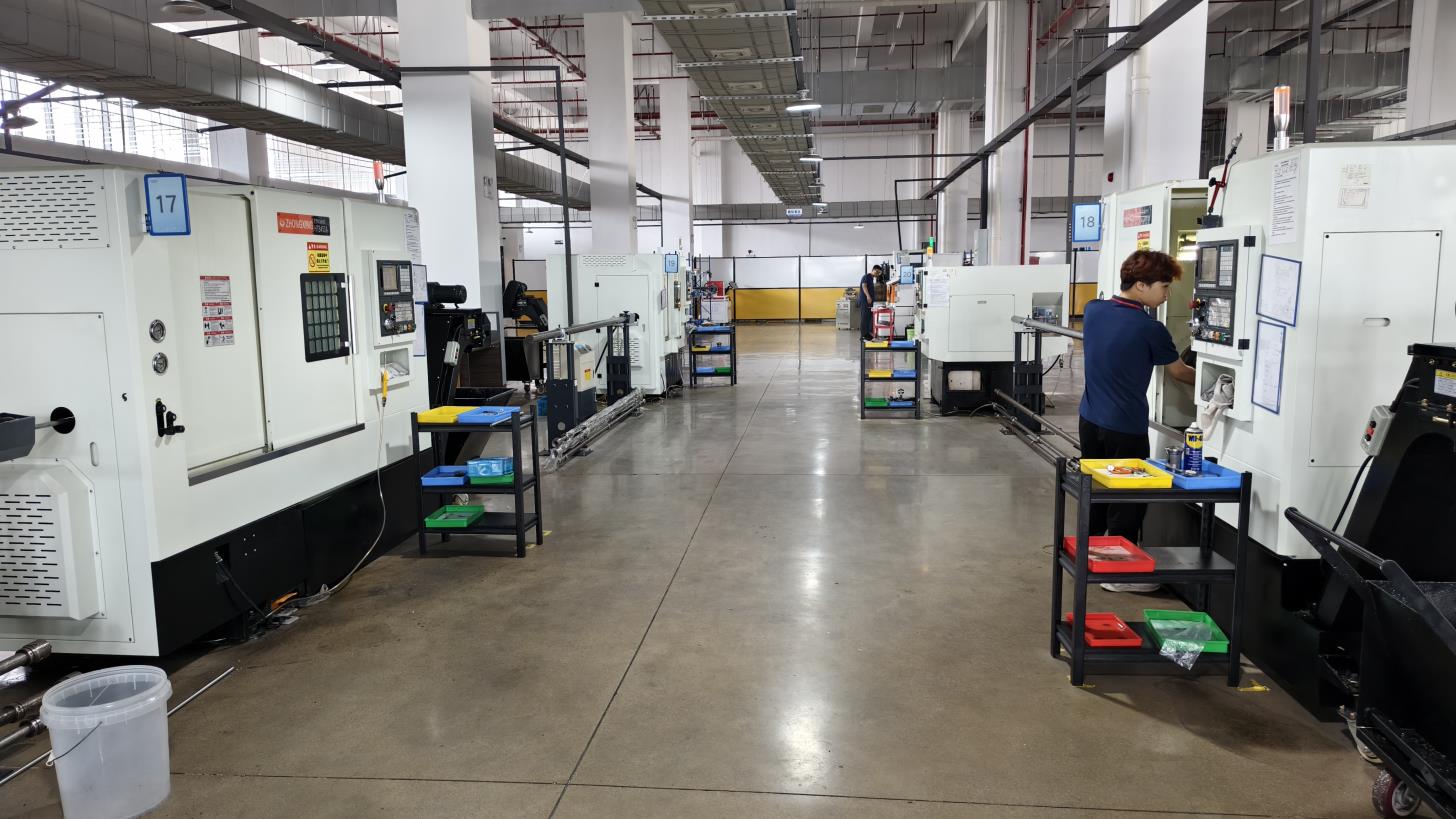
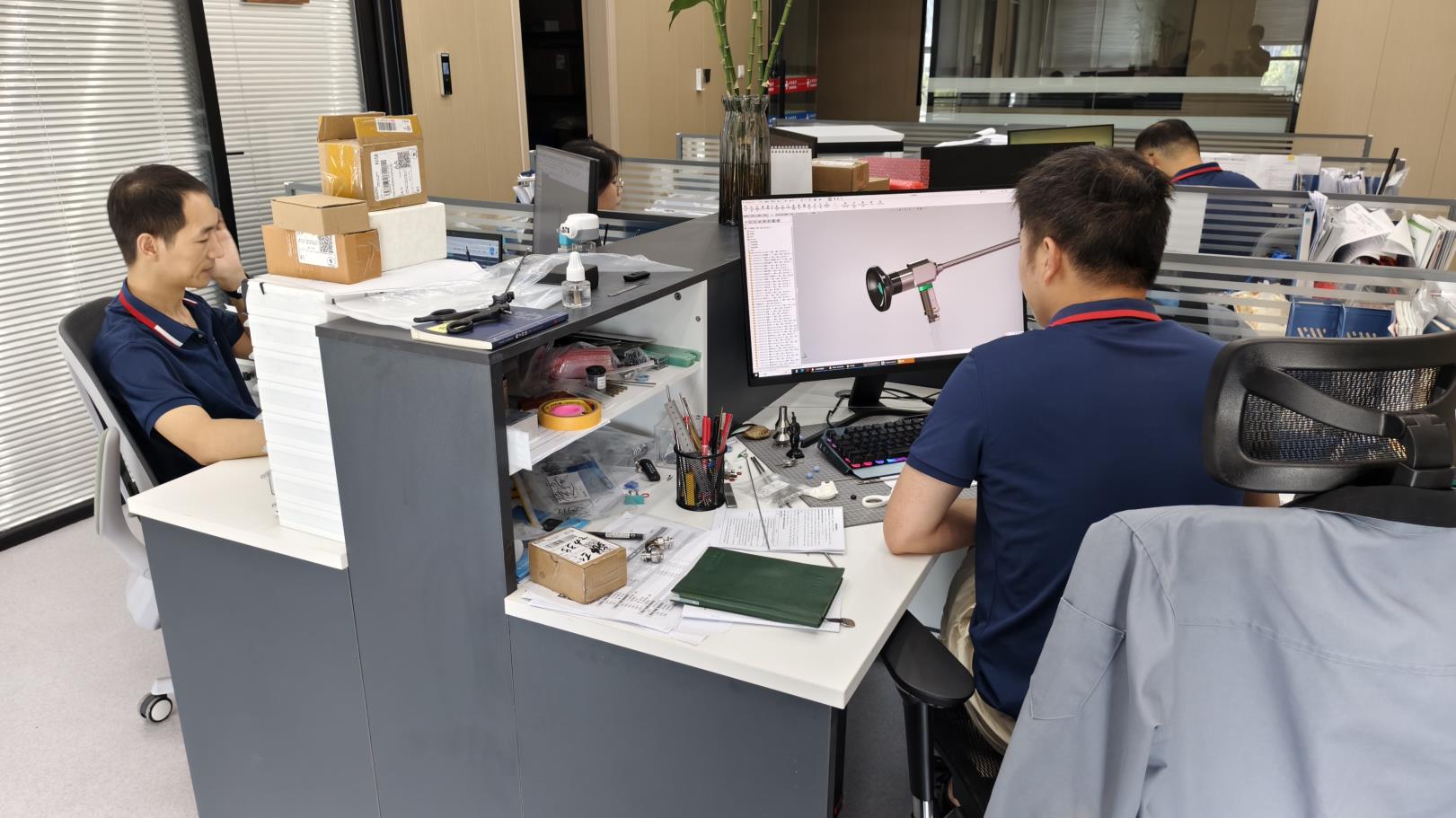
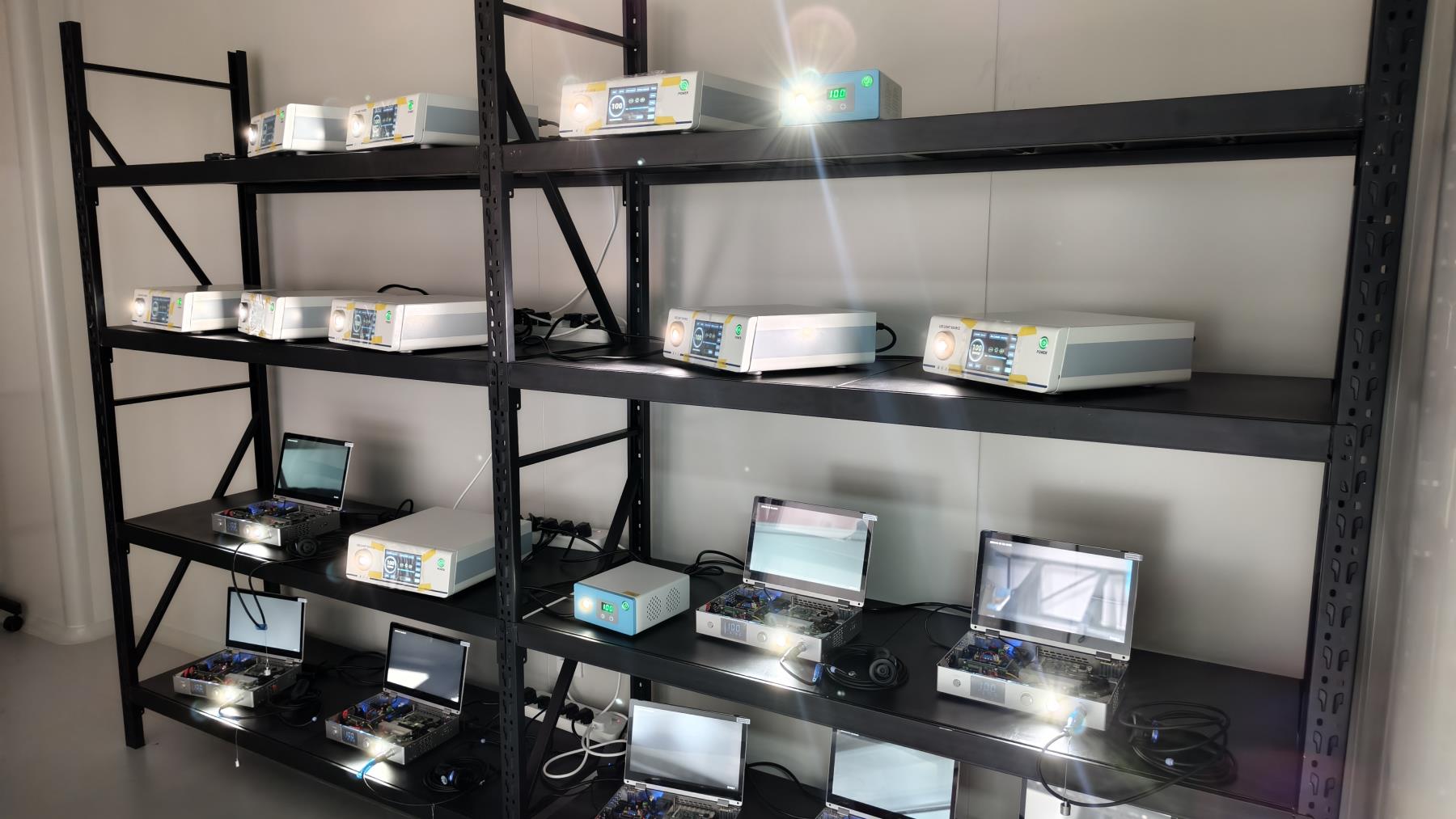
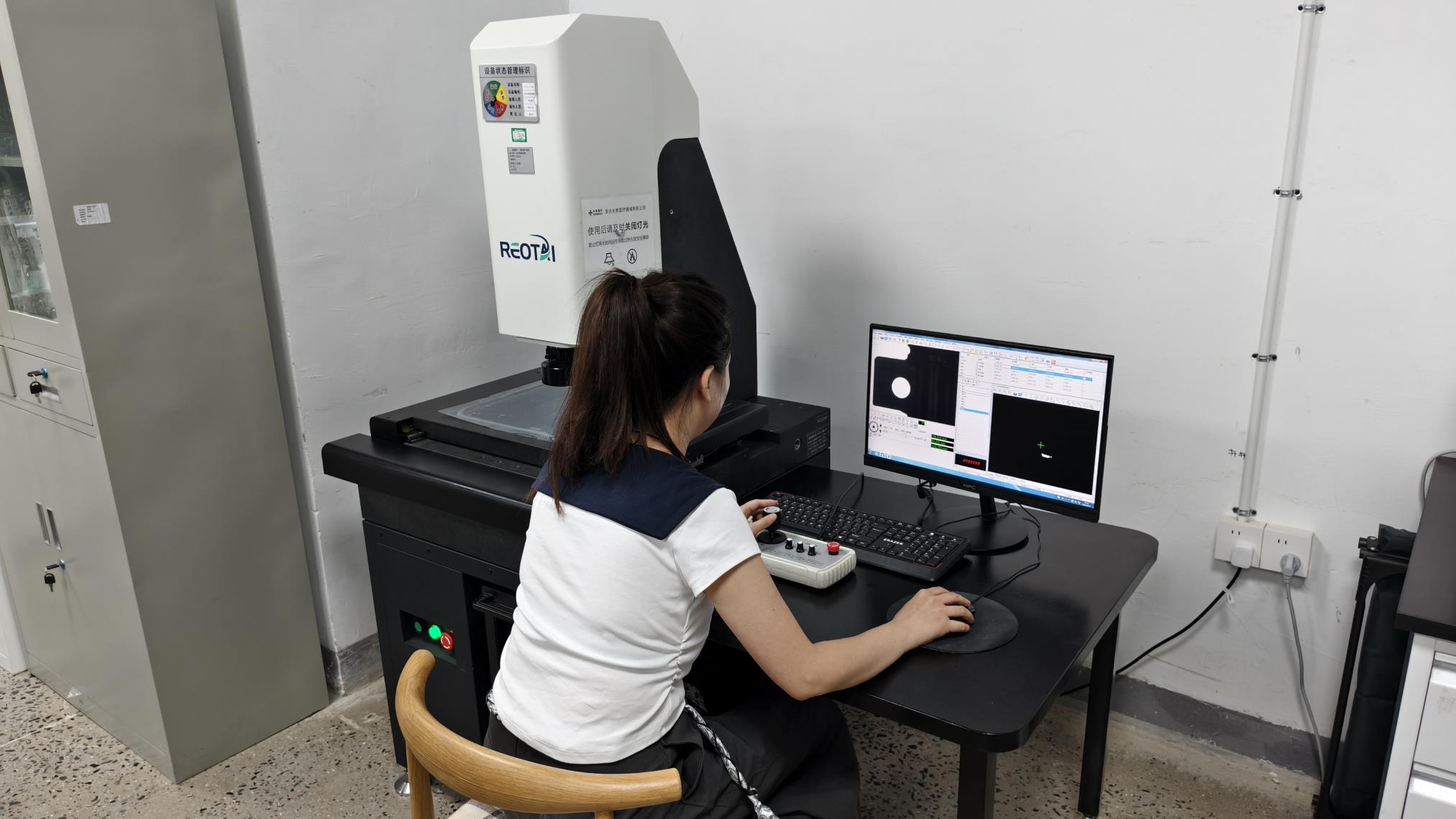
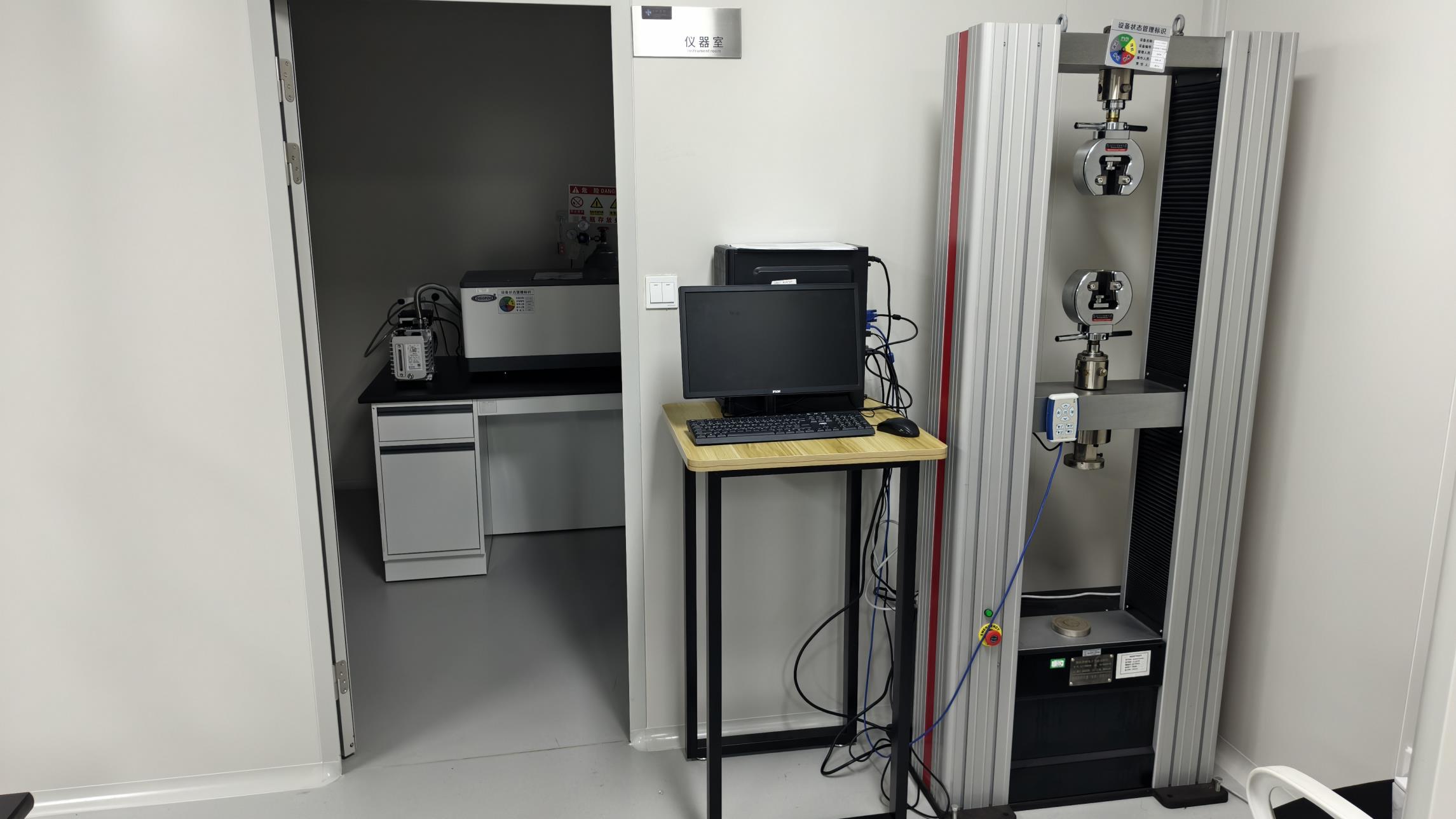
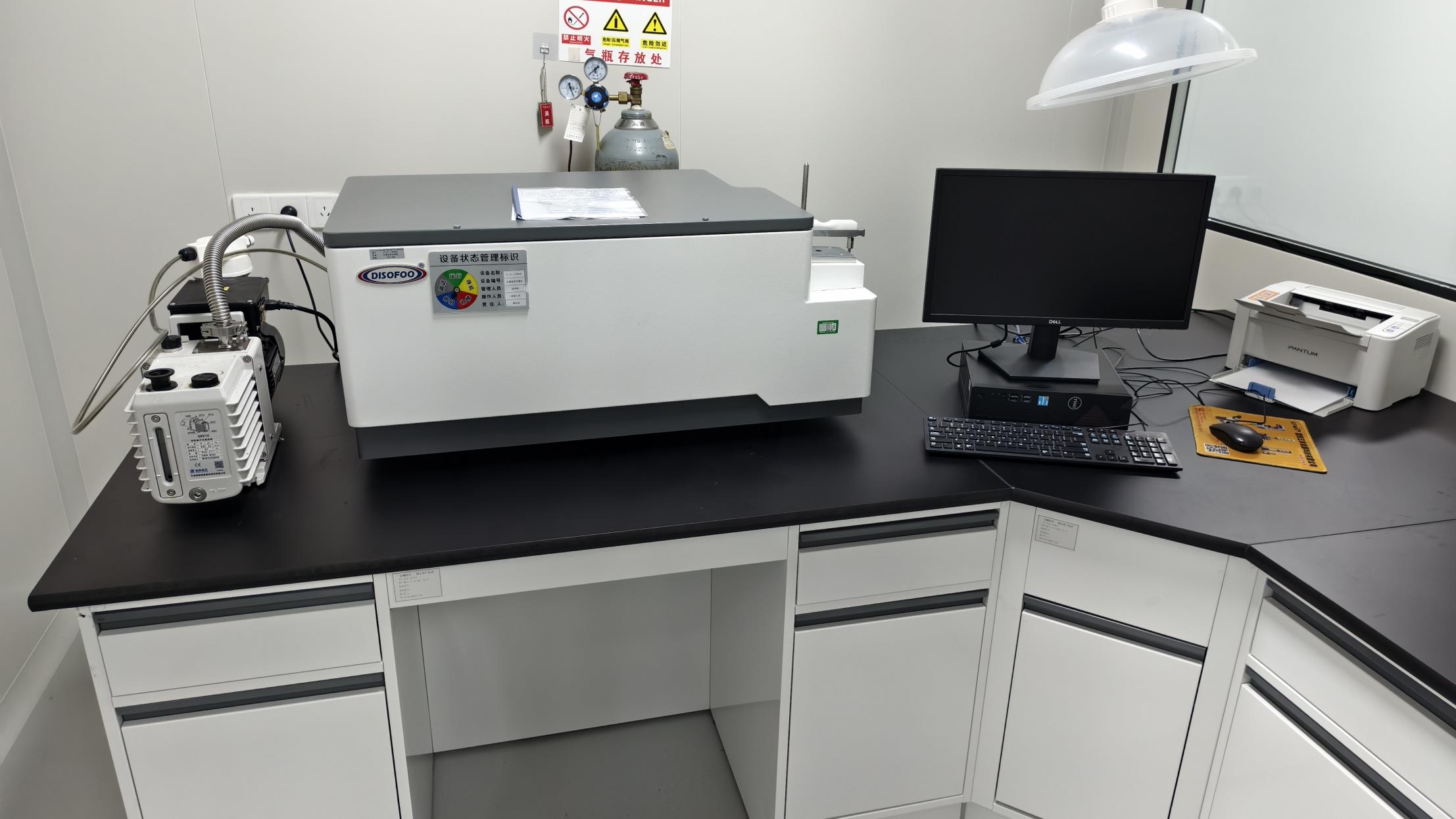
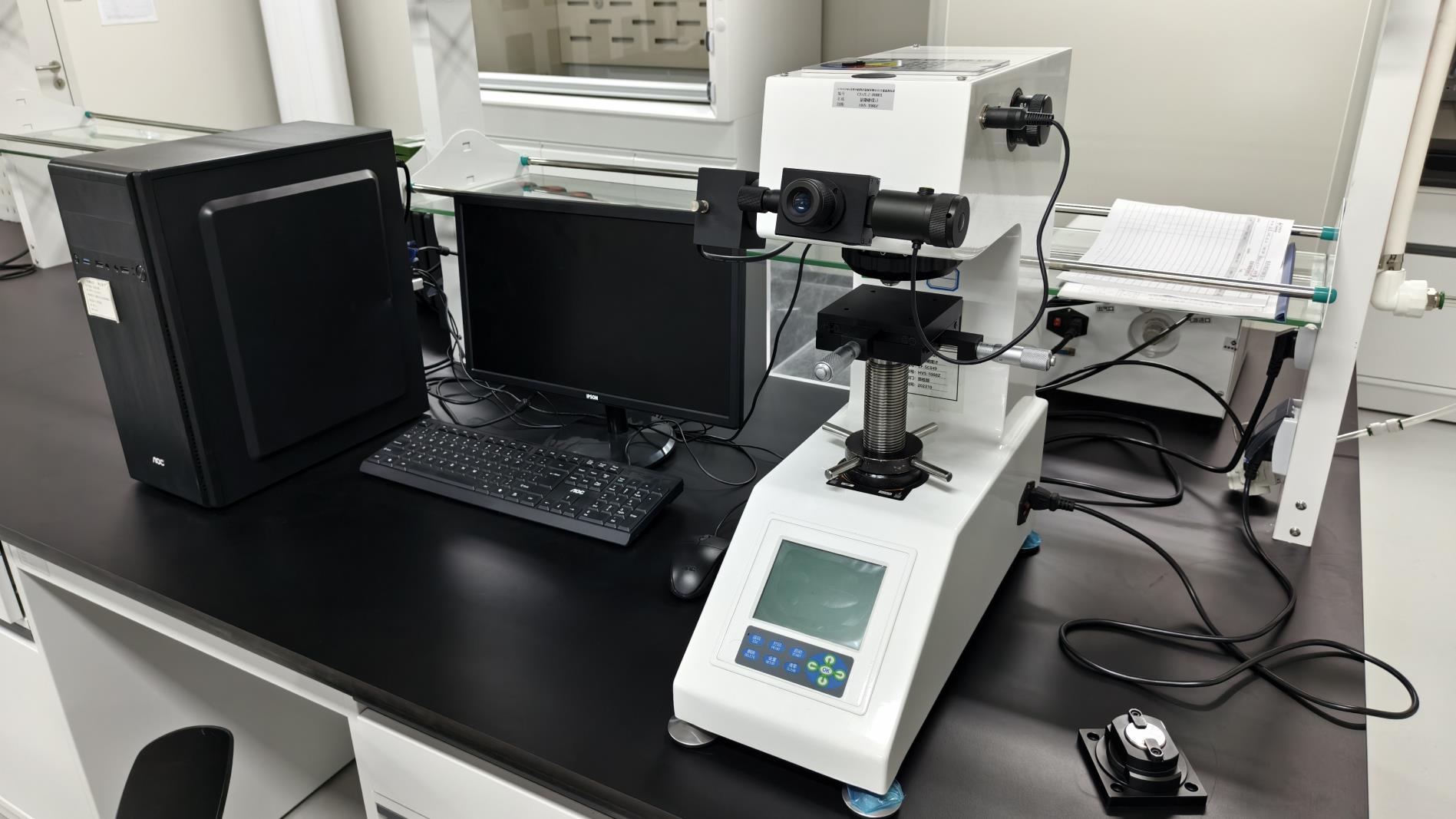
Bridging the gap between strict global regulatory demands and regional surgical preferences.
We modify implant geometries and size arrays to suit different demographics. This ensures perfect joint matching across North American, European, and Asian populations to minimize bone resorption and aseptic loosening.
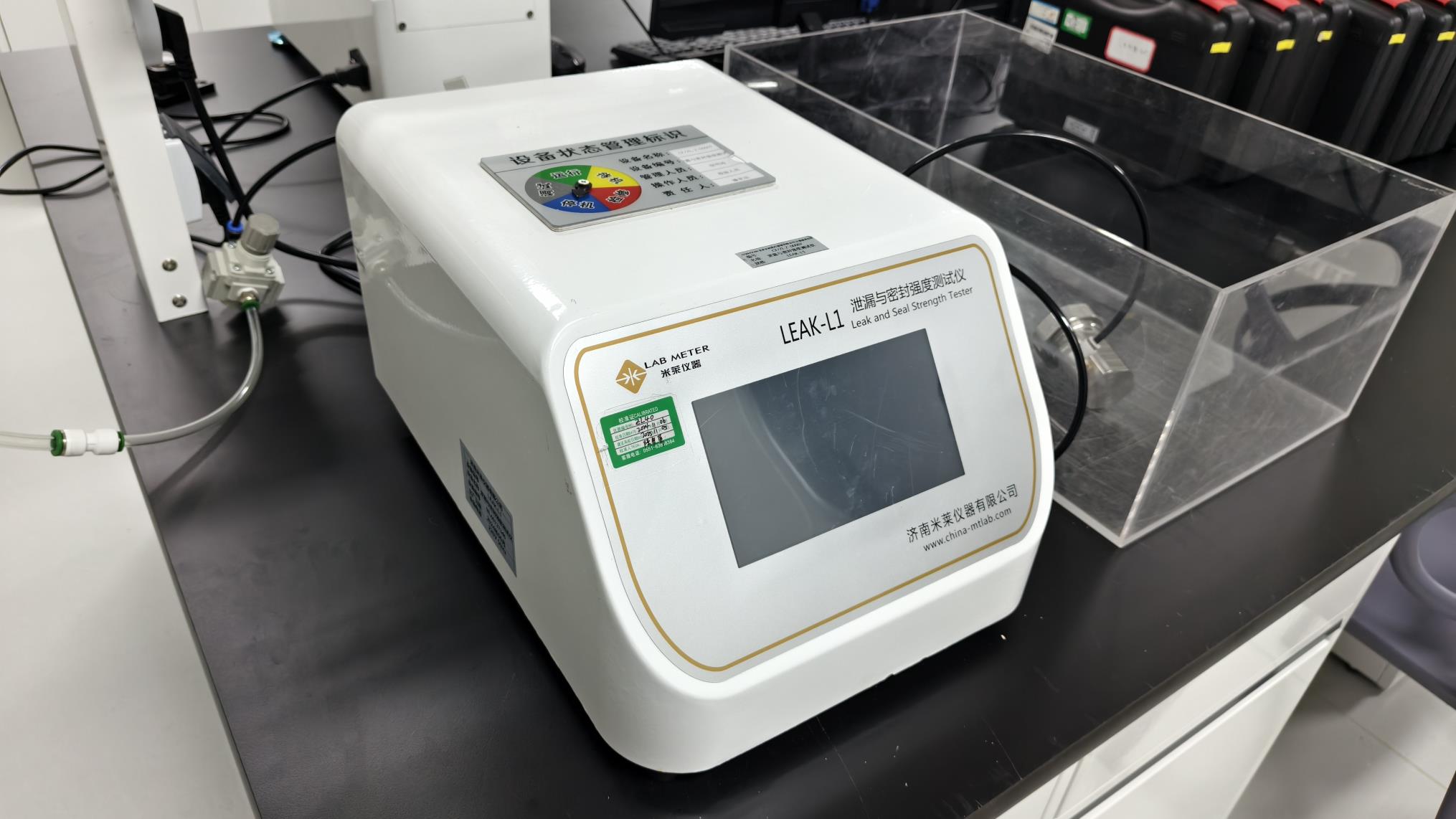
Zynfuse delivers complete validation documentation: biocompatibility profiles (ISO 10993), packaging seal integrity reports, and mechanical endurance data to facilitate easy import clearance.
Our instruments and knee implants are designed for seamless integration in both traditional Operating Rooms and modern Ambulatory Surgical Centers (ASCs), supporting fast-track orthopedic protocols.
The orthopedic market is rapidly transitioning toward Personalized Arthroplasty. Research reveals that matching the anatomical rotation of the patient yields superior functional recovery compared to rigid mechanical alignment. Crucial updates in the industry include:
Technical explanations regarding materials, manufacturing standards, and supply agreements.
Our femoral components are fabricated using high-purity Cobalt-Chromium-Molybdenum (CoCrMo) alloy conforming to ASTM F75 or ISO 5832-4 standards. Tibial trays and locking mechanisms are produced from Titanium alloy (Ti6Al4V ELI) conforming to ASTM F136 / ISO 5832-3 to guarantee excellent biocompatibility and osseointegration. The articulating bearing uses medical-grade Ultra-High-Molecular-Weight Polyethylene (UHMWPE) complying with ASTM F648.
We perform multi-directional simulator wear tests running up to 5 million cycles, following ISO 14243 standards. The polyethylene undergo careful sterilization processes (ethylene oxide or gamma irradiation in a controlled nitrogen environment) to minimize free radicals, significantly reducing long-term wear rates and osteolysis risks.
Yes. Our R&D team consisting of 85 design engineers provides complete OEM/ODM solutions. We alter implant geometries, scale profiles, and design specialized surgical instrument kits (instruments and guides) to fit the anatomical requirements of your targeted regional market.
Each production batch undergoes 100% dimensional verification using 2D video measuring machines and coordinate measuring machines (CMM). Additionally, we verify raw material heat chemistry using a spectrometer, test structural hardness, inspect surface roughness down to sub-micron scales, and perform packaging seal integrity and leakage verification to guarantee sterile barrier safety.
For standard implant profiles, the typical production lead time ranges from 30 to 45 days after deposit validation and drawing finalization. For custom OEM orders requiring prototype tooling and new mechanical validation runs, the timeline runs from 60 to 90 days, depending on regulatory documentation needs.
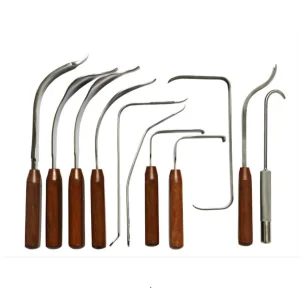
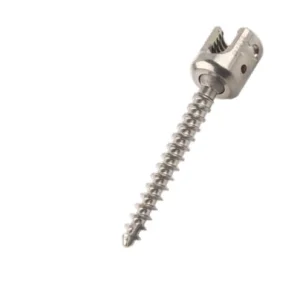
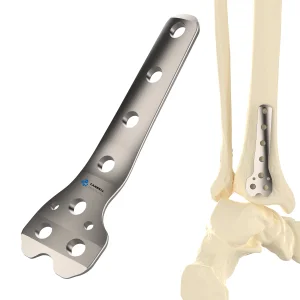
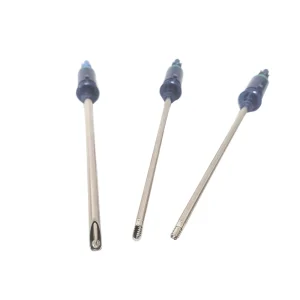
Discover our comprehensive collection of trauma plates, spinal systems, and micro-precision power tools.