Zynfuse
Zynfuse
Zynfuse
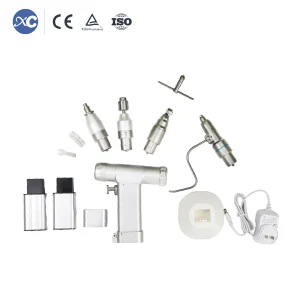
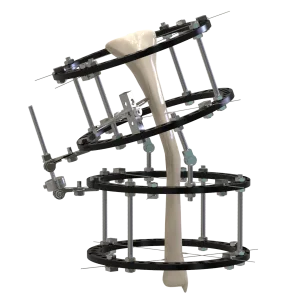
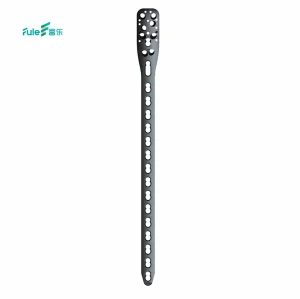
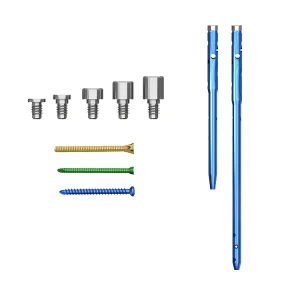
Explore our premium clinical portfolio including osteosynthesis systems, electric power tools, and high-precision fixation solutions optimized for surgeons worldwide.
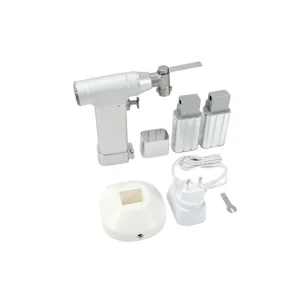
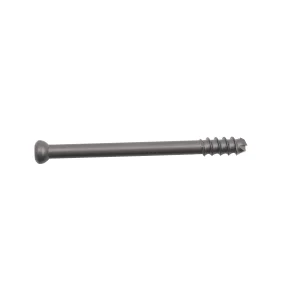
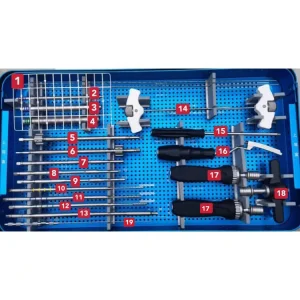
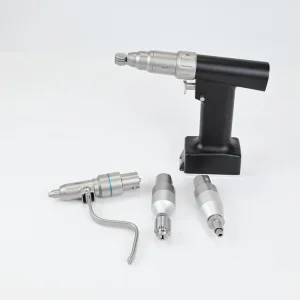

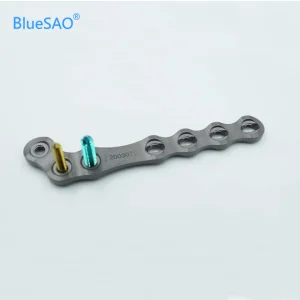
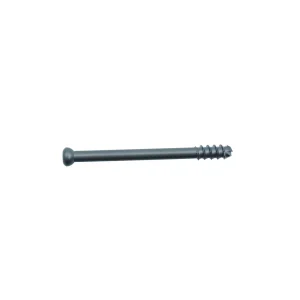
Within spinal arthrodesis, the transition from monoaxial stabilization to polyaxial pedicle screws represents one of the most critical structural advancements in orthopedic engineering. Designed to secure posterior spinal fusion, polyaxial pedicle screws provide multi-directional angulation options, easing rod insertion in complex multi-level thoracic and lumbosacral procedures. The clinical value is clear: reducing spinal stress points while simplifying surgical workflows.
For medical distributors, hospital procurement managers, and specialized importers, choosing a manufacturer goes beyond evaluating a catalogue. It requires analyzing the biomechanical design, material composition, quality control systems, and regulatory credentials. This whitepaper explains the technical specifications, production standards, and macro trends that define top-tier polyaxial pedicle screws.
The primary function of a polyaxial screw is to anchor the spine during fusion, preventing instrumentation failure. A quality polyaxial pedicle screw relies on three main mechanical features:
At Zynfuse Medical, our engineers focus on optimizing the joint interface. Through rigorous testing, we balance smooth polyaxial movement with secure head-to-shaft locking mechanism to prevent micro-slippage under dynamic load conditions.
The global spinal implants market continues to grow, driven by aging populations, a rising prevalence of degenerative disc diseases, and expanding spinal trauma centers. In developed regions like North America and Europe, the focus has shifted toward minimally invasive spine surgery (MISS) and robotic-guided placement systems. These technologies require tighter manufacturing tolerances for screws and rods to ensure compatibility with surgical navigation tools.
In developing markets across Southeast Asia and the Middle East, hospitals seek a balance between affordability and strict quality standards. To meet these diverse needs, manufacturers must offer comprehensive OEM/ODM customization services. This includes modifications to thread pitch, cannulation options for cement augmentation, and customized instrument sets tailored to specific surgical techniques.
Surgical safety starts with raw materials. High-strength titanium alloy (Ti-6Al-4V ELI / Grade 5) remains the material of choice due to its high strength-to-weight ratio, biocompatibility, and excellent fatigue resistance under ASTM F136 standards. For dynamic stabilization and select anchor applications, Polyetheretherketone (PEEK) is used to match the elastic modulus of bone, reducing the risk of stress shielding.
Discover our vertical integration: from design to surface treatment, ensuring high accuracy, material traceabilty, and production consistency.
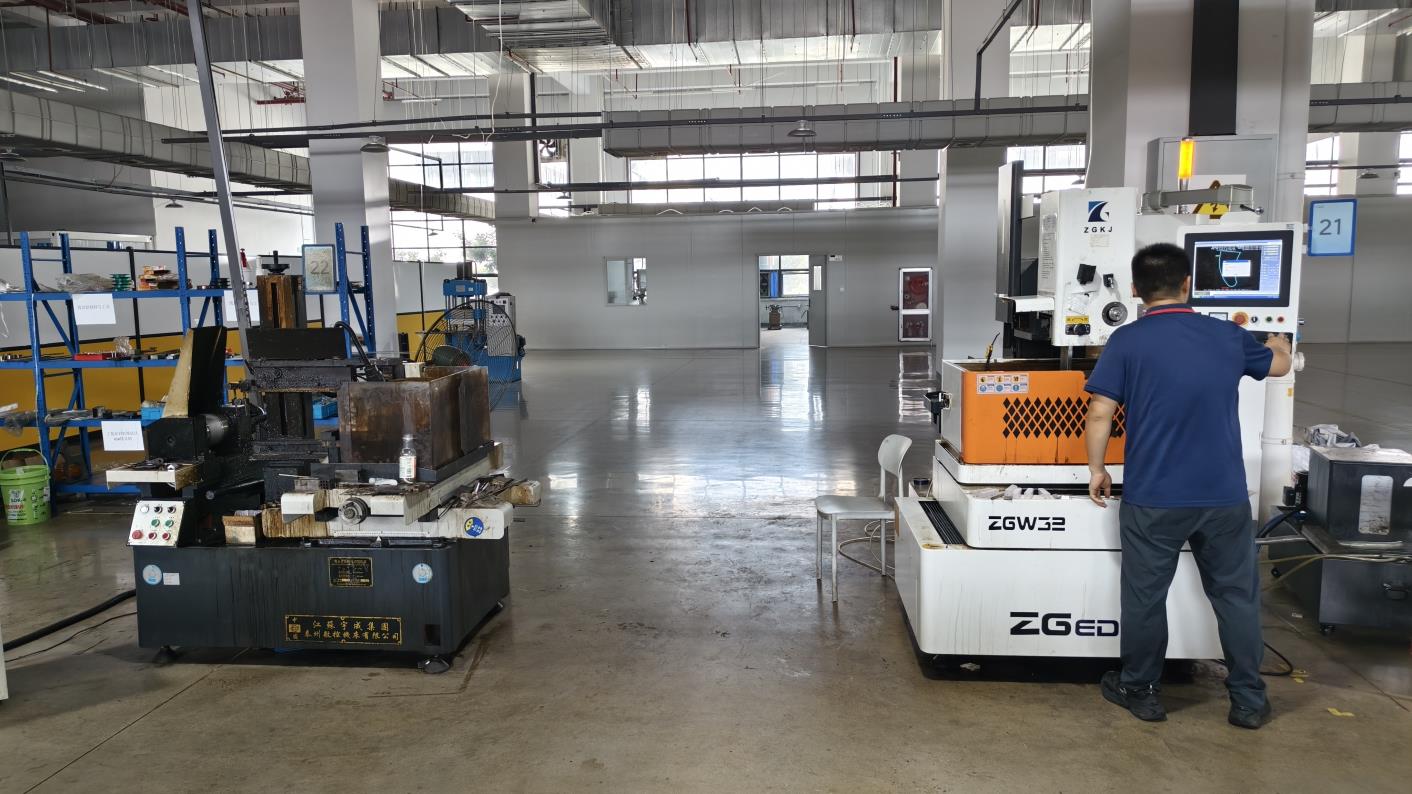
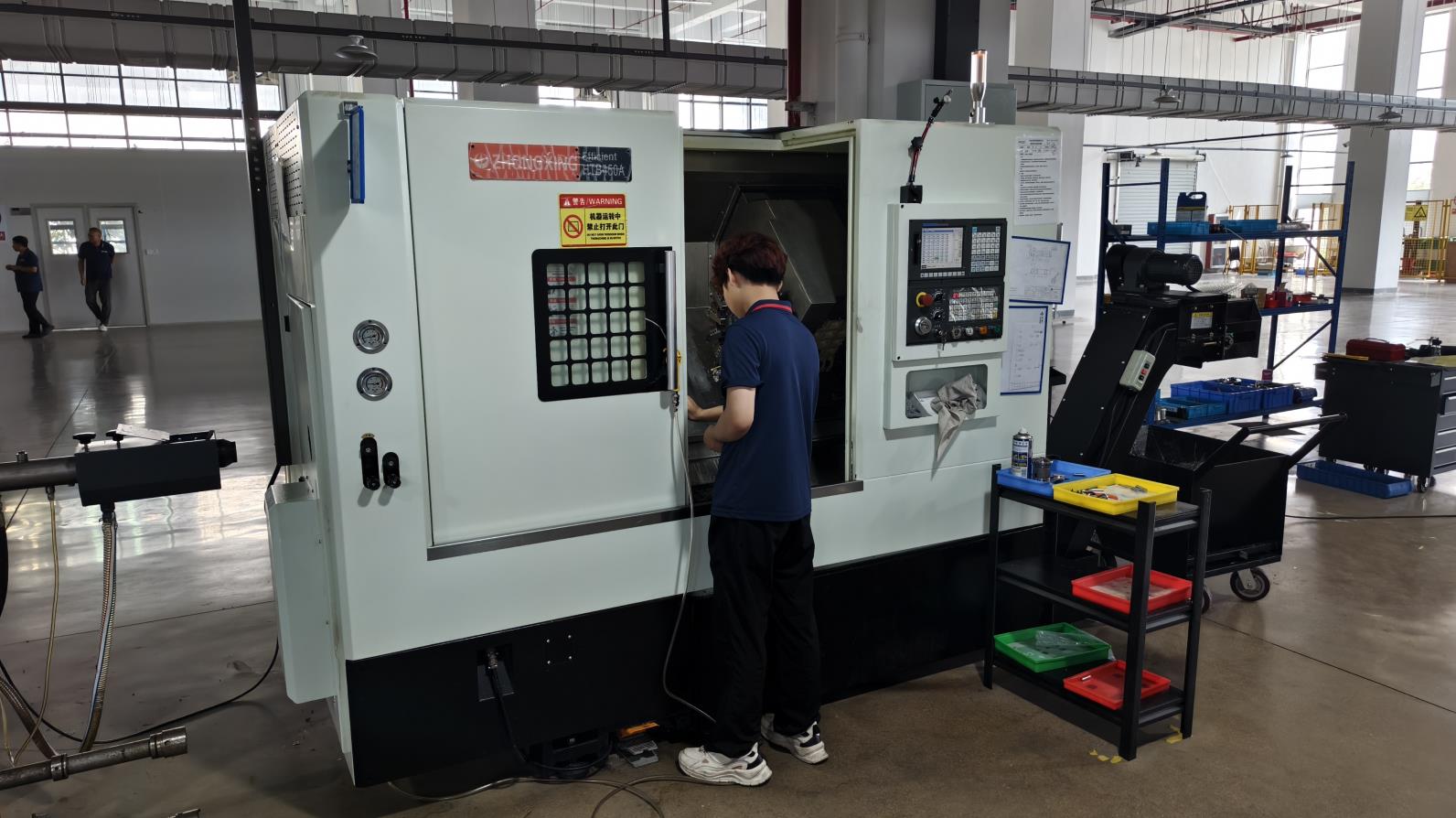
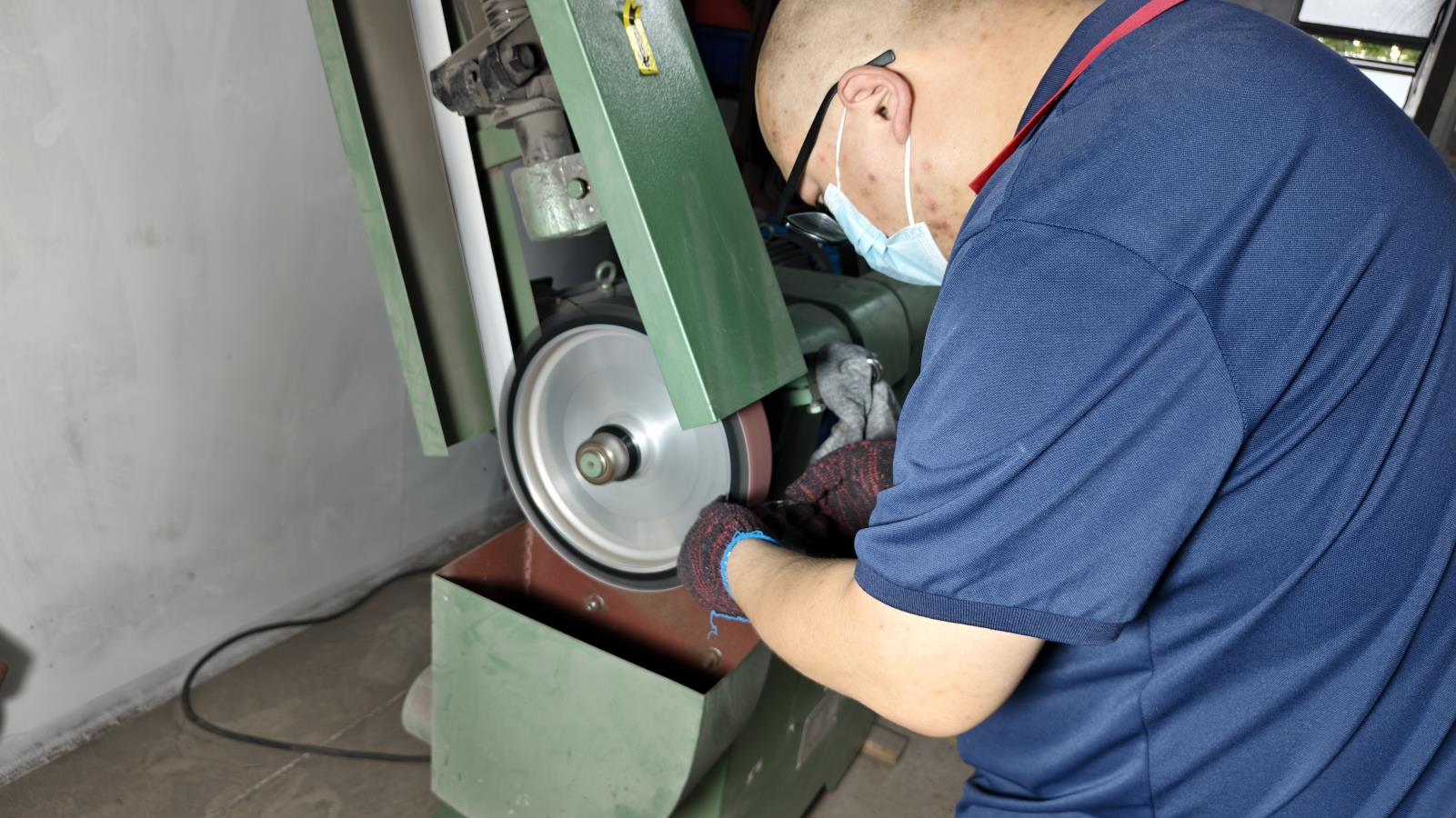
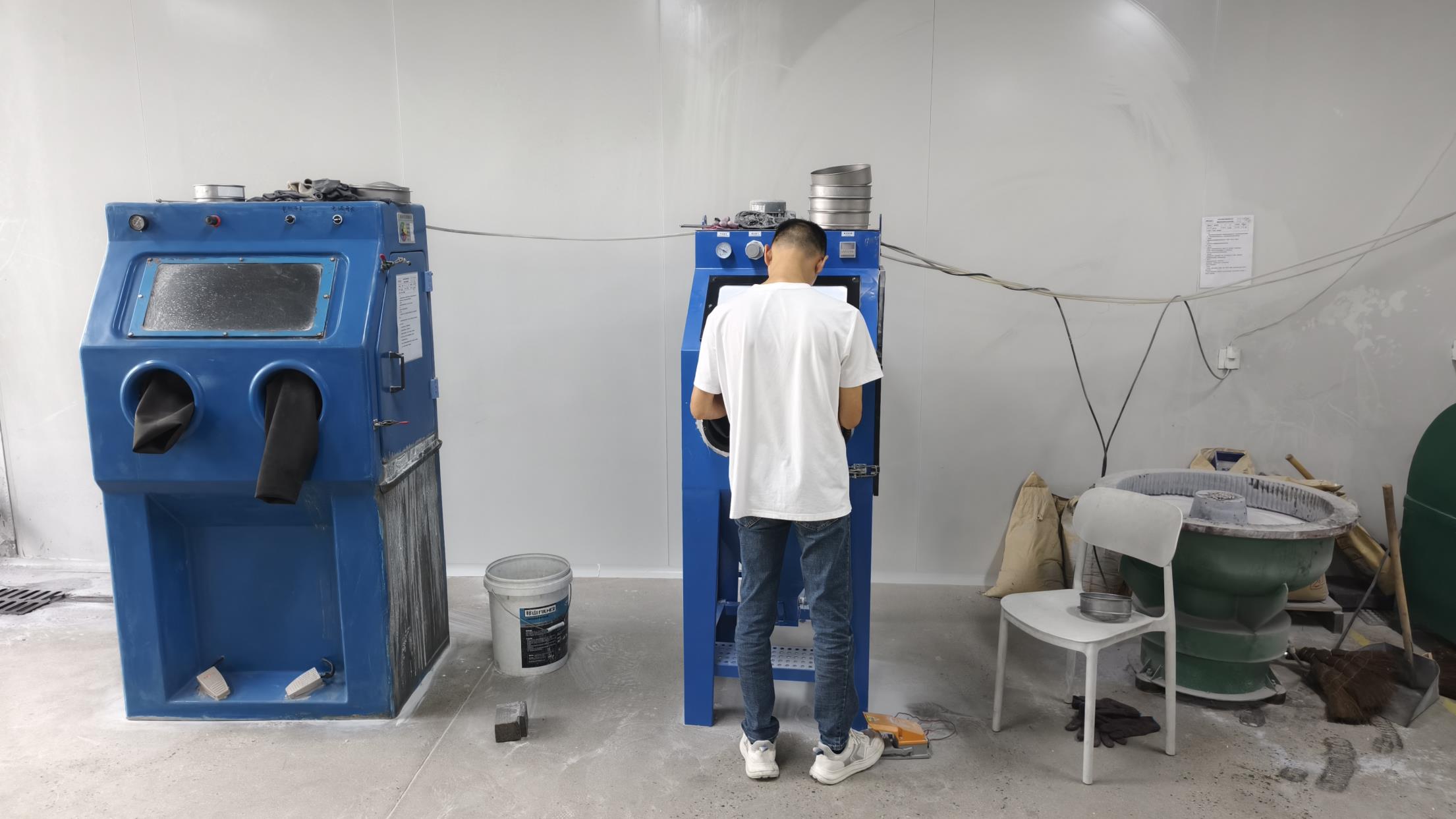
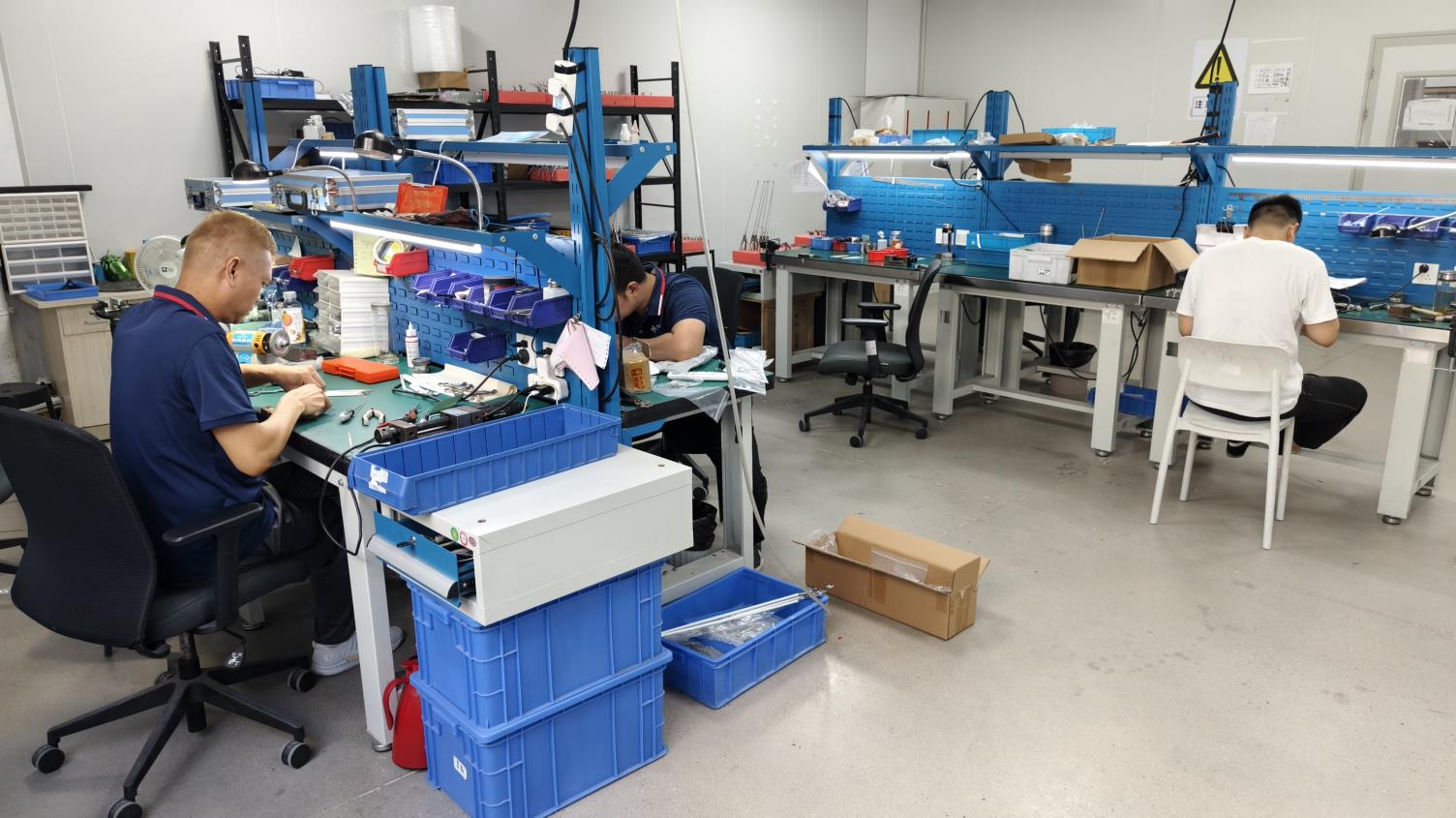
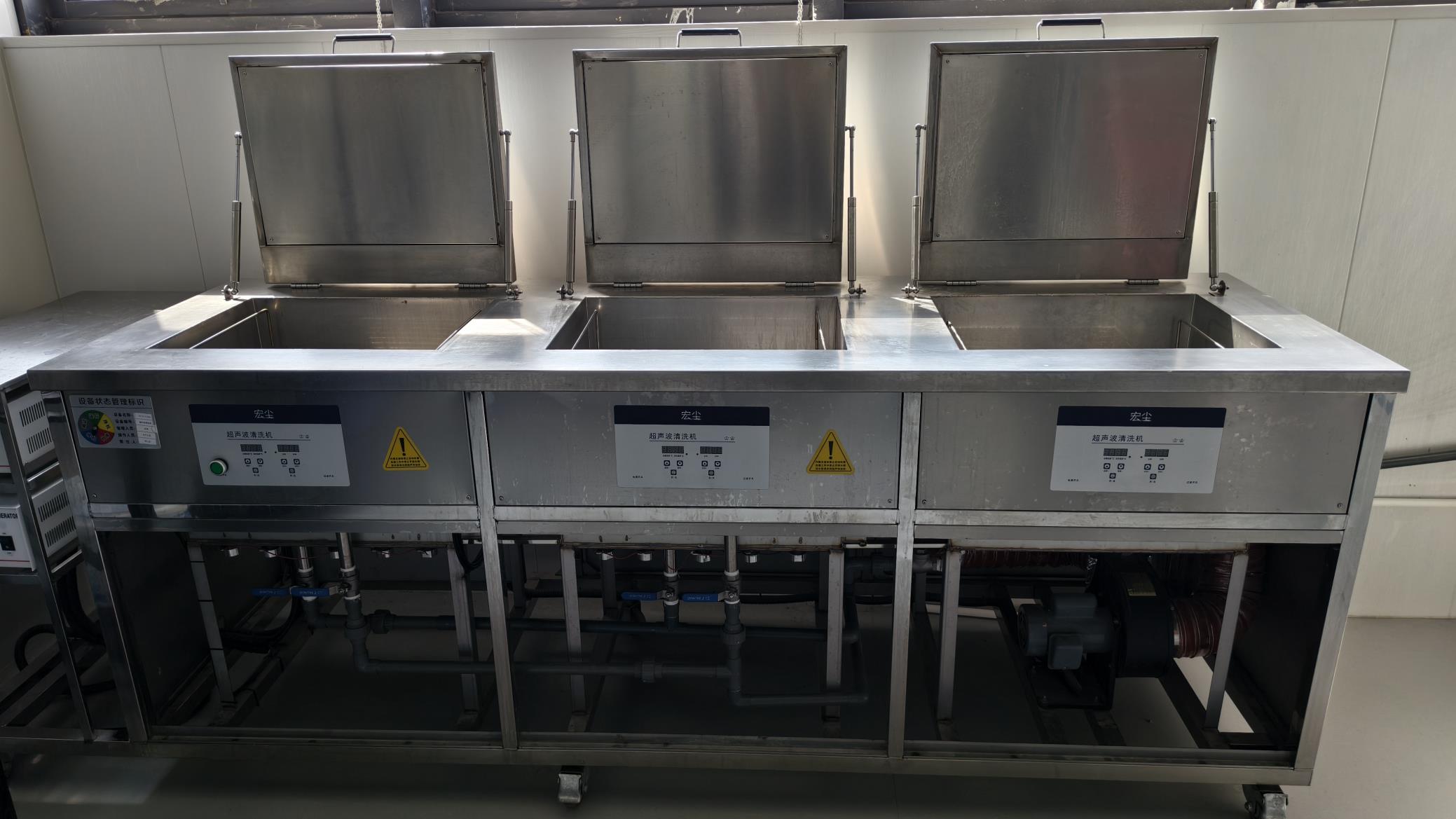
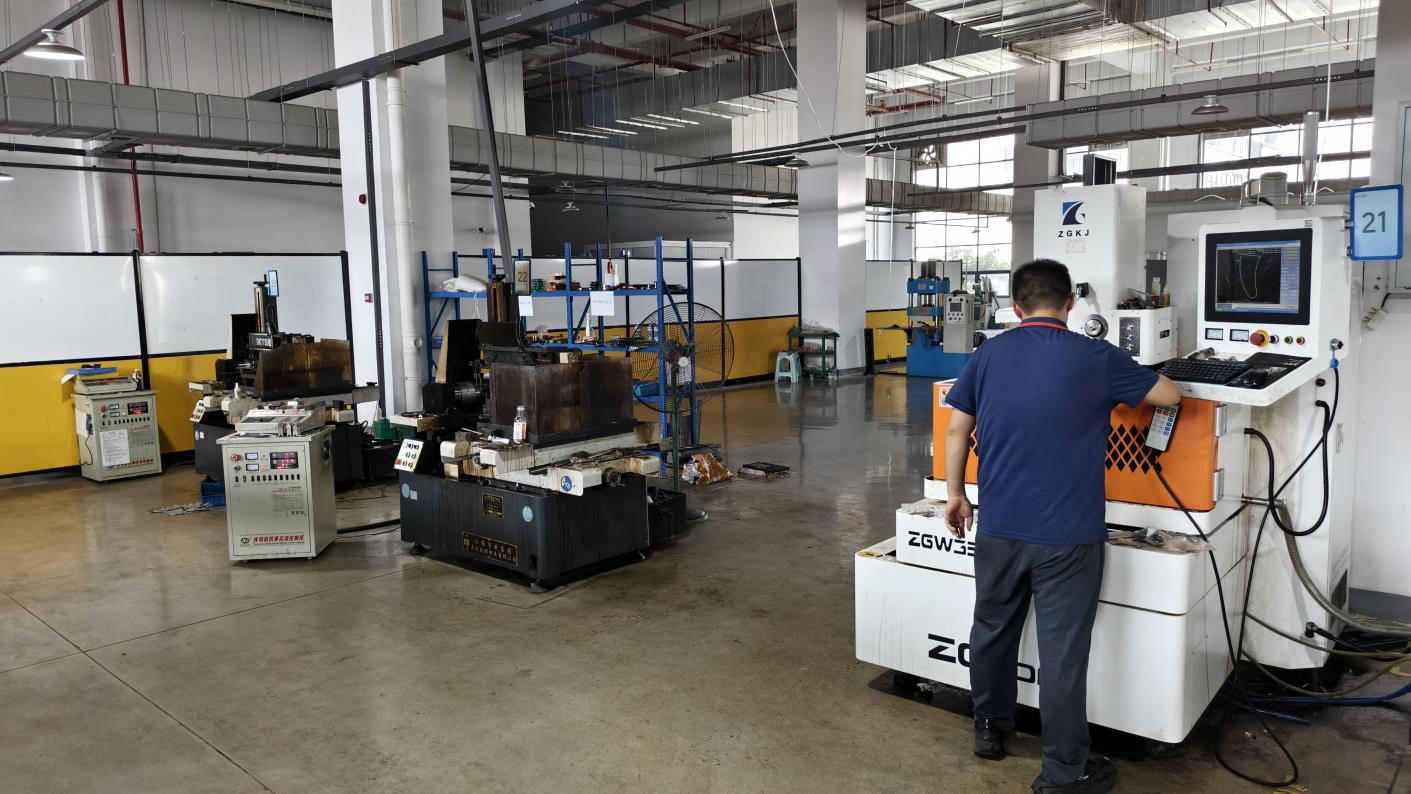
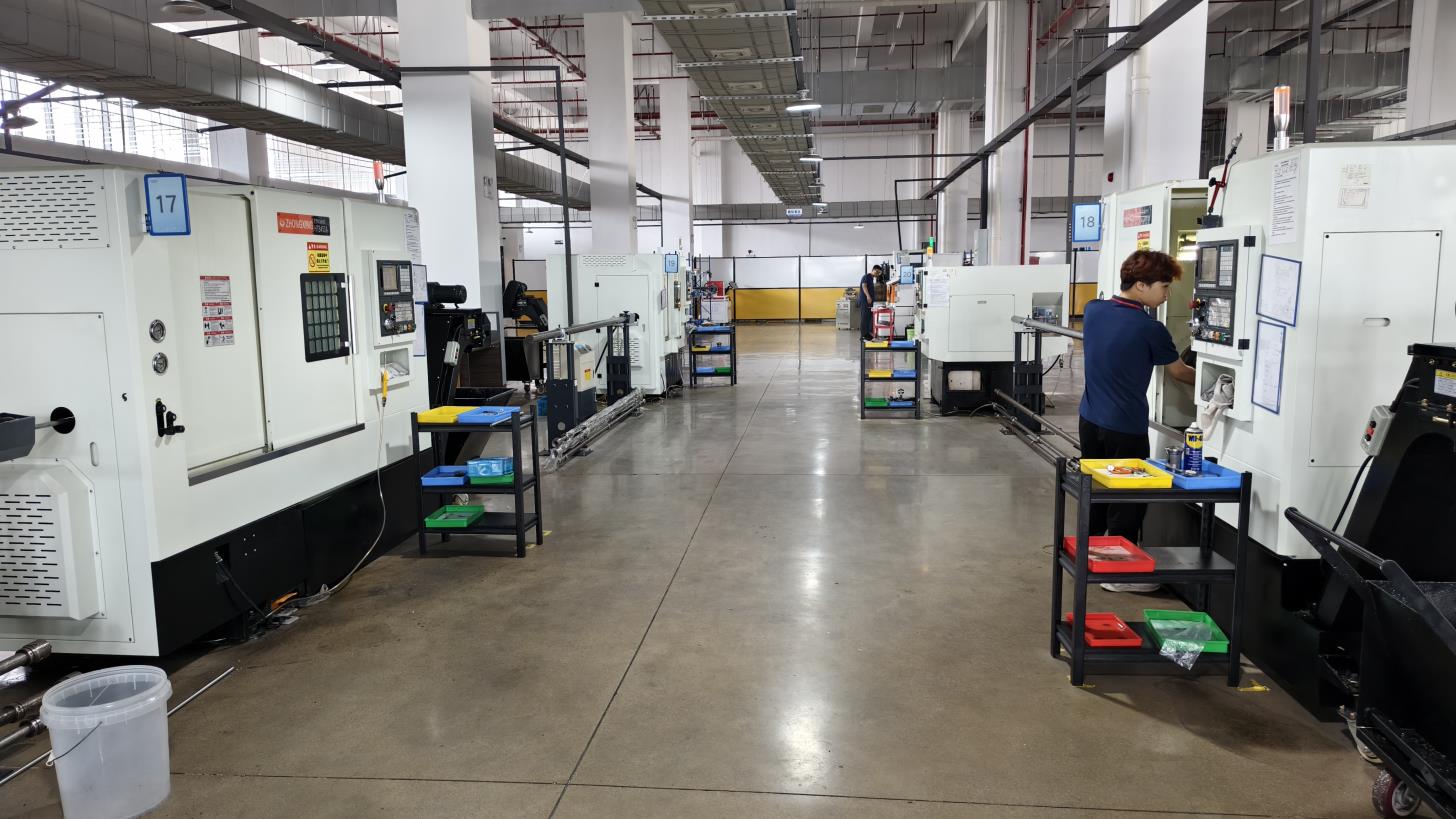
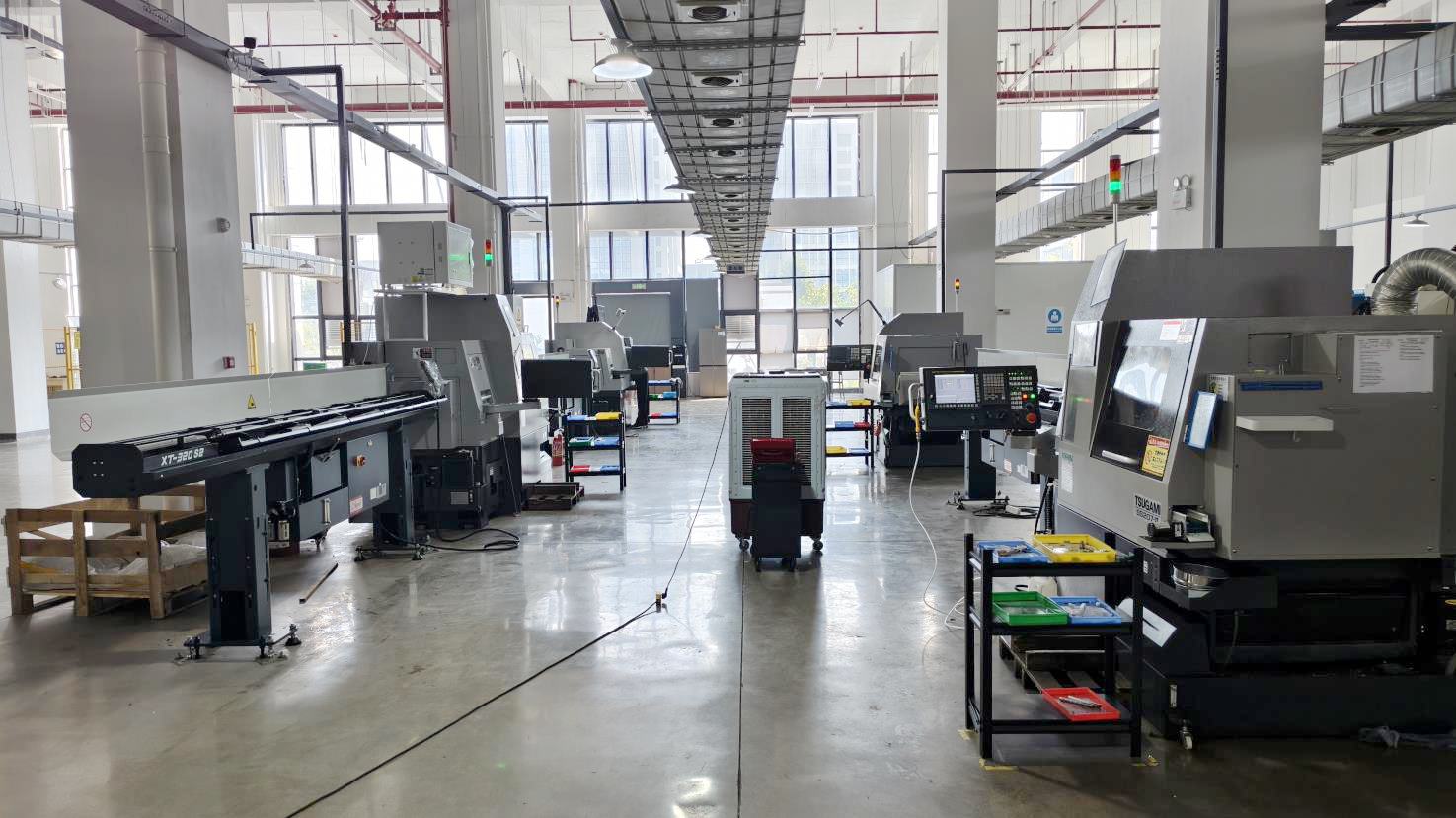
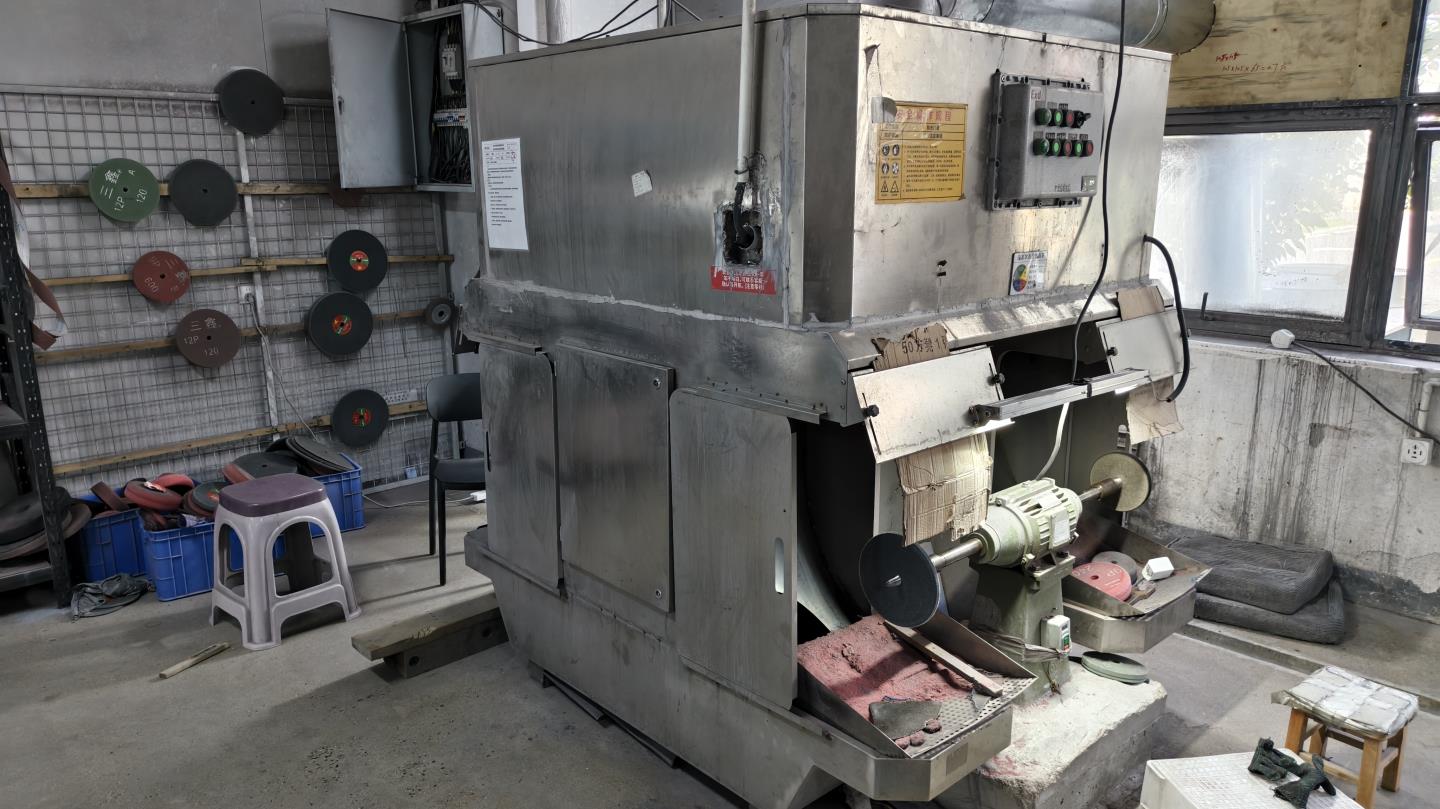
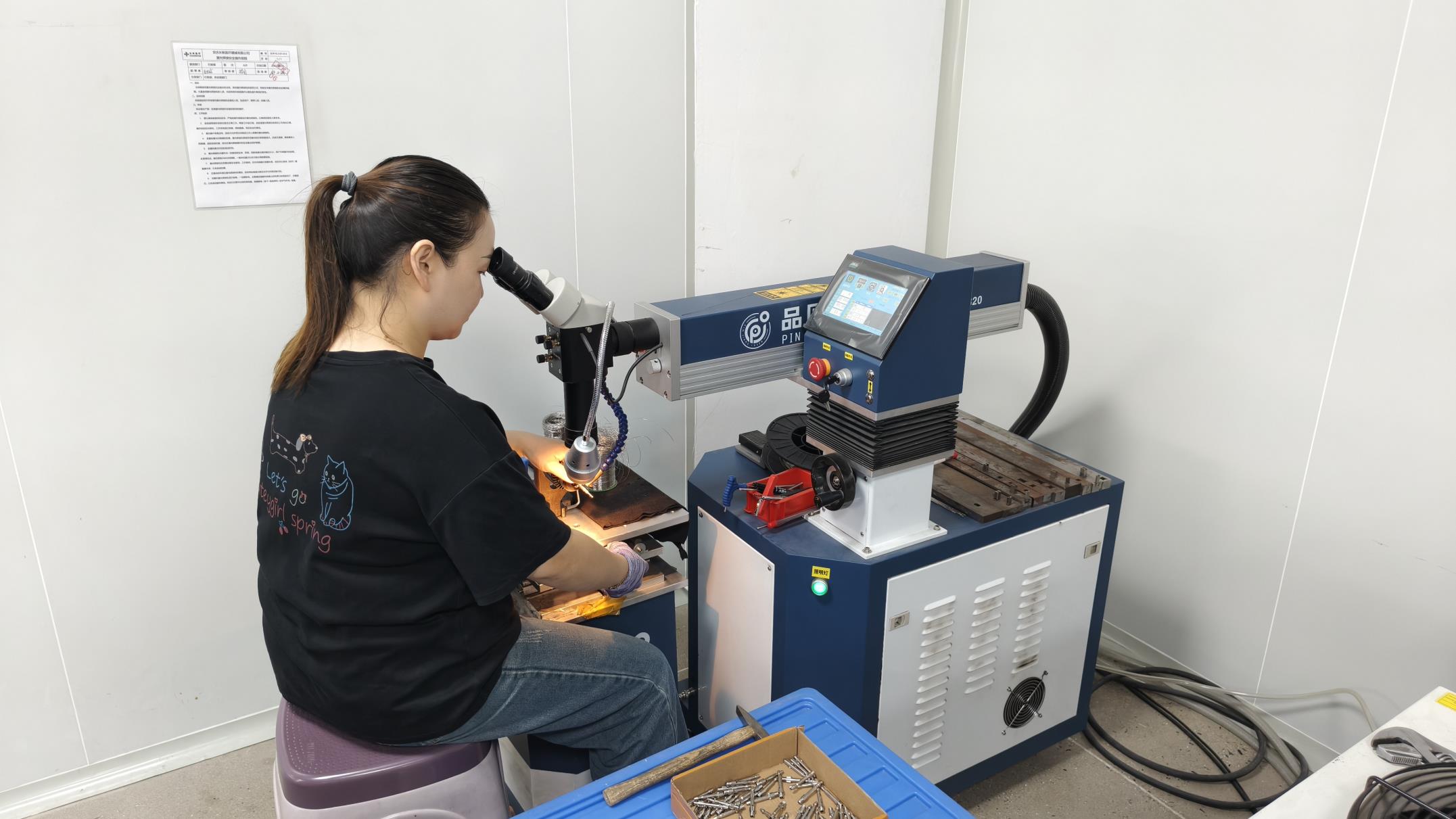
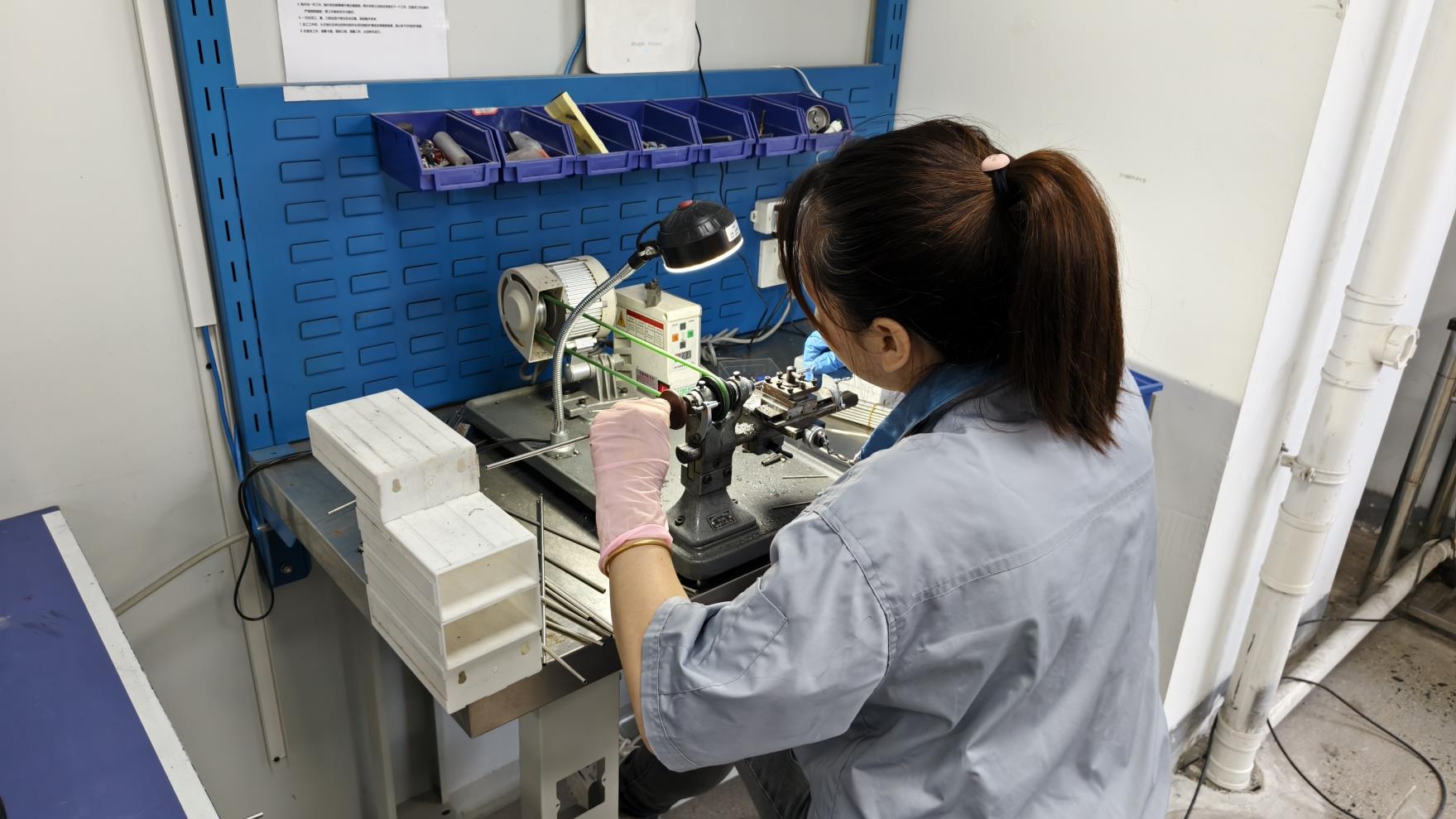
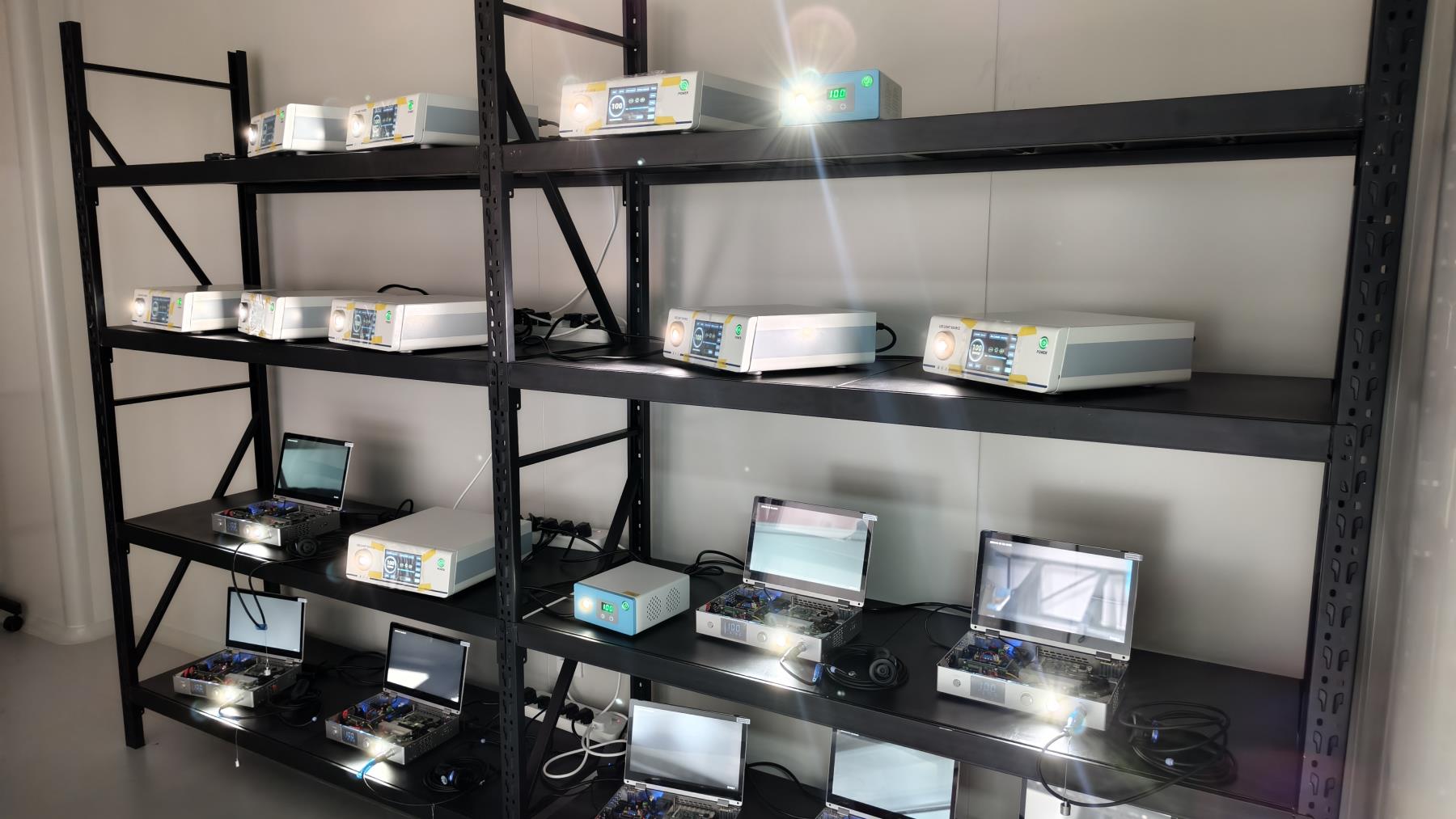
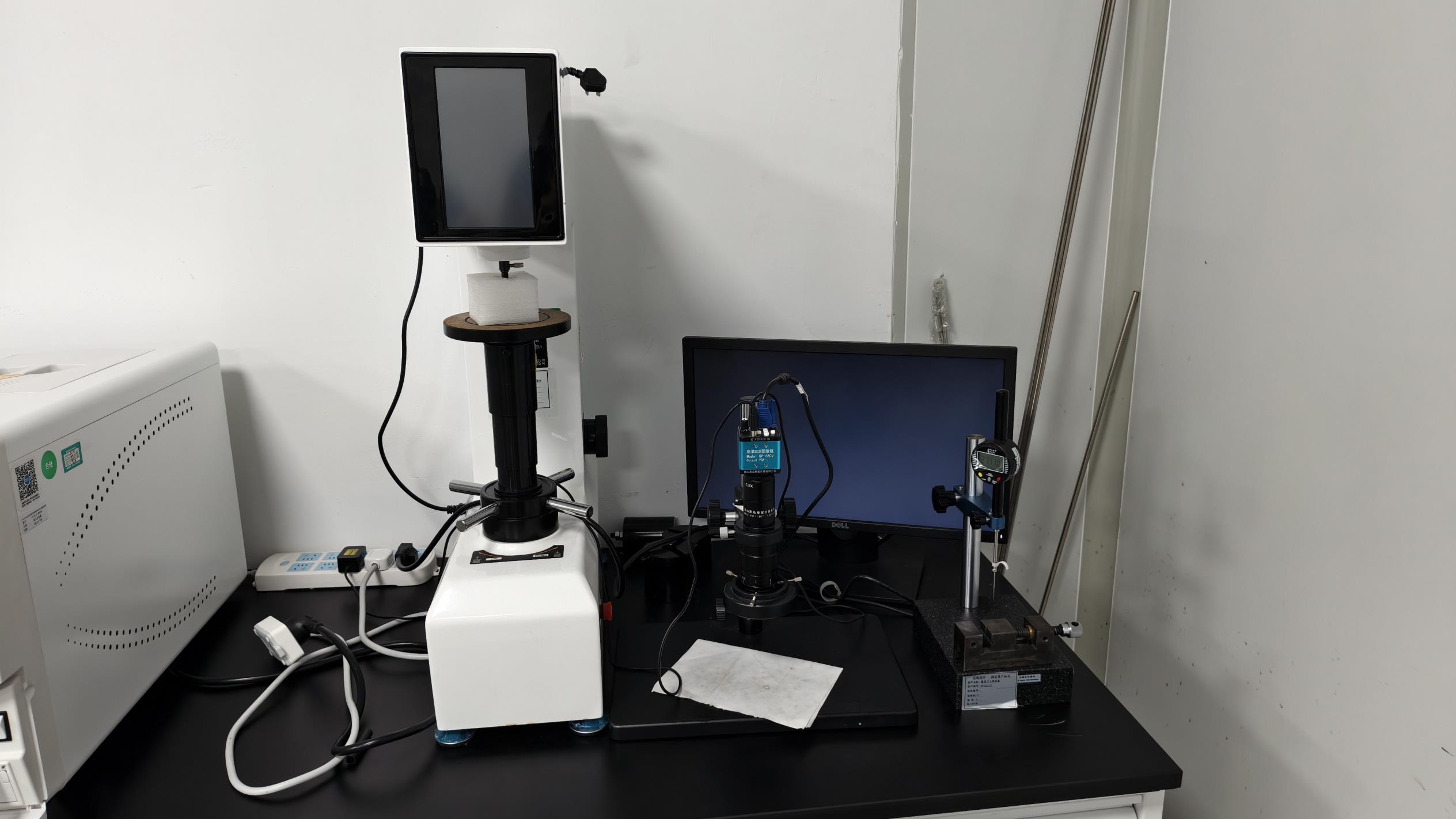
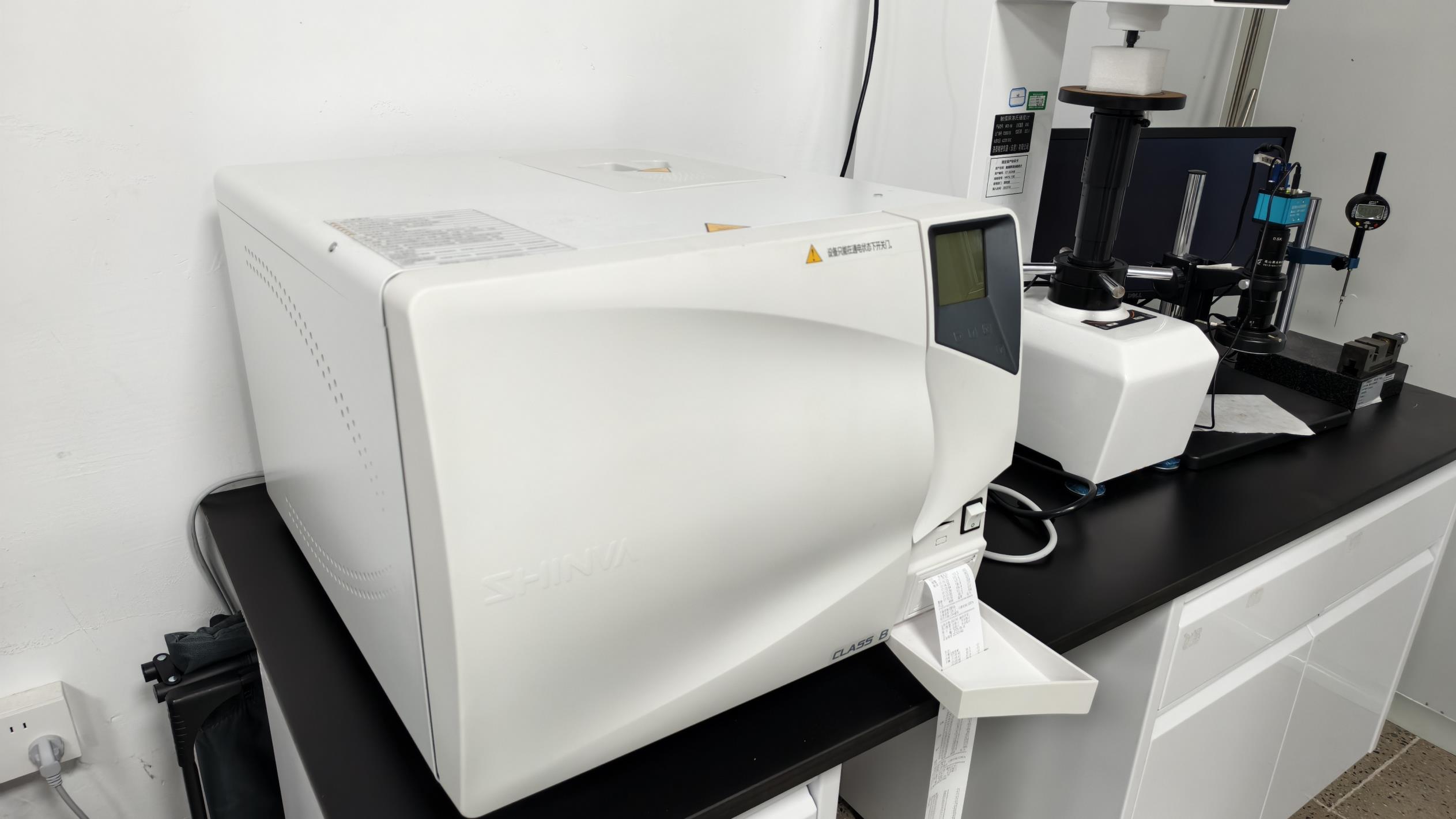
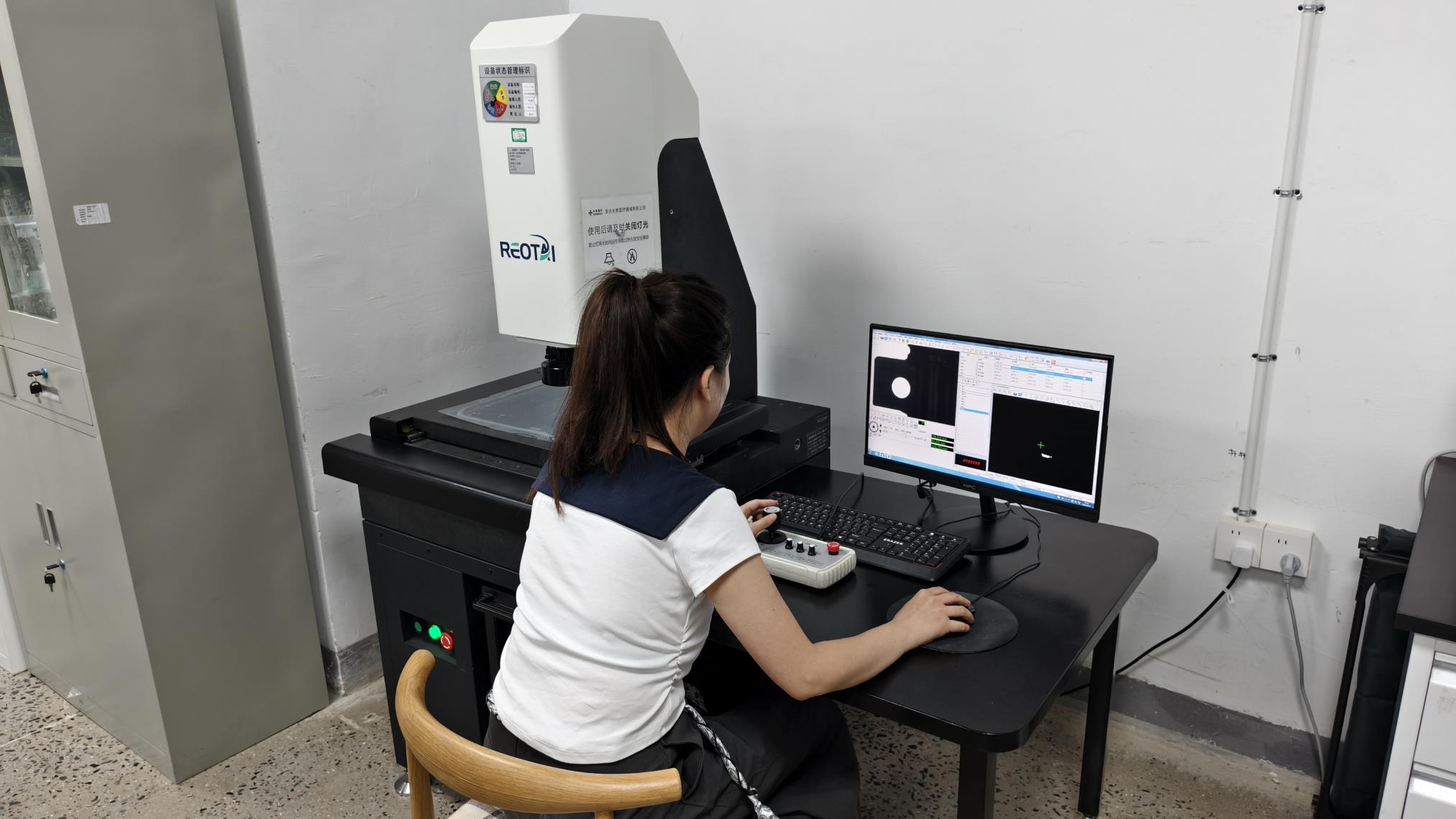
Backed by 68 specialized quality inspectors and advanced diagnostic instrumentation to ensure structural reliability and clinical safety.
Every polyaxial screw batch undergoes comprehensive quality control testing based on ISO 13485 requirements. Our testing processes verify three primary criteria:
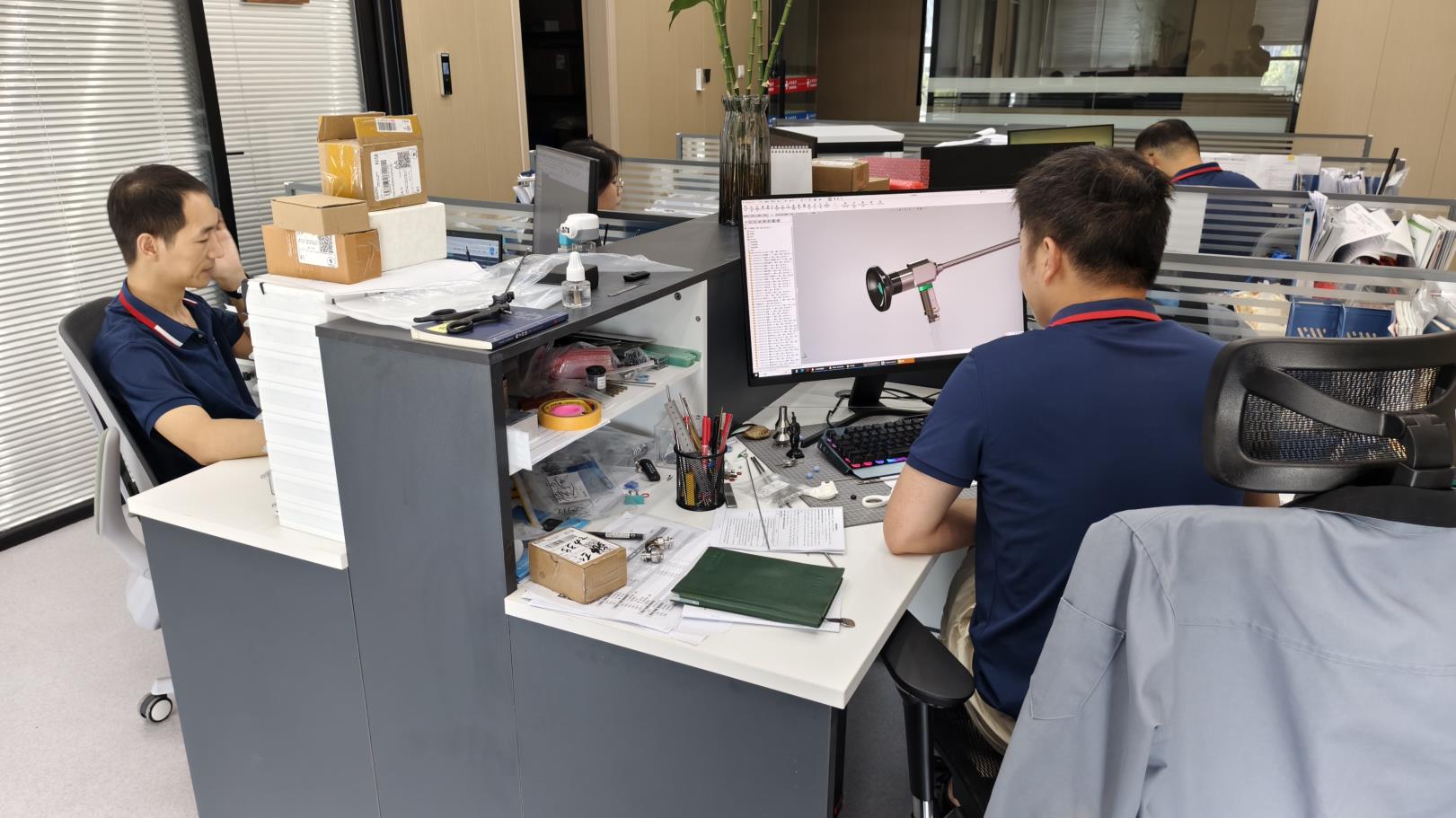
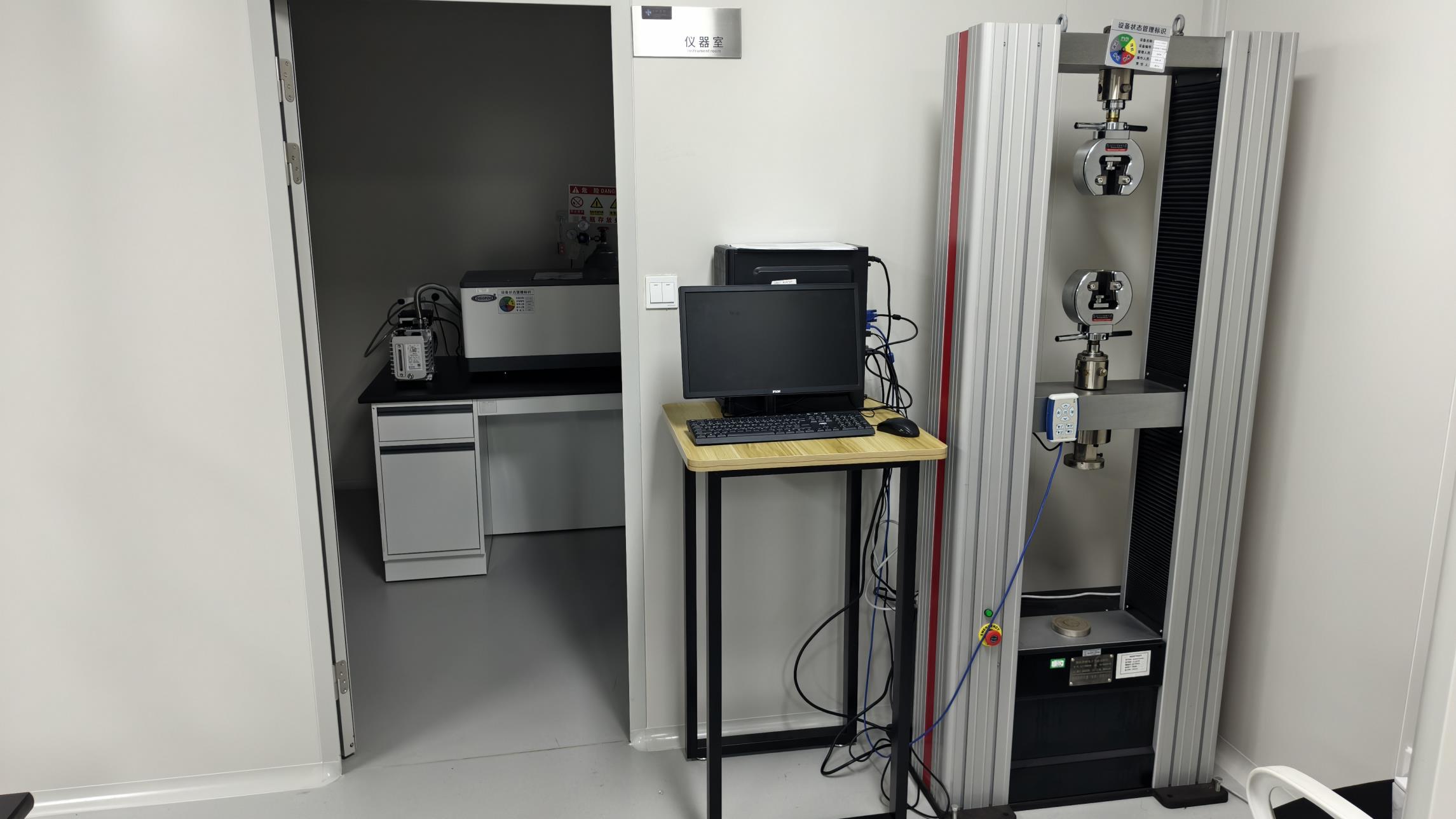
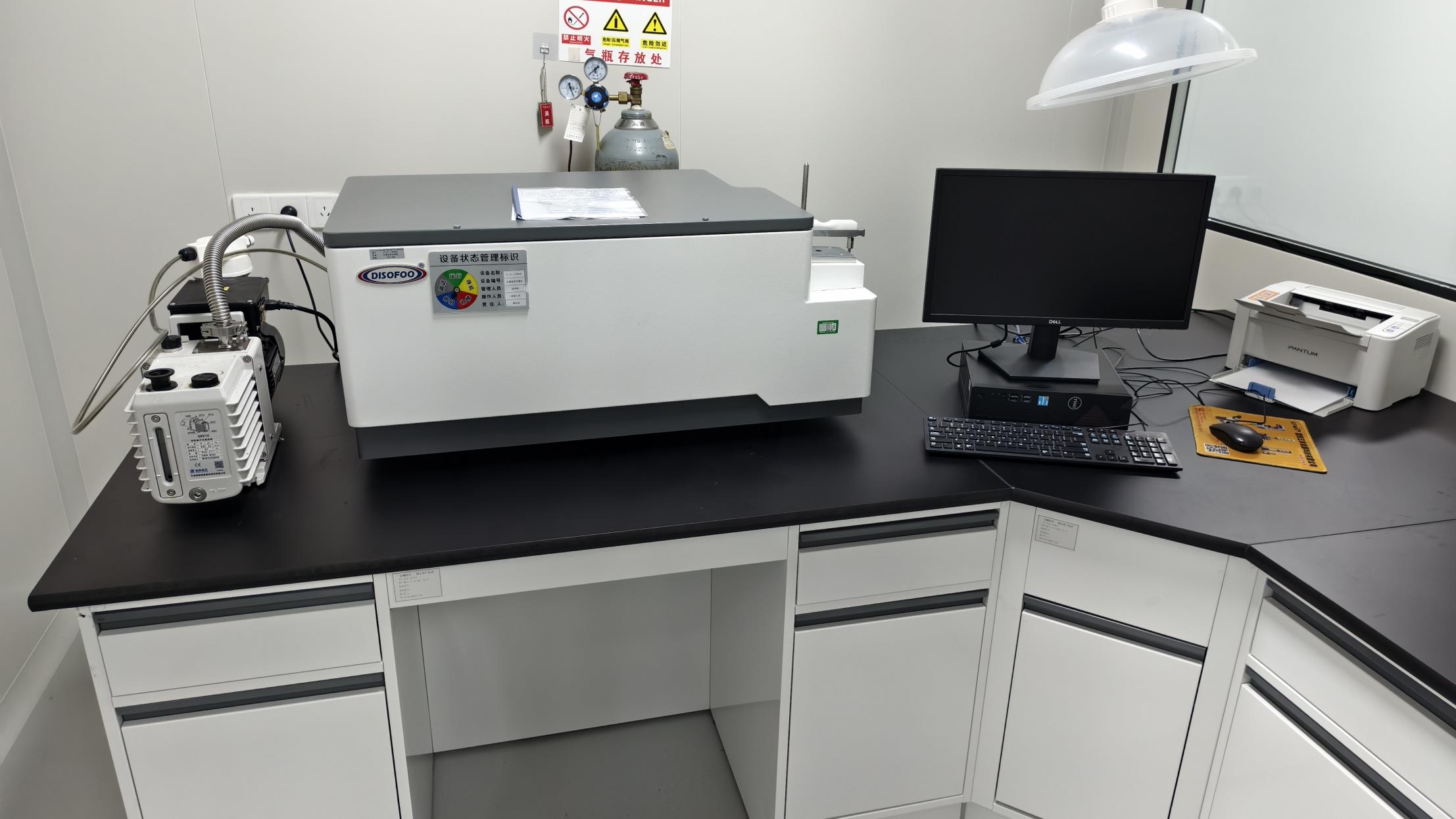
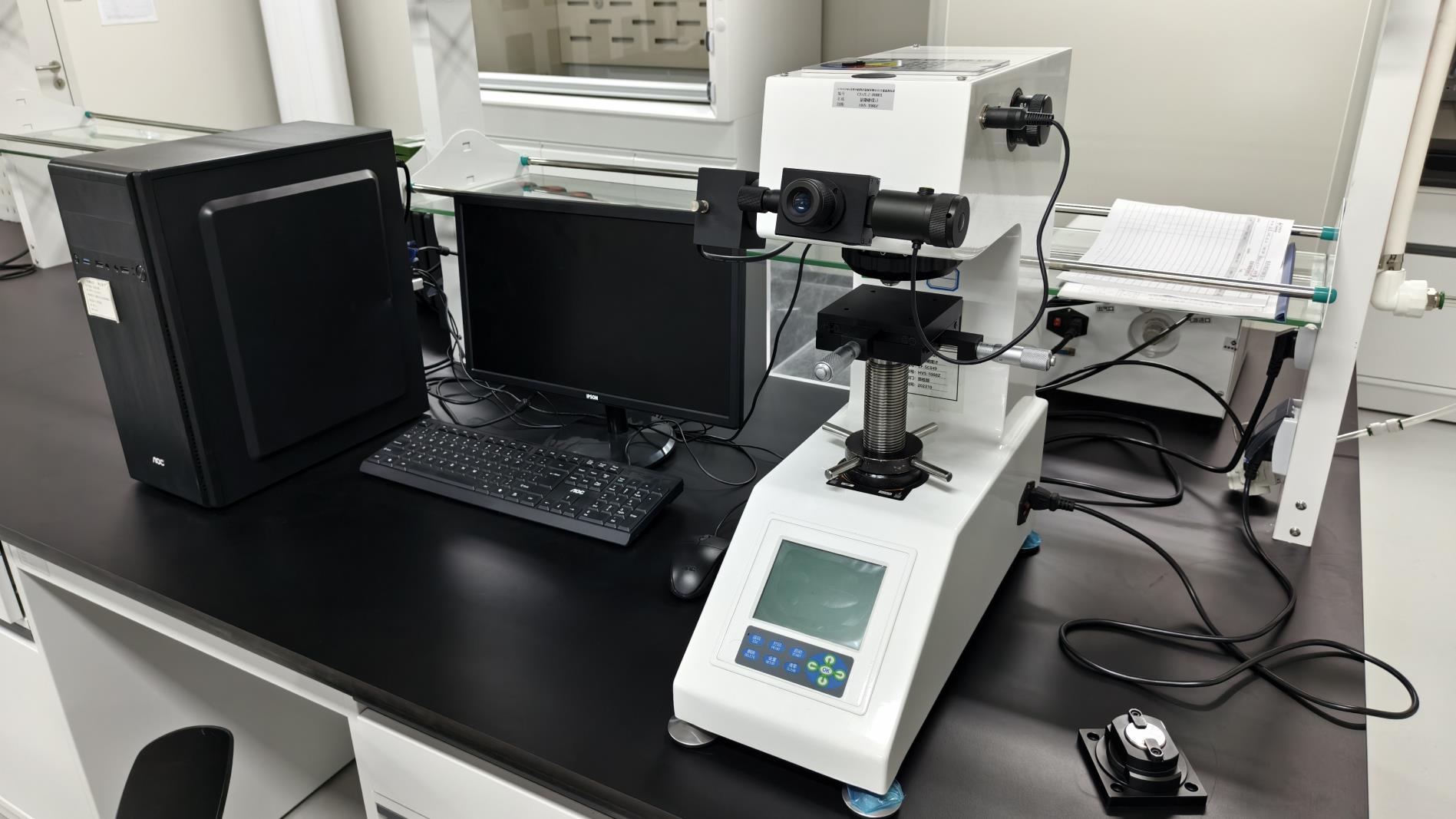
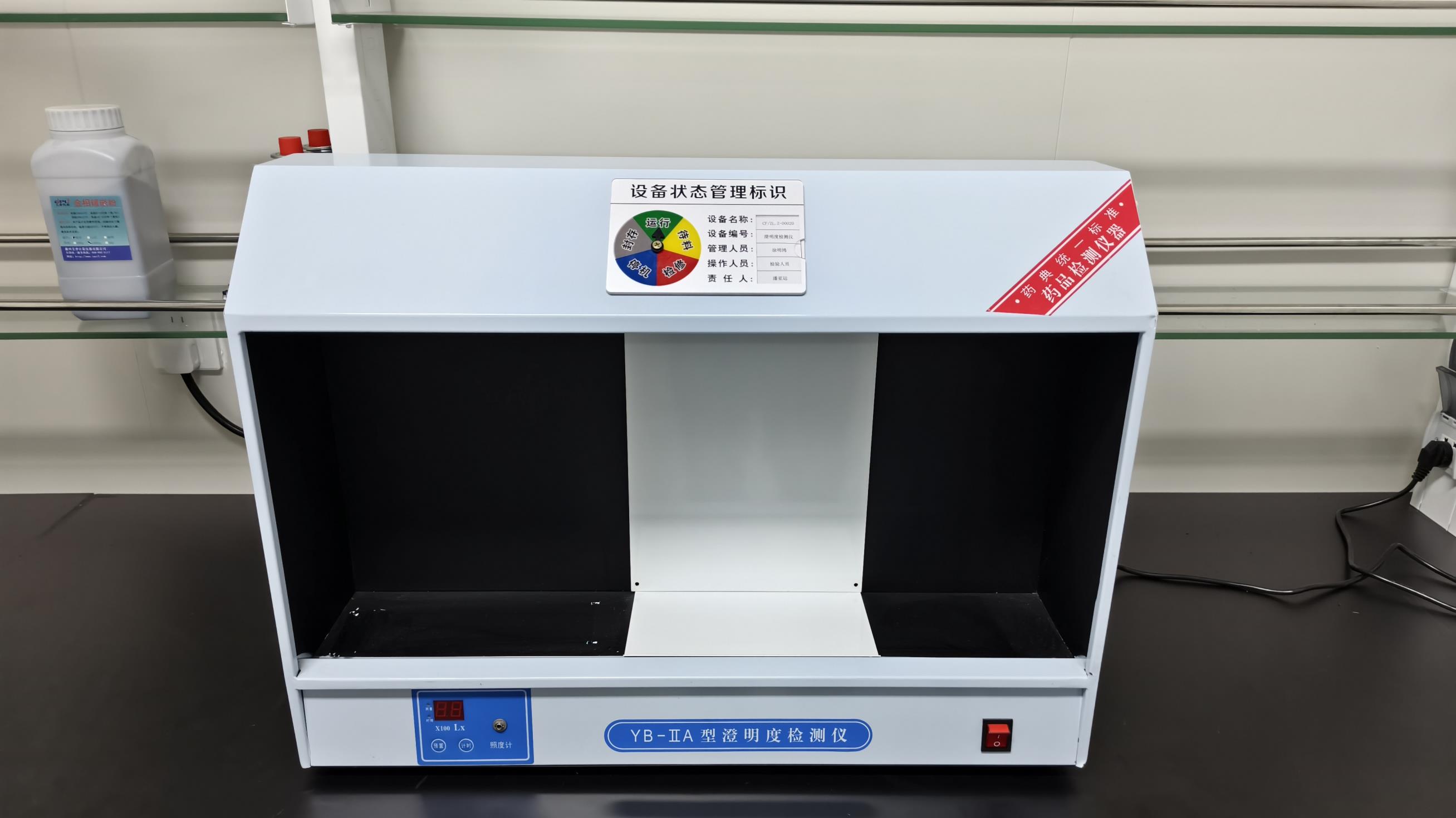
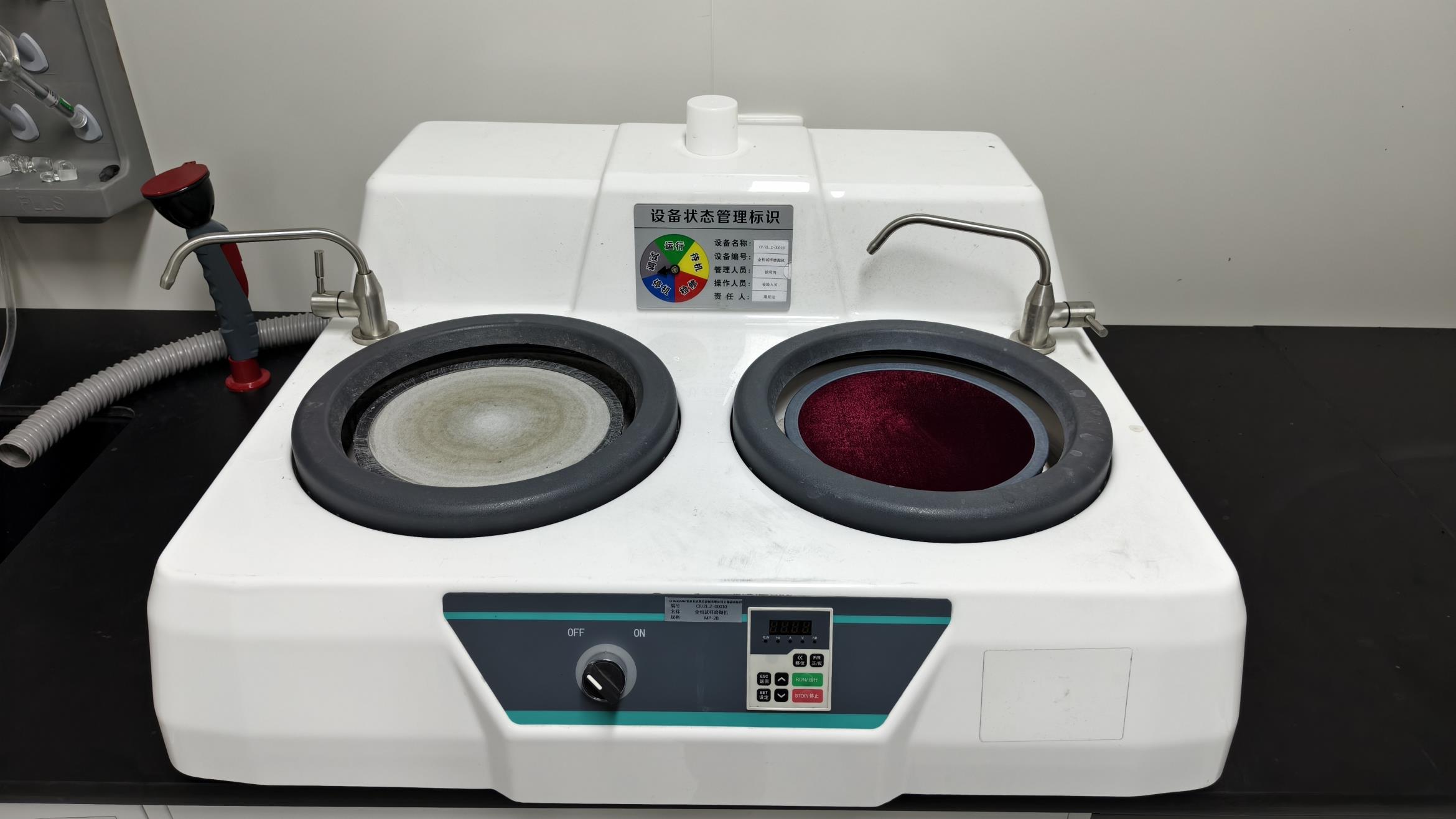
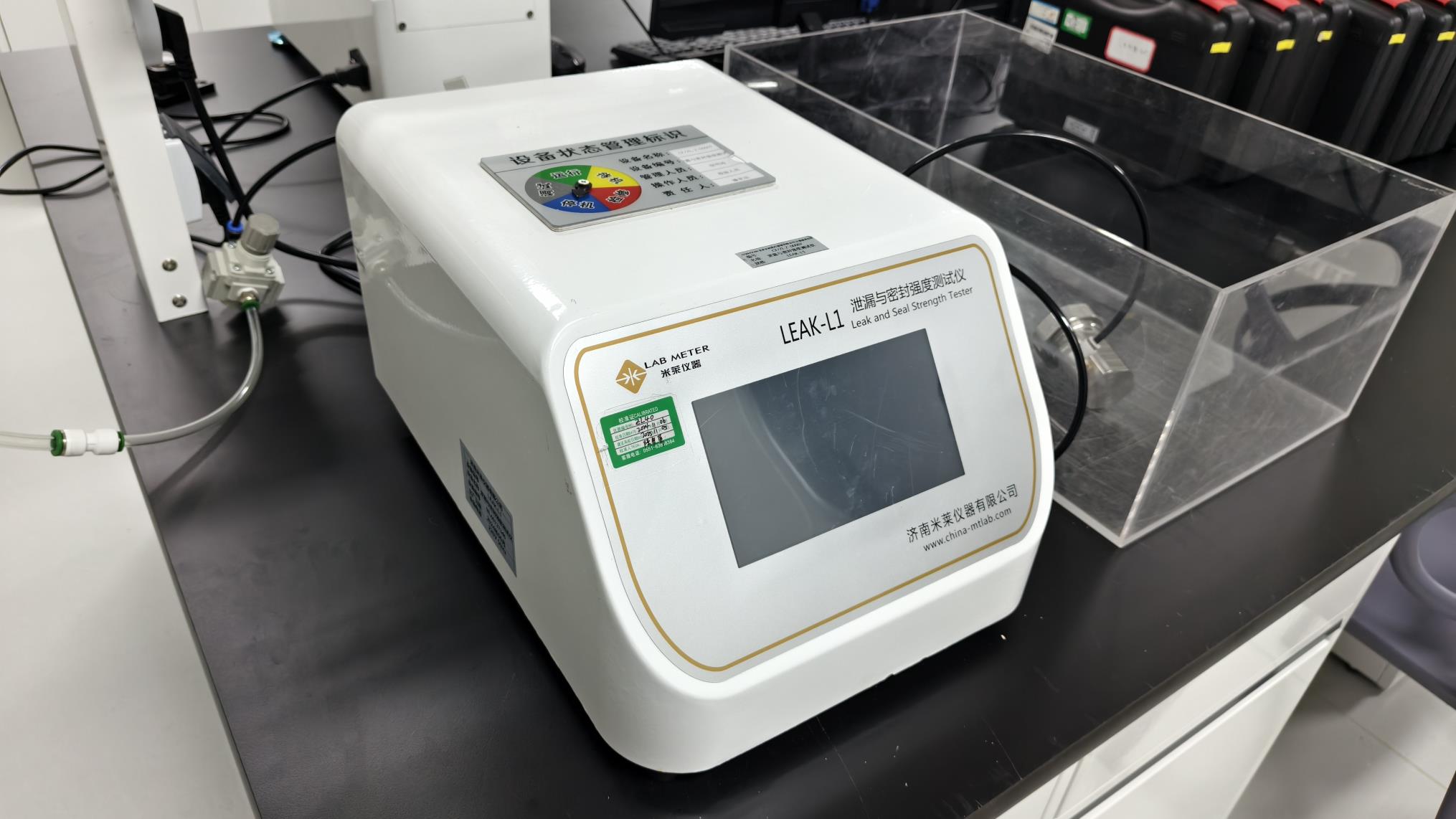
Our systems are designed for compatibility with global trauma networks, major hospital clusters, and regional distribution models.
Optimized for adolescent scoliosis correction, degenerative spondylolisthesis stabilization, and high-impact vertebral fractures. Polyaxial adjustment simplifies multi-level rod alignment.
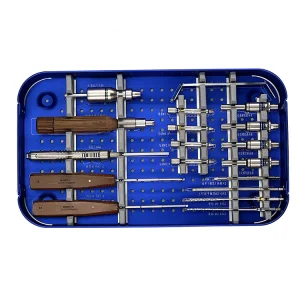
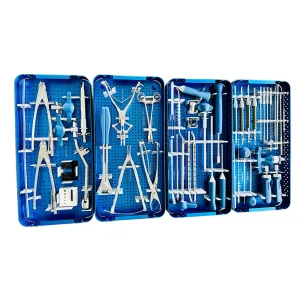
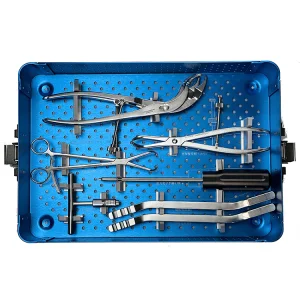
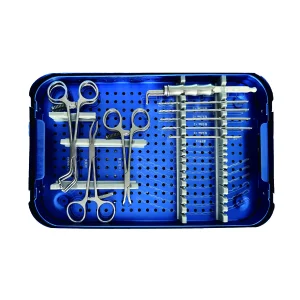
We provide full-service support to hospital procurement systems with sterilized dynamic trial kits, custom instrument layouts, and traceable component serialization.
For orthopedic brands globally, we offer custom labeling, special surface coatings (HA or Ti-plasma spray), and localized regulatory dossier documentation.
The field of spinal fixation is shifting toward intelligent and customized implants. Zynfuse Medical's R&D team is developing next-generation solutions, including:
Review standard inquiries from orthopedic surgeons, bio-engineers, and hospital procurement departments.
Complete surgical sets, stabilization implants, and trauma instrumentation to support orthopedic departments globally.