Zynfuse
Zynfuse
Zynfuse
Precision-engineered hardware built in facilities conforming to medical standards, optimized for performance and reliability.
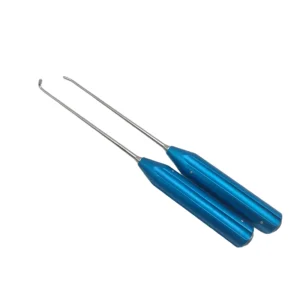
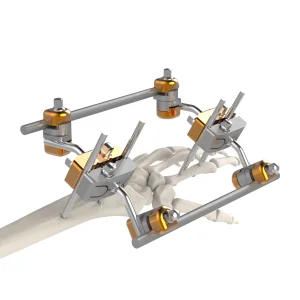
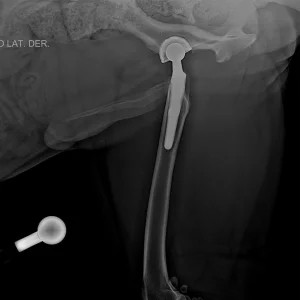
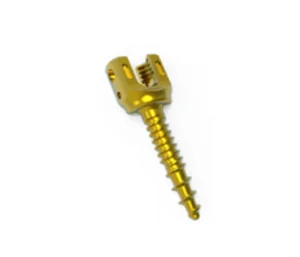
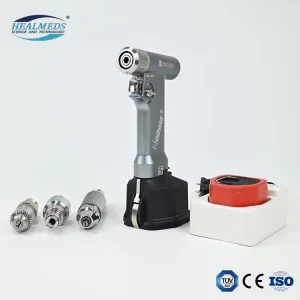
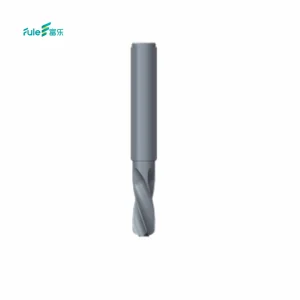
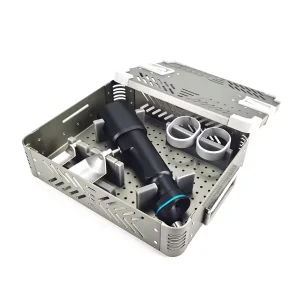
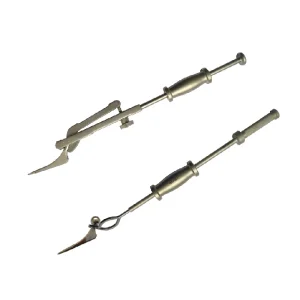
As surgical procedures for Cervical Spondylotic Myelopathy (CSM) and Ossification of the Posterior Longitudinal Ligament (OPLL) demand absolute biomechanical stability, procurement directors face critical decisions. Below is the operational footprint of Zynfuse Medical Technology Co., Ltd., a leader in spinal device development.
Zynfuse Medical Technology Co., Ltd. is a professional orthopedic medical device manufacturer specializing in bone fusion and advanced implant systems for surgical innovation. Established in 2016, the company has built a strong foundation in orthopedic solutions with 12 years of industry experience and 7 years of export experience, serving global healthcare markets with consistent quality and reliability.
The company operates a modern manufacturing facility covering approximately 18,600 m², equipped with advanced production and testing equipment. Zynfuse maintains an annual export revenue of around $18.5 million, supported by a highly efficient supply chain network of over 1,200 partners worldwide. The organization employs 68 quality inspection specialists ensuring strict compliance with international medical standards.
Zynfuse serves major global markets including North America, Europe, Southeast Asia, and the Middle East, and collaborates with hospitals, distributors, orthopedic clinics, and medical device importers. Its client base primarily includes medical distributors, hospital procurement departments, and orthopedic surgical centers.
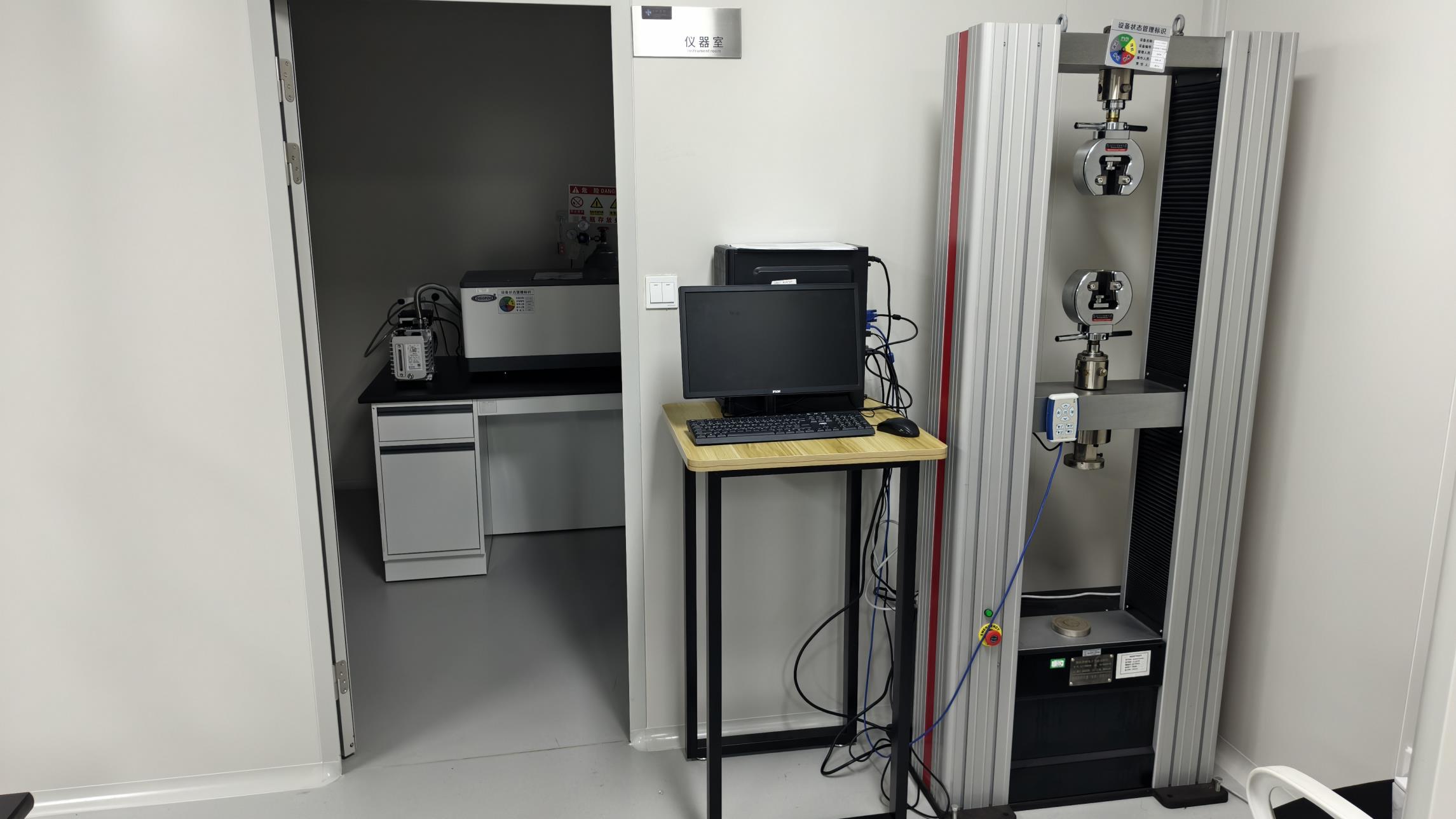
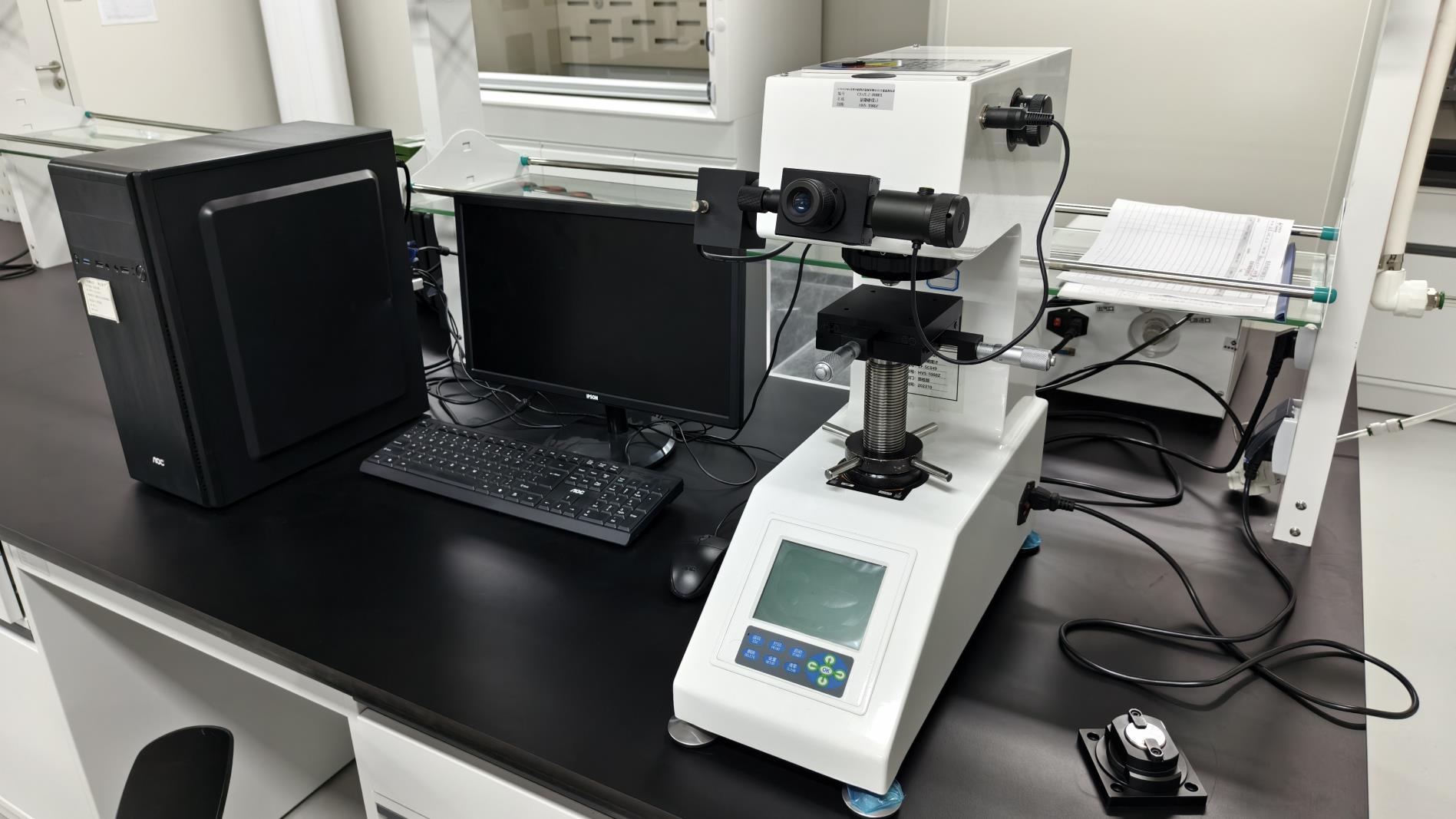
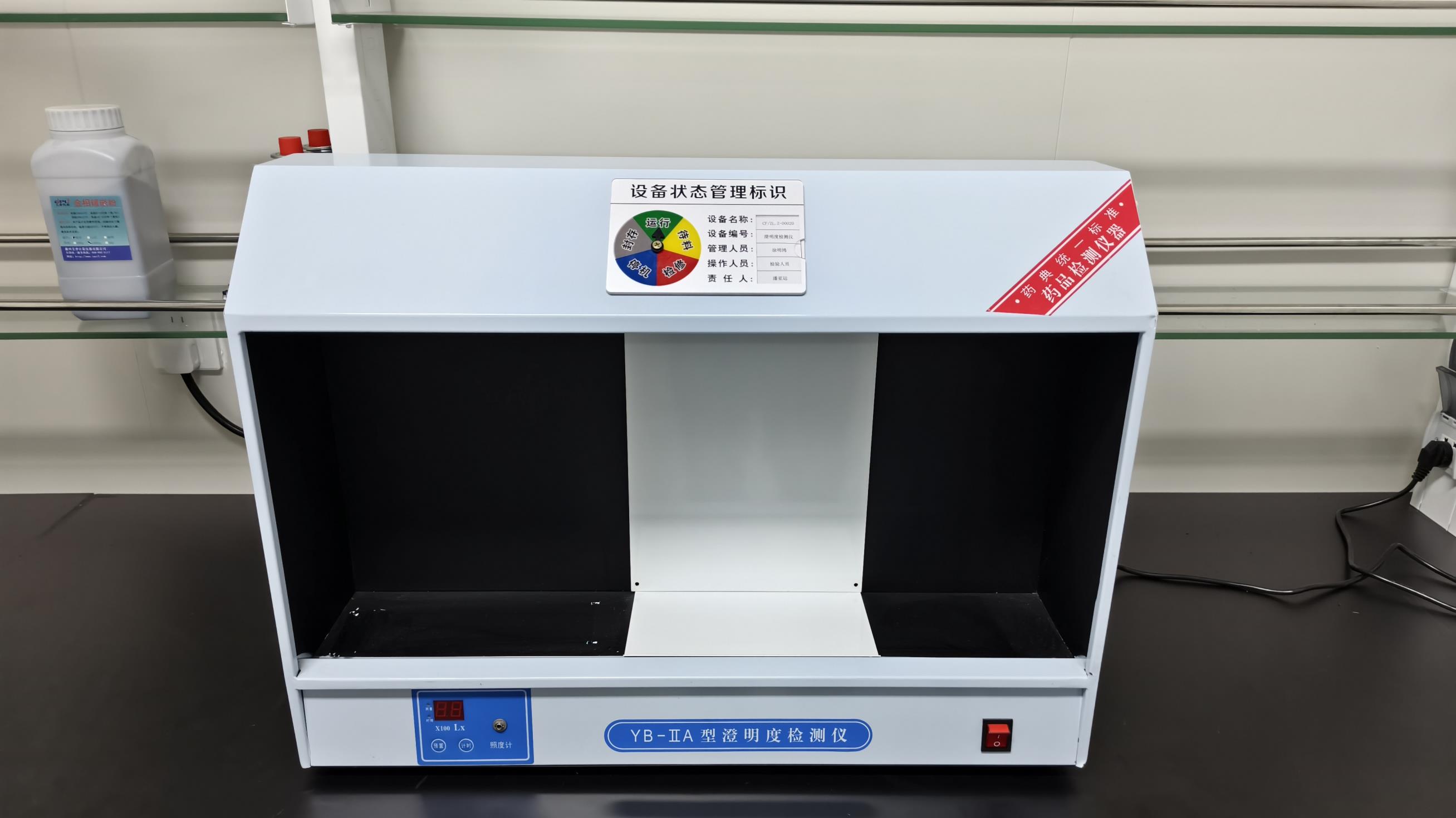
The company places strong emphasis on quality control, implementing ISO 13485-based inspection systems, mechanical performance testing, and biocompatibility evaluations. Product inspection methods include dimensional verification, fatigue testing, and surface integrity analysis.
With a robust R&D team of 85 engineers, Zynfuse continues to expand its innovation capabilities, launching approximately 320 new products annually. The company offers extensive customization options, including implant geometry adjustment, material selection, and OEM/ODM solutions tailored to client needs. Zynfuse maintains a strong trade background with long-term partnerships across the global medical device industry, ensuring stable supply and consistent product excellence.
Decisive supply chain structures, high-performance materials, and technological integration that give global buyers a strong competitive edge.
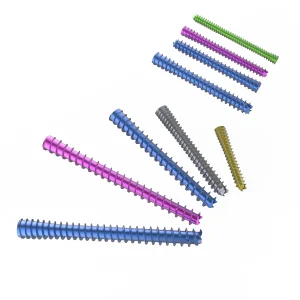
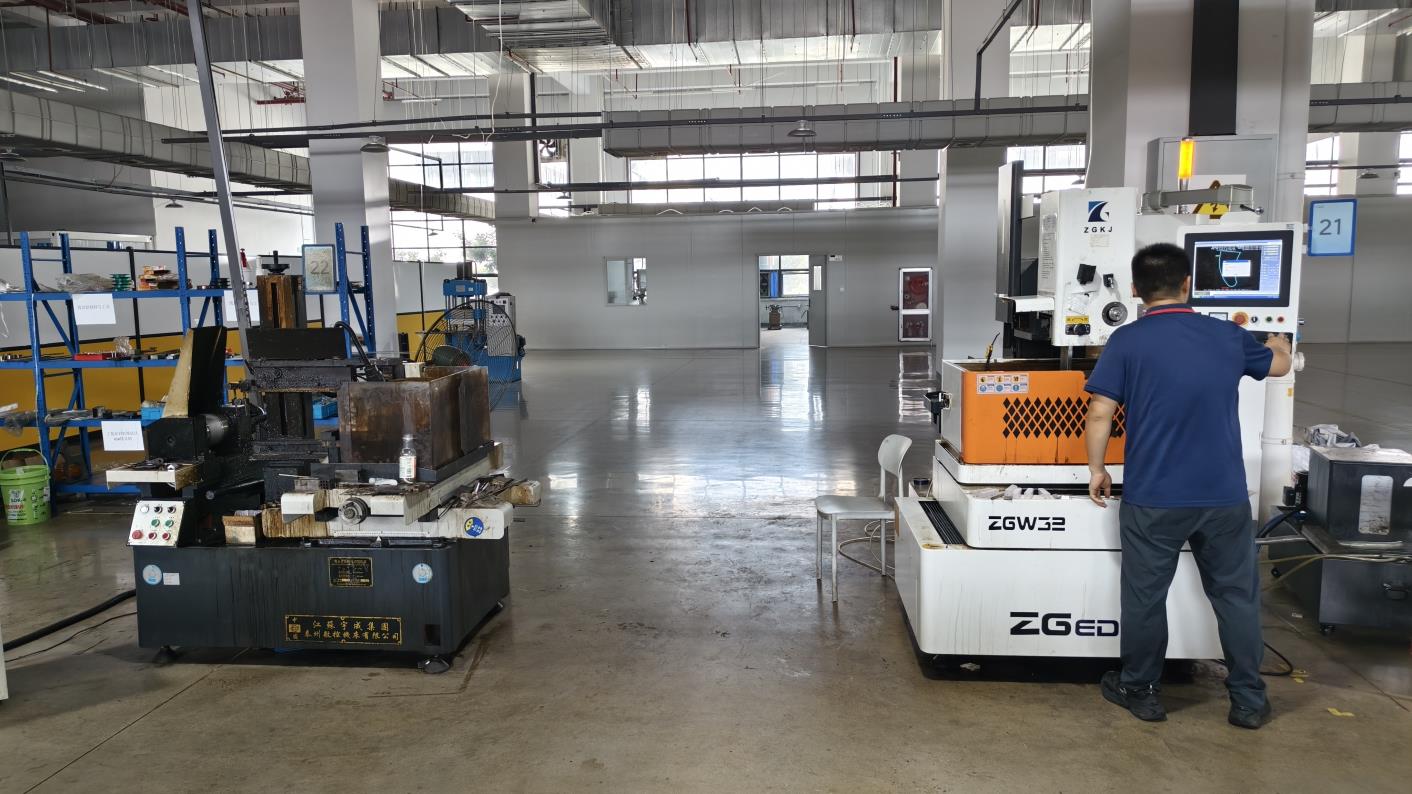
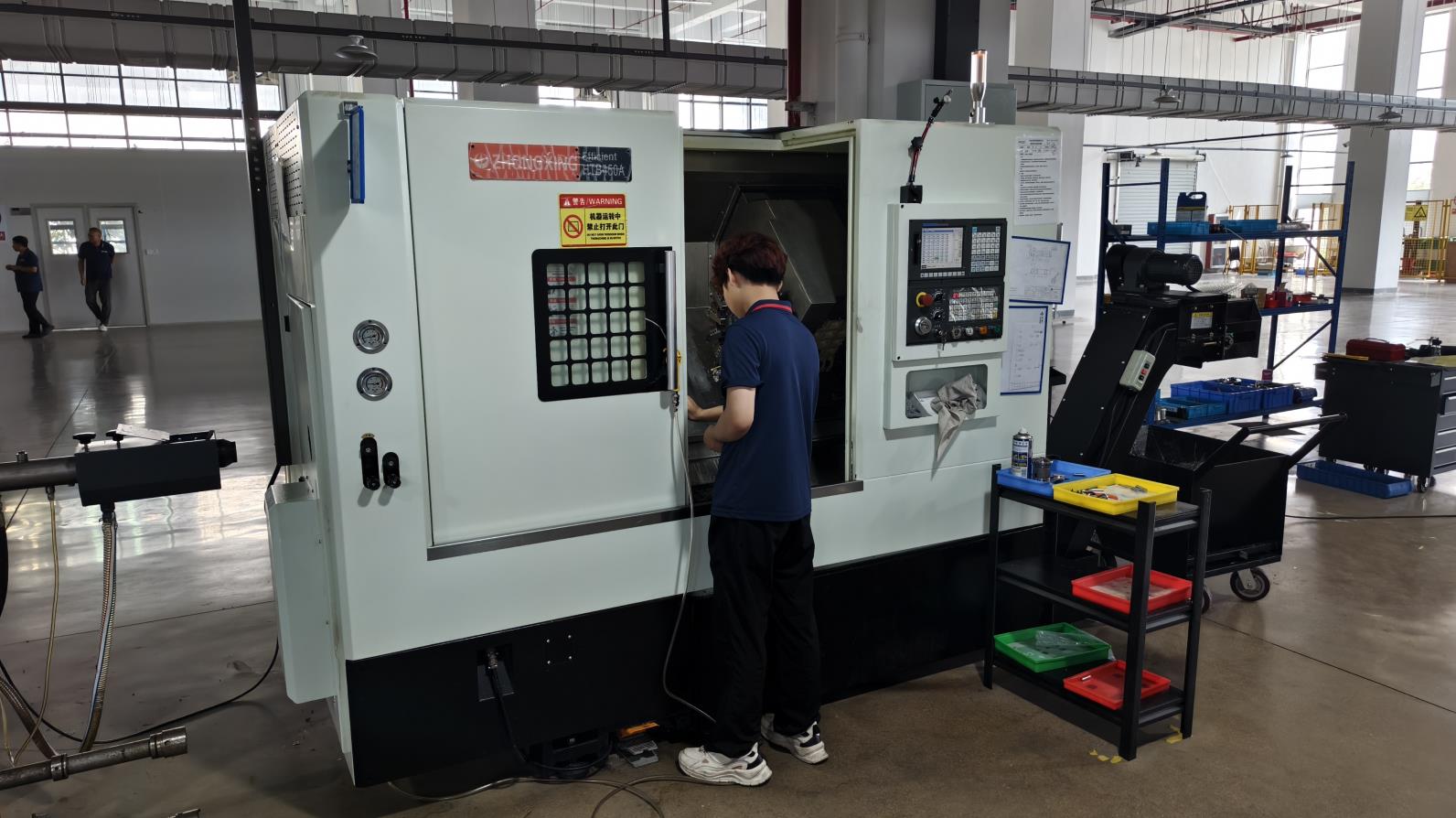
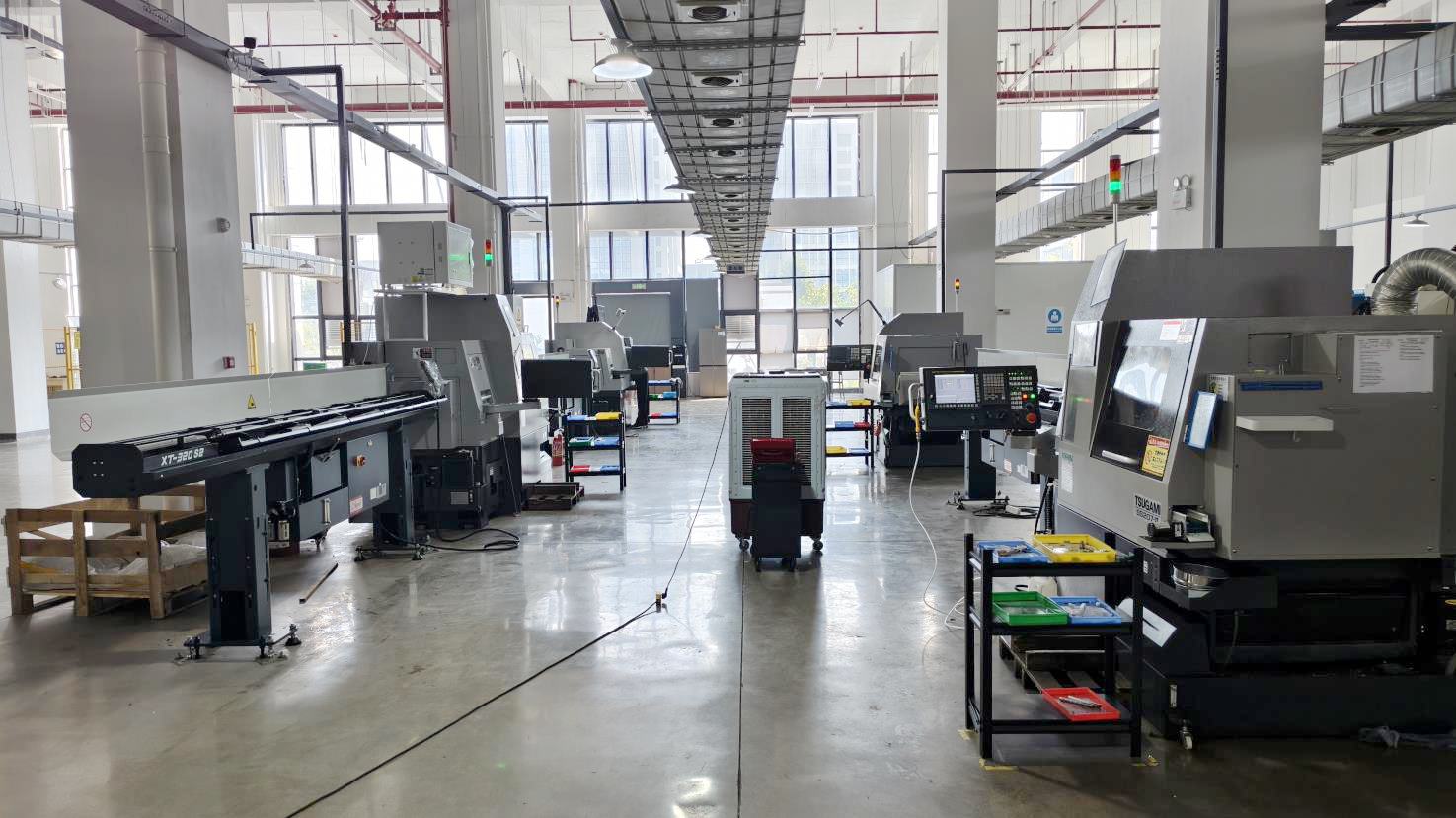
Laminoplasty miniplates and screws require incredibly tight tolerances, often measured in micrometers. Chinese manufacturers utilize state-of-the-art Swiss-type CNC lathes and wire-cutting machinery to construct anatomical curves and specialized low-profile geometries. This minimizes tissue irritation post-implantation and guarantees smooth hinge integration.
By clustering production near critical raw materials suppliers and testing centers, Chinese factories reduce manufacturing lead times. Zynfuse operates inside a complete raw material and component ecosystem, allowing immediate sourcing of medical-grade Titanium Alloy (Grade 5 ELI, ASTM F136 / ISO 5832-3), ensuring unmatched material stability at highly competitive prices.
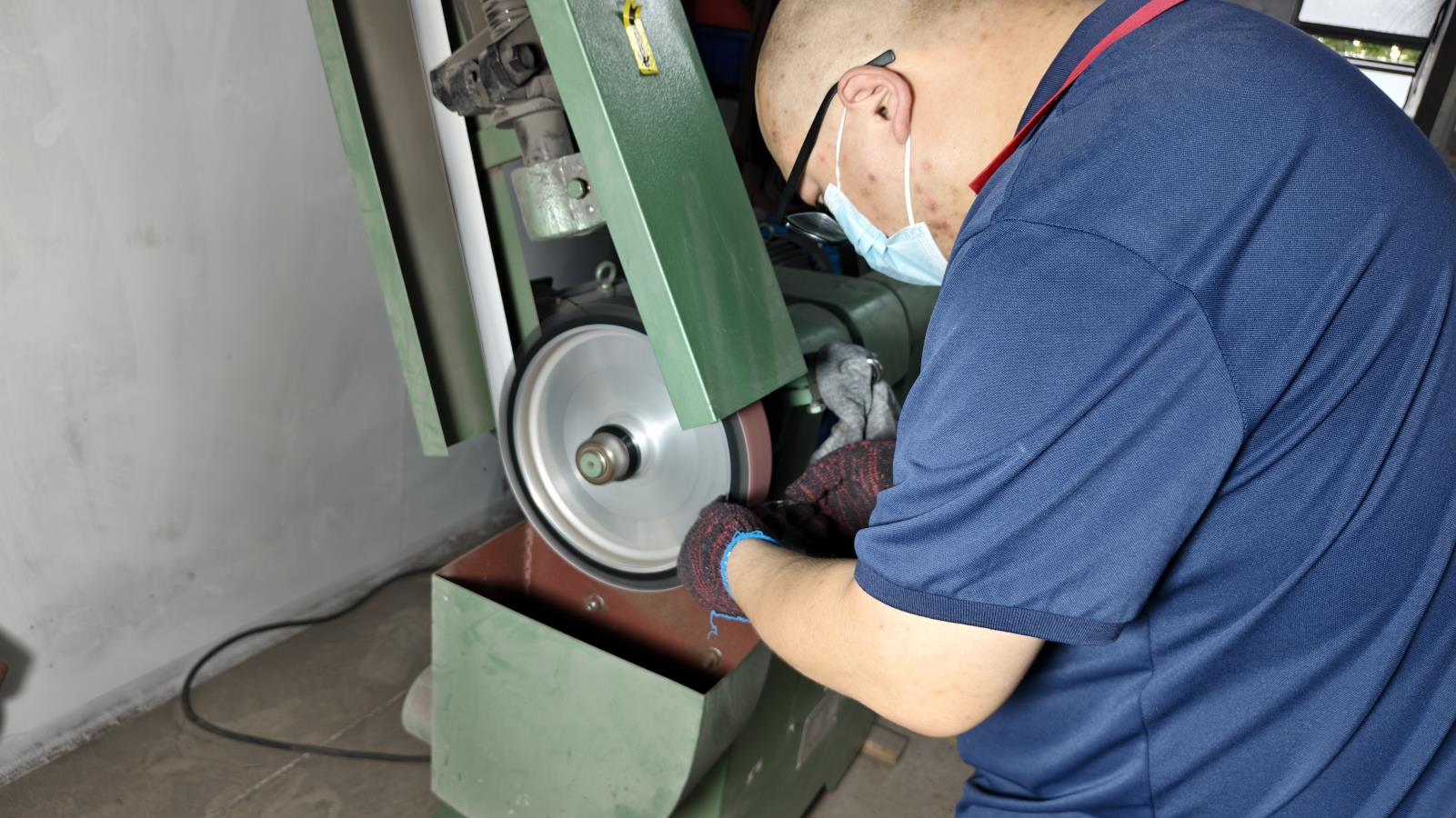
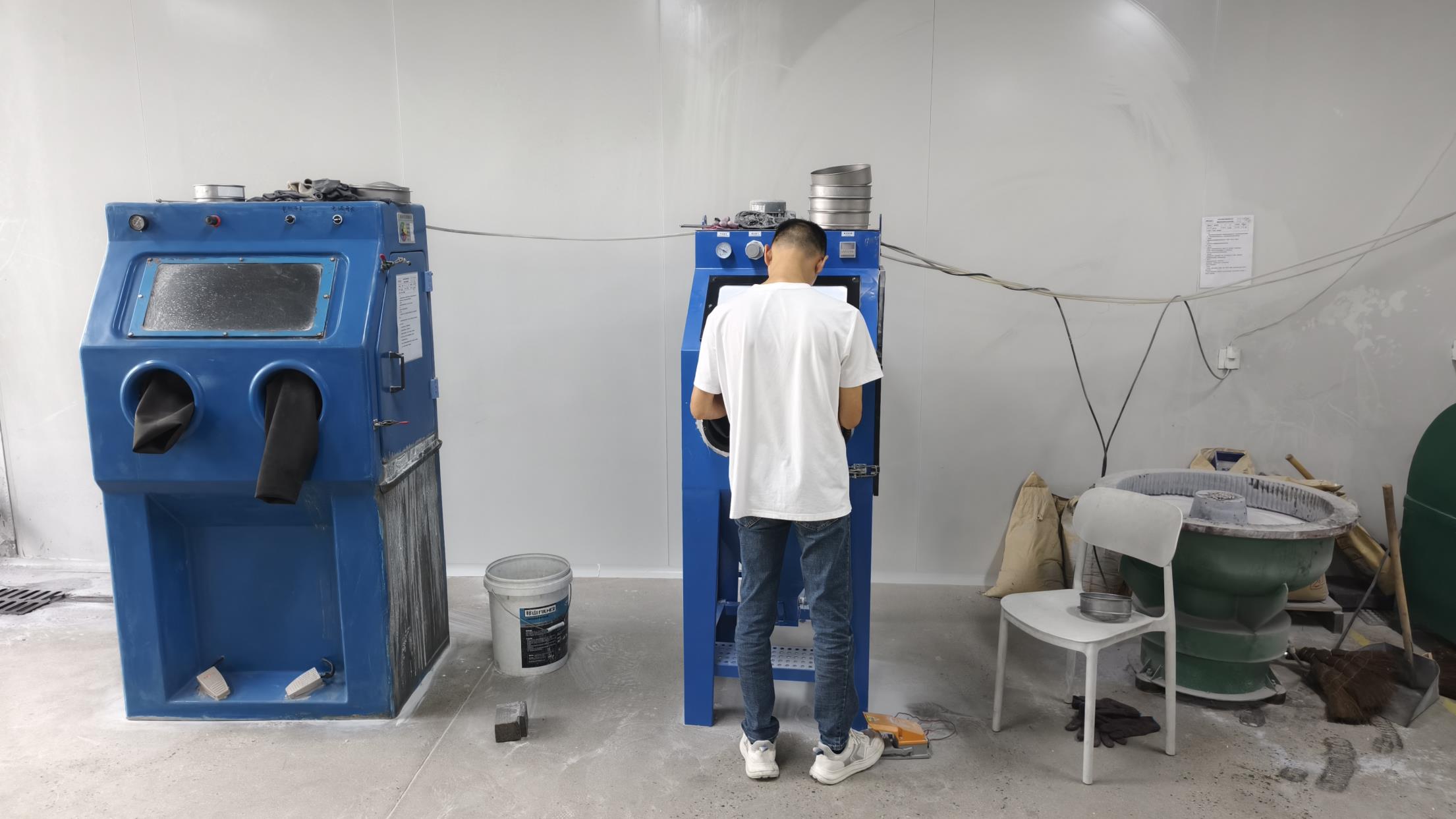
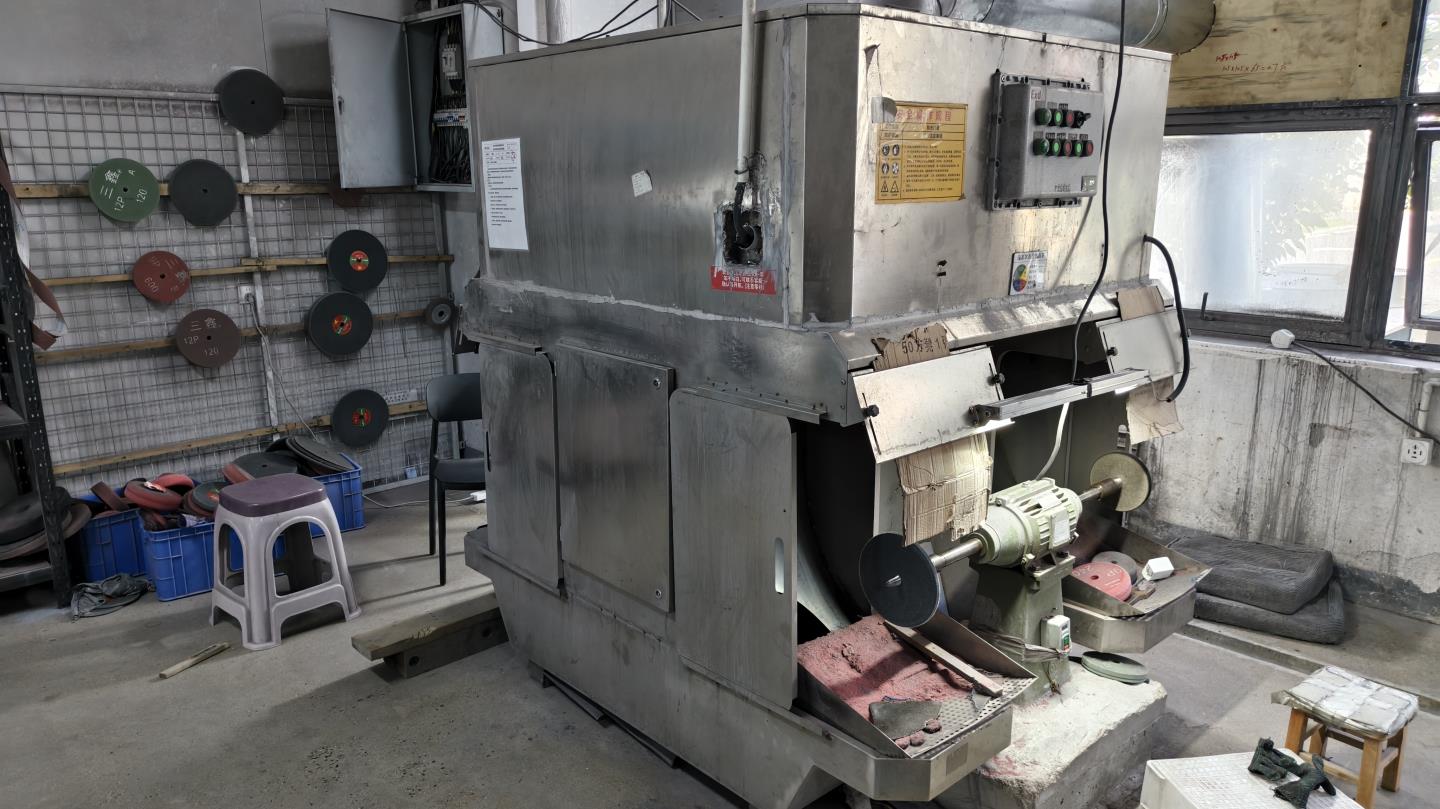
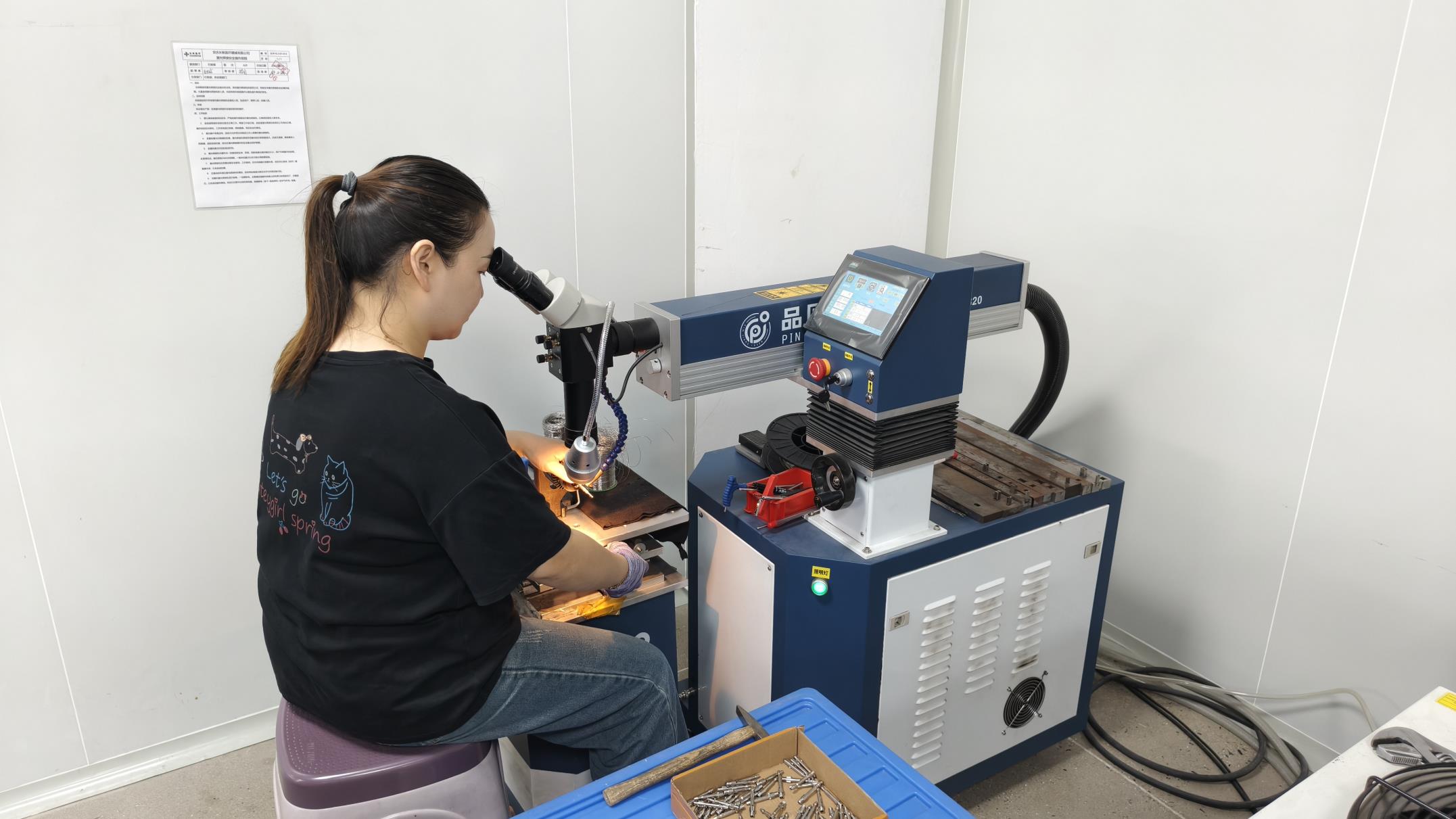
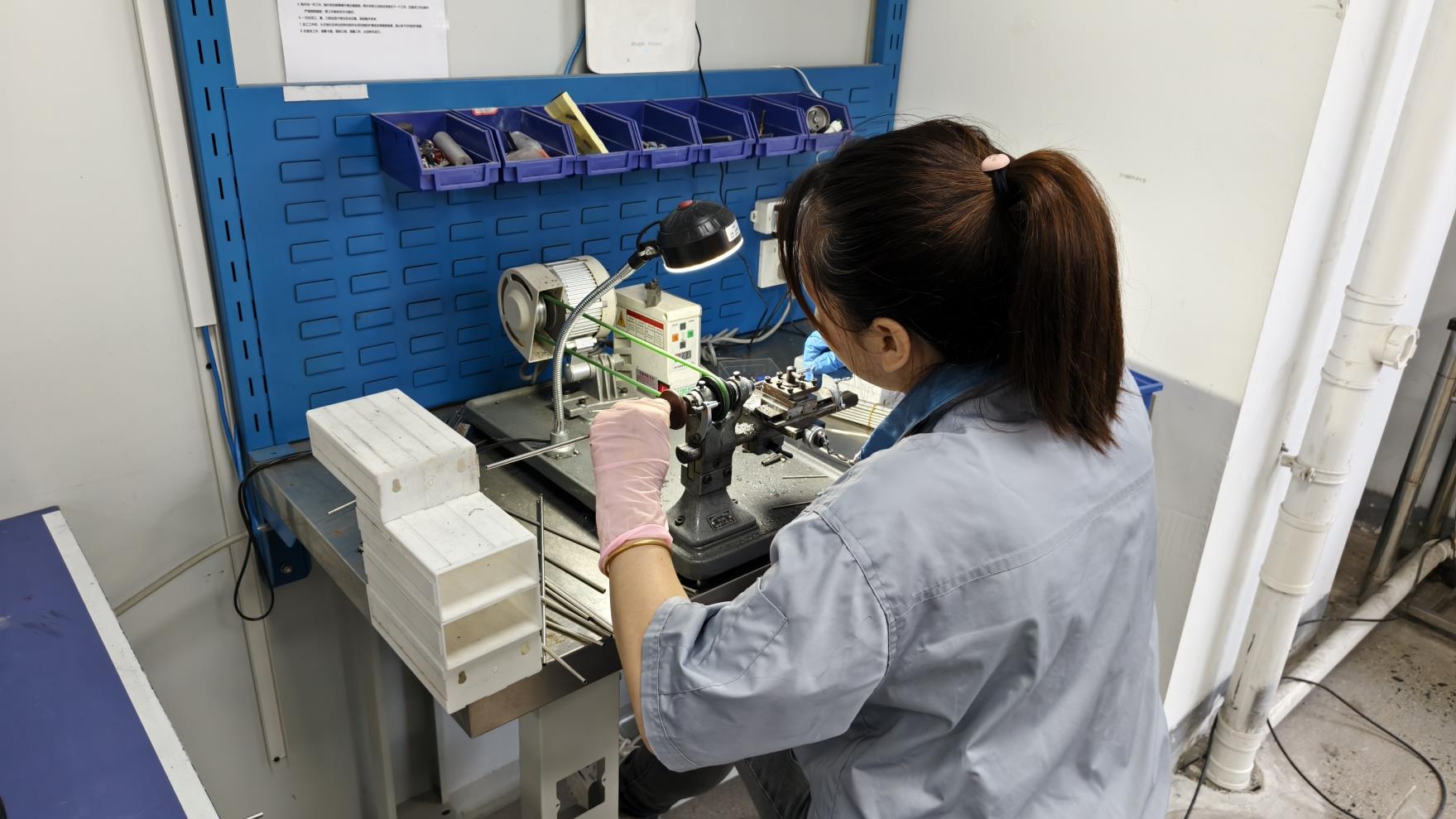
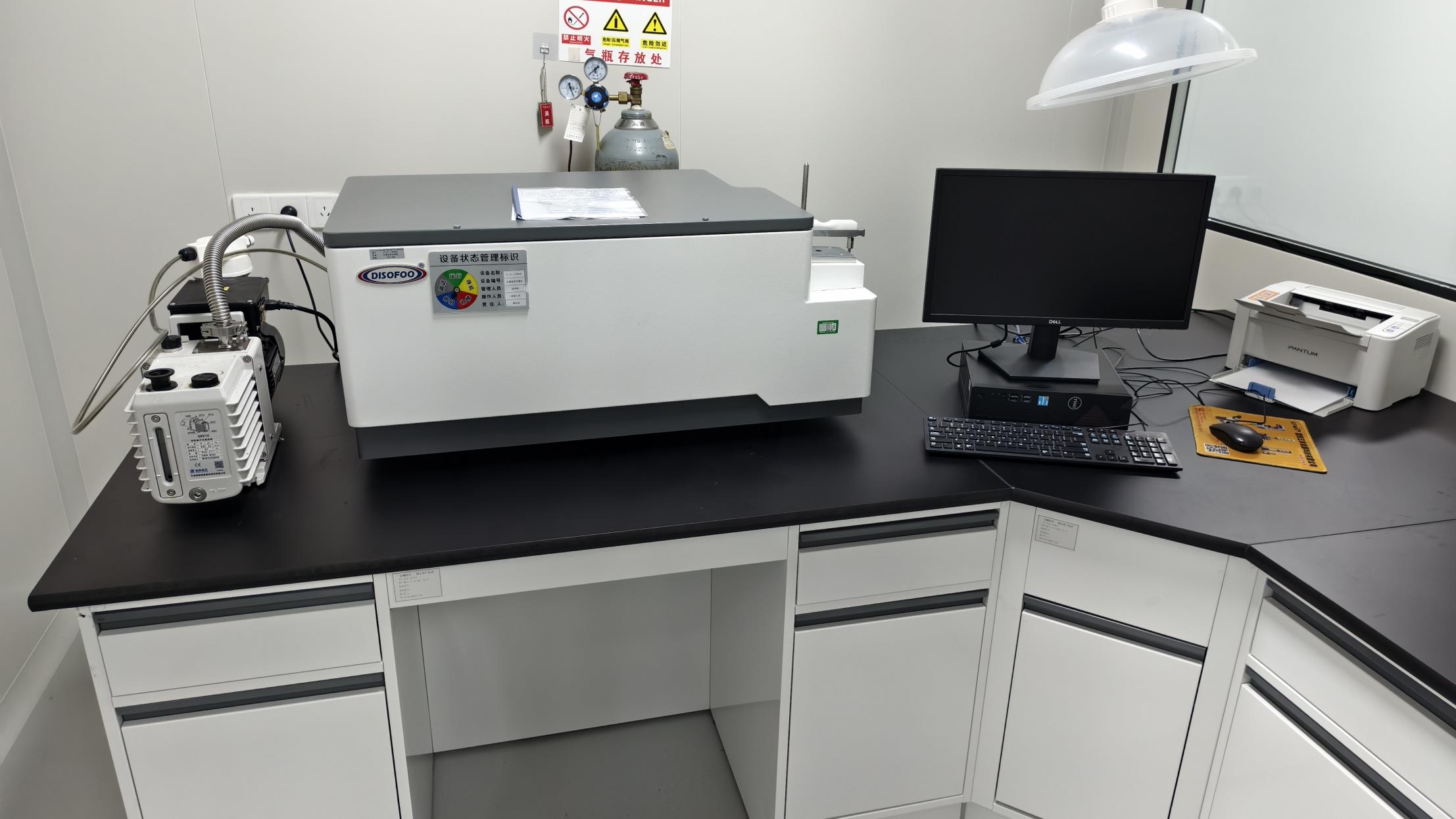
Real operations at Zynfuse facilities. We implement ISO 13485 and stringent validation protocols at every single step.
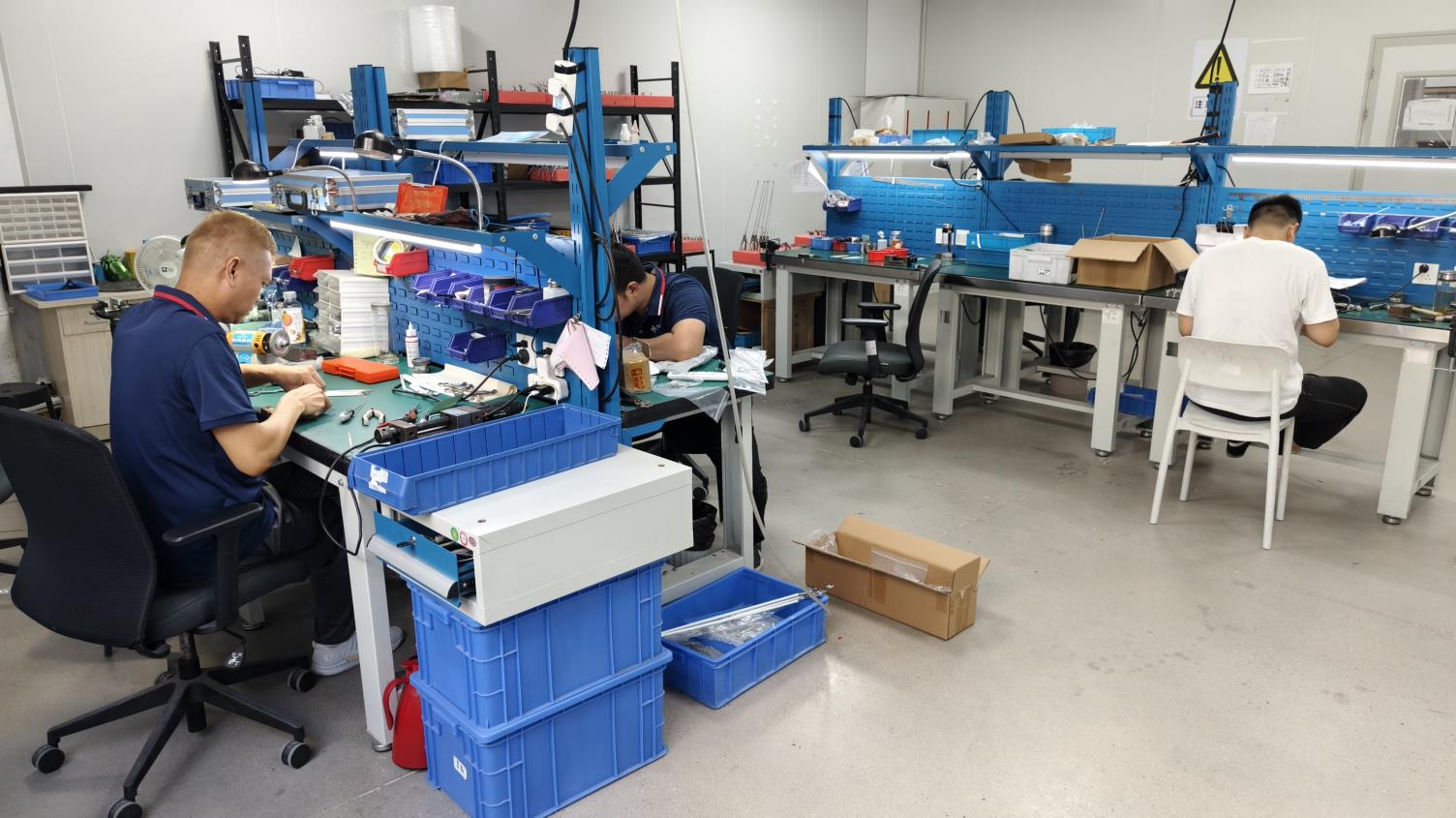
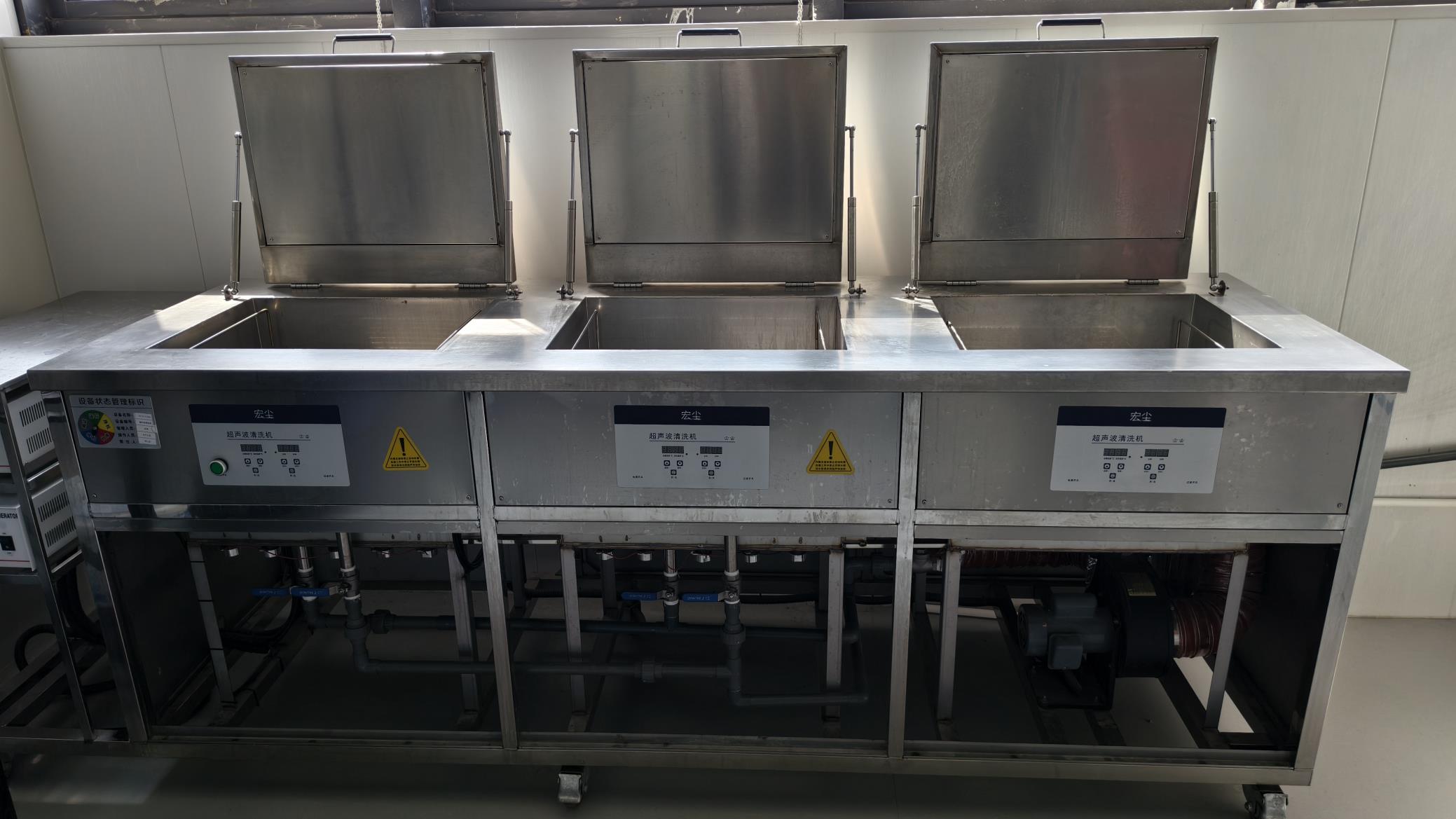
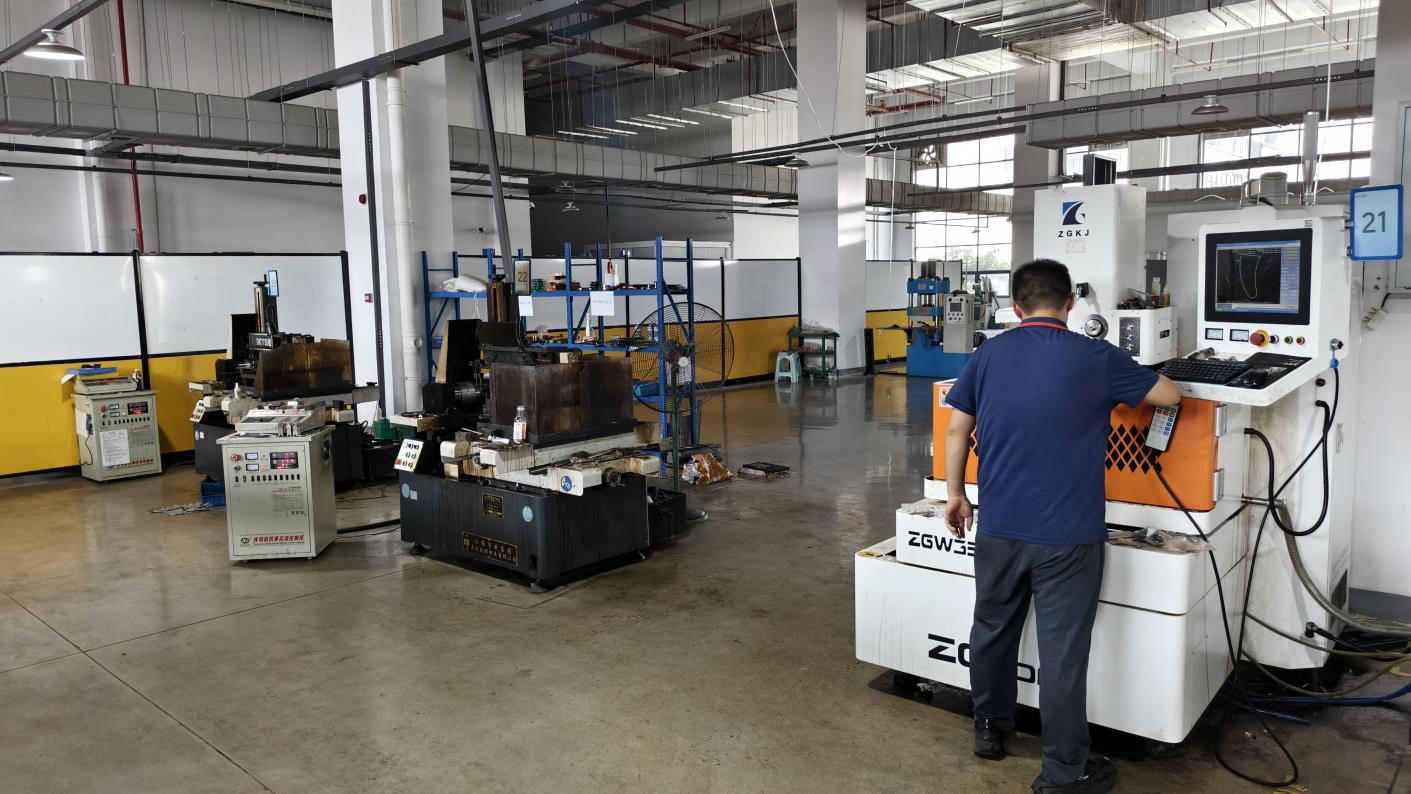
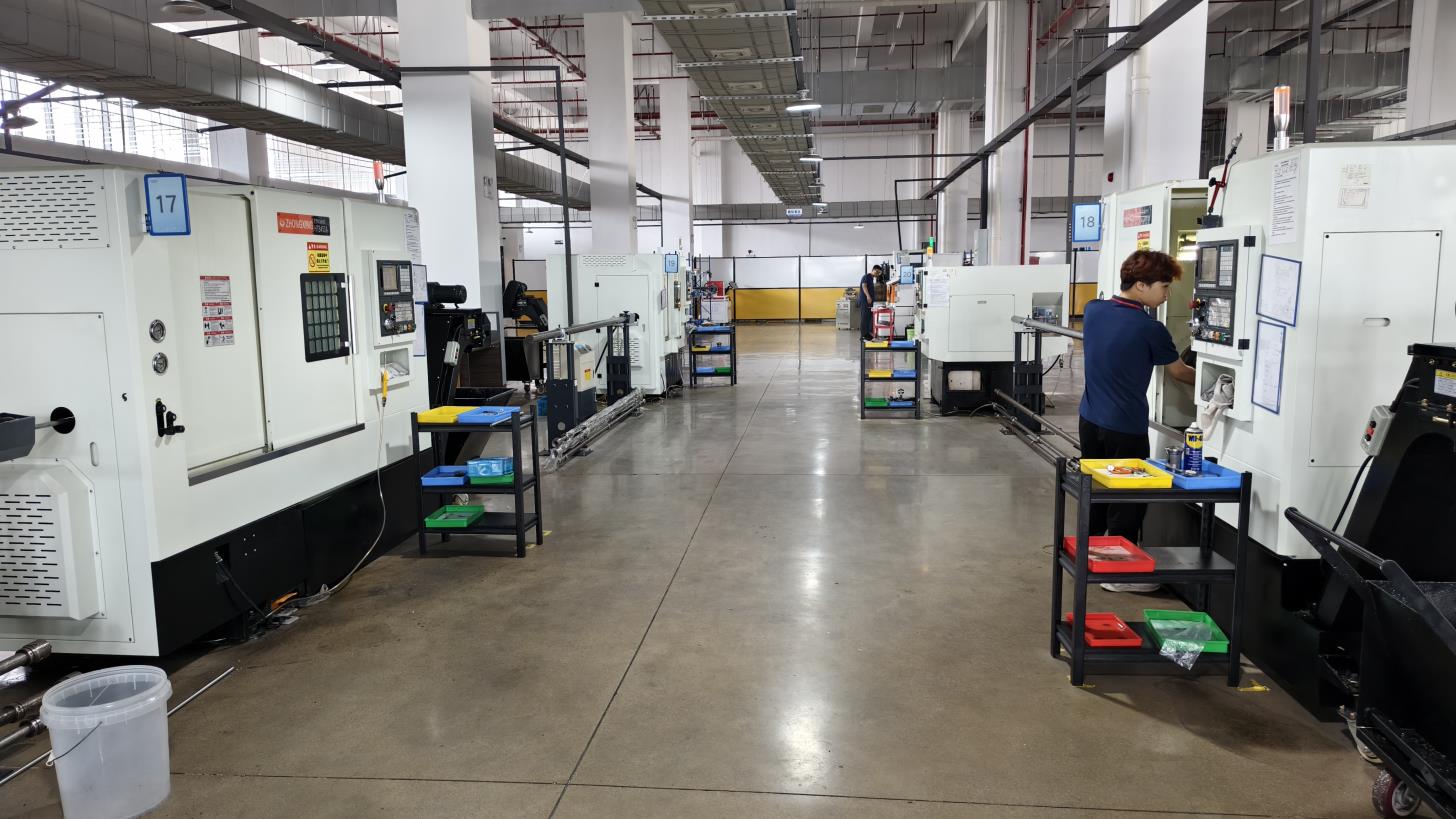
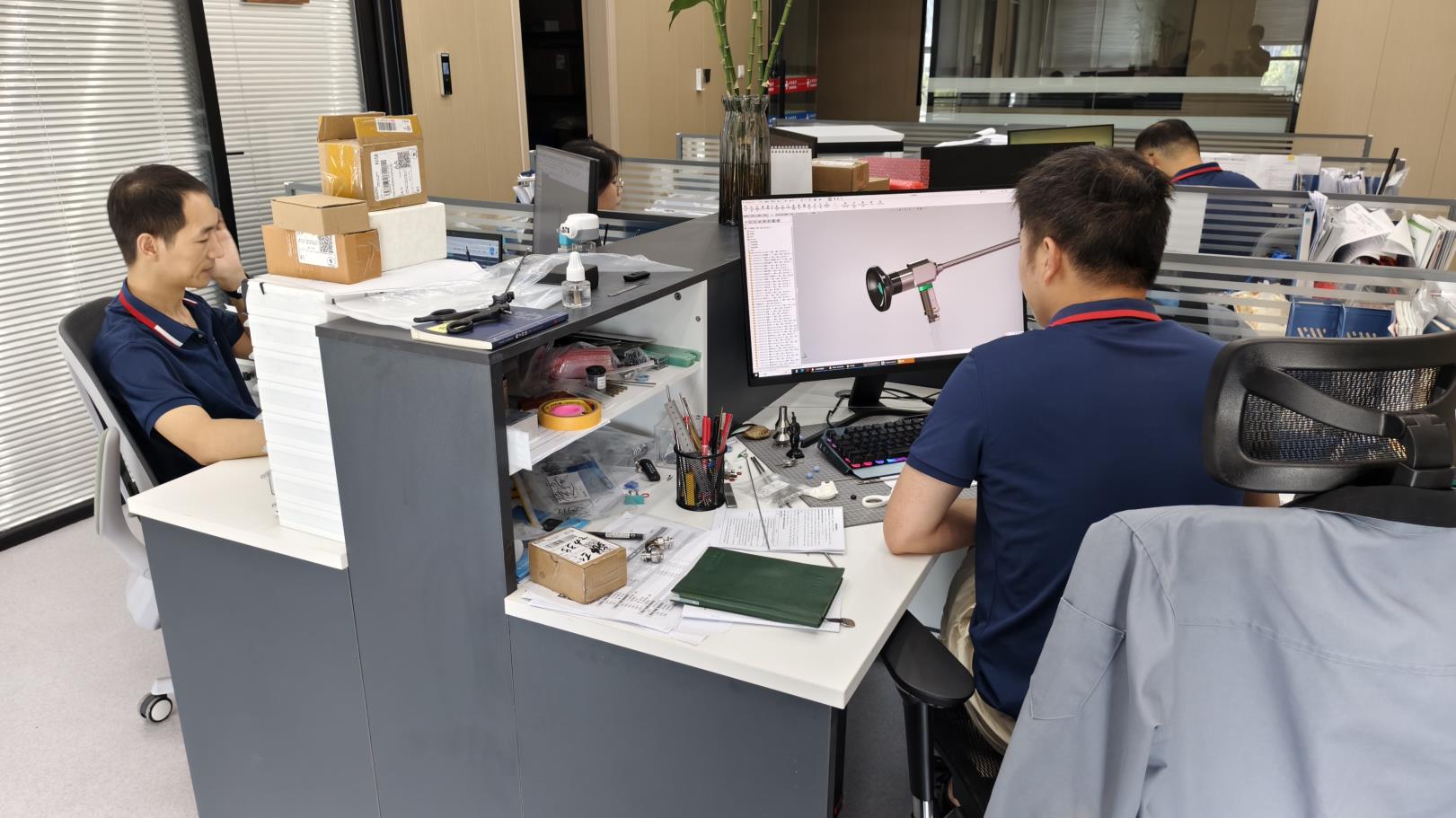

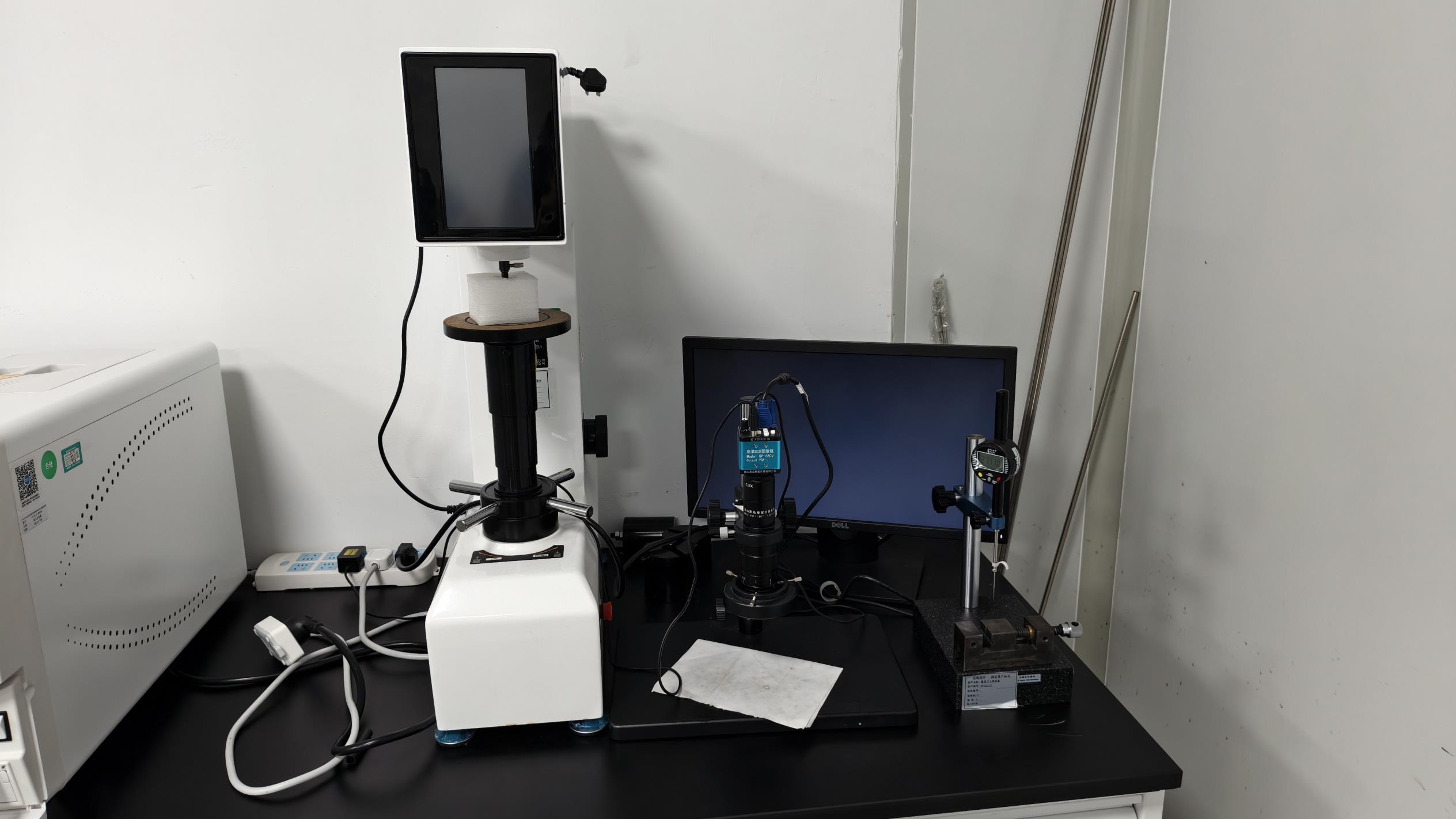
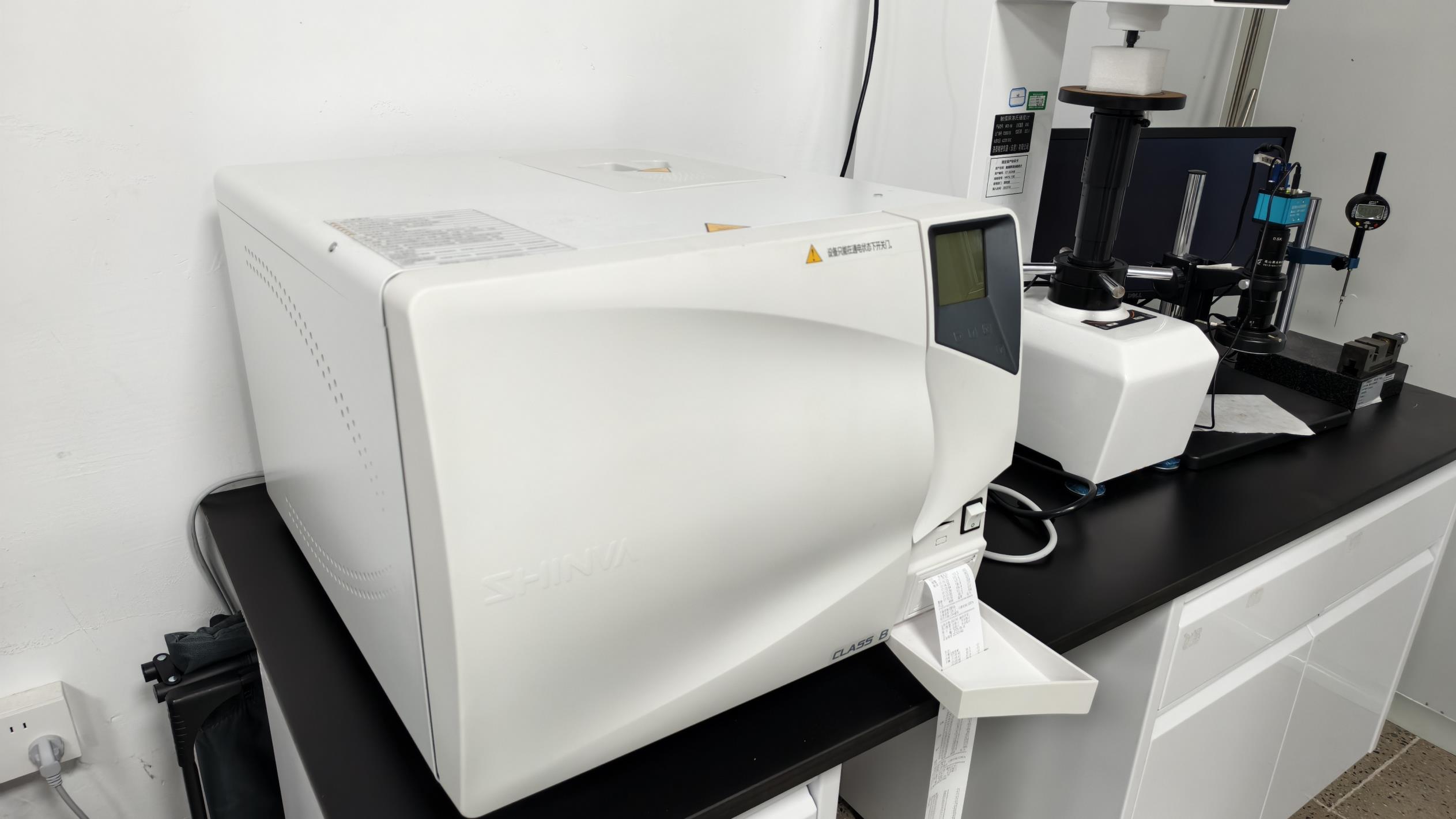
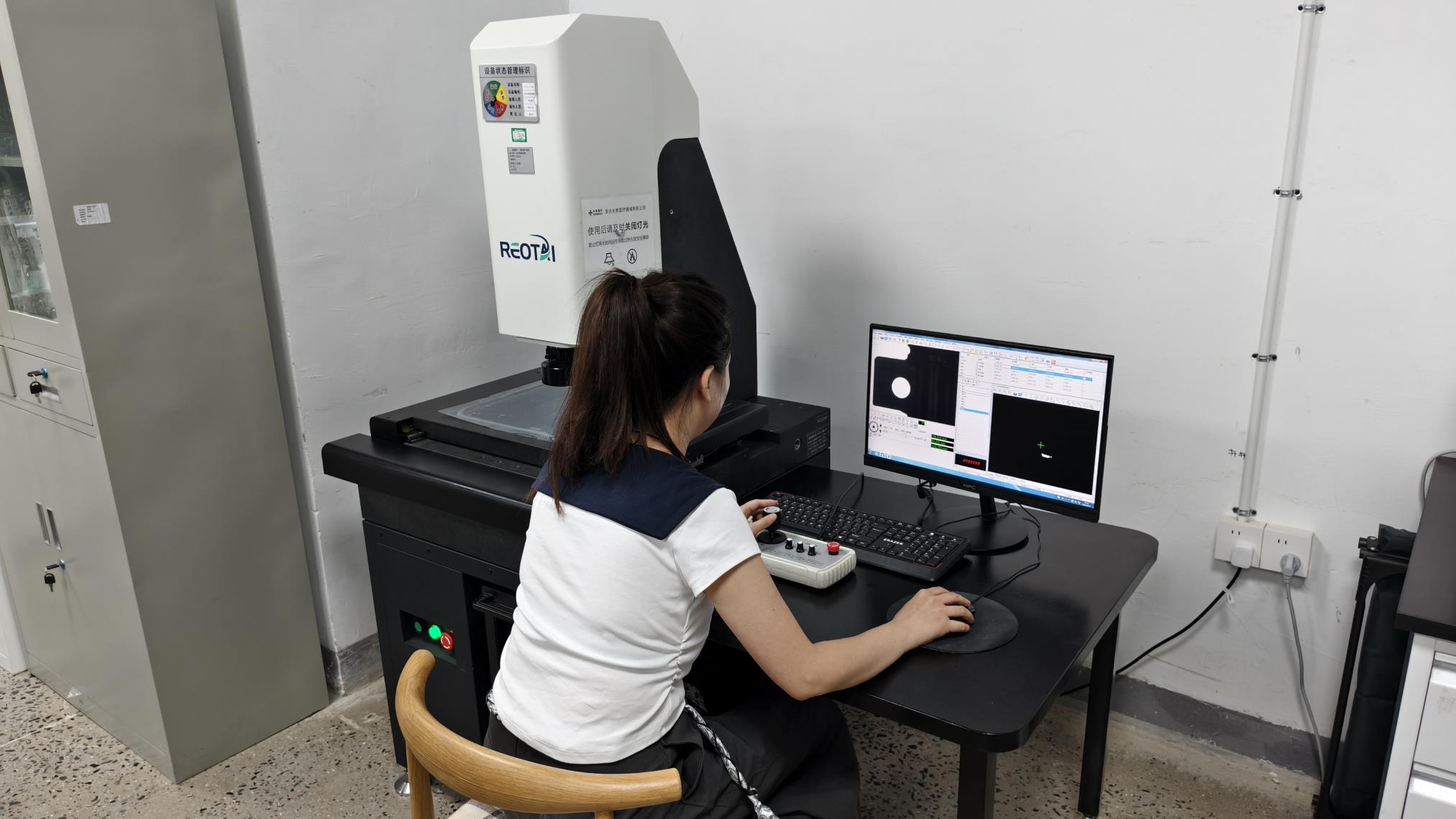
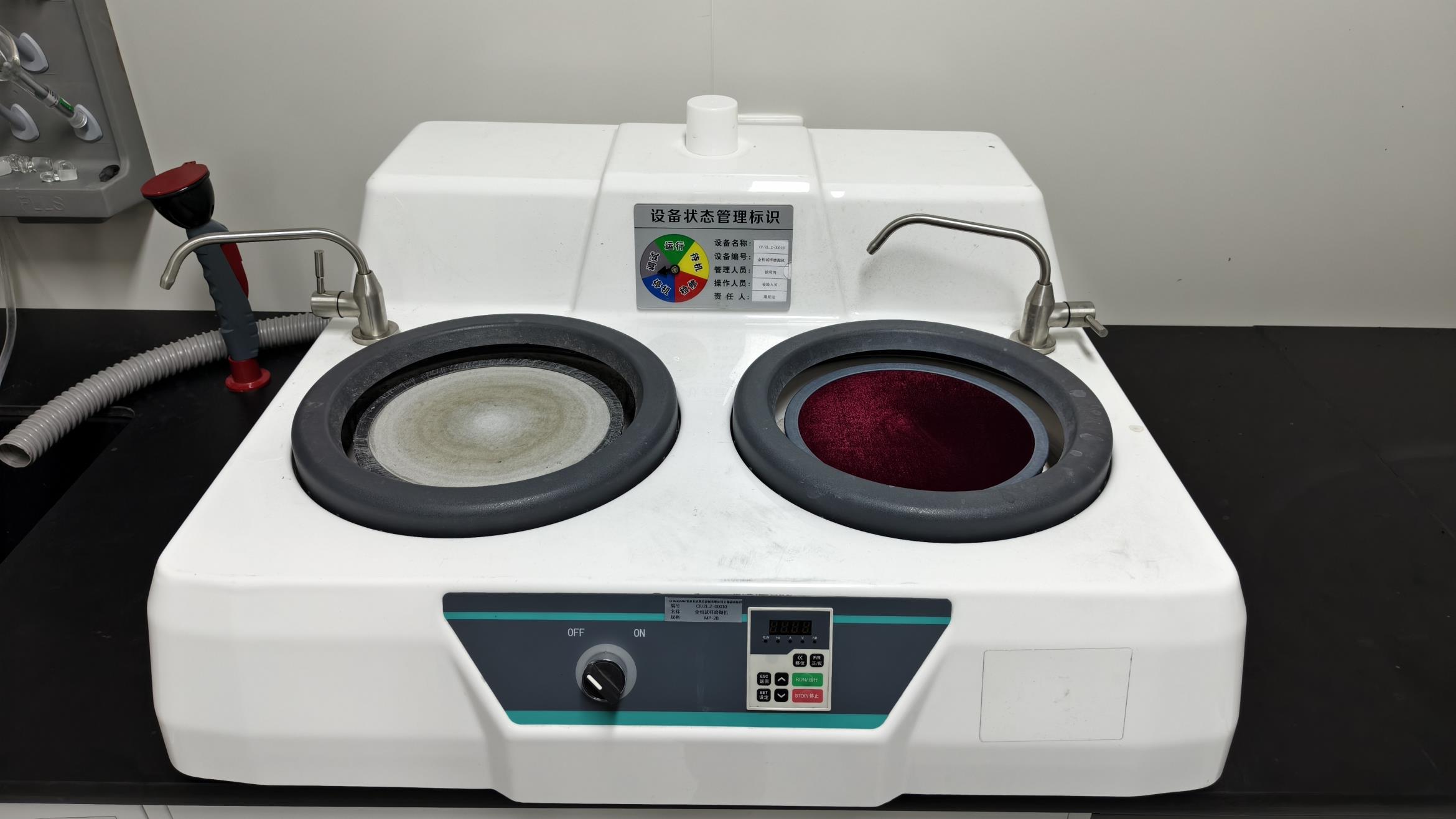
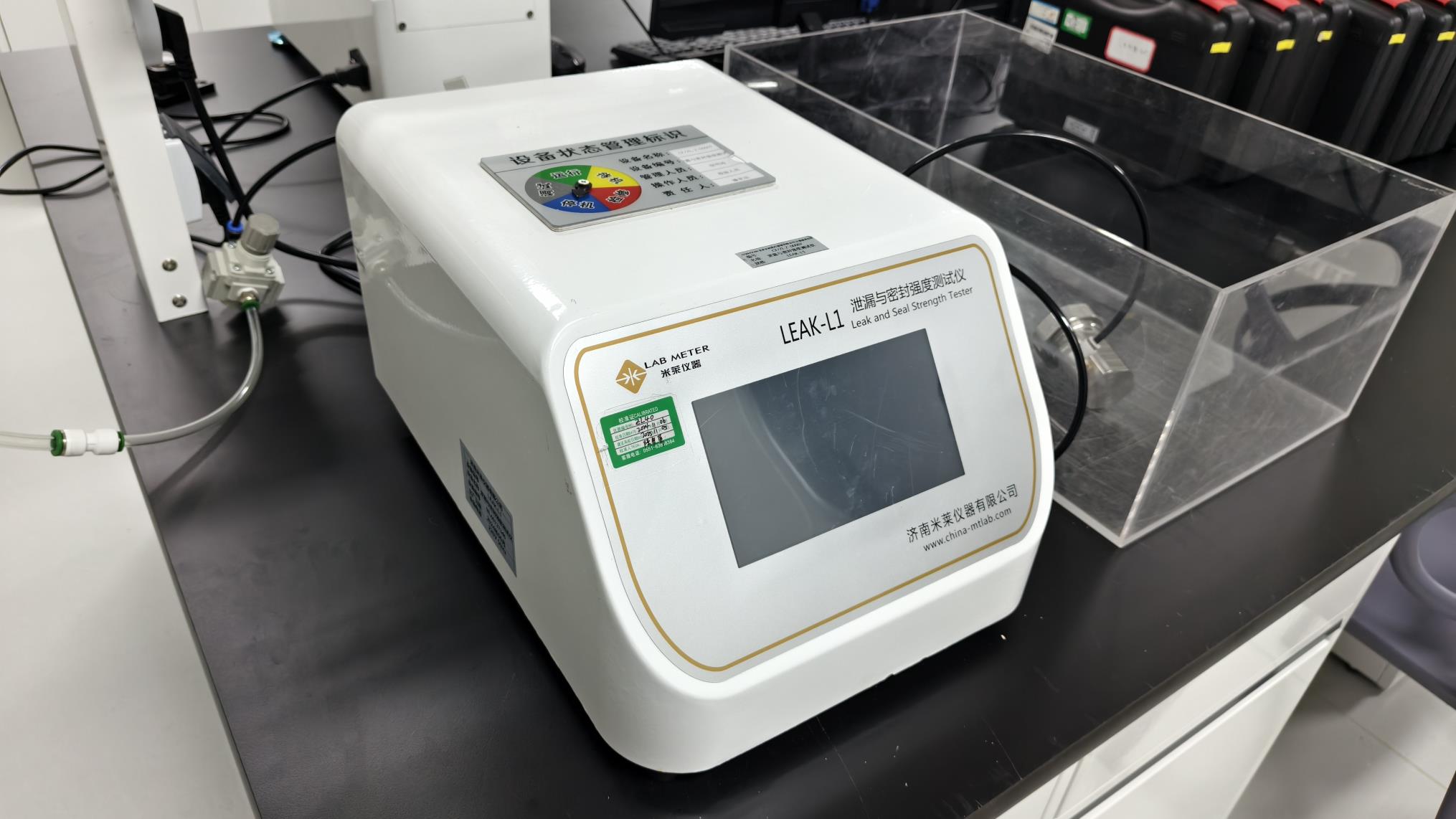
How our titanium fixation plates translate from factory blueprints into successful surgical outcomes in hospitals globally.
Cervical laminoplasty is widely performed to decompress the spinal cord in patients suffering from stenosis. By opening the lamina roof (either using the French-door or open-door technique) and holding the canal shape open with low-profile titanium plates, surgeons eliminate the risk of post-operative closure without restricting motion as severely as a fusion procedure.
Our plate systems utilize specialized hinges and graft containment pins to secure local autograft or allograft material, promoting long-term biological stabilization.
Medical distributors demand stability in material purity, batch tracing, and cost-predictability. Zynfuse supplies a comprehensive B2B solution:
Key quality check indicators to look for before entering a long-term medical implant purchase agreement.
Under Google's E-E-A-T guidelines for medical-related products ("Your Money or Your Life" - YMYL), precision and verification must be flawless. Sourcing agents should confirm that their supplier executes the following control steps:
Ensure the manufacturer supplies raw chemical composition analysis sheets from accredited laboratories. The implants must be milled from medical-grade titanium (such as Titanium Grade 5 Ti-6Al-4V ELI or pure Titanium Grade 2 / 4) complying with ASTM F136 or ISO 5832-3. Ask for the spectrometer validation records corresponding to your shipment batch.
Spinal implants are subjected to constant micro-movements inside the body. A trusted laminoplasty plates factory must present ASTM F1717 or ASTM F2193 fatigue test benchmarks, validating that the implants withstand millions of cycles of flexion, extension, and lateral bending without cracking, material failure, or screw pull-out.
Answers to key questions regarding manufacturing, lead times, materials, and clinical validations.
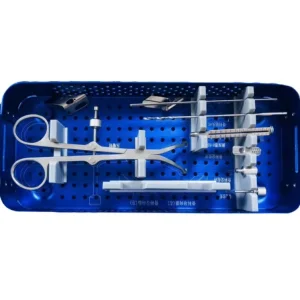
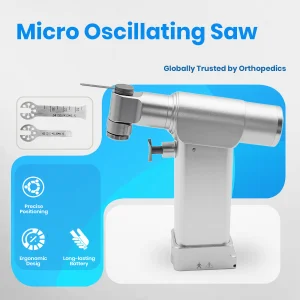
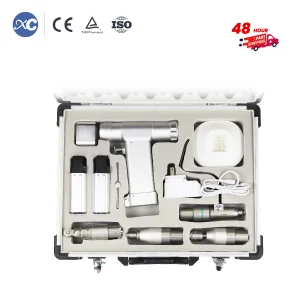
Browse the full range of surgical tools, trauma implants, and veterinary systems manufactured at our certified facility.