Zynfuse
Zynfuse
Zynfuse
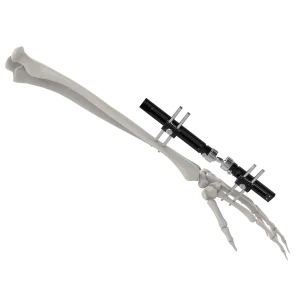
Premium internal and external fixation assemblies designed for absolute biomechanical stability and anatomical configuration.
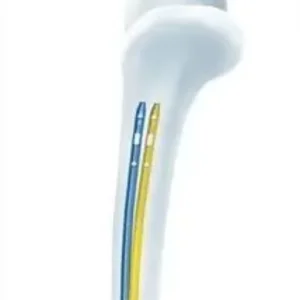
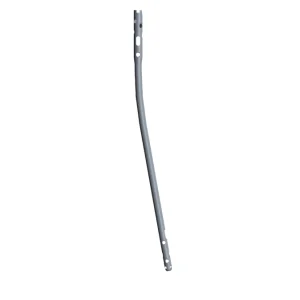

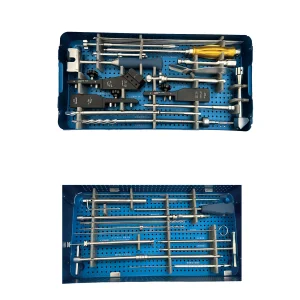
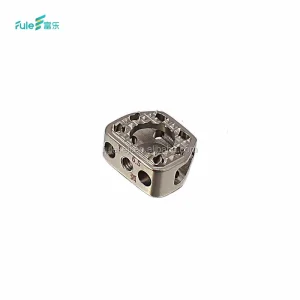
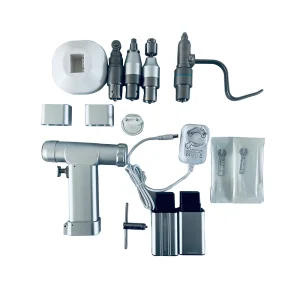
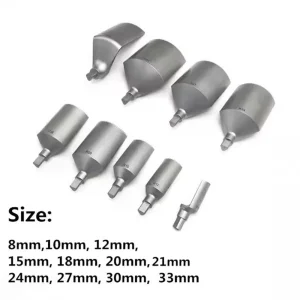
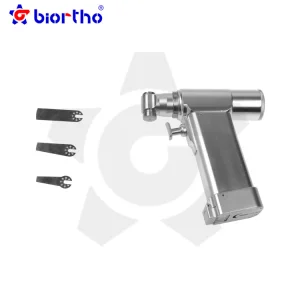
The foundation of a reliable intramedullary system is its raw material formulation. Contemporary manufacturers rely on Titanium Alloy (specifically Ti-6Al-4V ELI conforming to ASTM F136 and ISO 5832-3 standards) and medical-grade surgical Stainless Steel (316LVM conforming to ASTM F138). Titanium's elasticity modulus is significantly closer to human cortical bone than stainless steel, reducing the risk of stress shielding while maximizing fatigue life under dynamic physiological loads.
During cyclic loading, micro-fissures can propagate from screw holes. Premium China reconstruction nails factories leverage advanced CNC Swiss-type milling to ensure deburred edges and smooth transitions around dynamic locking holes. Chemical type II anodization is applied to modify the surface oxide layer. This not only increases corrosion resistance but also prevents cold welding between the interlocking screws and the nail body.
Zynfuse Medical Technology Co., Ltd. is a professional orthopedic medical device manufacturer specializing in bone fusion and advanced implant systems for surgical innovation. Established in 2016, the company has built a strong foundation in orthopedic solutions with 12 years of industry experience and 7 years of export experience, serving global healthcare markets with consistent quality and reliability.
Our facilities cover approximately 18,600 m², featuring state-of-the-art production cells and testing apparatus to sustain stable global supplies.
Backed by 68 quality inspection specialists, we maintain a comprehensive ISO 13485 inspection system, running physical and biocompatibility testing.
Our R&D division of 85 engineers introduces around 320 new products annually, enabling rapid OEM/ODM design changes.
How Chinese leading manufacturers navigate diverse regulatory environments to support local partners.
For global hospital networks and medical distributors, regulatory compliance is the ultimate gatekeeper. At Zynfuse, we recognize that acquiring high-quality implants is only half the battle; navigating complex local registrations is equally critical. We provide complete technical documentation dossiers, including:
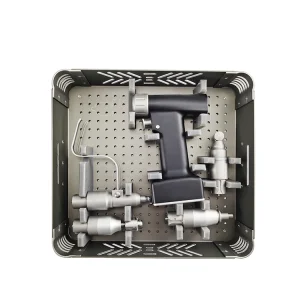
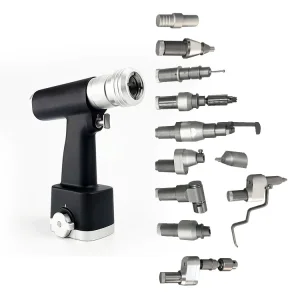
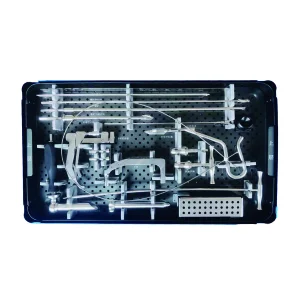
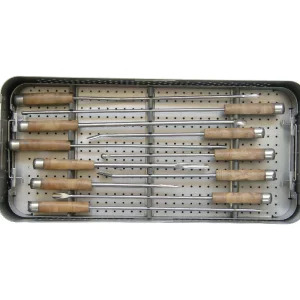
Moreover, localization means providing surgeons with the instrumentation they expect. In addition to sterile and non-sterile implant configurations, we offer specialized surgical instrument sets tailored to specific anatomical approaches (e.g., retro-grade vs. antegrade femoral insertions). Custom graphics on sterilizer trays and step-by-step technique guides are available to shorten the learning curve for operating room personnel.
Proximity to advanced titanium smelting plants guarantees immediate access to high-grade, medical-quality Ti-6Al-4V ELI (Extra Low Interstitial) bars, ensuring consistent material performance.
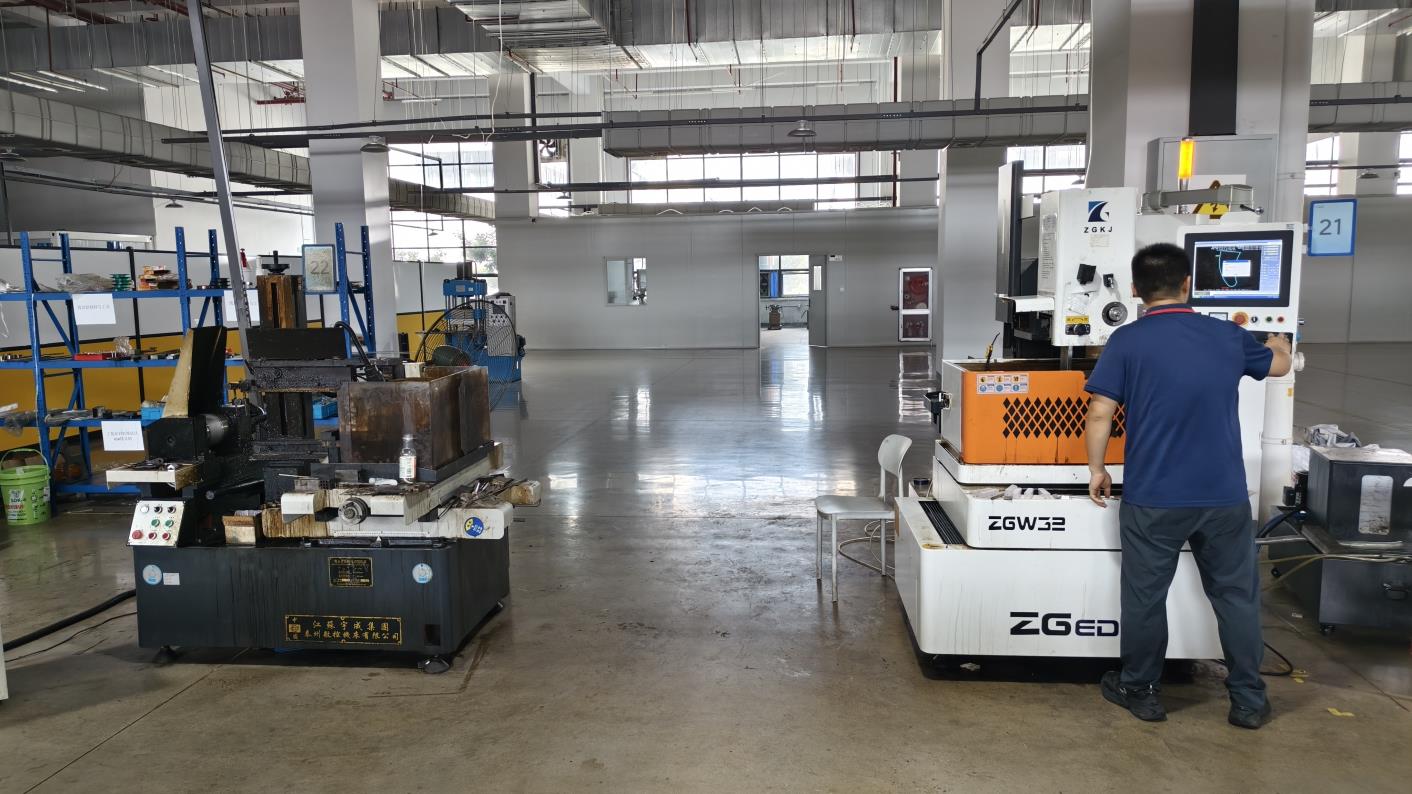
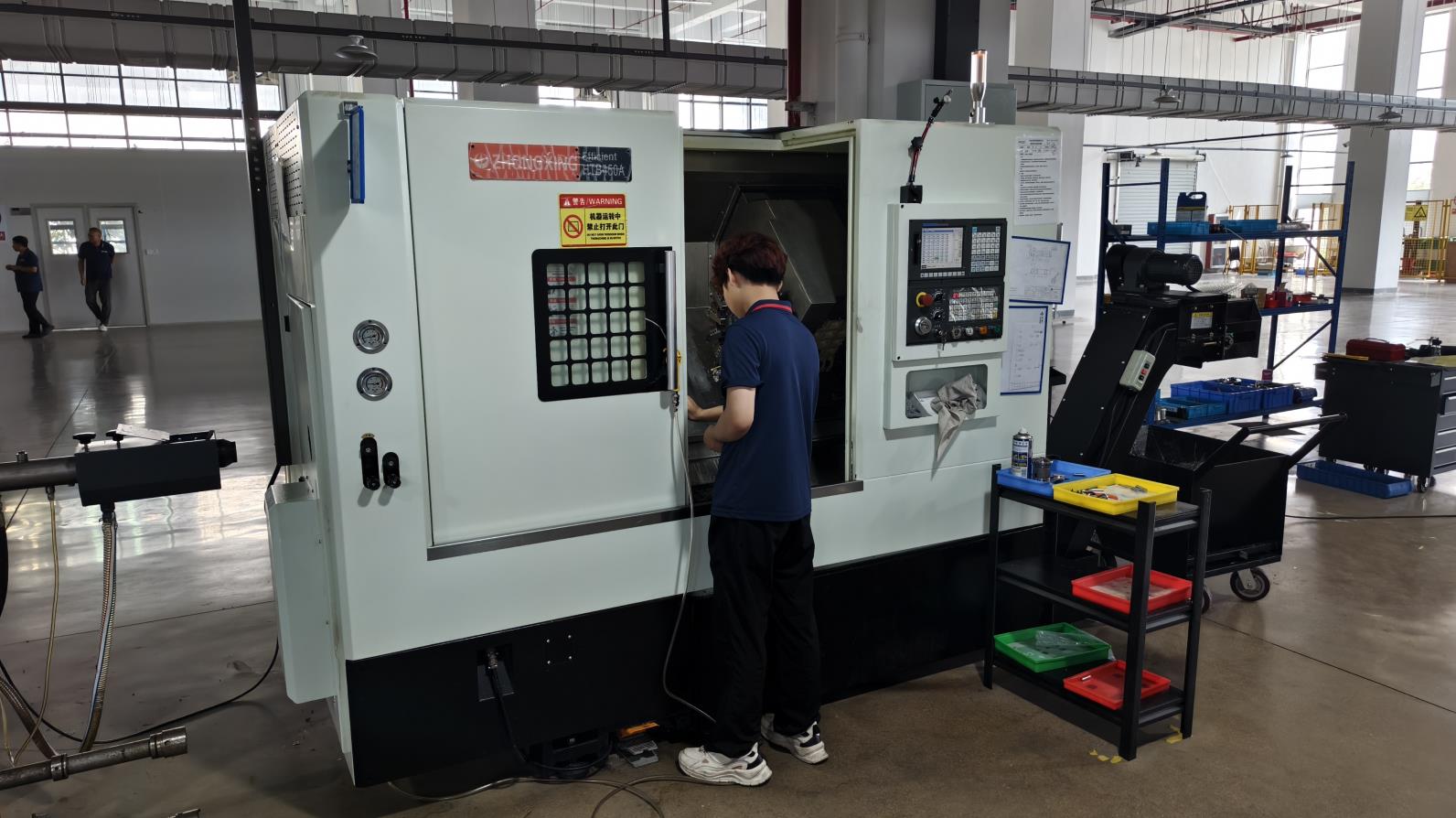
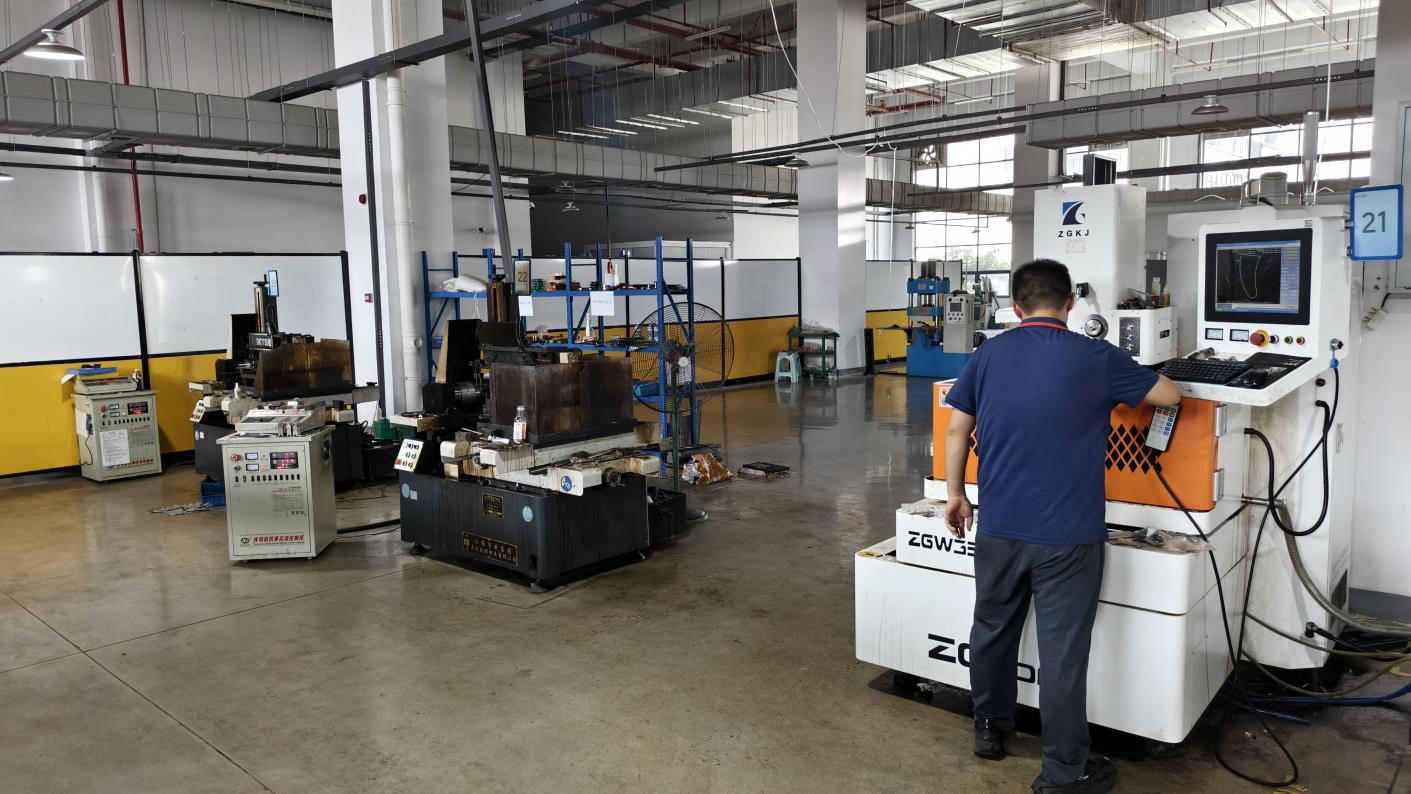
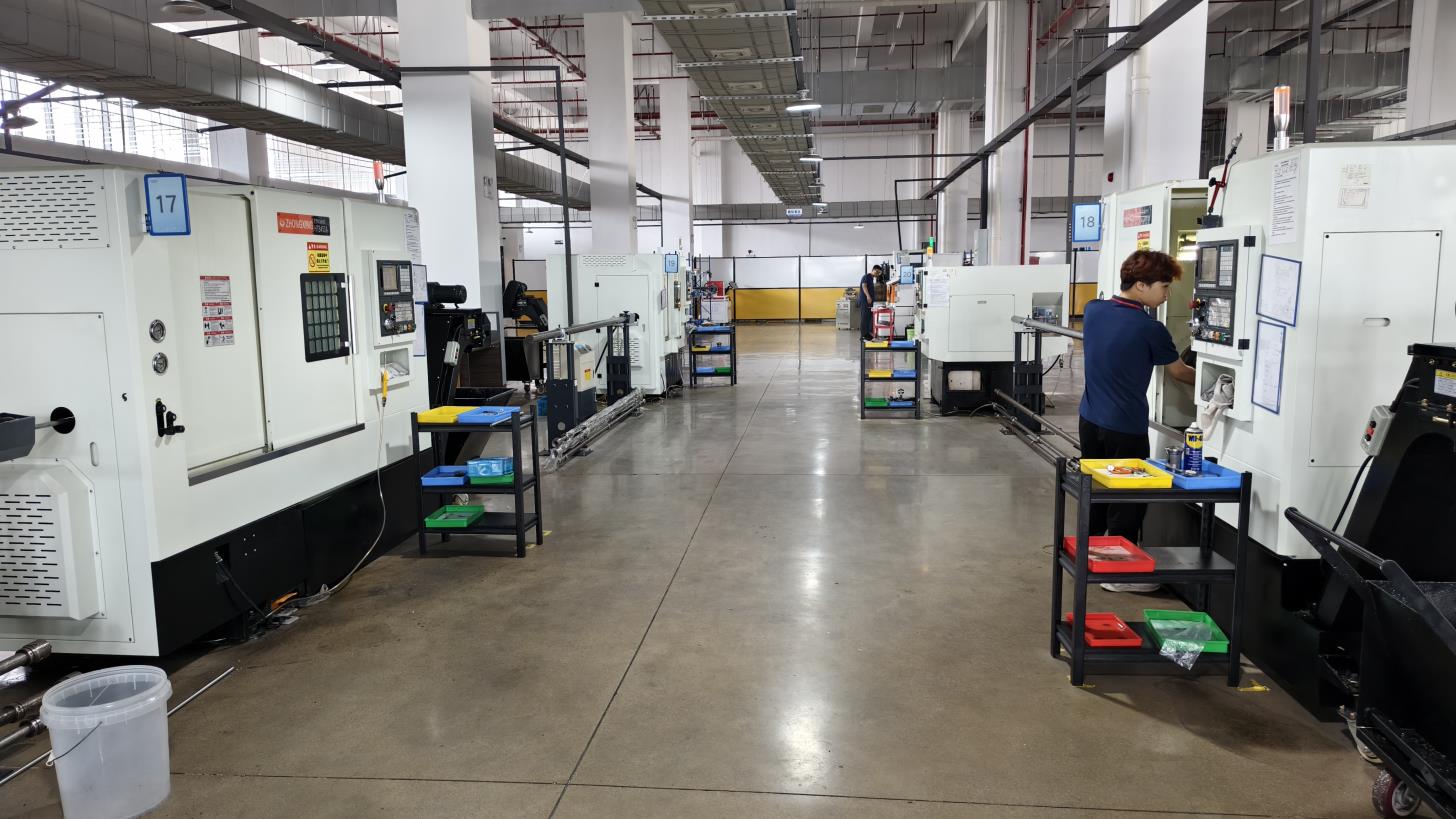
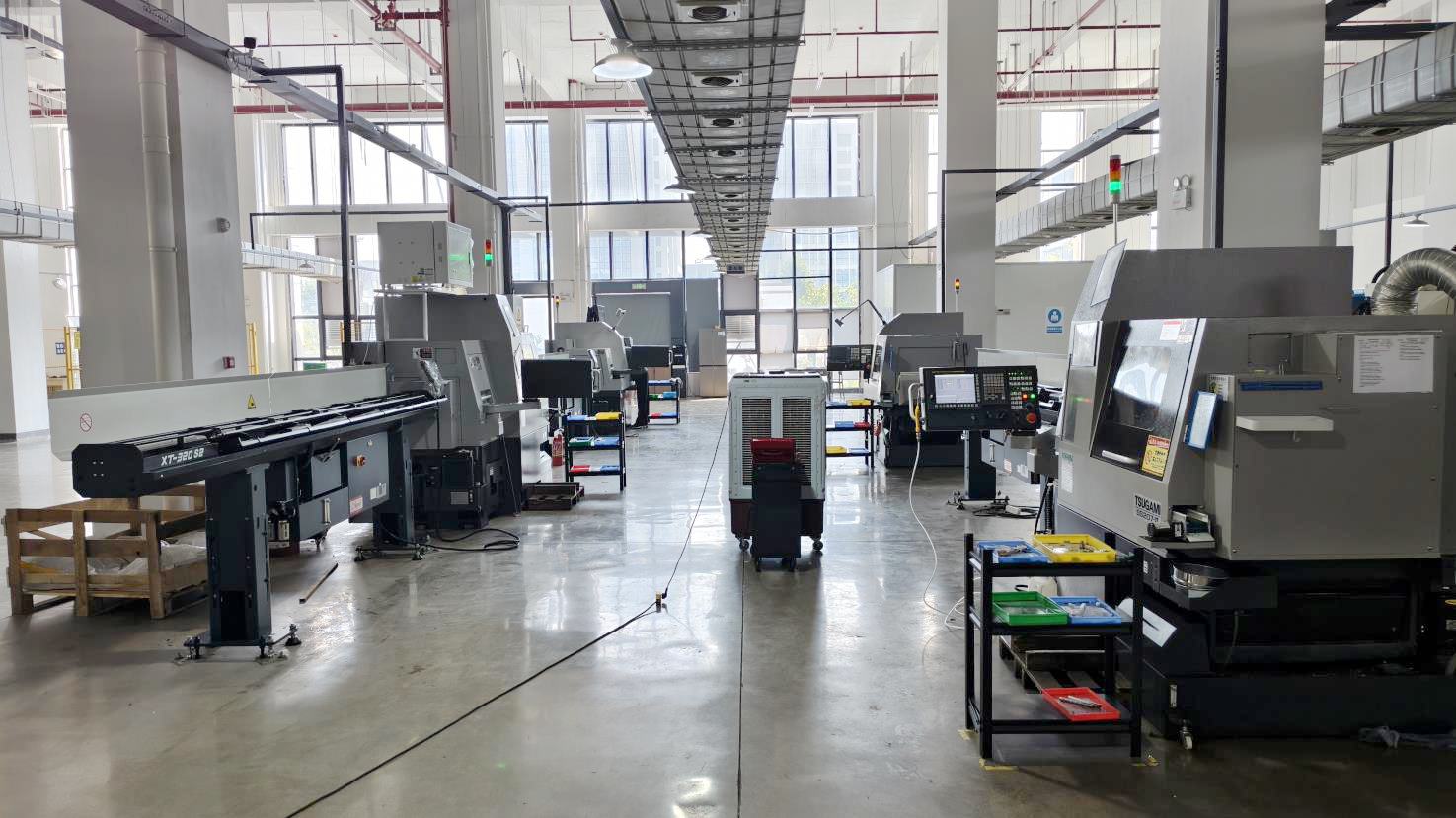
With Swiss-type CNC lathes and multi-axis machining units, factories can hold tolerances within microns (±0.005mm). This is essential for interlocking screw matches.
With optimized manufacturing workflows, Zynfuse passes raw cost savings down to hospital procurement departments, making premium care affordable globally.
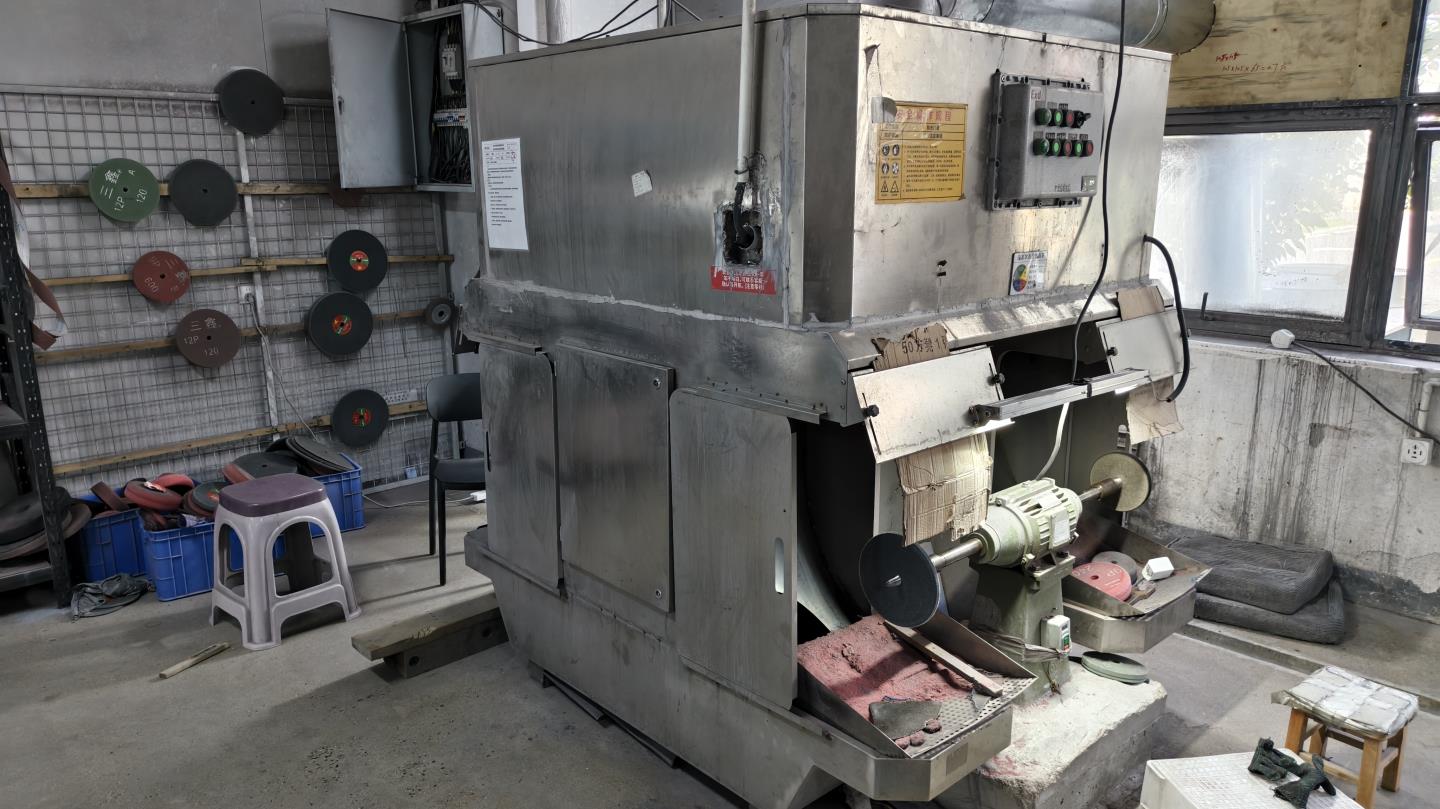
Inside Zynfuse's manufacturing facility and QA testing laboratory. Witness precision engineering in action.
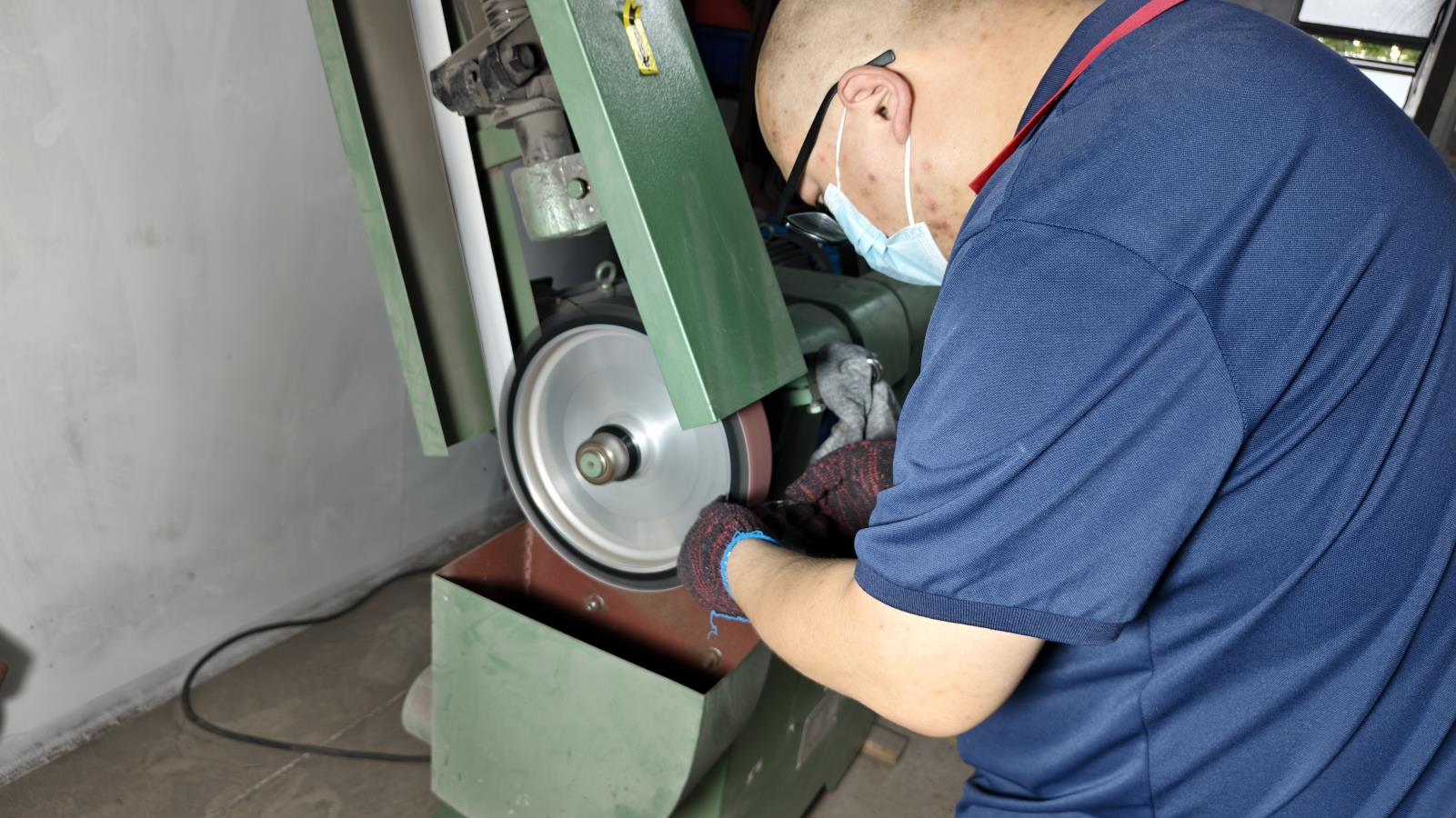
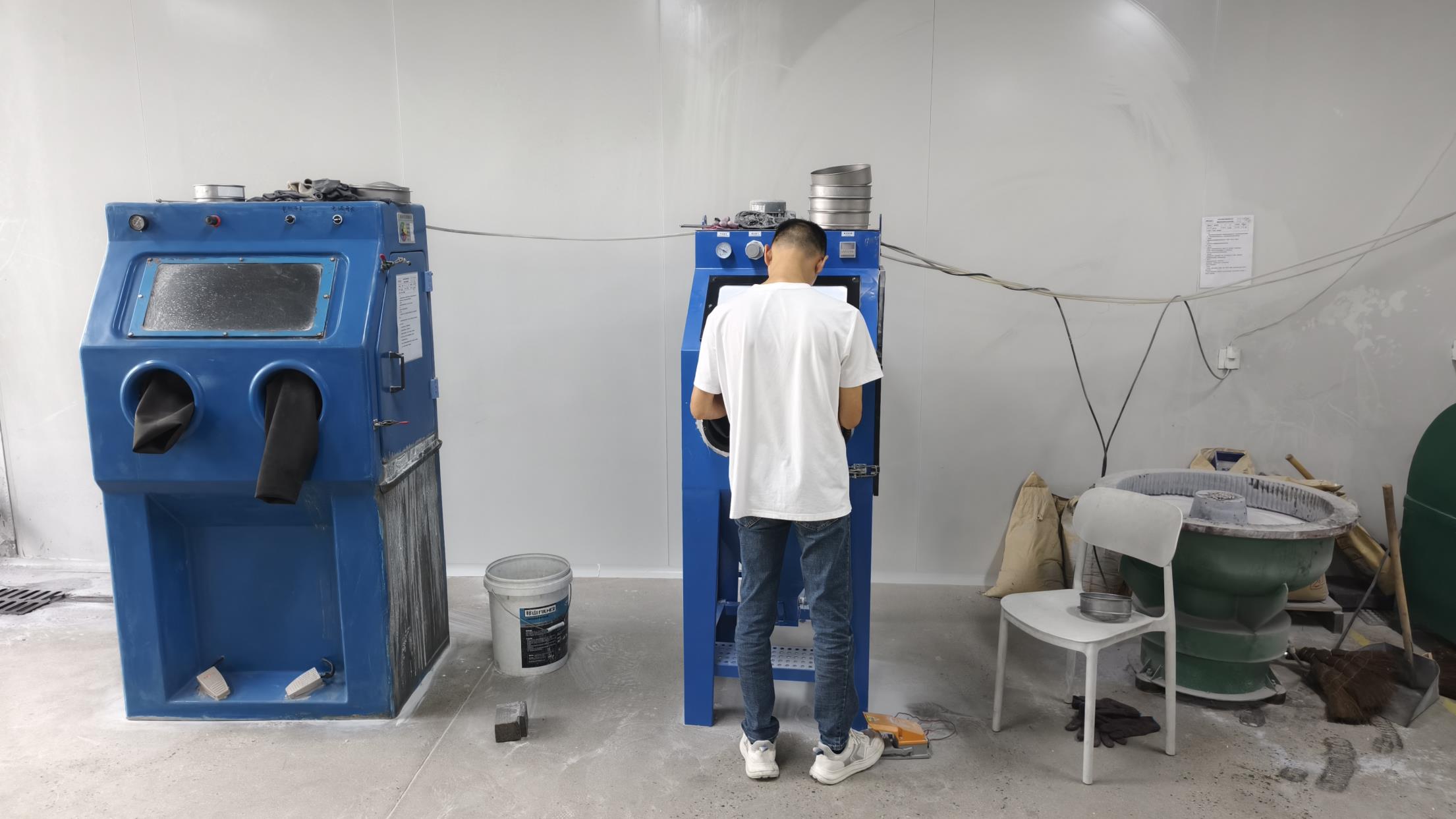
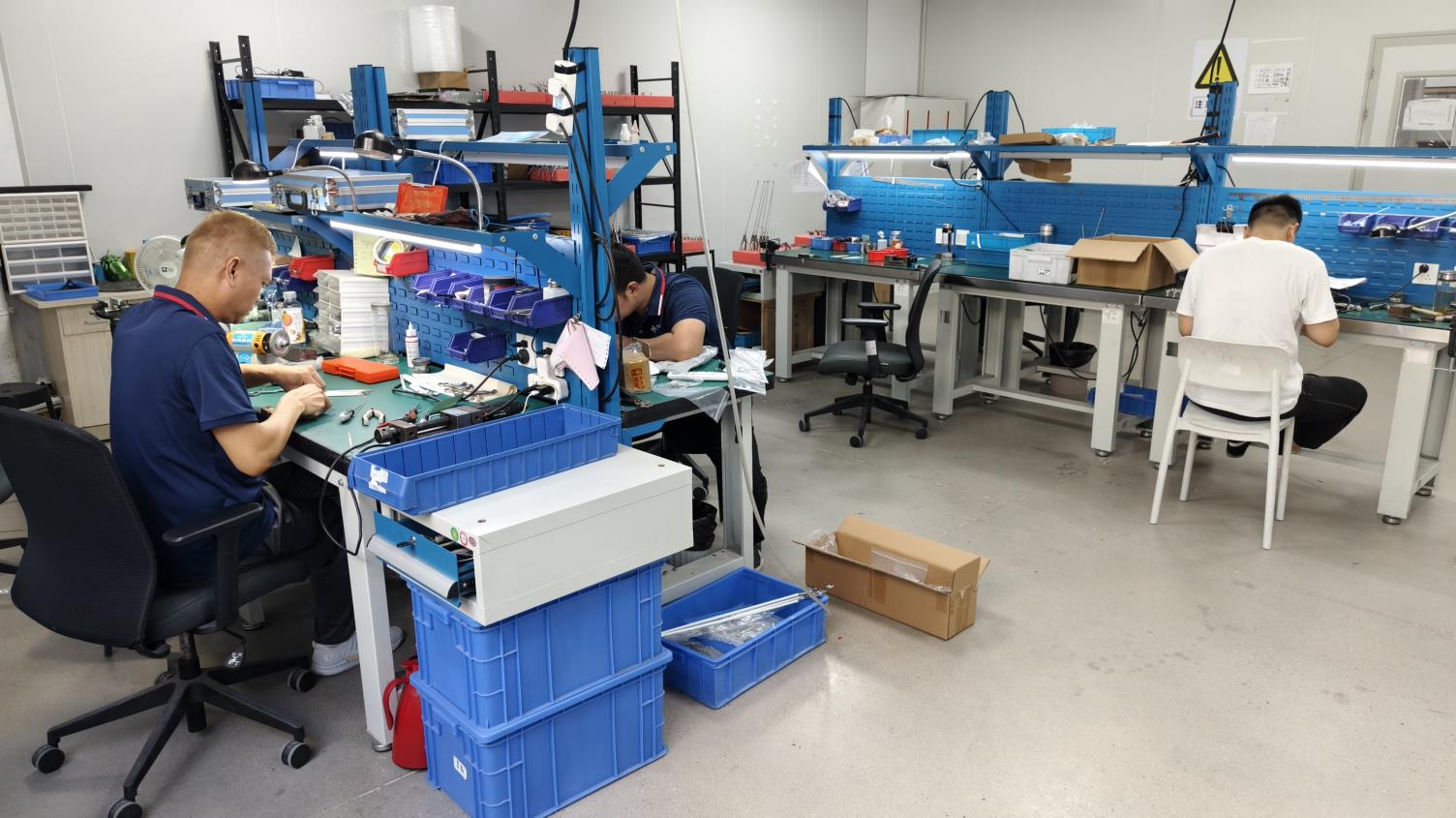
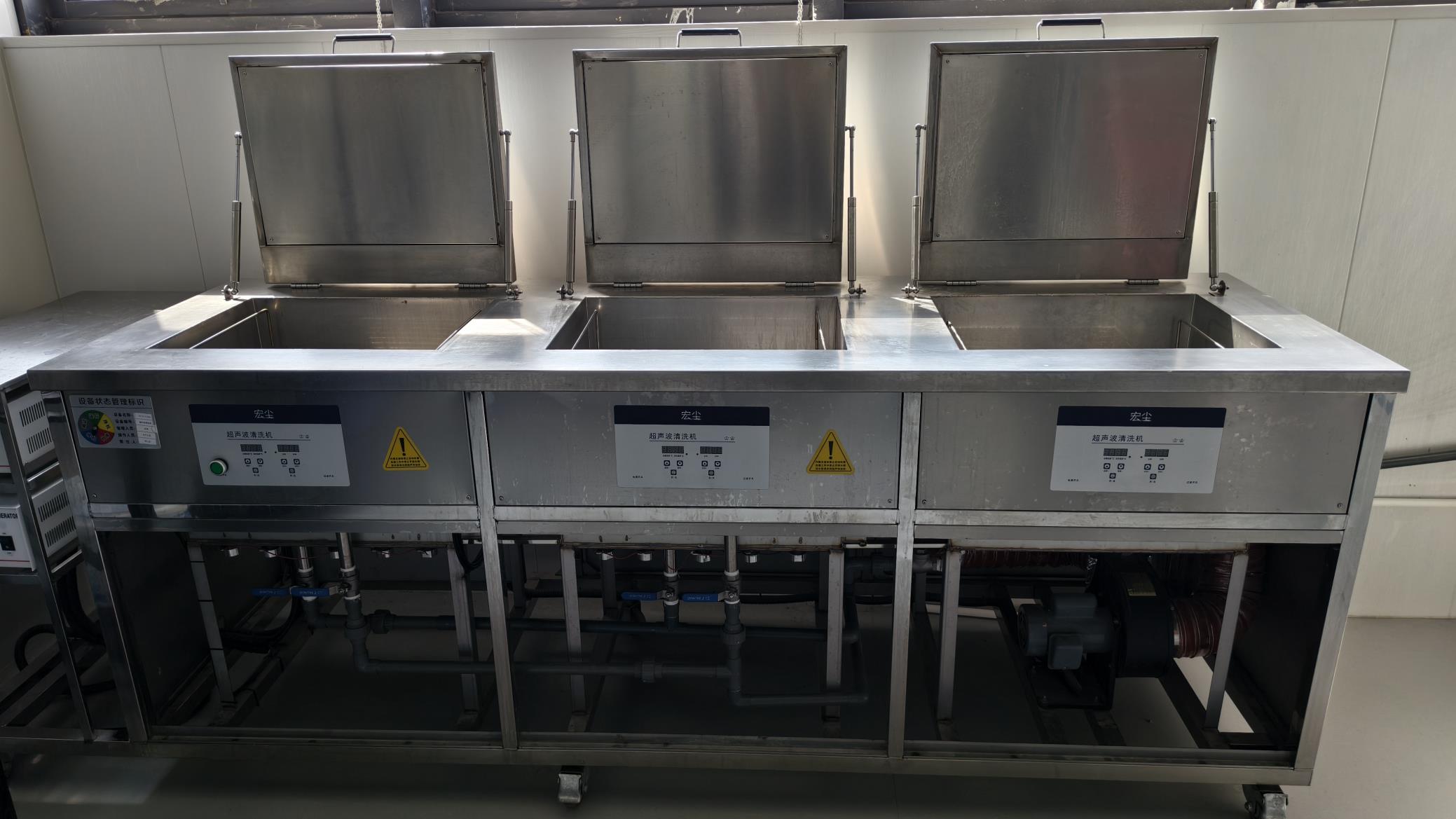
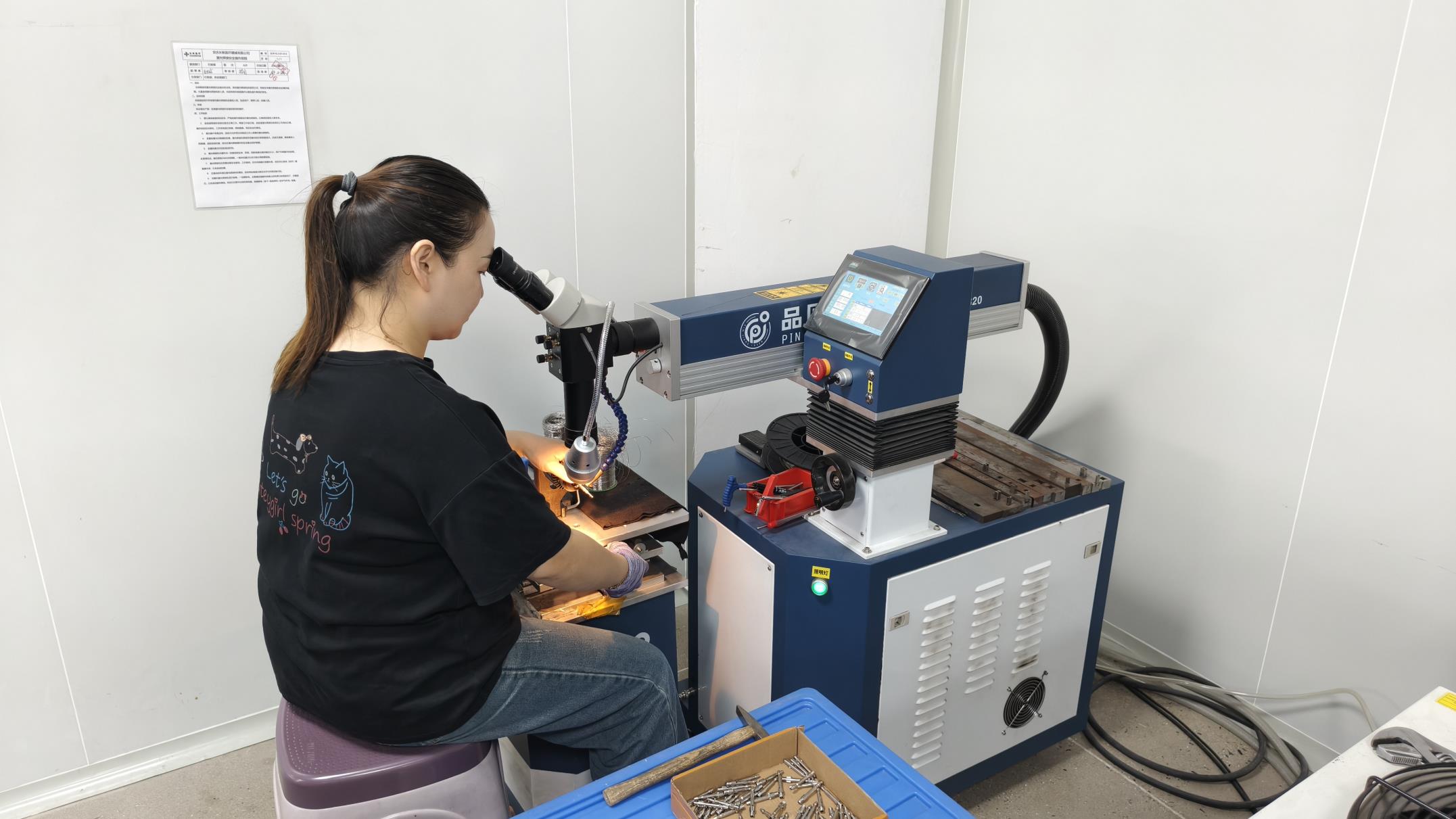
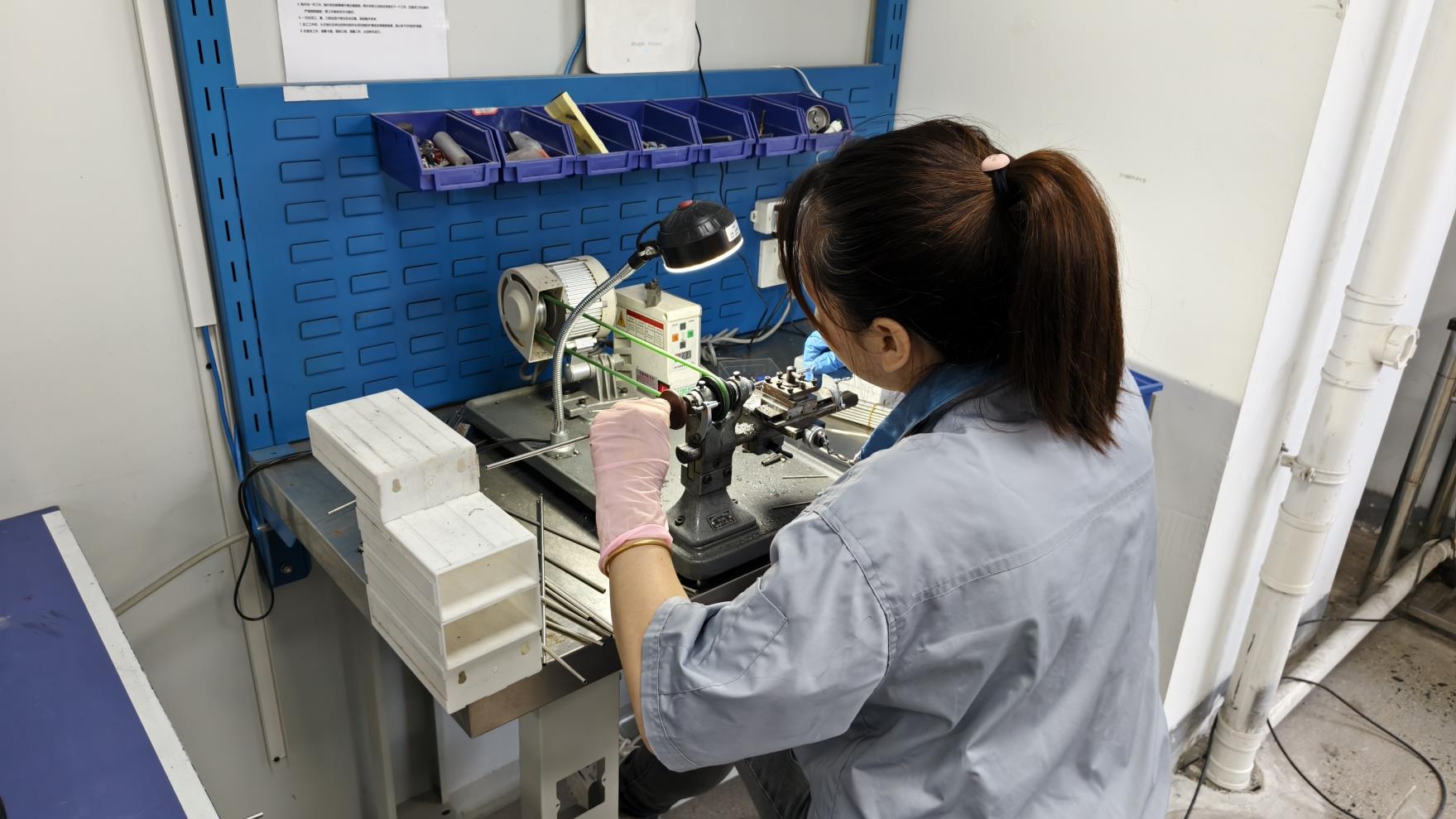
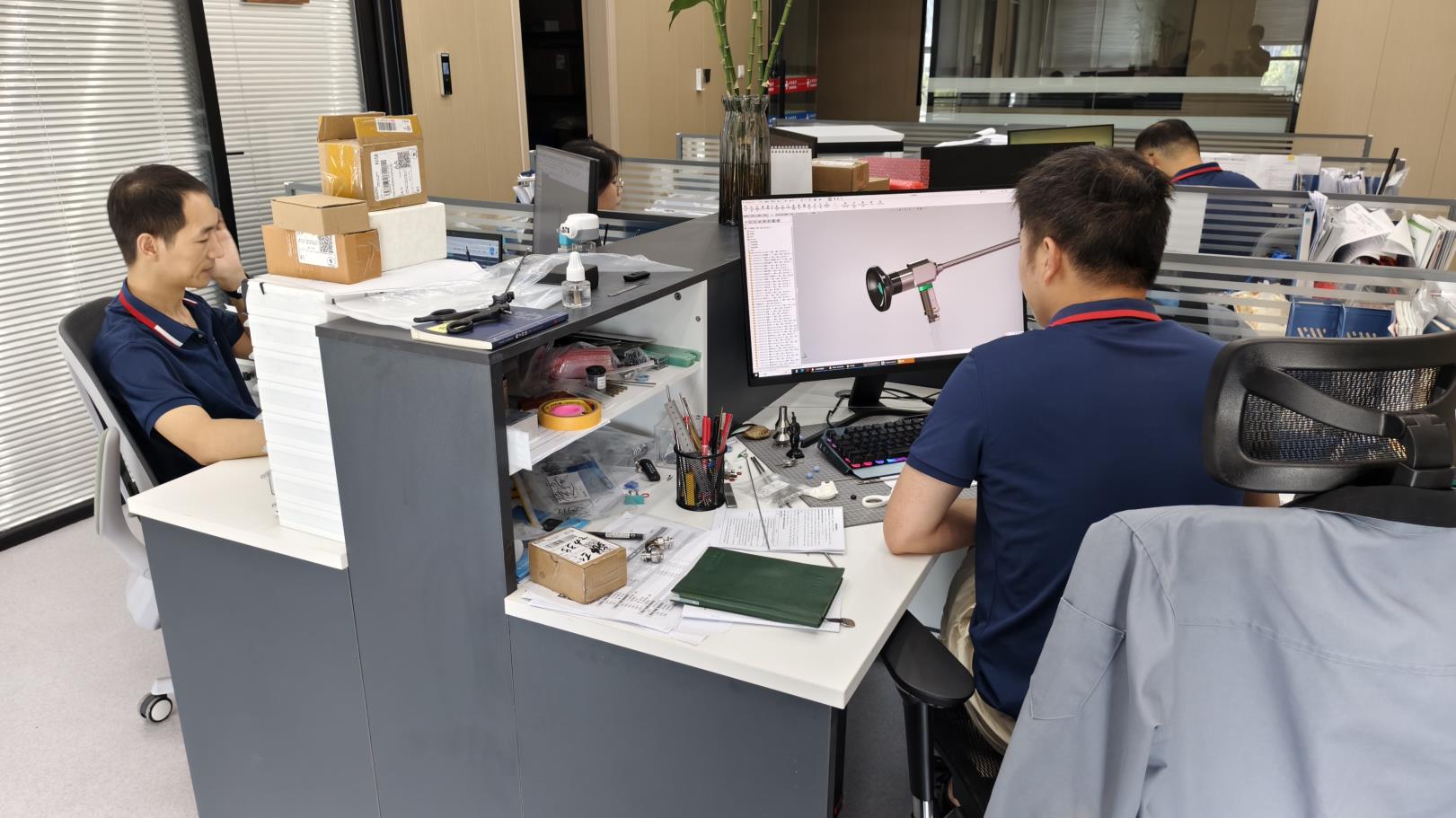
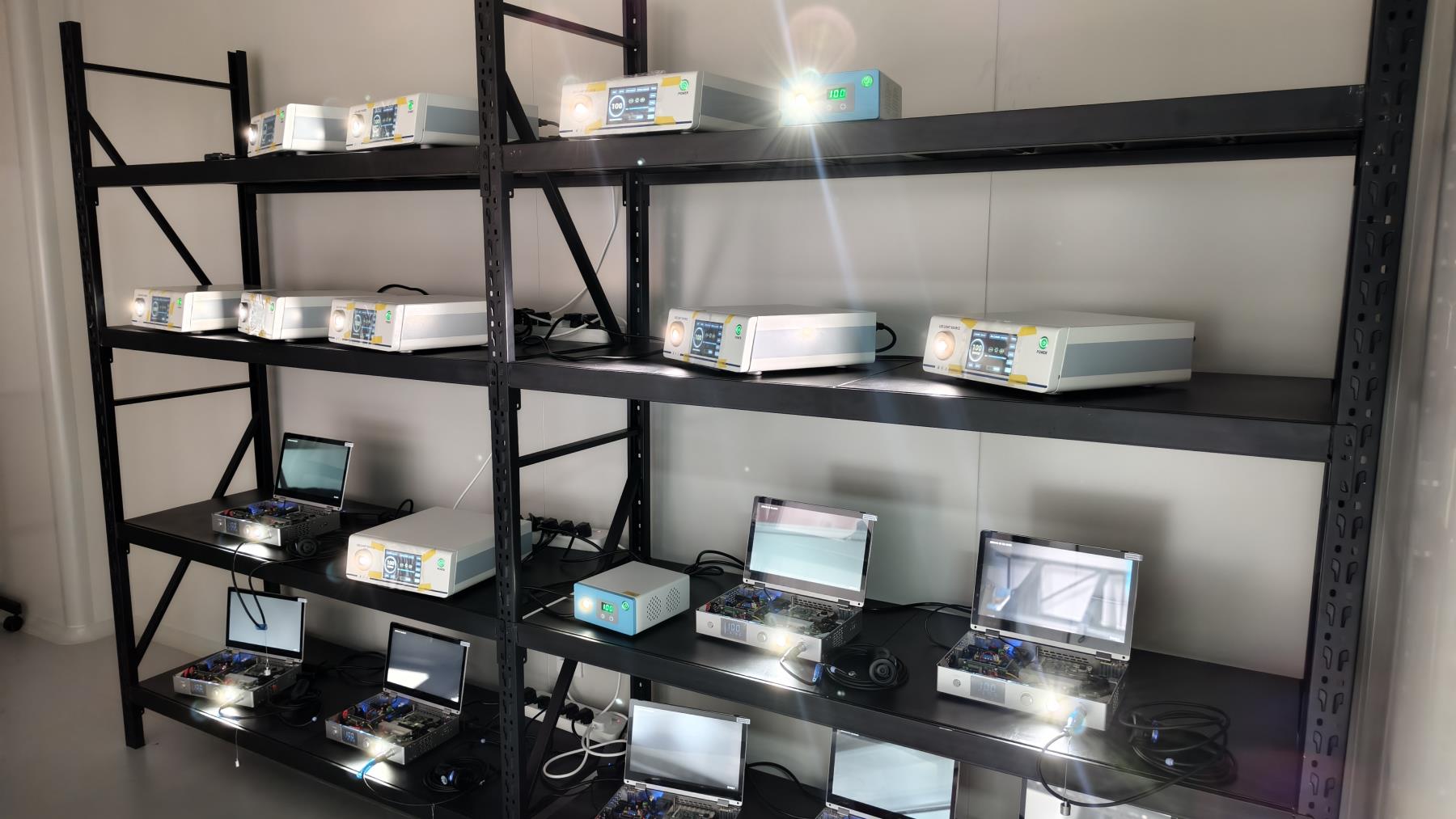
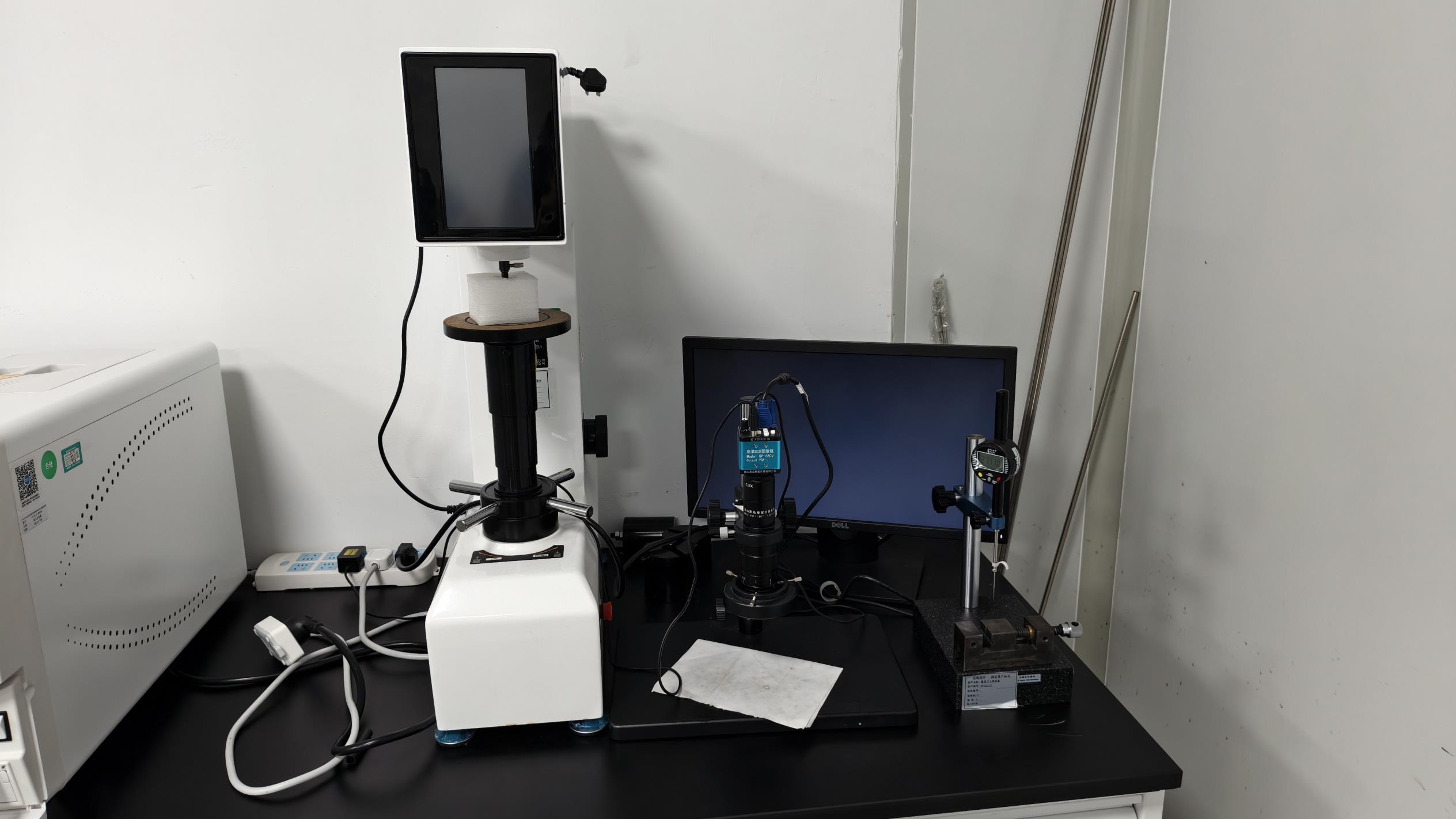
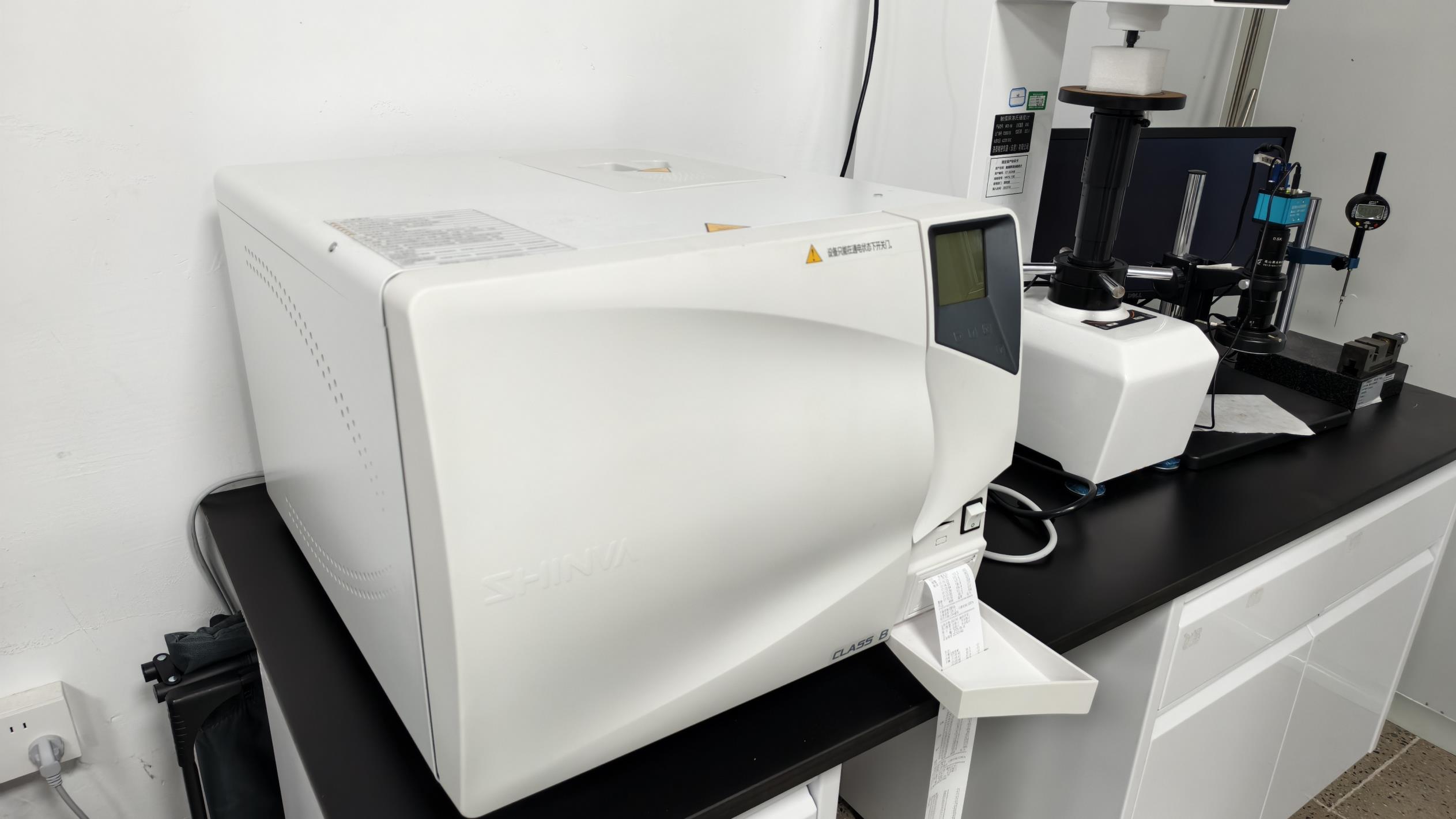
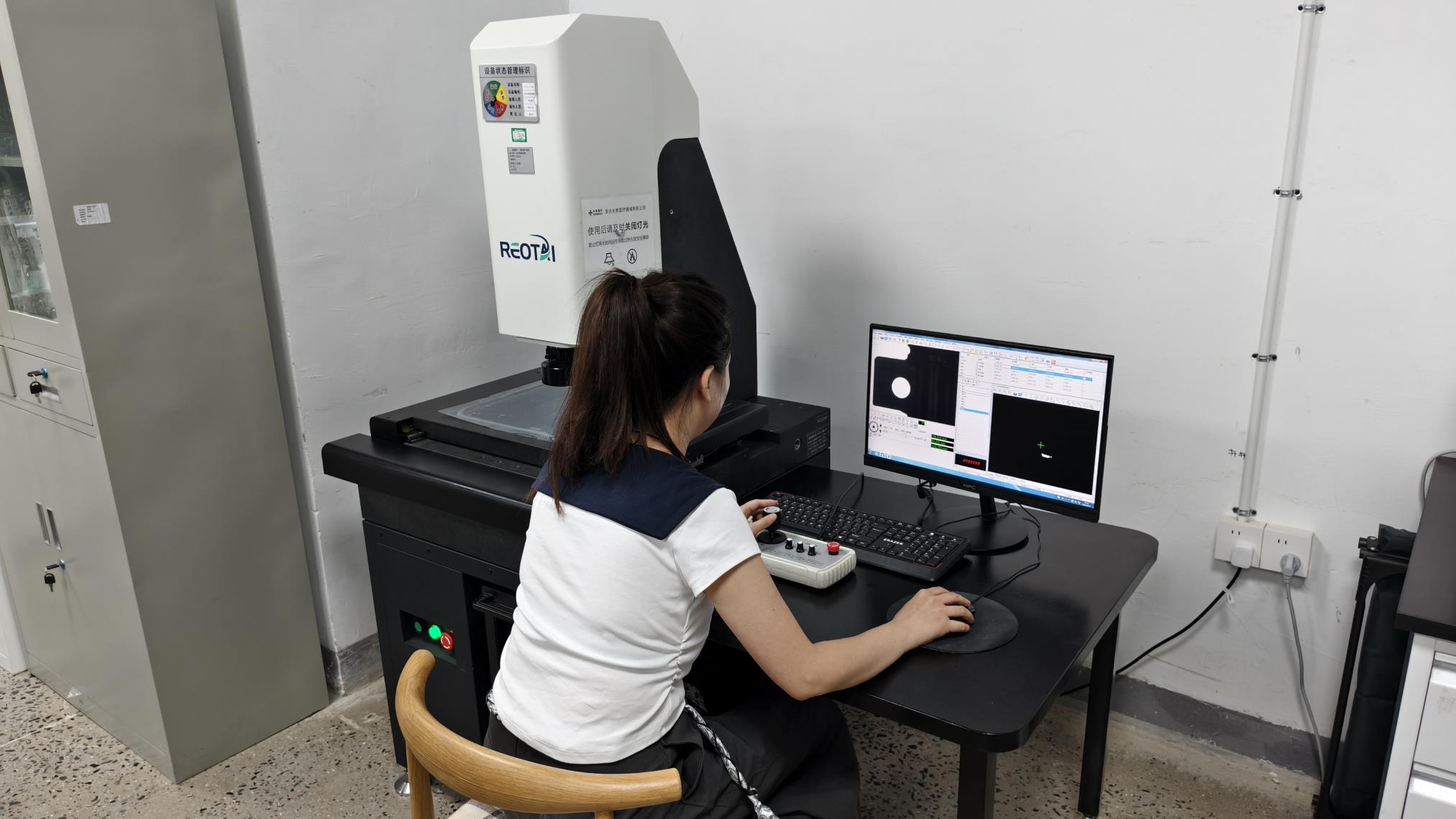
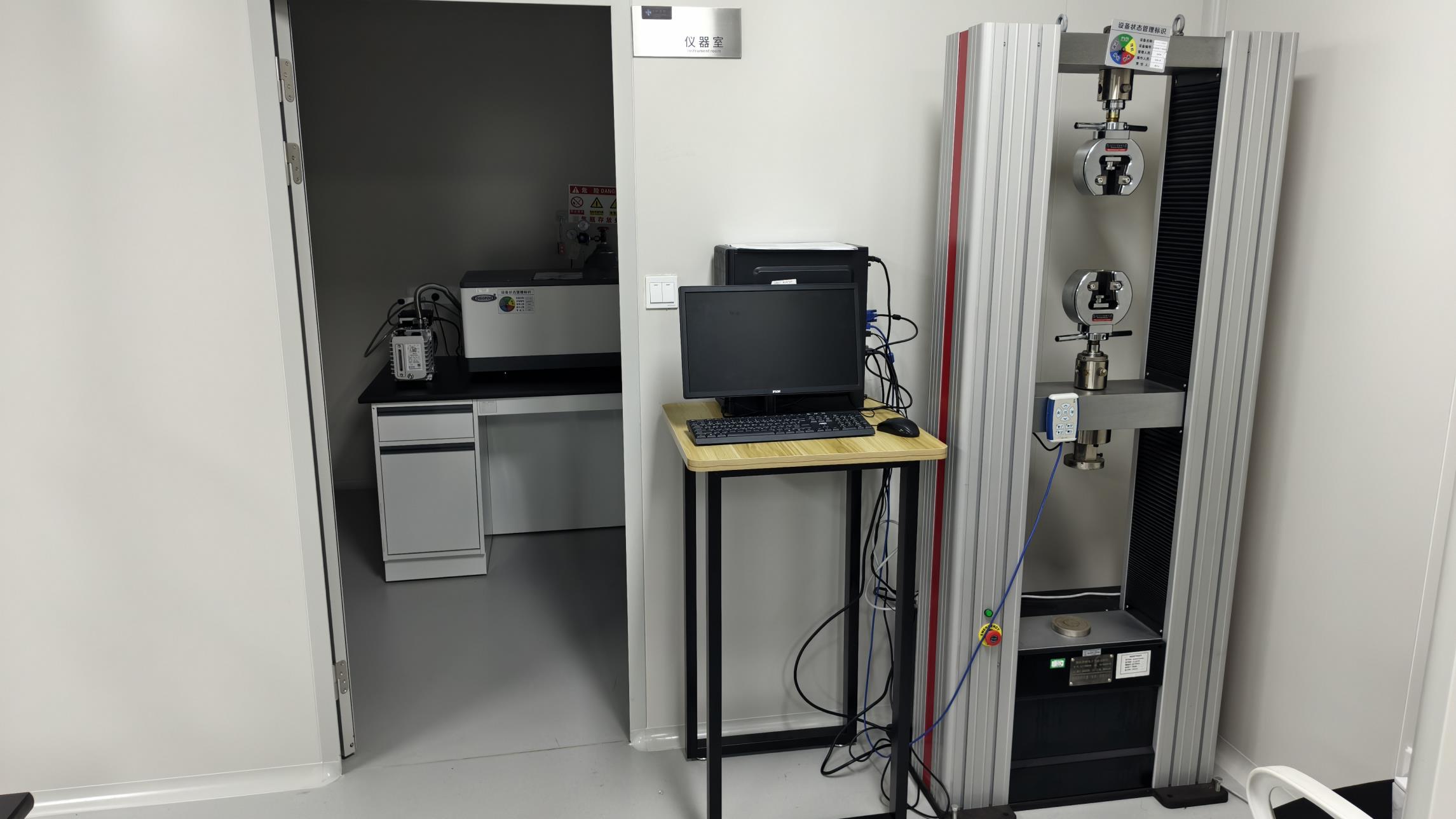
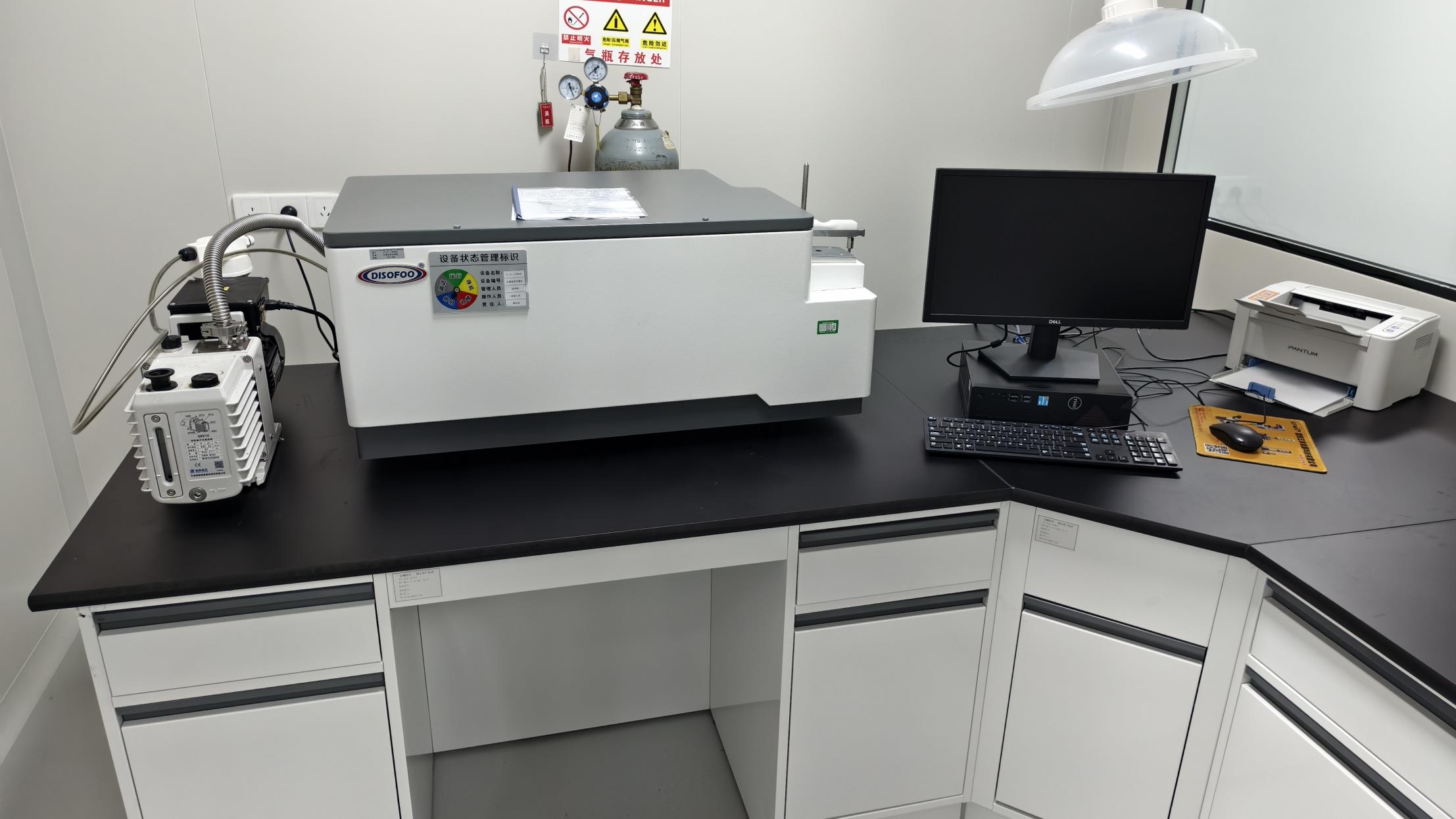
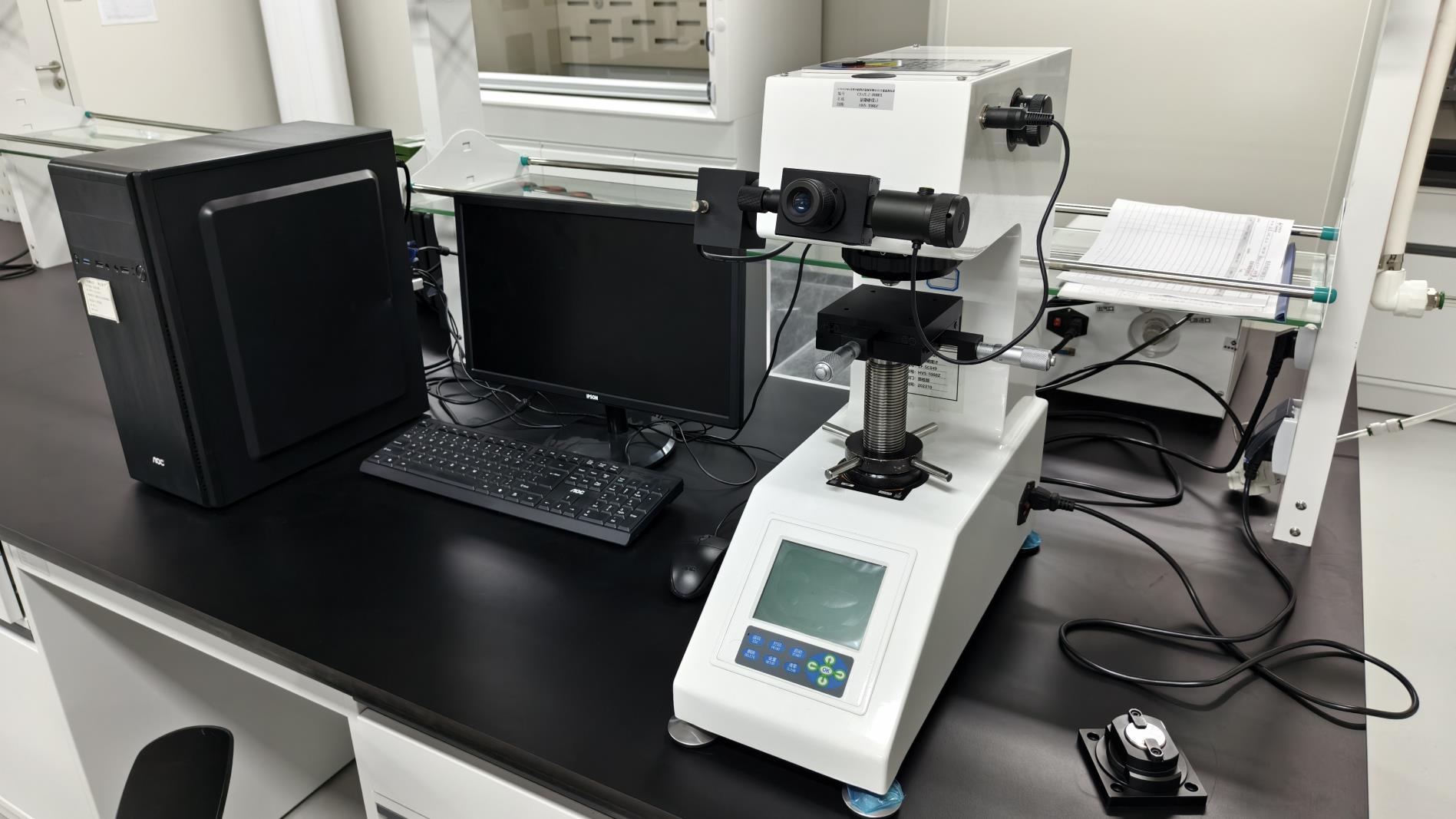
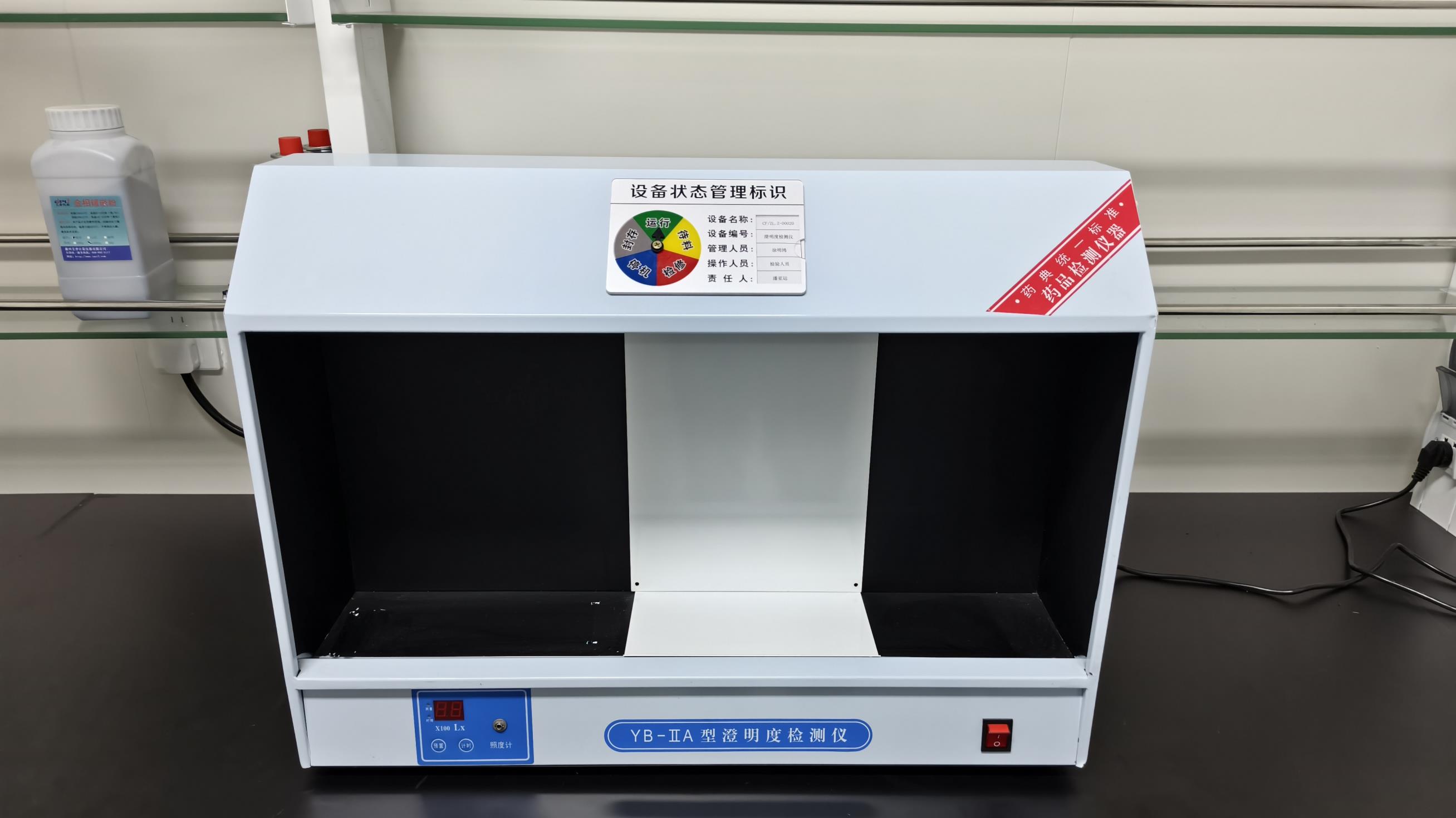
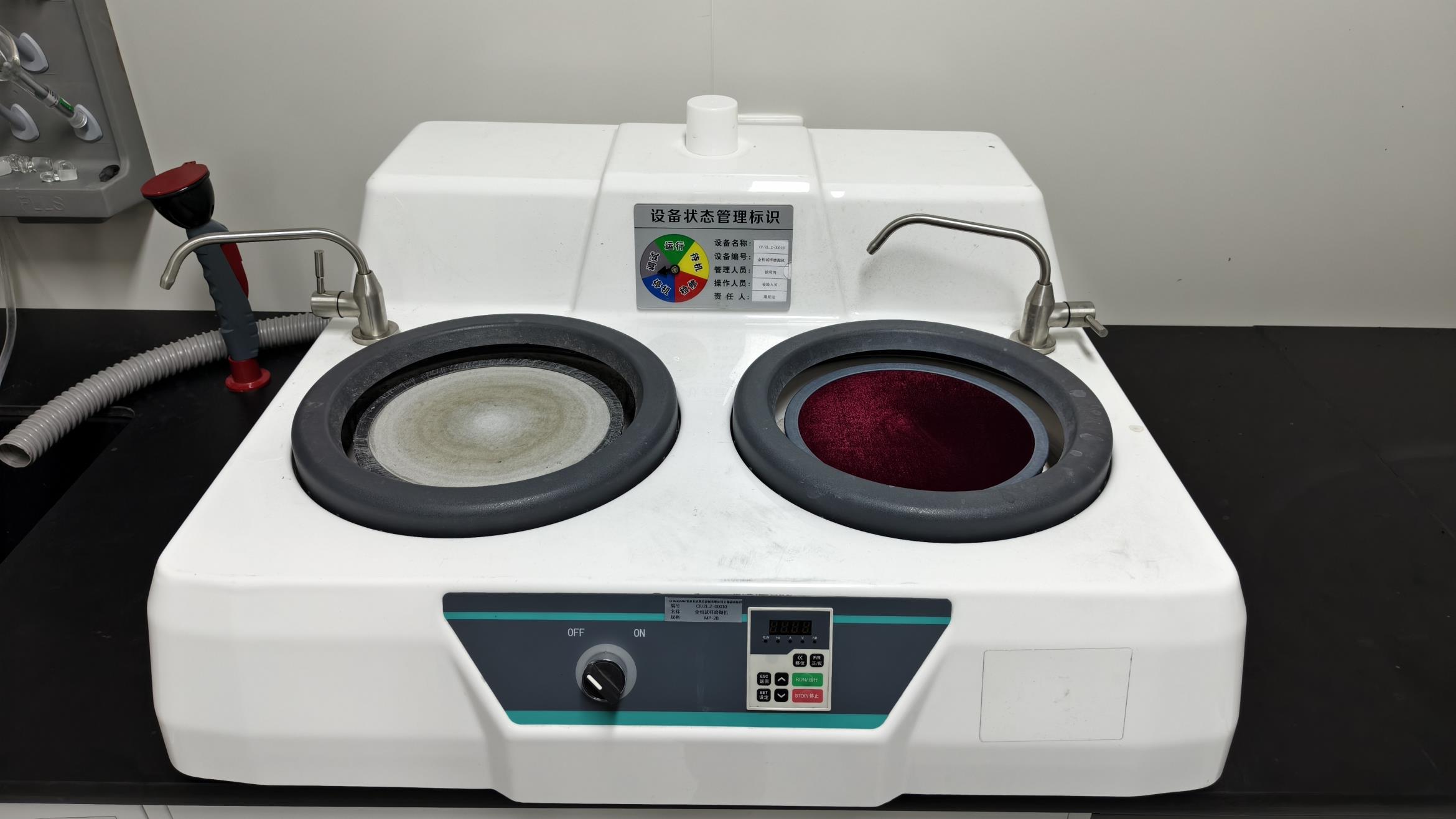
Strategic sourcing analysis for category buyers, orthopedic distributors, and hospital networks.
Modern procurement focuses heavily on reducing supplier consolidation risks. Relying on a single domestic manufacturing source exposes healthcare systems to raw material shortages and pricing spikes. By partnering with certified Chinese medical suppliers like Zynfuse, distributors can secure a redundant supply chain capable of handling sudden demand increases, such as national trauma contract tenders.
With healthcare systems worldwide shifting to value-based payment models, reducing implant costs without compromising patient outcomes is essential. Chinese reconstruction nails factories supply implants that deliver comparable clinical fusion rates to tier-one global brands at a fraction of the cost, making them ideal for budget-conscious procurement strategies.
Development focuses on smaller insertion incisions, reducing soft tissue injury and maintaining natural blood flow near the fracture site.
Radiolucent carbon fiber insertion guides prevent fluoroscopy view blockage, allowing rapid proximal and distal locking screw positioning.
Utilizing patient population CT data to design pre-bent nails that minimize cortical wall impingement during femoral canal entry.
Characterized by significant deforming forces from the iliopsoas and gluteal muscles. Subtrochanteric nail designs require a reinforced proximal diameter (often 15.5mm to 16.5mm) and a dual-screw reconstruction configuration. This setup allows lag screws to pass through the femoral neck into the femoral head, maintaining compression across the fracture line.
When the bone shaft is fractured in multiple segments, maintaining anatomical length and rotation is paramount. The intramedullary nail acts as an internal splint, using distal dynamic interlocking holes to control rotation and allow early load-bearing to stimulate bone remodeling.
With the rapid growth of veterinary orthopedics, scaled-down intramedullary pins and mini external fixators are increasingly deployed. These systems manage complex fractures in canine and feline patients, utilizing similar titanium structures but modified screw pitch threads to match dense animal bone structures.
Technical details and procurement guidance for international sourcing agents and clinical evaluators.
Precision instrumentation and implant kits designed for trauma surgery, spine revision, and veterinary applications.