Zynfuse
Zynfuse
Zynfuse
Explore our premium range of clinical-grade implant systems designed for osteosynthesis, trauma stabilization, and joint replacement.
Modern Facility
Industry Experience
R&D Engineers
Global Partners
Zynfuse Medical Technology Co., Ltd. is a professional orthopedic medical device manufacturer specializing in bone fusion and advanced implant systems for surgical innovation. Established in 2016, the company has built a strong foundation in orthopedic solutions with 12 years of industry experience and 7 years of export experience, serving global healthcare markets with consistent quality and reliability.
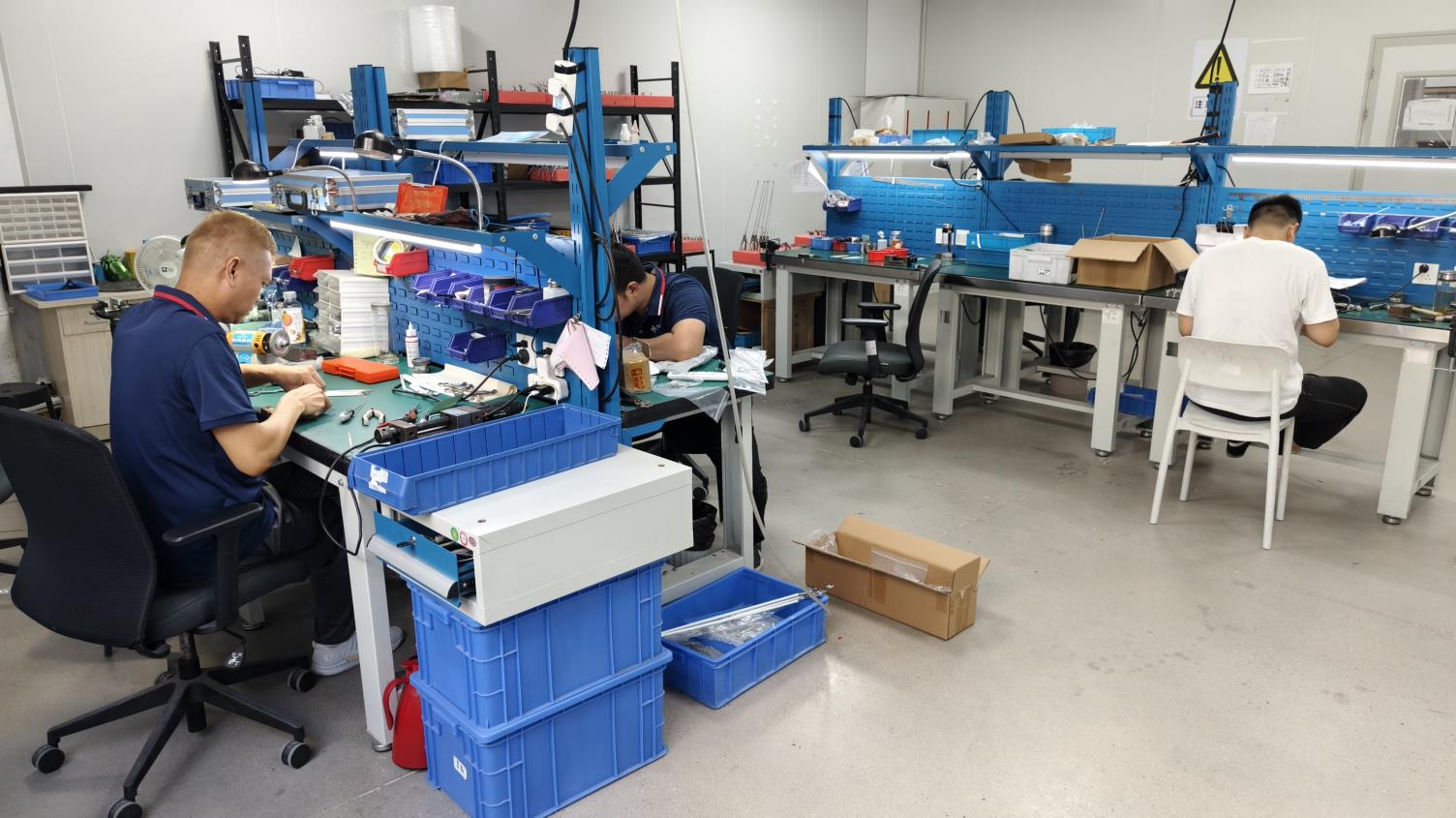
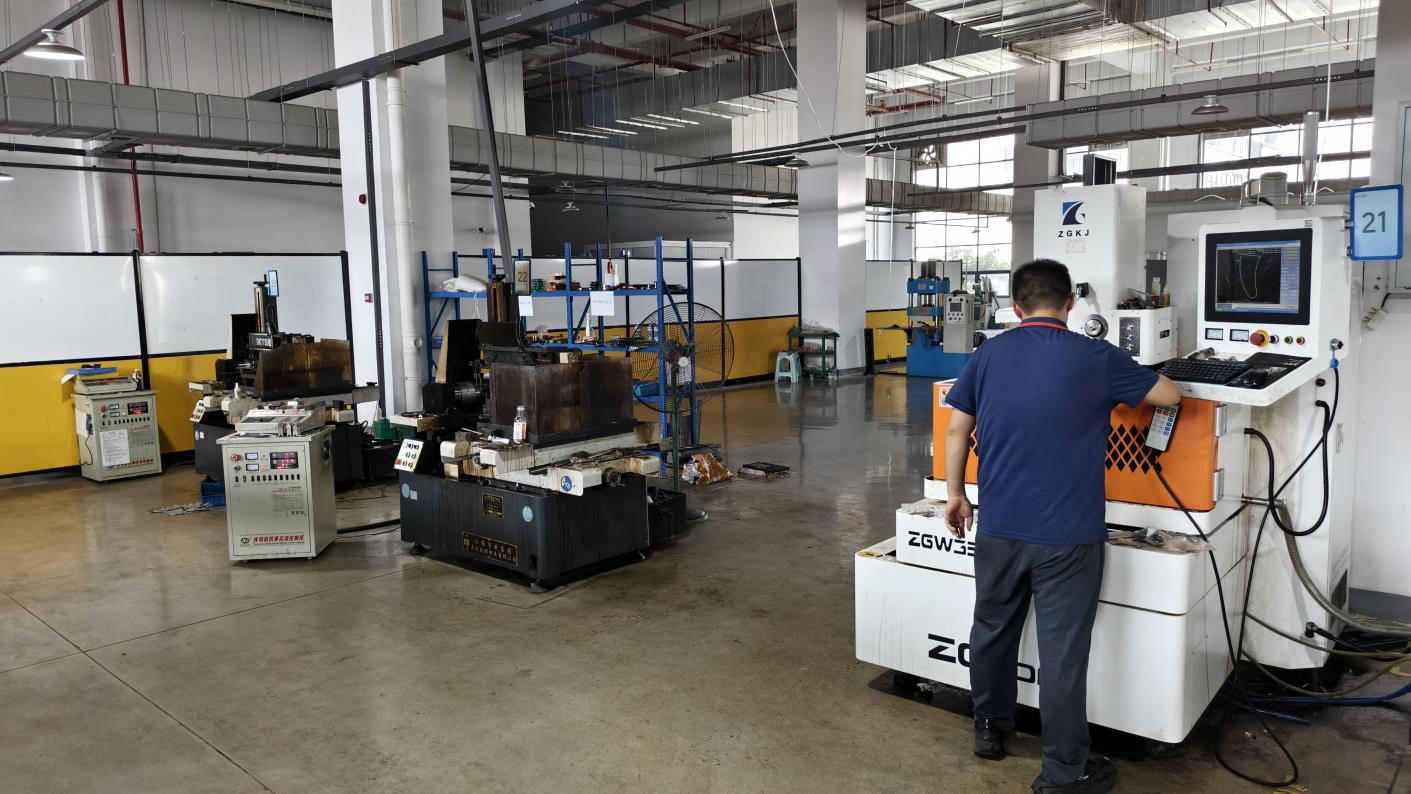
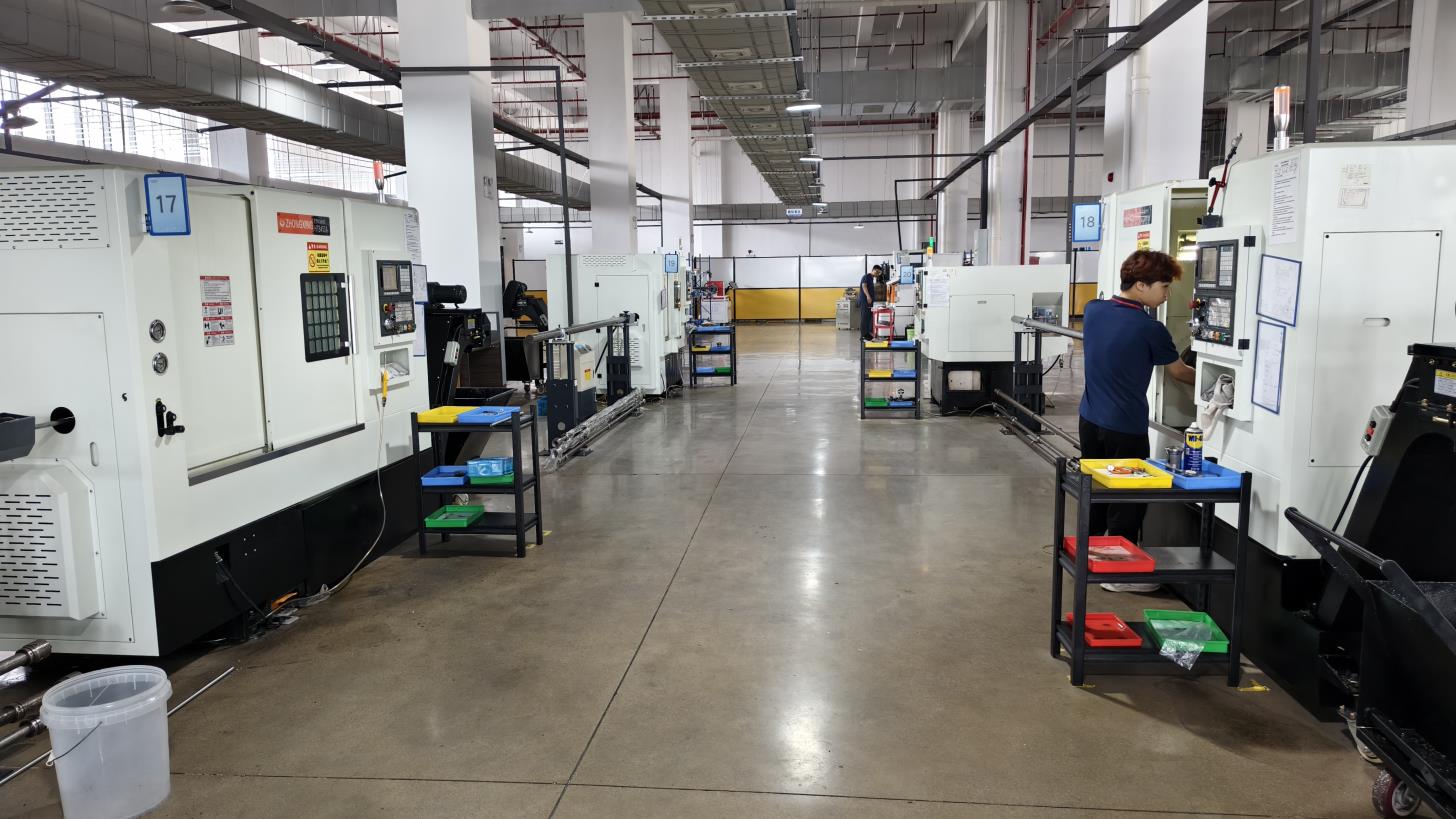
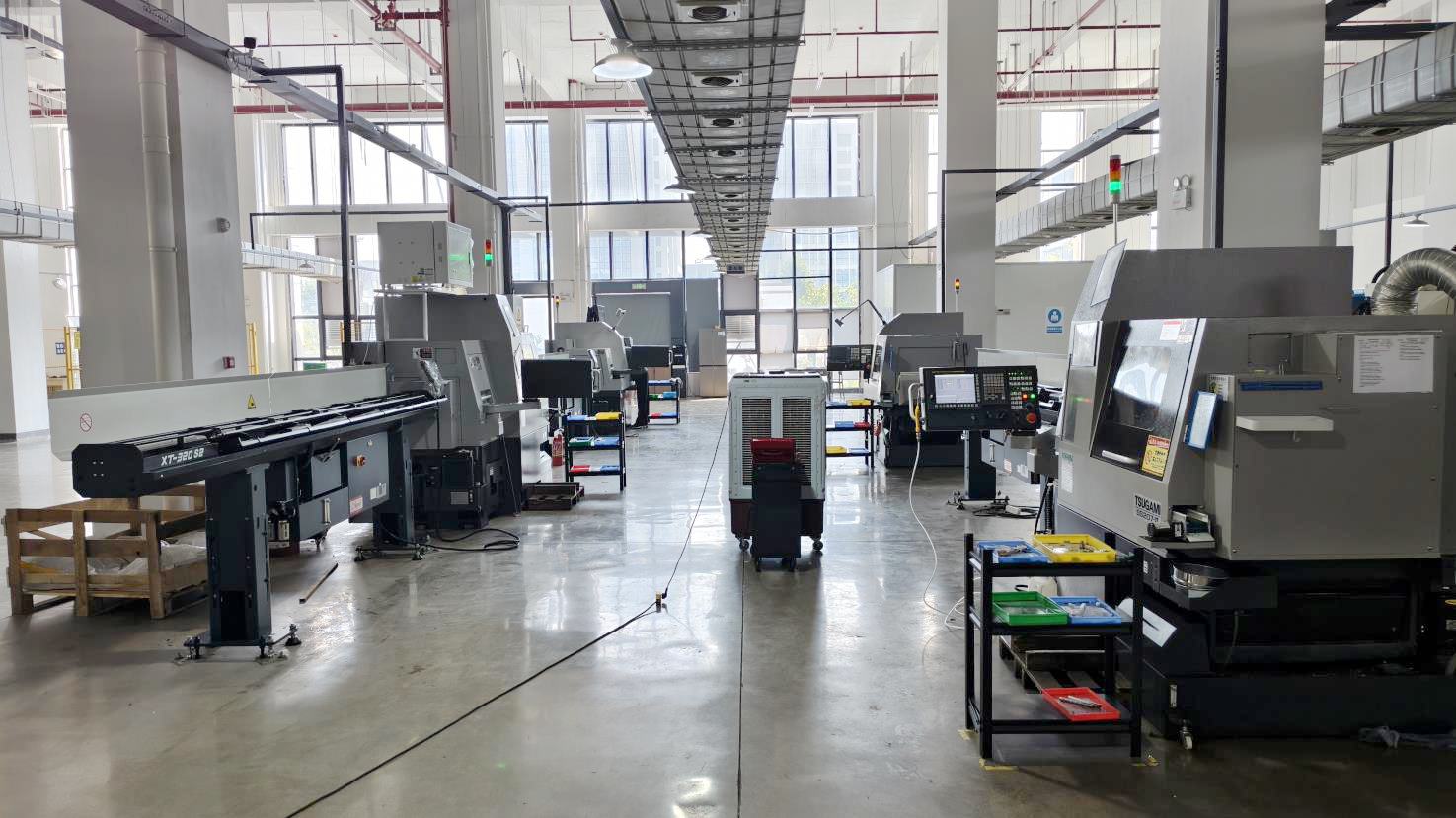
The company operates a modern manufacturing facility covering approximately 18,600 m², equipped with advanced production and testing equipment. Zynfuse maintains an annual export revenue of around $18.5 million, supported by a highly efficient supply chain network of over 1,200 partners worldwide. The organization employs 68 quality inspection specialists ensuring strict compliance with international medical standards.
Zynfuse serves major global markets including North America, Europe, Southeast Asia, and the Middle East, and collaborates with hospitals, distributors, orthopedic clinics, and medical device importers. Its client base primarily includes medical distributors, hospital procurement departments, and orthopedic surgical centers.
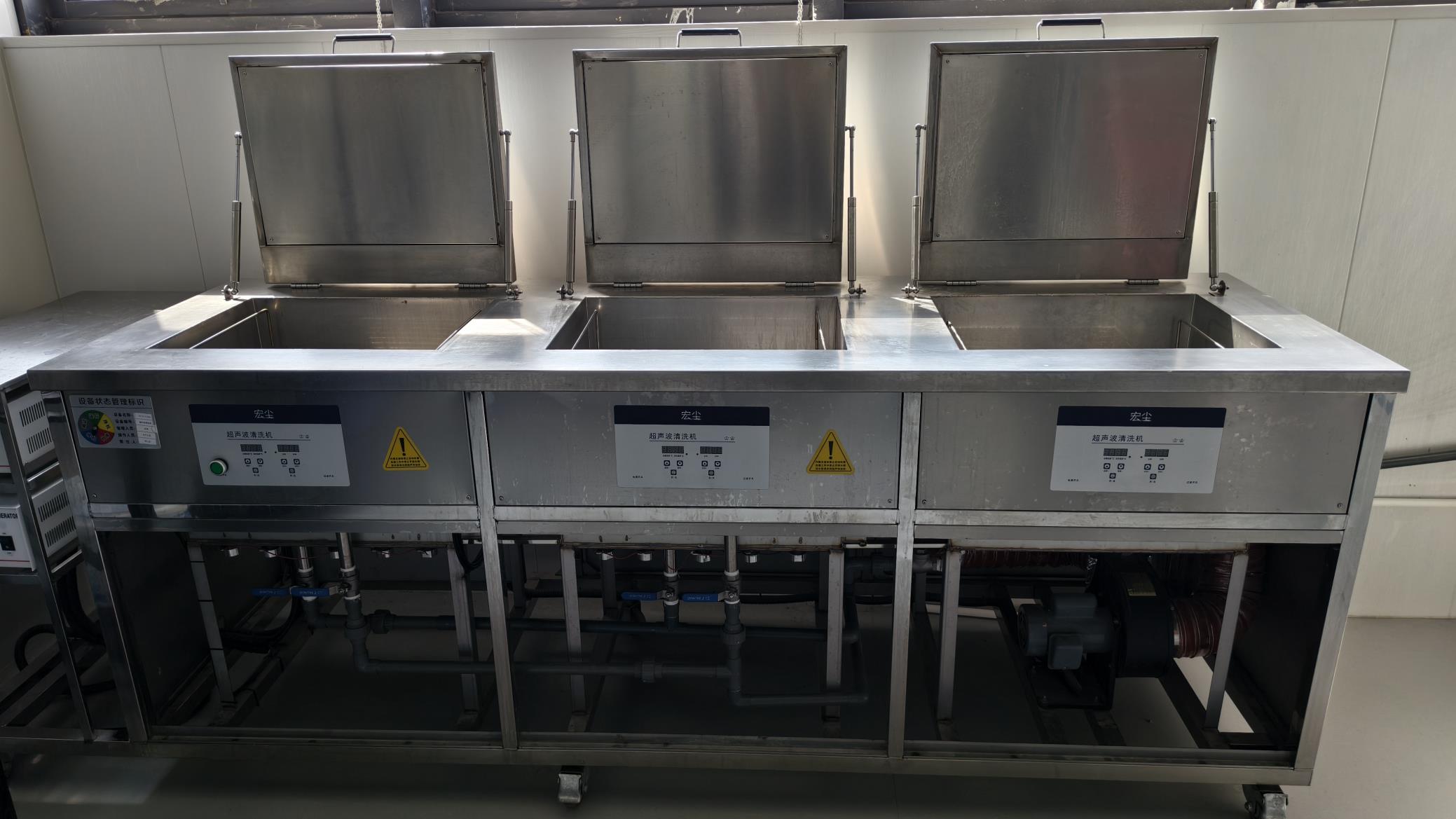
The company places strong emphasis on quality control, implementing ISO 13485-based inspection systems, mechanical performance testing, and biocompatibility evaluations. Product inspection methods include dimensional verification, fatigue testing, and surface integrity analysis.
With a robust R&D team of 85 engineers, Zynfuse continues to expand its innovation capabilities, launching approximately 320 new products annually. The company offers extensive customization options, including implant geometry adjustment, material selection, and OEM/ODM solutions tailored to client needs. Zynfuse maintains a strong trade background with long-term partnerships across the global medical device industry, ensuring stable supply and consistent product excellence.
Analyzing clinical requirements to build reliable osteosynthesis platforms for complex fracture patterns.
Proximal humerus fractures represent a significant portion of all osteoporotic fractures in elderly populations and present unique challenges for orthopedic trauma surgeons. The primary clinical difficulties stem from the compromised mechanical properties of osteoporotic bone, the high risk of varus collapse of the humeral head, and the critical need to preserve the local blood supply to prevent avascular necrosis (AVN).
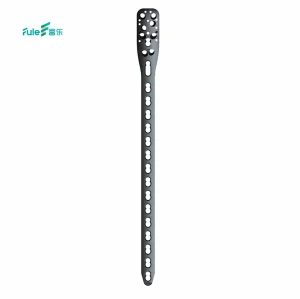
Traditional non-locking plates often fail in these clinical settings due to screw pull-out and loss of fixation stability. As a premier manufacturer, Zynfuse addresses these biomechanical demands through the development of the Proximal Humeral Locking Compression Plate (LCP) System. Our plates leverage angularly stable locking screws that act as a single construct, transforming joint loads into compressive stresses across the bone structure rather than friction at the plate-bone interface.
“Stability is not merely about rigidity; it is about providing the physiological environment for bone perfusion and remodeling. Our locking plate configurations are engineered to maintain anatomic reduction while mitigating the risks of secondary varus displacement.”
Zynfuse Proximal Humeral Locking Plates are anatomically pre-contoured to fit the lateral aspect of the proximal humerus, reducing the need for intraoperative bending. The low-profile design minimizes soft-tissue irritation and subacromial impingement, while suture holes located along the margin of the plate facilitate the secure fixation of the rotator cuff tendons (greater and lesser tuberosities).
How the evolution of trauma care impacts orthopaedic manufacturing and procurement strategies.
The global orthopedic implant market is shifting toward patient-specific solutions, minimally invasive surgical (MIS) techniques, and cost-effective healthcare delivery. Key trends driving the demand for proximal humeral fixation devices include:
Zynfuse aligns its engineering pipeline with these dynamics. By integrating robotic manufacturing processes and maintaining a dedicated regulatory team, we guarantee that clinical centers receive implants that meet the highest standards of safety and mechanical reliability.
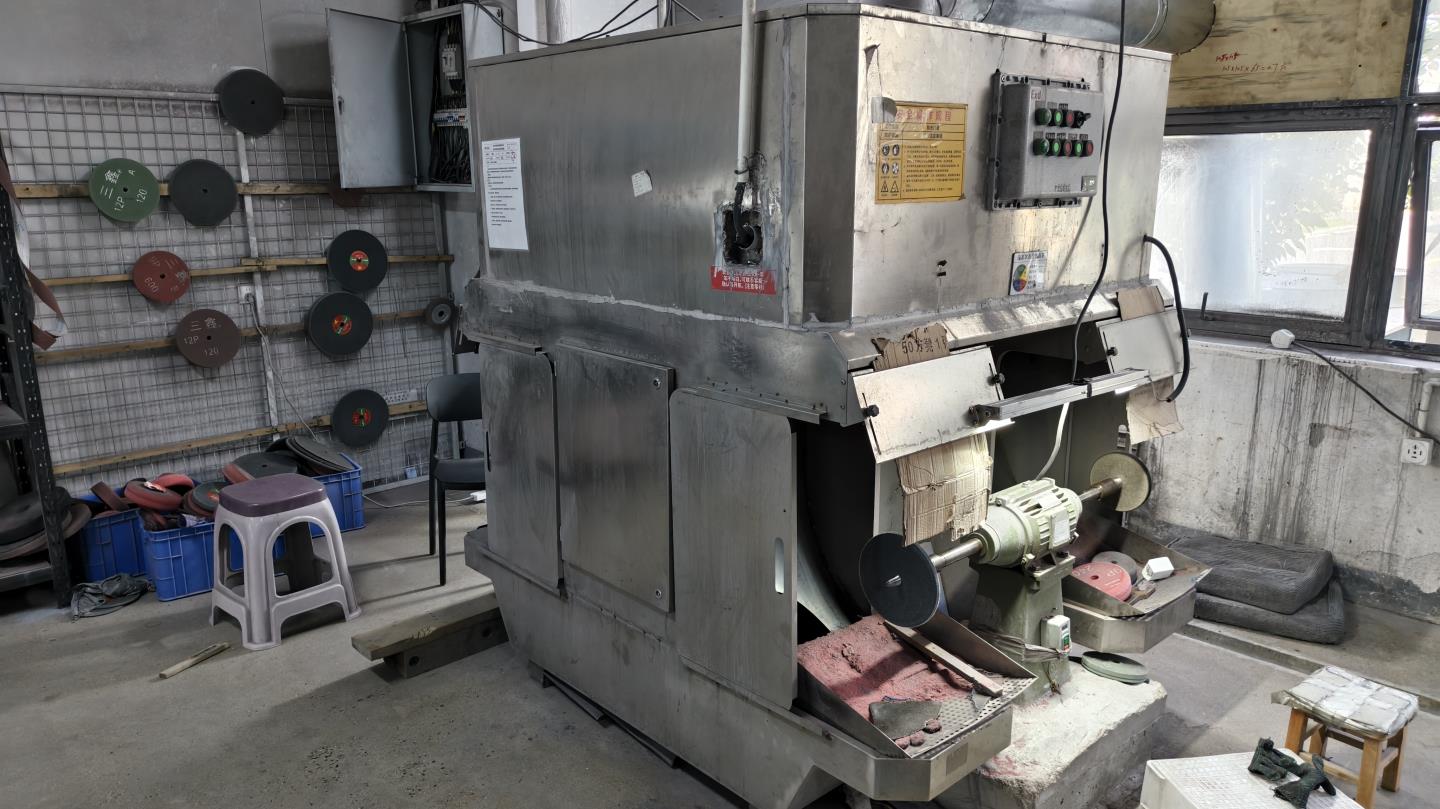
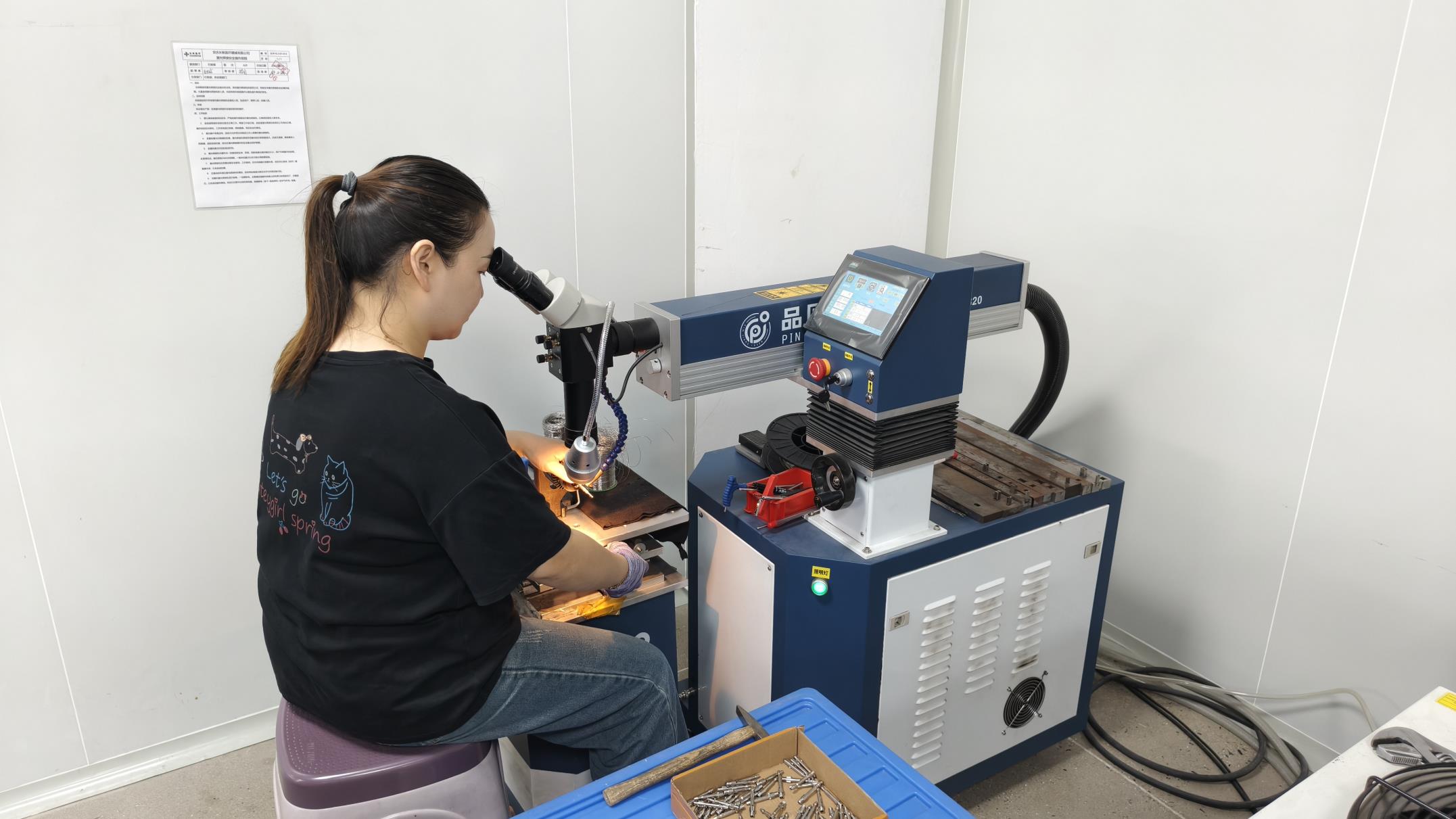
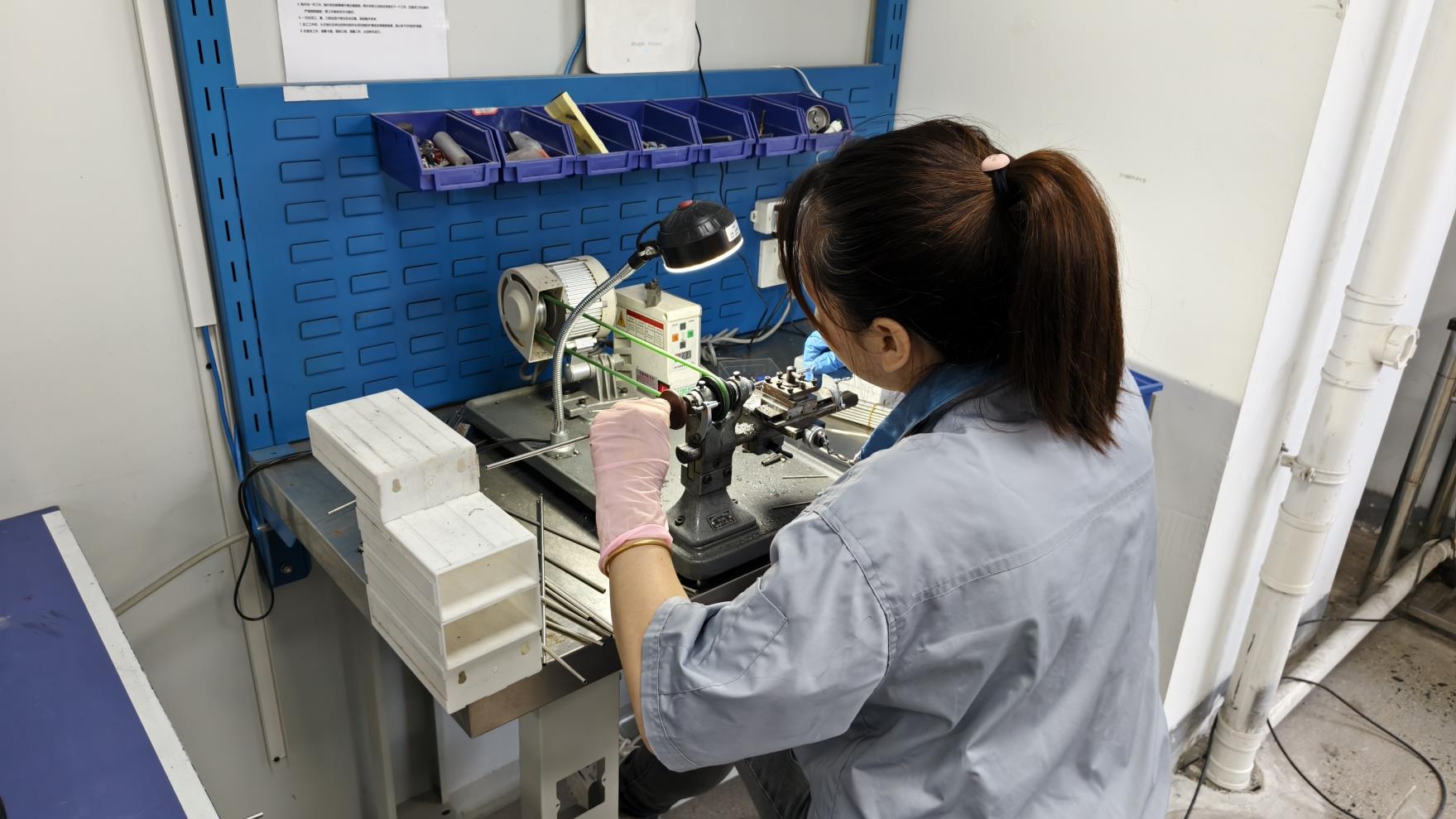
A step-by-step overview of our specialized production processes, advanced testing, and validation equipment.
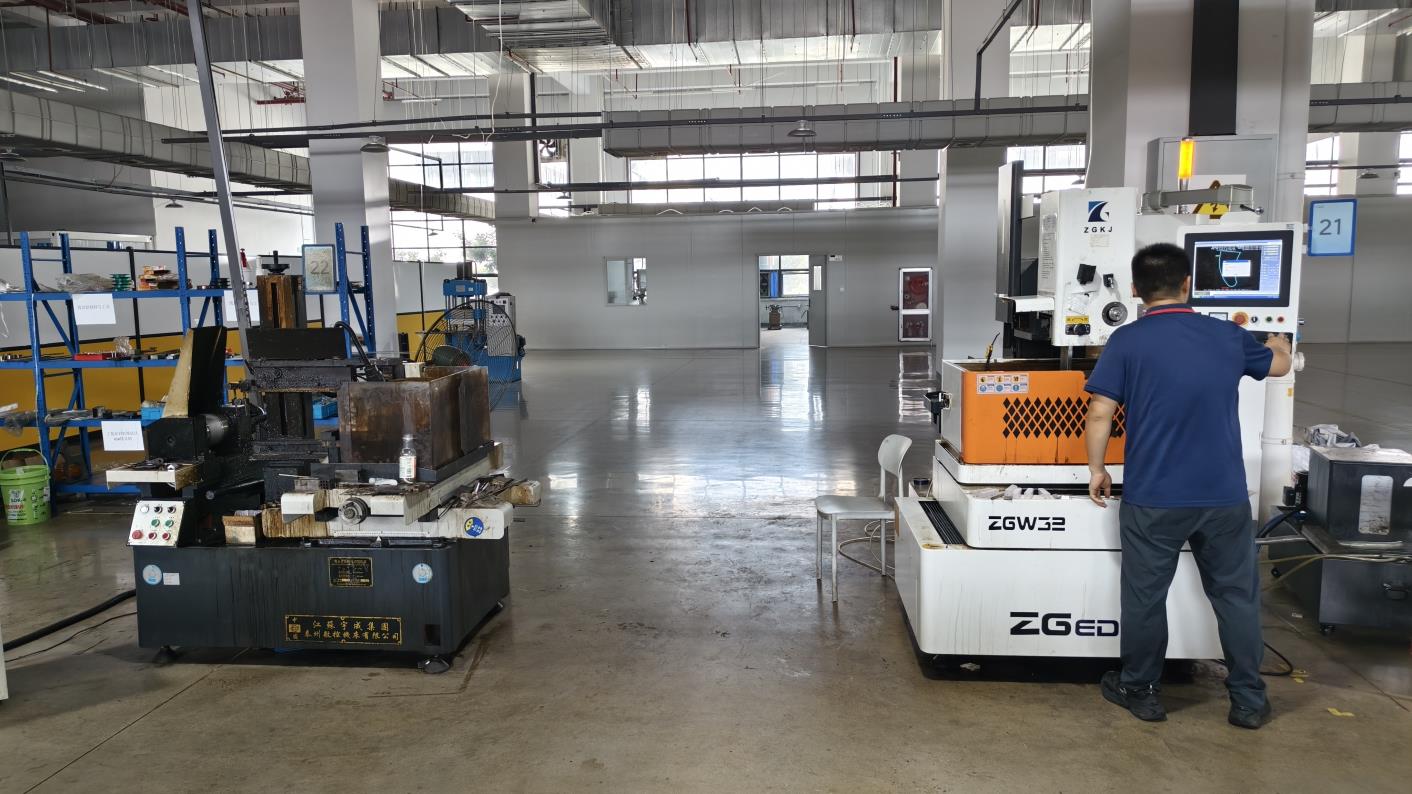
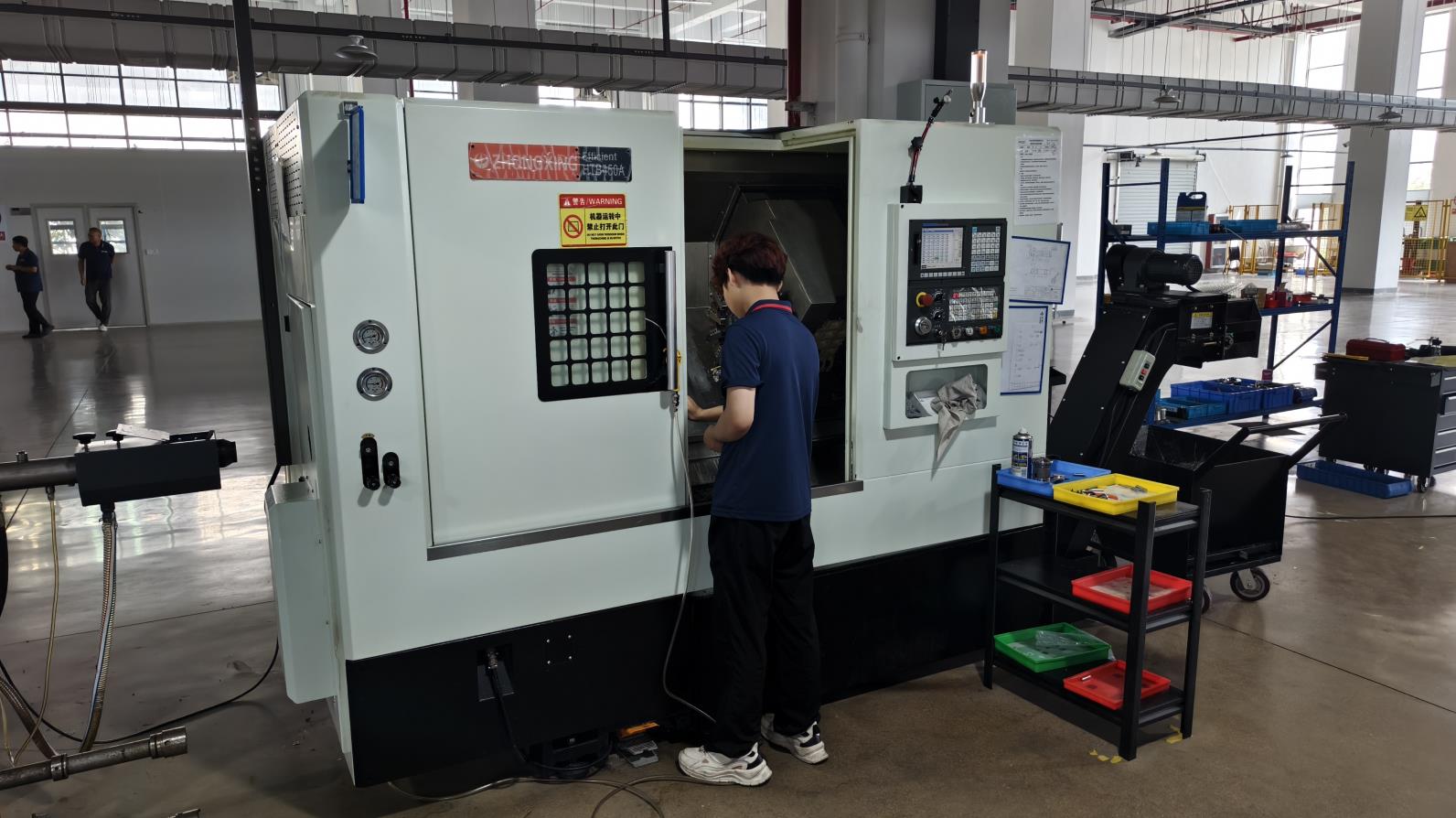
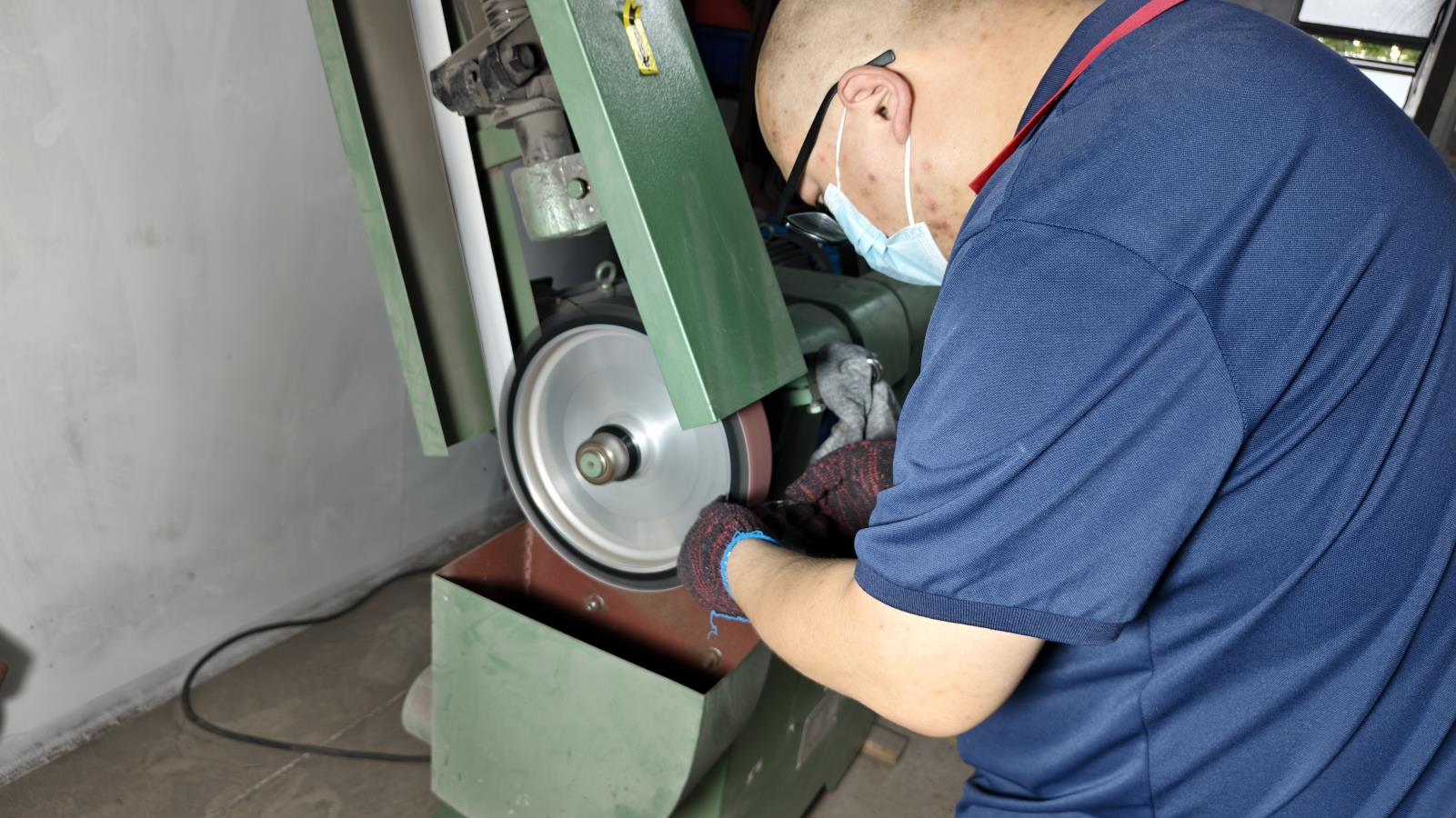
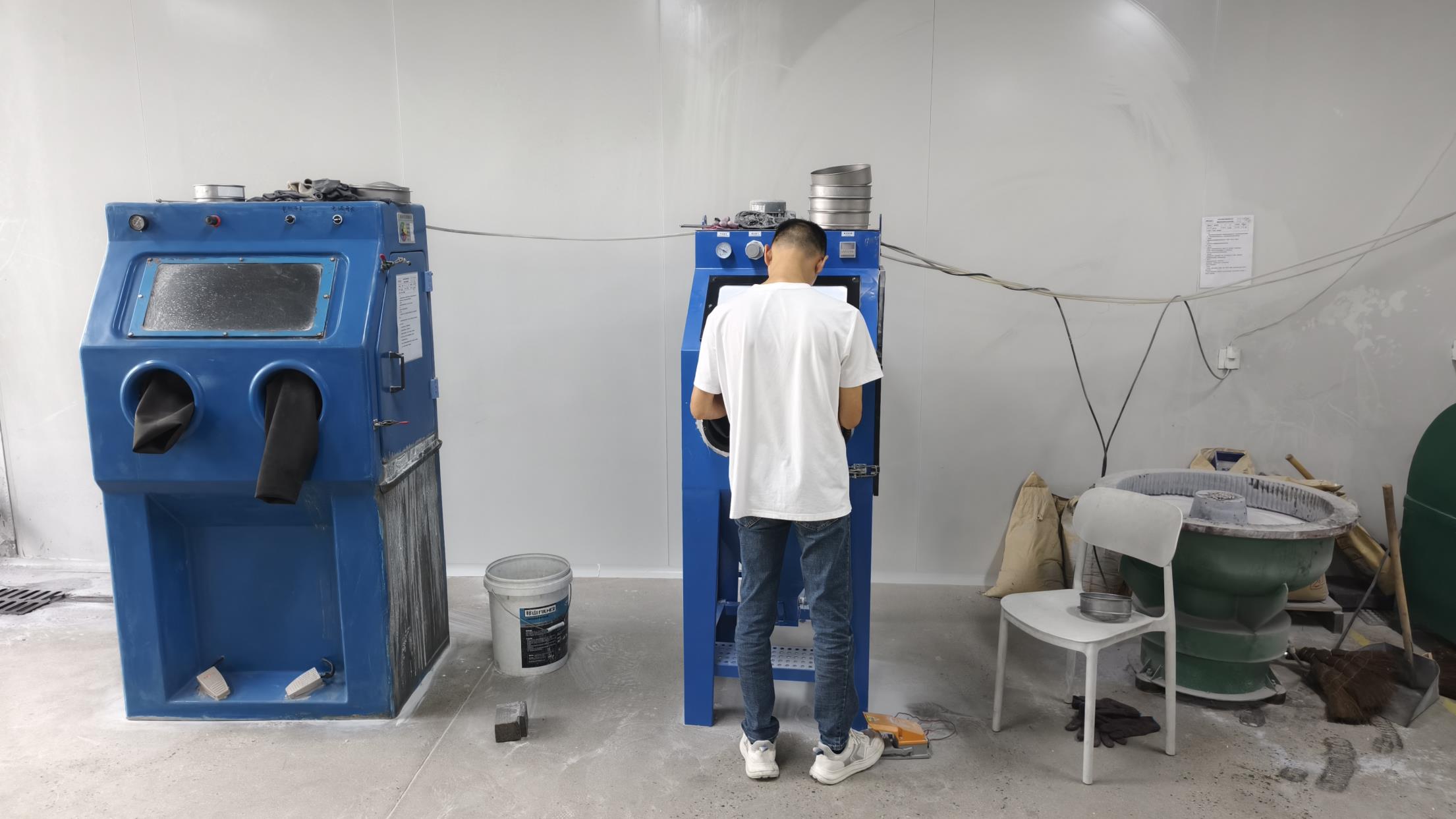
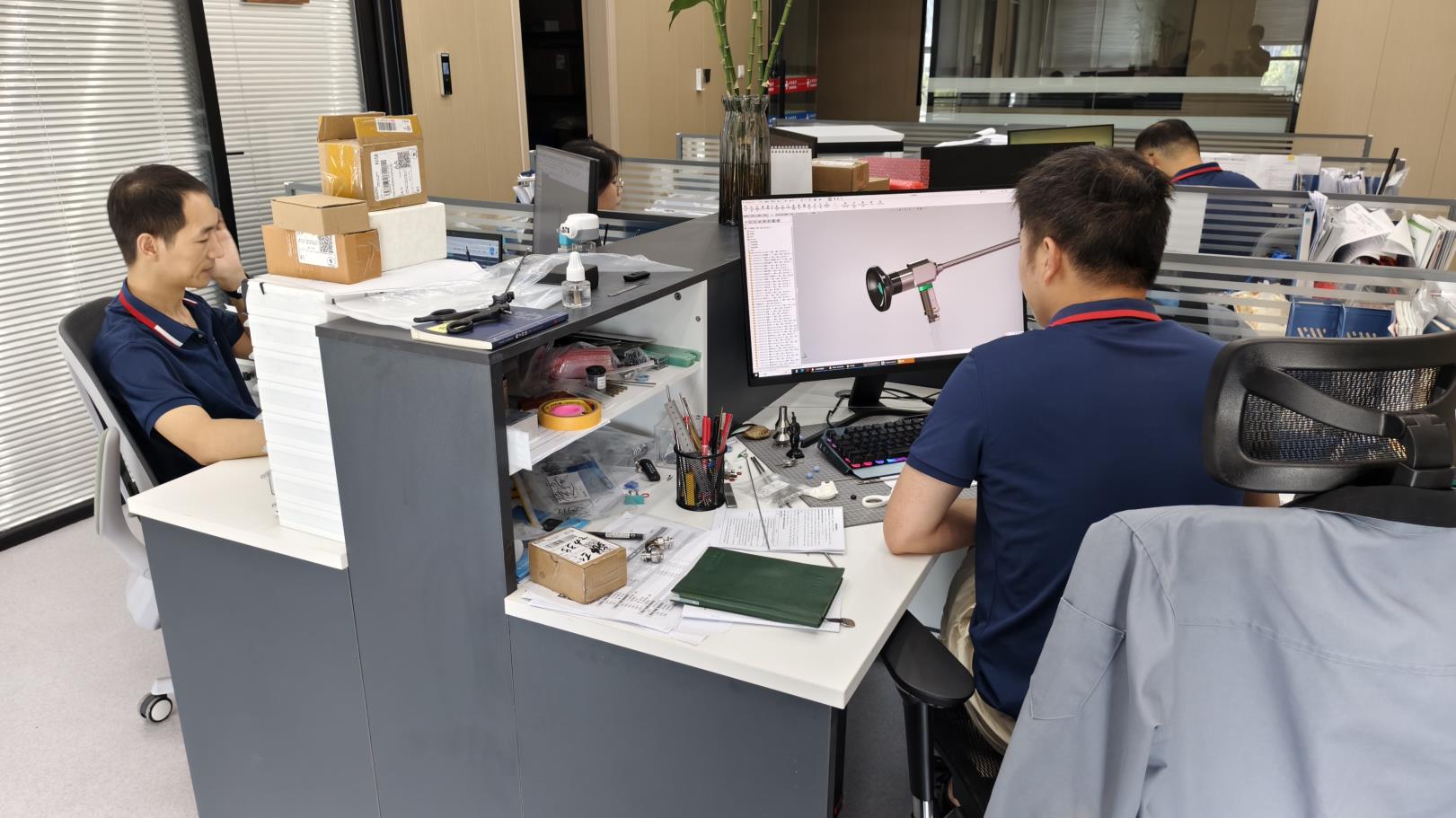
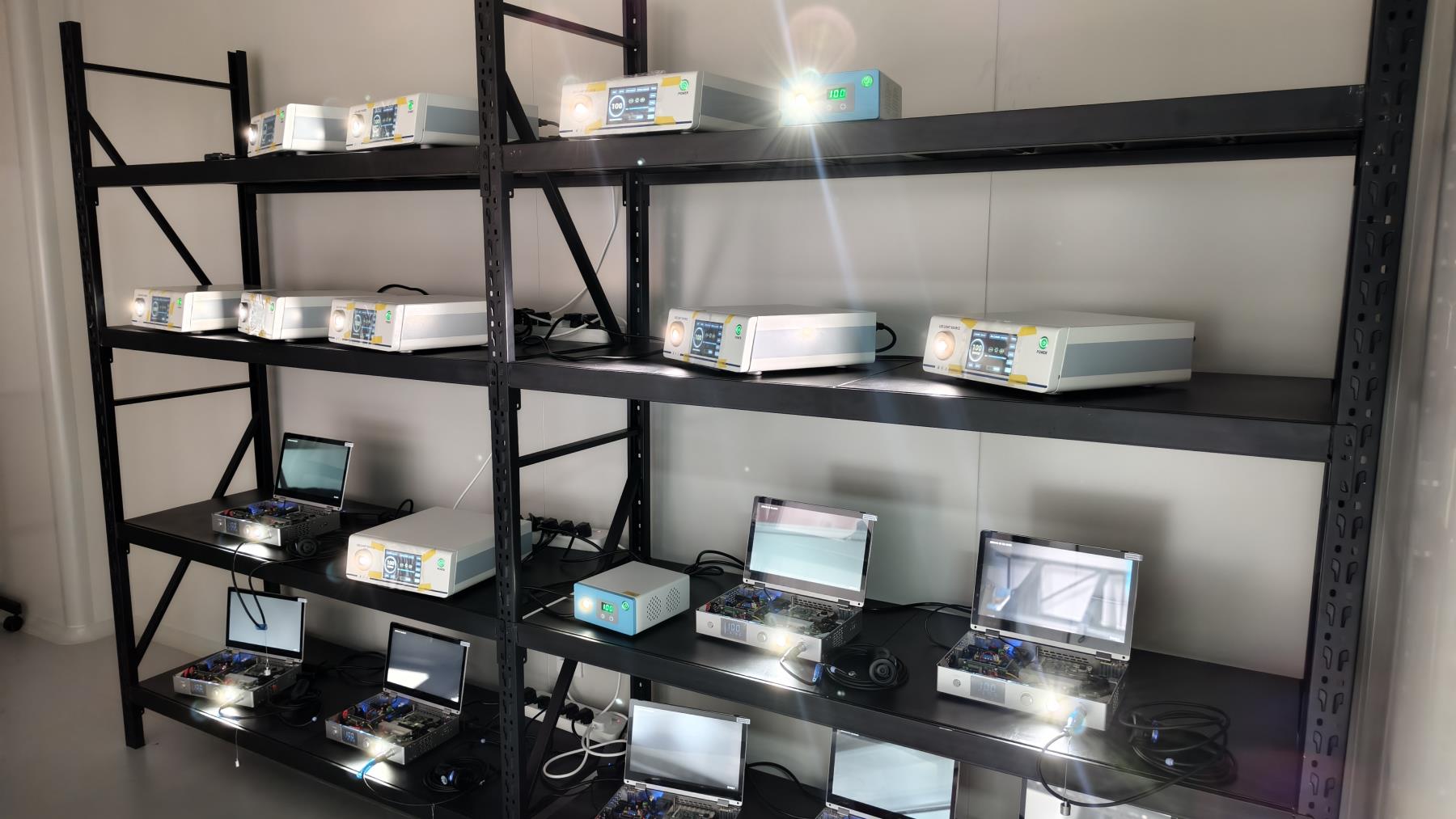
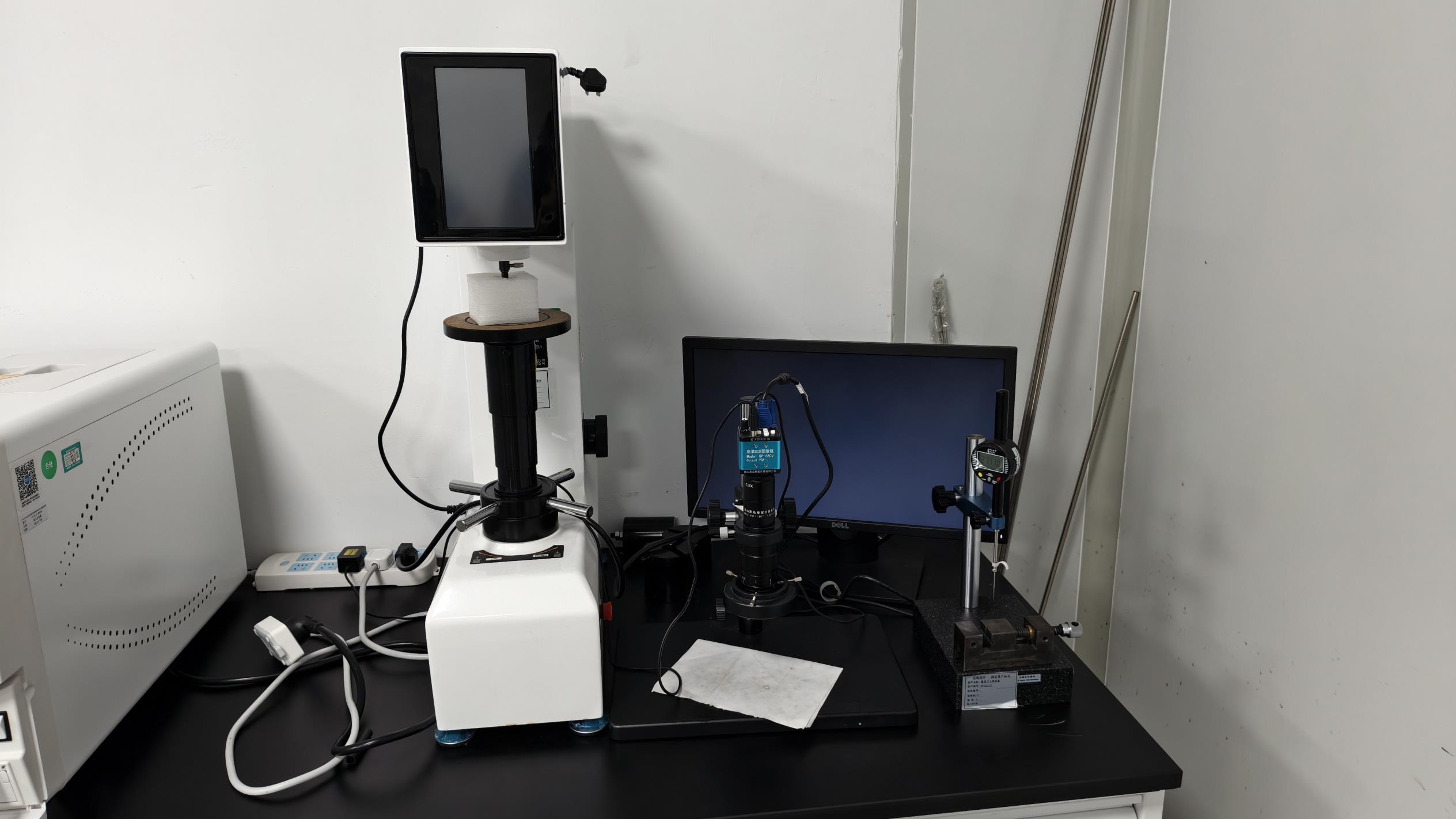
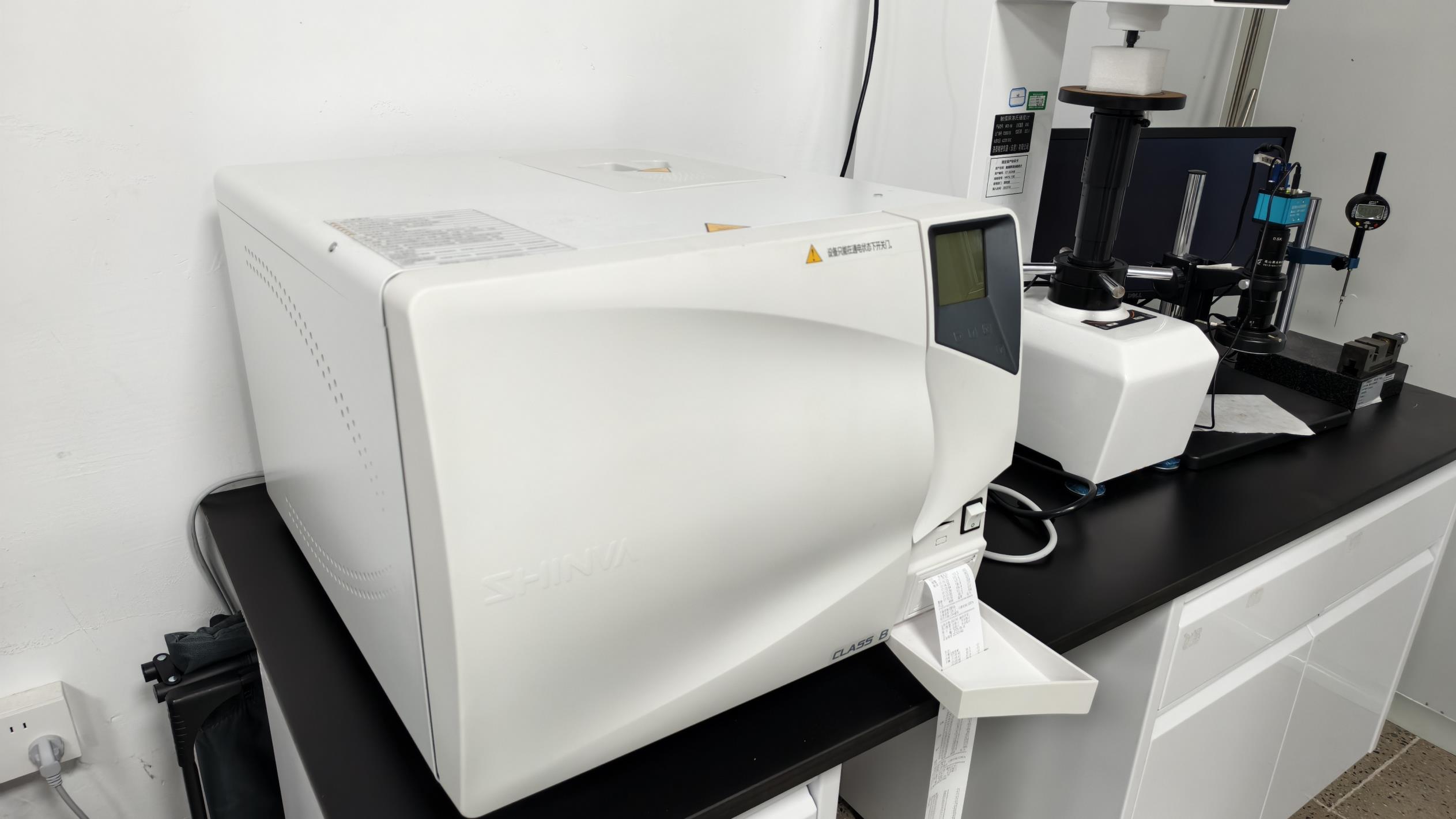
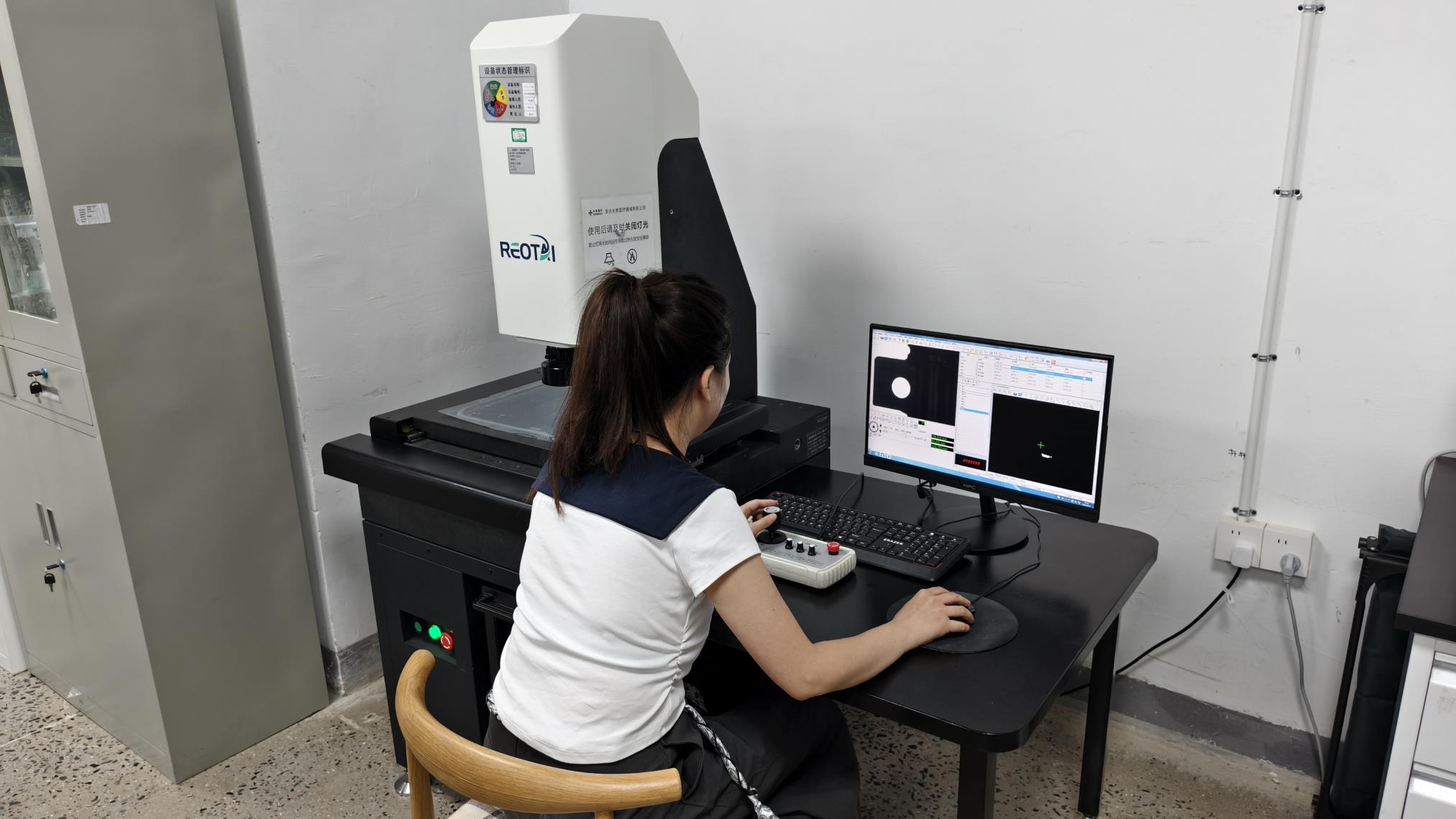
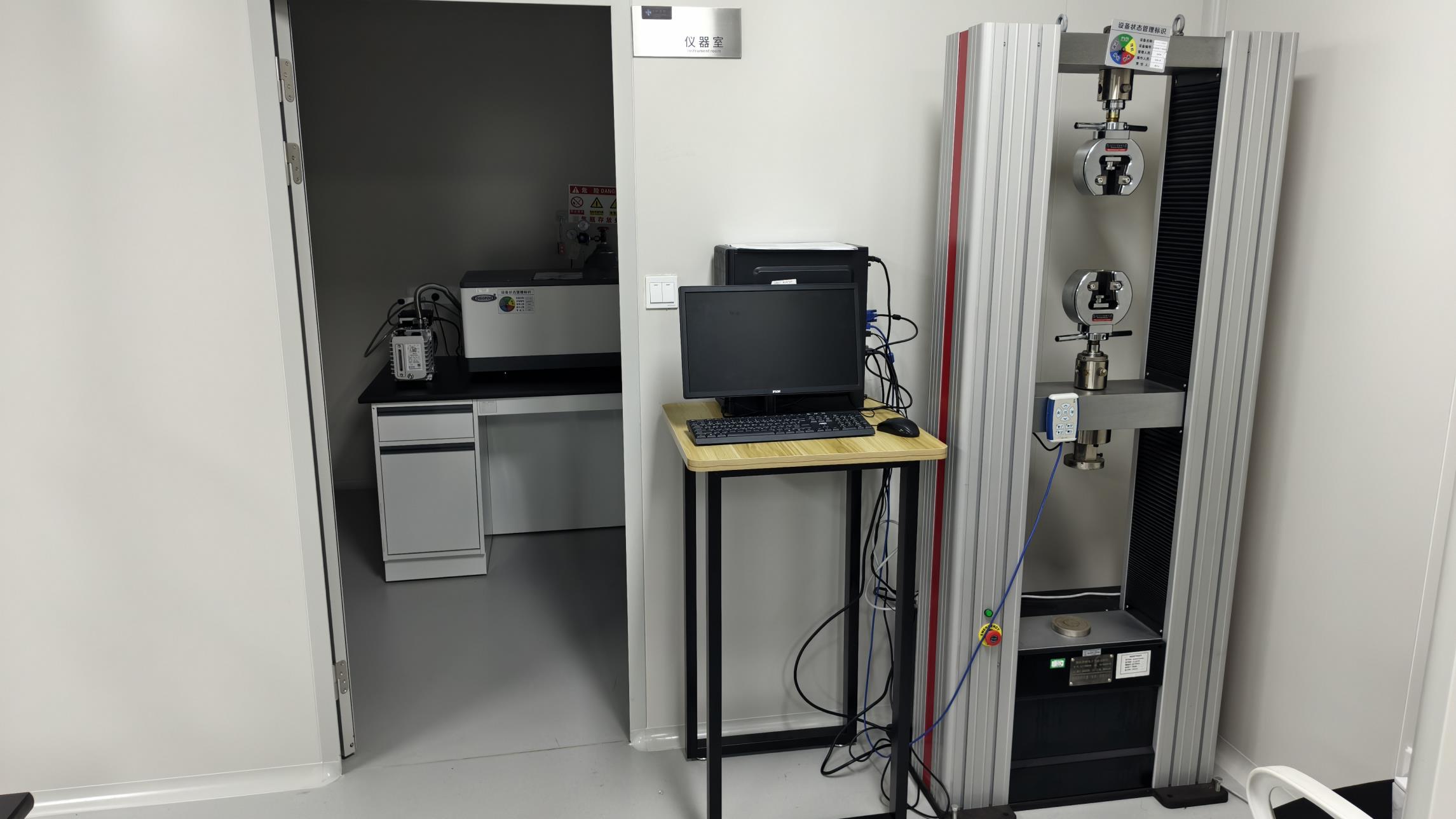
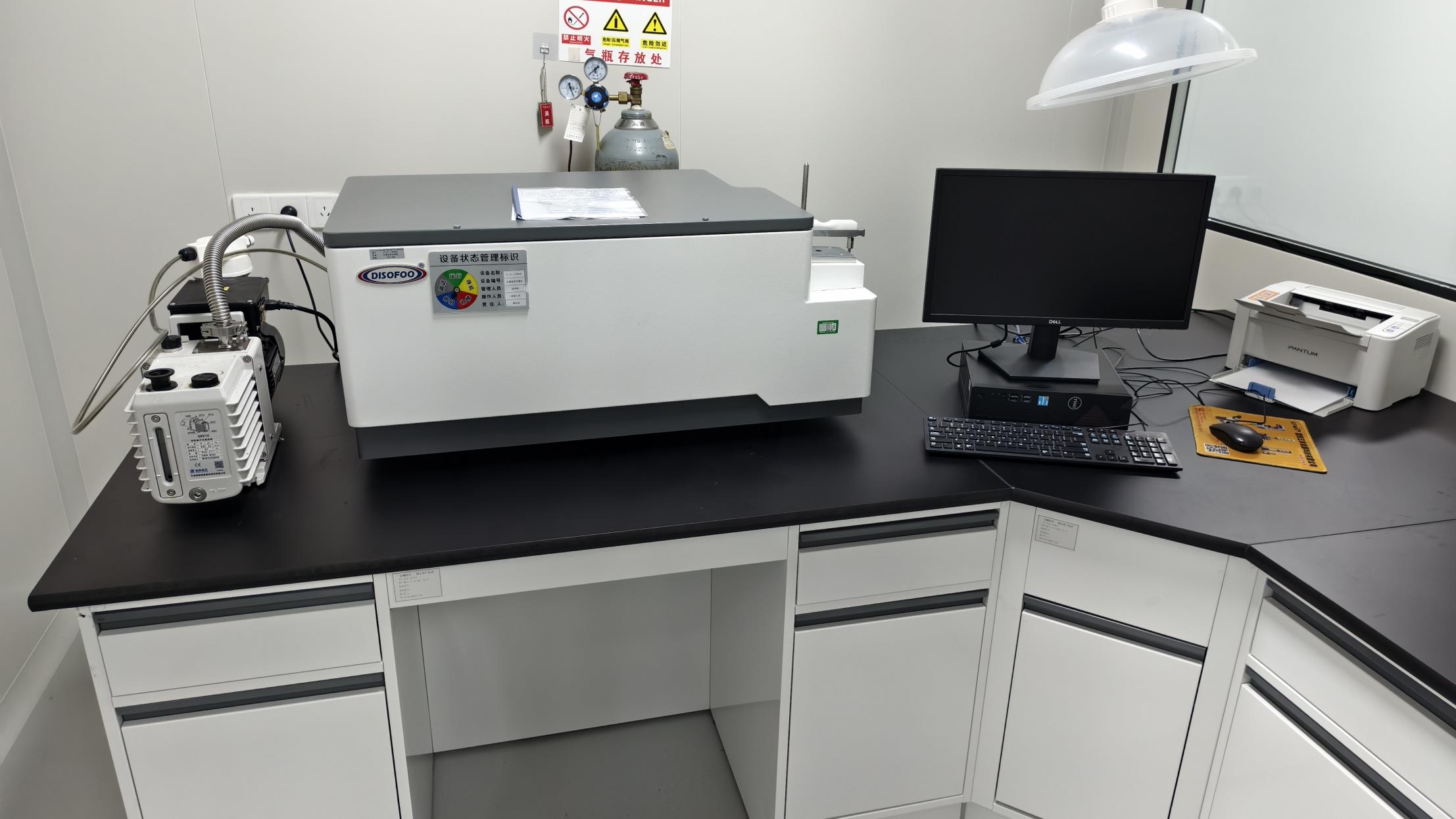
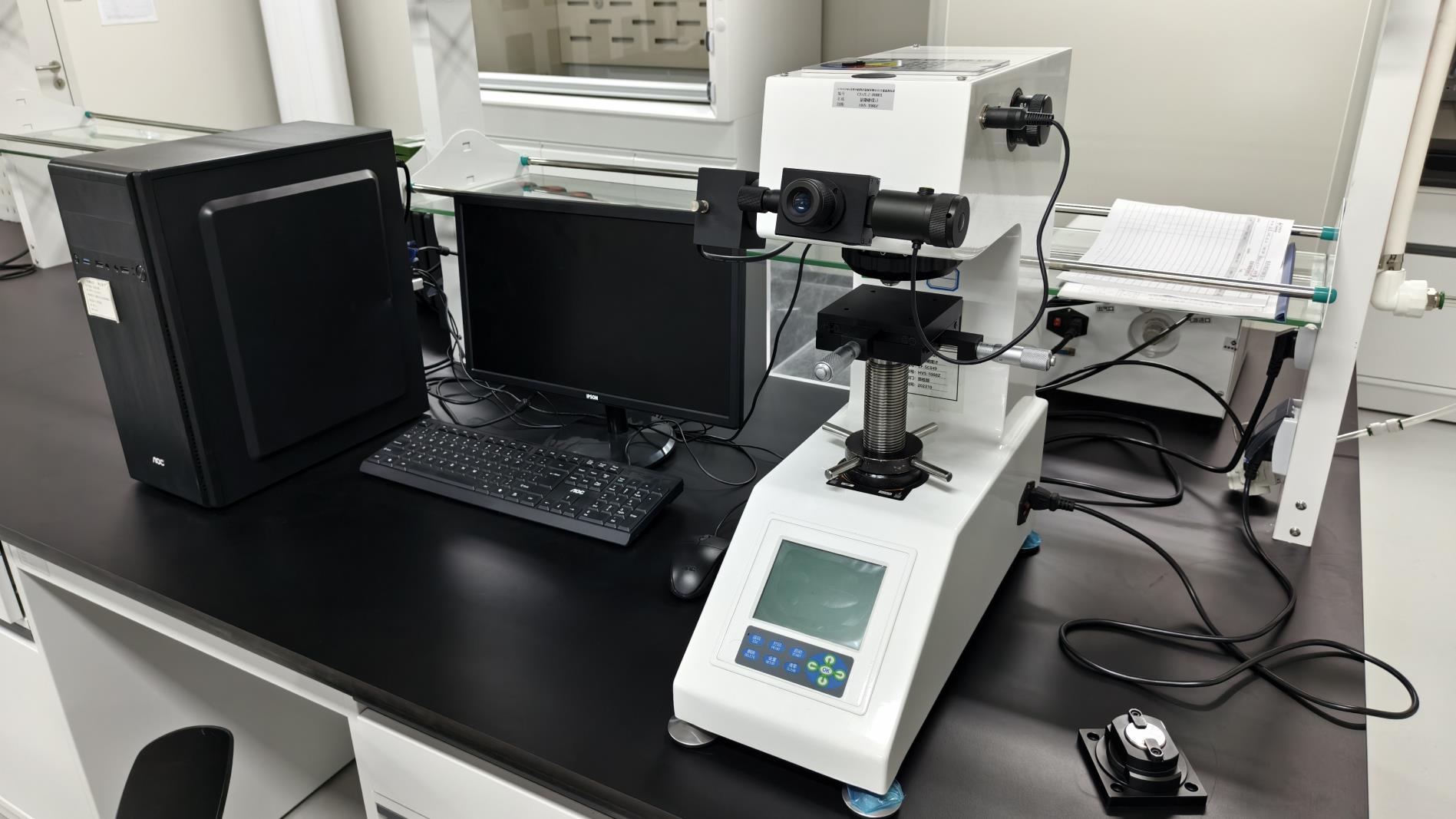
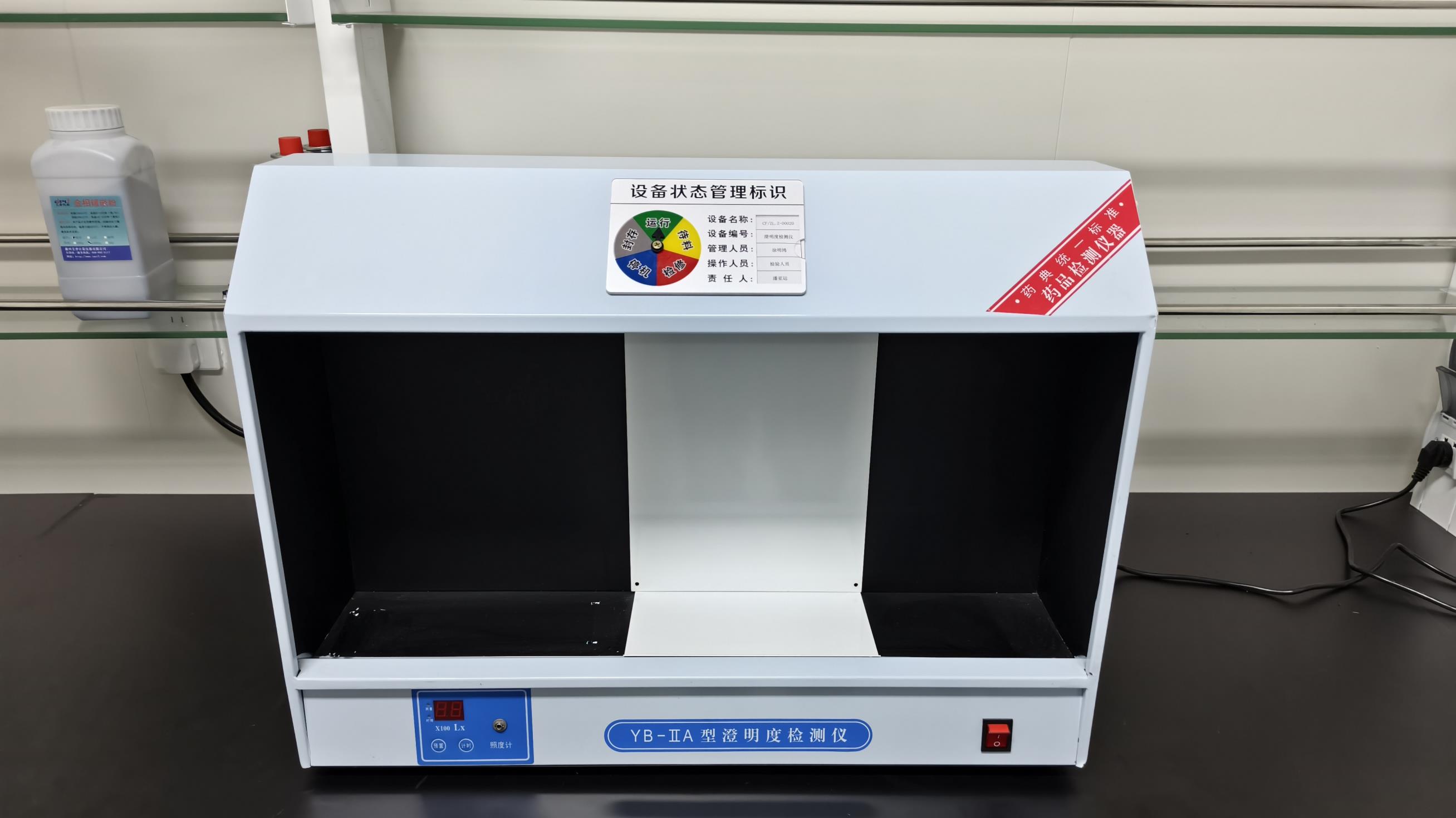
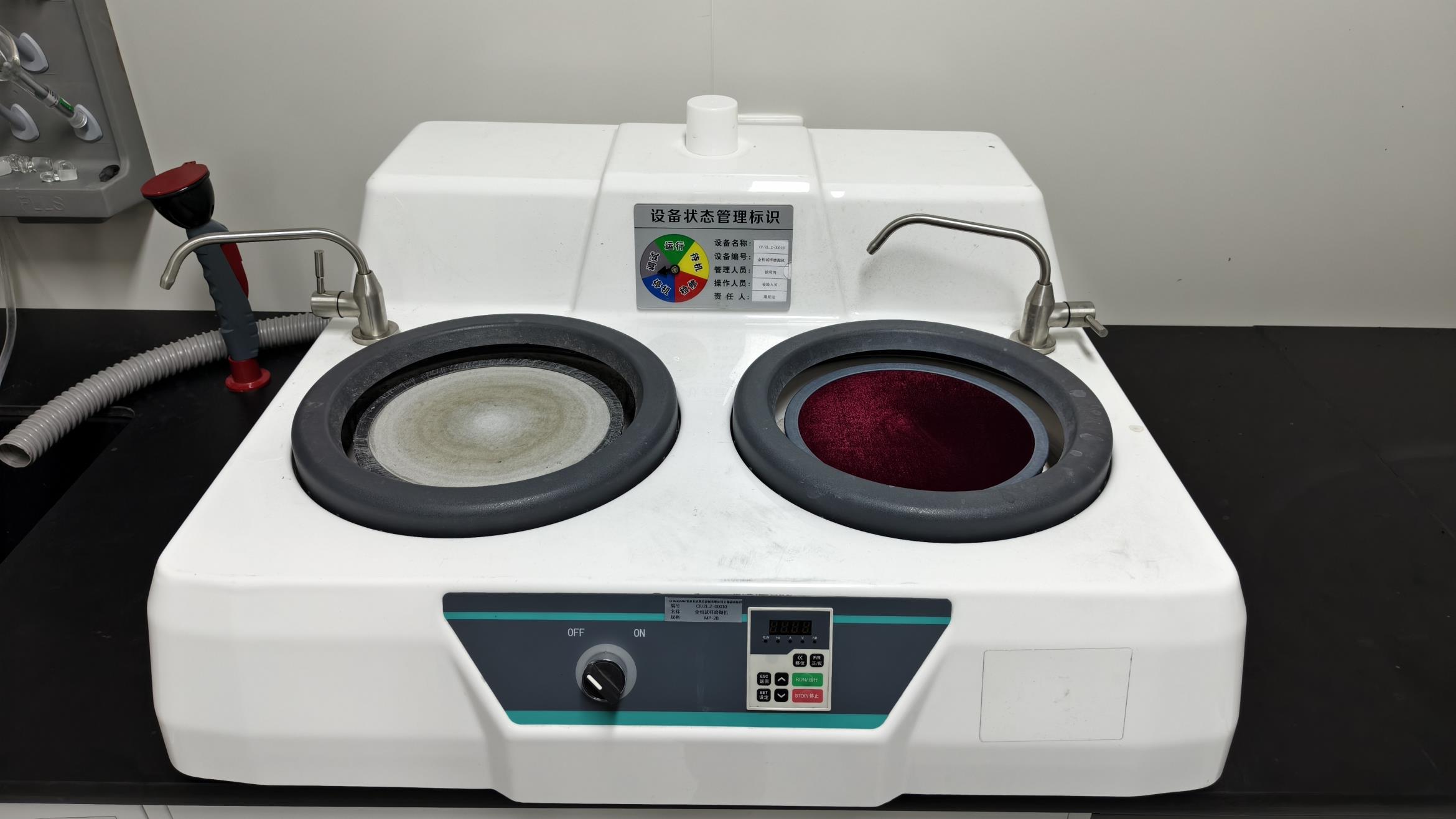
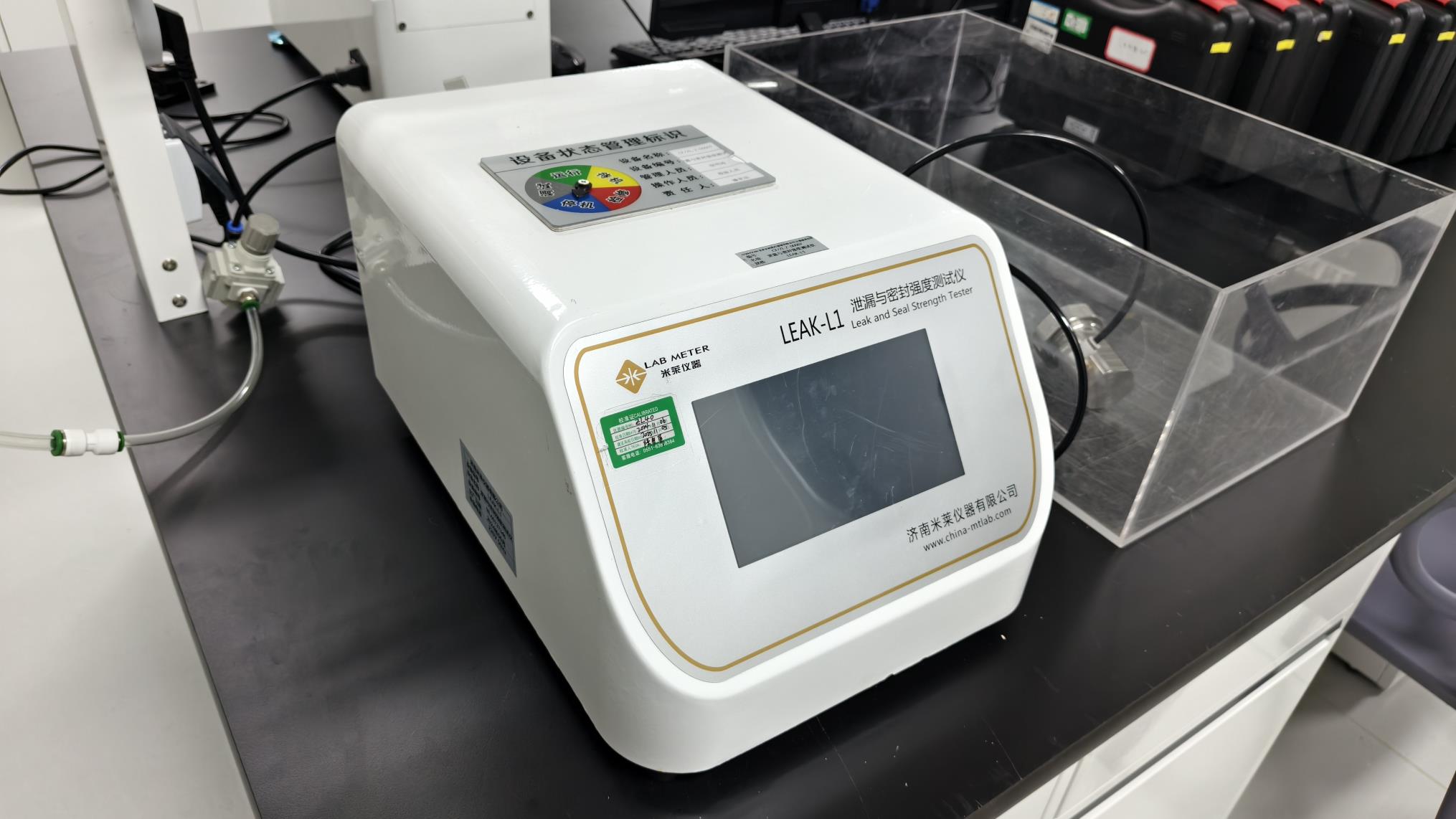
Mitigating supply chain risks through comprehensive compliance frameworks and local distributor support.
Operating a global medical supply chain requires strict adherence to international logistics protocols and localization of support services. Zynfuse streamlines regulatory clearance and commercial operations through:
Regulatory Assistance: Our dedicated regulatory affairs department provides comprehensive dossiers (including CE Technical Files, ISO 13485 certificates, and material validation reports) to support national registration processes. We proactively manage registration updates to ensure continuous product availability.
Sterilization & Custom Packaging: Implants can be supplied sterile (Gamma or EO irradiated) in double-barrier peelable packaging, or non-sterile for local autoclaving. Detailed sterilization instructions and validated steam parameters are included with all shipments.
Reliable Logistics: Utilizing established shipping lanes and express global carriers, we offer short lead times for high-volume orders. Real-time temperature and tracking sensors can be integrated into high-value shipments to monitor environment parameters throughout transit.
Pioneering the next generation of osteosynthesis systems with active R&D and digital design platforms.
Leveraging electron beam melting (EBM) and direct metal laser sintering (DMLS) to print patient-specific proximal humeral plates directly from CT scan data for complex revision procedures.
Developing bio-sensing implants with micro-circuitry to monitor real-time strain, load distribution, and healing progress at the fracture site, transmitting clinical data wirelessly.
Implementing laser-etched micropatterns on the tissue-contacting surfaces of the plate to promote controlled bone adhesion and minimize bacterial colonization.
Addressing clinical, technical, and commercial queries for hospital procurement and distributors.
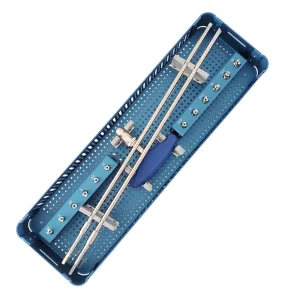
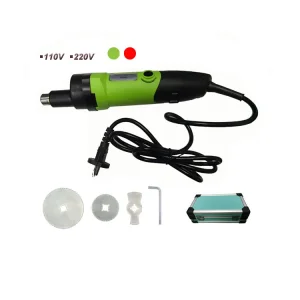
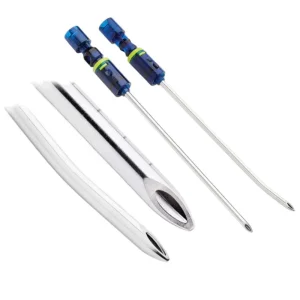
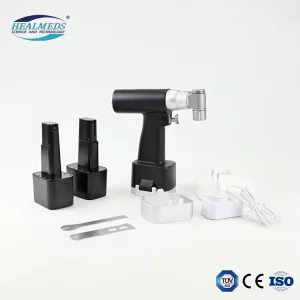
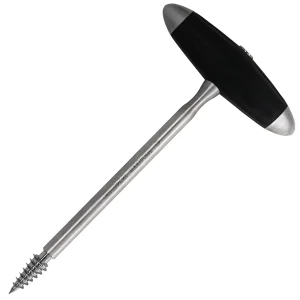
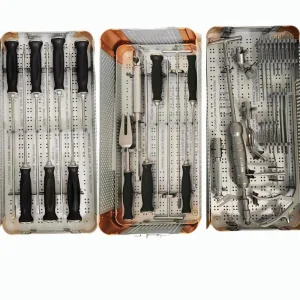
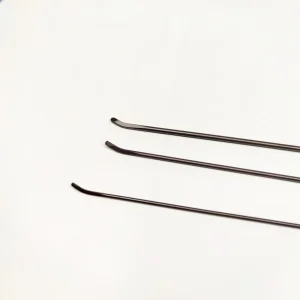
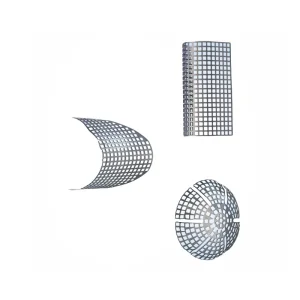
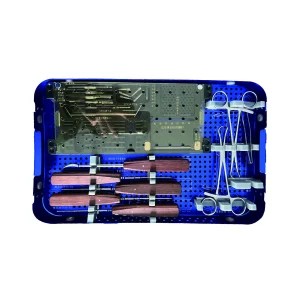
Complete surgical toolsets, specialized revision extractors, and orthopedic devices for comprehensive clinical care.