Zynfuse
Zynfuse
Zynfuse
Direct supply of surgical instruments, orthopedic drills, and structural joint components manufactured to the highest clinical specifications.
Total Hip Arthroplasty (THA) remains one of the most successful surgical procedures globally, restoring mobility and relieving pain for millions of patients suffering from end-stage hip osteoarthritis or joint necrosis. As life expectancy increases and active younger demographics require joint replacements, the demand for high-longevity, low-wear bearing surfaces has escalated. Ceramic hip heads, specifically those composed of Zirconia-Toughened Alumina (ZTA), represent the pinnacle of modern implant tribology.
Historically, metal-on-polyethylene (MoP) bearing surfaces dominated the market. However, wear debris from polyethylene components led to osteolysis and aseptic loosening, the leading causes of revision surgeries. The introduction of ceramic-on-polyethylene (CoP) and ceramic-on-ceramic (CoC) couplings revolutionized clinical outcomes. Modern medical-grade ceramics feature extremely high hardness, scratch resistance, and excellent wettability, promoting a stable synovial lubricating film that reduces mechanical friction and reduces wear rates by orders of magnitude compared to metal alternatives.
First-generation alumina ceramics, while biocompatible, were susceptible to catastrophic brittleness under impact loads. Modern Zirconia-Toughened Alumina (ZTA) solves this by incorporating sub-micron zirconia particles within an alumina matrix. This dispersion creates a "phase-transformation toughening" mechanism. When a micro-crack begins to propagate within the ZTA material, the localized stress triggers a crystalline phase change in the surrounding zirconia particles from a tetragonal state to a monoclinic state. This expansion compresses the tip of the micro-crack, stopping its growth. Consequently, China-based manufacturers utilizing advanced sintering can achieve fracture toughness parameters that align with the rigorous requirements of international standards such as ISO 6474-2.
Established in 2016, Zynfuse Medical Technology Co., Ltd. has established itself as an innovative force in the manufacturing of bone fusion and orthopedic implant components. Spanning a state-of-the-art facility of 18,600 m², Zynfuse integrates vertical manufacturing supply chains, combining decades of metalworking and material sciences expertise to deliver reliable medical components to major medical distributors and hospital systems worldwide.
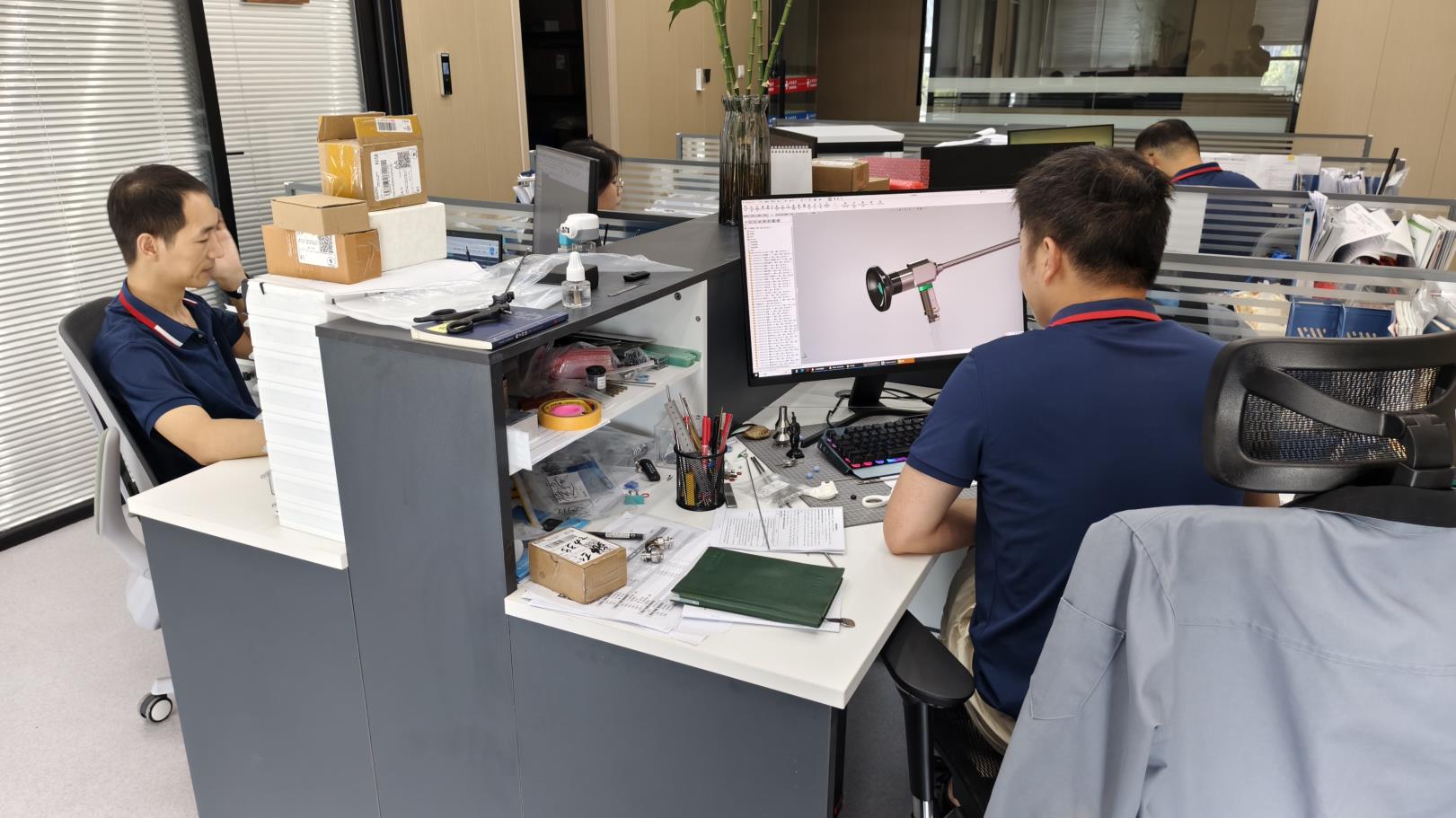
The efficiency of a Chinese orthopedic device factory is defined by integrated production phases. By housing high-precision machining, chemical processing, cleanrooms, and testing facilities under one roof, Zynfuse eliminates the logistical delays and quality bottlenecks associated with multi-vendor sub-contracting. This vertical integration allows for a dynamic R&D department staffed by 85 engineers capable of launching approximately 320 new products annually.
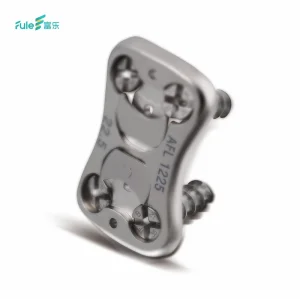
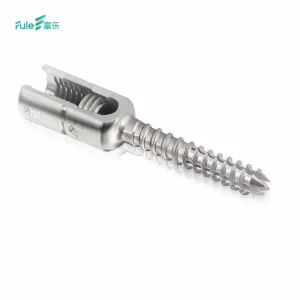
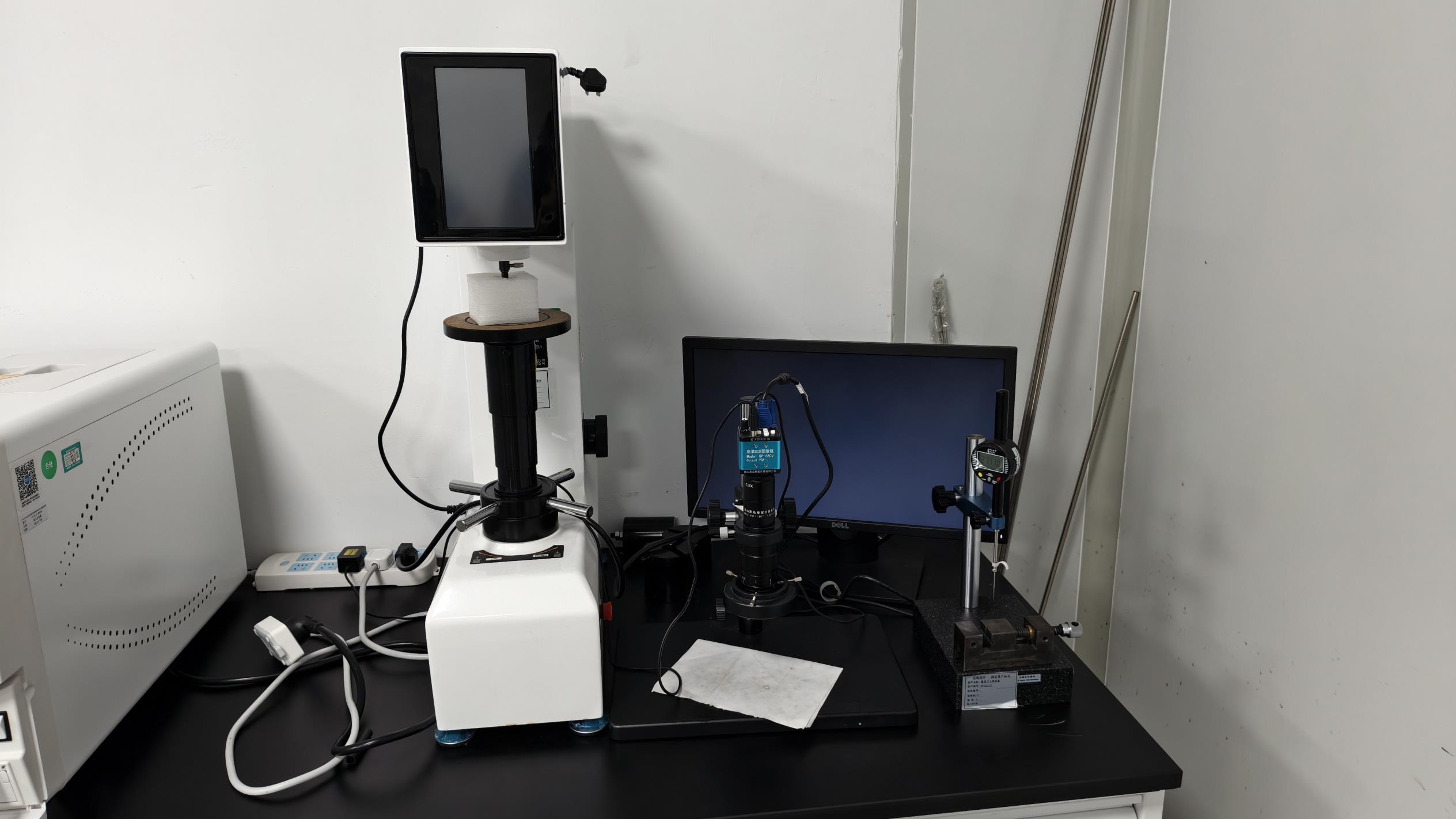
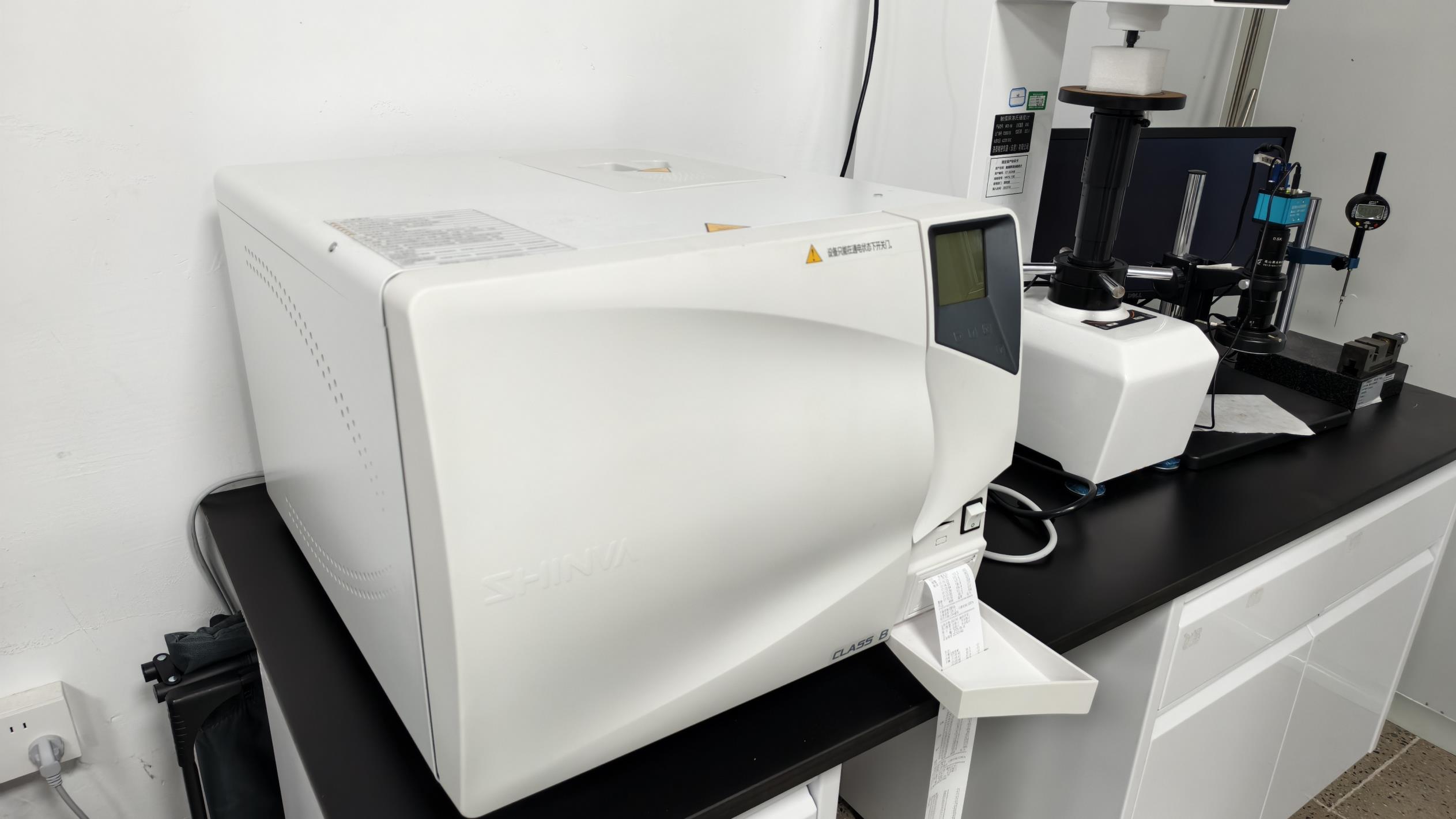
For global B2B procurement partners in North America, Europe, and the Middle East, supply chain security is vital. A sudden material shortage or a failed quality inspection at a port of entry can halt surgical schedules. Zynfuse mitigates these risks by employing 68 quality inspection specialists who manage an ISO 13485-compliant quality management system. Implants undergo automated 2D video measurements, mechanical fatigue testing, and surface integrity analysis to ensure that every shipment of ceramic hip heads, pedicle screws, or spinal rods meets the precise clearances necessary for high-performance surgical applications.
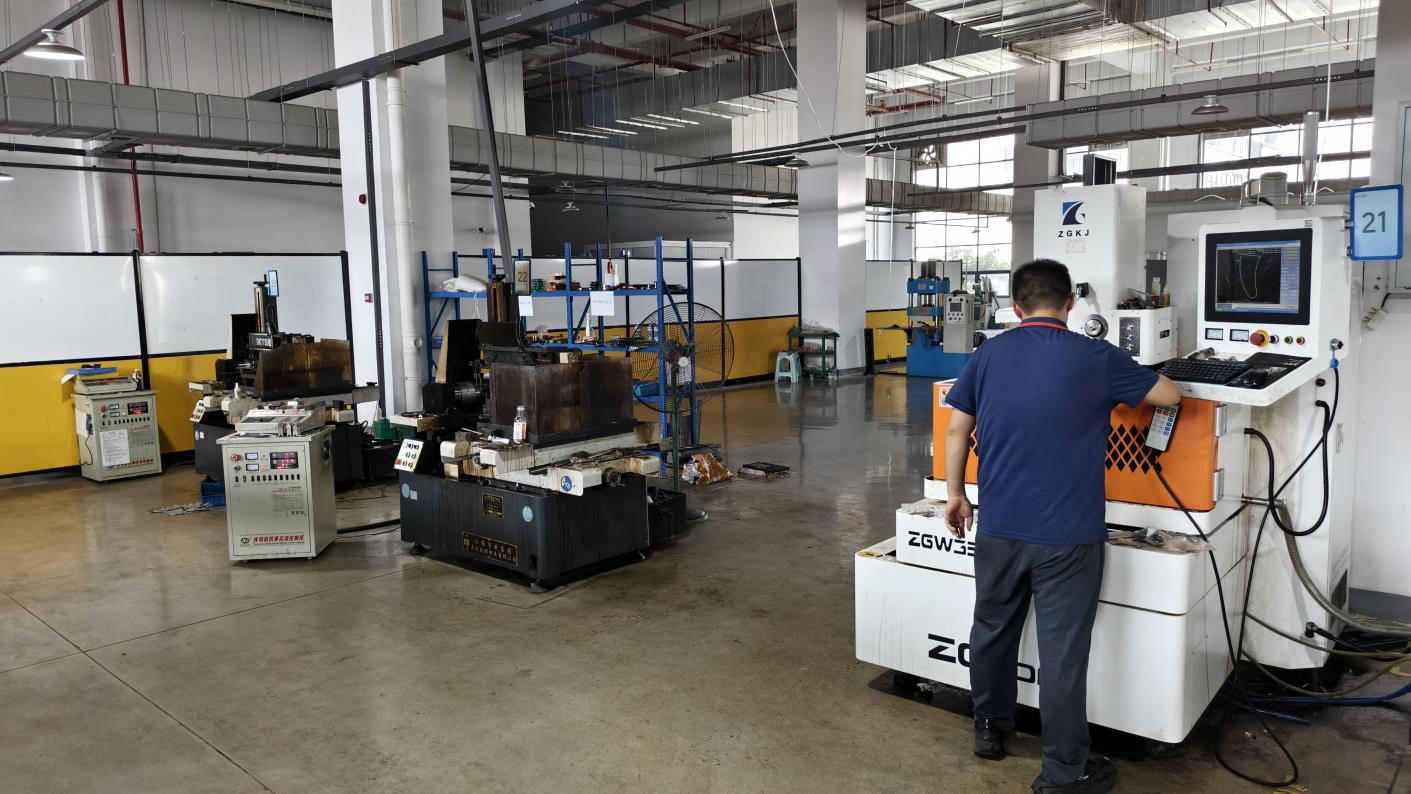
Every implant component is subjected to a validated series of steps, starting from raw block processing down to packaging and sterilization.
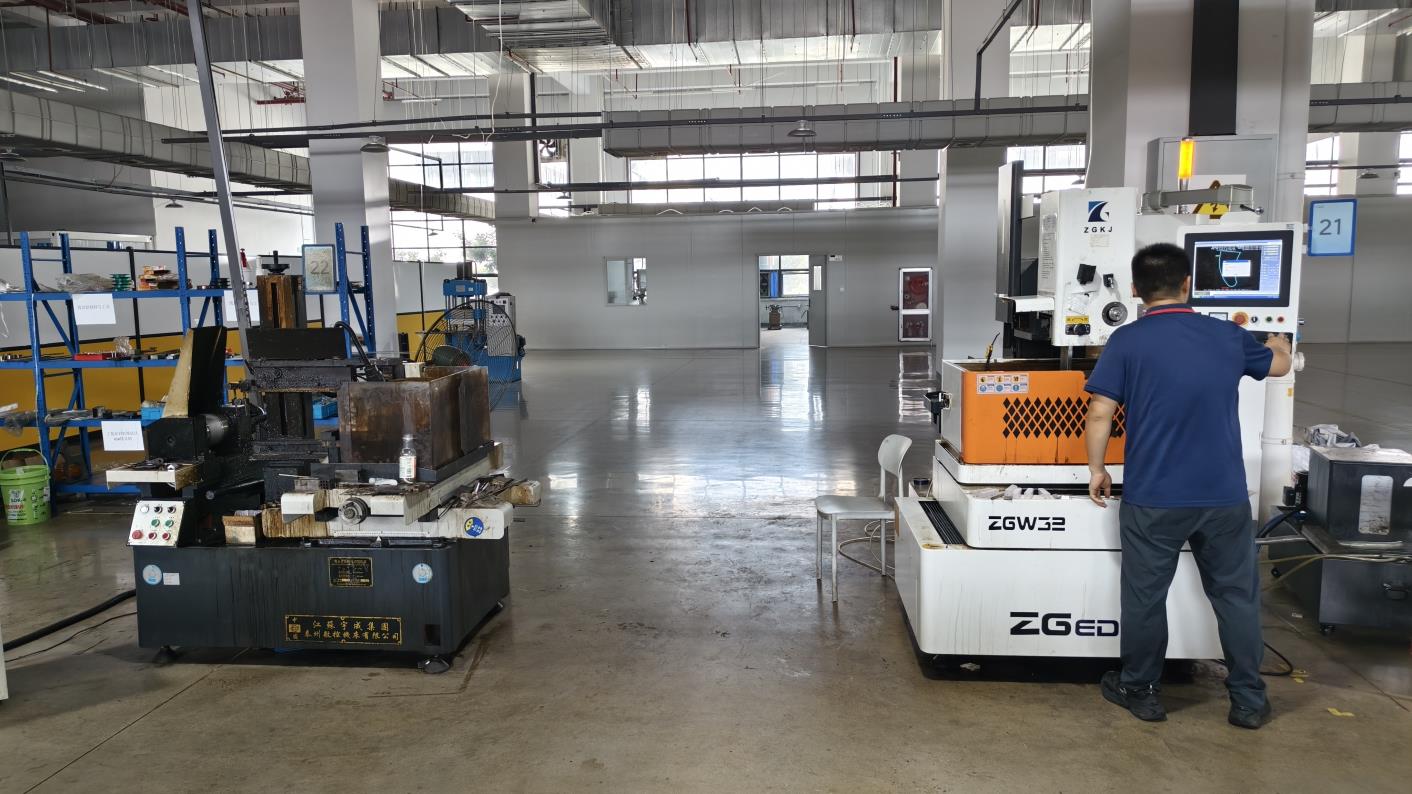
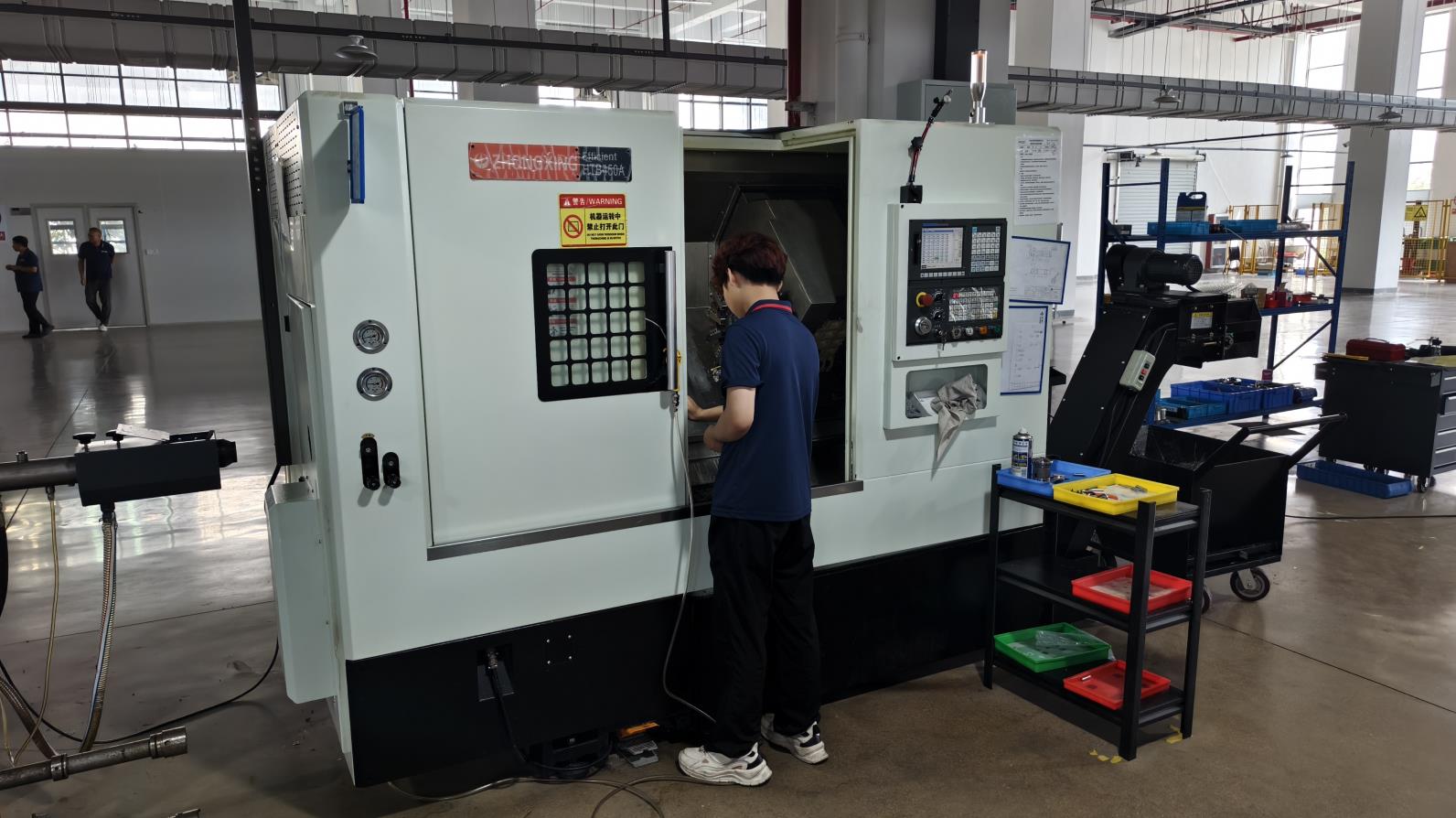
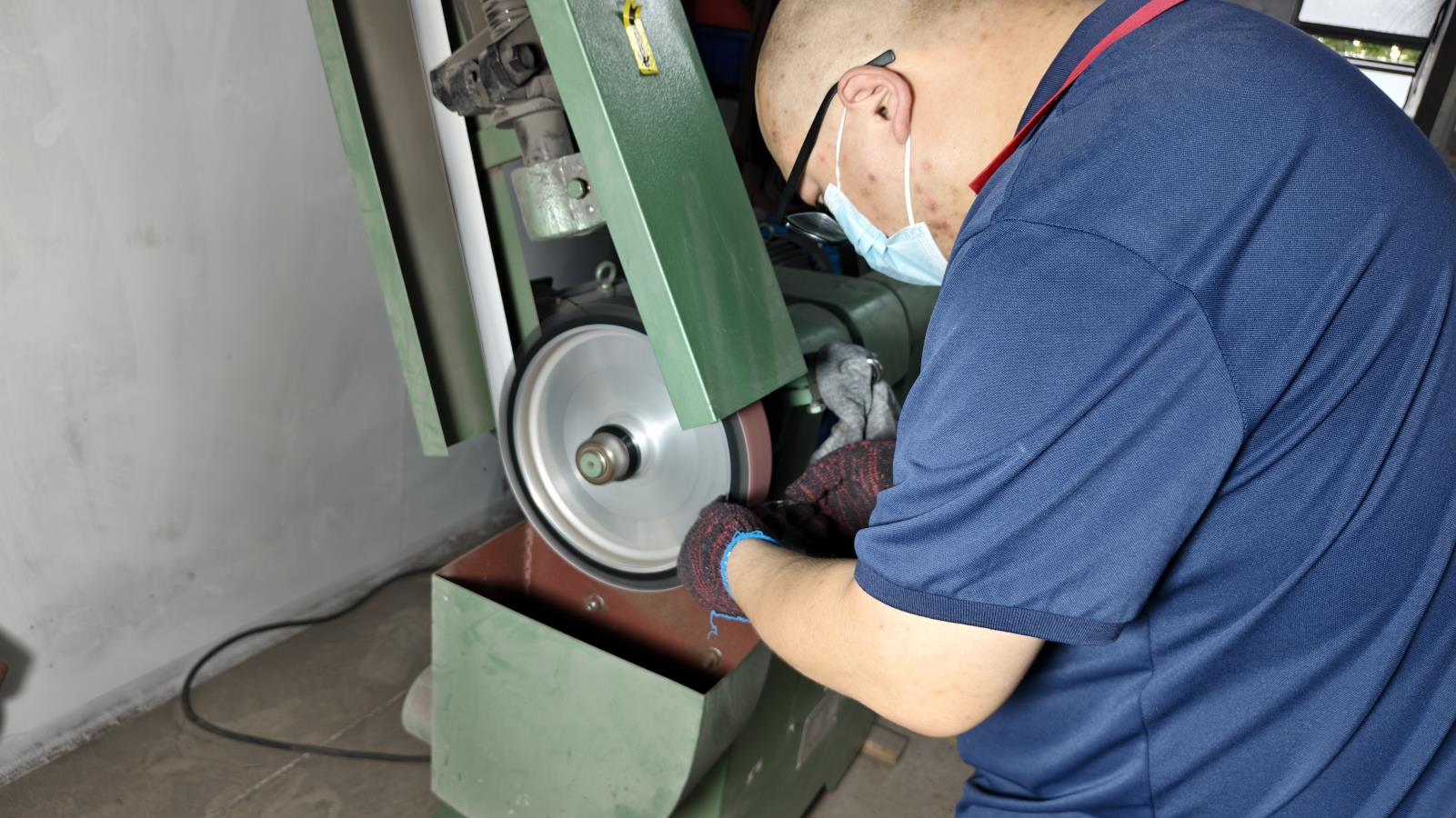
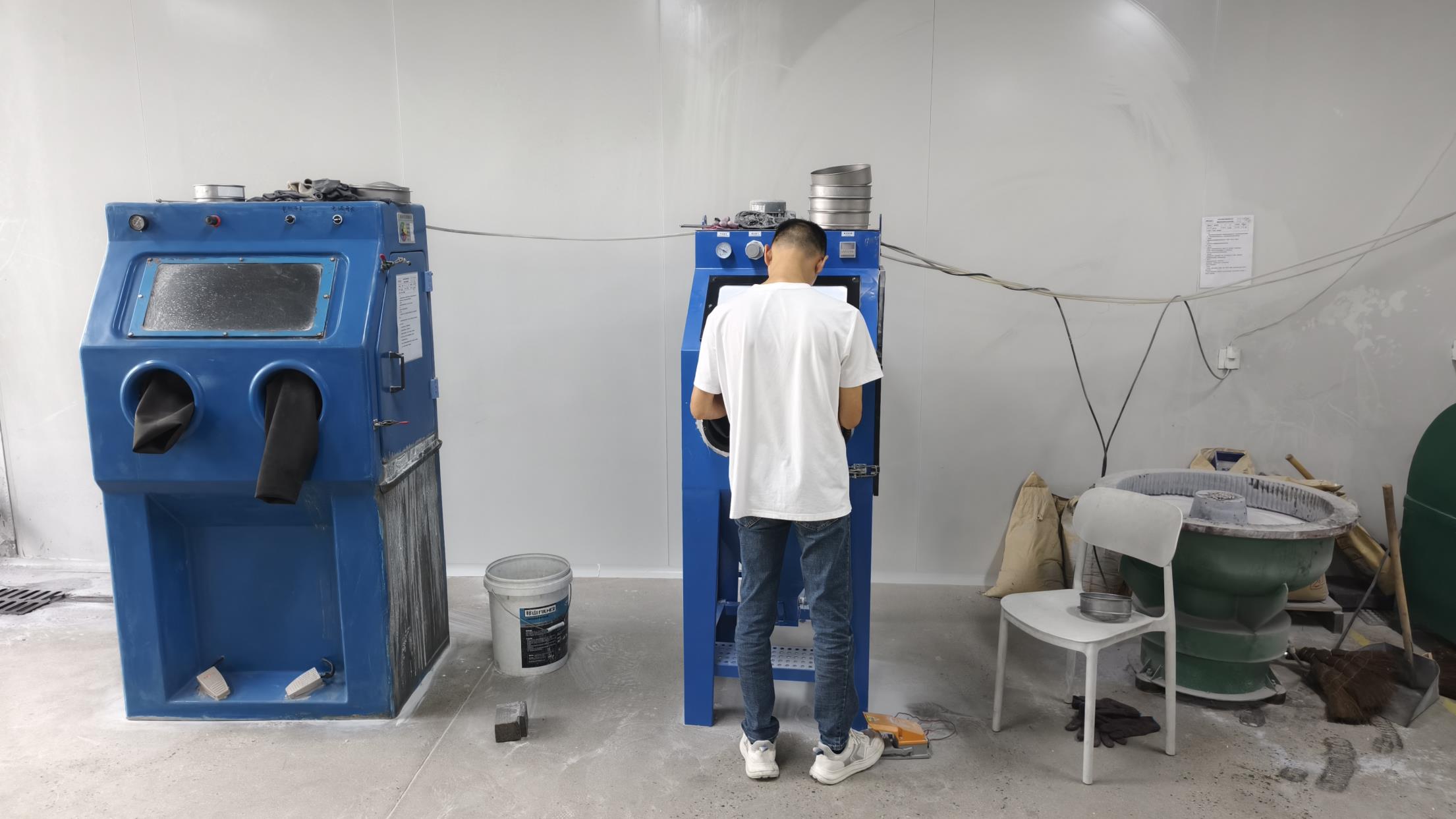
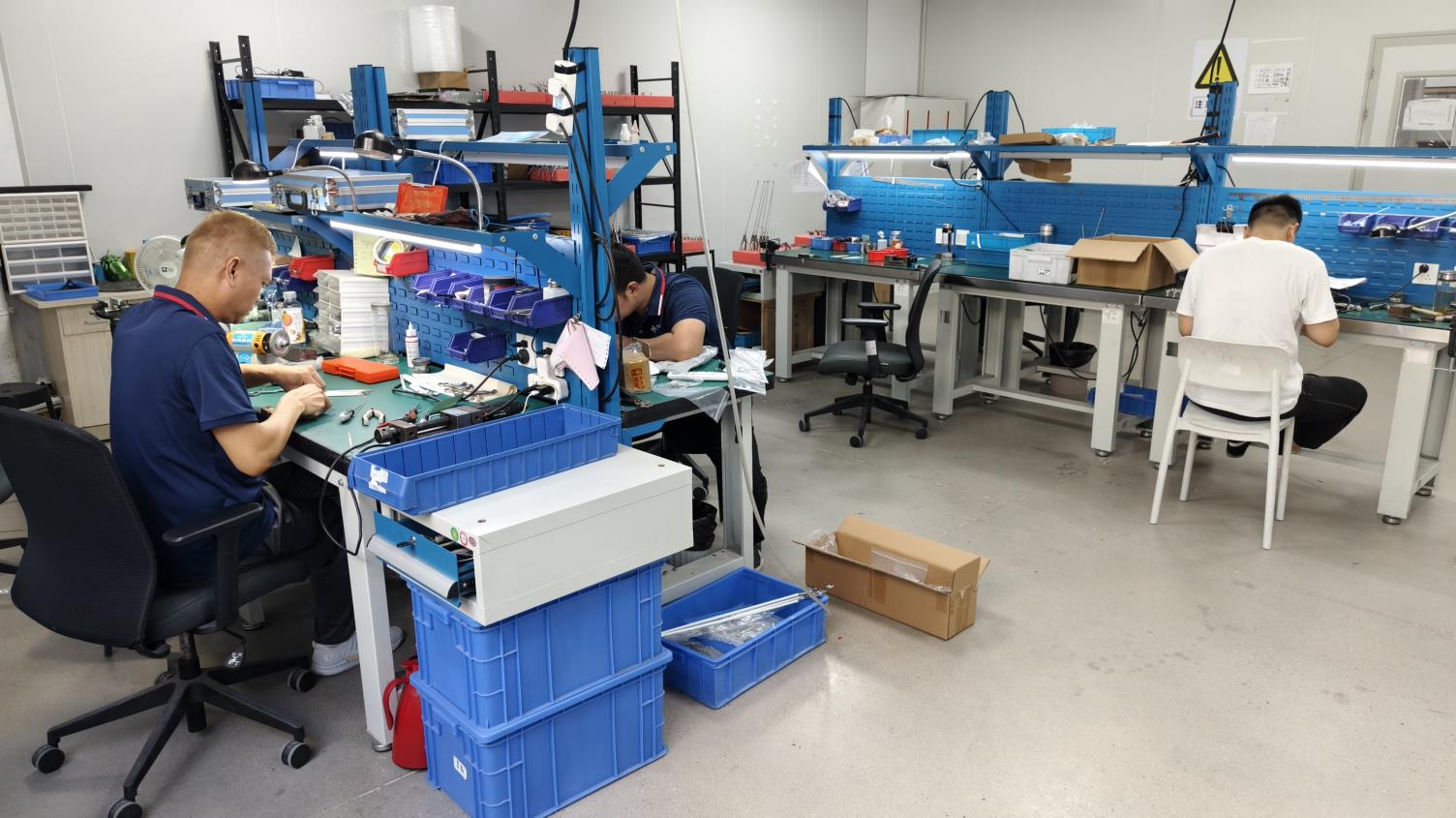

Operating a fleet of Swiss-type CNC lathes and scientific diagnostic testing machinery to guarantee geometric tolerances below ±2μm.
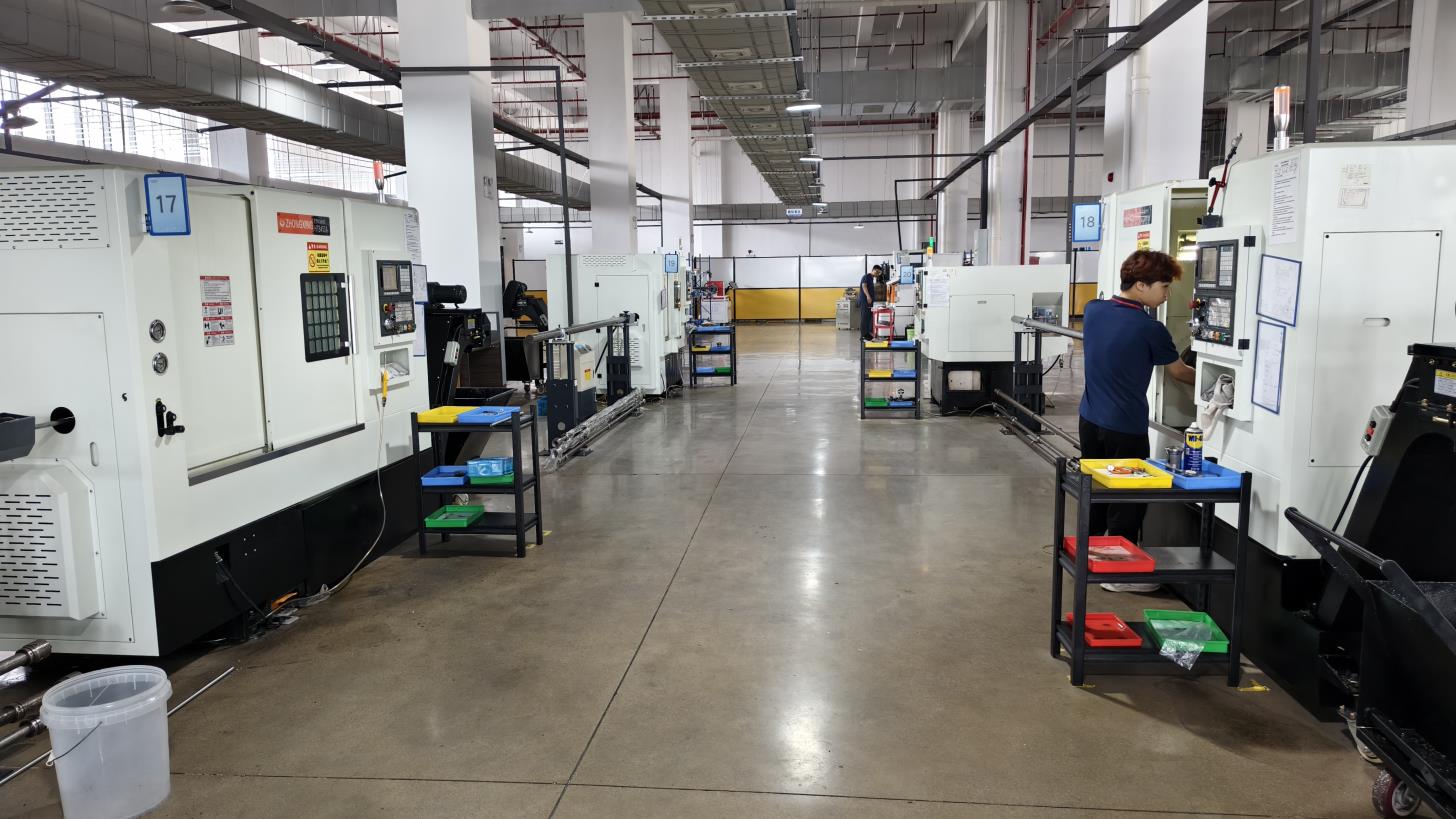
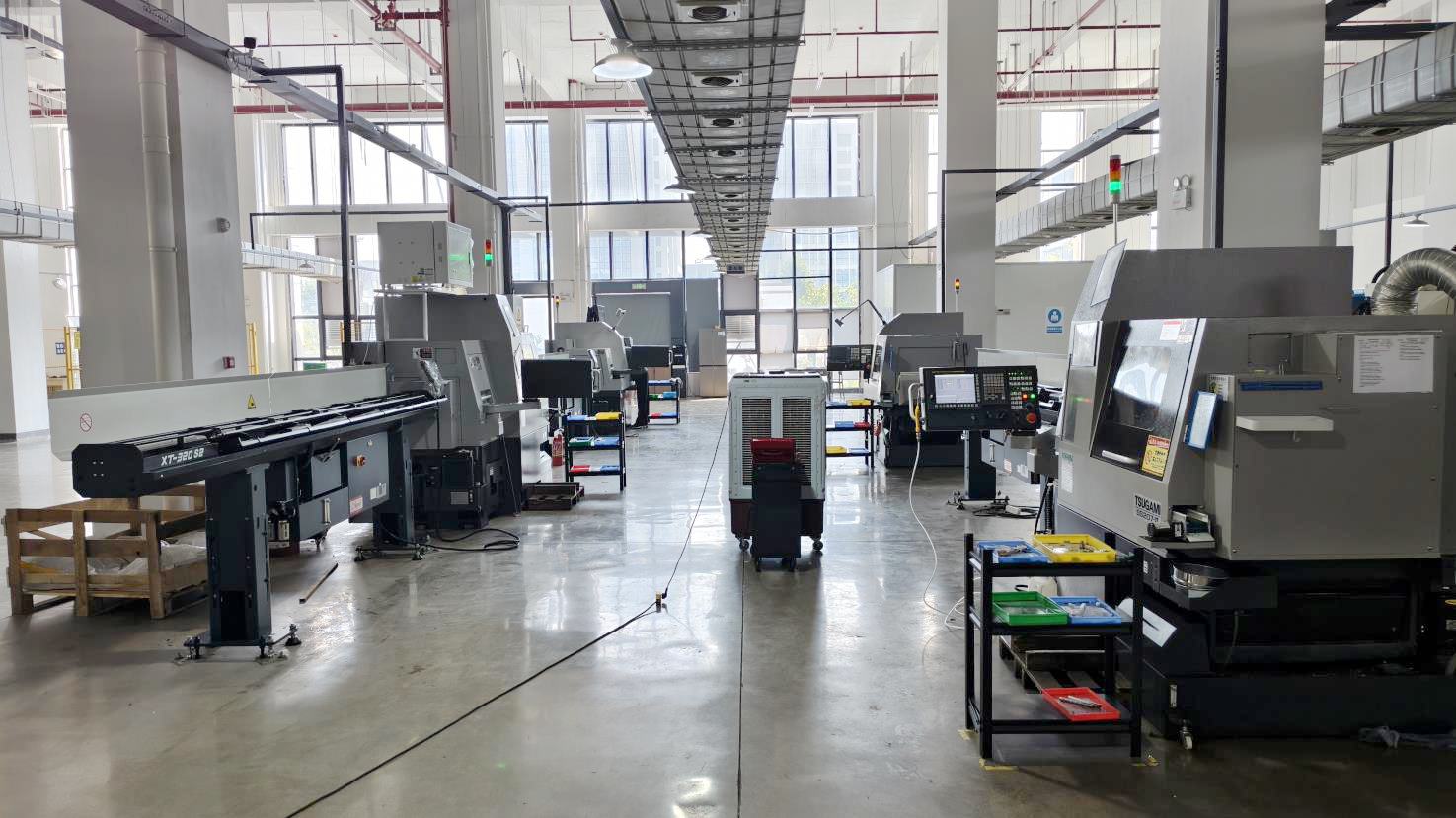
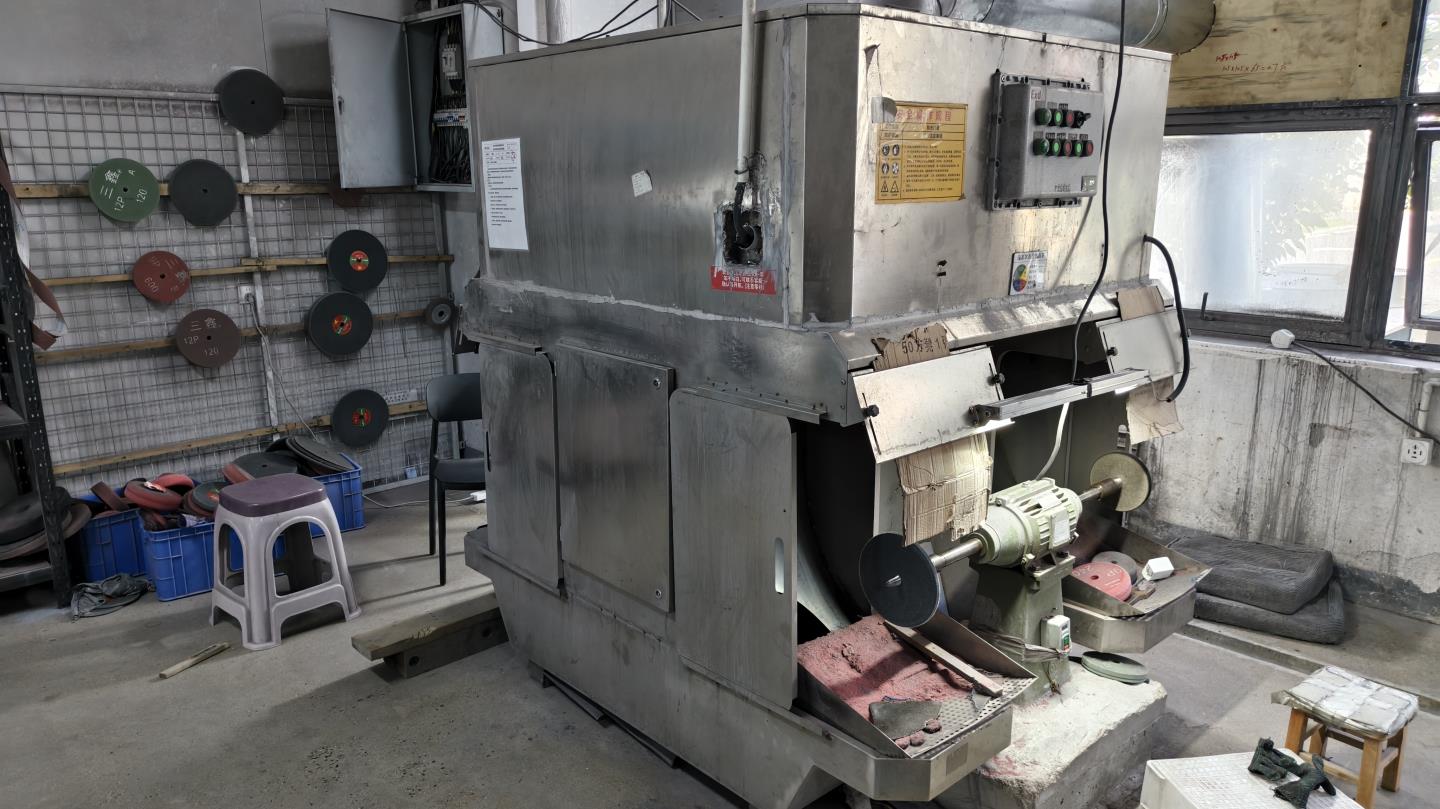
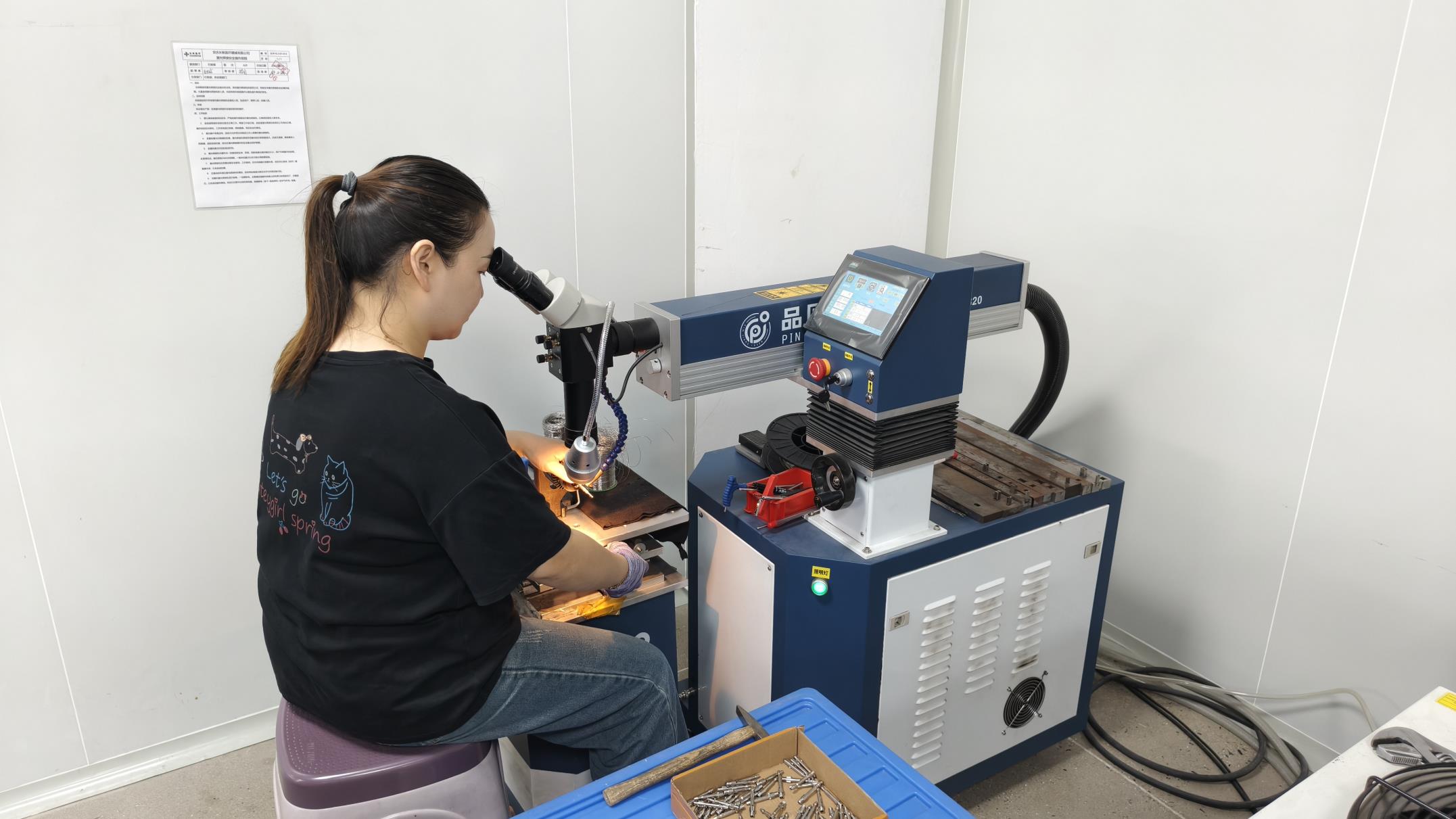
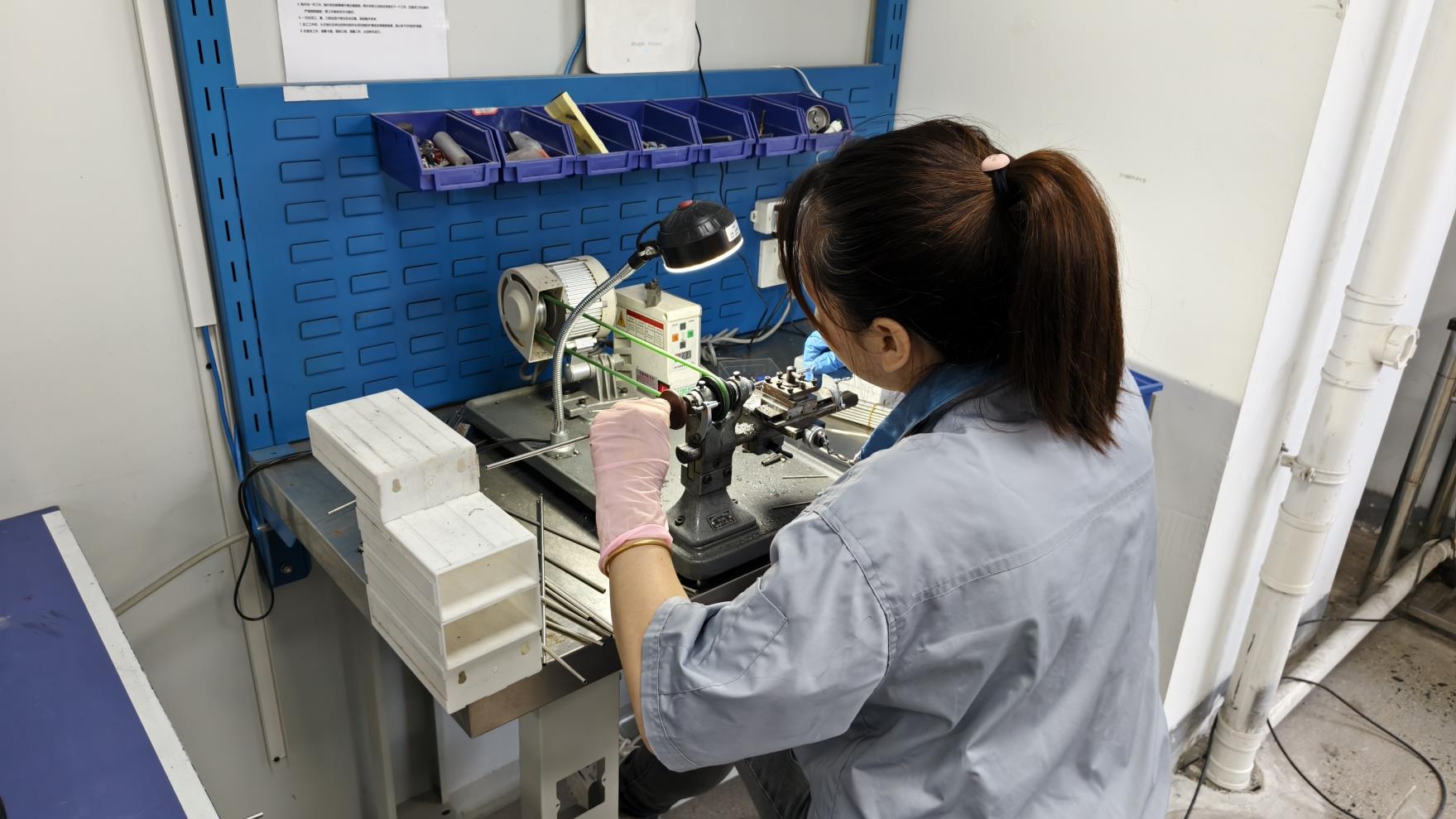

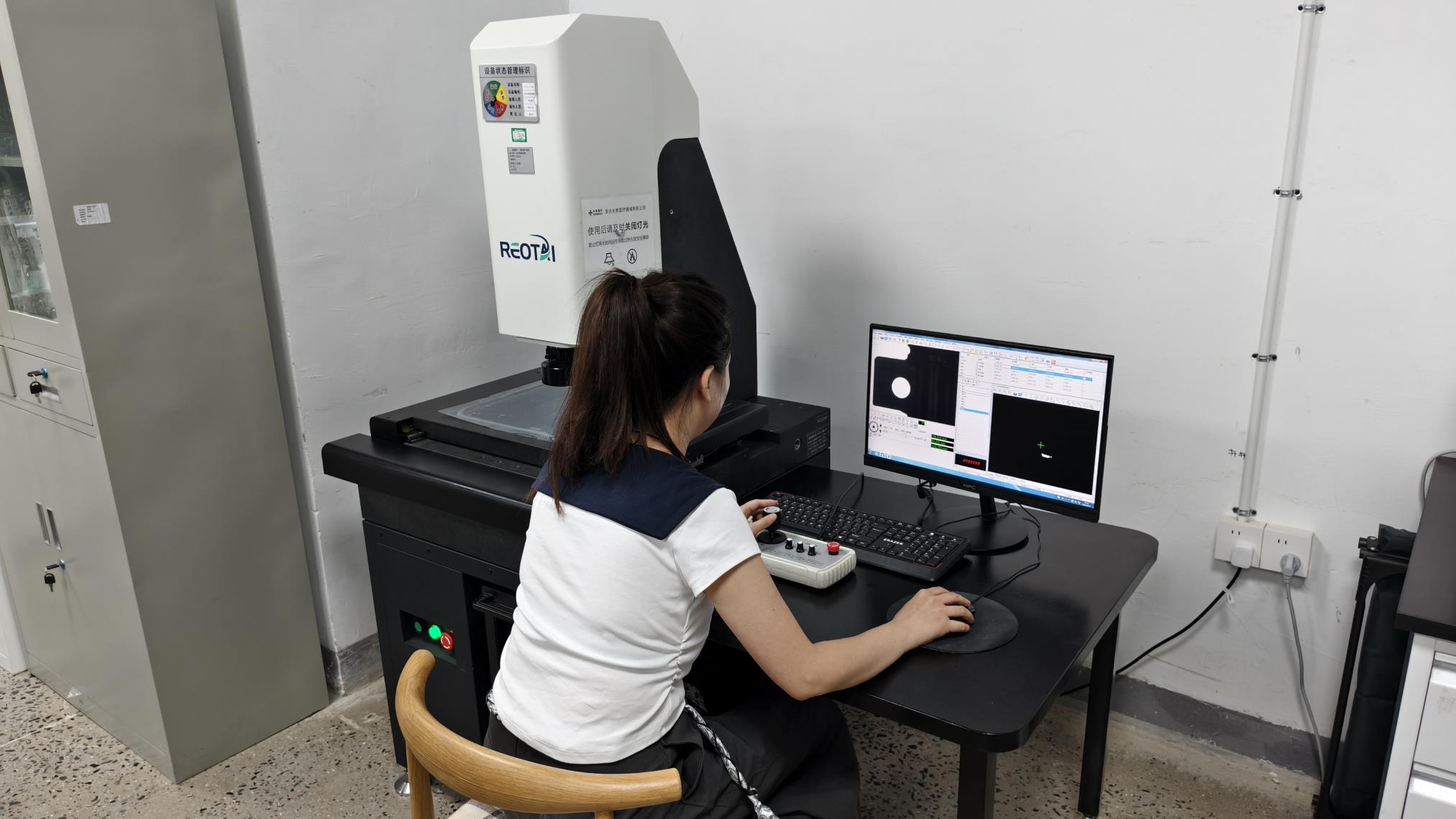
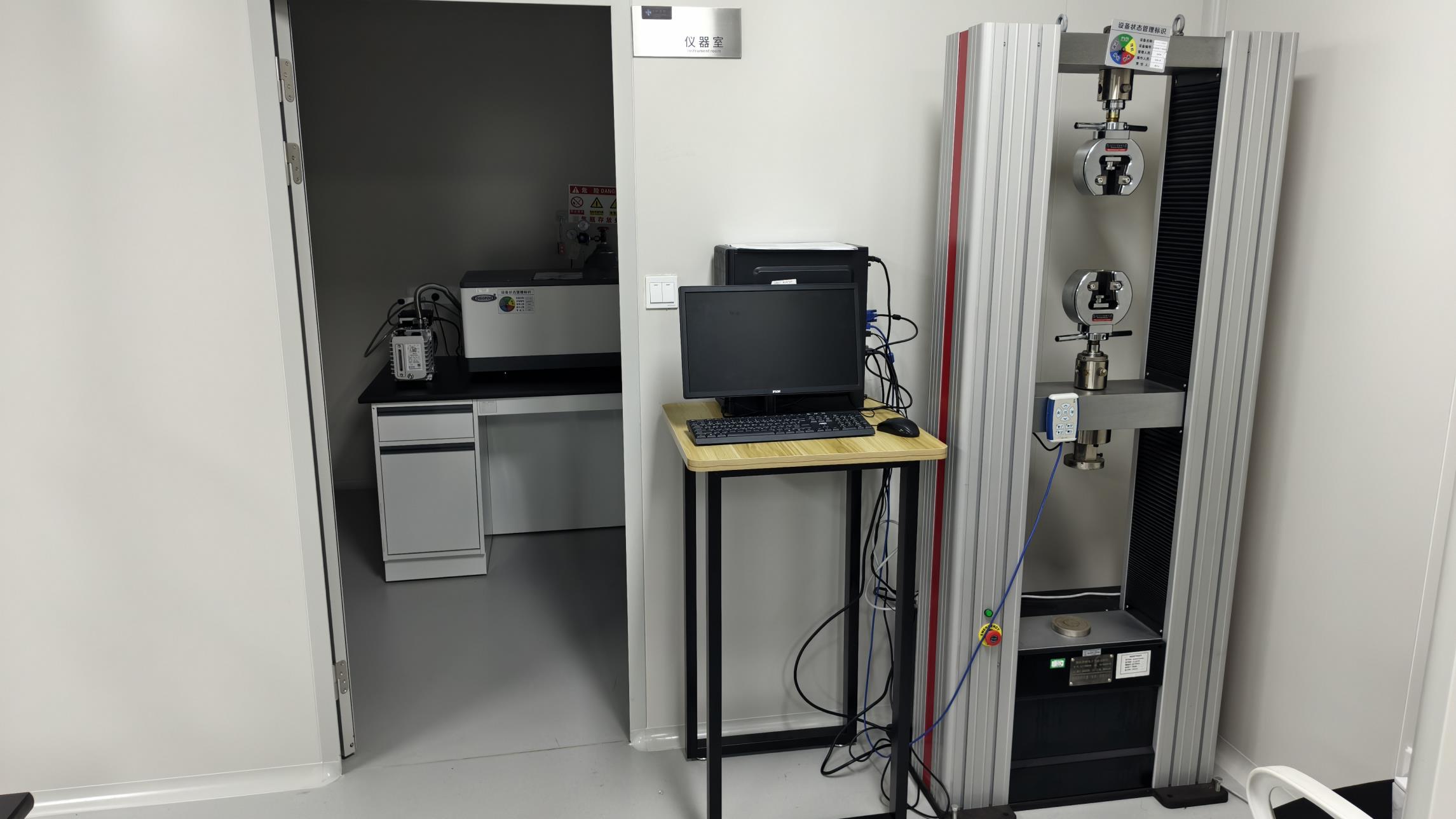
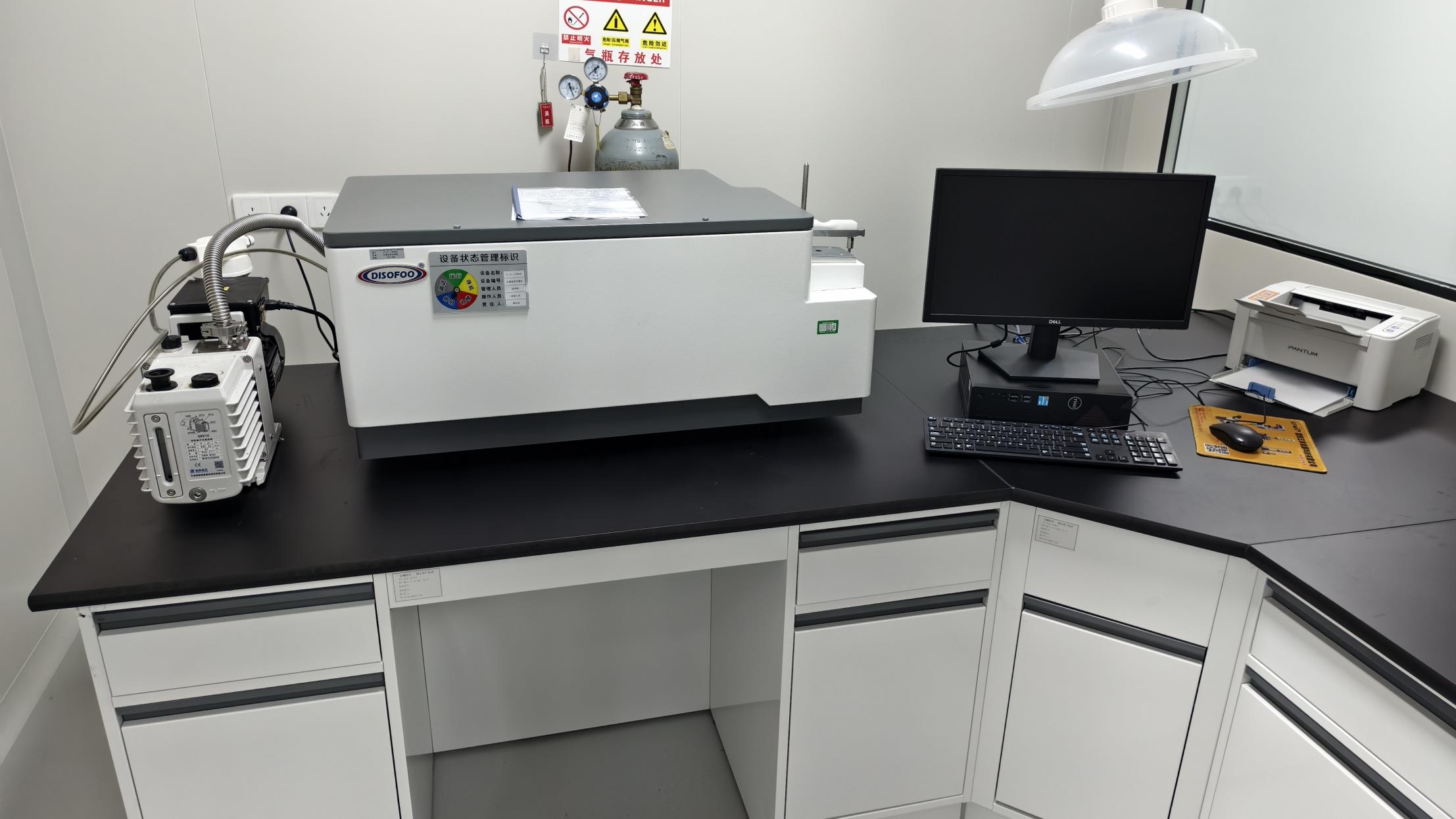
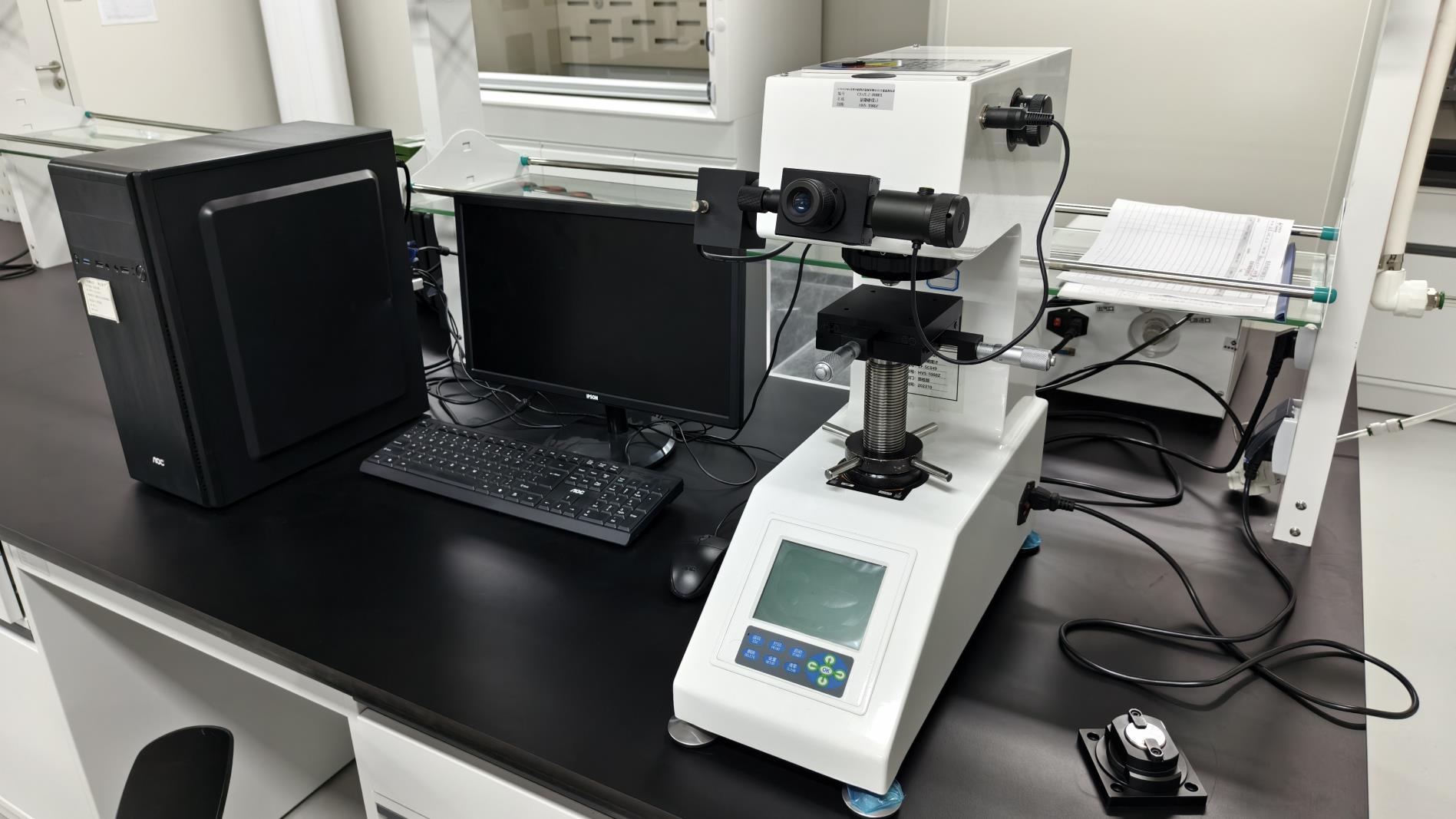
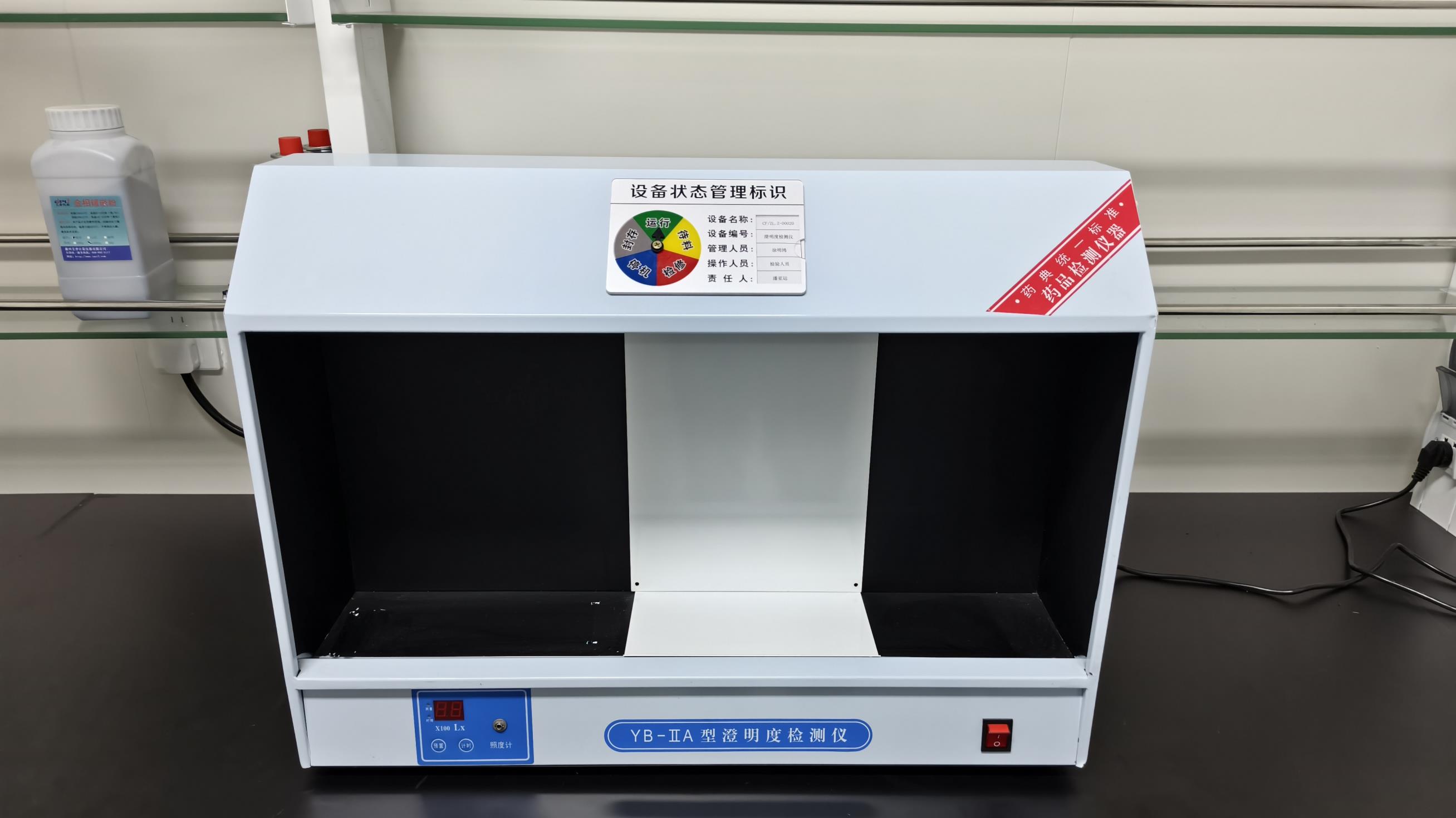
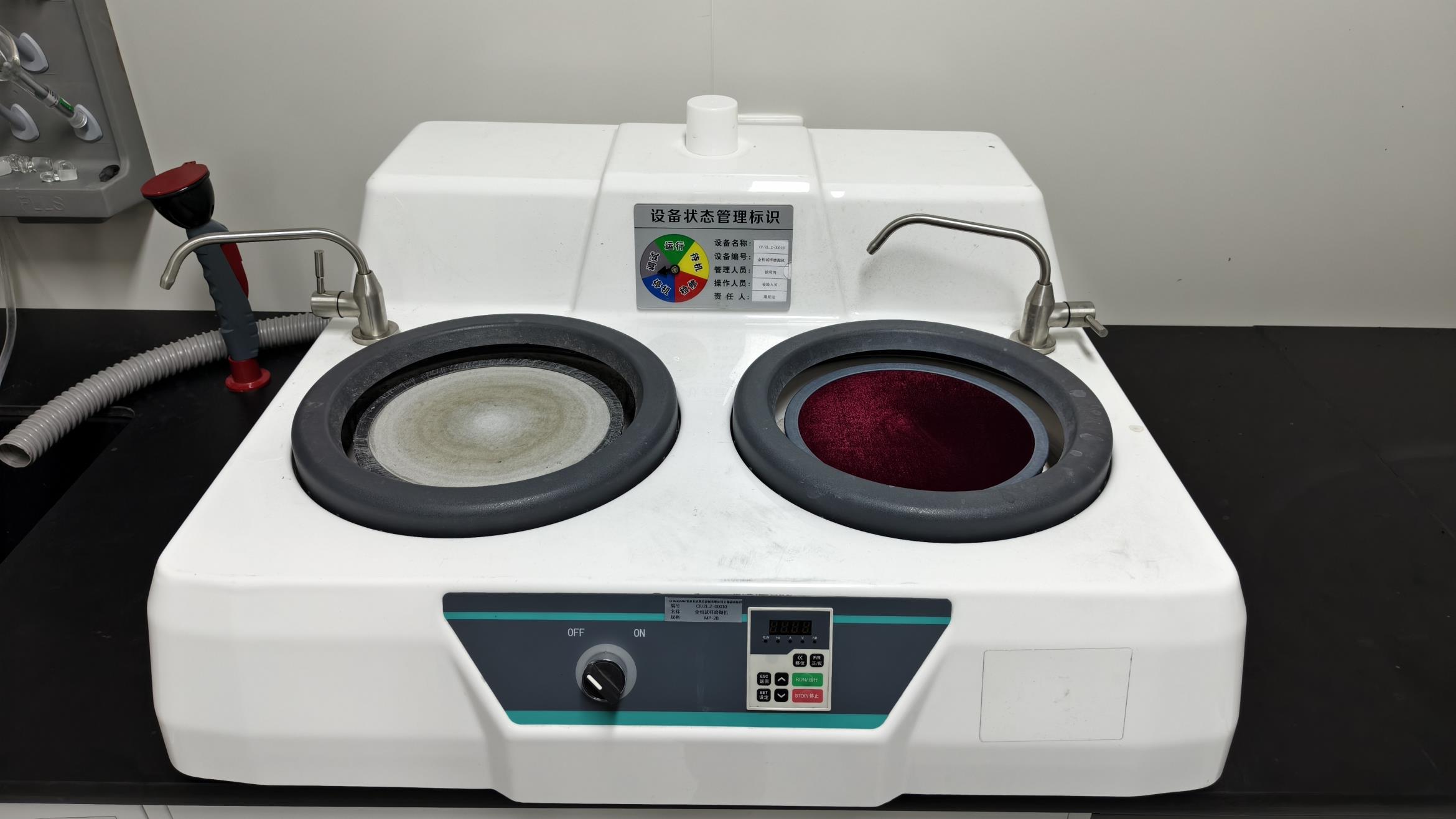
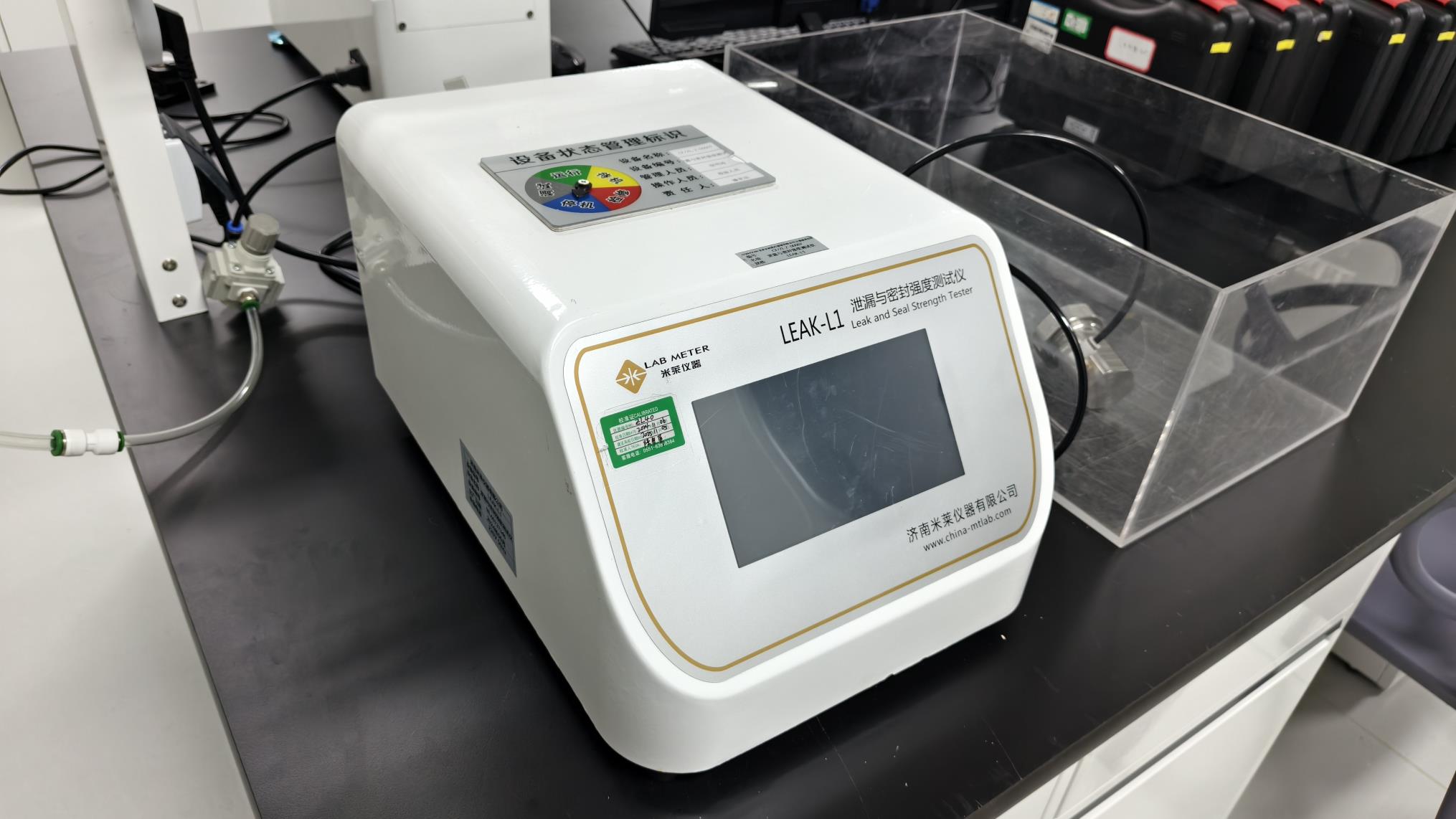
The clinical selection of ceramic hip heads is closely tied to regional surgical practices and patient demographics. In highly active markets, such as Europe and North America, surgeons tend to opt for larger-diameter heads (32mm, 36mm, up to 40mm). Larger heads provide a wider range of motion and reduce the hazard of dislocation, which is key for patients returning to sports or demanding occupational work. Conversely, in regions with smaller physical statures, such as portions of East Asia and Latin America, smaller diameters (e.g., 28mm) are common. This requires manufacturers like Zynfuse to offer diverse sizing and neck length configurations (+0, +4, -3, etc.) compatible with standard 12/14 tapers.
B2B procurement departments (distributors, hospital consortiums, OEM partners) evaluate orthopedic ceramic suppliers using three core criteria:
As the industry shifts toward personalization and minimally invasive procedures, several key trends are emerging:
To reduce wear, advanced processing methods utilize Hot Isostatic Pressing (HIP) during the sintering phase. This removes micro-porosity, increasing density toward the theoretical maximum. Zynfuse is actively optimizing its sintering facilities to ensure that upcoming product generations offer improved structural consistency.
Standard off-the-shelf implant components are increasingly supplemented by customized designs. With 85 R&D engineers, Zynfuse works with partners to design custom taper angles and specific modular configurations to fit specialized clinical stems, offering scalable OEM production from prototyping through to final clinical testing.
Global supply chains are seeking green manufacturing alternatives. Modern factories are reducing carbon intensity by optimizing energy consumption during high-temperature ceramic firing processes. Additionally, utilizing computerized Swiss lathes lowers scrap rates, making manufacturing more resource-efficient and predictable.
Get authoritative technical and procurement insights regarding orthopedic ceramic components.
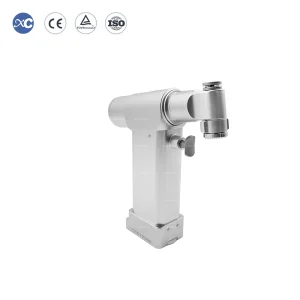
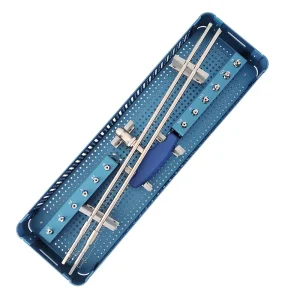
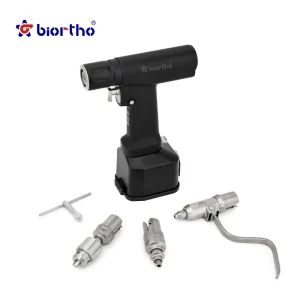
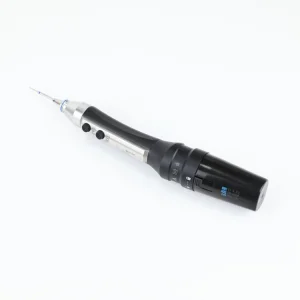
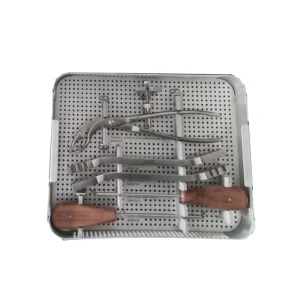
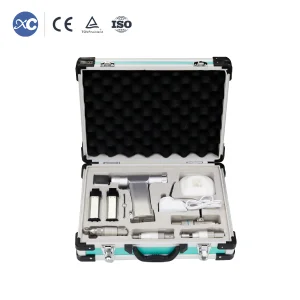
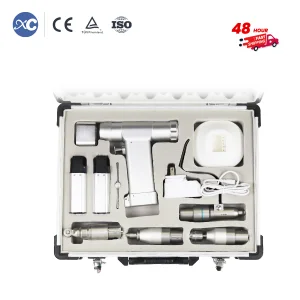
Explore our broader medical catalog containing spinal systems, external fixators, and orthopedic power tools.
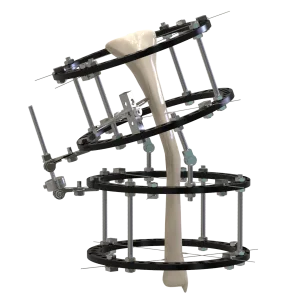 CANWELL AO Illizarov External Fixator Fixation Set Full Ring Surgical External Fixation Device Ankle