Zynfuse
Zynfuse
Zynfuse
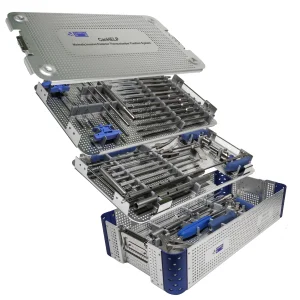
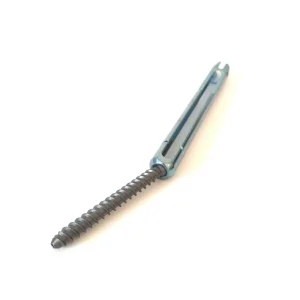
In modern sports medicine, particularly within arthroscopic soft tissue reconstructions such as Anterior Cruciate Ligament (ACL) and Posterior Cruciate Ligament (PCL) repairs, titanium interference screws represent the gold standard of mechanical fixation. These precision devices are engineered to secure autografts, allografts, or synthetic grafts within bone tunnels, promoting rapid osseointegration while maintaining robust initial pull-out strength.
Historically, the industry navigated various materials, moving from early stainless steel to bioabsorbable polymers like Poly-L-Lactic Acid (PLLA) and Poly(lactic-co-glycolic acid) (PLGA), and ultimately establishing high-grade Titanium alloy (specifically Ti6Al4V ELI - Extra Low Interstitial) as the most reliable option. While bioabsorbable screws mitigate long-term imaging interference and the need for implant removal, they are frequently associated with complications such as premature degradation, localized inflammatory osteolysis, and incomplete bone replacement. Titanium interference screws, by contrast, offer unmatched tensile strength, biocompatibility, and structural integrity, completely eliminating risk of structural failure during early-stage postoperative rehabilitation.
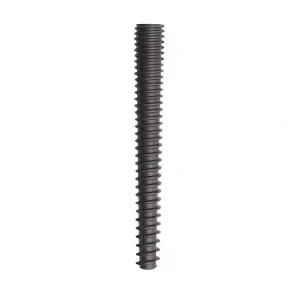
Clinical Focus: The geometric design of the screw threads directly correlates with graft-tunnel integration. Modern titanium designs incorporate rounded, non-cutting threads to prevent laceration of soft-tissue grafts while maximizing thread-bone purchase.
Utilizes medical-grade titanium (Grade 5/ELI) which guarantees minimal tissue reaction, high corrosion resistance, and optimal osseointegration within bone tunnels.
Engineered with flat-top, blunt threads that securely lock both soft-tissue and bone-patellar tendon-bone (BTB) grafts without causing mechanical shear damage.
Enables accurate insertion over a guide wire, maintaining exact axial alignment during high-torque insertion into dense bone beds.
Zynfuse Medical Technology Co., Ltd. is a professional orthopedic medical device manufacturer specializing in bone fusion and advanced implant systems for surgical innovation. Established in 2016, the company has built a strong foundation in orthopedic solutions with 12 years of industry experience and 7 years of export experience, serving global healthcare markets with consistent quality and reliability.
Operating out of a modern manufacturing facility covering approximately 18,600 m², Zynfuse has engineered a vertically integrated production ecosystem. By maintaining an annual export revenue of around $18.5 million, Zynfuse supports a highly efficient global supply chain network of over 1,200 partners worldwide. The organization employs 68 quality inspection specialists ensuring strict compliance with international medical standards such as ISO 13485, CE, and global regulatory frameworks.
Zynfuse serves major global markets including North America, Europe, Southeast Asia, and the Middle East, and collaborates with hospitals, distributors, orthopedic clinics, and medical device importers. Its client base primarily includes medical distributors, hospital procurement departments, and orthopedic surgical centers.
The company places strong emphasis on quality control, implementing ISO 13485-based inspection systems, mechanical performance testing, and biocompatibility evaluations. Product inspection methods include dimensional verification, fatigue testing, and surface integrity analysis. With a robust R&D team of 85 engineers, Zynfuse continues to expand its innovation capabilities, offering extensive customization options, including implant geometry adjustment, material selection, and OEM/ODM solutions tailored to client needs.
The production of medical-grade titanium interference screws demands unparalleled manufacturing precision. Below is a comprehensive visual breakdown of the phases of Zynfuse's medical machining pipeline, showcasing cutting-edge machinery and verification instruments.
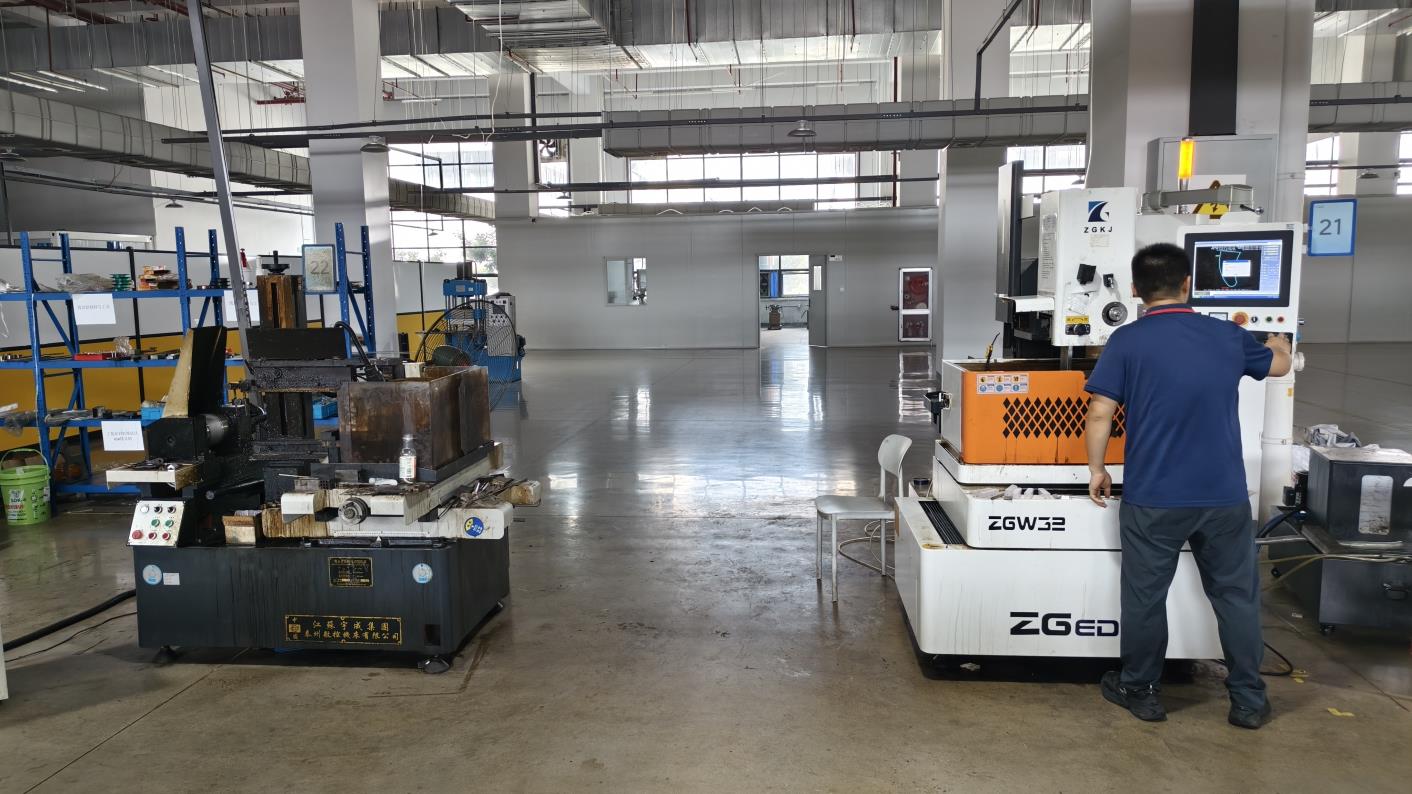
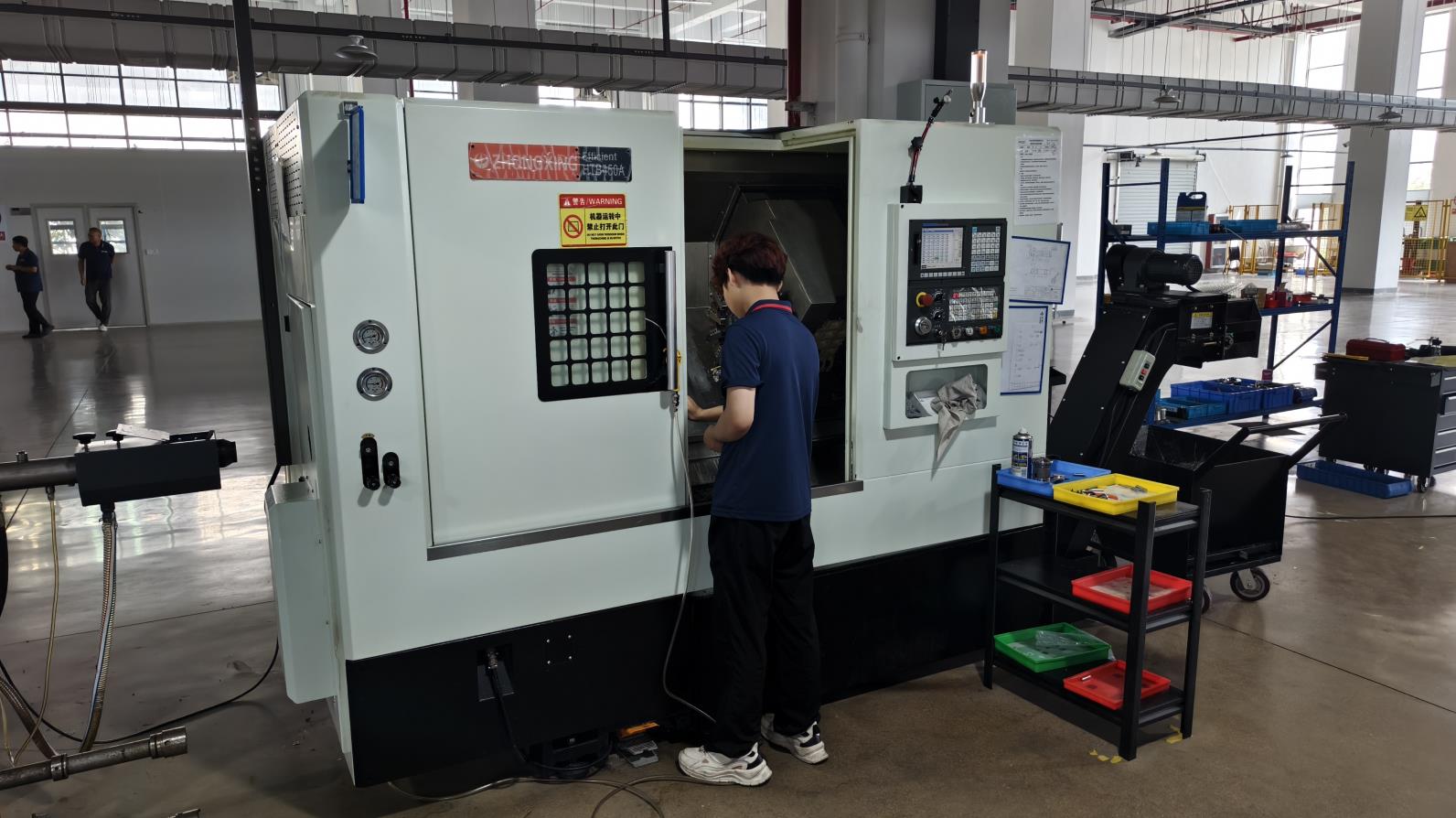
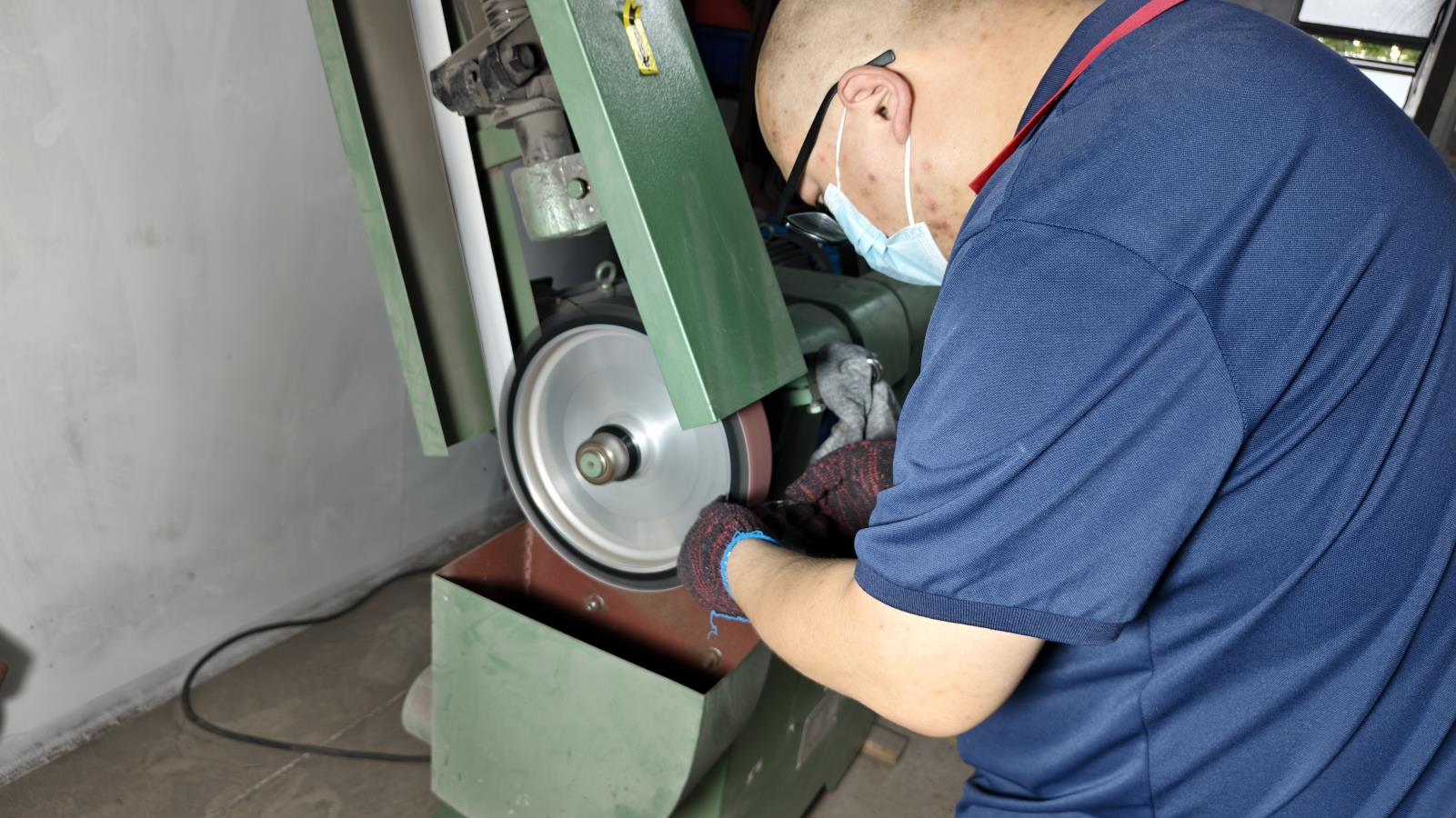
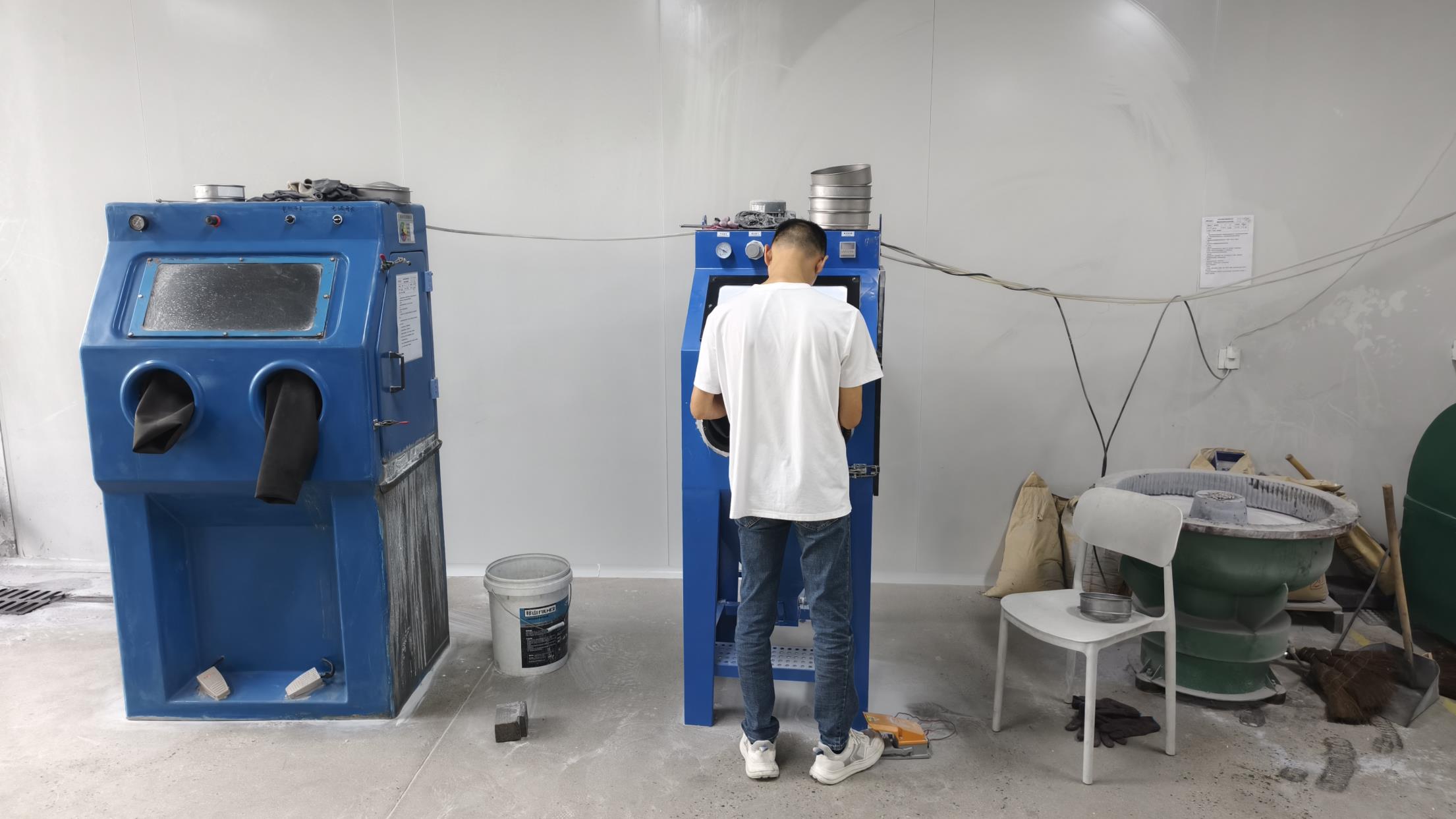
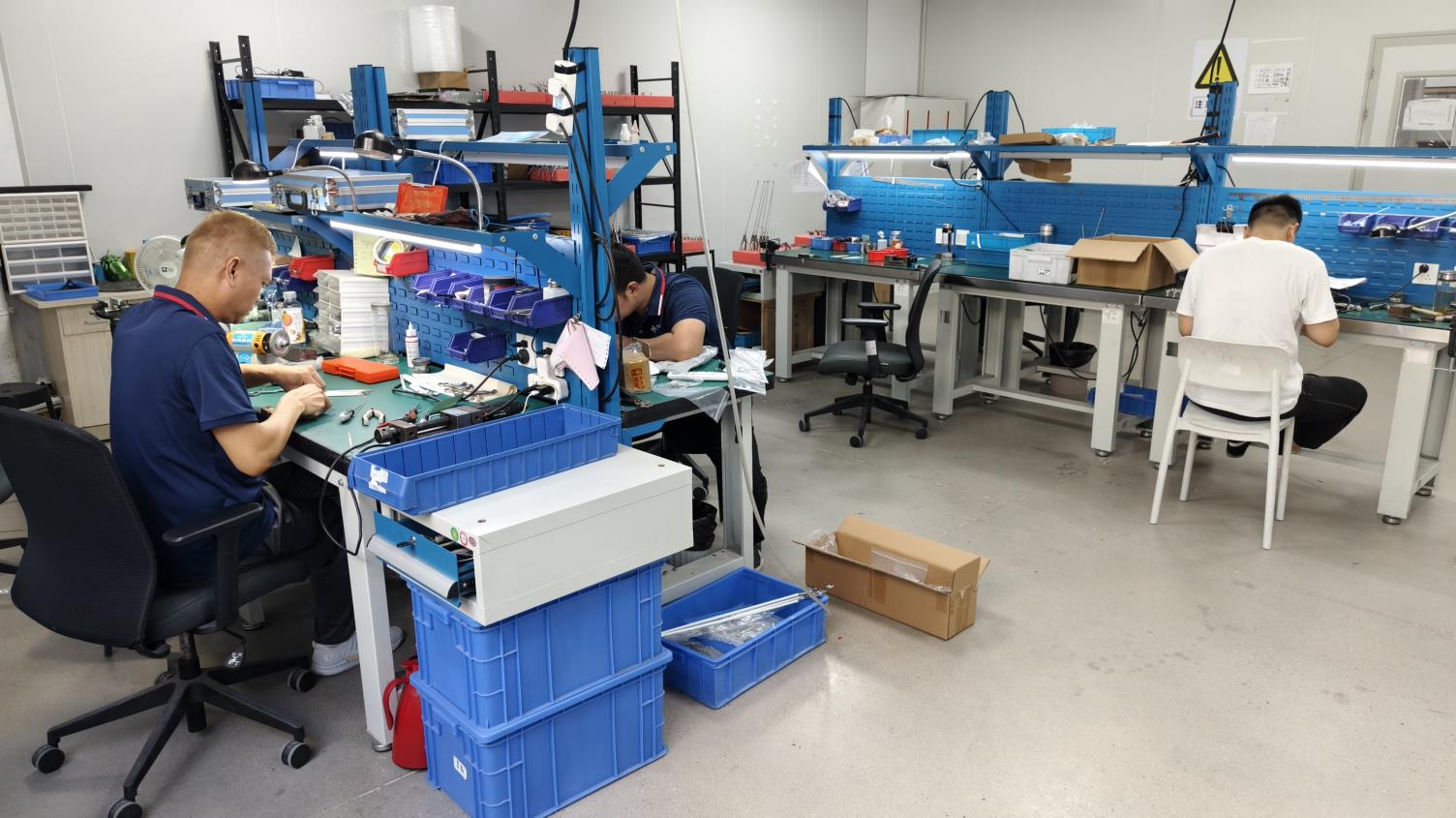
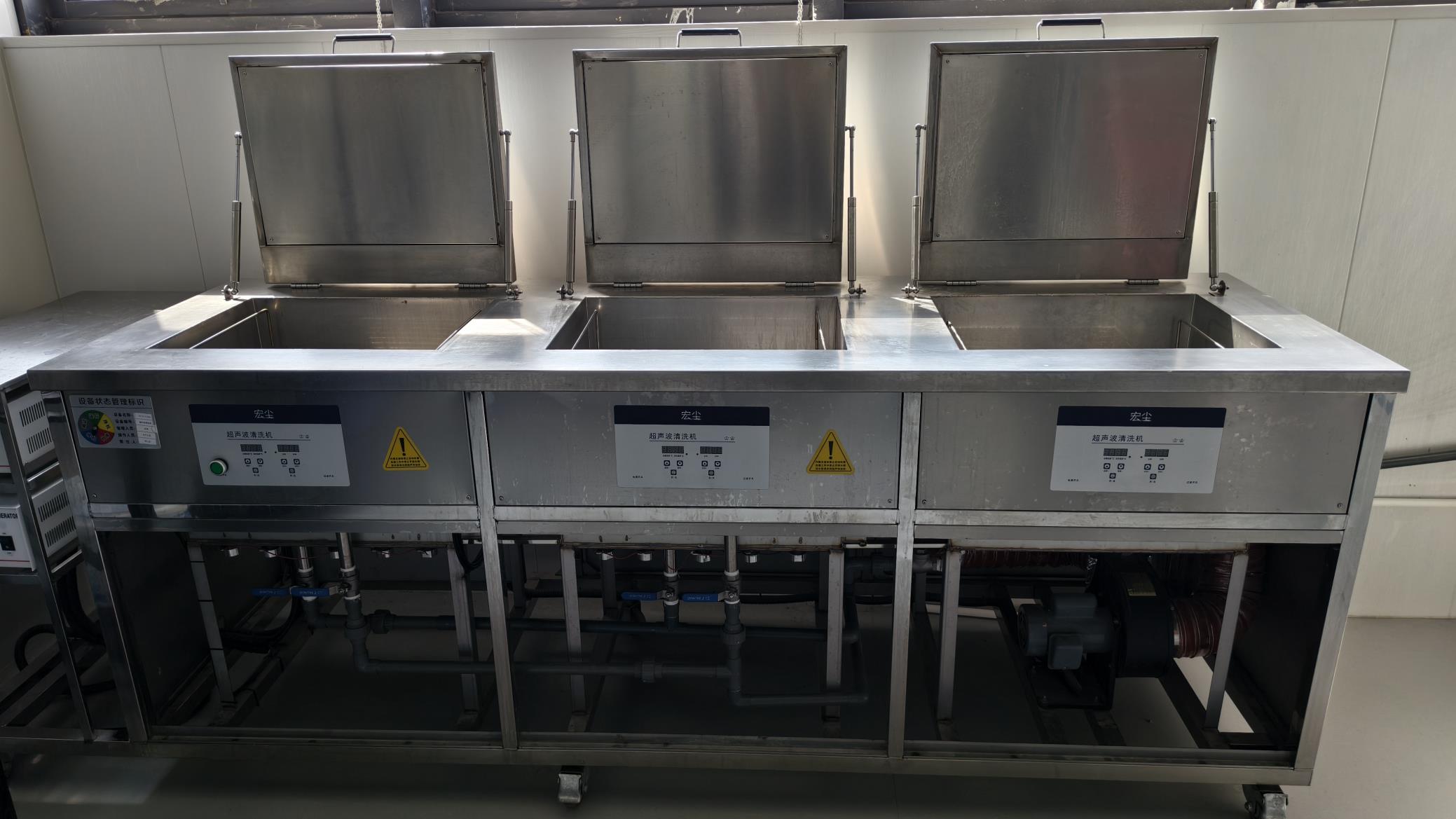
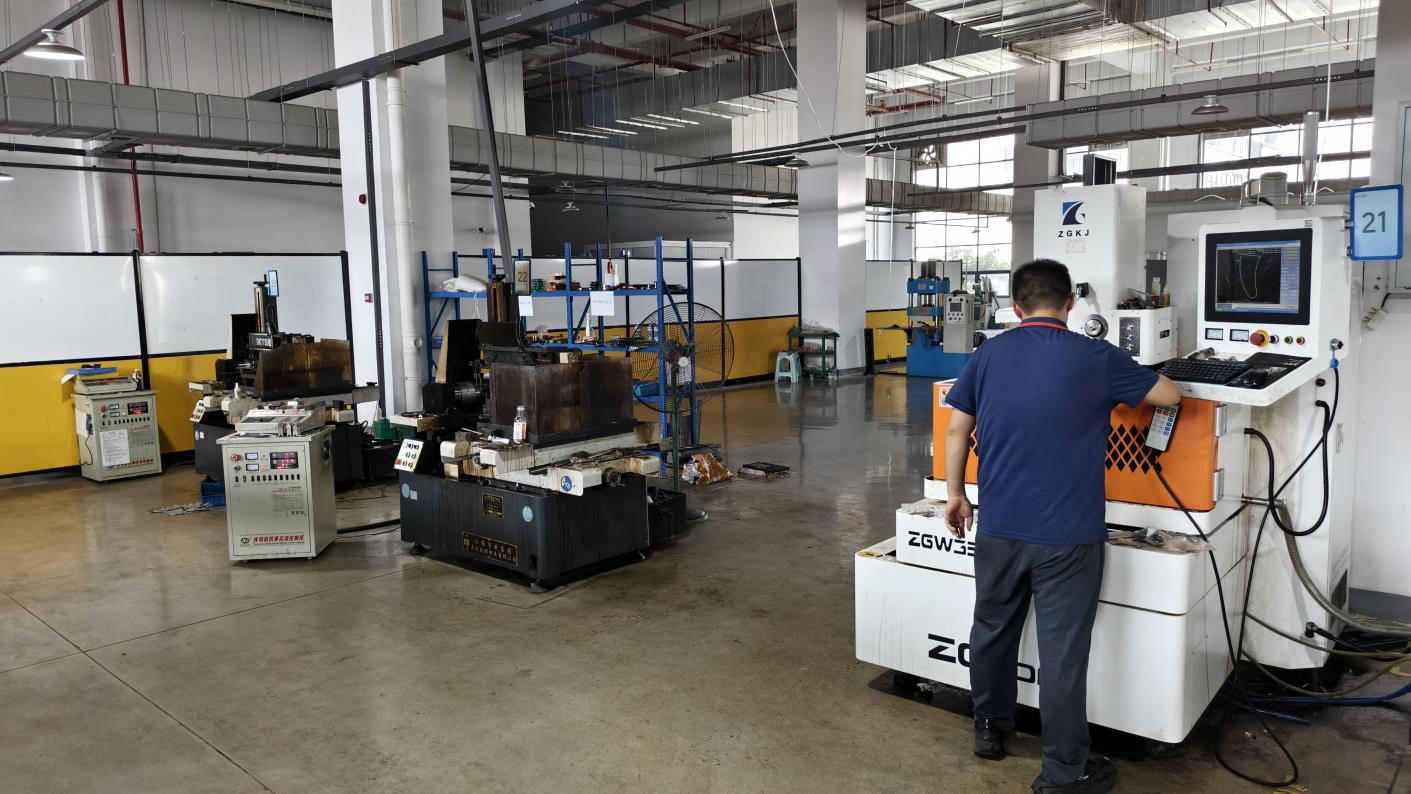
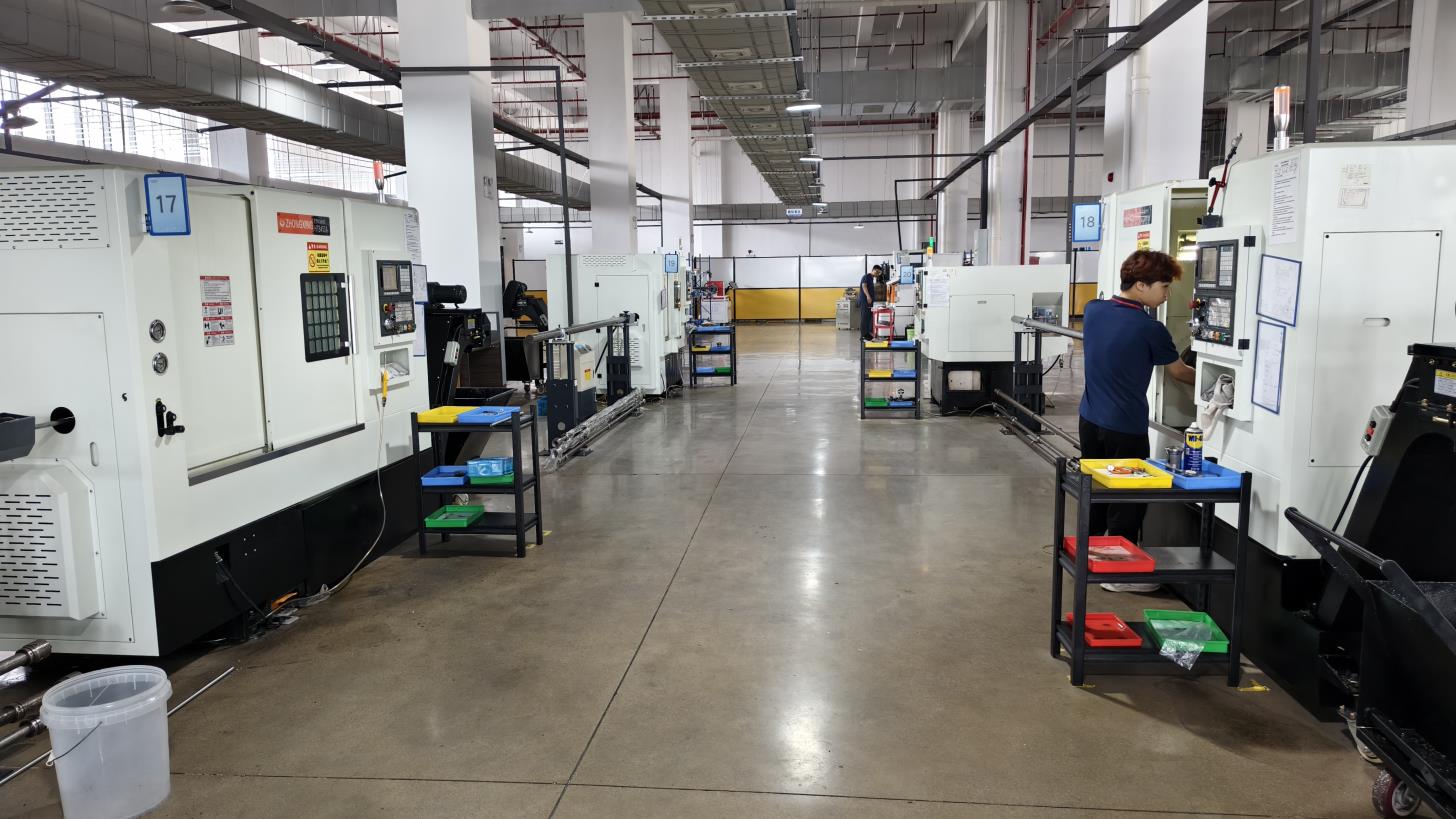
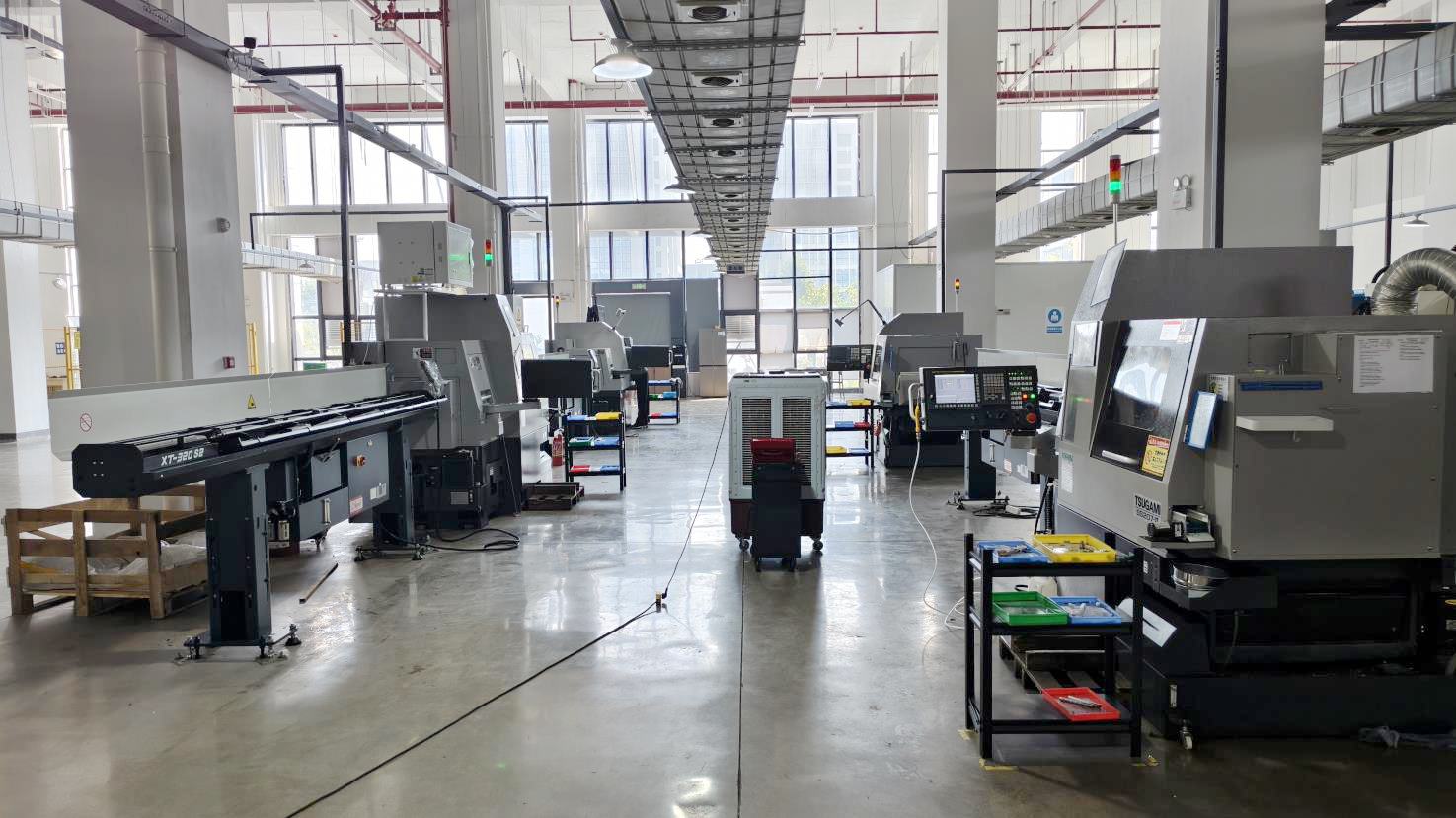
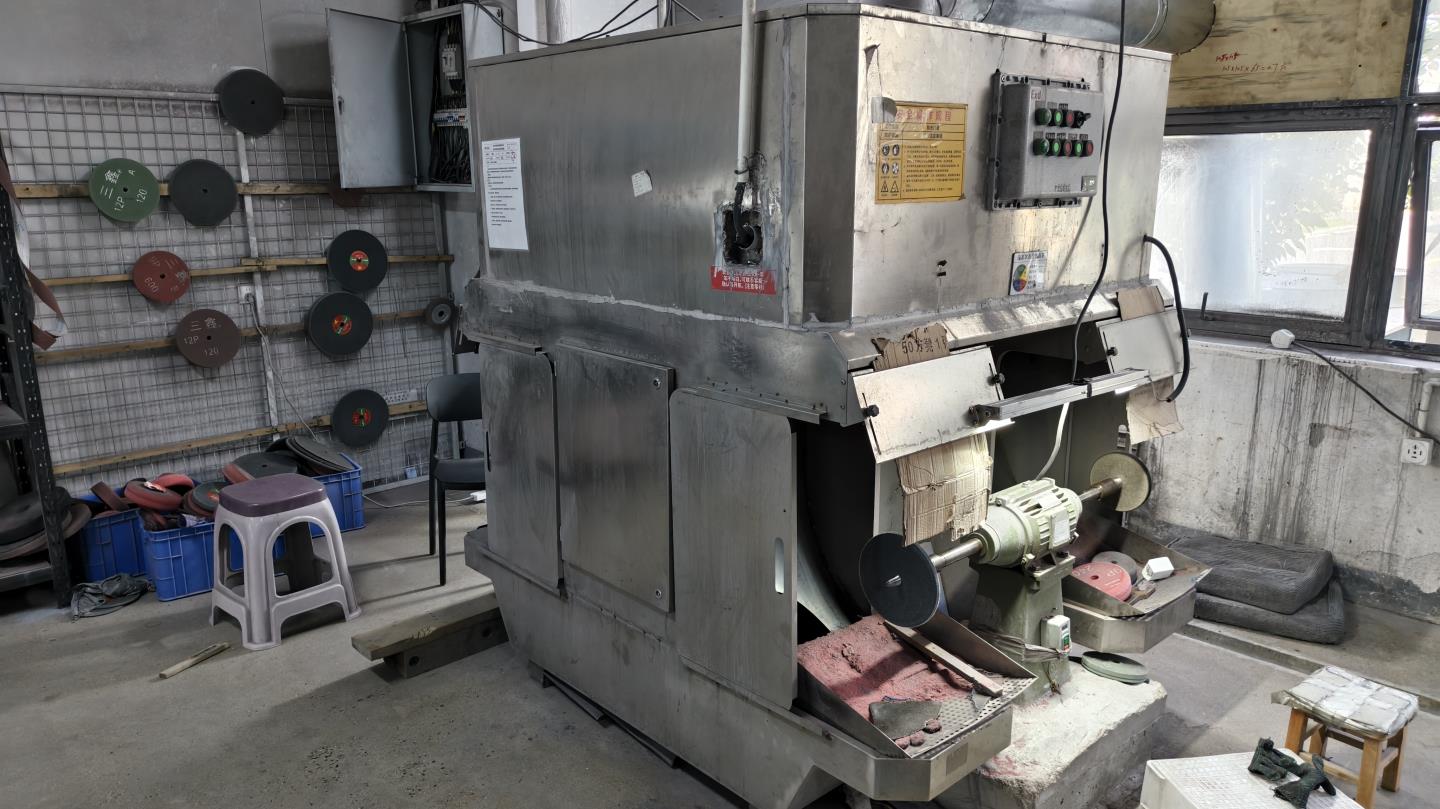
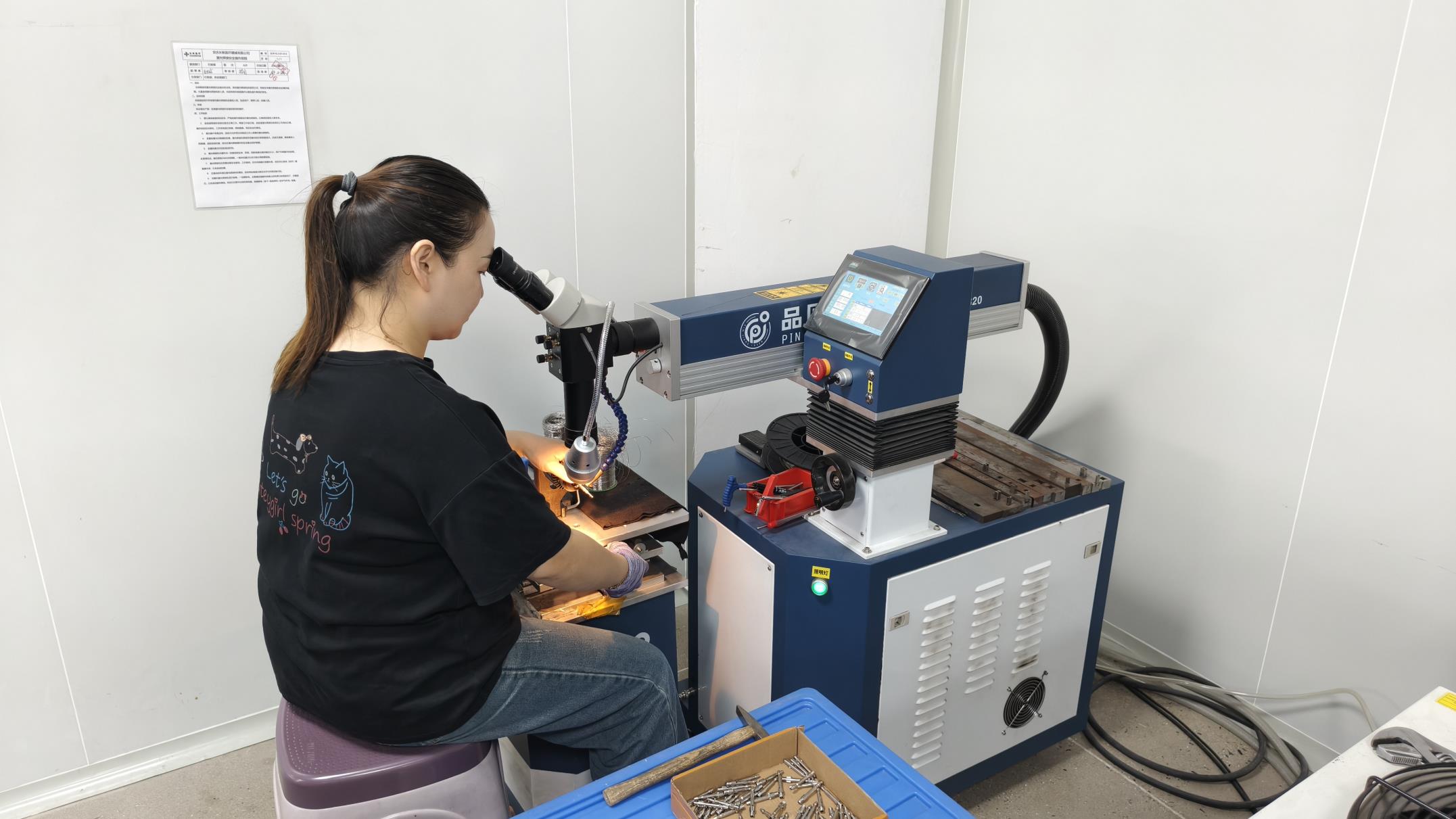
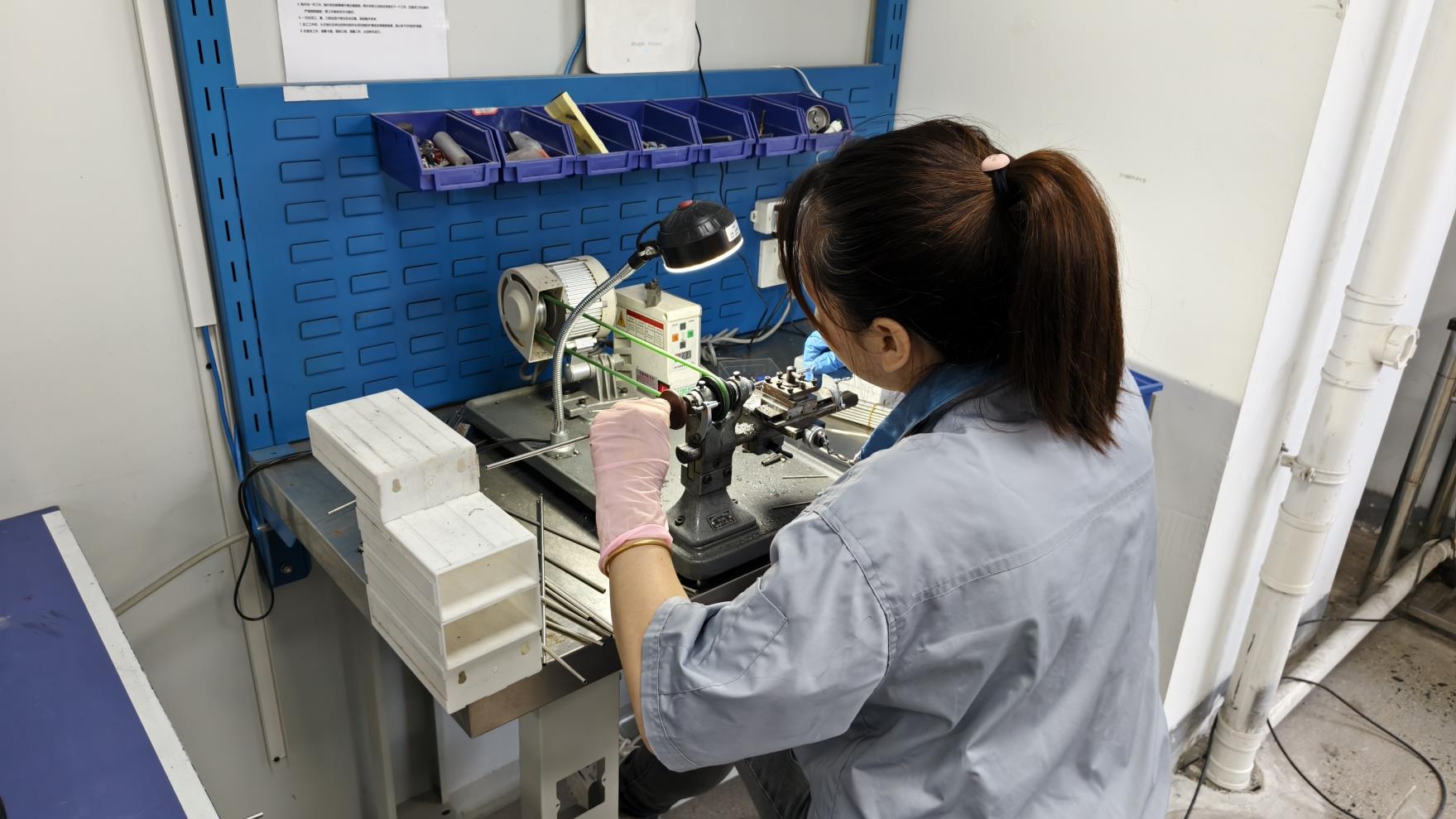
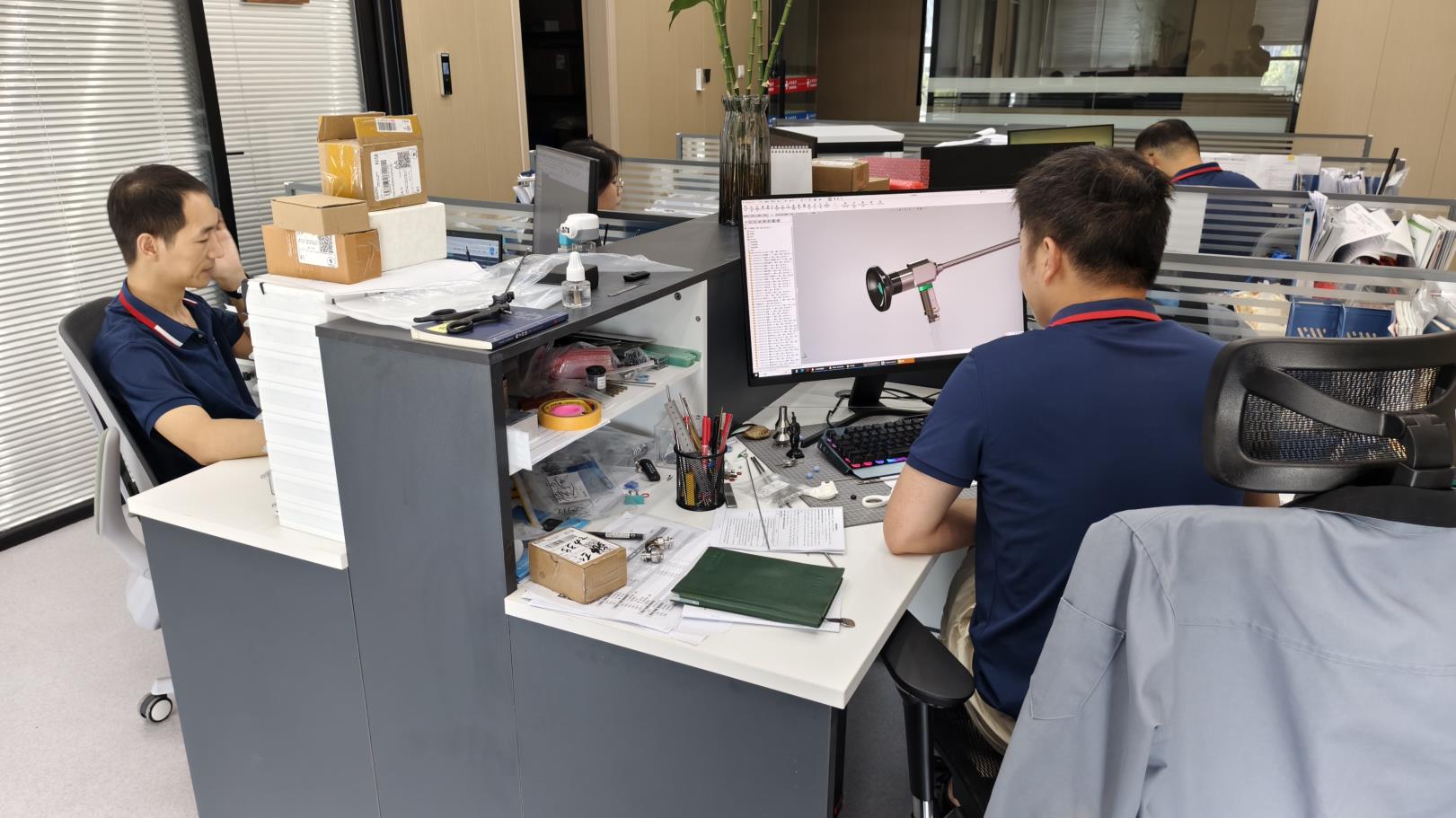

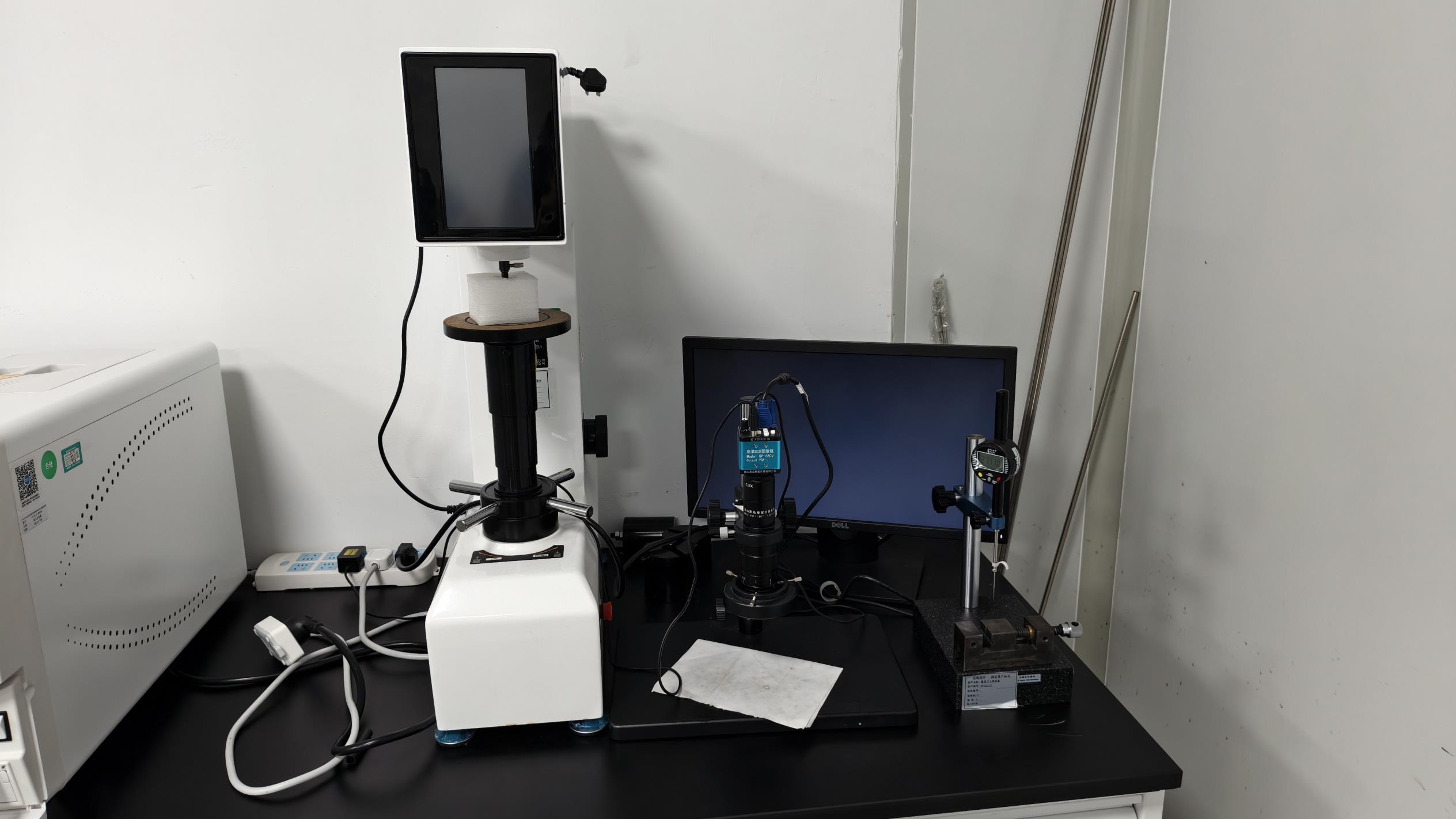
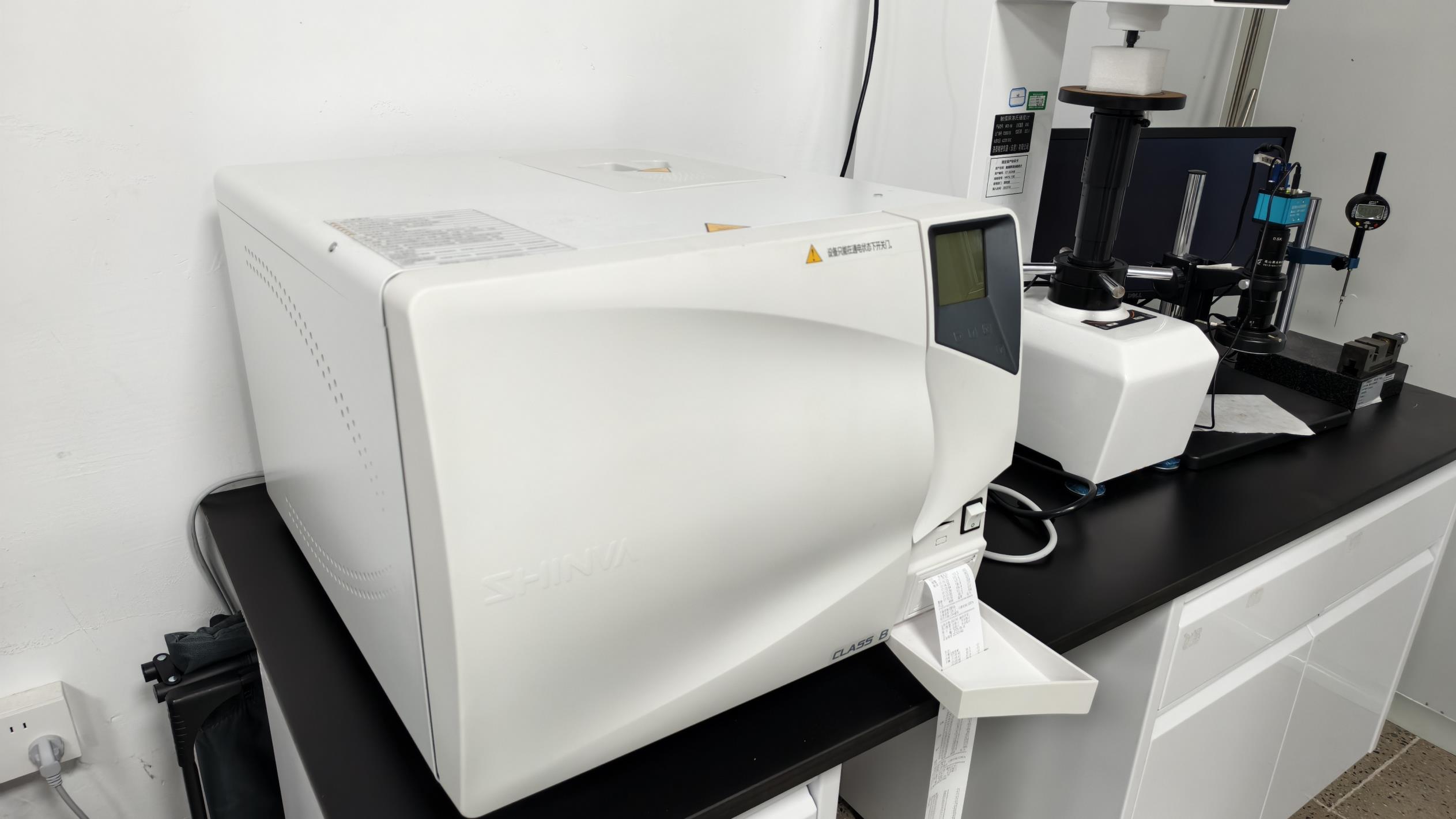
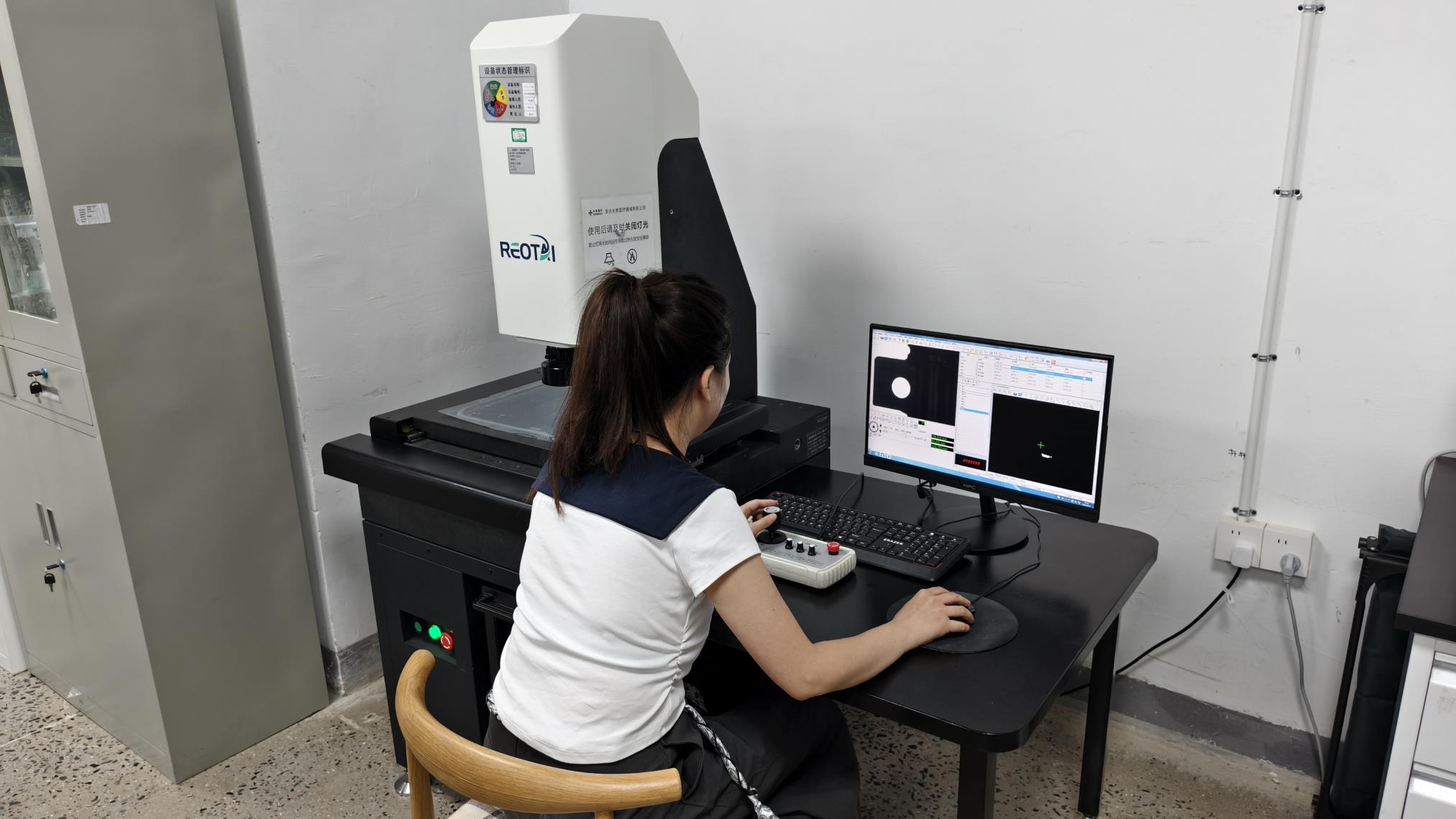
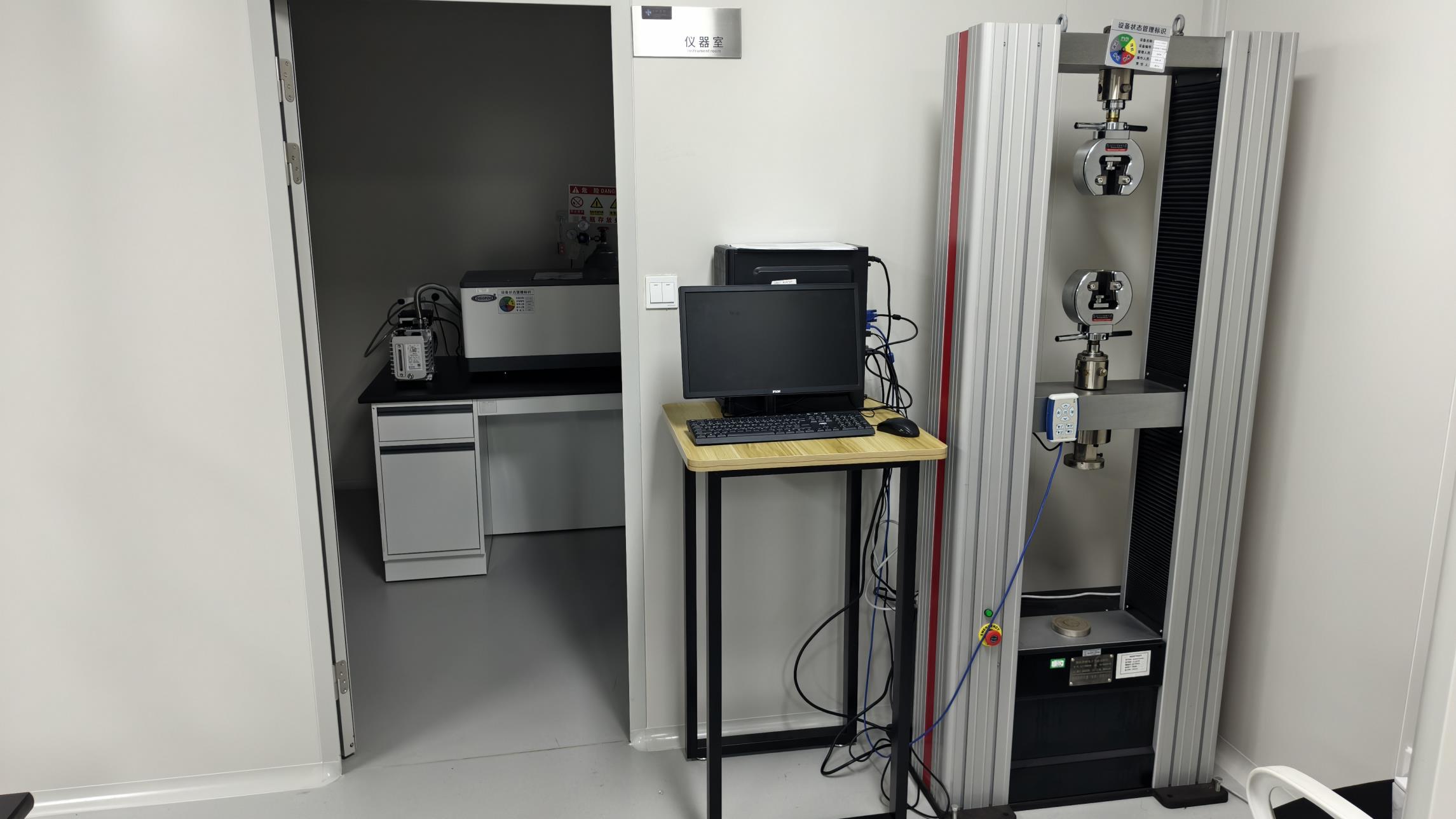
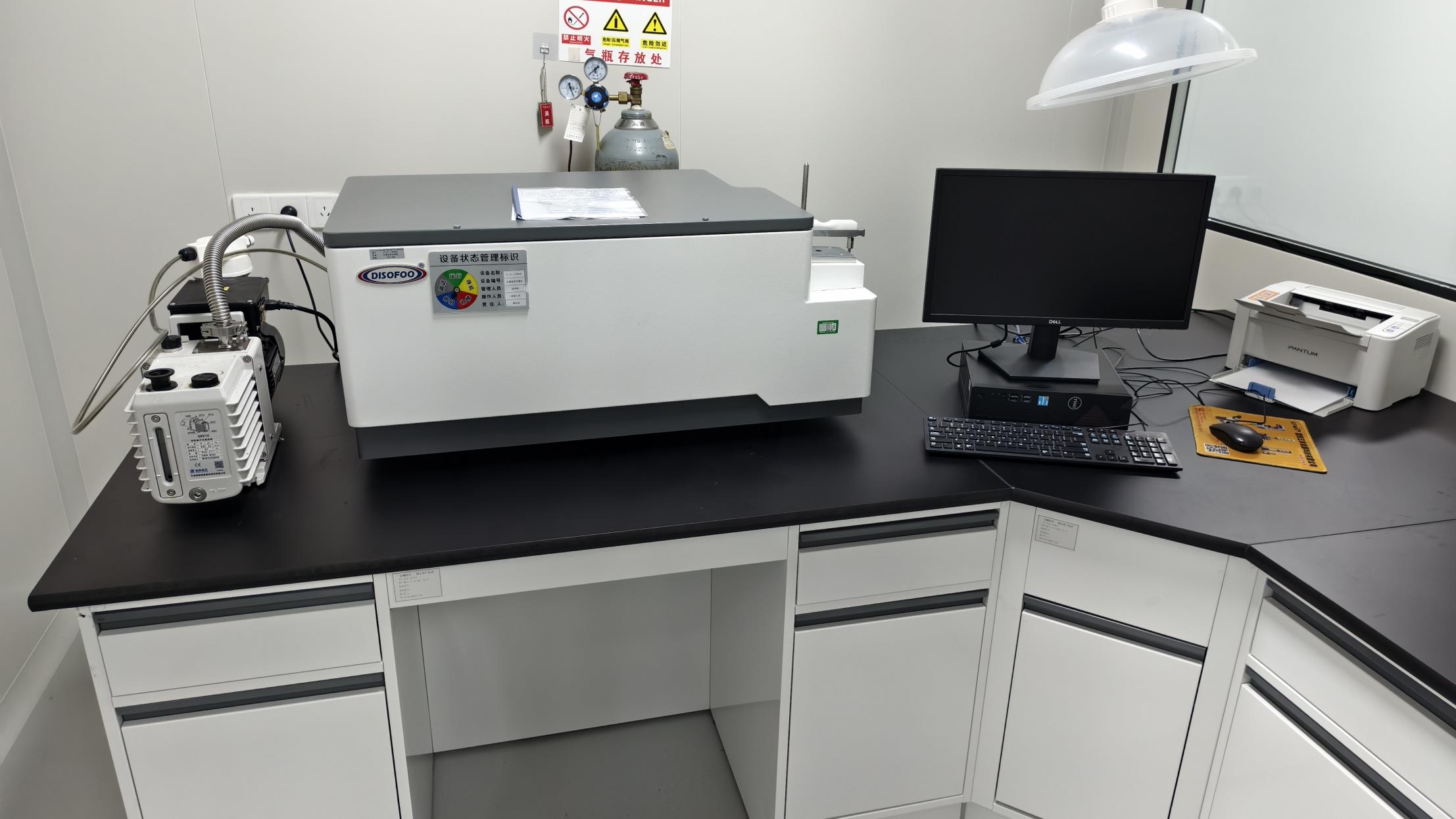
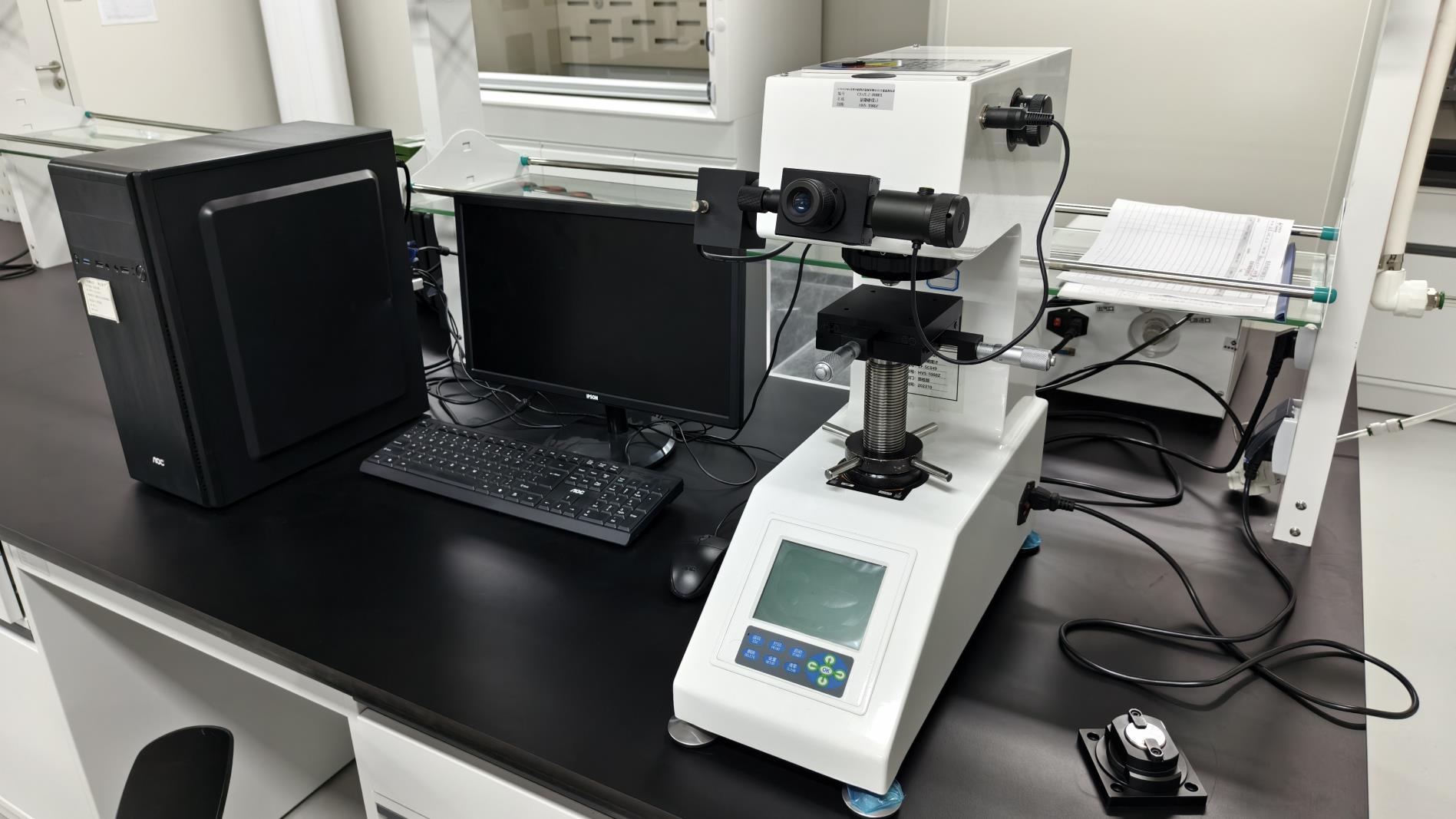
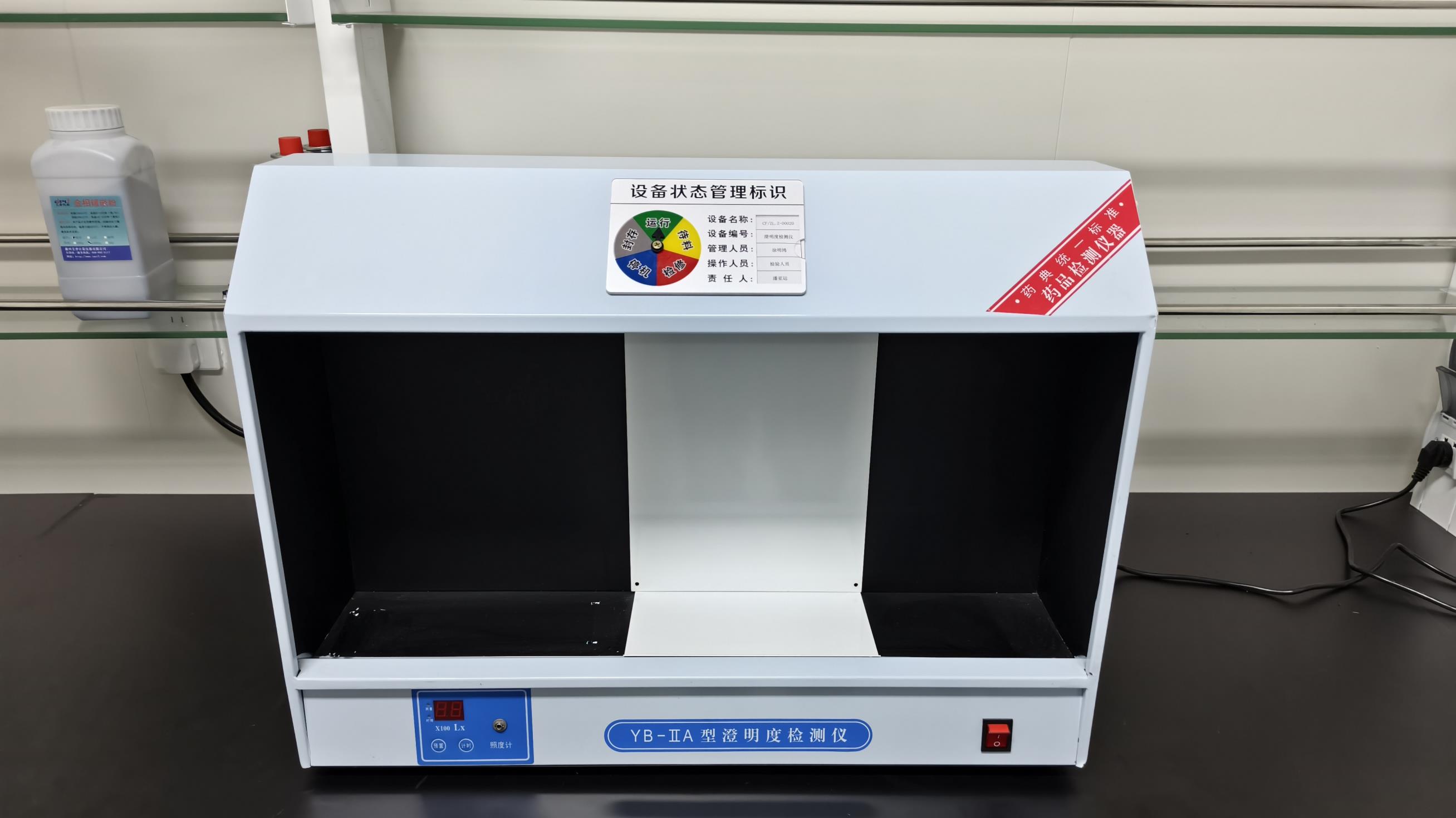
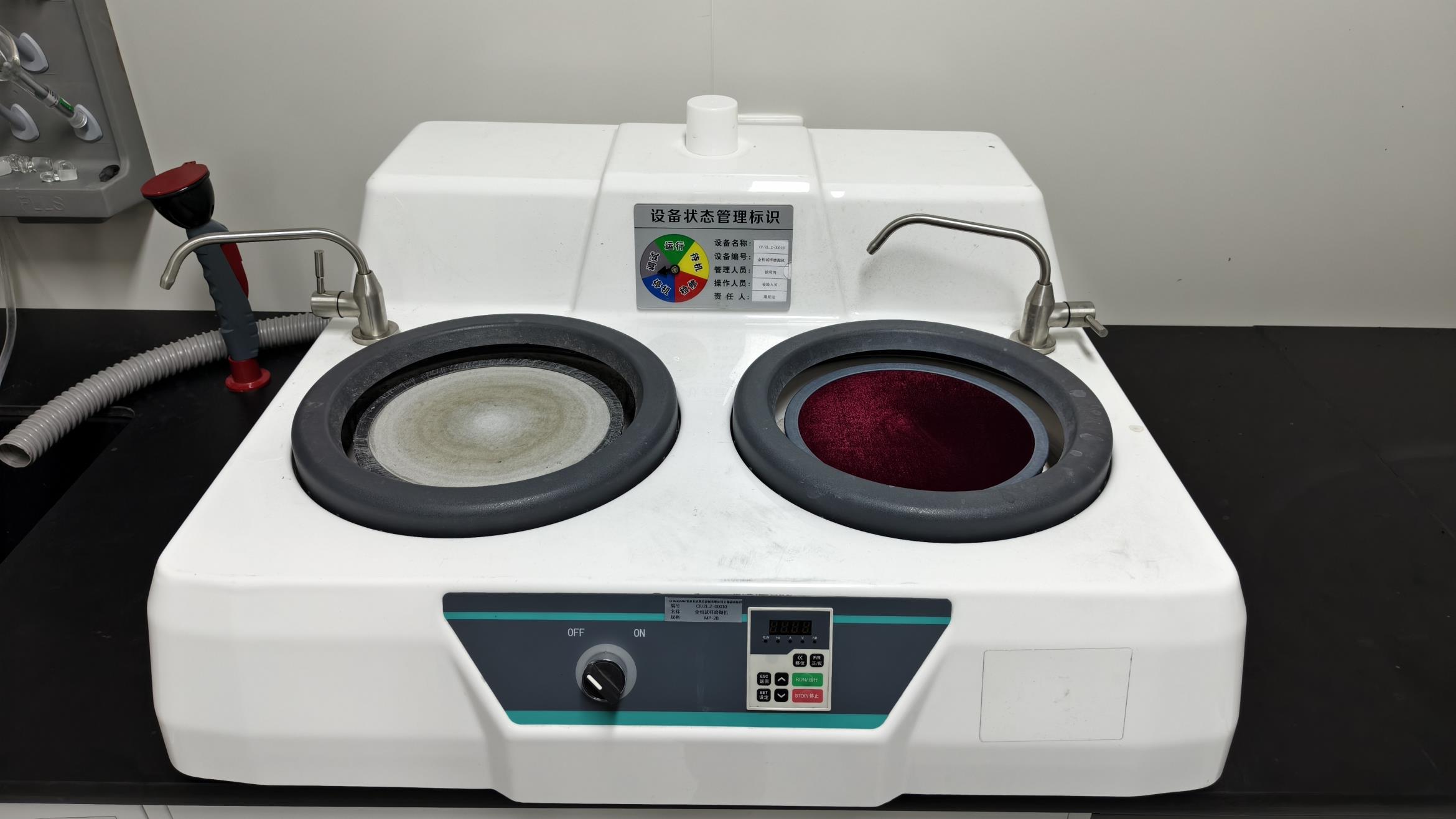
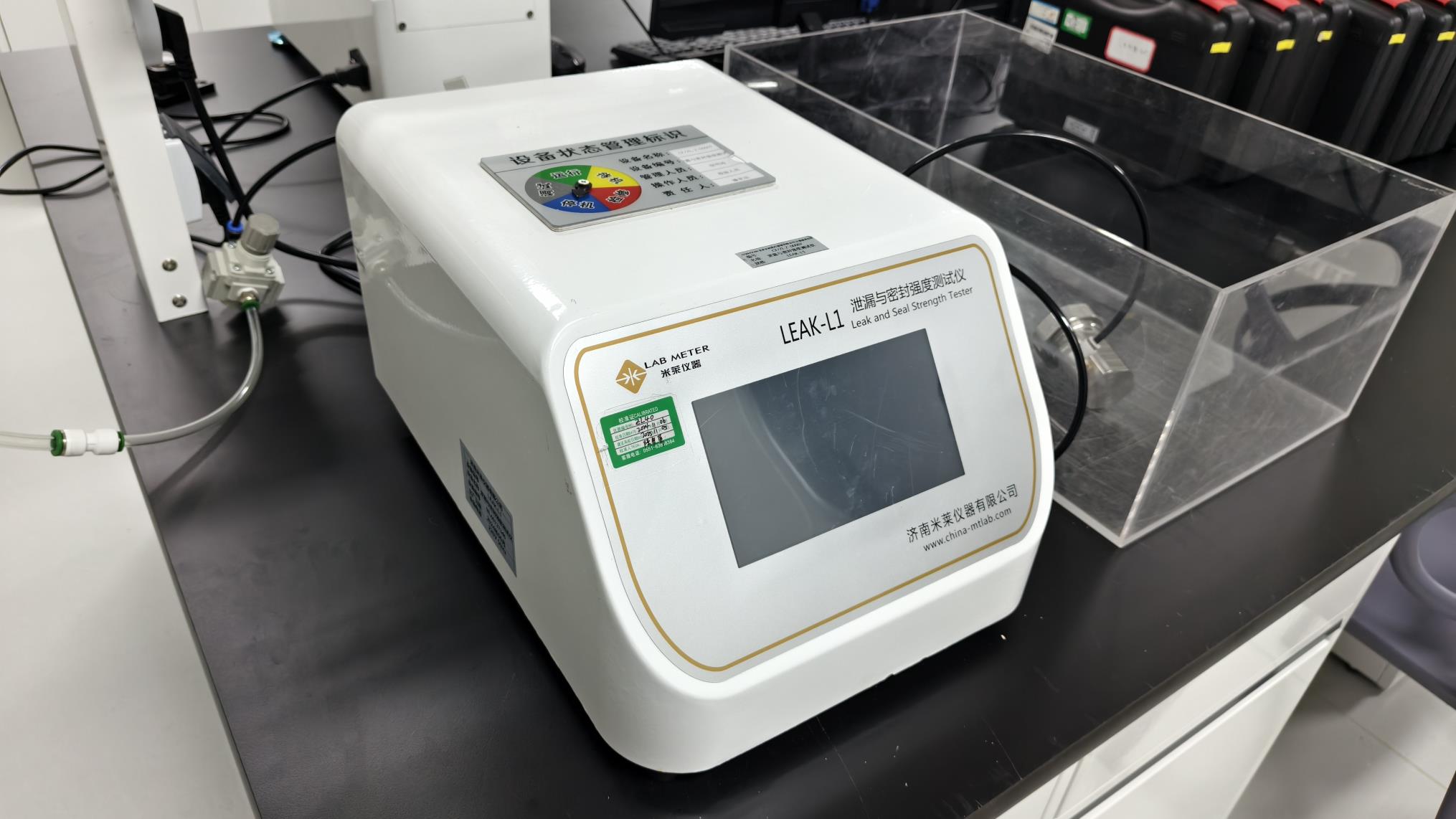
The manufacturing of orthopedic implants is migrating to ultra-specialized medical device corridors in China. The core competitive advantage is no longer merely labor cost, but rather the highly integrated raw material supply chain, deep technological integration, and unparalleled production agility. Zynfuse exemplifies these advantages through the following pillars:
| Manufacturing Dimension | Western OEM Providers | China Top Tier (e.g., Zynfuse) | Procurement Advantage |
|---|---|---|---|
| Swiss-type CNC Capacity | High cost, long tooling lead-times | High density of multi-axis Swiss CNC hubs | 70% reduction in setup times |
| Lead Times (Custom Implants) | 12 to 24 weeks average | 4 to 8 weeks including design approval | Significantly reduced time-to-market |
| Material Traceability | Standardized mill certification | Full lot traceability with spectroscopy validation | Complete regulatory peace-of-mind |
| OEM/ODM Cost Efficiency | Premium pricing models | Highly competitive tooling & scale-pricing | Up to 45% reduction in overall cost-per-unit |
Furthermore, China's medical manufacturing clusters enjoy massive localized ecosystems of surface finishing providers (for processes such as anodization and acid-etching) and certified sterilization packaging facilities. This allows Zynfuse to coordinate everything from computer-aided structural design to final Class 10,000 cleanroom packaging within a single localized logistics loop.
The successful outcome of ligament reconstruction depends heavily on the mechanical behavior of the fixation implant under cyclic loading. During the initial 6–12 weeks post-surgery, the graft is not yet biologically incorporated into the surrounding bone. Thus, the titanium interference screw bears the full burden of daily physiologic forces.
Provides rigid, direct tendon-to-bone fixation. Restores the native biomechanics of the knee joint by preventing slippage of soft-tissue or bone-block grafts.
Secures lateral and medial collateral ligaments in complex multi-ligament knee injuries, preventing valgus and varus instability.
Maintains anatomical tension during tendon transfers in shoulder, foot, and ankle reconstructions, facilitating early mobilization.
To resist the displacement forces exerted during physical therapy, screws must display robust pull-out strength. Critical dimensions such as the inner core diameter, thread pitch, and thread depth are engineered to maximize surface contact. Zynfuse utilizes precise structural testing (via our Tensile Testing Machine) to verify that each titanium interference screw can withstand cyclic forces exceeding 500 N, mirroring the natural stress limits of the human knee.
The future of interference screws lies at the intersection of mechanical stability and biological integration. The global orthopedic industry is moving towards surface enhancements that actively recruit osteoblasts, converting the inert metal implant into a scaffold that promotes rapid osseointegration.
1. Sub-micron Surface Roughness & PEO: Plasma Electrolytic Oxidation (PEO) and chemical etching are being utilized to create porous, titanium-dioxide-based ceramic coatings. This micro-porous structure mimics trabecular bone, accelerating mineral deposition.
2. Bio-active Coatings: The deposition of Hydroxyapatite (HA) or magnesium alloys onto titanium threads facilitates early biological locking. This drastically reduces the clinical healing period and limits micro-motion between graft and bone.
3. Custom 3D Printed Lattice Structures: Leveraging selective laser melting (SLM) technology to manufacture hybrid titanium screws with solid cores and highly porous outer thread profiles. This matches the exact elastic modulus of human bone, reducing stress shielding.
For medical device importers, distributors, and surgical product managers, partnering with the right titanium interference screw factory requires a stringent evaluation framework. The table below lists the essential factors to consider to ensure stable supply and regulatory compliance:
Ensure your supplier possesses ISO 13485, CE marks, and is registered with national regulatory authorities. Zynfuse maintains full certification and supports clinical trial documentation.
Verify that raw materials are medical-grade titanium alloy (Ti6Al4V ELI). Ask for chemical composition analysis, hardness tests, and mechanical tensile metrics.
Verify that the factory is capable of accommodating custom designs. With 85 R&D engineers, Zynfuse can scale up custom runs from prototyping to mass production rapidly.