Zynfuse
Zynfuse
Zynfuse
Explore our flagship medical instruments and implant systems, engineered for clinical reliability and superior patient outcomes.
In the modern era of orthopedic surgery, the shift from traditional compression plating to locking compression plating (LCP) has revolutionized fracture management. This white paper analyzes why the top 10 orthopedic locking plate factories are setting new benchmarks in medical device manufacturing.
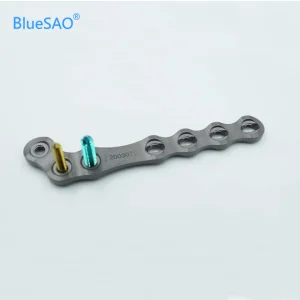
Unlike standard bone plates, locking plates act as internal fixators. They do not rely on plate-to-bone friction, preserving the periosteal blood supply. This is critical for elderly patients with osteoporotic bone where traditional screw purchase is insufficient.
Top-tier suppliers utilize Grade 5 Titanium Alloy (Ti-6Al-4V) and 316L Stainless Steel. The transition toward Type II Anodization has significantly reduced cold welding issues during long-term implantation.
The global orthopedic implants market is projected to reach $6.4 billion by 2028. Demand is surging in the Asia-Pacific region due to infrastructure growth, while North America remains the leader in R&D and MIS (Minimally Invasive Surgery) applications.
Zynfuse Medical Technology Co., Ltd. stands as a beacon of innovation in the orthopedic sector. Established in 2016, our facility spans 18,600 m², dedicated to the precision engineering of bone fusion and advanced implant systems.
With a robust R&D team comprising 85 expert engineers, we bridge the gap between clinical need and industrial capability. Our quality control is anchored by ISO 13485 standards, ensuring that every locking plate and screw meets the rigorous demands of modern surgical theaters.
Serving North America, Europe, Southeast Asia, and the Middle East, Zynfuse is more than a factory; we are a strategic partner for hospital procurement and medical distributors worldwide.
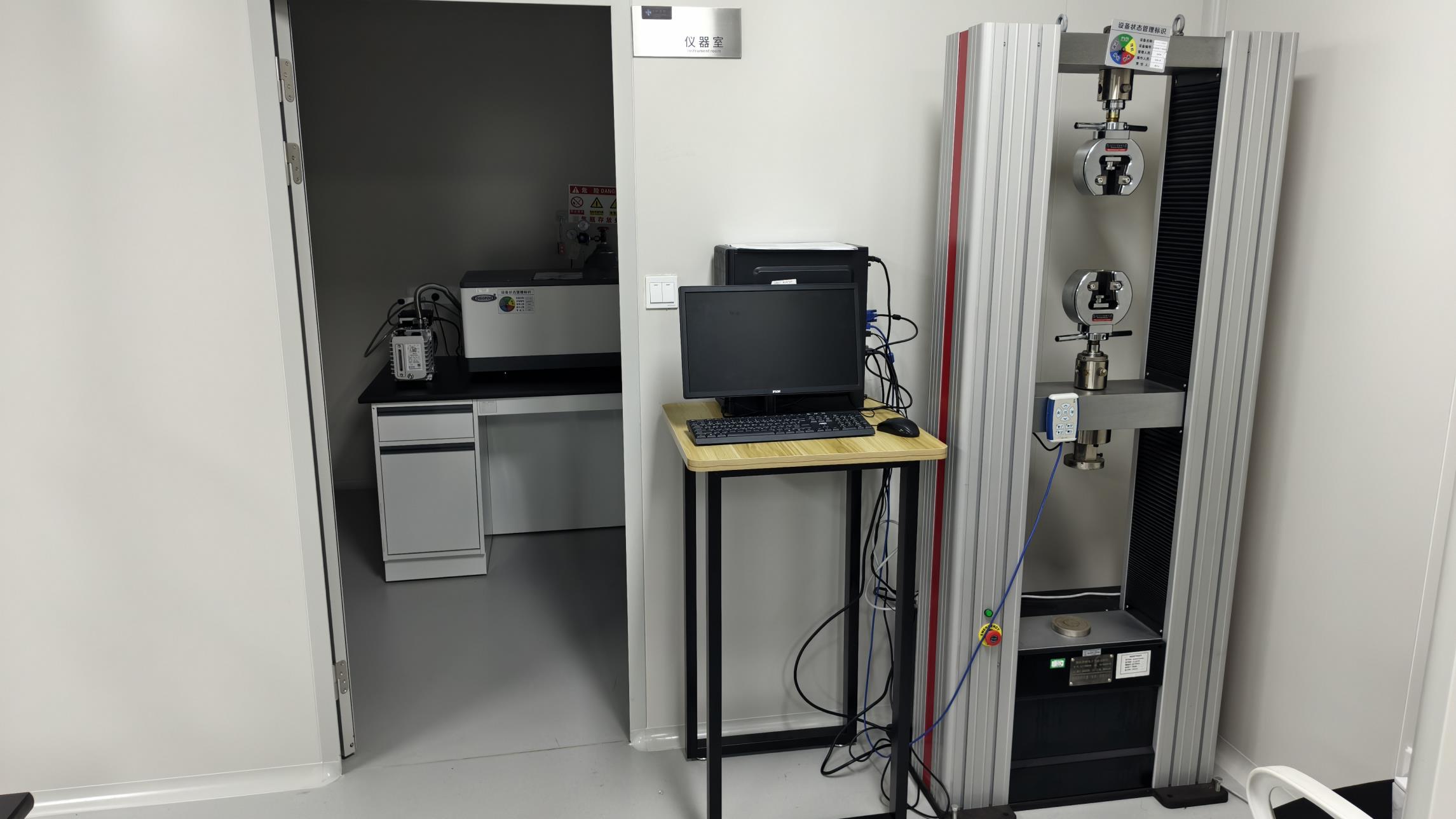
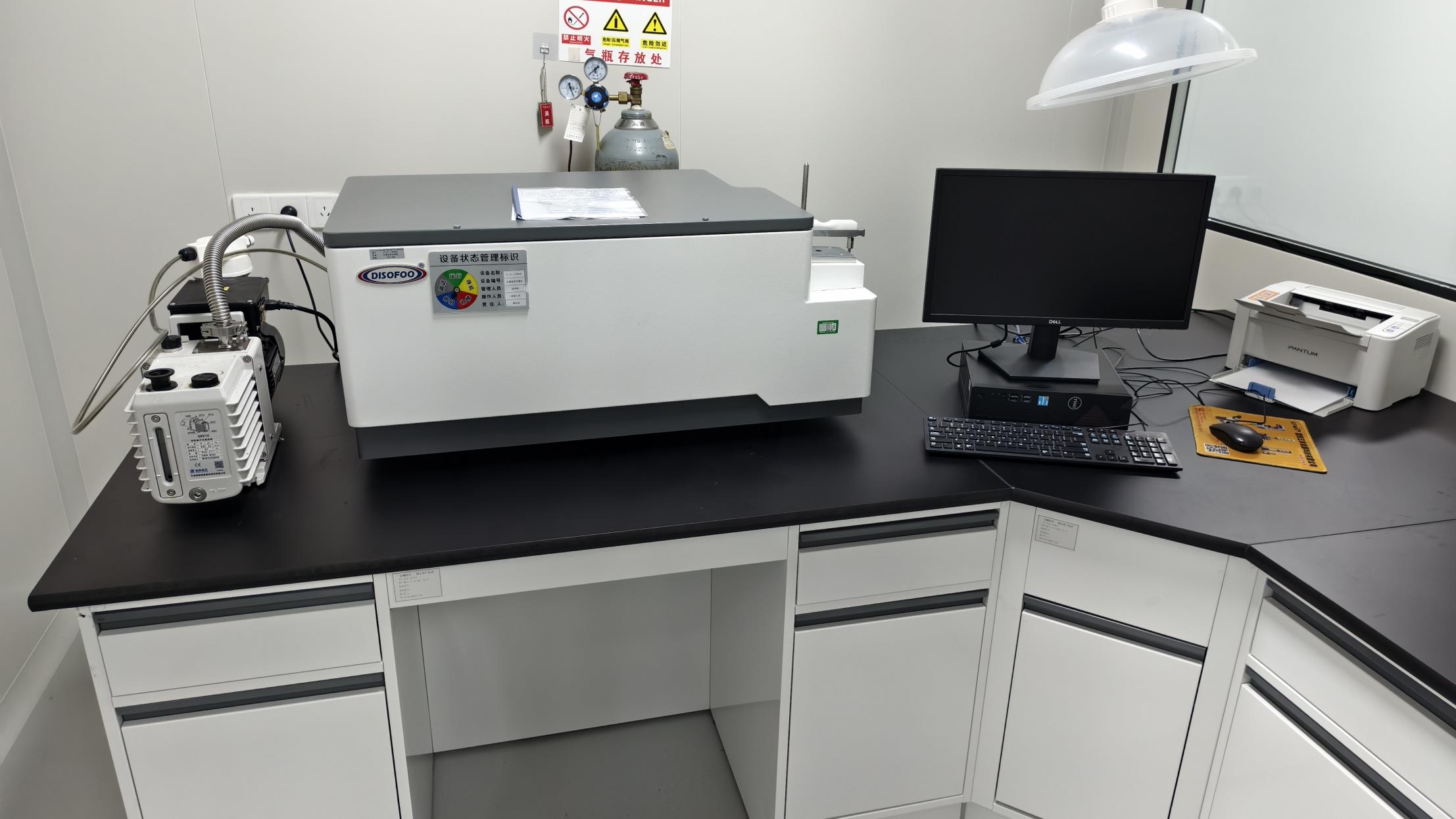
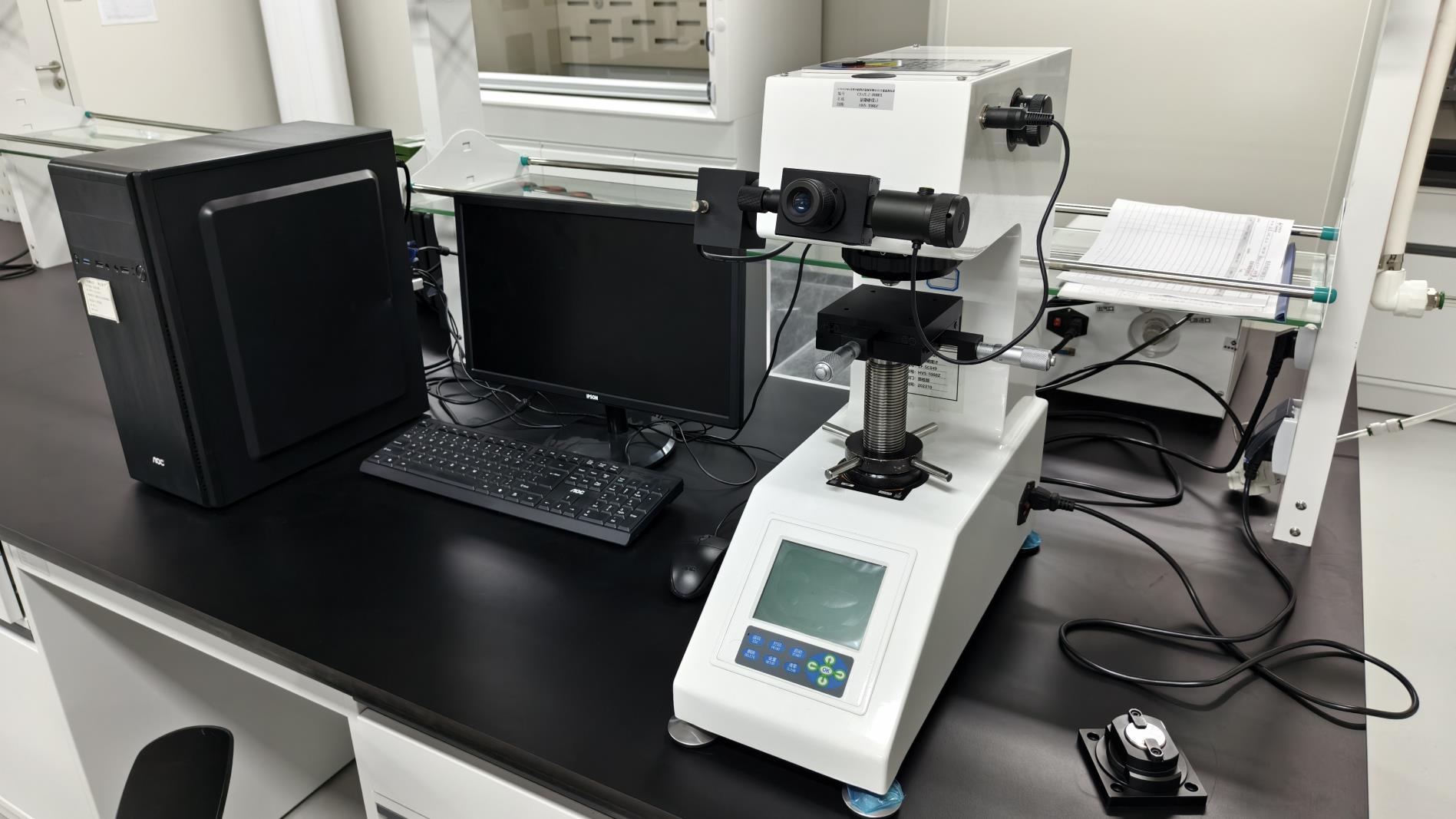
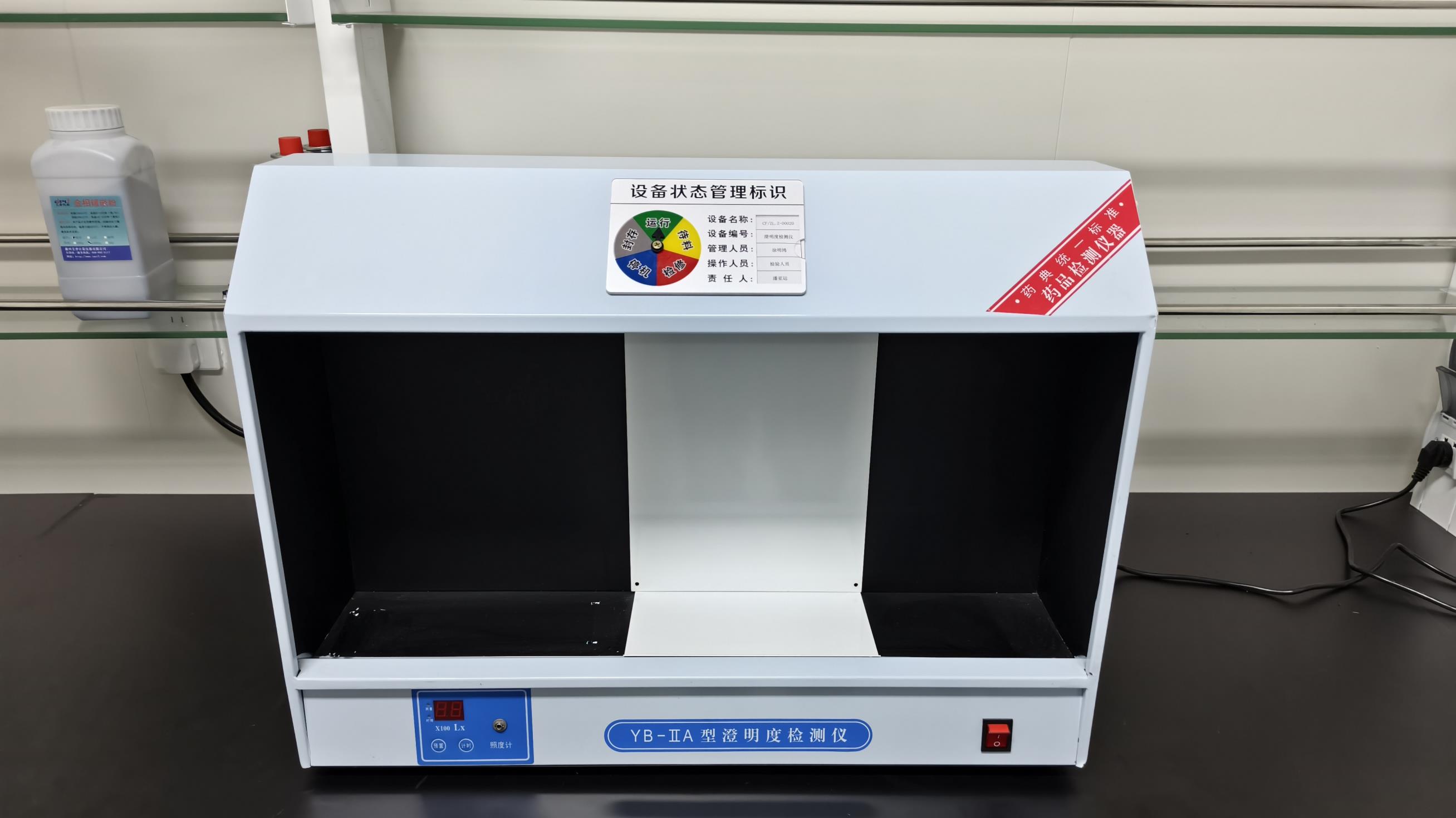
From raw material cutting to final sterilization, our process is a synergy of human expertise and robotic precision.
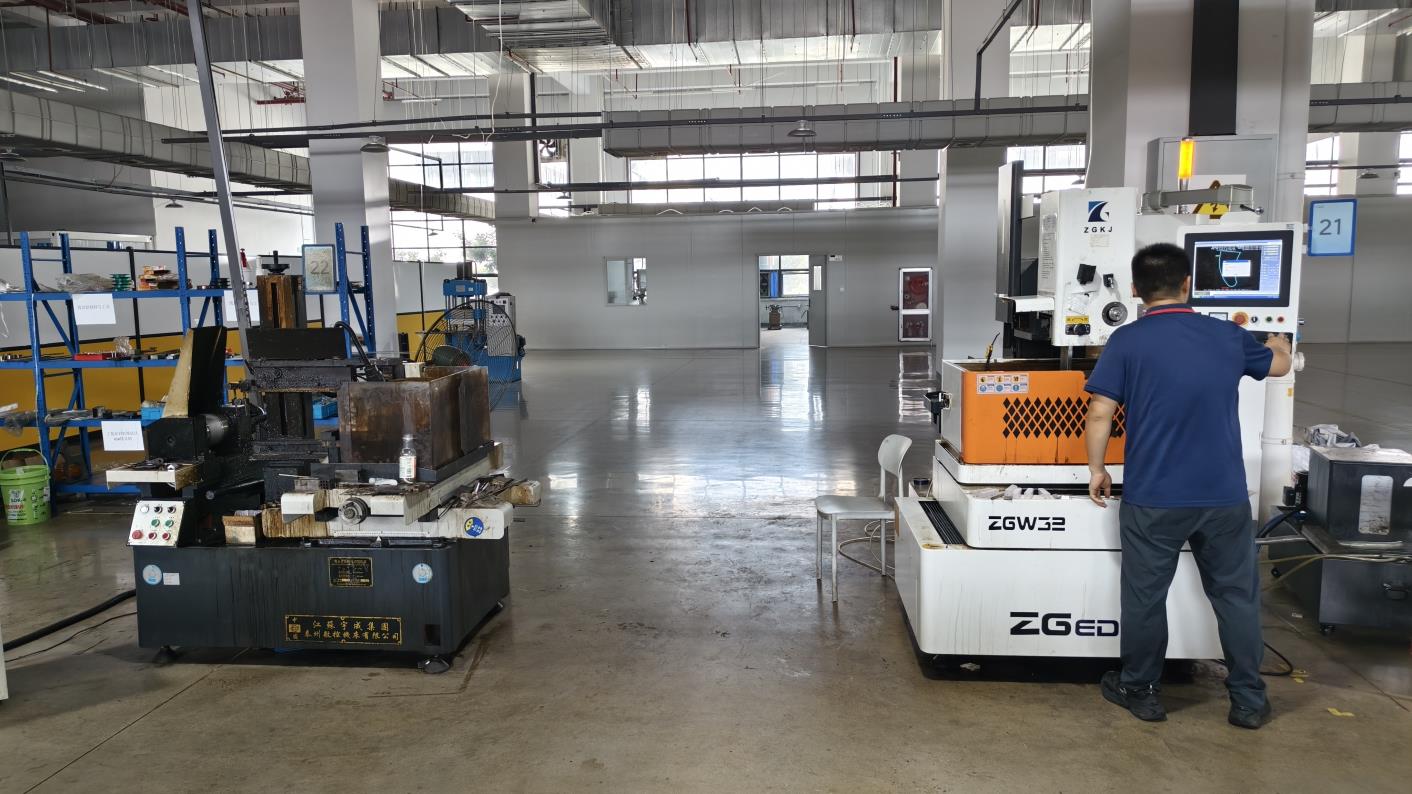
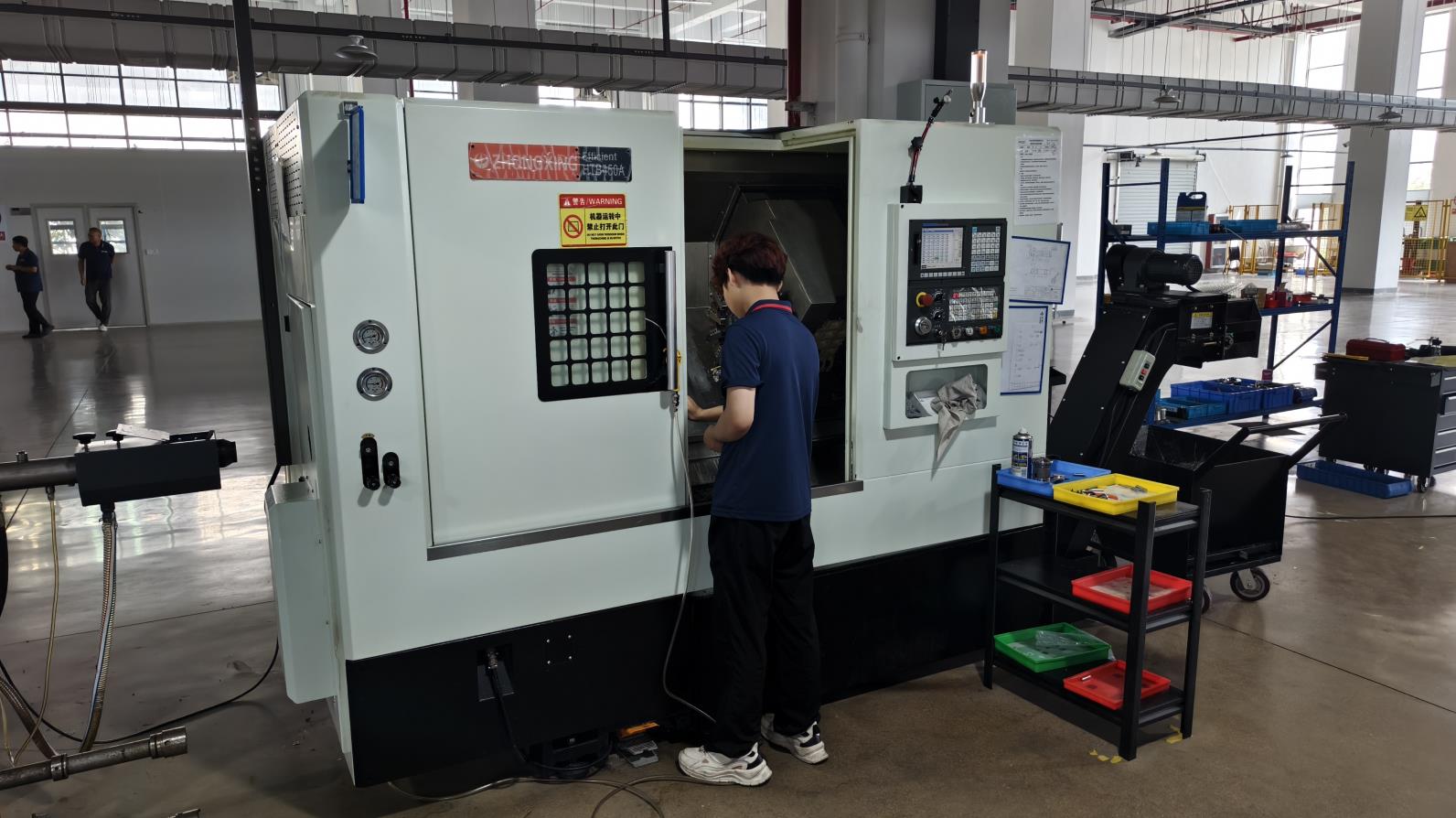
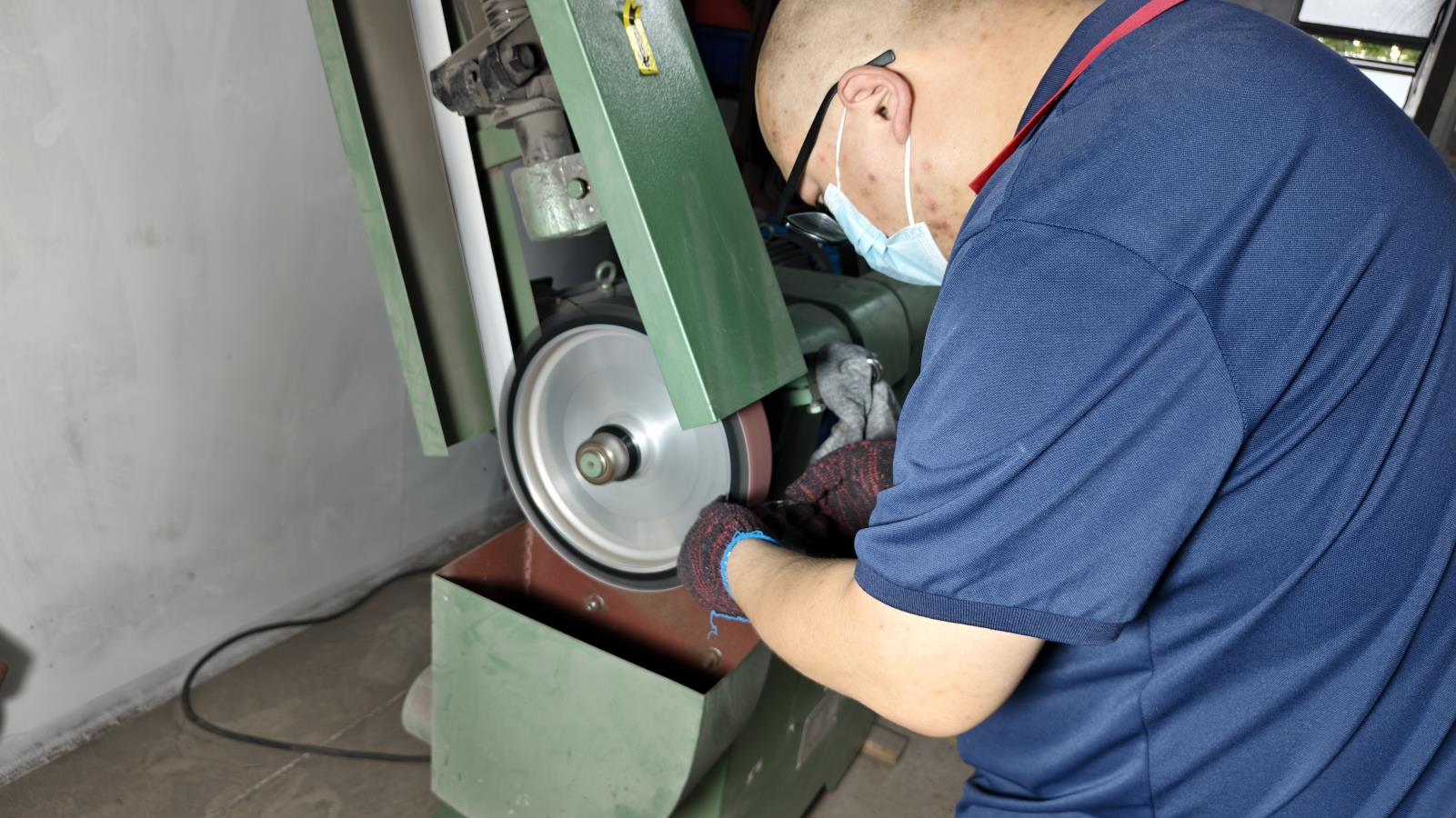
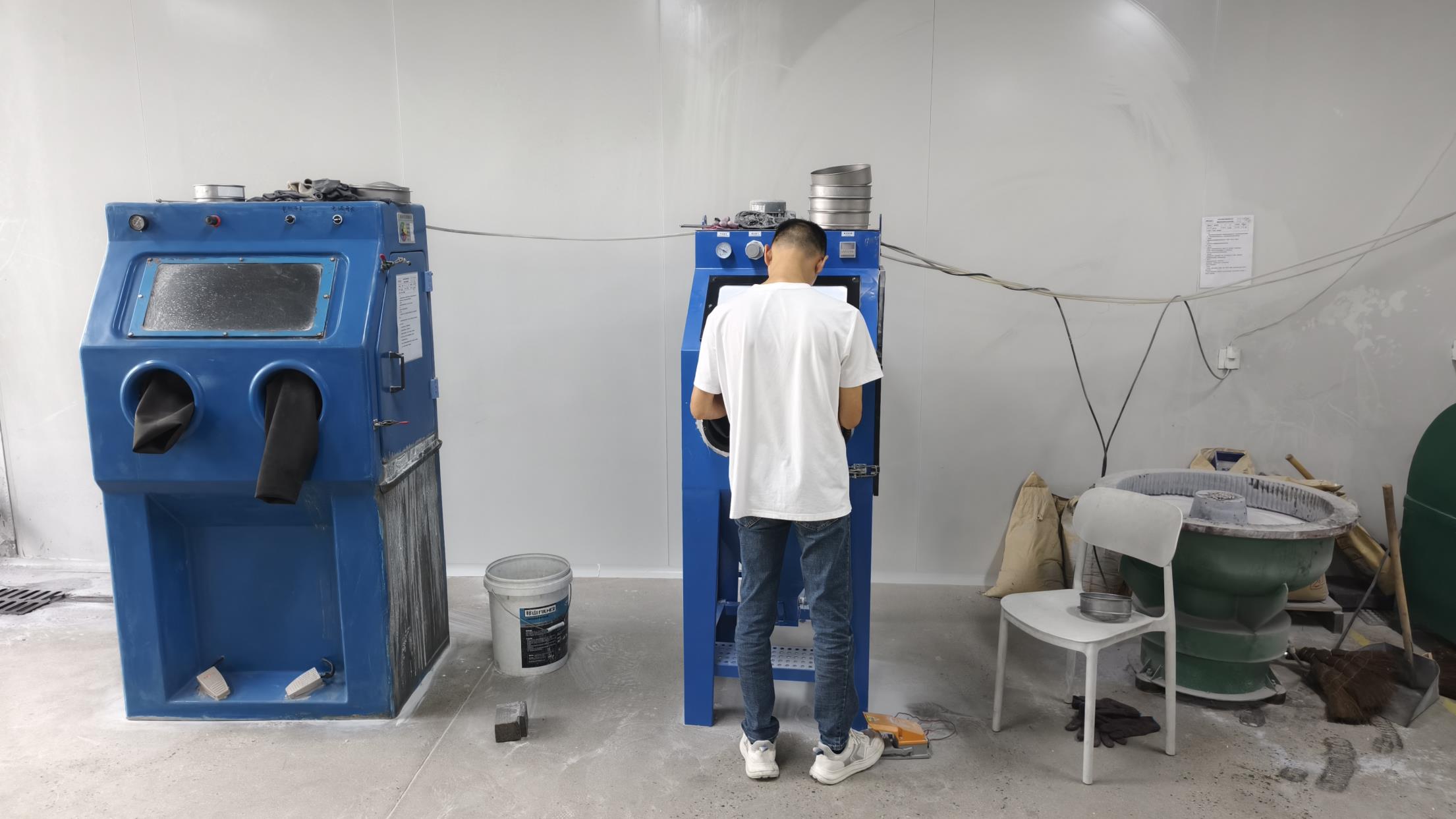
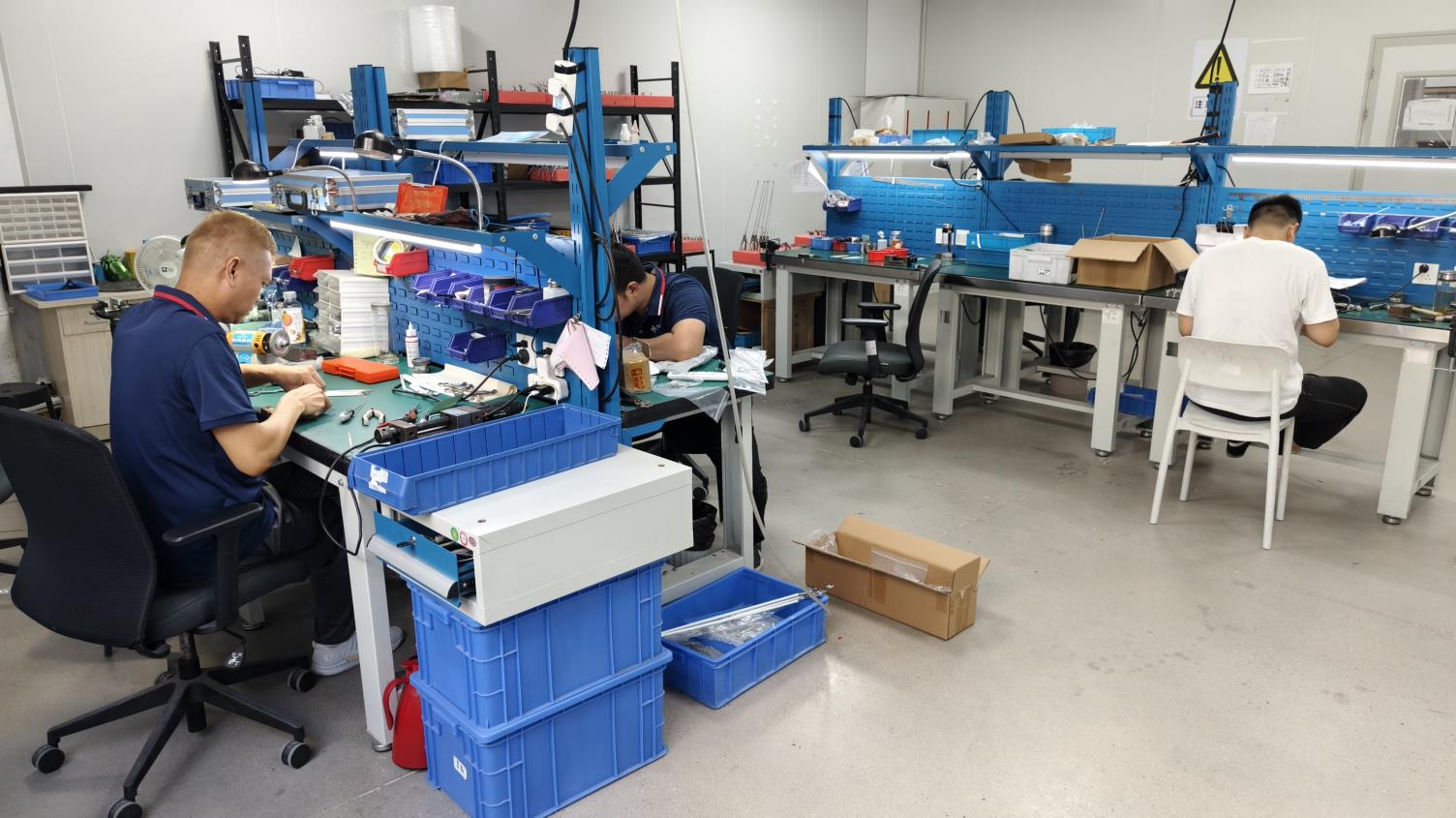
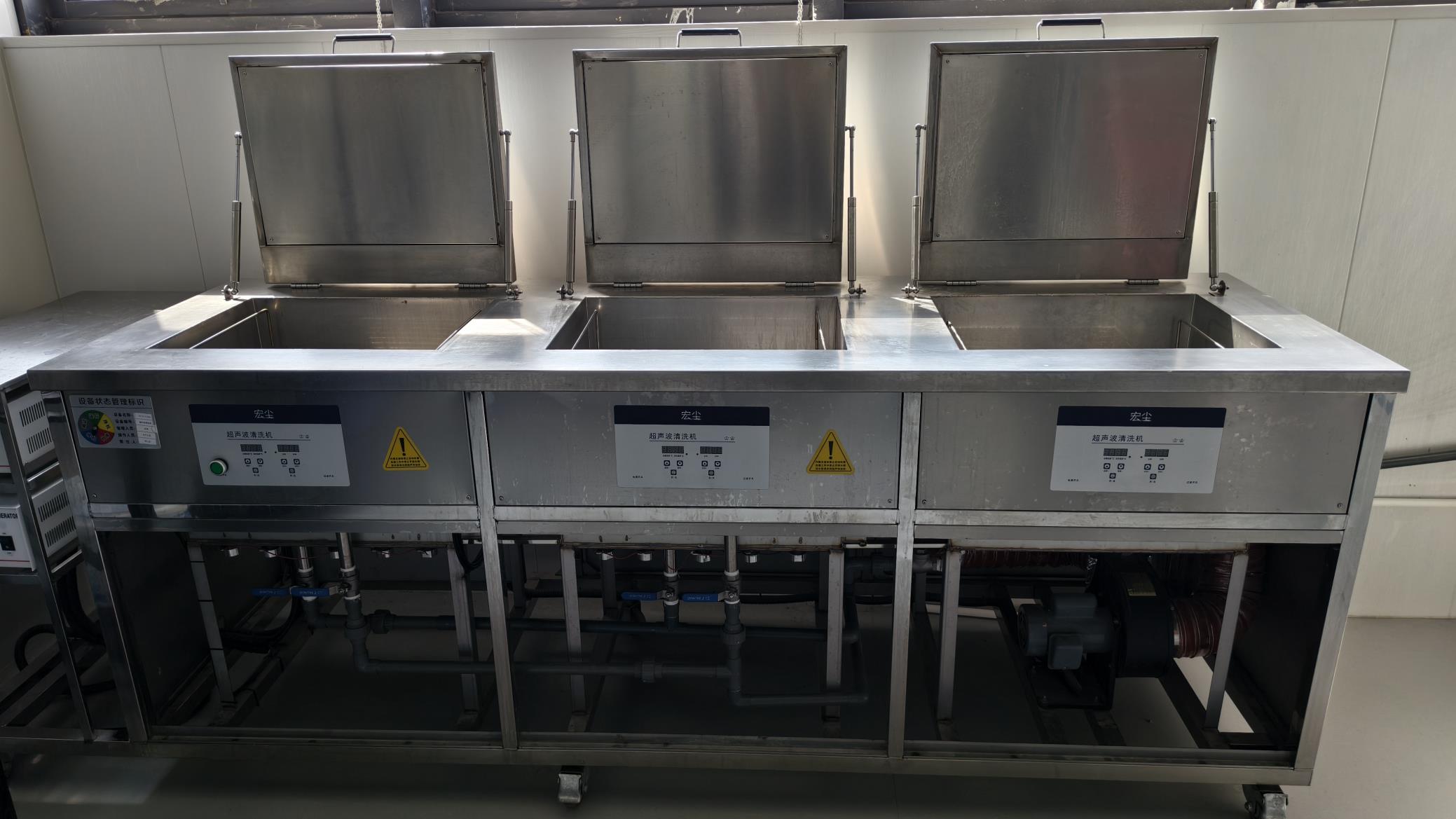
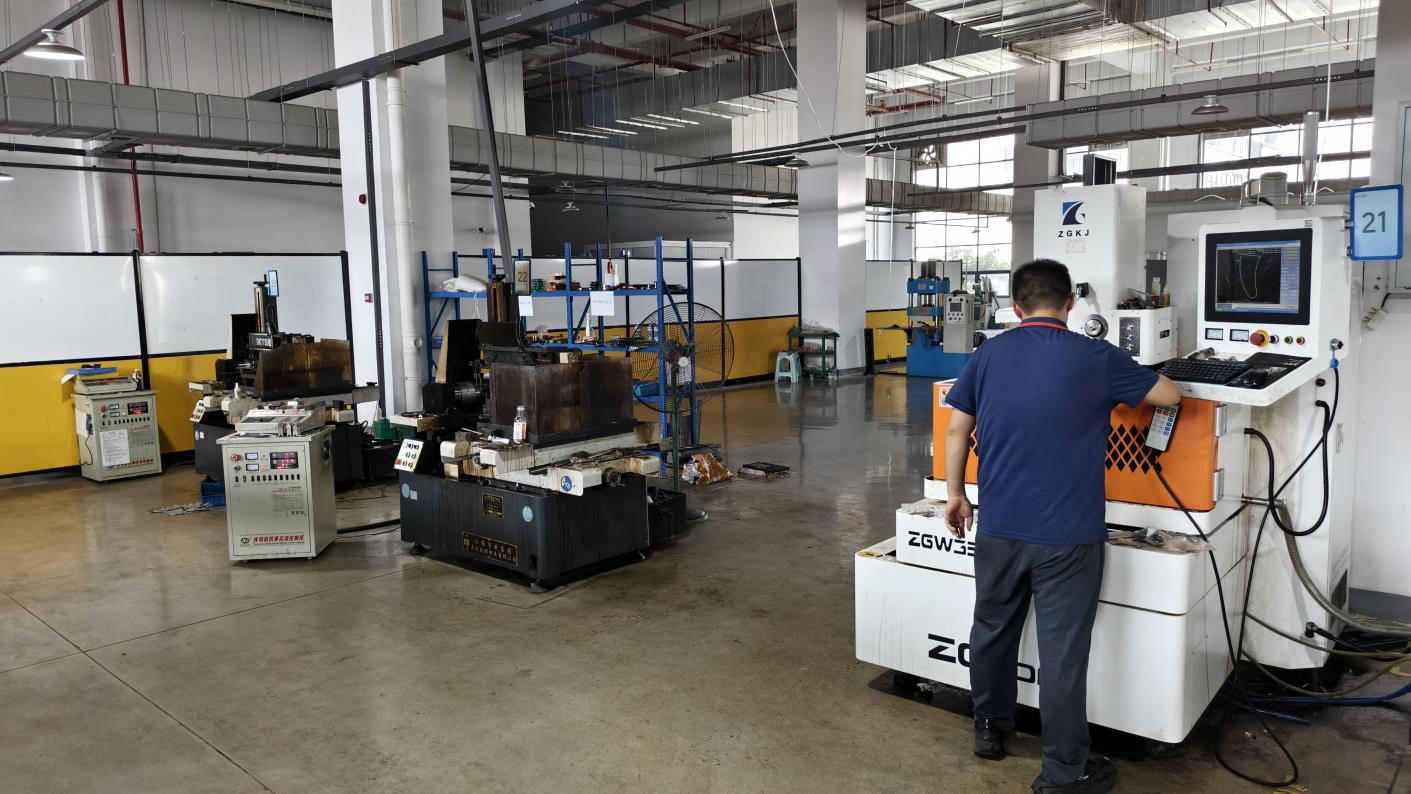
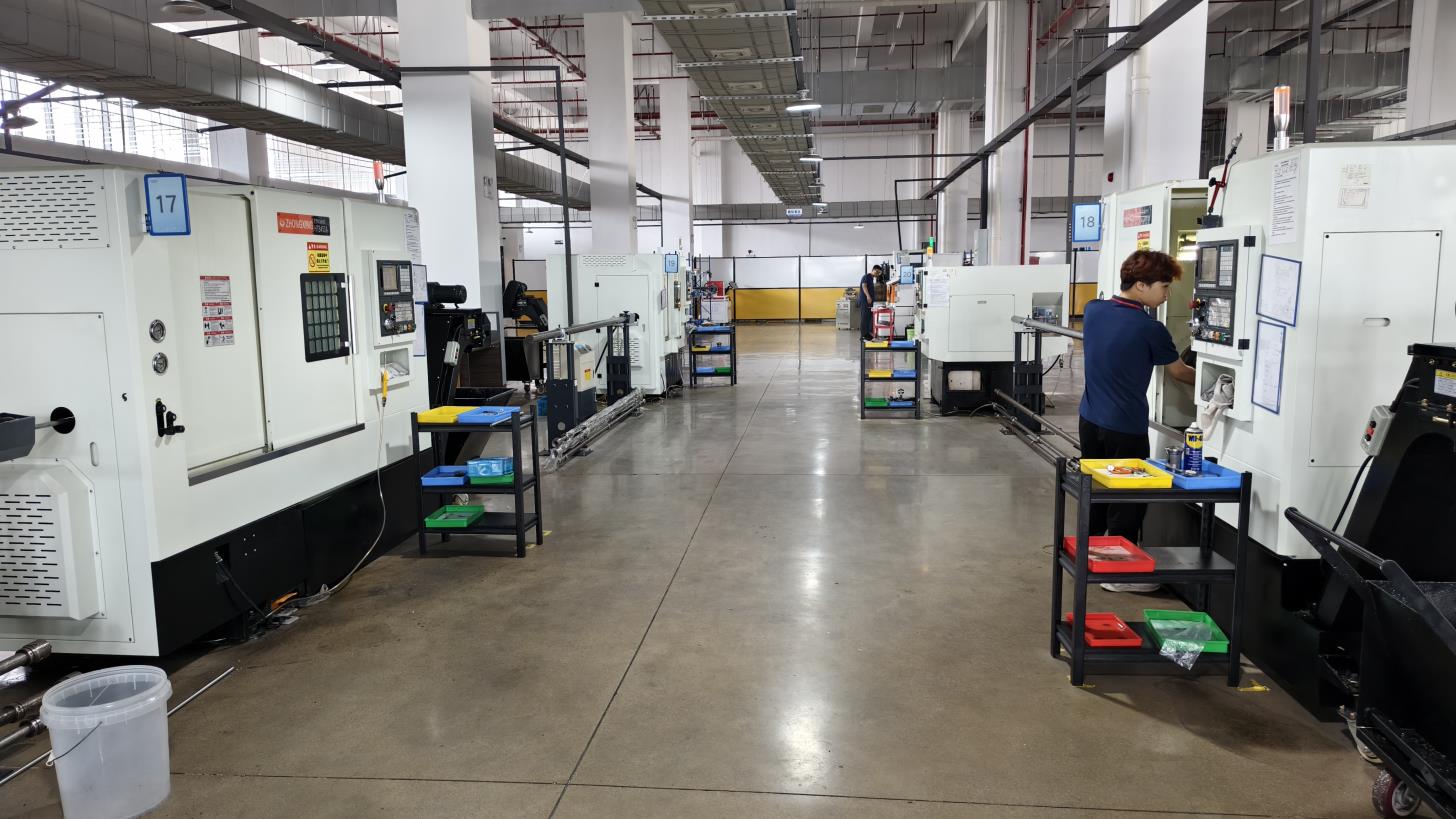
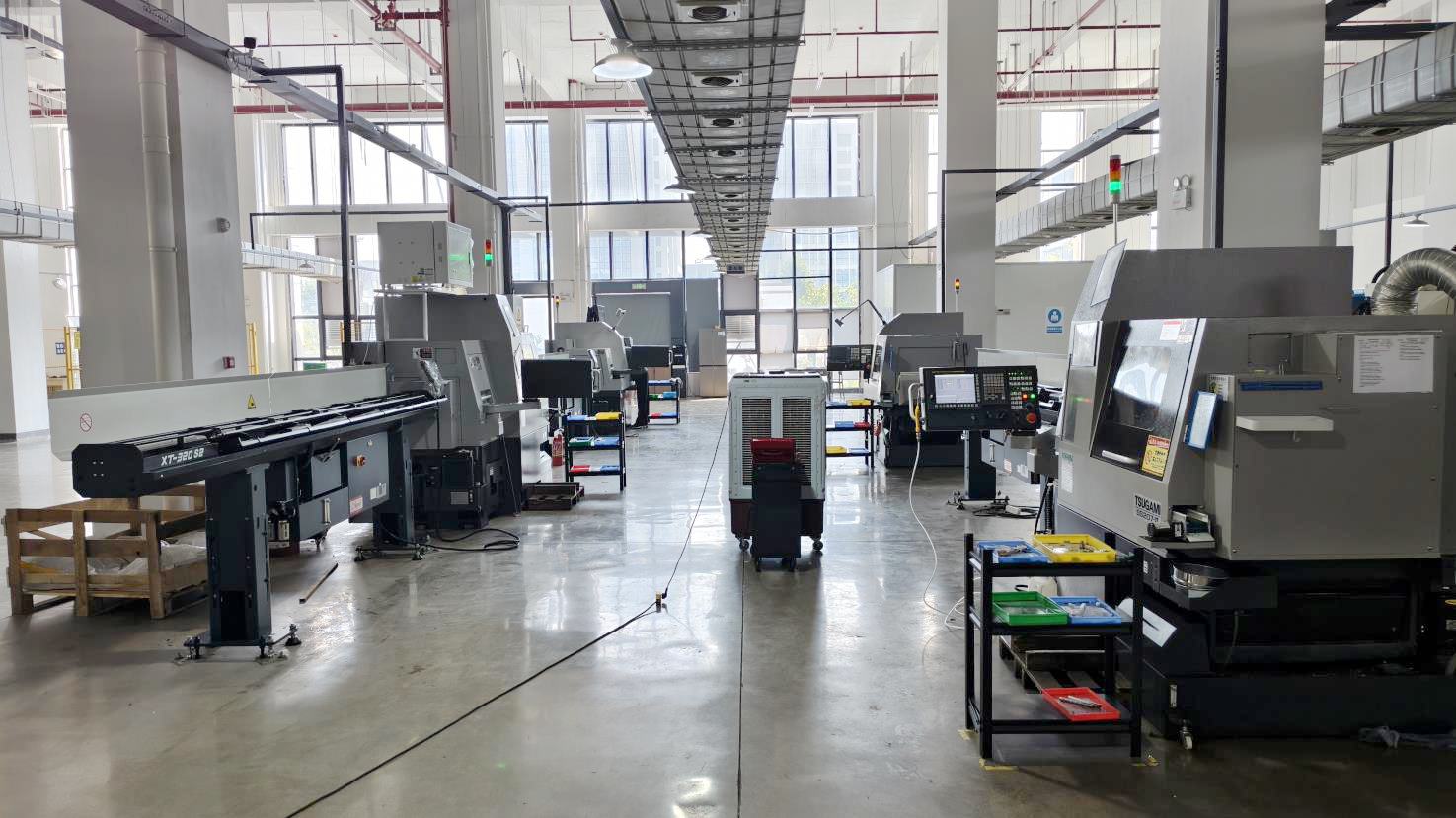
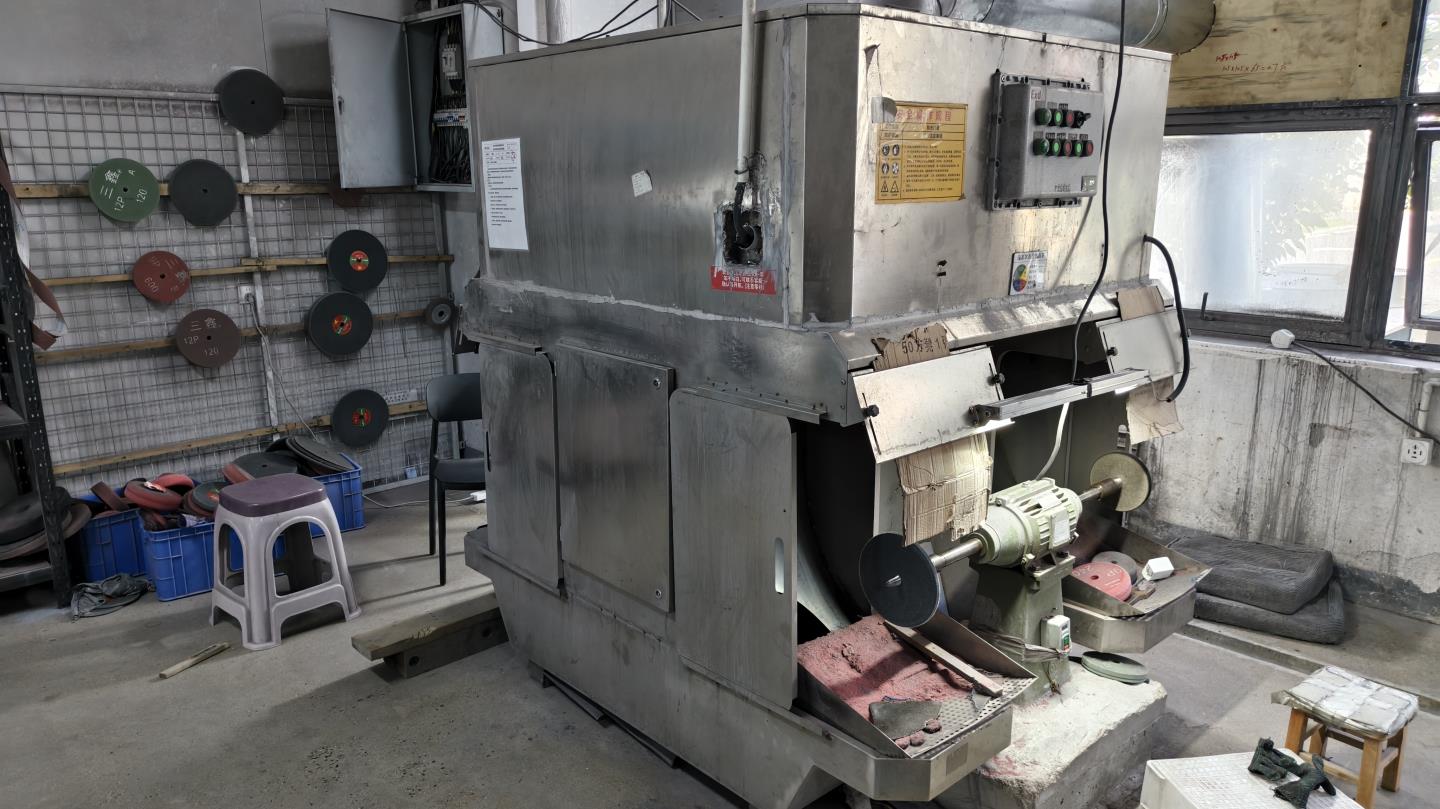
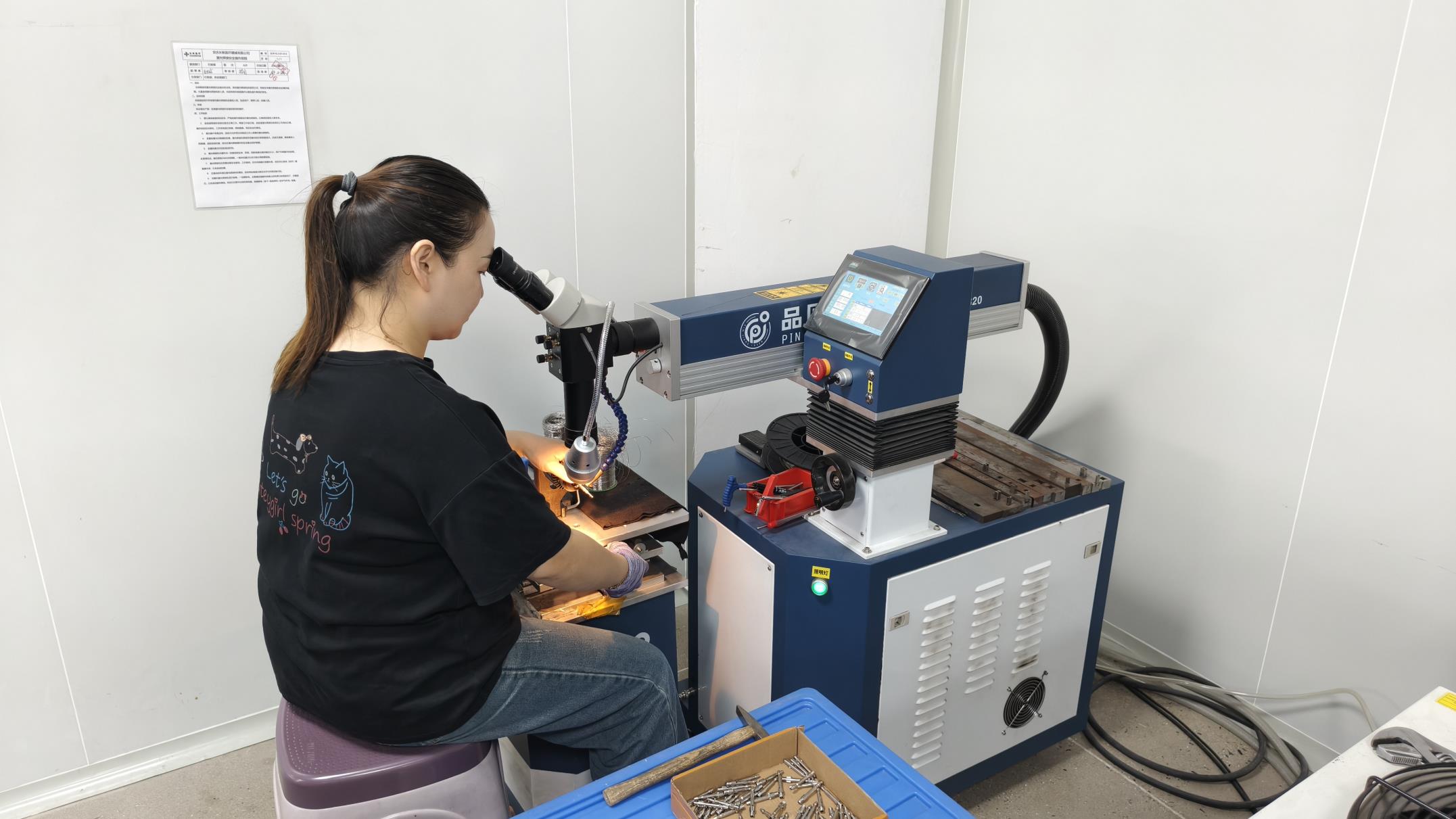
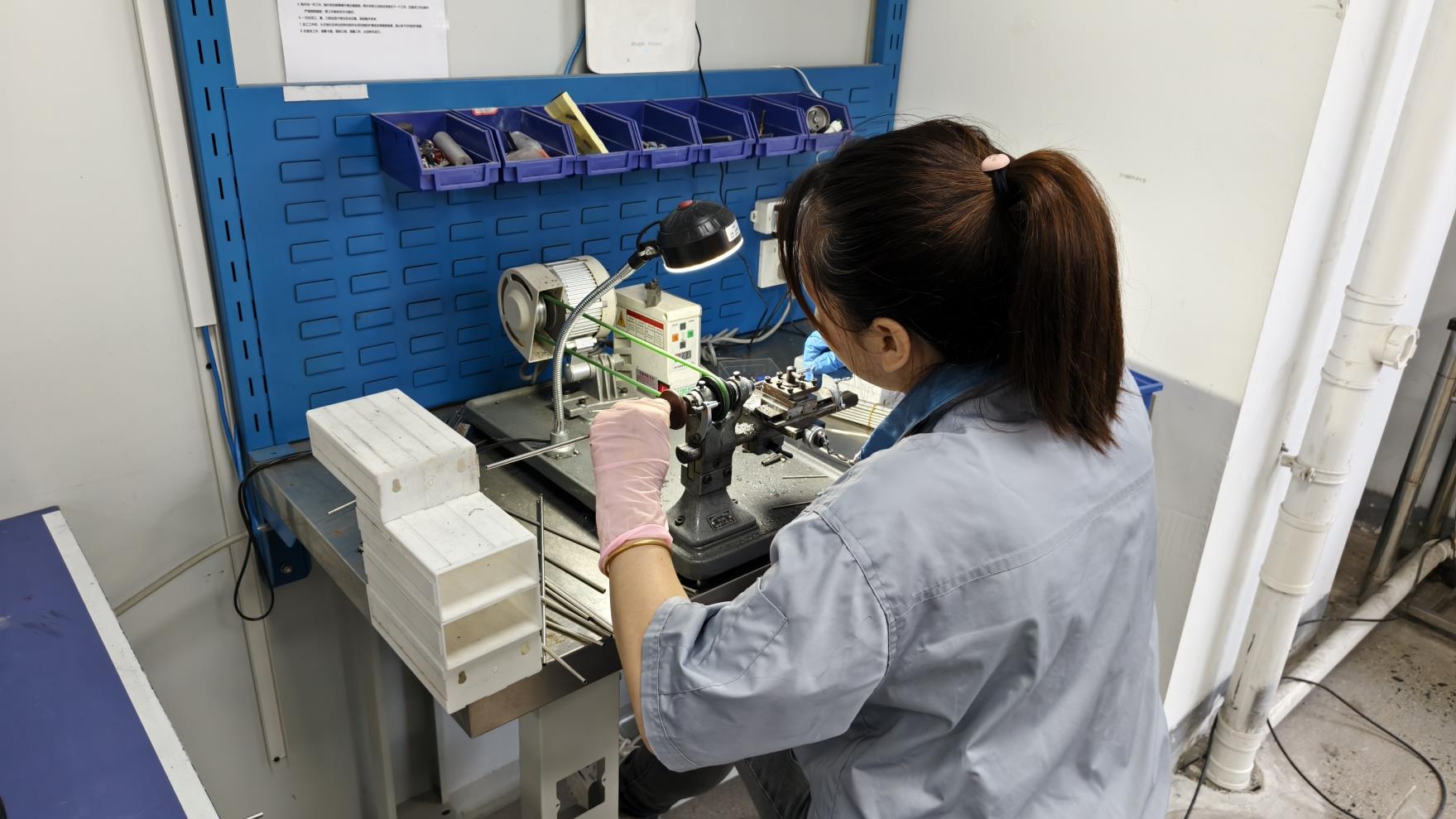
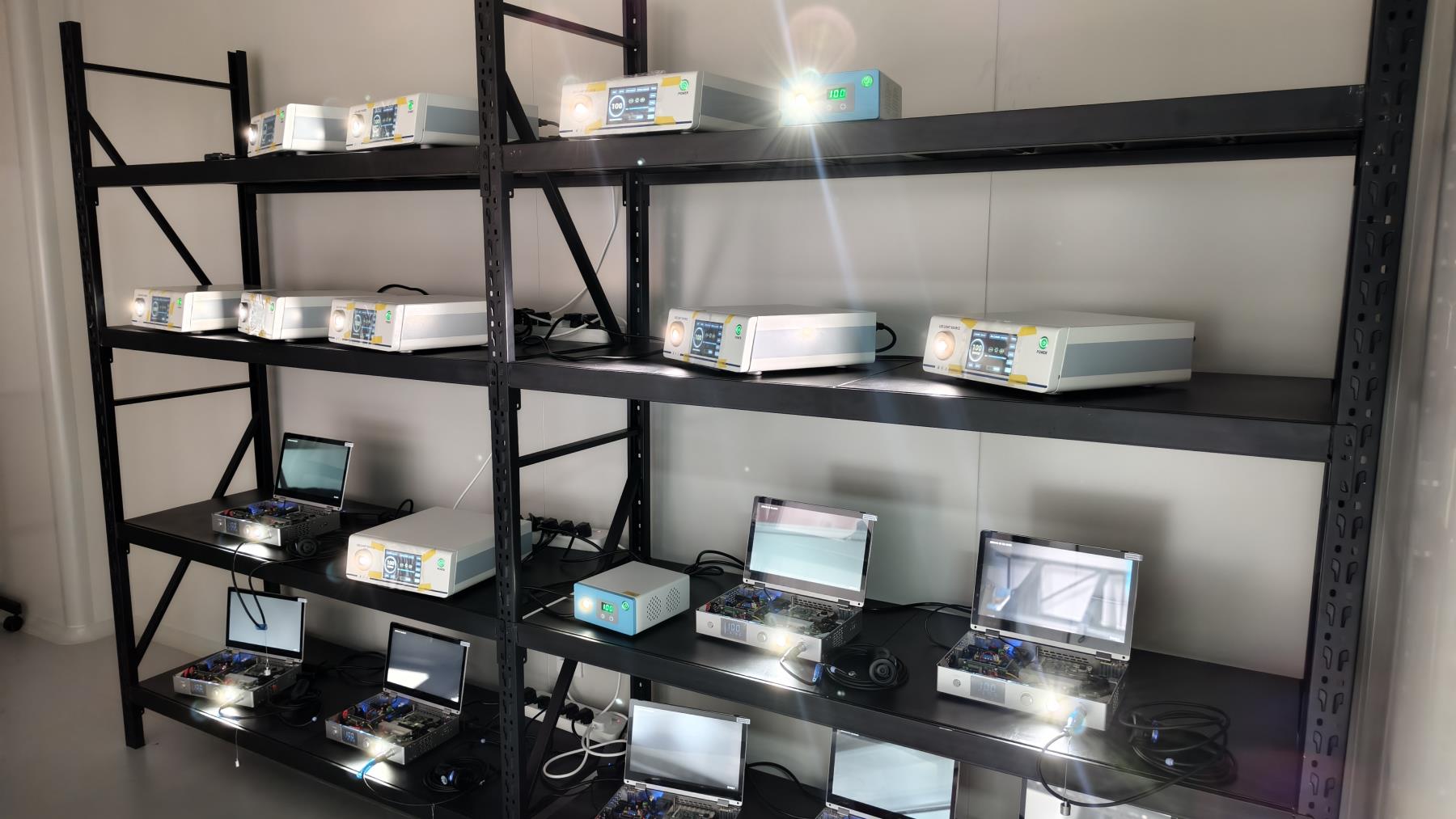
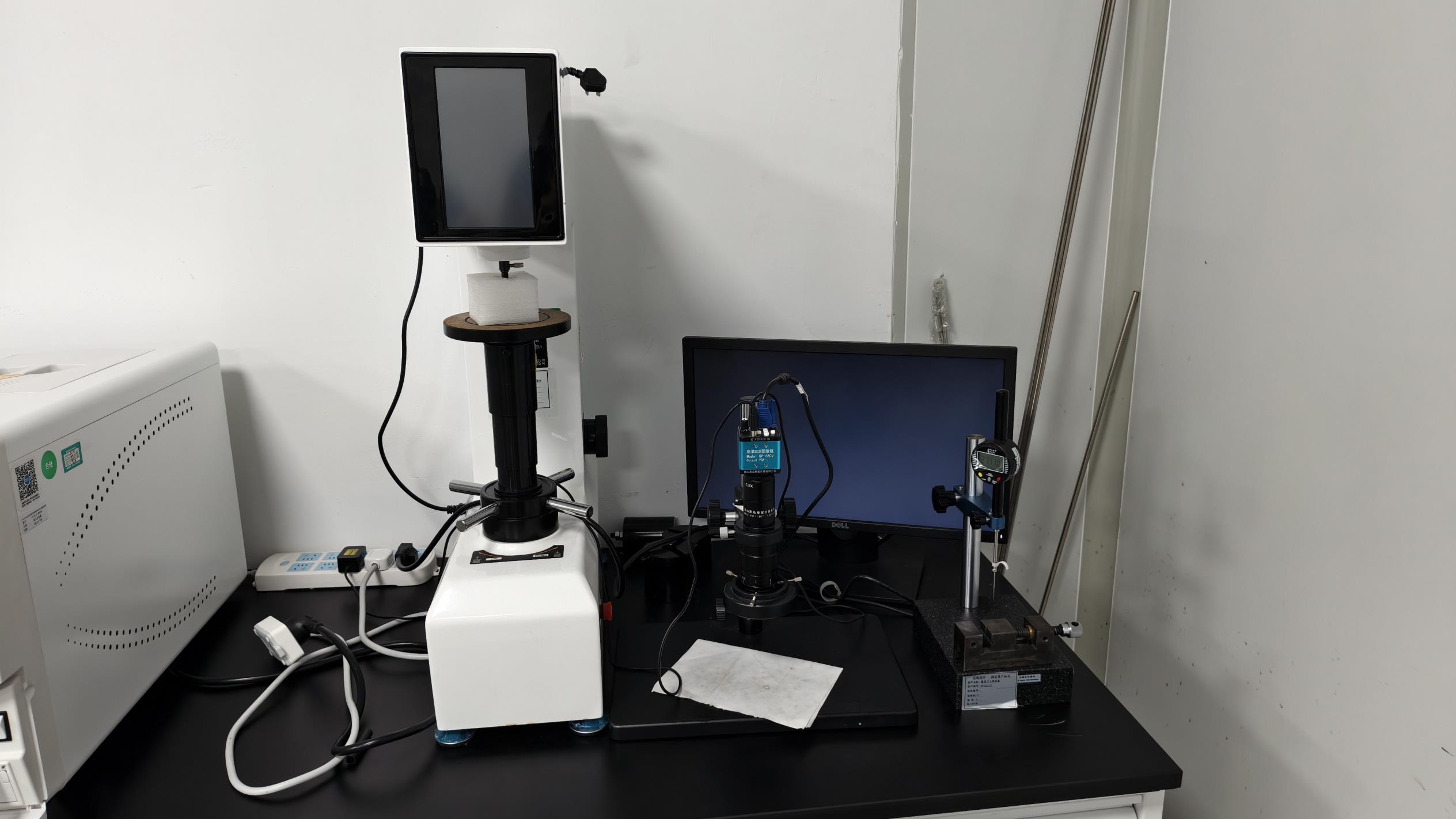
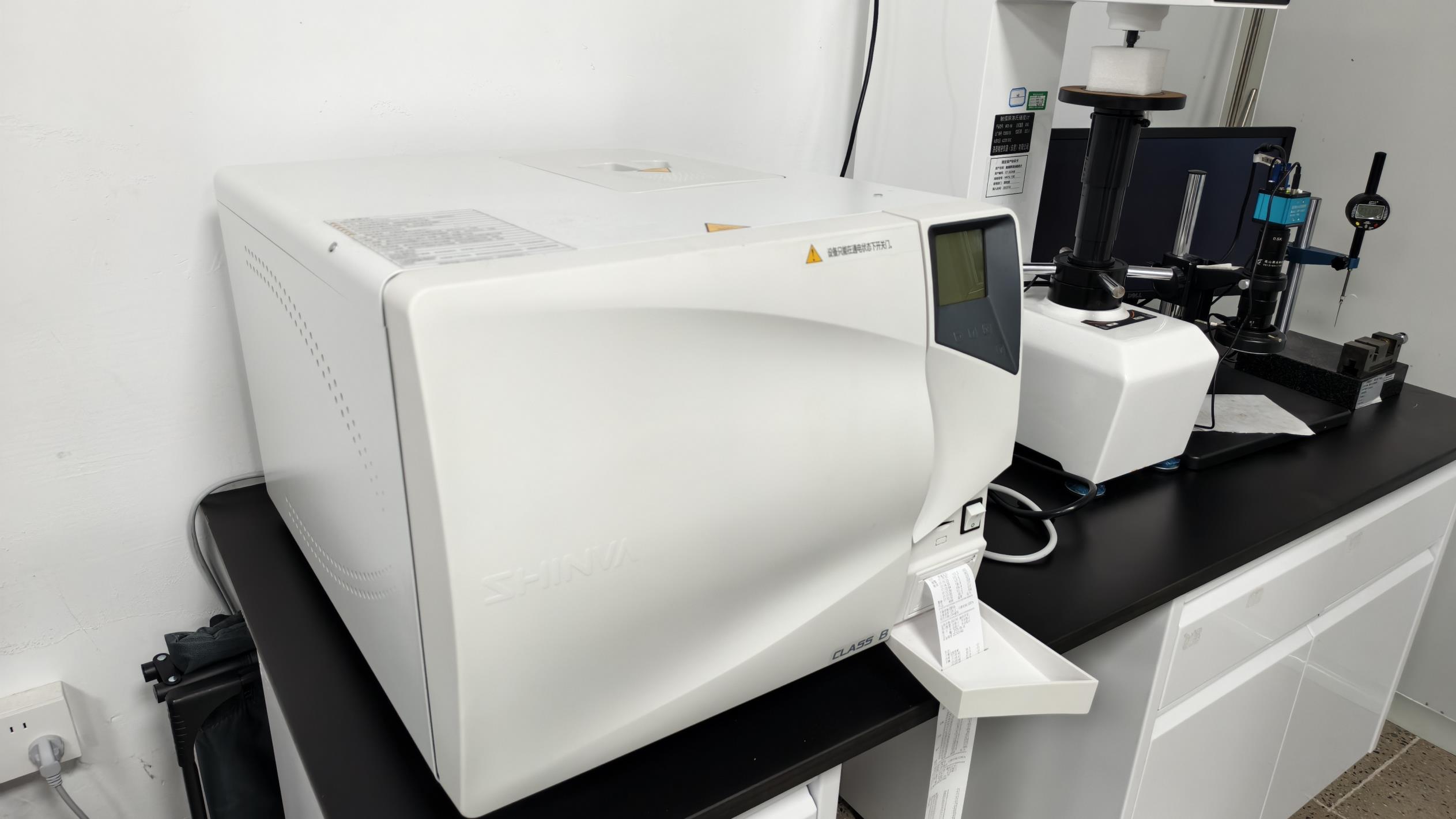
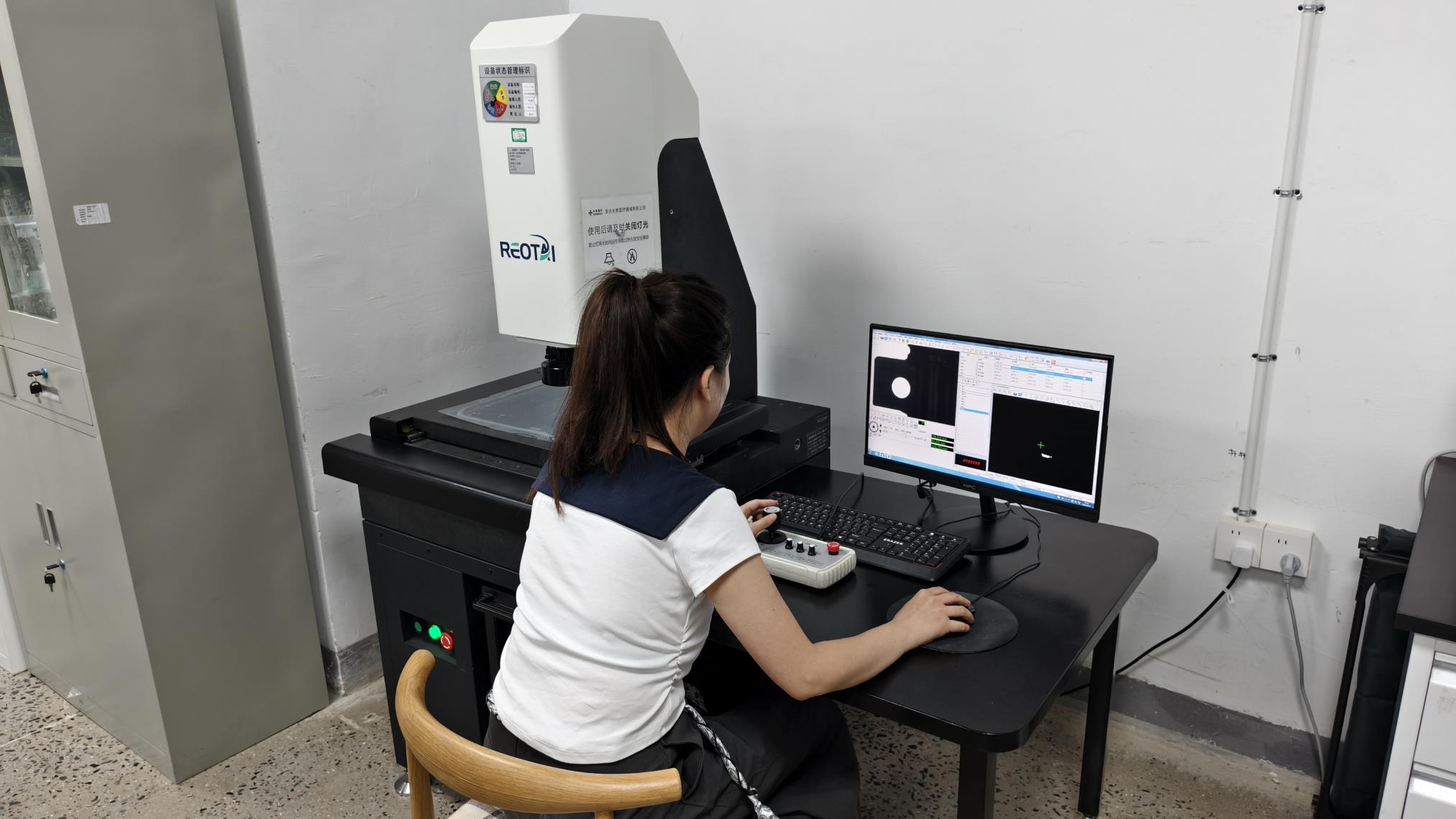
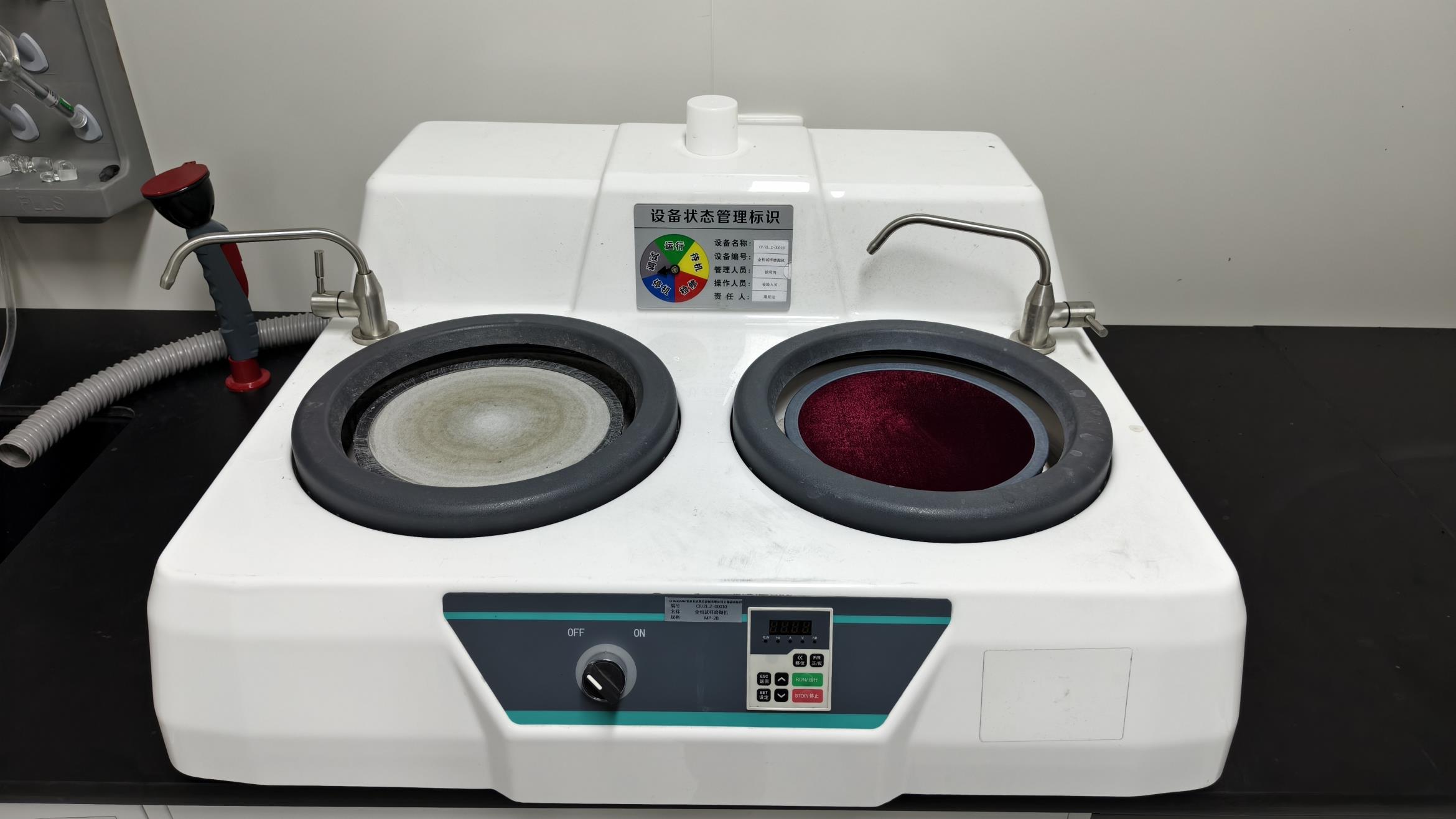
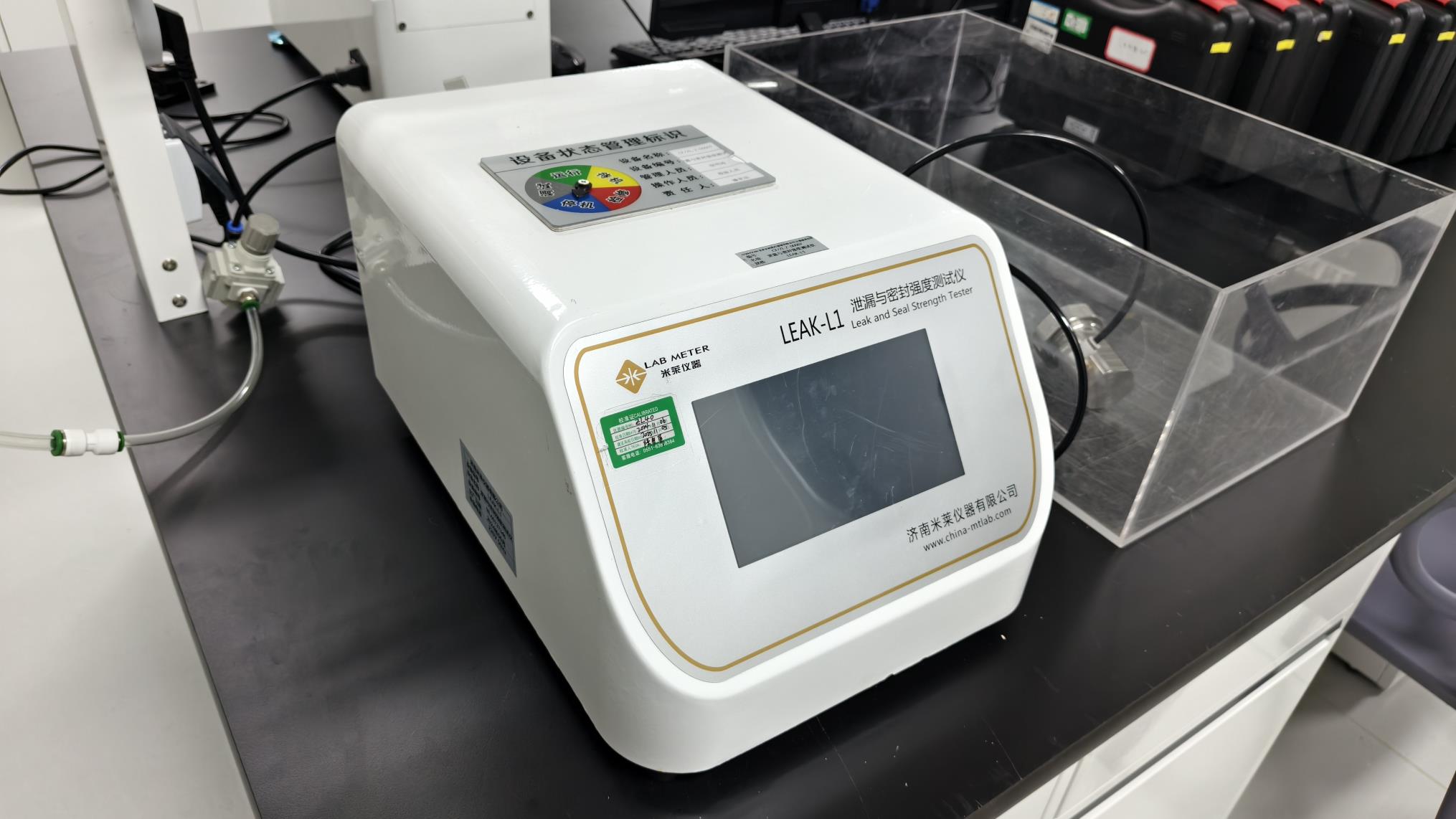
As a leading supplier, we don't just follow trends; we anticipate the technical shifts that will define the next decade of surgery.
Integration of micro-sensors within locking plates to monitor bone healing progress, strain distribution, and early detection of infection via telemedicine interfaces.
Moving beyond solid titanium to 3D-printed trabecular structures that encourage bone ingrowth (osseointegration), especially in complex joint reconstructions.
Development of magnesium-based and polymer composite plates that provide temporary stability and naturally dissolve, eliminating the need for removal surgery.
Global healthcare providers are facing a dual challenge: rising patient volume and cost containment. Our Macro-Industry Solution involves:
Locking plates provide superior stability in osteoporotic bone or comminuted fractures because the screw-plate interface acts as a single fixed-angle unit. This minimizes plate-to-bone pressure, preserving vital blood flow to the periosteum.
Yes, most Grade 5 Titanium locking plates are MRI-safe (non-ferromagnetic). However, they can create artifacts in imaging. Always consult the manufacturer's specific IFU (Instructions for Use).
Absolutely. We have a dedicated team of 85 engineers and advanced CNC/Swiss-type lathes capable of manufacturing implants based on specific anatomical data or surgical requirements.
Our manufacturing processes are ISO 13485 certified, and products often carry CE certification for entry into international markets, ensuring adherence to the highest medical device safety standards.
Discover our specialized tools for spinal, trauma, and veterinary applications.